
Cuprins
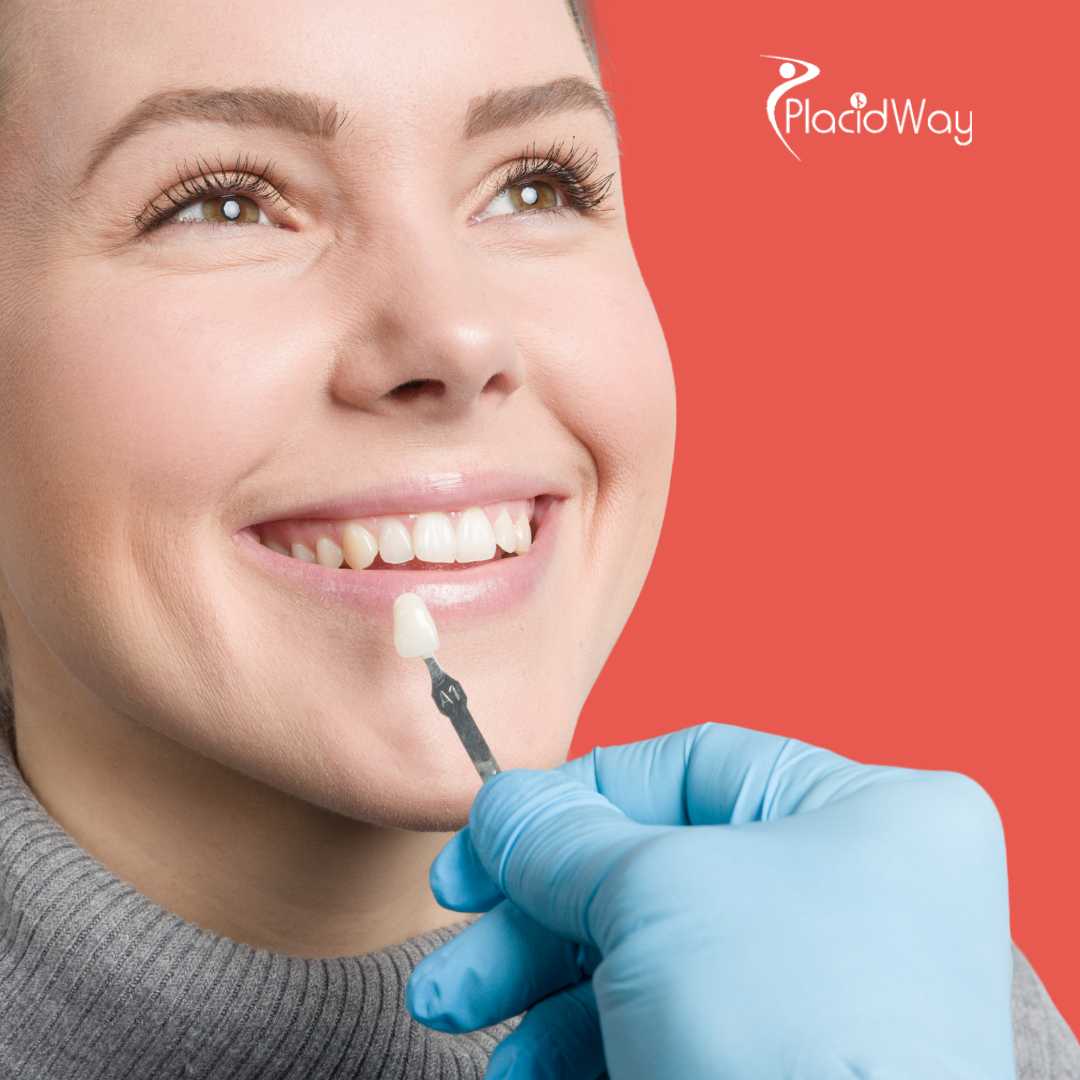
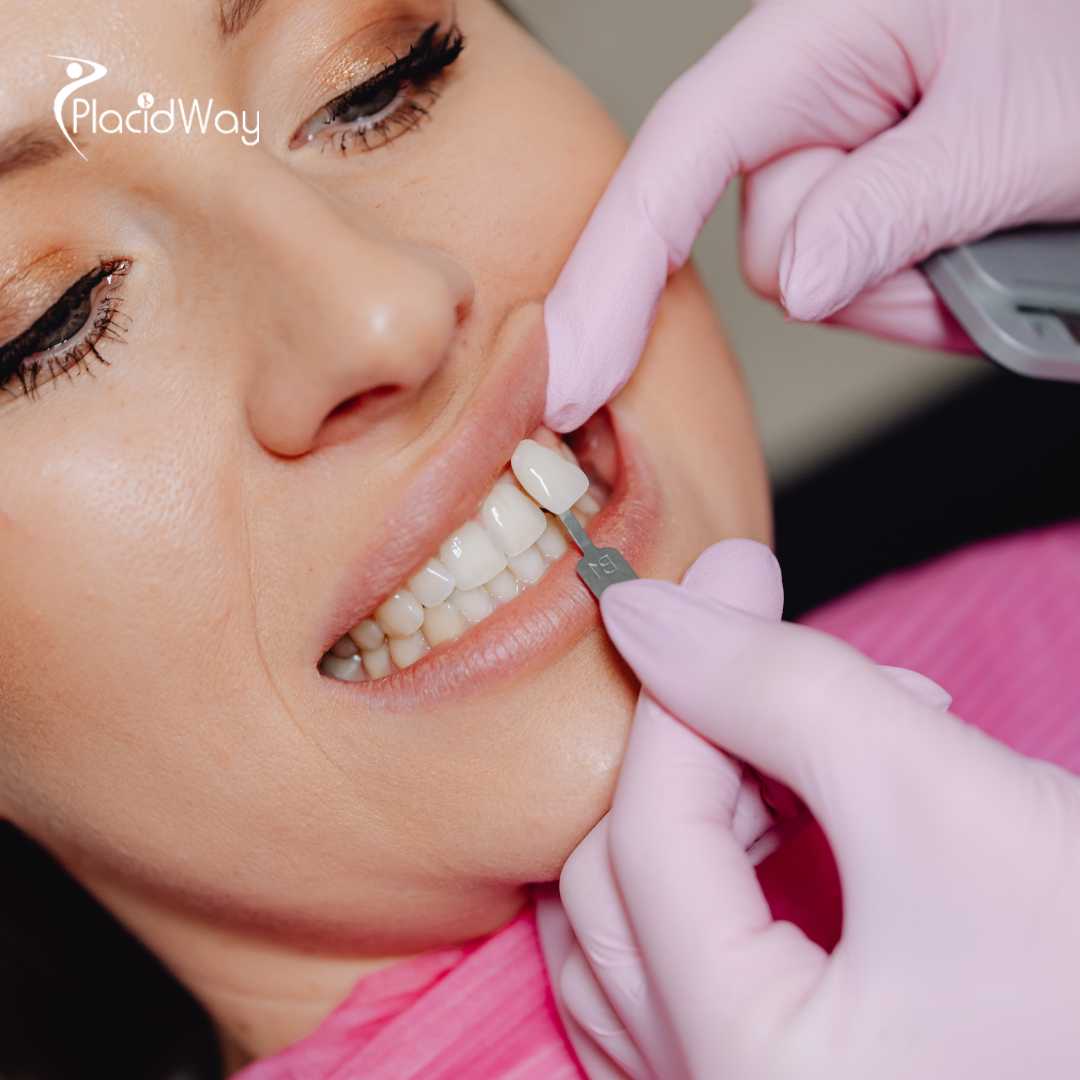
Izmir, cunoscut sub numele de „Perla Mării Egee”, s-a impus ca o destinație de top pentru stomatologia cosmetică, rivalizând cu Istanbulul în ceea ce privește calitatea, dar oferind o atmosferă mai relaxată, asemănătoare vacanței. Pentru pacienții internaționali care își doresc un „zâmbet hollywoodian”, Izmir oferă combinația perfectă între tehnologia dentară avansată și agrementul mediteranean. Clinicile de aici se specializează în fațete de înaltă calitate (E-max și Zirconia) care corectează decolorarea, ciobirile și nealinierea dentară, transformând zâmbetele în câteva zile.
Standardul de îngrijire din Izmir este excepțional. Multe centre stomatologice sunt dotate cu laboratoare proprii și tehnologie CAD/CAM (proiectare/fabricație asistată de calculator). Aceasta înseamnă că fațetele dumneavoastră sunt adesea proiectate digital și realizate la fața locului, asigurând o potrivire precisă și timpi de execuție semnificativ mai rapizi în comparație cu clinicile care externalizează către laboratoare terțe.
Dincolo de scaunul stomatologic, alegerea Izmirului înseamnă recuperare la malul mării. Puteți explora ruinele antice ale Efesului sau vă puteți plimba de-a lungul vibrantei promenade Kordon între programări. Este o destinație unde vă puteți întoarce acasă, la propriu, cu un zâmbet nou și un bronz proaspăt.
Cu costuri cu până la 70% mai mici decât în Regatul Unit sau SUA, Izmir oferă o cale accesibilă către o estetică dentară de clasă mondială, fără a compromite calitatea materialelor sau expertiza clinică.
Știați?
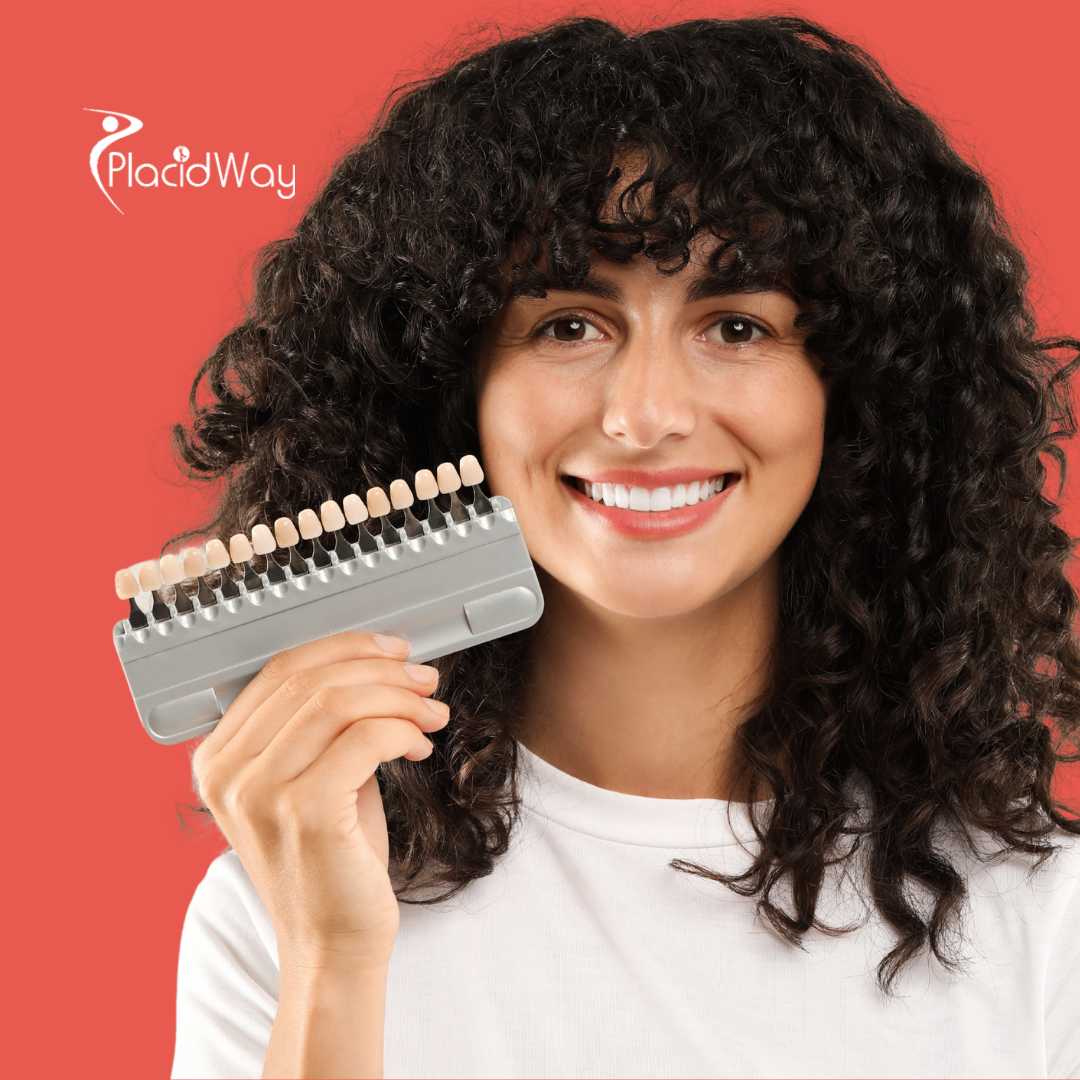
Designul digital al zâmbetului (DSD) este o practică standard în clinicile de top din Izmir. Înainte de a atinge un singur dinte, medicii dentiști fac scanări digitale și fotografii pentru a crea o simulare 3D a noului dumneavoastră zâmbet. Puteți vedea - și adesea „testa” cu o machetă temporară - exact cum vor arăta noile dumneavoastră fațete înainte de realizarea ceramicii finale.
Informații cheie pe scurt
Fațetele dentare din Izmir costă aproximativ 150-250 de lire sterline per dinte, comparativ cu peste 800 de lire sterline în Marea Britanie.
Clinicile folosesc mărci de top la nivel mondial, precum E.max® (Ivoclar Vivadent) și Zirconia, pentru durabilitate și estetică naturală.
Un set complet de fațete poate fi adesea finalizat în doar 5 până la 7 zile, necesitând doar 2 sau 3 programări.
Clinicile de renume oferă garanții de la 5 ani până la o viață întreagă pentru materialele de fațetare.
Majoritatea pachetelor includ transport VIP gratuit între aeroport, hotel și clinica stomatologică.
Situat în apropierea unor situri istorice precum Efes și a unor plaje frumoase precum Çeşme, ideal pentru o „vacanță dentară”.
Cafea și confort
Ospitalitatea turcească se extinde și la clinica stomatologică. Este obișnuit ca pacienților să li se ofere ceai sau cafea turcească tradițională în sălile de așteptare care seamănă mai mult cu saloanele de hotel decât cu cabinetele medicale. Multe clinici din Izmir angajează personal dedicat pentru „Relații cu pacienții și oaspeții”, al cărui unic scop este să se asigure că vă simțiți confortabil, distrați și bine îngrijiți în timpul vizitelor.
Simplitatea este cheia unei vacanțe stomatologice fără stres. Furnizorii enumerați în această secțiune oferă „Pachete de Renovare a Zâmbetului” personalizate. Aceste pachete acoperă de obicei costul fațetelor (de obicei vândute în seturi de 8, 10 sau 20 de unități), radiografiile panoramice, consultația 3D, anestezia locală și cazarea la un hotel de 5 stele. De asemenea, includ transferuri VIP private pentru toate programările dumneavoastră. Consultați opțiunile de mai jos pentru a găsi un pachet care se potrivește obiectivelor și bugetului dumneavoastră estetic.
Notă: Zborurile nu sunt de obicei incluse în pachete, dar multe clinici oferă asistență în găsirea celor mai bune oferte de zboruri către Aeroportul Adnan Menderes din Izmir (ADB).
Price starting from $4,101
Hollywood Smile & Laminate Veneers Packages in Izmir, Turkey
WestDent Clinic Turkey
- Dentistry
Izmir,Turkey
Transformarea zâmbetului tău nu trebuie să fie o avere. Tabelul de mai jos compară costul mediu al fațetelor din Izmir cu prețurile din Europa de Vest și America de Nord. Te poți aștepta să plătești între 150 și 250 de lire sterline pe dinte pentru fațete E.max sau Zirconia de înaltă calitate. Un set complet de 20 de fațete (superioare și inferioare) costă adesea mai puțin în Izmir, inclusiv hotelul și vacanța, decât ar costa doar 6 fațete acasă.
Sfat: Clarificați întotdeauna dacă prețul afișat este „per dinte” sau pentru un „pachet complet” și întrebați dacă fațetele temporare sunt incluse în cost.
Dental Veneers Compararea costurilor centrelor în Izmir, Turkey
| Furnizor | Procedură | Preț |
|---|---|---|
| WestDent Clinic Turkey | Dental Veneers, Dentistry | $270 |
Dental Veneers Compararea costurilor în Turkey
| Ţară | Procedură | Preț |
|---|---|---|
| Australia | Dental Veneers, Dentistry | $2000 |
| United States | Dental Veneers, Dentistry | $2500 |
Am creat o listă cu cele mai bune policlinici dentare din Izmir, specializate în stomatologie cosmetică. Spre deosebire de cabinetele medicale generale, aceste centre se concentrează în mare măsură pe renovări estetice. Acestea dispun de o arhitectură modernă, personal vorbitor de limba engleză și unități de sterilizare de ultimă generație. Multe sunt certificate ISO și utilizează aceleași materiale ceramice de înaltă calitate, întâlnite în clinicile de lux din Londra sau New York. Explorați profilurile lor pentru a vedea fotografii ale unităților și a afla despre tehnologia lor.
Siguranța pe primul loc: Căutați clinici care utilizează tehnici de izolare de tip „Rubber Dam” în timpul legării, ceea ce reprezintă un semn al unor standarde clinice ridicate.
WestDent Clinic Turkey
Izmir,Turkey
Adaport Dental Clinic
Izmir,Turkey
Phinova Clinics - Dental Clinic Izmir
Izmir,Turkey
Un zâmbet vorbește mai tare decât cuvintele. Mărturiile video de mai jos prezintă experiențele reale ale pacienților, de la consultația inițială până la „dezvăluirea în oglindă” emoționantă. Urmăriți aceste povești pentru a vedea direct calitatea muncii și a afla despre experiența generală - cum s-au simțit în legătură cu nivelurile de durere, ospitalitatea personalului și bucuria de a explora Izmirul cu un zâmbet nou.
Informații utile: Observați câți pacienți menționează facilitățile transferurilor VIP și amabilitatea coordonatorilor de pacienți.
Reputația este totul în stomatologie. În această secțiune, veți găsi recenzii verificate și evaluări cu stele de la pacienții care au avut încredere în stomatologii din Izmir pentru zâmbetele lor. Citiți feedback sincer despre durabilitatea fațetelor, atenția dentistului la detalii și comunicarea pe tot parcursul procesului. Aceste recenzii sunt un instrument vital pentru a vă asigura că alegeți o clinică care oferă în mod constant rezultate excelente.
Sfat pentru recenzie: Căutați recenzii care menționează longevitatea fațetelor (de exemplu, pacienții postează actualizări ani mai târziu).

Are There Any Unexpected Costs for Dental Treatment in Turkey for Europeans?
Are There Any Hidden Costs for Dental Treatment in Turkey For Europeans? Turkey has become a global hotspot for high-quality, affordable dental care, attracting thousands of international patients each year. The significant price difference compared to countries like the US, UK, and Australia is a major draw. However, the prospect of traveling abroad for dental work can come with concerns about transparency and unexpected expenses. The question on many people's minds is: are there any hidden costs for dental treatment in Turkey? The straightforward answer is that while reputable clinics strive for transparency, potential extra charges can exist if patients are not fully aware of what their treatment package includes. Understanding these potential costs is key to a smooth and stress-free dental tourism experience. This guide is designed to shed light on all the potential hidden costs you might encounter. We will break down what is typically included in the initial quote and what might be considered an 'extra'. From the initial consultation and diagnostic tests to the materials used and aftercare, being well-informed will empower you to ask the right questions and choose a clinic that offers true value and transparency. The goal is to ensure that the attractive price you are quoted is the price you actually pay, with no unwelcome surprises along the way. By the end of this article, you will have a clear understanding of how to navigate the financial aspects of getting your dental work done in Turkey, ensuring your journey to a new smile is as seamless as it is affordable. What is typically included in the advertised price for dental treatment in Turkey for Europeans? "Typically, the advertised price for dental treatment in Turkey for europeans, especially in 'all-inclusive' packages, covers the core dental procedure, the dentist's fees, and often accommodation and airport transfers." When you see a price for dental implants, veneers, or a full smile makeover in Turkey, it usually encompasses the main components of your treatment. For instance, a dental implant package will generally include the implant itself, the abutment, and the crown. Similarly, a veneer package will cover the cost of the veneers per tooth. Many clinics, especially those catering to international patients, bundle their services into packages to simplify the process. These packages often include a set number of nights in a partner hotel and VIP transfers between the airport, hotel, and the clinic. However, it's crucial to remember that the level of inclusivity can vary significantly from one clinic to another. A lower advertised price might not be as comprehensive as a slightly higher one. Always request a detailed breakdown of what is included in the quoted price. This should be a clear and itemized list that leaves no room for ambiguity. A reputable clinic will be more than happy to provide this information, as it builds trust and demonstrates their commitment to transparency. Are initial consultations and X-rays considered extra costs? "In most cases, initial consultations and standard X-rays (like panoramic X-rays) are included in the treatment package at reputable dental clinics in Turkey. However, more advanced scans may incur an additional fee." Most dental clinics in Turkey offer free initial consultations to attract international patients. These consultations can often be done remotely, where you send pictures of your teeth and any existing X-rays for a preliminary assessment. Once you arrive in Turkey, a more thorough in-person consultation will be conducted, which typically includes a panoramic X-ray to assess your overall dental health. For straightforward cases, these initial diagnostic services are usually part of the package. Where you might encounter an extra charge is if you require more detailed imaging, such as a 3D Cone Beam Computed Tomography (CBCT) scan. This type of scan provides a much more detailed view of your jawbone and is often necessary for complex implant placements. While some premium 'all-inclusive' packages may cover the cost of a CBCT scan, many clinics will charge for it separately. It is essential to clarify this with the clinic beforehand, especially if you suspect you might need a more complex procedure. What about the cost of anesthesia? Is it always included? "Local anesthesia is almost always included in the quoted price for dental procedures in Turkey. However, if you opt for or require sedation or general anesthesia, this will likely be an additional cost." For the vast majority of dental treatments, including fillings, crowns, and even standard implant placements, local anesthesia is sufficient to ensure a painless experience. The cost of local anesthesia is minimal and is factored into the overall price of the procedure. You should not expect to see a separate charge for this on your bill. However, for patients who have dental anxiety or are undergoing extensive procedures like a full mouth reconstruction, sedation or even general anesthesia might be an option. These services are provided by a qualified anesthesiologist and require more resources and monitoring, hence they come at an extra cost. If you think you might prefer sedation, you should inquire about the availability and the associated fees when you are getting your initial quote. This will prevent any surprises on the day of your treatment. Are there different prices for different materials for Europeans? "Yes, the type and brand of materials used for your dental treatment can significantly impact the final cost. The initial quote you receive may be for standard materials, with premium options available at an extra charge." This is one of the most common areas where "hidden" costs can appear. For example, when getting dental crowns or veneers, the price will vary depending on whether you choose porcelain-fused-to-metal (PFM), zirconia, or E-max. Zirconia and E-max are considered premium materials due to their superior aesthetics and durability, and they will be more expensive than PFM. Similarly, for dental implants, the brand of the implant plays a crucial role in the cost. A well-known, high-quality implant brand from Switzerland or Germany will cost more than a lesser-known brand. When you receive a quote, it's vital to ask which specific materials and brands are included. If the quote seems significantly lower than others, it might be because it's for standard, lower-cost materials. A transparent clinic will present you with all the options and explain the pros, cons, and price differences of each. This allows you to make an informed decision based on your budget and preferences. What if I need additional procedures like a bone graft or sinus lift? "Additional procedures such as bone grafts, sinus lifts, or tooth extractions are typically not included in the standard price for dental implants and will be charged separately." For a dental implant to be successful, there needs to be sufficient bone density in the jaw to support it. If you have been missing a tooth for a while, you may have experienced bone loss. In such cases, a bone graft is necessary to build up the bone. Similarly, if you are getting implants in the upper jaw, a sinus lift might be required to create enough space for the implant. These are surgical procedures that require additional time, materials, and expertise, and therefore, they are not part of the standard implant price. A good dental clinic will identify the need for these additional procedures during your initial assessment (ideally through a CBCT scan) and include them in your detailed treatment plan and quote from the beginning. However, if the need for a bone graft or sinus lift is only discovered after you have arrived in Turkey, it will be an unexpected but necessary additional cost. To avoid this, it's best to provide the clinic with as much information as possible, including recent X-rays, before you travel. Are temporary crowns or veneers included in the price? "In most comprehensive dental treatment packages in Turkey, the cost of temporary crowns or veneers is included. However, it's always wise to confirm this with your chosen clinic." When you are getting dental crowns or veneers, the process usually involves two stages. In the first stage, your teeth are prepared, and impressions are taken. These impressions are then sent to a dental lab to create your permanent restorations. This process can take a few days. In the meantime, you will be fitted with temporary crowns or veneers to protect your prepared teeth and maintain your appearance. The cost of these temporary restorations is usually factored into the overall price of your treatment. However, you should not take this for granted. Some clinics might offer a very low baseline price that excludes temporaries. It's a simple but important question to ask during your consultation. Ensuring that temporaries are included will prevent the inconvenience of having to pay extra for them or, in a worst-case scenario, having to go without them while you wait for your permanent restorations. What are the costs for aftercare and follow-up appointments? "Immediate aftercare and follow-up appointments within your treatment period in Turkey are generally included. However, long-term follow-up care in your home country will be your own responsibility and cost." Reputable dental clinics in Turkey will provide you with all the necessary aftercare instructions and any immediate follow-up appointments required before you head back home. This is part of ensuring a successful treatment outcome. You will also be given a supply of any necessary medications, such as painkillers or antibiotics, which are usually included in the package price. The "hidden" cost in this area relates to long-term care. Dental implants, for example, require regular check-ups and professional cleanings, just like natural teeth. These ongoing maintenance appointments will need to be done with a dentist in your home country, and you will be responsible for these costs. It's important to factor in the long-term maintenance costs when considering the overall affordability of getting dental treatment abroad. Do I have to pay for medication separately? "Most all-inclusive dental packages in Turkey include the cost of essential medications required immediately after your procedure, such as antibiotics and painkillers." When you undergo a dental procedure like an extraction, root canal, or implant placement, your dentist will likely prescribe antibiotics to prevent infection and painkillers to manage any discomfort. The cost of these initial medications is typically included in your treatment package. The clinic will usually provide you with the necessary supply to cover the first few days of your recovery. However, if you require any special medication due to a pre-existing condition or if you need a repeat prescription after you have finished the initial supply, you may have to pay for it separately. It's always a good idea to bring any regular medications you take from home and to clarify with the clinic what is included in terms of post-operative medication. Are there any hidden fees related to travel and accommodation in "all-inclusive" packages? "While 'all-inclusive' packages are designed to cover your accommodation and transfers, there can be hidden fees related to flight tickets, hotel upgrades, extra nights, or personal expenses." The term "all-inclusive" in the context of dental tourism in Turkey usually refers to the dental treatment, accommodation, and ground transfers. Your flight tickets are almost always your own responsibility. When it comes to accommodation, the package will typically include a specific number of nights in a standard room at a partner hotel. If you wish to upgrade to a better room, stay for extra nights, or have a companion stay with you, there will be additional charges. Furthermore, your personal expenses, such as food, sightseeing, and shopping, are not included in the package. It's important to budget for these separately. To avoid any misunderstandings, ask the clinic for the name of the hotel and what is included in the accommodation (e.g., breakfast). This will help you plan your budget more accurately. What happens if there are complications? Are correction procedures free? "Reputable dental clinics in Turkey provide a warranty or guarantee for their work. Minor adjustments are usually free, but the terms for correcting more significant complications can vary." This is a critical aspect to clarify before you commit to any treatment. A good clinic will stand by its work and offer a warranty, especially for procedures like implants and crowns. This warranty should cover any defects in the materials or workmanship. For example, if a crown cracks or an implant fails within the warranty period, the clinic should rectify the issue at no extra cost for the dental work itself. However, you will likely have to cover your own travel and accommodation expenses for the return trip. It's essential to get the warranty terms in writing. Understand what is covered, for how long, and what might void the warranty (e.g., poor oral hygiene or getting work done on the same tooth by another dentist). A transparent clinic will have a clear and fair warranty policy. How can I get a fully transparent and all-inclusive quote? "To get a fully transparent and all-inclusive quote, you must provide the clinic with detailed information about your dental health, including recent X-rays, and ask for an itemized breakdown of all potential costs." The key to avoiding hidden costs is proactive and clear communication. Don't just accept the initial price you are given. Engage with the clinic's patient coordinator and ask detailed questions. Here’s how you can ensure transparency: Provide comprehensive information: Share clear photos of your teeth and gums, and if possible, a recent panoramic X-ray. The more information the dentist has, the more accurate your initial treatment plan and quote will be. Request an itemized quote: Ask for a detailed written quote that lists every single component of your treatment, including the consultation, X-rays, the procedure itself, the materials to be used, anesthesia, temporary restorations, and aftercare. Discuss potential additional procedures: Ask the dentist if they foresee the need for any other treatments, like a bone graft or extractions, and what the costs for these would be. What specific questions should I ask my dental clinic to avoid hidden costs? "To avoid hidden costs, you should ask your dental clinic in Turkey a series of specific questions about what is included in the quote, the materials they use, their warranty policy, and any potential additional charges." Being prepared with a list of questions can save you a lot of money and stress. Here are some essential questions to ask: Is the price quoted a package deal? What exactly does it include? Are there any additional charges for consultations, X-rays, or 3D scans? What type and brand of materials will be used for my crowns/veneers/implants? Are there other options, and what are the price differences? Is the cost of local anesthesia, sedation, or general anesthesia included? Will I need any additional procedures like a bone graft or sinus lift? If so, what is the cost? Is the cost of temporary restorations included? What does the warranty cover, and for how long? Do I have to pay for travel and accommodation if a correction is needed? What are the payment terms? Are there any fees for using a credit card or for currency exchange? Are there any currency exchange or payment processing fees? "Yes, there can be additional fees related to currency exchange and payment processing when paying for your dental treatment in Turkey. It's important to clarify the accepted payment methods and any associated charges." Most dental clinics in Turkey will quote their prices in Euros, US Dollars, or British Pounds for international patients. When you pay, the final amount in your home currency will depend on the exchange rate at that time. If you are paying by credit card, your bank may charge a foreign transaction fee. Some clinics may also add a small percentage (typically 2-3%) for credit card payments to cover their own processing fees. To keep costs down, you might consider paying in cash, but be mindful of the risks of carrying large amounts of money. Another option is a bank transfer, but check for any fees from your bank. The best approach is to discuss all payment options with the clinic in advance and choose the one that is most cost-effective for you. Do I need to pay for a translator? "At most dental clinics in Turkey that cater to international patients, translation services are provided free of charge. The staff, including dentists and patient coordinators, are often fluent in English and other languages." Language barriers are a common concern for medical tourists. However, the top dental clinics in Turkey have invested heavily in creating a welcoming environment for international patients. This includes having multilingual staff. Your patient coordinator, who will be your main point of contact, will likely be fluent in your language. The dentists themselves often have excellent English skills, having trained or attended conferences internationally. It is highly unlikely that you would need to hire and pay for your own translator. However, it's always a good idea to confirm this with the clinic. A good clinic will ensure that you can communicate effectively and comfortably throughout your treatment journey. How do I ensure the quoted price is the final price? "To ensure the quoted price for your dental treatment in Turkey is the final price, you need to choose a reputable clinic, get a detailed and itemized treatment plan in writing, and have a clear understanding of the clinic's warranty and complication policies." Ultimately, the best way to avoid hidden costs is to do your due diligence. Here's a summary of the key steps: Research and choose a reputable clinic: Look for clinics with a long history of treating international patients, positive reviews, and international accreditations. Have a thorough remote consultation: Provide them with all the necessary information to create an accurate initial plan. Get everything in writing: Your treatment plan should be detailed and itemized. Your warranty policy should be clear and comprehensive. Ask questions: Don't be shy about asking all the questions we've outlined in this guide. A good clinic will welcome your questions. By taking these steps, you can be confident that the attractive price you are quoted for your dental treatment in Turkey will be the final price you pay, allowing you to focus on what truly matters: achieving a healthy and beautiful smile. Ready to explore your options for high-quality, affordable dental care in Turkey? PlacidWay can help you connect with trusted and pre-screened dental clinics. Explore our network of world-class dental providers and get a free, no-obligation quote for your personalized treatment plan. Your journey to a new smile starts here!
what are the different types of veneers available in turkey
The main types of veneers available in Turkey include traditional porcelain, E-max (lithium disilicate), composite resin, and zirconia. Each material varies in durability, stain resistance, preparation needs, and aesthetic finish. Many international patients choose to explore veneers in Turkey as a way to access a variety of cosmetic dental materials while engaging in global healthcare options. Deciding to alter your smile is a significant medical choice that involves permanent changes to your natural teeth. Understanding the differences between the materials offered is a critical first step in making an informed decision. Because every mouth is unique, a material that works beautifully for one person might not be suitable for another. Dentists consider factors like your natural bite, tooth alignment, and the underlying color of your enamel before recommending a specific veneer type. Key Takeaways Turkey offers several veneer materials, primarily E-max, porcelain, zirconia, and composite. Porcelain and E-max are highly valued for their natural light reflection and durability. Most veneer procedures require the permanent, irreversible removal of some natural tooth enamel. Choosing an appropriate material depends heavily on an individualized assessment by a qualified dentist. Patients should plan for ongoing maintenance and future replacement costs in their home country. What are porcelain veneers and are they common in Turkey? Porcelain veneers are custom-made, thin shells of feldspathic ceramic bonded to the front of teeth, and they are widely available across dental practices in Turkey. Traditional porcelain is often considered the gold standard for cosmetic dentistry. The material mimics the light-reflecting properties of natural enamel very closely, making it an excellent choice for patients seeking a highly realistic appearance. Because porcelain is non-porous, these veneers are highly resistant to staining from coffee, tea, or smoking. To place porcelain veneers, a dentist usually needs to shave down a fraction of a millimeter of the natural tooth enamel. This preparation creates a rough surface for the bonding cement and ensures the final tooth does not look bulky. It is vital to understand that this enamel removal is irreversible; once you get porcelain veneers, you will always need some form of covering on those teeth. How do E-max veneers differ from traditional porcelain? E-max veneers are crafted from lithium disilicate glass-ceramic, which is significantly stronger and can be layered thinner than standard feldspathic porcelain. E-max has become incredibly popular in restorative and cosmetic dentistry. Its primary advantage lies in its durability and fracture resistance. Because the material is inherently stronger, dentists can often fabricate E-max veneers to be much thinner than traditional porcelain ones. This thinness can sometimes translate to less enamel removal during the preparation phase, preserving more of your natural tooth structure. Furthermore, E-max maintains a beautiful translucency that rivals natural teeth. However, if a patient has severely darkened or discolored underlying teeth, the high translucency of E-max might not block out the dark shade effectively without additional opaquing layers. Are composite veneers a viable option for international patients? Composite veneers are created by applying tooth-colored resin directly to the tooth, offering a faster and often more affordable option, though they typically require more frequent maintenance. Unlike porcelain or E-max, which are fabricated in a laboratory, composite veneers can often be applied in a single visit. The dentist sculpts the resin directly onto your teeth, hardens it with a specialized light, and polishes it. This procedure generally involves little to no enamel removal, making it a less invasive choice. While they offer immediate results, patients traveling abroad should weigh the long-term realities of composite resin. They are more prone to chipping and staining over time compared to ceramic options. Since a chipped composite veneer requires professional repair, international patients must factor in the availability and cost of having a local dentist perform ongoing maintenance once they return home. When might a dentist in Turkey recommend zirconia veneers? Zirconia is exceptionally strong and highly opaque, making it useful for patients with severe tooth discoloration or heavy biting forces, though it is more commonly used for crowns. High Strength: Zirconia is one of the toughest materials used in dentistry, resisting chips and fractures well. Masking Discoloration: Its opacity is excellent for covering deeply stained or root-canaled teeth that might show through translucent E-max. Aesthetic Compromise: Because it is less translucent, it can sometimes look slightly less natural or more "chalky" compared to lithium disilicate. Preparation Needs: Zirconia often requires slightly more tooth preparation to ensure a secure bond and avoid a bulky appearance. Usage Scope: Dentists frequently reserve zirconia for posterior (back) teeth crowns, but may use it selectively for front veneers if strength is the primary concern. How do the different types of veneers compare in durability? E-max and zirconia generally offer the highest structural durability, often lasting 10 to 15 years or more, whereas composite resin typically lasts 5 to 7 years. Durability is not just a function of the material, but also of patient habits. Even the strongest E-max or zirconia veneer can fracture if a patient uses their teeth as tools, chews on ice, or grinds their teeth at night (bruxism) without wearing a protective mouthguard. Material Estimated Lifespan Stain Resistance Composite Resin 5 – 7 Years Moderate Traditional Porcelain 10 – 15 Years High E-max (Lithium Disilicate) 10 – 15+ Years Very High Zirconia 10 – 15+ Years High Do all veneer types require shaving down natural teeth? Most ceramic veneers require some enamel reduction to ensure a proper fit and natural look, though minimal-prep or no-prep options exist for suitable candidates. Tooth preparation remains one of the most serious considerations for anyone seeking veneers. To prevent the new smile from looking thick or bulky, dentists typically remove about 0.5mm of enamel. This process alters the natural tooth permanently. Some clinics offer ultra-thin materials, sometimes branded as Lumineers or marketed as "no-prep" veneers. These can occasionally be placed with little to no drilling. However, not everyone qualifies for no-prep veneers. If you have crooked, heavily crowded, or severely discolored teeth, adding a shell over the top without preparation can result in an unnatural appearance or gum irritation. Important Consideration: Reversibility is a common misconception. Even with "no-prep" veneers, the teeth are often etched with acid to create a bond, altering the enamel surface. Always discuss the permanent nature of the procedure with your provider. How much does each type of veneers cost in Turkey? Pricing varies by material, but estimated costs usually range from $100 to $400 per tooth, often presenting a financial alternative to domestic healthcare pricing. Evaluating veneers cost in Turkey involves understanding that the material chosen heavily dictates the price. Composite veneers are usually the least expensive option, as they require less chair time and do not incur laboratory fabrication fees. Conversely, E-max and zirconia are premium materials shaped using advanced CAD/CAM (computer-aided design and manufacturing) technology or layered by skilled ceramicists. These methods command a higher price per tooth. It is vital to remember that all prices are estimates. The final cost depends on the complexity of your case, any required preliminary treatments (like gum contouring or root canals), and the specific location of the clinic. How do I choose the right veneers clinic in Turkey for my needs? Selecting an appropriate clinic involves verifying dental credentials, confirming sterilization standards, and ensuring clear communication about your aesthetic goals and medical history. Finding the right veneers clinic in Turkey is about prioritizing your medical safety and long-term oral health over aggressive marketing. Patients should look for facilities that employ dentists who are registered with local or international dental boards. A reputable clinic will insist on a thorough preliminary consultation—often requiring X-rays or panoramic scans—before confirming your eligibility for veneers. They should be willing to discuss the risks, explain exactly what material they intend to use, and outline the step-by-step process of enamel preparation and bonding without rushing you into treatment. What factors should be considered for medical tourism in Turkey regarding dental care? Patients traveling for dental procedures must account for the duration of the clinical process, post-treatment recovery time, and the logistics of handling potential complications once back home. Time Commitment: Most ceramic veneer procedures require at least two or three visits spaced over a 5 to 7-day period to allow for lab fabrication. Travel Stress: Flying shortly after dental work can occasionally exacerbate mild sensitivity; planning downtime is essential. Aftercare Planning: You will need to establish a relationship with a local dentist in your home country who is willing to perform routine cleanings and maintenance on work done abroad. Managing Complications: If a complication like nerve inflammation or a de-bonded veneer occurs after you return, traveling back may not be feasible, meaning you must manage local out-of-pocket costs. Realistic Expectations: Participating in medical tourism in Turkey requires balancing the appeal of combining healthcare with travel against the realities of clinical dental procedures. What are the potential risks and maintenance needs for veneers? Risks include tooth sensitivity, nerve damage, and gum irritation, while maintenance requires meticulous daily oral hygiene and avoidance of excessive biting forces. Because placing veneers usually involves removing protective enamel, heightened tooth sensitivity to hot and cold temperatures is a common side effect. In most cases, this sensitivity resolves within a few weeks, but occasionally, the trauma to the tooth can irritate the underlying nerve, potentially leading to the need for a root canal. Veneers do not protect the underlying tooth from decay. You can still develop cavities beneath or around the edges of the veneers if plaque accumulates. Maintaining your veneers involves brushing with a non-abrasive toothpaste, flossing daily, and wearing a nightguard if you clench or grind your teeth. Neglecting these practices can lead to gum recession, which exposes the margins of the veneers and compromises both aesthetics and dental health. Why Choose PlacidWay for Medical Tourism? PlacidWay serves as an information platform connecting patients with global healthcare options, providing tools to help you research international dental facilities. Global Provider Directory Access a broad directory of international clinics and hospitals, allowing you to explore different geographical regions for dental care. Informational Resources Read educational materials and articles about various medical and dental procedures to support your personal research process. Direct Communication Use the platform to send inquiries directly to overseas healthcare providers, facilitating your ability to ask specific medical questions. Cost Comparisons Review estimated pricing frameworks provided by international clinics to better understand the financial scope of traveling for treatment. Patient Reviews Browse testimonials and reviews submitted by previous patients to gauge various experiences at international facilities. Frequently Asked Questions How long does the veneer process usually take in Turkey? The process typically takes 5 to 7 days, encompassing an initial consultation, tooth preparation, laboratory fabrication, and final bonding, though this varies by the clinic and the material chosen. Can I get ultra-thin or no-prep veneers in Turkish clinics? Yes, many dental clinics in Turkey offer ultra-thin options that require minimal to no enamel removal. However, a dentist must evaluate your teeth to determine if you are a suitable candidate. How long will my veneers last before needing replacement? Depending on the material, veneers can last anywhere from 5 to 15 years or more. E-max and porcelain often last over a decade with proper care, while composite resin typically requires replacement sooner. Will I need a temporary set of veneers during my stay? If your natural teeth are shaved down during preparation, dentists typically provide temporary acrylic veneers to protect your teeth and maintain your smile while the permanent ones are crafted. Are there any dental conditions that prevent getting veneers? Active gum disease, severe tooth decay, insufficient enamel, or severe bruxism (teeth grinding) can contraindicate veneers. These issues usually need treatment before cosmetic procedures can begin. Does dental insurance usually cover veneers abroad? Because veneers are generally considered a cosmetic procedure, most standard dental insurance plans do not cover them, whether performed domestically or internationally. How should I care for my new veneers once I return home? Care involves brushing twice daily with non-abrasive toothpaste, flossing, avoiding biting hard objects like ice, and visiting your local dentist for regular check-ups and cleanings. What happens if a veneer chips or falls off after leaving Turkey? If a veneer is damaged, you will need to see a local dentist for repair or replacement. Retaining the physical veneer, if it falls off whole, can sometimes allow a local dentist to re-bond it. Is language a barrier when discussing veneer types with dentists in Turkey? Many clinics catering to international patients employ English-speaking dentists or provide dedicated translators to ensure clear communication regarding treatment plans and materials. Can I combine getting veneers with a regular holiday in Turkey? Many patients coordinate their dental appointments around a vacation. However, you must schedule adequate time for clinical visits and potential minor recovery, such as temporary tooth sensitivity. Explore Your Dental Treatment Options Research clinics, compare materials, and request information to help you make an informed decision about dental care abroad. Request Treatment Information References Veneers Overview – American Dental Association (ADA) Risks of Dental Tourism – British Dental Association (BDA) Survival Rates of Porcelain Laminate Veneers – National Institutes of Health (NIH) / PubMed Medical Tourism Guidelines – Centers for Disease Control and Prevention (CDC) Dental Materials and Safety – U.S. Food and Drug Administration (FDA) Clinical Performance of E-max and Zirconia Restorations – Journal of Prosthetic Dentistry Medical Disclaimer: The information provided in this article is for educational and informational purposes only and does not constitute medical or dental advice. Dental materials, eligibility, risks, and recovery experiences vary significantly by individual. Always seek the advice of a qualified and registered dentist or oral healthcare professional regarding any questions you may have about a dental condition, cosmetic procedure, or treatment plan. Never disregard professional medical advice or delay seeking it because of something you have read here.
How Much Does Dental Veneers Cost in Izmir Turkey?
The estimated cost of dental veneers in Izmir, Turkey typically ranges from $150 to $350 per tooth. Prices vary based on the veneer material you choose, the complexity of your dental needs, and the specific pricing structure of the clinic. If you are exploring options for improving your smile, you might be considering dental veneers in Izmir, Turkey. Over the last decade, this coastal city has emerged as a frequent destination for individuals seeking dental care outside their home countries. Many patients are drawn to the region to combine their treatment with a coastal vacation, leading to a rise in interest around dental veneers cost in Izmir, Turkey. While the prospect of combining travel with dental care sounds appealing, choosing to undergo a medical procedure abroad is a major decision that requires careful planning. Finding a reputable dental clinic in Izmir, Turkey means looking beyond just the price tag. You need to consider the types of materials used, the credentials of the dental professionals, the irreversible nature of the procedure, and what happens once you return home. This comprehensive guide will walk you through what to expect, from price estimates and preparation to potential risks and aftercare. Key Takeaways Estimated prices in Izmir generally range between $150 and $350 per tooth, though complex cases can cost more. Common materials include porcelain, E-max (lithium disilicate), and zirconia, each offering different levels of durability. The procedure involves permanent removal of tooth enamel; it is not a reversible treatment. Patients typically need to plan a stay of 5 to 7 days to complete the consultation, preparation, and fitting. Post-procedure complications, while not always common, require you to seek follow-up care with a local dentist back home. What factors influence the cost of veneers in Izmir? The total price depends largely on the material chosen, the number of teeth being treated, any preliminary dental work required, and the specific clinic's expertise. Not all veneers are priced equally. The most significant variable in determining your final estimate is the material you and your dentist select. Composite resin veneers are often the least expensive option but typically do not last as long as ceramic alternatives. On the higher end, materials like E-max or specialized porcelain command a higher price because of their durability and natural light-reflecting properties. Additionally, you must consider your starting oral health. Before a dentist can safely apply veneers, your mouth must be healthy. If you require gum contouring, cavity fillings, or root canal therapy prior to the aesthetic work, these procedures will add to your total bill. Finally, the location and reputation of the clinic play a role. A highly sought-after facility with advanced digital imaging technology may charge more than a smaller, less-equipped practice. How does the price in Izmir compare to the UK or US? Patients often find that estimates in Izmir are lower than those in the US or UK, primarily due to differences in the cost of living and local operational overhead. The motivation behind medical tourism in Izmir, Turkey is often rooted in the difference in healthcare costs. Operating a clinic, paying staff, and maintaining facilities generally cost less in Turkey compared to North America or Western Europe. These lower overhead costs are frequently reflected in the prices offered to patients. Country Estimated Cost (Per Tooth) Izmir, Turkey $150 - $350 United Kingdom £500 - £1,000 (Approx. $600 - $1,250) United States $900 - $2,500 Important Consideration: When comparing costs, remember to factor in the price of flights, accommodation, local transportation, travel insurance, and potential expenses for follow-up care when you return home. What types of dental veneers are available in Izmir? Clinics typically offer a variety of options including porcelain, E-max (lithium disilicate), zirconia, and composite resin, each varying in aesthetics, durability, and cost. Understanding the materials available can help you have an informed discussion with a dentist. Here are the most common types you will encounter: Porcelain: Traditional porcelain is highly valued for its ability to mimic the translucent properties of natural teeth. It resists stains well and is quite durable. E-max: Made from lithium disilicate ceramic, E-max is known for its exceptional strength and aesthetics. It often requires slightly less enamel removal than traditional porcelain. Zirconia: Zirconia is an incredibly strong material, often used for patients who clench their teeth or for restoring teeth that have significant structural damage. It is sometimes less translucent than E-max. Composite Resin: This is a tooth-colored filling material bonded directly to the tooth. It is less expensive and requires less enamel removal, but it is more prone to chipping and staining over time. Am I a suitable candidate for this procedure? Good candidates generally have healthy gums, sufficient tooth enamel, and good overall oral hygiene without active infections or severe decay. Veneers are not a one-size-fits-all solution, and not everyone is an ideal candidate. Because the procedure involves removing a thin layer of your natural tooth structure, you must have enough healthy enamel to support the bonding process. If your enamel is naturally thin or heavily worn, the bonding material may not adhere properly, increasing the risk of failure. Furthermore, if you suffer from severe bruxism (teeth grinding or clenching), you may be advised against ceramic veneers, as the pressure can cause them to crack or chip. Active gum disease (periodontitis) or untreated tooth decay must be fully resolved before any cosmetic work begins. An individualized assessment by an appropriately qualified healthcare professional is necessary to determine if this treatment is safe and appropriate for your specific anatomy. What is the typical process for getting veneers abroad? The process typically involves an initial consultation, tooth preparation and impression taking, followed a few days later by the fitting and bonding of the custom restorations. When you travel for dental care, the timeline is usually condensed into a matter of days. The process generally follows these steps: Consultation and Imaging: Upon arrival, you will have an in-person examination. The dentist will take X-rays, discuss your goals, and assess your oral health to confirm eligibility. Preparation: The dentist will administer local anesthesia and remove a small amount of enamel from the teeth receiving treatment. Impressions or digital 3D scans are then taken and sent to the laboratory. Temporary Placement: You will usually be fitted with temporary acrylic veneers to protect your prepared teeth while the permanent ones are crafted. Bonding: A few days later, you will return to the clinic. The temporaries are removed, and the permanent ones are adjusted for fit and color before being permanently bonded to your teeth using special cement and a curing light. How long do dental veneers usually last? With proper care, porcelain and E-max variants can often last between 10 to 15 years, while composite resin materials usually require replacement sooner. It is crucial to understand that this is not a permanent, lifetime fix. All dental restorations eventually require replacement. The longevity of your treatment depends heavily on your daily habits and oral hygiene routine. Biting down on hard objects like ice, pens, or hard candies can cause the ceramic to chip or fracture, much like natural teeth. Because the enamel removal process is irreversible, once you commit to this treatment, you will always need some form of covering on those teeth. When they reach the end of their lifespan—whether due to natural gum recession, chipping, or wear—you will need to budget for their removal and replacement. What are the potential risks and complications? Possible risks include increased tooth sensitivity, gum irritation, detachment or fracture of the material, and potential damage to the underlying tooth nerve. All medical and dental procedures carry risks. Removing enamel can lead to heightened sensitivity to hot and cold foods. While this sensitivity often subsides within a few weeks, in some cases, it can be persistent. In rare instances, the preparation process can traumatize the tooth's nerve, potentially leading to the need for a root canal in the future. Other complications may include the veneer becoming loose and falling off, or the edges not aligning perfectly with the gum line, which can trap plaque and lead to decay underneath. If complications develop after you return home, it is imperative that you seek care from a local dentist promptly to prevent infection or further damage. How should I care for my veneers after returning home? Maintaining your new smile requires regular brushing with non-abrasive toothpaste, daily flossing, routine dental check-ups, and potentially wearing a nightguard. Your aftercare routine is just as important as the procedure itself. Treat your new restorations as you would natural teeth, but with a bit more caution. Use a soft-bristled toothbrush and a non-abrasive toothpaste; highly abrasive whitening pastes can scratch the surface of porcelain, causing them to lose their shine and attract stains. Flossing daily is essential to keep the gums healthy, as gum recession can expose the margins where the veneer meets the tooth root. If your dentist suspects you grind your teeth at night, they will likely recommend a custom-fitted nightguard to protect the ceramic from cracking under pressure. Remember to establish a relationship with a local dentist in your home country for regular cleanings and exams. How do I choose a safe and reliable provider in Izmir? Researching a provider involves verifying local dental credentials, checking for international standards, reading independent reviews, and assessing communication clarity. Selecting the right facility requires due diligence. Do not base your decision solely on the lowest price. Investigate the qualifications of the dentists. You can look for memberships in international dental organizations or accreditation from recognized health bodies. Ask the clinic detailed questions about their sterilization protocols, the specific brands of materials they use, and their policies regarding complications. Communication is another critical factor. Ensure that you can communicate clearly with the dental team, whether they speak your language fluently or provide a dedicated medical translator. A reputable clinic will be transparent about the risks, provide a clear, itemized estimate before you travel, and will not pressure you into making immediate decisions. Why Choose PlacidWay for Medical Tourism in Izmir? Navigating the landscape of international healthcare can be complex. PlacidWay acts as a resource for patients exploring medical travel. Here is how the platform can assist you: Global Directory: PlacidWay offers an extensive directory of healthcare providers and dental clinics globally, including facilities in Izmir. Educational Resources: The platform provides informative articles and guides regarding various dental procedures and medical tourism destinations. Facility Comparison: Users can browse profiles, compare different clinics, and view listed accreditations or specialties in one place. Direct Communication: PlacidWay facilitates initial communication, allowing patients to send inquiries directly to international healthcare providers. Estimated Pricing Access: The platform lists estimated pricing information based on data provided by the clinics, helping patients formulate basic budgets. Frequently Asked Questions Is it safe to get dental veneers in Izmir? Getting dental work abroad always carries some risk. However, many clinics in Izmir follow strict international hygiene and safety protocols. Your safety depends heavily on choosing a properly credentialed clinic, disclosing your full medical history, and understanding the risks of the procedure. Will the procedure be painful? Dentists use local anesthesia during the tooth preparation phase to minimize pain. You may experience some discomfort, sensitivity, or mild soreness in your gums for a few days after the procedure, which can often be managed with over-the-counter pain relievers. Do I need to shave my natural teeth? Yes, traditional porcelain and E-max veneers require a small amount of enamel to be removed from the front of your teeth (usually 0.3mm to 0.5mm) to make room for the veneer and ensure a proper fit. This process is irreversible. Can I get a full set of veneers in one trip? Yes, patients typically complete their treatment in a single trip. The process usually takes about five to seven days from the initial consultation and tooth preparation to the final fitting and bonding. What happens if a veneer falls off after I go home? If a complication occurs after you return home, you will need to see a local dentist for repair or recementing. It is important to factor in the potential cost of local follow-up care when considering dental work abroad. Are temporary veneers provided during the process? Yes, after your teeth are prepared and impressions are taken, the dentist will typically place temporary acrylic veneers to protect your teeth and reduce sensitivity while the permanent ones are being crafted. How many days should I plan to stay in Izmir? Most dental professionals recommend staying in Izmir for at least 7 to 10 days. This allows enough time for multiple clinic visits, the laboratory production of your custom veneers, and a final check-up before you fly home. Will my domestic dental insurance cover treatment in Turkey? Generally, domestic dental insurance policies in the US, UK, or Canada do not cover treatments performed internationally, especially elective cosmetic procedures. Always verify with your insurance provider beforehand. Can dental veneers stain over time? Porcelain and ceramic veneers are highly resistant to stains from coffee, tea, and smoking. However, composite resin veneers are more porous and can stain over time. The cement used to bond the veneers can also discolor at the edges if oral hygiene is poor. Do I need a visa to travel to Turkey for medical reasons? Visa requirements depend on your nationality. Many tourists can enter Turkey with an e-Visa for short stays, while others may not need a visa at all. You should check the official Turkish Ministry of Foreign Affairs website for the most current travel requirements. Compare Treatment Options Take the next step in your research. Request educational materials and estimate information from global dental providers to help you make an informed decision. Request Treatment Information References Veneers – American Dental Association (MouthHealthy) Dental Veneers – National Health Service (NHS) Medical Tourism – Centers for Disease Control and Prevention (CDC) Clinical Performance of Porcelain Laminate Veneers – PubMed Survival Rates of Porcelain Laminate Veneers – National Center for Biotechnology Information (PMC) Oral Health Fact Sheet – World Health Organization (WHO) Medical Disclaimer: The information provided in this article is for educational and informational purposes only and does not constitute medical advice. Treatment outcomes, suitability, and risks vary by individual. Always consult with a qualified healthcare professional or dentist before making any decisions regarding medical procedures. Information regarding pricing and travel regulations are estimates and subject to change.
Stomatologia cosmetică este o formă de artă. Cele mai bune rezultate vin de la specialiști care înțeleg armonia facială și estetica zâmbetului. Am identificat medici stomatologi și proteticieni cosmeticieni de top din Izmir, care au o vastă experiență în tratarea pacienților internaționali. Acești specialiști participă în mod regulat la conferințe globale pentru a fi la curent cu cele mai noi tehnici de fațetare.
Protetici cosmetici
Experți în restaurarea și estetica dinților
Proteticii sunt medici dentiști cu pregătire suplimentară specializată în restaurarea și înlocuirea dinților. Ei sunt adevărații experți în fațete și coroane dentare, asigurând nu doar un aspect frumos, ci și o mușcătură funcțională și confortabilă.
Dentiști certificați DSD
Maeștri în designul zâmbetului digital
Căutați dentiști certificați în Design Digital al Zâmbetului (DSD). Acești specialiști folosesc software avansat pentru a vă planifica zâmbetul pe baza proporțiilor faciale, permițând un rezultat previzibil și personalizat înainte de începerea oricărei lucrări.
Personal vorbitor de limba engleză
Comunicare fără probleme
Cei mai buni specialiști din Izmir vorbesc fluent limba engleză sau au traducători dedicați alături de ei. Comunicarea clară este vitală pentru procedurile cosmetice, pentru a asigura că dorințele dumneavoastră specifice (forma, nuanța, lungimea dintelui) sunt perfect înțelese și puse în aplicare.
Stomatologia de înaltă tehnologie întâlnește valoarea
Izmir oferă un „punct ideal” în turismul medical. Oferă aceeași tehnologie avansată (scanere 3D, stomatologie cu laser) ca și Istanbul, dar adesea cu o atenție mai personalizată și prețuri competitive datorită unor cheltuieli generale ușor mai mici.
Primești îngrijire premium la standarde europene la o fracțiune din cost, ceea ce face ca o transformare completă a zâmbetului să fie accesibilă aproape oricui.
Atmosfera de „vacanță la Marea Egee”
Spre deosebire de ritmul agitat al unui megalopolis, Izmir este relaxat și pitoresc. Este o adevărată destinație de vacanță, cu promenade mărginite de palmieri, fructe de mare incredibile și acces facil la plaje celebre precum Çeşame și Alaçatı.
Recuperarea după o intervenție stomatologică este mult mai ușoară atunci când te poți relaxa la mare sau poți explora istoria antică a Efesului, transformând o vizită medicală într-o vacanță memorabilă.
Ușurință în acces
Aeroportul Adnan Menderes din Izmir (ADB) este un important hub internațional cu zboruri directe din multe orașe din Marea Britanie și Europa.
Infrastructura modernă a orașului și serviciile de transfer VIP ale clinicilor fac ca logistica să fie floare la ureche. Din momentul în care aterizezi, ești ghidat și transportat, eliminând stresul navigării într-o țară străină.
Încrede-ți zâmbetul în mâinile experților. PlacidWay te conectează cu clinici stomatologice verificate și de înaltă calitate din Izmir, asigurându-te că transformarea ta este sigură, transparentă și exact așa cum ți-ai imaginat-o.
Verificare clinică
Verificăm riguros clinicile în ceea ce privește standardele de igienă, tehnologia (CAD/CAM) și acreditările stomatologice, pentru a vă asigura că beneficiați de îngrijire de clasă mondială.
Oferte gratuite
Obțineți planuri de tratament personalizate și estimări de costuri de la mai multe clinici de top fără a părăsi casa, permițându-vă să comparați opțiunile cu ușurință.
Consultații online
Facilităm evaluări video inițiale, unde puteți partaja fotografii cu dinții dumneavoastră și discuta direct cu medicul dentist despre obiectivele dumneavoastră legate de zâmbetul dumneavoastră.
Pachete all-inclusive
Vă ajutăm să rezervați pachete complete care includ hotelul, transferurile și tratamentul, simplificând logistica călătoriei dumneavoastră.
Suport pentru pacienți
Echipa noastră vă este alături la fiecare pas, de la prima solicitare până la întoarcerea acasă, oferindu-vă asistență și consiliere ori de câte ori este nevoie.
Recenzii reale
Accesați recenzii autentice și fotografii înainte și după de la pacienți anteriori PlacidWay pentru a lua o decizie informată și încrezătoare.
Un zâmbet nou și uimitor este mai aproape decât crezi. Contactează PlacidWay astăzi pentru o ofertă gratuită și personalizată și începe călătoria către un Zâmbet Hollywoodian în Izmir.
Obțineți o ofertă personalizată gratuită
















Share this listing