



Contents
Knee pain can make an airport look less like the start of a journey and more like an obstacle course. For patients considering knee replacement surgery in Europe, high private fees, limited insurance coverage, or long wait times at home often make treatment abroad an attractive option. However, the cheapest quote is not automatically the best fit.
Compare what each price includes, which implant is proposed, and how rehabilitation will continue after you return home. Verify the hospital through the destination’s local system, such as Germany’s national hospital directories, Poland’s RPWDL register, Spain’s REGCESS registry, or the Turkish Ministry of Health list of internationally authorized providers.
International certificates may add reassurance, but they should never replace valid local authorization. The comparisons below can help you narrow the options before requesting a personalized medical assessment.
A convenient package can still leave expensive gaps. Before comparing totals, check whether the quoted amount covers the knee implant, surgeon, anesthesia, operating room, hospital stay, preoperative testing, medicines and initial physiotherapy.
Travel transfers, accommodation and translation may be included, while extended rehabilitation, companion expenses and treatment for unexpected complications often are not. Ask for the inclusions and exclusions in writing, then compare the knee replacement packages shown below on the same basis.

Price starting from $5,461
Knee Joint Replacement Package in Jelenia Gora, Poland by KCM Clinic
KCM Clinic - Multispecialty Center in Jelenia Gora, Poland
- Orthopedic/Knee Surgery
Jelenia Gora, Poland
Price starting from $9,000
Knee Replacement Package in Istanbul, Turkey by Group Florence Nightingale Hospital
Group Florence Nightingale Hospitals in Istanbul Turkey
- Orthopedic/Knee Surgery
Istanbul, Turkey
Price starting from $10,800
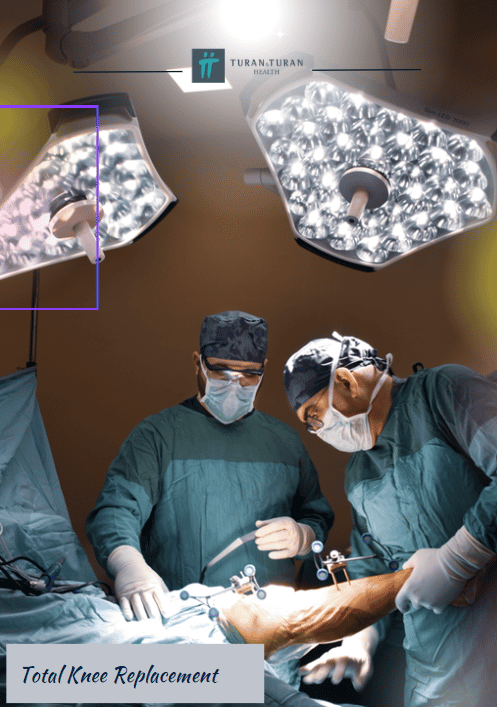
Robotic Knee Replacement Surgery Package in Istanbul, Turkey by Turan Turan
Turan Turan Robotic Surgery Center and Orthopedic Clinic in Turkey
- Orthopedic/Knee Surgery
Istanbul,Bursa, Turkey
Current self-pay prices range from about $4,500 to $18,500 for one total knee replacement. Türkiye and Poland generally appear at the lower end, while Spain and Germany usually have higher private-care prices.
A partial replacement may cost less, while bilateral surgery, revision surgery, robotic assistance or a premium implant can raise the total. Airfare, accommodation after discharge and rehabilitation at home should be added separately unless clearly included.
Use the cost options below to compare equivalent procedures, implant details and package inclusions—not price tags alone.
Knee Replacement Total or Partial Centers Cost Comparison in Europe
| Provider | Procedure | Price |
|---|---|---|
| Carolina Hospital - Orthopedic Surgery in Warsaw Poland | Knee Replacement Total or Partial, Orthopedic/Knee Surgery | $9700 |
| KCM Clinic - Multispecialty Center in Jelenia Gora, Poland | Knee Replacement Total or Partial, Orthopedic/Knee Surgery | $5461 |
| Group Florence Nightingale Hospitals in Istanbul Turkey | Knee Replacement Total or Partial, Orthopedic/Knee Surgery | $9000 |
Knee Replacement Total or Partial Cost Comparison in Europe
| Country | Procedure | Price |
|---|---|---|
| United States | Knee Replacement Total or Partial, Orthopedic/Knee Surgery | $40000 |
| Germany | Knee Replacement Total or Partial, Orthopedic/Knee Surgery | $16600 |
A polished international desk cannot confirm whether a hospital is legally authorized to perform joint replacement surgery. Search for the facility in the destination’s official healthcare registry and make sure the registered name and address match your quotation.
Ask about infection-control procedures, intensive-care support, blood-clot prevention, emergency coverage and the hospital’s plan if your recovery takes longer than expected. For EU destinations, request the manufacturer, model and CE documentation for the proposed implant.
Compare the clinics listed below only after these details have been independently verified.

ACIBADEM Bayındır Hospital
Istanbul,Ankara, Turkey

Turan Turan Robotic Surgery Center and Orthopedic Clinic in Turkey
Istanbul,Bursa, Turkey

Private Koru Ankara Hospital
Ankara, Turkey

Pendik Bolge Hospital in Istanbul Turkey
Istanbul, Turkey

Dr. Verbat Victor - Orthopedic Surgeon Switzerland
Geneva, Switzerland
A useful treatment video should explain more than the operation itself. Look for clear information about the preoperative examination, anesthesia, implant selection, early walking, pain management and physiotherapy.
Treat dramatic before-and-after clips cautiously. A video cannot show infection rates, long-term joint function or whether the featured patient had medical needs similar to yours. It should support a surgeon consultation, not replace one.
Use the videos below to compare treatment approaches and prepare more specific questions for each medical team.


The most useful reviews discuss the parts of treatment that glossy brochures often skip: communication delays, pain control, nursing support, rehabilitation and follow-up after the patient returned home.
Give more weight to detailed, independently verified feedback than anonymous comments making perfect or guaranteed claims. One positive story does not establish a surgeon’s overall results, and one complaint may not reflect routine care.
Compare the reviews below for repeated patterns rather than relying on a single rating or testimonial.

How much does a knee replacement cost in Europe?
A single total knee replacement currently costs approximately $4,500–$7,500 in Türkiye, $6,000–$9,500 in Poland, $10,000–$15,000 in Spain and $16,500–$18,500 in Germany. These are indicative self-pay ranges. Your final cost depends on the diagnosis, implant, hospital stay and rehabilitation needs.
What is normally included in a European knee replacement package?
A package may include the surgeon, anesthesia, implant, operating room, hospital stay, tests and early physiotherapy. Accommodation, flights, extended rehabilitation, companion expenses and care for complications may be excluded. Request an itemized quotation before paying.
Is Türkiye or Poland cheaper for knee replacement surgery?
Türkiye generally has the lower starting range, while Poland also offers comparatively affordable private treatment. The better value depends on the implant, hospital standards, rehabilitation plan, travel distance and what is included in the written quotation.
Is knee replacement surgery in Europe safe?
It can be a reasonable option when the hospital is properly authorized, the surgeon is licensed and the patient receives a complete preoperative assessment. Risks still include infection, blood clots, stiffness, nerve or vessel injury, persistent pain and the possible need for further surgery.
How can I verify a knee replacement hospital in Europe?
Search the hospital’s legal name in the destination’s official registry. Examples include Germany’s Bundes-Klinik-Atlas, Poland’s RPWDL, Spain’s REGCESS and the Turkish Ministry of Health authorization list. Confirm that the address and registered services match the clinic’s quotation.
How long should I remain in Europe after knee replacement?
The appropriate stay varies by health, procedure and recovery. You may need several hospital days followed by local rehabilitation and wound assessment. Do not depart simply because accommodation in the package has ended. Leave only after the surgeon confirms that you are medically stable and fit for the journey.
When can I fly after knee replacement surgery in Europe?
There is no safe date that applies to every patient. The decision depends on your clot risk, mobility, medicines, flight length and recovery. Some orthopedic programs recommend avoiding long-haul flights for around 12 weeks. Obtain individual clearance from your surgeon and check the airline’s medical requirements.
What medical records should I send before traveling?
Clinics commonly request recent knee X-rays or scans, a diagnosis, treatment history, current medicines, allergies and details of conditions such as diabetes, heart disease or previous blood clots. The surgeon may request additional testing before confirming that surgery abroad is appropriate.
How will physiotherapy continue after I return home?
Arrange a physiotherapist before traveling and ask the European hospital for a written rehabilitation protocol. Your local provider should receive the operative report, implant information, movement precautions and contact details for the surgical team. Clarify whether remote follow-up is included.
Can insurance reimburse knee replacement surgery in another European country?
Coverage depends on your insurer, country and policy. Some EU residents may qualify for planned cross-border healthcare reimbursement, but prior authorization may be required for hospital treatment. Contact the insurer or national cross-border healthcare contact point before arranging surgery or paying a deposit.
How much is a Knee Replacement in Turkey?
Dealing with chronic knee pain can be debilitating, affecting every aspect of your life. If you've been told a knee replacement is your best path forward, the cost can be a major hurdle. This is where medical tourism in Turkey has become a game-changer for thousands of patients worldwide. A knee replacement in Turkey offers a unique combination of affordability, high-quality care, and access to world-class surgeons and technology. This procedure, also known as knee arthroplasty, replaces the damaged surfaces of the knee joint to relieve pain and restore function, and doing it in Turkey can save you up to 70% compared to costs in the US or UK without compromising on quality. This guide will walk you through everything you need to know, answering the most common questions people have about getting knee surgery in this beautiful and medically advanced country. We'll break down the costs, explain the procedure, and give you the confidence to make an informed decision about your health. How much does a knee replacement cost in Turkey? “The average cost of a total knee replacement in Turkey typically ranges from $4,500 to $12,000. For a bilateral procedure (both knees), the cost can range from $15,000 to $20,000, offering significant savings compared to Western countries.” The price for a knee replacement in Turkey is remarkably competitive, making it a top destination for medical travelers. This cost advantage doesn't mean a sacrifice in quality. On the contrary, many Turkish hospitals are internationally accredited and use the same high-quality implants and advanced surgical techniques found in the United States and Europe. The primary reason for the lower price is the country's lower cost of living and operational expenses, not a lower standard of care. When you receive a quote from a Turkish clinic, it's often part of an all-inclusive package, which simplifies the entire process. This means you get one transparent price that covers the majority of your medical and travel-related expenses, allowing you to focus solely on your recovery. What factors influence the cost of knee surgery in Turkey? “Several key factors affect the final cost of knee surgery in Turkey, including the type of implant used (e.g., standard vs. robotic-assisted), the surgeon's experience, the hospital's reputation and accreditation, and the comprehensiveness of the medical package.” Not all knee replacements are the same, and the price can vary based on your specific needs. Understanding these factors will help you see where the value lies. Type of Implant: The material and design of the prosthetic knee joint play a role in the cost. Implants can be made of metal alloys, ceramic, or high-grade plastic. Advanced options, like those used in robotic-assisted surgery, may come at a higher price but can offer greater precision and potentially faster recovery. Hospital and Surgeon: Highly reputable hospitals with JCI (Joint Commission International) accreditation and surgeons with extensive international experience may charge more. However, this often translates to higher success rates and better overall patient care. Surgical Technique: The complexity of the procedure matters. A standard primary knee replacement will cost less than a complex revision surgery (where a previous implant is being replaced) or a bilateral replacement. Minimally invasive techniques might also have different cost structures. Package Inclusions: The extent of the all-inclusive package will influence the price. A package that includes a longer hotel stay, physical therapy sessions, and private transportation will naturally cost more than a basic surgery-only package. What is typically included in a knee replacement package in Turkey? “Most all-inclusive knee replacement packages in Turkey cover the surgeon and anesthesia fees, the cost of the implant, hospital stay, pre-operative tests, post-operative medications, airport transfers, hotel accommodation, and translation services.” The convenience of an all-inclusive package is one of the biggest draws for medical tourists. It removes the stress of planning and hidden fees. While packages vary between clinics, a comprehensive one usually includes: Medical Services: Initial consultation and pre-surgery examinations (X-rays, blood tests). The full cost of the knee arthroplasty surgery. Surgeon, anesthesiologist, and operating room fees. The knee implant itself. Hospital stay (typically 3-5 nights). Post-operative care and medications during your stay. Logistical Support: VIP airport pickup and drop-off. All transfers between the hotel and hospital. Hotel accommodation (often in a 4 or 5-star hotel for a set number of nights). A personal patient coordinator or translator. How does the cost in Turkey compare to the US and UK? “A knee replacement in Turkey can be up to 70% cheaper than in the UK and the US. While a procedure in the US can cost $35,000 or more and around £15,000 ($20,000+) in the UK, the same high-quality treatment in Turkey is available for a fraction of that price.” The cost difference is staggering and is the primary driver for patients seeking treatment abroad. Let's look at a simple comparison: Country Average Cost for Single Knee Replacement Turkey $4,500 - $12,000 United States $30,000 - $50,000+ United Kingdom $18,000 - $25,000 Germany $15,000 - $20,000 This significant saving means that even after factoring in the cost of flights, patients can save tens of thousands of dollars. This makes affordable knee surgery accessible to many who might be facing long waiting lists on national health services or are underinsured in their home countries. Is getting a knee replacement in Turkey safe? “Yes, getting a knee replacement in Turkey is overwhelmingly safe. Many top hospitals are JCI-accredited, meaning they adhere to the highest international standards for patient safety and quality of care, with success rates comparable to leading Western hospitals.” Safety is the number one concern for anyone considering surgery abroad, and rightly so. Turkey's healthcare system has invested heavily in infrastructure and technology to meet and exceed global standards. Many orthopedic surgeons in Turkey have trained in Europe and the US, bringing a wealth of international experience. Furthermore, the JCI accreditation held by premier Turkish hospitals is a rigorous endorsement of their commitment to safety protocols, sterile environments, and patient-centered care. This focus on quality ensures that the risk of complications like infections or implant failure is minimized. What is the success rate for knee replacement in Turkey? “The success rate for knee replacement in Turkey is very high, generally reported between 90% and 95%. This rate is on par with top orthopedic centers globally, reflecting the expertise of the surgeons and the advanced medical technology used.” A successful knee replacement is defined by significant pain relief, improved mobility, and enhanced quality of life. Turkish hospitals consistently deliver these outcomes. Patient satisfaction is a key metric, and reviews from international patients frequently praise the excellent results and the attentive care they receive throughout their journey. The longevity of the implant is also a measure of success. Modern knee implants used in Turkey are designed to last for 15 to 20 years or even longer, especially when paired with proper post-operative care and rehabilitation. Which hospitals are best for knee replacement in Turkey? “Some of the best hospitals for knee replacement in Turkey include internationally recognized groups like Medical Park Hospitals, as well as specialized orthopedic centers like Turan & Turan Clinic, primarily located in Istanbul, Ankara, and Antalya.” Turkey is home to numerous state-of-the-art medical facilities. When choosing a hospital, look for JCI accreditation, positive patient reviews, and specialists in orthopedics. Many of these top-tier hospitals have dedicated international patient departments to ensure a seamless experience, from the initial inquiry to your return home. These facilities are equipped with the latest diagnostic and surgical technology, including robotic-assisted systems that can improve implant alignment and lead to better long-term outcomes. What types of knee replacements are available in Turkey? “Turkish hospitals offer a full range of knee replacement procedures, including total knee replacement (TKR), partial knee replacement (unicompartmental), complex revision surgery, and advanced robotic-assisted knee replacement.” The type of surgery you need depends on the extent of the damage to your knee. A surgeon will assess your condition to recommend the best approach. Total Knee Replacement (TKR): This is the most common procedure, where all three compartments of the knee are replaced. Partial Knee Replacement: If the damage is confined to just one compartment of your knee, a partial replacement may be an option. This is a less invasive procedure with a potentially quicker recovery time. Robotic-Assisted Knee Replacement: This cutting-edge technique uses a robotic arm to assist the surgeon, allowing for incredibly precise placement of the implant. This can lead to a more natural-feeling knee and better longevity. What happens during a knee replacement consultation in Turkey? “During your consultation for a knee replacement in Turkey, you will undergo a comprehensive evaluation, including X-rays and a physical exam. The orthopedic surgeon will discuss your medical history, explain the best surgical approach for you, detail the type of implant to be used, and provide a transparent cost breakdown.” The process usually begins with an online consultation where you can share your medical records and initial X-rays. Once you arrive in Turkey, you will have an in-person meeting with your surgeon. This is your opportunity to ask any and all questions you have about the procedure, recovery, and expected outcomes. Your surgeon will confirm the treatment plan and ensure you are a good candidate for the surgery. This thorough, patient-focused approach is a hallmark of the high-quality care you can expect from Turkish medical teams. How long does the knee replacement procedure take? “The knee replacement surgery itself typically takes between one to two hours to complete. The procedure is performed under general or spinal anesthesia to ensure you are comfortable and pain-free.” While the surgery is relatively quick, you will spend some time in a recovery room immediately afterward for monitoring as the anesthesia wears off. Following this, you'll be moved to your private hospital room, where the nursing staff will manage your initial recovery and pain control. What is the recovery time for a knee replacement in Turkey? “Initial recovery allows for walking with assistance within a day or two of surgery. Most patients can return to normal daily activities within 3 to 6 weeks, with a full recovery and return to low-impact sports taking around 3 to 6 months with consistent physical therapy.” Recovery is a gradual process that requires your active participation. The medical team will get you up and moving very quickly, often the day after surgery, to promote circulation and prevent stiffness. A physical therapist will guide you through exercises to regain strength and flexibility. Most patients stay in Turkey for about one to two weeks post-surgery to ensure they are recovering well before flying home. Your Turkish clinic will provide a detailed rehabilitation plan for you to continue with your local physical therapist. How long will my new knee last? "A modern knee replacement is a durable medical device. Studies show that over 90% of knee replacements are still functioning well after 15 years, and over 80% last for 20 years or more. Longevity depends on your activity level, weight, and overall health." Think of your new knee like the tires on a car—the more mileage and stress you put on them, the faster they will wear out. However, with normal daily activity and by avoiding high-impact sports like running and jumping, you can expect your new knee to last for decades. The high-quality implants used for knee arthroplasty in Turkey are designed for durability and long-term performance. Why is knee surgery so much cheaper in Turkey? “The primary reasons for the affordable knee surgery in Turkey are the country's lower cost of living, favorable currency exchange rates, and government support for the medical tourism sector. It is not a reflection of lower quality care, surgeons, or materials.” Hospitals in Turkey have lower overheads from staff wages to operational costs—compared to facilities in the US or Western Europe. The Turkish government also provides incentives to the health tourism industry, which helps keep prices competitive. This economic advantage is passed directly to the patient, allowing you to access world-class healthcare without the exorbitant price tag. Ready to take the next step toward a pain-free life? Explore your options with PlacidWay. We can connect you with leading, accredited hospitals and expert orthopedic surgeons in Turkey to find the perfect solution for your needs and budget. Start your journey to recovery today!
How Much Does Knee Replacement Surgery Cost in Europe?
The estimated knee replacement surgery cost in Europe generally ranges from $7,000 to $15,000, depending on the country, type of implant, and facility. Prices typically cover the procedure, standard hospital stay, and initial post-operative care. Exploring knee replacement surgery in Europe presents an alternative for patients facing high domestic healthcare expenses or extensive public waiting lists. Joint deterioration, often caused by osteoarthritis, rheumatoid arthritis, or traumatic injury, can severely limit daily activities. When conservative treatments like medication, injections, or physical therapy no longer provide relief, a joint replacement may become a viable medical option to restore function and reduce pain. Understanding the full scope of medical tourism in Europe involves looking beyond the initial price tag. While the financial aspect is often the primary motivator, prospective patients must carefully weigh the clinical considerations, travel logistics, recovery timelines, and the vital importance of continued care once they return home. Key Takeaways Estimated procedure costs across various European destinations frequently range from $7,000 to $15,000. Treatment packages often bundle the surgery, standard implants, hospital stay, and initial physical therapy. Candidacy depends on a thorough evaluation of your medical history, joint damage severity, and overall physical health. Patients must proactively arrange their long-term rehabilitation and medical follow-up in their home country before traveling. Medical tourists should factor in additional expenses such as airfare, companion travel, prolonged lodging, and specialized travel insurance. What factors influence the knee replacement surgery cost in Europe? The knee replacement surgery cost in Europe fluctuates based on the destination country, the complexity of the surgical approach, the type of prosthetic implant utilized, and the length of your inpatient stay. Pricing is not uniform across the continent. Western European nations typically present higher estimates, reflecting higher local living costs and administrative expenses. In contrast, Central and Eastern European countries often provide more competitive pricing models while still adhering to stringent European Union medical regulations and hygiene standards. Another major factor is the implant material. Prosthetics crafted from advanced materials—such as specialized porous metals or highly cross-linked polyethylene—may increase the overall cost but are sometimes selected for their durability. Additionally, the need for specialized surgical techniques, such as computer-assisted navigation or robotic-assisted surgery, can add to the final estimate provided by a knee replacement surgery clinic in Europe. What is usually included in a medical tourism package for this procedure? International packages generally bundle the surgeon's fees, anesthesia, the prosthetic implant, operating room charges, standard pre-operative tests, and your immediate post-operative hospital stay. Facilities that frequently accommodate international patients aim to simplify the financial process by grouping predictable expenses. This typically covers your time in the inpatient ward, nursing care, routine post-operative medications (like pain relievers and blood thinners), and the first few sessions of inpatient physical therapy to get you moving safely. It is crucial to request a detailed itemized breakdown before committing to any treatment. Packages rarely cover extended stays caused by unforeseen medical complications, complex pre-existing conditions requiring extra monitoring, or upgraded implants not specified in the standard quote. You should also clarify whether airport transfers and translation services are included or billed separately. How do partial and total knee replacements differ in price and scope? Partial knee replacements are generally less expensive, require smaller incisions, and offer faster initial recovery times compared to total knee replacements, which replace the entire joint structure. A partial (unicompartmental) knee replacement addresses only the damaged section of the knee, preserving healthy bone and ligaments. Because the procedure is less invasive and requires a smaller implant, the estimated cost is often lower. However, not all patients are eligible for this option; it is typically reserved for those whose arthritis is strictly confined to one compartment of the knee. Total knee replacement involves resurfacing the ends of the femur and tibia and replacing the entire joint interface. This is the more common procedure for patients with widespread osteoarthritis. Due to the complexity of the surgery, the larger prosthetic required, and the longer expected hospital stay, it commands a higher price. Feature Partial Knee Replacement Total Knee Replacement Scope Replaces one diseased compartment Replaces the entire joint interface Cost Estimate Typically lower Typically higher Hospital Stay Usually 1-3 days Usually 3-5 days Which European countries are common destinations for joint replacement? Patients frequently travel to countries such as Turkey, Poland, the Czech Republic, Lithuania, and Spain, balancing competitive treatment estimates with robust medical infrastructure. Many individuals exploring medical tourism in Europe look toward Central and Eastern European countries. These regions have heavily invested in modernizing their private healthcare sectors and often feature English-speaking medical staff accustomed to international protocols. Destinations like Poland and the Czech Republic offer significant cost advantages compared to North American healthcare systems. Turkey is also a highly prominent hub for medical travelers, frequently bridging European and Asian healthcare markets. Western European nations, such as Germany and Spain, are recognized for advanced orthopedic research and technology, though their estimated costs are closer to those found in the US or UK. Did You Know? The European Union implements strict directives on medical devices, meaning that implants utilized in EU member states must meet rigorous safety and quality standards (CE marking) before they can be used in surgery. Am I a suitable candidate for a knee replacement abroad? Suitability for surgery abroad requires a thorough medical assessment to ensure you are healthy enough to undergo major joint surgery and tolerate the physical stress of international travel. Not everyone is an ideal candidate for traveling to a knee replacement surgery clinic in Europe. Suitable candidates typically experience severe, chronic knee pain that significantly impairs daily activities and has not responded to non-surgical treatments. They must also have a stable medical history without severe cardiovascular or respiratory conditions that could make anesthesia or long-haul flights excessively risky. Contraindications may include active infections, severe peripheral vascular disease, or morbid obesity, which can increase the risk of surgical complications or implant failure. You should always consult your local primary care physician or orthopedic specialist to assess your specific surgical risks before making any travel commitments. What should I expect during the pre-operative evaluation? The pre-operative phase involves comprehensive health screenings, imaging tests, and medical consultations to confirm your diagnosis and plan the specific surgical approach. Before you travel, international clinics will usually request your recent medical records, X-rays, or MRI scans for an initial remote consultation. This allows the surgical team to provide a preliminary treatment plan and an accurate estimate of the knee replacement surgery cost in Europe based on your specific joint anatomy. Upon your arrival, a secondary, in-person evaluation is mandatory. You will typically undergo fresh imaging, blood tests, an electrocardiogram (ECG), and a consultation with the anesthesiologist. This rigorous screening is designed to identify any undiagnosed issues that might affect your safety during the procedure. What are the potential risks and complications of knee replacement? As with any major surgery, risks include infection, deep vein thrombosis (blood clots), nerve damage, anesthesia reactions, and potential issues with the prosthetic implant itself. While joint replacement is commonly performed, it is a major operation that carries inherent medical risks. Infection is a serious concern that can occur at the incision site or deep around the implant. To mitigate this, patients are typically given prophylactic antibiotics before and after surgery. Blood clots (DVT) are another significant risk, particularly given the added immobility associated with flying. Surgeons often prescribe blood-thinning medications and compression stockings to reduce this danger. Additionally, while modern prosthetics are durable, they can wear out or loosen over time, potentially requiring a revision surgery years later. Some patients may also experience continued stiffness or persistent pain. Discussing these specific risks with a qualified healthcare professional is essential to making an informed decision. How long does the initial recovery take before I can fly home? Patients usually need to remain in the destination country for 10 to 14 days post-surgery to ensure stable initial recovery, begin physical therapy, and receive clearance to fly. Your hospital stay normally lasts between 3 to 5 days, during which time medical staff monitor your pain levels, wound healing, and mobility. Once discharged from the inpatient unit, you will typically transition to a nearby hotel or a specialized recovery facility to continue your initial rehabilitation. Flying too soon after major lower-extremity surgery significantly increases the risk of deep vein thrombosis. Your surgeon will evaluate your healing progress, remove any surgical staples or non-dissolvable sutures, and officially clear you for air travel only when it is medically appropriate. You will likely need mobility assistance, such as wheelchair services, at the airport. How do I handle follow-up care and physical therapy after returning home? A successful outcome depends heavily on consistent, long-term physical therapy and local medical follow-up, which you must arrange in your home country prior to traveling. The surgery itself is only the first step in restoring joint function; rehabilitation is just as critical. Upon returning home, you will need to engage in a structured physical therapy program for several months to rebuild strength, improve your range of motion, and reduce scar tissue formation. Neglecting this phase can lead to a stiff, painful joint. It is also vital to establish a relationship with a local primary care physician or orthopedist who is willing to take over your post-operative care. You must have a clear plan in place for who to contact if you develop a fever, notice increased redness at the incision site, or experience sudden pain after returning home. Always bring copies of your surgical reports, implant details, and discharge summaries from your European facility. What hidden expenses should I budget for when traveling for surgery? Beyond the core medical procedure, your budget must account for flights, extended lodging, specialized medical travel insurance, a travel companion's expenses, and ongoing local physical therapy. When calculating the true cost of your medical journey, do not rely solely on the clinical quote. Flights can fluctuate in price, and you may need to purchase more expensive tickets that allow for extra legroom or flexible date changes. Accommodation expenses for the 10 to 14 days you spend recovering outside the hospital also add up quickly, especially if a companion is staying with you. Furthermore, standard travel insurance rarely covers complications arising from planned elective surgery abroad. Specialized medical tourism insurance is highly recommended to protect against the financial impact of delayed flights due to medical unfitness or emergency hospitalization. Lastly, factor in the out-of-pocket costs for your months of physical therapy back home, which may not be fully covered by your domestic insurance. Important Consideration: Always request your complete medical file, including detailed notes on the exact make and model of your knee implant, before leaving the clinic. Your home doctor will need this information for any future care or potential MRI scans. Why Choose PlacidWay for Medical Tourism in Europe? PlacidWay serves as an educational platform to help patients navigate their international healthcare options. Here are five factual ways the platform supports patients exploring care abroad: 1. Extensive Information Network Provides access to a broad database of international clinics, allowing patients to review available facilities across multiple European countries in one place. 2. Transparent Cost Estimates Facilitates the acquisition of preliminary quotes and package breakdowns, helping patients formulate realistic budgets before making decisions. 3. Provider Connections Directly connects individuals with facility representatives, enabling patients to ask specific medical, logistical, and financial questions. 4. Multilingual Communication Assists patients by bridging initial language barriers through multi-language support platforms when connecting with foreign medical centers. 5. Procedure Education Supplies objective articles, guides, and checklists to help patients understand the general scope and requirements of orthopedic procedures. Frequently Asked Questions Can I get a bilateral knee replacement in Europe? Yes, some facilities offer bilateral knee replacements (replacing both knees during the same surgery). However, this increases surgical time, risks, and recovery demands. A surgeon must evaluate your overall health to determine if you are a suitable candidate for a simultaneous procedure. Will my domestic health insurance cover surgery in a European country? Most standard domestic health insurance plans do not cover elective treatments performed abroad. You should check directly with your insurance provider to understand your policy. Some patients utilize specialized medical travel insurance or self-fund their procedures. How long does a knee implant typically last? Modern knee implants often last 15 to 20 years, though this varies by patient. Factors such as your activity level, weight, and adherence to rehabilitation protocols can significantly impact the longevity of the prosthetic joint. What type of anesthesia is used for knee replacement? Knee replacements are usually performed under general anesthesia (where you are fully asleep) or regional anesthesia (such as a spinal block, which numbs the lower half of your body). The anesthesiologist will recommend the safest option based on your medical history. Is physical therapy included in European treatment packages? Many international treatment packages include initial post-operative physical therapy while you remain in the hospital or a designated recovery facility. However, you will need to arrange for long-term outpatient physical therapy in your home country. Can I travel alone for a knee replacement surgery? While it is possible to travel alone, it is highly recommended to bring a companion. Post-operative mobility is limited, and having someone to assist with luggage, airport navigation, and daily tasks during early recovery can significantly improve your safety and comfort. How soon after surgery can I walk? Physical therapists typically encourage patients to stand and take a few steps with a walker or crutches within 24 hours after surgery. Early mobilization helps promote circulation and reduces the risk of blood clots, though individual progress varies. What materials are used for knee implants in Europe? Implants are typically made from a combination of biocompatible metals (such as titanium or cobalt-chromium alloys) and highly durable medical-grade plastics (polyethylene). The specific materials used depend on the manufacturer and the surgeon's recommendation. Will I need special equipment at home after surgery? Yes, most patients require assistive devices such as a walker, crutches, or a cane during the initial weeks. Raised toilet seats, shower chairs, and grab bars are also commonly recommended to prevent falls and protect the new joint. How do I communicate with medical staff if I do not speak the local language? Many facilities that cater to international patients employ English-speaking medical staff and patient coordinators. Additionally, dedicated translation services are often provided to ensure you fully understand your medical care, risks, and recovery instructions. Compare Treatment Options Connect with providers to review estimates, understand your eligibility, and gather detailed information about undergoing orthopedic procedures abroad. Request Treatment Information References Total Knee Replacement – American Academy of Orthopaedic Surgeons (AAOS) Knee Replacement Overview and Recovery – National Health Service (NHS) Medical Tourism Guidelines – Centers for Disease Control and Prevention (CDC) Knee Replacement Risks and What to Expect – Mayo Clinic General Safety and Considerations for Medical Tourism – World Health Organization (WHO) Types of Knee Surgery – Arthritis Foundation Medical Disclaimer: The information provided in this article is for educational and informational purposes only and does not constitute medical advice, diagnosis, or treatment recommendations. Knee replacement surgery is a major medical procedure that carries inherent risks, and outcomes vary significantly from patient to patient depending on individual health and adherence to post-operative care. Pricing, availability, and specific travel regulations are subject to change and should not be considered guaranteed. Always consult with a qualified, board-certified healthcare professional in your home country before making any decisions regarding medical travel, elective surgery, or discontinuing any current treatments. PlacidWay does not endorse specific medical providers or guarantee clinical outcomes.
The right surgeon should be able to explain why total, partial or revision knee replacement is appropriate for your joint not simply recommend the most expensive option.
Verify the surgeon’s active medical licence and orthopedic specialization through the relevant national or regional medical authority. Ask how frequently the surgeon performs your proposed procedure, which implant systems are used and who will manage complications or follow-up questions after you leave Europe.
Review the surgeons below by qualifications, relevant experience and continuity of care rather than profile popularity alone.


Op.Dr. Kayhan Turan
Turan Turan Robotic Surgery Center and Orthopedic Clinic
- Orthopedic surgeon
Istanbul, Turkey




Europe offers several very different medical-travel routes. Patients from the UK, Ireland and nearby European countries may prioritize shorter journeys and easier follow-up. Travelers from North America, the Middle East or Africa may compare major aviation hubs such as Istanbul, Frankfurt, Madrid or Warsaw, depending on visa eligibility and flight availability.
Germany, Poland and Spain are in the Schengen Area, while Türkiye has separate entry requirements. Check the immigration rules for your passport before paying a deposit. A tourist visa may not always be the correct option when medical treatment is the purpose of travel, and some applications require a hospital invitation or treatment confirmation.
| Destination | Indicative Total Knee Replacement Cost | Local Facility Check | Travel Consideration |
|---|---|---|---|
| Türkiye | $4,500–$7,500 | Ministry of Health international health-tourism authorization | Separate visa and entry rules; Istanbul and Izmir are common treatment locations |
| Poland | $6,000–$9,500 | RPWDL Register of Entities Performing Medical Activities | Schengen rules apply; confirm transport suitable for limited mobility |
| Spain | $10,000–$15,000 | REGCESS national and regional healthcare-centre registry | Schengen rules apply; check whether rehabilitation is near the hospital |
| Germany | $16,500–$18,500 | Bundes-Klinik-Atlas or German Hospital Directory | Schengen rules apply; ask whether inpatient rehabilitation is included |
A personalized review can help you compare the procedure type, implant, surgeon, hospital authorization, recovery plan and total travel cost. Share your medical information only through a secure channel, and review the proposed plan with a qualified orthopedic professional before making a decision. Medical disclaimer: This information is for patient education and does not replace diagnosis, surgical advice or an individual consultation with a licensed orthopedic specialist.Compare Your Knee Replacement Options Carefully
References
- Knee Replacement and Orthopedic Surgery Costs in Turkey
- Knee Replacement and Orthopedic Surgery Costs in Poland
- Medical Treatment and Knee Replacement Costs in Spain
- Knee Replacement and Orthopedic Surgery Costs in Germany
- Total Knee Replacement – American Academy of Orthopaedic Surgeons
- Travel, Surgery and Deep Vein Thrombosis – NHS
- Official Hospital Search in Germany
- Poland Register of Entities Performing Medical Activities
- Spain General Register of Healthcare Centres – REGCESS
- Healthcare Providers Authorized for International Health Tourism in Türkiye
- Medical Devices and CE Conformity – European Medicines Agency
- Planned Medical Treatment in Another EU Country

























Share this listing