What treatment

What treatment
.png)
The IVF success rates in Egypt range from 45% to 65% for women under 35, making it a highly competitive destination for fertility treatments. Success depends on maternal age, clinic technology, and specific reproductive health conditions. Key Takeaways: Fertility Treatment Excellence Exceptional Clinical Outcomes: Top tier centers consistently report clinical pregnancy rates exceeding global averages. Advanced Laboratory Standards: Utilization of cutting-edge incubators and meticulous air quality control in embryology labs. Significant Financial Savings: Treatment packages are extraordinarily cost-effective without compromising on medical integrity. Comprehensive Specialist Care: Multidisciplinary teams of globally educated reproductive endocrinologists and expert urologists. Strict Ethical Framework: High adherence to rigorous medical protocols ensuring patient safety and complete confidentiality. What factors influence the IVF in Egypt success rates for international patients? Maternal age and initial embryo quality are the primary biological factors dictating overall fertility outcomes. Additionally, the technological expertise of the embryology laboratory plays a massive role in achieving a positive pregnancy test. Achieving a successful pregnancy through in vitro fertilization is a complex biological process that relies heavily on a multitude of synchronized variables. When undertaking IVF in Egypt, international patients benefit from a deeply personalized approach to reproductive medicine. The foremost factor determining success is the ovarian reserve and age of the female patient. Women under the age of thirty-five naturally produce a higher percentage of chromosomally normal eggs, which directly correlates to robust embryo development and higher implantation rates following the transfer procedure. Another critical element is the severe male factor infertility component. Egyptian specialists excel in addressing complex male reproductive issues through advanced microscopic surgical extractions. By ensuring only the most morphologically perfect and highly motile sperm are utilized during the fertilization phase, clinics significantly boost the chances of creating strong, viable blastocysts. This synergistic approach to treating both male and female factors simultaneously is a cornerstone of the exceptional success rates observed in the region. Finally, the physical environment of the embryology laboratory cannot be overstated. The top-rated facilities maintain immaculate cleanrooms equipped with sophisticated HEPA filtration systems that eliminate volatile organic compounds from the air. Because human embryos are incredibly sensitive to environmental stress, these strictly controlled, state-of-the-art incubation environments simulate the natural conditions of the human body, providing embryos with the optimal environment to thrive before they are carefully transferred back into the uterus. Did You Know? Many leading reproductive centers in the region utilize specialized time-lapse incubators. This remarkable technology takes constant microscopic photographs of the developing embryos, allowing embryologists to monitor cellular division without ever exposing the delicate embryos to outside air or temperature fluctuations. How much does the average IVF cost in Egypt compared to Western countries? Fertility treatments here are significantly more affordable than in Europe or North America while maintaining exceptional medical standards. Patients typically save up to seventy percent on their total medical and procedural expenses. Understanding the financial commitment required for fertility treatment is a major concern for prospective parents worldwide. The IVF cost in Egypt is dramatically lower than what patients would typically face in the United States, the United Kingdom, or Australia. A comprehensive cycle, which generally includes all necessary ultrasound monitoring, the intricate egg retrieval surgery, advanced laboratory fertilization, and the final embryo transfer, usually ranges between two thousand and three thousand five hundred dollars. This stark price difference makes high-level reproductive healthcare highly accessible to a much broader global demographic. The primary reason for this affordability is not a reduction in medical quality or equipment standards, but rather the broader economic landscape of the nation. Lower overhead costs for private hospital facilities, combined with a highly favorable currency exchange rate for international visitors, create an environment where world-class medical services can be offered at a fraction of Western prices. Furthermore, local government policies help subsidize the importation of essential fertility medications, keeping the pharmaceutical aspect of the treatment cycle incredibly cost-effective for all patients. When comparing international options, it becomes clear why so many couples choose to cross borders for their family-building journeys. In many Western nations, a single cycle can easily exceed fifteen thousand dollars out of pocket, often without the inclusion of crucial medications or advanced laboratory add-ons like assisted hatching. By choosing a top-tier Egyptian facility, patients can afford multiple cycles if necessary, or allocate their saved funds toward comprehensive genetic screening, thereby mathematically increasing their overall chances of bringing home a healthy baby. Country Average Estimated Cost (USD) Included Medications United States $15,000 - $25,000 Rarely Included United Kingdom $8,000 - $12,000 Sometimes Included United Arab Emirates $9,000 - $14,000 Rarely Included Egypt $2,000 - $3,500 Often Included in Packages What advanced reproductive technologies are available at an IVF clinic in Egypt? Top-tier reproductive centers offer state-of-the-art procedures like Intracytoplasmic Sperm Injection and Preimplantation Genetic Testing. These advanced methods dramatically increase the biological chances of a successful uterine implantation. The technological capabilities found within a premium IVF clinic in Egypt mirror those of the most prestigious reproductive institutes in the world. Standard conventional insemination, where sperm and eggs are simply placed together in a petri dish, has largely been replaced by Intracytoplasmic Sperm Injection. This microscopic procedure involves a highly trained embryologist selecting a single, perfectly formed sperm and injecting it directly into the center of a mature egg. This completely bypasses natural fertilization barriers and is incredibly effective for couples facing severe male factor infertility or those who have experienced poor fertilization in previous cycles. Beyond fertilization, clinics employ sophisticated techniques to encourage the embryo to attach securely to the uterine wall. Laser Assisted Hatching is frequently utilized for older patients or those with frozen embryos. By using a highly precise microscopic laser to gently thin the outer shell of the embryo, known as the zona pellucida, the embryo is given a much easier path to break out and implant into the endometrial lining. Additionally, many centers use specialized embryo transfer mediums that act as a biological adhesive, further promoting successful attachment. Cryopreservation science has also reached remarkable heights in the region. Using an ultra-rapid freezing technique known as vitrification, embryologists can safely flash-freeze surplus blastocysts with virtually zero ice crystal formation, which previously caused cellular damage. This means patients have the incredible opportunity to attempt future frozen embryo transfers without needing to undergo the entire process of hormone injections and egg retrieval surgery again, offering tremendous peace of mind and family building flexibility. Why is medical tourism in Egypt becoming popular for fertility treatments? The country seamlessly combines highly skilled reproductive endocrinologists with culturally rich, stress-free recovery environments. This unique blend makes the intense medical journey far less overwhelming for couples struggling with infertility. The global rise of cross-border healthcare has positioned the nation as a premier hub for reproductive medicine. Medical tourism in Egypt is thriving rapidly because patients no longer have to choose between affordability and medical excellence. Couples traveling for treatment discover a highly supportive infrastructure designed specifically to cater to international visitors. Here are the key drivers behind this growing international trend: Zero Waiting Lists: Unlike national health services in Europe where couples might wait years for a subsidized cycle, private clinics here offer immediate medical attention. Time is critical in fertility medicine, and immediate access to care can drastically alter clinical outcomes. Internationally Trained Specialists: The vast majority of clinic directors and head embryologists have completed extensive fellowships and medical residencies in the United States, the United Kingdom, or Germany, bringing elite global protocols back to their local practices. Strict Patient Confidentiality: Dealing with infertility carries a heavy emotional burden, and many couples prefer to undergo treatment away from the prying eyes of their immediate social circles. Traveling abroad provides an essential layer of absolute privacy and discretion. Therapeutic Recovery Environment: Stress is a known antagonist to fertility. Recovering from an egg retrieval or waiting during the dreaded two-week wait is significantly more pleasant when surrounded by beautiful resorts, historical monuments, and warm, accommodating local hospitality. Multilingual Medical Staff: Language barriers are effectively eliminated in top-tier facilities. International patient departments are staffed by fluent English, French, and Arabic speakers who ensure complete medical comprehension and seamless coordination throughout the cycle. What is the legal framework and age limit for undergoing IVF in Egypt? Most fertility centers accept female patients up to the age of fifty provided they pass comprehensive cardiac and medical evaluations. However, treatments must legally and strictly utilize only the genetic gametes of the married couple. Navigating the legal and ethical landscape of reproductive medicine is vital for international patients. Due to strict adherence to regional medical ethics and religious guidelines, the framework governing assisted reproductive technologies is distinct from many Western nations. The most critical regulation mandates that all fertility treatments must exclusively use the eggs of the wife and the sperm of her legally married husband. Consequently, third-party reproduction, which includes the use of anonymous or known sperm donors, egg donors, and gestational surrogates, is completely prohibited under all circumstances. Regarding age parameters, there is no absolute, legislated upper age limit prohibiting women from attempting to conceive. However, ethical medical boards require clinics to prioritize the physical safety of the mother and the viability of the pregnancy. Therefore, most elite clinics set a soft cap around the age of fifty. Any woman over the age of forty-five must undergo rigorous preoperative screening, including stress echocardiograms and comprehensive metabolic panels, to ensure her body can safely handle the physiological demands of a high-risk pregnancy. Because third-party egg donation is not an option, older women attempting to conceive with their own biological material often require highly customized and aggressive hormonal stimulation protocols. Specialists frequently employ advanced adjuvant therapies, such as the use of human growth hormone or platelet-rich plasma ovarian rejuvenation, prior to starting the stimulation cycle. These cutting-edge interventions aim to awaken dormant follicles and maximize the quality of whatever ovarian reserve remains, pushing the boundaries of natural biological potential. How does male infertility treatment impact IVF success rates in Egypt? Severe male factor infertility is effectively addressed using advanced microsurgical testicular sperm extraction techniques. This highly specialized intervention allows couples with virtually zero sperm counts to successfully conceive biological children. Historically, severe male infertility left couples with very few options to build a biological family. Today, specialized urological interventions performed in tandem with reproductive cycles have revolutionized the landscape of male fertility. In cases of non-obstructive azoospermia, where no sperm is present in the ejaculate due to production failures, Egyptian microsurgeons utilize a technique called Micro-TESE. Operating under a highly magnified surgical microscope, specialists meticulously search deep within the testicular tissue to find isolated pockets of active sperm production, extracting them with extreme precision. Once these incredibly rare and precious sperm cells are surgically retrieved, they are immediately handed over to the embryology laboratory team. Because these surgically extracted sperm are often immotile and fragile, standard fertilization methods are completely ineffective. Instead, the laboratory utilizes Intracytoplasmic Sperm Injection to force the fertilization process, ensuring that even a single viable sperm can successfully fertilize a retrieved egg. This remarkable synchronization between urological surgeons and embryologists dramatically elevates the probability of achieving a viable blastocyst. Furthermore, clinics place a heavy emphasis on diagnosing and treating hidden male factors before the cycle even begins. High levels of sperm DNA fragmentation, often caused by oxidative stress, smoking, or environmental toxins, can lead to recurrent miscarriages or poor embryo development even if the sperm count appears normal. By implementing intense antioxidant regimens, lifestyle modifications, or performing minor varicocele repair surgeries months prior to the retrieval, specialists significantly improve the structural integrity of the sperm, directly resulting in higher clinical pregnancy rates. Are gender selection and genetic testing permitted during IVF in Egypt? Family balancing through clinical gender selection is legally permitted and widely practiced in top fertility centers across the nation. This procedure is invariably performed alongside comprehensive genetic screening to ensure absolute embryo health. The ability to genetically screen embryos before they are transferred into the maternal uterus represents one of the most profound advancements in modern reproductive medicine. Preimplantation Genetic Testing for Aneuploidies is extensively utilized within the context of IVF in Egypt. On the fifth day of laboratory development, when the embryo has reached the robust blastocyst stage, a highly skilled embryologist safely removes a few microscopic cells from the outer layer, which is destined to become the placenta. These cells are then analyzed in a genetics laboratory to verify that the embryo possesses the exact correct number of chromosomes. This genetic screening serves a dual purpose. From a purely medical standpoint, transferring only chromosomally normal embryos drastically reduces the heartbreaking risk of early miscarriage and nearly eliminates the chances of conceiving a child with severe chromosomal abnormalities, such as Down Syndrome. From a family planning perspective, this exact same chromosomal analysis definitively reveals the biological sex of the embryo. Because the legal framework in the region respects family balancing, couples have the autonomy to choose the gender of the healthy embryo they wish to transfer, provided they already have medical clearance. In addition to basic chromosomal screening, specialized genetic laboratories also offer targeted testing for couples carrying specific hereditary diseases. If both parents are known carriers of severe monogenic disorders like Cystic Fibrosis, Spinal Muscular Atrophy, or Sickle Cell Anemia, scientists can build a custom genetic probe to test the biopsied embryonic cells. This ensures that the severe genetic mutation is completely eradicated from the couples bloodline, giving them the profound peace of mind that their future child will be born free from the debilitating family illness. Expert Insight Performing the delicate embryo biopsy on day five rather than day three is considered the premier standard of care. At the blastocyst stage, removing a few placental cells causes virtually no harm to the inner cell mass, which eventually develops into the fetal body, thereby preserving the maximum implantation potential of the embryo. How should international patients prepare for their IVF clinic in Egypt visit? Overseas patients should begin by thoroughly compiling their complete medical history and prior fertility records for remote evaluation. Establishing a clear, direct communication channel with the medical team is absolutely essential before booking flights. Meticulous preparation is the bedrock of a smooth, successful cross-border medical journey. To maximize the chances of success and minimize unnecessary travel stress, international patients must proactively engage with their chosen medical provider long before stepping onto an airplane. Here is a comprehensive preparation roadmap for prospective parents: Comprehensive Remote Consultations: Initiate thorough video consultations with the lead endocrinologist. You must securely forward all previous laboratory results, operative reports, and especially detailed summaries of any previously failed stimulation cycles to allow the doctor to completely customize your new protocol. Baseline Local Testing: Your international doctor will likely request updated baseline hormonal panels, specifically testing Anti-Mullerian Hormone levels, alongside a detailed transvaginal ultrasound to accurately map your resting follicle count. These tests can easily be performed at a local laboratory in your home country. Nutritional and Supplement Optimization: Egg and sperm quality development takes approximately ninety days. Begin strict supplementation with high-quality Coenzyme Q10, active Folic Acid, and Vitamin D at least three months prior to arrival to biologically optimize your gametes at the cellular level. Cycle Synchronization: To prevent patients from waiting aimlessly abroad for their natural cycle to begin, specialists often prescribe a short course of oral contraceptive pills. This strategically regulates the menstrual cycle, allowing for highly precise medical planning and predictable flight booking dates. Medical Documentation Consolidation: Ensure you travel with officially translated copies of your legal marriage certificate and all necessary identification documents, as strictly required by regional medical compliance laws prior to commencing any assisted reproductive procedure. Why Choose PlacidWay for your IVF journey in Egypt? We provide unparalleled guidance by connecting intended parents with globally accredited and rigorously vetted reproductive centers. Our dedicated medical liaison team ensures a seamless and fully transparent clinical experience from start to finish. Embarking on fertility treatments in a foreign nation requires profound trust in your medical facilitators. PlacidWay exists to remove the uncertainty from your healthcare journey, ensuring your entire focus remains squarely on your health and your future growing family. Here is exactly how our specialized team elevates your medical experience: Elite Medical Network Access: We meticulously bypass substandard facilities, connecting you exclusively with board-certified reproductive endocrinologists and globally accredited embryology laboratories that demonstrate proven, verifiable clinical success rates. Absolute Price Transparency: Navigating complex medical billing is stressful. We secure detailed, all-inclusive treatment quotes upfront, ensuring you never encounter hidden laboratory fees, unexpected medication surcharges, or surprise clinical costs. Direct Clinical Communication: Our dedicated medical liaisons fiercely advocate for your specific healthcare needs, breaking down complex medical jargon and facilitating rapid, direct communication between you and the head specialist before you ever commit to a procedure. Comprehensive Record Integration: We securely manage the international transfer of your sensitive reproductive health records, ensuring the foreign medical team has an absolutely complete understanding of your clinical history, thereby preventing redundant medical testing. Uncompromising Safety Standards: Patient wellbeing is our highest mandate. We strictly partner with clinics that consistently pass rigorous international healthcare safety audits and utilize state-of-the-art sterilization protocols in their surgical theaters. Frequently Asked Questions About Medical Tourism Fertility How long does an IVF cycle take in Egypt? A standard cycle typically requires a stay of about twenty to twenty-five days in the country to complete ovarian stimulation, egg retrieval, and embryo transfer safely under specialist supervision. Is egg freezing available for international patients in Egypt? Yes, many top fertility centers offer advanced vitrification techniques for fertility preservation. This service is widely utilized for both medical reasons and proactive family planning purposes. Are there any hidden fees in Egyptian IVF packages? Reputable centers provide transparent pricing, but patients should always deeply verify if daily fertility medications, advanced genetic testing algorithms, and annual embryo freezing storage fees are specifically included in their initial quote. What is the recommended BMI for IVF treatments in Egypt? Reproductive specialists generally recommend maintaining a Body Mass Index strictly between nineteen and twenty-nine to heavily optimize medication response, improve biological egg quality, and maximize overall implantation success. Is donor sperm or donor egg allowed in Egypt? According to deeply rooted local medical and religious regulations, all fertility treatments must strictly use the genetic material of the legally married couple, meaning any form of third-party donation is completely prohibited. Do Egyptian fertility doctors speak fluent English? The vast majority of reproductive endocrinologists specifically treating international patients are highly proficient in English, with many holding prestigious medical fellowships from academic boards in the United Kingdom or the United States. Can I bring my own fertility medications to Egypt? While completely possible with proper medical documentation and customs declarations, it is highly recommended to purchase your stimulation medications locally as they are heavily subsidized, strictly regulated for quality, and readily available everywhere. What kind of anesthesia is used during egg retrieval in Egypt? The transvaginal egg retrieval procedure is strictly performed under deep intravenous sedation administered by a board-certified anesthesiologist, ensuring the patient experiences absolutely no pain, anxiety, or physical discomfort during the short operation. How many embryos are usually transferred in Egyptian clinics? To safely prevent high-risk multiple pregnancies, conservative doctors typically transfer one to two high-quality blastocysts. This crucial clinical decision depends entirely on the patients maternal age, medical history, and specific embryo grading. Can I undergo IVF in Egypt if I am over 40 years old? Yes, motivated patients over forty are widely accepted. However, they almost always require highly specialized stimulation protocols and rigorous preimplantation genetic testing to ensure the best possible clinical outcome given the natural decline in ovarian reserve. Start Your Pathway To Parenthood Today Do not let borders limit your dreams of building a family. PlacidWay seamlessly connects you with the highest-rated, ethically accredited reproductive centers in the region. Request a completely free, highly confidential medical consultation, receive a thoroughly customized treatment blueprint from leading global specialists, and finally discover your most viable path forward. Get Your Free Quote * Medical responses typically provided within 24 hours. Absolute medical privacy guaranteed....
Read more details
Cairo offers comprehensive genetic tests for IVF, including PGT-A (Aneuploidy), PGT-M (Monogenic), and PGT-SR (Structural Rearrangements). These tests ensure the transfer of healthy embryos, reducing miscarriage risks and increasing success rates for married couples seeking advanced fertility care. If you are navigating the complex world of fertility treatments, you have likely come across the term genetic testing for IVF in Cairo. Cairo has established itself as a premier destination for international patients because it combines world-class laboratory technology with significantly lower costs than Europe or the United States. In simple terms, genetic testing during an IVF cycle allows doctors to examine the DNA of your embryos before they are placed in the uterus. This ensures that only the healthiest embryos are selected, which is a game-changer for couples who have experienced repeated miscarriages or have known hereditary conditions. In Cairo, the focus is on Preimplantation Genetic Testing (PGT). Whether you are looking for PGT-A to screen for chromosomal abnormalities like Down syndrome, or PGT-M to avoid passing on a specific family disease like Sickle Cell Anemia, the city's specialized labs are equipped with Next-Generation Sequencing (NGS). This technology provides a 99% accuracy rate in identifying the genetic makeup of an embryo. Choosing to include genetic screening in your IVF plan is not just about medical safety; it is about peace of mind. By identifying "euploid" (chromosomally normal) embryos, the chances of a successful live birth increase dramatically, especially for women over the age of 35. In the following sections, we will break down every specific test available in Egypt, how much they cost, and what the legal requirements are for international patients. What is PGT-A (Preimplantation Genetic Testing for Aneuploidy)? "PGT-A is a genetic screening test that checks if an embryo has the correct number of 46 chromosomes. It is primarily used to prevent conditions like Down syndrome and to reduce the risk of miscarriage in older patients." PGT-A is the most common form of genetic testing for IVF in Cairo. Every human cell should have 23 pairs of chromosomes. If an embryo has an extra chromosome or is missing one (a condition called aneuploidy), it usually fails to implant or results in a miscarriage. By using chromosomal screening, embryologists can identify which embryos are "balanced" and which are not. This test is highly recommended for women over 35, couples with a history of recurrent pregnancy loss, or those who have had multiple failed IVF cycles. In Cairo, this procedure is performed by taking a tiny biopsy of the embryo on Day 5 or Day 6 (the blastocyst stage). The results help your doctor prioritize the best embryo for transfer, often leading to a higher pregnancy rate in the first attempt. What is PGT-M (Preimplantation Genetic Testing for Monogenic Disorders)? "PGT-M is a specialized test designed for couples at risk of passing on a specific inherited single-gene disorder, such as Thalassemia, Cystic Fibrosis, or Sickle Cell Anemia, to their offspring." Unlike general screening, PGT-M is a "bespoke" test. It is used when one or both parents are known carriers of a specific genetic mutation. Cairo's advanced labs can create a unique "probe" to look specifically for that gene in the embryos created during your IVF cycle. Common conditions screened via PGT-M in Egypt include: Beta-Thalassemia (very common in the Mediterranean region) Sickle Cell Disease Cystic Fibrosis Tay-Sachs Disease Spinal Muscular Atrophy (SMA) By selecting only the embryos that do not carry the disease, couples can ensure that the next generation is free from life-altering hereditary conditions. What is PGT-SR (Preimplantation Genetic Testing for Structural Rearrangements)? "PGT-SR is used for parents who have a chromosomal translocation or inversion. It identifies embryos with the correct amount of genetic material versus those with unbalanced rearrangements." Some individuals are healthy but carry a "balanced translocation," meaning pieces of their chromosomes have swapped places. While this doesn't affect the parent, it often leads to embryos with "unbalanced" DNA, which causes high rates of miscarriage or birth defects. PGT-SR in Cairo specifically looks for these structural issues. This test is less common than PGT-A but is vital for couples who have been diagnosed with these specific chromosomal issues through a Karyotype test. Cairo's labs use high-resolution technology to ensure that the transferred embryo has a stable genetic structure, significantly improving the chances of a full-term pregnancy. How Much Does Genetic Testing for IVF Cost in Cairo? "The cost of genetic testing for IVF in Cairo typically ranges from $700 to $1,500 as an add-on to the standard IVF fee. The total price depends on the number of embryos being tested and the complexity of the genetic analysis." When compared to the US or UK, where genetic screening costs can exceed $5,000, Cairo is incredibly affordable. Most clinics offer a flat fee for the first 4 to 8 embryos, with a smaller charge for any additional embryos tested. This transparency allows patients to plan their budget without fear of hidden costs. Below is a detailed cost comparison to give you a better perspective on why fertility tourism in Egypt is growing: Service Type Cairo, Egypt (Avg) United Kingdom (Avg) USA (Avg) Standard IVF/ICSI Cycle $2,500 - $3,000 $6,500 - $9,000 $15,000 - $25,000 PGT-A Screening Add-on $700 - $1,000 $2,500 - $4,000 $4,000 - $6,000 PGT-M/SR Specialized Test $1,000 - $1,500 $3,500+ $6,000+ Total Estimated Cost $3,200 - $4,500 $9,000 - $13,000 $19,000 - $31,000 Is Gender Selection Available in Cairo via PGT-A? "Yes, gender selection is legally available in Egypt for family balancing purposes. It is achieved through PGT-A screening, which identifies the sex chromosomes (X and Y) of the embryo before transfer." Many couples visit Cairo specifically for family balancing. Because PGT-A examines all 23 pairs of chromosomes, it naturally reveals whether an embryo is male (XY) or female (XX). In Egypt, it is legally permissible for married couples to choose the gender of the embryo they wish to transfer, provided they are doing so to balance their existing family. The process is 99.9% accurate. It is often bundled with genetic health screening, so parents can ensure they are choosing a healthy child of their preferred gender. This dual benefit makes IVF with gender selection one of the most requested services by international patients from the Gulf region and Europe. What is the Process for Embryo Biopsy in Cairo? "Embryo biopsy involves removing 3-5 cells from the trophectoderm (the part that becomes the placenta) on Day 5. These cells are then sent for genetic analysis while the embryo remains safely frozen." Modern Cairo labs use laser-assisted biopsy, which is the safest method available. By taking cells from the outer layer (trophectoderm) rather than the inner cell mass (which becomes the baby), the risk of damaging the embryo is virtually zero. Once the biopsy is done, the embryos are vitrified (flash-frozen). The results from the genetic lab usually take 7 to 14 days. Once the "normal" or "balanced" embryos are identified, the patient undergoes a Frozen Embryo Transfer (FET) in a subsequent cycle, which often has higher success rates because the mother's body has recovered from the stimulation medications. What are the Legal Requirements for IVF in Egypt? "IVF and genetic testing in Egypt are strictly available to legally married heterosexual couples. A valid marriage certificate is a mandatory requirement for all clinics." Egypt follows clear ethical and religious guidelines regarding Assisted Reproductive Technology (ART). The use of donor eggs, donor sperm, or surrogacy is strictly prohibited. The treatment must use the gametes of the husband and wife. For international patients, this means you must bring an official, often translated, copy of your marriage certificate. These regulations ensure that all procedures are halal-compliant and follow local laws, providing a structured and safe environment for couples seeking fertility treatments in Cairo. How Does Genetic Testing Improve IVF Success Rates? "By transferring only genetically healthy embryos, PGT can increase pregnancy success rates to over 70% per transfer and reduce the risk of miscarriage by identifying chromosomal errors early." In a standard IVF cycle without testing, doctors select embryos based on their visual appearance (morphology). However, an embryo can look "beautiful" under a microscope but have an incorrect number of chromosomes. Genetic testing removes this guesswork. Studies show that PGT-A supported cycles result in: Lower miscarriage rates (under 10% in most cases). Faster "time to pregnancy" (fewer failed cycles). Reduced risk of multiple pregnancies, as doctors feel more confident transferring a single healthy embryo. What is a Karyotype Test for Couples? "A Karyotype is a blood test performed on the parents before IVF to check for inherited chromosomal abnormalities that could be passed to the embryo." Before you even begin an IVF cycle in Cairo, many specialists will recommend a Parental Karyotype. This simple blood test maps your own chromosomes to see if you have any "silent" translocations or inversions. If a parent has a balanced translocation, the medical team will automatically recommend PGT-SR for the embryos. This proactive approach ensures that the treatment plan is tailored to your specific genetic profile, saving time and emotional stress. Are There Any Risks to Genetic Testing for Embryos? "The primary risk is that no healthy embryos may be found for transfer. The physical risk to the embryo during biopsy is less than 1% in experienced labs." While the biopsy procedure itself is very safe, the main "risk" of genetic screening is the possibility that all embryos in a cycle are found to be abnormal. While this is disappointing, it prevents the patient from undergoing a painful and expensive transfer that would have inevitably resulted in a failed cycle or miscarriage. In Cairo, clinics use Next-Generation Sequencing (NGS), which is the gold standard in the industry. This technology is much more sensitive than older methods like FISH (Fluorescent In Situ Hybridization) and provides a more comprehensive view of the embryo's health. Why Choose Cairo for Genetic IVF Testing? "Cairo combines high success rates, advanced NGS technology, and affordable pricing, making it a top global choice for couples requiring specialized genetic screening." Beyond the medical benefits, Cairo offers a supportive environment for international patients. Most doctors speak fluent English and have been trained in Europe or North America. The fertility centers are equipped with the latest incubators and AI-driven embryo scoring software. Additionally, the ease of travel and the availability of luxury accommodations at affordable prices make the two-to-three-week stay in Cairo comfortable. You can receive world-class fertility care while benefiting from the city's rich culture and hospitality. Does Insurance Cover Genetic Testing for IVF in Egypt? "Most international and local insurance plans do not cover genetic testing for IVF as it is often considered an elective procedure. However, some specialized plans may cover it if there is a known medical necessity." Because genetic testing is usually an "add-on," patients should expect to pay out-of-pocket. However, because the cost of IVF in Cairo is so low, many patients find that the total cost including testing is still 70% cheaper than a basic cycle in their home country. Always check with your provider, but most clinics in Cairo will provide you with a detailed invoice and medical report that you can use to file a claim if your policy allows for fertility reimbursement. Can PGT Detect All Genetic Diseases? "PGT can detect hundreds of single-gene disorders and all chromosomal imbalances, but it cannot screen for every possible health condition or multifactorial traits like autism." It is important to have realistic expectations. Genetic testing for IVF is excellent at identifying specific, known issues. It can't guarantee a "perfect" child, as many conditions are caused by environmental factors or complex combinations of genes that science cannot yet map during the embryo stage. However, for known risks like Down syndrome, Trisomy 18, and Thalassemia, the tests are incredibly reliable. Your fertility specialist in Cairo will walk you through exactly what your chosen test can and cannot see. What is the Timeline for Getting Genetic Results in Cairo? "The biopsy is typically done on Day 5 or 6, and the results from the genetic laboratory are usually available within 10 to 14 days." Because the embryos are frozen during this time, there is no rush. You can return home after the egg retrieval and wait for the results. Once the report is ready, you will have a video consultation with your doctor to discuss which embryos are suitable for transfer. The actual embryo transfer is a quick, 15-minute procedure that does not require anesthesia. It is usually scheduled for your next medical cycle, giving your hormones time to return to baseline levels. Ready to take the next step in your fertility journey? Explore affordable and high-quality healthcare options with PlacidWay, your trusted partner for global medical tourism and advanced IVF solutions. Explore IVF Options on PlacidWay...
Read more details
Getting All-on-4 dental implants in Cairo, Egypt, can be safe and effective, provided you choose an accredited clinic with experienced dentists who use high-quality materials. Cairo offers a blend of advanced dental technology and experienced professionals, making it a viable option for many seeking affordable, quality dental care. Welcome! If you're exploring options for All-on-4 dental implants and considering Cairo, Egypt, you're probably wondering about safety, quality, and overall experience. It's a smart move to do your research, especially when it comes to a significant procedure like dental implants. Many people are looking for high-quality dental care that is also cost-effective, and destinations like Cairo are increasingly on their radar. The good news is that Cairo has developed a reputation for providing modern medical and dental services, including complex procedures like All-on-4 dental implants. While the idea of receiving dental treatment abroad might raise questions, many clinics in Cairo adhere to international standards, employing skilled professionals and utilizing contemporary technology. This blog post aims to answer all your pressing questions, helping you make an informed decision about your dental health journey in Egypt. What are the qualifications of dentists performing All-on-4 in Cairo? Dentists performing All-on-4 implants in Cairo often hold advanced degrees in oral surgery or prosthodontics from reputable universities, with many having international training and affiliations. They are required to be licensed by the Egyptian Ministry of Health. In Cairo, dental professionals specializing in implantology typically undergo extensive training beyond their general dental degrees. This often includes specialized postgraduate programs, master's degrees, or even PhDs in fields such as oral and maxillofacial surgery or prosthodontics. These specializations are crucial for complex procedures like All-on-4, which require a deep understanding of bone structure, surgical techniques, and prosthetic design. Many experienced dentists in Cairo also participate in international conferences, workshops, and continuous education programs to stay updated with the latest advancements in dental implant technology and practices. When considering a clinic, it's always recommended to inquire about the specific qualifications and experience of the dentist who will perform your All-on-4 procedure. Look for dentists with a proven track record in implantology, verified through patient testimonials or before-and-after cases (while respecting patient privacy). Professional affiliations with international dental organizations can also indicate a commitment to global standards of care and ethical practice. What is the cost of All-on-4 dental implants in Cairo compared to other countries? The cost of All-on-4 dental implants in Cairo is significantly lower than in many Western countries, often ranging from $7,000 to $15,000 per arch, including the implants and prosthetic bridge. This makes Cairo an attractive medical tourism destination for dental work. One of the primary reasons individuals consider dental treatment in Cairo is the substantial cost savings compared to countries like the United States, Canada, or those in Western Europe. In these regions, a single arch of All-on-4 implants can easily cost upwards of $20,000 to $30,000, or even more, before accounting for additional procedures or travel. Cairo offers a competitive pricing structure without necessarily compromising on quality. The lower operational costs, including labor and facility overheads, allow clinics to provide the same high-quality materials and expertise at a fraction of the price. This economic advantage makes dental tourism to Cairo a compelling option for those seeking comprehensive dental restoration. It's important to remember that prices can vary based on the clinic's reputation, the specific brand of implants used, the complexity of the case, and any additional treatments required, such as bone grafting. Always request a detailed quote that outlines all inclusions. What quality standards do dental clinics in Cairo follow for implants? Many reputable dental clinics in Cairo adhere to international quality standards for hygiene, sterilization, and patient care, using globally recognized implant brands and advanced diagnostic equipment. While regulations can vary, many top-tier dental clinics in Cairo strive to meet or exceed international benchmarks set by organizations such as the American Dental Association (ADA) or the International Congress of Oral Implantologists (ICOI). These clinics invest in state-of-the-art equipment, including 3D CT scanners for precise treatment planning and advanced sterilization technologies to ensure a sterile environment. They typically use high-quality, biocompatible implant materials from well-known manufacturers, which are often the same brands used in leading clinics worldwide. When selecting a clinic, it's advisable to look for signs of adherence to strict hygiene protocols, such as clearly visible sterilization areas, staff wearing appropriate personal protective equipment (PPE), and modern, well-maintained facilities. Inquiring about the brands of implants and prosthetic materials they use can also provide assurance of quality. Clinics that are transparent about their procedures and quality control measures are generally a good indicator of reliable service. How long does the All-on-4 procedure take in Cairo? The surgical phase of the All-on-4 procedure in Cairo can often be completed in a single day, followed by fitting of a temporary bridge within 24-72 hours. The total duration of your visit may range from 5 to 7 days for the initial phase. The All-on-4 concept is designed for efficiency, allowing for the extraction of remaining teeth (if necessary), placement of four dental implants, and attachment of a temporary, fixed bridge all within a short timeframe. This is often referred to as "teeth in a day." For international patients, clinics in Cairo are typically well-versed in streamlining this process to accommodate travel schedules. Your initial visit will usually involve comprehensive diagnostics, including X-rays and 3D scans, followed by detailed treatment planning. The surgical placement of the implants is then performed. Within a day or two after surgery, a provisional, non-removable bridge is secured to the implants, allowing you to leave the clinic with a functional and aesthetic smile. A second trip, usually 4-6 months later, is required for the placement of the permanent, custom-made bridge after the implants have fully integrated with the bone. Some clinics may offer options for a single extended stay if preferred, though this is less common. Are there risks associated with All-on-4 implants in Cairo? Like any surgical procedure, All-on-4 implants carry some risks, such as infection, implant failure, or nerve damage, regardless of location. However, these risks are minimal when performed by experienced professionals in a sterile environment. The risks associated with All-on-4 dental implants are generally low, especially when performed by a qualified and experienced oral surgeon or implantologist. These risks are inherent to the procedure itself, not specific to its location in Cairo. Potential complications include: Infection: Can occur at the implant site, though proper sterilization and post-operative care significantly reduce this risk. Implant Failure: The implant may not properly fuse with the bone (osseointegration). Factors like smoking, certain medical conditions, and poor oral hygiene can increase this risk. Nerve Damage: Though rare, surgical placement can potentially affect nearby nerves, leading to numbness or tingling. Advanced imaging and careful planning minimize this. Sinus Issues: For upper jaw implants, there's a slight risk of implants protruding into the sinus cavity, which may require a sinus lift procedure. Choosing a reputable clinic in Cairo that adheres to strict surgical protocols, uses high-quality materials, and provides thorough post-operative instructions is crucial for minimizing these risks. Open communication with your dental team about your medical history and lifestyle is also vital for a successful outcome. What is the success rate of All-on-4 implants in Egypt? The reported success rate for All-on-4 dental implants in reputable Egyptian clinics is comparable to international standards, typically ranging from 95% to 98% over a 10-year period when performed correctly. The success of All-on-4 implants largely depends on the skill of the surgeon, the quality of the implants, and the patient's adherence to post-operative care instructions. In well-established clinics in Egypt, where experienced dentists utilize recognized implant systems and advanced techniques, the success rates align with global benchmarks. This high success rate is attributed to precise diagnostics, meticulous surgical planning, and the use of modern, biocompatible materials that promote optimal integration with the jawbone. Factors contributing to successful outcomes include the patient's general health, bone density, and commitment to oral hygiene. Clinics often provide comprehensive consultations to assess these factors and determine candidacy, ensuring that the procedure is appropriate for the individual. Regular follow-up appointments, both in Cairo and with your local dentist, are also critical for long-term success and to address any potential issues promptly. What should I consider when choosing a dental clinic for implants in Cairo? When choosing a dental clinic in Cairo for implants, consider the dentist's experience, clinic accreditations, technology used, patient testimonials, transparent pricing, and comprehensive aftercare services. Selecting the right clinic is paramount for a safe and successful All-on-4 experience in Cairo. Here's a checklist of key considerations: Dentist's Credentials and Experience: Verify the dentist's specialized training in implantology and their specific experience with All-on-4 procedures. Clinic Reputation and Reviews: Look for online reviews, testimonials, and independent ratings. Accreditations and Standards: Inquire about any local or international accreditations the clinic holds, indicating adherence to quality and safety standards. Technology and Equipment: Ensure the clinic uses modern diagnostic tools (e.g., 3D CT scans) and up-to-date surgical equipment. Material Quality: Ask about the specific implant brands and prosthetic materials used. Reputable clinics will use globally recognized, high-quality products. Hygiene and Sterilization: Observe the clinic's cleanliness and inquire about their sterilization protocols. Transparent Pricing: Request a detailed, itemized quote that covers all aspects of the treatment, including follow-ups. Communication: Ensure clear communication channels are available, especially if there's a language barrier. Many clinics catering to international patients have English-speaking staff. Aftercare and Warranty: Understand the aftercare instructions and any warranties offered on the implants or prosthetics. A thorough pre-treatment consultation, either remotely or in person, is essential to address all your concerns and ensure comfort with your chosen clinic and dental team. Is Cairo a good destination for dental tourism for All-on-4 implants? Cairo is increasingly becoming a good destination for dental tourism for All-on-4 implants due to its combination of competitive pricing, advanced dental facilities, experienced professionals, and rich cultural attractions. Medical tourism, specifically dental tourism, has seen a rise in popularity, and Cairo has emerged as a significant player in this field. Beyond the cost-effectiveness, Cairo offers a compelling blend of factors that attract international patients seeking All-on-4 implants. Many clinics are equipped with cutting-edge technology and staffed by highly trained dentists, some with international education and experience. The city's robust healthcare infrastructure caters to a diverse clientele, understanding the specific needs of international visitors. Moreover, combining your dental treatment with a cultural trip to explore the ancient wonders of Egypt adds significant value to the experience. Patients can schedule their recovery time to include visits to historical sites like the Pyramids of Giza, the Egyptian Museum, or a Nile cruise, making the journey both productive and enriching. This unique blend of quality medical care and tourism makes Cairo an appealing choice for those considering All-on-4 implants. What aftercare and follow-up are available for All-on-4 patients in Cairo? Reputable clinics in Cairo provide detailed aftercare instructions, typically including medication, dietary advice, and oral hygiene practices. They also arrange follow-up appointments for patients, often involving a second visit for permanent prosthetic placement. Proper aftercare is critical for the long-term success and longevity of your All-on-4 implants. After the initial surgery, your dental team in Cairo will provide you with comprehensive instructions to manage discomfort, prevent infection, and ensure proper healing. This usually includes: Prescriptions for antibiotics and pain relievers. Dietary guidelines (soft foods initially, gradually transitioning back to normal). Specific oral hygiene practices, such as gentle rinsing and careful brushing around the surgical sites. Instructions on how to care for your temporary bridge. For international patients, clinics often offer clear communication channels for any post-operative questions or concerns once you return home. A crucial part of the follow-up process involves returning to Cairo for the placement of your permanent, custom-fabricated prosthetic bridge, typically 4-6 months after the initial surgery. This second visit ensures that the implants have fully integrated with your jawbone and that your final bridge provides optimal function and aesthetics. It's also recommended to maintain regular check-ups with your local dentist and communicate your implant treatment history to them. Thinking about medical tourism for your healthcare needs? Explore various solutions and services designed to connect you with quality care worldwide. ...
Read more detailsDiscover your treatment options with a free, no-obligation quote!
Get your quote now!.jpg)
Egypt offers a wide array of dental care services, ranging from general and preventive dentistry to advanced cosmetic, restorative, and specialized treatments like orthodontics and oral surgery. Patients can find high-quality care at various clinics and hospitals across the country. Considering dental work? Egypt has emerged as a top destination for dental care services, offering a comprehensive range of high-quality treatments at affordable prices. From routine check-ups to complete smile makeovers, Egyptian dental care clinics are well-equipped to serve both locals and international patients. What Dental Care Services Are Available in Egypt? Egypt offers a full spectrum of dental care, including general services (cleanings, fillings), cosmetic dentistry (veneers, whitening), advanced restorations (implants, crowns), and specialized treatments like orthodontics and pediatric dentistry. Egyptian dental clinics provide a full spectrum of care for all ages. This includes: General & Preventive Care: Routine check-ups, cleanings, fillings, and root canals. Cosmetic Dentistry: Popular treatments like teeth whitening, veneers, and full smile makeovers. Advanced Restorations: High-quality dental implants, crowns, bridges, and dentures to restore function and appearance. Specialized Treatments: A wide availability of orthodontics (braces and clear aligners) and dedicated pediatric dentistry for children. Are Dental Clinics in Egypt Safe and Do They Offer Emergency Care? Yes, reputable dental clinics in Egypt are safe and adhere to strict international sterilization protocols. They use autoclaves and disposable materials to ensure hygiene. Emergency dental care is also widely available in major cities. Patient safety is a priority in reputable Egyptian clinics. They adhere to strict international sterilization protocols, using autoclaves and disposable materials to ensure a hygienic environment. For unexpected issues, emergency dental care is readily available in private clinics and hospital dental departments, especially in larger cities. How Affordable is Dental Care in Egypt? Dental care in Egypt is highly affordable, often costing 50-70% less than in the US or Western Europe. For example, a dental implant can cost under $1,000, and veneers are available at a fraction of the Western price without sacrificing quality. A major draw for many is the cost. Dental care services in Egypt are significantly more affordable than in the US or Western Europe. For example, a dental implant that might cost $4,000+ elsewhere could be found for under $1,000, and veneers are similarly priced at a fraction of the cost, without compromising on the quality of materials or care. For individuals exploring global healthcare options, including extensive dental treatments, PlacidWay offers comprehensive solutions to connect you with leading providers and packages worldwide. Discover how PlacidWay can simplify your search for quality medical and dental care abroad....
Read more details.jpg)
The average IVF cost in Egypt typically ranges from EGP 40,000 to EGP 80,000 (approximately $1,300 to $2,600 USD) for a single cycle, but this can vary significantly based on the clinic, specific treatment needs, and included services. Embarking on a fertility journey is a significant step, and Egypt has become a compelling destination for high-quality, affordable In Vitro Fertilization (IVF). The country offers a blend of reputable clinics, experienced specialists, and prices that are a fraction of those in Western countries. This guide will provide a detailed breakdown of the IVF cost in Egypt, including what a standard cycle includes, the price of additional procedures, and how to choose a reputable clinic, ensuring you can plan your journey with confidence. Why is Egypt an Attractive Destination for IVF Treatment? Egypt is an attractive destination for IVF due to its combination of significant cost savings (50-70%), high medical standards with internationally trained doctors, modern clinics, and minimal to no waiting lists for treatment. The country's appeal is multi-faceted. Patients receive care in modern facilities that adhere to international standards. Many of Egypt's top fertility specialists have received training in the UK, Europe, or the US, bringing world-class expertise to their practice. This high quality, combined with prices that make the procedure accessible to a much wider audience, creates an unbeatable value proposition. The efficiency of the private healthcare system also means patients can start their treatment promptly. What is the Detailed Cost Breakdown for an IVF Cycle in Egypt in 2025? In 2025, a standard IVF cycle in Egypt costs approximately $1,300 - $2,600 USD (40,000 - 80,000 EGP). This typically includes the core medical procedures but often excludes medications, which can add another $1,000 - $2,000 USD. The affordability is a primary draw. Here’s a comparative breakdown to illustrate the value: Cost Component Average Cost in Egypt (USD) Average Cost in US/UK (USD) Standard IVF Cycle (Procedure) $1,300 - $2,600 $12,000 - $20,000+ Fertility Medications $1,000 - $2,000 $3,000 - $7,000+ Estimated Total for One Cycle $2,300 - $4,600 $15,000 - $27,000+ How Much Do Additional Procedures like ICSI and PGT Add to the Cost? Additional procedures add to the base IVF cost in Egypt. ICSI typically adds $300-$500, while Preimplantation Genetic Testing (PGT-A) can add $1,000-$2,000 or more. Embryo freezing usually costs an additional $300-$600 for the initial process. Many patients require or opt for advanced techniques to increase their chances of success. These are typically priced separately from the standard IVF cycle. Here are the common add-ons: Procedure Approximate Additional Cost (USD) ICSI (Intracytoplasmic Sperm Injection) $300 - $500 PGT-A (Genetic Screening) $1,000 - $2,000+ Embryo Freezing & First Year Storage $300 - $600 Is the Quality of Care and Success Rates in Egypt Comparable to the West? Yes, the quality of care is excellent at reputable clinics. Many are internationally accredited, use advanced technology, and employ highly experienced specialists. Success rates are competitive with global standards, often reaching 40-60% per transfer for women under 35. Patients can expect a very high standard of care in Egypt's leading fertility centers. The high quality is ensured by: International Accreditations: Many hospitals hold accreditations that signify a commitment to quality and safety. Expert Specialists: Fertility doctors in Egypt are highly qualified, with many holding board certifications or having received training in the UK, Europe, or the US. Advanced Technology: Clinics are equipped with modern embryology labs, which are crucial for high success rates. While success is never guaranteed in fertility treatment and depends heavily on individual factors like age, patients can be confident that the clinical standards in Egypt's best centers support a high probability of success. How Do I Choose a Reputable IVF Clinic in Egypt? To choose a reputable clinic, verify its accreditations, research the qualifications and experience of its fertility specialists, read independent patient reviews, and request a transparent, itemized price quote to avoid hidden costs. Making the right choice of clinic is crucial. Your research should focus on these key areas: Doctor's Credentials: Look for fertility specialists (reproductive endocrinologists) with international training and board certifications. Patient Reviews: Look for consistent, detailed feedback on independent platforms and forums. Pay attention to comments about communication, care, and the professionalism of the staff. Transparent Pricing: A good clinic will provide a clear, detailed cost estimate without pressure. Be wary of prices that seem too good to be true. Communication: Ensure the clinic has excellent communication channels and English-speaking staff for international patients. If you're considering IVF treatment in Egypt or exploring other fertility solutions globally, PlacidWay can connect you with trusted clinics and provide personalized assistance to help you navigate your medical journey....
Read more details
The cost of a dental crown in Egypt can range from approximately $100 to $450, depending on the material used and the clinic's location. This is a significant saving compared to the prices in many Western countries. Thinking about getting a dental crown in Egypt but not sure about the cost and what to expect? You're in the right place! Egypt has become a popular destination for dental tourism, offering high-quality dental work at a fraction of the cost you might find at home. A dental crown is a fantastic way to restore a damaged tooth, and in Egypt, it's an affordable option to bring back your confident smile. From the bustling streets of Cairo to the beautiful coastal city of Hurghada, you'll find modern dental clinics equipped with the latest technology and staffed by highly skilled dentists. In this guide, we'll break down everything you need to know about the cost of dental crowns in Egypt, the different types available, and the entire process from start to finish. We'll also touch on the quality of care and what makes Egypt a top choice for your dental needs. So, let's dive in and explore how you can achieve a perfect smile without breaking the bank. What is the Average Cost of a Dental Crown in Egypt? "The average cost of a dental crown in Egypt ranges from $100 to $450. The price varies depending on the type of material used for the crown and the specific dental clinic." The cost of a dental crown in Egypt is significantly lower than in countries like the United States, the United Kingdom, or Australia. This affordability does not mean a compromise on quality. The lower cost is primarily due to the lower cost of living and operational expenses in Egypt. You can expect to find a wide range of prices based on the materials and the clinic's reputation. For example, a Porcelain-Fused-to-Metal (PFM) crown will generally be on the lower end of the price spectrum, while a full Zirconia or E-max crown will be at the higher end due to their superior aesthetics and durability. It's always a good idea to get quotes from a few different clinics to compare prices and what's included in the package. Some clinics may offer all-inclusive packages for international patients that cover the consultation, the crown itself, and any necessary follow-up appointments. This can be a great way to manage your budget and avoid any surprise costs. When you're comparing, be sure to ask about the specific brand of materials they use to ensure you're getting a high-quality product. What are the Different Types of Dental Crowns Available in Egypt and Their Costs? "Egypt offers a variety of dental crowns, including Porcelain-Fused-to-Metal (PFM), Zirconia, and E-max. The cost for a PFM crown is typically the lowest, while Zirconia and E-max crowns are more expensive due to their superior aesthetics and strength." When you're considering a dental crown in Egypt, you'll have several material options to choose from, each with its own set of benefits and price point. Understanding the differences will help you make an informed decision that best suits your needs and budget. Porcelain-Fused-to-Metal (PFM) Crowns: These crowns have a metal base with a porcelain overlay. They are strong and durable, making them a good choice for back teeth. The cost of PFM crowns in Egypt is generally the most affordable. Zirconia Crowns: Zirconia is a very strong and durable ceramic material. These crowns are known for their excellent strength and natural-looking appearance. They are a popular choice for both front and back teeth and are priced in the mid-to-high range. E-max Crowns: E-max crowns are made from a type of all-ceramic material called lithium disilicate. They offer the best aesthetics and are often recommended for front teeth because of their translucency, which mimics natural teeth. They are typically the most expensive option. Here is a general price comparison table: Type of Crown Estimated Cost in Egypt (USD) Porcelain-Fused-to-Metal (PFM) $100 - $200 Zirconia $200 - $350 E-max $300 - $450 How Does the Cost of Dental Crowns in Egypt Compare to Other Countries? "The cost of dental crowns in Egypt is significantly lower, often up to 70% less, than in countries like the United States, the United Kingdom, and Australia. This makes Egypt a very attractive destination for dental tourism." The price difference for dental work between Egypt and many Western countries is substantial. For a procedure like a dental crown, you could save hundreds, or even thousands, of dollars. The primary reasons for this cost advantage are the lower labor costs and overhead expenses in Egypt. This doesn't mean you'll be sacrificing quality; many dental clinics in Egypt use the same high-quality materials and advanced technology found in clinics worldwide. To give you a clearer picture, a single dental crown that might cost you $1,500 or more in the US could be as little as a few hundred dollars in Egypt. This cost saving allows many people to afford necessary dental work that they might otherwise delay. When you factor in the opportunity to explore a country with a rich history and beautiful landscapes, dental tourism in Egypt becomes an even more appealing option. Are Dental Crowns in Egypt of Good Quality? "Yes, dental crowns in Egypt are generally of high quality. Many dental clinics adhere to international standards, use modern technology, and employ highly skilled and often internationally trained dentists." It's natural to have questions about the quality of dental care when considering treatment abroad. In Egypt, you can find numerous dental clinics that are on par with international standards. Many dentists have received training and education from reputable institutions in Europe and the United States. They are experienced in providing a wide range of dental treatments, including the placement of dental crowns. Reputable clinics in Egypt use high-quality materials from well-known international brands. They also utilize modern dental technology, such as CAD/CAM (Computer-Aided Design and Computer-Aided Manufacturing), which allows for the precise and efficient creation of dental crowns. Before making a decision, it's a good practice to research clinics, read patient reviews, and look at before-and-after photos to get a sense of the quality of their work. What is the Process of Getting a Dental Crown in Egypt? "The process of getting a dental crown in Egypt typically involves two visits to the dentist. The first visit includes a consultation, tooth preparation, and taking an impression. The second visit is for the permanent placement of the crown." The procedure for getting a dental crown in Egypt is straightforward and generally follows a standard protocol. Here's a step-by-step breakdown of what you can expect: Initial Consultation and Examination: Your first appointment will involve a thorough examination of your tooth, which may include X-rays. The dentist will discuss your options for the type of crown and the associated costs. Tooth Preparation: The tooth that will receive the crown needs to be prepared. This involves reshaping the tooth to make room for the crown. A local anesthetic will be used to ensure your comfort during this process. Impression: An impression of the prepared tooth and the surrounding teeth will be taken. This impression is sent to a dental lab where your custom crown will be created. Temporary Crown: A temporary crown will be placed over the prepared tooth to protect it while your permanent crown is being made. Permanent Crown Placement: On your second visit, the temporary crown will be removed, and the permanent crown will be checked for fit and color. Once you and your dentist are happy with it, the crown will be permanently cemented into place. How Long Does it Take to Get a Dental Crown in Egypt? "Getting a dental crown in Egypt can typically be completed within a week. This includes the initial consultation, tooth preparation, and the final placement of the permanent crown." The timeframe for getting a dental crown in Egypt is quite efficient, making it a convenient option for dental tourists. The entire process, from your initial consultation to the final placement of the crown, can often be completed in just a few days to a week. The exact duration will depend on the dental lab's turnaround time for creating your custom crown. Some advanced clinics in Egypt are equipped with in-house CAD/CAM technology, which allows for same-day crowns. This means your crown can be designed, milled, and placed in a single appointment. If you're on a tight schedule, it's worth inquiring if a clinic offers this service. This can significantly reduce your stay and allow you more time to enjoy your trip. Are there Any Hidden Costs Associated with Getting a Dental Crown in Egypt? "While the advertised cost of a dental crown in Egypt is generally transparent, it's important to confirm what is included in the price. Potential additional costs could include consultations, X-rays, or any necessary preliminary treatments." To avoid any surprises, it's crucial to have a clear understanding of what is covered in the quoted price for your dental crown in Egypt. Most reputable clinics will provide a detailed treatment plan with a breakdown of all costs. However, it's always a good idea to ask for clarification on the following: Consultation Fees: Is the initial consultation included in the price? Diagnostics: Are X-rays or other diagnostic tests an additional cost? Preliminary Treatments: If you require any other treatments before getting the crown, such as a root canal or a filling, will these be charged separately? Temporary Crown: Is the cost of the temporary crown included? Follow-up Appointments: Are any follow-up visits included in the initial price? By asking these questions upfront, you can ensure you have a comprehensive understanding of the total cost and can budget accordingly. Transparent communication with your chosen clinic is key to a smooth and stress-free experience. How Do I Choose a Good Dental Clinic in Egypt? "When choosing a dental clinic in Egypt, look for clinics with positive patient reviews, clear and transparent pricing, and dentists with strong qualifications and experience. It's also beneficial to choose a clinic that is accustomed to treating international patients." With many dental clinics to choose from in Egypt, it's important to do your research to find one that meets your needs and expectations. Here are some tips to help you make the right choice: Read Patient Reviews: Look for reviews on independent platforms to get an unbiased opinion of the clinic's services. Check Dentist's Credentials: Ensure the dentists are qualified and have experience in cosmetic and restorative dentistry. Look at Before-and-After Photos: This will give you a good idea of the quality of their work. Inquire About Technology and Materials: Ask about the types of technology and the brands of materials they use. Communication: Choose a clinic with staff who are fluent in English and are responsive to your inquiries. By taking the time to research and select a reputable clinic, you can feel confident in your decision to get a dental crown in Egypt and enjoy the benefits of high-quality, affordable dental care. What are the Advantages of Getting a Dental Crown in Egypt? "The main advantages of getting a dental crown in Egypt are the significant cost savings, access to high-quality dental care, and the opportunity to combine your dental treatment with a memorable travel experience." Choosing Egypt for your dental crown procedure offers a compelling combination of benefits that go beyond just the financial savings. While the affordable cost of dental crowns in Egypt is a major draw, there are several other advantages to consider: High-Quality Care: As mentioned earlier, many dental clinics in Egypt adhere to international standards and are staffed by well-trained and experienced dentists. Modern Technology: You'll find clinics equipped with the latest dental technology, ensuring precise and efficient treatments. Cultural Experience: Getting your dental work done in Egypt allows you to explore a country with a rich history and iconic landmarks. You can visit the pyramids, cruise the Nile, or relax on the beautiful beaches of the Red Sea. Warm Hospitality: Egyptians are known for their warm and welcoming nature, which can make your dental tourism experience more enjoyable. By opting for a dental crown in Egypt, you're not just investing in your smile; you're also creating a unique travel memory. It's an opportunity to receive excellent dental care while immersing yourself in a new and exciting culture. Ready to explore your options for a dental crown in Egypt? Explore PlacidWay for solutions related to medical tourism and healthcare services to find the right clinic for your needs....
Read more details
The cost of orthodontic treatment in Egypt typically ranges from EGP 12,000 to EGP 70,000 (approximately $250 to $1,500 USD). This price varies depending on the type of treatment, the complexity of your case, and the clinic you choose. Are you considering orthodontic treatment to achieve a perfectly aligned smile but are concerned about the high costs? You're not alone. The price of braces and other orthodontic work can be a significant barrier for many. However, Egypt has emerged as a leading destination for high-quality, affordable dental care, offering a solution that puts a beautiful smile within reach. The orthodontist cost in Egypt is substantially lower than in many Western countries, making it an attractive option for those seeking to straighten their teeth without emptying their savings. This guide will provide a comprehensive overview of what you can expect to pay for orthodontic services in Egypt. We will explore the costs of different treatments, from traditional braces to modern clear aligners, and examine the factors that influence these prices. Get ready to learn how you can attain the smile of your dreams in the historic and welcoming land of Egypt. What is the Average Cost of Orthodontic Treatment in Egypt? "The average cost for orthodontic treatment in Egypt falls between EGP 20,000 and EGP 50,000 (around $420 to $1,050 USD). This is a general estimate, with the final cost depending on the specific treatment plan." The affordability of orthodontic care is one of the primary reasons people travel to Egypt for dental work. The average orthodontist cost in Egypt is significantly less than what you would expect to pay in North America or Europe. This cost advantage is not due to a compromise in quality but is a result of the country's lower operational costs for dental practices. To give you a clearer picture, here is a breakdown of the typical price ranges for various orthodontic treatments in Egypt: Traditional Metal Braces: EGP 12,000 - EGP 30,000 ($250 - $630 USD) Ceramic Braces: EGP 20,000 - EGP 40,000 ($420 - $840 USD) Lingual Braces: EGP 35,000 - EGP 60,000 ($735 - $1,260 USD) Invisalign (Clear Aligners): EGP 45,000 - EGP 70,000 ($950 - $1,500 USD) How Much Does an Initial Orthodontic Consultation Cost in Egypt? "An initial orthodontic consultation in Egypt can range from being free to costing up to EGP 1,000 (approximately $20 USD). Many clinics offer a free first visit to attract new patients." Your journey to a straighter smile begins with an initial consultation with an orthodontist. During this appointment, the specialist will examine your teeth and jaws, take X-rays and impressions, and discuss your treatment options. The cost of this first visit is quite reasonable in Egypt. Many dental centers, particularly those catering to international patients, will offer a complimentary initial consultation. For those that do charge, the fee is generally minimal and may sometimes be deducted from the total cost of your treatment if you decide to proceed with that clinic. It's always a good practice to inquire about the consultation fee when booking your appointment. What are the Costs of Different Types of Braces in Egypt? "In Egypt, the cost of braces varies by type. Traditional metal braces are the most affordable, while less visible options like ceramic, lingual, and Invisalign are at the higher end of the price spectrum." Egyptian orthodontists offer a wide range of braces to suit different needs and preferences. Understanding the cost associated with each type is key to making an informed decision about your treatment. Traditional Metal Braces: These are the most common and cost-effective type of braces. They are highly effective for correcting a wide variety of orthodontic issues. While they are the most noticeable, modern advancements have made them smaller and more comfortable. Ceramic Braces: These function similarly to metal braces, but the brackets are made from a clear or tooth-colored ceramic material, making them less conspicuous. They are a popular choice for adults and older teenagers who are concerned about the aesthetics of their smile during treatment. Lingual Braces: For the ultimate in discretion, lingual braces are placed on the back of the teeth, making them completely hidden from view. Due to the customization and technical skill required for their placement, they are one of the more expensive options. Invisalign (Clear Aligners): This system uses a series of custom-made, removable clear aligners to gradually move your teeth. Invisalign is a popular choice for its near-invisibility and the convenience of being able to remove the aligners for eating and cleaning. The Invisalign cost in Egypt is considerably lower than in many other parts of the world. Here is a comparative table of estimated costs: Type of Braces Estimated Cost in EGP Estimated Cost in USD Traditional Metal Braces 12,000 - 30,000 $250 - $630 Ceramic Braces 20,000 - 40,000 $420 - $840 Lingual Braces 35,000 - 60,000 $735 - $1,260 Invisalign (Clear Aligners) 45,000 - 70,000 $950 - $1,500 What Factors Influence the Orthodontist Cost in Egypt? "The final orthodontist cost in Egypt is determined by the type of treatment, the severity of the dental issue, the duration of the treatment, the orthodontist's level of experience, and the location of the dental clinic." The price of your orthodontic treatment is not a one-size-fits-all figure. Several variables can impact the total cost. Being aware of these factors can help you better understand your treatment quote. Complexity of the Case: More severe malocclusion (misalignment of teeth) will require more extensive treatment, which will be reflected in the cost. Simple cases of minor crowding will be less expensive to treat than complex cases involving significant bite correction. Duration of Treatment: The longer you need to wear braces or aligners, the more appointments and adjustments will be required, which will increase the overall cost. Type of Braces: As detailed above, the materials and technology used in your chosen orthodontic appliance are a major cost factor. Experience of the Orthodontist: Highly skilled and experienced orthodontists may have higher fees, but their expertise can lead to more efficient and effective treatment. Clinic's Location: Clinics in major cities like Cairo or in more affluent areas may have higher overheads and, consequently, slightly higher prices. Are There Payment Plans for Orthodontic Treatment in Egypt? "Yes, many dental clinics in Egypt offer flexible payment plans for orthodontic treatments, allowing patients to pay in installments over the course of their treatment." To make orthodontic care more accessible, a large number of dental clinics in Egypt provide payment plans. This allows you to spread the cost of your treatment over several months or even the entire duration of your treatment. This can make the financial aspect of getting a straighter smile much more manageable. These payment plans typically involve an initial down payment, followed by regular installments. It's advisable to discuss the available payment options with your chosen clinic during your consultation. They can provide you with a detailed breakdown of a plan that suits your budget. Is Orthodontic Treatment in Egypt of Good Quality? "Absolutely. Egypt has a growing number of modern dental clinics with internationally trained orthodontists who use the latest technology and adhere to high standards of care and hygiene." The lower orthodontist cost in Egypt does not mean a compromise on quality. The country's dental sector has seen significant advancements, with many clinics boasting state-of-the-art equipment and facilities. A significant number of Egyptian orthodontists have received their education and training from prestigious institutions in Europe and the United States, ensuring that they are well-versed in the latest techniques and practices. To ensure you receive the best care, it is crucial to research and select a reputable clinic. Look for patient reviews, before-and-after photos, and the credentials of the orthodontic team. A well-regarded clinic will be transparent about its procedures, costs, and safety protocols. How Long Will I Need to Stay in Egypt for My Orthodontic Treatment? "For the initial placement of braces, you may need to stay in Egypt for about a week. Follow-up appointments for adjustments will be required, and the frequency of these visits will depend on your treatment plan." The duration of your stay in Egypt for orthodontic treatment can vary. For the initial phase, which includes the consultation, diagnosis, and the fitting of your braces, you should plan for a stay of approximately 5 to 7 days. This will allow for any immediate adjustments that may be needed. For the remainder of your treatment, you will need to return for periodic adjustments, typically every 4 to 8 weeks. Many international patients combine these follow-up visits with short holidays. If you opt for Invisalign, you may be able to take a series of your aligners with you, reducing the number of required visits. It is best to discuss the treatment timeline and travel requirements with your orthodontist to create a plan that works for you. Ready to explore your options for affordable, high-quality orthodontic care? PlacidWay can connect you with leading orthodontists and dental clinics in Egypt. Start your journey to a perfect smile today by exploring our network of trusted healthcare providers....
Read more detailsDiscover your treatment options with a free, no-obligation quote!
Get your quote now!
The cost of dental braces in Egypt can range from approximately EGP 7,000 to EGP 70,000 ($150 to $1,500 USD), depending on the type of braces, the complexity of your case, and the clinic you choose. This makes Egypt a significantly more affordable option for orthodontic treatment compared to many Western countries. Thinking about getting a straighter smile but worried about the high costs? You're not alone. Many people dream of having perfectly aligned teeth, but the price of orthodontic treatment can be a major hurdle. However, what if I told you that you could achieve your dream smile without breaking the bank? Welcome to the world of dental tourism in Egypt, a country where high-quality orthodontic care is surprisingly affordable. The cost of dental braces in Egypt is significantly lower than in countries like the US or the UK, making it an attractive destination for those seeking a beautiful smile at a fraction of the price. In this comprehensive guide, we'll delve into everything you need to know about getting braces in Egypt, from the different types and their costs to what to expect during your treatment. We'll explore why Egypt has become a hotspot for dental tourists and how you can get started on your journey to a more confident you. What is the Average Cost of Dental Braces in Egypt? "The average cost of dental braces in Egypt ranges from EGP 15,000 to EGP 45,000 (approximately $300 to $950 USD). The final price depends on the type of braces and the individual's orthodontic needs." The average cost of dental braces in Egypt is a major draw for international patients. While prices can vary, you can generally expect to pay significantly less than you would in your home country. This cost difference is not a reflection of lower quality but is primarily due to the lower cost of living and operational expenses in Egypt. For a more detailed breakdown, here's a general idea of what you might expect to pay for different types of braces: Traditional Metal Braces: EGP 10,000 - EGP 25,000 ($200 - $525 USD) Ceramic Braces: EGP 20,000 - EGP 40,000 ($420 - $840 USD) Lingual Braces: EGP 35,000 - EGP 60,000 ($735 - $1,260 USD) Invisalign (Clear Aligners): EGP 45,000 - EGP 70,000 ($950 - $1,500 USD) Why are Dental Braces in Egypt More Affordable? "Dental braces in Egypt are more affordable due to the country's lower cost of living, competitive market, and favorable exchange rates, allowing clinics to offer high-quality treatment at a lower price point." The affordability of dental braces in Egypt can be attributed to several key factors. Firstly, the overall cost of living in Egypt is substantially lower than in many developed nations. This translates to lower overhead costs for dental clinics, including rent, utilities, and staff salaries. These savings are then passed on to the patients, resulting in more accessible prices for orthodontic treatments. Secondly, the dental market in Egypt is highly competitive, with a large number of well-equipped clinics and experienced orthodontists. This competition helps to keep prices in check without compromising on the quality of care. Additionally, the favorable exchange rate for many foreign currencies against the Egyptian Pound further enhances the cost-effectiveness for international patients. It's a combination of these economic factors that makes Egypt an attractive destination for high-quality, yet affordable, dental work. What are the Different Types of Braces Available in Egypt and Their Costs? "Egypt offers a variety of braces, including traditional metal, ceramic, lingual, and clear aligners like Invisalign. The cost varies by type, with metal braces being the most affordable and lingual or Invisalign being the most expensive options." When considering orthodontic treatment in Egypt, you'll find a wide array of options to suit your needs and budget. Understanding the different types of braces and their associated costs is the first step in making an informed decision. Here's a closer look at the most common types of braces available in Egyptian dental clinics: Traditional Metal Braces: These are the most common and typically the most affordable option. They are made of high-grade stainless steel and are very effective at correcting a wide range of orthodontic issues. While they are the most noticeable, modern metal braces are smaller and more comfortable than ever before. Ceramic Braces: For those seeking a more discreet option, ceramic braces are an excellent choice. They work in the same way as metal braces, but the brackets are made of a clear or tooth-colored ceramic material, making them less visible. They are a popular choice among adults and teenagers who are conscious about their appearance. The cost of ceramic braces in Egypt is slightly higher than metal braces. Lingual Braces: Lingual braces are the most discreet option available as they are placed on the inside of the teeth, making them virtually invisible from the outside. They are custom-made to fit each tooth, providing a high level of precision. However, they can be more challenging to clean and may cause some initial discomfort to the tongue. Due to their customization and the complexity of their placement, they are one of the more expensive orthodontic treatments. Invisalign (Clear Aligners): Invisalign has revolutionized orthodontic treatment with its series of clear, removable aligners. These aligners are custom-made to gradually shift your teeth into the desired position. They are virtually invisible, comfortable to wear, and can be removed for eating and cleaning. The Invisalign cost in Egypt is significantly lower than in many other countries, making this popular treatment more accessible. Here is a comparison table of the estimated costs: Type of Braces Estimated Cost in EGP Estimated Cost in USD Traditional Metal Braces 10,000 - 25,000 $200 - $525 Ceramic Braces 20,000 - 40,000 $420 - $840 Lingual Braces 35,000 - 60,000 $735 - $1,260 Invisalign (Clear Aligners) 45,000 - 70,000 $950 - $1,500 What Factors Influence the Cost of Dental Braces in Egypt? "The cost of dental braces in Egypt is influenced by the type of braces chosen, the complexity and duration of the treatment, the orthodontist's experience, and the clinic's location and reputation." Several factors can affect the final price of your dental braces in Egypt. Understanding these can help you better estimate your overall expenses and choose a treatment plan that fits your budget. Here are the main factors that come into play: Type of Braces: As discussed earlier, the material and design of the braces are primary cost drivers. Traditional metal braces are the most economical, while more aesthetic options like ceramic, lingual, or Invisalign will be more expensive. Complexity of the Case: The severity of your orthodontic issues will significantly impact the cost. More complex cases, such as severe overcrowding, significant bite problems, or the need for extractions or other preliminary procedures, will require a longer and more intensive treatment plan, thus increasing the cost. Duration of Treatment: The length of time you need to wear braces will also affect the overall price. Longer treatment times mean more appointments for adjustments and monitoring, which contributes to the total cost. Orthodontist's Experience and Reputation: Highly experienced and reputable orthodontists may charge more for their services. However, their expertise can often lead to more efficient and effective treatment, which can be a worthwhile investment. Clinic's Location and Amenities: Clinics located in major cities like Cairo or in upscale neighborhoods may have higher operating costs, which can be reflected in their prices. The level of technology and amenities offered by the clinic can also play a role. Inclusions in the Treatment Package: It's crucial to understand what is included in the quoted price. Some packages may be all-inclusive, covering the initial consultation, X-rays, the braces themselves, all adjustment appointments, and retainers after the treatment. Others may have separate charges for some of these components. What is Included in the Cost of Dental Braces in Egypt? "The cost of dental braces in Egypt typically includes the initial consultation, diagnostic records like X-rays and molds, the braces appliance, all adjustment appointments, and retainers post-treatment. However, it's essential to confirm the specifics with your chosen clinic." When you receive a quote for the cost of dental braces in Egypt, it's important to clarify exactly what services and materials are covered. A comprehensive orthodontic treatment plan usually includes several stages, and knowing what's included can help you avoid unexpected expenses down the line. Generally, a standard braces package in Egypt will include: Initial Consultation: Your first visit with the orthodontist to assess your teeth and discuss your treatment goals. Diagnostic Records: This includes X-rays, photographs of your teeth and face, and dental impressions or digital scans to create a precise treatment plan. The Braces Appliance: The cost of the brackets, wires, and any other necessary components for your chosen type of braces. Placement of Braces: The appointment where the braces are fitted to your teeth. Regular Adjustment Appointments: These are typically scheduled every 4-8 weeks to tighten the wires and monitor your progress. Removal of Braces: The appointment at the end of your treatment to have the braces taken off. Retainers: One set of retainers is usually included to help maintain your new smile after the braces are removed. It's always a good idea to ask for a detailed breakdown of the costs and to inquire about any potential additional fees, such as for emergency appointments, replacement of broken brackets, or the cost of a second set of retainers. Are There Payment Plans Available for Dental Braces in Egypt? "Yes, many dental clinics in Egypt offer flexible payment plans and installment options for orthodontic treatment. This allows patients to spread the cost of their braces over the duration of their treatment, making it more manageable financially." To make orthodontic treatment more accessible, many dental clinics in Egypt understand the need for flexible payment options. They often provide payment plans that allow you to pay for your braces in installments rather than a single lump sum. This can significantly ease the financial burden and make getting the smile you've always wanted a more achievable goal. The structure of these payment plans can vary from one clinic to another, but a common approach is an initial down payment followed by monthly or quarterly installments throughout the treatment period. Some clinics may also offer discounts for upfront payments in full. When you have your initial consultation, be sure to inquire about the available payment options to find a plan that works for you. How Long Does Orthodontic Treatment Take in Egypt? "The duration of orthodontic treatment in Egypt typically ranges from 12 to 36 months. The exact timeframe depends on the individual's specific dental issues, the type of braces used, and the patient's compliance with the orthodontist's instructions." The journey to a straighter smile is a gradual process, and the duration of your orthodontic treatment will depend on your unique dental needs. On average, most patients in Egypt will wear braces for a period of 1 to 3 years. However, this is just a general guideline, and your treatment time could be shorter or longer. Several factors will influence how long you need to wear braces: The Severity of Your Case: Minor crowding or spacing issues can often be corrected in a shorter amount of time, while more complex problems like severe bite issues will require a longer treatment period. The Type of Braces: While there isn't a huge difference in treatment time between most types of braces, some, like self-ligating braces, may slightly reduce the overall duration in certain cases. Your Age: The teeth of younger patients, particularly teenagers, tend to move more easily, which can sometimes lead to shorter treatment times compared to adults. Your Compliance: Following your orthodontist's instructions is crucial for a timely and successful outcome. This includes maintaining good oral hygiene, wearing any prescribed rubber bands, and attending all your scheduled adjustment appointments. Is it Safe to Get Dental Braces in Egypt? "Yes, it is generally safe to get dental braces in Egypt, provided you choose a reputable and accredited dental clinic with experienced orthodontists. Many clinics in Egypt adhere to international standards of hygiene and patient care." Patient safety and quality of care are paramount, and it's natural to have questions about the safety of dental treatment abroad. The good news is that Egypt has a growing number of modern, well-equipped dental clinics that adhere to strict international standards of hygiene and sterilization. Many Egyptian orthodontists have received training and qualifications from renowned institutions in Europe and the United States. To ensure a safe and positive experience, it's essential to do your research and choose a reputable clinic. Look for clinics with positive patient reviews, clear and transparent pricing, and a team of qualified and experienced dental professionals. Don't hesitate to ask about their sterilization protocols and the materials they use. A trustworthy clinic will be happy to provide you with this information and answer any questions you may have. How to Find the Best Dental Clinics for Braces in Egypt? "To find the best dental clinics for braces in Egypt, look for clinics with experienced and qualified orthodontists, positive patient reviews, and international accreditations. Medical tourism platforms can also help you connect with reputable clinics." Finding the right dental clinic is a crucial step in your orthodontic journey. Here are some tips to help you find the best clinics for dental braces in Egypt: Research Online: Start by searching for dental clinics in major Egyptian cities like Cairo and Alexandria. Look at their websites, check their credentials, and read patient testimonials. Check for Qualifications: Ensure that the orthodontists are certified and have a good amount of experience in the type of braces you are interested in. Read Patient Reviews: Look for reviews on independent platforms to get an unbiased opinion of the clinic's services and patient care. Consult with Multiple Clinics: Don't settle for the first clinic you find. Schedule consultations with a few different clinics to compare their treatment plans, costs, and your overall comfort level with the orthodontist and staff. Use Medical Tourism Agencies: Companies that specialize in medical tourism can be a valuable resource. They often have a network of pre-vetted clinics and can assist you with everything from scheduling appointments to arranging travel and accommodation. Ready to take the first step towards a more confident smile? Explore the affordable and high-quality orthodontic treatments available in Egypt. PlacidWay can help you connect with top-rated dental clinics and plan your dental journey with ease. Contact us today to learn more and get a free quote!...
Read more details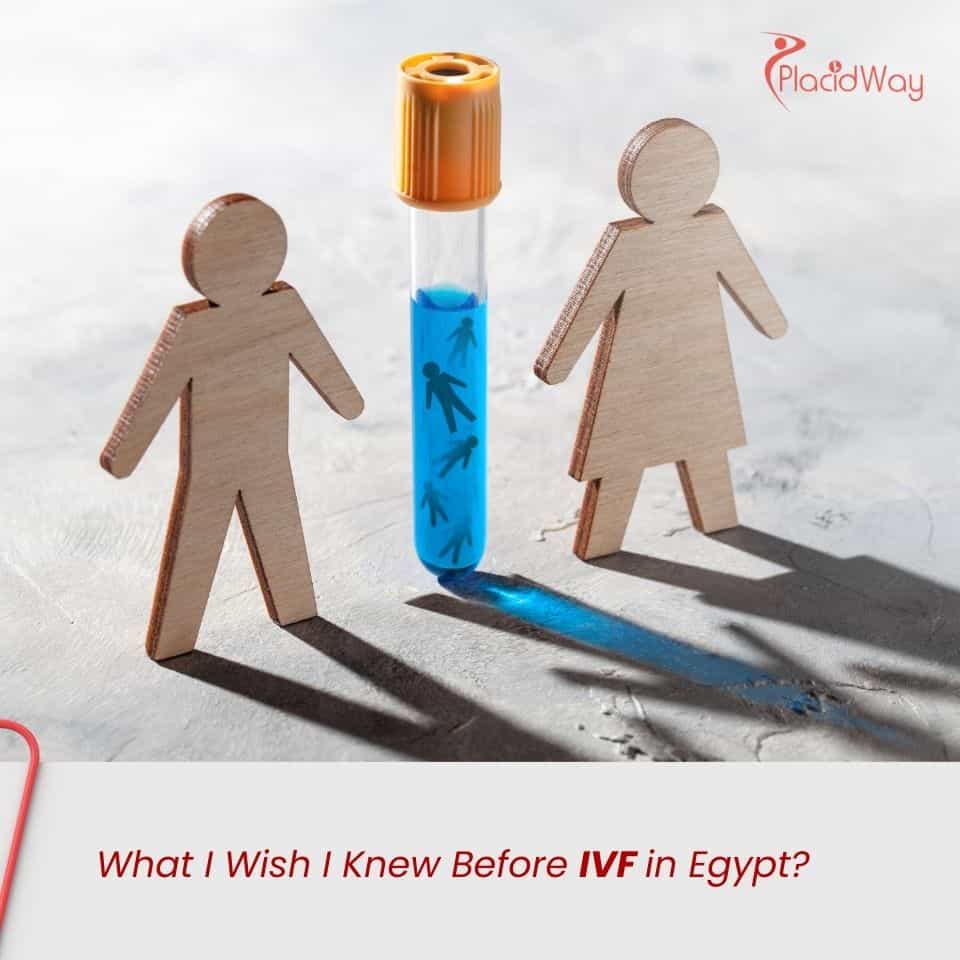
Before starting IVF in Egypt, it's essential to understand the full cost breakdown beyond the initial quote, the legal and religious regulations that govern the process, and the importance of choosing a clinic with high laboratory standards. The journey to parenthood through In Vitro Fertilization (IVF) is a profound one. Egypt has become a key destination for this journey, offering a combination of experienced specialists, modern clinics, and affordable care. However, a successful IVF in Egypt hinges on being well-prepared. Understanding the nuances, from the true costs to the specific legal framework for fertility treatment, is crucial. This guide provides clear answers to the most common questions, helping you navigate your IVF journey with confidence and clarity. What is the average cost of an IVF cycle in Egypt? The average cost of IVF in Egypt ranges from approximately $2,500 to $5,000 USD. This price is significantly lower than in the US or Europe, but it's crucial to confirm exactly what is included in the initial quote. While the cost savings are a major draw, the advertised price may not cover everything. To budget accurately, request a detailed, itemized quote. Confirm if the price includes consultations, monitoring, anesthesia, and especially fertility medications, which can be a significant separate expense. Also, ask about the costs for ICSI, embryo freezing, and storage. Are the success rates for IVF in Egypt reliable? Success rates in reputable Egyptian clinics are comparable to international standards, often ranging from 40-60% per cycle for younger women. However, it's important to ask how the clinic calculates and reports its data, as methods can vary. When evaluating a clinic's success rates, look deeper than the general number. Ask for statistics specific to your age and diagnosis. Most importantly, clarify if they are reporting the "pregnancy rate" or the "live birth rate"—the latter is the most meaningful metric for success. A transparent clinic will provide this data and set realistic expectations. What are the laws regarding IVF and surrogacy in Egypt? IVF in Egypt is strictly regulated by law and religious principles. Treatment is only available to legally married heterosexual couples using their own eggs and sperm. Egg donation, sperm donation, and surrogacy are all illegal. This is a critical point for international patients. Clinics in Egypt require legal proof of marriage before starting treatment. This means IVF in Egypt is not an option for single individuals, unmarried couples, or same-sex couples. Furthermore, the use of donor gametes (eggs or sperm) is strictly prohibited. How do I choose the best IVF clinic in Egypt? To choose the best clinic, look for one with internationally recognized accreditation, experienced embryologists, modern laboratory technology, and transparent communication. Prioritize doctors who are fluent in your language or have excellent translation services. The quality of the clinic's embryology lab is paramount to your success. Look for clinics with international certifications (like ISO) and experienced embryologists. Schedule video consultations to assess the doctor's approach and ensure clear communication. Reading recent reviews from other international patients can also offer valuable insights into their experience. What is the typical IVF process and timeline in Egypt? The entire IVF process in Egypt requires a stay of approximately 3 to 4 weeks. This timeline covers ovarian stimulation, monitoring, egg retrieval, fertilization, embryo development, and the embryo transfer procedure. Your stay will revolve around a structured medical schedule. The process begins with 10-14 days of ovarian stimulation and monitoring, followed by the egg retrieval procedure. The embryos then develop in the lab for 3-5 days before the embryo transfer. You should plan to rest for a couple of days after the transfer before your flight home. What is ICSI and is it standard practice in Egypt? Intracytoplasmic Sperm Injection (ICSI) is an advanced fertilization technique where a single sperm is injected directly into an egg. It is very common in Egypt and is often used as the standard method of fertilization in many clinics to maximize success rates. ICSI is a powerful technique that dramatically increases fertilization rates, especially in cases of male factor infertility. Because of its effectiveness, most top clinics in Egypt use ICSI as their standard procedure for all patients. However, you should always confirm if ICSI is included in your IVF package or if it is an additional charge. Can we choose the gender of our baby in Egypt? Yes, gender selection through Preimplantation Genetic Diagnosis (PGD) or Screening (PGS) is legally permitted and available in many IVF clinics in Egypt. It is often used for family balancing purposes. Gender selection via PGD/PGS is an option available at many Egyptian fertility clinics. This technology involves testing the embryos before transfer to identify their chromosomes. In addition to revealing the gender, it can also screen for major chromosomal abnormalities. This is an advanced procedure that comes with a significant additional cost, so you should discuss it early in your consultation if you are interested. Embarking on a fertility journey abroad requires trusted partners. PlacidWay connects you with a global network of accredited fertility clinics and healthcare providers. Explore your options and find the support you need for your path to parenthood....
Read more details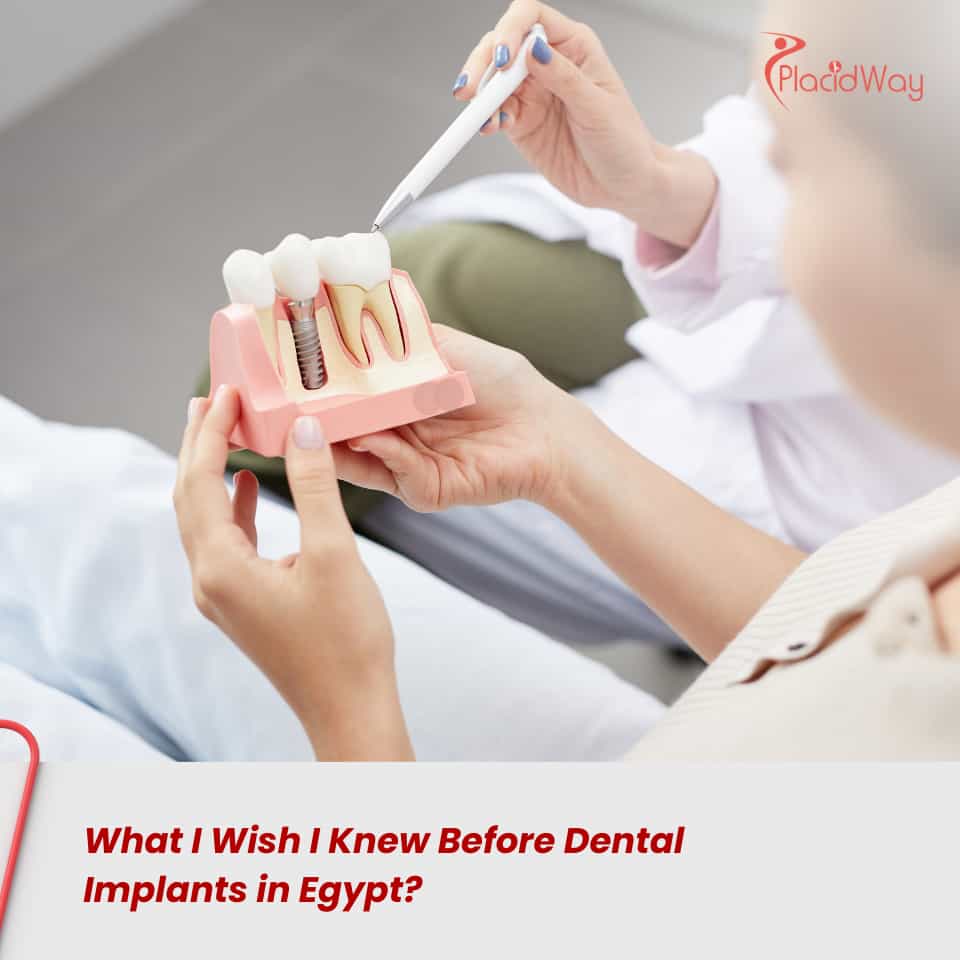
Getting dental implants in Egypt is a highly cost-effective option with access to world-class clinics, but success hinges on thorough research into clinic accreditation, surgeon credentials, and understanding the complete treatment timeline. If you're thinking about getting dental implants in Egypt, you're on a path many have successfully taken before. The idea of combining a trip to a land of ancient wonders with top-tier, affordable dental care is incredibly appealing. The goal here is to replace any anxiety you might have with confidence, so you can make an informed decision. Getting a new smile in a place like Egypt can be an amazing experience, and with the right information, you can ensure it’s a smooth and successful journey from start to finish. Let's get into the details you're looking for. How much do dental implants cost in Egypt? The cost of a single dental implant in Egypt, including the abutment and crown, typically ranges from $450 to $1,500 USD. This is significantly lower than the $3,000 to $6,000 you might pay in the US or UK. The primary reason people explore dental tourism in Egypt is the incredible cost savings. The lower cost is not a reflection of poor quality but is due to the lower cost of living, operational expenses, and labor in the country. A full-mouth restoration, like an All-on-4 dental implant procedure, can cost between $3,000 and $7,000 per arch in Egypt, whereas the same procedure could easily exceed $20,000 in Western countries. When getting a quote, make sure it's all-inclusive. Ask if the price includes the implant itself (the titanium post), the abutment (the connector piece), the crown (the final tooth), all consultations, X-rays, and any necessary extractions or bone grafts. Hidden fees can sometimes pop up, so a transparent, itemized quote is essential. Are dental implants in Egypt safe and high-quality? Yes, dental implants in Egypt are safe, provided you choose a reputable and internationally accredited clinic. Many top clinics adhere to the same high standards of hygiene and technology as those in Europe and the US. This was my biggest concern, and it’s a valid one. The key is due diligence. Look for clinics that have international accreditations, such as from the ISO. Many of the best dental clinics in Egypt, particularly in Cairo, Hurghada, and Alexandria, are staffed by dentists who have received training in Germany, the UK, or the US. They often use globally recognized, high-quality implant brands like Straumann, Nobel Biocare, or other reputable German and American systems. Before committing, check patient reviews, ask to see before-and-after photos of previous international patients, and have a video consultation with the dentist. This allows you to gauge their professionalism, communication skills, and the cleanliness of their facility. A good clinic will be proud to show off its credentials and technology. What is the process for a foreigner getting dental implants in Egypt? The process typically involves two trips. The first trip (5-7 days) is for the consultation, planning, and surgical placement of the implant post. The second trip (5-7 days) occurs 3-6 months later to attach the permanent crown after the implant has fused with the jawbone. Understanding the timeline is crucial. Dental implants are not a one-and-done procedure. The healing period, known as osseointegration, is when the titanium implant fuses with your jawbone, creating a strong foundation. This process is vital for the long-term success of the implant and cannot be rushed. Here’s a typical breakdown: Initial Contact: You'll send your dental records, OPG X-rays, and photos to the clinic for a preliminary assessment and quote. Trip 1: You'll have an in-person consultation, 3D CT scans, and the implant surgery. The dentist will place the titanium post into your jawbone. You might be fitted with a temporary tooth. Healing Period: You'll return home for 3 to 6 months to allow for osseointegration. Trip 2: The dentist will check the implant, expose it, and attach the abutment and the final, custom-made crown. How do I find the best dental clinics in Egypt? To find the best clinics, look for patient reviews on independent platforms, verify dentist credentials and international training, check for clinic accreditations (like ISO), and ensure they use modern technology like 3D CT scanners. Don't rely solely on a clinic's website. Dig deeper. Look for reviews on Google, Trustpilot, and medical tourism forums. Pay attention to feedback from other international patients, as they will have gone through the same process you're considering. A reputable clinic will have a strong online presence with a portfolio of their work. Ask direct questions during your virtual consultation: Where did you receive your dental training? Do you have specializations in implantology? What implant brands do you use and why? What is your success rate with dental implants? What is the warranty on the implant and the crown? Can you connect me with a former international patient? What are the pros and cons of getting dental implants in Egypt? The main pros are significant cost savings (up to 70%), access to high-quality care, and the chance to travel. The cons include the need for two separate trips, potential communication barriers, and less legal recourse if something goes wrong. It's important to weigh both sides. The financial benefit is undeniable and is the main driver for most people. Many clinics in Egypt offer a level of care and technology that is on par with, or even exceeds, what you might find at home. Combining treatment with a vacation is also a huge plus. However, the logistics of two international trips can be a challenge. You must also be comfortable with the follow-up care plan. What happens if you have a minor issue once you're back home? While rare, complications are possible. Reputable clinics will have a clear warranty policy and may have partner dentists in your home country for minor adjustments, but this is something you must clarify beforehand. How long is the recovery period? Initial recovery after the implant surgery takes about a week, with most swelling and discomfort subsiding in 3-5 days. The full healing and bone integration period (osseointegration) takes 3 to 6 months before the final crown can be placed. After the surgery on your first trip, you should plan for a few days of rest and relaxation. You'll be given instructions for managing pain (usually with over-the-counter medication), reducing swelling, and keeping the area clean. You'll also be advised to stick to a soft food diet for several days. Most patients feel well enough to do some light sightseeing after 2-3 days. The long-term healing phase is passive—you won't feel much, but your body is doing the important work of fusing bone to the implant. During this time, it's crucial to maintain excellent oral hygiene and avoid putting excessive pressure on the implant site. What if I need a bone graft or sinus lift? If you lack sufficient bone density, a bone graft or sinus lift may be necessary. This is a common procedure that Egyptian implantologists are very experienced with, but it can add to the overall cost and may extend the treatment timeline. A 3D CT scan during your initial consultation will determine if you have enough healthy bone to secure the implant. If not, the dentist will recommend a bone graft. This procedure adds bone material (either synthetic or from a donor) to your jaw. In some cases, a minor graft can be done at the same time as the implant placement. For more significant bone loss, the graft may need to heal for several months before the implant can be placed, potentially requiring an extra trip. Always ask about the potential need for a bone graft during your initial remote consultation and ensure the cost is included in your quote if it's deemed likely. Can I combine my dental treatment with a holiday? Absolutely. Most patients schedule their dental work at the beginning of their trip, leaving several days for recovery and tourism. Many clinics are located in tourist hubs like Cairo and Hurghada, making it easy to combine treatment with vacation. This is one of the biggest perks of dental tourism in Egypt. Plan your surgery for the first couple of days after you arrive. After a 2-3 day recovery period where you'll want to take it easy, you'll be free to explore. You can visit the Pyramids of Giza, cruise the Nile, or relax by the Red Sea. Many clinics offer packages that include hotel stays and airport transfers, simplifying the logistics for you. Just be sure to follow your dentist's post-operative instructions, especially regarding diet and physical activity. You wouldn't want to compromise your healing process. Ready to explore your options for affordable, high-quality dental care? PlacidWay is a leader in medical tourism, connecting patients with trusted, world-class dental clinics in Egypt and beyond. Let us help you find a verified provider for your dental implants. Explore your options with PlacidWay today! ...
Read more detailsShare this page with AI assistants to get summaries and insights


Discover the ultimate packages designed to meet your health and wellness goals. Choose the perfect fit for your journey.
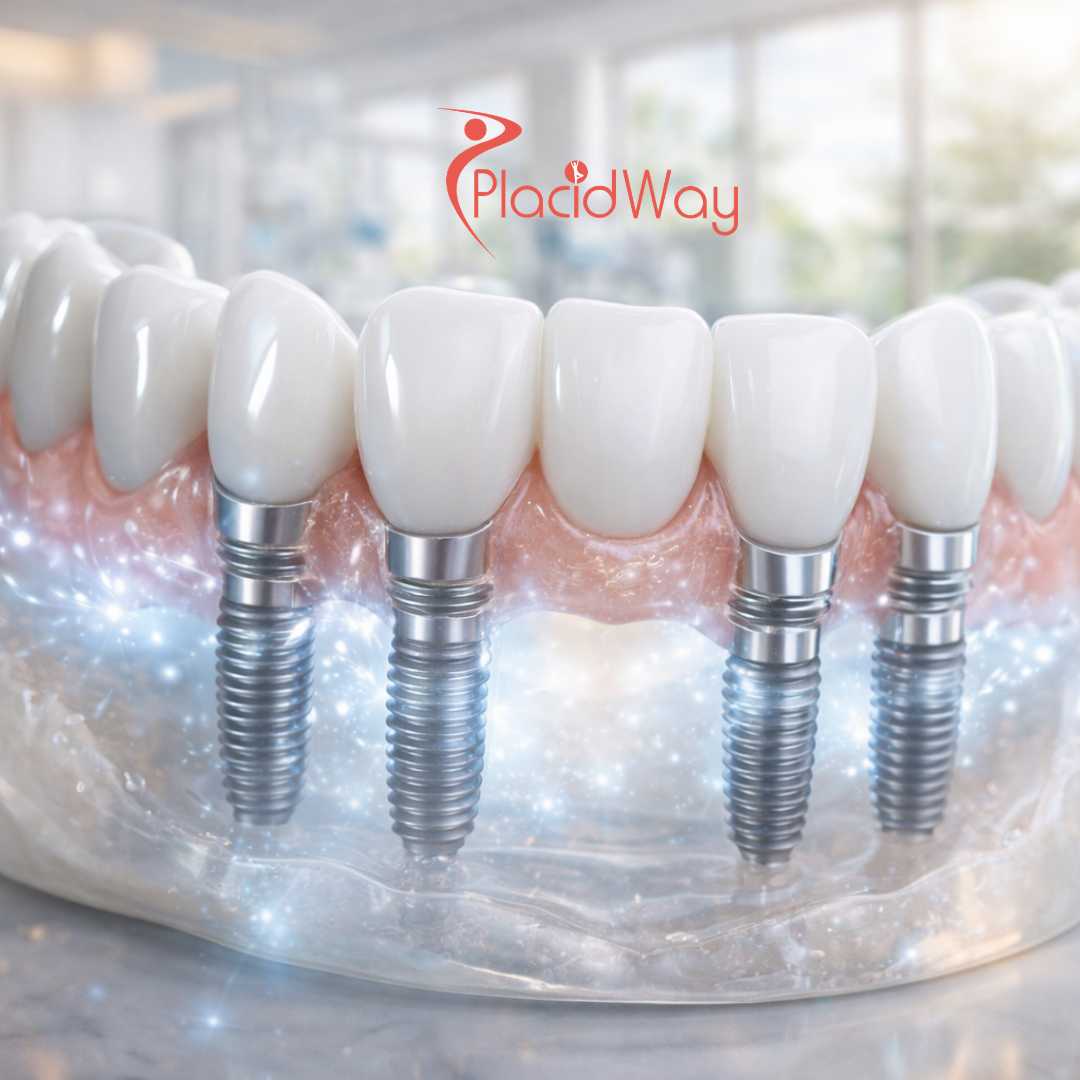
Price starting from $13999.0
Los Algodones, Mexico

Price starting from $11500.0
Kuala Lumpur, Malaysia
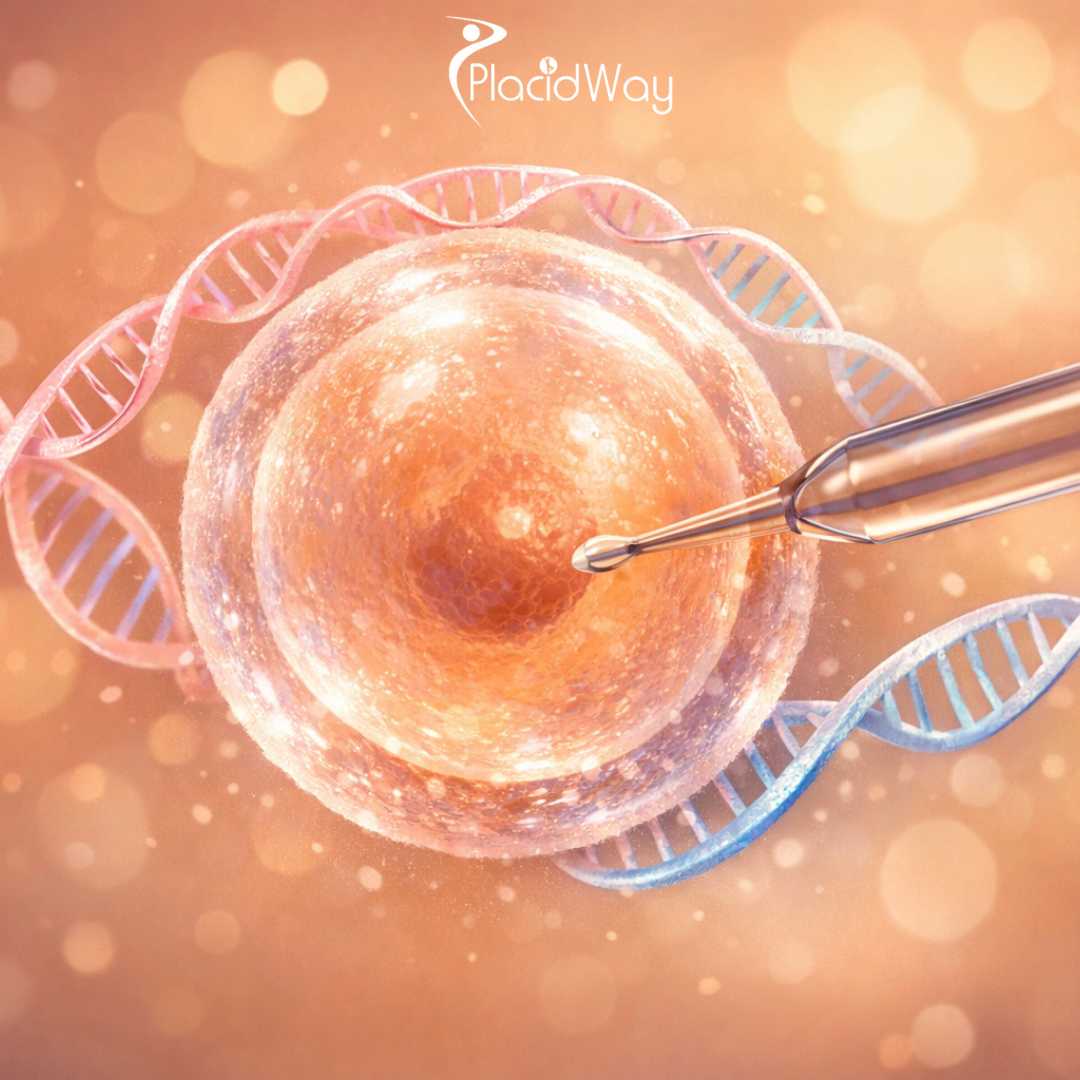
Price starting from $15000.0
Bangkok, Thailand
.png)
Price starting from $4000.0
Baku, Azerbaijan
Discover the power of through compelling patient experiences. Uncover detailed insights into procedures, recovery journeys, and life-changing results.
.png)
Barranquilla, Colombia
.png)
Price starting from $399.0
Los Algodones, Mexico
.png)
Price starting from $4500.0
New Delhi, India

Price starting from $2500.0
Santo Domingo, Dominican Republic


