
What treatment


10+ Most Common FAQs About Abdominal Etching
Find Reliable Answers About Abdominal Etching to Make Informed Decisions
Trusted Medical Tourism Platform Since 2007
.jpg)
Who are the best plastic surgeons in Matamoros, Mexico?
There is no official list of the 'best plastic surgeons Matamoros'. Top surgeons are identified by verifying their AMCPER board certification, their extensive experience, and their exclusive use of accredited hospitals for surgical procedures. Matamoros, located just across the border from Brownsville, Texas, has long been a destination for Americans seeking affordable and accessible medical and dental care. In recent years, it has also become a hub for cosmetic surgery, attracting patients looking for skilled surgeons without the high price tag of U.S. procedures. This popularity naturally leads many patients to search for the best plastic surgeons Matamoros has to offer. While the desire for a simple list of top doctors is understandable, the reality of medical tourism is more complex. There is no official, universally recognized ranking of the "best" surgeons. Such lists are often subjective and part of a marketing strategy. The most reliable way to find a top-tier surgeon is to become an educated patient and learn how to do the vetting yourself. The "best" surgeon for you is one who is not only a talented artist but also a highly qualified, safety-conscious medical professional who operates in a secure environment. This guide will teach you the essential steps for finding that surgeon. We will cover the critical importance of AMCPER certification, how to evaluate a surgeon's work, and the red flags you must avoid to ensure your cosmetic surgery in Mexico is a safe and successful experience. Is There an Official List of the Best Plastic Surgeons Matamoros? No, there is no official or objective list of the 'best' plastic surgeons for Matamoros. A surgeon's quality and suitability for you must be determined by your own research into their specific credentials, results, and safety record, not by a subjective ranking. It is crucial to understand that any website, blog, or social media account claiming to have a definitive "best of" list is likely a form of advertisement. The medical field does not rank surgeons in this way. A surgeon who is excellent at rhinoplasty may not be the best choice for a tummy tuck, and the surgeon who is right for your friend may not be the right aesthetic fit for you. The most empowered and safe approach is to ignore these lists and instead focus on a methodical vetting process. By learning how to verify credentials and assess a surgeon's work, you can create your own "best of" list tailored specifically to your needs and safety requirements. This guide will provide you with the exact criteria to use in your search for the best plastic surgeons Matamoros. What is the Most Important Credential for a Plastic Surgeon in Mexico? The single most important credential is certification by the Mexican Association of Plastic, Aesthetic and Reconstructive Surgery (AMCPER). This is the only board in Mexico that verifies a surgeon has completed an accredited, multi-year residency in plastic surgery. AMCPER certification is the gold standard and your number one non-negotiable requirement. It is the Mexican equivalent of being board-certified by the American Board of Plastic Surgery (ABPS). A surgeon who is AMCPER-certified has proven that they have: Graduated from medical school. Completed a full residency in general surgery. Completed an additional 2-3 year residency specifically in plastic and reconstructive surgery. Passed rigorous written and oral examinations to test their knowledge and ethical judgment. Any doctor can legally call themselves a "cosmetic surgeon" with minimal training, but only an AMCPER-certified surgeon has the proven, specialized training of a true plastic surgeon. You can verify a surgeon's status on the official AMCPER online directory. What Should I Look for in a Surgeon's Before-and-After Photos? Look for a large and consistent portfolio of high-quality photos for the specific procedure you want. Scrutinize the results for natural proportions, clean and well-placed scars, and an aesthetic style that matches your goals. A surgeon's photo gallery is the best evidence of their skill. When you review their work, be critical and detailed in your assessment. Find Your Body Type: Look for "before" photos of patients with a similar body shape, age, and anatomy to your own. This will give you the most realistic idea of the results you can expect. Analyze the Details: For a tummy tuck, is the belly button natural-looking? Is the scar low and easily hidden? For a breast augmentation, do the breasts look proportional to the patient's frame? For liposuction, are the contours smooth and not lumpy? Look for Consistency: A top surgeon will have a gallery filled with consistently excellent results across dozens of patients, not just one or two "hero" examples. A lack of a comprehensive photo gallery, or photos that are low-quality, heavily edited, or only show patients with very different body types, should be considered a red flag. Why is the Choice of Hospital So Critical in Matamoros? The choice of hospital is a critical safety factor. Major surgical procedures should only be performed in a fully-equipped hospital with a board-certified anesthesiologist, an emergency room, and an ICU. This ensures the facility can handle any unforeseen complications safely. A reputable plastic surgeon in Matamoros will have operating privileges at one of the city's established private hospitals. Be extremely wary of any surgeon who plans to perform a major procedure like a mommy makeover or liposuction in a small, private clinic or an in-office surgical suite. While these smaller clinics may be adequate for minor procedures under local anesthesia, they lack the critical infrastructure of a hospital. A hospital provides: A dedicated, board-certified anesthesiologist to manage your sedation and vital signs. A full team of nurses and support staff. An intensive care unit (ICU) and emergency services. Strict sterilization protocols and facility oversight. Your surgeon should be transparent about where your surgery will take place. What are the Biggest Red Flags to Avoid? The biggest red flags are a lack of verifiable AMCPER certification, unrealistically low prices, communication exclusively through coordinators or promoters, and high-pressure sales tactics that demand immediate, large cash deposits. Navigating medical tourism in a border town requires vigilance. Protect yourself by walking away if you encounter any of these warning signs: No AMCPER Certification: If you can't find them on the official directory, they are not a board-certified plastic surgeon. This is the ultimate deal-breaker. "Too Good to Be True" Pricing: An extremely low price is a major red flag that corners are being cut on hospital safety, anesthesia, or surgeon qualifications. Blocked Communication: If you are only allowed to speak with a coordinator or agent and cannot have a direct video consultation with the surgeon, this is a sign of a high-volume, low-personalization practice. Pressure and Secrecy: Any demand for a large, non-refundable cash deposit before you've even spoken to the surgeon, or any vagueness about the hospital where the surgery will be performed. Finding a surgeon you can trust is the most important step in your cosmetic surgery journey. When searching for the best plastic surgeons Matamoros, using a trusted platform can help. Placidway is a global leader in connecting patients with pre-vetted, accredited hospitals and board-certified surgeons....
Read more details

.png)
What Countries are Popular for Medical Tourism in Asia?
The most popular countries for medical tourism in Asia include Thailand, India, South Korea, Malaysia, and Singapore, each offering a unique blend of high-quality, affordable healthcare and attractive travel destinations. These countries have become global hubs for various medical procedures, from cosmetic surgery to complex heart surgeries. Have you ever considered traveling to another country for medical treatment? It might sound like a daunting idea, but for millions of people every year, it's a reality that offers a world of benefits. Medical tourism is a rapidly growing industry, and Asia has firmly established itself as a leading medical tourism destination. The continent offers a compelling combination of world-class medical facilities, highly skilled doctors, and significantly lower costs compared to Western countries. Whether you're seeking a cosmetic enhancement, a complex surgical procedure, or a rejuvenating wellness retreat, Asia has a destination that will meet your needs and exceed your expectations. In this comprehensive guide, we'll explore the most popular countries for medical tourism in Asia, delving into what makes each one a top choice for international patients. From the bustling cities of Thailand and India to the high-tech hospitals of South Korea and Singapore, you'll discover why so many people are packing their bags for a medical journey to the East. We'll answer all the important questions you might have, helping you make an informed decision about your healthcare journey. So, let's get started and uncover the best that Asian medical tourism has to offer. What are the most popular countries for medical tourism in Asia? The most popular countries for medical tourism in Asia are Thailand, India, South Korea, Malaysia, and Singapore. These nations are renowned for their advanced healthcare infrastructure, experienced medical professionals, and cost-effective treatments. Each of these countries has carved out a niche in the medical tourism industry. Thailand Medical Tourism is a leader in cosmetic surgery, dental work, and wellness retreats, complemented by its world-famous hospitality. India is a top choice for major surgeries like cardiac and orthopedic procedures due to its combination of highly skilled surgeons and affordable prices. South Korea Medical Tourism has become the global capital for plastic and cosmetic surgery, boasting some of the most advanced techniques and technologies in the field. Malaysia Medical Tourism is gaining popularity for a wide range of treatments, with the government actively regulating prices to ensure affordability. Singapore, while more expensive, is a premier destination for complex and specialized surgeries, thanks to its state-of-the-art medical facilities. Why is Asia a top destination for medical tourists? Asia is a top destination for medical tourists due to its unique combination of high-quality healthcare, significant cost savings, world-class hospitals, and the opportunity to combine medical treatment with a vacation. The appeal of Asia for medical tourism is multi-faceted. The most significant factor is the cost. Patients can save anywhere from 30% to 90% on medical procedures compared to the US and Europe, without compromising on quality. This makes even major surgeries accessible to a wider range of people. Another key reason is the high standard of care. Many hospitals in Asia are internationally accredited, often by the Joint Commission International (JCI), and are equipped with the latest medical technology. The region is also home to a large pool of highly trained and experienced doctors, many of whom have studied and worked in Western countries. Finally, the allure of Asia's diverse cultures, beautiful landscapes, and vibrant cities makes it an attractive place to recover and recuperate after a medical procedure. How much can I save on medical treatments in Asia? You can save between 30% and 90% on medical treatments in Asia compared to prices in the United States and other Western countries. The exact savings depend on the country, the procedure, and the hospital you choose. The cost savings are often the primary motivation for medical tourists. For example, a heart bypass surgery that could cost over $100,000 in the US might be available for as little as $10,000 in India. A dental implant that costs $4,000 in the US could be as low as $1,000 in Thailand. These savings are not due to lower quality but are a result of lower labor costs, less expensive infrastructure, and favorable exchange rates. Even after factoring in the cost of travel and accommodation, the total expenses are often significantly lower than the cost of the procedure alone in a Western country. Which Asian country is best for cosmetic surgery? South Korea is widely regarded as the best Asian country for cosmetic surgery, with Thailand being another top contender. Both countries offer a high level of expertise, advanced techniques, and a wide range of procedures. South Korea is at the forefront of the cosmetic surgery industry, known for its innovation and highly skilled surgeons. The country has the highest rate of cosmetic procedures per capita in the world, and its clinics are equipped with the latest technology. Popular procedures include rhinoplasty (nose jobs), blepharoplasty (eyelid surgery), and V-line jaw surgery. Thailand is also a popular destination for cosmetic surgery, offering excellent results at a more affordable price point. It is particularly well-known for breast augmentation, facelifts, and gender reassignment surgery. Both countries have a large number of internationally accredited hospitals and clinics that cater to foreign patients. What are the top destinations for dental tourism in Asia? The top destinations for dental tourism in Asia are Thailand, India, and Malaysia. These countries offer a wide range of dental services at a fraction of the cost in Western countries. Dental work can be prohibitively expensive in many parts of the world, which is why so many people travel to Asia for treatment. Thailand is a leader in this field, with numerous modern dental clinics in cities like Bangkok and Phuket. They offer everything from routine check-ups and teeth whitening to complex procedures like dental implants and full mouth reconstructions. India Medical Tourism is another excellent option, known for its highly qualified dentists and state-of-the-art facilities. Malaysia is also emerging as a popular choice, with its government regulating dental fees to ensure they remain competitive. In all these countries, you can expect to find English-speaking staff and a high standard of care. Where can I find the best fertility treatments in Asia? India, Thailand, and Malaysia are among the best countries in Asia for fertility treatments, including in-vitro fertilization (IVF). They offer high success rates, advanced reproductive technologies, and affordable treatment packages. For couples struggling with infertility, Asia offers a beacon of hope. India has a large number of world-class fertility clinics with experienced specialists and high success rates. The cost of IVF in India is significantly lower than in many other countries, making it an accessible option for many. Thailand is also a popular destination for fertility treatments, with many hospitals offering comprehensive packages that include accommodation and other services. Malaysia is another country with a growing reputation in this field, with modern facilities and a supportive legal framework for assisted reproductive technologies. Is medical care in Asia safe and reliable? Yes, medical care in Asia is generally safe and reliable, especially in the top medical tourism destinations. Many hospitals are internationally accredited and adhere to the same high standards of care as Western hospitals. One of the biggest concerns for medical tourists is the safety and quality of care. However, the leading hospitals in Asia have invested heavily in their infrastructure and staff to meet and exceed international standards. Many are accredited by the Joint Commission International (JCI), a US-based organization that is considered the gold standard in global healthcare. This accreditation ensures that the hospital meets rigorous standards in areas like patient safety, clinical care, and facility management. Additionally, many doctors and surgeons in Asia have been trained in the US, UK, or other Western countries, and are fluent in English. By choosing a reputable and accredited hospital, you can be confident that you will receive safe and high-quality medical care. What are some of the best hospitals in Asia for medical tourists? Some of the best hospitals in Asia for medical tourists include Bumrungrad International Hospital in Thailand, Apollo Hospitals in India, Asan Medical Center in South Korea, and Gleneagles Hospital in Singapore. These hospitals are just a few examples of the world-class medical facilities available in Asia. Bumrungrad International Hospital in Bangkok is one of the largest private hospitals in Southeast Asia and has been catering to international patients for decades. Apollo Hospitals is a major healthcare provider in India with a network of hospitals across the country, known for its expertise in a wide range of specialties. Asan Medical Center in Seoul is one of South Korea's most renowned hospitals, particularly for cancer treatment and organ transplantation. Gleneagles Hospital in Singapore is part of a large international healthcare group and is known for its high-quality care and advanced medical technology. How do I get a medical visa for an Asian country? Most Asian countries that are popular for medical tourism have a specific medical visa category for international patients. The application process typically requires a letter from the hospital, proof of funds, and other supporting documents. To facilitate medical tourism, many Asian governments have streamlined the visa application process for patients. A medical visa allows you to stay in the country for the duration of your treatment and recovery. To apply for a medical visa, you will usually need to provide the following: A letter from the hospital in the destination country, confirming your appointment and treatment plan. - Your medical records from your home country. - Proof that you have sufficient funds to cover your medical expenses and living costs. - A valid passport and other standard visa application documents. It's always a good idea to check the specific requirements of the embassy or consulate of the country you plan to visit, as they can vary. What should I look for when choosing a hospital in Asia? When choosing a hospital in Asia, you should look for international accreditation (such as JCI), experienced and qualified doctors, positive patient reviews, and transparent pricing. Making the right choice of hospital is crucial for a successful medical tourism journey. Here are some key factors to consider: Accreditation: Look for hospitals that are accredited by reputable international organizations like the JCI. This is a strong indicator of quality and safety. Doctor's Credentials: Research the qualifications and experience of the doctors who will be treating you. Many hospital websites provide detailed profiles of their medical staff. Patient Testimonials: Read reviews and testimonials from previous international patients. This can give you valuable insights into the patient experience at the hospital. Communication: Ensure that the hospital has English-speaking staff and can provide clear communication throughout your treatment process. Pricing: Choose a hospital that offers transparent and all-inclusive pricing packages. This will help you avoid any unexpected costs. Can I combine my medical treatment with a vacation? Yes, one of the major advantages of medical tourism in Asia is the ability to combine your medical treatment with a vacation. Many popular destinations offer a wide range of tourist attractions and activities. Asia is a continent of incredible diversity, with something to offer every type of traveler. Whether you're looking for pristine beaches, ancient temples, bustling markets, or serene natural landscapes, you'll find it in Asia. Many medical tourists choose to arrive a few days before their procedure to explore the local area, or extend their stay after their treatment to relax and recuperate in a beautiful setting. This can make the entire experience feel less like a medical trip and more like a rejuvenating holiday. Some hospitals and medical tourism facilitators even offer packages that include both medical treatment and sightseeing tours. What are the most common procedures for medical tourists in Asia? The most common procedures for medical tourists in Asia include cosmetic surgery, dental work, cardiac surgery, orthopedic surgery, fertility treatments, and - cancer treatment. The range of medical procedures available in Asia is vast, catering to a wide variety of healthcare needs. Here's a closer look at some of the most popular treatments: Cosmetic Surgery: Breast augmentation, rhinoplasty, facelifts, and liposuction are all commonly performed in countries like South Korea and Thailand. Dental Work: Dental implants, veneers, crowns, and teeth whitening are popular choices for dental tourists. Cardiac Surgery: Heart bypass surgery, angioplasty, and valve replacement are performed at a high standard in countries like India. Orthopedic Surgery: Knee and hip replacements are common procedures for medical tourists seeking to alleviate joint pain and improve mobility. Fertility Treatments: IVF and other assisted reproductive technologies are sought after by couples from around the world. Cancer Treatment: Some Asian hospitals offer advanced cancer treatments, including chemotherapy, radiation therapy, and targeted therapy, at a more affordable cost. How does the quality of healthcare in Asia compare to Western countries? The quality of healthcare in the top Asian medical tourism destinations is comparable to that of Western countries. Many hospitals are equipped with the same advanced technology and staffed by highly trained medical professionals. It's a common misconception that lower cost means lower quality. In the case of medical tourism in Asia, this is simply not true. The leading hospitals in the region have made significant investments to ensure that they can provide a level of care that is on par with, and sometimes even exceeds, that of Western hospitals. The use of cutting-edge medical technology, adherence to strict international standards, and a focus on patient-centered care are all hallmarks of the top hospitals in Asia. The main difference lies in the cost, which is lower due to economic factors rather than a compromise on quality. What are the typical costs for popular procedures in Thailand? The typical costs for popular procedures in Thailand are significantly lower than in Western countries. For example, a heart bypass surgery can cost around $15,000, a knee replacement around $10,000, and a dental implant around $1,500. Here is a table with some approximate costs for popular medical procedures in Thailand, compared to the US: Procedure Approximate Cost in Thailand (USD) Approximate Cost in the US (USD) Heart Bypass Surgery $15,000 $120,000 Knee Replacement $10,000 $50,000 Dental Implant $1,500 $4,000 Breast Augmentation $4,000 $12,000 Please note that these are approximate costs and can vary depending on the hospital and the specific needs of the patient. Why is India a preferred destination for medical travel? India is a preferred destination for medical travel due to its combination of highly skilled doctors, state-of-the-art hospitals, and some of the lowest costs for medical procedures in the world. India has a long-standing reputation for excellence in the medical field. The country has a large number of highly qualified and experienced doctors, many of whom have trained in the US and UK. Indian hospitals are equipped with the latest medical technology and are known for their expertise in complex procedures, particularly in the fields of cardiology, orthopedics, and oncology. The cost of treatment in India is a major draw for international patients, with savings of up to 90% possible on some procedures. The Indian government has also actively promoted medical tourism, making it easier for patients to obtain medical visas and access healthcare services. What makes South Korea a leader in cosmetic procedures? South Korea is a leader in cosmetic procedures due to its highly specialized and innovative techniques, a culture that embraces cosmetic enhancement, and a large number of experienced and skilled surgeons. The cosmetic surgery in South Korea is one of the most advanced in the world. The country is known for its focus on research and development, leading to the creation of new and innovative techniques that deliver natural-looking results. The high demand for cosmetic procedures in South Korea has also led to a large pool of highly experienced surgeons who specialize in specific areas of the face and body. The government has also played a role in promoting the industry, with strict regulations to ensure the safety and quality of care. For anyone considering a cosmetic procedure, South Korea is a destination that offers the very best in terms of skill, technology, and results. What are the advantages of choosing Malaysia for medical tourism? The advantages of choosing Malaysia for medical tourism include affordable and transparent pricing, high-quality healthcare facilities, and a multicultural and English-speaking environment. Malaysia is a rising star in the world of medical tourism. One of its key advantages is the government's role in regulating the cost of medical procedures, which ensures that prices remain competitive and transparent. This gives patients peace of mind, knowing that they will not be overcharged. The country also has a number of internationally accredited hospitals with modern facilities and highly trained staff. Malaysia's multicultural society is another draw for international patients, as English is widely spoken, making communication easy. The country also offers a diverse range of tourist attractions, from the vibrant city of Kuala Lumpur to the beautiful beaches of Langkawi. Is Singapore a good option for complex medical treatments? Yes, Singapore is an excellent option for complex medical treatments due to its highly advanced healthcare system, world-renowned hospitals, and expertise in a wide range of medical specialties. While Singapore is one of the more expensive medical tourism destinations in Asia, it is also one of the most advanced. The country's healthcare system is consistently ranked among the best in the world, and its hospitals are equipped with the latest medical technology. Singapore is a top choice for patients seeking complex and specialized treatments, such as organ transplants, cancer therapy, and advanced neurosurgery. The country has a strong focus on research and innovation, ensuring that patients have access to the most up-to-date treatments and therapies. For those who prioritize quality and expertise above all else, Singapore is a leading destination for medical care. What kind of post-operative care can I expect in Asia? You can expect high-quality post-operative care in Asia, with many hospitals offering comprehensive follow-up services, rehabilitation programs, and comfortable recovery facilities. Post-operative care is a critical part of the recovery process, and the top hospitals in Asia take it very seriously. After your procedure, you will receive attentive care from a team of nurses and doctors who will monitor your progress and manage any pain or discomfort. Many hospitals offer dedicated recovery rooms or suites that are designed to be comfortable and relaxing. Some also have on-site rehabilitation centers with physical therapists and other specialists who can help you regain your strength and mobility. Before you are discharged, you will be given detailed instructions on how to care for yourself at home, as well as any necessary medications. Many hospitals also offer follow-up consultations via phone or video call once you have returned to your home country. How can PlacidWay help me plan my medical trip to Asia? PlacidWay is a leading medical tourism facilitator that can help you plan every aspect of your medical trip to Asia. We provide access to a global network of accredited hospitals, experienced doctors, and affordable treatment packages. Planning a medical trip to another country can be a complex and overwhelming process. That's where PlacidWay comes in. We are here to guide you every step of the way, from choosing the right destination and hospital to arranging your travel and accommodation. Our team of experienced care coordinators will work with you to understand your needs and preferences, and then provide you with a range of options that meet your budget and healthcare goals. We can help you get quotes from multiple hospitals, schedule appointments with doctors, and even assist with your visa application. With PlacidWay, you can embark on your medical journey with confidence, knowing that you have a trusted partner by your side. Ready to explore your options for medical tourism in Asia? Contact PlacidWay today to get a free quote and start planning your journey to better health....
Read more details.png)
Which Countries Lead in European Medical Tourism?
The leading countries in European medical tourism are Turkey, Spain, Germany, Hungary, and Poland. These nations are renowned for their high-quality healthcare, specialized treatments, and significant cost savings compared to many Western countries. Have you ever considered traveling to another country for a medical procedure? If so, you're not alone. Medical tourism is a rapidly growing industry, and Europe has emerged as a premier destination for individuals seeking top-notch healthcare at competitive prices. But with so many options, you might be wondering, "Which countries lead in European medical tourism?" The answer is that a handful of nations have distinguished themselves through their exceptional medical services, cutting-edge technology, and patient-centric care. Countries like Turkey, Spain, Germany, Hungary, and Poland are at the forefront of this trend, attracting millions of international patients each year. Whether you're in need of cosmetic surgery, advanced dental work, or specialized medical treatments, these European hotspots offer a compelling combination of quality, affordability, and cultural experiences. In this comprehensive guide, we'll delve into what makes these countries the leaders in European medical tourism and explore the specific treatments they're known for. We'll answer all the important questions you might have, from cost comparisons to the quality of care, so you can make an informed decision about your healthcare journey. Why is Turkey a Top Destination for Medical Tourism? Turkey is a top destination for medical tourism due to its combination of high-quality, JCI-accredited hospitals, highly skilled doctors, and significantly lower costs for procedures like cosmetic surgery, hair transplants, and dental work. Turkey Medical Tourism has rapidly become a global powerhouse in the medical tourism industry. Its strategic location, bridging Europe and Asia, makes it easily accessible for patients from both continents. The Turkish government has actively promoted and invested in the healthcare sector, resulting in a large number of internationally accredited hospitals, particularly in Istanbul, Ankara, and Izmir. These facilities are equipped with the latest medical technology and are staffed by highly trained, often Western-educated, medical professionals. The primary draw for many medical tourists is the cost-effectiveness of treatments in Turkey. Patients can often save up to 70% on procedures compared to the US, UK, and other Western European countries. This affordability does not come at the expense of quality. Many Turkish hospitals have Joint Commission International (JCI) accreditation, which is considered the gold standard in global healthcare. Popular procedures in Turkey include: Cosmetic Surgery: Rhinoplasty, breast augmentation, and liposuction are among the most sought-after procedures. Hair Transplants: Hair Transplant in Turkey is often referred to as the "hair transplant capital of the world." Dental Treatments: From implants to veneers, Turkish dental clinics offer comprehensive and affordable care. Fertility Treatments: IVF and other assisted reproductive technologies are available at competitive prices. What Makes Spain a Leader in European Medical Tourism? Spain is a leader in European medical tourism because of its world-class healthcare system, highly skilled specialists, and its reputation for excellence in fertility treatments, cosmetic surgery, and orthopedics, all within a desirable Mediterranean climate. Spain Medical Tourism boasts one of the best healthcare systems in the world, consistently ranking high in global health indices. This reputation for quality, combined with its pleasant climate and tourist-friendly environment, makes it a highly attractive destination for medical travelers. The country has a robust network of modern hospitals and clinics, many of which are geared towards international patients with multilingual staff and dedicated patient support services. The cost of medical procedures in Spain is also competitive, offering significant savings compared to countries like the US and UK. Spain is particularly renowned for its expertise in certain medical fields. For instance, it is a global leader in fertility treatments, with some of the most advanced IVF clinics in Europe. The country's liberal reproductive laws also make it an accessible option for a wide range of patients. Other popular treatments in Spain include: Fertility Treatments: High success rates and advanced techniques make Spain a top choice for IVF. Cosmetic Surgery: A wide range of aesthetic procedures are performed by highly qualified surgeons. Orthopedic Surgery: Spain is known for its excellence in joint replacement and sports medicine. Ophthalmology: Advanced eye surgeries, including LASIK, are widely available. Why is Germany Known as the "Hospital of Europe"? Germany is known as the "Hospital of Europe" due to its unparalleled medical technology, stringent quality standards, and world-renowned expertise in complex treatments such as oncology, cardiology, and orthopedics. Germany Medical Tourism reputation for precision engineering and technological innovation extends to its healthcare sector. The country is home to some of the most advanced medical facilities and research institutions in the world. While the cost of treatment in Germany may be higher than in other European medical tourism destinations, patients are willing to pay a premium for the exceptional quality of care and access to cutting-edge treatments. The German healthcare system is highly regulated, ensuring that all hospitals and clinics adhere to strict safety and quality standards. Patients travel to Germany for a wide range of complex and specialized medical procedures. The country's doctors and surgeons are among the best in the world, with extensive training and experience in their respective fields. Some of the most sought-after treatments in Germany include: Oncology: Access to the latest cancer treatments and clinical trials. Cardiology: Advanced heart surgeries and treatments for cardiovascular diseases. Orthopedic Surgery: World-renowned for hip and knee replacements. Neurology: Expertise in treating complex neurological disorders. Why is Hungary Called the "Dental Capital of Europe"? Hungary is called the "Dental Capital of Europe" because of its high concentration of world-class dental clinics, highly skilled dentists, and the affordability of dental treatments, which can be up to 70% cheaper than in other Western countries. For decades, Hungary Medical Tourism has been the go-to destination for anyone seeking high-quality, affordable dental work. The country has a long tradition of excellence in dentistry, with a high concentration of dental universities and clinics, especially in Budapest and cities near the Austrian border. Hungarian dentists are known for their expertise and use of the latest dental technologies. The cost of dental treatments in Hungary is significantly lower than in the UK, Ireland, and other Western European countries, making it a popular choice for patients seeking everything from routine check-ups to complex restorative procedures. The dental tourism industry in Hungary is well-developed, with many clinics offering comprehensive packages that include treatment, accommodation, and even travel arrangements. The most common dental procedures sought by medical tourists in Hungary include: Dental Implants: High-quality implants at a fraction of the cost in other countries. Crowns and Bridges: Restorative treatments using the latest materials and techniques. Veneers: Cosmetic dental procedures to enhance the appearance of teeth. Full Mouth Restoration: Comprehensive treatment plans for complex dental issues. What Makes Poland an Emerging Leader in Medical Tourism? Poland is an emerging leader in medical tourism due to its combination of highly skilled medical professionals, modern facilities, and some of the most competitive prices in Europe for cosmetic surgery, dentistry, and bariatric surgery. Poland Medical Tourism has become an increasingly popular destination for medical tourism, particularly for patients from Germany, the UK, and Scandinavian countries. The country offers a compelling combination of high-quality medical care and affordable prices. The Polish government has been actively promoting the country as a medical tourism destination, and many hospitals and clinics have invested in modern facilities and technology to cater to international patients. The cost of medical treatments in Poland is significantly lower than in Western Europe, with savings of up to 60-80% on some procedures. Poland is a strong choice for a variety of medical treatments. Its doctors and surgeons are well-trained, and many have experience working in other European countries. The most popular procedures for medical tourists in Poland include: Cosmetic Surgery: Offering a wide range of procedures at competitive prices. Dentistry: A growing sector with significant cost savings. Bariatric Surgery: Specialized clinics for weight-loss procedures. Orthopedics: High-quality joint replacement and other orthopedic surgeries. What Are the Most Popular Procedures for Medical Tourists in Europe? The most popular procedures for medical tourists in Europe include dentistry (implants, crowns), cosmetic surgery (rhinoplasty, breast augmentation), fertility treatments (IVF), and orthopedic surgery (hip and knee replacements). The demand for medical procedures in Europe is diverse, with patients seeking a wide range of treatments. However, some procedures are more common than others. The following table provides an overview of the most popular procedures and the leading countries for each: Procedure Category Popular Countries Dentistry Hungary, Turkey, Poland Cosmetic Surgery Turkey, Spain, Czech Republic Fertility Treatments Spain, Czech Republic, Greece Orthopedic Surgery Germany, Spain How Do I Choose the Right Country for Medical Tourism? To choose the right country for medical tourism, research the country's specialty, check for internationally accredited hospitals (like JCI), compare costs, read patient reviews, and consult with a medical tourism facilitator. Choosing the right country for your medical treatment is a crucial decision that requires careful research and consideration. Here are some key factors to keep in mind: Accreditation and Quality: Look for hospitals and clinics that are internationally accredited, such as by the Joint Commission International (JCI). This ensures that they meet high standards of quality and safety. Doctor's Expertise: Research the qualifications and experience of the doctors and surgeons who will be performing your procedure. Cost of Treatment: Compare the costs of the procedure in different countries, but don't let price be the only factor. Consider the overall value, including the quality of care and the reputation of the facility. Patient Reviews: Read reviews and testimonials from previous patients to get an idea of their experiences. Travel and Accommodation: Consider the ease of travel to the country, as well as the availability and cost of accommodation. Is Medical Tourism in Europe Safe? Yes, medical tourism in Europe is generally safe, especially when you choose internationally accredited hospitals in leading countries like Germany, Spain, and Turkey. These facilities adhere to high standards of care and safety. The safety of medical tourism in Europe is a top priority for the leading destination countries. Many hospitals and clinics are held to the same high standards as those in the US and UK. The presence of international accreditation bodies like the JCI provides an extra layer of assurance for patients. However, as with any medical procedure, there are always risks involved. It's essential to do your due diligence and choose a reputable facility with a proven track record of success. To ensure your safety, it's also important to follow all pre- and post-operative instructions provided by your doctor. Make sure you have a clear understanding of the recovery process and any potential complications. It's also a good idea to purchase travel insurance that covers medical emergencies. What are the Benefits of Medical Tourism in Europe? The main benefits of medical tourism in Europe are significant cost savings, access to high-quality healthcare and specialized treatments, shorter waiting times, and the opportunity to recover in a new and interesting location. Medical tourism in Europe offers a multitude of benefits for patients seeking healthcare abroad. Here are some of the most significant advantages: Cost Savings: The most obvious benefit is the potential for significant cost savings on medical procedures. High-Quality Care: Europe is home to some of the best hospitals and medical professionals in the world. Access to Specialized Treatments: Patients can access treatments that may not be available or are prohibitively expensive in their home countries. Shorter Waiting Times: In many European countries, patients can receive treatment much more quickly than in countries with public healthcare systems and long waiting lists. Travel Opportunities: Medical tourism allows patients to combine their treatment with a vacation, giving them the chance to explore a new country and culture. Ready to explore your options for high-quality, affordable medical care in Europe? Explore PlacidWay to find the best clinics and doctors for your needs. We provide comprehensive information and support to help you make the right choice for your healthcare journey....
Read more detailsDiscover your treatment options with a free, no-obligation quote!
Get your quote now!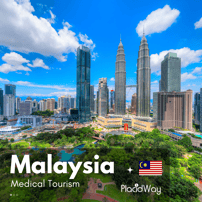
What Procedures are Commonly Offered in Medical Tourism Clinics in Kuala Lumpur?
Medical tourism clinics in Kuala Lumpur commonly offer a wide array of procedures, with a strong focus on cosmetic surgery, comprehensive dental care, advanced fertility treatments (IVF), cardiology, orthopedics, oncology, and thorough health screenings. Kuala Lumpur, the vibrant capital of Malaysia, has firmly cemented its reputation as a world-class destination for medical tourism. Beyond its stunning skyscrapers and rich cultural tapestry, the city is home to a sophisticated healthcare ecosystem that attracts hundreds of thousands of international patients each year. This boom is fueled by a compelling combination of high-quality medical standards, state-of-the-art technology, and remarkably affordable costs. For those seeking specialized medical care, Kuala Lumpur offers a diverse and comprehensive range of procedures, making it a leading choice for medical travelers globally. The city's medical facilities are renowned for their adherence to international standards, with many hospitals boasting prestigious accreditations like the Joint Commission International (JCI). This commitment to quality is matched by the expertise of its medical professionals, many of whom are internationally trained and fluent in English, ensuring seamless communication and a high level of trust. Whether you are considering a transformative cosmetic procedure, a complex cardiac surgery, or a routine but vital health screening, the clinics in Kuala Lumpur are equipped to provide exceptional care. This guide will explore the most common and sought-after procedures available in medical tourism clinics in Kuala Lumpur. We'll delve into the specifics of what makes the city a hub for everything from cosmetic enhancements and dental work to life-changing fertility treatments and orthopedic surgeries. If you are exploring your global healthcare options, understanding the breadth and depth of services in Kuala Lumpur is an essential first step. What are the most popular cosmetic surgery procedures in Kuala Lumpur? "The most popular cosmetic surgery procedures in Kuala Lumpur for medical tourists include breast augmentation, liposuction, rhinoplasty (nose surgery), facelifts (rhytidectomy), and blepharoplasty (eyelid surgery), all known for high-quality outcomes at competitive prices." Kuala Lumpur is a premier destination for aesthetic and plastic surgery, attracting patients who seek expert surgeons and natural-looking results. The city's clinics are equipped with the latest technology to perform a wide range of procedures designed to enhance and rejuvenate. The skill of Malaysian surgeons, combined with significant cost savings, makes Kuala Lumpur a top choice. Here are some of the most requested procedures: Breast Augmentation: Utilizing high-quality implants, surgeons in Kuala Lumpur are known for their ability to achieve a natural and proportionate enhancement. Liposuction: This body contouring procedure is highly sought after to remove stubborn fat deposits from areas like the abdomen, thighs, and arms, with surgeons employing advanced, minimally invasive techniques. Rhinoplasty: Often called a "nose job," this procedure is popular for both aesthetic enhancement and to correct breathing issues. Surgeons in KL are adept at creating facial harmony. Facelift (Rhytidectomy): A procedure to reduce the visible signs of aging, facelifts performed in Kuala Lumpur are praised for achieving a refreshed and more youthful appearance without looking "overdone." Eyelid Surgery (Blepharoplasty): This surgery addresses drooping eyelids and puffiness, resulting in a more alert and rested look. What dental treatments are commonly sought by medical tourists? "Dental clinics in Kuala Lumpur are very popular among medical tourists for procedures such as dental implants, crowns and bridges, veneers, full mouth reconstruction, and professional teeth whitening, offering savings of 70% or more compared to Western countries." Dental tourism is a major component of Kuala Lumpur's healthcare travel industry. The city's dental clinics are known for their modern facilities, highly trained dentists, and use of internationally recognized brands for materials and implants. Patients can receive complex dental work in a fraction of the time and at a fraction of the cost they would face at home. The combination of a vacation in a beautiful country with high-quality dental care is a powerful draw. Common procedures include: Dental Procedure Description Dental Implants A permanent solution for missing teeth, involving the placement of a titanium post into the jawbone. Veneers Thin shells of porcelain or composite resin bonded to the front of teeth to improve their appearance. Crowns & Bridges Crowns cap damaged teeth, while bridges are used to fill the gap created by one or more missing teeth. Teeth Whitening Professional-grade bleaching procedures that offer dramatic and immediate results. Is Kuala Lumpur a good destination for fertility treatments? "Yes, Kuala Lumpur is an excellent destination for fertility treatments, particularly In-Vitro Fertilization (IVF). The city's fertility centers are known for their high success rates, advanced reproductive technology, and compassionate, patient-centric care at affordable costs." Kuala Lumpur has emerged as a leading center for fertility and IVF in Southeast Asia. Couples from around the world are drawn to the city's specialized fertility clinics, which offer a combination of cutting-edge technology, experienced embryologists, and renowned fertility specialists. The success rates at many of these clinics are comparable to top centers in the US and Europe, but the costs are significantly lower. The supportive and empathetic environment, coupled with transparent pricing and advanced treatment options, provides hope for many aspiring parents. Common fertility procedures offered include: In-Vitro Fertilization (IVF): The most common form of assisted reproductive technology, where an egg is fertilized by sperm in a lab before being transferred to the uterus. Intracytoplasmic Sperm Injection (ICSI): A specialized form of IVF that involves injecting a single sperm directly into an egg, often used in cases of male infertility. Egg and Sperm Freezing (Cryopreservation): Allows individuals and couples to preserve their fertility for future use. Pre-implantation Genetic Diagnosis (PGD): A procedure used to screen embryos for genetic abnormalities before they are transferred. What types of heart procedures are available for medical tourists? "Kuala Lumpur's world-class cardiac centers offer a comprehensive range of heart procedures, including coronary artery bypass grafting (CABG), angioplasty with stenting, heart valve repair and replacement, and advanced diagnostic tests like angiograms." Cardiology is a field of medical excellence in Kuala Lumpur. The city is home to several dedicated heart centers that are pioneers in the region, equipped with the latest diagnostic and surgical technology. One notable achievement is a local hospital being the first outside the United States to implant the world's smallest pacemaker. International patients benefit from access to highly skilled cardiothoracic surgeons and shorter wait times for complex procedures. The integration of diagnosis, treatment, and rehabilitation all under one roof ensures a seamless patient journey. Key cardiac procedures include: Coronary Artery Bypass Grafting (CABG): A major open-heart surgery to treat severe coronary heart disease by bypassing blocked arteries. Angioplasty and Stent Placement: A minimally invasive procedure to open blocked arteries and improve blood flow to the heart. Pacemaker Implantation: A procedure to implant a small device that helps regulate irregular heartbeats. Are orthopedic surgeries common for visitors to Kuala Lumpur? "Yes, orthopedic surgeries are very common. Kuala Lumpur is a major hub for joint replacement surgeries, especially total knee replacement and total hip replacement, as well as spinal surgeries, offering excellent outcomes and comprehensive rehabilitation programs." Patients suffering from joint pain and degenerative diseases find significant relief through the orthopedic services in Kuala Lumpur. Hospitals feature specialized orthopedic departments with multidisciplinary teams of surgeons, physiotherapists, and nurses. They are known for their expertise in joint replacement surgeries, helping patients regain mobility and improve their quality of life. The use of minimally invasive techniques and high-quality prosthetics, combined with structured rehabilitation programs, leads to faster recovery times and successful long-term outcomes. Popular orthopedic procedures include: Total Knee Replacement (TKR): A surgical procedure to replace a diseased knee joint with an artificial one. Total Hip Replacement (THR): A procedure to replace a damaged hip joint, often due to arthritis. Spinal Surgery: Including procedures like discectomy and spinal fusion to treat herniated discs and other spinal conditions. Arthroscopy: A minimally invasive procedure to diagnose and treat joint problems. What kind of health screening packages are offered? "Hospitals in Kuala Lumpur offer a wide variety of comprehensive and customizable health screening packages. These range from basic wellness check-ups to executive screenings that include cardiac tests, cancer markers, and advanced imaging for early detection of diseases." Preventive care is a key focus of the healthcare system in Kuala Lumpur. Many tourists and expatriates take advantage of the efficient and affordable health screening packages offered by the city's top hospitals. These packages are designed to provide a thorough overview of an individual's health status and identify potential health risks before they become serious. These screenings are conducted in dedicated "one-stop" centers, allowing all tests and consultations to be completed in just a few hours. The packages are often tailored to specific age groups, genders, and health concerns, making proactive health management both convenient and accessible. Ready to explore world-class, affordable healthcare in a vibrant city? Visit PlacidWay to discover leading clinics and specialists in Kuala Lumpur for your personalized medical journey....
Read more details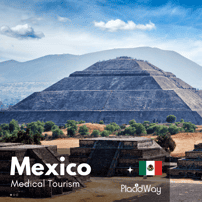
Why is Medical Tourism in Mexico Popular for Plastic Surgery Procedures?
Medical tourism in Mexico is popular for plastic surgery due to its unique combination of affordable prices, high-quality medical care from board-certified surgeons, and modern, accredited facilities, offering savings of up to 70% compared to the U.S. Embarking on a journey for plastic surgery can be a significant life decision, and an increasing number of individuals are choosing Mexico as their destination of choice. But what's behind this growing trend? The rise of medical tourism in Mexico for plastic surgery isn't just a fleeting phenomenon; it's a movement driven by compelling factors that resonate with patients worldwide, particularly from the United States and Canada. The primary allure is, without a doubt, the substantial cost savings. Patients can often access world-class cosmetic procedures for a fraction of the price they would pay back home. This isn't about cutting corners on quality; it's about leveraging a different economic landscape where operational costs and professional fees are lower. Beyond the attractive price tags, Mexico's plastic surgery landscape is defined by a commitment to high standards of care. Many of its surgeons are not only board-certified within Mexico but also hold certifications and have received training in the United States or Europe. They are often members of prestigious international societies, ensuring they are at the forefront of the latest techniques and safety protocols. This means patients can expect to receive care that is on par with, and sometimes even exceeds, the standards they are accustomed to. Add to this the convenience of proximity for North American patients and the appeal of recovering in a beautiful, serene environment, and it's easy to see why Mexico has solidified its reputation as a premier hub for cosmetic enhancements. What are the primary reasons for the popularity of plastic surgery in Mexico? "The main drivers behind Mexico's popularity for plastic surgery are significant cost reductions, the presence of highly qualified and internationally trained surgeons, modern medical facilities, and its close proximity to the United States and Canada." The surge in medical tourism in Mexico for plastic surgery is a multi-faceted phenomenon. The most significant factor is the dramatic cost difference. Patients can save anywhere from 40% to 70% on a wide range of procedures. This financial relief allows many to afford treatments that would otherwise be out of reach. However, cost alone doesn't tell the whole story. The quality of care is a close second. Mexico boasts a large pool of talented, board-certified plastic surgeons who have often undergone extensive training in the U.S. or Europe. They are adept at the latest surgical techniques and are committed to patient safety. Furthermore, many of the hospitals and clinics catering to international patients are state-of-the-art, featuring the same advanced technology as their northern counterparts. The geographical convenience for North American patients, requiring only a short flight, further enhances its appeal, making the entire process less stressful and more accessible. How significant are the cost savings for plastic surgery in Mexico? "Patients can expect to save between 40% and 70% on plastic surgery procedures in Mexico compared to prices in the United States. For example, a mommy makeover that might cost $20,000 in the U.S. could be as low as $6,000 to $8,000 in Mexico." The cost savings are often the initial and most compelling reason for patients to consider plastic surgery in Mexico. The lower cost of living, reduced administrative overhead, and competitive market all contribute to more affordable pricing for high-quality medical services. These savings are not indicative of lower quality but rather a different economic structure. Let's look at a comparative table to illustrate the potential savings on popular procedures: Procedure Average Cost in the U.S. Average Cost in Mexico Rhinoplasty $8,000 - $15,000 $4,000 - $6,000 Mommy Makeover $15,000 - $25,000 $6,000 - $10,000 Tummy Tuck $10,000 - $18,000 $4,500 - $7,000 Breast Augmentation $8,000 - $12,000 $3,500 - $5,500 These savings allow patients to opt for their desired procedures without financial strain. Many also find that they can afford additional treatments or enjoy a more extended and comfortable recovery period with the money saved. Are plastic surgeons in Mexico qualified and trustworthy? "Yes, many plastic surgeons in Mexico are highly qualified, board-certified, and often members of international plastic surgery societies. It is crucial for patients to verify that their surgeon is certified by the Mexican Board of Plastic, Aesthetic and Reconstructive Surgery (AMCPER)." A common concern for prospective medical tourists is the qualification of the surgeons. Reputable plastic surgeons in Mexico have undergone rigorous training that is comparable to their counterparts in the U.S. and Europe. Many have pursued fellowships and specialized training abroad, bringing back a wealth of international experience and knowledge. To ensure you are in safe hands, look for the following credentials: Board Certification: The most important credential is certification from the Mexican Board of Plastic, Aesthetic and Reconstructive Surgery (AMCPER). This ensures the surgeon has met strict standards of training and expertise. International Memberships: Membership in organizations like the American Society of Plastic Surgeons (ASPS) or the International Society of Aesthetic Plastic Surgery (ISAPS) is a strong indicator of a surgeon's commitment to global standards. Verifiable Experience: Reputable surgeons will have an extensive portfolio of before-and-after photos and be transparent about their experience with specific procedures. Doing thorough research and choosing a board-certified plastic surgeon is the most critical step in ensuring a successful and safe surgical outcome in Mexico. Is it safe to travel to Mexico for cosmetic surgery? "Yes, getting plastic surgery in Mexico can be very safe, provided you choose a reputable, board-certified surgeon and an accredited medical facility. Top clinics in Mexico adhere to strict international safety and hygiene protocols." Safety is a paramount concern, and the narrative that surgery in Mexico is inherently risky is largely a misconception. Just as in any other country, there are excellent facilities and practitioners, as well as those that are less reputable. The key to a safe experience lies in diligent research and careful selection. High-quality Mexican hospitals and clinics that cater to medical tourists are often accredited by international bodies like the Joint Commission International (JCI). This accreditation signifies that the facility meets the highest global standards for patient care and safety. These clinics use modern equipment, adhere to strict sterilization protocols, and employ experienced, licensed anesthesiologists. By selecting a surgeon who operates in such a facility, patients can significantly mitigate potential risks and ensure their safety and well-being are prioritized. What are the most popular plastic surgery procedures for medical tourists in Mexico? "The most sought-after procedures in Mexico include 'mommy makeovers,' tummy tucks, liposuction, breast augmentation, and rhinoplasty. These procedures offer some of the most significant cost savings and are performed with great expertise by Mexican surgeons." Mexico has become a hub for a variety of cosmetic procedures, with some being particularly popular among international patients. The "mommy makeover," a combination of procedures designed to restore a woman's pre-pregnancy body, is a prime example. This typically includes a tummy tuck, liposuction, and a breast lift or augmentation. Other highly requested surgeries include: Rhinoplasty (Nose Job): To improve the aesthetics and sometimes the function of the nose. Facelifts and Eyelid Surgery: For facial rejuvenation and a more youthful appearance. Body Contouring: Procedures like liposuction and tummy tucks to sculpt the body. Breast Augmentation and Lifts: To enhance the size and shape of the breasts. The expertise of Mexican surgeons in these specific areas, combined with the affordability, makes them particularly attractive options for those seeking transformative results. What are the advantages of choosing Mexico for plastic surgery? "The primary advantages are substantial cost savings, access to high-quality care from board-certified surgeons, modern medical facilities, minimal wait times, and the opportunity to recover in a pleasant, vacation-like environment." Choosing Mexico for your plastic surgery journey comes with a host of benefits that extend beyond the financial. The quality of care is a significant advantage, with many surgeons and facilities meeting or exceeding international standards. The wait times for procedures are often much shorter than in countries with public healthcare systems, allowing for greater flexibility in scheduling. Furthermore, the element of medical tourism itself is a draw. Patients can recover in beautiful locations like Cancun or Tijuana, enjoying a level of privacy and comfort that might not be possible back home. Many clinics offer all-inclusive packages that cover everything from the surgery and hospital stay to accommodation and post-operative care, creating a seamless and stress-free experience. What are the potential risks of having plastic surgery in Mexico? "As with any surgery, there are inherent risks such as infection, complications from anesthesia, and unsatisfactory results. These risks can be minimized by selecting a board-certified surgeon, an accredited facility, and carefully following all pre- and post-operative instructions." It is important to have a balanced perspective and acknowledge the potential risks associated with undergoing surgery in any foreign country. While the quality of care can be excellent, there are also unqualified practitioners and substandard clinics to be wary of. The primary risk comes from a lack of thorough research and choosing a provider based solely on the lowest price. Other potential challenges can include: Language Barriers: While many doctors and staff in top clinics are bilingual, communication issues can arise. Follow-up Care: Managing follow-up appointments once you've returned home can be more complex. Travel After Surgery: Flying too soon after a major procedure can increase the risk of complications like blood clots. Patients can mitigate these risks by using reputable medical tourism agencies, ensuring clear communication with their surgical team, and planning for adequate recovery time in Mexico before traveling home. How can I find a reputable plastic surgeon in Mexico? "To find a reputable surgeon, verify their board certification with the Mexican Board of Plastic, Aesthetic and Reconstructive Surgery (AMCPER), read patient reviews and testimonials, examine their before-and-after photo galleries, and schedule a virtual consultation to discuss your goals and concerns." Finding a trustworthy and skilled surgeon is the cornerstone of a successful plastic surgery experience in Mexico. Your research should be meticulous and focus on verifying credentials and experience. Start by checking for board certification from AMCPER, which is the gold standard for plastic surgeons in Mexico. Next, delve into patient experiences. Look for reviews on independent platforms, watch video testimonials, and scrutinize before-and-after photos for consistency and quality. A reputable surgeon will be transparent and proud to showcase their work. Finally, a virtual consultation is a crucial step. This allows you to "meet" the surgeon, ask specific questions about your procedure, and get a feel for their professionalism and communication style. Don't hesitate to ask about their experience with international patients and their protocols for post-operative care. What is the quality of medical facilities in Mexico? "The quality of medical facilities in Mexico that cater to medical tourists is generally very high. Many are modern, well-equipped with the latest technology, and hold international accreditations, ensuring they meet global standards of care and safety." The image of outdated medical facilities in Mexico is a far cry from the reality of the thriving medical tourism industry. The leading hospitals and clinics in cities like Tijuana, Cancun, and Guadalajara are on par with the best in the world. They are designed to provide a comfortable and safe environment for patients, with a focus on delivering a seamless medical experience. These facilities often feature: Advanced Surgical Suites: Equipped with the latest surgical and monitoring technology. Private Recovery Rooms: Offering comfort and privacy during the initial recovery period. International Patient Departments: Staffed with coordinators who assist with everything from travel arrangements to language translation. Adherence to International Standards: Many facilities voluntarily seek accreditation from bodies like the JCI to demonstrate their commitment to quality and safety. What should I look for in a plastic surgery package in Mexico? "A good all-inclusive plastic surgery package in Mexico should clearly detail all costs, including the surgeon's fee, anesthesia, hospital charges, pre-operative tests, post-operative garments, and medications. It may also include accommodation and transportation for a stress-free experience." Many clinics in Mexico offer all-inclusive packages to simplify the process for international patients. These packages can be a great value, but it's important to understand exactly what is included. A comprehensive package should provide transparency and cover all the essential elements of your surgical journey. When evaluating a package, look for the inclusion of: All medical fees associated with the surgery. Costs for the hospital or clinic stay. Pre-operative consultations and any necessary lab work. Post-operative care, including follow-up visits. Necessary medications and surgical garments. Ground transportation between the airport, hotel, and clinic. Accommodation for a specified recovery period. Always get a detailed breakdown of the package in writing to avoid any hidden costs or surprises. Ready to explore your options for high-quality, affordable plastic surgery? Explore PlacidWay for solutions related to medical tourism and healthcare services. ...
Read more details.png)
What are Typically Included in Medical Tourism Packages?
A medical tourism package bundles your medical procedure with travel-related services like accommodation, ground transport, and coordinator assistance to create a seamless healthcare journey abroad. Planning a medical procedure in another country can feel overwhelming, but that's where medical tourism packages come in. Think of them as an all-in-one solution designed to simplify your journey to better health. Instead of you having to juggle hospital appointments, hotel bookings, and transportation in an unfamiliar place, a good package handles the logistics so you can focus on what truly matters: your health and recovery. These bundles are created by specialized companies or the hospitals themselves to provide a streamlined, stress-free experience, often at a fraction of the cost you'd pay back home. The core idea behind medical travel is to combine high-quality, affordable healthcare with the convenience of a pre-planned trip. From the moment you land at the airport to your final check-up before flying home, these packages aim to cover all the essential bases. You're not just paying for a surgery; you're investing in a full-service experience that includes a comfortable place to recover, reliable transport to and from your appointments, and often a local coordinator who can bridge any language or cultural gaps. This guide will break down exactly what you can typically expect to find inside these packages, what's often left out, and how to choose the best option for your specific needs, ensuring your journey is as smooth and predictable as possible. What is a medical tourism package? A medical tourism package is a bundled service that combines a specific medical procedure with logistical arrangements such as accommodation, airport transfers, and local transportation for a single, often fixed, price. A medical tourism package is essentially a comprehensive service bundle that simplifies traveling abroad for healthcare. Instead of booking each component separately, you get a pre-arranged plan that covers your entire journey. This approach is designed to eliminate the stress and complexity of planning, making world-class healthcare more accessible. These packages are offered by medical tourism facilitators or directly by international hospitals. The primary goal is to provide transparency in pricing and a clear itinerary, so you know exactly what you're getting. It transforms a potentially complicated trip into a well-managed experience, covering everything from your arrival to your departure. What medical services are typically included? Core medical services in a package almost always include the surgeon's fee, anesthesia, operating room costs, the hospital stay, and initial post-operative consultations. The heart of any health tourism package is the medical treatment itself. This is the main reason for your journey, and the package is built around it. While specifics can vary, you can generally expect the core costs of the procedure to be covered. Here’s a breakdown of the typical medical inclusions: The Procedure Itself: The cost of the surgery or treatment (e.g., a knee replacement, dental implants, IVF cycle abroad). Surgeon and Staff Fees: Compensation for the entire medical team, including the lead surgeon, anesthesiologist, and nurses. Hospital Stay: The cost of your room for the required number of nights post-procedure. Pre-operative Consultation: The initial meeting with your surgeon upon arrival. Basic Post-operative Care: Follow-up appointments and removal of stitches before you are cleared to fly home. Is accommodation part of the package? Yes, most comprehensive medical tourism packages include accommodation for a set number of nights, typically in a 3- to 5-star hotel located near the hospital or clinic. A comfortable and convenient place to rest and recover is crucial. Recognizing this, most reputable providers include accommodation in their medical tourism packages. This isn't just about convenience; it's about ensuring your recovery environment is safe, clean, and close to your medical facility in case you need assistance. The type of accommodation can range from a standard room in a partner hotel to a fully-serviced apartment or a specialized recovery suite. The duration of the stay is predetermined based on the typical recovery time for your procedure. Always clarify how many nights are included and what the cost would be if you need to extend your stay for any reason. Are flights and travel arrangements covered? Flights are usually not included in standard medical tourism packages. Patients are typically responsible for booking their own airfare, allowing for flexibility in travel dates and airline choice. This is one of the most common questions, and the answer is generally no. The vast majority of medical travel packages intentionally exclude international airfare. There are a few reasons for this. Firstly, flight prices fluctuate dramatically based on the season, how far in advance you book, and your departure city. Including it would make it impossible to offer a fixed package price. Secondly, it gives you, the patient, full control over your travel plans. You can choose your preferred airline, travel class, and flight times. While the package provider won't book your flights, many offer assistance by recommending the best routes or helping you coordinate your flight arrival time with their airport pickup schedule. What kind of ground transportation can I expect? Packages typically include all necessary ground transportation, such as private airport pickup and drop-off, and all transfers between your hotel and the hospital for appointments. Navigating a new city can be stressful, especially when you're there for medical reasons. This is why seamless ground transportation is a cornerstone of a good medical tourism package. From the moment you clear customs, you are taken care of. A representative is usually waiting for you with a placard, ready to escort you to a private vehicle. This service extends beyond just the airport transfer. The package will cover all your trips to and from the hospital for your consultation, the procedure itself, and all your post-operative check-ups. This removes any worry about finding taxis, using ride-sharing apps, or navigating public transport. Will I have a translator or personal assistant? Yes, many packages, especially in non-English-speaking countries, include a dedicated patient coordinator or interpreter to assist with communication at the hospital and manage your schedule. Clear communication is vital for your safety and peace of mind. In destinations where English isn't the primary language, a translator or a bilingual patient coordinator is an invaluable asset. This person acts as your advocate and guide, ensuring nothing gets lost in translation during your consultations with the medical team. This coordinator often does more than just translate. They manage your appointment schedule, help with hospital admission paperwork, and are your go-to contact for any questions or concerns. Their presence ensures your experience is as smooth and worry-free as possible. What is usually *not* included in a medical tourism package? Common exclusions are international flights, travel insurance, visa fees, meals (unless specified), treatment for unforeseen complications, and any personal or tourism-related expenses. Understanding what's excluded is just as important as knowing what's included. This helps you budget accurately and avoid any unpleasant surprises. While packages aim to be comprehensive, some costs are almost always your responsibility. Here's a list of typical exclusions: Flights: As mentioned, you book your own. Travel & Medical Complications Insurance: This is a critical purchase you must make separately. Visa Fees: If the destination country requires a visa, the application fee is on you. Meals: Unless you are in the hospital or the package specifies "full board," you'll pay for your own food. Costs for a Companion: The package price is for the patient only. Extra costs for a companion's food and leisure are separate. Treatment for Complications: The initial package price covers the planned procedure. Costs for managing unexpected complications may be extra. Personal Expenses: Souvenirs, shopping, and sightseeing tours are not included. How much can I save with a medical tourism package? Savings can be significant, often ranging from 40% to 80% compared to the cost of the same procedure in countries like the United States, even after factoring in travel and accommodation. Cost savings is the primary driver for the entire health tourism industry. The price difference for medical procedures between countries can be staggering. For example, a cardiac surgery that costs over $100,000 in the U.S. might be available for $10,000-$20,000 in a top-tier hospital in India or Thailand. These savings are possible due to lower labor costs, less administrative overhead, and favorable exchange rates. A package bundles these already low costs, providing exceptional value. It allows patients to access procedures that might be financially out of reach in their home country without compromising on the quality of care. Are pre-operative tests and post-operative care included? Basic pre-operative tests upon arrival and immediate post-operative follow-ups are typically included. However, extensive diagnostic tests beforehand or long-term follow-up care after returning home are usually not. A good package will cover the necessary medical checks once you arrive at your destination. This includes the initial consultation and any standard blood tests or scans required right before the procedure. This ensures you are fit for the surgery and allows the surgeon to finalize the treatment plan. Similarly, immediate post-operative care, such as follow-up visits with the surgeon before you leave, is standard. What's often not included are the diagnostic tests you might need in your home country to confirm your eligibility for the procedure. Furthermore, long-term follow-up care after you return home will be managed by your local doctor and is not part of the package price. What happens if there are complications during my treatment? The standard package price does not cover the cost of treating major, unforeseen complications. This is why purchasing a specialized medical complications insurance policy before you travel is essential. This is a critical point to understand. While top international hospitals have very low complication rates, no surgical procedure is 100% risk-free. The fixed price of your medical tourism package covers the standard, successful execution of your procedure. If a rare but serious complication arises that requires additional surgery, a longer hospital stay, or intensive care, the costs for managing it will be extra. To protect yourself financially, it is imperative to purchase a dedicated medical tourism insurance policy. These policies are designed to cover the costs of treating complications, as well as travel-related issues. Do not travel without one. Do packages include help with visas and other documents? Many providers offer visa assistance. They will supply an official letter of invitation from the hospital to support your medical visa application, though you are responsible for the application process and fees. Navigating visa paperwork can be confusing. To facilitate this, most medical travel providers will give you the necessary documentation to prove you are visiting the country for medical purposes. This typically includes an official letter from the hospital confirming your procedure, appointment dates, and the estimated duration of your stay. This letter is crucial for a successful medical visa application. While the provider offers this essential support, the responsibility for actually filling out the application, submitting it to the embassy or consulate, and paying the associated fees rests with you. Can a companion travel with me, and is their stay included? Companions are welcome, but the package price typically only covers the patient. The accommodation is often in a double room, so your companion can stay with you, but their flights, food, and other personal expenses are not included. Having a friend or family member with you for support can be incredibly comforting. Medical tourism providers understand and encourage this. The accommodation included in the package is usually a double-occupancy room, meaning your companion can stay with you at no extra lodging cost. However, the package is priced for one patient. All other costs for your companion—such as their airfare, meals, and any activities they do while you are recovering—must be paid for separately. Some providers may offer a "companion package" for a small additional fee, which might include their airport transfers and meals. What are "all-inclusive" medical tourism packages? An "all-inclusive" package is a more comprehensive bundle that aims to cover nearly every foreseeable expense, potentially including meals, post-operative medications, and sometimes even minor wellness treatments. The term "all-inclusive" can be interpreted differently, so it's vital to read the details. Generally, an all-inclusive medical package goes a step beyond the standard offering. It tries to minimize your out-of-pocket expenses at the destination by including more services in the upfront cost. This might include: All meals during your stay (not just breakfast). A supply of post-operative medications and dressings. A local SIM card for your phone. Sometimes, a complimentary wellness service like a massage. Even with "all-inclusive" packages, flights and comprehensive insurance are almost always excluded. Always verify the exact list of inclusions. How do I compare different medical tourism packages effectively? To compare packages, create a checklist and compare them line-by-line. Focus on the surgeon's credentials, hospital accreditation, the number of accommodation nights, and the specifics of post-operative care. Choosing the right package requires a bit of homework. Don't just look at the headline price. Create a spreadsheet or a checklist to compare offers from different providers on an equal footing. Look beyond the cost and evaluate the overall value and quality. Key comparison points should include: Criteria Questions to Ask Medical Quality Is the hospital JCI accredited? What are the surgeon's qualifications and experience? Inclusions How many hotel nights are included? Are all transfers covered? What specific tests are included? Support Is there a 24/7 contact person? Is a dedicated translator provided? Reviews What do past patient testimonials and independent reviews say about the provider? How has telemedicine changed medical tourism packages in 2025? In 2025, telemedicine is integral to medical tourism packages, enabling virtual pre-travel consultations and remote post-operative follow-ups, making the entire process more efficient and secure. Technology has significantly enhanced the medical travel experience. Telemedicine, or virtual healthcare, is now a standard component of many packages. This allows you to have a video consultation with your potential surgeon from the comfort of your home before you even book the package. This pre-travel consultation helps build trust and allows you to ask questions directly to the doctor. After you return home, telemedicine facilitates remote follow-up appointments. You can check in with your surgeon, show them your healing progress, and get professional advice without the need for another international trip, blending convenience with continuity of care. Ready to Explore Your Healthcare Options Abroad? Navigating the world of medical tourism is easier with a trusted partner. PlacidWay connects you with a global network of accredited hospitals and qualified clinics for medical tourism offering comprehensive packages tailored to your needs. Explore top-quality, affordable healthcare solutions and get a personalized free quote today. Your journey to better health starts here....
Read more details.png)
Which Medical Tourism Destinations are Safest for Plastic Surgery?
The safest medical tourism destinations for plastic surgery are those with stringent medical standards, internationally accredited hospitals, and board-certified surgeons. Countries like Spain, Costa Rica, South Korea, and Mexico are top choices for their proven track records in patient safety and high-quality outcomes. The decision to undergo plastic surgery is significant, and when you add international travel to the mix, safety becomes the paramount concern. While the allure of lower costs is a major driver for medical tourism, it should never come at the expense of your health and well-being. Fortunately, numerous countries have developed world-class healthcare infrastructures that rival, and sometimes exceed, the standards found at home. These destinations offer a winning combination of affordability, cutting-edge technology, and, most importantly, a deep commitment to patient safety. So, how do you identify the safest places for your procedure? The key lies in looking for countries with rigorous regulatory oversight, hospitals accredited by international bodies like the Joint Commission International (JCI), and surgeons with verifiable credentials and extensive experience. Destinations like Spain, Costa Rica, and South Korea have become synonymous with excellence in cosmetic surgery, not just for their aesthetic results but for their unwavering focus on safe medical practices. This guide will explore the top destinations that prioritize your safety, helping you make an informed and confident choice for your transformative journey. What Makes a Destination "Safe" for Plastic Surgery? A safe destination for plastic surgery is characterized by several key factors: internationally accredited medical facilities (e.g., JCI), board-certified surgeons with extensive training, strict government healthcare regulations, a low rate of complications, and transparent communication with patients. Safety in medical tourism is not just about a clean facility; it's a comprehensive ecosystem of standards and practices. When evaluating a destination, it's crucial to look beyond the glossy brochures and focus on tangible markers of quality and safety. Accreditation: Look for hospitals and clinics accredited by reputable international organizations. JCI accreditation is the gold standard, signifying that a facility meets the same rigorous standards as top hospitals in the United States. Surgeon Credentials: Verify the surgeon's qualifications. Are they board-certified in plastic surgery? Where did they receive their training? Many top international surgeons are trained in the U.S. or Europe and are members of prestigious organizations like the International Society of Aesthetic Plastic Surgery (ISAPS). Regulatory Environment: A country with strong government oversight of its healthcare system provides an added layer of protection for patients. This ensures that hospitals and clinics are held accountable for their practices. Technology and Infrastructure: Safe destinations invest in modern medical technology and maintain state-of-the-art operating rooms and recovery facilities. Spain: European Excellence and Rigorous Standards Spain is one of the safest destinations for plastic surgery due to its adherence to strict European Union medical standards, a high concentration of JCI-accredited hospitals, and highly trained, board-certified plastic surgeons. As a member of the European Union, Spain's healthcare system is subject to some of the most stringent regulations in the world. This commitment to quality makes it an exceptionally safe choice for medical tourists. Spanish surgeons are known for their meticulous approach and extensive training, often specializing in complex aesthetic and reconstructive procedures. Cities like Barcelona, Madrid, and Marbella are home to world-renowned clinics that attract a discerning international clientele. These facilities offer a seamless patient experience, with multilingual staff and a focus on personalized care. The combination of top-tier medical expertise and the appeal of recovering in a beautiful Mediterranean setting makes plastic surgery in Spain a premier and safe option. Costa Rica: JCI-Accredited Care in a Healing Environment Costa Rica is a very safe option for plastic surgery, boasting multiple JCI-accredited hospitals, a large number of US-trained and board-certified surgeons, and a long-standing reputation for excellence in medical tourism. Costa Rica has been a leader in medical tourism for decades, and its reputation is built on a solid foundation of safety and quality. The country's top private hospitals, such as Hospital CIMA and Clínica Bíblica, are JCI-accredited and staffed by surgeons who often have extensive training and experience in the United States. What sets Costa Rica apart is its holistic approach to patient care. The country is famous for its "Pura Vida" lifestyle and tranquil environment, which is ideal for recovery. Many patients choose to recuperate in specialized recovery retreats that offer nursing care, healthy meals, and a peaceful atmosphere. This focus on a stress-free recovery, combined with top-notch medical care, makes plastic surgery in Costa Rica an incredibly safe and appealing choice. South Korea: The Global Capital of Aesthetic Innovation South Korea is widely regarded as one of the safest and most advanced countries for plastic surgery, known for its highly specialized surgeons, cutting-edge technology, and incredibly high standards of care, particularly for facial procedures. Often called the "plastic surgery capital of the world," South Korea's reputation is well-earned. The country has an intensely competitive and innovative medical landscape, which drives an exceptionally high standard of care. Korean surgeons are renowned for their precision and artistry, especially in complex facial contouring, rhinoplasty, and blepharoplasty. The clinics in Seoul's Gangnam district are some of the most technologically advanced in the world. Safety protocols are stringent, and the industry is well-regulated. While language can sometimes be a barrier, major international clinics have dedicated English-speaking staff and translators to ensure clear communication. For those seeking the latest techniques and a culture obsessed with aesthetic perfection, plastic surgery in South Korea offers a safe and highly specialized experience. Mexico: Proximity, Accreditation, and US-Trained Surgeons Mexico, particularly in cities like Tijuana and Cancun, is a safe destination for plastic surgery when patients choose accredited facilities with board-certified surgeons. Many doctors are US-trained, and top hospitals adhere to international safety standards. For North American patients, Mexico offers the significant advantages of proximity and affordability. However, it is crucial to do thorough research to ensure safety. The key is to select JCI-accredited hospitals and clinics and to work with surgeons who are board-certified and have verifiable credentials. Many of the best plastic surgeons in Mexico have received training in the United States and are members of American and international surgical societies. They operate in modern facilities that are equipped to the same standards as US hospitals. By carefully vetting your provider, you can have a very safe and successful experience with plastic surgery in Mexico, enjoying significant savings without compromising on quality. How to Ensure Your Safety When Traveling for Surgery To ensure your safety, thoroughly research your surgeon's credentials and board certifications, choose an internationally accredited hospital (JCI), have a virtual consultation to discuss goals and risks, and read reviews from previous patients. Never choose based on price alone. Regardless of the destination you choose, the ultimate responsibility for your safety lies in your own hands. Diligent research is non-negotiable. Vet Your Surgeon: Go beyond the clinic's website. Look for board certifications, ask where they trained, and inquire about their experience with your specific procedure. Ask for a Virtual Consultation: A reputable surgeon will be happy to meet with you via video call to discuss your goals, answer your questions, and explain the risks. This is also a great way to gauge their communication style and professionalism. Read Patient Testimonials: Look for reviews on independent platforms, not just the ones curated on the clinic's site. Plan for Aftercare: Safe surgery doesn't end when you leave the operating room. Understand the plan for your follow-up care and recovery period before you book your trip. Ready to Find a Safe and Trusted Plastic Surgery Provider? Your safety is our top priority. PlacidWay connects you with a global network of accredited hospitals and board-certified surgeons in the world's safest destinations. Explore our vetted providers, compare transparent pricing, and get a free quote to begin your journey with confidence....
Read more detailsDiscover your treatment options with a free, no-obligation quote!
Get your quote now!.png)
What Procedures are Popular in Medical Tourism in Istanbul?
Istanbul is a global hub for medical tourism, renowned for procedures like hair transplants, cosmetic surgeries (rhinoplasty, BBL), and comprehensive dental work (implants, veneers). The city's popularity stems from its combination of high-quality, accredited clinics, experienced surgeons, and significantly lower costs compared to Europe and North America. Have you ever wondered why so many people are flocking to Istanbul for medical treatments? The city, with its rich history and vibrant culture, has rapidly emerged as a world leader in medical tourism in Istanbul. It’s not just about the beautiful sights; it’s about receiving world-class healthcare without the staggering price tag. The most popular procedures range from life-changing cosmetic surgeries and intricate dental reconstructions to cutting-edge hair transplants and vision correction. This incredible demand is fueled by a simple, powerful combination: highly skilled, internationally trained doctors, state-of-the-art medical technology, and prices that can be up to 70% lower than what you might pay at home. For many, the journey to Istanbul is about more than just a single procedure. It’s an opportunity to invest in their confidence and well-being. Whether it's achieving the perfect smile, restoring a full head of hair, or sculpting their ideal body, patients find that Istanbul offers a unique blend of quality, affordability, and hospitality. The city's clinics are well-versed in catering to international patients, often providing all-inclusive packages that cover everything from airport transfers and luxury accommodation to translation services and post-operative care. This guide will walk you through the most sought-after treatments, answer your most pressing questions, and show you why Istanbul has become the go-to destination for transformative healthcare. Why is Istanbul so popular for medical tourism? Istanbul's popularity in medical tourism is driven by its strategic combination of affordable prices, high standards of medical care, internationally accredited hospitals, and experienced, specialized surgeons. Istanbul has masterfully positioned itself as a premier destination for medical travel. The primary driver is, without a doubt, the cost-effectiveness. Patients can often save 50-70% on procedures compared to costs in the US, UK, or Western Europe. However, this affordability does not come at the expense of quality. Turkey has invested heavily in its healthcare infrastructure, and many hospitals in Istanbul are accredited by international bodies like the Joint Commission International (JCI). Furthermore, the city is home to a large pool of highly trained and experienced medical professionals. Many Turkish doctors and surgeons have trained in Europe and the United States, bringing back world-class expertise. This is particularly true in specialized fields like plastic surgery, dentistry, and hair restoration. The competitive market also means clinics are equipped with the latest technology and offer comprehensive packages that make the entire experience seamless for international visitors. What are the most common cosmetic surgeries in Istanbul? The most common cosmetic surgeries in Istanbul include rhinoplasty (nose job), breast augmentation, liposuction, Brazilian Butt Lift (BBL), and facelifts, all known for high-quality results at competitive prices. Istanbul is often called the "cosmetic surgery capital of the world," and for good reason. The city's surgeons are renowned for their artistry and technical skill, particularly in facial and body contouring procedures. The demand is consistently high for a few key surgeries: Rhinoplasty (Nose Job): Turkish surgeons are celebrated for creating natural-looking, harmonious results that complement a patient's facial features. It is arguably the most popular cosmetic procedure performed in the city. Breast Augmentation and Lifts: Using high-quality implants and advanced surgical techniques, clinics in Istanbul help patients achieve their desired breast size and shape. Liposuction: This procedure is sought after for removing stubborn fat deposits and sculpting a more defined physique. VASER liposuction is a particularly popular and less invasive technique offered by many clinics. Brazilian Butt Lift (BBL): The BBL has seen a massive surge in popularity, and Istanbul's surgeons are known for their expertise in creating safe, natural, and aesthetically pleasing results through fat transfer. Tummy Tuck (Abdominoplasty): Ideal for patients after significant weight loss or pregnancy, this surgery removes excess skin and tightens abdominal muscles. How much does a rhinoplasty (nose job) cost in Istanbul? A rhinoplasty in Istanbul typically costs between $2,500 and $5,000. This price is significantly lower than in the US or UK, where the same procedure can cost upwards of $10,000 to $15,000. The cost of a rhinoplasty in Turkey is one of its biggest draws. While prices vary depending on the surgeon's experience, the complexity of the case (primary vs. revision), and the clinic's reputation, patients can expect substantial savings. The average price range generally includes the surgeon's fee, anesthesia, hospital facility costs, and initial post-operative care. Many clinics offer all-inclusive packages that bundle the surgery with accommodation, airport transfers, and a dedicated host or translator. This not only adds convenience but also provides a clear, upfront cost, eliminating financial surprises. Despite the lower price, the standard of care is exceptionally high, with surgeons using advanced techniques like ultrasonic (piezo) rhinoplasty for greater precision and faster recovery. Is it safe to get plastic surgery in Istanbul? Yes, getting plastic surgery in Istanbul is generally very safe, provided you choose an accredited hospital and a board-certified, experienced surgeon. Thorough research is crucial for ensuring a safe and successful outcome. Safety is a primary concern for anyone considering surgery abroad, and rightfully so. The key to a safe experience with plastic surgery in Istanbul lies in diligent research. Reputable clinics in Istanbul operate out of modern, fully equipped hospitals that meet or exceed international standards. Many are JCI-accredited, which is a gold standard for patient safety and quality of care. To ensure your safety, you should: Verify Surgeon Credentials: Look for surgeons who are members of recognized plastic surgery associations, such as the Turkish Society of Plastic, Reconstructive and Aesthetic Surgeons (TPRECD). Read Reviews and Testimonials: Look for unfiltered reviews from previous patients on independent platforms. Check Hospital Accreditation: Confirm that the facility is accredited and well-regarded. Have a Thorough Consultation: A good surgeon will conduct a detailed virtual or in-person consultation to assess your health and discuss realistic outcomes and potential risks. What should I know about hair transplants in Istanbul? A hair transplant in Istanbul is a highly popular and advanced procedure. Clinics specialize in modern techniques like FUE and DHI, offering high graft counts for maximum density at a fraction of the cost in other countries. Istanbul is the undisputed global capital of hair transplants. Every day, thousands of people travel to the city to restore their hairlines and their confidence. Turkish clinics are known for their efficiency and expertise, often performing "mega-sessions" where a large number of grafts (sometimes over 4,000) are transplanted in a single day. The clinics use the most advanced methods to ensure natural-looking results with minimal scarring and downtime. The entire process is streamlined for international patients, with packages typically including the procedure, luxury hotel stays, VIP transfers, and all necessary post-op medications and care products. The combination of high-quality results and affordability makes it an unbeatable option for hair restoration. What is the difference between FUE and DHI hair transplant methods? FUE (Follicular Unit Extraction) involves extracting grafts and then implanting them into pre-made incisions. DHI (Direct Hair Implantation) uses a special Choi pen to implant each graft directly without prior incisions, offering more control over angle and direction. When researching a hair transplant in Istanbul, you will constantly encounter the terms FUE and DHI. Both are excellent, modern techniques, but they have key differences: FUE (Follicular Unit Extraction): This is the most common method. The surgeon first extracts individual hair follicles from the donor area (usually the back of the head). Then, they create tiny incisions in the recipient area and manually place the extracted grafts into these channels. Sapphire FUE is an advanced version where the incisions are made with sapphire blades, allowing for finer, more precise channels and potentially faster healing. DHI (Direct Hair Implantation): In this method, extracted follicles are loaded into a specialized tool called a Choi Implanter Pen. The surgeon then uses this pen to implant the follicle directly into the scalp in one motion, without needing to create a separate incision first. This technique gives the surgeon precise control over the depth, angle, and direction of each implanted hair, which can lead to very natural-looking results. It is often preferred for increasing density and for patients who do not want to shave their entire head. How much can I save on dental work in Istanbul? You can typically save 60-80% on dental work in Istanbul compared to the US, UK, or other Western European countries. Full smile makeovers with veneers or implants can offer the most significant savings. The savings on dental tourism in Turkey are staggering. Procedures that are prohibitively expensive for many people at home become accessible in Istanbul. For instance, a single dental implant that might cost $4,000 in the US can be found for around $500-$800 in Istanbul. A full set of porcelain veneers could cost over $20,000 in the UK, while in Istanbul, a similar high-quality set might be priced between $4,000 and $7,000. These savings allow patients to opt for more comprehensive treatments. Many people travel for a full "smile makeover," which might include a combination of implants, crowns, veneers, and teeth whitening—a package that would be financially out of reach for most in their home countries. The clinics use top-tier materials and brands (like Straumann for implants or E.max for veneers), so the quality of care is not compromised. What are "Turkey Teeth" and are they a good idea? "Turkey Teeth" is a slang term for the ultra-white, perfectly uniform smile makeovers popular in Turkey, typically achieved with crowns or veneers. When done by a reputable dentist, they are a safe and effective cosmetic solution. The term "Turkey Teeth" became a social media phenomenon, often referring to a very specific aesthetic: a smile that is perfectly aligned, symmetrical, and brilliantly white. This look is usually achieved with a full set of dental crowns or veneers. While the term has sometimes been associated with overly aggressive tooth preparation by unethical clinics, this is not representative of the high standards upheld by reputable Turkish dentists. When performed correctly, getting veneers or crowns in Istanbul is an excellent choice. A good dentist will prioritize tooth preservation, removing only the minimal amount of enamel necessary. They will work with you to choose a shape and shade that looks both beautiful and natural. The key is to avoid "blacklisted" clinics that pressure patients into unnecessary treatments and to choose a provider who prioritizes long-term dental health over a quick, cheap fix. What is the cost of dental implants in Istanbul? A single dental implant in Istanbul, including the abutment and crown, typically costs between $500 and $1,500. The price depends on the implant brand, the type of crown, and the clinic's package. Dental implants in Turkey offer some of the best value in the world. The price for a single implant is a fraction of what it would be in North America or Western Europe. For more complex procedures like an "All-on-4" or "All-on-6" (a full arch of teeth supported by four or six implants), the savings can be tens of thousands of dollars. Top clinics in Istanbul use globally recognized, high-quality implant brands such as: Straumann: A premium Swiss brand known for its quality and reliability. Nobel Biocare: Another top-tier brand with a long history of success. Medentika: A reputable German brand that offers excellent quality at a more moderate price point. The final cost will depend on the brand you choose and the material for the final crown (e.g., zirconia or porcelain). Many clinics include all necessary scans, the surgery, and the final prosthesis in one transparent package price. How popular is weight loss surgery in Istanbul? Weight loss (bariatric) surgery is extremely popular in Istanbul due to the presence of highly experienced surgeons, advanced laparoscopic techniques, and costs that are significantly lower than in many other countries. Istanbul has become a major center for bariatric surgery in Turkey. Patients from all over the world travel to the city for procedures that can help them achieve significant and sustained weight loss, often reversing obesity-related health conditions like type 2 diabetes and high blood pressure. The surgeons are highly specialized, performing hundreds of these operations each year. The hospitals are equipped with dedicated bariatric units and multidisciplinary teams that include surgeons, dietitians, and patient coordinators. This ensures comprehensive care from the initial consultation through to long-term post-operative support. The affordability makes these life-changing surgeries accessible to a much wider range of people who may not be able to afford them at home or face long waiting lists. What is the most common type of bariatric surgery in Turkey? The most common type of bariatric surgery performed in Turkey is the gastric sleeve (sleeve gastrectomy), followed by the gastric bypass. The gastric sleeve is popular for its high success rates and less complex procedure. While clinics in Istanbul offer a full range of weight loss procedures, the gastric sleeve is by far the most frequently performed. In this procedure, the surgeon removes about 80% of the stomach, leaving a smaller, banana-shaped "sleeve." This restricts the amount of food you can eat and also reduces the production of ghrelin, the "hunger hormone," leading to decreased appetite. The gastric bypass is another common option, particularly for patients with severe acid reflux or type 2 diabetes. It involves creating a small stomach pouch and rerouting the small intestine to this pouch. While slightly more complex, it can lead to even greater weight loss. Surgeons will recommend the most appropriate procedure based on a patient's individual health profile and weight loss goals. Is LASIK eye surgery in Istanbul a popular choice? Yes, LASIK eye surgery is a very popular procedure in Istanbul. The city has numerous specialized eye hospitals equipped with the latest laser technology, offering safe and effective vision correction at highly competitive prices. For those looking to ditch their glasses or contact lenses, LASIK in Istanbul is an excellent option. The city's eye clinics are known for their high volume and expertise, using the most advanced laser platforms like femtosecond lasers for bladeless flap creation and excimer lasers for precise corneal reshaping. The ophthalmologists are highly experienced, often with international training and certifications. The procedure is quick, virtually painless, and the recovery is fast, with most patients noticing a dramatic improvement in their vision within 24 hours. The affordability means that advanced treatments like custom Wavefront LASIK, which provides a more personalized correction, are accessible to a wider audience. How do I choose a good clinic or hospital in Istanbul? To choose a good clinic in Istanbul, prioritize those with international accreditation (like JCI), verify the surgeon's credentials and experience, read independent patient reviews, and ensure they offer transparent pricing and comprehensive care packages. Choosing the right provider is the most critical step in your medical tourism in Istanbul journey. Don't let price be your only guide. Instead, focus on quality and safety by following these steps: Look for Accreditation: JCI accreditation is a strong indicator of a hospital's commitment to international safety and quality standards. Research the Surgeon: Look into the surgeon's qualifications, years of experience, and specialization in your desired procedure. Check for before-and-after photos of their work. Read Unbiased Reviews: Use platforms like Google, Trustpilot, and Realself to read about the experiences of previous patients. Pay attention to comments about results, communication, and aftercare. Ask for a Detailed Consultation: A reputable clinic will offer a comprehensive consultation to discuss your goals, assess your suitability, explain the procedure, and answer all your questions. Communication is Key: Ensure the clinic has a responsive and helpful international patient team that can communicate with you clearly in your language. Ready to explore your options for high-quality, affordable medical care? Explore PlacidWay for top-rated clinics and hospitals in Istanbul. We can help you get personalized quotes, connect with experienced surgeons, and plan your seamless medical journey from start to finish. Your transformation awaits!...
Read more details.png)
Which Treatments Drive the Popularity of Korea Medical Tourism?
South Korea's medical tourism popularity is driven by its world-renowned expertise in cosmetic and plastic surgery, advanced dermatological treatments, and high-quality, affordable dental care. The country is also a leading destination for comprehensive health check-ups and specialized cancer treatments. Have you ever wondered why South Korea has become a global hotspot for medical travel? It’s not just about K-pop and skincare; the country has firmly established itself as a powerhouse in the world of healthcare, attracting hundreds of thousands of international patients every year. The rise of Korea medical tourism is a story of incredible technological advancement, highly skilled medical professionals, and a deep cultural commitment to excellence and aesthetics. From the bustling, high-tech clinics of Gangnam to major university hospitals, Korea offers a unique blend of cutting-edge procedures and world-class service, often at a fraction of the cost you’d find in Western countries. So, what’s drawing everyone in? The answer lies in a few key areas where Korea truly excels. First and foremost is the field of cosmetic and plastic surgery, where Korean surgeons are celebrated for their meticulous techniques and natural-looking results. Beyond that, the country's dermatology clinics offer some of the most innovative skin treatments available anywhere, promising flawless complexions through advanced laser technology and unique therapies. But it doesn't stop at aesthetics. Korea is also a top choice for complex procedures, including dental implants, spinal surgeries, and even advanced cancer care. This combination of quality, affordability, and specialization makes it a compelling option for anyone looking to improve their health and well-being. Whether you're seeking a subtle enhancement or life-changing medical care, understanding what treatments are on offer is the first step in exploring this premier healthcare destination. What are the most popular cosmetic surgeries in South Korea? The most popular cosmetic surgeries in South Korea are rhinoplasty (nose jobs), blepharoplasty (double eyelid surgery), and facial contouring procedures like V-line surgery. Anti-aging treatments such as facelifts and thread lifts are also in high demand. South Korea is often called the plastic surgery capital of the world, and for good reason. The country's surgeons are known for their precision and artistic approach. Rhinoplasty is incredibly popular, with surgeons specializing in creating natural-looking nose shapes that harmonize with the patient's overall facial features. Similarly, blepharoplasty, or double eyelid surgery, is a staple procedure sought by both locals and international visitors to create larger, more defined eyes. Facial contouring is another area where Korean clinics excel. Procedures designed to create a slimmer, more delicate jawline, often called V-line surgery, are highly sought after. These complex surgeries involve altering the jaw and chin bones to achieve a more oval or heart-shaped face. Alongside these, anti-aging procedures are a major draw for the Korea medical tourism market. This includes: Facelifts: Both surgical and non-surgical options are available to tighten skin and reduce wrinkles. Thread Lifts: A minimally invasive option that uses dissolvable threads to lift sagging skin. Fat Grafting: Transferring fat to areas like the cheeks or forehead to restore youthful volume. Why is Korean plastic surgery so famous? Korean plastic surgery is famous for its highly skilled surgeons, advanced medical technology, emphasis on natural-looking results, and competitive pricing. The cultural focus on aesthetics has driven innovation and created a highly specialized and experienced industry. The global fame of Korean plastic surgery stems from a combination of factors. First is the sheer level of experience. With one of the highest rates of cosmetic procedures per capita in the world, Korean surgeons perform these operations with a frequency that hones their skills to an exceptional level. This high volume drives specialization, meaning you can find a surgeon who has dedicated their entire career to perfecting a single procedure, like rhinoplasty. Secondly, the industry is fueled by cutting-edge technology. Korean hospitals and clinics invest heavily in the latest medical equipment, from 3D imaging for surgical planning to advanced lasers for post-operative care. This commitment to technology enhances safety and improves outcomes. Finally, there's the cultural aspect. The pursuit of beauty is widely accepted and discussed in South Korea, which has created a competitive market where clinics must deliver outstanding results and service to thrive. This environment has made Korea medical tourism synonymous with quality and innovation in aesthetics. How much does a nose job (rhinoplasty) cost in Korea? A rhinoplasty (nose job) in South Korea typically costs between $3,000 and $7,000 USD. The final price depends on the complexity of the surgery, the surgeon's experience, and the clinic's reputation. The cost of a rhinoplasty in Korea offers significant savings compared to the US or Europe, without compromising on quality. For a primary rhinoplasty, patients can expect the price to fall within the $3,000 to $7,000 range. A simpler procedure, like refining the nasal tip, would be at the lower end of this spectrum, while a more complex surgery involving implants or extensive reshaping would be at the higher end. Several factors influence the final cost. Revision rhinoplasty (a second or subsequent nose surgery) is always more expensive due to the increased complexity and scar tissue. The surgeon's reputation also plays a big role; a highly sought-after "star" surgeon will command higher fees. The clinic's location and level of service (e.g., included post-op care, translation services) will also affect the price. It's important to get a detailed quote that includes all associated fees, such as anesthesia, medical tests, and follow-up appointments. What is the cost of a facelift in South Korea? A full surgical facelift in South Korea generally costs between $6,000 and $12,000 USD. A less invasive mini-facelift or a thread lift can cost significantly less, typically ranging from $2,000 to $6,000 USD. For those seeking rejuvenation, the cost of a facelift in South Korea is very competitive. A traditional, full surgical facelift, which addresses sagging in the mid-face, jowls, and neck, is a comprehensive procedure with prices reflecting that. However, this is often 30-50% less than what you would pay in the United States for a comparable surgery. Many patients exploring Korea medical tourism opt for less invasive anti-aging treatments, which are even more affordable. Mini-Facelift: Focuses on specific areas, like the lower face, with smaller incisions and a quicker recovery. Thread Lift: A popular non-surgical option that provides a temporary lift and stimulates collagen production. These alternatives provide excellent results for individuals with mild to moderate skin laxity and come at a much lower price point, making them an accessible entry into anti-aging treatments. Are Korean dermatological treatments effective? Yes, Korean dermatological treatments are highly effective and are a primary driver of Korea's medical tourism boom. Clinics use advanced laser technology and innovative techniques to treat acne, pigmentation, scarring, and signs of aging with remarkable success. The "glass skin" phenomenon isn't just a result of good skincare products; it's often achieved through the help of Korea's world-class dermatology clinics. These clinics are at the forefront of skin technology, offering a vast array of treatments that are both innovative and highly effective. They focus on creating a flawless canvas by addressing underlying skin issues, not just covering them up. Patients travel to Korea specifically for dermatological care because the clinics offer access to the latest generation of lasers and energy-based devices that may not be widely available elsewhere. Dermatologists create highly customized treatment plans, often combining several different therapies to achieve the best results. Whether you're struggling with stubborn acne, post-inflammatory hyperpigmentation, or fine lines, Korean dermatology offers a solution that is backed by science and extensive clinical experience. What are the top skin treatments available in Korea? Top skin treatments in Korea include fractional laser resurfacing for scars and pores, Pico laser toning for pigmentation, Ultherapy and Thermage for non-surgical lifting, and Rejuran Healer or "salmon DNA" injections for skin rejuvenation and repair. Dermatology clinics in Seoul are like a playground for skincare enthusiasts. They offer a dizzying array of high-tech treatments tailored to every conceivable skin concern. Some of the most popular and effective options include: Laser Treatments: Pico lasers (like Picosure or Picoway) are the gold standard for treating pigmentation issues like sun spots and melasma with minimal downtime. Fractional CO2 lasers are used for more aggressive resurfacing to treat deep acne scars and wrinkles. Lifting and Tightening: Ultherapy uses focused ultrasound to lift and tighten the skin from deep within, while Thermage uses radiofrequency energy to stimulate collagen for a smoother, firmer appearance. Injectables: Beyond Botox and fillers, Korea is famous for "skin boosters." Rejuran Healer, which uses polynucleotides from salmon DNA, is incredibly popular for repairing damaged skin cells, improving elasticity, and reducing fine lines. Is getting dental work done in Korea a good idea? Yes, getting dental work in Korea is an excellent option for medical tourists. The country boasts highly advanced dental hospitals with state-of-the-art technology, skilled dentists, and prices for procedures like implants and crowns that are significantly lower than in the US or Europe. While plastic surgery often steals the spotlight, dental care in South Korea is another major pillar of its medical tourism industry. Korean dental hospitals are equipped with the latest technology, such as 3D CT scanners for precise implant placement and CAD/CAM systems for same-day crowns. The dentists are highly trained, and many have completed specialization programs in the US or Europe. The main draw for international patients is the combination of high quality and affordability. You can receive treatment using the exact same high-quality materials and brands (for implants, for example) that your dentist at home would use, but for a much lower price. The efficiency is also a key benefit; many clinics are set up to complete complex treatments in a short timeframe to accommodate a tourist's schedule. What is the price of dental implants in South Korea? A single dental implant in South Korea, including the abutment and crown, typically costs between $1,000 and $2,500 USD. The price varies based on the implant brand and the materials used for the final crown. The price of dental implants in South Korea is one of the biggest attractions for dental tourists. In the United States, a single implant can easily cost over $4,000. In Korea, that cost can be cut by 40-70%, making full-mouth reconstructions or multiple implants a much more attainable goal for many people. The price generally includes the surgical placement of the implant post, the abutment (the connector piece), and the final porcelain crown. Top-tier Korean or international implant brands like Osstem, Dentium, or Straumann are commonly used. The final cost will depend on the brand chosen and whether any additional procedures, like a bone graft or sinus lift, are required. Many dental hospitals offer all-inclusive packages for international patients that cover the consultation, surgery, and all necessary components for a transparent price. Does Korea offer advanced cancer treatments? Yes, South Korea is a world leader in advanced cancer treatment, with some of the highest cancer survival rates globally. Major hospitals offer cutting-edge technologies like proton therapy, robotic surgery, and personalized immunotherapy for international patients. Beyond aesthetics, Korea medical tourism extends to life-saving critical care. The country's top university hospitals, such as Seoul National University Hospital, Asan Medical Center, and Samsung Medical Center, are renowned for their oncology departments. They have invested heavily in the most advanced cancer-fighting technology available. These hospitals are major referral centers for patients across Asia and beyond. They offer: Proton Therapy: A highly precise form of radiation that targets tumors while sparing surrounding healthy tissue. Robotic Surgery: Minimally invasive surgeries performed with systems like the da Vinci robot, leading to faster recovery times. Immunotherapy and Targeted Therapy: Personalized treatments based on the genetic makeup of a patient's tumor. The country's 5-year cancer survival rates are among the best in the world, a testament to the high standard of care and advanced treatment protocols available. How do I find the best clinic in South Korea? To find the best clinic in South Korea, research clinics specializing in your desired procedure, check for international accreditations like JCI, read patient reviews, and use a trusted medical tourism facilitator who can connect you with vetted, foreigner-friendly hospitals. Navigating the healthcare landscape in a foreign country can be daunting. The key to finding the right clinic is thorough research. Start by identifying clinics that specialize in the specific treatment you need. A clinic renowned for rhinoplasty may not be the top choice for a skin treatment. Look for board-certified surgeons and check their credentials. For international patients, it's crucial to choose a clinic that is experienced in treating foreigners. These clinics will have dedicated international departments with English-speaking coordinators, streamlined processes for consultations, and transparent pricing. Reading reviews from other foreign patients can provide invaluable insight. Partnering with a reputable medical tourism agency like PlacidWay can also simplify the process, as they have established relationships with top-tier, accredited clinics and can manage the logistics for you. Ready to explore your healthcare options in one of the world's top medical destinations? Contact PlacidWay today to get a personalized quote and connect with leading clinics in South Korea for your treatment needs....
Read more details
Why is Medical Tourism in Seoul Particularly Popular for Cosmetic Surgery?
Medical tourism in Seoul is exceptionally popular for cosmetic surgery due to a combination of highly skilled surgeons, technologically advanced clinics, a strong cultural emphasis on aesthetics, and significantly lower costs compared to many Western countries. Welcome to the global hub of cosmetic enhancement! If you've ever wondered why Seoul, the vibrant capital of South Korea, has become a mecca for individuals seeking cosmetic surgery, you're in the right place. The city's reputation as a premier destination for medical tourism, particularly in the realm of aesthetic procedures, isn't just a fleeting trend; it's a well-established phenomenon built on a foundation of excellence, innovation, and a unique cultural perspective on beauty. For years, people from all corners of the globe have flocked to Seoul, not just for a vacation, but for a transformational journey that promises to enhance their appearance and boost their confidence. So, what's the secret behind Seoul's magnetic appeal? In essence, it's a powerful trifecta of expert surgeons, cutting-edge medical technology, and surprisingly affordable prices. This winning combination has solidified South Korea's position as a world leader in the field of cosmetic surgery. The country's surgeons are renowned for their meticulous techniques and artistic approach, often delivering results that are both natural-looking and harmonious with a patient's overall features. Add to that the state-of-the-art clinics equipped with the latest advancements in surgical and non-surgical treatments, and it's easy to see why Seoul is the top choice for many. In this comprehensive guide, we'll delve into the many facets of Seoul's cosmetic surgery scene, answering all the pressing questions you might have. From the most popular procedures and their costs to the patient experience and safety protocols, we'll uncover everything you need to know about embarking on a cosmetic surgery journey in this dynamic city. What makes Seoul a top destination for cosmetic surgery tourism? Seoul's popularity for cosmetic surgery tourism stems from its world-class medical infrastructure, highly experienced and specialized surgeons, the use of advanced and innovative technologies, and competitive pricing for a wide range of procedures. Seoul has firmly established itself as the global epicenter of cosmetic surgery, attracting a massive influx of international patients each year. This reputation is built on several key pillars that collectively create an unparalleled medical tourism experience. The city boasts a high concentration of state-of-the-art clinics, particularly in the affluent Gangnam district, which has become synonymous with aesthetic excellence. These facilities are equipped with the latest medical technology, from 3D imaging for surgical planning to minimally invasive techniques that promote faster recovery times. Furthermore, South Korean surgeons are celebrated for their exceptional skill and artistry. Their training is rigorous, and many specialize in specific procedures, leading to a high degree of expertise. This focus on specialization ensures that patients receive care from doctors who have honed their craft through extensive experience. The cultural acceptance of cosmetic surgery in South Korea has also played a significant role, fostering a competitive environment where clinics constantly strive to innovate and improve to attract both domestic and international clientele. This drive for excellence is supported by the South Korean government, which actively promotes medical tourism through various initiatives and ensures stringent safety and quality standards are met. How skilled are cosmetic surgeons in Seoul? Cosmetic surgeons in Seoul are widely regarded as being among the most skilled and experienced in the world, with many undergoing extensive and highly competitive training programs and specializing in particular types of procedures. The expertise of cosmetic surgeons in Seoul is a primary driver of its popularity. The path to becoming a certified plastic surgeon in South Korea is notoriously demanding, ensuring that only the most dedicated and talented individuals enter the field. This rigorous training, combined with a high volume of procedures, allows surgeons to develop an exceptional level of precision and artistry. Many surgeons in Seoul choose to specialize in a narrow range of procedures, such as rhinoplasty or facial contouring, enabling them to become true masters of their craft. This specialization is a key differentiator for Seoul's cosmetic surgery industry. Instead of a "jack-of-all-trades" approach, patients can seek out surgeons who have performed their desired procedure thousands of times. This depth of experience not only leads to better aesthetic outcomes but also enhances patient safety. Additionally, South Korean surgeons are at the forefront of innovation, constantly developing and refining new techniques to achieve more natural-looking results with reduced downtime. Their meticulous attention to detail and commitment to aesthetic harmony are hallmarks of their work. What are the most popular cosmetic procedures in Seoul for international patients? The most sought-after cosmetic procedures in Seoul for international patients are facial surgeries, including rhinoplasty (nose jobs), blepharoplasty (eyelid surgery), and V-line jaw surgery, along with various skin treatments and anti-aging procedures. Seoul's expertise in facial aesthetics has made it a go-to destination for a variety of procedures designed to enhance facial harmony and create a more youthful appearance. Among the most popular are: Rhinoplasty: South Korean surgeons are renowned for their ability to create refined and natural-looking nose shapes that complement the patient's other facial features. Blepharoplasty: Double eyelid surgery is one of the most common procedures, aimed at creating a crease in the upper eyelid for a larger, more defined eye appearance. Other forms of eyelid surgery, such as ptosis correction, are also frequently performed. V-line Jaw Surgery: This procedure, which creates a slimmer, more V-shaped jawline, is a signature of South Korean plastic surgery and is highly sought after by those seeking a more delicate facial profile. Facial Contouring: This can include a range of procedures such as cheekbone reduction and chin augmentation, all designed to create a more balanced and harmonious facial structure. Skin Treatments: Beyond surgery, Seoul is a leader in advanced dermatological treatments, including lasers, fillers, and thread lifts, often referred to as "K-beauty" treatments. How does the cost of cosmetic surgery in Seoul compare to other countries? Cosmetic surgery in Seoul is significantly more affordable than in many Western countries, such as the United States, Canada, and the UK, often costing 30-50% less for comparable procedures without compromising on quality or safety. One of the most compelling reasons for choosing Seoul for cosmetic surgery is the cost-effectiveness. Patients can often receive high-quality procedures performed by world-class surgeons at a fraction of the price they would pay in their home countries. This price difference is not a reflection of lower quality but rather a result of a more competitive market and lower overhead costs in South Korea. Here's a general cost comparison for some popular procedures: Procedure Estimated Cost in Seoul (USD) Estimated Cost in the US (USD) Rhinoplasty $3,000 - $7,000 $8,000 - $15,000+ Blepharoplasty $2,000 - $4,500 $4,000 - $8,000+ V-line Jaw Surgery $8,000 - $15,000 $20,000 - $30,000+ It's important to note that these are approximate costs and can vary depending on the complexity of the procedure, the surgeon's experience, and the clinic's reputation. However, the potential for significant savings is a major draw for medical tourists. What is the quality of care and technological advancement in Seoul's cosmetic surgery clinics? The quality of care in Seoul's cosmetic surgery clinics is exceptionally high, with many facilities being internationally accredited and equipped with the latest medical technologies, such as 3D virtual imaging, robotic surgery, and advanced laser systems. Seoul's cosmetic surgery clinics are renowned for their commitment to providing a superior patient experience, which is underpinned by high-quality care and the adoption of cutting-edge technology. Many of the leading clinics are accredited by international bodies, ensuring they adhere to global standards of safety and care. The South Korean government also has a stringent regulatory framework in place to oversee the medical industry and protect patient rights. In terms of technology, Seoul's clinics are often at the forefront of innovation. The use of 3D facial scanning and virtual simulation allows patients to visualize the potential outcomes of their surgery before committing to a procedure. This technology also aids surgeons in meticulous pre-operative planning. Minimally invasive techniques, such as endoscopic surgery, are widely employed to reduce scarring and shorten recovery times. Additionally, the use of advanced laser and light therapies for skin rejuvenation and other non-surgical treatments is commonplace, offering patients a wide array of options for aesthetic enhancement. Are there specific government initiatives that support medical tourism in Seoul? Yes, the South Korean government actively promotes medical tourism through various initiatives, including the provision of a specific medical visa, support for international marketing, and the establishment of organizations to ensure the quality and safety of services for foreign patients. The South Korean government has played a pivotal role in establishing the country as a leading destination for medical tourism. Recognizing the economic potential of this sector, the government has implemented several policies and programs to support its growth. One of the key initiatives has been the introduction of a medical visa (C-3-M), which simplifies the process for international patients seeking treatment in South Korea. Furthermore, government-affiliated organizations like the Korea Health Industry Development Institute (KHIDI) and the Korea Tourism Organization (KTO) work to promote South Korean medical services on a global scale. They also play a crucial role in ensuring that international patients receive high-quality care by accrediting medical facilities and providing multilingual support services. These efforts have not only boosted the number of medical tourists visiting Seoul but have also enhanced the country's reputation for providing safe, reliable, and patient-centered healthcare. What is the typical patient experience like for a foreigner having cosmetic surgery in Seoul? The patient experience for foreigners in Seoul is typically seamless and well-organized, with many clinics offering comprehensive packages that include consultations, airport transfers, accommodation assistance, and multilingual support staff to ensure a comfortable and stress-free journey. Clinics in Seoul that cater to international patients go to great lengths to ensure a smooth and positive experience. The journey often begins with an online consultation, where patients can discuss their goals and receive a preliminary assessment from a surgeon. Upon arrival in Seoul, patients are often greeted by a representative from the clinic who assists with transportation to their accommodation. Most reputable clinics have multilingual staff, including coordinators and translators, who guide patients through every step of the process, from the initial in-person consultation to post-operative care. Many clinics also offer all-inclusive packages that bundle the cost of the procedure with other services, such as accommodation and aftercare treatments like de-swelling facials. This comprehensive approach minimizes the logistical challenges for international patients and allows them to focus on their recovery. How does the cultural emphasis on beauty in South Korea influence the cosmetic surgery industry? The strong cultural emphasis on appearance in South Korea has created a highly competitive and innovative cosmetic surgery industry, where surgeons are constantly refining their techniques to meet the high standards of beauty and achieve natural-looking, harmonious results. In South Korea, physical appearance is often seen as a reflection of self-care and can play a role in social and professional success. This cultural perspective has destigmatized cosmetic surgery, making it a widely accepted and even common practice. The influence of K-pop and K-dramas has further popularized certain aesthetic ideals, such as a small, V-shaped face and large, expressive eyes. This cultural environment has fueled a highly competitive cosmetic surgery market. Clinics are constantly vying to attract patients by offering the latest techniques, superior results, and excellent customer service. This competition drives innovation and encourages surgeons to continuously improve their skills. For medical tourists, this translates into access to a highly advanced and sophisticated industry that is geared towards achieving the best possible aesthetic outcomes. Are there language barriers for international patients in Seoul? While Korean is the official language, language barriers are generally not a significant issue for international patients at major cosmetic surgery clinics in Seoul, as most have English-speaking staff and provide professional translation services. Reputable cosmetic surgery clinics in Seoul are well-equipped to handle international patients and have taken steps to overcome potential language barriers. Most of the top clinics employ staff who are fluent in English, and many also have coordinators who speak other languages, such as Mandarin, Japanese, and Russian, to cater to their diverse clientele. During consultations and medical appointments, professional translators are typically provided to ensure clear and accurate communication between the patient and the medical team. This is crucial for discussing treatment plans, understanding the risks and benefits of a procedure, and receiving post-operative instructions. While knowing a few basic Korean phrases can be helpful for navigating the city, within the clinical setting, language is rarely a significant obstacle for international patients. What are the safety standards and regulations for cosmetic surgery in Seoul? Cosmetic surgery in Seoul is subject to strict safety standards and regulations set by the Korean Ministry of Health and Welfare. Reputable clinics are internationally accredited and adhere to rigorous protocols to ensure patient safety, including thorough pre-operative assessments and post-operative monitoring. Patient safety is a top priority in Seoul's cosmetic surgery industry. The Korean Ministry of Health and Welfare has established a comprehensive set of regulations that all medical facilities must adhere to. These regulations cover everything from the qualifications of medical staff to the safety of operating rooms and the use of medical equipment. Many of the leading clinics in Seoul have also sought and obtained accreditation from international organizations, such as the Joint Commission International (JCI), which further demonstrates their commitment to quality and safety. Before any procedure, patients undergo a thorough medical evaluation, including blood tests and other necessary screenings, to ensure they are fit for surgery. Post-operative care is also a key focus, with clinics providing detailed instructions and follow-up appointments to monitor the patient's recovery and address any concerns. How long do medical tourists typically stay in Seoul for cosmetic surgery? The recommended length of stay for medical tourists undergoing cosmetic surgery in Seoul typically ranges from one to two weeks, depending on the complexity of the procedure, to allow for the initial recovery period and necessary post-operative check-ups. The duration of a medical tourist's stay in Seoul depends on the type of procedure they are having. For less invasive procedures, such as non-surgical treatments or minor surgeries, a stay of a few days to a week may be sufficient. However, for more complex surgeries, such as facial contouring or multiple procedures, a longer stay of two weeks or more is generally recommended. This extended stay allows for the initial and most critical phase of recovery to take place under the supervision of the medical team. It also enables patients to attend all their scheduled post-operative appointments, which are essential for monitoring their progress, removing stitches, and addressing any potential complications. Many clinics provide detailed recovery timelines to help patients plan their trip accordingly. What kind of aftercare and follow-up is provided to international patients? International patients in Seoul receive comprehensive aftercare and follow-up, which often includes in-person post-operative check-ups, de-swelling treatments, and continued communication with the clinic through online platforms after they have returned to their home country. Aftercare is a crucial component of the cosmetic surgery experience in Seoul. Clinics understand that proper post-operative care is essential for achieving the best results and ensuring a smooth recovery. International patients can expect to have several follow-up appointments with their surgeon in the days and weeks following their procedure. During these appointments, the surgeon will assess their healing, remove any stitches or drains, and provide guidance on post-operative care. Many clinics also offer complementary aftercare services, such as lymphatic drainage massages and LED light therapy, to help reduce swelling and promote healing. Even after returning home, patients can typically stay in contact with their clinic through email or messaging apps to ask questions and provide updates on their recovery. This ongoing support provides peace of mind and ensures that patients feel cared for throughout their entire journey. Can I combine cosmetic surgery with a vacation in Seoul? Yes, many medical tourists choose to combine their cosmetic surgery with a vacation in Seoul. It is recommended to do most of the sightseeing before the surgery, as you will need time to rest and recover afterward. Seoul is a vibrant and exciting city with a rich culture, delicious food, and endless shopping opportunities, making it an attractive destination for a "surgi-cation." Many medical tourists take advantage of their trip to explore the city's many attractions. However, it's important to plan your itinerary carefully. It is generally advisable to do most of your touring and exploring before your surgery. After your procedure, you will need to prioritize rest and recovery. While light activities, such as short walks, may be possible a few days after surgery, strenuous activities should be avoided until you are fully healed. By planning accordingly, you can enjoy the best of both worlds: a transformative cosmetic procedure and a memorable vacation in one of Asia's most dynamic cities. How do I choose a reputable cosmetic surgery clinic in Seoul? To choose a reputable cosmetic surgery clinic in Seoul, look for facilities that are internationally accredited, have board-certified surgeons with extensive experience in your desired procedure, and provide transparent pricing and positive patient reviews. With so many clinics to choose from in Seoul, selecting the right one can feel overwhelming. However, by doing thorough research, you can find a reputable and trustworthy clinic that meets your needs. Here are some key factors to consider: Accreditation: Look for clinics that are accredited by recognized organizations, such as the Korean Ministry of Health and Welfare or international bodies like JCI. Surgeon's Credentials: Verify the qualifications and experience of the surgeons. They should be board-certified and have a strong portfolio of before-and-after photos for the procedure you are interested in. Patient Reviews and Testimonials: Read reviews from previous international patients to get a sense of their experiences with the clinic. Transparency: A reputable clinic will be transparent about its pricing and will provide a detailed breakdown of all costs involved. Communication: Choose a clinic that has excellent communication and provides clear and comprehensive information in a language you understand. What are the risks and success rates of cosmetic surgery in Seoul? Cosmetic surgery in Seoul generally has high success rates, with many clinics reporting excellent outcomes. However, as with any surgical procedure, there are inherent risks, such as infection, scarring, and dissatisfaction with the results, which can be minimized by choosing a reputable clinic and experienced surgeon. The success rates for cosmetic surgery in Seoul are generally very high, thanks to the skill of the surgeons and the advanced technology used. Most patients are highly satisfied with their results and experience a significant boost in their self-confidence. However, it's important to have realistic expectations and to understand that all surgical procedures carry some level of risk. Potential risks include infection, bleeding, adverse reactions to anesthesia, and unsatisfactory aesthetic results. The likelihood of these complications can be significantly reduced by choosing a board-certified surgeon and a reputable clinic that adheres to strict safety protocols. During your consultation, your surgeon will discuss the potential risks and benefits of your chosen procedure in detail, allowing you to make an informed decision. Ready to explore your options for cosmetic surgery in one of the world's top destinations? Explore PlacidWay for solutions related to medical tourism and healthcare services. We can help you connect with reputable clinics and experienced surgeons in Seoul to begin your journey toward a more confident you....
Read more details
Is Panama Good for Plastic Surgery?
Yes, Panama is considered an excellent destination for plastic surgery. It offers a unique combination of highly qualified, often US-trained surgeons, world-class JCI-accredited hospitals, significant cost savings, and the major convenience of using the US dollar as its official currency. When considering medical tourism for plastic surgery, destinations like Mexico and Colombia often come to mind. However, savvy international patients are increasingly discovering a Central American hub that offers a powerful and unique blend of quality, safety, and convenience. This leads to the important question: "Is Panama good for plastic surgery?" The answer, for a growing number of people, is a definitive yes. Panama has quietly built a reputation as a premier destination that provides First-World medical standards at a significantly more affordable price point. What sets Panama apart is its remarkable infrastructure. The capital, Panama City, is a modern, cosmopolitan metropolis that feels more like Miami than a typical Central American capital. It's home to internationally renowned, JCI-accredited hospitals, some of which are affiliated with prestigious U.S. institutions like Johns Hopkins Medicine International. The surgeons are often US-trained, board-certified, and fluent in English. But perhaps the most compelling advantage for Americans is that Panama's official currency is the US dollar, eliminating all concerns about exchange rates and financial confusion. This combination of top-tier medical care, familiar currency, and easy travel from the United States makes Panama a uniquely comfortable and secure choice. This comprehensive guide will provide a detailed look into why Panama is not just a good, but a great choice for your cosmetic procedure. We'll break down the costs, introduce you to the high standards of its surgeons and hospitals, and explain the key conveniences that create a seamless patient experience. We will also cover the safety protocols and the step-by-step journey, so you can make an informed and confident decision about pursuing your aesthetic goals in this thriving medical tourism destination. Is Panama a good country for plastic surgery? "Yes, Panama is widely regarded as a top-tier country for plastic surgery. Its strengths lie in its exceptional medical infrastructure, including JCI-accredited hospitals, highly qualified and often US-trained surgeons, significant cost savings of 40-60%, and the unparalleled convenience of using the US dollar." Panama's reputation is built on a foundation of trust and quality that differentiates it from other destinations. While the cost savings are a major draw, patients choose Panama because it doesn't feel like a compromise. The experience is often compared to receiving private care in the United States, but at a much more accessible price. The key factors that make Panama an excellent choice include: Expert Surgeons: A large number of Panamanian plastic surgeons have completed their residencies or fellowships in the United States, are board-certified, and are members of the Panamanian Association of Plastic, Aesthetic and Reconstructive Surgery (APCPER). Financial Clarity: As the official currency is the US dollar, all quotes and payments are straightforward, with no hidden fees or fluctuating exchange rates to worry about. Accessibility: Panama is a short 3-5 hour flight from many major US cities, making travel easy and convenient. How much does plastic surgery cost in Panama? "Patients can expect to save approximately 40-60% on the cost of plastic surgery in Panama compared to the United States. For example, a tummy tuck that might cost $15,000 in the US could range from $6,000 to $8,000 in Panama." The cost savings in Panama are substantial, even if they aren't the absolute cheapest in the world. The price reflects the high quality of the facilities and surgeons. You are paying for a premium service at a much lower cost than you would for an equivalent level of care in the US. The price for any given procedure will vary based on the surgeon's experience and the specific complexity of your case. Here’s a look at typical price ranges for popular procedures in Panama compared to the US: Procedure Average Cost in Panama (USD) Average Cost in the USA (USD) Tummy Tuck (Abdominoplasty) $6,000 - $8,000 $12,000 - $20,000 Breast Augmentation (Implants) $4,500 - $6,500 $10,000 - $15,000 Liposuction (Multiple Areas) $4,000 - $7,000 $8,000 - $15,000 Facelift (Rhytidectomy) $7,000 - $10,000 $15,000 - $25,000+ Are surgeons in Panama well-qualified? "Yes, top plastic surgeons in Panama are exceptionally well-qualified. Many have completed their medical and surgical training in the United States, are board-certified, and are active members of the Asociación Panameña de Cirugía Plástica, Estética y Reconstructiva (APCPER)." The quality of Panamanian surgeons is a cornerstone of the country's medical tourism success. The APCPER is the official professional body that upholds the standards for plastic surgery in the country, similar to the American Society of Plastic Surgeons (ASPS) in the US. Membership ensures that a surgeon has completed a rigorous and accredited training pathway. When vetting a surgeon, you should always: Confirm APCPER Membership: This is the most important credential to verify. Inquire About US Training: Many surgeons will highlight their residencies or fellowships at American universities and hospitals on their websites. Check for English Fluency: The majority of surgeons catering to international patients speak fluent English, ensuring clear communication and a comfortable experience. What are the hospitals like in Panama? "The top private hospitals in Panama City are modern, high-tech, and on par with excellent hospitals in the United States. The most renowned facilities are JCI-accredited, which is the international gold standard for patient care and safety." The Joint Commission International (JCI) is a US-based organization that accredits hospitals around the world, holding them to the same rigorous standards as US hospitals. For a hospital to earn this accreditation, it must pass a comprehensive evaluation of its safety protocols, surgical standards, nursing care, and administrative processes.F Some of these top hospitals even have formal affiliations with prestigious U.S. medical institutions like Johns Hopkins Medicine International, showcasing the world-class facilities available to medical tourists. Patients can expect private rooms, advanced surgical technology, and a high level of professional care. Is it safe to get plastic surgery in Panama? "Yes, it is very safe to get plastic surgery in Panama, provided you choose a board-certified (APCPER) surgeon who operates in a fully accredited, modern hospital. Mitigating risk involves thorough research and avoiding unqualified practitioners or deals that seem too good to be true." The safety of your procedure in Panama is directly tied to the choices you make. All surgery carries inherent risks, regardless of the country, but you can ensure the safest possible experience by following these steps: Never Compromise on Credentials: Only work with an APCPER-certified plastic surgeon. Use Accredited Hospitals: Ensure your surgery will be performed in a major, accredited hospital, not a small, back-office clinic. Be a Healthy Candidate: Be honest and thorough about your medical history. Non-smokers with a healthy BMI are always the best candidates for surgery. Plan for a Proper Recovery: Do not treat the trip like a rushed vacation. Plan to stay in Panama for at least 10-14 days to recover properly and attend all your post-operative appointments before flying home. What makes Panama so convenient for American patients? "Panama's top conveniences for Americans are its use of the US dollar as its official currency, its close proximity with short flight times, and the widespread use of English in the medical and business communities of Panama City." These practical advantages create a uniquely stress-free medical tourism experience: No Currency Exchange: Using the US dollar eliminates any confusion, hidden fees, or worries about fluctuating exchange rates. The price you are quoted is the price you pay. Easy Travel: Panama City's Tocumen International Airport is a major hub for Copa Airlines, with direct flights from many US cities (e.g., Miami, Atlanta, Houston, NYC). Comfortable Environment: Panama City is a safe, modern, and developed city with familiar amenities, making it an easy place for Americans to navigate and recover comfortably. Panama offers a unique and compelling combination of world-class quality, robust safety standards, and unparalleled convenience for your plastic surgery journey. To take the next step and connect with pre-vetted, board-certified plastic surgeons in Panama, explore the options on PlacidWay and receive a personalized, no-obligation quote....
Read more details
What is the Average Cost of Medical Tourism in Colombia for Plastic Surgery?
The average cost of plastic surgery in Colombia is about 50-70% less than in the United States. While there's no single "average" price, popular procedures like a tummy tuck can cost around $4,500-$7,000 in Colombia, compared to $12,000-$20,000 in the US. Colombia has firmly established itself as a global powerhouse for medical tourism, particularly in the field of plastic and cosmetic surgery. Renowned for its highly skilled surgeons, state-of-the-art facilities, and exceptional results, it attracts hundreds of thousands of international patients each year. This reputation inevitably leads to a critical question for anyone considering a procedure: "What is the average cost of medical tourism in Colombia for plastic surgery?" While a single average figure is impossible due to the vast range of procedures available, the consistent answer is significant savings without a compromise in quality. The primary driver behind Colombia's popularity is its incredible value proposition. Patients can expect to pay anywhere from 50% to 70% less for the exact same procedure they would receive in the United States, UK, or Canada. This isn't because of lower standards; it's a direct result of the country's economic landscape, where operational costs, medical fees, and salaries are lower. This allows a wider range of people to access transformative procedures—from a tummy tuck in Colombia to a "mommy makeover" or a facelift—that might have been financially out of reach at home. The country's top surgeons are often US or European-trained and board-certified by the prestigious Colombian Society of Plastic, Aesthetic and Reconstructive Surgery (SCCP), ensuring the highest level of expertise. This comprehensive guide will break down the costs associated with the most popular plastic surgery procedures in Colombia. We will provide detailed price ranges, explain what is typically included in a surgical package, and shed light on the "hidden costs" you need to budget for. Furthermore, we'll walk you through the patient journey, from finding a reputable surgeon to understanding the crucial role of recovery houses, so you can make a safe, confident, and informed decision about your medical journey to Colombia. What are the costs for popular plastic surgery procedures in Colombia? "The cost of plastic surgery in Colombia varies by procedure. For example, a tummy tuck typically ranges from $4,500-$7,000, liposuction from $3,500-$6,000, and breast augmentation from $4,000-$5,500. These prices are substantially lower than US averages." The most effective way to understand the "average cost" is to look at the price ranges for specific, popular surgeries. The final price within this range will depend on factors like the surgeon's experience, the complexity of your individual case, and the city where the procedure is performed (Medellín, Bogotá, and Cali are the main hubs). Here is a comparison table that illustrates the dramatic savings you can expect for high-quality procedures performed by board-certified surgeons in Colombia versus the United States. Procedure Average Cost in Colombia (USD) Average Cost in the USA (USD) Tummy Tuck (Abdominoplasty) $4,500 - $7,000 $12,000 - $20,000 Liposuction (per area) $3,500 - $6,000 $8,000 - $15,000 Brazilian Butt Lift (BBL) $5,000 - $8,000 $14,000 - $25,000 Breast Augmentation (Implants) $4,000 - $5,500 $10,000 - $15,000 Facelift (Rhytidectomy) $5,000 - $8,000 $15,000 - $25,000+ Rhinoplasty ("Nose Job") $4,000 - $6,000 $10,000 - $20,000 What is typically included in a plastic surgery package in Colombia? "A typical plastic surgery quote from a Colombian clinic will include the core medical expenses: the surgeon's fee, the anesthesiologist's fee, and the cost of the surgical facility/operating room. It also often includes some initial post-operative garments and follow-up checks before you fly home." Understanding what is—and what is not—included in your initial quote is essential for accurately budgeting your entire trip. While the quoted price covers the main surgical components, it is not the total cost of your medical tourism journey. Usually Included in the Quote: Surgeon's professional fees. Anesthesiologist's professional fees. Accredited clinic or hospital operating room costs. Standard medications and supplies used during surgery. Pre-operative and post-operative consultations with your surgeon in Colombia. One or two post-surgical garments (fajas). What are the "hidden costs" I need to budget for? "The main additional costs to budget for are your flights, accommodation in a specialized 'recovery house,' pre-operative lab tests, and post-operative medications. These expenses are almost never included in the initial surgical quote." To get a true picture of your total investment, you must account for these crucial extra costs: Flights: Round-trip airfare to your chosen city (e.g., Medellín, Bogotá). Recovery House Stay: This is highly recommended. These facilities provide 24/7 nursing care, all meals, and transportation to your appointments. Costs typically range from $80 to $150 per night. Budget for at least 10-14 nights. Pre-Operative Exams: You will be required to get medical clearance with blood tests and sometimes an EKG before surgery. This may cost $100-$200. Post-Operative Medications: Prescriptions for pain relief, antibiotics, and anti-inflammatories. Lymphatic Massages: Essential for reducing swelling and improving results after liposuction or a tummy tuck. While some packages include a few, you may need 10 or more, costing $20-$40 each. Medical Supplies: Items like surgical tape, antibacterial soap, and other wound care supplies. Food and Personal Expenses: If you are not staying in an all-inclusive recovery house. A safe estimate is to add $2,000 to $4,000 to your surgical quote to cover all these essential related expenses for a typical two-week trip. How do I find a safe and qualified surgeon in Colombia? "The most important step is to ensure your surgeon is board-certified by the Colombian Society of Plastic, Aesthetic and Reconstructive Surgery (SCCP). This is the gold standard for qualification and safety in Colombia, and their membership can be verified online." Your safety and results depend entirely on the credentials of your surgeon. Do not compromise on this. The black market for plastic surgery is dangerous and should be avoided at all costs. Here is how to properly vet a surgeon: Verify SCCP Membership: Go to the official SCCP website (cirugiaplastica.org.co) and use their "Find a Surgeon" tool to confirm your doctor is a registered member. If they are not on this list, do not proceed. Look for International Affiliations: Many top surgeons are also members of international societies like the American Society of Plastic Surgeons (ASPS), which demonstrates a commitment to global standards. _ Read Reviews and Look at Results: Look for consistent, positive reviews on independent platforms. Scrutinize their before-and-after galleries to ensure their aesthetic style aligns with your goals. Look for natural, high-quality results. Schedule a Virtual Consultation: A professional surgeon will offer a video call to discuss your goals, answer your questions, and explain their proposed surgical plan. This is a great way to gauge their professionalism and communication style. What is the role of a "recovery house"? "A recovery house (or 'casa de recuperación') is a specialized facility that provides a safe and supportive environment for post-operative care. They offer 24/7 nursing assistance, prepared meals that follow dietary guidelines, and transportation to and from all your medical appointments and massages." Staying in a recovery house is considered an essential part of the medical tourism journey in Colombia for major surgeries. It removes the stress and physical strain of trying to care for yourself in a hotel room after a significant procedure. The nurses can assist with pain management, wound care, bathing, and monitoring for any potential complications. The all-inclusive nature means you can focus 100% on your healing. Your surgeon's office will typically recommend several trusted recovery houses that they work with regularly. This integrated approach to care is one of the reasons the Colombian medical tourism model is so successful and safe when done correctly. What is the patient journey for plastic surgery in Colombia? "The journey typically begins with an online consultation, followed by booking your surgery and a recommended stay of 14 to 21 days in Colombia. This allows time for pre-op tests, the surgery itself, and a crucial period of monitored, in-person post-operative recovery before flying home." Here is a typical step-by-step timeline: Virtual Consultation (Months Before): You'll send photos and have a video call with your chosen surgeon to establish a surgical plan and receive a quote. Booking and Planning: You'll book your surgery date, flights, and your stay at a recovery house. Arrival in Colombia (2-3 Days Before Surgery): You'll settle into your recovery house, meet your surgeon in person for a pre-operative consultation, and get your required lab work done. Surgery Day: Your procedure will be performed at a fully accredited clinic or hospital. You will be monitored and then transported back to your recovery house to begin healing. Post-Operative Recovery (10-18 Days): This is the most critical period. You will rest and be cared for at the recovery house. You will have several follow-up appointments with your surgeon to monitor your healing, remove drains, and get cleared for your flight home. You will also begin your post-op lymphatic massages during this time. Return Home: You will be cleared to fly home with detailed instructions for your continued recovery. Ready to explore your options for high-quality, affordable plastic surgery with a board-certified specialist? Explore PlacidWay to connect with vetted surgeons and clinics in Colombia and receive a personalized, no-obligation quote for your transformative journey....
Read more details
How Much Does Abdominal Etching cost in Turkey?
The cost of abdominal etching in Turkey typically ranges from €2,500 to $6,000. This variation depends on the clinic, the surgeon's experience, and the specific techniques used. Have you been working hard at the gym, eating clean, but still can't seem to get that chiseled six-pack to show? You're not alone. For many, achieving defined abdominal muscles can feel like an impossible goal, no matter how many crunches they do. This is where abdominal etching, a specialized form of liposuction, comes in. And when it comes to getting this procedure done, Turkey has become a global hotspot, offering a combination of high-quality medical care and surprisingly affordable prices. If you're wondering, "How much does abdominal etching cost in Turkey?", you've come to the right place. This detailed guide will break down everything you need to know about the cost of abdominal etching in Turkey. We'll explore the price range you can expect, what's typically included in the packages, and the various factors that can influence the final cost. We will also answer the most pressing questions people have about this procedure, from safety and recovery to choosing the right surgeon and clinic. Our goal is to provide you with a comprehensive, easy-to-understand overview so you can make an informed decision about whether this is the right path for you on your journey to a more sculpted physique. How much does abdominal etching cost in Turkey? The cost of abdominal etching in Turkey typically falls between €2,500 and $6,000. The final price can vary depending on the reputation of the clinic, the expertise of the surgeon, the complexity of the procedure, and the city where the clinic is located. The cost of abdominal etching, also known as six-pack surgery, is a significant draw for many international patients. Compared to the prices in the US, UK, and other Western European countries, which can be two to three times higher, Turkey offers a much more budget-friendly option without compromising on the quality of care. It's important to get a personalized quote from your chosen clinic, as the price can be tailored to your specific needs and goals. Several factors contribute to the overall cost. For instance, a highly experienced surgeon with a portfolio of successful procedures may charge more. Similarly, clinics in major cities like Istanbul might have slightly higher prices than those in smaller towns. The specific surgical technique used, such as VASER liposuction, can also influence the cost. What is included in the price of abdominal etching in Turkey? Most abdominal etching packages in Turkey are all-inclusive. They typically cover the surgeon's fee, hospital or clinic costs, anesthesia, pre-operative tests, post-operative medications, a compression garment, and airport transfers and accommodation for a set number of days. One of the major advantages of getting cosmetic surgery in Turkey is the prevalence of all-inclusive packages. These packages are designed to make the entire process as seamless and stress-free as possible for international patients. Here's a breakdown of what you can usually expect to be included: Surgeon's and Anesthesiologist's Fees: The cost of the medical professionals who will be performing your surgery. Hospital or Clinic Fees: This covers the use of the operating room and other facility services. Accommodation: Typically, a stay in a comfortable hotel for a specified number of nights is included. Transfers: VIP transfers between the airport, hotel, and clinic are a standard part of most packages. Post-Operative Care: This often includes necessary medications, a compression garment to aid healing, and follow-up appointments. Translation Services: Many clinics provide translators to ensure clear communication between you and the medical team. It's always a good idea to confirm the exact details of what's included in your package before you book your procedure to avoid any unexpected costs. Are there any hidden costs I should be aware of? While most clinics in Turkey are transparent with their pricing, it's wise to ask about potential additional costs. These could include the cost of flights to Turkey, any extra nights of accommodation beyond what's in the package, and the cost of any additional, elective procedures you might choose to have. Reputable clinics in Turkey pride themselves on their transparent pricing. However, it's always prudent to be thorough in your inquiries to ensure you have a complete picture of the total investment. The main cost not typically included in the package is your flight to and from Turkey. You'll also need to budget for your meals and any personal expenses during your stay. If you decide to extend your stay in Turkey for a longer recovery period or to enjoy some sightseeing, you will need to cover the cost of the extra hotel nights. Also, if you opt for any additional treatments or procedures alongside your abdominal etching, these will be priced separately. Always request a detailed cost breakdown from your chosen clinic before making any payments. What is abdominal etching? Abdominal etching is a specialized liposuction technique that removes small, precise amounts of fat from the abdomen to accentuate the natural lines of the abdominal muscles. The goal is to create the appearance of a defined "six-pack." Think of abdominal etching as a form of body sculpting. It's not a weight-loss procedure, but rather a way to enhance the definition of the underlying abdominal muscles that are already there. The surgeon uses a cannula (a thin tube) to strategically remove fat from around the rectus abdominis muscles, making them more prominent and visible. This procedure is ideal for individuals who are already in relatively good shape but have a stubborn layer of fat that obscures their abdominal muscles. It's a highly artistic procedure that requires a skilled and experienced surgeon to achieve natural-looking results. The surgeon essentially "etches" the lines of the six-pack into the abdominal fat pad. Who is a good candidate for abdominal etching? A good candidate for abdominal etching is someone who is close to their ideal body weight, has good skin elasticity, and has a healthy amount of underlying abdominal muscle tone. They should be in good overall health and have realistic expectations about the results. To be an ideal candidate for abdominal etching, you should generally meet the following criteria: Healthy Lifestyle: You should be someone who already follows a healthy diet and exercises regularly. Low Body Fat: This procedure works best on individuals with a lower percentage of body fat. Good Skin Elasticity: Your skin should be able to retract smoothly over the newly sculpted contours. Non-Smoker: Smoking can impede the healing process. Realistic Expectations: It's important to understand that abdominal etching enhances your natural anatomy; it doesn't create muscles from scratch. This procedure is not suitable for individuals who are significantly overweight or have poor skin quality. A consultation with a qualified surgeon in Turkey will determine if you are a suitable candidate. What happens during an abdominal etching procedure? During an abdominal etching procedure, the surgeon makes small incisions in the natural creases of the abdomen. A cannula is then inserted to suction out fat in a precise pattern, sculpting the abdominal area to reveal the underlying muscle definition. The procedure is typically performed under general anesthesia. The abdominal etching procedure is a meticulous process that requires both technical skill and an artistic eye. Before the surgery, the surgeon will mark the areas on your abdomen to be treated, essentially creating a roadmap for the desired six-pack. Once you are under anesthesia, the surgeon will make a few small incisions, often within the belly button or in the natural creases of the abdomen to minimize scarring. Through these incisions, a solution to numb the area and reduce bleeding is often injected. Then, a specialized cannula is used to carefully remove fat and sculpt the abdominal wall. The entire procedure usually takes one to two hours to complete. What is the recovery like after abdominal etching? Recovery from abdominal etching typically involves wearing a compression garment for several weeks to reduce swelling and support the new contours. Most patients can return to light activities within a week, but strenuous exercise should be avoided for about four to six weeks. After your abdominal etching surgery, you can expect some swelling, bruising, and mild discomfort, which can be managed with pain medication prescribed by your surgeon. You will be fitted with a compression garment that you will need to wear continuously for the first few weeks. This garment is crucial for minimizing swelling and helping your skin conform to your new abdominal shape. Most patients feel well enough to walk around and engage in light daily activities within a day or two of the surgery. However, you should plan to take about a week off from work to rest and recover. It's important to follow your surgeon's post-operative instructions carefully to ensure a smooth and successful recovery. When will I see the final results? You will notice an immediate improvement in your abdominal definition after the procedure, but the final results of your abdominal etching will become fully visible after about three to six months. This is because it takes time for all the swelling to subside and for the skin to fully settle into its new sculpted form. While you'll be able to see a difference right away, the initial results will be obscured by swelling. Over the following weeks and months, as the swelling goes down, your new, more defined abdominal contours will become increasingly apparent. The final, chiseled look you're hoping for will emerge once the healing process is complete. Maintaining your results is key. A healthy diet and regular exercise will help you preserve your newly sculpted abs for years to come. Significant weight gain can alter the results, so it's important to commit to a healthy lifestyle long-term. Is abdominal etching in Turkey safe? Yes, abdominal etching in Turkey is generally very safe, provided you choose a reputable clinic with experienced, board-certified surgeons. Many clinics in Turkey are internationally accredited and adhere to the highest standards of medical care and safety. Turkey has invested heavily in its healthcare infrastructure, and many of its private hospitals and clinics boast state-of-the-art technology and facilities that rival those in Western countries. Surgeons in Turkey are highly trained, often with international experience and certifications. To ensure your safety, it's crucial to do your research. Look for clinics that have positive patient reviews and testimonials. Verify the credentials of your surgeon and ensure they have extensive experience in performing abdominal etching. A good clinic will be transparent about their safety protocols and will be happy to answer any questions you have. What are the risks of abdominal etching? As with any surgical procedure, abdominal etching carries some risks, though they are rare when the procedure is performed by a qualified surgeon. Potential risks include infection, bleeding, asymmetry, contour irregularities, and changes in skin sensation. It's important to be aware of the potential risks associated with any surgery. For abdominal etching, these can include: Infection: This is a risk with any procedure that involves incisions, but it can be minimized with proper post-operative care. Bleeding: Some bleeding is normal, but excessive bleeding may require medical attention. Asymmetry: A skilled surgeon will strive for symmetrical results, but minor asymmetries can occur. Contour Irregularities: This can include lumpiness or unevenness in the skin. Changes in Skin Sensation: You may experience temporary numbness or changes in sensation in the treated area. A thorough discussion with your surgeon before the procedure will help you understand these risks and how they are managed at your chosen clinic. How do I choose the right surgeon and clinic in Turkey? To choose the right surgeon and clinic for your abdominal etching in Turkey, research their credentials and experience extensively. Look for board-certified surgeons with a specialization in body contouring, read patient reviews and testimonials, and schedule virtual consultations to ask questions and assess their professionalism. Choosing the right surgeon and clinic is the most critical step in your abdominal etching journey. Here are some tips to help you make the right choice: Check Credentials: Ensure your surgeon is board-certified and has extensive experience with abdominal etching. Look at Before-and-After Photos: A reputable surgeon will have a portfolio of their work that you can review. Read Patient Reviews: Look for reviews on independent platforms to get an unbiased perspective. Schedule a Consultation: A virtual consultation is a great way to meet the surgeon, ask questions, and get a feel for the clinic's professionalism. Don't Let Price Be the Only Factor: While affordability is a major draw, prioritize quality and safety above all else. Taking the time to do your homework will give you the peace of mind that you are in good hands. What questions should I ask during my consultation? During your consultation for abdominal etching in Turkey, you should ask about the surgeon's experience with the procedure, the specific techniques they will use, what's included in the cost, the details of the recovery process, and any potential risks or complications. To make the most of your consultation, come prepared with a list of questions. Here are some important ones to ask: How many abdominal etching procedures have you performed? Can I see before-and-after photos of your previous patients? What surgical technique do you recommend for me and why? What is the total cost of the procedure, and what does it include? What can I expect during my recovery? What are the potential risks, and how do you handle them? Who will be my point of contact before, during, and after my surgery? A good surgeon will be happy to answer all of your questions thoroughly and honestly. Can abdominal etching be combined with other procedures? Yes, abdominal etching is often combined with other procedures for a more comprehensive body contouring result. Popular combinations include liposuction of other areas, such as the flanks or back, and gynecomastia surgery (male breast reduction). For those looking for a more dramatic transformation, combining abdominal etching with other procedures can be a great option. If you have excess fat in other areas of your torso, such as your love handles or back, your surgeon can perform liposuction on these areas at the same time as your abdominal etching. For men with gynecomastia, combining this procedure with abdominal etching can create a more masculine and sculpted upper body. Discuss your aesthetic goals with your surgeon, and they can recommend a personalized treatment plan that may include a combination of procedures. How long do the results of abdominal etching last? The results of abdominal etching can be permanent, as the fat cells that are removed do not grow back. However, to maintain your sculpted look, it is essential to maintain a stable weight and a healthy lifestyle through a balanced diet and regular exercise. The fat cells removed during abdominal etching are gone for good. However, the remaining fat cells in your body can still expand if you gain weight. Therefore, the longevity of your results is largely in your hands. By committing to a healthy lifestyle, you can enjoy your new, defined abdomen for many years to come. Think of abdominal etching as a motivator to continue your fitness journey and maintain your hard-earned results. Will I have scars after abdominal etching? Abdominal etching involves very small incisions that are strategically placed in inconspicuous areas, such as the belly button or natural skin creases. As a result, any scarring is typically minimal and fades significantly over time, becoming barely noticeable. Your surgeon will take great care to place the incisions in locations where they will be well-hidden. The incisions themselves are usually only a few millimeters in length. With proper wound care and by following your surgeon's post-operative instructions, your scars should heal nicely and become very faint over time. It's also important to protect your scars from sun exposure for the first year after surgery, as this can cause them to darken and become more noticeable. Your surgeon can provide you with additional tips on how to minimize scarring. Ready to take the next step towards achieving the sculpted abs you've always wanted? Explore your options for high-quality, affordable abdominal etching in Turkey with PlacidWay. We can connect you with leading surgeons and clinics to help you achieve your aesthetic goals. ...
Read more details
How Much Does Abdominal Etching Cost in Dominican Republic?
The cost of abdominal etching in the Dominican Republic can range from $2,000 to $6,000 USD. Prices vary based on the surgeon's experience, clinic reputation, and the extent of the procedure. Thinking about getting that coveted six-pack look without spending endless hours at the gym? Abdominal etching, a specialized form of liposuction, might be the answer, and the Dominican Republic has become a popular destination for this procedure. But before you book your flight, you're probably wondering, "How much does abdominal etching cost in the Dominican Republic?" You've come to the right place for answers. This comprehensive guide will break down the costs, what to expect, and how to make an informed decision for your body contouring journey. The Dominican Republic has gained a reputation for offering cosmetic procedures at more accessible prices compared to the United States, Canada, and Europe. This is due to the lower cost of living and operational expenses in the country. For those seeking a more defined midsection, the financial aspect of abdominal etching in the Dominican Republic is certainly appealing. However, it's crucial to understand that the final price tag is influenced by a variety of factors, including the surgeon's expertise and the specific clinic you choose. In the following sections, we will delve into a detailed breakdown of these costs and provide you with all the essential information you need to plan your cosmetic journey with confidence. What is the Average Cost of Abdominal Etching in the Dominican Republic? "The average cost of abdominal etching in the Dominican Republic typically falls between $2,500 and $5,500. This price can fluctuate based on several key factors." The Dominican Republic has emerged as a hub for medical tourism, offering a range of cosmetic procedures at competitive prices. When it comes to abdominal etching, the cost is significantly lower than in many Western countries. While some clinics may advertise prices starting as low as $1,500, a more realistic average for a high-quality procedure from a reputable surgeon is in the range mentioned above. It's important to be cautious of unusually low prices, as they might indicate a compromise on safety, the surgeon's experience, or the quality of the facility. The cost of your procedure is a long-term investment in your body and well-being, so it's wise to prioritize quality and safety over finding the absolute cheapest option. A comprehensive consultation with a board-certified plastic surgeon will give you a precise and personalized quote. What Factors Influence the Cost of Abdominal Etching? "The cost of abdominal etching is influenced by the surgeon's fees, the complexity of the procedure, anesthesia costs, facility fees, and post-operative care." Understanding the components that make up the total cost of your abdominal etching procedure is essential for budgeting and making an informed decision. Here's a breakdown of the primary factors: Surgeon's Expertise and Reputation: Highly experienced and board-certified plastic surgeons with a proven track record of successful abdominal etching procedures will naturally command higher fees. Their expertise is a critical factor in achieving the desired results and minimizing risks. Geographic Location of the Clinic: Clinics located in major cities like Santo Domingo or Punta Cana may have slightly higher prices due to higher operational costs compared to those in smaller towns. Complexity of the Procedure: The extent of liposuction required and the intricacy of the etching to create a natural-looking six-pack will impact the overall time and effort involved, and therefore the cost. Anesthesia Fees: The cost of anesthesia and the services of the anesthesiologist are typically separate charges. The type of anesthesia used (local or general) will also affect the price. Facility Fees: This covers the cost of the operating room, surgical equipment, and the support staff at the clinic or hospital. What is Typically Included in the Quoted Price? "A typical quote for abdominal etching in the Dominican Republic includes the surgeon's fee, anesthesia, operating room costs, and a few post-operative follow-up visits." When you receive a price quote for your abdominal etching procedure, it's crucial to clarify exactly what is included. A comprehensive package from a reputable clinic will generally cover: Inclusions Description Surgeon's Fee This covers the cost of the surgeon's time and expertise in performing the procedure. Anesthesia Fees The cost of the anesthesia and the professional services of the anesthesiologist. Operating Room Costs Fees for the use of the surgical facility, including equipment and support staff. Pre-operative Consultations Your initial consultations with the surgeon to discuss your goals and plan the procedure. Post-operative Garments The compression garments you will need to wear during your recovery. Follow-up Appointments Routine check-ups with your surgeon to monitor your healing progress. Always ask for a detailed breakdown of the costs to avoid any surprises. Understanding what's included will help you compare quotes from different clinics more effectively. What are the Potential Additional Costs to Consider? "Additional costs for abdominal etching in the Dominican Republic can include pre-operative medical tests, prescription medications, travel expenses, and accommodation." While the initial quote will cover the main components of the procedure, there are other expenses you should factor into your overall budget, especially as a medical tourist. These can include: Pre-operative Medical Tests: You may need to undergo blood tests or other medical evaluations to ensure you are a suitable candidate for surgery. Prescription Medications: The cost of pain medication, antibiotics, and other prescriptions needed during your recovery is often not included in the initial quote. Travel and Accommodation: As an international patient, you will need to budget for flights, accommodation for your stay, and local transportation. Recovery House or Aftercare Facility: Many patients opt to stay in a specialized recovery house that provides nursing care and meals during the initial phase of their recovery. Medical Complications Insurance: It's highly recommended to have insurance that covers any unforeseen medical complications that may arise. Is Abdominal Etching in the Dominican Republic Safe? "Yes, abdominal etching in the Dominican Republic can be safe, provided you choose a board-certified plastic surgeon and a fully accredited medical facility that adheres to international safety standards." The safety of your abdominal etching procedure should be your top priority. The Dominican Republic has many highly qualified and experienced plastic surgeons, and numerous clinics meet international standards of care. To ensure a safe experience, it is imperative to do thorough research. Look for surgeons who are members of recognized professional organizations, such as the Dominican Society of Plastic, Reconstructive and Aesthetic Surgery (SODOCIPRE). Furthermore, ensure that the clinic or hospital where the surgery will be performed is accredited and has a good reputation. Reading patient reviews and testimonials can provide valuable insights into the experiences of others. A responsible surgeon will be transparent about the risks and potential complications associated with the procedure and will take all necessary precautions to ensure your safety. How Do I Choose a Qualified Surgeon for Abdominal Etching? "To choose a qualified surgeon for abdominal etching, look for board certification, extensive experience in the procedure, and positive patient reviews. A thorough consultation is also crucial." Selecting the right surgeon is the most critical decision you will make in your abdominal etching journey. Here are some key steps to follow: Verify Board Certification: Ensure your surgeon is board-certified by a reputable board, such as SODOCIPRE. This certification indicates that the surgeon has met rigorous standards of training and expertise. Review Before-and-After Photos: Ask to see a portfolio of the surgeon's previous abdominal etching work. This will give you a good idea of their aesthetic style and the quality of their results. Read Patient Testimonials: Look for reviews and testimonials from previous patients to gauge their satisfaction with the surgeon and the overall experience. Schedule a Consultation: A consultation (either in-person or virtual) is an opportunity to ask questions, discuss your goals, and assess your comfort level with the surgeon. What Can I Expect During the Recovery Period? "Recovery from abdominal etching typically involves wearing a compression garment for several weeks to reduce swelling and support the new contours. Most patients can return to non-strenuous activities within a week." The recovery process for abdominal etching is a crucial phase for achieving the best possible results. Immediately after the procedure, you will experience some swelling, bruising, and discomfort, which can be managed with prescribed pain medication. You will be required to wear a compression garment continuously for the first few weeks to help minimize swelling and support the healing tissues. While you may be able to return to light daily activities within a few days, it's important to avoid strenuous exercise and heavy lifting for at least four to six weeks, or as advised by your surgeon. The final results of your abdominal etching will become more apparent as the swelling subsides over the following months. Adhering to your surgeon's post-operative instructions is vital for a smooth and successful recovery. Ready to take the next step towards a more sculpted you? Explore your options for abdominal etching and other cosmetic procedures with PlacidWay. We can connect you with reputable clinics and experienced surgeons in the Dominican Republic and around the world. Let us help you on your journey to achieving your aesthetic goals safely and affordably. ...
Read more details
Is Plastic Surgery in Colombia Safe?
"Plastic surgery in Colombia can be exceptionally safe and deliver world-class results, but this safety is entirely dependent on choosing a board-certified surgeon who operates in a fully accredited and licensed medical facility." Colombia has earned a global reputation as a premier destination for plastic surgery, attracting thousands of international patients each year with the promise of highly skilled surgeons and significantly lower costs. Cities like Medellín and Bogotá are now synonymous with medical excellence. However, this booming industry exists on two parallel tracks: one of high standards, rigorous safety protocols, and certified professionals, and another, more dangerous one, of unregulated clinics and unqualified practitioners. So, is plastic surgery in Colombia safe? The answer is a conditional yes. Your safety is not a matter of chance but a direct result of meticulous research, due diligence, and a commitment to choosing only the most qualified and reputable providers. This guide will walk you through how to navigate the landscape to ensure a safe and successful outcome. Why is Colombia a Hub for Plastic Surgery? "Colombia's popularity for plastic surgery stems from its combination of highly trained, board-certified surgeons, advanced medical facilities, and costs that are often 40-60% lower than in the United States or Europe." The country has a deeply ingrained cultural appreciation for aesthetics, which has fostered a competitive and highly skilled generation of plastic surgeons. Many of these surgeons have pursued international fellowships and are members of prestigious global organizations. This expertise, combined with a favorable exchange rate and lower overhead costs, allows clinics to offer complex procedures at a fraction of the price you would pay in Western countries. This unique blend of quality and affordability has firmly placed Colombia on the map as a top choice for medical tourists seeking transformative results without the prohibitive price tag. So, is it Actually Safe to Get Surgery There? "Yes, it is safe, provided you choose your surgeon and clinic with extreme care. The risks in Colombia are not inherent to the country itself but are associated with unqualified individuals performing surgery in unapproved locations." The primary danger in the Colombian plastic surgery market comes from the "dark route"—unlicensed individuals, sometimes not even doctors, offering procedures in clandestine clinics or back rooms. These situations are where tragic complications and fatalities occur. However, the "white route," which involves surgeons certified by the Colombian Society of Plastic, Aesthetic and Reconstructive Surgery (SCCP) operating in accredited hospitals, is as safe as having surgery in any developed country. The key to safety is learning how to distinguish between these two paths and sticking strictly to the legitimate one. How are Plastic Surgeons in Colombia Certified? "Legitimate plastic surgeons in Colombia are board-certified by the Colombian Society of Plastic, Aesthetic and Reconstructive Surgery (SCCP), which requires extensive training and adherence to strict ethical and safety standards." A true Colombian plastic surgeon must complete a full medical degree, followed by several years of a competitive surgical residency, and finally, a recognized specialization in plastic, aesthetic, and reconstructive surgery. The SCCP is the gold standard for certification. Membership signifies that a surgeon has met these rigorous educational and training requirements and is committed to ongoing education and patient safety. Always prioritize a surgeon who is a member of the SCCP. How Can I Verify a Surgeon's Credentials? "You can verify a surgeon’s credentials by searching their name in the public directory of the SCCP website and by checking their license in the official government registry, known as Rethus." This is the most critical step in ensuring your safety. Do not just take a clinic's word for it. A reputable surgeon will be proud of their credentials and make them easy to find. Check the SCCP Directory: Visit the official website of the Sociedad Colombiana de Cirugía Plástica, Estética y Reconstructiva to see if your surgeon is a listed member. Verify with Rethus: The Registro Único Nacional del Talento Humano en Salud (Rethus) is the official government database of all licensed health professionals in Colombia. You can ask for your surgeon's license number and verify it here. Ask for Proof: During your consultation, ask to see their certifications and licenses. A legitimate professional will have no issue providing this information. What are the Most Common Plastic Surgery Procedures in Colombia? "The most common procedures for medical tourists in Colombia include liposuction, tummy tucks (abdominoplasty), breast augmentation, and Brazilian Butt Lifts (BBL)." Colombian surgeons are particularly renowned for their body contouring expertise. The high volume of these procedures means that experienced surgeons have refined their techniques to produce exceptional, natural-looking results. Liposuction in Colombia, for example, is often performed with advanced technology to enhance definition and shape. Similarly, surgeons specializing in BBLs in Colombia are sought after for their artistic approach to creating harmonious and proportionate figures. What are the Potential Risks and Complications? "The risks include those inherent to any surgery—such as infection, bleeding, or reactions to anesthesia—but are significantly amplified if you choose an unqualified practitioner or an unaccredited clinic." While any surgery has risks, the horror stories you hear from Colombia are almost always linked to patients who unknowingly chose an unqualified person. These individuals may use unsafe substances like biopolymers or cooking oil for injections, operate in non-sterile environments, or lack the skills to manage complications. By choosing an SCCP-certified surgeon operating in a proper hospital, you minimize these risks to the standard level you would expect in any major medical center worldwide. What Accreditations Should I Look for in a Clinic? Look for clinics that are licensed by the local health department and, for the highest standard, those with Joint Commission International (JCI) accreditation." A licensed clinic in Colombia must meet specific national standards for hygiene, equipment, and emergency preparedness. The gold standard, however, is JCI accreditation. This is the same body that accredits top hospitals in the United States and Europe. A JCI-certified hospital in Colombia adheres to the most rigorous global standards of patient safety and quality of care, providing you with ultimate peace of mind. How Much Cheaper is Plastic Surgery in Colombia? "Patients can typically expect to save 40% to 60% on the cost of plastic surgery in Colombia compared to prices in the United States, even after accounting for travel and accommodation." This significant cost difference is a major draw for medical tourists. For example, a full mommy makeover that might cost over $20,000 in the U.S. could be priced between $8,000 and $12,000 in Colombia with a top-tier surgeon. This affordability makes high-quality plastic surgery accessible to a much broader audience. What is Post-Operative Care Like in Colombia? "Reputable clinics in Colombia offer comprehensive post-operative care, often including arrangements for recovery houses with 24/7 nursing support." Proper aftercare is crucial for a successful outcome. Top surgical packages often include a stay at a specialized recovery house. These facilities provide round-the-clock nursing care, proper meals, transportation to follow-up appointments, and a comfortable environment for healing. This level of attentive aftercare is a key part of the Colombian medical tourism experience and is vital for preventing complications, especially before you are cleared to fly home. Embarking on a plastic surgery journey in Colombia can be a safe, affordable, and life-changing experience, but only with the right partner. Explore PlacidWay to connect with board-certified surgeons and accredited clinics in Colombia, and let us help you plan your journey with safety and confidence as the top priorities....
Read more details
Is Plastic Surgery cheap in Thailand?
"Yes, plastic surgery in Thailand is significantly cheaper than in Western countries, offering savings of 40-70% on many procedures without compromising on quality, provided you choose an internationally accredited facility and a board-certified surgeon." Thailand, often called the "Land of Smiles," has firmly established itself as a world-leading destination for medical tourism, and for good reason. For those considering cosmetic enhancements, the question often arises: is plastic surgery cheap in Thailand? The answer is a resounding yes. Patients from countries like the US, UK, and Australia can find top-tier procedures at a fraction of their home country's prices. However, the term "cheap" shouldn't be mistaken for "low quality." Thailand's strength lies in its ability to offer affordable excellence, combining internationally accredited hospitals, highly skilled surgeons, and state-of-the-art technology with a world-renowned culture of hospitality. This guide will explore the costs, safety, and everything you need to know for a successful medical journey to Thailand. How much cheaper is plastic surgery in Thailand? "You can expect to save between 40% and 70% on plastic surgery in Thailand compared to prices in the United States, Australia, or the United Kingdom." The most significant draw for medical tourists is the substantial cost savings. This price difference isn't due to a lower standard of care in reputable facilities but rather to the country's lower cost of living, operational expenses, and labor costs. For example, a procedure that might cost $15,000 in the US could be as low as $4,500 in Thailand, including the surgeon's fees, hospital stay, and medications. These savings make procedures that were once a distant dream an attainable reality for many, without forcing them to compromise on their safety or desired results. What are the average costs of popular surgeries in Thailand for 2025? "In 2025, the average cost for a rhinoplasty in Thailand ranges from $900 to $5,500, while breast augmentation typically costs between $3,200 and $7,600." Understanding the specific costs can help you plan your medical journey effectively. While prices vary based on the surgeon's experience, the hospital's reputation, and the complexity of the procedure, Thailand offers consistently lower prices across the board. The quality of materials, such as FDA-approved breast implants (e.g., Mentor or Motiva), is the same as what you would find in top clinics worldwide. Here is a quick overview of estimated costs for popular procedures in Thailand compared to the USA: Procedure Average Cost in Thailand (USD) Average Cost in the USA (USD) Rhinoplasty (Nose Job) $900 - $5,500 $6,000 - $15,000 Breast Augmentation $3,200 - $7,600 $8,500 - $18,000 Facelift $3,000 - $6,000 $8,000 - $20,000 Tummy Tuck $3,500 - $7,000 $6,000 - $15,000 Liposuction $2,000 - $5,000 $3,000 - $10,000 Brazilian Butt Lift (BBL) $3,000 - $6,000 $8,000 - $14,000 Why is plastic surgery in Thailand so affordable? "The affordability of plastic surgery in Thailand is due to a combination of a lower cost of living, competitive pricing among clinics, government support for medical tourism, and favorable currency exchange rates." It's natural to wonder how Thailand can offer such low prices. The primary reason is economic. The cost of labor, medical supplies, and overhead for running a hospital or clinic is substantially lower than in Western nations. Furthermore, the Thai government actively promotes medical tourism, which fosters a competitive environment where clinics strive to offer attractive pricing without sacrificing quality. This economic structure allows patients to access world-class care at a much more accessible price point. Is the low cost a sign of lower quality? "No, the low cost of plastic surgery in Thailand is not a sign of lower quality, as many Thai hospitals are JCI-accredited, which is the gold standard for healthcare quality worldwide." This is one of the most critical concerns for medical tourists. In Thailand, affordability and quality are not mutually exclusive. Many premier hospitals, such as Bumrungrad International Hospital and Yanhee International Hospital, are accredited by the Joint Commission International (JCI). This accreditation means they adhere to the same rigorous standards of patient safety and care as top hospitals in the United States. Patients receive care in modern, technologically advanced facilities that prioritize excellent outcomes. How qualified are plastic surgeons in Thailand? "Many plastic surgeons in Thailand are highly qualified, board-certified, and have often undergone extensive training in Western countries like the US, UK, or Australia." The surgeons are a cornerstone of Thailand's medical reputation. To become a board-certified plastic surgeon in Thailand, a doctor must complete years of specialized training. Many surgeons pursue further fellowships abroad and are members of international organizations like the International Society of Aesthetic Plastic Surgery (ISAPS). When choosing a surgeon, you should always verify their credentials, look at their before-and-after portfolios, and read patient reviews. A reputable surgeon will be transparent about their qualifications and experience. Are hospitals in Thailand safe for plastic surgery? "Yes, major hospitals in Thailand are exceptionally safe for plastic surgery, boasting international accreditations, modern technology, and highly trained medical staff." Patient safety is paramount in Thailand's leading medical facilities. These hospitals are equipped with the latest surgical technology and follow strict hygiene and safety protocols. The nursing staff is typically well-trained and fluent in English, ensuring clear communication and attentive care throughout your stay. Choosing a JCI-accredited hospital is the best way to ensure your procedure is performed in a safe, world-class environment. What are the most popular procedures for medical tourists in Thailand? "The most popular procedures for medical tourists in Thailand include breast augmentation, rhinoplasty, facelifts, gender confirmation surgery, and various body contouring treatments like liposuction and tummy tucks." Thailand's surgeons have developed a reputation for excellence in a wide range of procedures. Breast augmentation in Thailand is particularly popular due to the availability of high-quality, FDA-approved implants at a low cost. The country is also a global leader in gender confirmation surgery, attracting patients from all over the world. The high volume of these procedures means surgeons have a deep level of experience and expertise. Is it safe to get a nose job (rhinoplasty) in Thailand? "Getting a rhinoplasty in Thailand is considered very safe when performed by an experienced, board-certified surgeon in an accredited facility." Thai surgeons are known for their nuanced and artistic approach to rhinoplasty, particularly for creating natural-looking results that harmonize with a patient's facial features. Given the complexity of the procedure, it's vital to choose a surgeon who specializes in rhinoplasty and can show you a comprehensive portfolio of their work. What about the safety of breast augmentation in Thailand? "Breast augmentation in Thailand is a very safe procedure, as clinics use FDA-approved implants from globally recognized brands like Mentor and Motiva, and adhere to strict surgical safety standards." This is one of the most commonly performed procedures in the country. Top clinics will offer a thorough consultation to discuss implant types, sizes, and placement to achieve your desired outcome. The combination of experienced surgeons and high-quality implants makes Thailand a reliable and safe choice for breast augmentation. What are the potential risks of getting surgery in Thailand? "The risks are the same as any surgery anywhere in the world, including infection or complications from anesthesia, but can be managed by choosing a reputable clinic and following all aftercare instructions." While Thailand's medical standards are high, surgery always carries inherent risks. The key to mitigating them is diligence. Research your clinic and surgeon thoroughly. Be honest about your medical history. A unique risk in medical tourism is the flight home; it's crucial to wait the recommended amount of time before flying to reduce the risk of blood clots. Your surgeon will provide specific guidelines on post-operative care and travel. How do I find a reputable surgeon and clinic in Thailand? "To find a reputable surgeon, look for board certification from the Thai Medical Council, international memberships (like ISAPS), and extensive experience in your desired procedure. For clinics, prioritize JCI accreditation." Start by researching online, but don't just rely on the clinic's website. Look for independent reviews, patient testimonials, and forum discussions. Ask for virtual consultations where you can speak directly with the surgeon. Reputable clinics will be happy to provide credentials and answer all your questions without pressure. What's typically included in a Thai plastic surgery package? "Most plastic surgery packages in Thailand are all-inclusive, covering the surgery, surgeon's fees, anesthesia, hospital room, medications, and often airport transfers and hotel accommodation." These packages are designed to make the experience seamless for international patients. They provide excellent value and convenience. Before booking, get a detailed list of what is included. Confirm if follow-up appointments, post-operative garments, and any potential revision costs are covered to avoid surprises. What is the recovery process like in Thailand? "The recovery process in Thailand is often described as pleasant, as patients can recuperate in a comfortable hotel or resort environment with easy access to follow-up care." Thailand's hospitality extends to its medical aftercare. Many patients choose to stay for a week or two after their procedure, turning their recovery into a relaxing holiday. This allows for crucial post-operative check-ups and ensures you are fully ready for your journey home. This relaxed environment can significantly contribute to a smoother and more positive recovery experience. Considering safe, affordable, and high-quality plastic surgery? Thailand presents a compelling option. To get started on your journey, explore PlacidWay for solutions related to medical tourism, healthcare services, and connections to world-class clinics in Thailand....
Read more details
Is it safe to get Plastic Surgery in Turkey?
"Plastic surgery in Turkey can be safe and affordable, but it requires thorough research and careful selection of a qualified surgeon and accredited clinic." Turkey has become a global hub for medical tourism, with plastic surgery being one of the most sought-after treatments. The allure of high-quality procedures at a fraction of the cost compared to the US, UK, and other Western countries has led to a surge in patients flocking to Turkish clinics. But with this rise in popularity comes the crucial question: is it safe to get plastic surgery in Turkey? The answer is nuanced. While Turkey boasts a significant number of internationally accredited hospitals and highly skilled surgeons, the industry is not without its risks. Ensuring a safe and successful outcome hinges on diligent research, careful selection of a reputable facility and surgeon, and a clear understanding of the entire process, from initial consultation to post-operative care. Why is Plastic Surgery in Turkey so Popular? "The popularity of plastic surgery in Turkey is primarily due to its affordability, the presence of experienced and skilled surgeons, and modern, well-equipped medical facilities." The significant cost savings is undoubtedly a primary driver. Procedures in Turkey can be up to 70% cheaper than in many Western countries, making cosmetic enhancements accessible to a broader range of people. This affordability does not always mean a compromise on quality. Many Turkish surgeons have been trained in Europe and the United States and have extensive experience due to the high volume of patients they treat. Furthermore, the Turkish government actively promotes medical tourism, leading to investments in state-of-the-art hospitals and clinics that rival international standards. The combination of lower prices, experienced professionals, and advanced medical infrastructure makes Turkey an attractive destination for those seeking cosmetic procedures. Is it Generally Safe to Have Plastic Surgery in Turkey? "Generally, yes, it can be safe to have plastic surgery in Turkey, provided you choose an accredited clinic with board-certified surgeons and adhere to all pre- and post-operative care instructions." The safety of your plastic surgery experience in Turkey is largely in your hands. The country has a robust healthcare system with many facilities accredited by international organizations like the Joint Commission International (JCI). These accreditations signify that a hospital meets rigorous standards of patient care and safety. However, the rapid growth of the industry has also led to the emergence of unregulated clinics and practitioners. It is crucial to avoid these and opt for established, reputable institutions. By conducting thorough research, verifying credentials, and choosing a clinic that prioritizes patient well-being, you can significantly mitigate the risks and have a safe and positive experience. How are Plastic Surgery Clinics in Turkey Regulated? "Plastic surgery clinics in Turkey are regulated by the Turkish Ministry of Health, which sets the standards for medical facilities and professionals." The Turkish Ministry of Health is the primary regulatory body overseeing all healthcare services in the country, including plastic surgery clinics. To operate legally, clinics must obtain a license from the Ministry, which ensures they meet specific criteria for hygiene, equipment, and personnel. Additionally, many of the top hospitals and clinics voluntarily seek and obtain international accreditations, such as from the JCI, to demonstrate their commitment to global healthcare standards. However, it's important to be aware that the regulatory landscape may not be as stringent as in some Western countries, which makes patient due diligence even more critical. Are Turkish Plastic Surgeons Qualified and Board-Certified? "Yes, many Turkish plastic surgeons are highly qualified and board-certified, often with international training and memberships in prestigious surgical societies." A significant number of plastic surgeons in Turkey have received their training from reputable medical schools in Turkey, Europe, and the United States. Many are members of national and international professional organizations, such as the Turkish Society of Plastic, Reconstructive and Aesthetic Surgeons (TPRECD) and the International Society of Aesthetic Plastic Surgery (ISAPS). Board certification is a key indicator of a surgeon's expertise and commitment to the highest standards of their profession. It is essential to verify a surgeon's qualifications and board certifications before committing to any procedure. How Can I Verify a Surgeon's Credentials in Turkey? "You can verify a surgeon's credentials in Turkey by checking their membership in professional organizations like the Turkish Society of Plastic, Reconstructive and Aesthetic Surgeons (TPRECD) and international bodies like ISAPS, and by asking the clinic for proof of their qualifications." Before choosing a surgeon, you should do your homework. Start by visiting the websites of professional organizations like TPRECD and ISAPS, where you can often search for members by name or location. Don't hesitate to ask the clinic directly for the surgeon's credentials, including their medical school, residency training, and any board certifications they hold. Reputable clinics will be transparent about their surgeons' qualifications. You can also look for patient reviews and testimonials, but be mindful of their authenticity. What are the Success Rates for Plastic Surgery in Turkey? "While specific official national statistics on success rates for all procedures are not readily available, many accredited clinics in Turkey report high success rates for common procedures, often comparable to those in Western countries." Reputable clinics in Turkey often publish their success rates for various procedures, which are generally high. For example, some top clinics report success rates of over 95% for procedures like rhinoplasty and breast augmentation. However, it's important to remember that every surgical procedure carries some risk, and success can be subjective, depending on the patient's expectations. The key to a successful outcome is choosing a skilled surgeon who can provide realistic expectations and has a proven track record with the specific procedure you are interested in. What are the Most Common Plastic Surgery Procedures in Turkey? "The most common plastic surgery procedures in Turkey include rhinoplasty (nose job), liposuction, breast augmentation, tummy tucks, and Brazilian Butt Lifts (BBLs)." Turkey has become a hotspot for a wide range of cosmetic procedures. Rhinoplasty is particularly popular due to the expertise of Turkish surgeons in this area. Liposuction and tummy tucks, often as part of a "mommy makeover," are also frequently performed. Breast augmentation and Brazilian Butt Lifts (BBLs) are in high demand as well. The high volume of these procedures means that Turkish surgeons often have extensive experience and refined techniques. What are the Potential Risks and Complications of Surgery in Turkey? "Potential risks and complications of plastic surgery in Turkey are similar to those in any other country and can include infection, scarring, blood clots, and adverse reactions to anesthesia. These risks can be heightened by choosing an unqualified surgeon or an unaccredited clinic." It's crucial to understand that no surgery is without risks. Common complications can include wound healing issues, seromas (fluid collection), and infections. More serious risks, though less common, include deep vein thrombosis (DVT) and pulmonary embolism. The risk of complications can be exacerbated in a medical tourism setting due to factors like long flights, which can increase the risk of blood clots, and potential language barriers. Choosing a reputable clinic that follows strict safety protocols and provides comprehensive aftercare is vital to minimizing these risks. Is it Safe to Get a Rhinoplasty (Nose Job) in Turkey? "Yes, getting a rhinoplasty in Turkey can be very safe, as many Turkish surgeons are renowned for their expertise and artistic skill in this specific procedure." Turkey is often referred to as a "rhinoplasty capital" for a reason. Many surgeons specialize in this procedure and have performed it thousands of times, leading to a high level of technical skill and aesthetic understanding. Patients seeking rhinoplasty in Turkey can often find surgeons with extensive portfolios of before-and-after photos, showcasing their ability to create natural-looking and harmonious results. However, the general principles of choosing an experienced, board-certified surgeon and an accredited facility still apply to ensure a safe outcome. Is a Tummy Tuck in Turkey Safe? "A tummy tuck in Turkey can be safe when performed by a qualified surgeon in an accredited hospital, but due to its invasive nature, proper aftercare is crucial for a safe recovery." A tummy tuck, or abdominoplasty, is a major surgical procedure that requires a significant recovery period. While the procedure itself can be performed safely by experienced surgeons in Turkey's modern hospitals, the post-operative phase is critical. Patients must follow their surgeon's instructions meticulously to prevent complications like infection and blood clots. It's important to ensure your surgical package includes adequate follow-up care and that you have a clear plan for your recovery period in Turkey before flying back home. What About the Safety of a BBL in Turkey? "A Brazilian Butt Lift (BBL) carries inherent risks regardless of where it is performed, and its safety in Turkey is highly dependent on the surgeon's technique and experience." The Brazilian Butt Lift (BBL) has gained notoriety for its potential risks, primarily the danger of fat embolism if the fat is injected incorrectly into the large gluteal veins. The safety of a BBL in Turkey is a serious consideration. It is absolutely imperative to choose a surgeon who is highly experienced in this specific procedure and utilizes the safest techniques, such as ultrasound-guided injection, to minimize risks. Thoroughly research your surgeon's BBL-specific training, experience, and patient outcomes before making a decision. How Much Does Plastic Surgery Cost in Turkey? "The cost of plastic surgery in Turkey is significantly lower than in the US and UK, with procedures often being 50-70% cheaper." The lower cost of living and favorable exchange rates contribute to the affordability of plastic surgery in Turkey. For example, a rhinoplasty that might cost $8,000-$15,000 in the United States could be in the range of $3,000-$5,000 in Turkey. These prices often include not just the surgery itself but also accommodation, airport transfers, and sometimes even post-operative care. While the low cost is a major draw, it should not be the sole factor in your decision. Prioritize safety and quality over finding the absolute cheapest option. What are the Red Flags to Watch Out For When Choosing a Clinic? "Red flags to watch out for when choosing a clinic in Turkey include a lack of transparency about the surgeon's qualifications, pressure to book quickly, unrealistic promises, and an absence of negative reviews." Be wary of clinics that are not forthcoming with information about their surgeons' credentials or the specifics of the procedure. High-pressure sales tactics, such as limited-time offers, are a major red flag. Be skeptical of clinics that promise "scarless" surgery or guarantee perfect results, as this is unrealistic. A complete absence of any negative reviews can also be suspicious, as even the best clinics will have some critical feedback. Trust your instincts; if something feels off, it probably is. What Happens if Something Goes Wrong with My Surgery in Turkey? "If something goes wrong with your surgery in Turkey, your legal recourse may be more complicated than in your home country. It is crucial to have a clear understanding of the clinic's revision policy and to have comprehensive travel and medical insurance." While reputable clinics will have protocols in place to manage complications, dealing with a botched surgery in a foreign country can be challenging. Your legal options may be limited, and the process can be complex and expensive. Before your surgery, clarify the clinic's policy on revision surgeries and who would cover the costs. Ensure you have specialized medical travel insurance that covers complications from elective surgery abroad. What Does a Typical Plastic Surgery Package in Turkey Include? "A typical plastic surgery package in Turkey often includes the surgery itself, the surgeon's fees, anesthesia, hospital stay, pre- and post-operative consultations, accommodation, and airport transfers." Many clinics in Turkey offer all-inclusive packages to make the process as seamless as possible for international patients. These packages provide excellent value and convenience. However, it's important to read the fine print and understand exactly what is and isn't included. For example, find out if post-operative medications, garments, and follow-up appointments are covered. A comprehensive package should prioritize your medical care and recovery. How Important is Aftercare Following Surgery in Turkey? "Aftercare is critically important for a safe and successful recovery from plastic surgery in Turkey, especially given the travel involved." Proper aftercare is essential for preventing complications, managing pain and discomfort, and achieving the best possible results. When having surgery abroad, aftercare becomes even more crucial. Ensure your chosen clinic provides a detailed aftercare plan and that you have access to medical support during your recovery in Turkey. It is also wise to arrange for follow-up care with a doctor in your home country once you return. Do not underestimate the importance of this phase of your surgical journey. Ready to explore your options for safe and affordable plastic surgery? Explore PlacidWay for solutions related to medical tourism and healthcare services....
Read more details
Is it safe to get Plastic Surgery in Thailand ?
The question on every medical tourist's mind is a crucial one: is it safe to get plastic surgery in Thailand? The short answer is a resounding yes, provided you do your research and choose a reputable, internationally accredited hospital and a board-certified surgeon. Thailand has earned its reputation as a top global destination for medical tourism not just for its affordability, but for its commitment to high safety standards, state-of-the-art technology, and highly skilled surgeons. While any surgery, anywhere in the world, carries inherent risks, Thailand's premier medical facilities operate on par with the best hospitals in the United States and Europe. This blog post will serve as your detailed guide, answering the most pressing questions about the safety of undergoing cosmetic procedures in the Land of Smiles. We'll cover everything from hospital accreditation and surgeon qualifications to potential risks and how to ensure you have a safe and successful experience. What makes plastic surgery in Thailand a safe option? "The safety of plastic surgery in Thailand is anchored by its large number of internationally accredited hospitals, stringent healthcare regulations, and highly qualified surgeons who are often trained in Western countries. The focus on quality and patient safety in top-tier facilities is a primary reason for its global popularity." Thailand is not just a cheap place to get surgery; it's a hub of medical excellence. As of 2025, the country boasts over 60 hospitals accredited by the Joint Commission International (JCI), a U.S.-based organization that is recognized as the gold standard in global health care. This accreditation means the hospital's standards for patient care, safety protocols, and hygiene are equivalent to those in the best hospitals worldwide. Furthermore, the competition among private hospitals to attract international patients has driven a continuous investment in the latest medical technology and the recruitment of top surgical talent. This environment fosters a culture of safety and quality that benefits every patient. Are Thai plastic surgeons qualified? "Yes, plastic surgeons at Thailand's leading hospitals are highly qualified, board-certified, and often have extensive international training and experience. Many are members of global organizations like the International Society of Aesthetic Plastic Surgery (ISAPS)." A common misconception is that lower costs must mean lower qualifications, but this is not the case in Thailand. Many of the country's top plastic surgeons have completed fellowships and additional training in the United States, UK, Australia, or other Western nations. They are fluent in English and are experts in the latest surgical techniques. Before choosing a surgeon, you should always verify their credentials. Reputable clinics will have this information readily available on their websites, including the surgeon's educational background, board certifications, and years of experience. What are the main risks I should be aware of? "The main risks of getting plastic surgery in Thailand are the same as anywhere else—infection, complications from anesthesia, blood clots, and unsatisfactory results. Additional risks related to medical tourism include the challenges of long-haul travel after surgery and coordinating follow-up care from your home country." It's crucial to be realistic. Every surgical procedure has risks. Top hospitals in Thailand mitigate these risks through rigorous pre-operative screenings and sterile operating environments. However, the patient plays a vital role in their own safety. Following all post-operative care instructions, such as wound care and activity restrictions, is essential. Traveling long distances soon after surgery can increase the risk of deep vein thrombosis (DVT), or blood clots in the legs. For this reason, surgeons will recommend you stay in Thailand for a specific recovery period (usually 7-14 days) before you are cleared to fly home. How do I choose a safe clinic or hospital? "To choose a safe clinic, you must prioritize JCI accreditation, verify your surgeon's board certification, read extensive patient reviews, and examine before-and-after photo galleries. A thorough virtual and in-person consultation is also non-negotiable." Here is a checklist for vetting a potential clinic: Look for JCI Accreditation: This is the most important indicator of a hospital's commitment to safety and quality. Investigate the Surgeon: Go beyond the clinic's website. Look up the surgeon’s name, their certifications, and any papers they may have published. Analyze Patient Reviews: Look for detailed reviews on independent platforms that discuss not just the results, but the entire patient experience, including communication and aftercare. Demand a Clear Consultation: Your surgeon should explain the procedure, benefits, and all potential risks in detail. They should listen to your goals and give you realistic expectations. Ensure Transparent Pricing: A trustworthy clinic will provide a detailed quote with no hidden costs. What happens if there are complications after I return home? "This is a key risk of medical tourism. Reputable Thai clinics mitigate this by providing clear post-operative instructions and being available for virtual follow-up consultations. Some international medical tourism agencies also offer revision surgery warranties or insurance for added peace of mind." Before you book, ask the clinic about their protocol for handling complications for international patients. How can you contact your surgeon? Who covers the cost if a revision is needed? While rare, knowing the plan for a worst-case scenario is part of responsible surgical planning. Many patients establish a relationship with a doctor in their home country who can assist with minor follow-up care. What about the language barrier? "At major international hospitals in Thailand, a language barrier is not a significant issue. Surgeons, key medical staff, and dedicated international patient coordinators are fluent in English." These hospitals are designed to cater to a global clientele. From your first email inquiry to your final check-up, you will be communicating with staff who can understand your needs and answer your questions clearly. Many hospitals also provide interpreters for other languages if needed. Is the lower cost a reflection of lower quality? "No, the lower cost of plastic surgery in Thailand is not due to a drop in quality or safety. It is a direct reflection of the country's lower cost of living, which includes lower operational costs, staff salaries, and medical supply expenses." You are often receiving care in a facility that is just as, if not more, advanced than one in your home country, with a surgeon of equal caliber. The price difference is purely economic, allowing patients to access world-class care without the world-class price tag. Ready to explore your options for safe and affordable plastic surgery? PlacidWay connects you with a global network of accredited hospitals and board-certified surgeons. Take the next step with confidence. Explore vetted and trusted plastic surgery solutions with PlacidWay today! ?...
Read more details
Is it safe to get Plastic Surgery in Dominican Republic?
The Dominican Republic has become a popular destination for plastic surgery, attracting patients from around the world with the promise of skilled surgeons and significantly lower costs. However, this allure is often shadowed by a critical question: "Is it safe to get plastic surgery in the Dominican Republic?" The answer is complex. While thousands of patients have successful and safe procedures, there are undeniable risks, and safety is not guaranteed. It is contingent on exhaustive research, careful selection of a qualified surgeon and accredited facility, and a clear understanding of the potential dangers. This guide will provide a transparent and balanced look at the safety of cosmetic surgery in the Dominican Republic. We will address the documented risks head-on and, most importantly, provide a clear roadmap for how to navigate the landscape safely to achieve a positive outcome. What are the documented risks of plastic surgery in the Dominican Republic? "The primary documented risks include serious post-operative infections and, in some cases, death. The U.S. Centers for Disease Control and Prevention (CDC) has reported on deaths of U.S. citizens following cosmetic surgery in the Dominican Republic, with many cases linked to fat embolisms (a risk in Brazilian Butt Lifts) and blood clots (venous thromboembolism)." It's crucial to acknowledge the serious warnings issued by the CDC. A report covering 2009-2022 identified 93 deaths of U.S. citizens after plastic surgery in the country. The investigation highlighted that many of these patients had significant risk factors, such as obesity (high BMI) or undergoing multiple major procedures in a single operation. These statistics are not meant to cause panic, but to underscore the importance of patient health and the dangers of cutting corners. The data reveals that combining several procedures, like a Brazilian Butt Lift (BBL), tummy tuck, and liposuction, dramatically increases risk. A safe medical journey requires being a good candidate for surgery and not just focusing on the financial savings. Are all plastic surgery clinics in the Dominican Republic dangerous? "No, not all clinics are dangerous. The Dominican Republic has many highly modern, accredited hospitals and clinics that operate at a high standard. The danger often lies with smaller, unaccredited clinics or unqualified practitioners who may offer dangerously low prices." The plastic surgery landscape in the Dominican Republic is not uniform. There's a significant difference between a JCI-accredited international hospital and a small, back-room clinic. The tragic outcomes often reported in the media are frequently linked to facilities that lack proper licensing, emergency equipment, and board-certified staff. Reputable clinics that cater to international patients often have state-of-the-art equipment, rigorous hygiene protocols, and are staffed by well-trained medical professionals. The key to safety is distinguishing these centers of excellence from the low-cost, high-risk alternatives. How can I verify if a surgeon is qualified? "To verify a surgeon's qualifications, check if they are a member of the Dominican Society of Plastic, Reconstructive & Aesthetic Surgery (SODOCIPRE). This is the official and most important credential for a plastic surgeon in the country." SODOCIPRE is the Dominican equivalent of the American Board of Plastic Surgery. Its members have completed rigorous and specialized training in plastic surgery. You can visit the official SODOCIPRE website, which has a directory of all its accredited members. If a surgeon is not listed, you should consider this a major red flag. Beyond SODOCIPRE, you can also check for international memberships, such as the International Society of Aesthetic Plastic Surgery (ISAPS). A surgeon who is a member of these respected organizations demonstrates a commitment to global standards of care and ethics. How much does plastic surgery cost in the Dominican Republic? "Cost of Plastic surgery in the Dominican Republic is 50-70% less than in the United States. For example, a procedure like a Brazilian Butt Lift (BBL) that could cost $10,000 or more in the U.S. might range from $3,500 to $6,500 with a reputable surgeon in the DR." The significant price difference is the primary reason so many patients travel for plastic surgery in the Dominican Republic. This affordability is not a reflection of lower quality at top-tier facilities but is due to the country's economic structure, including lower overhead, operational costs, and staff salaries. This allows even highly credentialed surgeons in modern, accredited hospitals to offer procedures at a fraction of the price found in North America or Europe. However, it is vital to approach these costs with a discerning eye. A price that seems "too good to be true" often is and could be a red flag for an unaccredited clinic or an unqualified practitioner. A safe and realistic budget should account for the surgeon's fee at a reputable clinic, not just the lowest price available. While the savings are substantial, your primary investment should always be in your safety and the quality of your surgeon. What is included in a plastic surgery package? "A typical plastic surgery package in the Dominican Republic bundles together the core surgical costs, including the surgeon’s fee, anesthesiologist's fee, and the cost of the operating room. Many packages from top clinics also include pre-operative lab work, post-operative garments, and transportation." To attract international patients and simplify the process, many clinics offer all-inclusive packages. A comprehensive package from a trustworthy clinic is designed to be transparent and cover all the main medical expenses associated with your procedure. This helps in avoiding unexpected medical bills and allows you to budget more effectively for your trip. When reviewing a package, you must clarify exactly what is and isn't included. A good package often covers: Surgeon's and assistant surgeon's fees Anesthesia and anesthesiologist's fees Hospital/clinic facility charges Standard pre-operative tests (blood work, EKG) Initial post-surgery medications and garments It is important to note that flights, accommodation (including recovery houses), and daily living expenses are typically separate costs that you must budget for yourself. Always ask for a detailed, itemized quote to ensure you have a complete financial picture before making a commitment. What questions should I ask during a consultation? "During your consultation, you should ask about the surgeon's board certification (specifically SODOCIPRE), their experience with your desired procedure, the specifics of the surgical plan, the risks involved, and where the surgery will be performed." A virtual or in-person consultation is your opportunity to vet your surgeon thoroughly. Do not be shy. A reputable, confident surgeon will welcome your questions. Key questions to ask include: Are you a member of SODOCIPRE? How many times have you performed this specific procedure? Can I see before-and-after photos of patients with a similar body type to mine? In which hospital or clinic will the surgery be performed? Is it accredited? What are the specific risks for me, given my health history and BMI? What is your protocol in case of an emergency or complication? Who will be administering the anesthesia, and what are their qualifications? Why is having a high BMI a significant risk factor? "A high Body Mass Index (BMI), typically over 30-32, significantly increases the risks associated with anesthesia, blood clots, infection, and poor wound healing. Reputable surgeons will often refuse to operate on patients with a high BMI for safety reasons." This is one of the most critical safety points. The CDC report noted that a large proportion of the patients who died had obesity. Unethical clinics may overlook a high BMI to secure a payment, directly putting the patient's life at risk. If a surgeon in the Dominican Republic agrees to perform surgery on you with a BMI that a surgeon in your home country deemed too high, this is a serious warning sign. Your health, not a discounted price, should be the priority. A safe surgeon will advise you to reach a healthier weight before considering surgery. Is it safe to have multiple procedures at once? "Combining multiple major procedures into one operation dramatically increases surgical time, anesthesia exposure, and the risk of life-threatening complications like blood clots and fat embolisms. While it may seem cost-effective, it is a significant gamble with your health." Many patients are tempted to bundle procedures like a BBL, tummy tuck, and breast augmentation to save money and have one recovery period. However, this is one of the most dangerous practices in medical tourism. Each surgery carries its own risks, and combining them multiplies that risk. A responsible surgeon will prioritize your safety over a "package deal." They may recommend staging the procedures, allowing your body to heal fully between surgeries. Be extremely wary of any surgeon who readily agrees to perform three or more major procedures at once without a detailed discussion of the elevated risks. What are "recovery houses" and are they safe? "Recovery houses are facilities that provide post-operative care, including nursing, meals, and transportation. While many are well-regarded, their quality and safety can vary dramatically. They are often not licensed medical facilities." Recovery houses can be a great asset, providing essential support when you are most vulnerable. A good recovery house will have trained nursing staff available 24/7, maintain high standards of cleanliness, and work closely with your surgeon. However, you must research them as thoroughly as you do your surgeon. Ask your surgeon for recommendations, but also seek independent reviews. Inquire about their staff-to-patient ratio, what medical credentials the staff holds, and their protocols for handling emergencies. A poor choice of recovery house can lead to infections and inadequate post-operative care, undoing the work of a great surgeon. What happens if I have a complication after returning home? "Managing complications after returning home is one of the biggest challenges of medical tourism. Your local doctors may be unwilling or unfamiliar with how to treat complications from a surgery performed abroad, and follow-up care with your Dominican surgeon will be remote." This is a critical logistical and financial consideration. If you develop an infection or other issue, you may need to pay out-of-pocket for corrective treatment in your home country, which can be extremely expensive. Before you travel, you should understand your surgeon's policy on revisions and how they manage long-distance follow-up care. Some patients purchase medical travel insurance that specifically covers complications from elective surgery abroad. This is a wise investment that can provide a crucial financial safety net. Can I have a safe and positive experience with plastic surgery in the DR? "Yes, a safe and positive outcome is absolutely possible, but it requires diligent work from you as the patient. Thousands of people achieve their aesthetic goals safely in the Dominican Republic every year by being well-informed and cautious." To ensure your safety, you must take control of your journey. This involves: Choosing a SODOCIPRE-certified surgeon. Verifying the hospital or clinic is fully accredited. Being honest about your medical history and having a healthy BMI. Avoiding the temptation of combining too many procedures. Thoroughly vetting your recovery house. Having a clear plan for follow-up care and potential complications. When you prioritize safety over savings and refuse to cut corners, you can join the many patients who have had a successful and life-changing plastic surgery experience in the Dominican Republic. Ready to explore your options with vetted and trusted healthcare providers? Explore PlacidWay to find accredited clinics and experienced surgeons for your plastic surgery journey....
Read more details
Is plastic surgery safe in Mexico?
Many people consider plastic surgery in Mexico due to its affordability and accessibility, especially for those in North America. The question of safety often arises, and the answer is nuanced: yes, plastic surgery can be safe in Mexico when you conduct thorough research and choose accredited, board-certified professionals and facilities. Just like anywhere else in the world, there are excellent, highly qualified surgeons and facilities, alongside those that might not meet international standards. This guide aims to answer all your pressing questions about the safety and quality of plastic surgery in Mexico. Is plastic surgery in Mexico generally safe? "Yes, plastic surgery in Mexico can be generally safe if you choose a board-certified plastic surgeon and an accredited facility that adheres to international safety standards." Mexico has become a popular destination for medical tourism, including plastic surgery, attracting hundreds of thousands of international patients annually. Many clinics and hospitals, particularly in cities like Tijuana, Cancun, and Guadalajara, cater specifically to foreign patients and maintain high standards of care. These facilities often boast state-of-the-art equipment, modern infrastructure, and bilingual staff, making the experience more comfortable for international visitors. The key differentiator for safety lies in diligent research and selection of your medical provider, focusing on their credentials and the facility's accreditations. What certifications should I look for in a plastic surgeon in Mexico? "You should look for a plastic surgeon certified by the Mexican Council of Plastic, Aesthetic and Reconstructive Surgery (CMCPER) and potentially membership in the Mexican Association of Plastic, Aesthetic and Reconstructive Surgery (AMCPER)." These certifications are crucial indicators of a surgeon's qualification and adherence to rigorous standards. CMCPER (Consejo Mexicano de Cirugía Plástica, Estética y Reconstructiva) is the official certifying body for plastic surgeons in Mexico, ensuring they have completed extensive specialized training. Membership in AMCPER (Asociación Mexicana de Cirugía Plástica, Estética y Reconstructiva) further signifies a surgeon's commitment to ongoing education and ethical practice within the field of plastic surgery. Some top surgeons may also hold international certifications or memberships in organizations like The Aesthetic Society (TAS) or the American Society of Plastic Surgeons (ASPS), which further underscore their expertise and commitment to global standards. How can I verify a plastic surgeon's credentials in Mexico? "You can verify a plastic surgeon's credentials in Mexico by checking their certification with the Mexican Council of Plastic, Aesthetic and Reconstructive Surgery (CMCPER) through their online directory, and by requesting their professional license number (cédula profesional)." Always ask the surgeon or clinic for their CMCPER certification number and professional license number. These can typically be cross-referenced with the official CMCPER website, which often provides a public directory of certified surgeons. Additionally, reputable clinics and surgeons will openly share their qualifications, experience, and before-and-after photos of previous patients. Don't hesitate to ask for references or testimonials from past international patients to gain further confidence in their expertise and patient care. Are Mexican plastic surgery clinics regulated? "The regulation of plastic surgery clinics in Mexico can vary, but many reputable facilities, especially those catering to medical tourism, are accredited by national and international bodies to ensure high safety and quality standards." While regulatory oversight might not be as uniformly stringent across all clinics in Mexico compared to some other countries, a significant number of high-quality plastic surgery clinics actively seek and maintain accreditations. Look for clinics accredited by organizations such as the Mexican Ministry of Health (Secretaría de Salud), or international accreditations like the American Association for Accreditation of Ambulatory Surgery Facilities (AAAASF) or the Joint Commission International (JCI). These accreditations signify that the facility meets strict criteria for patient safety, quality of care, and proper surgical environments. What are the common risks associated with plastic surgery in Mexico? "The common risks associated with plastic surgery in Mexico are generally the same as any surgical procedure, including infection, excessive bleeding, adverse reactions to anesthesia, scarring, and dissatisfaction with results, but these risks can be minimized by choosing a qualified surgeon and accredited facility." Beyond the general surgical risks, specific considerations when seeking plastic surgery in Mexico can include: Lack of legal recourse: In the event of a botched surgery or malpractice, legal avenues for compensation or resolution might be more challenging than in your home country. Communication barriers: While many clinics have bilingual staff, miscommunication can still occur if language proficiency is not thoroughly verified. Post-operative care challenges: Returning home after surgery might limit access to immediate follow-up care from your operating surgeon, making it crucial to have a plan for local post-operative monitoring. Choosing a highly reputable clinic that offers comprehensive post-operative support, including virtual consultations or clear guidelines for local care, can significantly mitigate these risks. How does the cost of plastic surgery in Mexico compare to other countries? "The cost of plastic surgery in Mexico is significantly lower than in countries like the United States or Canada, often ranging from 50% to 70% less, making it a highly attractive option for many patients." This cost difference is primarily due to lower operating costs, overhead expenses, and professional fees in Mexico, not necessarily a compromise on quality. However, it's vital to be wary of prices that seem too low, as they might indicate shortcuts in quality of materials, sterilization practices, or surgeon qualifications. Always compare pricing from several reputable clinics and ensure the quote includes all aspects of the procedure, such as surgeon's fees, anesthesia, facility fees, and post-operative care. What should be included in an all-inclusive plastic surgery package in Mexico? "An all-inclusive plastic surgery package in Mexico typically covers the surgical procedure, anesthesia, facility fees, pre-operative consultations, post-operative care and follow-up appointments, and sometimes even accommodation and ground transportation." These packages are designed to provide a seamless experience for international patients. When evaluating a package, clarify exactly what is included and what might incur additional costs. Important elements to confirm are: Duration of stay required: How long will you need to be in Mexico for the procedure and initial recovery? Medications: Are post-operative medications included in the price? Nursing care: Is there access to nursing care, especially in the immediate post-operative period? Travel and accommodation details: If these are included, what are the specifics of the hotels and transportation? A clear understanding of the package details will help you budget effectively and avoid any surprises. What questions should I ask my potential plastic surgeon in Mexico? "When consulting with a plastic surgeon in Mexico, you should ask about their certifications, years of experience, the number of times they have performed your desired procedure, their complication rates, what post-operative care is provided, and what to expect during recovery." Beyond these, consider asking: What is their specialization? Do they frequently perform the specific plastic surgery procedure you are interested in? Can they provide before-and-after photos of their own patients who underwent similar procedures? What kind of anesthesia will be used, and who will administer it? What is their protocol for handling complications or emergencies? What are the total costs, and are there any hidden fees? Asking detailed questions demonstrates your diligence and helps ensure you receive comprehensive and transparent information. How long should I plan to stay in Mexico for plastic surgery and recovery? "The length of stay for plastic surgery in Mexico varies by procedure, but generally, patients should plan to stay for at least 7 to 14 days to allow for initial recovery and necessary post-operative check-ups." For simpler procedures like eyelid surgery or minor liposuction, a shorter stay of 5-7 days might suffice. However, for more extensive surgeries such as a tummy tuck, breast augmentation, or a mommy makeover, a stay of 10-14 days is often recommended. This allows sufficient time for the immediate healing phase, removal of sutures or drains, and direct follow-up with your surgeon before returning home. It is crucial not to rush the recovery process, as proper healing is vital for optimal results and minimizing complications. What is the typical recovery process like after plastic surgery in Mexico? "The typical recovery process after plastic surgery in Mexico involves an initial period of rest and limited activity, followed by gradual return to normal routines, with specific instructions and follow-up care provided by your surgeon." Immediately after surgery, you will likely experience swelling, bruising, and discomfort, which can be managed with prescribed pain medication. Your surgeon will provide detailed post-operative instructions, which may include: Wearing compression garments to reduce swelling. Avoiding strenuous activities. Keeping incision sites clean and dry. Attending scheduled follow-up appointments. Many clinics offer dedicated recovery houses or hotel partnerships with nursing support to ensure a comfortable and monitored healing environment. Maintaining open communication with your surgical team, even after returning home, is key to a successful recovery. Are there language barriers when getting plastic surgery in Mexico? "While Spanish is the official language, many plastic surgery clinics in Mexico that cater to international patients have English-speaking surgeons and bilingual staff to minimize language barriers." It's a critical factor to consider, as clear communication about your medical history, desired outcomes, and post-operative instructions is paramount for your safety and satisfaction. Before committing to a clinic, confirm their language capabilities and ensure you feel comfortable communicating effectively with the entire medical team. Some clinics even offer translation services or assign patient coordinators specifically for international visitors to ensure seamless communication throughout your medical journey. What aftercare and follow-up options are available for international patients? "Reputable plastic surgery clinics in Mexico offer various aftercare and follow-up options for international patients, including scheduled post-operative appointments during your stay, virtual consultations after you return home, and guidance on local follow-up care." Before your surgery, discuss with your surgeon how follow-up care will be managed once you return to your home country. Many clinics provide clear instructions for your local physician regarding incision care, medication, and signs of potential complications. Some may offer telehealth appointments for virtual check-ins, allowing your Mexican surgeon to monitor your progress remotely. Having a clear plan for continuity of care is essential for a safe and successful recovery from plastic surgery in Mexico. For a safe and well-planned medical journey, explore PlacidWay for solutions related to medical tourism, healthcare services, and finding accredited providers worldwide. ...
Read more detailsShare with AI
Share this page with AI assistants to get summaries and insights


Table of Contents
- Who are the best plastic surgeons in Matamoros, Mexico?
- What Countries are Popular for Medical Tourism in Asia?
- Which Countries Lead in European Medical Tourism?
- What Procedures are Commonly Offered in Medical Tourism Clinics in Kuala Lumpur?
- Why is Medical Tourism in Mexico Popular for Plastic Surgery Procedures?
Explore Abdominal Etching: Stories, Testimonials, and Procedures
Watch in-depth videos covering everything from Abdominal Etching success stories to detailed procedure explanations. Learn what to expect and hear from real patients.
Experience Advanced Aesthetic Care at Wolistic Center in Istanbul, Turkey
Anti Aging
Wolistic Center - Aesthetic & Wellness Clinic in Istanbul Turkey
Istanbul, Turkey
Affordable Rhinoplasty and Dental Procedures in Istanbul, Turkey – Combined Options
Dentistry
ClinicExpert - Multispecialty Hospital in Istanbul
Istanbul, Turkey
Dr. Jorge Sandoval – Plastic Surgeon in Mexico City Describes His Success Partnering with PlacidWay
Cosmetic/Plastic Surgery
Dr. Jorge Sandoval - Plastic Surgeon in Mexico City
Mexico City, Mexico
Essential Post-Surgery Care for Plastic Surgery in Seoul, South Korea
Cosmetic/Plastic Surgery
VG Plastic Surgery
Seoul, South Korea
Unlock the Best Abdominal Etching Packages Just for You
Discover the ultimate Abdominal Etching packages designed to meet your health and wellness goals. Choose the perfect fit for your journey.

Price starting from $3,560
Abdominal Etching Package in Istanbul, Turkey by Dr. Zeki Yasar Clinic
Dr. Zeki Yasar Clinic
- Cosmetic/Plastic Surgery
Istanbul, Turkey

Price starting from $6,000
Thigh Lift Surgery Package by Turan Turan in Istanbul, Turkey
Turan Turan Robotic Surgery Center and Orthopedic Clinic
- Cosmetic/Plastic Surgery
Istanbul,Bursa, Turkey
.png)
Price starting from $3,500
Abdominal Etching in Tijuana Mexico - Best Package Deals
PlacidWay Mexico Medical Tourism
- Cosmetic/Plastic Surgery
Tijuana,Mexicali, Mexico
Price starting from $6,850
Face Lift (Rhytidectomy) Surgery Package by Turan Turan in Istanbul, Turkey
Turan Turan Robotic Surgery Center and Orthopedic Clinic
- Cosmetic/Plastic Surgery
Istanbul,Bursa, Turkey
Transformative Abdominal Etching Experiences: Dive into Procedure Insights
Discover the power of Abdominal Etching through compelling patient experiences. Uncover detailed insights into procedures, recovery journeys, and life-changing results.

Price starting from $3,500
Breast Augmentation in Santo Domingo, Dominican Republic
- Breast Augmentation, Cosmetic/Plastic Surgery
Santo Domingo, Dominican Republic

Price starting from $3,499
Chin Augmentation in Ensenada, Mexico
- Chin Implant, Cosmetic/Plastic Surgery
Ensenada, Mexico
.png)
Price starting from $3,500
Abdominal Etching in Mexico
- Abdominal Etching, Cosmetic/Plastic Surgery
Mexico

Price starting from $3,218
Abdominal Etching in Istanbul, Turkey
- Abdominal Etching, Cosmetic/Plastic Surgery
Istanbul, Turkey







