
What treatment


10+ Important FAQs on Medical Treatments in Germany
Questions on Medical Treatments in Germany? Find Answers Here
Trusted Medical Tourism Platform Since 2007
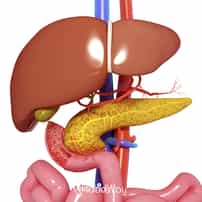
How Much Does it Cost to Remove a Gallbladder in Germany?
The estimated gallbladder removal cost in Germany usually ranges from $4,500 to $8,500. This price often depends on the chosen surgical method, preoperative tests, facility fees, and the overall complexity of your specific case. Key Takeaways Laparoscopic cholecystectomy is the standard, minimally invasive approach utilized by most facilities. Average costs fluctuate based on the clinic's location, the patient's condition, and required hospital stays. The German healthcare system is renowned for stringent clinical standards and advanced preoperative diagnostics. Patients generally require a 1 to 3-night hospital stay for monitoring and immediate post-operative care. International patients should plan for additional recovery days locally before undertaking international flights. What Factors Influence the Gallbladder Removal Cost in Germany? The total expense fluctuates based on the surgical approach (laparoscopic versus open), specific facility fees, length of hospitalization, and the extent of specialized preoperative diagnostics required. Understanding the pricing structure for medical procedures in Europe requires a comprehensive look at the various components involved. The gallbladder removal cost in Germany is not a single, flat fee but rather an aggregate of multiple medical services. One of the primary factors is the surgical technique. Minimally invasive laparoscopic procedures typically carry different fee structures compared to open surgeries, which may require longer operating room times and extended hospital stays. Another significant factor is the choice of medical facility. A private hospital may charge different rates than a university-affiliated medical center. These fees generally encompass surgeon honorariums, anesthesiology services, nursing care, and the use of the operating theater. Additionally, the patient's individual health status plays a crucial role; patients with underlying medical conditions or complex anatomical factors may require more extensive monitoring, specialized surgical equipment, or intensive care support, which can adjust the final cost. Finally, preoperative and postoperative requirements must be considered in the overall budget. This includes necessary diagnostic imaging, comprehensive blood panels, and post-surgery medications. When comparing estimates, it is vital to request an itemized breakdown to understand exactly what is included in the quoted price and what might be billed as an additional out-of-pocket expense. Important Consideration Always verify whether your estimated cost includes the anesthesiologist's fee and standard post-operative medications, as these are sometimes billed separately by independent medical professionals. How is Gallbladder Removal in Germany Typically Performed? German surgical teams primarily utilize laparoscopic cholecystectomy, a minimally invasive approach using small incisions and specialized cameras, which typically promotes faster patient recovery. The standard of care for a gallbladder removal in Germany is the laparoscopic cholecystectomy. This modern surgical technique is preferred because it is minimally invasive. During the procedure, the surgeon makes three or four small incisions in the abdomen. Carbon dioxide gas is gently pumped in to expand the abdominal cavity, providing the surgical team with a clear, unobstructed view of the internal organs. A laparoscope—a thin tube equipped with a high-definition camera and a light—is inserted through one of the incisions. This camera transmits a magnified video image to a monitor in the operating room. The surgeon then uses specialized, long-handled instruments inserted through the other small incisions to carefully detach and extract the gallbladder. Once the organ is removed, the incisions are closed with sutures or surgical glue. In cases where laparoscopic surgery is not feasible—such as instances of severe inflammation, excessive scar tissue from previous abdominal surgeries, or anatomical complications—the surgeon may need to convert to an open cholecystectomy. This traditional method involves a single, larger incision on the right side of the abdomen below the rib cage to directly access and remove the gallbladder. When Should You Seek a Gallbladder Removal Clinic in Germany? Patients typically seek clinical assessment when experiencing frequent gallstone attacks, severe abdominal pain, persistent nausea, or complications like gallbladder inflammation (cholecystitis). Choosing to undergo surgery at a gallbladder removal clinic in Germany is usually prompted by the onset of distressing symptoms. Many people have gallstones that never cause problems, known as silent stones, which generally do not require treatment. However, when a gallstone blocks one of the bile ducts, it can trigger sudden and intense abdominal pain, often referred to as a biliary colic or a gallbladder attack. Symptoms indicating the potential need for surgical intervention include: Sudden, intensifying pain in the upper right quadrant or center of the abdomen. Pain radiating to the back or the right shoulder blade. Persistent nausea and vomiting, particularly after consuming high-fat meals. Jaundice (yellowing of the skin and eyes), which may indicate a blocked bile duct. Unexplained fever and chills, signaling a possible infection or inflammation. If you experience signs of a serious complication, such as a high fever or jaundice, immediate medical evaluation is critical. German medical facilities are equipped with comprehensive diagnostic tools to quickly assess these symptoms and determine if surgical removal is the most appropriate and medically necessary course of action. Estimated Cost Ranges for Common Procedures Procedure Type Estimated Cost (USD) Typical Hospital Stay Laparoscopic Cholecystectomy $4,500 - $6,500 1 - 2 Nights Open Cholecystectomy $6,500 - $8,500 3 - 5 Nights Preoperative Diagnostic Package $500 - $1,200 Outpatient Is Medical Tourism in Germany a Safe Choice for Surgery? Germany is widely recognized for its strict healthcare regulations, highly trained medical professionals, and modern facilities, making it a viable option for international patients seeking quality care. Participating in medical tourism in Germany is often driven by the country's reputation for medical excellence and technological advancement. The German healthcare system is heavily regulated by national health authorities, ensuring that hospitals adhere to rigorous standards regarding hygiene, patient safety, and clinical protocols. This commitment to quality control is a significant reassurance for international patients traveling for elective or medically necessary surgeries. Many hospitals that cater to international patients feature specialized international offices. These departments are designed to assist with language barriers, providing medical interpreters and translating crucial medical documents. Furthermore, the physicians and surgical staff in these institutions often have international training and are accustomed to coordinating care with a patient's primary physician back in their home country. While the quality of care is generally high, patients must still perform due diligence. It is essential to verify the credentials of the surgical team and understand the facility's policies regarding surgical complications. Medical tourism requires careful planning, particularly regarding post-operative recovery, to ensure that the patient is stable enough to undertake international travel safely after the procedure. How Long is the Recovery Process After Gallbladder Surgery? Recovery typically takes one to two weeks for laparoscopic procedures, while open surgery may require four to six weeks of healing before returning to strenuous physical activities. The post-operative recovery timeline is heavily dependent on the type of surgical procedure performed. Following a laparoscopic cholecystectomy, patients are often encouraged to mobilize and walk shortly after waking from anesthesia to prevent blood clots. Many individuals can leave the hospital within 24 to 48 hours. Most patients can resume normal, light daily activities within 7 to 14 days, though lifting heavy objects should be avoided for several weeks. Conversely, recovery from an open cholecystectomy is a longer process. Because the abdominal muscles are cut during the procedure, the body requires more time to heal the tissues. A hospital stay of three to five days is typical, and full recovery at home can take up to six weeks. During this time, patients will receive specific instructions regarding wound care and activity restrictions. Regardless of the surgical method, dietary adjustments are a normal part of the recovery process. While the body adapts to processing fat without a gallbladder, some patients may experience temporary digestive changes, such as bloating or loose stools. A diet low in fat and high in fiber is usually recommended in the initial weeks to ease the digestive system's transition. What Are the Potential Risks of Cholecystectomy? While generally safe, potential risks include surgical site infection, internal bleeding, bile leaks, injury to nearby structures like the common bile duct, and risks associated with general anesthesia. Like any major surgical intervention, gallbladder removal carries inherent risks, even when performed by experienced surgeons in highly rated medical facilities. One of the specific risks associated with this procedure is a bile leak. If the clips used to seal the tube that connects the gallbladder to the main bile duct slip, bile can leak into the abdomen, causing pain and requiring further medical intervention to drain the fluid. Another rare but serious complication is an injury to the common bile duct. During the dissection of the gallbladder, the main bile duct can inadvertently be nicked or cut. If this occurs, it may require a secondary, more complex reconstructive surgery to repair the duct and restore normal bile flow. Surgeons utilize extreme caution and high-definition imaging during laparoscopy to minimize this risk. General surgical risks also apply, including adverse reactions to general anesthesia, deep vein thrombosis (blood clots), and infection at the incision sites. Patients are thoroughly evaluated prior to surgery to assess their individual risk factors, and prophylactic measures, such as antibiotics and compression garments, are routinely utilized to mitigate these potential complications. What Diagnostic Tests Are Needed Before Surgery? Prior to surgery, patients undergo comprehensive blood tests, abdominal ultrasounds, and sometimes advanced imaging to accurately assess the gallbladder, bile ducts, and overall fitness for anesthesia. Thorough preoperative diagnostics are a cornerstone of medical care to ensure patient safety and surgical efficacy. The most common preliminary test is an abdominal ultrasound. This non-invasive imaging technique uses sound waves to create pictures of the gallbladder, clearly revealing the presence, size, and location of gallstones, as well as any thickening of the gallbladder wall. Blood tests are also mandatory to check liver function, look for signs of infection, and evaluate blood clotting capabilities. Elevated liver enzymes or bilirubin levels might indicate that a gallstone has migrated out of the gallbladder and is blocking the common bile duct, which requires a different treatment approach before or during the cholecystectomy. If ultrasound and blood tests are inconclusive, or if a bile duct blockage is suspected, more advanced imaging may be ordered. This can include a Magnetic Resonance Cholangiopancreatography (MRCP) to visualize the biliary tree, or an Endoscopic Retrograde Cholangiopancreatography (ERCP) which can both diagnose and sometimes remove stones stuck in the bile duct prior to the gallbladder removal surgery. Expert Insight Carrying copies of your recent ultrasound images and blood work from your home country can sometimes reduce the need for repeat testing, though the surgical facility will always perform their own baseline assessments for safety. How Long Should International Patients Stay in Germany? International patients are typically advised to remain in Germany for 7 to 10 days post-surgery to attend follow-up appointments and ensure they are medically cleared for safe air travel. Planning the duration of your medical trip is crucial for a safe and comfortable recovery. Even for minimally invasive laparoscopic procedures where the hospital stay is short, flying immediately after abdominal surgery is strongly discouraged. The changes in cabin pressure can cause gas expansion in the abdomen, leading to severe discomfort and potentially stressing the fresh incisions. Most surgical teams recommend that international patients remain in a local hotel or recovery facility for at least one week following hospital discharge. This timeframe allows the medical staff to conduct a follow-up examination, check the incision sites for any signs of infection, and safely remove any non-dissolvable sutures or staples if they were utilized. Furthermore, staying locally provides immediate access to your surgical team should any delayed complications arise, such as unusual pain, fever, or digestive distress. Patients will only receive a "fit to fly" certificate from their treating physician once they have been thoroughly evaluated and deemed stable enough to handle the physical demands of international travel. Why Choose PlacidWay for Treatment Information? PlacidWay provides comprehensive educational resources and connects patients with international healthcare options, helping individuals research and compare medical services globally. Navigating the landscape of international medical care requires access to organized, factual information. PlacidWay acts as a valuable resource for patients looking to understand their global healthcare options. When researching procedures abroad, utilizing a structured platform can simplify the initial discovery phase. Patients utilize PlacidWay for several educational and informational benefits: Provider Comparisons: Access informative profiles of various international medical centers to compare their stated specialties, facilities, and available technologies side-by-side. Cost Transparency Access: Obtain preliminary cost estimates from multiple global providers, aiding in the creation of a realistic medical budget before committing to a destination. Educational Resources: Read comprehensive guides about specific medical procedures, helping you understand the standard clinical practices associated with your required treatment. Direct Communication Tools: Utilize platform features to send inquiries directly to international medical teams, allowing you to ask specific questions regarding their clinical protocols. Credential Visibility: Review the self-reported accreditations and certifications of clinics, which can serve as a starting point for your own independent medical due diligence. Frequently Asked Questions Can I live a normal life without a gallbladder? Yes, you can typically live a completely normal life without a gallbladder. Your liver will continue to produce bile to digest food, but instead of being stored in the gallbladder, the bile will drip continuously into your digestive system. Does gallbladder removal cause weight gain? Gallbladder removal itself does not directly cause weight gain. However, some patients may experience weight changes due to dietary adjustments, changes in metabolism, or returning to a normal eating routine after suffering from gallstone pain. How soon can I eat normally after surgery? Patients are usually advised to eat a light, low-fat diet immediately following surgery. You can typically return to a normal, balanced diet within a few weeks, though it is often recommended to reintroduce high-fat or spicy foods gradually to avoid digestive discomfort. Is the surgery performed under general anesthesia? Yes, both laparoscopic and open gallbladder removals are performed under general anesthesia. This means you will be completely asleep and unable to feel pain during the surgical procedure. What is the difference between open and laparoscopic removal? Laparoscopic removal involves several small incisions, a camera, and specialized tools, resulting in faster recovery. Open removal requires a single larger incision in the abdomen and is typically reserved for complex cases or severe inflammation. How do I prepare for my procedure in Germany? Preparation typically involves fasting for a specified period before surgery, stopping certain medications as directed by your physician, and undergoing necessary preoperative blood tests and imaging to ensure you are fit for general anesthesia. Can I drive immediately after being discharged? No, you should not drive immediately after being discharged. General anesthesia and pain medications impair reaction times. Most physicians recommend waiting at least one to two weeks, or until you can wear a seatbelt comfortably and perform emergency stops without pain. Will I have noticeable scars after the surgery? Laparoscopic surgery leaves small scars, typically ranging from a half-inch to an inch, which tend to fade over time. Open surgery will leave a more prominent, single scar on the right side of your abdomen. Are gallstones the only reason for removal? While symptomatic gallstones are the most common reason, other conditions such as gallbladder inflammation (cholecystitis), gallbladder polyps, biliary dyskinesia, or, rarely, gallbladder cancer may also necessitate the removal of the organ. Why is Germany considered a top destination for this surgery? Germany is highly regarded due to its strict healthcare regulations, advanced surgical technology, and highly trained medical specialists. The country maintains rigorous standards for patient safety and clinical hygiene across its medical facilities. Explore Your Global Healthcare Options Researching medical treatments abroad requires reliable information. Connect with certified medical facilities, compare estimated costs, and gather the details you need to make an informed decision regarding your care. Request Treatment Information Medical Disclaimer: The information provided in this article is for educational purposes only and should not be considered as medical advice. Treatment options and outcomes vary significantly between patients. Always consult with a qualified healthcare professional regarding diagnosis, treatment plans, and travel for medical purposes. Pricing data is estimated and subject to change based on individual facility rates and patient requirements. References StatPearls: Cholecystectomy – National Center for Biotechnology Information (NCBI) Cholecystectomy (Gallbladder Removal) – Mayo Clinic Gallbladder Removal Information – National Health Service (NHS UK) Laparoscopic Gallbladder Removal – MedlinePlus Medical Encyclopedia Gallstones and Gallbladder Disease – National Institute of Diabetes and Digestive and Kidney Diseases (NIDDK) Global Patient Safety Guidelines – World Health Organization (WHO)...
Read more details

.png)
How Much Does Knee Surgery Cost in Germany?
Knee surgery in Germany costs an average of approximately $17,500, with verified clinic prices ranging from $16,500 to $18,500. Key Takeaways: Knee Surgery in Germany Transparent Pricing Structures: Self-pay patients receiving knee surgery in Germany benefit from standardized billing models established by official medical fee schedules. Advanced Medical Infrastructure: German medical facilities lead in biomechanical research, computer-assisted navigation, and precision joint arthroplasty. Specialized Clinic Access: Numerous hospitals offer dedicated international patient support for scheduling, translation, and medical visa processing. Standardized Prosthetics: Accredited centers utilize CE-certified and FDA-cleared implant systems from leading global manufacturers. Structured Recovery Protocols: Comprehensive packages integrate early inpatient physiotherapy and rehabilitation planning to support functional restoration. How Much Does Knee Surgery Cost in Germany for International Patients? Self-pay costs for knee surgery in Germany generally range from $5,000 to $9,000 for arthroscopic procedures and $18,000 to $32,000 for joint replacements. Financial planning for medical procedures abroad requires understanding how European healthcare pricing operates. When evaluating knee surgery cost in Germany, self-pay patients encounter standardized fee guidelines governed by official medical remuneration regulations. These frameworks ensure that itemized costs for surgeon expertise, anesthesia, and facility utilization remain consistent across accredited institutions. While minor procedures like diagnostic or therapeutic arthroscopy involve lower expenses, major joint reconstruction requires significant resource allocation. Evaluating total knee replacement cost in Germany involves accounting for specialized titanium and ceramic prosthetic components, operating room time, and multi-day inpatient hospital stays. International patients typically receive comprehensive cost estimates prior to travel, which helps prevent unexpected out-of-pocket expenses. Prices vary depending on the selected clinic, regional operational expenses, and case complexity. Major university hospitals and specialized orthopedic centers in cities like Munich, Frankfurt, and Berlin maintain transparent pricing models for foreign visitors seeking elective care. Did You Know? German medical billing for elective procedures often utilizes the GOÄ (Gebührenordnung für Ärzte) fee schedule, which assigns fixed multipliers to medical services based on complexity and time required. What Procedure Types Are Available at a Knee Surgery Clinic in Germany? Available procedures range from minimally invasive arthroscopic ligament repairs to partial and total knee arthroplasties and complex revision surgeries. Patients visiting a specialized knee surgery clinic in Germany gain access to advanced orthopedics and sports medicine interventions. Arthroscopic procedures are frequently performed to repair torn menisci, reconstruct anterior cruciate ligaments (ACL), and remove loose cartilage debris with minimal tissue disruption. For advanced osteoarthritis or severe joint deterioration, orthopedic surgeons perform unicompartmental (partial) knee replacements or total knee arthroplasties. These interventions replace damaged joint surfaces with durable metallic and polyethylene components designed to restore normal alignment and eliminate pain. Additionally, specialized centers handle complex revision surgeries for patients requiring implant exchanges due to wear, loosening, or infection. The availability of computer-assisted navigation and robotic surgical tools allows clinical teams to execute precise bone cuts and soft-tissue balancing. Knee Procedure Type Estimated Self-Pay Cost (USD) Inpatient Stay Duration Diagnostic / Operative Arthroscopy $5,000 - $9,000 Outpatient - 1 Day ACL Reconstruction $8,000 - $14,000 1 - 2 Days Partial Knee Replacement $16,000 - $26,000 5 - 8 Days Total Knee Replacement $18,000 - $32,000 7 - 10 Days Why Do International Patients Choose Medical Tourism in Germany for Orthopedics? International patients select Germany for its strict regulatory standards, world-class orthopedic research, high clinical volume, and dedicated international patient services. Engaging in medical tourism in Germany offers distinct advantages for individuals seeking reliable bone and joint care. German healthcare facilities operate under stringent federal quality controls, ensuring uniform adherence to hygiene protocols, sterile surgical environments, and patient safety standards. Furthermore, Germany is a recognized global hub for orthopedic innovation and biomechanical engineering. Surgeons in major German medical centers frequently participate in clinical trials for advanced joint preservation techniques and durable implant materials, giving patients access to modern treatment options. Dedicated international patient departments streamline the medical travel experience. These offices assist with medical visa invitations, professional translation services, airport transfers, and lodging coordination, ensuring smooth communication throughout treatment. Important Consideration Patients should request an itemized breakdown of self-pay quotes to verify whether post-operative rehabilitation stays in specialized recovery clinics are included in the baseline surgical estimate. What Clinical Standards and Surgeon Qualifications Apply in Germany? German orthopedic specialists complete rigorous university medical training, mandatory specialty residencies (Facharzt), and continuous board certifications. Ensuring clinical safety requires understanding the rigorous professional standards governing German medicine. Orthopedic surgeons in Germany must complete medical school, pass state board exams, and finish a multi-year residency in orthopedics and trauma surgery before achieving Facharzt (specialist) certification. Many senior surgeons pursue additional subspecialty certifications in special orthopedic surgery or sports medicine. Patients can verify physician credentials through regional chambers of physicians (Landesärztekammer), which maintain public registries of licensed medical professionals. Hospitals where these specialists practice undergo regular quality audits and hold certifications from national and international health organizations, ensuring that surgical teams maintain low infection rates and high procedural success. What Is the Rehabilitation and Recovery Timeline After Knee Surgery? Rehabilitation begins within 24 hours of surgery, followed by inpatient or outpatient physiotherapy and a gradual return to normal activities over 3 to 6 months. Structured physical rehabilitation is essential for achieving optimal functional outcomes following knee surgery. In German orthopedic clinics, mobilized physical therapy starts on the first or second day following joint replacement or arthroscopic intervention to prevent stiffness and encourage healthy circulation. Following discharge from the acute care hospital, many patients transition to specialized rehabilitation facilities (Anschlussheilbehandlung) for intensive daily physical therapy lasting two to three weeks. This structured inpatient or outpatient therapy strengthens supporting leg muscles and restores natural joint movement. International patients are generally advised to remain in Germany for 12 to 18 days post-surgery to ensure initial wound healing and receive fit-to-fly clearance from their surgical team before undertaking long-distance travel. What Risks and Complications Should Patients Consider? Clinical risks include surgical site infection, blood clots, joint stiffness, implant wear, and the necessity for coordinated follow-up care at home. All surgical interventions involve inherent clinical risks. Potential complications of knee surgery include wound infections, excessive bleeding, nerve irritation, stiffness, or adverse reactions to anesthesia. In joint replacements, long-term risks include component wear or loosening. Traveling internationally introduces added health considerations, particularly regarding deep vein thrombosis (DVT) during long flights. German medical teams mitigate DVT risks by prescribing anticoagulant medications, utilizing compression stockings, and enforcing early mobilization. Patients can minimize risks by disclosing their complete medical history, adhering strictly to rehabilitation instructions, and establishing communication with a local physical therapist in their home country prior to departure. How Should Patients Prepare for Medical Travel to Germany? Preparation involves compiling diagnostic imaging, securing virtual pre-consultations, verifying visa requirements, and arranging travel companion support. Proper pre-travel planning helps ensure a well-organized medical journey. Start by gathering recent weight-bearing X-rays, MRI scans, and clinical notes from your home doctor. Transmitting these digital files for remote pre-consultations allows German medical teams to review your case and formulate a precise treatment plan. Check entry visa requirements based on your citizenship and whether you require a dedicated medical treatment visa (Schengen Visa). Ensure passport validity covers your planned stay. Traveling with a companion is strongly recommended to assist with personal mobility during early recovery. Finally, confirm all financial and logistical agreements in writing before departure. Understanding package inclusions helps prevent unexpected expenses and allows you to focus fully on your physical recovery. Why Choose PlacidWay for Connecting with Orthopedic Care in Germany? PlacidWay connects patients with accredited international hospitals, providing transparent cost comparisons, verified facility profiles, and direct communication channels. Navigating global healthcare options can feel complex. PlacidWay serves as a global medical information resource, helping patients explore accredited treatment centers and connect directly with experienced orthopedic specialists worldwide. 1. Access to Broad Global Healthcare Directories Browse comprehensive profiles of accredited hospitals and specialty orthopedic clinics across Germany. 2. Transparent Cost Estimates Review estimated procedure pricing and package details to plan your medical travel budget effectively. 3. Direct Medical Facility Communication Connect directly with hospital international patient offices to share medical imaging and request case evaluations. 4. Verified Specialist Documentation Examine surgeon background details, subspecialty fellowship histories, and hospital accreditations before booking. 5. Comprehensive Educational Resources Access detailed procedure guides, destination overviews, and planning checklists to support your healthcare journey. Frequently Asked Questions How much does knee arthroscopy cost in Germany for international patients? Knee arthroscopy in Germany typically costs between $4,500 and $8,500 for self-pay international patients, covering surgeon fees, operating room use, and initial rehabilitation. Can international patients choose any hospital for knee surgery in Germany? International patients can choose from numerous accredited private and public university hospitals in Germany that feature dedicated international patient departments. Are German knee implants internationally approved and standardized? German orthopedic centers utilize FDA-cleared and CE-certified prosthetic implant systems manufactured by leading global biomechanical engineering firms. What is included in a typical knee surgery package in Germany? Self-pay packages generally include pre-operative consultations, diagnostic imaging, surgeon and anesthesia fees, inpatient hospital stays, prosthetic components, and early physiotherapy. How long must patients remain in Germany following joint replacement surgery? Patients are generally advised to stay in Germany for 12 to 18 days after major knee surgery to complete initial wound checks and receive fit-to-fly clearance. Does statutory health insurance cover elective knee surgery for foreign visitors? German statutory health insurance does not cover elective procedures for international medical tourists, who must pay out-of-pocket or use specialized international policies. What clinical risks should patients consider before undergoing knee surgery abroad? Potential clinical risks include surgical site infection, joint stiffness, blood clots, hardware loosening, and the need for coordinated follow-up care after returning home. How do German orthopedic surgeons manage deep vein thrombosis risks after surgery? Surgeons mitigate blood clot risks by prescribing low-molecular-weight heparin, utilizing mechanical compression stockings, and initiating early walking protocols. Why do international patients choose medical tourism in Germany for orthopedics? Patients choose Germany for its rigorous clinical standards, advanced biomechanical research, high-volume joint specialists, and transparent self-pay billing structures. How can patients arrange follow-up care after returning home from Germany? Patients should establish contact with a local orthopedist or physical therapist before traveling to ensure continuity of outpatient rehabilitation and suture removal. Explore Knee Surgery Options in Germany Compare accredited medical centers, review specialist qualifications, and request personalized procedure estimates for your joint care journey. Request Treatment Information References Activities After Total Knee Replacement Guidelines – American Academy of Orthopaedic Surgeons (AAOS) Total Joint Arthroplasty Outcomes and Economics – National Center for Biotechnology Information (NCBI) Pre-Travel Consultation & Health Guidelines – Centers for Disease Control and Prevention (CDC) WHO Surgical Safety Guidelines – World Health Organization (WHO) International Healthcare Facility Accreditation Standards – Joint Commission International (JCI) Evaluation of Orthopedic Surgery Outcomes – PubMed...
Read more details.png)
What Is The Current State Of Germany’s Stem Cell Therapy Market?
The stem cell therapy cost in Germany typically ranges between $8,000 and $25,000. The market operates under strict regulations governed by the Paul-Ehrlich-Institut, ensuring high laboratory standards and robust patient safety protocols. Medical Disclaimer: All provided figures are estimates. Actual costs vary based on case complexity, individual patient requirements, and facility policies. This content is for informational purposes and does not replace professional medical advice. Key Takeaways The Advanced Therapy Medicinal Products framework dictates all regenerative cellular procedures within the national healthcare system. Prices fluctuate significantly based on whether the medical protocol targets localized joints or systemic neurological conditions. Most standard health insurance policies classify these cellular treatments as investigational, requiring complete out-of-pocket patient funding. Facilities operating legally often utilize the hospital exemption clause to provide individualized patient care under strict specialist supervision. Comprehensive pre-treatment diagnostics and post-procedure observation periods are mandatory components of the clinical timeline. How Are Regulations Managed For Stem Cell Therapy In Germany? The Paul-Ehrlich-Institut serves as the higher federal authority overseeing all regenerative medical protocols. They enforce the Advanced Therapy Medicinal Products guidelines to mandate exceptional manufacturing and clinical administration standards. The national regulatory environment is widely recognized as one of the most robust and structured in the world. Rather than allowing unregulated clinical applications, the government classifies manipulated biological materials under the highly controlled Advanced Therapy Medicinal Products framework. This classification ensures that any biological product administered to a patient meets the identical purity, sterility, and efficacy standards expected of traditional pharmaceutical medications. A central pillar of this regulatory landscape involves the hospital exemption clause found within the national Medicinal Products Act. This specific legal provision permits authorized medical facilities to prepare custom, non-routine cellular treatments for individual patients. This exemption prevents mass-market commercialization while allowing skilled physicians to provide personalized regenerative care under strict professional medical supervision. For individuals evaluating a stem cell clinic in Germany, this extensive oversight provides a high degree of clinical confidence. Facilities must undergo rigorous periodic inspections, maintain comprehensive adverse event reporting systems, and ensure all laboratory staff hold specialized certifications. This federal dedication to scientific rigor heavily influences why the nation remains a leading destination for complex biological medicine. What Factors Influence The Stem Cell Therapy Cost In Germany? The final financial estimate depends primarily on the cellular extraction method, the total volume of biological material required, and the specific disease pathology. Complex systemic protocols naturally demand greater laboratory resources and specialist involvement. The primary driver of the stem cell therapy cost in Germany stems from the laboratory cultivation process. Autologous treatments, where material is harvested directly from the patient via bone marrow or adipose tissue, require specialized surgical extraction time and localized anesthesia. In contrast, utilizing ethically sourced allogeneic donor cells requires advanced third-party infectious disease screening and extended sterile laboratory expansion, which commands a premium price. Additionally, the total cellular volume dictated by the medical protocol heavily alters the budget. Treating a localized sports injury may require a fraction of the viable cells needed to address a systemic autoimmune condition. Expanding millions of cells in a certified cleanroom involves expensive sterile consumables, highly trained technicians, and multi-day quality control viability testing before clinical administration. Finally, the administrative and facility fees associated with the medical center contribute to the overall package. Clinics that maintain their own in-house Good Manufacturing Practice certified laboratories often have higher operational overhead than those outsourcing cell processing. Furthermore, the inclusion of supportive therapies, advanced diagnostic imaging, and extended post-procedure observation periods will proportionately increase the comprehensive medical invoice. Expert Insight: Patients should always request a fully itemized clinical quote prior to traveling. Understanding exactly how much of the budget is allocated to cellular processing versus facility administration helps patients compare international options objectively. Which Medical Conditions Can Be Addressed By A Stem Cell Clinic In Germany? Specialists primarily focus on orthopedic joint degeneration, specific autoimmune disorders, and targeted neurological challenges. Every prospective patient must undergo individual medical vetting to determine if biological intervention is clinically appropriate. Orthopedic medicine represents one of the most established avenues for regenerative procedures. Physicians frequently evaluate patients suffering from severe osteoarthritis, chronic cartilage defects, and complex sports injuries. In suitable candidates, specialized intra-articular injections aim to modulate localized joint inflammation and potentially support the natural tissue healing environment, often delaying the need for highly invasive joint replacement surgeries. Beyond musculoskeletal issues, specialized clinics address various systemic autoimmune and neurological conditions. Protocols targeting multiple sclerosis, Parkinson disease progression, and systemic lupus involve complex intravenous infusions designed to attempt immune system modulation. It is critical to understand that these applications are highly individualized, and clinical outcomes fluctuate dramatically based on patient baseline health and disease progression. Furthermore, some facilities offer comprehensive cellular wellness and longevity protocols. These specific regimens focus on reducing generalized systemic inflammation and promoting overall cellular vitality. Because the clinical efficacy of anti-aging cellular therapy remains under continuous scientific study, patients must approach these specific interventions with realistic expectations regarding long-term physiological changes. What Is The Difference Between Orthopedic And Neurological Treatment Costs? Orthopedic localized treatments generally sit at the lower end of the pricing spectrum, while systemic neurological interventions require significantly higher cellular volumes, pushing them into the highest pricing tiers. Condition Category Estimated Cost Range (USD) Primary Administration Route Orthopedic / Joint Degeneration $8,000 - $15,000 Localized Intra-articular Injection Autoimmune Disorders $12,000 - $20,000 Systemic Intravenous Infusion Neurological Challenges $15,000 - $25,000+ Systemic IV / Specialized Delivery The substantial price gap directly relates to laboratory processing demands. A single knee injection requires a concentrated but relatively low volume of biological material. The extraction, rapid processing, and immediate administration can often occur within a single outpatient clinical day, which keeps facility utilization fees manageable and limits extended specialist involvement. Conversely, neurological challenges demand advanced clinical strategies. Attempting to influence systemic inflammation or cross the blood-brain barrier requires tens of millions of viable cells. Cultivating this massive volume requires extended multi-day laboratory expansion, advanced sterility testing, and highly specialized multi-disciplinary medical teams to oversee the intravenous administration safely. Because neurological care packages often mandate extended pre-treatment diagnostics and prolonged post-infusion observation periods, the associated clinical overhead rises sharply. Patients planning for systemic interventions must ensure they hold adequate financial reserves to accommodate these inherently complex medical requirements. What Protocols Must Patients Follow For Medical Tourism In Germany? Engaging in medical tourism in Germany requires meticulous preliminary medical record reviews, securing appropriate travel visas, and planning for an extended in-country post-treatment observation period. The journey begins long before the patient boards a flight. Reputable facilities require prospective international candidates to submit comprehensive medical histories, recent laboratory blood panels, and current diagnostic imaging for preliminary remote review. Physicians meticulously analyze these documents to determine if the patient is a viable candidate, preventing individuals from traveling for treatments that offer no clinical merit. Logistical preparation represents the next critical phase. Citizens of many nations must secure a short-term Schengen visa, which occasionally requires a formal letter of invitation from the treating medical facility. Additionally, patients must independently budget for international flights, flexible ticketing, and specialized travel health insurance to cover unexpected non-procedure related emergencies. Upon arrival, the clinical timeline dictates the schedule. The patient typically undergoes immediate in-person diagnostic confirmation before any cellular processing begins. Following the administration, clinics strictly mandate a localized observation window spanning several days. This ensures the medical team can monitor for any rare adverse reactions and confirm patient stability before authorizing return international air travel. Important Consideration: Never book non-refundable travel arrangements until the specific medical facility has issued formal, written preliminary approval for the intended cellular protocol based on individualized medical records. How Do Cell Cultivation Methods Impact The Final Financial Estimate? Adhering to Good Manufacturing Practice standards and maintaining accredited sterile cleanrooms requires immense capital investment. These exceptional laboratory safety protocols directly elevate the baseline cost of care. The environment where biological materials are processed is arguably the most critical component of patient safety. Any stem cell clinic in Germany operating legally must utilize laboratories that adhere strictly to Good Manufacturing Practice standards. These highly regulated cleanrooms feature specialized air filtration, strictly controlled environmental parameters, and rigorous daily sterility testing. Some prominent medical facilities also hold independent accreditations, such as JACIE certification, which specifically monitors quality management systems in cellular therapy. Maintaining these elite international credentials requires continuous staff training, expensive specialized equipment calibration, and routine external audits, all of which contribute to higher operational overhead. While these stringent cultivation methods undeniably increase the financial burden on the patient, they provide an invaluable safeguard. Properly cultivated biological material vastly reduces the risk of contamination, ensures higher cellular viability upon administration, and maximizes the overall safety profile of the clinical intervention. Are These Advanced Regenerative Treatments Covered By Health Insurance? Major international health insurance networks generally classify these specialized regenerative protocols as experimental or investigational, meaning standard policies rarely provide financial reimbursement for the procedures. Navigating the financial realities of biological medicine often proves frustrating for insured individuals. Despite extensive clinical research, standard health insurance providers strictly rely on traditional, long-established institutional treatment algorithms. Consequently, therapies targeting joint degeneration or autoimmune conditions utilizing customized cellular protocols almost uniformly face coverage denials. Even for patients residing within the European Union, cross-border healthcare directives rarely apply to treatments operating under hospital exemption frameworks. Therefore, individuals choosing to travel for these specific interventions must prepare to fund the entire clinical package out of their personal savings or secure specialized independent medical financing. It remains vital, however, to inform primary insurance providers of the intended procedure. While they will not fund the cellular administration, having the event noted in the patient file ensures continuity of care if traditional medical interventions are required upon returning home. Furthermore, securing robust international travel medical coverage remains essential for logistical peace of mind. What Are The Risks And Potential Complications Of Cellular Medicine? While utilizing heavily regulated laboratories minimizes danger, patients may still experience localized site pain, temporary fatigue, rare immune reactions, or a complete lack of measurable clinical improvement. No medical procedure exists entirely without risk, and biological therapies require serious consideration. The most common adverse events relate directly to the administration method. Patients receiving intra-articular joint injections frequently report temporary localized swelling, mild stiffness, or injection site discomfort lasting several days as the body processes the biological influx. Systemic intravenous infusions carry distinct systemic risks. Individuals may experience temporary fatigue, low-grade fever, or mild flu-like symptoms during the immediate post-procedure window. While severe infections or graft-versus-host complications are exceptionally rare when utilizing properly screened allogeneic materials in certified facilities, the possibility of unforeseen immune reactions always persists. The most significant clinical risk remains a lack of efficacy. Reputable physicians cannot guarantee specific outcomes, and some patients may invest significant financial resources only to experience minimal or transient symptom relief. Honest clinical consultations that transparently discuss both potential benefits and the realistic possibility of failure are the hallmark of ethical regenerative medicine. Why Choose PlacidWay For Finding Regenerative Healthcare Options? PlacidWay provides a structured informational platform designed to help patients evaluate complex global healthcare options, compare transparent clinical pricing, and connect directly with verified international medical teams. Transparent Pricing Comparisons: Users can easily access and evaluate baseline cost estimates for various medical protocols across multiple highly regulated global regions. Detailed Provider Profiles: The platform offers comprehensive overviews of facility certifications, clinical specialties, and physician credentials to support informed decision-making. Streamlined Clinic Communication: Patients can utilize secure channels to share preliminary medical histories and request direct consultations with international specialists efficiently. Educational Patient Resources: A robust library of articles and procedure guides helps users understand complex medical terminology and procedural expectations before committing to care. Global Facility Connections: The network encompasses established clinical centers worldwide, allowing individuals to research medical environments that best align with their specific healthcare requirements. Frequently Asked Questions Is stem cell therapy legal and regulated in Germany? Yes, regenerative cellular procedures are strictly regulated by the Paul-Ehrlich-Institut under the Advanced Therapy Medicinal Products framework to ensure exceptional laboratory safety and clinical compliance. How long do I need to stay in the country for treatment? Patients typically remain locally available for seven to fourteen days. This window allows for initial diagnostic consultations, the cellular administration, and mandatory preliminary observation before medical travel clearance is granted. Do German medical facilities use ethically sourced biological materials? Yes, facilities operating legally under national regulations utilize ethically sourced donor materials that undergo rigorous third-party infectious disease screening and strict quality control viability testing. Can I combine my regenerative treatment with standard rehabilitation? Many physicians encourage combining cellular interventions with specialized physical therapy. However, all complementary protocols must be individually assessed to ensure they do not interfere with cellular integration. Are consultations conducted in English at major medical centers? Major medical facilities catering to international visitors maintain bilingual staff or provide professional medical translators to guarantee clear communication regarding informed consent and post-procedure protocols. How soon can patients observe changes following the procedure? Clinical outcomes fluctuate significantly among individuals. Some suitable patients report gradual improvements over several weeks to months, while others may experience minimal therapeutic changes depending on their baseline health. Do I need a referral from my primary physician to seek treatment abroad? While a formal referral is not strictly mandatory for private clinics, providing comprehensive medical records, recent diagnostic imaging, and detailed physician notes is critical for determining preliminary clinical eligibility. What is the hospital exemption rule in German healthcare? The hospital exemption allows specialized medical facilities to prepare and administer non-routine advanced therapy medicinal products for individual patients under the strict professional supervision of a licensed physician. Are there specific age restrictions for receiving cellular therapies? Age limitations are entirely dependent on the specific clinical protocol and the overall health baseline of the patient. Physicians evaluate organ function and existing comorbidities individually before granting procedural approval. Will my local doctor be able to provide follow up care? Patients must securely transfer their international treatment records to their local primary care providers to facilitate ongoing health monitoring and manage any potential long-term recovery needs safely. Explore Your Medical Options Evaluate global clinical facilities, review detailed pricing estimates, and request transparent information to support your healthcare journey. Request Treatment Information References Advanced Therapy Medicinal Products Overview – European Medicines Agency (EMA) Guidelines for Stem Cell Research and Clinical Translation – International Society for Stem Cell Research (ISSCR) Mesenchymal Stem Cells: Clinical Applications and Biological Properties – National Institutes of Health (NIH) Medical Tourism Safety Guidelines – Centers for Disease Control and Prevention (CDC) Patient Safety and Quality of Care – World Health Organization (WHO)...
Read more detailsDiscover your treatment options with a free, no-obligation quote!
Get your quote now!.png)
How Much Does Prostate Cancer Treatment Cost in Germany?
The average Prostate Cancer Treatment cost in Germany typically ranges from $15,000 to $25,000. This estimate varies significantly based on the specific procedure type, disease stage, selected facility, and whether advanced robotic technology is utilized. Key Takeaways Costs are comprehensive but vary based on the need for surgery, radiation, or combined therapies. Internationally recognized facilities utilize evidence based protocols and multidisciplinary oncology boards. Patients have access to minimally invasive techniques including robotic assisted radical prostatectomy. Medical records and diagnostic images must be thoroughly evaluated before an exact quote is provided. Post treatment rehabilitation and localized follow up care are critical components of the healing journey. What are the different types of Prostate Cancer Treatment in Germany? Facilities offer diverse therapeutic options ranging from active surveillance for low risk tumors to comprehensive surgical and radiation interventions for advanced cases. When exploring Prostate Cancer Treatment in Germany, patients will find a broad spectrum of medical approaches tailored to individual disease characteristics. Treatment plans are generally formulated by tumor boards comprising urologists, radiation oncologists, and medical oncologists. This multidisciplinary strategy ensures that all potential pathways are carefully evaluated before making a final recommendation. Surgical intervention remains a primary option for localized disease. Radical prostatectomy involves the complete removal of the prostate gland and surrounding tissues. Many institutions prioritize nerve sparing techniques when clinically appropriate to help preserve urinary continence and erectile function. Alternatively, radiation therapy utilizing external beam methods or internal brachytherapy may be recommended for suitable candidates who wish to avoid surgery. In instances of advanced or metastatic disease, systemic therapies become the standard of care. These include hormone therapy to reduce testosterone levels, chemotherapy, or targeted therapies based on specific genetic markers. Active surveillance is also widely utilized for indolent, slow growing tumors, involving regular monitoring through blood tests and periodic imaging rather than immediate invasive treatment. How is the Prostate Cancer Treatment cost in Germany structured? The financial structure typically encompasses preoperative diagnostics, the primary procedure, facility fees, anesthesia, and the standard inpatient recovery period. Understanding the components of the Prostate Cancer Treatment cost in Germany is essential for proper financial planning. Healthcare providers generally offer structured package estimates that consolidate multiple medical services. These comprehensive estimates help international patients anticipate their core medical expenses, though unforeseen medical needs can occasionally alter final invoices. A standard surgical estimate usually includes surgical team fees, operating room utilization, anesthesia services, and standard medical supplies. It also covers a predetermined number of days for the inpatient hospital stay, routine nursing care, and standard post operative medications administered within the facility. Preoperative consultations and baseline laboratory testing are frequently bundled into these packages. However, it is crucial to note that initial estimates rarely cover extended hospital stays required due to complications, highly specialized targeted therapies, or extensive physical rehabilitation programs. Patients must carefully review their specific medical proposals to understand exactly which services are included and which may incur additional charges. Treatment Category Estimated Cost Range (USD) Typical Variables Radical Prostatectomy $14,000 - $18,000 Surgical approach, days hospitalized Robotic Assisted Surgery $18,000 - $24,000 Technology fees, surgeon expertise Radiation Therapy (Course) $12,000 - $20,000 Number of sessions, technology type *Disclaimer: All provided prices are estimates that vary by specific clinic, chosen materials, disease complexity, and individual patient requirements. Are there advanced robotic options for Prostate Cancer Treatment in Germany? Yes, numerous medical centers utilize advanced robotic surgical platforms to perform minimally invasive prostatectomies with enhanced precision. A significant aspect of Prostate Cancer Treatment in Germany is the widespread integration of robotic assisted technology. Specialized surgical teams operate highly advanced robotic arms through a computerized console, translating their hand movements into smaller, more precise actions within the patient. This technology is particularly beneficial for navigating the complex anatomy of the pelvic region. The utilization of robotic systems typically allows for smaller incisions compared to traditional open surgery. Consequently, patients may experience reduced intraoperative blood loss, lower risk of certain infections, and potentially shorter hospital stays. Furthermore, the enhanced 3D visualization assists surgeons in preserving crucial nerve bundles, which is vital for maintaining post operative urinary and sexual functions in suitable patients. While robotic surgery presents numerous advantages, it is not universally appropriate for every clinical scenario. The decision to employ this technology depends on the size and location of the tumor, the patient's anatomical structure, and previous surgical history. Prospective patients must undergo a thorough evaluation to determine if they are ideal candidates for this sophisticated approach. Did You Know? Robotic assisted surgery requires specialized training, and many surgeons in these facilities have performed hundreds or even thousands of these specific procedures, contributing to optimized patient care pathways. What factors influence the final Prostate Cancer Treatment cost in Germany? The total expense is influenced by clinical variables such as disease stage, required technological interventions, and the duration of post operative hospitalization. While initial estimates provide a baseline, the final Prostate Cancer Treatment cost in Germany can fluctuate based on a variety of individual medical factors. Because cancer care is inherently personalized, no two treatment pathways are perfectly identical. A comprehensive understanding of these cost drivers helps patients prepare adequately for their medical journey. Several key elements directly impact the overall financial requirement for this medical care: Diagnostic Complexity: Additional MRI imaging, bone scans, or specialized genomic testing required for accurate staging will increase total expenses. Treatment Modality: Utilizing advanced technology like proton beam therapy or robotic surgery commands a higher premium than traditional external beam radiation or open surgery. Hospital Infrastructure: Choosing a private luxury room versus a standard ward room significantly affects daily facility fees. Inpatient Duration: Complications or the need for extended intensive care monitoring will add to the daily hospital charges. Rehabilitation Needs: Enrolling in specialized post operative physical therapy or continence rehabilitation programs incurs additional costs. How do patients select a Prostate Cancer Treatment clinic in Germany? Patients should evaluate facilities based on specific oncology accreditations, surgeon case volumes, multidisciplinary care models, and internationally recognized quality certifications. Choosing the right Prostate Cancer Treatment clinic in Germany requires careful research and evaluation of several objective quality indicators. Medical tourists should prioritize institutions that maintain transparent track records regarding their oncological outcomes and surgical volumes. High volume centers often possess deeper institutional experience in managing complex cases and potential complications. International patients must look for established quality certifications. Facilities frequently undergo rigorous auditing processes by independent organizations to ensure adherence to strict hygiene, safety, and clinical protocols. Evaluating whether a center operates an integrated tumor board is also crucial, as this guarantees that multiple specialists review the case collaboratively before treatment commences. Furthermore, it is advisable to request detailed information regarding the specific medical technology available on site. The presence of modern diagnostic imaging equipment and contemporary surgical platforms is indicative of a facility dedicated to providing current standards of care. Patients should also inquire about the availability of dedicated patient coordinators who facilitate communication between medical staff and international visitors. Important Consideration Always verify the treating physician's specialty credentials and their specific experience level with the proposed procedure before committing to a treatment plan. What should international patients expect regarding medical tourism in Germany? International visitors can expect structured medical processes, strict adherence to privacy regulations, and highly regulated clinical environments focused on patient safety. Engaging in medical tourism in Germany involves navigating a highly systematic and regulated healthcare environment. The system is renowned for its organizational efficiency, meaning appointments, diagnostics, and surgical interventions are typically scheduled with precision. Patients should arrive with meticulously organized medical records, translated into English or German, to prevent diagnostic delays. The clinical culture heavily emphasizes evidence based medicine and straightforward communication. Physicians generally provide transparent, factual assessments of prognoses and potential risks, avoiding overly optimistic or guaranteed promises. This direct communication style ensures patients are fully informed about their medical realities and the statistical probabilities of treatment outcomes. Additionally, the healthcare framework operates under stringent patient privacy and data protection laws. Medical information is securely managed, and consent processes are thoroughly documented. International patients frequently benefit from specialized international offices within larger hospitals, which assist with administrative tasks, financial estimations, and navigating the complexities of cross border healthcare delivery. What is the typical recovery process after Prostate Cancer Treatment in Germany? Recovery involves an initial inpatient stay for acute care, followed by weeks of activity restriction and specialized rehabilitation to restore pelvic function. The recovery journey following major intervention requires patience and adherence to structured medical guidelines. Immediately post surgery, patients typically remain hospitalized for three to seven days. During this acute phase, medical staff closely monitor vital signs, manage pain protocols, and ensure the urinary catheter functions correctly. Early mobilization, such as short walks in the hospital corridor, is usually encouraged to prevent circulatory complications. Upon discharge from the facility, patients enter the outpatient recovery phase. A urinary catheter typically remains in place for one to two weeks, after which it is removed during a follow up consultation. Following catheter removal, it is common to experience temporary urinary incontinence. Healthcare providers often recommend specialized pelvic floor exercises to strengthen the relevant musculature and accelerate the return of urinary control. Full recovery is a gradual process. While patients may resume sedentary work and light activities within a few weeks, strenuous physical exertion and heavy lifting must be avoided for at least six weeks. Long term follow up involves routine Prostate Specific Antigen testing to monitor for disease recurrence, alongside ongoing management of any persistent functional side effects. What are the potential risks of Prostate Cancer Treatment in Germany? Potential risks include general surgical complications, varying degrees of temporary or permanent urinary incontinence, and possible erectile dysfunction depending on the nerves affected. While medical standards are rigorous, all major oncological treatments carry inherent risks that patients must carefully consider. General surgical risks include adverse reactions to anesthesia, postoperative bleeding, and the potential for deep vein thrombosis or localized infections. Medical teams employ strict protocols, such as prophylactic antibiotics and blood thinners, to mitigate these standard surgical hazards. Specific to prostate procedures, urinary incontinence is a primary concern. Because the prostate surrounds the urethra, its removal or irradiation can temporarily disrupt normal urinary control. Most patients regain substantial control over several months through dedicated rehabilitation, though a small percentage may experience long term leakage requiring further management. Erectile dysfunction is another significant potential side effect. The delicate nerves controlling erections run immediately adjacent to the prostate gland. Even with advanced nerve sparing surgical techniques or focused radiation, these nerves may suffer temporary trauma or permanent damage. The likelihood of preserving sexual function depends heavily on patient age, baseline function, and the proximity of the tumor to the nerve bundles. Why Choose PlacidWay for accessing Prostate Cancer Treatment in Germany? PlacidWay provides a comprehensive informational platform that connects international patients with internationally recognized healthcare facilities and specialists. Navigating international healthcare options can be complex, particularly when addressing serious oncological diagnoses. Utilizing a structured platform can simplify the information gathering phase. Consider these factual benefits when using PlacidWay to research your medical options: Provider Comparison: Access detailed profiles of various medical centers, allowing you to compare available technologies, facility accreditations, and specialized oncology departments. Transparent Information: Review cost estimates and treatment packages upfront to better understand the financial requirements associated with different clinical pathways. Educational Resources: Utilize an extensive library of articles and medical content to understand treatment modalities, risks, and expected clinical protocols. Direct Communication: Submit inquiries to request specific medical details, facilitating initial dialogue between you and the prospective medical teams. Patient Privacy: Submit your health inquiries through a secure platform designed to protect sensitive personal and medical data during the research phase. Frequently Asked Questions How long does prostate cancer surgery typically take? Prostate cancer surgery generally takes between two to four hours depending on the complexity of the case and the specific surgical approach utilized. Is proton therapy available for prostate cancer in German cities? Yes, several specialized oncology centers across German cities offer proton therapy as an advanced radiation option for suitable candidates. What happens during the initial oncology consultation? During the initial consultation, oncologists review medical records, perform physical examinations, discuss biopsy results, and outline potential treatment pathways based on the cancer stage. How soon can I return to normal activities after treatment? Most patients can resume light activities within two to four weeks, while strenuous exercises and heavy lifting may require up to six weeks of recovery time. Do German clinics provide English speaking coordinators? Many facilities catering to international patients employ dedicated English speaking coordinators to assist with communication and medical record translation. What is the typical hospital stay duration for robotic prostatectomy? Patients undergoing robotic prostatectomy typically remain in the hospital for three to five days for close monitoring and initial recovery. Are there non surgical options for early stage prostate cancer? Yes, early stage localized prostate cancer may be managed through active surveillance, radiation therapy, or focused treatments rather than immediate surgery. How often are follow up appointments required after treatment? Follow up appointments are generally scheduled every three to six months during the first few years to monitor PSA levels and assess recovery progress. What diagnostic tests are performed before prostate cancer treatment? Pre-treatment diagnostics often include blood tests, MRI scans, bone scans, and sometimes a secondary biopsy review to precisely stage the disease. Can I undergo focal therapy for localized prostate cancer in Germany? Focal therapies such as High Intensity Focused Ultrasound are available at select institutions for highly specific cases of localized disease. Explore Your Treatment Options Connect with specialized facilities to review your medical records and receive comprehensive information tailored to your diagnosis. Request Treatment Information Medical Disclaimer: The information provided in this article is for educational purposes only and does not substitute professional medical advice, diagnosis, or treatment. Treatment outcomes and costs vary significantly based on individual medical conditions. Always consult with a qualified healthcare provider regarding your specific health needs. References Prostate Cancer Treatment (PDQ) – National Cancer Institute Prostate Cancer Diagnosis & Treatment – Mayo Clinic Treating Prostate Cancer – American Cancer Society Surgery for Prostate Cancer – Prostate Cancer UK Prostate Cancer Overview – Urology Care Foundation...
Read more details.png)
Is Dental Tourism in Albania Safe for German Patients?
Yes, dental tourism in Albania is highly safe for German patients. Albanian clinics use the exact same CE-certified materials (like Straumann) as German clinics, maintain strict EU sterilization standards, and boast a 95-97% success rate. German patients typically save 50% to 70% on comprehensive treatments compared to local prices. If you have recently received a Heil- und Kostenplan (treatment plan) from your local dentist in Germany, you might still be recovering from the shock. Looking at a quote of €20,000 or even €30,000 to fix your smile is a devastating moment. It is the kind of money people save for years to put toward a house or retirement, not a dental procedure. You know you need the treatment the missing teeth, the discomfort, and the hesitation to smile are taking a toll on your daily life but the local costs simply feel insurmountable. So, you start researching alternatives and the idea of traveling abroad emerges. You hear whispers about the Balkans, specifically Tirana, offering world-class dentistry for a fraction of the price. But almost immediately, the doubts creep in. Is dental tourism in Albania safe for German patients? Will you end up with botched work? Will the language barrier be a nightmare? It is completely natural to feel anxious about trusting your health to a clinic in a country you may have never visited. This guide is written specifically for you. We will strip away the marketing fluff and give you the honest, transparent facts, so you can make a confident decision about your health and your finances. Quick Facts: Comparing Dental Costs Germany vs Albania Average Cost Per Implant (Germany) €2,500 - €4,000 Average Cost Per Implant (Albania) €700 - €1,200 Average Savings 50% - 70% Full Mouth Cost (Germany) €20,000 - €35,000 Full Mouth Cost (Albania) €6,000 - €10,000 10-Year Success Rate (Germany) 95% - 97% 10-Year Success Rate (Albania) 95% - 97% Average Recovery Time 3-7 days for swelling; 3-6 months for full healing Typical Warranty 5-10 years (or lifetime on implant material) Complication Rate 2% - 5% (virtually identical in both countries) What Exactly Are Dental Implants? A dental implant acts as an artificial titanium tooth root placed into your jawbone. Once it heals and fuses with the bone, a custom-made crown is secured on top, giving you a tooth that looks and functions naturally. Before you book a flight, it helps to demystify the procedure. A dental implant is simply a highly engineered titanium screw that replaces the missing root of your natural tooth. Titanium is biocompatible, meaning your body accepts it and allows bone to grow around it. Once stable, it provides an incredibly strong anchor for a replacement tooth. Here is the straightforward step-by-step process: Diagnostics and Planning: Using a 3D CBCT scan, the dentist assesses your jawbone density and nerves to precisely plan the implant's exact angle and depth. Surgical Placement: Under local anesthesia, the titanium implant is gently inserted into the jawbone. If a tooth needs extraction first, it is often done during the same visit. Osseointegration (Healing): This is the waiting game. Over the next 3 to 6 months, your natural bone fuses tightly around the titanium threads. You will wear a temporary tooth during this phase. Abutment and Crown: Once the fusion is complete, a small connector piece (abutment) is attached, and your final, customized permanent crown is cemented or screwed into place. Compared to traditional dentures that shift while eating or bridges that require shaving down healthy adjacent teeth, implants are the gold standard because they mimic the structure and health benefits of natural teeth. Why Choose Dental Tourism in Albania over Local German Clinics? Patients choose Albania for 50-70% cost savings, VIP concierge service, immediate access to care without long waitlists, and the ability to combine complex dental work with a relaxing Mediterranean getaway. Massive Financial Relief: You are saving thousands of Euros. For full-mouth restorations, the savings are often enough to buy a new car. You keep your hard-earned money without sacrificing quality. Premium European Materials: Reputable Albanian clinics use the exact same high-end Swiss and German brands your local dentist uses, like Straumann, Camlog, and Nobel Biocare. Advanced Technology: Because Albanian clinics cater heavily to international patients, they reinvest heavily into top-tier technology like 3D scanners, CAD/CAM milling machines, and in-house laboratories, speeding up treatment times. VIP Concierge Care: Top clinics arrange your airport pickup, provide accommodation, and supply a dedicated German-speaking translator. You are treated as a priority, not just another file in a busy waiting room. Zero Wait Times: In Germany, specialist appointments can take months. In Albania, dental tourism clinics are structured to accommodate your schedule immediately. How Much Are Affordable Dental Implants for German Patients? A full tooth replacement (implant, abutment, and crown) in Albania costs roughly €1,000 on average. The same procedure in Germany easily exceeds €3,000, saving you around 65% per tooth. Let us talk numbers. The difference in pricing is staggering, but it is crucial to understand why Albania is cheaper. It is not because they buy cheap, unsafe implants. The cost of living, clinical rent, administrative overhead, and dentist salaries in Albania are significantly lower than in Germany. Furthermore, corporate taxes are lower. All these reduced overheads are passed directly to you as the patient. Treatment Phase Germany Price Albania Price Your Savings Single Implant (Screw Only) €1,200 - €2,000 €400 - €700 60-65% Abutment + Zirconia Crown €1,000 - €1,800 €250 - €450 70-75% Bone Grafting (Per Arch) €800 - €1,500 €200 - €400 70-75% All-on-4 (Full Jaw Restoration) €12,000 - €18,000 €4,000 - €6,000 60-65% Consultation & 3D Scan €150 - €300 Often Free 100% Even after factoring in two round-trip flights from Frankfurt or Berlin to Tirana (often under €150) and a few nights in a nice hotel, your total out-of-pocket expenses remain drastically lower than staying home. Are High-Quality Dental Implants in Albania Really Safe? Yes. The safety and clinical outcomes in Albania mirror those in Germany. Premium clinics strictly adhere to EU medical protocols, employ highly educated specialists, and use universally recognized implant systems. Safety is the defining factor of your decision. Saving money is useless if you compromise your health. Fortunately, dental science is universal, and the tools used by top dentists in Tirana are exactly the same as those used in Munich or Hamburg. Quality Metric German Clinics Albanian Clinics Notes Implant Materials CE-Certified Titanium CE-Certified Titanium Same raw materials globally Leading Brands Used Straumann, Nobel Biocare Straumann, Nobel Biocare Brand passports provided Sterilization Standards Strict EU Protocols Strict EU Protocols (ISO) Clinics catering to tourists are heavily regulated Albanian Dentists Qualifications State Board Certified State Certified, Many EU trained High level of ongoing international education Clinical Success Rate 95-97% 95-97% Outcomes depend on hygiene, not geography Here is why you can feel secure: Implant Passports: Upon completion, you receive an official booklet showing the exact lot numbers and brand of your implants. Your dentist in Germany can verify this authenticity in seconds. European Training: Many Albanian oral surgeons complete advanced training, specializations, or master’s degrees in Italy, Germany, or the UK before returning to practice in Tirana. Reputation is Everything: Clinics aimed at international patients rely heavily on word-of-mouth and online reviews. A single string of bad outcomes would destroy their business model, so they are incredibly diligent about hygiene and safety. Advanced Diagnostics: No reputable clinic places implants blindly. They use modern CBCT (Cone Beam Computed Tomography) scanners to map your entire jawbone in 3D before making a single incision. The only caveat? You must do your homework and choose a clinic that proves its credentials, rather than just picking the lowest price tag on the internet. What to Expect During a Dental Trip to Albania Most comprehensive treatments require two trips. The first trip (3-5 days) covers the surgery. The second trip (5-7 days), 3-6 months later, is to place the permanent crowns. VIP clinics handle all local logistics. Traveling for medical care can sound daunting, but the process is highly streamlined. High-quality dental clinics in Tirana treat thousands of German, Italian, and British patients every year. Here is your typical timeline: Initial Virtual Consultation: You send your recent panoramic X-ray or CBCT scan via email or WhatsApp. The clinic provides a detailed, no-obligation treatment plan in German. Trip 1: The Surgery (3-5 Days): You fly into Tirana. A clinic representative picks you up. You have an in-person consultation, the implants are surgically placed, and you are fitted with temporary teeth. You rest in your hotel or enjoy light sightseeing before flying home. The Healing Phase (3-6 Months): You recover at home in Germany while your jawbone bonds with the new implants. You go about your normal life. Trip 2: The Final Smile (5-7 Days): You return to Albania. The temporary teeth are removed, impressions are taken (often digitally), and the lab creates your permanent zirconia or porcelain crowns. Once fitted and adjusted, you fly home with a perfect smile. Crucial considerations for your trip: Language: Insist on a clinic that has fluent German or English speakers. Most top clinics have dedicated patient coordinators who translate everything for you. Travel Logistics: Direct flights from Germany (Berlin, Frankfurt, Munich) to Tirana are frequent and cheap. Tirana is a vibrant, safe European capital with excellent food and hospitality. Insurance (Krankenkasse): Under EU law (and specific reciprocal agreements), your German statutory health insurance must pay the standard fixed subsidy (Festzuschuss) for treatments done abroad, provided you submit the Heil- und Kostenplan for approval before you travel. Bone Grafting: If your scan shows insufficient bone, a graft will be done during Trip 1. This is routine, but it does mean you cannot skip the 3-6 month healing phase. Are You a Good Candidate for Affordable Dental Implants in Albania? The ideal candidate is missing teeth, has decent overall health, and is willing to travel twice. Smokers and those with uncontrolled medical conditions face higher risks of implant failure and must prepare accordingly. Dental tourism is fantastic, but it is not for everyone. You need to assess your health and lifestyle honestly. You are likely a great candidate if: You are missing one, several, or all of your teeth. You have healthy gums, or are willing to have gum disease treated first. You are looking for a long-term, permanent solution rather than removable dentures. You are physically well enough to undergo routine oral surgery and travel. You have patience for the multi-month healing process. You want to save significant money without compromising on EU-certified materials. You may need to reconsider or take extra precautions if: You are a heavy smoker: Smoking restricts blood flow to the gums and significantly increases the chance of implant failure. You will need to stop smoking before and after surgery. You have uncontrolled diabetes: High blood sugar slows healing and raises infection risks. If your diabetes is well-managed, implants are generally safe. You are undergoing cancer treatments: Radiation to the head or neck, or certain chemotherapy drugs, can prevent bone healing. You take Bisphosphonates: Medications for osteoporosis can rarely cause bone healing issues in the jaw. You cannot travel twice: If taking two short trips over a 6-month period is impossible for your schedule, local treatment might be necessary. You want "cheap" above all else: If you are shopping purely for the lowest bottom-dollar price and ignoring clinic quality, you are risking your health. Quality still has a base cost. If you fit the profile of a good candidate, your very next step should be getting a panoramic X-ray and requesting a virtual consultation. Frequently Asked Questions We know you still have questions. Below are the most common concerns German patients have when researching high-quality dental work in Tirana and greater Albania. How much do dental implants cost in Albania compared to Germany? A single dental implant in Albania costs between €700 and €1,200, whereas the same procedure in Germany typically costs €2,500 to €4,000. For a full mouth restoration, you can expect to pay €6,000 to €10,000 in Albania, compared to €20,000 to €35,000 in Germany. The difference stems strictly from lower labor and operational costs. Are dental implants in Albania of the same quality as in Germany? Yes, top clinics in Albania use the exact same CE-certified, world-renowned implant brands as German clinics, such as Straumann and Nobel Biocare. The success rates are comparable at 95-97%. You receive an international implant passport proving the materials used. What is the recovery time for dental implants placed in Albania? Initial swelling subsides in 3 to 7 days. Most patients return to normal activities within a week. Full osseointegration (bone healing) takes 3 to 6 months before the final permanent crowns can be securely placed. What happens if I experience complications after returning to Germany? Reputable Albanian clinics provide international warranties spanning 5 to 10 years, or even a lifetime for the implant itself. Most complications occur early and can be managed by a local German dentist using the detailed implant passport provided by your Albanian clinic. Can I get dental implants in Albania if I have severe bone loss? Yes. If you suffer from bone loss, an Albanian oral surgeon can perform a bone graft or sinus lift. This adds about 4 to 6 months of healing time before implants can be placed, but it ensures a stable foundation. Which cities are best for a dental trip to Albania? Tirana, the capital, is the primary hub for high-quality dental work in Albania due to its modern infrastructure, heavy concentration of top specialists, and direct flights from Germany. Durres is also popular for patients wanting a coastal recovery environment. Will my German dentist agree to provide follow-up care? Most German dentists will perform routine cleanings and check-ups. You must bring your international implant passport, which details the exact brand, size, and lot number of the materials used in Albania so they know exactly what system they are looking at. How do I find reputable clinics in Albania? Look for clinics with ISO certification, dentists who regularly attend European dental conferences, transparent pricing, and extensive verifiable reviews. Always ask for a video consultation before booking and ensure they offer an implant passport. Is it safe to travel solo to Albania for dental work? Absolutely. Albania is very safe for tourists, boasting low crime rates and a welcoming culture. Many clinics offer VIP concierge services, including airport pickups, hotel transfers, and dedicated translators, making solo travel seamless and highly secure. How many trips to Albania will I need for full treatment? Standard implant procedures require two trips: one for the surgery (3-5 days) and a second trip 3 to 6 months later for the permanent crowns (5-7 days). Some modern immediate-load techniques may require only one extended stay, depending on your bone quality. Will my German Krankenkasse cover dental care in Albania? Statutory health insurance (gesetzliche Krankenversicherung) may pay the standard fixed subsidy (Festzuschuss) for treatments done in other European countries, including non-EU countries in some specific arrangements. You must submit your treatment plan (Heil- und Kostenplan) for approval before traveling. You Deserve to Smile Without Hiding You have done the research. You know the costs in Germany are not your only option. You know it is safe to look beyond borders. The only thing left to do is take the first step. Request a free consultation today and get a personalized treatment plan. Get My Free Quote No obligation. No pressure. Just honest answers. References Straumann Group. "Titanium Grade 5 Implant Standards and Global Use." European Federation of Periodontology. "Guidelines on Implant Dentistry and Patient Safety." Nobel Biocare. "Implant Material Specifications and International Distribution." PlacidWay Medical Tourism. "Dental Treatments in Albania: Cost and Quality Comparison" Medical Disclaimer Important: This article is for informational purposes only and does not constitute medical advice. Consult a licensed dentist or oral surgeon before undergoing any dental procedure. Individual results, healing times, and eligibility vary. Seek immediate medical attention if you experience severe swelling, persistent bleeding, or high fever after any surgery....
Read more details.png)
How Can Patients From Kazakhstan Get Spinal Stenosis Treatment in Germany?
By obtaining an official medical invitation from a specialized German clinic, applying for a Schengen medical visa, and planning a 2-3 week stay. German treatments boast a 96-98% success rate and utilize minimally invasive techniques that get you walking within 24 hours. If you are living with spinal stenosis, you know the quiet devastation of this condition. The sharp, shooting pain down your legs. The numbness that makes you stumble. The way your world shrinks because you can only walk a few blocks before you have to sit down and rest. You are tired of relying on painkillers, and you are terrified of losing your independence. You want your life back. You have likely looked into local options, but perhaps you feel uneasy about the available technology, or you have been told your case is "too complex." The idea of traveling abroad for spine surgery feels overwhelming. How can patients from Kazakhstan get spinal stenosis treatment in Germany in 2026? Is it really worth the flight, the visa paperwork, and the unfamiliar environment? This guide is written specifically for you. I understand the anxiety of trusting your spine to a foreign medical system. I promise to give you honest, actionable, and clear information so you can make a confident decision about your health and your future. Quick Facts: Premium Spine Care (Kazakhstan vs Germany) Premium Private Cost (Kazakhstan with Imported Tech) $22,000 - $30,000 Direct Cost (Germany) $15,000 - $22,000 Long-Term Success Rate 85% (Local) vs 96-98% (Germany) Hospital Recovery Time 10-14 days (Local) vs 3-7 days (Germany) Infection/Complication Rate 5-8% (Local) vs under 2% (Germany) What Exactly Is Spinal Stenosis Surgery and How Does It Work? Spinal stenosis treatment in Germany usually involves a microsurgical decompression. The surgeon uses high-powered microscopes to remove the bone or tissue pressing on your nerves, freeing up space in your spinal canal without damaging surrounding muscles. Spinal stenosis means the spaces within your spine have narrowed, putting severe pressure on the nerves that travel through your back. Think of it like a ring that has become too tight on your finger; the pressure cuts off circulation and causes immense pain. Surgery is designed to remove that pressure. Here is how the German medical approach unfolds: High-Definition Mapping: Before anything happens, doctors use 3D MRI and CT scans to map the exact millimeter of nerve compression. Micro-Incision: Instead of a massive cut, the surgeon makes a tiny incision (often less than an inch) using specialized tubular retractors that gently push muscles aside rather than cutting them. Decompression (Laminectomy/Foraminotomy): Using a surgical microscope, the doctor carefully shaves away the bone spurs or thickened ligaments that are crushing your nerves. Stabilization (If needed): If your spine is unstable, they may perform a fusion using premium titanium screws to lock the vertebrae together, ensuring the pain never returns. Immediate Mobilization: Because muscle damage is minimal, German protocols require you to stand up and walk (with assistance) within 24 hours to promote blood flow and healing. Unlike traditional open back surgery, which requires months of painful recovery and leaves a large scar, German microsurgery preserves your anatomy. This means you return to walking, driving, and living much faster, with significantly less post-operative pain. Why Choose Spinal Stenosis Surgery in Germany over Local Alternatives? German spine clinics offer advanced robotics, minimally invasive techniques, and infection rates under 2%. You recover faster, experience less pain, and get long-lasting results compared to standard open surgeries. Minimally Invasive Mastery: German surgeons perform thousands of these specific micro-surgeries yearly. They don't just "do back surgery"—they specialize exclusively in nerve decompression. Pioneering Technology: German hospitals utilize intraoperative neuromonitoring (checking nerve health in real-time during surgery) and O-arm 3D imaging to ensure flawless precision. Faster Recovery: Because they gently dilate muscles rather than slicing through them, your body heals weeks faster. You can usually fly home in 14-21 days. Comprehensive Rehabilitation: Surgery is only half the battle. Germany integrates world-class physiotherapy immediately post-op, ensuring you rebuild core strength before you even board your flight back to Kazakhstan. Infection Control: Germany enforces DIN EN ISO sterilization standards, resulting in some of the lowest hospital-acquired infection rates on the planet (under 2%). What is the cost of spine surgery in Germany compared to Kazakhstan? You can actually save 20-30% by going to Germany compared to premium private care in Kazakhstan. German procedures cost $15,000-$22,000, while imported private care at home can easily exceed $25,000. Let us talk openly about money. Many people assume traveling to Europe will be astronomically expensive. But when you compare apples to apples—meaning you compare top-tier German care to the highest level of private care in Kazakhstan using imported materials—the math tells a different story. Procedure Kazakhstan (Premium Private) Germany (Direct) Savings / Value Microscopic Decompression $12,000-$18,000 $10,000-$15,000 15-20% Decompression with Spinal Fusion $25,000-$35,000 $18,000-$25,000 25-30% Post-Op Inpatient Rehab (10 days) $4,000-$6,000 $3,500-$5,000 10-15% Complex Revision Surgery $30,000+ $22,000-$28,000 20-25% Why is Germany often more cost-effective for premium care? In Kazakhstan, accessing truly world-class spine surgery means going to exclusive private hospitals that have to import German titanium hardware, highly specialized equipment, and sometimes even fly in foreign experts. These heavy import taxes and middlemen markups are passed directly to you. In Germany, the cutting-edge technology and materials are produced domestically. You are paying direct, highly regulated medical fees without the astronomical import markups. You get better care for your money. Is it safe to travel to Germany for spine surgery from Kazakhstan? Yes. German spine clinics for international patients are heavily regulated, impeccably sterile, and incredibly safe. With dedicated international patient coordinators, every detail of your medical journey is managed for your safety. Fear of the unknown is completely natural. You are trusting an international medical team with your spine. But Germany is renowned precisely because they engineer their healthcare system with the same rigorous precision as their automotive industry. Let us look at the safety metrics so you can rest easy. Quality Metric Standard Care at Home German Spine Clinics Notes Surgical approach Often open surgery 100% Microsurgical/Tubular German methods protect muscle tissue Implant Quality Mixed origins CE-certified German Titanium No counterfeit materials Real-time monitoring Varies by hospital Continuous Neuromonitoring Prevents accidental nerve damage Surgeon Specialization General Orthopedics Board-Certified Neurosurgeons They only operate on spines Here is what guarantees your safety: Strict Accreditations: Clinics must pass rigorous KTQ (Cooperation for Transparency and Quality in Healthcare) and DIN ISO certifications. You are not walking into a poorly regulated facility. No Language Barrier Risks: Top clinics provide dedicated Russian or English medical interpreters who stay by your side from consultation through discharge. Nerve Protection: With continuous intraoperative neuromonitoring, a machine constantly checks your nerve signals during surgery. If a tool gets too close to a critical nerve, the surgeon is alerted instantly. Intensive Care Backup: While complications are rare, you are in a massive, fully equipped hospital with a dedicated ICU, not a standalone day-clinic. Your next step is ensuring you choose a facility that caters specifically to international patients. They know exactly how to handle your travel needs safely. What is the timeline for spine surgery in Germany for foreign patients? Expect to spend 2 to 3 weeks in Germany. The process includes a 1-day preoperative check, 3-7 days in the hospital for surgery and immediate recovery, and 1-2 weeks of tailored rehabilitation before flying home. Planning is everything. Here is exactly what your journey from Kazakhstan to Germany will look like: Remote Consultation (At home): You send your MRI scans electronically. A German neurosurgeon reviews them and provides a detailed treatment plan and cost estimate. Medical Visa Application (4-6 weeks): Once you pay the clinic's deposit, they issue an official invitation letter. You use this to apply for your Schengen medical visa at the embassy in Astana or Almaty. Arrival & Pre-Op (Days 1-2): You fly to Germany. The clinic performs fresh blood work, an ECG, and high-resolution imaging to finalize the surgical plan. Surgery & Hospital Stay (Days 3-8): The procedure takes 1-3 hours. You will stay in a comfortable hospital room for up to a week, monitored closely by nurses. In-Patient Rehabilitation (Days 9-21): This is crucial. You move to a specialized rehab wing or nearby facility where physiotherapists teach you how to move, bend, and strengthen your back safely. Important considerations to plan for: Medical Visa to Germany from Kazakhstan: Start this process early. You must prove you have the funds to cover the surgery and your stay. Travel Companion: Bring a spouse or family member. While the clinic staff will care for you, having emotional support and someone to handle luggage at the airport is essential. Translation Documents: Ensure the clinic provides your final discharge papers and surgical notes translated into Russian or English for your doctor back home. Flight Accommodations: Book a premium economy or business class seat for the flight back to Kazakhstan. You will need the extra legroom and recline to protect your healing spine. Are You a Good Candidate for German Spine Surgery? Ideal candidates have diagnosed spinal stenosis, persistent leg pain or numbness, and have tried physical therapy without success. Even older patients with osteoporosis can be candidates thanks to advanced German techniques. Not every back ache requires surgery. German doctors are famously conservative; they will not operate unless it is truly medically necessary and beneficial for you. You are likely a great candidate if you have: An MRI officially diagnosing spinal stenosis. Pain, cramping, or weakness in your legs when walking or standing (neurogenic claudication). Relief from pain when you sit down or lean forward (like over a shopping cart). Tried conservative treatments (physical therapy, steroid injections) for 3-6 months with no improvement. A decline in your quality of life, preventing you from doing daily activities. Good general health to withstand anesthesia. You may need to reconsider or undergo special preparation if you have: Severe untreated osteoporosis: Bone density loss can make placing screws difficult, though German specialists use bone cement augmentation to overcome this in many cases. Active infections: Any systemic infection must be completely cleared before surgery. Severe heart or lung disease: This significantly increases the risk of general anesthesia. Your cardiologist must clear you. Obesity: A very high BMI complicates minimally invasive approaches and slows recovery. You may be asked to lose weight first. Pain isolated ONLY to the back: Stenosis surgery is best for relieving leg pain and nerve pressure. General lower back pain is harder to cure with decompression alone. Unrealistic expectations: Surgery relieves nerve pressure, but it does not give you the spine of a 20-year-old. You must be willing to commit to post-op physical therapy. If you are unsure where you stand, the smartest next step is to request a remote evaluation of your MRI. A professional opinion costs nothing but can give you immense clarity. Frequently Asked Questions Navigating international healthcare brings up a lot of specific concerns. We have compiled the most urgent questions patients from Kazakhstan ask regarding costs, quality, logistics, and recovery so you have zero surprises. What is the cost of spinal stenosis surgery in Germany compared to Kazakhstan? Premium private spinal stenosis surgery in Kazakhstan using imported European hardware can cost $22,000 to $30,000. In Germany, direct treatment costs $15,000 to $22,000. By going directly to the source, you save 20-30% while receiving world-class care. Is the quality of spine surgery in Germany better than at home? Yes. German spine clinics for international patients are globally renowned. They utilize advanced robotics, 3D intraoperative imaging, and minimally invasive techniques that result in a 96-98% long-term success rate, compared to a broader variance at home. What is the recovery time for spinal stenosis surgery in Germany? With minimally invasive techniques, you are usually walking the day after surgery. Hospital stay is 3-7 days. Most patients undergo 1-2 weeks of specialized rehabilitation in Germany before flying home. Full recovery takes 6-12 weeks. What happens if there are complications during my spine treatment? Germany has one of the lowest complication rates globally (under 2%). If issues arise, German hospitals have comprehensive intensive care units. Reputable international patient centers provide warranties on the surgical hardware and coordinate with your local doctor for continued monitoring. Can I get spinal implants in Germany if I have severe bone loss or osteoporosis? Yes. German spine specialists use specialized pedicle screws and bone cement augmentation techniques tailored for patients with low bone density. A pre-surgery DEXA and MRI scan will determine the safest approach for your bone health. What are the best locations in Germany for spine treatment? Munich, Berlin, Frankfurt, and Heidelberg are the premier medical hubs. These cities host specialized neurological and orthopedic centers equipped to handle international patients from Kazakhstan, including dedicated translation services. Will my local doctor in Kazakhstan provide follow-up care? Yes. German clinics provide detailed surgical reports, MRI scans, and rehabilitation protocols translated into Russian or English. You simply hand this comprehensive discharge portfolio to your local neurologist or orthopedist for seamless follow-up. How do I verify if a German spine clinic is reputable? Look for DIN EN ISO 9001 certification, high volume of international patients, KTQ (Cooperation for Transparency and Quality in Healthcare) accreditation, and board-certified neurosurgeons. Reputable clinics provide transparent, itemized cost estimates. Is it safe to travel to Germany for spine surgery alone? While Germany is incredibly safe, we strongly recommend traveling with a companion for spine surgery. You will need help managing luggage and navigating airports during your journey back to Kazakhstan while you are still healing. How many trips to Germany will I need for spinal stenosis treatment? You typically only need one trip. The journey lasts 2 to 3 weeks, encompassing your pre-operative consultation, the surgery itself, and intensive post-operative rehabilitation before you are cleared to fly back to Kazakhstan. Can I finance spinal stenosis surgery in Germany? Most German clinics require an upfront deposit before issuing a medical visa invitation letter. While German clinics do not typically offer financing to international patients, many patients secure personal medical loans through banks in Kazakhstan. How do I get a medical visa to Germany from Kazakhstan? You need a Schengen Medical Visa. The German clinic will provide an official invitation letter after you pay the treatment deposit. You submit this, along with your medical records and proof of funds, to the German embassy in Astana or consulate in Almaty. Ready to Walk Without Pain Again? You have done the research. You know that world-class German engineering can give you your mobility back. The only thing left is taking the first step. Request a free MRI evaluation today and get a personalized treatment plan with exact pricing. Get My Free Quote No obligation. No pressure. Just honest answers from specialized medical teams. References American Academy of Orthopaedic Surgeons. "Lumbar Spinal Stenosis." PlacidWay Medical Tourism. "Best Spine Surgery Centers in Germany" Medical Disclaimer Important: This article is for informational purposes only and is not medical advice. Consult a licensed neurosurgeon or orthopedist before undergoing any spine procedure. Individual results vary based on anatomy and medical history. Seek immediate medical attention if you experience sudden loss of bowel/bladder control, severe numbness in the groin area, or rapid leg weakness, as these are red-flag symptoms requiring emergency care....
Read more details.png)
Is Knee Replacement Surgery in Germany Better and Faster Than in Romania?
Yes, generally. Germany offers virtually zero wait times for international patients and uses advanced robotic-assisted technology. While Romania is more affordable (saving you up to 60%), Germany boasts some of the highest 15-year success rates globally at 96-98%. If you are living with severe knee pain, you know how it shrinks your world. The hesitation before climbing a flight of stairs. The way you map out grocery store trips based on where you can sit down. The constant, gnawing ache that keeps you awake at night. You are exhausted, and you just want your mobility and your life back. As you research your options, you are probably running into roadblocks. In many countries, the waiting lists for joint replacements stretch into months or even years. The pain does not wait, so why should you? This leads many people to look across borders. You might find yourself wondering: Is knee replacement surgery in Germany better and faster than in Romania? It is a brilliant question. Germany is world-renowned for its precision engineering and medical standards, while Romania is rapidly emerging as a budget-friendly medical hub. Which one is right for you? We know how overwhelming it is to trust a foreign medical system with your body. You are worried about the quality of the implant, the language barrier, and what happens if something goes wrong. We are here to give you the honest, unfiltered truth. By the end of this guide, you will know exactly whether the premium price of German healthcare is worth the investment, or if the cost savings in Romania make more sense for your specific situation. Quick Facts: Germany vs. Romania Knee Surgery Average Wait Time Germany: 1-3 weeks Romania: 6-18 months (Public), 2-4 weeks (Private) Average Cost (Private) Germany: $12,000 - $18,000 Romania: $4,000 - $7,000 15-Year Success Rate Germany: 96% - 98% Romania: 92% - 94% Surgical Technology Germany: Standard & Robotic (MAKO/ROSA) Romania: Mostly Standard Conventional Infection Rate Germany: Under 1% Romania: 1.5% - 2.5% What Is a Knee Replacement Procedure? Total knee replacement (arthroplasty) removes damaged cartilage and bone from your knee joint and replaces it with an artificial joint made of medical-grade metal alloys and high-grade plastics. A knee replacement is not actually taking out your whole knee. Think of it more like resurfacing a worn-out tire. The surgeon shaves away the damaged, arthritic ends of your thigh bone (femur) and shin bone (tibia), replacing them with smooth, highly durable artificial parts. Here is exactly how the procedure unfolds in modern European clinics: Anesthesia and Incision: You are given spinal or general anesthesia. The surgeon makes an incision (usually 6 to 10 inches) over the front of your knee. Bone Preparation: Using specialized precision instruments (or robotic arms in advanced German clinics), the damaged cartilage surfaces at the ends of the femur and tibia are carefully removed along with a small amount of underlying bone. Implant Positioning: The metal implants are attached to the bone, usually cemented into place. These parts mimic the natural curve and movement of your joint. Spacer Insertion: A medical-grade plastic spacer is inserted between the metal components to create a smooth gliding surface, just like your natural meniscus cartilage. Closure and Recovery: The incision is stitched or stapled closed, and you are moved to a recovery room where immediate post-op physical therapy begins. By replacing the bone-on-bone friction with a smooth metal-and-plastic interface, the pain is eliminated. You regain your range of motion, allowing you to walk, cycle, and swim without agony. Why Choose Knee Replacement Surgery in Germany Over Romania? Germany excels in speed, robotic surgical precision, and integrated rehabilitation. You will wait 1-3 weeks instead of months, benefit from customized 3D-mapped implants, and recover faster through world-class physiotherapy. When asking, "Is knee replacement surgery in Germany better and faster than in Romania?", the answer often lies in what you value most: premium technology and speed, or budget savings. Here is why thousands of patients choose Germany for their orthopedic needs every year: Zero Waiting Times: In many countries, and in the Romanian public system, you might wait 6 to 18 months in agonizing pain. In German private clinics, you can schedule your surgery within 1 to 3 weeks. Robotic-Assisted Precision: Germany is a pioneer in robotic arm-assisted surgery (like the MAKO system). A CT scan creates a 3D model of your knee, allowing the surgeon to place the implant with sub-millimeter accuracy. This means a more natural-feeling knee and a longer-lasting implant. EndoCert Quality Standards: Germany has a strict certification system specifically for joint replacement centers (EndoCert). Clinics must perform a high volume of surgeries and maintain near-zero complication rates to keep this badge. Integrated Rehabilitation: Unlike many countries where you are sent home to figure out physical therapy on your own, German packages often include 1 to 2 weeks of intensive, specialized inpatient rehab in a dedicated recovery center. Premium Materials: German clinics exclusively use premium, top-tier implant brands (like Zimmer Biomet, Stryker, and DePuy) that have proven 15-to-20-year track records. How Do the Costs Compare? Romania offers massive financial savings, with knee replacements costing $4,000-$7,000. Germany is a premium destination costing $12,000-$18,000, but it offers a 100% time savings compared to public healthcare waiting lists, plus advanced robotic options. Let us look at the financial reality. If cost is your absolute biggest barrier, Romania has excellent private clinics that can save you a tremendous amount of money. However, if you are looking for the absolute highest tier of medical engineering, or if you live in a country like the US or UK where private care is astronomically expensive, Germany still offers incredible value. Procedure Type US/UK Private Price Price in Romania Price in Germany Standard Total Knee Replacement $35,000 - $50,000 $4,000 - $7,000 $12,000 - $15,000 Robotic-Assisted Knee Surgery $45,000 - $60,000 Rarely Available $15,000 - $18,000 Partial Knee Replacement $25,000 - $40,000 $3,500 - $6,000 $10,000 - $14,000 Bilateral (Both Knees) $60,000 - $85,000 $7,500 - $12,000 $20,000 - $26,000 Wait Time for Surgery 6-18 Months (UK NHS) 2-4 Weeks (Private) 1-2 Weeks Why does Germany cost more than Romania? It is not about price gouging. You are paying for the highest tier of medical staff salaries, state-of-the-art robotic infrastructure, strict regulatory overheads, and comprehensive inpatient rehabilitation packages that are usually included in the German price. When you ask, "Is knee replacement surgery in Germany better and faster than in Romania?" the price difference reflects that jump from "good standard care" to "world-class premium care." Evaluating the Quality of Knee Implants in Germany vs Romania Yes, you can feel completely secure. Germany has one of the lowest hospital infection rates in the world and mandates that surgeons perform a high volume of replacements yearly to maintain certification. You might be wondering, "Am I going to get a cheap, knock-off implant if I travel abroad?" It is a valid fear. The truth is, the quality of the joint hardware dictates how long you can live pain-free before needing a revision surgery. Quality Metric Germany Standard Romania Standard Notes Implant Brands Premium US/Swiss Mixed (European/US) Germany exclusively uses top-tier brands with proven 20-year data. Surgical Alignment Robotic / Computer Navigated Manual / Standard Jigs Robotic alignment in Germany reduces wear and tear on the plastic spacer. Surgeon Volume Strictly regulated (EndoCert) Variable by clinic German surgeons perform hundreds of replacements annually, mastering the technique. Sterilization World-leading protocols EU standard protocols Germany boasts infection rates consistently below 1%. The importance of alignment: A knee implant is only as good as its placement. If an implant is off by just 2 or 3 degrees, the plastic spacer wears out prematurely. German clinics use computer navigation and robotic assistance to ensure mathematically perfect alignment. No compromise on materials: While Romanian private clinics do offer good implants, some budget options may rely on generic European brands. German clinics stick to the "Big Four" manufacturers, ensuring your new knee comes with a robust clinical track record. Specialized facilities: Germany has dedicated orthopedic hospitals. When an entire hospital does nothing but bones and joints, the efficiency, cleanliness, and expertise are unmatched. Always verify the exact make and model of the implant your clinic intends to use before placing a deposit. The Recovery Timeline for Knee Replacement in Germany Expect a 2-3 week medical trip. You will spend 5-7 days in the acute care hospital, followed by 7-14 days in specialized inpatient rehabilitation before flying home safely. A major draw of the German system is how seriously they take post-operative rehabilitation. It is not an afterthought; it is built into the medical culture. Phase 1: Surgery & Immediate Recovery (Days 1-2): You will be up and putting weight on your new knee with the help of a walker or crutches within 24 hours. The focus is on pain management and preventing blood clots. Phase 2: Acute Hospital Stay (Days 3-7): Daily physiotherapy begins. You will learn to bend the knee, navigate a few steps, and manage basic self-care. Phase 3: Inpatient Rehabilitation (Days 8-21): This is where Germany shines. Many patients transfer to a dedicated rehab clinic in the countryside. You receive 2 to 3 hours of supervised therapy daily, hydrotherapy, and advanced pain management until you are strong enough to travel. Phase 4: Returning Home (Weeks 4-12): You will fly home with a comprehensive medical file, X-rays, and physical therapy instructions for your local provider. You will continue outpatient therapy for another 2 to 3 months. Crucial travel considerations: Flying restrictions: You generally should not take a long-haul flight for 2 to 3 weeks after lower-limb surgery due to the risk of Deep Vein Thrombosis (DVT). Bring a companion: Do not try to do this alone. You will need someone to handle your luggage at the airport and fetch ice packs in the hotel room. Blood thinners: You will be prescribed blood-thinning medication to take during your flight home. Follow these instructions religiously. Who is the Ideal Candidate for Advanced Orthopedic Surgery in Europe? Ideal candidates suffer from severe osteoarthritis causing daily pain, have exhausted non-surgical options like injections, and are healthy enough to travel and undergo general or spinal anesthesia. Traveling abroad for a major joint replacement is a big decision. Let us make sure you are in the right position to benefit from it. You are likely a great candidate if you: Experience severe daily pain that limits walking, climbing stairs, or sleeping. Have bone-on-bone osteoarthritis visible on an X-ray. Have tried corticosteroid injections, physical therapy, and NSAIDs without lasting relief. Have no severe unmanaged cardiovascular issues. Have the financial means to afford private care and travel expenses. Are willing to commit to 3 to 6 months of rigorous post-operative physical therapy. You may need to reconsider or delay the trip if you have: A BMI over 40: Severe obesity dramatically increases the risk of implant failure and surgical complications. Many German surgeons require weight loss before operating. Active infections: Even a simple dental or urinary tract infection must be completely cleared before joint surgery. Uncontrolled diabetes: High blood sugar severely impairs wound healing. Your A1C levels need to be stable. Severe osteoporosis: If your bones are too brittle, the metal implants may not anchor securely. However, German specialists can often utilize specialized stemmed implants for these cases. Heavy smoking habit: Smoking constricts blood vessels, slowing healing and increasing infection risk. You must be willing to quit weeks before surgery. Lack of a support system at home: You will need help with cooking, cleaning, and driving for the first few weeks after you return. If you meet the criteria, the next logical step is to gather your local X-rays or MRI scans and request a remote consultation with a specialist. Frequently Asked Questions We know you still have questions. When deciding if knee replacement surgery in Germany is better and faster than in Romania, these are the exact details our patients ask about most often. Is knee replacement surgery in Germany better and faster than in Romania? Yes, generally, knee replacement surgery in Germany is faster and offers access to more advanced robotic technology than the public system in Romania. German private clinics have virtually zero wait times, whereas Romanian public hospitals may have waiting lists of 6 to 18 months. The quality of rehabilitative care in Germany is also unparalleled. How much does knee replacement cost in Germany vs Romania? In Romania, private knee replacement costs between $4,000 and $7,000. In Germany, the procedure ranges from $12,000 to $18,000. While Germany is more expensive, the cost usually includes premium robotic-assisted surgery, top-tier implants, and often an intensive inpatient rehabilitation package. Are the knee implants used in Germany better quality? Both countries have access to top FDA and CE-approved brands like Zimmer Biomet and Stryker. However, German clinics universally use these premium materials and often combine them with 3D-printed custom components or robotic alignment, which significantly increases long-term success and reduces wear. What is the recovery timeline for knee replacement in Germany? Hospital stay is typically 5 to 7 days, followed by 1 to 2 weeks of specialized inpatient rehabilitation in Germany. Most patients walk with crutches within 24 hours, resume light activities in 3 to 6 weeks, and achieve full recovery in 6 to 12 months. You will typically be cleared to fly home 2 to 3 weeks after surgery. Do I need a bone graft for knee replacement surgery? Bone grafting is rarely needed for a standard first-time knee replacement. It is generally only required in complex revision surgeries, or if you have suffered severe bone loss due to advanced osteoporosis, rheumatoid arthritis, or severe trauma to the joint. What happens if I experience complications after my knee surgery? German clinics have incredibly low complication rates (under 1 to 2 percent). If an issue arises while you are still in the country, it is handled immediately by your surgical team. Once you return home, your local orthopedic surgeon can manage routine follow-up or minor issues using the detailed surgical reports provided by your German team. Can I get knee replacement in Germany if I have severe bone loss? Yes. German orthopedic centers specialize in complex cases, including severe bone loss. They utilize specialized long-stemmed implants, bone grafts, and custom-made prosthetics to ensure a stable, lasting joint replacement even in compromised bone environments. Which cities in Europe are best for orthopedic surgery? Munich, Frankfurt, and Berlin are world-renowned hubs for orthopedic surgery in Germany, offering cutting-edge robotic technology and specialized bone hospitals. In Romania, Bucharest and Cluj-Napoca offer the most advanced private orthopedic facilities catering to international patients. Will my local doctor in Romania do follow-up care? Yes, most local orthopedic surgeons and physical therapists will happily handle your post-operative care and rehabilitation, provided you bring your surgical notes, X-rays, and implant device documentation from your clinic in Germany. It is best to arrange this local follow-up before you travel. How do I verify the quality of a German orthopedic clinic? Look for ISO 9001 certification, EndoCert (the rigorous German certification specifically for joint replacement centers), transparent success rates, English-speaking staff, and utilization of modern robotic-assisted surgical systems like MAKO or ROSA. Is it safe to travel to Germany for joint replacement alone? While Germany is incredibly safe and clinics offer comprehensive nursing care, it is highly recommended to travel with a companion. Having someone to help carry luggage, assist you during the flight home, and provide emotional support is invaluable after major joint surgery. How many trips to Germany will I need for knee surgery? You typically only need one single trip lasting 2 to 3 weeks. This timeframe covers your pre-operative consultation, the surgery itself, the hospital stay, and immediate inpatient rehabilitation before you are medically cleared to fly back home. You have done the research. Now take the next step. You know the success rates. You understand the differences in quality, speed, and cost. There is no need to spend another month living in pain on a waiting list. Request a free, comprehensive evaluation of your case to see what is possible. Get My Free Quote No obligation. No pressure. Just honest answers from medical professionals. References American Academy of Orthopaedic Surgeons. "Total Knee Replacement." PlacidWay Medical Tourism. "Knee Replacement Surgery Treatment Costs Abroad" Medical Disclaimer Important: This article is for informational purposes only and does not constitute medical advice. Always consult a licensed orthopedic surgeon or medical professional before undergoing joint replacement surgery. Individual results, recovery times, and candidacy vary based on personal health conditions. Seek immediate medical attention if you experience severe pain, excessive swelling, chest pain, or high fever following any surgical procedure....
Read more detailsDiscover your treatment options with a free, no-obligation quote!
Get your quote now!.png)
Can Polish Patients Use EU Cross-Border Healthcare Rights for Orthopedic Surgery in Germany?
Yes. Under the EU Cross-Border Healthcare Directive, Polish citizens have the right to travel to Germany for orthopedic surgery. You can legally bypass the 1 to 3 year NFZ waitlists, receive world-class treatment in weeks, and claim a reimbursement from the National Health Fund (NFZ) up to the exact amount the procedure would have cost in the Polish public system. If you are living with severe hip or knee pain, you already know how a single damaged joint shrinks your entire world. The stairs become a daunting obstacle. Walking the dog feels like a punishment. And perhaps the most frustrating part is sitting in a doctor's office in Poland, being told you need a joint replacement, only to discover the public waiting list is two or even three years long. Every step hurts, and waiting feels impossible. So, you start researching. You wonder: Can Polish patients use EU cross-border healthcare rights for orthopedic surgery in Germany? You have probably heard whispers of this from friends or online forums the idea that you can drive across the border, get a state-of-the-art hip or knee replacement, and actually have the Polish government foot part of the bill. It sounds like a bureaucratic loophole, but it is actually a fundamental right guaranteed to you as an EU citizen. This guide is written specifically for you, to demystify the paperwork, explain the costs honestly, and give you a clear roadmap to getting your mobility and your life back. Quick Facts: Orthopedic Surgery in Germany vs Poland Public Wait Time (Poland) 12 to 36 months Private Wait Time (Germany) 2 to 4 weeks NFZ Reimbursement Potential Up to 100% of Polish public tariff (approx. €3,000 - €4,500) Hospital Stay 4 to 7 days Surgical Technology High availability of robotic assistance (Mako) in Germany EU Cross-Border Healthcare Directive Explained: What Is It? The Directive 2011/24/EU allows European citizens to seek medical treatment in another EU state. For major surgeries, you apply to the NFZ for authorization, get the surgery in Germany, pay the clinic directly, and then receive a refund from Poland. In simple terms, the EU cross-border healthcare directive was created to ensure that patient mobility is not restricted by borders. If your home country cannot provide timely care, you have the right to seek it elsewhere in the European Union. There are two main pathways for Polish patients seeking orthopedic surgery abroad: The S2 Form (Direct Coverage): This is the golden ticket, but it is notoriously difficult to get for orthopedic issues. Under this regulation, if the NFZ approves your S2 form, they pay the German hospital directly. However, you must prove that the wait time in Poland will cause irreversible damage to your health, which the NFZ rarely accepts for chronic joint pain. The Cross-Border Directive (Reimbursement Route): This is the path 95% of patients take. Because orthopedic surgery involves a hospital stay of at least one night, you must apply to the NFZ for "prior authorization." Once approved, you go to Germany, pay the hospital bill yourself, and then submit the invoices to the NFZ. They will refund you the exact amount they would have paid a Polish public hospital for the same procedure. This means you get German medical care, but you receive a Polish level of financial subsidy. It does not cover the whole bill, but it significantly reduces your out-of-pocket expenses while saving you years of waiting. Why Choose Orthopedic Surgery Abroad Under the EU Cross-Border Healthcare Directive? Choosing Germany means trading a 2-year wait for a 2-week wait. You gain access to world-renowned orthopedic centers, minimally invasive techniques, and premium titanium implants, all while still utilizing your Polish health insurance benefits. Unmatched speed: The most obvious benefit. Instead of waiting 12 to 36 months in pain, you can have your surgery scheduled within 2 to 4 weeks of your initial consultation. Premium surgical techniques: Germany is a pioneer in minimally invasive joint replacements (like the AMIS approach for hips) and robotic-assisted surgeries (Mako SmartRobotics). This means smaller incisions, less muscle damage, and a faster recovery. High-quality implants: German clinics routinely use top-tier, long-lasting implants from global brands (Zimmer Biomet, Stryker, Johnson & Johnson). Specialized Endoprosthetics Centers: Germany has a rigorous certification system called EndoCert. Clinics with this seal perform thousands of successful joint replacements annually, ensuring your surgeon is highly specialized. Comprehensive rehabilitation: German healthcare places a massive emphasis on immediate post-operative physical therapy. You will be out of bed and walking with support within 24 hours of surgery. Proximity: For many Polish patients, particularly those in western Poland (Szczecin, Pozna?, Wroc?aw), a German clinic might actually be a shorter drive than traveling to a specialized clinic in Warsaw or Kraków. Cost of Knee Replacement in Germany vs Poland While a knee replacement in Germany is more expensive upfront (€9,000 - €15,000), NFZ reimbursement (€3,000 - €4,500) brings your final out-of-pocket cost much closer to private Polish prices, while delivering elite German medical standards. Let us look at the financial reality. If you use the EU directive, you must pay the German clinic upfront. The savings come from the reimbursement you receive afterward, which offsets the premium cost of German healthcare. Procedure Private Cost (Poland) Private Cost (Germany) Estimated NFZ Refund Total Knee Replacement €4,500 - €7,000 €9,000 - €15,000 ~€3,500 - €4,500 Total Hip Replacement €4,000 - €6,500 €8,500 - €14,000 ~€3,000 - €4,000 Arthroscopy (Meniscus) €1,200 - €2,000 €3,000 - €5,000 ~€800 - €1,200 Spinal Decompression €3,500 - €5,500 €7,000 - €12,000 ~€2,500 - €3,500 Why prices differ? Healthcare in Germany has higher labor costs, higher overhead, and heavily invests in the absolute newest medical infrastructure. When you subtract the NFZ reimbursement from the German price, your out-of-pocket cost is often comparable to paying privately in Poland—but with the added prestige and technological advantage of the German healthcare system. Are There Differences in Safety for Cross-Border Healthcare Reimbursement Patients? Yes, the safety and quality standards in Germany are among the highest in the world. While Polish medicine is excellent, German clinics often have stricter national oversight specifically for joint replacement volumes and outcomes. It is totally normal to feel anxious about having surgery in a foreign country. You might worry about communication, hospital bacteria, or whether the surgeons are truly better. Let us put those fears to rest with concrete comparisons. Quality Metric Poland Germany Notes Implant Brands Standard EU approved Premium global brands Germany often uses latest generations sooner Clinic Certification Ministry of Health EndoCert System EndoCert demands strict minimum surgical volumes Infection Rates Low (EU Standard) Extremely Low German hospitals use strict MRSA screening protocols Surgeon Experience Excellent Highly Specialized German system encourages narrow, deep specialization Here is what gives Polish patients peace of mind in Germany: Strict minimum volumes: In Germany, a surgeon and a clinic must perform a specific high number of joint replacements every year to maintain their certification. This guarantees your surgeon is not just "practicing" on you; they do this every single day. Language support: Many top German clinics near the border or in medical tourism hubs employ Polish-speaking coordinators, or at the very least, fluent English-speaking staff to ensure nothing is lost in translation. Hygiene protocols: Germany is famous for its obsessive hospital hygiene, significantly lowering the risk of post-operative staph infections. How to Get NFZ Refund for Surgery in Germany: Timeline and Process The process requires 4-6 weeks of planning. You get a diagnosis in Poland, secure a German quote, apply to the NFZ for authorization, have the surgery, and then submit translated documents for your refund. Navigating the bureaucracy can feel intimidating, but if you take it step-by-step, it is highly manageable. Here is the typical timeline: Phase 1: Diagnosis & Quoting (1-2 Weeks) You need an official referral or diagnosis from a Polish doctor stating you require orthopedic surgery. Next, you consult with a German clinic (often via online assessment of your X-rays/MRIs) to get a formal treatment plan and price estimate. Phase 2: NFZ Authorization (2-4 Weeks) Because orthopedic surgery involves an overnight hospital stay, you must submit a prior authorization request to your regional NFZ branch before traveling. They review your case to ensure the procedure is covered in Poland's public basket of guaranteed benefits. Phase 3: Surgery & Recovery (1-2 Weeks in Germany) You travel to Germany, undergo surgery, and stay in the hospital for 4 to 7 days. You pay the hospital bill in full upon discharge. Phase 4: Claiming the Refund (30-60 Days) Back in Poland, you submit your final German invoices and medical discharge papers (usually requiring sworn translation into Polish) to the NFZ. They process the claim and transfer the refund to your bank account. Crucial considerations before you go: Sworn translations: The NFZ requires documents to be in Polish. Factor in the cost of a sworn translator (t?umacz przysi?g?y) into your budget. Medical transport: You cannot drive yourself home after a hip or knee replacement. Plan for a companion to drive you, or hire a medical transport service. Follow-up: Book a post-operative appointment with a Polish physiotherapist before you even leave for Germany, so your rehab starts seamlessly when you return. Requirements for Cross-Border Healthcare Reimbursement: Are You a Candidate? Ideal candidates have active Polish health insurance (NFZ), a clear diagnosis requiring surgery, and the financial ability to pay the German clinic upfront before waiting for the refund. This pathway is incredible, but it is not right for absolutely everyone. Let us verify if you fit the profile. You are likely a great candidate if: You are actively insured by the Polish National Health Fund (NFZ). You have a definitive diagnosis indicating you need joint replacement or spinal surgery. You are currently sitting on an unacceptably long public waiting list. You have the upfront funds (savings, loan, or family help) to pay the German hospital directly. You are healthy enough to travel safely across the border. You want access to modern surgical technologies like robotic assistance. You may need to reconsider if: You cannot cover the upfront cost: The NFZ reimburses you after the fact. If you cannot secure €10,000+ initially, this route will be difficult. You need emergency trauma surgery: The cross-border directive is for planned, elective procedures. Emergency care falls under the EHIC (EKUZ) card. Your condition is extremely unstable: If you have severe cardiac or respiratory issues, long travel post-surgery might pose too high a risk. The procedure is not covered in Poland: The NFZ only refunds treatments that are guaranteed in the Polish public system. Experimental treatments are not covered. If you meet the criteria, your next step is to gather your latest imaging (X-rays/MRI) and request a consultation with a German clinic. Frequently Asked Questions Navigating EU healthcare laws can bring up a lot of specific "what if" scenarios. Here are the 12 most common questions Polish patients ask when considering orthopedic surgery in Germany. Can Polish patients use EU cross-border healthcare rights for orthopedic surgery in Germany? Yes. Under the EU Cross-Border Healthcare Directive, Polish patients can legally seek orthopedic surgery in Germany. You pay upfront and apply for NFZ reimbursement, which covers costs up to the amount the procedure would cost in the Polish public system. How does the EU cross-border healthcare directive explained work for Polish citizens? The directive allows you to receive planned medical treatment in another EU country. For hospital care like joint replacements, you typically need prior authorization from the NFZ. Once approved, you undergo surgery in Germany, pay the clinic, and receive a refund based on Polish public healthcare tariffs. What is the difference between the S2 form and the Cross-Border Directive for orthopedic surgery? The S2 form is for direct coverage—if approved, the NFZ pays the German hospital directly, but it is very hard to get unless your health is rapidly deteriorating. The Cross-Border Directive requires you to pay upfront and get reimbursed, but approval is much more flexible and common. What is the cost of knee replacement in Germany vs Poland? A private knee replacement in Poland costs roughly €4,500 to €7,000. In Germany, it costs €9,000 to €15,000. While Germany is more expensive, using EU cross-border rights allows you to recover around €3,000 to €4,500 from the NFZ, offsetting the cost while bypassing 2-3 year waiting lists. Are there differences in quality for orthopedic surgery abroad? Germany is a global leader in orthopedics, utilizing advanced robotic assistance (like Mako) and strict certification systems for joint replacement centers. While Poland has excellent surgeons, German clinics often feature shorter waits for the newest premium implants and minimally invasive techniques. What is the recovery process like if I travel to Germany for joint replacement? You will typically stay in the German hospital for 4 to 7 days. Afterward, you can either transfer to a German rehabilitation center or travel back to Poland for local physical therapy. Immediate mobilization begins within 24 hours of surgery. Can I get an NFZ reimbursement if I travel to Germany alone for surgery? Yes, traveling solo does not affect your reimbursement eligibility. However, for orthopedic surgery, it is highly recommended to have a companion help you navigate travel back to Poland while you are using crutches or a walker. What happens if I experience complications after returning to Poland? Under EU healthcare rights, your local Polish public or private healthcare system is legally obligated to provide follow-up care and treat any complications, just as if the surgery had been performed in Poland. How long does it take to get an NFZ refund for surgery in Germany? Once you submit your translated medical records and invoices, the NFZ legally has 30 to 60 days to process the application and issue the reimbursement to your bank account. Which German cities are best for Polish patients seeking orthopedic care? Cities near the border like Berlin, Dresden, and Munich (further south but highly specialized) are extremely popular. The proximity allows for easier car transport back to Poland, which is crucial after joint surgery. Will my Polish doctor provide follow-up care after surgery in Germany? Yes. Bring all surgical reports, implant passports, and X-rays from Germany. Your Polish orthopedic surgeon or physical therapist will use these to seamlessly continue your post-operative rehabilitation. How do I verify the quality of a German orthopedic facility? Look for clinics certified as 'EndoProthetikZentrum' (EPZ). This German certification guarantees the hospital performs a high volume of joint replacements, follows strict hygienic standards, and monitors long-term surgical outcomes. You have done the research. Now take the next step. You don't have to spend the next two years in pain on a waiting list. Discover your options for orthopedic surgery in Germany and find out exactly how much the NFZ will reimburse you. Get My Free Quote No obligation. No pressure. Just honest answers. References European Commission. "Cross-border Healthcare - Patient Rights." European Union. "Planned healthcare abroad." PlacidWay Medical Tourism. "Orthopedic Surgery Options in Germany." Medical Disclaimer Important: This article is for informational purposes only and does not constitute medical or legal advice. Information regarding NFZ reimbursement rules is subject to change based on Polish and EU legislation. Consult a licensed orthopedic surgeon regarding your medical eligibility, and verify current reimbursement tariffs directly with your local NFZ branch before traveling or paying for treatment. Individual surgical outcomes vary. Seek immediate medical attention if you experience severe pain, high fever, or shortness of breath after surgery....
Read more details.png)
How Much Does Hip Replacement Surgery Cost in Germany for Patients From the Netherlands?
To answer directly. It typically costs between €11,000 and €14,000 for out-of-pocket private care, compared to €14,000 to €18,000 in Dutch private clinics. Most importantly, going to Germany allows you to skip the agonizing 6-to-12 month public hospital waiting lists in the Netherlands. If you are living with constant, grinding hip pain, you know how utterly exhausting it is. The sharp, breathtaking ache when you simply try to stand up from a chair. The way you hesitate before climbing a flight of stairs. The sleepless nights where you just cannot find a comfortable position. You are likely sitting right now, stuck on a long Dutch hospital waiting list, wondering when you will finally get your active life back. It is incredibly frustrating when your huisarts (GP) tells you that you need a new hip, only for the hospital to say you must wait half a year or more in agonizing pain. You start looking across the border for a solution. You want world-class medical tourism in Germany for hip surgery, but you are worried about the logistics. You need honest, straightforward answers about prices, EU insurance rules, and safety. This guide was written specifically for you. We are going to break down exactly how much does hip replacement surgery cost in Germany for patients from the Netherlands, why thousands of Dutch citizens make this short drive every year, and exactly what steps you should take next to finally walk without pain. Quick Facts: Hip Replacement in Germany vs Netherlands Private Out-of-Pocket Cost (Netherlands) €14,000 - €18,000 Private Out-of-Pocket Cost (Germany) €11,000 - €14,000 Average Waiting Time NL: 6-12 Months | Germany: 2-4 Weeks Hospital Stay Duration NL: 1-3 Days | Germany: 4-7 Days (More observation) Implant Lifespan (Warranty) 15-25+ years (Premium brands used in both) Complication Rate NL: 2-3% | Germany: 1-2% What Exactly Is Total Hip Arthroplasty and How Does It Work? Total Hip Arthroplasty (hip replacement) removes your damaged, arthritic hip joint and replaces it with a highly durable artificial joint made of titanium, ceramic, or advanced plastic. It restores fluid, pain-free movement. A total hip replacement, medically known as Total Hip Arthroplasty, is one of the most successful and life-changing orthopedic procedures in modern medicine. If osteoarthritis has worn away the cartilage in your hip, your bones are grinding directly against each other. Surgery is the only way to permanently fix the mechanics of the joint. Here is step-by-step how the procedure actually works: Preparation and Anesthesia: You are given either general anesthesia (you are asleep) or spinal anesthesia (you are numb from the waist down but sedated). Incision and Access: Using minimally invasive techniques (often the anterior approach, which goes between the muscles rather than cutting them), the surgeon accesses your hip joint. Removal of Damaged Bone: The surgeon carefully removes the diseased femoral head (the "ball" at the top of your thigh bone) and cleans out the damaged cartilage from the acetabulum (the "socket" in your pelvis). Implant Placement: A new metal socket is pressed into your pelvis, lined with smooth ceramic or plastic. Then, a titanium stem is placed into your thigh bone, topped with a smooth ceramic or metal ball. Closure and Recovery: The joint is tested for a perfect range of motion, the small incision is closed, and you are moved to recovery. You will likely be encouraged to stand on it within 24 hours. The main benefit over alternative treatments (like cortisone injections or painkillers) is that it is a permanent structural fix. It does not just mask the pain; it completely removes the source of the pain. Why Choose Germany for Your Hip Replacement Over the Netherlands? Dutch patients choose Germany to bypass long waitlists, access high-volume specialized surgeons, benefit from integrated rehabilitation programs, and take advantage of advanced minimally invasive surgical techniques. Zero Waiting Times: This is the biggest factor. While public Dutch hospitals can make you wait 6 to 12 months in pain, German private clinics can schedule your surgery within 2 to 4 weeks of your consultation. High-Volume Expertise: Practice makes perfect. German orthopedic centers are among the busiest in Europe. Surgeons who perform 500+ hip replacements a year offer incredible precision compared to general surgeons. Advanced Minimally Invasive Techniques: German clinics heavily utilize the AMIS (Anterior Minimally Invasive Surgery) approach. They do not cut your muscles, which means you recover faster, experience less pain, and have a lower risk of dislocation. Integrated Rehabilitation: In the Netherlands, you are often sent home on day 2 or 3 to manage alone. In Germany, the culture is different. You stay in the hospital 5 to 7 days, often transitioning directly into a 2 to 3 week specialized inpatient rehab facility right next door. Cross-Border Healthcare EU Rights: Because of the EU S2 directive, Dutch patients can often have their treatment in Germany partially or fully reimbursed by their Dutch basic health insurance (basisverzekering), making it highly accessible. Cost of Private Hip Replacement in Germany vs Netherlands You can save 15-25% by choosing a private clinic in Germany over a private clinic in the Netherlands. Standard private surgery is €11,000-€14,000 in Germany, compared to €14,000-€18,000 in the NL. When you are tired of waiting and decide to go the private route, understanding the pricing structure is critical. Unlike public insurance routes where prices are hidden, private clinics offer transparent, package pricing. Here is an honest look at what you can expect to pay out-of-pocket if you do not use insurance. Procedure / Service Netherlands (Private) Germany (Private) Estimated Savings Initial Consultation & Scans €300 - €500 €200 - €400 20 - 30% Single Hip Replacement (Package) €14,000 - €18,000 €11,000 - €14,000 15 - 25% Bilateral Hip Replacement (Both) €26,000 - €32,000 €20,000 - €25,000 20 - 25% Inpatient Rehab (per week) €2,000 - €3,000 €1,500 - €2,200 20 - 25% Why do these prices differ? It has absolutely nothing to do with cheaper materials. Germany uses the exact same premium implants (like Zimmer or Stryker) as Dutch hospitals. The savings come from system efficiency and volume. Germany has built massive, highly specialized orthopedic centers. When a clinic performs thousands of joint replacements a year, their overhead per patient drops significantly. They pass those operational savings on to private international patients. Furthermore, because you can often get partial reimbursement from your Dutch health insurance, your actual out-of-pocket spend might be much closer to zero. Is Hip Replacement Surgery in Germany Safe for Dutch Patients? Yes, absolutely. Germany is renowned for having one of the strictest, most advanced healthcare systems globally. Success rates exceed 98%, matching or beating the best hospitals in the Netherlands. It is perfectly natural to feel nervous about having surgery in a foreign country. You might wonder if you are taking a risk just to get off a waiting list faster. Let me put your mind at ease. Germany is not a "discount" medical destination; it is a global powerhouse in orthopedic medicine. Quality Metric Netherlands Germany Notes Implant Brands Top Tier Global Brands Top Tier Global Brands Identical high-quality materials Success Rates (10 yr) 95 - 97% 98 - 99% Higher volume yields slight edge Infection Rates Under 2% Under 1.5% Strict hygiene protocols in both Surgeon Specialization General & Specialized Highly Specialized Endo-clinics German clinics are joint-specific Here is why you should feel totally secure: EndoCert Certification: Germany has a rigorous certification system called EndoCert. Clinics must prove they perform a massive minimum number of joint replacements annually with exceptionally low complication rates to maintain this status. No Language Barrier in Theater: You will not be misunderstood. Top clinics catering to international patients have English and often Dutch-speaking coordinators who stay by your side. Advanced Diagnostics: German clinics utilize 3D surgical planning and sometimes robotic-assisted surgery (like the Mako system) to ensure the implant is aligned to the millimeter. Continuous Care: The fact that you stay in the hospital for 5 to 7 days means you are constantly monitored by nurses and doctors during the most critical healing phase, drastically reducing the chance of blood clots or infections going unnoticed. Take the next step by looking for EndoCert certified clinics or hospitals with dedicated international patient departments. You are in very safe hands. Timeline and Process: From the Netherlands to Germany The entire process takes about 4 to 8 weeks from your first inquiry to returning home with a new hip. You will likely spend 1 to 3 weeks in Germany depending on your rehab choices. Getting your hip replaced across the border is smoother than you think. Here is the step-by-step timeline: Initial Inquiry & Paperwork (Week 1): You contact a clinic, send your recent X-rays or MRI, and get a video consultation. You receive a firm price quote. Insurance Approval (Week 1-3): If using Dutch insurance, you submit the quote to your provider for pre-approval (the S2 form). Pre-Op and Surgery (Week 4): You drive or take the train to Germany. Day 1 is bloodwork and meeting the surgeon. Day 2 is the surgery. Hospital Recovery (Week 4-5): You stay in the hospital for 5 to 7 days, receiving daily physiotherapy and pain management. Rehabilitation (Week 5-7): Optional but recommended: You transfer to an inpatient German rehab facility for 2 to 3 weeks of intensive, daily physical therapy. Crucial things to consider: Travel Arrangements: You cannot drive yourself home. Arrange for a spouse or friend to pick you up. Dutch Health Insurance: Never assume reimbursement. Always get written pre-authorization from your zorgverzekeraar before signing anything. Follow-up Care: Ensure the German clinic provides all surgical notes in English so your local Dutch physiotherapist and GP can take over smoothly. Medical History: Bring a full list of your medications and any cardiac clearance documents from your Dutch doctor. Are You a Good Candidate for Surgery in Germany? Ideal candidates are patients with severe osteoarthritis who are medically fit to travel and are facing unacceptable waiting times in the Netherlands. Not everyone should travel for surgery. You need to evaluate your situation realistically. You are likely a great candidate if you: Have severe hip pain that limits daily activities (walking, bending, sleeping). Have a confirmed diagnosis of osteoarthritis, rheumatoid arthritis, or avascular necrosis. Are on a Dutch waitlist that exceeds 3 to 4 months. Are in generally good cardiovascular health to withstand anesthesia. Have support at home or can afford an extended rehab stay in Germany. Are willing to handle some light paperwork to coordinate with your insurance. You may need to reconsider or seek highly specialized care locally if you: Have severe cardiac or pulmonary issues: High-risk patients are often better served close to their primary cardiologist. Have an active infection: Any dental or systemic infection must be completely cleared before joint surgery. Are extremely frail: The physical toll of travel, even just across the border, might be too stressful. Require complex revision surgery: While Germany excels at revisions, coordinating complex post-op care across borders is more difficult. Are highly anxious about travel: Mental peace is important for healing. If traveling stresses you out immensely, waiting locally might be better. Lack post-op support: If you live entirely alone with no help, you must book inpatient rehab; you cannot go home alone on day 6. If you match the ideal candidate profile, the next step is simple: request a remote evaluation from a German clinic. Frequently Asked Questions You probably still have specific concerns. Here are the precise answers to the most common questions Dutch patients ask when researching orthopedic surgery in Germany. How much does hip replacement surgery cost in Germany for patients from the Netherlands? For private, out-of-pocket patients, hip replacement surgery in Germany costs between €11,000 and €14,000. This is compared to €14,000 to €18,000 at private clinics in the Netherlands, representing a 15% to 25% savings, with zero waiting time. Will my Dutch health insurance cover surgery in Germany? Often, yes. Under EU cross-border healthcare rules (the S2 route or restitution policy), your Dutch health insurance may cover the procedure up to the amount it would cost in the Netherlands. You must get pre-authorization from your provider before traveling. Why do Dutch patients choose Germany for orthopedic surgery? The primary reasons are zero waiting lists, highly specialized orthopedic centers, advanced minimally invasive techniques (like the AMIS method), and comprehensive inpatient rehabilitation programs that are standard in Germany. What is the recovery time for hip replacement surgery in Germany? You will typically stay in the hospital for 4 to 7 days, often followed by 2 to 3 weeks of inpatient rehabilitation. Most patients are walking with crutches within 24 hours, and return to normal daily activities within 6 to 8 weeks. Is the quality of medical care in Germany better than the Netherlands? Both countries offer world-class care, but Germany performs significantly more hip replacements annually. This high volume leads to exceptional surgical precision, resulting in a 98% to 99% success rate, slightly edging out standard European averages. Do I need to speak German to get surgery there? No. Most major German orthopedic hospitals and international medical departments have fluent English-speaking doctors and staff. Since the Netherlands borders Germany, many clinics near the border also have Dutch-speaking staff. How long will I need to stay in Germany for the procedure? Plan for a minimum of 5 to 7 days for the surgery and initial hospital recovery. If you choose to complete your intensive inpatient rehabilitation in Germany, expect to stay for a total of 3 to 4 weeks before returning to the Netherlands. What happens if I experience complications after returning to the Netherlands? German clinics provide detailed medical reports (often in English or Dutch) and X-rays to your local huisarts (GP) or orthopedic specialist. Serious complications are rare (under 2%), but any emergency care is fully covered by the Dutch healthcare system. Are the hip implants used in Germany safe and durable? Yes. German hospitals use premium, internationally certified implant brands like Zimmer Biomet, Stryker, and DePuy Synthes. With proper care, modern ceramic or highly cross-linked polyethylene implants last 15 to 25 years or more. Can I travel alone for a hip replacement in Germany? While it is possible because you will be in a fully staffed hospital and rehab facility the entire time, it is highly recommended to have a friend or family member drive you back to the Netherlands, as you will not be cleared to drive for 4 to 6 weeks. How many trips from the Netherlands to Germany are required? Usually, only one or two trips are needed. Many clinics offer remote video consultations for the initial assessment. You then travel once for the surgery and rehab. Follow-up appointments can often be done remotely with local X-rays sent to your German surgeon. What are the best locations in Germany for hip replacement? Cities close to the Dutch border, such as Düsseldorf, Cologne (Köln), and Münster, are incredibly popular. Munich and Berlin also host world-renowned orthopedic centers if you are willing to travel slightly further. You have done the research. Stop waiting in pain. You know the exact costs. You know it is safe, highly regulated, and just across the border. The only thing left is taking the first step to get your mobility back. Request a free consultation today and get a personalized treatment plan with exact pricing. Get My Free Quote No obligation. No pressure. Just honest answers from world-class orthopedic teams. References German Arthroplasty Registry (EPRD). " Germany Hospital Search for Dutch Patients" EndoCert Initiative Germany. "Quality Certification for Arthroplasty Centers." PlacidWay Medical Tourism. "Hip Replacement Surgery Abroad: Cost and Options" Medical Disclaimer Important: This article is for informational purposes only and is not medical advice. Consult a licensed orthopedic surgeon or your primary care physician before undergoing any surgical procedure. Individual results vary based on health history. Seek immediate medical attention if you experience severe swelling in the leg, fever, or chest pain after orthopedic surgery, as these can be red-flag symptoms of complications like blood clots or infection....
Read more details.png)
Why Are German Patients Traveling to Cyprus for Egg Donation IVF When It Is Restricted in Germany?
Because the German Embryo Protection Act strictly prohibits egg donation, leaving thousands of women with premature ovarian failure or age-related infertility without domestic options. Cyprus offers a legal, fully regulated alternative with 65-75% success rates and costs that are 40-50% lower than other European destinations. If you are reading this, you are likely exhausted. You have probably spent thousands of Euros, endured countless hormone injections, and faced the crushing heartbreak of negative pregnancy tests or early losses. The realization that your own eggs may no longer be viable is a heavy burden to carry. But what makes it infinitely harder is being told by your German doctor that the one medical solution that could bring you a baby egg donation is legally forbidden in your own country. It feels incredibly unfair. Why should a geographical border dictate your right to become a mother? The truth is, it shouldn't. That is exactly why thousands of resilient German patients are looking beyond their borders to fulfill their dreams of parenthood. You are not giving up; you are just finding a new path. This guide will explain exactly why Cyprus has become the premier destination for German couples seeking egg donation IVF, how the process actually works, and what you need to know to make a confident, safe decision for your family's future. Quick Facts: Egg Donation IVF (Cyprus vs. Germany) Legal Status Germany: Strictly Illegal Cyprus: Fully Legal & Regulated Average Cost of Treatment Germany: N/A (Illegal) Cyprus: €5,000 - €7,500 Success Rates (Women 40+) Germany (Own Eggs): 10-15% Cyprus (Donor Eggs): 65-75% Wait Time for a Donor Germany: N/A Cyprus: 0 to 2 months Required Time Abroad Germany: N/A Cyprus: 5 to 8 days What Exactly Is IVF with Egg Donation and How Does It Work? IVF with egg donation is a fertility treatment where eggs from a healthy, thoroughly screened young donor are fertilized with your partner's (or a donor's) sperm in a lab. The resulting healthy embryo is then transferred into your uterus to achieve pregnancy. In standard IVF, doctors retrieve your own eggs. But if your ovarian reserve is depleted or egg quality is severely compromised, standard IVF simply will not work. Egg donation bypasses this hurdle entirely. By using the eggs of a healthy woman in her twenties, you essentially reset the biological clock of the pregnancy to that of the donor, regardless of your actual age. Here is how the journey practically unfolds: Donor Selection & Screening: You select an anonymous donor from a detailed database based on physical traits, education, and blood type. The donor has already passed strict genetic and psychological testing. Cycle Synchronization: Using simple medications prescribed remotely, your menstrual cycle is synchronized with your donor's cycle. While she prepares to donate, you prepare your uterine lining to receive an embryo. Fertilization (In the Lab): The donor's eggs are retrieved and immediately fertilized with your partner's sperm (or donor sperm) using advanced ICSI (Intracytoplasmic Sperm Injection) technology. Embryo Development: The embryos develop in highly controlled incubators for 3 to 5 days, monitored by expert embryologists. Embryo Transfer: You travel to Cyprus. A doctor carefully transfers one or two high-quality embryos into your uterus. Two weeks later, you take a pregnancy test back home in Germany. This process offers an incredible benefit over remaining childless or pursuing adoption, which in Germany can take up to 7 years. You get to carry the child, experience pregnancy, nourish the baby with your own body, and give birth. Through the science of epigenetics, your body even influences how the baby's genes are expressed. Benefits of Choosing Fertility Treatment Abroad in Cyprus Cyprus offers a unique combination of fully legal anonymous donation, massive cost savings compared to other EU nations, zero wait times, and world-class success rates exceeding 65%. Legally Secure and Anonymous: Unlike Germany, egg donation is protected by law in Cyprus. Furthermore, anonymity is guaranteed. You will never have to worry about a donor claiming maternal rights or disrupting your family's future. Unmatched Success Rates: Because donors are rigorously screened and typically between 20 and 28 years old, clinical pregnancy rates hover around 65% to 75% per transfer. Compared to the 10-15% chance of success for women over 40 using their own eggs, this is a game-changer. Zero Waitlists: In countries like the UK, waiting for a donor can take years. Cyprus has large, diverse databases of active donors, meaning you can start your treatment as soon as you are ready. Cost-Effective: While IVF is a significant investment, Cyprus is highly competitive. Treatments are nearly half the price of identical procedures in the US, UK, or Spain, without sacrificing a drop of medical quality. Stress-Free Environment: Going through IVF is stressful. Recovering from an embryo transfer while looking out at the Mediterranean Sea provides a calming, vacation-like environment that lowers cortisol levels and promotes healing. How Much Can You Save by Choosing Cyprus for IVF? Because egg donation is illegal in Germany, patients typically look to Spain or the UK, where it costs €9,000 to €15,000. In Cyprus, the exact same egg donation IVF cycle costs between €5,000 and €7,500, a massive 40-50% savings. Navigating the costs of fertility treatments can be overwhelming. Since egg donation is prohibited in Germany under the Embryonenschutzgesetz, we cannot compare Cyprus prices to German prices directly. Instead, we must look at what German patients usually pay when they travel to alternative legal destinations like Spain, alongside the average out-of-pocket costs. Fertility Procedure Other EU Hubs (e.g., Spain/UK) Cyprus Pricing Estimated Savings Standard IVF (Own Eggs) €5,000 - €8,000 €3,000 - €4,500 40-50% IVF with Egg Donation €9,000 - €15,000 €5,000 - €7,500 45-50% Embryo Donation (Double Donation) €6,000 - €9,000 €3,500 - €5,500 40-50% Frozen Embryo Transfer (FET) €2,000 - €3,000 €1,000 - €1,500 45-50% PGT-A Genetic Testing €2,000 - €4,000 €1,500 - €2,500 25-40% Why is Cyprus so much more affordable? The savings are not due to inferior medical equipment or relaxed standards. The technology (like EmbryoScope incubators) and the medication used are exactly the same as in Munich or Berlin. The difference lies strictly in the local cost of living, lower clinic overhead, and more favorable labor costs for highly trained medical staff in Cyprus. You are paying for the medicine, not the markup. Is IVF in Cyprus Truly Safe for German Patients? Yes, unequivocally. Fertility clinics in Cyprus must adhere to the stringent European Union Tissue and Cells Directives. The standard of care, hygiene, and lab technology is on par with, and often exceeds, the best clinics in Germany. When you consider why German patients are traveling to Cyprus for egg donation IVF when it is restricted in Germany, safety is often the final hurdle to cross. It is entirely normal to feel anxious about having a medical procedure abroad. However, medical tourism in Cyprus is a highly regulated, major sector of their healthcare system. Quality Metric Germany (Standard IVF) Cyprus (Donor IVF) Notes Donor Screening N/A (Illegal) Strict EU Directives Full genetic, infectious & psych screening Lab Technology High standard High standard Both use top-tier EmbryoScope tech Clinic Accreditation German Medical Board ISO 9001 & Ministry of Health Cyprus clinics face rigorous annual audits Doctor Expertise German Board Certified Internationally Trained Many trained in UK, US, or Germany To put your mind at ease, consider these facts: Rigorous Donor Testing: Donors are tested for HIV, Hepatitis B and C, Syphilis, Cytomegalovirus (CMV), and undergo genetic karyotyping to rule out inherited diseases like Cystic Fibrosis and Thalassemia. Top-Tier Equipment: Cyprus clinics heavily invest in time-lapse incubators and highly sterile clean-room laboratories to maximize embryo survival rates. No "Assembly Line" Feel: Because of the medical tourism model, Cypriot clinics prioritize personalized care. You get direct access to your coordinator and doctor, something rarely experienced in overcrowded local clinics. Language is Not a Barrier: Top clinics have dedicated German-speaking patient coordinators who translate medical documents and guide you through every step. What Is the Timeline for Egg Donation Treatment Abroad? The entire process from first contact to pregnancy test takes about 6 to 10 weeks. You only need to be in Cyprus for 5 to 8 days. The rest of the preparation is done from the comfort of your home in Germany. You do not need to uproot your life or take weeks off work. The process is designed for international patients. Here is what your timeline will look like: Weeks 1-2 (Initial Consultation): You will have a video consultation with a Cypriot fertility specialist. You will share your medical history, discuss options, and choose your donor from the database. Weeks 3-5 (Preparation in Germany): Your doctor will prescribe estrogen medications to thicken your uterine lining. You will visit your local German gynecologist for a simple ultrasound to confirm your lining is ready. Week 6 (Travel to Cyprus): You fly to Cyprus. Your partner provides a sperm sample on the day the donor's eggs are retrieved. (If using frozen or donor sperm, you do not need to coordinate this exact day). Days 3-5 of your trip: Embryos are cultured in the lab. You relax by the sea. End of Week 6 (Embryo Transfer): The best embryo is transferred into your uterus via a painless, 15-minute procedure. You can fly back to Germany the very next day. Weeks 8-9 (The Two-Week Wait): 12 to 14 days after the transfer, you take a Beta hCG blood test in Germany to confirm your pregnancy. Crucial considerations to plan for: Travel Logistics: Flights from Germany to Larnaca or Paphos are short (about 3.5 hours) and affordable. Time Off Work: You will only need about one week of vacation time. Follow-Up Care: Have a conversation with your German gynecologist beforehand so they are prepared to handle your pregnancy scans once you return. Most are highly supportive. Freezing Extras: Any remaining high-quality embryos will be frozen for future siblings. Are You a Good Candidate for Egg Donation in Cyprus? Ideal candidates include women over 40, those with diminished ovarian reserve, or patients who have endured multiple failed IVF cycles. A healthy uterus and good general health are the primary physical requirements. Egg donation is a miracle of modern medicine, but it is important to ensure it is the right step for your specific medical profile. You are likely a great candidate if you have: A low AMH (Anti-Müllerian Hormone) level indicating low egg reserve. Experienced repeated failed IVF cycles using your own eggs in Germany. Premature Ovarian Failure (early menopause). A high risk of passing on severe genetic diseases. A history of poor egg quality or poor embryo development in past cycles. A healthy uterus capable of carrying a pregnancy. You may need to reconsider or take extra medical precautions if you have: Age limitations: While Cyprus is generous, clinics have an upper age limit for the female patient (usually around 50-54 years old) to ensure the safety of the mother and child. Uncontrolled systemic illnesses: Severe heart disease, uncontrolled diabetes, or extreme hypertension make carrying a pregnancy dangerous. Severe uterine abnormalities: Large, untreated fibroids or severe adenomyosis can prevent embryo implantation and must be addressed surgically before treatment. Active cancers: Treatment must be paused and cleared by an oncologist. Extreme BMI: A BMI over 35 can significantly lower implantation success and raise pregnancy risks. Clinics may require weight management before transfer. If you meet the criteria, your next step is a simple online consultation to review your medical files and confirm your eligibility. Frequently Asked Questions We know you have questions. Leaving Germany for a major medical procedure is a big decision. Here are the most common questions German patients ask about navigating egg donation in Cyprus. Why is egg donation illegal in Germany? Egg donation is prohibited in Germany under the Embryo Protection Act (Embryonenschutzgesetz) of 1990. The law was designed to prevent split motherhood (where the genetic mother and birth mother are different) and to protect women from potential commercial exploitation, though many modern medical advocates argue the law is outdated. How much does egg donation IVF cost in Cyprus? Egg donation IVF in Cyprus typically costs between €5,000 and €7,500. This is approximately 40-50% less than in other European countries where the procedure is legal, such as Spain or the UK, where costs can range from €9,000 to €15,000. Is egg donation in Cyprus safe for German patients? Yes, it is highly safe. Cyprus follows strict European Union Tissue and Cells Directives. Reputable clinics use state-of-the-art laboratories, employ internationally trained embryologists, and adhere to strict ISO 9001 quality management protocols. What are the IVF success rates in Cyprus with donor eggs? The clinical pregnancy success rate for IVF with donor eggs in Cyprus is exceptionally high, typically ranging from 65% to 75% per embryo transfer. Because the eggs come from young, healthy donors (usually under 28), the recipient's age does not negatively impact egg quality. How are egg donors screened in Cyprus? Donors undergo rigorous physical, psychological, and genetic screening. This includes infectious disease testing (HIV, Hepatitis B/C, Syphilis), genetic carrier screening for conditions like Cystic Fibrosis and Thalassemia, and thorough psychological evaluations to ensure they understand the process. Will my German gynecologist provide follow-up care? Yes, most German gynecologists are highly supportive of patients who have traveled abroad for fertility treatments. They will perform your necessary ultrasound scans during the preparation phase and provide standard prenatal care once you return home pregnant. How many trips to Cyprus are required for IVF? Most patients only need to make one trip to Cyprus, lasting about 5 to 8 days. Initial consultations, medication planning, and preparation scans can be done remotely from Germany. You only travel for the final steps: sperm collection (if applicable) and the embryo transfer. Can I choose my egg donor's physical characteristics? Yes. While the donation is strictly anonymous, you will be able to select a donor based on detailed physical characteristics, including height, weight, eye color, hair color, skin tone, blood type, and educational background to ensure a strong match with your family. Are egg donors in Cyprus anonymous? Yes, Cyprus law dictates that egg donation is completely anonymous. The donor will never know your identity, and you will not see a photo of the adult donor, protecting the privacy and future of your family. Is it safe to travel to Cyprus alone for IVF? Absolutely. Cyprus is one of the safest countries in Europe. Many patients travel alone, though having a partner or friend for emotional support during the embryo transfer is common. Clinics usually provide VIP airport transfers and comprehensive support. What happens if the first embryo transfer fails? A standard egg donation cycle typically yields multiple high-quality embryos. If the first transfer fails, the remaining embryos are safely frozen (cryopreserved). You can return to Cyprus a few months later for a Frozen Embryo Transfer (FET), which only costs around €1,000 to €1,500. How do I verify a fertility clinic in Cyprus is reputable? Look for clinics that hold Ministry of Health licensing, ISO certifications, and publish transparent success rates. Ensure they have English or German-speaking coordinators, robust donor screening protocols, and doctors with verifiable international training. Your Dream of Motherhood Doesn't Stop at the Border You have done the research. You know that traveling to Cyprus is safe, legal, and highly successful. The only thing left is taking the first step. Request a free consultation today and get a personalized fertility plan with exact pricing. Get My Free Quote No obligation. No pressure. Just honest answers to help you build your family. References European Society of Human Reproduction and Embryology (ESHRE). "European IVF-monitoring Consortium (EIM) Data." German Federal Ministry of Justice. "Embryonenschutzgesetz (Embryo Protection Act). Human Fertilisation and Embryology Authority (HFEA). "Using Donated Eggs in Fertility Treatment." PlacidWay Medical Tourism. "Cost and Success Rates of IVF in Cyprus." World Health Organization (WHO). "Infertility Fact Sheet and Guidelines." Medical Disclaimer Important: This article is for informational and educational purposes only and does not constitute medical or legal advice. Consult a licensed reproductive endocrinologist or gynecologist before making any decisions regarding fertility treatments. Individual results vary based on medical history. If you experience severe abdominal pain, heavy bleeding, or fever during any phase of an IVF cycle, seek immediate emergency medical attention....
Read more details
What is the Cost for Breast Lift Surgery in Europe?
The average Breast Lift Surgery cost in Europe ranges from $3,500 to $6,500, offering remarkable savings compared to North America. Patients receive care in highly regulated, exceptionally safe facilities managed by internationally accredited plastic surgeons. For many women seeking to restore the youthful contour and firmness of their breasts, mastopexy—commonly known as a breast lift—is a life-changing procedure. However, the high costs of cosmetic surgery in countries like the United States, the United Kingdom, and Canada have prompted thousands of patients to look beyond their borders. Today, obtaining a Breast Lift Surgery in Europe is not just a viable alternative; for many, it is the preferred choice due to the impeccable blend of affordability, advanced medical technology, and renowned surgical expertise. Key Takeaways: Breast Lift in Europe Significant Savings: The Breast Lift Surgery cost in Europe is typically 40% to 60% less than in North America, without compromising on quality or safety. World-Class Safety: European clinics adhere strictly to international healthcare standards, often boasting JCI and ISO accreditations. Comprehensive Packages: Most international patient packages include pre-operative consultations, surgical fees, anesthesia, and post-operative follow-up care. Combination Procedures: Patients frequently and safely combine a breast lift with augmentation (implants) or reduction during the same trip. Why is Europe a Top Destination for Breast Lift Surgery? Europe seamlessly combines rigorous healthcare regulations with highly experienced plastic surgeons, making it a premier choice for cosmetic procedures. Patients enjoy world-class medical infrastructure alongside the benefit of recovering in a serene, culturally rich environment. Over the past decade, medical tourism in Europe has skyrocketed, transforming the continent into a global hub for aesthetic and reconstructive procedures. European countries have invested heavily in creating state-of-the-art medical infrastructures that cater specifically to international patients. The appeal lies not just in the cost, but in the uncompromising quality of care provided. Surgeons in Europe undergo rigorous medical training, often completing fellowships internationally to master the latest cosmetic techniques. Furthermore, medical facilities across the continent are subject to stringent European Union health directives or equally strict national health board regulations. This ensures that every operating theater, recovery room, and medical protocol meets the highest global standards for patient safety and hygiene. When you choose to undergo a cosmetic procedure here, you are entering a healthcare system designed to minimize risk while maximizing aesthetic outcomes. Beyond the clinical advantages, the geographical and cultural landscape of Europe offers a peaceful and private setting for recovery. Patients can step away from their daily stressors, maintaining their privacy while healing. The opportunity to convalesce in a beautiful, historic city adds an element of comfort and tranquility that is highly valued by international patients seeking transformative cosmetic care. What Factors Influence the Breast Lift Surgery Cost in Europe? The final price of your procedure depends on the surgeon's expertise, the complexity of the lift technique required, and the specific facility chosen. Additionally, combining the lift with implants or reduction will appropriately adjust the overall surgical fees. Surgeon's Expertise and Reputation: Highly sought-after, board-certified plastic surgeons with decades of specialized experience naturally command higher fees for their unparalleled skill and consistent aesthetic outcomes. Technique and Complexity: A simple periareolar (donut) lift requires less operating time than a complex full anchor lift. The extent of tissue reshaping and skin removal directly impacts the surgical cost. Facility Type and Amenities: Choosing a premium, private Breast Lift Surgery clinic in Europe with luxury recovery suites will cost slightly more than a standard, yet fully accredited, surgical center. Anesthesia and Operating Room Fees: The duration of the surgery dictates the cost of the board-certified anesthesiologist's time, as well as the hourly rate for utilizing the sterile operating theater. Additional Procedures: Many patients opt for an augmentation-mastopexy (lift with implants). Adding silicone or saline implants, along with the extra surgical time, will increase the total package price. Geographical Location: Western European countries tend to have higher living and operational costs compared to Central or Eastern European nations, which is reflected in the final medical bill. ???? Did You Know? European clinics are pioneers in adopting 3D imaging technology. Many top-tier plastic surgery centers use advanced simulation software during your consultation, allowing you to visualize your potential breast lift results before making a final decision! How Does the Cost in Europe Compare to Other Countries? Patients traveling to Europe can save anywhere from 40% to 60% on their breast lift procedure compared to prices in North America. These dramatic savings occur due to lower operational costs and favorable exchange rates, not a reduction in medical quality. When evaluating the financial aspect of elective cosmetic surgery, international price comparisons become the most compelling reason for travel. In the United States and Canada, the inflated costs of healthcare administration, exorbitant malpractice insurance premiums for surgeons, and high facility overheads are all passed down to the patient. This makes a standard breast lift an incredibly expensive endeavor, often pushing it out of reach for the average person. Conversely, the Breast Lift Surgery cost in Europe benefits from a radically different healthcare economic model. Lower costs of living, subsidized medical education for doctors, and more manageable insurance premiums allow clinics to operate with lower overheads. Consequently, elite clinics can offer highly competitive pricing to international patients while maintaining profit margins that sustain their world-class facilities. Country / Region Estimated Average Cost (USD) Europe (Average) $3,500 - $6,500 United States $8,000 - $14,000 United Kingdom $7,500 - $11,000 Canada $8,500 - $12,500 As the table demonstrates, deciding to pursue a Breast Lift Surgery in Europe provides outstanding financial advantages. Even after factoring in the cost of flights and a recovery stay, patients frequently return home having spent significantly less than they would have on the surgery alone in their home countries. What is Included in a Typical Breast Lift Package in Europe? European medical tourism is renowned for its all-inclusive pricing structures. Typical packages cover pre-operative consultations, the entire surgical procedure, anesthesia, post-operative garments, and necessary follow-up appointments. Comprehensive Medical Consultations: This includes initial virtual consultations from your home country, as well as an extensive in-person examination and goal-setting session with your surgeon upon arrival. Pre-Operative Diagnostics: Necessary blood tests, EKGs, and breast ultrasounds or mammograms required to ensure you are perfectly healthy and cleared for general anesthesia. All Surgical and Facility Fees: The core cost covers the surgeon's fee, the board-certified anesthesiologist, and the exclusive use of the sterile, high-tech operating theater. Post-Operative Essentials: High-quality medical-grade support bras or compression garments, which are vital for reducing swelling and supporting the newly shaped breast tissue during early recovery. Follow-up Care and Medications: Immediate post-surgery prescription medications (painkillers and antibiotics) and all scheduled clinic visits to change dressings and monitor your healing progress before you fly home. ?? Expert Insight If you have experienced a loss of breast volume due to weight loss or nursing, a lift alone might not provide the fullness you desire. Many top European surgeons recommend an "auto-augmentation" technique utilizing your own tissue, or combining the lift with cohesive gel implants for optimal upper-pole fullness. Are Breast Lift Procedures Safe in European Clinics? Yes, breast lift surgery in Europe is exceptionally safe. Clinics catering to international patients maintain rigorous safety protocols, utilize cutting-edge medical technology, and are often accredited by prestigious global healthcare organizations. When considering health care abroad, patient safety is understandably the paramount concern. It is reassuring to know that the medical infrastructure in Europe is among the most highly regulated in the world. Any reputable Breast Lift Surgery clinic in Europe operates under strict hygiene, sterilization, and patient care mandates established by international and regional health authorities. This ensures the environment is sterile and protocols are meticulously followed. Furthermore, plastic surgeons practicing in these premier clinics are required to hold valid national medical licenses and board certifications. Many are prominent members of prestigious organizations like the International Society of Aesthetic Plastic Surgery (ISAPS). Their rigorous educational background ensures they are well-versed in both routine procedures and complex surgical problem-solving, significantly reducing the risk of intraoperative complications. In addition to the surgical expertise, the support staff—including nurses, anesthesiologists, and post-operative care teams—are highly trained professionals. European clinics pride themselves on their patient-to-nurse ratios, ensuring that you receive attentive, personalized monitoring from the moment you wake up from anesthesia until you are discharged. This holistic approach to patient care forms the cornerstone of surgical safety. What Techniques Do Surgeons Use for a Breast Lift in Europe? European surgeons are masters of surgical customization, utilizing techniques ranging from the subtle crescent lift to the comprehensive anchor lift. The chosen technique depends entirely on the degree of breast ptosis (sagging) and your anatomical needs. Crescent Lift: Ideal for patients with very minimal sagging. The surgeon makes a small incision halfway around the upper half of the areola. This is often performed simultaneously with breast augmentation to correct slight drooping. Periareolar (Donut) Lift: Designed for mild to moderate sagging. A circular incision is made around the entire outer edge of the areola. This technique allows the surgeon to elevate the nipple and is excellent for reducing the size of enlarged areolas. Vertical (Lollipop) Lift: Best for moderate ptosis. It involves an incision around the areola that extends vertically down to the breast crease. It allows for significant reshaping and removal of excess skin while avoiding a scar along the inframammary fold. Inverted-T (Anchor) Lift: Reserved for severe sagging and significant loss of skin elasticity. This technique incorporates three incisions: around the areola, vertically down, and horizontally along the breast crease. It offers the most dramatic reshaping capabilities. Internal Bra Technique: Highly skilled European surgeons sometimes use internal support systems (like specialized sutures or surgical mesh) to anchor the breast tissue to the chest wall, prolonging the longevity of the lift against gravity. Scar-Minimizing Protocols: Regardless of the technique, European specialists employ meticulous multi-layered suturing and modern scar therapies (like silicone gels and laser treatments post-op) to ensure surgical marks heal as faintly as possible. How Do I Prepare for Medical Tourism in Europe for a Breast Lift? Preparing for surgery abroad requires organizing your medical records, securing necessary travel documents, and properly setting your post-operative expectations. Open communication with your chosen international clinic is the key to a seamless experience. Embarking on a journey for medical tourism in Europe begins with comprehensive planning. Your first step should be gathering your complete medical history, including any previous surgeries, current medications, and allergies. You will need to share these securely with your chosen clinic during the initial virtual consultation phase. This ensures the medical team can accurately assess your candidacy for surgery long before you book a flight. Logistically, you must ensure your passport is valid for at least six months beyond your travel dates and check if your nationality requires a visa to enter your destination country in Europe. It is also highly advisable to arrange your travel itinerary to allow for an unhurried arrival. Give yourself a day or two to adjust to the time zone and rest before your final pre-operative consultations and the surgery itself. Finally, physical preparation is crucial. Surgeons unanimously advise patients to stop smoking and cease taking blood-thinning medications (like aspirin or certain herbal supplements) at least four to six weeks prior to the procedure. Fortifying your body with a healthy, protein-rich diet and staying highly hydrated will significantly improve your body's ability to heal efficiently after the surgery. ???? Did You Know? The term "Medical Tourism" is evolving into "Health Holidays." Many patients purposely schedule an extra week in Europe post-surgery. After the initial 5-7 days of crucial healing, they enjoy low-impact sightseeing, turning a medical necessity into a culturally enriching retreat! What Does the Recovery Process Look Like After Surgery? Recovery involves a few days of downtime followed by a gradual return to normal activities. Patients should expect wearing a support garment around the clock, mild swelling, and strict avoidance of heavy lifting for several weeks. The First 48 Hours: This is the most critical phase. You will experience moderate soreness, tightness, and swelling. Pain is easily managed with prescribed oral medications. Rest is mandatory, though short, gentle walks are encouraged to promote blood circulation. Days 3 to 7: Swelling begins to subside gradually. You will attend a follow-up appointment at your clinic to have dressings checked or removed. Many patients feel well enough at this point to engage in light, non-strenuous tourism activities. Weeks 2 to 4: Most patients return home and resume desk-based work. The breasts will start to drop into a more natural position (fluffing). You must continue wearing your surgical bra and avoid raising your arms high above your head. Weeks 4 to 6: Your surgeon will likely clear you for more rigorous activities, including light cardiovascular exercise. Heavy lifting and high-impact chest exercises should still be avoided until full tissue healing is confirmed. Long-Term Healing (Months 3 to 12): The final shape of your newly lifted breasts will settle. Surgical incision marks, initially pink or red, will progressively fade to thin, white, and barely noticeable lines, providing long-lasting aesthetic confidence. Why Choose PlacidWay for Breast Lift Surgery in Europe? PlacidWay removes the stress and uncertainty of finding a trusted medical provider abroad. We connect you exclusively with fully vetted, internationally accredited cosmetic surgery centers and board-certified experts. Rigorous Clinic Vetting Process: PlacidWay only partners with facilities that meet strict criteria for safety, hygiene, and outstanding international patient reviews. We do the heavy lifting of quality control for you. Access to Board-Certified Surgeons: We ensure you are connected directly with elite, board-certified plastic surgeons who have proven track records and specialize in advanced mastopexy techniques. Transparent and Custom Pricing: Receive comprehensive, upfront cost estimates. Our platform helps you understand exactly what your customized surgical package entails, preventing any hidden fees or surprise medical bills. Dedicated Patient Support: From your initial inquiry through your recovery, PlacidWay's dedicated patient coordinators offer unwavering support, helping facilitate communication and virtual consultations with the medical staff. Empowering Patient Choices: We provide detailed clinic profiles, authentic patient testimonials, and surgeon portfolios. This wealth of information empowers you to make highly informed, confident decisions about your body and your care. Frequently Asked Questions About Breast Lift Surgery in Europe 1. What is the recovery time for a breast lift in Europe? Most patients can return to light, non-strenuous activities within 7 to 10 days. However, full recovery, including clearance for heavy lifting and vigorous exercise, typically takes 4 to 6 weeks depending on the individual's healing process and the surgical technique used. Following your surgeon's specific post-operative protocols is essential. 2. Will I have visible scars after a European breast lift? Scarring is an inevitable part of breast lift surgery, but highly skilled European surgeons use advanced techniques to minimize their visibility. Scars are typically hidden within the natural contours of the breast and fade significantly over the first 12 to 18 months. With proper scar care, they often become barely perceptible. 3. Can I combine a breast lift with implants in Europe? Yes, combining a breast lift with augmentation (implants) is a very common procedure in Europe. This combination not only lifts the breast tissue but also restores lost volume, providing a fuller and more youthful contour in a single surgical session, reducing both overall costs and cumulative recovery time. 4. How long do the results of a breast lift last? The results of a breast lift are long-lasting, often remaining stable for many years. However, natural aging, gravity, significant weight fluctuations, and future pregnancies can eventually alter the breast shape over time. Maintaining a stable, healthy weight helps prolong the aesthetic results. 5. Are European plastic surgeons board-certified? Yes, reputable plastic surgeons in Europe hold certifications from national and European boards, such as the European Board of Plastic Reconstructive and Aesthetic Surgery (EBOPRAS), ensuring they have undergone rigorous training and adhere to strict medical standards. 6. What type of anesthesia is used for breast lift surgery? Breast lift surgery is almost always performed under general anesthesia to ensure the patient is completely asleep and comfortable throughout the procedure. In some minor modification cases, like a simple crescent lift, local anesthesia combined with deep intravenous sedation may be utilized. 7. Is it safe to fly after breast lift surgery in Europe? Flying is generally safe after the initial recovery period, usually 7 to 10 days post-surgery, once your surgeon clears you. You will be advised to stay hydrated, walk around the cabin to prevent blood clots, and absolutely avoid lifting any heavy luggage into overhead compartments. 8. Does insurance cover breast lift surgery abroad? Because a breast lift is primarily considered an elective cosmetic procedure, health insurance typically does not cover it, regardless of where it is performed. Patients should plan to pay out-of-pocket, which is precisely why the affordable, high-quality pricing in Europe is so highly attractive. 9. How do European clinics ensure patient safety? European medical facilities operate under strict European Union healthcare directives or national equivalents. Top-tier clinics maintain international accreditations (like JCI or ISO), use state-of-the-art sterilization techniques, and employ highly specialized medical teams dedicated to patient care. 10. What should I pack for my breast lift trip to Europe? Pack loose, comfortable clothing that buttons or zips in the front so you don't have to lift your arms over your head. Bring all necessary medical records, comfortable slip-on shoes, your prescribed medications, and items like an e-reader or tablet to keep you entertained during your hotel recovery. Ready for Your Transformation? Take the first step toward restoring your confidence with world-class care. Let PlacidWay connect you with top-rated, vetted plastic surgery clinics in Europe. Experience unparalleled surgical excellence at a fraction of the cost you'd pay at home. Get Your Free Quote...
Read more details
What Types of Stem Cell Procedures Are Available in Germany for Age-Related Degenerative Diseases?
Germany primarily offers autologous adult stem cell therapies (derived from the patient's own bone marrow or fat) and secretome/exosome therapies for age-related conditions, such as osteoarthritis, Parkinson’s disease, and general anti-aging treatments. These procedures are strictly regulated under the German Drug Act (AMG) to ensure high safety standards. Germany stands as a global fortress of medical innovation, particularly in the field of regenerative medicine. If you are researching solutions for age-related degenerative diseases, you have likely encountered conflicting information about what is actually allowed and available. In Germany, the answer is defined by high scientific standards and strict ethical boundaries. For patients facing conditions like osteoarthritis, Parkinson's disease, or general frailty, Germany offers specialized treatments that focus on Adult Stem Cells, specifically Mesenchymal Stem Cells (MSCs). Unlike clinics in less regulated regions that might promise overnight cures with unverified methods, German centers operate under federal oversight, prioritizing safety and "Individual Curative Attempts." This guide breaks down exactly what procedures are available, how they work, and the investment required. What stem cell therapies are legally authorized in Germany? "Legally authorized therapies in Germany focus on autologous adult stem cells (from your own body) and minimally manipulated preparations. The German clinic strictly oversees these procedures to prevent the use of unsafe, unproven cellular products." Germany’s regulatory framework is one of the strictest in the world, governed by the German Drug Act (AMG). This safeguards patients from "cowboy clinics" often seen in other jurisdictions. The primary legal avenue for treatment is the use of autologous cells, meaning cells harvested from the patient's own body. These cells must be processed in a way that is considered "minimal manipulation," ensuring they retain their original biological characteristics without being chemically altered in a risky manner. Clinics operating legally usually hold a manufacturing license for Tissues and Cells or operate under the "Individual Curative Attempt" exemption. This exemption allows doctors to produce and administer a cell product for a specific patient when standard therapies have failed. This high bar for entry means that while fewer clinics exist compared to countries like Mexico or Panama, the ones that do exist are typically attached to high-level university research or specialized private centers with GMP (Good Manufacturing Practice) laboratories. Can stem cells treat osteoarthritis and joint degeneration effectively? "Yes, Mesenchymal Stem Cells (MSCs) are widely used in Germany to treat osteoarthritis. They work by reducing inflammation and stimulating the repair of damaged cartilage tissue, offering a viable alternative to joint replacement surgery." Osteoarthritis is the leading reason medical tourists seek regenerative care in Germany. As we age, the cartilage cushioning our joints wears down, leading to bone-on-bone friction. German orthopedists utilize stem cells not just to mask pain, but to address the root cause: tissue degeneration. The procedure typically involves harvesting stem cells from the patient’s bone marrow or adipose tissue (fat). These cells are then concentrated and injected directly into the affected knee, hip, or shoulder. Once inside the joint, the MSCs signal local repair mechanisms and drastically lower inflammation levels. Patients often report significant pain reduction and improved mobility within 3 to 6 months, potentially delaying or eliminating the need for invasive metal joint replacements. Are there stem cell options for Parkinson’s and Alzheimer’s in Germany? "Yes, specialized German centers offer regenerative protocols for neurodegenerative diseases like Parkinson’s and Alzheimer’s, often utilizing exosomes (secretomes) or stem cells to protect neurons and modulate the immune system." Neurodegenerative diseases are notoriously difficult to treat, but German research has pushed the envelope with regenerative approaches. For conditions like Parkinson’s Disease and early-stage Alzheimer’s, therapies focus on neuroprotection and immunomodulation. The goal is not necessarily to regrow the entire brain, but to stop the immune system from attacking neural tissue and to support the survival of remaining neurons. Recent advances in Germany have shifted focus toward Secretome or Exosome therapy (discussed further below). Instead of just injecting cells, doctors use the "signaling packets" released by stem cells, which can cross the blood-brain barrier more easily. These treatments are generally administered intravenously or, in some specific cases, via lumbar puncture, always under strict medical supervision. How does Adipose-Derived Stem Cell therapy work? "Adipose-derived therapy involves a mini-liposuction to extract fat tissue, which is rich in mesenchymal stem cells. This tissue is processed to isolate the Stromal Vascular Fraction (SVF), which is then re-injected into the patient." Fat tissue is one of the richest sources of adult stem cells in the human body, yielding up to 500 times more mesenchymal stem cells per volume than bone marrow. In Germany, this procedure is highly refined. It begins with a gentle, manual liposuction (usually from the abdomen) performed under local anesthesia. This ensures the cells are not damaged by high-pressure machines. The fat is then processed—often using mechanical separation rather than enzymatic digestion to comply with strict regulations—to isolate the Stromal Vascular Fraction (SVF). This "soup" contains stem cells, pre-adipocytes, and endothelial cells. It is a potent regenerative cocktail used for both orthopedic joint issues and systemic anti-aging applications. What is Bone Marrow Aspirate Concentrate (BMAC) therapy? "BMAC is a procedure where bone marrow is drawn from the iliac crest (pelvis), concentrated in a centrifuge to maximize stem cell count, and injected into damaged joints. It is considered the gold standard for orthopedic regeneration." Bone Marrow Aspirate Concentrate (BMAC) has a long track record of safety and efficacy. In this procedure, a doctor uses a needle to withdraw marrow blood from the back of the patient's hip bone. While it sounds intimidating, it is a routine procedure done with local anesthesia and typically causes only minor soreness. The marrow is spun in a specialized centrifuge to separate the red blood cells from the nucleated cells (stem cells) and platelets. The resulting concentrate is rich in hematopoietic and mesenchymal stem cells. German surgeons prefer BMAC for treating deep cartilage defects, avascular necrosis (bone death), and non-healing fractures because bone marrow cells have a natural affinity for bone and cartilage repair. Is PRP considered a stem cell procedure in Germany? "No, Platelet-Rich Plasma (PRP) is not a stem cell therapy; it utilizes growth factors from blood platelets. However, it is frequently used in conjunction with stem cells to enhance their activity and survival." Patients often confuse PRP with stem cell therapy, but they are distinct. PRP involves drawing standard blood from the arm and concentrating the platelets. Platelets are responsible for clotting and contain growth factors that signal the body to heal. They act like the "construction managers" of the body. Stem cells, on the other hand, are the "bricks and mortar" that can actually turn into new tissue. In German regenerative clinics, PRP is rarely used alone for severe degenerative diseases. Instead, it is used as a booster or "fertilizer" alongside stem cell injections. The growth factors in PRP help the injected stem cells survive the transfer and start working faster. What is the cost of stem cell therapy in Germany? "The cost of stem cell therapy in Germany generally ranges from €8,500 to over €25,000, depending on the complexity of the condition, the source of cells (bone marrow vs. fat), and the number of treatment sessions required." Germany is not a "budget" medical destination; it is a premium destination known for quality and safety. The costs reflect the high standards of GMP laboratory processing, the expertise of the medical team, and the strict regulatory compliance required. Insurance rarely covers these procedures as they are often elective or "individual curative attempts." Below is a detailed cost estimation for various procedures: Procedure Type Target Condition Estimated Cost (EUR) Estimated Cost (USD) Orthopedic Injection (BMAC) Knee/Hip Osteoarthritis (1 Joint) €8,500 - €12,000 $9,000 - $13,000 Adipose Stem Cell Therapy Multiple Joints / Systemic Anti-Aging €14,000 - €18,000 $15,000 - $19,500 Neuro-Regenerative Therapy Parkinson's, Alzheimer's, MS €18,000 - €26,000 $19,500 - $28,000 Secretome / Exosome Therapy Anti-Aging, Immune Modulation €12,000 - €16,000 $13,000 - $17,500 Combination Therapy Stem Cells + Physiotherapy + Detox €20,000+ $21,500+ How does Germany’s "Embryo Protection Act" affect treatment options? "The Embryo Protection Act strictly forbids the creation of embryonic stem cells in Germany. This ensures that all available treatments use ethically non-controversial adult stem cells, prioritizing patient safety and moral standards." If you are looking for embryonic stem cell treatments, you will not find them in Germany. The country has a unique historical and ethical sensitivity regarding the manipulation of human life. The Embryo Protection Act (Embryonenschutzgesetz) criminalizes the use of fertilized human eggs for research or therapy. While this might seem restrictive, it has actually pushed German science to become a world leader in Adult Stem Cell and iPSC (Induced Pluripotent Stem Cell) technologies. By focusing on cells that come from the patient's own body (somatic cells), German clinics avoid the risks of tumor formation (teratomas) and ethical controversies often associated with embryonic cells in other countries. What is "Secretome" or "Exosome" therapy? "Secretome therapy uses the bioactive molecules and exosomes released by stem cells, rather than the cells themselves. It is a cell-free therapy gaining popularity in Germany for its ability to reduce inflammation and regulate the immune system." One of the most exciting developments in German regenerative medicine is the shift toward cell-free therapies. Scientists realized that stem cells often work by "paracrine signaling"—sending chemical messages to nearby cells to repair themselves. Exosomes are tiny vesicles (bubbles) released by stem cells that contain these messages (mRNA, proteins, growth factors). In Secretome therapy, these exosomes are concentrated and administered to the patient. Because there are no live cells involved, the risk of rejection or unwanted cell growth is virtually zero. This therapy is particularly popular for anti-aging and managing chronic inflammation associated with age-related diseases. What is the success rate for age-related degenerative diseases? "Success rates vary by condition; orthopedic treatments for knees and hips see high satisfaction (75-85%) in pain reduction. Neurodegenerative treatments focus on stabilization rather than a cure, with varying degrees of symptomatic improvement." It is vital to manage expectations. For orthopedic conditions like osteoarthritis, the success rate is high. Most patients experience significant pain relief and improved function that can last for years. It is a well-established alternative to surgery. For systemic degenerative diseases like Parkinson's or ALS, the definition of "success" is different. These conditions currently have no known cure. German clinics aim to "halt the progression" or improve quality of life (better sleep, reduced tremors, improved energy). While many patients report positive outcomes, these treatments should be viewed as supportive and experimental therapies that aim to manage the condition rather than reverse it completely. How long does the treatment process take? "Most stem cell procedures in Germany are completed within 2 to 5 days. This includes the initial consultation, harvesting of cells, laboratory processing (which may take 24 hours), and the final infusion or injection." Efficiency is a hallmark of the German medical system. A typical itinerary for an international patient looks like this: Day 1: Arrival, detailed medical consultation, blood work, and imaging (MRI/X-ray). Day 2: Harvesting of tissue (Bone marrow aspiration or mini-liposuction). The tissue is sent to the clean-room lab for processing. Day 3/4: Re-administration of the concentrated stem cells or secretome. Adjunct therapies (like ozone therapy or physiotherapy) may be included. Day 5: Final check-up and discharge. Some complex neurodegenerative protocols may require a slightly longer stay (up to 10 days) for observation and multiple infusion sessions. Are there risks or side effects to German stem cell treatments? "Risks are minimal with autologous treatments, primarily limited to injection site soreness, minor swelling, or bruising. Because the cells are your own, there is practically no risk of allergic reaction or rejection." Safety is the primary advantage of choosing Germany. Because the cells are autologous (your own), your immune system recognizes them, eliminating the risk of Graft-versus-Host Disease (GVHD). The strict "minimal manipulation" rules also prevent the cells from mutating during processing. Common side effects are related to the procedure itself rather than the cells: temporary pain at the harvest site (hip or abdomen) and swelling at the injection site (knee or spine). Serious complications like infection are extremely rare in Germany due to the mandatory high-hygiene standards required for clinic certification. What is the difference between Autologous and Allogeneic stem cells? "Autologous means the cells come from the patient's own body (safest, most common in Germany). Allogeneic means they come from a donor (e.g., umbilical cord), which is more strictly regulated and typically reserved for specific research protocols." In many countries, "off-the-shelf" stem cells from umbilical cords (allogeneic) are heavily marketed. In Germany, the focus remains heavily on autologous treatments. The philosophy is that your own body is the safest biological source. However, some German centers do use allogeneic cells (often from healthy donors) for specific applications where the patient's own cells might be too old or weak (senescent). These procedures are subject to even tighter scrutiny, requiring rigorous donor screening for viruses and genetic defects. If a clinic offers you donor cells, ensure they explain exactly how they screen for safety, as this carries a slightly higher risk of immune reaction compared to using your own cells. Do German insurance companies cover these procedures? "Generally, no. Statutory health insurance in Germany considers these treatments 'experimental' or 'individual curative attempts.' Patients, including German citizens, typically pay out-of-pocket." It is important to understand that even for German citizens, regenerative medicine is largely a self-pay market. The public health system covers standard-of-care treatments (like pain medication or joint replacement surgery). Stem cell therapy is viewed as an innovative, elective alternative. For international patients, this means you will be treated as a "private patient." You will receive a transparent cost estimate (Heil- und Kostenplan) before travel. Payment is usually required upfront. However, some private international health insurance plans may cover part of the diagnostic or hospital stay costs, so it is worth checking with your provider. How do I prepare for stem cell therapy in Germany? "Preparation involves detoxifying the body (avoiding alcohol/smoking), stopping blood thinners (under doctor advice), and providing complete medical records and imaging to the clinic beforehand." To get the best results, your body needs to be a receptive host for the stem cells. German doctors often recommend a "pre-treatment" phase. This includes stopping smoking and alcohol at least two weeks prior, as these toxins can kill stem cells. You may also be advised to take specific supplements (like Vitamin D or C) to boost your immune system. Logistically, preparation involves gathering your MRI scans and medical history. German doctors rely heavily on data; they will not treat you without a clear diagnosis. Ensure all your documents are translated into English or German to facilitate a smooth review process before you even book your flight. How do German clinics ensure safety and quality? "Clinics must adhere to GMP (Good Manufacturing Practice) guidelines, undergo regular inspections by state authorities, and comply with the German Medical Devices Act, ensuring the highest level of sterility and process control." The "Made in Germany" label applies to medical quality just as it does to cars. Clinics performing stem cell procedures must operate clean-room laboratories that meet GMP standards. This means the air quality, equipment sterility, and cell processing techniques are monitored constantly. Furthermore, medical liability laws in Germany are strict. Doctors are personally liable for malpractice, which creates a culture of extreme caution and diligence. Unlike "stem cell tourism" hotspots where clinics might disappear overnight, German medical centers are usually established institutions with long-term reputations to protect. Ready to explore regenerative options in Europe? Finding the right clinic and navigating the strict regulations can be complex. If you are looking for trusted medical providers for stem cell therapy, PlacidWay can help you connect with certified German clinics, compare costs, and organize your medical journey safely. Ready to Explore Stem Cell Options in Germany? Navigating the regulations and finding the right clinic can be overwhelming. Let us help you connect with MHLW-approved providers. ...
Read more details
How Effective is Knee Joint Stem Cell Therapy in Germany?
Knee joint stem cell therapy in Germany is highly effective for reducing pain and regenerating cartilage in early to mid-stage osteoarthritis, with success rates often exceeding 75% due to advanced technology and strict medical regulations. Chronic knee pain can feel like a life sentence, slowly robbing you of the ability to hike, run, or even just walk up the stairs without wincing. For many, the standard medical advice—"take painkillers until you need a total knee replacement"—is simply not good enough. This is why thousands of patients are looking towards Germany, a global powerhouse in regenerative medicine, for a better solution. Germany combines rigorous scientific standards with cutting-edge biotechnology to offer stem cell treatments that are often years ahead of what is widely available elsewhere. Whether you are a professional athlete trying to save your career or an active senior wanting to avoid surgery, knee joint stem cell therapy in Germany offers a promising alternative. In this guide, we will explore the effectiveness of these treatments, the costs involved, and introduce you to leading specialists like Dr. Markus Klingenberg in Bonn who are at the forefront of this medical revolution. How effective is stem cell therapy for knee joints? “Clinical studies and patient outcomes in Germany show that stem cell therapy can significantly reduce knee pain and improve function in 70-80% of patients with mild to moderate osteoarthritis.” The effectiveness of stem cell therapy for knees lies in its ability to address the biological root of the problem: inflammation and tissue loss. Unlike cortisone shots that merely mask pain, stem cells—specifically Mesenchymal Stem Cells (MSCs)—act as a regenerative engine. When injected into the knee, they release potent anti-inflammatory factors and stimulate the body's repair mechanisms. In Germany, doctors use advanced imaging and processing techniques to ensure high cell viability. This results in significant improvements in pain scores (often dropping by 50-70%) and mobility. While it cannot fully regrow a completely worn-away meniscus or bone-on-bone joint (Grade 4 arthritis), it is exceptionally effective for Grades 2 and 3, often delaying the need for artificial joint replacement by years or even decades. Patients typically report feeling "lighter" and more mobile within weeks, with structural improvements in cartilage quality often visible on MRI scans after 6 to 12 months. Who is Dr. Markus Klingenberg? “Dr. Markus Klingenberg is a leading German sports medicine specialist and orthopedist in Bonn, renowned for his expertise in non-surgical joint preservation and regenerative therapies.” When choosing a destination for such a specialized treatment, the doctor's expertise is everything. Dr. Markus Klingenberg is not just a doctor; he is a specialist in "Biological Joint Reconstruction." Based at the Beta Klinik in Bonn, he has built a reputation for treating high-performance athletes and complex orthopedic cases. His background includes extensive training in sports medicine, chirotherapy, and emergency medicine, combined with international experience. Dr. Klingenberg does not just inject and hope for the best; he employs a holistic approach that includes functional movement analysis to ensure that the mechanical causes of your knee pain are addressed alongside the biological treatment. He is the medical force behind the popular Stem Cell Germany: Knee Joint Therapy Package in Bonn by Dr. Markus Klingenberg, which attracts patients from all over the world seeking top-tier German engineering for their biological health. What is included in the Knee Joint Therapy Package in Bonn? “The package typically includes a comprehensive MRI review, stem cell harvesting from fat or bone marrow, precise ultrasound-guided injection, and a personalized rehabilitation plan.” The Knee Joint Therapy Package in Bonn is designed to be a comprehensive "pit stop" for your joints. It starts with a rigorous diagnosis. Dr. Klingenberg is known for spending time to understand exactly *why* your knee is failing—is it just wear and tear, or is it a muscle imbalance? The core of the treatment involves harvesting autologous cells (from your own body), usually from adipose (fat) tissue or bone marrow. These are processed in a closed system to concentrate the regenerative cells. The injection is then performed under high-resolution ultrasound guidance to ensure the cells are placed exactly into the damaged cartilage or torn meniscus. Uniquely, this package often includes a "Return to Sport" or activity plan, ensuring you know exactly how to move during your recovery to maximize the results. How much does stem cell therapy cost in Germany? “Stem cell therapy packages for the knee in Germany start around $1,850 for basic treatments, with comprehensive protocols ranging from $2,750 to $8,500 depending on complexity.” Germany offers a unique value proposition: premium quality at transparent prices. While not "cheap" in the sense of some developing nations, it is often significantly more affordable than the US, where similar treatments can exceed $10,000 to $20,000. For Dr. Klingenberg’s specific Knee Joint Therapy Package, prices often start at a competitive $1,850 for simpler single-joint injections. However, for a full regenerative protocol involving high-dose stem cells (like SVF - Stromal Vascular Fraction) and extensive diagnostics, you might look at a range between $3,000 and $9,000. It's important to note that German medical billing is strictly regulated by government fee schedules (GOÄ), so you are protected from arbitrary "foreigner pricing." Why choose Germany for knee stem cell therapy? “Germany offers a combination of strict safety regulations, world-class medical technology, and highly trained specialists, ensuring one of the safest and most effective treatment environments globally.” Germany is synonymous with quality, and this extends to its medical sector. The regulatory environment here is one of the strictest in the world. Stem cell treatments are governed by the Paul-Ehrlich-Institut and the German Medicines Act, which ensures that only safe, proven methods are used. You won't find "cowboy clinics" here. Furthermore, German clinics like the Beta Klinik in Bonn are equipped with state-of-the-art diagnostic tools (like 3 Tesla MRIs) under one roof. This integration means diagnosis, processing, and treatment happen seamlessly, often in a single day. The "German standard" also means hygiene and sterility are non-negotiable, giving international patients immense peace of mind regarding infection risks. What is the recovery process like? “Recovery is swift; patients typically walk out of the clinic the same day, with mild soreness for 2-3 days and a return to full non-impact sporting activities within 4-6 weeks.” One of the biggest advantages of regenerative orthopedics over surgery is the downtime—or lack thereof. Because the procedure is minimally invasive (just needle punctures), there are no large incisions to heal. Most patients experience a feeling of pressure or fullness in the knee for about 48 hours. Dr. Klingenberg typically advises "relative rest" for the first week—moving around is good, but no marathons. By week two, most patients are back to cycling or swimming. The real magic happens over the next 3 to 6 months as the cells work to repair the tissue. You will likely have follow-up video consultations to track your progress and adjust your rehabilitation exercises. Are there any risks or side effects? “Risks are minimal since the treatment uses your own cells; the most common side effects are temporary swelling or bruising at the injection or harvest site.” Because the treatment uses autologous cells (your own), there is virtually no risk of allergic reaction or rejection. The primary risks are those associated with any injection: infection or bleeding, both of which are extremely rare in high-standard German clinics. Some patients might experience a temporary "flare-up" of pain for a day or two after the injection. This is actually a positive sign—it means the immune system has been triggered to start the healing process. Ready to walk pain-free again? Germany offers a path to knee pain relief that avoids the knife and embraces the future of medicine. With experts like Dr. Klingenberg, your knees are in the best possible hands. Explore specialized knee therapy packages in Germany on PlacidWay Medical Toursim today and take the first step towards active living! Get a Free Quote for Knee Stem Cell Therapy in Germany...
Read more details
Where Can I Get Wrist Joint Stem Cell Therapy in Germany?
You can get high-quality wrist joint stem cell therapy from leading specialists in Germany, such as Dr. med. Markus Klingenberg in Bonn. He operates under strict German medical laws, offering safe, regulated, and minimally invasive treatments for joint preservation. Wrist pain from arthritis or old injuries can be notoriously difficult to treat. The complex network of small bones and ligaments often leaves patients with limited options: live with the pain or undergo fusion surgery that permanently restricts movement. However, Stem Cell Therapy in Germany has emerged as a global leader in a third option: regenerative medicine. German clinics are at the forefront of using stem cells to repair cartilage and reduce inflammation in small joints like the wrist. Known for their precision engineering in all fields, German medical specialists apply this same rigor to orthobiologics, operating under some of the strictest safety regulations in the world. In this guide, we will explore where you can find these treatments, how much they cost compared to other countries, and what legal protections ensure your safety as a patient in Germany. Why choose Germany for wrist stem cell therapy? “Germany offers a unique combination of advanced medical technology and strict legal oversight. Clinics use highly purified, autologous stem cells (from your own body) to ensure safety, avoiding the regulatory gray areas found in other countries.” Germany is synonymous with quality, and its medical sector is no exception. Unlike some destinations where stem cell therapy is largely unregulated, German laws (specifically the Medicinal Products Act and the Transfusion Act) strictly control how stem cells are processed and administered. For wrist patients, this means: Precision: German clinics often use advanced imaging (like arthro-MRI) to guide injections into the tiny joint spaces of the wrist with sub-millimeter accuracy. Purity: Labs are certified to high GMP (Good Manufacturing Practice) standards, ensuring the cells you receive are viable and free from contaminants. Innovation: Institutes like ANOVA are pioneering "Stem Cell 2.0" or Secretome therapy, which uses the healing factors released by stem cells for potentially more targeted results. What clinics offer this treatment? “A top recommendation for international patients is Dr. med. Markus Klingenberg in Bonn. He is a renowned specialist in sports medicine and regenerative orthopedics, known for his expertise in non-surgical joint preservation.” Finding the right specialist is crucial. In Germany, regenerative medicine is often practiced by highly specialized orthopedists rather than in general hospitals. Key Specialist to Consider: Dr. med. Markus Klingenberg (Bonn): A leading expert in sports medicine and orthopedics, Dr. Klingenberg specializes in using advanced stem cell protocols to treat complex joint issues, including wrist injuries. His clinic focuses on helping patients return to an active lifestyle without invasive surgery, utilizing state-of-the-art diagnostics and autologous cell therapies. How much does wrist stem cell therapy cost in Germany? “The cost typically ranges from €8,500 to €16,500 (approx. $9,000 - $18,000 USD). This is higher than in countries like Mexico or India but reflects the high regulatory standards and advanced technology used.” Germany is a premium medical destination. The cost includes not just the procedure, but the sophisticated lab work required to process your cells legally and safely. Cost Breakdown: Consultation & Diagnostics: €500 - €1,000 (often involves specialized MRI). Procedure (Harvesting & Injection): €8,000 - €15,000 depending on the cell source (bone marrow vs. fat) and if Secretome therapy is added. Follow-up: Included in most packages for a set period. Is stem cell therapy legal in Germany? “Yes, but it is strictly regulated. The use of Embryonic Stem Cells is generally banned. Clinics primarily use Autologous Adult Stem Cells (from your own body), which are permitted under strict processing guidelines.” Germany's strict bioethics laws are a double-edged sword: they limit the types of cells available (no embryonic cells) but ensure that available treatments are incredibly safe. Under the German Drug Act (AMG), stem cell preparations are often classified as "Advanced Therapy Medicinal Products" (ATMPs). This means clinics must have a manufacturing license to process these cells, ensuring a level of sterility and quality control that is rare in other parts of the world. As a patient, you can be confident that you are not receiving an unregulated "experimental" cocktail. What is the success rate for wrist arthritis? “Clinics report success rates of 75-82% for joint preservation. Patients typically see a significant reduction in pain and improved grip strength within 3-6 months, often avoiding fusion surgery.” Wrist arthritis is challenging because the joint space is small. However, studies and clinical data from Germany suggest that stem cells can effectively reduce inflammation and stimulate cartilage repair even in these tight spaces. Success is defined as: Pain Reduction: Able to perform daily tasks (typing, lifting) without sharp pain. Function: Improved range of motion and grip strength. Longevity: Effects can last for years, delaying the need for radical surgery. What is the procedure like? “It is a minimally invasive, outpatient procedure. Cells are harvested (usually from hip bone marrow or abdominal fat) under local anesthesia, processed in a lab, and injected into the wrist on the same day.” The German protocol emphasizes precision and patient comfort. You will likely walk out of the clinic the same day. Harvesting: The doctor extracts a small amount of bone marrow or fat. This is done under local sedation and is generally not painful. Processing: The sample is spun in a centrifuge or processed to isolate the stem cells and growth factors. Injection: Using fluoroscopy (real-time X-ray) or ultrasound, the concentrated cells are injected precisely into the damaged areas of the wrist. Recovery: You may wear a splint for a few days, but gentle movement is encouraged soon after to stimulate the cells. Are there real patient reviews? “Yes, patients often praise the professionalism and thoroughness of German doctors. Reviews highlight the detailed diagnostics (like extensive MRIs) and the personalized care plans that are rare in high-volume medical tourism hubs.” International patients frequently comment on the "scientific" approach of German clinics. Rather than a "one-size-fits-all" injection, doctors spend time analyzing the specific biomechanics of your wrist injury. While the bedside manner can be more formal than in the US, the level of medical competence is consistently rated as world-class. Save Your Wrist from Surgery Explore the precision and safety of German regenerative medicine. Don't settle for living with pain. Explore PlacidWay Medical Tourism to connect with certified German clinics, view detailed treatment packages, and get a personalized quote. Get a Free Consultation...
Read more details
How Does Stem Cell Therapy Work for Osteoarthritis in Germany?
Stem cell therapy for osteoarthritis in Germany works by harvesting the patient's own mesenchymal stem cells (from fat or bone marrow), concentrating them, and injecting them into the affected joint to reduce inflammation, stop cartilage degradation, and stimulate natural tissue repair without surgery. Germany is globally recognized for its precision engineering, and this philosophy extends to its medical field. When it comes to treating osteoarthritis—a degenerative joint disease that affects millions—German specialists are at the forefront of "biological reconstruction." If you are asking, "How does stem cell therapy work for osteoarthritis in Germany?" you are likely looking for a scientifically backed alternative to knee or hip replacement surgery. The approach in Germany is distinct: it combines strict regulatory safety standards with advanced regenerative techniques. Instead of masking pain with medication or replacing the joint with metal and plastic, German protocols aim to restore the joint's natural environment. In this guide, we will break down the biological mechanism of this therapy, the specific details of Dr. Klingenberg’s package in Bonn, and the costs associated with receiving this world-class care. What is the biological mechanism of stem cell therapy? The therapy relies on the "paracrine effect," where injected stem cells release potent growth factors and anti-inflammatory signaling proteins that switch the joint environment from a state of destruction to a state of repair. The science behind stem cell therapy for osteoarthritis is fascinating. It isn't just about the cells turning into new cartilage (though that can happen to a degree); it's largely about signaling. When you have osteoarthritis, your joint is in a constant state of low-grade inflammation that eats away at cartilage. When concentrated Mesenchymal Stem Cells (MSCs) are injected into this environment, they act like a construction manager arriving at a chaotic building site. They release bioactive molecules (cytokines and growth factors) that: Inhibit inflammation: They drastically reduce the inflammatory enzymes attacking the joint. Prevent cell death: They signal existing cartilage cells (chondrocytes) to survive and function better. Stimulate regeneration: They recruit the body's own local repair cells to heal micro-tears in the cartilage surface. What is the Germany Stem Cell Therapy Package by Dr. Med. Markus Klingenberg? The "Germany Stem Cell Therapy Package for Osteoarthritis by Dr. Med. Markus Klingenberg" is a comprehensive outpatient protocol in Bonn that includes advanced diagnostics, adipose or bone marrow stem cell harvesting, and precision-guided injections. Dr. Med. Markus Klingenberg is a renowned specialist in sports medicine and orthopedics based in Bonn, Germany (often associated with the Beta Klinik). His Germany Stem Cell Therapy Package for Osteoarthritis is designed to be a "one-stop" solution for international patients. This package is unique because it emphasizes customization. Depending on your specific condition (e.g., bone marrow edema vs. cartilage wear), Dr. Klingenberg may use: SVF (Stromal Vascular Fraction): Stem cells derived from your own fat tissue, which is incredibly rich in regenerative cells. BMC (Bone Marrow Concentrate): Stem cells taken from the hip bone, often better for bone-related issues. ACP (Autologous Conditioned Plasma): A super-charged version of PRP used to nourish the stem cells. How much does stem cell therapy cost in Germany? Treatment with Dr. Klingenberg typically starts at €2,750 (approx. $3,000 USD) for a single joint using adipose stem cells, which is significantly more affordable than similar treatments in the US or UK. Germany offers a surprising value proposition: top-tier medical quality at prices often lower than the US. While the cost can vary based on the complexity (e.g., treating both knees or adding PRP), the pricing structure is transparent. Here is an estimated cost breakdown for Dr. Klingenberg's services: Treatment Option Estimated Cost (EUR) Estimated Cost (USD) Single Joint (Adipose/SVF) €2,750 ~$3,000 Multiple Joints (up to 4) €3,500 - €4,000 ~$3,850 - $4,400 PRP/ACP Add-on (per joint) ~€350 ~$385 Comparison: US Cost - $15,000 - $25,000 Why is the harvesting method important? Dr. Klingenberg uses specialized harvesting techniques like "micro-liposuction" or minimally invasive bone aspiration to ensure the highest viability of cells while minimizing patient discomfort. The success of the therapy depends on the quality of the cells. Dr. Klingenberg often prefers Adipose (fat) tissue because it contains a much higher concentration of mesenchymal stem cells than bone marrow—sometimes up to 500 times more. The procedure is minimally invasive. Under local anesthesia, a small amount of fat is harvested (usually from the belly or flank). This fat is then mechanically processed (not chemically, to adhere to German regulations) to isolate the regenerative cellular mix (SVF). This "liquid gold" is then immediately injected into the joint. Are there strict regulations in Germany? Yes, Germany enforces the strict "Arzneimittelgesetz" (AMG) laws, ensuring that all stem cell treatments are safe, autologous (your own cells), and minimally manipulated, preventing the use of unsafe or unproven "cultivated" cell cocktails. One reason patients choose Germany is safety. The regulatory environment is rigorous. Clinics cannot just inject anything; they must adhere to high standards of sterility and processing. In Germany, "point-of-care" treatments (where cells are harvested and reinjected in the same surgical setting without being sent away to a lab for weeks) are the standard. This ensures you are receiving fresh, live cells with no risk of contamination from external culturing processes. It guarantees that the treatment you receive is pure and compliant with European medical laws. What diagnostics are included in the package? The package emphasizes precise diagnosis using high-resolution MRI and functional movement analysis to ensure stem cells are the right solution for your specific stage of osteoarthritis. Dr. Klingenberg believes that "an injection without a diagnosis is malpractice." Before any needle touches your skin, you will likely undergo a high-resolution MRI (often available on-site at the Beta Klinik facility). This allows the doctor to map the joint damage. If the bone underneath the cartilage is damaged (bone marrow edema), injecting cells only into the joint space won't work. Dr. Klingenberg might use a technique called Intraosseous Bioplasty (IOPB) to inject stem cells directly into the bone, treating the root cause of deep ache pain. Who is the ideal candidate for this treatment? Ideal candidates are active individuals with Grade 2-3 osteoarthritis who want to avoid joint replacement, or younger patients with sports injuries looking to preserve their natural joints for as long as possible. This therapy is not for everyone. If you have Grade 4 osteoarthritis (complete loss of cartilage with severe deformity), stem cells may reduce pain but likely won't regrow a new joint. In such cases, Dr. Klingenberg might recommend alternative options. However, for the vast majority of patients with moderate wear and tear who suffer from pain, stiffness, and reduced activity, this therapy offers a chance to halt the progression. It is particularly popular among former athletes, hikers, and people who want to stay active without the limitations of an artificial joint. How long is the recovery? The procedure is outpatient; patients can walk immediately (though rest is recommended for a few days) and typically return to light sports like cycling or swimming within 2-3 weeks. Unlike surgery, which requires months of rehab, stem cell therapy allows for a "walking recovery." You will walk out of the clinic the same day. You may experience some swelling or pressure for 48 hours, but this is manageable. Dr. Klingenberg provides a detailed aftercare plan, often including specific physiotherapy exercises to help distribute the cells within the joint and stimulate the cartilage to absorb them. Most patients report a significant reduction in pain within 4 to 6 weeks, with improvements continuing for up to a year. Why choose Dr. Klingenberg in Bonn? Dr. Klingenberg combines specialized expertise in sports medicine with a state-of-the-art facility, offering a personalized, scientifically grounded approach that treats the patient, not just the X-ray. Dr. Markus Klingenberg is not just a doctor; he is an athlete and a specialist who understands the desire to keep moving. His clinic in Bonn is equipped with the latest technology, and his approach is holistic. He doesn't just inject and say goodbye; he looks at your biomechanics, nutrition, and training load to ensure the best possible outcome. Choosing this package means choosing German precision, safety, and a doctor who is personally invested in your return to an active life. If you are ready to explore German medical excellence for your joints, PlacidWay Medical Tourism can connect you directly with Dr. Markus Klingenberg. Get a Free Quote & Treatment Plan Today...
Read more details
What Results can Ankle Recovery Stem Cell Therapy Provide in Germany?
Stem cell therapy in Germany for ankle recovery primarily provides significant pain reduction, improved joint stability, and the regeneration of damaged cartilage and ligaments, leading to enhanced mobility and reduced reliance on pain medication. The ankle is a complex joint critical for mobility, and chronic pain or instability due to ligament damage or cartilage wear can severely restrict daily life. While conventional treatment often involves surgery or long-term physical therapy, regenerative medicine, specifically stem cell therapy, offers a sophisticated solution focused on biological repair. Germany is renowned globally for its advanced medicine, particularly in orthopedics and stem cell therapy. Procedures performed here adhere to rigorous standards, offering patients access to cutting-edge technology and highly specialized medical expertise. In this comprehensive FAQ, we will explore the mechanisms, efficacy, and practical details of stem cell therapy for ankle recovery in Germany. We'll answer the most critical questions regarding treatment outcomes, typical costs, and the expertise involved, including the role of leading physicians, providing clear, trustworthy information for those considering this path. What results can ankle recovery stem cell therapy provide in Germany? Stem cell therapy in Germany for ankle recovery primarily provides significant pain reduction, improved joint stability, and the regeneration of damaged cartilage and ligaments, leading to enhanced mobility and reduced reliance on pain medication. The primary goal of stem cell therapy in the ankle is not temporary pain relief, but promoting lasting biological change. Patients seeking regenerative medicine in Germany typically achieve functional improvements beyond what is possible with traditional injections. Key results include: Cartilage Repair: Stem cells, often Mesenchymal Stem Cells (MSCs), help regenerate damaged articular cartilage within the ankle joint (osteochondral defects). Ligament/Tendon Reinforcement: The cells stimulate the repair of microtears in ankle ligaments (e.g., following chronic sprains) and tendons (e.g., Achilles tendinopathy). Reduced Inflammation: Significant reduction in chronic pain and swelling caused by arthritis or persistent joint inflammation. This comprehensive structural healing contributes to long-term stability and function, essential for athletes and individuals with active lifestyles. How effective is stem cell treatment for chronic ankle pain and instability? The therapy is highly effective for chronic ankle instability and pain related to cartilage defects or tendinopathy, often providing long-lasting functional improvement by addressing the underlying structural damage rather than just the symptoms. Chronic ankle instability, often resulting from repeated sprains, occurs because the ligaments are stretched and damaged. Traditional methods struggle to return these ligaments to their optimal length and strength. Stem cell therapy delivers powerful growth factors that trigger localized healing and remodeling of these connective tissues. In cases of early to moderate osteoarthritis, where pain is caused by cartilage thinning and bone friction, MSCs work to inhibit further cartilage loss and actively promote new tissue growth. When the structural integrity of the joint is improved, the pain naturally subsides, leading to a much more stable and reliable ankle joint over time. What is the typical cost of stem cell therapy for ankle recovery in Germany? The cost of stem cell therapy for ankle recovery in Germany typically ranges from €6,000 to €15,000 EUR (approximately $6,500 to $16,000 USD), depending on the cell source, complexity, and whether one or both ankles are treated. While Germany is known for world-class medical quality, the cost of stem cell therapy reflects the highly regulated environment and use of sophisticated lab technology for cell processing. The final price varies based on key factors: Cell Source: Autologous treatments (using the patient's own fat or bone marrow cells) require a harvesting procedure, which adds to the cost compared to simple allogeneic injections (if available and utilized). Procedure Complexity: Treating a small isolated cartilage defect costs less than treating diffuse osteoarthritis across the entire joint. Ancillary Therapies: The inclusion of Platelet-Rich Plasma (PRP) or other growth factors alongside the stem cells will influence the final cost. The price typically includes the specialist consultation, imaging guidance, cell procurement, lab processing, and the injection itself. Detailed Cost Comparison for Ankle Stem Cell Protocols in Germany Protocol Feature Common Price Range (EUR) Factors Affecting Cost Single Joint/Minor Tendinopathy (Autologous) €6,000 – €9,000 Focus on one area, usually using bone marrow concentrate (BMSC) or adipose tissue for simple injuries. Osteoarthritis/Cartilage Defect Repair €9,000 – €12,500 Treatment of complex defects (osteochondral) requiring higher cell counts and precise injection techniques under fluoroscopy/ultrasound guidance. Complex/Advanced Regeneration (Multiple Sites) €12,500 – €15,000+ Treating the ankle and mid-foot simultaneously, or involving multi-step protocols like matrix-enhanced cell implantation. What types of ankle issues are treated with regenerative medicine in Germany? Commonly treated conditions include chronic sprains, osteochondral defects (cartilage damage), Achilles tendinopathy, and early to moderate ankle osteoarthritis. Regenerative medicine is particularly well-suited for injuries in the ankle due to the joint's specific structure and load-bearing role. The ankle suffers from poor natural healing capacity, making targeted biological intervention highly valuable. Key treatable pathologies include: Osteoarthritis: Reducing inflammation and regenerating lost cartilage in the talocrural joint. Ligament Instability: Repairing chronic lateral ligament sprains where the tissue has failed to properly tighten. Tendon Issues: Chronic, painful Achilles tendinosis or posterior tibial tendon dysfunction. Osteochondral Defects (OCDs): Repairing localized areas of damaged cartilage and underlying bone, which often occurs after a severe sprain or trauma. The procedure aims to interrupt the cycle of chronic deterioration caused by these injuries. What is the role of specialized orthopedic surgeons like Dr. Markus Klingenberg? Specialized physicians like Dr. Markus Klingenberg ensure the precise harvesting (if autologous) and image-guided injection of stem cells directly into the ankle joint or damaged ligament, optimizing cell placement and therapeutic outcomes. In Germany, orthopedic stem cell therapy requires highly specialized training, often from surgeons focused on sports medicine and biological joint reconstruction. A physician like Dr. Markus Klingenberg brings this expertise to the procedure, ensuring that the critical steps are performed with maximal accuracy. Their role involves: Accurate Diagnosis: Confirming the pathology via advanced imaging before deciding on the proper protocol. Precision Injection: Using ultrasound or X-ray guidance to ensure the cells are delivered to the exact, targeted site of damage within the complex ankle structure. Protocol Design: Selecting the optimal cell source (e.g., Bone Marrow Aspirate Concentrate, or Adipose-derived Stem Cells) and concentration required for the specific ankle injury. This specialized orthopedic oversight is a key differentiator of the quality and safety of treatment in Germany. Is stem cell therapy for joints highly regulated in Germany? Yes, stem cell treatments in Germany are subject to stringent regulations under the German Drug Act, ensuring that procedures related to cell processing and application meet some of the highest quality standards globally. Germany is known for its rigorous adherence to medical standards. The use of stem cell therapy falls under strict legal frameworks. For treatments involving autologous cells (cells taken from and immediately reintroduced into the patient's body in a closed system, without extensive manipulation), the process is closely monitored to ensure safety and quality control. Clinics must demonstrate impeccable adherence to sterility and laboratory procedures. This high level of regulation provides an assurance of safety and quality for patients seeking regenerative medicine for ankle recovery in Germany. The emphasis is on precise, evidence-based orthopedic application. How long is the recovery and functional improvement timeline for the ankle? Initial pain relief may be felt within weeks, but structural regeneration and full functional improvement for the ankle typically take 3 to 9 months, requiring a committed, post-procedure rehabilitation program. It is essential to distinguish between pain relief and true structural healing. Early Phase (2-6 Weeks): Reduction in pain and inflammation is often the first benefit, thanks to the anti-inflammatory signaling from the stem cells. Mid-Phase (3-6 Months): This is when cellular differentiation and tissue remodeling accelerate. During this period, the ankle ligaments and cartilage begin to consolidate and strengthen. Physical therapy is crucial here to ensure proper tissue alignment and loading. Late Phase (6-9 Months+): Maximum functional improvement is usually achieved as the treated tissues reach their greatest strength and stability. A dedicated rehabilitation program, often guided by the treating physician like Dr. Markus Klingenberg, is non-negotiable for maximizing the long-term success of the stem cell therapy. Ready to explore regenerative medicine options for chronic ankle pain and ligament repair? Discover trusted, internationally accredited centers and customized stem cell therapy in Germany protocols by exploring PlacidWay Medical Tourism today. Your path to better health management is waiting. Get a Free Consultation...
Read more details
What is Stem cell Therapy with SVF in Germany and How Does it Work?
SVF (Stromal Vascular Fraction) therapy in Germany is an advanced regenerative treatment where a potent mix of stem cells and immune cells is harvested from your own fat tissue using enzymatic digestion, a method often restricted in the US that yields up to 1,000 times more active cells. Regenerative medicine is changing the way we think about healing, and at the forefront of this revolution is a treatment known as SVF (Stromal Vascular Fraction) therapy. If you have been researching options for joint pain, autoimmune conditions, or anti-aging, you might have noticed that Germany keeps popping up as a top destination. But why? The answer lies in how the cells are processed. While many countries are limited to simple mechanical methods of separating stem cells, Germany's sophisticated regulatory environment allows for enzymatic isolation. This might sound technical, but for a patient, it means one thing: a significantly higher dose of healing cells. In this guide, we will break down exactly what SVF is, why the German method is considered superior by many experts, and what you can expect if you decide to travel for this cutting-edge procedure. What exactly is Stromal Vascular Fraction (SVF)? "SVF is not just stem cells; it is a rich 'cellular soup' derived from your adipose (fat) tissue containing Mesenchymal Stem Cells (MSCs), endothelial cells, macrophages, and T-regulatory cells that work together to repair tissue and reduce inflammation." Think of Stromal Vascular Fraction (SVF) as a supercharged cocktail of your body's own repair cells. While most people focus on "stem cells," SVF is actually a community of different cell types that live in your fat tissue. When separated from the fat cells (adipocytes), this mixture acts like a construction crew for your body. It contains Mesenchymal Stem Cells (MSCs), which can transform into bone, cartilage, or muscle. But equally important are the endothelial progenitor cells (which build new blood vessels) and immune-modulating cells like macrophages. This combination makes SVF more potent than purified stem cells alone because the cells communicate with each other to target inflammation and accelerate healing more effectively. Why is SVF therapy in Germany different from the USA? "Germany allows clinics with a special 'Hospital Exemption' to use collagenase enzymes to separate stem cells, yielding a count of up to 50 million cells per treatment, whereas US regulations often limit clinics to mechanical separation, yielding far fewer cells." This is the most critical distinction for medical tourists. In the United States, the FDA has strict rules that classify enzymatic processing of fat as creating a "drug," which requires years of trials. Therefore, most US clinics use mechanical methods (like shaking or simple centrifuging) to separate the cells. While safer than nothing, this method leaves many of the best stem cells trapped in the fat tissue. In Germany, under specific laws (Section 4b of the German Drug Law/AMG), certified clinics can use enzymes to fully digest the tissue matrix. This releases virtually all the available stem cells. The result? A treatment in Germany can deliver 500 to 1,000 times more viable cells than a comparable mechanical procedure in North America, potentially leading to better clinical outcomes. How is the SVF procedure performed in Germany? "The procedure is a same-day treatment involving a mini-liposuction under local anesthesia, followed by 60-90 minutes of laboratory processing, and immediate re-injection of the activated cells into the patient." The entire SVF protocol is designed to be efficient and minimally invasive. Here is what a typical treatment day looks like in a German clinic: Harvesting (Morning): The doctor performs a mini-liposuction, usually taking about 100-200ml of fat from your abdomen or flank. This is done under local anesthesia, so you are awake but feel no pain. Processing (Mid-Day): You take a break for lunch while the lab gets to work. They add a specific enzyme (collagenase) to the fat, which breaks down the bonds holding the tissue together. The mixture is then incubated, centrifuged, and washed to isolate the pure SVF pellet. Administration (Afternoon): The concentrated cells are returned to your body. Depending on your condition, this could be an IV drip (for autoimmune issues) or a direct injection into a joint (for knees or hips). What conditions can be treated with SVF in Germany? "SVF is primarily used to treat orthopedic conditions like osteoarthritis and sports injuries, as well as systemic autoimmune diseases like Lyme disease, Rheumatoid Arthritis, and for general anti-aging purposes." Because SVF therapy works by reducing inflammation and modulating the immune system, it has a wide range of applications. In Germany, orthopedic surgeons frequently use it to save patients from needing joint replacement surgery. Commonly treated conditions include: Orthopedic: Knee osteoarthritis (bone-on-bone), hip pain, torn rotator cuffs, and Achilles tendonitis. Autoimmune: Lupus, Rheumatoid Arthritis, and Multiple Sclerosis. Chronic Infections: Many patients travel to Germany specifically for SVF treatment for chronic Lyme disease, often combined with hyperthermia. Aesthetic: Facial rejuvenation and hair loss treatment. How much does SVF stem cell therapy cost in Germany? "The cost of a complete SVF treatment in Germany generally ranges from €8,500 to €15,000 (approx. $9,000 - $16,000), depending on whether it is a local injection or a systemic IV treatment." Cost is a major factor for patients. While Germany is not "cheap" in the way some developing nations are, it offers a "premium value" proposition. You are paying for high-tech processing and safety that matches or exceeds US standards, but at a price point that is often 50-70% lower than comparable high-end treatments in the States. Below is a detailed comparison of estimated costs for SVF therapy globally: Country Estimated Cost (USD) Processing Method Regulatory Status Germany $9,000 - $16,000 Enzymatic (High Dose) Highly Regulated (AMG) United States $12,000 - $30,000+ Mechanical (Low Dose) Variable / FDA Restrictions Mexico $5,000 - $12,000 Enzymatic Variable Regulation Turkey $4,000 - $10,000 Enzymatic Moderate Regulation Switzerland $20,000 - $40,000 Enzymatic Highly Regulated Is SVF therapy legal and regulated in Germany? "Yes, SVF therapy is legal in Germany under the 'Hospital Exemption' clause of Section 4b of the German Medicines Act (AMG), which requires clinics to hold specific manufacturing licenses and adhere to GMP standards." Germany has one of the strictest medical regulatory bodies in the world. Unlike some countries where stem cell clinics operate in a legal gray area, German clinics must undergo rigorous inspections to obtain a manufacturing license to produce SVF cells. This "Hospital Exemption" allows them to create custom cellular medicines for individual patients. This regulation ensures that the laboratory equipment, the air quality, and the processing techniques meet the same standards required for pharmaceutical manufacturing. For patients, this provides a massive layer of safety and confidence that the biological product they are receiving is pure, sterile, and potent. What is the success rate for SVF therapy for knees and joints? "Clinical data and patient reports from German clinics indicate a success rate of approximately 75-85% for joint pain relief and functional improvement in patients with Grade 2 and 3 osteoarthritis." While no medical procedure is guaranteed, the outcomes for SVF joint injections are compelling. Success is typically defined as a significant reduction in pain (measured by the VAS scale) and improvement in mobility (measured by the WOMAC score). Most patients begin to feel relief within 4 to 6 weeks as the inflammation subsides. The regenerative effects—where the cells help repair micro-damage in the cartilage—continue for months. It is important to note that success rates drop for patients with "bone-on-bone" (Grade 4) arthritis, although many of these patients still report significant pain relief even if cartilage regrowth is limited. Is the liposuction part of the procedure painful? "The fat harvesting is minimally invasive and performed under local anesthesia; most patients report feeling pressure or mild discomfort rather than acute pain, similar to a dental procedure." The word "liposuction" often scares people, but for SVF therapy, it is a very minor procedure. We are not talking about cosmetic surgery to remove pounds of fat. The doctor only needs a small amount—about the size of a coffee cup. The area is numbed with a tumescent solution (a mix of saline and anesthetic). You might feel a strange sensation of movement or pressure as the cannula gathers the tissue, but it is generally well-tolerated. Afterward, you will have a small bandage and perhaps some bruising, but you can walk out of the clinic immediately. How long is the recovery time? "Recovery is minimal; patients can walk immediately and usually return to work within 2 to 3 days, although strenuous exercise should be avoided for about two weeks." One of the biggest advantages of stem cell therapy over surgery is the downtime. Or rather, the lack of it. Most international patients fly into Germany on a Monday, have the procedure on Tuesday, rest on Wednesday, and fly home on Thursday. You may feel sore at the liposuction site, similar to how you feel after a very intense ab workout. If you received a joint injection, the joint might feel "full" or slightly stiff for 24 hours. Doctors usually recommend avoiding running, heavy lifting, or deep squats for a couple of weeks to allow the cells to settle and the harvest site to heal. Are there any side effects or risks? "Since SVF uses your own autologous cells, the risk of rejection is zero; common side effects are minor and include temporary swelling, bruising at the harvest site, or a mild low-grade fever." Because the treatment uses autologous cells (cells from your own body), there is no risk of allergic reaction or rejection. The safety profile is excellent. The primary risks are related to the procedure itself, such as a tiny risk of infection at the injection site, which is mitigated by the sterile hospital environment in Germany. Rarely, patients might experience a "flare" in the joint (temporary increased pain) for a day or two after the injection. This is actually a sign that the immune system is responding to the cells, and it typically resolves quickly with rest and ice. Who is a good candidate for SVF therapy? "Ideal candidates are individuals with early to moderate joint degeneration, active autoimmune conditions, or those seeking faster recovery from sports injuries, who have sufficient body fat for harvesting." Not everyone qualifies for this treatment. German doctors will review your MRI scans and medical history before you book your trip. You need to have enough body fat to harvest (which is rarely an issue for most adults, though very lean athletes might be tricky). You might not be a candidate if you have active cancer, a severe active infection, or are pregnant. Also, if you are taking blood thinners, you will need to coordinate with your doctor to pause them safely before the liposuction. How long do the results last? "The benefits of SVF therapy typically last between 2 to 5 years, depending on the severity of the condition and the patient's lifestyle, with some patients opting for a 'booster' treatment after a few years." Longevity of results varies from person to person. For a runner with knee pain, SVF therapy might buy them several years of pain-free activity before they need to consider a repeat procedure. For someone with a chronic autoimmune condition, the immune-modulating effects might last for a year or two before slowly wearing off. The goal is often to delay or prevent the need for invasive surgery like a knee replacement. Even if the effects wear off after 3-4 years, many patients consider that a victory compared to the alternative of major surgery and rehabilitation. What happens if I don't have enough fat? "If a patient is too lean for fat harvesting, German clinics may offer alternative treatments using bone marrow concentrate (BMC) or blood-derived therapies like high-dose PRP or cytokine therapy." While adipose tissue is the preferred source for SVF because of its high stem cell count, it's not the only option. If you are an ultra-lean athlete, doctors can pivot to using Bone Marrow Concentrate (BMC) taken from the hip bone. While the cell count is lower than fat, bone marrow is rich in growth factors and is still a very effective regenerative therapy. How do I choose the right clinic in Germany? "Look for clinics that explicitly mention 'GMP laboratory' and 'Section 4b AMG approval', and ensure the medical director is a specialist in regenerative medicine rather than just a general practitioner." Not all clinics are created equal. To ensure you are getting the "German Advantage," you must verify that the clinic has the proper licenses to perform enzymatic isolation. Ask them directly: "Do you use collagenase to process the cells, and is this approved under your manufacturing license?" Reputable clinics will be transparent about their methods. They will also have English-speaking coordinators and transparent pricing structures, so you won't be hit with surprise bills after your treatment. Can I combine SVF with other treatments? "Yes, SVF is frequently combined with PRP (Platelet-Rich Plasma), Ozone therapy, or Hyperthermia to enhance the activation of the stem cells and improve the overall healing environment in the body." Synergy is a big concept in German functional medicine. Doctors rarely use just one tool. SVF stem cells work best when the environment they are entering is healthy. PRP acts like "fertilizer" for the stem cells, providing immediate growth factors. For Lyme patients, combining SVF with hyperthermia (heating the body) can help weaken the bacteria while the stem cells repair the damage. Discuss these combination options with your doctor during the consultation to maximize your investment. Interested in SVF Therapy in Germany? Get access to certified clinics, compare quotes, and speak with medical experts who can guide you through the process of regenerative healing....
Read more details
Which Are the Best Stem Cell Therapy Hospitals in Europe?
For patients seeking advanced regenerative medicine, Europe has become a global hub for stem cell therapy. With world-class hospitals, strict medical regulations, and highly skilled specialists, the continent offers some of the best stem cell therapy hospitals in Europe—combining safety, innovation, and exceptional patient care. From treating complex neurological conditions to repairing orthopedic injuries, European hospitals are redefining what’s possible through regenerative science. This guide explores the top stem cell therapy hospitals in Europe, the leading countries for treatment, common conditions addressed, and expert tips to help you choose the right facility for your medical journey. Why Choose Europe for Stem Cell Therapy? Europe has earned its global reputation for excellence in regenerative medicine thanks to a unique combination of quality, innovation, and patient safety. Here’s why so many patients travel here for care: Advanced Medical Infrastructure European countries offer some of the most advanced healthcare systems in the world, featuring modern hospitals, cutting-edge laboratories, and state-of-the-art research centers. Strict Regulatory Standards Most European stem cell clinics operate under European Medicines Agency (EMA) and Good Manufacturing Practice (GMP) standards—ensuring safety, purity, and traceability of all stem cell treatments. Leadership in Research and Innovation Europe is home to leading clinical research institutions and ongoing stem cell trials, giving patients access to the latest medical advancements and therapies not widely available elsewhere. Highly Experienced Specialists European doctors and researchers are internationally recognized experts in regenerative and cellular medicine, many with decades of clinical experience and global training backgrounds. Top Countries for Stem Cell Therapy in Europe While many nations offer excellent medical care, a few stand out as global leaders for stem cell treatment based on innovation, reputation, and patient satisfaction. Germany Germany is renowned for its precision medicine, advanced clinical standards, and regulatory excellence. Hospitals here offer treatments for orthopedic, neurological, and autoimmune conditions, using state-of-the-art cell processing technologies. Popular hospitals: Dr. med. Markus Klingenberg Dr. Gerald Zimmerman Switzerland Switzerland combines medical innovation with luxury healthcare. It’s a top destination for anti-aging, orthopedic, and personalized regenerative treatments, focusing on cellular rejuvenation and longevity therapies. Popular hospitals: LaCLINIQUE of Switzerland Spain Spain’s progressive approach to stem cell research and therapy has made it a European hotspot for regenerative treatments. Clinics in Barcelona and Madrid specialize in neurological, orthopedic, and wellness therapies. Popular hospitals: DR. ZACARIAS GALO SANCHEZ SANCHEZ Eastern Europe (Bulgaria, Serbia, Slovakia) Eastern European nations have emerged as affordable alternatives for stem cell therapy in Europe. They offer advanced treatments with experienced specialists at lower costs than Western Europe. Popular hospitals: CellCenter (Slovakia) Common Conditions Treated at the Best Stem Cell Therapy Hospitals in Europe European hospitals use stem cell therapy to target a wide range of chronic and degenerative conditions by repairing, replacing, and regenerating damaged tissues. Orthopedic & Joint Disorders: Osteoarthritis, sports injuries, knee and shoulder degeneration, and back pain. Neurological Disorders: Multiple sclerosis (MS), Parkinson’s disease, stroke recovery, ALS, and spinal cord injuries. Autoimmune Diseases: Lupus, Crohn’s disease, and rheumatoid arthritis, where the therapy helps regulate immune response and promote tissue repair. Developmental & Pediatric Conditions: Autism Spectrum Disorder (ASD) and cerebral palsy, with therapies designed to improve neural and behavioral function. Anti-Aging & Wellness: Facial rejuvenation, energy enhancement, and longevity-focused regenerative programs. Ready to Explore Your Options? Get a FREE, no-obligation quote from a top-rated stem cell therapy hospital in Europe. Request a Free Quote Cost of Stem Cell Therapy in Europe The cost of treatment depends on the country, medical condition, and therapy complexity. Below are general price ranges across the best stem cell therapy hospitals in Europe: Type of Treatment Estimated Cost (EUR) Localized Orthopedic Treatment €3,000 – €8,000 Neurological / Autoimmune Therapy €10,000 – €20,000 Full-Body Anti-Aging Program €12,000 – €25,000 Hematopoietic Stem Cell Transplant (HSC) €20,000 – €35,000+ Tip: Always request a personalized quote based on your diagnosis, number of sessions, and treatment protocol. How to Choose the Best Stem Cell Therapy Hospital in Europe Selecting the right facility can make all the difference in your treatment success. Here’s what to look for: 1. Accreditations and Certifications Prioritize hospitals with JCI, ISO, or GMP accreditation. These confirm that the clinic adheres to global medical and laboratory standards. 2. Expert Physicians Check the credentials and specialization of the doctors. Reputable specialists in regenerative medicine often have published research or clinical trial experience. 3. Transparent Treatment Details The hospital should clearly explain: The type of stem cells used (e.g., mesenchymal, hematopoietic) Their source (e.g., bone marrow, adipose tissue, umbilical cord) The treatment protocol and expected outcomes 4. Evidence-Based Practice The best stem cell therapy hospitals in Europe actively participate in clinical trials, publish data, and maintain a record of patient outcomes—demonstrating scientific credibility. Frequently Asked Questions (FAQs) What types of stem cells are used in European hospitals? Most hospitals use Mesenchymal Stem Cells (MSCs) from bone marrow, adipose tissue, or umbilical cords. For blood-related disorders, Hematopoietic Stem Cells (HSCs) are commonly used. Is stem cell therapy a cure? No. Stem cell therapy promotes tissue regeneration and symptom improvement, but it’s not considered a permanent cure. Reliable hospitals never guarantee results. How safe is stem cell therapy in Europe? Extremely safe when conducted in regulated facilities using sterile, accredited laboratories. European regulations are among the strictest in the world. Do European hospitals treat international patients? Yes. Most of the best hospitals have international patient departments that assist with travel arrangements, language interpretation, and accommodation. Start Your Regenerative Health Journey Today Choosing one of the best stem cell therapy hospitals in Europe gives you access to world-class medical expertise, advanced technology, and proven regenerative treatments. Whether you’re seeking relief from a chronic condition or looking to rejuvenate your health, Europe offers safe, effective, and innovative options. Contact PlacidWay today to connect with accredited hospitals and specialists offering personalized stem cell therapy in Europe. Take the next step toward a healthier, more vibrant life....
Read more details.jpg)
What Stem Cell Therapy Options Exist For Autism Treatment In Germany?
Germany offers stem cell therapy options for autism, primarily focusing on mesenchymal stem cells (MSCs), often derived from umbilical cord tissue or adipose tissue. Germany, known for its advanced medical infrastructure, rigorous scientific research, and pioneering healthcare innovations, has become a destination for individuals exploring these advanced therapeutic options. When considering autism treatment in Germany, it's crucial to understand what types of stem cell therapy options exist for autism treatment in Germany, how they are regulated, their potential benefits and risks, and what the scientific community says about them. What Stem Cell Therapy Options Exist for Autism Treatment in Germany? Germany offers stem cell therapy for autism primarily using mesenchymal stem cells (MSCs) derived from sources like umbilical cord tissue, Wharton's Jelly, or adipose tissue, focusing on their anti-inflammatory and regenerative properties. In Germany, the primary focus for stem cell therapy for autism revolves around the use of mesenchymal stem cells (MSCs). These cells are multipotent stromal cells that can differentiate into a variety of cell types, but their therapeutic potential for autism largely stems from their immunomodulatory, anti-inflammatory, and neurotrophic properties. Clinics in Germany typically utilize MSCs obtained from specific, ethically sourced tissues. Is Stem Cell Therapy for Autism Legal in Germany? In Germany, stem cell therapy for autism is legal, provided it adheres to strict regulatory guidelines, often falling under the Medicinal Products Act for approved drug-like substances or as treatments offered in specialized clinics under specific compassionate use protocols. The legality of stem cell therapy for autism hinges on whether the treatment is considered an "approved medicinal product" or falls under specific exemptions, such as those for advanced therapy medicinal products (ATMPs) or compassionate use. The Paul Ehrlich Institute (PEI) is the federal agency responsible for vaccines and biomedicines, including stem cell therapies, in Germany. They regulate the clinical trials and approval processes. How Does Stem Cell Therapy for Autism Work? Stem cell therapy for autism aims to modulate the immune system, reduce neuroinflammation, and promote neurogenesis and neural repair within the brain, often through the paracrine effects of mesenchymal stem cells. The working mechanism of stem cell therapy for autism, particularly using mesenchymal stem cells (MSCs), is multifaceted and targets several key biological pathways implicated in autism spectrum disorder. The prevailing theory suggests that autism may involve chronic neuroinflammation, oxidative stress, and impaired neural connectivity. MSCs are thought to counteract these issues primarily through their paracrine effects, meaning they secrete a variety of bioactive molecules rather than directly replacing damaged cells. How Much Does Stem Cell Therapy for Autism Cost in Germany? The cost of stem cell therapy for autism in Germany can range significantly, typically between 15,000 to 40,000 Euros or more, depending on the type of stem cells, number of treatments, clinic reputation, and comprehensive care package included. The financial aspect of stem cell therapy for autism in Germany is a significant consideration for many families. The cost is not standardized and can vary widely based on several factors. Generally, you can expect the price to fall within a broad range, reflecting the complexity of the treatment, the specialized facilities, and the expertise involved. This advanced medical procedure is not typically covered by standard health insurance policies, as it is often considered experimental or investigational for autism. Which Clinics in Germany Offer Stem Cell Therapy for Autism? Several specialized clinics in Germany offer stem cell therapy for autism, often focusing on mesenchymal stem cells, and are typically found in major medical hubs like Munich, Frankfurt, or Berlin, though specific clinic names should be thoroughly researched for accreditation and experience. Germany is home to numerous advanced medical facilities and specialized clinics that offer a wide range of innovative treatments, including stem cell therapy for autism. While we cannot list specific clinic names, as a patient or family member, it is vital to undertake comprehensive due diligence to identify reputable and experienced centers. These clinics are often located in major cities known for their medical prowess, such as Berlin, Munich, Frankfurt, or Düsseldorf, where access to leading medical professionals and research institutions is prevalent. Who is a Suitable Candidate for Stem Cell Therapy for Autism? Suitable candidates for stem cell therapy for autism are typically individuals diagnosed with autism spectrum disorder who meet specific medical criteria, are free from severe co-occurring conditions, and whose families have realistic expectations, as determined by a specialized clinic after thorough evaluation. Determining suitability for stem cell therapy for autism is a complex process that relies heavily on a thorough medical evaluation by specialists at a reputable clinic. It is not a one-size-fits-all solution, and clinics in Germany will have specific criteria based on their protocols and the current understanding of the therapy's application. Ultimately, the decision regarding suitability for autism treatment with stem cells is made by the medical team at the chosen clinic after a detailed, individualized assessment, ensuring the patient's safety and well-being are prioritized. This careful selection process is a hallmark of responsible medical practice in Germany. Considering stem cell therapy for autism or other advanced treatments? PlacidWay helps you navigate global healthcare options, connecting you with reputable clinics and specialists worldwide to find the best solutions for your needs....
Read more details
Which clinics offer the best stem cell therapy in Germany?
Germany is home to several highly-regarded clinics offering advanced stem cell therapy, including the German Stem Cell Center, XCell-Center (though their status may vary by region), and various university hospitals. These institutions often focus on specific conditions and adhere to strict European medical standards. Welcome to our comprehensive guide on finding the best stem cell therapy clinics in Germany! If you’re exploring innovative treatment options, you’ve likely heard about the potential of stem cell therapy. Germany has emerged as a leading destination for this cutting-edge medical field, drawing patients from around the globe seeking high-quality care and advanced treatments. This isn't surprising, as the country boasts a robust healthcare system, stringent regulations, and a strong emphasis on research and development in regenerative medicine. When looking for the "best" clinic, it's important to understand that what’s best for one person might differ for another, depending on their specific condition, desired treatment approach, and individual needs. However, certain clinics consistently stand out due to their reputation, experienced medical teams, state-of-the-art facilities, and a commitment to patient safety and ethical practices. These institutions often specialize in various areas, from neurological disorders to orthopedic conditions, utilizing different types of stem cells, such as mesenchymal stem cells or autologous fat-derived stem cells. Our aim here is to shed light on some of the well-regarded options and provide crucial information to help you make an informed decision about seeking stem cell therapy in Germany. We’ll delve into key questions, from costs and procedures to regulatory aspects and what to expect, ensuring you have a clear picture of what Germany has to offer in this exciting field of medicine. What conditions can stem cell therapy treat in Germany? "Stem cell therapy in Germany is used to treat a range of conditions, primarily orthopedic injuries, autoimmune diseases, neurological disorders, and chronic pain, often within clinical trial frameworks or approved treatments." Stem cell therapy is a rapidly evolving field, and in Germany, its applications are diverse, though often focused on specific areas of regenerative medicine. Many clinics focus on conditions where the body's natural healing processes can be enhanced by the regenerative potential of stem cells. Some of the most common conditions addressed include: Orthopedic Conditions: This is a major area, encompassing knee osteoarthritis, hip pain, shoulder injuries, spinal disc degeneration, and tendonitis. Stem cells are used to promote tissue repair and reduce inflammation in joints and connective tissues. Autoimmune Diseases: Certain clinics explore stem cell treatments for conditions like multiple sclerosis (MS), Crohn's disease, and rheumatoid arthritis, aiming to modulate the immune system and reduce inflammation. Neurological Disorders: While often in research or advanced trial stages, some clinics offer treatments for conditions such as Parkinson's disease, stroke recovery, and certain types of neuropathies, with the goal of repairing damaged neural tissue or improving function. Chronic Pain: Beyond direct tissue repair, stem cell therapy can be applied to manage chronic pain conditions, especially those stemming from musculoskeletal issues. Metabolic Disorders: Some experimental approaches investigate the use of stem cells for conditions like type 2 diabetes. It is crucial to note that while these treatments show promise, their efficacy can vary, and many are considered experimental or are offered under strict regulatory guidelines or as part of ongoing research. Patients should always have clear expectations and understand the scientific basis for the proposed treatment. How much does stem cell therapy cost in Germany? "The cost of stem cell therapy in Germany varies significantly, typically ranging from €5,000 to €25,000 or more per treatment, depending on the condition treated, type of stem cells, and clinic's reputation." Understanding the financial aspect of stem cell therapy is a significant consideration for many patients. The cost in Germany is not fixed and depends on several factors, making it challenging to provide a single number. However, we can outline the typical range and the elements that influence it. Factors affecting the cost include: Type of Condition: More complex or severe conditions may require more extensive treatment protocols or multiple sessions, increasing the overall cost. Type of Stem Cells Used: Autologous (patient's own) stem cells, derived from fat tissue or bone marrow, typically involve a harvesting procedure, which adds to the cost. Allogeneic (donor) cells, if used, also have their own associated costs. Number of Injections/Sessions: Some treatments may involve a single application, while others might require a series of injections or multiple treatment cycles over time. Clinic's Reputation and Location: Highly renowned clinics with advanced facilities and expert medical teams in major cities might charge more than smaller, less specialized centers. Ancillary Services: The total cost often includes initial consultations, diagnostic tests (e.g., MRI, blood work), the harvesting procedure (if autologous cells are used), cell processing, the actual administration of stem cells, post-treatment follow-ups, and rehabilitation. Generally, patients can expect to pay anywhere from €5,000 for a single localized treatment to €25,000 or even upwards of €50,000 for more comprehensive or complex treatment plans involving multiple applications or highly specialized procedures. It is essential to get a detailed quote from the chosen clinic that outlines all included services to avoid any surprises. What types of stem cells are used in German clinics? "German clinics primarily utilize adult stem cells, such as mesenchymal stem cells (MSCs) from adipose tissue or bone marrow, and hematopoietic stem cells, due to strict ethical and regulatory guidelines against embryonic stem cell use." The types of stem cells used in German clinics are largely dictated by ethical considerations, scientific advancements, and regulatory frameworks. The focus is predominantly on adult stem cells, which are harvested from the patient's own body (autologous) or, in some cases, from a donor (allogeneic). The most commonly used types include: Mesenchymal Stem Cells (MSCs): These are multi-potent stromal cells that can differentiate into various cell types, including bone, cartilage, muscle, and fat cells. They are highly valued for their regenerative, anti-inflammatory, and immunomodulatory properties. Adipose-Derived Stem Cells (ADSCs): Extracted from a patient's own fat tissue, these are a popular source of MSCs due to their abundance and relatively easy harvesting through liposuction. Bone Marrow-Derived Stem Cells (BMSCs): Harvested from bone marrow, typically from the hip, these also contain MSCs and hematopoietic stem cells (HSCs). Hematopoietic Stem Cells (HSCs): Found in bone marrow and umbilical cord blood, these cells are primarily used for blood-related disorders and certain immune system conditions, as they can differentiate into all types of blood cells. Peripheral Blood Stem Cells: These are HSCs mobilized from the bone marrow into the circulating blood, often used in similar applications to BMSCs. Embryonic stem cells are generally not used in clinical applications in Germany due to strict ethical and legal restrictions. Induced pluripotent stem cells (iPSCs), which are reprogrammed adult cells, are largely still in the research phase for clinical applications but hold significant future promise. The choice of stem cell type depends heavily on the condition being treated and the specific expertise of the clinic. How do I choose a reputable stem cell clinic in Germany? "To choose a reputable stem cell clinic in Germany, look for clinics with accreditation, transparency in treatments and outcomes, experienced doctors, adherence to German regulations, and positive patient testimonials." Selecting the right stem cell clinic in Germany is perhaps the most critical step in your treatment journey. With the growing popularity of regenerative medicine, it's essential to perform thorough due diligence to ensure you choose a reputable and safe provider. Here’s a guide to help you make an informed decision: Key factors to consider: Accreditation and Licensing: Ensure the clinic is officially licensed to operate in Germany and, ideally, holds relevant medical accreditations. German clinics are subject to strict oversight by federal and state health authorities. Medical Expertise and Experience: Research the qualifications, experience, and specialization of the doctors and medical staff. Look for board-certified physicians with specific experience in regenerative medicine and the condition you are seeking to treat. Transparency in Treatment Protocols: A reputable clinic will be open about its treatment methods, the types of stem cells used, the source of these cells, and the scientific evidence supporting their treatments. They should clearly explain the procedure, potential benefits, and risks. Patient Safety and Ethics: Prioritize clinics with a strong commitment to patient safety, sterile environments, and ethical practices. They should follow national and international guidelines for cell harvesting, processing, and administration. Clear Communication and Support: The clinic should provide comprehensive information, answer all your questions, and offer clear communication, especially if you are traveling internationally. Language support can also be crucial. Real Patient Testimonials and Reviews: While not the sole factor, genuine patient reviews and success stories can offer insights into the clinic's patient care and treatment outcomes. Look for consistent positive feedback regarding safety and satisfaction. Follow-up Care: Inquire about the post-treatment care and follow-up protocols. A good clinic will monitor your progress and provide guidance for recovery. It’s always wise to have multiple consultations and compare clinics before making a final decision. Don’t hesitate to ask detailed questions about their procedures and any potential alternatives. What is the regulatory landscape for stem cell therapy in Germany? "Germany has a robust and strict regulatory framework for stem cell therapy, primarily governed by the German Medicines Act and the Tissue Act, ensuring treatments are safe, ethically sound, and scientifically proven." Germany's regulatory environment for stem cell therapy is among the most stringent in the world, which contributes significantly to its reputation for high-quality and safe medical care. This strict oversight helps protect patients and ensures that treatments are based on scientific evidence. Key aspects of the regulatory landscape include: German Medicines Act (Arzneimittelgesetz - AMG): This act is central to regulating advanced therapy medicinal products (ATMPs), which include many stem cell products. Any preparation of stem cells that goes beyond minimal manipulation or is intended for a non-homologous (different tissue) use generally falls under the AMG and requires market authorization. German Tissue Act (Gewebegesetz): This law regulates the procurement, testing, processing, preservation, storage, and distribution of human tissues and cells, including stem cells, to ensure their quality and safety. Federal Institute for Drugs and Medical Devices (BfArM): This agency is responsible for the authorization and supervision of medicines, including ATMPs. They play a crucial role in evaluating the safety, quality, and efficacy of stem cell products. Paul-Ehrlich-Institut (PEI): As the federal institute for vaccines and biomedicines, the PEI is also heavily involved in the regulation of advanced therapy medicinal products, including gene therapy and somatic cell therapy products. Ethical Guidelines: Germany has very strict ethical guidelines, particularly regarding the use of embryonic stem cells, which are largely prohibited in clinical applications. Research and clinical applications primarily focus on adult stem cells and induced pluripotent stem cells (iPSCs) under specific conditions. This comprehensive regulatory framework means that clinics offering stem cell therapy in Germany must adhere to high standards of practice, ensuring that treatments are not only innovative but also safe and ethically compliant. Patients can generally have confidence in the oversight provided by these authorities. Are there any risks associated with stem cell therapy? "While generally safe, stem cell therapy carries potential risks including infection, adverse reactions to the cells, immune rejection (for allogeneic cells), tumor formation (rare), and complications from cell harvesting procedures." Like any medical intervention, stem cell therapy, even when performed in highly regulated environments like Germany, carries potential risks. It’s important for patients to be fully informed about these possibilities before proceeding with treatment. Potential risks and complications include: Infection: Any procedure that involves injections or harvesting of cells carries a risk of infection at the site of extraction or injection. Reputable clinics follow strict sterile protocols to minimize this risk. Adverse Reaction to Cells: Although rare with autologous stem cells (from the patient's own body), there's a slight possibility of an adverse reaction. For allogeneic (donor) cells, there is a risk of immune rejection, though this is managed through careful matching and immunosuppression in some cases. Tumor Formation: This is a very rare but theoretical risk, particularly with certain types of pluripotent stem cells. Adult stem cells, commonly used in Germany, have a much lower risk of uncontrolled growth. Complications from Harvesting Procedure: If stem cells are harvested from bone marrow or adipose tissue, there are risks associated with these procedures, such as pain, bruising, bleeding, or infection at the collection site. Ineffectiveness: The therapy might not be effective for all patients or conditions, leading to no improvement in symptoms. It's crucial to have realistic expectations. Allergic Reaction: While uncommon, patients may experience allergic reactions to components used in cell processing or local anesthetics. Choosing a reputable clinic that adheres to strict safety protocols and provides detailed pre-treatment assessments significantly mitigates these risks. Open communication with your medical team about your medical history and any concerns is vital. What should I expect during a stem cell treatment process in Germany? "During stem cell treatment in Germany, expect an initial consultation, diagnostic tests, a cell harvesting procedure (for autologous cells), laboratory processing, cell administration, and post-treatment monitoring with follow-ups." If you're considering stem cell therapy in Germany, knowing what to expect throughout the process can help alleviate any anxieties and prepare you for your treatment journey. The general process typically follows several key stages: The typical treatment journey: Initial Consultation and Evaluation: This usually begins with a comprehensive review of your medical history, current condition, and previous treatments. Diagnostic tests (MRI, X-rays, blood tests, etc.) will be performed or reviewed to assess your eligibility and tailor a treatment plan. The medical team will discuss the proposed stem cell therapy, including the type of cells, the procedure, expected outcomes, and potential risks, ensuring you are fully informed. Stem Cell Harvesting (for Autologous Treatments): If using your own (autologous) stem cells, a minor procedure will be performed to collect them. This often involves: Bone Marrow Aspiration: Usually from the iliac crest (hip bone) under local anesthesia. Adipose Tissue Collection: A mini-liposuction procedure to collect fat from areas like the abdomen or thigh. Cell Processing: The harvested tissue or bone marrow is sent to a specialized laboratory within the clinic or an accredited external lab. Here, the stem cells are isolated, concentrated, and sometimes expanded (cultured) to achieve the desired cell count and purity, all under strict sterile conditions. Stem Cell Administration: Once prepared, the stem cells are administered to the target area. This can be done via various methods: Direct Injection: Into a joint, muscle, or specific organ. Intravenous Infusion: For systemic conditions or to reach multiple areas. Spinal Injection: For certain neurological conditions. The administration is typically a minimally invasive procedure, often performed on an outpatient basis. Post-Treatment Care and Follow-up: After the procedure, you will receive instructions for post-treatment care, which may include rest, activity restrictions, and rehabilitation exercises. Follow-up appointments are scheduled to monitor your progress, assess outcomes, and address any concerns. This could involve physical examinations, imaging, or questionnaires. Throughout this process, the medical team in Germany will provide professional support and guidance, ensuring your comfort and safety. The duration of your stay in Germany will depend on the specific treatment plan and whether you require multiple sessions or extended monitoring. Ready to explore your options for stem cell therapy in Germany or other global healthcare solutions? Contact PlacidWay today to connect with leading clinics and receive personalized support for your medical journey. { "@context": "https://schema.org", "@type": "FAQPage", "mainEntity": [ { "@type": "Question", "name": "What conditions can stem cell therapy treat in Germany?", "acceptedAnswer": { "@type": "Answer", "text": "Stem cell therapy in Germany is used to treat a range of conditions, primarily orthopedic injuries, autoimmune diseases, neurological disorders, and chronic pain, often within clinical trial frameworks or approved treatments." } }, { "@type": "Question", "name": "How much does stem cell therapy cost in Germany?", "acceptedAnswer": { "@type": "Answer", "text": "The cost of stem cell therapy in Germany varies significantly, typically ranging from €5,000 to €25,000 or more per treatment, depending on the condition treated, type of stem cells, and clinic's reputation." } }, { "@type": "Question", "name": "What types of stem cells are used in German clinics?", "acceptedAnswer": { "@type": "Answer", "text": "German clinics primarily utilize adult stem cells, such as mesenchymal stem cells (MSCs) from adipose tissue or bone marrow, and hematopoietic stem cells, due to strict ethical and regulatory guidelines against embryonic stem cell use." } }, { "@type": "Question", "name": "How do I choose a reputable stem cell clinic in Germany?", "acceptedAnswer": { "@type": "Answer", "text": "To choose a reputable stem cell clinic in Germany, look for clinics with accreditation, transparency in treatments and outcomes, experienced doctors, adherence to German regulations, and positive patient testimonials." } }, { "@type": "Question", "name": "What is the regulatory landscape for stem cell therapy in Germany?", "acceptedAnswer": { "@type": "Answer", "text": "Germany has a robust and strict regulatory framework for stem cell therapy, primarily governed by the German Medicines Act and the Tissue Act, ensuring treatments are safe, ethically sound, and scientifically proven." } }, { "@type": "Question", "name": "Are there any risks associated with stem cell therapy?", "acceptedAnswer": { "@type": "Answer", "text": "While generally safe, stem cell therapy carries potential risks including infection, adverse reactions to the cells, immune rejection (for allogeneic cells), tumor formation (rare), and complications from cell harvesting procedures." } }, { "@type": "Question", "name": "What should I expect during a stem cell treatment process in Germany?", "acceptedAnswer": { "@type": "Answer", "text": "During stem cell treatment in Germany, expect an initial consultation, diagnostic tests, a cell harvesting procedure (for autologous cells), laboratory processing, cell administration, and post-treatment monitoring with follow-ups." } } ] }...
Read more detailsShare with AI
Share this page with AI assistants to get summaries and insights


Explore : Stories, Testimonials, and Procedures
Watch in-depth videos covering everything from success stories to detailed procedure explanations. Learn what to expect and hear from real patients.
Umbilical Cord Blood Stem Cell Therapy in Munich, Germany
Stem Cell Therapy
PlacidWay Medical Tourism
Denver, United States
Expert Urology Care in Berlin, Germany: Dr. Aref El-Seweifi at Masculine Clinic
Urology
Masculine by Dr. Med. Aref Elseweifi
Berlin, Germany

A Real Patients Journey with Penile Implants by Dr. Aref-El Seweifi at Masculine in Berlin, Germany
Urology
Masculine by Dr. Med. Aref Elseweifi
Berlin, Germany
ENDOPROTHETICUM: Arthroplasty Center in Germany for International Patients / Prof. Kutzner
Orthopedic/Knee Surgery
ENDOPROTHETICUM Rhein-Main - Expert Hip & Knee Arthroplasty in Germany
Mainz, Germany
Unlock the Best Packages Just for You
Discover the ultimate packages designed to meet your health and wellness goals. Choose the perfect fit for your journey.

Price starting from $28,000
Bilateral Hip Replacement (Both Hips) in Mainz, Germany by Rhein-Main (20 Minutes from Frankfurt Airport)
ENDOPROTHETICUM Rhein-Main - Expert Hip & Knee Arthroplasty in Germany
- Orthopedic/Knee Surgery
Mainz, Germany

Price starting from $7,500
Comprehensive Stem Cell Therapy for Ankle Pain Package in Bonn, Germany
PlacidWay Germany Medical Tourism
- Stem Cell Therapy
Frankfurt,Mannheim,Bonn, Germany
Price starting from $21,500
Partial nephrectomy Cancer Package (Radical Nephrectomy) at Asklepios Kliniken Hamburg
Asklepios Kliniken Hamburg - Multispecialty Hospital in Germany
- Cancer Treatment
Hamburg, Germany
Price starting from $7,000
Affordable Stem Cell Therapy for Wrist Pain Package in Bonn, Germany
PlacidWay Germany Medical Tourism
- Stem Cell Therapy
Frankfurt,Mannheim,Bonn, Germany
Transformative Experiences: Dive into Procedure Insights
Discover the power of through compelling patient experiences. Uncover detailed insights into procedures, recovery journeys, and life-changing results.
.png)
Multiple Sclerosis Stem Cells Treatment in Europe
- Stem Cell Treatment for Multiple Sclerosis, Stem Cell Therapy
Germany

.png)
Price starting from $18,000
Stem Cell Therapy for Diabetes in Germany
- Stem Cell Treatment for Diabetes, Stem Cell Therapy
Germany
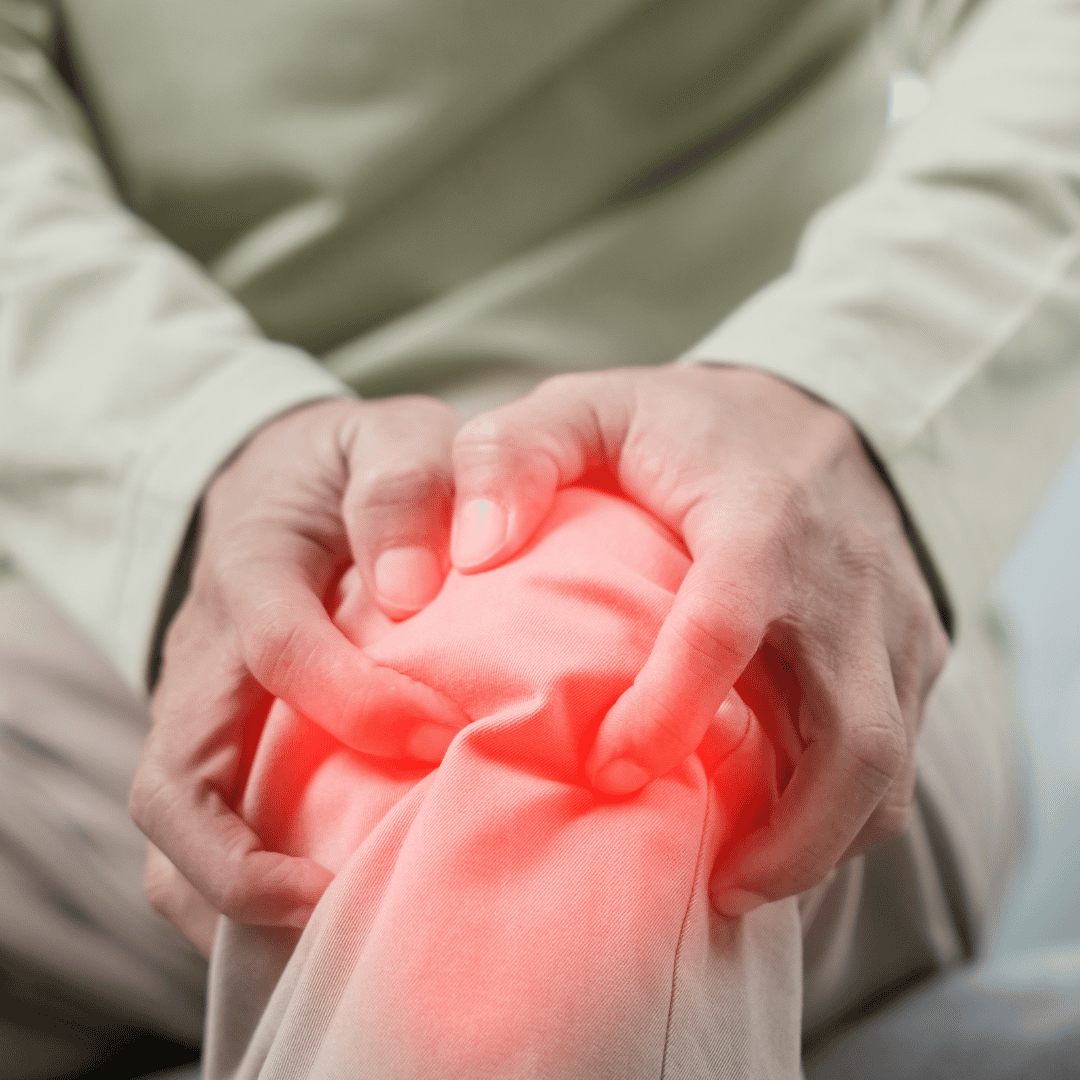
Osteoarthritis Stem Cell Treatment in Germany
- Stem Cell Therapy for Osteoarthritis, Stem Cell Therapy
Germany







