
What treatment


20+ Most Frequently Asked Questions About General Medicine
Find Clear and Concise Answers to Common Questions About General Medicine
Trusted Medical Tourism Platform Since 2007
.png)
What is Included in Typical Thailand Medical Tourism Packages?
Thailand medical tourism packages typically include the medical procedure, doctor's fees, hospital stay, and pre-operative consultations. They often bundle airport transfers and can sometimes include accommodation, but flights are usually booked separately. Thinking about getting medical treatment abroad? You're not alone. Every year, millions of people travel for healthcare, and Thailand has firmly established itself as a top destination. The idea of combining high-quality medical care with a trip to the "Land of Smiles" is incredibly appealing. But what exactly do you get when you sign up for one of these packages? It’s about more than just the procedure itself. It’s a comprehensive experience designed to be as seamless and stress-free as possible, from the moment you land to your post-treatment recovery. The primary draw is, of course, the significant cost savings—often 50-70% less than in Western countries—without sacrificing quality. Thailand medical tourism packages are designed to be all-encompassing, but their contents can vary. Generally, you can expect the core medical services to be covered: the surgery or treatment, the surgeon's fees, anesthesia, and your hospital room. Many packages go a step further, including airport pickups, pre-op tests, and even a personal liaison to guide you through the process. However, it's crucial to understand what's standard and what's an add-on. For instance, while some deluxe packages might include recovery stays at a partner hotel, most will require you to book your own flights and accommodation. This guide will walk you through everything you need to know, answering the most common questions people have about getting healthcare in Thailand, so you can make an informed decision for your health journey. What is the main reason people choose Thailand for medical tourism? The primary reason people choose Thailand for medical tourism is to access high-quality, internationally accredited healthcare at a fraction of the cost they would pay in their home countries, particularly for cosmetic surgery, dental work, and complex procedures. The appeal of healthcare in Thailand is a powerful combination of quality, affordability, and service. Patients can save anywhere from 50% to 70% on medical procedures in Thailand compared to the US, UK, or Australia. A facelift that might cost $15,000 in the United States could be as low as $4,000 in Bangkok. Similarly, a dental implant costing $4,000 at home might only be $1,500 in Thailand. This cost-effectiveness does not come at the expense of quality. Many Thai hospitals are accredited by the Joint Commission International (JCI), the gold standard in global healthcare. These facilities boast state-of-the-art technology and employ highly skilled, often Western-trained, doctors. This assurance of quality, combined with the famous Thai hospitality and the opportunity to recover in a beautiful vacation destination, makes it an unbeatable package for many. What services are typically included in a standard medical package? A standard medical tourism package in Thailand typically includes the surgeon's fee, the cost of the procedure, anesthesia, a private hospital room for a specified number of nights, nursing services, pre-operative consultations, and basic post-operative follow-ups. When you book a Thailand medical tourism package, you are generally paying for the core components of your treatment. The goal is to provide a clear, upfront cost for the entire medical portion of your trip. Think of it as an all-inclusive price for your healthcare needs. Here’s a breakdown of what you can usually expect: The Main Procedure: Whether it's a tummy tuck, a set of dental veneers, or a knee replacement. Surgeon and Team Fees: This covers the expertise of your main surgeon, anesthesiologist, and other medical staff in the operating room. Hospital Stay: A private room in the hospital for the required recovery period (e.g., 1-2 nights for a breast augmentation). Pre-Surgery Consultation: Your initial meeting with the surgeon to discuss goals and finalize the treatment plan. Medications and Dressings: All necessary medications administered during your hospital stay and standard post-op dressings. Basic Follow-Up: A post-operative check-up appointment before you are cleared to fly home. Are flights and accommodation included in the packages? Generally, international flights are not included in standard medical tourism packages. Accommodation outside the hospital stay is sometimes offered in premium or all-inclusive packages, but it is often booked separately by the patient to allow for more flexibility. This is one of the most common points of confusion. While the term "package" might suggest everything is covered, international airfare is almost always the patient's responsibility. Airlines and prices vary too much for hospitals or facilitators to include them in a fixed-price package. This gives you the freedom to choose your preferred airline, travel dates, and class. Accommodation is a bit of a mixed bag. The package price will cover your nights in the hospital. For the rest of your stay (pre-procedure and post-discharge recovery), you will likely need to arrange your own lodging. However, many medical tourism facilitators and hospitals have partnerships with nearby hotels and serviced apartments, often at discounted rates. Some high-end, all-inclusive packages may include a hotel stay, so it's essential to read the fine print and clarify exactly what's covered. What about ground transportation and airport transfers? Most reputable Thailand medical tourism packages include complimentary airport transfers. A representative will typically meet you at the airport upon arrival and transport you to your hotel or the hospital, and will also provide transport back to the airport for your departure. To ensure a smooth and worry-free arrival, the majority of packages include airport pickup and drop-off services. After a long flight, the last thing you want to do is navigate a foreign airport and haggle with taxis. This service is a key part of the patient experience. Transportation to and from your scheduled hospital appointments is also frequently included. The hospital or your facilitator will arrange for a car to take you from your hotel to the clinic for consultations, the procedure itself, and any follow-up visits. This logistical support is invaluable, especially when you are not feeling your best post-surgery. How much does cosmetic surgery cost in Thailand? Cosmetic surgery in Thailand can cost 50-70% less than in Western countries. For example, breast augmentation typically ranges from $3,500 to $5,000, a rhinoplasty from $2,000 to $4,000, and a tummy tuck from $4,000 to $6,000. Thailand is a global hub for cosmetic surgery, known for its skilled surgeons and competitive pricing. The affordability allows patients to access procedures that might be financially out of reach back home. The packages are comprehensive, covering all the essential medical aspects of the surgery. Here is a sample price comparison for popular medical procedures in Thailand: Procedure Estimated Cost in Thailand (USD) Estimated Cost in USA (USD) Breast Augmentation $3,500 - $5,000 $8,000 - $15,000 Rhinoplasty (Nose Job) $2,000 - $5,500 $7,000 - $15,000 Facelift $4,000 - $7,000 $10,000 - $20,000 Liposuction (per area) $1,500 - $3,000 $4,000 - $8,000 What is a "Mommy Makeover" package? A "Mommy Makeover" is a popular combination package designed to help women restore their pre-pregnancy bodies. It typically includes a tummy tuck, breast lift or augmentation, and liposuction. These packages offer significant savings compared to getting each procedure done separately. What about dental tourism packages in Thailand? Dental tourism packages in Thailand are extremely popular due to massive cost savings. A full set of All-on-4 dental implants can cost $8,000-$11,000 compared to $25,000+ in the US, while a single porcelain veneer might be $250 versus $1,500 at home. Dental work is another cornerstone of medical tourism in Thailand. The quality of care is excellent, with many dental clinics in Thailand using the same high-quality materials and technologies (like CEREC for same-day crowns) found in top Western clinics. The difference in price is staggering. Packages for major dental work are common. For instance, a full mouth reconstruction involving multiple implants, crowns, and veneers can be planned and priced as a single package. This often includes all consultations, X-rays, the procedures themselves, and any necessary follow-up adjustments. Many patients find they can pay for their entire vacation with the money they save on their dental care. Are pre-operative tests and post-operative care included? Yes, standard pre-operative tests like blood work and health screenings required by the hospital are included in the package price. Basic post-operative care, including follow-up visits with the surgeon and suture removal, is also covered before you travel home. Your safety is the top priority. Before any major procedure, the hospital will conduct a thorough health assessment to ensure you are a suitable candidate for surgery. This is a non-negotiable part of the process and is built into the package cost. It ensures there are no surprises on the day of your operation. Post-operative care is equally important. Your package covers the immediate aftercare, including your hospital stay and follow-up appointments. The surgeon will want to see you before you leave the country to check on your healing progress. However, it's important to clarify the policy on revision surgeries or complications that may arise after you've returned home. Some hospitals offer revision policies, but the terms can vary. Do packages include a personal assistant or translator? Many top international hospitals in Thailand provide a dedicated international patient coordinator or liaison as part of their service. While most medical staff speak excellent English, these coordinators ensure there are no language barriers and help manage your appointments and paperwork. Navigating a hospital system in another country can be daunting. To ease this, major hospitals like Bumrungrad International and Bangkok Hospital have large international departments. When you book a package with them, you are often assigned a personal coordinator who speaks your language. This person is your main point of contact. They will help you schedule appointments, understand the pre-operative instructions, handle billing, and answer any non-medical questions you may have. This level of personalized service is a hallmark of the Thai medical tourism experience and significantly reduces the stress of the journey. What is NOT usually included in a medical package? Typical exclusions from a Thailand medical tourism package are international flights, travel insurance, visa fees, accommodation outside the hospital, meals (except during the hospital stay), and treatment for any unrelated medical conditions or unforeseen complications. Understanding the exclusions is just as important as knowing the inclusions. You need to budget for these additional costs to get a true picture of your total trip expense. Always read the package details carefully and ask questions. Flights: As mentioned, this is almost always your responsibility. Travel & Medical Complications Insurance: Highly recommended. Standard travel insurance may not cover planned surgeries, so look for specialized medical tourism insurance. Visa Costs: Depending on your nationality and length of stay, you may need a specific medical visa (Non-Immigrant Visa "O"). Personal Expenses: This includes tourism, shopping, dining out, and any other personal spending. Treatment for Complications: If a complication arises that requires additional surgery or a longer hospital stay, this will likely be an extra cost. This is where specialized insurance is crucial. Take-home Medications: While in-hospital meds are covered, you will pay for the prescription medications you take with you upon discharge. Are wellness and recovery retreats part of the packages? While not standard, many medical tourism facilitators offer add-on wellness and recovery retreat packages. These can include stays at luxury resorts with services like therapeutic massages, healthy meal plans, and light activities to aid in a comfortable and restorative recovery. Thailand is famous for its wellness industry. It makes perfect sense to combine a medical procedure with a relaxing recovery. After being discharged from the hospital, instead of staying in a standard hotel, you can opt for a recovery retreat. These facilities are designed for patients in recovery. They offer a tranquil environment, nutritious food, and staff who are accustomed to guests with medical needs. This can be an excellent option, especially for those traveling alone, as it provides a supportive and comfortable environment to heal before the long flight home. These are typically offered as an upgrade or a separate package. Ready to explore your options for high-quality, affordable healthcare? PlacidWay connects you with world-class hospitals and clinics in Thailand and around the globe. Explore personalized medical tourism packages and get a free, no-obligation quote for your treatment today. Your journey to better health starts here....
Read more details

Share with AI
Share this page with AI assistants to get summaries and insights


Table of Contents
Unlock the Best General Medicine Packages Just for You
Discover the ultimate General Medicine packages designed to meet your health and wellness goals. Choose the perfect fit for your journey.

Price starting from $400
Colonoscopy Package in Istanbul Turkey
PlacidWay Turkey Medical Tourism
- General Medicine
Istanbul, Turkey
Price starting from $71
Online Remote Consultation of Beijing Puhua International Hospital in China
Beijing Puhua International Hospital
- General Medicine
Beijing, China
Price starting from $18,000
Gastric Cancer Treatment Package in South Korea 2025
Seoul St. Marys Hospital - The Catholic University of Korea
- General Medicine
Seoul, South Korea
General Medicine Solutions Near You: Explore Top Medical Centers
Discover how General Medicine is transforming lives at leading medical centers in , . Dive into center profile, specialties, doctors, reviews, etc. and explore the best options tailored to your needs in this region.

Hospital Velmar
Ensenada, Mexico
Bayindir Healthcare Group
Istanbul,Ankara, Turkey

California Wellness Institute
Lancaster,Los Angeles,Riverside, United States
GIOSTAR Hospital Bengaluru
Bengaluru, India
Explore General Medicine: Stories, Testimonials, and Procedures
Watch in-depth videos covering everything from General Medicine success stories to detailed procedure explanations. Learn what to expect and hear from real patients.

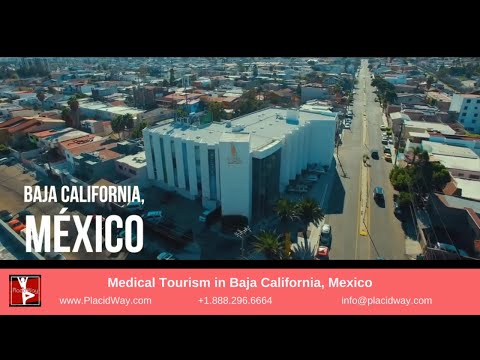
Medical Tourism in Baja California, Mexico - Things to Know
General Medicine
PlacidWay Medical Tourism
Mexico

Get Funded for Your Healthcare with PlacidCare Crowdfunding, Powered by CoCoPay
General Medicine
PlacidWay Medical Tourism
Mexico
SECTURE and PlacidWay Health Tourism and Wellbeing Baja California
General Medicine
PlacidWay Medical Tourism
Mexico

Sports and Regenerative Medicine by SPORTSMED in Guadalajara, Mexico - Alexa Grasso Testimonial
General Medicine
Sportmed Centro Medico
Mexico
Learn More with These General Medicine Articles
Take a look at these interesting articles, stories and research that will help you learn more about General Medicine.
Saudi German Hospital-Dubai Expands Multispecialty Medical Services
Saudi German Hospital Dubai
- General Medicine
UAE

Anadolu Medical Center: Excelling in Patient Care Services
Anadolu Medical Center | International Hospital Istanbul
- Cancer Treatment
Turkey

What is the Difference between Hernia and Hemorrhoids?
PlacidWay Mexico Medical Tourism
- General Medicine
India

Third Upcoming International Summit on Medical Tourism in Puerto Vallarta
PlacidWay Medical Tourism
- Alternative Medicine
Mexico







