
What treatment


20+ Key FAQs on Urology in Germany
Questions About Urology in Germany? Start Here
Trusted Medical Tourism Platform Since 2007
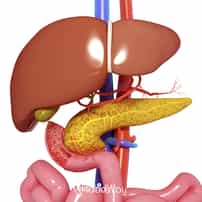
How Much Does it Cost to Remove a Gallbladder in Germany?
The estimated gallbladder removal cost in Germany usually ranges from $4,500 to $8,500. This price often depends on the chosen surgical method, preoperative tests, facility fees, and the overall complexity of your specific case. Key Takeaways Laparoscopic cholecystectomy is the standard, minimally invasive approach utilized by most facilities. Average costs fluctuate based on the clinic's location, the patient's condition, and required hospital stays. The German healthcare system is renowned for stringent clinical standards and advanced preoperative diagnostics. Patients generally require a 1 to 3-night hospital stay for monitoring and immediate post-operative care. International patients should plan for additional recovery days locally before undertaking international flights. What Factors Influence the Gallbladder Removal Cost in Germany? The total expense fluctuates based on the surgical approach (laparoscopic versus open), specific facility fees, length of hospitalization, and the extent of specialized preoperative diagnostics required. Understanding the pricing structure for medical procedures in Europe requires a comprehensive look at the various components involved. The gallbladder removal cost in Germany is not a single, flat fee but rather an aggregate of multiple medical services. One of the primary factors is the surgical technique. Minimally invasive laparoscopic procedures typically carry different fee structures compared to open surgeries, which may require longer operating room times and extended hospital stays. Another significant factor is the choice of medical facility. A private hospital may charge different rates than a university-affiliated medical center. These fees generally encompass surgeon honorariums, anesthesiology services, nursing care, and the use of the operating theater. Additionally, the patient's individual health status plays a crucial role; patients with underlying medical conditions or complex anatomical factors may require more extensive monitoring, specialized surgical equipment, or intensive care support, which can adjust the final cost. Finally, preoperative and postoperative requirements must be considered in the overall budget. This includes necessary diagnostic imaging, comprehensive blood panels, and post-surgery medications. When comparing estimates, it is vital to request an itemized breakdown to understand exactly what is included in the quoted price and what might be billed as an additional out-of-pocket expense. Important Consideration Always verify whether your estimated cost includes the anesthesiologist's fee and standard post-operative medications, as these are sometimes billed separately by independent medical professionals. How is Gallbladder Removal in Germany Typically Performed? German surgical teams primarily utilize laparoscopic cholecystectomy, a minimally invasive approach using small incisions and specialized cameras, which typically promotes faster patient recovery. The standard of care for a gallbladder removal in Germany is the laparoscopic cholecystectomy. This modern surgical technique is preferred because it is minimally invasive. During the procedure, the surgeon makes three or four small incisions in the abdomen. Carbon dioxide gas is gently pumped in to expand the abdominal cavity, providing the surgical team with a clear, unobstructed view of the internal organs. A laparoscope—a thin tube equipped with a high-definition camera and a light—is inserted through one of the incisions. This camera transmits a magnified video image to a monitor in the operating room. The surgeon then uses specialized, long-handled instruments inserted through the other small incisions to carefully detach and extract the gallbladder. Once the organ is removed, the incisions are closed with sutures or surgical glue. In cases where laparoscopic surgery is not feasible—such as instances of severe inflammation, excessive scar tissue from previous abdominal surgeries, or anatomical complications—the surgeon may need to convert to an open cholecystectomy. This traditional method involves a single, larger incision on the right side of the abdomen below the rib cage to directly access and remove the gallbladder. When Should You Seek a Gallbladder Removal Clinic in Germany? Patients typically seek clinical assessment when experiencing frequent gallstone attacks, severe abdominal pain, persistent nausea, or complications like gallbladder inflammation (cholecystitis). Choosing to undergo surgery at a gallbladder removal clinic in Germany is usually prompted by the onset of distressing symptoms. Many people have gallstones that never cause problems, known as silent stones, which generally do not require treatment. However, when a gallstone blocks one of the bile ducts, it can trigger sudden and intense abdominal pain, often referred to as a biliary colic or a gallbladder attack. Symptoms indicating the potential need for surgical intervention include: Sudden, intensifying pain in the upper right quadrant or center of the abdomen. Pain radiating to the back or the right shoulder blade. Persistent nausea and vomiting, particularly after consuming high-fat meals. Jaundice (yellowing of the skin and eyes), which may indicate a blocked bile duct. Unexplained fever and chills, signaling a possible infection or inflammation. If you experience signs of a serious complication, such as a high fever or jaundice, immediate medical evaluation is critical. German medical facilities are equipped with comprehensive diagnostic tools to quickly assess these symptoms and determine if surgical removal is the most appropriate and medically necessary course of action. Estimated Cost Ranges for Common Procedures Procedure Type Estimated Cost (USD) Typical Hospital Stay Laparoscopic Cholecystectomy $4,500 - $6,500 1 - 2 Nights Open Cholecystectomy $6,500 - $8,500 3 - 5 Nights Preoperative Diagnostic Package $500 - $1,200 Outpatient Is Medical Tourism in Germany a Safe Choice for Surgery? Germany is widely recognized for its strict healthcare regulations, highly trained medical professionals, and modern facilities, making it a viable option for international patients seeking quality care. Participating in medical tourism in Germany is often driven by the country's reputation for medical excellence and technological advancement. The German healthcare system is heavily regulated by national health authorities, ensuring that hospitals adhere to rigorous standards regarding hygiene, patient safety, and clinical protocols. This commitment to quality control is a significant reassurance for international patients traveling for elective or medically necessary surgeries. Many hospitals that cater to international patients feature specialized international offices. These departments are designed to assist with language barriers, providing medical interpreters and translating crucial medical documents. Furthermore, the physicians and surgical staff in these institutions often have international training and are accustomed to coordinating care with a patient's primary physician back in their home country. While the quality of care is generally high, patients must still perform due diligence. It is essential to verify the credentials of the surgical team and understand the facility's policies regarding surgical complications. Medical tourism requires careful planning, particularly regarding post-operative recovery, to ensure that the patient is stable enough to undertake international travel safely after the procedure. How Long is the Recovery Process After Gallbladder Surgery? Recovery typically takes one to two weeks for laparoscopic procedures, while open surgery may require four to six weeks of healing before returning to strenuous physical activities. The post-operative recovery timeline is heavily dependent on the type of surgical procedure performed. Following a laparoscopic cholecystectomy, patients are often encouraged to mobilize and walk shortly after waking from anesthesia to prevent blood clots. Many individuals can leave the hospital within 24 to 48 hours. Most patients can resume normal, light daily activities within 7 to 14 days, though lifting heavy objects should be avoided for several weeks. Conversely, recovery from an open cholecystectomy is a longer process. Because the abdominal muscles are cut during the procedure, the body requires more time to heal the tissues. A hospital stay of three to five days is typical, and full recovery at home can take up to six weeks. During this time, patients will receive specific instructions regarding wound care and activity restrictions. Regardless of the surgical method, dietary adjustments are a normal part of the recovery process. While the body adapts to processing fat without a gallbladder, some patients may experience temporary digestive changes, such as bloating or loose stools. A diet low in fat and high in fiber is usually recommended in the initial weeks to ease the digestive system's transition. What Are the Potential Risks of Cholecystectomy? While generally safe, potential risks include surgical site infection, internal bleeding, bile leaks, injury to nearby structures like the common bile duct, and risks associated with general anesthesia. Like any major surgical intervention, gallbladder removal carries inherent risks, even when performed by experienced surgeons in highly rated medical facilities. One of the specific risks associated with this procedure is a bile leak. If the clips used to seal the tube that connects the gallbladder to the main bile duct slip, bile can leak into the abdomen, causing pain and requiring further medical intervention to drain the fluid. Another rare but serious complication is an injury to the common bile duct. During the dissection of the gallbladder, the main bile duct can inadvertently be nicked or cut. If this occurs, it may require a secondary, more complex reconstructive surgery to repair the duct and restore normal bile flow. Surgeons utilize extreme caution and high-definition imaging during laparoscopy to minimize this risk. General surgical risks also apply, including adverse reactions to general anesthesia, deep vein thrombosis (blood clots), and infection at the incision sites. Patients are thoroughly evaluated prior to surgery to assess their individual risk factors, and prophylactic measures, such as antibiotics and compression garments, are routinely utilized to mitigate these potential complications. What Diagnostic Tests Are Needed Before Surgery? Prior to surgery, patients undergo comprehensive blood tests, abdominal ultrasounds, and sometimes advanced imaging to accurately assess the gallbladder, bile ducts, and overall fitness for anesthesia. Thorough preoperative diagnostics are a cornerstone of medical care to ensure patient safety and surgical efficacy. The most common preliminary test is an abdominal ultrasound. This non-invasive imaging technique uses sound waves to create pictures of the gallbladder, clearly revealing the presence, size, and location of gallstones, as well as any thickening of the gallbladder wall. Blood tests are also mandatory to check liver function, look for signs of infection, and evaluate blood clotting capabilities. Elevated liver enzymes or bilirubin levels might indicate that a gallstone has migrated out of the gallbladder and is blocking the common bile duct, which requires a different treatment approach before or during the cholecystectomy. If ultrasound and blood tests are inconclusive, or if a bile duct blockage is suspected, more advanced imaging may be ordered. This can include a Magnetic Resonance Cholangiopancreatography (MRCP) to visualize the biliary tree, or an Endoscopic Retrograde Cholangiopancreatography (ERCP) which can both diagnose and sometimes remove stones stuck in the bile duct prior to the gallbladder removal surgery. Expert Insight Carrying copies of your recent ultrasound images and blood work from your home country can sometimes reduce the need for repeat testing, though the surgical facility will always perform their own baseline assessments for safety. How Long Should International Patients Stay in Germany? International patients are typically advised to remain in Germany for 7 to 10 days post-surgery to attend follow-up appointments and ensure they are medically cleared for safe air travel. Planning the duration of your medical trip is crucial for a safe and comfortable recovery. Even for minimally invasive laparoscopic procedures where the hospital stay is short, flying immediately after abdominal surgery is strongly discouraged. The changes in cabin pressure can cause gas expansion in the abdomen, leading to severe discomfort and potentially stressing the fresh incisions. Most surgical teams recommend that international patients remain in a local hotel or recovery facility for at least one week following hospital discharge. This timeframe allows the medical staff to conduct a follow-up examination, check the incision sites for any signs of infection, and safely remove any non-dissolvable sutures or staples if they were utilized. Furthermore, staying locally provides immediate access to your surgical team should any delayed complications arise, such as unusual pain, fever, or digestive distress. Patients will only receive a "fit to fly" certificate from their treating physician once they have been thoroughly evaluated and deemed stable enough to handle the physical demands of international travel. Why Choose PlacidWay for Treatment Information? PlacidWay provides comprehensive educational resources and connects patients with international healthcare options, helping individuals research and compare medical services globally. Navigating the landscape of international medical care requires access to organized, factual information. PlacidWay acts as a valuable resource for patients looking to understand their global healthcare options. When researching procedures abroad, utilizing a structured platform can simplify the initial discovery phase. Patients utilize PlacidWay for several educational and informational benefits: Provider Comparisons: Access informative profiles of various international medical centers to compare their stated specialties, facilities, and available technologies side-by-side. Cost Transparency Access: Obtain preliminary cost estimates from multiple global providers, aiding in the creation of a realistic medical budget before committing to a destination. Educational Resources: Read comprehensive guides about specific medical procedures, helping you understand the standard clinical practices associated with your required treatment. Direct Communication Tools: Utilize platform features to send inquiries directly to international medical teams, allowing you to ask specific questions regarding their clinical protocols. Credential Visibility: Review the self-reported accreditations and certifications of clinics, which can serve as a starting point for your own independent medical due diligence. Frequently Asked Questions Can I live a normal life without a gallbladder? Yes, you can typically live a completely normal life without a gallbladder. Your liver will continue to produce bile to digest food, but instead of being stored in the gallbladder, the bile will drip continuously into your digestive system. Does gallbladder removal cause weight gain? Gallbladder removal itself does not directly cause weight gain. However, some patients may experience weight changes due to dietary adjustments, changes in metabolism, or returning to a normal eating routine after suffering from gallstone pain. How soon can I eat normally after surgery? Patients are usually advised to eat a light, low-fat diet immediately following surgery. You can typically return to a normal, balanced diet within a few weeks, though it is often recommended to reintroduce high-fat or spicy foods gradually to avoid digestive discomfort. Is the surgery performed under general anesthesia? Yes, both laparoscopic and open gallbladder removals are performed under general anesthesia. This means you will be completely asleep and unable to feel pain during the surgical procedure. What is the difference between open and laparoscopic removal? Laparoscopic removal involves several small incisions, a camera, and specialized tools, resulting in faster recovery. Open removal requires a single larger incision in the abdomen and is typically reserved for complex cases or severe inflammation. How do I prepare for my procedure in Germany? Preparation typically involves fasting for a specified period before surgery, stopping certain medications as directed by your physician, and undergoing necessary preoperative blood tests and imaging to ensure you are fit for general anesthesia. Can I drive immediately after being discharged? No, you should not drive immediately after being discharged. General anesthesia and pain medications impair reaction times. Most physicians recommend waiting at least one to two weeks, or until you can wear a seatbelt comfortably and perform emergency stops without pain. Will I have noticeable scars after the surgery? Laparoscopic surgery leaves small scars, typically ranging from a half-inch to an inch, which tend to fade over time. Open surgery will leave a more prominent, single scar on the right side of your abdomen. Are gallstones the only reason for removal? While symptomatic gallstones are the most common reason, other conditions such as gallbladder inflammation (cholecystitis), gallbladder polyps, biliary dyskinesia, or, rarely, gallbladder cancer may also necessitate the removal of the organ. Why is Germany considered a top destination for this surgery? Germany is highly regarded due to its strict healthcare regulations, advanced surgical technology, and highly trained medical specialists. The country maintains rigorous standards for patient safety and clinical hygiene across its medical facilities. Explore Your Global Healthcare Options Researching medical treatments abroad requires reliable information. Connect with certified medical facilities, compare estimated costs, and gather the details you need to make an informed decision regarding your care. Request Treatment Information Medical Disclaimer: The information provided in this article is for educational purposes only and should not be considered as medical advice. Treatment options and outcomes vary significantly between patients. Always consult with a qualified healthcare professional regarding diagnosis, treatment plans, and travel for medical purposes. Pricing data is estimated and subject to change based on individual facility rates and patient requirements. References StatPearls: Cholecystectomy – National Center for Biotechnology Information (NCBI) Cholecystectomy (Gallbladder Removal) – Mayo Clinic Gallbladder Removal Information – National Health Service (NHS UK) Laparoscopic Gallbladder Removal – MedlinePlus Medical Encyclopedia Gallstones and Gallbladder Disease – National Institute of Diabetes and Digestive and Kidney Diseases (NIDDK) Global Patient Safety Guidelines – World Health Organization (WHO)...
Read more details

How to Choose a Urologist in Germany?
Finding the right specialist for your health needs can be a daunting task, especially when you're looking for care in another country. Germany is world-renowned for its exceptional medical standards and cutting-edge urological treatments, making it a top destination for patients worldwide. But with so many highly qualified doctors and clinics, how do you navigate the system and find the urologist that's perfect for you? It can feel a bit overwhelming, but don't you worry. This guide is here to walk you through it, step by step. We'll break down everything you need to know, from understanding the German healthcare system to verifying a doctor's credentials. Think of this as your personal roadmap to securing the best possible urological care in Germany. It’s not just about finding a doctor; it’s about finding a partner in your health journey, someone who understands your specific needs and can offer the most advanced treatments available. Step 1: Understand Your Specific Urological Needs Before you even start your search, it’s super important to have a clear picture of your medical condition. Urology is a broad field with many sub-specialties. Are you dealing with prostate issues, kidney stones, bladder cancer, male infertility, or something else? Knowing the specifics will help you narrow down your search to urologists who specialize in your particular area of concern. For instance, if you're seeking treatment for prostate cancer, you’ll want to look for a urologist who is an expert in urologic oncology and perhaps has extensive experience with robotic-assisted surgeries like the da Vinci system. On the other hand, if you're struggling with kidney stones, a specialist in endourology and minimally invasive stone removal techniques would be a better fit. Make a list of your symptoms, diagnosis, and any previous treatments you've had. This will be invaluable when you start researching potential doctors. Step 2: Research Top Urology Clinics and Hospitals in Germany Germany boasts a large number of outstanding urology departments within its university hospitals and specialized clinics. A great starting point is to look for hospitals that are certified and have a strong reputation in urology. Look for certifications like ISO 9001 or Joint Commission International (JCI) accreditation, as these indicate a high standard of care. Some of the most respected urology centers in Germany are located in cities like Munich, Berlin, Hamburg, and Heidelberg. Don't just look at the hospital's main website. Dig a little deeper. Look for patient testimonials and reviews. While individual experiences can vary, a pattern of positive feedback is a good sign. Websites that aggregate patient reviews can be a useful, though not definitive, resource. Step 3: Verify the Urologist's Credentials and Experience Once you have a shortlist of potential clinics, it's time to investigate the individual urologists. In Germany, doctors undergo rigorous training. A specialist in urology is called a "Facharzt für Urologie." You'll want to confirm that the doctor has this title. Many top German urologists also hold additional qualifications or are actively involved in academic research, which is often a good indicator of their expertise and commitment to staying at the forefront of their field. Look at their professional background. Where did they train? How many years have they been practicing? Have they published articles in reputable medical journals? This information is often available on the hospital's website or the doctor's personal profile page. Don't be shy about digging into the details; you're looking for the best, after all. Step 4: Consider the Doctor's Sub-Specialization and Treatment Focus As we touched on earlier, urology has many sub-fields. A general urologist is great for many conditions, but for complex cases, a sub-specialist is often the best choice. Look for urologists who focus on areas like: Urologic Oncology: For cancers of the prostate, bladder, kidneys, and testes. Andrology: For male reproductive health and infertility. Neurourology: For bladder problems related to neurological conditions. Pediatric Urology: For children's urological issues. Reconstructive Urology: For repairing the urinary tract. The clinic's website should clearly state the specializations of their urologists. If you're looking for a specific procedure, like a robotic-assisted prostatectomy, make sure the doctor has extensive experience with that particular surgery. Step 5: Evaluate Communication and Language Skills For international patients, clear communication is absolutely critical. While many German doctors, especially in major cities and university hospitals, speak excellent English, it's something you must confirm. You need to be able to discuss your symptoms, treatment options, and any concerns you have without a language barrier. Many large hospitals have international patient offices with staff who can assist with communication and translation services. When you make your initial contact, pay attention to how easy it is to communicate with the administrative staff and the doctor's office. This can be a good indication of how well they are set up to handle international patients. Step 6: Inquire About Technology and Treatment Methods Germany is known for its investment in medical technology. Top urology clinics are often equipped with the latest diagnostic and surgical tools. This can include advanced imaging technologies for more accurate diagnoses and minimally invasive surgical options that can lead to faster recovery times and fewer complications. When researching a clinic, look for information on the technologies they use. For example, if you have benign prostatic hyperplasia (BPH), you might look for clinics offering advanced laser treatments like HoLEP or Greenlight Laser. The availability of state-of-the-art technology is often a sign of a clinic's commitment to providing the best possible care. Step 7: Understand the Costs and Insurance Coverage The cost of medical treatment in Germany is transparent and regulated. For international patients who are self-paying, clinics will provide a detailed cost estimate before you commit to any treatment. This will typically include the doctor's fees, hospital stay, diagnostic tests, and any other anticipated expenses. If you have international health insurance, you'll need to coordinate with your provider to understand what is covered. The international office of the German hospital can often assist with the necessary paperwork for insurance pre-authorization. It's crucial to have a clear understanding of the financial aspects before you travel for treatment. Step 8: Arrange for an Initial Consultation Many German urologists offer initial consultations for international patients via video conference. This is an excellent opportunity to "meet" the doctor, discuss your case in detail, and ask any questions you may have. It allows you to get a feel for their communication style and whether you feel comfortable with them. Prepare for this consultation by having all your medical records translated into German or English. Write down a list of questions you want to ask. This initial meeting is a crucial step in making your final decision. Frequently Asked Questions (FAQs) 1. How do I find patient reviews for German urologists? While there isn't one central database for patient reviews, you can often find them on the websites of the clinics themselves, on international medical tourism platforms, and through general search engine queries. Be sure to look for patterns in the feedback rather than focusing on a single review. 2. What is the average cost of a urology consultation in Germany for a foreigner? The cost can vary, but you can expect to pay a few hundred euros for an initial consultation. For specific treatments, the costs are much higher and will be detailed in a personalized quote from the clinic. 3. Do I need a referral from my local doctor to see a urologist in Germany? While a referral is not always strictly necessary for international patients paying for their own treatment, it is highly recommended. Your local doctor can provide important medical history and records that will be essential for the German urologist. 4. How long will I need to stay in Germany for my urological treatment? The length of your stay will depend on the type of treatment you are receiving. Minimally invasive procedures may only require a short hospital stay and a week or two for recovery, while more complex surgeries will necessitate a longer stay. Your urologist will provide you with a detailed timeline. 5. What makes German urology clinics a top choice for medical tourists? Germany's reputation in urology is built on a combination of highly skilled and experienced doctors, a commitment to research and innovation, the use of advanced medical technology, and a healthcare system with rigorous quality standards. 6. Can I get a second opinion from a German urologist? Absolutely. Many German urologists are happy to provide second opinions for international patients. This can be done through a remote consultation where you provide your existing medical records and imaging studies. 7. Are there services to help me arrange my medical trip to Germany? Yes, there are many medical tourism facilitators, like PlacidWay, that specialize in helping international patients navigate the process of seeking treatment in Germany. They can assist with everything from choosing a clinic and doctor to arranging travel and accommodation. Your Next Step to World-Class Urological Care Choosing the right urologist is a significant decision, but you don't have to do it alone. The German medical system offers some of the best urological care in the world, and with the right approach, you can find a specialist who is the perfect fit for your needs. At PlacidWay, we are dedicated to connecting patients with leading medical providers around the globe. If you are considering urological treatment in Germany, let us help you navigate your options. We can provide you with detailed information on top clinics, and experienced urologists, and help you get started on your journey to better health. Contact PlacidWay today to learn more about your options for urology treatment in Germany and receive a free, no-obligation quote....
Read more details
What I Wish I Knew Before Getting a Vasectomy in Germany?
Before getting a vasectomy in Germany, many people wish they knew that the procedure is not covered by standard health insurance, that recovery is a crucial part of the process, and that long-term success requires post-procedure sperm checks. Deciding to have a vasectomy is a significant life choice, and for many men, it's about taking control of their reproductive health. Germany, known for its world-class healthcare system, is a popular choice for medical procedures. However, the process for getting a vasectomy there, especially for those who are not familiar with the German healthcare system, can come with a few surprises. It's not just a simple appointment; it's a decision that requires careful consideration of costs, insurance, and the long-term commitment it entails. Many men who have gone through the process in Germany often reflect on certain details they wish they had known beforehand, from the financial aspects to the recovery period and the importance of follow-up care. This blog post aims to provide a clear and comprehensive guide to these often-overlooked details, helping you feel fully prepared and confident about your decision. We will answer the most common questions people have, from the practicalities of a vasectomy in Germany to the personal experience of recovery and beyond. How much does a vasectomy cost in Germany and is it covered by insurance? A cost of vasectomy in Germany costs between €500 and €1,000 and is generally not covered by German public or private health insurance, as it is considered an elective procedure for contraception. One of the most common misconceptions about getting a vasectomy in Germany is that it will be covered by health insurance. Unlike a procedure performed for a medical necessity, a vasectomy is an elective form of contraception. Therefore, you should be prepared to pay for the entire cost out of pocket. The price can vary depending on the urologist and the clinic. The total cost usually includes the preliminary consultation, the procedure itself, and the necessary follow-up examinations (spermiograms) to confirm success. When you contact a clinic, be sure to ask for a detailed cost breakdown to avoid any hidden fees. This transparency is a crucial part of the German medical system, but you need to ask the right questions. While a vasectomy is not covered, some private insurance plans may offer a partial reimbursement, but this is rare. It is essential to check with your specific health insurance provider before making an appointment to understand what, if anything, they might cover. What is the typical recovery period after a vasectomy in Germany? The typical recovery period after a vasectomy in Germany involves taking it easy for 48 hours, avoiding strenuous activity for about one to two weeks, and using ice packs and supportive underwear to manage mild pain, swelling, or bruising. While a vasectomy is a quick procedure, the recovery is a crucial part of the process that requires patience and care. Most men can return to light work within 2-3 days, but you should not expect to be back to normal right away. The most important part of the immediate aftercare is to rest and listen to your body. First 48 Hours: This is the most critical period. You should rest as much as possible. Applying ice packs to the area for 10-15 minutes at a time can significantly help reduce swelling and discomfort. First Week: You should avoid any heavy lifting or strenuous activities, including sports and intense exercise. A gradual return to normal activities is recommended. Supportive Underwear: Wearing snug, supportive underwear (not boxer shorts) for at least the first week, day and night, is essential. It provides crucial support to the scrotum and helps minimize pain. Many men are surprised by the level of discomfort, even if it is minor. Having a few days off from work or arranging for help with daily tasks can make a significant difference. It’s better to be overly cautious than to rush back to normal activities and risk a complication. How long after a vasectomy do I need to use another form of contraception? You must continue using another form of contraception for at least 12 weeks after a vasectomy in Germany until a semen analysis (spermiogram) confirms that no viable sperm are present. This is one of the most critical pieces of information for anyone considering a vasectomy. The procedure is not immediately effective. Sperm that were already in the reproductive tract can still cause a pregnancy. It takes time for these residual sperm to be cleared from the system. German urologists will require you to provide a semen sample, typically around 12 weeks after the procedure, to perform a spermiogram. The test will determine if there are any sperm left in your ejaculate. You will likely be asked to have at least 20-30 ejaculations during this period to ensure the tubes are clear. It is only after receiving official confirmation from your doctor that the vasectomy has been successful that you can stop using other methods of contraception. Ignoring this step is the most common reason for an unexpected pregnancy after a vasectomy. What are the different types of vasectomy procedures available in Germany? The two main types of vasectomy procedures available in Germany are the traditional incision method and the less invasive non-scalpel vasectomy (NSV), with the NSV technique being more common due to a faster recovery and fewer complications. When you have a consultation with a German urologist, they will explain the different methods they use. Traditional Incision Vasectomy: This method involves one or two small incisions in the scrotum with a scalpel. The tubes (vas deferens) are cut, and a small piece is usually removed before the ends are tied or sealed. Stitches may be needed to close the incisions. Non-Scalpel Vasectomy (NSV): This is the more modern and widely used technique. Instead of a scalpel, the surgeon uses a special instrument to make a tiny puncture in the skin. This small opening is then stretched to access the vas deferens, which are then cut and sealed. This method is often preferred because it results in less bleeding, a smaller wound, and a faster recovery with no need for stitches. Many specialized vasectomy clinics in Germany exclusively perform the non-scalpel technique due to its proven benefits. Discussing both options with your urologist and understanding why they prefer a certain method will help you feel more comfortable. What should I expect during the initial consultation with a urologist in Germany? During the initial consultation for a vasectomy in Germany, the urologist will discuss your medical history, perform a physical examination, and explain the procedure's risks and permanence to ensure you have made a well-considered and informed decision. The consultation is a required and important part of the process. It’s not just about scheduling the surgery; it's about making sure you are the right candidate and are fully committed to the decision. The urologist will likely ask about your: Family Status: Questions about whether you have children or plan to have any more. This is to ensure you have thought through the long-term implications of the procedure. Medical History: Questions about any medical conditions, allergies, or medications you are taking that could affect the surgery. Physical Examination: A brief examination to locate the vas deferens and ensure there are no physical issues that could complicate the procedure. Many men are surprised by the emphasis on the permanence of a vasectomy. German doctors want to be certain that you are not making an impulsive decision that you might regret later. This is a sign of a responsible and ethical medical practice. Are there any potential long-term side effects or risks of a vasectomy? While vasectomies are very safe, potential long-term risks include chronic testicular pain (rarely), sperm granulomas, or a rare chance of the tubes reconnecting, though these complications are uncommon. Most men experience no long-term side effects from a vasectomy. The procedure does not affect your sexual function, testosterone levels, or the feeling of ejaculation. The only difference is the absence of sperm in the ejaculate. However, as with any surgery, there are potential risks, though they are rare. Chronic Testicular Pain: A small number of men (about 1-2 in 100) may experience a dull, persistent ache in the testicles. The cause is not fully understood, but it is often manageable with pain medication. Sperm Granuloma: This is a small lump that can form as a result of sperm leaking into the surrounding tissue. It is usually painless and goes away on its own. Recanalization: In very rare cases (approximately 1 in 2,000), the severed ends of the vas deferens can grow back together, leading to a failed procedure. This is why post-procedure sperm checks are so important. Having an open conversation with your doctor about these risks is crucial for making a fully informed decision. Will a vasectomy affect my sex life or libido? No, a vasectomy does not affect a man’s libido, sexual pleasure, or ability to have an erection or an orgasm, as it only prevents sperm from mixing with semen. A vasectomy is a procedure that interrupts the pathway for sperm. The testicles still produce testosterone, the hormone responsible for libido, and sperm. The sperm are simply reabsorbed by the body. The volume and appearance of your semen will not change noticeably, as sperm make up a very small percentage of the total ejaculate. For many men, a vasectomy actually improves their sex life by removing the stress and anxiety of an unwanted pregnancy. This can lead to a more relaxed and spontaneous sexual experience. How should I prepare for the vasectomy procedure day in Germany? On the day of a vasectomy in Germany, you should eat a light meal, take a shower, wear loose-fitting clothing and supportive underwear, and arrange for someone to drive you home, as driving is not recommended immediately after the procedure. Proper preparation can help you feel more comfortable and ready for the procedure. Here is a simple checklist: Shave: Trim or shave the area the day before to reduce the risk of infection. Wear Comfortable Clothing: Loose-fitting pants or shorts and a comfortable shirt are best. Supportive Underwear: Bring a pair of snug briefs or a jockstrap to wear immediately after the procedure. Transportation: While a vasectomy is an outpatient procedure, it is not recommended to drive yourself home, especially if you have had any sedative medication. The procedure itself is quick, usually taking less than 30 minutes, and is performed under local anesthesia. You will be awake but the area will be numb, so you will not feel any pain. Ready to learn more about vasectomy and other life-changing healthcare solutions? Visit PlacidWay to connect with leading medical professionals and explore your options for a healthier future....
Read more detailsDiscover your treatment options with a free, no-obligation quote!
Get your quote now!
Why is Germany Considered a Top Choice for Urology Procedures in Medical Tourism?
Germany is considered a top choice for urology procedures because of its world-renowned healthcare system, which combines highly skilled specialists, cutting-edge medical technology, and stringent quality standards to deliver exceptional patient outcomes. When facing a significant health decision, such as undergoing a urological procedure, you want to be certain you're receiving the best possible care. For thousands of patients around the globe, that certainty is found in Germany. The country has solidified its reputation as a global leader in medical tourism, particularly in the complex and sensitive field of urology. But what exactly makes urology procedures in Germany the gold standard? It's a powerful combination of factors: a culture of precision engineering applied to medicine, rigorous training for medical professionals, and a commitment to pioneering new treatments. From advanced prostate cancer therapies to minimally invasive kidney stone removal, German hospitals offer a spectrum of care that is both comprehensive and state-of-the-art. For international patients, navigating healthcare in a foreign country can seem daunting. However, Germany's medical infrastructure is well-prepared to welcome them. Many major hospitals have dedicated international offices to assist with everything from language translation to accommodation, ensuring a smooth and stress-free experience. This patient-centric approach, coupled with access to some of the world's most advanced urological treatments, makes Germany not just a choice, but a destination for those seeking health, hope, and healing. Whether it's the allure of robotic surgery that minimizes recovery time or the expertise of surgeons who are leaders in their field, the reasons to choose Germany are compelling and clear. Why is Germany a leading destination for urological treatments? Germany's leadership in urology stems from its strict healthcare regulations, significant investment in medical research and technology, and the extensive, specialized training required for its physicians, ensuring the highest standards of patient care and safety. Germany's healthcare system is one of the oldest and most respected in the world. Its success is built on a foundation of rigorous quality control and a commitment to excellence. Hospitals and clinics are held to incredibly high standards, with regular audits and certifications ensuring that they meet and often exceed international benchmarks. This emphasis on quality creates an environment where patient safety and successful outcomes are the primary focus. Furthermore, Germany is a hub of medical innovation. The government and private sector invest heavily in research and development, which translates directly into better clinical practice. Urologists in Germany have access to the latest diagnostic tools, surgical equipment, and treatment protocols, often before they become widely available in other countries. This allows them to offer patients the most advanced and effective care possible for a wide range of urological conditions. What are the qualifications of German urologists? German urologists undergo one of the most rigorous medical training programs in the world, requiring at least six years of medical school followed by a five to six-year specialized residency in urology, culminating in board certification. The path to becoming a urology specialist in Germany is long and demanding, ensuring that only the most dedicated and skilled individuals enter the field. After completing a comprehensive medical degree, aspiring urologists must secure a place in a highly competitive residency program. This specialized training lasts for an additional five to six years and covers all aspects of urology, from oncology and reconstructive surgery to pediatric urology and andrology. During their residency, doctors gain extensive hands-on experience under the supervision of senior experts. They are required to perform a significant number of procedures and are continuously evaluated on their clinical skills and theoretical knowledge. Many German urologists also pursue further academic qualifications, such as a Ph.D. or professorship, and are actively involved in research, publishing their findings in prestigious international journals. This commitment to ongoing education and research means they are always at the forefront of their field. What advanced urological technology is used in Germany? German urology clinics are equipped with state-of-the-art technology, including the latest da Vinci robotic surgery systems, advanced laser therapies like Holmium Laser Enucleation of the Prostate (HoLEP), and high-precision imaging such as multiparametric MRI (mpMRI) for prostate cancer diagnosis. Germany's reputation for engineering excellence extends to its medical technology. Urology departments are consistently among the first to adopt and perfect new technologies that improve patient outcomes. The most prominent example is the widespread use of the da Vinci surgical system. Robotic-Assisted Surgery: The da Vinci system allows surgeons to perform complex procedures like radical prostatectomy with enhanced precision, vision, and control. This minimally invasive approach results in less pain, reduced blood loss, shorter hospital stays, and a faster return to normal activities for patients. Advanced Laser Systems: For conditions like Benign Prostatic Hyperplasia (BPH), German clinics utilize advanced lasers such as HoLEP and Greenlight Laser. These techniques effectively remove obstructive prostate tissue with minimal side effects and a quicker recovery compared to traditional surgery. High-Precision Diagnostics: For diagnosing prostate cancer, German hospitals use advanced imaging like multiparametric MRI (mpMRI), which can more accurately identify suspicious areas in the prostate, leading to more precise biopsies and personalized treatment plans. How much do urology procedures cost in Germany? The cost of urology procedures in Germany is competitive, especially considering the high quality of care. For example, a robotic-assisted prostatectomy typically ranges from €15,000 to €25,000, which often includes diagnostics, surgery, and hospitalization. While Germany is not a low-cost destination, it offers exceptional value for money. The pricing is transparent and regulated by a national system called German Diagnosis Related Groups (G-DRG), which standardizes costs for specific treatments across hospitals. This ensures that international patients receive fair and predictable pricing without hidden fees. When comparing the cost of urology treatment in Germany to countries like the United States, patients often find that they can receive superior care with more advanced technology for a significantly lower price. The final cost will depend on the specific procedure, the hospital chosen, the surgeon's fees, and the length of the hospital stay. Most international offices at German hospitals provide detailed, all-inclusive quotes upfront to help patients plan their budget effectively. Procedure Estimated Cost Range (€) Robotic Radical Prostatectomy (da Vinci) €15,000 - €25,000 HoLEP (for BPH) €8,000 - €14,000 Percutaneous Nephrolithotomy (PCNL for Kidney Stones) €7,000 - €12,000 Radical Cystectomy (Bladder Removal) €20,000 - €35,000 What is the process for an international patient seeking treatment? The process for international patients typically involves an initial online consultation, submission of medical records for review, receiving a personalized treatment plan and cost estimate, and then assistance with visa applications, travel, and accommodation arrangements. German hospitals have streamlined the process to make it as simple as possible for medical tourists. The journey usually begins with an inquiry to the hospital's international office. Initial Contact & Medical Review: The patient or a medical tourism facilitator sends a request along with relevant medical records (in English or German). The hospital's team of specialists reviews the documents to confirm if they can offer a suitable treatment. Treatment Plan & Cost Estimate: If the case is accepted, the hospital creates a preliminary treatment plan, including the recommended procedures, estimated duration of stay, and a detailed cost breakdown. Logistical Arrangements: Once the patient accepts the proposal and makes a deposit, the hospital provides an official invitation letter to support the medical visa application. The international office can also assist with booking accommodation, arranging airport transfers, and assigning an interpreter. Arrival and Treatment: Upon arrival, the patient undergoes a thorough pre-operative examination and consultation before the procedure is performed. The team ensures the patient is comfortable and well-informed throughout their stay. How is prostate cancer treated in Germany? Germany treats prostate cancer with a multidisciplinary approach, offering advanced options like nerve-sparing robotic prostatectomy, brachytherapy (internal radiation), HIFU (High-Intensity Focused Ultrasound), and targeted therapies based on precise diagnostics. Germany is home to some of the world's leading prostate cancer centers, such as the Martini-Klinik in Hamburg, which performs the highest number of radical prostatectomies globally. The focus of prostate cancer treatment in Germany is on achieving the best possible oncological outcome while preserving the patient's quality of life, specifically urinary continence and erectile function. The cornerstone of treatment for localized prostate cancer is the robotic-assisted radical prostatectomy. German surgeons are masters of the nerve-sparing technique, which carefully dissects the prostate away from the delicate nerve bundles responsible for erections. This significantly increases the chances of retaining sexual function post-surgery. For patients who are not candidates for surgery or prefer a non-invasive option, German centers offer advanced radiation techniques like brachytherapy and modern external beam therapies, as well as focal therapies like HIFU that target only the cancerous tissue. What are the success rates for urology treatments in Germany? Success rates for urology treatments in Germany are among the highest in the world due to high surgical volumes, advanced technology, and rigorous quality control. For instance, top centers report continence rates of over 90% one year after robotic prostatectomy. German hospitals are meticulous about tracking and publishing their patient outcomes. This transparency allows patients to make informed decisions based on proven results. The high volume of procedures performed at specialized centers contributes directly to higher success rates. A surgeon who performs hundreds of robotic prostatectomies a year develops a level of expertise that is difficult to match. For prostate cancer, success is measured not just by cancer-free survival rates, but also by quality-of-life metrics. Specialized German clinics consistently report superior outcomes for both continence and potency compared to general hospitals. Similarly, for procedures like kidney stone removal or bladder cancer surgery, the combination of experienced surgeons and cutting-edge technology leads to excellent results with low complication rates. How do I choose the best urology hospital in Germany? To choose the best urology hospital, look for institutions with international accreditations (like JCI or ISO), specialized urology departments with high patient volumes for your specific condition, and published data on their treatment outcomes and success rates. Choosing the right hospital is a critical step. Here are key factors to consider: Specialization: Opt for a hospital with a dedicated, highly specialized urology department. Some clinics even focus exclusively on one area, like prostate disease. Certifications and Accreditations: Look for quality seals like ISO 9001 or Joint Commission International (JCI) accreditation. For cancer treatment, look for certification from the German Cancer Society (DKG). Experience and Volume: A hospital that performs a high number of a specific procedure annually is more likely to have better outcomes. Don't hesitate to ask for statistics on their surgical volume and success rates. Technology: Ensure the hospital is equipped with the latest technology relevant to your procedure, such as the newest da Vinci Xi system or advanced laser equipment. Patient Reviews and Testimonials: Hearing from previous international patients can provide valuable insight into the hospital's service quality and patient care. Ready to explore world-class urological care in Germany? Explore PlacidWay for solutions and connect with leading German hospitals to start your journey towards better health....
Read more details
How Much Does a Vasectomy Cost in Germany?
Considering a vasectomy for permanent birth control is a big decision, and understanding the financial aspects is key. In Germany, a vasectomy is a common and effective male sterilization procedure, chosen by many for its high success rate and convenience. This guide covers the cost of a vasectomy in Germany, including typical prices, influencing factors, and insurance coverage. We'll also address common questions about the procedure, recovery, and success rates, providing clear, expert answers to help you make an informed choice. How much does a vasectomy typically cost in Germany? "A vasectomy in Germany generally costs between €500 and €550, which usually includes the initial consultation and necessary follow-up examinations." The average cost for a vasectomy in Germany is typically €500 to €550. This price usually covers the entire process: initial consultation, the procedure itself, and required follow-up semen analyses to confirm sterility. While this is an average, individual clinic prices may vary. This cost is generally an out-of-pocket expense, as statutory health insurance in Germany typically does not cover vasectomies, classifying them as an elective contraceptive service. Are vasectomies covered by health insurance in Germany? "No, vasectomies are generally not covered by statutory or private health insurance in Germany, as they are considered an elective contraceptive procedure." In Germany, vasectomies are usually not covered by public or private health insurance. This is because they are considered a form of contraception, not a medically necessary treatment. Patients typically pay the full cost themselves. Rare exceptions might apply if a vasectomy is medically necessary for a severe health reason, but this is uncommon. Always confirm with your insurance provider, but expect to pay out of pocket. What factors influence the cost of a vasectomy in Germany? "The cost of a vasectomy in Germany can be influenced by the clinic's location, the surgeon's experience, the type of procedure (e.g., no-scalpel), and whether follow-up tests are included." Several factors can influence the final cost of a vasectomy in Germany: Clinic Location: Prices may vary slightly by city or region. Surgeon's Experience: Highly experienced urologists or specialized centers may charge more. Procedure Type: While the no-scalpel vasectomy is common, different techniques might have minor cost impacts. Inclusions: The quoted price should ideally include the initial consultation, the procedure, local anesthesia, post-operative care, and follow-up semen analyses. Always clarify what's included to avoid hidden fees. Complications: Rare unforeseen complications requiring extra attention might incur additional costs. What is included in the typical vasectomy cost in Germany? "The typical vasectomy cost in Germany usually covers the initial consultation, the surgical procedure, local anesthesia, and essential follow-up semen analyses." A vasectomy in Germany typically includes a comprehensive package of services: Initial Consultation: The urologist discusses the procedure, assesses your medical history, confirms suitability, and explains the permanent nature of the decision. The Vasectomy Procedure: This covers the outpatient surgical intervention. Anesthesia: Local anesthesia to numb the area is included. Post-operative Care Instructions: You'll receive guidelines for incision care, discomfort management, and activity restrictions. Follow-up Semen Analyses (Spermiograms): These vital tests confirm sterility by checking for sperm absence at specified intervals (e.g., after 12 weeks and 20 ejaculations). Their cost is generally part of the overall package. How long does a vasectomy procedure take in Germany? "A vasectomy in Germany typically takes about 15 to 30 minutes to complete, performed as an outpatient procedure under local anesthesia." The actual vasectomy procedure in Germany is quick, usually taking 15 to 30 minutes. It's a minor, outpatient surgery, so no overnight hospital stay is needed. This short duration makes it a convenient and efficient permanent contraception option. Allow extra time for preparation, anesthesia to take effect, and a brief recovery at the clinic before discharge. What is the recovery time after a vasectomy in Germany? "Recovery from a vasectomy in Germany typically involves a few days of rest, with most men returning to light activities within 1-2 weeks and full activity after about 2-4 weeks." Recovery time after a vasectomy in Germany is generally quick. Expect mild discomfort, swelling, or bruising in the scrotum, manageable with over-the-counter pain relievers. For the first 24-48 hours, rest and avoid strenuous activities, sexual activity, and heavy lifting. Within 1-2 days, most men can resume light work. Wear supportive underwear for about a week. Full recovery, including all normal activities, usually takes 2 to 4 weeks. Always follow your urologist's instructions, and remember, sterility is not immediate; follow-up semen analyses are required. What is the success rate of a vasectomy in Germany? "A vasectomy in Germany boasts a very high success rate, typically over 99%, making it one of the most effective forms of male contraception." The success rate of a vasectomy in Germany is extremely high, over 99%, making it one of the most reliable contraceptive methods. It's crucial to know that sterility isn't immediate. Sperm can remain in the vas deferens for some time. Therefore, continue using other contraception until your urologist confirms sterility with semen analysis, typically involving multiple samples over weeks or months. What are the potential risks and side effects of a vasectomy? "Potential risks of a vasectomy are generally low and include minor pain, swelling, bruising, infection, or a rare chance of the vas deferens rejoining." A vasectomy is very safe, but like any surgery, carries minor, infrequent risks: Common: Minor pain, swelling, and bruising, usually resolving within a week. Less Common: Bleeding/hematoma, infection (rare, look for increased pain, redness, warmth, pus), sperm granuloma (small, harmless lump from sperm leakage), or chronic testicular pain (rare but persistent). Extremely Rare: Recanalization, where severed vas deferens rejoin, allowing sperm passage; this is why follow-up semen analyses are crucial. Your urologist will discuss all risks during your consultation. What should I expect during a vasectomy consultation in Germany? "During a vasectomy consultation in Germany, you can expect a thorough discussion about the procedure, its permanence, potential risks, and a medical assessment of your suitability." The vasectomy consultation in Germany is a vital first step to ensure the procedure is right for you. Expect: Procedure Details: The urologist will explain the vasectomy process, anesthesia (local), and what happens during surgery. Permanence Discussion: The doctor will emphasize the permanent nature of birth control and discuss implications like potential future regret. Medical Assessment: Your medical history, allergies, and medications will be reviewed, followed by a brief physical exam to locate the vas deferens. Risks & Benefits: Potential risks, side effects, and benefits compared to other contraception will be outlined. Q&A: You'll have ample opportunity to ask questions. Consent: If you proceed, you'll sign a consent form confirming your understanding. Are there different types of vasectomy procedures in Germany? "Yes, the most common type of vasectomy procedure in Germany is the no-scalpel vasectomy, which is minimally invasive." While the goal of blocking the vas deferens is constant, different vasectomy techniques exist in Germany. The most common and preferred method is the no-scalpel vasectomy (NSV). This minimally invasive technique uses a tiny puncture instead of an incision, gently bringing the vas deferens through, cutting, and sealing them. NSV typically results in less bleeding, a smaller wound, and quicker recovery than conventional (scalpel) vasectomy, which involves small incisions closed with stitches. Many German clinics primarily offer NSV due to its advantages. Your urologist will discuss their specific technique. How long until a man is sterile after a vasectomy? "A man is not immediately sterile after a vasectomy; it typically takes about 12 weeks and 20-30 ejaculations for all remaining sperm to clear, confirmed by semen analysis." A man is not immediately sterile after a vasectomy. Sperm already present beyond the severed vas deferens can still be ejaculated. Sterility typically takes about 12 weeks, or 20 to 30 ejaculations, for all residual sperm to clear. Semen analyses (spermiograms) are essential to confirm complete absence of sperm (azoospermia). You must continue using other contraception until your urologist confirms sterility. This waiting period and follow-up tests are crucial to ensure success and prevent unplanned pregnancy. Can a vasectomy be reversed in Germany, and what is the cost? "Yes, a vasectomy can be reversed in Germany, but it is a complex microsurgical procedure known as a vasovasostomy, costing at least €2,000 and typically not covered by insurance." Yes, a vasectomy can be reversed in Germany via a complex microsurgical procedure called a vasovasostomy or vasoepididymostomy. This involves reconnecting the severed vas deferens and requires specialized skills. The cost is significantly higher than a vasectomy, starting at €2,000 and generally not covered by health insurance. Success rates vary based on time since vasectomy, original procedure type, surgeon's expertise, and scar tissue. Even if sperm return, pregnancy isn't guaranteed. Always consider a vasectomy a permanent decision. Where can I find a qualified urologist for a vasectomy in Germany? "You can find a qualified urologist for a vasectomy in Germany through online search portals, professional medical associations, or by asking for recommendations from your general practitioner." Finding a qualified urologist for a vasectomy in Germany is straightforward. Use online search portals like "WhatClinic" or "Bookimed," which list urologists and clinics with patient reviews. Professional medical associations, such as the German Society of Urology (DGU), can also provide certified lists. Your general practitioner is a trusted source for local recommendations. In larger cities, specialized "Vasectomy Centers" offer focused expertise. When choosing, consider their experience, patient reviews, and whether they offer the no-scalpel technique. What is the difference between a vasectomy and male sterilization? "Vasectomy is the medical term for the surgical procedure that achieves male sterilization by blocking the vas deferens, making a man infertile." Vasectomy is the specific surgical procedure that achieves male sterilization. During a vasectomy, the vas deferens (sperm-carrying tubes) are cut or blocked. Male sterilization is the resulting state where a man is permanently infertile, meaning his semen no longer contains sperm. Essentially, a vasectomy is the method used to achieve male sterilization. Does a vasectomy affect sexual function or libido? "No, a vasectomy does not affect a man's sexual function, libido, ability to achieve an erection, or ejaculation, as it only prevents sperm from entering the semen." A vasectomy does not affect a man's sexual function, libido (sex drive), ability to achieve an erection, or ejaculation. Testicles continue to produce sperm (which are reabsorbed) and male hormones like testosterone, so libido and erections remain unchanged. Ejaculation still occurs with virtually the same volume, as sperm make up only about 5% of semen. Orgasm sensation is also unaffected. Many couples find their sex life improves due to the absence of pregnancy worries. What is the long-term outlook after a vasectomy? "The long-term outlook after a vasectomy is excellent, providing highly effective and permanent contraception with minimal impact on health or sexual function." The long-term outlook after a vasectomy is overwhelmingly positive. It provides a highly effective, permanent birth control method, simplifying family planning. Once sterility is confirmed, it offers nearly 100% contraception. There are no proven long-term adverse health impacts, such as increased cancer risk. Sexual function, libido, and ejaculation remain unaffected, often leading to increased spontaneity. The body harmlessly reabsorbs produced sperm. While rare, chronic testicular pain can occur, requiring urologist consultation. Overall, a vasectomy is a safe, effective, and convenient long-term solution for men certain about not desiring future biological children. Is a vasectomy a painful procedure? "A vasectomy is typically not a painful procedure during the surgery itself due to local anesthesia, though some discomfort may be felt during the anesthetic injection." A vasectomy is generally not painful during the procedure, as it's performed under local anesthesia. You'll feel a brief sting from the anesthetic injection, which is usually the most uncomfortable part. Once numb, you should only feel pressure or tugging, not sharp pain. After the anesthetic wears off, mild to moderate discomfort, aching, or soreness is common, manageable with over-the-counter pain relievers, and typically subsides within a few days. Swelling and bruising are also common but temporary. Most men describe post-procedure discomfort as manageable. How do I prepare for a vasectomy in Germany? "Preparation for a vasectomy in Germany typically involves shaving the scrotal area, showering before the appointment, and avoiding certain medications like aspirin." Proper preparation for a vasectomy in Germany ensures a smooth procedure and recovery. Your urologist will give specific instructions, but generally: Shaving: Shave or trim scrotal/groin hair a day or two before. Hygiene: Shower on the procedure day. Medications: Inform your doctor about all medications, especially blood thinners; you may need to stop them temporarily. Comfort: Wear loose clothing and supportive underwear. Transport: Arrange for someone to drive you home. Food/Drink: Usually, you can eat and drink normally. Questions: Prepare any last-minute questions. Following these steps enhances comfort and safety. What is the role of semen analysis after a vasectomy? "Semen analysis after a vasectomy is crucial to confirm sterility by checking for the complete absence of sperm in the ejaculate, indicating the procedure's success." Semen analysis (spermiogram) is critical after a vasectomy to confirm sterility. Its purpose is to check for sperm in your ejaculate under a microscope. Since sperm can remain post-procedure, you'll provide samples around 12 weeks after, or after 20-30 ejaculations. Only when no sperm are found (azoospermia) will your urologist confirm sterility. Until then, use other contraception. This test provides peace of mind, confirming the vasectomy's permanent contraceptive effect. Are there any alternatives to vasectomy for male contraception? "Currently, the primary alternative to vasectomy for male contraception is condoms, as other long-term male birth control methods are still under development." While vasectomy is the most effective permanent male contraception, other options exist, though less permanent or convenient. Condoms are widely available and effective for temporary contraception, also protecting against STIs. The withdrawal method is highly unreliable. Future methods like hormonal male contraception (pills/gels) and non-hormonal options (e.g., RISUG, Vasalgel) are under development but not yet widely available. For highly effective, permanent male contraception, vasectomy remains the standard. How does a vasectomy compare to female sterilization (tubal ligation)? "A vasectomy is generally safer, simpler, less invasive, and less expensive than female sterilization (tubal ligation), which is a more complex abdominal surgery." Comparing vasectomy to female sterilization (tubal ligation) reveals why vasectomy is often preferred for permanent contraception: Feature Vasectomy (Male Sterilization) Tubal Ligation (Female Sterilization) Procedure Outpatient, 15-30 mins, local anesthesia. Outpatient, 30-60 mins, often general anesthesia. Invasiveness Minimally invasive (no-scalpel), small puncture/incision. More invasive, abdominal incisions (laparoscopy/mini-laparotomy). Cost Less expensive (approx. €500-€550 in Germany). More expensive (€1,000+). Recovery Quicker, few days rest, 1-2 weeks light activity. Longer, several days significant discomfort, longer full activity. Risks Lower (minor pain, swelling, rare infection). Higher (infection, bleeding, organ damage, anesthesia risks). Effectiveness Over 99% effective once confirmed. Over 99% effective. Reversibility Possible but complex, expensive, not always successful. Much more complex, expensive, often less successful. In summary, vasectomy is generally safer, simpler, less invasive, and more cost-effective, with similar high effectiveness. What are the psychological aspects of undergoing a vasectomy? "The psychological aspects of a vasectomy often involve feelings of relief and increased sexual spontaneity due to the removal of pregnancy concerns, with high satisfaction rates." The psychological aspects of undergoing a vasectomy are important. For most men, outcomes are positive: Relief & Reduced Anxiety: Many experience significant relief from pregnancy worries, leading to more relaxed sexual intimacy. Increased Sexual Satisfaction: Removing contraception pressure can improve sexual enjoyment. Empowerment: Taking contraceptive responsibility can feel empowering. High Satisfaction: Studies show high satisfaction rates, with rare regret. Rare Regret: Regret is uncommon, usually tied to life changes (new partner, desire for more children). Thorough pre-procedure counseling is vital. Masculinity Concerns: Initial concerns about masculinity are typically unfounded, as the procedure doesn't affect sexual function or hormones. Open communication with your partner and urologist helps address psychological concerns. Are there age restrictions for a vasectomy in Germany? "While there are no strict legal age restrictions for a vasectomy in Germany, urologists typically recommend it for men over 30 who have completed their family planning." In Germany, there are no strict legal age restrictions for a vasectomy. However, most urologists recommend it for men over 30 who have completed their family planning, ensuring a well-considered decision due to its permanence. Younger men or those without children will receive extensive counseling to confirm their understanding of the permanent implications and future possibilities. Some clinics might require psychological assessments in such cases. The focus is always on informed consent and the patient's maturity for this permanent reproductive health decision. What is the post-vasectomy care like in Germany? "Post-vasectomy care in Germany involves rest, pain management, wearing supportive underwear, avoiding strenuous activity, and attending follow-up semen analyses." Post-vasectomy care in Germany is vital for recovery and confirming success. Your urologist will provide detailed instructions, including: Rest: Take it easy for 24-48 hours; avoid strenuous activity, heavy lifting, or vigorous exercise for at least a week. Pain Management: Use over-the-counter pain relievers for mild discomfort. Ice Packs: Apply ice to the scrotum for the first 24-48 hours to reduce swelling. Supportive Underwear: Wear tight-fitting underwear for about a week. Hygiene: Shower after 24-48 hours; avoid baths/swimming until healed. Sexual Activity: Avoid for at least 3-7 days, or as advised. Follow-up Semen Analyses: Crucial for confirming sterility (e.g., 12 weeks post-procedure, or after 20-30 ejaculations); continue contraception until confirmed. Monitor Complications: Watch for excessive swelling, severe pain, fever, redness, or discharge, and contact your urologist if needed. Diligently following these instructions ensures a successful outcome and comfortable recovery. Explore PlacidWay for solutions related to medical tourism, healthcare services, or other relevant offerings....
Read more details
How is Erectile Dysfunction Treated in Germany?
Facing challenges with erectile dysfunction (ED) can be a frustrating and isolating experience, but you're far from alone. It's a common medical condition that affects millions of men worldwide, and the good news is that highly effective solutions are available. When it comes to comprehensive and cutting-edge care, Germany stands out as a global leader. The Erectile Dysfunction treatment in Germany is renowned for its thorough diagnostic processes, high standards of medical excellence, and a wide spectrum of therapeutic options tailored to each patient's unique needs. German medical professionals approach ED not just as a lifestyle issue but as a potential indicator of underlying health conditions, ensuring a holistic and health-focused treatment journey. Whether you're exploring initial treatments or seeking more advanced solutions, German clinics offer a structured, multi-stage approach. They begin with the least invasive methods, such as lifestyle adjustments, counseling, and reliable medications. If these first-line treatments aren't sufficient, they seamlessly transition to more advanced therapies, including innovative regenerative medicine and highly successful surgical options. This patient-centric model, combined with Germany's reputation for precision engineering and medical innovation, means you can expect world-class care. From initial consultation to post-treatment follow-up, the focus is on restoring not just function, but also confidence and overall quality of life, making Germany a top destination for men seeking lasting solutions to erectile dysfunction. What Are the Primary Treatments for Erectile Dysfunction in Germany? The primary treatments for erectile dysfunction in Germany follow a tiered approach, starting with lifestyle changes and oral medications (PDE5 inhibitors), followed by options like vacuum pumps, penile injections (SKAT), and, for severe cases, advanced surgical procedures like penile implants. German urologists adopt a systematic and patient-focused strategy for ED treatment. The process is typically divided into three lines of therapy, ensuring that patients receive the most appropriate and least invasive care possible before moving to more complex solutions. This methodical approach maximizes effectiveness while prioritizing patient safety and comfort. The treatment journey usually begins with a comprehensive diagnosis to identify the root cause, which could be vascular, neurogenic, hormonal, or psychological. Based on this diagnosis, the first-line therapy is initiated. If the results are not satisfactory, doctors proceed to the second and third lines of treatment. First-Line Therapy: This includes counseling, addressing psychological factors, modifying lifestyle risk factors (like diet and exercise), and prescribing oral medications such as Sildenafil, Tadalafil, and Vardenafil. Second-Line Therapy: If oral medications are ineffective or contraindicated, options include vacuum erection devices, which create an erection by drawing blood into the penis, and intracavernous self-injection therapy (SKAT), where a vasodilator is injected directly into the penis to induce an erection. Third-Line Therapy: This is reserved for cases where other treatments have failed. It primarily involves surgical intervention, with penile implants being the gold standard, offering a permanent and reliable solution. How Much Does ED Treatment Cost in Germany? The cost of erectile dysfunction treatment in Germany varies widely depending on the procedure. Diagnosis can start from around €800, while medications are ongoing costs. Advanced treatments like shockwave therapy can range from €650 to €3,500, and penile implant surgery typically costs between €6,000 and €20,000. Understanding the financial aspect of treatment is crucial. The costs associated with Erectile Dysfunction treatment in Germany are influenced by the type of therapy, the clinic's reputation, the surgeon's expertise, and the specific technology used. While initial consultations and diagnostics are relatively affordable, the prices for advanced procedures reflect the high quality of care and technology involved. Here is a general breakdown of potential costs for various ED treatments in Germany. These are estimates and can vary between different medical facilities. Treatment Type Estimated Cost Range (EUR) Initial Diagnosis & Consultation €800 - €1,500 Oral Medications (Annual Cost) €700 - €1,000 Low-Intensity Shockwave Therapy (Li-ESWT) €650 - €3,500 (for a full course) Stem Cell Therapy €1,600 - €5,000+ Penile Implant Surgery €6,000 - €20,000+ It's important for international patients to request all-inclusive packages. Many top German clinics offer these, covering the procedure, hospital stay, consultations, and sometimes even airport transfers and accommodation, providing a clear and upfront cost without hidden fees. Is Shockwave Therapy for ED Available in Germany? Yes, Low-Intensity Extracorporeal Shockwave Therapy (Li-ESWT) is available in Germany and is considered an innovative, non-invasive treatment for vasculogenic ED. It aims to restore natural erectile function by improving blood flow to the penis. Shockwave therapy is one of the most exciting advancements in modern ED treatment. Unlike medications that offer a temporary solution, Li-ESWT targets the root cause of vascular-related ED. The procedure uses low-intensity acoustic waves to stimulate the growth of new blood vessels (neovascularization) and repair existing ones within the penile tissue. This process enhances blood flow, potentially allowing men to achieve natural erections without relying on pills or other aids. The treatment is painless, non-invasive, and typically conducted in a series of short sessions over several weeks. Patients can resume their normal activities immediately after each session. While it is most effective for men with mild to moderate vasculogenic ED, many patients report significant and lasting improvements in their erectile function. German clinics offering this therapy use state-of-the-art equipment to ensure precision and optimal results. What Are the Penile Implant Options in Germany? In Germany, the preferred option is the 3-piece hydraulic penile implant. This advanced device provides a natural-feeling erection on demand, offers excellent concealment, and has very high patient and partner satisfaction rates, often exceeding 90%. For men with severe ED who have not had success with other treatments, penile implants offer a permanent and highly effective solution. German surgeons are experts in this procedure, which has been refined over 40 years. The 3-piece inflatable implant is the most commonly used type because it most closely mimics a natural erection and flaccid state. The device consists of three components: Two cylinders implanted in the penis. A fluid reservoir placed under the abdominal muscles. A small pump placed discreetly in the scrotum. To achieve an erection, the user simply squeezes the pump, which moves saline fluid from the reservoir into the cylinders, making the penis firm. To return to a flaccid state, a deflation valve on the pump is pressed. The procedure does not affect sensation, orgasm, or ejaculation. Clinics in Germany, like the Andrology Section at the University of Freiburg, are recognized as centers of excellence for this life-changing surgery. What Are the Innovative and Regenerative ED Treatments in Germany? Germany is at the forefront of innovative ED treatments, offering regenerative therapies like stem cell treatment and Platelet-Rich Plasma (PRP) injections. These methods aim to repair damaged penile tissue and nerves, offering a potentially curative solution. For patients seeking to restore natural function, Germany offers promising regenerative medicine therapies. These treatments use the body's own healing mechanisms to repair the underlying causes of erectile dysfunction. Stem Cell Therapy: This procedure involves harvesting mesenchymal stem cells, often from the patient's own adipose (fat) tissue. These cells are then processed and injected into the cavernous bodies of the penis. Stem cells have the potential to regenerate damaged blood vessels and nerve tissue, leading to improved erectile function over time. Initial results can often be seen within a few months. Platelet-Rich Plasma (PRP) Therapy: Also known as the P-Shot, this treatment uses a concentration of platelets from the patient's own blood. The PRP is injected into the penis, where it releases growth factors that stimulate tissue repair, improve blood flow, and enhance nerve sensitivity. Some studies show combining PRP with shockwave therapy yields even better results. These treatments are considered safe and minimally invasive. While still evolving, they represent the future of Erectile Dysfunction treatment in Germany, moving beyond symptom management towards genuine restoration of function. What are the success rates for ED treatments in Germany? Success rates for ED treatments in Germany are consistently high, with oral medications (PDE5 inhibitors) being effective for over 70% of users, and penile implants achieving patient and partner satisfaction rates that frequently exceed 90%. The effectiveness of Erectile Dysfunction treatment in Germany is a key reason why patients travel for care. Success, however, is measured differently for each treatment type. For first-line therapies like oral medications, success is defined by the ability to achieve an erection sufficient for intercourse, with studies showing high efficacy rates for drugs like Vardenafil in the German population. For more advanced treatments, the results are even more impressive: Shockwave Therapy (Li-ESWT): Studies have shown that a significant percentage of men with vasculogenic ED experience clinically meaningful improvements in erectile function, with some being able to discontinue oral medications entirely. Penile Implants: This is considered the most definitive treatment for ED. The success is measured not just by mechanical function, which is nearly perfect, but by patient satisfaction. The ability to have a spontaneous and reliable erection on demand restores confidence and intimacy, leading to exceptionally high satisfaction scores. German clinics meticulously track patient outcomes, contributing to a large body of data that confirms the high reliability and success of the treatments they offer. How are psychological causes of ED addressed in Germany? In Germany, psychological causes of ED are managed with an integrated care model that combines medical treatment with psychotherapy, sex therapy, or couples counseling to address underlying issues like stress, anxiety, and performance pressure. German medical professionals understand that a man's mental and emotional state is intrinsically linked to his sexual health. When ED is caused or exacerbated by psychological factors, a purely medical approach may not be enough. Therefore, top clinics incorporate psychological support into their ED treatment plans. This holistic approach involves: Comprehensive Diagnosis: The initial assessment often includes a discussion about life stressors, relationship dynamics, and mental health history to determine if psychological factors are at play. Psychotherapy/Sex Therapy: Patients may be referred to a therapist specializing in sexual health. These experts help men and their partners work through issues like performance anxiety, depression, or past trauma that may be contributing to ED. Combined Treatment: Counseling is often used in conjunction with medical treatments. For example, a patient might take a PDE5 inhibitor to regain confidence in his physical ability, while therapy helps him address the root psychological triggers. This dual approach is highly effective for long-term success. What is the recovery process like after penile implant surgery? Recovery from penile implant surgery in Germany involves a short hospital stay of 1-2 days, followed by a 4-6 week period of healing. Most men can resume normal daily activities within a week and can begin using the implant for sexual intercourse after about six weeks, as cleared by their surgeon. The recovery from a penile implant procedure is well-managed in German clinics to ensure patient comfort and optimal outcomes. The timeline is generally predictable. Immediately after surgery, patients will experience some swelling and soreness, which is managed with medication. A catheter may be in place for a short period. The typical recovery milestones are as follows: Week 1: Patients are discharged from the hospital and can return to light activities. Strenuous exercise and heavy lifting are prohibited. Follow-up appointments are scheduled to monitor healing. Weeks 2-4: Swelling and discomfort continue to subside. Surgeons will provide instructions on when to begin inflating and deflating the device to familiarize the patient with its use and encourage tissue healing. Weeks 4-6: This is the crucial healing period. Once the surgeon confirms that the area has healed properly, they will give the patient clearance to engage in sexual activity. The high-quality care standards in Germany ensure patients are fully supported throughout this process. How do I choose the best clinic for ED treatment in Germany? To choose the best clinic for ED treatment in Germany, prioritize facilities with international accreditations (e.g., ISO, JCI), experienced urologists specializing in andrology, positive patient reviews, and transparent, all-inclusive pricing for international patients. Selecting the right clinic is a critical step in your treatment journey. With many excellent options available, it's important to do your research. When evaluating a clinic for Erectile Dysfunction treatment in Germany, consider the following factors to make an informed decision: Specialization and Expertise: Look for clinics with a dedicated department for Urology or Andrology. Check the credentials and experience of the surgeons, particularly their expertise in the specific treatment you are considering, such as penile implants or shockwave therapy. Certifications and Quality: International certifications from bodies like the Joint Commission International (JCI) or TÜV SÜD (based on ISO standards) are strong indicators of a clinic's commitment to high safety and quality standards. Patient Testimonials: Seek out reviews and testimonials from previous patients, especially other international patients. Their experiences can provide valuable insight into the clinic's level of care, communication, and overall service. International Patient Services: A top clinic will have a dedicated international office to assist with travel logistics, language support, and financial arrangements. This can make the entire process much smoother and less stressful. By carefully weighing these factors, you can confidently choose a German clinic that will provide you with the highest standard of care for your ED treatment. Ready to Explore Your Treatment Options? Don't let erectile dysfunction control your life. PlacidWay connects you with world-class clinics and specialists in Germany and beyond. Discover personalized, advanced, and affordable healthcare solutions tailored to your needs....
Read more details
How Much Does Kidney Stone Removal Cost in Germany?
Kidney stones can be incredibly painful and disruptive, requiring medical intervention for relief. Germany has long been a popular destination for medical tourism, offering advanced healthcare facilities and highly skilled medical professionals. For individuals considering kidney stone removal in Germany, understanding the associated costs and available procedures is crucial. This blog post aims to provide a comprehensive overview of the different methods for kidney stone removal and their approximate costs in Germany, answering common questions people search for on various platforms. We'll delve into the details of each procedure, helping you make an informed decision about your healthcare options. What factors influence the cost of kidney stone removal in Germany? "The cost of kidney stone removal in Germany is influenced by several factors, including the type of procedure, the size and location of the stone, the hospital's reputation, the surgeon's fees, anesthesia costs, duration of hospital stay, and any additional diagnostic tests or post-operative care required." The overall price tag for kidney stone removal is not a fixed sum. It's a dynamic figure that changes based on a combination of elements. Firstly, the specific method chosen for stone removal plays a significant role. Minimally invasive procedures often have different cost structures than more complex surgical interventions. Secondly, the characteristics of the kidney stone itself – its size, composition, and exact location within the urinary tract – can impact the complexity of the procedure and, consequently, the cost. Larger or more deeply embedded stones may require more specialized techniques or longer operating times. Beyond the medical specifics, the choice of hospital or clinic also matters. Renowned university hospitals or private clinics might have higher fees compared to smaller, regional facilities, reflecting their advanced technology, amenities, and specialized staff. The individual fees of the surgeon and anesthesiologist, along with the length of your hospital stay and any necessary pre-operative diagnostics (like CT scans or ultrasounds) and post-operative follow-up appointments, all contribute to the final bill. What is Extracorporeal Shock Wave Lithotripsy (ESWL) and how much does it cost in Germany? "Extracorporeal Shock Wave Lithotripsy (ESWL) is a non-invasive procedure that uses high-energy sound waves to break kidney stones into smaller fragments, allowing them to pass naturally. In Germany, ESWL typically costs between USD 5,400 and USD 6,600." ESWL is often the first-line treatment for smaller kidney stones (usually less than 2 cm) that are located in the kidney or upper ureter. The procedure involves positioning the patient on a special table, and a machine called a lithotripter delivers shock waves through the body to target the stone. These shock waves generate pressure that causes the stone to fragment into tiny pieces, which are then passed in the urine over the following days or weeks. This method is popular due to its non-invasive nature, meaning no incisions or internal instruments are required, leading to a quicker recovery time for most patients. While generally effective, some patients may require multiple ESWL sessions to completely clear the stone. The cost in Germany usually covers the procedure itself, anesthesia, and a short observation period. However, it's important to clarify with the clinic whether follow-up consultations or additional ESWL sessions are included in the initial quote. What is Ureteroscopy (URS) and its cost for kidney stone removal in Germany? "Ureteroscopy (URS) involves inserting a thin, flexible tube (ureteroscope) through the urethra and bladder into the ureter to visualize and remove or fragment kidney stones. While specific prices for URS in Germany are not consistently published, the overall cost for kidney stone removal ranges from USD 5,400 to USD 6,600, with URS falling within this general bracket, often influenced by the use of laser lithotripsy." Ureteroscopy is a minimally invasive procedure commonly used for stones located in the ureter, or for kidney stones that are not suitable for ESWL. During URS, the ureteroscope is carefully guided to the stone. Once the stone is located, a small basket can be used to retrieve it if it's small enough. For larger stones, a laser (often a holmium laser) is used through the ureteroscope to break the stone into smaller pieces, which can then be passed naturally or removed. This technique offers direct visualization of the stone and precise fragmentation. URS typically requires general anesthesia. Patients usually go home the same day or stay overnight. The cost can vary based on the complexity of the stone, the need for laser lithotripsy, and the length of the procedure. Germany's advanced medical technology means that clinics are well-equipped to perform sophisticated URS procedures. What is Percutaneous Nephrolithotomy (PCNL) and how much does it cost in Germany? "Percutaneous Nephrolithotomy (PCNL) is a surgical procedure for large or complex kidney stones, where a small incision is made in the back to access the kidney directly and remove the stone. The cost of PCNL in Germany generally falls within the broader kidney stone removal cost range of USD 5,400 to USD 6,600, though complex cases may incur higher fees." PCNL is reserved for larger kidney stones (typically greater than 2 cm), stones that haven't responded to ESWL or URS, or those with unusual shapes. In this procedure, a small incision (about 1 cm) is made in the patient's back, and a nephroscope (a specialized endoscope) is inserted directly into the kidney. The surgeon can then visualize the stone, break it into smaller pieces using various tools (like ultrasonic or electrohydraulic probes), and remove the fragments. PCNL is highly effective for complete stone clearance, especially for large burdens. Due to its more invasive nature compared to ESWL or URS, PCNL typically requires a longer hospital stay, often a few days. The cost reflects the surgical expertise, the use of specialized instruments, and the post-operative care involved. German hospitals are well-regarded for their surgical precision and post-operative support, which contributes to successful outcomes for PCNL. What is Retrograde Intrarenal Surgery (RIRS) and what are its costs in Germany? "Retrograde Intrarenal Surgery (RIRS) is a minimally invasive endoscopic procedure where a flexible ureteroscope is guided into the kidney to treat stones using a laser. While direct cost figures for RIRS in Germany are less common, it generally falls within the overall kidney stone removal cost range and is considered a specialized procedure, potentially costing more than basic ESWL." RIRS is a highly advanced technique that utilizes a flexible ureteroscope capable of navigating the complex anatomy within the kidney. This allows the surgeon to reach stones located in challenging areas that might be inaccessible with rigid scopes. Once the stone is located, a laser fiber (most commonly holmium laser) is used to break the stone into very fine dust or small fragments that can be passed naturally. RIRS is particularly beneficial for medium-sized kidney stones, multiple stones, or stones that are difficult to access through other means. The sophistication of the flexible ureteroscope and the precision required for RIRS contribute to its cost. Patients undergoing RIRS typically receive general anesthesia and may go home the same day or stay overnight. German urology departments are often equipped with the latest RIRS technology and highly experienced surgeons, offering excellent outcomes for this procedure. Are there any hidden costs associated with kidney stone removal in Germany? "While initial quotes for kidney stone removal in Germany are often comprehensive, potential hidden costs can include pre-operative diagnostic tests not covered, extended hospital stays due to complications, additional medications, follow-up consultations, and physical therapy if needed for recovery." It's crucial for patients to ask for a detailed breakdown of all anticipated costs before undergoing treatment. While many clinics provide package prices, these might not always cover every single aspect. For example, the initial consultation and necessary diagnostic imaging (like a CT scan or ultrasound) before the procedure may be billed separately. If there are unforeseen complications during or after the surgery, leading to a longer hospital stay or requiring additional interventions, these extra days and treatments will add to the total cost. Medications prescribed for pain management or to prevent infection post-procedure, as well as any necessary follow-up appointments with the urologist to monitor recovery and stone passage, might also be additional expenses. Always clarify what is included in the quoted price and what might incur extra charges to avoid surprises. How does the cost of kidney stone removal in Germany compare to other countries? "The cost of kidney stone removal in Germany is generally higher than in countries like India or Turkey but often more affordable than in the United States or the United Kingdom, offering a balance of high-quality care and competitive pricing within Europe." Germany's healthcare system is renowned for its high standards, advanced technology, and skilled medical professionals. This quality often comes with a higher price tag compared to some emerging medical tourism destinations. For example, similar procedures in India or Turkey might be significantly cheaper. However, compared to countries like the United States, where healthcare costs can be exceptionally high, Germany often presents a more cost-effective option for international patients seeking premium care. Patients considering Germany for kidney stone removal often find that the combination of excellent medical outcomes, stringent safety standards, and transparent pricing makes it an attractive choice, even if the initial cost seems higher than in some budget-friendly destinations. What is the typical recovery time after kidney stone removal in Germany? "The typical recovery time after kidney stone removal in Germany varies based on the procedure: ESWL often allows for a quick return to normal activities within a few days, URS within a week, and PCNL or more complex procedures may require a few weeks for full recovery." Recovery depends heavily on the invasiveness of the procedure. For ESWL, many patients can resume light activities within a day or two, though it may take several days or weeks for all stone fragments to pass. During this time, patients might experience some discomfort or blood in the urine. With Ureteroscopy (URS), most individuals can return to their normal routine within a week. Some might experience mild pain or a need to urinate more frequently, especially if a stent was placed temporarily. If a stent is used, its removal is a quick, minor procedure. For more invasive procedures like Percutaneous Nephrolithotomy (PCNL), recovery can take a few weeks. Patients will typically have a catheter for a short period and will need to avoid strenuous activities for a longer duration. The medical team in Germany will provide detailed post-operative instructions to ensure a smooth and safe recovery process. What should I expect during my consultation for kidney stone removal in Germany? "During your consultation for kidney stone removal in Germany, you should expect a thorough medical history review, physical examination, imaging tests (like ultrasound or CT scan), blood and urine tests, and a detailed discussion about your stone characteristics, treatment options, potential risks, and estimated costs." The initial consultation is a vital step in your treatment journey. The German urologist will meticulously review your medical history, including any previous kidney stone episodes, existing health conditions, and medications. A physical examination will be performed, and you'll likely undergo various diagnostic tests. These usually include imaging studies to precisely locate and characterize the kidney stone(s), as well as blood and urine tests to assess kidney function and identify any underlying causes of stone formation. Based on these findings, the specialist will discuss the most appropriate treatment options for your specific case, explaining the pros and cons of each procedure (ESWL, URS, PCNL, RIRS, etc.). They will also detail potential risks and complications, anticipated recovery times, and provide a clear breakdown of the estimated costs. This consultation is an opportunity to ask any questions you have and gain a comprehensive understanding of your treatment plan. Are German hospitals equipped with advanced technology for kidney stone removal? "Yes, German hospitals are highly equipped with advanced technology for kidney stone removal, including state-of-the-art lithotripters for ESWL, flexible ureteroscopes and high-power lasers for URS and RIRS, and advanced imaging systems for precise PCNL." Germany is at the forefront of medical innovation, and its hospitals consistently invest in the latest technologies to provide optimal patient care. For kidney stone removal, this means access to cutting-edge equipment for all types of procedures. They utilize modern ESWL machines that deliver precise shock waves for effective stone fragmentation. For endoscopic procedures like URS and RIRS, German clinics employ highly flexible ureteroscopes with excellent visualization capabilities and powerful holmium lasers that can efficiently break down stones of various compositions and sizes. Furthermore, German facilities use advanced imaging technologies, such as high-resolution CT scans and real-time ultrasound, to guide procedures like PCNL, ensuring accuracy and minimizing invasiveness. This commitment to advanced technology contributes significantly to the high success rates and safety profiles of kidney stone removal treatments in Germany. What qualifications should I look for in a urologist for kidney stone removal in Germany? "When seeking a urologist for kidney stone removal in Germany, look for certifications from the European Board of Urology (EBU), extensive experience in treating urinary stone disease, specialization in minimally invasive techniques, positive patient reviews, and affiliation with reputable hospitals or university medical centers." Germany has a rigorous medical education and certification system, ensuring high standards of expertise. When choosing a urologist, it's advisable to look for physicians who are board-certified, particularly by the European Board of Urology (EBU), which signifies a high level of training and competence. Experience is paramount, so inquire about their track record in performing kidney stone removal procedures, especially the specific technique recommended for your case. Many leading urologists in Germany specialize in minimally invasive approaches, which often lead to better patient outcomes and quicker recovery. Online patient reviews and testimonials can provide valuable insights into a doctor's patient care and success rates. Finally, choosing a urologist affiliated with a well-known hospital or university medical center in Germany can offer additional assurance of quality, as these institutions often have access to the latest technology and a multidisciplinary team of experts. What are the potential risks and complications of kidney stone removal? "The potential risks and complications of kidney stone removal include infection, bleeding, damage to surrounding organs (though rare), residual stone fragments, and the possibility of needing additional procedures. While serious complications are uncommon, they can occur, and your doctor will discuss these thoroughly." While kidney stone removal procedures are generally safe and effective, like any medical intervention, they carry certain risks. Infection, though typically managed with antibiotics, can sometimes occur, especially after endoscopic procedures. Minor bleeding is common, but significant bleeding requiring a transfusion is rare. In very rare instances, there could be damage to the ureter, kidney, or surrounding organs, which might necessitate further intervention. Sometimes, despite the procedure, small stone fragments might remain in the urinary tract, potentially requiring follow-up treatments. There's also the possibility that the initial procedure may not fully clear the stone, leading to the need for a second procedure. Your urologist in Germany will discuss all these potential risks and complications in detail during your consultation, ensuring you are fully informed and can make a decision with confidence. Does health insurance cover kidney stone removal in Germany for international patients? "For international patients, health insurance coverage for kidney stone removal in Germany typically depends on the type of insurance plan. Private international health insurance often covers such procedures, but it's crucial to verify coverage details directly with your insurance provider prior to treatment, as public German insurance generally does not cover non-residents." If you are an international patient seeking kidney stone removal in Germany, your existing health insurance coverage is a critical factor. Most standard travel insurance policies do not cover planned medical treatments. However, many international private health insurance plans do offer coverage for medical procedures abroad. It is essential to contact your insurance provider well in advance to understand the specifics of your policy, including what procedures are covered, the extent of coverage, any deductibles or co-payments, and the pre-authorization process. For non-EU citizens, German public health insurance generally does not cover treatment for medical tourists. Therefore, securing adequate private international health insurance or being prepared to cover the costs out-of-pocket is necessary. Many German clinics also offer assistance with insurance claims or direct billing for approved international insurance providers. How long does a kidney stone removal procedure typically last? "The duration of a kidney stone removal procedure in Germany varies by method: ESWL sessions usually last 30-60 minutes, Ureteroscopy (URS) typically takes 30-90 minutes, and Percutaneous Nephrolithotomy (PCNL) or RIRS can last anywhere from 1 to 3 hours, depending on stone complexity." The length of the procedure is directly related to the technique used and the characteristics of the kidney stone. ESWL is relatively quick, often completed within an hour as it's an external procedure. Ureteroscopy (URS), being minimally invasive, usually takes between 30 to 90 minutes. This can be influenced by the stone's size, location, and how easily it fragments. For more involved procedures like Percutaneous Nephrolithotomy (PCNL) or Retrograde Intrarenal Surgery (RIRS), the duration can extend from one to three hours. This longer time accounts for the meticulous surgical steps, the fragmentation and removal of larger stones, and the precise navigation required. Your urologist will provide a more accurate time estimate during your consultation based on your individual case. What post-procedure care is typically provided after kidney stone removal in Germany? "Post-procedure care after kidney stone removal in Germany typically includes pain management, monitoring for complications, instructions for hydration and activity restrictions, and often follow-up appointments to ensure complete stone clearance and address any residual symptoms." After your kidney stone removal, the medical team in Germany will prioritize your comfort and monitor your recovery closely. Pain medication will be administered to manage any discomfort. Nurses will regularly check your vital signs and monitor for any signs of complications, such as excessive bleeding or infection. Depending on the procedure, you might have a stent placed temporarily to facilitate urine flow and prevent swelling, which will be removed at a later date. Before discharge, you will receive detailed instructions on managing your recovery at home. This usually includes advice on staying well-hydrated to help pass any remaining fragments, dietary recommendations, activity restrictions, and signs to watch out for that might indicate a complication. Follow-up appointments with your urologist will be scheduled to assess your recovery, confirm complete stone clearance through imaging, and discuss strategies to prevent future stone formation. Is Germany a good choice for medical tourism for kidney stone removal? "Yes, Germany is an excellent choice for medical tourism for kidney stone removal due to its world-class healthcare system, highly skilled urologists, access to advanced medical technology, stringent quality standards, and often more competitive pricing compared to some Western countries." Germany has established itself as a leading destination for medical tourism, attracting patients from around the globe. Its reputation for medical excellence is well-deserved, with hospitals adhering to rigorous quality and safety standards. Patients seeking kidney stone removal in Germany can benefit from the expertise of highly trained urologists who are adept in all modern stone management techniques, from non-invasive ESWL to complex surgical interventions like PCNL and advanced RIRS. The country's healthcare infrastructure boasts state-of-the-art diagnostic and treatment facilities, ensuring that patients receive the most effective and efficient care available. While costs may be higher than in some developing nations, Germany offers a compelling balance of high-quality outcomes, patient safety, and transparent pricing, making it a reliable and desirable option for international patients. The focus on patient-centered care and thorough follow-up also contributes to a positive overall experience. We encourage you to explore PlacidWay for solutions related to medical tourism, healthcare services, or other relevant offerings....
Read more detailsDiscover your treatment options with a free, no-obligation quote!
Get your quote now!
What Are the Success Rates of Penile Implant Surgery in Germany?
Penile implant surgery, also known as penile prosthesis implantation (PPI), is a highly effective treatment option for men experiencing severe erectile dysfunction (ED) when other less invasive treatments have failed. Germany has emerged as a prominent destination for this procedure, drawing patients from around the globe due to its advanced medical facilities, highly skilled surgeons, and rigorous healthcare standards. This blog post will delve into the success rates of penile implant surgery in Germany, addressing common questions and providing detailed insights into what patients can expect. The goal is to offer comprehensive information to those considering this life-changing procedure, emphasizing the expertise and trustworthiness of German medical providers. How effective are penile implants in restoring erectile function? "Penile implants are highly effective in restoring the ability to achieve an erection sufficient for sexual intercourse, with many studies reporting significant improvements in erectile function." Penile implants provide a reliable and consistent solution for men unable to achieve or maintain an erection through other means. Unlike medications or injections that facilitate a temporary erection, an implant offers a mechanical solution that allows for on-demand rigidity. This means that once the implant is activated, the penis becomes firm enough for penetrative sex, offering a sense of spontaneity that is often lacking with other ED treatments. The effectiveness is measured not only by the physical ability to have intercourse but also by the restored confidence and sexual well-being of the patient. What are the patient satisfaction rates with penile implants in Germany? "Patient satisfaction rates with penile implants in Germany are notably high, frequently ranging from 75% to 97%, with inflatable penile prostheses often leading to higher satisfaction compared to malleable implants." Patient satisfaction is a crucial indicator of the success of penile implant surgery. In Germany, clinics often report excellent patient and partner satisfaction. For instance, studies including data from German centers have shown satisfaction rates for inflatable penile prostheses (such as the AMS 700CX) to be as high as 97% for patients and 91% for partners. While malleable (semi-rigid) implants also have good satisfaction rates, the more natural feel and function offered by inflatable implants often contribute to their higher patient preference and satisfaction scores. Factors influencing satisfaction include realistic patient expectations, proper surgical technique, and comprehensive post-operative care. What types of penile implants are commonly used in Germany? "In Germany, the most commonly used penile implants are three-piece inflatable penile prostheses, which provide a more natural and controllable erection, though malleable (semi-rigid) implants are also available for specific patient needs." There are two primary types of penile implants: Inflatable Penile Implants (IPPs): These are the most popular choice due to their ability to create a more natural erection and flaccid state. A three-piece IPP consists of two cylinders implanted in the penis, a pump placed in the scrotum, and a fluid reservoir implanted in the abdomen. To achieve an erection, the patient squeezes the pump, which transfers fluid from the reservoir to the cylinders, making the penis rigid. When deflated, the penis returns to a flaccid state. Malleable (Semi-Rigid) Penile Implants: These consist of two bendable rods inserted into the penis. The penis remains firm but can be bent into position for intercourse and then bent back down for concealment. While simpler and often less expensive, they do not offer the same degree of flaccidity or natural feel as IPPs. German urologists typically recommend the three-piece IPP for most patients due to its superior functional and cosmetic outcomes, leading to higher patient satisfaction. What are the typical complication rates of penile implant surgery in Germany? "The overall complication rates for penile implant surgery in Germany are relatively low, with major complications occurring in approximately 20% of cases, including infection and mechanical failure, which are comparable to international standards." While highly successful, no surgery is without risks. Complications, though infrequent, can include: Infection: This is one of the most serious complications, occurring in a small percentage of cases (typically 1-3% for initial implants, but higher for revision surgeries or in diabetic patients). German clinics implement strict sterile protocols and often use antibiotic-coated implants to minimize this risk. Mechanical Failure: Over time, components of the implant can wear out or malfunction. This can include leakage from cylinders or the reservoir, or issues with the pump. Modern implants are designed for durability, but revision surgery may be necessary if mechanical failure occurs. Erosion or Extrusion: In rare cases, the implant may erode through the skin or tissues. Pain or Discomfort: Some patients may experience chronic pain, though this is uncommon. Specialized clinics in Germany often report even lower complication rates due to their high volume of procedures and specialized expertise. How does surgeon experience impact penile implant success rates in Germany? "Surgeon experience significantly impacts the success rates of penile implant surgery in Germany, with high-volume centers and experienced surgeons demonstrating lower complication rates and higher patient satisfaction." As with any complex surgical procedure, the skill and experience of the surgeon play a critical role in the outcome. German urologists who perform a large number of penile implant surgeries annually develop a high level of expertise in implant selection, surgical technique, and managing potential complications. High-volume centers in Germany are often associated with: Reduced operative time: Leading to less exposure and lower risk of infection. Fewer intraoperative complications: Such as perforations or damage to surrounding tissues. Better functional outcomes: Ensuring optimal placement and function of the prosthesis. Enhanced patient satisfaction: Due to superior results and effective management of expectations. Patients considering penile implant surgery in Germany should research clinics and surgeons with a proven track record in this specialized field. What is the recovery time after penile implant surgery in Germany? "The initial recovery time after penile implant surgery in Germany typically involves a hospital stay of 1-2 days, with most patients able to resume light activities within a few days and sexual activity usually after 4-6 weeks." The recovery process generally follows these steps: Immediate Post-Op: Patients will experience some pain and swelling, managed with medication. A small drain might be in place for a short period. First Few Weeks: Swelling gradually subsides. Patients are usually advised to avoid strenuous activities and may be given instructions on how to begin inflating and deflating an inflatable implant to prepare the tissues. Return to Activity: Most patients can return to work and light activities within one to two weeks. Sexual activity is generally advised against for 4-6 weeks to allow for proper healing and integration of the implant. Full Recovery: While the initial recovery is relatively quick, it can take several months for all swelling to completely resolve and for the patient to fully adapt to the implant and its function. Are penile implants a permanent solution for erectile dysfunction? "Yes, penile implants are considered a permanent solution for erectile dysfunction, designed to last for many years, though mechanical issues or complications may necessitate revision surgery over time." Unlike medications that offer temporary relief, a penile implant provides a lasting ability to achieve an erection. The devices are engineered for durability, and many patients enjoy their implants for 10-15 years or even longer without issues. However, like any mechanical device, there is a possibility of wear and tear, leading to mechanical failure over a prolonged period. Infections, though rare, can also occur years after the initial surgery, sometimes requiring removal and replacement of the implant. Despite these possibilities, for most patients, a penile implant offers a reliable and long-term solution to their erectile dysfunction. What factors contribute to high success rates of penile implant surgery in Germany? "High success rates for penile implant surgery in Germany are attributed to several factors, including advanced medical infrastructure, highly skilled surgeons, adherence to strict quality standards, and a focus on comprehensive patient care." Germany's healthcare system is renowned for its efficiency and high quality. Key contributing factors to the success of penile implant surgery in the country include: Specialized Clinics: Many German hospitals have dedicated urology and andrology departments that specialize in penile implant surgery, often designated as "Centers of Excellence." Technological Advancement: German clinics utilize the latest surgical techniques and state-of-the-art implant devices, often featuring antibiotic-coated prostheses to reduce infection risk. Experienced Medical Teams: Surgeons, anesthesiologists, and nursing staff are highly trained and experienced in prosthetic urology. Stringent Quality Control: Germany's healthcare regulations ensure high standards of patient safety and surgical outcomes. Holistic Patient Approach: German clinics prioritize pre-operative counseling, realistic expectation setting, and thorough post-operative follow-up, which are crucial for patient satisfaction. How do German clinics ensure patient privacy and discretion? "German clinics prioritize patient privacy and discretion for penile implant surgery through confidential consultations, private recovery areas, and adherence to strict data protection regulations." Understanding the sensitive nature of penile implant surgery, German clinics are well-versed in providing a discreet and confidential environment for patients. This includes: Private Consultations: Initial consultations and follow-up appointments are conducted in private settings, ensuring patient comfort and confidentiality. Anonymity: Some clinics offer enhanced anonymity protocols, particularly for international patients. Secure Data Handling: Strict adherence to European and German data protection laws ensures that patient medical records and personal information are handled with the utmost security and privacy. Respectful Staff: Medical staff are trained to approach sensitive topics with professionalism and discretion, ensuring patients feel respected and at ease throughout their treatment journey. What are the financial considerations for penile implant surgery in Germany? "The cost of penile implant surgery in Germany varies depending on the type of implant and the clinic, typically ranging from €15,000 to €25,000, which may include the prosthesis, surgical fees, anesthesia, and hospital stay." While the cost of penile implant surgery in Germany might seem substantial, it often represents a good value given the high quality of care, advanced technology, and experienced medical professionals. Inclusions: The quoted price usually covers the implant device, surgical fees, anesthesia, hospital stay, and initial follow-up appointments. Exclusions: Additional costs might include pre-operative diagnostic tests, travel, accommodation, and any unforeseen complications or extended stays. Insurance: Patients should check with their private health insurance provider whether penile implant surgery is covered, as coverage varies widely. Public health insurance in Germany often covers part of the costs if medically necessary. Despite the investment, many patients find the long-term benefits of restored sexual function and improved quality of life to be well worth the financial commitment. Is a consultation required before undergoing penile implant surgery in Germany? "Yes, a comprehensive consultation is always required before penile implant surgery in Germany to assess candidacy, discuss expectations, and formulate a personalized treatment plan." A thorough consultation process is a cornerstone of responsible medical practice in Germany. During this phase, patients can expect: Medical History Review: A detailed discussion of the patient's medical history, including the cause of erectile dysfunction, any prior treatments, and overall health status. Physical Examination: A physical examination is conducted to assess penile anatomy and general health. Diagnostic Tests: Blood tests, urinalysis, and potentially other diagnostic imaging (e.g., Doppler ultrasound) may be performed to ensure the patient is a suitable candidate for surgery and to rule out any underlying conditions. Discussion of Options: The surgeon will explain the different types of penile implants, their benefits, risks, and potential outcomes. Expectation Management: It's crucial for patients to have realistic expectations about the surgery's results, including potential changes in length, girth, and sensation. Personalized Treatment Plan: Based on the assessment, a tailored treatment plan will be developed, outlining the chosen implant type, surgical approach, and estimated recovery. This extensive consultation ensures that patients are fully informed and comfortable with their decision. How do German clinics handle post-operative care and follow-up? "German clinics provide comprehensive post-operative care and follow-up for penile implant surgery, including detailed instructions, medication management, and scheduled appointments to monitor recovery and address any concerns." Effective post-operative care is vital for optimizing outcomes and ensuring patient satisfaction. Discharge Instructions: Patients receive clear instructions on wound care, pain management, activity restrictions, and when to begin cycling (inflating/deflating) their inflatable prosthesis. Medication: Prescriptions for pain relief and antibiotics will be provided. Follow-up Appointments: Scheduled follow-up visits with the surgeon are crucial to monitor healing, assess the implant's function, and address any questions or complications that may arise. Rehabilitation: Patients may be advised on specific exercises or techniques to aid in the integration and function of the implant. Emergency Contact: Patients are typically provided with contact information for emergencies outside of regular clinic hours. The structured and attentive post-operative care in Germany contributes significantly to the high success rates and overall positive patient experience. Explore PlacidWay for solutions related to medical tourism and healthcare services, including advanced treatments like penile implant surgery....
Read more detailsShare with AI
Share this page with AI assistants to get summaries and insights


Table of Contents
- How Much Does it Cost to Remove a Gallbladder in Germany?
- How to Choose a Urologist in Germany?
- What I Wish I Knew Before Getting a Vasectomy in Germany?
- Why is Germany Considered a Top Choice for Urology Procedures in Medical Tourism?
- How Much Does a Vasectomy Cost in Germany?
- How is Erectile Dysfunction Treated in Germany?
Unlock the Best Urology Packages Just for You
Discover the ultimate Urology packages designed to meet your health and wellness goals. Choose the perfect fit for your journey.

Price starting from $2,942
Penile Surgery Packages in Berlin, Germany by Masculine
Masculine by Dr. Med. Aref Elseweifi
- Urology
Berlin, Germany

Price starting from $13,000
Inflatable 3-piece Penile Implant Package in Istanbul, Turkey by Assoc. Prof. Dr. Zulfu Sertkaya
Assoc. Prof. Dr. Zülfü Sertkaya - Urology in Istanbul, Turkey
- Urology
Istanbul, Turkey

Price starting from $7,000
Penile Implant Package in Berlin, Germany by Masculine
Masculine by Dr. Med. Aref Elseweifi
- Urology
Berlin, Germany

Price starting from $1,832
Transurethral Prostate Hyperthermia in Frankfurt Germany
Center for Advanced Medicine in Frankfurt, Germany
- Urology
Frankfurt, Germany
Urology Solutions Near You: Explore Top Medical Centers
Discover how Urology is transforming lives at leading medical centers in , Germany. Dive into center profile, specialties, doctors, reviews, etc. and explore the best options tailored to your needs in this region.

Assoc. Prof. Dr. Zülfü Sertkaya - Urology in Istanbul, Turkey
Istanbul, Turkey
Medical Park Hospitals Group in Istanbul, Turkey
Istanbul, Turkey

Bayindir Healthcare Group
Istanbul,Ankara, Turkey
Liv Bona Dea Hospital in Baku, Azerbaijan
Baku, Azerbaijan
Transformative Urology Experiences: Dive into Procedure Insights
Discover the power of Urology through compelling patient experiences. Uncover detailed insights into procedures, recovery journeys, and life-changing results.


Price starting from $10,000
Penile Implant in Istanbul, Turkey
- Penile Implant, Urology
Istanbul, Turkey
.png)
Explore Urology: Stories, Testimonials, and Procedures
Watch in-depth videos covering everything from Urology success stories to detailed procedure explanations. Learn what to expect and hear from real patients.

A Real Patients Journey with Penile Implants by Dr. Aref-El Seweifi at Masculine in Berlin, Germany
Urology
Masculine by Dr. Med. Aref Elseweifi
Germany

Ideal Ejaculation Time: Insights from a Urologist in Istanbul, Turkey Dr. Zulfu Sertkaya
Urology
Assoc. Prof. Dr. Zülfü Sertkaya - Urology in Istanbul, Turkey
Turkey
Expert Urology Care in Berlin, Germany: Dr. Aref El-Seweifi at Masculine Clinic
Urology
Masculine by Dr. Med. Aref Elseweifi
Germany
Learn More with These Urology Articles
Take a look at these interesting articles, stories and research that will help you learn more about Urology.

Peyronie's Disease Treatment Options in Istanbul, Turkey by Dr. Zulfu Sertkaya
Assoc. Prof. Dr. Zülfü Sertkaya - Urology in Istanbul, Turkey
- Urology
Turkey
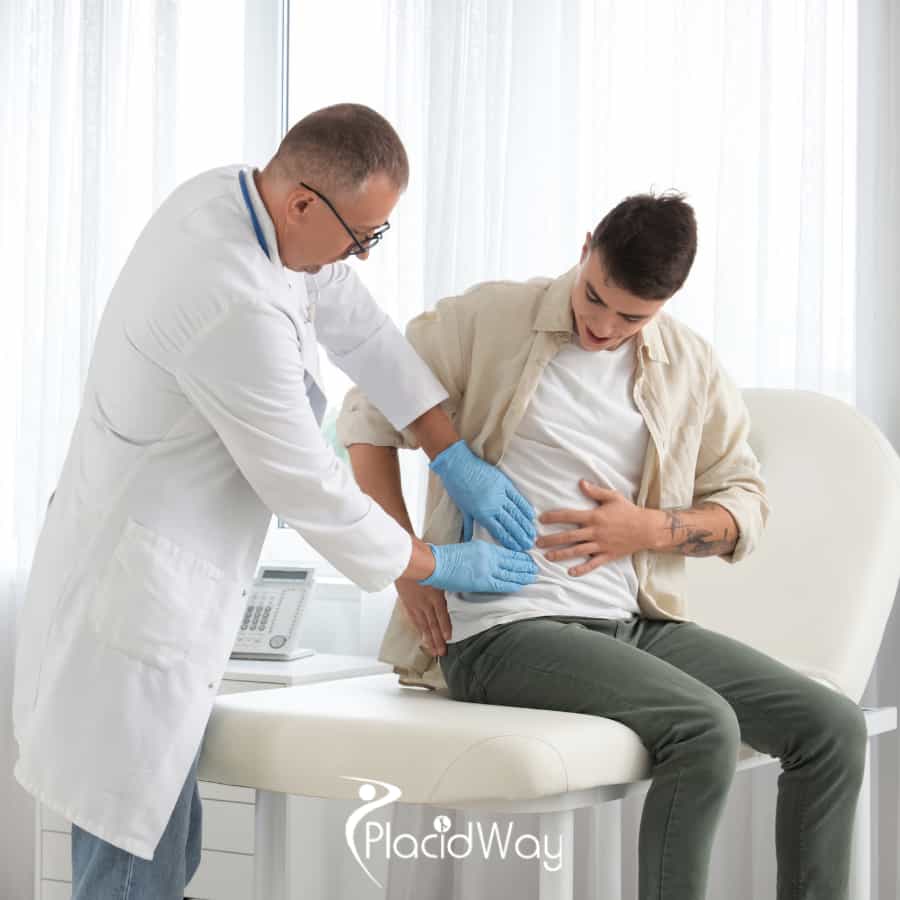

Berlin: The Premier Hub for Permanent Erectile Dysfunction Solutions and Advanced Penile Implant Surgery
PlacidWay Medical Tourism
- Urology
Germany

Living with a Penile Implant in Istanbul, Turkey by Dr. Zulfu Sertkaya: Sports, Travel, MRI and Airport Guide
Assoc. Prof. Dr. Zülfü Sertkaya - Urology in Istanbul, Turkey
- Urology
Turkey







