What treatment


3+ Best Clinics for Bile Duct Cancer in South Korea
Trusted Medical Tourism Platform Since 2007
What are the best bile duct cancer clinics in South Korea?
The best bile duct cancer clinics in South Korea include SAM Medical Center (Gunpo), Seoul National University Healthcare System Gangnam Center (Seoul), Seoul Smart Bon Clinic (Seoul), The Min Hospital (Seoul), Samsung Medical Center (Seoul), EWHA Womans University Medical Center (Seoul), and Gachon University Gil Medical Center (Incheon).
These top research-driven hospitals feature advanced oncology facilities, expert staff, and state-of-the-art medical technology. While specific bile duct cancer pricing varies, general specialized treatments and surgical procedures at these centers range from $1,000 to $15,000 USD, offering world-class, comprehensive healthcare services for international patients.
SAM Medical Center


Overview
Opened in 1967, SAM Medical Center of Hyosan Medical Foundation, located in Gyeonggi-do, Korea, was the first general hospital in Anyang. Sam Hospital has grown to have 4 hospital groups such as Sam Anyang Hospital, G Sam Hospital (Sam International Hospital), Sam Women's Hospital and Sam Oriental Hospital and it plans to take a leap toward the world going beyond its region.
Read more details
 100.00% Patient Recommend
Seoul National University Healthcare System Gangnam Center


Overview
Seoul National University Hospital in Seoul offers advanced medical care, specialized centers, and global patient services with expert staff and research excellence.
Read more details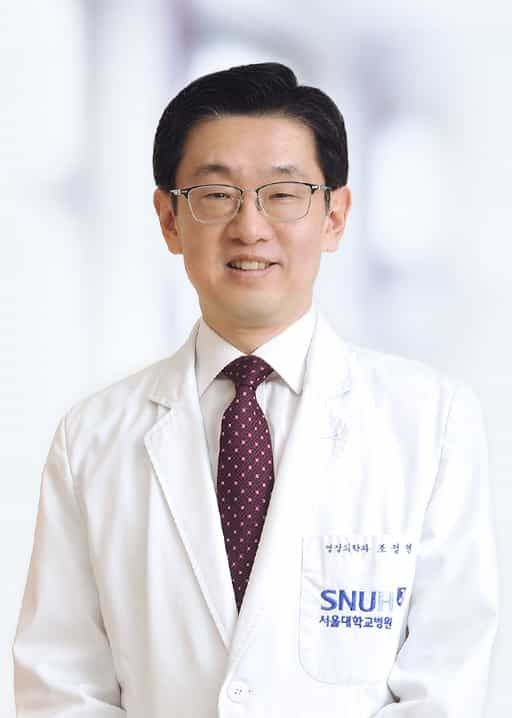
 100.00% Patient Recommend
Samsung Medical Center
Overview
Samsung Medical Center in Seoul offers advanced medical care, specializing in oncology, cardiology, and neurosurgery with state-of-the-art technology and comprehensive services.
Read more detailsSamsung Seoul Medical Center
Samsung Medical Center in Seoul provides advanced, patient-focused care with top specialties in cancer, cardiology, and neurology for global patients.


Discover your treatment options with a free, no-obligation quote!
Get your quote now!
Gangnam Severance Hospital
Overview
Explore Gangnam Severance Hospital in Seoul, South Korea, a top-tier facility of the Yonsei University Health System, offering advanced medical care and comprehensive services.
Read more details 100.00% Patient Recommend
Gasan Medical Foundation Guangdong Hospital
Overview
Gasan Medical Foundation Guangdong Hospital is a leading healthcare institution in Seoul, Korea, offering advanced medical services in various specialties, with a focus on patient care.
Read more details
Why South Korea is a Global Leader in Bile Duct Cancer Treatment?
Facing a cholangiocarcinoma diagnosis requires urgent, highly specialized care. South Korea has emerged as a premier destination for complex hepatobiliary oncology, offering survival rates and surgical expertise that consistently outpace global averages.
Unmatched Surgical Expertise
Korean surgeons perform some of the highest volumes of complex liver, pancreatic, and biliary resections in the world. This intense specialization translates directly to higher success rates in achieving negative margins during difficult surgeries like the Whipple procedure or major hepatectomies.
Advanced Radiation Technology
South Korean oncology centers are equipped with state-of-the-art radiation technology, including Proton Beam Therapy and CyberKnife. These advanced modalities allow oncologists to deliver massive, targeted doses of radiation to bile duct tumors while sparing the surrounding healthy liver tissue.
Fast-Tracked Multidisciplinary Care
Time is critical with aggressive biliary cancers. Korean hospitals utilize dedicated tumor boards where surgeons, medical oncologists, and interventional radiologists collaborate instantly. International patients often receive comprehensive diagnostic workups and a personalized treatment strategy within 48 hours of arrival.
Superior Clinical Outcomes
Due to aggressive screening and high-volume surgical centers, South Korea boasts some of the highest 5-year survival rates globally for gastrointestinal and biliary tract cancers. Patients gain access to elite medical protocols and clinical trials that may not yet be available in their home countries.
Bile Duct Cancer Treatment Costs in South Korea vs. US/UK (2026)
Oncology care is highly individualized based on the tumor's stage and location. Below are projected 2026 cost comparisons for standard treatment phases. South Korea offers world-class cancer care at a fraction of North American prices.
| Procedure | South Korea Price | US / UK Price | You Save | Savings % |
|---|---|---|---|---|
| Diagnostic Workup & Tumor Board | $4,000–$6,500 | $15,000–$25,000 | $11,000+ | 70% |
| Complex Resection Surgery (e.g., Whipple) | $25,000–$35,000 | $80,000–$150,000 | $55,000+ | 72% |
| Proton Beam Therapy Course | $35,000–$45,000 | $100,000–$150,000 | $65,000+ | 68% |
| Targeted/Immunotherapy (Per Cycle) | $2,500–$5,000 | $8,000–$15,000 | $5,500+ | 65% |
* Prices are 2026 estimates based on major JCI-accredited hospitals in South Korea. Total costs will vary significantly depending on the specific chemotherapy drugs, length of hospital stay, and the extent of surgical intervention required. Request a free quote for customized oncology pricing.
Top South Korean Cities for Oncology and Biliary Treatment
While the entire country boasts a highly advanced medical infrastructure, certain cities specialize in international oncology patient care and complex surgical interventions.
Seoul
The Epicenter of Innovation
Home to South Korea's "Big 5" hospitals, Seoul is the premier destination for the most complex, hard-to-treat cancer cases. It offers unmatched access to multidisciplinary tumor boards, advanced clinical trials, and dedicated international patient centers.
Busan
Southern Medical Center
Busan features excellent tertiary hospitals with highly advanced oncology departments. It provides top-tier hepatobiliary surgical care in a slightly calmer, less congested environment than the capital, ideal for extended recovery periods.
Incheon
The International Gateway
Located adjacent to the main international airport, Incheon is excellent for patients needing immediate diagnostic workups or fast-tracked interventions without navigating deep into a dense metropolis. It houses highly modern, specialized medical facilities.
Daegu
Medi-City Korea
Officially designated as a medical city, Daegu is known for aggressive investment in cutting-edge diagnostic equipment and specialized cancer treatment centers, often offering very competitive price points for advanced systemic therapies.
Comprehensive Bile Duct Cancer Protocols in South Korea
Depending on whether the cholangiocarcinoma is intrahepatic, perihilar, or distal, South Korean specialists deploy a combination of advanced surgical and medical interventions to maximize survival and quality of life.
Hepatobiliary Resection Surgery
$25,000 – $35,000The most curative approach. Korean surgeons are masters of complex procedures like major hepatectomies and the Whipple procedure (pancreaticoduodenectomy), meticulously removing the tumor, affected bile ducts, and surrounding lymph nodes to achieve clear surgical margins.
Save $55,000+ vs. US prices
Proton Beam Therapy
$35,000 – $45,000For tumors that cannot be surgically removed or to shrink tumors prior to surgery. South Korea offers advanced Proton Beam Therapy, which delivers a highly concentrated dose of radiation directly to the bile duct tumor, stopping precisely at the tumor edge to avoid damaging the liver.
Save $65,000+ vs. US prices
Targeted Therapy & Immunotherapy
$2,500 – $5,000 per cycleFollowing Next-Generation Sequencing (NGS) of your tumor, Korean oncologists administer cutting-edge drugs (like FGFR2 or IDH1 inhibitors) that specifically attack the genetic mutations driving the cancer, offering hope for advanced or metastatic cases.
Save $5,500+ vs. US prices
Advanced Biliary Stenting & Drainage
$5,000 – $8,000A critical supportive procedure. Using ERCP or PTBD, interventional radiologists place metal or plastic stents to clear blocked bile ducts, immediately relieving severe jaundice and liver stress, allowing patients to become strong enough for active treatment.
Save $10,000+ vs. US prices
How to Choose an Oncology Center in South Korea?
Selecting the right hospital for cholangiocarcinoma is a life-saving decision. Follow this 5-step checklist to ensure you receive the highest level of care in South Korea.
Verify Hospital Accreditation
Ensure the facility holds Joint Commission International (JCI) accreditation and is officially designated by the South Korean Ministry of Health and Welfare as a specialized tertiary hospital for severe illnesses, ensuring strict safety and clinical standards.
Check Hepatobiliary Surgical Volume
Bile duct surgery requires extreme technical proficiency. Look for centers whose surgical teams perform hundreds of liver and biliary tract resections annually, as high surgical volume is directly correlated with lower complication rates and better survival.
Insist on a Multidisciplinary Tumor Board
Complex cancers should never be treated by a single doctor. Ensure the hospital utilizes a dedicated tumor board where surgeons, medical oncologists, and radiation specialists collaborate to design a comprehensive, personalized treatment protocol.
Assess Radiation Capabilities
If your tumor is deemed unresectable or requires pre-surgical shrinking, confirm the hospital has access to advanced radiotherapy options like Proton Beam Therapy, which is crucial for treating biliary tumors without destroying the underlying liver.
Utilize a Medical Facilitator
Time is of the essence. By booking through PlacidWay, you can bypass lengthy wait times, securely transfer complex diagnostic imaging, and secure priority appointments with South Korea's elite, English-speaking oncology teams.
Your Path to Treatment in South Korea
Navigating international cancer care is complex, but the process is highly streamlined. Here is the typical timeline for biliary oncology patients traveling to South Korea.
Step 1: Remote Medical Review
Submit your biopsy reports, PET/CT scans, and recent liver function blood work through our secure portal. A South Korean oncology team will review your case to determine initial eligibility for surgery, radiation, or targeted therapies before you travel.
Step 2: Arrival & Fast-Track Diagnostics
Upon arriving at the international patient center, you will be fast-tracked for updated, high-resolution imaging (like 3D MRI or PET-CT) and comprehensive lab tests. This is usually completed within 24 to 48 hours to assess the exact current stage of the tumor.
Step 3: Tumor Board Strategy Session
Armed with new data, the multidisciplinary tumor board convenes. You and your family will meet with the lead oncologist and surgeon to discuss the finalized, personalized treatment plan, ensuring you fully understand the risks and expected outcomes.
Step 4: Active Treatment Phase
You will undergo the planned intervention. This may involve a multi-hour complex resection surgery in a state-of-the-art theater, the commencement of daily Proton Beam Therapy sessions, or the initiation of systemic targeted chemotherapy.
Step 5: Recovery, Monitoring & Return
After hospital discharge, you will stay locally for a designated period for follow-up scans and wound healing. Once the medical team clears you for travel, you will return home with a comprehensive continued care plan to share with your local oncologist.
South Korea Bile Duct Cancer Treatment FAQ
Find answers to critical questions regarding medical protocols, timelines, and the logistics of receiving oncology care in South Korea.
What Patients Say About Oncology Care in South Korea
Read firsthand accounts from international patients who trusted South Korean specialists for their highly complex biliary cancer procedures.
"When I was diagnosed with cholangiocarcinoma back home, I was devastated and told surgery was too risky due to the tumor's location. The multidisciplinary team in Seoul reviewed my scans and offered a complex resection followed by targeted therapy. The precision and confidence of the Korean surgeons saved my life. I am now in remission and deeply grateful."
"The cost of Proton therapy in the US was unimaginable for my family. Traveling to South Korea allowed me to receive this cutting-edge radiation for my bile duct tumor at a fraction of the cost. The hospital's international department handled everything flawlessly, providing translators and compassionate care during the toughest time of my life."
Why Choose PlacidWay for Your Oncology Journey?
Navigating international cancer care requires speed, expertise, and trust. As an independent medical facilitator, PlacidWay connects you with South Korea's most elite oncology centers safely and efficiently.
Vetted Oncology Centers
We independently verify every South Korean hospital in our network for JCI accreditation, high surgical volumes in hepatobiliary care, and the presence of advanced technologies like Proton Beam Therapy.
Priority Medical Review
Time is your most valuable asset. We expedite the transfer of your complex medical records, ensuring your case is reviewed by elite multidisciplinary tumor boards without the typical international delays.
Unbiased Facilitation
As a facilitator rather than a medical provider, our primary allegiance is to you. We provide transparent, comparative options from multiple top-tier hospitals so you can choose the facility that best fits your specific cancer profile.
Comprehensive Patient Advocacy
From translating initial pathology reports to ensuring seamless communication between the Korean oncology team and your doctors back home, we advocate for your successful outcome at every step.
Fight Bile Duct Cancer with World-Class Medical Expertise
Gain access to cutting-edge oncology, multidisciplinary tumor boards, and complex surgical care in South Korea—while saving up to 75% compared to US prices. Time is critical; connect with elite specialists today.
Get Free QuoteDisclaimer: PlacidWay is a medical tourism facilitator and does not provide medical advice, diagnosis, or treatment. We connect patients with independently verified hospitals abroad. Always consult with a qualified healthcare provider regarding your specific oncology condition.
List of Best Bile Duct Cancer Clinics in South Korea
Unlock the Best Cancer Treatment Packages Just for You
Discover the ultimate Cancer Treatment packages designed to meet your health and wellness goals. Choose the perfect fit for your journey.

Price starting from $24,000
Integrative Cancer Treatment
Verita Life Thailand - Cancer Treatment in Bangkok
- Alternative Medicine
Bangkok,Thailand
Price starting from $12,000
Cervical Cancer Package at Chongqing Sino-Euro Integrated Traditional Chinese and Western Medicine Hospital, Chongqing, China
Chongqing Sino-Euro Integrated Traditional Chinese and Western Medicine Hospital
- Cancer Treatment
Chongqing,China
Price starting from $3,500
NK Cell Therapy Package in Tokyo, Japan by HELENE Clinic
Helene Clinic - Stem Cell Therapy in Tokyo, Japan
- Cancer Treatment
Tokyo,Japan

Price starting from $1,994
Stroke Treatment Package in Seoul, South Korea By SNUH
Seoul National University Healthcare System Gangnam Center
- Cancer Treatment
Seoul,South Korea
Transformative Cancer Treatment Experiences: Dive into Procedure Insights
Discover the power of Cancer Treatment through compelling patient experiences. Uncover detailed insights into procedures, recovery journeys, and life-changing results.

Price starting from $9,800
NK Cell Therapy in Malaysia
- NK Cell Therapy (Natural Killer Cell Therapy),Cancer Treatment
Malaysia
Nk Cell Therapy in Osaka, Japan
- NK Cell Therapy (Natural Killer Cell Therapy),Cancer Treatment
Osaka,Japan
Price starting from $9,800
NK Cell Therapy for Cancer in Kuala Lumpur, Malaysia
- NK Cell Therapy (Natural Killer Cell Therapy),Cancer Treatment
Kuala Lumpur,Malaysia
Explore Cancer Treatment: Stories, Testimonials, and Procedures
Watch in-depth videos covering everything from Cancer Treatment success stories to detailed procedure explanations. Learn what to expect and hear from real patients.

PlacidWay: Your All-in-One Solution for Patient Acquisition in Medical Tourism
PlacidWay Medical Tourism
China
How PlacidWay Simplifies the Digital Marketplace for Patients and Providers
PlacidWay Medical Tourism
China

Pramod Goel, CEO of PlacidWay Medical Tourism Interview: How AI is Transforming Patient Journeys
PlacidWay Medical Tourism
China

Learn More with These Cancer Treatment Articles
Take a look at these interesting articles, stories and research that will help you learn more about Cancer Treatment.
Overcoming 'Time Toxicity': How China's 24-Hour CAR-T Manufacturing Speed is Revolutionizing Medical Travel
PlacidWay Medical Tourism
- Cancer Treatment
China

New Lesions Changed the Meaning of Waiting for Alexei Volkov: A Russian Patient’s TIL Therapy in Beijing
PlacidWay Medical Tourism
- Cancer Treatment
China
China: The New Global Standard for Affordable, High-Speed CAR-T Therapy and Solid Tumor Breakthroughs
PlacidWay Medical Tourism
- Cancer Treatment
China
What is the True Out-of-Pocket Cost for CAR-T Cell Therapy in China as a Foreigner?
PlacidWay Medical Tourism
- Cancer Treatment
China
Cancer Treatment Solutions Near You: Explore Top Medical Centers
Discover how Cancer Treatment is transforming lives at leading medical centers in , South Korea. Dive into center profile, specialties, doctors, reviews, etc. and explore the best options tailored to your needs in this region.
Samsung Medical Center
Seoul,South Korea
SAM Medical Center
Gunpo,South Korea
Samsung Seoul Medical Center
Seoul,South Korea

Seoul National University Healthcare System Gangnam Center
Seoul,South Korea









I can go once every six months, but there was also a delicious spaghetti restaurant. I had fun because I got to eat delicious food. I had many good experiences because I was able to eat delicious spaghetti.
Read More