
What treatment


1+ Top Rated Clinics for Egg Donation in Guadalajara, Mexico
Compare Trusted Egg Donation Specialists in Guadalajara, Mexico and Request a Quote
Trusted Medical Tourism Platform Since 2007
 100.00% Patient Recommend
Fertility Beyond Borders - Dr. Felix Atondo


Overview
Discover leading IVF clinic in Tijuana, Mexico. Fertility Beyond Borders offers expert fertility solutions for your journey. Book now at PlacidWay!
Read more details
 100.00% Patient Recommend
PROVIDA
Overview
Renowned for offering some of the less expensive IVF options, the clinic provides top-tier fertility treatments and regenerative medicine. With more than 20 years of expierence.
Read more details 100.00% Patient Recommend
Centro de Fertilidad del Prado

Overview
Del Prado Fertility Center, recognized as one of the best fertility clinics in Tijuana, Mexico, provides advanced fertility treatments, personalized care, and address reproductive challenges.
Read more details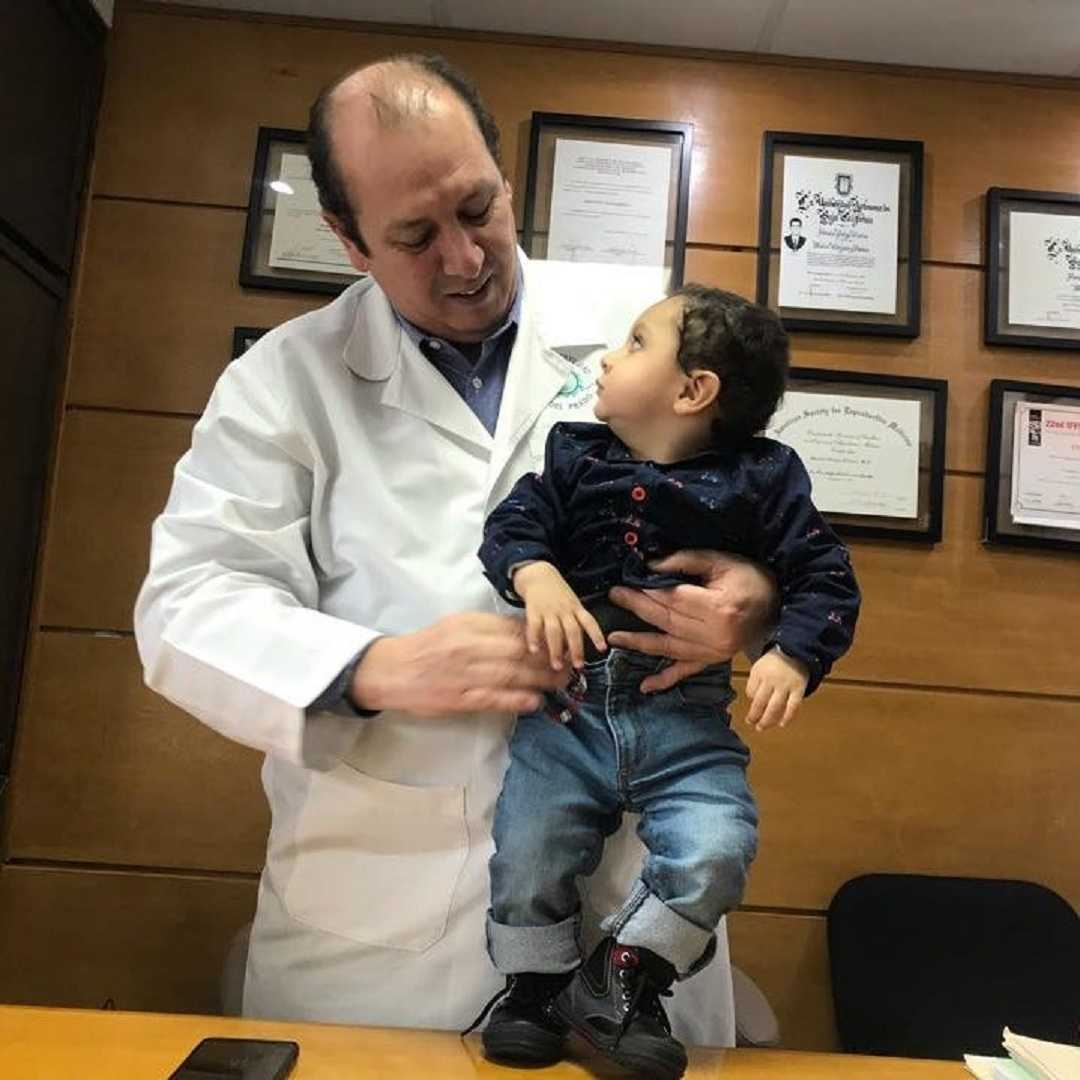
 100.00% Patient Recommend
Dr. Javier Piri Sarmiento - IVF Specialist in Tijuana Mexico
Overview
Dr. Javier Piri, fertility and reproductive medicine expert in Tijuana. Personalized IVF treatments to help you start your family.
Read more details

Discover your treatment options with a free, no-obligation quote!
Get your quote now!
Eligen Fertility Center
Overview
Eligen Fertility Center in Gustavo Adolfo Madero, Mexico offers surrogacy, IVF, ICSI, semen freezing, IUI, and ovulation induction services.
Read more details
 81.82% Patient Recommend
IREGA Cancun (Institute of Reproduction, Gynecology and Genetics)
Overview
Choose IREGA in Cancun, Mexico, for IVF, fertility treatments, egg donation, genetic testing, and personalized reproductive care.
Read more details
IVF Clinic in Mexico ViaFERT Culiacan
Overview
ViaFERT is a fertility clinic in Culiacan, Sinaloa, Mexico. On-site services include IUI, IVF/ICSI, egg retrieval, embryo transfer, egg freezing and storage, obstetric care and reproductive surgery.
Read more details

The Fertility Center Mexico
Overview
The Fertility Center Mexico is a top IVF clinic in Tijuana, Mexico, offering advanced fertility treatments for your parenthood journey.
Read more details
Discover your treatment options with a free, no-obligation quote!
Get your quote now!
Eligen Fertility Center | Spanish Profile
Overview
Eligen Fertility Center en Gustavo Adolfo Madero, Mexico ofrece servicios de gestacion subrogada, FIV, ICSI, congelacion de semen, IUI e induccion de ovulacion.
Read more details
FertilyLife
Overview
Discover FertilyLife, the premier IVF Treatment Center in Cancun, Mexico. Offering surrogacy, egg donation, ICSI, embryo cryopreservation and more.
Read more details 66.67% Patient Recommend
Medica Fertil
Overview
Medica Fertil provides best IVF Treatment in Queretaro, Mexico. Book online now IVF with Gender Selection, In Vitro Fertilization, and Intrauterine insemination at Medica Fertil.
Read more details

Baja Fertility Services - IVF Clinic Tijuana Mexico
Overview
Discover Baja Fertility Services, a leading IVF clinic in Tijuana, Mexico, offering advanced fertility treatments and personalized patient care.
Read more details 100.00% Patient Recommend
Consultorio Privado
Overview
Consultorio Privado in Merida, Mexico provides expert women's care, fertility solutions, comprehensive obstetrics, and advanced gynecological treatments.
Read more details
CORE Medical & Surgery Center in Tijuana, Mexico
Overview
CORE Medical & Surgery Center in Tijuana, Mexico, offers multispecialty surgery with on-site imaging, laboratory testing, hospital care and rehabilitation for local and international patients.
Read more details 100.00% Patient Recommend
DR CIGUENA FERTILITY CENTER
Overview
DR CIGÜEÑA FERTILITY CENTER in Mexicali, Mexico specializes in Infertility and Reproductive Medicine and offers the best-assisted reproduction treatments for those who wish to conceive and had difficulty achieving it.
Read more details 100.00% Patient Recommend
Fertilidad Integral
Overview
Discover Mexico City's leading IVF fertility clinic. Fertilidad Integral offers premier treatment with compassion and expertise. Book your consultation today!
Read more details
Hestia Fertility
Overview
Discover expert fertility care at Hestia Fertility in Juarez, Mexico. Personalized treatments, advanced labs, and compassionate support await you.
Read more details 80.00% Patient Recommend
Inovavita Fertility Clinic
Overview
Inovavita Fertility Clinic in Mexico City, Mexico, offers Reproductive Medicine services in Women's Health and Fertility treatments, which range from Gynecology to Reproductive and Genetic Medicine.
Read more details
IREGA Acapulco
Overview
IREGA IVF Acapulco is a leading clinic in Mexico offering reproductive health and infertility treatment solutions for local and international patients. Their key treatment procedures include IVF, artificial Insemination, PGD, ICSI, Assisted Hatching, Egg Donation, Sex Selection and more.
Read more details
IVF Clinic in Mexico ViaFERT Mazatlan
Overview
ViaFERT is a fertility clinic in Mazatlan, Sinaloa, Mexico. On-site services include IUI, IVF/ICSI, egg retrieval, embryo transfer, egg freezing and storage, obstetric care and reproductive surgery.
Read more detailsWhich are the leading Egg Donation clinics in Guadalajara, Mexico?
When considering egg donation in Guadalajara, Mexico, several highly reputable clinics offer specialized fertility treatments and excellent patient care. Top choices include Fertility Beyond Borders - Dr. Felix Atondo, PROVIDA, InteraFertility | Assisted Reproduction, and the Mexican Institute of Infertility. These centers are known for their advanced reproductive technologies, experienced fertility specialists, and comprehensive support services, ensuring a compassionate journey for prospective parents.
Guadalajara has emerged as a prominent destination for fertility tourism, attracting individuals and couples seeking quality egg donation programs. Here’s a closer look at some leading clinics:
- Fertility Beyond Borders - Dr. Felix Atondo: This clinic is recognized for its comprehensive IVF programs and high patient satisfaction, evidenced by strong reviews. While also operating in Tijuana and Cancun, their presence and services available to Guadalajara patients make them a top contender for those seeking advanced reproductive solutions, including egg donation.
- PROVIDA: Known for its state-of-the-art fertility treatments and regenerative medicine, PROVIDA offers a holistic approach to reproductive health. With locations in Guadalajara, Tijuana, and Mazatlán, they provide top-tier care with a focus on successful outcomes, making them a reliable option for egg donation.
- InteraFertility | Assisted Reproduction: Specializing explicitly in infertility issues and assisted reproductive techniques, InteraFertility in Guadalajara is dedicated to helping patients achieve their family-building goals. Their expertise in various assisted reproduction methods positions them as a key provider for donor egg cycles.
- Mexican Institute of Infertility: As a multi-disciplinary fertility clinic located directly in Guadalajara, this institute offers modern treatments in Assisted Reproductive Technology (ART). They cater to both men and women experiencing reproductive difficulties, providing advanced options like egg donation with a focus on cutting-edge techniques and personalized care plans.
What should I look for in an Egg Donation program in Guadalajara?
When choosing an egg donation program in Guadalajara, prioritize clinics with transparent success rates, rigorous donor screening, robust legal frameworks, and comprehensive patient support. Look for facilities offering personalized treatment plans, advanced laboratory technology, and experienced reproductive endocrinologists to ensure the highest standards of care for your fertility journey.
Selecting the right egg donation program is a deeply personal and critical decision. Here are key factors to consider:
- Accreditation and Credentials: Verify that the clinic is officially accredited by relevant Mexican and international health organizations. This ensures they adhere to strict medical and ethical standards for fertility treatments.
- Success Rates: Inquire about the clinic's live birth rates per embryo transfer, specifically for egg donation cycles. Ensure these statistics are recent and independently verified if possible.
- Donor Screening Protocols: A reputable clinic will have extensive screening processes for egg donors, including medical history, genetic testing, psychological evaluations, and infectious disease checks. This safeguards both the donor and recipient.
- Legal and Ethical Framework: Understand the legal aspects of egg donation in Mexico, including donor anonymity, parental rights, and contract agreements. Clinics should provide clear guidance on these matters.
- Patient Support Services: Look for programs that offer psychological counseling for both recipients and donors, nutritional advice, and dedicated patient coordinators who can assist with scheduling, logistics, and emotional support throughout the process.
- Laboratory Technology and Expertise: The quality of the embryology lab significantly impacts outcomes. Ask about their lab’s technology, embryo culture systems, and the experience level of their embryologists for procedures like IVF.
How important is a fertility clinic's lab technology for egg donation?
A fertility clinic's lab technology is absolutely crucial for successful egg donation outcomes. Advanced embryology labs ensure optimal conditions for handling and culturing donor eggs and embryos, directly impacting fertilization rates, embryo development, and ultimately, pregnancy success. Cutting-edge equipment and expert embryologists are cornerstones of effective reproductive medicine.
The embryology lab is often considered the heart of a fertility clinic, particularly for treatments involving egg donation where precision and controlled environments are paramount. Here’s why lab technology is so vital:
- Optimal Environment for Gametes and Embryos: State-of-the-art incubators maintain precise temperature, humidity, and gas levels, mimicking the natural uterine environment. This is essential for the healthy development of donor eggs and embryos after fertilization.
- Advanced Fertilization Techniques: Technologies like Intracytoplasmic Sperm Injection (ICSI) require highly specialized microscopes and micromanipulation systems to directly inject a single sperm into an egg, increasing fertilization chances, especially in cases of male factor infertility.
- Embryo Monitoring and Selection: Modern labs use techniques like time-lapse imaging (e.g., EmbryoScope) to continuously monitor embryo development without removing them from optimal conditions. This allows embryologists to select the most viable embryos for transfer, significantly improving success rates.
- Cryopreservation Expertise: Efficient vitrification (flash-freezing) techniques for eggs and embryos are crucial for preserving their viability. Advanced cryopreservation facilities ensure that donor eggs and surplus embryos can be safely stored for future use without compromising quality.
- Genetic Screening (PGT): For Preimplantation Genetic Testing, clinics need specialized equipment and protocols to safely biopsy a few cells from the embryo for genetic analysis. This helps identify chromosomal abnormalities or specific genetic disorders before implantation, reducing the risk of miscarriage or passing on genetic diseases.
What types of support services do Egg Donation clinics offer in Guadalajara?
Guadalajara's egg donation clinics generally provide extensive support services to guide patients through their fertility journey. These often include psychological counseling, dedicated patient coordinators, assistance with travel logistics for international patients, and guidance on navigating the legal and administrative aspects of egg donation. This holistic support aims to reduce stress and improve the overall treatment experience.
Recognizing the emotional and logistical complexities of egg donation, leading clinics in Guadalajara strive to offer comprehensive support:
- Psychological Counseling: Many clinics provide access to counselors specializing in fertility. These sessions help recipients cope with emotional challenges, navigate donor selection, and prepare for parenthood through egg donation. Donors also receive support during their journey.
- Patient Coordinators/Case Managers: A dedicated coordinator acts as a central point of contact, helping manage appointments, communicate with medical staff, explain procedures, and coordinate various aspects of the treatment plan.
- International Patient Services: For those traveling to Guadalajara, clinics frequently offer assistance with airport transfers, local accommodation, translation services, and guidance on travel insurance or visa requirements, making the medical travel experience smoother.
- Legal and Administrative Guidance: Understanding the legal framework surrounding egg donation is crucial. Clinics often have legal advisors or can refer patients to specialists who clarify contracts, parental rights, and local regulations.
- Nutritional and Lifestyle Coaching: Some programs offer advice on optimizing health and wellness before and during treatment, which can include diet plans, exercise recommendations, and stress management techniques.
- Support Groups and Peer Networks: Connecting with others who have undergone similar experiences can be incredibly valuable. Clinics may facilitate access to support groups or introduce patients to peer networks for shared experiences and encouragement.
What are the common procedures involved in an Egg Donation cycle at clinics in Mexico?
An egg donation cycle in Mexico typically involves several key stages: thorough donor screening and selection, ovarian stimulation for the donor, egg retrieval, fertilization of the donor eggs with sperm (from partner or sperm donor), embryo culture in the lab, and finally, the embryo transfer into the recipient's uterus. These steps are carefully synchronized to maximize success.
The process of egg donation is a carefully orchestrated series of medical procedures designed to help individuals or couples achieve pregnancy. Here's a breakdown of the common steps involved:
- Donor Screening and Selection: This initial phase involves comprehensive medical, genetic, psychological, and infectious disease screenings of potential egg donors. Recipients review anonymous donor profiles to make an informed choice.
- Donor Ovarian Stimulation: Once a donor is selected and synchronized with the recipient, she undergoes a course of hormone injections to stimulate her ovaries to produce multiple mature eggs. This process is closely monitored with ultrasounds and blood tests.
- Egg Retrieval (for donor): A minor outpatient procedure, performed under sedation, where a fertility specialist uses an ultrasound-guided needle to gently aspirate the eggs from the donor's ovaries.
- Sperm Collection & Fertilization: On the same day as egg retrieval, the recipient's partner provides a sperm sample, or a chosen sperm donor's sample is prepared. The eggs are then fertilized in the embryology lab using either conventional IVF or ICSI.
- Embryo Culture: The fertilized eggs (embryos) are cultured in the lab for several days, typically 3 to 5, to allow them to develop and reach the blastocyst stage. This period allows embryologists to assess embryo quality.
- Recipient Endometrial Preparation: The recipient's uterus is simultaneously prepared with hormone medications (estrogen and progesterone) to create an optimal environment for embryo implantation.
- Embryo Transfer: One or more selected embryos are gently transferred into the recipient's uterus using a thin, flexible catheter. This is a quick, generally painless procedure that doesn't require anesthesia.
- Luteal Phase Support & Pregnancy Test: After the transfer, the recipient continues progesterone support. A pregnancy test is typically performed about 10-14 days later to determine if the treatment was successful.
How do clinics ensure egg donor safety and screening in Guadalajara?
Clinics in Guadalajara adhere to strict guidelines for egg donor safety and screening, mirroring international standards. This comprehensive process includes medical, genetic, psychological, and infectious disease evaluations to protect both the donor's well-being and the health of any future child. Their commitment to ethical practices ensures responsible and secure egg donation.
Ensuring the highest level of safety and ethical practice for egg donors is a cornerstone of reputable fertility clinics in Guadalajara. The screening process is multi-faceted and designed to meticulously evaluate a donor's physical, genetic, and psychological health:
- Medical History Review: A detailed assessment of the donor’s personal and family medical history is conducted to identify any inheritable conditions or chronic illnesses.
- Physical Examination: Donors undergo a complete physical examination, including a pelvic exam and relevant blood tests, to ensure they are in optimal health for the donation process.
- Infectious Disease Screening: Extensive testing for infectious diseases like HIV, Hepatitis B and C, syphilis, and chlamydia is performed to prevent transmission to the recipient or potential child.
- Genetic Screening: Donors are screened for common genetic disorders relevant to their ethnic background (e.g., cystic fibrosis, spinal muscular atrophy). This helps minimize the risk of passing on genetic conditions.
- Psychological Evaluation: A qualified mental health professional conducts an evaluation to assess the donor's emotional stability, motivation, and understanding of the donation process and its implications.
- Ovarian Reserve Assessment: Blood tests (e.g., AMH, FSH) and ultrasound scans are used to determine the donor's ovarian reserve, ensuring a good response to stimulation and a sufficient number of eggs for retrieval.
- Legal and Ethical Counseling: Donors receive clear information about their rights, responsibilities, and the legal aspects of egg donation, ensuring informed consent and adherence to local regulations.
What amenities do fertility clinics in Guadalajara offer for international patients?
Fertility clinics in Guadalajara often cater specifically to international patients by providing a range of convenient amenities. These can include multilingual staff, assistance with travel arrangements and local accommodation, concierge services, and comfortable, private facilities to ensure a stress-free experience during their egg donation or other fertility treatments.
Guadalajara's appeal as a medical tourism destination means many fertility clinics are well-equipped to support patients traveling from abroad. The amenities often go beyond medical care to enhance comfort and ease of access:
- Multilingual Staff: Clinics typically have staff fluent in English, Spanish, and sometimes other languages, ensuring clear communication throughout the treatment journey.
- Travel and Accommodation Assistance: Many clinics offer help with booking flights, arranging airport pick-up and drop-off, and securing discounted rates at nearby hotels or specialized recovery accommodations.
- Concierge Services: For a truly seamless experience, some clinics provide concierge services that can assist with local transportation, meal planning, tourism activities, and other personal needs during the patient's stay.
- Virtual Consultations: Initial consultations can often be conducted remotely via video call, allowing international patients to discuss their case with specialists before traveling.
- Private and Comfortable Facilities: Clinics often prioritize creating a calming and discreet environment, with private waiting areas, recovery rooms, and comfortable consultation offices to ensure patient privacy and peace of mind.
- Financial Coordination: Assistance with payment plans, insurance inquiries (if applicable), and clear cost breakdowns are provided to help international patients manage the financial aspects of their treatment.
- Post-Treatment Follow-up: Many clinics arrange for remote follow-up consultations or can coordinate with local healthcare providers in the patient's home country for continued care.
What are the success rates for egg donation in top Guadalajara clinics?
Success rates for egg donation in leading Guadalajara clinics are competitive with global averages, often boasting high pregnancy rates per embryo transfer. These figures are typically influenced by factors like the young age of egg donors, the clinic's advanced lab technology, and the overall health of the recipient. Reputable fertility centers strive for transparency in reporting their outcomes.
When considering egg donation, understanding success rates is naturally a key concern for prospective parents. Here’s what you should know about top Guadalajara clinics:
- Competitive with International Standards: Many clinics in Guadalajara report success rates for egg donation cycles that are comparable to, and often excel, those found in leading fertility centers worldwide. This is partly due to the rigorous screening of young, healthy donors.
- Factors Influencing Success: While donor age is a primary factor in egg quality, recipient factors also play a role. The recipient's uterine health, overall medical condition, and adherence to medication protocols contribute significantly to implantation and pregnancy.
- Clinic Expertise and Technology: The experience of the fertility specialists and embryologists, coupled with advanced laboratory technologies (e.g., precise embryo monitoring, effective vitrification), are critical determinants of high success rates.
- Transparent Reporting: Reputable clinics should be able to provide clear, up-to-date statistics on their live birth rates, clinical pregnancy rates, and implantation rates, specifically for their egg donation programs. It's always advisable to ask for these figures directly during your consultation.
- Individualized Treatment Plans: High success rates are also achieved through personalized treatment protocols tailored to each recipient's specific medical profile, ensuring the best possible chances for a healthy pregnancy.
How can I prepare for an initial consultation at an Egg Donation clinic in Guadalajara?
To make the most of your initial egg donation consultation in Guadalajara, gather all previous medical records, especially fertility history. Prepare a detailed list of questions about the clinic's specific program, success rates, donor selection, and available support services. This preparation ensures a productive discussion and helps you understand your potential treatment path.
An initial consultation is your opportunity to gather crucial information and assess if a particular clinic is the right fit for your egg donation journey. Here’s how to prepare effectively:
- Compile Medical Records: Bring all relevant medical history, including previous fertility testing results, past treatments, surgical reports, and any diagnoses related to infertility. This helps the specialists understand your case quickly.
- List Your Questions: Write down all questions you have, from specifics about the egg donation process, donor profiles, and legal aspects to clinic policies, success rates, and support services. Don’t be shy about asking everything on your mind.
- Discuss Expectations: Be clear about your expectations regarding the treatment outcome, the timeline, and the level of communication and support you anticipate receiving.
- Consider Logistics: If traveling, think about practical questions related to your stay: accommodation, transportation, language support, and how often you would need to be in Guadalajara.
- Bring a Support Person: If possible, bring your partner or a trusted friend/family member. They can offer emotional support, help remember information, and ask questions you might overlook.
- Research Clinic Services: Review the clinic's website in advance to understand their general approach, available technologies, and any specialized programs they offer.
- Financial Inquiry: While not directly covered in this FAQ, having a general understanding of potential costs for a comprehensive egg donation package can be helpful for early planning.
What specialized equipment do modern fertility clinics in Guadalajara utilize for egg donation?
Modern fertility clinics in Guadalajara offering egg donation use specialized equipment for precise and effective treatment. This includes advanced ultrasound systems, state-of-the-art incubators for embryo culture, micromanipulation tools for fertilization, and highly controlled cryopreservation units for egg and embryo freezing, all designed to optimize success rates and ensure patient safety.
The success of modern egg donation and other Assisted Reproductive Technologies (ART) heavily relies on sophisticated laboratory and clinical equipment. Here's some of the specialized equipment you'd find in top Guadalajara fertility clinics:
- High-Resolution Ultrasound Machines: Essential for monitoring ovarian stimulation, guiding egg retrieval, and accurately performing embryo transfer. Advanced imaging helps specialists visualize follicles and uterine lining with precision.
- CO2 Incubators with Time-Lapse Monitoring: These are critical for maintaining optimal environmental conditions (temperature, humidity, and CO2 levels) for embryo development. Time-lapse technology (e.g., EmbryoScope) allows continuous, non-invasive observation of embryos, enabling embryologists to select the most viable ones without removing them from the incubator.
- Micromanipulation Systems (ICSI): Used for Intracytoplasmic Sperm Injection, these highly specialized microscopes equipped with micro-injectors and holding pipettes allow embryologists to precisely inject a single sperm into an egg, crucial for cases where male factor infertility is a concern or when using frozen sperm.
- Cryopreservation Equipment (Vitrification): Advanced freezing systems are used for the rapid freezing of eggs and embryos (vitrification) to preserve their viability for future use. This includes specialized cryo-containers and liquid nitrogen tanks for long-term storage.
- Laminar Flow Hoods: These provide a sterile, particle-free environment within the lab for handling gametes and embryos, minimizing the risk of contamination during sensitive procedures.
- Inverted Microscopes: Used for detailed examination of eggs, sperm, and embryos, helping embryologists assess their quality and perform procedures like ICSI with greater accuracy.
- Air Filtration Systems (HEPA filters): The entire embryology lab is typically equipped with advanced air filtration systems to maintain a pristine, contaminant-free atmosphere, crucial for delicate reproductive cells.
What are patient testimonials saying about Egg Donation clinics in Guadalajara?
Patient testimonials for egg donation clinics in Guadalajara frequently highlight the compassionate care, professionalism of the medical teams, and the personalized attention received. Many share stories of successful pregnancies, praising the advanced technology and supportive environment that made their fertility journey smoother and ultimately rewarding.
Reviewing patient experiences can offer valuable insights into what to expect from egg donation clinics in Guadalajara. Common themes found in testimonials often include:
- High Satisfaction with Medical Teams: Patients frequently commend the expertise and professionalism of fertility specialists, embryologists, and nursing staff. They appreciate the clear explanations, attentive care, and a sense of being understood throughout their treatment.
- Personalized Care and Communication: Many testimonials highlight the individualized approach to treatment plans, with patients feeling that their unique circumstances and emotional needs were genuinely addressed. Effective communication and prompt responses to questions are often praised.
- Positive Outcomes and Success Stories: Numerous patients share their joy over achieving successful pregnancies and live births after undergoing egg donation. These stories often emphasize the hope and renewed sense of possibility provided by the clinics.
- Comfort and Support Services: Testimonials frequently mention the comfort of the clinic environment and the value of support services, especially for international patients. Assistance with travel, accommodation, and emotional counseling are often cited as positive aspects.
- Trust and Ethical Practice: Patients often express a strong sense of trust in the clinic's ethical standards, particularly regarding donor screening and the overall integrity of the egg donation program.
- Value for Money: While not explicitly about cost, many international patients find that the quality of care in Guadalajara clinics, compared to costs in their home countries, offers exceptional value, leading to positive mentions in their reviews.
What regulatory oversight exists for fertility clinics in Guadalajara offering egg donation?
Fertility clinics in Guadalajara, including those offering egg donation, are subject to regulatory oversight by Mexican health authorities, primarily COFEPRIS (Federal Commission for the Protection against Sanitary Risks). This ensures adherence to sanitary, medical, and ethical standards for assisted reproduction. Additionally, some clinics pursue international accreditations for enhanced quality assurance.
The regulatory landscape for fertility clinics in Mexico aims to ensure patient safety and ethical practices. For clinics in Guadalajara offering egg donation, several layers of oversight are in place:
- COFEPRIS (Comisión Federal para la Protección contra Riesgos Sanitarios): This is Mexico's primary regulatory body for healthcare facilities, including fertility clinics. COFEPRIS sets national standards for sanitary conditions, medical equipment, personnel qualifications, and treatment protocols in assisted reproduction. Clinics must obtain and maintain licenses from COFEPRIS to operate legally.
- General Health Law (Ley General de Salud): This comprehensive law outlines general provisions for health services in Mexico, including those related to reproductive health and assisted human reproduction. It addresses aspects like patient rights, informed consent, and the ethical conduct of medical procedures.
- National Institute of Perinatology (INPer): While not a direct regulatory body, INPer plays a significant role in research and setting clinical guidelines for reproductive medicine in Mexico, influencing best practices adopted by clinics.
- Professional Medical Boards: Individual medical professionals working in fertility clinics, such as reproductive endocrinologists and embryologists, are regulated by their respective professional medical boards, ensuring they meet educational and ethical standards.
- International Accreditations: Many leading fertility clinics in Guadalajara also seek international accreditations from organizations like the Joint Commission International (JCI) or the American Society for Reproductive Medicine (ASRM). These accreditations signify a commitment to global benchmarks of quality and patient safety, providing an additional layer of assurance for international patients.
What qualifications should fertility specialists at Egg Donation clinics in Guadalajara have?
Fertility specialists at egg donation clinics in Guadalajara should hold board certification in Reproductive Endocrinology and Infertility (REI), typically after completing residency in Obstetrics and Gynecology. They should also possess extensive experience in assisted reproductive technologies (ART), especially egg donation, demonstrating a commitment to ongoing education and adherence to national and international guidelines.
The expertise of the medical team is a paramount factor in the success of any fertility treatment, particularly for complex procedures like egg donation. When evaluating fertility specialists in Guadalajara, look for these key qualifications:
- Board Certification: The primary specialist should be board-certified in Reproductive Endocrinology and Infertility (REI). This certification indicates advanced training and expertise beyond general obstetrics and gynecology.
- Specialized Fellowship Training: Look for specialists who have completed a fellowship in reproductive medicine, focusing on areas such as in vitro fertilization (IVF), egg donation, and other assisted reproductive technologies (ART).
- Extensive Experience: Inquire about their years of experience specifically with egg donation cycles and their success rates. Experience translates to a deeper understanding of complex cases and refined treatment protocols.
- Active Professional Memberships: Affiliation with national and international fertility organizations, such as the Mexican Association of Reproductive Medicine (AMMR) or the American Society for Reproductive Medicine (ASRM), demonstrates a commitment to staying current with the latest advancements and best practices.
- Participation in Continuing Medical Education (CME): Reproductive medicine is a rapidly evolving field. Specialists who regularly participate in CME activities ensure they are up-to-date with new research, techniques, and technologies.
- Compassionate Communication Skills: Beyond academic and clinical credentials, a good fertility specialist should possess excellent communication skills, capable of explaining complex medical information clearly and offering empathetic support.
What happens after embryo transfer in an Egg Donation cycle at a Guadalajara clinic?
After an embryo transfer in an egg donation cycle at a Guadalajara clinic, the recipient typically begins a "two-week wait" period, continuing progesterone support to aid implantation. During this time, light activity is recommended. A blood pregnancy test is scheduled approximately 10-14 days post-transfer to confirm pregnancy, followed by early ultrasound monitoring if positive.
The period following an embryo transfer is often filled with anticipation. Here's a general overview of what typically happens:
- Luteal Phase Support: The recipient will continue progesterone medication, often in the form of vaginal suppositories, injections, or oral pills. This hormone is crucial for maintaining the uterine lining and supporting early pregnancy. Estrogen supplements may also be prescribed.
- Rest and Light Activity: While strict bed rest is generally not recommended, most clinics advise patients to take it easy for a day or two after the transfer. Avoiding strenuous activities, heavy lifting, and hot baths is usually suggested.
- Waiting Period ("Two-Week Wait"): This is the time between embryo transfer and the pregnancy test. It's often the most emotionally challenging part of the process. Patients are advised to manage stress and avoid self-diagnosing symptoms.
- Pregnancy Test: Approximately 10 to 14 days after the embryo transfer, a blood test (beta-hCG) is performed to detect pregnancy. This is a highly accurate test that can confirm whether implantation has occurred.
- Follow-up if Positive: If the pregnancy test is positive, the clinic will typically schedule an early ultrasound scan within a few weeks to confirm the embryo's implantation in the uterus and detect a heartbeat. Ongoing medication and monitoring will continue for several more weeks until the patient transitions to their obstetrician.
- Follow-up if Negative: If the pregnancy test is negative, the clinic will provide counseling to discuss the results, review the cycle, and explore future options.
Are there specific ethical guidelines followed by Egg Donation clinics in Guadalajara?
Egg donation clinics in Guadalajara generally adhere to ethical guidelines established by Mexican health laws and professional medical associations like the Mexican Association of Reproductive Medicine. These guidelines typically cover donor anonymity, informed consent, fair compensation (not payment for eggs), rigorous screening, and prioritizing the well-being of both donor and recipient in reproductive medicine.
Ethical considerations are fundamental to responsible egg donation practices. Clinics in Guadalajara are expected to follow specific guidelines to ensure transparency, safety, and respect for all parties involved:
- Donor Anonymity: Mexican law typically allows for anonymous egg donation. Clinics ensure that identifying information between donor and recipient is protected, while still providing non-identifying details (e.g., physical characteristics, medical history) to recipients.
- Informed Consent: Both egg donors and recipients must provide fully informed consent after receiving comprehensive information about the procedures, potential risks, benefits, and legal implications. This consent should be free from coercion.
- No Payment for Eggs: Donors receive compensation for their time, effort, and discomfort, not for the eggs themselves. This ethical distinction is crucial to prevent the commercialization of human tissue.
- Rigorous Screening: Ethical guidelines mandate thorough medical, genetic, psychological, and infectious disease screening for all donors to protect the health of both the donor and the recipient, as well as any future child.
- Counseling: Psychological counseling is often a mandatory part of the process for both donors and recipients, ensuring they are emotionally prepared and understand the long-term implications of egg donation.
- Age Limits for Donors: Most clinics adhere to age restrictions for egg donors, typically between 20 and 30 years, to ensure optimal egg quality and minimize risks.
- Number of Donations: Ethical guidelines often recommend limits on the number of times a woman can donate eggs to safeguard her health and to avoid potential issues with genetic concentration.
How PlacidWay helps individuals access Egg Donation in Guadalajara, Mexico?
PlacidWay simplifies your search for Egg Donation clinics in Guadalajara, Mexico, by offering detailed, up-to-date information on procedures, including benefits, risks, and expected outcomes. We help you compare treatment options across various accredited clinics, ensuring you find affordable solutions without compromising on quality. Our platform assists in connecting you with trusted medical professionals specializing in Egg Donation in Guadalajara, Mexico, and offers one-on-one consultations to address your specific needs. Additionally, PlacidWay ensures continued support even after your treatment, providing guidance on follow-up care and recovery assistance for a smooth and comprehensive healthcare journey. Ready to get Egg Donation in Guadalajara, Mexico? Contact us today for a personalized consultation.List of Best Egg Donation Clinics in Mexico
Unlock the Best Fertility Treatment Packages Just for You
Discover the ultimate Fertility Treatment packages designed to meet your health and wellness goals. Choose the perfect fit for your journey.

Price starting from $4,930
IVF Treatment Package in Mexico by ViaFERT Culiacan
IVF Clinic in Mexico ViaFERT Culiacan
- Fertility Treatment
Culiacan,Mexico

Price starting from $10,700
IVF + Egg Donation Package by Top Fertility Clinic in Cancun, Mexico
IREGA Cancun (Institute of Reproduction, Gynecology and Genetics)
- Fertility Treatment
Cancun,Mexico

Price starting from $10,000
In Vitro Fertilization (IVF) Package at Advanced Fertility Center Cancun, Cancun, Mexico
Advanced Fertility Center Cancun
- Fertility Treatment
Cancun,Mexico

Price starting from $7,000
IVF Treatments Package in Tijuana, Mexico by Dr. Javier Piri Sarmiento
Dr. Javier Piri Sarmiento - IVF Specialist in Tijuana Mexico
- Fertility Treatment
Tijuana,Mexico
Transformative Fertility Treatment Experiences: Dive into Procedure Insights
Discover the power of Fertility Treatment through compelling patient experiences. Uncover detailed insights into procedures, recovery journeys, and life-changing results.

Price starting from $2,000
PGD in Tijuana, Mexico
- Preimplantation Genetic Diagnosis (PGD),Fertility Treatment
Tijuana,Mexico

Price starting from $4,000
PGS in Tijuana, Mexico
- Pre-implantation Genetic Screening (PGS),Fertility Treatment
Tijuana,Mexico

Price starting from $10,400
Gender Selection in Cancun, Mexico
- IVF with Gender Selection,Fertility Treatment
Cancun,Mexico

Price starting from $2,000
Ovarian Rejuvenation in Mexico
- Ovarian Rejuvenation,Fertility Treatment
Mexico
Explore Fertility Treatment: Stories, Testimonials, and Procedures
Watch in-depth videos covering everything from Fertility Treatment success stories to detailed procedure explanations. Learn what to expect and hear from real patients.
The Impact of Technological Advances on Fertility Treatments in Mexico
PlacidWay Mexico Medical Tourism
Mexico

The Ascendance of IVF in Mexico: Examining Budget-Friendly Fertility Solutions
PlacidWay Mexico Medical Tourism
Mexico

In Vitro Fertilization in Mexico: Choosing the Right IVF Clinic for Your Fertility Journey
PlacidWay Mexico Medical Tourism
Mexico
Learn More with These Fertility Treatment Articles
Take a look at these interesting articles, stories and research that will help you learn more about Fertility Treatment.

The San Diego Connection: Why Southern Californians Choose Egg Donation in Tijuana Mexico for a Fresh Start
PlacidWay Medical Tourism
- Fertility Treatment
Mexico

Egg Donation in Mexico: Questions Patients Should Ask Before Treatment
PlacidWay Medical Tourism
- Fertility Treatment
Mexico

Egg Donation in Cancún: A Guide for Vancouver Couples
PlacidWay Medical Tourism
- Fertility Treatment
Mexico

6 Benefits of Egg Donation & Freezing in Guadalajara, Mexico
PlacidWay Medical Tourism
- Fertility Treatment
Mexico
Fertility Treatment Solutions Near You: Explore Top Medical Centers
Discover how Fertility Treatment is transforming lives at leading medical centers in Guadalajara, Mexico. Dive into center profile, specialties, doctors, reviews, etc. and explore the best options tailored to your needs in this region.

Eligen Fertility Center
Gustavo A. Madero,Mexico

Dr. Javier Piri Sarmiento - IVF Specialist in Tijuana Mexico
Tijuana,Mexico
Centro de Fertilidad del Prado
Tijuana,Mexico









Excellent doctor, highly recommend, Always concerned about patient well being..
Read More