
What treatment


21+ Best Clinics for Embryo Freezing in Mexico
Trusted Medical Tourism Platform Since 2007
What are the best embryo freezing clinics in Mexico?
The best embryo freezing clinics in Mexico are: Centro de Fertilidad del Prado (Tijuana), Eligen Fertility Center (Gustavo A. Madero), FertilyLife (Cancun), Fertilidad Integral (Mexico City), ViaFERT (Culiacan), Medica Fertil (Queretaro), and Fertility Beyond Borders (Tijuana).
These leading facilities hold COFEPRIS and JCI accreditations, ensuring international safety standards and expert care. Using advanced vitrification technology, they specialize in embryo cryopreservation, In Vitro Fertilization (IVF), ICSI, and preimplantation genetic testing (PGD/PGS). Comprehensive IVF and freezing treatment packages range from $4,000 to $9,900 USD, providing state-of-the-art reproductive solutions at a fraction of the cost of United States clinics.

 100.00% Patient Recommend
Centro de Fertilidad del Prado


Overview
Del Prado Fertility Center, recognized as one of the best fertility clinics in Tijuana, Mexico, provides advanced fertility treatments, personalized care, and address reproductive challenges.
Read more details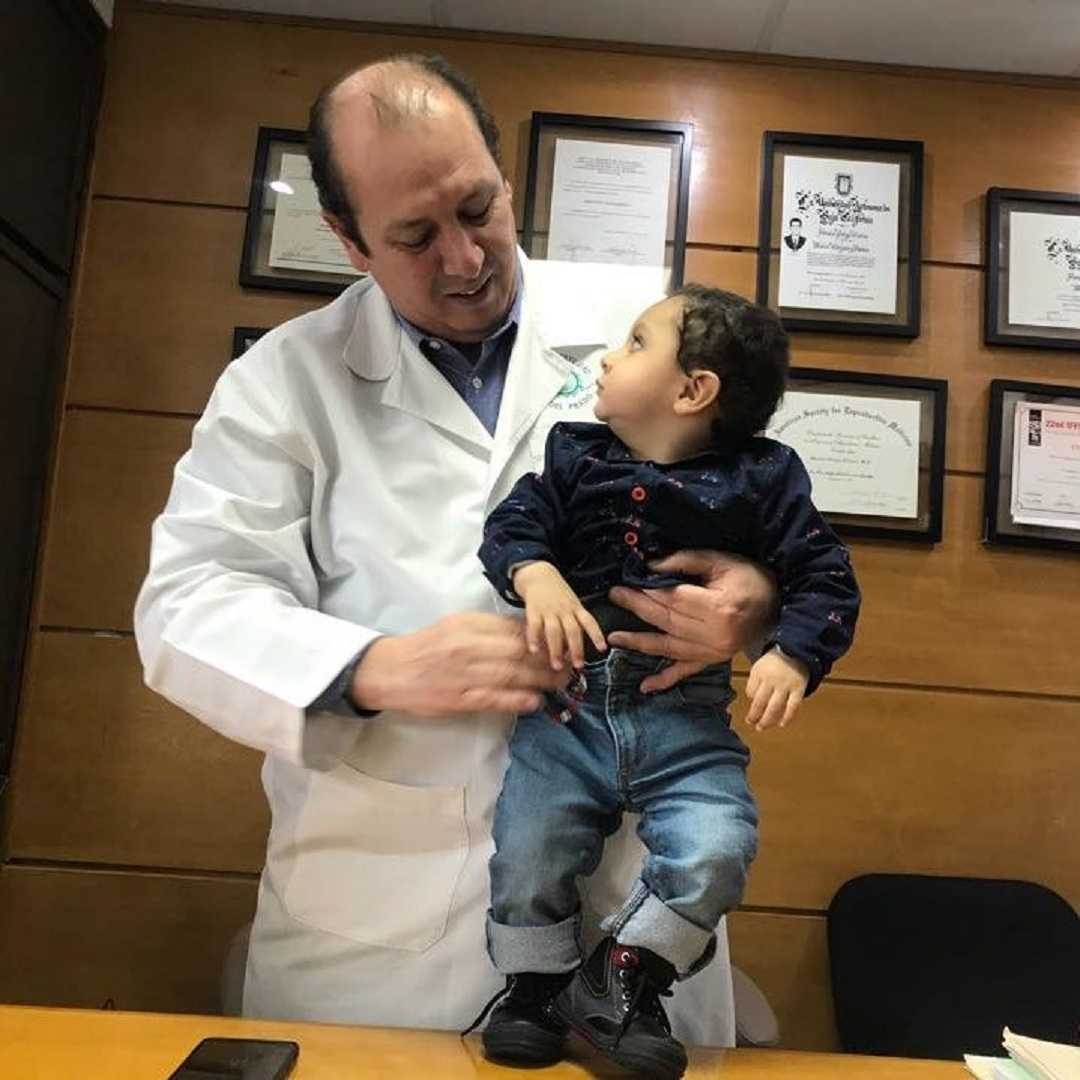

 100.00% Patient Recommend
Dr. Javier Piri Sarmiento - IVF Specialist in Tijuana Mexico

Overview
Dr. Javier Piri, fertility and reproductive medicine expert in Tijuana. Personalized IVF treatments to help you start your family.
Read more details


Eligen Fertility Center
Overview
Eligen Fertility Center in Gustavo Adolfo Madero, Mexico offers surrogacy, IVF, ICSI, semen freezing, IUI, and ovulation induction services.
Read more details
 100.00% Patient Recommend
Fertility Beyond Borders - Dr. Felix Atondo
Overview
Discover leading IVF clinic in Tijuana, Mexico. Fertility Beyond Borders offers expert fertility solutions for your journey. Book now at PlacidWay!
Read more details
Discover your treatment options with a free, no-obligation quote!
Get your quote now! 81.82% Patient Recommend
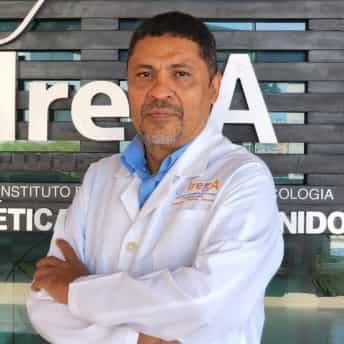
IREGA Cancun (Institute of Reproduction, Gynecology and Genetics)
Overview
Choose IREGA in Cancun, Mexico, for IVF, fertility treatments, egg donation, genetic testing, and personalized reproductive care.
Read more details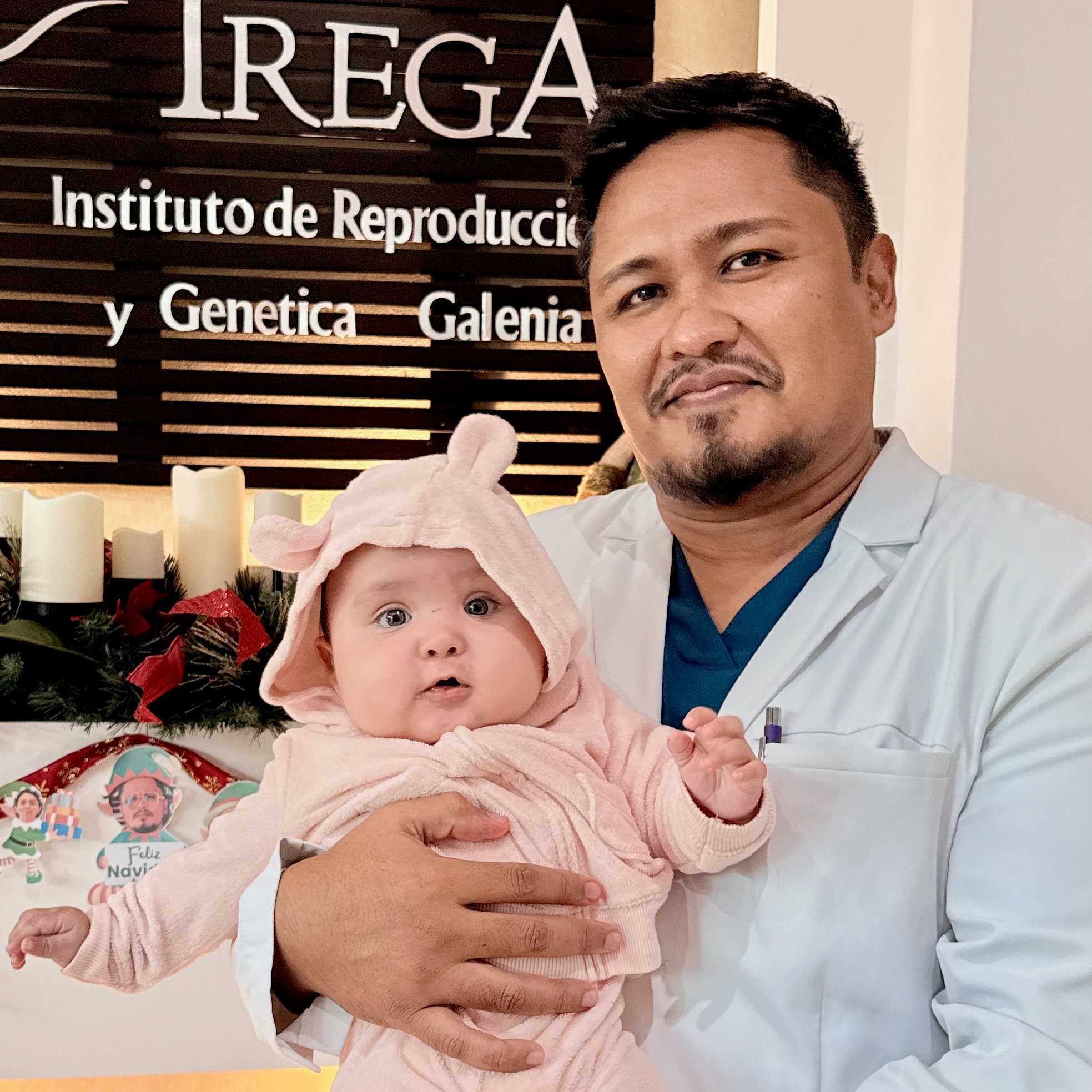


IVF Clinic in Mexico ViaFERT Culiacan
Overview
ViaFERT is one of the best fertility clinics in Mexico, located in Culiacan. Expert IVF, ICSI, IUI, egg donation, and genetic testing. Book your consultation today.
Read more details


The Fertility Center Mexico
Overview
The Fertility Center Mexico is a top IVF clinic in Tijuana, Mexico, offering advanced fertility treatments for your parenthood journey.
Read more details

Eligen Fertility Center | Spanish Profile
Overview
Eligen Fertility Center en Gustavo Adolfo Madero, Mexico ofrece servicios de gestacion subrogada, FIV, ICSI, congelacion de semen, IUI e induccion de ovulacion.
Read more detailsDiscover your treatment options with a free, no-obligation quote!
Get your quote now!
FertilyLife
Overview
Discover FertilyLife, the premier IVF Treatment Center in Cancun, Mexico. Offering surrogacy, egg donation, ICSI, embryo cryopreservation and more.
Read more details 66.67% Patient Recommend
Medica Fertil
Overview
Medica Fertil provides best IVF Treatment in Queretaro, Mexico. Book online now IVF with Gender Selection, In Vitro Fertilization, and Intrauterine insemination at Medica Fertil.
Read more details



Baja Fertility Services - IVF Clinic Tijuana Mexico
Overview
Discover Baja Fertility Services, a leading IVF clinic in Tijuana, Mexico, offering advanced fertility treatments and personalized patient care.
Read more details 100.00% Patient Recommend
Consultorio Privado
Overview
Consultorio Privado in Merida, Mexico provides expert women's care, fertility solutions, comprehensive obstetrics, and advanced gynecological treatments.
Read more details 100.00% Patient Recommend
DR CIGUENA FERTILITY CENTER
Overview
DR CIGÜEÑA FERTILITY CENTER in Mexicali, Mexico specializes in Infertility and Reproductive Medicine and offers the best-assisted reproduction treatments for those who wish to conceive and had difficulty achieving it.
Read more details 100.00% Patient Recommend
Fertilidad Integral
Overview
Discover Mexico City's leading IVF fertility clinic. Fertilidad Integral offers premier treatment with compassion and expertise. Book your consultation today!
Read more details
Hestia Fertility
Overview
Discover expert fertility care at Hestia Fertility in Juarez, Mexico. Personalized treatments, advanced labs, and compassionate support await you.
Read more details 80.00% Patient Recommend
Inovavita Fertility Clinic
Overview
Inovavita Fertility Clinic in Mexico City, Mexico, offers Reproductive Medicine services in Women's Health and Fertility treatments, which range from Gynecology to Reproductive and Genetic Medicine.
Read more details
IREGA Acapulco
Overview
IREGA IVF Acapulco is a leading clinic in Mexico offering reproductive health and infertility treatment solutions for local and international patients. Their key treatment procedures include IVF, artificial Insemination, PGD, ICSI, Assisted Hatching, Egg Donation, Sex Selection and more.
Read more details
IVF Clinic in Mexico ViaFERT Mazatlan
Overview
ViaFERT is a leading IVF clinic in Mazatlan, Mexico, offering advanced fertility treatments like IVF, ICSI, egg donation, and surrogacy to help build families.
Read more details 100.00% Patient Recommend
PROVIDA
Overview
Renowned for offering some of the less expensive IVF options, the clinic provides top-tier fertility treatments and regenerative medicine. With more than 20 years of expierence.
Read more details 100.00% Patient Recommend
UNILIVE
Overview
UNILIVE is an assisted reproduction unit in Puebla City, Puebla, Mexico, offering affordable fertility treatments for local and international patients.
Read more details
Last updated on
Which are the best embryo freezing clinics in Mexico for fertility treatments?
When seeking the best embryo freezing clinics in Mexico, consider highly-rated facilities known for their advanced technologies, experienced specialists, and patient-focused care. Top choices include Centro de Fertilidad del Prado in Tijuana, Eligen Fertility Center in Gustavo A. Madero, FertilyLife in Cancun, and Fertilidad Integral in Mexico City, among others. These centers are recognized for their commitment to successful fertility outcomes and international patient support.
Choosing a fertility clinic is a deeply personal decision, and Mexico offers several excellent options for embryo freezing and other fertility treatments. These clinics often combine state-of-the-art facilities with a compassionate approach, making them a popular choice for patients globally.
Here are some top-listed clinics and their locations, renowned for their expertise in embryo freezing and comprehensive fertility care:
- Centro de Fertilidad del Prado: Located in Tijuana, this center is well-regarded for its advanced reproductive technologies and personalized patient care.
- Eligen Fertility Center: Situated in Gustavo A. Madero, this clinic offers a broad range of fertility services including embryo cryopreservation, with a focus on comprehensive patient management.
- Fertility Beyond Borders - Dr. Felix Atondo: With locations in Tijuana, Guadalajara, and Cancun, this clinic provides expert fertility solutions across various Mexican cities, ensuring accessibility for different patients.
- FertilyLife: A prominent IVF center in Cancun, known for its extensive services such as egg donation, ICSI, and embryo cryopreservation.
- Medica Fertil: Located in Queretaro, this facility offers various IVF treatments, including embryo freezing, with a focus on modern techniques.
- Fertilidad Integral: This leading IVF fertility clinic in Mexico City is praised for its compassion, expertise, and advanced laboratory capabilities.
When evaluating these options, look into their specific success rates for embryo survival and implantation, the qualifications of their embryologists, and testimonials from international patients to find the best fit for your unique needs.
What should I look for in an embryo freezing clinic in Mexico?
When selecting an embryo freezing clinic in Mexico, prioritize facilities with high lab success rates, particularly for embryo survival post-thaw, and verify they use vitrification technology. Look for clinics with internationally recognized accreditations like COFEPRIS or JCI, and ensure they provide clear communication in English, offering dedicated international patient coordinators. The expertise of their embryology team is also crucial.
Beyond the core procedure, the overall clinic environment and support system significantly impact your experience. Here's a breakdown of what to consider:
- Accreditation and Quality Standards: Confirm the clinic is licensed by COFEPRIS (Mexico's federal health regulatory body). International accreditations such as the Joint Commission International (JCI) or Accreditation Canada indicate adherence to global best practices.
- Laboratory Expertise and Technology: Inquire about the cryopreservation method used, specifically vitrification, which offers superior embryo survival rates. The experience and credentials of the embryologists handling your embryos are paramount.
- Transparency in Success Rates: Ask for the clinic's specific success rates for embryo freezing, thawing, and subsequent implantation/live birth rates. Understand how these statistics are measured.
- Communication and Multilingual Staff: For international patients, a clinic with English-speaking staff and dedicated international patient coordinators is essential for smooth communication and support throughout your journey.
- Patient Support Services: Evaluate the range of support services offered, such as assistance with travel logistics, accommodation, and emotional counseling.
Are embryo freezing clinics in Mexico regulated by specific health authorities?
Yes, embryo freezing clinics in Mexico are regulated by the Federal Commission for the Protection against Sanitary Risks, known as COFEPRIS. This authority sets national standards for medical facilities, equipment, and professional qualifications to ensure patient safety and quality of care in reproductive medicine. Many leading clinics also pursue additional international accreditations for enhanced credibility.
COFEPRIS acts as the primary governing body for healthcare facilities, including fertility clinics, across Mexico. Its regulations cover various aspects of clinic operations, including:
- Facility Licensing: Ensuring that clinics meet structural and hygiene requirements.
- Equipment Standards: Verifying that all medical and laboratory equipment is safe, calibrated, and maintained to industry standards.
- Personnel Qualifications: Licensing medical professionals, including reproductive endocrinologists and embryologists, to ensure they have the necessary training and expertise.
- Ethical Guidelines: Implementing protocols for patient consent, confidentiality, and the ethical handling of genetic material.
For international patients, seeking clinics with a COFEPRIS license is a fundamental step. Additionally, facilities that obtain voluntary international certifications demonstrate a proactive commitment to exceeding national standards, providing an extra layer of assurance regarding their quality and safety practices.
What types of advanced technologies are used in Mexican embryo freezing labs?
Leading embryo freezing labs in Mexico primarily utilize vitrification, an ultra-rapid cooling technique that flash-freezes embryos to prevent damaging ice crystal formation, achieving over 95% survival rates post-thaw. These modern facilities also integrate advanced incubators, time-lapse imaging systems for embryo selection, and sophisticated air filtration systems to maintain optimal, sterile conditions for embryo development and storage.
The technological landscape in Mexican fertility clinics is on par with international standards, ensuring the best possible outcomes for patients. Key technologies include:
- Vitrification: This is the cornerstone of modern embryo freezing. Unlike older slow-freezing methods, vitrification uses high concentrations of cryoprotectants and rapid cooling to turn cellular water into a glass-like state, virtually eliminating ice crystal damage.
- Time-Lapse Embryo Monitoring Systems: These systems allow embryologists to continuously observe embryo development without removing them from optimal incubator conditions. This non-invasive monitoring aids in selecting the most viable embryos for freezing or transfer.
- Advanced Incubators: State-of-the-art incubators precisely control temperature, humidity, and gas levels (CO2, O2) to mimic the natural uterine environment, optimizing embryo growth before cryopreservation.
- HEPA and VOC Air Filtration Systems: Embryology labs are equipped with high-efficiency particulate air (HEPA) and volatile organic compound (VOC) filters to ensure ultra-clean air, protecting sensitive embryos from environmental contaminants.
- Computerized Cryostorage Systems: Secure cryotanks equipped with automated monitoring systems continuously track liquid nitrogen levels and temperature, ensuring long-term stable storage of frozen embryos.
How can I verify the credentials of an embryo freezing clinic in Mexico?
To verify an embryo freezing clinic's credentials in Mexico, directly request their COFEPRIS license number and proof of any international accreditations, like JCI or Accreditation Canada. Check their website for public listings of certifications and confirm the qualifications and board certifications of their embryologists and reproductive specialists. Don't hesitate to ask for official documentation during your initial consultations.
Proactive verification is a critical step in ensuring you receive high-quality and safe care. Here’s a more detailed approach:
- COFEPRIS License: The Federal Commission for the Protection against Sanitary Risks (COFEPRIS) is Mexico's health regulatory body. Every legitimate medical facility in Mexico must have a COFEPRIS license. Request this number and, if possible, cross-reference it with official COFEPRIS databases.
- International Accreditations: Many top Mexican clinics pursue international accreditations to demonstrate commitment to global standards. Common accreditations include:
- Joint Commission International (JCI): A global leader in healthcare accreditation.
- Accreditation Canada International (ACI): Focuses on quality and safety in healthcare services.
- Specialist Qualifications: Inquire about the board certifications and educational backgrounds of the reproductive specialists and embryologists. Professional organizations often have directories where you can verify members' credentials.
- Clinic History and Experience: A long-standing clinic with a consistent track record often indicates stability and experience.
What patient support services do embryo freezing clinics in Mexico typically provide?
Embryo freezing clinics in Mexico, especially those serving international patients, offer extensive support. This usually includes a dedicated bilingual patient coordinator for guidance, assistance with travel logistics like airport transfers and accommodation, and continuous communication from the medical team. Many clinics also provide emotional support services or referrals for psychological counseling to ease the journey.
Understanding the full scope of patient support can significantly reduce stress and improve your experience. These services are designed to make your medical journey as smooth and comfortable as possible:
- Dedicated Patient Coordinator: This individual serves as your primary point of contact, managing appointments, coordinating with the medical team, and assisting with any questions or concerns. They often act as a cultural and linguistic bridge.
- Travel and Accommodation Assistance: Many clinics help arrange airport pickups, local transportation, and recommend or partner with hotels that offer special rates for their patients. This can streamline your travel and reduce logistical burdens.
- Multilingual Staff: Beyond patient coordinators, many clinics employ medical and administrative staff fluent in English and other languages to ensure clear communication at every touchpoint.
- Comprehensive Information and Education: Clinics provide detailed explanations of the embryo freezing process, including what to expect at each stage, potential risks, and post-procedure care, empowering you with knowledge.
- Emotional and Psychological Support: Recognizing the emotional toll of fertility treatments, some clinics offer in-house counseling or can refer you to mental health professionals specializing in fertility to provide emotional support.
What is the typical process for long-term embryo storage at clinics in Mexico?
Long-term embryo storage at clinics in Mexico involves cryopreservation using advanced vitrification techniques, followed by placement in secure, liquid nitrogen tanks. Clinics implement strict protocols for continuous monitoring of tank conditions, including temperature and nitrogen levels, ensuring the viability and integrity of embryos for extended periods, often with annual storage agreements and detailed consent forms.
The process for long-term embryo storage is meticulously handled to maintain the highest standards of safety and viability:
- Initial Cryopreservation: After embryo creation (typically through IVF), viable embryos are selected for freezing. The predominant method used is vitrification, an ultra-rapid freezing technique that prevents damaging ice crystal formation within the cells.
- Secure Storage Facilities: The vitrified embryos are then transferred into specialized straws or cryovials and carefully placed into large cryogenic tanks containing liquid nitrogen, which maintains a stable temperature of -196°C (-321°F). These tanks are located in secure, climate-controlled facilities.
- Continuous Monitoring: Reputable clinics employ 24/7 monitoring systems that track the temperature and liquid nitrogen levels within each cryotank. Alarms are typically in place to alert staff to any deviations, ensuring immediate intervention if needed.
- Backup Systems: To prevent accidental thawing or damage, clinics have robust backup systems, including redundant power sources and additional liquid nitrogen supplies.
- Legal Agreements and Consent: Patients sign detailed consent forms outlining the terms of storage, duration, annual fees, and directives for the future use, disposition, or transport of their embryos. This ensures all parties understand their rights and responsibilities.
- Safety Protocols: Access to the cryopreservation lab is strictly controlled, and personnel handling the embryos follow rigorous safety and identification protocols to prevent mix-ups.
How do clinics ensure the safety of frozen embryos during storage in Mexico?
Embryo safety during storage in Mexican clinics is ensured through several layers of security. This includes using state-of-the-art cryogenic tanks that maintain ultra-low temperatures, continuous 24/7 electronic monitoring of liquid nitrogen levels and temperature with alarm systems, and robust backup power. Strict access controls to laboratories and detailed identification systems for each embryo are also fundamental to prevent any mix-ups or environmental hazards.
Clinics understand that the safety of your embryos is paramount. They implement comprehensive measures to protect these precious cells:
- Advanced Cryogenic Tanks: Embryos are stored in specialized liquid nitrogen tanks (cryotanks) designed to maintain extremely low, stable temperatures (-196°C / -321°F) required for long-term preservation without degradation.
- Environmental Controls: The storage areas are often equipped with climate control systems to prevent fluctuations in ambient temperature that could impact the cryotanks.
- Continuous Monitoring Systems: Sophisticated electronic monitoring systems are in place to constantly track the temperature and liquid nitrogen levels within each tank. These systems typically have alarms that alert staff immediately if levels fall below a safe threshold or if there's any temperature variance.
- Backup Power and Nitrogen Supply: Clinics invest in uninterruptible power supplies (UPS) and generators to ensure continuous operation of monitoring equipment, even during power outages. They also maintain reserves of liquid nitrogen to address any unexpected supply issues.
- Strict Access Protocols: Access to the embryology lab and cryostorage areas is highly restricted, often requiring biometric authentication or multiple security checks to prevent unauthorized entry.
- Identification and Tracking Systems: Each embryo is meticulously labeled with unique identifiers and tracked using robust laboratory information management systems (LIMS) to prevent mix-ups and ensure accurate retrieval.
- Disaster Preparedness Plans: Reputable clinics have comprehensive disaster recovery plans in place to protect embryos in the event of natural disasters, fires, or other emergencies.
Can I expect comprehensive pre-freezing consultations at Mexican clinics?
Yes, comprehensive pre-freezing consultations are standard at reputable embryo freezing clinics in Mexico, especially for international patients. These consultations typically involve a thorough medical evaluation, discussions about your fertility goals, detailed explanations of the procedure, success rates, and associated risks. They also include outlining the timeline, medication protocols, and financial arrangements to ensure you are fully informed and comfortable.
These initial consultations are crucial for building trust and ensuring that the treatment plan aligns with your expectations and medical history. Here's what you can generally expect:
- Medical History Review: A detailed discussion of your personal and family medical history, including any previous fertility treatments or conditions.
- Physical Examination and Diagnostic Tests: Depending on your situation, this may include blood tests (hormone levels, infectious disease screening), ultrasounds, and other relevant diagnostic procedures to assess your current fertility status.
- Discussion of Fertility Goals: The specialist will take time to understand your reasons for embryo freezing, your family planning goals, and any concerns you may have.
- Explanation of the Process: A step-by-step overview of the entire embryo freezing cycle, from ovarian stimulation and egg retrieval to fertilization, embryo development, and cryopreservation.
- Success Rates and Risks: The clinic should openly discuss their success rates, particularly for embryo survival after thawing, and explain any potential risks or complications associated with the procedure.
- Medication Protocols: Detailed information about the fertility medications you'll need, including dosage, administration, and potential side effects.
- Storage Options and Future Use: Clarification on long-term storage agreements, annual fees (if any), and options for future embryo transfers or disposition.
- Opportunity for Questions: Ample time for you to ask any questions and express concerns, ensuring you feel completely informed and comfortable before proceeding.
What is the typical timeline for an embryo freezing cycle at clinics in Mexico?
A typical embryo freezing cycle in Mexican clinics, often part of an IVF process, spans approximately 2-4 weeks from the start of ovarian stimulation to embryo cryopreservation. This timeline can vary slightly based on individual response to medication and clinic protocols. It includes initial consultations, hormone therapy, egg retrieval, fertilization, embryo development (3-5 days), and then the freezing procedure itself.
Understanding the general timeline can help you plan your visit and manage expectations. While individual circumstances may alter this schedule, here's a common breakdown:
- Initial Consultation and Pre-screening (1-2 weeks prior to cycle start): This involves diagnostic tests, medical history review, and personalized treatment planning. For international patients, this can often be done remotely or during a brief initial visit.
- Ovarian Stimulation (approximately 10-14 days): Once your cycle begins, you'll start daily hormone injections to stimulate your ovaries to produce multiple eggs. During this phase, you'll have regular monitoring appointments (ultrasounds and blood tests) to track follicle growth.
- Egg Retrieval (1 day): Once follicles are mature, a minor surgical procedure is performed under sedation to collect the eggs. This is usually an outpatient procedure.
- Fertilization and Embryo Development (3-5 days): The retrieved eggs are fertilized with sperm (either naturally or via ICSI). The resulting embryos are then cultured in the lab for 3 to 5 days, reaching either the cleavage (Day 3) or blastocyst (Day 5) stage.
- Embryo Freezing (Cryopreservation): On Day 3 or Day 5 of embryo development, healthy embryos that are not transferred immediately are flash-frozen using vitrification. This process takes a few hours.
- Post-Procedure Care: After egg retrieval and embryo freezing, clinics provide detailed instructions for recovery and any necessary follow-up.
For international patients, planning a stay of at least 2-3 weeks in Mexico is generally recommended to accommodate the stimulation and retrieval phases.
How do I compare embryo freezing clinics in different Mexican cities like Cancun and Tijuana?
To effectively compare embryo freezing clinics across Mexican cities like Cancun and Tijuana, prioritize evaluating their lab success rates, international accreditations (COFEPRIS, JCI), and the specific experience of their embryology teams. Consider practical factors like travel accessibility from your home location and the type of environment you prefer for your treatment and recovery, whether it's proximity to the US border or a resort-like setting.
While both Cancun and Tijuana are popular medical tourism destinations for fertility treatments, their appeal can differ based on your priorities. Here’s a comparative approach:
- Clinic-Specific Performance:
- Lab Success Rates: Request detailed data on embryo survival rates post-thaw, as well as implantation and live birth rates from each clinic. These statistics are more important than the city itself.
- Accreditations and Certifications: Verify COFEPRIS licensing and look for international accreditations (e.g., JCI) which speak to quality regardless of location.
- Embryologist Experience: Inquire about the training and tenure of the embryology team, as their expertise directly impacts the quality of freezing.
- Technology: Confirm that clinics use advanced cryopreservation techniques like vitrification.
- Logistical and Personal Preferences:
- Travel Accessibility:
- Tijuana: Often preferred by patients from the Western US due to its close proximity to the California border, allowing for easier drive-ins or short flights to San Diego.
- Cancun: A major international airport makes it highly accessible from various global locations, often favored by those from the Eastern US, Canada, or Europe who prefer direct flights.
- Environment for Recovery:
- Tijuana: Offers a more urban experience, often focused purely on the medical aspect due to its border-town nature.
- Cancun: Provides a resort-like atmosphere, ideal for combining treatment with a relaxing recovery vacation.
- Support Services: Assess the level of patient support, including bilingual staff, travel coordination, and accommodation assistance, as these can vary.
- Travel Accessibility:
What common fertility challenges can embryo freezing help address in Mexico?
Embryo freezing in Mexican clinics helps address various fertility challenges, primarily by preserving reproductive potential. It is beneficial for individuals undergoing cancer treatment, those delaying childbearing, or couples with excess embryos from IVF. It also assists in genetic screening of embryos before transfer, reducing the need for multiple fresh IVF cycles, and offering flexibility in family planning.
Embryo freezing, a cornerstone of modern reproductive medicine, offers solutions for a wide array of situations where natural conception may be challenging or needs to be deferred:
- Fertility Preservation for Medical Reasons: For individuals facing medical treatments that could compromise fertility, such as chemotherapy or radiation therapy for cancer, freezing embryos before treatment offers a chance to have biological children in the future.
- Elective Fertility Preservation: People who wish to delay childbearing due to career, personal reasons, or lack of a partner can freeze embryos when their egg quality is optimal, mitigating age-related decline in fertility.
- Managing Excess Embryos from IVF: During an IVF cycle, it's common to produce more healthy embryos than can be safely transferred in one cycle. Freezing these surplus embryos allows for future transfers without undergoing another full ovarian stimulation and egg retrieval, which can save time, emotional stress, and effort.
- Preimplantation Genetic Testing (PGT): Embryos can be biopsied for genetic screening, and then frozen while awaiting test results. This allows for the selection of chromosomally normal or disease-free embryos for transfer, significantly improving success rates and preventing inherited conditions.
- Preventing Ovarian Hyperstimulation Syndrome (OHSS): In some IVF cycles, a patient's ovaries may over-respond to stimulation, leading to OHSS. Freezing all embryos and delaying transfer to a later, healthier cycle can prevent or reduce the severity of this condition.
- Donor Egg/Sperm Cycles: For individuals or couples using donor eggs or sperm, freezing embryos offers flexibility in timing and coordination, as embryos can be created and stored until the recipient is ready for transfer.
How is embryo freezing different from egg freezing at fertility clinics in Mexico?
Embryo freezing (cryopreservation) differs from egg freezing in Mexican clinics primarily because embryos are already fertilized. Embryo freezing involves preserving fertilized eggs, offering higher survival rates post-thaw compared to unfertilized eggs, which are more delicate. This means that embryo freezing provides a more advanced stage of reproductive potential, often with greater certainty regarding future viability for pregnancy.
Both egg and embryo freezing are valuable fertility preservation techniques available in Mexico, but they serve different needs and involve distinct biological stages:
- Egg Freezing (Oocyte Cryopreservation):
- What is frozen: Unfertilized eggs (oocytes).
- When it's done: After ovarian stimulation and egg retrieval, but before fertilization.
- Who benefits: Primarily single women, women without a current partner who wish to preserve fertility, or those who prefer not to use sperm for fertilization at the time of freezing. It maintains flexibility in choosing a partner or sperm source later.
- Survival rates: Generally lower than embryo freezing, as unfertilized eggs are larger cells with more water, making them more susceptible to damage during the freezing and thawing process.
- Future steps: Eggs must be thawed, fertilized with sperm (via IVF/ICSI), and then cultured into embryos before transfer.
- Embryo Freezing (Embryo Cryopreservation):
- What is frozen: Fertilized eggs (embryos), typically at the cleavage (Day 3) or blastocyst (Day 5-6) stage.
- When it's done: After IVF treatment, once eggs have been fertilized with sperm (from a partner or donor) and have begun to develop.
- Who benefits: Couples who have undergone IVF and have surplus embryos, individuals using donor sperm, or those seeking preimplantation genetic testing (PGT) who need to freeze embryos while awaiting results.
- Survival rates: Generally higher than egg freezing because embryos are more resilient to the freezing and thawing process due to their more complex cellular structure.
- Future steps: Thawed embryos can be directly transferred into the uterus.
What post-freezing follow-up care is provided by embryo freezing clinics in Mexico?
After embryo freezing, reputable clinics in Mexico provide detailed instructions for post-procedure recovery, including medication guidance and any necessary precautions. They maintain ongoing communication, especially for international patients, regarding embryo storage status and future planning. This comprehensive follow-up ensures patients are fully supported whether they are preparing for a frozen embryo transfer or need assistance with embryo transport to another facility.
The commitment of Mexican clinics extends beyond the freezing procedure itself, ensuring you feel supported throughout your fertility journey:
- Immediate Post-Procedure Instructions: Following the egg retrieval (which precedes embryo creation and freezing), you'll receive clear guidelines on managing any discomfort, activity restrictions, and medication usage (e.g., antibiotics, pain relief).
- Embryo Storage Confirmation: Once your embryos are successfully frozen and secured in cryostorage, the clinic will provide official documentation confirming the number of embryos, their quality, and the details of your storage agreement.
- Annual Storage Management: Clinics will typically contact you annually to discuss the continuation of embryo storage, confirm your wishes regarding the embryos (e.g., continued storage, future use, disposition), and manage storage fees.
- Future Planning Consultations: When you decide to use your frozen embryos, the clinic will provide comprehensive consultations to plan your frozen embryo transfer (FET) cycle. This includes discussing uterine preparation, medication protocols, and the optimal timing for transfer.
- Coordination for Embryo Transport: If you choose to transfer your embryos to another clinic (either domestically or internationally), the Mexican clinic will assist in coordinating with specialized cryoshipping services and completing all necessary documentation to ensure a safe and compliant transfer.
- Ongoing Communication: Dedicated international patient coordinators will maintain communication, providing updates, answering questions, and offering support, especially crucial if you are managing care remotely.
What factors contribute to the high success rates of embryo freezing clinics in Mexico?
The high success rates of embryo freezing clinics in Mexico stem from several key factors, including the widespread adoption of vitrification technology, the expertise of their embryology teams, and rigorous laboratory quality control. These clinics also invest in state-of-the-art equipment, maintain sterile environments, and provide personalized patient care, all contributing to optimal embryo survival and implantation rates.
Mexican fertility clinics have gained a strong reputation for successful embryo freezing outcomes, drawing on a combination of advanced practices and patient-centered approaches:
- Advanced Cryopreservation Techniques: The primary driver of high success rates is the extensive use of vitrification. This flash-freezing method minimizes ice crystal formation, which is the main cause of damage to cells during freezing, resulting in very high embryo survival rates (often over 95%) after thawing.
- Expert Embryology Teams: Highly skilled and experienced embryologists play a crucial role. Their expertise in handling delicate embryos, performing vitrification precisely, and assessing embryo viability directly impacts outcomes. Many embryologists in Mexico receive international training and continuous education.
- State-of-the-Art Laboratory Facilities: Mexican clinics invest in modern embryology labs equipped with advanced incubators that precisely mimic uterine conditions, high-efficiency air filtration systems (HEPA and VOC filters) to maintain sterility, and time-lapse imaging systems for optimal embryo selection.
- Rigorous Quality Control and Assurance: Clinics adhere to strict quality control protocols for all laboratory procedures, ensuring consistent standards in media, equipment, and processes. This minimizes variables that could affect embryo health.
- Personalized Treatment Protocols: Fertility specialists in Mexico develop individualized treatment plans tailored to each patient's specific medical history and fertility challenges. This personalized approach optimizes ovarian stimulation and embryo development, leading to better-quality embryos for freezing.
- Continuous Research and Development: Many leading clinics actively engage in research and adopt the latest scientific advancements in reproductive medicine, ensuring they remain at the forefront of fertility technology and techniques.
How PlacidWay helps individuals access Embryo Freezing in Mexico?
PlacidWay simplifies your journey to parenthood by providing comprehensive resources and support for accessing top-tier embryo freezing services in Mexico. We empower you to make confident healthcare decisions.
- Detailed, Up-to-Date Information: We offer clear and current details about the embryo freezing process, including the benefits, potential risks, and what to expect for outcomes, so you are fully informed every step of the way.
- Compare Clinics and Treatments: Our platform allows you to easily compare treatment packages from various clinics, ensuring you find affordable options without ever compromising on the quality of medical care.
- Find Trusted, Accredited Clinics: PlacidWay connects you with a network of trusted, internationally accredited clinics and highly qualified medical professionals who specialize in embryo freezing in Mexico.
- One-on-One Consultations: We provide personalized, one-on-one consultations to help you make informed decisions. We listen to your specific needs and guide you toward the best options for your unique situation.
- Continued Post-Treatment Support: Our commitment to your well-being doesn't end after the procedure. PlacidWay ensures you have access to continued support, including arrangements for follow-up care and recovery assistance.
Ready to get Embryo Freezing in Mexico? Contact us today for a personalized consultation.
Share with AI
Share this page with AI assistants to get summaries and insights


Explore Embryo Freezing: Stories, Testimonials, and Procedures
Watch in-depth videos covering everything from Embryo Freezing success stories to detailed procedure explanations. Learn what to expect and hear from real patients.

In Vitro Fertilization in Tijuana, Mexico: Heartfelt Tales of Parenthood
Fertility Treatment
PlacidWay Mexico Medical Tourism
Tijuana,Mexicali, Mexico

In Vitro Fertilization in Tijuana, Mexico: Fulfilling Dreams with IVF Success
Fertility Treatment
PlacidWay Mexico Medical Tourism
Tijuana,Mexicali, Mexico

Why Leading Medical Centers Choose PlacidWay: The Ultimate Marketing & CRM Solution for Global Patient Engagement
Addiction Treatment
PlacidWay Medical Tourism
Denver, United States

In Vitro Fertilization in Tijuana, Mexico: Beyond Borders for Family Discovery
Fertility Treatment
PlacidWay Mexico Medical Tourism
Tijuana,Mexicali, Mexico
Unlock the Best Embryo Freezing Packages Just for You
Discover the ultimate Embryo Freezing packages designed to meet your health and wellness goals. Choose the perfect fit for your journey.

Price starting from $4,000
PGS Package in Tijuana, Mexico by Dr. Javier Piri Sarmiento
Dr. Javier Piri Sarmiento - IVF Specialist in Tijuana Mexico
- Fertility Treatment
Tijuana, Mexico

Price starting from $4,930
IVF Treatment Package in Mexico by ViaFERT Culiacan
IVF Clinic in Mexico ViaFERT Culiacan
- Fertility Treatment
Culiacan, Mexico
.png)
Price starting from $5,500
In Vitro Fertilization (IVF) in Tijuana, Mexico
PlacidWay Mexico Medical Tourism
- Fertility Treatment
Tijuana,Mexicali, Mexico

Price starting from $9,000
In Vitro Fertilization Package in Cancun, Mexico by IREGA
IREGA Cancun (Institute of Reproduction, Gynecology and Genetics)
- Fertility Treatment
Cancun, Mexico
Transformative Embryo Freezing Experiences: Dive into Procedure Insights
Discover the power of Embryo Freezing through compelling patient experiences. Uncover detailed insights into procedures, recovery journeys, and life-changing results.
.png)
Price starting from $2,000
Ovarian Rejuvenation in Tijuana, Mexico
- Ovarian Rejuvenation, Fertility Treatment
Tijuana, Mexico
.png)
Price starting from $2,000
PGD in Mexico
- Preimplantation Genetic Diagnosis (PGD), Fertility Treatment
Mexico
.png)
.png)
Price starting from $7,000
IVF Treatments in Tijuana, Mexico
- In Vitro Fertilization (IVF), Fertility Treatment
Tijuana, Mexico








Assisted reproduction specialists at the Meadow Fertility Center are references in human reproduction in the Northwest of the country and Southern California. For 20 years, they offer first-rate, infertility, IVF and Gynecology treatments. Dr. Horacio Ortega has been my lifelong gynecologist and the women in my family, and we are extremely grateful to him and the clinic. Highly recommended.
Read More