
What treatment


3+ Best Clinics for Embryonic Stem Cell Therapy in South Korea
What are the best embryonic stem cell therapy clinics in South Korea?
The 3 best embryonic stem cell therapy clinics in South Korea are: Chaum Medical Center (Seoul), Seoul Smart Bon Clinic (Seoul), and Yonsei BH Clinic (Seoul).
These facilities operate under the strict oversight of the Korean Ministry of Health and Welfare and utilize GMP-certified laboratories. They specialize in advanced pluripotent stem cell treatments for complex conditions, including Parkinson's disease, dementia, diabetes, liver cirrhosis, erectile dysfunction, and anti-aging.
Depending on the specific medical condition and personalized regenerative protocol, treatment costs in South Korea generally range from $6,200 to $33,000 USD.
 100.00% Patient Recommend
Chaum Medical Center


Overview
Premium healthcare at Chaum Medical Center, Seoul. Personalized anti-aging, stem cell therapy, and advanced medical services for a youthful life.
Read more details
Seoul Smart Bon Clinic in South Korea

Overview
Discover advanced care at Spine, Neurology & Stem Cell Clinic in South Korea by Seoul Smart Bon Clinic with innovative treatments for lasting recovery.
Read more details
Yonsei BH Clinic


Overview
Yonsei BH Clinic offers advanced stem cell therapy in Seoul, South Korea, for erectile dysfunction, anti-aging, Parkinson disease, dementia, diabetes, and more.
Read more details
Allheart plastic surgery
AllHeart Plastic Surgery in Gangnam specializes in advanced cosmetic procedures, offering expert care in a modern facility for natural and safe results.


Discover your treatment options with a free, no-obligation quote!
Get your quote now! 100.00% Patient Recommend
Vega Stem Cell Clinic in Bangkok Thailand
Overview
Vega Clinic in Bangkok, Thailand, helps people feel better with special treatments. They use new ways to heal and make sure each person gets care made just for them.
Read more details


Dr. Ebenezer Abel Paul - Stem Cells in Malaysia
Overview
Explore Stem Cells in Malaysia with Dr. Ebenezer Abel Paul, offering cutting-edge regenerative therapies and advanced stem cell treatments.
Read more details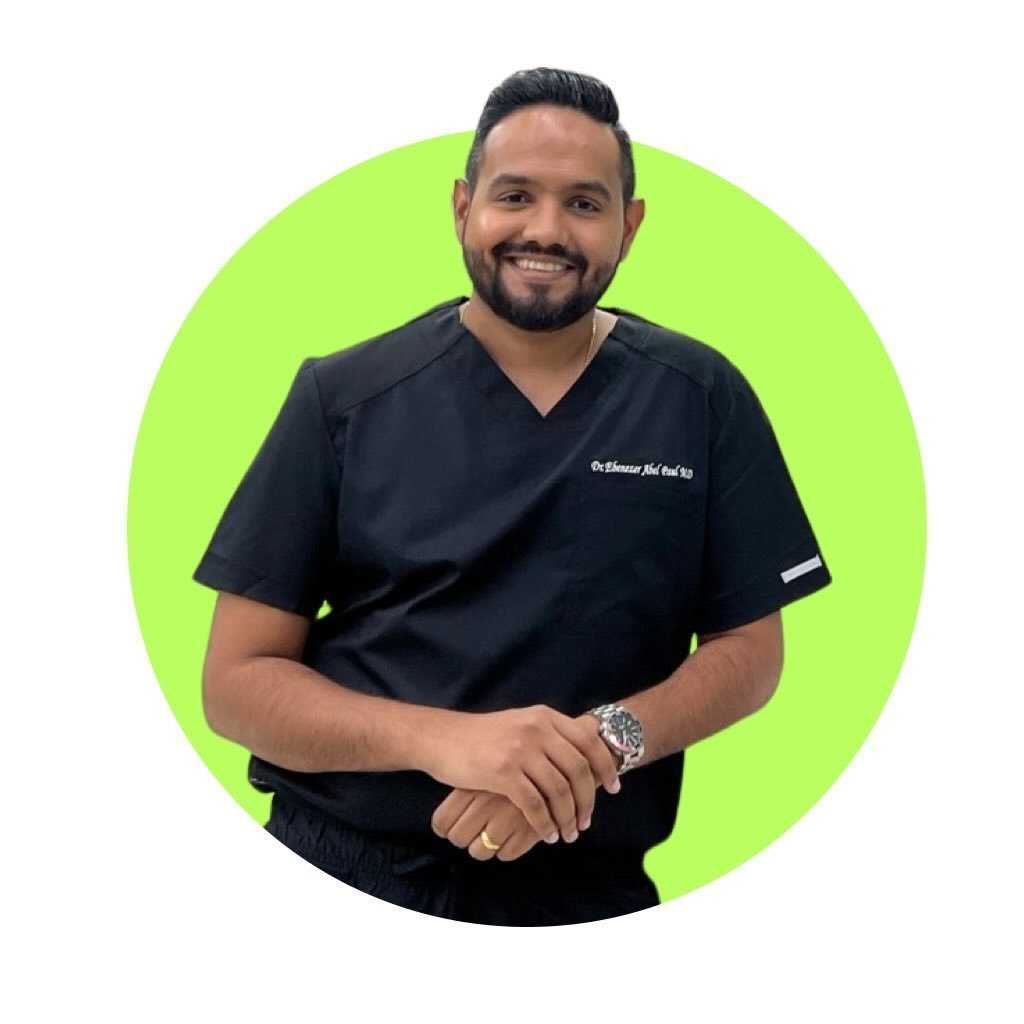
 96.00% Patient Recommend
Dr. Pravin Patels Innovative Hospital & Research Center
Overview
Dr. Pravin Patel's Innovative Hospital provides best stem cell treatment in Gujarat, India. Also offers Ozone therapy, Quantum therapy , EBOO therapy, Frequency & Laser Therapy at affordable cost.
Read more details

 100.00% Patient Recommend
GIOSTAR Hospital Bengaluru
Overview
Discover GIOSTAR Hospital in Bengaluru, India—your go-to center for advanced stem cell therapies and cutting-edge procedures for orthopaedics. Explore treatments for diabetes, stroke, SCI, and more.
Read more details
Discover your treatment options with a free, no-obligation quote!
Get your quote now! 100.00% Patient Recommend
Live Stem Cell Asia - Premier Stem Cell Clinic in Malaysia
Overview
Discover advanced stem cell Malaysia treatments at Live Stem Cell Asia, Petaling Jaya. Experience personalized care and innovative regenerative solutions.
Read more details
 100.00% Patient Recommend
StemRx Hospital and Research Centre
Overview
At StemRx Hospital & Research Centre, We specialize in advanced Regenerative Medicine & Stem Cell therapy for Autism, Cerebral Palsy, Orthopedics, Migraine, AVN & IVF providing personalized care.
Read more details
Beijing Puhua International Hospital- Stem Cell Center
Overview
Beijing Puhua International Hospital (BPIH) features a dedicated Stem Cell Center, where a team of highly educated and experienced scientists and technicians are working on the research and development of stem cell technology to restrict the development of several degenerative diseases like Parkinson’s, ALS, Batten, Multiple Sclerosis and more.
Read more details
Beike Biotech
Overview
Beike Biotechnology offers the best stem cell therapy in Thailand, combining top-quality regenerative treatment with cutting-edge technology for optimal patient care.
Read more details
Boston Health Longevity - Anti Aging Stem Cell Therapy in Thailand
Overview
Experience advanced Anti Aging Stem Cell Therapy in Thailand at Boston Health Longevity. Improve cellular health, vitality, and longevity with expert care.
Read more details
Clinique Haru Osaka Umeda - Japan Stem Cell Treatment
Overview
Clinique Haru Osaka Umeda specializes in Japan stem cell treatments for joint and musculoskeletal conditions using advanced regenerative medicine.
Read more details
Healthi Life Longevity Center in Bangkok, Thailand
Overview
Explore stem cell therapy in Bangkok, Thailand by Healthi Life Longevity Center with advanced regenerative treatments and personalized care plans.
Read more details
Hebei Yanda International Hospital
Overview
Hebei Yanda International Hospital in Beijing, China, addresses your healthcare needs with expert oncology, cardiology, and neurology treatments.
Read more details
Krishna Institute of Medical Sciences (KIMS), Bengaluru
Overview
Krishna Institute of Medical Sciences (KIMS) Bengaluru is recognized as the best hospital in India, offering advanced multispecialty care and expert doctors.
Read more details
Mousai Wellness Center - Stem Cell Bangkok Thailand
Overview
Discover advanced Stem Cell treatments in Bangkok, Thailand at Mousai Wellness Center. Safe, innovative, and personalized care for lasting wellness.
Read more details
Nulook Anti-Aging & Regenerative Center
Overview
Nulook Anti-Aging & Regenerative Center in Bali, Indonesia offers Botox, Ultherapy, Dermal Fillers, Thermage, PRP, Pico Laser and more.
Read more details 95.24% Patient Recommend
ReeLabs Stem Cells in Mumbai, India
Overview
ReeLabs provides advanced Stem Cell Mumbai services, including stem cell banking and therapy for safe preservation and future medical use.
Read more details
Which are the best Embryonic Stem Cell Therapy clinics in South Korea?
For Embryonic Stem Cell Therapy in South Korea, top clinics include Chaum Medical Center and Yonsei BH Clinic, both located in Seoul. Chaum Medical Center is known for its personalized anti-aging and stem cell therapies with high patient recommendations. Yonsei BH Clinic offers advanced stem cell treatments for a range of conditions like erectile dysfunction, anti-aging, Parkinson's disease, and diabetes. These clinics represent leading options for specialized care in the region.
When considering Embryonic Stem Cell Therapy in South Korea, patients often seek facilities known for their specialized expertise and positive outcomes. The clinics highlighted from our search results in Seoul provide excellent options.
- Chaum Medical Center: This facility in Seoul stands out with a 100% patient recommendation rate from 5 reviews. They focus on premium healthcare, offering personalized anti-aging and stem cell therapies aimed at promoting a youthful life. Their comprehensive approach ensures patients receive tailored care.
- Yonsei BH Clinic: Also located in Seoul, Yonsei BH Clinic offers advanced stem cell therapy for a variety of conditions. Their treatments target areas such as erectile dysfunction, anti-aging, Parkinson's disease, dementia, and diabetes. While newer to reviews on our platform, their extensive range of specialized stem cell applications positions them as a key provider.
What should I look for in an Embryonic Stem Cell Therapy clinic in South Korea?
When selecting an Embryonic Stem Cell Therapy clinic in South Korea, prioritize accredited facilities with demonstrable experience in regenerative medicine and stem cell research. Look for clinics that provide detailed information on their stem cell sourcing, processing, and application protocols. Patient testimonials and transparent communication about treatment plans and expected outcomes are also crucial indicators of quality care.
Choosing the right clinic is essential for effective and safe Embryonic Stem Cell Therapy. Here's a breakdown of what to consider:
- Accreditation and Regulatory Compliance: Ensure the clinic is officially accredited by South Korean health authorities and adheres strictly to national guidelines for stem cell research and therapy. This ensures safety and ethical practices.
- Specialization and Experience: Look for clinics with a strong focus and extensive experience in embryonic stem cell therapy specifically. Inquire about their track record with your particular condition and the number of procedures performed.
- Advanced Laboratory Facilities: Reputable clinics will have state-of-the-art laboratories for cell processing, culturing, and quality control. This ensures the purity, viability, and safety of the stem cells used.
- Multidisciplinary Team: A strong clinic will feature a team of specialists including stem cell biologists, neurologists, orthopedic surgeons, and rehabilitation therapists, ensuring comprehensive care.
- Patient-Centric Approach: Evaluate how personalized the treatment plans are. A good clinic will involve you in the decision-making process, provide thorough consultations, and offer clear explanations of the therapy, potential risks, and recovery expectations.
How do Embryonic Stem Cell Therapy clinics in South Korea ensure patient safety?
Embryonic Stem Cell Therapy clinics in South Korea adhere to stringent national health regulations and ethical guidelines to ensure patient safety. They typically employ meticulous screening processes for both patients and donor cells, state-of-the-art laboratory practices for cell culturing and quality control, and comprehensive post-treatment monitoring. This robust framework minimizes risks and upholds high standards of medical care.
Patient safety is paramount in highly specialized treatments like Embryonic Stem Cell Therapy. South Korean clinics renowned for these procedures implement several measures:
- Strict Regulatory Compliance: Clinics operate under the strict oversight of the Korean Ministry of Health and Welfare, which sets forth regulations for regenerative medicine. This ensures treatments are conducted ethically and safely.
- Rigorous Cell Sourcing and Screening: Embryonic stem cells are obtained from approved sources and undergo extensive testing to rule out genetic abnormalities, infections, and other contaminants before use.
- Advanced Laboratory Protocols: Cell processing, expansion, and differentiation are performed in highly controlled, sterile environments (Good Manufacturing Practice - GMP facilities) to prevent contamination and maintain cell integrity.
- Individualized Treatment Plans: Each patient undergoes a thorough medical evaluation to determine suitability for the therapy, ensuring the treatment is tailored to their specific health profile and minimizes potential adverse reactions.
- Post-Treatment Monitoring: Patients receive close follow-up care to monitor their response to the therapy, manage any side effects, and track progress, ensuring ongoing safety and optimal outcomes.
What are the common conditions treated by Embryonic Stem Cell Therapy clinics in South Korea?
Embryonic Stem Cell Therapy clinics in South Korea often focus on treating a range of degenerative and chronic conditions. These include neurological disorders like Parkinson's disease and spinal cord injuries, autoimmune diseases, diabetes, and certain forms of organ damage. The goal is to leverage the regenerative potential of these cells to repair damaged tissues and restore function.
South Korean clinics utilizing Embryonic Stem Cell Therapy are at the forefront of treating complex medical conditions where conventional treatments may fall short. Some of the common conditions include:
- Neurological Disorders: This encompasses conditions such as Parkinson's disease, Alzheimer's disease, and spinal cord injuries, where stem cells aim to replace damaged neurons or support existing neural networks. Yonsei BH Clinic, for example, lists Parkinson's and dementia as areas of treatment.
- Degenerative Diseases: Conditions like diabetes, particularly Type 1, where stem cells could potentially regenerate insulin-producing cells.
- Organ Damage: Therapy may be applied to liver cirrhosis (as mentioned by Yonsei BH Clinic in related videos), kidney disease, and lung conditions, aiming to repair or replace damaged organ tissue.
- Autoimmune Diseases: In some cases, stem cell therapy is explored to modulate the immune system and reduce the progression of autoimmune disorders.
- Anti-Aging and Regenerative Medicine: Clinics like Chaum Medical Center and Yonsei BH Clinic also offer stem cell therapies for anti-aging, focusing on overall cellular rejuvenation and vitality.
How do Embryonic Stem Cell Therapy clinics in South Korea manage post-treatment care?
Post-treatment care at Embryonic Stem Cell Therapy clinics in South Korea involves a structured follow-up program tailored to each patient's specific condition and treatment. This includes regular medical check-ups, imaging studies, and laboratory tests to monitor progress and assess the therapy's effectiveness. Patients also receive guidance on lifestyle adjustments and rehabilitation strategies to optimize recovery and long-term well-being.
After undergoing Embryonic Stem Cell Therapy, continuous care is crucial for monitoring progress and ensuring the best possible outcomes. Clinics in South Korea typically implement a comprehensive post-treatment protocol:
- Personalized Follow-up Schedule: Patients are provided with a detailed schedule for follow-up appointments, which may include physical examinations, neurological assessments, and specialized tests relevant to their treated condition.
- Monitoring for Efficacy and Side Effects: The medical team closely monitors for any potential side effects or complications and assesses the therapeutic impact of the stem cells. This often involves comparing pre- and post-treatment diagnostic results.
- Rehabilitation and Supportive Therapies: Depending on the treated condition, patients might receive recommendations for physical therapy, occupational therapy, nutritional counseling, or other supportive treatments to enhance functional recovery.
- Patient Education and Support: Clinics ensure patients understand their role in the recovery process, providing clear instructions on medication, activity levels, and symptoms to watch for. They also offer resources for ongoing support.
- Long-Term Outcome Tracking: For regenerative therapies, long-term tracking of patient outcomes is vital to understand the sustained benefits and contribute to research and development in the field.
What ethical considerations are addressed by Embryonic Stem Cell Therapy clinics in South Korea?
Embryonic Stem Cell Therapy clinics in South Korea operate under strict ethical guidelines set by national bioethics laws. They ensure informed consent, donor privacy, and responsible cell sourcing, typically using donated embryos not intended for reproduction. Research is often reviewed by independent ethics committees to uphold patient rights and safety, ensuring all procedures adhere to international ethical standards in regenerative medicine.
Ethical considerations are a cornerstone of Embryonic Stem Cell Therapy, and South Korean clinics adhere to robust frameworks to ensure responsible practice:
- National Bioethics and Safety Act: South Korea has comprehensive laws governing stem cell research and clinical applications, ensuring ethical procurement, usage, and disposal of embryonic materials.
- Informed Consent: Patients undergo extensive counseling to fully understand the nature of the therapy, potential benefits, risks, alternatives, and the ethical implications, ensuring their consent is truly informed and voluntary.
- Embryo Sourcing: Embryos used for research and therapy are typically obtained from in vitro fertilization (IVF) procedures, where they were not used for reproductive purposes and were donated with explicit consent from the couples.
- Independent Ethics Committee (IEC) Review: All clinical protocols and research involving embryonic stem cells must be approved by an independent ethics committee, which ensures the scientific validity and ethical soundness of the procedures.
- Confidentiality and Privacy: Patient and donor anonymity are strictly protected throughout the treatment process, adhering to international standards of medical confidentiality.
What research and innovations are prominent in Embryonic Stem Cell Therapy clinics in South Korea?
Embryonic Stem Cell Therapy clinics in South Korea are at the forefront of regenerative medicine, actively engaging in research on cell differentiation for specific tissue repair and disease modeling. Innovations often involve enhancing cell delivery methods, improving graft survival, and exploring gene-editing techniques to prevent immune rejection. This commitment to R&D ensures patients benefit from the latest advancements and pioneering treatment strategies.
South Korea is a global hub for medical innovation, and its Embryonic Stem Cell Therapy clinics are actively involved in advancing the field. Key areas of research and innovation include:
- Directed Differentiation: Scientists are refining techniques to guide embryonic stem cells to differentiate into specific cell types (e.g., neurons, cardiac cells, pancreatic islet cells) that can replace damaged cells in various organs.
- Improved Delivery Methods: Research focuses on developing more effective and safer ways to deliver stem cells to target sites in the body, such as intra-arterial infusions, which Yonsei BH Clinic uses for conditions like dementia and liver cirrhosis.
- Immunomodulation and Gene Editing: Innovations are exploring ways to reduce immune rejection of transplanted cells, potentially through gene-editing technologies to make cells more compatible with the recipient's body.
- Disease Modeling and Drug Discovery: Embryonic stem cells are used to create "disease in a dish" models, allowing researchers to study disease progression and test new drugs more effectively.
- Clinical Translation: A significant focus is on safely and effectively translating promising laboratory research into clinical applications for patients, ensuring new treatments are both innovative and secure.
How do Embryonic Stem Cell Therapy clinics in South Korea differ from other regenerative treatments?
Embryonic Stem Cell Therapy clinics in South Korea primarily focus on using pluripotent stem cells, which have the unique ability to differentiate into virtually any cell type in the body. This distinguishes them from treatments using adult stem cells (like mesenchymal stem cells), which have more limited differentiation potential. This broader capability allows embryonic stem cell clinics to target a wider array of complex degenerative conditions and tissue regeneration needs.
Embryonic Stem Cell Therapy offers distinct characteristics when compared to other regenerative treatments, especially those using adult stem cells (e.g., mesenchymal stem cells or MSCs):
- Pluripotency: Embryonic stem cells (ESCs) are pluripotent, meaning they can develop into any cell type in the human body. This makes them highly versatile for treating a vast range of diseases and regenerating various tissues and organs. In contrast, adult stem cells are multipotent or unipotent, with a more limited differentiation capacity.
- Proliferation Capacity: ESCs have an almost limitless capacity for self-renewal in culture, allowing for large quantities of cells to be produced. Adult stem cells have a more restricted proliferative lifespan.
- Focus on Degenerative Diseases: Due to their broad potential, clinics offering ESC therapy in South Korea often target severe degenerative conditions, complex genetic disorders, and large-scale tissue repair that might be beyond the scope of other regenerative treatments.
- Research Intensity: Clinics specializing in ESC therapy are typically heavily invested in advanced research due to the complex nature of these cells and the ethical considerations surrounding their use.
- Regulatory Scrutiny: The use of ESCs is subject to more rigorous ethical and regulatory oversight compared to adult stem cell therapies, reflecting their unique biological properties and potential.
What are the qualifications of specialists at Embryonic Stem Cell Therapy clinics in South Korea?
Specialists at Embryonic Stem Cell Therapy clinics in South Korea typically hold advanced medical degrees and possess extensive experience in regenerative medicine, often with specialized training in cellular biology, neurology, or relevant fields. They are usually board-certified physicians or scientists, actively involved in clinical research and adhering to international best practices to ensure high-quality patient care and safety.
The highly specialized nature of Embryonic Stem Cell Therapy demands exceptional qualifications from medical professionals. In South Korea, specialists involved in these clinics usually exhibit the following:
- Advanced Medical Degrees: Physicians are typically medical doctors (MDs) with sub-specialties in areas pertinent to regenerative medicine, such as neurology, orthopedics, immunology, or oncology.
- Specialized Training in Regenerative Medicine: Many experts have undertaken additional fellowship training or certifications specifically in stem cell research and clinical application, reflecting their deep understanding of cellular therapies.
- Board Certifications: Physicians hold relevant board certifications in their primary medical fields, ensuring they meet national standards of expertise and practice.
- Research and Academic Involvement: A significant number of specialists are involved in ongoing scientific research and publish their findings, demonstrating their commitment to advancing the field of embryonic stem cell therapy.
- Adherence to International Standards: These professionals are often familiar with and adhere to international guidelines and ethical standards for stem cell therapy, contributing to South Korea's reputation in global medical tourism.
What diagnostic tools do Embryonic Stem Cell Therapy clinics in South Korea use?
Embryonic Stem Cell Therapy clinics in South Korea utilize a comprehensive array of advanced diagnostic tools to accurately assess patient conditions and monitor treatment efficacy. These include high-resolution imaging such as MRI, CT, and PET scans, along with advanced laboratory tests (blood, genetic, cellular analyses) to precisely determine disease severity, track cellular changes, and ensure optimal therapy targeting.
Accurate diagnosis and ongoing monitoring are crucial for successful Embryonic Stem Cell Therapy. Clinics in South Korea employ state-of-the-art diagnostic tools:
- Advanced Imaging Techniques:
- MRI (Magnetic Resonance Imaging): Provides detailed images of soft tissues, nerves, and organs to identify areas of damage or degeneration.
- CT (Computed Tomography) Scans: Useful for visualizing bone structures and internal organs, often used to assess conditions like liver cirrhosis or spinal issues.
- PET (Positron Emission Tomography) Scans: Helps in assessing metabolic activity and detecting early signs of disease, particularly in neurological conditions like Alzheimer's or Parkinson's.
- Ultrasound/Doppler Ultrasound: Used to evaluate blood flow and structural integrity, crucial for conditions like erectile dysfunction or vascular issues.
- Comprehensive Laboratory Tests:
- Blood Tests: Include complete blood count, inflammatory markers, hormone levels, and specific disease markers to assess overall health and disease activity.
- Genetic Testing: May be performed to identify genetic predispositions or specific genetic mutations related to the patient's condition.
- Cellular Analysis: Specialized tests to evaluate immune function and cellular health, crucial for understanding the patient’s response to stem cell therapy.
- Functional Assessments: Depending on the condition, clinics may use specialized neurological, cardiac, or orthopedic function tests to quantitatively measure improvement.
How PlacidWay helps individuals access Embryonic Stem Cell Therapy in South Korea?
PlacidWay provides detailed, up-to-date information about Embryonic Stem Cell Therapy, including its benefits, risks, and expected outcomes, empowering you to make informed decisions. We help you compare treatment options across various clinics, ensuring you find affordable solutions without compromising on quality. PlacidWay assists in identifying trusted, accredited clinics and medical professionals specializing in Embryonic Stem Cell Therapy in South Korea. Our platform offers one-on-one consultations to guide you through treatment options, ensuring your specific needs and concerns are addressed. Beyond treatment, we ensure continued support, including follow-up care and recovery assistance, for a seamless medical journey. Ready to get Embryonic Stem Cell Therapy in South Korea? Contact us today for a personalized consultation.Share with AI
Share this page with AI assistants to get summaries and insights


List of Best Embryonic Stem Cell Therapy Clinics in South Korea
Unlock the Best Embryonic Stem Cell Therapy Packages Just for You
Discover the ultimate Embryonic Stem Cell Therapy packages designed to meet your health and wellness goals. Choose the perfect fit for your journey.

Price starting from $15,000
Stem Cell Therapy for Autism Package in Puerto Vallarta, Mexico by Immunotherapy Regenerative Medicine
Immunotherapy Regenerative Medicine in Puerto Vallarta
- Stem Cell Therapy
Puerto Vallarta, Mexico
Price starting from $17,000
Stem Cell Therapy for Cerebral Palsy in Puerto Vallarta, Mexico by Immunotherapy Regenerative Medicine
Immunotherapy Regenerative Medicine in Puerto Vallarta
- Stem Cell Therapy
Puerto Vallarta, Mexico

Price starting from $19,500
Stem Cell Therapy for Heart Disease in Puerto Vallarta, Mexico by Immunotherapy Regenerative Medicine
Immunotherapy Regenerative Medicine in Puerto Vallarta
- Stem Cell Therapy
Puerto Vallarta, Mexico

Price starting from $17,500
Stem Cell Therapy for Parkinson’s Disease in Puerto Vallarta by Immunotherapy Regenerative Medicine
Immunotherapy Regenerative Medicine in Puerto Vallarta
- Stem Cell Therapy
Puerto Vallarta, Mexico
Transformative Embryonic Stem Cell Therapy Experiences: Dive into Procedure Insights
Discover the power of Embryonic Stem Cell Therapy through compelling patient experiences. Uncover detailed insights into procedures, recovery journeys, and life-changing results.

Price starting from $7,099
Stem Cell Therapy for Lupus in Tijuana, Mexico
- Stem Cell Therapy for Lupus, Stem Cell Therapy
Tijuana, Mexico

Price starting from $7,099
Stem Cell Therapy for Autoimmune Disorders in Tijuana, Mexico
- Stem Cell Treatment for Autoimmune Diseases, Stem Cell Therapy
Tijuana, Mexico

Price starting from $9,099
Stem Cell Therapy for Ataxia in Tijuana, Mexico
- Stem Cell Therapy for Ataxia, Stem Cell Therapy
Tijuana, Mexico

Price starting from $7,099
Stem Cell Therapy for Fibromyalgia in Tijuana, Mexico
- Stem Cell Therapy for Fibromyalgia, Stem Cell Therapy
Tijuana, Mexico

Hospital attended by rich people in Cheongdam-dong, Gangnam
Read More