
What treatment


3+ Best Clinics for Stem Cell Therapy for Brain Injury in Japan
Trusted Medical Tourism Platform Since 2007
What are the best stem cell therapy clinics for brain injury in Japan?
The leading stem cell therapy clinics for brain injury in Japan are Cell Grand Clinic (Osaka), HELENE Stem Cell Clinic (Tokyo), Azabu Skin Clinic (Tokyo), and Clinique Haru (Osaka).
These facilities strictly comply with Japan's Act on the Safety of Regenerative Medicine and utilize GMP-certified laboratories. They specialize in regenerative treatments for traumatic brain injury (TBI), stroke, cerebral palsy, and anoxic brain damage using mesenchymal (MSCs) and induced pluripotent stem cells (iPSCs). Treatment costs generally range from $8,000 to $68,000 USD, providing international patients with regulated access to cutting-edge neurological repair and advanced medical technology.
 100.00% Patient Recommend
Cell Grand Clinic - Best Stem Cell Clinic in Japan


Overview
Explore Cell Grand Clinic, the best stem cell clinic in Japan specializing in top regenerative therapies for anti-aging, chronic conditions, and wellness.
Read more details

 82.81% Patient Recommend
HELENE - Stem Cell Clinic
Overview
Japan Regenerative Medicine Leading Brand With over a decade of experience and more than 17,000 treated patients. Providing cutting-edge stem cell therapies tailored to various health concerns.
Read more details
 100.00% Patient Recommend
Azabu Skin Clinic - Dermatology and Stem Cell Therapy in Japan
Overview
Azabu Skin Clinic in Tokyo offers advanced stem cell treatments, regenerative treatments, dermatology, and aesthetic care. Book your consultation today.
Read more details
Clinique Haru Osaka Umeda - Japan Stem Cell Treatment
Overview
Clinique Haru Osaka Umeda specializes in Japan stem cell treatments for joint and musculoskeletal conditions using advanced regenerative medicine.
Read more detailsDiscover your treatment options with a free, no-obligation quote!
Get your quote now! 100.00% Patient Recommend
Vega Stem Cell Clinic in Bangkok Thailand
Overview
Vega Clinic in Bangkok, Thailand, helps people feel better with special treatments. They use new ways to heal and make sure each person gets care made just for them.
Read more details
 100.00% Patient Recommend
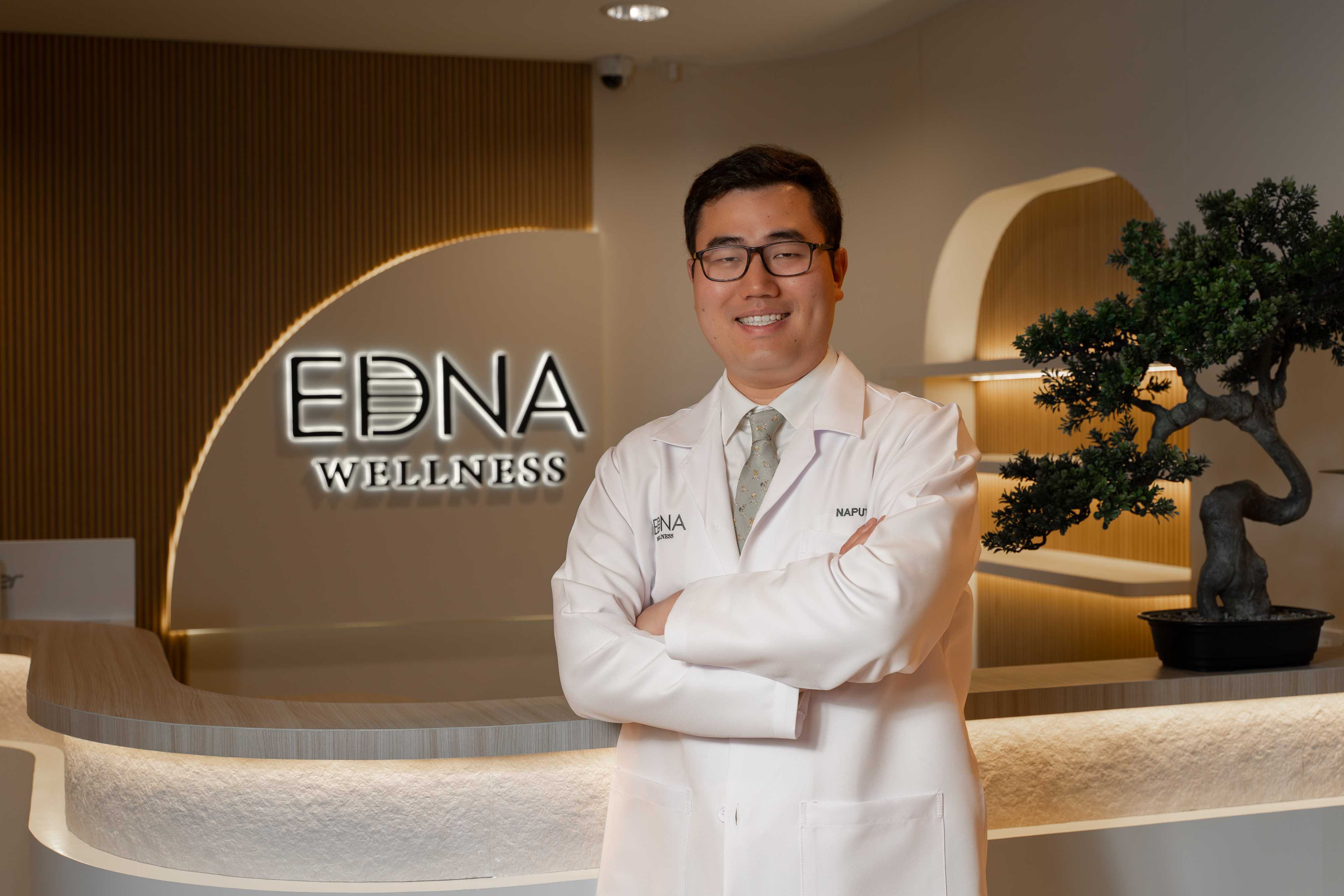
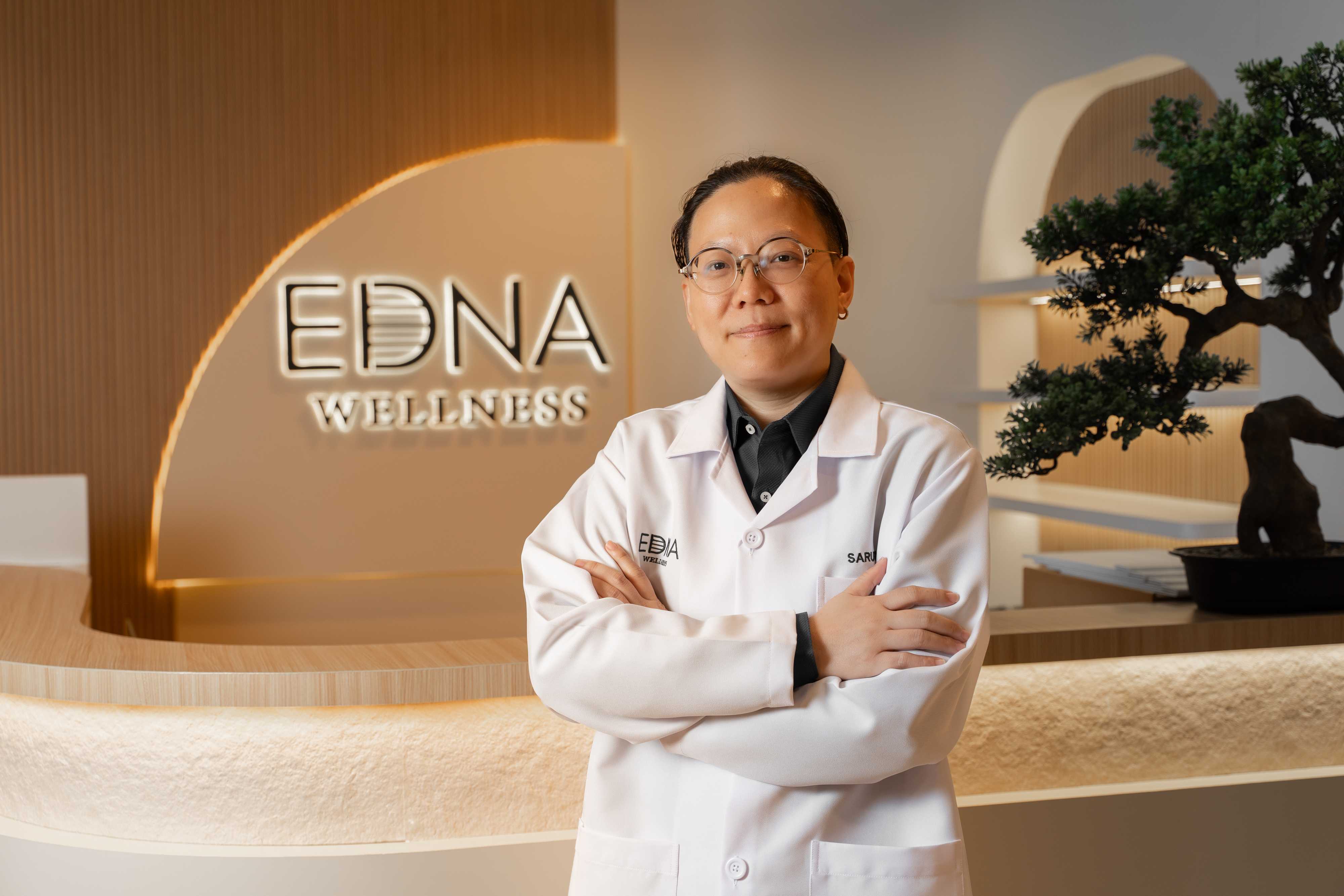
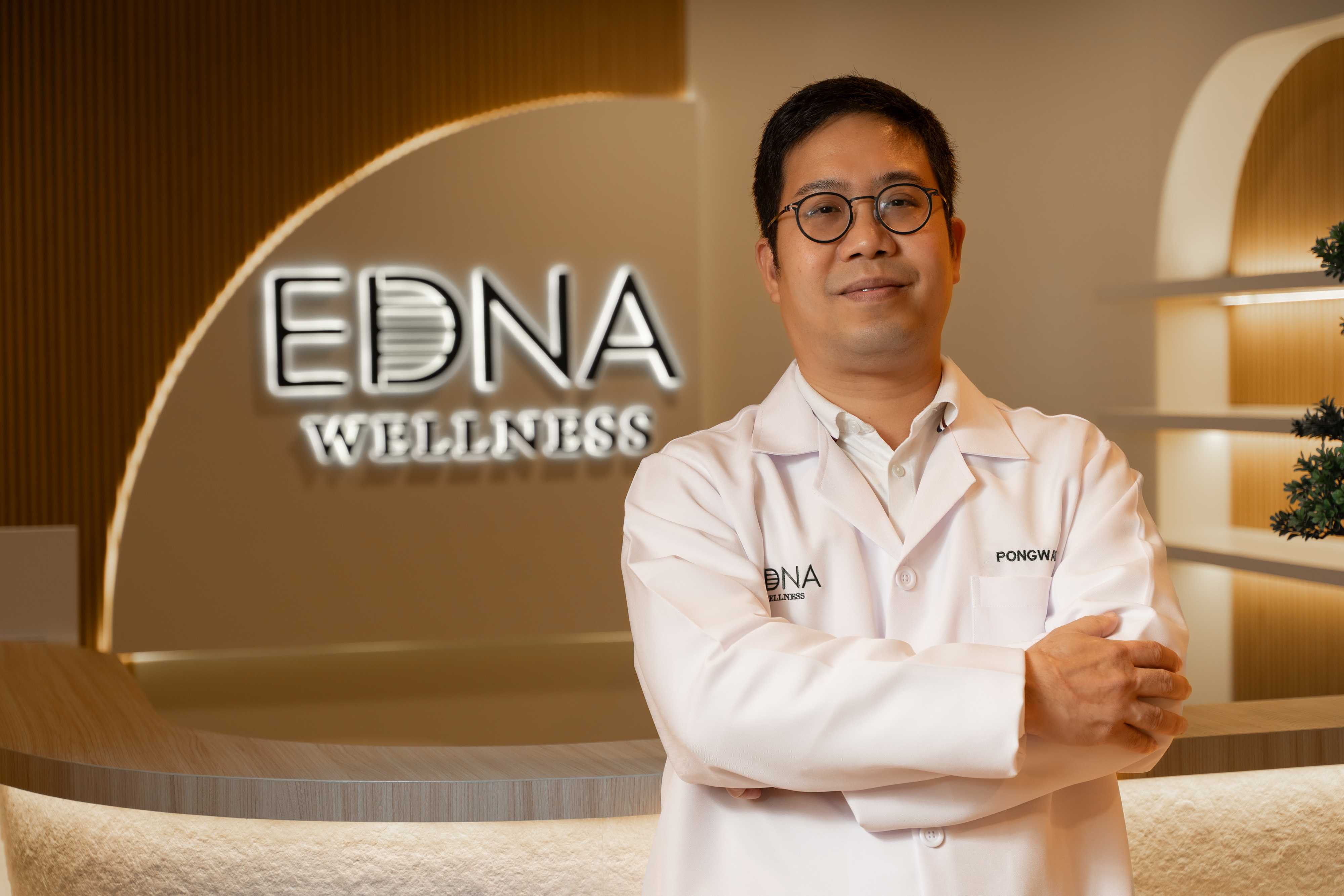
EDNA Wellness - Surgeon-Led Stem Cell Clinic in Bangkok Thailand
Overview
Surgeon-led UC-MSC Stem Cell Clinic in Bangkok, near Bangkok Hospital. Led by neurosurgeon Dr. Pongwat Polpong. GMP-certified, TISTR-collaborated, ISO 9001:2015 & ISO/IEC 17025:2017 accredited.
Read more details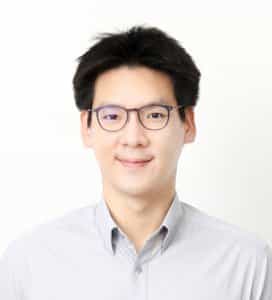
 100.00% Patient Recommend
FirstCell Malaysia
Overview
FirstCell specialize on cell-based medicine and treatments especially via MSC and NKC to enhance wellness and for targeted treatment modules. We are committed in delivering excellent treatment.
Read more details

Dr. Ebenezer Abel Paul - Stem Cells in Malaysia
Overview
Explore Stem Cells in Malaysia with Dr. Ebenezer Abel Paul, offering cutting-edge regenerative therapies and advanced stem cell treatments.
Read more details
Discover your treatment options with a free, no-obligation quote!
Get your quote now! 96.00% Patient Recommend
Dr. Pravin Patels Innovative Hospital & Research Center
Overview
Dr. Pravin Patel's Innovative Hospital provides best stem cell treatment in Gujarat, India. Also offers Ozone therapy, Quantum therapy , EBOO therapy, Frequency & Laser Therapy at affordable cost.
Read more details

 100.00% Patient Recommend
GIOSTAR Hospital Bengaluru
Overview
Discover GIOSTAR Hospital in Bengaluru, India—your go-to center for advanced stem cell therapies and cutting-edge procedures for orthopaedics. Explore treatments for diabetes, stroke, SCI, and more.
Read more details
 100.00% Patient Recommend
Live Stem Cell Asia - Premier Stem Cell Clinic in Malaysia
Overview
Discover advanced stem cell Malaysia treatments at Live Stem Cell Asia, Petaling Jaya. Experience personalized care and innovative regenerative solutions.
Read more details
 100.00% Patient Recommend
StemRx Hospital and Research Centre
Overview
At StemRx Hospital & Research Centre, We specialize in advanced Regenerative Medicine & Stem Cell therapy for Autism, Cerebral Palsy, Orthopedics, Migraine, AVN & IVF providing personalized care.
Read more details
Beijing Puhua International Hospital- Stem Cell Center
Overview
Beijing Puhua International Hospital (BPIH) features a dedicated Stem Cell Center, where a team of highly educated and experienced scientists and technicians are working on the research and development of stem cell technology to restrict the development of several degenerative diseases like Parkinson’s, ALS, Batten, Multiple Sclerosis and more.
Read more details
Beike Biotech
Overview
Beike Biotechnology offers the best stem cell therapy in Thailand, combining top-quality regenerative treatment with cutting-edge technology for optimal patient care.
Read more details

Boston Health Longevity - Anti Aging Stem Cell Therapy in Thailand
Overview
Experience advanced Anti Aging Stem Cell Therapy in Thailand at Boston Health Longevity. Improve cellular health, vitality, and longevity with expert care.
Read more details 100.00% Patient Recommend
Chaum Medical Center
Overview
Premium healthcare at Chaum Medical Center, Seoul. Personalized anti-aging, stem cell therapy, and advanced medical services for a youthful life.
Read more details
Healthi Life Longevity Center in Bangkok, Thailand
Overview
Explore stem cell therapy in Bangkok, Thailand by Healthi Life Longevity Center with advanced regenerative treatments and personalized care plans.
Read more details
Hebei Yanda International Hospital
Overview
Hebei Yanda International Hospital in Beijing, China, addresses your healthcare needs with expert oncology, cardiology, and neurology treatments.
Read more details
Mousai Wellness Center - Stem Cell Bangkok Thailand
Overview
Discover advanced Stem Cell treatments in Bangkok, Thailand at Mousai Wellness Center. Safe, innovative, and personalized care for lasting wellness.
Read more details
Nulook Anti-Aging & Regenerative Center
Overview
Nulook Anti-Aging & Regenerative Center in Bali, Indonesia offers Botox, Ultherapy, Dermal Fillers, Thermage, PRP, Pico Laser and more.
Read more detailscopy.png)
Authored by
Usama Ahmad
Medical content writer with 5+ years of experience specializing in stem cells and regenerative medicine content.
Reviewed by
Dr. Alejandro Fernando
Dr. Alejandro Fernando is a top stem cell specialist in Mexico City, specializing in regenerative medicine, cellular therapies, and chronic disease treatment and Medical Content Reviewer
Last updated on
Which are the leading Stem Cell Therapy clinics for Brain Injury in Japan?
When seeking leading clinics for stem cell therapy for brain injury in Japan, two prominent facilities stand out: HELENE - Stem Cell Clinic in Tokyo and Cell Grand Clinic in Osaka. Both are recognized for their advanced regenerative medicine approaches, experienced specialists, and patient-focused care, making them top choices for individuals pursuing innovative brain injury treatments.
Japan is renowned for its advancements in regenerative medicine, and these clinics exemplify the country's commitment to cutting-edge healthcare. HELENE - Stem Cell Clinic, based in Tokyo, offers bespoke stem cell therapies and boasts extensive experience, having treated over 16,000 patients with a strong focus on various health concerns, including neurological conditions that can arise from brain injuries. Their decade-long expertise ensures a sophisticated and personalized treatment journey. Similarly, Cell Grand Clinic in Osaka is highlighted as a premier institution for regenerative therapies. While their primary focus spans anti-aging and chronic conditions, their robust stem cell expertise extends to neurological applications, emphasizing safety and comprehensive patient support in a clinical setting known for professionalism and advanced medical technology. Both clinics adhere to strict Japanese safety regulations, providing a reliable environment for complex treatments like stem cell therapy for brain injuries.
What types of brain injuries can Stem Cell Therapy treat in Japan?
Stem cell therapy in Japan is explored for various brain injuries, including traumatic brain injury (TBI), stroke, cerebral palsy, and anoxic brain damage. These treatments aim to promote neurological repair, reduce inflammation, and enhance functional recovery by leveraging the regenerative potential of stem cells, particularly for improving motor function, cognitive abilities, and quality of life for patients.
Japanese stem cell clinics are at the forefront of researching and applying regenerative medicine for complex neurological conditions. For traumatic brain injury (TBI), stem cells may help repair damaged brain tissue and modulate the inflammatory response following the initial trauma. In stroke cases, therapy focuses on stimulating neurogenesis and angiogenesis (new blood vessel formation) to restore lost function in affected brain regions. For cerebral palsy, treatment aims to reduce spasticity and improve motor control by potentially repairing neural pathways. Anoxic brain damage, caused by oxygen deprivation, also benefits from stem cell applications designed to protect existing neurons and encourage the growth of new ones. These specialized treatments are meticulously planned to address the unique cellular damage and functional deficits associated with each specific type of brain injury.
How does the Japanese healthcare system regulate Stem Cell Therapy for brain injury?
Japan’s healthcare system regulates stem cell therapy for brain injury through a robust framework established by the Act on the Safety of Regenerative Medicine. This ensures treatments are approved and conducted in accredited facilities under strict safety and ethical guidelines, emphasizing research, clinical trials, and careful patient monitoring to maintain high standards and ensure patient protection.
The regulatory landscape for regenerative medicine in Japan is known for its rigorous standards, aiming to balance innovation with patient safety. The Act on the Safety of Regenerative Medicine, enacted in 2014, provides a comprehensive framework for the development and provision of stem cell therapies. Clinics offering these treatments must submit detailed clinical research plans to the Ministry of Health, Labour and Welfare for approval, demonstrating both safety and efficacy. This rigorous approval process means that only facilities adhering to strict protocols regarding cell processing, administration, and follow-up care can offer treatments. The system prioritizes transparency, informed consent, and robust data collection from ongoing clinical studies to continually assess and improve the quality of care in this rapidly evolving field, fostering trust among patients seeking advanced brain injury treatments.
What patient eligibility criteria are common for brain injury stem cell therapy in Japan?
Patient eligibility for brain injury stem cell therapy in Japan often involves detailed neurological assessments, imaging studies like MRI, and a review of medical history. Candidates typically need stable general health, specific types of brain injury (e.g., TBI, stroke) with varying severities, and no active infections or certain underlying conditions that might complicate treatment.
Before undergoing stem cell therapy for a brain injury, patients in Japan typically undergo a thorough evaluation to determine their suitability. This comprehensive screening process ensures maximum safety and potential efficacy. Key criteria often include:
- Diagnosis Confirmation: Clear diagnosis of the specific brain injury (e.g., ischemic stroke, hemorrhagic stroke, traumatic brain injury, anoxic brain injury) and its severity.
- Neurological Stability: Patients generally need to be in a stable neurological state, often with a period elapsed since the acute injury.
- Overall Health: Good general health, without severe co-morbidities such as uncontrolled diabetes, significant heart disease, or active cancer, which could pose risks during treatment.
- Imaging Results: Recent MRI or CT scans to assess the extent of brain damage and structural integrity.
- Age Considerations: While not a strict exclusion, clinics may have preferred age ranges for specific protocols, often focusing on adult patients.
- Absence of Contraindications: Patients should not have active infections, autoimmune disorders, or other conditions that might interfere with stem cell engraftment or cause adverse reactions.
How long is the typical treatment and recovery process for brain injury stem cell therapy in Japan?
The typical treatment duration for brain injury stem cell therapy in Japan can range from a few days for initial procedures to several weeks for comprehensive protocols involving multiple infusions. Recovery is a longer, ongoing process, often extending months to years, with patients experiencing gradual neurological and functional improvements supported by post-treatment rehabilitation and follow-up care.
The timeline for stem cell therapy for brain injuries in Japan is highly individualized, depending on the patient's specific condition, the type of stem cells used, and the clinic's protocol. The initial treatment phase, which includes preliminary evaluations, cell preparation (if autologous cells are used), and the actual stem cell administration, might take anywhere from a few days to a couple of weeks. Some protocols involve a single infusion, while others might require a series of treatments over a period. Following the acute treatment phase, patients typically enter a rehabilitation period. This recovery process is not instantaneous; it can span several months to several years as the stem cells work to repair tissue and integrate with existing neural networks. Post-treatment support, including physical therapy, occupational therapy, and ongoing medical monitoring, is crucial for maximizing functional gains and tracking progress. Regular follow-up appointments with the treating clinic are essential to assess outcomes and address any concerns.
What support services do Japanese clinics offer for international patients seeking brain injury stem cell therapy?
Japanese clinics often provide comprehensive support services for international patients, including multilingual staff, translation services, assistance with accommodation and transportation, and visa guidance. They prioritize a smooth and comfortable experience, ensuring patients and their families can focus on treatment and recovery without logistical burdens, reflecting Japan's high standards in medical tourism.
Recognizing the unique needs of patients traveling from abroad, many leading Japanese stem cell therapy clinics offer specialized international patient services. These services are designed to alleviate stress and facilitate a seamless medical journey:
- Language Support: Dedicated English-speaking coordinators and medical staff are common, along with professional medical translation services during consultations and treatment.
- Logistical Assistance: Clinics often help with booking flights, arranging airport transfers, and finding suitable accommodation for patients and their accompanying family members, ranging from hotels to serviced apartments.
- Visa and Immigration Help: Guidance and necessary documentation for obtaining medical visas are typically provided, simplifying the entry process into Japan.
- Local Navigation: Support may extend to local transportation within Japan, cultural orientation, and assistance with daily necessities.
- Pre- and Post-Treatment Coordination: International patient departments ensure smooth communication for initial consultations, treatment scheduling, and follow-up care coordination with local doctors back home.
What kind of specialized equipment is used in Japanese Stem Cell Therapy clinics for brain injury?
Japanese stem cell clinics for brain injury utilize advanced specialized equipment for diagnostics, cell processing, and precise administration. This includes high-resolution MRI and PET scans for accurate diagnosis, state-of-the-art cell culture laboratories for preparing stem cells, and sophisticated imaging-guided delivery systems for targeted cell transplantation into the brain.
The efficacy and safety of stem cell therapy for brain injury largely depend on the sophisticated equipment employed by clinics in Japan. This technology spans several key areas:
- Diagnostic Imaging: High-field MRI machines (e.g., 3T MRI) and PET scans are crucial for precisely mapping brain damage and monitoring regenerative progress. Functional MRI (fMRI) may also be used to assess brain activity changes.
- Cell Processing Laboratories: These are equipped with advanced centrifuges, sterile biosafety cabinets, incubators, flow cytometers for cell analysis, and automated cell culture systems to ensure optimal stem cell expansion and preparation under strict GMP (Good Manufacturing Practice) standards.
- Precision Delivery Systems: For direct transplantation into the brain, clinics use neuronavigation systems and stereotactic surgery equipment, guided by real-time imaging, to ensure accurate and minimally invasive delivery of stem cells to the targeted areas.
- Monitoring Equipment: Post-procedure, patients are monitored using neurological vital signs monitors, EEG for brain activity, and continuous physiological monitoring devices to detect any changes or responses.
- Rehabilitation Technology: Advanced robotic rehabilitation devices and virtual reality therapy systems are often integrated into post-treatment recovery programs to maximize functional gains.
What are the long-term follow-up procedures after brain injury stem cell therapy in Japan?
Long-term follow-up after brain injury stem cell therapy in Japan typically involves scheduled neurological evaluations, imaging scans, and functional assessments to monitor patient progress. Clinics usually coordinate with local healthcare providers for ongoing rehabilitation and symptom management, ensuring comprehensive and continuous care tailored to each patient’s evolving needs.
Effective long-term follow-up is critical to gauge the success and safety of stem cell therapy for brain injuries. In Japan, clinics offering these advanced treatments emphasize a structured approach to post-procedure care:
- Regular Neurological Assessments: Patients undergo periodic check-ups with neurological specialists to evaluate motor function, cognitive abilities, speech, and overall neurological status.
- Imaging Studies: Follow-up MRI or PET scans are often conducted at regular intervals (e.g., 3, 6, 12 months post-treatment) to observe any changes in brain structure, reduction in lesion size, or signs of regeneration.
- Functional Outcome Measures: Standardized scales and tests are used to objectively measure improvements in daily living activities, quality of life, and specific neurological deficits.
- Rehabilitation Integration: Clinics typically work closely with physical therapists, occupational therapists, and speech therapists to develop and adjust personalized rehabilitation plans that maximize the benefits of stem cell treatment.
- Remote Monitoring and Consultation: For international patients, follow-up might include telemedicine consultations and coordination with their local doctors, ensuring continuity of care.
- Adverse Event Monitoring: Continuous vigilance for any potential delayed side effects or complications is maintained, with protocols in place for immediate intervention.
What research and clinical trial advancements are happening in Japan for brain injury stem cell therapy?
Japan is a global leader in regenerative medicine research, with ongoing clinical trials for brain injury stem cell therapy exploring induced pluripotent stem cells (iPSCs) and mesenchymal stem cells (MSCs). These studies aim to improve neurological repair, reduce inflammation, and enhance functional recovery for conditions like stroke and TBI, constantly advancing treatment protocols and patient outcomes.
Japan is at the forefront of stem cell research, particularly with its proactive regulatory framework that accelerates clinical application. For brain injury, research and clinical trial advancements are robust:
- iPSC Research: Significant investment is directed towards induced pluripotent stem cells (iPSCs), which have the potential to differentiate into various brain cells. Trials are exploring their use to replace damaged neurons and glial cells following stroke or traumatic injury, aiming for complete functional restoration.
- Mesenchymal Stem Cell (MSC) Trials: MSCs, often derived from bone marrow or adipose tissue, are a major focus due to their immunomodulatory and neuroprotective properties. Clinical trials are investigating their ability to reduce post-injury inflammation, stimulate endogenous repair mechanisms, and promote nerve cell survival.
- Exosome Therapy: Beyond direct cell transplantation, Japanese researchers are exploring exosomes derived from stem cells. These tiny vesicles carry growth factors and genetic material that can facilitate cell-to-cell communication and promote healing, offering a less invasive treatment approach.
- Combination Therapies: Many studies are investigating combining stem cell therapy with conventional rehabilitation or pharmaceutical interventions to enhance overall therapeutic effects and optimize patient recovery.
- Neuroimaging and Biomarker Development: Advanced neuroimaging techniques and biomarker research are integrated into trials to precisely track stem cell engraftment, neuronal regeneration, and functional improvements in real-time, providing valuable data for future therapies.
How do Japanese Stem Cell Therapy clinics ensure patient safety for brain injury treatments?
Japanese Stem Cell Therapy clinics prioritize patient safety through stringent adherence to national regulations, including the Act on the Safety of Regenerative Medicine. They implement rigorous screening, maintain sterile, state-of-the-art cell processing facilities, employ highly trained specialists, and utilize comprehensive post-treatment monitoring. This multi-layered approach ensures the highest standards of care and minimizes risks for brain injury patients.
Ensuring patient safety is paramount in Japan's advanced regenerative medicine field. Clinics providing stem cell therapy for brain injuries follow several crucial measures:
- Strict Regulatory Compliance: All procedures strictly adhere to guidelines set by the Japanese Ministry of Health, Labour and Welfare, particularly under the Act on the Safety of Regenerative Medicine. This act mandates rigorous approval processes for all regenerative medicine products and clinical plans.
- Comprehensive Patient Screening: Before any treatment, patients undergo extensive medical evaluations, including detailed diagnostics, to identify potential risks or contraindications. Only suitable candidates proceed with therapy.
- Qualified Medical Professionals: Treatments are performed by highly experienced and specialized medical teams, including neurologists, neurosurgeons, and regenerative medicine experts, ensuring expert care throughout the process.
- Accredited Facilities and Sterile Environments: Stem cell processing laboratories operate under Good Manufacturing Practice (GMP) standards, ensuring cells are prepared in highly sterile, controlled environments to prevent contamination and ensure product quality.
- Ethical Oversight: Independent ethics committees review all clinical protocols to protect patient rights and welfare.
- Continuous Monitoring and Follow-up: Patients are closely monitored during and after treatment for any adverse reactions, and long-term follow-up protocols are in place to track safety and efficacy over extended periods.
How PlacidWay helps individuals access Stem Cell Therapy for Brain Injury in Japan?
PlacidWay simplifies your journey to receive Stem Cell Therapy for Brain Injury in Japan by providing detailed, up-to-date information. We cover the benefits, risks, and expected outcomes of the treatment, ensuring you have a clear understanding before making decisions. Our platform helps you compare various clinics, offering transparent information about treatments and patient feedback, ensuring you find affordable options without compromising on quality care. We assist in identifying trusted, accredited clinics and highly qualified medical professionals specializing in Stem Cell Therapy for Brain Injury in Japan. PlacidWay also offers one-on-one consultations, allowing you to discuss your specific needs and preferences directly with our expert team to make informed choices. This personalized guidance ensures that your unique health requirements are met. Beyond the treatment, we provide continued support, coordinating follow-up care and recovery assistance to ensure a smooth and effective healing process.
Ready to get Stem Cell Therapy for Brain Injury in Japan? Contact us today for a personalized consultation.
Share with AI
Share this page with AI assistants to get summaries and insights


List of Best Stem Cell Therapy for Brain Injury Clinics in Japan
Unlock the Best Stem Cell Therapy for Brain Injury Packages Just for You
Discover the ultimate Stem Cell Therapy for Brain Injury packages designed to meet your health and wellness goals. Choose the perfect fit for your journey.

Price starting from $26,000
Stem Cell + NK Cell Immune Regeneration Package in Osaka, Japan by Cell Grand Clinic
Cell Grand Clinic - Best Stem Cell Clinic in Japan
- Stem Cell Therapy
Osaka, Japan

Price starting from $10,000
Stem Cell Therapy for Diabetes Package in Tokyo, Japan by Helene Clinic
HELENE - Stem Cell Clinic
- Stem Cell Therapy
Tokyo, Japan
Price starting from $21,425
Traumatic Brain Injury Treatment in Beijing China
Beijing Puhua International Hospital
- Stem Cell Therapy
Beijing, China

Price starting from $19,800
Erectile Dysfunction Stem Cell Therapy Package in Osaka, Japan by Cell Grand Clinic
Cell Grand Clinic - Best Stem Cell Clinic in Japan
- Stem Cell Therapy
Osaka, Japan
Transformative Stem Cell Therapy for Brain Injury Experiences: Dive into Procedure Insights
Discover the power of Stem Cell Therapy for Brain Injury through compelling patient experiences. Uncover detailed insights into procedures, recovery journeys, and life-changing results.
.png)
Price starting from $9,500
Stem Cell Therapy for Kidney Disease in Bengaluru, India
- Stem Cell Treatment for Kidney Failure, Stem Cell Therapy
Bengaluru, India
.png)
Price starting from $12,800
Stem Cell Therapy for Alzheimer’s Disease in Kuala Lumpur, Malaysia
- Stem Cell Treatment for Alzheimers Disease, Stem Cell Therapy
Kuala Lumpur, Malaysia
.png)
Price starting from $9,500
Stem Cell Therapy for Diabetes Bengaluru, India
- Stem Cell Treatment for Diabetes, Stem Cell Therapy
Bengaluru, India
.png)
Price starting from $9,800
Stem Cell for Spinal Cord Injury in Kuala Lumpur, Malaysia
- Stem Cell Treatment for Spinal Cord Injury, Stem Cell Therapy
Kuala Lumpur, Malaysia

I travel from the United States to receive stem cell treatment for skin rejuvenation. I have relatives in Japan, so I used to visit a few times a year. Since my own cells are cultured and reintroduced into my body, I feel safe and reassured undergoing the treatment. About a month after the facial injections, people around me started noticing positive changes. My skin is now the best it has ever been, and I am very satisfied.
Read More