
What treatment


Find 10+ Stem Cell Therapy for Stroke Clinics in Riverside
Find Top Stem Cell Therapy for Stroke Clinics in Riverside, Offering Advanced Treatments
 95.45% Patient Recommend
California Wellness Institute


Overview
Discover Urology and Anti Aging Regenerative Medicine at California Wellness Institute in Rancho Mirage, California, USA - CWIs expert care.
Read more details

 95.02% Patient Recommend
Blatman Health and Wellness Center

Overview
Experience advanced Regenerative Medicine at Blatman Health and Wellness Center in Cincinnati, USA. Rejuvenate your health today!
Read more details 90.48% Patient Recommend
PlacidWay Medical Tourism

Overview
Discover affordable, quality healthcare worldwide with PlacidWay Medical Tourism. Access trusted clinics, top doctors, and personalized treatment plans.
Read more details 100.00% Patient Recommend
Amira Integrative Health by MJA Healthcare
Overview
Amira Integrative Health by MJA Healthcare in East Stroudsburg, PA, United States offers top regenerative therapies and holistic care for transformative health.
Read more detailsDiscover your treatment options with a free, no-obligation quote!
Get your quote now!Stemedix, Inc
Stemedix, Inc provides effective Regenerative Medicine, known as Stem Cell Therapy in Saint Petersburg, Florida. Book online now Stem Cell Treatment for ALS, Stem Cell Treatment for Alzheimer's Disease, and Stem Cell Treatment for Multiple Sclerosis at Stemedix, Inc.


 97.62% Patient Recommend
CellsTime Clinique Guadalajara
Overview
Visit CellsTime Clinique in Guadalajara, Mexico, for cutting-edge Stem Cell Therapy solutions for diabetes, autism, lupus, and other health conditions!
Read more details
 100.00% Patient Recommend
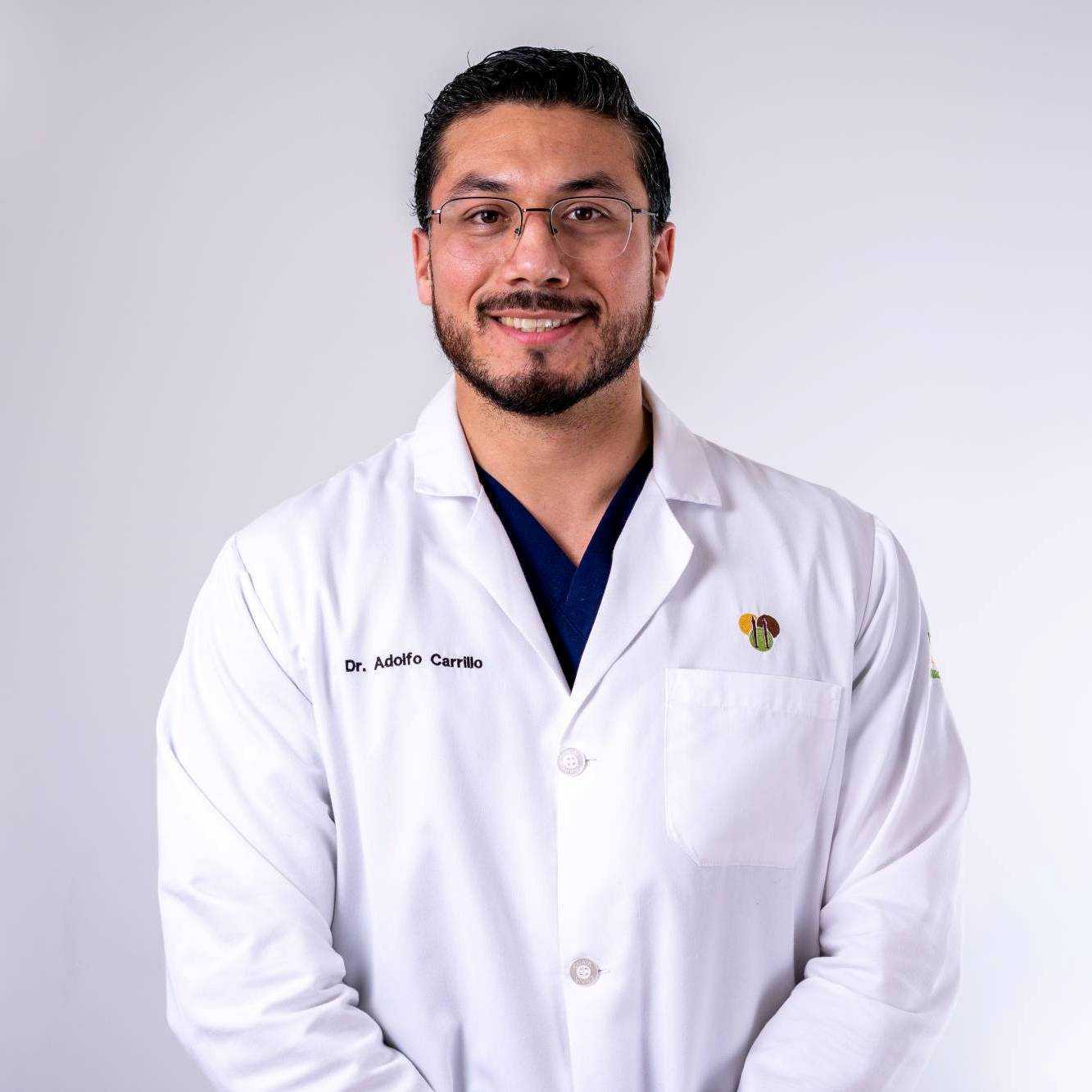
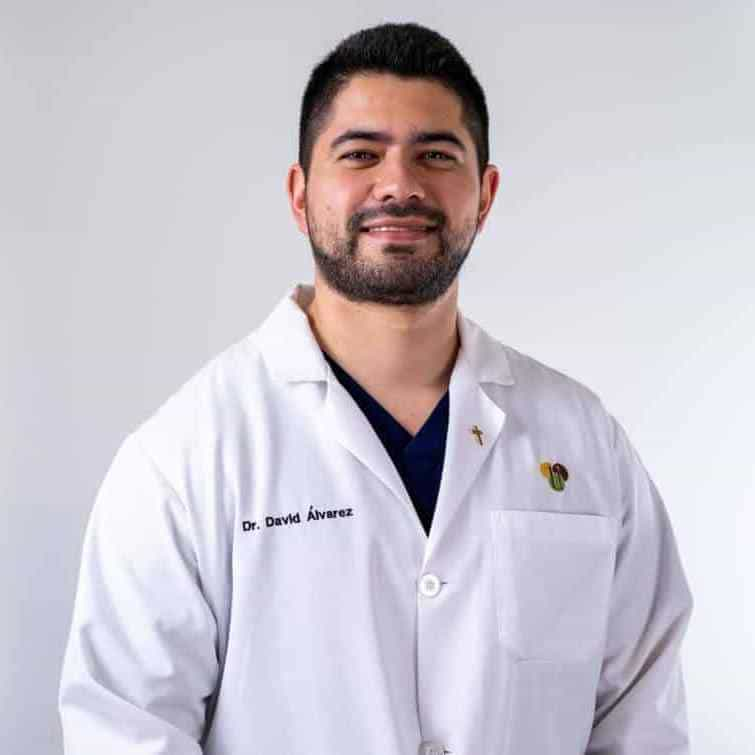
Regenerative Medicine - Stem Cells by ITC
Overview
Immunity Therapy Center in Tijuana, Mexico, is the forefront of medical innovation, transforming lives through the power of cutting-edge stem cell therapies.
Read more details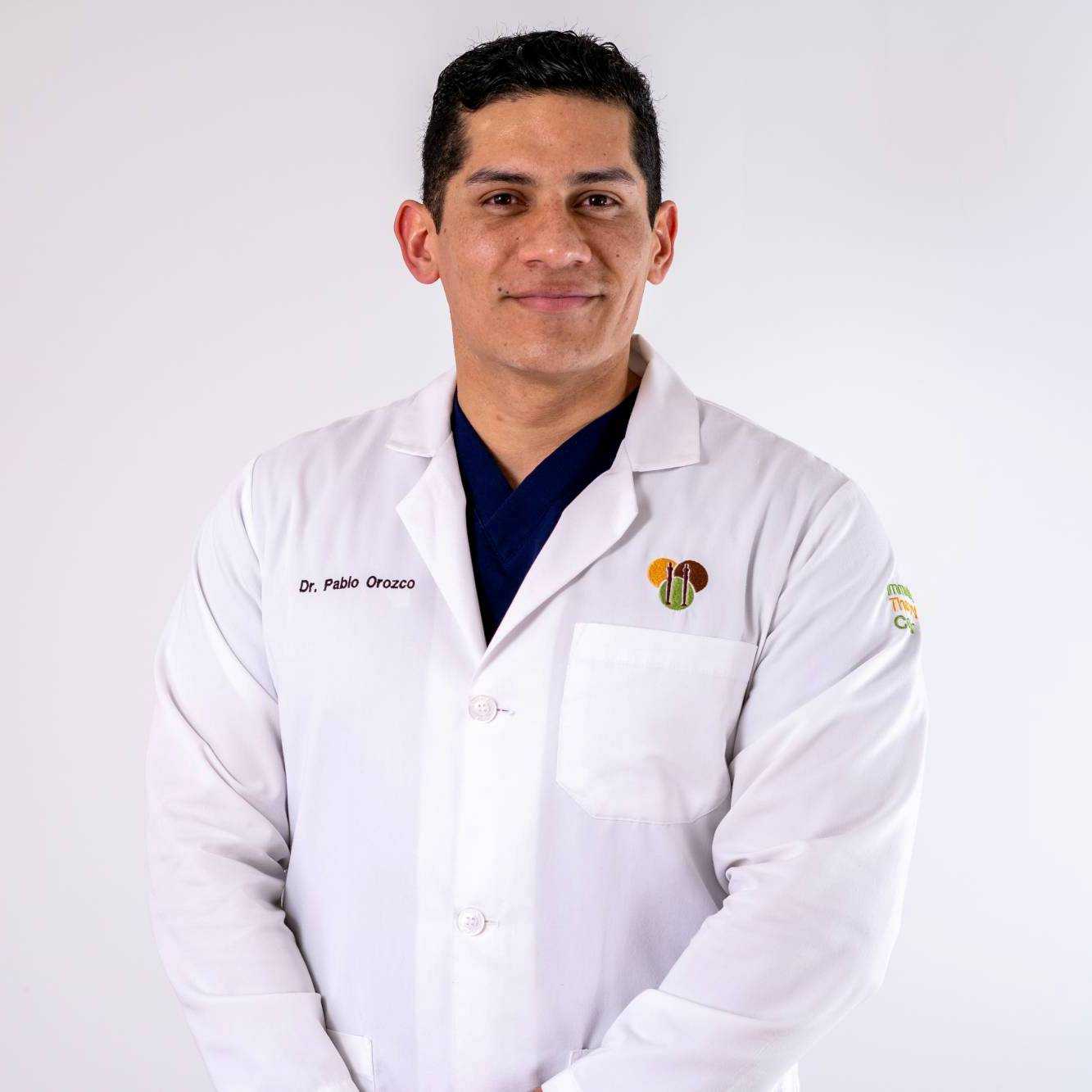
 100.00% Patient Recommend
Stem Health Guadalajara
Overview
Stem Health Clinic, based in Guadalajara, Jalisco, Mexico, brings over 10 years of experience in regenerative medicine, specializing in the use of mesenchymal stem cells. Get Quote Free!
Read more details

Discover your treatment options with a free, no-obligation quote!
Get your quote now! 100.00% Patient Recommend
LONVIDA - Regenerative Medicine in Mexico City
Overview
Discover advanced stem cell treatments in Mexico City at Lonvida Wellness and Longevity Center. Offering regenerative medicine, and wellness care.
Read more details

Aura Regenerative Center
Overview
Aura Regenerative Center offers advanced stem cell therapy in Monterrey with personalized regenerative treatments led by experienced medical professionals.
Read more details
 100.00% Patient Recommend
Cellebration Wellness - Stem Cell Clinic San Jose
Overview
Discover Cellebration Wellness in San Jose, Costa Rica, offering cutting-edge stem cell therapy for Multiple Sclerosis, diabetes, COPD, and more.
Read more details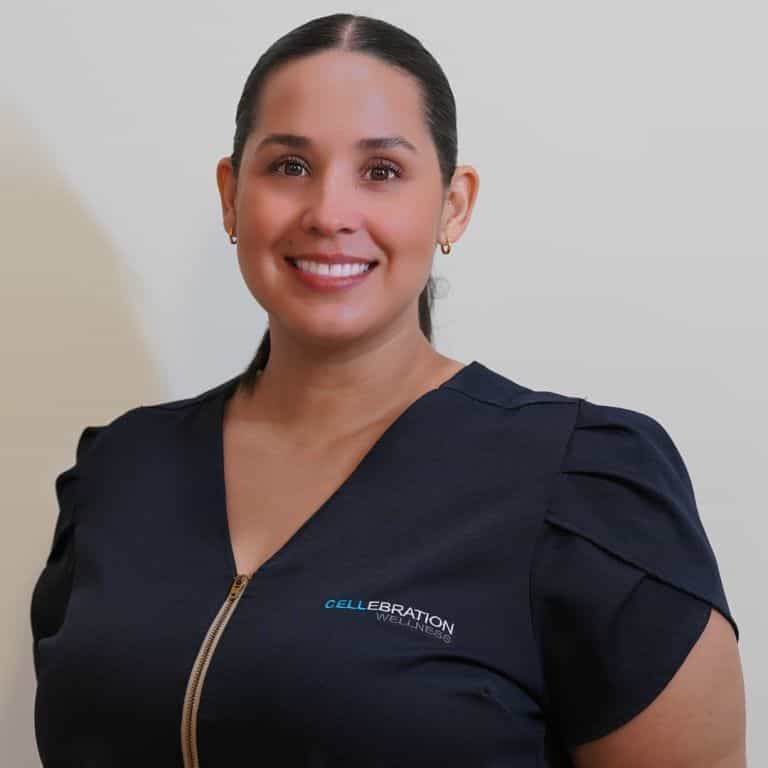

Instituto de Terapia Celular - Stem Cell Guadalajara Mexico
Overview
Find hope with Stem Cell Guadalajara Mexico at Instituto de Terapia Celular. Personalized MSC therapy for autism, joint pain, anti-aging & nerve health.
Read more details
Limphocare by Limphocite - Stem Cell Clinic in Tijuana
Overview
Discover Limphocare by Limphocite, a trusted stem cell clinic in Tijuana offering advanced regenerative treatments tailored for patient care, and recovery.
Read more details
 100.00% Patient Recommend
Quantum Biohack - Stem Cell Therapy Playa del Carmen
Overview
Quantum Biohack offers licensed stem cell therapy in Playa del Carmen with personalized regenerative and longevity treatments under medical supervision.
Read more details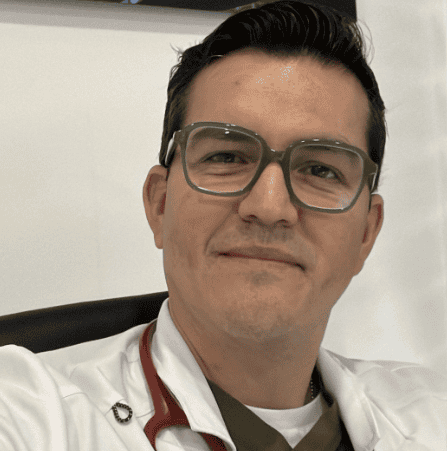
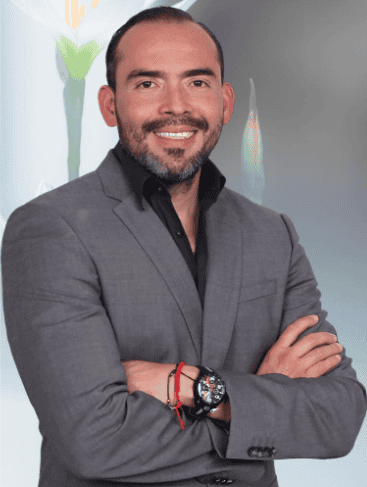
Stem Health | Leading Stem Cell Clinic in Tijuana, Mexico
Overview
Discover Stem Health, your trusted stem cell clinic in Tijuana, Mexico. We provide personalized stem cell therapies for orthopedic, autoimmune & neurological issues.
Read more details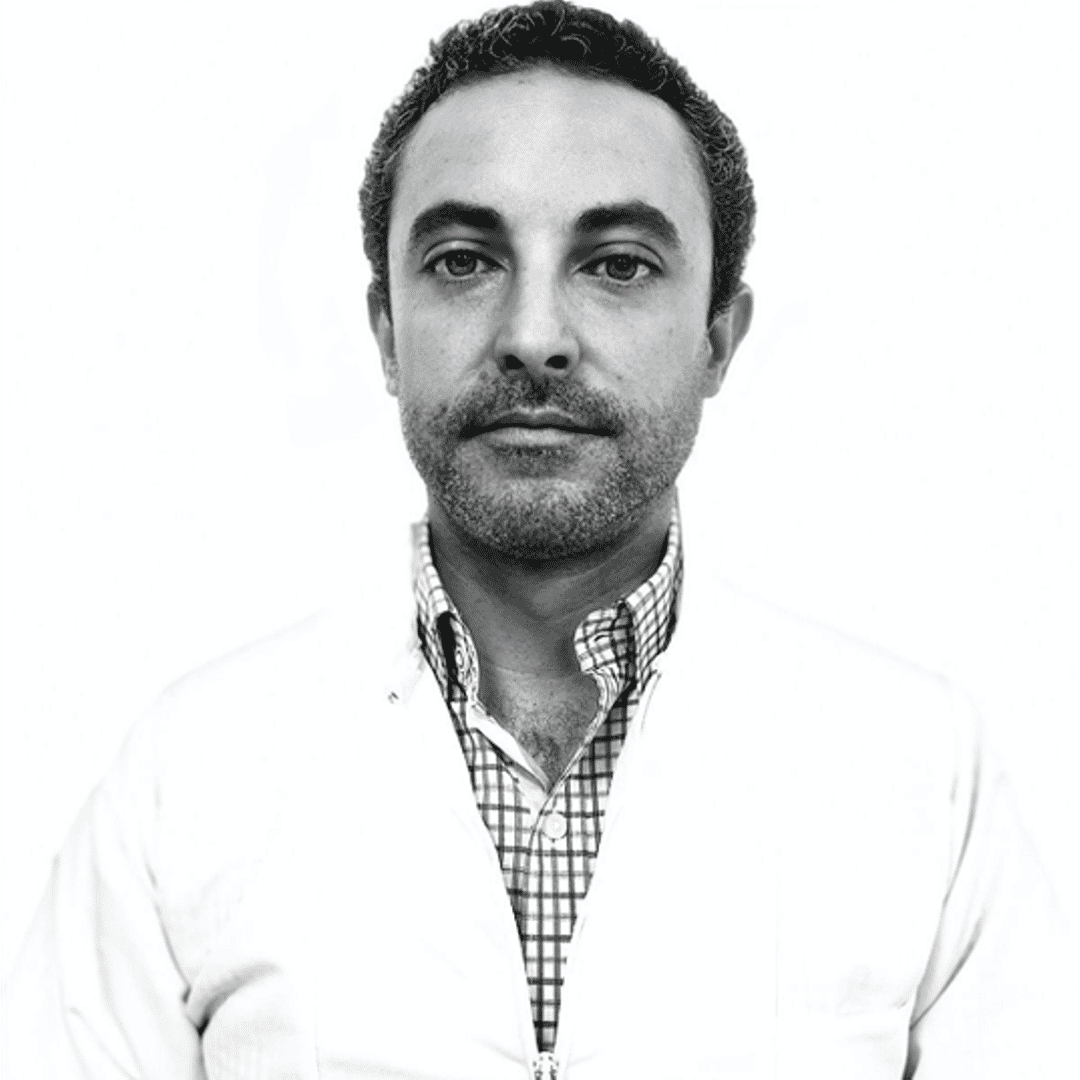
Stem Solutions
Overview
Stem Solutions in San Pedro Garza Garcia Mexico offers advanced stem cell therapies for autism, autoimmune diseases, neurological disorders & sports medicine.
Read more details
 100.00% Patient Recommend
VISANI® Stem Cells in Puebla, Mexico
Overview
Discover advanced regenerative care at VISANI® Stem Cells, a leading Stem Cell Therapy Clinic in Puebla, Mexico. Safe and effective stem cell treatments.
Read more details
 100.00% Patient Recommend
CellsTime Clinique Puerto Vallarta
Overview
Discover CellsTime Clinique in Puerto Vallarta, Mexico, offering innovative Stem Cell Therapy for various conditions. Your path to improvement starts here!
Read more details
CellsTime Clinique Tijuana
Overview
Discover CellsTime Clinique in the best zone of Tijuana, Mexico. Your premier destination for advanced Stem Cell Therapy for over 80 conditions! - Transportation from San Diego.
Read more details
 95.45% Patient Recommend
Costamed Medical Group
Overview
Looking for top-notch medical care in Mexico? Costamed offers exceptional services, specializing in dental, cosmetic, and bariatric surgery in Playa del Carmen.
Read more details
Which are the best Stem Cell Therapy for Stroke clinics in Riverside, United States?
When searching for top Stem Cell Therapy for Stroke clinics in Riverside, United States, current verified data from available listings indicates California Wellness Institute serves the Riverside area. Patients seeking specialized regenerative treatments for stroke recovery should prioritize centers with transparent treatment protocols, established patient safety records, and comprehensive follow-up care. Due to the highly specialized nature of stem cell therapies, expanding your search to reputable clinics across California and the broader United States may offer more diverse options and access to cutting-edge research in neurological rehabilitation. Always verify accreditations and patient testimonials for informed decision-making.
Finding the ideal clinic for stem cell therapy after a stroke involves careful consideration beyond just proximity. While the California Wellness Institute is a notable option accessible to those in Riverside, it's wise to evaluate several key factors to ensure you receive the most effective and safe treatment for stroke recovery. These factors include:
- Clinic Specialization: Look for clinics that specifically highlight expertise in neurological conditions and stroke rehabilitation using regenerative medicine.
- Treatment Protocols: Inquire about the specific types of stem cells used (e.g., mesenchymal stem cells, neural stem cells), their origin, and the methods of administration. Reputable clinics will have clearly defined, evidence-informed protocols.
- Accreditation and Licensing: Ensure the clinic operates under the necessary state and federal regulations for cell-based therapies, including FDA guidelines for research or compassionate use.
- Patient Support Services: A holistic approach often includes physical therapy, occupational therapy, and nutritional guidance post-treatment. Comprehensive support aids long-term recovery.
- Transparent Communication: The clinic should provide clear information about the procedure, potential benefits, risks, expected outcomes, and patient selection criteria.
What should I look for in a Stem Cell Therapy for Stroke clinic's accreditations?
When assessing Stem Cell Therapy for Stroke clinics, prioritize those with robust medical accreditations indicating adherence to high safety and quality standards. Look for certifications from recognized national or international bodies like the Joint Commission International (JCI) or relevant state medical boards in the United States. These accreditations confirm that the facility meets stringent healthcare benchmarks for patient care, ethical practices, and facility operation, ensuring a safer environment for complex regenerative treatments.
Accreditations are crucial indicators of a clinic's commitment to quality and patient safety, especially for advanced treatments like stem cell therapy for stroke. Here's what to look for:
- Joint Commission International (JCI): This is a global standard for healthcare quality and patient safety, recognized worldwide. JCI accreditation signifies a clinic meets rigorous international benchmarks.
- State Medical Board Licensing: In the United States, ensure the clinic and its medical staff are fully licensed and in good standing with the California Medical Board or the respective state medical board where the clinic operates.
- FDA Compliance (for US-based clinics): For therapies offered in the US, understand if they are part of FDA-approved clinical trials or meet specific FDA guidelines for unapproved uses under an investigational new drug (IND) application. Many stem cell treatments for stroke are still considered experimental outside of clinical trials.
- Professional Organizations: Membership or certification from specialized regenerative medicine organizations can also indicate a clinic's dedication to best practices and ongoing education.
What types of stem cell treatments are offered for stroke recovery?
Stem cell therapy for stroke recovery typically involves using various types of stem cells, like mesenchymal stem cells (MSCs) from bone marrow or adipose tissue, or neural stem cells. These cells aim to reduce inflammation, promote neurogenesis, and support tissue repair in the brain after a stroke. Different clinics might specialize in specific cell sources or administration methods, such as intravenous infusions or direct cerebral injections, tailored to individual patient needs and the stage of stroke recovery.
Stem cell therapy for stroke is a rapidly evolving field, with several types of stem cells and administration methods being explored for their potential to aid neurological repair and functional recovery. The primary goal is to harness the regenerative capabilities of these cells to address brain damage caused by stroke.
- Mesenchymal Stem Cells (MSCs): These are multipotent stromal cells that can differentiate into various cell types. They are often sourced from a patient's own bone marrow or adipose (fat) tissue, or from umbilical cord blood. MSCs are believed to exert therapeutic effects by releasing growth factors, modulating immune responses, and reducing inflammation, thereby creating a more favorable environment for brain repair and regeneration.
- Neural Stem Cells (NSCs): Found in the brain, these cells have the capacity to become neurons, astrocytes, and oligodendrocytes, which are critical components of brain tissue. Research is ongoing to safely and effectively deliver NSCs to stroke-damaged areas to replace lost brain cells.
- Induced Pluripotent Stem Cells (iPSCs): These are adult cells reprogrammed to an embryonic-like pluripotent state, meaning they can become almost any cell type. iPSCs offer a promising avenue for generating patient-specific cells for transplantation, though their application in stroke therapy is still largely in preclinical stages.
What are the general patient qualifications for Stem Cell Therapy for Stroke?
Patient qualifications for stem cell therapy for stroke vary widely by clinic and specific protocol, often depending on the type and severity of stroke, the patient's overall health, and the time elapsed since the stroke event. Generally, candidates should be medically stable, have realistic expectations, and undergo thorough neurological and physical assessments. Some programs prioritize patients in the subacute or chronic phases of recovery, while others may consider acute cases.
Eligibility for stem cell therapy for stroke is not universal and is determined by a comprehensive evaluation at specialized clinics. Key factors typically include:
- Stroke Type and Severity: Clinics evaluate whether the stroke was ischemic (caused by a clot) or hemorrhagic (caused by bleeding), and the extent of neurological deficits. Some therapies may be more suited for certain types or severities.
- Time Since Stroke: Many clinical trials and treatments focus on specific windows of time post-stroke. Acute phase (within days), subacute phase (weeks to months), or chronic phase (months to years) stroke patients may have different eligibility criteria.
- Overall Health Status: Patients must be in stable general health, without active infections, uncontrolled chronic diseases (like severe heart or kidney disease), or certain cancers that could complicate the therapy.
- Neurological Stability: The patient's neurological condition should ideally be stable, without ongoing seizures or rapidly progressing deficits, to accurately assess the impact of the stem cell treatment.
- Rehabilitation Potential: Clinics often look for patients who have residual neurological deficits but still possess some potential for functional improvement with adjunctive therapies, indicating they may benefit from the regenerative support of stem cells.
- Realistic Expectations: It's crucial for patients and their families to understand that stem cell therapy is not a cure but a potential aid to recovery, and outcomes can vary.
How long does the rehabilitation process usually last after Stem Cell Therapy for Stroke?
The rehabilitation process after stem cell therapy for stroke can vary significantly, often extending from several weeks to many months, or even years, depending on the individual's baseline condition and response to treatment. Effective post-therapy care typically integrates various forms of neurological rehabilitation, including physical, occupational, and speech therapy, tailored to maximize functional recovery and adapt to any improvements facilitated by the stem cells.
Stem cell therapy for stroke is rarely a standalone treatment. Its benefits are often maximized when combined with intensive, patient-specific rehabilitation. The duration and intensity of this post-therapy rehabilitation depend on multiple factors:
- Individual Patient Progress: Every patient responds differently. Some may show quicker improvements in motor function or cognitive abilities, while others may experience more gradual changes over a longer period.
- Severity of Initial Stroke Damage: Patients with more extensive brain damage typically require longer and more intensive rehabilitation efforts to regain lost functions.
- Type of Rehabilitation: A multidisciplinary approach is key, involving:
- Physical Therapy (PT): To improve strength, balance, coordination, and mobility.
- Occupational Therapy (OT): To enhance fine motor skills, activities of daily living (ADLs), and independence.
- Speech-Language Pathology (SLP): For addressing communication, swallowing, and cognitive impairments.
- Neuropsychological Therapy: To help with cognitive functions like memory, attention, and problem-solving.
- Access to Resources: Continued access to specialized therapists and home-based therapy programs plays a significant role in sustained recovery.
- Early Intervention: Starting rehabilitation as soon as medically safe after stem cell administration is often recommended to capitalize on the potential enhanced neuroplasticity.
What are the potential benefits of Stem Cell Therapy for Stroke patients?
Stem cell therapy for stroke patients holds promising potential for improved neurological function and enhanced quality of life. Benefits may include restoration of motor skills, improved speech, better cognitive function, and reduced spasticity. These regenerative treatments aim to repair damaged brain tissue, promote the formation of new neural connections, and decrease inflammation, offering a pathway to recovery beyond conventional rehabilitation methods.
For individuals recovering from a stroke, stem cell therapy offers a beacon of hope for recovery of function. While still an area of ongoing research, various clinical trials and treatments have reported several potential benefits:
- Neurological Repair: Stem cells can promote neurogenesis (the birth of new neurons) and angiogenesis (the formation of new blood vessels), which are crucial for repairing brain tissue damaged by stroke.
- Reduced Inflammation: Post-stroke inflammation can exacerbate damage. Stem cells, particularly MSCs, have immunomodulatory properties that can reduce harmful inflammation in the brain.
- Improved Motor Function: Many patients experience enhancements in motor skills, such as increased strength, better coordination, and improved ability to move affected limbs. This can lead to greater independence in daily activities.
- Enhanced Cognitive Function: Some patients report improvements in cognitive areas like memory, attention, problem-solving, and overall mental clarity.
- Better Speech and Communication: If stroke affected language centers, stem cell therapy might aid in the recovery of speech and communication abilities.
- Reduced Spasticity: Spasticity, muscle stiffness and involuntary movements, is a common post-stroke complication. Stem cells may help to alleviate these symptoms.
- Neuroprotection: Stem cells can secrete neurotrophic factors that protect existing brain cells from further damage and support their survival.
What risks should I be aware of with Stem Cell Therapy for Stroke?
While promising, Stem Cell Therapy for Stroke carries potential risks, including infection at the injection site, immune rejection of donor cells, or adverse reactions to the treatment. There's also the rare possibility of tumor formation, especially with certain types of pluripotent stem cells. It's crucial for patients to choose reputable clinics that provide full disclosure of risks and benefits, follow stringent safety protocols, and have robust patient monitoring systems for these advanced regenerative procedures.
As with any medical procedure, stem cell therapy for stroke is not without potential risks. It’s essential for patients to have a thorough discussion with their healthcare provider about these possibilities:
- Infection: Any invasive procedure carries a risk of infection at the injection site (e.g., intravenous line, spinal tap, or direct brain injection).
- Immune Reaction/Rejection: If donor cells (allogeneic) are used, there's a risk of the patient's immune system reacting against these cells. This can be mitigated through careful matching or immunosuppressive drugs. Even with autologous (patient's own) cells, adverse immune responses are possible.
- Bleeding or Stroke during Injection: For treatments involving direct injection into the brain, there's a small risk of bleeding, infection, or inducing a new stroke during the procedure itself.
- Tumor Formation: While rare, particularly with mesenchymal stem cells, there is a theoretical risk of uncontrolled cell growth (tumor formation) from transplanted stem cells, especially with embryonic or induced pluripotent stem cells.
- Ineffectiveness or Worsening of Condition: There's no guarantee that the therapy will be effective, and in rare cases, a patient's condition could worsen due to unforeseen complications.
- Contamination: Improper handling or processing of stem cells could lead to contamination.
- Unproven Claims: Many clinics offer unproven stem cell therapies outside of regulated clinical trials, which may pose unknown risks and lack demonstrated efficacy. Patients must be vigilant in choosing accredited and ethical providers.
What kind of long-term follow-up care is typically recommended after Stem Cell Therapy for Stroke?
Long-term follow-up care after stem cell therapy for stroke typically involves ongoing neurological assessments, regular imaging to monitor brain changes, and continuous rehabilitation. Patients are often advised to maintain close contact with their primary care physician and neurological specialists. This comprehensive approach ensures that any progress or challenges are systematically tracked, allowing for adjustments to rehabilitation plans and continuous support for sustained recovery and improved quality of life.
Effective long-term follow-up care is integral to maximizing the benefits and monitoring the safety of stem cell therapy for stroke. This often extends for months or even years post-treatment:
- Regular Neurological Assessments: Scheduled evaluations by neurologists and rehabilitation physicians are essential to track neurological recovery, including motor function, sensory changes, cognitive abilities, and speech. These assessments help gauge the therapy's impact and guide ongoing care.
- Continuous Rehabilitation: Physical, occupational, and speech therapy often continue long-term. The intensity and focus may shift as the patient progresses, moving from foundational skills to more complex functional activities and community reintegration.
- Imaging Studies: Periodic MRI or CT scans may be performed to monitor changes in brain structure, such as reduction in lesion size or evidence of neural regeneration or integration of transplanted cells.
- Medication Management: Ongoing review and adjustment of medications for stroke risk factors (e.g., blood pressure, cholesterol), spasticity, or other neurological symptoms.
- Nutritional Guidance: Dietary advice to support brain health and overall well-being is often provided.
- Psychological Support: Stroke recovery can be emotionally challenging. Long-term follow-up may include access to counseling or support groups to address depression, anxiety, or adjustment issues.
- Monitoring for Adverse Effects: Vigilant monitoring for any delayed side effects or complications related to the stem cell treatment.
How can I verify the legitimacy and ethical practices of a Stem Cell Therapy for Stroke clinic?
To verify the legitimacy and ethical practices of a Stem Cell Therapy for Stroke clinic, first check for proper medical licensing and accreditation from recognized bodies. Research their clinical trial participation or FDA registration for specific treatments. Critically evaluate patient testimonials for consistency and transparency, and seek second opinions from independent medical professionals specializing in neurological rehabilitation. A reputable clinic will openly provide detailed information about their procedures, cell sources, scientific backing, and patient outcomes.
Given the innovative and sometimes experimental nature of stem cell therapies, verifying a clinic's legitimacy and ethical standards is paramount. Here's how to approach it:
- Check for Medical Licensing and Accreditations:
- US-based clinics: Confirm they are licensed by the state medical board where they operate. For more advanced programs, check for Joint Commission (JC) or JCI (Joint Commission International) accreditation.
- International clinics: Look for international accreditations like JCI, which indicate adherence to global standards of quality and patient safety.
- Review Scientific Evidence and Clinical Trials:
- Inquire about the peer-reviewed scientific publications and clinical trial data supporting their specific stroke treatment protocols. A legitimate clinic will base its practices on solid research.
- Check clinical trial registries (e.g., ClinicalTrials.gov) to see if they are actively participating in or conducting registered trials.
- Understand Regulatory Status:
- In the US, many stem cell therapies are still under investigation by the FDA. Understand if the treatment is FDA-approved, part of an FDA-regulated clinical trial, or offered under an Expanded Access (compassionate use) protocol. Avoid clinics making broad claims of "cure" without robust evidence.
- Seek Multiple Medical Opinions: Consult with independent neurologists or rehabilitation specialists who have expertise in stroke recovery to discuss the proposed treatment plan and its alignment with current medical understanding.
- Transparency in Information: A trustworthy clinic will provide clear, concise, and understandable information regarding the types of stem cells used, their sourcing, preparation, administration methods, potential benefits, and risks, as well as patient selection criteria and expected outcomes. They should never promise guaranteed results.
What is the typical patient experience like during Stem Cell Therapy for Stroke?
The patient experience during Stem Cell Therapy for Stroke typically begins with thorough evaluations and consultations to tailor the treatment plan. The procedure itself can involve various methods, such as intravenous infusion or localized injections, usually performed with minimal discomfort under medical supervision. Post-procedure, patients often engage in immediate rehabilitation to optimize cell integration and neurological recovery, with ongoing monitoring and support from a dedicated medical team focused on regenerative outcomes.
Undergoing stem cell therapy for stroke is a multi-stage process designed to be as comfortable and supportive as possible for the patient. While specific details can vary by clinic and protocol, a general outline of the patient experience includes:
- Initial Consultation and Evaluation: This often starts remotely, with medical records review, followed by in-person neurological and physical assessments, blood tests, and imaging (e.g., MRI) to confirm eligibility and tailor a treatment plan.
- Pre-Treatment Preparation: This might involve specific dietary recommendations, medication adjustments, or other preparations as guided by the clinic. Patients will receive detailed information about the procedure, including expectations and potential side effects.
- The Procedure Day:
- Cell Harvest (if autologous): If using the patient's own cells (e.g., from bone marrow or adipose tissue), a minor procedure will be performed to collect the tissue. This is typically done under local anesthesia or light sedation.
- Cell Processing: The collected tissue is then processed in a sterile laboratory to isolate and concentrate the stem cells.
- Cell Administration: The prepared stem cells are then administered to the patient. This could be via:
- Intravenous (IV) infusion: A common and less invasive method where cells are injected into a vein.
- Intrathecal injection: Cells injected into the spinal fluid.
- Intracerebral injection: In some research settings, cells are injected directly into the brain, requiring neurosurgical intervention.
- Patients are closely monitored during and immediately after administration.
- Post-Procedure Monitoring and Early Rehabilitation: Patients usually remain at the clinic or a nearby facility for a short period for monitoring. Early, intensive rehabilitation often begins very soon after the stem cell administration to leverage the potential therapeutic window for enhanced neuroplasticity and recovery.
- Discharge and Continued Care: Patients are discharged with clear instructions for ongoing medication, rehabilitation exercises, and a schedule for follow-up appointments and assessments.
What role does neurological rehabilitation play alongside Stem Cell Therapy for Stroke?
Neurological rehabilitation is a critical partner to Stem Cell Therapy for Stroke, amplifying its potential benefits by actively engaging the brain's plasticity. Stem cells create a more favorable environment for repair, and rehabilitation provides the necessary stimulation and structured practice to reorganize neural pathways. This combined approach is vital for patients to regain motor skills, cognitive functions, and independence, translating the biological regeneration into tangible functional improvements in daily life.
Neurological rehabilitation is not merely an adjunct to stem cell therapy for stroke; it is an essential component that synergistically enhances recovery. Here's why:
- Maximizing Neuroplasticity: Stem cells can create a more permissive environment for neuroplasticity – the brain's ability to reorganize itself by forming new neural connections. Rehabilitation provides the targeted stimulation and repetitive practice that guide this reorganization.
- Functional Bridging: While stem cells may promote biological repair or regeneration, rehabilitation helps translate these cellular changes into meaningful functional improvements. It teaches the brain and body to use newly formed or recovered pathways effectively.
- Targeted Skill Re-learning: Stroke patients often lose specific motor, sensory, or cognitive skills. Rehabilitation therapies (physical, occupational, speech) are specifically designed to help patients relearn these skills through intensive, task-specific training.
- Strength and Endurance Building: Stroke can lead to muscle weakness and fatigue. Physical therapy helps rebuild strength, improve endurance, and restore balance, which are all crucial for mobility and independence.
- Compensatory Strategies: When full recovery isn't possible, rehabilitation specialists teach patients compensatory strategies to perform daily activities, improving their quality of life.
- Preventing Secondary Complications: Rehabilitation also plays a vital role in preventing complications such as muscle contractures, pressure sores, and deconditioning.
- Timing is Key: Many studies suggest that commencing rehabilitation early after stem cell administration is critical to capitalize on the regenerative potential and increased plasticity offered by the cells.
How do Stem Cell Therapy clinics ensure patient safety during treatment?
Reputable Stem Cell Therapy for Stroke clinics ensure patient safety through rigorous screening, adherence to strict sterile protocols, and comprehensive post-procedure monitoring. They employ thorough diagnostic testing to assess patient suitability, utilize accredited laboratories for cell processing, and maintain a highly trained medical staff. Continuous oversight and transparent communication about risks and expected outcomes are fundamental to their commitment to patient well-being during innovative regenerative treatments.
Patient safety is paramount in any medical procedure, especially with advanced therapies like stem cell treatment. Ethical and legitimate clinics employ multiple measures to ensure patient well-being:
- Strict Patient Selection Criteria: This involves extensive medical history reviews, detailed physical examinations, advanced diagnostic tests (blood work, imaging), and specialist consultations to ensure the patient is a suitable candidate and minimize risks.
- Sterile Environment and Procedures: All cell handling, preparation, and administration procedures are conducted in highly sterile conditions (e.g., cleanrooms, operating theaters) to prevent contamination and infection. This includes strict aseptic techniques during cell harvest and injection.
- Accredited Laboratories and Cell Processing: Reputable clinics partner with or operate their own laboratories that adhere to international standards (e.g., ISO certifications, cGMP guidelines for manufacturing) for processing and culturing stem cells, ensuring cell viability and purity.
- Qualified Medical Team: The clinical team, including doctors, nurses, and technicians, must be highly trained and experienced in regenerative medicine, neurological conditions, and emergency protocols.
- Comprehensive Monitoring: Patients are closely monitored during and after the procedure for any adverse reactions, vital sign changes, or complications. This monitoring extends into long-term follow-up care.
- Emergency Preparedness: Clinics must have robust emergency protocols and equipment in place to manage any unexpected complications.
- Ethical Review and Informed Consent: Patients receive detailed information about the investigational nature of some treatments, potential benefits, known risks, and alternative therapies. They provide informed consent after thoroughly understanding all aspects.
- Data Collection and Reporting: Responsible clinics collect data on patient outcomes and any adverse events, often contributing to larger registries or clinical trials to advance the scientific understanding and safety profile of these therapies.
What scientific research supports Stem Cell Therapy for Stroke recovery?
Scientific research supporting Stem Cell Therapy for Stroke recovery is robust and rapidly expanding, with numerous preclinical studies and ongoing clinical trials demonstrating its potential. Early-phase trials show promising safety and indications of efficacy in improving neurological function, reducing inflammation, and promoting tissue repair. While results vary, the evidence base continues to grow, suggesting a future where regenerative medicine plays a significant role in enhancing stroke rehabilitation outcomes.
The field of stem cell therapy for stroke recovery is grounded in extensive scientific research, ranging from fundamental laboratory studies to human clinical trials.
- Preclinical Studies: Much of the foundational evidence comes from animal models of stroke. These studies have shown that various types of stem cells (e.g., MSCs, neural stem cells) can:
- Reduce inflammation and oxidative stress in the brain.
- Promote the survival of damaged neurons.
- Stimulate neurogenesis (the formation of new neurons) and angiogenesis (the growth of new blood vessels).
- Enhance synaptic plasticity and remyelination.
- Improve functional outcomes in motor, sensory, and cognitive domains.
- Phase I and II Clinical Trials: These human trials primarily focus on assessing the safety and feasibility of different stem cell types and delivery methods in stroke patients. Many of these trials have reported acceptable safety profiles and some preliminary indications of neurological improvements in treated patients. For example, trials using intravenously administered MSCs have shown promising results in improving modified Rankin Scale (mRS) scores or National Institutes of Health Stroke Scale (NIHSS) scores.
- Ongoing Phase III Trials: Larger-scale, randomized controlled trials (Phase III) are underway globally to rigorously test the efficacy of stem cell therapies against standard care. These trials are crucial for establishing definitive evidence of clinical benefit and determining optimal treatment parameters.
- Mechanistic Insights: Research continues to uncover the complex mechanisms by which stem cells exert their therapeutic effects, which extends beyond direct cellular replacement to paracrine effects (secretion of beneficial molecules) and immune modulation.
How PlacidWay helps individuals access Stem Cell Therapy for Stroke in United States?
PlacidWay provides detailed, up-to-date information about Stem Cell Therapy for Stroke, including benefits, risks, and expected outcomes, empowering you with the knowledge to navigate your options. We help users compare treatment in various clinics, ensuring affordable options without compromising on quality. PlacidWay assists users in finding trusted, accredited clinics and medical professionals specializing in Stem Cell Therapy for Stroke in United States. We offer one-on-one consultations to help users make informed decisions about their treatment, ensuring their specific needs are met. PlacidWay ensures continued support after the treatment, including follow-up care and recovery assistance. Ready to get Stem Cell Therapy for Stroke in United States? Contact us today for a personalized consultation.Share with AI
Share this page with AI assistants to get summaries and insights


List of Best Stem Cell Therapy for Stroke Clinics in United States
Unlock the Best Stem Cell Therapy for Stroke Packages Just for You
Discover the ultimate Stem Cell Therapy for Stroke packages designed to meet your health and wellness goals. Choose the perfect fit for your journey.

Price starting from $25000.0
Regenerative Medicine for Knee Arthritis Package by Dr. Victor in New York, USA
Victor Regenerative Medicine Centers
- Stem Cell Therapy
New York, United States

Price starting from $4900.0
Stem Cell Therapy for Joint Repair in Fort Lauderdale, United States by Regenestem
Regenestem Fort Lauderdale, USA
- Stem Cell Therapy
Fort Lauderdale, United States

Price starting from $15000.0
Stem Cell Therapy for Autism Package in Denver, United States by PlacidWay Hospital
PlacidWay Hospital: Advanced Medical Care in United States
- Stem Cell Therapy
Denver, United States
Price starting from $5000.0
Stem Cell Therapy for Stroke Package in Monterrey, Mexico by Stem Solutions
Stem Solutions
- Stem Cell Therapy
Monterrey,San Pedro Garza Garcia, Mexico
Transformative Stem Cell Therapy for Stroke Experiences: Dive into Procedure Insights
Discover the power of Stem Cell Therapy for Stroke through compelling patient experiences. Uncover detailed insights into procedures, recovery journeys, and life-changing results.
.png)
Price starting from $5400.0
Stem Cell Treatment for Autism in Slovakia
- Stem Cell Treatment for Autism, Stem Cell Therapy
Slovakia

Regenerative Medicine for Alzheimer's Disease in United States
- Stem Cell Treatment for Alzheimers Disease, Stem Cell Therapy
United States
.png)
Price starting from $4200.0
Stem Cell Therapy for Autism in Monterrey, Mexico
- Stem Cell Treatment for Autism, Stem Cell Therapy
Monterrey, Mexico
Regenerative Medicine for ALS in United States
- Stem Cell Treatment for ALS, Stem Cell Therapy
United States

I love their Purium Products
Read More