
What treatment


Find 10+ Stem Cell Treatment for Blood Diseases Clinics in Tokyo
Find Top Stem Cell Treatment for Blood Diseases Clinics in Tokyo, Offering Advanced Treatments
 82.81% Patient Recommend
HELENE - Stem Cell Clinic


Overview
Japan Regenerative Medicine Leading Brand With over a decade of experience and more than 17,000 treated patients. Providing cutting-edge stem cell therapies tailored to various health concerns.
Read more details

 100.00% Patient Recommend
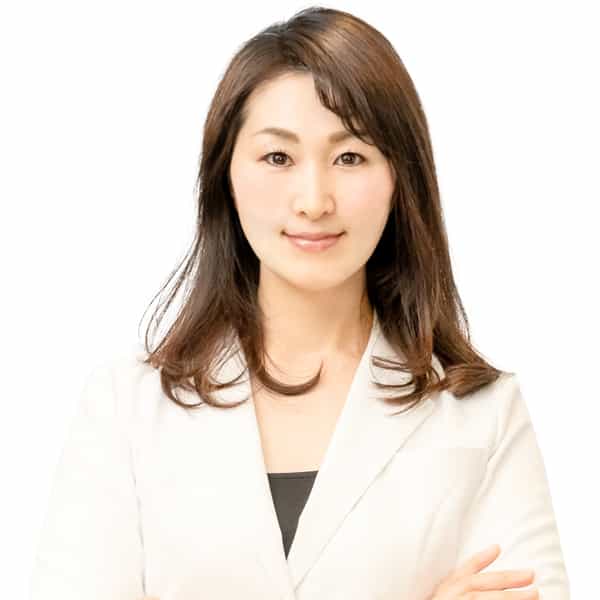
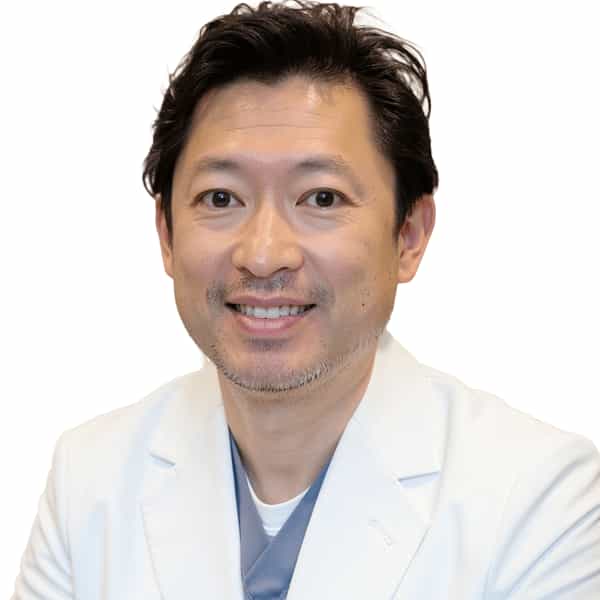
Azabu Skin Clinic - Dermatology and Stem Cell Therapy in Japan
Overview
Azabu Skin Clinic in Tokyo offers advanced stem cell treatments, regenerative treatments, dermatology, and aesthetic care. Book your consultation today.
Read more details
Riso Clinic - Japan Stem Cell Therapy
Overview
Explore Japan stem cell therapy at Riso Clinic in Tokyo. Advanced regenerative treatments for knee osteoarthritis, joint injuries, and cartilage repair.
Read more details
Clinique Haru Osaka Umeda - Japan Stem Cell Treatment
Overview
Clinique Haru Osaka Umeda specializes in Japan stem cell treatments for joint and musculoskeletal conditions using advanced regenerative medicine.
Read more detailsDiscover your treatment options with a free, no-obligation quote!
Get your quote now! 100.00% Patient Recommend
Vega Stem Cell Clinic in Bangkok Thailand
Overview
Vega Clinic in Bangkok, Thailand, helps people feel better with special treatments. They use new ways to heal and make sure each person gets care made just for them.
Read more details
 100.00% Patient Recommend
FirstCell Malaysia
Overview
FirstCell specialize on cell-based medicine and treatments especially via MSC and NKC to enhance wellness and for targeted treatment modules. We are committed in delivering excellent treatment.
Read more details

Dr. Ebenezer Abel Paul - Stem Cells in Malaysia
Overview
Explore Stem Cells in Malaysia with Dr. Ebenezer Abel Paul, offering cutting-edge regenerative therapies and advanced stem cell treatments.
Read more details
 96.00% Patient Recommend
Dr. Pravin Patels Innovative Hospital & Research Center
Overview
Dr. Pravin Patel's Innovative Hospital provides best stem cell treatment in Gujarat, India. Also offers Ozone therapy, Quantum therapy , EBOO therapy, Frequency & Laser Therapy at affordable cost.
Read more details

Discover your treatment options with a free, no-obligation quote!
Get your quote now! 100.00% Patient Recommend
GIOSTAR Hospital Bengaluru
Overview
Discover GIOSTAR Hospital in Bengaluru, India—your go-to center for advanced stem cell therapies and cutting-edge procedures for orthopaedics. Explore treatments for diabetes, stroke, SCI, and more.
Read more details
 100.00% Patient Recommend
Live Stem Cell Asia - Premier Stem Cell Clinic in Malaysia
Overview
Discover advanced stem cell Malaysia treatments at Live Stem Cell Asia, Petaling Jaya. Experience personalized care and innovative regenerative solutions.
Read more details
 100.00% Patient Recommend
StemRx Hospital and Research Centre
Overview
At StemRx Hospital & Research Centre, We specialize in advanced Regenerative Medicine & Stem Cell therapy for Autism, Cerebral Palsy, Orthopedics, Migraine, AVN & IVF providing personalized care.
Read more details
 98.04% Patient Recommend
Klinik Setia Gemilang
Overview
Klinik Setia Gemilang: Leading in stem cell therapy, orthopedic treatments, and anti -ageing solutions Malaysia . It is part of Setia Gemilang Medicare which houses a clinic and dentist
Read more details
Beijing Puhua International Hospital- Stem Cell Center
Overview
Beijing Puhua International Hospital (BPIH) features a dedicated Stem Cell Center, where a team of highly educated and experienced scientists and technicians are working on the research and development of stem cell technology to restrict the development of several degenerative diseases like Parkinson’s, ALS, Batten, Multiple Sclerosis and more.
Read more details
Beike Biotech
Overview
Beike Biotechnology offers the best stem cell therapy in Thailand, combining top-quality regenerative treatment with cutting-edge technology for optimal patient care.
Read more details
Boston Health Longevity - Anti Aging Stem Cell Therapy in Thailand
Overview
Experience advanced Anti Aging Stem Cell Therapy in Thailand at Boston Health Longevity. Improve cellular health, vitality, and longevity with expert care.
Read more details 100.00% Patient Recommend
Chaum Medical Center
Overview
Premium healthcare at Chaum Medical Center, Seoul. Personalized anti-aging, stem cell therapy, and advanced medical services for a youthful life.
Read more details
Hebei Yanda International Hospital
Overview
Hebei Yanda International Hospital in Beijing, China, addresses your healthcare needs with expert oncology, cardiology, and neurology treatments.
Read more details
Krishna Institute of Medical Sciences (KIMS), Bengaluru
Overview
Krishna Institute of Medical Sciences (KIMS) Bengaluru is recognized as the best hospital in India, offering advanced multispecialty care and expert doctors.
Read more details
Mousai Wellness Center - Stem Cell Bangkok Thailand
Overview
Discover advanced Stem Cell treatments in Bangkok, Thailand at Mousai Wellness Center. Safe, innovative, and personalized care for lasting wellness.
Read more details
Nulook Anti-Aging & Regenerative Center
Overview
Nulook Anti-Aging & Regenerative Center in Bali, Indonesia offers Botox, Ultherapy, Dermal Fillers, Thermage, PRP, Pico Laser and more.
Read more detailsWhich are the best clinics for Stem Cell Treatment for Blood Diseases in Tokyo, Japan?
When seeking top-tier stem cell treatment for blood diseases in Tokyo, Japan, HELENE - Stem Cell Clinic stands out as a leading facility. This clinic is renowned for its decade of experience and has successfully treated over 16,000 patients, offering advanced regenerative therapies. While the provided data doesn't list other specific Tokyo clinics, HELENE is a highly recommended choice, boasting a perfect 5-star patient rating from 10 reviews and 100% patient recommendation for its cutting-edge approach to stem cell treatments.
Choosing the right clinic for specialized treatments like stem cell therapy for blood diseases requires careful consideration. In Tokyo, HELENE - Stem Cell Clinic has established a strong reputation in the field of regenerative medicine. They focus on personalized care, ensuring that each patient's unique health concerns are addressed with tailored treatment plans. This dedication to individualized attention is crucial for complex conditions like blood disorders, where treatment protocols need to be highly specific.
What types of blood diseases can be treated with stem cell therapy in Tokyo?
Stem cell therapy in Tokyo, such as at HELENE - Stem Cell Clinic, focuses on regenerative medicine principles that can potentially address various systemic conditions, though specific listings for "blood diseases" are often broad. While direct mentions of specific blood diseases like leukemia or lymphoma require specialized hematology centers, stem cell applications often aim to improve overall cellular health and function, which can indirectly benefit blood-related issues. Clinics typically offer consultations to assess suitability for regenerative treatments.
Stem cell therapy's potential extends across numerous conditions, leveraging the regenerative and restorative properties of stem cells. For blood-related issues, treatments are typically highly specialized and can involve different types of stem cells, like hematopoietic stem cells for direct blood cell replacement, or mesenchymal stem cells for their immunomodulatory and tissue-repairing effects. Patients interested in how stem cell therapy might benefit their specific blood disease should consult with specialists who can provide a thorough evaluation and explain the applicability of available treatments.
How is stem cell therapy regulated in Japan for blood conditions?
In Japan, regenerative medicine, including stem cell therapy for conditions like blood disorders, is regulated under a robust framework designed to ensure patient safety and treatment efficacy. The Pharmaceuticals and Medical Devices Agency (PMDA) and the Ministry of Health, Labour and Welfare (MHLW) oversee these therapies. Clinics offering stem cell treatments must adhere to strict guidelines concerning cell processing, quality control, and clinical application, ensuring treatments are provided within a legal and ethical structure.
Japan has been a pioneer in establishing a progressive yet cautious regulatory environment for regenerative medicine. This framework aims to balance innovation with patient protection, allowing for the expedited approval of certain regenerative therapies while maintaining rigorous standards. Clinics in Tokyo offering stem cell treatments for blood conditions are subject to regular inspections and must comply with protocols for patient consent, data collection, and adverse event reporting. This ensures a transparent and accountable approach to these advanced medical procedures.
What should I look for in a Tokyo clinic offering stem cell therapy for blood disorders?
When selecting a Tokyo clinic for stem cell therapy for blood disorders, prioritize several key factors. Look for clinics with extensive experience in regenerative medicine, a strong patient recommendation record, and transparent communication about treatment methods. Accreditation, qualified specialists, and a focus on personalized treatment plans are essential. Also, ensure the clinic adheres to Japan's rigorous regulatory standards for stem cell therapies to guarantee safety and quality care.
Beyond a clinic's general reputation, here are more specific aspects to consider:
- Specialization and Experience: Seek clinics that specifically highlight their expertise in regenerative medicine and demonstrate a proven track record, like HELENE - Stem Cell Clinic's decade of experience.
- Accreditation and Licensing: Verify that the clinic operates under the necessary Japanese medical licenses and adheres to national guidelines for regenerative medicine.
- Patient Testimonials and Outcomes: Positive patient feedback and clear, measurable outcomes are strong indicators of quality and patient satisfaction.
- Transparency in Treatment: A good clinic will openly discuss the specific types of stem cells used, the origin of the cells, the administration methods, and the expected benefits and potential risks.
- Comprehensive Diagnostic and Follow-up Care: Look for facilities that offer thorough pre-treatment evaluations and structured post-treatment follow-up to monitor progress and manage any concerns.
What is the patient experience like at stem cell clinics in Tokyo?
Patients undergoing stem cell treatment in Tokyo typically experience a highly organized, professional, and patient-centric approach. Clinics emphasize comfort, clear communication, and meticulous care from initial consultation through post-treatment recovery. Facilities like HELENE - Stem Cell Clinic are known for their spotless environment, detailed explanations of treatment options, and patient-focused services, ensuring a supportive and reassuring experience throughout the regenerative therapy journey.
The patient journey often begins with a comprehensive consultation, where specialists thoroughly review medical history, current condition, and treatment goals. Imaging tests and blood work are common during the diagnostic phase. Once a treatment plan is established, patients receive detailed information about the procedure, including preparation and expected duration. During the treatment itself, staff maintain a calm and supportive atmosphere. Post-treatment, patients receive clear instructions for aftercare and recovery, often including follow-up appointments to monitor their progress. Many clinics also offer amenities to enhance patient comfort, such as private recovery rooms and multilingual support for international patients.
What are the common stem cell therapy procedures available for blood diseases in Japan?
For blood diseases in Japan, common stem cell therapy procedures often involve the use of hematopoietic stem cells (HSCs) for conditions like leukemia and certain anemias, typically via bone marrow or umbilical cord blood transplantation. Additionally, mesenchymal stem cells (MSCs) are explored for their immunomodulatory and anti-inflammatory properties, which can indirectly support blood health in various regenerative applications. Clinics in Tokyo focus on advanced techniques tailored to individual patient needs and specific conditions.
The choice of stem cell type and administration method depends on the specific blood disorder and the patient's overall health.
- Hematopoietic Stem Cell Transplantation (HSCT): This is a well-established treatment for many blood cancers and disorders. HSCs, which can develop into all types of blood cells, are transplanted to replace diseased bone marrow.
- Mesenchymal Stem Cell (MSC) Therapies: MSCs, often derived from adipose tissue or umbilical cord, are increasingly used in regenerative medicine for their ability to modulate immune responses, reduce inflammation, and promote tissue repair. While not directly replacing blood cells, their systemic effects can be beneficial for conditions with underlying inflammatory or autoimmune components affecting blood production or function.
- Platelet-Rich Plasma (PRP) Therapy: Although not strictly stem cell therapy, PRP, which contains growth factors and some progenitor cells, is sometimes used as a supportive regenerative treatment to enhance healing and regeneration in various contexts, potentially aiding vascular health related to blood diseases.
How do Tokyo stem cell clinics ensure patient safety and ethical treatment?
Tokyo's stem cell clinics, including facilities like HELENE - Stem Cell Clinic, prioritize patient safety and ethical treatment through strict adherence to Japan's comprehensive regulatory frameworks for regenerative medicine. This includes rigorous protocols for patient screening, informed consent, quality control of cell preparation, and continuous post-treatment monitoring. They ensure transparent practices and utilize advanced, sterile facilities to minimize risks and uphold high standards of care for blood conditions and other therapies.
The commitment to safety and ethics is paramount in advanced therapies. Clinics implement several measures:
- Rigorous Patient Selection: Only suitable candidates are accepted for treatment after thorough medical evaluations to minimize adverse reactions.
- Informed Consent Process: Patients receive detailed explanations of the procedure, potential benefits, risks, and alternative treatments, ensuring they make fully informed decisions.
- Certified Facilities and Personnel: Treatments are conducted in state-of-the-art, sterile environments by highly trained and certified medical professionals.
- Quality Control: Strict quality assurance measures are applied to the sourcing, processing, and storage of stem cells to ensure their viability and safety.
- Data Collection and Monitoring: Clinics meticulously record patient data and outcomes, contributing to ongoing research and allowing for continuous improvement in safety protocols.
What is the typical recovery process after stem cell treatment for blood diseases in Japan?
The recovery process after stem cell treatment for blood diseases in Japan varies based on the specific procedure and the patient's condition. Generally, patients can expect a period of close monitoring, followed by detailed instructions for home care. Recovery often involves rest, adherence to medication schedules, and gradual reintroduction of activities. Clinics in Tokyo emphasize personalized post-treatment care plans, including dietary advice and follow-up consultations, to ensure optimal healing and integration of the therapy.
For highly invasive procedures like hematopoietic stem cell transplants, recovery can be extensive, requiring hospitalization for several weeks or even months as the new stem cells engraft and begin producing healthy blood cells. Less invasive procedures, such as intravenous mesenchymal stem cell infusions, might involve a shorter recovery period, with patients returning to light activities within days. Key aspects of the recovery process typically include:
- Initial Monitoring: Patients are observed immediately after treatment for any acute reactions.
- Medication Management: This often includes immunosuppressants (for allogeneic transplants), antibiotics, and other supportive drugs.
- Activity Restrictions: Patients are advised on limitations for physical activity and contact sports to prevent complications.
- Nutritional Support: Dietary recommendations are provided to support healing and overall well-being.
- Regular Follow-ups: Scheduled appointments are crucial to track progress, conduct blood tests, and adjust care as needed.
Are clinical trials for stem cell therapies for blood diseases available in Tokyo?
Yes, Tokyo is a prominent hub for advanced medical research, and clinical trials for innovative stem cell therapies, including those targeting various blood diseases, are indeed available. These trials are conducted at leading academic medical centers and specialized clinics, often in collaboration with national regulatory bodies. Patients interested in participating should explore ongoing studies through official Japanese clinical trial registries or consult with specialists in regenerative medicine clinics for eligibility and access.
Clinical trials are essential for advancing the understanding and application of new medical treatments. Japan's robust medical research infrastructure supports numerous studies in regenerative medicine. For individuals with blood diseases, these trials offer access to cutting-edge therapies that are not yet widely available. Participation in a clinical trial typically involves stringent eligibility criteria and a commitment to extensive monitoring. While trials offer hope for new treatments, they also come with inherent uncertainties and risks. Therefore, prospective participants should engage in thorough discussions with their doctors and the research team to fully understand the trial's objectives, procedures, and potential outcomes before deciding to enroll.
What supportive care services do Tokyo stem cell clinics offer for blood disorder patients?
Tokyo stem cell clinics, like HELENE - Stem Cell Clinic, often provide comprehensive supportive care services tailored for blood disorder patients undergoing regenerative therapies. These services can include personalized nutritional guidance, physical therapy to aid recovery and improve overall well-being, psychological support to manage the emotional aspects of treatment, and dedicated patient navigators. The aim is to offer a holistic approach to care, enhancing both the treatment's effectiveness and the patient's quality of life.
Supportive care is integral to optimizing outcomes and ensuring patient comfort throughout the treatment journey. Key supportive services frequently offered include:
- Nutritional Counseling: Expert dietitians provide personalized meal plans to support healing, boost immunity, and manage any diet-related side effects.
- Physical and Rehabilitation Therapy: Tailored exercise programs help patients regain strength, mobility, and overall physical function, especially after more intensive treatments.
- Psychological and Emotional Support: Access to counselors or support groups helps patients cope with the stress, anxiety, or emotional challenges associated with serious medical conditions and complex treatments.
- Pain Management: Strategies and medications are provided to effectively manage any discomfort or pain during and after the procedure.
- Patient Education: Comprehensive information sessions help patients and their families understand the treatment, recovery process, and long-term care, empowering them to actively participate in their health management.
- Coordination of Care: Dedicated staff often assist with scheduling appointments, managing logistics, and providing communication support, particularly for international patients.
How do Tokyo clinics integrate advanced technology in stem cell treatment for blood diseases?
Tokyo clinics integrate advanced technology in stem cell treatment for blood diseases through sophisticated diagnostic tools, precision cell processing, and innovative delivery methods. This includes high-resolution imaging for accurate assessment, automated cell culture systems ensuring purity and viability, and minimally invasive techniques for cell administration. Facilities like HELENE - Stem Cell Clinic emphasize cutting-edge approaches to enhance efficacy and safety, leveraging Japan's technological prowess in regenerative medicine.
The integration of technology is a cornerstone of modern regenerative medicine in Tokyo. This involves:
- Advanced Diagnostics: Utilizing state-of-the-art molecular and genetic testing to precisely characterize blood diseases and identify optimal stem cell sources.
- Automated Cell Processing: Employing highly controlled, sterile, and automated systems for isolating, expanding, and preparing stem cells. This minimizes human error, ensures cell purity and viability, and meets strict regulatory standards.
- Precision Delivery Systems: Using sophisticated imaging guidance (e.g., ultrasound, fluoroscopy) for accurate and targeted delivery of stem cells to affected areas or intravenously.
- Cryopreservation Technology: Implementing advanced techniques for the safe storage of stem cells, ensuring their long-term viability for future use.
- Biomonitoring and Analytics: Utilizing continuous monitoring systems and advanced data analytics to track patient responses, identify potential complications early, and refine treatment protocols.
How PlacidWay helps individuals access Stem Cell Treatment for Blood Diseases in Tokyo, Japan?
PlacidWay provides detailed, up-to-date information about Stem Cell Treatment for Blood Diseases, including benefits, risks, and expected outcomes. We help users compare treatment in various clinics, ensuring affordable options without compromising on quality. PlacidWay assists users in finding trusted, accredited clinics and medical professionals specializing in Stem Cell Treatment for Blood Diseases in Tokyo, Japan. We offer one-on-one consultations to help users make informed decisions about their treatment, ensuring their specific needs are met. PlacidWay ensures continued support after the treatment, including follow-up care and recovery assistance. Ready to get Stem Cell Treatment for Blood Diseases in Tokyo, Japan? Contact us today for a personalized consultation.Share with AI
Share this page with AI assistants to get summaries and insights


List of Best Stem Cell Treatment for Blood Diseases Clinics in Japan
Unlock the Best Stem Cell Treatment for Blood Diseases Packages Just for You
Discover the ultimate Stem Cell Treatment for Blood Diseases packages designed to meet your health and wellness goals. Choose the perfect fit for your journey.
.png)
Price starting from $10000.0
Stem Cell Therapy for Knee Osteoarthritis Package in Tokyo, Japan by HELENE Clinic
HELENE - Stem Cell Clinic
- Stem Cell Therapy
Tokyo, Japan

Price starting from $15500.0
Intraovarian and Intravenous Stem Cell Fertility Treatment in Kuala Lumpur, Malaysia by FirstCell
FirstCell Malaysia
- Stem Cell Therapy
Kuala Lumpur, Malaysia
.png)
Price starting from $370.0
Stem Cell Treatment Online Consultation Package in Osaka, Japan by Cell Grand Clinic
Cell Grand Clinic - Best Stem Cell Clinic in Japan
- Stem Cell Therapy
Osaka, Japan

Price starting from $14000.0
7-Days Intraspinal and IV Stem Cell Therapy for Autism in Kuala Lumpur, Malaysia by FirstCell
FirstCell Malaysia
- Stem Cell Therapy
Kuala Lumpur, Malaysia
Transformative Stem Cell Treatment for Blood Diseases Experiences: Dive into Procedure Insights
Discover the power of Stem Cell Treatment for Blood Diseases through compelling patient experiences. Uncover detailed insights into procedures, recovery journeys, and life-changing results.
.png)
Price starting from $10000.0
Stem Cell Therapy for Diabetes in Tokyo, Japan
- Stem Cell Treatment for Diabetes, Stem Cell Therapy
Tokyo, Japan

Price starting from $8100.0
Stem Cell Therapy for Traumatic Brain Injury in Slovakia
- Stem Cell Therapy for Brain Injury, Stem Cell Therapy
Slovakia
.png)
Stem Cell Therapy for Stroke Rehabilitation in Japan
- Stem Cell Therapy for Stroke, Stem Cell Therapy
Japan
.png)
Price starting from $21000.0
Stem Cell Therapy for Diabetes in Japan
- Stem Cell Treatment for Diabetes, Stem Cell Therapy
Japan

(Translated by Google) The teacher is nice, but I am bothered by the staff\'s private conversations (laughter) and their behavior. (Original) 先生はいい方なのですが、スタッフの私語(笑い声)や対応が気になります。
Read More