
What treatment


1+ Top Rated Clinics for Stem Cell Treatment for Spinal Cord Injury in Petaling Jaya
Compare Trusted Stem Cell Treatment for Spinal Cord Injury Specialists in Petaling Jaya and Request a Quote

 100.00% Patient Recommend
Live Stem Cell Asia - Premier Stem Cell Clinic in Malaysia


Overview
Discover advanced stem cell Malaysia treatments at Live Stem Cell Asia, Petaling Jaya. Experience personalized care and innovative regenerative solutions.
Read more details

 100.00% Patient Recommend
FirstCell Malaysia
Overview
FirstCell specialize on cell-based medicine and treatments especially via MSC and NKC to enhance wellness and for targeted treatment modules. We are committed in delivering excellent treatment.
Read more details

Dr. Ebenezer Abel Paul - Stem Cells in Malaysia
Overview
Explore Stem Cells in Malaysia with Dr. Ebenezer Abel Paul, offering cutting-edge regenerative therapies and advanced stem cell treatments.
Read more details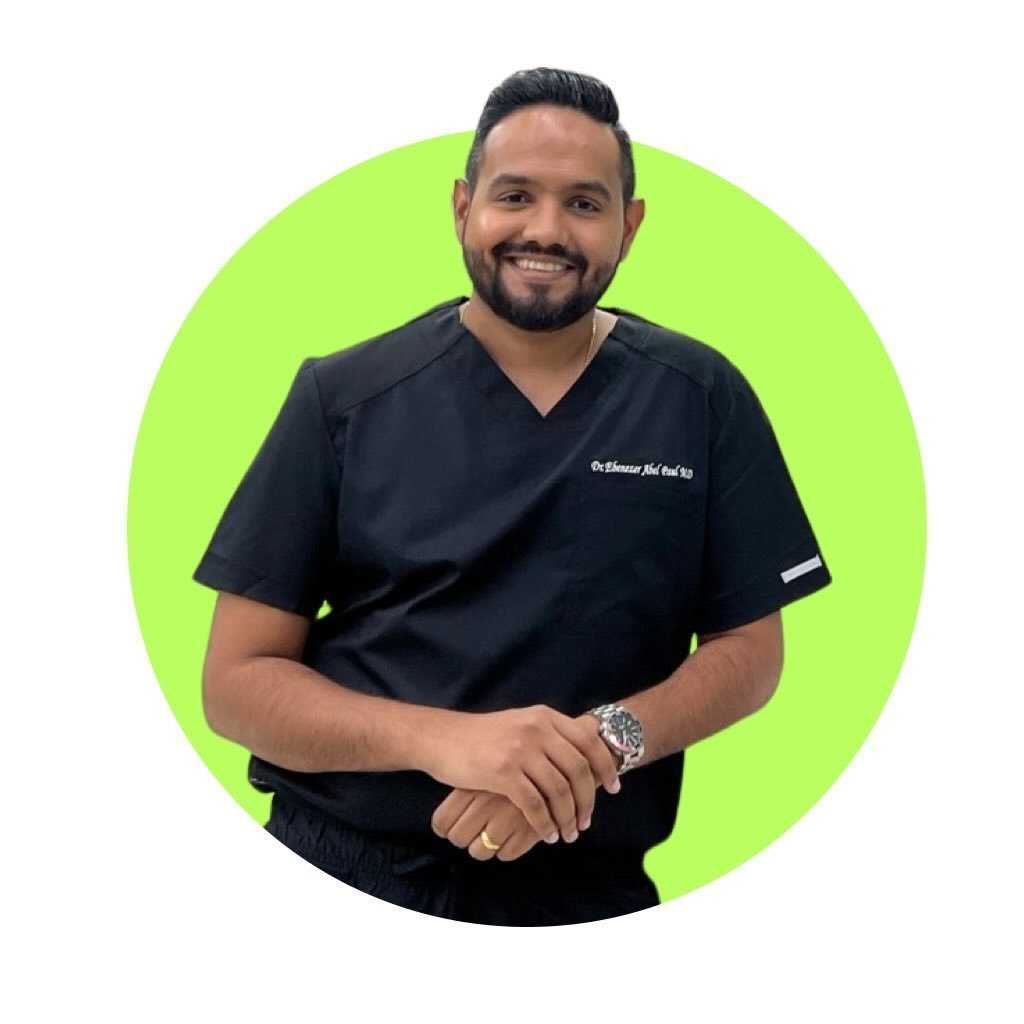

ZELL-V Wellness Hub - Regenerative Medicine Malaysia
Overview
ZELL-V Wellness Hub located in Kuala Lumpur, Malaysia. We offers German & Swiss advanced regenerative medicine, cellular therapy, and wellness programs for longevity and vitality.
Read more detailsDiscover your treatment options with a free, no-obligation quote!
Get your quote now! 100.00% Patient Recommend
Cell Grand Clinic - Best Stem Cell Clinic in Japan
Overview
Explore Cell Grand Clinic, the best stem cell clinic in Japan specializing in top regenerative therapies for anti-aging, chronic conditions, and wellness.
Read more details
 82.81% Patient Recommend
HELENE - Stem Cell Clinic
Overview
Japan Regenerative Medicine Leading Brand With over a decade of experience and more than 17,000 treated patients. Providing cutting-edge stem cell therapies tailored to various health concerns.
Read more details

 100.00% Patient Recommend
Vega Stem Cell Clinic in Bangkok Thailand
Overview
Vega Clinic in Bangkok, Thailand, helps people feel better with special treatments. They use new ways to heal and make sure each person gets care made just for them.
Read more details
 100.00% Patient Recommend
Azabu Skin Clinic - Dermatology and Stem Cell Therapy in Japan
Overview
Azabu Skin Clinic in Tokyo offers advanced stem cell treatments, regenerative treatments, dermatology, and aesthetic care. Book your consultation today.
Read more details
Discover your treatment options with a free, no-obligation quote!
Get your quote now! 100.00% Patient Recommend
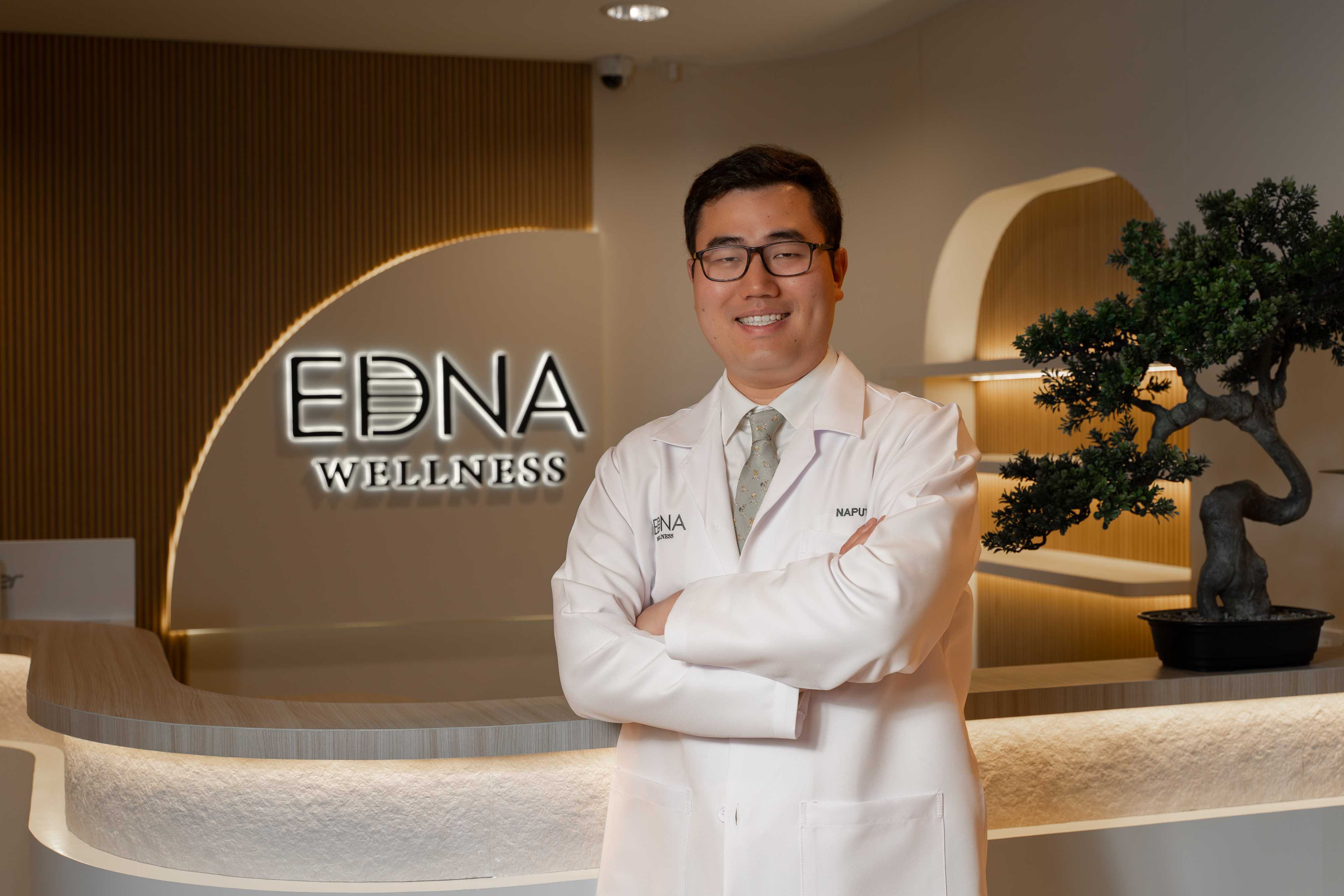
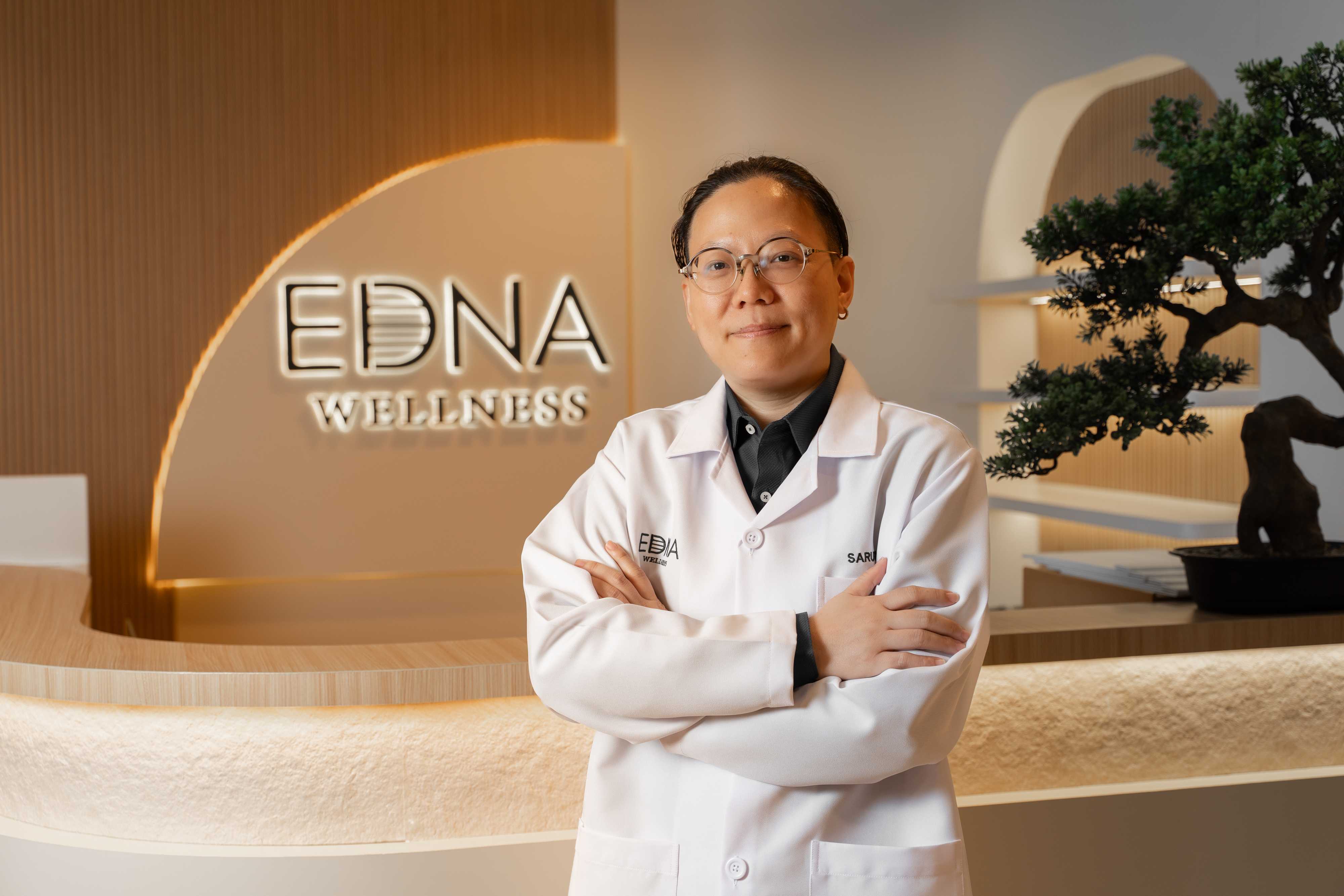
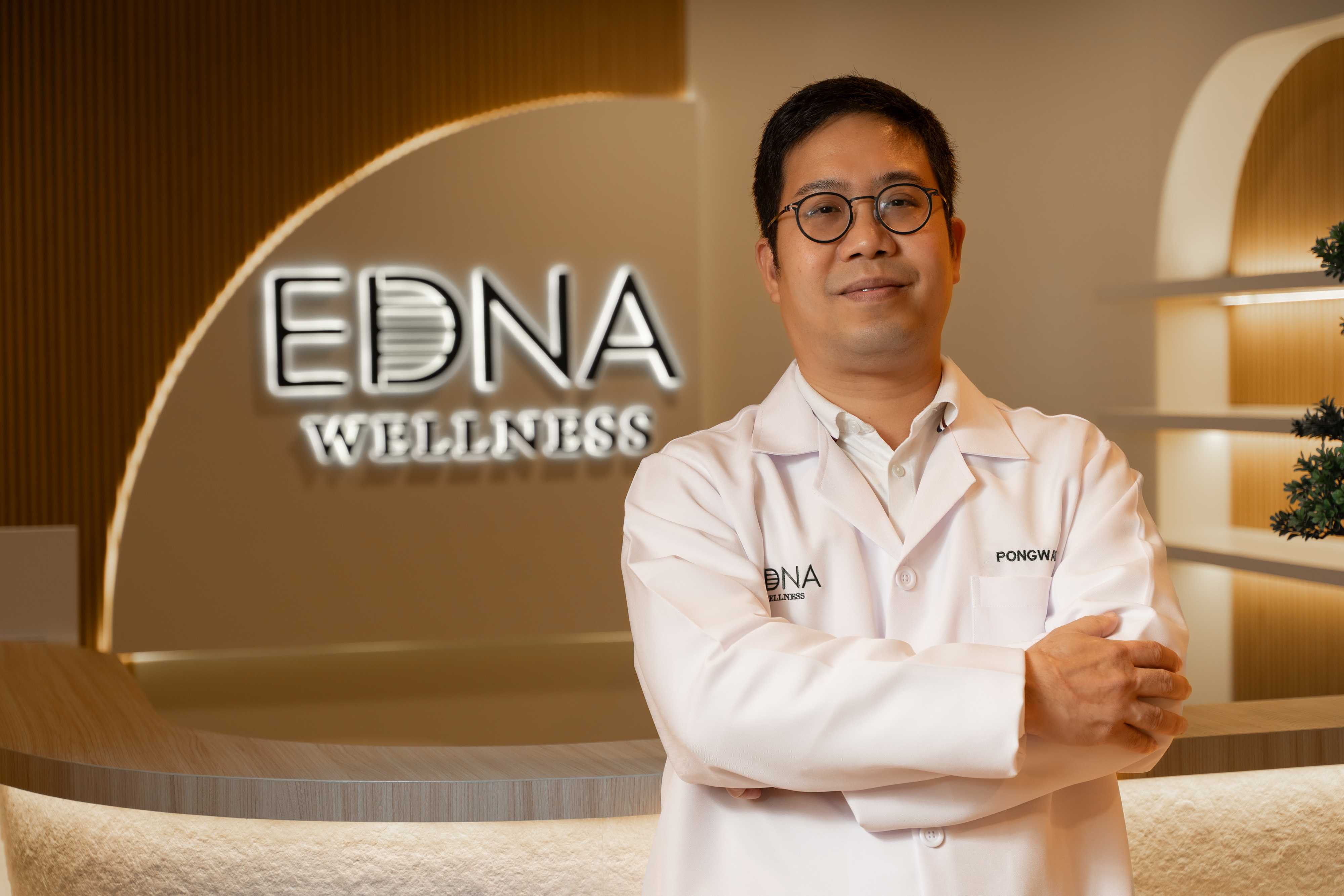
EDNA Wellness - Surgeon-Led Stem Cell Clinic in Bangkok Thailand
Overview
Surgeon-led UC-MSC Stem Cell Clinic in Bangkok, near Bangkok Hospital. Led by neurosurgeon Dr. Pongwat Polpong. GMP-certified, TISTR-collaborated, ISO 9001:2015 & ISO/IEC 17025:2017 accredited.
Read more details
 96.00% Patient Recommend
Dr. Pravin Patels Innovative Hospital & Research Center
Overview
Dr. Pravin Patel's Innovative Hospital provides best stem cell treatment in Gujarat, India. Also offers Ozone therapy, Quantum therapy , EBOO therapy, Frequency & Laser Therapy at affordable cost.
Read more details

 100.00% Patient Recommend
GIOSTAR Hospital Bengaluru
Overview
Discover GIOSTAR Hospital in Bengaluru, India—your go-to center for advanced stem cell therapies and cutting-edge procedures for orthopaedics. Explore treatments for diabetes, stroke, SCI, and more.
Read more details
Riso Clinic - Japan Stem Cell Therapy
Overview
Explore Japan stem cell therapy at Riso Clinic in Tokyo. Advanced regenerative treatments for knee osteoarthritis, joint injuries, and cartilage repair.
Read more details
 100.00% Patient Recommend
StemRx Hospital and Research Centre
Overview
At StemRx Hospital & Research Centre, We specialize in advanced Regenerative Medicine & Stem Cell therapy for Autism, Cerebral Palsy, Orthopedics, Migraine, AVN & IVF providing personalized care.
Read more details
Beijing Puhua International Hospital- Stem Cell Center
Overview
Beijing Puhua International Hospital (BPIH) features a dedicated Stem Cell Center, where a team of highly educated and experienced scientists and technicians are working on the research and development of stem cell technology to restrict the development of several degenerative diseases like Parkinson’s, ALS, Batten, Multiple Sclerosis and more.
Read more details
Beike Biotech
Overview
Beike Biotechnology offers the best stem cell therapy in Thailand, combining top-quality regenerative treatment with cutting-edge technology for optimal patient care.
Read more details

Boston Health Longevity - Anti Aging Stem Cell Therapy in Thailand
Overview
Experience advanced Anti Aging Stem Cell Therapy in Thailand at Boston Health Longevity. Improve cellular health, vitality, and longevity with expert care.
Read more details 100.00% Patient Recommend
Chaum Medical Center
Overview
Premium healthcare at Chaum Medical Center, Seoul. Personalized anti-aging, stem cell therapy, and advanced medical services for a youthful life.
Read more details
Clinique Haru Osaka Umeda - Japan Stem Cell Treatment
Overview
Clinique Haru Osaka Umeda specializes in Japan stem cell treatments for joint and musculoskeletal conditions using advanced regenerative medicine.
Read more details
Healthi Life Longevity Center in Bangkok, Thailand
Overview
Explore stem cell therapy in Bangkok, Thailand by Healthi Life Longevity Center with advanced regenerative treatments and personalized care plans.
Read more details
Hebei Yanda International Hospital
Overview
Hebei Yanda International Hospital in Beijing, China, addresses your healthcare needs with expert oncology, cardiology, and neurology treatments.
Read more detailsWhich are the top clinics for Stem Cell Treatment for Spinal Cord Injury in Malaysia?
When seeking Stem Cell Treatment for Spinal Cord Injury (SCI) in Malaysia, several reputable clinics stand out for their specialized regenerative therapies. Key options include Live Stem Cell Asia in Petaling Jaya, known for personalized care; Dr. Ebenezer Abel Paul and FirstCell Malaysia in Kuala Lumpur, offering advanced stem cell solutions; Klinik Setia Gemilang in Shah Alam, specializing in regenerative and orthopedic treatments; Vanfo Hino Clinic in Johor Bahru, with expertise in CAR-T therapy and anti-aging; and ZELL-V Wellness Hub in Kuala Lumpur, focusing on cellular therapy for vitality. These facilities are recognized for innovative treatments and patient-focused approaches.
Malaysia has emerged as a promising destination for advanced regenerative medicine, including stem cell therapies for Spinal Cord Injury. Patients often look for clinics with established track records and state-of-the-art facilities. Here are some of the notable clinics in Malaysia:
- Live Stem Cell Asia (Petaling Jaya): This center offers personalized regenerative solutions using cutting-edge stem cell techniques.
- Dr. Ebenezer Abel Paul (Kuala Lumpur): Known for advanced regenerative therapies and a focus on overall patient well-being.
- FirstCell Malaysia (Kuala Lumpur): Specializes in cell-based medicine, utilizing MSC and NKC therapies for various conditions, including neurological ones.
- Klinik Setia Gemilang (Shah Alam): Offers a blend of stem cell therapy, orthopedic treatments, and anti-aging solutions.
- Vanfo Hino Clinic (Kota Iskandar, Johor Bahru): Provides regenerative treatments, including stem cell therapies and CAR-T therapy.
- ZELL-V Wellness Hub (Kuala Lumpur): Focuses on cellular therapy and wellness programs designed for longevity and improved health.
What criteria should I consider when choosing a stem cell clinic for spinal cord injury in Malaysia?
When selecting a stem cell clinic for spinal cord injury in Malaysia, prioritize clinics with proper accreditation and experienced medical teams. Look for facilities specializing in regenerative medicine, ensuring they offer comprehensive diagnostic evaluations, personalized treatment plans, and robust patient support. It’s also crucial to consider transparent communication about treatment protocols, potential outcomes, and patient testimonials to ensure a well-informed decision for your stem cell therapy journey.
Choosing the right clinic for Spinal Cord Injury (SCI) stem cell treatment is vital. Here are essential factors to consider:
- Accreditation and Licensing: Verify that the clinic is licensed by the Malaysian Ministry of Health and adheres to national and international standards for regenerative medicine.
- Specialist Expertise: Ensure the medical team includes neurologists, orthopedic specialists, and regenerative medicine experts with specific experience in SCI.
- Treatment Protocols: Inquire about the types of stem cells used (e.g., mesenchymal stem cells, umbilical cord stem cells) and their specific protocols for SCI patients.
- Facility Standards: Look for clinics with modern facilities, advanced laboratories for cell processing, and dedicated rehabilitation services.
- Comprehensive Care: A good clinic will offer a holistic approach, including pre-treatment evaluations, the procedure itself, and post-treatment follow-up and rehabilitation.
- Patient Support: Assess their patient support services, especially if you are an international patient, covering everything from logistics to language assistance.
Are stem cell therapies for spinal cord injury in Malaysia regulated?
Yes, stem cell therapies in Malaysia, particularly for serious conditions like spinal cord injury, are subject to regulation by the Ministry of Health. This ensures patient safety and treatment efficacy. Regulatory frameworks govern the ethical conduct of research, clinical trials, and the application of cell-based therapies. Patients should always confirm that any clinic they consider operates within these established guidelines, focusing on licensed and approved procedures.
Malaysia's Ministry of Health (MOH) actively regulates the field of regenerative medicine and stem cell therapies. The aim is to ensure patient safety, uphold ethical standards, and promote responsible clinical practice.
- Guidelines and Frameworks: The MOH has established specific guidelines for cell and gene therapy products (CGTPs), which include stem cell treatments. These guidelines cover manufacturing, clinical trials, and clinical practice.
- Clinical Trial Approvals: Clinics offering novel stem cell treatments for conditions like SCI must undergo rigorous clinical trial approvals by regulatory bodies to demonstrate safety and potential efficacy.
- Licensed Facilities: Only licensed medical facilities are permitted to offer stem cell therapies, ensuring they meet specific infrastructure, equipment, and personnel requirements.
- Ethical Oversight: Ethical committees are in place to review treatment protocols, particularly for conditions without standard cures, safeguarding patient rights and well-being.
What types of stem cells are commonly used for spinal cord injury treatment in Malaysian clinics?
Malaysian clinics predominantly utilize Mesenchymal Stem Cells (MSCs) for spinal cord injury treatment due to their regenerative and anti-inflammatory properties. These MSCs are typically sourced from adult adipose tissue, bone marrow, or umbilical cord blood/tissue, offering promising avenues for nerve regeneration and functional recovery. The choice of source depends on the clinic's specific protocols and the patient's individual needs and health profile.
For Spinal Cord Injury (SCI) treatment, various types of stem cells are being explored globally, with Mesenchymal Stem Cells (MSCs) being a common choice in Malaysian clinics due to their beneficial characteristics.
- Mesenchymal Stem Cells (MSCs): These multipotent stromal cells can differentiate into various cell types, including bone, cartilage, and fat cells. Crucially for SCI, they exhibit immunomodulatory properties, reducing inflammation and promoting tissue repair.
- Sources: MSCs can be harvested from:
- Adipose (fat) tissue: Easily accessible and abundant source.
- Bone marrow: A traditional source, rich in MSCs.
- Umbilical cord tissue/blood: Often considered "younger" cells with high proliferative capacity, used in several leading clinics like FirstCell Malaysia.
- Sources: MSCs can be harvested from:
- Neural Stem Cells: While less common in routine clinical application, research continues into their potential for direct neural tissue replacement.
- Induced Pluripotent Stem Cells (iPSCs): These are adult cells reprogrammed to an embryonic-like state, holding immense potential but are largely in research phases for SCI due to safety concerns like tumor formation.
What support services do Malaysian clinics offer for spinal cord injury patients?
Malaysian stem cell clinics provide extensive support services for spinal cord injury patients, including comprehensive rehabilitation programs tailored to individual needs, psychological counseling, and nutritional guidance to optimize recovery. Many also offer dedicated international patient services, such as language interpretation, accommodation assistance, and transportation, ensuring a seamless and comfortable treatment journey for patients from abroad.
Clinics in Malaysia understand that treating Spinal Cord Injury (SCI) is more than just the stem cell procedure itself. They often provide a range of support services to ensure holistic patient care and maximize recovery potential.
- Comprehensive Rehabilitation: This is crucial for SCI patients. Clinics typically collaborate with or have in-house rehabilitation teams offering:
- Physiotherapy to improve strength, mobility, and balance.
- Occupational therapy to help regain daily living skills.
- Speech therapy, if needed, for communication or swallowing difficulties.
- Hydrotherapy for gentle exercise and pain relief.
- Nutritional Counseling: Specialized dietary plans can support cellular regeneration and overall health during recovery.
- Psychological Support: Coping with an SCI can be challenging. Many clinics offer access to counselors or support groups to address emotional and mental well-being.
- International Patient Services: For patients traveling to Malaysia, clinics like Live Stem Cell Asia often provide:
- Assistance with travel arrangements, visas, and local transportation.
- Accommodation recommendations.
- Language interpretation services.
- Dedicated patient coordinators to guide them through the entire process.
- Post-Treatment Monitoring: Regular follow-ups are arranged to track progress and adjust rehabilitation plans as needed.
How can I verify the accreditation of a stem cell clinic in Malaysia?
To verify the accreditation of a stem cell clinic in Malaysia, check for official licensing from the Malaysian Ministry of Health (MOH) and adherence to their specific guidelines for Cell and Gene Therapy Products (CGTPs). You can contact the MOH directly or look for certifications from internationally recognized healthcare accreditation bodies like JCI if the clinic advertises global standards. Reputable clinics will readily provide their accreditation details for transparent patient review.
Ensuring a stem cell clinic is properly accredited is a critical step in patient safety and trust. In Malaysia, several avenues can help you verify a clinic's credentials:
- Malaysian Ministry of Health (MOH): The primary regulatory body. You can directly inquire with the MOH regarding a clinic's license to perform stem cell therapies and their adherence to the National Guidelines for Cell and Gene Therapy Products (CGTPs).
- National Pharmaceutical Regulatory Agency (NPRA): This agency, under the MOH, registers and regulates medicinal products, including CGTPs. Clinics should have their stem cell products or procedures approved by NPRA.
- International Accreditation: Some top clinics may seek international accreditation from organizations like the Joint Commission International (JCI). This signifies adherence to stringent international standards for patient safety and quality of care. Always cross-verify these claims directly with the accreditation body.
- Clinic Transparency: Reputable clinics, such as FirstCell Malaysia or Klinik Setia Gemilang, will typically display their licenses and accreditations prominently on their websites or within their facilities. Don't hesitate to ask for official documentation.
- Professional Medical Associations: Check if the clinic's medical professionals are registered with relevant Malaysian medical councils or societies specializing in regenerative medicine.
What is the typical patient experience at a Malaysian stem cell clinic for SCI?
The typical patient experience at a Malaysian stem cell clinic for spinal cord injury begins with a thorough initial consultation and diagnostic evaluation to tailor a treatment plan. This is followed by the minimally invasive stem cell administration, often combined with complementary therapies. Post-procedure, patients usually engage in intensive rehabilitation and receive continuous monitoring to support recovery, aiming for improved neurological function and quality of life.
The patient journey for Stem Cell Treatment for Spinal Cord Injury (SCI) in Malaysia is typically structured to provide comprehensive care from start to finish.
- Initial Consultation and Evaluation:
- This phase involves a detailed review of the patient’s medical history, current neurological status, and a thorough physical examination.
- Advanced diagnostic tests, such as MRI scans, electrophysiological studies, and blood tests, are conducted to accurately assess the extent of the injury and the patient’s eligibility for treatment.
- A personalized treatment plan is then formulated, outlining the type of stem cells to be used, the method of administration, and the expected duration of stay.
- Stem Cell Administration:
- The procedure itself is typically minimally invasive, often involving intravenous infusions or direct injections into the spinal fluid or injury site.
- The process is carefully monitored by the medical team, prioritizing patient comfort and safety.
- Post-Treatment Care and Rehabilitation:
- Following the stem cell therapy, patients usually begin an individualized rehabilitation program immediately or shortly after the procedure. This is a critical component of the recovery process.
- Rehabilitation includes various therapies like physiotherapy, occupational therapy, and sometimes even robotic-assisted therapy, depending on the clinic and patient's needs.
- Patients receive ongoing medical monitoring to track their progress and manage any potential side effects.
- Follow-up and Long-Term Support:
- Clinics arrange scheduled follow-up appointments and may provide guidance for continued home-based rehabilitation.
- Patient education and support are continuous, empowering individuals throughout their recovery journey.
Are long-term follow-up programs available at stem cell clinics in Malaysia for SCI?
Yes, many leading stem cell clinics in Malaysia, including those specializing in spinal cord injury treatment, emphasize the importance of long-term follow-up programs. These programs typically involve scheduled check-ups, neurological assessments, and ongoing rehabilitation guidance to monitor patient progress and optimize functional recovery. This continuous support helps ensure the sustained benefits of the stem cell therapy and addresses any evolving needs as patients regain independence.
Long-term follow-up is an integral part of effective Stem Cell Treatment for Spinal Cord Injury (SCI). Malaysian clinics generally offer structured programs to monitor patients’ progress and provide ongoing support.
- Scheduled Check-ups: Patients are typically scheduled for regular follow-up appointments, which might occur at specific intervals (e.g., 3, 6, 12 months post-treatment, and annually thereafter).
- Neurological Assessments: These assessments help track improvements in motor function, sensory perception, and overall neurological recovery. This includes evaluating muscle strength, reflexes, and sensation.
- Functional Outcome Measures: Clinics use standardized scales and tests to measure functional improvements in daily activities, such as walking ability, bladder/bowel control, and independence.
- Rehabilitation Guidance: Long-term programs often involve continued guidance for physical and occupational therapy, with adjustments made to the rehabilitation plan based on the patient's evolving needs and progress.
- Patient Support: Access to support teams for questions, concerns, and additional guidance helps patients maintain consistency in their recovery efforts.
- Data Collection: Long-term follow-up also contributes valuable data to the understanding of stem cell therapy outcomes for SCI, helping to refine future treatments.
What advanced technologies are utilized in Malaysian stem cell therapy clinics for SCI?
Malaysian stem cell therapy clinics specializing in spinal cord injury utilize advanced technologies to enhance treatment efficacy and safety. This includes state-of-the-art cell processing laboratories for precise cell isolation and expansion, high-resolution imaging techniques like MRI for accurate stem cell delivery, and robotic rehabilitation devices for intensive post-treatment recovery. These technologies aim to optimize therapeutic outcomes and support patients in regaining function and improving their quality of life after spinal cord injury.
Leading Malaysian stem cell clinics for Spinal Cord Injury (SCI) integrate various advanced technologies to optimize every stage of the treatment process, from diagnostics to rehabilitation.
- State-of-the-Art Cell Processing Laboratories:
- These labs ensure the sterile isolation, expansion, and quality control of stem cells, adhering to stringent international standards.
- Advanced equipment is used for cell culture, cryopreservation, and characterization to guarantee the viability and purity of the cells.
- High-Resolution Imaging for Targeted Delivery:
- MRI (Magnetic Resonance Imaging) and CT (Computed Tomography) scans are used for precise localization of the injury site, enabling accurate and safe delivery of stem cells.
- Image-guided injection techniques enhance the precision of stem cell administration, minimizing risks and maximizing therapeutic potential.
- Robotic Rehabilitation Devices:
- Post-treatment, some clinics incorporate robotic rehabilitation systems that assist patients with repetitive, high-intensity movements. This can significantly enhance motor learning and functional recovery.
- Devices like robotic exoskeletons or gait trainers provide support and resistance, helping patients regain walking abilities and muscle strength.
- Electrophysiological Monitoring:
- Advanced electrophysiological studies (e.g., nerve conduction studies, evoked potentials) are used before and after treatment to objectively measure nerve function and track recovery.
- Biomarker Analysis:
- Some clinics utilize advanced lab techniques to analyze specific biomarkers in blood or cerebrospinal fluid that can indicate neurological improvement or inflammation reduction.
What is the recovery timeline like after stem cell treatment for spinal cord injury in Malaysia?
The recovery timeline after stem cell treatment for spinal cord injury in Malaysia varies significantly per individual, typically spanning several months to over a year. Initial improvements might be subtle, occurring within weeks as inflammation reduces. More noticeable functional gains, such as improved sensation or motor control, usually manifest over the first 3-6 months with consistent rehabilitation. Full recovery often continues for 12-24 months, highlighting the importance of sustained therapy and patient dedication.
The recovery timeline following stem cell treatment for Spinal Cord Injury (SCI) is highly individualized, depending on factors such as the severity of the injury, the patient's age, overall health, and commitment to rehabilitation. However, a general progression can be outlined:
- Immediate Post-Treatment (Days to Weeks):
- Patients typically remain under medical observation for a few days to a week.
- Initial changes might include a reduction in inflammation around the injury site, which can alleviate some pain or spasticity.
- Early rehabilitation exercises begin to prevent muscle atrophy and promote circulation.
- Short-Term Recovery (1-3 Months):
- Subtle improvements in sensation or initial muscle contractions may be observed.
- Intensive physical and occupational therapy is crucial during this period to maximize neural plasticity and functional gains.
- Patients learn compensatory strategies and adapt to any new abilities.
- Medium-Term Recovery (3-12 Months):
- More significant functional improvements can occur, such as increased strength, improved bladder/bowel control, or enhanced mobility.
- The brain and spinal cord continue to adapt and reorganize.
- Rehabilitation remains intensive, often incorporating advanced therapies and assistive devices.
- Long-Term Recovery (12+ Months):
- Recovery can continue for an extended period, sometimes for several years, though the rate of improvement typically slows down.
- Ongoing rehabilitation and lifestyle adjustments are essential for maintaining and further enhancing gains.
How do Malaysian clinics ensure the safety and ethical standards of stem cell treatment for SCI?
Malaysian clinics ensure the safety and ethical standards of stem cell treatment for spinal cord injury by adhering strictly to national regulations set by the Ministry of Health (MOH) and National Pharmaceutical Regulatory Agency (NPRA). This includes rigorous patient screening, informed consent processes, and using only approved stem cell sources and protocols. They often operate under institutional review board (IRB) oversight and maintain transparent practices to safeguard patient welfare and promote responsible regenerative medicine.
The safety and ethical integrity of stem cell treatment for Spinal Cord Injury (SCI) are paramount in Malaysian clinics. They implement a multi-faceted approach to uphold high standards:
- Adherence to National Regulations: Clinics must comply with the guidelines set by the Malaysian Ministry of Health (MOH) and the National Pharmaceutical Regulatory Agency (NPRA) regarding the quality, safety, and efficacy of Cell and Gene Therapy Products (CGTPs).
- Informed Consent Process: A comprehensive informed consent process is mandatory. Patients and their families receive detailed information about the procedure, potential benefits, risks, alternative treatments, and expected outcomes, ensuring they make fully educated decisions.
- Rigorous Patient Selection: Clinics conduct extensive diagnostic evaluations to determine patient eligibility, minimizing risks and ensuring the treatment is appropriate for their specific condition.
- Accredited Facilities and Expertise: Treatments are performed in licensed medical facilities with trained and qualified medical professionals who have expertise in regenerative medicine and SCI management.
- Quality Control of Stem Cells: Labs adhere to strict GMP (Good Manufacturing Practice) standards for sourcing, processing, and storing stem cells, ensuring purity, potency, and freedom from contamination.
- Post-Treatment Monitoring: Patients are carefully monitored for adverse events, and data is often collected for long-term safety and efficacy analysis, contributing to the broader scientific understanding.
- Ethical Review Boards: Clinical trials and novel therapies typically undergo review by independent ethics committees or Institutional Review Boards (IRBs) to ensure ethical conduct.
Can international patients easily access stem cell treatment for spinal cord injury in Malaysia?
Yes, international patients can generally access stem cell treatment for spinal cord injury in Malaysia with relative ease due to robust medical tourism infrastructure. Many clinics, like Live Stem Cell Asia or Vanfo Hino Clinic, offer dedicated international patient departments providing comprehensive support including visa assistance, airport transfers, accommodation, and language services. This streamlined process aims to make the healthcare journey comfortable and accessible for individuals traveling from abroad seeking advanced regenerative therapies.
Malaysia has a well-developed medical tourism sector, making it accessible for international patients seeking specialized treatments like stem cell therapy for Spinal Cord Injury (SCI).
- Dedicated International Patient Centers: Many prominent clinics and hospitals, including those offering stem cell therapies, have specialized departments to assist international patients. These departments serve as a one-stop contact point.
- Comprehensive Support Services: Services commonly offered to international patients include:
- Visa Assistance: Guidance and support for obtaining necessary medical visas.
- Travel and Accommodation: Help with flight bookings, airport transfers, and arranging suitable lodging options.
- Language Interpretation: Professional medical interpreters are often available to facilitate communication between patients and the medical team.
- Patient Coordinators: Dedicated coordinators manage appointments, provide information, and address patient concerns throughout their stay.
- Advanced Infrastructure: Malaysia boasts modern medical facilities, often equipped with internationally trained staff and cutting-edge technology.
- Cost-Effectiveness: Compared to many Western countries, the cost of medical treatments, including advanced therapies, can be more affordable in Malaysia without compromising on quality.
- Cultural Sensitivity: Malaysian healthcare providers are generally accustomed to treating patients from diverse cultural backgrounds, offering a welcoming environment.
What rehabilitation therapies typically accompany stem cell treatment for SCI in Malaysian clinics?
Malaysian clinics integrate a multidisciplinary approach to rehabilitation alongside stem cell treatment for spinal cord injury. This typically includes intense physiotherapy to restore motor function, occupational therapy to enhance daily living skills, and speech therapy if needed. Specialized therapies like hydrotherapy, electrostimulation, and robotic-assisted gait training are also common, all tailored to maximize functional recovery and improve quality of life after regenerative procedures.
Effective rehabilitation is crucial for maximizing the potential benefits of stem cell treatment for Spinal Cord Injury (SCI). Malaysian clinics often provide a comprehensive and multidisciplinary approach to rehabilitation, tailoring programs to individual patient needs.
- Physiotherapy: This is a cornerstone of SCI rehabilitation, focusing on:
- Strengthening weakened muscles and preventing atrophy.
- Improving range of motion and flexibility.
- Balance and coordination training.
- Gait training, potentially with assistive devices or robotic systems.
- Occupational Therapy: Aims to help patients regain independence in daily activities, such as:
- Dressing, eating, and personal hygiene.
- Adaptive equipment training.
- Home modification recommendations.
- Speech and Swallowing Therapy: If the SCI affects muscles involved in speech or swallowing, therapists work on improving these functions.
- Hydrotherapy: Exercises performed in water provide buoyancy, reducing gravity's effect and allowing for easier movement, pain relief, and muscle strengthening.
- Electrostimulation: Techniques like Functional Electrical Stimulation (FES) can be used to activate paralyzed muscles, improve circulation, and prevent secondary complications.
- Robotic-Assisted Rehabilitation: Advanced robotic devices, like exoskeletons or treadmills with body-weight support, help patients with repetitive movements, promoting neural recovery and motor learning.
- Nutritional Support and Counseling: Essential for overall health and to support the body's healing processes.
What factors contribute to the success of stem cell treatment for SCI in Malaysia?
The success of stem cell treatment for spinal cord injury in Malaysia hinges on several key factors: the timing and severity of the injury, the type and quality of stem cells used, and the patient's age and overall health. Crucially, consistent and intensive post-treatment rehabilitation, alongside a strong commitment from the patient, significantly impacts functional recovery. Clinics that offer comprehensive, personalized care plans, like Live Stem Cell Asia or FirstCell Malaysia, generally report more favorable outcomes.
The efficacy of stem cell treatment for Spinal Cord Injury (SCI) is influenced by a combination of clinical, biological, and patient-specific factors. Malaysian clinics strive to optimize these factors to improve patient outcomes:
- Severity and Type of Injury:
- Patients with incomplete spinal cord injuries or less severe damage often show better potential for recovery compared to those with complete transections.
- The location of the injury (cervical, thoracic, lumbar) can also play a role.
- Timing of Intervention:
- Early intervention after the injury is often associated with better outcomes, as it can help prevent secondary damage and promote a more receptive environment for regeneration.
- Type and Quality of Stem Cells:
- The specific type of stem cells (e.g., Mesenchymal Stem Cells from umbilical cord or adipose tissue), their viability, and potency are crucial. Clinics with advanced cell processing laboratories ensure high-quality cell preparations.
- Patient's Age and Overall Health:
- Younger patients generally have better regenerative capacities.
- A patient's general health, absence of significant comorbidities, and a strong immune system can positively influence recovery.
- Commitment to Rehabilitation:
- Intensive, consistent, and personalized rehabilitation therapies (physiotherapy, occupational therapy, etc.) are critical. Stem cells provide the biological repair potential, but rehabilitation trains the nervous system to utilize any new connections or recovered function.
- Comprehensive Care Plan:
- Clinics offering a holistic approach, including advanced diagnostics, precise cell delivery, and integrated rehabilitation, contribute to overall success.
How PlacidWay helps individuals access Stem Cell Treatment for Spinal Cord Injury in Malaysia?
PlacidWay provides detailed, up-to-date information about Stem Cell Treatment for Spinal Cord Injury, including benefits, risks, and expected outcomes, empowering patients with knowledge. We help users compare treatment in various clinics in Malaysia, ensuring affordable options without compromising on quality by offering transparency in services and pricing. PlacidWay assists users in finding trusted, accredited clinics and medical professionals specializing in Stem Cell Treatment for Spinal Cord Injury in Malaysia, connecting them with reputable experts. We offer one-on-one consultations to help users make informed decisions about their treatment, ensuring their specific needs are met with personalized guidance. PlacidWay ensures continued support after the treatment, including facilitating follow-up care and recovery assistance, for a comprehensive patient journey. Ready to get Stem Cell Treatment for Spinal Cord Injury in Malaysia? Contact us today for a personalized consultation.Share with AI
Share this page with AI assistants to get summaries and insights


List of Best Stem Cell Treatment for Spinal Cord Injury Clinics in Malaysia
Unlock the Best Stem Cell Treatment for Spinal Cord Injury Packages Just for You
Discover the ultimate Stem Cell Treatment for Spinal Cord Injury packages designed to meet your health and wellness goals. Choose the perfect fit for your journey.

Price starting from $9,500
Anti Aging Stem Cell Treatment Package in Petaling Jaya, Malaysia by Live Stem Cell Asia
Live Stem Cell Asia - Premier Stem Cell Clinic in Malaysia
- Stem Cell Therapy
Petaling Jaya, Malaysia

Price starting from $11,500
7-Days IV Stem Cell Therapy for Autism in Kuala Lumpur, Malaysia by FirstCell
FirstCell Malaysia
- Stem Cell Therapy
Kuala Lumpur, Malaysia

Price starting from $11,000
Intraovarian Stem Cell Therapy for Fertility in Kuala Lumpur, Malaysia by FirstCell Clinic
FirstCell Malaysia
- Stem Cell Therapy
Kuala Lumpur, Malaysia

Price starting from $30,780
Spinal Cord Reconstruction and Stem Cell Implantation Beijing, China
Beijing Puhua International Hospital
- Stem Cell Therapy
Beijing, China
Transformative Stem Cell Treatment for Spinal Cord Injury Experiences: Dive into Procedure Insights
Discover the power of Stem Cell Treatment for Spinal Cord Injury through compelling patient experiences. Uncover detailed insights into procedures, recovery journeys, and life-changing results.
.png)
Price starting from $9,800
Stem Cell Therapy for Neuro Muscular in Kuala Lumpur, Malaysia
- Stem Cell Treatment for Muscular Dystrophy, Stem Cell Therapy
Kuala Lumpur, Malaysia

Price starting from $7,099
Stem Cell Therapy for Fibromyalgia in Tijuana, Mexico
- Stem Cell Therapy for Fibromyalgia, Stem Cell Therapy
Tijuana, Mexico
.png)
Price starting from $9,800
Stem Cell Therapy for Brain Injury in Kuala Lumpur, Malaysia
- Stem Cell Therapy for Brain Injury, Stem Cell Therapy
Kuala Lumpur, Malaysia
.png)
Price starting from $9,800
Stem Cell for Heart Disease in Kuala Lumpur, Malaysia
- Stem Cell Therapy for Heart Disease, Stem Cell Therapy
Kuala Lumpur, Malaysia

bjhfjv
Read More