What treatment

What treatment
Liposuction in Colombia is an attractive option for international patients, with average costs ranging from $2,500 to $6,000 USD depending on the technique and number of areas treated. However, it is crucial to understand that this is strictly a body contouring procedure designed to sculpt curves and remove stubborn fat pockets, rather than a weight loss solution for obesity. By having realistic expectations and distinguishing between fat reduction and weight loss, patients can achieve the best aesthetic outcomes safely. Every year, thousands of international patients fly to Bogota, Medellin, and Cali with a dream: achieving the famous "Colombian hourglass" figure. With highly skilled surgeons and prices that are hard to beat, liposuction in Colombia has become one of the most sought-after cosmetic procedures in the world. But before you book your flight, there is a major misconception we need to clear up right away. Many people search for "liposuction for weight loss," hoping surgery will be a quick fix for shedding pounds. The reality is quite different. Liposuction is an art form designed to sculpt curves and remove stubborn pockets of fat that the gym just won't touch. In this guide, we will break down the real costs for 2026, explain the difference between Lipo 360 and VASER, and help you understand exactly what this procedure can (and cannot) do for your body. Whether you are looking to define your waistline or get rid of those love handles, this article is your comprehensive guide. We will cover safety, recovery, and why Colombia is the go-to destination for high-definition body contouring. Let's dive in. How much does liposuction cost in Colombia? “The average cost of liposuction in Colombia is between $2,500 and $6,000 USD, depending on the number of areas treated and the technique used (e.g., VASER or Lipo 360).” The cost of liposuction in Colombia is significantly lower than in North America, but "liposuction" is a broad term. The final price tag depends heavily on how many areas you are treating (abdomen, flanks, back, arms, thighs) and the complexity of the case. A simple procedure on just the abdomen might be on the lower end, while a full Lipo 360 with High Definition (HD) etching will be on the higher end. It is also important to note that Colombian quotes are often more inclusive. While a quote in the US might just cover the surgeon's fee, a Colombian package often includes anesthesia, operating room fees, pre-op tests, and sometimes even your post-op compression garments (fajas). Always ask for a detailed breakdown so you can compare apples to apples. Can I use liposuction for weight loss? “No, liposuction is not a weight loss procedure; it is a body contouring surgery designed for patients who are already near their ideal weight but have stubborn fat deposits.” This is the most common myth in plastic surgery. Liposuction is not a substitute for diet and exercise. If you are significantly overweight (BMI over 30 or 32, depending on the surgeon), you may not be a candidate. The goal of liposuction is to reshape the body, not to reduce the number on the scale. In fact, most surgeons will only remove a maximum of 4-5 liters of fat in a single session for safety reasons. If your primary goal is significant weight reduction, you might be better suited for bariatric surgery or a dedicated weight loss program first. Once you have reached a stable weight, liposuction can then be used to "polish" the results and remove those specific fat pads that refuse to disappear. How does the cost compare to the USA and Canada? “Patients typically save 50% to 70% in Colombia, where a Lipo 360 procedure costs about $4,500 compared to $12,000+ in the USA.” The savings are undeniable. The lower cost of living and overhead in Colombia allows top-tier surgeons to offer premium services at a fraction of US prices. Below is a comparison table to give you a clear idea of the potential savings for 2026. Procedure Colombia Average Cost (USD) USA Average Cost (USD) Estimated Savings Liposuction (1 Area) $2,000 - $3,500 $4,500 - $8,000 ~55% Lipo 360 (Midsection) $3,000 - $5,500 $9,000 - $15,000+ ~65% VASER / HD Lipo $3,500 - $7,000 $12,000 - $20,000 ~60% Lipo + Tummy Tuck $5,500 - $9,000 $15,000 - $25,000 ~60% What is Lipo 360 and why is it so popular? “Lipo 360 refers to liposuction performed on the entire midsection—abdomen, waist, flanks, and back—creating a complete circumferential improvement.” Lipo 360 is the gold standard for waist sculpting in Colombia. Unlike traditional lipo that might just treat the stomach, Lipo 360 treats the torso as a cylinder. By addressing the lower back and flanks (love handles) along with the abdomen, surgeons can create a much more dramatic "snatched" waistline that looks good from every angle. This technique is particularly popular in Colombia because it aligns with the curvy aesthetic that Colombian surgeons are famous for. It is often the first step in a "Mommy Makeover" or a BBL (Brazilian Butt Lift) procedure. What is VASER Liposuction? “VASER is an advanced ultrasound-assisted technique that breaks down fat cells before removal, allowing for smoother results and 'High Definition' muscle etching.” If you hear about "HD Lipo" or "six-pack surgery," they are usually talking about VASER Liposuction. This technology uses ultrasound energy to liquefy fat cells while leaving blood vessels and nerves largely intact. This precision allows surgeons to go closer to the skin and sculpt around muscle groups, enhancing the appearance of abdominal muscles. Because it is gentler on the tissues than traditional mechanical liposuction, VASER often results in less bruising and faster skin retraction. Many top clinics in Bogota and Medellin utilize this technology exclusively for their international patients to ensure the best possible outcomes. Is it safe for foreigners to get liposuction in Colombia? “Yes, provided you choose a board-certified plastic surgeon (SCCP member) and operate in an accredited clinic or hospital, it is generally very safe.” Colombia has a world-class reputation for plastic surgery, but you must do your due diligence. Ensure your surgeon is a member of the Colombian Society of Plastic, Aesthetic and Reconstructive Surgery (SCCP). This certification guarantees they have undergone rigorous training and adhere to strict ethical and safety standards. Avoid "garage clinics" or offers that seem too good to be true. Reputable surgeons operate in fully equipped hospitals or certified surgical centers with emergency backup. Many centers specifically cater to international patients, offering English-speaking staff and high safety protocols. What is the recovery time like? “Most patients return to desk work in 7-10 days, but you should plan to stay in Colombia for at least 10-14 days for post-op massages and checkups.” Recovery from liposuction involves managing swelling and fluid retention. You will need to wear a compression garment (faja) 24/7 for the first few weeks. In Colombia, post-operative lymphatic drainage massages are considered a mandatory part of the recovery process, not an optional extra. These massages help drain excess fluid, reduce fibrosis (hardening), and speed up healing. Most packages include a series of 5 to 10 massages starting the day after surgery. You should feel well enough to go out for dinner or light walking after 3-4 days, but strenuous exercise is off-limits for at least 4-6 weeks. Can I combine Liposuction with a Tummy Tuck? “Yes, combining liposuction with a tummy tuck (abdominoplasty) is very common and is often the best solution for patients with both excess fat and loose skin.” Liposuction removes fat, but it doesn't significantly tighten skin. If you have loose skin from pregnancy or significant weight loss, liposuction alone might leave you with sagging skin. In these cases, a Lipoabdominoplasty is the ideal solution. The lipo contours the waist and flanks, while the tummy tuck removes the excess skin and tightens the abdominal muscles. Doing both procedures at once means a single recovery period and a more harmonious result. It is a more extensive surgery with a longer recovery (2-3 weeks before flying), but the transformation is far more complete. What cities are best for liposuction in Colombia? “Medellin and Bogota are the top hubs, known for their high concentration of specialized clinics and experienced surgeons, while Cartagena offers a coastal recovery option.” Medellin is often called the fashion and beauty capital of Colombia. It is famous for body contouring and attracts a high volume of medical tourists. Bogota, being the capital, hosts many of the country's most prestigious hospitals and university-trained surgeons. Both cities offer excellent infrastructure for international visitors. Cali is another popular destination, often offering slightly lower prices, but it is essential to be extra diligent with research there. Cartagena is beautiful for recovery, but the humidity can be uncomfortable when wearing a faja, so consider the climate when booking. What is J-Plasma / Renuvion and do I need it? “J-Plasma (Renuvion) is a skin-tightening technology often used after liposuction to shrink loose skin, making it a great add-on for patients with mild skin laxity.” If you are on the borderline—you have a little loose skin but don't want the scar of a tummy tuck—J-Plasma might be the answer. It uses helium plasma energy to contract the collagen fibers under the skin, creating a shrinking wrap effect. It is frequently combined with VASER liposuction in Colombia to ensure that the skin snaps back tightly over the new, slimmer contours. What are the risks of liposuction? “Risks include infection, seroma (fluid accumulation), contour irregularities, and rarely, fat embolism, which is why choosing a qualified facility is non-negotiable.” Like any surgery, liposuction carries risks. Seromas (fluid pockets) are the most common complication but can be managed with drainage. Contour irregularities (lumps or bumps) can occur if the fat is removed unevenly or if post-op massages are skipped. Serious complications like infection or blood clots are rare when safety protocols are followed. To minimize risk, follow your surgeon's instructions precisely: wear your faja, attend your massage sessions, take your antibiotics, and walk frequently to promote circulation. What should I look for in a "Lipo Package"? “A good package should include the surgeon's fee, anesthesia, facility costs, pre-op tests, post-op garments, lymphatic massages, and airport transfers.” Medical tourism agencies often bundle these services to make your trip stress-free. Some premium packages even include accommodation in a "recovery house" where nurses monitor you 24/7 and meals are provided. This can be incredibly valuable, as you won't have to worry about cooking or cleaning while you are sore and recovering. However, be wary of packages that prioritize luxury over medical safety. The most important component is always the surgeon and the hospital accreditation. Everything else is a bonus. Start Your Journey to a New You Liposuction in Colombia offers an incredible opportunity to achieve the body shape you have always wanted at a price that makes sense. By understanding that this is a contouring tool rather than a weight loss method, you are setting yourself up for realistic and satisfying results. With world-class surgeons, advanced VASER technology, and a culture dedicated to beauty, Colombia remains the top choice for body transformation in 2026. If you are ready to take the next step, you don't have to do it alone. PlacidWay connects you with verified, board-certified surgeons and top-rated clinics in Colombia. We can help you navigate quotes, check credentials, and plan a safe, all-inclusive medical trip tailored to your needs. ...
Read more details
Gastric bypass surgery has become a prominent solution for individuals dealing with obesity and its associated health risks. For those considering this life-changing procedure, Bogotá, Colombia, presents an attractive option. The capital of Colombia is rapidly gaining recognition as a top destination for medical tourism, particularly for bariatric procedures such as gastric bypass. The city offers a unique combination of high-quality healthcare, skilled surgeons, and affordable prices, making it a highly sought-after location for patients seeking weight loss solutions. This guide explores the gastric bypass procedure in Bogotá, outlining costs, benefits, risks, and what patients can expect during their journey. Key Insights at a Glance Cost-Effective Treatment: Gastric bypass in Bogotá ranges from $4,500 to $7,000 USD. Experienced Surgeons: Bogotá boasts skilled, internationally trained surgeons. Modern Healthcare Facilities: High-quality medical centers with advanced equipment. Multidisciplinary Support: Comprehensive care includes nutrition, psychology, and physical therapy. Successful Outcomes: Significant weight loss and improvement in related health conditions. Understanding Gastric Bypass Surgery What Is Gastric Bypass? Gastric bypass surgery is a form of weight-loss surgery that alters the digestive system to help individuals lose weight. The most common technique, Roux-en-Y gastric bypass, involves creating a small pouch from the stomach, which is then connected directly to the small intestine. This reduces the amount of food the stomach can hold and limits the absorption of nutrients. Types of Gastric Bypass Procedures Roux-en-Y Gastric Bypass (RYGB): The most widely performed gastric bypass procedure, involving both stomach resizing and rerouting of the small intestine. Mini Gastric Bypass: A simpler procedure with a single connection between the stomach and small intestine, offering a quicker recovery. Cost of Gastric Bypass in Bogotá One of the most significant advantages of opting for gastric bypass surgery in Bogotá is the cost. Medical procedures in Colombia tend to be far more affordable than in countries like the United States, Canada, or many European nations, without sacrificing the quality of care. Cost Breakdown Country Average Cost (USD) United States $20,000 – $25,000 Canada $15,000 – $20,000 United Kingdom $15,000 – $20,000 Mexico $7,000 – $10,000 Turkey $6,000 – $9,000 Colombia (Bogotá) $4,500 – $7,000 These prices typically include surgeon fees, hospital stay, anesthesia, and post-surgery care. Additional costs such as travel, accommodation, and pre-surgery consultations may apply. Benefits of Gastric Bypass Surgery Opting for gastric bypass surgery can lead to several health benefits, making it a life-changing procedure for those suffering from obesity and related conditions. Significant Weight Loss Gastric bypass leads to significant weight loss, with patients typically losing between 50% and 80% of their excess weight in the first two years after surgery. This dramatic weight loss is crucial for individuals whose obesity puts them at risk for serious health problems. Improvement in Obesity-Related Conditions Beyond weight loss, gastric bypass surgery has been shown to improve or even resolve conditions commonly associated with obesity, such as: Type 2 diabetes High blood pressure (hypertension) Sleep apnea Joint pain In many cases, patients may reduce or eliminate their dependence on medications for these conditions after surgery. Enhanced Quality of Life Many patients report a significant improvement in their quality of life after undergoing gastric bypass. Increased mobility, better energy levels, and improved self-esteem are common outcomes of the procedure, allowing patients to enjoy life more fully and confidently. Risks and Considerations While gastric bypass surgery offers many benefits, it's important to understand that, like any major surgery, it carries potential risks and requires significant lifestyle changes post-surgery. Nutritional Deficiencies As a result of the bypassed section of the stomach and small intestine, patients may experience reduced nutrient absorption. This can lead to deficiencies in essential vitamins and minerals, such as vitamin B12, iron, and calcium. Lifelong supplementation and regular monitoring are required to address these concerns. Surgical Risks As with any surgery, there are risks involved, including infection, bleeding, and blood clots. Additionally, complications such as leaks in the gastrointestinal tract, strictures, or bowel obstructions can occur, although these are relatively rare with skilled surgeons. Lifestyle Adjustments Post-surgery, patients must make lifelong changes to their diet and exercise habits. Adhering to a healthy, balanced diet is crucial to avoid complications and ensure long-term success. Regular follow-up visits with medical professionals are essential for maintaining optimal health and preventing potential issues. Surgeons and Healthcare in Bogotá Bogotá is home to highly skilled bariatric surgeons, many of whom have trained internationally and are known for their expertise in performing gastric bypass procedures. These surgeons use the latest, minimally invasive techniques, which help to reduce recovery time and minimize complications. Multidisciplinary Support In Bogotá, patients benefit from a comprehensive support system that ensures success before, during, and after surgery. Support services include: Nutritional Counseling: A balanced diet is critical after surgery, and many clinics offer nutritional programs to help patients adjust to new eating habits. Psychological Support: Weight loss surgery can be an emotional journey. Many programs offer counseling to help patients cope with the mental and emotional aspects of the process. Physical Therapy: Post-surgery recovery often involves physical therapy to help patients regain mobility and strength. Patient Experiences and Success Stories Patients traveling to Bogotá for gastric bypass surgery often share positive experiences. Many note the professionalism and expertise of their surgeons, the modern facilities, and the exceptional level of care throughout the entire process. “I came to Bogotá for gastric bypass surgery and was impressed by the high level of care I received. The whole process from consultation to recovery was seamless, and the results have been life-changing.” – Sarah L., USA “The support I received in Bogotá, especially from the nutritionists and therapists, made a huge difference. I’ve lost over 80 pounds and feel healthier than I have in years!” – David P., Canada These success stories highlight not only the effectiveness of gastric bypass surgery but also the supportive and patient-centered approach to care in Bogotá. Why Choose Bogotá for Gastric Bypass Surgery? Bogotá stands out as an attractive destination for gastric bypass surgery for several key reasons: Cost-Effective: The procedure is significantly more affordable compared to countries like the U.S., Canada, and Europe, while still offering high standards of care. Skilled Surgeons: Bogotá has some of the best-trained and experienced bariatric surgeons in the world. Modern Facilities: Hospitals in Bogotá are equipped with the latest technology to ensure that patients receive the best care possible. Comprehensive Support: Patients can expect a full range of services, including pre-surgery evaluations, nutritional counseling, and psychological support. Frequently Asked Questions (FAQs) What is the average cost of gastric bypass surgery in Bogotá? The average cost for gastric bypass surgery in Bogotá ranges from $4,500 to $7,000 USD, depending on factors like the surgeon's fees, hospital, and the specifics of the procedure. How long is the recovery time after gastric bypass surgery? Recovery time typically takes 2 to 4 weeks, with many patients returning to normal activities within a month. Full recovery may take up to 6 months. Are there risks associated with gastric bypass surgery? Like any major surgery, gastric bypass carries risks such as infection, bleeding, and blood clots. Nutritional deficiencies and long-term lifestyle changes are also considerations. Will I need to follow a special diet after surgery? Yes, after surgery, patients must adhere to a strict diet, beginning with liquids and gradually progressing to solid foods. Lifelong nutritional supplements are usually necessary. How much weight can I expect to lose after gastric bypass? On average, patients can expect to lose 50% to 80% of their excess weight within the first two years following surgery. Can gastric bypass surgery help with other health conditions? Yes, gastric bypass can significantly improve or resolve obesity-related conditions such as type 2 diabetes, hypertension, and sleep apnea. Is gastric bypass surgery covered by insurance in Colombia? While many health insurance plans in Colombia cover bariatric surgery, it is important to confirm coverage with your insurance provider before proceeding. Ready to Take the Next Step? Gastric bypass surgery can be life-changing, and Bogotá, Colombia, offers an excellent opportunity for those seeking quality care at an affordable price. If you're considering this transformative procedure, PlacidWay is here to help you find the best options, connect with experienced surgeons, and guide you through the entire process. Reach out today to schedule a consultation and take the first step toward a healthier future!...
Read more detailsDiscover your treatment options with a free, no-obligation quote!
Get your quote now!.png)
Gastric sleeve surgery in Mexico is highly popular due to its affordability, modern bariatric facilities, and experienced surgeons. Patients save up to seventy percent compared to US costs while receiving premium care without long waiting lists. Key Takeaways: Bariatric Excellence Exceptional Savings: Procedures cost a fraction of the price found in the US or Canada, often saving patients thousands of dollars. All Inclusive Convenience: Packages bundle hospital stays, ground transportation, medications, and hotel recovery. World Class Expertise: Bariatric surgeons hold international certifications and utilize advanced laparoscopic technology. Immediate Availability: Patients can schedule their life changing operations without facing months of insurance approval delays. High Safety Standards: Premium facilities are internationally accredited and maintain rigorous infection control protocols. How much does gastric sleeve cost in Mexico compared to the United States? The financial aspect is the primary reason for this popularity, as patients save significantly without compromising care. The average price covers everything from hospital fees to comprehensive nutritional counseling. The primary driver behind the massive influx of international patients seeking weight loss solutions is the undeniable financial advantage. In the United States, a sleeve gastrectomy can cost upwards of twenty thousand dollars out of pocket, making it completely inaccessible for uninsured or underinsured individuals. Conversely, the gastric sleeve cost in Mexico typically ranges between four thousand and six thousand dollars. This remarkable price difference does not indicate a drop in medical quality; rather, it reflects the drastically lower cost of living, reduced administrative overhead, and different malpractice insurance structures. Furthermore, medical professionals and facilities benefit from heavy government subsidies for medical education, which means surgeons do not graduate with massive student debt. These systemic economic differences allow hospitals to pass the savings directly onto the patient. When factoring in the out of pocket maximums and deductibles required by American health insurance companies, self paying for the procedure abroad often ends up being the more economical and straightforward choice. To put this into perspective, patients are not just paying for the surgery itself. The quoted price usually encompasses a comprehensive bundle of services that would be billed separately back home. This transparent pricing model eliminates the stress of unexpected medical bills arriving months after the operation, allowing individuals to focus entirely on their recovery and new lifestyle habits. Feature United States Mexico Average Total Cost $18,000 to $25,000 $4,500 to $6,000 Wait Times 6 to 12 months 2 to 4 weeks Insurance Hassles Extensive approvals required None (Self-pay model) Are standards high at a typical gastric sleeve clinic in Mexico for international patients? Top tier facilities adhere to strict international healthcare protocols and maintain advanced infrastructure. These centers boast state of the art operating rooms equipped with the latest laparoscopic technology. A common misconception regarding medical care abroad is that lower prices equate to inferior healthcare facilities. In reality, a specialized gastric sleeve clinic in Mexico designed for medical tourists often rivals or exceeds the quality of average North American hospitals. These elite bariatric centers are heavily invested in attracting global patients, which means they must maintain impeccable hygiene, advanced technology, and luxurious accommodations. Many of these hospitals hold prestigious international accreditations, proving their commitment to global healthcare standards. Safety is the absolute priority at these institutions. They utilize advanced surgical instruments imported from the US and Europe, including high definition endoscopic cameras and FDA approved titanium staples. Furthermore, the operating theaters are equipped with sophisticated HEPA filtration systems to ensure a sterile environment, drastically minimizing the risk of post surgical infections. The dedicated bariatric floors are custom built to accommodate patients of all sizes safely and comfortably. Beyond the physical infrastructure, the medical staff operates under rigorous clinical pathways. This involves multi disciplinary teams comprising cardiologists, pulmonologists, and anesthesiologists who evaluate every patient before they ever enter the operating room. This comprehensive approach to patient screening ensures that any potential health risks are identified and managed proactively, resulting in success rates that match those of top medical institutions worldwide. Did You Know? Many elite bariatric centers hold the prestigious CSG certification from the Mexican General Health Council, an accreditation modeled directly after the rigorous Joint Commission standards used in the United States. What exactly is included when you book gastric sleeve surgery in Mexico through an all inclusive package? Comprehensive packages provide a seamless experience by bundling all medical and logistical necessities into one transparent price. This approach eliminates hidden fees and allows patients to focus entirely on healing. Booking gastric sleeve surgery in Mexico is intentionally designed to be a stress free, streamlined process. Facilities achieve this by offering all inclusive bundles. When you pay the single quoted price, you are generally receiving the following essential services: Complete Medical Fees: This covers the primary surgeon, assisting surgeons, the specialized bariatric anesthesiologist, and all operating room nursing staff. Hospitalization and Recovery: Usually includes two nights in a private hospital suite equipped with monitoring technology, followed by one or two nights in a partnered luxury recovery hotel. Pre Operative Diagnostics: Comprehensive blood panels, electrocardiograms, and chest imaging performed immediately upon arrival to guarantee surgical readiness. Ground Transportation: Private, bilingual chauffeurs greet you at the airport (often San Diego or directly in Mexico) and handle all transfers between the airport, clinic, and hotel. Post Operative Support: Provision of take home medications (antibiotics, pain relievers, antacids) and ongoing access to nutritional guidance through virtual consultations. Why is medical tourism in Mexico considered so convenient for North American patients? The geographical closeness allows North American patients to take short, direct flights or even drive across the border. This accessibility reduces travel fatigue and makes the entire journey highly efficient. For decades, medical tourism in Mexico has thrived heavily on its geographical proximity to the United States and Canada. Unlike traveling to Asia or Europe for healthcare, which requires exhausting long haul flights and massive time zone changes, flying down south is incredibly quick. Patients residing in border states often opt to simply drive, utilizing fast pass medical lanes to return home comfortably. This proximity is vital for post operative patients who need to avoid extended periods of sitting to prevent blood clots. Cities located right on the border, as well as beautiful resort destinations further south, have transformed into massive healthcare hubs. The local infrastructure in these areas is entirely built around supporting international visitors. Pharmacies, hotels, and restaurants cater specifically to the needs of recovering patients, creating an environment that feels welcoming, safe, and profoundly healing. The cultural familiarity and widespread use of the US dollar further eliminate common travel frictions. Additionally, this convenience extends to the pre and post surgical phases. If a patient ever requires an in person follow up or wishes to undergo subsequent body contouring plastic surgery a year later, the short distance makes returning highly practical. The ease of access combined with premium medical care makes this destination an unbeatable choice for the modern healthcare consumer seeking weight loss solutions. What medical qualifications and international certifications do Mexican bariatric surgeons hold? Specialists undergo rigorous education followed by advanced fellowship training in bariatric and metabolic surgery. Many are active members of prestigious global organizations and frequently attend international conferences. The expertise of the surgical team is the cornerstone of any successful weight loss journey. Doctors specializing in bariatrics undergo a grueling educational path that mirrors the intensity of medical training worldwide. After completing general medical school, they undertake specialized residencies in general surgery, which takes several years. Following this, the top tier professionals complete dedicated fellowships specifically focused on laparoscopic bariatric and metabolic procedures. To remain at the forefront of their field, these professionals actively seek international recognition. It is incredibly common for leading specialists to travel to the United States, France, or Spain to train under pioneering surgeons and master the latest minimally invasive techniques. They bring this wealth of global knowledge back to their home country, ensuring their patients benefit from the most advanced, safest surgical methodologies available today. Furthermore, elite surgeons hold active memberships in highly respected global medical societies. Look for professionals affiliated with the International Federation for the Surgery of Obesity and Metabolic Disorders or the American Society for Metabolic and Bariatric Surgery. Membership in these organizations requires adherence to strict ethical and clinical guidelines, providing international patients with immense peace of mind regarding the skill and dedication of their chosen physician. How does the laparoscopic technique improve the recovery timeline for patients in Mexico? Minimally invasive techniques require only tiny incisions, resulting in less tissue trauma and minimal scarring. This advanced approach significantly accelerates the healing process and reduces post operative discomfort. The days of large, painful open abdominal surgeries for weight loss are long gone. Modern sleeve gastrectomies are performed almost exclusively using advanced laparoscopic technology. During this procedure, the surgeon creates three to five tiny incisions, each less than an inch long, across the abdomen. Carbon dioxide gas is gently pumped into the abdominal cavity to create a safe working space, allowing the surgeon to maneuver instruments with incredible precision. A high definition camera, known as a laparoscope, is inserted through one of the incisions, projecting a magnified, 4K image of the internal organs onto large monitors in the operating theater. Guided by this crystal clear visualization, the surgeon uses specialized stapling devices to meticulously remove roughly eighty percent of the stomach. Because the abdominal wall muscles are gently separated rather than cut entirely, the physiological trauma to the patient's body is drastically minimized. The benefits of this minimally invasive approach are profound. Patients experience significantly less post operative pain, requiring fewer narcotic painkillers. The risk of developing large hernias or severe wound site infections is virtually eliminated. Most importantly, patients are typically up and walking within hours of waking up from anesthesia. This rapid mobilization is crucial for preventing blood clots and stimulating digestion, allowing individuals to return to their normal daily lives within just a couple of weeks. Can I bring a companion with me during my weight loss surgery journey? Bringing a friend or family member is highly encouraged as it provides essential emotional and physical support. Most premium hospitals offer private suites equipped with comfortable accommodations for your guest. Undergoing a life altering medical procedure in a foreign country can naturally cause some anxiety, which is why bringing a travel companion is strongly advised. Having a trusted friend, spouse, or family member by your side provides an invaluable psychological anchor. They can assist with managing luggage, taking notes during doctor consultations, and offering moral support during those crucial first few hours of recovery when you are feeling groggy from anesthesia. Top tier bariatric facilities are designed with companions in mind. Unlike cramped standard hospital wards, the private suites reserved for international patients typically feature a comfortable sofa bed or recliner specifically for your guest. They are permitted to stay overnight in the room with you, ensuring you never feel isolated. Furthermore, the all inclusive transport services provided by the clinic will seamlessly shuttle your companion alongside you from the airport to the hospital and the recovery hotel. While you are resting, your companion can explore the local culinary scene, visit nearby pharmacies to fill your take home prescriptions, or simply relax in the hotel amenities. Having a second pair of ears to listen to the post operative dietary instructions from the nutritionist is also incredibly helpful. Your companion becomes your accountability partner once you return home, helping you navigate the strict liquid and pureed diet phases required for successful healing. What comprehensive pre operative testing is required before your bariatric procedure? Rigorous medical evaluations are performed upon arrival to ensure your body is fully prepared for general anesthesia. These comprehensive diagnostics guarantee the highest level of patient safety before entering the operating room. Patient safety is the absolute priority, which means no reputable surgeon will operate without first confirming your internal health. To ensure you are a prime candidate for general anesthesia and laparoscopic intervention, clinics perform a battery of specialized tests. These are typically included in your package price and are efficiently conducted the day you arrive or the morning of your surgery. Comprehensive Blood Work: A complete blood count, metabolic panel, and coagulation profile are drawn to check for anemia, infection, and proper liver and kidney function. Electrocardiogram Evaluation: An EKG is performed to monitor the electrical activity of your heart, ensuring there are no hidden arrhythmias or cardiovascular concerns. Chest X Ray: Imaging of your lungs helps the anesthesiologist understand your respiratory capacity and rule out any pulmonary issues. Internal Medicine Consultation: A dedicated internal medicine specialist reviews all test results to officially clear you for the surgical intervention. Anesthesiology Interview: You will meet with the anesthesiologist to discuss your medical history, allergies, and the specific sedation protocols they will use to keep you comfortable and safe. Why Choose PlacidWay for your weight loss transformation journey? We provide a secure, transparent pathway to your health goals by partnering exclusively with accredited institutions. Our dedicated team ensures you receive world class care tailored exactly to your unique medical needs. Navigating the global healthcare landscape can be overwhelming when you are trying to make crucial decisions about your body and your future. PlacidWay serves as your trusted advocate, eliminating the guesswork and connecting you directly with excellence. We empower patients to take control of their health through a meticulously curated network of medical professionals. Here is why choosing PlacidWay ensures a successful bariatric experience: Vetted Hospital Networks: We enforce stringent quality control, partnering only with medical centers that hold recognized international accreditations and boast exceptional safety records. Transparent Pricing Models: We negotiate on your behalf to secure all inclusive packages with zero hidden fees, allowing you to budget with absolute financial confidence. Dedicated Patient Care Coordinators: From your first inquiry to your final post operative check in, our compassionate team provides continuous, personalized support and communication. Pre Surgical Medical Record Evaluations: We facilitate secure digital transfers of your health history, allowing elite bariatric specialists to review your case and confirm your candidacy before you commit. Comprehensive Post Operative Support Guidance: Our network includes extensive resources, connecting you with nutritional plans and virtual follow ups to ensure your long term weight loss success. Frequently Asked Questions About Bariatric Surgery What BMI is required to qualify for a gastric sleeve in Mexico? Most bariatric centers require a Body Mass Index of 30 or higher. Patients with a BMI between 30 and 35 usually need to have at least one obesity related comorbidity, such as hypertension, sleep apnea, or type 2 diabetes, to be considered ideal candidates for the procedure. Will my health insurance cover bariatric procedures performed in Mexico? The vast majority of US and Canadian health insurance plans do not cover elective medical treatments performed abroad. Therefore, patients typically pay out of pocket, utilizing savings, medical loans, or credit cards to fund their affordable self pay packages. How soon can I safely fly home after undergoing weight loss surgery in Mexico? Patients are generally cleared to fly home three to four days after the operation. You will spend the first two nights in the hospital for monitoring, followed by one or two nights in a recovery hotel before your surgeon conducts a final evaluation and provides clearance to travel. What dietary stages must I follow after returning home from my bariatric procedure? The post operative diet is strictly phased to allow your new stomach pouch to heal. It begins with clear liquids for the first week, progresses to thicker liquids and protein shakes, transitions into pureed foods by week three, soft foods by week four, and finally introduces regular solid foods after a month. Are the surgical staples used in Mexican bariatric hospitals FDA approved? Yes, reputable medical facilities use high quality, FDA approved titanium staples from globally recognized brands like Johnson & Johnson or Covidien. Surgeons also employ advanced staple line reinforcement techniques to prevent leaks and ensure the highest safety standards. How much weight can I realistically expect to lose in the first year? On average, patients lose between sixty to seventy percent of their excess body weight within the first twelve to eighteen months. Success heavily depends on strict adherence to the new nutritional guidelines, portion control, and integrating regular physical activity into your daily routine. What happens if I experience complications after I return to my home country? While severe complications are rare, you must establish a relationship with a local primary care physician or bariatric specialist before you travel. In case of an emergency, you will visit your local emergency room. Many international surgeons also provide long term telemedicine consultations to monitor your progress. Do I need a valid passport to cross the border for medical treatments in Mexico? Yes, a valid passport is legally required for all international travel, including land border crossings and flights. Ensure your passport is valid for at least six months beyond your planned date of entry to avoid any logistical issues at customs and immigration. Can a sleeve procedure be revised to a gastric bypass later if needed? Yes, if a patient experiences severe acid reflux or insufficient weight loss years down the line, the sleeve gastrectomy can be safely converted into a Roux en Y gastric bypass. Many skilled surgeons specialize in these complex bariatric revision surgeries. Is there a language barrier when receiving care in Mexican bariatric centers? Language barriers are virtually nonexistent at top tier facilities catering to international patients. The bariatric surgeons, nurses, and hospital staff are highly proficient in English, and dedicated bilingual patient coordinators are available around the clock to assist you with all communications. Start Your Transformation Journey Today Do not let high costs keep you from achieving a healthier, happier life. PlacidWay connects you with globally accredited bariatric specialists. Receive a customized treatment plan, secure all inclusive pricing, and take the first step towards your weight loss goals safely. Get Your Free Quote * Responses typically within 24 hours. Privacy guaranteed....
Read more details.png)
Mini gastric bypass in Mexicali is considered safe when performed by board-certified surgeons at accredited hospitals. Costs range from $5,500 to $8,000, offering 70% savings vs US prices. Mexicali provides a safety-focused, lower-volume alternative to other border cities, with high standards verified by the Mexican Council of General Surgery. Key Takeaways: Procedure at a Glance Substantial Savings: Total package costs are $5,500–$8,000 compared to $20,000+ in the US. Accreditation Matters: Safety is contingent on choosing facilities with CSG accreditation and COFEPRIS sanitary licenses. Easy Access: Located directly across from Calexico, CA, accessible via San Diego (SAN) or Yuma (YUM) airports. Surgeon Expertise: Look for "Consejo Mexicano de Cirugía General" certification to ensure board-certified safety. Why choose Mexicali over other Mexican cities for bariatric surgery? While Tijuana is the most volume-heavy destination for medical tourism, Mexicali has carved out a niche as the "quality over quantity" alternative. As the capital of Baja California, Mexicali is an industrial and academic hub, home to a major medical school (UABC) and a more stable, residential infrastructure. The "Boutique" Medical Experience: Patients often report that clinics in Mexicali feel less like an "assembly line." Surgeons here typically cap their daily procedures to 3 or 4, ensuring they are well-rested and focused. In contrast, some high-volume centers in other cities may push 10+ surgeries per doctor per day, which can statistically increase the risk of complications like staple line leaks or anesthesia errors. Infrastructure and Safety: Mexicali's medical district (Almendras) is modern and developed specifically to cater to international patients. The city is generally regarded as having lower crime rates in medical zones compared to busier border crossings, providing a calmer environment for recovery. What specific credentials ensure a Mexicali surgeon is safe? The most critical factor in the safety of your Mini Gastric Bypass is the surgeon's training. In Mexico, a general medical license is not enough. You must verify that your surgeon has specific bariatric training. Mandatory Certifications Checklist: Credential / Organization Why It Is Critical for Safety CMCG (Consejo Mexicano de Cirugía General) This is the Board Certification. It proves the doctor is a recognized specialist in surgery, not just a general practitioner. CMCOEM (Colegio Mexicano de Cirugía de Obesidad) This college membership is specific to bariatrics. It shows the surgeon dedicates their practice to weight loss, not general appendectomies. Experience Volume Look for a surgeon who has performed at least 500+ laparoscopic bariatric procedures. The Mini Gastric Bypass requires precise suturing skills. How much does Mini Gastric Bypass cost in Mexicali? One of the primary questions patients have is regarding the cost breakdown. The "All-Inclusive" model is standard in Mexicali to make the process seamless for international visitors. Economy Package ($5,500 - $6,000): Typically includes the surgery, hospital stay (1 night), and surgeon fees. May not include hotel stay or transport from San Diego. Premium All-Inclusive ($6,500 - $8,000): Includes surgery, 2 nights in hospital, 2-3 nights in a 4-star hotel, private transport from San Diego/Yuma, nutritional counseling, and post-op medication. Hidden Costs to Watch For: Always ask if the quote includes pre-op blood work and take-home medication. Some clinics charge an extra $200-$400 for these if not specified. Also, if your BMI is over 50, some clinics charge a "High BMI fee" (usually $500) due to the increased surgical time and equipment needs. How is the Mini Gastric Bypass different from the Gastric Sleeve? Understanding the technical difference is vital for safety. The Mini Gastric Bypass (MGB), also known as One Anastomosis Gastric Bypass (OAGB), is a malabsorptive procedure, whereas the Sleeve is purely restrictive. Mechanism of Action: In the MGB, the surgeon creates a long, narrow stomach tube (similar to a sleeve) and then connects (bypasses) a loop of the small intestine to this pouch. This bypasses about 150cm to 200cm of the intestine, reducing calorie absorption. Did You Know? The Mini Gastric Bypass is often reversible. Because the leftover stomach is not removed (just disconnected), it is technically possible to reverse the procedure, though this is rare. The Gastric Sleeve is permanent because 80% of the stomach is removed from the body. What are the travel logistics for surgery in Mexicali? Traveling for surgery requires precise planning. Mexicali is uniquely situated for easy access from the United States. Flying In Most patients fly into San Diego International Airport (SAN). From there, your clinic usually arranges a private shuttle. The drive is approximately 2 hours east through the mountains to the Calexico/Mexicali border. Alternatively, you can fly into Yuma, Arizona (YUM), which is only about 50 minutes from the clinic, offering a shorter shuttle ride. Crossing the Border Mexicali borders Calexico, California. Most medical tourists utilize the Medical Lane (Fast Pass) for the return trip, which significantly cuts wait times. Your clinic will provide a special pass that allows you to use this dedicated lane when driving back into the USA, reducing a potential 2-3 hour wait to just 20-30 minutes. What is the recovery timeline in Mexicali? You should plan to be in Mexicali for 4 to 5 days. Day 1: Arrival. You are picked up and taken to the hospital or hotel for pre-op blood work and cardiology clearance. Day 2: Surgery. The procedure takes 45-90 minutes. You will be encouraged to walk the hallways within 4 hours to prevent blood clots. Day 3: Hospital Observation. A leak test (swallowing a contrast dye) is performed to ensure the staple line is secure. If clear, you move to the recovery hotel. Day 4: Hotel Recovery. Rest, hydration, and short walks. The medical team visits you at the hotel for check-ups. Day 5: Departure. Final drain removal (if used) and transport back to the airport. Is Mini Gastric Bypass suitable for patients with GERD? This is the most significant medical consideration for MGB. If you have severe Gastroesophageal Reflux Disease (GERD) or Barrett's Esophagus, Mini Gastric Bypass is generally not recommended. Because the MGB does not use a pyloric valve to block bile from entering the stomach pouch, there is a risk of "bile reflux," which is different from acid reflux. For patients with existing GERD, this can be very painful and damaging. In these cases, a traditional Roux-en-Y Gastric Bypass is the gold standard as it eliminates reflux almost entirely. What happens if there are complications once I am home? This is a valid concern for any medical tourism procedure. While major complications like leaks usually occur within the first 3 days (while you are still in Mexicali), long-term issues can arise. The Safety Net Strategy: Insurance: Buy a medical tourism insurance policy (e.g., Global Protective Solutions) before you travel. Standard travel insurance does not cover complications from elective surgery. Local Care: Inform your Primary Care Physician (PCP) about your surgery. While they won't perform adjustments, they can order blood tests to monitor for vitamin deficiencies (Iron, B12, Calcium) which are common with MGB. Telemedicine: Ensure your Mexicali clinic offers a 24/7 direct line to the medical team for urgent questions. Are the medical facilities in Mexicali up to US standards? Top-tier hospitals in Mexicali, such as Hospital de la Familia or Almater Hospital, are comparable to US community hospitals. They utilize the same laparoscopic equipment (Stryker, Karl Storz) and stapling devices (Johnson & Johnson, Medtronic) used in American hospitals. However, not all clinics are equal. Avoid "strip mall" clinics. Always verify that the facility has an Intensive Care Unit (ICU) and a blood bank on-site. This is a non-negotiable safety requirement for bariatric surgery. Frequently Asked Questions How much does mini gastric bypass cost in Mexicali? The average cost of mini gastric bypass in Mexicali ranges from $5,500 to $8,000 for a complete package. This is approximately 65-70% less than the average cash price in the United States. Is it safe to cross the border into Mexicali for surgery? Yes, thousands of patients cross annually without incident. Using the dedicated medical lane and clinic-arranged transport ensures you stay in safe, tourist-friendly zones of the city. What is the main advantage of MGB over RNY Bypass? The Mini Gastric Bypass is a shorter, simpler operation (30-60 mins) with only one connection (anastomosis), reducing the risk of surgical complications compared to the more complex RNY. Can I bring a companion to Mexicali? Yes, most packages allow one companion to stay in the hotel with you at no extra charge. They are a vital part of your support system during recovery. Do I need a passport to go to Mexicali? Yes, a valid passport or passport card is required for US and Canadian citizens to re-enter the United States after their procedure. How soon can I fly after bariatric surgery? Surgeons generally recommend waiting 3 to 4 days post-surgery before flying to minimize the risk of Deep Vein Thrombosis (blood clots). Does Mexicali have English-speaking medical staff? Yes, bariatric centers catering to medical tourism are staffed by fluent English speakers, from the surgeons to the nursing staff and coordinators. What is the weight loss expectation for MGB? Patients typically lose 70-80% of their excess body weight within 12-18 months, which is often higher than the Gastric Sleeve results. Is financing available for surgery in Mexicali? Direct financing from the clinic is rare, but many accept third-party medical loans (like United Medical Credit or Citerra Finance) if you are a US resident. Will I have loose skin after MGB? Yes, rapid weight loss usually results in loose skin. Many patients return to Mexico 18-24 months later for post-bariatric plastic surgery (body lift, tummy tuck). Start Your Transformation Today Navigating the options for medical tourism can be complex. PlacidWay connects you with pre-vetted, board-certified surgeons in Mexicali who meet international safety standards. Don't compromise on quality—get expert help finding the right clinic for your Mini Gastric Bypass....
Read more details.png)
Recovery after mini bypass surgery in Mexico typically spans 4 to 6 weeks for full internal healing. Patients generally spend 1 to 2 nights in the hospital and 3 to 4 nights recovering in a hotel before flying home. Most individuals return to sedentary work within 10 to 14 days post-surgery. Key Takeaways: Mini Bypass Recovery Total Trip Duration: Plan for a 5 to 7-day stay in Mexico (surgery + recovery). Hospital Stay: typically 24 to 48 hours for monitoring. Return to Work: 2 weeks for desk jobs; 4-6 weeks for physically demanding roles. Cost Advantage: Procedures in Mexico often cost 60-70% less than in the US or Canada. Safety: Modern clinics use laparoscopic techniques reducing pain and speeding up healing. Understanding the Recovery Process for Mini Gastric Bypass in Mexico Choosing to undergo mini bypass surgery in Mexico is a significant decision that combines medical necessity with the logistics of international travel. Understanding the recovery timeline is crucial for planning your trip, arranging time off work, and ensuring a smooth transition back to daily life. The Mini Gastric Bypass (MGB), also known as One Anastomosis Gastric Bypass (OAGB), is a laparoscopic procedure, meaning recovery is generally faster and less painful than open surgeries. What is the day-by-day recovery timeline for mini bypass in Mexico? Recovery is a phased process. While every patient heals differently, a typical itinerary for medical tourists looks like this: Day 1 (Arrival): Arrive in Mexico. Pre-operative tests (blood work, EKG) are conducted. Consultation with the surgeon and anesthesiologist. Day 2 (Surgery): The procedure takes 60-90 minutes. You will wake up in a recovery room and be encouraged to walk within a few hours to prevent blood clots. Day 3 (Hospital Recovery): You stay in the hospital for monitoring. A leak test is performed to ensure the new stomach pouch is secure. You begin a clear liquid diet. Day 4 (Discharge): If stable, you are discharged to a recovery hotel or specialized recovery house. Pain is managed with oral medication. Day 5-6 (Hotel Recovery): Rest, short walks, and hydration. You will have a final check-up with the surgeon to clear you for travel. Day 7 (Departure): Most patients fly home, provided they feel well and have surgeon approval. How long do I need to stay in Mexico for the procedure? Medical tourism packages for mini gastric bypass in Mexico usually require a stay of 5 to 7 days. This duration is critical. It allows the surgical team to monitor for immediate complications such as leaks or adverse reactions to anesthesia. Leaving too early can be dangerous. Most specialized clinics in Tijuana, Guadalajara, or Cancun include hotel stays and transport in their packages to ensure you remain close to the medical facility during this vulnerable window. When can I return to work after returning home? The "back to work" timeline depends heavily on your occupation: Job Type Recommended Time Off Notes Sedentary / Desk Job 1 - 2 Weeks Listen to your body; fatigue is common due to low calorie intake. Light Activity (Standing/Walking) 2 - 3 Weeks Ensure you stay hydrated and take breaks. Strenuous / Heavy Lifting 4 - 6 Weeks Risk of hernia is higher; avoid lifting >15lbs until cleared. What are the dietary stages I must follow? Compliance with the post-op diet is the single most important factor in your recovery. In Mexico, nutritionists will provide a strict plan that usually looks like this: Phase 1: Clear Liquids (Days 1-3) Water, broth, sugar-free gelatin, diluted apple juice. The goal is hydration. Phase 2: Full Liquids (Days 4-14) Protein shakes, yogurt drinks, skim milk, sugar-free pudding. Focus on hitting protein goals (60-80g/day). Phase 3: Pureed Foods (Weeks 3-4) Blended chicken, fish, beans, cottage cheese. Consistency of baby food. Phase 4: Soft Solids (Weeks 5-8) Soft cooked vegetables, ground meat, canned fruit. How much does Mini Gastric Bypass cost in Mexico? Cost is a primary driver for medical tourism in Mexico. While prices vary by city and clinic luxury level, the savings are substantial compared to the US or Canada. Average Price Range: $4,500 USD to $6,500 USD. This price typically includes: Surgeon and anesthesiologist fees. Hospital stay (1-2 nights). Hotel stay (2-3 nights). Ground transportation (Airport-Hotel-Clinic). Pre-op tests and post-op medication. Note: Flights are usually not included in these packages. Did You Know? The Mini Gastric Bypass is reversible in many cases, unlike the gastric sleeve. This feature, combined with its high power to resolve Type 2 Diabetes, makes it a preferred choice for many international patients traveling to Mexico. Is it safe to recover in a hotel? Yes, recovering in a hotel is standard practice for bariatric surgery in Mexico. High-quality clinics partner with "medical tourism friendly" hotels or have their own recovery houses. These facilities often feature: Wheelchair accessibility. Broth and popsicle availability (for your liquid diet). Proximity to the hospital in case of emergencies. Staff experienced with post-bariatric patients. How painful is the recovery? Most patients report manageable discomfort rather than severe pain. Because the mini bypass is performed laparoscopically (using small incisions), muscle trauma is minimal. However, you may experience: Gas Pain: This is the most common complaint, caused by the gas used to inflate the abdomen during surgery. Walking is the best remedy. Incision soreness: Feels like a rigorous abdominal workout. Nausea: A common side effect of anesthesia or swelling, treated with anti-nausea medication. Will I need a companion? While not strictly mandatory, bringing a companion is highly recommended. Having a friend or partner can help with luggage, translation (though doctors speak English, support staff might not be fluent), and emotional support. Many medical tourism packages allow a companion to stay in your hotel room for free or a small fee. What is the long-term success of this procedure? The Mini Gastric Bypass has shown excellent long-term results. Patients often lose 60% to 80% of their excess body weight within the first 12 to 18 months. It is particularly effective for metabolic syndrome, often putting diabetes and hypertension into remission shortly after surgery. Frequently Asked Questions Can I fly home safely after mini bypass surgery in Mexico? Yes, most surgeons in Mexico clear patients to fly 3 to 4 days after surgery. It is recommended to walk up and down the aisle every hour during the flight to prevent blood clots and stay hydrated. Do I need a passport for weight loss surgery in Mexico? Yes, a valid passport is required for all international travel to Mexico, including for medical procedures. Ensure your passport has at least 6 months of validity remaining. When can I drive after my procedure? You can typically resume driving 1 week after surgery, provided you are no longer taking narcotic pain medication and can move your legs and torso without pain to operate the vehicle safely. What happens if I have complications once I am back home? Before leaving Mexico, ask your surgeon for a full operative report. You should establish care with a local primary care physician or bariatric specialist in your home country who can handle follow-up care or emergencies using your medical records. Is Mini Gastric Bypass recovery faster than RNY Bypass? Yes, the Mini Gastric Bypass usually has a slightly shorter operating time and recovery period compared to the traditional Roux-en-Y (RNY) bypass because it involves fewer intestinal connections (anastomoses). Can I drink alcohol after surgery? You must avoid alcohol for at least 6 months to 1 year after surgery. Alcohol absorption changes drastically, leading to faster intoxication and potential damage to the healing stomach lining. Will I have loose skin after recovery? Loose skin is common after rapid weight loss. The amount depends on your age, genetics, and how much weight you lose. Strength training during recovery can help, but some patients opt for plastic surgery later. What vitamins do I need to take? You will need to take bariatric-specific multivitamins for life. This includes Calcium Citrate, Vitamin D, Vitamin B12, and Iron to prevent malnutrition. Can I get financing for surgery in Mexico? Yes, many medical tourism agencies and clinics offer financing options through third-party medical lenders, allowing you to pay for the surgery in monthly installments. When can I start exercising? Walking is encouraged immediately. Light cardio can usually begin 2-3 weeks post-op. Heavy lifting and rigorous core exercises must wait 6-8 weeks until the abdominal wall is fully healed. Ready to Transform Your Life? Find top-rated surgeons and affordable Mini Gastric Bypass packages in Mexico. Get a free quote and personalized guidance for your medical journey today....
Read more details
Weight loss surgeries in Costa Rica, including Gastric Sleeve and Bypass, offer international patients high-quality medical care at 50-70% less cost than in the US or Canada, performed by board-certified surgeons in JCI-accredited hospitals. Struggling with obesity is a physical and emotional challenge that millions of people face daily, often finding that diet and exercise alone aren't enough to achieve long-term results. For many, bariatric surgery is the most effective solution, but the high price tag in countries like the United States and Canada can make it feel out of reach. This is where weight loss surgeries in Costa Rica have become a beacon of hope for international patients seeking affordable, world-class healthcare. Costa Rica is not just a tropical paradise known for its biodiversity and stunning beaches; it has firmly established itself as a premier destination for medical tourism. Patients are drawn here not only for the significant cost savings but also for the personalized, attentive care provided by highly skilled medical professionals. Choosing to undergo a major procedure abroad is a big decision, but with modern infrastructure and US-trained surgeons, Costa Rica offers a safe and compelling alternative. In this guide, we will explore everything you need to know about bariatric procedures in this beautiful country. From understanding the different types of surgeries available to breaking down the costs and recovery process, we aim to provide you with the transparency and expertise needed to make an informed choice about your health journey. What weight loss surgeries are available in Costa Rica? “Costa Rica offers a full range of bariatric procedures, including Gastric Sleeve (Sleeve Gastrectomy), Gastric Bypass (Roux-en-Y), Mini Gastric Bypass, and non-surgical options like the Intra-gastric Balloon.” International patients traveling to Costa Rica have access to the same advanced bariatric procedures performed in North America and Europe. The most commonly requested surgery is the Gastric Sleeve (Sleeve Gastrectomy), where a large portion of the stomach is removed to restrict food intake. This is often preferred for its lower complication rate and significant weight loss results. The medical community in Costa Rica is well-versed in this technique, often using minimally invasive laparoscopic technology to reduce scarring and recovery time. Another widely available option is the Gastric Bypass (Roux-en-Y), considered the "gold standard" for weight loss surgery. This procedure involves creating a small pouch from the stomach and connecting it directly to the small intestine. It is particularly effective for patients with higher BMIs or those suffering from severe type 2 diabetes. Additionally, the Mini Gastric Bypass is gaining popularity due to its shorter operating time and reversibility, and it is readily available at major private hospitals in San José. For those looking for less invasive solutions, Costa Rican clinics also offer the Intra-gastric Balloon. This non-surgical procedure involves placing a saline-filled balloon in the stomach to induce a feeling of fullness. It is a temporary measure, usually left in place for six to twelve months, and is ideal for patients who may not qualify for surgery or want a "jump start" to weight loss without permanent anatomical changes. How much does bariatric surgery cost in Costa Rica? “The cost of bariatric surgery in Costa Rica ranges from $7,000 to $14,000 depending on the procedure, offering savings of approximately 60% compared to prices in the United States.” One of the primary drivers for medical tourism in Costa Rica is the substantial financial advantage. In the United States, a gastric bypass can easily cost between $25,000 and $35,000, and it is frequently not covered by insurance. In contrast, Costa Rica offers high-quality surgical packages at a fraction of that price. These packages often include not just the surgeon's fees, but also hospital fees, anesthesia, pre-operative testing, and sometimes even transportation and recovery accommodation. It is important to understand that "lower cost" does not equate to "lower quality." The reduced pricing is largely due to the lower cost of living, lower malpractice insurance rates for doctors, and reduced administrative overhead in the Costa Rican healthcare system. Below is a detailed comparison of estimated costs for common procedures: Procedure Cost in USA (Est.) Cost in Costa Rica (Est.) Potential Savings Gastric Sleeve $15,000 - $20,000 $7,000 - $10,000 50% - 65% Gastric Bypass $23,000 - $35,000 $9,500 - $14,000 60% - 70% Gastric Balloon $6,000 - $9,000 $3,500 - $5,000 40% - 50% Revision Surgery $25,000+ $9,000 - $13,000 60% + Patients should always request a full quote breakdown. While some clinics offer "all-inclusive" prices, others might quote the surgical fee separately from hospital costs. Be sure to ask about potential extra costs for complications or extended stays to ensure you have a complete financial picture. Are weight loss surgeries in Costa Rica safe for tourists? “Yes, bariatric surgery in Costa Rica is safe when performed in JCI-accredited hospitals by board-certified surgeons who adhere to strict international medical protocols.” Safety is the number one concern for anyone considering surgery abroad, and rightly so. Costa Rica is widely recognized as having one of the best healthcare systems in Latin America. The country boasts several hospitals that are accredited by the Joint Commission International (JCI). JCI accreditation is the gold standard in global healthcare, signifying that a hospital meets rigorous standards for patient safety and quality of care comparable to top US hospitals. Furthermore, private hospitals in Costa Rica, such as those located in the Escazú and San José areas, utilize state-of-the-art technology and modern surgical equipment. These facilities are designed to cater to international patients, with strict infection control protocols and modern intensive care units (ICUs) available should any need arise. The environment is sterile, professional, and often more upscale than what patients might expect from a community hospital back home. However, safety also depends on patient compliance. Traveling for surgery adds variables, such as the risk of Deep Vein Thrombosis (DVT) from flying. Reputable clinics in Costa Rica mitigate this by prescribing blood thinners and compression stockings and requiring a minimum stay post-surgery before you are allowed to fly home. Following these safety guidelines is crucial for a successful outcome. How do I choose the best bariatric surgeon in Costa Rica? “Look for surgeons who are board-certified in general surgery, have specialized training in bariatrics, and are members of international organizations like IFSO or ASMBS.” Selecting the right surgeon is the most critical step in your medical tourism journey. In Costa Rica, many top bariatric surgeons have received part or all of their training in the United States, Europe, or South America. You should verify that your prospective surgeon is a member of the Colegio de Médicos y Cirujanos de Costa Rica (College of Physicians and Surgeons of Costa Rica). This licensure is mandatory for practicing medicine in the country. Beyond local certification, look for international affiliations. Membership in the International Federation for the Surgery of Obesity (IFSO) or the American Society for Metabolic and Bariatric Surgery (ASMBS) indicates that the surgeon stays updated with the latest global techniques and safety standards. These surgeons are often fluent in English, which removes the language barrier and ensures clear communication regarding your medical history and post-operative instructions. Don't hesitate to ask for the surgeon's "stats." A transparent and experienced surgeon should be able to tell you how many bariatric procedures they perform annually, what their complication rate is, and provide testimonials or contacts of previous international patients. Experience matters immensely in laparoscopic procedures, so prioritize volume and specialization over price alone. What is the Gastric Sleeve procedure? “The Gastric Sleeve is a laparoscopic surgery that removes about 80% of the stomach, leaving a banana-shaped tube, which restricts food intake and reduces hunger hormones.” The Gastric Sleeve, or Vertical Sleeve Gastrectomy (VSG), has become the most popular weight loss surgery worldwide due to its simplicity and effectiveness. During the procedure in Costa Rica, surgeons make several tiny incisions in the abdomen to insert a camera and surgical instruments. They permanently remove a large portion of the stomach, leaving a thin, vertical sleeve that resembles the size and shape of a banana. Mechanically, this smaller stomach prevents you from eating large portions. However, the metabolic impact is just as important. The portion of the stomach that is removed is responsible for producing ghrelin, the "hunger hormone." By removing this tissue, patients often experience a significant reduction in appetite and cravings, making it much easier to stick to the necessary dietary changes for long-term weight loss. Because the intestines are not rerouted (unlike in a bypass), the Gastric Sleeve carries a lower risk of vitamin deficiencies and "dumping syndrome." The surgery typically takes about one to two hours under general anesthesia, and most patients in Costa Rica spend one or two nights in the hospital for monitoring before returning to their recovery hotel. What is Gastric Bypass surgery? “Gastric Bypass creates a small stomach pouch and reroutes the digestive tract, offering a dual mechanism of restriction and malabsorption for maximum weight loss.” The Roux-en-Y Gastric Bypass is a comprehensive procedure often recommended for patients with a BMI over 40 or those with severe obesity-related health conditions like acid reflux (GERD) or diabetes. The surgeon first creates a small pouch at the top of the stomach, roughly the size of an egg. This pouch is then connected directly to the small intestine, bypassing the rest of the stomach and the upper portion of the small intestine. This "bypass" serves two functions: it restricts the amount of food you can eat (restriction) and limits the amount of calories and nutrients your body absorbs (malabsorption). This combination leads to rapid and profound weight loss. It is also incredibly effective at resolving type 2 diabetes, often allowing patients to stop taking insulin or medication shortly after surgery. Due to the malabsorptive nature of the surgery, patients must be diligent about taking vitamins and mineral supplements for the rest of their lives. In Costa Rica, surgeons will provide a detailed nutritional plan to ensure you maintain healthy levels of iron, calcium, and B12 post-surgery. The hospital stay is typically 2-3 nights. How long do I need to stay in Costa Rica after surgery? “Most patients are required to stay in Costa Rica for 10 to 14 days total, including pre-op checks and post-op recovery, to ensure safety before flying home.” Planning your trip duration is crucial for a safe recovery. A typical itinerary involves arriving 1-2 days before surgery for pre-operative blood work, consultations, and settling in. After the surgery, you will spend 1-3 nights in the hospital depending on the procedure. However, you cannot fly home immediately upon discharge. Surgeons generally require you to stay in the country for an additional 7 to 10 days after leaving the hospital. This period allows the medical team to monitor your incisions, ensure you are tolerating liquids, and check for any immediate complications like leaks or infections. It also minimizes the risk of developing blood clots (DVT) during a flight, which is heightened immediately after abdominal surgery. During this recovery week, you can relax at a medical recovery inn or a comfortable hotel. Many facilities in Costa Rica are designed specifically for this, offering nursing assistance, adjustable beds, and bariatric-friendly menus. Use this time to rest and enjoy the peaceful Costa Rican climate, but avoid strenuous sightseeing or long trips into the rainforest until you are fully healed. What are the pre-op requirements for international patients? “Patients must complete a health questionnaire, provide medical history, undergo cardiac and blood tests, and often follow a pre-op liquid diet for 1-2 weeks.” Before you even book your flight, the process begins with a virtual consultation. You will be asked to fill out a detailed health history form and provide recent medical records. Your surgeon in Costa Rica will review this to ensure you are a safe candidate for anesthesia and surgery. Common requirements include a Body Mass Index (BMI) of 30+ (sometimes 35+ depending on the procedure and comorbidities). Once approved, you will likely be placed on a pre-operative liver-shrinking diet. This usually starts 1 to 2 weeks before your scheduled surgery date. The diet is high in protein and low in carbohydrates/fats, designed to reduce the size of the liver, which sits right over the stomach. A smaller liver makes the surgery safer and easier for the surgeon to perform laparoscopically. Upon arrival in Costa Rica, you will undergo final diagnostics. This typically includes a complete blood count, coagulation tests, an EKG for heart health, and sometimes a chest X-ray or endoscopy. If you smoke, you will be strictly required to stop several weeks before surgery, as smoking significantly increases the risk of complications and poor healing. What is the diet immediately after surgery? “The post-op diet starts with clear liquids, progresses to full liquids and purees over 4 weeks, and requires slow eating and avoiding sugar to prevent complications.” Your relationship with food will change drastically immediately after surgery. The digestive system needs time to heal, so you cannot eat solid food right away. The Phase 1 diet (first few days) consists strictly of clear liquids: water, broth, sugar-free gelatin, and diluted juices. Staying hydrated is your full-time job during this phase, as you will only be able to take small sips at a time. By the time you fly home (Phase 2), you will likely be on "full liquids," which includes protein shakes, skim milk, and thin cream soups. High-quality protein is essential for healing and maintaining muscle mass while you lose fat. You will be advised to sip fluids constantly but stop drinking 30 minutes before and after "meals" to prevent washing food through too quickly. About 3-4 weeks post-op, you will transition to pureed foods (scrambled eggs, yogurt, cottage cheese), and eventually to soft solids. Costa Rican nutritionists will provide you with a comprehensive guide to take home. Following this progression is vital to avoid stretching your new stomach pouch or causing nausea and vomiting. Will I need a companion for my trip? “Bringing a companion is highly recommended to assist with luggage, transportation, and emotional support, although some medical tourism packages offer nursing assistance.” While some independent patients travel alone, having a friend, spouse, or family member accompany you is strongly advised. After surgery, you will be groggy, sore, and restricted from lifting anything heavier than 10-15 pounds. A companion can handle your luggage, help you in and out of transportation, and assist with getting medications from the pharmacy. Emotionally, the first few days after surgery can be a rollercoaster due to hormonal changes and the physical shock to the body. Having a familiar face nearby provides immense comfort. If bringing someone is impossible, look for clinics that offer "concierge" or "chaperone" services. These packages often include a dedicated assistant who picks you up from the hospital, checks on you at the hotel, and ensures you have everything you need. Costa Rica is a safe and friendly country, but navigating a foreign healthcare system while recovering from major surgery is much easier with a support system. If you do travel solo, communicate this clearly with your coordinator so they can arrange extra nursing checks at your hotel. Do doctors and staff speak English? “Yes, most bariatric surgeons and medical staff in major Costa Rican private hospitals speak excellent English, as they frequently train in the US or Europe.” Language barriers are a common fear for medical tourists, but in Costa Rica's private medical sector, this is rarely an issue. Because the country has been a hub for American expats and tourists for decades, English is widely spoken. This is especially true for specialists like bariatric surgeons, who often attend international conferences and read medical literature in English. At JCI-accredited hospitals, the nursing staff and administrative coordinators are also accustomed to working with international patients. You can expect your consultation, consent forms, and discharge instructions to be available in English. This ensures that you fully understand the risks, benefits, and care requirements of your procedure. If you venture outside the private hospital system or into rural areas, English proficiency may drop, but within the "medical tourism bubble" of San José and Escazú, communication is seamless. Many clinics even assign you a bilingual patient coordinator who acts as your dedicated liaison throughout your stay. Can I use my US insurance for surgery in Costa Rica? “Most US domestic health insurance plans do not cover surgery abroad, but some international PPO plans or specialized medical tourism benefits may offer partial reimbursement.” Generally speaking, standard US health insurance (like Medicare, Medicaid, and most HMOs) does not cover medical procedures performed outside the United States. This means that most patients pay out-of-pocket for weight loss surgery in Costa Rica. However, the cash price in Costa Rica is often lower than the deductible or co-pay required for the same surgery in the US, making it a financially viable option even without insurance. There are exceptions. Some large employers offer "medical tourism benefits" to reduce their own costs, and some international health insurance plans (like Cigna Global or Aetna International) may cover elective surgeries abroad if pre-approved. It is essential to call your insurance provider and ask specifically about "coverage for elective bariatric surgery outside the country." Additionally, financing companies specialized in medical tourism do exist. While you may not be able to use your health insurance card, you might be able to use medical loans or financing plans to pay for the surgery in monthly installments, making the cost more manageable. What happens if there are complications after I return home? “Patients should establish a relationship with a local doctor before traveling, as post-op complications at home will need to be treated by a local provider or ER.” One of the most important aspects of planning surgery abroad is the "return plan." Once you are back in your home country, your Costa Rican surgeon cannot physically examine you. While they can offer advice via video calls or email, they cannot treat an infection or dehydration remotely. Therefore, it is vital to inform your primary care physician (PCP) about your plans before you leave. Ask your PCP if they are willing to handle your follow-up care, such as checking incisions and monitoring blood pressure. Some doctors may be hesitant to take on liability for another surgeon's work, so you need to confirm this in advance. If you experience an emergency, like severe abdominal pain or vomiting blood, you should go to your local Emergency Room immediately. US hospitals are legally required to treat you regardless of where your surgery was performed. To assist your local doctors, ask your Costa Rican surgeon for a full medical report in English upon discharge. This should detail exactly what was done, what materials were used (like staple types), and any intra-operative notes. Having this document can be lifesaving if complications arise later. Is it safe to combine surgery with a vacation? “While Costa Rica is a top tourist destination, ‘vacation activities’ should be done *before* surgery, as post-op recovery requires rest and avoiding strenuous activity.” The term "medical tourism" can be slightly misleading. While the destination is beautiful, the primary purpose is major surgery. If you want to zip-line through the cloud forest, visit the Arenal Volcano, or surf on the coast, you absolutely must schedule these activities before your operation. Once surgery is complete, your body requires energy to heal, not to hike. Post-surgery, your "vacation" will look more like resting by a pool (without swimming, to keep incisions dry) or reading a book on a hotel terrace. You will be on a liquid diet, which limits your ability to enjoy the local cuisine, and your energy levels will be low. Stress on the abdominal muscles from activities like lifting luggage or long, bumpy car rides can cause hernias or staple line issues. However, the peaceful environment of Costa Rica is excellent for mental recovery. The fresh air, lush greenery, and relaxed pace of life (known locally as "Pura Vida") can lower cortisol levels and help you focus entirely on your healing process, far away from the stresses of work and daily life back home. Ready to Start Your Weight Loss Journey? Choosing to undergo weight loss surgery is a life-changing decision that requires careful research and planning. Costa Rica offers a safe, affordable, and high-quality option for those ready to take control of their health. If you are looking for trusted clinics, verified patient reviews, and comprehensive packages for bariatric surgery abroad, explore your options with PlacidWay. They can connect you with top-rated medical centers and help guide you toward a healthier future. Explore Medical Options with PlacidWay...
Read more detailsDiscover your treatment options with a free, no-obligation quote!
Get your quote now!
The gastric balloon procedure in the Dominican Republic typically yields a success rate of 10% to 15% total body weight loss within the first six months. Patients often experience significant health improvements and pay approximately 50% to 60% less than in the United States. If you have been struggling to lose those stubborn pounds and diet and exercise just aren't cutting it, you are definitely not alone. Many of us hit a wall where we need a little extra help to kickstart a healthier lifestyle, but the thought of invasive surgery can be scary. That is where the gastric balloon procedure in the Dominican Republic comes in as a popular, non-surgical option. You might be wondering if traveling for this procedure is really worth it. The short answer is that the Dominican Republic has become a go-to destination for medical tourism, not just for the beautiful beaches, but for high-quality medical care at a fraction of the cost you would see at home. We are talking about experienced doctors who perform these procedures daily with excellent results. In this guide, we are going to dive deep into everything you need to know. We will cover the gastric balloon success rate, what the recovery feels like, and exactly how much money you can expect to save. Whether you are just curious or ready to book your flight, this post will answer all those burning questions you have been searching for. What is the success rate of the gastric balloon procedure in the Dominican Republic? The success rate for a gastric balloon procedure in the Dominican Republic is high, with patients typically losing between 10% and 15% of their total body weight during the 6-month placement period. When we talk about the success rate of the gastric balloon, we are usually looking at the percentage of total body weight loss (TBWL). Clinical data and patient reports from the Dominican Republic align with international standards, showing that most people lose a significant amount of weight. For someone weighing 200 pounds, this means dropping 20 to 30 pounds in just half a year. It is a powerful tool to reset your eating habits. However, "success" isn't just about the number on the scale. It is also about keeping it off. The gastric balloon is designed to be a temporary aid—a "training wheels" period for your stomach. The most successful patients are those who use the time while the balloon is inserted to adopt a new, healthier relationship with food. Doctors in the Dominican Republic emphasize that the balloon works best when paired with a commitment to lifestyle changes. It is also worth noting that success rates can vary slightly depending on the type of balloon used (like Orbera or Spatz3). Some balloons are adjustable or can stay in for up to a year, potentially increasing the total weight loss. Your specialist in the DR will help you choose the one that fits your goals best. How much does a gastric balloon cost in the Dominican Republic? The average cost of a gastric balloon procedure in the Dominican Republic ranges from $3,500 to $4,500, which is significantly lower than the US average of $6,000 to $10,000. One of the biggest drivers for medical tourism is the price tag, and the Dominican Republic offers incredible value. While you might pay upwards of $9,000 for the same procedure in New York or Miami, clinics in Santo Domingo or Punta Cana offer comprehensive packages for less than half that amount. This price often includes the procedure itself, the medical team's fees, and sometimes even transportation. Here is a quick look at how the costs compare: Procedure USA Average Cost Dominican Republic Average Cost Potential Savings Gastric Balloon $6,000 - $10,000 $3,500 - $4,500 ~50-60% Gastric Sleeve $15,000 - $20,000 $5,500 - $7,000 ~65% Gastric Bypass $20,000 - $30,000 $6,500 - $8,500 ~70% You might wonder why it is so much cheaper. It is not about cutting corners on quality; it is largely due to the lower cost of living and operational expenses in the DR. This allows medical centers to offer top-tier care with FDA-approved devices like the Orbera gastric balloon at a price that is accessible to self-pay patients. Is the gastric balloon procedure safe in the Dominican Republic? Yes, the procedure is considered very safe when performed by certified bariatric gastroenterologists in accredited clinics, following the same safety protocols used in the US and Europe. Safety is naturally a top concern for anyone traveling for a medical procedure. The good news is that the Dominican Republic has a robust medical tourism infrastructure. Many of the specialists performing gastric balloon procedures have trained internationally and are board-certified. They use the same high-quality, silicone balloons that you would find in American hospitals. The procedure itself is non-surgical and minimally invasive, which inherently carries fewer risks than surgeries like gastric bypass. There are no incisions, no stitches, and no reshaping of the stomach anatomy. This significantly lowers the risk of complications like infection or leaks that are associated with more invasive surgeries. That said, "safe" doesn't mean "risk-free." You still need to do your homework. Always look for clinics that have a track record of success and positive patient reviews. Ensure your doctor performs a thorough pre-procedure evaluation to check that your stomach is healthy enough for the balloon. Who is the ideal candidate for a gastric balloon? Ideal candidates typically have a BMI between 27 and 40, have not had previous stomach surgery, and are willing to commit to a 12-month supervised diet and exercise program. The gastric balloon is perfect for people who fall into that "middle ground"—you have too much weight to lose with just diet and exercise, but you may not be heavy enough (or willing) to undergo major surgery like a gastric sleeve. It is often used as a jumpstart for people who need to lose 20 to 50 pounds to improve their health. It is not a magic pill, though. The best candidates are those who understand that the balloon is a tool, not a cure. You need to be ready to change your lifestyle. If you have had previous bariatric surgery or have certain stomach conditions like a large hiatal hernia or severe ulcers, you might not be eligible. Your doctor in the DR will review your medical history to make sure it is the right fit for you. How long does the gastric balloon procedure take? The actual placement of the gastric balloon takes only 20 to 30 minutes and is performed as an outpatient endoscopic procedure, meaning you go home the same day. One of the most appealing aspects of this weight loss option is how quick and simple the process is. You will likely be sedated (light sleep) to ensure you are comfortable. The doctor inserts a deflated balloon through your mouth and into your stomach using a thin, flexible tube with a camera (endoscope). Once the balloon is inside, it is filled with a sterile saline solution. That's it! Because there are no incisions to close up, you wake up from sedation, spend a short time in recovery to make sure you are feeling okay, and then you are free to leave. Most patients are back at their hotel or rental apartment within a few hours. What is the recovery time for a gastric balloon? Most patients return to normal daily activities within 1 to 3 days, although it can take about a week for your stomach to fully adjust to the presence of the balloon. While the procedure is fast, your body needs a moment to get used to its new "roommate." It is normal to feel some cramping, nausea, or a feeling of heaviness in your abdomen for the first few days. This is actually a sign that the balloon is doing its job by occupying space in your stomach. Your medical team in the Dominican Republic will prescribe medication to help manage these symptoms. It is a good idea to plan for a few days of rest after the procedure. Don't plan any strenuous excursions or long tours immediately after placement. Give yourself permission to relax by the pool and let your body settle. What are the side effects of the gastric balloon? Common side effects include nausea, vomiting, and abdominal cramps, which typically last for the first 3 to 7 days before subsiding as the body adapts. Let's be real about the first week: it can be uncomfortable for some people. Nausea is the number one complaint. Your stomach senses something inside it and tries to digest it or get rid of it, which causes that queasy feeling. Vomiting can also happen, but it usually stops within a few days. Serious side effects are rare but possible. These can include balloon deflation, ulcers, or acid reflux (GERD). To minimize these risks, doctors usually prescribe a daily acid-reducing medication (like omeprazole) for as long as the balloon is in place. If you experience severe pain or persistent vomiting that doesn't get better with medication, you should contact your doctor immediately. What is the diet after gastric balloon placement? You will follow a strict transition diet: clear liquids for days 1-3, soft/pureed foods for weeks 1-2, and then a gradual return to regular, solid foods by week 3 or 4. Your post-procedure diet is critical for comfort and success. In the first few days, you will want to stick to water, broth, and sugar-free gelatin to stay hydrated without stressing your stomach. As your nausea fades, you will graduate to yogurt, protein shakes, and pureed soups. The goal is to reintroduce textures slowly. Once you are back on solid foods, you will notice you get full much faster. The balloon occupies about a third of your stomach space, so portion control becomes automatic. You will learn to eat smaller bites, chew thoroughly, and stop when you feel satisfied—habits that are essential for long-term weight maintenance. How much weight can I lose with a gastric balloon? Patients typically lose between 20 to 50 pounds (approx. 9 to 22 kg), depending on their starting weight and adherence to the lifestyle program. The amount of weight you lose varies from person to person. A heavier individual might lose more total pounds, while someone with a lower BMI might reach their goal weight faster. The statistics from the Dominican Republic are consistent with global data: you can expect to lose the bulk of the weight in the first 3 to 4 months. After that initial rapid drop, weight loss tends to slow down. This is the crucial phase where your new habits kick in to maintain the progress. Patients who work closely with a nutritionist and stay active see the best results, often exceeding the average 15% weight loss benchmark. Can the gastric balloon be removed early? Yes, the gastric balloon can be removed early via a simple endoscopic procedure if the patient experiences intolerance or medical necessity. One of the key benefits of the gastric balloon is that it is reversible. If for some reason you simply cannot tolerate the device—which happens in a small percentage of cases—or if you become pregnant or have another medical need, it can be taken out. The removal process is very similar to the insertion: you are sedated, and the doctor punctures the balloon to deflate it before pulling it out through the mouth. Why choose the Dominican Republic for a gastric balloon? Patients choose the Dominican Republic for the combination of affordable pricing, experienced medical professionals, and the opportunity to recover in a relaxing, vacation-like environment. Beyond the cost savings, the Dominican Republic offers a level of personal care that patients love. Many clinics cater specifically to international patients, offering bilingual staff and concierge services that help with airport transfers and accommodation. It takes the stress out of the logistics. Plus, let's not forget the setting. Recovering in a warm, tropical climate can do wonders for your mental state. While you won't be sipping margaritas by the pool right away, the relaxing atmosphere can help reduce pre-procedure anxiety and make the recovery period feel less clinical and more like a retreat. Does insurance cover gastric balloon procedure in the Dominican Republic? No, most international health insurance plans do not cover the gastric balloon procedure in the Dominican Republic, so it is typically a self-pay procedure for medical tourists. Since the gastric balloon is often classified as a cosmetic or elective weight loss procedure, even US-based insurance rarely covers it fully. When you travel abroad, you should expect to pay out-of-pocket. However, because the base price is so much lower in the DR, many people find that the total cost (including travel) is still less than their deductible or co-pay might be at home for other surgeries. How to prepare for gastric balloon placement in the DR? Preparation involves fasting for 12 hours before the procedure, stopping certain medications like blood thinners, and undergoing basic blood work and medical clearance. Your chosen clinic will give you specific instructions, but generally, preparation is straightforward. You will need to stop eating and drinking the night before to ensure your stomach is empty. This prevents complications like aspiration during sedation. You may also need to start taking acid-reflux medication a few days prior to prepare your stomach lining. Is the gastric balloon permanent? No, the gastric balloon is a temporary device designed to stay in the stomach for 6 to 12 months, depending on the specific brand and type used. The temporary nature of the balloon is a huge plus for many people. It is not a permanent commitment like having part of your stomach removed. The standard Orbera balloon stays in for 6 months. Some newer adjustable balloons can stay in for up to a year. You must have it removed on time to prevent the balloon material from degrading, which could cause leaks. What happens if the balloon deflates? If a balloon deflates, the saline often contains a blue dye that will turn your urine green or blue, signaling that you need to contact your doctor immediately for removal. Deflation is a rare complication, but manufacturers have a clever safety system in place. The saline used to fill the balloon is mixed with a safe medical dye (usually Methylene Blue). If the balloon leaks, your body absorbs the fluid and you will notice the change in your urine color. This is your early warning system to seek medical attention so the deflated balloon doesn't pass into your intestines and cause a blockage. Can I drink alcohol with a gastric balloon? It is best to avoid alcohol, especially in the first month, as it provides empty calories and can irritate the stomach lining, potentially increasing the risk of ulcers and acid reflux. While you can technically have a drink once you have adjusted, moderation is key. Alcohol is high in calories and can sabotage your weight loss goals. Furthermore, with less space in your stomach and potentially an emptier stomach than usual, you might find that alcohol affects you much faster than before. Can I exercise with a gastric balloon? Yes, you are encouraged to start light exercises like walking after the first week, and can gradually resume vigorous exercise after about 3 to 4 weeks. Exercise is a vital part of the success equation. Once your body has adapted to the balloon and the nausea has passed, getting active will help accelerate fat loss. You can swim, run, cycle, and lift weights. In fact, building muscle will help keep your metabolism high as you lose weight. Do I need a passport for gastric balloon in DR? Yes, all international travelers entering the Dominican Republic for medical treatment require a valid passport and may need an e-ticket for entry and exit. Don't let paperwork trip you up! Ensure your passport is valid for at least six months beyond your travel dates. The Dominican Republic also requires an electronic entry and exit form (E-Ticket) which you can fill out online before your flight. Double-check these requirements so your trip goes smoothly from start to finish. If you are considering this life-changing step, take the time to research and connect with a provider who makes you feel safe and supported. ...
Read more details
The average cost of gastric sleeve surgery in Mexico ranges from $4,000 to $8,000. This typically includes the surgeon's fees, hospital stay, anesthesia, pre-op tests, medication, and ground transportation, offering savings of nearly 70% compared to US prices. Rising healthcare costs in the United States and Canada have made weight loss surgery inaccessible for many. If you are considering bariatric surgery but find the price tag at home prohibitive, looking south of the border might be the solution you need. Gastric sleeve surgery in Mexico has become one of the most popular medical tourism procedures globally, offering world-class care at a fraction of the cost. Medical tourists are not just attracted by the low prices; the quality of care in top-tier Mexican clinics often rivals or exceeds what is available in North America. With board-certified surgeons, state-of-the-art hospitals, and comprehensive all-inclusive packages, patients can focus on their weight loss journey without the stress of financial ruin. In this guide, we break down every aspect of the cost, safety, and process to help you make an informed decision. What is the average cost of gastric sleeve surgery in Mexico? “In 2025, the average price for a standard gastric sleeve procedure in Mexico is between $4,000 and $5,000 for economy packages, while premium all-inclusive packages range from $6,000 to $8,000.” The price of gastric sleeve surgery in Mexico is significantly lower than in the United States, but it is important to understand what drives these numbers. The lower cost is primarily due to the lower cost of living, reduced labor costs, and lower malpractice insurance rates in Mexico, not a lack of quality. Patients can find high-quality medical facilities that adhere to international safety standards while paying a fraction of what they would at home. When researching prices, you will likely encounter a range. "Budget" options might start as low as $3,500, but these often exclude essential items like hotel stays or medication. On the other end, premium packages around $8,000 usually imply a luxury hospital setting, extended recovery stays, and perhaps a more renowned celebrity surgeon. Most reputable clinics offer transparent pricing models. It is crucial to ask for a detailed quote that outlines exactly what is covered to avoid surprises later. Generally, a mid-range package of around $4,500 to $5,500 strikes the best balance between affordability and comprehensive care for most medical tourists. How does the cost of gastric sleeve in Mexico compare to the USA and Canada? “Patients typically save 50% to 70% by choosing Mexico. While a US procedure costs $15,000–$25,000, the same surgery in Mexico averages $4,500.” The cost difference is staggering and is the primary driver for medical tourism. In the US, bariatric surgery is often considered an elective procedure by insurance companies, or the deductible and co-pays are astronomically high. In Canada, while healthcare is public, the wait times for bariatric surgery can stretch up to 5 years, forcing many to seek private options which are also expensive ($18,000+). Below is a detailed comparison of estimated costs for gastric sleeve surgery across these three countries: Country Average Cost (USD) Wait Time United States $15,000 - $25,000 3 - 6 Months Canada (Private) $16,000 - $20,000 Immediate Canada (Public) Free (Covered) 2 - 5 Years Mexico $4,000 - $8,000 Immediate This table highlights not just the financial benefit but the time benefit. For someone suffering from obesity-related comorbidities like diabetes or hypertension, waiting years for surgery is often not an option. Mexico offers an immediate solution at a price that many can pay out-of-pocket or finance easily. What is included in a typical gastric sleeve package in Mexico? “Most packages are all-inclusive, covering the surgeon, hospital fees, anesthesiologist, pre-op blood work, 2-3 nights in the hospital, and ground transportation.” One of the major advantages of booking surgery in Mexico is the "all-inclusive" nature of the packages. Unlike US hospitals that bill separately for the surgeon, facility, and anesthesia, Mexican clinics bundle everything into one flat fee. This transparency helps medical tourists budget effectively without fearing surprise bills. A standard package generally includes: Hospital Stay: typically 2 nights in the hospital and 1-2 nights in a recovery hotel. Medical Fees: Surgeon, assistant surgeon, anesthesiologist, and nursing staff. Medication: Antibiotics, painkillers, and anti-nausea meds required during your stay. Transport: Shuttle service between the airport (often San Diego or local Mexican airports), the hotel, and the hospital. Diagnostics: Pre-operative blood tests, EKG, and sometimes a chest X-ray. Some premium packages may also include a dedicated patient coordinator who speaks fluent English, nutritional support for a few months post-op, and even a companion's stay at the hotel. Always verify the specific inclusions before booking. Are there hidden costs or exclusions I should know about? “Common exclusions are airfare, nutritional supplements, and treatment for unforeseen complications. You may also need to budget for a companion’s food and extra hotel nights.” While packages are comprehensive, they are rarely 100% all-encompassing. The most significant cost you must arrange yourself is airfare to the destination (e.g., Tijuana, Cancun, or Guadalajara). Depending on your location, this could add $300 to $800 to your total budget. Another critical exclusion is coverage for unexpected complications. If you require additional surgery or an extended hospital stay due to a leak or infection, you may be liable for those extra costs unless you purchase medical tourism insurance. This type of insurance is highly recommended and typically costs a few hundred dollars. Other minor costs to consider include tips for drivers and staff, food for your travel companion (patient meals are usually covered in the hospital), and post-operative vitamins and protein supplements that you will need to buy once you return home. Is gastric sleeve surgery in Mexico safe for medical tourists? “Yes, it is generally safe if you choose a board-certified surgeon operating in a certified hospital. Many facilities in Mexico are JCI-accredited and follow international hygiene protocols.” Safety is the number one concern for anyone traveling abroad for surgery. The reality is that Mexico is home to some of the world's leading bariatric surgeons who have performed thousands of successful procedures. Many of these doctors have trained in the US or Europe and are members of international organizations like the ASMBS (American Society for Metabolic and Bariatric Surgery). However, due diligence is required. Not every clinic operates at the same standard. Medical tourists should look for hospitals that are accredited by the Joint Commission International (JCI) or the Mexican Council of General Health (CSG). These accreditations ensure the facility meets rigorous standards for cleanliness, equipment, and patient safety. Avoid "bargain basement" offers that seem too good to be true. If a clinic is offering surgery for $2,500, they may be cutting corners on equipment sterilization or using non-certified staff. Stick to reputable, well-reviewed clinics with a proven track record. What are the BMI requirements for gastric sleeve in Mexico? “Most surgeons require a minimum BMI of 30. If your BMI is between 30 and 35, you usually need a comorbidity like diabetes; if it is over 35, you qualify based on weight alone.” Mexican bariatric guidelines are often slightly more flexible than those in the US, where insurance typically demands a BMI of 40+ or 35+ with severe health issues. In Mexico, surgeons focus on the patient's overall health and struggle with obesity rather than strictly adhering to insurance charts. A BMI of 30 to 35 is the lower threshold. Candidates in this range are often accepted if they have "co-morbidities" such as sleep apnea, high blood pressure, high cholesterol, or type 2 diabetes. This allows patients with "lower" obesity to intervene early before their health deteriorates further. For patients with an extremely high BMI (e.g., over 50 or 60), doctors may require a strict pre-op diet to lose some weight before surgery to reduce surgical risks, or they may charge a "high BMI fee" (usually $500-$1,000) to cover the need for specialized equipment and extra anesthesia. How do I choose a qualified bariatric surgeon in Mexico? “Look for surgeons who are board-certified in bariatric surgery, have performed over 3,000 procedures, and possess verifiable reviews and testimonials from past patients.” Selecting the right surgeon is more important than selecting the destination. You want a specialist who performs gastric sleeves daily, not a general surgeon who does them occasionally. Ask specifically about their experience with the gastric sleeve (VSG) procedure. Check their credentials. Are they certified by the Mexican College of Bariatric Surgery? Are they international members of the ASMBS? Do they have a clean disciplinary record? Furthermore, utilize the power of the internet. Join Facebook support groups for bariatric surgery in Mexico. Real patients share their unfiltered experiences, photos, and outcomes in these communities. A surgeon with a strong reputation in the patient community is usually a safe bet. What is the recovery time for gastric sleeve surgery in Mexico? “You will spend 3 to 5 days in Mexico recovering. Most patients can return to desk jobs within 2 weeks, while full physical recovery takes about 4 to 6 weeks.” Recovery starts immediately after surgery. Patients are encouraged to walk within hours of the procedure to prevent blood clots. You will typically stay in the hospital for 2 nights for monitoring and then move to a hotel for another 1-2 nights before flying home. Once back home, the first two weeks are crucial. You will be on a liquid diet and may experience fatigue as your body adjusts to the low calorie intake. Most people feel well enough to return to office work or light duties by week 2 or 3. Strenuous exercise and heavy lifting (over 10-15 lbs) should be avoided for at least 6 weeks to ensure the staple line heals completely and to prevent hernias. Can I fly home safely after gastric sleeve surgery? “Yes, most patients are cleared to fly 3 to 4 days post-op. It is recommended to walk around the cabin every hour to maintain circulation and prevent blood clots.” Surgeons in Mexico are very experienced with international patients and have protocols to ensure safe travel. You will not be discharged until you can drink fluids without vomiting and your pain is manageable. When flying, hydration is key. Stick to your post-op diet of clear liquids. Wear compression stockings during the flight to minimize the risk of Deep Vein Thrombosis (DVT). If your flight is long, request an aisle seat so you can get up and stretch your legs frequently. Many patients choose to fly into San Diego and cross the border by land to Tijuana, which avoids a flight directly out of a Mexican airport, though flying directly into medical hubs like Cancun or Puerto Vallarta is also common and safe. What is the difference between single-incision and standard gastric sleeve? “Single-incision uses one cut through the belly button for scarless results, but costs $500-$1,000 more. Standard laparoscopic uses 3-5 small incisions and is the most common method.” The standard laparoscopic gastric sleeve involves 3 to 5 small incisions across the abdomen. These scars typically fade well over time and become barely noticeable. This method provides the surgeon with better leverage and visibility, making it the preferred technique for most cases. Single-incision laparoscopic surgery (SILS) is a cosmetic upgrade where the entire surgery is performed through a single entry point in the umbilicus (belly button). While it offers superior cosmetic results (virtually no visible scar), it is technically more difficult and may not be suitable for patients with very high BMIs or previous abdominal surgeries. If aesthetics are a priority, ask your surgeon if you are a candidate for SILS, but be prepared to pay a premium for the advanced technique. Does my US or Canadian insurance cover gastric sleeve in Mexico? “Generally, no. Most US and Canadian health insurance plans do not cover elective surgery abroad. This is strictly a self-pay or financed procedure.” It is very rare for domestic health insurance (like Blue Cross, Aetna, or Canadian provincial healthcare) to pay for medical tourism procedures. The network of approved providers is usually limited to your home country. However, you should check if your plan covers post-operative complications upon your return. Some policies will cover emergency care in the US even if the initial surgery was performed abroad. Additionally, you can use funds from a Health Savings Account (HSA) or Flexible Spending Account (FSA) to pay for the surgery in some cases, as bariatric surgery is a medically necessary procedure. Consult your tax advisor to confirm. What financing options are available for weight loss surgery in Mexico? “Many clinics partner with medical financing companies like Citerra Finance, United Medical Credit, or eFinancing Solutions to offer monthly payment plans.” Even though $4,500 is cheap compared to US prices, it is still a significant amount of cash. Recognizing this, many Mexican bariatric centers have established relationships with third-party lenders that specialize in medical loans. These lenders often work with patients with varying credit scores. If approved, you can pay for your surgery in monthly installments over 12 to 48 months. Interest rates will vary based on your credit history. Some clinics also accept credit cards, allowing you to pay directly, though you may incur a foreign transaction fee. What is the pre-op diet requirement before traveling to Mexico? “You must follow a strict liver-shrinking diet (low carb, high protein) for 1 to 3 weeks before surgery. This reduces the size of the liver, making the surgery safer.” The pre-op diet is non-negotiable. The liver sits right on top of the stomach. In obese patients, the liver is often enlarged and fatty. To access the stomach safely during laparoscopic surgery, the surgeon must lift the liver. If it is too heavy or large, it can bleed or obstruct the view. Your surgeon will provide a specific plan, usually consisting of protein shakes and non-starchy vegetables. Cheating on this diet can lead to the surgery being cancelled once they view your liver laparoscopically. It is a critical first step in your commitment to a new lifestyle. Can I bring a companion with me to Mexico? “Yes, most patients bring a friend or partner. Many packages include hotel stay for one companion, though you will need to pay for their flight and meals.” Traveling for surgery can be emotional and physically draining. Having a support person is highly recommended. They can help with luggage, communicate with family back home, and provide moral support during recovery. Most clinics are very accommodating to companions. While the patient is in the hospital, the companion can usually stay in the patient's room (on a sofa bed) or at the hotel. Check your package details: some charge a small daily fee (e.g., $50-$100) for a companion to stay in the hospital room, while others include it for free. What happens if there are complications after I return home? “You should establish care with a local bariatric doctor or primary care physician before you leave. For emergencies, go to your local ER immediately.” This is the most important aspect of aftercare planning. Once you fly home, your Mexican surgeon cannot physically examine you. While they often provide 24/7 support via WhatsApp or phone, they cannot treat a leak or blockage remotely. Before traveling, ask your primary care doctor if they are willing to monitor your blood work and recovery. Some US bariatric surgeons are hesitant to take on patients operated on abroad (due to liability), so find a "bariatric-friendly" GP or a bariatric center that offers a "post-op follow-up" package for international patients. How much weight can I expect to lose with a gastric sleeve? “Patients typically lose 60% to 70% of their excess body weight within 12 to 18 months post-surgery, provided they adhere to the dietary guidelines.” The gastric sleeve is a powerful tool. By removing about 80% of the stomach, it restricts food intake and reduces the hunger hormone ghrelin. However, it is not magic. The weight loss is most rapid in the first 6 months. Long-term success depends on your habits. Patients who stick to high-protein, low-carb diets and incorporate regular exercise see the best results. The surgery gives you a "reset," but your lifestyle choices determine if the weight stays off permanently. Is gastric sleeve revision expensive in Mexico? “Revision surgery is more complex and costs more, typically ranging from $5,000 to $9,000 depending on the type of revision (e.g., sleeve to bypass).” If you previously had a lap band or a gastric sleeve and gained weight back (or had complications), you might need a revision. These surgeries take longer and carry higher risks due to scar tissue. Consequently, surgeons charge more for revisions. A "re-sleeve" or a conversion to gastric bypass will cost significantly more than a primary procedure. Always disclose your full surgical history to get an accurate quote, as surprising the surgeon with previous abdominal work can lead to cancellation or extra fees on the spot. What documents do I need to travel to Mexico for surgery? “You need a valid passport (book format) to re-enter the US or Canada. A passport card is acceptable for land crossings, but a book is safer for medical travel.” Ensure your passport has at least 6 months of validity remaining beyond your travel dates. No visa is required for US or Canadian citizens for stays under 180 days. In addition to your passport, bring your printed surgical itinerary and contact information for the clinic. This helps with immigration officers who may ask the purpose of your visit. It is also wise to bring a list of your current medications and medical history in case of emergency. Do the medical staff in Mexico speak English? “Yes, in major medical tourism hubs like Tijuana and Cancun, surgeons and patient coordinators are fluent in English. Nursing staff usually have basic to intermediate English skills.” Clinics catering to international patients understand that communication is vital for safety and comfort. Your primary interactions with the surgeon and administrative team will be in English. However, floor nurses or night staff might have limited English proficiency. Many modern hospitals provide translation apps or devices to bridge this gap. Learning a few basic Spanish phrases for "pain," "water," or "bathroom" is a polite and helpful gesture, though rarely strictly necessary in top-tier clinics. Ready to Start Your Weight Loss Journey? Don't let high costs stand in the way of your health. Explore affordable, accredited gastric sleeve packages in Mexico today. Get a Free Quote from PlacidWay...
Read more details.png)
Recovery time after bariatric surgery in Mexico typically involves a 2-3 night hospital stay, followed by 2-3 nights in a hotel before flying home. Most patients return to desk jobs within 1-2 weeks and full physical activity after 6 weeks. Deciding to undergo weight loss surgery is a life-changing step, and choosing to have it done in Mexico is an increasingly popular option for many seeking affordable, high-quality care. But naturally, one of the first questions you might have is: What is the recovery time after bariatric surgery in Mexico? You are likely wondering how long you'll be away from home, when you can hop on a plane, and how soon you'll feel like yourself again. The short answer is that while the biological healing process takes several weeks, your time in Mexico is usually quite brief—often just under a week. The recovery journey is broken down into stages, from your initial hospital stay to your flight home and your eventual return to work. In this guide, we will walk you through every step of the timeline. We want to ensure you feel confident and prepared for your trip. We’ll cover everything from hospital stays and flight safety to managing pain and transitioning your diet. Let’s dive into the details so you can plan your journey to a healthier you with peace of mind. How long is the hospital stay for bariatric surgery in Mexico? “Most patients stay in the hospital for 2 to 3 nights following bariatric surgery in Mexico to ensure proper monitoring and pain management before being discharged to a hotel.” After your surgery, whether it is a gastric sleeve or gastric bypass, you won't be rushed out the door. Standard protocol for bariatric surgery in Mexico usually involves a hospital stay of two to three nights. This duration allows the medical team to monitor your vital signs, ensure there are no immediate complications (like leaks), and manage your pain levels effectively with intravenous medication. During this time, nurses will encourage you to stand up and walk a few hours after surgery. This might sound daunting, but early movement is critical for preventing blood clots and kickstarting your recovery. You will also begin the "leak test" phase, where you swallow a contrast dye to ensure your new stomach is sealed perfectly before you are allowed to sip water. How many days do I need to stay in Mexico after surgery? “You should plan to stay in Mexico for a total of 5 to 7 days, which includes your pre-op tests, surgery, hospital recovery, and a final check-up before flying home.” A typical itinerary for weight loss surgery in Mexico spans about one week. You will usually arrive a day before surgery for pre-op blood work and consultations. After your 2-3 nights in the hospital, you aren't immediately sent to the airport. Instead, you will be discharged to a recovery hotel (often included in your surgery package) for another 1 to 2 nights. This "buffer" period is essential. It proves that you can manage pain with oral medication, stay hydrated on your own, and move around independently. Most surgeons require a final check-up to check your incisions and remove drains (if used) before clearing you for travel. When can I fly home after gastric sleeve in Mexico? “Most surgeons clear patients to fly home 3 to 5 days after surgery, provided there are no complications and you can stay hydrated and walk independently.” Flying after surgery is a common concern, but it is generally safe once you have passed the initial critical recovery window of 3 to 5 days. The main risk associated with flying after surgery is Deep Vein Thrombosis (DVT), or blood clots, due to cabin pressure and sitting still for long periods. To ensure a safe flight home: Wear compression stockings to improve blood flow in your legs. Request an aisle seat so you can get up and walk every hour. Stay hydrated by sipping water constantly, as airplane air is very dry. Avoid lifting your carry-on luggage; ask for assistance or check your bag. What are the diet stages after bariatric surgery? “The post-op diet progresses from clear liquids (Week 1) to full liquids (Week 2), purees (Weeks 3-4), soft foods (Week 5), and finally solid foods (Week 6+).” Your stomach needs time to heal, which is why you cannot eat solid food immediately. The diet stages are designed to protect your staple line and allow your new stomach to adjust. Violating these stages can lead to serious complications like leaks or vomiting. Here is a quick breakdown of the stages: Stage 1 (Clear Liquids): Water, broth, sugar-free gelatin, and diluted juices. This is your diet while in Mexico and immediately upon returning home. Stage 2 (Full Liquids): Protein shakes, yogurt, and creamy soups (strained). Stage 3 (Pureed Foods): Scrambled eggs, cottage cheese, and blended foods (hummus consistency). Stage 4 (Solids): Lean meats, vegetables, and eventually a normal, healthy diet. When can I return to work after surgery? “Patients with desk jobs can typically return to work in 1 to 2 weeks, while those with physically demanding jobs may need to wait 4 to 6 weeks.” The timeline for returning to work depends largely on what you do for a living. If you have a sedentary desk job, you might feel ready as soon as one week post-op. The main challenge is usually fatigue from the low-calorie intake rather than pain from the incisions. However, if your job involves heavy lifting, bending, or intense physical labor, you must wait longer. Lifting anything heavier than 10-15 pounds is strictly prohibited for the first 6 weeks to prevent hernias at the incision sites. Be sure to discuss your specific job duties with your surgeon to get a personalized recommendation. How much pain will I feel after gastric sleeve surgery? “Most patients experience mild to moderate pain, often described as feeling like they did ‘too many situps,’ which is manageable with medication and subsides within a few days.” Fear of pain is normal, but bariatric surgery is performed laparoscopically (using small incisions), which significantly reduces post-op discomfort. Most patients describe the sensation as soreness or tightness rather than sharp pain. One specific type of discomfort to be aware of is "gas pain." During surgery, your abdomen is inflated with gas to create space for the surgeon to work. Some of this gas can remain trapped, causing pressure that radiates to your shoulders or upper back. The best cure for this is walking, which helps your body absorb and expel the gas naturally. What is the cost of bariatric surgery in Mexico vs. USA? “Bariatric surgery in Mexico costs between $4,000 and $6,000, while the same procedure in the USA typically ranges from $15,000 to $25,000.” Cost is the primary driver for medical tourism. In the US and Canada, weight loss surgery can be prohibitively expensive if not covered by insurance. In Mexico, you can save up to 70% without compromising on safety or quality, provided you choose an accredited facility. Below is a comparison of estimated costs for common procedures: Procedure Cost in Mexico (Avg) Cost in USA (Avg) Gastric Sleeve $4,000 - $5,000 $15,000 - $20,000 Gastric Bypass $5,500 - $6,500 $20,000 - $30,000 Mini Gastric Bypass $5,500 - $6,000 $18,000 - $25,000 Revision Surgery $5,500 - $7,000 $22,000+ Is it safe to travel alone for weight loss surgery in Mexico? “Yes, many patients travel alone safely as clinics provide transport and nursing care, but bringing a companion is recommended for emotional support and assistance with luggage.” While having a friend or family member with you is ideal for moral support, it is not strictly necessary. Many medical tourism packages in Mexico are designed for solo travelers. They include round-trip transportation from the airport (often San Diego for Tijuana surgeries) to the hospital and hotel. Hospital staff and patient coordinators are accustomed to helping patients who are alone. However, if you do travel solo, you must be extra careful with your luggage—remember, no heavy lifting! Pack light and use a suitcase with wheels that is easy to maneuver. Do I need a companion for weight loss surgery in Mexico? “While not mandatory, having a companion is highly beneficial for help with small tasks like putting on socks, carrying bags, and providing comfort during recovery.” If you can bring someone, do it. The first few days after surgery can leave you feeling groggy and emotional. Having a trusted person to help you remember medication schedules, assist you out of bed, or simply hold your hand can make a big difference. Most bariatric hospitals and recovery hotels allow one companion to stay with you in your room. Some packages even include their stay at no extra cost, though you may need to budget for their meals and flights. How soon can I start exercising after surgery? “You should start walking immediately after surgery, but strenuous exercise like weightlifting or running must be avoided for at least 6 weeks.” Exercise is a vital part of your long-term success, but you have to start slow. Your surgeon will want you walking the hallways of the hospital on the very same day of your surgery. Walking helps prevent clots and speeds up healing. For the first month, walking is the only recommended exercise. Once you hit the 6-week mark and get clearance from your doctor, you can gradually introduce more intense activities like cardio, swimming, and strength training. Listen to your body—if it hurts, stop. What should I pack for my bariatric trip to Mexico? “Pack loose, comfortable clothing, slip-on shoes, Gas-X strips, a long phone charger, and a small pillow to hold against your stomach during the flight home.” Packing for surgery is different from packing for a vacation. You want comfort above all else. Your abdomen will be swollen and tender, so tight waistbands are a bad idea. Bring nightgowns, loose sweatpants, or oversized t-shirts. Essential items to include: Gas-X strips: To help with gas pain (check with your surgeon first). Slip-on shoes: So you don't have to bend over to tie laces. Entertainment: Books, tablet, or headphones for downtime. Medical records: Any documents requested by your surgeon. How do I handle follow-up care after returning home? “You should arrange follow-up care with your local primary care physician (PCP) and maintain virtual contact with your surgeon in Mexico for diet and progress checks.” One of the biggest misconceptions about medical tourism is that you are on your own once you leave. Reputable clinics in Mexico offer long-term follow-up programs via email, phone, or video calls. They will guide you through your diet stages and monitor your weight loss. However, you also need a local support team. Before you leave, inform your Primary Care Physician (PCP) about your surgery plans. You will need them to order routine blood tests to check your vitamin levels in the months and years following your procedure. What are the risks of getting bariatric surgery in Mexico? “Risks include infection, leaks, or clots, but these are minimized by choosing a board-certified surgeon and an accredited facility that follows international safety standards.” Surgery always carries risk, regardless of where it is performed. The key to safety in Mexico is research. You want to avoid "bargain basement" clinics that cut corners. Look for surgeons who are board-certified and facilities that have accreditations like the CSG (General Health Council) in Mexico or JCI (Joint Commission International). These certifications ensure the hospital meets rigorous hygiene and safety protocols comparable to US standards. Will I have loose skin after bariatric surgery? “Loose skin is common after significant weight loss, but staying hydrated, building muscle, and taking collagen supplements can help improve skin elasticity.” Loose skin is a reality for many patients losing 100 pounds or more. Whether you develop it depends on your age, genetics, and how quickly you lose the weight. While surgery fixes the internal machinery, your skin may not retract completely. Focus on your health first. Many patients view loose skin as a "badge of honor" for their hard work. If it becomes bothersome, plastic surgery (like a tummy tuck) is an option down the road, usually after your weight has stabilized for at least a year. Do I need to stop smoking before surgery? “Yes, you must stop smoking at least 4 to 8 weeks before surgery, as nicotine restricts blood flow and significantly increases the risk of leaks and poor healing.” This is non-negotiable. Smoking or using nicotine products (including patches and gum) constricts blood vessels. After bariatric surgery, your stomach needs good blood flow to heal the staple line. If you smoke, you are at a much higher risk of developing a gastric leak, ulcers, or infection. Most reputable surgeons will test for nicotine before surgery and may cancel the procedure if the result is positive. Can I drink alcohol after weight loss surgery? “Alcohol should be avoided for the first 6 to 12 months, as it is high in empty calories and is absorbed much faster into the bloodstream, leading to quicker intoxication.” Your relationship with alcohol will change drasticallly. Because your stomach is smaller (or bypassed), alcohol enters your bloodstream rapidly. One drink might affect you like three or four did previously. Additionally, alcohol is full of "empty calories" that can slow down your weight loss. It can also irritate your healing stomach lining. It is best to stick to water, tea, and crystal light for the first year. How much weight will I lose in the first month? “Patients typically lose 15 to 30 pounds in the first month, depending on their starting weight and adherence to the post-op diet plan.” The "honeymoon phase" of weight loss happens right at the start. In the first month, the pounds often drop off quickly due to the strict liquid diet and the drastic reduction in calories. Men tend to lose weight slightly faster than women. Remember, this is a marathon, not a sprint. While the initial drop is exciting, consistent weight loss over 12 to 18 months is the goal. Stick to the plan, take your vitamins, and trust the process. Ready to Start Your Weight Loss Journey? Finding the right surgeon and navigating the process of medical tourism can be overwhelming. PlacidWay is here to help you connect with top-rated, board-certified bariatric surgeons in Mexico. Get a free quote, compare prices, and read real patient reviews to make an informed decision. Get a Free Quote...
Read more details
The Gastric Bypass (Roux-en-Y) is generally considered the gold standard for treating Type 2 diabetes in Mexico due to its metabolic effects, though the Gastric Sleeve is also a highly effective and less invasive option for many patients. Facing a diagnosis of Type 2 diabetes often feels like a life sentence of medication, insulin shots, and constant worry about blood sugar levels. However, medical science has shifted the conversation from "management" to "remission," largely thanks to metabolic surgery. If you are researching what weight loss surgery in Mexico is best for people with diabetes, you are likely looking for a solution that is both medically effective and financially accessible. Mexico has emerged as a world leader in bariatric surgery, offering state-of-the-art procedures at a fraction of the cost found in the US or Canada, without compromising on safety or expertise. The link between obesity and diabetes—often called "diabesity"—is undeniable. Weight loss surgery doesn't just shrink your stomach; it changes your hormones, often normalizing blood sugar levels days after surgery, long before significant weight is lost. But with options like the Gastric Sleeve, Gastric Bypass, and Mini-Bypass available, choosing the right path can be overwhelming. In this guide, we will break down the medical evidence, compare costs, and highlight why thousands of patients are traveling south of the border to reclaim their health and potentially put their diabetes into remission. Why is Gastric Bypass considered the best for diabetes remission? "Gastric Bypass in Mexico is the preferred choice for diabetes because it reroutes the intestines, altering gut hormones like GLP-1 that directly improve insulin sensitivity and blood sugar control." When it comes to "curing" or inducing remission in Type 2 diabetes, the Roux-en-Y Gastric Bypass is historically the heavy hitter. Unlike the Gastric Sleeve, which is primarily restrictive, the Bypass is both restrictive and malabsorptive. By bypassing a portion of the small intestine (the duodenum), the surgery alters the way your body processes food and releases hormones. This rerouting triggers a massive release of incretins, specifically GLP-1 (the same hormone mimicked by drugs like Ozempic), which stimulates the pancreas to produce insulin more effectively. For many patients in Mexico, this results in normal blood sugar levels almost immediately after surgery, allowing them to stop insulin or oral medications before they even leave the hospital. Surgeons in Mexico often recommend this procedure for patients with a longer history of diabetes (more than 5-10 years) or those who are insulin-dependent, as it offers the highest statistical chance of long-term remission. Is the Gastric Sleeve effective for diabetes? "Yes, the Gastric Sleeve in Mexico is highly effective, putting diabetes into remission for over 60-70% of patients by removing the part of the stomach that produces the hunger hormone ghrelin." The Gastric Sleeve (Sleeve Gastrectomy) is the most performed bariatric surgery globally and in Mexico. While it is technically a simpler surgery than the Bypass (involving no rerouting of intestines), it still has profound metabolic effects. By removing about 80% of the stomach, it significantly reduces the production of ghrelin, the "hunger hormone." For patients with early-onset Type 2 diabetes or those who are not on insulin, the Sleeve is often sufficient to achieve remission. It is less invasive, has a lower risk of vitamin deficiencies than the Bypass, and avoids the risk of "dumping syndrome." Many Mexican bariatric surgeons prefer this as a primary intervention because it preserves the intestinal anatomy while still delivering powerful weight loss results. However, for severe, uncontrolled diabetes, the Sleeve might result in "improvement" (needing less medication) rather than full "remission" compared to the Bypass. What is Metabolic Surgery and how does it differ from Bariatric Surgery? "Metabolic surgery refers to weight loss procedures specifically intended to treat metabolic diseases like Type 2 diabetes and high cholesterol, rather than just focusing on weight loss alone." You will often hear the term "metabolic surgery" used in Mexico. This isn't a different set of operations but rather a different intent. When a surgeon performs a Gastric Bypass on a patient with a BMI of 32 specifically to treat their uncontrolled diabetes, it is classified as metabolic surgery. The focus shifts from the scale to the blood work. Leading clinics in Tijuana and Guadalajara are at the forefront of this approach, operating on patients who might not be "severely" obese by traditional standards (BMI 30-35) but who are suffering from severe metabolic syndrome. The goal is to prevent the long-term damage of diabetes—like kidney failure, blindness, and neuropathy—by intervening surgically. The International Diabetes Federation now recognizes metabolic surgery as a standard treatment option for Type 2 diabetes, a guideline that Mexican bariatric centers strictly adhere to. How much does weight loss surgery cost in Mexico? "Weight loss surgery in Mexico costs between $4,000 and $7,000 depending on the procedure, saving patients up to 70% compared to US prices of $15,000 to $25,000." The financial disparity between the US and Mexico is the primary driver for medical tourism. In the US, insurance coverage for bariatric surgery is often restrictive, with long waiting periods and high deductibles. In Mexico, the pricing is transparent, all-inclusive, and significantly lower due to lower overheads and malpractice insurance costs, not lower quality. Procedure Average Cost in Mexico Average Cost in USA Diabetes Remission Potential Gastric Sleeve (VSG) $4,000 - $5,000 $10,000 - $15,000 High (60-70%) Gastric Bypass (RNY) $5,500 - $7,000 $18,000 - $25,000 Very High (80%+) Mini Gastric Bypass $5,500 - $6,500 $16,000 - $22,000 Very High (80%+) Duodenal Switch $7,000 - $9,000 $25,000+ Highest (90%+) Most "packages" in Mexico include the surgeon's fees, anesthesia, hospital stay (typically 2 nights), medication, nutritional consults, and ground transportation from the airport (often San Diego for Tijuana clinics). What is the Mini Gastric Bypass and is it safe? "The Mini Gastric Bypass (MGB) is a safe, shorter procedure widely performed in Mexico that offers similar diabetes remission rates to the full bypass with fewer complications." The Mini Gastric Bypass (One Anastomosis Gastric Bypass) is gaining massive popularity in Mexico. It involves creating a long tube of stomach (like a sleeve) and joining it to a loop of intestine. It requires only one connection (anastomosis) instead of the two required in a standard RNY Bypass, which reduces operating time and the risk of leaks. For diabetes, the MGB is incredibly powerful because it bypasses a significant portion of the intestine, triggering strong malabsorptive effects. Studies show it is just as effective, if not more so, than the standard bypass for diabetes resolution. However, it carries a higher risk of bile reflux, so it is not recommended for patients who already suffer from severe GERD (acid reflux). Are bariatric surgeons in Mexico board-certified? "Yes, top surgeons are board-certified by the CMCOEM (Mexican College of Surgery for Obesity) and many hold international memberships with ASMBS or IFSO." Safety starts with the surgeon. Mexico has a rigorous certification process for bariatric surgery. You should specifically look for surgeons certified by the CMCOEM (Colegio Mexicano de Cirugía para la Obesidad y Enfermedades Metabólicas). This certification ensures the surgeon has specialized training specifically in bariatric procedures, not just general surgery. Furthermore, many leading Mexican surgeons are "International Fellows" of the ASMBS (American Society for Metabolic and Bariatric Surgery). This means they adhere to the same clinical guidelines and ethical standards as their US counterparts. When researching, always ask for their license number and verify their standing with these organizations. Experience matters—many top surgeons in Tijuana have performed over 5,000 successful procedures. How quickly will my diabetes improve after surgery? "Many patients experience normal blood sugar levels within days of weight loss surgery in Mexico, often leaving the hospital without needing their diabetes medication." The speed of diabetes remission is one of the most miraculous aspects of this surgery. Because the mechanism is hormonal, not just weight-dependent, blood sugar control often improves within 24 to 48 hours post-op. Patients typically arrive in Mexico on multiple medications and fly home a few days later needing significantly less, or none at all. However, "remission" is a long-term goal. Doctors consider diabetes in remission when a patient maintains a normal HbA1c (below 6.5%) for at least a year without medication. While the surgery provides the tool, long-term diet and lifestyle changes are essential to keep the disease dormant. If weight is regained, diabetes can return. What are the risks of surgery for diabetics? "Diabetic patients face slightly higher risks of infection and slower wound healing, but surgeons in Mexico use specialized protocols to manage blood sugar closely during surgery." Surgery on a diabetic patient carries more risk than on a non-diabetic patient. High blood sugar can impair the immune system and slow down the healing of incisions. To mitigate this, reputable clinics in Mexico require excellent blood sugar control in the weeks leading up to the trip. They will often put you on a specialized "pre-op liver shrinking diet" that also helps stabilize glucose levels. During your stay, anesthesiologists will monitor your levels continuously. It is crucial to be honest about your medication history. The risk of hypoglycemia (low blood sugar) post-surgery is real because your body's insulin needs drop so sharply. Your medical team will adjust your dosages immediately to prevent this. Can I get a revision surgery if my diabetes comes back? "Yes, revision bariatric surgery in Mexico is a common option, often converting a Gastric Sleeve to a Gastric Bypass to re-induce weight loss and diabetes remission." Sometimes, diabetes returns, or weight loss stalls. This is often due to the stretching of the stomach pouch or lifestyle slippage. Mexico is a global hub for revision surgery. If you initially had a Gastric Sleeve and your diabetes has returned, surgeons can convert the Sleeve into a Gastric Bypass or a Duodenal Switch. These revision procedures are more complex and require a highly skilled surgeon, which is why Mexico (with its high-volume, experienced surgeons) is often the preferred destination for these cases. The cost for a revision is typically $1,000 to $1,500 higher than a primary surgery due to the increased operative time and complexity. What is the recovery timeline like? "Recovery typically involves 2 nights in the hospital and 2-3 nights in a hotel in Mexico, with most patients returning to work within 1 to 2 weeks." One of the benefits of laparoscopic (minimally invasive) surgery is the quick recovery. You will be encouraged to walk a few hours after surgery to prevent blood clots. Most patients spend two nights in the hospital for monitoring and then move to a hotel for recovery before flying home. Pain is usually manageable with oral medication. The biggest adjustment is the diet. You will follow a strict progression: clear liquids for a week, full liquids, purees, and finally soft solids over the course of 4-6 weeks. Adhering to this is critical to prevent leaks and ensure the staple line heals properly. What medical tests do I need before traveling? "You will need a comprehensive metabolic panel, A1C test, EKG, and potentially a cardiologist's clearance if you have a history of heart issues." Safety protocols in Mexico are stringent. Before you book your flight, you will submit a health history form. Once approved, you will need to get lab work done at home. The most important test for you is the HbA1c, which gives the surgeon a picture of your blood sugar control over the last 3 months. If you have cardiovascular complications from your diabetes (like hypertension or previous heart attacks), you will absolutely need a cardiac clearance letter from your local cardiologist. This ensures your heart is strong enough to handle anesthesia. Never hide medical history; your safety depends on full transparency. Will I need to take vitamins forever? "Yes, lifelong bariatric vitamins are non-negotiable, especially after malabsorptive procedures like the Gastric Bypass, to prevent deficiencies." Because these surgeries change how you digest food, nutritional deficiencies are a real risk. You will need to take bariatric-specific multivitamins, Calcium Citrate, Vitamin B12, and Iron for the rest of your life. This is a small price to pay for remission from diabetes. Clinics in Mexico will provide you with a starter pack and a detailed list of what to buy back home. Regular blood work (every 3-6 months for the first year) is essential to monitor your levels and adjust your supplementation as needed. How do I choose the right facility in Mexico? "Choose a facility that is CSG accredited (General Health Council) and dedicated exclusively to bariatric surgery, ensuring they have specialized equipment for obese patients." Not all hospitals are created equal. You should look for facilities that have CSG Accreditation (Consejo de Salubridad General), which is Mexico's equivalent of JCI accreditation. It indicates the hospital meets international standards for hygiene and patient safety. Additionally, look for a "Bariatric Center of Excellence." These clinics are designed for larger patients, featuring reinforced beds, larger CT scanners, and staff trained specifically in the compassionate care of bariatric patients. Avoid small, general clinics that do bariatrics "on the side." Specialized care reduces complication rates significantly. What if I have complications after returning home? "You must establish care with a local primary care doctor before you leave, and reputable Mexican clinics offer 24/7 direct access to your surgeon for virtual guidance." The "what if" is the biggest fear for medical tourists. Complications are rare, but they happen. Before you travel, talk to your local GP. Tell them you are going to Mexico for surgery and ask if they will monitor your blood pressure and diabetes meds when you return. Reputable Mexican surgeons provide excellent aftercare support via WhatsApp or Zoom. If you have a minor issue (like wound irritation or nausea), they can guide your treatment remotely. For emergencies (like severe abdominal pain), you would go to your local ER, just as you would if you had surgery in the US. The fact that you had surgery abroad does not disqualify you from emergency care at home. Ready to Beat Diabetes with Bariatric Surgery? Take control of your health today. PlacidWay connects you with board-certified bariatric surgeons in Mexico who specialize in metabolic surgery for diabetes. Get a free, no-obligation quote and start your journey to remission....
Read more details
Bariatric surgery in the Dominican Republic is accessible for self-pay patients due to costs that are 50-70% lower than in the US, ranging from $5,500 to $8,500. This affordability is paired with comprehensive all-inclusive packages, highly experienced board-certified surgeons, and short direct flights, making it a convenient and high-quality option for those without insurance coverage. For many people struggling with obesity in the United States and Canada, the path to a healthier life hits a massive roadblock: the price tag. If you are a self-pay patient—meaning you don't have insurance or your policy explicitly excludes weight loss surgery—you are likely staring at bills upwards of $20,000. That is a tough pill to swallow. This is where the Dominican Republic steps in as a game-changer. It is not just a beautiful vacation spot; it has become a premier destination for affordable, high-quality medical care. We aren't just talking about saving a few hundred dollars; we are talking about saving enough to buy a small car. But it’s not just about the money. It is about access to top-tier doctors who have performed thousands of these procedures. The Dominican Republic offers a unique mix of medical expertise, modern facilities, and an infrastructure built specifically to help international patients feel safe and comfortable. If you have been feeling stuck because of financial barriers, this guide will walk you through exactly why this Caribbean nation might be the solution you have been looking for. How much does bariatric surgery cost in the Dominican Republic? The average cost of bariatric surgery in the Dominican Republic generally ranges between $5,500 and $8,500. This price point is significantly lower than the US average of $20,000 to $35,000, allowing self-pay patients to save approximately 60% to 70% on procedures like Gastric Sleeve and Gastric Bypass. Cost is almost always the biggest factor for self-pay patients, and the difference here is staggering. In the US, a single hospital bill for a gastric sleeve can drain your savings account. In the Dominican Republic, you get the same procedure, often with more personalized care, for a fraction of the price. The pricing structure is transparent, so you usually don't have to worry about hidden facility fees popping up later. Below is a breakdown of average costs to give you a clear picture of the savings: Procedure USA Average Cost Dominican Republic Cost Estimated Savings Gastric Sleeve $18,000 - $22,000 $5,500 - $7,000 ~70% Gastric Bypass $23,000 - $30,000 $6,500 - $8,500 ~72% Revision Surgery $25,000+ $6,000 - $9,000 ~65% Gastric Balloon $8,000 - $10,000 $3,500 - $4,500 ~55% It is important to remember that these DR prices often include things that would be extra in the US, like your anesthesiologist's fee and your hospital stay. Why is weight loss surgery cheaper in the Dominican Republic? The lower cost is primarily due to the lower cost of living and operational expenses in the Dominican Republic, not a lack of medical quality. Lower overheads for hospital maintenance, staff salaries, and administrative costs allow clinics to offer premium services at rates that are affordable for international self-pay patients. A common misconception is that "cheaper" means "lower quality," but in medical tourism, that is rarely the case. The math is actually quite simple. The cost to run a hospital in Santo Domingo is vastly different from running one in New York or Los Angeles. Everything from real estate to electricity and medical staff wages costs less in the DR. These savings are passed directly to you. In the US, a huge chunk of your medical bill goes toward administrative bloat and insurance company negotiations. In the Dominican Republic, you are paying for the doctor, the facility, and the materials. The currency exchange rate also plays a role, making your US dollars stretch much further than they would at home. Is bariatric surgery in the Dominican Republic safe? Yes, bariatric surgery in the Dominican Republic is generally considered safe when you choose accredited facilities and board-certified surgeons. Many leading clinics cater specifically to international patients and adhere to strict safety protocols comparable to US standards to minimize infection rates and complications. Safety should be your number one priority, and the Dominican Republic takes this seriously. The country has established itself as a medical tourism hub, which means its reputation depends on keeping patients safe. The top clinics utilize modern laparoscopic equipment, consistent sterilization processes, and follow international medical guidelines. However, doing your homework is key. You should look for facilities that have certifications or affiliations with international medical boards. Don't just pick the cheapest option you find on the internet; look for clinics that have a proven track record of safety and hundreds of successful surgeries for patients just like you. Are Dominican bariatric surgeons board-certified? Yes, many top bariatric surgeons in the Dominican Republic are board-certified locally and often hold memberships in prestigious international organizations like IFSO (International Federation for the Surgery of Obesity) or the ASMBS (American Society for Metabolic and Bariatric Surgery). You will find that many of the leading surgeons in the DR are incredibly well-trained. A significant number of them have completed fellowships or specialized training in the United States, Europe, or Brazil. This means they are trained in the exact same surgical techniques used by doctors in your home country. Before you book, you can—and should—ask for their credentials. A reputable surgeon will be proud to show you their board certifications and memberships. Knowing your doctor is a member of the ASMBS or similar global bodies gives you peace of mind that they are staying up-to-date with the latest advancements in weight loss medicine. What is included in Dominican Republic bariatric surgery packages? Most packages are designed to be "all-inclusive" for peace of mind, typically covering the surgeon's fees, anesthesia, hospital stay, pre-operative lab tests, and post-op medications. Many clinics also include airport transfers and a few nights in a recovery hotel to make the logistics easier for travelers. One of the biggest stressors of surgery is the logistics, and DR clinics know this. That is why they bundle everything together. Instead of getting five different bills (one for the hospital, one for the gas, one for the surgeon, etc.), you get one flat price. This transparency is a huge relief for self-pay patients who need to budget strictly. Common inclusions are: Pre-op evaluations: Blood work, cardiology clearance, and chest X-rays. Surgical costs: Operating room time and surgical team fees. Hospitalization: Usually 1 or 2 nights in a private room. Logistics: Transportation between the airport, hotel, and clinic. What types of bariatric procedures are available in the Dominican Republic? The Dominican Republic offers a full range of bariatric procedures, including the Gastric Sleeve (Sleeve Gastrectomy), Gastric Bypass (Roux-en-Y), Mini Gastric Bypass, and Revision Surgery. Non-surgical options like the Gastric Balloon are also widely available for those seeking less invasive solutions. Whatever your specific medical need is, you can likely find it here. The Gastric Sleeve is currently the most popular choice because it is highly effective and has a straightforward recovery. However, if you have severe acid reflux or diabetes, a Gastric Bypass might be the better recommendation, and DR surgeons are experts in this complex procedure. They also specialize in Revision Surgery. If you had a lap band years ago that is causing trouble, or a sleeve that didn't give you the results you wanted, expert surgeons here can convert those procedures to a Bypass or re-sleeve you to get you back on track. How long does the recovery take for gastric sleeve in the Dominican Republic? Recovery for a gastric sleeve typically involves a 1-2 night hospital stay followed by 5-7 days of rest at a local hotel before flying home. Most patients return to desk jobs within 2-3 weeks and full physical activity within 4-6 weeks, similar to the timeline for surgery performed in the US. The recovery timeline is standard regardless of where the surgery happens, but the environment in the DR can actually help you rest better. After your surgery, you won't be rushing back to handle household chores or work emails immediately. You will be in a hotel or recovery house where your only job is to sip your fluids and walk. Doctors usually require you to stay in the country for at least a week after surgery. This is crucial for safety. It ensures that if you have any immediate issues, you are right there near your surgeon, not thousands of miles away. Once you are cleared to fly, you are usually feeling well enough to manage the trip comfortably. Do I need a visa for medical travel to the Dominican Republic? Citizens of the United States, Canada, and the UK do not require a visa for medical travel to the Dominican Republic for stays under 30 days. You will typically just need a valid passport and may need to pay a small tourist entry fee (often included in airfare) upon arrival. Accessibility is a huge plus. You don't have to go through a grueling embassy interview or wait months for a visa approval. For most North American travelers, getting into the Dominican Republic is as easy as booking a flight and showing up with your passport. This ease of access removes a major barrier that exists with other medical tourism destinations that might require complex visa paperwork. It allows you to focus on your health rather than bureaucracy. Just check your passport expiration date to make sure it's valid for at least six months past your travel dates. What medical facilities are available for bariatric patients? Patients have access to modern private clinics and large hospitals in cities like Santo Domingo and Santiago. These facilities are often equipped with state-of-the-art ICUs, advanced imaging technology, and private recovery suites designed to provide comfort and privacy for international patients. Don't picture a rural clinic; picture a modern medical center that looks a lot like what you are used to back home. Santo Domingo, the capital, is home to several high-end hospitals that specialize in treating international patients. These facilities are clean, modern, and tech-forward. Many of these hospitals have dedicated wings for bariatric patients. This matters because the nursing staff there understands exactly what you need—how to get you walking, how to manage your pain, and how to help you with your new hydration routine. Private rooms are standard, often with space for a companion to stay with you. Can I use my US insurance for surgery in the Dominican Republic? Generally, US health insurance does not cover elective surgery outside of the country, so you should expect to pay out-of-pocket. However, it is always worth checking your specific policy, as some specialized international plans might offer partial reimbursement for emergency care, though rarely for planned bariatric procedures. This is the reality for most medical tourists: you are going "out of network" globally. The system is built for self-pay. However, because the cash price is so low, many patients find that paying for the entire trip to the DR is still cheaper than meeting their high deductible and copays in the US, assuming they even have coverage. Make sure you ask your provider about coverage for complications. While they won't pay for the surgery, some insurance plans will cover you if you have a medical emergency upon returning home. It is a good detail to clarify before you leave. What financing options exist for self-pay patients? While the clinics in the DR often require payment upfront, many patients use medical loans from third-party providers like CareCredit (if accepted) or specialized medical travel lenders. Some clinics also partner with financing companies that can help you split the cost into manageable monthly payments. Just because it is cheaper doesn't mean you have $6,000 sitting in your checking account, and that is okay. Many patients finance their surgery. There are loan companies specifically dedicated to medical tourism. You can take out a loan to cover the surgery and travel expenses, and then pay it back over 3 to 5 years. Personal loans from your local bank or credit union are another solid option. Because the total amount is relatively low compared to a car loan or home renovation, approval odds can be favorable if you have decent credit. It turns a massive hurdle into a manageable monthly bill. Can I bring a companion with me? Yes, bringing a companion is highly recommended and very common. Most bariatric packages and hospital rooms in the Dominican Republic are designed to accommodate a support person, often at little to no extra cost for the hospital stay, though you will need to budget for their flight and meals. Having a friend, spouse, or family member with you is a huge emotional and physical help. They can help you with your luggage, be a second set of ears during doctor consultations, and just be there to hold your hand. The clinics in the DR are very welcoming to companions. In fact, many recovery houses and hotels cater to pairs. Your companion can enjoy a bit of a vacation while you rest. Just make sure to check with your coordinator about the specific rules for your hospital room—usually, there is a sofa bed or recliner specifically for them. How do I prepare for weight loss surgery abroad? Preparation involves a virtual consultation with your surgeon to review your medical history, starting a pre-op liver reduction diet 2-3 weeks before your trip, and arranging your travel documents. You will also need to stop smoking and adjust certain medications as advised by your medical team. The process starts long before you get on the plane. You will likely send your medical records and fill out a health questionnaire from home. Your surgeon will review these to make sure you are a safe candidate. Once approved, the real work begins. The pre-op diet is non-negotiable. It shrinks your liver, making the surgery safer and faster. Cheating on this diet can actually lead to your surgery being cancelled, so take it seriously. You will also need to pack smart—loose clothing, slip-on shoes, and any specific vitamins your doctor recommends starting beforehand. What happens if complications arise after surgery? Reputable surgeons in the Dominican Republic have protocols for handling complications, including emergency access to hospital facilities. For peace of mind, it is strongly advised to purchase medical travel insurance (complication insurance) which covers the cost of additional medical treatment or extended stays should an issue occur. No surgery is risk-free, whether in Boston or Santo Domingo. The difference is how it is managed. Good clinics have 24/7 access to emergency care. If you have a leak or an infection while you are still in the DR, your surgeon will treat you there. The gap comes if you need care after you return home or if you need an extended stay that drains your budget. This is why "complication insurance" is a must-have. For a few hundred dollars, these policies cover you if you need to be readmitted or if your trip gets extended due to medical reasons. It is the best safety net you can buy. How do I communicate if I don't speak Spanish? Language barriers are rarely an issue as top bariatric centers in the Dominican Republic cater to international patients and have bilingual staff. Your surgeon and the main medical coordinators will likely speak fluent English, ensuring you fully understand your procedure and discharge instructions. You might be worried about waking up and not being able to tell the nurse you are in pain, but that is rarely the reality in these international centers. The surgeons who market to the US typically speak excellent English—often having studied there. The nurses and support staff in these specific wards are also usually accustomed to English speakers. That said, downloading a translation app on your phone is a great backup plan for when you are outside the clinic, perhaps ordering food for your companion or taking a taxi. But for the medical stuff? You will be understood. What is the success rate of bariatric surgery in DR? Success rates in the Dominican Republic mirror international averages, with patients typically losing 60% to 80% of their excess weight within the first year. Long-term success relies on patient adherence to lifestyle changes, but the surgical outcomes from high-volume centers in the DR are comparable to those in North America. The tool you are buying—the surgery itself—is effective. The data from the Dominican Republic shows high success rates for weight loss and the remission of comorbidities like Type 2 diabetes and hypertension. Because the surgeons here perform these operations frequently (often hundreds a year), their technical proficiency is very high. Remember, the surgery is just the tool. The "magic" happens when you use that tool to change your lifestyle. The Dominican teams provide you with the same starting line as a US surgeon would; the race is then up to you to run. Ready to explore affordable weight loss options? If you are ready to take control of your health without the financial burden, PlacidWay is here to help. We connect you with top-rated, board-certified bariatric surgeons in the Dominican Republic who offer safe, affordable, and all-inclusive packages. Don't let cost stand in the way of your transformation. Explore Bariatric Surgery Options...
Read more details
Mexico is a top destination for gastric sleeve surgery because it offers world-class medical care at 70% lower costs, highly experienced board-certified surgeons, and comprehensive all-inclusive packages designed specifically for international patients. Struggling with weight loss can be a lifelong battle, and for many, bariatric surgery is the most effective tool to regain health and vitality. However, the astronomical costs of healthcare in countries like the United States and Canada often make this life-changing procedure out of reach. This is where gastric sleeve surgery in Mexico steps in as a viable, safe, and affordable solution. You might be wondering: is it really worth traveling south of the border for surgery? The answer for thousands of patients every year is a resounding yes. Mexico has established itself as the global capital for bariatric tourism, not just because of the price tag, but because of the sheer volume of expertise available. Mexican bariatric surgeons often perform hundreds more procedures annually than their American counterparts, leading to high proficiency and excellent outcomes. Whether you are considering Tijuana, Cancun, or Puerto Vallarta, the infrastructure is built to welcome you. But making the decision to have surgery abroad is big. You need to know about safety protocols, hidden costs, and what recovery looks like in a foreign country. In this guide, we will answer every important question you have, from cost comparisons and surgeon qualifications to safety standards, helping you decide if Mexico is the right place for your weight loss journey. How much does gastric sleeve surgery cost in Mexico compared to the US? “Gastric sleeve surgery in Mexico typically costs between $4,000 and $6,000, whereas the same procedure in the US ranges from $15,000 to $25,000, offering savings of nearly 70-75%.” The most immediate draw for international patients is the financial relief. In the US, unless you have excellent insurance coverage that specifically includes bariatric surgery (which many do not), the out-of-pocket expense can be overwhelming. In Mexico, the pricing is straightforward and significantly lower due to the lower cost of living and overheads. Here is a clear comparison of the average costs: Procedure / Item Cost in Mexico (Avg) Cost in USA/Canada (Avg) Gastric Sleeve (VSG) $4,000 - $5,500 $15,000 - $25,000 Gastric Bypass $6,000 - $8,000 $20,000 - $35,000 Revision Surgery $5,500 - $7,500 $20,000+ Pre-op Tests Included in Package $1,000 - $2,000 Crucially, the price in Mexico is usually a "package price." This means there are no surprise bills for the anesthesiologist, hospital stay, or post-op medications. It allows patients to budget precisely without fear of hidden medical fees. Is gastric sleeve surgery safe in Mexico? “Yes, gastric sleeve surgery in Mexico is safe when performed in certified hospitals by board-certified surgeons who adhere to strict safety protocols comparable to US standards.” Safety is a valid concern, and it is the most common question patients ask. The reality is that Mexico is home to some of the world's most experienced bariatric surgeons. Many facilities are purpose-built for weight loss surgery and feature state-of-the-art intensive care units (ICUs) and modern operating theaters. To ensure your safety, you must look for accreditation. Top hospitals often hold certification from the General Health Council (CSG) in Mexico, which is equivalent to the Joint Commission (JCI) in the US. This certification guarantees that the hospital meets rigorous standards for hygiene, patient care, and emergency preparedness. However, just like in any country, there are subpar clinics. Avoiding "bargain basement" doctors operating out of small clinics without proper backup facilities is essential. Stick to established medical centers that transparently display their credentials and safety records. What qualifications do Mexican bariatric surgeons have? “Top Mexican bariatric surgeons are highly qualified, often board-certified by the Mexican College of Bariatric Surgery and trained internationally in the US, Europe, or South America.” One of the reasons Mexico is a top destination is the caliber of its specialists. Mexican bariatric surgeons undergo years of specialized training. After general surgery residency, they complete specific fellowships in laparoscopic and bariatric surgery. Many are members of prestigious international organizations like the ASMBS (American Society for Metabolic and Bariatric Surgery) or IFSO (International Federation for the Surgery of Obesity). Because of the high volume of medical tourism, these surgeons perform hundreds of gastric sleeves a year. This "high volume" experience is critical; studies consistently show that surgeons who perform procedures more frequently have lower complication rates and better patient outcomes. Before booking, you can—and should—request to see the surgeon's CV. Check for their board certification (CMCOEM) and look for participation in international medical conferences, which indicates they are up-to-date with the latest surgical techniques. What is included in an all-inclusive gastric sleeve package? “All-inclusive packages typically include surgeon fees, hospital stay (1-2 nights), hotel accommodation (2-3 nights), airport transfers, pre-op tests, and post-op medication.” To make the process seamless for someone traveling thousands of miles, Mexican clinics have perfected the all-inclusive medical package. This concierge-style approach removes the stress of logistics. Once you land at the airport (often San Diego for Tijuana clinics, or Cancun International), you are taken care of. A typical package includes: Ground Transportation: Private driver for all transfers between airport, hotel, and hospital. Hospital Fees: Operating room, anesthesia, nursing care, and hospital stay (usually 2 nights). Accommodation: A stay in a recovery house or a 4-5 star hotel for the days following your discharge. Medical Costs: Pre-operative blood work, EKGs, and take-home medication packs (painkillers, antibiotics). Nutritional Support: Access to a nutritionist for pre-op and post-op diet plans. Flight costs are generally not included, but the savings on the procedure usually more than cover the cost of a plane ticket. What is the recovery time for gastric sleeve surgery in Mexico? “Recovery generally involves a 2-night hospital stay and 2-3 nights at a hotel before flying home, with most patients returning to light work within 7-10 days.” The timeline for gastric sleeve surgery is surprisingly compact. Because the procedure is performed laparoscopically (using small incisions), physical recovery is swift. Most international patients spend a total of 4 to 6 days in Mexico. The first two days are monitored closely in the hospital to ensure there are no leaks or complications. After discharge, you will move to a hotel or recovery center for another couple of days. During this time, the medical team will check on you, remove drains if necessary, and ensure you are tolerating liquids. You are typically cleared to fly home 4 or 5 days after surgery. Once home, most patients feel ready to return to a desk job within a week. However, heavy lifting and strenuous exercise are restricted for about 4 to 6 weeks to allow the staple line and abdominal muscles to heal fully. Do I need to speak Spanish to have surgery in Mexico? “No, speaking Spanish is not required as top bariatric centers catering to international patients have fluent English-speaking surgeons, nurses, and patient coordinators.” The language barrier is a common worry, but in the world of medical tourism, English is the universal language. Major bariatric centers in hubs like Tijuana and Cancun are staffed by professionals who interact with American and Canadian patients daily. Your surgeon will speak fluent English, allowing for clear communication about your procedure and concerns. Furthermore, these clinics assign you a patient coordinator who acts as your guide. They handle everything from your itinerary to translating any interactions with non-medical staff if needed. Even the drivers and hotel staff associated with these medical packages are accustomed to English-speaking guests, making the experience feel very familiar and comfortable. Can I bring a companion with me to Mexico? “Yes, bringing a companion is highly encouraged and often accommodated for free or a small fee in the hotel/hospital room to provide emotional support during your recovery.” Traveling for surgery can be emotional, and having a support system is invaluable. Most clinics not only allow but encourage you to bring a friend, partner, or family member. In many cases, the hospital room is equipped with a designated sleeping area for your companion, and the hotel room included in the package is almost always a double occupancy room. Your companion can be a great help with small tasks like carrying luggage (which you shouldn't do post-op), helping you walk around the hotel to reduce gas pain, and simply keeping your spirits up. While you might have to pay for their flight and meals, their accommodation and transport with the clinic driver are usually included at no extra cost. What are the BMI requirements for gastric sleeve in Mexico? “Generally, patients qualify for gastric sleeve in Mexico with a BMI of 30+ (with comorbidities) or a BMI of 35+ without comorbidities, though surgeons evaluate each case individually.” In the US and Canada, insurance companies often have strict and sometimes frustrating criteria for approval, such as a BMI over 40 or a 6-month medically supervised diet. In Mexico, the criteria are based more on medical necessity and surgeon discretion rather than insurance red tape. Typically, if you have a BMI of 30 or higher and struggle with obesity-related issues like diabetes, hypertension, or sleep apnea, you are likely a candidate. This lower threshold allows patients to address their weight issues sooner, preventing further health complications. Before you fly down, you will complete a health questionnaire, and the surgeon will review your medical history to ensure you are a safe candidate for anesthesia and surgery. What pre-op diet do I need to follow? “Patients must follow a pre-op liquid or low-carb diet for 1 to 3 weeks before surgery to shrink the liver, which makes the procedure safer and easier for the surgeon.” Success starts before you even enter the operating room. Your Mexican surgeon will prescribe a specific pre-op diet, usually starting 2 or 3 weeks before your surgery date. The goal of this diet is not just weight loss, but specifically to reduce the size of your liver. A fatty, enlarged liver sits right on top of the stomach, making it difficult for the surgeon to access the surgical site safely. By shrinking the liver through a low-carbohydrate or liquid diet, you reduce the risk of surgical complications and bleeding. Following this diet strictly is your first major commitment to your new lifestyle and is crucial for a smooth operation. What happens if there are complications after I return home? “Reputable clinics offer virtual follow-up support, and for urgent physical issues, patients should seek local emergency care, though major complications are rare with experienced surgeons.” Post-op care doesn't end when you board the plane. Reputable clinics provide long-term follow-up via email, phone, or video calls. They often have nutritionists who check in on your progress and diet transition. However, physical distance is a reality. If you experience minor issues, your surgeon in Mexico can guide you or prescribe medication. For serious, urgent complications (like severe pain or signs of a leak), you would need to go to an emergency room in your home country. It is important to disclose to your local doctor that you had bariatric surgery. Some patients choose to purchase medical tourism insurance (like complication insurance) which covers the cost of medical care in your home country or a return trip to Mexico if a revision is needed due to a surgical error. This provides an extra layer of financial protection. What is the best city in Mexico for gastric sleeve surgery? “Tijuana is the world's busiest bariatric hub offering the most options and competitive prices, while Cancun and Puerto Vallarta are popular for those seeking a more relaxed, vacation-like recovery.” Tijuana is the undisputed leader in bariatric tourism. Located just minutes from the San Diego border, it has a dense concentration of high-quality hospitals and specialized bariatric centers. The competition here drives quality up and prices down, making it the most affordable and convenient option for many. However, if the idea of a border city doesn't appeal to you, Cancun and Puerto Vallarta offer excellent alternatives. These cities combine top-tier medical facilities with a resort atmosphere. Recovering with a view of the ocean (even if you can't swim immediately) can be soothing and reduce stress. These locations also have direct flights from many major US and Canadian cities. Can I use my US insurance for surgery in Mexico? “Most US health insurance plans do not cover medical procedures abroad, so patients typically pay out-of-pocket, though some may use HSA/FSA funds or medical financing options.” Generally, US health insurance does not cover elective surgery abroad. You should assume you will be paying out-of-pocket. However, because the cost is so much lower ($4,000-$5,000), many patients find it more affordable to pay cash in Mexico than to meet the high deductibles and copays required by their US insurance—if they even have bariatric coverage. There are financing companies specifically for medical tourism that offer loans to cover the procedure. Additionally, check with your provider about using your Health Savings Account (HSA) or Flexible Spending Account (FSA), as some plans may allow these funds to be used for prescribed medical treatments regardless of location. Always verify with your tax advisor or plan administrator first. What is the success rate of gastric sleeve surgery in Mexico? “Success rates are high, with patients typically losing 60-70% of their excess weight within the first year, comparable to outcomes achieved in US hospitals.” The clinical outcomes for gastric sleeve surgery in certified Mexican hospitals mirror those found in the US. Patients can expect to lose approximately 60% to 70% of their excess body weight within 12 to 18 months post-surgery. Many also see a rapid remission of obesity-related conditions like type 2 diabetes and high blood pressure. Success, however, is a two-way street. The surgery is a tool, not a magic wand. Long-term success depends heavily on the patient's commitment to lifestyle changes, including diet and exercise. The high volume of surgeries performed by Mexican doctors often means they are incredibly skilled at creating a perfect "sleeve" anatomy, which gives patients the best possible physical start to their journey. Is the water and food safe in Mexican hospitals? “Yes, reputable hospitals and recovery hotels use filtered water and prepare food according to strict hygiene standards to ensure patient safety and prevent illness.” A common fear for travelers to Mexico is "Montezuma's Revenge" or stomach illness. In a bariatric setting, this concern is taken very seriously. Hospitals and partner hotels use purified, filtered water for everything, including ice and food preparation. The broth, popsicles, and gelatin provided during your recovery are prepared in hygienic, controlled kitchens. While you should be cautious about eating street food or drinking tap water outside the medical facility, within the "medical bubble" of the hospital and hotel, the standards are designed to protect your sensitive stomach post-surgery. Ready to transform your life with Gastric Sleeve in Mexico? Find certified bariatric surgeons, compare all-inclusive packages, and start your weight loss journey with confidence today....
Read more details
Recovery after weight loss surgery in Mexico typically involves a 2 to 3-night stay in the hospital/hotel, a phased return to solid foods over 4–6 weeks, and most patients return to desk work within 7 to 10 days. Deciding to travel across the border for medical care is a big step, and one of the most common concerns people have is understanding exactly what recovery is like after weight loss surgery in Mexico. You aren't just thinking about the procedure itself; you are likely worrying about the flight home, managing pain in a hotel room, and what happens if you have questions once you are back in your own living room. The good news is that the recovery process in Mexico is structured very specifically for international patients. Because surgeons there work with thousands of people traveling from the US and Canada, they have optimized the post-op care to ensure you are safe to fly before you leave. Generally, the physical recovery is identical to having surgery at home, but the logistics are handled with more hands-on assistance during those crucial first few days. Whether you are considering a gastric sleeve, gastric bypass, or another bariatric procedure, knowing the timeline helps reduce anxiety. In this guide, we will walk you through every phase of the healing journey, from the moment you wake up from anesthesia to your transition back to regular life, ensuring you feel confident and prepared for your bariatric surgery in Mexico. How long will I have to stay in Mexico after surgery? Most patients are required to stay in Mexico for 3 to 5 days total, which usually includes 2 nights in the hospital for monitoring and 1 to 2 nights in a recovery hotel before flying home. When you book weight loss surgery in Mexico, your package is almost always designed as a multi-day itinerary. Surgeons want to ensure there are no immediate complications like leaks or adverse reactions to anesthesia before you get on a plane. Typically, you will arrive the day before surgery for pre-op tests. After the procedure, you will spend two nights in the hospital where nurses monitor your vitals and pain levels around the clock. After discharge from the hospital, you generally won't go straight to the airport. You will transition to a hotel—often one that caters specifically to medical tourists—for another night or two. This "buffer" day is crucial. It allows you to prove you can keep liquids down, walk independently, and manage your pain with oral medication. Once the surgeon gives the final all-clear, usually on day 4 or 5, you are cleared to travel. Is the flight home difficult after bariatric surgery? Flying home is generally manageable if you stay hydrated, request a wheelchair assistance service at the airport, and get up to walk the aisle every hour to prevent blood clots. Many patients worry that the pressure changes in a plane will hurt their stomach, but this is rarely an issue. The cabin pressure is regulated, and your incisions are small. The main challenge is actually fatigue and dehydration. Post-op bariatric patients are at a higher risk for Deep Vein Thrombosis (DVT) or blood clots, so sitting still for a long flight requires precaution. It is vital to wear compression stockings and walk the aisle every 60 minutes. To make the trip easier, we highly recommend requesting wheelchair assistance through your airline. Even if you feel strong enough to walk, the long lines at security and the trek to the gate can be exhausting when you are consuming very few calories. Let the airport staff handle your luggage, sip water constantly (small sips), and wear loose, comfortable clothing that doesn't rub against your incision sites. How much pain will I be in during recovery? Pain is usually moderate and manageable with medication; most discomfort comes from trapped gas used during laparoscopic surgery rather than the incisions themselves. It is important to distinguish between incision pain and gas pain. Because gastric sleeve and bypass surgeries are performed laparoscopically, the surgeon inflates your abdomen with carbon dioxide gas to create room to work. After surgery, some of this gas remains trapped, putting pressure on your diaphragm and shoulders. This can feel like a sharp ache, but walking is the absolute best cure for it. The more you move, the faster the gas dissipates. Regarding the actual surgical site, patients often describe it as feeling like they did "too many situps." You will be given pain medication—usually IV meds in the hospital and pills for the hotel and travel home. Most patients find they no longer need narcotic pain relievers by day 4 or 5 and can switch to Tylenol. The recovery is generally less painful than open surgeries because the incisions are tiny. What is the diet immediately after surgery? For the first week, including your time in Mexico and travel home, you will strictly follow a clear liquid diet consisting of water, broth, sugar-free gelatin, and diluted juices. Your stomach is swollen and healing, so it cannot handle the work of digestion yet. The "Clear Liquid Phase" is strict. You will be sipping water, clear broth, and sugar-free electrolyte drinks. The goal here isn't nutrition yet; it is hydration. Dehydration is the number one reason bariatric patients end up back in the hospital, so your main "job" during recovery is to sip fluids constantly throughout the day. You strictly must avoid carbonated beverages, caffeine, and sugar. Carbonation can cause painful pressure in your new stomach pouch, and caffeine acts as a diuretic which hurts your hydration efforts. While in Mexico, the hospital nutritionist will check on you to ensure you are tolerating ice chips and water before upgrading you to broth. Do not try to advance your diet faster than instructed; it can cause leaks or severe vomiting. How much does weight loss surgery cost in Mexico vs USA? Weight loss surgery in Mexico typically costs 60-70% less than in the US, with packages ranging from $4,000 to $6,000 compared to $15,000 to $25,000 in the States. Cost is the primary driver for medical tourism. In the US, high administrative costs, insurance overhead, and hospital fees drive up the price. In Mexico, lower costs of living and malpractice insurance allow board-certified surgeons to offer the same quality of care at a fraction of the price. The "all-inclusive" nature of Mexico packages means the price usually covers the surgery, hospital fees, anesthesiologist, medication, and ground transportation. Here is a general cost comparison for common procedures: Procedure Average Cost in USA Average Cost in Mexico Estimated Savings Gastric Sleeve $15,000 - $20,000 $4,000 - $5,500 ~70% Gastric Bypass $20,000 - $25,000 $5,500 - $7,500 ~65% Mini Gastric Bypass $18,000 - $22,000 $5,000 - $7,000 ~65% Revision Surgery $20,000 - $30,000 $5,500 - $8,000 ~75% When can I return to work after returning from Mexico? Most patients with desk jobs return to work within 1 to 2 weeks, while those with physically demanding jobs should wait 4 to 6 weeks to avoid lifting restrictions. If you work from home or have a sedentary office job, you might feel ready to work quite quickly. The main barrier is usually fatigue due to the low caloric intake rather than pain. Many patients take one week off (the week they travel to Mexico) and return to work the following Monday. However, listen to your body; if you are feeling lightheaded, you may need partial days. For jobs that require heavy lifting, bending, or intense physical exertion (like construction, nursing, or childcare), the timeline is strictly longer. You will have a lifting restriction—usually nothing heavier than 10-15 pounds—for about a month to six weeks. This is to prevent hernias at the incision sites. It is vital to discuss your specific job duties with your surgeon before booking your trip so you can plan your leave accordingly. What are the warning signs of infection I should watch for? You should seek medical attention if you experience a fever over 101°F, worsening abdominal pain not relieved by medication, rapid heart rate, or redness and pus at the incision sites after weight loss surgery in Mexico. While complications are rare with experienced bariatric surgeons, knowing what to look for is part of a safe recovery. Since you will likely be back home when these signs would appear, you need to be vigilant. A persistent fever is the most common sign of an infection. If your incisions feel hot to the touch, start oozing cloudy fluid, or become increasingly red, you may have a surface infection. More serious, though rare, is a leak from the staple line. Symptoms of a leak usually include a sustained rapid heart rate (tachycardia), difficulty breathing, and a general sense of "doom" or feeling very unwell. Before you leave Mexico, ask your surgeon for a copy of your operative report and a direct line of contact. If you have these symptoms back home, go to the ER and provide them with your surgical documents. How do I handle follow-up care from another country? Follow-up care is typically managed via virtual consultations, email support with the nutritionist, and coordinating blood work with your local primary care physician (PCP). Successful recovery relies heavily on aftercare. reputable weight loss surgery clinics in Mexico provide long-term support programs included in your package. This usually means you will have scheduled video calls or phone check-ins with the surgeon or their staff at the 1-month, 3-month, and 6-month marks. They will review your weight loss progress and answer questions about diet transitions. However, you need a local partner. Before you go to Mexico, let your PCP know your plan. You will need them to order standard blood panels to check your vitamin levels (iron, B12, calcium) periodically. While your Mexico team guides the bariatric side of things, your local doctor monitors your overall health. Most US doctors are accustomed to patients having medical tourism procedures and will happily manage your labs. When can I start eating solid foods again? You will graduate to soft solid foods (like eggs or soft fish) around weeks 3 to 4, and typically resume a regular texture diet by week 5 or 6, focusing on protein first. The transition to solids is a slow process designed to let your stomach heal. After the liquid phase, you will move to the "Pureed Phase" (think baby food consistency) for a couple of weeks. This includes yogurt, cottage cheese, and blended soups. It is mentally challenging because you may crave chewing, but skipping ahead can cause vomiting or blockages. Once you reach the "Soft Foods" stage, life gets better. You can eat scrambled eggs, ground turkey, and soft cooked vegetables. When you finally reach the regular diet stage, your relationship with food will be different. You will need to chew food thoroughly (20-30 times per bite) and stop eating the moment you feel satisfied. Overeating after surgery can be physically painful, so the "slow and steady" rule applies forever. Will I have a lot of loose skin after recovery? Loose skin is common after rapid weight loss, but the severity depends on your age, genetics, and how much weight you lose; staying hydrated and building muscle can help mitigate it. This is a cosmetic concern rather than a medical recovery issue, but it is one of the top questions patients ask. Because bariatric surgery results in rapid fat loss, the skin often doesn't have time to shrink back, especially if it has been stretched for many years. You might notice sagging around the stomach, arms, and thighs after the first 6 to 12 months. While you can't completely prevent loose skin without surgery, you can support your skin's elasticity. Taking your prescribed vitamins, staying hydrated to keep skin supple, and starting a resistance training program once cleared can fill out some of that loose skin with muscle. Many patients view loose skin as a "badge of honor" for the health they have regained, while others eventually opt for skin removal surgery later. Should I bring a companion with me to Mexico? While not strictly mandatory, bringing a companion is highly recommended for emotional support and assistance with luggage during the travel back home. Many patients travel solo for weight loss surgery in Mexico and do just fine because the hospital staff is very attentive. However, having a friend, spouse, or family member with you provides a significant comfort layer. They can run to the pharmacy, help you put on your compression socks (which can be hard to reach post-op), and act as a second set of ears for the surgeon's discharge instructions. The most valuable time to have a companion is at the airport on the way home. You will be tired and sore. Having someone to handle the heavy suitcases and navigate the airport signage while you rest is a huge relief. If you do travel alone, just be sure to pack light (a carry-on only) and rely heavily on the airport wheelchair service to bridge the gap. Do I need to take vitamins immediately after surgery? Yes, you will likely start a bariatric multivitamin regimen within the first two weeks post-op to prevent malnutrition, as your body absorbs fewer nutrients. Recovery isn't just about healing the incision; it's about adjusting to a new metabolic reality. Because you are eating less and (in the case of bypass) absorbing less, deficiencies in Vitamin B12, Iron, Calcium, and Vitamin D are major risks. Hair loss is a common side effect occurring 3-6 months post-op, often linked to protein and vitamin deficiency. Your surgeon in Mexico will provide a specific list of required supplements. Usually, these need to be chewable or liquid for the first month because large pills can irritate the new stomach pouch or get stuck. Treating your vitamins like daily medication is essential for long-term energy and health. Do not skip them just because you "feel fine." What happens if I cheat on my pre-op or post-op diet? Cheating on the pre-op diet can lead to surgery cancellation due to an enlarged liver, while cheating post-op risks staple line leaks and severe vomiting. The pre-op diet is designed to shrink your liver. If you cheat and eat fatty or sugary foods right before surgery, your liver may remain large and heavy, blocking the surgeon's view of the stomach. Surgeons in Mexico will cancel the procedure if the liver is unsafe to move, meaning you would lose your deposit and travel costs. It is simply not worth the risk. Post-op cheating is equally dangerous. Eating solids too early can mechanically disrupt the staple line before it has sealed, causing a leak of stomach contents into the abdomen. This is a life-threatening emergency. Even if it doesn't cause a leak, eating the wrong foods leads to "Dumping Syndrome" (nausea, shaking, diarrhea) or painful vomiting. Trust the process; the strict phases are temporary. Can I drink alcohol during recovery? You must avoid alcohol for at least 6 to 12 months after surgery, as it is high in empty calories and can be absorbed dangerously fast into your bloodstream. Alcohol is a triple threat during recovery. First, it irritates the stomach lining, which is trying to heal. Second, it is full of liquid calories that offer no nutritional value, stalling your weight loss. Third, and most importantly, your tolerance changes drastically. After gastric bypass or sleeve, alcohol enters the bloodstream rapidly. A single drink can cause intoxication levels that used to take several drinks to reach. This "transfer addiction" is also a risk, where patients swap food addiction for alcohol. Medical teams in Mexico advise strictly abstaining for the first year to prioritize weight loss and liver health. When you do reintroduce it, it must be done with extreme caution. When can I start exercising again? Walking should start immediately (day of surgery), but vigorous cardio and heavy lifting must wait until 4 to 6 weeks post-op when you are fully cleared. Walking is your best friend during recovery. You will be encouraged to walk the hospital hallways in Mexico hours after waking up. This prevents clots and helps gas pain. Once you are home, aim for short, frequent walks throughout the day. It helps boost your energy levels and mood. However, stay away from the gym weights or high-intensity interval training (HIIT) until your surgeon gives the green light, typically at the 6-week mark. Straining your abdominal muscles too early can cause hernias near your incision sites. Once cleared, building muscle is crucial for keeping your metabolism high as you lose weight. Ready to Explore Safe Weight Loss Options? Finding the right clinic and surgeon is the most important step in your journey. If you are looking for accredited surgeons and comprehensive packages for weight loss surgery abroad, we can help. Explore Options on PlacidWay...
Read more details.jpg)
The recovery process for Roux-en-Y gastric bypass in Mexico typically involves a 2-3 day hospital stay, followed by a strict liquid diet that gradually transitions to soft and solid foods. Patients can expect a progressive return to normal activities over several weeks, with dedicated follow-up care for successful, long-term weight management. Undergoing Roux-en-Y gastric bypass surgery is a life-changing decision for many individuals seeking significant weight loss. When performed in Mexico, this procedure often comes with comprehensive care packages, making the recovery process a structured and supported journey. Understanding what to expect during your recovery, from the immediate post-operative period to long-term lifestyle adjustments, is key to a successful outcome and achieving your health goals. The journey to a healthier you doesn't end when the surgery is over; in fact, it's just beginning. The recovery period for Roux-en-Y gastric bypass in Mexico is meticulously designed to ensure your safety, comfort, and proper healing, whether you're still in the hospital or back home. This guide will walk you through each phase, offering insights into dietary changes, activity levels, potential challenges, and essential follow-up care that will support your new path to wellness. What is the immediate recovery like after Roux-en-Y surgery in Mexico? The immediate recovery after Roux-en-Y surgery in Mexico involves a 2-3 day hospital stay, pain management, and close monitoring for complications, with clear liquids introduced soon after. Immediately following Roux-en-Y gastric bypass surgery in Mexico, patients are moved to a recovery room where medical staff closely monitor vital signs. The first few hours are crucial for ensuring stability and managing initial pain. Most patients will have some discomfort at the incision sites, as well as general soreness, which is effectively managed with prescribed pain medication, often administered intravenously at first. During the first 24 hours, the focus is on pain control, monitoring for any signs of complications, and encouraging light movement, such as wiggling toes and short walks around the room, to prevent blood clots. Patients will typically start with sips of water or ice chips, gradually progressing to clear liquids as tolerated. The medical team in Mexico, often fluent in English, will provide clear instructions and support, ensuring you feel comfortable and informed throughout this initial phase. What dietary changes are required during Roux-en-Y recovery? Roux-en-Y recovery diet progresses from clear liquids to full liquids, then pureed foods, soft foods, and finally solid foods over several weeks to months. The dietary progression after Roux-en-Y surgery is perhaps the most critical component of recovery, designed to allow your new stomach pouch and digestive system to heal properly. This strict, phased approach prevents complications like stretching of the pouch, dumping syndrome, and nutritional deficiencies. Your surgical team and a nutritionist will provide a detailed plan, emphasizing small portions, slow eating, and thorough chewing. The diet typically follows these stages: Stage 1: Clear Liquids (Days 1-7) - Water, clear broths, sugar-free gelatin, decaffeinated tea. Focus on hydration. Stage 2: Full Liquids (Weeks 2-3) - Protein shakes, thin cream soups, sugar-free puddings, diluted fruit juice. Introduce protein. Stage 3: Pureed Foods (Weeks 4-5) - Blended lean meats, fish, soft vegetables, scrambled eggs. Maintain high protein, avoid chunky foods. Stage 4: Soft Foods (Weeks 6-8) - Easily chewed and digested foods like lean ground meats, flaked fish, cooked vegetables, cottage cheese. Stage 5: Solid Foods (Week 9 onwards) - Gradual introduction of normal solid foods, focusing on lean protein, non-starchy vegetables, and whole grains. Throughout all stages, it's essential to sip fluids between meals (not with meals) to avoid filling your pouch too quickly and to prevent dehydration. Lifelong vitamin and mineral supplementation, including multivitamins, calcium, vitamin D, iron, and vitamin B12, is also crucial to prevent deficiencies. How long is the typical hospital stay for Roux-en-Y gastric bypass in Mexico? The typical hospital stay for Roux-en-Y gastric bypass in Mexico is usually 2 to 3 days, depending on the patient's recovery progress and the clinic's protocol. For patients undergoing Roux-en-Y gastric bypass in Mexico, the standard hospital stay is typically between two to three days. This duration allows the medical team to monitor your initial recovery, manage pain, ensure you can tolerate clear liquids, and educate you on post-operative care before discharge. The exact length can vary slightly based on individual patient progress and the specific protocols of the bariatric center. During your hospital stay, you will receive round-the-clock nursing care, regular visits from your surgeon, and potentially consultations with a nutritionist. Mexican hospitals catering to medical tourists are often equipped with modern facilities and provide a comfortable environment designed to support your early recovery. The goal is to ensure you are stable, mobile, and confident in managing your initial diet and medications before you are discharged to your recovery accommodation or travel home. When can I return to normal activities after Roux-en-Y surgery in Mexico? Patients can typically return to light daily activities within 1-2 weeks after Roux-en-Y surgery in Mexico, with strenuous exercise usually restricted for 4-6 weeks. Returning to normal activities after Roux-en-Y surgery is a gradual process that requires patience and adherence to your surgeon's recommendations. While you'll be encouraged to walk and move around soon after surgery to aid recovery and prevent complications, other activities need more time. Here’s a general timeline: Light Activities (1-2 weeks post-op): Most patients can resume light household tasks and short walks. Avoid lifting anything heavier than 10-15 pounds. Driving (2-3 weeks post-op): You can typically drive once you are no longer taking strong pain medication and can safely operate the vehicle. Work (2-4 weeks post-op): Depending on the physical demands of your job, you might return to a desk job within two weeks, while more physically demanding roles may require four to six weeks or longer. Strenuous Exercise (4-6 weeks post-op): High-impact activities, heavy lifting, and intense workouts are usually restricted for at least 4-6 weeks or until your surgeon gives clearance. Start with low-impact exercises like swimming or cycling. Always listen to your body and consult with your medical team before pushing your limits. A gradual increase in activity helps prevent injury and promotes proper healing of your surgical incisions. What kind of pain can I expect during Roux-en-Y recovery and how is it managed? Patients can expect moderate pain and discomfort after Roux-en-Y surgery, managed effectively with prescribed oral or intravenous pain medication during recovery. It's normal to experience some level of pain and discomfort after Roux-en-Y gastric bypass surgery. The pain is typically felt around the incision sites, especially if it was an open procedure, but even with laparoscopic surgery, there will be several small incisions. Many patients also report gas pain, which can be surprisingly intense and felt in the shoulders or chest due to gas trapped during the surgery. Your medical team in Mexico will prioritize pain management. Immediately after surgery, you'll likely receive strong pain medication intravenously. As you recover, this will transition to oral pain relievers. It's important to communicate your pain levels openly and honestly with your nurses and doctor so they can adjust your medication as needed. Walking frequently, even short distances, can also help alleviate gas pain. Most significant pain subsides within the first week, becoming more manageable with over-the-counter pain relievers or milder prescription medication. It's crucial to follow your doctor's instructions regarding pain medication and to avoid non-steroidal anti-inflammatory drugs (NSAIDs) like ibuprofen, which can irritate the new stomach pouch and potentially lead to ulcers. Are there specific follow-up appointments required after Roux-en-Y in Mexico? Yes, specific follow-up appointments are crucial after Roux-en-Y in Mexico, often including post-operative checks before returning home and remote consultations with a bariatric team. Follow-up care is a non-negotiable part of the Roux-en-Y recovery process, especially for those undergoing surgery as part of medical tourism in Mexico. Before you return home, your Mexican surgical team will schedule at least one post-operative check-up to ensure you are healing well, address any immediate concerns, and provide detailed instructions for your continued recovery. Once you are back in your home country, ongoing follow-up with a bariatric team is essential for long-term success. Many Mexican clinics facilitate remote consultations via telemedicine, connecting you with your surgeon or a bariatric nurse. Additionally, it is highly recommended to establish care with a local bariatric specialist, nutritionist, and mental health professional. These follow-ups typically include: Regular blood tests to monitor nutrient levels (e.g., iron, B12, vitamin D, calcium). Nutritional counseling to ensure proper dietary adherence and prevent deficiencies. Psychological support to help adapt to the significant lifestyle changes and emotional aspects of weight loss. Monitoring of weight loss progress and overall health. Consistent follow-up helps to catch and address potential issues early, optimize your nutritional status, and reinforce the behavioral changes needed for sustained health and weight management. What are common challenges during Roux-en-Y recovery and how to address them? Common challenges during Roux-en-Y recovery include nausea, fatigue, dehydration, and nutritional deficiencies, which are managed through careful diet, hydration, and supplements. While Roux-en-Y gastric bypass is highly effective, the recovery journey can present several common challenges. Understanding these and knowing how to address them can make the process smoother and more manageable. Some frequently encountered issues include: Nausea and Vomiting: Often caused by eating too quickly, eating too much, or not chewing food thoroughly enough. Adhering to the dietary progression and eating slowly in very small portions can help. Medications may also be prescribed. Dehydration: The reduced stomach size makes it harder to consume enough fluids. Sipping water and other clear liquids continuously throughout the day, separate from meals, is vital. Fatigue: Common in the initial weeks due to reduced caloric intake, the body healing, and adjusting to new nutrient absorption. Adequate rest and gradually increasing activity levels help. Dumping Syndrome: Occurs when foods high in sugar or fat move too quickly from the stomach to the small intestine, causing symptoms like nausea, weakness, sweating, and diarrhea. Avoiding trigger foods is key. Nutritional Deficiencies: Reduced absorption can lead to deficiencies in vitamins and minerals like B12, iron, calcium, and vitamin D. Lifelong supplementation, as prescribed by your doctor, is mandatory. Hair Loss: Temporary hair thinning or loss can occur a few months post-op due to rapid weight loss and nutritional shifts. It typically resolves as your body stabilizes. Emotional and Psychological Adjustments: Adapting to a new body image, relationship with food, and managing expectations can be challenging. Support groups and counseling can be incredibly beneficial. Addressing these challenges proactively with your medical team, nutritionist, and support network is crucial for a healthy and sustainable recovery. How long does it take to see significant weight loss after Roux-en-Y? Significant weight loss after Roux-en-Y typically begins rapidly in the first 6 months, with most excess weight lost within 12 to 18 months post-surgery. One of the most motivating aspects of Roux-en-Y gastric bypass is the rapid and significant weight loss experienced by most patients. The timeline for weight loss can vary slightly from person to person, but there is a general pattern. Typically: First 3-6 Months: This is often the period of most rapid weight loss, as your body adjusts to drastically reduced caloric intake and malabsorption. Patients can expect to lose a significant portion of their excess weight during this time. 6-12 Months: Weight loss continues, though usually at a slower pace than the initial months. The body is adapting, and you'll be transitioning to more varied foods. 12-18 Months: Most patients reach their lowest weight around 12 to 18 months post-surgery. After this period, weight loss typically plateaus, and the focus shifts to weight maintenance. The total amount of excess weight lost generally ranges from 60% to 80%. Factors influencing the rate and total amount of weight loss include adherence to the diet and exercise plan, metabolic rate, and overall health. Consistency with lifestyle changes is the most powerful determinant of long-term success. What should I consider when planning my travel and post-op stay for Roux-en-Y in Mexico? When planning Roux-en-Y in Mexico, consider extended travel insurance, accommodation with medical support, and clear communication with your surgical team for a smooth post-op stay. Medical tourism for Roux-en-Y in Mexico requires careful planning beyond just the surgery itself. Your travel and post-operative stay arrangements are crucial for a smooth and comfortable recovery. Many medical tourism providers in Mexico offer all-inclusive packages that cover airport transfers, hospital stay, and dedicated recovery accommodation, which can simplify the process. Key considerations include: Travel Insurance: Ensure you have comprehensive travel insurance that covers medical emergencies and potential complications, specifically for bariatric surgery abroad. Accommodation: Choose accommodation that is comfortable, safe, and ideally close to the hospital or has arrangements for medical support if needed. Some clinics offer recovery houses with nursing staff. Communication: Confirm clear communication channels with your surgical team before, during, and after your stay. Many clinics have English-speaking staff and offer translators. Companion: Consider traveling with a companion who can provide support, help with logistics, and be there during your immediate recovery. Documents and Medications: Keep all important medical documents, passport, and any personal medications organized and accessible. Understand what medications you'll need post-op and if they'll be provided or need to be filled. Extended Stay: Plan for a slightly longer stay in Mexico than just the hospital discharge date. This allows for your initial post-op check and ensures you are stable enough for air travel, which can be taxing. Thorough preparation minimizes stress and allows you to focus solely on your recovery. What long-term lifestyle changes are necessary after Roux-en-Y gastric bypass? Long-term lifestyle changes after Roux-en-Y include a protein-rich diet, regular exercise, lifelong vitamin supplementation, and ongoing medical follow-ups for sustained health. Roux-en-Y gastric bypass is a powerful tool for weight loss, but its long-term success hinges on permanent lifestyle changes. This surgery is not a quick fix; it's the beginning of a new way of living that demands discipline and commitment. Adopting these changes ensures you maintain your weight loss and avoid complications. Essential long-term lifestyle changes include: Dietary Adherence: This means prioritizing protein at every meal, eating small portions slowly, chewing thoroughly, and avoiding high-sugar, high-fat, and highly processed foods. You'll need to learn to "eat to live," not "live to eat." Lifelong Supplementation: Due to malabsorption, you will need to take bariatric-specific vitamin and mineral supplements every day for the rest of your life. This includes a multivitamin, calcium, vitamin D, iron, and vitamin B12. Regular blood tests will monitor your levels. Regular Physical Activity: Exercise becomes a crucial part of your daily routine. Start with walking and gradually build up to more intense activities as your body allows. Aim for at least 30 minutes of moderate exercise most days of the week. Hydration: Continuously sip water throughout the day, aiming for at least 64 ounces, but always separate from meals. Ongoing Medical Follow-ups: Regular check-ups with your bariatric team, including your surgeon, nutritionist, and potentially a psychologist, are vital to monitor your health, address any issues, and provide ongoing support. Support System: Engaging with support groups, whether online or in person, can provide invaluable encouragement, advice, and a sense of community with others who understand your journey. These long-term commitments are what transform the surgical procedure into a lasting solution for improved health and quality of life. To explore comprehensive solutions for your medical tourism needs, including bariatric surgery options and recovery support, visit PlacidWay....
Read more details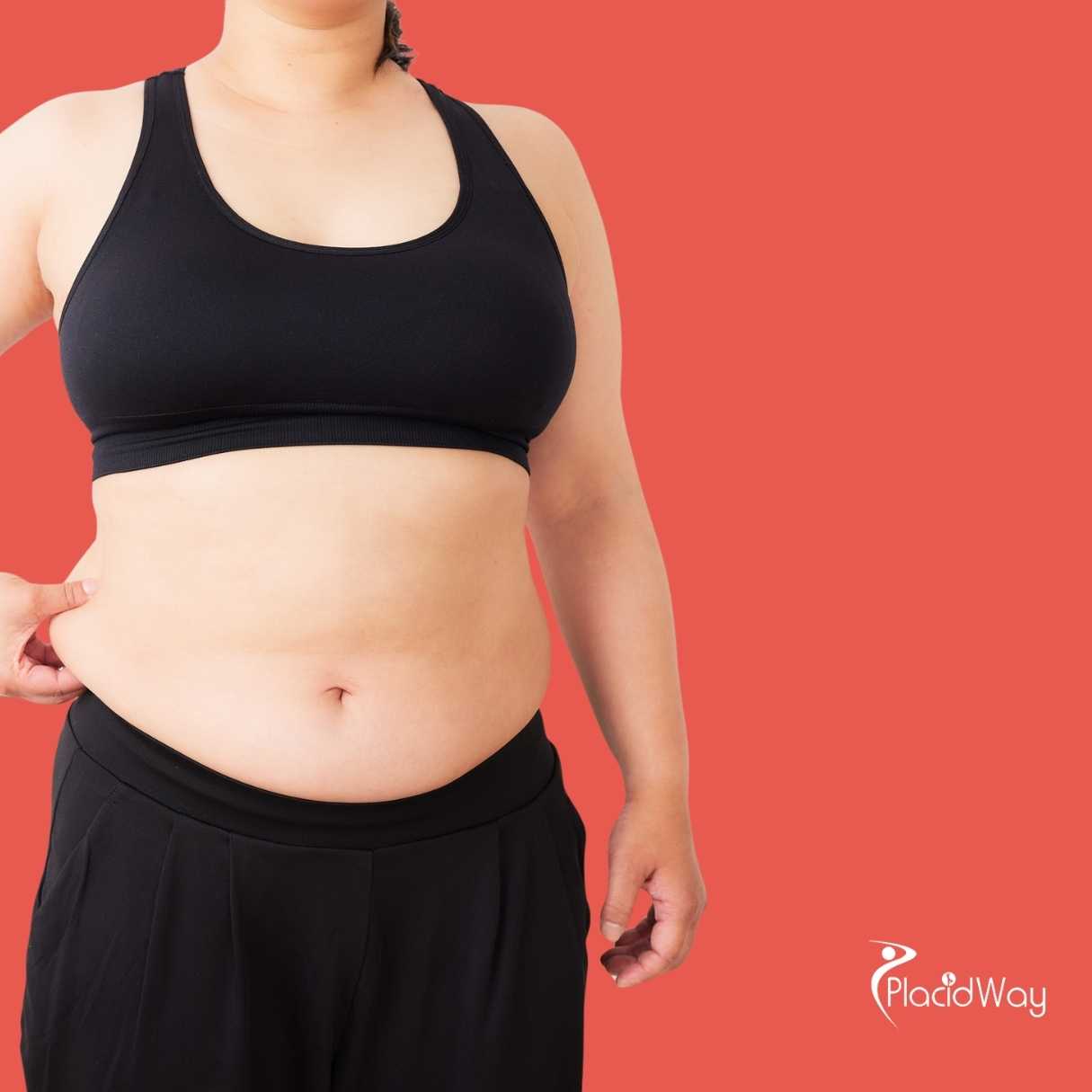
To qualify for gastroplasty in Mexico, individuals generally need a Body Mass Index (BMI) of 40 or higher, or a BMI of 35-39.9 with significant obesity-related health conditions. They must also demonstrate a history of failed non-surgical weight loss attempts and be psychologically prepared for the extensive lifestyle changes required. Considering gastroplasty in Mexico is a significant step towards a healthier future for many individuals struggling with severe obesity. This life-changing surgical procedure, which reshapes or removes a portion of the stomach, helps patients achieve substantial and sustainable weight loss when traditional methods have not been successful. Mexico has emerged as a popular destination for bariatric surgeries, including gastroplasty, due to its world-class facilities, experienced surgeons, and often more affordable pricing compared to other countries. Understanding the specific qualifications for gastroplasty in Mexico is crucial for anyone exploring this option. These criteria are designed to ensure patient safety and optimize the chances of successful outcomes, taking into account both physical health and psychological readiness. Whether you are battling long-term obesity, experiencing severe health complications, or have tried countless diets without lasting results, learning about the eligibility requirements is your first step towards potentially undergoing this transformative procedure. What are the general BMI requirements for gastroplasty in Mexico? Generally, individuals qualify for gastroplasty in Mexico if they have a Body Mass Index (BMI) of 40 or higher, or a BMI between 35 and 39.9 with at least one significant obesity-related health condition. The Body Mass Index (BMI) is a primary factor in determining eligibility for gastroplasty in Mexico, similar to international guidelines. A BMI of 40 or above is typically considered severe or morbid obesity, indicating a high risk for various health problems. For these individuals, the benefits of weight loss surgery often outweigh the potential risks. For those with a BMI between 35 and 39.9, the criteria become more specific. Qualification usually requires the presence of at least one serious obesity-related comorbidity. These health issues are directly linked to excess weight and can significantly improve or even resolve after successful weight loss surgery. The medical team will assess these conditions thoroughly to ensure the procedure is a necessary and appropriate intervention. What specific health conditions make someone eligible for gastroplasty in Mexico? Significant obesity-related health conditions that qualify individuals for gastroplasty in Mexico with a BMI of 35-39.9 include Type 2 diabetes, high blood pressure (hypertension), severe sleep apnea, and high cholesterol. When an individual has a BMI in the 35-39.9 range, the presence of specific health conditions becomes a critical factor for gastroplasty eligibility. These comorbidities are not just minor ailments but serious medical issues that can drastically reduce quality of life and lifespan. Surgical intervention aims to mitigate these risks and improve overall health. Common comorbidities that qualify patients include: Type 2 Diabetes: Especially when it is difficult to control with medication. High Blood Pressure (Hypertension): Persistent elevated blood pressure requiring medication. Severe Sleep Apnea: A condition where breathing repeatedly stops and starts during sleep, often requiring a CPAP machine. High Cholesterol (Dyslipidemia): Abnormal levels of fats in the blood, increasing heart disease risk. Osteoarthritis: Particularly in weight-bearing joints, exacerbated by excess weight. Non-alcoholic Fatty Liver Disease (NAFLD): Including its more severe form, NASH. Gastroesophageal Reflux Disease (GERD): Chronic acid reflux that is severe or difficult to manage. Mexican bariatric centers will conduct comprehensive evaluations to confirm these diagnoses and assess their severity, ensuring that gastroplasty is a suitable treatment path. Are there age restrictions for gastroplasty in Mexico? While there are no absolute age limits, gastroplasty in Mexico is typically recommended for adults between 18 and 65 years old. Younger or older patients may be considered on a case-by-case basis after thorough medical and psychological evaluation. Age plays a role in determining suitability for gastroplasty, though it's often less about a strict cut-off and more about overall health and surgical risk. Most bariatric surgery programs in Mexico prefer patients to be between 18 and 65 years old. This range generally represents individuals who are physically mature enough for surgery and healthy enough to withstand the procedure and recovery. For patients younger than 18, gastroplasty is considered only in very severe cases of obesity with significant comorbidities and after careful consideration by a multidisciplinary team, often involving parental consent and specific ethical reviews. For individuals over 65, eligibility hinges heavily on their overall health, the presence of other medical conditions, and their ability to adhere to post-operative guidelines. An extensive cardiac and pulmonary evaluation is usually required to ensure they can safely undergo anesthesia and surgery. What psychological evaluations are required before gastroplasty in Mexico? Before gastroplasty in Mexico, patients typically undergo a psychological evaluation to assess their understanding of the procedure, commitment to lifestyle changes, and to identify any untreated mental health conditions that could impact surgical success or recovery. Gastroplasty is not just a physical transformation; it requires significant mental and emotional adjustments. For this reason, a thorough psychological evaluation is a standard and essential part of the qualification process in Mexico. This assessment helps ensure that patients are mentally prepared for the drastic changes to their eating habits, body image, and daily routines. The psychological evaluation aims to: Assess Motivation: Confirm a genuine desire for weight loss and a commitment to long-term lifestyle changes. Identify Eating Disorders: Rule out active bulimia, anorexia, or severe binge eating disorders that require treatment before surgery. Evaluate Mental Health Stability: Identify and address any untreated severe depression, anxiety, psychosis, or substance abuse issues that could complicate recovery or adherence to post-operative instructions. Ensure Realistic Expectations: Help patients understand that surgery is a tool, not a cure, and requires continuous effort. Assess Support System: Determine if the patient has adequate emotional support from family and friends. The psychologist or psychiatrist will provide recommendations to the bariatric team, which might include therapy or counseling prior to surgery to ensure the best possible outcome for the patient. What non-surgical weight loss attempts must be documented to qualify for gastroplasty in Mexico? To qualify for gastroplasty in Mexico, patients must typically demonstrate a documented history of failed non-surgical weight loss attempts, often including supervised diets, exercise programs, or behavioral therapy, over a period of 6 to 12 months. Bariatric surgery, including gastroplasty, is considered a last resort when other methods of weight loss have proven ineffective. Therefore, a crucial part of the qualification process in Mexico involves demonstrating a history of documented, supervised non-surgical weight loss attempts. This criterion assures the medical team that surgical intervention is genuinely necessary. The types of documented attempts often include: Structured Diet Programs: Evidence of following various dietary plans, such as low-calorie, low-carb, or medically supervised liquid diets. Regular Exercise Regimens: Documentation of participation in consistent physical activity programs. Behavioral Modification Therapy: Participation in programs aimed at changing eating habits and lifestyle behaviors. Medically Supervised Weight Loss: Records from a physician or dietitian overseeing a weight management plan. The duration and nature of these attempts will be reviewed by the bariatric team to confirm that conservative measures have been exhausted. This requirement helps to ensure that patients are fully committed to the lifestyle changes required after surgery, as they have already tried and understand the challenges of weight management. What is the typical cost of gastroplasty in Mexico compared to the US? The typical cost of gastroplasty in Mexico ranges from $4,000 to $10,000, which is significantly lower than in the US where prices can range from $15,000 to $30,000 or more, making Mexico a popular destination for medical tourism. One of the most compelling reasons individuals consider gastroplasty in Mexico is the substantial cost savings compared to procedures performed in the United States or Canada. The lower overhead costs for hospitals, surgical centers, and medical professionals in Mexico translate into more affordable patient fees without compromising on quality. Here's a comparison of estimated costs: Procedure Location Estimated Cost Range Included Services (Typically) Mexico $4,000 - $10,000 Surgeon fees, anesthesia, hospital stay, pre-op tests, some post-op follow-up. United States $15,000 - $30,000+ Surgeon fees, anesthesia, hospital stay, extensive pre-op and post-op care. It's important to note that these costs can vary based on the specific clinic, the surgeon's experience, the type of gastroplasty (e.g., gastric sleeve, gastric bypass), and whether the package includes accommodation, ground transportation, or extensive aftercare. Patients should always request a detailed quote to understand what is covered. How safe is undergoing gastroplasty in Mexico? Undergoing gastroplasty in Mexico can be safe, particularly at accredited facilities with experienced, board-certified surgeons. Many Mexican clinics adhere to international standards of care, providing high-quality medical services for bariatric surgery patients. The safety of gastroplasty in Mexico is a common concern for individuals considering medical tourism. The reality is that Mexico has many highly reputable bariatric centers and surgeons who offer excellent care, often comparable to what can be found in other developed nations. However, like any medical procedure, thorough research is key to ensuring safety. To maximize safety, patients should look for: Accreditation: Hospitals and clinics that are accredited by international bodies (e.g., Joint Commission International - JCI) or recognized national health organizations. Board-Certified Surgeons: Surgeons who are certified by a Mexican surgical board and have extensive experience specifically in bariatric procedures. Modern Facilities: Hospitals equipped with state-of-the-art operating rooms, intensive care units, and diagnostic technology. Multidisciplinary Teams: Clinics that offer comprehensive care, including nutritionists, psychologists, and support staff, not just the surgeon. Transparent Communication: Facilities that provide clear information about the procedure, risks, costs, and aftercare. While risks are inherent in any surgery, choosing a reputable provider in Mexico can offer a safe and effective path to weight loss, with complications rates similar to those observed globally. What pre-operative tests are necessary for gastroplasty in Mexico? Necessary pre-operative tests for gastroplasty in Mexico typically include blood work (complete blood count, metabolic panel), EKG, chest X-ray, upper endoscopy, and potentially a sleep study, to assess overall health and identify any surgical risks. Before undergoing gastroplasty in Mexico, a comprehensive set of pre-operative tests and evaluations is crucial. These assessments ensure that the patient is medically fit for surgery and help the surgical team plan the safest and most effective procedure. The specific tests may vary slightly based on individual health conditions but generally follow a standard protocol. Common pre-operative tests include: Blood Work: Complete Blood Count (CBC) Comprehensive Metabolic Panel (CMP) Liver and Kidney Function Tests Thyroid Function Tests A1C (for diabetes assessment) Lipid Panel (cholesterol, triglycerides) Vitamin and Mineral Levels (e.g., Vitamin D, B12, Iron) Blood Type and Crossmatch Cardiovascular Evaluation: Electrocardiogram (EKG) Chest X-ray Stress test or echocardiogram, if medically indicated. Gastrointestinal Evaluation: Upper Endoscopy (EGD) to examine the esophagus, stomach, and duodenum for ulcers, inflammation, or hiatus hernia. H. Pylori test. Pulmonary Function Tests: Especially for patients with a history of respiratory issues or sleep apnea. Psychological Evaluation: As previously discussed. Nutritional Evaluation: To understand dietary habits and prepare for post-operative changes. These tests provide a complete picture of the patient's health status, allowing the medical team to mitigate risks and ensure a smoother surgical experience. What post-operative commitment is expected from gastroplasty patients in Mexico? Gastroplasty patients in Mexico are expected to make a lifelong commitment to dietary changes, regular exercise, vitamin supplementation, and consistent follow-up appointments to achieve and maintain successful weight loss and prevent complications. Gastroplasty is not a magic bullet; it is a powerful tool that requires significant and permanent lifestyle changes from the patient. The commitment to these post-operative guidelines is crucial for long-term success and to avoid complications. Mexican bariatric centers emphasize the importance of patient adherence to these directives. Key areas of post-operative commitment include: Dietary Adherence: Following a strict diet progression, starting with liquids, then pureed foods, soft foods, and eventually regular solid foods in small portions. Avoiding high-sugar, high-fat, and processed foods. Eating slowly and chewing food thoroughly. Separating liquids from solid meals to prevent discomfort. Supplementation: Taking prescribed vitamin and mineral supplements for life to prevent deficiencies, as nutrient absorption can be altered. Physical Activity: Engaging in regular exercise, gradually increasing intensity as cleared by the medical team. Follow-up Care: Attending scheduled follow-up appointments with the surgeon, nutritionist, and psychologist, either in Mexico or with local healthcare providers. Hydration: Drinking plenty of fluids throughout the day, avoiding sugary drinks and carbonation. Understanding and committing to these changes before surgery is a vital part of the qualification process, as it directly impacts the long-term effectiveness and safety of the gastroplasty. Are there specific criteria for revision gastroplasty in Mexico? For revision gastroplasty in Mexico, criteria typically include insufficient weight loss or significant weight regain after a primary bariatric procedure, or the development of severe complications such as intractable reflux or strictures related to the initial surgery. Sometimes, a primary bariatric surgery may not achieve the desired results, or complications can arise years later. In such cases, a revision gastroplasty might be considered. Mexican bariatric clinics also specialize in these complex procedures, but they have distinct qualification criteria. Key reasons for considering revision gastroplasty include: Inadequate Weight Loss: If the patient has not lost a significant percentage of their excess weight (e.g., less than 50%) within 18-24 months post-primary surgery, despite adherence to lifestyle changes. Significant Weight Regain: If the patient has regained a substantial amount of the weight they initially lost, often due to stretching of the gastric pouch or behavioral factors. Unresolved Comorbidities: If obesity-related health conditions persist or worsen despite initial surgery. Surgical Complications: Intractable Reflux: Severe, persistent acid reflux not alleviated by medication. Stenosis/Stricture: Narrowing of the stomach or anastomosis causing difficulty eating or vomiting. Fistulas or Leaks: Although rare, these might require revision. Gastric Sleeve Dilation: When the sleeve stretches over time, reducing its restrictive effect. Patients seeking revision gastroplasty will undergo an even more rigorous evaluation, often including advanced imaging and endoscopy, to understand the exact anatomical and functional issues. A psychological assessment is also critical to ensure the patient is prepared for another surgical journey and committed to the necessary lifestyle adjustments. Ready to explore your options for gastroplasty in Mexico? Contact PlacidWay today to connect with world-class bariatric surgeons and accredited clinics, and take the first step towards a healthier you!...
Read more details.jpg)
After gastric sleeve in Mexico, revision options include re-sleeving, conversion to gastric bypass (RNY), SADI-S, or duodenal switch, depending on weight regain, acid reflux, or insufficient weight loss. It’s a common misconception that weight loss surgery is a one-time fix. While a gastric sleeve can be incredibly effective, some individuals may find themselves needing further intervention years down the line. Whether it's due to insufficient weight loss, weight regain, or uncomfortable complications like severe acid reflux, exploring revision options is a natural next step for many. Thankfully, Mexico has emerged as a leading destination for these specialized procedures, offering accessible and high-quality care. If you've had a gastric sleeve in Mexico or elsewhere and are considering your next steps, understanding the available revision surgeries is crucial. This detailed guide will walk you through the various procedures, help you assess if a revision is right for you, and address common concerns, including how to navigate medical tourism for these advanced surgeries. Why might someone need a gastric sleeve revision? Common reasons for needing a gastric sleeve revision include insufficient weight loss, significant weight regain, or complications like severe acid reflux (GERD) that are not manageable with medication. While gastric sleeve surgery is highly successful for many, it's not without its challenges for some individuals. Over time, the stomach pouch can stretch, leading to an increased capacity for food and subsequently, weight regain. This is one of the primary drivers for considering a revision. It's important to remember that lifestyle factors, diet, and exercise still play a critical role in long-term success. Beyond weight-related issues, certain medical complications can necessitate a revision. Chronic and severe acid reflux, or Gastroesophageal Reflux Disease (GERD), is a significant concern for a subset of gastric sleeve patients. If GERD is severe and not responsive to medication, revision surgery might be recommended to alleviate symptoms and prevent further complications. Other less common reasons can include persistent nausea, vomiting, or anatomical issues with the original sleeve. What are the common revision options after gastric sleeve in Mexico? The common revision options after gastric sleeve in Mexico include re-sleeving, conversion to Roux-en-Y gastric bypass, and conversion to SADI-S or Duodenal Switch procedures. When a gastric sleeve doesn't meet its intended goals or causes complications, several surgical paths can be explored to achieve better outcomes. These revision surgeries are more complex than the initial sleeve procedure, requiring specialized expertise. In Mexico, reputable bariatric centers offer a comprehensive range of these advanced options, tailored to individual patient needs and health profiles. The choice of revision surgery depends on various factors, including the primary reason for revision (e.g., weight regain vs. reflux), the patient's current health status, and their weight loss goals. A thorough evaluation with an experienced bariatric surgeon is essential to determine the most suitable option, weighing the benefits against the potential risks of each procedure. What is a re-sleeve gastrectomy? A re-sleeve gastrectomy is a revision procedure where the existing gastric sleeve is made smaller by removing more of the stomach, typically to address pouch dilation and subsequent weight regain. Sometimes, after an initial gastric sleeve, the remaining stomach pouch can dilate or stretch over time. This enlargement allows for greater food intake, which can lead to weight regain. A re-sleeve gastrectomy, also known as a re-sleeving, addresses this by re-shaping and further restricting the stomach. Essentially, it involves removing additional stomach tissue, making the sleeve smaller and tighter than it was before. This procedure is often considered for patients who experienced good initial weight loss but then started to regain weight due to pouch dilation, provided they don't suffer from severe acid reflux. It aims to restore the restrictive effects of the original sleeve, helping patients feel fuller on smaller portions once again. While generally less complex than a conversion to bypass, it still carries surgical risks and requires a dedicated commitment to lifestyle changes. When is conversion to Roux-en-Y (RNY) gastric bypass recommended? Conversion to Roux-en-Y (RNY) gastric bypass is often recommended after a gastric sleeve when severe acid reflux (GERD) persists, or for patients experiencing significant weight regain and needing greater metabolic effect. Roux-en-Y (RNY) gastric bypass is a malabsorptive and restrictive procedure that involves creating a small stomach pouch and directly connecting it to the small intestine, bypassing a significant portion of the stomach and duodenum. As a revision from a gastric sleeve, it is a highly effective option, particularly for two main reasons: persistent, severe GERD and substantial weight regain where a re-sleeve may not be sufficient. For patients suffering from debilitating acid reflux post-sleeve, RNY gastric bypass can often resolve these symptoms because it diverts bile and digestive juices away from the esophagus. Furthermore, RNY gastric bypass offers a stronger metabolic effect than a sleeve alone, meaning it can lead to more significant and sustained weight loss for individuals who struggled after their initial sleeve or regained a considerable amount of weight. It is a more complex surgery with different nutritional considerations and potential complications compared to a re-sleeve. What is SADI-S and how does it compare to other revisions? SADI-S (Single Anastomosis Duodeno-Ileal bypass with Sleeve Gastrectomy) is a highly effective revision option after gastric sleeve, enhancing weight loss and metabolic benefits with fewer intestinal connections than a traditional duodenal switch. SADI-S is a newer and increasingly popular revision option for patients who have had a gastric sleeve. It builds upon the existing sleeve by adding a malabsorptive component. The procedure involves creating a single connection (anastomosis) between the duodenum (the first part of the small intestine) and a more distant loop of the ileum (the final part of the small intestine), effectively bypassing a significant section of the small intestine. The original gastric sleeve remains intact. Compared to an RNY gastric bypass, SADI-S retains the pylorus valve (which regulates stomach emptying), potentially reducing dumping syndrome and allowing for easier endoscopic access to the bile duct. It offers superior weight loss and resolution of co-morbidities like type 2 diabetes, often exceeding the results of a standard RNY bypass. However, it also carries a higher risk of nutritional deficiencies due to its greater malabsorptive component, requiring lifelong vitamin and mineral supplementation. SADI-S is generally considered for patients with higher BMIs or those seeking the most significant possible weight loss after a failed sleeve. Is a duodenal switch an option after gastric sleeve? Yes, a duodenal switch (BPD/DS) is a powerful revision option after gastric sleeve, particularly for patients with a very high BMI or those who need maximum weight loss and metabolic improvement. The Duodenal Switch, or Biliopancreatic Diversion with Duodenal Switch (BPD/DS), is often considered the most powerful bariatric surgery in terms of weight loss and resolution of co-morbidities. As a revision from a gastric sleeve, it essentially transforms the existing sleeve into the restrictive component of a full duodenal switch procedure. This involves connecting the stomach's sleeve directly to a much further segment of the small intestine, bypassing the majority of the small intestine for significant malabsorption. The duodenal switch is typically reserved for individuals with very high BMIs who have failed other weight loss attempts, or for those whose gastric sleeve results were inadequate. While it offers unparalleled weight loss and resolution of conditions like type 2 diabetes, it also comes with the highest risk of nutritional deficiencies due to extensive malabsorption. Patients undergoing this revision must commit to a strict regimen of lifelong vitamin and mineral supplementation, as well as regular medical follow-ups. It's a complex procedure requiring a highly skilled and experienced surgical team. What factors determine the best revision surgery for me in Mexico? The best revision surgery after gastric sleeve in Mexico is determined by your original surgery's issues (e.g., weight regain, acid reflux), current health status, BMI, and long-term weight loss goals, as assessed by a specialist surgeon. Deciding on the optimal revision surgery is a highly individualized process that involves a comprehensive evaluation by an expert bariatric surgeon. There isn't a one-size-fits-all answer, as the best approach depends heavily on your unique circumstances. Here are key factors your surgeon will consider: Reason for Revision: Is it primarily weight regain, persistent acid reflux, or other complications? This is the most crucial factor. Current Health and Co-morbidities: Your overall health, presence of conditions like diabetes or high blood pressure, and any existing nutritional deficiencies will influence the decision. Original Sleeve Anatomy: The size and shape of your existing sleeve, as well as any anatomical anomalies, will be assessed. BMI and Weight Loss Goals: Your current body mass index and the amount of additional weight you aim to lose will guide choices toward more or less aggressive procedures. Patient Commitment: Your ability and willingness to adhere to lifelong dietary changes, vitamin supplementation, and follow-up care are vital for success. During your consultation in Mexico, the surgical team will review your medical history, perform necessary diagnostics, and engage in an in-depth discussion to recommend the safest and most effective revision plan for you. What are the costs associated with gastric sleeve revision in Mexico? The costs for gastric sleeve revision in Mexico typically range from $6,000 to $12,000 USD, significantly lower than in the US or Canada, varying by the specific procedure, clinic, and surgeon's experience. One of the compelling reasons patients consider medical tourism for bariatric revision surgery is the significant cost savings available in Mexico compared to countries like the United States or Canada. While revision surgeries are generally more complex and therefore slightly more expensive than initial gastric sleeve procedures, they remain highly affordable in Mexican bariatric centers. The exact price will fluctuate based on several factors: Type of Revision: A re-sleeve is typically less expensive than a conversion to RNY gastric bypass, SADI-S, or duodenal switch due to varying complexity and surgical time. Clinic and Surgeon: Highly accredited hospitals and renowned surgeons with extensive experience in revision surgeries may have higher fees. Package Inclusions: Most packages include hospital stay, surgeon fees, anesthesia, pre-operative tests, post-operative medications, and sometimes even ground transportation and hotel stays. Ensure you understand what is covered. Patients can expect to save 50-70% on average by choosing Mexico for their revision surgery without compromising on quality or safety. It is always recommended to get a detailed quote that outlines all expenses to avoid unexpected costs. How to choose a reputable clinic for revision surgery in Mexico? Choosing a reputable clinic for gastric sleeve revision in Mexico involves researching surgeon credentials, hospital accreditation, patient reviews, and ensuring comprehensive pre- and post-operative care and transparent pricing. Selecting the right clinic and surgeon for a revision procedure is paramount to a successful outcome. With numerous options available in Mexico, diligent research is key. Here are critical aspects to consider: Surgeon Experience: Look for surgeons who specialize in bariatric revisions and have a proven track record. Verify their board certifications and the number of revision procedures they perform annually. Hospital Accreditation: Ensure the hospital is internationally accredited (e.g., by JCI) or recognized by national health bodies, indicating adherence to high standards of patient safety and care. Comprehensive Care: A good clinic offers thorough pre-operative evaluations, state-of-the-art surgical facilities, dedicated post-operative care, and nutritional counseling. Patient Testimonials and Reviews: Seek out genuine reviews and testimonials from past patients, particularly those who have undergone revision surgery. Transparency in Pricing: A reputable clinic will provide clear, itemized quotes without hidden fees. Engaging with medical tourism facilitators can also be beneficial, as they often have established partnerships with vetted clinics and can assist with logistics, making the process smoother and more secure. What are the potential risks and benefits of revision surgery after gastric sleeve? Revision surgery after gastric sleeve offers benefits like renewed weight loss, improved health, and resolution of complications, but carries risks including surgical complications, nutritional deficiencies, and the need for lifelong lifestyle adherence. Like any surgical procedure, gastric sleeve revision comes with both potential benefits and risks. Understanding these thoroughly is crucial for making an informed decision. Benefits: Renewed Weight Loss: For those experiencing weight regain or insufficient initial weight loss, revision can kickstart the journey again, leading to significant further weight reduction. Improved Health Conditions: Resolution or significant improvement of obesity-related co-morbidities such as type 2 diabetes, high blood pressure, sleep apnea, and joint pain. Resolution of Complications: Procedures like RNY bypass can effectively resolve severe acid reflux symptoms that developed after the initial sleeve. Enhanced Quality of Life: Improved mobility, increased energy levels, and better self-esteem contribute to a significantly better quality of life. Risks: Increased Complexity: Revision surgeries are inherently more complex than primary operations due to scar tissue and altered anatomy, potentially leading to longer recovery times. General Surgical Risks: These include bleeding, infection, leaks at staple lines, blood clots, and adverse reactions to anesthesia. Nutritional Deficiencies: Especially with malabsorptive procedures like SADI-S or duodenal switch, there is a higher risk of deficiencies in vitamins and minerals, requiring lifelong supplementation. Dumping Syndrome: More common with bypass procedures, this involves rapid emptying of food into the small intestine, causing symptoms like nausea, cramping, and dizziness. Failure to Achieve Goals: While less common, there's always a possibility that the revision may not achieve the desired weight loss or complication resolution. A detailed discussion with your surgeon about these benefits and risks, tailored to your specific health profile and chosen procedure, is essential. Your commitment to strict adherence to post-operative guidelines, including diet, exercise, and nutritional supplementation, is vital for maximizing benefits and minimizing risks. Considering a gastric sleeve revision in Mexico or exploring other medical tourism options? Explore PlacidWay for comprehensive solutions and connect with top-rated clinics worldwide....
Read more details
To qualify for sleeve gastrectomy in Mexico, patients typically need a BMI of 30-35 with comorbidities or a BMI of 40 or higher, along with a history of failed weight loss attempts. You'll also need a psychological evaluation and to be free of certain medical conditions. Considering sleeve gastrectomy in Mexico? It's a popular choice for many seeking effective weight loss solutions due to its affordability and high-quality care. This procedure, which reduces the size of your stomach, can lead to significant and sustainable weight loss when combined with long-term lifestyle changes. Understanding the requirements for sleeve gastrectomy in Mexico is the first crucial step towards your health transformation. Clinics in Mexico adhere to international standards, ensuring patient safety and successful outcomes, making it a reliable destination for bariatric surgery. What is the primary BMI requirement for sleeve gastrectomy in Mexico? The primary BMI requirement for sleeve gastrectomy in Mexico is generally a BMI of 40 or higher, or a BMI of 30-35 with significant obesity-related health conditions. Body Mass Index (BMI) is a crucial factor in determining eligibility for sleeve gastrectomy. Most clinics in Mexico follow guidelines similar to those in the United States and Canada. Typically, individuals with a BMI of 40 or greater are considered eligible for the procedure without additional health conditions. However, if your BMI falls between 30 and 39.9, you might still qualify if you have at least one significant obesity-related comorbidity. These comorbidities demonstrate that your weight is negatively impacting your health, making surgical intervention a necessary step. It's important to discuss your specific BMI and health profile with a bariatric surgeon. Are there specific health conditions that qualify or disqualify you for gastric sleeve in Mexico? Qualifying health conditions for gastric sleeve in Mexico include type 2 diabetes, high blood pressure, sleep apnea, and joint pain. Disqualifying conditions can include severe heart disease, uncontrolled psychiatric disorders, or active substance abuse. Many obesity-related health conditions, often referred to as comorbidities, can strengthen your eligibility for sleeve gastrectomy. These include type 2 diabetes, hypertension (high blood pressure), severe sleep apnea, osteoarthritis (joint pain) exacerbated by weight, high cholesterol, and non-alcoholic fatty liver disease. Having one or more of these conditions, especially with a lower BMI (30-39.9), often helps you meet the criteria for surgery. Conversely, certain health issues can disqualify you or require careful management before surgery. These include severe, unstable heart disease, chronic lung disease, uncontrolled psychiatric conditions like severe depression or psychosis, active substance abuse, or certain gastrointestinal conditions such as Crohn's disease. These conditions can increase surgical risks or hinder post-operative recovery and compliance with lifestyle changes. A thorough medical evaluation will determine your suitability. What pre-operative evaluations are necessary before sleeve gastrectomy in Mexico? Before sleeve gastrectomy in Mexico, necessary pre-operative evaluations include a comprehensive physical exam, blood tests, an EKG, chest X-ray, psychological evaluation, and potentially an endoscopy. To ensure your safety and the best possible outcome, a series of pre-operative evaluations are required. These assessments help the medical team understand your overall health status and identify any potential risks. Here's a general list of evaluations you can expect: Comprehensive Physical Exam: A thorough check-up by a physician. Blood Tests: To assess blood count, kidney and liver function, blood sugar levels, and nutrient deficiencies. Electrocardiogram (EKG): To evaluate heart health. Chest X-ray: To check lung health. Psychological Evaluation: To assess mental readiness and commitment (detailed below). Upper Endoscopy: In some cases, to examine the esophagus and stomach for any abnormalities. Abdominal Ultrasound: May be performed to check for gallstones or fatty liver disease. These evaluations ensure that you are medically stable enough to undergo general anesthesia and the surgical procedure itself. Your bariatric team will guide you through each step of this crucial pre-operative phase. Is a psychological evaluation a mandatory requirement for sleeve gastrectomy in Mexico? Yes, a psychological evaluation is a mandatory requirement for sleeve gastrectomy in Mexico to assess a patient's understanding of the procedure, commitment to lifestyle changes, and mental readiness for surgery. A psychological evaluation is indeed a mandatory and vital component of the pre-operative process for sleeve gastrectomy in Mexico. This assessment is not meant to "clear" or "deny" you for surgery based on mental health issues alone, but rather to ensure you are psychologically prepared for the significant changes that lie ahead. The evaluation typically focuses on several key areas: Understanding of the Procedure: Ensuring you comprehend the risks, benefits, and the permanent nature of the surgery. Commitment to Lifestyle Changes: Assessing your readiness to adopt new eating habits, exercise routines, and long-term follow-up care. Mental Readiness: Identifying any untreated or uncontrolled psychiatric conditions (like severe depression, anxiety, or eating disorders) that could hinder recovery or post-operative success. Support System: Evaluating your social support network, which is crucial for long-term success. The psychologist will work with you to address any concerns and provide strategies for managing the emotional and behavioral aspects of weight loss surgery, setting you up for the best possible outcome. Do I need to demonstrate a history of failed weight loss attempts to qualify for sleeve gastrectomy in Mexico? Yes, a history of documented, failed weight loss attempts through diet and exercise is typically a requirement for sleeve gastrectomy in Mexico, demonstrating that non-surgical methods have been ineffective. Most bariatric surgery programs, including those in Mexico, require patients to demonstrate a history of failed attempts at sustained weight loss through conventional, non-surgical methods such as supervised diet and exercise programs. This requirement is in place to ensure that sleeve gastrectomy is considered as a last resort when other methods have proven ineffective. Documenting these previous efforts is important. This might involve providing records from a physician, nutritionist, or weight loss program detailing your attempts. It shows a commitment to weight loss and that you have genuinely explored less invasive options. This step helps confirm that surgery is the appropriate next course of action for your health journey. What age restrictions apply for sleeve gastrectomy in Mexico? While exact age restrictions can vary by clinic, sleeve gastrectomy in Mexico is generally performed on adults between 18 and 65 years old, though exceptions may be made based on individual health. Sleeve gastrectomy is primarily performed on adult patients. Generally, individuals must be at least 18 years old to be considered for the procedure. For older patients, the upper age limit is typically around 65 years, though this can be flexible based on an individual's overall health and physiological age rather than their chronological age. For patients over 65, a more rigorous pre-operative assessment is usually conducted to ensure they are healthy enough to withstand the surgery and recover well. This involves assessing heart, lung, and kidney function, as well as cognitive health. The decision for older patients is highly individualized, focusing on minimizing risks and maximizing the potential benefits of the surgery. What is the typical recovery time and post-operative care plan after gastric sleeve in Mexico? The typical recovery time after gastric sleeve in Mexico involves a hospital stay of 2-3 days, followed by several weeks of liquid and pureed diets, and gradual return to normal activities over 4-6 weeks, with lifelong follow-up care. After your sleeve gastrectomy in Mexico, you can expect a hospital stay of approximately 2 to 3 days. During this time, the medical team will monitor your recovery, manage pain, and ensure you are comfortable. You will begin with clear liquids and gradually progress as tolerated. Upon discharge, the recovery continues at home. The initial weeks involve a strict dietary progression, starting with liquids, then pureed foods, soft foods, and eventually solid foods, usually over 4-6 weeks. It's crucial to follow your surgeon's dietary guidelines precisely to prevent complications. Most patients can return to light activities within 1-2 weeks and more strenuous exercise after 4-6 weeks. Lifelong follow-up appointments, including nutritional counseling and medical check-ups, are essential for sustained success and to manage any potential deficiencies. How does medical tourism for sleeve gastrectomy in Mexico compare to the US or Canada? Medical tourism for sleeve gastrectomy in Mexico often offers significant cost savings compared to the US or Canada, without compromising on quality, due to lower operational costs and competitive pricing. Medical tourism for sleeve gastrectomy in Mexico has grown significantly due to several compelling advantages compared to seeking the procedure in the US or Canada. The most prominent benefit is often the cost. Surgical packages in Mexico can be considerably more affordable, sometimes costing a third or even a quarter of the price in North America. This is largely due to lower overheads, malpractice insurance costs, and wages in Mexico, rather than a compromise on quality. Many Mexican bariatric clinics boast state-of-the-art facilities, internationally trained and board-certified surgeons, and accreditations that meet or exceed US standards. They often provide comprehensive, all-inclusive packages that cover surgery, hospital stay, medications, and sometimes even ground transportation and accommodation, simplifying the process for international patients. While proximity and familiarity are advantages of domestic care, Mexico offers a viable, high-quality, and cost-effective alternative for many seeking sleeve gastrectomy. What should I consider when choosing a clinic for sleeve gastrectomy in Mexico? When choosing a clinic for sleeve gastrectomy in Mexico, consider factors such as surgeon's qualifications and experience, facility accreditation, patient testimonials, all-inclusive packages, and post-operative support. Choosing the right clinic and surgeon for your sleeve gastrectomy in Mexico is a critical decision. Here are key factors to consider to ensure you receive safe and effective care: Surgeon's Qualifications and Experience: Look for surgeons who are board-certified, have extensive experience specifically with sleeve gastrectomy, and are members of international bariatric associations. Facility Accreditation: Ensure the hospital or clinic is accredited by recognized international bodies (like JCI - Joint Commission International) or reputable national Mexican health organizations. Patient Testimonials and Reviews: Read feedback from previous international patients to gauge their experiences with the clinic and surgical team. All-inclusive Packages: Inquire about what's included in the package price. This should typically cover pre-operative tests, surgery fees, hospital stay, medications, and follow-up care. Post-operative Support: Confirm what kind of post-operative care and communication channels are available once you return home. Good clinics offer ongoing support. Communication: Ensure clear and easy communication with the clinic's staff, especially in English, to address all your questions and concerns. Taking the time to research these aspects will help you make an informed decision and feel confident in your choice. Are there specific dietary and lifestyle changes required before and after sleeve gastrectomy in Mexico? Yes, before sleeve gastrectomy in Mexico, patients must follow a pre-op diet to shrink the liver. After surgery, a strict progressive diet, regular exercise, and lifelong vitamin supplementation are essential requirements. Sleeve gastrectomy is not just a surgical procedure; it's a tool that requires significant and lifelong dietary and lifestyle changes for success. The journey begins even before the surgery with a crucial pre-operative diet. Pre-operative Diet: Typically, for 1-2 weeks before surgery, you'll follow a very low-calorie liquid diet. The primary goal of this diet is to shrink the liver, making the surgery safer and easier to perform. It also helps your body begin adapting to calorie restriction. Post-operative Diet: After surgery, your diet will progress through several stages: clear liquids, full liquids, pureed foods, soft foods, and eventually regular solid foods. This progression usually takes 4-6 weeks. It's vital to eat slowly, chew thoroughly, stop when full, and avoid sugary drinks, carbonation, and high-fat foods. Hydration: Staying hydrated is paramount. You'll need to sip fluids constantly throughout the day, separate from meals. Exercise: Regular physical activity is a cornerstone of long-term weight loss and maintenance. You'll start with light walking and gradually increase intensity as tolerated, following your surgeon's guidance. Vitamin and Mineral Supplementation: Due to the reduced stomach size and potential malabsorption, lifelong supplementation with multivitamins, calcium, vitamin D, and vitamin B12 is typically required to prevent nutritional deficiencies. Adhering to these dietary and lifestyle changes is non-negotiable for achieving and maintaining successful weight loss and optimal health after sleeve gastrectomy. Considering sleeve gastrectomy in Mexico? Explore PlacidWay for trusted clinics, experienced surgeons, and comprehensive medical tourism packages designed to support your health journey....
Read more details
The cost of gastric bypass for diabetes in Mexico typically ranges from $7,000 to $12,000, offering significant savings compared to prices in the United States or Canada. This includes surgeon fees, hospital stays, and pre/post-operative care. If you're living with type 2 diabetes and considering gastric bypass surgery, you've likely heard about the potential benefits and are now wondering about the financial aspect, especially when looking abroad. Many individuals are turning to Mexico for medical procedures due to the significant cost savings without compromising on quality. It's a smart approach to explore all your options, and understanding the cost of gastric bypass for diabetes in Mexico is a crucial first step. This comprehensive guide will break down the typical expenses, explain why Mexico offers such competitive pricing, and address all the important questions you might have. We're here to help you navigate this decision with clear, helpful information, ensuring you feel confident and informed about pursuing effective treatment for diabetes through gastric bypass surgery. What is the typical cost of gastric bypass for diabetes in Mexico? The typical cost of gastric bypass for diabetes in Mexico ranges from $7,000 to $12,000, which is considerably lower than the $20,000 to $35,000 or more often seen in the United States. Gastric bypass surgery in Mexico, particularly when performed for the treatment of type 2 diabetes, presents a highly attractive option due to its affordability. While exact figures can vary depending on the clinic, the surgeon's experience, the city, and the specific package inclusions, most patients can expect to pay within the $7,000 to $12,000 range. This price point often includes a comprehensive suite of services, making it a very appealing alternative to domestic options. This cost typically encompasses the surgeon's fees, anesthesia, hospital stay, pre-operative tests, and post-operative follow-up consultations. The significant difference in price allows many individuals who might otherwise be unable to afford the procedure to access this life-changing treatment. It's important to get a detailed quote from any prospective clinic to understand precisely what is covered. Why is gastric bypass for diabetes more affordable in Mexico? Gastric bypass for diabetes is more affordable in Mexico primarily due to lower operating costs, reduced malpractice insurance rates, and a more favorable economic landscape for healthcare services compared to the U.S. or Canada. The lower cost of gastric bypass for diabetes in Mexico doesn't necessarily indicate a compromise in quality. Instead, it reflects several economic factors that make healthcare services more accessible. These factors combine to create a pricing structure that is beneficial for international patients seeking quality medical care. Key reasons for the affordability include: Lower Overhead Costs: The general cost of living and operating a medical facility, including staff salaries, utilities, and rent, is significantly lower in Mexico. Reduced Malpractice Insurance: Surgeons and hospitals in Mexico face lower malpractice insurance premiums compared to their counterparts in higher-cost countries. Government Regulations: Different regulatory environments and fewer administrative burdens can contribute to reduced overall costs for medical providers. High Volume of Patients: Many clinics specializing in bariatric surgery in Mexico serve a high volume of international patients, allowing them to offer competitive pricing through economies of scale. These factors allow Mexican clinics to provide world-class medical services at a fraction of the price found elsewhere, without sacrificing the expertise of their surgeons or the quality of their facilities. What is included in the cost of gastric bypass surgery in Mexico? The cost of gastric bypass surgery in Mexico typically includes surgeon's fees, anesthesia, hospital stay (1-3 nights), pre-operative tests, medications, and post-operative follow-up consultations. When considering gastric bypass for diabetes in Mexico, it's essential to understand what is covered in the quoted price. Reputable clinics offer comprehensive packages designed to cover all necessary aspects of your surgical journey, ensuring transparency and peace of mind. A typical all-inclusive package for gastric bypass surgery in Mexico often covers: Pre-operative Evaluations: This includes blood tests, EKG, chest X-rays, and consultations with a cardiologist, internist, and nutritionist to ensure you are a suitable candidate. Surgeon's Fees: The cost for the highly skilled bariatric surgeon performing the procedure. Anesthesiologist's Fees: The cost for the specialist administering anesthesia during your surgery. Hospital Stay: Usually 1 to 3 nights in a private room, including nursing care and hospital amenities. Medications: All necessary medications during your hospital stay and often a supply for your initial recovery at home. Post-operative Care: Initial follow-up consultations with the surgeon and nutritionist, sometimes including a post-op diet plan. Transportation: Often includes airport pickup and drop-off, and transportation between the hotel and clinic. Always clarify with the clinic if travel, accommodation outside the hospital, or any potential complications are covered. Some packages may also include a dedicated patient coordinator to assist with logistics. Is gastric bypass surgery in Mexico safe for diabetes patients? Yes, gastric bypass surgery in Mexico is safe for diabetes patients, provided you choose an accredited hospital with experienced, board-certified surgeons and a comprehensive medical team. The safety of gastric bypass for diabetes in Mexico is a primary concern for many patients, and rightly so. Mexico has emerged as a leading destination for medical tourism, with many facilities meeting international standards of care. Safety largely depends on the diligence of the patient in selecting a reputable provider. To ensure safety, consider the following: Accreditation: Look for hospitals and clinics that hold international accreditations, such as those from the Joint Commission International (JCI). This signifies adherence to rigorous patient safety and quality-of-care standards. Surgeon Credentials: Verify that your surgeon is board-certified, has extensive experience in bariatric and metabolic surgery, and specializes in treating diabetes patients. Modern Facilities: Choose clinics equipped with state-of-the-art technology, modern operating rooms, and comprehensive intensive care units (ICUs). Medical Team: A full team including anesthesiologists, nurses, nutritionists, and internal medicine specialists should be available to provide holistic care. With proper research and selection, patients can undergo gastric bypass for diabetes in Mexico with a high degree of safety and successful outcomes, often benefiting from surgeons who perform these procedures routinely. How effective is gastric bypass for treating type 2 diabetes? Gastric bypass is highly effective for treating type 2 diabetes, leading to significant improvement or even remission in 80-90% of patients, often within days or weeks of surgery, independent of initial weight loss. Gastric bypass surgery is not just a weight-loss procedure; it's a powerful metabolic surgery, particularly effective for type 2 diabetes. Its impact on diabetes often goes beyond what can be achieved with diet, exercise, or medication alone. The mechanism of action is complex, involving more than just calorie restriction and weight reduction. The procedure works by: Altering Gut Hormones: Rerouting the digestive tract changes the production of gut hormones (like GLP-1 and PYY), which play a crucial role in insulin sensitivity and blood sugar regulation. Rapid Food Delivery to the Small Intestine: Food bypasses a significant portion of the stomach and small intestine, reaching the latter part more quickly, which can trigger beneficial hormonal changes. Weight Loss: While the metabolic improvements often begin before significant weight loss, sustained weight reduction further enhances diabetes control and reduces associated health risks. Many patients experience improvements in blood sugar levels, often reducing or eliminating the need for diabetes medications, including insulin, very soon after surgery. This profound effect makes gastric bypass an invaluable tool in the long-term management and potential remission of type 2 diabetes. What are the qualifications for gastric bypass surgery in Mexico? Qualifications for gastric bypass for diabetes in Mexico generally follow international guidelines: a BMI of 40+, or a BMI of 35+ with obesity-related comorbidities like type 2 diabetes, and a history of unsuccessful non-surgical weight loss." Just like in other countries, specific criteria must be met to qualify for gastric bypass surgery in Mexico. These guidelines are in place to ensure patient safety and the likelihood of successful outcomes, especially for those seeking the procedure primarily for diabetes treatment. Common qualifications include: Body Mass Index (BMI): BMI of 40 or higher. BMI of 35 or higher with at least one obesity-related comorbidity, such as type 2 diabetes, high blood pressure, severe sleep apnea, or high cholesterol. Age: Generally between 18 and 65 years old, though exceptions can be made on a case-by-case basis after thorough medical evaluation. History of Weight Loss Attempts: Evidence of previous attempts at medically supervised weight loss programs that have been unsuccessful. Understanding of Procedure: A clear understanding of the surgery, its risks, benefits, and the commitment required for long-term lifestyle changes. Psychological Evaluation: Often a psychological assessment to ensure mental readiness and emotional stability for the significant life changes post-surgery. Medical Clearance: Comprehensive medical evaluation to confirm the patient is healthy enough to undergo major surgery. It's crucial to have an honest discussion with your chosen surgeon and medical team to determine if you meet all necessary criteria for gastric bypass for diabetes. How do I choose a reputable clinic for gastric bypass in Mexico? To choose a reputable clinic for gastric bypass in Mexico, look for international accreditations, verify surgeon's board certifications and experience, read patient testimonials, and ensure comprehensive support services are offered. Selecting the right clinic for your gastric bypass for diabetes in Mexico is perhaps the most critical step in your medical tourism journey. A thorough vetting process will help ensure a safe, successful, and positive experience. Don't rush this decision; invest time in research and communication. Here’s a checklist to guide your choice: Accreditation: Prioritize clinics or hospitals with international accreditations like JCI (Joint Commission International) or those affiliated with respected medical organizations. Surgeon's Credentials: Confirm that the surgeon is board-certified, specializes in bariatric surgery, has a high volume of gastric bypass procedures, and ideally has specific experience with diabetes patients. Facility Quality: Research the hospital’s infrastructure, technology, and cleanliness. Pictures and virtual tours can be helpful. All-Inclusive Packages: Choose clinics that offer transparent, all-inclusive pricing with no hidden fees, clearly outlining what services are covered. Patient Testimonials & Reviews: Look for authentic reviews on independent platforms and patient forums. Ask for patient references if possible. Communication & Support: Assess how responsive and clear the clinic’s communication is. Do they offer dedicated patient coordinators or translators? Post-Operative Care: Inquire about their follow-up protocols, especially for international patients, to ensure continuity of care once you return home. By carefully evaluating these aspects, you can confidently choose a reputable clinic for your gastric bypass for diabetes in Mexico. What is the recovery process like after gastric bypass in Mexico? The recovery process after gastric bypass in Mexico typically involves a 1-3 day hospital stay, followed by 1-2 weeks of rest in Mexico before returning home, adhering to a liquid diet transitioning to soft foods, and gradual activity. Understanding the recovery process is vital for proper planning, especially when undergoing gastric bypass for diabetes in Mexico. While the immediate recovery is managed by the surgical team, your commitment to following post-operative instructions is key to a smooth and successful long-term outcome. The general timeline and expectations for recovery are: Hospital Stay (1-3 days): You'll be closely monitored for pain management, incision care, and early mobility. The medical team will guide you through the initial liquid diet. Initial Recovery in Mexico (1-2 weeks): Most patients opt to stay in Mexico for an additional week or two post-discharge to allow for initial healing, follow-up appointments, and to ensure they are stable enough to travel. Diet Progression: This is a critical component. You will follow a strict diet progression: Phase Duration Description Clear Liquids Days 1-7 Water, clear broths, sugar-free gelatin. Full Liquids Week 2-4 Protein shakes, pureed soups, yogurt. Pureed/Soft Foods Week 5-8 Mashed vegetables, soft fish, scrambled eggs. Regular Foods After Week 8 Gradual reintroduction of solids, focusing on lean protein. Activity: Light walking is encouraged soon after surgery. Strenuous activities and heavy lifting should be avoided for 4-6 weeks. Long-Term Follow-up: Regular check-ups with your doctor and nutritionist, often including blood tests, are necessary for several years. Adherence to the dietary plan and lifestyle changes is crucial for optimizing weight loss and diabetes remission, and for preventing complications. Can I get financing for gastric bypass in Mexico? Yes, financing options for gastric bypass in Mexico are available through medical tourism facilitators, third-party lenders, and some clinics may offer payment plans, making the procedure more accessible. Even with the significant cost savings, the upfront expense of gastric bypass for diabetes in Mexico can still be a barrier for some. Fortunately, several financing options exist to help make the procedure more attainable. Ways to finance your surgery include: Medical Tourism Facilitators: Companies like PlacidWay often partner with financing providers that specialize in medical travel loans, allowing you to pay for your surgery and travel expenses over time. Third-Party Medical Lenders: There are financial institutions that specifically offer loans for medical procedures, often with competitive interest rates. It's worth exploring these options in your home country. Personal Loans or Lines of Credit: You might consider a personal loan from your bank or credit union, or utilizing a low-interest credit card if available. Clinic Payment Plans: While less common for international patients, some clinics in Mexico may offer internal payment plans or flexible scheduling options. It's always worth asking. Savings: Many patients choose to save up for the procedure, as even the lower cost in Mexico can be a significant investment. Thoroughly research and compare financing terms to find the option that best suits your financial situation. Always be clear on interest rates, repayment periods, and any associated fees. What are the long-term benefits and risks of gastric bypass for diabetes? Long-term benefits of gastric bypass for diabetes include sustained diabetes remission, significant weight loss, improved cardiovascular health, and enhanced quality of life, while risks involve nutritional deficiencies, dumping syndrome, and potential need for revision surgery. Gastric bypass for diabetes offers profound and lasting benefits, but like any major surgery, it also carries potential long-term risks that patients must be aware of and prepared to manage. Understanding both aspects is crucial for making an informed decision. Long-Term Benefits: Diabetes Remission or Improvement: The most significant benefit, often leading to normal blood sugar levels without medication for many years. Significant and Sustained Weight Loss: Most patients lose 60-80% of their excess weight and maintain it for the long term. Resolution of Comorbidities: Improvement or resolution of other obesity-related conditions such as high blood pressure, sleep apnea, high cholesterol, and joint pain. Improved Cardiovascular Health: Reduced risk of heart disease, stroke, and other circulatory problems. Enhanced Quality of Life: Increased mobility, energy levels, self-esteem, and overall well-being. Increased Life Expectancy: Studies suggest bariatric surgery can significantly increase lifespan for individuals with severe obesity and related health issues. Long-Term Risks: Nutritional Deficiencies: Due to altered digestion, patients are at risk for deficiencies in vitamins (B12, D, A, E, K), iron, and calcium, requiring lifelong supplementation. Dumping Syndrome: Rapid emptying of undigested food into the small intestine, causing symptoms like nausea, vomiting, dizziness, and diarrhea, often triggered by sugary or fatty foods. Stomal Stenosis (Stricture): Narrowing of the connection between the stomach pouch and the small intestine, requiring endoscopic dilation. Gallstones: Rapid weight loss can increase the risk of developing gallstones. Hernias: Incisional hernias can occur at the surgical sites. Psychological Adjustments: Patients may face challenges adapting to new eating habits, body image changes, and social situations. Need for Revision Surgery: In some cases, complications or insufficient weight loss may necessitate further surgical intervention. Lifelong commitment to dietary guidelines, vitamin supplementation, and regular follow-up care is essential to maximize benefits and mitigate risks of gastric bypass for diabetes. What pre-operative preparations are necessary for gastric bypass in Mexico? Pre-operative preparations for gastric bypass in Mexico include comprehensive medical evaluations, a liquid diet to reduce liver size, psychological assessment, and securing travel and accommodation arrangements well in advance. Thorough pre-operative preparation is crucial for the safety and success of gastric bypass for diabetes. Clinics in Mexico follow stringent protocols to ensure patients are physically and mentally ready for the procedure. This preparatory phase often begins weeks or even months before the actual surgery date. Key pre-operative steps include: Medical Evaluation: This involves extensive blood work, an electrocardiogram (EKG), chest X-rays, and possibly an endoscopy. You will also have consultations with an internist and cardiologist to assess your overall health and surgical risk. Nutritional Counseling: A nutritionist will guide you through a pre-operative diet, often a low-calorie, high-protein liquid diet for 1-2 weeks. This diet helps reduce the size of your liver, making the surgery safer and easier. Psychological Evaluation: A mental health professional will assess your understanding of the procedure, commitment to lifestyle changes, and emotional readiness for surgery. Medication Review: Your medical team will review all your current medications, especially those for diabetes, and provide instructions on which ones to stop or adjust before surgery. Lifestyle Adjustments: You may be advised to stop smoking and reduce alcohol consumption well in advance of the surgery. Travel Logistics: Arrange your passport, flights, and accommodation. Many clinics assist with airport transfers and lodging near the hospital. Following these instructions diligently will significantly contribute to a smoother surgery and recovery, especially when getting gastric bypass for diabetes in Mexico. What is the expected timeline for a medical tourism trip for gastric bypass in Mexico? A medical tourism trip for gastric bypass in Mexico typically spans 7 to 14 days, including arrival, pre-op tests, surgery, a 1-3 day hospital stay, and a week or more of local recovery before flying home. Planning your trip for gastric bypass for diabetes in Mexico requires understanding the typical timeline involved. While individual circumstances may vary, most patients can expect to spend approximately one to two weeks in Mexico to complete the entire process safely. Here's a general breakdown of the timeline: Day(s) Activity Day 1 Arrival in Mexico, airport transfer to hotel/clinic. Day 2 Pre-operative consultations, physical exams, blood tests, EKG, X-rays. Final surgeon consultation. Day 3 Gastric bypass surgery. Days 4-5 (or 6) Hospital recovery. Monitoring, pain management, early mobilization, start of liquid diet. Day 6 (or 7) Discharge from hospital. Transfer to recovery hotel/accommodation. Days 7-14 Outpatient recovery. Rest, follow dietary guidelines, light activity, post-operative check-ups with surgeon/nutritionist. After Day 7-14 Departure from Mexico. This timeline allows for adequate initial healing and ensures you are stable enough for air travel, minimizing risks and providing peace of mind during your gastric bypass for diabetes journey. Ready to explore your options for gastric bypass for diabetes in Mexico or other medical tourism solutions? Contact PlacidWay today to connect with top-tier clinics and specialized surgeons that can help you achieve your health goals....
Read more detailsShare this page with AI assistants to get summaries and insights


Discover the ultimate Obesity Bariatric Surgery packages designed to meet your health and wellness goals. Choose the perfect fit for your journey.

Price starting from $6,949
Piedras Negras, Mexico

Price starting from $6,079
Piedras Negras, Mexico

Price starting from $4,600
Tijuana, Mexico

Price starting from $2,500
Tijuana,Mexicali, Mexico
Discover the power of Obesity Bariatric Surgery through compelling patient experiences. Uncover detailed insights into procedures, recovery journeys, and life-changing results.
.png)
Price starting from $6,079
Piedras Negras, Mexico
.png)
Price starting from $6,899
Ensenada, Mexico
.png)
Price starting from $5,000
Tijuana, Mexico
.png)
Price starting from $6,000
Mexicali, Mexico


