What treatment


20+ Key FAQs on Cosmetic/Plastic Surgery in Turkey
Questions About Cosmetic/Plastic Surgery in Turkey? Start Here
Trusted Medical Tourism Platform Since 2007
.png)
Which Countries Lead in European Medical Tourism?
The leading countries in European medical tourism are Turkey, Spain, Germany, Hungary, and Poland. These nations are renowned for their high-quality healthcare, specialized treatments, and significant cost savings compared to many Western countries. Have you ever considered traveling to another country for a medical procedure? If so, you're not alone. Medical tourism is a rapidly growing industry, and Europe has emerged as a premier destination for individuals seeking top-notch healthcare at competitive prices. But with so many options, you might be wondering, "Which countries lead in European medical tourism?" The answer is that a handful of nations have distinguished themselves through their exceptional medical services, cutting-edge technology, and patient-centric care. Countries like Turkey, Spain, Germany, Hungary, and Poland are at the forefront of this trend, attracting millions of international patients each year. Whether you're in need of cosmetic surgery, advanced dental work, or specialized medical treatments, these European hotspots offer a compelling combination of quality, affordability, and cultural experiences. In this comprehensive guide, we'll delve into what makes these countries the leaders in European medical tourism and explore the specific treatments they're known for. We'll answer all the important questions you might have, from cost comparisons to the quality of care, so you can make an informed decision about your healthcare journey. Why is Turkey a Top Destination for Medical Tourism? Turkey is a top destination for medical tourism due to its combination of high-quality, JCI-accredited hospitals, highly skilled doctors, and significantly lower costs for procedures like cosmetic surgery, hair transplants, and dental work. Turkey Medical Tourism has rapidly become a global powerhouse in the medical tourism industry. Its strategic location, bridging Europe and Asia, makes it easily accessible for patients from both continents. The Turkish government has actively promoted and invested in the healthcare sector, resulting in a large number of internationally accredited hospitals, particularly in Istanbul, Ankara, and Izmir. These facilities are equipped with the latest medical technology and are staffed by highly trained, often Western-educated, medical professionals. The primary draw for many medical tourists is the cost-effectiveness of treatments in Turkey. Patients can often save up to 70% on procedures compared to the US, UK, and other Western European countries. This affordability does not come at the expense of quality. Many Turkish hospitals have Joint Commission International (JCI) accreditation, which is considered the gold standard in global healthcare. Popular procedures in Turkey include: Cosmetic Surgery: Rhinoplasty, breast augmentation, and liposuction are among the most sought-after procedures. Hair Transplants: Hair Transplant in Turkey is often referred to as the "hair transplant capital of the world." Dental Treatments: From implants to veneers, Turkish dental clinics offer comprehensive and affordable care. Fertility Treatments: IVF and other assisted reproductive technologies are available at competitive prices. What Makes Spain a Leader in European Medical Tourism? Spain is a leader in European medical tourism because of its world-class healthcare system, highly skilled specialists, and its reputation for excellence in fertility treatments, cosmetic surgery, and orthopedics, all within a desirable Mediterranean climate. Spain Medical Tourism boasts one of the best healthcare systems in the world, consistently ranking high in global health indices. This reputation for quality, combined with its pleasant climate and tourist-friendly environment, makes it a highly attractive destination for medical travelers. The country has a robust network of modern hospitals and clinics, many of which are geared towards international patients with multilingual staff and dedicated patient support services. The cost of medical procedures in Spain is also competitive, offering significant savings compared to countries like the US and UK. Spain is particularly renowned for its expertise in certain medical fields. For instance, it is a global leader in fertility treatments, with some of the most advanced IVF clinics in Europe. The country's liberal reproductive laws also make it an accessible option for a wide range of patients. Other popular treatments in Spain include: Fertility Treatments: High success rates and advanced techniques make Spain a top choice for IVF. Cosmetic Surgery: A wide range of aesthetic procedures are performed by highly qualified surgeons. Orthopedic Surgery: Spain is known for its excellence in joint replacement and sports medicine. Ophthalmology: Advanced eye surgeries, including LASIK, are widely available. Why is Germany Known as the "Hospital of Europe"? Germany is known as the "Hospital of Europe" due to its unparalleled medical technology, stringent quality standards, and world-renowned expertise in complex treatments such as oncology, cardiology, and orthopedics. Germany Medical Tourism reputation for precision engineering and technological innovation extends to its healthcare sector. The country is home to some of the most advanced medical facilities and research institutions in the world. While the cost of treatment in Germany may be higher than in other European medical tourism destinations, patients are willing to pay a premium for the exceptional quality of care and access to cutting-edge treatments. The German healthcare system is highly regulated, ensuring that all hospitals and clinics adhere to strict safety and quality standards. Patients travel to Germany for a wide range of complex and specialized medical procedures. The country's doctors and surgeons are among the best in the world, with extensive training and experience in their respective fields. Some of the most sought-after treatments in Germany include: Oncology: Access to the latest cancer treatments and clinical trials. Cardiology: Advanced heart surgeries and treatments for cardiovascular diseases. Orthopedic Surgery: World-renowned for hip and knee replacements. Neurology: Expertise in treating complex neurological disorders. Why is Hungary Called the "Dental Capital of Europe"? Hungary is called the "Dental Capital of Europe" because of its high concentration of world-class dental clinics, highly skilled dentists, and the affordability of dental treatments, which can be up to 70% cheaper than in other Western countries. For decades, Hungary Medical Tourism has been the go-to destination for anyone seeking high-quality, affordable dental work. The country has a long tradition of excellence in dentistry, with a high concentration of dental universities and clinics, especially in Budapest and cities near the Austrian border. Hungarian dentists are known for their expertise and use of the latest dental technologies. The cost of dental treatments in Hungary is significantly lower than in the UK, Ireland, and other Western European countries, making it a popular choice for patients seeking everything from routine check-ups to complex restorative procedures. The dental tourism industry in Hungary is well-developed, with many clinics offering comprehensive packages that include treatment, accommodation, and even travel arrangements. The most common dental procedures sought by medical tourists in Hungary include: Dental Implants: High-quality implants at a fraction of the cost in other countries. Crowns and Bridges: Restorative treatments using the latest materials and techniques. Veneers: Cosmetic dental procedures to enhance the appearance of teeth. Full Mouth Restoration: Comprehensive treatment plans for complex dental issues. What Makes Poland an Emerging Leader in Medical Tourism? Poland is an emerging leader in medical tourism due to its combination of highly skilled medical professionals, modern facilities, and some of the most competitive prices in Europe for cosmetic surgery, dentistry, and bariatric surgery. Poland Medical Tourism has become an increasingly popular destination for medical tourism, particularly for patients from Germany, the UK, and Scandinavian countries. The country offers a compelling combination of high-quality medical care and affordable prices. The Polish government has been actively promoting the country as a medical tourism destination, and many hospitals and clinics have invested in modern facilities and technology to cater to international patients. The cost of medical treatments in Poland is significantly lower than in Western Europe, with savings of up to 60-80% on some procedures. Poland is a strong choice for a variety of medical treatments. Its doctors and surgeons are well-trained, and many have experience working in other European countries. The most popular procedures for medical tourists in Poland include: Cosmetic Surgery: Offering a wide range of procedures at competitive prices. Dentistry: A growing sector with significant cost savings. Bariatric Surgery: Specialized clinics for weight-loss procedures. Orthopedics: High-quality joint replacement and other orthopedic surgeries. What Are the Most Popular Procedures for Medical Tourists in Europe? The most popular procedures for medical tourists in Europe include dentistry (implants, crowns), cosmetic surgery (rhinoplasty, breast augmentation), fertility treatments (IVF), and orthopedic surgery (hip and knee replacements). The demand for medical procedures in Europe is diverse, with patients seeking a wide range of treatments. However, some procedures are more common than others. The following table provides an overview of the most popular procedures and the leading countries for each: Procedure Category Popular Countries Dentistry Hungary, Turkey, Poland Cosmetic Surgery Turkey, Spain, Czech Republic Fertility Treatments Spain, Czech Republic, Greece Orthopedic Surgery Germany, Spain How Do I Choose the Right Country for Medical Tourism? To choose the right country for medical tourism, research the country's specialty, check for internationally accredited hospitals (like JCI), compare costs, read patient reviews, and consult with a medical tourism facilitator. Choosing the right country for your medical treatment is a crucial decision that requires careful research and consideration. Here are some key factors to keep in mind: Accreditation and Quality: Look for hospitals and clinics that are internationally accredited, such as by the Joint Commission International (JCI). This ensures that they meet high standards of quality and safety. Doctor's Expertise: Research the qualifications and experience of the doctors and surgeons who will be performing your procedure. Cost of Treatment: Compare the costs of the procedure in different countries, but don't let price be the only factor. Consider the overall value, including the quality of care and the reputation of the facility. Patient Reviews: Read reviews and testimonials from previous patients to get an idea of their experiences. Travel and Accommodation: Consider the ease of travel to the country, as well as the availability and cost of accommodation. Is Medical Tourism in Europe Safe? Yes, medical tourism in Europe is generally safe, especially when you choose internationally accredited hospitals in leading countries like Germany, Spain, and Turkey. These facilities adhere to high standards of care and safety. The safety of medical tourism in Europe is a top priority for the leading destination countries. Many hospitals and clinics are held to the same high standards as those in the US and UK. The presence of international accreditation bodies like the JCI provides an extra layer of assurance for patients. However, as with any medical procedure, there are always risks involved. It's essential to do your due diligence and choose a reputable facility with a proven track record of success. To ensure your safety, it's also important to follow all pre- and post-operative instructions provided by your doctor. Make sure you have a clear understanding of the recovery process and any potential complications. It's also a good idea to purchase travel insurance that covers medical emergencies. What are the Benefits of Medical Tourism in Europe? The main benefits of medical tourism in Europe are significant cost savings, access to high-quality healthcare and specialized treatments, shorter waiting times, and the opportunity to recover in a new and interesting location. Medical tourism in Europe offers a multitude of benefits for patients seeking healthcare abroad. Here are some of the most significant advantages: Cost Savings: The most obvious benefit is the potential for significant cost savings on medical procedures. High-Quality Care: Europe is home to some of the best hospitals and medical professionals in the world. Access to Specialized Treatments: Patients can access treatments that may not be available or are prohibitively expensive in their home countries. Shorter Waiting Times: In many European countries, patients can receive treatment much more quickly than in countries with public healthcare systems and long waiting lists. Travel Opportunities: Medical tourism allows patients to combine their treatment with a vacation, giving them the chance to explore a new country and culture. Ready to explore your options for high-quality, affordable medical care in Europe? Explore PlacidWay to find the best clinics and doctors for your needs. We provide comprehensive information and support to help you make the right choice for your healthcare journey....
Read more details

How Much Does Gynecomastia Cost in Turkey?
Thinking about getting gynecomastia surgery? You're not alone. It's a common procedure for men looking to achieve a flatter, more masculine chest contour. One of the biggest questions that comes up is, "How much does it all cost?" and increasingly, Turkey has become the answer for many. The gynecomastia cost in Turkey is a major draw, offering a high-quality solution without the hefty price tag you might find in Western Europe or the United States. But what does that price really get you? It's more than just the surgery itself. We're talking about a comprehensive medical experience in a country renowned for its hospitality and advanced healthcare facilities. For many, the idea of traveling for surgery can seem daunting, but Turkey has streamlined the process for international patients. Clinics have created all-inclusive packages that take the stress out of planning, bundling the procedure, surgeon's fees, hospital stay, and even your hotel and airport transfers into one transparent price. This approach allows you to focus on what truly matters: your health and your results. In this guide, we'll break down everything you need to know about the cost of male breast reduction in Turkey, from the factors that influence the price to what you can expect from the entire experience. We'll explore why Turkey has become a top destination for this procedure and help you understand the value you receive for your investment. What is the average cost of gynecomastia surgery in Turkey? The average gynecomastia cost in Turkey is approximately $2,500 to $4,000. The final price depends on the complexity of the surgery, the technique used, and the clinic's reputation. When you start researching male breast reduction in Turkey, you'll find that prices are considerably more affordable than in many other developed countries. While the cost can vary, the average range gives you a solid baseline. This price point often makes the procedure accessible to a wider range of people who might be put off by the higher costs at home. It's important to understand that this is an average. Some clinics might offer lower prices, while more renowned surgeons or hospitals in major cities like Istanbul could be at the higher end of the scale. The key is to look at what's included in the quoted price to understand the full value. Many clinics offer packages that are incredibly comprehensive, making the overall experience smooth and predictable from a financial standpoint. What factors influence the gynecomastia cost in Turkey? Several factors affect the final gynecomastia surgery cost in Turkey, including the surgeon's experience, the surgical technique (liposuction vs. excision), the hospital's quality, and the city where the clinic is located. Not all gynecomastia cases are the same, and the price will reflect the specifics of your condition and treatment plan. Here are the primary factors that play a role: Surgical Technique: The method used is a major cost driver. If your condition is primarily excess fatty tissue, liposuction alone may be sufficient, which is generally less expensive. However, if there is significant glandular tissue or excess skin, a surgical excision will be necessary, which is a more complex and thus more costly procedure. Surgeon's Expertise: A highly experienced, board-certified plastic surgeon will naturally command a higher fee. While it might be tempting to opt for a cheaper, less experienced surgeon, remember that your results and safety are paramount. Investing in a skilled surgeon is investing in a better outcome. Clinic and Hospital Standards: The quality of the medical facility plays a role in the cost. Hospitals with international accreditations like JCI (Joint Commission International) have higher standards of care and technology, which can be reflected in the price. Geographic Location: Clinics in major hubs like Istanbul or Antalya might have slightly higher prices compared to those in smaller cities, due to higher operational costs. What is typically included in an all-inclusive gynecomastia package in Turkey? An all-inclusive gynecomastia surgery Turkey package typically includes the surgeon's fee, anesthesia, hospital stay, pre-operative tests, post-operative medication, a compression garment, hotel accommodation, and all airport and clinic transfers. One of the biggest advantages of getting your procedure done in Turkey is the prevalence of all-inclusive packages. These are designed to make the entire process hassle-free for international patients. You pay one price, and almost everything is taken care of for you. Here’s a breakdown of what you can usually expect to be included: Service Description Surgery Fees Covers the surgeon, anesthesiologist, and operating room costs. Hospital Stay Usually one night of hospitalization for monitoring after the procedure. Accommodation Several nights' stay in a 4 or 5-star hotel. Transfers VIP transfers between the airport, hotel, and hospital. Post-Op Care Includes necessary medications, a compression garment, and follow-up appointments. Always confirm the exact details of the package with your chosen clinic before booking. Flights are typically not included, so you will need to budget for that separately. Are there any hidden costs I should be aware of? Reputable Plastic Surgery clinics in Turkey are transparent about their pricing. However, potential extra costs could include flights, meals, personal expenses, and any additional medical care for unforeseen complications, though this is rare. The concept of "hidden costs" is a common concern for medical tourists. The good news is that the Turkish medical tourism industry is highly competitive, and clinics strive for transparency to build trust. The all-inclusive packages are designed to cover all essential aspects of your trip and procedure. However, you should budget for personal expenses. These include: Flights: This is the main cost not included in the package. Food and Drink: While some meals might be included at the hospital, you'll need to cover your food costs during your hotel stay. Personal Tourism: If you plan to do some sightseeing, you'll need a budget for that. Prescriptions from Home: Any personal medications you need to bring with you. Before you commit, ask the clinic for a detailed list of what is and isn't included. A trustworthy clinic will be happy to provide a clear and comprehensive breakdown, ensuring there are no surprises. How does the cost in Turkey compare to the UK or USA? The gynecomastia cost in Turkey is typically 50-70% lower than in the UK or the US. While the surgery might cost $8,000-$10,000 in the US and £5,000-£7,000 in the UK, a similar procedure in Turkey can be as low as $2,500. The cost difference is staggering and is the primary reason so many men choose Turkey for their surgery. In the United States, the surgeon's fee alone can be more than the entire all-inclusive package price in Turkey. The same goes for the United Kingdom, where prices are significantly higher. This cost advantage does not mean a compromise on quality. Turkey has a lower cost of living and operational expenses, which allows clinics to offer these procedures at a more affordable rate. Furthermore, the Turkish government actively supports the medical tourism sector, which helps keep standards high and prices competitive. You get access to world-class surgeons and facilities for a fraction of the price you would pay at home. Is gynecomastia surgery in Turkey safe? Yes, gynecomastia surgery in Turkey is very safe, provided you choose a reputable, accredited clinic with board-certified plastic surgeons. Many Turkish hospitals are JCI-accredited, adhering to the highest international standards of patient care and safety. Safety is the number one priority. The key is to do your research thoroughly. Look for clinics that have a strong track record, positive patient reviews, and surgeons with extensive experience in male breast reduction. Many surgeons in Turkey are members of international plastic surgery societies and have trained in Europe and the US. The best clinics operate out of modern, well-equipped hospitals that meet global healthcare standards. When you choose a facility that is JCI-accredited, you can be confident that you are in a safe environment that prioritizes patient well-being above all else. Don't be afraid to ask for credentials and proof of accreditation. How long is the recovery period in Turkey? Patients typically stay in Turkey for about 5 to 7 days for gynecomastia surgery. The initial recovery takes about a week, but you'll need to wear a compression garment for several weeks and avoid strenuous activity for 4-6 weeks. The all-inclusive packages are designed around this recovery timeline. You will usually arrive a day or two before your surgery for a consultation and pre-operative tests. After the procedure and a one-night hospital stay, you will recover in your hotel for the next few days. During this time, you'll have a follow-up appointment with your surgeon to check on your healing progress before you're cleared to fly home. While you'll be able to resume light activities within a few days, the full recovery process takes time. Your surgeon will provide detailed aftercare instructions to ensure a smooth and successful healing journey. Will my health insurance cover gynecomastia surgery? In most cases, gynecomastia surgery is considered a cosmetic procedure and is not covered by health insurance. However, if the condition causes significant physical pain or psychological distress, some insurance providers may offer partial or full coverage. It's always worth checking with your insurance provider, but you should be prepared for the procedure to be an out-of-pocket expense. To make a case for medical necessity, you would need documentation from your doctor detailing the physical symptoms, such as pain or skin irritation, or a psychological evaluation outlining the emotional impact of the condition. Even if insurance coverage is a possibility, the process can be long and complex. The affordable gynecomastia cost in Turkey makes the surgery an accessible option for many, regardless of their insurance situation. It allows you to take control of your health and well-being without navigating the hurdles of insurance claims. Ready to Take the Next Step? If you're considering gynecomastia surgery and want to explore your options in Turkey, PlacidWay is here to help. We connect you with world-class, accredited clinics and provide the information you need to make a confident decision....
Read more details.png)
What are Typically Included in Medical Tourism Packages?
A medical tourism package bundles your medical procedure with travel-related services like accommodation, ground transport, and coordinator assistance to create a seamless healthcare journey abroad. Planning a medical procedure in another country can feel overwhelming, but that's where medical tourism packages come in. Think of them as an all-in-one solution designed to simplify your journey to better health. Instead of you having to juggle hospital appointments, hotel bookings, and transportation in an unfamiliar place, a good package handles the logistics so you can focus on what truly matters: your health and recovery. These bundles are created by specialized companies or the hospitals themselves to provide a streamlined, stress-free experience, often at a fraction of the cost you'd pay back home. The core idea behind medical travel is to combine high-quality, affordable healthcare with the convenience of a pre-planned trip. From the moment you land at the airport to your final check-up before flying home, these packages aim to cover all the essential bases. You're not just paying for a surgery; you're investing in a full-service experience that includes a comfortable place to recover, reliable transport to and from your appointments, and often a local coordinator who can bridge any language or cultural gaps. This guide will break down exactly what you can typically expect to find inside these packages, what's often left out, and how to choose the best option for your specific needs, ensuring your journey is as smooth and predictable as possible. What is a medical tourism package? A medical tourism package is a bundled service that combines a specific medical procedure with logistical arrangements such as accommodation, airport transfers, and local transportation for a single, often fixed, price. A medical tourism package is essentially a comprehensive service bundle that simplifies traveling abroad for healthcare. Instead of booking each component separately, you get a pre-arranged plan that covers your entire journey. This approach is designed to eliminate the stress and complexity of planning, making world-class healthcare more accessible. These packages are offered by medical tourism facilitators or directly by international hospitals. The primary goal is to provide transparency in pricing and a clear itinerary, so you know exactly what you're getting. It transforms a potentially complicated trip into a well-managed experience, covering everything from your arrival to your departure. What medical services are typically included? Core medical services in a package almost always include the surgeon's fee, anesthesia, operating room costs, the hospital stay, and initial post-operative consultations. The heart of any health tourism package is the medical treatment itself. This is the main reason for your journey, and the package is built around it. While specifics can vary, you can generally expect the core costs of the procedure to be covered. Here’s a breakdown of the typical medical inclusions: The Procedure Itself: The cost of the surgery or treatment (e.g., a knee replacement, dental implants, IVF cycle abroad). Surgeon and Staff Fees: Compensation for the entire medical team, including the lead surgeon, anesthesiologist, and nurses. Hospital Stay: The cost of your room for the required number of nights post-procedure. Pre-operative Consultation: The initial meeting with your surgeon upon arrival. Basic Post-operative Care: Follow-up appointments and removal of stitches before you are cleared to fly home. Is accommodation part of the package? Yes, most comprehensive medical tourism packages include accommodation for a set number of nights, typically in a 3- to 5-star hotel located near the hospital or clinic. A comfortable and convenient place to rest and recover is crucial. Recognizing this, most reputable providers include accommodation in their medical tourism packages. This isn't just about convenience; it's about ensuring your recovery environment is safe, clean, and close to your medical facility in case you need assistance. The type of accommodation can range from a standard room in a partner hotel to a fully-serviced apartment or a specialized recovery suite. The duration of the stay is predetermined based on the typical recovery time for your procedure. Always clarify how many nights are included and what the cost would be if you need to extend your stay for any reason. Are flights and travel arrangements covered? Flights are usually not included in standard medical tourism packages. Patients are typically responsible for booking their own airfare, allowing for flexibility in travel dates and airline choice. This is one of the most common questions, and the answer is generally no. The vast majority of medical travel packages intentionally exclude international airfare. There are a few reasons for this. Firstly, flight prices fluctuate dramatically based on the season, how far in advance you book, and your departure city. Including it would make it impossible to offer a fixed package price. Secondly, it gives you, the patient, full control over your travel plans. You can choose your preferred airline, travel class, and flight times. While the package provider won't book your flights, many offer assistance by recommending the best routes or helping you coordinate your flight arrival time with their airport pickup schedule. What kind of ground transportation can I expect? Packages typically include all necessary ground transportation, such as private airport pickup and drop-off, and all transfers between your hotel and the hospital for appointments. Navigating a new city can be stressful, especially when you're there for medical reasons. This is why seamless ground transportation is a cornerstone of a good medical tourism package. From the moment you clear customs, you are taken care of. A representative is usually waiting for you with a placard, ready to escort you to a private vehicle. This service extends beyond just the airport transfer. The package will cover all your trips to and from the hospital for your consultation, the procedure itself, and all your post-operative check-ups. This removes any worry about finding taxis, using ride-sharing apps, or navigating public transport. Will I have a translator or personal assistant? Yes, many packages, especially in non-English-speaking countries, include a dedicated patient coordinator or interpreter to assist with communication at the hospital and manage your schedule. Clear communication is vital for your safety and peace of mind. In destinations where English isn't the primary language, a translator or a bilingual patient coordinator is an invaluable asset. This person acts as your advocate and guide, ensuring nothing gets lost in translation during your consultations with the medical team. This coordinator often does more than just translate. They manage your appointment schedule, help with hospital admission paperwork, and are your go-to contact for any questions or concerns. Their presence ensures your experience is as smooth and worry-free as possible. What is usually *not* included in a medical tourism package? Common exclusions are international flights, travel insurance, visa fees, meals (unless specified), treatment for unforeseen complications, and any personal or tourism-related expenses. Understanding what's excluded is just as important as knowing what's included. This helps you budget accurately and avoid any unpleasant surprises. While packages aim to be comprehensive, some costs are almost always your responsibility. Here's a list of typical exclusions: Flights: As mentioned, you book your own. Travel & Medical Complications Insurance: This is a critical purchase you must make separately. Visa Fees: If the destination country requires a visa, the application fee is on you. Meals: Unless you are in the hospital or the package specifies "full board," you'll pay for your own food. Costs for a Companion: The package price is for the patient only. Extra costs for a companion's food and leisure are separate. Treatment for Complications: The initial package price covers the planned procedure. Costs for managing unexpected complications may be extra. Personal Expenses: Souvenirs, shopping, and sightseeing tours are not included. How much can I save with a medical tourism package? Savings can be significant, often ranging from 40% to 80% compared to the cost of the same procedure in countries like the United States, even after factoring in travel and accommodation. Cost savings is the primary driver for the entire health tourism industry. The price difference for medical procedures between countries can be staggering. For example, a cardiac surgery that costs over $100,000 in the U.S. might be available for $10,000-$20,000 in a top-tier hospital in India or Thailand. These savings are possible due to lower labor costs, less administrative overhead, and favorable exchange rates. A package bundles these already low costs, providing exceptional value. It allows patients to access procedures that might be financially out of reach in their home country without compromising on the quality of care. Are pre-operative tests and post-operative care included? Basic pre-operative tests upon arrival and immediate post-operative follow-ups are typically included. However, extensive diagnostic tests beforehand or long-term follow-up care after returning home are usually not. A good package will cover the necessary medical checks once you arrive at your destination. This includes the initial consultation and any standard blood tests or scans required right before the procedure. This ensures you are fit for the surgery and allows the surgeon to finalize the treatment plan. Similarly, immediate post-operative care, such as follow-up visits with the surgeon before you leave, is standard. What's often not included are the diagnostic tests you might need in your home country to confirm your eligibility for the procedure. Furthermore, long-term follow-up care after you return home will be managed by your local doctor and is not part of the package price. What happens if there are complications during my treatment? The standard package price does not cover the cost of treating major, unforeseen complications. This is why purchasing a specialized medical complications insurance policy before you travel is essential. This is a critical point to understand. While top international hospitals have very low complication rates, no surgical procedure is 100% risk-free. The fixed price of your medical tourism package covers the standard, successful execution of your procedure. If a rare but serious complication arises that requires additional surgery, a longer hospital stay, or intensive care, the costs for managing it will be extra. To protect yourself financially, it is imperative to purchase a dedicated medical tourism insurance policy. These policies are designed to cover the costs of treating complications, as well as travel-related issues. Do not travel without one. Do packages include help with visas and other documents? Many providers offer visa assistance. They will supply an official letter of invitation from the hospital to support your medical visa application, though you are responsible for the application process and fees. Navigating visa paperwork can be confusing. To facilitate this, most medical travel providers will give you the necessary documentation to prove you are visiting the country for medical purposes. This typically includes an official letter from the hospital confirming your procedure, appointment dates, and the estimated duration of your stay. This letter is crucial for a successful medical visa application. While the provider offers this essential support, the responsibility for actually filling out the application, submitting it to the embassy or consulate, and paying the associated fees rests with you. Can a companion travel with me, and is their stay included? Companions are welcome, but the package price typically only covers the patient. The accommodation is often in a double room, so your companion can stay with you, but their flights, food, and other personal expenses are not included. Having a friend or family member with you for support can be incredibly comforting. Medical tourism providers understand and encourage this. The accommodation included in the package is usually a double-occupancy room, meaning your companion can stay with you at no extra lodging cost. However, the package is priced for one patient. All other costs for your companion—such as their airfare, meals, and any activities they do while you are recovering—must be paid for separately. Some providers may offer a "companion package" for a small additional fee, which might include their airport transfers and meals. What are "all-inclusive" medical tourism packages? An "all-inclusive" package is a more comprehensive bundle that aims to cover nearly every foreseeable expense, potentially including meals, post-operative medications, and sometimes even minor wellness treatments. The term "all-inclusive" can be interpreted differently, so it's vital to read the details. Generally, an all-inclusive medical package goes a step beyond the standard offering. It tries to minimize your out-of-pocket expenses at the destination by including more services in the upfront cost. This might include: All meals during your stay (not just breakfast). A supply of post-operative medications and dressings. A local SIM card for your phone. Sometimes, a complimentary wellness service like a massage. Even with "all-inclusive" packages, flights and comprehensive insurance are almost always excluded. Always verify the exact list of inclusions. How do I compare different medical tourism packages effectively? To compare packages, create a checklist and compare them line-by-line. Focus on the surgeon's credentials, hospital accreditation, the number of accommodation nights, and the specifics of post-operative care. Choosing the right package requires a bit of homework. Don't just look at the headline price. Create a spreadsheet or a checklist to compare offers from different providers on an equal footing. Look beyond the cost and evaluate the overall value and quality. Key comparison points should include: Criteria Questions to Ask Medical Quality Is the hospital JCI accredited? What are the surgeon's qualifications and experience? Inclusions How many hotel nights are included? Are all transfers covered? What specific tests are included? Support Is there a 24/7 contact person? Is a dedicated translator provided? Reviews What do past patient testimonials and independent reviews say about the provider? How has telemedicine changed medical tourism packages in 2025? In 2025, telemedicine is integral to medical tourism packages, enabling virtual pre-travel consultations and remote post-operative follow-ups, making the entire process more efficient and secure. Technology has significantly enhanced the medical travel experience. Telemedicine, or virtual healthcare, is now a standard component of many packages. This allows you to have a video consultation with your potential surgeon from the comfort of your home before you even book the package. This pre-travel consultation helps build trust and allows you to ask questions directly to the doctor. After you return home, telemedicine facilitates remote follow-up appointments. You can check in with your surgeon, show them your healing progress, and get professional advice without the need for another international trip, blending convenience with continuity of care. Ready to Explore Your Healthcare Options Abroad? Navigating the world of medical tourism is easier with a trusted partner. PlacidWay connects you with a global network of accredited hospitals and qualified clinics for medical tourism offering comprehensive packages tailored to your needs. Explore top-quality, affordable healthcare solutions and get a personalized free quote today. Your journey to better health starts here....
Read more detailsDiscover your treatment options with a free, no-obligation quote!
Get your quote now!.png)
What Procedures are Popular in Medical Tourism in Istanbul?
Istanbul is a global hub for medical tourism, renowned for procedures like hair transplants, cosmetic surgeries (rhinoplasty, BBL), and comprehensive dental work (implants, veneers). The city's popularity stems from its combination of high-quality, accredited clinics, experienced surgeons, and significantly lower costs compared to Europe and North America. Have you ever wondered why so many people are flocking to Istanbul for medical treatments? The city, with its rich history and vibrant culture, has rapidly emerged as a world leader in medical tourism in Istanbul. It’s not just about the beautiful sights; it’s about receiving world-class healthcare without the staggering price tag. The most popular procedures range from life-changing cosmetic surgeries and intricate dental reconstructions to cutting-edge hair transplants and vision correction. This incredible demand is fueled by a simple, powerful combination: highly skilled, internationally trained doctors, state-of-the-art medical technology, and prices that can be up to 70% lower than what you might pay at home. For many, the journey to Istanbul is about more than just a single procedure. It’s an opportunity to invest in their confidence and well-being. Whether it's achieving the perfect smile, restoring a full head of hair, or sculpting their ideal body, patients find that Istanbul offers a unique blend of quality, affordability, and hospitality. The city's clinics are well-versed in catering to international patients, often providing all-inclusive packages that cover everything from airport transfers and luxury accommodation to translation services and post-operative care. This guide will walk you through the most sought-after treatments, answer your most pressing questions, and show you why Istanbul has become the go-to destination for transformative healthcare. Why is Istanbul so popular for medical tourism? Istanbul's popularity in medical tourism is driven by its strategic combination of affordable prices, high standards of medical care, internationally accredited hospitals, and experienced, specialized surgeons. Istanbul has masterfully positioned itself as a premier destination for medical travel. The primary driver is, without a doubt, the cost-effectiveness. Patients can often save 50-70% on procedures compared to costs in the US, UK, or Western Europe. However, this affordability does not come at the expense of quality. Turkey has invested heavily in its healthcare infrastructure, and many hospitals in Istanbul are accredited by international bodies like the Joint Commission International (JCI). Furthermore, the city is home to a large pool of highly trained and experienced medical professionals. Many Turkish doctors and surgeons have trained in Europe and the United States, bringing back world-class expertise. This is particularly true in specialized fields like plastic surgery, dentistry, and hair restoration. The competitive market also means clinics are equipped with the latest technology and offer comprehensive packages that make the entire experience seamless for international visitors. What are the most common cosmetic surgeries in Istanbul? The most common cosmetic surgeries in Istanbul include rhinoplasty (nose job), breast augmentation, liposuction, Brazilian Butt Lift (BBL), and facelifts, all known for high-quality results at competitive prices. Istanbul is often called the "cosmetic surgery capital of the world," and for good reason. The city's surgeons are renowned for their artistry and technical skill, particularly in facial and body contouring procedures. The demand is consistently high for a few key surgeries: Rhinoplasty (Nose Job): Turkish surgeons are celebrated for creating natural-looking, harmonious results that complement a patient's facial features. It is arguably the most popular cosmetic procedure performed in the city. Breast Augmentation and Lifts: Using high-quality implants and advanced surgical techniques, clinics in Istanbul help patients achieve their desired breast size and shape. Liposuction: This procedure is sought after for removing stubborn fat deposits and sculpting a more defined physique. VASER liposuction is a particularly popular and less invasive technique offered by many clinics. Brazilian Butt Lift (BBL): The BBL has seen a massive surge in popularity, and Istanbul's surgeons are known for their expertise in creating safe, natural, and aesthetically pleasing results through fat transfer. Tummy Tuck (Abdominoplasty): Ideal for patients after significant weight loss or pregnancy, this surgery removes excess skin and tightens abdominal muscles. How much does a rhinoplasty (nose job) cost in Istanbul? A rhinoplasty in Istanbul typically costs between $2,500 and $5,000. This price is significantly lower than in the US or UK, where the same procedure can cost upwards of $10,000 to $15,000. The cost of a rhinoplasty in Turkey is one of its biggest draws. While prices vary depending on the surgeon's experience, the complexity of the case (primary vs. revision), and the clinic's reputation, patients can expect substantial savings. The average price range generally includes the surgeon's fee, anesthesia, hospital facility costs, and initial post-operative care. Many clinics offer all-inclusive packages that bundle the surgery with accommodation, airport transfers, and a dedicated host or translator. This not only adds convenience but also provides a clear, upfront cost, eliminating financial surprises. Despite the lower price, the standard of care is exceptionally high, with surgeons using advanced techniques like ultrasonic (piezo) rhinoplasty for greater precision and faster recovery. Is it safe to get plastic surgery in Istanbul? Yes, getting plastic surgery in Istanbul is generally very safe, provided you choose an accredited hospital and a board-certified, experienced surgeon. Thorough research is crucial for ensuring a safe and successful outcome. Safety is a primary concern for anyone considering surgery abroad, and rightfully so. The key to a safe experience with plastic surgery in Istanbul lies in diligent research. Reputable clinics in Istanbul operate out of modern, fully equipped hospitals that meet or exceed international standards. Many are JCI-accredited, which is a gold standard for patient safety and quality of care. To ensure your safety, you should: Verify Surgeon Credentials: Look for surgeons who are members of recognized plastic surgery associations, such as the Turkish Society of Plastic, Reconstructive and Aesthetic Surgeons (TPRECD). Read Reviews and Testimonials: Look for unfiltered reviews from previous patients on independent platforms. Check Hospital Accreditation: Confirm that the facility is accredited and well-regarded. Have a Thorough Consultation: A good surgeon will conduct a detailed virtual or in-person consultation to assess your health and discuss realistic outcomes and potential risks. What should I know about hair transplants in Istanbul? A hair transplant in Istanbul is a highly popular and advanced procedure. Clinics specialize in modern techniques like FUE and DHI, offering high graft counts for maximum density at a fraction of the cost in other countries. Istanbul is the undisputed global capital of hair transplants. Every day, thousands of people travel to the city to restore their hairlines and their confidence. Turkish clinics are known for their efficiency and expertise, often performing "mega-sessions" where a large number of grafts (sometimes over 4,000) are transplanted in a single day. The clinics use the most advanced methods to ensure natural-looking results with minimal scarring and downtime. The entire process is streamlined for international patients, with packages typically including the procedure, luxury hotel stays, VIP transfers, and all necessary post-op medications and care products. The combination of high-quality results and affordability makes it an unbeatable option for hair restoration. What is the difference between FUE and DHI hair transplant methods? FUE (Follicular Unit Extraction) involves extracting grafts and then implanting them into pre-made incisions. DHI (Direct Hair Implantation) uses a special Choi pen to implant each graft directly without prior incisions, offering more control over angle and direction. When researching a hair transplant in Istanbul, you will constantly encounter the terms FUE and DHI. Both are excellent, modern techniques, but they have key differences: FUE (Follicular Unit Extraction): This is the most common method. The surgeon first extracts individual hair follicles from the donor area (usually the back of the head). Then, they create tiny incisions in the recipient area and manually place the extracted grafts into these channels. Sapphire FUE is an advanced version where the incisions are made with sapphire blades, allowing for finer, more precise channels and potentially faster healing. DHI (Direct Hair Implantation): In this method, extracted follicles are loaded into a specialized tool called a Choi Implanter Pen. The surgeon then uses this pen to implant the follicle directly into the scalp in one motion, without needing to create a separate incision first. This technique gives the surgeon precise control over the depth, angle, and direction of each implanted hair, which can lead to very natural-looking results. It is often preferred for increasing density and for patients who do not want to shave their entire head. How much can I save on dental work in Istanbul? You can typically save 60-80% on dental work in Istanbul compared to the US, UK, or other Western European countries. Full smile makeovers with veneers or implants can offer the most significant savings. The savings on dental tourism in Turkey are staggering. Procedures that are prohibitively expensive for many people at home become accessible in Istanbul. For instance, a single dental implant that might cost $4,000 in the US can be found for around $500-$800 in Istanbul. A full set of porcelain veneers could cost over $20,000 in the UK, while in Istanbul, a similar high-quality set might be priced between $4,000 and $7,000. These savings allow patients to opt for more comprehensive treatments. Many people travel for a full "smile makeover," which might include a combination of implants, crowns, veneers, and teeth whitening—a package that would be financially out of reach for most in their home countries. The clinics use top-tier materials and brands (like Straumann for implants or E.max for veneers), so the quality of care is not compromised. What are "Turkey Teeth" and are they a good idea? "Turkey Teeth" is a slang term for the ultra-white, perfectly uniform smile makeovers popular in Turkey, typically achieved with crowns or veneers. When done by a reputable dentist, they are a safe and effective cosmetic solution. The term "Turkey Teeth" became a social media phenomenon, often referring to a very specific aesthetic: a smile that is perfectly aligned, symmetrical, and brilliantly white. This look is usually achieved with a full set of dental crowns or veneers. While the term has sometimes been associated with overly aggressive tooth preparation by unethical clinics, this is not representative of the high standards upheld by reputable Turkish dentists. When performed correctly, getting veneers or crowns in Istanbul is an excellent choice. A good dentist will prioritize tooth preservation, removing only the minimal amount of enamel necessary. They will work with you to choose a shape and shade that looks both beautiful and natural. The key is to avoid "blacklisted" clinics that pressure patients into unnecessary treatments and to choose a provider who prioritizes long-term dental health over a quick, cheap fix. What is the cost of dental implants in Istanbul? A single dental implant in Istanbul, including the abutment and crown, typically costs between $500 and $1,500. The price depends on the implant brand, the type of crown, and the clinic's package. Dental implants in Turkey offer some of the best value in the world. The price for a single implant is a fraction of what it would be in North America or Western Europe. For more complex procedures like an "All-on-4" or "All-on-6" (a full arch of teeth supported by four or six implants), the savings can be tens of thousands of dollars. Top clinics in Istanbul use globally recognized, high-quality implant brands such as: Straumann: A premium Swiss brand known for its quality and reliability. Nobel Biocare: Another top-tier brand with a long history of success. Medentika: A reputable German brand that offers excellent quality at a more moderate price point. The final cost will depend on the brand you choose and the material for the final crown (e.g., zirconia or porcelain). Many clinics include all necessary scans, the surgery, and the final prosthesis in one transparent package price. How popular is weight loss surgery in Istanbul? Weight loss (bariatric) surgery is extremely popular in Istanbul due to the presence of highly experienced surgeons, advanced laparoscopic techniques, and costs that are significantly lower than in many other countries. Istanbul has become a major center for bariatric surgery in Turkey. Patients from all over the world travel to the city for procedures that can help them achieve significant and sustained weight loss, often reversing obesity-related health conditions like type 2 diabetes and high blood pressure. The surgeons are highly specialized, performing hundreds of these operations each year. The hospitals are equipped with dedicated bariatric units and multidisciplinary teams that include surgeons, dietitians, and patient coordinators. This ensures comprehensive care from the initial consultation through to long-term post-operative support. The affordability makes these life-changing surgeries accessible to a much wider range of people who may not be able to afford them at home or face long waiting lists. What is the most common type of bariatric surgery in Turkey? The most common type of bariatric surgery performed in Turkey is the gastric sleeve (sleeve gastrectomy), followed by the gastric bypass. The gastric sleeve is popular for its high success rates and less complex procedure. While clinics in Istanbul offer a full range of weight loss procedures, the gastric sleeve is by far the most frequently performed. In this procedure, the surgeon removes about 80% of the stomach, leaving a smaller, banana-shaped "sleeve." This restricts the amount of food you can eat and also reduces the production of ghrelin, the "hunger hormone," leading to decreased appetite. The gastric bypass is another common option, particularly for patients with severe acid reflux or type 2 diabetes. It involves creating a small stomach pouch and rerouting the small intestine to this pouch. While slightly more complex, it can lead to even greater weight loss. Surgeons will recommend the most appropriate procedure based on a patient's individual health profile and weight loss goals. Is LASIK eye surgery in Istanbul a popular choice? Yes, LASIK eye surgery is a very popular procedure in Istanbul. The city has numerous specialized eye hospitals equipped with the latest laser technology, offering safe and effective vision correction at highly competitive prices. For those looking to ditch their glasses or contact lenses, LASIK in Istanbul is an excellent option. The city's eye clinics are known for their high volume and expertise, using the most advanced laser platforms like femtosecond lasers for bladeless flap creation and excimer lasers for precise corneal reshaping. The ophthalmologists are highly experienced, often with international training and certifications. The procedure is quick, virtually painless, and the recovery is fast, with most patients noticing a dramatic improvement in their vision within 24 hours. The affordability means that advanced treatments like custom Wavefront LASIK, which provides a more personalized correction, are accessible to a wider audience. How do I choose a good clinic or hospital in Istanbul? To choose a good clinic in Istanbul, prioritize those with international accreditation (like JCI), verify the surgeon's credentials and experience, read independent patient reviews, and ensure they offer transparent pricing and comprehensive care packages. Choosing the right provider is the most critical step in your medical tourism in Istanbul journey. Don't let price be your only guide. Instead, focus on quality and safety by following these steps: Look for Accreditation: JCI accreditation is a strong indicator of a hospital's commitment to international safety and quality standards. Research the Surgeon: Look into the surgeon's qualifications, years of experience, and specialization in your desired procedure. Check for before-and-after photos of their work. Read Unbiased Reviews: Use platforms like Google, Trustpilot, and Realself to read about the experiences of previous patients. Pay attention to comments about results, communication, and aftercare. Ask for a Detailed Consultation: A reputable clinic will offer a comprehensive consultation to discuss your goals, assess your suitability, explain the procedure, and answer all your questions. Communication is Key: Ensure the clinic has a responsive and helpful international patient team that can communicate with you clearly in your language. Ready to explore your options for high-quality, affordable medical care? Explore PlacidWay for top-rated clinics and hospitals in Istanbul. We can help you get personalized quotes, connect with experienced surgeons, and plan your seamless medical journey from start to finish. Your transformation awaits!...
Read more details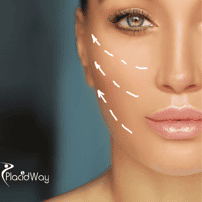
How Can You Find the Best Facelift Doctors in Turkey for Natural Results?
Finding the best facelift doctors in Turkey for natural results involves verifying their board certifications, specializing in advanced techniques like the deep plane facelift, scrutinizing patient reviews, and examining extensive before-and-after portfolios that showcase subtle, harmonious rejuvenation. The decision to have a facelift is profound. It's a desire not to look like someone else, but to see a refreshed, more vibrant version of yourself in the mirror—a version that reflects how you feel inside. The greatest fear for many is an unnatural, "pulled," or "wind-tunnel" look. This is why the surgeon's skill is paramount. In recent years, Turkey has emerged as the global epicenter for cosmetic surgery, particularly for facial rejuvenation. The country's top surgeons have gained a world-class reputation, not just for their technical proficiency, but for their artistic ability to deliver remarkably natural facelift results. But with so many options, how can you confidently identify the true experts? Finding the right surgeon is a process of careful research and due diligence. It's about looking beyond the attractive prices and understanding the markers of true excellence. The best facelift doctors in Turkey are defined by their rigorous qualifications, often including international training, their specialization in sophisticated surgical techniques that address the deeper facial structures, and a proven track record of high patient satisfaction. They understand that a successful facelift is one that goes unnoticed—where friends and family simply comment on how well-rested and happy you look. This guide is your comprehensive roadmap to navigating the landscape of facial plastic surgery in Turkey. We will delve into how to verify a surgeon's credentials, what to look for in their work, the advanced techniques they employ, and the critical questions you must ask to ensure you are placing your trust in the hands of a true master of their craft. Why is Turkey a Top Destination for Facelift Surgery? Turkey is a top destination for facelift surgery due to its unique combination of highly experienced, board-certified surgeons, state-of-the-art JCI-accredited hospitals, advanced surgical techniques that produce natural results, and prices that are up to 70% lower than in the US or Europe. Turkey's rise as a leader in aesthetic surgery is a story of strategic investment in healthcare and a deep pool of medical talent. The country offers a compelling value proposition that is hard to match anywhere else in the world. Patients choose Turkey not just for the significant cost savings, but for the assurance of receiving world-class care. The top clinics and hospitals in cities like Istanbul are accredited by the Joint Commission International (JCI), the same body that certifies top hospitals in the United States, ensuring the highest standards of safety and quality. Furthermore, the high volume of international patients means that Turkish surgeons gain an immense amount of practical experience, performing complex facial surgeries daily. This constant practice refines their skills and allows them to master advanced techniques like the deep plane facelift, which is crucial for achieving the most natural and long-lasting outcomes. The entire ecosystem is designed for the international patient, with all-inclusive packages often covering luxury accommodation and VIP transfers, making the entire journey seamless and stress-free. What Qualifications Should I Look for in a Turkish Facelift Surgeon? Look for a surgeon who is a board-certified plastic, reconstructive, and aesthetic surgeon, ideally with membership in respected organizations like the Turkish Society of Plastic, Reconstructive, and Aesthetic Surgery (TSPRAS) or the International Society of Aesthetic Plastic Surgery (ISAPS). Specialization in facial surgery is a key indicator of expertise. The surgeon's qualifications are the most critical factor in your decision. Don't hesitate to do a deep dive into their credentials. A reputable surgeon will be transparent about their training and experience. Key qualifications to verify include: Board Certification: This is non-negotiable. It ensures the surgeon has completed the required training and passed rigorous examinations in plastic surgery. Specialization: While a surgeon may be a general plastic surgeon, look for one who has a specific focus and passion for facial aesthetics. Their portfolio and publications will often reflect this. International Experience: Many of the best facelift doctors in Turkey have completed fellowships or training in the US, UK, or Europe, exposing them to a global perspective on aesthetic techniques. Professional Memberships: Active membership in societies like ISAPS shows a commitment to ongoing education and adherence to global ethical standards. What are the Advanced Facelift Techniques for Natural Results? The most advanced technique for natural results is the Deep Plane Facelift. Unlike traditional facelifts that only tighten the skin, the deep plane technique repositions the deeper muscle and tissue layer (the SMAS), lifting sagging cheeks and jowls for a truly rejuvenated and long-lasting result without a "pulled" look. The key to a natural-looking facelift lies in addressing the root cause of aging, which is not just loose skin but the descent of the underlying facial structures. Top Turkish surgeons are masters of these sophisticated techniques: Deep Plane Facelift: This is considered the gold standard. The surgeon works beneath the superficial musculoaponeurotic system (SMAS), releasing key ligaments to lift the entire mid-face, jowls, and neck as a single unit. This avoids tension on the skin, creating a smooth, natural contour that can last 10-15 years. SMAS Plication/Imbrication: In this technique, the SMAS layer is folded or pleated and sutured into a higher position rather than being fully released. It is less invasive than a deep plane lift but still provides excellent, natural-looking results for patients with moderate sagging. Mini Facelift (Short Scar): Ideal for patients with early signs of aging, primarily in the jowls and neck. It involves shorter incisions, typically around the ear, for a quicker recovery while still providing meaningful rejuvenation. A skilled surgeon will not have a "one-size-fits-all" approach but will tailor the technique to your specific anatomy and aesthetic goals. How Can I Evaluate a Surgeon's Work for Natural Aesthetics? Evaluate a surgeon's work by meticulously reviewing their before-and-after gallery. Look for high-resolution photos of patients from multiple angles, and assess if the results look refreshed and harmonious, not tight or altered. Pay close attention to the jawline definition, neck contour, and the subtlety of the scars. A surgeon's portfolio is their resume. It's the most direct way to see their artistic style and technical skill. When reviewing photos, look for: Consistency: Do they consistently produce high-quality, natural results across many different patients? Subtlety: The best results are transformative but subtle. The patient should look like a better version of themselves, not a different person. Scar Quality: Look for well-hidden incisions that have healed into fine, pale lines. Reputable surgeons will show photos that allow you to see the incision sites. Matching Patient Profiles: Look for patients who have a similar facial structure and signs of aging to your own. This will give you a more realistic idea of what the surgeon might achieve for you. How Much Does a Facelift Cost in Turkey Compared to Other Countries? A comprehensive facelift in Turkey costs between $4,000 and $7,500. This is significantly more affordable than in the United States, where the same procedure can cost $15,000 to $25,000+, or the UK, where prices range from £10,000 to £18,000. The cost advantage is one of the most compelling reasons to consider Turkey for a facelift. This affordability allows patients to access top-tier surgeons and advanced techniques that might be financially out of reach in their home countries. The price in Turkey often includes a comprehensive package, adding even more value. Cost Comparison: Full Facelift (Rhytidectomy) Country Average Cost (USD) Notes Turkey $4,000 - $7,500 Often includes hotel, transfers, and hospital fees. USA $15,000 - $25,000+ Surgeon's fee only; anesthesia and facility fees are extra. UK $12,000 - $22,000 Typically does not include all post-op visits. Spain $9,000 - $15,000 Prices vary widely by region. What Should I Expect During a Consultation? During a consultation, expect a thorough discussion of your aesthetic goals, a detailed facial analysis by the surgeon, and a clear explanation of the recommended surgical plan. The surgeon should also discuss realistic outcomes, potential risks, the recovery process, and provide a transparent, itemized cost breakdown. The consultation, whether virtual or in-person, is your opportunity to build rapport with the surgeon and ensure you are on the same page. A good consultation should feel like a collaborative conversation, not a sales pitch. Be prepared to discuss your medical history and your specific concerns about your appearance. The surgeon should listen attentively and then propose a tailored plan. This is the time to ask critical questions: Which technique do you recommend for me and why? Where will the incisions be placed? What is your approach to ensuring a natural look? A great surgeon will be patient, informative, and will make you feel comfortable and confident in their abilities. How Important are Patient Reviews and Testimonials? Patient reviews are extremely important as they provide unfiltered insights into the entire patient experience, from the surgeon's bedside manner and the quality of the results to the professionalism of the facelift clinic in Turkey staff and the level of post-operative care. Look for consistent, positive feedback on independent platforms. While before-and-after photos show the technical result, testimonials tell the story of the human experience. They can give you a feel for the surgeon's communication style, the attentiveness of the nursing staff, and the smoothness of the logistical arrangements. Look for detailed reviews on trusted third-party sites like Google, Trustpilot, and RealSelf. Video testimonials can be particularly powerful, as they allow you to see the patient's results in motion and hear the sincerity in their voice. Consistent themes of professionalism, care, and satisfaction are strong indicators that you have found one of the best facelift doctors in Turkey. Ready to find the perfect surgeon to achieve your rejuvenation goals? PlacidWay connects you with Turkey's most elite, board-certified facelift specialists known for their natural-looking results. Explore your options and get a free, personalized quote today!...
Read more details.png)
Why Should You Trust the Top Rhinoplasty Doctors in Turkey for Your Transformation?
You should trust the top rhinoplasty doctors in Turkey because they offer a proven combination of board-certified expertise, immense surgical experience, mastery of advanced techniques for natural results, and operate in world-class, JCI-accredited hospitals, ensuring the highest standards of safety and care. Choosing to undergo a rhinoplasty is a significant decision, one that comes with a mix of excitement and apprehension. The most crucial element in this journey is trust—trust in your surgeon's skill, their aesthetic judgment, and their commitment to your safety. For years, Turkey has been celebrated for its affordability in cosmetic surgery, but today, the conversation has shifted. International patients are now choosing Turkey not because it's inexpensive, but because it's home to some of the most talented and trustworthy rhinoplasty surgeons in the world. The affordability is simply an incredible bonus. But what is the foundation of this trust? It's built on tangible, verifiable pillars of excellence. It’s in the rigorous qualifications of the surgeons, many of whom are recognized by European and international boards. It’s demonstrated in their vast experience, having performed thousands of procedures that refine their skills to an exceptional level. It’s visible in their adoption of cutting-edge technology like Piezo surgery, which offers more precise and less traumatic results. And it’s confirmed by a global community of satisfied patients who share their transformative stories. This guide will explore the compelling reasons why placing your trust in the top rhinoplasty doctors in Turkey is a sound, safe, and rewarding decision for achieving the beautiful, natural-looking results you desire. Verifiable Expertise and Rigorous Qualifications Trust in Turkish surgeons is built on their verifiable qualifications. The best are board-certified by the Turkish Society of Plastic, Reconstructive and Aesthetic Surgery (TSPRAS) and often hold the prestigious Fellow of the European Board of Plastic, Reconstructive and Aesthetic Surgery (EBOPRAS) title, ensuring they meet the highest international standards. The foundation of a trustworthy surgeon is their training and credentials. The path to becoming a top rhinoplasty specialist in Turkey is arduous and highly competitive. It involves years of medical school followed by a demanding residency in either Plastic Surgery or Otolaryngology (ENT). The most elite surgeons don't stop there; they pursue further specialization and international recognition. When researching a surgeon, you can and should verify these key qualifications: Board Certification: This is the most critical credential. It confirms the surgeon has passed rigorous exams and is qualified to practice plastic surgery at a high level. International Memberships: Look for memberships in globally respected organizations like the International Society of Aesthetic Plastic Surgery (ISAPS). This demonstrates a commitment to global best practices and continuous learning. Specialization in Rhinoplasty: The most trusted surgeons are often those who focus primarily on facial and nasal surgery. Their entire practice is dedicated to perfecting the art of rhinoplasty, making them true masters of their craft. Unmatched Surgical Experience and Specialization The sheer volume of procedures performed gives Turkish surgeons an unparalleled level of experience. A top surgeon in Istanbul may perform several hundred rhinoplasties a year, developing a deep expertise in handling diverse and complex cases, including revision and ethnic rhinoplasty, which builds immense trust. In surgery, experience is paramount. Due to its status as a global hub, Turkey's leading surgeons perform a high volume of rhinoplasties week after week. This isn't just about repetition; it's about exposure to a vast array of nasal anatomies and patient goals from all over the world. This experience is invaluable and directly contributes to their ability to deliver consistently excellent results. This hyper-specialization means they have encountered and successfully managed every conceivable challenge, from correcting a severely deviated septum to sculpting a natural-looking tip on thick-skinned ethnic noses. This deep well of practical knowledge is a primary reason why patients can trust them with even the most complex primary or revision surgeries. They have seen it all and perfected their techniques to handle any situation with confidence. Mastery of Advanced Techniques for Natural, Functional Results Trust is earned through superior results, which come from advanced techniques. Top Turkish doctors utilize Ultrasonic (Piezo) Rhinoplasty for precise bone shaping with minimal trauma, and Preservation Rhinoplasty to maintain the natural nasal bridge, ensuring results are both beautiful and functional. The "operated" look is the biggest fear for rhinoplasty patients. The best Turkish surgeons have built their reputations on creating noses that are in perfect harmony with the face—results that are transformative yet completely natural. This is achieved through the use of sophisticated surgical techniques. Ultrasonic (Piezo) Rhinoplasty: This technology uses high-frequency sound waves to gently and precisely sculpt nasal bones. It avoids the use of traditional hammers and chisels, which means no uncontrolled fractures, significantly less bruising and swelling, and a faster recovery. This precision is key to creating smooth, elegant nasal lines. Preservation Rhinoplasty: This is a philosophy that prioritizes preserving the original structures of the nose as much as possible. Instead of removing a hump from the top, the surgeon works from underneath to lower the entire nasal bridge. This maintains the natural, unoperated look of the dorsum and leads to more stable, predictable long-term results. Focus on Function: A great nose doesn't just look good; it works well. Top surgeons in Turkey are often dually trained or work closely with ENT specialists to address functional issues like a deviated septum during the same operation, ensuring you can breathe freely through your beautiful new nose. Commitment to Safety in World-Class Facilities You can trust the safety of the procedure in Turkey by choosing a surgeon who operates exclusively in JCI (Joint Commission International) accredited hospitals. This accreditation is the global gold standard, guaranteeing that the rhinoplasty clinics in Turkey meets the same rigorous safety, hygiene, and care protocols as top hospitals in the USA. Your safety is the absolute priority. While the surgeon's skill is crucial, the environment where the surgery is performed is equally important. The most reputable rhinoplasty doctors in Turkey will only operate in modern, fully equipped, and internationally accredited hospitals. The JCI accreditation is a key indicator of quality to look for. It means the hospital has been independently audited and meets stringent standards for everything from surgical safety checklists and sterilization protocols to nursing care and emergency preparedness. By choosing a surgeon who operates in a JCI-accredited facility, you are ensuring that your procedure is conducted in an environment that prioritizes your well-being and is prepared to handle any medical situation with the highest level of professionalism. A Proven Track Record: Transparent Results and Patient Reviews Trust is ultimately built on proven results. The best Turkish surgeons have extensive and transparent before-and-after galleries and a wealth of positive patient reviews on independent platforms. This verifiable track record of creating natural, life-changing transformations provides the ultimate reassurance. In the digital age, a surgeon's reputation is transparent. The most confident and skilled doctors proudly showcase their work and are consistently praised by their patients. When making your choice, look for: Extensive Before-and-After Galleries: A top surgeon will have hundreds, if not thousands, of high-quality photos showing their results on a wide variety of patients. Look for consistency and a natural aesthetic. Independent Patient Reviews: Search for reviews on platforms like Google, RealSelf, and WhatClinic. Look for detailed accounts of the patient's entire journey, from the initial consultation to the final result. Consistent themes of professionalism, excellent communication, and beautiful results are strong positive signals. Video Testimonials: Hearing directly from a former patient can be incredibly powerful and reassuring. Unbeatable Value: The Fusion of Quality and Affordability The trust equation is completed by unbeatable value. In Turkey, you don't have to choose between quality and affordability. All-inclusive packages provide access to elite surgeons and world-class care for 50-70% less than the cost of the surgery alone in the West, making a top-tier transformation financially accessible. While trust should never be based on price alone, the value offered in Turkey is a significant factor. The ability to have your surgery performed by a world-class specialist in a JCI-accredited hospital, all while staying in a luxury hotel with every detail managed for you, for less than the cost of just the surgeon's fee in many other countries, is a compelling proposition. This isn't about finding a "cheap" option; it's about making a smart, informed investment in yourself, where your money buys you a higher standard of care and expertise than it could anywhere else. Cost vs. Quality Comparison Country Average Cost (USD) Common Standard of Care Turkey $3,500 - $6,000 Elite, specialized surgeon; JCI-accredited hospital; advanced techniques (Piezo); all-inclusive package. USA $12,000 - $25,000+ Excellent surgeons available, but costs for top specialists are very high. Package does not include hospital, anesthesia, or travel costs. UK $9,000 - $18,000 High standards of care, but access to hyper-specialized surgeons at this price is limited. Package is for surgery only. Ready to place your trust in a world-renowned expert for your transformation? PlacidWay connects you with Turkey's most elite, board-certified rhinoplasty specialists celebrated for their natural, life-changing results. Get your free, personalized quote today and start your journey with confidence!...
Read more details
How Much is the Price for Eyebrow Lift in Istanbul, Turkey?
The price for an eyebrow lift in Istanbul, Turkey generally ranges from $1,500 to $3,000 depending on the technique used. This cost is significantly lower than in Western countries while maintaining excellent care and advanced medical standards. Key Takeaways: Procedure Costs and Care Cost Efficiency: Expect to pay between $1,500 and $3,000, which is up to 70% cheaper than in the US or UK. Advanced Methods: Specialists frequently utilize minimally invasive endoscopic techniques to reduce scarring. Inclusive Packages: Most facilities bundle the surgery with accommodation, transfers, and aftercare. Expertise: Surgeons perform a high volume of facial aesthetic procedures, leading to refined skills. Short Recovery: Most patients are ready to return to their home country within seven to ten days. What factors influence the eyebrow lift cost in Turkey compared to other regions? Pricing fluctuates based on the specific surgical method, the type of anesthesia administered, and the facility level. The local economic structure allows these premium services to remain highly affordable. When analyzing the financial aspects of cosmetic enhancements, patients often wonder how such high quality can be offered at such competitive rates. The primary factor driving affordability is the overall lower cost of living and operational expenses within the country. Medical facilities can maintain state-of-the-art operating rooms and employ highly skilled staff without the massive overhead costs seen in North America or Western Europe. This economic advantage is passed directly to the patient. Additionally, the specific technique required for your unique facial anatomy plays a role in the final bill. An endoscopic approach, which utilizes specialized microscopic cameras and precision tools, might fall on the higher end of the pricing spectrum compared to a simpler temporal lift. The complexity of the surgery dictates the time spent in the operating room, which correlates directly with surgical fees and anesthesia costs. Finally, the level of comprehensive care included in your treatment plan affects the bottom line. Many premium centers provide all-inclusive bundles that cover pre-operative blood tests, the surgery itself, post-operative garments, prescribed medications, and multiple follow-up appointments. Selecting a package often proves more economical than paying for each medical service a la carte. Which surgical techniques are used for an eyebrow lift in Turkey? Specialists utilize several advanced methods including the minimally invasive endoscopic lift, the temporal lift, and the classic coronal lift. The chosen method depends heavily on your facial structure. The endoscopic approach is currently the gold standard in modern facial aesthetics. During this procedure, the surgeon makes three to five tiny incisions hidden well behind the hairline. A thin tube with a camera attached is inserted, allowing the specialist to view the underlying muscles and tissues on a high-definition monitor. The tissues are gently released and elevated, resulting in minimal scarring, reduced numbness, and a much faster healing timeline. For patients who only experience sagging at the outer corners of their eyes, a temporal lift is often recommended. This technique involves slightly larger incisions placed in the temples, within the hair-bearing skin. It specifically targets the lateral portion of the brow, lifting the tail end to eliminate a sad or fatigued appearance. It is a slightly less invasive option that produces stunning, natural-looking results for the right candidate. The classic coronal approach is an older technique reserved for individuals with severe drooping or prominent forehead wrinkles. It requires an incision that runs across the top of the head, from ear to ear. While it provides maximum visibility and allows for significant tissue removal, it involves a longer recovery period and carries a higher risk of temporary scalp numbness, making it less common but still viable for specific severe cases. Expert Insight Many international patients incorrectly assume that heavy upper eyelids always require eyelid surgery. Frequently, drooping brows are the actual culprit pushing skin down over the eyes. Restoring the brow to its youthful position can organically resolve eyelid hooding without touching the eyelids at all. Are you an ideal candidate for this facial rejuvenation procedure? Ideal candidates are healthy adults bothered by heavy, sagging brows or deep forehead wrinkles. A comprehensive medical evaluation ensures you have realistic expectations and proper skin elasticity. Candidacy for facial surgery extends beyond just age; it relies heavily on your specific anatomical concerns. If you find yourself constantly raising your eyebrows to see clearly, or if friends frequently ask if you are tired or angry when you feel completely rested, you are likely experiencing brow ptosis. A simple test involves lifting the skin above your eyebrows with your fingers; if this clears your vision and improves your aesthetic, you are on the right track. Physical health is a paramount consideration for any elective surgery. Candidates must be non-smokers or willing to quit smoking several weeks before and after the operation, as nicotine severely restricts blood flow and impedes the healing process. Furthermore, individuals should not possess underlying medical conditions that could interfere with anesthesia or proper wound healing, such as uncontrolled diabetes or severe cardiovascular issues. Psychological readiness is equally crucial. The best candidates approach the process with realistic expectations. While the surgery will significantly refresh your appearance and restore a youthful arch, it will not completely halt the natural aging process nor fundamentally change who you are. Understanding the limitations and capabilities of aesthetic science is key to post-operative satisfaction. How do you choose the best eyebrow lift clinic in Turkey? Selecting the premier facility requires verifying international healthcare accreditations, assessing surgeon portfolios, and reviewing comprehensive patient testimonials. Safety should always be prioritized over cost. The first step in evaluating a facility is checking for global healthcare accreditations, such as the Joint Commission International standard. These accreditations signify that the center adheres to rigorous global safety protocols, sterilization standards, and emergency preparedness guidelines. Facilities that lack proper governmental and international oversight should be strictly avoided, regardless of how attractive their pricing might seem. The expertise of the operating physician is the most critical factor in your journey. You should meticulously review the surgeon's credentials, ensuring they are board-certified in plastic and reconstructive surgery. Request to see extensive before-and-after photo galleries of past patients who share your specific facial structure. This visual evidence will demonstrate the surgeon's aesthetic style and technical consistency. Finally, focus on the quality of communication and the extent of aftercare provided. The top centers will offer thorough virtual consultations before you even book a flight, answering your questions patiently without applying pressure. They will also outline a highly structured post-operative care plan, ensuring you are monitored closely during the critical first few days of healing. What is the recovery time like after undergoing brow surgery in Istanbul? The initial recuperation phase spans about ten to fourteen days. During this period, bruising and swelling diminish, allowing most patients to return to light, daily activities comfortably. Immediately following the operation, you will likely experience swelling, mild bruising, and a sensation of tightness across your forehead. This is a completely normal biological response to tissue manipulation. Medical staff will wrap your head loosely to minimize swelling and may provide small drainage tubes for the first twenty-four hours to prevent fluid accumulation. Sleeping with your head elevated on several pillows is mandatory during this early stage. As you progress into the second week, the visible signs of surgery will begin to fade rapidly. If your surgeon used non-dissolvable sutures or surgical clips in your scalp, these will be carefully removed around day seven or ten. By this point, any residual bruising can usually be camouflaged with light cosmetics, and many patients feel confident enough to resume remote work or light social engagements. The final settling of the tissues takes several months. While you will look perfectly normal to the outside world within two weeks, the deeper muscles are still adapting to their new position. You must avoid strenuous cardiovascular exercise, heavy lifting, and direct sun exposure for at least four to six weeks to prevent blood pressure spikes that could compromise your delicate healing tissues. Did You Know? Applying cold compresses during the first 48 hours is standard advice, but many top aesthetic centers now incorporate specialized LED light therapy into their aftercare routines. This red-light therapy penetrates the skin to reduce inflammation at a cellular level, cutting visible swelling time almost in half. Are the results of an endoscopic procedure permanent? Surgical modifications are highly durable, often lasting a decade or more. However, natural aging continues, meaning the skin will gradually lose elasticity over the ensuing years. A surgical elevation effectively resets the clock on your facial aging. By physically lifting the deeper muscular structures and securing them in a higher position, the baseline of your appearance is permanently altered. You will always look younger than you would have if you had never undergone the surgery. The immediate, vibrant improvement in your upper face is designed to be long-lasting and resilient. Despite this durability, gravity, sun damage, and genetic aging factors never pause completely. Over the next ten to fifteen years, you may notice a slight descent in the tissues once again. This is perfectly natural. The speed at which this occurs depends heavily on your biological skin quality, dramatic weight fluctuations, and adherence to healthy lifestyle habits. To maximize the longevity of your investment, aesthetic professionals strongly recommend a dedicated maintenance routine. Protecting your face daily with high-SPF sunscreen prevents collagen degradation. Additionally, utilizing non-surgical touch-ups, such as periodic neurotoxin injections, can relax the muscles pulling downward, effectively preserving the surgical arch for years beyond the standard expectation. Is it safe to combine a brow elevation with other cosmetic surgeries? Combining facial procedures is incredibly common and highly safe. Performing multiple enhancements simultaneously provides harmonious results and consolidates the recovery timeline into a single period. Surgeons frequently perform this procedure in tandem with blepharoplasty, which addresses drooping upper eyelids and under-eye bags. Because the brow and the eyelids function together cosmetically, treating them simultaneously yields the most dramatic, yet natural, rejuvenation of the upper face. Elevating the brow first allows the surgeon to accurately determine exactly how much eyelid skin needs to be removed. Beyond the aesthetic harmony, combining treatments is practically efficient. You undergo anesthesia only once, which reduces the systemic stress on your body compared to having two separate surgeries months apart. It also means you only have to endure one recovery period, saving you significant time away from work and daily responsibilities. Financially, bundling procedures is highly advantageous. Facility fees, operating room costs, and anesthesia charges are consolidated. When traveling internationally for care, maximizing your time by addressing multiple concerns in one trip is a primary reason patients choose comprehensive aesthetic packages abroad. How does medical tourism in Turkey benefit international patients? International visitors gain access to ultra-modern healthcare infrastructure, elite surgical talent, and seamless VIP logistics without facing the exhaustive wait lists common in Western healthcare systems. The nation has heavily invested in establishing itself as a global hub for health travel. Government regulations enforce strict quality controls, resulting in hospitals and private centers that rival or exceed the standards found in North America or Europe. You gain access to the latest medical technologies, advanced surgical instruments, and luxurious recovery suites that prioritize patient comfort alongside clinical excellence. Logistical support is a massive component of this benefit. Reputable organizations understand that flying to a new country for an operation is daunting. Therefore, they construct comprehensive itineraries that manage everything from airport pickups via private chauffeur to scheduling multi-lingual nursing staff for your hotel recovery phase. The patient is allowed to focus entirely on healing and relaxation. Finally, the speed of access is unparalleled. In many countries, scheduling an elective procedure with a top-tier specialist can take months. The robust infrastructure in this region allows international patients to schedule consultations and subsequent surgeries with incredible efficiency, ensuring your cosmetic goals are met on your own preferred timeline. Why Choose PlacidWay for Your Cosmetic Surgery Journey? PlacidWay removes the uncertainty from seeking healthcare abroad by connecting you exclusively with vetted, world-class medical facilities. We advocate for your safety, transparency, and clinical excellence. Rigorous Provider Verification: We conduct exhaustive background checks on all partnered facilities, ensuring they possess valid international accreditations, board-certified staff, and impeccable hygiene records before we ever present them as an option. Absolute Price Transparency: We negotiate comprehensive medical packages that clearly outline every cost associated with your procedure. You will receive detailed quotes with zero hidden fees, allowing you to budget with complete confidence. Dedicated Patient Advocacy: Our care coordinators act as your personal liaisons between you and the medical staff. We ensure your questions are answered promptly and that your specific aesthetic goals are clearly communicated to the surgical team. Access to Authentic Patient Data: We provide unedited, authentic reviews and visual portfolios from previous patients. This transparency empowers you to make an educated decision based on real, proven surgical outcomes. Pre-Consultation Facilitation: We arrange virtual meetings and secure medical record transfers before you commit to any procedure. This ensures the surgeon agrees you are a viable candidate, guaranteeing your safety and saving you valuable time. Frequently Asked Questions About Facial Surgery Abroad Can I wear makeup after an eyebrow lift in Istanbul? You should generally avoid wearing makeup around the incision sites and the upper eye area for at least seven to ten days following your surgery. Once the incisions have fully closed and your surgeon gives you clearance, you can resume your normal cosmetic routine. Applying makeup too early can introduce bacteria into healing tissues and increase the risk of infection. Will an eyebrow lift change the shape of my eyes? The procedure does not physically alter the shape of your actual eyes. Instead, by elevating drooping brow tissue and removing excess skin, it opens up the eye area, eliminating a tired or hooded appearance. This creates a brighter, more alert look while maintaining your natural anatomical eye shape. What is the difference between a neurotoxin brow lift and a surgical eyebrow lift? A non-surgical lift uses injectable neurotoxins to relax the muscles that pull the brow downward, offering temporary results that last three to four months. A surgical lift physically repositions the underlying tissues and removes excess skin, providing dramatic and long-lasting results that can endure for over a decade. Do surgeons use general or local anesthesia for this procedure? The type of anesthesia depends entirely on the surgical technique chosen and patient comfort. Endoscopic lifts are typically performed under general anesthesia to ensure complete immobility, while smaller temporal lifts might be safely completed using local anesthesia combined with intravenous sedation. How long should I stay in Istanbul for my recovery? International patients are advised to stay in the city for seven to ten days. This timeframe allows your body to undergo the initial critical healing phase, gives the surgeon time to remove any non-dissolvable stitches, and ensures you are medically cleared before taking a long flight home. Are there visible scars after the healing process is complete? Modern techniques are specifically designed to minimize visible scarring. For instance, the endoscopic approach involves tiny incisions hidden completely within the hairline. Even with a classic coronal approach, skilled surgeons place the incision strategically along the natural hairline contour so scars remain virtually undetectable once hair regrows. Does medical tourism in Istanbul cover surgical complications? Many reputable facilities offer comprehensive packages that include medical complication insurance or strict revision policies. It is vital to discuss these policies during your consultation to understand exactly what safety nets are in place should an unexpected complication arise during your stay. Can men successfully undergo this facial procedure? Absolutely. Male facial rejuvenation is highly common. However, the surgical approach is carefully tailored to preserve masculine features. Surgeons avoid over-elevating the arch, opting instead to maintain a flatter, more horizontal brow line that looks natural and robust. Is it safe to fly back home shortly after facial surgery? Flying is generally safe once you receive clearance from your doctor, which usually occurs five to seven days post-operation. You will need to take precautions against cabin pressure and dry air, such as staying hydrated and keeping your head elevated to prevent additional swelling during the flight. How do I communicate with medical staff if I do not speak the local language? Top-tier healthcare facilities catering to international patients employ dedicated multilingual patient coordinators. You will have a professional medical interpreter by your side during all consultations, surgical prep, and post-operative care, ensuring nothing is lost in translation and you feel completely comfortable. Discover Your Refreshed Look Today Do not navigate global healthcare alone. PlacidWay connects you with globally recognized centers and expert aesthetic surgeons. Request a free, transparent quote today and let us help you plan a safe, seamless, and transformative experience. Get Your Free Quote...
Read more detailsDiscover your treatment options with a free, no-obligation quote!
Get your quote now!.jpg)
How Much Does Liposuction Cost In Turkey?
The liposuction cost in Turkey typically ranges from $2,000 to $4,500 depending on the number of treated areas and advanced techniques utilized. Comprehensive packages bundle hospital fees, garments, and medical assessments into one single payment. Key Takeaways: Fat Removal Abroad Cost Efficiency: Patients typically save between 50 to 70 percent compared to North American or European pricing structures. Advanced Technology: The vast majority of top-tier facilities exclusively use cutting-edge VASER or Laser-assisted methodologies. All-Inclusive Care: International packages seamlessly bundle laboratory tests, surgical garments, and comprehensive aftercare medications. Expert Specialists: Turkish cosmetic specialists undergo rigorous international training and hold elite global medical accreditations. Recovery Timeline: Medical tourists must plan for a minimum seven-day stay to ensure safe initial healing before flying home. What factors influence the liposuction cost in Turkey? Pricing variability depends primarily on the volume of fat removed, the number of target zones, and the complexity of the technological devices required for optimal aesthetic contouring. When calculating the total financial investment for body contouring, the most significant variable is the number of bodily areas requiring intervention. A single area like the chin or upper arms requires less operating room time and minimal anesthesia, keeping the base price quite low. Conversely, a comprehensive 360-degree abdominal contouring procedure involves the flanks, upper back, lower back, and entire abdomen, requiring extensive surgical hours and resulting in a higher financial commitment. Another profound factor is the specific surgical methodology implemented by the specialist. Traditional tumescent fat removal remains highly affordable due to its straightforward mechanical nature. However, modern patients frequently request advanced technologies like VASER or J-Plasma skin tightening. These innovative devices require specialized training and expensive consumable materials, which naturally elevates the final quotation provided to the patient. Finally, the reputation of the chosen medical facility heavily influences the overall liposuction cost in Turkey. Hospitals boasting prestigious accreditations like Joint Commission International maintain strict safety protocols, hire highly experienced anesthesiologists, and use state-of-the-art sterilization equipment. While these premium centers charge slightly higher rates than unverified local clinics, they provide international patients with unparalleled peace of mind and significantly lower complication rates. Which body areas are most commonly treated with liposuction in Turkey? The abdominal region, waistline flanks, inner thighs, and submental chin area remain the most frequently requested zones for surgical fat reduction among international medical tourists. The human body stores stubborn adipose tissue in genetically predetermined pockets that often resist rigorous diet and exercise routines. For women seeking a classic hourglass figure, the abdomen and flanks are the paramount focus. Specialists skillfully sculpt these zones to accentuate the natural waistline, creating a dramatic improvement in clothing fit and overall body confidence. Treating the entire midsection simultaneously yields the most harmonious results. For male patients, the chest region and lower abdomen are the primary concerns. High-definition contouring techniques are incredibly popular among men looking to reveal underlying abdominal musculature and eliminate pseudo-gynecomastia. This specialized sculpting requires a profound understanding of male muscular anatomy to ensure the final result looks athletic rather than artificial. Below is a general reference table illustrating how pricing typically scales based on the targeted bodily regions. Please note that these figures are estimated averages and vary based on individual anatomical requirements. Targeted Body Area Estimated Cost Range (USD) Procedure Complexity Submental (Double Chin) $1,500 - $2,200 Low - Local Anesthesia Possible Upper Arms (Batwings) $1,800 - $2,500 Moderate - Requires Skin Tightening Abdomen & Flanks $2,500 - $3,500 High - General Anesthesia Standard Lipo 360 (Full Torso) $3,500 - $4,800 Very High - Maximum Operating Time Did You Know? The human body does not generate new fat cells after puberty. When a surgeon permanently extracts these cells during body contouring, they are gone forever. If a patient gains weight post-surgery, the remaining fat cells simply expand, but the newly sculpted proportions generally remain intact. How does VASER liposuction in Turkey compare to traditional methods? VASER technology utilizes ultrasonic sound waves to liquefy fat cells before extraction, resulting in less tissue trauma, reduced post-operative bruising, and superior skin retraction compared to traditional mechanical methods. Precision Sculpting: Ultrasonic energy specifically targets adipose tissue while leaving blood vessels, nerves, and connective tissues entirely unharmed, allowing for incredibly precise muscle defining and high-definition contouring. Reduced Bleeding: Because the blood vessels remain intact during the emulsification process, patients experience significantly less intraoperative blood loss, which drastically improves cardiovascular safety during extensive surgeries. Enhanced Skin Tightening: The localized heat generated by the VASER probe stimulates deep collagen production within the dermal layers, helping loose skin retract and conform smoothly to the newly sculpted underlying muscles. Fat Viability: Unlike aggressive laser methods that destroy cells, ultrasonic energy gently separates the fat cells. This preserves their structural integrity, making them absolutely ideal for purification and subsequent fat grafting procedures. Accelerated Recovery: By minimizing physical trauma to the surrounding anatomical structures, patients report significantly lower pain scores and typically return to their normal daily activities much faster than those undergoing traditional mechanical extraction. What is typically included in a medical tourism in Turkey package for fat removal? Comprehensive care packages generally cover the primary surgeon fees, general anesthesia, operating room charges, necessary laboratory diagnostics, medical compression garments, and dedicated VIP patient coordination services. Pre-Operative Diagnostics: Extensive health screenings including complete blood count panels, viral tests, and electrocardiograms are conducted on arrival to ensure you are entirely physically prepared for general anesthesia. Facility and Surgical Fees: The core package completely covers the specialized operating theater time, the chief anesthesiologist services, and the exhaustive expertise of your chosen board-certified plastic surgeon. Inpatient Hospital Stay: Depending on procedure complexity, packages include one or two nights of comprehensive monitoring in a private recovery suite equipped with round-the-clock professional nursing staff. Post-Operative Supplies: Patients receive custom-fitted medical grade compression garments essential for reducing swelling, alongside all necessary prescription antibiotics, potent painkillers, and anti-inflammatory medications. Dedicated Multilingual Support: A personal medical coordinator remains by your side throughout all medical appointments to instantly translate complex medical terminology and address any urgent concerns seamlessly. How much can I save by choosing a liposuction clinic in Turkey versus the US or UK? International patients consistently report saving between 50 to 70 percent on their total surgical expenses when electing to undergo body contouring abroad, without sacrificing any medical safety standards or technological advancements. To understand the profound economic benefits, one must examine the average costs in Western nations. In the United States, comprehensive full-body contouring easily exceeds ten thousand dollars, largely due to exorbitant hospital facility fees and towering medical malpractice insurance premiums that surgeons must pay. Furthermore, American clinics strictly itemize their invoices, meaning anesthesia, compression garments, and follow-up visits represent completely separate financial burdens on top of the base surgical fee. Similarly, patients residing in the United Kingdom face staggering costs for private cosmetic interventions, as the National Health Service strictly prohibits utilizing state resources for aesthetic desires. British private clinics charge monumental fees just for the initial consultation, making the financial barrier to entry incredibly steep for the average working citizen desiring physical self-improvement. Any leading liposuction clinic in Turkey bypasses these inflated costs thanks to advantageous currency exchange rates, lower domestic taxation on medical supplies, and profound government subsidies designed specifically to bolster the international healthcare sector. This unique economic ecosystem allows facilities to charge a fraction of Western prices while simultaneously offering truly all-inclusive medical care packages. What recovery timeline should international patients expect after liposuction in Turkey? While immediate mobility is encouraged, patients should anticipate wearing compression garments for six weeks, avoiding strenuous physical exertion for one month, and waiting three to six months for the final aesthetic results to entirely manifest. The immediate post-operative phase focuses entirely on managing physiological fluid dynamics. During the first forty-eight hours, patients will experience significant drainage from the microscopic incision sites. This fluid leakage is a highly beneficial, completely normal biological process designed to expel excess tumescent fluid and minimize internal pressure. Nurses diligently monitor this output while ensuring the patient maintains proper hydration levels. Throughout the first two weeks, profound swelling and colorful deep tissue bruising are the primary physical hurdles. The medical grade compression garment acts as an external skin splint, forcefully pushing the dermal layers down onto the freshly sculpted muscle bed. Consistency is paramount here; removing the garment for extended periods directly leads to increased swelling and potentially uneven, asymmetrical final body contours. By the conclusion of the fourth week, the vast majority of the acute swelling dissipates, allowing patients to resume moderate cardiovascular exercise and thoroughly enjoy their new physical proportions. However, the microscopic internal healing and skin retraction processes quietly continue for nearly half a year. Patients are advised to practice immense patience and maintain stable body weight to preserve the intricate surgical sculpting. Did You Know? Eating a diet heavily rich in fresh pineapples and dark leafy greens dramatically accelerates surgical recovery. Pineapples contain bromelain, a powerful natural enzyme clinically proven to dismantle blood clots and rapidly reduce deep tissue bruising following extensive bodily trauma. Are there financing options for international patients seeking a liposuction clinic in Turkey? While direct clinic financing is generally unavailable for non-residents, international patients can utilize specialized medical tourism loans, standard personal banking loans, or major global credit cards to comfortably fund their aesthetic procedures. Because international patients do not possess domestic credit histories or national identification numbers, local hospitals strictly cannot offer monthly payment installments directly. Facilities universally require full payment clearance prior to administering any anesthesia. This standard protocol ensures zero international debt collection complications and streamlines the administrative admission process. However, resourceful patients have multiple reliable avenues to manage the financial aspect of their journey. Independent medical finance companies operating within the US and UK specifically underwrite loans for overseas healthcare interventions. These specialized lenders disburse funds directly to the patient's checking account beforehand, allowing them to pay the hospital in cash upon arrival, often securing an additional favorable cash discount in the process. Alternatively, the vast majority of accredited medical centers process major global credit networks including Visa and Mastercard. Patients frequently utilize high-limit credit cards offering zero percent introductory interest rates to fund their surgery, effectively creating their own manageable monthly repayment schedule without incurring exorbitant traditional banking interest charges. What safety protocols do providers of medical tourism in Turkey follow for cosmetic surgeries? Stringent governmental regulations mandate comprehensive pre-surgical cardiology clearances, utilize fully equipped intensive care units for emergencies, and enforce strict sterilization standards supervised by independent international auditing boards. The national Ministry of Health enforces draconian safety measures to protect the country's highly lucrative international healthcare reputation. Before any scalpel touches the skin, patients undergo exhaustive laboratory diagnostics. If the anesthesiologist discovers any slight cardiac irregularity, elevated blood pressure, or alarming blood coagulation metrics, the surgery is immediately postponed or completely canceled to prioritize absolute patient survival. Furthermore, major cosmetic interventions are never performed in small, isolated office suites. They take place exclusively within massive, multi-disciplinary hospital environments. This crucial infrastructure ensures that in the exceptionally rare event of a severe adverse reaction to anesthesia, the patient is instantly transferred to a fully staffed intensive care unit equipped with advanced life-saving cardiovascular technology. Lastly, reputable providers of medical tourism in Turkey strictly adhere to deep vein thrombosis prevention protocols. Patients are immediately fitted with sequential pneumatic compression boots during the surgery itself. Post-operatively, nurses administer specialized blood-thinning injections and aggressively encourage early walking down the hospital corridors to ensure robust blood circulation remains active throughout the entire recovery duration. Why Choose PlacidWay for your liposuction in Turkey journey? PlacidWay operates as your ultimate medical advocate, meticulously vetting international facilities, ensuring transparent financial estimates, and providing continuous professional support throughout every phase of your surgical transformation. Rigorous Safety Verification: Our platform exclusively features medical centers that pass our exhaustive background checks, guaranteeing that every listed provider maintains pristine international accreditations and boasts impeccable, documented safety records. Transparent Financial Quotations: We eradicate the immense frustration of hidden medical fees by delivering comprehensive, all-inclusive price estimations upfront, empowering you to confidently plan your financial commitment without any sudden monetary surprises. Expert Surgeon Matching: Rather than relying on confusing local advertisements, we specifically align your unique anatomical needs with elite specialists who possess proven, specialized expertise in your exact desired contouring procedure. Pre-Consultation Facilitation: We seamlessly coordinate digital medical evaluations between you and your prospective surgeon long before any commitments are made, ensuring you receive personalized, medically sound advice regarding your specific candidacy. Continuous Patient Advocacy: Our dedicated medical advisors act as your personal liaisons throughout the entire process, intervening immediately to resolve any administrative confusions and ensuring your hospital experience remains absolutely flawless. Frequently Asked Questions About Body Contouring Overseas Is BMI a restricting factor for getting fat removal surgery in Istanbul? Body Mass Index plays a crucial role in determining your candidacy for body contouring procedures. Most board-certified surgeons require patients to have a BMI under 30 or 32 for optimal safety and aesthetic outcomes. Operating on patients with a significantly higher BMI increases anesthesia risks and compromises the final contouring results. Patients are highly encouraged to reach their target weight before traveling. How soon after having lipo in Antalya can I safely fly back home? Medical guidelines strongly suggest waiting at least five to seven days before taking an international flight following fat reduction surgery. Flying too soon increases the risk of deep vein thrombosis due to cabin pressure and prolonged sitting. Your surgical team will provide a final medical clearance document during your last follow-up appointment to ensure you are entirely fit for the journey home. Will the extracted fat be used for a Brazilian Butt Lift during the same session? Many international patients choose to repurpose their extracted fat for a Brazilian Butt Lift or facial fat grafting. This combination is highly popular because it provides a dual benefit of slimming the waistline while enhancing other curves. If you plan to transfer the fat, the surgeon must use specific extraction methods that preserve the viability of the fat cells, rather than using highly aggressive laser techniques that destroy them. Do Turkish surgical centers require a companion to stay with me overnight? Having a travel companion is highly beneficial but not strictly mandatory. Premium surgical facilities provide comprehensive 24-hour nursing care during your initial hospital stay. Bilingual nurses will assist you with mobility, medication management, and bathroom visits during the first critical 24 hours. Once discharged to your recovery accommodation, independent mobility is usually restored enough to manage basic self-care. What type of anesthesia is preferred for 360 lipo procedures in Turkish hospitals? Extensive procedures like 360-degree body contouring are almost exclusively performed under general anesthesia to ensure total patient comfort and immobility. For smaller, targeted areas like the chin or a single abdominal zone, local anesthesia combined with intravenous sedation might be utilized. The exact protocol is determined by the chief anesthesiologist after reviewing your comprehensive pre-operative blood panels and electrocardiogram results. Are lymphatic drainage massages mandatory after undergoing body contouring in Izmir? Lymphatic drainage massages are heavily recommended by every major surgical association to expedite the healing process. These specialized gentle massages help move trapped fluid toward the lymph nodes, significantly reducing post-operative swelling and preventing the formation of hard lumps under the skin. Most recovery protocols suggest starting these sessions within the first week and continuing them once you return to your home country. How do Turkish medical boards regulate the quality of cosmetic surgery instruments? The Ministry of Health strictly oversees all medical equipment imported and utilized within the nation. Surgical facilities must undergo rigorous bi-annual inspections to verify that their sterilization autoclaves and operational technologies meet global ISO standards. Consequently, international patients benefit from top-tier brands and FDA-approved technologies matching those found in premium North American and European surgical centers. Can I shower safely with my surgical drains while recovering in an Istanbul hotel? You will receive specific written instructions regarding hygiene, but generally, full body showers are prohibited until your surgical drains are completely removed. This usually takes between three to five days. During this initial phase, sponge baths are required to keep the incision sites completely dry and sterile, thereby eliminating the risk of bacterial infection before the entry points fully seal. Will language barriers affect my pre-operative consultation with the surgical team? Language barriers are exceptionally rare in top-tier medical tourism hubs. Leading facilities employ dedicated international patient departments staffed with fluent English, Spanish, Arabic, and German translators. A dedicated medical coordinator will be present during all consultations, surgical prep, and post-operative follow-ups to ensure you completely understand your medical care plan and can express any concerns seamlessly. What happens if I experience excessive swelling after returning from my Turkish procedure? Post-operative swelling is a natural physiological response that peaks around day three and can fluctuate for several months. Reputable international coordinators provide continuous digital aftercare support through secure messaging platforms. If you notice unusual swelling accompanied by heat or severe pain, your dedicated coordinator will arrange an immediate telehealth consultation with your surgeon to assess the situation and recommend appropriate local medical interventions if necessary. Transform Your Confidence with PlacidWay Stop letting inflated local prices dictate your physical happiness. Partner with PlacidWay to access globally accredited facilities, board-certified specialists, and completely transparent financial estimates. Take the first secure step toward your ideal body silhouette today. Request Your Free Quote Now...
Read more details.jpg)
Where Can I Get A Tummy Tuck In Antalya?
You can get a top-tier tummy tuck in Antalya at various internationally accredited facilities. These modern centers specialize in post-bariatric and cosmetic contouring, offering comprehensive packages that combine surgery, luxury recovery, and care. Key Takeaways: Abdominoplasty in the Turkish Riviera World-Class Facilities: Access highly accredited hospitals equipped with modern intensive care units and advanced surgical technology. Significant Savings: Experience comprehensive surgical care at a fraction of the cost found in the US or UK without compromising on safety. Expert Specialists: Procedures are performed by board-certified plastic surgeons who handle thousands of body contouring cases annually. Healing Environment: Recover in a serene Mediterranean coastal setting that naturally promotes relaxation and stress reduction. All-Inclusive Packages: Enjoy seamless coordination of medical tests, surgery, private transportation, and post-operative hotel stays. What exactly is a tummy tuck and who is the ideal candidate? A tummy tuck is a transformative surgical procedure designed to remove excess fat and sagging skin while restoring weakened muscles. The ideal candidate is someone close to their ideal weight dealing with loose skin from pregnancy or weight loss. Medically known as abdominoplasty, this comprehensive operation addresses multiple layers of the abdominal wall. First, the surgeon meticulously separates the skin and subcutaneous fat from the underlying abdominal muscles. By gaining direct access to the fascia, they can suture the separated rectus abdominis muscles back together. This internal corset-like repair drastically improves core strength and completely flattens the protruding abdominal profile that diet and exercise alone cannot fix. Once the internal structures are stabilized, the surgeon pulls the abdominal skin downward with precise tension. The redundant, stretched tissue is then permanently excised. In a traditional abdominoplasty, a new opening is created for the belly button, which is brought through the tightened skin and carefully stitched into a natural-looking position. The final result is a firmer, flatter, and far more contoured midsection. The best candidates for this life-changing procedure are individuals who have achieved significant, stable weight loss but are left with an unyielding apron of skin. It is also highly sought after by mothers experiencing diastasis recti, which is the permanent separation of abdominal muscles post-pregnancy. Candidates must be in strong general health, non-smokers, and maintain realistic expectations regarding the permanent, albeit well-hidden, surgical scar positioned along the bikini line. How much does a Tummy Tuck cost in Turkey compared to other regions? A Tummy Tuck cost in Turkey generally ranges from $3,000 to $5,500, offering massive savings compared to Western prices. This exceptional value typically includes the surgical fees, hospital stay, medications, and VIP local transfers. Country Average Estimated Cost (USD) Inclusions United States $8,000 - $15,000+ Often surgery only United Kingdom $7,500 - $12,000+ Often surgery only Turkey (Antalya) $3,000 - $5,500 Surgery, hospital, garments, transfers Understanding the full scope of a Tummy Tuck cost in Turkey requires looking beyond just the surgical fee. In North America and Western Europe, the quoted price for an abdominoplasty frequently covers only the surgeon fee. Patients are subsequently billed separately for operating room time, the anesthesiologist, overnight hospital accommodations, post-operative garments, and prescription medications, causing the final bill to skyrocket. Conversely, medical facilities in Antalya operate on a comprehensive package model specifically tailored for international patients. When you receive a quote for body contouring in this region, it is overwhelmingly an all-inclusive figure. It guarantees your pre-operative blood tests, electrocardiograms, the entire surgical procedure, specialized compression garments, local VIP transportation between your hotel and the hospital, and dedicated translator services to ensure you feel entirely comfortable. These incredibly competitive prices are not a reflection of lower medical standards, but rather the result of favorable exchange rates, lower local labor costs, and robust government subsidies aimed at supporting the healthcare sector. This unique economic environment empowers patients to undergo high-end cosmetic transformations by elite, globally trained surgeons while retaining enough of their budget to enjoy a peaceful recovery on the beautiful Mediterranean coast. Did You Know? Many international patients use the substantial savings from their surgical packages to upgrade their recovery experience, booking five-star luxury wellness resorts in Antalya that offer tailored post-operative menus and specialized massage therapies. What are the different types of abdominoplasty procedures available? Surgeons offer several personalized techniques depending on your tissue laxity. These range from targeted mini abdominoplasties for minor lower abdominal issues to circumferential lifts for massive weight loss patients. • Mini Abdominoplasty: This less invasive option is ideal for patients whose excess skin and fat are entirely located below the belly button. It requires a much shorter incision, does not involve relocating the navel, and offers a significantly faster recovery time. • Full Standard Abdominoplasty: The most common technique, designed to address the entire abdominal wall. It involves a hip-to-hip incision, comprehensive muscle repair from the sternum down to the pubic bone, and the creation of a new, natural-looking umbilical opening. • Extended Abdominoplasty: Geared toward patients with severe skin laxity that stretches around the flanks or love handles. The incision extends further past the hip bones toward the lower back, allowing the surgeon to smooth out the sides as well as the front of the abdomen. • Fleur-de-Lis Abdominoplasty: Highly recommended for massive weight loss patients. It features the standard horizontal incision plus a vertical incision running up the center of the abdomen, enabling the removal of excessive tissue in both horizontal and vertical directions. • Circumferential Body Lift: The most extensive option, effectively combining a tummy tuck with a buttock and thigh lift. The incision goes entirely around the beltline, lifting and tightening the entire lower torso in one transformative operation. Why is medical tourism in Turkey so popular for body contouring? The rapid rise of medical tourism in Turkey is driven by strict government healthcare regulations, globally recognized hospital accreditations, and the appeal of recovering in a stunning, resort-like Mediterranean environment. The exponential growth of medical tourism in Turkey is not an accident; it is the result of decades of strategic infrastructure investment by the national health ministry. The country boasts one of the highest concentrations of Joint Commission International accredited hospitals in the world. This prestigious golden seal guarantees that the medical centers adhere to the exact same stringent safety protocols, sterilization standards, and emergency preparedness levels as top-tier hospitals in the United States and Western Europe. Furthermore, Turkish plastic surgeons are globally renowned for their unparalleled expertise in body contouring. Because the region is a central hub for medical travelers, these specialists perform an incredibly high volume of complex surgeries. A surgeon in Antalya might successfully complete more post-bariatric skin removal procedures in a single year than many Western surgeons perform in a decade, resulting in refined techniques, shorter operating times, and superior aesthetic outcomes. Beyond the operating room, the psychological aspect of healing plays a massive role in patient satisfaction. Antalya offers a healing environment that a busy, gray, urban city simply cannot match. Patients trade stressful home environments for serene sea views, warm climates, and dedicated hospitality staff who cater to their post-operative needs, turning what is traditionally a grueling recovery into a therapeutic retreat. What should I look for when choosing a Tummy Tuck clinic in Turkey? When evaluating a Tummy Tuck clinic in Turkey, prioritize international accreditations, fully equipped intensive care units, detailed before and after portfolios, and exceptional patient support infrastructure. • Hospital Setting over Small Boutiques: Ensure the facility operates as a full-scale hospital equipped with an onsite Intensive Care Unit rather than just a cosmetic day-clinic. Major body contouring requires access to emergency medical resources to guarantee absolute safety. • Surgeon Credentials and Specialization: Verify that your surgeon is board-certified by recognized international or national plastic surgery societies. They should specialize specifically in post-weight loss and core contouring, rather than splitting their focus across unrelated specialties. • Transparent Visual Portfolios: A reputable Tummy Tuck clinic in Turkey will eagerly provide extensive galleries of previous patients. Look closely at the placement of the belly button and the neatness of the bikini-line scar, as these are the ultimate hallmarks of surgical artistry. • Comprehensive Aftercare Protocols: The best centers mandate a multi-day hospital stay immediately following the surgery. They should provide clear, written instructions for drain management, wound care, and an open line of communication for post-operative concerns once you return to your hotel. • Unfiltered Patient Testimonials: Look for video diaries or independent reviews from former international patients. Hearing about the entire patient journey, from the initial airport pickup to the final follow-up appointment, provides invaluable insight into the facility quality. Expert Insight Always request a comprehensive pre-surgical consultation via video call. This initial meeting allows you to gauge the surgeon communication style, ensure they understand your specific aesthetic goals, and confirm that there are no linguistic or cultural barriers to your care. How long is the recovery period for a Tummy Tuck in Turkey? Recovery requires patience, with the initial intensive healing phase taking two weeks. While you can usually return home after ten days, fully settling into your new shape and fading of scars can take up to a year. The immediate post-operative phase during your Tummy Tuck in Turkey is carefully managed within the hospital environment. For the first two to three days, you will be under round-the-clock nursing care. Your bed will be kept in a flexed, V-shape position to minimize tension on your newly tightened abdominal muscles and fresh incisions. During this critical window, medical staff will manage your pain intravenously and assist you with short, necessary walks to promote healthy blood circulation. After being discharged to your designated recovery hotel, the secondary phase of healing begins. Over the next seven to ten days, you will likely experience moderate swelling, tightness, and fatigue. You must walk slightly bent forward to protect the muscle repair, and you will rely heavily on your prescribed pain management regimen. You will visit the clinic for follow-up appointments to have drains safely removed and dressings meticulously changed by the surgical team. The long-term recovery requires your commitment once you return home. You will continue to wear your medical compression binder for up to six weeks to force the skin to adhere to your new abdominal contour. While light desk work can typically be resumed at week three or four, strenuous physical activity, heavy lifting, and intense core exercises must be strictly avoided for at least eight to twelve weeks to ensure the internal muscle sutures heal flawlessly. Can I combine abdominoplasty with other procedures in Antalya? Yes, combining procedures is incredibly popular and cost-effective. The most common combination is the Mommy Makeover, which groups abdominal contouring with breast enhancement and strategic liposuction in a single surgical session. Combining cosmetic surgeries offers numerous advantages for international medical travelers. By undergoing multiple enhancements simultaneously, you consolidate your total recovery time, require only one session of general anesthesia, and significantly reduce your overall expenses compared to staging the surgeries months apart. In Antalya, highly skilled surgical teams routinely orchestrate these complex, multi-faceted operations with seamless efficiency. The Mommy Makeover is the gold standard for combined procedures. It specifically targets the physical tolls of pregnancy and breastfeeding by pairing a full abdominoplasty with breast procedures such as a lift, augmentation, or reduction. Additionally, surgeons almost always utilize 360-degree liposuction to sculpt the flanks and back, ensuring that the new, flat abdomen blends perfectly into a cinched, hourglass waistline. However, responsible medical facilities strictly monitor the safety limits of combined operations. Surgeons generally cap the total time under anesthesia at six to seven hours to drastically minimize the risk of complications such as blood clots or severe blood loss. During your pre-surgical consultation, your specialist will carefully evaluate your general health, body mass index, and specific aesthetic goals to design a combined surgical plan that is both dramatically effective and completely safe. What are the potential risks and how do facilities manage them? While inherently safe when performed by experts, major surgery carries risks like infection, blood clots, or poor wound healing. Top clinics mitigate these through rigorous pre-op testing, advanced surgical protocols, and meticulous aftercare. • Preventing Deep Vein Thrombosis: To counter the risk of blood clots, facilities utilize pneumatic compression devices on your legs during the operation. They also administer prophylactic blood thinners and enforce early, assisted walking shortly after you wake up from anesthesia. • Combating Surgical Infections: State-of-the-art sterilization techniques within Joint Commission International accredited operating rooms drastically reduce infection rates. Furthermore, patients are prescribed potent, broad-spectrum prophylactic antibiotics to take during the entirety of their initial recovery phase. • Managing Seromas and Hematomas: The accumulation of fluid or blood under the skin is carefully managed using surgical drains. Medical teams meticulously monitor the drain output daily, removing them only when the fluid levels drop to a safe, minimal threshold. • Optimizing Wound Healing: Surgeons employ meticulous multi-layered suturing techniques to relieve tension on the outer skin. They provide detailed instructions on avoiding nicotine, maintaining proper nutrition, and applying specialized silicone sheets to ensure scars heal flat and smooth. • Extensive Pre-Operative Screening: No surgery proceeds without a thorough medical clearance. This includes comprehensive blood panels, cardiac evaluations, and deep discussions of your medical history to ensure your body can withstand the physiological stress of a major body contouring procedure. Why Choose PlacidWay for your abdominoplasty journey in Antalya? PlacidWay removes the stress of international healthcare navigation by connecting you directly with deeply vetted, highly accredited medical centers, ensuring transparent pricing and an uncompromised commitment to your surgical safety. Rigorous Facility Vetting: We eliminate the guesswork by exclusively partnering with top-tier hospitals and clinics. Our team continuously verifies international accreditations, hygiene standards, and emergency protocols, ensuring you only select from the safest, most technologically advanced centers. Guaranteed Surgeon Excellence: We provide you with comprehensive profiles of the specific doctors who will perform your surgery. This includes verifying their board certifications, reviewing their extensive clinical experience, and ensuring they specialize deeply in complex body contouring. Absolute Price Transparency: Medical billing can be confusing, but we simplify it. We secure clear, all-inclusive quotes that plainly detail the surgical fees, hospital stays, and medical supplies, guaranteeing you will never face hidden charges or unexpected medical bills. Dedicated Patient Advocacy: Your personal coordinator acts as your steadfast advocate throughout the entire process. From the initial educational consultation to facilitating pre-surgical assessments and translating complex medical terminology, we ensure you are confident and informed at every step. Seamless Care Coordination: We meticulously organize the medical itinerary, ensuring that your hospital admissions, daily follow-up appointments, and drain removal schedules are perfectly synced. This allows you to focus entirely on resting and healing without the burden of logistical stress. Frequently Asked Questions About Body Contouring in Antalya Are drains always used after abdominoplasty in Antalya? Most surgeons prefer using surgical drains for the first few days to prevent fluid buildup, known as a seroma, under the skin. However, some advanced facilities offer drainless abdominoplasty techniques utilizing progressive tension sutures, depending on your specific anatomical needs and the extent of the surgery. When can I swim in the sea after my surgery in Antalya? Although Antalya is famous for its beautiful beaches, you must avoid swimming in the sea or pools for at least four to six weeks. Submerging your healing incisions in water introduces bacteria that can cause severe infections, so sticking to light walks along the beach is recommended during your initial recovery. Is it safe to fly back home after my procedure? Yes, flying is safe once your surgeon clears you, which is typically seven to ten days post-surgery. You will be advised to wear compression stockings, stay hydrated, and walk up and down the airplane aisle periodically to prevent blood clots during your journey home. Will pregnancy ruin my abdominoplasty results? Future pregnancies can stretch the repaired abdominal muscles and skin, potentially reversing the aesthetic benefits of your surgery. Medical professionals strongly advise waiting to undergo this procedure until you are certain that your family is complete to ensure long-lasting results. What kind of anesthesia is used for this procedure? Abdominoplasty is a major surgical procedure that requires general anesthesia. This ensures that you are completely asleep, pain-free, and your abdominal muscles are fully relaxed, allowing the surgeon to perform complex muscle repairs safely and effectively. How visible will the scar be after healing? The main incision is strategically placed very low on the abdomen, usually below the bikini line, so it can be easily concealed by underwear or swimwear. While the scar is permanent, it typically fades from red to a thin, silvery line over twelve to eighteen months with proper silicone gel treatment and sun protection. Do English speaking medical staff work in Antalya facilities? Yes, facilities catering to international patients employ dedicated patient coordinators, nurses, and surgeons who are highly proficient in English. Furthermore, many comprehensive treatment packages include personal bilingual interpreters to ensure crystal clear communication throughout your entire medical journey. What is the difference between liposuction and abdominoplasty? Liposuction only removes localized fat deposits and relies on the natural elasticity of your skin to shrink back into place. Abdominoplasty, on the other hand, surgically removes excess sagging skin, repairs separated underlying abdominal muscles, and often incorporates liposuction for comprehensive body contouring. Are compression garments provided post surgery? High-quality medical compression garments are almost always provided immediately after your surgery and are included in your comprehensive package. You will need to wear these specialized binders around the clock for several weeks to minimize swelling, support your healing tissues, and encourage proper skin retraction. How do I manage pain during my hotel recovery in Antalya? Before you leave the hospital, your medical team will provide a detailed medication schedule including prescription pain relievers, muscle relaxants, and antibiotics. Your hotel will also ensure you have plenty of pillows to maintain a flexed resting position, which significantly reduces tension on your abdominal incisions and minimizes discomfort. Start Your Transformation Journey in Antalya Today Do not leave your health and safety to chance. PlacidWay connects you with the highest-rated, internationally accredited surgical centers in Turkey. Secure a free, no-obligation quote, receive personalized treatment insights from board-certified surgeons, and explore exclusive medical packages tailored entirely for you. Get Your Free Quote...
Read more details
What is the price of Vaginoplasty in Istanbul, Turkey?
The price of Vaginoplasty in Istanbul, Turkey typically ranges from $2,000 to $4,500. This is highly cost-effective compared to Western nations. It is a very safe procedure when performed by board-certified plastic surgeons in accredited facilities. Intimate health and wellness have become central to the lives of countless women seeking to restore their confidence, comfort, and physical well-being. Over time, factors such as childbirth, natural aging, and hormonal fluctuations can cause the vaginal muscles to stretch and lose their elasticity. This loss of tone, medically known as vaginal laxity, can lead to decreased sexual sensation, discomfort, and even mild stress urinary incontinence. Fortunately, modern medicine offers a highly effective surgical solution. As the demand for this life-enhancing procedure continues to rise, more patients are looking beyond their local borders to find high-quality care at a reasonable price. This search frequently leads them to explore Vaginoplasty in Turkey. Renowned for its world-class medical facilities, elite surgical expertise, and comprehensive patient care, Istanbul has rapidly emerged as a premier hub for intimate cosmetic surgeries. In this ultimate guide, we will break down the costs, procedures, recovery protocols, and everything you need to know about pursuing this transformative surgery abroad. Key Takeaways: Vaginoplasty in Istanbul Affordable Excellence: The average cost ranges between $2,000 and $4,500, offering savings of up to 70% compared to the US and UK. Comprehensive Packages: Most clinic prices include pre-operative consultations, the surgery, anesthesia, and routine post-op check-ups. High Safety Standards: Surgeries are performed in internationally accredited hospitals by highly experienced, board-certified specialists. Restored Confidence: The procedure effectively tightens vaginal muscles, improves aesthetic appearance, and can significantly enhance sexual satisfaction. Efficient Recovery: While full internal healing takes about 6 weeks, patients can generally return to non-strenuous work within a week. What is the average cost of Vaginoplasty in Istanbul, Turkey compared to other countries? The Vaginoplasty cost in Turkey averages $2,000 to $4,500. In contrast, patients in the US or UK often face staggering costs ranging from $7,000 to $12,000 for the exact same medical protocols. When considering elective intimate surgeries, cost is inevitably a major driving factor for patients. The dramatic price difference between Istanbul and Western nations is not a reflection of lower quality or compromised safety. Instead, the affordability is driven by Turkey's lower cost of living, favorable exchange rates, and heavy government subsidies aimed at bolstering the medical tourism sector. This economic environment allows top-tier hospitals to offer competitive pricing without cutting corners on medical supplies, surgical expertise, or patient care. It is important to understand what is typically included in these prices. A quote for surgery in Istanbul often acts as a comprehensive package. This generally covers the surgeon's fees, operating room charges, standard anesthesia, necessary pre-operative laboratory tests, and immediate post-operative medications. When patients receive a quote in North America or Western Europe, these elements are frequently billed separately, leading to hidden costs that can inflate the final bill well beyond the initial estimate. To provide a clear perspective on the financial benefits of traveling for this procedure, consider the global cost comparison. Below is a detailed breakdown of how Istanbul stacks up against other popular healthcare markets. The savings accrued can be profound, often making the procedure accessible to those who would otherwise be priced out of treatment in their home countries. Country Estimated Cost Range (USD) Istanbul, Turkey $2,000 - $4,500 United States $8,000 - $12,000 United Kingdom $7,000 - $10,000 Australia $9,000 - $13,000 Expert Insight: Beyond the Price Tag While the low cost is attractive, the true value of medical tourism in Turkey lies in the expertise of its surgeons. Many Turkish specialists undergo rigorous training in Europe and the US, bringing advanced, minimally invasive techniques back to Istanbul's internationally accredited facilities. Why is Istanbul a top destination for vaginal rejuvenation surgery? Istanbul pairs elite medical infrastructure with highly specialized gynecological and plastic surgeons. The city is celebrated globally for maintaining rigorous international healthcare standards while offering patient-centric care. World-Class Facilities: Istanbul boasts numerous hospitals with Joint Commission International (JCI) accreditation, ensuring strict adherence to global safety and hygiene protocols. Surgeon Expertise: Specialists here perform high volumes of intimate surgeries, leading to refined skills, minimized complication rates, and superior aesthetic and functional outcomes. Holistic Care Approach: Turkish clinics are famous for treating the patient as a whole, offering dedicated patient coordinators, translators, and nursing care that prioritizes privacy and comfort. Advanced Technology: The medical centers are equipped with cutting-edge surgical tools, including laser scalpels and advanced anesthesia monitoring systems, promoting safer surgeries and faster healing. Complete Anonymity: Traveling abroad for intimate surgery affords women a level of privacy and discretion that is often impossible to achieve in their hometowns. What exactly does a vaginoplasty procedure entail? Vaginoplasty is a surgical reconstruction that tightens the vaginal canal. The surgeon removes excess mucosal lining and brings separated muscles closer together, restoring strength and tone to the pelvic floor. The primary goal of a vaginoplasty is to reconstruct and tighten the vaginal vault, which is the internal cavity of the vagina. During the procedure, the surgeon makes careful, precise incisions along the interior walls of the vaginal canal. Once the underlying muscle layer is exposed, the surgeon identifies the separated or weakened muscles—often the levator ani muscles which stretch significantly during vaginal childbirth. These muscles are then drawn together and securely sutured, fundamentally rebuilding the structural integrity of the pelvic floor from the inside out. After the muscular foundation has been tightened, the surgeon addresses the superficial tissues. Any excess, stretched vaginal mucosa (the skin lining the inside of the vagina) is carefully excised and removed. The remaining tissue is then sutured over the newly tightened muscle base. Because all incisions are made internally, patients do not have to worry about visible scarring on the outside of their bodies. The meticulous suturing ensures a natural look and feel once the area is entirely healed. This surgery generally takes between one and two hours to complete, depending on the severity of the laxity and whether it is combined with other procedures, such as a labiaplasty or perineoplasty. It is typically performed under general anesthesia, ensuring that the patient is asleep and completely pain-free throughout the entire process. Advanced surgical techniques utilized by top practitioners in Turkey aim to preserve nerve endings, ensuring that sexual sensation is not only protected but often enhanced due to the increased friction created by the tighter canal. Did You Know? Vaginoplasty is sometimes combined with a procedure called a perineoplasty. While vaginoplasty tightens the internal canal, perineoplasty repairs and tightens the external opening of the vagina and the space between the vagina and the anus, providing comprehensive rejuvenation. Am I a good candidate for this type of intimate surgery? Ideal candidates are women experiencing diminished sexual sensation, discomfort, or loss of vaginal tone due to childbirth, aging, or significant weight fluctuations, and who are in good overall health. Postpartum Women: Mothers who have had one or multiple vaginal deliveries and feel that their vaginal muscles have not naturally returned to their pre-pregnancy state. Decreased Sensation: Women who experience a noticeable lack of friction and sensation during intercourse, leading to reduced sexual satisfaction for themselves and their partners. Finished Having Children: Candidates who have completed their families. Future vaginal deliveries can undo the surgical tightening achieved during the procedure. Good Physical Health: Patients must be non-smokers (or willing to quit prior to surgery) with no underlying conditions that could severely impair the body's natural healing process. Realistic Expectations: Women who understand the recovery timeline and have a clear, realistic understanding of what the surgery can aesthetically and functionally achieve. How do I prepare for my vaginoplasty in Istanbul? Preparation involves comprehensive medical evaluations, adjusting certain medications, and adopting healthy lifestyle habits. Your clinic will guide you through pre-operative blood tests to ensure you are medically cleared for surgery. Thorough preparation is the cornerstone of a successful surgery and a smooth recovery. Once you schedule your procedure at a Vaginoplasty clinic in Turkey, you will be provided with detailed pre-operative instructions. Approximately two to three weeks before the surgery, you will be asked to stop taking blood-thinning medications, such as aspirin, ibuprofen, and certain herbal supplements like Vitamin E and Ginkgo Biloba. These substances can increase the risk of excessive bleeding during and after the operation. Smoking cessation is another critical component of surgical preparation. Nicotine severely constricts blood vessels, which diminishes blood flow to the surgical site and drastically increases the risk of tissue death (necrosis), infection, and prominent scarring. Surgeons universally require patients to stop smoking at least four weeks prior to the surgery and remain smoke-free for several weeks during the recovery phase. Hydration and a balanced diet rich in protein and vitamins will also be recommended to prime your immune system. Upon arriving in Istanbul, you will attend a comprehensive face-to-face consultation with your surgeon. During this meeting, the surgeon will review your medical history, conduct a physical examination, and finalize the surgical plan. You will also undergo a battery of standard pre-operative laboratory tests, including blood work and an EKG, to ensure you are fit for general anesthesia. This rigorous vetting process is a hallmark of the high standards maintained within the Turkish medical tourism sector. What is the recovery process like after the procedure? Recovery requires patience. While initial pain and swelling subside within a week or two, complete internal healing takes approximately 6 weeks. Strict adherence to post-op guidelines prevents complications and ensures optimal results. The First 48 Hours: Expect moderate swelling, discomfort, and light spotting. Pain is managed effectively with prescribed oral medications. Rest is mandatory, though short walks around the room help prevent blood clots. Week 1 to 2: Swelling begins to noticeably decrease. Most patients can return to sedentary desk jobs by the end of the first week, provided they use a donut cushion to minimize pressure on the surgical area. Hygiene Protocols: Strict hygiene must be maintained. You will be instructed to clean the area with warm water after using the restroom and gently pat dry. No baths or swimming. Physical Restrictions: Heavy lifting, intense cardiovascular workouts, and activities that strain the pelvic floor (like cycling or horseback riding) are strictly prohibited for at least six weeks. Resuming Intimacy: Sexual intercourse and the use of tampons must be avoided for exactly 6 to 8 weeks, as cleared by your surgeon, to ensure the internal sutures have dissolved and the muscles have fully healed. Expert Insight: The Psychological Boost Beyond the physical restoration, one of the most significant benefits reported by women post-vaginoplasty is a profound psychological boost. Restoring vaginal tightness frequently alleviates deep-seated insecurities, leading to drastically improved self-esteem and a more positive body image. Are there any risks or side effects to consider? As with any major surgery, vaginoplasty carries risks such as infection, bleeding, or adverse reactions to anesthesia. Choosing a highly qualified, board-certified surgeon is the best way to minimize these risks. While vaginoplasty is generally considered safe and yields high satisfaction rates, it remains a surgical procedure that involves incisions, tissue removal, and anesthesia. Understanding the potential risks allows patients to make informed decisions. Standard surgical risks include postoperative bleeding, hematoma (a collection of blood under the skin), and infection. To mitigate these risks, surgeons operate in sterile environments and prescribe prophylactic antibiotics to be taken during the initial recovery phase. Specific to vaginal rejuvenation, there is a risk of over-tightening or under-tightening. If the vaginal canal is tightened too much, it can result in dyspareunia, which is painful sexual intercourse. Conversely, if it is under-tightened, the patient may not achieve the desired functional results. This is precisely why the surgeon's skill, anatomical knowledge, and experience level are paramount. A seasoned specialist understands exactly how much tissue to remove to achieve optimal tension without causing future discomfort. Temporary side effects such as numbness, tingling, or altered sensation in the vaginal area are common immediately following the surgery due to nerve swelling. These sensations usually resolve on their own within a few weeks to a few months as the tissues fully heal. By strictly following all post-operative care instructions—especially the rules regarding abstinence and hygiene—patients drastically reduce the likelihood of experiencing any long-term complications. How do I choose the best Vaginoplasty clinic in Turkey? Selecting the right clinic involves researching hospital accreditations, verifying the surgeon's board certifications, reading authentic patient reviews, and ensuring the facility prioritizes clear, transparent communication. Verify Accreditations: Look for clinics that partner with Joint Commission International (JCI) accredited hospitals. This gold standard ensures the facility meets rigorous global safety criteria. Surgeon Credentials: Ensure the doctor is a board-certified plastic surgeon or an expert urogynecologist with specialized training and a vast portfolio specifically in intimate reconstructive surgeries. Review Before & After Portfolios: Request to see the surgeon's previous work. While internal results are hard to gauge visually, external work (if combined with labiaplasty) demonstrates surgical finesse. Assess Communication: The best clinics provide responsive, English-speaking patient coordinators who answer your questions thoroughly without pressuring you into immediate bookings. Analyze Patient Testimonials: Look for reviews on independent medical forums or platforms. Authentic patient experiences offer invaluable insight into the clinic's bedside manner and post-operative support. Did You Know? Pelvic floor exercises, commonly known as Kegels, are an excellent way to maintain the results of your surgery. By keeping the pelvic floor muscles strong, you can significantly extend the longevity of your vaginoplasty. Why Choose PlacidWay for Vaginoplasty in Istanbul, Turkey? PlacidWay removes the guesswork from medical tourism by connecting patients with highly vetted, globally recognized surgical specialists, ensuring transparent pricing and uncompromised medical safety. Rigorous Clinic Vetting: PlacidWay exclusively partners with medical centers that have proven track records of safety, successful outcomes, and international medical accreditations. Access to Elite Surgeons: We connect you directly with board-certified plastic surgeons and gynecological specialists who are leaders in the field of vaginal rejuvenation. Transparent Price Quotes: You receive clear, comprehensive cost breakdowns upfront, ensuring there are no hidden surgical fees or unexpected medical bills during your treatment. Personalized Patient Support: Our dedicated team advocates for your medical needs, ensuring you receive tailored surgical plans that align with your specific anatomical goals. Commitment to Confidentiality: We understand the sensitive nature of intimate surgeries and handle every inquiry and medical record with the utmost discretion and privacy. How long will the results of a vaginoplasty last? The surgical tightening achieved through a vaginoplasty is generally considered permanent. However, the natural aging process, hormonal changes, and future childbirth can affect the longevity of the results. When performed by a skilled surgeon, the structural repair of the pelvic floor muscles and the removal of excess vaginal mucosa are permanent anatomical changes. The muscles are physically sutured closer together, creating a tighter and more resilient vaginal canal. For the vast majority of women, this means the immediate improvements in friction, sexual sensation, and physical comfort are long-lasting and profoundly life-changing. However, it is crucial to recognize that the body is continually evolving. While the surgery corrects past stretching, it does not stop the natural biological clock. Over the years, the natural aging process causes a gradual decrease in collagen and elastin production, which can eventually lead to mild, natural tissue laxity. Additionally, significant weight fluctuations and the hormonal shifts associated with menopause can impact tissue health and muscle tone over the decades. The most significant factor that can reverse the results of a vaginoplasty is a subsequent vaginal delivery. Pushing a baby through the birth canal subjects the previously repaired muscles to immense force, almost certainly causing them to separate and stretch once again. For this reason, surgeons strongly advise undergoing this procedure only after you are entirely certain that you do not plan to have more children, thereby protecting your surgical investment. Frequently Asked Questions (FAQs) Does vaginoplasty improve sexual sensation? Yes, many women report a significant improvement in sexual sensation following a vaginoplasty. By tightening the vaginal canal and restoring muscle tone, the procedure increases friction during intercourse, which can enhance pleasure for both the patient and her partner. However, it is important to have realistic expectations and discuss your specific goals with your surgeon. Can I combine vaginoplasty with labiaplasty in Istanbul? Absolutely. It is very common for patients to combine vaginoplasty with other intimate surgeries, such as labiaplasty (reshaping the vaginal lips) or a clitoral hood reduction. Combining procedures, often referred to as "vaginal rejuvenation" or a "mommy makeover" component, reduces overall recovery time and limits the number of times you need to undergo anesthesia. Will childbirth ruin the results of my vaginoplasty? A subsequent vaginal childbirth will likely stretch the vaginal muscles again, potentially reversing the tightening effects of your vaginoplasty. Because of this, most surgeons highly recommend waiting until you have completed your family and do not plan on having any more children before undergoing this procedure to ensure long-lasting results. Is the procedure performed under general or local anesthesia? Vaginoplasty is typically performed under general anesthesia to ensure the patient is completely comfortable and pain-free during the surgery. In some less extensive cases, or if combined with minimally invasive techniques, it might be performed under local anesthesia with deep intravenous sedation. Your surgeon will determine the safest option for your specific case. When can I resume exercise after vaginoplasty? Light walking is encouraged immediately to promote blood circulation, but strenuous exercise, heavy lifting, and intense cardio should be strictly avoided for at least 4 to 6 weeks. Engaging the core and pelvic floor too early can strain the surgical incisions, leading to complications or delayed healing. Always wait for your surgeon's clearance. How soon can I travel back home after surgery in Istanbul? Most international patients are advised to stay in Istanbul for about 7 to 10 days post-surgery. This timeframe allows your medical team to monitor your initial healing, manage any post-operative discomfort, and remove any non-dissolvable stitches during your follow-up appointment. Flying too soon increases the risk of deep vein thrombosis (DVT) and swelling. Does insurance cover vaginoplasty in Turkey? Vaginoplasty is generally considered an elective cosmetic procedure, meaning it is rarely covered by health insurance, regardless of where it is performed. However, if the procedure is deemed medically necessary to correct severe pelvic organ prolapse or issues related to trauma, partial coverage might apply in your home country, though international coverage depends heavily on your specific policy. What is the difference between surgical and laser vaginoplasty? Surgical vaginoplasty involves physically cutting, removing excess tissue, and suturing the underlying muscles for significant tightening, making it ideal for moderate to severe laxity. Laser vaginoplasty (or laser vaginal rejuvenation) is a non-invasive treatment that uses heat to stimulate collagen production and mildly tighten the mucosa. Laser treatments require no downtime but are only effective for mild laxity. Will there be visible scarring after the procedure? Because the incisions for a vaginoplasty are made inside the vaginal canal, there are virtually no visible external scars. If a perineoplasty (tightening of the perineum) is performed simultaneously, there may be a small scar at the opening of the vagina, but skilled surgeons place this discreetly so it fades over time and remains largely unnoticeable. How do I maintain hygiene during the recovery period? Post-operative hygiene is critical. You will be advised to gently wash the external genital area with lukewarm water and mild, unscented soap. Pat the area dry with a clean towel instead of rubbing. You must avoid baths, swimming pools, and hot tubs for at least 4 to 6 weeks. Douching or using tampons is strictly prohibited until you are fully healed. Ready to Restore Your Confidence? Take the first step towards enhancing your intimate wellness and reclaiming your confidence. PlacidWay connects you with globally accredited clinics and top-tier surgeons in Istanbul. Let our expert team handle the details so you can focus on your transformation. Get Your Free Quote...
Read more details
Where Are the Best Destination Clinics for Healthcare Tourism in Turkey?
The best destination clinics for healthcare tourism in Turkey are primarily located in Istanbul, Antalya, and Izmir. These top-tier facilities offer world-class medical treatments, advanced technology, and overall savings of up to seventy percent. Key Takeaways: Exploring Medical Excellence Global Hubs: Istanbul and Antalya host the highest concentration of internationally accredited medical centers. Cost Efficiency: Patients routinely save over half of what treatments cost in North America and Western Europe. Popular Procedures: The region dominates in hair restoration, advanced dentistry, bariatrics, and cosmetic enhancements. Strict Safety: The Ministry of Health heavily regulates and continuously audits all medical facilities treating foreign visitors. Seamless Experience: Multilingual staff and dedicated patient coordinators eliminate communication barriers completely. Which Turkish cities offer the best destination clinics for healthcare tourism? Istanbul, Antalya, and Izmir stand out as the premier cities for patients seeking medical care. These locations combine exceptional clinical standards with highly experienced medical professionals. Istanbul is globally recognized as the undisputed capital of healthcare tourism in Turkey. The city is home to massive, ultra-modern hospital complexes that mirror the standards of top-tier American institutions. Because it bridges Europe and Asia, Istanbul attracts top surgical talent, meaning patients have access to professors and specialists who are pioneers in their respective medical fields. Antalya represents a different, yet equally appealing, facet of the industry. Known heavily for its resort-style atmosphere, it is the perfect destination for individuals seeking dental work or non-invasive aesthetic procedures. Patients often choose Antalya to blend their medical recovery with a peaceful coastal environment, utilizing recovery centers that feel more like luxury hotels than medical wards. Izmir offers a boutique clinical experience. It is rapidly emerging as a favorite for those who want high-quality care without the overwhelming hustle and bustle of a megacity. Clinics in Izmir are celebrated for their personalized patient care approaches, particularly in the fields of eye surgery and fertility treatments, ensuring every patient receives dedicated, unhurried attention from their chosen medical team. What are the most popular procedures for medical tourism in Turkey? International patients primarily travel for hair transplantation, dental implants, cosmetic surgery, and bariatric weight loss procedures. These specialties feature highly skilled surgeons and innovative techniques. Advanced Hair Restoration: Clinics utilize state-of-the-art Follicular Unit Extraction and Direct Hair Implantation techniques to restore hairlines with maximum density and zero linear scarring. Comprehensive Dental Makeovers: From full-mouth titanium implant restorations to aesthetic zirconium veneers, dental centers provide rapid, high-quality smile designs using digital 3D mapping. Facial and Body Aesthetics: Procedures like ultrasonic rhinoplasty, breast augmentation, and comprehensive maternal body contouring are highly sought after due to the artistic precision of the local surgeons. Bariatric and Metabolic Surgery: Gastric sleeve and gastric bypass surgeries attract thousands of patients yearly, supported by extensive multidisciplinary nutritional and psychological aftercare programs. Ophthalmology and Laser Vision Correction: Specialized eye hospitals perform thousands of successful LASIK and smart lens replacement surgeries annually, utilizing the latest FDA-approved laser technology. Did You Know? The country has become such a global leader in hair restoration that aviation professionals frequently refer to flights departing from Istanbul as the Hairline Express due to the large number of passengers sporting post-operative headbands. How much does healthcare tourism cost in Turkey compared to other countries? The healthcare tourism cost in Turkey is typically fifty to seventy percent lower than in the United States or the United Kingdom. This dramatic price difference does not compromise the quality of care. One of the main driving forces behind the booming industry is affordability. The low costs are not a result of poor medical standards; rather, they are the product of lower domestic living costs, favorable currency exchange rates, and substantial governmental subsidies aimed at making the nation a global medical hub. This economic structure allows premium private clinics to offer accessible pricing while maintaining elite hygiene and technological standards. To illustrate the financial advantages, consider the breakdown of standard medical fees. An uninsured patient in North America might find life-changing dental or weight-loss procedures entirely out of financial reach. By looking overseas, they can afford top-tier treatment, a comfortable recovery period, and still save thousands of dollars compared to domestic quotes. Medical Procedure Average US/UK Cost Average Cost in Turkey Estimated Savings Hair Transplantation (FUE) $8,000 - $12,000 $2,000 - $3,500 Up to 75% Single Dental Implant $3,000 - $4,500 $600 - $900 Up to 80% Rhinoplasty $9,000 - $15,000 $3,000 - $4,500 Up to 65% Gastric Sleeve Surgery $15,000 - $25,000 $3,500 - $5,500 Up to 75% Are healthcare tourism clinics in Turkey safe and internationally accredited? Yes, healthcare tourism clinics in Turkey are strictly regulated by the national Ministry of Health and often hold prestigious international accreditations. Safety standards are rigorously enforced. Safety is the primary concern for anyone traveling abroad for medical reasons. To alleviate these concerns, the government has implemented a strict regulatory framework. Any facility wishing to treat foreign patients must acquire a specific authorization certificate, which requires them to pass rigorous, unannounced audits regarding hygiene, emergency protocols, and equipment maintenance. Beyond national regulations, dozens of hospitals hold the coveted Joint Commission International accreditation. This is the exact same gold standard evaluation used to rate top hospitals in the United States. Earning this accreditation means the facility has proven excellence in patient safety, surgical outcomes, and infection control, giving international visitors absolute peace of mind. Furthermore, the surgeons themselves undergo extensive training. Specialized fields require a minimum of twelve to fifteen years of education and residency. Malpractice laws are strictly enforced, and ethical clinics operate with complete transparency regarding surgical risks, potential complications, and expected outcomes, ensuring you are never pressured into an unsafe procedure. What medical services are included when booking healthcare tourism in Turkey? Comprehensive packages typically bundle the primary procedure with pre-operative testing, post-operative medications, and dedicated language translation services. This ensures a seamless clinical experience. Extensive Health Screenings: Before any surgery begins, comprehensive blood work, electrocardiograms, and physical evaluations are conducted to ensure you are fit for anesthesia. Surgical and Anesthesia Fees: The core package completely covers the operating room utilization, the primary surgeon's fee, and the specialized anesthesiologist team. Inpatient Hospital Stays: For major procedures, overnight stays in private VIP hospital rooms, complete with nursing care and medically tailored meals, are integrated into the cost. Medications and Garments: All necessary post-operative antibiotics, pain management medications, and specialized medical compression garments are provided before your discharge. Follow-Up Consultations: In-person checkups with the surgical team are scheduled prior to your departure to remove drains, check incisions, and ensure proper initial healing. How long should patients stay for medical treatments in Turkey? Recovery durations vary by procedure but most patients stay between five and fourteen days. This window allows surgeons to monitor initial healing and clear patients for safe return flights. For minimally invasive treatments like single dental implants, eye laser surgeries, or hair transplants, the required stay is incredibly brief. Patients usually arrive, undergo preliminary tests the next day, have the procedure, rest for forty-eight hours, and receive flight clearance within four to five days total. This rapid turnaround is ideal for working professionals taking limited time off. Medium-impact procedures, such as facial aesthetics, breast augmentation, or extensive dental smile makeovers, demand a slightly longer commitment. Surgeons require a stay of seven to ten days. This timeframe is critical for allowing primary swelling to subside, removing initial stitches, and ensuring the patient is physically comfortable enough to handle the cabin pressure of an airplane. For major interventions like gastric bypass or full body contouring, patients should plan to remain in the country for twelve to fourteen days. These surgeries involve significant internal healing and pose a higher risk of flight-related complications if travel is attempted too soon. The extended stay guarantees absolute safety under the watchful eye of the clinical staff. Expert Insight Never attempt to shorten your recommended post-operative stay to save money. Premature flying can lead to severe swelling, wound separation, or blood clots. Trust your clinical coordinator when they assign your mandatory resting days. What language support is available at destination clinics for healthcare tourism in Turkey? Premium facilities employ dedicated international patient departments staffed by multilingual coordinators. These professionals ensure clear communication between you and your medical team. One of the most intimidating aspects of seeking medical care abroad is the fear of miscommunication. Facilities specializing in medical tourism in Turkey have solved this by creating massive language support networks. From the moment you send your first inquiry, you are paired with a coordinator who speaks your native language fluently, whether that is English, Spanish, German, Arabic, or French. This dedicated coordinator is not just a virtual assistant; they physically accompany you to all your hospital appointments. They act as your personal translator during the detailed pre-operative consultations with your surgeon, ensuring you understand every aspect of the procedure, the risks involved, and the post-operative instructions. Furthermore, all critical medical documents, consent forms, and discharge papers are provided in translated formats. The nursing staff on VIP floors are also trained in basic English medical terminology, ensuring that if you need pain relief or assistance during the night, your needs will be immediately understood and addressed without frustration. How do destination clinics in Turkey handle post-operative care for international patients? Reputable centers provide extensive virtual follow-up care and long-term remote monitoring. They also collaborate with local physicians in your home country if physical interventions are required. Scheduled Telemedicine Checks: Clinics arrange scheduled video calls at the one-month, three-month, and six-month marks to visually assess your healing progress and answer any lingering questions. Continuous Digital Access: Patients are given dedicated WhatsApp numbers directly linking them to the nursing staff, allowing them to send photos of their incisions if they suspect any issues. Global Medical Networks: Some elite hospital groups maintain partnerships with clinics in the UK and USA to facilitate physical check-ups locally without requiring a return flight. Detailed Discharge Summaries: You receive comprehensive medical records detailing your surgical notes and exact implant specifications to hand over to your primary care physician back home. Revision Policies: Top-rated facilities offer clear, legally binding policies that cover corrective procedures at no surgical cost if the initial outcome fails to meet agreed-upon medical standards. Why Choose PlacidWay for your healthcare tourism in Turkey? PlacidWay serves as your ultimate patient advocacy platform by connecting you with rigorously vetted medical facilities. We prioritize your safety and clinical success above all else. Attempting to navigate foreign healthcare systems independently can lead to overwhelming confusion and potential safety risks. PlacidWay exists to eliminate the guesswork and protect international patients. Here is why partnering with us guarantees a superior medical experience: Strict Facility Vetting: We do not feature every hospital. We meticulously filter out sub-par clinics and only partner with deeply credentialed, government-approved medical centers that maintain flawless safety records. Transparent Medical Pricing: Through our platform, you receive clear, itemized quotes that encompass all surgical fees, anesthesia, and medical consultations, ensuring no hidden clinical surprises upon arrival. Comprehensive Care Coordination: Our specialized agents assist in matching your specific medical requirements with the exact specialist who focuses entirely on your chosen procedure. Verified Surgeon Credentials: We provide full transparency regarding your doctor's educational background, board certifications, and before-and-after portfolios so you can make highly informed medical decisions. Dedicated Patient Advocacy: PlacidWay remains by your side throughout your journey, acting as an impartial medical advocate to resolve any concerns you might have directly with the hospital administration. Frequently Asked Questions About Healthcare Tourism in Turkey Do I need a special visa for medical treatments in Turkey? Many international visitors can easily obtain an electronic visa online before their trip. If your treatment requires an extended recovery period, specialized medical visas are available through the Turkish consulate upon providing an official invitation letter from your chosen healthcare facility. Can I bring a companion with me to the hospital in Turkey? Absolutely. The vast majority of premium private hospitals and clinical facilities provide spacious private recovery suites equipped with a comfortable sofa bed specifically designed for a family member or companion to stay with you overnight at no additional room charge. Are the doctors in Turkey board certified? Yes, surgeons and specialists practicing at top-tier facilities must be board-certified by the Turkish Medical Association. Furthermore, many hold international memberships with prestigious organizations in Europe and the United States, reflecting their commitment to global medical standards. What payment methods are accepted at Turkish medical facilities? Major clinics accept a wide variety of payment options including major international credit cards, wire transfers, and cash payments in major currencies such as US Dollars, Euros, and British Pounds. Always verify the accepted currencies with your specific clinic before arrival. How soon can I fly after having surgery in Turkey? Flight clearance depends entirely on the type of procedure performed. Minor dental or hair treatments may allow you to fly within two to three days, while major body contouring or bariatric surgeries require a mandatory stay of seven to fourteen days to minimize the risk of deep vein thrombosis. Is it safe to undergo multiple surgeries at once in Turkey? Combining procedures is a common practice that saves time and money. However, safety depends on your overall health, body mass index, and the total duration required under general anesthesia. Your surgeon will thoroughly evaluate your medical history to determine if a combined approach is medically safe. What kind of anesthesia is used for major procedures in Turkey? For significant surgical interventions, general anesthesia is utilized and administered by highly trained, specialized anesthesiologists. They continuously monitor your vital signs using state-of-the-art equipment throughout the entire duration of the procedure to ensure optimal safety. Do Turkish clinics offer warranties on dental and hair procedures? Reputable dental centers and hair restoration clinics frequently provide written guarantee certificates. These documents ensure that materials like titanium implants or porcelain crowns are covered against manufacturing defects, and that transplanted hair grafts achieve a promised growth rate. How do I send my medical records to Turkey before my trip? You can securely transmit your medical history, x-rays, and previous consultation notes through encrypted patient portals or secure email channels provided by the clinic coordinator. This allows the medical team to evaluate your suitability for surgery long before you book a flight. Are specialized dietary requirements accommodated in Turkish hospitals? Yes, patient nutrition is taken very seriously. In-house culinary teams and dietitians are fully equipped to prepare personalized meals that accommodate halal, vegan, vegetarian, gluten-free, and other specific allergy-related dietary requirements during your inpatient stay. Start Your Medical Journey with Confidence Today Do not leave your health to chance. Let PlacidWay connect you with the highest-rated, internationally accredited clinics across the globe. Receive a personalized treatment plan from board-certified specialists and unlock exceptional clinical care tailored specifically to your needs. Get Your Free Quote Responses are typically provided within 24 hours. Your medical privacy is completely guaranteed....
Read more details
How Much Does Hair Transplant Cost in Turkey?
The average hair transplant cost in Turkey ranges from $1,500 to $3,500. This price typically includes the FUE or DHI procedure, local anesthesia, post-op medications, PRP therapy, and hotel accommodation, making it highly affordable for global patients. Key Takeaways: Hair Restoration Economics Unmatched Affordability: Save up to 70% compared to North American or European clinic prices. All-Inclusive Packages: Most quotes cover medical fees, hotel stays, and local transfers. Advanced Methodologies: Routine use of DHI and Sapphire FUE for maximum graft survival. Maximum Graft Policies: Flat-rate pricing regardless of the number of implanted follicles. World-Class Expertise: Surgeons with decades of specialized, high-volume experience. What factors influence the hair transplant cost in Turkey? The overall price is determined by the specific surgical technique chosen, the extensive inclusions within your medical package, and the premier location of the surgical facility. The specific surgical technique is the primary driver of your final investment. Traditional methods are highly affordable, but when you opt for advanced variations like Direct Hair Implantation or Sapphire blade incisions, the price naturally increases. These advanced methods require specialized, single-use surgical instruments and demand more intensive labor from the medical staff over a longer operating timeframe, which is reflected in the customized quotation you receive. Package comprehensiveness also plays a massive role in shaping the budget. A basic medical-only package will sit at the lowest end of the pricing spectrum. However, the vast majority of international patients select comprehensive bundles that wrap medical care, multi-night stays in luxury recovery hotels, specialized post-operative hyperbaric oxygen treatments, and VIP local transit into one seamless payment structure. These premium additions provide immense comfort but alter the bottom line. Finally, the reputation and geographical location of the specific hair transplant clinic in Turkey will influence the fee. Facilities located in exclusive medical districts with premium international accreditations invest heavily in cutting-edge sterilization technologies and highly experienced medical personnel. While these top-tier centers charge slightly more than budget alternatives, they provide a paramount level of safety and aesthetic success that justifies the slight premium for discerning international patients. How does the FUE technique compare to DHI for a hair transplant in Turkey? FUE involves extracting follicles and opening canals before implantation, while DHI uses a specialized pen to implant follicles directly without prior canal opening, offering distinct density benefits. Follicular Unit Extraction is universally recognized as the foundation of modern hair restoration. During this procedure, medical professionals extract individual hair grafts from the dense donor area at the back of the scalp. They then use micro-blades to open tiny canals in the balding areas before meticulously inserting the grafts with forceps. This method is incredibly efficient for covering massive areas of baldness in a single, comprehensive session, making it highly popular among global patients. Direct Hair Implantation represents an evolution of this process. Instead of creating canals beforehand, the medical team loads the extracted follicles into a specialized tool known as a Choi Implanter Pen. This pen simultaneously pierces the scalp and deposits the follicle in a single fluid motion. This drastically reduces the time the follicle spends outside the body, increasing survival rates, and allows surgeons to pack hairs closer together for phenomenal density without needing to shave the recipient area. When evaluating your hair transplant cost in Turkey, it is important to note that the Direct Hair Implantation method commands a higher price point. The Choi pens are delicate, single-use instruments, and the procedure requires absolute precision, often taking several hours longer than standard extraction methods. However, for patients prioritizing unmatched density and faster visual recovery, the investment in this advanced technique is often considered highly worthwhile. Did You Know? Many facilities now offer Sapphire FUE. Instead of traditional steel scalpels, surgeons use incredibly sharp blades crafted from genuine sapphire gemstones. These blades create incredibly precise, V-shaped incisions that minimize tissue trauma, accelerate healing times, and result in virtually invisible scarring. What is typically included in an all-inclusive package at a hair transplant clinic in Turkey? An all-inclusive package generally covers the entire surgery, pre-operative testing, post-operative medications, specialized healing therapies, and comfortable accommodation during your medical stay. To ensure a stress-free experience for international visitors, top facilities bundle essential services into one transparent price. These comprehensive medical packages usually include: Comprehensive pre-operative blood panels to screen for infectious diseases and confirm surgical suitability. The complete surgical procedure utilizing maximum viable grafts without arbitrary per-graft upcharges. Platelet-Rich Plasma therapy sessions administered during surgery to boost follicle survival and stimulate rapid healing. Extensive post-operative care kits featuring specialized soothing lotions, gentle medical shampoos, antibiotics, and a supportive neck pillow. Several nights of comfortable accommodation in a partnered business or luxury hotel near the medical center. Dedicated patient coordination services providing native-language translation to ensure flawless communication with the surgical team. Is it safe to engage in medical tourism in Turkey for hair restoration? Yes, undergoing this procedure is highly safe when you select accredited facilities that strictly adhere to international health protocols and government-mandated hygiene standards. The regional Ministry of Health exercises stringent oversight over the entire healthcare sector to safeguard the nation's reputation as a premier healing destination. Facilities catering to international patients must pass rigorous, unannounced inspections and hold specific certifications before they are legally permitted to operate. This governmental vigilance ensures that the infrastructure supporting foreign patients remains incredibly robust and universally reliable. By selecting a highly reputable hair transplant clinic in Turkey, you directly benefit from state-of-the-art sterilization protocols and deeply modern surgical environments. Top-tier centers utilize hospital-grade operating theaters equipped with advanced HEPA filtration systems and sophisticated emergency monitoring equipment. This commitment to clinical excellence rivals, and frequently exceeds, the standards found in many Western private practices. Furthermore, safety is exponentially increased by the sheer volume of operations performed. Medical teams in this region often complete thousands of successful restorations annually. This unparalleled level of daily hands-on experience means that surgical staff are incredibly adept at navigating complex anatomical variations and preventing complications, resulting in surgical outcomes that are consistently exceptional and highly secure. How many grafts are usually covered in the standard hair transplant cost in Turkey? Unlike facilities in the West that charge per individual graft, regional packages typically offer a maximum number of grafts safely extractable from your donor area for a single flat rate. This flat-rate pricing model is a massive financial advantage for international patients navigating the complexities of cosmetic restoration. In many Western countries, clinics charge an exorbitant fee for every single follicular unit extracted, causing the final bill to skyrocket unpredictably. The regional model fundamentally disrupts this practice by offering comprehensive coverage designed entirely around achieving the best aesthetic outcome rather than maximizing clinic profits per hair. A standard, intensive surgical session usually covers anywhere from three thousand to five thousand grafts, heavily dependent on the natural density of your specific donor area. The surgical team will meticulously evaluate the back of your scalp to determine exactly how many follicles can be safely harvested without creating patchy or depleted areas. They will then transplant the maximum safe amount to ensure optimal coverage across your balding zones. This patient-first approach means you will not face sudden, unexpected financial charges if the surgeon realizes mid-operation that you require an additional five hundred grafts to perfect your new hairline. It makes budgeting for your medical tourism in Turkey incredibly straightforward, totally transparent, and fundamentally stress-free from the moment you book your procedure. What is the recovery process like after a hair transplant in Turkey? Recovery is relatively quick, with most patients able to return to light daily activities within a few days, though achieving full scalp healing and final cosmetic results requires structured patience. Immediately following the completion of your procedure, your scalp will be understandably sensitive, lightly bandaged, and slightly swollen. The clinical team will provide strict, detailed instructions regarding your sleep posture to ensure you do not inadvertently dislodge the fragile new grafts. During the crucial first week, you must sleep with your head elevated using the provided neck pillow and follow a very gentle, specific lotion and washing regimen. Within the first ten to fourteen days, the tiny, protective scabs that form around each newly implanted follicle will completely dry up and naturally fall off during your daily washing routine. Once this initial scabbing phase concludes, the scalp looks significantly clearer. Shortly after this, you will experience the shock loss phase, where the newly transplanted hairs temporarily shed. This is a completely normal, anticipated biological response to the surgical transition. The true aesthetic reward of your hair transplant cost in Turkey begins to manifest several months down the line. Around the fourth month, brand new, permanent hair shafts will breach the scalp surface. These hairs will initially be fine but will rapidly thicken and mature over the following months, culminating in a dense, entirely natural-looking result approximately one year post-operation. Expert Insight Patience is critical during the ugly duckling phase of recovery. Many patients panic when the transplanted hair sheds at weeks three to four. Rest assured, the vital root structure remains securely embedded beneath the skin, actively preparing to generate permanent, healthy hair shafts. How do I choose the best hair transplant clinic in Turkey? You should thoroughly evaluate facilities based on their international medical accreditations, verified clinical portfolios, and absolute transparency regarding their operational protocols. Meticulous research is absolutely vital when planning your restorative journey abroad. You must begin by rigorously evaluating the underlying credentials of the facility. Look for centers that operate within certified hospital environments or dedicated, sterile surgical suites rather than standard commercial office spaces. Accreditations from recognized global health organizations serve as an incredibly strong indicator of their commitment to elite operational safety and patient care. Visual evidence and absolute transparency are equally crucial factors in your decision-making process. The most reputable providers will happily showcase extensive, verified portfolios documenting previous patient successes under consistent, bright lighting conditions. Furthermore, they will provide a completely unambiguous breakdown of the hair transplant cost in Turkey without relying on hidden fees or high-pressure sales tactics during your preliminary online consultations. Finally, prioritizing exceptional communication is essential. The finest surgical centers employ dedicated international patient departments that excel in rapid, clear communication. Utilizing established, deeply trusted medical facilitators can bypass the overwhelming research phase entirely, instantly connecting you with ethical providers possessing proven track records of aesthetic excellence and uncompromised patient safety. Can women also get a successful hair transplant in Turkey? Absolutely, female patients experiencing thinning patterns can achieve spectacular, transformative results using highly specialized, unshaven implantation techniques tailored to their unique needs. Female hair restoration requires an extraordinarily delicate, highly customized approach, as the biological pattern of thinning is frequently diffuse across the entire scalp rather than being strictly localized to a receding hairline or specific bald crown. Expert surgical teams conduct meticulous preliminary assessments to ensure the donor area possesses sufficient density and to rule out any underlying, reversible medical conditions causing the shedding before proceeding with surgical intervention. Surgeons frequently utilize the advanced Direct Hair Implantation methodology for their female clientele. This precision-focused technique allows medical professionals to expertly maneuver the Choi implanter pen between existing, healthy hairs to deposit new follicles without inflicting traumatic damage on the surrounding root structures. This targeted density-building is essential for restoring profound volume to thinning parts and creating a beautifully youthful appearance. Furthermore, preserving personal aesthetics during recovery is a massive priority. Specialized teams at a premier hair transplant clinic in Turkey are highly proficient in performing totally unshaven procedures. This means female patients do not have to endure the psychological distress of buzzing their entire head. They can undergo the restorative procedure and seamlessly return to their daily routines with the surgical zones cleverly concealed beneath their existing hair length. Why choose PlacidWay for your hair transplant in Turkey? PlacidWay connects you exclusively with globally accredited medical facilities, ensuring you receive transparent clinical pricing, verified surgical expertise, and comprehensive medical support. Navigating international healthcare options can feel overwhelming, but securing your aesthetic future should never involve guesswork. By partnering with PlacidWay, you gain a powerful, dedicated medical advocate committed to your complete clinical success. Here are the core medical benefits of utilizing our trusted network: Rigorous Facility Vetting: You gain immediate access to a meticulously curated network of elite clinical centers. We partner exclusively with institutions that maintain impeccable hygiene records and hold recognized international medical accreditations. Absolute Price Transparency: We protect you from arbitrary upcharges by securing totally transparent medical quotes. Our structured agreements ensure you understand every aspect of your clinical fees before committing to the procedure. Expert Case Evaluations: Receive comprehensive, personalized medical assessments prior to booking. We facilitate direct diagnostic communication between you and board-certified surgical specialists to establish perfectly realistic aesthetic goals. Dedicated Medical Coordination: Benefit from an assigned patient coordinator who seamlessly manages your clinical itinerary, translating complex medical jargon and acting as your primary liaison with the surgical staff. Post-Operative Continuity: Our commitment to your health extends long after you leave the operating theater. We assist in maintaining open lines of communication with your surgeon for ongoing post-operative clinical support and healing verification. Frequently Asked Questions About Hair Restoration Is a hair transplant in Turkey painful? Patients generally experience very little pain. The procedure is performed under local anesthesia, meaning your scalp is completely numb. Some facilities even offer needle-free anesthesia to minimize the initial discomfort of numbing injections. Post-operative soreness is common but easily managed with the mild pain relievers provided in your aftercare kit. How long does the hair transplant procedure take in Turkey? The duration of the surgery typically ranges from six to eight hours, depending on the number of grafts being extracted and implanted. You will be awake the entire time and can watch movies, listen to music, or even take a nap. The medical team will provide breaks for you to stretch and eat meals. When will I see the final results of my hair transplant in Turkey? Hair restoration requires patience. After the initial shedding phase during the first month, new growth typically begins around the third or fourth month. By the sixth month, you will see significant improvement, but the complete, final density is usually visible between twelve to eighteen months post-operation. Can I wear a hat after getting a hair transplant in Turkey? You must avoid wearing regular hats or caps for at least ten to fourteen days after the surgery to prevent any friction on the newly implanted grafts. Once the initial healing period is over and the scabs have fallen off, you can wear a loose-fitting bucket hat. Your medical team will give you specific clearance based on your healing progress. Do Turkish hair transplant clinics offer needle-free anesthesia? Yes, many advanced facilities offer needle-free anesthesia as an upgrade or standard inclusion. This technology uses high pressure to deliver the anesthetic serum into the scalp tissue without using traditional needles. It significantly reduces the anxiety and stinging sensation associated with standard local anesthesia injections. What is PRP therapy and why is it included with hair transplants in Turkey? Platelet-Rich Plasma therapy involves drawing a small amount of your blood, processing it to concentrate the growth factors, and injecting it back into your scalp. It is frequently included in Turkish packages because it accelerates tissue healing, stimulates dormant hair follicles, and increases the overall survival rate of the newly transplanted grafts. How long should I stay in Turkey after my hair transplant? Most medical professionals recommend staying for at least three to four days. This allows the medical team to perform the crucial first hair wash on the second or third day and conduct a final check-up to ensure your scalp is healing correctly. It also ensures you avoid strenuous activity immediately following the procedure. Will the transplanted hair look natural? Modern techniques ensure incredibly natural results. Surgeons carefully design the hairline to match your facial structure and natural hair growth angles. Furthermore, they use single-hair follicles at the very front of the hairline and thicker, multiple-hair follicles further back to create a seamless, undetectable transition that mimics natural hair density. Are there age restrictions for getting a hair transplant in Turkey? While there is no strict legal age limit, reputable surgeons generally advise against performing the procedure on patients under twenty-five. Hair loss patterns are often unpredictable in the early twenties. Waiting until the pattern stabilizes ensures the surgeon can design a long-lasting plan that will not look unnatural as you continue to age. Can I wash my hair normally after returning from medical tourism in Turkey? You must follow a very specific, gentle washing routine for the first two weeks using the special lotions and shampoos provided by your facility. You cannot use high-pressure showerheads or scrub your scalp. After approximately fourteen days, once all scabs have cleared and the grafts are secure, you can gradually return to your normal hair washing routine. Start Your Hair Restoration Journey Today Do not let hair loss dictate your confidence any longer. PlacidWay connects you with premium, globally recognized clinics offering cutting-edge surgical solutions. Request your free, no-obligation medical evaluation to receive customized pricing and transparent clinical insights directly from board-certified experts. Get Your Free Quote * Medical evaluations are completely confidential. Responses typically within 24 hours....
Read more details
Penis Enhancement in Turkey: Innovations in Cosmetic Surgery
Penis enhancement in Turkey offers advanced surgical and non-surgical procedures costing between $3,000 and $7,000. Patients receive world-class care from highly trained specialists in modern clinics, ensuring safety and natural-looking results. The pursuit of male physical confidence has seen a dramatic shift in recent years, with thousands of men traveling abroad for intimate aesthetic procedures. This comprehensive guide explores the innovative techniques, strict safety protocols, and exceptional value provided by medical professionals offering these life-changing treatments. By understanding the intricate details of the surgical processes and the comprehensive aftercare provided, patients can make highly informed decisions regarding their intimate health and cosmetic goals. Key Takeaways: Advanced Male Aesthetics Innovative Surgical Methods: Utilization of advanced autologous fat grafting and precise ligament release for optimal, natural-feeling proportions. Exceptional Financial Value: Treatments offer premium clinical quality at a fraction of Western healthcare prices, saving patients thousands of dollars. Uncompromising Confidentiality: strict adherence to patient privacy, utilizing discreet recovery protocols and secure medical data management. Holistic Patient Care: Comprehensive medical packages that encompass thorough pre-operative diagnostics and dedicated post-operative monitoring. World-Class Specialists: Procedures are executed by board-certified urologists and plastic surgeons with decades of specialized intimate surgery experience. What are the most common techniques for penis enhancement in Turkey? Turkish specialists primarily utilize autologous fat transfer for girth expansion and suspensory ligament release for length extension. These state of the art methods deliver highly natural and lasting outcomes for patients. The pursuit of girth enhancement is predominantly addressed through autologous fat transfer, widely considered the gold standard in modern cosmetic urology. During this procedure, the surgeon performs gentle liposuction to harvest excess fat from the patients abdomen, flanks, or thighs. This harvested fat undergoes a rigorous purification process in a specialized centrifuge to isolate the healthiest, most viable fat cells. These purified cells are then meticulously injected beneath the penile skin using micro-cannulas, ensuring an even, symmetrical distribution that feels entirely natural to the touch. Because the material is the patients own tissue, the risk of allergic reaction or rejection is virtually eliminated. For patients seeking to increase their flaccid length, the suspensory ligament release technique is the primary surgical intervention. The suspensory ligament connects the base of the penis to the pubic bone, keeping a portion of the penile shaft hidden within the body. By making a small, discreet incision at the base of the pubic area, the surgeon carefully divides this ligament. This releases the internal portion of the shaft, allowing it to fall forward and drop lower, instantly providing increased visible length in the flaccid state. This highly technical procedure requires immense anatomical precision to preserve all crucial nerves and blood vessels. In addition to these surgical mainstays, non-surgical alternatives are gaining immense popularity among international patients. The injection of cross-linked hyaluronic acid dermal fillers offers a temporary but immediate increase in girth. This minimally invasive approach appeals to those who wish to avoid general anesthesia or lengthy recovery periods. While filler treatments require routine maintenance every twelve to eighteen months, they serve as an excellent entry point for men who wish to experience the physical and psychological benefits of enhancement before committing to permanent surgical alterations. Did You Know? The survival rate of transferred fat cells heavily depends on the precision of the injection technique. Elite surgeons use a multi-planar micro-droplet injection method, which ensures each fat graft is surrounded by healthy blood supply, drastically increasing the permanence and smoothness of the final girth results. How much does a penis enhancement cost in Turkey compared to other countries? The penis enhancement cost in Turkey ranges from three thousand to seven thousand dollars, which is significantly lower than Western alternatives. This price difference stems from localized economic factors rather than diminished medical quality. Understanding the financial aspects of international medical care requires a detailed look at what is included in these highly competitive price points. When a patient decides to pursue this specialized treatment, they are not merely paying for the surgical intervention. The cost structure is highly comprehensive, ensuring that there are no unexpected financial burdens during the recovery phase. Comprehensive Surgical Fees: The quoted price always encompasses the primary surgeons fee, the anesthesiologists time, and the complete use of the highly sterilized operating theater. Pre-Operative Diagnostics: Extensive laboratory work, including comprehensive blood panels and electrocardiograms, are factored into the total cost to guarantee absolute patient safety before entering the surgical suite. Post-Operative Essentials: Essential recovery items, including specialized compression garments, prescribed antibiotics, pain management medications, and routine follow-up consultations, are typically bundled into the initial quote. Global Price Comparison: Similar procedures in the United States or the United Kingdom often exceed fifteen thousand dollars when factoring in hidden hospital fees and aftercare, making the Turkish healthcare market incredibly appealing. Transparent Quoting: Reputable medical coordinators provide detailed, itemized invoices prior to the patients arrival, ensuring complete financial transparency and allowing for accurate personal budgeting. Region Average Cost Range (USD) Inclusions Turkey $3,000 - $7,000 Surgery, Anesthesia, Meds, VIP Support United Kingdom $9,000 - $14,000 Surgery only, basic aftercare United States $12,000 - $20,000 Surgery, facility fees charged separately What makes a penis enhancement clinic in Turkey safe for international patients? Every reputable penis enhancement clinic in Turkey adheres to strict national and international healthcare standards. They hold global accreditations and employ extensively trained, board-certified medical professionals. Safety is the absolute cornerstone of the Turkish medical infrastructure. The Ministry of Health mandates rigorous and frequent inspections of all medical facilities catering to foreign patients. These governmental audits scrutinize everything from the sterilization of surgical instruments to the continuous professional development of the medical staff. Clinics must maintain flawlessly documented clinical protocols to retain their operating licenses, ensuring that patient safety is never compromised for the sake of volume or profit. Beyond national regulations, elite facilities actively seek and maintain prestigious international accreditations, such as those from the Joint Commission International. These globally recognized credentials signal that the facility operates on par with the finest hospitals in North America and Western Europe. Operating theaters are equipped with cutting-edge HEPA filtration systems to eliminate airborne pathogens, and vital signs monitoring equipment represents the pinnacle of modern medical technology. The human element of safety is equally robust. The surgeons performing these intimate procedures are not general practitioners; they are highly specialized urologists or reconstructive plastic surgeons who have dedicated decades to male pelvic anatomy. Many have completed extensive fellowships abroad, bringing global best practices back to their home country. This deep specialization ensures that complications are exceedingly rare, and if they do arise, the medical team possesses the exact expertise required to manage them swiftly and effectively. How does medical tourism in Turkey ensure privacy for sensitive procedures like penis enhancement? The ecosystem of medical tourism in Turkey is built entirely around patient confidentiality and absolute discretion. Medical staff are legally bound by strict data protection laws to safeguard your sensitive information. Undergoing aesthetic procedures on intimate areas requires an environment of absolute trust and profound privacy. Turkish medical providers understand this fundamental psychological need and have engineered their entire operational flow to guarantee discretion. From the moment initial contact is made, all digital communications, including the sharing of medical histories and preliminary photographs, are encrypted and routed through highly secure servers compliant with rigorous medical data protection legislation. The physical layout of the facilities is also designed with the high-profile or highly private patient in mind. Many premium clinics feature specialized VIP entrances, private waiting suites, and dedicated consultation rooms that isolate the patient from the general public flow. This architectural foresight ensures that you will not encounter other patients during your most vulnerable moments, providing immense peace of mind during your initial evaluations and immediate post-operative recovery phase. Furthermore, the support staff, including dedicated patient coordinators and medical translators, are deeply trained in the ethics of confidentiality. They are bound by stringent non-disclosure agreements. This culture of discretion extends to post-operative care, where follow-up consultations can often be conducted privately within the patients recovery suite or via highly secure telemedicine platforms once the patient returns to their home country. Expert Insight Psychological comfort is a critical component of physical healing. By removing the stress associated with potential privacy breaches, the comprehensive confidentiality protocols utilized by top Turkish medical facilitators actually contribute to lower blood pressure, reduced surgical anxiety, and ultimately, a smoother physiological recovery for the patient. How long is the recovery period after penis enhancement in Turkey? Initial healing requires two to three weeks, while complete tissue integration takes up to six weeks. Patients are carefully monitored and usually cleared to travel home within a week after the procedure. The recovery journey following intimate cosmetic surgery requires patience, strict adherence to medical guidelines, and a solid understanding of the bodys healing timeline. Proper post-operative care is just as crucial to the final aesthetic result as the surgical technique itself. The First Week: Patients will experience expected swelling, mild bruising, and localized discomfort. Rest is paramount during this phase. Oral antibiotics and prescribed analgesics strictly manage pain and prevent infection while the initial incisions begin to close. Weeks Two and Three: Swelling begins to noticeably subside. Patients can generally return to non-strenuous work environments. The transferred fat starts establishing a vital blood supply, a biological process essential for the permanence of the girth enhancement. Weeks Four to Six: By this stage, the vast majority of internal healing is complete. The medical team will typically clear the patient to resume strenuous cardiovascular exercise and, most importantly, sexual intercourse. Post-Operative Device Usage: For patients who underwent ligament release, surgeons mandate the daily use of a specialized penile traction device. This gentle stretching prevents the severed ligament from reattaching and maximizes the permanent length gains. Long-Term Settling: While immediate results are visible, the absolute final aesthetic outcome—particularly the smoothness and symmetry of the fat graft—is evaluated around the three to six-month mark after all micro-swelling has entirely resolved. Am I a suitable candidate for penis enhancement in Turkey? Ideal candidates are healthy adult men who possess realistic expectations regarding cosmetic urology outcomes. A comprehensive medical evaluation rigorously determines individual eligibility prior to surgical approval. Determining candidacy for intimate surgical procedures involves a dual assessment of physical health and psychological readiness. Physically, the patient must be an adult male in good overall health, capable of safely undergoing general anesthesia or deep sedation. Conditions that severely impair blood circulation, such as uncontrolled diabetes or severe cardiovascular disease, are typically considered contraindications because they drastically impede wound healing and reduce the survival rate of transferred fat grafts. Furthermore, if the treatment plan involves autologous fat transfer for girth enhancement, the candidate must have sufficient donor fat available. This fat is usually harvested from the abdominal region or the inner thighs. Extremely lean individuals with minimal body fat may need to explore alternative treatments, such as hyaluronic acid dermal fillers, to achieve their desired increase in circumference. Psychological suitability is equally scrutinized by ethical medical providers. Patients must articulate clear, realistic motivations for seeking the surgery. The procedure is highly successful at improving proportions and boosting self-esteem, but it cannot resolve deep-seated psychological disorders such as severe penile dysmorphia. A thorough pre-operative consultation ensures the patient fully understands the anatomical limits of the surgery, the required recovery commitment, and the realistic outcomes they can expect. What kind of results can I expect from penis enhancement in Turkey? Patients generally observe an increase of one to two inches in flaccid length and a significant twenty to thirty percent increase in girth. Results are meticulously designed to look natural and function perfectly. The anticipation of the final outcome is often the most exciting aspect of the medical journey. However, it is vital to differentiate between flaccid and erect gains. The suspensory ligament release surgery primarily targets the flaccid state. By lowering the angle at which the anatomy rests, patients typically gain between one and two inches of visible length when entirely relaxed. While this rarely translates to an identical increase during an erection, the psychological relief of having a more prominent resting state provides immense satisfaction for the vast majority of patients. Girth enhancement via fat transfer, conversely, provides a robust increase in volume in both the flaccid and erect states. Patients routinely experience a circumference increase of up to thirty percent. Because surgeons intentionally over-inject a precise amount of fat to account for the bodys natural absorption process, the initial size will appear slightly exaggerated. Over the first few months, approximately thirty to forty percent of the transferred fat will naturally resorb, leaving behind permanently established tissue that feels indistinguishable from the native anatomy. The ultimate success of the procedure is measured not just in objective inches or centimeters, but in functional integrity and aesthetic harmony. The elite surgeons in this region prioritize maintaining perfect symmetry and normal sensation. The surgical techniques are expressly designed to avoid any interference with the corpora cavernosa or crucial nerve pathways, ensuring that erectile function, sensitivity, and ejaculatory mechanisms remain completely intact and unaffected by the aesthetic alterations. What are the potential risks of undergoing penis enhancement in Turkey? All surgical procedures carry inherent risks including localized infection, temporary numbness, or asymmetrical fat survival. Selecting highly qualified specialists meticulously minimizes these potential complications. While cosmetic urology boasts an exceptionally high safety record when performed by seasoned experts, informed consent requires a thorough understanding of potential complications. A transparent discussion of these risks is a hallmark of high-quality medical care. Aesthetic Asymmetry: The most common mild complication involves uneven fat absorption. If the body absorbs the grafted fat at different rates, slight lumps or asymmetry may develop. Surgeons correct this easily with minor touch-up injections or targeted massage. Infection Protocols: Due to the nature of the anatomical area, the risk of post-operative infection requires strict vigilance. Clinics mitigate this by administering powerful intravenous antibiotics during surgery and providing comprehensive oral courses for the recovery period at home. Altered Sensation: Patients may experience temporary numbness or hypersensitivity along the incision lines or shaft due to post-surgical swelling compressing the peripheral nerves. This sensory alteration is overwhelmingly temporary, resolving naturally as inflammation subsides. Ligament Reattachment: If a patient fails to strictly adhere to the post-operative traction protocol, the severed suspensory ligament can potentially heal and reattach, negating the surgical length gains. Patient compliance is absolutely critical. General Surgical Risks: As with any procedure requiring anesthesia, there are baseline risks of adverse allergic reactions or hematoma formation, which is why extensive pre-operative blood testing and cardiovascular screening are strictly enforced. Why Choose PlacidWay for penis enhancement in Turkey? PlacidWay provides unparalleled access to heavily vetted and internationally accredited medical facilities. We ensure your medical journey is highly secure, medically sound, and tailored to your specific clinical needs. Navigating international healthcare systems for deeply personal treatments can be overwhelming. PlacidWay removes the uncertainty by acting as your dedicated medical advocate, prioritizing your clinical safety and satisfaction above all else. Here is why discerning patients rely on our expertise: Rigorous Clinical Vetting: We do not partner with unverified institutions. Our network exclusively features internationally accredited medical centers and board-certified surgical specialists who have proven track records of impeccable safety and superior surgical outcomes. Absolute Price Transparency: We eliminate the stress of hidden fees or predatory pricing. PlacidWay ensures you receive comprehensive, itemized medical quotes upfront, allowing you to understand exactly what your clinical treatment and hospital stay encompass. Dedicated Patient Advocacy: Our support team serves as your steadfast liaison between you and the foreign medical staff. We ensure your questions are answered precisely and your clinical concerns are prioritized by the lead surgeons before any commitments are made. Comprehensive Pre-Treatment Consultations: We facilitate secure, encrypted preliminary assessments. By enabling you to share medical histories and participate in digital consultations, we ensure the surgical team confirms your candidacy long before you enter a clinic. Uncompromising Ethical Standards: We focus entirely on clinical safety and the ethical delivery of medicine. We only endorse facilities that adhere strictly to international patient rights, robust informed consent procedures, and advanced post-operative clinical monitoring. Frequently Asked Questions Is it safe to travel to Istanbul for penis enlargement surgery? Yes, traveling to Istanbul for this procedure is highly safe when you choose internationally accredited facilities. The city boasts a world-class healthcare infrastructure, rigorous sanitary protocols, and highly experienced urological surgeons who specialize in male intimate aesthetics. Do Turkish clinics offer non-surgical penis enhancement options? Absolutely. For patients seeking minimally invasive treatments, specialists offer hyaluronic acid dermal fillers. These non-surgical treatments provide immediate girth enhancement with virtually no downtime, though the results are temporary and require maintenance sessions every year or two. What type of anesthesia is used during penis enlargement in Turkey? The choice of anesthesia depends on the specific surgical plan. Autologous fat transfer and suspensory ligament release are typically performed under general anesthesia or deep intravenous sedation to ensure absolute patient comfort and complete immobility during the delicate procedure. How long should I stay in Turkey after my enhancement procedure? Medical professionals strongly recommend staying in the country for at least six to eight days post-surgery. This timeframe allows the surgical team to conduct essential follow-up examinations, monitor early healing, and safely clear you for international air travel. Are the results of penis enlargement in Turkey permanent? Length gains achieved through suspensory ligament release are generally permanent, provided the patient strictly follows the post-operative traction protocol. For girth enhancement via fat transfer, a portion of the injected fat will be absorbed by the body, but the remaining integrated fat cells provide long-lasting, permanent volume. What should I look for when selecting a facility for men health procedures in Turkey? Patients should prioritize facilities with recognized international accreditations such as JCI, verify that the medical team consists of board-certified urologists or plastic surgeons, and ensure the facility follows strict privacy policies. Transparent pricing and comprehensive pre-operative consultations are also crucial indicators of quality. Can I combine penis enlargement with other cosmetic surgeries in Turkey? Yes, it is quite common for international patients to combine procedures to maximize their medical journey. Popular combinations include abdominal liposuction, gynecomastia surgery, or hair transplantation. Your medical team will evaluate your overall health to ensure combining procedures is safe. How do Turkish surgeons manage pain after intimate procedures? Surgeons implement a comprehensive multimodal pain management strategy. This includes local anesthetic blocks during the surgery, followed by prescribed oral analgesics and anti-inflammatory medications for the recovery period. Most patients report only mild to moderate discomfort rather than severe pain. Is there a language barrier when getting medical treatments in Turkey? Reputable facilities catering to international patients employ fluent English-speaking medical staff and dedicated patient coordinators. Furthermore, professional medical translators are provided throughout your entire journey, ensuring you fully understand every aspect of your consultation, surgery, and aftercare. When can I resume sexual activity after penile surgery in Turkey? Patients must abstain from any sexual activity, including masturbation, for a minimum of four to six weeks following the surgery. This vital abstinence period prevents disruption of the newly transferred fat cells, protects the healing incision sites, and minimizes the risk of infection or internal scarring. Regain Your Confidence with Expert Care Today Do not leave your most personal health decisions to chance. PlacidWay seamlessly connects you with top-tier, internationally accredited specialists for safe, discreet, and highly effective aesthetic treatments. Secure a complimentary, confidential medical assessment and receive a tailored treatment plan from board-certified urological surgeons. Get Your Free Quote * Medical assessments are strictly confidential. Responses typically provided within 24 hours....
Read more details
Penile Lengthening Procedures in Turkey: A Step-by-Step Overview
Penile lengthening in Turkey involves releasing the suspensory ligament to increase visible flaccid length by one to two inches. The procedure takes about one hour under general anesthesia with total costs ranging between $3,000 and $6,000. Key Takeaways: Procedure Steps & Safety Surgical Technique: Involves precise detachment of the suspensory ligament to reveal hidden penile length. Financial Savings: Patients save up to sixty percent compared to North American and European healthcare pricing. Expert Urologists: Procedures are performed by highly specialized board certified reconstructive surgeons. Postoperative Care: Strict adherence to daily traction device therapy is mandatory for permanent success. Complete Discretion: Facilities prioritize absolute patient confidentiality from initial consultation to final discharge. What are the exact steps for penile lengthening in Turkey? The surgery requires making a small incision above the pubic bone to carefully detach the suspensory ligament. This internal release allows the hidden portion of the penile shaft to drop forward increasing the external visible length. The journey begins with an extensive preoperative consultation where a specialist evaluates your pelvic anatomy and sets realistic expectations. During this phase comprehensive blood tests and an electrocardiogram are conducted to ensure you are a safe candidate for general anesthesia. Once cleared you will be prepared for the operating room where the entire surgical area is thoroughly sterilized to prevent any risk of infection. In the operating room the surgeon makes a discreet inverted V shaped incision within the pubic hair line. Through this precise opening the surgeon locates and carefully severs the suspensory ligament. This ligament normally anchors the penile shaft to the pubic bone pulling a significant portion of the anatomy inside the body. By releasing this anchor the internal portion moves outward immediately increasing the flaccid length without affecting the delicate nerves or blood vessels. The final step involves closing the incision using a specialized V to Y advancement flap technique. This specific suturing method not only minimizes visible scarring by hiding it within natural skin folds but also prevents the skin from pulling tightly against the newly extended shaft. After applying sterile compression bandages you are moved to a private recovery suite where medical staff will monitor your initial waking phase before transferring you to your overnight room. How much does the penile lengthening cost in Turkey compared to other countries? The penile lengthening cost in Turkey ranges from $3,000 to $6,000 depending on the facility and package inclusions. In contrast the same surgical procedure in the United States or the United Kingdom typically exceeds $10,000. Understanding the financial aspect is crucial for men planning their medical journey. The substantial price difference is not a reflection of lower quality care but rather the result of favorable exchange rates and lower operational costs within the Turkish healthcare sector. The quoted price usually encompasses a comprehensive package rather than just the isolated surgical fee. This bundled approach ensures international patients do not face unexpected medical bills during their recovery phase. A standard treatment package generally includes the surgeon fees operating room charges anesthesia pre operative laboratory testing and all necessary postoperative medications. Furthermore many specialized centers include one night of hospitalization dedicated nursing care and essential medical garments. By choosing to undergo penile lengthening in Turkey patients receive world class surgical expertise while maintaining a highly manageable budget. It is important to evaluate what is specifically included when comparing different providers across cities like Istanbul Izmir and Antalya. While some budget options exist leaning towards the mid to high range of the Turkish pricing spectrum ensures you are treated at a premium internationally accredited facility. Always request a fully itemized treatment plan to understand exactly how your investment contributes to a safe and successful surgical outcome. Did You Know? Many international patients combine their primary length enhancement with secondary aesthetic adjustments during the same anesthesia session. Because the operating room and anesthesia costs are already covered adding a secondary procedure becomes highly cost effective. How do I choose a safe penile lengthening clinic in Turkey? Selecting a safe penile lengthening clinic in Turkey requires verifying international accreditations like Joint Commission International standards. You must ensure the lead surgeon is a board certified urologist specializing in reconstructive procedures. The most critical factor in your decision making process is the medical background of the performing surgeon. Intimate male procedures should strictly be performed by dedicated urologists rather than general cosmetic surgeons. Urologists possess a deep anatomical understanding of the pelvic region ensuring that vital nerves and erectile tissues remain completely unharmed during the suspensory ligament release. When evaluating a prospective penile lengthening clinic in Turkey you should closely examine the facility infrastructure. Premium centers operate within fully equipped modern hospitals rather than small independent surgical suites. This guarantees access to advanced intensive care units and specialized medical staff should any rare postoperative complications arise providing an essential safety net for international visitors. Finally assessing the clinic approach to patient privacy and postoperative support is vital. The best institutions implement strict confidentiality protocols regarding your personal identity and medical records. They also offer robust virtual follow up programs ensuring you maintain direct contact with your medical team long after you have returned to your home country to monitor your progress with traction therapy. What makes medical tourism in Turkey ideal for intimate male procedures? Medical tourism in Turkey offers absolute discretion combined with world renowned healthcare infrastructure. Patients can undergo highly private procedures while recuperating in luxury accommodations far away from their social and professional circles. Privacy is frequently the primary concern for men seeking intimate aesthetic enhancements. By traveling abroad patients eliminate the risk of running into acquaintances or having sensitive medical records exist within their domestic healthcare system. The geographical distance provides a psychological comfort allowing men to focus entirely on their physical recovery without stress or embarrassment. The country has strategically developed its infrastructure to cater specifically to international health travelers. Major hubs feature specialized translation departments VIP transfer services and dedicated patient coordinators who manage every administrative detail. This seamless integration of hospitality and healthcare makes medical tourism in Turkey uniquely stress free ensuring patients never feel lost or confused in a foreign medical environment. Furthermore the diverse geographical options within the country allow patients to tailor their recovery experience. Some prefer the dynamic environment of Istanbul where top tier urban hospitals are clustered while others choose the coastal serenity of Antalya or Izmir for a peaceful resort style recuperation. This ability to blend high end medical care with a relaxing retreat environment contributes significantly to positive healing outcomes. Expert Insight Psychological relaxation plays a massive role in postoperative healing. Being in an anonymous comfortable environment lowers cortisol levels which in turn reduces systemic inflammation and promotes faster wound closure during the critical first week of recovery. What is the typical recovery timeline after penile lengthening in Turkey? Initial wound healing takes roughly two weeks while full internal recovery requires four to six weeks. Sexual activity must be avoided for six weeks and daily use of a traction device begins around the third week lasting for several months. The first forty eight hours following surgery involve the highest degree of swelling and mild discomfort which is effectively managed with prescribed oral pain medication. During this period strict bed rest is advised within your accommodation. Medical staff will instruct you on how to properly clean the incision site and manage the sterile dressings to prevent any bacterial infections. By the end of the first week patients are generally cleared to travel back to their home countries. While you can resume light desk work upon your return physically demanding tasks and lower body exercises remain strictly off limits. The internal tissues where the ligament was severed remain highly vulnerable and any sudden strain could cause complications or internal bleeding. The most crucial phase of recovery begins approximately three weeks post operation when the incision has securely closed. At this stage your doctor will instruct you to commence daily traction therapy using a specialized extender device. This gentle continuous stretching prevents the healing scar tissue from contracting and reattaching the suspensory ligament ensuring that your newly gained length remains permanent. Can penile lengthening in Turkey be combined with girth enhancement? Yes combining lengthening with girth enhancement is highly popular. Surgeons routinely perform simultaneous autologous fat transfer harvesting fat from the abdomen or thighs to significantly increase the overall circumference of the shaft. Performing both procedures during a single surgical session is considered the gold standard for comprehensive male enhancement. When a patient undergoes ligament release the penis becomes longer but may appear proportionally thinner. Adding girth through fat transfer creates a much more balanced aesthetically pleasing result addressing both length and thickness simultaneously. The girth enhancement process begins with a miniature liposuction procedure usually targeting stubborn fat deposits around the lower stomach or inner thighs. This harvested fat is carefully processed in a centrifuge to isolate the healthiest living fat cells. These purified cells are then strategically injected beneath the skin of the penile shaft ensuring an even smooth distribution without lumps. Patients appreciate this dual approach because it requires only one period of general anesthesia and one consolidated recovery phase. While some of the injected fat will naturally absorb into the body over the first few months the surviving cells establish a permanent blood supply resulting in a long lasting substantial increase in overall flaccid and erect volume. What are the potential risks of penile lengthening in Turkey? Potential risks include infection hematoma poor scar formation and the reattachment of the suspensory ligament. An altered erection angle is an expected physiological change rather than a complication. As with any invasive surgical procedure there are inherent medical risks that must be acknowledged. Immediate postoperative complications can include minor bleeding localized swelling or the formation of a hematoma beneath the skin. These issues are typically minor and are closely monitored and managed by your medical team during your initial recovery stay before you fly home. Infection is always a risk when incisions are made particularly in the pelvic region. Top specialized centers drastically mitigate this risk by employing sterile operating environments administering prophylactic antibiotics and providing extensive postoperative hygiene education. Following the wound care instructions meticulously is the best defense against delayed healing and infection. The most significant procedural specific risk is the potential failure to maintain the newly gained length. If a patient neglects the strict postoperative traction protocol the body natural healing response will generate scar tissue that forcefully pulls the penis back toward the pubic bone. Additionally patients must understand that releasing the suspensory ligament will permanently lower the upward pointing angle of their erection. Are the results of penile lengthening in Turkey permanent? The surgical release of the ligament is permanent but the visible results entirely depend on patient compliance. Diligent daily use of a prescribed traction device for up to six months ensures the length gains remain permanent. Surgically once the suspensory ligament is severed it does not organically regenerate its original structure. From a purely anatomical standpoint the internal release is a permanent alteration. However human tissue heals by contracting and forming dense scar tissue across any surgical gap which acts as a powerful retracting force. To secure a permanent outcome the gap created by the severed ligament must be forced to heal in an elongated open state. This is exclusively achieved through the disciplined application of mechanical tension. Patients are required to wear a medically approved penile extender device for several hours every single day starting a few weeks after the initial incision has fully closed. Failure to commit to this postoperative routine will inevitably result in the scar tissue acting like a new tighter ligament pulling the anatomy back into the pelvic cavity. Therefore urologists heavily emphasize that the surgery itself merely creates the potential for increased length while the patient strict adherence to traction therapy actualizes and finalizes the permanent result. Why choose PlacidWay for penile lengthening in Turkey? PlacidWay acts as a specialized patient advocate connecting you exclusively with heavily vetted board certified urologists. We ensure cost transparency absolute privacy and comprehensive medical care coordination from start to finish. Organizing an intimate surgical procedure in a foreign country requires trust and precision. PlacidWay removes the uncertainty from your medical journey by providing structured professional advocacy. Here is why discerning patients rely on our expertise: Rigorous Specialist Vetting: We do not partner with general cosmetic clinics. We exclusively connect you with internationally accredited hospitals and board certified urologists who specialize specifically in complex male pelvic reconstruction. Guaranteed Price Transparency: Navigating foreign medical costs can be stressful. We provide clearly itemized treatment quotes before you make any decisions ensuring there are absolutely no hidden fees or unexpected medical hospital charges. Strict Privacy Protocols: We understand the highly sensitive nature of male enhancement procedures. Our data handling and communication processes adhere to the highest international confidentiality standards protecting your identity completely. Dedicated Patient Coordination: You are assigned a personal medical coordinator who facilitates your virtual pre consultations ensures seamless communication with your surgical team and translates complex medical jargon into clear answers. Long Term Follow Up Support: Our commitment to your health does not end when you leave the hospital. We assist in scheduling necessary virtual postoperative reviews ensuring your home recovery and traction therapy are progressing perfectly. Frequently Asked Questions About Penile Lengthening in Turkey Is penile lengthening in Turkey painful? Patients typically experience mild to moderate discomfort rather than severe pain. Turkish clinics utilize advanced local nerve blocks during surgery and provide comprehensive oral pain management protocols for your hotel recovery phase ensuring maximum comfort. How long should I stay in Istanbul for penile lengthening? You should plan to stay in the country for at least seven to ten days. This timeframe allows for the initial surgery one overnight hospital stay and crucial follow up appointments to monitor incision healing before you are cleared to fly home. Will I lose sensation after penile lengthening in Turkey? Sensation loss is highly unlikely when the procedure is performed by a qualified urologist. The surgery involves cutting the suspensory ligament at the base of the pelvis completely avoiding the dorsal nerves responsible for sexual sensation. Do I need to use a penile extender device after surgery in Turkey? Yes utilizing a traction device is mandatory for permanent results. Clinics will provide or recommend a specific extender which you must wear for several hours daily for up to six months to prevent the severed ligament from reattaching. Can I fly immediately after penile surgery in Antalya? Flying immediately is strictly prohibited due to the risk of deep vein thrombosis and cabin pressure affecting the surgical site. Surgeons require patients to wait a minimum of five to seven days post operation before taking international flights. Does penile lengthening in Turkey affect erectile function? The procedure does not alter the erectile chambers or blood supply meaning your ability to achieve and maintain an erection remains entirely unaffected. However the angle of your erection may point slightly lower than it did prior to surgery. What type of anesthesia is used for penile lengthening in Turkey? Surgeons primarily use general anesthesia for this procedure to ensure you are completely asleep and still. In some specific cases spinal anesthesia combined with deep sedation may be offered depending on your comprehensive pre operative health screening. Are consultations private for male enhancement in Izmir? Yes all consultations are conducted with absolute privacy and strict confidentiality. Turkish medical facilities adhere to international patient privacy laws ensuring your medical records and identity are protected throughout your entire medical journey. What happens if the suspensory ligament reattaches after surgery? If the ligament reattaches you will lose the gained visible length and revert to your preoperative state. This scenario is completely preventable by strictly following the postoperative traction therapy prescribed by your treating specialist. How soon can I resume exercise after penile lengthening in Turkey? Light walking is encouraged immediately to promote blood circulation. However heavy lifting strenuous cardiovascular exercise and lower body workouts must be completely avoided for at least four to six weeks to prevent internal bleeding and wound separation. Start Your Confidential Journey With PlacidWay Today Do not leave your surgical outcome to chance. PlacidWay connects you with premium globally accredited facilities specializing in intimate reconstructive procedures. Gain access to transparent pricing elite urologists and a dedicated care team focused entirely on your privacy and well being. Get Your Free Quote * Responses typically within twenty four hours. Utmost privacy guaranteed....
Read more details
Post-Operative Care and Recovery: Tips from Turkish Penile Implant Specialists
Recovery from a penile implant in Turkey takes about four to six weeks. Patients must avoid strenuous activity, manage swelling with ice, and refrain from sexual intercourse until cleared by their specialist to ensure proper healing. Key Takeaways For Post Operative Healing Restricted Activity: Avoid heavy lifting, rigorous exercise, and intense physical labor for a minimum of four weeks to protect the internal healing process. Swelling Management: Scrotal elevation and brief, intermittent use of ice packs are critical during the first forty eight hours to reduce inflammation. Hygiene Protocols: Keep the surgical site perfectly dry and clean, adhering strictly to the showering guidelines provided by your medical team. Sexual Abstinence: Complete avoidance of sexual activity and device inflation is mandatory until official clearance is given, usually around week six. Destination Advantage: Undergoing this procedure as part of medical tourism in Turkey offers discreet, high quality aftercare in a relaxing environment. Recovery Phase Expected Milestones Activity Level Days 1 to 3 Maximum swelling; drain removal usually occurs; discharge from hospital. Strict bed rest with short walks; scrotal elevation. Days 4 to 10 Swelling begins to decrease; final clearance given to fly home. Light walking; avoiding prolonged sitting or standing. Weeks 2 to 3 Bruising fades significantly; return to non strenuous desk jobs. Normal daily tasks; continuing to avoid heavy lifting. Weeks 4 to 6 Internal capsules form around device; practice inflating begins. Gradual return to exercise; clearance for sexual activity. How long is the recovery timeline for a penile implant in Turkey? The complete recovery timeline typically spans four to six weeks before resuming all normal routines. Patients usually stay in the country for seven to ten days for initial post operative monitoring. Immediate Post Op Phase: The first twenty four to forty eight hours involve hospital monitoring where medical staff will manage your pain intravenously and monitor the surgical drains that prevent fluid buildup. First Week Healing: After discharge, you will rest at your accommodation. Swelling and bruising are at their peak during this time. You will attend a crucial follow up appointment to have drains removed and dressings changed. Weeks Two to Three: Upon returning home, you will notice a rapid decrease in discomfort. Most men feel capable of returning to light administrative work, though standing for long periods should still be minimized. Weeks Four to Six: This is the functional recovery phase. The tissue inside the penis forms a protective capsule around the cylinders. You will receive instructions on how to gently pull down on the pump in the scrotum to ensure it stays in the correct position. Long Term Adaptation: Beyond six weeks, you will be fully cleared for all activities. It may take a few months to become completely comfortable operating the pump, but physical restrictions are completely lifted. What are the best ways to manage swelling after getting a penile implant in Turkey? Managing swelling involves keeping the scrotum elevated and applying cold packs intermittently during the first forty eight hours. Consistent use of supportive garments is also highly recommended by specialists. Swelling is the most common and immediate side effect following this urological procedure. Because the surgical area is highly vascular, fluid naturally accumulates as part of the healing response. Your medical team will strongly advise you to practice scrotal elevation while resting. This is often achieved by rolling up a small towel and placing it underneath the scrotum while lying down, which uses gravity to drain excess fluid away from the surgical site. Cold therapy is another critical component of your early recovery protocol. Applying an ice pack wrapped in a clean cloth directly to the groin area can significantly reduce inflammation and numb localized pain. However, it is vital to apply ice in short intervals usually twenty minutes on and twenty minutes off to prevent frostbite or tissue damage. Never apply ice directly to bare skin. Lastly, wearing supportive underwear is non negotiable. Supportive briefs or a specialized jockstrap will hold the scrotum securely in place, preventing the newly placed pump from shifting while reducing the downward pull of gravity that exacerbates swelling. Many patients find that wearing two pairs of snug briefs provides the perfect amount of gentle compression needed during the first two weeks of recovery. Did You Know? In many modern procedures, the surgeon will leave the implant partially inflated at around fifty percent capacity during the first week. This technique acts as an internal splint, helping to control bleeding and ensuring the healing tissues form perfectly around the device cylinders. When can I resume normal activities and exercise after my procedure? Most men can return to light desk work within one week while avoiding heavy lifting for at least a month. Strenuous exercise requires medical clearance typically granted around the six week mark. Returning to daily life must be a gradual process to protect the integrity of your new device. During the first week, your primary job is to rest. Short, slow walks around your hotel room or house are beneficial to promote blood circulation and prevent deep vein thrombosis, but any activity that raises your heart rate significantly or puts pressure on your core must be strictly avoided. If your occupation involves sitting at a desk, you can likely return to work after seven to ten days, provided you have a comfortable seating arrangement. However, if your job requires heavy lifting, climbing, or intense physical exertion, you must plan for an extended leave of absence. Engaging core muscles heavily can place dangerous pressure on the abdominal reservoir component of the device, risking internal shifting or damage. Cardiovascular exercises like running, cycling, or intense weightlifting must remain on pause until your specialist gives explicit approval. Activities that involve straddling, such as riding a bicycle, motorcycle, or horseback, place direct pressure on the perineum and pump site and should generally be avoided for at least eight weeks to ensure complete internal tissue stabilization. How do I properly care for the incision site following surgery? Incision care requires keeping the area completely clean and dry while changing dressings exactly as instructed by your surgical team. You must avoid submerging the wound in baths or pools until fully healed. Dressing Maintenance: For the first few days, a bulky dressing will protect the incision. Your doctor at the clinic will remove this initial dressing. Afterwards, you will apply sterile gauze daily to absorb any minor weeping, which is a normal part of early healing. Showering Protocols: You will be advised to avoid showering for at least forty eight hours post op. When cleared to shower, let warm soapy water cascade over the area gently. Do not scrub the incision directly with washcloths or loofahs. Drying the Wound: After showering, never rub the surgical area with a towel. Instead, gently pat the area dry with a clean towel or allow it to air dry completely before putting on fresh supportive underwear. Submersion Restrictions: It is absolutely imperative that you avoid soaking in bathtubs, hot tubs, swimming pools, or the ocean for a minimum of four weeks. Submerging a healing wound introduces a severe risk of bacterial infection. Clothing Choices: Wear loose fitting trousers or sweatpants during the first few weeks. Tight jeans or belts can cause uncomfortable friction against the healing incision site and restrict proper blood flow needed for recovery. When is it safe to resume sexual activity after receiving a penile implant? Specialists generally advise waiting four to six weeks before attempting any sexual intercourse or device inflation. This waiting period allows the internal tissues to heal securely around the device components. Patience is paramount when it comes to resuming intimacy. The cylinders inside the penis and the pump inside the scrotum need adequate time to become fully encapsulated by your bodys natural scar tissue. This encapsulation is what holds the hardware permanently in place. Engaging in sexual intercourse too early can cause the components to shift out of alignment, which may necessitate a revision surgery. Around the fourth week of recovery, your urologist will typically schedule a virtual or in person consultation to teach you how to operate the device. You will be instructed to practice inflating and deflating the implant daily. This daily cycling stretches the tissue gently, maximizes your potential girth and length, and helps you become familiar with the mechanics of the pump before using it with a partner. Once you reach the six week milestone and receive official medical clearance, you can safely resume sexual relations. It is common for the first few encounters to feel slightly awkward as you adjust to the new mechanics of achieving an erection. Open communication with your partner during this transition phase is highly encouraged to ensure a comfortable and rewarding intimate experience. Expert Insight Many patients experience heightened anxiety about inflating the device for the first time. Specialists assure that while it may feel tight or slightly uncomfortable initially, regular daily cycling acts as physical therapy for the internal tissues. Over a period of several months, inflation becomes completely painless and natural feeling. What signs of infection should I watch for during my recovery phase? Patients should monitor for severe localized pain, excessive redness, purulent discharge, or a persistent fever exceeding normal limits. Immediate medical attention is required if any of these critical symptoms appear. Escalating Pain: While mild to moderate discomfort is entirely normal, pain that suddenly worsens significantly or fails to respond to prescribed analgesics is a red flag that requires immediate evaluation. Spreading Redness: A small amount of redness near the incision line is part of the healing process. However, redness that rapidly expands across the scrotum or up the shaft of the penis indicates severe inflammation or bacterial presence. Abnormal Discharge: Clear or slightly blood tinged fluid weeping lightly from the wound early on is acceptable. Thick, foul smelling, yellow or green pus draining from the site is a definitive sign of active infection. Systemic Fever: A mild temperature elevation can happen post surgery, but a persistent fever above one hundred point four degrees Fahrenheit accompanied by chills or body aches suggests a systemic infection. Warmth and Swelling: If the surgical area becomes excessively hot to the touch or if swelling suddenly increases dramatically after it had previously begun to subside, contact your medical care team immediately for antibiotic assessment. How does the penile implant cost in Turkey affect the quality of aftercare? The highly competitive penile implant cost in Turkey includes comprehensive aftercare without compromising medical standards. Patients receive premium post operative monitoring and medications within their all inclusive packages. A common misconception is that a lower medical bill equates to inferior post operative attention. In reality, the favorable penile implant cost in Turkey is due to lower operational overhead, favorable exchange rates, and government incentives for medical tourism, not a reduction in medical excellence. Top tier facilities prioritize patient safety to maintain their international accreditations and stellar global reputations. When you invest in this procedure abroad, the quoted package frequently covers elements that are billed separately in Western nations. This includes multiple nights in a private hospital room with twenty four hour nursing care, all necessary post surgical medications, and dedicated transportation to and from your hotel for follow up appointments. The level of personal attention is often far superior to standard outpatient experiences. Furthermore, because these hospitals cater specifically to international travelers, their aftercare programs are meticulously structured. The medical teams understand that you have a limited window before flying home, so they conduct intensive monitoring during your stay. They provide highly detailed, translated discharge summaries and establish direct communication lines for any questions that arise once you have returned to your home country. What should I expect during my follow up appointments at a penile implant clinic in Turkey? Follow up visits at a penile implant clinic in Turkey involve wound inspection, device position checks, and drain removal if necessary. The specialist will also teach you how to properly cycle the device. Drain Removal: If a small surgical drain was placed during the operation to prevent hematoma formation, it will typically be removed gently during your first follow up visit, usually one to two days post surgery. Incision Assessment: The urologist will carefully examine the suture line to ensure the edges are bonding correctly and that there are absolutely no early signs of localized infection or excessive bleeding. Component Positioning: The doctor will physically palpate the scrotum to verify that the pump mechanism is seated exactly where it needs to be, ensuring easy access for future inflation and deflation. Patient Education: The medical team will spend time thoroughly reviewing your daily home care protocols, ensuring you understand exactly how to change your dressings and what hygiene practices to follow. Fit to Fly Clearance: During your final visit before departure, the specialist conducts a comprehensive review of your healing progress. Upon satisfaction, they will issue a formal medical clearance document permitting you to travel by air safely. Why is medical tourism in Turkey ideal for men seeking this procedure? Engaging in medical tourism in Turkey offers men access to world class urologists, high end medical facilities, and strict privacy. The destination provides an excellent environment for discreet and stress free healing. Privacy is often the paramount concern for men undergoing urological enhancements. Choosing to pursue medical tourism in Turkey allows patients to undergo treatment far from their local communities, ensuring complete confidentiality. You can frame your journey as a standard vacation to colleagues and friends, returning home fully treated without anyone knowing the specific nature of your trip. The standard of medical care in regions like Istanbul and Antalya is globally recognized. These cities host state of the art hospitals equipped with the latest surgical technology and highly experienced urologists who perform these specialized procedures at a high volume. This repetition and specialization translate directly into lower complication rates and superior aesthetic and functional outcomes for the patient. Beyond the medical excellence, the environment itself is highly conducive to recovery. Premium medical packages often pair your treatment with stays at luxurious, tranquil hotels where room service, comfortable bedding, and relaxing atmospheres help lower stress hormones, thereby promoting faster physical healing. You heal in a restorative environment rather than a clinical, stressful one. Why Choose PlacidWay for booking a penile implant in Turkey? PlacidWay offers a secure and streamlined pathway to top tier urological care with transparent pricing and verified specialists. Patients receive unparalleled guidance throughout their entire medical journey. Rigorous Facility Vetting: PlacidWay ensures your safety by partnering exclusively with hospitals and clinics that hold prestigious international accreditations and maintain impeccable safety records for urological surgeries. Transparent, All Inclusive Pricing: We negotiate robust medical packages that clearly outline every cost associated with your surgery, anesthesia, and aftercare, completely eliminating the fear of hidden hospital fees. Expert Medical Record Review: Our platform facilitates the secure transfer of your medical history to international specialists, ensuring you are pre approved as an ideal candidate before you make any commitments. Dedicated Patient Support: From your initial inquiry to your post operative recovery phase, our specialized coordinators advocate for your needs, ensuring clear communication between you and the surgical team at all times. Commitment to Ethical Standards: PlacidWay exclusively lists board certified specialists who utilize genuine, globally recognized implant brands, guaranteeing that you receive the highest standard of ethical medical care available. Frequently Asked Questions About Recovery and Medical Tourism Is it safe to fly back home shortly after penile implant surgery in Istanbul? Yes, flying is generally safe once you receive medical clearance from your specialist. Most urologists require patients to stay in the country for at least seven to ten days post surgery to monitor the initial healing phase and remove any surgical drains. During your flight, it is advisable to wear loose clothing, get up to walk periodically to prevent blood clots, and stay well hydrated. Will I trigger airport security scanners with my new penile implant? The components used in modern devices are typically made of silicone, saline, and non magnetic bioflex materials. These materials do not usually trigger standard airport metal detectors. However, some highly sensitive millimeter wave scanners might detect a medical device. Your clinic will provide you with a medical device identification card that you can discreetly show to security personnel if requested. What type of pain medication is prescribed after penile implant surgery in Turkey? Specialists provide a comprehensive pain management protocol that usually includes a combination of oral antibiotics to prevent infection, anti inflammatory medications to reduce swelling, and specific analgesics for pain relief. The exact medications depend on your individual health profile and allergies, and you will receive enough medication to keep you comfortable during your initial recovery phase before flying home. How long do I need to stay in Antalya or Istanbul for my penile implant recovery? Medical tourism facilitators highly recommend a stay of seven to ten days. This timeframe is crucial because it allows your surgical team to perform necessary follow up examinations, monitor the incision site for any early signs of infection, and ensure that your body is adapting properly to the device before you undertake a long international flight back to your home country. Are the penile implants used in Turkish clinics FDA approved? Yes, reputable medical facilities catering to international patients exclusively utilize premium, globally recognized brands that hold FDA approval and CE marking. These high quality devices ensure maximum safety, longevity, and reliability. Your specialist will discuss the specific brands available during your consultation to help you choose the best option for your anatomical needs. Can my partner accompany me during my medical tourism journey to Turkey? Absolutely. Having a partner accompany you is highly encouraged as they can provide essential emotional support and assist with daily tasks during the first few days of your recovery. Many medical packages are designed to accommodate a companion in a shared hospital room or a nearby recovery hotel, making the entire experience more comfortable and less stressful for the patient. How do Turkish urologists handle potential post operative complications for international patients? Top tier specialists establish a robust communication channel with their patients before they leave the country. You will receive detailed instructions on how to reach your medical team online or via phone for any concerns. Furthermore, these internationally focused urologists often maintain professional networks globally and can coordinate with your local primary care physician or urologist if in person intervention is ever required back home. Is language a barrier when recovering at a medical facility in Turkey? Language is rarely a barrier at facilities that specialize in international patients. These hospitals employ dedicated international patient departments staffed with fluent English speakers and often provide personal translators who accompany you to every consultation, surgery prep, and follow up appointment. This ensures that you completely understand your post operative care instructions without any confusion. Will my penile implant look and feel natural after full recovery? Once the initial swelling subsides and the tissue fully heals around the components, the device is designed to look and feel incredibly natural. When deflated, the penis appears relaxed and normal, making the implant virtually undetectable under clothing or even in a locker room setting. When inflated, it provides a rigid erection that closely mimics a natural biological response. Do Turkish clinics provide a warranty for the penile implant device? The manufacturers of premium devices offer global warranties that cover mechanical failure of the implant itself. Reputable medical providers will register your device with the manufacturer immediately following surgery. You will receive extensive documentation regarding this warranty, ensuring that if a mechanical issue arises years down the line, the replacement device components are covered under the manufacturer terms. Regain Your Confidence with Expert Care Abroad Do not let erectile dysfunction dictate your quality of life. PlacidWay connects you with globally recognized urology centers offering advanced, discreet treatments. Obtain a customized treatment plan, review transparent pricing, and take the first step toward reclaiming your intimate health today. Get Your Free Quote * All inquiries are strictly confidential. Secure your consultation today....
Read more details
Exploring Girth Surgery in Turkey: Techniques, Results, and Recovery
Girth surgery in Turkey offers safe, advanced penile enlargement using fat transfer or dermal fillers. The typical girth surgery cost in Turkey ranges from $2,500 to $4,500, offering world class care and fast recovery. Key Takeaways: Procedure and Medical Tourism Facts Advanced Techniques: Clinics utilize autologous fat grafting and premium hyaluronic acid fillers. Affordable Pricing: Procedures are significantly more cost effective than in the United States or Europe. High Safety Standards: Operations are performed by highly experienced, board certified urologists. Discreet Care: Specialized facilities ensure absolute privacy and confidential treatment protocols. Quick Recovery: Most international patients can fly home within a week of their procedure. What are the most common techniques for girth surgery in Turkey? Surgeons typically utilize autologous fat transfer or hyaluronic acid dermal fillers to increase penile circumference safely and effectively. Autologous fat transfer is the most popular surgical method chosen by men traveling abroad for this enhancement. During this procedure, the surgeon harvests a small amount of fat from your abdomen or thighs using gentle liposuction. This fat is then purified in a centrifuge to isolate the healthiest cells before being carefully injected beneath the penile skin. This method provides a natural feel and long lasting volume. The second primary technique involves the use of high quality dermal fillers, specifically those made of cross linked hyaluronic acid. This is a highly sought after non surgical alternative offered at any premier girth surgery clinic in Turkey. The filler is injected meticulously along the shaft to create a uniform, thickened appearance. This method requires no liposuction, no general anesthesia, and boasts an incredibly short recovery period. Both methods demand a high level of anatomical knowledge and artistic skill to ensure symmetry and smoothness. Turkish specialists are globally renowned for their precision in these intimate procedures, consistently prioritizing aesthetic excellence and patient safety over aggressive, high risk interventions. How much does girth surgery cost in Turkey compared to other countries? The girth surgery cost in Turkey is highly affordable, usually between $2,500 and $4,500, saving patients thousands compared to Western prices. Massive Financial Savings: While patients in the United States might pay upwards of $8,000 to $12,000 for similar procedures, Turkish clinics provide the exact same treatments for a fraction of the price. All Inclusive Packages: The quoted prices rarely cover just the surgery. They typically bundle VIP airport transfers, hotel accommodations, and comprehensive post operative medications. Lower Operational Expenses: The favorable exchange rate and lower local operational costs allow hospitals to offer premium services without charging premium rates. Government Backed Initiatives: Because the government actively subsidizes the healthcare sector, the infrastructure for medical tourism in Turkey remains heavily funded and highly competitive. No Hidden Hospital Fees: Transparent billing is a standard practice, ensuring that patients understand exactly what they are paying for before they ever board their flight. Procedure Type Estimated Cost in Turkey Estimated Cost in USA / UK Fat Transfer Girth Enhancement $3,000 - $4,500 $8,000 - $12,000 Hyaluronic Acid Filler Injection $2,500 - $3,500 $5,000 - $7,000 Am I a good candidate for choosing a girth surgery clinic in Turkey? Ideal candidates are healthy adult men seeking realistic cosmetic enhancements who have no severe underlying medical or bleeding conditions. Finding the right girth surgery clinic in Turkey begins with determining your medical suitability. Suitable candidates must be in good overall physical health. Men with uncontrolled diabetes, severe cardiovascular issues, or active genital infections are typically advised against undergoing elective cosmetic procedures until their conditions are fully managed. Psychological readiness is equally crucial. Top urologists conduct thorough preoperative consultations to ensure patients possess realistic expectations regarding the final outcome. While the operation significantly enhances circumference, it is important to understand that cosmetic enhancement is designed to improve confidence rather than resolve deep seated psychological disorders. Additionally, for those opting for the autologous fat grafting method, having a sufficient amount of donor fat is necessary. While the amount needed is relatively small, exceptionally lean individuals might be better suited for the hyaluronic acid filler approach. Your medical team will evaluate your body composition remotely prior to your arrival to craft the safest, most effective treatment plan. What is the typical recovery timeline for this procedure? Most patients can resume light activities within a few days, while full recovery and resumption of intimate activities take about four to six weeks. The initial phase of recovery requires gentle care and ample rest. During the first week, patients will experience moderate swelling, mild bruising, and some tenderness at both the treatment area and the fat harvest site. Clinics typically provide specific pain management medications and mild antibiotics to ensure comfort and prevent infection during these critical early days. By the second and third weeks, the majority of the visible swelling will subside. Patients can easily return to office work and routine daily activities. However, heavy lifting, intense cardiovascular workouts, and lower body weight training must be strictly avoided to prevent unwanted pressure on the healing tissues. Medical staff will monitor your progress to clear you for gradually increasing your activity levels. The final stage of recovery spans weeks four through six. By this time, the transferred fat cells establish their new blood supply, and filler materials settle securely into place. Only after this critical maturation phase will your surgeon give the final clearance to safely resume sexual intercourse and rigorous physical exercise. Are the results of penile girth enhancement permanent? Fat grafting offers long lasting, semi permanent results, whereas hyaluronic acid fillers require maintenance treatments every twelve to eighteen months. When discussing the longevity of girth surgery in Turkey, it is vital to differentiate between the techniques. Autologous fat transfer is considered a semi permanent solution. After the procedure, the body naturally reabsorbs roughly thirty to forty percent of the injected fat within the first few months. The fat that successfully establishes a blood supply will remain permanently, functioning like any other fat tissue in your body. Because surgeons anticipate this natural reabsorption, they often safely overfill the area slightly during the initial operation. Once the final volume stabilizes around the six month mark, patients enjoy a lasting increase in circumference that endures for years, fluctuating only if the patient experiences extreme weight gain or weight loss. Conversely, hyaluronic acid fillers are completely temporary. The body metabolizes these safe, biocompatible gels over a period of twelve to eighteen months. While this requires patients to schedule follow up visits for maintenance injections, many men prefer this method due to its reversibility, predictability, and complete lack of surgical downtime. Did You Know? Many leading facilities now utilize advanced Platelet Rich Plasma therapy alongside fat grafting. By mixing the patient's own growth factors with the harvested fat, surgeons dramatically increase the survival rate of the transferred fat cells, leading to more robust and permanent volume retention. What are the potential risks and complications of the procedure? While generally safe, potential risks include minor swelling, bruising, fat reabsorption, asymmetry, or rare infection at the injection site. Expected Swelling and Bruising: It is entirely normal to experience discoloration and edema in the immediate days following the procedure, which resolves naturally. Uneven Fat Survival: Sometimes, the fat may reabsorb unevenly, leading to minor nodules or asymmetry. Skilled surgeons mitigate this by utilizing advanced micro injection techniques. Risk of Infection: As with any procedure that breaches the skin barrier, infection is a risk. Clinics prescribe preventative antibiotics to keep this risk near zero. Overcorrection Concerns: Occasionally, the initial overfilling can cause temporary discomfort, though this diminishes as the body naturally metabolizes the excess volume. Importance of Aftercare: The vast majority of severe complications arise from patients failing to follow strict abstinence protocols during the critical four to six week healing window. How does medical tourism in Turkey support patient privacy during this intimate procedure? Medical tourism in Turkey prioritizes strict confidentiality, offering private VIP transfers, secluded recovery rooms, and discreet medical staff. Given the highly personal nature of intimate cosmetic enhancements, privacy is a primary concern for international patients. Turkish healthcare providers have built their reputation on offering exceptionally discreet services. From the moment you land, dedicated patient coordinators ensure your identity and the nature of your visit remain strictly confidential. Medical packages almost always include private, tinted VIP transportation between the airport, your luxury hotel, and the medical facility. Furthermore, consultations and recovery take place in private, isolated hospital wings designed specifically for international guests, minimizing interaction with the general public and guaranteeing your comfort. Another major advantage of traveling abroad for this procedure is geographic anonymity. Recovering thousands of miles away from your home environment allows you to undergo the healing process away from curious friends, family members, or colleagues. By the time you return home, you are fully healed, and your results are naturally integrated without raising any unwanted questions. Can I combine girth enhancement with length surgery during my trip? Yes, many patients choose to undergo a combined enlargement procedure during a single operation to maximize their cosmetic outcomes and recovery time. Combining procedures is a highly common and efficient strategy for patients participating in international medical travel. During a combination surgery, the urologist will first address the length by performing a suspensory ligament release. This technique allows a portion of the internal penile shaft to shift forward, increasing the visible flaccid length. Immediately following the ligament release, the surgeon will proceed with the girth enhancement using either the harvested autologous fat or premium dermal fillers. Combining these operations ensures that the patient only has to undergo anesthesia once, significantly reducing the overall stress on the body and lowering the cumulative cost of hospital fees and medications. Furthermore, managing a single, concurrent recovery period is much more practical. Rather than taking multiple weeks off work for separate surgeries, patients can complete their entire healing process simultaneously. Your designated surgical team will thoroughly assess your anatomy to confirm that combining the surgeries is safe and appropriate for your specific goals. Why Choose PlacidWay for booking my procedure? PlacidWay connects you with top tier, accredited medical facilities globally while ensuring transparency, safety, and excellent patient support throughout your journey. Strict Clinic Vetting Process: PlacidWay exclusively partners with medical facilities that hold esteemed national and international accreditations, ensuring that hygiene, safety, and surgical standards are never compromised. Transparent and Negotiated Pricing: By utilizing our extensive network, patients gain access to competitive, pre negotiated treatment packages without the fear of hidden hospital fees or inflated foreigner pricing. Absolute Patient Privacy: We understand the highly sensitive nature of intimate enhancements and uphold the strictest data protection and confidentiality protocols throughout your consultation and booking phase. Access to Board Certified Specialists: Our platform guarantees that your medical dossier is reviewed exclusively by highly trained urologists and plastic surgeons who specialize specifically in male enhancement techniques. Comprehensive Educational Support: We provide detailed, medically accurate information regarding the surgery, potential risks, and expected outcomes, empowering you to make a completely informed and confident decision. Frequently Asked Questions About The Procedure Is it safe to fly immediately after my procedure in Turkey? It is generally advised to wait at least three to five days before taking an international flight. This waiting period allows your medical team to monitor your initial healing, manage early swelling, and ensure there are no immediate complications that could be aggravated by cabin pressure. How long must I abstain from sexual activity post operation? Surgeons strictly advise abstaining from all sexual activity, including masturbation, for a minimum of four to six weeks. Engaging in intimacy too soon can disrupt the newly transferred fat cells or displace dermal fillers, leading to asymmetrical results or severe complications. Do I need general anesthesia for this specific enhancement? The type of anesthesia depends on the technique used. Dermal filler injections usually require only a topical numbing cream or local anesthesia. However, fat transfer procedures typically require deep sedation or general anesthesia since the surgeon must perform liposuction to harvest the fat first. Will the fat transfer technique affect sensitivity or erectile function? When performed by a board certified urologist or plastic surgeon, the procedure does not damage underlying nerves or erectile tissues. The fat or filler is injected strictly into the subcutaneous layer beneath the skin, keeping the functional structures completely safe and preserving normal sensation. How do Turkish medical facilities maintain hygiene and safety standards? Top tier medical facilities in the country adhere to strict international protocols, often holding accreditations from organizations like the Joint Commission International. They utilize state of the art sterilization techniques, advanced air filtration in operating rooms, and single use surgical tools to prevent infection. Are there non surgical alternatives available at Turkish facilities? Yes, many clinics offer non surgical options such as hyaluronic acid injections. These dermal fillers provide immediate volume enhancement without the need for liposuction or incisions, making them an excellent choice for patients seeking a quicker, less invasive solution with zero downtime. What type of post operative garments are required? Patients who undergo fat transfer will need to wear a compression garment around the abdominal or thigh area where the fat was harvested. For the genital area itself, light medical wrapping is usually applied for the first few days, followed by supportive but loose fitting underwear to avoid unnecessary pressure. Can significant weight loss after surgery affect my final results? If you undergo a fat grafting procedure, massive weight fluctuations can impact your results. The transferred fat cells behave like regular fat cells, meaning they can shrink if you lose a significant amount of weight, potentially reducing the enhanced circumference over time. How many days should I plan to stay in Istanbul or Antalya? International patients are generally advised to plan a stay of six to eight days. This timeframe covers the initial pre operative consultation, the day of surgery, and crucial post operative follow up appointments to ensure the healing process is progressing safely before you travel home. Will there be visible scarring after the healing process? Scarring is remarkably minimal. The incisions made for liposuction are tiny and usually hidden in natural body folds. The injection sites on the penile shaft are performed using micro cannulas, which leave virtually microscopic marks that fade away completely within a few weeks. Take the First Step Toward Enhanced Confidence Do not leave your results to chance. Let PlacidWay connect you with world renowned, fully accredited specialists for safe and effective enhancement. Receive a free, highly confidential quote and personalized treatment plan from our trusted network today. Get Your Free Quote * Responses typically within 24 hours. Privacy and discretion absolutely guaranteed....
Read more details
Post-Operative Care for Male Enlargement Surgery: Tips from Turkish Clinics
Post-operative care for male enlargement surgery in Turkey involves keeping the area dry, avoiding strenuous activities for four weeks, and abstaining from sexual contact. Proper hygiene and prescribed antibiotics ensure a safe and optimal recovery. Key Takeaways: Essential Aftercare Guidelines Restricted Activity: Avoid heavy lifting, intense cardio, and physical strain for a minimum of thirty days to protect surgical incisions. Intimate Abstinence: Strictly refrain from all sexual activities for up to six weeks to allow internal tissues to stabilize. Infection Prevention: Complete the full course of prescribed oral antibiotics and perform daily antiseptic washes as instructed. Erection Management: Utilize medical strategies to manage nocturnal erections, reducing tension on delicate healing areas. Garment Usage: Wear supportive clothing to minimize downward swelling and facilitate the proper settling of transferred tissue. What is the typical recovery timeline for Male Enlargement Surgery in Turkey? The standard recovery timeline spans four to six weeks before resuming all normal activities. Initial healing occurs within the first fourteen days while internal tissues require more time to settle. During the first week following your procedure, swelling and bruising reach their peak. This is the most critical phase for resting in your hotel. Patients are encouraged to engage in light indoor walking to promote healthy blood flow, but entirely avoid any bending or exertion. Medical staff will monitor the initial integration of any injected materials or the healing of the suspensory ligament. Weeks two and three mark a significant turning point where noticeable bruising begins to fade and initial swelling subsides. Many international patients feel comfortable flying back to their home countries during this window. While the external skin may appear mostly healed, the deeper tissues are still fragile. You must continue wearing any prescribed supportive garments and avoid tight clothing that causes friction. By the fourth to sixth week, the stabilization phase concludes. For patients who underwent girth enhancement via fat grafting, the surviving fat cells establish a permanent blood supply. At this stage, your specialist will typically clear you to gradually reintroduce cardiovascular exercises and sexual activities. Continuous digital follow ups guarantee that your final results align with your aesthetic goals. Expert Insight Understanding that full cosmetic stabilization takes up to six months is vital. While you are cleared for daily activities after a month, the subtle softening of the tissues and final contouring will continue to improve long after you return home. How do I manage pain and swelling after penile enlargement procedures? Managing post-operative discomfort involves taking prescribed analgesics and applying indirect cold compresses to the groin area. Swelling is a natural response that gradually subsides over three weeks. Adhere to Medication Schedules: Strict compliance with the pain relievers and anti-inflammatory medications provided by your specialist prevents discomfort before it escalates. Never take blood thinning medications like aspirin unless explicitly instructed. Strategic Positioning: Keeping the genital area elevated toward the abdomen using supportive underwear reduces gravity induced fluid buildup. This upward positioning is crucial for minimizing severe localized swelling. Indirect Cold Therapy: Applying ice packs wrapped in clean towels to the adjacent groin areas, never directly on the skin or surgical site, helps constrict blood vessels and reduce inflammatory edema. Hydration Flushing: Drinking ample amounts of water assists your lymphatic system in naturally draining excess fluid from the traumatized tissues, significantly speeding up the reduction of swelling. Avoiding Heat Exposure: Hot showers, saunas, and heating pads must be strictly avoided during the first month. Heat dilates blood vessels, which can exacerbate swelling and increase the risk of delayed bleeding. What hygiene practices are recommended by a Male Enlargement Surgery clinic in Turkey? Maintaining pristine hygiene is critical to prevent infection and promote optimal scar healing. Your chosen Male Enlargement Surgery clinic in Turkey will provide specialized antiseptic solutions for daily use. Immediate post-operative hygiene requires a delicate balance between keeping the area clean and avoiding moisture buildup. For the first few days, your surgical team will handle dressing changes. You will be instructed to keep the surgical wraps completely dry, meaning full body showers are paused. Instead, warm sponge baths are utilized to maintain overall bodily cleanliness. Once the initial dressings are removed, you will transition to gentle daily cleansing. You must wash your hands thoroughly with antibacterial soap before touching the area. The clinic typically supplies a gentle iodine-based or chlorhexidine wash. You should lightly pat the solution onto the incisions without harsh rubbing, then rinse with lukewarm water, ensuring no soapy residue remains. Drying the area is equally important as washing it. Moisture trapped in the groin can become a breeding ground for bacteria. Use a clean, fresh towel every day to gently pat the skin completely dry. Applying specialized antibiotic ointments over the suture lines creates a protective barrier against external pathogens while maintaining a healthy healing environment for the skin. When can I resume physical exercise and daily activities safely? Patients should avoid heavy lifting and vigorous cardiovascular exercise for at least four weeks. Light walking is encouraged immediately to promote blood circulation and prevent deep vein thrombosis. Week One Restrictions: Limit activity to basic movements around your accommodation. Desk work can be resumed if you are comfortable sitting, but long periods of standing or walking should be avoided to prevent throbbing pain. Week Two Mobility: You may increase walking distances slowly. Driving is usually permissible once you are no longer taking narcotic pain medications and can comfortably react without groin pain. Week Three Progression: Upper body exercises using very light weights while seated may be introduced. Absolutely no exercises that engage the abdominal core or require lower body straining are permitted yet. Week Four Resumption: Light cardiovascular activities like stationary cycling or elliptical machines can begin. Monitor your body closely for any localized swelling that occurs after increasing your heart rate. Week Six Full Clearance: Weightlifting, intense running, and contact sports are generally safe to resume. The internal anchoring points and fat grafts should be fully stabilized and integrated into the surrounding tissues. How does the Male Enlargement Surgery cost in Turkey affect post-operative inclusions? The comprehensive Male Enlargement Surgery cost in Turkey typically ranges between three thousand and five thousand dollars. This affordable pricing often includes essential aftercare medications and follow up visits. When evaluating medical expenses abroad, transparency is paramount. The competitive pricing in this region does not indicate a reduction in quality, but rather reflects the economic scaling of localized healthcare infrastructure. Premium treatment packages bundle the surgical fees, anesthesia, and facility costs into one clear payment structure, eliminating surprise hospital bills commonly experienced in North America. Crucially, these inclusive packages focus heavily on the aftercare experience. Included in the upfront cost are your immediate post-op medications, surgical garments, and personalized nursing assistance. This means you do not need to navigate foreign pharmacies to acquire mandatory antibiotics or painkillers; everything required for a safe initial recovery is handed to you prior to hospital discharge. Furthermore, the long-term value extends beyond your physical stay. Leading centers incorporate virtual aftercare into their pricing models. Even months after returning home, your dedicated medical coordinator remains accessible for consultations. This continuous loop of communication ensures your investment yields the highest possible satisfaction regarding both aesthetic outcome and medical safety. Did You Know? Following a strict recovery protocol significantly increases the survival rate of transplanted fat cells during girth enhancement. Patients who rest adequately and avoid pressure on the surgical site often retain up to seventy percent of the initial fat volume permanently. What dietary changes promote faster healing after genital contouring? A nutrient rich diet high in protein and vitamin C significantly accelerates tissue repair and reduces inflammation. Hydration is equally vital for flushing out toxins and anesthesia remnants. High Quality Proteins: Consuming lean meats, fish, eggs, and legumes provides amino acids essential for rebuilding damaged cellular structures and synthesizing new collagen around the surgical site. Vitamin C Enrichment: Citrus fruits, bell peppers, and leafy greens are packed with antioxidants that boost your immune system and actively participate in the wound healing process. Sodium Reduction: Highly processed foods laden with salt trigger the body to retain water, drastically worsening localized swelling and prolonging discomfort in the pelvic region. Fiber Intake: Narcotic pain relievers frequently cause constipation. Eating whole grains, berries, and vegetables ensures smooth bowel movements, preventing hazardous straining that puts pressure on groin incisions. Alcohol Elimination: Consuming alcoholic beverages suppresses immune function, interacts dangerously with prescribed medications, and thins the blood, increasing the risk of post-operative hematomas. How do Turkish specialists monitor the healing of fat transfer or dermal grafts? Specialists evaluate graft survival and symmetry through scheduled checkups before you fly home. Once you depart, digital consultations ensure your recovery remains on track without complications. The success of tissue grafting relies heavily on the early establishment of vascularization. During your mandatory in-country stay, specialists perform physical examinations to assess the tension and coloration of the skin. They check for signs of healthy blood flow and verify that the augmented areas remain symmetrical as the initial severe swelling starts to subside. Palpation is minimal at this stage to avoid displacing the newly settled fat cells. You will be instructed specifically on what not to do. For instance, aggressive massaging of the shaft is strictly prohibited early on, as it crushes fragile new blood vessels attempting to nourish the graft. Your medical team will outline a precise timeline detailing when you may begin gentle therapeutic manipulation, usually several weeks out, to resolve any minor unevenness. Digital monitoring bridges the geographic gap once you travel home. You will submit high resolution photographs via secure medical portals. Doctors review these images to detect any subtle signs of fat necrosis or fluid accumulation. This proactive surveillance ensures that if a minor issue arises, you receive immediate guidance on how to manage it before it impacts the final aesthetic presentation. What are the signs of infection to watch for during the recovery phase? Early detection of complications ensures immediate intervention and preserves your aesthetic results. Redness spreading beyond the incision or unusual discharge requires immediate medical attention. Spreading Erythema: While mild redness right at the incision boundary is normal, angry red streaks spreading outward across the skin indicate a rapidly advancing bacterial infection. Purulent Discharge: Clear or slightly blood tinged fluid is expected early on. However, thick, yellowish, or green discharge that emits a foul odor is a primary indicator of localized infection. Systemic Fever: An elevated body temperature exceeding one hundred point four degrees Fahrenheit (thirty eight Celsius), accompanied by chills or body aches, means an infection may have entered the bloodstream. Escalating Pain: Post-operative pain should progressively decrease each day. A sudden, sharp increase in throbbing pain that fails to respond to prescribed medication requires urgent evaluation. Localized Heat: If the surgical area feels unnaturally hot to the touch compared to the surrounding skin, it signifies severe underlying inflammation characteristic of an active immune response to pathogens. Why is medical tourism in Turkey ideal for discreet recovery and care? The infrastructure for medical tourism in Turkey provides patients with unparalleled privacy during their sensitive recovery period. Premium recovery hotels cater specifically to post operative needs. Choosing to undergo a highly personal procedure abroad offers a powerful layer of anonymity. Patients can separate themselves from their demanding social and professional circles back home, completely eliminating the anxiety of explaining their temporary lack of mobility. This psychological relief is a tremendous asset, allowing your body to focus entirely on the physical healing process without external stressors. The hospitality sector in major Turkish cities is deeply intertwined with the medical community. Partner hotels are accustomed to hosting international surgical guests. Staff are trained to provide discreet room service, ensure complete privacy, and accommodate specific dietary requests that align with your post-operative nutritional needs. You are recovering in an environment designed exactly for this purpose. Additionally, specialized VIP transport services are a staple of this experience. From your initial airport arrival to your daily clinic checkups, private vehicles shield you from public transit navigation. This comprehensive, shielded ecosystem ensures that your journey remains confidential from start to finish, reflecting the highest standards of international patient care. Why Choose PlacidWay for Male Enlargement Surgery in Turkey? PlacidWay connects you with globally accredited medical centers ensuring your utmost safety and satisfaction. We prioritize rigorous vetting and transparent pricing for your complete peace of mind. Verified Clinic Standards: We partner exclusively with internationally accredited medical facilities that demonstrate flawless safety records and employ board certified urological specialists. Transparent Pricing Models: We negotiate comprehensive medical packages that outline every clinical cost upfront, guaranteeing that you will never face unexpected hospital fees during your recovery. Dedicated Patient Advocacy: Our support team acts as your personal health advocate, bridging any language barriers and ensuring your medical preferences are thoroughly understood by the surgical staff. Comprehensive Procedure Education: We provide detailed, objective resources regarding your chosen procedure, empowering you to make medically sound decisions regarding your aesthetic goals. Seamless Post Treatment Coordination: We facilitate clear communication channels between you and your medical team after you return home, ensuring uninterrupted access to vital digital aftercare. Frequently Asked Questions About Recovery and Care How long must I abstain from sexual intercourse after the procedure? Patients must strictly avoid any sexual activity, including masturbation, for a minimum of four to six weeks. Engaging in sexual intercourse too early can disrupt fat grafts, tear delicate sutures, and cause severe complications that may compromise the final aesthetic result. Can I shower normally immediately after returning to my hotel? You should avoid taking a full shower for the first forty-eight to seventy-two hours. Sponge baths are recommended initially. Once cleared by your specialist, you may take warm, brief showers but must avoid soaking in bathtubs, swimming pools, or jacuzzis for at least one month to prevent bacterial infections. Are erections dangerous during the initial recovery phase? Spontaneous erections, particularly at night, can cause discomfort and place tension on healing incisions. Specialists often prescribe specific medications to suppress nocturnal erections during the first week. Using a cold compress indirectly on the groin can also help subside unexpected arousal quickly. Will I need to return to the Turkish clinic for stitch removal? Most modern urological procedures utilize dissolvable sutures that naturally break down and fall out within two to three weeks. Therefore, a physical return trip just for stitch removal is rarely necessary. However, an in-person evaluation before you fly back to your home country is standard protocol. Is it normal to experience temporary numbness after the operation? Yes, temporary altered sensation or numbness around the shaft and incision sites is a normal physiological response to surgical trauma and local anesthesia. Sensation typically returns gradually over several weeks to a few months as the peripheral nerve endings heal and swelling dissipates. How long should I wear compressive garments if provided? If your procedure included liposuction from the abdomen or thighs for a fat transfer, you will need to wear a compression garment on the donor site for three to four weeks. The genital area itself may require a specific supportive dressing or loose wrapping to minimize fluid accumulation during the first week. Can smoking affect the results of my fat transfer enlargement? Nicotine severely constricts blood vessels, depriving newly transferred fat cells of the vital oxygen and nutrients they need to survive. Smoking can lead to graft failure, uneven contouring, and delayed wound healing. It is imperative to cease smoking for at least four weeks before and after the operation. What kind of underwear is best during the healing process? During the initial healing stage, supportive but non-restrictive underwear, such as specialized surgical briefs or snug cotton boxer briefs, is recommended. They hold dressings in place and keep the penis oriented in an upward position, which significantly reduces downward swelling and venous congestion. Are follow up online consultations available after leaving Istanbul? Yes, reputable medical facilities offer comprehensive digital aftercare. You will be scheduled for routine video calls or photo assessments with your medical team. This ensures continuous monitoring of your healing progress regardless of your geographic location. How do I sleep comfortably without putting pressure on the surgical site? Sleeping flat on your back is the safest position during the first two weeks. Side sleeping or sleeping on your stomach can apply uneven pressure to the newly contoured areas, potentially displacing transferred fat or causing painful friction against the incision lines. Start Your Transformation Journey Today Do not leave your safety to chance. PlacidWay connects you with globally accredited clinics offering premier, discreet care. Get a free, no obligation quote, receive a personalized treatment plan from board certified specialists, and unlock exclusive packages designed specifically for your well being. Get Your Free Quote * Responses typically within 24 hours. Privacy guaranteed....
Read more details
Why Turkey is Becoming a Leading Destination for Penile Implant Surgery
A penile implant in Turkey is highly sought after due to its combination of affordable prices, ranging from $4,500 to $8,000, and world-class urologists. Patients receive premium FDA-approved devices with discreet, comprehensive care that ensures high success rates and patient satisfaction. Key Takeaways: Penile Implant Surgery Guide Cost Efficiency: Save up to sixty percent compared to North American and European healthcare systems. Premium Devices: Access to globally recognized inflatable and malleable prostheses. Expert Care: Surgeries are performed by internationally trained urology specialists. Absolute Discretion: Strict patient confidentiality protocols tailored for international visitors. Rapid Recovery: Advanced surgical techniques minimize tissue trauma and speed up healing. For men suffering from severe erectile dysfunction that no longer responds to oral medications or injection therapies, surgical intervention offers a permanent and reliable solution. Over the past decade, international patients have increasingly looked beyond their borders for this life-changing procedure. Understanding the dynamics of this specialized healthcare sector reveals exactly why this specific region has emerged as a global hub for men's intimate health. What makes the penile implant cost in Turkey so affordable compared to other countries? The penile implant cost in Turkey is significantly lower, typically between $4,500 and $8,000, without compromising on medical quality. This affordability is primarily driven by favorable exchange rates, lower operational overhead, and inclusive medical packages. One of the most compelling reasons patients choose to travel for men's health procedures is the profound difference in healthcare economics. In countries like the United States or the United Kingdom, this highly specialized urological surgery can easily exceed twenty thousand dollars, especially when insurance companies classify the procedure as an elective lifestyle enhancement and deny coverage. The financial burden placed on the patient can be an insurmountable barrier to reclaiming their intimate life. In contrast, the economic structure of the healthcare system abroad allows for immense savings. The overall cost of living, clinical operational expenses, and administrative overhead are substantially lower. Furthermore, the currency exchange rate provides significant purchasing power for patients arriving with foreign currencies. This economic advantage is passed directly to the patient, ensuring they receive the exact same high-quality surgical intervention at a fraction of the domestic price. Additionally, the medical sector has optimized its pricing structure by creating comprehensive, all-inclusive treatment packages. Rather than receiving separate bills from the surgeon, the anesthesiologist, the hospital facility, and the device manufacturer, patients pay a single, transparent fee. This streamlined approach eliminates hidden costs and provides financial predictability, making the decision to travel for surgery both medically sound and economically highly intelligent. What types of devices are available for a penile implant in Turkey? Patients seeking a penile implant in Turkey can choose from the complete range of modern prostheses, including malleable rods and advanced multi-component inflatable devices. Surgeons tailor the device selection to match the precise anatomical and lifestyle needs of the patient. Three-Piece Inflatable Implants: This is universally considered the ultimate standard in prosthetic urology. It consists of two cylinders placed in the shaft, a fluid reservoir concealed in the abdomen, and a small control pump situated in the scrotum. It offers the most natural aesthetic, being completely flaccid when deflated and highly rigid when activated. Two-Piece Inflatable Implants: Designed for patients who may have anatomical limitations preventing the placement of an abdominal reservoir, this device combines the reservoir and the pump into a single scrotal unit. While slightly less rigid than the three-piece model, it still provides excellent functionality and a natural flaccid state. Malleable Semi-Rigid Rods: These are non-inflatable silicone rods featuring a wire core that allows the shaft to be manually positioned upward for intimacy or downward for concealment. They are highly durable, contain no mechanical parts that can fail, and are ideal for patients with limited manual dexterity. Customized Device Sizing: Advanced clinical centers ensure precise anatomical measurements are taken during surgery to select the exact cylinder length and girth. This meticulous sizing prevents device buckling, protects the delicate tissue, and maximizes the cosmetic and functional outcome. Antibiotic Coated Options: To maximize patient safety, surgeons heavily favor devices that come factory-impregnated with antibiotic and antibacterial solutions. This specialized coating continuously releases infection-fighting agents into the surrounding tissue during the critical initial healing phase. How long is the recovery after receiving a penile implant in Turkey? Recovery from a penile implant in Turkey generally requires a four to six week healing period before resuming sexual activity. Most international patients are required to stay in the country for five to seven days for initial post-operative monitoring. The initial recovery phase begins immediately after the surgery. Patients typically spend one night in a private hospital suite where nurses monitor vital signs, administer intravenous pain relief, and ensure proper blood circulation. A small surgical drain might be placed temporarily to prevent fluid accumulation in the scrotum, which is usually removed the following morning before hospital discharge. Expect moderate swelling and bruising around the surgical site during these first few days. During the first two weeks at home, your primary focus will be on rest and strict hygiene. Your urologist will instruct you to avoid heavy lifting, strenuous cardiovascular exercise, and soaking in bathtubs or public pools. Pain is typically well-managed with oral medications, and the surgical incision, usually hidden discreetly where the scrotum meets the base of the shaft, begins to close and heal rapidly. You will be advised to wear supportive underwear to minimize movement and maximize comfort. The final phase of recovery occurs around the four to six-week mark. At this stage, tissue healing is profoundly advanced, and the post-operative discomfort has subsided. Your medical team will conduct a virtual consultation to guide you through the device activation process. You will learn how to cycle the pump daily, inflating and deflating the cylinders to ensure the surrounding tissue stretches appropriately. Once your surgeon provides medical clearance, you can confidently resume full sexual activity. Did You Know? To prevent the newly implanted cylinders from being compressed by forming scar tissue, many surgeons will leave the inflatable device partially inflated at around seventy percent capacity during the first few weeks of your recovery. This technique ensures maximum girth and length retention. How do I choose the best penile implant clinic in Turkey? Selecting a reliable penile implant clinic in Turkey involves verifying the hospital accreditations, assessing the urological expertise of the surgeon, and ensuring the facility specializes heavily in male reproductive reconstructive surgery. Verify International Accreditation: Look for facilities that hold globally recognized certifications such as the Joint Commission International standard. This guarantees the hospital adheres to the highest levels of clinical hygiene, patient safety, and emergency protocol management. Evaluate Surgeon Case Volume: Prosthetic urology requires immense technical skill. You should seek out a specialized urologist who performs a high volume of implant surgeries annually, rather than a general practitioner who only completes a few cases a year. Demand Brand Transparency: A reputable clinical center will openly discuss the specific brands of prostheses they utilize. They should provide documentation proving the devices are authentic, globally recognized, and backed by comprehensive manufacturer warranties. Assess Patient Testimonials: Take the time to read extensive reviews from previous international patients. Focus specifically on their commentary regarding surgical outcomes, nursing care, pain management, and the responsiveness of the clinic after they returned home. Review Package Inclusions: The best medical centers offer complete transparency in their pricing. Ensure your quote explicitly covers pre-operative blood tests, anesthesia fees, hospital stays, surgical garments, and the cost of the prosthetic device itself to avoid unexpected expenses. What is the success rate of penile implant surgery in Turkey? The success rate for a penile implant in Turkey is exceptionally high, with over ninety percent of patients and their partners reporting profound satisfaction. Advanced surgical methodologies and rigorous infection control protocols drive these excellent outcomes. In the realm of urological interventions, prosthetic surgery boasts one of the highest satisfaction rates of any medical treatment. When performed by a master surgeon, the functional success rate approaches near perfection. The device consistently provides reliable, spontaneous rigidity that closely mimics natural biological function. Patients who have struggled for years with ineffective pills or painful injections often describe the surgical outcome as completely transformative for their self-esteem and relationship dynamics. The clinical success of the procedure relies heavily on strict infection mitigation strategies. Medical centers dedicated to international health services utilize specialized "no-touch" surgical techniques. This means the prosthetic device never comes into direct contact with the patient's skin before being inserted into the sterile surgical pocket. This meticulous approach has drastically reduced post-operative complication rates to a fraction of a percent in elite hospitals. Furthermore, the mechanical reliability of modern devices heavily contributes to long-term success. The robust engineering of current inflatable systems ensures they can withstand decades of regular use without mechanical degradation. When combined with the expert anatomical placement provided by specialized urologists, patients achieve a durable, permanent solution to erectile dysfunction that requires little to no ongoing maintenance once the healing phase is complete. What happens during the consultation for a penile implant in Turkey? The consultation for a penile implant in Turkey is a highly detailed medical evaluation involving health history reviews and physical assessments. Your surgeon will discuss your expectations and customize a surgical plan to fit your specific physiological needs. Your journey begins with an in-depth dialogue with your urology specialist. This initial conversation is crucial for establishing clear communication and understanding your unique struggle with erectile dysfunction. The doctor will review your complete medical history, noting any underlying conditions such as diabetes, cardiovascular disease, or previous pelvic surgeries like prostatectomies, as these factors directly influence surgical planning and device selection. Following the medical interview, a comprehensive physical examination is conducted. The surgeon will evaluate the size, anatomy, and skin elasticity of the pelvic region. In some cases, a specialized doppler ultrasound may be performed to assess the current state of blood flow and tissue health within the erectile chambers. This hands-on assessment ensures the surgeon can accurately determine the optimal incision site and precisely estimate the required cylinder dimensions. A significant portion of the consultation is dedicated to managing post-operative expectations. Your specialist will explain the exact mechanical functioning of the different prosthetic options, guiding you through the pros and cons of malleable versus inflatable models. They will provide clear answers regarding potential length retention, anticipated sensation, and the exact steps you need to follow during the recovery phase to achieve the best possible cosmetic and functional result. Expert Insight It is vital during the consultation to understand that a prosthesis restores rigidity and girth but will not increase the stretched flaccid length of your anatomy. Expert surgeons prioritize absolute honesty regarding size expectations to guarantee high post-operative psychological satisfaction. How discreet is medical tourism in Turkey for erectile dysfunction treatments? Engaging in medical tourism in Turkey for intimate health procedures guarantees unmatched privacy. Elite clinics employ strict confidentiality protocols, offering VIP services that shield patients from public exposure throughout their entire treatment timeline. Dealing with severe erectile dysfunction is deeply personal, and the decision to undergo surgical correction is one many men prefer to keep entirely private. Traveling abroad provides a natural layer of anonymity that is impossible to achieve in your local hometown. There is zero risk of running into colleagues, acquaintances, or neighbors in the hospital waiting room. This geographical separation provides immense psychological comfort during a sensitive time. Specialized medical facilities catering to global patients have perfected the art of discreet care. From the moment you arrive, you are treated with the utmost professionalism. Dedicated coordinators handle your private transfers in unmarked luxury vehicles. Consultations are conducted in soundproofed private offices, and many premium clinics utilize separate entrances and VIP recovery wings to ensure you rarely cross paths with other hospital visitors. Furthermore, medical records and digital communications are encrypted and heavily protected by international medical privacy standards. The staff, including translators, nurses, and doctors, are trained to handle intimate health discussions with exceptional sensitivity and lack of judgment. This holistic approach to privacy ensures that your focus remains entirely on your health, recovery, and the restoration of your confidence without the burden of social anxiety. Are FDA approved devices used for penile implants in Turkey? Top urology centers providing a penile implant in Turkey exclusively use premium, FDA approved prosthetic devices. Utilizing top-tier brands ensures your implant is mechanically durable, biologically safe, and protected by a robust international warranty. The safety and longevity of your surgical outcome are entirely dependent on the quality of the prosthetic material used. Renowned urologists refuse to compromise on device standards, opting only for prostheses manufactured by elite global biomedical companies. These devices have undergone decades of rigorous clinical testing to earn certifications from major health authorities, proving they are completely safe to remain inside the human body permanently. When an FDA approved device is utilized, patients gain profound peace of mind knowing the internal mechanics are flawless. These prostheses are constructed from highly specialized bio-compatible silicone and sophisticated polymers that resist degradation and biological rejection. The pump mechanisms are engineered to withstand thousands of inflation cycles without failure, ensuring the device remains highly responsive for the duration of its lifespan. Another major advantage of receiving an authentic, top-tier device is the inclusion of a global manufacturer warranty. If, in the rare event, the device suffers a mechanical breakdown years down the line, the cost of the replacement hardware is completely covered regardless of where you reside. Ethical clinics will actively provide you with the official device serial number and warranty cards post-surgery, guaranteeing complete transparency regarding what was implanted. Why choose PlacidWay for your penile implant in Turkey? Utilizing PlacidWay for your penile implant in Turkey ensures you are connected exclusively with rigorously vetted specialists. We advocate for your clinical safety, secure transparent pricing, and provide unwavering medical coordination throughout your journey. Navigating the complexities of international healthcare requires a trusted, experienced partner. PlacidWay removes the stress and uncertainty from the process, acting as your dedicated medical advocate. Here is why patients rely on our expertise for this sensitive procedure: Rigorous Surgeon Vetting: We perform extensive background checks on every medical professional in our network. We only partner with board-certified urologists who hold extensive experience in prosthetic reconstruction and maintain immaculate safety records. Transparent Cost Negotiation: Our team negotiates directly with top-tier hospitals to secure comprehensive, bundled pricing. We ensure you receive a clear, itemized quote with absolutely no hidden clinical fees or unexpected hospital surcharges. Dedicated Medical Coordination: You are assigned a personal patient coordinator who facilitates seamless communication between you and the surgical team. We ensure your medical files are reviewed promptly and your pre-operative questions are answered accurately. Global Quality Assurance: We exclusively recommend facilities that adhere to strict international healthcare standards. Our partner clinics mandate the use of authentic, factory-sealed prosthetic devices, guaranteeing maximum biological safety and surgical longevity. Continuous Care Advocacy: Our support extends far beyond the operating room. We act as your liaison during the entire post-operative phase, ensuring you have clear access to your surgeon for follow-up advice and recovery guidance once you return home. Frequently Asked Questions About Penile Implant in Turkey Is a penile implant in Turkey covered by international insurance? Most international health insurance providers consider erectile dysfunction treatments to be elective procedures, meaning they typically do not cover surgeries performed abroad. Patients traveling for this procedure usually pay out of pocket, which makes the competitive pricing in the region highly attractive for self-paying individuals seeking high-quality care. Will I lose sensation after getting a penile implant in Turkey? No, you will not lose sensation. The surgical procedure only replaces the erectile tissue responsible for blood engorgement. The nerves responsible for sexual pleasure, skin sensation, and the ability to achieve orgasm and ejaculate remain completely intact and unaffected by the prosthesis placement. How soon can I travel back home after penile implant surgery in Turkey? Urologists generally recommend staying in the country for five to seven days following your surgery. This duration allows your medical team to conduct essential post-operative check-ups, remove any surgical drains, monitor for initial signs of infection, and ensure you are stable enough for international air travel. What is the risk of infection with a penile implant in Turkey? The risk of infection is remarkably low, typically ranging between one and three percent. Top-tier medical facilities utilize strict sterile protocols, administer intravenous antibiotics prior to surgery, and often use devices coated with specialized antibiotic solutions to minimize any risk of post-operative complications. Can I have an MRI with a penile implant placed in Turkey? Yes, you can safely undergo magnetic resonance imaging. The high-quality devices utilized by certified urologists are made from medical-grade silicone and specialized bio-compatible materials that do not contain magnetic metals. They are generally considered MRI-safe, though you should always inform your radiologist about your prosthesis. Will airport security scanners detect my penile implant after leaving Turkey? Standard airport security metal detectors will not be triggered by your prosthetic device because it does not contain significant amounts of metal. Advanced body imaging scanners might show an anomaly, but you can simply request a private screening or carry a medical device identification card provided by your surgeon to quickly clear security. Are there age limits for getting a penile implant in Turkey? There is no strict upper age limit for this procedure. Candidacy is determined by your overall cardiovascular health, your ability to safely undergo anesthesia, and your manual dexterity to operate the device pump. Many men in their seventies and eighties successfully undergo this surgery to restore their intimacy. How long does the surgical procedure take for a penile implant in Turkey? The surgical operation typically takes between one and two hours to complete under general or spinal anesthesia. It is considered a relatively straightforward day-surgery procedure, though international patients are usually kept overnight in the hospital for observation and pain management to ensure maximum safety. What happens if the penile implant device malfunctions after returning from Turkey? Premium prosthetic devices come with a lifetime manufacturer warranty against mechanical failure. If a malfunction occurs, the cost of the replacement device is covered globally. You can choose to have the revision surgery performed by a local urologist in your home country or return to your original surgeon. Does medical tourism in Turkey include post-operative care once I return home? While your primary physical care happens abroad, reputable clinics provide comprehensive virtual follow-up protocols. You will have direct access to your medical team via video calls and secure messaging apps to guide you through the activation phase and answer any recovery questions during your first few months at home. Restore Your Confidence and Intimacy Today Do not let erectile dysfunction dictate your life any longer. PlacidWay connects you with globally recognized urologists and internationally accredited medical centers. Get a free, strictly confidential quote, discover affordable surgical packages, and take the first vital step toward reclaiming your health. Get Your Free Quote * Responses typically within 24 hours. Privacy guaranteed....
Read more details
Navigating the Legal and Ethical Considerations of Penile Implant Surgery in Turkey
Navigating legal and ethical guidelines for penile implant surgery in Turkey involves understanding patient rights, informed consent, and Ministry of Health regulations. Ensuring your chosen clinic meets international standards guarantees safety. Key Takeaways: Legal and Ethical Safeguards Strict Ministry Oversight: All facilities must hold active international health tourism licenses. Mandatory Informed Consent: Patients must receive detailed, translated documents explaining all surgical risks. Data Privacy Protection: Turkish law strictly penalizes any unauthorized sharing of sensitive medical records. Transparent Pricing: Ethical clinics provide binding financial agreements to prevent unexpected medical bills. Malpractice Rights: Foreigners possess the same legal rights to seek civil compensation as local citizens. What are the legal regulations for Penile Implant Surgery in Turkey? The Turkish Ministry of Health strictly regulates all urological procedures to ensure absolute patient safety. These comprehensive legal frameworks protect both domestic citizens and international visitors equally. The government requires every healthcare facility to hold specific operational licenses before offering invasive urological treatments. This intensive regulatory oversight ensures that facilities maintain exceptional hygiene, utilize modern surgical equipment, and follow strict operational protocols. To legally treat foreign patients, a hospital must possess a specialized International Health Tourism Authorization Certificate, which is only granted after passing rigorous government inspections. Surgeons performing these complex procedures must be board-certified urologists actively registered with the national medical association. Regular unannounced audits are conducted by health authorities to verify ongoing compliance with national healthcare mandates. If a facility or surgeon is found violating these medical standards, they face immediate suspension of their operating licenses and severe financial penalties. For individuals exploring medical tourism in Turkey, these stringent legal regulations provide immense peace of mind. The legal framework actively penalizes unauthorized practices and ensures that all medical devices utilized during surgery meet European CE safety standards. This high level of governance makes the country a highly secure and legally reliable destination for sensitive urological interventions. Did You Know? The Turkish Ministry of Health maintains a centralized digital tracking system for all implanted medical devices. This ensures that every penile prosthesis used in the country is completely authentic and traceable directly back to the original manufacturer. How is informed consent ethically managed for penile implants? Ethical medical practice dictates that patients receive comprehensive information about surgical risks and benefits before proceeding. This transparency process is legally mandated across all Turkish healthcare facilities. Urologists are ethically bound to explain the profound differences between malleable and inflatable prosthetic devices in clear language. Patients need to know exactly how the device functions mechanically, what the recovery timeline looks like, and the irreversible nature of the surgery. Because this procedure fundamentally alters the internal anatomy of the penis, ensuring the patient fully understands these permanent changes is the cornerstone of ethical surgical practice. A thorough psychological evaluation often accompanies the physical medical assessment to ensure the patient has realistic expectations regarding surgical outcomes. This ethical step prevents men from making hasty decisions regarding irreversible treatments out of emotional distress. Surgeons must assess whether the patient understands that while the implant restores penetrative ability, it may not resolve underlying relationship issues or psychological trauma associated with prolonged erectile dysfunction. Furthermore, all legal consent forms must be provided in the native language of the patient. Providing certified translated documents ensures absolute clarity and fulfills the ethical obligation of transparency in cross-border healthcare. The patient must be given ample time to read, review, and ask questions about these documents without feeling pressured or rushed by the medical staff. What privacy laws protect men undergoing sensitive urological procedures? Turkish data protection laws strongly safeguard patient confidentiality regarding all medical records and surgical history. Your privacy is legally guaranteed from the initial consultation through your post-operative recovery. The national Personal Data Protection Law regulates exactly how hospitals collect, store, and share your sensitive medical information. Healthcare providers face severe legal consequences, including imprisonment and massive fines, for any unauthorized disclosure of patient files. This ensures that your decision to undergo erectile dysfunction treatment remains entirely confidential and inaccessible to third parties or foreign insurance companies without your direct authorization. When you visit a Penile Implant Surgery clinic in Turkey, your identity and treatment details are kept strictly within your direct medical team. Discretion is a fundamental cornerstone of urological care, especially for international visitors seeking privacy away from their home countries. Hospitals utilize encrypted digital health record systems that require specialized credentials to access, preventing unauthorized staff from viewing your surgical history. Even when doctors wish to share before-and-after results for clinical review or educational purposes, your explicit written permission is legally required. Facilities prioritize creating a highly secure environment where men can discuss erectile dysfunction openly without the fear of public exposure. Respecting patient dignity is treated as both an ethical imperative and a strict legal requirement. Patient Care Aspect Legal Requirement Ethical Best Practice Translation Services Providing consent forms in patient language. Supplying a dedicated 24/7 medical interpreter. Device Quality Using only CE approved prosthetic devices. Educating patient on all premium brand options available. Cost Transparency Providing an itemized bill before treatment. Assisting with financial planning without upselling. Post-Op Care Discharging patient safely with medications. Conducting virtual follow-ups for months after return home. How does the Penile Implant Surgery cost in Turkey align with ethical billing practices? Ethical clinics provide transparent pricing structures without hidden fees. This legally required transparency helps international patients budget accurately for their medical journey without fear of exploitation. The Penile Implant Surgery cost in Turkey is highly competitive on a global scale, but ethical providers ensure this affordability never compromises implant quality or surgical safety. Before committing to the procedure, you will receive a comprehensive itemized breakdown covering the surgical fee, anesthesia, hospital stay, and the specific prosthetic device itself. This prevents unethical practices like bait-and-switch pricing upon arrival. Reputable healthcare providers strictly utilize internationally approved devices from trusted manufacturers like Boston Scientific or Coloplast. Substituting premium brands with substandard, cheaper alternatives without informing the patient is considered medical fraud and is heavily penalized by the government. You have the right to request the original packaging and certification of the exact implant being used for your surgery. Upfront financial agreements legally protect patients from unexpected hospital charges. Government regulations mandate that medical tourists receive exact cost estimates before any medical intervention begins, ensuring completely ethical financial transactions. Clinics must issue official receipts for all payments, which also serves as crucial documentation if you are utilizing private health insurance from your home country for reimbursement. How can patients verify the accreditation of a Penile Implant Surgery clinic in Turkey? Patients can verify hospital credentials through Ministry of Health portals and international accreditation bodies. Proper certification is a strict legal prerequisite for treating any foreign patient. Check Global Standards: Look for facilities holding international accreditations like JCI which signify strict adherence to global safety, hygiene, and ethical quality standards. Government Authorization: Verify the specific authorization certificate for international health tourism issued directly by the Turkish Ministry of Health. Surgeon Credentials: Cross-reference the urologist registration number with the Turkish Medical Association database to ensure they are a licensed specialist. Device Authenticity: Request documentation proving the authenticity and serial numbers of the prosthetic devices being implanted during your consultation. Facility History: Review the facility history regarding infection rates and patient satisfaction metrics which must be documented legally by the hospital administration. How do medical malpractice laws protect international patients? Turkey possesses a robust legal framework addressing medical negligence and malpractice claims. International patients hold the exact same legal rights to financial compensation as local citizens. If surgical complications arise due to documented medical negligence, patients have the absolute right to file a claim through the civil courts. The law holds both the individual surgeon and the managing hospital legally accountable for medical errors that deviate from accepted international standards of care. This dual-liability system ensures that institutions maintain rigorous oversight of their surgical staff. To support ethical accountability and protect patients, all practicing surgeons are legally required to carry comprehensive professional liability insurance. This mandated insurance ensures that patients receive appropriate financial compensation if a court ruling favors their malpractice claim, regardless of the individual doctors personal financial situation. This provides a vital safety net for medical tourists. Furthermore, the Ministry of Health acts as an objective mediator in dispute resolutions, offering a structured grievance process for patients. This system guarantees that foreign visitors have a clear, highly accessible legal pathway if their standard of care falls below acceptable medical norms. Patients can submit complaints directly to the provincial health directorate for immediate investigation. What are the ethical considerations regarding device warranties and post-operative care? Ethical clinics ensure patients receive lifetime warranties from the device manufacturers and comprehensive follow-up plans. Providing long-term medical support is a fundamental ethical responsibility. Premium prosthetic devices come with comprehensive manufacturer warranties covering mechanical failure for the lifetime of the implant. Ethical surgeons ensure you physically receive the official warranty card containing the unique serial number of your specific implant before you leave the hospital. This document is vital, as it allows any urologist globally to verify the device in the future. Post-operative care protocols must be strictly established before you leave the country to return home. Urologists are ethically bound to provide highly detailed recovery instructions, prescribe necessary antibiotics, and remain accessible for virtual consultations during your healing process. Ensuring a safe transition back to your daily life is a critical component of cross-border surgical ethics. In the rare event of a device malfunction years down the line, ethical facilities actively assist in coordinating replacement surgeries under the terms of the warranty. They do not abandon patients once the initial procedure is completed and paid for. This commitment to continuous care separates highly reputable clinics from those solely focused on immediate financial gain. How do medical providers handle cultural and ethical sensitivities for international men? Healthcare professionals are trained to deeply respect diverse cultural backgrounds regarding urological treatments. Providing culturally competent care is a major ethical focus in modern medical tourism. Language barriers are bridged using certified medical interpreters who deeply understand the nuanced terminology of urology and sexual health. This ensures absolute comprehension between the patient and the surgical team during all sensitive consultations. Proper translation prevents miscommunications that could lead to unethical surgical interventions or mismatched patient expectations. Facilities implement strict privacy protocols during physical examinations to respect the modesty of men, particularly those arriving from highly conservative cultural backgrounds. Chaperone policies are clearly defined and strictly followed to ensure patient comfort at all times. Medical staff are trained to conduct examinations with the utmost dignity and respect for personal boundaries. Professional counselors are often made available to help couples navigate the emotional and psychological aspects of restoring sexual function. This holistic approach proves that the ethical focus remains on overall patient well-being and relationship health rather than simply focusing on surgical execution. True healing addresses both the physical mechanics and the psychological impact of erectile dysfunction. Why Choose PlacidWay for your urological procedure? PlacidWay serves as a trusted medical guide, connecting patients with fully vetted and ethically compliant facilities globally. We prioritize patient safety, legal compliance, and exceptional healthcare outcomes. Rigorous Legal Vetting: We extensively verify that every partnered facility holds the mandatory national health licenses and international accreditations required for safe operation. Financial Transparency: Our platform ensures total pricing clarity, protecting you entirely from hidden fees and unethical billing practices common in unverified sectors. Elite Specialist Network: We connect you exclusively with board-certified urologists who maintain spotless ethical records and adhere to strict informed consent protocols. Clear Medical Communication: Our team facilitates precise communication, ensuring all medical documents and consent forms are accurately translated into your native language. Guaranteed Authenticity: We prioritize facilities that provide official manufacturer warranties for all prosthetic devices, securing your long-term peace of mind. Patient Rights Advocacy: We advocate strongly for your patient rights, ensuring you receive comprehensive post-operative care plans and continuous medical support. Frequently Asked Questions About Procedure Safety and Laws Is Penile Implant Surgery in Turkey legally safe for international patients? Yes, it is highly regulated and legally safe. The Turkish Ministry of Health enforces strict medical standards on all facilities treating international patients. Hospitals must hold specific international health tourism authorization certificates to legally perform these surgeries on foreigners. What legal documents must I sign before receiving a penile implant? Patients are legally required to sign detailed informed consent forms translated into their native language. These documents outline the surgical risks, the specific type of prosthetic device being used, and the financial agreements before any medical intervention begins. Can a Penile Implant Surgery clinic in Turkey legally share my medical photos? No, it is strictly illegal for any medical provider to share your photos or medical records without your explicit written consent. Turkish data protection laws severely penalize unauthorized disclosure of sensitive patient information. What happens legally if I experience complications after returning home? Ethical and legal guidelines mandate that your surgeon provides a comprehensive post-operative care plan. If complications arise due to documented medical negligence, international patients have the exact same legal rights to pursue compensation through Turkish civil courts as local citizens. Are the prosthetic devices used legally approved and certified? Yes, the law requires that all implanted medical devices hold CE marking and approval from relevant international health bodies. Patients legally receive a manufacturer warranty card containing the unique serial number of their specific implant. How is the Penile Implant Surgery cost in Turkey legally regulated? Consumer protection laws require total financial transparency. Hospitals must provide a legally binding, all-inclusive price estimate before treatment begins, preventing any unexpected fees or unauthorized charges during your stay. Can I legally sue for malpractice if something goes wrong during surgery? Yes, international patients are fully protected under Turkish medical malpractice laws. Every practicing surgeon is legally mandated to hold professional liability insurance to ensure patients can receive compensation in the event of proven medical negligence. Do I need a specific medical visa for medical tourism in Turkey? Depending on your nationality, you may enter on a standard tourist e-Visa or you may require a specific medical visa. Patients requiring medical visas must submit an official invitation letter from their licensed healthcare provider to the consulate. What are my legal rights regarding medical translation? You have the legal right to fully understand every aspect of your medical care. Accredited hospitals are required by law to provide certified medical interpreters to ensure clear communication between you and your surgical team. How do I legally verify that my urologist is licensed? You can verify a doctors credentials through the Turkish Medical Association and the Ministry of Health registry. Authentic providers will readily supply their medical license numbers and board certification details upon request. Secure Your Confidential Consultation Today Do not compromise on your safety or privacy. PlacidWay connects you strictly with legally verified, government-accredited urology clinics. Receive a completely confidential, no-obligation quote and connect with ethical specialists dedicated to restoring your quality of life. Get Your Free Quote * Responses typically within 24 hours. Complete privacy guaranteed....
Read more details
Which are the Best Mommy Makeover Clinics in Istanbul, Turkey?
The best facilities for a mommy makeover in Turkey are internationally accredited centers in Istanbul featuring board-certified plastic surgeons. These modern clinics offer all-inclusive packages combining breast surgery, tummy tucks, and liposuction. Key Takeaways: Transformative Care in Istanbul ? Comprehensive Packages: Operations combine breast restoration, abdominal tightening, and contouring into one session. ? Cost Efficiency: Patients save up to seventy percent compared to North American prices without compromising quality. ? World-Class Accreditations: Top centers hold prestigious international certifications ensuring stringent safety protocols. ? VIP Aftercare: Recovery includes specialized medical monitoring, lymphatic drainage, and luxury accommodation. What exactly does a Mommy Makeover in Turkey include for international patients? A Mommy Makeover in Turkey typically includes a customized combination of a breast lift or augmentation, a full tummy tuck, and targeted liposuction to comprehensively restore a woman pre-pregnancy body shape. The procedure begins with addressing the breasts, which often lose volume and elasticity after breastfeeding. Surgeons in Istanbul perform mastopexy to lift sagging tissues, sometimes combining it with augmentation using premium implants to restore fullness. If a patient experiences overly large breasts post-pregnancy, a breast reduction can be seamlessly integrated into the surgical plan. The abdominal region receives equal attention through an abdominoplasty, commonly known as a tummy tuck. Pregnancy often causes diastasis recti, a condition where the abdominal muscles separate. The surgeon repairs this internal muscle wall to create a tight core, removes excess hanging skin, and repositions the belly button for a highly aesthetic, youthful appearance. Finally, advanced body contouring ties the transformation together. High-definition liposuction is utilized to eradicate stubborn fat pockets around the waist, flanks, and thighs that resist diet and exercise. This multifaceted approach ensures that every aspect of post-maternal body changes is addressed in a single, well-coordinated operation. How much is the average Mommy Makeover cost in Turkey compared to other nations? The Mommy Makeover cost in Turkey ranges from five thousand to nine thousand dollars, making it significantly more affordable than the fifteen to twenty-five thousand dollars typically charged in the United States or the United Kingdom. Understanding the global price discrepancy is crucial for prospective patients. The massive savings found in Istanbul do not stem from lower medical standards or inferior materials. Instead, they are the direct result of a highly favorable currency exchange rate, lower domestic operational costs, and government subsidies aimed at boosting the healthcare sector. Country Average Estimated Cost Inclusions Typically Offered United States $15,000 - $25,000 Surgery only, separate facility and anesthesia fees United Kingdom $12,000 - $18,000 Surgery, limited post-op consultation Turkey (Istanbul) $5,000 - $9,000 Surgery, hospital stay, hotel, transfers, garments When analyzing the Mommy Makeover cost in Turkey, it is vital to look at the all-inclusive nature of the quotes. Most top-tier facilities provide packages that encompass the surgeon fees, anesthesiologist charges, private hospital room nights, post-operative medications, and even luxury accommodation for the recovery duration. This bundled approach not only saves thousands of dollars but also alleviates the immense stress of organizing a complex medical itinerary. Patients can focus entirely on their healing process, knowing that every logistical and medical necessity has been pre-paid and expertly arranged. What strict criteria define a highly rated Mommy Makeover clinic in Turkey? A premier Mommy Makeover clinic in Turkey is defined by strict international accreditations, highly experienced board-certified surgical teams, state-of-the-art intensive care units, and a dedicated international patient department. Global Accreditations: Elite facilities hold Joint Commission International and ISO certifications, guaranteeing that their hygiene, emergency response, and patient care protocols match the strictest global standards. Board-Certified Expertise: The operating surgeons hold advanced memberships in respected medical societies such as the International Society of Aesthetic Plastic Surgery, proving their ongoing commitment to surgical excellence. Advanced Medical Infrastructure: Rather than operating in small boutique offices, these procedures are performed in massive, fully equipped hospitals featuring advanced sterilization units and dedicated intensive care wards for maximum safety. Comprehensive Diagnostic Tools: Premium centers utilize cutting-edge 3D imaging technology during consultations, allowing patients to visualize their projected post-surgery body and align their expectations perfectly with the surgeon. Dedicated Patient Coordination: A top clinic provides a seamless experience for foreigners by employing multilingual staff who manage everything from medical translations to dietary preferences during the hospital stay. Did You Know? Many world-class hospitals in Istanbul feature smart rooms where patients can control lighting, bed positioning, and call for nursing assistance via a bedside tablet, ensuring absolute comfort during the crucial first forty-eight hours of recovery. Why is medical tourism in Turkey experiencing such rapid growth for cosmetic surgery? The explosion of medical tourism in Turkey is driven by immense government investment in healthcare infrastructure, an abundance of highly skilled surgeons, and the unique integration of luxury hospitality into the medical experience. The Turkish government has strategically positioned the country as a global healing hub by heavily subsidizing the private medical sector. This proactive approach has led to the construction of mega-hospitals that rival and often exceed the facilities found in Western Europe and North America. Consequently, patients receive care in ultra-modern environments that prioritize both safety and aesthetic appeal. Furthermore, Turkish plastic surgeons are globally renowned for their extensive training and high patient volume. Because Istanbul serves patients from the Middle East, Europe, and the Americas, surgeons encounter a vast diversity of body types and aesthetic requests. This daily exposure hones their skills to a master level, particularly in complex, multi-stage operations like body contouring. Beyond clinical excellence, the nation has mastered the art of patient hospitality. Traveling for major surgery is inherently stressful, but Istanbul facilities mitigate this by treating patients like VIP guests. From private airport pickups to luxury hotel recoveries overlooking the Bosphorus, the entire journey is designed to be relaxing, transforming a medical necessity into a restorative retreat. How long is the standard recovery period for a Mommy Makeover in Istanbul? Patients should expect to stay in Istanbul for eight to ten days for a mommy makeover. The initial two days involve inpatient hospital care, followed by a week of monitored rest in a specialized recovery hotel before flying home. The immediate post-operative phase is strictly managed within the hospital environment. For the first forty-eight hours, you are closely monitored by a dedicated nursing team who administer intravenous pain relief and antibiotics. During this critical window, medical staff will also assist you in taking your first short walks, which is essential for promoting blood circulation and preventing deep vein thrombosis. Upon discharge from the hospital, the intermediate recovery phase begins at your designated hotel. While you will feel fatigued and experience moderate swelling, the pain is generally well-managed with oral medications. You will return to the clinic for follow-up appointments where the surgeon will check the incision sites, change dressings, and ensure the healing process is progressing flawlessly. Long-term recovery continues once you return home. While you can typically resume light desk work within three weeks, strenuous exercise and heavy lifting must be avoided for at least six to eight weeks. The final aesthetic results emerge gradually over several months as deep tissue swelling completely dissipates and the surgical scars fade. Are the medical implants used during a Mommy Makeover in Turkey globally approved? Yes, highly reputable clinics strictly utilize premium, globally recognized breast implants that are fully approved by major international health boards like the FDA and carry the European CE mark for absolute safety. Quality assurance is paramount when it comes to medical devices implanted in the body. The best facilities in Istanbul refuse to compromise on materials, sourcing their silicone and saline implants exclusively from the world leading manufacturers. These high-grade implants undergo rigorous, decades-long clinical testing to ensure they are durable, biocompatible, and completely safe for long-term placement. Patients are highly encouraged to discuss implant choices during their comprehensive consultations. Surgeons will explain the benefits of different profiles, textures, and cohesiveness levels, tailoring the selection to the patient unique anatomical requirements. Modern cohesive gel implants, often referred to as gummy bear implants, are exceptionally popular due to their natural feel and enhanced safety profile. Furthermore, every patient receives an official implant identification card post-surgery. This vital document records the exact serial number, size, and brand of the medical device. It serves as a global warranty card, ensuring that your local healthcare providers back home have precise information regarding your augmentation for any future mammograms or check-ups. How do surgeons ensure maximum safety during a combined Mommy Makeover in Turkey? Maximum safety is achieved through exhaustive pre-operative physiological testing, strict adherence to safe anesthesia time limits, and utilizing synchronized surgical teams to reduce the total time spent in the operating theater. Safety protocols begin long before the patient enters the operating room. Upon arriving at the hospital, comprehensive blood panels, electrocardiograms, and respiratory assessments are conducted to confirm the patient is in peak physical condition. If any red flags are detected during these screenings, ethical surgeons will immediately postpone or modify the procedure to protect the patient well-being. Managing anesthesia time is a critical factor in combined operations. Extensive procedures that run too long can increase the risk of complications. To combat this, elite hospitals often employ a dual-surgeon approach. While one expert focuses meticulously on the breast reconstruction, another simultaneously begins the abdominal contouring. This incredible teamwork halves the required surgical time. Additionally, modern operating theaters are equipped with advanced thermal regulation systems to maintain the patient body temperature, and pneumatic compression devices are placed on the legs to ensure continuous blood flow. These rigorous intra-operative measures are standard practice in top-tier medical facilities catering to international patients. What post-operative care comes standard in a Mommy Makeover clinic in Turkey? Standard post-operative care includes round-the-clock nursing supervision, specialized lymphatic drainage massages, provision of custom medical garments, and highly personalized nutritional planning to accelerate the healing process. Continuous Medical Monitoring: After surgery, patients benefit from 24/7 nursing care where vital signs, incision health, and fluid output are meticulously tracked to catch and prevent any potential issues early. Advanced Healing Therapies: Premium packages often include sessions of lymphatic drainage massage. This gentle technique reduces fluid retention, eases deep tissue swelling, and significantly decreases post-surgical discomfort. Customized Support Garments: Clinics provide high-quality, perfectly fitted compression bras and abdominal binders. These garments are vital for supporting the new contours and ensuring the skin retracts smoothly over the healed tissues. Nutritional Rehabilitation: Hospitals provide specialized, nutrient-dense meals designed specifically to boost the immune system, lower inflammation, and provide the energy required for rapid cellular repair. Comprehensive Take-Home Kits: Before leaving the facility, patients are given a detailed recovery kit containing exact dosages of necessary medications, specialized scar-fading creams, and thorough written aftercare instructions in their native language. Why Choose PlacidWay to plan your Mommy Makeover in Turkey? PlacidWay serves as your ultimate medical advocate, bridging the gap between you and world-class healthcare by providing vetted surgeon networks, transparent pricing, and comprehensive medical coordination for complete peace of mind. Pre-Vetted Excellence: We completely remove the guesswork by partnering exclusively with hospitals and surgeons who have passed our rigorous background checks for safety records, board certifications, and patient outcomes. Absolute Price Transparency: Our detailed quotes outline every single medical cost associated with your procedure. By utilizing our platform, you are protected from hidden clinical fees and unexpected medical surcharges. Direct Surgeon Access: We facilitate secure virtual consultations, allowing you to speak face-to-face with your prospective operating doctor to discuss your medical history and aesthetic goals before making any commitments. Dedicated Medical Coordinators: You are assigned a personal patient advocate who ensures your medical files, diagnostic imaging, and health questionnaires are seamlessly transferred to the surgical team for accurate pre-assessment. Post-Operative Advocacy: Our commitment does not end when you leave the hospital. We act as an ongoing liaison between you and your medical team to ensure continuous remote monitoring and answers to any post-recovery health questions. Frequently Asked Questions About Mommy Makeovers in Istanbul Is it safe to undergo multiple surgeries at once during a mommy makeover in Istanbul? Undergoing multiple procedures simultaneously is very common and safe when performed by experienced board-certified surgeons in fully equipped hospitals. Medical teams carefully evaluate your health beforehand and strict time limits are placed on the anesthesia duration to ensure your body can handle the combined physical stress. What is the maximum BMI requirement for a mommy makeover in Turkey? Most high-quality clinics require patients to have a Body Mass Index below 30 for optimal safety and aesthetic results. Being close to your ideal weight reduces surgical risks and ensures that the body contouring procedures provide the most dramatic and long-lasting improvements possible. How long do I need to wear compression garments after my Turkish mommy makeover? Patients are typically advised to wear medical-grade compression garments for six to eight weeks post-surgery. These specialized garments are crucial for minimizing swelling, supporting the newly contoured tissues, and helping the skin adhere properly to your new body shape during the healing phase. Can I still have children after getting a mommy makeover in Istanbul? While it is physically possible to become pregnant after these procedures, surgeons highly recommend waiting until you have completely finished having children before booking a mommy makeover. Future pregnancies can stretch the abdominal muscles and alter breast tissue, potentially reversing the aesthetic results of your surgery. Will my Turkish plastic surgeon fix my diastasis recti during the tummy tuck? Yes, repairing diastasis recti is a fundamental component of a comprehensive tummy tuck. The surgeon will suture the separated abdominal muscles back together, creating a tighter internal corset which flattens the stomach and improves core strength significantly. How do I communicate with my medical team if I do not speak Turkish? Language barriers are virtually nonexistent in premier medical tourism destinations. Clinics catering to international patients provide dedicated, fluent English-speaking patient coordinators who accompany you to every consultation, medical test, and post-operative appointment to ensure crystal clear communication. What type of anesthesia is utilized for mommy makeovers in Istanbul facilities? Due to the extensive nature of combining breast and abdominal surgeries, general anesthesia is the standard protocol. This ensures you are completely asleep, pain-free, and unaware during the operation, closely monitored by a dedicated anesthesiologist at all times. Are there any hidden fees in standard Turkish mommy makeover packages? Reputable facilities provide transparent, all-inclusive pricing that covers the surgery, hospital stay, anesthesia, and basic medications. However, patients should always clarify if pre-operative blood tests, specialized compression garments, or extended hospital stays are included in their specific quote to avoid surprises. How soon can I fly home after my combined cosmetic procedures in Turkey? Surgeons generally require international patients to remain in the city for a minimum of seven to ten days following the operation. This timeframe allows the medical team to monitor your initial healing, manage any swelling, and give you final medical clearance before you board a long flight. What happens if I experience complications after returning home from Istanbul? Leading centers maintain robust post-operative communication protocols via video calls and messaging apps to monitor your recovery remotely. In the rare event of a severe complication, clinics often collaborate with your local healthcare providers and provide comprehensive medical reports to ensure seamless continuous care. Ready to Restore Your Body Confidence? Do not let the overwhelming process of finding a clinic deter you from achieving your dream body. Let PlacidWay connect you with the most prestigious, globally accredited medical centers in Istanbul. Request a customized, obligation-free evaluation from elite plastic surgeons today. Get Your Free Quote Now * Secure & Confidential. Our patient coordinators typically respond within 24 hours....
Read more detailsShare with AI
Share this page with AI assistants to get summaries and insights


Table of Contents
Explore Cosmetic Plastic Surgery: Stories, Testimonials, and Procedures
Watch in-depth videos covering everything from Cosmetic Plastic Surgery success stories to detailed procedure explanations. Learn what to expect and hear from real patients.
Detailed Insight into Managing TRT Hair Loss and Planning a Hair Transplant in Istanbul, Turkey
Hair Transplantation
MAXIM Hair Transplant - Turkey
Manila, Philippines
Effective Manual Lymphatic Drainage for Lymphedema Treatment in Bursa, Turkey
Cosmetic/Plastic Surgery
Romatem - Cyprus Physical Therapy and Rehabilitation
Famagusta, Cyprus
Restoring Wholeness After Mastectomy in Istanbul, Turkey– Breast Reconstruction Surgery
Cosmetic/Plastic Surgery
Bayindir Healthcare Group
Istanbul,Ankara, Turkey
Enhance Confidence with Genital Aesthetics and Mommy Makeover in Istanbul, Turkey at Wolistic Center
Cosmetic/Plastic Surgery
Wolistic Center - Aesthetic & Wellness Clinic in Istanbul Turkey
Istanbul, Turkey
Unlock the Best Cosmetic Plastic Surgery Packages Just for You
Discover the ultimate Cosmetic Plastic Surgery packages designed to meet your health and wellness goals. Choose the perfect fit for your journey.
Price starting from $4,300
Facial Rejuvenation with Fat Transfer & Eyelid Surgery Package in Istanbul, Turkey by AKM Clinic
AKM Clinic - Hair Transplantation & Cosmetic Surgery in Istanbul
- Cosmetic/Plastic Surgery
Istanbul, Turkey
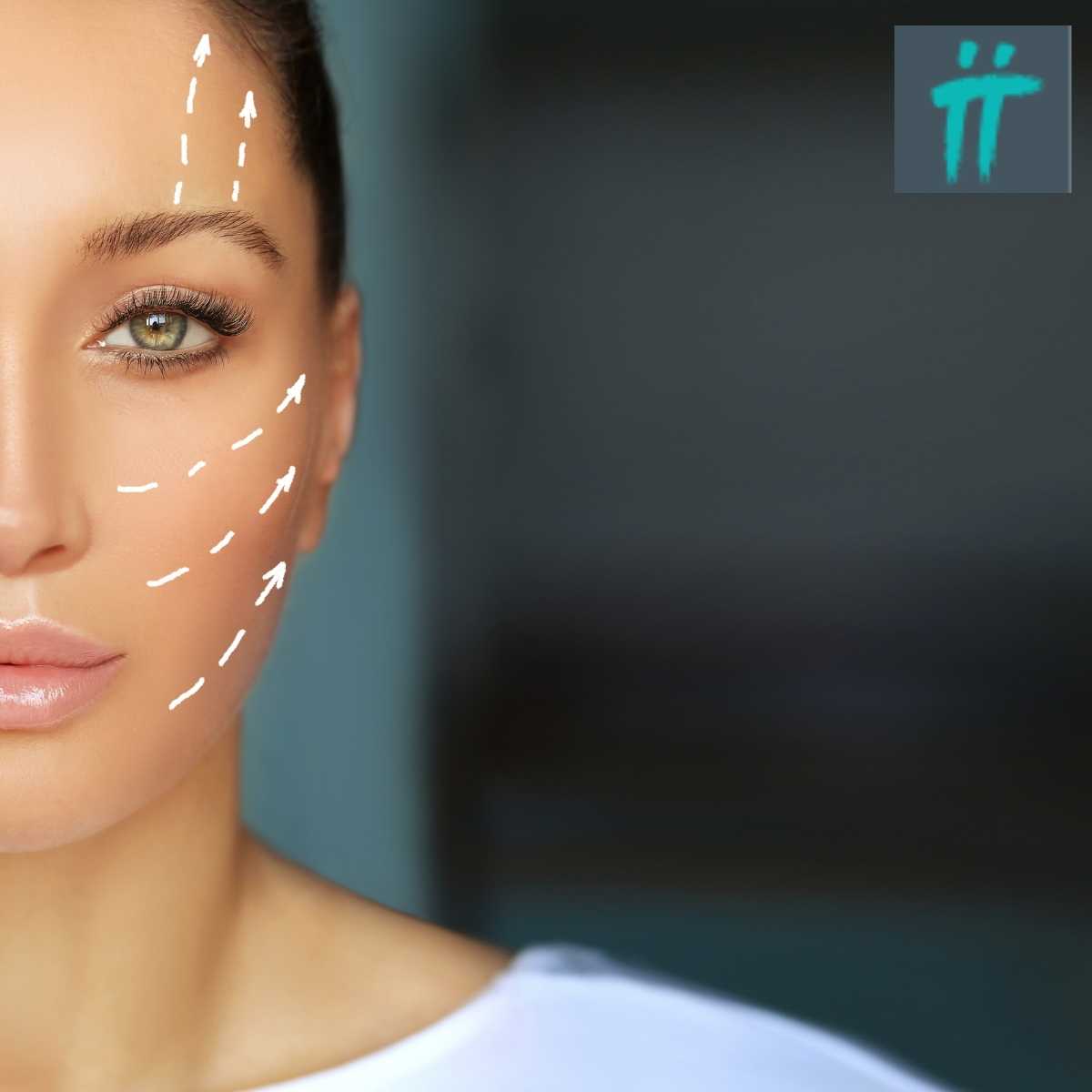
Price starting from $6,850
Face Lift (Rhytidectomy) Surgery Package by Turan Turan in Istanbul, Turkey
Turan Turan Robotic Surgery Center and Orthopedic Clinic
- Cosmetic/Plastic Surgery
Istanbul,Bursa, Turkey

Price starting from $3,850
Upper & Lower Eyelid Surgery Package in Istanbul, Turkey by AKM Clinic
AKM Clinic - Hair Transplantation & Cosmetic Surgery in Istanbul
- Cosmetic/Plastic Surgery
Istanbul, Turkey
Price starting from $3,800
Neck Liposuction Package by Turan Turan in Istanbul
Turan Turan Robotic Surgery Center and Orthopedic Clinic
- Cosmetic/Plastic Surgery
Istanbul,Bursa, Turkey
Transformative Cosmetic Plastic Surgery Experiences: Dive into Procedure Insights
Discover the power of Cosmetic Plastic Surgery through compelling patient experiences. Uncover detailed insights into procedures, recovery journeys, and life-changing results.
Price starting from $3,000
Brazilian Butt Lift in Istanbul Turkey
- Brazilian Butt Lift, Cosmetic/Plastic Surgery
Istanbul, Turkey
.png)
Price starting from $2,700
Breast Augmentation in Istanbul Turkey
- Breast Augmentation, Cosmetic/Plastic Surgery
Istanbul, Turkey
.png)
Price starting from $2,800
Face Lift in Antalya, Turkey
- Face Lift, Cosmetic/Plastic Surgery
Antalya, Turkey