
What treatment


20+ Key FAQs on Stem Cell Therapy in Malaysia
Questions About Stem Cell Therapy in Malaysia? Start Here
Trusted Medical Tourism Platform Since 2007

What Results Come From Stem Cell Knee Arthritis Therapy In Malaysia?
Stem cell knee arthritis therapy in Malaysia delivers significant pain reduction and improved mobility within 3 to 6 months. Most patients experience long-term relief as the treatment regenerates cartilage and reduces chronic joint inflammation. Key Takeaways: Knee Stem Cell Results in Malaysia High Success Rates: Over 80% of patients report a significant reduction in WOMAC pain scores. Cartilage Regeneration: Advanced MRI scans often show increased cartilage thickness after 12 months. Cost Advantage: Treatments are 50-70% more affordable than in Western countries. Short Recovery: Return to light activities within 48 hours and sports within 3 months. Regulatory Safety: Strict MOH Malaysia guidelines ensure ethical cell sourcing and sterile procedures. Osteoarthritis is a degenerative condition that affects millions of people globally, leading to chronic pain and loss of independence. For many, the prospect of total knee replacement is daunting. This is where stem cell knee arthritis therapy in Malaysia has emerged as a revolutionary alternative. By utilizing the body's own regenerative potential, patients can avoid invasive surgery and long rehabilitation periods. Malaysia, with its combination of high-tech medical infrastructure and affordable pricing, has become a top destination for those seeking these results. The results of stem cell knee arthritis therapy in Malaysia are not just anecdotal; they are backed by clinical observations in some of the region's leading regenerative centers. Patients traveling for medical tourism in Malaysia often find that the integrative approach—combining stem cell injections with specialized physical therapy and nutritional support—yields outcomes that exceed standard treatments available in their home countries. Whether it is mesenchymal stem cells (MSCs) from bone marrow, adipose tissue, or umbilical cord lining, the focus is on biological repair rather than mechanical replacement. Did You Know? Malaysia is ranked among the top 5 medical tourism destinations worldwide for joint and orthopedic care, according to several international healthcare journals. The country serves over 1 million medical tourists annually, with regenerative medicine being one of the fastest-growing sectors. What are the clinical results of stem cell therapy for knee arthritis in Malaysia? Clinical results show a 60% to 80% improvement in joint function and a marked decrease in daily pain levels. Patients typically report better stair-climbing ability and walking endurance within weeks. The primary result patients seek is the reduction of pain. In stem cell knee arthritis therapy in Malaysia, the injected cells act as a biological pharmacy. They release anti-inflammatory cytokines that quiet the "storm" of inflammation within the osteoarthritic knee. This immediate biochemical change is what allows patients to feel relief relatively quickly, often before actual tissue regeneration has fully taken place. Secondary results involve the structural repair of the joint. In Malaysia, many clinics utilize high-resolution imaging to track progress. Over a period of 6 to 12 months, follow-up MRIs in successful cases show a filling of chondral defects (holes in the cartilage) and an increase in joint space. This structural improvement is the hallmark of knee arthritis stem cell therapy in Malaysia, as it addresses the root cause of the pain rather than just masking the symptoms. Finally, the psychological and lifestyle results are profound. Patients who were once told they needed a "metal knee" find themselves returning to golf, swimming, and traveling without the constant shadow of pain. The ability to maintain one's natural joint for another decade or more is a result that many international patients find invaluable when choosing a stem cell knee arthritis therapy clinic in Malaysia. How much does stem cell knee arthritis therapy cost in Malaysia? The cost of stem cell knee therapy in Malaysia generally ranges from $4,000 to $8,000 per knee. This price varies based on the cell source and the number of injections required. One of the main drivers for medical tourism in Malaysia is the transparency and affordability of care. When compared to the United States or Australia, where similar regenerative procedures can cost upwards of $15,000 to $20,000 per joint, the stem cell knee arthritis therapy cost in Malaysia offers significant savings. These savings do not come at the expense of quality; rather, they are a result of lower operational costs and government-regulated medical pricing. The cost typically includes: Initial orthopedic consultation and physical assessment. Procurement of stem cells (biopsy or lab-grown). The injection procedure, often performed under ultrasound or fluoroscopic guidance. Post-procedure medication and initial physical therapy session. Follow-up consultations during your stay in the country. Patients should also consider the total value. Many stem cell knee arthritis therapy clinic in Malaysia options offer "all-inclusive" packages. These packages may bundle the medical treatment with luxury accommodation and airport transfers. This holistic approach makes the stem cell knee arthritis therapy in Malaysia experience stress-free, which is essential for biological healing and recovery. Country Estimated Cost (USD) Wait Time USA / Canada $12,000 - $25,000 2 - 4 Weeks Australia $10,000 - $18,000 1 - 3 Weeks Malaysia $4,000 - $8,000 Immediate Is stem cell knee arthritis therapy in Malaysia safe for international patients? Yes, Malaysia is one of the safest destinations for stem cell therapy globally. The Ministry of Health strictly regulates laboratories and clinics to prevent the use of unproven or dangerous cell products. Safety is a primary concern for anyone traveling for medical care. In Malaysia, the National Pharmaceutical Regulatory Agency (NPRA) and the Medical Device Authority (MDA) ensure that any "cell-based product" meets stringent criteria for sterility and viability. When you visit a stem cell knee arthritis therapy clinic in Malaysia, you are entering a facility that must adhere to Good Manufacturing Practice (GMP) for its laboratories. This reduces the risk of infection or adverse reactions to near zero. Furthermore, the clinical approach in Malaysia is conservative and patient-centric. Doctors will not perform stem cell knee arthritis therapy in Malaysia on a patient who is not a good candidate. They conduct thorough screenings to ensure the arthritis hasn't progressed to "bone-on-bone" (Grade 4) where stem cells might be less effective. This honesty in patient selection is a key safety feature of the Malaysian medical system. International patients also benefit from the high standards of hospital hygiene. Many Malaysian private hospitals are JCI-accredited, meaning they follow the same safety protocols as top-tier American hospitals. This makes medical tourism in Malaysia a reliable choice for seniors or those with underlying health conditions who need a controlled and safe environment for their joint treatment. How do I find a reliable stem cell knee arthritis therapy clinic in Malaysia? Reliable clinics are those registered with the Malaysian Medical Council and the MHTC. Look for facilities that have their own in-house cleanroom laboratories and board-certified orthopedic surgeons. Finding the right stem cell knee arthritis therapy clinic in Malaysia involves looking beyond the marketing. A reputable clinic will always offer a virtual consultation before you fly. During this call, the specialist should review your X-rays or MRIs and explain the specific type of stem cells they plan to use. Transparency regarding the source of the cells—whether they are autologous (from you) or allogeneic (from a donor)—is vital for informed consent. Another indicator of reliability is the clinic's focus on comprehensive care. The best results for stem cell knee arthritis therapy in Malaysia come from clinics that don't just "inject and forget." They should provide you with a detailed post-op rehabilitation plan and maintain contact with you once you return home. Checking for patient testimonials from other international patients can also provide insight into the clinic's track record with medical tourism in Malaysia. Finally, verify the credentials of the lead physician. Most orthopedic specialists in Malaysia are members of international bodies like the International Cartilage Regeneration & Joint Preservation Society (ICRS). Choosing a stem cell knee arthritis therapy clinic in Malaysia where the staff participates in global research ensures that you are receiving the most modern and effective version of the therapy. What are the benefits of medical tourism in Malaysia for arthritis patients? Beyond cost, Malaysia offers immediate access to specialists, English-speaking staff, and a world-class recovery environment that combines high-tech medicine with tropical hospitality. The benefits of medical tourism in Malaysia extend far beyond the hospital walls. For an arthritis patient, the stress of travel can be physically demanding. Malaysia mitigates this by providing a seamless patient journey. From the moment you land at KLIA (Kuala Lumpur International Airport), many clinics provide a "meet and greet" service that takes you directly to your hotel or the clinic. This level of service is rarely seen in domestic healthcare systems. Language is another major benefit. Unlike some other medical hubs, English is the unofficial first language of the Malaysian medical community. You can speak directly to your surgeon, the anesthesiologist, and the nursing staff without the need for a middleman. This ensures that your concerns are heard and that the details of your stem cell knee arthritis therapy in Malaysia are clearly communicated. Lastly, the "Tourism" aspect shouldn't be overlooked. While you are there for stem cell knee arthritis therapy in Malaysia, you can enjoy a vacation. Recovering in a 5-star hotel in the heart of Kuala Lumpur or at a beach resort in Penang provides a psychological boost that can actually speed up physical recovery. The high standard of living at a low cost allows patients to treat their medical trip as a much-needed wellness retreat. Who is an ideal candidate for knee arthritis stem cell therapy in Malaysia? Ideal candidates are those with Grade 1, 2, or 3 osteoarthritis who still have some viable cartilage. It is also suitable for those who cannot undergo major surgery due to health risks. Not everyone is a candidate for knee arthritis stem cell therapy in Malaysia. The therapy works best when there is a "scaffold" of existing cartilage for the new cells to latch onto. If the knee is completely "bone-on-bone," the success rate drops significantly. This is why a proper diagnosis at a stem cell knee arthritis therapy clinic in Malaysia is the first and most important step. They will use the Kellgren-Lawrence grading system to determine if you are in the "sweet spot" for regeneration. Age is often a factor, but not in the way most think. While younger patients generally have more robust stem cells, many seniors in their 70s and 80s have seen excellent results with stem cell knee arthritis therapy in Malaysia by using umbilical cord-derived cells, which are highly potent regardless of the patient's age. If you are someone who wants to avoid the 6-month recovery of a knee replacement or if you have been told you are "too young" for a replacement, this therapy is likely for you. Candidates must also be willing to follow the post-procedure protocol. The stem cell knee arthritis therapy in Malaysia results are heavily dependent on the patient's commitment to physical therapy. The stem cells need the right mechanical signals to turn into cartilage cells. Therefore, an ideal candidate is motivated, relatively healthy (non-smoker), and ready to engage in a low-impact exercise program to maximize their investment. How long is the recovery for stem cell therapy for knee arthritis in Malaysia? Initial recovery is just 2-3 days of light activity. Significant clinical improvement is usually felt at the 4-week mark, with the most dramatic results appearing between 3 and 6 months post-injection. The "recovery" for stem cell therapy for knee arthritis in Malaysia is very different from surgical recovery. There are no stitches, no large incisions, and usually no crutches. For the first 48 hours, patients are told to take it easy to ensure the cells stay within the joint capsule. After that, "motion is lotion." Gentle walking is encouraged. This minimal downtime is one of the biggest attractions for medical tourism in Malaysia. Around week 2 to week 4, the anti-inflammatory effect peaks. Patients often notice they are taking fewer painkillers and sleeping better because the "night ache" of arthritis has diminished. During this time, a stem cell knee arthritis therapy clinic in Malaysia will usually have you starting a specialized rehab program that focuses on strengthening the muscles around the knee without overloading the joint. The "biological recovery" takes longer. Cartilage grows slowly. The full results of stem cell knee arthritis therapy in Malaysia are usually assessed at the 6-month or 1-year mark. This is when the new tissue has matured and the joint has stabilized. Most patients find that their improvement continues to trend upward for up to 18 months, providing a long-lasting solution to their chronic pain. Why choose PlacidWay for stem cell knee arthritis therapy in Malaysia? PlacidWay provides a secure bridge to Malaysia's best clinics, ensuring you get verified surgeons, transparent pricing, and comprehensive support throughout your healing journey. Choosing to have stem cell knee arthritis therapy in Malaysia is a big decision, and you shouldn't have to navigate it alone. PlacidWay acts as your personal advocate and consultant. We understand the Malaysian medical landscape and only partner with facilities that meet our high standards for patient care and ethical practice. Here is why PlacidWay is the preferred choice for thousands of medical travelers: Expert Vetting: We pre-screen every stem cell knee arthritis therapy clinic in Malaysia in our network. We verify their licenses, check their lab certifications, and review patient outcomes so you don't have to. Direct Communication: We facilitate direct lines of communication between you and the Malaysian specialists. This ensures all your questions about knee arthritis stem cell therapy in Malaysia are answered by the experts before you book. Transparent All-Inclusive Quotes: Through PlacidWay, you get clear pricing. No hidden fees or "tourist surcharges." We help you understand exactly what is included in your stem cell knee arthritis therapy cost in Malaysia. Personalized Assistance: Our team helps with the logistics of medical tourism in Malaysia. From recommending recovery-friendly hotels to assisting with medical records transfer, we are with you every step of the way. Peace of Mind: With PlacidWay, you are not just a medical tourist; you are a valued patient. We prioritize your safety and satisfaction, making sure your journey for stem cell knee arthritis therapy in Malaysia is successful and restorative. Frequently Asked Questions About Stem Cell Therapy in Malaysia Is stem cell therapy for knee arthritis legally regulated in Malaysia? Yes, Malaysia has a robust regulatory framework under the Ministry of Health. Stem cell treatments are monitored to ensure they follow ethical guidelines and safety protocols. Only licensed medical facilities are permitted to offer these regenerative therapies, making Malaysia a safe hub for international patients. How long do I need to stay in Malaysia for knee stem cell treatment? Typically, the procedure is an outpatient or day-care event. However, medical tourists are advised to stay for 7 to 10 days. This allows for the initial consultation, the procedure, and a follow-up visit to ensure there are no immediate complications before flying home. Are the stem cell products used in Malaysia Halal certified? Many clinics in Malaysia utilize stem cells that are processed in laboratories complying with Halal standards, especially those using autologous (patient's own) cells or ethically sourced umbilical cord tissue. Malaysia is a world leader in Halal medical standards, catering extensively to Muslim patients. Do I need a special visa for medical treatment in Kuala Lumpur? Most travelers enter Malaysia on a social visit pass. However, for extended treatments, you can apply for a Malaysia Healthcare Traveler Visa (e-Value Document) through the Malaysia Healthcare Travel Council (MHTC). This facilitates easier entry and potential extensions for medical reasons. Can I walk immediately after stem cell injections in Malaysia? Most patients are able to walk out of the clinic the same day. While some localized swelling or soreness is normal, there is no requirement for bed rest. Surgeons usually recommend light activity for the first 48 hours to allow the cells to settle in the joint space. What is the best city in Malaysia for regenerative joint therapy? Kuala Lumpur and Penang are the primary hubs. Kuala Lumpur offers the highest density of specialized regenerative centers, while Penang is famous for its combination of world-class hospitals and relaxing coastal recovery environments. Are Malaysian stem cell clinics accredited internationally? Yes, many facilities are accredited by JCI (Joint Commission International) or the Malaysian Society for Quality in Health (MSQH), which has a reciprocal agreement with international standards. This ensures the highest level of hygiene and clinical excellence. Will I have a translator if I don't speak Malay? English is widely spoken across all medical facilities in Malaysia. Most doctors are trained in the UK, Australia, or the US. For other languages, clinics in the medical tourism sector usually provide dedicated translation services for Arabic, Mandarin, or Japanese patients. How does the tropical weather in Malaysia affect recovery? The warm, humid climate is generally beneficial for joint stiffness. However, patients are advised to stay hydrated and avoid strenuous outdoor activities in the midday heat. Most recovery is done in climate-controlled environments provided by high-end medical hotels. Can I fly home shortly after a knee stem cell injection? It is generally safe to fly 3-5 days after the procedure. To prevent any risk of deep vein thrombosis (DVT) during long-haul flights, doctors may recommend wearing compression stockings and performing seated leg exercises during the journey. Regenerate Your Joints in Malaysia with PlacidWay Stop letting knee pain control your life. Experience the future of regenerative medicine in one of the world's premier medical tourism destinations. PlacidWay connects you with Malaysia's elite orthopedic specialists and government-accredited laboratories. Get your personalized, no-obligation quote today and start your journey toward a pain-free future. ...
Read more details

.png)
How Much Does Stem Cell Therapy for Osteoarthritis in Malaysia Cost?
Stem cell therapy for osteoarthritis in Malaysia typically costs between $4,500 and $8,000 per joint. This price usually includes the consultation, cell processing, and the injection procedure. Dealing with the persistent ache of osteoarthritis can feel like an uphill battle. If you have been searching for ways to manage joint pain without jumping straight into a major surgery like a total knee replacement, you are definitely not alone. Many people are now looking toward regenerative medicine as a middle ground that helps the body heal itself. Malaysia has quickly become a top destination for this kind of care because it offers high-medical standards at a price that is much easier on the wallet than what you would find in the US or Australia. In this guide, we will break down exactly what you can expect to pay for stem cell therapy for osteoarthritis in Malaysia. We will look at why the prices vary, what is included in a typical package, and how the quality compares to other parts of the world. Our goal is to give you the clear, expert information you need to make the best decision for your health and your mobility. What is the average cost of stem cell therapy for osteoarthritis in Malaysia? "The average cost for a single joint treatment in Malaysia ranges from $4,500 to $8,000 USD, which is significantly lower than Western prices." The cost of stem cell therapy in Malaysia is one of its biggest draws. While a single knee injection in the United States might set you back $15,000 or more, the same procedure in Kuala Lumpur or Penang is often a fraction of that. Most patients find that the total investment for one joint stays well under the $10,000 mark, even when including initial diagnostic tests and follow-up visits. It is important to remember that these prices are estimates. Your final bill depends on whether you need treatment for one knee, both knees, or perhaps a hip and a shoulder. Most stem cell clinics for osteoarthritis provide a transparent pricing model that covers the essential steps of the process, ensuring there are no hidden surprises when you arrive for your appointment. How does the cost in Malaysia compare to other countries? "Malaysia offers savings of 50% to 70% compared to the USA and UK, with knee treatments starting at approximately $4,500 USD." When you look at the global landscape of regenerative therapy, Malaysia stands out for its balance of quality and affordability. In the US, the regulatory environment and high operational costs push prices into the tens of thousands. In contrast, Malaysia benefits from a lower cost of living and government-supported medical tourism initiatives that keep prices competitive. Below is a detailed comparison of what you might expect to pay for stem cell therapy for osteoarthritis across different regions: Country Estimated Cost (USD) Typical Savings Malaysia $4,500 – $8,000 Baseline USA $15,000 – $30,000 Save ~70% United Kingdom $12,000 – $25,000 Save ~65% Australia $10,000 – $20,000 Save ~60% Singapore $8,000 – $15,000 Save ~40% What factors influence the final price of the treatment? "Pricing is influenced by the type of stem cells used, the number of joints treated, and the specific laboratory processing required." Not all stem cell treatments are created equal. One of the main factors is the source of the cells. Autologous stem cells, which are harvested from your own body (usually fat or bone marrow), might have different laboratory fees compared to allogeneic cells (donor-derived, such as umbilical cord tissue). Allogeneic cells often require more intensive screening and processing, which can reflect in the price. Other factors include: Number of sessions: Some patients feel great after one injection, while others with advanced osteoarthritis may need a series of treatments. Cell concentration: Higher doses of mesenchymal stem cells (MSCs) generally cost more due to the lab work involved in expanding the cell count. Diagnostic imaging: Whether you need new MRIs or X-rays at the clinic will add a small amount to the total. Are there different types of stem cells used for osteoarthritis in Malaysia? "Most clinics in Malaysia use Mesenchymal Stem Cells (MSCs) derived from either the patient’s own fat or donor umbilical cord tissue." In the world of orthopedic regenerative medicine, Mesenchymal Stem Cells (MSCs) are the gold standard. These cells are special because they can transform into cartilage-producing cells, helping to cushion the joint and reduce the "bone-on-bone" friction that causes pain. In Malaysia, you will mostly find two approaches: Adipose-derived MSCs: These are taken from your own fat tissue via a mini-liposuction. It is a very safe, popular method. Umbilical Cord-derived MSCs: These are "younger" cells that are often considered more potent. They are ethically sourced from healthy births and processed in high-tech labs. What is typically included in a Malaysia stem cell package? "Packages usually cover the specialist consultation, laboratory cell processing, the injection procedure, and basic local transport." When you book stem cell therapy for joints in Malaysia, you are usually buying a "bundle" of services. This makes it much easier for international patients to plan their budget. A standard package will almost always include the doctor’s fee for the initial assessment and the procedure itself. Many clinics go the extra mile by including airport transfers and local transportation between your hotel and the medical facility. This level of concierge service is a hallmark of Malaysian healthcare, ensuring that you can focus entirely on your recovery rather than navigating a new city. How long does the procedure and recovery take? "The injection itself takes about 30 to 60 minutes, with most patients returning to light daily activities within 2 to 3 days." The actual stem cell injection is a minimally invasive procedure. Unlike surgery, there are no large incisions or general anesthesia required in most cases. You will likely walk in and walk out the same day. There might be some minor soreness or swelling at the injection site for a day or two, but it is usually managed with simple rest. Real results take time because the regenerative process is natural. Most patients start noticing a decrease in pain and an increase in mobility after about 3 to 6 weeks. The full benefits of the cartilage support usually peak between 3 and 6 months after the treatment. Why choose Malaysia for osteoarthritis treatment? "Malaysia is chosen for its JCI-accredited hospitals, English-speaking staff, and cost savings of up to 70%." Beyond the low cost of treatment, Malaysia offers a high level of comfort for international travelers. English is widely spoken, and many of the top hospitals hold Joint Commission International (JCI) accreditation, meaning they follow the same safety and quality protocols as the best hospitals in the West. Additionally, the Malaysian Ministry of Health strictly regulates cell therapy, ensuring that labs meet international standards for purity and safety. This gives patients peace of mind that they are receiving a legitimate, high-quality medical product. Is stem cell therapy for osteoarthritis safe in Malaysia? "Yes, it is considered safe when performed in licensed facilities using regulated laboratory protocols for cell processing." Safety is the number one priority for anyone considering regenerative medicine. In Malaysia, the use of stem cells for osteoarthritis is practiced within a framework of clinical guidelines. Clinics use sterile, image-guided techniques (like ultrasound) to ensure the cells are delivered exactly where they are needed in the joint. Because most treatments use mesenchymal cells, the risk of a reaction is very low. If you use your own cells (autologous), there is virtually no risk of rejection. If you use donor cells, they are screened extensively for any infectious diseases before they ever reach the clinic. Can stem cell therapy help avoid knee replacement surgery? "Many patients use stem cell therapy to delay or completely avoid invasive joint replacement surgery by reducing pain and inflammation." One of the most exciting aspects of stem cell therapy is its potential to change the "surgical timeline." For someone with moderate osteoarthritis, the therapy can reduce the chronic inflammation that breaks down the joint. By slowing this process, many people find they can return to hiking, golf, or just walking through the grocery store without needing a titanium joint. While it may not "regrow" an entire joint for someone with stage 4 bone-on-bone disease, it is often an excellent option for those in the mild-to-moderate stages who want to keep their natural anatomy as long as possible. What questions should I ask a Malaysian clinic before booking? "Ask about the cell count, the source of the stem cells, and what specific follow-up care is included in your quote." Before you commit to a treatment plan, it is vital to have a clear conversation with the medical team. You should ask about their experience specifically with osteoarthritis and what kind of success rates they see for your specific stage of the disease. Don't be afraid to ask for a detailed breakdown of the cost of stem cell therapy. You want to know if the quote includes the initial MRI, the laboratory processing fee, and any medications you might need afterward. A reputable clinic will be happy to provide this transparency. Ready to reclaim your mobility and live a life free from joint pain? Explore the world-class medical options available in Malaysia. Whether you are looking for advanced stem cell solutions or comprehensive healthcare packages, PlacidWay can help you find the right path to recovery. ...
Read more details.png)
Can Stem Cell Therapy In Malaysia Help With Tendon And Ligament Injuries?
Stem cell therapy in Malaysia is a highly effective regenerative treatment that uses Mesenchymal Stem Cells (MSCs) to repair damaged tendon and ligament tissues, reducing inflammation and accelerating recovery for sports injuries and chronic pain. If you are struggling with a persistent sports injury or chronic joint pain, you might be wondering: Can stem cell therapy in Malaysia help with tendon and ligament injuries? The answer is a resounding yes. Malaysia has rapidly emerged as a global hub for regenerative medicine, offering advanced stem cell treatments that specifically target the body's natural ability to heal its most stubborn connective tissues. Unlike traditional surgery, which often involves long recovery times and potential scarring, stem cell therapy provides a minimally invasive alternative designed to restore function and mobility. In this detailed guide, we will explore the science behind Mesenchymal Stem Cells (MSCs) and how they are used by top-tier specialists in Malaysia to treat conditions like ACL tears, rotator cuff injuries, and Achilles tendinopathy. We will also dive into the cost of stem cell therapy in Malaysia, comparing it to international standards, and provide insights into the regulatory environment that ensures patient safety. Whether you are an athlete looking to return to the field or someone seeking relief from chronic ligament pain, understanding your options in Malaysia is the first step toward a pain-free life. What are the benefits of stem cell therapy for tendon injuries in Malaysia? "The primary benefits include rapid tissue regeneration, significant reduction in chronic inflammation, non-surgical pain relief, and a faster return to physical activities compared to traditional orthopedic surgery." Stem cell therapy offers a unique advantage because tendons and ligaments naturally have a poor blood supply, which makes self-repair difficult. By injecting Mesenchymal Stem Cells directly into the site of the injury, doctors can "jumpstart" the healing process. These cells are known for their immunomodulatory effects, which help dampen the body's inflammatory response, the main culprit behind chronic pain. Furthermore, stem cell therapy for tendons in Malaysia is often paired with Platelet-Rich Plasma (PRP) to enhance the growth environment for the new cells. This dual approach ensures that the newly formed tissue is strong and flexible, mirroring the original biomechanical properties of a healthy ligament. Minimal Downtime: Most patients can resume light activities within days. Avoidance of Surgery: Many patients avoid the risks associated with general anesthesia and invasive cutting. Natural Healing: The treatment uses the body’s own biological material or ethically sourced donor cells. How much does stem cell therapy for ligaments cost in Malaysia? "Stem cell therapy for ligament and tendon injuries in Malaysia typically costs between $4,500 and $15,000 (MYR 20,000 to MYR 65,000), depending on the cell source and treatment complexity." The cost of regenerative medicine is one of the biggest draws for international patients visiting Malaysia. Compared to the United States or Europe, where similar treatments can exceed $30,000, Malaysia offers world-class medical care at a fraction of the price. The total expense usually covers the initial consultation, diagnostic imaging like MRI or ultrasound, the stem cell harvest or acquisition, and the injection procedure itself. Prices can vary based on whether you choose autologous stem cells (from your own body) or allogeneic stem cells (from a donor/umbilical cord). Below is a detailed cost comparison to give you a better perspective on the savings available. Stem Cell Therapy Cost Comparison (USD) Country Estimated Cost (Sports Injury) Typical Savings Malaysia $4,500 - $12,000 Baseline USA $15,000 - $40,000 60% - 75% Australia $10,000 - $22,000 40% - 50% Thailand $6,000 - $15,000 Comparable Which tendon and ligament injuries are treated in Malaysia? "Commonly treated injuries include ACL and MCL tears in the knee, rotator cuff tears in the shoulder, tennis elbow, and chronic Achilles tendinitis." In Malaysia, orthopedic surgeons and regenerative specialists use stem cells to treat a wide spectrum of musculoskeletal issues. For athletes, partial ligament tears are the most common focus, as the cells can help the ligament knit back together without the structural changes often caused by surgical grafting. The treatment is particularly effective for chronic tendinopathy, where the tendon has failed to heal over several months or even years. The introduction of active stem cells re-initiates the healing cycle in these "stalled" injuries. Is stem cell therapy for sports injuries safe in Malaysia? "Yes, the procedure is safe when performed by MOH-licensed doctors in Malaysia, as they follow strict guidelines for cell processing and sterile injection techniques." The Ministry of Health (MOH) Malaysia maintains a robust regulatory framework for cell-based therapies. This ensures that laboratories producing the cells meet high standards for purity and viability. When using autologous MSCs, there is virtually zero risk of rejection because the biological material is your own. Patients should always verify that their chosen facility is LCP-certified or affiliated with recognized medical bodies. High-quality clinics in Kuala Lumpur and Penang utilize advanced imaging to guide the injection, ensuring the stem cells reach the precise micro-tear within the tissue. How do stem cells actually repair a torn ligament? "Stem cells repair torn ligaments by differentiating into specialized tenocytes (tendon cells), releasing growth factors that stimulate blood flow, and modulating the immune system to stop further tissue degradation." Think of Mesenchymal Stem Cells as "biological repairmen." When they are injected into a ligament injury, they respond to chemical signals sent out by the damaged tissue. This process, known as paracrine signaling, allows the stem cells to coordinate a complex healing response involving other local cells. In addition to creating new fibers, the cells help produce collagen, which is the building block of all connective tissue. This leads to a thicker, more resilient ligament that can withstand the stresses of daily movement or high-impact sports. What is the success rate of stem cell therapy for joints in Malaysia? "Success rates for orthopedic stem cell therapy in Malaysia generally range from 70% to 85% for significant pain reduction and functional improvement in mild to moderate injuries." While individual results vary based on age, the severity of the injury, and overall health, most patients report a noticeable decrease in joint pain within 4 to 8 weeks. For ligament injuries, imaging like follow-up MRIs often shows structural improvement and increased tissue density. The success of the treatment is also highly dependent on post-procedural rehabilitation. Malaysian clinics often integrate specialized physiotherapy programs to ensure the joint regains its full range of motion while the new tissue is maturing. What types of stem cells are used for tendon repair in Malaysia? "The most common types are bone marrow-derived MSCs, adipose-derived (fat) stem cells, and umbilical cord-derived Wharton’s Jelly MSCs." Adipose-derived stem cells are popular because they are easy to harvest from a small amount of fat tissue and contain a high concentration of regenerative cells. Bone marrow aspirate is considered the "gold standard" for orthopedic conditions because it contains high levels of cells that naturally gravitate toward bone and tendon repair. Recently, many patients are opting for umbilical cord MSCs. These are "younger" cells with a higher capacity for proliferation, and they do not require a separate harvest procedure from the patient, making the treatment day much simpler. What is the recovery time after stem cell injections in Malaysia? "Most patients experience a 'soreness phase' for 2-3 days, followed by a return to desk work. Significant tissue healing typically occurs over 3 to 6 months." Recovery from regenerative therapy is drastically shorter than recovery from surgery. During the first few weeks, the focus is on protecting the joint while the stem cells begin their work. You will likely be advised to avoid heavy lifting or high-impact exercise during this initial phase. By month three, many patients feel a "newness" in their joint—the constant dull ache often associated with ligament tears begins to fade, and they can start reintroducing sport-specific movements. Why choose Malaysia for sports medicine and stem cell therapy? "Malaysia offers a combination of JCI-accredited facilities, English-speaking medical staff, highly competitive pricing, and strict MOH safety regulations." Malaysia’s healthcare infrastructure is world-class, with many specialists having trained in the UK, Australia, or the US. This means you get the same level of expertise and technology as you would in a Western hospital but at a price point that makes the treatment accessible. Furthermore, the medical tourism experience in Malaysia is seamless. Many clinics provide airport transfers, luxury recovery accommodation, and personalized care coordinators, allowing you to focus entirely on your recovery from injury. Does insurance cover stem cell therapy in Malaysia? "Currently, most private insurance companies consider stem cell therapy for tendons and ligaments as elective or experimental, meaning it is usually an out-of-pocket expense." While insurance coverage is limited, the affordability of healthcare in Malaysia often makes the out-of-pocket cost lower than the deductibles and co-pays for complex surgery in other countries. It is always best to check with your specific provider, as some international health plans are beginning to cover regenerative treatments if they can be shown to prevent more expensive surgeries. What should I expect during a stem cell consultation in Malaysia? "A typical consultation includes a comprehensive physical exam, a review of your MRI or X-ray results, and a personalized plan detailing the type of stem cells and expected outcomes." Medical professionals in Malaysia take a holistic approach to your health. During the consultation, they won't just look at the ligament tear; they will assess your gait, muscle balance, and lifestyle. This ensures that the stem cell treatment is part of a larger strategy to prevent the injury from recurring. Can stem cell therapy help with old, chronic ligament injuries? "Yes, stem cell therapy is highly effective for chronic injuries where the natural healing process has stalled, as it reintroduces a high concentration of regenerative factors to the area." Even if your tendon injury happened years ago, regenerative medicine can still offer hope. Chronic injuries often involve the formation of poor-quality scar tissue. Stem cells can help break down this ineffective tissue and replace it with organized, functional fibers, effectively "restarting the clock" on your healing. What are the risks or side effects of stem cell therapy? "Minor risks include temporary swelling, bruising at the injection site, or a brief increase in pain during the initial inflammatory phase." Because the treatment is minimally invasive, serious complications like major infection or nerve damage are extremely rare. Most patients find that any discomfort is easily managed with over-the-counter pain relief and rest. Compared to the risks of orthopedic surgery, the safety profile of stem cell therapy is excellent. How do I find a reputable stem cell clinic in Malaysia? "Look for clinics that are MOH-registered, use certified laboratory facilities, and provide transparent data on their success rates and cell counts." Doing your research is key. Avoid any clinic that makes "miracle cure" claims. A reputable regenerative medicine specialist in Malaysia will be honest about the limitations of the treatment and will only recommend it if they believe you are a good candidate. Ready to Heal Your Injuries? If you are ready to explore how stem cell therapy in Malaysia can help you recover from tendon and ligament injuries, PlacidWay is here to help. We connect you with top-rated regenerative clinics and specialists, ensuring a smooth and affordable medical journey. Contact PlacidWay today to get a free quote and start your path to recovery! Get a Free Quote...
Read more detailsDiscover your treatment options with a free, no-obligation quote!
Get your quote now!.png)
Is Stem Cell Therapy In Malaysia Used For Parkinson’s Disease Management?
Stem cell therapy for Parkinson’s in Malaysia offers a promising regenerative approach, aiming to repair damaged nerve cells and improve motor function. Costs typically range from $10,000 to $30,000, significantly lower than in the West, with high-quality care regulated by the Ministry of Health. Parkinson’s disease is a progressive neurological disorder that affects movement, causing tremors, stiffness, and difficulty with balance. For many patients and their families, the search for effective treatments goes beyond conventional medication, leading them to explore regenerative medicine. Stem cell therapy for Parkinson’s disease in Malaysia has emerged as a leading option for international patients seeking advanced care at a fraction of the cost found in Western countries. Malaysia is rapidly gaining recognition as a hub for medical tourism, particularly in the field of regenerative medicine. The country combines world-class medical infrastructure with strict regulatory oversight by the Ministry of Health, ensuring that treatments are both safe and ethical. While there is currently no absolute cure for Parkinson’s, stem cell therapy offers hope by potentially slowing disease progression and improving quality of life. Patients often ask, "Can this really help me regain control?" The answer lies in the potential of stem cells to regenerate damaged dopamine-producing neurons, addressing the root cause of the symptoms rather than just masking them. In this guide, we will explore everything you need to know about navigating this treatment path in Malaysia. From understanding the specific types of cells used—such as Mesenchymal Stem Cells (MSCs)—to breaking down the costs and safety protocols, we aim to provide a comprehensive resource. Whether you are in the early stages of research or ready to plan your medical trip, this article will answer your most pressing questions with clarity and expertise. Can stem cell therapy cure Parkinson's disease? "Currently, stem cell therapy is not considered a definitive cure for Parkinson’s disease, but it is a powerful management tool used to regenerate damaged tissue, slow progression, and improve motor symptoms." It is important to manage expectations when considering stem cell therapy for Parkinson’s disease. While the treatment is revolutionary, medical experts currently classify it as a regenerative management therapy rather than a guaranteed cure. The primary goal is to repair and replace the dopamine-producing neurons that are lost during the disease's progression. By introducing healthy stem cells into the body, doctors aim to restore neural function, which can lead to significant improvements in daily life. Many patients experience a reduction in tremors, improved balance, and less rigidity following treatment. These improvements can last for years, effectively turning back the clock on the disease's symptoms. However, because Parkinson’s is a progressive condition, maintenance treatments may be required. The therapy is best viewed as a way to significantly enhance quality of life and potentially reduce dependency on medications like Levodopa. Research is ongoing, and as technology advances, the potential for a long-term functional cure increases. For now, the focus remains on halting progression and reversing debilitating symptoms, allowing patients to regain independence and confidence in their movements. Is stem cell therapy for Parkinson's legal in Malaysia? "Yes, stem cell therapy is legal in Malaysia, provided it is conducted by licensed medical professionals and adheres to the strict guidelines set by the Ministry of Health (MOH) and proper ethical standards." Malaysia has established a robust legal framework to govern the use of stem cells, ensuring patient safety is the top priority. The Ministry of Health (MOH) strictly regulates the industry through the National Committee for Clinical Research (NCCR) and specific guidelines on stem cell research and therapy. This means that legitimate clinics and hospitals must undergo rigorous licensing processes and adhere to Good Manufacturing Practice (GMP) standards for cell processing. While standard therapies (like bone marrow transplants for blood disorders) are fully established, therapies for conditions like Parkinson’s are often categorized under regenerative medicine or clinical application. These procedures must be performed in approved facilities. The government prohibits the use of controversial sources like embryonic stem cells for general therapy, focusing instead on safer, ethically sound sources like adult stem cells and umbilical cord tissue. When seeking treatment, it is crucial to verify that the facility is licensed. This regulatory environment makes Malaysia one of the safest destinations in Asia for cell-based therapies, as "fly-by-night" clinics are actively monitored and shut down by authorities. How does stem cell therapy work for Parkinson's? "Stem cell therapy works by introducing multipotent cells that can differentiate into dopamine-producing neurons, reduce neuroinflammation, and protect existing brain cells from further degeneration." The mechanism behind stem cell therapy for Parkinson’s is fascinating and multifaceted. Parkinson’s disease is primarily caused by the death of neurons in a part of the brain called the substantia nigra, leading to a drop in dopamine levels. Stem cells act as a repair system. When introduced into the body, they can migrate to areas of injury or degeneration—a process known as "homing." Once they reach the brain, these cells can work in three main ways: differentiation: Some stem cells have the potential to transform into new dopamine-producing neurons, directly replacing those that were lost. Paracrine Effect: The cells release growth factors and proteins that support the survival of existing neurons, preventing them from dying. Anti-inflammatory Action: They reduce inflammation in the brain, which is a key driver of Parkinson’s progression. This triple-action approach helps to rebuild the neural network. Over time, this restoration of dopamine levels and neural pathways can lead to smoother movements, reduced shaking, and better overall cognitive function. What types of stem cells are used in Malaysia? "The most common types of stem cells used in Malaysia are Mesenchymal Stem Cells (MSCs) derived from umbilical cord tissue (Wharton’s Jelly), bone marrow, or adipose (fat) tissue." Clinics in Malaysia primarily utilize Mesenchymal Stem Cells (MSCs) because of their high safety profile and potent regenerative capabilities. Among these, Umbilical Cord-Derived MSCs (specifically from Wharton’s Jelly) are considered the "gold standard" for many neurological conditions. These cells are "allogeneic," meaning they come from a donor, but they are immune-privileged, so the patient's body rarely rejects them. Other common sources include: Bone Marrow Stem Cells: Harvested from the patient’s own hip bone. While effective, the procedure to harvest them is slightly invasive. Adipose-Derived Stem Cells: Extracted from the patient's own body fat via liposuction. These are abundant but may have lower potency compared to umbilical cells in older patients. Malaysian regulations heavily restrict the use of Embryonic Stem Cells due to ethical concerns and the risk of tumor formation. Therefore, you will find that reputable centers focus almost exclusively on adult stem cells and umbilical cord tissues, which have a proven track record of safety and efficacy. What is the cost of stem cell therapy for Parkinson's in Malaysia? "The cost of stem cell therapy for Parkinson's in Malaysia generally ranges from $10,000 to $30,000 USD, depending on the number of cells required and the complexity of the treatment protocol." One of the main reasons patients travel to Malaysia is the cost-effectiveness of the treatment. In countries like the USA or parts of Europe, similar regenerative treatments can cost upwards of $50,000 to $100,000, often without insurance coverage. Malaysia offers a premium medical experience at a fraction of that price. The total cost usually includes the initial consultation, pre-treatment testing (blood work, medical imaging), the harvesting or preparation of stem cells, the implantation procedure itself, and post-treatment monitoring. Factors that influence the final price include the source of the cells (umbilical cord cells may be more expensive due to processing), the number of sessions, and whether rehabilitation therapy is included in the package. Below is a comparison table to help you understand the potential savings: Country Estimated Cost (USD) Malaysia $10,000 - $30,000 USA $50,000 - $100,000+ United Kingdom $30,000 - $60,000 Mexico $8,000 - $20,000 Thailand $15,000 - $35,000 What is the success rate of stem cell therapy for Parkinson's? "While individual results vary, clinical data and patient reports suggest a success rate of 60% to 80% in terms of noticeable symptom improvement and halted disease progression." Defining "success" in degenerative diseases is complex, but generally, success is measured by the improvement of motor functions, reduction in tremors, and decreased need for medication. In Malaysia, many clinics report that approximately 60% to 80% of patients show positive outcomes. These benefits usually begin to manifest 3 to 6 months after the procedure, as the cells need time to engraft and repair damaged tissues. It is crucial to understand that "success" does not always mean a complete reversal of the disease. For some, success is the stabilization of a condition that was previously deteriorating rapidly. For others, it might mean being able to walk without assistance or write legibly again. Factors affecting success rates include the patient's age, the severity of the Parkinson's (early stages respond better), and the quality of the rehabilitation program followed post-treatment. Why is Malaysia a top destination for stem cell therapy? "Malaysia is a top destination due to its highly regulated medical environment, English-speaking medical professionals, JCI-accredited hospitals, and affordable yet high-quality healthcare." Malaysia has carved out a niche in the global medical tourism market by offering a unique blend of affordability, quality, and accessibility. Unlike some destinations where regulations are lax, Malaysia’s medical sector is tightly monitored by the government, giving international patients peace of mind regarding safety and hygiene standards. Many of the private hospitals here are accredited by the Joint Commission International (JCI), the gold standard for global healthcare. Furthermore, communication is rarely a barrier. English is widely spoken in Malaysia, especially within the medical community, as many doctors are trained in the UK, Australia, or the US. The country is also culturally diverse and welcoming, with excellent travel infrastructure. From the moment you land at Kuala Lumpur International Airport, you can find dedicated medical tourism concierges to assist with your journey, making the logistics of traveling for treatment seamless. How is the stem cell procedure performed? "The procedure is minimally invasive, typically involving an Intravenous (IV) infusion or an Intrathecal injection (into the spinal canal) to ensure cells reach the brain effectively." The administration of stem cells is designed to be as minimally invasive as possible while ensuring maximum efficacy. The most common method is Intravenous (IV) systemic delivery, where stem cells are dripped into the bloodstream like a standard IV fluid. This allows the cells to circulate and target areas of inflammation throughout the body. For neurological conditions like Parkinson's, doctors often recommend an Intrathecal injection (Lumbar Puncture). This involves injecting stem cells directly into the spinal fluid in the lower back. This method bypasses the blood-brain barrier, allowing a higher concentration of stem cells to reach the brain and the central nervous system directly. The procedure is performed under local anesthesia, takes about 45 minutes to an hour, and is generally well-tolerated with minimal discomfort. How many sessions are required? "Most treatment protocols involve 1 to 3 sessions spread over a few days or weeks, though severe cases may require follow-up treatments 6 to 12 months later." The number of sessions depends heavily on the severity of the patient's condition and the specific protocol of the clinic. A typical stem cell package for Parkinson’s in Malaysia might involve a "loading dose" of millions of cells administered over 2 or 3 days. For example, a patient might receive an IV infusion on day one and an intrathecal injection on day two. Some protocols suggest a single intensive round of treatment followed by a period of observation. If the patient shows improvement but then plateaus, a "booster" session might be recommended 6 months to a year later. Personalized treatment plans are essential; a reputable doctor will not prescribe a "one size fits all" number of sessions but will tailor the frequency to your body's response. Is the procedure painful? "The procedure is generally not painful; patients may feel a slight prick during needle insertion or mild pressure during a lumbar puncture, but local anesthesia is used to minimize discomfort." Patients are often relieved to learn that stem cell therapy is not a surgery in the traditional sense. There are no incisions or stitches required. The pain level is comparable to getting a routine blood test or an epidural. For IV infusions, the only sensation is the small needle prick in the arm. For intrathecal injections (lumbar puncture), local anesthesia is applied to numb the lower back area. Patients might feel some pressure or a sensation of fullness as the cells are injected, but sharp pain is rare. Medical staff are trained to ensure patient comfort throughout the process, and mild sedatives can be offered to anxious patients to help them relax. What are the side effects of stem cell therapy? "Common side effects are mild and temporary, including headache, low-grade fever, or minor fatigue immediately following the procedure, which typically resolve within 24 to 48 hours." Safety is a primary concern, but serious adverse events with MSCs are extremely rare. The most commonly reported side effects are the body's natural immune response to the introduction of new cells. This can manifest as a "flu-like" feeling, including a mild headache, nausea, or a slight fever. These symptoms are usually short-lived and can be managed with basic over-the-counter pain relievers. Because the cells used (especially umbilical cord MSCs) are screened rigorously for safety, the risk of rejection or allergic reaction is minimal. However, as with any medical procedure involving injections, there is a negligible risk of infection at the injection site, which is why sterile, hospital-grade environments are mandatory in Malaysia. How long is the recovery time? "Recovery from the procedure itself is almost immediate, often requiring only 1-2 days of rest, but the biological repair process and symptom improvement can take 3 to 6 months." One of the advantages of stem cell therapy is the minimal downtime. Most patients are treated on an outpatient basis or stay in the hospital for just one night for observation. You can typically walk around and resume light daily activities the day after the procedure. Doctors usually advise avoiding strenuous exercise or heavy lifting for about a week to allow the body to settle. However, the "internal recovery" or the healing process takes longer. The stem cells need time to migrate to the brain, differentiate, and begin repairing neural connections. Patients should not expect to wake up cured the next morning. Gradual improvements usually start appearing around the 4-week to 12-week mark, continuing for up to a year. Can stem cell therapy replace Parkinson's medication? "Stem cell therapy aims to reduce the dosage of medication needed rather than replace it entirely, though some responsive patients may significantly lower their dependency on drugs like Levodopa." The goal of stem cell therapy is to work synergistically with medication, not necessarily to replace it overnight. By repairing the dopamine-producing cells, the brain's natural ability to produce dopamine improves. This often means that the external dopamine provided by medications becomes more effective, or less of it is needed. Many patients report that after therapy, they suffer fewer "off" periods (times when medication stops working) and can reduce their dosage under their neurologist's supervision. This reduction is beneficial as it lowers the risk of medication-induced side effects like dyskinesia (involuntary movements). However, patients should never stop their medication abruptly and should always consult their doctor before making changes. How do I choose a reputable clinic in Malaysia? "Look for clinics that are licensed by the Ministry of Health Malaysia, have board-certified specialists, clear pricing transparency, and verified patient testimonials or success stories." Selecting the right provider is the most critical step in your journey. You should verify that the clinic operates under a valid license from the Malaysian Ministry of Health (MOH). A reputable clinic will be transparent about their methods—they should be able to tell you exactly where the stem cells come from, how they are processed, and the viability count of the cells. Look for facilities that have international accreditation, such as JCI (Joint Commission International) or MSQH (Malaysian Society for Quality in Health). Additionally, ask to speak with the doctor beforehand. A trustworthy specialist will offer a realistic consultation, reviewing your medical history and explaining the potential outcomes honestly, rather than promising a "miracle cure." What pre-treatment tests are required? "Standard pre-treatment tests include a comprehensive blood panel (to check for infections and organ function) and often an MRI or CT scan of the brain to assess the extent of neurodegeneration." Before you are approved for therapy, the medical team must ensure you are a suitable candidate. This involves a battery of medical evaluations. Blood tests are mandatory to check for infectious diseases (like HIV or Hepatitis) and to ensure your liver and kidneys can handle the procedure. This safety step protects both you and the medical staff. Neurological imaging, such as an MRI, helps the doctors map out the specific areas of the brain affected by Parkinson’s. This data is crucial if they are planning targeted injections. Some clinics may also require a cardiac evaluation for older patients to ensure they are fit for mild sedation or anesthesia. Can international patients travel immediately after treatment? "Doctors generally recommend staying in Malaysia for 3 to 5 days after treatment for monitoring, but most patients are fit to fly short distances within 48 hours." While the procedure is minimally invasive, post-treatment rest is vital. Doctors usually advise against flying immediately after a lumbar puncture due to pressure changes in the cabin, which could cause headaches. A buffer period of 3 to 5 days allows the doctor to perform a final check-up to ensure there are no infections or adverse reactions. This downtime is a perfect opportunity to enjoy Malaysia’s hospitality. Relaxing in a hotel and keeping stress levels low can actually aid the body's initial healing response. Always consult your treating physician for a "fit-to-fly" letter before booking your return ticket. Are there age restrictions for this treatment? "There is no strict upper age limit, but candidates must be in good general health; younger patients or those in earlier stages of the disease typically respond better to the therapy." Age is just a number, but general health status is the deciding factor. Patients in their 70s or 80s can undergo stem cell therapy provided they do not have other severe uncontrolled conditions like advanced heart failure or active cancer. However, the body’s ability to regenerate does diminish with age. Clinical observations suggest that patients who seek treatment in the early to moderate stages of Parkinson’s (Hoehn and Yahr stages 1-3) tend to see more significant and lasting results than those in advanced stages. Early intervention allows the stem cells to protect more of the remaining neurons, preserving function for longer. What is the difference between Autologous and Allogeneic stem cells? "Autologous cells come from the patient's own body (fat or bone marrow), while Allogeneic cells come from a donor (umbilical cord); Allogeneic cells are often preferred for older patients as they are younger and more potent." This is a common technical question. Autologous stem cells are harvested from your own body. The advantage is zero risk of rejection. However, for older patients with Parkinson’s, their own stem cells might have "aged" alongside them, potentially making them less effective at regeneration. Allogeneic stem cells, particularly from umbilical cord tissue, are harvested from healthy births (with maternal consent). These cells are "day zero" cells—young, vibrant, and highly potent. They have a stronger ability to divide and reduce inflammation. Since they lack the markers that trigger immune rejection, they are safe for use in others. For Parkinson’s treatment in Malaysia, high-quality Allogeneic cells are often the preferred choice for maximizing results. Are you looking for affordable and effective Stem Cell Therapy for Parkinson's? Explore top-rated clinics in Malaysia and get a free quote today. Visit PlacidWay to connect with medical experts and start your journey toward better health. Get a Free Quote for Stem Cell Therapy...
Read more details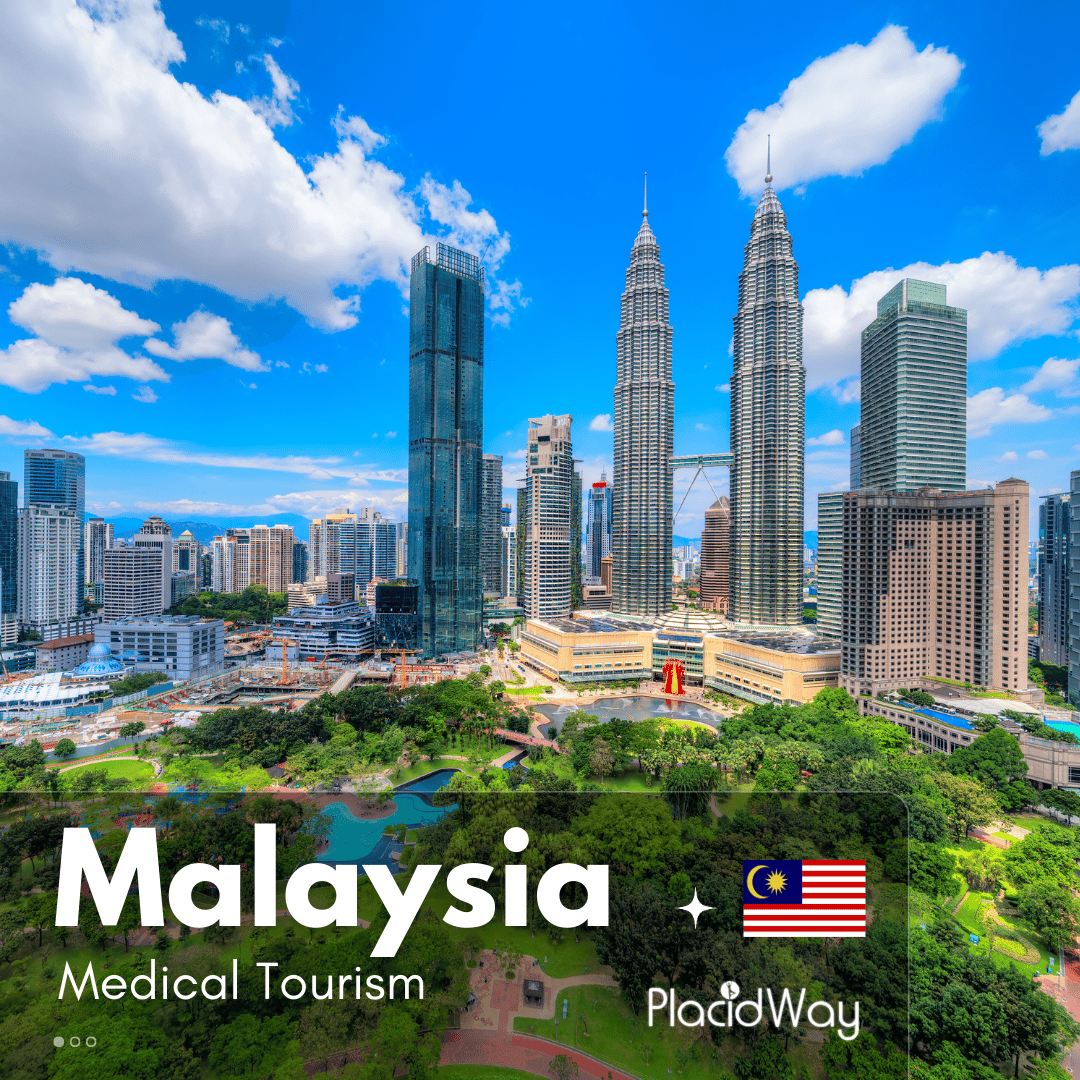
Is Osteoarthritis Stem Cell Malaysia a Proven Treatment for Joint Pain Relief?
Yes, Osteoarthritis stem cell therapy in Malaysia is considered a proven, effective treatment for joint pain relief and cartilage regeneration. Supported by clinical trials at major institutions like UKM and regulated by the Ministry of Health, the therapy uses Mesenchymal Stem Cells (MSCs) to repair worn cartilage, reduce inflammation, and delay the need for joint replacement surgery. Osteoarthritis (OA) is often dismissed as a natural part of aging, but for the millions suffering from grinding knee pain or stiff hips, it is a daily battle that limits freedom. Many patients are told their only options are painkillers or total joint replacement surgery. This leads to the growing inquiry: Is osteoarthritis stem cell Malaysia a proven treatment for joint pain relief? Malaysia has swiftly risen as a global powerhouse in regenerative medicine, offering evidence-based biological therapies that target the root cause of joint degeneration. Unlike steroid injections that merely mask pain, stem cell therapy in Malaysia aims to structurally repair the joint. By utilizing high-potency Mesenchymal Stem Cells (MSCs), doctors can stimulate the regeneration of hyaline-like cartilage and smooth out the rough surfaces of the joint. This "biological resurfacing" offers a new lease on life for active individuals. In this guide, we will analyze the clinical evidence backing this treatment, compare the costs with neighboring Singapore and the West, and explore why patients worldwide are flying to Kuala Lumpur for their joint health. How does stem cell therapy repair arthritic joints? Stem cells repair arthritic joints by differentiating into chondrocytes (cartilage cells) to fill defects in the articular surface. They also release exosomes and anti-inflammatory cytokines that neutralize the enzymes destroying the joint, effectively halting disease progression and reducing pain. The science is fascinating. In an arthritic knee, the cartilage cushion has worn away, leading to bone-on-bone friction and chronic inflammation. Stem cells act as a "construction crew." When injected into the joint capsule, they adhere to the damaged areas. Once docked, they begin the repair process. They can transform into new cartilage tissue and, perhaps more importantly, they signal the body's own dormant repair cells to wake up. This reduces the swelling (synovitis) that causes pain and creates a healthier environment where tissue can actually heal. Is the treatment clinically proven in Malaysia? Yes, the treatment is supported by robust clinical data. The National University of Malaysia (UKM) successfully conducted the country's first clinical trials using umbilical cord MSCs for knee OA, reporting significant improvements in pain and mobility. Many private hospitals now offer these validated protocols. Malaysia doesn't just allow these treatments; it studies them. The UKM clinical trials were a landmark moment, proving that patients with Grade 2 and 3 osteoarthritis could see measurable cartilage regrowth and pain reduction without surgery. Furthermore, specialized centers like the Kuala Lumpur Sports Medicine Centre (KLSMC) have pioneered proprietary techniques (like K.A.R.T.) that use a patient's own peripheral blood stem cells to repair cartilage, publishing their successful results in international medical journals. What is the cost of stem cell therapy for knees in Malaysia? The cost of stem cell therapy for knees in Malaysia typically ranges from $3,000 to $8,000 USD per knee. This is significantly more affordable than Singapore ($15,000+) or the US ($10,000 - $20,000), without compromising on the quality of the cells or medical facility. Cost is a major factor driving medical tourism. In Malaysia, the government heavily supports the healthcare sector, keeping overheads low. You receive premium service—often in 5-star hospital suites—for a fraction of the Western price. Below is a cost comparison table for Knee Osteoarthritis stem cell treatments: Region Estimated Cost (USD) Notes Malaysia (KL/Penang) $3,000 - $8,000 Includes expanded MSCs Singapore $15,000 - $25,000 Very high cost of living United States $10,000 - $20,000 Often non-expanded cells (less potent) Thailand $7,000 - $12,000 Competitive, but slightly higher What types of stem cells are used? Clinics primarily use Allogeneic Mesenchymal Stem Cells (MSCs) from Umbilical Cord tissue (Wharton's Jelly) due to their high regenerative potency. Some centers also use Autologous cells (from your own fat or bone marrow) if the patient prefers using their own biological material. Umbilical Cord MSCs are the gold standard in Malaysia for older patients. Since the stem cells in an 60-year-old's body are also aged, introducing "day zero" cells from a healthy donor cord provides a much stronger regenerative boost. These cells are "immune-privileged," meaning they don't trigger rejection. They are screened rigorously in cGMP-certified labs to ensure safety and sterility. What joint conditions can be treated? While knee osteoarthritis is the most common, therapy is also effective for Hip Arthritis, Shoulder (Rotator Cuff) pain, Ankle degeneration, and Elbow tendonitis. The protocol is adjusted based on the size and load-bearing nature of the joint. The versatility of MSCs allows them to be used across the musculoskeletal system. For hips, ultrasound or fluoroscopic guidance is mandatory to ensure the deep joint is reached. Patients with multiple issue areas (e.g., both knees and a shoulder) can often have them treated in a single session, maximizing the value of their medical trip. How is the procedure performed? The procedure is minimally invasive and performed as an outpatient service. After local anesthesia, the doctor injects the stem cells directly into the joint space using image guidance. The entire process takes about 45-60 minutes with no hospital stay required. Gone are the days of long hospital admissions. You walk in, have the procedure, rest for an hour, and walk out. The injection itself feels similar to a standard cortisone shot but with slightly more pressure. Malaysian clinics often combine the stem cells with Hyaluronic Acid or PRP (Platelet Rich Plasma) to provide an immediate "cushion" while the stem cells get to work repairing the tissue. Who is the ideal candidate? Ideal candidates are those with mild to moderate osteoarthritis (Kellgren-Lawrence Grade 2 or 3). Patients with "bone-on-bone" (Grade 4) arthritis may see pain relief but are less likely to experience significant cartilage regrowth compared to earlier stages. Early intervention is key. If you still have some cartilage left, stem cells have a scaffold to build upon. If the joint is completely fused or deformed, surgery might still be the best path. Doctors in Malaysia will review your X-rays or MRI via email before you travel to give you an honest assessment of your candidacy. What are the success rates? Success rates are reported between 75% and 85% for pain reduction and functional improvement. Success is measured by the ability to walk longer distances, climb stairs without pain, and a reduction in the daily use of painkillers. While "success" is subjective, the data speaks loudly. Most patients report a significant drop in their VAS (Visual Analog Scale) pain score within 3 months. It is important to note that stem cells work gradually. Unlike a metal knee replacement which is an instant mechanical fix, biological repair takes weeks to months to fully mature. Is the treatment safe? Yes, the treatment is very safe. The Ministry of Health Malaysia strictly regulates cell therapy products. Adverse events are rare and usually limited to temporary swelling or soreness at the injection site for 24-48 hours. Malaysia takes safety seriously. Clinics must adhere to Good Manufacturing Practice (GMP) standards for cell processing. Since MSCs are not embryonic, there is no risk of tumor formation. Infection risks are negligible due to the sterile, minimally invasive nature of the injection. Why choose Malaysia over Thailand or Singapore? Malaysia offers the "sweet spot" of affordability and high regulation. While Singapore is excellent but expensive, and Thailand is popular for tourism, Malaysia offers English-speaking specialists, JCI-accredited hospitals, and a specific government focus on medical tourism quality. Communication is seamless in Malaysia, as English is widely spoken. You don't need a translator to explain your pain to the doctor. The infrastructure is modern, with hospitals often resembling luxury hotels. Additionally, Malaysia's specific "medical traveler" immigration lanes make the logistics of arrival stress-free. How long is the recovery time? Recovery is minimal. Patients are encouraged to walk immediately but should avoid high-impact activities (running, jumping) for 4 to 6 weeks. Most patients return to office work within 2 days and resume light exercise within a week. This rapid recovery is the main advantage over surgery. There are no crutches, no months of physical therapy, and no risk of blood clots from being bedridden. You can enjoy a relaxing holiday in Malaysia post-treatment, provided you take it easy and avoid strenuous trekking. Do I need a visa? Most Western nationals (US, UK, Australia, Europe) receive a 90-day social visit pass (visa exemption) on arrival. This provides ample time for the consultation, treatment, and follow-up without the need for complex paperwork. Travel to Malaysia is hassle-free. The Malaysia Healthcare Travel Council (MHTC) provides support services at airports to welcome medical tourists. Always check your passport validity (must be at least 6 months) before flying. How do I choose a clinic? Look for clinics accredited by the Ministry of Health Malaysia (MOH) for cell therapies. Check for doctor credentials (orthopedic specialization) and ask about the source and count of the cells (e.g., guarantee of 50 million+ live cells). Transparency is key. Reputable clinics will provide a Certificate of Analysis (COA) for the stem cells you receive, showing their viability and sterility. Avoid centers that offer "blind" injections without ultrasound guidance or those that promise "miracle cures" for end-stage bone-on-bone arthritis. Are the results permanent? While stem cells can regenerate tissue, natural aging continues. Most patients enjoy 3 to 5 years (or more) of relief. Maintenance booster treatments can be done to prolong the benefits and maintain joint health indefinitely. Think of it as maintenance for your body. Just as you service a car to keep it running, stem cell therapy can be repeated. Many patients find that a single treatment delays the need for knee replacement by over a decade. Combining the therapy with weight loss and low-impact exercise significantly extends the longevity of the results. Walk Pain-Free Again Explore top-rated Stem Cell clinics in Malaysia for Osteoarthritis. Get a free medical review and cost estimate today. Find Treatment on PlacidWay...
Read more details
Can Erectile Dysfunction Stem Cell Malaysia Restore Sexual Function and Improve Performance?
Yes, stem cell therapy in Malaysia can restore sexual function by regenerating damaged blood vessels and nerve tissues in the penile area. This biological repair improves blood flow, enhances sensitivity, and allows for stronger, more sustainable erections without reliance on temporary pills. Erectile Dysfunction (ED) is more than just a physical condition; it affects confidence, relationships, and overall quality of life. As men search for long-term solutions beyond the temporary fix of blue pills, a common question arises: Can erectile dysfunction stem cell therapy in Malaysia restore sexual function and improve performance? Malaysia has rapidly become a hub for men's health and regenerative medicine, offering advanced treatments that target the root cause of ED rather than just the symptoms. The therapy works by utilizing the regenerative power of Mesenchymal Stem Cells (MSCs). Unlike medications that temporarily force blood flow, stem cells repair the underlying vascular and neural damage caused by aging, diabetes, or surgery. This leads to a natural restoration of function. In this guide, we will examine the science behind this procedure, breakdown the costs compared to Western nations, and provide the essential details you need to know about seeking this life-changing treatment in Malaysia. How does stem cell therapy treat Erectile Dysfunction? Stem cells treat ED by differentiating into smooth muscle cells, endothelial cells, and neurons. When injected, they repair the lining of blood vessels (endothelium) and damaged nerves, crucial for triggering and maintaining an erection naturally. The mechanism is rooted in angiogenesis (formation of new blood vessels) and neuroregeneration. In many cases of ED, the tiny blood vessels in the penis have become narrowed or damaged due to conditions like diabetes or hypertension. Stem cells, typically harvested from umbilical cord tissue or the patient's own fat, are injected directly into the cavernous tissue of the penis. They release growth factors (like VEGF) that stimulate the growth of new, healthy blood vessels. This improved vascular network allows for better blood trapping, which is the physical basis of an erection. Why is Malaysia a preferred destination for ED treatment? Malaysia is preferred for its high standard of medical care (JCI accredited hospitals), discretion/privacy, and cost-effectiveness. The country offers advanced cellular therapies that are strictly regulated yet more accessible than in the US or Europe. For men seeking ED treatment, privacy is often a top priority. Malaysian clinics are renowned for their discreet and professional service. The medical tourism sector here is robust, meaning staff are accustomed to international patients seeking confidential treatments. Additionally, Malaysia combines a holiday destination with top-tier medical facilities. You can receive world-class treatment in Kuala Lumpur or Penang and recover in a luxury resort, making the experience stress-free. What is the cost of stem cell therapy for ED in Malaysia? The cost of stem cell therapy for Erectile Dysfunction in Malaysia ranges from $3,000 to $7,000 USD per session. This is significantly lower than in the US, where similar regenerative treatments can cost upwards of $10,000 to $15,000. Cost is a major driver for medical tourism. In Malaysia, you are paying for the expertise and the laboratory preparation of the cells, without the inflated overheads found in Western healthcare systems. Below is a cost comparison table for ED stem cell treatments: Country Estimated Cost (USD) Inclusions Malaysia (KL/Penang) $3,000 - $7,000 Consultation, Treatment, Follow-up United States $10,000 - $15,000 Treatment only (rarely insurance covered) Mexico $5,000 - $9,000 Treatment & Accommodation Turkey $4,000 - $6,000 Treatment & Transfers How is the procedure performed? The procedure is minimally invasive. After applying a strong local anesthetic cream or block, stem cells are injected directly into the corpus cavernosum (penile tissue) using a fine needle. The process takes about 45 minutes and is virtually painless. The fear of pain in this sensitive area is common, but Malaysian doctors use effective numbing techniques. Most patients report feeling only a slight pressure during the injection. This localized delivery ensures that the maximum concentration of regenerative cells stays exactly where they are needed to repair the tissue, rather than being diluted throughout the bloodstream. What is the difference between Stem Cells and the P-Shot? The P-Shot uses Platelet-Rich Plasma (PRP) from your own blood to stimulate mild healing, while Stem Cell therapy uses potent undifferentiated cells (often from umbilical cord) to actively regenerate tissue. Stem cells are considered more powerful for severe or organic ED. PRP is like a fertilizer—it helps existing grass grow. Stem cells are like planting new seeds—they have the potential to become new tissue entirely. While PRP is a good maintenance therapy, stem cell therapy is often recommended for men with more significant damage, such as those with long-term diabetes or post-prostatectomy ED, where tissue regeneration is required. What improvements in performance can be expected? Patients typically report stronger erections, increased duration of erections, improved penile sensitivity, and reduced refractory time (time to recover between erections). Results usually begin to manifest within 3 to 4 weeks post-treatment. The goal is to restore spontaneity. Men often find they no longer need to plan their intimacy around a pill's timeline. The "quality" of the erection improves because the physical machinery (vessels and nerves) works better. Additionally, some patients report a slight increase in girth due to the revitalization of the tissue, though this is a secondary benefit and not the primary goal. Is the treatment safe? Yes, the procedure is safe with minimal risks. Malaysian clinics strictly follow Ministry of Health guidelines. Since MSCs are immune-privileged or autologous (your own), rejection is extremely rare. Safety is paramount. The injections are performed under sterile conditions to prevent infection. Side effects are generally limited to minor bruising or temporary swelling at the injection site, which resolves in a few days. There is no risk of priapism (painful, prolonged erection) which is sometimes associated with other penile injection medications (like Trimix). Who is the ideal candidate? Ideal candidates are men with organic ED caused by diabetes, hypertension, atherosclerosis, or aging. It is also suitable for men who have undergone prostate surgery and want to rehabilitate nerve damage. Psychological ED (performance anxiety) is less likely to be cured by stem cells alone, though the confidence boost from physical improvement can help. Doctors in Malaysia will review your medical history. If you have active cancer or severe hormonal imbalances, they may address those issues first before recommending stem cell therapy. How long does the treatment take? The treatment itself is an outpatient procedure taking less than an hour. However, patients are advised to stay in Malaysia for 2-3 days for initial consultation and follow-up observation. You can literally walk out of the clinic after the procedure. There is no hospital stay required. Most men treat this as a discreet medical vacation. You can enjoy the sights of Kuala Lumpur or the beaches of Langkawi immediately after, although strenuous physical activity might be restricted for 24 hours. Can stem cells treat Peyronie's Disease? Yes, stem cells have shown promise in treating Peyronie's Disease by breaking down the fibrous plaque (scar tissue) that causes curvature and pain. They help remodel the tissue to reduce curvature and improve elasticity. Peyronie's disease is basically scar tissue gone wild. Stem cells introduce anti-inflammatory factors that can soften this plaque. While it may not completely straighten a severe curve, it often reduces pain and improves flexibility enough to restore sexual function. This is often a much better alternative to surgery, which can lead to penile shortening. What is the source of stem cells used in Malaysia? Clinics primarily use Mesenchymal Stem Cells (MSCs) derived from human umbilical cord tissue (Wharton's Jelly). These are young, potent, and ethically sourced from healthy live births, offering high regenerative potential. Using umbilical cord cells is advantageous because they haven't been exposed to the aging process or lifestyle toxins (like smoking or alcohol) that might affect your own cells. Some clinics also offer autologous therapy (using your own fat), but this requires a minor liposuction procedure first, which adds to the recovery time. Do I need a visa for treatment in Malaysia? Most Western nationals (US, UK, Australia, EU) do not need a visa for short stays (up to 90 days), which is sufficient for the treatment. Malaysia is very accessible. The Malaysia Healthcare Travel Council (MHTC) even provides special immigration lanes at major airports for medical tourists, ensuring a smooth entry. Always check your specific passport requirements, but generally, the process is hassle-free. Are the results permanent? Results are long-lasting but not necessarily permanent forever, as aging continues. Most men enjoy improvements for 1 to 3 years. Maintenance treatments or lifestyle changes can extend the benefits significantly. Think of it as turning back the clock. You are reversing damage, but the clock starts ticking again. However, compared to a pill that lasts 4 hours, a treatment that lasts years is a significant upgrade. Maintaining a healthy diet, exercising, and managing blood sugar levels will help preserve the new tissue regenerated by the stem cells. How do I prepare for the trip? Consult virtually with the Malaysian clinic first to confirm candidacy. Stop blood-thinning medications (if advised by your doctor) a few days before. Bring recent blood test results, specifically PSA (Prostate Specific Antigen) and testosterone levels. Preparation is simple. The most important medical check is the PSA test to rule out prostate cancer, as stem cells are growth factors and generally contraindicated if active cancer is present. Pack light, breathable clothing for the tropical weather and be ready for a professional, discreet medical experience. Reclaim Your Confidence and Vitality Find top-rated Stem Cell clinics in Malaysia for Erectile Dysfunction. Get a private consultation and cost estimate today. Get a Free Quote on PlacidWay...
Read more details
How is Stem Cell Therapy Applied in Arthritis Treatments in Malaysia?
Stem cell therapy in Malaysia for arthritis involves injecting mesenchymal stem cells into affected joints to reduce inflammation, promote tissue repair, and alleviate pain. It offers a regenerative approach to improve joint function and quality of life for suitable patients. Arthritis, a widespread condition characterized by joint pain, stiffness, and inflammation, significantly impacts millions of lives globally. While traditional treatments often focus on managing symptoms, the field of regenerative medicine, particularly stem cell therapy, is offering new hope. In Malaysia, this innovative approach is gaining traction, providing a promising alternative for those seeking long-term relief and improved joint function. Stem cell therapy harnesses the body's natural healing capabilities. For arthritis, it typically involves using mesenchymal stem cells (MSCs) which have the remarkable ability to differentiate into various cell types, reduce inflammation, and stimulate tissue repair. This guide will delve into how stem cell therapy is applied in arthritis treatments across Malaysia, covering everything from the types of conditions treated to the procedural details, costs, and considerations for both local and international patients. What is the role of stem cell therapy in treating arthritis in Malaysia? Stem cell therapy in Malaysia treats arthritis by injecting mesenchymal stem cells into affected joints to reduce inflammation, repair damaged cartilage, and alleviate pain, offering a regenerative approach to improve joint function. Stem cell therapy plays a crucial role in treating arthritis in Malaysia by addressing the underlying causes of joint degeneration rather than just masking symptoms. The primary goal is to leverage the regenerative potential of stem cells to promote healing and reduce inflammation within the affected joints. In practice, medical professionals in Malaysia typically use mesenchymal stem cells (MSCs) for arthritis treatment. These cells are known for their immunomodulatory and anti-inflammatory properties. When injected into an arthritic joint, MSCs can: Reduce Inflammation: They secrete potent anti-inflammatory molecules that help calm the inflamed joint environment, reducing pain and swelling. Promote Cartilage Repair: MSCs have the potential to differentiate into chondrocytes, the cells that make up cartilage, thereby contributing to the repair and regeneration of damaged cartilage tissue. Slow Disease Progression: By fostering a healthier joint environment and repairing tissues, stem cell therapy aims to slow down the progressive degeneration commonly seen in arthritis. Alleviate Pain: The reduction in inflammation and tissue repair directly translates to significant pain relief for many patients. This approach offers a biological solution that can improve joint functionality and enhance the overall quality of life for individuals suffering from various forms of arthritis. What types of arthritis can stem cell therapy treat in Malaysia? Stem cell therapy in Malaysia primarily targets osteoarthritis, but it can also be explored for rheumatoid arthritis, psoriatic arthritis, and other inflammatory joint conditions to reduce pain and improve function. While stem cell therapy is most extensively applied and studied for osteoarthritis (OA), particularly in weight-bearing joints like the knees, hips, and shoulders, its potential extends to other forms of arthritis in Malaysia. Osteoarthritis, often called "wear-and-tear" arthritis, involves the breakdown of cartilage over time, leading to pain and stiffness. Beyond OA, regenerative medicine practitioners in Malaysia may explore stem cell therapy for: Rheumatoid Arthritis (RA): Although RA is an autoimmune disease, the anti-inflammatory and immunomodulatory properties of MSCs can help manage inflammation and pain, potentially slowing joint damage. Psoriatic Arthritis: Similar to RA, the immune-modulating effects of stem cells can be beneficial in alleviating symptoms and reducing inflammation in affected joints. Ankylosing Spondylitis: While less common, stem cell therapy might be considered to reduce inflammation in the spine and other joints affected by this condition. Post-traumatic Arthritis: Arthritis that develops after a joint injury can also be a candidate for stem cell intervention to aid in tissue repair and reduce chronic inflammation. The suitability for stem cell therapy depends on the specific type and severity of arthritis, as well as the patient's overall health and responsiveness to previous treatments. A thorough evaluation by a qualified medical specialist is essential to determine if stem cell therapy is an appropriate treatment option. What types of stem cells are used for arthritis treatment in Malaysia? In Malaysia, mesenchymal stem cells (MSCs) are predominantly used for arthritis treatment, sourced from the patient's own bone marrow, adipose (fat) tissue, or sometimes umbilical cord tissue. The primary type of stem cells utilized in Malaysia for arthritis treatment are mesenchymal stem cells (MSCs). These multipotent stromal cells are favored due to their ability to differentiate into various cell types, including cartilage, bone, and fat cells, as well as their potent anti-inflammatory and immunomodulatory properties. MSCs can be obtained from several sources within the patient's own body, minimizing the risk of rejection and adverse reactions. The main sources for MSCs used in Malaysian clinics typically include: Adipose (Fat) Tissue: This is a common and relatively easy source to harvest. Fat tissue contains a rich supply of MSCs, which can be extracted through a minor liposuction procedure. The cells are then processed and concentrated before injection. Bone Marrow: MSCs can also be extracted from bone marrow, usually from the hip bone (iliac crest). This procedure, known as bone marrow aspiration, is performed under local anesthesia. The bone marrow aspirate is then processed to concentrate the stem cells. Umbilical Cord Tissue: For some treatments, allogeneic (donor) MSCs derived from umbilical cord tissue may be used. These cells are ethically sourced from healthy, screened donors after birth and offer a readily available, potent source of "off-the-shelf" stem cells. The choice of stem cell source often depends on the specific clinic's expertise, the patient's condition, and regulatory guidelines. Each source has its advantages in terms of cell yield, ease of harvest, and biological activity. What is the procedure for stem cell therapy for arthritis in Malaysia? The stem cell therapy procedure for arthritis in Malaysia typically involves harvesting stem cells from the patient's own body, processing them to concentrate the therapeutic cells, and then injecting them directly into the affected joint, often guided by imaging. The procedure for stem cell therapy for arthritis in Malaysia generally follows a three-step process, performed on an outpatient basis. The entire process is designed to be minimally invasive and focuses on patient safety and comfort. Cell Harvest: If using adipose-derived stem cells, a small amount of fat tissue is gently removed, usually from the abdomen or thigh, through a mini-liposuction procedure under local anesthesia. If using bone marrow-derived stem cells, bone marrow is aspirated from the hip bone (iliac crest) using a specialized needle, also under local anesthesia. Cell Processing and Concentration: The harvested tissue (fat or bone marrow) is then processed in a specialized laboratory using centrifugation or other techniques to isolate and concentrate the mesenchymal stem cells. This step ensures that a high concentration of therapeutic cells is prepared for injection. Injection into the Joint: The concentrated stem cell solution is then carefully injected directly into the arthritic joint. This injection is often performed under imaging guidance (such as ultrasound or fluoroscopy) to ensure precise placement of the cells into the target area. The procedure usually takes a few hours, and patients can typically return home the same day. Post-procedure instructions are provided, focusing on rest and avoiding strenuous activities for a period to allow the cells to integrate and begin their regenerative work. What are the benefits of choosing stem cell therapy for arthritis in Malaysia? Choosing stem cell therapy for arthritis in Malaysia offers benefits like reduced pain and inflammation, improved joint function, minimally invasive procedures, and a high standard of medical care at competitive prices. Malaysia has emerged as a reputable destination for advanced medical treatments, including stem cell therapy for arthritis, due to several compelling benefits: Reduced Pain and Inflammation: A primary benefit is the significant reduction in chronic joint pain and inflammation, leading to improved comfort and quality of life. Improved Joint Function: By promoting tissue repair and regeneration, stem cell therapy can enhance joint mobility and function, allowing patients to regain activities they once enjoyed. Minimally Invasive: Compared to surgical interventions like joint replacement, stem cell therapy is a minimally invasive procedure with a shorter recovery time and fewer risks. Biologically Driven Healing: It harnesses the body's natural healing mechanisms, offering a more organic approach to addressing joint degeneration. High Standard of Medical Care: Malaysia boasts modern medical facilities, highly trained specialists, and adheres to international healthcare standards, ensuring quality treatment and patient safety. Competitive Pricing: For international patients, the cost of stem cell therapy in Malaysia can be significantly more affordable than in Western countries, without compromising on quality. Patients often report long-lasting relief and improved joint health, making it an attractive option for those seeking an alternative to conventional treatments or surgery. How much does stem cell therapy for arthritis cost in Malaysia? The cost of stem cell therapy for arthritis in Malaysia typically ranges from approximately $5,000 to $15,000 USD per joint, depending on the type of cells used, the clinic, and the complexity of the treatment. The cost of stem cell therapy for arthritis in Malaysia can vary considerably based on several factors. It's important for patients to receive a detailed quotation after an initial consultation to understand all included expenses. Key factors influencing the cost include: Type of Stem Cells: Whether adipose-derived, bone marrow-derived, or umbilical cord-derived stem cells are used can impact the price. Autologous (patient's own cells) treatments often involve harvesting procedures. Number of Joints Treated: Treating multiple joints simultaneously will naturally incur higher costs than treating a single joint. Clinic and Specialist Fees: Reputable clinics with highly experienced specialists may have different pricing structures. Required Sessions: While many treatments involve a single injection, some protocols may recommend multiple sessions, which would increase the overall cost. Ancillary Services: The total cost might also include pre-treatment evaluations, post-treatment follow-ups, imaging guidance during injection, and any necessary medications. Generally, patients can expect the cost for stem cell therapy for arthritis in Malaysia to be more accessible compared to Western countries. While specific figures can fluctuate, an estimated range might be from $5,000 to $15,000 USD per treated joint. It is always advisable to clarify what is included in the quoted price. What should patients consider when seeking stem cell therapy for arthritis in Malaysia as a medical tourist? Medical tourists seeking stem cell therapy for arthritis in Malaysia should consider clinic accreditation, doctor's experience, treatment protocols, transparent costs, logistical support for travel and accommodation, and post-procedure care. Malaysia is a popular destination for medical tourism, offering advanced healthcare services at competitive prices. For international patients considering stem cell therapy for arthritis in Malaysia, several important factors should be carefully considered: Clinic Accreditation and Reputation: Research clinics known for regenerative medicine, checking for international accreditations, patient testimonials, and regulatory compliance. Look for facilities that prioritize patient safety and ethical practices. Specialist Experience: Verify the qualifications and experience of the doctors who will be performing the procedure. Ensure they have specific expertise in stem cell therapy for orthopedic conditions. Treatment Protocols: Understand the specific type of stem cells used, their source, and the detailed procedure plan. Ask about the number of cells administered and any pre/post-treatment recommendations. Transparent Pricing: Request a comprehensive breakdown of all costs, including the procedure, consultations, medications, and follow-up care, to avoid hidden fees. Logistics and Travel Support: Many Malaysian clinics and medical tourism facilitators offer assistance with travel arrangements, accommodation, airport transfers, and interpreter services. Consider these amenities for a smooth experience. Post-Procedure Care and Follow-up: Inquire about the follow-up schedule and how your progress will be monitored, especially if you are returning to your home country. Visa and Immigration: Understand the visa requirements for your nationality and the duration of your stay. Thorough research and communication with potential clinics are key to a successful medical tourism journey for stem cell therapy in Malaysia. Are there specific regulations for stem cell therapy in Malaysia? Yes, stem cell therapy in Malaysia is regulated by the Ministry of Health, primarily under the Tissue and Cell Therapy Regulations (2021), ensuring patient safety and quality control through strict guidelines for facilities and practitioners. Malaysia has a progressive regulatory framework for stem cell and regenerative medicine to ensure patient safety and quality of care. The Ministry of Health (MOH) oversees these regulations, which are crucial for the ethical and effective application of advanced therapies. The primary regulatory instrument is the Tissue and Cell Therapy Regulations 2021, which came into effect to govern the procurement, processing, storage, testing, and distribution of human tissues and cells, including stem cells, for therapeutic use. These regulations aim to: Ensure Quality and Safety: Establish standards for laboratories, facilities, and procedures involved in stem cell therapy to minimize risks such and contamination. Promote Ethical Practices: Guide the ethical sourcing of stem cells and ensure informed consent from patients. License and Monitor Facilities: Require clinics and laboratories offering stem cell therapy to be licensed and subject to regular inspections by regulatory bodies. Define Approved Therapies: Differentiate between established, approved therapies and experimental treatments, ensuring transparency for patients. Patients considering stem cell therapy in Malaysia should ensure that the clinic they choose is fully compliant with these regulations and operates under the necessary licenses to guarantee the highest standards of safety and efficacy. What is the recovery process like after stem cell therapy for arthritis? After stem cell therapy for arthritis, patients typically experience mild soreness for a few days, with recovery involving limited activity, followed by a gradual return to normal functions. Full therapeutic effects often become noticeable over several weeks to months. The recovery process following stem cell therapy for arthritis is generally straightforward, as the procedure is minimally invasive. Most patients can return to their daily activities relatively quickly, though specific recommendations will be provided by their specialist. Here's a general overview of what to expect: Immediate Post-Procedure: Patients may experience mild pain, swelling, or soreness at both the injection site and the harvest site (if autologous cells were used). This discomfort typically subsides within a few days and can be managed with over-the-counter pain relievers. First Few Days/Weeks: It's usually recommended to rest the treated joint and avoid strenuous activities or heavy lifting for a few days to a week. Gentle movement is often encouraged to promote circulation. Gradual Return to Activity: Over the next few weeks, patients can gradually increase their activity levels as pain diminishes and mobility improves. Physical therapy may be recommended to optimize recovery and strengthen the joint. Timeline for Results: While some patients may notice initial improvements in pain reduction within a few weeks, the full regenerative effects of stem cells take time. Significant improvements in pain, mobility, and overall joint function often become evident over 3 to 6 months as the cells work to repair and regenerate tissue. Adherence to post-treatment instructions is crucial for optimal outcomes. Regular follow-up appointments will monitor progress and adjust any rehabilitation plans as needed. How can medical tourists find reputable clinics for stem cell therapy for arthritis in Malaysia? Medical tourists can find reputable stem cell therapy clinics for arthritis in Malaysia by consulting medical tourism facilitators, checking Ministry of Health accreditations, reading patient reviews, and seeking recommendations from trusted sources. Finding a reputable clinic is paramount for medical tourists seeking stem cell therapy for arthritis in Malaysia. With the growth of medical tourism, it's essential to perform thorough due diligence. Here are effective ways to identify trustworthy clinics: Medical Tourism Facilitators: Platforms like PlacidWay specialize in connecting patients with accredited international healthcare providers. They can offer curated lists of reputable clinics, assist with initial consultations, and manage logistical aspects of your trip. Ministry of Health (MOH) Malaysia Website: The MOH often lists licensed healthcare facilities and may provide information on clinics authorized to offer advanced therapies like stem cell treatment. This ensures regulatory compliance. Online Reviews and Testimonials: Look for patient reviews and testimonials on independent platforms, forums, and social media. Pay attention to consistent feedback regarding patient care, treatment outcomes, and professionalism. Professional Organizations: Some medical associations or societies in Malaysia might endorse or list clinics adhering to specific standards in regenerative medicine. Direct Clinic Inquiry: Once you have a shortlist, contact the clinics directly. Ask detailed questions about their accreditations, the qualifications of their medical staff, their specific treatment protocols for arthritis, success rates, and transparent cost breakdowns. Request case studies or patient outcome data if available. Virtual Consultations: Many clinics offer virtual consultations, allowing you to speak with a specialist and assess their expertise and communication style before traveling. By leveraging these resources, medical tourists can make informed decisions and choose a clinic that best meets their medical needs and safety expectations. Ready to explore stem cell therapy for arthritis or other medical tourism solutions? Visit PlacidWay to connect with leading clinics in Malaysia and around the globe, and discover personalized healthcare options tailored to your needs....
Read more detailsDiscover your treatment options with a free, no-obligation quote!
Get your quote now!
What Benefits Does Stem Cell Therapy Offer for Degenerative Disk Disease in Malaysia?
Stem cell therapy for degenerative disk disease in Malaysia offers significant benefits, including pain reduction, improved disk function, and potential regeneration of damaged tissue. It provides a minimally invasive alternative to traditional surgery, enhancing patients' quality of life. Degenerative disc disease (DDD) is a common condition that affects millions worldwide, often leading to chronic back pain, stiffness, and reduced mobility. When the discs between your vertebrae begin to wear down, they lose their cushioning and shock-absorbing abilities, causing discomfort and limiting daily activities. For a long time, treatment options primarily revolved around pain management, physical therapy, and, in severe cases, invasive surgery like spinal fusion. However, the landscape of spine care is evolving rapidly, and stem cell therapy has emerged as a promising, innovative treatment, particularly for those seeking alternatives to surgery. In Malaysia, medical advancements have made this regenerative approach increasingly accessible, offering new hope for individuals struggling with the persistent challenges of DDD. This therapy focuses on repairing and regenerating damaged tissues rather than just masking symptoms, providing a more fundamental approach to healing and improving overall spinal health. How does stem cell therapy help degenerative disk disease? "Stem cell therapy aids degenerative disk disease by promoting regeneration of damaged disc tissue, reducing inflammation, and alleviating pain, leading to improved spinal function." Stem cell therapy offers a revolutionary approach to treating degenerative disc disease by harnessing the body's natural healing capabilities. When injected into a degenerated disc, stem cells, particularly Mesenchymal Stem Cells (MSCs), can differentiate into various cell types, including those found in the intervertebral disc. This ability allows them to potentially rebuild and repair the damaged disc tissue, restoring its structural integrity and function. Beyond regeneration, stem cells possess potent anti-inflammatory properties. Degenerative disc disease often involves chronic inflammation, which contributes significantly to pain and further tissue breakdown. Stem cells can modulate the immune response, reducing inflammation around the affected disc and creating a more favorable environment for healing. This dual action—regeneration and anti-inflammation—addresses both the structural damage and the symptomatic pain associated with DDD, offering comprehensive relief. What are the key advantages of choosing stem cell therapy for back pain in Malaysia? "Key advantages of stem cell therapy for back pain in Malaysia include its minimally invasive nature, potential for long-term pain relief, reduced recovery time compared to surgery, and its focus on natural tissue regeneration." Choosing stem cell therapy for back pain in Malaysia comes with several compelling advantages. One of the primary benefits is its minimally invasive nature. Unlike traditional spinal surgeries that involve significant incisions and longer recovery periods, stem cell injections are typically performed as an outpatient procedure, meaning less trauma to the body, minimal scarring, and a much quicker return to daily activities. Furthermore, stem cell therapy offers the potential for long-term pain relief by addressing the root cause of degenerative disc disease: tissue damage. Instead of merely managing symptoms, this therapy aims to repair and regenerate the disc itself. This can lead to sustained improvement in pain, flexibility, and overall quality of life, often surpassing the temporary relief provided by other non-surgical treatments. Patients frequently experience reduced reliance on pain medication and an enhanced ability to engage in activities they once found challenging. Is stem cell therapy for degenerative disk disease a permanent cure? "Stem cell therapy for degenerative disk disease aims for significant long-term improvement and regeneration, rather than a permanent cure, as individual outcomes vary and ongoing spinal health maintenance is crucial." While stem cell therapy for degenerative disc disease shows immense promise in promoting tissue repair and alleviating symptoms, it is generally not considered a "permanent cure" in the same way that a surgical removal of an appendix might be. The human body is complex, and degenerative processes can be influenced by many factors, including genetics, lifestyle, and continued wear and tear. The goal of stem cell therapy is to significantly halt or reverse the degenerative process and restore a high level of function and comfort, often for many years. Patients who undergo stem cell therapy typically experience substantial and lasting improvement in pain and mobility. The regenerated tissue helps restore the disc's natural cushioning and flexibility. However, maintaining the benefits of the therapy often requires adopting a healthy lifestyle, including regular exercise, proper posture, and avoiding activities that put excessive strain on the spine. Think of it as rejuvenating the disc rather than replacing it with an entirely new, indestructible one. The effectiveness and longevity of the results can vary from person to person, depending on the severity of their condition and their body's response to the treatment. What types of stem cells are used for disc regeneration in Malaysia? "In Malaysia, Mesenchymal Stem Cells (MSCs) are primarily used for disc regeneration, sourced typically from the patient's own bone marrow or adipose (fat) tissue, ensuring safety and compatibility." In Malaysia, similar to other leading medical hubs, the most commonly utilized stem cells for disc regeneration in degenerative disc disease are Mesenchymal Stem Cells (MSCs). These multipotent cells have the remarkable ability to differentiate into various cell types, including chondrocytes (cartilage cells) and fibroblasts, which are crucial components of the intervertebral disc. MSCs also possess powerful immunomodulatory and anti-inflammatory properties, making them ideal for addressing both the structural damage and inflammatory aspects of DDD. The sources for MSCs typically fall into two categories: autologous and allogeneic. Autologous stem cells are harvested directly from the patient's own body, often from: Bone Marrow: Rich in MSCs, usually extracted from the hip bone. Adipose (Fat) Tissue: Also a plentiful source of MSCs, obtained through a simple liposuction procedure. Using autologous cells minimizes the risk of immune rejection and disease transmission. Allogeneic MSCs, derived from healthy donors, are also sometimes used, particularly from umbilical cord blood or tissue, which are known for their high regenerative potential and immune-privileged status, meaning they are less likely to cause an immune reaction. What is the recovery process like after stem cell treatment for degenerative discs? "The recovery after stem cell treatment for degenerative discs is typically swift and involves minimal downtime, with patients often returning to light activities within days and gradually resuming full activity over several weeks, supported by specific post-procedure care." One of the significant advantages of stem cell therapy for degenerative discs is the relatively smooth and quick recovery process compared to invasive surgery. Since the procedure usually involves a targeted injection, patients experience minimal discomfort. Most individuals can go home the same day and resume light activities within a few days, often feeling a noticeable reduction in pain and improved mobility shortly after the treatment. While immediate improvements can be felt, the full regenerative effects of stem cells typically unfold over several weeks to months as the cells work to repair and rebuild tissue. During this period, patients are usually advised to avoid strenuous activities and heavy lifting. A personalized post-procedure care plan is often provided, which may include gentle exercises, physical therapy, and specific instructions on posture and movement to support the healing process and optimize long-term outcomes. Regular follow-up appointments allow medical professionals to monitor progress and adjust care as needed. What are the eligibility criteria for stem cell therapy for degenerative disc disease in Malaysia? "Eligibility for stem cell therapy for degenerative disc disease in Malaysia typically requires a confirmed diagnosis of DDD, failed conservative treatments, good overall health, and no severe contraindications, determined through a comprehensive medical evaluation." To ensure patient safety and optimize treatment outcomes, medical centers in Malaysia that offer stem cell therapy for degenerative disc disease have specific eligibility criteria. Generally, candidates must have a confirmed diagnosis of degenerative disc disease, often evidenced by MRI scans showing disc dehydration, height loss, or annular tears, and experience persistent symptoms such as chronic back pain that has not responded adequately to conservative treatments. Beyond the direct spinal condition, a patient's overall health is a crucial factor. Candidates are usually required to be in good general health, free from active infections, certain autoimmune disorders, or uncontrolled chronic diseases that could compromise the safety or effectiveness of the therapy. Conditions such as active cancer, severe bleeding disorders, or pregnancy are typically considered contraindications. A thorough medical evaluation, including a detailed medical history review, physical examination, and imaging studies, will be conducted by a qualified specialist to determine suitability for stem cell therapy. How safe is stem cell therapy for back pain in Malaysia? "Stem cell therapy for back pain in Malaysia is considered safe when performed by qualified medical professionals in accredited facilities, adhering to stringent protocols, with potential risks being minimal and often associated with any injection procedure." The safety of stem cell therapy for back pain in Malaysia is a paramount concern for both patients and medical providers. When administered by experienced and certified medical professionals in reputable, well-regulated clinics and hospitals, the procedure is generally considered very safe. Malaysian healthcare institutions often adhere to international standards and guidelines for medical procedures, including regenerative therapies. The potential risks associated with stem cell therapy for degenerative disc disease are minimal and similar to those of any injection procedure. These can include temporary soreness or bruising at the injection site, a low risk of infection, or rare allergic reactions. Serious complications are exceedingly rare, especially when autologous (patient's own) cells are used, as this eliminates the risk of immune rejection. Patients are thoroughly screened prior to treatment to identify any pre-existing conditions that might increase risk, ensuring the highest level of safety throughout the process. Why consider Malaysia for stem cell therapy for degenerative disk disease? "Malaysia is a compelling destination for stem cell therapy for degenerative disk disease due to its high-quality medical facilities, experienced spine specialists, competitive costs, and a welcoming environment for international patients." Malaysia has steadily grown into a recognized hub for medical tourism, particularly for specialized treatments like stem cell therapy for degenerative disk disease. The country boasts state-of-the-art medical facilities equipped with advanced technology and modern infrastructure that rival those found in Western countries. These hospitals and clinics are often internationally accredited, ensuring high standards of patient care and safety. Furthermore, Malaysia is home to a cadre of highly skilled and internationally trained spine specialists and regenerative medicine practitioners. Many doctors have received their education and training from leading institutions globally, bringing a wealth of expertise to their practice. Beyond clinical excellence, Malaysia offers significant cost advantages, with treatments often being a fraction of the price compared to countries like the US or Europe, without compromising on quality. The ease of communication, with English widely spoken in medical settings, and the warm hospitality also contribute to a comfortable experience for international patients seeking advanced spine treatment. What is the typical cost of stem cell therapy for degenerative disc disease in Malaysia? "The typical cost of stem cell therapy for degenerative disc disease in Malaysia can range from approximately $5,000 to $15,000, varying based on the type of stem cells used, the number of injections required, and the specific medical facility." The cost of stem cell therapy for degenerative disc disease in Malaysia is generally more affordable than in many Western countries, making it an attractive option for medical tourists. However, providing an exact figure is challenging as prices can vary significantly depending on several factors. These factors typically include: Type of Stem Cells: Whether autologous (from the patient's own body) or allogeneic (from a donor) cells are used can influence the cost. Autologous procedures involve extraction and processing, while allogeneic might involve sourcing and screening donor cells. Severity of Condition: The extent of disc degeneration and the number of discs requiring treatment will affect the overall cost. More complex cases or multiple injection sites will naturally incur higher expenses. Clinic and Doctor: Reputable clinics with highly experienced specialists and advanced facilities may have higher fees than smaller centers. Ancillary Services: The total cost might also include pre-treatment consultations, imaging, post-procedure follow-ups, and any necessary rehabilitation or physical therapy. For a detailed estimate, it is always recommended to consult directly with specific clinics in Malaysia, providing them with your medical history and diagnostic reports. They can then offer a personalized quote based on your unique treatment plan. What should international patients know before traveling to Malaysia for spine treatment? "International patients traveling to Malaysia for spine treatment should prepare for visa requirements, arrange accommodation, understand treatment logistics including pre-consultations, and plan for post-procedure care and travel arrangements, ensuring a smooth medical journey." For international patients considering Malaysia for spine treatment, particularly stem cell therapy for degenerative disc disease, a bit of preparation can ensure a smooth and stress-free experience. First, it's crucial to understand Malaysia's visa requirements for your nationality; many countries have visa-free entry, but it's always best to check with the Malaysian embassy or consulate in your home country well in advance. Planning for accommodation is also important, as many hospitals offer concierge services or recommendations for nearby hotels that cater to medical tourists. Before traveling, patients should ideally have a pre-treatment consultation, often conducted remotely via teleconference, where medical records and imaging can be reviewed. This allows the Malaysian specialists to confirm suitability for treatment and outline a preliminary treatment plan and cost estimate. Patients should also prepare a comprehensive medical history, including all diagnostic reports, medication lists, and allergy information. Arranging for travel insurance that covers medical emergencies and post-procedure care is also advisable. Finally, consider the duration of your stay; while the procedure itself might be quick, allowing extra time for recovery and follow-up appointments before flying back home is a good idea to ensure optimal healing and to enjoy a comfortable experience in Malaysia. For those seeking advanced healthcare solutions and medical travel opportunities, explore PlacidWay to connect with world-class treatments and facilities globally....
Read more details
How Can Stem Cell Therapy Help Treat Herniated Disks in Malaysia?
Stem cell therapy in Malaysia offers a promising approach for herniated disks by promoting tissue regeneration and reducing inflammation. It aims to repair damaged disk tissue naturally, potentially providing long-term relief and improved spinal function. Experiencing persistent back pain can be incredibly disruptive, often pointing to issues like a herniated disk. If you've been struggling with discomfort, numbness, or weakness radiating from your spine, you're likely searching for effective and lasting solutions. While traditional treatments range from physical therapy to surgery, many individuals are now exploring innovative regenerative medicine options. In Malaysia, stem cell therapy is emerging as a cutting-edge approach that offers hope for those seeking to alleviate the pain and symptoms associated with herniated disks, providing a path toward natural healing and improved quality of life. Stem cell therapy for herniated disks focuses on leveraging the body's own healing capabilities. Instead of merely managing symptoms or removing damaged tissue, this advanced treatment aims to repair and regenerate the injured disk material itself. By introducing powerful, undifferentiated stem cells into the affected area, the therapy seeks to reduce inflammation, promote tissue repair, and restore function to the spinal disk. This approach is gaining traction globally, and Malaysia, with its growing medical tourism sector and advanced healthcare facilities, is becoming a noteworthy destination for individuals considering this regenerative treatment. What is a herniated disk and why is it painful? A herniated disk occurs when the soft, jelly-like inner material of a spinal disk pushes through its tougher outer layer, often causing pain, numbness, or weakness by irritating nearby nerves in the spine. Our spine is made up of vertebrae cushioned by intervertebral disks. Each disk has a tough outer ring (annulus fibrosus) and a soft, gelatinous center (nucleus pulposus). A herniated disk, also known as a slipped or ruptured disk, happens when the nucleus pushes through a tear in the annulus. This can be caused by aging, repetitive strain, improper lifting, or trauma. The pain from a herniated disk arises primarily because the displaced disk material can press on or inflame nearby spinal nerves. Depending on the location of the herniation (neck or lower back), symptoms can include sharp, shooting pain in the arm or leg, tingling, numbness, or muscle weakness. This irritation makes everyday movements difficult and can significantly impact a person's quality of life, prompting the search for effective herniated disk treatment. How does stem cell therapy work for herniated disks? Stem cell therapy for herniated disks involves injecting stem cells directly into the damaged disk, where they help regenerate cartilage, reduce inflammation, and promote the natural healing and repair of the disk tissue. Stem cell therapy utilizes the body's own regenerative potential. When treating a herniated disk, stem cells – typically mesenchymal stem cells (MSCs) – are carefully processed and then precisely injected into the affected intervertebral disk. These specialized cells have unique properties that allow them to promote healing and repair in damaged tissues. Once introduced, the stem cells work in several ways to address the herniated disk. They secrete growth factors and anti-inflammatory molecules that help reduce pain and swelling in the area. Furthermore, MSCs have the ability to differentiate into various cell types, including cartilage-like cells, which can help in the regeneration of the damaged annulus fibrosus and nucleus pulposus, strengthening the disk and potentially restoring its cushioning function. This regenerative process aims to provide a more lasting solution than simply managing symptoms. What types of stem cells are used for disk repair in Malaysia? In Malaysia, mesenchymal stem cells (MSCs), often derived from a patient's own adipose tissue (fat) or bone marrow, are commonly used for herniated disk treatment due to their regenerative and anti-inflammatory properties. Mesenchymal stem cells (MSCs) are the most frequently utilized type of stem cell for orthopedic and regenerative treatments, including herniated disks. These multipotent cells can be harvested from several sources within an adult's body, making them a safe and readily available option for autologous (patient's own cells) treatments. Their versatility lies in their ability to differentiate into various cell types, such as chondrocytes (cartilage cells), osteocytes (bone cells), and adipocytes (fat cells), which is crucial for tissue repair. Common sources for MSCs used in Malaysia for herniated disk repair include: Adipose (Fat) Tissue: This is a rich and easily accessible source of MSCs, usually extracted through a minimally invasive liposuction-like procedure. Bone Marrow: MSCs can also be harvested from bone marrow, typically from the hip bone, under local anesthesia. These cells are processed in a sterile laboratory setting to concentrate them before being precisely injected into the damaged disk, maximizing their therapeutic potential. Is stem cell therapy for herniated disks approved in Malaysia? Stem cell therapy for certain conditions is regulated and available in Malaysia, typically under specific guidelines for regenerative medicine, often provided in private specialized centers focusing on advanced treatments. Malaysia has been actively developing its regulatory framework for regenerative medicine, including stem cell therapy. The Ministry of Health in Malaysia has established guidelines to ensure the safety and efficacy of these advanced treatments. While approvals for specific stem cell applications can be complex and are often conditional, reputable private clinics and medical centers that offer stem cell therapy for conditions like herniated disks operate within these established regulations. Patients considering stem cell therapy for herniated disks in Malaysia should seek clinics that adhere to national and international standards for cell processing, safety protocols, and ethical practice. It is essential to confirm that the chosen facility is licensed and operates under the prevailing Malaysian regulations for cell and gene therapy products. This ensures that the treatment is administered by qualified professionals in a controlled and safe environment, providing peace of mind for patients seeking regenerative solutions. What are the benefits of choosing stem cell therapy for herniated disks over traditional surgery? Stem cell therapy for herniated disks offers a minimally invasive alternative to traditional surgery, aiming for natural regeneration, reduced recovery time, and avoiding surgical risks like scarring and prolonged rehabilitation. Traditional surgical interventions for herniated disks, such as microdiscectomy or spinal fusion, can be effective but often come with significant downsides. These include general anesthesia risks, potential for nerve damage, infection, scarring, and a lengthy recovery period requiring extensive physical therapy. Stem cell therapy, by contrast, presents a compelling alternative for many patients. Here are some key benefits of stem cell therapy over traditional surgery for herniated disks: Minimally Invasive: The procedure typically involves simple injections, avoiding large incisions and the associated trauma to tissues. Natural Healing: It encourages the body's intrinsic healing mechanisms, aiming to repair the disk tissue rather than just removing or fusing it. Reduced Risks: Lower risk of infection, bleeding, and complications compared to open surgery. Faster Recovery: Patients generally experience a shorter downtime and quicker return to normal activities. Preservation of Spinal Mobility: Unlike fusion surgery, stem cell therapy aims to restore disk function, maintaining natural spinal movement. This makes it an attractive option for those seeking a less aggressive approach to chronic back pain. Who is a suitable candidate for stem cell therapy for herniated disks? Suitable candidates for stem cell therapy for herniated disks typically have chronic back pain due to disk degeneration or small to moderate herniations and have not found sufficient relief from conservative treatments like physical therapy. Determining suitability for stem cell therapy involves a thorough medical evaluation by a specialist. Generally, ideal candidates are individuals experiencing persistent back or neck pain, numbness, or weakness related to a herniated or bulging disk that has not responded well to conventional non-surgical treatments such as medication, rest, or physical therapy. Patients with mild to moderate disk degeneration may also benefit, as the therapy aims to regenerate disk tissue. However, not everyone is an ideal candidate. Individuals with severe spinal instability, large disk extrusions causing significant neurological deficits, active infections, or certain medical conditions (e.g., specific cancers or blood disorders) might not be suitable. A comprehensive assessment, including MRI scans and a detailed medical history, is crucial to determine if stem cell therapy for herniated disks is the most appropriate and potentially effective treatment option for an individual. What is the recovery process like after stem cell therapy for herniated disks? Recovery after stem cell therapy for herniated disks is typically less intense than surgery, involving a period of rest, followed by gradual activity and physical therapy to support healing and strengthen the back muscles and spine. The recovery process following stem cell therapy for a herniated disk is generally more comfortable and quicker than surgical recovery. Immediately after the procedure, patients might experience some mild soreness or discomfort at the injection site, which usually subsides within a few days. Patients are typically advised to rest for a short period, avoiding strenuous activities to allow the injected cells to settle and begin their regenerative work. Over the following weeks and months, a gradual return to activity is encouraged. Physical therapy may be recommended to support the healing process, improve spinal stability, and strengthen core muscles. The full benefits of stem cell therapy often become apparent over several months as the disk tissue regenerates and inflammation reduces. Patients report progressive improvement in pain levels and functional ability, making this a restorative rather than just a symptomatic treatment approach. What is the estimated cost of stem cell therapy for herniated disks in Malaysia? The cost of stem cell therapy for herniated disks in Malaysia can vary significantly, generally ranging from USD 8,000 to USD 20,000, depending on the clinic, the number of injections, and the specific type and source of cells used. The cost of stem cell therapy for herniated disks in Malaysia is influenced by several factors, which can lead to a broad price range. These factors include the reputation and accreditation of the medical facility, the expertise of the treating physician, the source of the stem cells (e.g., adipose tissue, bone marrow), the processing methods used, and the number of treatment sessions required. A comprehensive package might also include diagnostic tests, post-procedure care, and follow-up consultations. Compared to Western countries, where similar treatments can be considerably more expensive, Malaysia often offers a more competitive price point without compromising on quality. This makes it an attractive destination for medical tourism. Patients should obtain a detailed cost breakdown from clinics to understand what is included in the quoted price. While it represents an investment, many find the potential for long-term relief and avoidance of surgery to be a worthwhile consideration for stem cell therapy for herniated disks. Why choose Malaysia for stem cell therapy for herniated disks? Malaysia is an attractive destination for stem cell therapy for herniated disks due to its advanced medical facilities, highly trained specialists, competitive pricing, and strong regulatory oversight for regenerative medicine. Malaysia has rapidly become a hub for medical tourism, drawing international patients seeking high-quality healthcare at accessible prices. For stem cell therapy, the country boasts state-of-the-art medical facilities equipped with advanced technology and adheres to international safety and quality standards. This ensures that patients receive care that is comparable to, if not exceeding, what they might find in more expensive Western nations. The healthcare workforce in Malaysia includes numerous specialists trained internationally, bringing a wealth of expertise in regenerative medicine and spinal care. Furthermore, the Malaysian government actively promotes medical tourism and has established clear regulatory guidelines for stem cell treatments, fostering a safe and ethical environment for patients. Beyond medical considerations, Malaysia offers a welcoming culture, ease of travel, and diverse tourist attractions, making the overall experience pleasant for patients and their companions. What should international patients consider when seeking stem cell therapy for herniated disks in Malaysia? International patients should carefully consider clinic accreditation, the specialist's experience, available communication services, travel logistics, and comprehensive package inclusions when seeking stem cell therapy for herniated disks in Malaysia. For international patients traveling to Malaysia for stem cell therapy for herniated disks, several key considerations can ensure a smooth and effective treatment journey. Thorough research into potential clinics is paramount. Look for facilities with international accreditations (e.g., JCI) and review the qualifications and experience of the doctors specializing in regenerative spinal treatments. Transparent communication is vital, so confirm that the clinic offers clear English-speaking staff and provides detailed information about the procedure, potential outcomes, and aftercare. Additionally, patients should plan their travel logistics carefully, including visa requirements, accommodation near the clinic, and transportation. It's also wise to inquire about comprehensive treatment packages that might include initial consultations, diagnostic tests, the stem cell procedure itself, post-treatment follow-ups, and potentially even local transfers. Understanding the full scope of services and costs upfront will help manage expectations and ensure a positive medical tourism experience in Malaysia. Ready to explore advanced treatment options like stem cell therapy for your herniated disk? PlacidWay connects you with leading clinics and specialists worldwide, including in Malaysia, to help you find the right solution for your healthcare journey. Contact us today to learn more about your options and begin your path to recovery. ...
Read more details
How Effective is Stem Cell Therapy for Spinal Stenosis Treatment in Malaysia?
Stem cell therapy for spinal stenosis in Malaysia shows promising potential as a regenerative treatment, aiming to reduce pain and improve function by addressing tissue damage. While not a universal cure, many patients report significant improvements in their symptoms and overall quality of life. Living with spinal stenosis can be incredibly challenging, bringing persistent back pain, numbness, tingling, and weakness that significantly impact daily life. This condition, often caused by the natural wear and tear of aging, can severely restrict mobility and diminish overall well-being, leading many to search for effective, long-lasting relief beyond traditional methods. For those grappling with the debilitating effects of spinal stenosis, the prospect of regenerative treatments offers a beacon of hope. One such innovative approach gaining considerable attention globally, and particularly in regions known for advanced medical care, is stem cell therapy. Understanding its effectiveness for spinal stenosis treatment in Malaysia has become a crucial point of inquiry for patients exploring their options. Malaysia has impressively positioned itself as a premier hub for medical tourism, distinguishing itself with state-of-the-art healthcare facilities and an embrace of cutting-edge medical solutions. Stem cell therapy, a key pillar of regenerative medicine, fundamentally aims to harness the body's intrinsic healing capabilities. This involves using specialized cells to promote the repair of damaged tissues and to reduce the chronic inflammation typically associated with spinal stenosis. The appeal of this approach lies in its potential to not just alleviate current symptoms, but also to potentially address the root causes of the condition, offering a more sustainable path to recovery. Given Malaysia's commitment to high standards in medical care and its growing expertise in regenerative therapies, it’s no wonder many patients are looking to this nation for advanced spinal stenosis treatments. What is spinal stenosis? Spinal stenosis is a narrowing of the spaces within your spine, which can put pressure on the nerves that travel through the spine, leading to pain, numbness, or weakness, particularly in the lower back and legs. Spinal stenosis is a common condition that typically develops as people age, though it can also be caused by injuries, tumors, or congenital factors. It occurs when the spinal canal, which houses the spinal cord and nerve roots, becomes constricted. This narrowing can be due to several factors, including thickened ligaments, bone spurs (osteophytes), bulging or herniated discs, and degenerative arthritis (osteoarthritis) of the spine. The pressure on the nerves within the narrowed spinal canal can cause a range of symptoms. These often include pain, tingling, numbness, and muscle weakness in the lower back, buttocks, and legs. Symptoms are often exacerbated by standing or walking and may be relieved by sitting or leaning forward. The severity of symptoms can vary widely, from mild discomfort to debilitating pain that significantly affects mobility and quality of life. How does stem cell therapy work for spinal stenosis? Stem cell therapy for spinal stenosis involves injecting specialized cells into the affected spinal area to promote tissue repair, reduce inflammation, and regenerate damaged cartilage or disc material, thereby alleviating nerve compression. Stem cell therapy leverages the unique ability of stem cells to differentiate into various cell types and to promote tissue regeneration. For spinal stenosis, mesenchymal stem cells (MSCs) are often used. These cells are typically harvested from a patient's own bone marrow or adipose (fat) tissue, ensuring biocompatibility and minimizing rejection risks. Once processed, these concentrated cells are precisely injected into the damaged areas of the spine, such as degenerated discs, ligaments, or facet joints. The injected stem cells work through several mechanisms. They possess strong anti-inflammatory properties, which can help to reduce swelling and pain in the compressed spinal area. Furthermore, stem cells release growth factors and cytokines that stimulate the body's own healing processes, encouraging the repair and regeneration of damaged cartilage, bone, and disc tissue. This regenerative potential can help to restore the structural integrity of the spinal components, potentially increasing the space around the nerves and alleviating pressure. The goal is to not only reduce symptoms but also to address the underlying degenerative changes that contribute to spinal stenosis, offering a more long-term solution compared to symptomatic treatments. The exact protocol, including the type and source of stem cells, as well as the number of injections, will depend on the individual patient's condition and the specific approach chosen by the medical professional. Is stem cell therapy for spinal stenosis approved in Malaysia? In Malaysia, stem cell therapy for certain conditions is regulated, and specific treatments for spinal stenosis may be available under approved clinical trials or through registered medical practitioners adhering to strict guidelines set by the Ministry of Health. Malaysia has a progressive stance on regenerative medicine, including stem cell therapies, balancing innovation with patient safety. The country's Ministry of Health (MOH) oversees the regulation of cell and gene therapy products (CGTPs), ensuring that treatments offered meet stringent safety and efficacy standards. While broad approval for all stem cell applications might still be evolving, specific protocols and indications for therapies, including those for degenerative conditions like spinal stenosis, are available through licensed medical facilities. Patients considering stem cell therapy for spinal stenosis in Malaysia should ensure that the clinic and the treatment protocol are compliant with the local regulations. This typically means that the therapy is administered by qualified medical professionals in accredited facilities, often as part of approved clinical research or under specific compassionate use programs. It is crucial to consult with a medical professional in Malaysia to understand the current regulatory landscape and the availability of specific stem cell treatments for your condition. What are the reported success rates of stem cell therapy for spinal stenosis? Reported success rates for stem cell therapy for spinal stenosis vary, with many studies and patient testimonials indicating significant improvement in pain reduction and functional abilities, ranging from 60% to 80% effectiveness in symptom relief for suitable candidates. The effectiveness of stem cell therapy for spinal stenosis is a subject of ongoing research and clinical observation. While large-scale, long-term randomized controlled trials are still developing, existing studies and clinical experiences offer encouraging data. Many patients undergoing stem cell therapy for spinal stenosis report noticeable improvements in their symptoms, including reduced pain, decreased numbness, and enhanced mobility. These improvements can lead to a significant increase in their quality of life, allowing them to perform daily activities with greater ease. It's important to understand that "success" can be measured in various ways, from complete pain resolution to a substantial reduction in symptoms that lessens the need for pain medication or further invasive procedures. Factors influencing success rates include the severity of the stenosis, the patient's overall health, the source and type of stem cells used, and the precision of the injection. While some individuals may experience remarkable recovery, others might find more modest but still meaningful relief. Patients should have realistic expectations and discuss potential outcomes thoroughly with their medical team. The therapy is generally considered to be most effective for patients with mild to moderate stenosis and those who have not responded well to conventional non-surgical treatments. Who is a suitable candidate for stem cell therapy for spinal stenosis? Suitable candidates for stem cell therapy for spinal stenosis typically include individuals with mild to moderate symptoms who have not found relief from conservative treatments and are generally in good overall health without certain contraindications. Determining suitability for stem cell therapy for spinal stenosis involves a comprehensive medical evaluation by a qualified specialist. Ideal candidates often present with chronic back and leg pain, numbness, or weakness attributable to spinal stenosis, particularly if these symptoms have not significantly improved with physical therapy, medication, or other conventional non-surgical approaches. The degree of stenosis is also a factor; patients with severe spinal cord compression may require surgical intervention. General health plays a crucial role. Patients should ideally be free from active infections, certain types of cancer, or severe underlying medical conditions that could compromise the safety or effectiveness of the procedure. A detailed review of the patient's medical history, imaging studies (such as MRI scans), and a physical examination are essential to confirm the diagnosis and assess the extent of the spinal degeneration. The goal is to ensure that stem cell therapy offers a reasonable prospect of benefit with minimal risks. Contraindications may include uncontrolled diabetes, specific blood disorders, or certain autoimmune conditions. The medical team will evaluate each case individually to determine if stem cell therapy is the most appropriate and beneficial treatment option, ensuring patient safety and maximizing potential outcomes. What are the potential risks and side effects of stem cell therapy for spinal stenosis? Potential risks of stem cell therapy for spinal stenosis are generally low but can include injection-related issues like pain, bruising, infection, or nerve irritation, and rarely, adverse reactions to the cells themselves, though serious complications are uncommon with proper medical protocols. As with any medical procedure, stem cell therapy carries some potential risks and side effects, though generally considered to be minimal, especially when using autologous cells (cells from the patient's own body). Most reported side effects are associated with the injection process itself, rather than the stem cells. These can include temporary localized pain, bruising, or swelling at the injection site or at the site where stem cells were harvested (e.g., hip for bone marrow, abdomen for fat). More serious, though rare, risks can include infection, bleeding, or nerve damage from the injection. There is also a theoretical risk of adverse immune reactions, though this is significantly reduced with autologous stem cells. Patients should be monitored for any signs of allergic reaction or systemic issues. It is important to choose a reputable clinic with experienced medical professionals who adhere to strict sterile techniques and safety protocols to mitigate these risks. Patients should always discuss all potential risks and benefits with their treating physician before undergoing stem cell therapy. Understanding these possibilities allows for informed decision-making and ensures that any post-procedure symptoms are promptly addressed. Serious complications from properly administered stem cell therapies for spinal conditions are generally uncommon. What is the typical cost of stem cell therapy for spinal stenosis in Malaysia? The typical cost of stem cell therapy for spinal stenosis in Malaysia can range from approximately $8,000 to $15,000 USD or more, depending on the severity of the condition, the type and number of stem cell injections required, and the specific clinic or facility. The cost of stem cell therapy for spinal stenosis in Malaysia is a significant consideration for many patients, especially those traveling for medical tourism. The exact price can vary widely based on several factors. These include the complexity of the patient's condition, the source of the stem cells (e.g., bone marrow aspirate concentrate (BMAC) or adipose-derived stem cells (ADSCs)), the number of treatment sessions needed, and the specific medical facility or clinic chosen. Generally, the costs are competitive when compared to Western countries, often offering high-quality treatment at a more affordable price point. Patients should expect the total cost to encompass not only the stem cell procedure itself but potentially also pre-treatment consultations, diagnostic imaging (like MRI scans), post-treatment follow-ups, and any necessary medications. It is advisable to obtain a detailed cost breakdown from the medical provider beforehand to understand what is included in the quoted price. When comparing costs, it's also important to consider the overall value, which includes the expertise of the medical team, the quality of the facility, and the level of personalized care. Malaysia's reputation for high-quality, cost-effective medical care makes it an attractive destination for advanced treatments like stem cell therapy. Why consider Malaysia for spinal stenosis stem cell treatment? Malaysia is a compelling destination for spinal stenosis stem cell treatment due to its advanced medical infrastructure, highly skilled specialists, competitive treatment costs, and a well-regulated healthcare system, making it an excellent choice for medical tourism. Malaysia has firmly established itself as a leading destination for medical tourism, attracting patients from around the globe seeking high-quality healthcare services. For individuals considering stem cell therapy for spinal stenosis, Malaysia offers several distinct advantages. The country boasts state-of-the-art medical facilities equipped with modern technology and staffed by internationally trained and experienced medical professionals. Many doctors and surgeons in Malaysia have specialized training in regenerative medicine and spinal care, ensuring a high standard of treatment. Furthermore, the cost-effectiveness of medical treatments in Malaysia is a significant draw. Patients can often receive advanced therapies, including stem cell procedures, at a fraction of the cost compared to similar treatments in Western countries, without compromising on quality or safety. The Malaysian government actively supports and regulates the medical tourism industry, ensuring that facilities adhere to strict international standards and provide transparent pricing. Beyond the medical aspects, Malaysia offers a comfortable and welcoming environment for international patients. English is widely spoken, facilitating easy communication, and the country's rich cultural diversity and excellent hospitality services contribute to a positive overall patient experience. This combination of medical excellence, affordability, and patient-centric services makes Malaysia an appealing choice for those seeking stem cell therapy for spinal stenosis. How long does it take to see results after stem cell therapy for spinal stenosis? Patients typically begin to experience noticeable improvements within 4 to 8 weeks after stem cell therapy for spinal stenosis, with continued enhancement over several months as the regenerative processes take effect. Full results may develop over 3 to 6 months. The timeline for experiencing results after stem cell therapy for spinal stenosis can vary from patient to patient, as the regenerative process is gradual and depends on individual healing capabilities and the severity of the condition. While some patients might report subtle improvements in pain or mobility within a few weeks, more significant and sustained benefits typically become evident after 1 to 2 months. This initial period allows the anti-inflammatory effects of the stem cells to reduce swelling and irritation around the nerves. As the stem cells continue their work, promoting tissue repair and regeneration, patients often experience progressive improvement over the subsequent months. The full benefits of the therapy, such as increased functional ability and reduced reliance on pain medication, often manifest between 3 to 6 months post-treatment. It's crucial for patients to understand that stem cell therapy is not an instant cure but rather a biological process that encourages the body's natural healing mechanisms. Adherence to post-treatment guidelines, including physical therapy and lifestyle modifications, can also play a crucial role in optimizing and accelerating recovery. Regular follow-ups with the medical team are important to monitor progress and address any concerns throughout the healing period. What alternative treatments are available for spinal stenosis in Malaysia? Alternative treatments for spinal stenosis in Malaysia include conservative options like physical therapy, medication, and epidural steroid injections, as well as surgical interventions such as laminectomy or spinal fusion for severe cases. For individuals diagnosed with spinal stenosis, a range of treatment options are available in Malaysia, catering to varying degrees of severity and patient preferences. These treatments can broadly be categorized into conservative (non-surgical) and surgical approaches. Conservative treatments are often the first line of defense, aiming to manage symptoms and improve function without invasive procedures. Non-Surgical Treatments: Physical Therapy: Exercises to strengthen core muscles, improve posture, and increase flexibility can alleviate pressure on spinal nerves. Medications: Pain relievers (NSAIDs), muscle relaxants, and nerve pain medications can help manage symptoms. Epidural Steroid Injections: Corticosteroids injected into the epidural space can reduce inflammation and pain around the nerve roots. Chiropractic Care and Acupuncture: Some patients find relief through these complementary therapies. Surgical Treatments: When conservative treatments fail to provide adequate relief, or in cases of severe nerve compression causing progressive neurological deficits, surgical options may be considered. These include: Laminectomy: The most common surgery for spinal stenosis, it involves removing part of the vertebral bone (lamina) to create more space for the nerves. Laminotomy: A less invasive procedure where only a small part of the lamina is removed. Spinal Fusion: May be performed alongside laminectomy to stabilize the spine, especially if there is instability or multiple levels are affected. This involves permanently joining two or more vertebrae. Minimally Invasive Spine Surgery (MISS): These techniques use smaller incisions and specialized instruments to reduce tissue damage and recovery time. The choice of treatment depends on the individual's specific condition, symptom severity, overall health, and personal preferences, all discussed in detail with a spinal specialist. If you're exploring advanced healthcare solutions or medical tourism options for spinal stenosis or other conditions, PlacidWay can connect you with leading global healthcare providers. Explore our comprehensive services to find the right treatment path for you....
Read more details
Can Stem Cell Therapy Improve Recovery After a Stroke in Malaysia?
Stem cell therapy shows promising potential to improve recovery after a stroke in Malaysia by promoting neural repair, reducing inflammation, and enhancing functional outcomes. While still largely in clinical trials globally, reputable institutions in Malaysia are exploring these advanced regenerative treatments within regulated frameworks. Experiencing a stroke can be a life-altering event, often leaving individuals with significant physical and cognitive challenges. The journey to recovery can be long and arduous, with many patients constantly seeking innovative ways to regain their independence and quality of life. This quest for advanced treatments has brought stem cell therapy into the spotlight as a potential game-changer in post-stroke rehabilitation. In Malaysia, a nation rapidly advancing in medical technology and healthcare, there's growing interest and research into how this cutting-edge approach could transform recovery outcomes for stroke survivors. For many years, traditional stroke rehabilitation has focused on physical therapy, occupational therapy, and speech therapy to help the brain relearn functions. While these methods are crucial, stem cell therapy offers a different angle: it aims to repair the brain at a cellular level. By harnessing the body's own regenerative capabilities, stem cells could potentially regenerate damaged brain tissue, reduce inflammation, and create new connections, thereby paving the way for more profound and sustained recovery. Let's delve into the possibilities and realities of stem cell therapy for stroke recovery in Malaysia. How Does Stem Cell Therapy Work for Stroke Recovery? Stem cell therapy for stroke recovery works by introducing specialized cells that can differentiate into various cell types, promote nerve regeneration, reduce inflammation, and enhance blood flow to the damaged brain regions. Stem cell therapy is a form of regenerative medicine that utilizes the unique properties of stem cells to repair damaged tissues and organs. In the context of stroke, these cells are believed to act through several mechanisms: Neuroprotection: They can protect existing brain cells from further damage. Neurogenesis: They have the potential to develop into new neurons or support cells, replacing those lost during the stroke. Angiogenesis: They can promote the formation of new blood vessels, improving blood supply to oxygen-deprived brain areas. Immunomodulation: They help reduce the inflammatory response in the brain, which can otherwise exacerbate damage after a stroke. The introduced stem cells are often thought to create a more hospitable environment for the brain's natural repair mechanisms to kick in, essentially "rebooting" some of the damaged circuitry. This multi-faceted approach aims to not only mitigate immediate damage but also to foster long-term functional recovery. Is Stem Cell Therapy for Stroke Currently Approved and Regulated in Malaysia? In Malaysia, stem cell therapy for stroke is primarily available under strict clinical trial settings or as part of highly regulated research protocols, rather than as a widely approved, standard clinical treatment. Malaysia's Ministry of Health (MOH) has a comprehensive framework for regulating cell and gene therapy products. While Malaysia is progressive in its approach to regenerative medicine, routine stem cell therapy for stroke outside of clinical trials is not yet widely approved. The focus is on ensuring patient safety and treatment efficacy through rigorous research and development. This means that while interest and research are robust, patients should be aware that any treatments offered must adhere to the national regulatory guidelines. Reputable medical institutions in Malaysia often participate in clinical trials, which are carefully monitored to assess the safety and potential benefits of these therapies for stroke patients. What Potential Benefits Can Stroke Patients Expect from Stem Cell Therapy? Stroke patients undergoing stem cell therapy may experience improved motor function, enhanced cognitive abilities, better speech, reduced spasticity, and an overall improvement in their quality of life as observed in ongoing research. While the full extent of benefits is still being researched, initial studies and anecdotal evidence suggest several positive outcomes for stroke survivors: Motor Function Improvement: Patients may regain better control over their limbs, potentially improving walking, grasping, and other daily activities. Cognitive Enhancement: Improvements in memory, attention, and problem-solving skills have been noted in some cases. Speech and Communication: For those with aphasia or dysarthria, there's a possibility of better articulation and language comprehension. Reduced Spasticity: Stem cells might help alleviate muscle stiffness and involuntary movements often experienced post-stroke. It's important to understand that outcomes can vary greatly among individuals, and stem cell therapy is typically seen as an adjunct to conventional rehabilitation, not a replacement. The goal is to maximize functional recovery and enhance the patient's independence. Are There Risks or Side Effects Associated with Stem Cell Therapy for Stroke? While generally considered safe, potential risks of stem cell therapy for stroke include infection, immune reactions, allergic reactions, and complications related to the administration procedure, though these are typically rare in regulated settings. As with any medical intervention, stem cell therapy carries potential risks, although many advanced clinics prioritize patient safety through stringent protocols. The most common concerns include: Infection: Any invasive procedure carries a risk of infection at the injection site. Immune Response: If donor cells are used, there's a slight chance of an immune reaction, though this is minimized by careful matching and immunosuppressive strategies when necessary. Allergic Reaction: Patients may have an allergic response to components used in the cell preparation or administration. Procedure-Related Complications: Risks associated with cell delivery, such as bleeding or nerve damage, are rare but possible. Reputable medical facilities in Malaysia adhere to strict safety guidelines, including thorough screening of cell sources and careful patient monitoring, to minimize these potential side effects. Patients should always have an open discussion with their medical team about all potential risks. Who is a Suitable Candidate for Stem Cell Therapy After a Stroke? Suitable candidates for stem cell therapy after a stroke are typically patients in stable health, often within a specific window after their stroke (acute or chronic), and those who have exhausted conventional treatments, demonstrating a clear medical need. Determining suitability for stem cell therapy is a complex process that involves a comprehensive medical evaluation. Generally, candidates should meet specific criteria: Stable Medical Condition: Patients should be medically stable, without acute infections or other severe comorbidities. Time Since Stroke: Some therapies target the acute phase (within days or weeks of stroke), while others focus on the chronic phase (months or even years after stroke). Severity of Impairment: Candidates often have persistent neurological deficits despite standard rehabilitation. Realistic Expectations: Patients and their families must understand that stem cell therapy is not a "cure-all" but a potential aid to recovery. A thorough assessment by a neurologist and a regenerative medicine specialist is crucial to determine if a patient is an appropriate candidate, considering their unique medical history and the specific type of stem cell therapy being considered. What is the Typical Timeline and Recovery Process After Stem Cell Treatment? The typical timeline for recovery after stem cell treatment for stroke can vary widely, with initial improvements potentially observed within weeks to months, and continued progress over several years with ongoing rehabilitation. The recovery process following stem cell therapy is not instantaneous; it is a gradual journey. Patients should anticipate that while the stem cells begin their work, the brain needs time to respond and reorganize. This means that significant functional improvements often unfold over an extended period. Many patients report initial subtle changes within weeks, followed by more noticeable gains in motor skills, cognitive function, or speech over several months. Crucially, stem cell therapy is most effective when integrated into a comprehensive rehabilitation program. Physical therapy, occupational therapy, and speech therapy remain vital components of post-stroke care, working in conjunction with the regenerative effects of stem cells to maximize neuroplasticity and functional recovery. Consistent effort and adherence to rehabilitation protocols are key to achieving the best possible long-term outcomes. What is the Estimated Cost of Stem Cell Therapy for Stroke in Malaysia? The estimated cost of stem cell therapy for stroke in Malaysia can range significantly, typically from USD 10,000 to USD 30,000 or more, depending on the type of cells, number of treatments, and the specific medical facility and services included. The cost of stem cell therapy for stroke in Malaysia is highly variable due to several factors. These include: Type of Stem Cells: Different sources (e.g., adipose-derived, bone marrow-derived, umbilical cord-derived) and processing methods can affect the price. Number of Treatments: A single infusion might be less expensive than a series of treatments over time. Clinic and Facilities: Advanced medical centers with state-of-the-art equipment and specialized staff may have higher costs. Inclusion of Ancillary Services: The total price often includes consultations, diagnostic tests, hospitalization, post-treatment care, and rehabilitation sessions. Compared to Western countries, Malaysia generally offers competitive pricing for advanced medical treatments while maintaining high standards of care. Patients considering this therapy should request a detailed cost breakdown from any prospective medical provider to understand what is included in the quoted price. Why Consider Malaysia for Stem Cell Therapy After a Stroke? Malaysia is an attractive destination for stem cell therapy after a stroke due to its advanced medical infrastructure, highly skilled specialists, competitive pricing, and a supportive environment for medical tourists seeking quality healthcare. Malaysia has steadily grown into a reputable medical tourism hub, known for combining excellent healthcare services with affordability. For international patients considering stem cell therapy for stroke, Malaysia offers several compelling advantages: Advanced Medical Infrastructure: The country boasts modern hospitals and clinics equipped with cutting-edge technology. Experienced Medical Professionals: Many Malaysian doctors and specialists have received training internationally and are highly proficient in English. Cost-Effectiveness: The cost of treatments in Malaysia is often significantly lower than in many Western countries, without compromising on quality. Government Support: The Malaysian government actively promotes medical tourism, ensuring high standards and regulatory oversight. Cultural Richness and Hospitality: Patients can also benefit from Malaysia's warm hospitality, diverse culture, and pleasant environment during their recovery. These factors collectively create an appealing package for individuals looking for high-quality, accessible, and comprehensive medical care, including advanced regenerative therapies. What Factors Should Medical Tourists Consider When Choosing a Clinic in Malaysia? Medical tourists seeking stem cell therapy in Malaysia should consider clinic accreditation, doctor's experience, transparency of treatment plans, regulatory compliance, and the availability of comprehensive post-treatment follow-up care. Choosing the right clinic for stem cell therapy is paramount, especially for medical tourists. Careful consideration of these factors will help ensure a safe and effective experience: Accreditation and Licensing: Verify that the clinic is fully accredited by relevant national and international bodies, indicating adherence to high standards of patient care and safety. Physician Expertise: Research the qualifications, experience, and specialization of the medical team, particularly their experience in regenerative medicine and stroke rehabilitation. Treatment Transparency: Ensure the clinic provides a clear, detailed treatment plan, including the type of stem cells used, the number of infusions, expected outcomes, and potential risks. Regulatory Compliance: Confirm that the clinic operates within Malaysia's stringent regulatory framework for cell and gene therapy products. Comprehensive Care: Look for clinics that offer not only the stem cell procedure but also integrated rehabilitation services and post-treatment follow-up care. It is advisable to engage in virtual consultations and gather as much information as possible before making a decision. Patient testimonials and independent reviews can also offer valuable insights. Are There Ongoing Clinical Trials for Stem Cell Therapy for Stroke in Malaysia? Yes, there are ongoing clinical trials and research initiatives in Malaysia exploring the efficacy and safety of stem cell therapy for stroke recovery, contributing to the global understanding and advancement of this treatment. Malaysia is actively involved in the global scientific community dedicated to advancing regenerative medicine. Several research institutions, universities, and hospitals across the country are participating in or conducting clinical trials focused on stem cell therapy for various conditions, including stroke. These trials are essential for gathering robust scientific evidence on the safety, optimal dosage, and long-term effectiveness of different stem cell applications. Participation in clinical trials offers patients access to cutting-edge treatments that might not yet be widely available. These trials are conducted under strict ethical guidelines and regulatory oversight, ensuring patient safety is prioritized. Interested individuals should consult with their healthcare providers to explore opportunities to participate in such research, if deemed appropriate for their condition. Considering advanced medical treatments abroad? Explore your options for medical tourism, healthcare services, and innovative therapies by visiting PlacidWay today. Your journey to better health starts here. ...
Read more details
How Can Stem Cell Therapy help with Diabetes and Metabolic Disorders in Malaysia?
Stem cell therapy in Malaysia holds promise for diabetes and metabolic disorders by regenerating damaged pancreatic cells, improving insulin sensitivity, and reducing inflammation. It aims to restore proper metabolic function and lessen dependency on traditional treatments. Are you or a loved one grappling with diabetes or other metabolic disorders, seeking innovative solutions beyond conventional treatments? You're not alone. Many individuals are now exploring the potential of regenerative medicine, specifically stem cell therapy, as a novel approach to manage these complex conditions. In Malaysia, the field of stem cell therapy is advancing, offering new hope for those looking to improve their quality of life and potentially address the root causes of their metabolic imbalances. Stem cell therapy for diabetes and metabolic disorders in Malaysia focuses on leveraging the body's natural healing mechanisms. These powerful cells have the unique ability to differentiate into various cell types, repair damaged tissues, and modulate the immune system. For conditions like Type 1 and Type 2 diabetes, this could mean regenerating insulin-producing beta cells, enhancing insulin sensitivity, or reducing the chronic inflammation often associated with these disorders. This blog post will explore how this cutting-edge treatment works, its potential benefits, and what you should know if you're considering it in Malaysia. How does stem cell therapy specifically address diabetes? Stem cell therapy for diabetes primarily works by regenerating damaged insulin-producing beta cells in the pancreas, improving the body's ability to regulate blood sugar, and modulating the immune system to reduce inflammation. Stem cell therapy approaches diabetes through several key mechanisms. For individuals with Type 1 diabetes, which is an autoimmune condition where the body's immune system attacks its own insulin-producing beta cells, stem cells can help by modulating the immune response. This modulation aims to halt the destruction of existing beta cells and create a more favorable environment for new cells. In both Type 1 and Type 2 diabetes, certain types of stem cells, particularly Mesenchymal Stem Cells (MSCs), possess the ability to differentiate into cells that resemble pancreatic beta cells or support their regeneration. They can also release growth factors and cytokines that promote tissue repair, reduce inflammation, and improve the function of remaining pancreatic cells. For Type 2 diabetes, stem cells can additionally enhance insulin sensitivity in peripheral tissues, which is crucial for better blood sugar control. What types of stem cells are commonly used for treating diabetes and metabolic disorders? Mesenchymal Stem Cells (MSCs) are most commonly used for diabetes and metabolic disorders due to their immune-modulating and regenerative properties, often sourced from adipose tissue, bone marrow, or umbilical cord tissue. Mesenchymal Stem Cells (MSCs) are currently the most frequently utilized type of stem cells in clinical research and therapeutic applications for diabetes and metabolic disorders. MSCs are multipotent stromal cells that can differentiate into a variety of cell types, including bone, cartilage, muscle, and fat cells. More importantly, they exhibit strong immunomodulatory and anti-inflammatory properties, making them ideal candidates for treating autoimmune components of Type 1 diabetes and chronic inflammation associated with Type 2 diabetes and other metabolic issues. These MSCs can be harvested from various sources, including the patient's own body (autologous) or from a donor (allogeneic). Common autologous sources include adipose (fat) tissue and bone marrow, while allogeneic sources often involve umbilical cord tissue or Wharton's jelly. Other types of stem cells, such as hematopoietic stem cells (HSCs) and induced pluripotent stem cells (iPSCs), are also being investigated, with iPSCs holding great promise for generating patient-specific insulin-producing cells in the future, although they are still largely in experimental stages. Can stem cell therapy help with Type 1 diabetes in Malaysia? For Type 1 diabetes, stem cell therapy in Malaysia aims to modulate the immune system to prevent further destruction of beta cells and potentially regenerate new ones, offering a long-term approach to reduce insulin dependency. Stem cell therapy for Type 1 diabetes in Malaysia focuses on tackling the autoimmune attack that destroys insulin-producing beta cells. The primary goal is to re-educate the immune system to stop attacking the pancreas, thereby preserving any remaining beta cell function and creating an environment where new beta cells could potentially thrive or be introduced. MSCs, with their potent immune-suppressive and anti-inflammatory capabilities, are often employed for this purpose. Beyond immune modulation, research is also exploring the possibility of regenerating or replacing the destroyed beta cells. This involves transplanting stem cells that can differentiate into insulin-producing cells, or encouraging the body's own stem cells to do so. While complete cure is still a long-term goal, current therapies aim to reduce insulin dependency, stabilize blood sugar levels, and mitigate the severe complications associated with Type 1 diabetes, significantly improving the patient's quality of life. How can stem cell therapy benefit individuals with Type 2 diabetes and insulin resistance? Stem cell therapy for Type 2 diabetes and insulin resistance primarily works by improving insulin sensitivity, reducing systemic inflammation, and potentially aiding in the repair of damaged pancreatic cells, leading to better blood sugar control. For individuals with Type 2 diabetes, the disease often involves a combination of insulin resistance (where the body's cells don't respond effectively to insulin) and a gradual decline in pancreatic beta cell function. Stem cell therapy addresses these issues through multiple pathways. MSCs, for example, can secrete factors that enhance the sensitivity of muscle, liver, and fat cells to insulin, thereby reducing the amount of insulin the pancreas needs to produce to maintain normal blood glucose levels. Furthermore, Type 2 diabetes is frequently associated with chronic low-grade inflammation, which contributes to insulin resistance and beta cell dysfunction. Stem cells can exert powerful anti-inflammatory effects, helping to calm this systemic inflammation and create a healthier metabolic environment. They may also contribute to the repair and rejuvenation of pancreatic cells that have become stressed or damaged over time, potentially restoring some of their natural function and improving overall metabolic health. What are the potential benefits of stem cell therapy for other metabolic disorders? Stem cell therapy may offer benefits for various metabolic disorders by improving cellular function, reducing inflammation, aiding tissue repair, and enhancing overall metabolic regulation, impacting conditions like metabolic syndrome or fatty liver disease. Beyond diabetes, stem cell therapy shows promise for a range of metabolic disorders, which are conditions that disrupt the body's normal chemical processes. These can include metabolic syndrome (a cluster of conditions like high blood pressure, high blood sugar, excess body fat around the waist, and abnormal cholesterol levels), non-alcoholic fatty liver disease (NAFLD), and certain forms of obesity-related complications. The regenerative and immunomodulatory properties of stem cells are highly relevant here. By reducing inflammation, repairing damaged tissues (such as liver cells in NAFLD), and improving cellular signaling pathways, stem cells can help restore metabolic balance. For instance, in NAFLD, stem cells can potentially reduce liver fibrosis and inflammation, promoting healthier liver function. In metabolic syndrome, by improving insulin sensitivity and reducing systemic inflammation, stem cells could help to mitigate the risk factors associated with heart disease and Type 2 diabetes, offering a holistic approach to managing complex metabolic health challenges. Are there risks or side effects associated with stem cell treatment for diabetes in Malaysia? While generally considered safe, potential risks of stem cell treatment for diabetes include minor side effects like pain or bruising at the injection site, and rarely, infection or immune reactions, which are carefully managed by qualified practitioners. Like any medical procedure, stem cell therapy carries potential risks, though it is generally considered safe when performed by experienced practitioners in regulated facilities. Most commonly reported side effects are mild and temporary, such as localized pain, swelling, or bruising at the injection or aspiration site (if autologous cells are used). Some individuals might experience a low-grade fever or flu-like symptoms, which typically resolve within a day or two. More serious complications are rare but can include infection, allergic reactions, or immune responses to allogeneic (donor) cells. It is crucial to choose a reputable clinic in Malaysia that adheres to strict sterility protocols and uses thoroughly screened cells to minimize these risks. Comprehensive patient evaluation before treatment helps identify any contraindications, and careful post-treatment monitoring ensures any potential issues are addressed promptly and effectively. What is the typical process for undergoing stem cell therapy for diabetes in Malaysia? The process for stem cell therapy in Malaysia usually involves an initial consultation and assessment, stem cell harvesting (if autologous), laboratory processing, and the actual transplantation procedure, followed by post-treatment monitoring. For those considering stem cell therapy for diabetes or metabolic disorders in Malaysia, the journey typically begins with a thorough medical consultation and assessment. This involves reviewing your medical history, current health status, diagnostic tests (blood work, imaging), and discussing your treatment goals. This initial step is vital to determine if you are a suitable candidate for the therapy and to tailor a personalized treatment plan. If deemed suitable, the next steps involve: Stem Cell Sourcing: If using autologous cells, a minor procedure is performed to harvest cells from your adipose tissue or bone marrow. For allogeneic therapy, pre-processed cells from a donor source (e.g., umbilical cord) are prepared. Laboratory Processing: The harvested cells are then processed in a specialized laboratory to isolate, purify, and expand the stem cells to the required therapeutic dose. Administration: The prepared stem cells are administered to the patient. This can be done intravenously (IV infusion), through direct injection into specific areas (e.g., pancreas, liver), or a combination of methods, depending on the treatment protocol. Post-Treatment Care: After the procedure, patients receive instructions for post-treatment care and follow-up appointments. Monitoring blood sugar levels and overall health is crucial to track progress and adjust conventional therapies as needed. For international patients, clinics often assist with logistics like travel, accommodation, and local transportation to ensure a smooth experience during their medical visit to Malaysia. How much does stem cell therapy for diabetes and metabolic disorders cost in Malaysia? The cost of stem cell therapy for diabetes and metabolic disorders in Malaysia can vary widely, typically ranging from several thousands to tens of thousands of US dollars, depending on the type of cells, treatment protocol, and number of required sessions. The cost of stem cell therapy for diabetes and metabolic disorders in Malaysia is a significant consideration and can fluctuate considerably. Several factors influence the total price: Type of Stem Cells: Whether autologous (patient's own) or allogeneic (donor) cells are used, as different sourcing and processing methods have varying costs. Treatment Protocol: The specific therapy plan, including the number of cells administered, the method of administration, and the duration of treatment. Number of Sessions: Some conditions may require multiple treatment sessions over time, which will increase the overall cost. Clinic Reputation and Services: Highly specialized clinics with advanced facilities, experienced medical teams, and comprehensive patient care packages may have higher fees. Additional Services: Costs might include initial diagnostic tests, follow-up consultations, post-treatment monitoring, and any supportive therapies. While Malaysia offers competitive pricing compared to Western countries, making it an attractive destination for medical tourism, patients should expect to invest a substantial amount. It is essential to get a clear, itemized quote from the chosen clinic and understand what is included in the package. Always prioritize quality, safety, and transparency over just the lowest price. What factors should I consider when choosing a clinic for stem cell therapy in Malaysia? When choosing a stem cell therapy clinic in Malaysia, prioritize factors like medical accreditation, physician expertise in regenerative medicine, transparency in treatment protocols, patient testimonials, and adherence to international safety standards. Selecting the right clinic for stem cell therapy is paramount for safety and potential efficacy. When looking in Malaysia, consider these critical factors: Accreditation and Regulation: Ensure the clinic is properly licensed and regulated by Malaysian health authorities. Look for international accreditations if available, which can indicate adherence to global standards of care. Physician Expertise: Verify that the doctors and medical team have extensive experience and specialized training in regenerative medicine, specifically with stem cell applications for diabetes and metabolic disorders. Transparency in Protocols: A reputable clinic will be transparent about their treatment protocols, the source and type of stem cells used, the number of cells administered, and any scientific evidence supporting their approach. They should clearly explain expected outcomes, potential risks, and limitations. Facility and Lab Standards: Inquire about the quality of their laboratory facilities, ensuring they meet Good Manufacturing Practice (GMP) standards for cell processing and handling to maintain cell viability and safety. Patient Support and Follow-up: Assess the level of patient support, including pre-treatment education, post-treatment monitoring, and long-term follow-up care. Good communication is key, especially for international patients. Ethical Considerations: Confirm that the clinic operates under strict ethical guidelines for stem cell research and therapy. Thorough research and direct communication with clinics are vital steps in making an informed decision. Don't hesitate to ask questions and seek second opinions. How long do the potential effects of stem cell therapy last for diabetes, and is it a one-time treatment? The duration of benefits from stem cell therapy for diabetes can vary significantly among individuals, with effects potentially lasting from several months to a few years. It is often not a one-time treatment, and follow-up or repeat sessions may be recommended. The longevity of the effects of stem cell therapy for diabetes and metabolic disorders is highly individual and depends on various factors, including the type and severity of the condition, the specific stem cell protocol used, the patient's overall health, and their adherence to lifestyle recommendations. Some individuals may experience improvements for several months, while others might find benefits extending for a few years. It is important to understand that stem cell therapy is often not a definitive, one-time cure, but rather a restorative or supportive treatment. Many patients may require follow-up treatments or periodic booster sessions to maintain the benefits over time. The goal is to improve the body's natural functions and reduce reliance on conventional medications, but it typically works best as part of a comprehensive management plan that includes diet, exercise, and continued medical supervision. Ongoing research continues to explore ways to enhance the durability and efficacy of these treatments. Considering exploring advanced treatment options like stem cell therapy for diabetes or metabolic disorders? PlacidWay can help you navigate the landscape of global healthcare solutions, connecting you with reputable facilities and expert care for your medical travel needs. Discover how we can assist you in finding the right path for your health journey....
Read more details
How Can Stem Cell Therapy Enhance Aesthetics And Beauty Treatments in Malaysia?
Stem cell therapy in Malaysia utilizes the body's natural regenerative abilities to significantly enhance aesthetic treatments, promoting comprehensive skin rejuvenation, effective hair restoration, and overall beauty improvement through advanced, minimally invasive procedures. Have you ever wondered if there’s a way to enhance your beauty that taps into your body’s own healing power? In Malaysia, the answer is increasingly found in advanced stem cell therapy, which is revolutionizing aesthetic and beauty treatments. This innovative approach harnesses the regenerative potential of your own cells to repair, restore, and rejuvenate, offering a more natural and sustainable path to a youthful and vibrant appearance. It’s a fascinating field that’s moving beyond traditional cosmetic procedures, focusing on deeper cellular regeneration for lasting results. Malaysia has emerged as a hub for cutting-edge medical advancements, including the growing field of regenerative aesthetics. With state-of-the-art facilities and a commitment to patient care, the country is attracting individuals seeking advanced beauty solutions. Stem cell therapy for aesthetics is quickly gaining recognition for its ability to address a range of concerns, from aging skin and wrinkles to hair loss and scar reduction, by stimulating the body’s intrinsic healing mechanisms. This natural approach often leads to more subtle yet profound enhancements, making it an appealing option for those looking for genuine revitalization. What is stem cell therapy for aesthetic and beauty treatments? Stem cell therapy for aesthetics involves using a patient's own stem cells, typically from fat or bone marrow, to regenerate tissues, improve skin quality, reduce wrinkles, and stimulate hair growth through natural cellular repair processes. Stem cell therapy in the context of aesthetics and beauty treatments is a revolutionary approach that utilizes the body's own powerful regenerative cells to restore and rejuvenate. These unique cells have the ability to differentiate into various cell types and to promote the repair and regeneration of damaged tissues. When applied to aesthetics, this means they can help replace old, damaged skin cells with new ones, stimulate collagen production, and improve overall tissue health. The process typically involves harvesting stem cells, often from a small sample of the patient's own fat tissue (adipose-derived stem cells) or bone marrow, which is then processed to concentrate the stem cells. This concentrated solution is then meticulously reintroduced into specific areas of the face, scalp, or body that require rejuvenation. The goal is to leverage these cells' natural ability to heal and renew, leading to improvements in skin texture, tone, elasticity, and even hair density. How does stem cell therapy rejuvenate skin and reduce signs of aging in Malaysia? Stem cell therapy rejuvenates skin in Malaysia by stimulating collagen and elastin production, repairing damaged cells, and enhancing cellular turnover, which reduces wrinkles, fine lines, and improves skin texture and firmness. One of the most sought-after applications of stem cell therapy in aesthetics is its remarkable ability to rejuvenate aging skin. As we get older, our skin naturally loses collagen and elastin, leading to wrinkles, sagging, and a dull complexion. Stem cells, once introduced into the skin, work at a cellular level to counteract these effects. They release growth factors that signal the surrounding cells to produce more collagen and elastin, which are essential proteins for youthful, firm skin. Furthermore, stem cells possess anti-inflammatory properties and can help repair damaged cells, improving the skin's overall health and resilience. This translates into a reduction in fine lines and wrinkles, improved skin tone and texture, diminished age spots, and a more radiant, youthful glow. The process is not about filling in wrinkles, but rather about regenerating the skin from within, leading to more natural and long-lasting improvements in skin quality and elasticity. Can stem cell therapy effectively treat hair loss and promote regrowth in Malaysia? Yes, stem cell therapy can effectively treat hair loss in Malaysia by stimulating dormant hair follicles, promoting new hair growth, and improving the overall health and density of existing hair, offering a natural solution for thinning hair. Hair loss, or alopecia, affects millions worldwide and can significantly impact self-confidence. Stem cell therapy offers a promising, natural solution for those experiencing thinning hair or pattern baldness. The treatment involves injecting concentrated stem cells directly into the scalp, targeting areas where hair thinning is most prominent. These stem cells release growth factors that can awaken dormant hair follicles and stimulate new hair growth. The regenerative properties of stem cells also improve the microcirculation in the scalp, providing essential nutrients to hair follicles and creating a healthier environment for hair growth. Patients in Malaysia undergoing this treatment have reported not only a reduction in hair shedding but also an increase in hair density, thickness, and improved hair quality. It's a method that works with the body's natural processes to restore a fuller head of hair. What are the key aesthetic benefits of choosing stem cell therapy in Malaysia? Key aesthetic benefits of stem cell therapy in Malaysia include natural skin rejuvenation, improved skin texture and elasticity, reduction of wrinkles and fine lines, effective hair restoration, and minimal downtime due to its use of the body's own cells. Choosing stem cell therapy for aesthetic enhancements in Malaysia comes with a multitude of benefits that set it apart from traditional cosmetic procedures. These advantages stem from the therapy's ability to work with the body's natural healing and regenerative processes. Here are some of the key aesthetic benefits: Natural Rejuvenation: Unlike synthetic fillers or harsh chemicals, stem cell therapy promotes natural regeneration, leading to results that look and feel authentic. Improved Skin Quality: Expect enhanced skin texture, tone, and elasticity, along with a reduction in sun damage and pigmentation. Wrinkle and Fine Line Reduction: Stem cells stimulate collagen and elastin, effectively smoothing out wrinkles and fine lines from within. Effective Hair Restoration: For those suffering from hair loss, the therapy can significantly increase hair density and thickness by reactivating dormant follicles. Minimal Downtime: As the procedure is minimally invasive and uses your own cells, recovery time is generally shorter compared to more invasive surgeries. Long-Lasting Results: By repairing and regenerating tissues at a cellular level, the results often last longer than many temporary aesthetic treatments. Reduced Scarring: Stem cells can help improve the appearance of various scars, including acne scars and surgical scars, by promoting healthier tissue regeneration. Is stem cell therapy for beauty treatments safe and regulated in Malaysia? Stem cell therapy for beauty treatments in Malaysia is generally considered safe, especially when utilizing autologous (patient's own) cells, and is subject to increasing regulatory oversight by the Ministry of Health to ensure standards and patient safety. The safety and regulation of any advanced medical treatment are paramount, and stem cell therapy in Malaysia is no exception. When it comes to aesthetic applications, the primary focus is on autologous stem cell therapy, meaning the cells are sourced from the patient's own body. This significantly reduces the risk of allergic reactions, immune rejection, or transmission of diseases, making it a very safe option. The Malaysian Ministry of Health actively regulates medical practices, and while the field of stem cell therapy is continuously evolving, guidelines are in place to ensure patient safety and ethical practice. Clinics and medical centers offering stem cell treatments are expected to adhere to strict protocols for cell harvesting, processing, and reintroduction, maintaining sterile environments and employing highly trained medical professionals. Patients are encouraged to choose reputable clinics that demonstrate transparency in their procedures and adhere to established medical standards. What is the average cost of stem cell aesthetic procedures in Malaysia? The average cost of stem cell aesthetic procedures in Malaysia can vary widely, typically ranging from RM 10,000 to RM 50,000 or more (approximately USD 2,000 to USD 12,000), depending on the specific treatment, the number of sessions, and the clinic's reputation. The cost of stem cell aesthetic procedures in Malaysia is a significant factor for many individuals considering these advanced treatments. It's important to understand that there isn't a single fixed price, as costs can fluctuate based on several variables. These include the type of treatment (e.g., facial rejuvenation, hair restoration), the extent of the area being treated, the number of sessions required, the source of the stem cells (e.g., fat-derived, bone marrow-derived), and the specific clinic or medical facility chosen. Generally, patients can expect the cost to range from approximately RM 10,000 to RM 50,000 or even higher for comprehensive treatment plans. While this might seem like a substantial investment upfront, many find the long-term, natural-looking results and the regenerative benefits to be well worth it. It's always advisable to have a detailed consultation with a chosen clinic to receive a personalized quote that outlines all expenses involved in your specific stem cell aesthetic journey. Why is Malaysia becoming a popular destination for stem cell aesthetic medical tourism? Malaysia is popular for stem cell aesthetic medical tourism due to its high-quality, internationally accredited medical facilities, skilled professionals, competitive pricing, government support for medical tourism, and a welcoming environment with excellent infrastructure and hospitality. Malaysia's reputation as a premier destination for medical tourism has been steadily growing, and its advancements in stem cell aesthetics are a major contributor. Several factors make the country an attractive option for international patients seeking cutting-edge beauty treatments. Advanced Medical Infrastructure: Malaysia boasts state-of-the-art hospitals and clinics equipped with the latest technology for stem cell processing and application. Highly Qualified Professionals: The country has a growing pool of experienced doctors and specialists trained in regenerative medicine and aesthetic procedures, many with international credentials. Cost-Effectiveness: Compared to Western countries, the cost of advanced medical treatments, including stem cell therapy, is significantly more affordable in Malaysia without compromising on quality. Government Support: The Malaysian government actively promotes medical tourism and has initiatives in place to ensure high standards of care and patient satisfaction. Cultural Richness and Hospitality: Beyond medical care, Malaysia offers a rich cultural experience, beautiful landscapes, and renowned hospitality, allowing patients to combine their treatment with a relaxing vacation. English Proficiency: English is widely spoken, making communication easy for international visitors. This combination of medical excellence, affordability, and a supportive environment positions Malaysia as an ideal choice for those considering stem cell therapy for aesthetic enhancement. What specific beauty concerns can stem cell therapy address beyond skin and hair? Beyond skin and hair, stem cell therapy can address beauty concerns such as scar revision (acne, surgical), stretch marks, certain types of cellulite, and even aid in tissue regeneration for subtle volume enhancement in specific areas. While skin rejuvenation and hair restoration are the most widely recognized aesthetic applications of stem cell therapy, its regenerative potential extends to addressing several other beauty concerns. The ability of stem cells to promote tissue repair and renewal makes them valuable for more than just surface-level improvements. Other beauty concerns that stem cell therapy can effectively address include: Scar Revision: Stem cells can help improve the appearance of various types of scars, including acne scars, surgical scars, and even burn scars, by promoting healthier tissue regeneration and reducing fibrous tissue. Stretch Marks: By encouraging collagen and elastin production and aiding in tissue repair, stem cell therapy can diminish the visibility of stretch marks, leading to smoother skin. Cellulite Improvement: Though not a primary treatment, in some cases, stem cell injections can contribute to improving the appearance of certain types of cellulite by regenerating fat cells and improving skin structure. Volume Enhancement: When combined with fat grafting, stem cells can enhance the survival and integration of fat cells, offering a more natural and potentially longer-lasting solution for subtle volume enhancement in areas like the face or hands, though this is a more advanced application. Hand Rejuvenation: Similar to facial treatments, stem cells can be used to improve the skin quality, reduce wrinkles, and restore a more youthful appearance to aging hands. What is the recovery and aftercare process for stem cell aesthetic treatments? The recovery for stem cell aesthetic treatments is typically minimal, involving mild swelling or bruising for a few days. Aftercare usually includes avoiding strenuous activity, direct sun exposure, and following specific skincare instructions to optimize healing and results. One of the appealing aspects of stem cell aesthetic treatments is the relatively straightforward recovery and aftercare process, especially when compared to more invasive surgical procedures. Since these treatments are minimally invasive, patients generally experience less downtime. Here's what you can typically expect: Immediate Post-Treatment: You might experience some mild swelling, redness, or bruising at the injection sites. This is normal and usually subsides within a few days to a week. Pain Management: Any discomfort is generally mild and can be managed with over-the-counter pain relievers if needed. Activity Restrictions: Patients are usually advised to avoid strenuous physical activity, excessive sun exposure, and certain cosmetic procedures for a short period after treatment to allow the stem cells to integrate and begin their work. Skincare: Specific instructions for gentle skincare, including avoiding harsh products, will be provided. Hydration and sun protection are often emphasized. Visible Results: While some immediate improvements in skin radiance might be noticed, the full regenerative effects of stem cell therapy typically unfold gradually over several weeks to months as new collagen is produced and tissues regenerate. Follow-up: Most clinics schedule follow-up appointments to monitor progress and provide further guidance on optimizing results. Adhering to the aftercare instructions provided by your medical professional is crucial for achieving the best possible outcomes from your stem cell aesthetic treatment. How can international patients plan their stem cell beauty treatment trip to Malaysia? International patients can plan their stem cell beauty trip to Malaysia by researching reputable clinics, consulting remotely, arranging travel and accommodation, and preparing necessary documents like passports and visas, often with assistance from medical tourism facilitators. Planning a medical trip, especially for advanced treatments like stem cell aesthetics, can seem daunting, but Malaysia has streamlined the process for international patients. Many clinics and medical tourism facilitators specialize in assisting global visitors, making the journey smooth and stress-free. Here’s a step-by-step guide for international patients: Research and Select a Clinic: Begin by researching reputable clinics in Malaysia that offer stem cell aesthetic treatments. Look for clinics with experienced doctors, positive patient reviews, and transparent information on their procedures and accreditations. Initial Consultation (Remote): Most clinics offer online consultations via video call or email. This is an opportunity to discuss your aesthetic goals, medical history, and receive a preliminary assessment and treatment plan, including estimated costs. Travel and Accommodation Arrangements: Once you decide on a clinic and treatment plan, book your flights and accommodation. Many medical tourism agencies can assist with these logistics, including airport transfers and local transportation. Visa and Passport: Ensure your passport is valid for at least six months beyond your planned stay. Check Malaysia's visa requirements for your nationality and apply well in advance if needed. Medical Records: Gather any relevant medical records or diagnostic reports that might be helpful for your treating physician in Malaysia. Financial Planning: Understand the total cost of the treatment, travel, and accommodation. Clarify payment methods and insurance coverage, if applicable. Arrival and Treatment: Upon arrival, you'll undergo in-person consultations, necessary pre-treatment tests, and then the stem cell aesthetic procedure. Recovery and Follow-up: Plan for sufficient recovery time in Malaysia before traveling back home. Your clinic will provide detailed aftercare instructions and schedule follow-up appointments. Engaging with a trusted medical tourism platform like PlacidWay can significantly simplify this process, offering comprehensive support from start to finish. Ready to explore advanced aesthetic solutions? Visit PlacidWay to discover top medical tourism options, connect with leading clinics in Malaysia, and embark on your journey to enhanced beauty and wellness....
Read more details
Can Stem Cell Therapy in Malaysia Support Natural Killer Cell (NK Cell) Treatments?
Yes, Stem Cell therapy can support Natural Killer (NK) cell treatments in Malaysia by promoting tissue repair and reducing inflammation while NK cells target pathogens. This combination is often used in regenerative medicine to enhance overall immunity and accelerate healing, though treatments are typically administered in specific sequences. If you have been looking into advanced regenerative medicine, you might be wondering: Can stem cell therapy in Malaysia support natural killer cell (NK cell) treatments? It is a fascinating question because both therapies are making waves in the healthcare world, and Malaysia is quickly becoming a top destination for these cutting-edge procedures. In short, the answer is yes—these two therapies can complement each other powerfully, though they serve very different roles. Think of it as a two-pronged approach to health. While NK cell treatments act as your body's elite security guard, hunting down viruses and abnormal cells, stem cell therapy acts as the repair crew, regenerating damaged tissues and reducing inflammation. When managed correctly by specialists in Malaysia, combining these therapies can offer a holistic boost to your immune system and overall vitality. In this guide, we will dive deep into how these treatments work together, the costs involved, and what you need to know before booking your trip. Let’s explore how this dynamic duo might be the key to unlocking better health for you. What is the difference between Stem Cell and NK Cell therapy? Stem Cell therapy focuses on regeneration and repair of damaged tissues, while NK Cell therapy concentrates on the immune system's ability to identify and destroy cancer cells or viral infections. Stem cells build and repair, whereas NK cells defend and protect. Understanding the distinction between these two powerful therapies is crucial. Stem cell therapy typically utilizes Mesenchymal Stem Cells (MSCs) derived from sources like umbilical cord tissue or bone marrow. Their primary "job" is to home in on inflammation and damaged tissue to initiate repair processes. They are the builders of the body, helping to rejuvenate aging cells or heal injuries. On the other hand, Natural Killer (NK) cells are a type of cytotoxic lymphocyte—essentially, a white blood cell that plays a major role in the host-rejection of both tumors and virally infected cells. They are the defenders. In Malaysia, NK cell therapy involves harvesting your own cells (or donor cells), activating and expanding them in a lab to make them super-potent, and then infusing them back into your body to fight off potential threats. How do Stem Cells support NK Cell treatments biologically? Stem cells can support NK cell treatments by creating a healthier microenvironment. They reduce chronic inflammation and modulate the immune system, potentially allowing NK cells to function more efficiently without being hampered by excessive inflammatory responses. The interaction between these cells is complex and beneficial when orchestrated by a medical professional. Chronic inflammation can sometimes suppress the immune system, making it harder for NK cells to do their job effectively. Stem cell therapy helps by modulating this inflammation. By "cleaning up" the biological terrain and repairing damaged tissue, stem cells can theoretically create an environment where the immune system is not constantly fighting background noise. Furthermore, in some advanced protocols available in Malaysia, stem cells are actually used to generate new immune cells. While most current treatments use them separately, the regenerative properties of stem cells ensure that the body is strong enough to handle and respond well to the immune boost provided by the NK cells. It is about equipping the body with both the shield (NK cells) and the materials to rebuild the castle (Stem cells). What are the benefits of combining these therapies? Combining them offers a dual benefit: aggressive defense against illness and proactive tissue regeneration. This holistic approach targets anti-aging, chronic fatigue, and immune resilience simultaneously, providing a more comprehensive wellness outcome than either therapy alone. Patients often seek this combination in Malaysia for "total body rejuvenation." The primary benefit is that you are addressing health from two angles. NK cell therapy works to clear out senescent (zombie) cells and potential pathogens, essentially "taking out the trash." Once the body is cleared of these stressors, stem cell therapy can work more effectively to repair wear and tear. Benefits include: Enhanced Immunity: A surcharged defense system against viruses and abnormal cell growth. Accelerated Healing: Faster recovery from injuries or chronic degeneration. Anti-Aging: Improvement in skin elasticity, energy levels, and cognitive function. Reduced Inflammation: Lowered systemic inflammation markers, which is key for longevity. What is the cost of Stem Cell and NK Cell therapy in Malaysia? The cost of Stem Cell therapy in Malaysia ranges from $1,500 to $20,000, while NK Cell therapy typically costs between $12,000 and $18,000 per session. Combined packages may offer better value but vary based on the specific protocol and clinic. Malaysia is known for offering world-class medical care at a fraction of the cost found in the US or Europe. However, these are premium biological treatments, and the price reflects the high-tech laboratory work required. Cost of dental implants in Turkey or other medical tourism procedures might be lower, but cellular therapies require stringent sterile labs. Below is a detailed comparison table of the estimated costs: Treatment Type Estimated Cost (USD) Estimated Cost (MYR) NK Cell Therapy (Per Session) $12,000 - $18,000 RM 50,000 - RM 80,000 Stem Cell Therapy (MSC) $1,500 - $20,000 RM 6,000 - RM 90,000 Comprehensive Combo Package $20,000 - $35,000 RM 90,000 - RM 150,000 Note: Prices depend heavily on the dosage (number of cells), the source of cells (autologous vs. allogeneic), and the clinic's reputation. Is NK Cell therapy regulated in Malaysia? Yes, NK Cell therapy and other cell-based therapies are regulated by the Ministry of Health (MOH) in Malaysia. Clinics must adhere to strict Good Manufacturing Practice (GMP) guidelines to ensure the safety, purity, and potency of the cellular products used. Malaysia takes patient safety very seriously. The Ministry of Health (MOH) has established guidelines specifically for stem cell and cell-based therapies. Clinics offering NK cell treatments must operate within these frameworks, often requiring their laboratories to be cGMP (Current Good Manufacturing Practice) certified. This certification ensures that the cells are grown in a sterile, controlled environment, minimizing the risk of contamination. When choosing a provider, always verify that they comply with the National Pharmaceutical Regulatory Agency (NPRA) standards. This regulatory oversight is one of the reasons Malaysia is considered a safe hub for medical tourism in Southeast Asia. Can I receive both treatments in the same visit? Yes, it is possible to receive both treatments during the same trip, but they are usually administered on different days. Doctors typically stagger the infusions to monitor your body's response and ensure maximum absorption and efficacy for each therapy. Logistically, combining these treatments is feasible and common for international patients. A typical itinerary might involve an initial consultation and health screening on day one. You might receive the NK cell infusion first to boost the immune system, followed by stem cell therapy a day or two later to initiate repair. This schedule allows the medical team to observe how your body reacts to the NK cells—such as a temporary rise in body temperature, which is a sign the immune system is working—before introducing the stem cells. This "stacking" method is designed to optimize the synergy between the two biological agents. What medical conditions are treated with this combination? This combination is often used for cancer prevention (immunotherapy), autoimmune diseases, chronic fatigue syndrome, and anti-aging. It helps patients who want to simultaneously strengthen their immune defense and repair tissue damage caused by chronic illness or aging. While NK cell therapy is famous for its potential in cancer immunotherapy, the combination with stem cells opens doors for broader applications. Patients with autoimmune disorders often find relief because MSCs can help regulate an overactive immune system while NK cells target specific viral triggers. Furthermore, it is highly popular in the "wellness" sector for executives and individuals seeking peak performance. By clearing out senescent cells and repairing tissue, the therapy acts as a high-tech "reset button" for the body, combating the physical effects of stress and aging. How long does the treatment procedure take? The actual infusion process for each therapy takes about 45 minutes to an hour. However, the total engagement, including consultation, cell harvesting (if autologous), cultivation, and observation, can span from a few days to two weeks depending on the protocol. For patients visiting Malaysia, you should plan for a stay of at least 3 to 5 days if the cells are ready (allogeneic/donor cells). If you are using your own cells (autologous), the timeline is longer because your blood or tissue must be harvested and then cultured in a lab for roughly 2 weeks to reach the necessary cell count. The infusion itself is simple—similar to receiving an IV drip. You can relax, read a book, or watch a movie while the cells are administered. There is no surgery involved, and the downtime is minimal, allowing you to enjoy some light tourism in Malaysia post-treatment. Are there side effects to combining Stem Cells and NK Cells? Side effects are generally mild and may include temporary fatigue, low-grade fever, or flu-like symptoms immediately following the NK cell infusion. These are signs of immune activation. Serious adverse reactions are rare when performed in regulated Malaysian clinics. Safety is a top priority. The most common "side effect" of NK cell therapy is a slight fever or chills, which doctors actually view as a positive sign—it means the immune cells are active and releasing cytokines. Stem cell therapy is typically very well tolerated with few immediate side effects. Combining them does not necessarily increase the risk of side effects, but it does require careful monitoring. Because both therapies modulate the immune system, doctors in Malaysia will assess your medical history thoroughly to ensure you don't have active infections or conditions that might contraindicate the treatment. Who is the ideal candidate for this dual therapy? Ideal candidates are individuals looking for immune system restoration, cancer survivors in remission wanting to prevent recurrence, or those seeking advanced anti-aging solutions. It is not suitable for pregnant women or individuals with certain acute infections. This treatment isn't for everyone. It is best suited for those who take a proactive approach to their health. For example, individuals with a family history of cancer might use NK cell therapy as a preventive measure. Those suffering from joint pain or rapid aging might add stem cells to the mix. Before traveling to Malaysia, a doctor will review your blood work. High levels of tumor markers or specific inflammatory markers might make you a high-priority candidate for this supportive therapy approach. How do I choose the right clinic in Malaysia? Look for clinics with cGMP-certified laboratories, board-certified specialists, and transparent pricing. Check for reviews on independent medical tourism platforms and ensure the clinic has a specific license for cell-based therapies from the Malaysian Ministry of Health. Not all clinics are created equal. The most critical factor is the laboratory quality. You want to ensure that the NK cells and stem cells are cultured in a facility that meets international sterility standards. Ask questions about the cell count (how many millions of cells you will receive) and the viability rate. Reliable providers will always be willing to show you their lab certifications and explain the source of their cells. Avoid clinics that promise "miracle cures" without explaining the science or the limitations of the treatment. What is the success rate of NK cell therapy in Malaysia? Success rates vary by condition, but many patients report significant improvements in energy levels, tumor marker reduction, and quality of life. In cancer support, it is often used as an adjuvant therapy rather than a standalone cure, with positive outcomes in stabilizing conditions. Measuring "success" depends on your goals. For anti-aging, success is felt in higher energy and better sleep. For cancer support, success might be measured by a stable condition or a stronger immune system during chemotherapy. Malaysian clinics often share case studies where patients have seen dramatic improvements in their immune profiles post-treatment. It is important to manage expectations. While stem cell therapy and NK cells are powerful tools, they work best as part of a comprehensive health strategy that includes nutrition and lifestyle changes. Can these therapies help with Long COVID? Emerging evidence suggests this combination may help Long COVID patients. NK cells can target lingering viral reservoirs, while stem cells can repair systemic inflammation and lung tissue damage, potentially alleviating brain fog and chronic fatigue. Long COVID is essentially a state of chronic inflammation and immune dysregulation—exactly what these therapies address. Stem cell therapy in Malaysia has been sought after to repair the "storm" of damage left by the virus. Adding NK cells can help clear out any remaining viral fragments that keep the immune system in a state of confusion. This dual approach is becoming a specialized niche in Malaysian medical tourism, offering hope to those who have struggled to recover fully through conventional means. Do I need a visa for medical treatment in Malaysia? Most Western nationals do not need a visa for short stays (up to 90 days), which covers the treatment duration. However, for longer medical plans, Malaysia offers a specific medical tourism visa facilitation through the Malaysia Healthcare Travel Council (MHTC). Malaysia is incredibly welcoming to medical tourists. The MHTC provides a "Green Lane" at the airport for medical travelers to speed up immigration clearance. Since the treatment typically takes less than two weeks, the standard social visit pass issued upon arrival is usually sufficient for citizens of the US, UK, Australia, and many other countries. Always check your specific visa requirements before booking, but rest assured that the process is streamlined to encourage health tourism. Why is Malaysia preferred over other countries for this? Malaysia offers a unique balance of high-quality, English-speaking medical professionals, strict government regulation, and affordable pricing. The cost is significantly lower than in Singapore or the West, without compromising on safety or technology. The value proposition is hard to beat. You get access to doctors who trained in the UK or Australia, facilities that rival 5-star hotels, and English is widely spoken, removing the communication barrier. When you combine this with the beautiful scenery and opportunity for a relaxing recovery, Malaysia stands out as a top choice for stem cell and NK cell treatments. If you are ready to take control of your health and explore these advanced therapies, the next step is connecting with a trusted provider. Ready to Boost Your Immunity? Discover world-class Stem Cell and NK Cell therapy packages in Malaysia. Get a free quote and personalized treatment plan today. Explore Options on PlacidWay...
Read more details
Can Renal Failure Stem Cell Therapy in Malaysia Help Improve Kidney Function?
Stem cell therapy for renal failure in Malaysia utilizes Mesenchymal Stem Cells (MSCs) and Exosomes to reduce kidney fibrosis and inflammation. While it is not a guaranteed cure, it can stabilize Glomerular Filtration Rates (GFR) and potentially delay or reduce the need for dialysis, with treatment packages starting around $10,000 USD. For patients battling Chronic Kidney Disease (CKD) or facing End-Stage Renal Disease (ESRD), the prospect of lifelong dialysis is daunting. Malaysia has emerged as a progressive hub for regenerative medicine, offering specialized stem cell protocols designed to target the underlying causes of kidney failure—inflammation and scarring—rather than just filtering toxins like dialysis does. This guide explores the potential of these therapies to improve renal function, the realistic expectations regarding dialysis dependency, and the medical landscape in Malaysia for international patients. How can stem cells improve kidney function? Stem cells improve function by anti-inflammatory and paracrine mechanisms. They migrate to the damaged kidney tissue and release growth factors (like VEGF) that promote the repair of blood vessels (angiogenesis) and inhibit cell death (apoptosis), thereby preserving remaining nephrons. The kidneys are highly vascular organs, and their failure is often preceded by a loss of micro-circulation and increasing fibrosis (scarring). Mesenchymal Stem Cells (MSCs) act as "medicinal signaling cells." When infused, they do not necessarily turn into new kidney organoids, but they signal the body to stop the fibrotic process. By reducing the "cytokine storm" of inflammation in the kidneys, MSCs allow the remaining healthy tissue to function more efficiently. This can lead to a measurable decrease in Creatinine levels and an increase in GFR (Glomerular Filtration Rate), which are the key markers of kidney health. Can this therapy reduce dialysis dependency? For patients in CKD Stages 3 and 4, stem cell therapy can significantly delay the need to start dialysis. For those already on dialysis (Stage 5), it may reduce the frequency of sessions and improve overall stamina, though completely stopping dialysis is rare once end-stage failure is reached. The goal for late-stage patients is often "stabilization." If a patient is on the borderline of needing dialysis, stem cell therapy can often boost function just enough to keep them off the machine for months or years longer than expected. For those already on dialysis, patients frequently report reduced fatigue, better appetite, and less post-dialysis "washout," significantly improving their quality of life. How much does kidney stem cell therapy cost in Malaysia? Comprehensive stem cell kidney packages in Malaysia typically range from $9,800 to $16,000 USD. These packages are often "all-inclusive," covering high-dose MSCs, exosome therapy, doctor fees, and airport transfers. Malaysia is known for its high value-to-cost ratio. Clinics in Kuala Lumpur often include advanced biological add-ons like Exosomes (cellular messengers) in their standard pricing, which would be an expensive extra in other countries. Below is a typical price breakdown: Treatment Protocol Estimated Cost (USD) Details Basic Renal Protocol $9,800 - $12,000 100 Million MSCs (IV Infusion) Advanced Combo Protocol $14,000 - $18,000 200 Million MSCs + 50 Billion Exosomes Targeted Injection Protocol $15,000 - $20,000 IV + Pararenal/Renal Artery Injection What is the procedure like? The standard treatment involves Intravenous (IV) infusions of Umbilical Cord MSCs. Some advanced clinics in Malaysia also offer Pararenal injections (injections into the tissue surrounding the kidney) or targeted delivery via catheter angiography to maximize cell concentration in the kidneys. Most international patients undergo a 3-5 day protocol. Day 1 involves consultation and blood work. Days 2 and 3 involve the cell infusions, often accompanied by nutritional IV drips to support cell survival. The use of Umbilical Cord tissue-derived cells is standard in Malaysia, ensuring high potency without the need for invasive bone marrow harvesting from the patient. Is stem cell therapy legal in Malaysia? Yes, it is legal and regulated by the Ministry of Health (MOH) Malaysia. The "Guidelines for Stem Cell Research and Therapy" ensure that clinics operate with ethical standards, and cell processing labs must adhere to cGMP (Current Good Manufacturing Practice) safety protocols. Malaysia's regulatory framework is strict regarding safety but permissive regarding innovation, allowing licensed specialists to offer cell therapies that are still considered "experimental" in Western countries. Patients should always verify that their chosen clinic is licensed under the Private Healthcare Facilities and Services Act. What are the success rates and risks? Clinical data suggests that 60-70% of CKD patients show stabilization or improvement in biomarkers (Creatinine/BUN) within 3-6 months. Risks are minimal, primarily related to the injection site, as MSCs are immune-privileged and do not cause rejection. While safety is high, efficacy varies based on the severity of the disease. Patients with "shrunken" kidneys or complete loss of function are less likely to respond than those with active inflammation or diabetic nephropathy. A thorough pre-screening with a nephrologist is essential to determine if you are a candidate. If you are exploring options to manage kidney failure and want to connect with verified stem cell therapy clinics in Malaysia, PlacidWay Medical Tourism can assist you in reviewing your medical records with specialists to see if stem cell therapy can help you. Get a Free Quote from PlacidWay...
Read more details
What Treatments Are Available for Sexual Health Using Stem Cells in Malaysia?
Advanced stem cell therapies for sexual health in Malaysia, including treatments for Erectile Dysfunction (ED) and Female Sexual Dysfunction. These procedures typically use Mesenchymal Stem Cells (MSCs) to regenerate tissue and improve blood flow, with costs ranging from $7,000 to $12,000 USD. Sexual health is often a taboo topic, yet it is a fundamental part of overall well-being and quality of life. As traditional medications like PDE5 inhibitors (Viagra, Cialis) offer only temporary solutions, many patients are turning to regenerative medicine for long-term restoration. Malaysia has positioned itself as a leading hub for this niche, offering discreet, high-quality care in Ministry of Health-approved facilities. In this guide, we will explore how stem cell therapy is revolutionizing the treatment of sexual dysfunction for both men and women. From restoring blood flow to regenerating damaged tissue, we uncover the costs, risks, and available stem cell procedures in Malaysia's thriving medical tourism sector. What sexual health conditions can stem cells treat? In Malaysia, stem cells are primarily used to treat Erectile Dysfunction (ED) and Peyronie's Disease in men. For women, treatments address vaginal atrophy, dryness, and low libido (often related to menopause) by rejuvenating the vaginal mucosa and improving sensitivity. The versatility of stem cells lies in their ability to differentiate into various cell types. For men suffering from vasculogenic ED (caused by poor blood flow), stem cells can regenerate the endothelial cells lining the blood vessels in the penile tissue. This "angiogenesis" (formation of new blood vessels) addresses the root cause of the dysfunction rather than just masking the symptoms. For women, the focus is often on Female Sexual Dysfunction (FSD). Post-menopausal changes can lead to thinning tissues and dryness, causing pain during intercourse. Stem cell injections, often combined with Platelet-Rich Plasma (PRP), stimulate collagen production and tissue vascularization, effectively "rejuvenating" the area to restore comfort and sensation. How much does stem cell therapy for sexual health cost in Malaysia? The cost for sexual health stem cell protocols in Malaysia typically ranges from $7,000 to $12,000 USD (RM 30,000 – RM 55,000). This price varies based on the source of the cells (umbilical cord vs. autologous fat) and the number of sessions required. Compared to the United States or Europe, where similar treatments can exceed $20,000, Malaysia offers a cost-effective alternative without compromising on quality. The lower cost is due to lower overheads and labor costs in Malaysia, not a lack of technology. Most packages for international patients include the consultation, the procedure itself, and follow-up monitoring. Below is a breakdown of estimated costs for specific sexual wellness procedures in Malaysia: Treatment Protocol Estimated Cost (USD) Estimated Cost (MYR) Erectile Dysfunction (P-Shot + Stem Cells) $7,000 - $10,000 RM 30,000 - RM 45,000 Female Rejuvenation (O-Shot + Stem Cells) $6,000 - $9,000 RM 26,000 - RM 40,000 Peyronie's Disease Treatment $8,000 - $12,000 RM 35,000 - RM 55,000 Comprehensive Anti-Aging & Libido IV Therapy $10,000 - $15,000 RM 45,000 - RM 65,000 How does the procedure work? The procedure is minimally invasive and performed on an outpatient basis. It involves injecting a concentrated solution of stem cells directly into the target area (penile cavernous tissue or vaginal walls) using a very fine needle, usually under local anesthesia. Before the injection, the patient typically undergoes a health screening to ensure suitability. If using Umbilical Cord-Derived Mesenchymal Stem Cells (UC-MSCs)—which are popular in Malaysia due to their high potency—the cells are thawed from a cryopreserved state. If using autologous cells (from your own body), a mini-liposuction is performed first to harvest fat, which is then processed to isolate the stem cells. The actual injection takes only about 30 to 60 minutes. Many clinics combine stem cells with PRP (Platelet-Rich Plasma) derived from the patient's own blood. The growth factors in PRP act as a "fertilizer" for the stem cells, enhancing their activation and survival rate. Is stem cell therapy for sexual health safe and legal in Malaysia? Yes, it is legal when performed by licensed medical practitioners in clinics approved by the Ministry of Health (MOH) Malaysia. The MOH strictly regulates cell processing facilities (cGMP status) to ensure sterility and safety, although specific efficacy claims are still under research. Malaysia is one of the few countries in Southeast Asia with a clear regulatory framework for cell therapy. The "National Standards for Stem Cell Research and Therapy" guidelines ensure that clinics adhere to strict ethical and safety protocols. Patients should always verify that their chosen clinic has a valid license and that their cell processing laboratory is cGMP (Current Good Manufacturing Practice) certified. Safety risks are generally low. The most common side effects are temporary bruising or mild pain at the injection site. Because MSCs are "immune-privileged," the risk of rejection is extremely low, even when using donor cells. What are the expected results and success rates? Patients often report improvements in erection firmness, duration, and sensitivity within 3 to 6 months post-treatment. While specific success rates vary, clinical observations suggest a 60-75% satisfaction rate among patients with mild to moderate dysfunction. It is important to manage expectations. Stem cell therapy is not a "magic pill" like Viagra that works instantly. It is a regenerative process that takes time. The cells need weeks to repair damaged vessels and nerves. For men with severe nerve damage (e.g., post-prostatectomy), results may be more limited. However, for those with age-related decline or vascular issues, the improvements can be significant and long-lasting, sometimes persisting for 1 to 2 years before a "top-up" session might be needed. Can women benefit from stem cell therapy for low libido? Yes, stem cell treatments can significantly help women experiencing sexual dysfunction due to hormonal changes. By restoring tissue elasticity and natural lubrication, the treatment can reduce pain (dyspareunia) and indirectly boost libido and sexual confidence. Many women suffer in silence from conditions like Lichen Sclerosus or general vaginal atrophy. Standard treatments often involve hormonal creams that can have systemic side effects. Stem cell therapy offers a non-hormonal, localized solution. The treatment aims to rejuvenate the "G-spot" and clitoral area as well as the vaginal walls. This increased vascularization can lead to heightened sensitivity and the ability to achieve orgasm, which is often a primary concern for patients seeking this therapy. How do I choose the right clinic in Malaysia? Look for clinics that specialize in regenerative medicine and urology/gynecology. Ensure the clinic provides a full consultation with a specialist doctor, offers transparent pricing, and uses a certified lab for cell processing. Avoid beauty spas or non-medical centers offering "stem cell facials" that claim to treat sexual health. Real stem cell therapy requires a medical environment. The best clinics are often located in medical hubs like Kuala Lumpur, Penang, and Selangor. Ask specifically about the cell count (how many million cells you will receive) and the source (umbilical cord vs. fat). A reputable clinic will be transparent about these details and will often provide a certificate of analysis for the cells used in your treatment. If you are considering stem cell therapy for sexual health and want to find verified, accredited stem cell clinics in Malaysia, PlacidWay Medical Tourism can assist you in comparing options and booking a safe, confidential consultation. Get a Free Quote from PlacidWay...
Read more details
What Results Can Liver Disease Stem Cell Therapy Provide in Malaysia?
Stem cell therapy for liver disease in Malaysia can provide significant improvements such as normalized liver enzyme levels, reduced fibrosis (scarring), increased energy, and a potential halt in disease progression, often within 3 months of treatment. The liver is the body's only organ with the natural ability to regenerate, but chronic conditions like cirrhosis, fatty liver disease, and hepatitis can overwhelm this capacity, leaving behind scar tissue that blocks function. For patients facing the daunting prospect of a liver transplant, regenerative medicine offers a new ray of hope. Malaysia has emerged as a regional leader in this field, attracting patients from Singapore, Indonesia, and beyond who are asking: "Can stem cell therapy really help my liver heal?" In Malaysia, advanced medical centers in Kuala Lumpur and Penang are utilizing high-potency Mesenchymal Stem Cells (MSCs) to "jump-start" the liver's natural repair mechanisms. By reducing inflammation and breaking down scar tissue, these therapies aim to restore function rather than just manage symptoms. With a robust regulatory framework overseen by the Ministry of Health and costs significantly lower than in the West, Malaysia is becoming a go-to destination for liver regeneration. In this comprehensive guide, we will explore the tangible results patients are seeing, the biological science behind the recovery, the costs involved, and the top clinics offering these life-saving protocols. What specific results can patients expect? Clinical data suggests that 60-70% of patients experience measurable improvements, including normalized AST/ALT enzymes, reduced ascites (fluid retention), and improved FibroScan scores indicating softer, healthier liver tissue. The primary goal of stem cell therapy is to reverse the damage that causes liver failure. The earliest sign of success is often a normalization of liver enzymes (ALT, AST, GGT) in blood tests, usually seen within 4 to 8 weeks post-treatment. This indicates that the active inflammation destroying liver cells has calmed down. Physically, patients often report a significant boost in energy and appetite, a reduction in jaundice (yellowing of skin), and decreased fluid retention (ascites) in the abdomen. Long-term, follow-up FibroScans often show a reduction in liver stiffness, suggesting that the stem cells have helped break down fibrous scar tissue and stimulated the growth of healthy new liver cells (hepatocytes). How does stem cell therapy repair the liver? Mesenchymal Stem Cells (MSCs) repair the liver through three main mechanisms: reducing chronic inflammation (immunomodulation), inhibiting scar tissue formation (anti-fibrotic), and stimulating the growth of new blood vessels and liver cells (angiogenesis). Think of stem cells as "general contractors" for tissue repair. When injected into the body, they home in on the damaged liver tissue. Once there, they release powerful signaling molecules (paracrine factors) that stop the immune system from attacking the liver. This is crucial for halting conditions like autoimmune hepatitis or alcoholic cirrhosis. Simultaneously, they secrete enzymes that degrade the collagen deposits that make up scar tissue, effectively "softening" the liver. Finally, they stimulate the liver's own progenitor cells to wake up and divide, replacing dead tissue with functional, filtering liver cells. What is the cost of liver stem cell therapy in Malaysia? The cost of a comprehensive liver stem cell protocol in Malaysia typically ranges from $15,000 to $25,000 USD (RM 65,000 - RM 110,000), which is significantly more affordable than comparable treatments in the US or Europe. While not "cheap," the cost in Malaysia represents high value given the quality of care. A typical package includes the harvesting or sourcing of high-quality Mesenchymal Stem Cells (often umbilical cord-derived), the infusion procedure (sometimes done via direct arterial catheterization for maximum effect), hospital stay, and follow-up monitoring. In comparison, similar experimental treatments in the US or Europe can cost upwards of $40,000 to $60,000 USD. The lower cost in Malaysia is due to lower hospital overheads and doctor fees, not a compromise on the quality of the stem cells, which are often produced in cGMP-certified labs. Cost Comparison: Malaysia vs. Other Regions Treatment Type Cost in USA/Europe Cost in Malaysia Stem Cell Protocol (High Dose) $30,000 - $50,000 $15,000 - $20,000 Hospital Stay & Monitoring $10,000+ Included or ~$2,000 Estimated Total $40,000 - $60,000+ $15,000 - $25,000 Is stem cell therapy for liver disease legal in Malaysia? Yes, stem cell therapy is legal and regulated in Malaysia; the Ministry of Health (MOH) permits the use of adult stem cells (like MSCs) under strict guidelines, provided they are administered by licensed practitioners in accredited facilities. Malaysia has a proactive and structured approach to regenerative medicine. The National Pharmaceutical Regulatory Agency (NPRA) and the Ministry of Health enforce guidelines on Cell and Gene Therapy Products (CGTPs). The use of embryonic stem cells is prohibited due to ethical concerns, but adult stem cells (from bone marrow, fat, or umbilical cord) are permitted. This regulatory framework ensures patient safety. Clinics must adhere to Good Manufacturing Practice (GMP) standards for cell processing, ensuring the cells are free from contamination and are viable (alive) when injected. Patients should always verify that their chosen clinic is licensed by the MOH. What is the success rate? Success rates vary by disease stage, but clinical data indicates that approximately 60-70% of patients with liver cirrhosis experience measurable improvements in liver function and a halt in disease progression. It is important to understand that "success" usually means stabilizing the condition and improving quality of life, not necessarily a complete cure. Patients in early to moderate stages of liver disease (fibrosis or early cirrhosis) tend to respond best. For patients with end-stage liver failure (decompensated cirrhosis), stem cell therapy may serve as a "bridge" to transplant, keeping them healthy enough to wait for a donor organ. However, it is unlikely to fully reverse extensive damage in terminal cases. Honest clinics will screen patients carefully and may turn away those who are too advanced to benefit. How is the treatment administered? The treatment is typically administered via a standard Intravenous (IV) drip, or in more advanced cases, via a hepatic artery catheterization to deliver cells directly into the liver's blood supply. For most patients, the procedure is simple and minimally invasive. An Intravenous (IV) infusion allows the stem cells to circulate systemically. Because the liver filters the blood, a large portion of these cells naturally "get stuck" in the liver, where they are needed most. In some specialized hospital settings, interventional radiologists may perform a hepatic artery infusion. A thin catheter is threaded through the groin up to the liver's main artery, allowing for a concentrated delivery of cells. This method is more invasive but may offer better targeting for severe scarring. The method used will depend on the patient's specific condition and the clinic's capabilities. Ready to explore regenerative options for liver health in Malaysia? Get a Free Quote from PlacidWay...
Read more details
Is Hair Transplant Stem Cell Malaysia Effective for Natural Hair Regrowth?
Yes, stem cell hair transplants in Malaysia are highly effective for early to moderate hair thinning, offering a 20-30% increase in hair density and natural regrowth by stimulating dormant follicles, all at a cost 50-70% lower than Western clinics. Hair loss can be a distressing experience, often feeling like a losing battle against genetics and time. While traditional hair transplants have been the gold standard for years, many people are looking for less invasive, more "natural" alternatives. This search has led to a surge in interest regarding Stem Cell Hair Therapy, particularly in medical tourism hubs like Malaysia. But the big question remains: "Is hair transplant stem cell Malaysia effective for natural hair regrowth and long-term results?" Malaysia has positioned itself as a leader in aesthetic medicine, offering advanced treatments like Regenera Activa and Bio-FUE that harness the power of your body's own regenerative cells. Unlike traditional surgery that simply moves hair from point A to point B, stem cell therapy aims to revitalize the scalp itself, "waking up" sleepy follicles to produce thicker, healthier strands. With strict regulation by the Ministry of Health and a reputation for affordability, Malaysia is attracting thousands of international patients seeking to restore their confidence. In this comprehensive guide, we will examine the effectiveness of these procedures, break down the costs compared to the US and UK, and provide honest answers about what kind of long-term results you can realistic expect. How effective is stem cell hair transplant in Malaysia for regrowth? Stem cell therapy in Malaysia is considered highly effective for patients with diffuse thinning or early-stage androgenetic alopecia, often resulting in a measurable increase in hair count and thickness within 3 to 6 months. The effectiveness of stem cell hair therapy lies in its ability to reverse the miniaturization of hair follicles. In conditions like male or female pattern baldness, follicles shrink over time until they stop producing visible hair. Stem cell treatments performed in Malaysia utilize autologous micrografts—tiny samples of your own healthy tissue containing potent progenitor cells and growth factors. When injected into thinning areas, these cells create a biological "boost" that stimulates the hair growth cycle (anagen phase). Clinical data from top Malaysian clinics suggests that suitable candidates can see a 20% to 30% increase in hair density. It is important to note that this treatment is most effective for preservation and thickening existing hair; it is not a cure for completely bald areas (shiny scalp) where follicles are dead. For those cases, a combination of FUE transplant and stem cell therapy is often recommended. What are the long-term results of stem cell hair therapy? Results typically last between 12 to 18 months, with many patients enjoying sustained natural density for years if they follow a maintenance protocol or combine the therapy with a traditional transplant. Unlike a traditional surgical transplant where the moved hair is permanent, stem cell therapy is a regenerative treatment. This means the results, while long-lasting, interact with your body's natural aging process. Most patients report peak results—thickest hair and best coverage—around the 6-month mark post-treatment. These results generally sustain well for 1 to 2 years. However, because genetic hair loss is progressive, the underlying condition may continue to affect untreated follicles. Leading doctors in Kuala Lumpur and Penang often advise a "maintenance session" every 12 to 18 months to keep the scalp environment prime for growth. Think of it as a high-powered fertilizer for your scalp; regular applications yield the best long-term harvest. What is the cost of stem cell hair transplant in Malaysia? The cost of stem cell hair treatment in Malaysia typically ranges from $1,500 to $4,500 USD, offering significant savings compared to the $10,000+ price tag for similar regenerative therapies in the US or Europe. Affordability is a massive draw for medical tourists. In Western countries, regenerative medicine is often priced at a premium due to high operational costs and "luxury" branding. In Malaysia, the cost is significantly lower due to favorable exchange rates and lower overheads, without sacrificing medical standards. A standalone stem cell treatment (like Regenera Activa) might cost between $1,500 and $2,500 USD. A "Bio-FUE" procedure, which combines a full surgical hair transplant (2,000+ grafts) with stem cell therapy for enhanced healing and density, typically ranges from $3,000 to $5,000 USD. This all-inclusive pricing often covers the procedure, medications, and follow-up consultations. Cost Comparison: Malaysia vs. USA/UK Treatment Type Cost in USA/UK Cost in Malaysia Stem Cell Therapy (Regenera Activa) $4,000 - $8,000 $1,500 - $2,500 Bio-FUE Transplant (2500 grafts) $15,000 - $25,000 $3,000 - $5,000 PRP Therapy (per session) $800 - $1,500 $150 - $300 Estimated Savings - 60% - 75% How does the procedure work? The procedure is minimally invasive, involving the extraction of a tiny skin sample from behind the ear, processing it to isolate progenitor cells, and injecting the solution into thinning areas, all within 45 to 60 minutes. One of the biggest advantages of stem cell hair therapy is that it is a "lunchtime procedure." It does not require shaving the whole head or long recovery times. The doctor extracts 2-3 tiny skin samples (biopsies) from the hairline behind your ear—an area genetically resistant to balding. These samples are rich in strong, healthy hair follicles and stem cells. Using a specialized device, these samples are mechanically processed into a suspension of "micrografts." This solution, teeming with growth factors and progenitor cells, is then injected into the areas of your scalp that are thinning. The entire process uses your own tissue (autologous), eliminating the risk of allergic reactions. Is it safe? What are the side effects? Stem cell hair therapy in Malaysia is very safe with minimal side effects; patients may experience temporary redness or mild tenderness at the injection site, but serious complications are extremely rare due to strict MOH regulations. Safety is a top priority for international patients. Malaysia's aesthetic medical industry is strictly regulated by the Ministry of Health (MOH). Only certified doctors with a Letter of Credentialing and Privileging (LCP) are authorized to perform these aesthetic procedures. Because the treatment uses your own cells, there is no risk of rejection. Side effects are generally limited to mild soreness or a feeling of pressure during the injection, and perhaps some redness for 24 hours. There is no scarring in the recipient area, and the donor site behind the ear heals quickly, becoming virtually invisible within days. Does it look natural? Yes, the results are completely natural because the treatment stimulates your own existing hair to grow thicker and healthier, avoiding the "pluggy" or artificial look sometimes associated with older transplant methods. The primary fear with hair restoration is looking "fake." Stem cell therapy avoids this entirely. You are not adding artificial fibers or moving hair in unnatural patterns; you are simply rejuvenating your own biology. The result is a gradual improvement in hair texture and volume. Friends and family will likely notice that your hair looks "healthier" or "fuller," rather than suspecting you had "work done." This makes it an excellent option for people in the public eye or those who want a discreet solution to early hair thinning. Which clinics in Malaysia are best for this treatment? Top stem cell clinics in Malaysia include those in Kuala Lumpur and Penang that are LCP-certified and JCI-accredited, often specializing in regenerative aesthetics and employing international standard Bio-FUE techniques. When choosing a clinic, do not just look for the cheapest price. Look for the LCP certification, which proves the doctor is government-approved to perform aesthetic procedures. Renowned clinics in the "Golden Triangle" of Kuala Lumpur or the medical hubs of Penang often have state-of-the-art facilities comparable to those in Singapore or Australia. Many of these clinics cater specifically to medical tourists, offering English-speaking staff, virtual consultations before you fly, and comprehensive aftercare packages. It is advisable to ask for "before and after" photos of patients with similar hair loss patterns to yours to gauge realistic results. Ready to restore your hair naturally with affordable Stem Cell Therapy in Malaysia? Get a Free Quote from PlacidWay...
Read more details
How Effective Is Heart Disease Stem Cell Therapy in Malaysia?
Stem cell therapy for heart disease in Malaysia is showing promising effectiveness, with many patients reporting improved ejection fraction, reduced angina symptoms, and better exercise tolerance. Malaysian hospitals use high-potency Mesenchymal Stem Cells (MSCs) to regenerate damaged heart muscle and stimulate new blood vessel growth, offering a viable option for those with ischemic heart disease and heart failure. Heart disease remains a leading cause of death globally, and for many patients, traditional treatments like medication, stents, or bypass surgery eventually reach their limits. If you are exploring alternatives to manage heart failure or chronic ischemic heart disease, you may be asking: How effective is heart disease stem cell therapy in Malaysia? Malaysia has positioned itself as a sophisticated medical tourism destination, particularly in the field of regenerative cardiology. Unlike standard treatments that only manage symptoms, stem cell therapy aims to repair the underlying damage. By delivering potent biological "repair kits" directly to the heart, this therapy seeks to rejuvenate scarred tissue, improve blood flow, and enhance the heart's pumping ability. In this guide, we will explore the science behind this treatment, the types of stem cells used, the strict safety regulations in Malaysia, and the costs compared to Western countries. How does stem cell therapy work for heart disease? Stem cells work by releasing paracrine factors that reduce cardiac inflammation, prevent cell death (apoptosis), and stimulate angiogenesis (new blood vessel formation) to improve blood flow to oxygen-starved heart muscle. When the heart is damaged by a heart attack or chronic disease, the muscle tissue dies and forms scar tissue. This scar tissue cannot contract, which weakens the heart's pumping action (ejection fraction). Stem cell therapy introduces young, active cells into this environment to initiate a repair process. The primary mechanism is not necessarily the stem cells turning into new heart muscles, but rather their ability to act as "managers." They secrete powerful proteins and exosomes that signal the body to repair dormant tissue. They also promote angiogenesis—the growth of new capillaries—which improves blood supply to ischemic (oxygen-deprived) areas, reducing chest pain and improving overall heart function. What heart conditions can be treated? The most common conditions treated are Ischemic Heart Disease, Congestive Heart Failure (CHF), Dilated Cardiomyopathy, and refractory Angina Pectoris that is not responsive to medication or stenting. Patients who benefit most are usually those who have "no option" left—meaning they have already had bypass surgery or stents but still suffer from symptoms. For Ischemic Heart Disease, the therapy aims to restore blood flow to starved tissues. For Dilated Cardiomyopathy, the goal is to strengthen the heart muscle wall to prevent further enlargement. It is important to note that this therapy is generally not for acute emergencies (like a heart attack happening right now) but for the chronic aftermath and long-term management of heart weakness. What is the cost of heart disease stem cell therapy in Malaysia? The cost of stem cell therapy for heart disease in Malaysia typically ranges from $6,000 to $20,000 USD, depending on the cell source, dosage, and delivery method, which is significantly lower than the $40,000+ often charged in the US. Malaysia offers premium medical care at a fraction of the cost found in the US or Europe. The price variation depends largely on whether you need a simple IV infusion or a more complex intracoronary injection performed in a catheterization lab. Below is a detailed cost comparison. Treatment Type Malaysia Cost (Avg) USA Cost (Avg) UK/Europe Cost (Avg) IV Stem Cell Infusion $6,000 - $10,000 $15,000 - $25,000 $18,000 - $30,000 Intracoronary Injection (Cath Lab) $12,000 - $18,000 $40,000 - $60,000 $45,000+ Comprehensive Heart Protocol $15,000 - $20,000 $50,000+ Not widely available Consultation & Diagnostics $200 - $500 $2,000+ $1,500+ What types of stem cells are used in Malaysia? Clinics primarily use Umbilical Cord Mesenchymal Stem Cells (UC-MSCs) due to their high potency and immune-privileged status, though some may use autologous cells derived from the patient's own bone marrow or fat. Umbilical Cord MSCs are the gold standard for many international patients. These cells are "young," meaning they have a higher capacity to replicate and secrete healing factors compared to cells taken from an older patient's own body (which may be aged or damaged by disease). Because they are immune-privileged, they do not require blood matching and carry almost zero risk of rejection. Some protocols may use Bone Marrow Stem Cells, where the doctor harvests marrow from your hip. While effective, this adds a surgical step to the process and relies on the quality of your own cells, which might be compromised if you have chronic health issues. Is stem cell therapy safe and regulated in Malaysia? Yes, Malaysia has a strict regulatory framework overseen by the Ministry of Health (MOH) and the National Committee for Clinical Research, ensuring that stem cell therapies meet high ethical and safety standards. Malaysia is not a "wild west" for medical tourism. The government actively promotes healthcare travel and strictly monitors medical facilities. Hospitals offering these treatments must be licensed and are often accredited by international bodies like the Joint Commission International (JCI). The Ministry of Health’s guidelines ensure that cells are processed in GMP (Good Manufacturing Practice) certified laboratories, guaranteeing sterility and potency. This level of oversight provides peace of mind that is sometimes missing in other regions. How are the stem cells administered to the heart? Stem cells are typically administered via Intravenous (IV) drip for general systemic support, or via Intracoronary Injection using a catheter to deliver cells directly into the arteries feeding the heart. For patients with generalized heart weakness, a simple IV drip might be sufficient. The cells naturally "home" to areas of inflammation in the body. However, for more targeted results, especially in ischemic heart disease, doctors prefer the Intracoronary method. This procedure is similar to getting an angiogram or stent. A thin tube is threaded through an artery in your wrist or groin up to the heart. The stem cells are then released directly into the coronary arteries, ensuring a high concentration of cells reaches the damaged muscle tissue immediately. What is the success rate for heart failure patients? Clinical data and patient reports suggest a success rate of 60% to 75% in improving quality of life, with measurable increases in Ejection Fraction (LVEF) ranging from 5% to 15% in many cases. Success in heart failure is measured by improvements in daily life. Patients often report being able to walk longer distances without breathlessness, sleeping better, and having more energy. While a 10% increase in heart pumping function might sound small, for a heart failure patient, it can mean the difference between being bedridden and living an active life. However, results vary. Factors like the severity of the disease, the patient's age, and lifestyle habits (like smoking) play a huge role in the outcome. It is not a cure-all, but a regenerative tool to improve function. Are there risks or side effects? Serious complications are rare. Common side effects include temporary fatigue, low-grade fever, or minor bruising at the catheter insertion site. Because the cells used are often Mesenchymal Stem Cells (MSCs), which hide from the immune system, rejection is not a primary concern. The main risks are related to the delivery procedure itself (like the catheterization), which carries the same standard risks as a routine angiogram. Choosing a reputable, government-licensed hospital in Malaysia is critical to avoiding infection risks associated with poor sterile techniques found in unlicensed clinics. How long does the treatment take? The entire treatment protocol usually requires a stay of 3 to 5 days in Malaysia, with the actual procedure taking only 1 to 2 hours. Day 1 usually involves consultation and comprehensive heart screenings (Echocardiogram, blood tests). Day 2 is the procedure day. If you are having an IV infusion, you can leave immediately. If you are undergoing catheterization, you may need to stay in the hospital for observation for a few hours or overnight. Day 3 or 4 involves a follow-up check before you are cleared to fly home. Can I travel immediately after the procedure? Most patients can fly 24 to 48 hours after the procedure, but it is recommended to stay for a few days to rest and ensure no delayed reactions occur. While the procedure is minimally invasive, your heart needs rest. Doctors generally advise against long-haul flights immediately after catheterization to reduce the risk of blood clots (DVT). A short recovery vacation in Malaysia is often encouraged. Will this treatment replace my heart medication? No, stem cell therapy is an add-on treatment. You should continue your prescribed heart medications unless your cardiologist advises otherwise based on your improvements. Stem cell therapy is designed to work with your medication, not replace it instantly. Over time, if your heart function improves significantly, your doctor might lower your dosages of diuretics or beta-blockers, but this should only be done under strict medical supervision. How do I know if I am a candidate? Candidates typically have chronic heart conditions with symptoms that persist despite medication. You will need to submit recent medical reports (Angiogram, Echo) for a preliminary assessment. Not everyone is eligible. If you have active cancer, severe infection, or end-stage multiple organ failure, you may not be accepted. The medical team in Malaysia will review your history to ensure that the potential benefits outweigh the risks before you travel. Why choose Malaysia over other countries? Malaysia offers a unique combination of English-speaking medical professionals, Commonwealth-standard healthcare infrastructure, strict safety regulations, and costs that are 50-70% lower than the US. Language barriers can be a major stressor in medical tourism, but in Malaysia, English is widely spoken, and most doctors have trained in the UK or Australia. The hospitality is warm, the facilities are world-class, and the regulatory environment provides a safety net that is reassuring for international patients. Ready to strengthen your heart health? Taking the step toward regenerative medicine is a big decision. PlacidWay Medical Tourism is here to simplify your journey, connecting you with top-rated, Ministry of Health-certified heart specialists in Malaysia who can offer personalized stem cell treatment plans. Get a Free Quote from PlacidWay...
Read more details
Is Dementia Stem Cell Malaysia an Effective Option for Slowing Cognitive Decline and Improving Quality of Life?
Yes, stem cell therapy for dementia in Malaysia is showing highly promising results in slowing cognitive decline and improving overall quality of life by promoting neurogenesis, reducing brain inflammation, and repairing damaged neural pathways. Key Takeaways: Regenerative Neurological Care Mechanism of Action: Treatments focus on reducing neuroinflammation and stimulating dormant neural pathways. Cell Quality: Specialists utilize highly viable Mesenchymal Stem Cells known for their exceptional regenerative properties. Financial Viability: Procedures offer substantial cost savings compared to equivalent therapies in Western healthcare systems. Minimally Invasive: Administration methods are designed for elderly comfort, primarily utilizing intravenous or intrathecal delivery. Holistic Support: Malaysian facilities provide comprehensive care environments tailored for patients with cognitive vulnerabilities. How Does Dementia Stem Cell in Malaysia Target Brain Degeneration? Dementia Stem Cell in Malaysia works by introducing regenerative cells that target neuroinflammation and stimulate the growth of new neural connections. This biological mechanism helps preserve existing brain function and slows cognitive loss. The core mechanism of regenerative medicine for neurodegenerative diseases relies heavily on a process called neurogenesis. When healthy, vibrant cells are introduced into the body, they secrete specialized proteins known as neurotrophic factors. These powerful proteins act as biological catalysts, encouraging the brain to heal damaged tissue and stimulating the creation of new synaptic connections. This process is essential for patients struggling with memory recall and executive dysfunction. Furthermore, one of the primary culprits behind rapid cognitive decline in conditions like Alzheimer disease is chronic neuroinflammation. The specialized cells utilized in these therapies possess potent immunomodulatory properties. Once administered, they actively seek out areas of severe inflammation within the brain tissue and release anti inflammatory agents. By calming this aggressive immune response, the therapy helps prevent further destruction of delicate neurons. Finally, regenerative therapies promote angiogenesis, which is the formation of new blood vessels. Many forms of dementia, particularly vascular dementia, are exacerbated by poor blood flow to critical areas of the brain. By enhancing the vascular network, the treatment ensures that starved brain cells receive a richer supply of oxygen and essential nutrients, which is vital for stabilizing the patients cognitive state and improving their overall daily vitality. Did You Know? The cells used in these therapies exhibit a unique homing ability. They naturally detect biological distress signals emitted by damaged neurological tissues and migrate directly to those specific areas to begin the cellular repair process. What Types of Stem Cells Are Used for Cognitive Decline Treatments? Medical professionals primarily utilize Mesenchymal Stem Cells derived from umbilical cord tissue or the patients own biological materials. These specific cells are chosen for their exceptional ability to repair complex neurological structures. Wharton Jelly Source: The most highly regarded cells are extracted from the Wharton Jelly of ethically donated umbilical cords, known for their pristine, youthful regenerative energy. Mesenchymal Properties: Mesenchymal cells are preferred because they have an incredible capacity to differentiate into various cell types, supporting widespread structural repair. Low Immunogenicity: These allogeneic cells lack specific surface markers that normally trigger immune responses, meaning there is virtually zero risk of rejection by the patients body. Exosome Production: Beyond the cells themselves, therapies harness exosomes, tiny vesicles secreted by the cells that transfer therapeutic genetic information directly to damaged neurons. High Proliferation Rates: Youthful umbilical derived cells multiply rapidly in laboratory settings, ensuring patients receive the optimal cell count necessary for neurological impact. What Is the Average Dementia Stem Cell Cost in Malaysia? The Dementia Stem Cell cost in Malaysia typically ranges between $8,000 and $20,000 depending on the total cell count administered. This pricing represents a significant savings compared to similar regenerative protocols globally. When evaluating international options for neurological care, financial transparency is crucial for families. The overall investment for this advanced therapy in Southeast Asia is remarkably competitive. While comparable treatment protocols in North America or parts of Europe can exceed thirty thousand dollars, Malaysian facilities offer the exact same high quality, laboratory cultivated cells for a fraction of the price. This cost efficiency does not compromise safety but rather reflects the regions lower operational overhead and favorable exchange rates. The final price tag is primarily dictated by the prescribed dosage, usually measured in millions of cells. A patient in the earlier stages of cognitive decline might require a lower cell count protocol, keeping costs closer to the lower end of the spectrum. Conversely, a patient requiring multiple intrathecal infusions coupled with comprehensive neurological rehabilitation will naturally incur higher fees. Facilities ensure that all dosing is strictly determined by medical necessity rather than arbitrary pricing tiers. Most premier medical centers structure their financial offerings as comprehensive packages. These inclusive quotes generally cover pre therapy neurological evaluations, comprehensive blood panels, the laboratory cultivation of the cells, the specialized administration procedures, and subsequent medical monitoring. This all inclusive approach eliminates hidden medical fees and allows families to budget accurately for their loved ones healthcare journey. How Do Specialists Administer Stem Cells for Neurological Conditions? Therapies are usually delivered through targeted intravenous infusions or intrathecal injections directly into the spinal fluid. These methods ensure that the maximum number of viable cells successfully reach the central nervous system. The most common and least invasive method of delivery is the standard intravenous drip. During this procedure, the biological material is slowly infused into the patients bloodstream over a period of several hours. This systemic approach is highly effective for reducing whole body inflammation and allowing the cells to naturally circulate until they detect distress signals from the brain. It is entirely painless and allows the elderly patient to rest comfortably, often reading or watching television during the process. For more targeted neurological impact, specialists may recommend an intrathecal administration. This technique involves a delicate lumbar puncture, where the physician injects the therapeutic cells directly into the cerebrospinal fluid in the lower back. By utilizing this pathway, the cells completely bypass the blood brain barrier, an anatomical shield that normally restricts substances from entering brain tissue. This ensures a highly concentrated delivery of regenerative agents straight to the central nervous system. Regardless of the chosen delivery method, the utmost care is taken to ensure patient comfort and safety. Procedures are conducted in sterile, highly regulated clinical environments under the direct supervision of experienced neurologists and anesthesiologists. Patients are continuously monitored for vital sign stability, and post procedure observation periods are strictly enforced to ensure there are no immediate adverse reactions before the patient returns to their accommodation. Are There Specific Stages of Dementia That Respond Best to Therapy? Patients in the early to moderate stages of cognitive decline typically exhibit the most substantial improvements. Treating the condition before severe irreversible brain atrophy occurs yields the absolute best clinical outcomes. Early Intervention Advantages: Initiating treatment during Mild Cognitive Impairment provides the cells with a healthier neural foundation, allowing for robust preservation of memory functions. Moderate Stage Stabilization: For patients in the middle stages, the primary clinical goal shifts from prevention to stabilization, effectively slowing the rate at which daily functional abilities are lost. Advanced Stage Limitations: While therapies can sometimes alleviate aggressive behavioral symptoms in late stage patients, they cannot resurrect completely dead brain tissue or reverse severe atrophy. Symptom Specific Responses: Families often notice that mood regulation, sleep patterns, and physical energy levels respond to treatment faster than complex memory recall tasks. Strict Medical Screening: Reputable clinics conduct extensive neurological testing prior to acceptance to ensure families have realistic expectations regarding the specific stage of their loved one. How Long Does It Take to Notice Improvements in Cognitive Function? Caregivers and patients often report subtle improvements in memory, mood, and daily functioning within three to six months post treatment. The cellular repair process is gradual and continues to work long after the initial therapy. It is vital for families to understand that regenerative medicine is not an instantaneous fix. The biological process of reducing deep neuroinflammation and stimulating the growth of new neural networks takes considerable time. During the first few weeks following the procedure, patients may experience increased fatigue as their body expends energy on cellular integration. However, by the end of the first month, many caregivers report an initial clearing of brain fog and noticeably improved physical energy levels. The most significant cognitive shifts typically manifest between the three to six month mark. During this mid term phase, families often observe a reduction in behavioral symptoms such as evening agitation, repetitive questioning, or unprompted wandering. Patients may demonstrate improved focus during conversations, better recognition of familiar faces, and an enhanced ability to participate in daily grooming and household activities that they previously struggled with. Beyond six months, the clinical objective is long term stabilization. While the dramatic improvements may plateau, the underlying neurodegenerative progression is often significantly decelerated. Regular follow up consultations with the attending neurologist are crucial during this period. These ongoing evaluations help track the patients cognitive trajectory using standardized memory tests, allowing the medical team to determine if and when a future booster treatment might be beneficial. What Safety Protocols Does a Dementia Stem Cell Clinic in Malaysia Follow? Every reputable Dementia Stem Cell clinic in Malaysia adheres strictly to international biosafety standards. Facilities utilize advanced clean rooms and rigorous cell screening to guarantee absolute patient safety. The cornerstone of safety in Malaysian regenerative centers begins long before the patient arrives, starting directly in the laboratory. Specialized cell processing facilities operate under Good Manufacturing Practice guidelines, identical to those used in advanced pharmaceutical production. Every batch of biological material is subjected to exhausting screening protocols to test for communicable diseases, bacterial contamination, and genetic irregularities, ensuring only pristine cells reach the clinical floor. Prior to administration, the cells undergo strict viability testing. It is medically useless and potentially harmful to infuse dead or deteriorating cells into a patient. Therefore, laboratory technicians verify that a high percentage of the cells are actively living and robust just moments before the procedure begins. This dedication to cell viability guarantees that the patient receives the maximum therapeutic benefit promised in their treatment plan. During the actual treatment phase, emergency preparedness is paramount. Even though the procedures are minimally invasive, clinics are equipped with comprehensive emergency response technologies. Specialized medical staff closely monitor the elderly patients cardiovascular and respiratory vitals throughout the entire infusion process. This hyper vigilant clinical environment ensures that any rare, unexpected physiological reactions are managed instantly and expertly. Expert Insight Safety extends to the pre screening phase. Ethical clinics will refuse to treat patients whose dementia has progressed to a stage where the therapy poses more physical stress than potential benefit. Transparency in candidacy is a hallmark of a trustworthy medical facility. How Does Medical Tourism in Malaysia Support International Dementia Patients? The infrastructure for medical tourism in Malaysia provides specialized support systems tailored specifically for elderly patients. This ensures a seamless, stress free healing environment for both patients and their families. Dedicated Medical Concierges: Hospitals assign multi lingual coordinators who personally guide families through every step of the clinical process, removing language barriers and administrative stress. Geriatric Friendly Design: Accredited facilities feature architectural designs tailored for the elderly, including wheelchair accessibility, slip resistant flooring, and calming ambient environments to reduce anxiety. Caregiver Integration: Medical teams actively include accompanying caregivers in educational sessions, ensuring they understand post treatment protocols and cognitive engagement strategies. Priority Healthcare Access: International patients benefit from expedited consultation scheduling and dedicated VIP admission channels, completely bypassing standard hospital waiting times. Holistic Wellness Additions: Many centers incorporate complementary therapies such as specialized geriatric physiotherapy and dietary counseling to maximize overall neurological health. Why Choose PlacidWay for Regenerative Neurological Treatments? PlacidWay simplifies the complex process of finding verified, highly regulated regenerative centers for cognitive care abroad. We prioritize your medical safety and treatment efficacy by connecting you with accredited specialists. Navigating international healthcare options for a deeply complex condition like dementia requires absolute trust and rigorous vetting. PlacidWay serves as your dedicated health advocate, ensuring your focus remains entirely on your loved ones cognitive well being. Here is why families globally trust our platform: Strict Facility Vetting: We conduct exhaustive audits of all partnered clinics, guaranteeing they maintain stringent international biosafety certifications and comply strictly with ethical cell harvesting protocols. Pre Treatment Medical Review: We facilitate the secure transfer of your existing neurological records, allowing overseas specialists to determine true medical candidacy before any financial commitments are made. Direct Specialist Access: Through our platform, you secure direct digital consultations with board certified neurologists and regenerative scientists to thoroughly discuss specialized treatment blueprints. Complete Financial Transparency: We provide detailed, all inclusive medical quotes that strictly outline laboratory fees, clinical administration costs, and specialist charges, eliminating the risk of hidden medical bills. Ongoing Patient Advocacy: Our dedicated medical coordination team remains available throughout your entire clinical journey, acting as a direct liaison between your family and the international medical staff to resolve any clinical concerns instantly. Frequently Asked Questions About Regenerative Dementia Care Are regenerative treatments for cognitive decline legally practiced in Malaysia? Yes, regenerative therapies utilizing ethically sourced cells are legally practiced in Malaysia under strict regulations provided by the Ministry of Health. Medical facilities offering these treatments must adhere to rigorous national guidelines regarding cell processing, laboratory standards, and clinical administration to ensure maximum patient safety. Can cellular therapy completely reverse advanced Alzheimer disease? Cellular therapy is not currently a definitive cure for Alzheimer disease or other forms of advanced dementia. Its primary clinical goal is disease modification, meaning it aims to slow down the progression of cognitive decline, reduce neuroinflammation, and improve the patients daily quality of life rather than completely reversing severe brain atrophy. What age limits exist for elderly patients seeking neurological cell therapy? While there is no strict upper age limit for receiving regenerative treatments, medical candidacy is determined by the patients overall biological health rather than chronological age. Specialists will conduct comprehensive cardiovascular and neurological screenings to ensure the elderly patient is healthy enough to undergo minimally invasive procedures. Do patients need to halt traditional dementia medications before infusions? In most clinical scenarios, patients are encouraged to continue their prescribed dementia medications, as regenerative therapies are designed to work synergistically with traditional pharmacological treatments. However, blood thinners or specific immunosuppressants may need to be temporarily paused, which will be strictly managed by the attending neurologist. How many cell applications are typically needed for optimal cognitive support? The number of required applications depends entirely on the severity of the cognitive decline and the specific protocol prescribed. Many patients undergo a comprehensive program consisting of two to four separate infusions spread over a few weeks, followed by a medical evaluation to determine if future booster sessions are necessary. What are the potential side effects of intravenous cell administration for seniors? Intravenous and intrathecal administrations are generally well tolerated by elderly patients. Potential side effects are typically mild and short lived, including temporary low grade fever, mild fatigue, or slight discomfort at the injection site. Serious adverse reactions are exceedingly rare when treatments are performed in accredited medical environments. How do Malaysian medical standards compare to other Asian healthcare hubs? Malaysian healthcare standards are consistently ranked among the highest in Asia, closely rivaling or exceeding those in neighboring medical hubs. The country is renowned for its stringent medical regulations, highly trained specialists who often hold international board certifications, and modern infrastructure specifically designed to accommodate complex medical procedures safely. Is it safe for someone with memory loss to undergo clinical procedures abroad? Traveling for medical care requires careful planning for individuals with memory loss, making the presence of a dedicated caregiver absolutely essential. Top tier medical facilities in Malaysia provide specialized geriatric support, continuous monitoring, and tailored assistance programs to ensure the environment is safe, calm, and highly secure for vulnerable patients. What lifestyle changes enhance the effectiveness of neurological cellular repair? To maximize the regenerative potential of the treatment, neurologists highly recommend adopting a brain healthy lifestyle post therapy. This includes consuming an anti inflammatory Mediterranean diet, engaging in regular mild physical exercise, participating in cognitive stimulation activities, and maintaining a strict sleep schedule to support ongoing neurogenesis. Are the biological materials ethically sourced in Southeast Asian medical centers? Yes, highly regulated clinics strictly utilize ethically sourced biological materials. The most common source is Wharton Jelly from donated umbilical cords acquired from healthy, full term pregnancies with explicit parental consent. These materials undergo extensive laboratory screening for infectious diseases and genetic abnormalities before being cleared for therapeutic use. Explore Advanced Cognitive Care Solutions Today Do not navigate the complexities of neurodegenerative care alone. PlacidWay connects your family with globally accredited, strictly vetted regenerative clinics. Secure a comprehensive consultation with top tier neurologists, receive an absolutely transparent cost breakdown, and explore customized treatment pathways designed to preserve quality of life. Get Your Free Quote...
Read more detailsShare with AI
Share this page with AI assistants to get summaries and insights


Table of Contents
- What Results Come From Stem Cell Knee Arthritis Therapy In Malaysia?
- How Much Does Stem Cell Therapy for Osteoarthritis in Malaysia Cost?
- Can Stem Cell Therapy In Malaysia Help With Tendon And Ligament Injuries?
- Is Stem Cell Therapy In Malaysia Used For Parkinson’s Disease Management?
- Is Osteoarthritis Stem Cell Malaysia a Proven Treatment for Joint Pain Relief?
Unlock the Best Stem Cell Therapy Packages Just for You
Discover the ultimate Stem Cell Therapy packages designed to meet your health and wellness goals. Choose the perfect fit for your journey.

Price starting from $21,000
Mesenchymal Stem Cell Therapy for Anti Aging
Vanfo Hino Clinic
- Stem Cell Therapy
Kota Iskandar,Johor Bahru, Malaysia

Price starting from $11,000
Intraovarian Stem Cell Therapy for Fertility in Kuala Lumpur, Malaysia by FirstCell Clinic
FirstCell Malaysia
- Stem Cell Therapy
Kuala Lumpur, Malaysia

Price starting from $11,500
7-Days IV Stem Cell Therapy for Autism in Kuala Lumpur, Malaysia by FirstCell
FirstCell Malaysia
- Stem Cell Therapy
Kuala Lumpur, Malaysia

Price starting from $9,500
Anti Aging Stem Cell Treatment Package in Petaling Jaya, Malaysia by Live Stem Cell Asia
Live Stem Cell Asia - Premier Stem Cell Clinic in Malaysia
- Stem Cell Therapy
Petaling Jaya, Malaysia
Transformative Stem Cell Therapy Experiences: Dive into Procedure Insights
Discover the power of Stem Cell Therapy through compelling patient experiences. Uncover detailed insights into procedures, recovery journeys, and life-changing results.
.png)
Price starting from $9,800
Stem Cell Therapy for Neuro Muscular in Kuala Lumpur, Malaysia
- Stem Cell Treatment for Muscular Dystrophy, Stem Cell Therapy
Kuala Lumpur, Malaysia
.png)
Price starting from $15,800
Stem Cell Therapy for Kidney Failure in Kuala Lumpur, Malaysia
- Stem Cell Treatment for Kidney Failure, Stem Cell Therapy
Kuala Lumpur, Malaysia
.png)
Price starting from $9,500
Stem Cell Therapy for Kidney Disease in Bengaluru, India
- Stem Cell Treatment for Kidney Failure, Stem Cell Therapy
Bengaluru, India
.png)
Price starting from $2,250
Stem Cell Therapy for Meniscus Tear in Bangkok, Thailand
- Stem Cell Therapy for a Meniscus Tear, Stem Cell Therapy
Bangkok, Thailand







