What treatment

What treatment
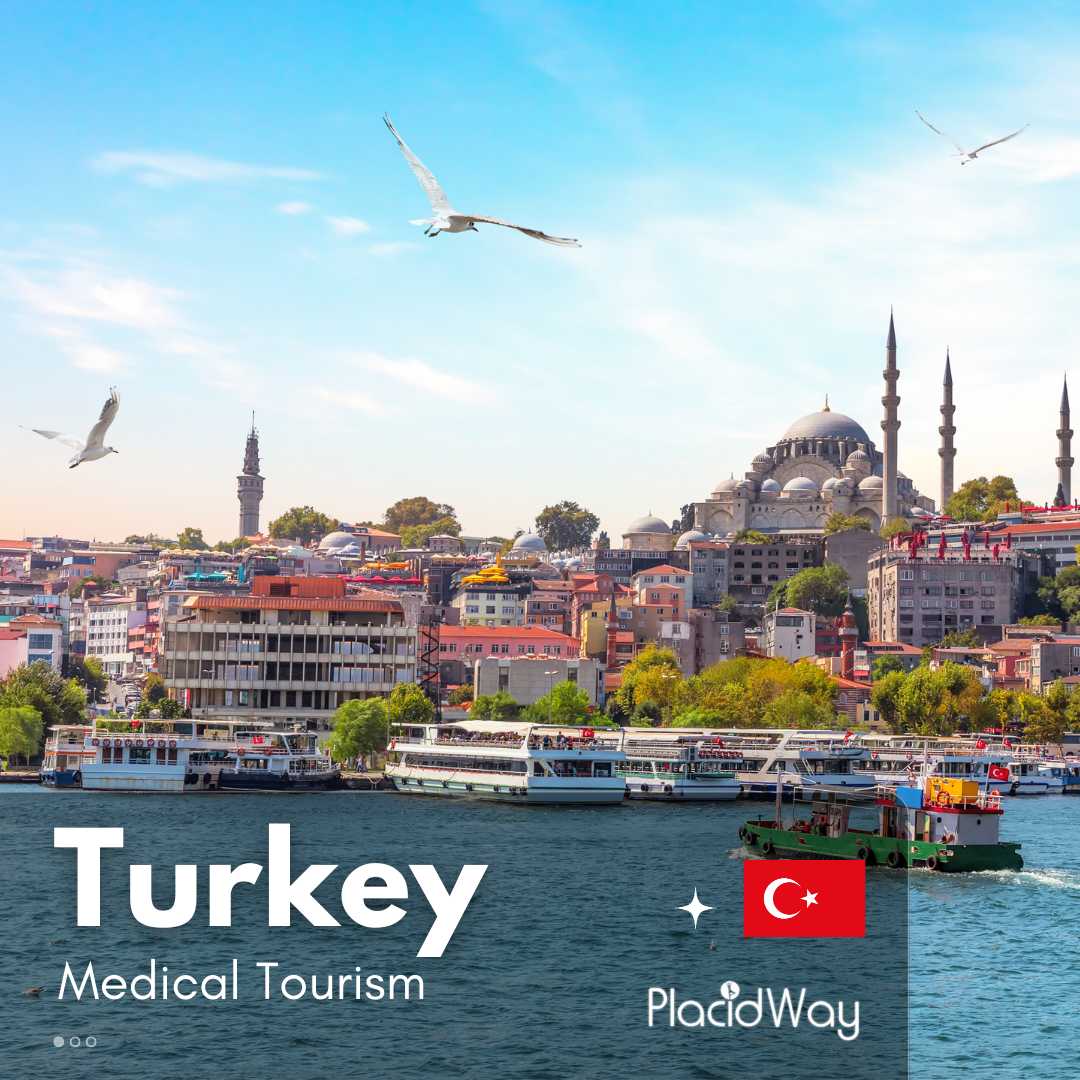
PRK differs from LASIK mainly by removing the cornea's outer layer instead of creating a flap, making it ideal for thin corneas but requiring a longer recovery time, while both offer similar long-term vision results. Are you tired of relying on glasses or contact lenses to see the world clearly? If you have been researching vision correction options, you have likely come across two popular acronyms: PRK and LASIK. While both are excellent laser eye surgeries that can permanently improve your vision, understanding the difference between them is crucial for making the right choice. Specifically, if you are considering medical tourism, understanding how PRK eye surgery in Turkey compares to LASIK can save you money and ensure you get the safest treatment for your specific eye structure. Turkey has become a global hub for ophthalmology, offering world-class technology at a fraction of the cost found in the US or UK. However, patients often get confused about which procedure they actually need. Is the faster recovery of LASIK worth the risk of flap complications? Is PRK better for you if you have dry eyes or play sports? In this guide, we will break down everything you need to know. We will look at the cost differences, the recovery timelines, and why some people are better candidates for one over the other. Ideally, you want a procedure that fits your lifestyle and medical needs. While LASIK is famous for its "wow" factor of immediate clear vision, PRK is the unsung hero for those with thin corneas or active lifestyles. By the end of this article, you will have a clear understanding of the pros and cons of each, helping you navigate your consultation with confidence. Let's dive into the most common questions people ask when choosing between these two life-changing procedures. What is the main difference between PRK and LASIK? The main difference is that LASIK involves creating a thin corneal flap before reshaping the eye, whereas PRK completely removes the outer layer (epithelium) without creating a flap. The fundamental distinction between these two surgeries lies in how the surgeon accesses the middle layer of the cornea to reshape it. In LASIK (Laser-Assisted In Situ Keratomileusis), the surgeon uses a laser or blade to create a thin, hinged flap on the surface of the cornea. This flap is lifted, the underlying tissue is reshaped with an excimer laser, and then the flap is placed back down to heal naturally. In contrast, PRK (Photorefractive Keratectomy) does not involve a flap. Instead, the surgeon gently dissolves or removes the very top layer of cells on the cornea, known as the epithelium. The laser is then applied directly to the corneal surface. Because there is no flap, the outer layer must grow back completely, which accounts for the difference in healing times. Both procedures use the same type of laser to correct your vision prescription. How much does PRK eye surgery cost in Turkey compared to LASIK? PRK in Turkey generally costs between $700 and $1,200 per eye, while LASIK is slightly more expensive, ranging from $800 to $1,500 per eye depending on the technology used. Turkey is renowned for offering affordable healthcare without compromising on quality. When comparing the cost of PRK vs LASIK, you will find that PRK is often slightly cheaper or comparable in price to standard LASIK. This is because PRK is a technically simpler procedure that does not require the expensive femtosecond laser used to create the LASIK flap. It is important to note that these prices usually include a comprehensive package. In Turkey, clinics often bundle the surgery with VIP transfers, hotel accommodation, and pre-operative tests. Below is a detailed comparison of the estimated costs for both procedures in Turkey versus Western countries: Procedure Cost in Turkey (Per Eye) Cost in UK/USA (Per Eye) Savings in Turkey PRK (Standard) $700 - $1,000 $2,000 - $3,000 ~70% Trans-PRK (No Touch) $900 - $1,300 $2,500 - $3,500 ~65% Standard LASIK $800 - $1,200 $2,200 - $3,200 ~65% Femto-LASIK (Blade-Free) $1,000 - $1,500 $3,000 - $4,500 ~70% Is the recovery time for PRK longer than LASIK? Yes, PRK recovery takes longer; initial healing takes 3-5 days for the surface to close, and vision stabilizes over a month, whereas LASIK patients often see clearly within 24 hours. Recovery is the biggest trade-off when choosing PRK over LASIK. With LASIK, the corneal flap acts as a natural bandage, allowing the eye to heal incredibly fast. Most LASIK patients wake up the next morning with near-perfect vision and can return to work within a day or two. There is minimal discomfort involved. With PRK, the body has to regenerate the entire epithelial layer that was removed. This process takes about 3 to 5 days, during which your vision will be blurry, and you may experience sensitivity to light. While you will be functional within a week, it typically takes one to three months for your vision to become crisp and fully stable. Patience is key with PRK recovery. Does PRK hurt more than LASIK? PRK causes more post-operative discomfort than LASIK for about 3 to 4 days, characterized by a gritty sensation and light sensitivity, while LASIK is virtually painless after the first few hours. During the actual surgery, both PRK and LASIK are completely painless because your eyes are numbed with powerful anesthetic drops. You will not feel the laser reshaping your eye. However, the post-operative experience differs significantly. After the numbing drops wear off, LASIK patients might feel a slight itch or "eyelash in the eye" sensation for a few hours. PRK patients, however, often report moderate discomfort, watering, and a burning sensation for the first few days while the epithelium heals. Surgeons in Turkey will provide you with pain management medication and numbing drops to help you get through this initial healing phase comfortably. Who is a better candidate for PRK instead of LASIK? PRK is the preferred choice for patients with thin corneas, chronic dry eyes, or those with corneal irregularities that make creating a LASIK flap risky or impossible. Not everyone is eligible for LASIK. If your pre-operative exams in Turkey reveal that you have thin corneas, creating a LASIK flap would consume too much tissue, potentially weakening the eye structure. In these cases, PRK is the safer and more effective alternative because it preserves more of the deeper corneal tissue. Additionally, if you suffer from dry eye syndrome, LASIK can sometimes exacerbate the condition because the flap creation temporarily severs corneal nerves responsible for tear production. PRK is much gentler on these nerves, making it a better long-term option for patients who already struggle with dry eyes. Is PRK safer than LASIK for athletes? Yes, PRK is considered safer for athletes, martial artists, and military personnel because there is no corneal flap that could be dislodged by direct trauma to the face. If you live an active lifestyle involving contact sports like boxing, MMA, rugby, or basketball, doctors will almost always recommend PRK in Turkey. The primary risk with LASIK in these activities is "flap dislocation." Although the LASIK flap heals securely, a strong, direct blow to the eye could theoretically dislodge it, even years later. Since PRK eliminates the flap entirely, the structural integrity of the cornea is stronger against trauma once it has healed. This makes it the surgery of choice for military personnel and professional athletes who cannot risk flap-related complications during their careers. Are the long-term results of PRK and LASIK the same? Yes, studies show that after the initial healing period (3-6 months), the visual acuity and correction results of PRK and LASIK are virtually identical. It is a common myth that LASIK provides "better" vision than PRK. In reality, the visual outcomes are the same; only the journey to get there is different. PRK takes a "slow and steady" approach, while LASIK is the "express lane." Whether you choose PRK or LASIK in Turkey, you can expect to achieve 20/20 vision or better in most cases. The laser technology used to reshape the eye is often identical for both procedures. Once the PRK patient's cornea has fully regenerated and smoothed out, their vision is just as sharp as a LASIK patient's vision. Do I need to wear a bandage contact lens after surgery? Yes, after PRK surgery, a special soft bandage contact lens is placed on the eye for 3 to 5 days to protect the healing surface and reduce discomfort. This bandage lens acts as a synthetic version of the corneal layer you removed. It protects the raw surface of the eye from blinking eyelids and the environment, significantly reducing pain. You do not remove this lens yourself. You will return to the clinic in Turkey about 4 to 5 days after your surgery. The doctor will check that the epithelium has healed sufficiently and then gently remove the bandage lens for you. LASIK patients typically do not require a bandage lens, though they may sleep with protective eye shields for the first few nights. Can PRK correct astigmatism like LASIK? Absolutely, PRK is highly effective at correcting astigmatism, nearsightedness (myopia), and farsightedness (hyperopia), just like LASIK. Both surgeries use excimer lasers with advanced wavefront technology to reshape the cornea. If you have astigmatism, which means your cornea is shaped more like a football than a basketball, the laser smooths out these irregularities. In fact, for patients with very high astigmatism and thin corneas, PRK might actually be the only safe option. Your surgeon in Turkey will map your eye's topography to ensure the laser is programmed to correct your specific degree of astigmatism accurately. What are the risks of PRK surgery in Turkey? The main risks of PRK include infection, delayed healing, and "corneal haze" (cloudiness), though these are rare and preventable with proper post-operative drops and UV protection. While PRK avoids flap complications, it comes with its own set of potential, albeit rare, risks. The most notable is corneal haze, a slight cloudiness that can occur during healing. To prevent this, surgeons in Turkey apply a medication called Mitomycin C during the surgery and prescribe steroid drops for a few weeks afterward. Infection is a risk with any surgery, but it is slightly higher with PRK than LASIK because the surface of the eye is exposed for a few days. However, using the prescribed antibiotic drops religiously effectively mitigates this risk. Choosing a reputable, JCI-accredited clinic in Turkey further ensures your safety. How long do I need to stay in Turkey for PRK? For PRK, you should plan to stay in Turkey for about 5 to 7 days to allow for the removal of the bandage contact lens and a final check-up before flying. While the surgery itself takes only 15 minutes, you cannot fly home immediately. With LASIK, patients can often fly home after 2-3 days. PRK in Turkey requires a slightly longer stay because the doctor needs to monitor the epithelial healing and remove the bandage lens on day 4 or 5. This extended stay is actually a benefit for many medical tourists, as it allows for rest in a comfortable hotel. Do not plan to sightsee actively during these first few days, as your eyes will be light-sensitive. Most clinics include the hotel stay in their package, so the extra days do not necessarily mean extra cost. Will I have dry eyes after PRK surgery? You may experience temporary dryness, but PRK generally induces fewer long-term dry eye symptoms than LASIK because it preserves more corneal nerves. Dry eye is a common temporary side effect of all laser vision corrections. However, because PRK is a surface ablation technique, it is less invasive to the corneal nerves that signal tear production. This makes PRK the superior choice for patients who are predisposed to dry eyes. During your recovery in Turkey, you will be given lubricating artificial tears. It is essential to use them frequently, even if your eyes do not feel dry, to aid the healing process and ensure the best visual outcome. Can I drive immediately after PRK or LASIK in Turkey? You cannot drive immediately; LASIK patients can usually drive the next day, while PRK patients may need to wait 5 to 7 days until the bandage lens is removed and vision clears. Driving requires clear distance vision and the ability to handle glare. Since PRK vision fluctuates significantly in the first week, it is unsafe to drive. You should rely on the VIP transfer services provided by your clinic or use taxis. LASIK patients often meet the legal driving standard for vision within 24 hours. However, it is always recommended to wait until your doctor gives you the "all clear" at your follow-up appointment before getting behind the wheel. Is general anesthesia used for PRK or LASIK? No, general anesthesia is not used; instead, local anesthetic eye drops are used to completely numb the eye, so you remain awake but feel no pain. Many patients are anxious about being awake during eye surgery, but it is necessary for you to focus on a target light to keep your eye aligned. To help you relax, most clinics in Turkey will offer a mild sedative (like Valium) before the procedure. The anesthetic drops are incredibly effective. You will feel pressure or touch, but no sharp pain. The entire laser portion of the surgery typically lasts less than 60 seconds per eye, making the process much faster than most patients anticipate. Why should I choose Turkey for my eye surgery? Turkey offers JCI-accredited hospitals, experienced surgeons who have performed thousands of procedures, and advanced technology at prices 50-70% lower than in the US or Europe. Choosing Turkey for PRK or LASIK is not just about saving money; it is about accessing high-quality care. Turkish eye surgeons are among the most experienced in the world due to the high volume of international patients they treat. Clinics in Istanbul, Antalya, and Izmir are equipped with the latest German and Japanese laser technology (like Carl Zeiss VisuMax or Schwind Amaris). When you combine this technical excellence with the affordable all-inclusive packages, Turkey becomes the logical choice for smart medical tourists. What technology is used for PRK and LASIK in Turkey? Top Turkish clinics use advanced Excimer lasers with Wavefront technology, such as the Schwind Amaris or ALLEGRETTO WAVE, to ensure precise, custom-mapped vision correction. Technology is a major factor in the safety and success of your surgery. Wavefront-guided or "custom" LASIK/PRK maps the unique imperfections of your eye, similar to a fingerprint. This allows the laser to correct not just your prescription, but also higher-order aberrations that cause glare and halos. Before booking your surgery, ask the clinic which laser platform they use. The presence of modern equipment is a strong indicator of the clinic's quality and commitment to patient outcomes. Can I get an enhancement surgery if PRK doesn't work perfectly? Yes, enhancement or "touch-up" surgeries are possible with both PRK and LASIK if your vision isn't fully corrected, though they are rarely needed. Success rates for both surgeries are over 95%. However, in a small number of cases, the eye may under-heal or over-heal, leaving a residual prescription. If this happens, a touch-up procedure can usually be performed once the vision has stabilized, typically 6 months after the initial surgery. Interestingly, if you had LASIK initially, you can often have PRK as an enhancement surgery. Your surgeon in Turkey will discuss these possibilities with you, and many clinics offer enhancements for free or at a reduced cost if performed within the first year. Ready to Transform Your Vision? Choosing between PRK and LASIK is a big decision, but you don't have to make it alone. Connect with top-rated, JCI-accredited eye clinics in Turkey today. Get a free quote and personalized treatment plan through PlacidWay. Explore Eye Surgery Options ...
Read more details.jpg)
Cataract surgery in Turkey typically ranges from $1,500 to $3,500 per eye, offering a significantly more affordable option compared to Western countries, while maintaining high standards of care and advanced technology. If your vision has become cloudy or blurry due to cataracts, modern surgery offers a safe and highly effective solution to restore clarity. As you explore your options, Turkey has emerged as a world-leading destination for this procedure, combining exceptional medical quality with remarkable affordability. The question of "how much does cataract surgery cost in Turkey?" is often the starting point for many. This guide provides a detailed breakdown of the costs, the factors that influence them, the quality of care you can expect, and the logistics of planning your trip, ensuring you have all the information needed for a confident decision. What is the Detailed Cost Breakdown for Cataract Surgery in Turkey in 2025? In 2025, the cost of cataract surgery in Turkey ranges from $1,500 to $3,500 per eye. The final price is primarily determined by the type of intraocular lens (IOL) chosen, with standard monofocal lenses being the most affordable and premium multifocal or toric lenses costing more. The price in Turkey represents a 50-70% saving compared to countries like the US or UK. Here’s a comparative breakdown to illustrate the value: Procedure Type (per eye) Average Cost in Turkey (USD) Average Cost in US/UK (USD) Cataract Surgery with Monofocal IOL $1,500 - $2,200 $3,500 - $5,000 Cataract Surgery with Premium IOL (Multifocal/Toric) $2,300 - $3,500 $4,500 - $7,000+ How Do Different Types of Intraocular Lenses (IOLs) Affect the Cost? The choice of IOL is the biggest factor in the final cost. Standard Monofocal IOLs are the most affordable. Premium IOLs, such as Toric lenses (for astigmatism) and Multifocal/EDOF lenses (for multiple distances), cost more due to their advanced technology. Your choice of lens will determine your vision after surgery and your dependence on glasses. Turkish clinics offer all modern options: Monofocal IOLs: This is the standard lens. It provides clear vision at a single focal point, usually distance. You will likely still need reading glasses for near tasks. This is the most budget-friendly choice. Toric IOLs: These premium lenses are designed for patients with astigmatism. They correct the irregular curvature of the cornea, providing clear distance vision without the need for astigmatism-correcting glasses. Multifocal and EDOF IOLs: These are the most advanced premium lenses. They are designed to provide clear vision at multiple distances (near, intermediate, and far), significantly reducing or even eliminating the need for glasses altogether. They carry the highest price tag but offer the greatest freedom from corrective eyewear. Is the Quality of Care and Technology in Turkey Comparable to Western Standards? Yes, the quality is highly comparable. Top clinics in Turkey are often JCI-accredited, use advanced technology like femtosecond laser-assisted surgery (FLACS), and are staffed by experienced, often US or European-trained, ophthalmologists. Patients can expect world-class care in Turkey's leading eye centers. The country has invested heavily in its medical infrastructure to attract international patients. Key quality indicators include: International Accreditations: Many hospitals hold a Joint Commission International (JCI) accreditation, the gold standard in global healthcare, ensuring rigorous safety and quality protocols. Advanced Technology: Clinics are equipped with the latest diagnostic tools and surgical platforms, including femtosecond lasers for bladeless, high-precision cataract surgery. Experienced Surgeons: Turkish ophthalmologists are highly skilled and often have international training and memberships in global ophthalmology societies. What is Typically Included in an All-Inclusive Cataract Surgery Package? An all-inclusive package typically includes the surgery, the chosen IOL, all pre-operative tests, surgeon and anesthesia fees, one-night hospital stay if needed, post-operative medications, and all follow-up checks during your stay. Many also include hotel and VIP transfers. Clinics in Turkey are experts in creating seamless experiences for medical tourists. A comprehensive package is designed to cover almost every aspect of your trip, so you can focus on your recovery. While you should always get an itemized list, inclusions generally cover all medical necessities and often logistical support, providing excellent value and peace of mind. What is the Recovery Process and How Long Do I Need to Stay in Turkey? Recovery is quick, with vision improving within 24-48 hours. The recommended stay in Turkey for cataract surgery is usually short, about 5 to 7 days. This allows for the surgery and the crucial one-day and one-week post-operative check-ups before you are cleared to fly home. Cataract surgery is a minimally invasive outpatient procedure with a rapid recovery. After a short rest at the clinic, you will return to your hotel on the same day. You will have a follow-up appointment the next day for the doctor to check your eye pressure and initial healing. A final check-up is usually scheduled about 5-6 days later. During your recovery week, you can enjoy light activities and sightseeing, but you must be diligent with your post-operative eye drops and avoid strenuous activities. The 5-7 day stay ensures your surgeon can confirm everything is healing perfectly before you travel. Ready to explore your options for cataract surgery in Turkey? Contact PlacidWay today to connect with world-class clinics and find a personalized treatment plan that fits your needs and budget....
Read more details.png)
The best eye doctors in Turkey are a top choice for vision care because they combine world-class expertise, state-of-the-art technology, and exceptionally high success rates with prices that are 50-70% more affordable than in the US or UK, making premium eye surgery accessible to a global audience. For millions around the world, the dream of waking up to crystal-clear vision without reaching for glasses or contact lenses feels like a distant luxury. Procedures like LASIK and advanced cataract surgery can transform lives, but their high costs in Western countries often put them out of reach. This is where a new global capital for ophthalmology has emerged: Turkey. The country has rapidly become the number one destination for vision care, attracting a massive influx of international patients seeking the perfect blend of quality, safety, and affordability. But what is the secret behind this incredible success? It’s far more than just a lower price tag. Turkey's dominance in the field of eye care is built on a foundation of excellence. The nation's top ophthalmologists are not just doctors; they are highly specialized surgeons, many with international training and tens of thousands of procedures under their belts. Their clinics are not merely functional; they are JCI-accredited centers of excellence equipped with the very latest German and Swiss laser technology—the same, if not better, than what you'd find in a top clinic in London or New York. This commitment to quality is coupled with an economic environment that allows these world-class services to be offered at a fraction of the cost. This comprehensive guide will explore every facet of why the best eye doctors in Turkey are setting a new global standard for vision care, answering all the critical questions you have about making this life-changing decision. Why is Eye Surgery in Turkey So Affordable? Eye surgery in Turkey is affordable due to the country's lower operational costs, including clinic rent and staff salaries, and a favorable currency exchange rate for international patients. Government support for medical tourism also fosters a competitive market, driving prices down without compromising on quality. The remarkable cost-effectiveness of vision care in Turkey is a primary draw for medical tourists, but it's crucial to understand that this affordability does not come at the expense of quality. The main driver is the Turkish economy itself. The cost of living, running a high-end medical facility, and employing skilled medical professionals is significantly lower than in North America or Western Europe. These substantial savings on overhead are passed directly to the patient. Furthermore, the Turkish government has actively cultivated a thriving medical tourism industry through strategic incentives and support. This has created a highly competitive environment where clinics strive to offer the best value. When you combine these factors with a favorable exchange rate for those paying in dollars, euros, or pounds, the result is access to premium eye surgery for a price that is often less than the cost of the procedure alone back home, even after accounting for flights and accommodation. Are Turkish Ophthalmologists and Eye Surgeons Well-Qualified? Yes, Turkish ophthalmologists are exceptionally well-qualified. They undergo a rigorous 6-year medical degree followed by a demanding 4-year residency in ophthalmology. Many top surgeons have international training, are members of global ophthalmological societies, and have performed over 20,000 procedures. The caliber of eye doctors in Turkey is a key pillar of the country's reputation. The path to becoming an ophthalmologist is long and highly competitive. After completing medical school, doctors must score in the top percentiles of a national specialization exam to secure a coveted spot in an ophthalmology residency program. This four-year training is intense, involving long hours and extensive hands-on surgical experience. What truly sets the top surgeons apart is their immense practical experience. Due to the high volume of medical tourism, a leading Turkish eye surgeon may perform more LASIK or cataract surgeries in a single year than a counterpart in the UK might perform in five. This unparalleled level of experience hones their skills to an exceptional degree. Many are also fluent in English and are active members of international bodies like the European Society of Ophthalmology (SOE), ensuring they are aligned with the latest global standards and research. What Kind of Technology is Used in Turkish Eye Clinics? Top Turkish eye clinics use the latest, state-of-the-art technology, often from leading German and Swiss manufacturers. This includes advanced platforms for bladeless Femto-LASIK, ReLEx SMILE, No-Touch TransPRK, and sophisticated diagnostic tools for precise corneal mapping. A common concern for medical tourists is whether they will have access to the best technology. In Turkey's leading eye hospitals, the answer is a resounding yes. These facilities invest heavily in acquiring the most advanced laser systems and diagnostic equipment on the market. It's standard practice for these clinics to be equipped with the same, and often newer, technology found in premier eye centers in the West. This commitment to technology ensures greater precision, safety, and better outcomes for patients. Key technologies you will find include: Femtosecond Lasers: For creating the corneal flap in bladeless LASIK, offering enhanced safety and a more precise cut. Excimer Lasers: The latest generation of lasers with wavefront-guided technology for a highly customized reshaping of the cornea. ReLEx SMILE: A minimally invasive laser procedure that is an excellent option for certain prescriptions. Advanced Diagnostics: Tools like corneal topographers and aberrometers create a detailed 3D map of the eye, allowing for a truly personalized treatment plan. How Does the Cost of LASIK in Turkey Compare to Other Countries? The cost of LASIK eye surgery in Turkey is typically between $1,500 and $2,500 for both eyes using the latest technology. This is a fraction of the cost in the USA (often $4,000-$6,000) and the UK (around $3,500-$5,000), representing a saving of up to 70%. The price difference for laser eye surgery is staggering and is the primary reason many choose to travel. The savings are so significant that the total cost of the trip—including the surgery package, flights, and personal expenses—is often still less than the price of the surgery alone in a patient's home country. This makes achieving perfect vision a financially viable reality for a much broader range of people. Here is a general cost comparison for LASIK (both eyes): Country Average Cost (USD) Technology Included Turkey $1,500 - $2,500 Latest Femto-LASIK, Wavefront, All-Inclusive Package USA $4,000 - $6,000+ Varies by clinic; package extras are rare UK $3,500 - $5,500 Varies; often doesn't include all follow-ups Germany $3,000 - $5,000 High quality but at a premium price What Are the Success Rates for Eye Surgery in Turkey? Success rates for eye surgery in Turkey are exceptionally high, with LASIK procedures routinely achieving 20/20 vision or better in over 98% of patients. Cataract surgery success rates are similarly high, typically exceeding 98%, thanks to experienced surgeons and advanced lens technology. The ultimate measure of quality is the outcome. Turkish eye clinics consistently deliver outstanding results that meet and often exceed international benchmarks. The combination of highly experienced surgeons, who have refined their techniques over thousands of cases, and precision laser technology creates a formula for success. For LASIK eye surgery, the goal is to eliminate the need for corrective eyewear, and the vast majority of patients achieve this. For cataract surgery, the procedure not only restores vision clouded by the cataract but, with the use of advanced multifocal or trifocal intraocular lenses (IOLs), can also correct pre-existing refractive errors, often freeing patients from glasses for both distance and reading. Is it Safe to Get Eye Surgery in Turkey? Yes, getting eye surgery in Turkey is extremely safe, provided you choose a reputable clinic with international accreditation (like JCI or ISO). These clinics adhere to the highest global standards of hygiene, patient safety, and medical protocols, making the risks comparable to or even lower than in Western countries. Safety is the number one priority for any medical procedure. The leading eye hospitals in Turkey have invested heavily in creating a safe and sterile environment. Many hold a Joint Commission International (JCI) accreditation, an American-based certification that is considered the gold standard for patient safety and quality of care worldwide. This means they are held to the exact same rigorous standards as top hospitals in the United States. The risks associated with modern laser eye surgery are already very low, and they are further minimized by the deep expertise of Turkish surgeons. Their experience allows them to conduct thorough pre-operative screenings to ensure you are an ideal candidate, and to manage the procedure with utmost precision. Following the clinic's post-operative care instructions is also key to ensuring a smooth and safe recovery. What Are the Most Popular Eye Procedures for Medical Tourists in Turkey? The most popular eye procedures for medical tourists in Turkey are laser vision correction surgeries like LASIK, Femto-LASIK, and ReLEx SMILE. Advanced cataract surgery with premium trifocal lens implants is also extremely common, as it corrects vision at all distances. Patients travel to Turkey for a wide range of ophthalmic procedures, but a few stand out for their popularity and the incredible value offered: LASIK (including Femto-LASIK & Wavefront): The go-to procedure for correcting myopia (nearsightedness), hyperopia (farsightedness), and astigmatism. ReLEx SMILE: A minimally invasive alternative to LASIK suitable for certain patients. Cataract Surgery with Premium IOLs: Replacing the clouded natural lens with a high-tech trifocal or multifocal lens that can provide clear vision for near, intermediate, and far distances. Implantable Collamer Lens (ICL): An excellent alternative for patients with very high prescriptions or thin corneas who are not suitable for LASIK. How Do I Choose the Best Eye Clinic in Turkey? To choose the best eye clinic in Turkey, prioritize clinics with JCI accreditation, verify the surgeon's experience and qualifications, read recent, unfiltered patient reviews, and ensure they use the latest laser technology. Request a transparent, all-inclusive price quote to avoid hidden costs. With many excellent options available, doing your homework is key. Don't let price be your only guide. Look for markers of quality and safety: Accreditation: Look for JCI or ISO certification on the clinic's website. Surgeon's Profile: The best clinics will proudly display their surgeons' credentials, experience (number of procedures performed), and international affiliations. Technology: The website should specify the exact models of lasers they use. Look for well-known, modern platforms. Patient Reviews: Look for reviews on independent platforms like Google, Trustpilot, and medical tourism forums to get an unbiased perspective. Communication: A professional clinic will have a responsive, English-speaking international patient department that can answer all your questions clearly. What is Included in an All-Inclusive Eye Surgery Package? A typical all-inclusive eye surgery package in Turkey includes the surgery for both eyes, all pre-operative tests and consultations, post-operative medications and check-ups, luxury hotel accommodation, and all VIP transfers between the airport, hotel, and clinic. These packages are designed to provide a completely seamless and stress-free experience. From the moment you land in Turkey until you depart, every logistical detail is handled for you. This allows you to focus solely on your procedure and recovery. While flights are typically excluded to allow for flexibility, the package itself is comprehensive, ensuring there are no surprise fees. This level of service is a hallmark of the Turkish medical tourism experience and adds incredible value to the already affordable prices. Ready to see the world with new clarity? PlacidWay connects you with Turkey's most reputable, JCI-accredited eye hospitals and world-renowned surgeons. Get your free, personalized quote today and take the first step towards perfect vision!...
Read more detailsDiscover your treatment options with a free, no-obligation quote!
Get your quote now!.png)
Eye doctors in Turkey help you achieve clearer vision by combining their extensive expertise with state-of-the-art technology to offer advanced, highly successful, and affordable treatments for a wide range of eye conditions. Have you ever wondered if there's a more affordable, yet highly advanced, solution to your vision problems? Many people are now looking beyond their local options and discovering the world-class eye care available in Turkey. It's not just about the cost savings; it's about accessing some of the best eye doctors in Turkey who are pioneers in using cutting-edge technology to restore sight. Whether you're tired of glasses and contacts or facing more complex issues like cataracts or glaucoma, Turkish ophthalmologists offer a pathway to clearer vision that is both safe and effective. Turkey has rapidly emerged as a global hub for medical tourism, and ophthalmology is one of its shining specialties. The country's medical universities have rigorous training programs, producing highly skilled surgeons who are often members of international ophthalmology boards. These experts practice in JCI-accredited hospitals equipped with the latest diagnostic and surgical tools, from femtosecond lasers for LASIK to advanced intraocular lenses for cataract surgery. This combination of expertise, technology, and affordability makes seeking treatment from an eye doctor in Turkey a compelling option for anyone looking to improve their quality of life through better vision. This guide will walk you through everything you need to know about the advanced treatments available and how Turkish specialists can help you see the world more clearly. Why are eye doctors in Turkey considered so good? Eye doctors in Turkey are highly regarded due to their rigorous medical education, extensive practical experience gained from a high volume of patients, and their work in internationally accredited hospitals that use state-of-the-art technology. The reputation of eye doctors in Turkey is built on a strong foundation of excellent medical training. Many Turkish ophthalmologists pursue further specialization and fellowships in Europe and the United States, bringing back world-class knowledge and techniques. They are often members of prestigious organizations like the European Board of Ophthalmology. Furthermore, Turkish eye clinics are equipped with the latest technology, often surpassing standards in other Western countries. This access to advanced diagnostic and surgical equipment allows doctors to perform procedures with incredible precision and safety. The high volume of international patients also means these doctors have vast experience treating a diverse range of eye conditions, enhancing their skills and expertise. What advanced laser eye surgery options are available in Turkey? Turkey offers a full spectrum of advanced laser eye surgeries, including LASIK, Femto-LASIK, SMILE (Small Incision Lenticule Extraction), and No-Touch TransPRK, catering to various patient needs and corneal conditions. When it comes to laser vision correction, Turkish LASIK clinics are at the forefront. They provide personalized treatments based on detailed corneal mapping and eye examinations. LASIK and Femto-LASIK: The most popular procedures, using a laser to create a corneal flap and reshape the underlying tissue. Femto-LASIK offers blade-free flap creation for enhanced safety. SMILE: A minimally invasive technique where a small lenticule is removed through a tiny incision, ideal for those with dry eyes or thinner corneas. No-Touch TransPRK: A surface ablation method where the laser removes the cornea's outer layer without any physical contact, suitable for patients who are not candidates for LASIK. What is the success rate of LASIK in Turkey? The success rate of LASIK surgery performed by experienced eye doctors in Turkey is exceptionally high, with studies and patient reports indicating that up to 98% of patients achieve 20/20 vision or better. The high success rate is a direct result of combining highly skilled surgeons with the most advanced laser technology. Pre-operative assessments are incredibly thorough to ensure that only suitable candidates undergo the procedure, which significantly minimizes risks. Clinics in Turkey use wavefront-guided technology, which creates a detailed 3D map of the eye, allowing for a customized treatment that corrects even minor imperfections. This precision leads to better visual outcomes, reduced side effects like glare or halos, and high patient satisfaction. How much does advanced cataract surgery cost in Turkey? Advanced cataract surgery in Turkey typically costs between $1,000 and $2,500 per eye. The price varies depending on the type of intraocular lens (IOL) used, such as monofocal, multifocal, or toric lenses. This cost is significantly lower than in the US or UK, where the same procedure can cost upwards of $5,000 per eye. The affordability does not come at the expense of quality. Turkish clinics use premium, FDA-approved IOLs from leading international manufacturers. The procedure often involves femtosecond laser-assisted cataract surgery (FLACS), which enhances precision and safety. This technology allows the eye doctor in Turkey to make perfect incisions and soften the cataract before removal, leading to faster recovery and better visual results. What types of intraocular lenses (IOLs) are used in Turkey? Eye clinics in Turkey offer a complete range of premium intraocular lenses, including monofocal, multifocal, trifocal, toric (for astigmatism), and Extended Depth of Focus (EDOF) lenses to suit different patient lifestyles and vision needs. The choice of IOL is a critical part of modern cataract surgery, as it determines your vision after the procedure. An eye doctor in Turkey will conduct a detailed consultation to help you choose the best option. Monofocal IOLs: Provide clear vision at a single distance (usually far). Multifocal/Trifocal IOLs: Offer clear vision at near, intermediate, and far distances, reducing or eliminating the need for glasses. Toric IOLs: Specifically designed to correct astigmatism at the same time as cataract removal. EDOF IOLs: Provide a continuous range of high-quality vision from intermediate to far distances. Are corneal transplant procedures available in Turkey? Yes, Turkey is a leading destination for corneal transplant surgery (keratoplasty), with success rates between 85-90%. Surgeons perform advanced partial-thickness (DALK, DMEK) and full-thickness (PK) procedures. Turkish hospitals have access to certified local eye banks, ensuring high-quality donor corneas. The surgeons are highly experienced in the latest techniques, which involve replacing only the diseased layers of the cornea rather than the entire thickness. These advanced lamellar keratoplasty techniques, such as DMEK and DALK, offer faster recovery, better visual outcomes, and a lower risk of graft rejection compared to traditional full-thickness transplants. This makes Turkey an excellent choice for patients with conditions like keratoconus or corneal scarring. What modern treatments for glaucoma are offered in Turkey? Turkish eye centers offer modern glaucoma treatments including Minimally Invasive Glaucoma Surgery (MIGS) with micro-stents, Selective Laser Trabeculoplasty (SLT), and traditional trabeculectomy to effectively manage eye pressure. Glaucoma management has evolved significantly, and an eye doctor in Turkey will typically recommend the least invasive, most effective treatment first. SLT is a gentle laser procedure that improves the eye's natural drainage system and can be repeated safely. For more advanced cases, MIGS procedures have become the standard of care. These involve implanting microscopic stents or shunts to create new drainage pathways for eye fluid, lowering intraocular pressure with minimal tissue disruption and a high safety profile. How do eye doctors in Turkey handle retinal diseases? Specialist eye doctors in Turkey manage retinal diseases like diabetic retinopathy and macular degeneration using advanced treatments such as anti-VEGF injections, retinal laser photocoagulation, and complex vitreoretinal surgery. Vitreoretinal surgeons in Turkey are highly skilled in performing delicate procedures to treat conditions like retinal detachments, macular holes, and diabetic eye disease. They use micro-incision vitrectomy surgery (MIVS), which involves tiny, self-sealing incisions for faster healing. For conditions like wet age-related macular degeneration and diabetic macular edema, intravitreal injections of anti-VEGF medications are the standard of care. These treatments are readily available and administered by experienced specialists in a sterile clinical environment. What should I expect during an eye exam in Turkey? An eye exam in Turkey is a comprehensive process that includes a visual acuity test, refraction test, tonometry (eye pressure), and a detailed slit-lamp examination. For surgical candidates, it also involves advanced imaging like corneal topography and OCT scans. The pre-operative assessment is extremely thorough to ensure the highest levels of safety and the best possible outcome. Clinics use advanced diagnostic equipment to get a complete picture of your eye health. Corneal Topography: Maps the surface of your cornea, essential for planning laser eye surgery. Optical Coherence Tomography (OCT): Provides cross-sectional images of the retina, crucial for diagnosing glaucoma and retinal diseases. Pachymetry: Measures corneal thickness to determine candidacy for LASIK. Is it safe to get eye surgery in Turkey? Yes, getting eye surgery in Turkey is very safe, provided you choose a reputable, internationally accredited hospital. These facilities adhere to the highest standards of hygiene, patient safety, and quality of care, comparable to top clinics in Europe and the US. Many leading Turkish eye hospitals are accredited by the Joint Commission International (JCI), which is the gold standard in global health care. This accreditation ensures that the hospital meets rigorous standards in everything from surgical protocols to infection control. The surgeons are highly qualified, the technology is state-of-the-art, and the post-operative care is comprehensive. Clinics catering to international patients also have multilingual staff to ensure clear communication throughout your treatment journey. What is the medical tourism process for eye care in Turkey? The process typically involves an initial online consultation, followed by an all-inclusive package that covers airport transfers, hotel accommodation, pre-operative tests, the surgery itself, post-operative check-ups, and multilingual support staff. Reputable clinics make the entire experience seamless for international patients. You start by sending your medical records or having a video call with the eye doctor in Turkey. Once you are deemed a good candidate, the clinic's international patient department helps you plan your trip. These packages are designed for convenience and peace of mind. A patient coordinator will be your single point of contact, arranging all appointments and logistics, so you can focus solely on your treatment and recovery. Ready to see the world with perfect clarity? Explore your options for advanced eye treatments with world-class specialists. Visit PlacidWay to find trusted clinics and get a personalized quote for your journey to better vision....
Read more details
Turkey is frequently selected for LASIK eye surgery due to a powerful combination of 50-70% cost savings, access to the latest German and Swiss laser technology, highly experienced surgeons who have performed tens of thousands of procedures, and seamless, all-inclusive treatment packages. The dream of a life free from glasses and contact lenses is a universal one. LASIK eye surgery offers this remarkable freedom, but the high price tag in many Western countries can make it seem like an unattainable luxury. This reality has fueled the rise of medical tourism for vision correction, with one country emerging as the undisputed global leader. This leads thousands of prospective patients to ask the same question: "Why is Turkey frequently selected for LASIK eye surgery in medical tourism?" The answer lies in an unbeatable formula of world-class quality, cutting-edge technology, and unparalleled affordability. Istanbul, in particular, has become the world's capital for vision correction. The city's top eye hospitals are not just good; they are among the best in the world, boasting JCI accreditation (the same standard as top US hospitals) and the very latest laser platforms from German and Swiss manufacturers. The surgeons are not just experienced; they are hyper-specialized, with many having performed over 20,000 procedures. This incredible depth of experience is a direct result of the high volume of international patients they treat. When you combine this level of expertise and technology with prices that are often 50-70% lower than in the UK or US, the value proposition becomes crystal clear. Patients realize they can receive a superior treatment for a fraction of the cost back home. This comprehensive guide will explore the key pillars that have built Turkey's reputation as the premier destination for LASIK. We will provide a detailed breakdown of the significant cost savings, explain the advanced laser technologies available, and highlight the exceptional experience of the surgeons. We'll also walk you through the convenient, all-inclusive packages that make the entire journey from your home to a new life of clear vision a simple and stress-free experience. Why is Turkey frequently selected for LASIK eye surgery? "LASIK in Turkey's dominance in medical tourism is due to four main factors: dramatic cost savings, access to the latest and most advanced laser technology, the deep expertise of its high-volume surgeons, and the convenience of all-inclusive VIP patient packages." These four elements create a synergy that is hard to replicate anywhere else in the world. Patients are not just choosing a "cheaper" option; they are often choosing a better option at a lower price. The Turkish model is built on providing superior value, combining First-World medical standards with affordable pricing. This is achieved through lower operational costs and a favorable economic environment, not by cutting corners on quality, technology, or patient safety. The entire process is designed for the international patient. Clinics and hospitals in Istanbul have dedicated international teams with multilingual staff who manage every aspect of the patient's journey, from the initial online consultation to the final check-up, ensuring a seamless and comfortable experience. How significant are the cost savings for LASIK in Turkey? "The cost of LASIK in Turkey offers significant savings, typically between 50% and 70% compared to the US or UK. A state-of-the-art, all-laser (bladeless) custom Wavefront LASIK procedure for both eyes in Turkey can cost between $1,500 and $3,000. The exact same procedure in the US often costs $4,500 to $7,000." This financial advantage is the most compelling initial reason for patients to consider Turkey. The savings are so significant that the entire cost of the trip—including flights, the all-inclusive package (surgery, hotel, transfers), and spending money—is often less than the cost of the surgery alone in a Western country. This affordability makes perfect vision an accessible reality rather than a distant luxury. LASIK Procedure (Both Eyes) Average Cost in Turkey (USD) Average Cost in the USA/UK (USD) Bladeless Custom Wavefront LASIK $1,500 - $3,000 $4,500 - $7,000 SMILE Pro Eye Surgery $2,500 - $4,000 $5,000 - $8,000+ What kind of laser technology is used in Turkey? "Top Turkish eye hospitals invest heavily in the latest generation of German and Swiss laser technology. They use globally recognized, FDA and CE-approved platforms like the Schwind Amaris, WaveLight, and Zeiss VisuMax systems for procedures like Femto-LASIK and SMILE Pro." This is a key differentiator. You are not getting older, outdated technology. You are getting the absolute state-of-the-art in vision correction. These advanced platforms offer: Bladeless Flap Creation: Using a femtosecond laser (Femto-LASIK) to create the corneal flap is more precise and safer than using a manual blade (microkeratome). Custom Wavefront Treatment: This technology creates a unique 3D map of your eye's specific imperfections (higher-order aberrations) and guides the laser to correct them, resulting in sharper, clearer vision than is often possible with glasses. Advanced Eye Tracking: The lasers track your eye movements thousands of times per second, ensuring that the treatment is perfectly centered, even if your eye moves slightly. SMILE Pro: The latest, minimally invasive procedure that corrects vision through a tiny keyhole incision without creating a large flap, offering an even faster recovery. Are Turkish ophthalmologists highly experienced? "Yes, their experience is arguably the best in the world due to the sheer volume of procedures they perform. Leading Turkish LASIK surgeons have often performed tens of thousands of successful vision correction surgeries, a level of experience that is nearly impossible to accumulate in other countries." Experience is a critical factor in the outcome of any surgery. A surgeon who performs the same procedure multiple times every day becomes a master of the craft. They have encountered and successfully managed every possible variation in patient anatomy and prescription. This high volume, driven by medical tourism, means that Turkish surgeons have a depth of practical experience that is unparalleled. Many are also internationally trained and are members of European and American ophthalmology societies. What does an all-inclusive LASIK package in Turkey include? "An all-inclusive LASIK package is designed to be completely stress-free. It typically includes the cost of the advanced laser surgery, all consultations, a 2-3 night stay in a high-quality hotel, all VIP transfers, and a personal translator." The Turkish medical tourism model is built on providing a seamless VIP experience. A standard package will include: The advanced LASIK procedure for both eyes. All pre-operative diagnostic tests and consultations. All post-operative medications (eye drops). A post-operative check-up. A 2 or 3-night stay in a 4 or 5-star hotel. All airport-hotel-hospital transfers with a private driver. An English-speaking personal host or translator to accompany you. The only major cost not included in the package is your round-trip airfare, making it incredibly easy to budget for your trip. How long does the entire process take in Turkey? "The entire process is remarkably efficient and can be completed in just 2 to 3 days. This makes it perfect for a short medical trip. You can arrive one day, have your final checks and surgery the next, and have your post-op check-up before flying home on the third day." This quick turnaround is a major convenience factor. The surgery itself takes only about 10-15 minutes for both eyes. The pre-operative tests take a few hours. After the procedure, you simply rest in your hotel room. The following day, you have a brief check-up with your surgeon to confirm that everything is healing perfectly, and then you are free to travel home with your new, crystal-clear vision. Ready to see the world clearly for less? To get personalized quotes from pre-vetted, JCI-accredited eye hospitals and leading surgeons in Turkey, explore the options on PlacidWay and begin your journey to a life without glasses....
Read more details
Are you tired of reaching for your glasses the moment you wake up? Or perhaps you're done with the daily ritual of putting in and taking out contact lenses. If clear, unaided vision sounds like a dream, you've likely considered laser eye surgery. As this life-changing procedure has grown in popularity, so has the trend of medical tourism. Turkey, in particular, has emerged as a global hub for high-quality, affordable medical treatments, with vision correction being one of its most sought-after services. But the big question on everyone's mind is: Is laser eye surgery in Turkey safe? The short answer is a resounding yes, but with an important condition: your safety and success depend heavily on the research you do and the clinic you choose. Turkey is home to a multitude of world-class hospitals and specialized eye clinics that are accredited by international bodies like JCI (Joint Commission International). These facilities are staffed by highly skilled ophthalmologists who have often trained in Europe and the US, and they utilize the same, if not more advanced, laser technology as clinics in the West. The significant cost savings are due to the country's lower cost of living and operational expenses, not a compromise on quality or safety. This guide will walk you through everything you need to know, from the types of procedures available and their costs to the potential risks and how to ensure you have a safe and successful experience. What Makes Turkey a Popular Destination for Laser Eye Surgery? "Turkey's popularity for laser eye surgery stems from its combination of highly skilled surgeons, advanced JCI-accredited clinics, state-of-the-art technology, and significantly lower costs compared to the US and Europe." Turkey has strategically positioned itself as a leader in the medical tourism industry. For laser eye surgery, this reputation is built on several key pillars. Firstly, the quality of care is exceptionally high. Many Turkish ophthalmologists are internationally recognized and have extensive experience, performing thousands of successful surgeries. They operate in modern, clean facilities that rival the best in the world. Secondly, the technology is top-tier. Turkish clinics invest heavily in the latest diagnostic and surgical equipment, such as Femto-LASIK and SMILE technologies, ensuring precise and safe outcomes. Finally, the value proposition is undeniable. Patients can save up to 70% on the cost of the procedure, even after factoring in travel and accommodation. This affordability, combined with the high standards of care, makes laser eye surgery in Turkey an incredibly attractive option for international patients. What is the Cost of Laser Eye Surgery in Turkey? "The cost of laser eye surgery in Turkey typically ranges from €1,300 to €2,800 for both eyes. The price varies depending on the specific procedure (LASIK, PRK, SMILE), the clinic's reputation, and the technology used." One of the most compelling reasons people travel to Turkey for vision correction is the cost. While prices can vary, they are consistently much lower than in Western countries. It’s important to understand what influences the price to make an informed decision. Type of Procedure: Newer, more advanced techniques like ReLEx SMILE are generally more expensive than conventional LASIK or PRK. Clinic and Surgeon Reputation: Highly renowned clinics with celebrity surgeons may charge a premium for their expertise and proven track record. Technology: The specific laser platform used (e.g., Wavefront, Femtosecond laser) can affect the overall cost. Package Inclusions: Many clinics offer all-inclusive packages that cover the surgery, pre-operative tests, post-operative medications, hotel accommodation, and airport transfers, providing excellent value. Here's a general comparison of expected costs: Procedure Average Cost in Turkey (Both Eyes) Average Cost in the US (Both Eyes) LASIK €1,400 - €1,900 $4,000 - $5,500 PRK / LASEK €1,300 - €1,800 $3,500 - $5,000 ReLEx SMILE €2,200 - €2,800 $5,000 - $6,500 What Are the Success Rates for LASIK in Turkey? "The success rate for LASIK in Turkey is exceptionally high, with top clinics reporting that over 96-99% of patients achieve 20/20 vision or better. These rates are on par with the best clinics globally." Success in laser eye surgery is measured by visual acuity (how clearly you can see) and patient satisfaction. Turkish clinics consistently report outstanding results. The high success rates are attributable to the combination of surgeon expertise, meticulous pre-operative screening to ensure candidacy, and the use of precise, computer-guided laser technology. It's crucial to have realistic expectations. While the vast majority of patients achieve their desired outcome, a small percentage may experience under-correction or over-correction, which can often be addressed with a follow-up enhancement procedure. A reputable clinic will be transparent about their success rates and what you can expect from your specific case. How Do I Choose a Safe Clinic for Laser Eye Surgery in Turkey? "To choose a safe clinic, verify its international accreditations (like JCI), research surgeon qualifications and experience, read recent patient reviews, and ensure they use modern, FDA or CE-approved technology." Your safety is paramount. With so many clinics to choose from, doing your due diligence is essential. Here are the key factors to investigate: Accreditation: Look for clinics with international accreditations. A JCI accreditation is a gold standard, indicating the facility meets rigorous global benchmarks for patient safety and quality of care. Surgeon's Credentials: Research the ophthalmologist who will perform your surgery. Where did they train? How many procedures have they performed? Are they a member of reputable ophthalmology societies? Technology and Equipment: A top-tier clinic will openly advertise the advanced technology they use. Ensure their lasers are modern and well-maintained. Patient Testimonials and Reviews: Look for reviews on independent platforms, not just the clinic's website. Watch video testimonials and see what past patients say about their experience, from the initial consultation to the aftercare. Communication: The clinic should provide clear, comprehensive information in your language. A dedicated international patient coordinator is a great sign. What Are the Different Types of Laser Eye Surgery Offered? "Plastic Surgery Clinics in Turkey offer a full range of procedures, including LASIK (the most common), PRK/LASEK (for thinner corneas), and the advanced flapless ReLEx SMILE technique." The best procedure for you depends on your prescription, corneal thickness, and lifestyle. A thorough pre-operative exam will determine your candidacy for each. LASIK (Laser-Assisted In Situ Keratomileusis): The most popular choice. A thin flap is created on the cornea, the underlying tissue is reshaped with a laser, and the flap is repositioned. It's known for its rapid recovery and minimal discomfort. PRK (Photorefractive Keratectomy): The original laser eye surgery. Instead of creating a flap, the cornea's outer layer (epithelium) is gently removed before the laser reshapes the cornea. The epithelium grows back within a few days. PRK is often recommended for patients with thinner corneas or those in contact sports. Recovery is slower than with LASIK. ReLEx SMILE (Small Incision Lenticule Extraction): A minimally invasive, flapless procedure. A femtosecond laser creates a tiny, lens-shaped piece of tissue (lenticule) within the cornea, which is then removed through a small incision. This technique offers the quick recovery of LASIK with the corneal stability of PRK. What Are the Risks and Potential Side Effects? "Common, temporary side effects include dry eyes, glare, and halos around lights, which usually resolve within weeks. Serious risks like infection or vision loss are extremely rare, with a complication rate of less than 1% at reputable clinics." No surgery is completely without risk, but the complication rate for laser eye surgery is remarkably low. Most side effects are mild and temporary. Being aware of them is part of making an informed decision. Common temporary side effects include: Dry Eyes: The most common side effect, which can be managed with lubricating eye drops and typically improves over a few weeks to months. Glare, Halos, or Starbursts: You may notice these around lights, especially at night. This effect usually diminishes as your eyes heal. Fluctuating Vision: Your vision may be slightly blurry or fluctuate during the initial healing period. More significant but rare risks include infection, flap complications (with LASIK), and under- or over-correction. Choosing a highly experienced surgeon and a sterile clinical environment, and strictly following post-operative care instructions, are the best ways to minimize these risks. What Does the Laser Eye Surgery Process in Turkey Involve? "The process typically involves an initial online consultation, followed by a 3-5 day trip to Turkey. This includes a detailed pre-operative examination, the surgery itself (which takes about 15 minutes), and a post-operative check-up the next day." Clinics specializing in medical tourism have a streamlined process for international patients. Initial Consultation: You'll start with a free online consultation, providing your current eye prescription and medical history. Travel and Arrival: Once you book, the clinic often helps arrange transfers and accommodation. You'll typically need to stay in Turkey for 3 to 5 days. Pre-Operative Exam: On your first day, you'll undergo a comprehensive eye examination lasting several hours. This is the most critical step to confirm your candidacy and map your eyes for surgery. The Surgery: The procedure itself is very quick, usually lasting only 10-15 minutes for both eyes. You'll be awake, but your eyes will be numbed with anesthetic drops. Post-Operative Care: You'll have a follow-up appointment the day after surgery to check your vision and healing. You'll be given a set of eye drops and instructions to follow for the next few weeks. Who is a Good Candidate for Laser Eye Surgery? "A good candidate is over 18, has a stable eye prescription for at least one to two years, has healthy eyes with no diseases like cataracts or glaucoma, and has a sufficient corneal thickness for the procedure." Not everyone is suitable for laser eye surgery. A thorough screening process is vital for safety and success. Key requirements include: Age: You must be at least 18, and preferably in your early 20s, to ensure your prescription has stabilized. Stable Vision: Your glasses or contact lens prescription should not have changed significantly in the last 1-2 years. Good General and Eye Health: You should not have any uncontrolled autoimmune diseases, or eye conditions like severe dry eye syndrome, keratoconus, glaucoma, or cataracts. Corneal Thickness: Your cornea must be thick enough to allow for safe reshaping. Pregnancy: The procedure is not recommended for women who are pregnant or breastfeeding, as hormonal changes can affect vision. Ready to see the world with crystal-clear vision? Your journey to a life without glasses could start today. Contact PlacidWay now....
Read more details
LASIK eye surgery has transformed countless lives by correcting vision and reducing reliance on glasses or contact lenses. For many, the high cost of this procedure in their home countries can be a significant barrier. This is where Turkey has emerged as a popular and highly appealing destination for medical tourists seeking quality eye care at a fraction of the price. With its advanced clinics, experienced surgeons, and comprehensive packages, Turkey offers a compelling option for those looking to improve their vision without breaking the bank. What is the average cost of LASIK eye surgery in Turkey? "The average cost of LASIK eye surgery in Turkey typically ranges from $400 to $1,500 per eye, depending on the specific type of LASIK, the clinic's reputation, and the services included in the package." Turkey has become a leading destination for LASIK due to its competitive pricing. This range covers various LASIK techniques, from standard LASIK to more advanced procedures like Femto-LASIK and iLASIK. The significantly lower operating costs in Turkey, combined with a favorable currency exchange rate, allow clinics to offer these procedures at prices that are often 60% to 70% less than those found in the United States, Canada, the UK, and most European countries. This affordability does not come at the expense of quality, as many Turkish clinics boast state-of-the-art technology and internationally trained surgeons. Why is LASIK eye surgery in Turkey so much more affordable? "LASIK eye surgery in Turkey is more affordable primarily due to lower overhead costs, favorable currency exchange rates, and a high volume of medical tourists, which allows clinics to offer competitive pricing without compromising quality." The cost of living and operational expenses in Turkey are considerably lower than in many Western countries. This translates to reduced facility costs, lower salaries for medical staff (even highly skilled ones), and more affordable supplies and equipment. Additionally, the Turkish government actively promotes medical tourism, creating an environment where clinics are incentivized to attract international patients through competitive pricing. The high volume of patients also allows clinics to operate efficiently and offer procedures at a lower per-patient cost. What factors influence the cost of LASIK in Turkey? "The cost of LASIK in Turkey is influenced by the type of LASIK procedure, the clinic's reputation and location, the surgeon's experience, and whether the price includes all-inclusive packages for international patients." Several key factors determine the final price you pay for LASIK in Turkey. The technology used plays a significant role; advanced methods like Femto-LASIK (bladeless LASIK) or ReLEx SMILE are generally more expensive than traditional LASIK due to their precision and reduced recovery times. The clinic's standing, its accreditations, and its location (e.g., clinics in major cities like Istanbul might be slightly pricier than those in smaller cities like Antalya) also affect the cost. Highly experienced and renowned surgeons may also command higher fees. Finally, many clinics offer comprehensive packages that include not just the surgery but also pre-operative assessments, post-operative care, medications, transfers, and sometimes even accommodation, which can influence the total price. What are the different types of LASIK procedures available in Turkey and their approximate costs? "Turkey offers various LASIK procedures, including Standard LASIK/PRK/LASEK (approx. $400-$800 per eye), Femto-LASIK (approx. $400-$800 per eye), and ReLEx SMILE (approx. $1,250-$2,750 per eye), with prices varying based on the clinic." Standard LASIK/PRK/LASEK: These are common and effective methods. Traditional LASIK involves a microkeratome blade to create the corneal flap, while PRK (Photorefractive Keratectomy) and LASEK (Laser-Assisted Sub-Epithelial Keratomileusis) involve removing or loosening the outer layer of the cornea without creating a flap. They are generally the most budget-friendly options. Femto-LASIK (Bladeless LASIK): This advanced technique uses a femtosecond laser to create the corneal flap, offering greater precision and reduced risk compared to traditional blade-based LASIK. It's a popular choice for its safety and effectiveness. ReLEx SMILE (Small Incision Lenticule Extraction): SMILE is a minimally invasive procedure that doesn't require a flap. A femtosecond laser creates a small, lens-shaped piece of tissue (lenticule) inside the cornea, which is then removed through a tiny incision. This method is often recommended for patients with thinner corneas or dry eyes and tends to be the most expensive option. Is the quality of LASIK in Turkey comparable to Western countries? "Yes, the quality of LASIK eye surgery in Turkey is generally comparable to Western countries, with many clinics boasting international accreditations, highly experienced surgeons, and state-of-the-art laser technology." Turkey has invested significantly in its healthcare infrastructure, and many of its eye clinics adhere to strict international standards. Numerous hospitals and clinics are accredited by organizations like the Joint Commission International (JCI), a globally recognized benchmark for quality and patient safety. Surgeons often have extensive experience, having performed thousands of procedures, and are frequently trained internationally. Patients can expect modern equipment and techniques that are on par with leading facilities in Europe or North America. What is typically included in an all-inclusive LASIK package in Turkey? "An all-inclusive LASIK package in Turkey typically covers pre-operative examinations, the LASIK procedure itself, post-operative check-ups and medications, airport transfers, and sometimes accommodation and local transportation." These comprehensive packages are designed to make the medical tourism experience seamless for international patients. Beyond the core medical services, they often eliminate the stress of logistics. This means you can focus on your recovery and even enjoy some of Turkey's cultural attractions, knowing that your essential needs like transfers between the airport, hotel, and clinic are handled. It's always wise to confirm the exact inclusions with your chosen clinic. How long do I need to stay in Turkey for LASIK eye surgery? "For LASIK eye surgery in Turkey, you typically need to stay for 3 to 7 days, allowing time for pre-operative consultations, the procedure, and essential post-operative check-ups before traveling back home." The procedure itself is quick, often taking less than 30 minutes for both eyes. However, clinics require a few days for initial comprehensive eye examinations to ensure you are a suitable candidate, followed by the surgery, and then at least one or two follow-up appointments in the days immediately after the procedure. This ensures proper healing and allows the surgeon to assess your initial results. What are the qualifications of LASIK surgeons in Turkey? "Many LASIK surgeons in Turkey are highly qualified, possessing extensive experience, often with international training and certifications, and are specialized in refractive surgery." Turkish ophthalmologists undergo rigorous training, and many pursue further specialization in refractive surgery. It's common to find surgeons who have completed fellowships in Europe or the United States, bringing back advanced techniques and knowledge. Reputable clinics will readily provide information on their surgeons' qualifications, experience, and success rates, allowing patients to make informed decisions. Are there any hidden costs I should be aware of when considering LASIK in Turkey? "While many LASIK packages in Turkey are comprehensive, potential hidden costs could include flights to Turkey, additional sightseeing expenses, personal spending money, and any unforeseen medical complications not covered by the initial package." It's crucial to clarify with the clinic what exactly is included in their quoted price. Always factor in your international airfare, as this is typically not covered. While transfers and accommodation might be part of a package, personal spending for meals, shopping, or tourist activities will be extra. Though rare, any unexpected medical complications requiring additional treatment might incur extra costs, so it's wise to discuss insurance or contingency plans with the clinic. What is the recovery process like after LASIK in Turkey? "The recovery process after LASIK in Turkey is typically rapid, with most patients experiencing improved vision within 24-48 hours and being able to resume normal activities within a few days, though full stabilization can take weeks to months." Immediately after the procedure, you might experience mild discomfort, blurriness, or light sensitivity, which usually subsides within a few hours. Surgeons often recommend resting your eyes and avoiding strenuous activities for the first few days. Eye drops will be prescribed to aid healing and prevent infection. Most patients can return to work and light activities within 1-3 days, with significant vision improvement. Full vision stabilization can take longer, and follow-up appointments are essential to monitor progress. What are the potential risks and complications of LASIK eye surgery? "While generally safe, potential risks and complications of LASIK eye surgery include dry eyes, halos or glare at night, under- or overcorrection, flap complications, and in very rare cases, vision loss or infection." Like any surgical procedure, LASIK carries some risks, although severe complications are uncommon. Dry eyes are a common temporary side effect, often managed with lubricating eye drops. Night vision disturbances like halos or glare can also occur, particularly in the initial weeks or months. Less common issues include undercorrection (requiring another procedure or glasses), overcorrection, or issues with the corneal flap (in LASIK). Choosing a reputable clinic with experienced surgeons significantly minimizes these risks. How do I choose a reputable LASIK clinic in Turkey? "To choose a reputable LASIK clinic in Turkey, look for international accreditations (e.g., JCI), positive patient reviews and testimonials, the experience and qualifications of their surgeons, the technology they use, and clear, transparent pricing." Thorough research is key. Check for clinics that are internationally certified, as this indicates adherence to global safety and quality standards. Read patient reviews on independent platforms and look for consistent positive feedback. Inquire about the surgeons' credentials, their specialization in refractive surgery, and the number of procedures they have performed. Ensure the clinic uses modern, FDA-approved laser technology. Finally, seek transparent communication regarding costs and what is included in the package to avoid any surprises. Explore PlacidWay for solutions related to medical tourism, healthcare services, or other relevant offerings. ...
Read more detailsDiscover your treatment options with a free, no-obligation quote!
Get your quote now!
LASIK eye surgery is a popular choice for correcting vision problems, but the cost can be a significant factor, especially if you don't have insurance. This blog post will explore the expenses associated with LASIK without insurance and discuss various strategies to make it more affordable, including the option of seeking treatment abroad in countries like Mexico, Costa Rica, Colombia, Turkey, India, Thailand, and the Dominican Republic. What is LASIK and How Does It Work? LASIK uses a laser to reshape the cornea, the clear front surface of the eye. This procedure corrects refractive errors such as nearsightedness, farsightedness, and astigmatism. It's a relatively quick outpatient procedure with a high success rate, and many patients achieve 20/20 vision or better. Factors Affecting LASIK Cost Without Insurance Several factors influence the price of LASIK when you're paying out of pocket: Surgeon's Expertise: Experienced and highly regarded surgeons often charge more for their services. Technology Used: Advanced LASIK technologies, like wavefront-guided or femtosecond (bladeless) LASIK, can increase the cost. Location of the Clinic: Costs can vary significantly between different cities and regions. Larger metropolitan areas typically have higher prices. Customization of Treatment: Custom LASIK, tailored to the specific characteristics of your eyes, may be more expensive than standard LASIK. Comprehensive Care: The cost of initial consultations, pre-operative evaluations, the procedure itself, and post-operative follow-up care should all be considered. Average LASIK Cost Without Insurance in the US In the United States, LASIK surgery without insurance can range from approximately $2,000 to $4,000 per eye, or sometimes even more. The average cost is typically between $2,500 and $3,500 per eye. It's crucial to remember that these are just averages, and your individual cost may be higher or lower. Strategies for Affordable LASIK Without Insurance If you're paying for LASIK yourself, here are some options to explore: Flexible Spending Accounts (FSAs) or Health Savings Accounts (HSAs): If you have an FSA or HSA, you can use pre-tax dollars to cover LASIK expenses, which can result in significant savings. Financing Plans: Many LASIK centers offer financing plans that allow you to pay for the procedure in manageable monthly installments. Discounts and Special Offers: Keep an eye out for discounts or promotional offers from LASIK providers in your area. Medical Tourism for LASIK: Traveling to another country for LASIK surgery can be a more affordable option. Exploring LASIK Abroad: Medical Tourism Medical tourism is a growing trend where individuals travel to other countries for medical treatments, including LASIK, due to lower costs. LASIK Costs Without Insurance in Other Countries Here are some average costs for LASIK surgery in other countries: Country Cost per Eye (USD) Lasik Surgery Cost in United States $2,000 - $4,000+ Lasik Surgery Cost in Mexico $800 - $2,000 Lasik Surgery Cost in Turkey $700 - $1,800 Lasik Surgery Cost in India $500 - $1,500 Important Considerations for Medical Tourism Surgeon Qualifications and Experience: Thoroughly research the surgeon's credentials, experience, and specialization in LASIK. Clinic Accreditation and Standards: Verify that the Lasik surgery clinic abroad is accredited by reputable international organizations and adheres to high standards of care. Technology and Equipment Used: Inquire about the specific technology and equipment used for LASIK procedures. Communication and Language Barriers: Ensure clear communication with the medical staff and address any potential language barriers. Travel Logistics and Planning: Carefully plan your travel arrangements, including flights, accommodation, visas, and travel insurance. Post-Operative Care and Follow-Up: Discuss aftercare instructions and what to do if you experience any complications after you return home. Frequently Asked Questions: LASIK Costs Without Insurance Is LASIK a worthwhile investment even without insurance? For many individuals, LASIK can be a life-changing procedure that significantly improves their quality of life. How can I find affordable LASIK options near me? Research local LASIK providers, inquire about financing plans, and explore potential discounts or promotions. Are there any hidden costs associated with LASIK? Be sure to ask about all-inclusive pricing that covers consultations, evaluations, the procedure, and follow-up care. What are the long-term costs of wearing glasses or contacts? Consider the ongoing expenses of eye exams, new glasses or contacts, solutions, and other related products. How do I know if I'm a good candidate for LASIK? Schedule a comprehensive eye exam with an ophthalmologist to determine your eligibility for LASIK. What questions should I ask my LASIK surgeon? Inquire about their experience, the technology they use, potential risks and complications, and their approach to post-operative care. Ready for Clear Vision? Connect with PlacidWay Today! If you're considering LASIK surgery and exploring options without insurance, PlacidWay can assist you. We can connect you with qualified ophthalmologists in various countries and provide information about costs and procedures. Contact us today for a free consultation. We're here to help you achieve your vision correction goals....
Read more details
What is the Average Cost for Wavefront Lasik Surgery in Antalya, Turkey? Custom Lasik or Wavefront Lasik is one of the newest approaches for Lasik eye surgery. Guided lasers are used in this procedure for improving your visual acuity and reshaping the cornea. The surgeon uses a wavefront device for measuring aberrations in the texture and shape of your cornea, which is followed by customizing the lasers for treating every aspect of your cornea. Successful Wavefront Lasik surgery can significantly boost your ability to see clearly at night, clarity of your overall vision and your ability to view contrasting colors. Moreover, the procedure can reduce the side effects of traditional Lasik surgery. The average price for Wavefront Lasik Surgery in Antalya, Turkey $1,690 USD approximately. However, the cost may vary from clinic to clinic or you may find the same clinic is offering the procedure at different prices. This happens due to the factors that affect the cost of the treatment. Factors that Affect Package Price Amount of patient refractive error Technology used by the surgeon Experience of surgeon Reputation and infrastructure of the clinic Continuity of patient care Co-management and overall patient experience Size of facility team including surgeons, front desk staff and technicians Preoperative laboratory fees Operating room fees Equipment used in the process What Should Be Expected From Wavefront Lasik Surgery in Antalya, Turkey The scenario of medical tourism is rapidly changing in Antalya and the place is very famous for offering world-class treatment at a cheaper cost. There’s an opportunity to get the best Wavefront Lasik surgery from the world-famous doctors and staff at the clinics. How Much You Can Save By Receiving Wavefront Lasik in Antalya, Turkey Wavefront Lasik surgery can cost you up to $5,000-$10,000 in the developed countries whereas you can get the same treatment within $1,690 approximately in Antalya. If you are thinking about cost efficiency, you can easily save around 5,000 or more by getting the treatment here in Antalya, Turkey. Approximate Cost of Eye Surgery Variations in Antalya, Turkey LASIK Surgery $1,250 PRK Eye Surgery $1,190 Other Costs to Consider If you have just decided to get your Wavefront Lasik surgery treatment from Antalya, Turkey, there are other expenses that can affect the cost of treatment and hence you need to consider them. Have a look at the other associated expenses. Hotel and accommodation Foods and drinks Cost of Transportation Travel insurance The above-mentioned expenses can affect the cost of Wavefront Lasik surgery in Antalya, Turkey and if you are looking for the quotes, you can ask for it anytime. The quotation will help you to get an idea so that you can decide accordingly....
Read more details
The Lasik Monovision Surgery cost in Antalya, Turkey typically ranges from $1,200 to $2,500. This affordable price includes pre-operative eye exams, the laser procedure, and standard post-operative care, saving you up to sixty percent overall. Key Takeaways: Vision Correction on the Mediterranean Exceptional Savings: Patients save thousands of dollars compared to North American and European healthcare systems. Advanced Diagnostics: Treatments utilize state of the art Wavefront technology for precise corneal mapping. Expert Specialists: Turkish ophthalmologists are globally recognized and highly trained in refractive techniques. Ideal Recovery Setting: The beautiful coastal environment provides a relaxing, stress free atmosphere for healing. Comprehensive Packages: Pricing usually bundles exams, medications, and the surgical intervention into one transparent fee. What exactly is Lasik Monovision Surgery in Antalya Turkey and how does it work? This procedure corrects presbyopia by adjusting your dominant eye for distance vision and your non dominant eye for near vision. The brain blends these images to provide clear sight across multiple distances without glasses. Understanding how this innovative procedure functions is the first step toward visual freedom. As we age, the natural lens inside the eye loses its flexibility, a condition clinically known as presbyopia. This loss of elasticity makes it increasingly difficult to focus on close objects, which is why many individuals over the age of forty suddenly find themselves relying on reading glasses to view their smartphones or read restaurant menus. Traditional laser treatments correct both eyes equally for distance, leaving the near vision problem unresolved. By choosing to undergo Lasik Monovision Surgery in Antalya, Turkey, you are opting for a sophisticated blended vision strategy. During the comprehensive pre operative examination, your specialist will determine which of your eyes is dominant. The laser is then precisely calibrated to reshape the cornea of the dominant eye for crisp, clear distance vision. Conversely, the non dominant eye is intentionally left slightly nearsighted to handle close up tasks. The true magic of this technique lies within the human brain through a process called neuroadaptation. Initially, you might notice a slight difference in how each eye perceives the world. However, within a few days to a few weeks, your visual cortex learns to seamlessly integrate the distinct optical signals. Your brain automatically suppresses the blurred image and relies on the clear image, granting you functional vision at virtually all distances without the constant hassle of switching between different pairs of glasses. Why is the Lasik Monovision Surgery cost in Antalya Turkey so much lower than in other countries? The lower pricing is driven by favorable currency exchange rates and lower domestic operational costs, not a reduction in medical quality. The government actively subsidizes the healthcare infrastructure to attract international patients. One of the most common questions prospective patients ask is how the Lasik Monovision Surgery cost in Antalya, Turkey can be so affordable while maintaining such high clinical standards. The answer lies in macroeconomics rather than medical shortcuts. The cost of living, clinical real estate, and administrative labor in the region are significantly lower than in North America or Western Europe. These reduced overhead expenses allow top tier medical facilities to pass substantial savings directly onto the patient. Furthermore, the domestic government has recognized the immense value of international health travelers and actively provides incentives and subsidies to certified clinics. This financial support enables these centers to continuously invest in the latest multi million dollar laser platforms without needing to charge exorbitant patient fees to recoup their investments. Favorable currency exchange rates further amplify your purchasing power, making premium procedures highly accessible. To provide clear perspective on the financial benefits, consider the standard pricing across different global regions for this exact same clinical intervention. The savings often cover the entire cost of travel and accommodation, turning a medical necessity into a restorative Mediterranean getaway. Global Region Estimated Cost (Both Eyes) Technology Level United States $4,500 to $6,500 Advanced Femto United Kingdom $4,000 to $5,800 Advanced Femto Western Europe $3,500 to $5,000 Advanced Femto Antalya, Turkey $1,200 to $2,500 Advanced Femto What is included in a typical package from a Lasik Monovision Surgery clinic in Antalya Turkey? Comprehensive packages usually cover the complete initial eye mapping, the laser procedure for both eyes, and essential post operative medications. Facilities also provide dedicated English speaking coordinators to guide you. When you seek treatment at a premier Lasik Monovision Surgery clinic in Antalya, Turkey, you are not just paying for time in the operating room. The standard protocol involves all inclusive care bundles designed specifically to eliminate stress for international visitors. These comprehensive packages ensure that there are no hidden fees or unexpected medical bills once you arrive at the facility. A high quality clinical package typically includes the following essential components: Advanced Topography Scans: Three dimensional corneal mapping to ensure you are a safe candidate and to guide the laser with microscopic precision. Surgeon Consultation: Extensive face to face time with your lead ophthalmologist to discuss the blended vision strategy and set realistic expectations. Bilateral Laser Intervention: The complete surgical procedure for both eyes using advanced Femtosecond and Excimer technology. Post Operative Medications: A comprehensive care kit containing antibiotic drops, steroid drops, and highly lubricating artificial tears for your recovery. Follow Up Appointments: Mandatory next day clinical evaluations to assess flap security and initial healing responses before you are cleared to travel. Did You Know? Many patients mistakenly believe that lower cost means older equipment. In reality, due to the high volume of international patients, clinics in this region frequently update their laser platforms faster than many regional hospitals in Western countries. Who is an ideal candidate for Lasik Monovision Surgery in Antalya Turkey? The best candidates are individuals over forty experiencing presbyopia who want to reduce reading glass dependence. Patients must possess healthy corneas, adequate tear production, and a stable prescription for at least twelve months. Not everyone is perfectly suited for this specific type of refractive correction. Identifying the ideal candidate is crucial for achieving high satisfaction rates. Generally, this intervention is targeted at individuals who are beginning to struggle with near vision tasks due to age related changes in the eye. If you find yourself holding menus at arm length or constantly misplacing your reading glasses, you fit the primary demographic profile for this treatment. Clinical suitability goes beyond just age and frustration with glasses. A thorough medical evaluation is mandatory. Your corneas must possess adequate thickness to safely accommodate the laser reshaping process. Additionally, patients with severe, chronic dry eye syndrome may be advised against the procedure, as laser interventions can temporarily exacerbate dry eye symptoms. Your overall ocular health must be excellent, free from cataracts, advanced glaucoma, or uncontrolled diabetic retinopathy. A highly recommended preparatory step is undergoing a contact lens trial before committing to the permanent surgery. Your local optometrist can fit you with disposable contact lenses that mimic the exact monovision prescription you would receive during surgery. Wearing these trial lenses for a week allows you to test your brain capacity for neuroadaptation. If you easily adjust to the blended vision with contacts, you are an outstanding candidate for the permanent laser correction. How does medical tourism in Antalya Turkey enhance the recovery experience after eye surgery? Recovering on the Mediterranean coast provides a deeply relaxing environment with mild climates and exceptional hospitality. Patients heal faster away from daily work stress while enjoying comfortable, recovery focused accommodations. The concept of combining healthcare with travel has transformed how people approach elective procedures. Engaging in medical tourism in Antalya, Turkey offers psychological and physiological benefits that cannot be replicated at home. When you undergo surgery in your home city, the temptation to immediately return to household chores, computer work, and daily stressors is incredibly high. By traveling abroad, you enforce a mandatory period of rest which is vital for optimal corneal healing. The geographic location itself plays a therapeutic role. The region boasts a stunning coastline, rich historical sites, and a famously mild Mediterranean climate. While you must avoid swimming and prolonged sun exposure immediately after surgery, recovering in a beautiful resort setting elevates your mood. Listening to the gentle waves and enjoying world class hospitality allows your body to focus entirely on cellular regeneration rather than managing daily anxieties. Furthermore, the local hospitality sector is highly attuned to the needs of health travelers. Many hotels situated near the major clinical hubs offer specialized services such as room darkening curtains, healthy anti inflammatory dietary options, and staff trained to assist guests who are in recovery. This integrated ecosystem ensures that every aspect of your stay supports your clinical outcome. What type of laser technology is used for this vision correction procedure in Turkish clinics? Top tier facilities utilize advanced FDA approved technology including Femtosecond lasers for ultra precise flap creation and Excimer lasers for custom corneal reshaping. This ensures maximum precision and superior safety margins. The success of any refractive intervention relies heavily on the sophistication of the surgical instruments. The premier centers in this region do not compromise on technology. They exclusively utilize bladeless, all laser techniques that represent the gold standard in modern ophthalmology. This commitment to technological excellence drastically minimizes complication rates and promotes rapid visual recovery. Here is a breakdown of the advanced technological systems you will encounter: Femtosecond Lasers: Older techniques used a mechanical microkeratome blade to create the corneal flap. Modern facilities use rapidly pulsing Femtosecond lasers to create a perfectly uniform, completely blade free flap, enhancing safety and structural integrity. Wavefront Guided Excimer Lasers: The actual reshaping is performed by an Excimer laser that uses cold ultraviolet light. Wavefront technology maps microscopic imperfections unique to your eye, allowing for a highly customized treatment rather than a standard prescription approach. Multi Dimensional Eye Tracking: The eye naturally makes tiny, involuntary micro movements. Modern laser platforms feature lightning fast tracking systems that monitor eye position hundreds of times per second, shutting down instantly if your eye moves out of the safe treatment zone. Topography Integrated Ablation: This software links the diagnostic mapping directly to the laser delivery system, ensuring that the exact topography of your unique cornea dictates every single laser pulse for optimal smoothing. Thermal Control Mechanisms: Advanced lasers manage the energy output meticulously to prevent any thermal damage to the surrounding delicate ocular tissues, speeding up the post operative healing process. How long is the recovery period for monovision correction in Antalya? The initial physical healing of the cornea takes just twenty four to forty eight hours, bringing immediate visual improvement. However, your brain neuroadaptation to the blended vision signals can take several weeks to fully stabilize. Recovery is uniquely divided into two distinct phases: physical tissue healing and neurological adaptation. The physical healing is remarkably fast. Immediately following the procedure, your eyes will feel scratchy and sensitive to light, much like having an eyelash trapped under your eyelid. You will be instructed to keep your eyes closed as much as possible for the first few hours. By the time you wake up the following morning, the vast majority of physical discomfort will have completely dissipated. During the first week, strict adherence to your eye drop schedule is mandatory. You must apply antibiotic and anti inflammatory drops exactly as prescribed to prevent infection and control swelling. Copious use of preservative free artificial tears is also necessary to combat temporary dryness. It is critical that you refrain from rubbing your eyes during this period to ensure the fragile corneal flap remains perfectly in place while it bonds back to the underlying tissue. The second phase, neuroadaptation, requires patience. Because one eye is set for distance and the other for near, your brain needs time to wire itself to process this new blended visual input. Some days your vision might feel perfectly balanced, while other days you might notice slight ghosting or fluctuating clarity. This is completely normal. Most patients find that their brain fully adapts within four to eight weeks, leading to a natural, seamless visual experience. What are the potential risks or side effects of having this eye surgery abroad? While highly successful, temporary side effects often include dry eyes, mild glare, halos around lights at night, and an adjustment period for depth perception. Severe complications are exceptionally rare at accredited facilities. Every surgical intervention carries inherent risks, and it is vital to approach vision correction with informed realism. The most universal side effect is temporary dry eye syndrome. The laser reshaping process temporarily disrupts the corneal nerves responsible for tear production. Your eyes may feel gritty or dry for a few months, necessitating the regular use of lubricating eye drops until the nerve pathways fully regenerate. Visual phenomena such as glare, starbursts, and halos around bright lights are also common during the initial healing phase. This is particularly noticeable when driving at night. Because monovision alters the focal point of each eye independently, you may also experience a temporary disruption in your depth perception. Activities like threading a needle or catching a fast moving ball might feel slightly awkward until your neuroadaptation is complete. The risk of severe complications, such as debilitating infections or flap dislocations, is statistically miniscule when the procedure is performed by a highly experienced surgeon using modern technology. The primary risk of traveling abroad for the procedure lies in choosing an unverified clinic to save money. This is why thorough vetting and utilizing trusted patient advocacy networks are essential to ensuring your safety and long term visual health. Why Choose PlacidWay for your vision correction journey to Turkey? PlacidWay serves as your dedicated healthcare companion, ensuring you connect with fully vetted and internationally accredited ophthalmology centers. We prioritize your clinical safety, transparent pricing, and seamless medical communication. Navigating the global healthcare landscape can be overwhelming, especially when your eyesight is involved. PlacidWay exists to eliminate the guesswork and anxiety from your medical journey. We act as your rigorous advocate, matching you with the most reputable centers available. Here is why patients consistently trust PlacidWay for their vision correction needs: Rigorous Clinic Vetting: We perform extensive background checks on all partner facilities, ensuring they possess the necessary government licenses, utilize FDA approved laser platforms, and maintain impeccable hygiene protocols. Elite Medical Professionals: Our network exclusively features highly credentialed, board certified ophthalmologists who have documented track records of thousands of successful refractive surgeries. Transparent Financial Estimates: We negotiate comprehensive, all inclusive pricing bundles on your behalf, ensuring you receive clear cost breakdowns without the fear of hidden clinical fees. Pre Procedure Coordination: Our team facilitates direct communication between you and your chosen surgeon, allowing for the review of your local eye exams and a thorough discussion of your treatment plan before you ever leave home. Dedicated Patient Advocacy: From the moment you request information until you are fully recovered, we provide ongoing support, ensuring your clinical rights are protected and your medical needs are fully addressed. Frequently Asked Questions About Vision Correction in Turkey Is it safe to fly after having laser eye surgery in Antalya? Yes, flying after your vision correction procedure is generally safe. The pressurized cabin does not negatively affect the reshaped cornea. However, airplane cabins have extremely dry air, so you must use prescribed lubricating artificial tears frequently during your flight back home to prevent irritation and ensure proper healing. How long do I need to stay in Turkey for monovision correction? Most international patients plan a stay of four to seven days. This timeframe allows for the comprehensive initial consultation, the procedure itself, and the crucial post operative checkups scheduled twenty four to forty eight hours after surgery to confirm flap stability and initial healing progress. Will I still need reading glasses after this procedure? The primary goal of this treatment is to significantly reduce your dependence on reading glasses for everyday tasks like checking your phone or reading menus. While most patients achieve excellent functional vision, you might still prefer weak reading glasses for prolonged periods of reading very fine print in dim lighting. Can I swim in the Mediterranean Sea after my eye surgery? You must avoid swimming in oceans, pools, or hot tubs for at least three to four weeks following your procedure. Natural and chlorinated bodies of water harbor bacteria that can significantly increase the risk of severe corneal infections while your eyes are in the delicate early stages of recovery. Do ophthalmology clinics in Antalya provide services in English? Yes, the top tier medical facilities catering to international patients feature fluent English speaking ophthalmologists and dedicated patient coordination teams. They ensure seamless communication from your initial consultation through your entire recovery process, eliminating any potential language barriers. How do I pay for my medical treatment in Turkey? Facilities widely accept major international credit cards, debit cards, and cash in various currencies including Euros, US Dollars, and British Pounds. It is highly recommended to inform your bank about your overseas medical travel to prevent any unexpected transaction blocks when processing the payment. What happens if I require a touch up procedure later on? Many reputable centers offer guarantees that include complimentary enhancement procedures within the first year if your vision shifts slightly. Because corneal tissue naturally changes over time, some patients may require a minor enhancement, which is a standard and straightforward process. Is there an age limit for monovision laser surgery? While there is no strict upper age limit, candidates are typically over the age of forty when presbyopia naturally begins. Older patients must undergo thorough screening to rule out cataracts, glaucoma, or severe macular degeneration, which would make alternative treatments like refractive lens exchange more appropriate. Are the eye clinics in Antalya internationally accredited? The leading facilities often hold prestigious international accreditations such as Joint Commission International and adhere to strict European medical standards. They utilize the exact same state of the art surgical equipment and sterilization protocols found in top clinics across North America and Western Europe. How soon after the procedure can I enjoy sightseeing in Antalya? You can typically resume light sightseeing and enjoying the local scenery within two to three days. However, it is absolutely critical to wear high quality, one hundred percent UV blocking sunglasses at all times outdoors to protect your healing corneas from the bright Mediterranean sunlight and coastal winds. Start Your Vision Transformation Journey Today Do not let presbyopia dictate your daily life or overpay for vision correction. PlacidWay connects you with Turkey top rated, internationally accredited eye institutes. Get a free, no obligation quote, receive a personalized treatment evaluation from board certified ophthalmologists, and unlock exclusive healthcare bundles designed precisely for your visual needs. Get Your Free Quote * Responses typically within 24 hours. Privacy guaranteed....
Read more details
The average cost for IntraLASIK eye surgery in Antalya Turkey ranges from $1,200 to $1,800 for both eyes. This highly affordable price includes comprehensive pre-operative eye exams, blade-free laser treatment, and standard post-operative care. Key Takeaways: Vision Correction Insights Exceptional Value: Save up to seventy percent compared to prices in North America or Western Europe while maintaining superior clinical standards. Blade-Free Precision: The procedure uses entirely laser-based technology, drastically reducing the risk of complications associated with traditional mechanical blades. Rapid Recovery: The vast majority of patients achieve crystal-clear vision within twenty-four to forty-eight hours post-operation. Comprehensive Packages: Most quotes are all-inclusive, covering surgical fees, medication drops, and necessary follow-up examinations. Ideal Healing Environment: The Mediterranean climate provides a relaxing atmosphere, reducing pre-surgery anxiety and promoting restful recuperation. What makes IntraLASIK Eye Surgery in Antalya Turkey different from standard LASIK? IntraLASIK utilizes a highly advanced femtosecond laser instead of a mechanical microkeratome blade to create the initial corneal flap. This results in a much safer, vastly more precise procedure with a significantly reduced risk of flap-related optical complications. In traditional methods, surgeons use a hand-held oscillating blade to slice across the outer layer of the eye. While generally safe, mechanical blades can sometimes create uneven flap edges or cut too deeply, leading to visual distortions or prolonged healing times. The blade-free approach revolutionizes this step by employing rapidly pulsing laser energy to create millions of microscopic bubbles at a precise depth within the corneal tissue, forming a perfectly uniform separation layer. Once this pristine flap is gently lifted, a secondary excimer laser is utilized to perform the actual vision correction by vaporizing microscopic amounts of underlying tissue. Because the initial flap was created with computer-guided laser perfection, it fits back into place like a perfect puzzle piece when repositioned. This exactness promotes stronger adhesion and significantly lowers the likelihood of the flap shifting during the crucial first few days of recovery. Furthermore, this advanced technological approach allows surgeons to customize the diameter, depth, and hinge placement of the flap based entirely on the unique anatomical structure of your eye. This level of customization means that individuals with slightly thinner corneas or larger pupils, who might have previously been denied standard mechanical procedures, can often be safely treated using this superior modern modality. Did You Know? The pulses of light from a femtosecond laser are so incredibly fast that they are measured in one quadrillionth of a second. This hyper-speed prevents surrounding eye tissue from absorbing heat, completely eliminating the risk of thermal damage to the delicate structures of your eye. What factors influence the IntraLASIK Eye Surgery cost in Antalya Turkey? The final price depends heavily on the specific generation of laser technology utilized, the complexity of your personal refractive error, and the comprehensive nature of the post-operative medical package provided by the facility. Laser Generation and Brand: Facilities utilizing the absolute latest FDA-approved diagnostic and surgical platforms, such as the Alcon Wavelight or Zeiss VisuMax, typically charge a slight premium due to the expensive upkeep and licensing fees of top-tier equipment. Surgeon Expertise and Reputation: Chief medical officers or professors of ophthalmology with tens of thousands of successful refractive surgeries command higher fees than junior doctors, directly reflecting their vast experience and lower complication rates. Complexity of the Prescription: Treating high-degree astigmatism or severe hyperopia often requires specialized wavefront-guided mapping and extended laser time, which can slightly elevate the baseline operational costs. Facility Accreditation: Medical centers holding prestigious international certifications, such as the Joint Commission International accreditation, adhere to strict global safety protocols that require significant financial investment to maintain. Inclusion of Medications: Some baseline quotes omit the cost of essential post-operative care, such as vital antibiotic drops, steroid medications, and artificial tears. Comprehensive packages bundle these necessities upfront to ensure transparency. How do I know if I am a suitable candidate for blade-free laser eye surgery? Suitable candidates are typically over eighteen years old with a stable optical prescription for at least twelve consecutive months, possessing healthy corneas of adequate structural thickness. Age and stability are the foundational criteria for visual correction. Because the human eye continues to grow and change shape throughout adolescence and early adulthood, performing the procedure too early could result in the need for secondary surgeries as the natural vision shifts. Ophthalmologists require proof that your eyeglass or contact lens prescription has remained static, ensuring that the changes made by the laser will offer long-lasting, permanent results. Corneal thickness is another absolute determining factor. Because the laser sculpts the eye by removing microscopic layers of tissue, there must be enough foundational tissue left behind to maintain the structural integrity of the eyeball. Patients with exceptionally thin corneas might be directed toward alternative treatments, such as Photorefractive Keratectomy, which does not require the creation of a flap, thereby preserving more stromal tissue. Lastly, overall ocular health is paramount. Candidates must be free from active eye infections, severe chronic dry eye syndrome, glaucoma, and autoimmune diseases that could impair the body healing mechanisms. Conditions like keratoconus, a progressive thinning and bulging of the cornea, serve as strict contraindications. A thorough medical evaluation is the only definitive way to confirm your eligibility for this life-changing procedure. What happens during the initial consultation at an IntraLASIK Eye Surgery clinic in Antalya Turkey? The consultation involves extensive biometric testing using customized wavefront technology to map the unique microscopic imperfections of your eye, ensuring the surgical platform is perfectly calibrated to your specific anatomical needs. Corneal Topography: Advanced imaging devices project rings of light onto your eye to create a highly detailed, three-dimensional topographical map of the ocular surface, identifying any steep or flat areas. Pachymetry Measurement: Utilizing ultrasound or optical coherence tomography, technicians measure the exact micron thickness of your cornea to mathematically verify there is sufficient tissue available for safe laser ablation. Tear Film Analysis: The quantity and quality of your tear production are evaluated using specialized paper strips or digital scanners to ensure you do not suffer from severe dry eyes, which could impede the healing process. Pupil Dilation Assessment: Drops are administered to widen the pupil, allowing the ophthalmologist to thoroughly examine the retina and optic nerve for hidden diseases, while also measuring the pupil size in dark conditions to prevent night vision issues. Wavefront Aberrometry: Light waves are sent through the eye to measure exactly how your optical system distorts light. This generates a unique visual fingerprint that guides the laser to correct even higher-order aberrations that glasses cannot fix. How long does the recovery process take after blade-free vision correction? Most patients experience significantly improved visual acuity within twenty-four hours, though complete stabilization of the biological tissue and tear film may take anywhere from three to six months. The immediate post-operative phase requires complete rest. Upon leaving the medical center, your vision will likely resemble looking through a foggy window or being underwater. It is imperative to keep your eyes closed as much as possible for the first six to eight hours. You will be provided with protective optical shields to wear while sleeping to prevent accidental eye-rubbing, which is strictly forbidden as it could dislodge the newly created flap. By the morning of your first post-op checkup, the fog usually lifts dramatically. Many patients can legally drive and return to light computer work within two to three days. However, you must implement the twenty-twenty-twenty rule when using digital screens: every twenty minutes, look at an object twenty feet away for twenty seconds. This minimizes eye strain and encourages blinking to maintain vital moisture levels. Over the following weeks, you might experience minor fluctuations in visual sharpness, especially during the morning hours. The reliance on preservative-free artificial tears is crucial during this extended healing period, as the laser temporarily severs corneal nerves responsible for tear production signaling. Wearing high-quality ultraviolet protective sunglasses whenever outdoors is also mandatory to prevent scarring and promote flawless tissue regeneration. Are there any potential risks associated with femtosecond laser eye surgery? While highly safe with a massive success rate, potential risks include temporary dry eyes, visual halos at night, and very rarely, flap striae or minor infections that require prompt and specialized medical management. Potential Risk Factor Clinical Presentation Medical Management Dry Eye Syndrome Gritty, sandy sensation; fluctuating vision. Frequent application of lubricating drops; punctual plugs if severe. Night Vision Glare Halos or starbursts around headlights at night. Usually resolves organically as swelling subsides over three months. Flap Striae (Wrinkles) Blurred vision due to microscopic folds in the flap. Minor secondary procedure to float and smooth the flap back into place. Under/Overcorrection Patient still requires mild prescription glasses. Wait for stability, then perform a quick laser enhancement touch-up. Dry eye is the most common side effect universally reported. Because the creation of the flap disrupts superficial corneal nerves, your brain temporarily receives fewer signals to produce basal tears. This leads to a scratchy sensation that is heavily mitigated by strict adherence to your prescribed drop regimen. Night vision disturbances, such as seeing glowing halos around streetlights, occur because the treated zone of the cornea might be slightly smaller than your pupil size when it fully dilates in complete darkness. As the swelling goes down and the brain neurologically adapts to the newly shaped optics, these symptoms almost always fade entirely. Serious complications, such as epithelial ingrowth or severe infections, are exceedingly rare. The sterile surgical environments and the precision of the femtosecond laser minimize tissue trauma, while prophylactic antibiotic drops shield the eye during the critical primary healing phase. How does medical tourism in Antalya Turkey benefit international eye patients? International patients gain access to world-class ophthalmologists and state-of-the-art medical infrastructure at a fraction of Western prices, all while recovering in a premier Mediterranean holiday destination. The primary driver for seeking healthcare abroad is the monumental cost savings. Healthcare economics in the region operate on different scales of administrative overhead and insurance liabilities, allowing top-tier facilities to offer premium procedures without the massive price markups seen in the United States or the United Kingdom. These savings easily cover the cost of flights and luxury accommodation, making the entire journey economically sensible. Furthermore, the standard of clinical excellence is remarkably high. The Turkish Ministry of Health heavily regulates the sector, and facilities catering to foreigners frequently hold international accreditations. Surgeons often pursue fellowships in Europe or America, bringing global best practices back home. They utilize the exact same German and American laser platforms you would find in elite London or New York clinics. Beyond the medical advantages, recovering on the Turkish Riviera provides distinct psychological benefits. The stress and anxiety associated with surgical interventions are greatly reduced when your post-operative environment is a serene coastal resort. Relaxing by the sea, enjoying the mild climate, and experiencing renowned hospitality contribute positively to lower blood pressure and a smoother overall healing experience. Did You Know? The region welcomes millions of medical tourists annually. To cater to this demand, many local healthcare centers have dedicated concierge departments that provide multi-lingual support, ensuring nothing is lost in translation during complex medical consultations. What kind of technology is used for blade-free LASIK procedures in the region? Top facilities utilize the most advanced femtosecond lasers paired perfectly with custom wavefront-optimized excimer lasers to deliver personalized, tissue-saving vision correction with unprecedented microscopic accuracy. Femtosecond Flap Creation: Systems like the Intralase iFS emit rapid pulses of light to separate corneal tissue without friction or heat, creating an interlocking beveled edge that adds immense structural stability to the flap. High-Frequency Excimer Lasers: The sculpting laser operates at extreme frequencies, ablating one diopter of prescription in just a few seconds, drastically reducing the time the eye must remain open and minimizing corneal dehydration. Multi-Dimensional Eye Tracking: Because it is impossible to keep the eye perfectly still, modern lasers feature tracking cameras that monitor eye movement hundreds of times per second. If the eye shifts even a fraction of a millimeter, the laser instantly adjusts its targeting or halts the procedure to prevent decentralized treatments. Topography-Guided Systems: The software analyzes thousands of data points on the corneal surface, directing the laser to smooth out microscopic hills and valleys, which drastically improves contrast sensitivity and nighttime visual quality. HEPA-Filtered Surgical Suites: The operating rooms maintain strict environmental controls, monitoring temperature and humidity flawlessly. The lasers require highly specific atmospheric conditions to maintain absolute calibration and ensure maximum patient safety. Why choose PlacidWay for your vision correction journey? PlacidWay provides a highly secure and transparent pathway to top-rated eye centers, ensuring you receive the highest quality of medical care without the stress of navigating a foreign healthcare system alone. Rigorous Facility Vetting: PlacidWay exclusively partners with ophthalmology departments that have proven track records of safety, verifying surgeon credentials, clinical hygiene protocols, and technological capabilities before adding them to the network. Absolute Price Transparency: We eliminate hidden costs by providing clear, itemized quotes that detail exactly what your medical fee covers, preventing any unexpected financial surprises upon arrival at the hospital. Direct Surgeon Access: We facilitate preliminary remote consultations, allowing you to discuss your ocular health history and visual goals directly with the operating specialist prior to making any commitments. Medical Record Coordination: Our team assists in seamlessly transferring your prior optometry records, corneal scans, and health history to the chosen medical team, ensuring they are fully prepared for your specific case. Dedicated Patient Advocacy: From the moment you request information until your final post-operative checkup is completed, you have a dedicated advocate prioritizing your health outcomes and overall satisfaction. Frequently Asked Questions About Eye Treatments in the Region Can I swim in the Mediterranean Sea after laser eye surgery in Antalya? Patients are strongly advised to avoid swimming in the sea, swimming pools, or using hot tubs for at least three to four weeks following the procedure. The water contains bacteria and microorganisms that can increase the risk of corneal infections while the microscopic flap is still healing. You should stick to showering carefully and keeping your eyes completely dry during your recovery on the Turkish coast. Is the price quoted for laser vision correction usually per eye or for both eyes? In the vast majority of Turkish medical facilities, the quoted package price is generally for both eyes. Because most patients require bilateral vision correction, facilities bundle the surgical fees, diagnostic tests, and follow-up appointments into a single comprehensive rate. Always verify with your chosen facility whether the quote is bilateral or unilateral to avoid unexpected expenses. Do Turkish eye facilities provide interpreters for English-speaking patients? Yes, major healthcare facilities catering to international visitors have dedicated international patient departments. They provide fluent English-speaking patient coordinators and medical interpreters free of charge. These professionals accompany you during consultations, diagnostic testing, and the surgery itself to ensure you fully understand every step of your medical journey. How soon can I fly back home after undergoing the femtosecond laser procedure? Most ophthalmologists recommend waiting at least three to five days after your surgery before taking a flight. The pressurized cabin air in commercial airplanes is extremely dry, which can exacerbate post-operative dry eye symptoms. You will need to attend a mandatory follow-up examination one or two days post-surgery to ensure the corneal flap is secure before being medically cleared to fly. Will I experience pain during the blade-free vision correction process? The procedure is virtually painless. Before the surgery begins, the medical team applies powerful numbing eye drops that completely anesthetize the surface of the eye. While you may feel a slight sensation of pressure when the laser docks onto your eye to create the flap, there is no sharp pain. Any mild discomfort afterward is typically managed with standard over-the-counter pain relievers. What is the success rate for refractive eye treatments in Turkish coastal cities? The success rate for these advanced refractive treatments is exceptionally high, often exceeding ninety-six percent for achieving twenty-twenty vision or better. The combination of highly skilled, board-certified ophthalmologists and the use of the latest generation of computerized laser mapping systems ensures highly predictable and incredibly accurate visual outcomes for international patients. Are enhancements or touch-ups included in the initial surgical fee? Many premium medical packages include a guarantee that covers free enhancement surgeries if the initial targeted visual acuity is not fully achieved, usually valid for one to five years. However, this varies significantly from one facility to another. It is vital to request a detailed breakdown of the warranty policy regarding secondary touch-up procedures during your initial inquiry. How long does the actual laser treatment take inside the operating room? While you will spend about an hour at the medical center for preparation and recovery, the time spent inside the surgical suite is only about ten to fifteen minutes for both eyes. The actual time the laser is actively reshaping the corneal tissue is measured in seconds, usually less than one minute per eye, making it an incredibly swift and efficient medical intervention. Can astigmatism be fully corrected alongside nearsightedness during the procedure? Absolutely. Modern excimer lasers used in these treatments are equipped with advanced topographical mapping that allows them to correct myopia, hyperopia, and astigmatism simultaneously. By smoothing out the irregular curvature of the cornea that causes astigmatism, the laser restores clear, crisp vision, eliminating the need for complex cylindrical prescription lenses. Do local eye centers accept international health insurance for refractive surgeries? Refractive vision correction is almost universally classified as an elective cosmetic procedure by health insurance providers worldwide. Therefore, international health insurance plans typically do not cover the costs. Patients should expect to pay out-of-pocket, which is why the highly affordable out-of-pocket rates in the Mediterranean region are so attractive to those seeking visual freedom. Experience Crystal Clear Vision at an Affordable Price Stop relying on expensive glasses and cumbersome contact lenses. Let PlacidWay connect you with elite ophthalmologists and premier clinics abroad. Receive your personalized treatment evaluation and discover how simple and secure medical travel can be. Get Your Free Quote * Secure, confidential, and completely free of obligation....
Read more details
The average cost of cataract surgery in Antalya, Turkey ranges from $800 to $1,500 per eye. This price depends heavily on the type of premium intraocular lens chosen, the advanced surgical technique used, and the comprehensive care package selected. Restoring clear vision no longer requires draining your life savings or enduring endlessly long waitlists in your home country. Thousands of international patients are discovering that combining world-class ophthalmological care with a beautiful Mediterranean backdrop is both highly effective and incredibly economical. The region has rapidly evolved into a premier hub for visual rehabilitation, offering state-of-the-art facilities equipped with the exact same advanced diagnostic and surgical technology found in top clinics across Europe and North America. Key Takeaways: Vision Restoration Abroad Affordable Excellence: Pricing is remarkably lower than Western countries while maintaining uncompromising medical quality. Premium Lens Variety: Access a wide spectrum of specialized lenses tailored to your specific lifestyle and visual demands. Laser Precision: Facilities utilize advanced femtosecond lasers for incredibly precise, blade-free procedural steps. Rapid Recovery: Micro-incision techniques allow for exceptionally fast visual rehabilitation and minimal downtime. Idyllic Setting: The coastal environment provides a tranquil, stress-free atmosphere ideal for postoperative healing. What factors determine the overall cataract surgery cost in Turkey? The total expense for your eye procedure depends on the specific artificial lens implanted, the surgical technology utilized, and the level of postoperative care. Additional diagnostic tests also play a role in the final calculation. The baseline price for removing the cloudy lens is highly competitive, but the final financial investment is highly customizable based on patient choices. The most significant variable is the artificial intraocular lens selected to replace your natural lens. Standard monofocal lenses, which correct vision at a single distance, represent the most budget-friendly option. Conversely, premium multifocal or trifocal lenses designed to provide clear vision at near, intermediate, and far distances require a higher financial commitment due to their complex optical engineering. Surgical methodology also dictates the final price tag. Traditional phacoemulsification, which uses ultrasound energy to break up the cloudy lens, is highly effective and standard practice. However, upgrading to femtosecond laser-assisted surgery introduces a higher cost due to the expensive computer-guided laser equipment utilized to make the incisions and soften the lens with extraordinary microscopic precision. Finally, comprehensive medical packages influence the overall expenditure. Many international facilities bundle the core surgical fee with pre-operative ocular biometry scans, postoperative prescription eye drops, and mandatory follow-up consultations. Understanding exactly what diagnostic imaging and aftercare medications are included in your initial quote is vital for avoiding unexpected out-of-pocket expenses during your medical journey. What types of lenses are available at a cataract surgery clinic in Turkey? Eye centers offer a variety of FDA-approved intraocular lenses including monofocal, multifocal, trifocal, and toric options. The choice depends on your vision goals and whether you wish to eliminate glasses entirely. Standard Monofocal Lenses: These provide excellent visual clarity at one specific focal point, usually set for long-distance viewing. Patients selecting this option will typically need reading glasses for close-up tasks like reading books or looking at mobile devices. Multifocal Lenses: Engineered with concentric optical zones, these lenses distribute light to allow for both near and far vision. They significantly reduce dependence on corrective eyewear for most daily activities. Advanced Trifocal Lenses: Representing the pinnacle of optical technology, trifocals add a third focal point for intermediate vision. This makes them absolutely ideal for individuals who spend significant time working on desktop computers or viewing dashboard instruments. Toric Lenses: These are custom-manufactured specifically for patients with pre-existing astigmatism. They contain built-in astigmatism correction that is precisely aligned during the operation to fix irregular corneal shapes. EDOF Extended Depth of Focus Lenses: These create a single elongated focal point rather than multiple distinct focal points. They provide excellent continuous vision from distance to intermediate ranges while minimizing visual halos at night. How does femtosecond laser technology improve cataract surgery in Turkey? Femtosecond lasers bring computer-guided precision to the procedure by automating the corneal incisions and softening the cloudy lens. This reduces the ultrasound energy needed and promotes faster healing. The integration of femtosecond laser systems represents a monumental leap forward in ophthalmic precision. Instead of a surgeon using a manual microkeratome blade to create the tiny entry incisions in the cornea, a highly advanced laser performs this step based on high-resolution 3D imaging of your specific eye anatomy. This results in incisions that are geometrically perfect, self-sealing, and highly resistant to postoperative infection. Furthermore, the laser is programmed to perform the capsulotomy, which is creating a circular opening in the thin capsule holding the cloudy lens. A perfectly centered and perfectly circular capsulotomy ensures that the new artificial lens sits exactly in the optimal position. This perfect centration is absolutely critical when implanting premium multifocal or toric lenses, where even a fraction of a millimeter off-center can degrade visual outcomes. Finally, the laser pre-softens the dense, cloudy material before it is removed. By dividing the hardened proteins into smaller grid patterns, the surgeon requires significantly less ultrasonic energy to vacuum the material out. Less energy inside the delicate ocular environment means less trauma to the surrounding endothelial cells, resulting in dramatically less corneal swelling and much faster visual recovery within the first twenty-four hours. Did You Know? The surgical techniques used today utilize incisions so microscopic that they rarely require any stitches. The natural internal pressure of the eye acts like a valve, sealing the tiny tunnel incision completely tight immediately after the instruments are removed. Why is the Mediterranean region becoming a top hub for medical tourism in Turkey? The coastal area perfectly blends world-class healthcare infrastructure with a stunning Mediterranean backdrop. Patients can receive top-tier medical treatments while recuperating in a relaxing resort atmosphere. The southern coast has strategically developed an incredibly robust healthcare infrastructure designed specifically to cater to international visitors. The local private hospitals and specialized eye centers boast prestigious international accreditations, ensuring that their clinical protocols, hygiene standards, and technological capabilities mirror or exceed those found in Western Europe and North America. This foundational commitment to quality is the primary driver of international patient influx. Beyond the exceptional medical standards, the favorable economic exchange rates make highly advanced procedures remarkably accessible. Patients from the United Kingdom, European Union, and North America find that their currency possesses immense purchasing power here. This allows individuals to afford the absolute highest tier of premium multifocal lenses and laser-assisted surgical techniques for a fraction of what standard, basic procedures cost in their home countries. Finally, the environment itself plays a crucial role in the overall patient experience. Recovering from an operation can be stressful, but recuperating in a sunny, temperate climate surrounded by historical ruins and beautiful coastlines actively reduces anxiety. The local hospitality industry is deeply integrated with medical facilities, providing seamless experiences where dietary needs, transportation, and comfortable convalescence are expertly managed. Are both eyes treated on the same day during the procedure? Ophthalmologists generally prefer to treat one eye at a time, usually spacing the surgeries a few days apart. This ensures the first eye heals properly and visual acuity is restored before addressing the second eye. While bilateral simultaneous surgery is technically possible and performed in certain specific global regions, the universally preferred safety protocol dictates treating one eye at a time. This cautious approach is rooted in mitigating the extremely rare but severe risk of bilateral endophthalmitis, a profound internal infection. By staggering the operations, specialists ensure that an incredibly improbable complication would never jeopardize the patient total vision. Spacing the procedures also allows the surgical team to evaluate the refractive outcome of the first operation. Once the first artificial lens settles and the eye stabilizes over a few days, the specialist can measure the actual visual acuity achieved. If necessary, they can make microscopic adjustments to the power calculations for the second lens, ensuring the absolute most perfect binocular vision possible. From a patient comfort perspective, treating sequential eyes is far superior. Having one clear, functioning eye allows you to navigate your surroundings, handle your medicated eye drops, and manage daily tasks during the immediate recovery phase. For international patients visiting for a medical holiday, treatments are typically scheduled a few days apart within the same week, allowing the entire process to be completed during a single trip. What is the typical recovery timeline for international patients? Most patients experience significantly improved vision within twenty-four hours after the operation. However, complete stabilization of your eyesight and full healing of the micro-incisions takes approximately four weeks. Day One: You will wear a protective plastic shield over the treated eye while sleeping. Blurry vision is completely normal as the pupil remains dilated and minor corneal swelling begins to subside. First Week: Visual clarity improves dramatically each day. You must apply prescribed antibiotic and anti-inflammatory eye drops meticulously to prevent infection and manage internal healing processes. Physical Restrictions: Heavy lifting, intense cardiovascular exercise, and bending over from the waist must be avoided entirely to prevent sudden spikes in internal ocular pressure that could disrupt the new lens. Environmental Protection: Dusty environments, direct wind, and any type of water immersion, including pools or the sea, are strictly off-limits to protect the unsealed microscopic incisions from contamination. One Month Milestone: At this stage, the eye is generally considered fully healed. The lens position is locked, the drops are discontinued, and an final vision check determines if any minor prescription glasses are necessary for specific tasks. Expert Insight Many patients report seeing bright colors and exceptionally crisp whites almost immediately after the cloudy lens is removed. Over years, clouded lenses turn yellow or brown, subtly shifting your color perception. Removing them often results in a startlingly vibrant return of true color vision. How do eye centers ensure high safety standards for international visitors? Medical facilities maintain rigorous international accreditation and utilize sterile, single-use surgical instruments. They also enforce strict preoperative screening to ensure every patient is an ideal candidate for surgery. Safety begins long before you enter the operating room. Top-tier ophthalmic centers employ comprehensive diagnostic arrays, including Optical Coherence Tomography and endothelial cell counts, to thoroughly map the microscopic health of your eye. This exhaustive preoperative screening guarantees that any underlying retinal issues or corneal weaknesses are identified, allowing specialists to tailor the surgical approach perfectly to your unique anatomy. Infection control protocols in these dedicated eye hospitals are extraordinarily strict. Operating theaters are equipped with advanced HEPA filtration systems that maintain positive air pressure, completely preventing airborne contaminants from entering the surgical space. Furthermore, all micro-surgical instruments that enter the eye are universally single-use disposables, fundamentally eliminating any possibility of cross-contamination between patients. The specialists managing your care are overwhelmingly board-certified professionals who have completed extensive fellowships in anterior segment surgery. Many possess international affiliations with prestigious ophthalmic societies in Europe and the United States. This continuous engagement with global medical communities ensures that the clinical techniques applied during your vision correction represent the absolute latest evidence-based global standards. Can I combine my eye treatment with a holiday in the coastal region? Combining your medical procedure with a relaxing vacation is highly encouraged and very common. You simply need to plan your strenuous activities and swimming before the surgery takes place. Enjoying the beautiful Mediterranean environment is a major advantage of seeking treatment here, but strategic itinerary planning is crucial. Because postoperative restrictions strictly prohibit swimming and high-exertion activities, medical tourists are strongly advised to schedule all their adventurous excursions at the very beginning of their trip. Enjoying the historical tours, sea bathing, and mountain exploration should occur before you ever step foot in the clinic for your operation. Once the operation is complete, your holiday transitions into a period of tranquil convalescence. The local climate is exceptionally conducive to this phase. Relaxing on a shaded balcony, enjoying premium local cuisine, and taking gentle walks in clean, coastal air perfectly align with the prescribed recovery protocols. High-end accommodations routinely cater to recovering patients by providing appropriate dietary options and serene environments. During this recovery week, you must remain mindful of environmental factors. Wearing high-quality sunglasses outdoors is mandatory to protect your healing eyes from bright ultraviolet light and occasional dust. While you cannot dive into the sea, you can absolutely enjoy the coastal ambiance, turning a mandatory medical recovery period into a rejuvenating personal retreat. Why Choose PlacidWay for your eye procedure abroad? PlacidWay connects you with globally recognized eye centers and highly vetted specialists. We ensure transparent pricing and dedicated patient advocacy without getting involved in your personal transit logistics. Extensive Vetted Network: We grant you immediate access to a rigorously curated list of internationally accredited medical facilities that specialize exclusively in advanced ophthalmological treatments. Complete Price Transparency: We advocate for honest upfront pricing, ensuring you receive comprehensive medical quotes that clearly delineate surgical fees, lens costs, and clinical aftercare. Detailed Specialist Profiles: Our platform empowers you with deep insights into surgeon credentials, educational backgrounds, and verified patient reviews so you can make highly informed medical decisions. Dedicated Patient Coordination: Our experienced team facilitates seamless communication between you and the chosen clinical specialists, ensuring all your medical questions are answered prior to commitment. Pre-Consultation Facilitation: We assist in transferring your preliminary optical records to the overseas specialists, enabling accurate preliminary assessments of your suitability for premium lens implants. Frequently Asked Questions About Vision Correction Abroad Is the eye operation painful for international patients visiting Antalya? The procedure is completely painless for patients. Surgeons use powerful anesthetic eye drops to numb the entire surface of the eye before beginning. You remain awake but comfortable, and some facilities offer mild twilight sedation to help you stay entirely relaxed during the short operation. How soon can I fly home after having my lenses replaced in the Mediterranean region? Most ophthalmologists clear international patients to fly within three to five days after the final postoperative checkup. Cabin pressure changes during commercial flights do not negatively affect the newly implanted artificial lenses or the tiny corneal incisions made during the operation. Can I go swimming in the sea after my treatment in the coastal city? Swimming in the sea, swimming pools, or using hot tubs is strictly prohibited for at least four weeks postoperatively. Natural bodies of water and public pools harbor bacteria that can easily enter the healing eye and cause severe infections that might threaten your newly restored vision. What happens if I have astigmatism along with a cloudy eye lens? Patients with astigmatism can have both conditions corrected simultaneously. Surgeons utilize specialized toric intraocular lenses that are custom-aligned to neutralize the irregular curvature of your cornea while replacing the cloudy natural lens, providing incredibly sharp uncorrected visual acuity. Are the artificial lenses implanted in my eyes considered permanent? Yes, the artificial intraocular lenses are entirely permanent and designed to last for the rest of your life. They are manufactured from highly durable, biocompatible acrylic or silicone materials that do not degrade, meaning they will never need to be replaced due to material wear. Do I need to stop taking my blood thinners before the eye operation? Modern phacoemulsification techniques require such microscopic incisions that bleeding is virtually non-existent. Many surgeons allow patients to continue their standard blood-thinning medications, but you must disclose all medications during your consultation so the medical team can make a safe, individualized decision. How long does the actual procedure take inside the operating room? The surgical process itself is remarkably fast, typically lasting only fifteen to twenty minutes per eye. However, you should expect to spend about two to three hours at the medical facility on the day of your operation to account for preoperative preparations, pupil dilation, and postoperative resting. Will I still need to wear reading glasses after getting multifocal lenses? Multifocal and trifocal options are specifically designed to reduce or completely eliminate the need for corrective eyewear across all distances. While the vast majority of patients achieve complete spectacle independence, a small percentage might occasionally need mild readers for exceptionally fine print in very dim lighting conditions. Can the cloudiness grow back after it is surgically removed? The original cloudiness cannot return because the natural lens has been permanently removed. However, some patients develop posterior capsule opacification months or years later, which causes similar blurry symptoms. This is easily and permanently fixed in a few minutes using a specialized YAG laser in an outpatient setting. Is it safe to undergo this vision correction if I have diabetes? It is generally very safe for diabetic patients to undergo this vision correction provided their blood sugar levels are well-controlled leading up to the procedure. Your specialist will perform a thorough retinal examination beforehand to ensure there is no severe diabetic retinopathy that could complicate the visual outcome. Restore Your Vision with PlacidWay Today Do not let failing eyesight compromise your quality of life. PlacidWay connects you directly with internationally accredited ophthalmic centers offering cutting-edge laser technology and premium lens implants at highly competitive rates. Take the first step toward visual independence and contact our patient coordination team today. Get Your Free Quote * Responses typically within 24 hours. Privacy guaranteed....
Read more details
The average cost for PRK eye surgery in Antalya, Turkey typically ranges from $1,200 to $1,800 for both eyes. This price includes comprehensive pre-operative evaluations, the laser procedure, and standard post-operative care medications. Key Takeaways: Vision Correction in Antalya Exceptional Savings: Patients can save up to 70% compared to typical prices in the USA or UK without sacrificing clinical quality. Flapless Safety: Surface ablation avoids corneal flap creation, making it the safest option for martial artists, athletes, and military personnel. Advanced Diagnostics: PRK Eye Surgery in Turkey utilizes precise 3D corneal topography to map and treat microscopic vision errors. Ideal Recovery Location: The mild coastal climate of the Turkish Riviera provides a stress-free environment for the crucial initial healing days. Comprehensive Packages: Many international centers bundle VIP transfers, hotel stays, and multi-language support into one transparent price. How exactly does PRK Eye Surgery in Turkey work to correct vision? Photorefractive keratectomy is a surface-level laser procedure that gently removes the outermost corneal layer before an excimer laser reshapes the underlying tissue. This technique permanently corrects myopia, hyperopia, and astigmatism. PRK Eye Surgery in Turkey utilizes state-of-the-art excimer lasers that precisely ablate microscopic amounts of tissue from the corneal surface. The treatment begins with the gentle removal of the outermost layer of the cornea, known as the epithelium. Once this highly regenerative protective layer is removed, a computer-guided laser reshapes the underlying stromal tissue to correct the specific refractive error, permanently altering how light rays enter the eye. Following the brief laser application, the surgeon places a specialized bandage contact lens over the treated area. This lens acts as an artificial shield, minimizing discomfort and protecting the eye while the natural epithelial cells regenerate over the next three to five days. Patients pursuing medical tourism in Turkey often choose this exact method because it completely eliminates flap-related complications that can occasionally occur with other mainstream laser surgeries. Leading Turkish ophthalmology centers are globally recognized for their stringent safety protocols and early adoption of advanced diagnostic imaging. By mapping the eye with topography and wavefront technology beforehand, surgeons in Antalya customize the laser pulse pattern to perfectly match the unique anatomical features of each individual eye, resulting in crisp, high-definition vision. Did You Know? Photorefractive keratectomy was actually the very first type of laser eye surgery approved for vision correction, predating LASIK. Because of its proven long-term stability, it remains the mandated choice for pilots in various international air forces. What factors influence the PRK Eye Surgery cost in Turkey? The total cost fluctuates based on the specific laser technology used, the complexity of your vision prescription, and the premium services included. Wavefront-guided customized treatments generally cost slightly more than standard ablation. The overall price you pay for refractive correction will depend significantly on the technological platforms utilized during your procedure. The most profound factor impacting the PRK Eye Surgery cost in Turkey is whether you opt for standard ablation or customized wavefront technology. Customized treatments demand a higher premium due to the highly sophisticated software used to map and correct microscopic optical imperfections, known as higher-order aberrations. Another crucial element is the reputation and accreditation level of the facility. A JCI-accredited PRK Eye Surgery clinic in Turkey equipped with the latest diagnostic machines and highly experienced board-certified ophthalmologists may charge slightly more than smaller, uncertified centers. This slight increase in price is a worthwhile investment, reflecting the rigorous hygiene standards, advanced air filtration systems, and superior medical expertise provided. Finally, the inclusion of supplementary hospitality services can influence the total package price. Comprehensive bundles often cover extended post-operative medications, high-quality UV protective eyewear, multiple follow-up consultations, and even VIP airport transfers. Many international patients find that even the most luxurious top-tier packages in Antalya remain vastly more affordable than basic healthcare services in their home countries. Destination Estimated Cost (Both Eyes) Technology Level Antalya, Turkey $1,200 - $1,800 Advanced Wavefront / Excimer United Kingdom $3,500 - $5,000 Advanced Wavefront / Excimer United States $4,000 - $6,000+ Advanced Wavefront / Excimer How do I choose the best PRK Eye Surgery clinic in Turkey? Selecting the right facility requires verifying international accreditations, analyzing surgeon credentials, and ensuring the presence of advanced diagnostic equipment. Prioritize centers with proven success rates in refractive laser surgery. When evaluating a PRK Eye Surgery clinic in Turkey, your first step should always be checking for international healthcare accreditations. Certifications from organizations like the Joint Commission International serve as a rigorous global benchmark. They guarantee that the facility maintains sterile surgical environments, adheres to strict patient safety protocols, and operates on par with top-tier Western hospitals. Surgeon expertise is equally vital in your decision-making process. You should look for ophthalmologists who have completed highly specialized fellowships in refractive surgery and hold active memberships in prominent medical associations. High-volume experience specifically with surface ablation techniques ensures that the operating doctor can expertly handle complex prescriptions, astigmatism, and rare anatomical variations without hesitation. Lastly, critically assess the diagnostic technology the clinic offers. The finest centers catering to medical tourism in Turkey invest heavily in pre-operative screening equipment, such as Pentacam corneal topographers and advanced dry eye analyzers. Comprehensive screening is the absolute cornerstone of avoiding post-operative complications, as it empowers the medical team to accurately determine if you are truly a safe candidate for surface laser ablation. How does PRK differ from LASIK when considering medical tourism in Turkey? The primary difference lies in the approach to the cornea. LASIK involves cutting a deep flap to access the treatment area, whereas PRK treats the extreme surface of the eye without creating any structural flap. The structural approach to the cornea is the defining difference between these two highly popular procedures. In a standard LASIK operation, the surgeon uses a microkeratome blade or a femtosecond laser to cut a hinged flap into the corneal stroma. This flap is lifted, the excimer laser reshapes the tissue underneath, and the flap is replaced. While recovery is rapid, this flap never completely fuses back to its original strength, posing a microscopic risk of dislocation during severe facial trauma. Conversely, photorefractive keratectomy does not involve any cutting into the deep stromal layers. The surgeon simply brushes away the thin, regenerative outer skin of the eye before applying the laser. Because no flap is created, the structural integrity of the cornea remains much stronger. This makes it the absolute gold standard for patients who participate in combat sports, serve in law enforcement, or have jobs prone to eye injuries. From a travel perspective, patients must understand the difference in recovery times. While a LASIK patient might see perfectly within twenty-four hours, the surface ablation patient requires a few days for the outer layer to regenerate. If you are planning an extended vacation in Antalya, you must allocate the first week strictly for resting your eyes indoors, avoiding the bright Mediterranean sun and strenuous tourist activities. Expert Insight Refractive surgeons often note that while the first week of healing requires more patience, the long-term visual outcomes of surface ablation are virtually identical to flap-based surgeries, with significantly lower risks of chronic dry eye syndrome. What is the recovery timeline for PRK patients traveling to Antalya? Initial healing takes three to five days as the surface skin regrows under a protective lens. Functional vision returns within a week, but optimal, razor-sharp clarity continues to improve progressively over three to six months. The recovery journey for surface laser ablation is gradual but highly predictable. Immediately following the operation, you will wear a special bandage contact lens. For the first two to three days in your hotel, you will likely experience intense light sensitivity, watery eyes, and a sensation similar to having an eyelash stuck in your eye. It is imperative to rest in a dimly lit room, listen to audiobooks, and religiously apply your prescribed soothing eye drops. Between the fourth and sixth day, the outer epithelial layer usually finishes regenerating. At this point, you will visit your clinic so the surgeon can safely remove the bandage contact lens. Once the lens is removed, the physical discomfort drops significantly, and you will notice a rapid improvement in your functional vision, allowing you to comfortably navigate the city and use digital screens for short periods. While you will be capable of traveling home and returning to most normal activities within a week, true visual stabilization takes longer. It is completely normal to experience minor visual fluctuations, slight halos at night, or mild dryness during the first few months. The corneal surface continues to smooth out microscopically over three to six months, eventually delivering the crisp, high-definition vision you desire. Are there risks associated with flying after PRK eye surgery in Antalya? Flying is generally safe one week after the procedure once the bandage lens is removed. The main concern during air travel is the extremely dry cabin air, which requires you to apply artificial tears frequently during your flight. Air travel itself does not pose a structural threat to your newly treated corneas. Because surface ablation does not involve creating a deep tissue flap, there is absolutely zero risk of cabin pressure changes causing a flap to dislodge or shift. You can safely board a commercial airplane once your operating surgeon has examined the regenerated epithelium and officially cleared you for travel. However, the environmental conditions inside an aircraft cabin require strict attention. Commercial airplanes circulate highly filtered, dehumidified air, which creates an extremely dry environment. Because your eyes are still actively healing and prone to post-operative dryness, this arid atmosphere can cause significant irritation and stinging if left unmanaged. To ensure a comfortable journey home, you must pack ample supplies of preservative-free artificial tears in your carry-on luggage. Medical professionals advise applying these lubricating drops every thirty to sixty minutes during the flight. Additionally, directing the overhead air conditioning vent away from your face and wearing UV-protective sunglasses on the plane will help shield your eyes from harsh lighting and dry air currents. What is included in a typical PRK eye surgery package in Antalya? Premium packages usually bundle the surgical fees, extensive pre-operative mapping, post-operative medications, translation services, and airport-hotel transfers into one transparent, all-inclusive price. Clinics specializing in international patients design their service packages to eliminate stress and hidden fees. The core of the package naturally covers the surgeon fees, facility utilization, and the highly advanced laser ablation procedure itself. More importantly, it includes the critical pre-operative evaluation phase, utilizing advanced imaging technologies to meticulously map the microscopic topography of your corneas before any treatment begins. Beyond the clinical elements, these bundles provide substantial logistical support. Upon landing, a dedicated driver typically greets you for a VIP airport transfer directly to your accommodation or the medical facility. Furthermore, you will be assigned a bilingual patient coordinator who stays by your side during consultations, translating complex medical terminology and ensuring you feel completely confident throughout the process. Post-operative care is also thoroughly integrated. The PRK Eye Surgery cost in Turkey usually accounts for your initial prescription medication kit, which features antibiotic drops, steroid drops, and medical-grade artificial tears. The package will also cover your crucial follow-up appointments during your stay, guaranteeing the surgeon can monitor the epithelial regeneration and safely remove your bandage contact lenses before you fly home. Am I a good candidate for surface laser eye surgery in Turkey? Ideal candidates are over eighteen years old with a stable vision prescription for at least a year. It is highly recommended for individuals with thin corneas, large pupils, or those prone to mild chronic dry eye. Determining candidacy requires a thorough evaluation, but general guidelines apply to most prospective patients. First and foremost, you must have a stable refractive prescription. Ophthalmologists require that your vision has not changed significantly over the past twelve to eighteen months. Performing laser correction on an eye that is still naturally shifting will result in the return of blurry vision within a few years. Anatomical factors play a massive role in candidacy. This specific surface technique is the absolute treatment of choice for patients who are told their corneas are too thin for flap-based procedures. Because it preserves maximum stromal tissue, it maintains the structural integrity of thin eyes. Furthermore, patients with a history of mild dry eye often tolerate surface ablation much better, as it severs fewer corneal nerves compared to alternative methods. Lifestyle and systemic health are also heavily weighed. You must be free of autoimmune diseases, uncontrolled diabetes, and severe ocular conditions like keratoconus or advanced glaucoma, as these impair the body healing mechanisms. If you live an exceptionally active lifestyle, play contact sports, or simply want the peace of mind that comes with a flapless cornea, you are likely an excellent candidate for this life-changing procedure. Why Choose PlacidWay for PRK Eye Surgery in Turkey? PlacidWay connects international patients with globally accredited ophthalmology centers, ensuring transparent pricing, verified surgeon credentials, and comprehensive treatment plans tailored to your specific vision needs. Navigating international healthcare systems requires a trusted partner to ensure safety, quality, and peace of mind. PlacidWay serves as your dedicated medical facilitator, specializing in connecting patients with top-tier healthcare providers worldwide. Here is why thousands of patients trust PlacidWay for their vision correction journey: Strict Facility Vetting: We partner exclusively with clinics that possess prestigious international accreditations, ensuring the hospital maintains sterile environments and adheres to rigorous clinical safety protocols. Verified Surgeon Credentials: PlacidWay ensures you are treated by board-certified ophthalmologists who specialize in refractive surgery and have proven track records with thousands of successful surface ablation procedures. Transparent Cost Structures: We eliminate financial surprises by providing clear, all-inclusive pricing that outlines exactly what your medical package covers, from pre-operative diagnostics to post-operative medications. Personalized Treatment Coordination: Our team facilitates direct communication between you and the clinical staff, allowing your preliminary medical files to be reviewed by specialists long before you arrive at the facility. Unbiased Clinic Comparisons: Rather than pushing a single facility, we provide you with multiple high-quality options, empowering you to compare technologies, surgeon profiles, and facility reviews to make an informed medical decision. Frequently Asked Questions About PRK in Antalya Does PRK eye surgery in Antalya hurt during the procedure? The procedure itself is entirely painless because the surgical team applies highly effective numbing eye drops beforehand. You may feel a slight pressure or a cool sensation from the fluids used to wash the eye, but there is no sharp pain. During the initial recovery phase at your hotel, it is common to experience a gritty sensation or mild discomfort, which is easily managed with the prescribed oral painkillers and soothing drops. How long does the actual PRK procedure take in Turkish clinics? The time spent under the laser is remarkably short, usually lasting only between ten to thirty seconds per eye depending on your prescription severity. However, the entire process including preparation, numbing, epithelial removal, and placing the protective bandage contact lens takes about ten to fifteen minutes for both eyes. You will typically spend around two hours at the facility to account for pre-operative checks and post-operative resting. Can I undergo PRK if I have thin corneas? Yes, having thin corneas is one of the primary medical reasons ophthalmologists recommend PRK over other methods like LASIK. Because this surface ablation technique does not require creating a deep stromal flap, it preserves more of the underlying corneal tissue. This makes it an exceptionally safe and effective option for patients whose corneas are too thin to safely accommodate a flap. Will I need to wear glasses again after PRK surgery in Turkey? The vast majority of patients achieve 20/20 vision or better and completely eliminate their dependence on prescription glasses or contact lenses for distance vision. It is important to note that as you age into your mid-forties, you may naturally develop presbyopia, which is an age-related loss of near vision. At that stage, you might require reading glasses for up-close tasks, but your distance vision corrected by the surgery typically remains stable. Are Turkish eye clinics equipped with modern excimer lasers? Absolutely. High-end ophthalmology centers catering to international patients in Antalya utilize the exact same FDA-approved excimer laser platforms found in top-tier Western hospitals. These include advanced wavefront-guided systems and sophisticated eye-tracking technology that adjusts to micro-movements of your eye during the surgery, ensuring unparalleled precision and safety. How many days should I plan to stay in Antalya for PRK surgery? It is highly recommended to plan a stay of at least seven to ten days in the city. The initial recovery involves the regeneration of the corneal epithelium under a bandage contact lens, which takes about three to five days. You must remain close to your surgeon for the crucial post-operative check-ups, specifically the appointment where the doctor safely removes the bandage lens once the surface has healed. Is the cost of PRK in Turkey cheaper than in the UK or USA? Yes, patients typically save between fifty to seventy percent on the total procedure compared to prices in North America or the United Kingdom. This dramatic cost difference is not due to lower quality care, but rather the lower cost of living, favorable exchange rates, and government incentives supporting the healthcare sector. These savings allow patients to access premium wavefront technology for a fraction of the domestic price. Can I swim in the Mediterranean Sea after having PRK in Antalya? You must strictly avoid swimming in the ocean, hotel pools, or using hot tubs for at least four weeks following your laser procedure. Natural bodies of water and public pools harbor bacteria that can easily cause severe infections in your healing corneas. While you can enjoy the beautiful coastal views and relax on the beach with UV-protective sunglasses, getting water in your eyes is strictly prohibited during the initial healing phase. What medications are provided after PRK surgery in Turkish facilities? Following your treatment, the clinical staff will provide a comprehensive medication kit. This typically includes antibiotic eye drops to prevent infection, steroid eye drops to control inflammation and prevent scarring, and artificial tears to keep the eyes heavily lubricated. You will also receive oral pain relievers and detailed instructions on the exact schedule for administering each drop to ensure an optimal healing environment. Do eye specialists in Antalya speak English fluently? Leading refractive surgeons working in internationally accredited centers are highly proficient in English, often having completed fellowships or attended medical conferences abroad. Furthermore, facilities dedicated to international healthcare employ dedicated bilingual patient coordinators who accompany you to every consultation and surgical appointment, ensuring zero miscommunication regarding your treatment plan and aftercare instructions. Transform Your Vision in Beautiful Antalya Today Stop letting glasses and contact lenses hold you back. PlacidWay connects you with globally recognized ophthalmology centers offering state-of-the-art refractive surgery at exceptional prices. Get a free, no-obligation quote, receive a personalized evaluation, and step into a world of clear vision. Get Your Free Quote * Secure, confidential, and absolutely no obligation. Responses typically within 24 hours....
Read more details
The average cost for LASIK Eye Surgery in Turkey ranges from $1,200 to $2,000 for both eyes. This highly affordable price includes comprehensive pre-operative exams, the advanced laser vision correction procedure, and essential post-operative care. Key Takeaways: Vision Correction Benefits Massive Savings: International patients routinely save between 50 to 70 percent compared to domestic healthcare costs. Premium Technology: Facilities utilize globally recognized equipment including Femto and SMILE platforms. All-Inclusive Care: Fees typically cover extensive diagnostic mapping, surgical facility usage, and initial medications. Rapid Healing: Advanced blade-free techniques promote exceptionally fast recovery periods. Expert Surgeons: Ophthalmologists possess decades of specialized experience and international accreditations. Did You Know? The coastal city of Antalya is not just a hub for stunning Mediterranean holidays; it has rapidly transformed into a global powerhouse for ophthalmic excellence. Many patients successfully combine their vision correction treatments with relaxing beachside recoveries, making it a premier destination for global healthcare travelers. What factors influence the LASIK Eye Surgery cost in Turkey? The final price you pay depends on the specific laser technology used, the complexity of your vision prescription, and the comprehensive nature of your treatment package. Advanced technologies like Femtosecond lasers or SMILE procedures typically command a higher price than traditional microkeratome methods. These modern techniques offer entirely blade-free experiences and significantly faster healing times, which many international patients find well worth the additional financial investment. Your specific refractive error also plays a massive role in determining the final expense. Patients suffering from severe astigmatism, extremely high myopia, or complex hyperopia might require customized wavefront-guided treatments. These specialized procedures utilize highly precise corneal mapping to correct microscopic imperfections in the eye surface, necessitating more advanced software and laser calibration. Finally, the level of premium care provided by your chosen LASIK Eye Surgery clinic in Turkey impacts the overall fee. Premium medical centers often bundle extensive pre-operative corneal topography scans, specialized post-operative healing drops, and extended follow-up care into their transparent pricing structures, ensuring no hidden surprises arise during your medical journey. Are there different types of LASIK Eye Surgery in Turkey available for international patients? International patients have access to a full spectrum of advanced vision correction methods including traditional approaches, fully blade-free options, and minimally invasive lenticule extraction procedures. The traditional method utilizes a mechanical microkeratome device to safely create the corneal flap before the highly calibrated excimer laser reshapes the underlying tissue to correct your vision. Femto approaches offer a completely blade-free alternative where a highly precise femtosecond laser creates the initial corneal flap, significantly reducing flap-related complications and promoting faster visual stabilization. SMILE stands for Small Incision Lenticule Extraction, representing a revolutionary flapless procedure ideal for patients struggling with dry eyes or active lifestyles, offering rapid recovery and excellent structural integrity. PRK or Photorefractive Keratectomy involves gently removing the outer epithelial layer of the cornea entirely rather than creating a flap, making it the perfect choice for individuals possessing exceptionally thin corneas. Wavefront-Optimized treatments carefully map the unique topography of your entire eye to correct not just basic refractive errors but also higher-order aberrations, providing incredibly sharp and clear nighttime vision. What is included in a standard package for LASIK Eye Surgery in Turkey? Standard vision correction packages generally encompass comprehensive pre-surgical evaluations, the complete bilateral laser procedure, all necessary clinical facility fees, and initial post-operative medications. Before any medical instrument touches your eyes, you will undergo an exhaustive series of rigorous diagnostic tests. These highly specialized evaluations measure exact corneal thickness, map the microscopic surface topography, check internal intraocular pressure, and determine your exact pupil size in various lighting conditions to ensure you remain an ideal candidate for the procedure. The core of the medical package covers the utilization of state-of-the-art excimer and femtosecond laser machines, alongside the unmatched expertise of highly trained ophthalmologists. All essential medical consumables, sterile operating theater usage fees, and the immediate resting care provided in the recovery room are logically bundled into one highly predictable price point. Post-operative care remains just as crucial for achieving successful visual outcomes. Reputable clinics provide protective sleeping eyewear, prescribed antibiotic drops, specialized steroid drops, and high-quality artificial tears to aid the delicate healing process, along with meticulously scheduled follow-up appointments to continually monitor your visual acuity during the vital first few days. Procedure Type Estimated Cost in US/UK Estimated Cost in Antalya Standard Microkeratome $4,000 - $5,000 $1,000 - $1,400 Femto Blade-Free $5,000 - $6,000 $1,500 - $2,000 SMILE Technology $6,000 - $8,000 $2,200 - $2,800 How much can I save by choosing medical tourism in Turkey for laser vision correction? Patients can confidently expect to save between fifty and seventy percent on their total medical expenses when traveling abroad for vision correction compared to standard pricing in North America. The LASIK Eye Surgery cost in Turkey remains remarkably lower due to highly favorable exchange rates and significantly reduced domestic operational costs, absolutely not because of any hidden compromise in medical quality or safety standards. While a comprehensive bilateral procedure might cost upward of five thousand dollars in the United States, similarly advanced high-end treatments in the Mediterranean region average well under two thousand dollars. These incredibly substantial financial benefits make medical tourism in Turkey an exceptionally attractive option for individuals profoundly tired of paying exorbitant premium prices for essential quality-of-life medical improvements. The accumulated savings are very often significant enough to easily cover the entire cost of a luxurious extended Mediterranean vacation alongside the transformative medical treatment. Furthermore, many international patients rapidly discover that the intensely competitive healthcare landscape in the region drives medical clinics to offer significantly more comprehensive care packages than their Western counterparts. Patients routinely receive highly thorough, completely unhurried medical consultations and premium diagnostic screenings that would normally incur extremely hefty additional fees back home. Is it safe to undergo LASIK Eye Surgery in Turkey as a medical tourist? Undergoing laser vision correction abroad is exceptionally safe when you deliberately select internationally accredited medical facilities that strictly adhere to stringent hygiene standards and employ highly experienced ophthalmologists. Domestic medical regulations are incredibly stringent, legally requiring all facilities catering to international patients to maintain rigorous sanitation, exact equipment calibration, and uncompromised patient safety protocols constantly monitored by the Ministry of Health. Many top-tier regional eye centers proudly hold prestigious international accreditations such as Joint Commission International, absolutely ensuring their complex operational standards perfectly match or exceed those found in the most highly developed Western healthcare systems. Ophthalmologists performing highly complex vision corrections frequently complete extensive specialized medical fellowships in prominent European or United States institutions, actively bringing globally recognized expertise and advanced surgical techniques directly back to their home country. Modern medical clinics exclusively utilize the exact same fully FDA-approved laser platforms manufactured by prestigious industry giants like Alcon and Zeiss, thoroughly guaranteeing that the delicate technology used on your eyes remains absolute world-class and perfectly calibrated. Thorough pre-operative medical screening represents the ultimate safety measure, as highly ethical surgeons will immediately disqualify any eager candidate whose underlying corneal thickness or general eye health poses even a minor medical risk. How long is the recovery period after LASIK Eye Surgery in Turkey? The initial physical recovery phase is remarkably swift, with most patients experiencing vastly improved functional vision within twenty four hours and successfully returning to normal light activities within two to three days. Immediately following the delicate laser application, it remains completely normal to experience temporary mild discomfort, noticeable light sensitivity, and a peculiar physical sensation strikingly similar to having a loose eyelash trapped in your eye. These specific superficial symptoms typically subside significantly after a deeply restful long nap and the highly disciplined timely application of prescribed soothing anti-inflammatory eye drops. By the exact time you proudly attend your very first mandatory post-operative medical checkup the following morning, you will highly likely notice a truly dramatic improvement in your overall visual acuity. While your functional vision may naturally fluctuate slightly over the next few consecutive weeks as the sensitive cornea microscopically heals, you will remain perfectly functional enough to happily enjoy local sightseeing and gently relaxing recreational activities. Complete cellular stabilization of your brilliant new vision can scientifically take anywhere from three to six full months. During this incredibly important extended healing window, you must intensely diligently use prescribed lubricating drops, strictly avoid aggressively rubbing your sensitive eyes, and consistently wear high-quality polarized sunglasses to securely protect your healing corneas from strong ultraviolet atmospheric rays. What makes a top-rated LASIK Eye Surgery clinic in Turkey stand out? The most reputable medical facilities prominently distinguish themselves through remarkably transparent pricing structures, massive financial investments in the very latest diagnostic technology, and a heavily proven track record of outstanding success. Exceptional medical clinics heavily prioritize comprehensive patient education, deliberately taking the necessary time to meticulously explain every single step of the complex corneal reshaping process without ever utilizing aggressive high-pressure sales tactics. They aggressively invest heavy capital in advanced diagnostic equipment like Pentacam corneal mapping, which successfully provides a highly detailed three-dimensional structural analysis of your eye to detect deeply microscopic abnormalities. A premier LASIK Eye Surgery clinic in Turkey will fiercely maintain a fully sterile, highly modern medical environment featuring dedicated climate-controlled laser suites perfectly designed specifically to keep the hyper-sensitive excimer laser machines functioning flawlessly. Top medical facilities proudly and openly share easily verifiable clinical statistics regarding their impressively low surgical enhancement rates and remarkably high overall long-term patient satisfaction scores. Truly excellent healthcare centers permanently employ highly dedicated international patient care coordinators who remain completely fluent in multiple global languages, strongly ensuring absolutely seamless daily communication between you and the expert medical staff. Am I a good candidate for LASIK Eye Surgery in Turkey? Ideal medical candidates are typically over eighteen years old, have consistently maintained a perfectly stable vision prescription for at least one full year, and physically possess healthy corneas with sufficient cellular thickness. Physical age and exact prescription stability represent incredibly critical foundational baseline requirements for ensuring long-lasting permanent visual correction. If your sensitive eyes are still actively changing due to natural physical age progression or complex hormonal fluctuations, the expensive laser treatment will frustratingly only provide temporary visual relief before your eyesight shifts again. Your overall baseline ocular health must remain absolutely excellent, completely free from complex medical conditions such as severe chronic dry eye syndrome, active bacterial infections, developing glaucoma, or problematic cataracts. Additionally, certain complex systemic health issues like heavily uncontrolled diabetes or severe autoimmune disorders that strongly impede the natural bodily healing process may medically disqualify you entirely. The absolute ultimate determining medical factor remains the exact microscopic physical structure of your eye, specifically focusing on total corneal thickness and natural structural shape. Because the advanced laser permanently removes microscopic living layers of tissue to successfully correct your refractive error, you must inherently have enough residual corneal bed remaining to maintain vital structural integrity. Why choose PlacidWay for LASIK Eye Surgery in Turkey? PlacidWay serves as your premier international medical advocate, effectively connecting you with rigorously vetted elite healthcare providers and strictly ensuring your medical journey heavily prioritizes pure clinical excellence. We tirelessly conduct extremely exhaustive professional background checks on all featured partner medical facilities, thoroughly verifying active medical licenses, international facility accreditations, and verifiable surgical success rates. Our highly advanced digital platform strongly empowers you to effortlessly compare uniquely different medical care packages and complex treatment methodologies perfectly side-by-side to make a profoundly informed health decision. We aggressively negotiate highly exclusive financial pricing structures directly with top-tier specialized ophthalmology centers, absolutely ensuring you safely receive premium comprehensive medical care without ever encountering frustrating hidden fees. Our intensely dedicated professional patient support medical team actively acts as a highly reliable constant clinical liaison securely facilitating the rapid digital transfer of your preliminary optometry health records for highly accurate remote evaluations. We strictly prioritize exclusively working with elite health clinics that consistently offer exceptionally comprehensive post-operative medical care protocols and powerfully robust follow-up communication channels to continuously monitor your health. Frequently Asked Questions About Laser Vision Correction Can I fly immediately after having LASIK Eye Surgery in Turkey? Most ophthalmologists recommend waiting at least forty eight hours after your vision correction procedure before boarding an airplane. The intensely dry air inside commercial aircraft cabins can exacerbate post-operative dry eye symptoms and cause severe discomfort. If you must travel shortly after your treatment, you will need to apply prescribed lubricating drops very frequently to keep your healing corneas adequately hydrated. Does health insurance cover laser vision correction in Antalya? Because refractive procedures are almost universally classified as elective cosmetic enhancements rather than medical necessities, standard health insurance policies typically do not cover the expenses. Patients traveling abroad for these treatments should be prepared to pay entirely out of pocket, though the significantly reduced prices in the region make the investment highly manageable compared to domestic options. Are the laser devices used in Turkey approved by international health boards? Yes, reputable medical facilities throughout the region utilize exactly the same state-of-the-art diagnostic and surgical equipment found in top Western hospitals. These high-precision excimer and femtosecond laser platforms are rigorously tested and carry approvals from major global regulatory bodies including the United States Food and Drug Administration and the European Medicines Agency. Will I experience pain during the vision correction procedure in Turkey? The actual laser application is completely painless due to the heavy administration of specialized numbing eye drops prior to the start of the procedure. While you remain fully awake, you will only feel slight pressure during the creation of the corneal flap, but no sharp sensations or pain. Post-operative discomfort is usually limited to a gritty sensation that fades within the first day. How long does the actual LASIK Eye Surgery in Turkey take to complete? The time spent under the actual laser is incredibly brief, often lasting less than sixty seconds per eye depending on the severity of your prescription. However, the entire process including pre-operative preparations, final machine calibrations, and immediate resting time in the recovery room means you should expect to spend roughly two hours at the medical facility on the day of your treatment. What happens if I blink or move my eyes during the laser eye treatment? You physically cannot blink during the crucial steps because the surgeon places a gentle medical instrument called a speculum over your eyelids to keep them securely open. Furthermore, modern laser platforms feature incredibly advanced eye-tracking technology that monitors your eye position hundreds of times per second. If you move excessively, the laser instantly shuts off to ensure absolute precision and safety. Can I enjoy the beach and swim in Antalya after my eye procedure? You must absolutely avoid swimming in oceans, pools, or hot tubs for at least three to four weeks following your treatment to prevent severe bacterial infections. While you can enjoy walking along the beautiful coastal areas, you must wear high-quality polarized sunglasses to protect your highly sensitive healing eyes from intense ultraviolet sunlight, blowing sand, and salty sea breezes. Is there a strict age limit for getting laser vision correction in Turkey? Patients must be at least eighteen years old to undergo refractive treatments, as ocular structures continue to change during adolescence. While there is no strict upper age limit, older patients might be better candidates for alternative procedures like refractive lens exchange, especially if they are beginning to develop early stage cataracts or presbyopia related to the natural aging process. What type of anesthesia is used for laser eye treatments in Antalya? General anesthesia is never used for standard refractive procedures. Instead, doctors utilize topical anesthetic eye drops that completely numb the surface of the eye within seconds. If you are experiencing high levels of anxiety before entering the surgical suite, the medical staff can provide a mild oral sedative to help you relax while remaining conscious and cooperative. Can astigmatism be completely cured alongside nearsightedness in Turkey? Yes, highly advanced excimer lasers are incredibly proficient at treating compound refractive errors simultaneously. During a single brief session, the laser can flatten a myopic cornea while also smoothing out the irregular rugby ball shape that causes astigmatism, resulting in crisp and clear vision without the need for multiple separate surgical interventions. Start Your Clear Vision Journey in Antalya Today Do not leave your eyesight to chance or pay overwhelmingly high domestic prices. PlacidWay seamlessly connects you with top-rated, internationally accredited eye clinics in the Mediterranean. Get a free, no-obligation quote, receive a highly personalized treatment plan from board-certified ophthalmologists, and unlock exclusive healthcare packages designed strictly for your absolute medical safety and success. Get Your Free Quote * Responses typically within 24 hours. Privacy completely guaranteed....
Read more details
The average cost for PRK eye surgery in Izmir, Turkey ranges from $1,200 to $1,800 for both eyes. This price typically includes comprehensive pre-operative eye exams, the laser procedure itself, and essential post-operative care and medications. Key Takeaways: Vision Correction in Turkey Exceptional Savings: Patients typically save between fifty to seventy percent compared to prices in North America or Western Europe. All-Inclusive Packages: Most facilities provide comprehensive pricing that covers consultations, surgery, and initial medications. Advanced Technology: Turkish centers utilize the exact same FDA-approved excimer lasers found in top-tier global hospitals. Ideal for Thin Corneas: This specific method is the gold standard for patients who are not suitable candidates for LASIK. Prime Destination: The city offers a calm, coastal environment perfect for a stress-free medical recovery. What exactly is PRK Eye Surgery in Izmir Turkey and how does it work? PRK Eye Surgery in Izmir, Turkey is a highly effective laser vision correction procedure that reshapes the cornea to fix nearsightedness, farsightedness, and astigmatism. It involves removing the outer cellular layer of the eye before applying the correcting laser. Photorefractive Keratectomy is the predecessor to the popular LASIK procedure but remains highly relevant and widely performed today. Unlike methods that create a permanent flap in the corneal tissue, this technique requires the complete removal of the epithelium, which is the thin regenerative outer layer of the eye. This approach makes it structurally safer for specific types of eyes, especially those prone to trauma or those with naturally thin tissue. The surgical process begins with the application of strong anesthetic drops to ensure total comfort. The specialist then gently removes the surface cells using a specialized manual instrument, an alcohol solution, or an advanced laser. Once the underlying tissue is exposed, a computer-guided excimer laser emits cool ultraviolet light pulses to microscopically reshape the curvature of the eye, effectively correcting the refractive error based on precise pre-operative measurements. Following the laser application, a soft bandage contact lens is placed over the treated area. This lens acts as an artificial layer of protection, reducing discomfort and shielding the eye while the natural epithelial cells regenerate underneath. This regenerative phase typically takes three to five days, during which the patient must rest their eyes and follow a strict eye drop regimen to prevent infection and manage inflammation. Did You Know? Because there is no corneal flap created, patients who undergo this specific refractive surgery are completely immune to flap-related complications later in life. This makes it the absolute requirement for professional fighters, military combat personnel, and extreme sports enthusiasts. What factors influence the PRK Eye Surgery cost in Izmir Turkey? The PRK Eye Surgery cost in Izmir, Turkey fluctuates based on several variables including technological advancements, surgeon expertise, and package comprehensiveness. Understanding these factors helps you accurately budget for your medical journey. • Technological Variations: Utilizing standard excimer lasers costs less than opting for topography-guided or wavefront-optimized lasers, which offer highly customized vision correction tailored to the microscopic irregularities of your specific eye. • Surgeon Experience: Specialists with decades of experience, international board certifications, and thousands of successful refractive procedures will command a higher premium for their expertise and proven track record. • Package Inclusions: Some baseline prices only cover the time in the operating chair, whereas premium bundles include extensive pre-operative mapping, post-surgical medications, multiple follow-up consultations, and protective eyewear. • Facility Accreditation: Hospitals and centers holding prestigious international credentials, such as JCI accreditation, invest heavily in maintaining world-class hygiene and safety standards, which can slightly elevate the overall procedure fee. • Bilateral Treatment: Treating a single eye is naturally cheaper, but treating both eyes concurrently is standard practice and often comes with a slight bundled discount compared to scheduling two separate surgical dates. How do I choose the best PRK Eye Surgery clinic in Izmir Turkey? Selecting the right PRK Eye Surgery clinic in Izmir, Turkey requires careful research into facility credentials, technological equipment, and strict adherence to international safety protocols. Prioritize transparency and medical excellence over the absolute lowest price. Your primary focus should be on the medical center's certifications and the surgeon's specialized qualifications. Look for facilities that hold domestic approval from the Turkish Ministry of Health and ideally possess international recognitions like the Joint Commission International accreditation. The operating ophthalmologist should have verifiable board certification, extensive fellowship training specifically in refractive surgery, and a transparent history of handling international patients. Evaluating the technology available at the center is equally crucial for your safety and visual outcome. The best facilities openly advertise the exact makes and models of their diagnostic and laser equipment. You want to ensure they utilize modern, FDA-approved excimer lasers and comprehensive corneal topography machines that meticulously map the surface of your eye before anyone even suggests proceeding with an operation. Finally, utilize independent reviews and request detailed communication before making a commitment. A reputable establishment will gladly offer a thorough remote consultation, answering all questions regarding potential risks, realistic outcomes, and specific aftercare protocols. Avoid places that employ high-pressure sales tactics or guarantee flawless vision without first conducting a rigorous, in-person examination of your corneas. What are the main benefits of medical tourism in Izmir Turkey for vision correction? Engaging in medical tourism in Izmir, Turkey offers patients the perfect blend of highly affordable world-class healthcare, exceptional surgical expertise, and a beautiful recovery environment. The city has optimized its infrastructure specifically to cater to international health seekers. • Significant Financial Relief: Patients routinely experience profound savings, paying a fraction of what identical treatments cost in their home countries, without compromising on the quality of the technology or medical supplies used. • Tranquil Recovery Setting: Located on the stunning Aegean coast, the city provides a peaceful, mild climate that is incredibly conducive to rest and healing, away from the intense hustle of massive metropolises. • Language Accessibility: Top-tier medical centers maintain dedicated international departments staffed entirely by fluent English speakers, ensuring crystal clear communication between you, the nurses, and your lead surgeon. • No Waiting Lists: Unlike public healthcare systems in many Western nations, private Turkish facilities offer rapid scheduling, allowing you to book your consultation and operation precisely when it fits your personal schedule. • Holistic Service Approach: The industry standard here involves a high degree of hospitality, where facilities often assist with local transportation, translation services, and detailed itinerary planning to ensure a seamless experience. Am I a good candidate for PRK instead of LASIK in Turkey? Determining if you are an ideal candidate requires extensive diagnostic testing. Generally, this procedure is highly recommended for individuals with thin corneas, severe dry eye syndrome, or those who participate in high-impact physical activities. The most common reason a Turkish ophthalmologist will steer a patient toward this specific surface ablation technique is insufficient corneal thickness. Procedures that create a flap require a certain amount of deep tissue depth to remain structurally sound. If your pre-operative topography reveals thin corneas, altering the surface directly is the only medically safe way to achieve laser vision correction without risking long-term structural weakness. Lifestyle plays a massive role in candidacy selection. Because there is no flap created during the operation, there is zero risk of flap dislocation occurring later in life due to blunt force trauma. Therefore, professionals in law enforcement, competitive martial artists, and individuals who play aggressive contact sports are almost exclusively guided toward this flapless methodology to ensure the long-term integrity of their eyes. Additionally, patients who suffer from moderate dry eye syndrome are often better suited for this approach. Creating a deep flap can temporarily sever microscopic corneal nerves, exacerbating dry eye symptoms for several months. By only removing the superficial epithelial layer, the delicate nerve architecture of the eye remains largely undisturbed, significantly reducing post-operative dryness and discomfort. Did You Know? It is completely normal to experience a temporary phenomenon known as a halos or starbursts around bright lights at night during the first few weeks of healing. This visual artifact gradually fades as the newly regenerated surface cells smooth out and mature. What is the typical recovery timeline after PRK surgery in Izmir? The healing journey is a gradual process requiring patience and strict adherence to medical advice. While the surgery is fast, it takes several days for the surface cells to regenerate and several weeks for vision to fully stabilize. • Days One to Three: This is the most uncomfortable phase. You will likely experience light sensitivity, watering eyes, and a gritty sensation. Resting in a dark room and using prescribed pain drops is crucial. • Days Four to Five: The protective bandage contact lens is typically removed by your specialist at the clinic. Your eyes will feel significantly more comfortable, though vision remains slightly blurry. • Weeks One to Two: Vision begins to noticeably improve but may fluctuate between clear and cloudy throughout the day. Driving is usually permitted once visual acuity reaches legal standards. • Month One: The surface of the eye becomes much smoother. You will transition off steroid drops and rely mostly on lubricating artificial tears to support ongoing healing. • Months Three to Six: Final visual stabilization is achieved. The vast majority of patients enjoy crisp, clear vision and are completely discharged from active refractive aftercare. How does the cost of PRK in Izmir compare to the UK or USA? Comparing international pricing reveals massive financial advantages for those traveling abroad. The affordability in the Aegean region is driven by favorable exchange rates and lower operational costs, not a reduction in medical quality. To provide clear context, patients in the United States often face bills exceeding four to five thousand dollars for bilateral laser vision correction. In the United Kingdom, private clinics routinely charge upwards of three to four thousand pounds for similar comprehensive treatments. These exorbitant prices often make visual freedom unattainable for the average consumer relying on out-of-pocket funding. Country/Location Average Cost (Both Eyes) Included Medications United States $4,000 - $5,500 Rarely Included United Kingdom $3,800 - $4,800 (£3,000 - £3,800) Sometimes Included Izmir, Turkey $1,200 - $1,800 Usually Included The stark difference in pricing is largely attributed to the economic dynamics of the region. The cost of living, clinical facility maintenance, and administrative salaries are significantly lower than in Western nations. Furthermore, the strong purchasing power of foreign currencies like the US Dollar, Euro, and British Pound translates into immense value when paying for private medical services. Are there any hidden fees associated with laser eye procedures in Turkey? While major centers strive for total pricing transparency, patients must proactively ask about potential hidden costs. A clear understanding of what a package excludes prevents unexpected out-of-pocket expenses during your medical journey. One common area where unexpected costs arise is during the preliminary evaluation. While basic consultations might be complimentary, extensive diagnostic imaging utilizing advanced Pentacam topography to map the cornea might carry an independent fee if you ultimately decide not to proceed with the surgery. Always clarify if pre-operative testing is fully bundled into the advertised promotional rate. Post-operative medications present another potential hidden expense. Although initial drops are frequently provided by the facility upon discharge, the recovery process requires the ongoing use of high-quality, preservative-free artificial tears for several months. Purchasing these specialized lubricating drops from local pharmacies upon returning to your home country will be an ongoing, independent expense you must budget for. Lastly, inquire about the financial policy regarding surgical enhancements. If your eyes under-heal or over-heal, a secondary touch-up procedure might be required a year later to refine your visual acuity. You must ask the financial coordinator explicitly if enhancement surgeries are covered under a medical guarantee, offered at a heavily discounted rate, or billed completely as a brand new procedure. What technologies do eye clinics in Izmir use for PRK? Turkish ophthalmology centers invest heavily in cutting-edge refractive technology to remain globally competitive. You will find exactly the same state-of-the-art diagnostic and laser platforms used in top-tier facilities across North America and Europe. The foundation of successful vision correction lies in diagnostic imaging. Premium clinics rely on highly sophisticated topography systems that capture thousands of data points across the surface of your eye. This creates an incredibly detailed three-dimensional map, allowing surgeons to detect microscopic irregularities and ensure that your corneal thickness is entirely adequate for safe laser ablation. When it comes to the treatment phase, advanced excimer lasers are the standard. These machines utilize cool ultraviolet light beams that break molecular bonds to reshape tissue without causing thermal damage to the surrounding areas. The most reputable centers feature lasers equipped with ultra-fast, multi-dimensional eye-tracking technology that adjusts the laser beam instantly to compensate for involuntary micro-movements of your eye during the procedure. Furthermore, many facilities now offer wavefront-optimized or topography-guided treatments. Instead of simply applying a generic prescription to the eye like a standard contact lens, these intelligent systems use your specific diagnostic map to customize the laser delivery. This highly personalized approach not only corrects basic refractive errors but also significantly improves contrast sensitivity and reduces the likelihood of poor night vision. Why Choose PlacidWay for your PRK Eye Surgery in Izmir Turkey? Partnering with PlacidWay removes the stress and uncertainty of organizing medical procedures abroad. We act as your dedicated advocate, connecting you with verified medical excellence and transparent, highly competitive pricing. Strict Clinic Vetting: We conduct rigorous background checks on every facility in our network, ensuring they hold active Ministry of Health approvals, utilize modern FDA-approved technology, and maintain pristine sterilization records. Surgeon Verification: PlacidWay only partners with heavily credentialed ophthalmologists who possess specialized fellowship training in refractive surgery and have a documented history of successful, complication-free outcomes. Total Price Transparency: We eliminate confusing financial surprises by providing clear, comprehensive quotes upfront, breaking down exactly what medical services, diagnostic tests, and post-operative care are included. Personalized Patient Support: Our dedicated medical coordinators guide you through every step of the consultation process, facilitating direct communication with the clinic to ensure all your clinical questions are thoroughly answered. Unbiased Decision Making: Because we represent a curated network of top-tier facilities rather than a single hospital, we provide objective recommendations tailored strictly to your unique medical needs and budgetary constraints. Frequently Asked Questions About Laser Vision Correction in Izmir Is PRK eye surgery painful during the procedure in Izmir? The procedure itself is completely painless because the surgeon applies powerful numbing eye drops before beginning. You might feel a slight pressure sensation or hear a clicking sound from the laser, but there is no sharp pain. Mild to moderate discomfort typically begins a few hours later once the numbing drops wear off, which is managed with prescribed oral pain relievers. How long do I need to stay in Izmir after my PRK procedure? Most ophthalmologists recommend staying in the city for at least five to seven days post-surgery. This timeframe allows the medical team to monitor the initial healing phase and safely remove the protective bandage contact lens that is placed over your cornea during the operation. Can I fly back home immediately after PRK surgery in Turkey? Flying immediately is highly discouraged. The dry air inside airplane cabins can severely irritate your freshly treated eyes and impede the epithelial healing process. You must wait until your doctor removes the bandage contact lens and clears you for air travel, which usually happens around day five or six. Will I need to wear glasses again after getting PRK in Izmir? The vast majority of patients achieve 20/20 vision and completely eliminate their dependence on prescription glasses or contact lenses for distance vision. However, as you age into your mid-forties, you may still develop presbyopia, a natural condition requiring reading glasses for close-up tasks, regardless of whether you had laser surgery. What is the difference between standard PRK and TransPRK offered in Turkey? Standard PRK involves manually removing the outer layer of the cornea using a specialized brush or alcohol solution before applying the vision-correcting laser. TransPRK is a highly advanced, no-touch method where the excimer laser performs both the removal of the outer layer and the vision correction in one continuous step, often resulting in slightly faster initial healing. Are medications included in the PRK packages in Izmir? Comprehensive packages designed for international patients usually cover the first round of essential post-operative medications. This typically includes antibiotic drops to prevent infection, steroid drops to control inflammation, and high-quality artificial tears for lubrication. Always confirm this inclusion during your initial consultation. How safe is medical tourism in Izmir for international patients? Izmir is widely regarded as an incredibly safe and welcoming destination for international patients. The city boasts modern infrastructure, highly regulated healthcare facilities monitored by the Ministry of Health, and a long history of European tourism. Medical facilities adhere to strict international hygiene and safety protocols. Can I get both eyes treated on the same day in Turkey? Yes, treating both eyes consecutively during the same surgical session is the standard global practice for this procedure. Performing bilateral surgery is highly preferred as it balances your vision during the recovery period and requires only one healing phase and one period of taking time off from work. What happens if I blink during the laser eye surgery? You physically cannot blink during the critical moments of the operation because a gentle medical device called an eyelid speculum is used to keep your eye safely open. Furthermore, modern excimer lasers feature advanced eye-tracking technology that monitors microscopic eye movements and instantly pauses if your eye shifts out of alignment. Do Izmir eye clinics offer guarantees on their PRK results? While no ethical medical professional can guarantee a perfect outcome due to individual healing variations, many reputable centers offer enhancement policies. If your vision regresses or does not meet the targeted correction within the first year or two, they may perform a touch-up procedure at no additional cost or at a significantly reduced rate. Experience Clear Vision Without Borders Stop letting high costs keep you from achieving the visual freedom you deserve. Let PlacidWay connect you with elite, internationally certified ophthalmology centers in Turkey. Receive a personalized surgical plan, transparent pricing, and comprehensive support throughout your entire journey. Get Your Free Quote * Secure, confidential, and absolutely no obligation required....
Read more details
The cost of cataract surgery in Istanbul, Turkey typically ranges from $800 to $2,500 per eye. This price heavily depends on the premium intraocular lens chosen, such as multifocal, and the advanced surgical technology utilized at the facility. Key Takeaways: Procedure Guide and Benefits Cost Efficiency: Save up to sixty percent compared to healthcare costs in the USA or UK without compromising quality. Premium Lenses: Access to top-tier Alcon and Zeiss lenses, including smart trifocal and toric options. Advanced Technology: Clinics utilize state-of-the-art Femtosecond lasers and Phacoemulsification techniques. Fast Recovery: Minimally invasive sutureless procedures allow for rapid visual restoration. Comprehensive Care: English-speaking medical teams provide seamless pre-operative and post-operative support. What factors influence the cataract surgery cost in Turkey? The primary factors affecting the final price include the type of intraocular lens selected and the surgical technique used. Standard monofocal lenses are highly affordable, while premium trifocal or toric lenses increase the total investment. When evaluating the cataract surgery cost in Turkey, the most significant variable is always the artificial implant known as the Intraocular Lens. If a patient opts for a standard monofocal lens, which only corrects vision at a single distance, the base price remains at the lower end of the spectrum. Conversely, upgrading to premium smart lenses that correct nearsightedness, farsightedness, and astigmatism simultaneously requires a higher budget due to the sophisticated engineering of these FDA-approved implants. The surgical methodology also plays a crucial role in pricing. Traditional phacoemulsification, which uses ultrasound waves to break up the cloudy lens, is the standard and most cost-effective method. However, many patients choose Femtosecond laser-assisted surgery for added precision and safety. This advanced laser mapping and cutting technology incurs additional equipment usage fees, slightly raising the overall procedure cost. Finally, the reputation and location of the medical center impact the financial outlay. A high-end cataract surgery clinic in Turkey located in the upscale districts of Istanbul, boasting JCI accreditation and luxury patient amenities, will naturally charge a premium compared to smaller regional centers. Despite these variations, the overall expenses remain drastically lower than Western alternatives. Did You Know? The Turkish government actively subsidizes the healthcare infrastructure to promote international health travel. This is a major reason why the cataract surgery cost in Turkey remains so remarkably affordable while still maintaining access to multi-million dollar diagnostic laser machines. Why do international patients choose a cataract surgery clinic in Turkey? Patients travel to Istanbul for world-class ophthalmology care combined with highly competitive pricing. Facilities boast international accreditations, top-tier diagnostic equipment, and highly experienced eye surgeons. Choosing a cataract surgery clinic in Turkey has become a globally recognized strategy for restoring vision safely and affordably. The standard of ophthalmic care in Istanbul is exceptionally high, rivaling and often exceeding that of major European capitals. Patients benefit from multiple distinct advantages when they arrive for their procedures. JCI Accreditations: Many eye hospitals hold Joint Commission International seals, ensuring rigorous global hygiene and safety standards. High Surgical Volume: Surgeons in Istanbul perform thousands of complex eye procedures annually, resulting in refined expertise and extremely low complication rates. Zero Wait Times: Unlike national health services in the UK or Canada, international patients can schedule their operations within weeks, preventing further vision deterioration. Multilingual Departments: Dedicated international patient wings ensure that language barriers never compromise medical understanding or consent. Holistic Care Approach: The integration of advanced diagnostics like Optical Coherence Tomography ensures accurate pre-surgical planning for perfect lens placement. What types of premium lenses are available for cataract surgery in Turkey? Eye centers in Istanbul offer a wide array of FDA-approved and CE-marked intraocular lenses from leading global brands. Patients can select from monofocal, multifocal, trifocal, and toric lenses based on their vision goals. The success of cataract surgery in Turkey heavily relies on the high-quality optical implants available to patients. Specialists do not use generic or unverified materials; instead, they source lenses from industry titans like Alcon, Carl Zeiss, and Bausch & Lomb. This guarantees longevity and optical clarity for decades following the operation. Monofocal lenses are the standard option, providing excellent clarity at a single focal point, usually distance. Patients opting for these will likely need reading glasses for menus or mobile phones. Multifocal and Trifocal lenses, heavily marketed as smart lenses, have revolutionized the field. These implants feature concentric rings that bend light to provide simultaneous clear vision for close, intermediate, and far distances. For patients suffering from astigmatism, Toric lenses are a necessity. These specialized implants are custom-aligned during surgery to counteract the irregular curvature of the cornea. During pre-operative biometry, the surgeon maps the exact axis required, ensuring the patient wakes up with astigmatism fully corrected alongside their primary vision issue. Lens Type Vision Correction Glasses Needed After? Monofocal Distance OR Near (One focal point) Yes, for reading and computers. Multifocal / Trifocal Near, Intermediate, and Distance Rarely. High independence. Toric Corrects severe Astigmatism Depends if combined with Trifocal. How does femtosecond technology improve cataract surgery in Istanbul? Femtosecond laser-assisted cataract removal provides unparalleled precision by automating the corneal incisions and lens fragmentation. This advanced method enhances safety, reduces ultrasound energy use, and speeds up visual recovery. The integration of the Femtosecond laser is a major milestone for high-end cataract surgery in Istanbul. While traditional phacoemulsification relies on the surgeons manual dexterity to create incisions with a micro-blade, the laser automates this step with microscopic precision. A computer maps the exact surface of the eye, and the laser creates a perfectly circular opening in the lens capsule. Beyond incisions, the laser is used to pre-soften and grid the hard, cloudy cataract before it is removed. By dividing the cataract into tiny, manageable cubes, the surgeon needs to apply significantly less ultrasound energy to suction it out. This reduction in energy means less trauma and heat applied to the delicate endothelial cells lining the back of the cornea. For patients, the benefits are immediately noticeable. Less trauma during the operation translates to minimal swelling in the days following the procedure. Furthermore, the perfect capsulorhexis created by the laser ensures that premium smart lenses sit exactly dead-center in the eye, optimizing their optical performance and providing the sharpest possible final vision. Expert Insight While standard phacoemulsification remains highly successful, choosing Femtosecond laser technology is strongly advised for patients selecting premium Toric or Trifocal implants. The computer-guided laser guarantees the perfect centering required for these high-tech lenses to function optimally. What is included in comprehensive packages for medical tourism in Turkey? Eye care packages in Istanbul are designed to offer a stress-free experience by bundling the medical procedure with essential patient services. These all-inclusive options provide transparent pricing without hidden medical fees. Engaging in medical tourism in Turkey is streamlined through the use of comprehensive care packages. Clinics understand that traveling abroad for vision correction can be stressful, so they bundle necessary medical and hospitality services into a single, predictable price point. This structure eliminates financial surprises and allows the patient to focus entirely on recovery. A standard high-quality package begins with VIP airport transfers, ensuring you are picked up safely and transported directly to the clinic or nearby accommodation. Medically, the package covers exhaustive pre-operative diagnostic tests, including biometry, topography, and comprehensive retina scans. The operation itself, operating room fees, the premium intraocular lenses, and the anesthesiologist fees are entirely covered. Post-operative care is just as robust. Packages typically include the first batch of required prescription eye drops, protective sleep shields, and all necessary follow-up consultations before your departure. Furthermore, having a dedicated personal host who speaks your native language assigned to you during every hospital visit ensures seamless communication with the nursing staff and head surgeons. Is it safe to undergo bilateral cataract surgery in Turkey simultaneously? Sequential bilateral cataract removal during the same trip is highly common and safe when performed a few days apart. Most surgeons prefer operating on one eye first, followed by the second eye 48 to 72 hours later to monitor initial healing. For individuals participating in medical tourism in Turkey, time is of the essence. Many wonder if both eyes can be corrected on the same day. While Immediate Sequential Bilateral Cataract Surgery is possible and occasionally performed under strict sterile conditions, the gold standard protocol in Istanbul favors delayed sequential surgery to prioritize utmost patient safety. Surgeons generally prefer to operate on the worst-affected eye first. The patient then returns to the clinic two or three days later. This crucial window allows the medical team to evaluate the initial healing response, ensure there are no pressure spikes or rare inflammatory reactions, and verify the refractive outcome of the first lens before committing to the second eye. To eliminate any risk of cross-contamination, separate surgical kits, entirely new sterilization trays, and different batches of viscoelastic materials are strictly utilized for each eye. This staggered approach ensures that the patient maintains usable vision in one eye while the first recovers, making navigation and post-operative mobility much safer and more comfortable during their stay. How long is the recovery period after cataract surgery in Istanbul? Visual recovery is remarkably fast, with most patients noticing significant improvements within twenty-four hours after the procedure. Complete healing and stabilization of vision typically take about four weeks of following aftercare instructions. Thanks to the micro-incision and sutureless techniques utilized in modern procedures, recovering from cataract surgery in Istanbul is quick and manageable. Immediately following the operation, your vision may be slightly blurred or wavy as the pupil remains dilated and the eye adjusts to the new implant. By the next morning, colors will appear vastly brighter and vision considerably sharper. The success of the rapid recovery heavily depends on strict adherence to the post-operative regimen. The medical team will provide a specific schedule for antibiotic and anti-inflammatory eye drops, which must be administered diligently to prevent infection and control internal swelling. Key aftercare steps include: Wearing the provided protective plastic shield while sleeping to prevent accidental rubbing. Avoiding any heavy lifting or intense physical exertion that could spike intraocular pressure. Keeping water, soap, and shampoo completely out of the eye for at least one week. Refraining from applying eye makeup or lotions near the surgical site for two weeks. Wearing UV-protective sunglasses outdoors to shield the sensitive eye from bright sunlight and dust. Are there hidden expenses associated with the cataract surgery cost in Turkey? Reputable eye centers provide transparent quotes that cover all primary medical requirements, but patients should budget for minor additional out-of-pocket expenses. Clarifying the quote beforehand ensures a smooth financial experience. A major concern for patients traveling abroad is the fear of bait-and-switch pricing. Fortunately, leading ophthalmology centers in Istanbul pride themselves on transparent pricing structures. When evaluating the cataract surgery cost in Turkey, the initial quote generally covers the core necessities: the surgeon fee, the specific lens implant, standard preoperative scans, and the operating theater costs. However, minor additional costs can arise depending on individual health scenarios. For instance, if an elderly patient requires an unexpected cardiological clearance due to a flagged EKG result during pre-op testing, this specialist consultation is usually billed separately. Similarly, if severe dry eye syndrome is diagnosed, specialized premium lubricating drops not included in the standard medication kit must be purchased at a local pharmacy. Another potential cost change occurs if a patient decides to upgrade their lens choice on the day of the consultation. A patient arriving intending to purchase a standard monofocal package might review their biometry results with the doctor and decide to invest in a premium Toric lens instead, altering the final invoice. Asking for a detailed, itemized quote prior to travel mitigates these surprises. Why choose PlacidWay for cataract surgery in Turkey? PlacidWay connects you with globally recognized eye centers while ensuring exceptional patient advocacy and transparent pricing. We prioritize your visual health by offering secure pathways to top-tier ophthalmology care. Navigating the complex landscape of international healthcare can be daunting. Securing the best cataract surgery clinic in Turkey requires insider knowledge, rigorous vetting, and seamless communication. PlacidWay acts as your ultimate medical advocate, ensuring every aspect of your clinical journey is optimized for safety and success. Rigorous Facility Vetting: We exclusively partner with hospitals that maintain pristine international accreditations, utilize cutting-edge technology, and adhere strictly to global hygiene protocols. Transparent Medical Pricing: Through our established network, we provide clear, itemized quotes for your specific lens requirements, ensuring you never face unexpected medical upcharges upon arrival. Access to Elite Specialists: We connect you directly with board-certified ophthalmic surgeons who specialize in premium smart lenses and complex, high-risk vision correction cases. Comprehensive Record Review: Our team facilitates the secure transfer of your hometown medical records to the Turkish surgical team for pre-evaluation, confirming your candidacy before you commit. Dedicated Patient Coordination: From booking your clinical consultations to ensuring multilingual support is present during your diagnostics, our coordinators manage all medical logistics on your behalf. Frequently Asked Questions About Cataract Surgery in Istanbul Is cataract surgery in Istanbul painful for international patients? The procedure is virtually painless. Specialists use anesthetic eye drops to completely numb the eye before beginning. You may feel slight pressure or see bright lights during the operation, but there is no sharp pain. Mild discomfort after the numbing drops wear off is easily managed with over-the-counter pain relievers provided by your medical team. Can I get a trifocal smart lens during my cataract surgery in Turkey? Yes, trifocal lenses, often referred to as smart lenses, are highly requested by medical tourists visiting Istanbul. These premium lenses correct near, intermediate, and distance vision simultaneously, allowing most patients to become completely independent from reading glasses or bifocals after their treatment. How long should I stay in Istanbul for my cataract surgery recovery? For a single eye, a stay of five to seven days is recommended. If you are having bilateral surgery, you should plan to stay for seven to ten days. This timeframe allows the surgeon to perform the operation, conduct mandatory next-day and multi-day follow-up exams, and ensure your eye pressure and healing are stable before you fly. Are the intraocular lenses used for cataract surgery in Turkey FDA approved? Absolutely. Reputable eye centers in Istanbul strictly utilize globally recognized, FDA-approved, and CE-marked intraocular lenses. Brands such as Alcon, Zeiss, and Johnson & Johnson are standard, ensuring you receive the exact same high-quality implants you would find in North America or Western Europe. Will I need reading glasses after my cataract surgery in Turkey? This depends entirely on the type of intraocular lens you select. If you choose a standard monofocal lens, you will likely still need reading glasses for close-up tasks. However, if you invest in a premium multifocal or trifocal lens during your trip to Istanbul, your reliance on reading glasses will be drastically reduced or entirely eliminated. Is it safe to fly after having cataract surgery in Turkey? Yes, flying after modern phacoemulsification or laser cataract removal is perfectly safe, provided you wait for your surgeon to give final clearance. Cabin pressure does not negatively affect the eye or the new intraocular lens. Most patients are cleared to fly within three to five days post-operation. What happens if I develop secondary cataracts after returning home from Turkey? Secondary cataracts, known as posterior capsule opacification, can occur months or years after any cataract operation, regardless of where it is performed. If this happens back home, it is easily and permanently fixed with a simple, five-minute YAG laser procedure at any local ophthalmologist office. Do Istanbul eye clinics treat astigmatism during cataract surgery in Turkey? Yes, specialists routinely treat astigmatism during the same operation. They achieve this by implanting Toric intraocular lenses. During your preoperative biometry scans in Istanbul, the exact axis and degree of your astigmatism will be mapped so the custom Toric lens can be perfectly aligned during the procedure. Can I explore the city as a medical tourist recovering from cataract surgery in Istanbul? You can enjoy light sightseeing, such as walking through historical districts or dining out, just a few days after your procedure. However, you must wear dark sunglasses outdoors, avoid dusty or windy environments, and strictly stay out of swimming pools and Turkish baths to prevent severe infections. Are English-speaking staff available at a cataract surgery clinic in Turkey? Yes, major eye hospitals catering to international patients employ fluent English-speaking surgeons, nurses, and dedicated patient coordinators. Many centers also provide professional interpreters for other languages, ensuring you fully understand your diagnostic results, surgical plan, and aftercare instructions without any communication barriers. Restore Your Vision with Confidence Today Do not let failing eyesight limit your life. PlacidWay connects you with globally accredited eye centers in Istanbul offering the most advanced laser technology and premium lenses at a fraction of Western costs. Receive a personalized medical assessment and unlock an exclusive medical care package tailored just for you. Get Your Free Quote * Secure, fast, and completely confidential. Responses typically within 24 hours....
Read more details
Imagine waking up to a world of sharp, clear vision without reaching for glasses or contacts. For many, LASIK eye surgery makes this dream a reality. However, the high cost in Western countries can be a significant barrier. This is where Turkey emerges as a leading global destination, offering a compelling combination of highly skilled surgeons, state-of-the-art technology, and significantly more affordable prices. The average cost of LASIK in Turkey ranges from $1,200 to $2,500 for both eyes using advanced bladeless technology, representing a savings of 50-70% compared to the US or UK. This guide provides a complete breakdown of LASIK prices in Turkey, what influences the cost, and how to plan a safe and successful journey to clear vision. 1. LASIK Cost in Turkey: Price Comparison (Both Eyes) Turkey offers remarkable value across a range of modern LASIK procedures. The price is significantly lower than in Western countries, even for the most advanced technologies. Procedure Type Estimated Cost in Turkey (USD) Estimated Cost in USA (USD) Standard LASIK / PRK $800 - $1,800 $4,000 - $7,000+ Femto-LASIK (All-Laser / Bladeless) $1,200 - $2,500 $4,500 - $8,000+ ReLEx SMILE $2,400 - $3,500 $5,000 - $8,500+ Custom Wavefront-Guided LASIK $1,500 - $2,500 $4,500 - $8,000+ Note: Prices are estimates for both eyes and can vary. Always get a personalized quote. 2. Why is LASIK in Turkey So Affordable? The lower cost in Turkey does not mean lower quality. The affordability is due to economic factors: Lower Operational Costs: The cost of running a clinic, including staff salaries and facility overhead, is significantly less than in the US or Europe. Favorable Exchange Rates: Patients paying in USD, EUR, or GBP benefit from a strong exchange rate against the Turkish Lira. Competitive Market: A high volume of medical tourism creates a competitive environment among clinics, which helps keep prices accessible. 3. What Factors Influence the Final Price? While base prices are low, several factors determine your final quote: Technology Used: Advanced bladeless methods like Femto-LASIK or ReLEx SMILE cost more than standard microkeratome (blade) LASIK or surface treatments like PRK. Surgeon and Clinic Reputation: Highly experienced, internationally recognized surgeons and JCI-accredited clinics may charge a premium for their expertise and high standards. Package Inclusions: Most clinics offer all-inclusive packages. Confirm if your quote includes the surgery, consultations, all pre-op tests, post-op medications, airport transfers, and hotel accommodation. 4. Is LASIK in Turkey Safe? Yes, LASIK in Turkey is very safe when performed at a reputable, accredited clinic by an experienced surgeon. LASIK is one of the safest elective procedures worldwide, and top Turkish clinics contribute to this record by using: Experienced Ophthalmologists: Many surgeons have performed thousands of procedures and have international training. Modern Technology: Widespread use of advanced femtosecond and excimer lasers enhances precision and safety. Accredited Facilities: Look for clinics with certifications like JCI (Joint Commission International), which guarantees adherence to global healthcare standards. 5. Frequently Asked Questions (FAQs) How long do I need to stay in Turkey for LASIK? Most clinics recommend a stay of 3 to 5 days. This allows for a thorough pre-operative exam, the procedure itself, and the crucial one-day post-operative check-up before you fly home. What is the recovery like? Visual recovery is incredibly fast, with most patients seeing clearly within 24-48 hours. You may experience mild dryness or light sensitivity for a few days. Following the post-op eye drop schedule is essential for a smooth recovery. What's included in an all-inclusive LASIK package? Typically, it covers all medical aspects (consultation, tests, surgery for both eyes, medications, post-op check-up) as well as logistical support like airport-hotel-clinic transfers and a few nights of hotel accommodation. Start Your Journey to Clear Vision Planning a medical trip doesn't have to be complicated. PlacidWay connects you with trusted, high-quality eye care centers in Turkey, helping you find vetted surgeons, get personalized quotes, and plan your journey with confidence. Contact us today to get a FREE, no-obligation quote and take the first step toward a life without glasses....
Read more detailsShare this page with AI assistants to get summaries and insights




Discover the ultimate Eye Lasik Care packages designed to meet your health and wellness goals. Choose the perfect fit for your journey.
Price starting from $1300.0
Istanbul, Turkey

Price starting from $990.0
Baku, Azerbaijan

Price starting from $2500.0
Istanbul, Turkey

Price starting from $1300.0
Istanbul, Turkey
Discover the power of Eye Lasik Care through compelling patient experiences. Uncover detailed insights into procedures, recovery journeys, and life-changing results.
.png)
.png)
.png)


