
Affordable Spine Arthritis Surgery in Turkey

Navigating the options for treating severe back pain can be overwhelming, especially when considering treatment abroad. Spine arthritis surgery in Turkey has become a notable option for patients seeking comprehensive care. When conservative measures like physical therapy, lifestyle modifications, and medication no longer provide relief, surgical intervention may be discussed. Because healthcare expenses can vary widely across the globe, understanding the spine arthritis surgery cost in Turkey is a crucial first step for anyone exploring this path.
This guide is designed to help you understand the variables that influence pricing, the types of procedures available at a typical spine arthritis surgery clinic in Turkey, and the important considerations involved in medical tourism in Turkey for orthopaedic and neurological care.
Key Takeaways
- Estimated costs range from $6,500 to $15,000, depending on the complexity of the surgery.
- Common procedures include spinal decompression (laminectomy) and spinal fusion.
- Surgery is typically only recommended when conservative treatments fail to relieve severe symptoms.
- Medical tourists must factor in travel, accommodation, and the need for a travel companion.
- Post-operative care and long-term physical therapy in your home country are essential for recovery.
What types of spine arthritis surgery are available in Turkey?
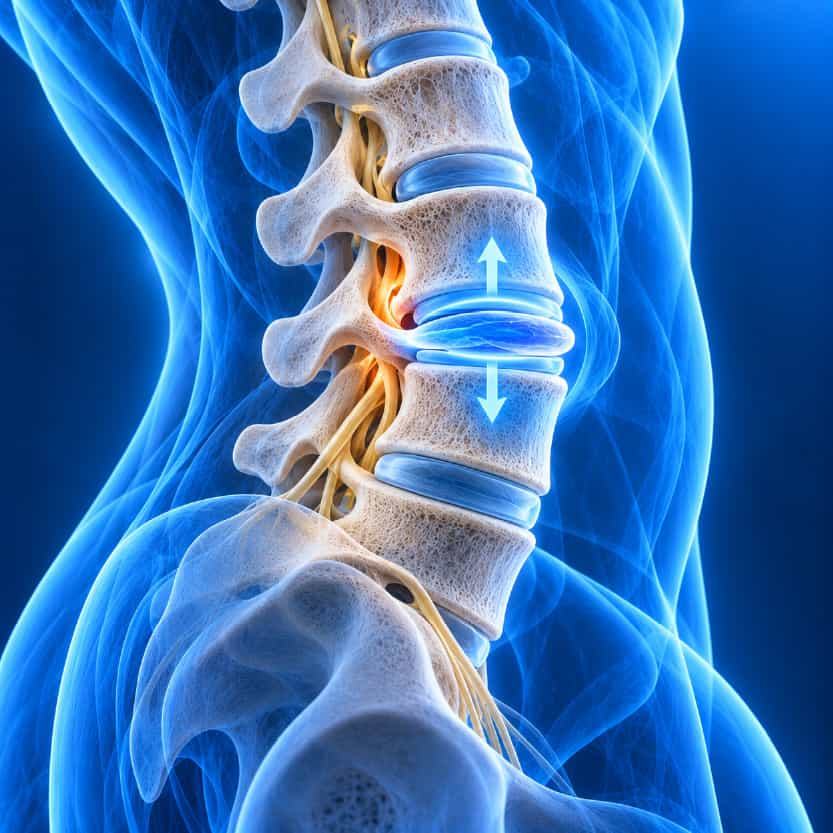
Spinal osteoarthritis, also known as spondylosis, causes the cartilage between the facet joints to break down. Over time, this can lead to the formation of bone spurs (osteophytes) that narrow the spinal canal or the openings where nerves exit. The surgical approach chosen by your medical team will focus on alleviating these specific anatomical problems.
Decompression surgeries, such as a laminectomy or foraminotomy, involve removing the bone spurs, thickened ligaments, or parts of the bone that are pressing on the spinal cord or nerve roots. This type of surgery aims to relieve pain, numbness, and weakness in the arms or legs, but it does not stop the progression of the arthritis itself.
If the arthritis has caused significant instability in the spine, or if a decompression procedure would render the spine unstable, a spinal fusion may be necessary. This involves joining two or more vertebrae together using bone grafts and hardware like screws and rods. While fusion eliminates movement at the painful joint, it requires a longer recovery period and alters the natural mechanics of your back.
What factors influence the total price of this procedure?
No two spinal procedures are exactly alike, which is why estimates can vary so significantly. A straightforward single-level decompression will be at the lower end of the cost spectrum, whereas a multi-level spinal fusion utilizing specialized hardware will be more expensive. The cost of materials, such as titanium screws, rods, or interbody cages, forms a substantial portion of the overall hospital bill.
Pre-operative diagnostics also play a role. Even if you bring medical records from home, surgeons often require fresh MRI or CT scans prior to operating to ensure they have the most current view of your spinal anatomy. Additionally, the length of time you need to spend in the intensive care unit (ICU) or a standard hospital room will affect the final total.
When requesting estimates from a clinic, it is vital to ask for an itemized breakdown. Understand whether the quote includes anesthesia fees, surgeon's fees, operating room charges, basic in-hospital physical therapy, and post-operative medications. Unforeseen complexities during surgery can also lead to additional costs.
How does the cost in Turkey compare to other countries?
For individuals without comprehensive health insurance, or those facing exceptionally long wait times in their home countries, the financial aspect of medical travel is often a primary consideration. Healthcare operational costs, including staffing and facility maintenance, are generally lower in Turkey compared to North America or Western Europe, which translates to lower out-of-pocket costs for patients.
However, comparing base medical fees provides only a partial picture. The true cost of undergoing surgery abroad must factor in international flights for you and a companion, hotel accommodations for the recovery period before you are cleared to fly, and travel insurance. You also need to budget for meals, ground transportation, and potential translation services.
It is important to evaluate the overall value rather than just looking for the lowest price. Researching the facility’s accreditation, the surgeon's experience with spinal arthritis, and the standard of care provided is crucial. A lower initial price tag should never come at the expense of patient safety or quality of medical care.
Important Consideration: Travel Logistics
When planning a medical trip for spine surgery, remember that you will have restricted mobility for several weeks. Ensure your accommodation has elevators or ground-floor access, and arrange for a support person to assist you with daily activities.
Am I a suitable candidate for spinal arthritis surgery?
Not everyone with spinal arthritis requires surgery. In fact, most people manage their symptoms through non-surgical methods. A surgeon will typically only consider an operation if you have completed a dedicated course of physical therapy, tried anti-inflammatory medications, or received spinal injections without achieving adequate relief.
Surgical intervention is more strongly considered when patients exhibit neurological symptoms. If bone spurs are compressing spinal nerves—causing severe radiating pain, numbness, tingling, or weakness in the arms or legs—surgery may be necessary to prevent permanent nerve damage. Symptoms that interfere with basic daily functions, such as walking or sleeping, are major factors in this decision.
Your overall health is also a critical component of your eligibility. Conditions such as severe osteoporosis, uncontrolled diabetes, cardiovascular disease, or obesity can increase the risks associated with surgery and anesthesia. A thorough medical evaluation, often involving consultations with cardiologists and internal medicine specialists, is required to determine if your body can tolerate the stress of a major spinal operation.
What are the potential risks and complications of spine surgery?
Understanding the risks is a fundamental part of the informed consent process. General surgical risks apply, including adverse reactions to anesthesia, deep vein thrombosis (DVT), and wound infections. Traveling shortly after surgery can further increase the risk of blood clots, which is why surgeons mandate a specific waiting period before you can fly home.
Specific to spinal surgery, there is a risk of dural tears (leakage of spinal fluid), nerve root damage which can lead to new or worsening weakness, and hardware failure if screws or rods shift before the bone has properly healed. In cases of spinal fusion, there is also the risk of non-union, meaning the vertebrae fail to fuse together solidly, which may necessitate a second surgery.
Another important consideration is "failed back surgery syndrome." Surgery can successfully address the anatomical issue (like removing a bone spur), but the patient may still experience lingering pain. Furthermore, a spinal fusion places additional stress on the vertebrae above and below the fused segment, potentially accelerating arthritis in those areas over time—a condition known as adjacent segment disease.
How long is the typical recovery after spinal arthritis surgery?
The immediate post-operative period involves managing pain and carefully beginning movement. Most patients are encouraged to sit up and take short walks with assistance within 24 hours of surgery. The first few weeks at home (or at your recovery accommodation) will require limiting activities; you will need to avoid bending, lifting, and twisting (the "BLT" restrictions).
If you undergo a decompression procedure without fusion, you may be able to return to desk work and light activities within four to six weeks. However, a spinal fusion requires the bone to grow and solidify. While you may feel better sooner, the actual biological fusion process takes anywhere from three to twelve months. During this time, you may need to wear a back brace to restrict movement.
Physical therapy is a cornerstone of spinal recovery. Once your surgeon clears you, a guided physical therapy program will help strengthen the core muscles supporting your spine and improve your flexibility safely. Committing to this rehabilitation is often just as important to the final outcome as the surgery itself.
What should I expect during my hospital stay in Turkey?
Immediately after the procedure, you will likely spend time in a recovery room before being moved to an inpatient ward. During this time, the medical staff will closely monitor your vital signs, neurological function (such as sensation and movement in your limbs), and pain levels. Intravenous (IV) pain medications are usually provided initially, transitioning to oral medications as you improve.
The focus during your hospital stay will be on preventing complications. Nurses and physical therapists will instruct you on how to log-roll out of bed to protect your spine. You may have surgical drains to remove excess fluid from the incision site, and a urinary catheter, both of which are usually removed within a day or two.
Before discharge, the medical team will ensure you can walk short distances, navigate a few stairs (if necessary for your accommodation), and manage your pain with oral medication. They will also provide detailed instructions on wound care, signs of infection to watch for, and activity restrictions for the coming weeks.
How do I prepare for spine surgery abroad?
- Medical Documentation: Gather all relevant health records, including recent MRI or CT scans, X-rays, and notes from your local doctors detailing your medical history and previous treatments.
- Medication Management: You will likely need to pause certain medications, especially blood thinners or anti-inflammatory drugs (NSAIDs), several days or weeks before surgery to reduce bleeding risks. Always do this under a doctor's supervision.
- Local Medical Support: Establish contact with a physician in your home country who is willing to take over your post-operative care once you return.
- Travel Companion: Arrange for a family member or friend to accompany you. You will need physical assistance and emotional support during the immediate recovery phase.
- Home Preparation: Before you leave, set up your home for your return. Move essential items to waist height, clear tripping hazards, and prepare a comfortable recovery space.
Will I need follow-up care after returning home?
Medical tourism does not end when you board the flight home. Spine surgery requires long-term monitoring. Depending on the closure method used, you may need a local nurse or doctor to remove stitches or staples one to two weeks after the operation. Your surgical wounds will also need to be checked to ensure they are healing without infection.
For procedures like spinal fusion, local orthopaedic follow-up is critical. You will require periodic X-rays over the first year to confirm that the bone graft is successfully fusing the vertebrae together. If you experience any new symptoms, severe pain, or a fever, you must have a local healthcare provider to consult immediately.
Finally, as mentioned earlier, physical therapy is a vital component of your recovery. You will need to arrange for outpatient physical therapy sessions in your local community. Having a seamless transition of care from your surgical team in Turkey to your local healthcare providers ensures the safest and most effective recovery process.
Why Choose PlacidWay for Medical Tourism?
PlacidWay is a comprehensive medical tourism platform designed to help patients research and compare healthcare options globally.
- Extensive Directory: Access information on medical facilities and providers across numerous countries.
- Educational Resources: Read detailed articles, guides, and overviews to better understand various medical procedures.
- Direct Connections: Use the platform to send inquiries directly to clinics to ask about their services and protocols.
- Cost Estimates: Gather preliminary pricing information to help you evaluate the financial aspects of care abroad.
- Informed Decision Making: Compare different international healthcare options in one centralized location before making a choice.
Frequently Asked Questions (FAQs)
Can spinal arthritis be cured completely with surgery?
No, surgery cannot cure arthritis. Spinal osteoarthritis is a progressive condition. Surgery aims to relieve symptoms, such as nerve compression and severe pain, and to stabilize the spine, but it does not reverse the underlying joint wear.
Is it safe to fly after spine surgery in Turkey?
Flying shortly after spine surgery increases the risk of blood clots (DVT) and can be uncomfortable. Surgeons typically recommend waiting 10 to 14 days before taking a short flight, and potentially longer for long-haul flights. You must get clearance from your operating surgeon before traveling.
Do clinics in Turkey use standard spinal implants?
Major medical facilities in Turkey generally utilize spinal implants and hardware that are CE-marked or FDA-approved. It is advisable to ask your prospective clinic about the specific brands and materials they use for fusions or disc replacements.
What is the main difference between spinal fusion and decompression?
Decompression (like a laminectomy) removes bone or tissue pressing on nerves to relieve pain. Spinal fusion permanently joins two or more vertebrae together to stop painful motion and stabilize the spine. They are often performed together.
Does the estimated cost usually include physical therapy?
Estimates often cover basic inpatient physical therapy to help you get out of bed and walk before discharge. However, long-term outpatient rehabilitation, which is crucial for recovery, is usually an additional cost and is typically done in your home country.
How soon after spinal surgery can I walk?
In many cases, physical therapists will help you stand and take a few steps the day after surgery. Early mobilization is encouraged to prevent blood clots and improve recovery, though the pace depends on the specific procedure and your overall health.
Are there age limits for undergoing spine arthritis surgery?
There is no strict upper age limit. Eligibility is based on biological age, overall health, bone density, and the presence of co-existing medical conditions rather than chronological age alone. A thorough medical evaluation is required.
Can I travel alone for spine surgery?
Traveling alone for major orthopaedic or neurosurgery is highly discouraged. You will need assistance with luggage, mobility, and personal care during the early stages of recovery and your flight home. Having a companion is strongly recommended.
What happens if I experience complications back home?
If you experience complications such as fever, severe pain, or signs of infection after returning home, you should immediately seek care from a local emergency room or spine specialist. This is why having a local doctor aware of your medical travel is important.
How long do spinal implants last?
Spinal hardware (screws, rods, cages) used in fusion is typically designed to stay in the body permanently. While the implants themselves rarely fail, the segments of the spine adjacent to the fusion can experience accelerated wear over time.
Compare Treatment Options
Gather more information about spine care abroad and connect with medical facilities.
Request Treatment InformationReferences
- Osteoarthritis of the Spine – American Academy of Orthopaedic Surgeons (AAOS)
- Lumbar Spinal Stenosis Treatment – North American Spine Society (NASS)
- Spinal Fusion Overview – Mayo Clinic
- Lumbar Decompression Surgery – National Health Service (NHS)
- Medical Tourism Travel Information – Centers for Disease Control and Prevention (CDC)
- Patient Safety Guidelines – World Health Organization (WHO)

























Share this listing