
What treatment


20+ Key FAQs on General Medicine in Thailand
Questions About General Medicine in Thailand? Start Here
Trusted Medical Tourism Platform Since 2007
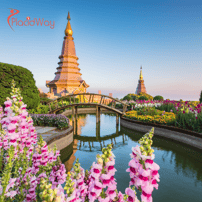
What is included in typical Thailand medical tourism packages
Typical Thailand medical tourism packages usually include the core medical procedure, specialist consultation fees, pre-operative testing, post-operative medication, hospital stays, airport transfers, and sometimes local accommodation. When planning to travel abroad for healthcare, one of the most common questions patients have is exactly what they are paying for. Medical tourism packages in Thailand are designed to bundle various clinical and logistical services into a single, understandable estimate. This approach helps international patients budget their trips more effectively and reduces the stress of organizing multiple components in a foreign country. However, no two packages are identical. The inclusions vary significantly depending on the type of procedure, the specific provider, and the patient's individual health requirements. Understanding standard inclusions—and notable exclusions—is an essential step in preparing for a safe and organized medical journey. Key Takeaways Packages bundle core surgical, nursing, and facility fees into one estimate. Pre-operative testing and basic post-operative medications are commonly included. Local logistics, such as airport transfers and hotel shuttles, are often provided. International flights and complication insurance are almost always excluded. Inclusions vary widely; always request a detailed, itemized breakdown before booking. What core medical services are covered in these packages? Core medical services typically cover the specialist’s fees, anesthesiologist charges, operating theater time, standard medical supplies, and inpatient nursing care during the approved hospital stay. The primary component of any package is the clinical care itself. When you receive a quote for a procedure, the bulk of that cost goes toward the medical infrastructure and the professionals performing the treatment. Instead of receiving a separate bill from the surgeon, the anesthesiologist, and the hospital facility—as is common in some Western healthcare systems—these fees are usually grouped together. Standard medical inclusions generally feature: Surgeon and specialist fees: The cost for the primary physician performing the procedure. Anesthesia and related monitoring: Fees for the anesthesiologist and the medications used during surgery. Operating room charges: The use of the surgical theater and standard medical equipment. Nursing care: Round-the-clock observation and care while admitted as an inpatient. Medical supplies: Standard materials like sutures, bandages, and basic surgical tools. Implantable devices (like breast implants or joint prosthetics) are often included but will be specified by brand or type. Are travel and accommodation part of a medical tourism package? While local hotel stays are frequently bundled into packages (especially for dental or cosmetic work), international flights are virtually never included and must be arranged by the patient. The concept of medical tourism in Thailand often blurs the line between healthcare and hospitality, but it is important to separate international travel from local lodging. Because patients travel from all over the world, facilities cannot standardise the cost of airfare. Therefore, booking flights remains the patient's responsibility. Accommodation, however, is a different story. If your treatment requires you to stay in the country for two weeks but only necessitates a two-night hospital stay, you will need a place to recover nearby. Many providers partner with local hotels to offer "recovery packages." These might include a set number of nights in a nearby hotel, often at a negotiated rate, complete with accessible rooms or specialized menus designed for recovering patients. Always check exactly how many nights are covered, as staying longer due to a slower recovery will incur extra out-of-pocket costs. Important Consideration for Accommodation If your package includes a hotel stay, clarify if the rate covers double occupancy. Many patients bring a companion for support, and while the room itself may accommodate two people, things like daily breakfast or extra hotel taxes for the second person might not be covered. Do typical packages cover pre-treatment testing and consultations? Standard pre-operative diagnostics, such as routine blood tests, basic X-rays, and the initial in-person consultation with the surgeon, are normally included in the quoted package. Before any major procedure, a healthcare provider must verify that you are physically fit for surgery. This involves a series of standard pre-operative tests performed shortly after you arrive in the country. A typical package usually accounts for standard complete blood counts (CBC), an electrocardiogram (ECG) for patients over a certain age, and basic imaging like chest X-rays. However, there are caveats. If your initial tests reveal an underlying health issue—such as high blood pressure, irregular heart rhythms, or elevated blood sugar—the medical team may require clearance from a specialist (like a cardiologist or endocrinologist) or order advanced imaging (like an MRI or CT scan). These additional, non-standard diagnostics are rarely included in the base package and will be billed separately. Patients with pre-existing conditions should budget for potential extra testing. What type of aftercare and follow-up is usually included? Local aftercare, including routine post-operative check-ups, wound dressing changes, stitch removal, and standard take-home medications for the initial recovery phase, is typically provided. Aftercare is a critical component of patient safety. While you remain in Thailand, the package generally covers all scheduled appointments required to monitor your healing progress. This means returning to the clinic a few days after discharge so the surgeon can check incisions, manage drains, or evaluate early results. It is vital to understand that once you receive medical clearance to fly and you return to your home country, the package coverage ends. Any ongoing physical therapy, long-term medication, or check-ups required back home must be arranged with your local healthcare providers at your own expense. Establishing a plan for local follow-up care before you travel is highly recommended by international health guidelines. Are airport transfers and local transportation provided? To reduce travel stress, most comprehensive packages include round-trip airport transfers and shuttle services between your hotel and the medical facility for scheduled appointments. Navigating a busy international airport and finding reliable transportation in an unfamiliar city can be overwhelming, especially when traveling for medical reasons. To facilitate a smoother experience, many providers include VIP or standard airport pickup and drop-off. A representative or driver typically meets the patient at the arrivals gate holding a sign. Additionally, transportation between your recovery hotel and the clinic for follow-up appointments is often arranged by the provider. This ensures patients are not trying to navigate public transit or hail taxis while dealing with post-operative discomfort. Keep in mind that this transportation is strictly for medical appointments; trips for shopping, dining, or personal errands are usually the patient's responsibility. Do medical packages in Thailand include language assistance? Yes, access to in-house interpreters and English-speaking medical staff is a standard inclusion at facilities that cater to international patients. Clear communication between a patient and their medical team is essential for informed consent and safety. Major facilities hosting international patients employ dedicated international departments. These departments typically offer translation services in various languages, including English, Arabic, Mandarin, Japanese, and several European languages. While most leading doctors and specialists speak fluent English, nursing staff or administrative personnel may have varying levels of proficiency. The inclusion of an interpreter ensures that medical instructions, consent forms, and post-operative care guidelines are thoroughly understood. This service is generally integrated into the overall facility fee and does not incur an extra hourly charge for standard consultations. What is typically excluded from a standard treatment package? Common exclusions include flights, travel visas, extra nights of accommodation, treatment for unforeseen medical complications, personal expenses, and specialized complication insurance. Understanding what is not covered is just as important as knowing what is. Standard packages are based on a routine, uncomplicated clinical pathway. Patients must be financially prepared for elements that fall outside this scope. Key exclusions often include: Complication management: If an unforeseen event requires a transfer to an Intensive Care Unit (ICU), emergency surgery, or a prolonged hospital stay, these costs are typically billed at standard hospital rates. Non-standard medications: Routine painkillers and antibiotics are usually covered, but specialized medications for pre-existing conditions are not. Companion expenses: While a companion might stay in your room, their meals, flights, and separate transportation are rarely covered. Visa fees: Any costs associated with securing a medical or tourist visa to enter the country. How does the medical tourism package cost in Thailand compare? The bundled nature of these packages generally offers a more predictable estimate than piecemeal billing, often resulting in lower overall expenses compared to out-of-pocket costs in North America or Europe. When reviewing the medical tourism package cost in Thailand, the financial appeal often lies in the predictability. In many Western countries, patients might receive separate bills from the facility, the surgeon, anesthesiology, and diagnostics, making it difficult to estimate the final total. Bundled packages provide a clearer upfront picture. However, it is crucial to remember that these packages are estimates based on standard cases. Prices can fluctuate based on the choice of surgical materials (e.g., the specific brand of a joint implant or type of dental crown), the seniority of the chosen surgeon, and the luxury level of the facility or recovery hotel. Patients should request a finalized, itemized quote after their medical records have been reviewed by the provider. Package Component Typically Included Typically Excluded Medical & Clinical Surgeon fees, OR time, standard tests Treatment for major complications, extra specialist consults Logistics & Travel Airport transfers, local clinic shuttles International airfare, visa fees Accommodation Inpatient hospital days (as required) Extended stays due to slow recovery Can I customize a package at a medical clinic in Thailand? Yes, packages are often starting points that can be customized to add extra hotel nights, specific medical materials, or additional companion services based on individual preferences. While standard packages provide a baseline, a reputable medical clinic in Thailand will allow you to tailor the itinerary to your specific needs. Customization might be necessary if your medical history requires an extra day of inpatient observation, or if you prefer to upgrade your recovery stay from a standard hotel to a serviced apartment with a kitchenette. When customizing, communicate clearly with the international coordinator. Ask for an updated, written estimate that reflects your specific requests. Being transparent about your expectations and medical history during the initial planning phase allows the clinic to build a package that accurately reflects your anticipated journey, minimizing the chance of surprise fees upon arrival. Why Choose PlacidWay for Medical Tourism in Thailand? Navigating the options for international healthcare can be complex. PlacidWay serves as an educational resource and discovery platform for patients exploring medical travel. International Directory: PlacidWay provides a comprehensive directory of healthcare facilities and clinics located in various global destinations. Direct Information Requests: The platform allows users to request pricing estimates and package details directly from international providers. Provider Comparison: Patients can view profiles, read facility details, and compare different international clinics side-by-side. Global Reach: PlacidWay connects patients with medical centers across multiple continents, offering a wide variety of destinations. Educational Resources: The site offers articles, guides, and information to help patients understand the logistics of traveling for medical care. Frequently Asked Questions Are flights included in typical medical packages? International flights are almost never included in standard medical tourism packages. Patients are typically responsible for booking and paying for their own airfare to and from Thailand, though clinics may assist with scheduling advice. Do packages cover prescription medication costs? Standard medication required during your hospital stay and basic recovery prescriptions (like standard painkillers or antibiotics) to take back to your hotel are usually included. However, specialized, long-term, or non-standard medications may incur extra fees. What happens if I need to stay longer for recovery? If a slower recovery requires an extended hospital or hotel stay beyond what the package outlines, the patient is typically responsible for the additional daily room rates and associated nursing or facility fees. Can I bring a companion on a medical tourism package? Yes, many packages accommodate a companion. Hospital rooms in private facilities often include a guest bed or sofa bed, and hotel accommodations can usually be booked for double occupancy, though additional meal or transport fees may apply. Are meals included during the hospital stay? While admitted as an inpatient, your standard daily meals are generally included in the package price. Once discharged to a hotel, meals are typically your own responsibility, except for standard hotel breakfasts if included in the room rate. Do packages include tourist activities or sightseeing? Most clinical packages focus strictly on medical care and logistics. While some agencies offer separate vacation add-ons, sightseeing is generally not recommended immediately following major medical procedures due to recovery requirements. Is travel insurance part of the package? Travel insurance and specific medical complication insurance are rarely included in base packages. Patients are highly encouraged to purchase independent specialized insurance that covers medical evacuation and treatment-related complications. What happens if there is a medical complication? Standard packages cover a routine, uncomplicated procedure. If unforeseen medical complications arise requiring extended intensive care, additional surgeries, or extra specialists, these are usually billed separately and can significantly increase costs. How do I pay for a medical tourism package? Facilities usually require an initial deposit to secure surgery dates, with the remaining balance paid upon arrival before the procedure. Accepted methods typically include major credit cards, wire transfers, or cash, depending on the provider. Can I get follow-up care in my home country? Your package covers follow-up care while you are in Thailand. Once you return home, you must arrange and pay for any subsequent check-ups, staple removals, or ongoing care with a local healthcare provider. Explore Your Treatment Options Compare international healthcare facilities, review estimated packages, and gather the information you need to make an informed decision about your medical journey. Request Treatment Information References Traveler's Health: Thailand – Centers for Disease Control and Prevention (CDC) Medical Tourism Guidelines – Centers for Disease Control and Prevention (CDC) Hospital Accreditation Standards – Joint Commission International (JCI) Patient Safety Guidelines – World Health Organization (WHO) Going Abroad for Treatment – National Health Service (NHS UK) Patient Safety in Aesthetic Travel – International Society of Aesthetic Plastic Surgery (ISAPS) Medical Disclaimer: The information provided in this article is for educational and informational purposes only and does not constitute medical or financial advice. Medical tourism packages, inclusions, prices, and protocols vary widely by facility, location, and individual health needs. Traveling abroad for medical care carries inherent risks, and complications may occur. This content should not replace a formal consultation with a qualified healthcare professional. Always seek the advice of your physician regarding your suitability for travel and medical procedures, and thoroughly review all contract terms directly with your chosen healthcare provider before making any commitments....
Read more details

Table of Contents
Unlock the Best General Medicine Packages Just for You
Discover the ultimate General Medicine packages designed to meet your health and wellness goals. Choose the perfect fit for your journey.

Price starting from $400
Colonoscopy Package in Istanbul Turkey
PlacidWay Turkey Medical Tourism
- General Medicine
Istanbul, Turkey
Price starting from $18,000
Gastric Cancer Treatment Package in South Korea 2025
Seoul St. Marys Hospital - The Catholic University of Korea
- General Medicine
Seoul, South Korea
Price starting from $71
Online Remote Consultation of Beijing Puhua International Hospital in China
Beijing Tiantan Puhua International Hospital, Ltd in China
- General Medicine
Beijing, China
General Medicine Solutions Near You: Explore Top Medical Centers
Discover how General Medicine is transforming lives at leading medical centers in , Thailand. Dive into center profile, specialties, doctors, reviews, etc. and explore the best options tailored to your needs in this region.
Liv Bona Dea Hospital in Baku, Azerbaijan
Baku, Azerbaijan
AUM Hospital - Multispecialty Center in Vadodara, India
Vadodara, India

GIOSTAR Hospital Bengaluru
Bengaluru, India

AUM Integrated Centre - Wellness Treatment Center in India
Gujarat, India
Explore General Medicine: Stories, Testimonials, and Procedures
Watch in-depth videos covering everything from General Medicine success stories to detailed procedure explanations. Learn what to expect and hear from real patients.

Get Funded for Your Healthcare with PlacidCare Crowdfunding, Powered by CoCoPay
General Medicine
PlacidWay Medical Tourism
Thailand
Where: Locating the Place of Medical Treatment Abroad - Video
General Medicine
PlacidWay Medical Tourism
Thailand
10 Compelling Reasons (WHY) to Travel for Medical Treatment
General Medicine
PlacidWay Medical Tourism
Thailand
Timing Medical Tourism: 10 Essential When Questions
General Medicine
PlacidWay Medical Tourism
Thailand
Learn More with These General Medicine Articles
Take a look at these interesting articles, stories and research that will help you learn more about General Medicine.

Interview with Pramod Goel on Evolution of Medical Tourism Book
PlacidWay Medical Tourism
- General Medicine
United States

How to Educate Yourself before Going for a Surgery Abroad
PlacidWay Medical Tourism
- Addiction Treatment
Mexico

Third Upcoming International Summit on Medical Tourism in Puerto Vallarta
PlacidWay Medical Tourism
- Alternative Medicine
Mexico

What is the Difference between Hernia and Hemorrhoids?
PlacidWay Mexico Medical Tourism
- General Medicine
India








