
What treatment


20+ Key FAQs on Gynecology Treatment in Turkey
Questions About Gynecology Treatment in Turkey? Start Here
Trusted Medical Tourism Platform Since 2007

Can Kuwaiti Women Get Uterine Fibroid Surgery in Turkey at a Lower Cost Than in Kuwait?
Yes, Kuwaiti women can get uterine fibroid surgery in Turkey at a lower cost than in Kuwait, typically saving 50% to 70%. While a myomectomy in Kuwait might cost $8,000 to $15,000, the exact same procedure in Turkey averages $3,500 to $6,000, utilizing world-class, internationally accredited hospitals and highly specialized gynecological surgeons. Living with uterine fibroids can feel like your body has turned against you. The unpredictable heavy bleeding, the exhausting pelvic pressure, the bloating that makes your clothes feel incredibly uncomfortable as it affects every single part of your daily life. If you are a woman in Kuwait dealing with these overwhelming symptoms, you know the frustration. You might be facing long wait times for specialized care in the public sector, or staring down exorbitant price tags in private hospitals that your insurance may not fully cover. You just want your life, your energy, and your comfort back. You have likely been researching your options, leading you to ask: Can Kuwaiti women get uterine fibroid surgery in Turkey at a lower cost than in Kuwait? The answer is a resounding yes. I understand that the idea of traveling abroad for a major medical procedure can feel incredibly intimidating. You might be worrying about the safety of the hospitals, the standard of care, or whether the savings are truly worth taking a flight. In this comprehensive guide, I promise to give you honest, straightforward facts. We will compare fibroid removal cost Turkey vs Kuwait, examine quality metrics, and walk through exactly what you can expect so you can confidently make the right decision for your health and your wallet. Quick Facts: Uterine Fibroid Surgery in Kuwait vs. Turkey Average Cost in Kuwait (Private) $8,000 - $15,000 Average Cost in Turkey $3,500 - $6,000 Success Rate 95% - 98% (Identical in both countries) Average Recovery Time 1-3 nights in hospital; 2-6 weeks full healing Complication Rate 1% - 3% (Extremely rare) What Exactly Is Uterine Fibroid Surgery and How Does It Work? Uterine fibroid surgery is a medical procedure to remove non-cancerous tumors from your uterus. A myomectomy removes only the fibroids and preserves your fertility. A hysterectomy removes the entire uterus, ensuring fibroids can never return. Uterine fibroids (leiomyomas) are muscular tumors that grow in the wall of the uterus. While they are almost always benign (not cancerous), they can cause sheer misery. When medications are no longer enough, surgery becomes the best path to reclaim your quality of life. Here is step-by-step how an affordable myomectomy in Turkey typically unfolds: Anesthesia administration: You are placed under general anesthesia so you will be completely asleep and pain-free during the procedure. Surgical access: Depending on the size and location of your fibroids, the surgeon will make incisions. This could be laparoscopic (several tiny keyhole incisions using a camera), robotic (highly precise robotic arms controlled by the surgeon), or open (a larger bikini-line incision for very large fibroids). Fibroid extraction: The surgeon meticulously isolates the fibroids from the healthy uterine muscle tissue and extracts them from your body. Uterine reconstruction: The uterine muscle is carefully sutured back together. This step is critical for women who wish to preserve their fertility for future pregnancies. Recovery: You are moved to a post-operative recovery room where medical staff monitor your vital signs as you gently wake up. Choosing surgery over alternative management—like taking high doses of hormones or relying on heavy pain medication—offers a definitive solution. Medications only mask the symptoms or temporarily shrink the fibroids. Surgery physically removes the root cause of your pain and bleeding. Why Choose Turkey for Uterine Fibroid Surgery? Turkey combines elite medical technology and internationally trained surgeons with comprehensive VIP care packages, all at prices 50-70% lower than private healthcare facilities in Kuwait. If you are looking for high-quality fibroid surgery Turkey offers distinct advantages that are hard to ignore. Here is why thousands of women make this journey every year: Massive Cost Savings: You pay a fraction of the price without compromising on safety or the quality of medical devices used. Advanced Technology: Turkish hospitals are heavily invested in state-of-the-art equipment, including the Da Vinci Robotic Surgical System, which allows for incredibly precise, minimally invasive fibroid removal. Zero Wait Times: In Kuwait's public system, you might wait months for a non-emergency surgery. In Turkey, your surgery is scheduled around your convenience, often within weeks. VIP Medical Tourism Infrastructure: You aren't just booking a surgery; you are booking a fully managed experience. Clinics provide airport transfers, luxury hotel accommodations, and dedicated Arabic- or English-speaking patient coordinators. Privacy and Discretion: Traveling abroad allows you to undergo surgery and recover in complete privacy, away from the social obligations of your community at home. Unmatched Expertise: Turkish gynecological surgeons perform hundreds of these specific procedures annually. Their high volume of complex cases means they have seen and successfully treated fibroids of all sizes and placements. How Much Does Uterine Fibroid Surgery Cost in Turkey Compared to Kuwait? You can expect to save between 50% and 70% overall. A laparoscopic myomectomy that costs up to $15,000 in a Kuwaiti private hospital will cost around $4,500 in Turkey. Let us look closely at the numbers. When you are paying out of pocket, clarity is essential. Here is a breakdown of what different uterine fibroid treatments cost on average. Procedure Type Price in Kuwait Price in Turkey Estimated Savings Open Myomectomy (Abdominal) $8,000 - $12,000 $3,500 - $4,500 55% - 65% Laparoscopic Myomectomy $10,000 - $15,000 $4,000 - $5,500 60% - 65% Robotic Myomectomy $15,000 - $20,000+ $6,000 - $8,000 60% - 70% Laparoscopic Hysterectomy $12,000 - $16,000 $4,500 - $6,000 60% - 65% Uterine Artery Embolization (UAE) $7,000 - $10,000 $3,000 - $4,500 55% - 60% Why is the price difference so massive? It is completely normal to wonder if a lower price means lower quality. It doesn't. The cost difference is heavily driven by basic economics. The cost of living, labor wages, facility overhead, and favorable exchange rates in Turkey drastically reduce the overall price of healthcare. The surgical tools, sutures, and anesthesia medications are exact matches for what is used in Kuwait or the US—you are simply not paying the massive markup on the hospital room and the surgeon's time. Is it Safe for Kuwaiti Women to Get Fibroid Surgery in Turkey? Yes. Top medical tourism hospitals in Turkey hold the exact same Joint Commission International (JCI) accreditations as the finest private hospitals in Kuwait. The safety protocols are rigorous and internationally recognized. It is entirely normal to feel anxious about having a surgical procedure away from your home country. Your safety should always be the absolute priority. Fortunately, when you choose the right facility, the standard of care in Turkey rivals the best healthcare systems globally. Quality Metric Kuwaiti Private Care Turkish Medical Tourism Notes Hospital Accreditation JCI / Local Standards JCI / ISO / TEMOS Turkey has over 30 JCI hospitals Surgeon Qualifications Board Certified Board Certified (Often EU/US trained) High volume of international patients Surgical Technology Laparoscopic / Robotic Laparoscopic / Robotic Identical modern equipment Infection Rate < 2% < 2% Strict sterilization protocols Here is what you need to know about safety: Global Standards: Look for hospitals with JCI accreditation. This is the gold standard of global health care, evaluating everything from patient safety to the sterility of surgical instruments. Language Support: Medical miscommunication is dangerous. Top Turkish hospitals provide dedicated patient coordinators who speak fluent Arabic and English, ensuring you fully understand your doctors. Pre-Operative Care: Before you ever enter the operating room, you will undergo rigorous blood tests, EKGs, and ultrasounds/MRIs to ensure you are healthy enough for anesthesia. Specialized Expertise: Surgeons catering to medical tourists are often the top specialists in their field, frequently publishing research and staying current with global best practices in fertility preservation. The key to a safe experience is doing your homework. Never choose a clinic solely based on the cheapest price tag. By choosing an internationally accredited provider, you ensure you are in incredibly safe, capable hands. What is the Timeline for Uterine Fibroid Treatment in Turkey? Plan for a total stay of 7 to 10 days in Turkey. This allows ample time for comprehensive pre-op tests, the surgical procedure, a 1-3 day hospital recovery, and final clearance before you fly home to Kuwait. Understanding the timeline helps alleviate anxiety. Here is exactly how your journey will unfold: Remote Consultation (At home in Kuwait): You will share your medical history, pelvic ultrasounds, and MRI results with the Turkish medical team to determine your surgical plan and receive a firm price quote. Arrival & Pre-Op Testing (Days 1-2): You arrive in Turkey, check into your hotel, and visit the hospital for comprehensive blood work, imaging, and an in-person consultation with your surgeon and anesthesiologist. Surgery & Hospital Stay (Days 3-5): The surgery takes place. You will spend 1 to 3 nights recovering in a private, comfortable hospital room with 24/7 nursing care. Hotel Recovery (Days 6-8): You are discharged to recover comfortably in your hotel. Your patient coordinator will check on you, and you will focus on resting and taking short, gentle walks. Final Check-Up & Flight Home (Days 9-10): Your surgeon removes any necessary stitches, performs a final ultrasound, hands over your complete medical file in English, and clears you to fly safely back to Kuwait. Important considerations for your trip: Travel Time: The flight from Kuwait to Istanbul is roughly 3.5 to 4 hours, which is highly manageable even during early recovery. Companion: It is highly recommended to bring a family member or friend to assist you in the days immediately following surgery. Follow-Up Care: Have a local gynecologist in Kuwait lined up for your 6-week post-op check. Medication & Bone Loss: If you have experienced temporary bone density loss from taking GnRH agonists like Lupron to shrink your fibroids before surgery, your surgeon will evaluate this during pre-op testing to ensure your body is ready for surgical recovery. Who is the Ideal Candidate for Affordable Myomectomy in Turkey? Ideal candidates are women experiencing life-disrupting symptoms from confirmed fibroids who are healthy enough for travel and general anesthesia. Not every woman needs surgery for fibroids, and not everyone is a candidate for medical tourism. You need to be honest about your health status before booking a flight. You are likely a great candidate if you have: Confirmed uterine fibroids causing severe pain, heavy bleeding, or pressure. Tried conservative medical management (like hormones) without success. Fibroids that are interfering with your fertility or causing recurrent miscarriages. Good overall cardiovascular and respiratory health. A clear understanding of the recovery process and a realistic timeline. The ability to take 2 to 4 weeks off work to properly heal. You may need to reconsider traveling abroad if you have: Severe, Unstabilized Anemia: If your fibroids have caused critical blood loss, your hemoglobin levels must be stabilized before you can safely fly or undergo anesthesia. Suspected Malignancy: If there is any suspicion of uterine cancer, you should seek immediate, continuous care at home in Kuwait. Complex Comorbidities: Uncontrolled diabetes, severe heart disease, or blood clotting disorders make surgery and flying high-risk. Inability to Fly: Deep Vein Thrombosis (DVT) risks increase with surgery and flying. Your doctor must clear you for air travel. No Support System: Recovering alone in a hotel in a foreign country is physically and emotionally taxing. Urgent/Emergency Symptoms: Sudden, agonizing pain requires immediate emergency room care locally, not a scheduled flight abroad. If you check the boxes as a good candidate, your very next step should be gathering your recent pelvic ultrasound or MRI reports so a specialist can evaluate them. Frequently Asked Questions It is normal to have a multitude of questions before committing to medical travel. We have compiled the most common concerns Kuwaiti women have regarding cost, safety, follow-up care, and the overall experience of traveling to Turkey for fibroid removal. How much does uterine fibroid surgery cost in Turkey compared to Kuwait? Uterine fibroid surgery in Turkey costs between $3,500 and $6,000 depending on the technique used. In Kuwait, private hospitals typically charge between $8,000 and $15,000. This represents a massive savings of 50% to 70%, even when factoring in flights and accommodation. Are hospitals in Turkey as safe as private hospitals in Kuwait? Yes, Turkey is home to dozens of JCI-accredited hospitals that maintain the exact same strict international safety, sterilization, and quality standards as top-tier private hospitals in Kuwait and the United States. What is the recovery time for a myomectomy? Your hospital stay is usually 1 to 3 days. Laparoscopic recovery takes roughly 2 to 4 weeks before you feel normal again, while an open abdominal myomectomy requires 4 to 6 weeks before you can return to strenuous activities or exercise. What happens if I experience complications after returning to Kuwait? Before you leave Turkey, you will receive a comprehensive medical file in English detailing your procedure. In the rare event of a complication (which occurs in only 1-3% of cases), your local gynecologist in Kuwait or a public hospital can easily follow up using these detailed surgical records. Can I get fibroid surgery if I have bone loss from taking Lupron? Yes. Many women take GnRH agonists like Lupron to shrink fibroids prior to surgery, which can cause temporary bone mineral density loss. Surgeons in Turkey are highly experienced with this medical history and will evaluate your bone density and overall health during your pre-operative assessment to ensure safe surgery. Which Turkish cities are best for medical tourism fibroid surgery? Istanbul, Ankara, and Antalya are the premier destinations. Istanbul offers the highest concentration of JCI-accredited hospitals, comprehensive VIP medical tourism infrastructure, and highly experienced gynecological surgeons. Will my gynecologist in Kuwait do follow-up care? Yes, most private and public gynecologists in Kuwait will perform routine post-operative ultrasounds and check-ups. It is highly recommended to inform your local doctor of your plans before traveling so they are prepared to seamlessly resume your care upon your return. How do I know if a Turkish hospital or clinic is verified and reputable? Look for facilities with Joint Commission International (JCI) accreditation, ISO certifications, and surgeons who are board-certified. Verifiable patient reviews and international memberships, such as with the European Society of Gynaecological Oncology (ESGO), are also strong indicators of quality. Is it safe for a Kuwaiti woman to travel to Turkey for surgery alone? Yes, Turkey is a very safe and welcoming destination for Kuwaiti medical tourists. Comprehensive medical packages include direct airport transfers, a dedicated female patient coordinator, and translators, ensuring you are never truly navigating the process alone. However, bringing a companion is still optimal for emotional support. How many trips to Turkey will I need for fibroid removal? You only need one trip. The entire process—from the initial in-person consultation and rigorous pre-op testing to the surgery and post-op flight clearance—takes approximately 7 to 10 continuous days in the country. Can I finance uterine fibroid surgery in Turkey? While international financing can be complex, the fact that costs are 50-70% lower means many Kuwaiti patients can pay out of pocket using savings or credit cards. This avoids the need for the massive medical loans often required for private care at home. Will my uterus be preserved for future pregnancy? If you desire future pregnancies, surgeons will perform a myomectomy rather than a hysterectomy. Turkish specialists are renowned for utilizing advanced robotic and laparoscopic techniques that prioritize fertility preservation and carefully rebuild the uterine wall. Ready to Reclaim Your Health and Comfort? You have done the research. You know the numbers. You understand that safe, affordable care is within reach. The only thing left is taking the first step toward a life free from fibroid pain. Request a free, confidential consultation today and get a personalized treatment plan with exact pricing. Get My Free Quote No obligation. No pressure. Just honest answers from medical experts. References American College of Obstetricians and Gynecologists. "Uterine Fibroids FAQs." Joint Commission International. "JCI Accredited Organizations in Turkey." National Institutes of Health. "Surgical Management of Uterine Fibroids." PlacidWay Medical Tourism. "Uterine Fibroid Surgery Cost and Options in Turkey" Medical Disclaimer Important: This article is for informational purposes only and is not medical advice. Consult a licensed gynecologist or surgeon before undergoing any surgical procedure. Individual results, recovery times, and eligibility vary. Seek immediate medical attention if you experience severe pelvic pain, uncontrolled heavy bleeding, high fever, or shortness of breath....
Read more details


Is Laparoscopic Hysterectomy in Turkey Safe and Affordable for Women From the UK?
Yes. For women from the UK, a laparoscopic hysterectomy in Turkey is both highly safe and significantly more affordable. The procedure costs roughly £3,500 to £5,500 in internationally accredited Turkish hospitals, compared to £10,000 to £15,000 in UK private clinics. Turkish facilities boast success rates of over 98%, utilizing the exact same state-of-the-art keyhole technology found in elite British healthcare facilities. If you are suffering from severe endometriosis, massive fibroids, or debilitating pelvic pain, you already know the heavy toll it takes on your daily life. The cancelled plans, the constant exhaustion, and the emotional drain of living your life around your symptoms. You have likely made the difficult decision that a hysterectomy is the right path forward to reclaim your health. But right now, you are facing a terrifying reality: the NHS waiting lists for non-urgent gynecological surgeries are currently stretching anywhere from 12 to 18 months in many parts of the UK. Waiting that long while in constant pain feels impossible. So, you look into going private in the UK, only to be quoted upwards of £12,000. For most women, that number is a complete roadblock. It is exactly at this point of frustration that many women ask: Is laparoscopic hysterectomy in Turkey safe and affordable for women from the UK? You might feel hesitant about traveling abroad for such a major, intimate surgery. You wonder if the care will be hygienic, if the doctors are truly qualified, and what happens when you fly home. This guide was written specifically for you. We are going to walk through the exact costs, safety standards, and honest realities of getting your uterus removal surgery abroad, treating you with the empathy and transparency you deserve. Quick Facts: Laparoscopic Hysterectomy UK vs Turkey Average Private Cost (UK) £10,000 - £15,000 Average Private Cost (Turkey) £3,500 - £5,500 Typical NHS Waiting Time 12 to 18+ months Waiting Time in Turkey 2 to 4 weeks Severe Complication Rate Under 2% (Comparable in both countries) What Is a Laparoscopic Hysterectomy? A laparoscopic hysterectomy is a minimally invasive surgery to remove the uterus using a tiny camera and specialized instruments inserted through 3-4 small incisions in the abdomen, rather than one large cut. This leads to significantly less pain and a faster recovery. Unlike a traditional "open" abdominal hysterectomy which involves a large horizontal or vertical incision across your stomach a laparoscopic hysterectomy is commonly known as "keyhole surgery." It is highly advanced, minimally invasive, and much gentler on your body. Here is step-by-step how the procedure works: Anesthesia: You are placed under general anesthesia, meaning you are completely asleep and feel no pain. Small Incisions: The surgeon makes 3 to 4 tiny incisions (about half an inch each) in your abdomen, usually including one in the belly button. The Laparoscope: A laparoscope (a thin, lighted tube with a high-definition camera) is inserted. This projects a magnified 3D view of your pelvic organs onto a monitor. Organ Removal: Using specialized micro-instruments, the surgeon carefully detaches the uterus from its ligaments and blood vessels. Depending on your condition, the cervix, fallopian tubes, and ovaries may also be removed. Extraction and Closure: The uterus is safely removed, often through the vagina (laparoscopically assisted vaginal hysterectomy) or in small pieces. The tiny abdominal incisions are then closed with dissolvable stitches or surgical glue. Because the abdominal muscles are not sliced open, the trauma to your body is vastly reduced. This is the gold standard for gynecological surgery today. Why Choose Turkey for Gynecological Surgery? Women choose Turkey because it offers immediate access to world-class, JCI-accredited hospitals and highly experienced surgeons for 50-65% less than UK private healthcare, allowing them to bypass year-long NHS waiting lists. You might be asking yourself if flying thousands of miles for surgery is truly worth it. When you look at the benefits compared to your options at home, the decision often becomes clear. Zero waiting times: On the NHS, you could wait over a year just for the surgical date while your condition worsens. In Turkey, you can schedule your surgery within a matter of weeks, exactly when it suits you. Financial accessibility: The cost of laparoscopic hysterectomy UK vs Turkey heavily favors medical tourism. You save thousands of pounds while still receiving VIP, private healthcare. Minimally invasive focus: Top Turkish hospitals heavily invest in advanced laparoscopy and Da Vinci robotic surgery systems, meaning less scarring and less pain compared to older methods. Comprehensive care packages: You aren't just paying for the surgery. Your package usually includes VIP airport transfers, a personal English-speaking coordinator, all pre-op testing, and premium hotel accommodation for your recovery. Recovery environment: Instead of recovering in a crowded, noisy ward in the UK, you recover in a private, luxurious hospital room, followed by rest in a beautiful 4- or 5-star hotel in a warm climate. Cost of Laparoscopic Hysterectomy UK vs Turkey You can expect to save between 50% and 65% by traveling to Turkey. Even when you factor in the cost of flights for you and a companion, the total expense is dramatically lower than private UK healthcare. Let's look at the financial reality. When you get a quote from a UK private hospital, that number often does not include the initial consultation fees, blood tests, or anesthesiologist fees. Medical packages in Turkey are usually "all-inclusive," preventing nasty surprise bills. Procedure / Service Private UK Price Turkey Price Savings % Total Laparoscopic Hysterectomy £10,000 - £12,500 £3,500 - £4,500 60% - 65% Hysterectomy with Oophorectomy (Ovaries) £11,500 - £14,000 £4,000 - £5,200 60% - 65% Pre-op Scans & Blood Tests £500 - £800 Included in package 100% Hospital Stay (2-3 nights) £1,000 - £2,000 Included in package 100% Why is there such a massive price gap? It is completely normal to worry that "cheaper means lower quality," but in medical tourism, that is a myth. The surgical tools, laparoscopic cameras, and medications used in Turkey are the exact same international brands used in the NHS. The price difference is solely due to Turkey's lower cost of living, lower labor costs, and government subsidies aimed at promoting the country as a global medical hub. Is it safe to travel to Turkey for a hysterectomy? Yes. If you choose an accredited hospital, the safety standards, hygiene protocols, and surgical success rates are on par with, or even exceed, standard UK care. Your health is the absolute top priority. It is the most important question you will ask. Surrendering control in a foreign country is daunting. You want absolute assurance that you are not taking a reckless risk with your body. Quality Metric UK Hospitals Accredited Turkish Hospitals Notes Surgical Standards CQC Regulated JCI / ISO Accredited JCI is the highest global gold standard Infection Rates 1% - 3% 1% - 3% Statistically identical infection risks Surgeon Training RCOG certified Turkish Medical Board, often US/EU trained Many Turkish surgeons study internationally Technology Laparoscopic / Robotic Laparoscopic / Robotic Same equipment brands used Here is what guarantees your safety when you travel: JCI Accreditation: The Joint Commission International is the toughest hospital auditing body in the world. Hospitals in Turkey that hold this are regularly subjected to rigorous inspections covering everything from sterilization to anesthesia safety. High Volume of Surgeries: Top surgeons in Turkish medical tourism hubs perform laparoscopic procedures daily. High-volume surgeons consistently have better outcomes and lower complication rates than those who perform the surgery infrequently. Thorough Pre-Op Testing: You will not be rushed into the operating theater. Upon arrival, you will undergo ECGs, comprehensive blood panels, lung x-rays, and pelvic ultrasounds to ensure you are fit for surgery. Language and Communication: Reputable hospitals employ fluent English-speaking patient coordinators who stay by your side during every consultation, ensuring nothing is lost in translation. By doing your research, checking credentials, and opting for premium hospital packages rather than looking for the absolute "cheapest" deal, you eliminate the vast majority of risks associated with medical tourism. How long to stay in Turkey after laparoscopic hysterectomy? You will need to stay in Turkey for 7 to 10 days total. This covers your pre-op tests, the surgery, 2-3 nights in the hospital, and 4-5 days of hotel recovery before you are cleared to fly back to the UK. The timeline for this journey is highly structured to prioritize your safety and smooth recovery. Day 1 (Arrival & Testing): You land in Turkey, are picked up by your VIP transfer, and taken to the hospital for your initial consultation, blood work, and imaging. Day 2 (Surgery): You are admitted to your private room. The surgery takes roughly 1.5 to 3 hours. You wake up in recovery and rest under 24/7 nursing care. Days 3-4 (Hospital Recovery): Your medical team monitors your vitals, manages your pain, and helps you stand up and take light walks to prevent blood clots. Once you are passing gas and comfortably mobile, you are discharged. Days 5-8 (Hotel Recovery): You move to your partnered hotel to rest. You will return to the clinic for a final check-up and dressing change. Day 9-10 (Return Home): You are given your fit-to-fly certificate, your translated medical notes, and you fly back to the UK. Crucial Considerations for Your Trip: Travel Support: Book "assistance" at the airport. You should not be lifting suitcases or standing in long security queues immediately after abdominal surgery. Insurance: Standard travel insurance does NOT cover medical tourism. You must purchase specialist medical complications insurance (e.g., Medical Travel Shield) before flying. Bone health and hormones: Unlike dental medical tourism, which focuses on bone grafting, a hysterectomy doesn't require this. However, if your ovaries are removed, you lose estrogen, which rapidly increases the risk of bone loss (osteoporosis). Your doctor will discuss an HRT plan to protect your bones. Follow-up Care: When you return to the UK, hand your translated medical records to your NHS GP. They will manage your ongoing care, including removing any non-dissolvable stitches if necessary. Who is an Ideal Candidate for Surgery Abroad? The ideal candidate is a woman suffering from non-cancerous uterine conditions like fibroids or endometriosis, who is in generally good health, able to travel, and exhausted by NHS wait times. Medical tourism is an amazing solution, but it is not the right fit for absolutely everyone. You need to be physically capable of handling a flight shortly after surgery. You are likely a great candidate if you have: Debilitating fibroids, adenomyosis, or severe endometriosis. Heavy, unmanageable menstrual bleeding. Good overall cardiovascular and pulmonary health. A clear diagnosis from your UK gynecologist confirming a hysterectomy is necessary. A BMI within the safe range for general anesthesia (usually under 35-40, depending on the hospital). The ability to take 4 to 6 weeks off work for total recovery. You may need to reconsider or seek domestic care if you have: Suspected or confirmed advanced gynecological cancer: Cancer treatments require complex oncology teams and long-term domestic follow-up. Severe obesity or heart disease: High-risk anesthesia cases are safer treated close to home in the UK. Previous extensive abdominal surgeries: Dense scar tissue can make a laparoscopic approach dangerous, potentially requiring an open surgery. A phobia of flying: The anxiety of travel combined with surgical recovery may be too overwhelming. No support system at home: You will need someone to help with lifting, cleaning, and cooking during your first two weeks back in the UK. A lack of specialist insurance: Never travel for surgery without medical complication coverage. If you check the right boxes, the next step is reaching out for a free, no-obligation medical assessment via a video consultation. Frequently Asked Questions We know you have a lot of questions. Deciding to have your uterus removed abroad is a major life event. We have compiled the most common, pressing questions asked by UK women regarding cost, quality, and the realities of traveling to Turkey for this procedure. How much does a laparoscopic hysterectomy cost in Turkey compared to the UK? A laparoscopic hysterectomy in Turkey typically costs between £3,500 and £5,500. In the UK, private treatment for the same procedure costs between £10,000 and £15,000. This represents a savings of 50% to 65% for UK patients, even after factoring in flights and accommodation. Are hospitals in Turkey safe and comparable in quality to UK hospitals? Yes, private hospitals in Turkey catering to medical tourists often hold Joint Commission International (JCI) accreditation, meaning they meet rigorous global safety standards. They use the same modern laparoscopic and robotic technology found in top private UK facilities, with comparable success and low infection rates. What is the recovery time for a laparoscopic hysterectomy? Initial recovery takes about 2 to 4 weeks, compared to 6 to 8 weeks for an open abdominal hysterectomy. You will typically stay in the Turkish hospital for 2 to 3 nights, rest in a hotel for another 4 to 5 days, and can fly back to the UK within 7 to 10 days post-surgery. What happens if there are complications with my surgery in Turkey? While severe complications are rare (under 2%), reputable Turkish hospitals provide extended care if issues arise during your stay. Once back in the UK, emergency complications are covered by the NHS. It is highly recommended to purchase specialist medical tourism insurance to cover any unexpected medical or travel costs. Will I experience bone loss after my hysterectomy? A hysterectomy alone does not cause bone loss. However, if your ovaries are also removed (an oophorectomy), you will enter surgical menopause, which can lead to rapid bone density loss and osteoporosis. Your surgical team will discuss Hormone Replacement Therapy (HRT) to protect your bones. Which Turkish locations are best for gynecological medical tourism? Istanbul, Antalya, and Izmir are the top destinations for UK women seeking gynecological surgery. Istanbul offers the highest concentration of JCI-accredited mega-hospitals and direct UK flights, while Antalya provides a more relaxed, resort-like environment for your post-operative recovery. Will my NHS GP provide follow-up care when I return to the UK? Yes, NHS GPs will generally provide routine post-operative care, such as checking your incisions and prescribing HRT, as long as you bring your translated surgical notes and discharge papers from Turkey. It is best to inform your GP of your plans before you travel. How do I know if a Turkish hospital or clinic is verified and reputable? Look for facilities with Joint Commission International (JCI) accreditation or ISO certification. Verify the surgeon's credentials, ensuring they are registered with the Turkish Medical Association and have specific fellowship training in advanced laparoscopic or robotic gynecological surgery. Is it safe for a woman to travel to Turkey alone for surgery? Yes, thousands of women travel solo to Turkey for medical procedures safely. Premium medical tourism packages include airport meet-and-greets, private transfers, an English-speaking patient coordinator, and nursing care. However, bringing a companion for emotional and physical support during the first 48 hours is strongly encouraged. How many trips to Turkey will I need for this procedure? You will only need one trip to Turkey. The comprehensive process—including pre-operative consultations, blood tests, scans, the surgery itself, and post-operative recovery—is completed in a single stay lasting approximately 7 to 10 days. Can I finance my hysterectomy in Turkey? While UK-based medical finance companies typically do not cover overseas treatment, many patients use personal bank loans, 0% interest credit cards, or health savings to cover the cost. Because the total price is up to 65% lower than UK private care, it is often much easier to self-fund. Ready to Take Back Control of Your Life? You have done the research. You know that waiting another 12 months in pain is not your only option. You know it is safe and affordable. Take the next step towards a pain-free life by getting a personalized treatment plan and exact pricing. Get My Free Quote No obligation. No pressure. Just honest answers. References Joint Commission International (JCI). "JCI-Accredited Organizations in Turkey." PlacidWay Medical Tourism. "Cost and Guide to Hysterectomy Surgery Abroad." Medical Disclaimer Important: This article is for informational purposes only and is not medical advice. Consult a licensed gynecologist or surgeon before undergoing any surgical procedure to determine if it is medically appropriate for you. Individual recovery times and results vary. Seek immediate medical attention if you experience severe abdominal pain, heavy bleeding, high fever, or shortness of breath after your surgery....
Read more detailsUnlock the Best Gynecology Treatment Packages Just for You
Discover the ultimate Gynecology Treatment packages designed to meet your health and wellness goals. Choose the perfect fit for your journey.

Price starting from $6,500
Diagnostic Laparoscopy Package in Istanbul, Turkey by Bayindir Healthcare Group
ACIBADEM Bayındır Hospital
- Gynecology Treatment
Istanbul,Ankara, Turkey

Price starting from $2,000
Medical Abortion Package in Baku, Azerbaijan by Liv Bona Dea Hospital
Liv Bona Dea Hospital in Baku, Azerbaijan
- Gynecology Treatment
Baku, Azerbaijan

Price starting from $2,000
Abortion Package in Istanbul, Turkey for Patients Traveling Abroad Seeking Pregnancy Termination Care
International Multispecialty Hospital in Istanbul, Turkey
- Gynecology Treatment
Istanbul, Turkey

Price starting from $2,500
Cheap Tubal Ligation Reversal Package in Dnipro City, Ukraine
PlacidWay Ukraine Medical Tourism
- Fertility Treatment
Kiev, Ukraine
Gynecology Treatment Solutions Near You: Explore Top Medical Centers
Discover how Gynecology Treatment is transforming lives at leading medical centers in , Turkey. Dive into center profile, specialties, doctors, reviews, etc. and explore the best options tailored to your needs in this region.

ACIBADEM Bayındır Hospital
Istanbul,Ankara, Turkey

Sezgin Dursun Clinic - Gynecology Clinic in Istanbul
Istanbul, Turkey

Biruni Hospital in Istanbul Turkey
Istanbul, Turkey

Dr. Nazli Korkmaz Clinic
Istanbul, Turkey
Transformative Gynecology Treatment Experiences: Dive into Procedure Insights
Discover the power of Gynecology Treatment through compelling patient experiences. Uncover detailed insights into procedures, recovery journeys, and life-changing results.



Price starting from $20,800
Hysterectomy in Saudi Arabia
- Hysterectomy Treatment,Gynecology Treatment
Saudi Arabia

Explore Gynecology Treatment: Stories, Testimonials, and Procedures
Watch in-depth videos covering everything from Gynecology Treatment success stories to detailed procedure explanations. Learn what to expect and hear from real patients.

Global Expansion: Empowering Cancer Centers through PlacidWay Medical Tourism
PlacidWay Medical Tourism
Turkey

Labiaplasty Surgery with Op. Dr. Sezgin Dursun & Prof. Dr. Murat Bozkurt in Istanbul
Sezgin Dursun Clinic - Gynecology Clinic in Istanbul
Turkey
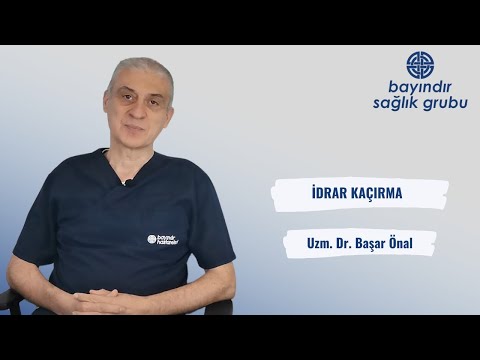
Female Urinary Incontinence Treatments in Istanbul, Turkey – Surgical and Non-Surgical Options
ACIBADEM Bayındır Hospital
Turkey

Boosting Orthopedic Clinics' Global Reach: The Power of PlacidWay Medical Tourism - Video
PlacidWay Medical Tourism
Turkey
Learn More with These Gynecology Treatment Articles
Take a look at these interesting articles, stories and research that will help you learn more about Gynecology Treatment.

Hysterectomy in Turkey for UK Patients: Laparoscopic Options, Cost and Recovery Guide
PlacidWay Medical Tourism
- Gynecology Treatment
Turkey

Protecting New Life: Intrauterine Transfusion and Maternal-Fetal Treatment in Saudi Arabia for Severe Fetal Anemia
King Faisal Specialist Hospital and Research Centre (KFSHRC) in Riyadh, Saudi Arabia
- Gynecology Treatment
Saudi Arabia

Anadolu Medical Center: Excelling in Patient Care Services
Anadolu Medical Center | International Hospital Istanbul
- Cancer Treatment
Turkey

Preserving the Dream of Motherhood: Gynecological Surgery in Saudi Arabia for Adenomyosis
King Faisal Specialist Hospital and Research Centre (KFSHRC) in Riyadh, Saudi Arabia
- Gynecology Treatment
Saudi Arabia








