What treatment


20+ Key FAQs on Rehabilitation in Mexico
Questions About Rehabilitation in Mexico? Start Here
Trusted Medical Tourism Platform Since 2007

Which Rehab Centers Are Available In Mexico?
Mexico offers diverse rehabilitation facilities for substance use and mental health. Options range from standard inpatient programs to luxury retreats. Centers typically provide supervised detox, behavioral therapy, and structured aftercare planning. Many patients seeking addiction or mental health treatment ask which rehab centers in Mexico are available to international visitors. Seeking support for substance use disorders or co-occurring mental health conditions requires careful consideration of available care levels, medical oversight, and clinical approaches. Finding the right provider involves evaluating treatment philosophy, credentials, and environmental factors that align with your recovery goals. The growth of medical tourism in Mexico provides individuals with an array of recovery options ranging from affordable traditional clinical settings to highly private, holistic wellness retreats. When selecting a rehab centers clinic in Mexico, verifying the facility's licenses and the medical team's qualifications is a crucial step to ensure safe, ethical, and effective care. Key Takeaways Mexico provides various levels of care, including medically supervised detox, residential treatment, and specialized holistic programs. Evaluating the rehab centers cost in Mexico involves looking at the length of stay, amenities, and required medical interventions. Patient safety relies on choosing facilities licensed by Mexican health authorities (such as COFEPRIS) with credentialed clinical staff. Dual-diagnosis treatment is available for individuals facing both substance use disorders and mental health challenges. Comprehensive aftercare planning is essential for maintaining long-term recovery once you return home. What types of addiction treatment programs are available in Mexico? Mexican facilities offer multiple levels of care, including inpatient residential treatment, medical detoxification, and holistic recovery programs tailored to individual clinical needs. Rehabilitation is not a one-size-fits-all process. Facilities across the country provide different structured environments depending on the severity of the addiction and the patient's medical history. Understanding these options helps you find a program suited to your specific physical and psychological requirements. Medical Detoxification: Specialized programs providing 24/7 medical supervision to safely manage withdrawal symptoms. Standard Residential Inpatient: Highly structured clinical environments focusing on daily therapy, psychoeducation, and group counseling. Luxury & Executive Rehab: Private retreat-style facilities offering high-end amenities, private rooms, and flexible access to electronics for professionals. Holistic & Alternative Centers: Programs that integrate traditional therapy with yoga, meditation, art therapy, and nutritional counseling. Dual-Diagnosis Programs: Facilities equipped with psychiatric staff to simultaneously treat substance use and co-occurring mental health disorders. How much does a stay at a rehabilitation facility typically cost? Residential treatment costs vary widely, typically ranging from $4,000 to $25,000 or more per month, depending heavily on the facility's location, medical staffing, and level of luxury. Calculating expected expenses requires looking beyond the base admission fee. The final price is influenced by the required length of stay, the complexity of medical detoxification, and whether the facility provides standard shared accommodations or private luxury suites. Standard inpatient clinics focusing primarily on clinical therapy often fall on the lower end of the spectrum, offering accessible care for international patients. In contrast, luxury facilities catering to executives or individuals seeking high privacy, holistic treatments, and resort-like amenities charge premium rates. These centers often include private chefs, personal fitness trainers, and specialized alternative therapies in their pricing. It is helpful to request a detailed breakdown of costs from a provider to understand what is included, such as psychiatric evaluations, medications, and aftercare planning. Are Mexican rehabilitation facilities safe for international patients? Patient safety depends on selecting reputable, properly licensed facilities that employ qualified medical professionals and maintain secure, supervised environments. When traveling abroad for healthcare, verifying credentials is your most vital step. Reputable rehabilitation centers operate under the oversight of Mexico's health regulatory agency, COFEPRIS (Federal Commission for the Protection against Sanitary Risk). Centers treating international patients should have licensed physicians, registered nurses, and credentialed therapists on staff. Beyond clinical qualifications, physical safety is also a priority. Many private treatment centers are located in gated communities or secluded wellness retreats with 24-hour security. During the initial medical detox phase, strict monitoring is necessary to manage potentially dangerous withdrawal symptoms. Always ask prospective centers about their emergency medical protocols and their proximity to full-service acute-care hospitals in case complex medical interventions are needed. What treatment approaches are commonly used in Mexican facilities? Programs generally combine evidence-based psychological therapies, such as Cognitive Behavioral Therapy (CBT), with complementary holistic practices designed to support overall wellness. Established centers rely on scientifically supported methodologies to address the root causes of substance use and behavioral health issues. Cognitive Behavioral Therapy (CBT) and Dialectical Behavior Therapy (DBT) are staples in most clinical programs. These therapies help patients identify destructive thought patterns, manage triggers, and develop healthier coping mechanisms. Alongside conventional psychotherapy, many facilities integrate complementary modalities to heal the physical body and reduce stress. Patients often participate in mindfulness meditation, equine therapy, fitness regimens, and nutritional rehabilitation. Depending on the center's philosophy, recovery models may follow traditional 12-step programs (like AA or NA) or utilize non-12-step, secular approaches such as SMART Recovery. Facility Type Typical Focus Common Amenities Standard Clinical Evidence-based therapy, strict routine, group counseling. Shared rooms, cafeteria dining, basic recreation areas. Holistic/Wellness Mind-body connection, alternative therapies, nutrition. Yoga studios, meditation gardens, organic meals. Luxury/Executive Privacy, individualized care, continued professional work. Private suites, pools, spa services, private chefs, business centers. How long do inpatient rehabilitation programs typically last? Most residential treatment programs last between 28 and 90 days, though the exact duration is determined by clinical assessments and individual recovery progress. A standard 30-day program is often the starting point for residential care. This timeframe allows enough time for physical detoxification, stabilization, and the introduction of new behavioral therapies. However, medical professionals often recommend longer stays for individuals with long histories of severe substance use or complex co-occurring disorders. Programs lasting 60 to 90 days, or even longer, provide patients with a deeper opportunity to practice relapse prevention skills in a safe environment. The duration of treatment should always be viewed as a flexible clinical recommendation rather than a rigid timeline. A thorough psychological and medical evaluation upon admission helps the clinical team outline a timeline tailored to your specific situation. Do Mexican rehab facilities treat dual-diagnosis conditions? Many facilities employ psychiatrists and psychologists trained to treat co-occurring disorders, addressing both substance use and underlying mental health issues simultaneously. Substance use disorders rarely exist in a vacuum; they frequently co-occur with mental health conditions such as depression, anxiety, bipolar disorder, or post-traumatic stress disorder (PTSD). Treating the addiction without addressing the underlying psychological pain often leads to relapse. This integrated approach is known as dual-diagnosis treatment. Facilities specializing in dual diagnosis have licensed psychiatrists on staff who can prescribe and manage psychiatric medications safely. During the selection process, patients or their families should specifically ask if the center provides comprehensive psychiatric evaluations and if their therapeutic staff holds specialized training in trauma-informed care and complex mental health disorders. What amenities can international patients expect during their stay? Amenities range from basic, comfortable lodging in standard clinical centers to private suites, fitness facilities, and spa services in luxury retreat environments. The living environment varies dramatically based on the center's price point and philosophy. Standard rehabilitation facilities prioritize clinical care over physical luxury. Patients in these centers can expect clean, functional shared rooms, communal dining areas, and basic recreational spaces. This model fosters a strong sense of community and peer support, which many find beneficial for recovery. On the other hand, luxury centers are designed to minimize stress and maximize physical comfort. These facilities often mirror high-end resorts, offering private bedrooms, en-suite bathrooms, swimming pools, massage therapy, and gourmet meals prepared by nutritionists. While premium amenities can make the challenging process of rehab more comfortable, the primary focus should always remain on the quality of the medical and therapeutic care provided. Are staff members at these facilities bilingual? Facilities that cater to international medical tourists typically employ bilingual medical professionals, therapists, and support staff fluent in both English and Spanish. Effective therapy requires clear, nuanced communication. Providers aiming to treat patients from the United States, Canada, and Europe ensure their core clinical team—doctors, psychologists, and counselors—are highly proficient in English. This ensures that therapy sessions, medical instructions, and emotional expressions are accurately understood without language barriers. Before committing to a program, it is perfectly acceptable to speak directly with the admissions team and request a conversation with one of the therapists. This helps you gauge their fluency and ensures you feel comfortable communicating your thoughts and feelings. Additionally, group therapy sessions in these internationally focused centers are usually conducted entirely in English. How should patients prepare for residential treatment in Mexico? Preparation involves gathering comprehensive medical records, coordinating valid travel documents, and completing a pre-admission clinical assessment with the facility. Entering rehab in another country requires a bit of logistical planning. Clinically, you will need to provide the center with your complete medical history, including any current diagnoses, a list of all prescribed medications, and details about your substance use history. This allows the medical team to prepare a safe detoxification protocol before you even arrive. Logistically, ensure your passport is valid for at least six months beyond your planned stay. Most centers provide a strict packing list detailing what is allowed and what is prohibited (such as products containing alcohol, specific over-the-counter medications, or certain electronics). Coordinating your arrival with the facility is also important, as reputable centers often arrange secure transportation directly from the nearest airport to the clinic. What happens after completing an inpatient program? Reputable centers provide a structured aftercare plan, which may include remote counseling, connections to local support groups, and personalized relapse prevention strategies. Completing a 30-, 60-, or 90-day residential program is a significant achievement, but it is only the first phase of lifelong recovery. Transitioning back into everyday life presents new challenges, triggers, and stressors. A quality rehabilitation center will begin developing your discharge and aftercare plan well before your scheduled departure date. Aftercare often involves continuing outpatient therapy with a counselor in your hometown, transitioning into a sober living environment, or participating in regular support group meetings. Many international centers also offer alumni support networks and remote telehealth check-ins to help bridge the gap during the initial months back home. Engaging with these resources is highly recommended to maintain the progress achieved during residential treatment. Why Choose PlacidWay for Medical Tourism in Mexico? PlacidWay operates as a comprehensive directory for international healthcare providers and medical tourism destinations. The platform offers educational resources regarding various global wellness and rehabilitation centers. Users can access information regarding facility accreditations and medical staff credentials to aid their research. PlacidWay allows patients to compare estimated costs across different international treatment facilities. The service provides a direct communication channel, allowing patients to ask questions and gather information from clinics abroad. Frequently Asked Questions Do I need a passport to enter rehab in Mexico? Yes, international patients traveling to Mexico for treatment must have a valid passport. Depending on your country of origin and the length of your program, you may also need to fill out a tourist card or secure a specific visa. Can I use my US health insurance for Mexican rehab centers? Most Mexican rehabilitation facilities do not directly accept US domestic health insurance. Patients typically pay out-of-pocket, though some private international insurance policies or specialized global health plans may offer partial reimbursement. Are families allowed to visit during treatment? Visitation policies vary by facility. Many centers restrict visits during the initial detoxification and early recovery phases to minimize distractions, while allowing scheduled family visits or family therapy sessions later in the program. Do these facilities treat behavioral addictions? Yes, many comprehensive centers employ specialized therapists to address behavioral addictions, such as gambling, gaming, or compulsive eating, often utilizing similar cognitive behavioral approaches used for substance use disorders. Is medical detox always required? Medical detox is not always required. It depends on the specific substance used, the duration of use, and the patient's physical dependence. A clinical evaluation upon admission determines if supervised detoxification is necessary for safety. What should I pack for a rehab stay in Mexico? Facilities usually recommend comfortable, casual clothing, athletic wear, swimwear, basic toiletries (often alcohol-free), and necessary prescription medications in their original bottles. Centers provide specific packing guidelines before admission. Can I keep my phone or laptop during treatment? Electronics policies differ significantly. Traditional inpatient programs often restrict phones and laptops to help patients focus entirely on recovery, whereas luxury or executive programs may allow designated times for remote work or family contact. Do centers accommodate special dietary requirements? Most established residential facilities can accommodate medical and ethical dietary restrictions, including diabetic, gluten-free, vegan, or vegetarian diets, particularly centers that feature on-site nutritionists and private chefs. How quickly can someone be admitted to a facility? Admission timelines vary. Once medical records are reviewed and the initial clinical assessment is completed, admission can sometimes occur within a few days, provided the facility has open beds and the patient is medically stable to travel. Are there outpatient rehab options available for medical tourists? While outpatient options exist, they are generally impractical for international patients unless they plan to reside in Mexico independently for several months. Most medical tourists opt for immersive residential (inpatient) programs. Compare Treatment Options Gather information about rehabilitation facilities, request estimated costs, and learn more about treatment approaches. Request Treatment Information References Principles of Drug Addiction Treatment: A Research-Based Guide – National Institute on Drug Abuse (NIDA) Treatments for Substance Use Disorders – Substance Abuse and Mental Health Services Administration (SAMHSA) Substance Abuse Management – World Health Organization (WHO) The ASAM Criteria for Patient Placement – American Society of Addiction Medicine (ASAM) Travel Health Information for Mexico – Centers for Disease Control and Prevention (CDC) What Is a Substance Use Disorder? – American Psychiatric Association (APA) Detoxification and Substance Abuse Treatment (TIP 45) – SAMHSA Medical Disclaimer: The information provided in this article is for educational and informational purposes only and does not constitute medical advice, diagnosis, or treatment planning. Substance use disorders and mental health conditions require individualized evaluation by appropriately qualified healthcare professionals. Outcomes, risks, and recovery experiences vary significantly by patient. Medical detoxification can carry serious health risks and should only be conducted under proper medical supervision. Always consult with a licensed medical provider before making decisions regarding rehabilitation treatment or international medical travel....
Read more details

Table of Contents
Unlock the Best Rehabilitation Packages Just for You
Discover the ultimate Rehabilitation packages designed to meet your health and wellness goals. Choose the perfect fit for your journey.
Price starting from $11,800
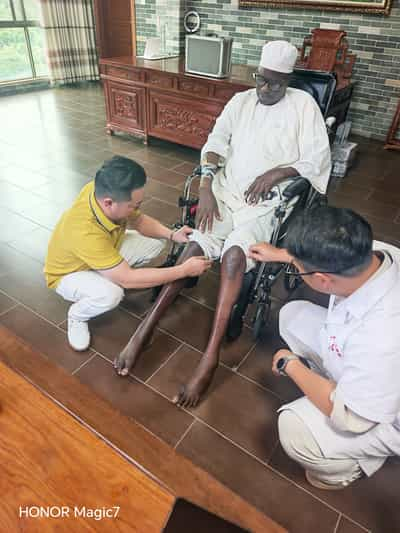
Spine & Joint System Rehabilitation by Guangzhou Cihua Hospital in China
Guangzhou Cihua Hospital - Orthopedic Rehab in China
- Rehabilitation
Guangzhou,China

Price starting from $8,950
Diabetes Treatment Package in San Jose, Costa Rica by CRTC
Costa Rica Treatment Center - San Jose
- Rehabilitation
San Jose,Costa Rica
Price starting from $14,350
Premium Rehabilitation Program in Riverside, Costa Rica by CRTC
Costa Rica Treatment Center - Riverside
- Rehabilitation
Riverside,Costa Rica

Price starting from $8,950
Dementia Treatment Package in San Jose, Costa Rica by CRTC
Costa Rica Treatment Center - San Jose
- Rehabilitation
San Jose,Costa Rica
Rehabilitation Solutions Near You: Explore Top Medical Centers
Discover how Rehabilitation is transforming lives at leading medical centers in , Mexico. Dive into center profile, specialties, doctors, reviews, etc. and explore the best options tailored to your needs in this region.
Casa Santa Isabel
Tijuana,Mexico
New Path Ibogaine in Tijuana Mexico
Tijuana,Rosarito Beach

Centro Integral de Salud in Tijuana, Mexico
Tijuana,Mexico
Transformative Rehabilitation Experiences: Dive into Procedure Insights
Discover the power of Rehabilitation through compelling patient experiences. Uncover detailed insights into procedures, recovery journeys, and life-changing results.



Explore Rehabilitation: Stories, Testimonials, and Procedures
Watch in-depth videos covering everything from Rehabilitation success stories to detailed procedure explanations. Learn what to expect and hear from real patients.

Pramod Goel, CEO of PlacidWay Medical Tourism Interview: How AI is Transforming Patient Journeys
Rehabilitation
PlacidWay Medical Tourism
Mexico
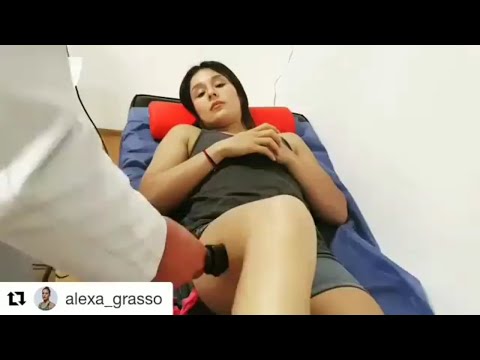
Sports Medicine and Rehabilitation by SPORTSMED in Guadalajara, Mexico - Alexa Grasso Review
Rehabilitation
Sportmed Centro Medico
Mexico
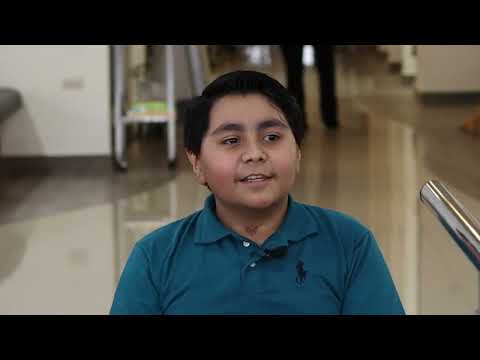
Overcoming Adversity: How Robertito Found Strength Through Family
Rehabilitation
Hospital San Jose Navojoa
Mexico

Discover Viraha Wellness Center: Transformative Ibogaine Therapy in Cabo San Lucas, Mexico
Rehabilitation
Viraha Wellness Center
Mexico
Learn More with These Rehabilitation Articles
Take a look at these interesting articles, stories and research that will help you learn more about Rehabilitation.

From City Life to Vineyard Bliss: A Couple's Escape to Montevalle
Montevalle Resort & Spa
- Alternative Medicine
Mexico

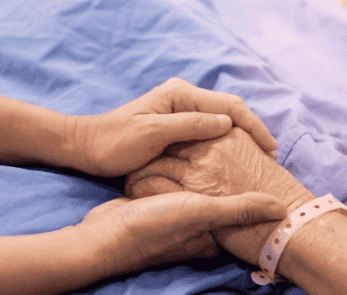
Best Rehab Centers in Mexico | Top Addiction Treatment Options
PlacidWay Medical Tourism
- Rehabilitation
Mexico

How to Educate Yourself before Going for a Surgery Abroad
PlacidWay Medical Tourism
- Rehabilitation
Mexico








