
What treatment


20+ Key FAQs on Spine Care/Surgery in South Korea
Questions About Spine Care/Surgery in South Korea? Start Here
Trusted Medical Tourism Platform Since 2007

What are the Prices for Spine Surgeries in South Korea?
The spine surgery cost in South Korea typically ranges from $8,000 to $35,000. This spine surgery in South Korea expense varies based on procedure complexity, hospital tier, and required rehabilitation duration. Key Takeaways Prices fluctuate significantly based on whether the procedure involves minimally invasive techniques, decompression, or multi-level fusions. Comprehensive financial planning must account for operating room charges, surgeon fees, implant hardware, and postoperative care. Patients exploring options evaluate spine surgery cost in South Korea alongside global destinations like Turkey and Mexico. Official verification of specialist credentials through national medical registries remains essential for patient safety. Successful recovery requires adherence to physical therapy, nutritional support, and coordinated follow-up care after returning home. What Factors Determine the Total spine surgery cost in South Korea? Total expenses are shaped by the specific surgical technique chosen, hospital facility tier, implant materials, and the duration of inpatient admission. Calculating the true financial investment required for orthopedic interventions involves examining multiple interdependent variables. The single largest factor influencing the bill is the complexity of the pathology and the specific procedure performed. Standard microdiscectomies command lower prices due to shorter operative times, whereas complex multi-level spinal fusions or artificial disc replacements require sophisticated hardware and extended theater time. Facility fees also play a major role in the financial breakdown. Advanced private and university-affiliated hospitals that maintain state-of-the-art robotic surgical systems, intensive care units, and specialized inpatient nursing care charge higher rates than smaller community clinics. Furthermore, the geographic location within major metropolitan areas dictates baseline operational costs. Prospective patients must also factor in secondary expenses that accumulate over the healing cycle. These include diagnostic imaging, specialized rehabilitation sessions, prescribed medications, and extended accommodation expenses during the initial recovery phase before receiving medical clearance to travel. Procedure Type Estimated Cost Range (South Korea) Microdiscectomy / Decompression $8,000 - $14,000 Laminectomy $10,000 - $18,000 Single-Level Spinal Fusion $18,000 - $28,000 Artificial Disc Replacement $22,000 - $35,000 How Does spine surgery cost in South Korea Compare Internationally? South Korea offers advanced technological infrastructure and competitive pricing structures for complex orthopedic and neurosurgical treatments. When evaluating global options, many individuals examine the specific spine surgery cost in South Korea because the country has established specialized spine centers focusing on advanced endoscopic and robotic procedures. Procedures performed in local facilities generally range between $8,000 and $35,000, presenting a notable financial difference compared to similar surgeries performed in the United States. This regional pricing differential is influenced by local healthcare regulations, operational cost structures, and government-backed medical tourism initiatives designed to welcome international patients. However, prospective patients must look beyond the initial price tag to evaluate the exact services included in a package, such as interpretation services, airport transfers, and local lodging. Despite these economic factors, patients must maintain rigorous standards when selecting a provider. Investigating hospital accreditations, analyzing surgeon experience with complex spinal pathologies, and confirming the origin of implant hardware are vital steps that should never be compromised. Expert Insight When reviewing international medical quotes, always request an itemized list that explicitly details whether medications, physical therapy sessions, hardware components, and complication management are covered under the quoted price. What Is Involved in a spine surgery clinic in South Korea? Specialized centers perform comprehensive diagnostic evaluations and utilize advanced minimally invasive techniques to treat spinal disorders effectively. Undergoing treatment at a dedicated spine surgery clinic in South Korea involves a meticulous clinical pathway. The process begins with thorough diagnostic evaluations, including high-resolution MRI and CT scans, to map the exact pathology of the spinal compression or instability. During the primary surgery, the neurosurgeon or orthopedic spine specialist utilizes advanced instrumentation, such as endoscopic cameras or microscopic visualization tools, to decompress neural elements or stabilize vertebrae with minimal disruption to surrounding muscle tissue. Following a structured inpatient recovery period, patients receive detailed physical therapy guidance. Once initial healing is confirmed through follow-up imaging, the patient transitions into outpatient rehabilitation. The clinical team monitors progress carefully to ensure safe functional recovery before granting official medical clearance for return travel. What Are the Medical Risks and Complications of Spinal Operations? Potential medical complications include surgical site infections, nerve root irritation, dural tears, pseudoarthrosis in fusion cases, and anesthesia risks. Spinal surgery is a delicate intervention carrying inherent biological risks. Because operations occur near the spinal cord and major nerve roots, patients face risks of temporary or permanent nerve injury, which can manifest as numbness, weakness, or chronic neuropathic pain. Surgical site infections represent another concern, requiring strict adherence to sterile operating protocols and prompt antibiotic intervention if redness or drainage occurs. For patients undergoing spinal fusion, there is a risk of pseudoarthrosis, where the bone fails to fuse properly, potentially necessitating secondary revision surgery. Additionally, immobility during long international flights increases the risk of deep vein thrombosis. Patients must secure explicit medical clearance from their operating surgeon before considering commercial air travel back to their home country. Important Consideration Always verify that your chosen facility utilizes FDA-cleared or internationally recognized implant systems. High-quality hardware ensures optimal biocompatibility and structural integrity during the healing process. How Can Patients Evaluate Safety Standards in medical tourism in South Korea? Evaluating safety requires verifying formal hospital accreditations, checking surgeon licensing through official medical boards, and assessing clinical hygiene protocols. Engaging in medical tourism in South Korea requires rigorous due diligence to ensure patient safety. Prospective medical travelers must not rely solely on online advertisements or promotional agency claims. Instead, they should independently verify that the operating hospital holds recognized international health accreditations. Verifying surgeon credentials is equally critical. Patients should obtain the practitioner full legal name and license number to check their standing through official government medical registries. Confirming that the surgeon holds specialized board certification in neurosurgery or orthopedic spine surgery provides objective proof of their clinical competence. Additionally, patients should inquire about the clinic complication management protocols, infection control statistics, and the availability of dedicated multidisciplinary support teams during the vulnerable early stages of postoperative recovery. What Is the Importance of Postoperative Continuity of Care? Long-term success relies on establishing a relationship with a domestic spine specialist or physical therapist to oversee rehabilitation after returning home. The medical journey does not conclude when a patient boards a flight home. Postoperative management spans several weeks or months, making continuity of care an absolute necessity. Before undergoing surgery abroad, individuals must secure a local spine physician or physical therapist willing to take over their long-term management. Patients are responsible for obtaining comprehensive medical records from their operating team, including detailed surgical notes, discharge summaries, hardware specifications, and baseline digital imaging. Handing these files to the domestic provider ensures a smooth transition of medical oversight. Routine tasks such as suture removal, physical therapy progression, and monitoring neurological recovery must be handled locally. Clear communication channels between the international surgeon and the domestic specialist safeguard the patient recovery trajectory. Did You Know? Many specialized Korean spine centers provide international coordination offices that assist with medical translation, record transfer, and scheduling, helping to alleviate logistical stress for visiting patients. Why Choose PlacidWay to Research Your Medical Journey? PlacidWay provides an objective informational platform to help patients compare international healthcare facilities, review transparent estimates, and connect with credentialed specialists. Global Facility Directory Access structured profiles to research accredited spine centers and specialized surgical providers worldwide. Transparent Estimates Review estimated pricing structures to assist with comprehensive financial planning before making clinical commitments. Direct Inquiries Connect securely with international medical teams to ask preliminary procedural questions and evaluate responses. Objective Data Explore documented facility capabilities, available technologies, and patient care protocols based on factual information. Educational Guides Read extensive articles detailing surgical methodologies, recovery timelines, and essential medical travel safety tips. Frequently Asked Questions About spine surgery in South Korea What factors influence the total price of spine surgery in South Korea? The total price of spine surgery in South Korea depends on the specific procedure type, hospital tier, surgeon expertise, hardware requirements, and the duration of inpatient hospital stay. Are follow-up physical therapy sessions included in initial cost estimates? Initial surgical cost estimates typically do not cover long-term postoperative physical therapy or rehabilitation sessions, which patients must budget for separately. How does the choice of surgical technique impact overall expenses? Minimally invasive and robotic-assisted techniques often involve higher facility and technology fees compared to traditional open surgical approaches. Does international health insurance cover spine surgery abroad? Most standard domestic health insurance plans do not cover elective medical procedures performed internationally, requiring patients to pay out-of-pocket. What additional out-of-pocket expenses should international patients anticipate? Patients must anticipate secondary expenses such as extended hotel stays during recovery, domestic transport, diagnostic imaging, and prescribed medications. Why are hardware removal or revision surgeries billed separately? Revision procedures or planned hardware removals occur months later as separate clinical events requiring new operating room bookings and separate medical fees. What financial provisions should be made for potential medical complications? Patients should maintain financial reserves to cover unexpected complications such as delayed healing, infections, or readmissions that require secondary interventions. How can international patients accurately compare price quotes? Patients can compare quotes by requesting itemized breakdowns that clearly separate surgeon fees, anesthesia, operating room charges, and inpatient room rates. What role do medical tourism facilitators play in cost management? Medical tourism facilitators can assist in coordinating hospital packages and logistics, though patients must verify which specific clinical services are included. How do currency exchange fluctuations affect international budgeting? Exchange rate volatility can alter the final cost of care when converting funds into local currency, making it wise for patients to maintain a financial buffer. Explore Your Orthopedic Options Today Compare verified global facilities, review transparent pricing estimates, and connect with credentialed medical specialists to plan your healthcare journey. Request Treatment Information References Musculoskeletal conditions – World Health Organization Spinal Fusion – OrthoInfo AAOS Surgical Site Infection (SSI) – Centers for Disease Control and Prevention Minimally invasive spine surgery outcomes – National Center for Biotechnology Information Spinal fusion – MedlinePlus Medical Encyclopedia Complications of spinal surgery – National Institutes of Health...
Read more details

Table of Contents
Unlock the Best Spine Care Surgery Packages Just for You
Discover the ultimate Spine Care Surgery packages designed to meet your health and wellness goals. Choose the perfect fit for your journey.
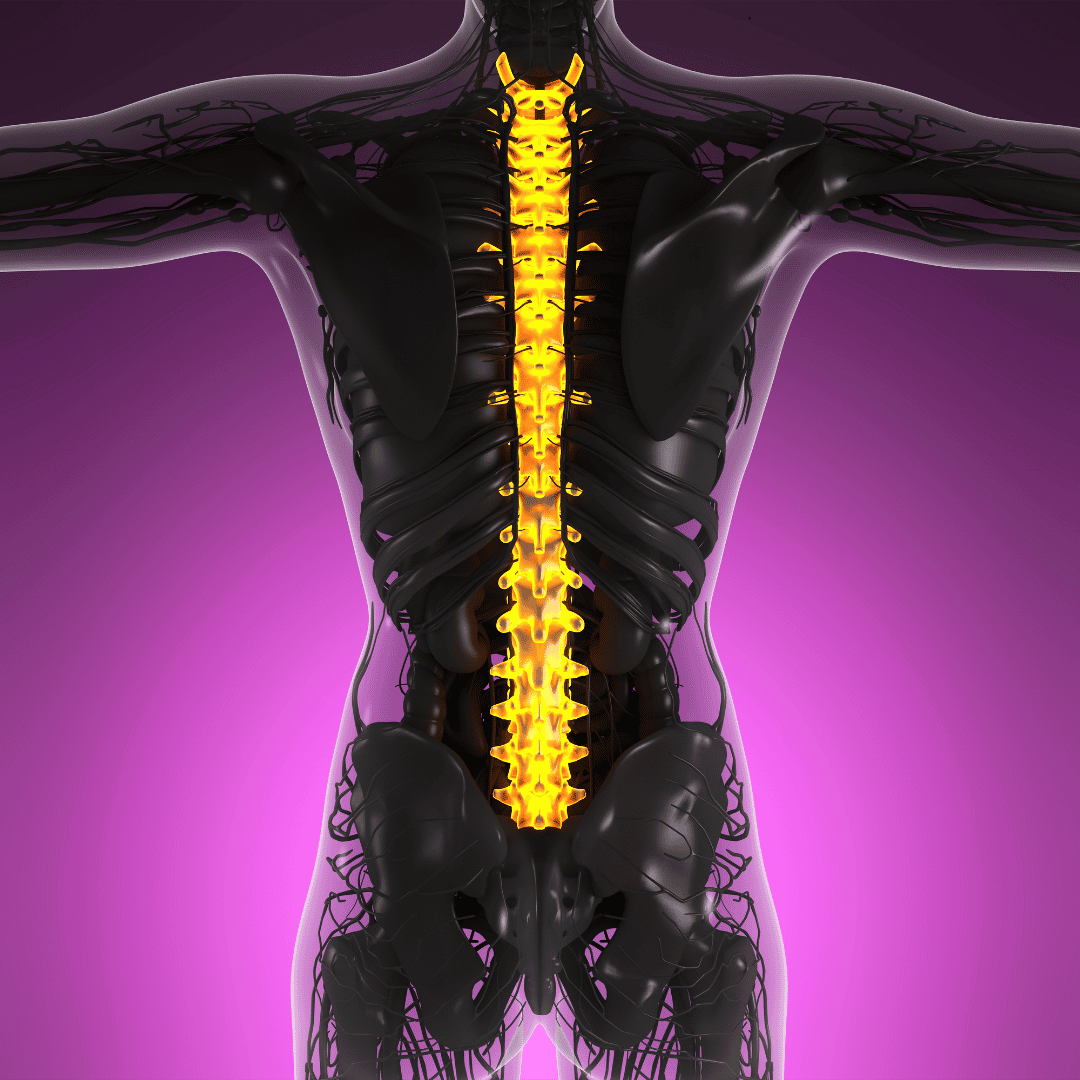
Price starting from $1,500
Best Package for Spinal Decompression in Pune, India
PlacidWay India Medical Tourism
- Spine Care/Surgery
Mumbai, India

Price starting from $50,000
Single-Level Spinal Fusion (PLIF) Surgery Package in Riyadh, Saudi Arabia at KFSHRC
King Faisal Specialist Hospital and Research Centre (KFSHRC) in Jeddah, Saudi Arabia
- Orthopedic/Knee Surgery
Jeddah, Saudi Arabia

Price starting from $800
Spine Treatment Package in Seoul, South Korea by Jaseng Hospital of Korean Medicine
Jaseng Hospital of Korean Medicine
- Spine Care/Surgery
Seoul, South Korea

Price starting from $11,973
Spine Surgery Package in Riyadh, Saudi Arabia by King Faisal Specialist Hospital & Research Center
King Faisal Specialist Hospital and Research Centre (KFSHRC) in Riyadh, Saudi Arabia
- Spine Care/Surgery
Riyadh, Saudi Arabia
Spine Care Surgery Solutions Near You: Explore Top Medical Centers
Discover how Spine Care Surgery is transforming lives at leading medical centers in , South Korea. Dive into center profile, specialties, doctors, reviews, etc. and explore the best options tailored to your needs in this region.
Nanoori Hospital - Orthopedic Surgery in South Korea
Seoul, South Korea

SAM Medical Center
Gunpo, South Korea

Wooridul Hospital
Seoul,Busan,Daegu, South Korea

Gangnam Severance Hospital
Seoul, South Korea
Transformative Spine Care Surgery Experiences: Dive into Procedure Insights
Discover the power of Spine Care Surgery through compelling patient experiences. Uncover detailed insights into procedures, recovery journeys, and life-changing results.
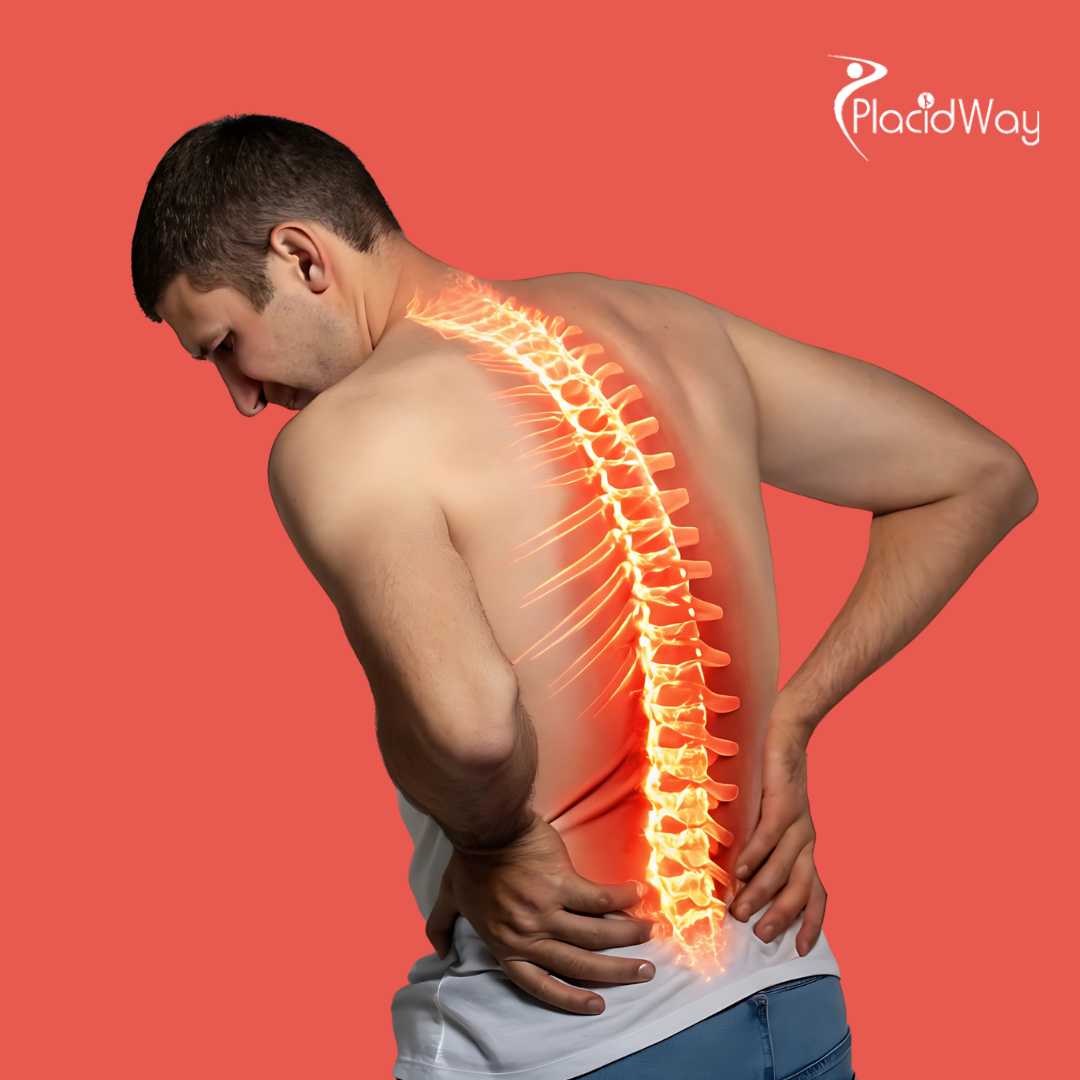

Price starting from $50,000
Spinal Fusion Surgery in Saudi Arabia
- Spinal Fusion Surgery, Spine Care/Surgery
Saudi Arabia

Price starting from $28,000
Spinal Decompression Surgery in Saudi Arabia
- Spinal Decompression, Spine Care/Surgery
Saudi Arabia

Explore Spine Care Surgery: Stories, Testimonials, and Procedures
Watch in-depth videos covering everything from Spine Care Surgery success stories to detailed procedure explanations. Learn what to expect and hear from real patients.

Empowering Patients: Self-Service's Surge in Medical Tourism
Spine Care Surgery
PlacidWay Medical Tourism
Turkey

An Interview with PlacidWay Founder Pramod Goel: Innovation, Ethics, & Medical Tourism Evolution
Spine Care Surgery
PlacidWay Medical Tourism
Turkey

Spine Treatment in Seoul, South Korea by Jaseng Hospital of Korean Medicine
Spine Care Surgery
Jaseng Hospital of Korean Medicine
South Korea

Regenerating Bone Health – Stem Cell Therapy for Osteoporosis in Bangkok, Thailand
Spine Care Surgery
Vega Stem Cell Clinic in Bangkok Thailand
Thailand
Learn More with These Spine Care Surgery Articles
Take a look at these interesting articles, stories and research that will help you learn more about Spine Care Surgery.

Spinal Fusion Surgery: India vs. Turkey - A Comprehensive Comparison
PlacidWay Medical Tourism
- Spine Care/Surgery
India

JCI Accreditation of Seoul Wooridul Hospital
Wooridul Spine Hospital | Japanese Patient Center
- Spine Care/Surgery
South Korea

Minimally Invasive Lumbar Disc Surgery in Beijing for Japanese Patients
PlacidWay Medical Tourism
- Spine Care/Surgery
China
Interview with Hayne Lee about Wooridul Spine Hospital South Korea
Wooridul Hospital
- Orthopedic/Knee Surgery
South Korea







