
What treatment


2+ Top Rated Clinics for Stem Cell Therapy for Diabetic Retinopathy in Mexico City, Mexico
Trusted Medical Tourism Platform Since 2007
What are the best stem cell therapy clinics for diabetic retinopathy in Mexico City?
The top stem cell therapy clinics for diabetic retinopathy in Mexico City are MexStemCells Clinic, LONVIDA - Regenerative Medicine, and Células Madre Dr. Juan Manuel Ortega van Beusekom.
These COFEPRIS-regulated facilities utilize advanced mesenchymal stem cells (MSCs) to help repair damaged retinal cells and reduce inflammation. In addition to diabetic retinopathy, these centers treat conditions such as osteoarthritis, autism, and multiple sclerosis. Comprehensive treatment packages generally range from $3,500 to $8,900 USD, providing a highly affordable alternative for specialized ocular care compared to pricing in the United States.

 100.00% Patient Recommend
MexStemCells Clinic


Overview
MexStemCells Clinic, based in Mexico City, has over 20 years of experience providing top-quality stem cell therapy. MexStemCells is among Top 5 Clinics in Mexico for stem cells.
Read more details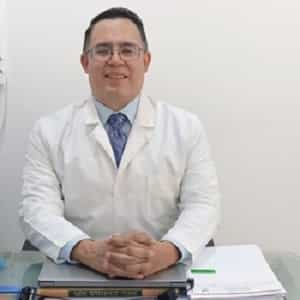

 100.00% Patient Recommend
LONVIDA - Regenerative Medicine in Mexico City
Overview
Discover advanced stem cell treatments in Mexico City at Lonvida Wellness and Longevity Center. Offering regenerative medicine, and wellness care.
Read more details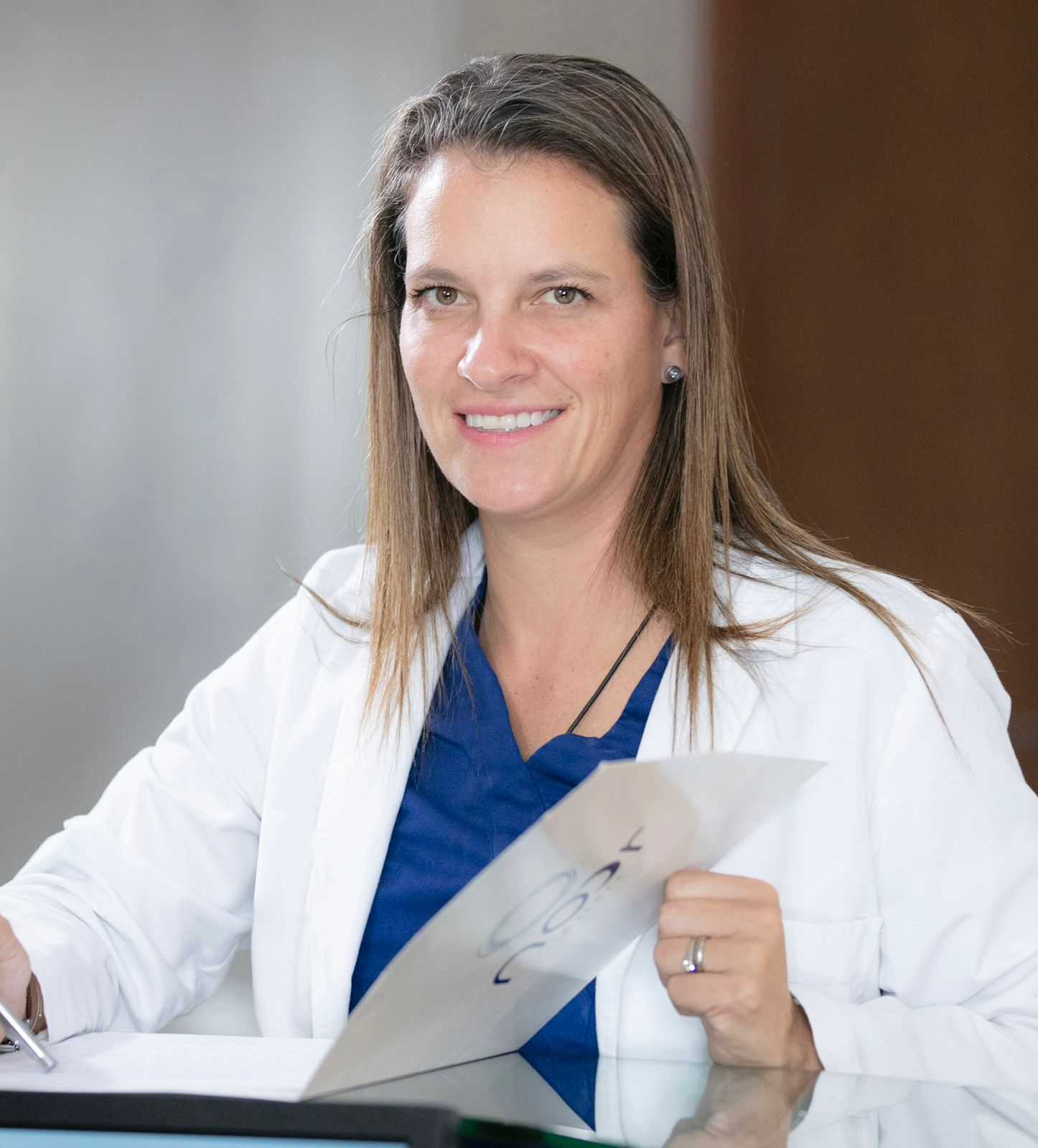

 100.00% Patient Recommend
Células Madre Dr. Juan Manuel Ortega van Beusekom
Overview
Dr. Juan Manuel Ortega van Beusekom is the best doctor for Stem Cell Therapy in Mexico City, Mexico. Book Regenerative Therapy from top rated clinic now!
Read more details 97.62% Patient Recommend
CellsTime Clinique Guadalajara
Overview
Visit CellsTime Clinique in Guadalajara, Mexico, for cutting-edge Stem Cell Therapy solutions for diabetes, autism, lupus, and other health conditions!
Read more details
Discover your treatment options with a free, no-obligation quote!
Get your quote now!
BioStemCells - Stem Cell Clinic in Puerto Vallarta, Mexico
Overview
Explore a stem cell therapy center in Puerto Vallarta, Mexico by BioStemCells offering advanced regenerative treatments for healing and recovery.
Read more details

 91.35% Patient Recommend
Immunotherapy Regenerative Medicine in Puerto Vallarta
Overview
Explore Immunotherapy Regenerative Medicine in Puerto Vallarta, Mexico offering advanced stem cell, immunotherapy, and regenerative treatments.
Read more details
 100.00% Patient Recommend
Regenerative Medicine - Stem Cells by ITC
Overview
Immunity Therapy Center in Tijuana, Mexico, is the forefront of medical innovation, transforming lives through the power of cutting-edge stem cell therapies.
Read more details
 100.00% Patient Recommend
Stem Health Guadalajara
Overview
Stem Health Clinic, based in Guadalajara, Jalisco, Mexico, brings over 10 years of experience in regenerative medicine, specializing in the use of mesenchymal stem cells. Get Quote Free!
Read more details



Discover your treatment options with a free, no-obligation quote!
Get your quote now!
Aura Regenerative Center
Overview
Aura Regenerative Center offers advanced stem cell therapy in Monterrey with personalized regenerative treatments led by experienced medical professionals.
Read more details
Instituto de Terapia Celular - Stem Cell Guadalajara Mexico
Overview
Find hope with Stem Cell Guadalajara Mexico at Instituto de Terapia Celular. Personalized MSC therapy for autism, joint pain, anti-aging & nerve health.
Read more details

Limphocare by Limphocite - Stem Cell Clinic in Tijuana
Overview
Discover Limphocare by Limphocite, a trusted stem cell clinic in Tijuana offering advanced regenerative treatments tailored for patient care, and recovery.
Read more details

Stem Health | Leading Stem Cell Clinic in Tijuana, Mexico
Overview
Discover Stem Health, your trusted stem cell clinic in Tijuana, Mexico. We provide personalized stem cell therapies for orthopedic, autoimmune & neurological issues.
Read more details

Stem Solutions
Overview
Stem Solutions in San Pedro Garza Garcia Mexico offers advanced stem cell therapies for autism, autoimmune diseases, neurological disorders & sports medicine.
Read more details
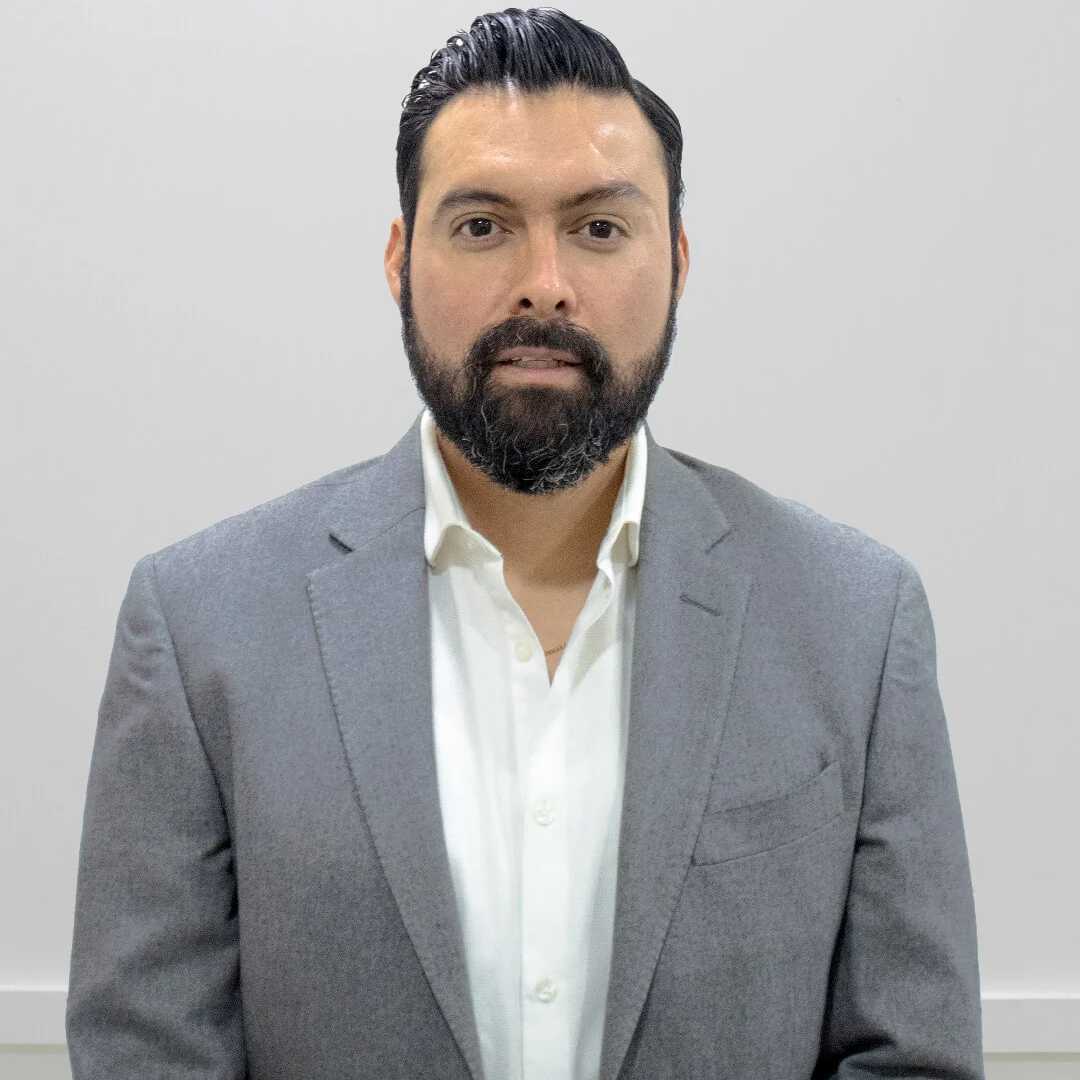

 100.00% Patient Recommend
VISANI® Stem Cells in Puebla, Mexico
Overview
Discover advanced regenerative care at VISANI® Stem Cells, a leading Stem Cell Therapy Clinic in Puebla, Mexico. Safe and effective stem cell treatments.
Read more details
 100.00% Patient Recommend
CellsTime Clinique Puerto Vallarta
Overview
Discover CellsTime Clinique in Puerto Vallarta, Mexico, offering innovative Stem Cell Therapy for various conditions. Your path to improvement starts here!
Read more details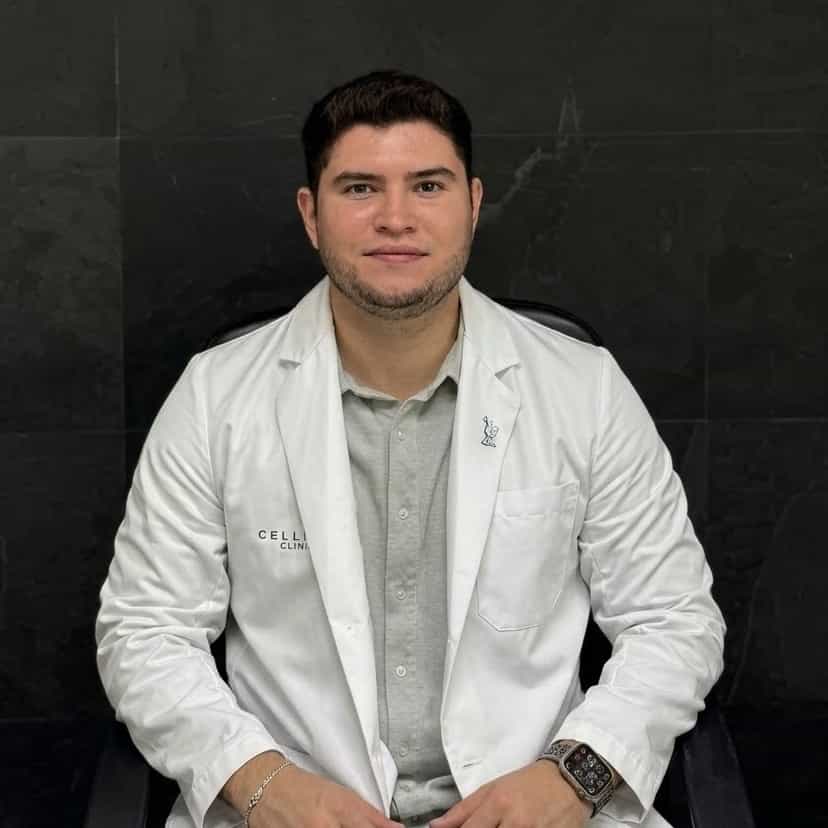
CellsTime Clinique Tijuana
Overview
Discover CellsTime Clinique in the best zone of Tijuana, Mexico. Your premier destination for advanced Stem Cell Therapy for over 80 conditions! - Transportation from San Diego.
Read more details
 100.00% Patient Recommend
CORE Regenerative Orthopedic Center
Overview
Discover CORE, Leading Regenerative Orthopedic Center in Queretaro, Mexico. Specializing in cutting-edge treatments for orthopedic injuries and trauma.
Read more details 95.45% Patient Recommend
Costamed Medical Group in Playa del Carmen Mexico
Overview
Explore advanced healthcare at Costamed Medical Group, a trusted multispecialty hospital in Playa del Carmen, Mexico for international patients.
Read more details

 100.00% Patient Recommend
NES Regenerative Medicine Clinic
Overview
NES Regenerative Medicine offers innovative treatments for various medical conditions in Juarez, Chihuahua, Mexico. Experience top regenerative medicine today.
Read more details 100.00% Patient Recommend
Nucleo V
Overview
Núcleo V clinic in Ciudad Juarez, Mexico, provides high-quality gynecology treatment and stem cell therapy at affordable prices to patients around the world.
Read more detailscopy.png)
Authored by
Usama Ahmad
Medical content writer with 5+ years of experience specializing in stem cells and regenerative medicine content.

Reviewed by
Dr. Alejandro Fernando
Dr. Alejandro Fernando is a top stem cell specialist in Mexico City, specializing in regenerative medicine, cellular therapies, and chronic disease treatment and Medical Content Reviewer
Last updated on
Why Mexico City is the Premier Destination for Stem Cell Therapy for Diabetic Retinopathy?
Mexico City combines world-class ophthalmological infrastructure with cutting-edge regenerative medicine. For patients looking to halt the progression of vision loss caused by diabetes, this thriving metropolis offers advanced, COFEPRIS-regulated cellular therapies that are both highly effective and financially accessible.
Elite Regenerative Clinics
Mexico City is home to highly specialized, multidisciplinary centers such as MexStemCells Clinic, LONVIDA, and the practice of Dr. Juan Manuel Ortega van Beusekom. These facilities bring together top-tier endocrinologists, ophthalmologists, and cellular biologists to provide comprehensive care that targets both the eyes and the underlying metabolic disease.
Advanced Mesenchymal Stem Cells
Patients in Mexico City have access to high-viability Mesenchymal Stem Cells (MSCs). These powerful immunomodulatory cells act to reduce retinal inflammation, repair damaged blood vessels, and prevent further macular edema—treatments that are often heavily restricted or prohibitively expensive in the US.
State-of-the-Art Diagnostic Technology
Successful retinal treatment requires absolute precision. The top clinics in Mexico City are equipped with the latest optical coherence tomography (OCT) and fluorescein angiography tools to perfectly map the retina, ensuring stem cells are deployed with maximum accuracy to the compromised ocular tissues.
Unmatched Value and Accessibility
With non-stop flights from major global hubs into Benito Juárez International Airport, travel is seamless for visually impaired patients. Furthermore, advanced diabetic ocular protocols here save patients up to 70% compared to North American healthcare pricing without sacrificing clinical standards.
Stem Cell Therapy for Diabetic Retinopathy Costs in Mexico City vs. United States (2026)
Review the projected 2026 pricing for vision-saving stem cell therapies. Mexico City's specialized clinics provide transparent, comprehensive packages based on the required cellular volume and the severity of retinal damage.
| Procedure | Mexico City Price | US / UK Price | You Save | Savings % |
|---|---|---|---|---|
| Systemic IV Stem Cell Therapy for Diabetes | $6,500–$7,500 | $20,000–$25,000 | $13,500+ | 68% |
| Targeted Ocular MSC Protocol | $7,500–$8,900 | $25,000–$32,000 | $17,500+ | 70% |
| Combined Protocol (Metabolic IV + Ocular) | $8,500–$11,500 | $35,000–$45,000 | $26,500+ | 74% |
| Exosome-Enhanced Retinal Repair | $7,000–$9,000 | $25,000–$35,000 | $18,000+ | 72% |
* Prices are 2026 estimates based on verified PlacidWay partner clinics in Mexico City (such as MexStemCells and LONVIDA). Final costs vary depending on the dosage of stem cells (millions of cells), cell source, and specific ophthalmic evaluations required. Request a free quote for customized pricing.
Mexico City vs. Alternative Mexican Cities for Diabetic Retinopathy Care
Selecting the right location for complex eye treatments is vital. Here is how Mexico City compares to other popular regenerative medicine hubs across Mexico.
Mexico City
Metropolitan Excellence
The undeniable center of advanced healthcare in the country. It is the premier choice for complex cases like diabetic retinopathy because it houses massive, multidisciplinary hospitals where top-tier endocrinologists and specialized ophthalmologists collaborate closely.
Tijuana
Baja California
Highly accessible for Southern California residents looking to drive across the border for quick outpatient stem cell infusions. While great for general wellness, complex vision-saving procedures often benefit from the extensive specialist networks found in the capital.
Guadalajara
Central Tech Hub
A strong alternative to Mexico City, known for highly advanced stem cell laboratories and tech-forward clinics. It is excellent for metabolic disease treatments, though Mexico City slightly edges it out in the sheer volume of specialized ocular facilities.
Cancun
Riviera Maya
Focuses heavily on medical tourism packages bundled with a beachside vacation. While it offers relaxing recovery environments, patients with advanced diabetic retinopathy usually prefer the serious, clinical focus of Mexico City's major medical centers.
Stem Cell Retinopathy Procedures in Mexico City
To combat diabetic retinopathy, clinics in Mexico City utilize customized delivery methods. These therapies aim to regenerate retinal blood vessels, reduce chronic inflammation, and stabilize metabolic health.
Targeted Ocular MSC Protocol
$7,500 – $8,900Mesenchymal stem cells are deployed using localized administration methods (such as retrobulbar or precise sub-Tenon injections) under strict ophthalmological guidance. This delivers a concentrated dose of regenerative cells directly to the optic nerve and compromised retinal vessels.
Save $17,500+ vs. US prices
Systemic IV Therapy for Diabetes
$6,500 – $7,500Because diabetic retinopathy is a symptom of systemic metabolic disease, intravenous (IV) stem cell therapy is used to target the root cause. The MSCs circulate throughout the body to modulate the immune system, lower overall inflammation, and help stabilize fluctuating glucose levels.
Save $13,500+ vs. US prices
Exosome-Enhanced Retinal Repair
$7,000 – $9,000Utilizes purified exosomes—the powerful signaling vesicles released by stem cells—to rapidly deliver regenerative growth factors to the eye. This cell-free therapy is highly effective at signaling damaged retinal cells to heal and preventing further fluid leakage in the macula.
Save $18,000+ vs. US prices
Combined Protocol (IV + Ocular)
$8,500 – $11,500The most comprehensive approach for advanced stages. It pairs localized ocular injections with systemic IV infusions. By healing the eye tissue directly while simultaneously addressing systemic diabetes, patients achieve the highest probability of halting vision degradation.
Save $26,500+ vs. US prices
How to Choose a Stem Cell Clinic for Retinopathy in Mexico City?
Protecting your vision requires absolute diligence. Use this 5-step checklist to ensure you select a safe, highly qualified regenerative facility in the capital.
Confirm COFEPRIS Authorization
Mexico's equivalent to the FDA is COFEPRIS. Ensure the clinic is fully licensed and adheres strictly to government regulations for the harvesting, expansion, and clinical application of human stem cells.
Verify the Specialists' Credentials
Retinal treatments cannot be performed by general practitioners. Verify that the medical team includes board-certified ophthalmologists working alongside experienced regenerative medicine doctors (such as Dr. Rodolfo Lerma or Dr. Juan Manuel Ortega van Beusekom).
Demand Transparency in Cell Sourcing
Ask whether the clinic uses autologous cells (from your own fat) or allogeneic umbilical cord MSCs. Reputable clinics will provide certificates of cell viability and concentration, ensuring millions of active cells are being delivered.
Evaluate Diagnostic Capabilities
Top clinics utilize advanced imaging technologies like Optical Coherence Tomography (OCT) to accurately map the retina before treatment. Without precise diagnostics, it is impossible to gauge the exact extent of macular edema or vessel damage.
Rely on an Independent Facilitator
Navigating foreign medical systems can be stressful. By using PlacidWay, you are connected exclusively to pre-vetted Mexico City clinics like LONVIDA and MexStemCells, ensuring high ethical standards and safe protocols.
Your Ocular Regeneration Journey in Mexico City
Knowing what to expect reduces anxiety and prepares you for a successful outcome. Here is the typical timeline for diabetic retinopathy patients traveling to Mexico City.
Step 1: Virtual Assessment & Records Review
Submit your recent ophthalmology reports, OCT scans, and bloodwork to PlacidWay. The specialized team in Mexico City will evaluate your retinal damage and metabolic status to determine if you are a candidate for cellular therapy.
Step 2: Arrival & Comprehensive Diagnostics
Upon arriving in Mexico City, you will visit the clinic for in-person evaluations. The doctors will perform advanced retinal imaging and finalize a customized treatment plan detailing the exact volume and delivery method for the MSCs.
Step 3: The Stem Cell Procedure
Administered in a sterile clinical environment, the procedure is outpatient. Whether receiving targeted ocular injections, systemic IV drips, or a combination protocol, the process is minimally invasive and typically completed within a few hours under local anesthesia.
Step 4: Observation and Rest
Patients generally rest in their hotel for 1 to 2 days following the procedure. The clinic’s medical staff will monitor you for any immediate reactions and ensure the systemic integration of the cells has begun safely.
Step 5: Return Home & Long-Term Engraftment
Once cleared to fly, you will return home. The stem cells actively work over the next 3 to 6 months to reduce retinal inflammation and improve blood flow. The Mexico City clinic will schedule ongoing virtual follow-ups to track your visual acuity.
Mexico City Stem Cell Therapy for Diabetic Retinopathy FAQ
Detailed answers regarding safety, costs, and expectations for regenerative eye treatments in Mexico's capital.
What Patients Say About Retinopathy Therapy in Mexico City
Read firsthand accounts from individuals who traveled to Mexico City's top regenerative centers to fight diabetic vision loss.
"I was terrified when my eye doctor in the US said the bleeding in my retina was getting worse and there wasn't much more they could do besides standard lasers. The combined IV and ocular stem cell treatment I received in Mexico City completely halted the progression. Not only has my vision stabilized, but my daily blood sugar numbers are better than they have been in five years."
"The professionalism at the regenerative clinic in CDMX was astounding. The specialist walked me through my OCT scans and explained exactly how the umbilical cord cells would work to repair my macular edema. Six months later, the dark spots in my vision have faded significantly. This treatment gave me hope when I thought I was going blind."
Why Choose PlacidWay for Your Stem Cell Journey?
Navigating international cellular therapies requires expertise and trust. As an independent medical facilitator, PlacidWay connects you with the highest-rated regenerative specialists safely and efficiently.
Pre-Screened Regenerative Clinics
We independently verify every Mexico City clinic in our network for proper medical licensing, sterile lab protocols, and strict adherence to COFEPRIS regulations for human stem cell use.
Unbiased Medical Facilitation
As a facilitator rather than a medical provider, our primary allegiance is to you. We provide transparent, comparative options from multiple clinics so you can choose the facility that best fits your ocular needs and budget.
Direct Specialist Communication
We bridge the gap by setting up direct virtual consultations between you and the regenerative ophthalmology teams in Mexico. Ask your clinical questions directly to the doctor who will be overseeing your treatment.
Comprehensive Patient Advocacy
From assisting with initial OCT scan transfers and translating medical documents to following up with the clinic regarding your visual progress post-treatment, our patient coordination team advocates for your successful outcome.
Protect Your Vision from Diabetic Retinopathy Today
Do not wait for vision loss to become irreversible. Access advanced, image-guided cellular therapies in Mexico City and save up to 70% compared to US costs. Get connected with elite regenerative specialists today.
Get Free QuoteDisclaimer: PlacidWay is a medical tourism facilitator and does not provide medical advice, diagnosis, or treatment. We connect patients with independently verified clinics abroad. Always consult with a qualified healthcare provider regarding your specific medical condition and before making any decisions about your eye care.
Share with AI
Share this page with AI assistants to get summaries and insights


List of Best Stem Cell Therapy for Diabetic Retinopathy Clinics in Mexico
Explore Stem Cell Therapy for Diabetic Retinopathy: Stories, Testimonials, and Procedures
Watch in-depth videos covering everything from Stem Cell Therapy for Diabetic Retinopathy success stories to detailed procedure explanations. Learn what to expect and hear from real patients.

Medical Tourism Mexico: Best Destinations for Medical Travel
Addiction Treatment
PlacidWay Mexico Medical Tourism
Tijuana,Mexicali, Mexico
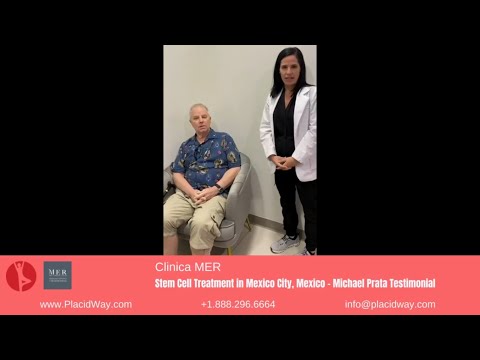
Michael Prata's Transformative Journey: Stem Cell Treatment at Clinica MER in Cancun, Mexico
Stem Cell Therapy
Clinica MER Cancun
Cancun, Mexico
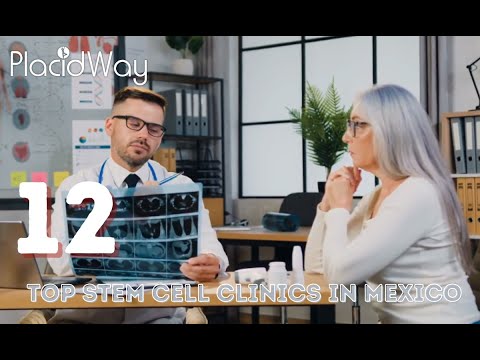
12 Effective & Affordable Stem Cell Clinics in Mexico
Stem Cell Therapy
PlacidWay Medical Tourism Services
Denver, United States

Who Are the Top Doctors for Health Tourism in Mexico?
Addiction Treatment
PlacidWay Mexico Medical Tourism
Tijuana,Mexicali, Mexico
Unlock the Best Stem Cell Therapy for Diabetic Retinopathy Packages Just for You
Discover the ultimate Stem Cell Therapy for Diabetic Retinopathy packages designed to meet your health and wellness goals. Choose the perfect fit for your journey.

Price starting from $5,590
Stem Cell Therapy for Ankle Pain & Joint Stability Package in Mexico City, Mexico by MexStemCells
MexStemCells Clinic
- Stem Cell Therapy
Mexico City, Mexico

Price starting from $6,500
Stem Cell Therapy for Diabetic Retinopathy Package in Cabo san Lucas, Mexico
PlacidWay Mexico Medical Tourism
- Stem Cell Therapy
Tijuana,Mexicali, Mexico

Price starting from $5,890
Stem Cell Therapy for Hip Joint Pain & Mobility Package in Mexico City, Mexico by MexStemCells
MexStemCells Clinic
- Stem Cell Therapy
Mexico City, Mexico

Price starting from $2,400
Effective Vaginal Rejuvenation in Mexico Package with Stem Cells by LONVIDA
LONVIDA - Regenerative Medicine in Mexico City
- Stem Cell Therapy
Mexico City, Mexico
Transformative Stem Cell Therapy for Diabetic Retinopathy Experiences: Dive into Procedure Insights
Discover the power of Stem Cell Therapy for Diabetic Retinopathy through compelling patient experiences. Uncover detailed insights into procedures, recovery journeys, and life-changing results.
.png)
Price starting from $5,100
Stem Cell Therapy for Autism in Mexico City, Mexico
- Stem Cell Treatment for Autism, Stem Cell Therapy
Mexico City, Mexico

Price starting from $19,500
Stem Cell Therapy for Heart Disease in Puerto Vallarta, Mexico
- Stem Cell Therapy for Heart Disease, Stem Cell Therapy
Puerto Vallarta, Mexico

Price starting from $16,000
Stem Cell Therapy for Stroke in Puerto Vallarta, Mexico
- Stem Cell Therapy for Stroke, Stem Cell Therapy
Puerto Vallarta, Mexico

Price starting from $15,000
Stem Cell Therapy for Autism in Puerto Vallarta, Mexico
- Stem Cell Treatment for Autism, Stem Cell Therapy
Puerto Vallarta, Mexico








I am happy to say everything went smoothly regarding the treatment, I have dialed my insulin pump back, so that makes me happy. My driver was great, the clinic was clean and everyone was super friendly and helpful. Treatments were quick and not painful (other then the first part of taking stem cells out of my stomach fat- that wasn't much fun). I have no complaints and think it was totally a positive experience, so far with positive results that I am hoping continue to improve.
Read More