
What treatment


4+ Best Clinics for Stem Cell Therapy for Lung Disease in Malaysia
What are the best stem cell therapy clinics for lung disease in Malaysia?
The best stem cell therapy clinics for lung disease in Malaysia are: FirstCell Malaysia (Kuala Lumpur), Dr. Ebenezer Abel Paul Clinic (Kuala Lumpur), Live Stem Cell Asia (Petaling Jaya), Merkel Clinic (Kuala Lumpur), Klinik Setia Gemilang (Shah Alam), and ZELL-V Wellness Hub (Kuala Lumpur).
These facilities comply with Malaysia's Ministry of Health standards and utilize advanced mesenchymal (MSC) and natural killer cells. They effectively treat respiratory conditions like COPD, pulmonary fibrosis, asthma, and emphysema, as well as autism and osteoarthritis. Treatment packages range from $6,800 to $21,700 USD, offering an affordable, non-surgical alternative to standard medical care in Western countries.
 100.00% Patient Recommend
FirstCell Malaysia


Overview
FirstCell specialize on cell-based medicine and treatments especially via MSC and NKC to enhance wellness and for targeted treatment modules. We are committed in delivering excellent treatment.
Read more details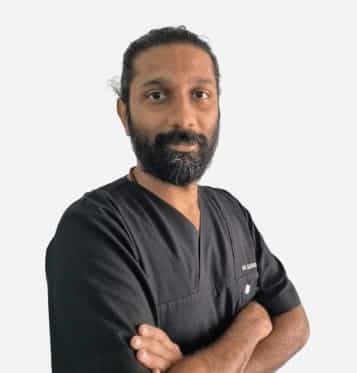
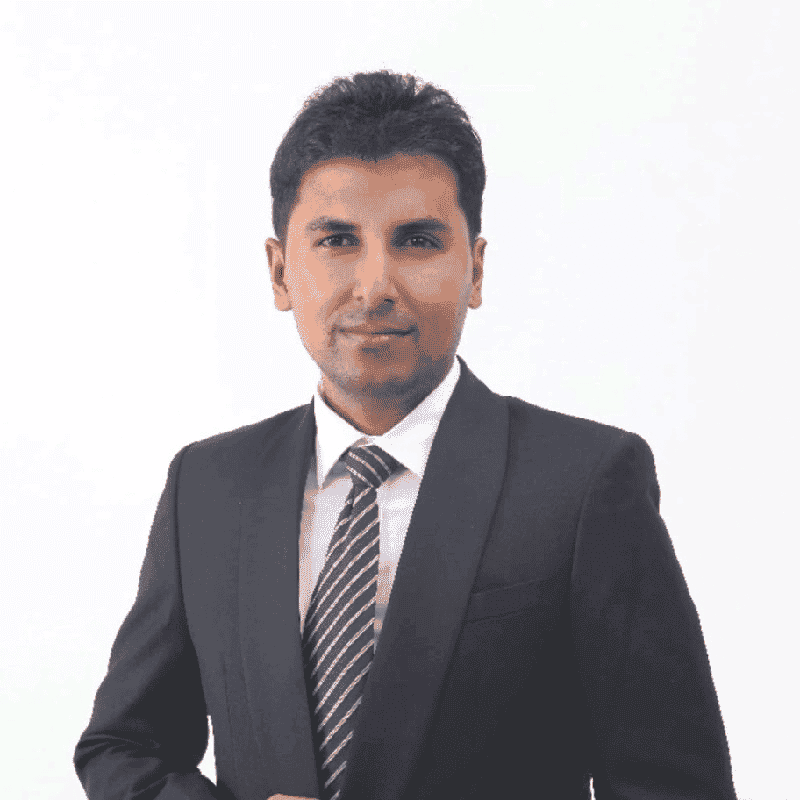


Dr. Ebenezer Abel Paul - Stem Cells in Malaysia
Overview
Explore Stem Cells in Malaysia with Dr. Ebenezer Abel Paul, offering cutting-edge regenerative therapies and advanced stem cell treatments.
Read more details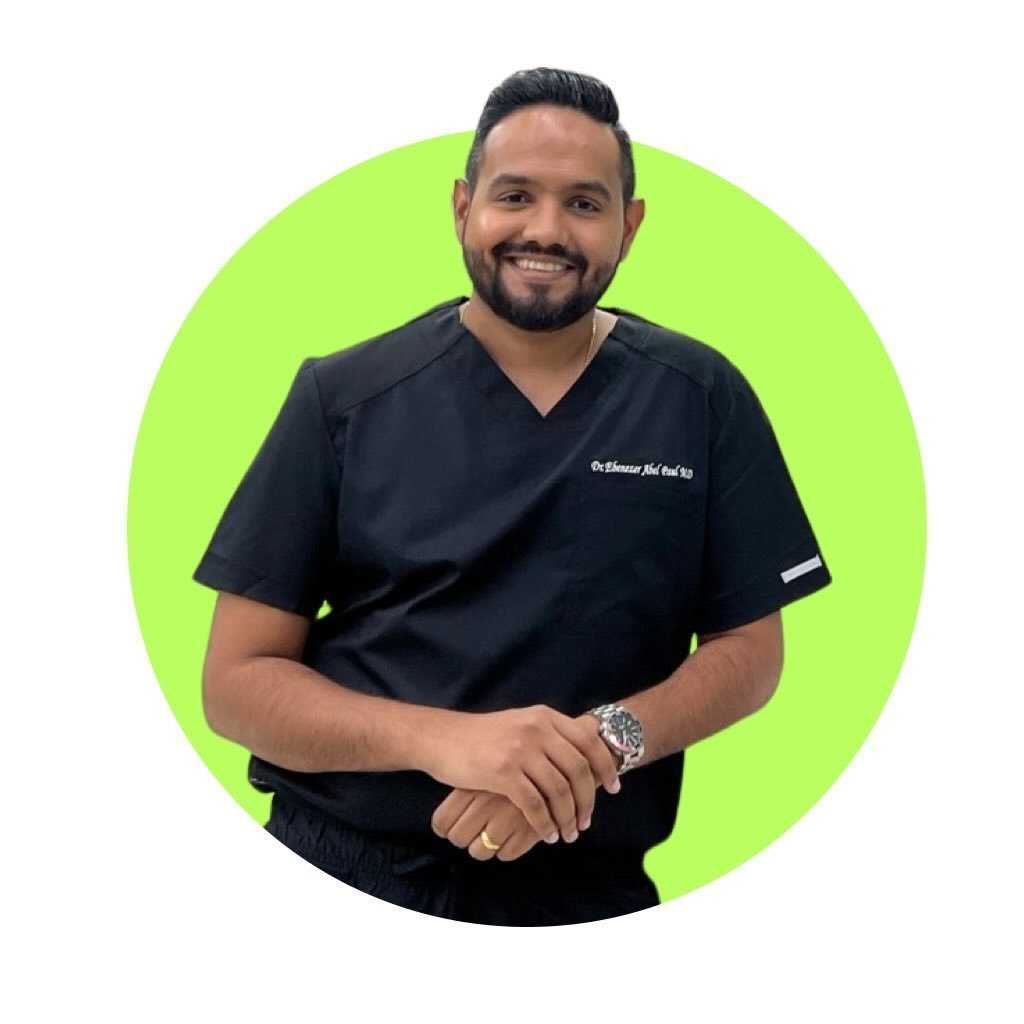
 100.00% Patient Recommend
Live Stem Cell Asia - Premier Stem Cell Clinic in Malaysia
Overview
Discover advanced stem cell Malaysia treatments at Live Stem Cell Asia, Petaling Jaya. Experience personalized care and innovative regenerative solutions.
Read more details
Merkel Clinic
Overview
Merkel Clinic is a leading stem cell therapy center, specializing in innovative treatments for various medical conditions using cutting-edge regenerative medicine techniques.
Read more details
Discover your treatment options with a free, no-obligation quote!
Get your quote now!
ZELL-V Wellness Hub - Regenerative Medicine Malaysia
Overview
ZELL-V Wellness Hub located in Kuala Lumpur, Malaysia. We offers German & Swiss advanced regenerative medicine, cellular therapy, and wellness programs for longevity and vitality.
Read more details 100.00% Patient Recommend
Cell Grand Clinic - Best Stem Cell Clinic in Japan
Overview
Explore Cell Grand Clinic, the best stem cell clinic in Japan specializing in top regenerative therapies for anti-aging, chronic conditions, and wellness.
Read more details
 82.81% Patient Recommend
HELENE - Stem Cell Clinic
Overview
Japan Regenerative Medicine Leading Brand With over a decade of experience and more than 17,000 treated patients. Providing cutting-edge stem cell therapies tailored to various health concerns.
Read more details
 100.00% Patient Recommend
Vega Stem Cell Clinic in Bangkok Thailand
Overview
Vega Clinic in Bangkok, Thailand, helps people feel better with special treatments. They use new ways to heal and make sure each person gets care made just for them.
Read more details
Discover your treatment options with a free, no-obligation quote!
Get your quote now! 100.00% Patient Recommend
Azabu Skin Clinic - Dermatology and Stem Cell Therapy in Japan
Overview
Azabu Skin Clinic in Tokyo offers advanced stem cell treatments, regenerative treatments, dermatology, and aesthetic care. Book your consultation today.
Read more details
 100.00% Patient Recommend
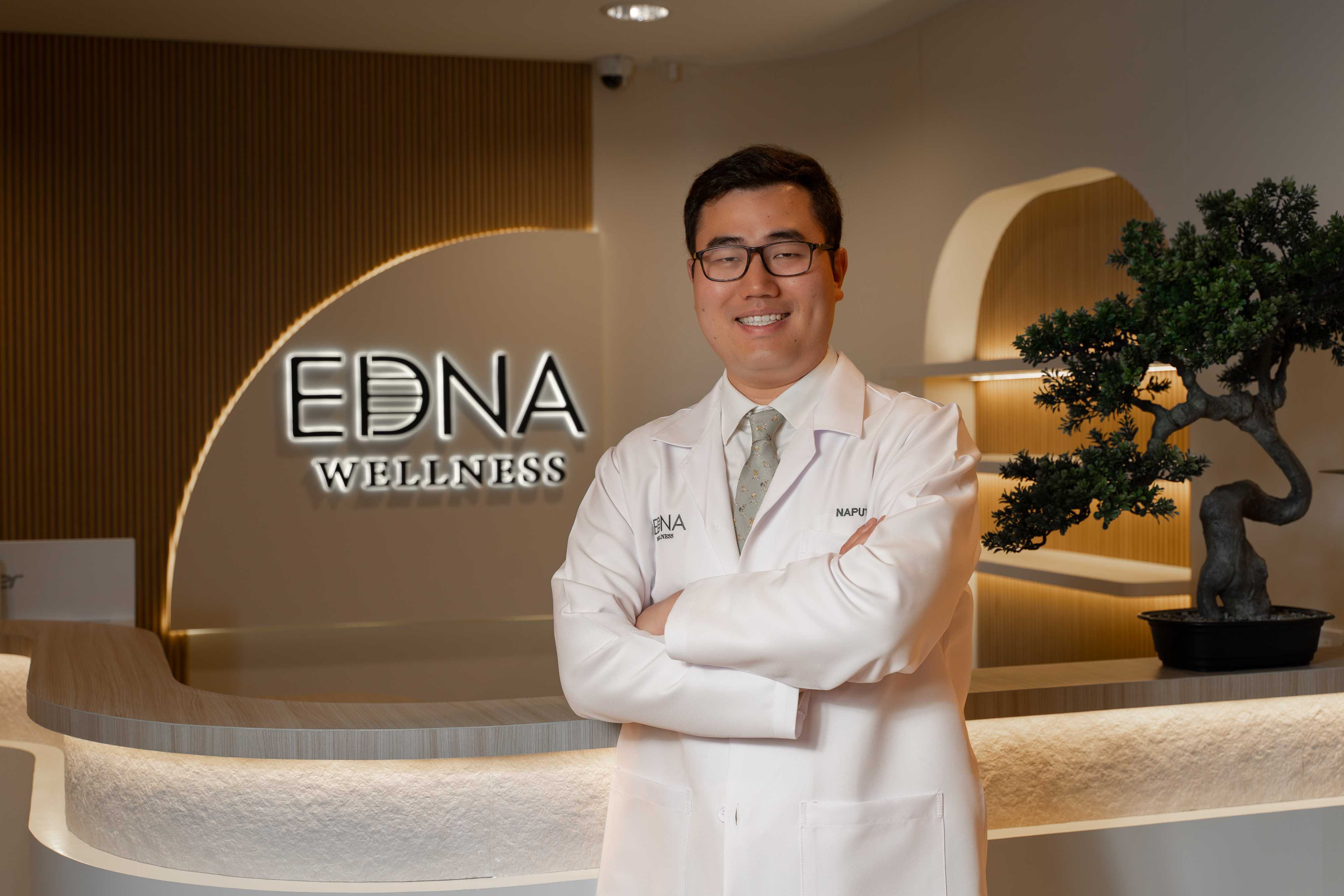
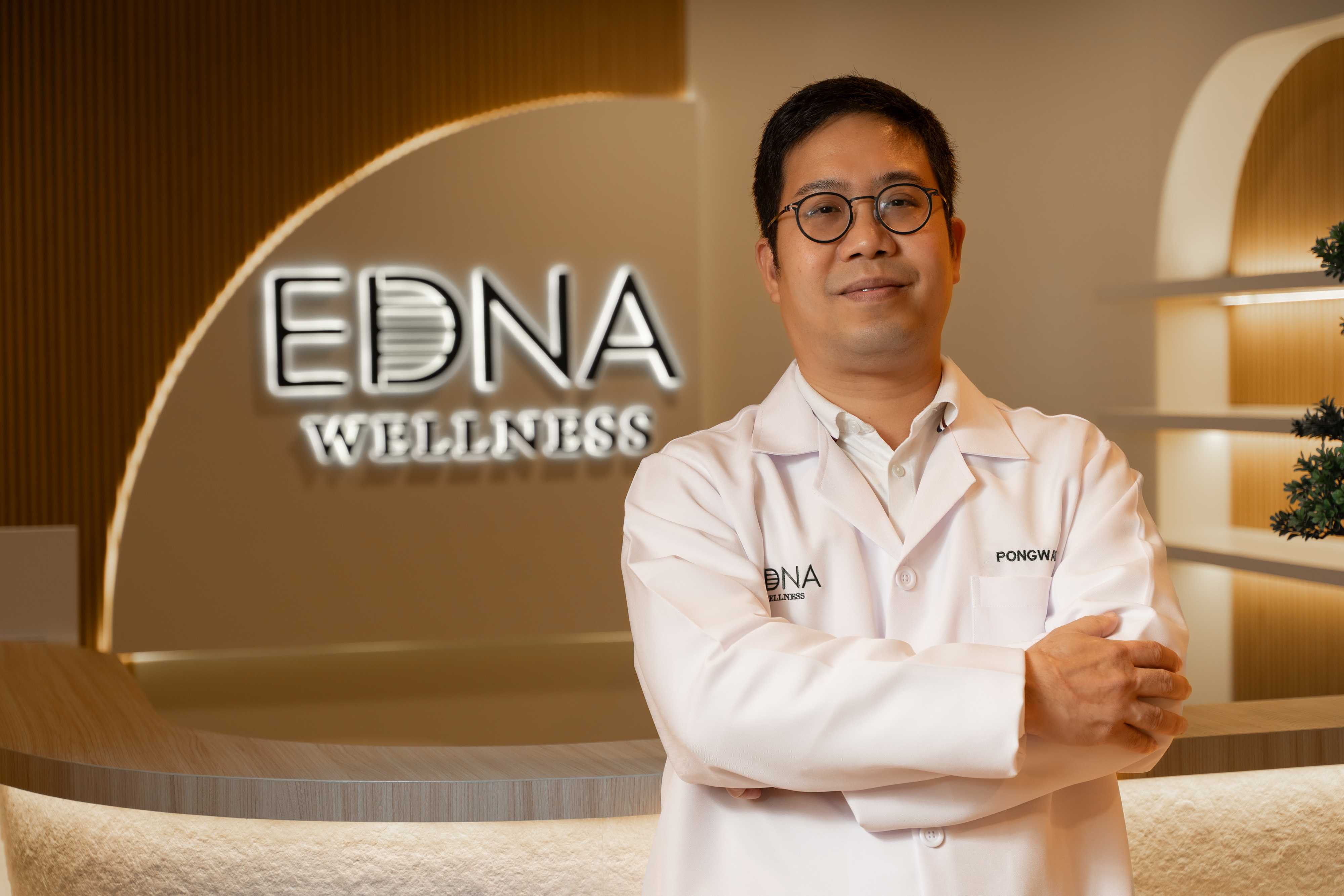
EDNA Wellness - Surgeon-Led Stem Cell Clinic in Bangkok Thailand
Overview
Surgeon-led UC-MSC Stem Cell Clinic in Bangkok, near Bangkok Hospital. Led by neurosurgeon Dr. Pongwat Polpong. GMP-certified, TISTR-collaborated, ISO 9001:2015 & ISO/IEC 17025:2017 accredited.
Read more details
 96.00% Patient Recommend
Dr. Pravin Patels Innovative Hospital & Research Center
Overview
Dr. Pravin Patel's Innovative Hospital provides best stem cell treatment in Gujarat, India. Also offers Ozone therapy, Quantum therapy , EBOO therapy, Frequency & Laser Therapy at affordable cost.
Read more details

 100.00% Patient Recommend
GIOSTAR Hospital Bengaluru
Overview
Discover GIOSTAR Hospital in Bengaluru, India—your go-to center for advanced stem cell therapies and cutting-edge procedures for orthopaedics. Explore treatments for diabetes, stroke, SCI, and more.
Read more details
 100.00% Patient Recommend
StemRx Hospital and Research Centre
Overview
At StemRx Hospital & Research Centre, We specialize in advanced Regenerative Medicine & Stem Cell therapy for Autism, Cerebral Palsy, Orthopedics, Migraine, AVN & IVF providing personalized care.
Read more details
Beijing Puhua International Hospital- Stem Cell Center
Overview
Beijing Puhua International Hospital (BPIH) features a dedicated Stem Cell Center, where a team of highly educated and experienced scientists and technicians are working on the research and development of stem cell technology to restrict the development of several degenerative diseases like Parkinson’s, ALS, Batten, Multiple Sclerosis and more.
Read more details
Beike Biotech
Overview
Beike Biotechnology offers the best stem cell therapy in Thailand, combining top-quality regenerative treatment with cutting-edge technology for optimal patient care.
Read more details
Boston Health Longevity - Anti Aging Stem Cell Therapy in Thailand
Overview
Experience advanced Anti Aging Stem Cell Therapy in Thailand at Boston Health Longevity. Improve cellular health, vitality, and longevity with expert care.
Read more details 100.00% Patient Recommend
Chaum Medical Center
Overview
Premium healthcare at Chaum Medical Center, Seoul. Personalized anti-aging, stem cell therapy, and advanced medical services for a youthful life.
Read more details
Clinique Haru Osaka Umeda - Japan Stem Cell Treatment
Overview
Clinique Haru Osaka Umeda specializes in Japan stem cell treatments for joint and musculoskeletal conditions using advanced regenerative medicine.
Read more details
Healthi Life Longevity Center in Bangkok, Thailand
Overview
Explore stem cell therapy in Bangkok, Thailand by Healthi Life Longevity Center with advanced regenerative treatments and personalized care plans.
Read more details
Hebei Yanda International Hospital
Overview
Hebei Yanda International Hospital in Beijing, China, addresses your healthcare needs with expert oncology, cardiology, and neurology treatments.
Read more detailsWhich are the best clinics for Stem Cell Therapy for Lung Disease in Malaysia?
For Stem Cell Therapy for Lung Disease in Malaysia, top-rated clinics include Dr. Ebenezer Abel Paul - Stem Cells in Malaysia, FirstCell Malaysia, Live Stem Cell Asia - Premier Stem Cell Clinic in Malaysia, Klinik Setia Gemilang, and Merkel Clinic. These centers are known for specialized regenerative therapies and patient-focused approaches, offering cutting-edge treatments to address various chronic lung conditions effectively.
Malaysia is emerging as a reputable destination for regenerative medicine, attracting patients seeking advanced treatment options. Clinics in key cities like Kuala Lumpur and Petaling Jaya specialize in various stem cell applications, including those for pulmonary conditions. When considering a clinic, it's wise to look into their specific focus areas, patient testimonials, and technological capabilities.
Dr. Ebenezer Abel Paul - Stem Cells in Malaysia, located in Kuala Lumpur, is noted for its pioneering regenerative therapies. FirstCell Malaysia, also in Kuala Lumpur, emphasizes cell-based medicine with a commitment to excellent patient outcomes, often utilizing MSC and NKC therapies. Live Stem Cell Asia in Petaling Jaya focuses on innovative regenerative solutions. Klinik Setia Gemilang in Shah Alam combines stem cell therapy with other orthopedic and anti-aging treatments. Merkel Clinic, another Kuala Lumpur facility, offers advanced regenerative medicine techniques for various conditions. These clinics are top choices for individuals exploring stem cell therapy for lung diseases in Malaysia.
What types of lung conditions can be treated with stem cell therapy in Malaysian clinics?
Malaysian stem cell clinics typically offer therapy for various chronic lung conditions, including COPD, pulmonary fibrosis, asthma, and emphysema. These treatments aim to reduce inflammation, repair damaged tissue, and improve overall lung function, offering hope for improved respiratory health and quality of life for patients.
Stem cell therapy for lung diseases harnesses the regenerative potential of cells to combat chronic inflammatory processes and tissue damage within the respiratory system. The treatment focuses on stimulating the body's natural healing mechanisms.
Common conditions addressed in Malaysian clinics include:
- Chronic Obstructive Pulmonary Disease (COPD): Stem cells may help reduce inflammation and promote tissue repair in the airways and alveoli, potentially improving airflow and reducing symptoms.
- Pulmonary Fibrosis: The therapy aims to slow the progression of fibrosis, which is scarring of the lung tissue, and potentially reverse some of the existing damage, leading to better lung elasticity and function.
- Asthma: By reducing airway inflammation and hyper-responsiveness, stem cell therapy can potentially lessen the frequency and severity of asthma attacks.
- Emphysema: This treatment works to regenerate damaged lung tissue and improve gas exchange, which is crucial for patients with emphysema where air sacs are severely compromised.
Clinics in Malaysia often tailor treatment plans based on each patient's specific diagnosis and the severity of their lung condition, utilizing different types of stem cells, such as mesenchymal stem cells (MSCs).
How do Malaysian clinics ensure patient safety during lung stem cell treatments?
Patient safety at Malaysian stem cell clinics is a top priority, ensured through strict adherence to medical protocols, thorough patient screening, use of high-quality, ethically sourced stem cells, and careful post-treatment monitoring for adverse reactions. Adherence to medical protocols and the expertise of specialized medical teams are central to minimizing risks and ensuring optimal patient outcomes.
Reputable clinics in Malaysia understand the critical importance of patient safety in regenerative medicine. They implement a multi-faceted approach to minimize risks and maximize therapeutic benefits.
- Rigorous Patient Selection: Before any procedure, patients undergo comprehensive medical evaluations. This screening process identifies suitable candidates and rules out those who might face increased risks due to underlying health issues.
- Quality Cell Sourcing and Processing: Stem cells are typically sourced from the patient's own body (autologous) or from ethically obtained and screened donor tissue. These cells are processed in accredited, state-of-the-art laboratories to ensure purity, viability, and freedom from contaminants.
- Sterile Treatment Environments: All stem cell procedures are conducted in highly sterile surgical or clinical environments to prevent infections.
- Experienced Medical Teams: Treatments are performed by qualified and experienced specialists in regenerative medicine and pulmonology, ensuring that procedures are carried out with precision and expertise.
- Continuous Post-Treatment Monitoring: Patients receive careful follow-up care and monitoring. This includes observing for any immediate adverse effects and tracking long-term progress, allowing for timely intervention if needed.
What should I look for in a specialized Stem Cell Therapy for Lung Disease clinic in Kuala Lumpur?
When choosing a specialized lung stem cell clinic in Kuala Lumpur, prioritize official accreditation, the medical team's deep expertise in regenerative and respiratory medicine, and advanced technology for precise cell delivery. Also, look for comprehensive care, including detailed diagnostics and thorough follow-up, along with positive patient testimonials.
Finding the right clinic is crucial for effective treatment of lung diseases with stem cell therapy. Here are key aspects to evaluate:
- Accreditation and Licensing: Verify that the clinic is officially accredited and licensed by Malaysia's Ministry of Health or relevant regulatory bodies. This ensures they meet national standards for medical practice.
- Medical Team Expertise: Look for specialists with extensive training and experience in both respiratory medicine and advanced regenerative therapies. The qualifications and experience of the doctors and support staff are paramount.
- Advanced Technology: Assess if the clinic uses modern equipment for accurate diagnosis, efficient stem cell processing (e.g., cell isolation and expansion), precise cell delivery to the lungs, and effective post-treatment monitoring.
- Patient-Centric Care: A reputable clinic offers a holistic approach, starting with a thorough diagnostic assessment, personalized treatment plans tailored to your specific lung condition, and comprehensive follow-up care.
- Transparency and Communication: The clinic should provide clear, realistic information about the treatment process, potential benefits, risks, and expected outcomes. They should be open about their cell sourcing and laboratory standards.
- Patient Testimonials and Outcomes: Reviewing feedback from previous patients can offer valuable insights into their experiences and satisfaction with the clinic's services and results.
What is the typical recovery process after lung stem cell therapy in Malaysia?
Recovery after lung stem cell therapy in Malaysia is generally minimal, as procedures are often non-surgical. Patients may experience mild discomfort at the injection site but can usually resume light activities within a day or two, with full recovery varying based on the individual and condition treated. Noticeable lung improvements typically manifest over several weeks or months.
One of the advantages of stem cell therapy for lung diseases is its minimally invasive nature, which translates to a relatively straightforward recovery period compared to traditional surgical interventions.
- Immediate Post-Treatment: Following the procedure, patients are usually kept under observation at the clinic for a few hours. This allows medical staff to monitor for any immediate reactions or complications.
- Mild and Temporary Side Effects: It's common to experience some mild soreness, bruising, or swelling at the sites where stem cells were harvested (if autologous, such as from bone marrow or adipose tissue) or injected. These symptoms typically subside within a few days.
- Resuming Activities: Most patients are able to resume their normal light daily activities within 24 to 48 hours. However, it's generally advised to avoid strenuous physical activity, heavy lifting, or intense exercise for a few weeks to allow the body to heal and the cells to integrate.
- Long-term Monitoring and Gradual Improvement: Full therapeutic effects of stem cell treatment are not immediate. The regenerative processes take time, and patients typically experience gradual improvements in lung function and symptoms over several weeks to months. Regular follow-up appointments, including pulmonary function tests and imaging, are crucial to track progress and adjust any ongoing care.
Are there any specific accreditations for stem cell clinics in Malaysia for lung conditions?
While specific national stem cell therapy accreditations are an evolving area globally, Malaysian clinics offering lung treatments should adhere to national health regulations set by the Ministry of Health. Patients should seek transparency regarding cell quality, processing standards, and the qualifications of the medical team, ensuring alignment with international best practices for lung regenerative therapies.
In Malaysia, as with many countries, the regulatory landscape for stem cell therapy is dynamic. There isn't a single, universally recognized specific accreditation solely for "stem cell clinics for lung conditions" that operates independently of the broader healthcare regulatory framework. However, reputable clinics prioritize adherence to established standards to ensure patient safety and treatment efficacy.
Key points regarding accreditation and oversight include:
- Ministry of Health (MOH) Guidelines: All medical facilities in Malaysia, including those offering stem cell therapies, are subject to the regulations and guidelines stipulated by the Ministry of Health. These cover aspects like facility licensing, safety protocols, and professional medical standards.
- Ethical Practices and Transparency: Responsible clinics will openly share information about their stem cell sourcing (e.g., autologous, allogeneic), the processing protocols in their laboratories, and the qualifications of their medical and scientific staff. This transparency is a strong indicator of ethical practice and quality assurance.
- International Standards and Affiliations: Some clinics may choose to pursue international certifications or affiliations that demonstrate their commitment to global best practices in cell processing, quality control, and patient care, even if these are not strictly mandatory for all procedures within Malaysia. These can include ISO certifications for laboratory practices or membership in international regenerative medicine societies.
- Focus on Evidence-Based Medicine: A credible clinic will base its treatments on scientific evidence and ongoing research, providing realistic expectations for outcomes rather than making unsubstantiated claims.
When evaluating clinics, patients should directly inquire about their regulatory compliance, laboratory standards, and the qualifications of the practitioners involved in their specific lung stem cell therapy.
How do Malaysian clinics personalize stem cell treatment plans for lung disease?
Malaysian clinics customize lung stem cell treatment plans through thorough diagnostics, assessing individual patient needs, and developing tailored protocols. These plans consider the specific lung condition, its severity, the patient’s overall health, and their response to initial treatments, ensuring a highly individualized and optimized therapeutic approach.
Personalized medicine is a cornerstone of modern healthcare, and leading Malaysian stem cell clinics apply this principle rigorously to lung disease treatments. They recognize that each patient's condition, genetic makeup, and overall health status are unique, requiring a customized approach.
The personalization process typically involves:
- Comprehensive Diagnostic Assessment: Before any treatment, clinics conduct an exhaustive diagnostic work-up. This includes a detailed medical history, physical examinations, advanced imaging techniques (such as high-resolution CT scans or X-rays), pulmonary function tests (PFTs), and sometimes specialized blood tests or genetic screenings. This helps pinpoint the exact nature and extent of the lung disease.
- Evaluation of Individual Needs: Beyond the lung condition itself, medical teams assess the patient's age, comorbidities, lifestyle factors, and previous treatment history. This holistic view helps in understanding the patient’s unique physiological context.
-
Tailored Protocol Development: Based on the diagnostic findings and individual needs, clinics devise a specific treatment protocol. This might involve:
- Type of Stem Cells: Deciding whether to use autologous (from the patient's own body) or allogeneic (from a donor) stem cells, and which specific type (e.g., mesenchymal stem cells, hematopoietic stem cells).
- Source of Cells: Determining the optimal source for cell harvesting (e.g., adipose tissue, bone marrow, umbilical cord).
- Administration Method: Selecting the most effective way to deliver cells to the lungs, such as intravenous infusion, nebulization, or direct endoscopic injection.
- Dosage and Frequency: Adjusting the number of stem cells administered and the schedule of infusions or injections based on the severity of the disease and anticipated response.
- Adaptive Treatment Plans: Treatment plans are not static. Clinics continuously monitor the patient’s response to therapy and make necessary adjustments to the protocol to optimize outcomes. This adaptive approach ensures the treatment remains effective throughout the patient’s journey.
- Multi-Disciplinary Team Collaboration: A team of specialists, often including pulmonologists, regenerative medicine experts, radiologists, and rehabilitation therapists, collaborates to ensure a well-rounded and integrated care plan tailored to the individual.
What long-term benefits can patients expect from lung stem cell therapy in Malaysia?
Patients undergoing lung stem cell therapy in Malaysia can anticipate long-term benefits such as improved breathing efficiency, reduced lung inflammation, and enhanced overall pulmonary function. The regenerative capabilities of these cells are aimed at providing sustainable improvements, contributing significantly to a better quality of life for those with chronic lung conditions.
The primary objective of stem cell therapy for lung diseases is to offer enduring relief and significant functional improvements, addressing the root causes of the conditions rather than just managing symptoms. While individual results can vary, common long-term benefits that patients may experience include:
- Sustained Symptom Alleviation: Patients often report a lasting reduction in debilitating symptoms like shortness of breath (dyspnea), chronic cough, wheezing, and chest tightness. This allows for greater comfort in daily activities.
- Improved Lung Function: Objective measurements, such as increased Forced Expiratory Volume in 1 second (FEV1), Forced Vital Capacity (FVC), and diffusion capacity, typically show improvement. These indicate better airflow and gas exchange within the lungs.
- Decreased Inflammation and Damage Repair: Stem cells possess anti-inflammatory and immunomodulatory properties that can help reduce chronic inflammation in the lungs. They also contribute to the regeneration of damaged lung tissue, potentially reversing some structural changes caused by conditions like emphysema or fibrosis.
- Reduced Reliance on Medications: With improved lung health, many patients find a reduced need for maintenance medications like bronchodilators, corticosteroids, and oxygen therapy, leading to fewer side effects and enhanced independence.
- Enhanced Exercise Tolerance and Physical Capacity: An improvement in lung function directly translates to increased stamina and the ability to engage in physical activities without significant respiratory distress. This can lead to a more active and fulfilling lifestyle.
- Overall Quality of Life Improvement: Beyond specific physiological markers, patients often report a significant enhancement in their overall quality of life, including better sleep, reduced anxiety, increased energy levels, and greater participation in social activities.
Clinics emphasize the importance of consistent follow-up care and adherence to any recommended lifestyle modifications or rehabilitation programs to maximize and maintain these long-term benefits.
Do Malaysian stem cell clinics offer rehabilitation programs for lung disease patients?
Many leading Malaysian stem cell clinics for lung disease incorporate or recommend comprehensive rehabilitation programs. These programs are crucial for optimizing treatment results, improving lung capacity, building strength, and helping patients integrate into an active lifestyle post-therapy. This integrated approach maximizes the benefits of stem cell therapy and supports long-term patient well-being.
Yes, indeed. While stem cell therapy provides a powerful regenerative boost, integrating it with supportive rehabilitation programs is often key to achieving the best possible long-term outcomes for patients with lung disease. Many reputable Malaysian clinics understand this synergistic approach and offer either in-house pulmonary rehabilitation services or work closely with trusted external partners to ensure comprehensive post-therapy care.
These rehabilitation programs are designed to:
- Optimize Treatment Results: Rehabilitation helps the body adapt to the changes initiated by stem cell therapy, reinforcing the regenerative effects and ensuring that new lung function is effectively utilized.
- Improve Lung Capacity and Efficiency: Specialized breathing exercises and techniques taught during rehabilitation can significantly enhance a patient's lung capacity, strengthen respiratory muscles, and make breathing more efficient.
- Build Physical Strength and Endurance: Lung disease often leads to muscle deconditioning. Rehabilitation includes tailored exercise routines to rebuild strength, improve endurance, and enhance overall physical fitness, which is vital for daily activities.
- Educate and Empower Patients: Patients receive valuable education on understanding their lung condition, managing symptoms, proper medication use, and recognizing early warning signs. This empowers them to take a more active role in their long-term health.
- Promote an Active and Healthy Lifestyle: Rehabilitation counselors often provide guidance on lifestyle modifications, including nutritional advice, smoking cessation strategies, and stress management techniques, all contributing to sustained lung health and overall well-being.
This holistic, integrated approach ensures that patients not only receive advanced regenerative treatment but also benefit from structured support systems that facilitate optimal recovery and improve their quality of life.
What advanced technologies are used in Malaysian clinics for lung stem cell therapy?
Malaysian clinics utilize advanced technologies for lung stem cell therapy, including sophisticated cell isolation and expansion systems, precise imaging for targeted cell delivery, and advanced diagnostics. these technologies ensure high cell viability, accurate placement, and effective monitoring of treatment progress, supporting safe and optimized patient outcomes.
Cutting-edge technology plays a pivotal role in ensuring the safety, efficacy, and precision of lung stem cell therapy offered in Malaysian clinics. These advanced tools and techniques are integral at every stage of the treatment process, from initial diagnosis to cell preparation and delivery.
Key advanced technologies commonly employed include:
- Automated Cell Isolation and Expansion Systems: These sophisticated systems ensure that stem cells harvested from the patient or a donor are processed in a highly controlled, sterile environment. They precisely isolate the desired cell types and can expand their numbers to achieve therapeutic dosages, minimizing human error and maximizing cell viability.
- Flow Cytometry and Cell Characterization: Before administration, stem cells undergo rigorous quality control using flow cytometry. This technology analyzes cell populations to confirm purity, identify specific cell markers, and ensure that only high-quality, viable cells are used for therapy.
-
Image-Guided Cell Delivery Systems: For targeted therapy, clinics may use advanced imaging techniques to guide the precise delivery of stem cells directly to the affected areas of the lung. This can involve:
- Bronchoscopy: A flexible tube with a camera is inserted into the airways to visualize the lungs and allow direct injection of stem cells into specific lesions.
- Fluoroscopy or CT guidance: These imaging methods provide real-time visualization during minimally invasive procedures, ensuring accurate placement of cells.
- Nebulization techniques: Advanced nebulizers can deliver stem cell solutions directly into the patient's respiratory system via inhalation.
- High-Resolution Diagnostic Imaging: Before and after treatment, patients undergo detailed imaging studies like high-resolution computed tomography (HRCT) scans and positron emission tomography (PET) scans. These provide intricate views of lung structure and function, allowing for accurate diagnosis, precise treatment planning, and objective monitoring of changes post-therapy.
- Advanced Pulmonary Function Testing (PFT) Equipment: Modern PFT labs utilize sophisticated equipment to measure various aspects of lung performance, such as lung volume, airflow rates, and gas exchange efficiency. This data is critical for assessing the severity of lung disease and quantifying treatment effectiveness over time.
- Cryopreservation Facilities: State-of-the-art cryopreservation techniques allow for the safe, long-term storage of stem cells, preserving their viability for future treatments if necessary.
The integration of these technologies ensures that patients in Malaysian clinics receive the most advanced, precise, and effective stem cell therapy for their lung conditions.
How PlacidWay helps individuals access Stem Cell Therapy for Lung Disease in Malaysia?
PlacidWay provides detailed, up-to-date information about Stem Cell Therapy for Lung Disease, including benefits, risks, and expected outcomes, empowering you with the knowledge needed to make informed healthcare decisions. We help users compare various treatment options across different clinics, ensuring access to affordable solutions without compromising on quality or safety standards. PlacidWay assists individuals in finding trusted, accredited clinics and medical professionals specializing in Stem Cell Therapy for Lung Disease in Malaysia, connecting you with top-tier healthcare providers. We offer one-on-one consultations to thoroughly discuss your specific needs and concerns, guiding you through the treatment selection process to ensure your individual requirements are met. Furthermore, PlacidWay ensures continued support after your treatment, including assistance with follow-up care and recovery, providing peace of mind throughout your entire medical journey. Ready to get Stem Cell Therapy for Lung Disease in Malaysia? Contact us today for a personalized consultation.Share with AI
Share this page with AI assistants to get summaries and insights


List of Best Stem Cell Therapy for Lung Disease Clinics in Malaysia
Unlock the Best Stem Cell Therapy for Lung Disease Packages Just for You
Discover the ultimate Stem Cell Therapy for Lung Disease packages designed to meet your health and wellness goals. Choose the perfect fit for your journey.
Price starting from $9,800
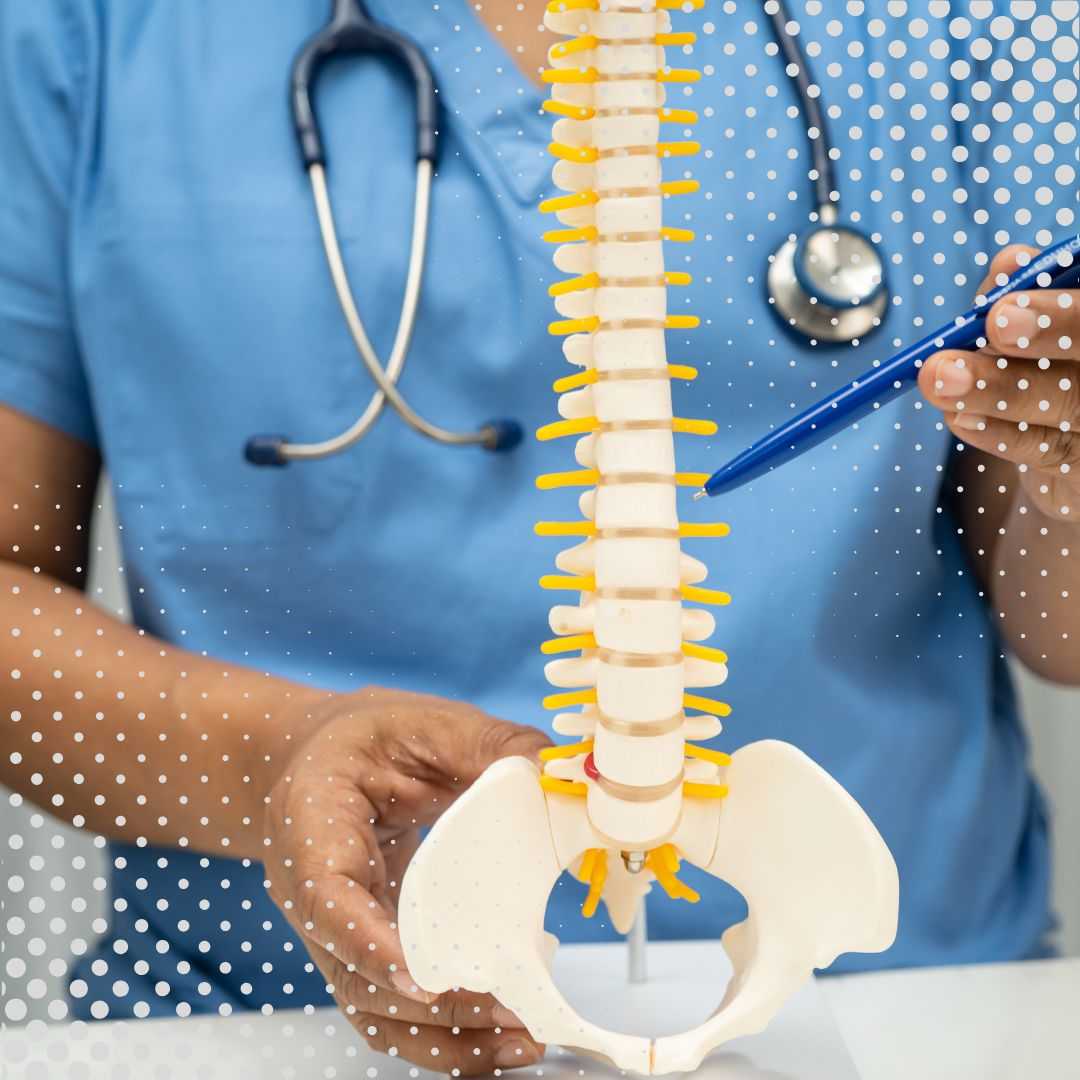
Stem Cell Therapy for Degenerative Disc Disease Package in Kuala Lumpur, Malaysia by FirstCell
FirstCell Malaysia
- Stem Cell Therapy
Kuala Lumpur, Malaysia

Price starting from $12,800
Stem Cell Therapy for Lupus & Autoimmune Disease Package in Kuala Lumpur, Malaysia by FirstCell
FirstCell Malaysia
- Stem Cell Therapy
Kuala Lumpur, Malaysia

Price starting from $8,000
Stem Cell Therapy for Lung Disease Package in Kuala Lumpur, Malaysia by FirstCell
FirstCell Malaysia
- Stem Cell Therapy
Kuala Lumpur, Malaysia

Price starting from $12,800
Stem Cell Therapy for Dementia Package in Kuala Lumpur, Malaysia by FirstCell
FirstCell Malaysia
- Stem Cell Therapy
Kuala Lumpur, Malaysia
Transformative Stem Cell Therapy for Lung Disease Experiences: Dive into Procedure Insights
Discover the power of Stem Cell Therapy for Lung Disease through compelling patient experiences. Uncover detailed insights into procedures, recovery journeys, and life-changing results.
.png)
Price starting from $9,800
Stem Cell for Heart Disease in Kuala Lumpur, Malaysia
- Stem Cell Therapy for Heart Disease, Stem Cell Therapy
Kuala Lumpur, Malaysia
.png)
Price starting from $9,800
Stem Cell for Spinal Cord Injury in Kuala Lumpur, Malaysia
- Stem Cell Treatment for Spinal Cord Injury, Stem Cell Therapy
Kuala Lumpur, Malaysia
.png)
Price starting from $9,800
Stem Cell for Eye Disorders in Kuala Lumpur, Malaysia
- Stem Cell Treatment for Eye Diseases, Stem Cell Therapy
Kuala Lumpur, Malaysia
.png)
Price starting from $9,800
Stem Cell Therapy for Neuro Muscular in Kuala Lumpur, Malaysia
- Stem Cell Treatment for Muscular Dystrophy, Stem Cell Therapy
Kuala Lumpur, Malaysia

A year ago, I underwent stem cell therapy here. The entire process has been smooth, thanks to the clear explanations provided by the experienced doctor and nurse. I'm now eagerly awaiting the arrival of my first baby.
Read More