
What treatment


4+ Best Clinics for Stem Cell Therapy for Motor Neuron Disease MND in South Korea
Trusted Medical Tourism Platform Since 2007
What are the best stem cell therapy clinics for Motor Neuron Disease (MND) in South Korea?
The best clinics for stem cell therapy for Motor Neuron Disease (MND) in South Korea are: Chaum Medical Center (Seoul) and Yonsei BH Clinic (Seoul).
These facilities are accredited by the Ministry of Health and Welfare (MOHW) and JCI, utilizing GMP-certified laboratories for safe cell processing. They specialize in using Mesenchymal Stem Cells (MSCs) and Neural Stem Cells (NSCs) to treat complex neurological conditions, including MND, Parkinson's disease, and dementia. Comprehensive stem cell treatment packages at these specialized centers generally start from $33,000 USD.
Dr. Kims Stem Cell Clinic in Seoul, South Korea


Overview
Explore stem cell treatment in Seoul, South Korea at Dr. Kims Stem Cell Clinic, offering evidence-based cell therapy and personalized regenerative care.
Read more details

 100.00% Patient Recommend
Chaum Medical Center

Overview
Premium healthcare at Chaum Medical Center, Seoul. Personalized anti-aging, stem cell therapy, and advanced medical services for a youthful life.
Read more details
Seoul Smart Bon Clinic in South Korea
Overview
Discover advanced care at Spine, Neurology & Stem Cell Clinic in South Korea by Seoul Smart Bon Clinic with innovative treatments for lasting recovery.
Read more details
Yonsei BH Clinic

Overview
Yonsei BH Clinic offers advanced stem cell therapy in Seoul, South Korea, for erectile dysfunction, anti-aging, Parkinson disease, dementia, diabetes, and more.
Read more details
Discover your treatment options with a free, no-obligation quote!
Get your quote now!Allheart plastic surgery
AllHeart Plastic Surgery in Gangnam specializes in advanced cosmetic procedures, offering expert care in a modern facility for natural and safe results.


Which are the best clinics for Stem Cell Therapy for Motor Neuron Disease (MND) in South Korea?
When seeking Stem Cell Therapy for Motor Neuron Disease (MND) in South Korea, two highly regarded clinics stand out: Chaum Medical Center and Yonsei BH Clinic, both located in Seoul. These facilities are known for their advanced medical services and focus on regenerative treatments. Chaum Medical Center boasts excellent patient recommendations, while Yonsei BH Clinic is recognized for its specialized stem cell applications in various neurological conditions.
Patients looking for advanced stem cell therapy for MND in South Korea often consider clinics in Seoul due to its reputation for medical innovation. Chaum Medical Center is a premier facility that integrates advanced anti-aging and regenerative medicine, including stem cell therapies. Their patient satisfaction rates are notably high, indicating a strong commitment to quality care and positive outcomes. Yonsei BH Clinic, also in Seoul, is another prominent choice, particularly noted for its focus on stem cell therapy for neurological disorders. While specific patient reviews for MND might require direct inquiry, their broader expertise in stem cell applications for conditions like Parkinson's disease and dementia suggests a strong foundation for MND treatment. Both clinics offer specialized environments and utilize cutting-edge technology in their regenerative approaches.
What should I look for in a Stem Cell Therapy clinic for MND in Seoul?
When choosing an MND stem cell clinic in Seoul, prioritize clinics with established experience in neurological regenerative therapies. Look for centers offering transparent treatment protocols, state-of-the-art facilities, and comprehensive patient support services, especially for international patients. Verification of accreditations and patient testimonials can also guide your decision for quality MND care.
Selecting the right Stem Cell Therapy clinic for MND is a crucial decision. In Seoul, look for clinics that:
- Specialized Expertise: Ensure the clinic has a dedicated department or significant experience in treating neurological conditions, specifically MND, with stem cells. Clinics like Chaum Medical Center and Yonsei BH Clinic highlight their focus on advanced regenerative medicine.
- Accreditation and Regulations: Verify that the clinic adheres to strict national and international medical standards and is properly licensed for stem cell procedures in South Korea.
- Transparent Protocols: The clinic should clearly explain its stem cell sources (e.g., autologous, allogeneic), processing methods, and administration routes, along with expected treatment durations and follow-up plans.
- Advanced Technology: Modern diagnostic and therapeutic equipment is vital for precise and effective treatment. This includes sophisticated imaging, cell processing labs, and advanced delivery methods.
- Multidisciplinary Team: A team approach involving neurologists, stem cell specialists, rehabilitation therapists, and patient coordinators ensures holistic care.
- Patient Support: For international patients, services like language assistance, accommodation recommendations, and logistical support are important for a smooth experience.
Are there specialized centers for neurological stem cell conditions in South Korea?
Yes, South Korea hosts several specialized medical centers dedicated to neurological stem cell conditions, including Motor Neuron Disease (MND). Clinics in major cities like Seoul, such as Yonsei BH Clinic and Chaum Medical Center, offer advanced regenerative therapies specifically targeting neurological regeneration and disease management using diverse stem cell approaches.
South Korea is a recognized leader in medical innovation, particularly in regenerative medicine and stem cell research. This includes a strong focus on neurological conditions like MND, Parkinson's disease, and Alzheimer's. Specialized centers often integrate research with clinical practice, providing patients access to the latest therapeutic advancements. These clinics typically feature:
- Dedicated Neurological Departments: With specialists focused solely on conditions affecting the brain and spinal cord.
- State-of-the-Art Laboratories: For culturing, processing, and preparing stem cells to ensure quality and efficacy.
- Advanced Imaging and Diagnostics: To accurately assess neurological damage and monitor treatment progress.
- Comprehensive Rehabilitation: Post-treatment support is crucial for neurological patients, including physical, occupational, and speech therapy tailored to MND.
How do South Korean clinics ensure safety in MND stem cell treatments?
South Korean clinics prioritize patient safety in MND stem cell treatments through strict adherence to national regulations, rigorous quality control in cell processing, and comprehensive patient screening. They maintain high clinical standards, utilize advanced sterile environments, and provide detailed informed consent, ensuring ethical and safe regenerative therapy practices for neurological conditions.
Patient safety is paramount in stem cell therapy, especially for complex conditions like MND. South Korean clinics implement several measures to ensure treatment safety:
- Stringent Regulatory Compliance: Adherence to the Ministry of Health and Welfare guidelines and the Bioethics and Safety Act, which govern stem cell research and clinical application.
- Accreditation and Certification: Many reputable clinics hold international accreditations, signifying compliance with global safety and quality standards.
- Patient-Specific Screening: A thorough medical evaluation, including extensive diagnostic tests, ensures that only suitable candidates receive treatment, minimizing risks.
- Quality Control in Labs: Stem cells are processed in Good Manufacturing Practice (GMP) certified facilities to prevent contamination and ensure cell viability and purity.
- Experienced Medical Teams: Procedures are performed by highly trained specialists with expertise in both neurological disorders and regenerative medicine.
- Monitoring and Follow-up: Patients are closely monitored during and after treatment for any adverse reactions, and long-term follow-up protocols are in place to track outcomes.
What types of stem cells are commonly used for MND therapy in South Korean clinics?
In South Korea, common types of stem cells used for MND therapy include Mesenchymal Stem Cells (MSCs) derived from adipose tissue, bone marrow, or umbilical cord blood. Neural Stem Cells (NSCs) are also explored. These cells are chosen for their neuroprotective, anti-inflammatory, and regenerative properties, aiming to support motor neuron health and function.
The choice of stem cell type is crucial for effective MND treatment. Clinics in South Korea primarily focus on:
- Mesenchymal Stem Cells (MSCs): These are multipotent stromal cells that can differentiate into various cell types. They are highly favored due to their immunomodulatory, anti-inflammatory, and neurotrophic factor secretion capabilities. MSCs can be sourced from:
- Adipose (fat) tissue: Easily accessible and abundant source.
- Bone marrow: A traditional source, known for its rich stem cell content.
- Umbilical cord blood: Often considered a potent source of younger, more robust stem cells.
- Neural Stem Cells (NSCs): While more complex to harvest and expand, NSCs have the potential to differentiate directly into neurons and glial cells, making them a promising option for direct nerve repair in MND. Research continues in this area.
Do South Korean MND stem cell clinics offer international patient support?
Yes, many leading MND stem cell clinics in South Korea, particularly in Seoul, offer extensive international patient support services. These services are designed to ensure a seamless experience for patients traveling from abroad, including assistance with travel logistics, language interpretation, accommodation, and navigating the medical process for their regenerative therapy.
Recognizing the global demand for advanced treatments, South Korean clinics prioritize comprehensive support for international patients. These services typically include:
- Dedicated International Patient Departments: Staffed with multilingual coordinators who serve as a single point of contact.
- Medical Visa Assistance: Guidance and necessary documentation for obtaining a medical visa to South Korea.
- Travel and Accommodation Support: Help with flight bookings, airport transfers, and arranging suitable lodging options near the clinic.
- Language Interpretation: Professional medical interpreters are often provided during consultations, examinations, and throughout the treatment process.
- Telemedicine Consultations: Initial consultations can often be conducted remotely, allowing patients to discuss their condition and treatment options before traveling.
- Post-Treatment Follow-up: Remote follow-up appointments and coordination of ongoing care with local healthcare providers in the patient's home country.
What kind of facilities and technology are available at MND stem cell clinics in South Korea?
MND stem cell clinics in South Korea utilize state-of-the-art facilities and cutting-edge technology. This typically includes advanced diagnostic imaging (MRI, PET scans), sophisticated cell processing laboratories adhering to GMP standards, dedicated stem cell administration suites, and integrated rehabilitation centers, all crucial for effective neurological regenerative therapies.
South Korea's medical infrastructure is highly advanced, and this extends to its stem cell therapy clinics. For MND patients, these facilities offer:
- Advanced Diagnostic Imaging: High-resolution MRI, PET scans, and electromyography (EMG) for precise diagnosis and monitoring of disease progression and treatment efficacy.
- GMP-Certified Laboratories: In-house or affiliated labs that meet Good Manufacturing Practice standards for safe and effective stem cell isolation, expansion, and storage. This ensures the highest quality of cells for therapeutic use.
- Dedicated Treatment Suites: Sterile and specially equipped rooms for stem cell administration, ensuring patient comfort and minimizing infection risks.
- Neuromodulation Technology: Some clinics may incorporate technologies like transcranial magnetic stimulation (TMS) or deep brain stimulation (DBS) as adjunctive therapies or for research.
- Comprehensive Rehabilitation Centers: Equipped with advanced robotics, hydrotherapy, and specialized exercise equipment to support physical recovery and enhance neurological function post-treatment.
- Research & Development Arms: Many leading clinics are actively involved in ongoing research, contributing to the development of new and more effective MND stem cell treatments.
Can I expect post-treatment follow-up from South Korean MND stem cell centers?
Yes, comprehensive post-treatment follow-up is a standard practice at reputable MND stem cell centers in South Korea. Clinics emphasize monitoring patient progress, assessing therapeutic outcomes, and coordinating ongoing care. This often involves scheduled consultations, remote check-ups, and communication with local healthcare providers to ensure continued support after regenerative therapy.
Effective post-treatment care is crucial for optimizing the long-term benefits of stem cell therapy for MND. South Korean clinics typically structure their follow-up programs to include:
- Regular Clinical Assessments: Scheduled check-ups to monitor neurological status, motor function, and overall health.
- Diagnostic Re-evaluation: Follow-up imaging and laboratory tests to assess changes in disease progression and confirm the impact of the stem cell therapy.
- Symptom Management: Ongoing support for managing MND symptoms, often involving medication adjustments and physical therapy recommendations.
- Remote Consultations: For international patients, follow-up appointments can often be conducted via teleconferencing, making it convenient to stay connected with the treating team.
- Coordination with Local Doctors: Collaboration with the patient’s primary healthcare provider or neurologist in their home country to ensure continuity of care.
- Rehabilitation Recommendations: Personalized plans for ongoing physical, occupational, and speech therapy to maintain and enhance functional improvements.
What is the patient experience like at a Stem Cell Therapy clinic for MND in South Korea?
The patient experience at MND stem cell clinics in South Korea is typically characterized by highly personalized and compassionate care. From initial consultations to post-treatment support, patients receive meticulous attention, state-of-the-art facilities, and a focus on comfort and clear communication, especially for those traveling internationally for specialized neurological regenerative therapy.
Patients seeking MND stem cell therapy in South Korea can expect a high standard of care and a supportive environment:
- Personalized Care Plans: Each patient undergoes a thorough evaluation to create a customized treatment plan, addressing their specific condition and needs.
- Comfortable Environment: Clinics are often designed with patient comfort in mind, offering modern amenities and a calming atmosphere.
- Clear Communication: Medical teams and international patient coordinators ensure that all aspects of the treatment, including risks, benefits, and logistics, are clearly communicated in the patient's preferred language.
- Emotional Support: Recognizing the challenges of MND, staff often provide compassionate care and emotional support throughout the patient’s journey.
- Efficiency and Organization: South Korean medical facilities are known for their efficiency, ensuring appointments and procedures run smoothly and on schedule.
- Cultural Sensitivity: Clinics catering to international patients are attuned to diverse cultural backgrounds and strive to make foreign patients feel respected and at ease.
How can I verify the accreditation of MND stem cell clinics in South Korea?
To verify the accreditation of MND stem cell clinics in South Korea, you should look for certifications from the Ministry of Health and Welfare or the Korea Health Industry Development Institute (KHIDI). Additionally, international accreditations like JCI (Joint Commission International) often signify adherence to global healthcare standards in specialized neurological regenerative clinics.
Ensuring a clinic's proper accreditation is vital for safe and effective MND stem cell therapy. Here's how you can verify it:
- Ministry of Health and Welfare (MOHW): This is the primary governmental body overseeing healthcare facilities in South Korea. Look for clinics officially registered and approved by MOHW for regenerative medicine.
- Korea Health Industry Development Institute (KHIDI): KHIDI plays a role in promoting and certifying medical tourism institutions, often including criteria for advanced therapies. Their official website may list accredited facilities.
- Joint Commission International (JCI): This is a globally recognized accreditation that certifies hospitals and clinics meeting stringent international standards for patient safety and quality of care. Many top South Korean hospitals, including those offering specialized stem cell treatments, hold JCI accreditation.
- Clinic Websites and Brochures: Reputable clinics prominently display their accreditations and certifications on their official websites and in their informational materials.
- Direct Inquiry: Don't hesitate to directly ask the clinic for proof of their licenses, certifications, and compliance with national and international medical guidelines.
What is the typical duration for MND stem cell treatment in South Korea?
The typical duration for MND stem cell treatment in South Korea varies depending on the specific protocol and patient needs, but initial treatment phases can range from a few days to a couple of weeks for direct administration. This often includes diagnostic workup, cell preparation, the treatment itself, and immediate post-procedure monitoring. Long-term follow-up extends for months or years.
The duration of MND stem cell therapy is not a one-size-fits-all, as it is highly individualized. However, a general breakdown often includes:
- Pre-treatment Evaluation (1-3 days): This involves comprehensive diagnostics, blood tests, neurological assessments, and consultations to determine eligibility and tailor the treatment plan.
- Stem Cell Harvesting (1 day): If autologous stem cells are used (from the patient's own body), a procedure like bone marrow aspiration or adipose tissue collection takes place.
- Cell Processing and Expansion (several days to weeks): The harvested cells are sent to a specialized lab for processing, purification, and expansion, which can take time depending on the desired cell count and type. During this period, patients might return home or stay in local accommodation.
- Stem Cell Administration (1-3 days): The actual delivery of stem cells, which can involve single or multiple sessions via intravenous infusion, intrathecal injection, or other routes.
- Immediate Post-Treatment Monitoring (2-5 days): Patients are monitored closely for any immediate side effects or reactions and receive initial rehabilitation guidance.
Are there patient testimonials or success stories from MND stem cell therapy in South Korea?
Yes, patient testimonials and success stories from MND stem cell therapy in South Korea are available, offering valuable insights into personal experiences and reported outcomes. These often highlight improvements in quality of life, symptom management, and functional abilities for individuals who have undergone regenerative treatments at specialized neurological clinics in the region.
For many patients considering MND stem cell therapy, hearing about others' experiences can be incredibly reassuring and informative. South Korean clinics often share patient testimonials and success stories, adhering to ethical guidelines:
- Website Features: Many clinics publish written or video testimonials on their official websites, often with patient consent and sometimes anonymized. For instance, platforms like PlacidWay collect and display patient reviews, with Chaum Medical Center showing a high patient recommendation rate.
- Patient Forums and Support Groups: Online communities and international patient groups can be sources of firsthand accounts and experiences from individuals who have undergone treatment in South Korea.
- Direct Contact (with consent): Some clinics may facilitate contact with former patients who are willing to share their stories, providing a more personal perspective.
- Focus on Quality of Life: Testimonials often emphasize improvements in areas like muscle strength, breathing, speech, swallowing, and overall quality of life, which are significant for MND patients.
- Measured Outcomes: While individual results vary, clinics often track patient progress and outcomes, which can be part of broader success stories.
How PlacidWay helps individuals access Stem Cell Therapy for Motor Neuron Disease (MND) in South Korea?
PlacidWay provides detailed, up-to-date information about Stem Cell Therapy for Motor Neuron Disease (MND), including benefits, risks, and expected outcomes, empowering you with knowledge for your treatment journey.
We help users compare MND stem cell treatment options in various clinics in South Korea, ensuring you find affordable choices without compromising on quality or safety. Our platform meticulously vets clinics and highlights their certifications, like those for Chaum Medical Center and Yonsei BH Clinic, so you can make informed decisions.
PlacidWay assists users in finding trusted, accredited clinics and medical professionals specializing in Stem Cell Therapy for Motor Neuron Disease (MND) in South Korea. We ensure that you connect with reputable facilities that adhere to the highest international standards of care.
We offer one-on-one consultations to help users make informed decisions about their MND stem cell treatment. Our expert patient coordinators listen to your specific needs and provide personalized guidance, ensuring your unique circumstances are met with the best possible care plan.
PlacidWay ensures continued support after your treatment, including coordinating follow-up care and recovery assistance. We understand that post-treatment care is vital for neurological conditions like MND, and we strive to provide comprehensive support every step of the way, even after you return home.
Ready to get Stem Cell Therapy for Motor Neuron Disease (MND) in South Korea? Contact us today for a personalized consultation.List of Best Stem Cell Therapy for Motor Neuron Disease MND Clinics in South Korea
Unlock the Best Stem Cell Therapy Packages Just for You
Discover the ultimate Stem Cell Therapy packages designed to meet your health and wellness goals. Choose the perfect fit for your journey.
Price starting from $6,200
Stem Cell Therapy Package in Seoul, South Korea by VG Plastic Surgery
VG Plastic Surgery
- Stem Cell Therapy
Seoul, South Korea
Price starting from $16,000
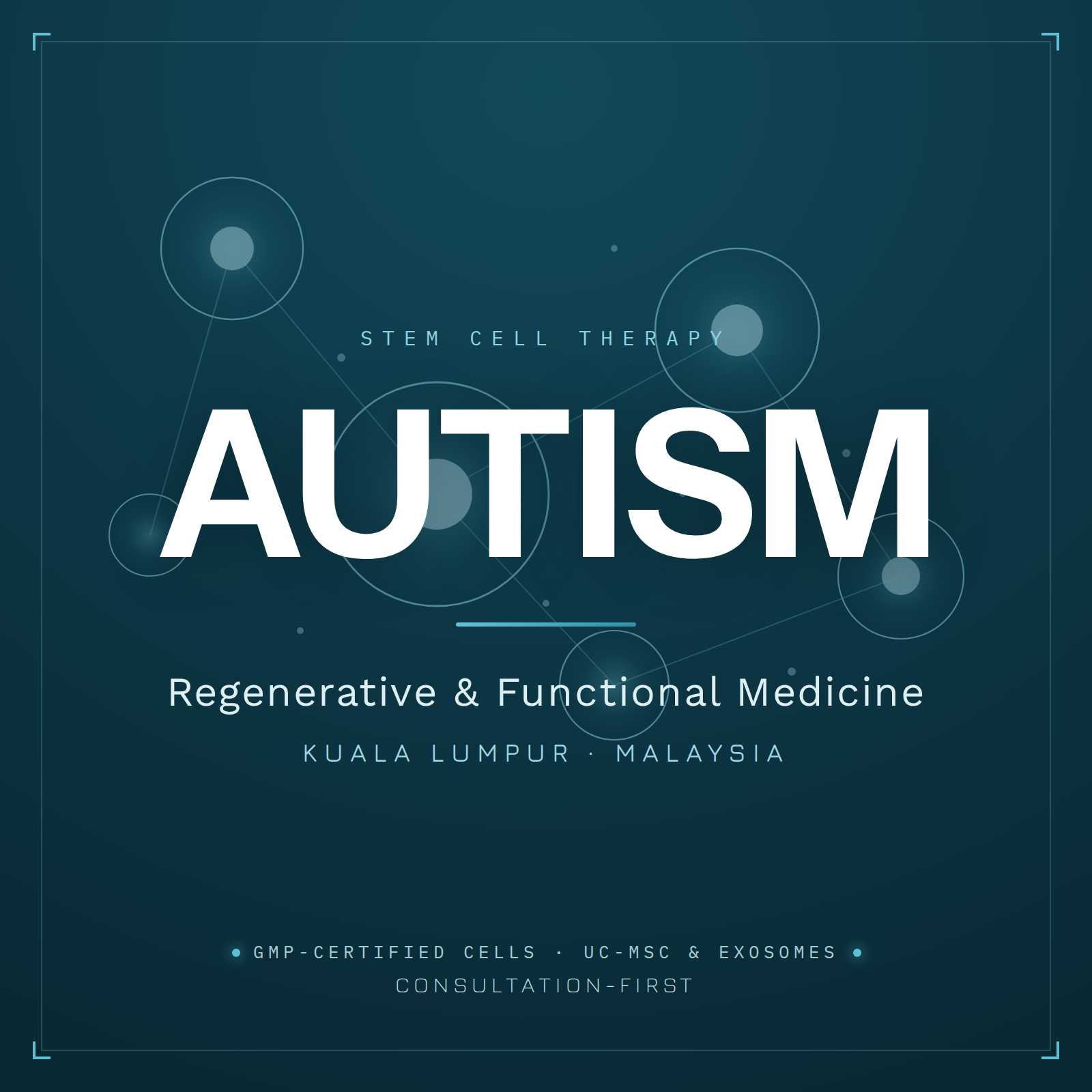
Stem Cell Treatment for Autism Package - Malaysia
Dr. Ebenezer Abel Paul - Stem Cells in Malaysia
- Stem Cell Therapy
Dubai, UAE
Price starting from $3,271
Bone Marrow Concentrate Joint Package at Dr Kims Clinic in Seoul, South Korea
Dr. Kims Stem Cell Clinic in Seoul, South Korea
- Stem Cell Therapy
Seoul,Gangnam, South Korea
Price starting from $3,866
ImmunCell LC 200 ml Treatment Package at Dr Kims in South Korea
Dr. Kims Stem Cell Clinic in Seoul, South Korea
- Stem Cell Therapy
Seoul,Gangnam, South Korea
Transformative Stem Cell Therapy Experiences: Dive into Procedure Insights
Discover the power of Stem Cell Therapy through compelling patient experiences. Uncover detailed insights into procedures, recovery journeys, and life-changing results.

Price starting from $10,000
Stem Cell Therapy for Knee Osteoarthritis in Japan
- Stem Cell Treatment for Knee Osteoarthritis Abroad, Stem Cell Therapy
Japan

Price starting from $2,250
Stem Cell Therapy for Meniscus Tear in Thailand
- Stem Cell Therapy for a Meniscus Tear, Stem Cell Therapy
Thailand


Price starting from $4,000
Stem Cell Therapy for Shoulder Pain in India
- Stem Cell Therapy for Shoulder , Stem Cell Therapy
India
Explore Stem Cell Therapy: Stories, Testimonials, and Procedures
Watch in-depth videos covering everything from Stem Cell Therapy success stories to detailed procedure explanations. Learn what to expect and hear from real patients.
Get Featured: South Korea Cosmetic Surgery Before and After - Model With VG
Stem Cell Therapy
VG Plastic Surgery
South Korea

Intra-arterial Stem Cell Treatment for the Dementia Patients in South Korea
Stem Cell Therapy
Yonsei BH Clinic
South Korea
Stem Cell Therapy for Parkinson's, Dementia, and Aging in Seoul by Dr. Kims Clinic
Stem Cell Therapy
Dr. Kims Stem Cell Clinic in Seoul, South Korea
South Korea

Treatment for Erectile Dysfunction through Non-Surgical Vascular and Arterial Stem Cell Treatment
Stem Cell Therapy
Yonsei BH Clinic
South Korea
Stem Cell Therapy Solutions Near You: Explore Top Medical Centers
Discover how Stem Cell Therapy is transforming lives at leading medical centers in , South Korea. Dive into center profile, specialties, doctors, reviews, etc. and explore the best options tailored to your needs in this region.
Yonsei BH Clinic
Seoul, South Korea
Seoul Smart Bon Clinic in South Korea
Seoul, South Korea
Allheart plastic surgery
Seoul, South Korea
Chaum Medical Center
Seoul, South Korea








Hospital attended by rich people in Cheongdam-dong, Gangnam
Read More