
What treatment


3+ Best Clinics for Stem Cell Therapy for Stroke in South Korea
What are the best stem cell therapy clinics in South Korea?
The top stem cell therapy clinics in South Korea are Chaum Medical Center (Seoul), Seoul Smart Bon Clinic (Seoul), and Yonsei BH Clinic (Seoul).
These renowned facilities are backed by MOHW and JCI accreditations, ensuring strict international safety and medical standards. They utilize advanced mesenchymal (MSCs) and neural stem cells to treat various conditions, specializing in stroke recovery, Parkinson's disease, dementia, diabetes, and anti-aging procedures. Stem cell treatment costs in South Korea range from $6,200 to $33,000 USD, offering highly advanced regenerative medicine at a more affordable price point compared to Western healthcare systems.
 100.00% Patient Recommend
Chaum Medical Center


Overview
Premium healthcare at Chaum Medical Center, Seoul. Personalized anti-aging, stem cell therapy, and advanced medical services for a youthful life.
Read more details
Seoul Smart Bon Clinic in South Korea

Overview
Discover advanced care at Spine, Neurology & Stem Cell Clinic in South Korea by Seoul Smart Bon Clinic with innovative treatments for lasting recovery.
Read more details
Yonsei BH Clinic


Overview
Yonsei BH Clinic offers advanced stem cell therapy in Seoul, South Korea, for erectile dysfunction, anti-aging, Parkinson disease, dementia, diabetes, and more.
Read more details
Allheart plastic surgery
AllHeart Plastic Surgery in Gangnam specializes in advanced cosmetic procedures, offering expert care in a modern facility for natural and safe results.


Discover your treatment options with a free, no-obligation quote!
Get your quote now! 100.00% Patient Recommend
Cell Grand Clinic - Best Stem Cell Clinic in Japan
Overview
Explore Cell Grand Clinic, the best stem cell clinic in Japan specializing in top regenerative therapies for anti-aging, chronic conditions, and wellness.
Read more details

 82.81% Patient Recommend
HELENE - Stem Cell Clinic
Overview
Japan Regenerative Medicine Leading Brand With over a decade of experience and more than 17,000 treated patients. Providing cutting-edge stem cell therapies tailored to various health concerns.
Read more details
 100.00% Patient Recommend
Vega Stem Cell Clinic in Bangkok Thailand
Overview
Vega Clinic in Bangkok, Thailand, helps people feel better with special treatments. They use new ways to heal and make sure each person gets care made just for them.
Read more details
 100.00% Patient Recommend
Azabu Skin Clinic - Dermatology and Stem Cell Therapy in Japan
Overview
Azabu Skin Clinic in Tokyo offers advanced stem cell treatments, regenerative treatments, dermatology, and aesthetic care. Book your consultation today.
Read more details
Discover your treatment options with a free, no-obligation quote!
Get your quote now! 100.00% Patient Recommend
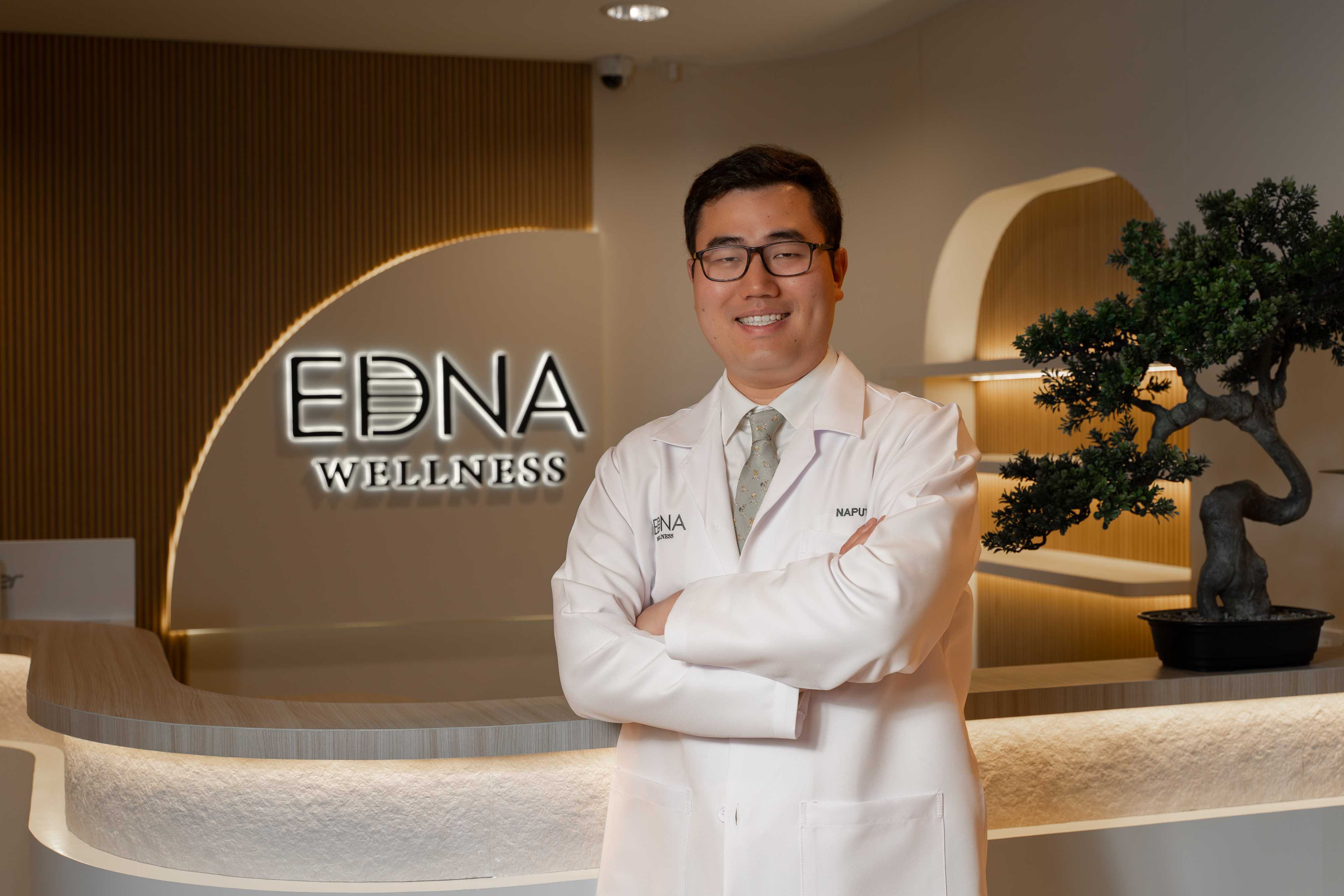
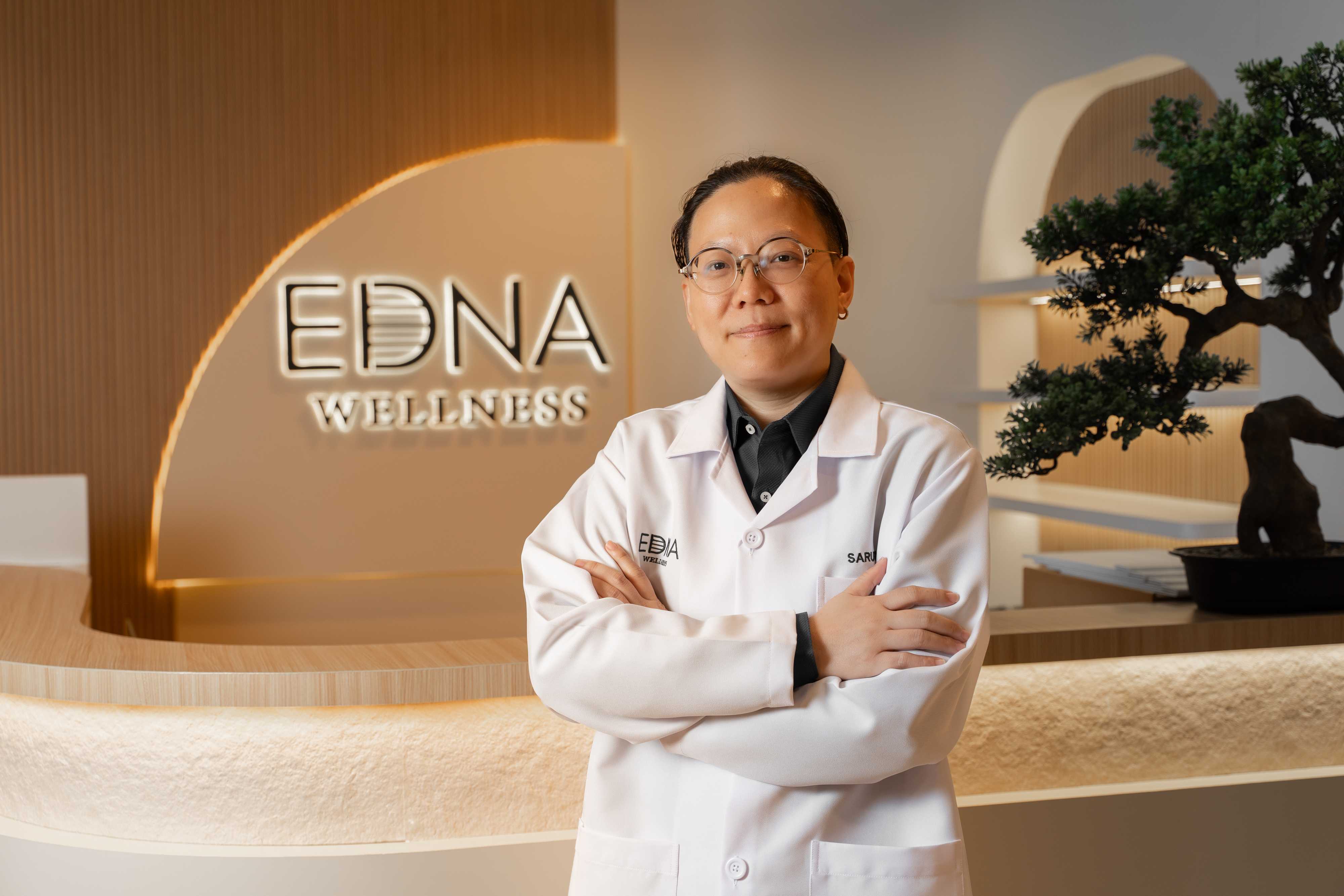
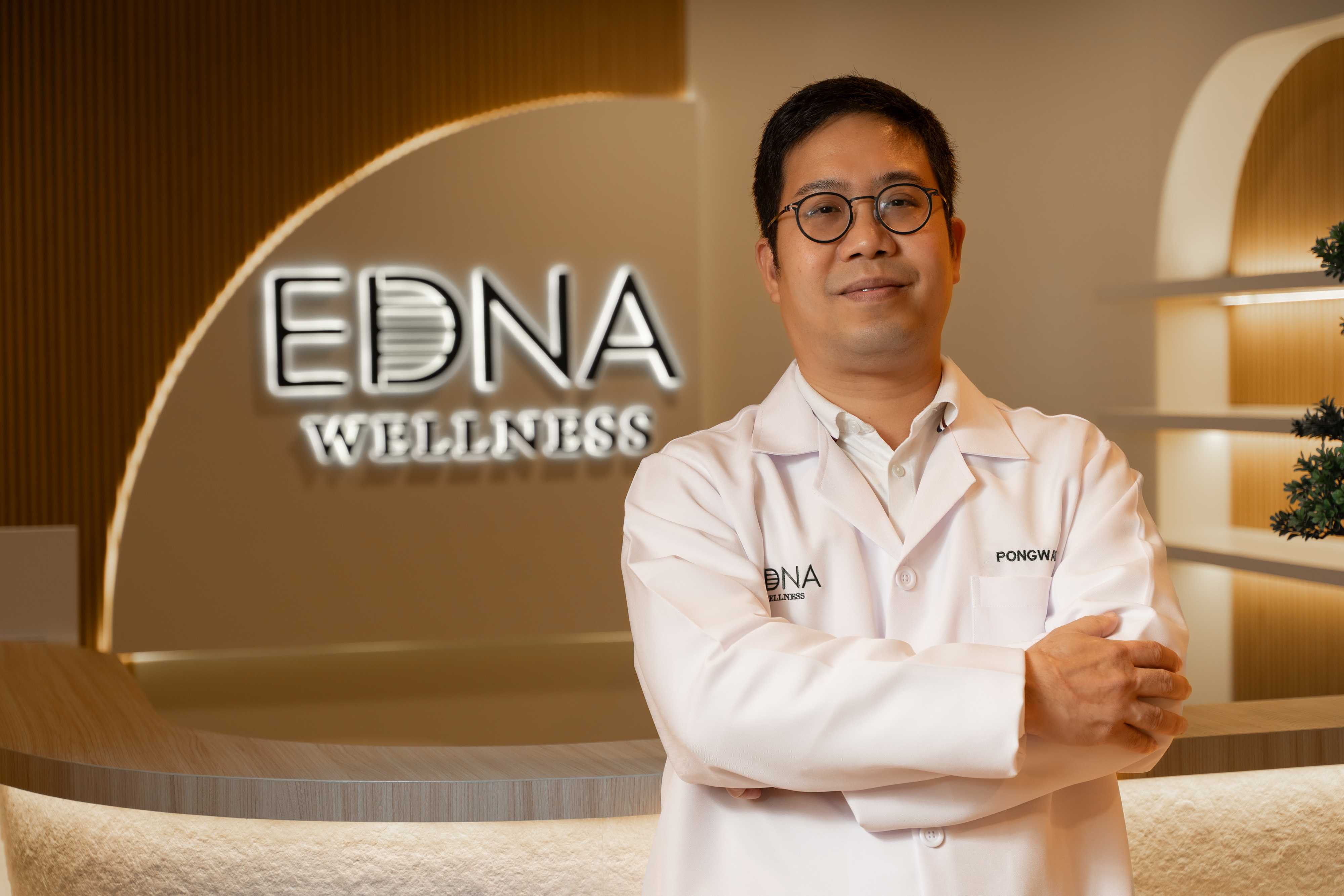
EDNA Wellness - Surgeon-Led Stem Cell Clinic in Bangkok Thailand
Overview
Surgeon-led UC-MSC Stem Cell Clinic in Bangkok, near Bangkok Hospital. Led by neurosurgeon Dr. Pongwat Polpong. GMP-certified, TISTR-collaborated, ISO 9001:2015 & ISO/IEC 17025:2017 accredited.
Read more details
 100.00% Patient Recommend
FirstCell Malaysia
Overview
FirstCell specialize on cell-based medicine and treatments especially via MSC and NKC to enhance wellness and for targeted treatment modules. We are committed in delivering excellent treatment.
Read more details

Dr. Ebenezer Abel Paul - Stem Cells in Malaysia
Overview
Explore Stem Cells in Malaysia with Dr. Ebenezer Abel Paul, offering cutting-edge regenerative therapies and advanced stem cell treatments.
Read more details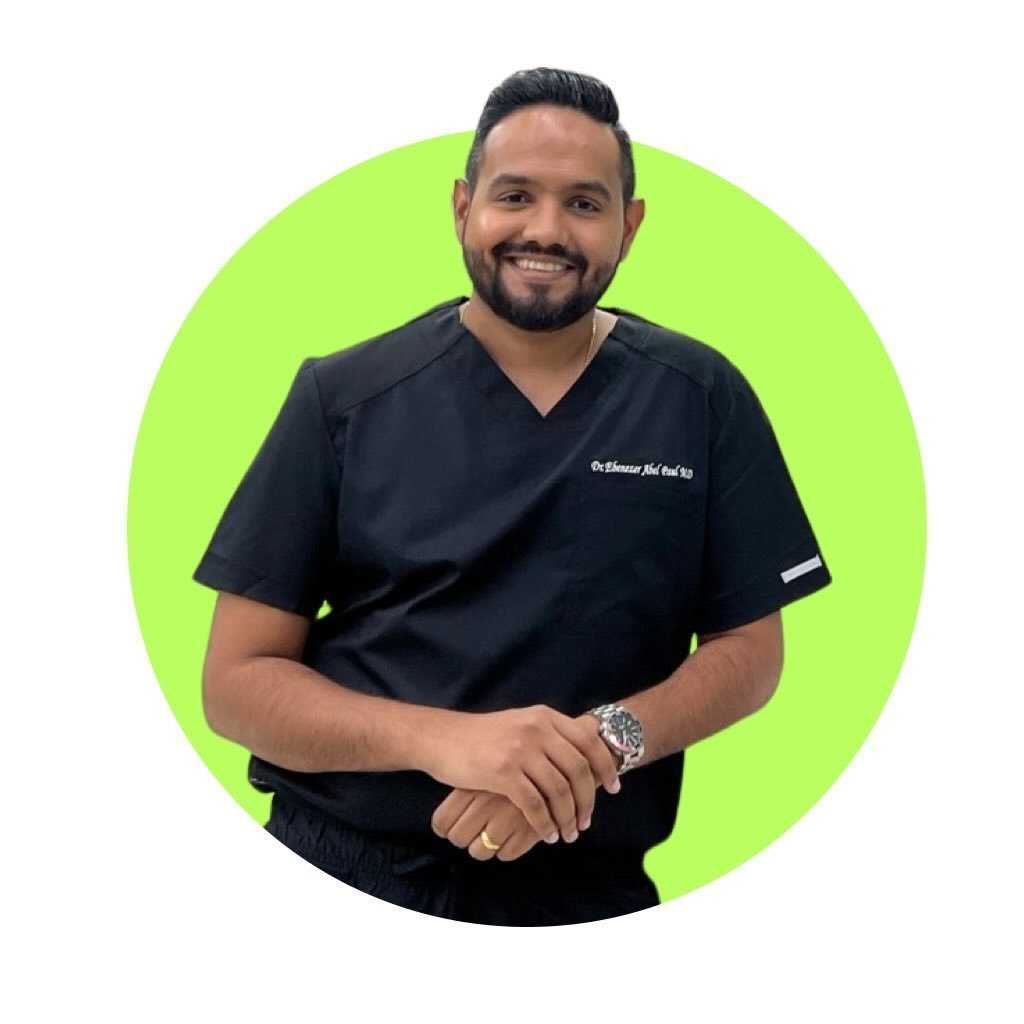
 96.00% Patient Recommend
Dr. Pravin Patels Innovative Hospital & Research Center
Overview
Dr. Pravin Patel's Innovative Hospital provides best stem cell treatment in Gujarat, India. Also offers Ozone therapy, Quantum therapy , EBOO therapy, Frequency & Laser Therapy at affordable cost.
Read more details

 100.00% Patient Recommend
GIOSTAR Hospital Bengaluru
Overview
Discover GIOSTAR Hospital in Bengaluru, India—your go-to center for advanced stem cell therapies and cutting-edge procedures for orthopaedics. Explore treatments for diabetes, stroke, SCI, and more.
Read more details
 100.00% Patient Recommend
Live Stem Cell Asia - Premier Stem Cell Clinic in Malaysia
Overview
Discover advanced stem cell Malaysia treatments at Live Stem Cell Asia, Petaling Jaya. Experience personalized care and innovative regenerative solutions.
Read more details
 100.00% Patient Recommend
StemRx Hospital and Research Centre
Overview
At StemRx Hospital & Research Centre, We specialize in advanced Regenerative Medicine & Stem Cell therapy for Autism, Cerebral Palsy, Orthopedics, Migraine, AVN & IVF providing personalized care.
Read more details
Beijing Puhua International Hospital- Stem Cell Center
Overview
Beijing Puhua International Hospital (BPIH) features a dedicated Stem Cell Center, where a team of highly educated and experienced scientists and technicians are working on the research and development of stem cell technology to restrict the development of several degenerative diseases like Parkinson’s, ALS, Batten, Multiple Sclerosis and more.
Read more details
Beike Biotech
Overview
Beike Biotechnology offers the best stem cell therapy in Thailand, combining top-quality regenerative treatment with cutting-edge technology for optimal patient care.
Read more details
Boston Health Longevity - Anti Aging Stem Cell Therapy in Thailand
Overview
Experience advanced Anti Aging Stem Cell Therapy in Thailand at Boston Health Longevity. Improve cellular health, vitality, and longevity with expert care.
Read more details
Clinique Haru Osaka Umeda - Japan Stem Cell Treatment
Overview
Clinique Haru Osaka Umeda specializes in Japan stem cell treatments for joint and musculoskeletal conditions using advanced regenerative medicine.
Read more details
Healthi Life Longevity Center in Bangkok, Thailand
Overview
Explore stem cell therapy in Bangkok, Thailand by Healthi Life Longevity Center with advanced regenerative treatments and personalized care plans.
Read more detailsWhich are the best Stem Cell Therapy for Stroke clinics in Seoul, South Korea?
For top-tier Stem Cell Therapy for Stroke in Seoul, South Korea, leading clinics include Chaum Medical Center and Yonsei BH Clinic. Chaum is renowned for its premium anti-aging and stem cell treatments with high patient satisfaction. Yonsei BH Clinic also offers advanced stem cell therapies for a range of conditions, focusing on regenerative solutions. These centers emphasize advanced technology and patient-focused care.
When evaluating the best clinics for Stem Cell Therapy for Stroke in Seoul, South Korea, two prominent facilities consistently emerge due to their specialized services and patient endorsements. Chaum Medical Center, located in Seoul, is highly regarded for its comprehensive approach to regenerative medicine, including stem cell therapy. Patients frequently commend its modern facilities and personalized care plans, reflected in its excellent patient recommendation rate.
Another noteworthy institution is Yonsei BH Clinic, also situated in Seoul. This clinic provides advanced stem cell therapies targeting a broad spectrum of conditions, such as Parkinson's disease, dementia, and diabetes, indicating a robust regenerative medicine program that likely extends to stroke recovery. While specific patient reviews for stroke therapy at Yonsei BH Clinic were not extensively detailed in the provided data, its inclusion in top searches for stem cell therapy suggests a strong reputation in the field. Both clinics are recognized for utilizing state-of-the-art technologies and maintaining high standards of medical practice.
What advanced techniques are utilized in Stem Cell Therapy for Stroke clinics in South Korea?
South Korean clinics for Stem Cell Therapy for Stroke employ advanced techniques such as mesenchymal stem cells (MSCs) and neural stem cells. These are often administered via intravenous infusion or direct injection into the affected brain areas, aiming to promote neuroprotection, angiogenesis, and tissue regeneration for enhanced functional recovery.
Leading Stem Cell Therapy for Stroke clinics in South Korea are at the forefront of regenerative medicine, utilizing a variety of advanced techniques to optimize patient outcomes. One of the primary approaches involves the use of Mesenchymal Stem Cells (MSCs), which are known for their immunomodulatory, anti-inflammatory, and regenerative properties. These cells can be sourced from various tissues, including bone marrow, adipose tissue, and umbilical cord blood.
Another promising technique involves the application of neural stem cells (NSCs) or induced pluripotent stem cells (iPSCs), which have the potential to differentiate into various neural cell types, directly contributing to brain repair. Administration methods often include intravenous infusion for systemic delivery or stereotactic injection directly into the brain's damaged regions, allowing for targeted treatment. These advanced techniques aim to:
- Reduce inflammation and neuronal damage in the brain.
- Stimulate the formation of new blood vessels (angiogenesis) to improve blood flow.
- Promote neurogenesis and synapse formation for better neural connectivity.
- Modulate the immune response to prevent further tissue injury.
How do South Korean clinics ensure patient safety during Stem Cell Therapy for Stroke?
South Korean clinics prioritize patient safety through stringent regulatory oversight, adherence to international medical standards, comprehensive pre-treatment evaluations, and continuous post-procedure monitoring. They ensure sterile environments, use ethically sourced cells, and tailor treatments to individual patient profiles, minimizing risks and maximizing efficacy in Stem Cell Therapy for Stroke.
Ensuring patient safety is a paramount concern for Stem Cell Therapy for Stroke clinics in South Korea. These clinics operate under strict national health regulations and often adhere to international accreditation standards, which dictates meticulous protocols at every stage of treatment.
Key safety measures include:
- Rigorous Patient Selection: Patients undergo extensive evaluations, including detailed medical history reviews, imaging studies, and laboratory tests, to confirm their suitability for the therapy and rule out contraindications.
- Ethical Cell Sourcing and Processing: Stem cells are ethically sourced and processed in highly controlled, sterile laboratory environments to prevent contamination and ensure cell viability and purity. This often includes advanced quality control checks on every batch of cells.
- Standardized Procedures: Treatment protocols are standardized and meticulously followed by highly trained medical staff, from cell preparation and administration to post-procedure care.
- Infection Control: Clinics maintain exemplary levels of hygiene and sterilization in their operating rooms and patient care areas to prevent any risk of infection.
- Monitoring and Follow-up: Patients are closely monitored during and after the procedure for any adverse reactions. Comprehensive follow-up plans are implemented to track recovery progress and address any potential complications promptly.
- Qualified Professionals: Procedures are performed by experienced and board-certified medical professionals specialized in regenerative medicine and neurology.
What is the typical recovery process after Stem Cell Therapy for Stroke in a South Korean clinic?
The recovery process after Stem Cell Therapy for Stroke typically involves a short observation period at the clinic, followed by a personalized rehabilitation program. Patients usually experience gradual improvements in motor and cognitive functions over weeks to months, with clinics often offering comprehensive post-treatment support and follow-up.
Following Stem Cell Therapy for Stroke at a South Korean clinic, the recovery process is structured to support optimal healing and functional improvement. Immediately after the procedure, patients generally remain under observation in the clinic for a short period, typically a few hours to a day, to monitor for any immediate reactions or side effects.
Once discharged, the focus shifts to a personalized rehabilitation program. This might include:
- Physical Therapy: Tailored exercises to improve strength, coordination, and balance.
- Occupational Therapy: Activities designed to enhance daily living skills.
- Speech Therapy: For patients experiencing communication difficulties.
- Cognitive Rehabilitation: Exercises to improve memory, attention, and problem-solving skills.
How do South Korean clinics personalize Stem Cell Therapy for Stroke treatment plans?
South Korean clinics personalize Stem Cell Therapy for Stroke by conducting thorough diagnostic assessments, including advanced imaging and neurological evaluations, to understand each patient's unique stroke damage and health profile. This allows them to tailor cell types, dosage, administration routes, and integrate personalized rehabilitation for optimal recovery outcomes.
Personalization is a cornerstone of Stem Cell Therapy for Stroke treatment in South Korea. Clinics understand that each stroke case is unique, varying in severity, affected brain regions, and the patient's overall health. To create a highly individualized treatment plan, they typically follow a multi-step process:
- Comprehensive Diagnostics: This includes advanced neurological examinations, high-resolution MRI or CT scans to precisely map brain damage, and detailed assessments of neurological deficits.
- Patient Health Profile: A complete review of the patient’s medical history, current health status, comorbidities, and lifestyle factors is conducted to inform treatment decisions.
- Tailored Cell Selection: Based on diagnostic findings, specific types of stem cells (e.g., autologous or allogeneic MSCs, or neural stem cells) are chosen to best address the patient’s needs.
- Customized Dosage and Administration: The number of cells and the method of delivery (e.g., intravenous, intrathecal, or direct cerebral injection) are determined to maximize therapeutic effect and minimize risk.
- Integrated Rehabilitation: Post-treatment rehabilitation programs are meticulously designed to complement the stem cell therapy, focusing on specific functional goals identified during the initial assessment. This ensures that the body fully leverages the regenerative potential of the stem cells.
What accreditations should I look for in Stem Cell Therapy for Stroke clinics in South Korea?
When choosing Stem Cell Therapy for Stroke clinics in South Korea, look for accreditations from the Ministry of Health and Welfare (MOHW) and adherence to international standards like Joint Commission International (JCI). These signify high levels of patient safety, quality of care, and ethical practice, ensuring the clinic meets rigorous benchmarks.
Accreditations are vital indicators of a Stem Cell Therapy for Stroke clinic's commitment to quality and patient safety. In South Korea, several accreditations demonstrate a facility's adherence to stringent medical standards:
- Ministry of Health and Welfare (MOHW) Certification: This national accreditation is a fundamental requirement, ensuring clinics meet Korean governmental standards for healthcare delivery, patient safety, and ethical medical practices.
- Joint Commission International (JCI) Accreditation: JCI is an internationally recognized standard for quality and patient safety in healthcare. A JCI-accredited clinic signifies its compliance with global best practices, which is particularly reassuring for international patients.
- Korean Institute for Healthcare Accreditation (KOIHA): This is a domestic accreditation program that evaluates hospitals and clinics against comprehensive quality and patient safety standards, similar to JCI but focused on the local context.
- Specific Research & Clinical Trial Registrations: For advanced therapies like stem cell treatment, look for clinics actively involved in registered clinical trials (e.g., through ClinicalTrials.gov or Korean clinical trial registries). This indicates a commitment to research and development, often leading to advanced protocols.
What support services are available for international patients at South Korean Stem Cell Therapy clinics?
South Korean Stem Cell Therapy clinics offer comprehensive support for international patients, including multilingual staff, translation services, assistance with accommodation and travel logistics, visa guidance, and dedicated international patient coordinators. These services ensure a smooth and comfortable experience from arrival through recovery.
International patients seeking Stem Cell Therapy for Stroke in South Korea can expect robust support services designed to ease their medical journey. Many leading clinics recognize the unique needs of foreign patients and provide dedicated resources:
- Multilingual Staff and Translation Services: Clinics often employ staff fluent in English and other major languages, and readily provide professional medical interpreters to ensure clear communication between patients and their healthcare teams.
- International Patient Coordinators: Dedicated coordinators assist with all aspects of the patient's visit, including scheduling appointments, managing medical records, and coordinating between departments.
- Travel and Accommodation Assistance: Clinics frequently offer help with airport transfers, booking suitable accommodations (ranging from hotels to serviced apartments), and even local transportation arrangements.
- Visa and Immigration Support: Guidance on medical visa applications and extensions is usually provided to simplify the entry and stay process for patients and their accompanying family members.
- Concierge Services: Some premium clinics provide additional services such as personalized tour arrangements, shopping assistance, and cultural immersion activities, allowing patients to combine their treatment with a pleasant travel experience.
- Post-Treatment Follow-up: Remote consultations and coordination for ongoing care are often available after patients return home, ensuring continuity of medical support.
What lifestyle adjustments are recommended by South Korean clinics after Stem Cell Therapy for Stroke?
South Korean clinics emphasize critical lifestyle adjustments post-Stem Cell Therapy for Stroke, including adherence to prescribed rehabilitation, a balanced diet rich in nutrients, regular exercise, stress management, and avoiding smoking and excessive alcohol. These promote optimal cell integration, neuroplasticity, and sustained neurological recovery.
After undergoing Stem Cell Therapy for Stroke, South Korean clinics provide detailed recommendations for lifestyle adjustments to maximize the benefits of the treatment and support long-term recovery. These guidelines are crucial for promoting a conducive environment for cellular regeneration and neuroplasticity. Key recommendations typically include:
- Adherence to Rehabilitation: Strict adherence to the prescribed physical, occupational, and speech therapy regimens is paramount. Consistent effort in these areas helps retrain the brain and integrate the benefits of the stem cells.
- Balanced Nutrition: Patients are advised to adopt a healthy, balanced diet rich in antioxidants, omega-3 fatty acids, and essential vitamins and minerals. This supports overall brain health and cellular function. Avoiding processed foods, excessive sugar, and unhealthy fats is often emphasized.
- Regular, Moderate Exercise: Engaging in physician-approved physical activity helps improve cardiovascular health, circulation, and muscle strength, all of which are vital for neurological recovery.
- Stress Management: Techniques such as mindfulness, meditation, or light yoga are often recommended to reduce stress, which can negatively impact healing and overall well-being.
- Avoidance of Harmful Substances: Patients are strongly advised to cease smoking and limit or completely avoid alcohol consumption, as these can impede recovery and potentially damage new cells.
- Sufficient Sleep: Quality sleep is critical for brain recovery and overall health. Clinics often provide guidance on improving sleep hygiene.
What innovative research is ongoing in South Korean Stem Cell Therapy for Stroke clinics?
South Korean Stem Cell Therapy for Stroke clinics are actively engaged in innovative research, focusing on optimizing cell types, exploring novel delivery methods, and investigating combinations with other neurorehabilitation techniques. This includes studies on induced pluripotent stem cells (iPSCs) and genetically modified cells to enhance therapeutic efficacy for stroke recovery.
South Korea is a global hub for stem cell research, and its clinics specializing in Stem Cell Therapy for Stroke are continuously pushing the boundaries of innovation. Ongoing research efforts are diverse and aim to refine existing treatments while exploring new therapeutic avenues:
- Optimizing Cell Sources: Researchers are investigating various stem cell types beyond traditional MSCs, such as induced pluripotent stem cells (iPSCs) and genetically modified cells, to find those with the highest neuroregenerative potential and best integration into damaged brain tissue.
- Novel Delivery Methods: Studies are exploring more targeted and efficient ways to deliver stem cells to the stroke-affected areas, including biomaterial scaffolds or minimally invasive surgical techniques that enhance cell survival and efficacy.
- Combination Therapies: A significant area of research involves combining stem cell therapy with other advanced neurorehabilitation techniques, pharmacological agents, or growth factors to create synergistic effects that accelerate recovery and improve functional outcomes.
- Understanding Mechanisms: Clinics are also investing in basic science research to better understand the precise mechanisms by which stem cells promote brain repair and functional recovery post-stroke. This knowledge is critical for developing even more effective treatments.
- Personalized Medicine: Advances in genomics and proteomics are being used to develop more personalized stem cell therapies, where treatments are tailored based on an individual patient's genetic makeup and specific stroke characteristics.
How do South Korean Stem Cell Therapy for Stroke clinics approach long-term patient monitoring?
South Korean Stem Cell Therapy for Stroke clinics prioritize long-term patient monitoring through structured follow-up schedules, including regular neurological assessments, imaging studies, and functional evaluations. They often provide remote consultation options and collaborate with local healthcare providers to ensure continuous tracking of progress and management of any evolving needs over many months or years.
Long-term patient monitoring is a critical component of care at South Korean Stem Cell Therapy for Stroke clinics, ensuring sustained recovery and addressing any emergent needs. Their approach is typically systematic and patient-centric:
- Structured Follow-Up Schedule: Clinics establish a clear schedule for follow-up appointments, which may occur at intervals of 3, 6, 12 months, and annually thereafter, depending on the patient's condition and the specific treatment protocol.
- Comprehensive Assessments: Each follow-up visit involves detailed neurological examinations, functional assessments (e.g., motor skills, balance, speech), and potentially repeat MRI or CT scans to objectively track changes in brain structure and function.
- Patient-Reported Outcomes: Patients are encouraged to regularly report on their quality of life, any new symptoms, and overall functional improvements or challenges. This feedback is integrated into the assessment process.
- Remote Consultation Options: For international patients, many clinics offer telemedicine services, allowing for remote consultations and review of locally performed tests. This ensures continuity of care without requiring frequent international travel.
- Collaboration with Local Providers: Clinics often collaborate with the patient's local doctors or rehabilitation specialists to ensure a seamless transition of care and effective management of long-term recovery efforts at home.
- Personalized Adjustments: Based on the long-term monitoring data, treatment plans, including rehabilitation programs or supportive therapies, can be adjusted to maximize ongoing benefits and manage any new challenges.
How PlacidWay helps individuals access Stem Cell Therapy for Stroke in South Korea?
PlacidWay provides detailed, up-to-date information about Stem Cell Therapy for Stroke, including benefits, risks, and expected outcomes, empowering you with knowledge. We help users compare treatment in various clinics in South Korea, ensuring affordable options without compromising on quality. PlacidWay assists you in finding trusted, accredited clinics and experienced medical professionals specializing in Stem Cell Therapy for Stroke in South Korea. We offer one-on-one consultations to help you make informed decisions about your treatment, ensuring your specific needs are met. PlacidWay ensures continued support after the treatment, including follow-up care and recovery assistance, for a comprehensive patient journey. Ready to get Stem Cell Therapy for Stroke in South Korea? Contact us today for a personalized consultation.Share with AI
Share this page with AI assistants to get summaries and insights


List of Best Stem Cell Therapy for Stroke Clinics in South Korea
Unlock the Best Stem Cell Therapy for Stroke Packages Just for You
Discover the ultimate Stem Cell Therapy for Stroke packages designed to meet your health and wellness goals. Choose the perfect fit for your journey.

Price starting from $16,000
Stem Cell Therapy for Stroke Package in Puerto Vallarta, Mexico by Immunotherapy Regenerative Medicine
Immunotherapy Regenerative Medicine in Puerto Vallarta
- Stem Cell Therapy
Puerto Vallarta, Mexico

Price starting from $17,500
Stem Cell Therapy for Parkinson’s Disease in Puerto Vallarta by Immunotherapy Regenerative Medicine
Immunotherapy Regenerative Medicine in Puerto Vallarta
- Stem Cell Therapy
Puerto Vallarta, Mexico
Price starting from $11,500
Stem Cell Therapy for Back Pain in Puerto Vallarta, Mexico by Immunotherapy Regenerative Medicine
Immunotherapy Regenerative Medicine in Puerto Vallarta
- Stem Cell Therapy
Puerto Vallarta, Mexico

Price starting from $12,500
Stem Cell Therapy for Fibromyalgia in Puerto Vallarta, Mexico by Immunotherapy Regenerative Medicine
Immunotherapy Regenerative Medicine in Puerto Vallarta
- Stem Cell Therapy
Puerto Vallarta, Mexico
Transformative Stem Cell Therapy for Stroke Experiences: Dive into Procedure Insights
Discover the power of Stem Cell Therapy for Stroke through compelling patient experiences. Uncover detailed insights into procedures, recovery journeys, and life-changing results.

Price starting from $7,099
Stem Cell Therapy for Heart Diseases in Tijuana, Mexico
- Stem Cell Therapy for Heart Disease, Stem Cell Therapy
Tijuana, Mexico
Price starting from $9,099
Stem Cell Therapy for ALS in Tijuana, Mexico
- Stem Cell Treatment for ALS, Stem Cell Therapy
Tijuana, Mexico

Price starting from $4,599
Stem Cell Therapy for Chronic Kidney Disease in Tijuana, Mexico
- Stem Cell Treatment for Kidney Failure, Stem Cell Therapy
Tijuana, Mexico

Price starting from $7,099
Stem Cell Therapy for Spinal Stenosis in Tijuana, Mexico
- Stem Cell Therapy for Spinal Stenosis, Stem Cell Therapy
Tijuana, Mexico

Hospital attended by rich people in Cheongdam-dong, Gangnam
Read More