
What treatment


9+ Best Clinics for Stem Cell Treatment for ALS in United States
Trusted Medical Tourism Platform Since 2007
What are the best stem cell therapy clinics for ALS in the United States?
The leading stem cell therapy clinics in the United States include Regenestem (Fort Lauderdale), Victor Regenerative Medicine Centers (New York), Stemedix, Inc. (St. Petersburg), Blatman Health and Wellness Center (Cincinnati), California Wellness Institute (Los Angeles), and Amira Integrative Health (East Stroudsburg).
These JCAHO and AAAHC-accredited facilities utilize Mesenchymal Stem Cells (MSCs) to treat neurological conditions like ALS, Parkinson's, Multiple Sclerosis, and stroke. Treatments are administered by board-certified specialists following strict FDA safety guidelines. The cost of stem cell treatment for ALS ranges from $5,750 to $25,000 USD.
 91.30% Patient Recommend
California Wellness Institute


Overview
Discover Urology and Anti Aging Regenerative Medicine at California Wellness Institute in Rancho Mirage, California, USA - CWIs expert care.
Read more details

 87.50% Patient Recommend
Regenestem Fort Lauderdale, USA


Overview
Regenestem is a leading regenerative medicine center in Fort Lauderdale, USA, specializing in treatments for neurological conditions, COPD, MS, and more.
Read more details
 100.00% Patient Recommend
Personalized Regenerative Medicine
Overview
Personalized Regenerative Medicine provides best Regenerative Medicine in Los Angeles, USA. Book online now PRP Treatment and Regenerative Injections at Personalized Regenerative Medicine.
Read more details 95.02% Patient Recommend
Blatman Health and Wellness Center
Overview
Experience advanced Regenerative Medicine at Blatman Health and Wellness Center in Cincinnati, USA. Rejuvenate your health today!
Read more detailsDiscover your treatment options with a free, no-obligation quote!
Get your quote now!
Kentuckiana Integrative Medicine in Jeffersonville, USA
Overview
Discover regenerative medicine in Jeffersonville, United States by Kentuckiana Integrative Medicine offering advanced therapies for pain relief and healing.
Read more details 89.86% Patient Recommend
PlacidWay Medical Tourism
Overview
Discover affordable, quality healthcare worldwide with PlacidWay Medical Tourism. Access trusted clinics, top doctors, and personalized treatment plans.
Read more details.jpeg)



 100.00% Patient Recommend
The Institute of Regenerative Medicine
Overview
The Institute of Regenerative Medicine provides best Regenerative Medicine in Boca Raton, Florida. Book online now Regenerative Medicine for Knee Joint, Shoulder, Hip at PlacidWay!
Read more details 100.00% Patient Recommend
Victor Regenerative Medicine Centers
Overview
Victor Regenerative Medicine Centers Dr. Steven Victor is located in New York, USA. The highly skilled medical team offers regenerative medicine therapies and aesthetic services to patients around the globe at affordable costs.
Read more detailsDiscover your treatment options with a free, no-obligation quote!
Get your quote now! 100.00% Patient Recommend
Amira Integrative Health by MJA Healthcare
Overview
Amira Integrative Health by MJA Healthcare in East Stroudsburg, PA, United States offers top regenerative therapies and holistic care for transformative health.
Read more details 100.00% Patient Recommend
Thrive MD
Overview
Thrive MD provides best Regenerative Medicine in Miami, Florida. Book online now Regenerative Medicine for Hip, Regenerative Medicine for Knee, and Regenerative Medicine for Shoulder at Thrive MD.
Read more detailsWhich are the top-rated Stem Cell Treatment for ALS clinics in the United States?
When seeking top-rated clinics for ALS stem cell therapy in the United States, patients often look for facilities with strong patient feedback and a focus on regenerative medicine. Key clinics consistently mentioned in patient searches and testimonials include Regenestem in Fort Lauderdale, Florida; Victor Regenerative Medicine Centers in New York; and Stemedix, Inc., with locations in Scottsdale, Delray Beach, St. Petersburg, and Washington. These centers specialize in advanced regenerative treatments for neurological conditions, including ALS, utilizing various stem cell approaches.
Choosing a leading clinic for Amyotrophic Lateral Sclerosis (ALS) stem cell treatment involves considering factors like the clinic's specialization, patient outcomes, and innovative approaches. Based on available data, several clinics in the United States stand out for their focus on regenerative medicine and positive patient experiences in areas related to neurological conditions:
- Regenestem Fort Lauderdale, USA: Known for regenerative medicine and treatments for various neurological conditions.
- Victor Regenerative Medicine Centers, New York, USA: Offers regenerative medicine therapies, including stem cell treatments for conditions like ALS.
- Stemedix, Inc., various US locations: Provides effective regenerative medicine solutions, including stem cell therapy for neurological disorders.
- Blatman Health and Wellness Center, Cincinnati, USA: Focuses on advanced regenerative medicine for overall health rejuvenation.
These clinics often highlight personalized care plans and integrate diverse regenerative techniques to address complex conditions.
What credentials and accreditations should I verify for a US ALS stem cell clinic?
When evaluating a stem cell clinic for ALS in the US, prioritize facilities that are accredited by recognized bodies like The Joint Commission or surgical center accreditations. Look for physicians board-certified in relevant specialties (e.g., neurology, regenerative medicine) and state medical board licenses. Verifying these credentials ensures adherence to high safety and quality standards, which is crucial for advanced treatments like stem cell therapy.
Verifying a clinic's credentials and accreditations is essential for patient safety and treatment efficacy. For Stem Cell Treatment for ALS clinics in the United States, patients should investigate the following:
- Accreditation Bodies: Look for accreditations from organizations such as The Joint Commission (JCAHO) or Accreditation Association for Ambulatory Health Care (AAAHC), which indicate adherence to rigorous quality and safety standards.
- Physician Licensing and Board Certifications: Ensure that the medical professionals involved in your care are licensed by the state medical board and are board-certified in specialties relevant to regenerative medicine, neurology, or cellular therapy.
- Facility Licensing: Confirm that the clinic itself is licensed by the appropriate state health department for operating as a medical facility or surgical center, especially if procedures involve sedation or minimally invasive techniques.
- Regulatory Compliance: Inquire about their compliance with FDA regulations regarding stem cell products and therapies, as the regulatory landscape for stem cells in the US is complex and evolving.
These checks help ensure you are receiving care from a reputable and well-regulated facility.
How do US clinics incorporate scientific research into their Stem Cell Treatment for ALS protocols?
Leading US stem cell clinics often integrate current scientific research by participating in clinical trials, publishing studies, or employing protocols derived from peer-reviewed findings. They typically have dedicated research teams or affiliations with academic institutions, ensuring their ALS stem cell treatments are informed by the latest advancements and evidence-based practices for neurological regeneration.
Reputable US clinics offering Stem Cell Treatment for ALS actively incorporate scientific research into their practice through several avenues:
- Clinical Trials: Many clinics are involved in ongoing FDA-approved clinical trials exploring new stem cell applications and optimizing existing protocols for ALS. This participation directly influences their treatment approaches.
- Research & Development: Some clinics have in-house research departments or collaborate with universities and research institutions to contribute to the scientific understanding of ALS and regenerative medicine.
- Evidence-Based Protocols: They base their treatment protocols on published scientific literature and data from reputable studies, ensuring that the therapies offered are backed by evidence of safety and potential efficacy.
- Continuous Education: Medical staff regularly engage in continuing medical education and stay updated on new findings, translating the latest scientific insights into patient care.
This commitment to research helps ensure that patients receive advanced and scientifically informed treatment options for ALS.
What types of stem cells are commonly used by US clinics for ALS treatment?
US clinics for ALS treatment commonly utilize mesenchymal stem cells (MSCs) due to their neuroprotective and anti-inflammatory properties. These are often derived from the patient's own adipose tissue or bone marrow, or from umbilical cord tissue. Neural stem cells and induced pluripotent stem cells (iPSCs) are also being investigated in clinical trials for their regenerative potential in neurological disorders like ALS.
For ALS treatment, US clinics primarily focus on specific types of stem cells known for their therapeutic potential in neurological conditions:
- Mesenchymal Stem Cells (MSCs): These are the most common type used, often sourced from:
- Autologous (patient's own) adipose tissue: Easily accessible and less invasive to harvest.
- Autologous bone marrow: A well-established source with a long history in regenerative medicine.
- Allogeneic umbilical cord tissue: Harvested from donated umbilical cords, providing a potent source of young, healthy cells.
- Neural Stem Cells (NSCs): While still largely in experimental stages and clinical trials, NSCs are of great interest due to their ability to differentiate into various neural cell types, which could directly replace damaged cells in ALS.
- Induced Pluripotent Stem Cells (iPSCs): These are adult cells reprogrammed to an embryonic-like state, holding promise for creating patient-specific therapies, though widespread clinical use for ALS is still under development.
The choice of stem cell type often depends on the individual patient's condition, the clinic's specific protocols, and ongoing research findings.
What patient support and follow-up care services do ALS stem cell clinics in the US offer?
ALS stem cell clinics in the US provide comprehensive patient support, including initial consultations, detailed treatment explanations, and personalized care coordination. Post-treatment, patients can expect structured follow-up plans, symptom monitoring, and access to rehabilitation services like physical or occupational therapy to optimize recovery and track progress after regenerative therapies for neurological conditions.
Leading ALS stem cell clinics in the United States understand the importance of holistic patient care, offering a range of support and follow-up services:
- Personalized Consultations: In-depth initial evaluations to assess candidacy, explain the treatment process, and address patient concerns.
- Patient Education: Providing detailed information about the chosen stem cell therapy, including expected outcomes, potential risks, and pre- and post-treatment instructions.
- Dedicated Care Coordinators: Many clinics assign a specific coordinator to guide patients through their journey, from scheduling to logistical support.
- Structured Follow-up Programs: This typically includes regular check-ups, neurological assessments, and communication to monitor progress and address any new symptoms or concerns.
- Rehabilitation Integration: Recommendations for or direct provision of physical therapy, occupational therapy, and speech therapy to maximize functional improvements post-treatment.
- Nutritional and Lifestyle Guidance: Support and advice on optimizing diet and lifestyle factors that can complement stem cell therapy and general well-being for ALS patients.
These services aim to ensure patient comfort, education, and sustained care throughout their treatment and recovery.
How do US clinics ensure patient safety during Stem Cell Treatment for ALS?
US clinics prioritize patient safety in ALS stem cell treatments through strict adherence to regulatory guidelines set by the FDA and state health departments. They implement rigorous screening processes for patients and stem cell sources, maintain sterile environments, and employ highly trained medical staff. Comprehensive monitoring during and after procedures helps manage risks and ensures a safe therapeutic experience for neurological conditions.
Ensuring patient safety is paramount for Stem Cell Treatment for ALS clinics in the United States. They typically employ a multi-faceted approach:
- Regulatory Compliance: Adherence to all relevant guidelines and regulations set by the U.S. Food and Drug Administration (FDA) and state health authorities concerning cell processing, storage, and administration.
- Patient Screening: Rigorous evaluation of patient medical history, current health status, and specific ALS progression to determine suitability for stem cell therapy and minimize adverse reactions.
- Sterile Environments: Procedures are conducted in highly sterile, accredited facilities (e.g., surgical suites) to prevent infection during cell harvesting and administration.
- Experienced Medical Teams: Therapies are performed by licensed, board-certified physicians and specialists with extensive experience in regenerative medicine and neurological conditions.
- Quality Control for Cells: Implementation of strict quality control and assurance protocols for processing, culturing (if applicable), and storing stem cells to ensure purity, viability, and potency.
- Monitoring and Emergency Protocols: Continuous patient monitoring during and immediately after the procedure, with established emergency protocols in place to address any rare complications promptly.
This comprehensive approach minimizes risks and maximizes the safety profile of ALS stem cell interventions.
What qualifications do specialists at leading Stem Cell Treatment for ALS clinics in the United States typically hold?
Specialists at leading US ALS stem cell clinics typically possess board certifications in relevant fields like neurology, physical medicine, or regenerative medicine. Many have advanced training in cellular therapies, hold medical licenses, and actively contribute to clinical research. Their expertise ensures a high standard of care for complex neurological conditions and provides patients with confidence in their treatment.
Specialists at reputable Stem Cell Treatment for ALS clinics in the United States typically hold impressive qualifications, reflecting their expertise in complex neurological and regenerative therapies:
- Medical Doctor (MD) Degree: All practitioners are licensed physicians.
- Board Certifications: Common board certifications include:
- Neurology (for understanding ALS pathophysiology)
- Physical Medicine and Rehabilitation (PM&R)
- Pain Management
- Anesthesiology (especially for interventional procedures)
- Internal Medicine
- Specialized Training: Many have additional fellowship training or certifications specifically in regenerative medicine, interventional orthopedics, or cellular therapy.
- Research Involvement: Leading specialists are often actively involved in clinical research and publications, staying at the forefront of scientific advancements in ALS and stem cell therapy.
- Extensive Experience: They possess significant hands-on experience in performing stem cell harvesting (e.g., bone marrow aspiration, adipose tissue collection) and precise administration techniques.
These qualifications ensure that patients receive care from highly competent and knowledgeable professionals.
Can US Stem Cell Treatment for ALS clinics provide personalized treatment plans?
Yes, personalized treatment plans are a hallmark of leading US Stem Cell Treatment for ALS clinics. They conduct thorough evaluations, considering individual patient needs, ALS progression, and overall health to tailor therapies. This individualized approach ensures the most appropriate stem cell sources, delivery methods, and adjunctive therapies are selected for optimal patient outcomes and comfort.
Absolutely. Personalized treatment plans are a core component of the care offered by leading Stem Cell Treatment for ALS clinics in the United States. They understand that ALS affects each individual differently, necessitating a customized approach:
- Comprehensive Diagnostics: Initial assessments involve detailed neurological exams, advanced imaging, genetic testing, and lifestyle reviews to create a complete patient profile.
- Individualized Therapy Selection: Based on the diagnostic findings, the medical team determines the most suitable type of stem cells (e.g., adipose-derived, bone marrow-derived, umbilical cord tissue-derived MSCs) and the optimal dosage.
- Tailored Delivery Methods: The method of stem cell administration (e.g., intravenous infusion, intrathecal injection) is chosen to target specific affected areas or systemic needs, maximizing the potential therapeutic effect for ALS.
- Integrated Supportive Therapies: Personalized plans often include recommendations for adjunctive treatments such as nutritional counseling, targeted physical therapy, supplements, or hyperbaric oxygen therapy, all designed to support the patient's unique needs and enhance recovery.
- Dynamic Adjustment: Treatment plans are not static; they are regularly reviewed and adjusted based on the patient's response to therapy and ongoing clinical assessments.
This highly individualized care ensures that each patient receives a protocol specifically designed for their condition and goals.
What innovations in Stem Cell Treatment for ALS are offered by clinics in the United States?
US clinics are at the forefront of ALS stem cell innovations, offering advanced therapies like mesenchymal stem cells (MSCs) and exploring exosome treatments. Many participate in cutting-edge clinical trials for neural stem cells and gene-edited iPSCs, pushing boundaries in neurological regeneration. These clinics often combine cellular therapies with supportive modalities to enhance patient outcomes for complex neurological conditions.
Clinics in the United States are often at the forefront of innovation in Stem Cell Treatment for ALS, driven by ongoing research and technological advancements. Some key innovations include:
- Advanced Mesenchymal Stem Cell (MSC) Protocols: Optimizing the harvesting, processing, and delivery of MSCs from various sources to enhance their neuroprotective, anti-inflammatory, and regenerative properties for ALS patients.
- Exosome Therapy: Utilizing exosomes, tiny vesicles released by stem cells, which carry therapeutic cargo like proteins and RNA to modulate cellular functions and promote healing without introducing whole cells. This is gaining traction for its potential in neurological regeneration.
- Gene-Edited Stem Cells: Research into modifying a patient's own stem cells (e.g., induced pluripotent stem cells or iPSCs) using gene-editing techniques to correct genetic defects associated with ALS or enhance their therapeutic capabilities.
- Combination Therapies: Integrating stem cell treatments with other advanced supportive therapies, such as hyperbaric oxygen therapy, specialized nutritional IVs, or targeted rehabilitation programs, to create a more synergistic and comprehensive approach.
- Precision Delivery Techniques: Employing advanced imaging guidance (e.g., ultrasound, fluoroscopy) for precise delivery of stem cells to targeted areas, such as intrathecal (spinal fluid) injections for neurological conditions like ALS.
These innovations aim to improve efficacy, safety, and patient-specific outcomes for individuals living with ALS.
What common patient concerns are addressed by US clinics offering Stem Cell Treatment for ALS?
US clinics for ALS stem cell treatment actively address patient concerns about treatment efficacy, safety, and managing expectations. They provide clear communication on realistic outcomes, regulatory compliance, potential side effects, and comprehensive aftercare. Furthermore, clinics offer emotional support and help patients understand the personalized nature of these advanced therapies for neurological conditions like ALS.
ALS is a devastating disease, and patients approaching stem cell treatment have many valid concerns that US clinics strive to address comprehensively:
- Efficacy and Realistic Expectations: Clinics clearly communicate what stem cell therapy can realistically achieve for ALS, managing expectations regarding disease progression slowing, symptom improvement, rather than a "cure."
- Safety Profile: Addressing concerns about potential side effects, risks of infection, or immune reactions by detailing rigorous safety protocols, cell screening, and sterile procedures.
- Regulatory Status: Explaining the current FDA regulatory landscape for stem cell therapies in ALS, ensuring patients understand whether a treatment is part of an approved trial or an investigational therapy.
- Quality of Life Improvement: Focusing on how the treatment aims to improve specific symptoms (e.g., muscle strength, breathing, speech) and overall quality of life, which is a primary goal for many ALS patients.
- Emotional and Psychological Support: Acknowledging the emotional toll of ALS and ensuring patients and their families have access to support resources or counseling during their treatment journey.
- Long-Term Follow-up: Patients often worry about continued care. Clinics emphasize the importance of ongoing monitoring and offer structured follow-up plans to track progress and provide sustained support.
Open and honest communication is crucial to building trust and ensuring patients feel informed and supported.
How PlacidWay helps individuals access Stem Cell Treatment for ALS in the United States?
PlacidWay provides detailed, up-to-date information about Stem Cell Treatment for ALS, including benefits, risks, and expected outcomes, helping patients understand their options. We assist users in comparing various treatment clinics in the United States, ensuring access to quality options. PlacidWay helps individuals find trusted, accredited clinics and medical professionals specializing in Stem Cell Treatment for ALS in the US. We offer one-on-one consultations to help users make informed decisions about their treatment, ensuring their specific needs are met, and we provide continued support after the treatment, including follow-up care and recovery assistance. Ready to get Stem Cell Treatment for ALS in the United States? Contact us today for a personalized consultation.Share with AI
Share this page with AI assistants to get summaries and insights


List of Best Stem Cell Treatment for ALS Clinics in United States
Unlock the Best Stem Cell Therapy Packages Just for You
Discover the ultimate Stem Cell Therapy packages designed to meet your health and wellness goals. Choose the perfect fit for your journey.

Price starting from $9,099
Stem Cell Therapy for ALS Package in Tijuana, Mexico by CellsTime Clinique
CellsTime Clinique Tijuana
- Stem Cell Therapy
Tijuana, Mexico
.png)
Price starting from $7,900
Stem Cell Therapy for ALS in Mexico City Mexico at MexStemCells Clinic
MexStemCells Clinic
- Stem Cell Therapy
Mexico City, Mexico

Price starting from $15,000
Stem Cell Therapy for Autism Package in Denver, United States by PlacidWay Hospital
PlacidWay: Global Medical Tourism Platform
- Stem Cell Therapy
Denver, United States
Price starting from $12,000
Stem Cell Therapy for ALS - Best Package, Centers in Mexico
PlacidWay Mexico Medical Tourism
- Stem Cell Therapy
Tijuana,Mexicali, Mexico
Transformative Stem Cell Therapy Experiences: Dive into Procedure Insights
Discover the power of Stem Cell Therapy through compelling patient experiences. Uncover detailed insights into procedures, recovery journeys, and life-changing results.
.png)
Price starting from $10,500
Regenerative Medicines for Parkinsons Disease in United States
- Stem Cell Treatment for Parkinsons Disease, Stem Cell Therapy
United States
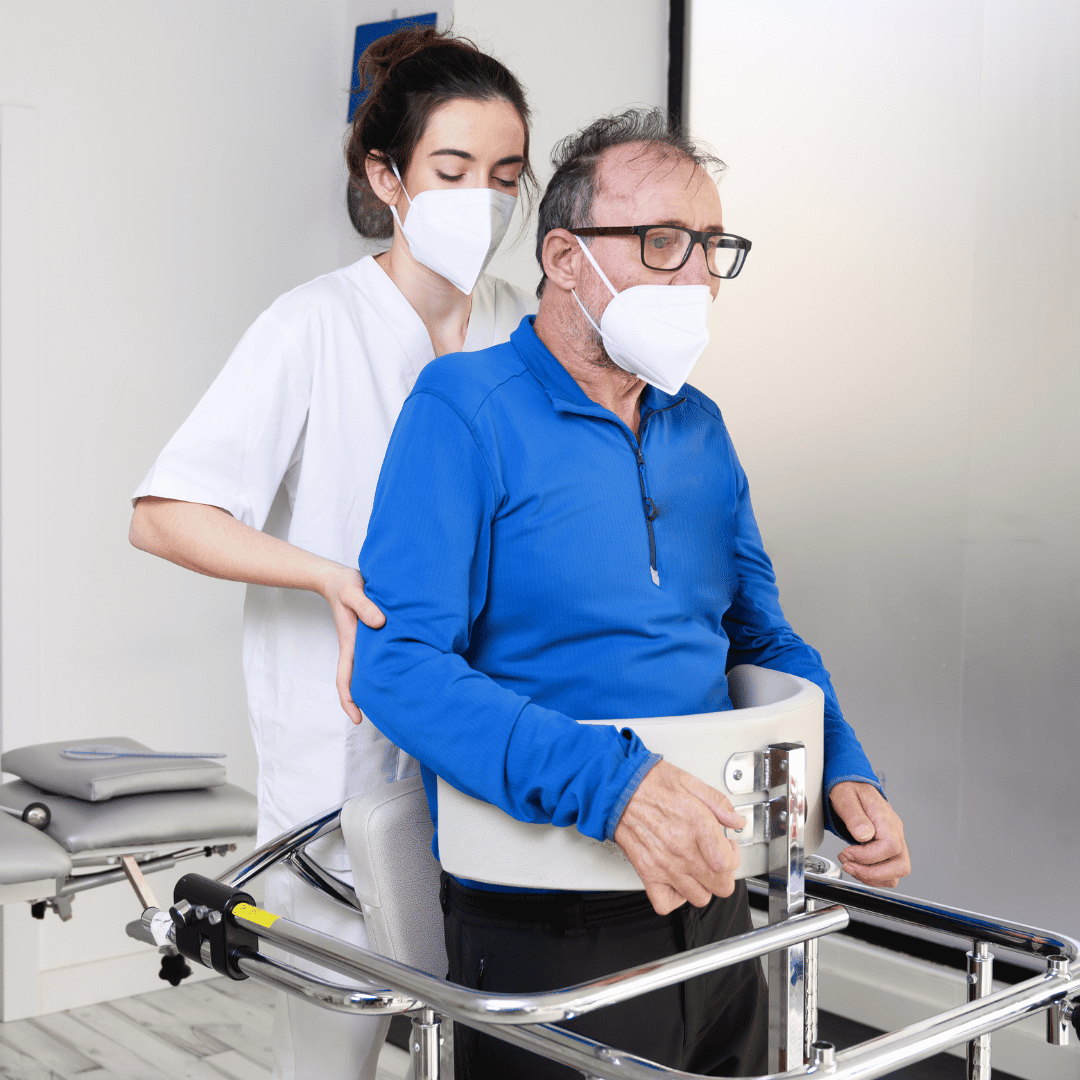
Regenerative Medicine for ALS in United States
- Stem Cell Treatment for ALS, Stem Cell Therapy
United States
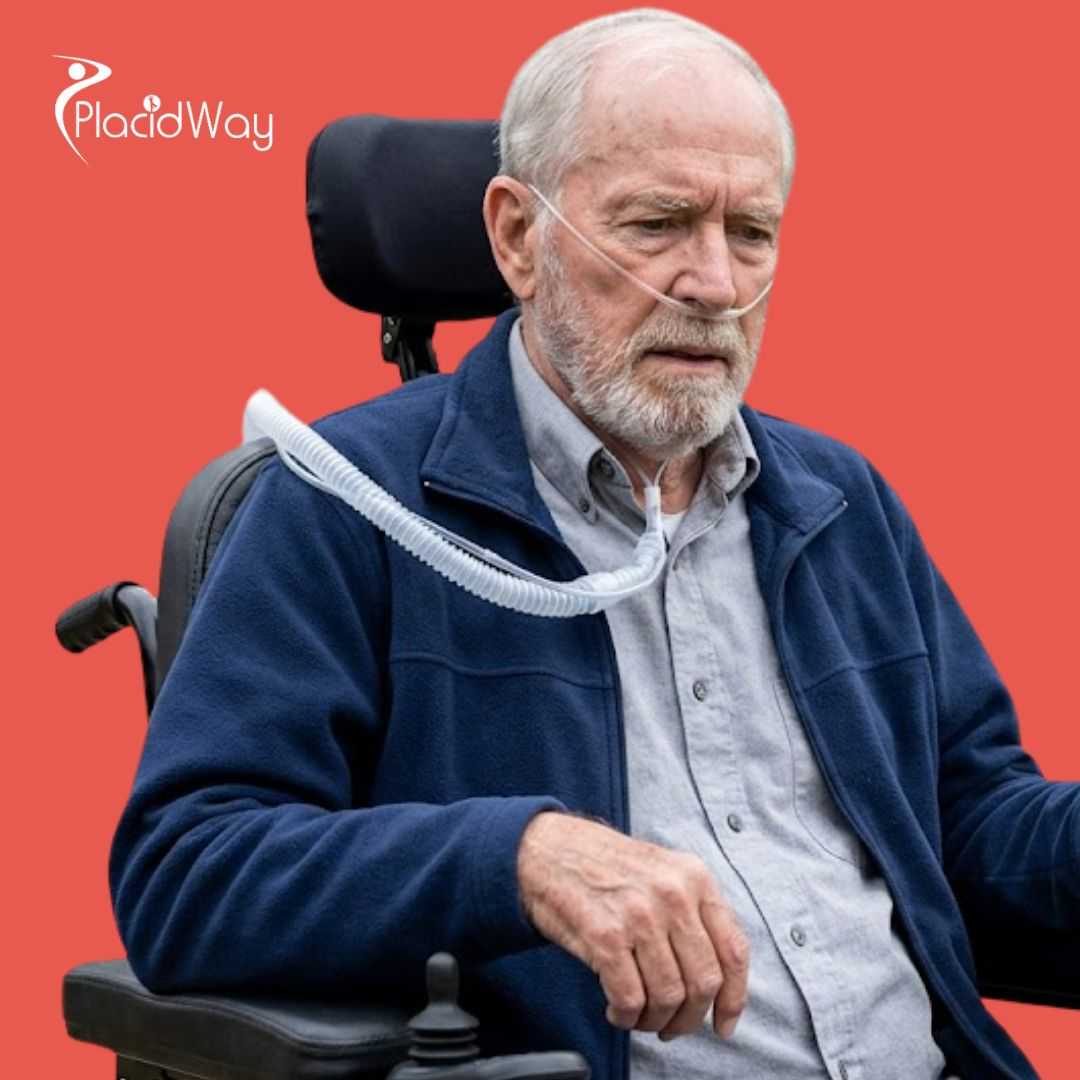
Price starting from $9,099
Stem Cell Therapy for ALS in Tijuana, Mexico
- Stem Cell Treatment for ALS, Stem Cell Therapy
Tijuana, Mexico

Price starting from $6,000
Best Regenerative Medicine Treatment in USA
- Stem Cell Therapy
United States
Explore Stem Cell Therapy: Stories, Testimonials, and Procedures
Watch in-depth videos covering everything from Stem Cell Therapy success stories to detailed procedure explanations. Learn what to expect and hear from real patients.
Watch Why Americans are Traveling Abroad for Medical Tourism
Stem Cell Therapy
PlacidWay Medical Tourism
United States
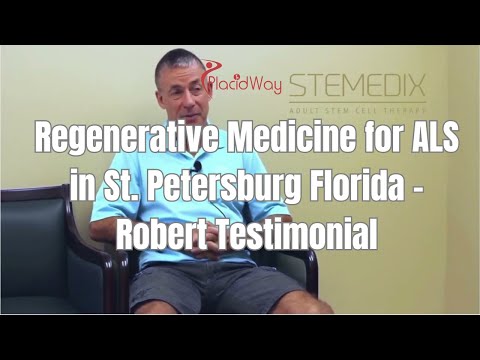
How Robert Gets Better after Regenerative Medicine for ALS in Florida
Stem Cell Therapy
Stemedix, Inc
United States
Revitalize Your Regenerative Medicine Clinic with PlacidWay's Proven Marketing Solutions
Stem Cell Therapy
PlacidWay Medical Tourism
United States
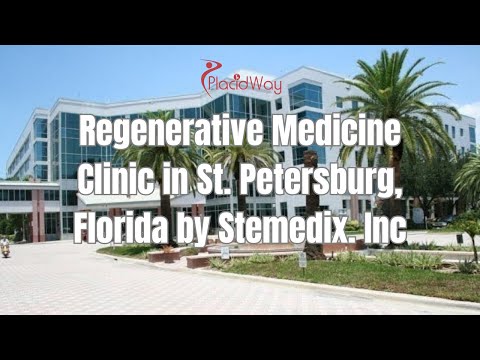
Top-Rated Clinic for Regenerative Medicine in St Petersburg Florida
Stem Cell Therapy
Stemedix, Inc
United States
Learn More with These Stem Cell Therapy Articles
Take a look at these interesting articles, stories and research that will help you learn more about Stem Cell Therapy.
.png)
ALS Hope: How U.S. Patients Are Finding Relief with Stem Cells in Mexico
PlacidWay Medical Tourism
- Stem Cell Therapy
Mexico

Know About Stem Cell Therapy for ALS in Tijuana, Mexico
PlacidWay Mexico Medical Tourism
- Stem Cell Therapy
Mexico

Get the Best Stem Cell Treatment in Mexico
PlacidWay Mexico Medical Tourism
- Stem Cell Therapy
Mexico
.png)
Stem Cell Therapy for Type 2 Diabetes: What’s the Real Success Rate?
PlacidWay Medical Tourism
- Stem Cell Therapy
United States
Stem Cell Therapy Solutions Near You: Explore Top Medical Centers
Discover how Stem Cell Therapy is transforming lives at leading medical centers in , United States. Dive into center profile, specialties, doctors, reviews, etc. and explore the best options tailored to your needs in this region.
California Wellness Institute
Lancaster,Los Angeles,Riverside, United States
Kentuckiana Integrative Medicine in Jeffersonville, USA
Louisville, United States
Blatman Health and Wellness Center
Cincinnati, United States
Personalized Regenerative Medicine
Los Angeles,San Clemente, United States








What kind of treatment does your institute do for multiple sclerosis
Read More