
What treatment


12+ Best Clinics for Stem Cell Treatment for Alzheimers Disease in Thailand
Trusted Medical Tourism Platform Since 2007
What are the best stem cell therapy clinics for Alzheimer's disease in Thailand?
The leading stem cell therapy clinics for Alzheimer's disease in Thailand include Vega Stem Cell Clinic (Bangkok), Beike Biotech (Bangkok), EDNA Wellness (Bangkok), Boston Health Longevity (Chiang Mai), Stay Well Clinic & Physio (Phuket), and Surecell Medical Clinic (Pattaya).
These facilities adhere to Thai Ministry of Public Health, JCI, and GMP standards. They specialize in regenerative treatments utilizing mesenchymal stem cells (MSCs) and NK cell therapies to address Alzheimer's, autism, diabetes, spinal cord injuries, and osteoarthritis. Comprehensive treatment programs generally range from $1,750 to $25,944 USD, providing advanced care and extensive international patient support.
 100.00% Patient Recommend
Vega Stem Cell Clinic in Bangkok Thailand


Overview
Vega Clinic in Bangkok, Thailand, helps people feel better with special treatments. They use new ways to heal and make sure each person gets care made just for them.
Read more details

 100.00% Patient Recommend
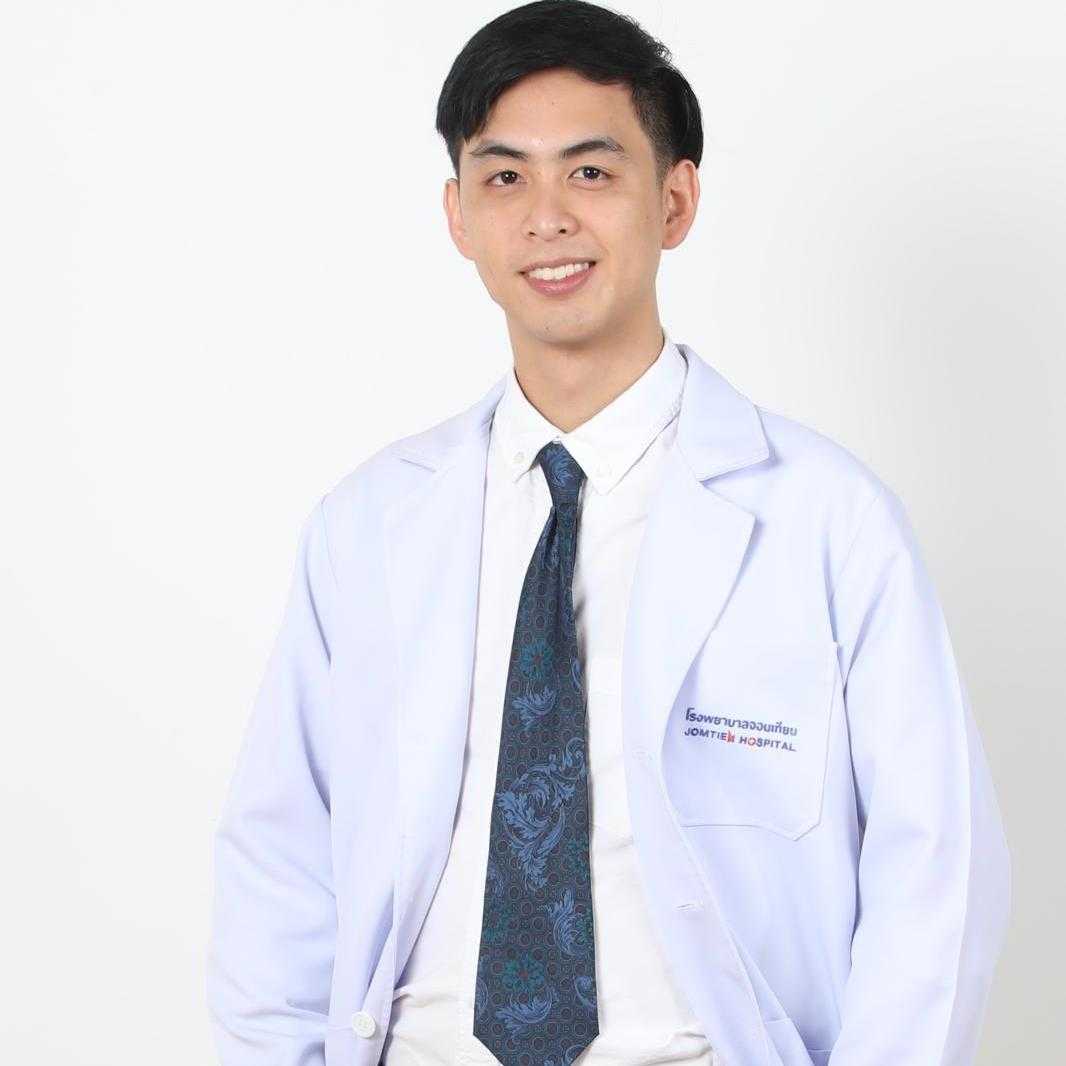
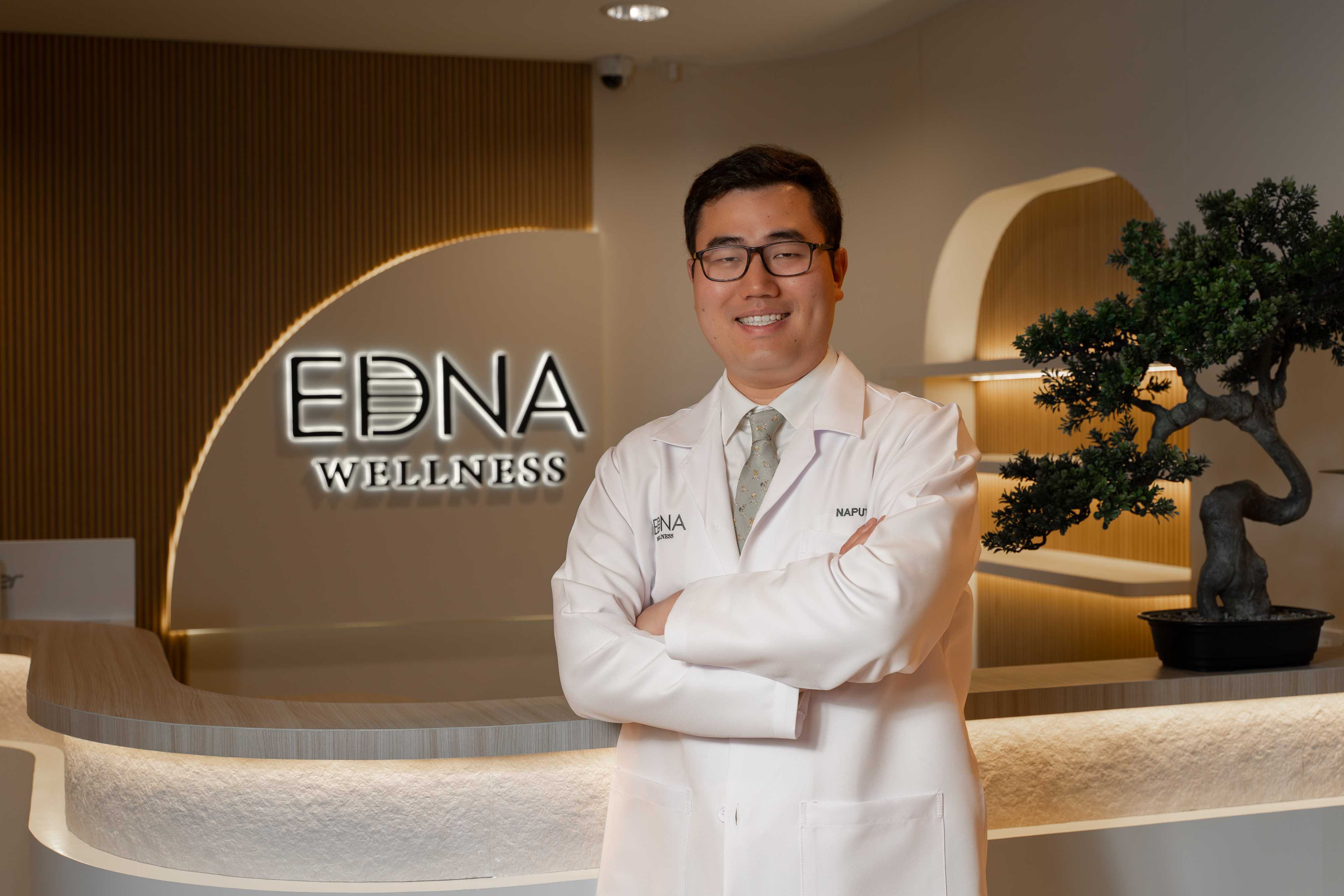
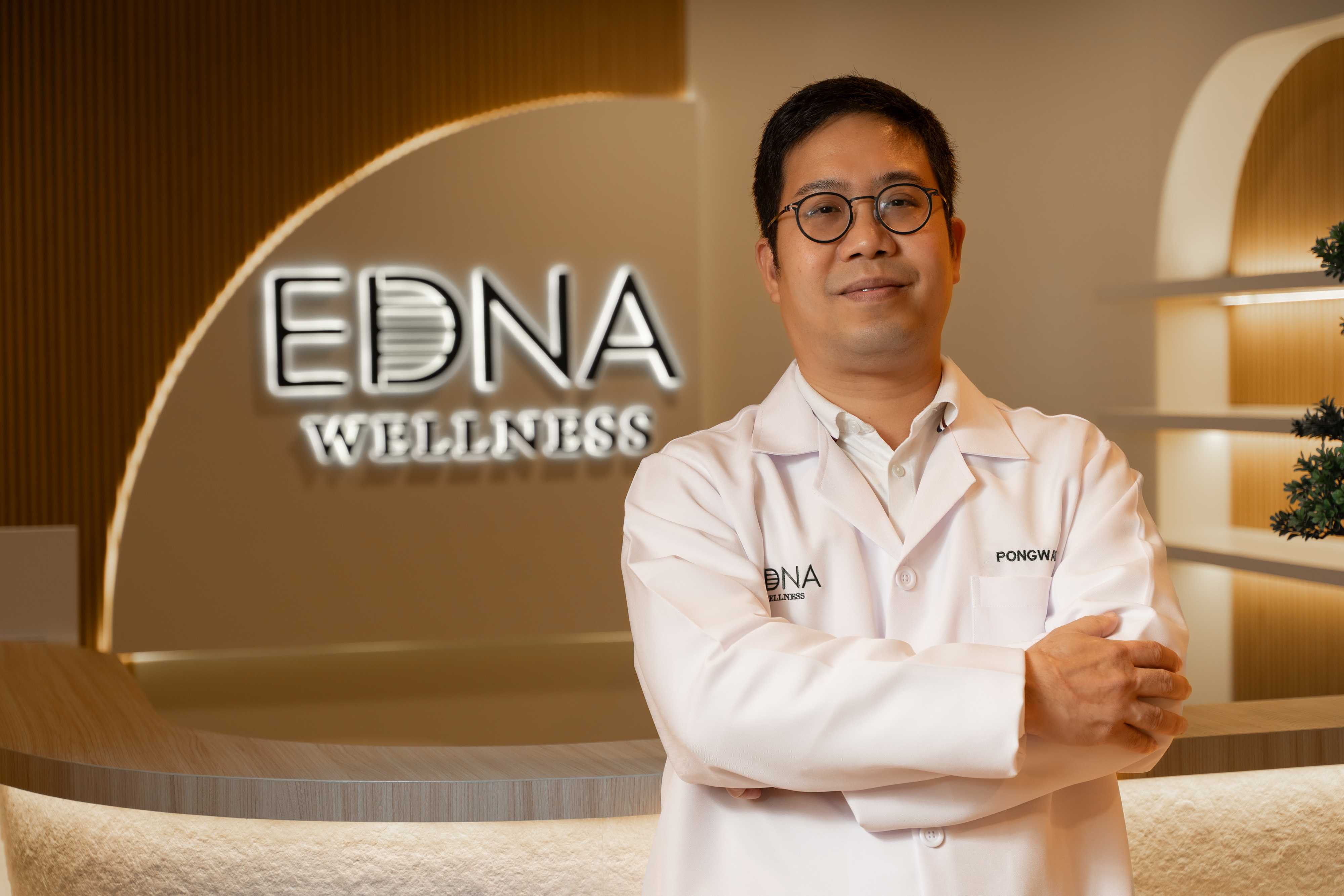
EDNA Wellness - Surgeon-Led Stem Cell Clinic in Bangkok Thailand
Overview
Surgeon-led UC-MSC Stem Cell Clinic in Bangkok, near Bangkok Hospital. Led by neurosurgeon Dr. Pongwat Polpong. GMP-certified, TISTR-collaborated, ISO 9001:2015 & ISO/IEC 17025:2017 accredited.
Read more details
Beike Biotech
Overview
Beike Biotechnology offers the best stem cell therapy in Thailand, combining top-quality regenerative treatment with cutting-edge technology for optimal patient care.
Read more details

Boston Health Longevity - Anti Aging Stem Cell Therapy in Thailand
Overview
Experience advanced Anti Aging Stem Cell Therapy in Thailand at Boston Health Longevity. Improve cellular health, vitality, and longevity with expert care.
Read more detailsDiscover your treatment options with a free, no-obligation quote!
Get your quote now!
Healthi Life Longevity Center in Bangkok, Thailand
Overview
Explore stem cell therapy in Bangkok, Thailand by Healthi Life Longevity Center with advanced regenerative treatments and personalized care plans.
Read more details
Miracle Regenerative Center in Bangkok, Thailand
Overview
Explore stem cell therapy in Bangkok, Thailand at Miracle Regenerative Center with personalized regenerative medicine care for international patients.
Read more details
Mousai Wellness Center - Stem Cell Bangkok Thailand
Overview
Discover advanced Stem Cell treatments in Bangkok, Thailand at Mousai Wellness Center. Safe, innovative, and personalized care for lasting wellness.
Read more details
R3 Life Wellness Center in Bangkok Thailand
Overview
Visit R3 Life Wellness Center in Bangkok for anti-aging, stem cell therapy, IV therapy, hormone optimization, and personalized wellness care.
Read more detailsDiscover your treatment options with a free, no-obligation quote!
Get your quote now!
SCF Clinic - Stem Cell Bangkok Thailand
Overview
Experience advanced Stem Cell Bangkok Thailand at SCF Clinic. We offer CAR-T, NK Cell therapy, Exosomes, Multi-Cancer Early Detection & Anti-Aging programs.
Read more details 100.00% Patient Recommend
Stay Well Clinic & Physio
Overview
Discover advanced Stem Cell and NK Cell therapies at Stay Well Clinic & Physio in Phuket, Thailand. Experience cutting-edge treatments for optimal health.
Read more details 100.00% Patient Recommend
Surecell Medical Clinic
Overview
Experience the Best Stem Cell Therapy in Pattaya, Thailand at Surecell Clinic. Transform your health with our state-of-the-art regenerative treatments.
Read more details
VAANAA Longevity Bangsaen in Bangkok, Thailand
Overview
Discover VAANAA Longevity Bangsaen, a stem cell therapy clinic in Chonburi, Thailand offering regenerative medicine and personalized longevity care.
Read more details
WIH Hospital
Overview
Discover cutting-edge stem cell therapy at WIH Hospital in Bangkok. Expert care and advanced treatments for various conditions at our leading stem cell clinic.
Read more detailscopy.png)
Authored by
Usama Ahmad
Medical content writer with 5+ years of experience specializing in stem cells and regenerative medicine content.

Reviewed by
Dr. Alejandro Fernando
Dr. Alejandro Fernando is a top stem cell specialist in Mexico City, specializing in regenerative medicine, cellular therapies, and chronic disease treatment and Medical Content Reviewer
Last updated on
Why Thailand is the Premier Destination for Stem Cell Treatment for Alzheimer's Disease?
Thailand has emerged as a global leader in regenerative medicine, offering innovative hope for families facing neurodegenerative conditions. Here is why patients from around the world are choosing Thailand's elite medical centers for Alzheimer's stem cell protocols.
Advanced Neurological Biotech
Thailand's top medical institutes are pioneers in utilizing highly concentrated, ethically sourced Mesenchymal Stem Cells (MSCs). These regenerative therapies aim to reduce neuroinflammation, promote neurogenesis, and enhance synaptic connection, utilizing protocols that are often unavailable or heavily restricted in Western nations.
Holistic Brain Health Integration
Regenerative medicine in Thailand goes beyond a single injection. Clinics here combine stem cell therapy with comprehensive neuro-rehabilitation, Hyperbaric Oxygen Therapy (HBOT), Transcranial Magnetic Stimulation (TMS), and functional nutrition to create an optimal environment for cognitive recovery and preservation.
World-Class Patient Compassion
Traveling with a loved one suffering from cognitive decline requires a calm, supportive environment. Thailand is renowned for its exceptional standard of care, offering deeply compassionate, patient-centered nursing in luxury hospital environments that minimize stress for both the patient and their family.
Accessible Premium Healthcare
Despite offering state-of-the-art stem cell laboratories and internationally trained neurologists, Thailand provides these sophisticated treatments at a fraction of the cost found in the US or Europe. This financial accessibility allows families to invest in comprehensive, multi-day protocols rather than a single procedure.
Stem Cell Treatment for Alzheimer's Costs in Thailand vs. US/UK (2026)
Review the projected 2026 pricing for comprehensive Alzheimer's regenerative protocols. Thailand offers transparent, all-inclusive packages that cater to the specific neurological needs of the patient while delivering immense savings.
| Procedure | Thailand Price | US / UK Price | You Save | Savings % |
|---|---|---|---|---|
| Systemic IV MSC Therapy (Neuro-Support) | $7,000–$12,000 | $25,000–$35,000 | $18,000+ | 68% |
| Intrathecal Stem Cell Administration | $10,000–$15,000 | $35,000–$50,000 | $25,000+ | 70% |
| Exosome & MSC Combination Therapy | $12,000–$18,000 | $40,000–$60,000 | $28,000+ | 70% |
| Comprehensive Neuro-Regenerative Protocol | $15,000–$22,000 | $50,000–$80,000 | $35,000+ | 71% |
* Prices are 2026 estimates based on verified PlacidWay partner facilities in Thailand. Total costs depend on the required cellular volume (millions of cells), administration method (IV vs. Intrathecal), and additional supportive neurological therapies. Request a free quote for personalized evaluation.
Top Thai Cities for Neurological Stem Cell Therapy
Thailand offers distinct environments for healing. Compare the nation's leading medical hubs to find the ideal setting for your family's regenerative journey.
Bangkok
Global Innovation Center
The epicenter of Thailand's regenerative medicine scene. Bangkok is home to internationally accredited mega-hospitals and dedicated stem cell research institutes, offering the most advanced diagnostic imaging and cutting-edge neurological protocols available in Asia.
Chiang Mai
Northern Mountain Serenity
Provides a peaceful, highly spiritual environment perfect for stress reduction. With top-tier wellness centers specializing in anti-aging and holistic neurology, Chiang Mai offers a quiet, temperate setting highly beneficial for patients with cognitive sensitivities.
Phuket
Island Recovery Focus
Combines world-class medical tourism infrastructure with luxury beachfront recovery. Phuket's specialized clinics allow families to undergo comprehensive Alzheimer's therapies while enjoying a calming oceanic environment that enhances overall well-being.
Pattaya
Eastern Seaboard Wellness
Located just a short drive from Bangkok's international airport, Pattaya features state-of-the-art restorative clinics. It is an excellent alternative for patients who want coastal proximity without the need for additional domestic flights.
Alzheimer's Regenerative Protocols in Thailand
Thailand's specialized medical centers offer a spectrum of targeted therapies designed to modulate the immune system, lower brain inflammation, and support neural plasticity in Alzheimer's patients.
Systemic IV Stem Cell Infusion
$7,000 – $12,000Millions of highly viable Mesenchymal Stem Cells are introduced via intravenous drip. This systemic approach is designed to radically reduce total-body inflammation, enhance the immune system, and release neurotrophic growth factors that circulate throughout the body and into the brain.
Save $18,000+ vs. US prices
Intrathecal Stem Cell Administration
$10,000 – $15,000A specialized procedure where stem cells are carefully injected into the spinal canal under imaging guidance. By delivering cells directly into the cerebrospinal fluid, they bypass the blood-brain barrier, providing a highly concentrated regenerative effect directly to the central nervous system.
Save $25,000+ vs. US prices
Exosome Neuro-Therapy
$12,000 – $18,000Exosomes are microscopic extracellular vesicles derived from stem cells. Because of their tiny size, they effortlessly cross the blood-brain barrier, delivering genetic information, proteins, and anti-inflammatory signals that encourage the brain's existing cells to repair themselves.
Save $28,000+ vs. US prices
Comprehensive Multimodal Protocol
$15,000 – $22,000An intensive multi-day program combining both IV and Intrathecal stem cell delivery, paired with Exosomes. The protocol also integrates Hyperbaric Oxygen Therapy (HBOT), IV nutrition, and brain stimulation techniques to maximize neurogenesis and slow cognitive decline.
Save $35,000+ vs. US prices
How to Choose a Clinic for Alzheimer's Treatment in Thailand?
Treating neurological conditions requires rigorous standards of care. Follow this 5-step checklist to ensure your loved one receives safe, high-quality treatment.
Verify Stem Cell Source and Viability
Ask the clinic about their laboratory standards. Top facilities use ethically sourced Wharton’s Jelly (umbilical cord) MSCs, expanded in highly regulated cleanrooms. Request a certificate of cell viability to ensure high live-cell counts before administration.
Assess the Neurological Expertise
Ensure the medical team consists of board-certified neurologists who specialize in neurodegenerative diseases, not just general practitioners. The administration of cells into the spinal fluid (intrathecal) must be performed by an expert specialist.
Look for Comprehensive Diagnostics
A reputable clinic will demand recent MRI or PET scans, heavy metal testing, and baseline cognitive assessments prior to accepting a patient. They treat the underlying causes of brain inflammation, not just the symptoms.
Check Facility Accreditations
Prioritize centers with JCI (Joint Commission International) accreditation or those heavily regulated by the Thai FDA. This ensures stringent infection control, safety protocols, and international standards of inpatient care.
Utilize a Verified Medical Facilitator
Navigating a loved one's treatment abroad is complex. By using PlacidWay, you gain access to a carefully vetted network of Thailand’s top regenerative clinics, complete with transparent pricing and unbiased medical guidance.
The Treatment Journey in Thailand
Understanding the process provides peace of mind. Here is the typical clinical timeline for Alzheimer's patients undergoing regenerative protocols in Thailand.
Step 1: Virtual Neurological Assessment
Submit your family member's medical history, current cognitive assessments, and recent MRI/CT scans. Thailand's neurology team will review the case to determine if the patient is a viable candidate for stem cell intervention.
Step 2: Arrival & In-Depth Diagnostics
Upon arrival at the clinic, the patient will undergo a comprehensive physical examination, blood panels, and a baseline cognitive test. The environment is kept incredibly calm and supportive to minimize patient confusion or stress.
Step 3: The Stem Cell Administration
Based on the protocol, the patient will receive stem cells via a comfortable IV drip over a few hours, or via a minimally invasive intrathecal lumbar puncture performed under local anesthesia by a spine or neurology specialist.
Step 4: Adjunct Brain Therapies
Over the next few days, the patient undergoes supportive treatments such as Hyperbaric Oxygen Therapy (to increase oxygen flow to the brain), intravenous vitamins, and light physical therapy to stimulate blood flow and cellular engraftment.
Step 5: Post-Treatment Monitoring
After returning home, the regenerative effects unfold over 3 to 6 months. The medical team will schedule follow-up virtual appointments to track improvements in memory, mood stabilization, and daily functioning.
Stem Cell Treatment for Alzheimer's Disease in Thailand FAQ
Get clear, detailed answers to the most crucial questions regarding neurodegenerative stem cell therapies in Thailand.
What Families Say About Neurological Care in Thailand
Read firsthand accounts from families who traveled to Thailand seeking innovative care and hope for their loved ones struggling with neurodegenerative conditions.
"My husband's diagnosis left us feeling helpless as his memory faded rapidly. Western medicine only offered pills that made him lethargic. Going to Bangkok for intrathecal stem cell therapy was a turning point. The care was incredibly gentle. Three months post-treatment, his confusion has significantly lessened, and we are finally having meaningful conversations again."
"We brought my mother to a specialized clinic in Thailand when her Alzheimer's began causing severe agitation. The multi-day protocol combining exosomes and oxygen therapy was comprehensive. The Thai nurses treated her with a level of dignity and patience I've never seen before. Her mood has stabilized entirely, bringing peace back to our family."
Why Choose PlacidWay for Your Stem Cell Journey?
Navigating international regenerative medicine requires expertise and trust. As an independent medical facilitator, PlacidWay connects you with the highest-rated neurological specialists safely and efficiently.
Vetted Neurological Institutes
We independently verify every Thai hospital in our network for proper medical licensing, stringent sterile lab protocols, and adherence to safe stem cell expansion practices.
Unbiased Medical Facilitation
As a facilitator rather than a medical provider, our primary allegiance is to your family. We provide transparent, comparative options from multiple clinics so you can choose the right protocol.
Direct Specialist Access
We arrange virtual consultations directly between you and the neurologists in Thailand. You can discuss your loved one's specific symptoms and cognitive state before committing to treatment.
Comprehensive Patient Advocacy
From translating complex neurological scans to ensuring clear communication between your local doctors and the Thai medical team, we advocate for your successful and safe outcome.
Restore Hope and Preserve Cognitive Health
Do not wait while options narrow. Explore safe, advanced Stem Cell Treatment for Alzheimer's Disease in Thailand and save up to 70% compared to Western costs. Connect with specialized neurologists today.
Get Free QuoteDisclaimer: PlacidWay is a medical tourism facilitator and does not provide medical advice, diagnosis, or treatment. We connect patients with independently verified clinics abroad. Always consult with a qualified healthcare provider regarding your specific medical condition.
Share with AI
Share this page with AI assistants to get summaries and insights


List of Best Stem Cell Treatment for Alzheimers Disease Clinics in Thailand
Unlock the Best Stem Cell Therapy Packages Just for You
Discover the ultimate Stem Cell Therapy packages designed to meet your health and wellness goals. Choose the perfect fit for your journey.

Price starting from $10,000
Stem Cell Therapy for Alzheimer’s Disease Package in Tokyo, Japan by HELENE Clinic
HELENE - Stem Cell Clinic
- Stem Cell Therapy
Tokyo, Japan

Price starting from $16,200
Stem Cell Therapy for Brain or Neurological Disorders Package in Kuala Lumpur, Malaysia by Merkel Clinic
Merkel Clinic
- Stem Cell Therapy
Kuala Lumpur, Malaysia

Price starting from $8,400
Stem Cell Therapy for Alzheimers & Dementia Package in India by Dr. Pravin Patel
Dr. Pravin Patel Innovative Hospital & Research Center
- Stem Cell Therapy
Vadodara, India

Price starting from $12,800
Stem Cell Therapy for Alzheimer’s Disease Package in Kuala Lumpur, Malaysia by FirstCell
FirstCell Malaysia
- Stem Cell Therapy
Kuala Lumpur, Malaysia
Transformative Stem Cell Therapy Experiences: Dive into Procedure Insights
Discover the power of Stem Cell Therapy through compelling patient experiences. Uncover detailed insights into procedures, recovery journeys, and life-changing results.
.png)
Price starting from $3,000
Stem Cell Therapy for Shoulder Pain in Thailand
- Stem Cell Therapy for Shoulder , Stem Cell Therapy
Thailand
.png)
Price starting from $10,000
Stem Cell Therapy for Alzheimer’s Disease in Japan
- Stem Cell Treatment for Alzheimers Disease, Stem Cell Therapy
Japan
.png)
Price starting from $12,800
Stem Cell Therapy for Alzheimer’s Disease in Kuala Lumpur, Malaysia
- Stem Cell Treatment for Alzheimers Disease, Stem Cell Therapy
Kuala Lumpur, Malaysia
.png)
Price starting from $3,000
Stem Cell Therapy for Joints in Thailand
- Stem Cell Therapy for Joints, Stem Cell Therapy
Thailand
Explore Stem Cell Therapy: Stories, Testimonials, and Procedures
Watch in-depth videos covering everything from Stem Cell Therapy success stories to detailed procedure explanations. Learn what to expect and hear from real patients.

Stem Cell Patient Experience Becomes Proof at EDNA Wellness Stem Cell Clinic in Thailand
Stem Cell Therapy
EDNA Wellness - Surgeon-Led Stem Cell Clinic in Bangkok Thailand
Thailand

A Quick Look at Our Patient’s Experience at EDNA Wellness Stem Cell Clinic in Bangkok
Stem Cell Therapy
EDNA Wellness - Surgeon-Led Stem Cell Clinic in Bangkok Thailand
Thailand
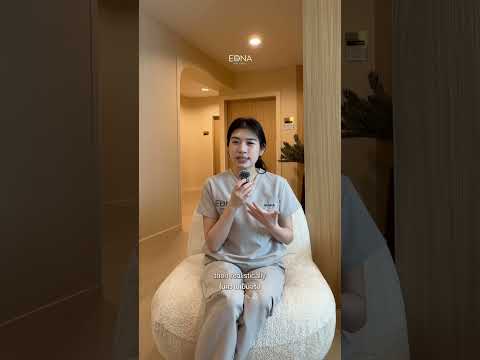
Can Stem Cell Treatment in Bangkok, Thailand Replace Surgery Explained by EDNA Wellness?
Stem Cell Therapy
EDNA Wellness - Surgeon-Led Stem Cell Clinic in Bangkok Thailand
Thailand

Can Stem Cell Therapy in Bangkok Thailand Really Fix Everything Explained by EDNA Wellness
Stem Cell Therapy
EDNA Wellness - Surgeon-Led Stem Cell Clinic in Bangkok Thailand
Thailand
Learn More with These Stem Cell Therapy Articles
Take a look at these interesting articles, stories and research that will help you learn more about Stem Cell Therapy.
.png)
Alzheimer’s Disease: Breakthroughs in Stem Cell Treatment at Vega Clinic, Thailand
Vega Stem Cell Clinic in Bangkok Thailand
- Stem Cell Therapy
Thailand

Advancing Alzheimer’s Treatment with Stem Cell Therapy at Vega Clinic in Bangkok, Thailand
Vega Stem Cell Clinic in Bangkok Thailand
- Stem Cell Therapy
Thailand
.png)
Alzheimer’s Disease Treatment: Filipinos Are Turning to Stem Cells in Tokyo for Memory Care
PlacidWay Medical Tourism
- Stem Cell Therapy
Japan

Alzheimer's Disease Treatment in Malaysia vs Indonesia - A Comprehensive Guide
PlacidWay Medical Tourism
- Stem Cell Therapy
Malaysia
Stem Cell Therapy Solutions Near You: Explore Top Medical Centers
Discover how Stem Cell Therapy is transforming lives at leading medical centers in , Thailand. Dive into center profile, specialties, doctors, reviews, etc. and explore the best options tailored to your needs in this region.
Healthi Life Longevity Center in Bangkok, Thailand
Bangkok, Thailand

EDNA Wellness - Surgeon-Led Stem Cell Clinic in Bangkok Thailand
Bangkok, Thailand
Beike Biotech
Bangkok, Thailand

Boston Health Longevity - Anti Aging Stem Cell Therapy in Thailand
Chiang Mai, Thailand








Read More