
What treatment


10+ Highly Rated Stem Cell Treatment for Cerebral Palsy Clinics in Japan
Reach Out to These Certified Stem Cell Treatment for Cerebral Palsy Clinics List in Japan Loved by Patients!
 82.81% Patient Recommend
HELENE - Stem Cell Clinic


Overview
Japan Regenerative Medicine Leading Brand With over a decade of experience and more than 17,000 treated patients. Providing cutting-edge stem cell therapies tailored to various health concerns.
Read more details

 100.00% Patient Recommend
Azabu Skin Clinic - Dermatology and Stem Cell Therapy in Japan
Overview
Azabu Skin Clinic in Tokyo offers advanced stem cell treatments, regenerative treatments, dermatology, and aesthetic care. Book your consultation today.
Read more details
Clinique Haru Osaka Umeda - Japan Stem Cell Treatment
Overview
Clinique Haru Osaka Umeda specializes in Japan stem cell treatments for joint and musculoskeletal conditions using advanced regenerative medicine.
Read more details 100.00% Patient Recommend
Vega Stem Cell Clinic in Bangkok Thailand
Overview
Vega Clinic in Bangkok, Thailand, helps people feel better with special treatments. They use new ways to heal and make sure each person gets care made just for them.
Read more details

Discover your treatment options with a free, no-obligation quote!
Get your quote now! 100.00% Patient Recommend
FirstCell Malaysia
Overview
FirstCell specialize on cell-based medicine and treatments especially via MSC and NKC to enhance wellness and for targeted treatment modules. We are committed in delivering excellent treatment.
Read more details


Dr. Ebenezer Abel Paul - Stem Cells in Malaysia
Overview
Explore Stem Cells in Malaysia with Dr. Ebenezer Abel Paul, offering cutting-edge regenerative therapies and advanced stem cell treatments.
Read more details
 96.00% Patient Recommend
Dr. Pravin Patels Innovative Hospital & Research Center
Overview
Dr. Pravin Patel's Innovative Hospital provides best stem cell treatment in Gujarat, India. Also offers Ozone therapy, Quantum therapy , EBOO therapy, Frequency & Laser Therapy at affordable cost.
Read more details

 100.00% Patient Recommend
GIOSTAR Hospital Bengaluru
Overview
Discover GIOSTAR Hospital in Bengaluru, India—your go-to center for advanced stem cell therapies and cutting-edge procedures for orthopaedics. Explore treatments for diabetes, stroke, SCI, and more.
Read more details
Discover your treatment options with a free, no-obligation quote!
Get your quote now! 100.00% Patient Recommend
Live Stem Cell Asia - Premier Stem Cell Clinic in Malaysia
Overview
Discover advanced stem cell Malaysia treatments at Live Stem Cell Asia, Petaling Jaya. Experience personalized care and innovative regenerative solutions.
Read more details
 100.00% Patient Recommend
StemRx Hospital and Research Centre
Overview
At StemRx Hospital & Research Centre, We specialize in advanced Regenerative Medicine & Stem Cell therapy for Autism, Cerebral Palsy, Orthopedics, Migraine, AVN & IVF providing personalized care.
Read more details
 98.04% Patient Recommend
Klinik Setia Gemilang
Overview
Klinik Setia Gemilang: Leading in stem cell therapy, orthopedic treatments, and anti -ageing solutions Malaysia . It is part of Setia Gemilang Medicare which houses a clinic and dentist
Read more details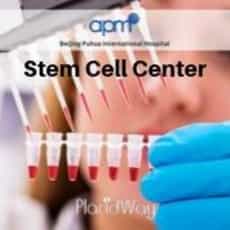
Beijing Puhua International Hospital- Stem Cell Center
Overview
Beijing Puhua International Hospital (BPIH) features a dedicated Stem Cell Center, where a team of highly educated and experienced scientists and technicians are working on the research and development of stem cell technology to restrict the development of several degenerative diseases like Parkinson’s, ALS, Batten, Multiple Sclerosis and more.
Read more details
Beike Biotech
Overview
Beike Biotechnology offers the best stem cell therapy in Thailand, combining top-quality regenerative treatment with cutting-edge technology for optimal patient care.
Read more details

Boston Health Longevity - Anti Aging Stem Cell Therapy in Thailand
Overview
Experience advanced Anti Aging Stem Cell Therapy in Thailand at Boston Health Longevity. Improve cellular health, vitality, and longevity with expert care.
Read more details 100.00% Patient Recommend
Chaum Medical Center
Overview
Premium healthcare at Chaum Medical Center, Seoul. Personalized anti-aging, stem cell therapy, and advanced medical services for a youthful life.
Read more details
Hebei Yanda International Hospital
Overview
Hebei Yanda International Hospital in Beijing, China, addresses your healthcare needs with expert oncology, cardiology, and neurology treatments.
Read more details
Krishna Institute of Medical Sciences (KIMS), Bengaluru
Overview
Krishna Institute of Medical Sciences (KIMS) Bengaluru is recognized as the best hospital in India, offering advanced multispecialty care and expert doctors.
Read more details
Mousai Wellness Center - Stem Cell Bangkok Thailand
Overview
Discover advanced Stem Cell treatments in Bangkok, Thailand at Mousai Wellness Center. Safe, innovative, and personalized care for lasting wellness.
Read more details
Nulook Anti-Aging & Regenerative Center
Overview
Nulook Anti-Aging & Regenerative Center in Bali, Indonesia offers Botox, Ultherapy, Dermal Fillers, Thermage, PRP, Pico Laser and more.
Read more details 95.18% Patient Recommend
ReeLabs Stem Cells in Mumbai, India
Overview
ReeLabs provides advanced Stem Cell Mumbai services, including stem cell banking and therapy for safe preservation and future medical use.
Read more details

Which are the best clinics for Stem Cell Treatment for Cerebral Palsy in Japan?
When considering Stem Cell Treatment for Cerebral Palsy in Japan, patients often seek facilities specializing in regenerative medicine and neurological conditions. Based on available data, HELENE - Stem Cell Clinic in Tokyo is a prominent option for advanced stem cell therapy. When evaluating clinics in Japan, prioritize those with strong accreditations, a proven track record in regenerative medicine, and comprehensive patient support. Look for facilities emphasizing personalized treatment plans and cutting-edge techniques in neurological rehabilitation to ensure the best possible care for cerebral palsy patients.
Identifying the "best" clinic for a highly specialized treatment like stem cell therapy for Cerebral Palsy involves looking at several factors. HELENE - Stem Cell Clinic, located in Tokyo, Japan, is noted for its focus on regenerative medicine. When making your decision, consider:
- Accreditation and Regulatory Compliance: Ensure the clinic operates under strict Japanese medical guidelines, including those specific to regenerative medicine.
- Specialized Expertise: Look for clinics with a team experienced in both stem cell therapies and neurological disorders like Cerebral Palsy.
- Technology and Techniques: Inquire about the specific types of stem cells used (e.g., mesenchymal stem cells) and the methods of administration.
- Patient Testimonials and Outcomes: While individual results vary, patient stories and published outcomes can provide valuable insights into a clinic's effectiveness and care quality.
- Integrated Care: The best clinics often offer comprehensive programs that combine stem cell treatment with extensive neurological rehabilitation and follow-up care.
What types of stem cell therapies are available for Cerebral Palsy in Japanese clinics?
Japanese clinics, particularly those specializing in regenerative medicine like HELENE - Stem Cell Clinic, typically offer advanced stem cell therapies for Cerebral Palsy using mesenchymal stem cells (MSCs). These are often derived from sources like umbilical cord blood, adipose tissue, or bone marrow. The treatments aim to reduce inflammation, promote neural repair, and improve motor function and overall neurological symptoms. The specific protocol can vary, often involving intravenous infusions or targeted injections tailored to the individual's condition.
Clinics in Japan focus on regenerative medicine, often leveraging Mesenchymal Stem Cells (MSCs) for Cerebral Palsy treatment due to their immunomodulatory and regenerative properties. These MSCs can be sourced from various biological materials:
- Umbilical Cord Blood: This is a popular source due to its high concentration of young, potent stem cells and lower risk of immune rejection.
- Adipose Tissue (Fat): Stem cells extracted from a patient's own fat are another common option, offering an autologous (patient's own cells) treatment.
- Bone Marrow: Bone marrow-derived stem cells are also utilized, often from the patient themselves.
How do Japanese clinics ensure safety in Stem Cell Treatment for Cerebral Palsy?
Safety in Stem Cell Treatment for Cerebral Palsy at Japanese clinics is ensured through rigorous adherence to national regulations governing regenerative medicine. Clinics like HELENE - Stem Cell Clinic follow strict protocols for cell sourcing, processing, and administration. They conduct thorough patient evaluations to determine suitability for treatment, monitor patients closely during and after therapy for any adverse reactions, and maintain transparent communication regarding potential risks and expected outcomes. Emphasis is placed on using ethically sourced and meticulously prepared cells.
Japanese medical facilities maintain high safety standards for advanced therapies. For stem cell treatments, this includes:
- Strict Regulatory Compliance: Adherence to the Act on the Safety of Regenerative Medicine (ASRM) in Japan, which provides a robust legal framework for these therapies.
- Quality Control for Cells: Rigorous screening and testing of all stem cell materials, whether autologous (from the patient) or allogeneic (from a donor), to prevent contamination and ensure viability.
- Experienced Medical Teams: Procedures are performed by highly trained specialists in regenerative medicine and neurology.
- Comprehensive Patient Screening: Each patient undergoes extensive medical evaluation to confirm they are suitable candidates and to minimize risks.
- Post-Treatment Monitoring: Patients are closely observed for any side effects and their progress is tracked, providing a continuous safety net.
What are the accreditation standards for stem cell clinics in Japan?
Stem cell clinics in Japan are primarily regulated by the Act on the Safety of Regenerative Medicine (ASRM), overseen by the Ministry of Health, Labour and Welfare (MHLW). Clinics must obtain approval for each regenerative medicine plan they intend to offer. This involves demonstrating robust safety protocols, ethical considerations, and quality assurance in cell processing. For patients seeking treatment for cerebral palsy, it ensures that facilities like HELENE - Stem Cell Clinic meet stringent national standards for research and clinical application.
The accreditation and regulatory landscape for stem cell treatments in Japan is comprehensive. Key aspects include:
- Act on the Safety of Regenerative Medicine (ASRM): This act is the cornerstone, requiring all facilities performing regenerative medicine to register with the MHLW and submit treatment plans for review and approval by specialized committees.
- Institutional Review Board (IRB) Approval: Each clinic's specific treatment protocols must be approved by an IRB, ensuring ethical standards and patient safety are met.
- Facility Certification: Laboratories involved in processing stem cells must adhere to Good Manufacturing Practice (GMP) or similar stringent quality standards for cell preparation and storage.
- Transparency Requirements: Clinics are mandated to report adverse events and treatment outcomes to regulatory bodies, promoting continuous oversight and safety improvements.
What support services do clinics offer for international patients seeking CP treatment in Japan?
Japanese clinics catering to international patients with Cerebral Palsy, including specialized facilities like HELENE - Stem Cell Clinic, often provide extensive support services to ease their medical journey. These typically include multilingual staff, assistance with visa applications, accommodation arrangements, and local transportation. Many offer dedicated patient coordinators who help with scheduling appointments, explaining treatment plans, and coordinating post-treatment follow-up. This holistic approach ensures a comfortable and stress-free experience for patients and their families.
For international patients, Japanese stem cell clinics understand the complexities of receiving medical care abroad and often provide a range of support services:
- Language Services: Access to English-speaking staff or professional medical interpreters for clear communication.
- Travel and Accommodation Assistance: Help with visa requirements, booking flights, and arranging suitable lodging, often near the clinic or rehabilitation centers.
- Patient Coordination: A dedicated patient coordinator to guide individuals through the entire process, from initial inquiry to post-treatment care.
- Logistical Support: Assistance with airport transfers, local transportation, and navigating the city.
- Cultural Sensitivity: Understanding and respecting diverse cultural backgrounds and needs.
What should I look for in a rehabilitation program alongside stem cell therapy in Japan?
When considering stem cell therapy for Cerebral Palsy in Japan, an integrated and specialized rehabilitation program is crucial for maximizing outcomes. Look for programs that are tailored to the individual's specific motor and cognitive challenges, offering a multidisciplinary approach including physical, occupational, and speech therapy. Clinics like HELENE - Stem Cell Clinic that coordinate closely with rehabilitation specialists, emphasizing advanced techniques and personalized goals, generally provide the most comprehensive care. Early and consistent rehabilitation is key to leveraging the regenerative potential of stem cells.
Combining stem cell therapy with an intensive and appropriate rehabilitation program is vital for individuals with Cerebral Palsy. When evaluating programs in Japan, prioritize these elements:
- Individualized Treatment Plans: The program should be customized to address the patient's specific motor, cognitive, and functional deficits.
- Multidisciplinary Team: Look for a team that includes physical therapists, occupational therapists, speech therapists, and neurologists working together.
- Advanced Rehabilitation Techniques: Inquire about the use of robotics, virtual reality, aquatic therapy, or other innovative methods that can enhance recovery.
- Intensity and Duration: Effective rehabilitation often requires consistent, high-intensity sessions over a sustained period.
- Family Involvement: Programs that educate and involve family members in the rehabilitation process tend to yield better long-term results.
- Progress Tracking: The clinic should have clear methods to monitor and document progress, adjusting the program as needed.
Are there specific patient eligibility criteria for cerebral palsy stem cell treatment in Japanese clinics?
Yes, Japanese stem cell clinics typically have specific eligibility criteria for Cerebral Palsy treatment to ensure patient safety and optimize potential benefits. These may include age limits, the severity and specific type of cerebral palsy, overall health status (e.g., no severe infections or uncontrolled chronic diseases), and previous treatment history. Clinics like HELENE - Stem Cell Clinic conduct thorough medical evaluations, including detailed neurological assessments and imaging, to determine if a patient is a suitable candidate for their particular stem cell therapy protocol.
Eligibility for stem cell treatment in Japanese clinics is determined by a thorough medical assessment. Common criteria may include:
- Age Range: While some clinics treat children, others might focus on adult patients, or have specific age windows where treatment is deemed most effective.
- Type and Severity of CP: The specific diagnosis of cerebral palsy (e.g., spastic, dyskinetic, ataxic) and its impact on motor function are crucial.
- Overall Health: Patients generally need to be in stable health, free from severe infections, autoimmune diseases, or other conditions that could complicate treatment.
- Previous Treatments: A history of conventional therapies and their outcomes is usually reviewed.
- Diagnostic Imaging: MRI or CT scans are often required to assess brain damage and guide treatment planning.
- Realistic Expectations: Clinics ensure patients and families have a clear understanding of potential benefits and limitations.
How do Japanese clinics approach personalized stem cell treatment for Cerebral Palsy?
Japanese clinics emphasize a highly personalized approach to stem cell treatment for Cerebral Palsy, beginning with a detailed diagnostic phase. They develop tailored treatment plans based on each patient's unique neurological profile, symptoms, and medical history. This often involves selecting specific stem cell types, determining optimal dosages, and planning precise administration routes. Facilities like HELENE - Stem Cell Clinic combine these customized therapies with individualized rehabilitation strategies, continually adapting the approach to maximize functional improvements and enhance the patient's quality of life through comprehensive patient care.
Personalization is a hallmark of advanced medical care in Japan. For Cerebral Palsy stem cell treatment, this means:
- In-depth Assessment: A comprehensive evaluation involving neurological exams, imaging studies (MRI), and functional assessments to understand the patient’s specific condition.
- Tailored Cell Selection: Choosing the most appropriate type and source of stem cells (e.g., umbilical cord-derived MSCs) based on the patient's individual needs.
- Customized Dosage and Delivery: Determining the optimal number of cells and the best route of administration (e.g., intravenous, intrathecal) for targeted regeneration.
- Integrated Rehabilitation: Developing a personalized rehabilitation program that aligns with the stem cell treatment goals, focusing on specific motor, speech, and cognitive challenges.
- Ongoing Monitoring and Adjustment: Regularly assessing patient progress and adjusting both the stem cell and rehabilitation protocols to optimize outcomes.
What recovery expectations should I have after stem cell treatment for Cerebral Palsy in Japan?
After stem cell treatment for Cerebral Palsy in Japanese clinics, recovery is a gradual process, often varying significantly among individuals. Initial improvements might be subtle and continue over several months, sometimes up to a year or more. Patients should expect to combine stem cell therapy with consistent, intensive rehabilitation to optimize outcomes. Clinics typically provide a clear roadmap for post-treatment care, emphasizing ongoing physical and occupational therapy. Expectations should be realistic, focusing on functional improvements rather than a complete cure, as highlighted by facilities specializing in regenerative medicine.
Setting realistic expectations is important for patients undergoing stem cell treatment for Cerebral Palsy. Here’s what you might expect:
- Gradual Improvements: Benefits are rarely instantaneous; they develop over weeks and months as the stem cells integrate and promote healing.
- Functional Gains: Improvements often manifest as enhanced motor skills, better coordination, reduced spasticity, or improved cognitive function.
- Continued Rehabilitation: Stem cell therapy is usually a catalyst, and sustained improvements are highly dependent on dedicated post-treatment neurological rehabilitation.
- Varied Outcomes: Each individual responds differently due to factors like age, severity of CP, and overall health.
- Follow-up Care: Clinics generally provide a structured follow-up plan to monitor progress, address any concerns, and recommend further therapies.
How can I verify the credentials of a stem cell clinic in Japan?
To verify the credentials of a stem cell clinic in Japan, such as HELENE - Stem Cell Clinic, you should primarily consult the Ministry of Health, Labour and Welfare (MHLW). They oversee the registration and approval of all regenerative medicine facilities under the Act on the Safety of Regenerative Medicine. Additionally, look for affiliations with reputable medical institutions, international accreditations (if applicable), and transparent reporting of their treatment protocols and patient outcomes. It's crucial to confirm that the clinic's practices comply with Japan's strict regulatory framework for advanced therapies.
Verifying a clinic's credentials is a critical step in ensuring safe and ethical treatment. In Japan, you can:
- Check MHLW Database: The Japanese Ministry of Health, Labour and Welfare (MHLW) maintains a public database of all registered and approved institutions offering regenerative medicine. This is your primary source for verifying compliance with the ASRM.
- Look for Institutional Affiliations: Reputable clinics are often affiliated with universities, research hospitals, or recognized medical organizations.
- Inquire About Peer-Reviewed Publications: Ask if the clinic or its specialists have contributed to scientific literature or clinical trials in stem cell research.
- Review Professional Memberships: Check if the medical professionals at the clinic are members of relevant Japanese or international medical associations.
- Seek Second Opinions: Consider consulting with independent medical professionals who are knowledgeable about stem cell therapies to review the proposed treatment plan and the clinic's credentials.
How PlacidWay helps individuals access Stem Cell Treatment for Cerebral Palsy in Japan?
PlacidWay provides detailed, up-to-date information about Stem Cell Treatment for Cerebral Palsy, including benefits, risks, and expected outcomes, helping patients understand their options thoroughly. We assist users in comparing treatment across various Japanese clinics, ensuring access to quality care. PlacidWay connects you with trusted, accredited medical centers and professionals specializing in regenerative medicine in Japan. We offer one-on-one consultations to help you make informed decisions tailored to your specific needs. Additionally, PlacidWay supports you throughout your medical journey, including follow-up care and recovery assistance, for a seamless experience. Ready to get Stem Cell Treatment for Cerebral Palsy in Japan? Contact us today for a personalized consultation.Share with AI
Share this page with AI assistants to get summaries and insights


List of Best Stem Cell Treatment for Cerebral Palsy Clinics in Japan
Unlock the Best Stem Cell Treatment for Cerebral Palsy Packages Just for You
Discover the ultimate Stem Cell Treatment for Cerebral Palsy packages designed to meet your health and wellness goals. Choose the perfect fit for your journey.

Price starting from $9000.0
Affordable Stem Cell Therapy in India for Cerebral Palsy – StemRX Mumbai Package
StemRx Hospital and Research Centre
- Stem Cell Therapy
Mumbai,Navi Mumbai, India

Price starting from $10000.0
Stem Cell Therapy for Spinal Cord Injury Package in Tokyo, Japan by HELENE Clinic
HELENE - Stem Cell Clinic
- Stem Cell Therapy
Tokyo, Japan

Price starting from $10000.0
Stem Cell Therapy for Diabetes Package in Tokyo, Japan by Helene Clinic
HELENE - Stem Cell Clinic
- Stem Cell Therapy
Tokyo, Japan

Price starting from $17000.0
Stem Cell for Cerebral Palsy Package by BPIH in Beijing, China
Beijing Puhua International Hospital
- Stem Cell Therapy
Beijing, China
Transformative Stem Cell Treatment for Cerebral Palsy Experiences: Dive into Procedure Insights
Discover the power of Stem Cell Treatment for Cerebral Palsy through compelling patient experiences. Uncover detailed insights into procedures, recovery journeys, and life-changing results.
.png)
Price starting from $10000.0
Stem Cell Therapy for Knee Osteoarthritis in Japan
- Stem Cell Treatment for Knee Osteoarthritis Abroad, Stem Cell Therapy
Japan
.png)
Price starting from $10000.0
Stem Cell Therapy for Diabetes in Tokyo, Japan
- Stem Cell Treatment for Diabetes, Stem Cell Therapy
Tokyo, Japan
.png)
Price starting from $68000.0
Stem Cell Therapy for Diabetes in Japan
- Stem Cell Treatment for Diabetes, Stem Cell Therapy
Japan
.png)
Stem Cell Therapy for Parkinson’s Disease in Japan
- Stem Cell Treatment for Parkinsons Disease, Stem Cell Therapy
Japan

(Translated by Google) The teacher is nice, but I am bothered by the staff\'s private conversations (laughter) and their behavior. (Original) 先生はいい方なのですが、スタッフの私語(笑い声)や対応が気になります。
Read More