
What treatment


26+ Best Clinics for Stem Cell Treatment for Liver Diseases in Mexico
Trusted Medical Tourism Platform Since 2007
What are the best stem cell therapy clinics for liver diseases in Mexico?
The top stem cell therapy clinics for liver diseases in Mexico are: Regenerative Medicine by ITC (Tijuana), MexStemCells Clinic (Mexico City), CellsTime Clinique (Guadalajara), Cabo Stem Cell Center (Cabo San Lucas), Clinica MER (Cancun), and NES Regenerative Medicine Clinic (Juarez).
These COFEPRIS-certified facilities use Mesenchymal Stem Cells (MSCs) to treat chronic conditions like cirrhosis, hepatitis, and fatty liver disease, alongside autism and osteoarthritis. Stem cell packages generally range from $4,000 to $12,000 USD, with specialized liver disease protocols costing between $5,000 and $5,995 USD—providing advanced regenerative care at significantly lower costs compared to Western countries.
 97.62% Patient Recommend
CellsTime Clinique Guadalajara


Overview
Discover advanced Stem Cell Therapies with quality-tested Cells from our own laboratory, experienced physicians, personalized protocols, and international patient care in Guadalajara & Tijuana,Mexico.
Read more details

BioStemCells - Stem Cell Clinic in Puerto Vallarta, Mexico
Overview
Explore a stem cell therapy center in Puerto Vallarta, Mexico by BioStemCells offering advanced regenerative treatments for healing and recovery.
Read more details

 91.35% Patient Recommend
Immunotherapy Regenerative Medicine in Puerto Vallarta
Overview
Explore Immunotherapy Regenerative Medicine in Puerto Vallarta, Mexico offering advanced stem cell, immunotherapy, and regenerative treatments.
Read more details
 100.00% Patient Recommend
MexStemCells Clinic
Overview
MexStemCells Clinic, based in Mexico City, has over 20 years of experience providing top-quality stem cell therapy. MexStemCells is among Top 5 Clinics in Mexico for stem cells.
Read more details
Discover your treatment options with a free, no-obligation quote!
Get your quote now! 100.00% Patient Recommend
Regenerative Medicine - Stem Cells by ITC
Overview
Immunity Therapy Center in Tijuana, Mexico, is the forefront of medical innovation, transforming lives through the power of cutting-edge stem cell therapies.
Read more details
 100.00% Patient Recommend
Stem Health Guadalajara
Overview
Stem Health Clinic, based in Guadalajara, Jalisco, Mexico, brings over 10 years of experience in regenerative medicine, specializing in the use of mesenchymal stem cells. Get Quote Free!
Read more details


 100.00% Patient Recommend
LONVIDA - Regenerative Medicine in Mexico City
Overview
Discover advanced stem cell treatments in Mexico City at Lonvida Wellness and Longevity Center. Offering regenerative medicine, and wellness care.
Read more details


Aura Regenerative Center
Overview
Aura Regenerative Center offers advanced stem cell therapy in Monterrey with personalized regenerative treatments led by experienced medical professionals.
Read more details
Discover your treatment options with a free, no-obligation quote!
Get your quote now!
Instituto de Terapia Celular - Stem Cell Guadalajara Mexico
Overview
Find hope with Stem Cell Guadalajara Mexico at Instituto de Terapia Celular. Personalized MSC therapy for autism, joint pain, anti-aging & nerve health.
Read more details
Limphocare by Limphocite - Stem Cell Clinic in Tijuana
Overview
Discover Limphocare by Limphocite, a trusted stem cell clinic in Tijuana offering advanced regenerative treatments tailored for patient care, and recovery.
Read more details
Stem Health | Leading Stem Cell Clinic in Tijuana, Mexico
Overview
Discover Stem Health, your trusted stem cell clinic in Tijuana, Mexico. We provide personalized stem cell therapies for orthopedic, autoimmune & neurological issues.
Read more details

Stem Solutions
Overview
Stem Solutions in San Pedro Garza Garcia Mexico offers advanced stem cell therapies for autism, autoimmune diseases, neurological disorders & sports medicine.
Read more details
 100.00% Patient Recommend
VISANI® Stem Cells in Puebla, Mexico
Overview
Discover advanced regenerative care at VISANI® Stem Cells, a leading Stem Cell Therapy Clinic in Puebla, Mexico. Safe and effective stem cell treatments.
Read more details
 100.00% Patient Recommend
CellsTime Clinique Puerto Vallarta
Overview
Discover CellsTime Clinique in Puerto Vallarta, Mexico, offering innovative Stem Cell Therapy for various conditions. Your path to improvement starts here!
Read more details
CellsTime Clinique Tijuana
Overview
Discover advanced Stem Cell Therapies with quality-tested Cells from our own laboratory, experienced physicians, personalized protocols, and international patient care in Tijuana, Mexico.
Read more details
 100.00% Patient Recommend
Células Madre Dr. Juan Manuel Ortega van Beusekom
Overview
Dr. Juan Manuel Ortega van Beusekom is the best doctor for Stem Cell Therapy in Mexico City, Mexico. Book Regenerative Therapy from top rated clinic now!
Read more details 100.00% Patient Recommend
CORE Regenerative Orthopedic Center
Overview
Discover CORE, Leading Regenerative Orthopedic Center in Queretaro, Mexico. Specializing in cutting-edge treatments for orthopedic injuries and trauma.
Read more details 95.45% Patient Recommend
Costamed Medical Group in Playa del Carmen Mexico
Overview
Explore advanced healthcare at Costamed Medical Group, a trusted multispecialty hospital in Playa del Carmen, Mexico for international patients.
Read more details

 100.00% Patient Recommend
NES Regenerative Medicine Clinic
Overview
NES Regenerative Medicine offers innovative treatments for various medical conditions in Juarez, Chihuahua, Mexico. Experience top regenerative medicine today.
Read more details 100.00% Patient Recommend
Nucleo V
Overview
Núcleo V clinic in Ciudad Juarez, Mexico, provides high-quality gynecology treatment and stem cell therapy at affordable prices to patients around the world.
Read more detailscopy.png)
Authored by
Usama Ahmad
Medical content writer with 5+ years of experience specializing in stem cells and regenerative medicine content.

Reviewed by
Dr. Alejandro Fernando
Dr. Alejandro Fernando is a top stem cell specialist in Mexico City, specializing in regenerative medicine, cellular therapies, and chronic disease treatment and Medical Content Reviewer
Last updated on
Why Mexico is the Premier Destination for Stem Cell Treatment for Liver Diseases?
Mexico combines internationally accredited regenerative medicine facilities with accessible, life-changing therapies. For patients seeking alternatives to manage cirrhosis, hepatitis, or fatty liver disease, here is why Mexico is the top choice for cellular liver regeneration.
Advanced COFEPRIS-Regulated Labs
Mexico boasts state-of-the-art stem cell laboratories strictly regulated by COFEPRIS, the national health authority. This ensures that the mesenchymal stem cells used for hepatic regeneration are highly concentrated, ethically sourced, and rigorously screened for maximum viability and safety.
Specialized Hepatic Protocols
Regenerative clinics in Mexico offer customized protocols specifically designed for liver pathology. Rather than a one-size-fits-all approach, specialists tailor the delivery method—whether through systemic IV infusion or targeted hepatic artery delivery—to optimize cellular engraftment in damaged liver tissue.
Avoiding Lengthy Transplant Waitlists
For patients dealing with progressive liver diseases who are not yet candidates for a transplant or are stuck on extensive waitlists back home, Mexico offers an immediate, non-surgical intervention. Cellular therapy acts to reduce hepatic inflammation, potentially delaying disease progression.
Unmatched Accessibility and Affordability
With easy flight access from major North American cities and multiple secure border-city clinics, logistics are stress-free. Moreover, Stem Cell Treatment for Liver Diseases in Mexico typically costs 60% to 75% less than the equivalent out-of-pocket costs in the US, making innovative care accessible.
Stem Cell Treatment for Liver Diseases Costs in Mexico vs. United States (2026)
Review projected 2026 pricing for comprehensive cellular liver therapies. Mexican clinics provide fully transparent packages, based on the specific type of administration and the required dosage of stem cells needed to treat your level of hepatic fibrosis or cirrhosis.
| Procedure | Mexico Price | US / UK Price | You Save | Savings % |
|---|---|---|---|---|
| Systemic IV Stem Cell Infusion (Early Stage) | $6,500–$8,500 | $25,000–$35,000 | $18,500+ | 74% |
| Targeted Hepatic Delivery Protocol | $9,000–$12,000 | $35,000–$45,000 | $26,000+ | 74% |
| Autologous Bone Marrow Liver Therapy | $7,000–$9,500 | $30,000–$40,000 | $23,000+ | 76% |
| Advanced Exosome & MSC Combination Protocol | $12,000–$15,000 | $45,000–$60,000 | $33,000+ | 73% |
* Prices are 2026 estimates based on verified PlacidWay partner clinics in Mexico. Total costs vary depending on the severity of the liver disease, required cell counts (ranging from 50 million to 300+ million MSCs), and comprehensive detox additions. Request a free quote for customized pricing.
Top Mexican Cities for Stem Cell Treatment for Liver Diseases
Mexico features several premier hubs for regenerative medicine. Compare these leading destinations to find the environment that best suits your medical needs and recovery preferences.
Tijuana
Bordering San Diego
Tijuana is the leading hub for regenerative medicine, featuring some of North America's most advanced stem cell labs. Ideal for US and Canadian patients who want a quick, convenient trip without the hassle of long international flights, especially when dealing with liver fatigue.
Cancun
Riviera Maya
Merging high-end medical facilities with the calming Caribbean environment. Cancun is perfect for patients undergoing multi-day liver protocols who prefer to recover in a stress-free, luxurious setting to optimize the body's natural healing and immune response.
Guadalajara
Central Mexico
Often referred to as the Silicon Valley of Mexico, Guadalajara houses top-tier specialized hospitals and cutting-edge biotech laboratories. It is an excellent choice for patients with complex, advanced-stage liver diseases requiring highly specialized medical oversight.
Puerto Vallarta
Pacific Coast
Offers specialized boutique regenerative clinics set against the beautiful Pacific coast. Puerto Vallarta is ideal for patients from the West Coast looking for a peaceful, resort-based recovery after receiving their comprehensive liver stem cell infusions.
Types of Stem Cell Treatment for Liver Diseases in Mexico
Mexican regenerative clinics offer advanced methods to deliver stem cells to a damaged liver. These therapies aim to halt inflammation, reduce fibrosis, and stimulate the regeneration of healthy hepatocytes.
Systemic IV Stem Cell Infusion
$6,500 – $8,500A minimally invasive approach where millions of Mesenchymal Stem Cells (MSCs) are introduced via an intravenous drip. Because the liver processes a massive volume of the body's blood, many of these cells naturally migrate to the hepatic tissue to secrete growth factors and lower inflammation in early-stage liver disease.
Save $18,500+ vs. US prices
Targeted Hepatic Delivery Protocol
$9,000 – $12,000For more advanced cirrhosis or severe fibrosis, specialists may use image-guided catheters to deliver stem cells more directly into the hepatic arterial system. This precise delivery bypasses pulmonary filtration, ensuring a much higher concentration of restorative cells reach the damaged liver tissue directly.
Save $26,000+ vs. US prices
Autologous Bone Marrow Liver Therapy
$7,000 – $9,500This method harvests the patient's own stem cells from their bone marrow, which are then processed, concentrated, and reintroduced into the body. It is often preferred by patients who wish to use their own biological material to assist the liver's natural regenerative mechanisms.
Save $23,000+ vs. US prices
Exosome & MSC Combination Protocol
$12,000 – $15,000The most comprehensive treatment available. It combines high-dose umbilical cord MSCs with pure exosomes (the communication vesicles of cells). This potent combination aggressively signals the liver to halt fibrotic scarring and boosts cellular repair pathways across multiple levels.
Save $33,000+ vs. US prices
How to Choose a Clinic for Stem Cell Treatment for Liver Diseases in Mexico?
Liver disease is a complex condition that requires expert care. Follow this 5-step checklist to ensure you are selecting a highly qualified, safe regenerative clinic in Mexico.
Verify COFEPRIS Laboratory Approval
Any clinic offering stem cell treatments must use cells cultivated in a COFEPRIS-approved laboratory. This guarantees the facility meets stringent Mexican federal health standards for cellular sterility, viability, and safety.
Check the Expected Cell Count and Source
Liver regeneration requires a substantial volume of cells. Ensure the clinic specifies the exact number of millions of cells you will receive and provides a certificate of analysis detailing whether they are autologous or umbilical-derived MSCs.
Confirm the Medical Team's Expertise
The treating physician should have distinct experience in regenerative medicine applied to internal organs. Look for clinics that collaborate with gastroenterologists or hepatologists to accurately assess your specific stage of liver disease.
Inquire About Supportive Protocols
Top clinics do not just provide an infusion and send you home. They incorporate comprehensive support systems, including liver detoxification IVs, ozone therapy, and nutritional guidance to create the best possible environment for the stem cells to survive.
Book Through a Trusted Medical Facilitator
Utilizing a verified platform like PlacidWay ensures the clinic has been thoroughly pre-screened. We verify laboratory licenses, past patient outcomes, and clinical transparency so you can confidently focus on your liver health.
Your Path to Liver Regeneration in Mexico
Understanding the clinical process provides peace of mind. Here is a timeline of what to expect when you travel to Mexico for liver-focused cellular therapy.
Step 1: Virtual Consultation & Lab Review
Submit your recent comprehensive metabolic panels (CMP), liver enzyme tests (ALT/AST), and hepatic ultrasounds to PlacidWay. The medical team in Mexico will review these to ensure you are a viable candidate and determine the appropriate stem cell dosage.
Step 2: Arrival & In-Clinic Diagnostics
Upon arriving at your chosen Mexican destination, you will have an in-person evaluation with the physician. The clinic may run final baseline blood tests or a FibroScan to accurately map the condition of your liver prior to treatment.
Step 3: The Stem Cell Administration
Depending on the protocol, the highly viable stem cells are administered via a slow, monitored IV drip or through a targeted interventional delivery system. The process is generally painless, performed on an outpatient basis, and takes a few hours.
Step 4: Monitoring and Supportive Care
Following the infusion, you will rest while the clinic monitors your vitals. Many clinics provide supplementary treatments over the next day or two, such as vitamin IV drips, to enhance cellular absorption and reduce systemic inflammation.
Step 5: Return Home and Tissue Regeneration
Once cleared, you can return home. Over the following 3 to 6 months, the stem cells work to modulate your immune system and stimulate hepatic tissue repair. The clinic will schedule follow-ups to track improvements in your liver enzyme levels.
Stem Cell Treatment for Liver Diseases in Mexico FAQ
Get detailed, evidence-based answers to the most common questions regarding regenerative liver therapies provided in Mexico.
What Patients Say About Liver Regeneration in Mexico
Read firsthand accounts from individuals who pursued advanced cellular protocols in Mexico to manage their chronic liver conditions and regain their vitality.
"Being diagnosed with advanced fatty liver disease left me exhausted and fearful for my future. Mainstream options felt incredibly limited. Traveling to Tijuana for stem cell therapy was the turning point. The clinic was pristine, and five months later, my liver enzymes have normalized and I finally have the energy to play with my grandchildren again."
"I was dealing with early-stage cirrhosis and the constant brain fog was unbearable. The doctors in Cancun provided an IV umbilical stem cell protocol that was completely painless. Not only was the medical team profoundly compassionate, but my most recent scans show the progression has completely halted. It truly gave me a second chance at life."
Why Choose PlacidWay for Your Stem Cell Journey?
Seeking out international treatments for serious conditions like liver disease requires expertise and trust. PlacidWay connects you with vetted, highly-rated cellular specialists safely and transparently.
Pre-Screened Regenerative Clinics
We independently verify every Mexican clinic in our network for rigorous medical licensing, sterile laboratory protocols, and strict adherence to COFEPRIS regulations for the cultivation and administration of stem cells.
Unbiased Medical Facilitation
As a medical facilitator rather than a single provider, our allegiance is solely to you. We offer transparent, comparative options from multiple clinics so you can select the facility that best fits your medical needs and budget.
Direct Specialist Communication
We remove barriers by setting up direct virtual consultations between you and the internal medicine specialists in Mexico. Ask your specific hepatology questions directly to the doctor who will review your labs.
Comprehensive Patient Advocacy
From securely transferring your liver ultrasound results to following up with the clinic regarding your progress post-treatment, our patient coordination team relentlessly advocates for your successful health outcome.
Take Control of Your Liver Health Today
Do not let progressive liver disease dictate your future. Explore advanced, life-changing stem cell therapies in Mexico and save up to 74% compared to US costs. Connect with elite regenerative specialists to review your case.
Get Free QuoteDisclaimer: PlacidWay is a medical tourism facilitator and does not provide medical advice, diagnosis, or treatment. We connect patients with independently verified clinics abroad. Always consult with a qualified healthcare provider regarding your specific medical condition.
Share with AI
Share this page with AI assistants to get summaries and insights


List of Best Stem Cell Treatment for Liver Diseases Clinics in Mexico
Explore Stem Cell Treatment for Liver Diseases: Stories, Testimonials, and Procedures
Watch in-depth videos covering everything from Stem Cell Treatment for Liver Diseases success stories to detailed procedure explanations. Learn what to expect and hear from real patients.

MUSE Cell Therapy – A Revolutionary Alternative to Total Shoulder Replacement in Cancun, Mexico
Stem Cell Therapy
RejuvStem - Stem Cell Therapy Cancun
Cancun, Mexico
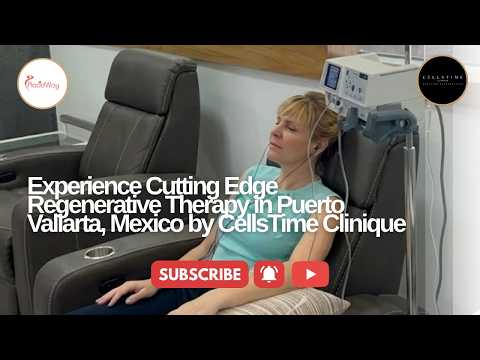
Experience Cutting Edge Regenerative Therapy in Puerto Vallarta, Mexico by CellsTime Clinique
Cancer Treatment
CellsTime Clinique Puerto Vallarta
Puerto Vallarta, Mexico

Inside Vitor Belfort’s Regenerative Journey – Stem Cell Therapy in Cancun, Mexico
Stem Cell Therapy
RejuvStem - Stem Cell Therapy Cancun
Cancun, Mexico

Preventive Stem Cell Therapy and Advanced Cellular Medicine in Cancun, Mexico – Stay Ahead
Stem Cell Therapy
RejuvStem - Stem Cell Therapy Cancun
Cancun, Mexico
Unlock the Best Stem Cell Treatment for Liver Diseases Packages Just for You
Discover the ultimate Stem Cell Treatment for Liver Diseases packages designed to meet your health and wellness goals. Choose the perfect fit for your journey.

Price starting from $3,400
Stem Cell Therapy for Knee Regeneration Package in San Pedro Garza Garcia, Mexico by CellsClinic
CellsClinic in in San Pedro Garza Garcia, Mexico
- Stem Cell Therapy
San Pedro Garza Garcia, Mexico

Price starting from $12,000
Stem Cell Therapy for Knee Injuries in Puerto Vallarta, Mexico by Immunotherapy Regenerative Medicine
Immunotherapy Regenerative Medicine in Puerto Vallarta
- Stem Cell Therapy
Puerto Vallarta, Mexico

Price starting from $12,000
Stem Cell Therapy for Hip Pain Package in Puerto Vallarta, Mexico by Immunotherapy Regenerative Medicine
Immunotherapy Regenerative Medicine in Puerto Vallarta
- Stem Cell Therapy
Puerto Vallarta, Mexico

Price starting from $17,500
Stem Cell Therapy for Parkinson’s Disease in Puerto Vallarta by Immunotherapy Regenerative Medicine
Immunotherapy Regenerative Medicine in Puerto Vallarta
- Stem Cell Therapy
Puerto Vallarta, Mexico
Transformative Stem Cell Treatment for Liver Diseases Experiences: Dive into Procedure Insights
Discover the power of Stem Cell Treatment for Liver Diseases through compelling patient experiences. Uncover detailed insights into procedures, recovery journeys, and life-changing results.
.png)
Price starting from $6,500
Stem Cell for Kidney Failure in Mexico
- Stem Cell Treatment for Kidney Failure, Stem Cell Therapy
Mexico

Price starting from $7,099
Stem Cell Therapy for Fibromyalgia in Tijuana, Mexico
- Stem Cell Therapy for Fibromyalgia, Stem Cell Therapy
Tijuana, Mexico

Price starting from $6,500
Stem Cell Therapy for Knee Pain in Puerto Vallarta, Mexico
- Stem Cell Treatment for Knee Osteoarthritis Abroad, Stem Cell Therapy
Puerto Vallarta, Mexico
.png)
Price starting from $5,100
Stem Cell Therapy for Autism in Mexico City
- Stem Cell Treatment for Autism, Stem Cell Therapy
Mexico City, Mexico








I went to this place to get a quote on their stem cell treatments. I had gone to a couple of places back home and felt that in GDL Mexico they would probably be less expensive. I decided to go to Cells Time Clinique I was met with a cocky young doctor, Dr. Alexi. He didn’t really get into how the stem cells worked but was asked what type of illness I was coming in for and then went straight into pricing. The price was high compared to what I’ve seen in TJ and no I am not talking about CPI (those guys are really outrageous in their prices). After being asked a few questions he quoted me $8000! When I gasped he said, “Oh but we're having a special this month and its 50% off”. So that was a big red flag to me because no business is going to lose or just give away $4000 and take that big of a hit on their profit margin. I know there are more affordable places and clinics that actually care. After I told him I’d think about it, his vibe gave off as if I wasted his time and I felt beneath him. I say, for $8000, I’d go to the original location that started the stem research, which is France, and at least get a vacation out of it and STILL get money left over! Avoid this place. There’s definitely more affordable places. These businesses that are in it to ‘help people’ are just in it to make 10 times more than what the vials or treatments cost. Do your homework and don’t fall for the snake oil salesman
Read More