
What treatment


12+ Best Clinics for Stem Cell Treatment for Multiple Sclerosis in Thailand
Trusted Medical Tourism Platform Since 2007
What are the best stem cell therapy clinics in Thailand?
The top-rated stem cell therapy clinics in Thailand include Vega Stem Cell Clinic (Bangkok), EDNA Wellness (Bangkok), Beike Biotech (Bangkok), Stay Well Clinic & Physio (Phuket), Surecell Medical Clinic (Pattaya), Boston Health Longevity (Chiang Mai), and WIH Hospital (Bangkok).
These JCI-accredited and Ministry of Public Health-licensed facilities utilize ethically sourced mesenchymal stem cells (MSCs) for advanced regenerative care. They specialize in treating conditions such as multiple sclerosis, autism, cerebral palsy, osteoarthritis, erectile dysfunction, and diabetes. Comprehensive stem cell treatment packages in Thailand typically range from $1,750 to $25,944 USD, providing world-class medical expertise at highly competitive international prices.

 100.00% Patient Recommend
Vega Stem Cell Clinic in Bangkok Thailand


Overview
Vega Clinic in Bangkok, Thailand, helps people feel better with special treatments. They use new ways to heal and make sure each person gets care made just for them.
Read more details

 100.00% Patient Recommend
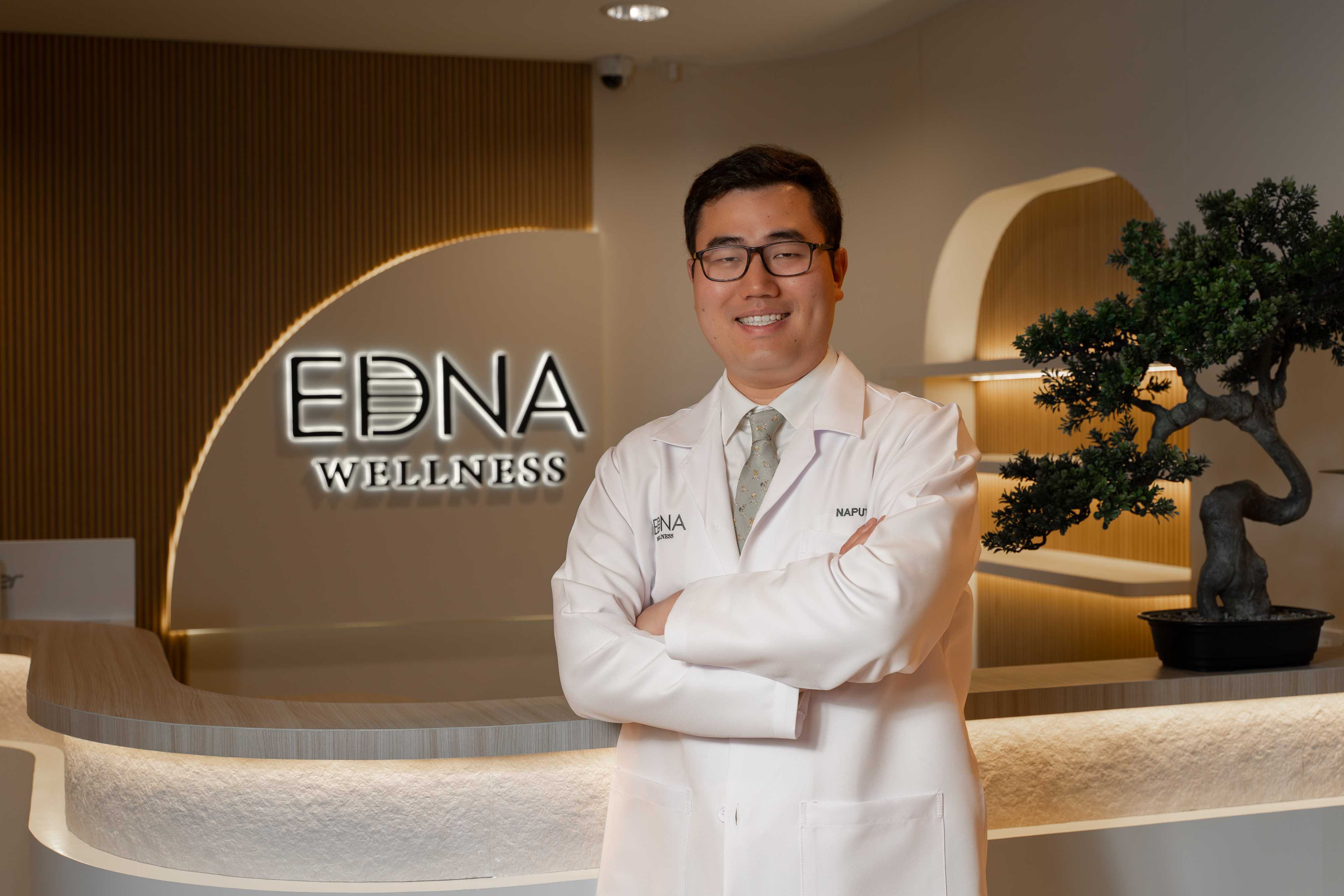
EDNA Wellness - Surgeon-Led Stem Cell Clinic in Bangkok Thailand
Overview
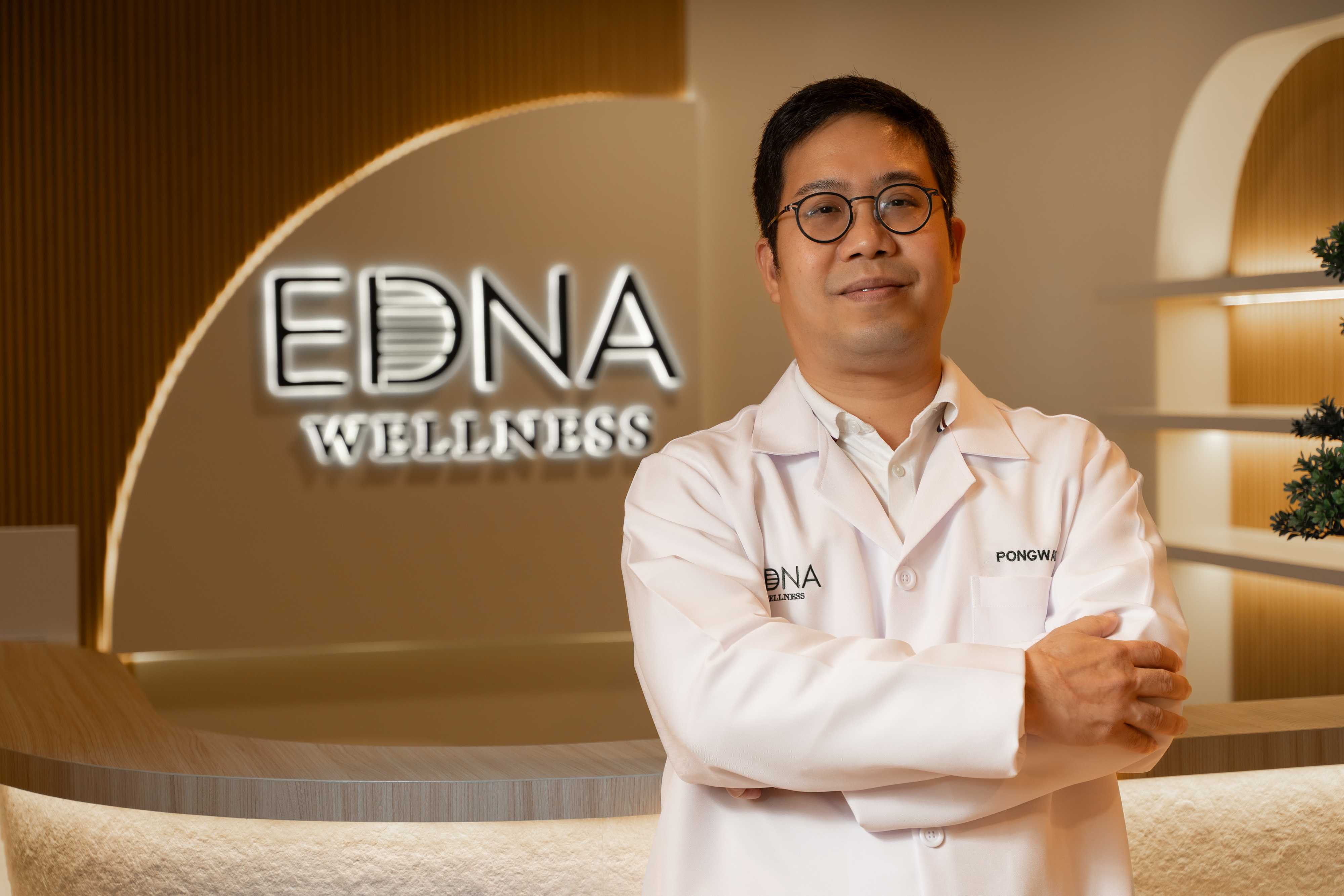
Surgeon-led UC-MSC Stem Cell Clinic in Bangkok, near Bangkok Hospital. Led by neurosurgeon Dr. Pongwat Polpong. GMP-certified, TISTR-collaborated, ISO 9001:2015 & ISO/IEC 17025:2017 accredited.
Read more details
Beike Biotech
Overview
Beike Biotechnology offers the best stem cell therapy in Thailand, combining top-quality regenerative treatment with cutting-edge technology for optimal patient care.
Read more details

Boston Health Longevity - Anti Aging Stem Cell Therapy in Thailand
Overview
Experience advanced Anti Aging Stem Cell Therapy in Thailand at Boston Health Longevity. Improve cellular health, vitality, and longevity with expert care.
Read more detailsDiscover your treatment options with a free, no-obligation quote!
Get your quote now!
Healthi Life Longevity Center in Bangkok, Thailand
Overview
Explore stem cell therapy in Bangkok, Thailand by Healthi Life Longevity Center with advanced regenerative treatments and personalized care plans.
Read more details
Miracle Regenerative Center in Bangkok, Thailand
Overview
Explore stem cell therapy in Bangkok, Thailand at Miracle Regenerative Center with personalized regenerative medicine care for international patients.
Read more details
Mousai Wellness Center - Stem Cell Bangkok Thailand
Overview
Discover advanced Stem Cell treatments in Bangkok, Thailand at Mousai Wellness Center. Safe, innovative, and personalized care for lasting wellness.
Read more details
R3 Life Wellness Center in Bangkok Thailand
Overview
Visit R3 Life Wellness Center in Bangkok for anti-aging, stem cell therapy, IV therapy, hormone optimization, and personalized wellness care.
Read more detailsDiscover your treatment options with a free, no-obligation quote!
Get your quote now!
SCF Clinic - Stem Cell Bangkok Thailand
Overview
Experience advanced Stem Cell Bangkok Thailand at SCF Clinic. We offer CAR-T, NK Cell therapy, Exosomes, Multi-Cancer Early Detection & Anti-Aging programs.
Read more details 100.00% Patient Recommend
Stay Well Clinic & Physio
Overview
Discover advanced Stem Cell and NK Cell therapies at Stay Well Clinic & Physio in Phuket, Thailand. Experience cutting-edge treatments for optimal health.
Read more details 100.00% Patient Recommend
Surecell Medical Clinic
Overview
Experience the Best Stem Cell Therapy in Pattaya, Thailand at Surecell Clinic. Transform your health with our state-of-the-art regenerative treatments.
Read more details
VAANAA Longevity Bangsaen in Bangkok, Thailand
Overview
Discover VAANAA Longevity Bangsaen, a stem cell therapy clinic in Chonburi, Thailand offering regenerative medicine and personalized longevity care.
Read more details
WIH Hospital
Overview
Discover cutting-edge stem cell therapy at WIH Hospital in Bangkok. Expert care and advanced treatments for various conditions at our leading stem cell clinic.
Read more detailscopy.png)
Authored by
Usama Ahmad
Medical content writer with 5+ years of experience specializing in stem cells and regenerative medicine content.

Reviewed by
Dr. Alejandro Fernando
Dr. Alejandro Fernando is a top stem cell specialist in Mexico City, specializing in regenerative medicine, cellular therapies, and chronic disease treatment and Medical Content Reviewer
Last updated on
Why Thailand is the Premier Destination for Stem Cell Treatment for Multiple Sclerosis?
Thailand has rapidly evolved into a global epicenter for regenerative neurology. Here is why patients battling autoimmune and neurodegenerative conditions travel to this Southeast Asian hub for life-changing cellular therapies.
Advanced Neurological Infrastructure
Thailand's JCI-accredited hospitals are pioneers in regenerative medicine. Patients with Multiple Sclerosis benefit from cutting-edge laboratories that culture high-viability mesenchymal stem cells designed specifically for immunomodulation. The medical standard rivals top Western facilities but in a highly patient-centric environment.
Access to Expanded Protocols
Many Western countries heavily restrict the volume and delivery methods of stem cells allowed for autoimmune conditions. Thailand offers ethically sourced, legally approved expanded stem cell protocols, including high-dose Wharton's Jelly MSCs. This allows patients to receive comprehensive treatments that aggressively target central nervous system inflammation.
Integrative Neuro-Rehabilitation
Managing MS requires more than just injections; it demands total body wellness. Thai facilities uniquely blend advanced cellular therapies with intensive physical therapy, hyperbaric oxygen therapy, and anti-inflammatory nutrition plans. This dual approach helps maximize neurological repair, neuroplasticity, and daily symptom management.
A Serene Healing Environment
Chronic stress is a known trigger for Multiple Sclerosis exacerbations and flare-ups. Thailand provides a warm, culturally welcoming, and deeply relaxing atmosphere essential for post-treatment recovery. Away from cold, clinical domestic settings, patients recuperate in tropical tranquility, giving their immune systems the best chance to reset.
Multiple Sclerosis Stem Cell Costs in Thailand vs. United States (2026)
Compare projected 2026 pricing for neurological stem cell protocols. Thai regenerative centers provide transparent, all-inclusive packages tailored to your EDSS score, disease progression, and required cellular volume.
| Procedure | Thailand Price | US / UK Price | You Save | Savings % |
|---|---|---|---|---|
| Systemic Intravenous (IV) Protocol | $12,000–$16,000 | $35,000–$45,000 | $23,000+ | 65% |
| Intrathecal (Spinal) Delivery Only | $15,000–$20,000 | $45,000–$60,000 | $30,000+ | 66% |
| Combined IV & Intrathecal MS Protocol | $20,000–$28,000 | $65,000–$85,000 | $45,000+ | 68% |
| Comprehensive 14-Day Inpatient Program | $25,000–$35,000 | $80,000–$110,000 | $55,000+ | 68% |
* Prices are 2026 estimates based on verified PlacidWay partner hospitals in Thailand. Total costs vary based on the required cell count (often upwards of 100-200 million cells for MS), the number of administration days, and adjunctive therapies like HBOT. Request a free quote for an exact medical estimate.
Thailand Cities for Stem Cell Treatment for Multiple Sclerosis
Choosing the right environment is crucial for an extended medical stay. Here is how Thailand's top medical hubs compare for patients seeking complex neurological care.
Bangkok
Advanced Neurological Care
Offers the highest concentration of internationally accredited hospitals and specialized regenerative laboratories. It is the absolute best choice for MS patients requiring complex, multi-disciplinary medical oversight and highly specialized neurologists.
Chiang Mai
Integrative Healing
Combines excellent clinical standards with world-renowned holistic wellness retreats set in lush mountains. Perfect for patients seeking a cooler climate and intensive physical rehabilitation and stress-reduction therapies post-treatment.
Phuket
Island Wellness
Provides access to high-end regenerative clinics surrounded by spectacular beaches and island luxury. Highly suited for patients who want a deeply relaxing, resort-style recovery environment to minimize neurological stress after their infusions.
Pattaya
Gulf of Thailand
Located just a short drive from Bangkok, offering specialized cellular therapies in a beachfront setting. It presents a great balance for patients who want close proximity to the capital's international airport but prefer a coastal stay over the bustling city.
MS Stem Cell Protocols in Thailand
Because Multiple Sclerosis impacts the central nervous system differently in every patient, Thai clinics offer a spectrum of targeted therapies—from systemic immune resets to direct spinal interventions.
Systemic Intravenous (IV) Therapy
$12,000 – $16,000Millions of cultured mesenchymal stem cells are delivered directly into the bloodstream. This method is highly effective for systemic immunomodulation—acting to reset the immune system, halt the autoimmune attack on the myelin sheath, and drastically reduce full-body inflammation.
Save $23,000+ vs. US prices
Intrathecal Stem Cell Administration
$15,000 – $20,000A specialized neurologist injects stem cells directly into the spinal fluid via a lumbar puncture, entirely bypassing the blood-brain barrier. This ensures a massive concentration of regenerative cells reaches the central nervous system to target existing brain and spinal cord lesions.
Save $30,000+ vs. US prices
Combined IV & Intrathecal Protocol
$20,000 – $28,000This aggressive, dual-delivery method tackles MS on all fronts. It modulates the immune system systemically while concurrently flooding the cerebrospinal fluid with regenerative cells, providing the highest probability of halting disease progression and restoring motor function.
Save $45,000+ vs. US prices
Comprehensive Inpatient Program
$25,000 – $35,000An all-encompassing 10 to 14-day residential protocol featuring multiple stem cell infusions, daily neuro-rehabilitation, hyperbaric oxygen therapy (HBOT), and targeted nutrition. Patients receive 24/7 care in a luxury hospital suite to maximize cellular engraftment.
Save $55,000+ vs. US prices
How to Choose an MS Stem Cell Clinic in Thailand?
Multiple Sclerosis is a highly complex disease. Ensure a safe and successful outcome by vetting your regenerative medicine provider thoroughly using this 5-step checklist.
Scrutinize the Laboratory Standards
Ensure the Thai facility operates an in-house or strictly partnered GMP-certified laboratory. The cells must be rigorously screened, culturally expanded, and accompanied by a certificate of viability to guarantee high live-cell counts for neurological repair.
Confirm Neurological Expertise
Verify that the treatment plan is designed and administered by board-certified neurologists who specialize in neurodegenerative disorders and autoimmune diseases, not just general regenerative practitioners.
Evaluate the Delivery Methods
Avoid clinics that only offer basic IV drips for advanced MS cases. Effective treatment often requires intrathecal administration to bypass the blood-brain barrier. Make sure the hospital is equipped and licensed to perform spinal deliveries.
Look for Integrated Rehabilitation
Stem cells provide the cellular building blocks, but neuroplasticity requires guided physical effort. Choose a center that integrates intensive physical therapy and neuro-rehabilitation into the program to maximize motor function recovery.
Utilize a Specialized Facilitator
Navigating international medical standards can be overwhelming when battling MS fatigue. Use PlacidWay to independently verify clinic credentials, safety protocols, and past patient outcomes before committing to a provider.
Your Neurological Healing Journey in Thailand
Understanding the process helps eliminate the anxiety of traveling for care. Here is what you can expect from your initial inquiry to your post-treatment monitoring.
Step 1: Virtual Neurological Consultation
Submit your recent MRI scans, neurological reports, and EDSS (Expanded Disability Status Scale) scores to PlacidWay. Our partnered Thai specialists will evaluate your disease progression and determine if you are a viable candidate for regenerative therapy.
Step 2: Arrival & Baseline Testing
Upon arriving in Thailand, you will undergo a comprehensive in-person medical evaluation. This includes detailed blood work, neurological physical exams, and potentially updated neuro-imaging to finalize your customized cell dosage and protocol.
Step 3: The Stem Cell Administration
Depending on your specific needs, stem cells will be administered via IV infusion, intrathecal injection, or a combination. The procedures are performed in state-of-the-art sterile hospital settings under the direct supervision of expert neurologists.
Step 4: Integrated Neuro-Rehabilitation
Following the cell delivery, you will participate in supportive therapies designed to stimulate neurogenesis. This typically includes hyperbaric oxygen therapy, physiotherapy, and specialized nutritional IVs to create the optimal environment for myelin repair.
Step 5: Return Home & Long-Term Monitoring
Healing the central nervous system takes time. After returning home, the immunomodulatory effects will continue to work for months. Your Thai medical team will schedule periodic telehealth follow-ups to track symptom improvements and reduction in relapse rates.
Stem Cell Treatment for Multiple Sclerosis in Thailand FAQ
Detailed answers to the most common questions regarding regenerative neurology protocols in Thailand.
What Patients Say About MS Care in Thailand
Read firsthand accounts from individuals who traveled to Thailand to combat Multiple Sclerosis through our verified network of regenerative hospitals.
"After my Secondary Progressive MS diagnosis, my walking deteriorated rapidly and my western doctors had nothing left to offer. Traveling to Thailand for an intrathecal stem cell protocol was a leap of faith that saved my independence. Six months later, my brain fog has lifted, my balance has dramatically improved, and my latest MRI shows no new active lesions."
"The severe fatigue and constant numbness from my Relapsing-Remitting MS made daily life unbearable. I chose Thailand for their comprehensive two-week regenerative program. The level of neurological care and physical therapy I received was incredible. I have been relapse-free for over a year and finally have the energy to play with my kids again."
Why Choose PlacidWay for Your Stem Cell Journey?
Navigating international regenerative neurology requires expertise and trust. As an independent medical facilitator, PlacidWay connects you with Thailand's highest-rated specialists safely and efficiently.
Rigorous Hospital Vetting
We independently verify every Thai clinic in our network for JCI accreditation, GMP-certified laboratory standards, and strict adherence to international safety protocols for stem cell expansion and use.
Transparent Treatment Options
As a facilitator rather than a medical provider, our allegiance is to you. We provide comparative options from multiple elite facilities so you can choose the protocol that best fits your medical needs and budget.
Direct Specialist Access
We bridge the gap by setting up direct virtual consultations between you and the expert neurologists in Thailand. You can discuss your MRI results directly with the doctor managing your care.
Dedicated Medical Advocacy
From assisting with initial medical document transfers to following up with the hospital regarding your neurological progress post-treatment, our coordination team advocates for your successful outcome at every step.
Halt Progression and Reclaim Your Independence
Discover world-class Stem Cell Treatment for Multiple Sclerosis in Thailand and save up to 68% on cutting-edge neurological care. Do not wait for symptoms to worsen—get connected with elite specialists today.
Get Free QuoteDisclaimer: PlacidWay is a medical tourism facilitator and does not provide medical advice, diagnosis, or treatment. We connect patients with independently verified clinics abroad. Always consult with a qualified healthcare provider regarding your specific medical condition and neurological treatments.
Share with AI
Share this page with AI assistants to get summaries and insights


List of Best Stem Cell Treatment for Multiple Sclerosis Clinics in Thailand
Explore Stem Cell Treatment for Multiple Sclerosis: Stories, Testimonials, and Procedures
Watch in-depth videos covering everything from Stem Cell Treatment for Multiple Sclerosis success stories to detailed procedure explanations. Learn what to expect and hear from real patients.
Can Driving Cause Knee Pain and How Stem Cell in Bangkok Thailand May Help
Stem Cell Therapy
EDNA Wellness - Surgeon-Led Stem Cell Clinic in Bangkok Thailand
Bangkok, Thailand

Can Stem Cell Therapy in Bangkok Thailand Really Fix Everything Explained by EDNA Wellness
Stem Cell Therapy
EDNA Wellness - Surgeon-Led Stem Cell Clinic in Bangkok Thailand
Bangkok, Thailand

This Is the Idea Behind Regenerative Medicine in Bangkok, Thailand | EDNA Wellness
Stem Cell Therapy
EDNA Wellness - Surgeon-Led Stem Cell Clinic in Bangkok Thailand
Bangkok, Thailand
Surgeon Perspective on Stem Cell Therapy in Bangkok Thailand Explained by EDNA Wellness
Stem Cell Therapy
EDNA Wellness - Surgeon-Led Stem Cell Clinic in Bangkok Thailand
Bangkok, Thailand
Unlock the Best Stem Cell Treatment for Multiple Sclerosis Packages Just for You
Discover the ultimate Stem Cell Treatment for Multiple Sclerosis packages designed to meet your health and wellness goals. Choose the perfect fit for your journey.

Price starting from $6,150
Stem Cell Therapy for Knee Osteoarthritis Package in Bangkok, Thailand by EDNA Wellness
EDNA Wellness - Surgeon-Led Stem Cell Clinic in Bangkok Thailand
- Stem Cell Therapy
Bangkok, Thailand

Price starting from $12,310
Parkinson’s Stem Cell Therapy Program in Bangkok, Thailand by EDNA Wellness
EDNA Wellness - Surgeon-Led Stem Cell Clinic in Bangkok Thailand
- Stem Cell Therapy
Bangkok, Thailand

Price starting from $3,080
Stem Cell Therapy for Knee Joint Maintenance Package in Bangkok, Thailand by EDNA Wellness
EDNA Wellness - Surgeon-Led Stem Cell Clinic in Bangkok Thailand
- Orthopedic/Knee Surgery
Bangkok, Thailand
Price starting from $4,500
Advanced Degenerative Disc Treatment with Bangkok Stem Cell Package by Vega Clinic
Vega Stem Cell Clinic in Bangkok Thailand
- Stem Cell Therapy
Bangkok, Thailand
Transformative Stem Cell Treatment for Multiple Sclerosis Experiences: Dive into Procedure Insights
Discover the power of Stem Cell Treatment for Multiple Sclerosis through compelling patient experiences. Uncover detailed insights into procedures, recovery journeys, and life-changing results.
.png)
Price starting from $3,500
Stem cell for Osteoarthritis / Joints in Bangkok, Thailand
- Stem Cell Therapy for Osteoarthritis, Stem Cell Therapy
Bangkok, Thailand

Price starting from $4,900
Stem Cell Therapy for Erectile Dysfunction in Thailand
- Stem Cell Treatment for Erectile Dysfunction, Stem Cell Therapy
Thailand
.png)
Price starting from $4,500
Stem Cell Therapy for Autism in Thailand
- Stem Cell Treatment for Autism, Stem Cell Therapy
Thailand

Price starting from $2,500
Stem Cell Therapy for Knee Injuries in Thailand
- Stem Cell Treatment for Knee Osteoarthritis Abroad, Stem Cell Therapy
Thailand








Read More