
What treatment


4+ Best Clinics for Stem Cell Treatment for Muscular Dystrophy in India
Trusted Medical Tourism Platform Since 2007
What are the best stem cell therapy clinics in India?
The top stem cell therapy clinics in India include GIOSTAR Hospital (Bengaluru), Dr. Pravin Patel's Innovative Hospital (Vadodara), StemRx Hospital (Mumbai), NeuroGen Brain and Spine Institute (Mumbai), ReeLabs Stem Cells (Mumbai), and Advancells (Noida).
These highly-rated facilities operate GMP-certified laboratories and hold top medical accreditations, including NABH and JCI. They specialize in utilizing mesenchymal (MSCs) and hematopoietic stem cells (HSCs) to treat conditions such as muscular dystrophy, autism, cerebral palsy, osteoarthritis, diabetes, and kidney failure. Stem cell treatment packages in India generally range from $3,750 to $16,000 USD, providing advanced regenerative medicine paired with comprehensive rehabilitation programs.
 96.00% Patient Recommend
Dr. Pravin Patel Innovative Hospital & Research Center


Overview
Dr. Pravin Patel's Innovative Hospital provides best stem cell treatment in Gujarat, India. Also offers Ozone therapy, Quantum therapy , EBOO therapy, Frequency & Laser Therapy at affordable cost.
Read more details


 100.00% Patient Recommend
GIOSTAR Hospital Bengaluru
Overview
Discover GIOSTAR Hospital in Bengaluru, India—your go-to center for advanced stem cell therapies and cutting-edge procedures for orthopaedics. Explore treatments for diabetes, stroke, SCI, and more.
Read more details
 100.00% Patient Recommend
StemRx Hospital and Research Centre
Overview
At StemRx Hospital & Research Centre, We specialize in advanced Regenerative Medicine & Stem Cell therapy for Autism, Cerebral Palsy, Orthopedics, Migraine, AVN & IVF providing personalized care.
Read more details
 95.24% Patient Recommend
ReeLabs Stem Cells in Mumbai, India
Overview
ReeLabs provides advanced Stem Cell Mumbai services, including stem cell banking and therapy for safe preservation and future medical use.
Read more details
Discover your treatment options with a free, no-obligation quote!
Get your quote now!
Viecell Institute of Regenerative Medicine
Overview
Discover Viecell Institute in Surat, Gujarat, India, for cutting-edge stem cell therapy. Transforming health with advanced regenerative solutions.
Read more details 93.96% Patient Recommend
RegenOrthoSport - Sports Medicine in Hyderabad India
Overview
Explore RegenOrthoSport in Hyderabad, India for regenerative orthopedics, sports medicine, PRP, stem cell therapy, and non-surgical pain relief.
Read more detailscopy.png)
Authored by
Usama Ahmad
Medical content writer with 5+ years of experience specializing in stem cells and regenerative medicine content.

Reviewed by
Dr. Alejandro Fernando
Dr. Alejandro Fernando is a top stem cell specialist in Mexico City, specializing in regenerative medicine, cellular therapies, and chronic disease treatment and Medical Content Reviewer
Last updated on
Which are the top Stem Cell Treatment for Muscular Dystrophy clinics in India?
Choosing the right clinic is a crucial step in your treatment journey for Muscular Dystrophy. India has emerged as a prominent destination for stem cell therapy, with several centers dedicated to offering specialized care. Here are some of the top clinics known for their focus on regenerative medicine, particularly relevant for muscular dystrophy patients:
- GIOSTAR Hospital Bengaluru (Bengaluru): This hospital is recognized for its advanced stem cell therapies across various conditions, including musculoskeletal and neurological disorders. They focus on personalized treatment protocols.
- Dr. Pravin Patel's Innovative Hospital & Research Center (Vadodara): This center offers a broad spectrum of regenerative treatments, including specific packages for muscular dystrophy, alongside other innovative therapies like Ozone and Quantum therapy.
- StemRx Hospital and Research Centre (Mumbai/Navi Mumbai): Known for its expertise in regenerative medicine and stem cell therapy, StemRx addresses a range of conditions, including those affecting neurological and orthopedic health, often linked to muscular dystrophy.
- NeuroGen Brain and Spine Institute (Mumbai): As an international center for neurological disorders, NeuroGen specializes in combining stem cell therapy with neurorehabilitation, which is vital for improving outcomes in conditions like muscular dystrophy.
- Advancells Stem Cell Therapy (Noida): This research-oriented company is dedicated to the therapeutic applications of regenerative medicine, including treatments for various neuromuscular conditions.
- Viecell Institute of Regenerative Medicine (Surat): This institute focuses on cutting-edge stem cell therapies, aiming to provide advanced regenerative solutions for patients.
These clinics are often chosen for their experience in stem cell applications, their infrastructure, and their commitment to patient care in the field of regenerative medicine. Potential patients often look into reviews, treatment approaches, and the expertise of the medical teams when making a decision.
What medical team expertise is essential for Muscular Dystrophy stem cell clinics in India?
When considering stem cell treatment for Muscular Dystrophy, the expertise of the medical team is paramount. You want a clinic that doesn't just offer the therapy but provides holistic support for the complex nature of the condition. A well-rounded team should include:
- Neurologists and Neuromuscular Specialists: These doctors are critical for accurate diagnosis, understanding the progression of Muscular Dystrophy, and integrating stem cell therapy with other neurological care.
- Regenerative Medicine Physicians: Specialists in stem cell applications, they oversee the procurement, processing, and administration of stem cells, ensuring the highest safety and efficacy standards.
- Physical and Occupational Therapists: These professionals are indispensable for post-therapy rehabilitation, working to improve strength, mobility, and daily living skills. Their role is to maximize functional recovery.
- Genetic Counselors: As Muscular Dystrophy is a genetic condition, counselors provide crucial support and information to patients and families, helping them understand genetic implications and future planning.
- Pulmonologists and Cardiologists: Given that Muscular Dystrophy can affect respiratory and cardiac function, specialists in these areas are often part of the extended care team to monitor and manage potential complications.
This integrated approach ensures that patients receive not only advanced stem cell therapy but also comprehensive management for all aspects of their Muscular Dystrophy, leading to better overall outcomes and an improved quality of life.
How do Muscular Dystrophy stem cell clinics in India ensure patient safety?
Patient safety is a paramount concern for reputable stem cell clinics offering Muscular Dystrophy treatment in India. These clinics implement a series of measures to ensure the highest standards of care:
- Strict Patient Selection: Before treatment, patients undergo thorough medical evaluations to ensure they are suitable candidates and that the potential benefits outweigh any risks. This includes assessing the specific type and stage of Muscular Dystrophy.
- Ethical Oversight and Regulations: Leading clinics operate under strict ethical guidelines and often adhere to national regulatory frameworks governing stem cell research and therapy. Some may also align with international standards.
- Accredited Laboratories: The stem cell processing is typically carried out in state-of-the-art, GMP (Good Manufacturing Practice) certified laboratories, ensuring cell quality, purity, and sterility.
- Autologous vs. Allogeneic Cells: Many clinics prefer to use autologous stem cells (derived from the patient's own body) to minimize the risk of immune rejection and adverse reactions.
- Experienced Medical Staff: Treatments are performed by highly trained and experienced medical professionals, from the cell procurement phase to the administration of the therapy and patient monitoring.
- Post-Treatment Monitoring: Patients are continuously monitored for any immediate or delayed side effects, and comprehensive follow-up plans are put in place to track progress and manage any complications.
This multi-faceted approach to safety aims to protect patients while providing access to innovative therapies.
What types of stem cell therapies are commonly offered for Muscular Dystrophy in India?
For Muscular Dystrophy, stem cell clinics in India commonly utilize specific types of stem cells and administration methods tailored to target muscle degeneration and improve function. The primary types of therapies offered include:
- Mesenchymal Stem Cell (MSC) Therapy: MSCs are popular due to their immunomodulatory properties and ability to differentiate into various cell types, including muscle cells. They are often sourced from the patient's own adipose (fat) tissue or bone marrow. These cells are believed to reduce inflammation, promote tissue repair, and support muscle regeneration.
- Hematopoietic Stem Cell (HSC) Therapy: While primarily known for blood-related conditions, HSCs can also be explored, sometimes in conjunction with MSCs, for their potential in reducing systemic inflammation and contributing to a healthier environment for muscle tissue.
- Neural Stem Cell (NSC) Therapy: Though less common, some advanced clinics may investigate NSCs, particularly for muscular dystrophies with significant neurological involvement, aiming to support nerve health and function.
These stem cells are typically administered via intravenous infusion, intramuscular injection into affected muscles, or sometimes intrathecally (into the spinal fluid) depending on the specific Muscular Dystrophy type and the clinic's protocol. The choice of cell type and administration route is determined by the patient's individual condition and the expert assessment of the medical team. The aim is to harness the regenerative and anti-inflammatory properties of these cells to potentially mitigate disease progression and enhance muscle function.
Do Muscular Dystrophy stem cell clinics in India offer comprehensive rehabilitation?
Stem cell therapy for Muscular Dystrophy isn't just about the cellular treatment itself; it's about optimizing the patient's functional abilities. Many top stem cell clinics in India understand this and offer integrated rehabilitation programs. These programs are tailored to the individual needs of each patient and typically include:
- Physical Therapy: Focused on improving muscle strength, flexibility, balance, and gait. Physical therapists guide patients through exercises designed to maintain and build muscle function.
- Occupational Therapy: Aims to help patients adapt to daily living activities, improving fine motor skills and independence. This might involve strategies for dressing, eating, or using adaptive equipment.
- Speech and Swallowing Therapy: If Muscular Dystrophy affects muscles involved in speech or swallowing, specialists provide exercises and techniques to help maintain these critical functions.
- Respiratory Therapy: To address potential respiratory muscle weakness, therapists work on breathing exercises and techniques to support lung function.
- Nutritional Counseling: Proper nutrition is vital for muscle health and overall well-being, especially during recovery. Clinics often provide guidance on dietary needs.
This integrated approach helps bridge the gap between the regenerative potential of stem cells and the practical improvements in a patient's daily life, contributing significantly to their quality of life.
What qualifications and accreditations should I look for in a Muscular Dystrophy stem cell clinic in India?
Selecting a qualified and accredited clinic is essential for ensuring high-quality and safe stem cell treatment for Muscular Dystrophy. Here are the key qualifications and accreditations to consider:
- National Accreditation Board for Hospitals & Healthcare Providers (NABH): This is India's premier healthcare accreditation, signifying adherence to national quality standards. A clinic with NABH accreditation demonstrates a commitment to patient safety, infrastructure, and clinical outcomes.
- Joint Commission International (JCI): JCI accreditation is a global benchmark for quality and patient safety. Clinics with JCI accreditation meet rigorous international standards, which is especially important for international patients.
- Medical Council of India (MCI) Registration: Ensure that the medical professionals involved, particularly the neurologists and regenerative medicine specialists, are registered with the MCI, indicating they are licensed to practice in India.
- Board Certifications: Doctors should ideally be board-certified in their respective specialties (e.g., neurology, physical medicine and rehabilitation) and have specific training or fellowships in regenerative medicine or stem cell therapy.
- Ethical Review Board (IRB/IEC): Reputable clinics often have an independent ethical review board to oversee their research and treatment protocols, ensuring patient rights and safety are protected.
- GMP-Certified Lab Facilities: The laboratory where stem cells are processed should follow Good Manufacturing Practice (GMP) guidelines, ensuring the quality and safety of the cellular products.
These credentials provide assurance that the clinic operates under stringent quality controls and employs qualified professionals dedicated to patient well-being.
How is the patient journey typically structured at an Indian Muscular Dystrophy stem cell clinic?
Understanding the patient journey can help manage expectations and prepare for treatment. While specific protocols may vary slightly between clinics, a typical patient journey for Muscular Dystrophy stem cell treatment in India generally follows these steps:
- Initial Consultation and Evaluation: This first step often involves remote consultations, where patients share their medical history, diagnostic reports, and current condition. The medical team reviews these to determine preliminary eligibility.
- Pre-Treatment Assessment (In-person): Upon arrival at the clinic, a comprehensive in-person evaluation is conducted. This includes detailed neurological exams, imaging (MRI, CT), genetic testing, and other specialized diagnostics to confirm the diagnosis, assess disease severity, and finalize the personalized treatment plan.
- Stem Cell Procurement: If autologous cells are used, the stem cells are harvested from the patient's bone marrow or adipose tissue through a minor surgical procedure.
- Cell Processing and Culture: The harvested cells are then processed and expanded in a GMP-certified laboratory to obtain the required therapeutic dosage. This step can take a few days to weeks.
- Stem Cell Administration: The prepared stem cells are administered to the patient, typically via intravenous infusion, intramuscular injections, or intrathecal injection, depending on the treatment plan.
- Post-Treatment Care and Rehabilitation: Immediately after cell administration, patients are closely monitored. This phase often includes starting intensive rehabilitation therapies (physical, occupational, respiratory) to enhance the effects of the stem cells.
- Discharge and Follow-up: After a period of inpatient care, patients are discharged with a detailed home care plan, medication schedule, and a schedule for regular follow-up consultations (often via telemedicine) to track progress and adjust rehabilitation protocols.
This structured approach aims to provide continuous care and support throughout the treatment and recovery phases.
How do Indian Muscular Dystrophy stem cell clinics manage patient expectations?
Managing patient expectations is crucial in the field of regenerative medicine, especially for complex conditions like Muscular Dystrophy. Ethical Indian stem cell clinics adopt a clear and honest approach:
- Realistic Outcome Discussions: Clinics explicitly communicate that stem cell therapy for Muscular Dystrophy is generally aimed at improving symptoms, slowing disease progression, and enhancing the patient's quality of life, rather than offering a complete cure.
- Personalized Treatment Goals: During the initial consultations and pre-treatment assessments, medical teams work with patients and their families to establish individualized, achievable treatment goals. These goals are based on the patient's specific type of Muscular Dystrophy, disease stage, and overall health.
- Comprehensive Information: Patients receive detailed information about the procedure, including potential benefits, known risks, possible side effects, and the importance of post-treatment rehabilitation. This ensures patients make informed decisions.
- Emphasis on Complementary Therapies: Clinics highlight that stem cell therapy is often part of a broader management plan that includes conventional medical care, physical therapy, nutritional support, and other supportive treatments.
- Ongoing Communication: Throughout the treatment journey and during follow-up, medical staff maintain open lines of communication, addressing patient concerns and providing regular updates on progress relative to the established goals.
This approach ensures that patients have a well-rounded understanding of what to expect, fostering trust and a positive partnership between the patient and the clinical team.
Do Muscular Dystrophy stem cell clinics in India provide post-treatment follow-up and long-term care plans?
A crucial aspect of effective stem cell treatment for Muscular Dystrophy is sustained care after the initial therapy. Reputable clinics in India recognize this and provide comprehensive post-treatment strategies:
- Structured Follow-up Schedule: Patients are given a clear timeline for follow-up appointments, which may span several months or even years. These appointments are vital for assessing treatment efficacy and making necessary adjustments.
- Telemedicine Consultations: For international and out-of-state patients, clinics often offer telemedicine options, allowing for remote consultations, progress monitoring, and ongoing support without requiring frequent travel.
- Continued Rehabilitation Guidance: Long-term care plans emphasize the importance of continuous physical and occupational therapy. Clinics provide detailed home exercise programs and connect patients with local therapists to maintain their progress.
- Lifestyle and Nutritional Advice: Patients receive recommendations on diet, supplements, and lifestyle modifications that can support muscle health and overall well-being post-treatment.
- Medication Management: The care plan includes guidance on managing any existing medications for Muscular Dystrophy and incorporating new ones as needed, ensuring they do not interfere with the stem cell therapy's effects.
- Patient Support: Some clinics offer access to patient support groups or resources, helping individuals cope with the challenges of Muscular Dystrophy and share experiences.
This commitment to long-term care underscores the clinics' dedication to supporting patients beyond the initial treatment phase, contributing to more sustainable improvements.
What advanced technologies or facilities do Indian clinics use for Muscular Dystrophy stem cell treatment?
Indian clinics specializing in stem cell treatment for Muscular Dystrophy are increasingly adopting advanced technologies and modern facilities to enhance diagnostic accuracy, treatment precision, and overall patient care. Key technological and facility aspects include:
- GMP-Certified Cell Processing Laboratories: These labs adhere to Good Manufacturing Practice standards, ensuring that stem cells are processed, cultured, and stored under highly controlled, sterile conditions to maintain purity, potency, and safety.
- Advanced Diagnostic Imaging: Clinics utilize high-resolution MRI, CT scans, and advanced electromyography (EMG) to precisely assess muscle degeneration, nerve involvement, and disease progression, which guides treatment planning.
- Genetic Sequencing and Profiling: Given the genetic nature of Muscular Dystrophy, some advanced centers employ genetic testing and profiling to identify specific mutations, enabling highly personalized treatment strategies.
- Precision Cell Administration: Techniques like ultrasound-guided or fluoroscopy-guided injections ensure precise delivery of stem cells to targeted muscles or affected areas, maximizing therapeutic potential.
- Robotic Rehabilitation and Physiotherapy Equipment: State-of-the-art rehabilitation centers feature robotic gait trainers, advanced electrostimulation devices, and virtual reality therapy systems to provide intensive and engaging rehabilitation, complementing the stem cell therapy.
- Cryopreservation Facilities: Clinics may have advanced cryopreservation units for long-term storage of stem cells, which can be crucial for multiple rounds of treatment or future therapeutic needs.
- Dedicated Research and Development Units: Leading centers often have their own R&D divisions, contributing to ongoing research in regenerative medicine and ensuring access to the latest advancements and protocols.
These technologies collectively aim to provide a sophisticated and effective environment for Muscular Dystrophy stem cell treatment.
What are the common supportive therapies offered alongside stem cell treatment for Muscular Dystrophy in India?
Stem cell treatment for Muscular Dystrophy in India is rarely a standalone therapy. Reputable clinics understand the importance of a holistic approach, integrating various supportive therapies to maximize benefits and improve the patient's overall well-being. Common supportive therapies include:
- Physical Therapy: Essential for maintaining muscle strength, flexibility, and range of motion. Therapists use exercises, stretches, and mobility aids to prevent contractures and improve functional independence.
- Occupational Therapy: Focuses on adapting daily activities and environments to help patients manage tasks more easily. This can involve recommending assistive devices and teaching new techniques for self-care.
- Respiratory Therapy: Crucial for patients experiencing breathing difficulties due to weakened respiratory muscles. Therapists teach breathing exercises and may provide non-invasive ventilation support.
- Speech and Swallowing Therapy: For those with Muscular Dystrophy affecting facial and throat muscles, these therapies help maintain clear speech and safe swallowing to prevent aspiration.
- Nutritional Counseling: Dietitians provide personalized advice on nutrition to support muscle health, manage weight, and address any swallowing difficulties, ensuring adequate caloric and nutrient intake.
- Psychological Support/Counseling: Coping with a progressive condition like Muscular Dystrophy can be challenging. Many clinics offer access to counseling or support groups to help patients and families manage emotional and psychological aspects.
- Pain Management: As some patients experience muscle pain or discomfort, clinics integrate various pain management strategies, which might include medication, heat/cold therapy, or gentle massage.
These complementary therapies are designed to create a comprehensive care plan that addresses the diverse needs of individuals with Muscular Dystrophy.
How do Muscular Dystrophy stem cell clinics in India ensure ethical treatment practices?
Ethical considerations are paramount in the field of stem cell therapy, especially for complex and often devastating conditions like Muscular Dystrophy. Reputable clinics in India ensure ethical treatment practices through several key mechanisms:
- Informed Consent Process: Patients and their legal guardians receive extensive information about the therapy, including its experimental nature (if applicable), potential benefits, risks, alternatives, and costs, ensuring decisions are fully informed and voluntary.
- Institutional Ethics Committees (IEC)/IRBs: These independent bodies review and approve all treatment protocols and research studies involving human subjects, safeguarding patient rights, safety, and well-being.
- Transparency in Communication: Clinics provide honest and realistic information about potential outcomes, avoiding exaggerated claims or promises of a complete cure. They clearly outline the goals of therapy, which typically focus on symptom improvement and quality of life enhancement.
- Adherence to Guidelines: Leading clinics adhere to national guidelines set by bodies such as the Indian Council of Medical Research (ICMR) and often align with international ethical standards for stem cell research and clinical application.
- Patient Confidentiality and Data Protection: Strict protocols are in place to protect patient medical records and personal information, ensuring privacy and confidentiality throughout the treatment process.
- Non-Exploitative Practices: Ethical clinics ensure that no undue pressure is placed on patients to undergo treatment, and they refrain from any practices that could be considered exploitative.
By upholding these ethical standards, clinics aim to build trust and provide care that prioritizes the patient's best interests and dignity.
What ongoing research or clinical trials are Muscular Dystrophy stem cell clinics in India involved in?
The field of stem cell therapy is dynamic, with ongoing research continually pushing the boundaries of what's possible. Many leading Muscular Dystrophy stem cell clinics in India are not just offering treatments but are also actively contributing to this evolution through research and clinical trials:
- Optimizing Cell Types: Research often focuses on identifying the most effective types of stem cells (e.g., specific subtypes of MSCs, iPSCs) that can best promote muscle regeneration, reduce fibrosis, and improve function in different forms of Muscular Dystrophy.
- Advanced Delivery Methods: Clinics may be involved in trials exploring novel ways to deliver stem cells to the affected muscles or systemic circulation, aiming for better engraftment and therapeutic effect. This could include targeted injections or innovative biomaterial scaffolds.
- Combination Therapies: Many studies investigate the efficacy of combining stem cell therapy with other treatments, such as gene therapy, pharmaceuticals, or advanced rehabilitation techniques, to achieve synergistic benefits.
- Understanding Disease Mechanisms: Basic science research within these clinics aims to better understand the underlying mechanisms of Muscular Dystrophy and how stem cells interact with the diseased tissue, which can lead to more targeted therapies.
- Long-term Outcome Studies: Clinics conduct long-term follow-up studies to track the safety and efficacy of their treatments over extended periods, contributing valuable data to the scientific community.
- Participation in Multi-center Trials: Some Indian clinics collaborate with international institutions on multi-center clinical trials, pooling resources and expertise to accelerate research into Muscular Dystrophy.
This commitment to research reflects a clinic's dedication to advancing the field and offering cutting-edge options to patients.
How PlacidWay helps individuals access Stem Cell Treatment for Muscular Dystrophy in India?
PlacidWay provides detailed, up-to-date information about Stem Cell Treatment for Muscular Dystrophy, including benefits, risks, and expected outcomes, helping you understand this complex therapy. We assist users in comparing treatment options across various accredited clinics in India, ensuring you find affordable choices without compromising on quality or safety. PlacidWay connects you with trusted, accredited clinics and medical professionals specializing in Stem Cell Treatment for Muscular Dystrophy in India. We offer one-on-one consultations to help you make informed decisions, ensuring your specific medical needs and preferences are met. Our support extends beyond treatment, ensuring continued assistance with follow-up care and recovery to optimize your long-term well-being. Ready to get Stem Cell Treatment for Muscular Dystrophy in India? Contact us today for a personalized consultation.Share with AI
Share this page with AI assistants to get summaries and insights


List of Best Stem Cell Treatment for Muscular Dystrophy Clinics in India
Explore Stem Cell Treatment for Muscular Dystrophy: Stories, Testimonials, and Procedures
Watch in-depth videos covering everything from Stem Cell Treatment for Muscular Dystrophy success stories to detailed procedure explanations. Learn what to expect and hear from real patients.
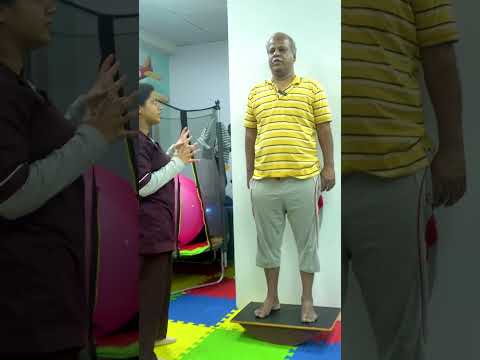
Specialized Physiotherapy and Neurological Rehabilitation Procedures in Navi Mumbai, India for Severe Balance Disorders
Cancer Treatment
StemRx Hospital and Research Centre
Mumbai,Navi Mumbai, India
Post-COVID Syndrome Stem Cell Therapy in Navi Mumbai, India
Cancer Treatment
StemRx Hospital and Research Centre
Mumbai,Navi Mumbai, India

Personalized Stem Cell Therapy for Hay-Wells Syndrome in Gujarat, India
Cancer Treatment
Dr. Pravin Patel Innovative Hospital & Research Center
Vadodara, India
Next-Gen Exosome Therapy in Navi Mumbai, India: The Future of Regenerative Medicine
Cancer Treatment
StemRx Hospital and Research Centre
Mumbai,Navi Mumbai, India
Unlock the Best Stem Cell Treatment for Muscular Dystrophy Packages Just for You
Discover the ultimate Stem Cell Treatment for Muscular Dystrophy packages designed to meet your health and wellness goals. Choose the perfect fit for your journey.

Price starting from $8,500
Stem Cell Therapy for Cerebral Palsy Package in India, Asia by Dr. Pravin Patel
Dr. Pravin Patel Innovative Hospital & Research Center
- Stem Cell Therapy
Vadodara, India

Price starting from $15,000
Stem Cells Bangkok for Muscular Dystrophy Package at Vega Clinic Thailand
Vega Stem Cell Clinic in Bangkok Thailand
- Stem Cell Therapy
Bangkok, Thailand

Price starting from $8,400
Stem Cell Therapy for Alzheimers & Dementia Package in India by Dr. Pravin Patel
Dr. Pravin Patel Innovative Hospital & Research Center
- Stem Cell Therapy
Vadodara, India
Price starting from $7,500
Stem Cell Therapy for Ulcerative Colitis Package in India by Dr. Pravin Patel
Dr. Pravin Patel Innovative Hospital & Research Center
- Stem Cell Therapy
Vadodara, India
Transformative Stem Cell Treatment for Muscular Dystrophy Experiences: Dive into Procedure Insights
Discover the power of Stem Cell Treatment for Muscular Dystrophy through compelling patient experiences. Uncover detailed insights into procedures, recovery journeys, and life-changing results.
.png)
.png)
Stem Cell Therapy for Kidney Failure in India
- Stem Cell Treatment for Kidney Failure, Stem Cell Therapy
India
.png)
Muscular Dystrophy Stem Cell Therapy in India
- Stem Cell Treatment for Muscular Dystrophy, Stem Cell Therapy
India
Price starting from $6,000
Stem Cell Therapy in India for Multiple Sclerosis
- Stem Cell Treatment for Multiple Sclerosis, Stem Cell Therapy
India








As a US.-based Pulmonary/Critical Care physician, I am sharing my family’s experience to provide clinical context for others. My sister recently passed away at this facility, following acute complications from Extracorporeal Blood Oxygenation and Ozonation (EBOO). In my professional observation, the facility appeared significantly under-equipped and under-staffed to manage the complex complications associated with this procedure. When our family sought answers, the lead physician was unavailable, and the staff present seemed unable to provide a clear protocol for managing the acute issues that arose. Based on this experience in the lack of standard safety measures I observed, I cannot recommend the center for high risk or experimental treatments. Please exercise caution.
Read More