
What treatment


9+ Best Clinics for Stem Cell Treatment for Parkinsons Disease in United States
Trusted Medical Tourism Platform Since 2007
What are the best stem cell therapy clinics for Parkinson's disease in the United States?
The best clinics include Regenestem (Fort Lauderdale, FL), California Wellness Institute (Rancho Mirage, CA), Blatman Health and Wellness Center (Cincinnati, OH), Victor Regenerative Medicine Centers (New York, NY), Thrive MD (Miami, FL), and Amira Integrative Health (East Stroudsburg, PA).
These facilities operate under FDA oversight and Investigational New Drug (IND) applications. Board-certified specialists administer treatments using mesenchymal stem cells (MSCs) and exosomes to treat Parkinson's disease, multiple sclerosis, autism, stroke, and ALS. Stem cell therapy costs range from $4,500 to $25,000 USD, depending on the specific clinic and regenerative medical protocols required.
 91.30% Patient Recommend
California Wellness Institute


Overview
Discover Urology and Anti Aging Regenerative Medicine at California Wellness Institute in Rancho Mirage, California, USA - CWIs expert care.
Read more details

 87.50% Patient Recommend
Regenestem Fort Lauderdale, USA


Overview
Regenestem is a leading regenerative medicine center in Fort Lauderdale, USA, specializing in treatments for neurological conditions, COPD, MS, and more.
Read more details
 100.00% Patient Recommend
Personalized Regenerative Medicine
Overview
Personalized Regenerative Medicine provides best Regenerative Medicine in Los Angeles, USA. Book online now PRP Treatment and Regenerative Injections at Personalized Regenerative Medicine.
Read more details 95.02% Patient Recommend
Blatman Health and Wellness Center
Overview
Experience advanced Regenerative Medicine at Blatman Health and Wellness Center in Cincinnati, USA. Rejuvenate your health today!
Read more detailsDiscover your treatment options with a free, no-obligation quote!
Get your quote now!
Kentuckiana Integrative Medicine in Jeffersonville, USA
Overview
Discover regenerative medicine in Jeffersonville, United States by Kentuckiana Integrative Medicine offering advanced therapies for pain relief and healing.
Read more details 89.86% Patient Recommend
PlacidWay Medical Tourism
Overview
Discover affordable, quality healthcare worldwide with PlacidWay Medical Tourism. Access trusted clinics, top doctors, and personalized treatment plans.
Read more details.jpeg)




 100.00% Patient Recommend
The Institute of Regenerative Medicine
Overview
The Institute of Regenerative Medicine provides best Regenerative Medicine in Boca Raton, Florida. Book online now Regenerative Medicine for Knee Joint, Shoulder, Hip at PlacidWay!
Read more details 100.00% Patient Recommend
Victor Regenerative Medicine Centers
Overview
Victor Regenerative Medicine Centers Dr. Steven Victor is located in New York, USA. The highly skilled medical team offers regenerative medicine therapies and aesthetic services to patients around the globe at affordable costs.
Read more detailsDiscover your treatment options with a free, no-obligation quote!
Get your quote now! 100.00% Patient Recommend
Amira Integrative Health by MJA Healthcare
Overview
Amira Integrative Health by MJA Healthcare in East Stroudsburg, PA, United States offers top regenerative therapies and holistic care for transformative health.
Read more details 100.00% Patient Recommend
Thrive MD
Overview
Thrive MD provides best Regenerative Medicine in Miami, Florida. Book online now Regenerative Medicine for Hip, Regenerative Medicine for Knee, and Regenerative Medicine for Shoulder at Thrive MD.
Read more detailsWhich are the top clinics for Stem Cell Treatment for Parkinson's Disease in the United States?
When seeking advanced care for Parkinson's disease using stem cell treatments in the United States, several highly-rated clinics stand out. These facilities are recognized for their specialized focus on regenerative medicine and patient-centric approaches. Top options include Regenestem Fort Lauderdale, California Wellness Institute, Thrive MD, Personalized Regenerative Medicine, Blatman Health and Wellness Center, The Institute of Regenerative Medicine, Victor Regenerative Medicine Centers, Amira Integrative Health by MJA Healthcare, New York Regenerative Medicine Center, and Regenestem Plantation Florida. These clinics offer promising regenerative solutions and dedicated support for patients navigating Parkinson's disease.
Choosing a leading clinic for Parkinson's disease stem cell treatment involves looking at a few key factors:
- Specialization: Clinics like Regenestem Fort Lauderdale and Thrive MD focus heavily on regenerative medicine, often leading to deeper expertise in stem cell applications for neurological conditions.
- Comprehensive Care: Many top clinics, such as California Wellness Institute and Personalized Regenerative Medicine, offer holistic programs that may include diagnostic evaluations, customized treatment plans, and post-treatment support.
- Patient Feedback: High patient satisfaction and recommendations, as seen with Blatman Health and Wellness Center, often indicate quality care and positive experiences.
- Geographic Reach: Several clinics, including Victor Regenerative Medicine Centers and New York Regenerative Medicine Center, are strategically located across the US, providing accessibility to a wider patient base.
- Integrated Health: Facilities like Amira Integrative Health by MJA Healthcare emphasize integrative health, combining stem cell therapies with other holistic treatments for enhanced outcomes.
What key factors should I consider when selecting a clinic for Parkinson's stem cell therapy in the US?
When selecting a clinic for Parkinson's stem cell therapy in the US, prioritize clinics with a strong track record in neurological regenerative medicine, emphasizing rigorous safety protocols, ethical practices, and transparent communication about treatment expectations. Look for facilities offering personalized treatment plans, comprehensive patient support, and a commitment to ongoing research and advanced techniques to ensure the best possible care for your unique condition.
Choosing the right clinic involves a careful evaluation of several key aspects:
- Expertise in Neurological Conditions: Ensure the clinic specializes in neurological disorders, particularly Parkinson's disease, and has extensive experience with stem cell applications in this area.
- Accreditation and Regulatory Compliance: Verify that the clinic adheres to national and state medical regulations and is accredited by recognized healthcare organizations.
- Research and Innovation: A clinic actively involved in or closely following the latest research and clinical trials can offer cutting-edge treatment options.
- Transparency: The clinic should be open about their procedures, potential outcomes, risks, and patient success rates.
- Support Services: Look for clinics that provide robust patient support, including educational resources, counseling, and assistance with logistics for out-of-state or international patients.
- Technology and Facilities: Modern equipment and advanced facilities contribute to better safety and efficacy of stem cell procedures.
How do specialized clinics provide comprehensive patient support for Parkinson's stem cell treatment in the United States?
Specialized clinics in the United States offer comprehensive patient support for Parkinson's stem cell treatment through dedicated care coordinators, detailed pre- and post-treatment guidance, and personalized rehabilitation programs. This holistic approach ensures patients feel supported every step of the way, addressing not just medical needs but also emotional and logistical aspects, fostering a smoother treatment journey and optimizing recovery.
Comprehensive patient support is a cornerstone of quality care in leading Parkinson's stem cell clinics:
- Dedicated Care Coordinators: Patients often have a single point of contact to guide them through scheduling, inquiries, and understanding their treatment plan.
- Educational Resources: Clinics provide extensive information on Parkinson's disease, stem cell therapy specifics, expected outcomes, and managing expectations.
- Pre-Treatment Preparation: This includes detailed diagnostic assessments, lifestyle adjustments, and nutritional advice to prepare the body for therapy.
- Psychological Support: Dealing with a condition like Parkinson's can be challenging, so some clinics offer access to counseling or support groups.
- Logistical Assistance: For patients traveling from afar, clinics may assist with accommodation, transport, and local navigation.
- Post-Treatment Follow-up: Regular check-ups, monitoring of progress, and adjustments to rehabilitation plans are vital for long-term success.
What types of stem cell therapies are commonly offered by US clinics for Parkinson's disease?
US clinics primarily offer mesenchymal stem cell (MSC) therapy and occasionally neural stem cell (NSC) approaches for Parkinson's disease, often derived from adipose tissue, bone marrow, or umbilical cord blood. These regenerative treatments aim to modulate inflammation, promote neuroprotection, and potentially support tissue repair in the brain, working to alleviate motor and non-motor symptoms while improving overall quality of life.
The landscape of stem cell treatments for Parkinson's disease in US clinics is evolving, with a focus on specific cell types and methods:
- Mesenchymal Stem Cells (MSCs): These are the most common type used due to their anti-inflammatory, immunomodulatory, and neurotrophic properties. MSCs can be sourced from:
- Adipose Tissue: Fat-derived stem cells are easily accessible and abundant.
- Bone Marrow: A traditional source known for its regenerative potential.
- Umbilical Cord Tissue/Blood: These "perinatal" cells are often considered potent and less immunogenic.
- Neural Stem Cells (NSCs): While less common in general clinics and more often seen in research settings, NSCs hold promise for directly replacing damaged neurons or supporting existing ones.
- Exosomes: Some clinics are also exploring exosome-based therapies, which are tiny vesicles released by stem cells that carry beneficial molecules to target cells, promoting healing and regeneration without directly transplanting cells.
Are Parkinson's stem cell clinics in the United States subject to regulatory oversight?
Yes, Parkinson's stem cell clinics in the United States are subject to regulatory oversight by the FDA, which classifies stem cell products as drugs or biological products. For therapies to be legally offered outside of clinical trials, they generally require FDA approval. Patients should seek clinics operating under Investigational New Drug (IND) applications or those with FDA-approved products to ensure safe and compliant treatment.
Navigating the regulatory landscape for stem cell therapies in the US is crucial for patient safety:
- FDA Regulation: The U.S. Food and Drug Administration (FDA) regulates human cells, tissues, and cellular and tissue-based products (HCT/Ps). Most stem cell products fall under this category.
- Approved vs. Investigational: Currently, the FDA has approved very few stem cell therapies, primarily for specific blood cancers and disorders. Most Parkinson's stem cell treatments are considered investigational and should ideally be offered within FDA-approved clinical trials.
- "Minimal Manipulation" Exemption: Some clinics claim exemptions based on "minimal manipulation" of cells, but the FDA has clarified that many common stem cell procedures do not qualify for this.
- Patient Responsibility: It's important for prospective patients to ask clinics whether their therapy has FDA approval or is part of an active, registered clinical trial with an Investigational New Drug (IND) application.
- State-Level Oversight: Beyond federal regulations, some states may also have specific licensing and oversight requirements for stem cell clinics.
What rehabilitation services do US clinics typically offer after Parkinson's stem cell treatment?
After Parkinson's stem cell treatment, US clinics commonly offer comprehensive rehabilitation services designed to optimize recovery and enhance functional improvements. These services include physical therapy to improve mobility and balance, occupational therapy for daily living activities, speech therapy for communication and swallowing, and sometimes nutritional counseling, all tailored to support the regenerative process and enhance quality of life.
Effective post-treatment rehabilitation is crucial for maximizing the benefits of stem cell therapy:
- Physical Therapy (PT): Focuses on improving gait, balance, strength, and flexibility, which are often affected by Parkinson's motor symptoms. Therapists may use specialized techniques like LSVT BIG.
- Occupational Therapy (OT): Helps patients adapt to daily living tasks, improving fine motor skills, dressing, eating, and other activities to enhance independence.
- Speech-Language Pathology (SLP): Addresses speech difficulties (dysarthria) and swallowing problems (dysphagia) common in Parkinson's, often using techniques like LSVT LOUD.
- Nutritional Counseling: Guidance on diet can support overall health, energy levels, and potentially the body's regenerative processes.
- Exercise Programs: Personalized exercise routines, often incorporating elements like Tai Chi or dance, are encouraged to maintain physical and cognitive function.
- Cognitive Rehabilitation: For patients experiencing cognitive changes, therapies may be offered to help manage memory, attention, and executive function.
- Home Exercise Programs: Patients are usually provided with instructions for exercises to continue independently at home.
How can I effectively verify the credentials and safety standards of a Parkinson's stem cell clinic in the United States?
To verify a Parkinson's stem cell clinic's credentials and safety in the US, first, check if it's operating under an FDA-approved clinical trial by searching ClinicalTrials.gov. Confirm that the medical team consists of board-certified specialists in neurology or regenerative medicine. Additionally, look for accreditations from reputable organizations, review patient testimonials cautiously, and inquire about their specific cell sourcing and processing methods.
Thorough due diligence is essential when evaluating a stem cell clinic:
- FDA Status: The most critical step is determining if the treatment is part of an FDA-approved clinical trial (search ClinicalTrials.gov) or involves an FDA-approved product. Be wary of clinics offering "stem cell tourism" that circumvent FDA regulations.
- Physician Credentials: Ensure the doctors involved are board-certified in relevant specialties like neurology, neurosurgery, or physical medicine and rehabilitation. You can often check this through state medical licensing boards.
- Clinic Accreditation: Look for accreditations from recognized bodies, although specific accreditations for stem cell clinics are still evolving. This signifies adherence to certain standards.
- Facility Licensing: Confirm the clinic itself is licensed to perform medical procedures in its state.
- Transparency in Procedures: A reputable clinic will openly discuss the specific type of stem cells used (e.g., autologous, allogeneic), their source (e.g., adipose, bone marrow, umbilical cord), how they are processed, and the method of administration.
- Patient Safety Protocols: Inquire about infection control, emergency preparedness, and adverse event reporting.
- Ethical Guidelines: Ensure the clinic follows strict ethical guidelines, particularly regarding patient selection and informed consent.
What advanced diagnostic tools are utilized by Parkinson's stem cell clinics in the United States?
Parkinson's stem cell clinics in the United States employ advanced diagnostic tools to precisely assess patient eligibility and disease progression. These often include high-resolution MRI and PET scans for brain imaging, DaTscan to evaluate dopamine transporter levels, sophisticated neurological assessments, and sometimes genetic testing. These tools help customize treatment plans and monitor the therapy's impact on neurological function.
Accurate diagnosis and ongoing monitoring are crucial for effective Parkinson's stem cell treatment:
- MRI (Magnetic Resonance Imaging): High-resolution MRI scans provide detailed images of brain structures, helping to rule out other conditions and assess any structural changes.
- PET (Positron Emission Tomography) Scans: These functional imaging techniques can reveal metabolic activity in the brain, offering insights into neurochemical processes affected by Parkinson's.
- DaTscan: A specific type of SPECT scan that visualizes dopamine transporters in the brain, helping to differentiate Parkinson's disease from essential tremor and other conditions.
- Neurological Assessments: Comprehensive clinical evaluations, including motor and non-motor symptom assessments (e.g., UPDRS scale), cognitive tests, and detailed patient history.
- Genetic Testing: For some patients, genetic testing may be used to identify specific gene mutations associated with Parkinson's, which can inform treatment strategies and prognosis.
- Blood Biomarkers: Research into blood-based biomarkers for early detection and monitoring of Parkinson's progression is ongoing, and some clinics may utilize advanced blood panels.
- Electromyography (EMG) and Nerve Conduction Studies (NCS): These tests evaluate nerve and muscle function, which can be useful in assessing peripheral neurological involvement.
What types of patient testimonials or success stories are typically available from US Parkinson's stem cell clinics?
US Parkinson's stem cell clinics often share patient testimonials highlighting improvements in motor symptoms like tremor reduction, enhanced balance, and gait stability. Patients frequently report better sleep, reduced fatigue, and improved overall quality of life. These stories typically detail personal journeys, progress markers, and the positive impact on daily functioning, providing hopeful insights for prospective patients considering regenerative treatments.
Patient testimonials and success stories provide valuable insights into real-world experiences:
- Motor Symptom Improvement: Many patients report a decrease in common motor symptoms such as tremors, rigidity, and bradykinesia (slowness of movement). Testimonials often describe improved dexterity and ease of movement.
- Enhanced Mobility and Balance: Patients frequently share experiences of improved gait, reduced falls, and better overall balance, allowing for greater independence in daily activities.
- Non-Motor Symptom Relief: Testimonials often mention improvements in non-motor symptoms, including better sleep quality, reduced fatigue, alleviation of pain, and improvements in mood or cognitive function.
- Improved Quality of Life: The overarching theme in many success stories is a significant enhancement in the patient's overall quality of life, enabling them to enjoy hobbies, social interactions, and a more active lifestyle.
- Personalized Journeys: These stories often detail the individual patient's journey, from initial diagnosis and struggles to the decision to pursue stem cell therapy, and their subsequent progress.
- Realistic Expectations: While hopeful, reputable clinics present these stories with a balanced perspective, acknowledging that results can vary and emphasizing the importance of a comprehensive treatment plan.
Do US clinics offering Parkinson's stem cell treatments provide ongoing post-treatment follow-up care?
Yes, reputable US clinics offering Parkinson's stem cell treatments typically provide ongoing post-treatment follow-up care. This includes scheduled clinical evaluations, neurological assessments, and communication to monitor progress and address any evolving patient needs. Effective follow-up is crucial for tracking treatment efficacy, managing expectations, and adjusting supportive therapies to ensure sustained benefits and long-term well-being for patients.
Ongoing post-treatment follow-up care is a critical component of successful Parkinson's stem cell therapy:
- Scheduled Evaluations: Clinics typically schedule follow-up appointments at regular intervals (e.g., 3, 6, 12 months) to assess the patient’s condition.
- Neurological Assessments: These evaluations involve repeat neurological examinations and standardized scales (like UPDRS) to objectively measure changes in motor and non-motor symptoms.
- Imaging and Biomarker Monitoring: Depending on the case, follow-up may include repeat MRI or PET scans, or blood tests for biomarkers to track neurological changes.
- Communication and Support: Patients maintain open lines of communication with their care team to report any new symptoms, concerns, or progress. Telehealth options are increasingly common for remote follow-ups.
- Rehabilitation Adjustments: Based on the patient's response, rehabilitation programs (physical, occupational, speech therapy) may be adjusted to further enhance recovery and function.
- Medication Management: The clinic's medical team will help integrate stem cell therapy with existing Parkinson's medications, adjusting dosages as needed based on symptomatic improvements.
- Long-Term Engagement: Many clinics aim for a long-term relationship with patients to understand the sustained effects of the therapy and provide ongoing guidance.
How PlacidWay helps individuals access Stem Cell Treatment for Parkinson's Disease in the United States?
PlacidWay is an invaluable resource for individuals seeking Stem Cell Treatment for Parkinson's Disease in the United States. We provide detailed, up-to-date information about various stem cell therapies, including their benefits, potential risks, and expected outcomes, empowering patients with knowledge. Our platform enables users to easily compare treatment options across trusted clinics in the US, ensuring they find affordable solutions without compromising on quality or safety. We assist users in identifying accredited clinics and experienced medical professionals specializing in Parkinson's disease stem cell treatments. PlacidWay also offers one-on-one consultations to help you make informed decisions, ensuring your specific health needs and preferences are met. Beyond treatment, we ensure continued support, including guidance on follow-up care and recovery assistance, for a comprehensive and reassuring healthcare journey. Ready to get Stem Cell Treatment for Parkinson's Disease in the United States? Contact us today for a personalized consultation.Share with AI
Share this page with AI assistants to get summaries and insights


List of Best Stem Cell Treatment for Parkinsons Disease Clinics in United States
Unlock the Best Stem Cell Therapy Packages Just for You
Discover the ultimate Stem Cell Therapy packages designed to meet your health and wellness goals. Choose the perfect fit for your journey.

Price starting from $12,500
Stem Cell Therapy for Parkinson’s Disease in Fort Lauderdale, United States by Regenestem
Regenestem Fort Lauderdale, USA
- Stem Cell Therapy
Fort Lauderdale, United States

Price starting from $17,500
Stem Cell Therapy for Parkinson’s Disease in Puerto Vallarta by Immunotherapy Regenerative Medicine
Immunotherapy Regenerative Medicine in Puerto Vallarta
- Stem Cell Therapy
Puerto Vallarta, Mexico

Price starting from $10,500
Affordable Stem Cell Treatment for Parkinson in Plantation, Florida
PlacidWay US Medical Tourism
- Stem Cell Therapy
Denver, United States

Price starting from $9,120
Parkinson’s Disease – Regenerative Therapy Treatment at Genoma Health
Genoma Health - Stem Cell Dominican Republic
- Stem Cell Therapy
Santiago de los Caballeros, Dominican Republic
Transformative Stem Cell Therapy Experiences: Dive into Procedure Insights
Discover the power of Stem Cell Therapy through compelling patient experiences. Uncover detailed insights into procedures, recovery journeys, and life-changing results.
.png)
Price starting from $12,000
Stem Cell Treatment for Parkinson's Disease in Puerto Vallarta, Mexico
- Stem Cell Treatment for Parkinsons Disease, Stem Cell Therapy
Puerto Vallarta, Mexico

Price starting from $12,000
Stem Cell Therapy for Parkinson’s Disease in Puerto Vallarta, Mexico
- Stem Cell Treatment for Parkinsons Disease, Stem Cell Therapy
Puerto Vallarta, Mexico
-(7).png)
Price starting from $5,000
Stem Cell Therapy for Parkinson Disease in Mexico
- Stem Cell Treatment for Parkinsons Disease, Stem Cell Therapy
Mexico
.png)
Price starting from $10,500
Regenerative Medicines for Parkinsons Disease in United States
- Stem Cell Treatment for Parkinsons Disease, Stem Cell Therapy
United States
Explore Stem Cell Therapy: Stories, Testimonials, and Procedures
Watch in-depth videos covering everything from Stem Cell Therapy success stories to detailed procedure explanations. Learn what to expect and hear from real patients.
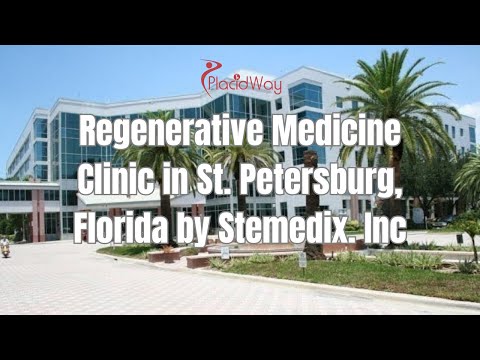
Top-Rated Clinic for Regenerative Medicine in St Petersburg Florida
Stem Cell Therapy
Stemedix, Inc
United States
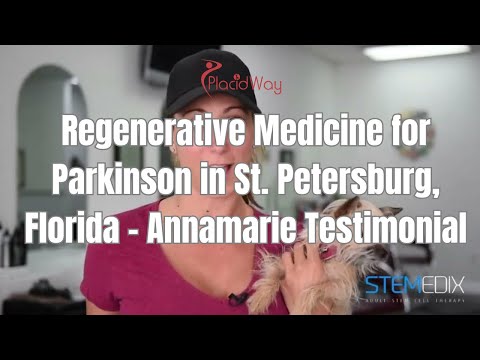
Watch Annamarie Story after Regenerative Medicine for Parkinson in St. Petersburg, Florida
Stem Cell Therapy
Stemedix, Inc
United States

Watch Why Americans are Traveling Abroad for Medical Tourism
Stem Cell Therapy
PlacidWay Medical Tourism
United States
Best Package for Stem Cell Treatment for Parkinson in Plantation, Florida
Stem Cell Therapy
PlacidWay US Medical Tourism
United States
Learn More with These Stem Cell Therapy Articles
Take a look at these interesting articles, stories and research that will help you learn more about Stem Cell Therapy.

Parkinson’s Stem Cell Interventions in Mexico: A Patient’s Guide to 2026 Options
PlacidWay Medical Tourism
- Stem Cell Therapy
Mexico

Stem Cell Therapy for Parkinsons Disease in Florida, Plantation, USA
PlacidWay US Medical Tourism
- Stem Cell Therapy
United States
-(2).png)
Stem Cell Therapy for Parkinson’s Disease in Costa Rica for Illinois Patients
PlacidWay Medical Tourism
- Stem Cell Therapy
Costa Rica
-(3).png)
Stem Cell Treatment for Parkinson's Disease in Mexico City
PlacidWay Medical Tourism
- Stem Cell Therapy
Mexico
Stem Cell Therapy Solutions Near You: Explore Top Medical Centers
Discover how Stem Cell Therapy is transforming lives at leading medical centers in , United States. Dive into center profile, specialties, doctors, reviews, etc. and explore the best options tailored to your needs in this region.
Personalized Regenerative Medicine
Los Angeles,San Clemente, United States
Blatman Health and Wellness Center
Cincinnati, United States
Kentuckiana Integrative Medicine in Jeffersonville, USA
Louisville, United States
California Wellness Institute
Lancaster,Los Angeles,Riverside, United States








What kind of treatment does your institute do for multiple sclerosis
Read More