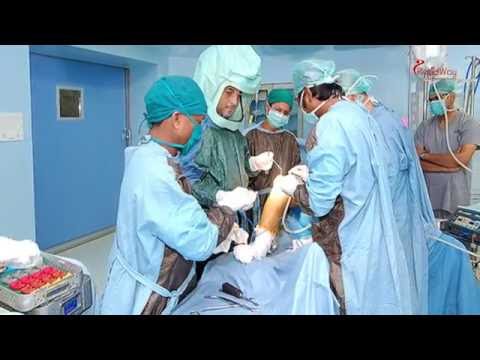
20+ Key FAQs on Spine Care/Surgery in India

Questions About Spine Care/Surgery in India? Start Here

Trusted Medical Tourism Platform Since 2007

60+
Countries
2k+
Clinics
19.5k+
Reviews
2.5k+
Qualified Doctors
1.1M+
Patients Served Since 2007

What Makes India a Global Center for Complex Spine Surgery?


India has emerged as a global center for complex spine surgery due to its combination of world-class medical infrastructure, highly skilled surgeons trained at top international institutions, and cost-effective treatment options that are up to 80% cheaper than in Western nations. If you have been researching options for major medical procedures abroad, you have likely noticed a recurring trend: India is consistently ranked as a top destination for specialized treatments, especially for the spine. But what exactly is driving this shift? It is not just about affordability, though that is a huge factor, it is about the quality of care that rivals, and often exceeds, what you might find in the US or UK. For many, the idea of traveling for surgery can feel overwhelming. You have questions about safety, the technology used, and whether the doctors truly understand your needs. The reality is that India has spent the last two decades building a medical ecosystem designed specifically for complex cases. From robotic-assisted procedures to comprehensive rehabilitation, the focus is on precision and patient outcomes. In this guide, we will break down everything you need to know about why patients from around the world are trusting Indian expertise for their spinal health. What is the cost of spine surgery in India compared to the US and UK? "Spine surgery in India generally costs 60% to 80% less than in the US or UK, with packages often ranging from $4,000 to $9,000 depending on the complexity, compared to $60,000+ in the West." One of the most compelling reasons international patients choose India is the significant financial relief. However, it is crucial to understand that "low cost" in this context does not mean "low quality." The lower prices are primarily due to the lower cost of living and operations in India, not a compromise on medical standards. In the United States, a complex spinal fusion can easily run into the six figures without insurance. In India, you can receive the same procedure, often using the exact same FDA-approved implants and technology, for a fraction of the price. When you book a medical travel package, the cost usually covers much more than just the surgeon's fee. It typically includes your hospital stay, nursing care, operation theater charges, surgeon fees, and sometimes even airport transfers and accommodation for a companion. This transparency helps you budget effectively without worrying about hidden costs that often plague Western healthcare systems. Procedure Cost in USA (Approx.) Cost in UK (Approx.) Cost in India (Approx.) Spinal Fusion $60,000 - $110,000 $30,000 - $50,000 $5,000 - $9,000 Disc Replacement $35,000 - $55,000 $20,000 - $35,000 $5,500 - $8,500 Laminectomy $20,000 - $40,000 $15,000 - $25,000 $3,500 - $5,500 Scoliosis Correction $100,000+ $60,000+ $12,000 - $18,000 Are spine surgeons in India qualified and experienced? "Yes, many top spine surgeons in India have over 15-20 years of experience and hold fellowships or certifications from prestigious institutions in the USA, UK, Canada, and Australia." The expertise of the surgeon is arguably the most critical factor in the success of any complex spine surgery. India boasts a vast pool of highly talented specialists who are not just locally recognized but globally respected. A significant number of these surgeons have completed their super-specialization and fellowships abroad. This means they are trained in the same advanced techniques and protocols used in the world's best teaching hospitals. Beyond their academic credentials, Indian surgeons often have a higher surgical volume than their Western counterparts. Due to the large population and the influx of medical tourists, a senior spine surgeon in India might perform hundreds of complex surgeries a year. This high volume of cases hones their skills, allowing them to handle complications and complex anatomical variations with a level of proficiency that only comes from extensive hands-on experience. What advanced technologies are used for spine surgery in India? "Indian hospitals utilize cutting-edge technology such as robotic spine guidance systems, O-Arm intraoperative imaging, 3D navigation, and endoscopic tools for precision and safety." If you are worried that traveling to a developing country means stepping back in time technologically, think again. The top corporate hospitals in India are equipped with medical technology that matches or surpasses many facilities in Europe and North America. Hospitals heavily invest in robotic spine surgery systems, which allow for screw placement with sub-millimeter accuracy, significantly reducing the risk of nerve damage. Additionally, the use of Neuro-navigation (O-Arm) systems is becoming standard for complex deformity corrections. This technology acts like a GPS for the spine, giving surgeons real-time, 3D feedback during the operation. This is paired with neuromonitoring, which tests nerve function throughout the surgery to prevent paralysis or other neurological deficits. These advanced tools lead to smaller incisions, less blood loss, and faster recovery times for patients. Is spine surgery safe for international patients in India? "Spine surgery in India is very safe, as leading hospitals adhere to strict international safety protocols and infection control measures, often exceeding global standards." Safety is naturally the primary concern for anyone traveling for medical care. To address this, India's leading medical institutions have adopted rigorous safety protocols. Infection control is taken extremely seriously, with hospitals utilizing modular operation theaters equipped with HEPA filters to maintain a sterile environment. These hospitals operate under strict guidelines to minimize the risk of hospital-acquired infections, which is a crucial metric for any surgical patient. Furthermore, the safety net extends beyond just the operating room. International patient departments ensure that your medical history is thoroughly reviewed before you even board a plane. Once you arrive, you are under 24/7 monitoring by dedicated nursing staff. The emphasis on safety is holistic, covering everything from pre-surgical cardiac clearance to post-operative thrombosis prevention. Do Indian hospitals have international accreditation? "Yes, India has a large concentration of JCI (Joint Commission International) and NABH (National Accreditation Board for Hospitals) accredited hospitals, ensuring gold-standard healthcare quality." Accreditation is your assurance that a hospital meets global benchmarks for quality and patient safety. JCI accreditation is considered the gold standard in global healthcare, and India has a significant number of JCI-accredited hospitals. This seal of approval means the hospital has passed rigorous inspections regarding patient care, medication management, infection control, and facility safety. In addition to JCI, hospitals also adhere to NABH standards, which is the apex national healthcare accreditation body in India. These accreditations are not one-time achievements; hospitals must undergo regular re-audits to maintain their status. This continuous monitoring ensures that the quality of care remains high and consistent, giving international patients peace of mind that they are in a safe, regulated environment. How long is the waiting time for spine surgery in India? "There is virtually no waiting time for spine surgery in India; international patients can often schedule their consultation and surgery within days of arrival." In countries with public healthcare systems like the UK (NHS) or Canada, patients can wait months or even years for elective spine surgeries. Living with chronic back pain or debilitating spinal conditions during this wait can be physical and mental torture. India offers an immediate solution. The private healthcare sector here is designed for efficiency and speed without rushing the clinical process. Once you confirm your travel plans, appointments are pre-booked. Typically, you will land, have your initial consultation and diagnostic scans the next day, and could be in surgery within 48 to 72 hours if medically cleared. This zero-waiting-period policy is a massive draw for patients who need urgent relief and want to return to their normal lives as quickly as possible. What types of spine surgeries are performed in India? "Indian hospitals perform the full spectrum of spinal procedures, including spinal fusion, disc replacement, scoliosis correction, laminectomy, and tumor removal." India is not limited to "simple" surgeries; it is a hub for the entire range of spinal interventions. Surgeons here routinely perform Minimally Invasive Spine Surgery (MISS), which uses tiny incisions to treat herniated discs, resulting in less pain and minimal scarring. For more severe degenerative conditions, Spinal Fusion and Total Disc Replacement are common procedures performed with high success rates. The expertise also extends to highly complex pediatric and adult deformity corrections, such as Scoliosis and Kyphosis surgery. These are major operations requiring a multidisciplinary team, which Indian hospitals are well-equipped to provide. Furthermore, specialized centers handle intricate cases involving spinal tumors and spinal cord injuries, offering hope for conditions that might be deemed inoperable elsewhere. Is Minimally Invasive Spine Surgery (MISS) available? "Yes, Minimally Invasive Spine Surgery (MISS) is widely available and is often the preferred method for treating herniated discs and spinal stenosis to ensure faster recovery." The trend in global spine care is moving away from large, open surgeries toward minimally invasive techniques, and India is at the forefront of this shift. MISS involves using tubular retractors and microscopes or endoscopes to access the spine without cutting through large muscle groups. This preservation of muscle tissue is a game-changer for recovery. Because the muscle is spared, patients experience significantly less post-operative pain and require less pain medication. Hospital stays are shorter—often just 1 or 2 days—and the return to daily activities is much quicker. Whether you are suffering from a slipped disc or spinal stenosis, asking for a MISS specialist in India is a smart move for a smoother rehabilitation journey. What is the success rate of spine surgery in India? "Success rates for spine surgery in India are high, generally ranging between 85% to 95%, comparable to leading hospitals in the US and Europe." High success rates are a direct result of the combination of skilled hands and advanced technology. For standard procedures like microdiscectomy, success rates are excellent, often exceeding 95%. For more complex fusion surgeries, the outcomes are consistently high due to the use of navigation technology that ensures precise implant placement. However, "success" is not just about a successful operation; it is about the patient's quality of life afterward. Indian hospitals focus heavily on patient selection ensuring that surgery is the right option for you and post-operative care. By strictly adhering to international guidelines for patient selection, surgeons avoid performing unnecessary surgeries, which keeps overall patient satisfaction and success metrics high. What typically happens during the post-operative recovery in India? "Post-operative recovery involves a few days of hospital stay with dedicated physiotherapy, pain management, and nursing care before you are discharged to your hotel." Recovery is where the "medical tourism" aspect really shines. After your surgery, you won't be rushed out the door. You will typically spend 3 to 5 days in the hospital (depending on the procedure) where pain management and initial mobilization are the priorities. Physiotherapists will work with you immediately to get you standing and walking, which is vital for preventing complications. Once discharged, you typically stay in a nearby hotel or guest house for another week or two. During this time, you are not alone; follow-up visits are conducted to check wound healing and remove stitches. This close proximity to your surgeon during the critical early healing phase is a major advantage, ensuring that any minor issues are addressed instantly before they become problems. Is language a barrier for international patients? "No, English is the primary language of medical education and communication in Indian hospitals, so language barriers are rarely an issue for international travelers." One of the biggest fears for medical tourists is the inability to communicate effectively with their doctors. In India, this is rarely a concern. All doctors, nurses, and medical staff in top-tier hospitals are fluent in English, as it is the medium of instruction for medical education in the country. You will be able to discuss your symptoms, fears, and treatment plans directly with your surgeon without needing a translator. For patients from non-English speaking countries (such as those from the Middle East, CIS countries, or Africa), hospitals provide dedicated language interpreters. These professionals accompany you throughout your hospital journey, ensuring that nothing is lost in translation and that you feel completely understood and comfortable. How do I get a medical visa for treatment in India? "Getting a medical visa is a streamlined process; you need a 'Medical Visa Invitation Letter' from the hospital, which they provide after reviewing your reports." The Indian government has made it incredibly easy for patients to enter the country for treatment through the Medical Visa category. The process starts with you sending your medical reports to the hospital. Once the doctor reviews them and confirms that treatment is necessary, the hospital issues a formal Visa Invitation Letter. With this letter, you can apply for a medical visa at the Indian embassy in your country or, in many cases, apply for an e-Medical Visa online. The e-visa is processed quickly, often within 48 to 72 hours. This visa also allows for an attendant (usually a family member) to accompany you on a Medical Attendant Visa, ensuring you have emotional support during your recovery. What pre-operative tests are required? "Standard pre-operative tests include MRI/CT scans, blood work, cardiac clearance (ECG/Echo), and X-rays to ensure you are fit for anesthesia and surgery." Before any scalpel touches your skin, a comprehensive battery of tests is conducted to ensure your body is ready for the stress of surgery. While you might have sent MRI scans from home for the initial assessment, the hospital will likely repeat high-resolution imaging to get the most current and detailed view of your spine. This is critical for surgical planning. In addition to spinal imaging, you will undergo a thorough "Master Health Check" type evaluation. This includes blood tests to check for infection markers, diabetes, or clotting issues, as well as cardiac clearance. If you have pre-existing conditions like high blood pressure or diabetes, specialist doctors will be brought in to optimize your condition before the surgery proceeds. Can I bring a companion with me? "Yes, it is highly recommended to bring a companion; hospitals allow one attendant to stay with the patient in the room and facilitate their visa process." Undergoing spine surgery is a significant event, and having a loved one by your side is invaluable for your emotional and physical well-being. Indian hospitals recognize this and are very accommodating to attendants. In most private rooms, a dedicated couch or bed is provided specifically for your companion to stay with you overnight. Your companion plays a vital role in your recovery—helping you communicate with staff, assisting with small tasks, and providing morale. The medical visa process explicitly recognizes this need, allowing your companion to travel on the same itinerary as you. Hospitals often have travel desks that can even help organize local logistics for your attendant, making their stay comfortable as well. How does the hospital assist with airport transfers and accommodation? "Most international patient packages include complimentary airport pick-up and drop-off, and hospitals have tie-ups with nearby hotels for discounted recovery stays." Navigating a new city after a long flight can be stressful, especially when you are in pain. To mitigate this, almost all major hospitals providing care to international patients offer complimentary airport services. A hospital representative will meet you at the arrival gate, handle your luggage, and transport you directly to the hospital or your hotel in a comfortable vehicle. Regarding accommodation, while your inpatient stay is covered, you will need a place to stay before admission and after discharge. Hospitals have partnerships with nearby hotels, guest houses, and service apartments to suit various budgets. These accommodations are often accustomed to hosting medical guests and may offer amenities like wheelchair access and special dietary options. Is follow-up care available after I return home? "Yes, doctors provide detailed discharge summaries and offer follow-up consultations via video calls or email to monitor your progress once you are back home." Your relationship with your surgeon doesn't end when your flight takes off. Post-surgical care is a continuum. Before you leave India, you will be given a comprehensive discharge summary, a CD or USB drive with your latest scans, and a detailed rehabilitation protocol to follow. Modern telemedicine has made long-distance follow-ups seamless. You can schedule video appointments with your surgeon to discuss your recovery, show them how your wound is healing, or ask questions about increasing your activity levels. If you need physical therapy back home, your Indian surgeon can write a referral letter guiding your local therapist on the specific protocols required for your surgery. What if complications arise during the surgery? "Hospitals are fully equipped with multi-specialty ICUs and emergency teams to handle any unforeseen complications immediately and effectively." While no one wants to think about complications, being prepared is the hallmark of a world-class medical center. Because the recommended hospitals are large, multi-specialty tertiary care centers, they have access to experts from every field of medicine under one roof. If a cardiac, respiratory, or unrelated medical issue arises during your spine surgery, help is seconds away. These hospitals have advanced Critical Care Units (ICUs) staffed by intensivists 24/7. This multidisciplinary approach ensures that you are safer than you would be in a smaller, standalone clinic. The consent forms you sign will explain all potential risks, but knowing that the infrastructure exists to handle "Plan B" provides a significant layer of security. How much can I save on a total spine surgery package? "Patients typically save between 50% to 75% on the total package, including flights and accommodation, compared to paying out-of-pocket in the US." The bottom line is often the deciding factor. Even when you factor in the cost of round-trip flights for two people, a few weeks of hotel stay, and food expenses, the total cost of getting treated in India is often less than just the deductible or co-pay in some Western insurance plans, and certainly a fraction of the uninsured cost. For example, if a surgery costs $80,000 in the US, and the complete package in India (surgery + travel + stay) costs $12,000, the savings are astronomical. This financial freedom allows you to focus on getting the best implant and the best care without cutting corners or going into debt. It effectively democratizes access to high-end healthcare. Conclusion Choosing India for spine surgery offers a unique blend of affordability, advanced medical technology, and expert care, making it a smart choice for global patients. Choosing to undergo spine surgery is a life-changing decision, and choosing where to have it is just as important. India has firmly established itself as a global powerhouse for complex spine surgery, not by accident, but through decades of investment in medical excellence. The combination of highly skilled surgeons, state-of-the-art robotic technology, and a compassionate, service-oriented culture creates an environment where healing can thrive. You no longer have to choose between quality and affordability. In India, you can access top-tier medical care that respects your financial constraints while prioritizing your health. By doing your research and partnering with accredited hospitals, you can take the first step toward a pain-free life with confidence....

Read more details

Discover your treatment options with a free, no-obligation quote!

Get your quote now!

What are the Prices for Spine Surgeries in South Korea?


What Are the Prices for Spine Surgeries in South Korea? Spine surgery is a critical procedure aimed at treating a variety of spinal conditions, such as herniated discs, spinal stenosis, scoliosis, and degenerative disc disease. While these surgeries are highly effective, they can often be expensive, especially in countries like the United States or Western Europe. However, for those seeking high-quality care at a more affordable price, South Korea has emerged as a leading destination for medical tourism, particularly for spine surgeries. With its advanced healthcare system, cutting-edge medical technologies, and skilled surgeons, South Korea offers world-class spine surgery at competitive prices. But just how much can you expect to pay for spine surgery in South Korea? Let's explore the costs and factors that can influence the price of spine surgeries in this renowned medical hub. Why Choose South Korea for Spine Surgery? South Korea is known for its high standards in healthcare, particularly in fields like orthopedic surgery and neurosurgery. Many hospitals and clinics in South Korea are internationally accredited and have state-of-the-art medical facilities. Here's why more people are choosing South Korea for spine surgery: Advanced Medical Technology: South Korea is at the forefront of medical innovation, with hospitals offering the latest in spinal surgery technologies, such as robotic-assisted surgeries, minimally invasive techniques, and 3D imaging. Highly Skilled Surgeons: The country boasts some of the world's top orthopedic and neurosurgeons, many of whom have trained internationally and have extensive experience in complex spine surgeries. Affordable Prices: Compared to countries like the U.S., the UK, or Japan, the cost of spine surgery in South Korea is significantly more affordable. This makes it an attractive option for those seeking high-quality care without the hefty price tag. Medical Tourism Support: South Korea has a well-established medical tourism industry, offering packages that include consultation, surgery, accommodation, airport transfers, and even language support to make the experience seamless for international patients. Prices for Spine Surgeries in South Korea The cost of spine surgery in South Korea can vary significantly depending on several factors, including the type of surgery, the complexity of the procedure, the surgeon’s experience, and the hospital or clinic you choose. However, on average, here’s what you can expect to pay: 1. Spinal Discectomy (Herniated Disc Surgery) Price Range: $4,000 - $8,000 A spinal discectomy is commonly performed to treat a herniated or slipped disc. It involves removing the portion of the disc that is pressing on the nerves in the spine. The cost can vary based on the hospital, the surgeon’s expertise, and whether the procedure is performed using traditional or minimally invasive techniques. 2. Spinal Fusion Surgery Price Range: $6,000 - $12,000 Spinal fusion is a more complex procedure, often performed to treat conditions like degenerative disc disease, spinal instability, or fractures. It involves joining two or more vertebrae in the spine to stabilize the area and alleviate pain. The price range can fluctuate depending on the type of fusion performed (anterior, posterior, or combined), the need for implants, and the specific medical facility. 3. Laminectomy (Spinal Decompression Surgery) Price Range: $5,000 - $10,000 A laminectomy is performed to relieve pressure on the spinal cord or nerves caused by spinal stenosis. This surgery involves removing part of the vertebra (lamina) to create more space for the spinal nerves. The price can vary depending on the complexity of the case and whether additional procedures, like spinal fusion, are required. 4. Minimally Invasive Spine Surgery (MISS) Price Range: $5,000 - $9,000 Minimally invasive spine surgery (MISS) involves smaller incisions and reduced muscle disruption, which results in a faster recovery and less post-surgical pain. This technique is commonly used for procedures like discectomy and spinal fusion. While the cost is typically slightly higher than traditional surgery, the benefits of quicker recovery often make it an attractive option. 5. Scoliosis Surgery Price Range: $7,000 - $15,000 Scoliosis surgery is typically recommended for severe cases of spinal curvature. The procedure involves straightening the spine using rods, screws, or other devices. Because it’s a complex procedure, the price can be on the higher end, especially if the scoliosis is diagnosed in adulthood and involves multiple levels of the spine. 6. Artificial Disc Replacement Price Range: $8,000 - $15,000 Artificial disc replacement is an alternative to spinal fusion. It involves replacing a damaged disc with a prosthetic one, and it is generally recommended for patients with degenerative disc disease. This surgery requires advanced technology and skilled surgeons, which can make the cost higher. What Factors Influence the Cost of Spine Surgery in South Korea? The cost of spine surgery can vary widely based on several factors. Here are some key considerations: Type of Surgery: As outlined, different spine procedures come with different price tags. Simple procedures like discectomy will typically cost less than more complex ones like spinal fusion or scoliosis surgery. Hospital and Surgeon’s Expertise: The reputation and experience of the medical facility and the surgeon performing the surgery can impact the overall cost. High-end, internationally accredited hospitals and renowned surgeons may charge higher fees for their services, but they often provide superior care and outcomes. Inclusion of Medical Tourism Packages: Many clinics in South Korea offer comprehensive medical tourism packages, which include accommodation, transportation, translator services, and post-surgery care. These packages can add to the overall cost but offer great value and convenience. Technology and Techniques Used: Surgeons in South Korea often use cutting-edge technology, such as robotic surgery or minimally invasive techniques. These advanced methods can increase the price of the procedure, but they also tend to shorten recovery times and reduce the risk of complications. Additional Costs: Depending on the complexity of the surgery, you may need to account for additional costs such as imaging tests (like MRIs or CT scans), medications, and physical therapy after surgery. Is Spine Surgery in South Korea Worth It? For many patients, spine surgery in South Korea offers a combination of high-quality medical care and affordability that’s hard to beat. Here are some of the key benefits of choosing South Korea for spine surgery: World-Class Surgeons: South Korean surgeons are highly trained and experienced, with many having studied or worked internationally. Cutting-Edge Technology: Hospitals in South Korea offer state-of-the-art technology, ensuring that you receive the best possible care. Affordable Options: With lower medical costs compared to Western countries, South Korea offers great value without compromising quality. Efficient Medical Tourism Services: South Korea’s established medical tourism industry ensures that international patients receive seamless support throughout their medical journey, from consultation to recovery. Should You Consider South Korea for Spine Surgery? If you’re looking for affordable spine surgery without compromising on quality, South Korea is an excellent choice. With advanced medical technology, highly skilled surgeons, and an affordable price range, South Korea offers competitive options for international patients. Whether you're dealing with a herniated disc, spinal stenosis, scoliosis, or another spinal condition, South Korean medical facilities provide cutting-edge treatments that can help improve your quality of life. To find out more about spine surgery in South Korea and to get in touch with the best hospitals and surgeons, feel free to reach out to us for guidance and recommendations. We can help you plan your medical journey to South Korea and connect you with trusted healthcare providers. Contact Us Today to Learn More About Spine Surgery Options in South Korea and Start Your Journey to Better Health!...

Read more details

Why medical treatment in Turkey?


Turkey is fast gaining a reputation of providing superlative medical and health care in many fields, including cosmetic and plastic surgery, cardiac care and procedures, vision, LASIK technology and orthopedics and dentistry, just to name a few.

Is Cervical Disc Replacement in Mexico Safe for U.S. Patients Traveling Abroad?


Yes, Cervical Disc Replacement (CDR) in Mexico is highly safe for U.S. patients when utilizing carefully vetted, board-certified spine specialists at internationally accredited hospitals. Top Mexican clinics prioritize patient safety by using FDA-approved implants (like Mobi-C or ProDisc-C), following global surgical protocols, and requiring a mandatory 5-7 day local recovery period before you are cleared to fly home. Key Safety Pillars of Cervical Surgery in Mexico Highly Qualified Surgeons: Leading surgeons are board-certified, and many hold international fellowships and memberships in global spine societies. Premium Implants: Elite clinics exclusively use artificial discs from top global manufacturers (Medtronic, Zimmer Biomet, Centinel Spine). Accredited Facilities: Look for Joint Commission International (JCI) or CSG (Consejo de Salubridad General) accreditations for US-equivalent hospital safety standards. Advanced Technology: Surgery is performed using state-of-the-art neuro-monitoring and microsurgical techniques. Structured Recovery: Strict post-op monitoring ensures you only travel when it is medically safe to do so. Who performs Cervical Disc Replacements in Mexico? The safety of any spinal procedure hinges on the expertise of the surgeon. In Mexico, medical tourism for spine surgery is dominated by highly trained specialists. To ensure your safety, you should only seek treatment from doctors who are fully certified by the Consejo Mexicano de Cirugía Neurológica (Mexican Council of Neurological Surgery) or the equivalent orthopedic board. Many of the top spine surgeons in Mexico have augmented their local training by completing rigorous fellowships in the United States, Canada, or Europe. It is also common for these specialists to be active members of the North American Spine Society (NASS). This international background means they practice the exact same surgical techniques, including advanced microsurgery for the cervical spine, as your local doctors in the US. Expert Insight on Surgeon Selection "When evaluating a surgeon for a cervical disc replacement, ask about their specific volume. You want a surgeon who performs artificial disc replacements regularly, not just standard spinal fusions. High-volume surgeons typically have much lower complication rates." Will they use safe, FDA-approved artificial discs? Yes. Reputable Mexican hospitals exclusively utilize FDA-approved and CE-marked artificial cervical discs from industry-leading manufacturers, ensuring the implant itself is identical to what you would receive in the United States. A common misconception is that lower healthcare costs in Mexico result from using cheap or subpar medical hardware. This is definitively false in the realm of premium medical tourism. Leading hospitals import their implants directly from the world's most trusted biomedical companies. If you undergo a cervical disc replacement (arthroplasty) in Mexico, your surgeon will likely use widely recognized, proven devices such as: Mobi-C (by Zimmer Biomet) ProDisc-C (by Centinel Spine) Prestige LP (by Medtronic) Your surgical package will include documentation, including the serial numbers and manufacturer details of your specific implant, which you can provide to your doctors back home for your medical records. How safe are the hospitals in Mexico for complex neck surgery? Neck surgery, because of its proximity to the spinal cord and major nerves, requires an environment equipped for any scenario. The best hospitals in Mexico are modern, full-service tertiary or quaternary care centers. They look, feel, and operate much like premium hospitals in the US. To verify hospital safety, look for accreditations. The gold standard is the Joint Commission International (JCI), an independent organization that evaluates hospitals worldwide based on rigorous patient safety standards, infection control, and facility infrastructure. Additionally, the Mexican government's CSG (Consejo de Salubridad General) accreditation indicates a hospital has met strict national healthcare quality benchmarks. During a cervical disc replacement, these hospitals utilize intraoperative neuromonitoring (IONM). This advanced technology tracks your nerve function in real-time during the surgery, dramatically reducing the risk of nerve damage and ensuring the highest level of procedural safety. Did You Know? Many high-end private hospitals in cities like Monterrey, Mexico City, and Tijuana have formal affiliations with major U.S. hospital networks (like Houston Methodist or the Mayo Clinic Care Network), which requires them to maintain continuous, overlapping quality of care standards. Is it safe to travel back to the US after cervical disc surgery? Yes, but not immediately. Patient safety protocols require a post-operative stay in Mexico of about 5 to 7 days before you are medically cleared to fly or endure a long drive back to the US. Traveling immediately after neck surgery is strictly discouraged due to risks associated with cabin pressure changes, prolonged sitting, and deep vein thrombosis (DVT). A safe medical tourism itinerary is built around a structured recovery period. After your procedure, you will typically spend 1 to 2 nights in the hospital. Once discharged, you will move to a comfortable local hotel or a specialized recovery boutique. During these 5 to 7 days, your surgeon will conduct follow-up examinations, monitor your incision site, and ensure the implant is secure via post-op X-rays. Only when they are completely satisfied with your initial healing will they issue a "Fit to Fly" certificate. For your journey home, you will likely be provided with a soft cervical collar to prevent accidental neck strain, and you will be advised to get up and walk down the aisle regularly if flying. Ensure Your Safety with PlacidWay Navigating international healthcare alone carries risks. PlacidWay exists to eliminate the guesswork and protect your safety when seeking cervical disc replacement abroad. Strict Vetting Process: We partner exclusively with hospitals that have proven track records and maintain international accreditations like JCI or CSG. Access to Elite Surgeons: We connect you directly with board-certified neurosurgeons who specialize specifically in cervical arthroplasty and utilize FDA-approved implants. Comprehensive Care Coordination: From transferring your MRIs safely to arranging your post-op recovery hotel, we manage the logistics so you can focus entirely on healing securely. Frequently Asked Questions: Safety of CDR in Mexico Is it safe to get cervical disc replacement surgery in Mexico? Yes, cervical disc replacement (CDR) is highly safe in Mexico when performed by board-certified spine surgeons at accredited hospitals. Top clinics use the same surgical protocols and advanced technology as US hospitals. Do Mexican surgeons use FDA-approved artificial cervical discs? Yes. Reputable medical tourism hospitals in Mexico use premium, FDA-approved and CE-marked artificial discs, such as Mobi-C, ProDisc-C, and Prestige LP, ensuring your implant meets the highest global safety standards. How do I know if a Mexican hospital is safe for spine surgery? Look for hospitals with international accreditations, such as the Joint Commission International (JCI), or national equivalents like the Consejo de Salubridad General (CSG). These certifications guarantee strict safety, hygiene, and emergency protocols. What happens if there is an emergency during my neck surgery in Mexico? Top-tier hospitals catering to international patients are fully equipped quaternary or tertiary care centers. They feature advanced Intensive Care Units (ICUs), 24/7 emergency response teams, and in-house specialists to handle any rare surgical complications. Is it safe to fly back to the US after cervical disc replacement? Flying is safe, provided you wait for your surgeon's clearance. Typically, patients are advised to stay in Mexico for 5 to 7 days post-surgery to ensure proper initial healing. You will likely be instructed to wear a soft cervical collar during your flight. Will my primary care doctor in the US follow up with me after surgery in Mexico? Most US primary care doctors will assist with follow-up care, but it is highly recommended to inform them of your plans before you travel. Your Mexican surgeon will provide you with all surgical notes, implant details, and post-op imaging in English to hand to your local doctor. Secure Your Safe Cervical Disc Replacement Today Don't compromise on safety or pay exorbitant US prices for your neck surgery. Let PlacidWay match you with an internationally accredited hospital and board-certified neurosurgeon in Mexico. Contact us today for a free remote consultation and MRI review. Request Your Free Assessment...

Read more details

What Should U.S. Patients Know Before Getting Herniated Disc Surgery in Mexico?


Before getting herniated disc surgery in Mexico, US patients should know that the procedure offers significant savings often costing between $6,000 and $12,000 compared to $30,000+ in the US. Board-certified surgeons utilize advanced minimally invasive techniques in modern facilities. Patients must plan for a 7-10 day stay for safe recovery before traveling home. Key Takeaways: Spine Surgery in Mexico Cost Savings: Procedures like microdiscectomy or artificial disc replacement can save patients 50-70% compared to US prices. World-Class Expertise: Many Mexican spine specialists have trained internationally and hold memberships in global neurosurgical societies. Advanced Technology: Leading herniated disc clinics in Mexico use FDA-approved implants and high-tech imaging for minimally invasive surgeries. Strategic Locations: Border cities like Tijuana offer easy access, while Cancun provides a relaxing recovery environment. Comprehensive Packages: Medical tourism providers often bundle surgery, hotel, and transfers into one transparent price. How much does herniated disc cost in Mexico, and why is it cheaper? The herniated disc cost in Mexico ranges from $6,000 to $12,000. This lower price is due to lower administrative costs, reduced malpractice insurance rates, and a lower overall cost of living, not a compromise in medical quality. For many US patients suffering from debilitating back pain, the high cost of treatment at home is a major barrier. In the United States, a simple microdiscectomy can easily cost upwards of $30,000, and more complex procedures like artificial disc replacement can exceed $50,000, often leaving patients with massive out-of-pocket expenses even with insurance. In contrast, medical tourism in Mexico offers these same procedures at a fraction of the price. The cost disparity is not a reflection of inferior care. Rather, it is driven by systemic differences. Mexico has significantly lower overhead costs for running a hospital, far lower administrative burdens compared to the complex US billing system, and medical malpractice insurance premiums are a fraction of what US doctors pay. Microdiscectomy: $6,000 - $8,000 Artificial Disc Replacement (1 level): $10,000 - $14,000 Spinal Fusion (1 level): $12,000 - $16,000 Expert Insight "Patients are often surprised to learn that the implants and surgical instruments used in premier Mexican clinics are the exact same brands (like Medtronic or Stryker) used in top US hospitals. The savings come from the system, not the supplies." How can I verify the credentials of spine surgeons in Mexico? You can verify surgeons by checking their certification with the Mexican Council of Neurological Surgery. Look for doctors who have completed international fellowships and hold active memberships in respected US or global spine societies. Safety and expertise should be your primary concerns when considering herniated disc surgery in Mexico. The country boasts highly skilled neurosurgeons and orthopedic spine specialists, but as with anywhere in the world, thorough vetting is essential. Top surgeons catering to international patients are highly transparent about their education and experience. Begin by ensuring the surgeon is board-certified in Mexico. Furthermore, many elite Mexican spine surgeons have augmented their training by completing fellowships in the United States, Canada, or Europe. This international exposure ensures they are proficient in the latest global standards of care, including minimally invasive techniques. Look for certification by the Consejo Mexicano de Cirugía Neurológica (Mexican Council of Neurological Surgery). Check for memberships in the North American Spine Society (NASS) or the AOSpine foundation. Request to see before-and-after case studies or speak with previous international patients. Ensure the surgeon specializes specifically in spine surgery, not just general orthopedics. Confirm they have extensive experience with your specific required procedure (e.g., endoscopic discectomy). Is Minimally Invasive Spine Surgery (MISS) common in Mexico? Yes, Minimally Invasive Spine Surgery (MISS) is the standard of care at premier facilities for herniated disc in Mexico. Surgeons use advanced endoscopy and microscopes to treat discs with minimal tissue damage. The days of large, open back surgeries are largely behind us, especially in top-tier facilities catering to medical tourists. Minimally Invasive Spine Surgery (MISS) utilizes specialized instruments, such as tubular retractors and high-definition endoscopes, allowing surgeons to access the herniated disc through an incision often smaller than an inch. This approach offers profound benefits for the patient. By gently separating muscle fibers rather than cutting them, MISS significantly reduces post-operative pain, minimizes blood loss, and drastically accelerates the recovery process. This is particularly beneficial for US patients traveling for surgery, as it allows them to become mobile sooner and return home safely within a week or two. Fun Fact Endoscopic spine surgery is so precise that patients often require only a small bandage over the incision site, colloquially referred to as a "Band-Aid surgery," and many are up and walking within hours of the procedure. Where are the best cities for a herniated disc clinic in Mexico? Tijuana is ideal for its proximity to the US border, making travel easy. Cancun and Puerto Vallarta are top choices for patients wanting a tranquil resort setting for their recovery. Choosing the right location for your herniated disc clinic in Mexico depends largely on your travel preferences and logistical needs. Mexico is a vast country with several established medical tourism hubs, each offering distinct advantages for international patients. For maximum convenience, especially for patients living in the southwestern United States, border cities like Tijuana or Mexicali are highly attractive. You can fly into San Diego, cross the border via a dedicated medical lane, and be at a world-class hospital within minutes. Alternatively, destinations like Cancun or Cabo San Lucas offer the appeal of recovering in a serene, tropical environment, often in specialized recovery hotels equipped for post-surgical care. Tijuana: Unmatched convenience; patients can easily drive or use medical shuttle services from San Diego. Cancun: Excellent international flight connectivity and luxurious recovery options near the beach. Mexico City: Home to some of the country's largest and most advanced quaternary care hospital networks. Monterrey: Known for highly advanced medical infrastructure and strong ties to US medical institutions. Puerto Vallarta: A popular, relaxed destination favored by Canadian and US expats, offering personalized care. What MRIs or medical records do I need to send to Mexico beforehand? You must provide a recent (less than 6 months old) MRI of your spine, along with a detailed medical history and reports of prior treatments, for an accurate remote consultation and surgical plan. To ensure you are a viable candidate for surgery and to receive an accurate quote, thorough pre-evaluation is necessary. You will not need to travel to Mexico just for a consultation. Most top-tier clinics handle the initial evaluation remotely through secure digital platforms. The most critical piece of information is a recent MRI. The MRI provides the surgeon with a clear picture of the spinal cord, nerve roots, and the exact location and severity of the herniated disc. Along with the MRI, you should provide a comprehensive medical history, noting any other health conditions, medications, and previous treatments you have tried for your back pain (such as physical therapy or steroid injections). What is the recovery process like before I can fly back to the US? After spine surgery, you will typically spend 1-2 nights in the hospital, followed by 5-7 days in a local recovery hotel. Surgeons require this local stay to monitor healing and ensure you are safe to travel. Proper post-operative care is crucial for a successful outcome, and the timeline for returning home must be strictly adhered to. Immediately following surgery, you will recover in the hospital under close observation to manage pain and ensure there are no immediate complications. Physical therapy often begins the very next day, focusing on gentle walking and mobility. Once discharged from the hospital, you will transition to a comfortable hotel nearby. During this time, you will have follow-up appointments with your surgeon to check the incision and remove any drains. You should not attempt to fly or endure a long car ride until your surgeon officially clears you, as the changes in cabin pressure or prolonged sitting can increase the risk of blood clots or compromise the surgical site. Did You Know? Many medical tourism packages include stays at specialized "recovery boutiques" which feature medical beds, ADA-compliant bathrooms, and nursing staff on call 24/7, bridging the gap between hospital care and independence. What is included in an all-inclusive medical tourism package in Mexico? All-inclusive packages typically cover surgeon fees, hospital facility costs, anesthesia, necessary implants, pre-op testing in Mexico, airport transfers, and sometimes hotel accommodations for the recovery period. To simplify the process for international patients, many providers offer comprehensive packages. These packages are designed to provide a transparent, upfront cost, eliminating the fear of surprise medical bills that is so common in the US healthcare system. When reviewing a quote, it is vital to understand exactly what is covered. A robust package will encompass all medical expenses related to the surgery itself. It will also handle the logistics on the ground, such as picking you up from the airport and transporting you between the hotel and the clinic. However, you will typically need to cover your own airfare, meals outside the hospital, and any required travel visas. Will language be a barrier during my herniated disc treatment? No, language is rarely a barrier. Clinics specializing in medical tourism in Mexico employ fluent English-speaking surgeons, and many provide dedicated bilingual patient coordinators to assist you at every step. Concerns about communication are common, but the medical tourism industry in Mexico is built specifically to accommodate English-speaking patients. The top surgeons and medical directors are often fluent in English, having trained or attended conferences in the US or UK. Furthermore, accredited hospitals ensure that key staff members, including head nurses and administrative personnel, speak English. To provide ultimate peace of mind, many clinics assign a dedicated, bilingual patient concierge who acts as your personal guide, translating during consultations and ensuring you understand every aspect of your care and recovery plan. Why Choose PlacidWay for Your Spine Surgery Journey? PlacidWay removes the stress of planning medical travel by connecting you with rigorously vetted spine specialists in Mexico, securing competitive pricing, and providing comprehensive support throughout your entire journey. Organizing spine surgery abroad can feel overwhelming. PlacidWay serves as your trusted advocate, ensuring you find the right specialist and a safe facility for your specific needs. Here is why patients rely on PlacidWay: Verified Excellence: PlacidWay meticulously vets clinics, ensuring they hold necessary accreditations, utilize modern technology, and employ board-certified spine surgeons with proven track records. Tailored Medical Solutions: We understand that every spine condition is unique. We match you with specialists who are experts in the specific procedure you need, whether it's a microdiscectomy or complex fusion. Transparent Pricing: We negotiate on your behalf to secure clear, all-inclusive quotes, protecting you from hidden fees and ensuring you understand exactly what your treatment will cost. End-to-End Support: From facilitating your initial MRI review with the surgeon to helping coordinate your treatment schedule, our dedicated team is with you every step of the way. Focus on Safety: We prioritize your well-being by partnering only with facilities that maintain the highest international standards of hygiene, patient care, and post-operative monitoring. Frequently Asked Questions About Herniated Disc Surgery in Mexico How much does a microdiscectomy cost in Mexico compared to the US? A microdiscectomy (a common surgery for herniated discs) in Mexico typically costs between $6,000 and $10,000. This is significantly lower than the US, where the same procedure can easily exceed $30,000, even with insurance deductibles factored in. Are Mexican spine surgeons board-certified? Yes, top spine surgeons in Mexico are board-certified by the Mexican Council of Neurological Surgery or the Mexican Board of Orthopedics. Many have also completed fellowships in the US or Europe and hold international memberships in societies like the North American Spine Society (NASS). Is minimally invasive spine surgery (MISS) available in Mexico? Absolutely. Leading spine clinics in Mexico are equipped with state-of-the-art technology for Minimally Invasive Spine Surgery (MISS), which involves smaller incisions, less muscle damage, and faster recovery times for treating herniated discs. Do Mexican hospitals speak English? Hospitals and clinics catering to medical tourists in Mexico prioritize English-speaking staff. Major facilities in border cities like Tijuana or resort towns like Cancun have bilingual doctors, nurses, and dedicated international patient coordinators. How long do I need to stay in Mexico after herniated disc surgery? Most patients stay in Mexico for 7 to 10 days total. This includes the day of surgery, 1-2 days in the hospital, and several days in a recovery hotel for follow-up appointments and clearance to fly or drive home. What type of implants are used for disc replacement or fusion in Mexico? Top-tier Mexican hospitals use FDA-approved or CE-marked implants from renowned international manufacturers like Medtronic, Stryker, and DePuy Synthes, ensuring the same quality of materials as those used in the United States. Is it safe to travel back to the US immediately after spine surgery? You should not travel immediately. Your surgeon will advise a recovery period (usually 5-7 days post-op) before traveling. You will be given specific instructions on how to travel safely, such as wearing a back brace, walking frequently during flights, and avoiding heavy lifting. Which cities in Mexico are best for spine surgery? Popular destinations for spine surgery include Tijuana (ideal for driving across the border), Cancun and Puerto Vallarta (excellent for combining recovery with a relaxing environment), and Mexico City or Monterrey (home to major, highly specialized hospital networks). What happens if I have complications after returning to the US? Before leaving Mexico, your surgeon will provide a detailed medical report and imaging. If complications arise back home, you should seek immediate care locally. Some medical tourism facilitators offer complication insurance, which is highly recommended for peace of mind. Can I use my US health insurance in Mexico for spine surgery? Most standard US health insurance plans do not cover elective procedures abroad. However, some employer-sponsored plans or specialized medical tourism insurance networks might offer partial coverage. It is crucial to verify with your provider directly. Take the First Step Toward a Pain-Free Life Don't let high costs keep you from getting the spine care you deserve. Let PlacidWay connect you with top-tier, board-certified spine surgeons in Mexico. Request a free quote today to receive a personalized treatment plan and discover how affordable world-class healthcare can be. Get Your Free Quote...

Read more details

Can U.S. Patients Recover Comfortably After Lumbar Spine Surgery in Mexico?


U.S. patients can recover comfortably after lumbar spine surgery in Mexico at dedicated boutique recovery facilities. Advanced minimally invasive techniques ensure minimal pain and rapid healing, with comprehensive packages starting at $12,000. Key Takeaways: Comfortable Spine Recovery Premium Accommodations: Specialized recovery hotels feature fully adjustable orthopedic beds, ergonomic medical recliners, and specialized post-operative layouts. Continuous Clinical Supervision: On-site bilingual nursing teams monitor pain management, wound care, and early mobility protocols around the clock. Advanced Surgical Approaches: Minimally invasive muscle-sparing techniques drastically decrease initial post-operative tissue inflammation and localized soreness. Substantial Financial Efficiency: All-inclusive medical packages save patients up to seventy percent compared to out-of-pocket domestic clinical fees. Streamlined Continuity: Comprehensive digital surgical records, clear discharge protocols, and virtual follow-ups ensure safe transitional care. Is it safe to undergo lumbar spine surgery in Mexico for foreign patients? Undergoing spinal intervention internationally is exceptionally safe when utilizing accredited institutions managed by board-certified neurosurgeons. Top facilities mirror the absolute safety protocols, sterilization guidelines, and diagnostic technologies found in premier North American hospitals. International patients receive world-class care by carefully selecting a premier lumbar spine surgery clinic in Mexico. Top-tier medical institutions hold strict national and global accreditations, enforcing rigorous operating room sterilization standards and patient safety protocols. These specialized spinal centers house state-of-the-art diagnostic arrays, high-definition intraoperative neuro-monitoring systems, and advanced surgical microscopes to maximize procedural precision. The elite medical professionals performing lumbar spine surgery in Mexico undergo extensive training regimens, often completing advanced fellowships at leading institutions in the United States or Europe. They maintain active memberships in prestigious international spinal societies and follow evidence-based clinical practices. This high concentration of expertise allows them to successfully manage complex spinal conditions, including revision surgeries and multi-level structural disc corrections. Patient safety is further elevated through comprehensive pre-operative screening protocols executed before any travel arrangements are finalized. Medical teams conduct meticulous baseline health evaluations, reviewing cardiovascular stability, hematological profiles, and detailed radiographical imaging. This thorough initial assessment ensures that only optimal surgical candidates proceed, mitigating potential intraoperative complications and laying a strong foundation for a comfortable recovery. What are the typical recovery timelines for lumbar spine surgery in Mexico? Initial recovery timelines involve a brief hospital stay followed by structured local monitoring before returning home. Complete functional tissue healing and structural integration generally occur across a managed period spanning several months. The immediate post-operative phase begins with a dedicated one to three-day stay in the primary surgical facility. During this localized window, clinical teams focus heavily on stabilization, precise pharmaceutical pain control, and early, gentle mobilization. Encouraging patients to stand and walk within hours of a minimally invasive procedure reduces the risk of deep vein thrombosis and helps stimulate healthy circulatory function. Following hospital discharge, patients transition into specialized local accommodations for an additional five to ten days. This crucial phase permits close observation of surgical incisions, wound care management, and the gradual tapering of heavy prescription medications. Patients engage in structured, low-impact physical therapy sessions designed to restore basic flexibility without placing undue stress on the recovering lumbar column. Long-term tissue remodeling and complete bone fusion integration proceed gradually upon the patient returning to their home country. Light professional responsibilities and sedentary activities can typically resume within four to six weeks, while strenuous athletic pursuits or heavy manual lifting require three to six months of documented structural healing. Adhering to customized physical therapy guidance guarantees a steady, safe return to full daily physical functionality. Did You Know? Minimally invasive spinal techniques require incisions under an inch long. This keeps vital back muscles fully intact rather than stripping them from the bone, which reduces initial post-operative pain scores by more than forty percent. How does the lumbar spine surgery cost in Mexico compare to the United States? Cross-border orthopedic and neurosurgical procedures provide dramatic financial savings of sixty to eighty percent. These lower price points do not reflect a lower tier of medical care or subpar material quality. The definitive lumbar spine surgery cost in Mexico typically scales from $12,000 to $22,000 depending on the exact procedural complexity and structural requirements. In distinct contrast, identical surgical interventions within the United States routinely command between $55,000 and $110,000 when paying out-of-pocket. This stark pricing divide allows underinsured individuals to receive critical, life-altering medical care without entering deep financial distress. The driving factors behind these highly competitive international rates stem primarily from regional economic structures rather than reduced clinical quality. Lower administrative healthcare overhead, substantially decreased medical malpractice insurance premiums for surgeons, and more affordable local real estate costs reduce operating expenditures. These savings directly benefit the patient, enabling top-tier clinics to provide advanced care at a fraction of domestic costs. Furthermore, leading international facilities specialize in all-inclusive medical packaging that explicitly bundles all clinical and hospitality fees into a transparent single rate. These comprehensive plans eliminate hidden costs by fully incorporating pre-operative testing, surgeon fees, operating room use, titanium implant devices, nursing care, and luxury recovery hotel stays. This financial predictability allows traveling patients to focus entirely on physical rehabilitation without the anxiety of unexpected separate medical billings. Spinal Procedure Category Average Cost in USA Average Cost in Mexico Lumbar Microdiscectomy $25,000 - $40,000 $7,500 - $11,000 Lumbar Laminectomy $30,000 - $50,000 $9,000 - $13,000 Single-Level Lumbar Fusion $65,000 - $95,000 $14,500 - $21,000 What amenities do recovery hotels offer after lumbar spine surgery in Mexico? Specialized recovery hotels are custom-designed to cater to the sensitive biomechanical needs of post-operative spinal patients. These environments combine luxury hospitality comfort with active clinical monitoring to maximize physical relaxation. Elite recovery spaces feature specialized rooms equipped with fully adjustable, hospital-grade orthopedic beds that allow patients to alter positions without straining healing lumbar structures. Ergonomic recliners, walk-in showers with stable safety seating, and raised toilet fixtures are standard installations designed to prevent excessive bending, lifting, or twisting. High-speed digital connectivity allows for seamless communication with remote family members and the clinical team. On-site bilingual nursing personnel form the core of the hospitality recovery experience, delivering meticulous medicine management and wound tracking. They assist with daily dressing changes, supervise gentle movement sessions, and continuously evaluate localized pain levels to adjust therapies in real time. This round-the-clock professional presence eliminates anxiety, ensuring any post-operative query receives an immediate, expert response. Nutritional support is integrated into the hospitality layout, offering customized menus crafted from fresh, anti-inflammatory regional ingredients. Chefs prepare high-protein, fiber-rich meals tailored to combat pharmaceutical-induced slow digestion and facilitate rapid cellular tissue repair. This holistic combination of physical comfort, professional nursing care, and optimized nutrition significantly speeds up early mobility milestones. How do you choose the right lumbar spine surgery clinic in Mexico for your procedure? Selecting an optimal medical destination requires examining formal clinical credentials, surgeon backgrounds, and specialized international services. Prioritizing centers with transparent tracking metrics ensures a highly predictable medical journey. Prospective patients must verify that a prospective lumbar spine surgery clinic in Mexico maintains up-to-date licensure with national regulatory organizations. Top-tier institutions frequently pursue voluntary international accreditations, confirming compliance with global benchmarks for clinical safety and quality. The chosen facility should feature dedicated spine or neurosurgical wings rather than operating as a general plastic surgery or dental outpatient clinic. Investigating the lead specialist credentials is an equally critical component of the due diligence process. Confirm the operating surgeon is officially board-certified in orthopedic spine surgery or neurosurgery and maintains active connections with recognized international medical boards. Reviewing their historical case volumes, specialization in complex revision cases, and long-term complication tracking provides deep insight into their clinical precision. Finally, assess the comprehensive nature of the clinic's dedicated international patient department. Top-tier hubs employ full-time coordinators who manage clinical communication, translate detailed medical documentation, and coordinate post-discharge recovery plans. Choosing a clinic that demonstrates thorough organizational support across every phase of care guarantees a seamless medical travel experience. What options are available for medical tourism in Mexico for spine surgery candidates? The structured landscape of modern medical tourism in Mexico offers distinct destination options designed around patient geographic and clinical preferences. Leading cities combine elite medical installations with highly efficient hospitality networks. Convenient border hubs like Tijuana and Mexicali provide maximum logistical simplicity for North American patients, eliminating long-haul flights that can exacerbate acute nerve compression. Many individuals comfortably drive across the border or utilize specialized medical shuttles that offer expedited crossing lanes, returning home soon after clearance. These border clinics specialize in highly efficient, rapid-turnaround diagnostic and surgical options. Major metropolitan centers like Guadalajara and Monterrey house expansive, multi-specialty corporate medical centers that rival the largest university hospitals in the United States. These advanced technological hubs are ideal for intricate, multi-level structural spinal interventions requiring extensive ICU availability and multi-disciplinary medical subspecialists. These metropolitan regions feature exceptional urban hospitality infrastructure and direct international flight access. Coastal destination hubs like Cancun, Puerto Vallarta, and Los Cabos blend advanced surgical care with luxurious, tranquil healing environments. Patients often choose these tropical locations when planning an extended recovery period, utilizing premium resort amenities to convalesce in complete privacy. The relaxing climate and dedicated tourism focus make these coastal destinations highly attractive for comprehensive wellness and spine rehabilitation journeys. Did You Know? Many elite international hospitals in Mexico use advanced intraoperative O-arm imaging and stealth GPS navigation. This allows spine specialists to visualize structural hardware placement in real time down to a fraction of a millimeter. What post-operative support is available after lumbar spine surgery in Mexico? Comprehensive post-operative care continues long after the primary surgical incisions heal and patients return home. Advanced telehealth structures and detailed medical record packages ensure complete continuity of care. Before flying home, patients receive an exhaustive medical discharge portfolio compiled entirely in English. This detailed dossier contains full operative logs, high-resolution post-operative X-ray or MRI scans, complete laboratory readouts, and specific pharmaceutical prescriptions. Having these transparent files allows hometown primary care physicians and physical therapists to safely manage long-term recovery logistics. Leading international centers implement structured telemedicine protocols, scheduling mandatory virtual consultations at the two-week, six-week, and three-month milestones. During these video sessions, the operating neurosurgeon reviews wound healing progress, evaluates spinal mobility benchmarks, and modifies physical therapy guidelines. This close digital observation ensures that patient rehabilitation continues safely according to the surgeon's exact protocol. Additionally, clinics maintain direct emergency communication channels staffed by English-speaking medical coordinators available twenty-four hours a day. If unexpected pain spikes, localized swelling, or pharmaceutical questions arise, patients connect immediately with clinical professionals who understand their surgical history. This immediate accessibility eliminates the stress of managing a complex recovery at a distance. How do advanced surgical methods improve recovery comfort for lumbar spine surgery in Mexico? Modern minimally invasive spinal techniques drastically minimize local tissue trauma, leading to less post-operative swelling and shorter healing timelines. These refined approaches prioritize anatomical structure preservation to deliver maximum patient comfort. Traditional open spine surgery requires long incisions and the mechanical pulling of large back muscles away from underlying bony landmarks. This extensive muscle disruption is the primary source of severe post-operative pain and can lead to permanent tissue scarring or weakness. Advanced lumbar spine surgery in Mexico utilizes endoscopic and microscopic interventions that access the spine through tiny, localized dilation tubes. By splitting muscle fibers naturally rather than cutting them, surgeons preserve the natural blood supply and structural integrity of the surrounding soft tissue. High-definition surgical cameras and microscopic magnification allow for ultra-precise decompression of pinched nerve roots with minimal bone removal. This focused approach yields significantly lower intraoperative blood loss and minimizes post-surgical inflammation around the spinal column. The reduction in localized tissue trauma means patients experience substantially lower baseline pain scores immediately following surgery, allowing for a faster transition away from strong opioid medications. Furthermore, smaller skin incisions heal rapidly, lowering the risk of superficial wound infections and resulting in minimal cosmetic scarring. These advanced structural techniques translate directly into a smoother, more comfortable recovery experience. Why choose PlacidWay for your lumbar spine surgery in Mexico? PlacidWay acts as a dependable global medical facilitator, connecting international patients with accredited healthcare options and verified spine specialists. We streamline complex clinical logistics to ensure your international treatment journey is safe, transparent, and completely stress-free. Navigating cross-border healthcare requires a reliable partner who understands international clinical standards and medical logistics. PlacidWay simplifies this journey by offering a thoroughly vetted network of top-rated hospitals and board-certified spine specialists. Here is how PlacidWay supports your paths to comfortable spinal healing: Strict Provider Vetting: We partner exclusively with medical facilities that hold valid national health registrations, maintain spotless hygiene records, and employ fully certified neurosurgeons and orthopedic spine specialists. Transparent Fixed Packaging: We arrange detailed all-inclusive pricing structures that transparently combine clinical care, surgical hardware, nursing fees, and hotel stays, protecting you from unexpected medical bills. Comprehensive Record Verification: Our coordinators handle the secure collection and transfer of your diagnostic files and MRI scans, ensuring a thorough pre-travel evaluation by the operating surgical team. Bilingual Communication Coordination: We bridge communication gaps by connecting you directly with English-speaking medical teams, ensuring you receive clear information regarding your entire surgical plan. Continuous Care Integrity: We review provider performance metrics and gather verified patient feedback to ensure our network consistently delivers the highest standards of clinical care and hospital hospitality. Frequently Asked Questions About Lumbar Spine Surgery in Mexico What medical documentation is required before traveling for lumbar spine surgery in Mexico? Patients must provide comprehensive diagnostic files including high-resolution MRI or CT scans taken within the last three months, detailed electrodiagnostic reports, complete blood panels, and formal surgical clearance notes from a primary physician to ensure absolute clinical eligibility prior to departure. Can I travel alone for lumbar spine surgery in Mexico or should I bring a companion? While specialized international centers provide round-the-clock clinical care and nurse assistance, traveling with a relative or trusted companion is highly recommended to provide continuous emotional support and manage non-medical personal logistics during the initial phases of post-operative healing. How long should I stay in the country after receiving lumbar spine surgery in Mexico? A total stay of ten to fourteen days is standard for most international patients. This comprehensive timeline accommodates thorough pre-operative testing, the primary neurosurgical procedure, a brief hospital stay, and several days of closely monitored local recovery before receiving official medical clearance to fly home. Are the medical devices and implants used for lumbar spine surgery in Mexico FDA-approved? Yes, reputable orthopedic and neurosurgical hubs across the country exclusively utilize premium medical hardware, titanium screws, artificial discs, and stabilization systems manufactured by prominent global medical brands that possess full regulatory approval from both the United States FDA and regional health authorities. How is physical therapy managed during recovery from lumbar spine surgery in Mexico? Initial physical therapy starts within twenty-four hours of surgery with supervised, gentle walking. Before discharge, dedicated rehabilitation specialists provide patients with structured, low-impact exercise regimens, ergonomic movement protocols, and detailed localized physical therapy templates to seamlessly continue with practitioners back home. Does international health insurance cover lumbar spine surgery cost in Mexico? Standard domestic health insurance policies rarely cover cross-border elective operations directly. However, specialized medical tourism insurance policies and specific international healthcare networks frequently provide partial coverage or full reimbursement options depending on the patient's specific employer benefits or custom policy riders. What language support is provided at a lumbar spine surgery clinic in Mexico? Elite surgical centers catering to international patients feature completely bilingual medical teams. Lead neurosurgeons, administrative staff, operating room technicians, and specialized post-operative nurses speak fluent English, ensuring clear communication regarding clinical terms, medication protocols, and recovery expectations throughout the stay. How do border cities differ from resort towns for medical tourism in Mexico spine procedures? Border cities offer maximum geographical accessibility for North American patients, allowing driving options and eliminating long flights that could aggravate spinal discomfort. Coastal resort destinations provide highly luxurious, tranquil environments ideal for extended post-operative relaxation and premium boutique hotel recovery experiences. What happens if I experience unexpected pain after returning home from lumbar spine surgery in Mexico? Top international clinics establish robust telemedicine systems providing direct communication lines to your surgical team. If unexpected issues arise, surgeons review local diagnostic updates, adjust pharmaceutical protocols remotely, and coordinate directly with your hometown physician to guarantee complete continuity of care. How do surgeons manage anesthesia safety for lumbar spine surgery in Mexico? Surgical procedures utilize fully board-certified anesthesiologists who conduct rigorous pre-operative cardiovascular evaluations. During the operation, advanced computerized monitoring arrays continuously track vital signs, depth of sedation, and neuro-functional responses to guarantee maximum patient safety and intraoperative stability. Begin Your Path to a Comfortable, Pain-Free Life Do not let chronic back pain control your future or high domestic costs delay your treatment. PlacidWay connects you with accredited hospitals and elite spine specialists who prioritize your long-term comfort and safety. Contact us today to receive a transparent quote and start planning your customized recovery journey. Get Your Free Quote ```...

Read more details

Why Some U.S. Patients with Failed Fusion Surgery Look to Mexico for Alternative Spine Options?


  US patients with failed back surgery choose alternative spine surgery in Mexico to access advanced treatments like artificial disc replacement. They save up to seventy percent while receiving high-quality care at internationally accredited facilities. Key Takeaways: Exploring Spinal Fusion Alternatives Massive Financial Relief: Patients drastically reduce out-of-pocket medical expenses, completely bypassing exorbitant domestic hospital bills. Motion Preservation: Innovative techniques maintain natural spine flexibility and actively prevent deterioration of adjacent spinal segments. World-Class Expertise: Procedures are performed by globally trained neurosurgeons utilizing state-of-the-art surgical navigation technology. Rapid Recovery Times: Minimally invasive approaches mean less tissue damage, allowing patients to walk the same day and heal much faster. Comprehensive Support: Dedicated bilingual patient coordinators guide individuals through every step of their international healing journey. What are the most common Spinal Fusion Alternatives in Mexico? The most frequently performed non-fusion procedures include artificial disc replacement and advanced endoscopic decompression. These treatments aim to preserve motion and relieve chronic pain without permanently joining the vertebrae. Artificial Disc Replacement: This procedure replaces a damaged spinal disc with a high-tech prosthetic device, perfectly maintaining natural spinal flexibility and heavily reducing mechanical stress on adjacent vertebral segments. Endoscopic Spine Surgery: A highly minimally invasive technique utilizing a tiny camera and specialized micro-instruments to carefully remove herniated disc material or bone spurs with virtually zero muscle tissue damage. Coflex Interlaminar Stabilization: Surgeons place a dynamic titanium implant between the spinous processes to stabilize the weakened spine while still allowing a comfortable and controlled range of motion. Laser Spine Decompression: This targeted outpatient procedure safely uses thermal laser energy to shrink bulging discs, thereby relieving agonizing pressure on pinched nerves safely and effectively. Regenerative Medicine Integration: Advanced therapies are frequently combined with minimally invasive decompression procedures to promote rapid natural tissue healing and permanently reduce inflammation in the spinal joints. How much does Spinal Fusion Alternatives cost in Mexico compared to the United States? Patients typically save between sixty to eighty percent on these advanced procedures when seeking cross-border healthcare. Uninsured or underinsured North Americans find these exact price points significantly more manageable than their domestic hospital fees. The Spinal Fusion Alternatives cost in Mexico generally ranges from $10,000 to $18,000 depending entirely on the specific procedure required and the total number of spinal levels involved. In stark contrast, the exact same motion-preserving procedures in the United States routinely exceed $50,000 and can easily reach up to $100,000. This massive pricing disparity remains the primary driving force for patients desperately seeking international healthcare options to escape crushing medical debt. This incredibly significant reduction in price does not indicate any compromise in medical quality, surgical skill, or the caliber of implant materials used. The financial savings are primarily generated by lower administrative hospital overhead, vastly reduced malpractice insurance premiums for surgeons, and a generally lower regional cost of living. Premier healthcare facilities operate highly efficiently, allowing them to pass these substantial financial benefits directly to the international patient without sacrificing safety. Furthermore, most top-tier international hospitals provide extremely comprehensive pricing packages that seamlessly bundle all necessary services into a single transparent fee. These highly inclusive bundles typically cover the surgical facility costs, lead surgeon fees, anesthesiology, pre-operative clinical testing, and the specialized FDA-approved implants themselves. This radical transparency completely protects patients from the unexpected and exorbitant separate billings commonly experienced within domestic healthcare systems. Procedure Type Estimated Cost in USA Estimated Cost in Mexico Artificial Disc Replacement $40,000 - $60,000 $12,000 - $18,000 Endoscopic Decompression $25,000 - $40,000 $8,000 - $12,000 Interspinous Spacer Implant $30,000 - $45,000 $9,000 - $14,000 Why do patients with failed back surgery choose a Spinal Fusion Alternatives clinic in Mexico? Patients suffering from previous surgical failures seek out specialized international centers to find lasting relief from chronic neuropathic pain. They require advanced diagnostic evaluations and innovative motion-preserving technologies that are often financially inaccessible at home. Finding a highly reputable Spinal Fusion Alternatives clinic in Mexico offers patients direct access to highly specialized neurosurgeons who focus almost exclusively on complex revision cases. Failed Back Surgery Syndrome can leave individuals severely crippled with debilitating nerve pain, massive scar tissue formation, and drastically reduced physical mobility. International spine specialists utilize state-of-the-art diagnostic imaging to precisely pinpoint the exact biomechanical source of the ongoing pain, which is very frequently related to adjacent segment disease caused directly by a previous rigid fusion. These modern medical facilities are completely equipped with the exact same advanced neuro-navigation systems and microscopic surgical tools found in premier North American medical institutions. Top surgeons prioritize motion-preserving techniques rather than simply performing yet another restrictive fusion procedure on a suffering patient. By meticulously addressing the root structural cause of the mechanical failure, they help dramatically restore functional mobility and significantly improve the overall daily quality of life for the struggling individual. Moreover, the highly personalized approach to patient care in these specialized clinics vastly surpasses what many patients ever experience domestically. The incredibly high staff-to-patient ratios allow for extremely comprehensive pre-operative medical consultations and intensely focused post-operative clinical monitoring. Patients greatly benefit from an environment that heavily prioritizes holistic physical healing, direct round-the-clock surgeon accessibility, and deeply compassionate nursing care throughout their entire recovery journey. What makes artificial disc replacement a preferred Spinal Fusion Alternatives in Mexico? Replacing a severely damaged disc with a prosthetic implant flawlessly maintains the natural biomechanics of the spine and effectively prevents further joint deterioration. This advanced surgical technique offers superior long-term clinical outcomes compared to traditional bone fusion methods. Traditional bone fusion operations permanently lock two or more vertebrae together, which completely and irreversibly eliminates movement at that specific spinal segment. This artificial rigidity inevitably transfers immense biomechanical stress directly to the adjacent healthy discs located immediately above and below the newly fused area. Over time, this intense added pressure almost always leads to accelerated spinal wear and tear, tragically necessitating additional complex surgeries in the future. Artificial disc replacement actively and elegantly solves this mechanical problem by perfectly mimicking the exact physical function of a healthy, natural spinal disc. The advanced prosthetic devices utilized by highly skilled international surgeons allow for natural flexion, smooth extension, and comfortable rotational movements. By carefully preserving this critical spinal flexibility, the precise procedure drastically reduces the known risk of adjacent segment degeneration, offering a much more sustainable and long-lasting medical solution for chronic back pain sufferers. Elite international orthopedic centers exclusively utilize premium, globally recognized implant materials such as ultra-durable titanium and advanced medical-grade artificial polymers. These exceptionally high-quality biomaterials ensure the maximum possible longevity and absolute structural integrity of the artificial disc implant. The seamless integration of these superior implants with refined microsurgical techniques thoroughly solidifies the reputation of cross-border medical facilities for producing truly outstanding and enduring clinical outcomes. Did You Know? Many patients who are told they absolutely require a multi-level rigid fusion at home are actually perfect candidates for multi-level artificial disc replacement when evaluated by international experts specializing in motion preservation. How do experienced surgeons perform Spinal Fusion Alternatives in Mexico safely? Top international neurosurgeons undergo extremely rigorous global training and adhere strictly to stringent international medical protocols to guarantee absolute patient safety. They operate exclusively within internationally accredited hospitals utilizing the absolute latest surgical technologies. Global Board Certification: Leading spine specialists frequently complete highly extensive surgical fellowships in North America or Europe, utterly ensuring they possess the highest possible level of technical expertise and complex anatomical knowledge. Advanced Neuro-Monitoring: Dedicated surgical teams utilize real-time intraoperative nerve monitoring to carefully and continuously track spinal cord function, totally preventing any accidental neurological damage during the entire procedure. Minimally Invasive Techniques: Expert surgeons prioritize endoscopic and microscopic approaches, which require significantly smaller incisions, immediately resulting in drastically less blood loss and minimal disruption to vital surrounding muscle tissue. International Accreditation: All major procedures take place exclusively in large hospitals affiliated with recognized global organizations, guaranteeing absolutely strict adherence to rigorous sterilization, hygiene, and emergency safety standards. Comprehensive Medical Screening: Dedicated medical teams conduct extremely thorough pre-operative cardiovascular and respiratory medical evaluations to ensure every single international patient is perfectly healthy enough to undergo general anesthesia safely. What are the typical recovery times for Spinal Fusion Alternatives in Mexico? Recovery periods for advanced motion-preserving surgeries are substantially shorter than highly restrictive traditional bone fusion recovery timelines. Patients very often begin walking within hours of the procedure and comfortably return to normal daily activities within a few short weeks. Because intelligent motion-preserving surgeries completely bypass the need for the body to grow new bone mass to fuse vertebrae together, the initial physical healing phase is drastically and wonderfully accelerated. Patients undergoing minimally invasive endoscopic decompression or modern disc replacement are typically strongly encouraged to stand up and walk carefully on the very same day as their major operation. This incredibly early mobilization is absolutely crucial for preventing dangerous blood clots and intensely stimulating natural tissue healing. Most individuals can confidently expect to stay in the primary surgical facility for merely one to three days, closely followed by a short and relaxing recuperation period at a nearby specialized recovery hotel. Within roughly two to four weeks, the vast majority of patients experience a massive and noticeable reduction in their baseline nerve pain and can comfortably resume light daily activities or even return to desk work. This amazingly rapid return to normalcy is a major lifestyle advantage for active individuals who simply cannot afford agonizing months of postoperative bed rest. Complete biomechanical structural recovery and the safe resumption of highly rigorous physical activities or demanding sports generally occur between three to six months. Leading surgeons provide incredibly comprehensive physical therapy guidelines that international patients can easily and safely follow once they return directly to their home country. Strict adherence to these customized rehabilitation protocols ensures the surrounding core muscles strengthen adequately to perfectly support the newly restored spinal dynamics. How does medical tourism in Mexico support patients seeking Spinal Fusion Alternatives in Mexico? The highly robust cross-border healthcare infrastructure provides a remarkably seamless, stress-free experience for international patients dealing with severe physical pain. Dedicated patient coordinators expertly manage all complex clinical logistics to let the individual focus entirely on healing. The incredibly booming landscape of medical tourism in Mexico is built entirely around perfectly optimizing the international patient journey right from the initial start to the absolute finish. Dedicated bilingual medical concierge teams expertly assist individuals right from the initial virtual video consultation entirely through to the final postoperative medical follow-up. This incredibly high level of organizational support is absolutely essential for patients who are already struggling heavily with the immense physical and emotional burden of severe chronic spine issues. Modern advanced medical destinations situated very close to the border, such as highly developed Tijuana or major travel hubs like Cancun, present the ultimate logistical convenience for North American travelers. These specific cities boast incredibly direct international flight access and highly specialized medical border passes that drastically reduce stressful transit times. The brilliant proximity allows patients to easily undergo major orthopedic interventions without enduring exhausting, long-haul international flights that could severely exacerbate their existing spinal discomfort. Furthermore, the highly accommodating hospitality sector in these medical hubs has completely evolved to cater specifically to recovering surgical patients. Many premium boutique hotels offer wonderful recovery-friendly amenities such as perfectly adjustable orthopedic beds, easily accessible bathroom facilities, and customized anti-inflammatory dietary menus to reduce postoperative swelling. This brilliant synergistic relationship between advanced medical centers and the hospitality industry creates an incredibly supportive and deeply comfortable healing environment. What risks are associated with Failed Back Surgery Syndrome and how do Spinal Fusion Alternatives in Mexico help? Previous surgical failures very often lead to severe internal scar tissue formation, massive spinal instability, and intensely magnified neuropathic pain. Innovative motion-preserving procedures correct these specific mechanical faults without causing any further rigid trauma to the spinal column. Adjacent Segment Degeneration: When a spine is fused totally rigidly, the joints directly above and below endure highly excessive mechanical stress, often leading to rapid disc herniation that alternative flexible surgeries can effectively and entirely prevent. Epidural Fibrosis Prevention: Recurrent radiating pain is incredibly frequently caused by thick scar tissue heavily compressing delicate spinal nerves; modern endoscopic techniques safely remove this thick fibrous tissue with incredibly high precision and totally minimal trauma. Restoring Sagittal Balance: Poorly executed previous surgeries can drastically alter the natural healthy curvature of the entire spine, but advanced prosthetic disc replacements help beautifully restore the proper anatomical alignment and completely normal weight distribution. Addressing Painful Pseudarthrosis: When a previous heavy bone fusion fails completely to heal solidly, it causes highly severe mechanical pain, which highly specialized international surgeons can expertly correct using dynamic interspinous stabilization devices. Hardware Removal and Replacement: Painful or totally broken metal screws and rigid rods from past failed surgeries can be highly safely extracted and promptly replaced with fully flexible implants that work totally harmoniously with the body biomechanics. Did You Know? Over seventy percent of highly desperate patients diagnosed accurately with Failed Back Surgery Syndrome can actually find lasting relief through advanced motion-preserving treatments rather than agonizingly undergoing yet another highly restrictive bone fusion operation. Why Choose PlacidWay for Spinal Fusion Alternatives in Mexico? PlacidWay serves as your highly trusted medical partner, perfectly connecting you with globally recognized orthopedic specialists and fully accredited healthcare facilities. We ensure your critical medical journey is completely transparent, incredibly safe, and totally tailored to your specific clinical needs. Strict Medical Vetting: We absolutely exclusively partner with board-certified top spine surgeons and major hospitals that currently hold highly prestigious international accreditations to guarantee the highest absolute clinical safety standards. Transparent Bundle Pricing: We expertly negotiate highly comprehensive financial packages that fully cover all necessary surgical fees and major hospital costs, completely protecting you from any hidden or unexpected medical charges. Dedicated Patient Coordination: Our highly experienced bilingual team acts fully as your personal dedicated medical liaison, expertly facilitating incredibly clear clinical communication completely between you and the chosen international surgical team. Comprehensive Case Review: We actively assist in highly securely transferring your detailed MRI scans and past medical records directly to leading international specialists for incredibly accurate virtual evaluations before you ever commit. Rigorous Quality Assurance: We thoroughly and continuously monitor all post-operative clinical outcomes and verified patient feedback to absolutely ensure every partnered facility consistently delivers absolute world-class medical excellence. Frequently Asked Questions About Spinal Fusion Alternatives in Mexico Is it safe for patients to travel for Spinal Fusion Alternatives in Mexico? Yes, undergoing these advanced procedures internationally is exceptionally safe when actively utilizing fully internationally accredited hospitals. Top neurosurgeons possess global board certifications and strictly follow highly advanced surgical safety protocols identical to those found in premier North American institutions. What cities are best for Spinal Fusion Alternatives in Mexico medical tourism? Border cities like Tijuana and major metropolitan hubs like Cancun or Monterrey are the premier sought-after destinations. These specific locations feature incredibly robust medical infrastructure, very direct international flights, and highly specialized orthopedic centers dedicated absolutely exclusively to complex spine care. Do hospitals use FDA-approved implants for Spinal Fusion Alternatives in Mexico? Absolutely. Highly reputable international orthopedic centers totally exclusively utilize premium prosthetic discs and dynamic stabilization devices properly manufactured by global industry leaders. These are the exact same high-quality titanium and advanced polymer implants safely utilized by expert surgeons in the United States. Will health insurance cover my Spinal Fusion Alternatives in Mexico? Most standard domestic health insurance plans do not directly cover cross-border elective medical care. However, because the self-pay transparent prices are up to eighty percent lower, struggling patients routinely find that paying completely out-of-pocket internationally is substantially cheaper than merely paying their exorbitant domestic deductibles. Can I get Spinal Fusion Alternatives in Mexico if I already had a rigid fusion? Yes, many desperate patients heavily seek international care specifically to accurately address adjacent segment disease caused by a prior rigid surgery. Highly specialized neurosurgeons can expertly evaluate your spine and very often safely perform motion-preserving procedures on the rapidly deteriorating discs located above or below your original surgical site. How long do I need to stay in the country for Spinal Fusion Alternatives in Mexico? Most standard international surgical protocols strongly require a brief stay of roughly seven to ten days. This entirely safe timeframe gracefully allows for incredibly thorough pre-operative testing, a very brief hospital stay for the major procedure itself, and a highly supervised recovery period in a comfortable medical hotel before you are totally cleared to fly home. What happens if I experience complications after Spinal Fusion Alternatives in Mexico? Leading international clinics proactively provide highly extensive post-operative virtual telemedicine support and incredibly detailed English recovery documentation. Should any highly rare surgical complications unexpectedly arise, you can easily share these totally comprehensive surgical notes directly with your local primary care physician to ensure incredibly seamless continuity of medical care. How do I verify surgeon credentials for Spinal Fusion Alternatives in Mexico? You can highly easily request the full surgeon curriculum vitae, personally verify their active memberships in prominent international spine societies, and rigorously check their major hospital affiliations. Safely working with a highly dedicated medical tourism agency flawlessly guarantees that all complex credentialing and strict safety checks have already been rigorously performed for you. Are language barriers an issue during Spinal Fusion Alternatives in Mexico? Language is incredibly rarely a stressful issue at these highly top-tier medical facilities. The brilliant lead neurosurgeons are totally fully bilingual, having extremely often completed advanced surgical fellowships in fully English-speaking countries. Additionally, these major hospitals deeply catering to international patients provide completely dedicated medical interpreters throughout your entire healing stay. What medical records are needed to book Spinal Fusion Alternatives in Mexico? Surgeons will absolutely strictly require highly recent MRI scans ideally taken less than roughly three months old, totally comprehensive surgical notes from any previous failed back operations, and a highly detailed personal medical history form. These critical documents allow the expert team to highly accurately determine your surgical candidacy before you ever confidently travel. Discover Your Options for a Pain-Free Life Today Stop suffering from the devastating effects of failed back surgery. Let PlacidWay securely connect you with globally recognized specialists for advanced motion-preserving treatments. Get your highly personalized clinical evaluation and escape the massive burden of domestic healthcare costs. Get Your Free Quote ```...

Read more details

Is Spine Surgery In Turkey Safe And Modern?


Spine surgery in Turkey is exceptionally safe and modern, utilizing advanced robotics at JCI-accredited hospitals. Costs range from $6,000 to $15,000, offering world-class orthopedic and neurological care at a fraction of standard Western prices. Key Takeaways: Excellence in Spinal Care • Global Accreditation: Facilities boast Joint Commission International (JCI) certifications, ensuring rigorous global safety standards. • Technological Superiority: Routine utilization of O-Arm imaging, Neuromonitoring, and sophisticated robotic surgical assistants. • Unmatched Affordability: Patients secure premium neurological procedures while saving up to 70 percent compared to North American healthcare rates. • Expert Medical Talent: Surgeries are spearheaded by internationally fellowship-trained orthopedic surgeons and elite neurosurgeons. • Holistic Patient Ecosystem: Packages seamlessly integrate complex surgery, intensive care, and specialized postoperative physical rehabilitation. Why is minimally invasive spine surgery the standard in Turkey? Any leading spine surgery clinic in Turkey prioritizes minimally invasive techniques to drastically reduce tissue damage and lower infection rates. This modern approach guarantees patients benefit from smaller incisions, minimal muscle disruption, and a significantly accelerated recovery trajectory. Preservation of Muscular Anatomy: Unlike traditional open surgeries that require extensive stripping of back muscles from the spinal column, minimally invasive procedures utilize specialized tubular retractors. These devices gently push muscle fibers aside, preserving their integrity and reducing postoperative muscle spasms. Substantial Reduction in Blood Loss: By employing microscopic visualization and avoiding large incisions, surgeons meticulously control bleeding during the operation. This precision virtually eliminates the necessity for hazardous blood transfusions during complex spinal decompression procedures. Mitigation of Surgical Site Infections: The implementation of micro-incisions creates a vastly smaller wound surface area exposed to the operating room environment. This naturally barricades the internal anatomy against pathogens, resulting in infection rates that fall well below global healthcare averages. Expedited Hospital Discharge: Traditional spinal fusions often mandate a hospital stay exceeding a week. Conversely, patients undergoing minimally invasive microdiscectomies or targeted lumbar fusions in Turkish facilities frequently transition to outpatient rehabilitation within two to three days. Aesthetic and Cosmetic Benefits: For patients concerned about permanent surgical scarring, the endoscopic approach is revolutionary. Incisions are often smaller than an inch, resulting in faint, highly inconspicuous marks that fade beautifully over time. What advanced robotic technologies are used for spinal procedures in Turkey? Elite medical institutions heavily invest in cutting edge neuromonitoring, intraoperative O-arm imaging, and robotic assisted navigation frameworks. These sophisticated diagnostic and surgical tools grant neurosurgeons flawless real time 3D mapping of the delicate spinal architecture. The integration of the O-arm surgical imaging system represents a monumental leap in neurological safety. This technology functions as a mobile CT scanner operating seamlessly within the surgical theater. It captures multi-dimensional images of the patients anatomy while they are on the operating table. Surgeons use these high resolution scans to verify the absolute correct placement of pedicle screws and titanium rods before the patient ever leaves the room, entirely eliminating the need for corrective revision surgeries caused by hardware misalignment. Complementing advanced imaging is the widespread adoption of real-time intraoperative neuromonitoring. During complex operations such as scoliosis curve correction or spinal tumor resection, specialized technicians continuously monitor the electrical signals traversing the spinal cord and peripheral nerves. If a surgical instrument navigates too closely to a critical nerve root, the system immediately alerts the surgeon. This invaluable feedback loop guarantees the preservation of motor functions and prevents devastating neurological deficits. Furthermore, robotic surgical assistants have transformed the landscape of complex spinal fusions. These robotic arms do not replace the surgeon; rather, they augment human capability. Once the surgeon maps the trajectory for a spinal implant on a computer console, the robotic arm guides the surgical instruments with sub-millimeter precision. This ensures that every incision and screw placement aligns perfectly with the preoperative digital blueprint, enhancing construct stability and patient outcomes. How does the spine surgery cost in Turkey compare to Western countries? The average spine surgery cost in Turkey remains remarkably 60 to 70 percent lower than identical procedures performed in the United States or the United Kingdom. This extraordinary affordability provides access to premium healthcare without inducing catastrophic financial debt. Understanding this immense price discrepancy requires examining the underlying macroeconomic factors rather than questioning the quality of medical care. The cost of living, labor wages, and hospital operational overheads in this region are substantially lower than in North America or Western Europe. Additionally, the favorable currency exchange rate grants international patients massive purchasing power, allowing them to afford luxurious private hospital suites and top tier medical expertise at a fraction of standard domestic rates. Moreover, the pricing structure in these international healthcare hubs is refreshingly transparent and bundled. In many Western medical systems, a patient receives separate, exorbitant bills from the hospital facility, the primary surgeon, the anesthesiologist, the imaging center, and the pharmacy. In stark contrast, Turkish medical facilities provide comprehensive, all inclusive packages. A single quoted price generally covers the surgeon fees, operating room time, specialized spinal implants, intensive care unit days, and standard hospital ward accommodation. This cost efficiency extends to advanced procedures like artificial disc replacement and multilevel spinal fusions, which can easily exceed one hundred thousand dollars in the US healthcare system. By exploring international options, uninsured or underinsured patients can reclaim their mobility and eradicate chronic back pain for a manageable investment ranging from six thousand to fifteen thousand dollars, inclusive of world-class rehabilitation support. What types of complex spinal conditions are treated by Turkish surgeons? Orthopedic experts and neurosurgeons practicing within a premier spine surgery clinic in Turkey routinely conquer severe scoliosis, herniated discs, and debilitating spinal tumors. They command unparalleled expertise in handling both adult degenerative diseases and complex pediatric spinal deformities. Advanced Scoliosis Correction: Surgeons expertly tackle severe spinal curvatures in both adolescents and adults. Utilizing highly specialized pedicle screws, titanium rods, and real time 3D navigation, they meticulously straighten the spinal column, dramatically improving pulmonary function and overall posture. Artificial Disc Replacement (Arthroplasty): For patients suffering from severely degenerated cervical or lumbar discs, specialists expertly remove the damaged tissue and insert a highly engineered prosthetic disc. This advanced motion-preserving technology maintains natural spinal flexibility, entirely avoiding the stiffness associated with traditional spinal fusions. Microdiscectomy for Herniated Discs: When a bulging intervertebral disc heavily compresses the sciatic nerve causing agonizing leg pain, neurosurgeons perform precise endoscopic microdiscectomies. By delicately extracting only the protruding disc fragment, immediate nerve pressure relief is achieved while maintaining the structural integrity of the spine. Complex Spinal Stenosis Decompression: Aging often leads to the narrowing of the spinal canal, creating severe pressure on the spinal cord. Surgeons execute precise laminectomies and laminotomies, expertly removing arthritic bone spurs and thickened ligaments to restore vital space for the neural elements. Spinal Oncology and Tumor Resection: Multidisciplinary oncological teams flawlessly handle intricate spinal cord tumors. Combining microsurgery techniques with advanced radiation therapies, they effectively resect malignant and benign growths while prioritizing the absolute preservation of neurological function. How do Turkish hospitals ensure patient safety during complex spinal fusions? Ensuring absolute patient safety requires strict adherence to international protocols and JCI accreditation standards. Multidisciplinary healthcare teams collaborate intensely to monitor every physiological parameter continuously from the initial anesthesia induction through to postoperative critical care. The foundation of this uncompromising safety protocol begins long before the patient enters the operating theater. Comprehensive preoperative screening is mandatory for international travelers. Patients undergo exhaustive cardiac evaluations, pulmonary function tests, deep vein thrombosis risk assessments, and extensive blood work panels. This meticulous preparation ensures that the individual is physiologically capable of withstanding prolonged general anesthesia required for multi-level spinal interventions. During the surgical procedure itself, the environment is controlled by stringent infection prevention protocols dictated by global accreditation bodies. Operating rooms are equipped with ultra-clean laminar airflow systems that continuously filter airborne particulates and bacteria away from the surgical field. The surgical team consists not only of the primary neurosurgeon but also a dedicated neuro-anesthesiologist who specializes exclusively in managing brain and spine patients, maintaining optimal cerebral and spinal cord blood flow throughout the intervention. Following complex spinal reconstructions, patients are immediately transferred to specialized neurological intensive care units. These advanced ICUs feature one to one nursing ratios, ensuring that highly trained critical care nurses continuously assess motor functions, sensory responses, and vital signs. This immediate, high-intensity observation allows for the rapid identification and immediate resolution of any potential postoperative complications, guaranteeing the highest standard of patient security. What should international patients expect during spinal surgery recovery in Turkey? Postoperative recovery for spine surgery in Turkey involves a dedicated physical therapy regimen commencing almost immediately. Hospitals deliver specialized, compassionate care focusing intensely on breakthrough pain management and establishing early, safe patient mobility. The recovery journey begins within the first twenty-four hours post-surgery. Counter to outdated medical philosophies that promoted prolonged bed rest, modern spinal protocols emphasize early mobilization. Guided by specialized orthopedic physical therapists, patients are encouraged to sit at the edge of the bed and take supported steps very soon after waking. This early movement is critical; it stimulates blood circulation, prevents the formation of dangerous blood clots, and jumpstarts the healing process of the spinal musculature. Pain management is handled proactively through a multimodal approach. Rather than relying solely on heavy narcotic medications, medical teams utilize a combination of targeted nerve blocks, muscle relaxants, and anti-inflammatory infusions. This sophisticated pain control strategy ensures patients remain comfortable and lucid, allowing them to participate actively in their daily physiotherapy sessions without experiencing crippling discomfort or the severe grogginess associated with heavy opioids. Prior to hospital discharge, patients undergo comprehensive education regarding their bodily mechanics. Physical therapists teach specific techniques for rolling out of bed, bending at the knees rather than the waist, and safely lifting lightweight objects. International patients are typically advised to remain in the city for an additional postoperative period, allowing the surgical team to conduct thorough wound inspections, remove surgical staples, and formally clear the patient for a safe flight back to their home country. How does medical tourism in Turkey support spinal rehabilitation? The robust infrastructure for medical tourism in Turkey is uniquely designed to accommodate the long-term recovery requirements of complex orthopedic patients. The ecosystem flawlessly integrates luxury healing environments with intensive, world-class physical therapy centers. Integrated Rehabilitation Centers: Top hospitals possess dedicated physical therapy wings equipped with anti-gravity treadmills and hydrotherapy pools. These facilities allow spine patients to begin strengthening their core and back muscles in a buoyant, zero-impact environment, radically accelerating the rehabilitation timeline. Dedicated Patient Coordinators: Navigating a foreign healthcare system post-surgery is effortless thanks to bilingual patient advocates. These dedicated professionals handle all logistical medical appointments, coordinate pharmacy prescription refills, and act as a constant communication bridge between the patient and the surgical team. Ergonomic Recovery Accommodations: The medical tourism sector partners with specialized recovery hotels. These facilities offer orthopedic mattresses, walk-in accessible showers with safety grab bars, and room service menus tailored for nutritional healing, ensuring maximum safety for patients with limited spinal mobility. Nutritional Support for Bone Fusion: Hospital dietitians craft specialized meal plans rich in calcium, Vitamin D, and high-quality proteins. This targeted nutritional intervention is scientifically proven to promote rapid bone grafting success and expedite cellular tissue repair following major spinal fusion surgeries. Seamless Telemedicine Continuity: The rehabilitation support does not terminate at the airport. Clinics establish robust telemedicine schedules, allowing the original neurosurgeon to review physical therapy progress, assess X-rays taken in the patients home country, and adjust recovery protocols remotely for up to a year post-procedure. What are the success rates for disc replacement and spinal fusion in Turkey? Clinical outcomes for complex neurological procedures boast extraordinary success rates consistently exceeding ninety percent. These remarkable statistics heavily reflect the immense technical skill, rigorous training, and immense experience of Turkish spine specialists. For procedures such as lumbar spinal fusion, success is measured both radiographically through confirmed bone growth and clinically through patient reported pain reduction. Leading medical institutions report bony fusion success rates that rival or surpass the most prestigious spine centers globally. The utilization of high grade osteoinductive bone grafts and flawlessly positioned titanium hardware ensures maximum biomechanical stability, resulting in long-term structural durability. Artificial disc replacement surgeries exhibit equally phenomenal success trajectories. Patients undergoing cervical or lumbar arthroplasty typically experience immediate relief from radiating nerve pain. Long-term outcome studies indicate excellent preservation of spinal segment mobility, drastically reducing the incidence of adjacent segment disease—a common complication where neighboring discs degenerate rapidly following a rigid spinal fusion. Ultimately, patient satisfaction scores remain the most critical metric. International feedback consistently highlights profound improvements in quality of life. Patients who previously required mobility aids or suffered from chronic, debilitating pain frequently return to active lifestyles, participating in sports, returning to physically demanding occupations, and enjoying pain-free daily activities, underscoring the life-changing impact of these surgical interventions. Why Choose PlacidWay for your spine surgery in Turkey? PlacidWay connects you exclusively with globally recognized medical centers while guaranteeing completely transparent pricing and comprehensive care coordination. We relentlessly prioritize your physical health, financial security, and total peace of mind at every step. Rigorous Medical Vetting: We perform exhaustive background checks, partnering only with highly accredited hospitals that possess verifiable records of supreme surgical safety and zero history of systemic medical malpractice. Elite Surgeon Access: PlacidWay bypasses lengthy bureaucratic waiting lists, granting you direct and immediate access to internationally renowned, board-certified spinal neurosurgeons and orthopedic innovators. Absolute Financial Transparency: We negotiate guaranteed, all-inclusive medical packages on your behalf. You receive highly detailed cost breakdowns prior to commitment, ensuring zero hidden medical fees or unexpected hospital surcharges. Dedicated Patient Advocacy: Our expert coordinators serve as your personal medical advocates, seamlessly facilitating communication between you and the surgical team to ensure all your clinical questions are answered comprehensively. Pre-operative Case Evaluation: We securely compile and transmit your complex medical history, MRI scans, and X-rays to top specialists, facilitating accurate second opinions and highly customized surgical proposals before you make any decisions. Frequently Asked Questions About Spinal Procedures and Medical Tourism How long must I stay in Istanbul after undergoing a spinal fusion procedure? Patients undergoing spinal fusion are typically required to stay in the hospital for three to five days for acute monitoring and early physiotherapy. Following discharge from the hospital, surgeons highly recommend remaining in Istanbul for an additional ten to fourteen days. This extended period ensures that you can attend critical follow-up appointments, receive clearance for air travel, and begin your prescribed rehabilitation in a controlled environment. Is it completely safe to fly back home after undergoing lumbar spine surgery in Antalya? Flying is safe provided you follow your neurosurgeons exact timeline and instructions. Most patients are cleared for commercial air travel approximately two to three weeks post-operation. During the flight, you will need to walk the cabin aisles frequently to prevent deep vein thrombosis, wear prescribed compression stockings, and utilize specialized lumbar support cushions to protect your healing spine. Do Turkish medical facilities provide English speaking staff for international spinal patients? Yes, major healthcare facilities catering to international patients feature dedicated international departments staffed entirely by fluent English speakers. These comprehensive teams include medical interpreters, patient coordinators, and bilingual nursing staff who remain by your side from the initial consultation through the entire recovery phase, ensuring flawless medical communication. Are the titanium spinal implants and artificial discs used in Turkey FDA approved? Top-tier medical institutions exclusively utilize premium spinal hardware and artificial discs manufactured by globally recognized biomedical companies. These high-grade implants are fully FDA approved and hold CE certifications. Your surgeon will provide complete documentation, including serial numbers and brand names of the implants used, ensuring global lifetime traceability and absolute peace of mind. What is the average waiting time to schedule urgent spinal stenosis surgery in Turkish clinics? One of the most significant advantages of seeking care internationally is the virtual elimination of extensive waiting lists. Once your medical files and MRI scans are reviewed, urgent procedures like spinal stenosis decompression can typically be scheduled within one to two weeks. This rapid response prevents further nerve damage and offers immediate relief from debilitating chronic pain. Can I receive specialized neurological physical therapy in Izmir following my spinal procedure? Absolutely, Izmir boasts highly advanced neurological rehabilitation centers equipped with state-of-the-art physical therapy technology. These comprehensive facilities collaborate directly with your operating surgeon to create a customized postoperative physiotherapy regimen. Treatments include aquatic therapy, robotic gait training, and targeted muscle strengthening to accelerate your spinal recovery. How do I securely transfer my MRI and Xray scans to a Turkish neurosurgeon before my arrival? Medical teams utilize secure, encrypted digital platforms compliant with international privacy laws to receive your radiological imaging. You can easily upload your DICOM files from your MRI or Xray CD directly to these specialized portals. The surgical team then conducts a thorough multidisciplinary review to formulate a precise surgical plan before you even depart your home country. Does the quoted price for complex scoliosis surgery in Turkey cover intensive care unit charges? Comprehensive surgical packages provided by premier medical facilities generally include a predefined number of days in the intensive care unit, which is standard protocol following extensive scoliosis correction. It is crucial to review your itemized treatment plan meticulously, as it will explicitly outline the covered ICU days, standard ward days, and surgical theater fees to ensure complete financial transparency. What happens if I experience unexpected complications after returning home from my spinal operation? Reputable healthcare providers offer extended postoperative telemedicine consultations to monitor your progress long after you return home. In the rare event of a delayed complication, your Turkish surgical team will collaborate directly with your local primary care physician or spine specialist, sharing detailed surgical reports and operative notes to ensure seamless continuum of care. Are accompanying family members allowed to stay in the hospital room during my spinal recovery? Yes, private patient suites in internationally accredited hospitals are specifically designed to comfortably accommodate an accompanying family member or caregiver. These spacious rooms typically feature a dedicated companion bed or sleeper sofa, en-suite bathroom facilities, and comprehensive meal services, ensuring your loved one can provide continuous emotional support throughout your inpatient recovery. Reclaim Your Mobility and Live Pain-Free Today Stop living with debilitating back pain. PlacidWay connects you directly with Turkey's most prestigious, accredited neurosurgical institutes. Secure a comprehensive, free medical evaluation of your MRI scans, receive a tailored surgical proposal, and discover how our fully transparent, all-inclusive medical packages can change your life safely and affordably. Get Your Free Medical Quote * Your medical privacy is strictly guaranteed. Connect with a patient advocate today....

Read more details

Is Spine Surgery In Turkey Safe And Modern?


Yes, spine surgery in Turkey is safe and highly modern. The country is home to numerous JCI-accredited hospitals equipped with advanced technologies like Mazor X robotic systems and intraoperative MRI. Turkish surgeons often hold international certifications, offering world-class care at 50-70% lower costs than the UK or US.   If you are struggling with chronic back pain, a herniated disc, or a complex spinal condition, the thought of surgery is already stressful. Adding travel to the mix can feel overwhelming. You might be asking yourself: Is it really safe to go abroad for such a delicate procedure? This is a valid concern. However, Turkey has rapidly evolved into a global powerhouse for medical tourism, specifically for neurosurgery and orthopedics. It isn't just about the affordable price tag; it is about the quality of care. Patients from the UK, USA, and Europe are increasingly choosing Turkey because they can access cutting-edge technology—like robotic spine systems—without the months-long waiting lists found at home. In this guide, we will cut through the noise and look at the facts. We will cover the safety standards, the qualifications of the surgeons, the real costs, and the modern techniques that make spine surgery in Turkey a viable and safe option for thousands of patients every year. Is Spine Surgery in Turkey really safe? Yes, spine surgery in Turkey is generally very safe, provided you choose a reputable clinic. Turkey has one of the highest numbers of JCI (Joint Commission International) accredited hospitals in the world, ensuring they meet rigorous global safety and hygiene standards. Safety is the number one priority for any international patient. In Turkey, the private healthcare sector has invested billions to meet European and American safety standards. The "safety" of a surgery depends largely on two things: hospital hygiene and surgeon expertise. Top-tier Turkish hospitals follow strict protocols for infection control, often exceeding the standards found in some Western public hospitals. When you choose a JCI-accredited facility, you are choosing a hospital that undergoes regular, unannounced inspections to ensure patient safety is never compromised. Additionally, many clinics use neuromonitoring during surgery, which real-time tracks nerve activity to prevent nerve damage, significantly increasing the safety profile of complex spinal procedures. What modern technologies are used for spine surgery in Turkey? Turkish hospitals utilize the latest spinal technologies, including the Mazor X Stealth Edition robotic system, O-Arm intraoperative imaging, and endoscopic spine surgery tools. These technologies allow for higher precision and faster recovery. The perception that medical tourism involves outdated equipment is completely wrong regarding Turkey. In fact, you will often find newer equipment here than in local community hospitals in the UK or Canada. Private Turkish hospitals compete on a global stage, so they invest heavily in the latest tech to attract patients. Common advanced technologies include: Mazor X & Da Vinci Robots: For precise screw placement and minimally invasive cuts. O-Arm & Navigation Systems: These provide 3D real-time images of the spine during surgery, acting like a GPS for the surgeon. Microscopes (Zeiss/Leica): High-powered microscopes essential for microdiscectomy, allowing surgeons to see minute nerve details. How much does spine surgery cost in Turkey? Spine surgery in Turkey costs approximately $4,500 to $7,000 for a microdiscectomy and $10,000 to $16,000 for spinal fusion. This is about 60-70% cheaper than in the US, UK, or Germany. Cost is the primary driver for medical tourism. The lower cost in Turkey is due to lower labor costs, government subsidies for medical tourism, and the favorable exchange rate, not a lack of quality. Below is a detailed comparison of estimated costs for common spinal procedures. Cost Comparison Table (USD) Procedure Turkey (Avg) UK (Private) USA (Avg) Microdiscectomy $4,500 - $7,000 $12,000 - $18,000 $20,000 - $50,000 Spinal Fusion (1 Level) $10,000 - $16,000 $25,000 - $35,000 $80,000 - $120,000 Scoliosis Surgery $18,000 - $25,000 $45,000+ $100,000 - $150,000+ Artificial Disc Replacement $10,000 - $15,000 $28,000+ $40,000 - $60,000 Are Turkish spine surgeons experienced and qualified? Yes, many top Turkish spine surgeons are board-certified and have completed fellowships in the USA, Germany, or the UK. They handle a high volume of cases, which often gives them more hands-on experience than their Western counterparts. You are not getting a "student" surgeon. The professors and specialists working in major medical tourism hospitals often have 20+ years of experience. Because Turkey is a regional medical hub, these surgeons perform hundreds of complex surgeries annually. When researching, look for surgeons who are members of international organizations like the North American Spine Society (NASS) or EuroSpine. This indicates they stay updated with global best practices and modern surgical techniques. What is the success rate of spinal fusion in Turkey? The success rate for spinal fusion in top Turkish hospitals ranges from 90% to 95%, which is comparable to leading hospitals in Europe and the US. Success is defined by proper bone fusion, pain relief, and lack of complications. High success rates in Turkey are driven by the "super-specialization" of hospitals. Many clinics focus strictly on orthopedics and neurosurgery. This focused approach allows the entire medical team—from the surgeon to the nurses—to become experts in managing spine patients. However, "success" also depends on patient selection. Honest Turkish surgeons will reject candidates who are not suitable for surgery, rather than operating just for profit. Always verify that your clinic provides a thorough pre-operative assessment (MRI review) before you fly. Can I get robotic spine surgery in Turkey? Yes, robotic spine surgery is widely available in Turkey, particularly using the Mazor X system. This technology improves screw placement accuracy to 99.7% and significantly lowers the risk of nerve injury. Robotic surgery is a game-changer for safety. It allows the surgeon to plan the surgery on a computer screen before making a single cut. During the actual procedure, the robot arm guides the surgeon's tools to the exact trajectory planned. This is especially vital for scoliosis correction and multi-level fusions where precision is critical. While this technology costs a fortune to access in the US (often not covered by basic insurance), it is standard in many of Turkey's premium medical tourism packages. What types of spine surgeries are available in Turkey? Turkey offers a full spectrum of spine surgeries, including Microdiscectomy, Laminectomy, Spinal Fusion (TLIF/PLIF), Artificial Disc Replacement, Scoliosis Correction, and minimally invasive decompression. Whether you need a simple procedure to relieve sciatica or a complex reconstruction for a curved spine, Turkish hospitals are equipped for it. The availability of Artificial Disc Replacement (ADR) is a major draw for younger patients who want to maintain flexibility rather than fusing the spine. This procedure is FDA-approved but can be difficult to get authorized by insurance companies in the US; in Turkey, it is readily available for suitable candidates. How long is the recovery time after spine surgery in Turkey? For minor surgeries like microdiscectomy, patients typically stay in the hospital for 1-2 days and remain in Turkey for 5-7 days total. Complex fusions may require a 3-5 day hospital stay and a 10-14 day total trip duration. Recovery protocols in Turkey are aggressive and modern. Known as "Enhanced Recovery After Surgery" (ERAS), the goal is to get you walking as soon as possible—often on the same day as surgery. This reduces the risk of blood clots and speeds up healing. You won't be rushed out the door, though. Unlike some Western systems where you are discharged quickly to free up beds, Turkish packages usually include a few extra days of observation to ensure you are fit to fly back home safely. Do Turkish hospitals have international accreditation? Yes, Turkey holds the distinction of having one of the highest numbers of JCI-accredited healthcare organizations globally (over 40). This accreditation is the gold standard for global healthcare safety and quality. JCI (Joint Commission International) is a US-based organization. If a hospital in Istanbul or Ankara has this seal, it means they have passed a rigorous inspection covering over 1,000 data points, including medication management, infection control, and facility safety. Always ask to see a clinic's accreditation status before booking. What is the waiting time for spine surgery in Turkey? There is virtually no waiting time for spine surgery in Turkey. Once your medical records are reviewed and the surgery is approved, you can typically schedule your procedure within 1 to 2 weeks. This is a stark contrast to the NHS in the UK or Canada's public system, where non-emergency spine surgeries can have waiting lists of 12 to 18 months. In Turkey, the private system is designed for efficiency. You can literally send your MRI scans on a Monday and be flying out for surgery by the following week. Is minimally invasive spine surgery (MISS) available in Turkey? Yes, Minimally Invasive Spine Surgery (MISS) is the standard of care in modern Turkish clinics. This technique uses smaller incisions (less than 1 inch), resulting in less blood loss, less muscle damage, and less postoperative pain. MISS is particularly popular for herniated discs and spinal stenosis. Because it spares the muscles surrounding the spine from being cut, patients often need less pain medication and recover much faster. If a surgeon in Turkey suggests "open" surgery, ask if a minimally invasive option is possible; most leading clinics prioritize the less invasive approach whenever safe. What should I look for in a Turkish spine clinic? Look for JCI accreditation, a lead surgeon with international fellowships, transparent pricing packages, and positive before-and-after patient reviews. Avoid clinics that pressure you into booking without a medical review. Due diligence is key. Don't just look at the price. Request a video consultation with the surgeon who will actually perform the operation—not a sales representative. Ask them specifically about their experience with your specific condition and request to speak with past patients if possible. What happens if there are complications? Reputable clinics include complication coverage or corrective surgery guarantees in their packages. If a complication arises while you are in Turkey, the hospital will treat you immediately. It is crucial to read the fine print. Ask your facilitator: "Who pays if I need to stay in the ICU for an extra week?" Many premium medical tourism insurance policies (which you should buy separately) cover the cost of complications or extended stays. Do not travel for major surgery without specific medical travel insurance. Is language a barrier in Turkish hospitals? No, language is rarely a barrier in major hospitals. They provide dedicated translators (English, German, Arabic, French) who accompany you to all consultations. Most top surgeons also speak fluent English. Communication is vital for consent and comfort. The international patient departments in these hospitals run like well-oiled machines. From the moment you land at the airport to your discharge, you will have access to English-speaking staff. You should never feel like you cannot communicate your pain levels or concerns. What does the spine surgery package usually include? Packages are typically "all-inclusive," covering the surgery, surgeon fees, hospital stay, nursing care, airport transfers, and hotel accommodation for you and a companion. Flights are usually the only thing you pay for separately. The "package" model helps you budget accurately without fear of hidden costs. You will know the final price before you leave home. This typically includes preoperative blood tests, the anesthesia, the surgery itself, the implant costs (screws/rods), and post-op medication for the first few days. How do I prepare for my trip to Turkey for surgery? Preparation involves sending your MRI/CT scans for review, stopping blood thinners (under advice), booking medical travel insurance, and arranging for a companion to travel with you to assist during recovery. Your journey starts digitally. You will need to upload your medical imaging (DICOM files) so the Turkish team can plan your surgery. Once approved, focus on your health: stop smoking (it delays bone fusion), eat well, and prepare your home for your return so you don't have to lift heavy objects. Why choose Turkey over the UK or USA? Turkey offers the "sweet spot" of high quality, immediate access, and affordability. You get US-standard robotic technology and experienced surgeons without the bankrupting costs of the USA or the agonizing wait times of the UK. It is not just about saving money; it is about saving your quality of life. Waiting 18 months for a surgery while in chronic pain can lead to permanent nerve damage and muscle atrophy. Turkey offers a solution that is both immediate and safe, allowing you to get back to living your life sooner. Ready to find the best spine surgeons in Turkey? Don't navigate this journey alone. Get free quotes, compare certified clinics, and speak to experts who can guide you to the safest options. Explore Spine Surgery Options on PlacidWay...

Read more details

What Is the Average Cost of Minimally Invasive Spine Surgery in Jelenia Gora, Poland?


The average cost of minimally invasive spine surgery in Jelenia Gora, Poland, typically ranges from €5,000 to €12,000, varying based on the specific procedure and clinic. This makes it an attractive option for those seeking high-quality, affordable spinal care in Europe. Welcome to our detailed guide on the cost of minimally invasive spine surgery in Jelenia Gora, Poland. If you're exploring options for spinal care, understanding the financial aspect is often a primary concern. Many people are looking for effective treatments that don't break the bank, and Poland has emerged as a promising destination for high-quality medical procedures, including advanced spine surgeries. Jelenia Gora, a charming city in southwestern Poland, is increasingly recognized for its modern medical facilities and skilled specialists. When considering minimally invasive spine surgery, it's natural to wonder about the average cost and what that price includes. This blog post aims to answer all your pressing questions, providing clear, concise information to help you make informed decisions about your spinal health journey. What is the average cost of minimally invasive spine surgery in Jelenia Gora, Poland? The average cost of minimally invasive spine surgery in Jelenia Gora, Poland, generally falls between €5,000 and €12,000. This price range depends on the complexity of the procedure, the specific type of surgery, and the chosen medical facility. Navigating the costs of spinal surgery can feel overwhelming, but in Jelenia Gora, Poland, patients often find a much more accessible price point without compromising on quality. The estimated range of €5,000 to €12,000 for minimally invasive spine surgery is a significant draw for many international patients. This cost is a broad average, and the final price will always be tailored to your individual needs. Factors such as the precise diagnosis, the specific minimally invasive technique required, and the duration of your hospital stay will all play a role in determining the total expenditure. Many clinics in Jelenia Gora are transparent about their pricing, providing detailed quotes after an initial consultation, which often includes a review of your medical records and imaging. What factors influence the cost of minimally invasive spine surgery in Jelenia Gora? Key factors influencing the cost of minimally invasive spine surgery in Jelenia Gora include the specific surgical technique required, the severity of the spinal condition, the duration of hospital stay, and any necessary post-operative rehabilitation. Understanding the components that contribute to the overall cost of minimally invasive spine surgery is crucial for budgeting. Several variables come into play: Type of Surgery: Different minimally invasive procedures, such as microdiscectomy, laminectomy, or fusion, have varying levels of complexity and require different resources, directly impacting the cost. Severity of Condition: A more complex or advanced spinal condition might necessitate a longer operative time, specialized equipment, or additional procedures, thus increasing the price. Hospital Stay: The number of days you need to stay in the hospital post-surgery contributes significantly to the total cost. Minimally invasive procedures often result in shorter stays, which can help keep costs down. Surgeon's Fees: The experience and reputation of the spinal surgeon can influence their professional fees. Highly skilled surgeons, while potentially more expensive, often offer better outcomes. Anesthesia Fees: The type of anesthesia used and the duration of the procedure will affect the anesthesiologist's fees. Implants and Materials: If the surgery requires spinal implants, such as screws, rods, or cages, their type and quantity will add to the cost. Pre- and Post-Operative Care: This includes diagnostic tests (MRI, X-rays), consultations, medications, and any immediate physical therapy or rehabilitation sessions. It's always recommended to get a detailed breakdown of costs from your chosen clinic to avoid any surprises. How does the cost of spine surgery in Jelenia Gora compare to other European countries? The cost of minimally invasive spine surgery in Jelenia Gora, Poland, is significantly lower compared to Western European countries like Germany or the UK, offering substantial savings while maintaining high medical standards. Poland has become a leading destination for medical tourism, particularly for specialized procedures like spine surgery, largely due to its competitive pricing. When you compare the cost of minimally invasive spine surgery in Jelenia Gora to that in countries like Germany, France, or the United Kingdom, the difference is striking. For example, a similar minimally invasive spine procedure that might cost €15,000 to €30,000 or more in Western Europe could be found within the €5,000 to €12,000 range in Jelenia Gora. The economic advantages extend beyond just the surgery fee, often including lower costs for accommodation, travel, and post-operative care. Despite the lower prices, Polish medical facilities uphold high European standards of care, utilizing advanced technology and employing highly trained medical professionals, making it an attractive value proposition for international patients. What types of minimally invasive spine surgeries are available in Jelenia Gora? Jelenia Gora offers various minimally invasive spine surgeries, including microdiscectomy, endoscopic spine surgery, minimally invasive laminectomy, and certain types of minimally invasive spinal fusion, addressing conditions like herniated discs and spinal stenosis. Modern spinal care in Jelenia Gora embraces a range of minimally invasive techniques designed to treat various conditions with less trauma to surrounding tissues. These procedures typically involve smaller incisions, leading to quicker recovery times and reduced pain. Common minimally invasive spine surgeries available include: Microdiscectomy: This procedure is frequently performed to remove a herniated disc fragment that is pressing on a spinal nerve, often causing sciatica. It uses a small incision and a microscope for precision. Endoscopic Spine Surgery: Utilizing a tiny camera and specialized instruments inserted through a small tube, this technique allows surgeons to treat conditions like herniated discs, spinal stenosis, and nerve impingement with minimal disruption. Minimally Invasive Laminectomy/Laminotomy: These procedures involve removing a small portion of the lamina (part of the vertebra) to relieve pressure on the spinal cord or nerves, often due to spinal stenosis. Minimally Invasive Spinal Fusion: For conditions causing spinal instability, fusion involves joining two or more vertebrae. Minimally invasive techniques aim to achieve this with smaller incisions and less muscle damage than traditional open surgery. These advanced techniques address a spectrum of spinal issues, from degenerative disc disease to spinal deformities, offering patients effective solutions with improved post-operative experiences. Is Jelenia Gora, Poland, a good destination for medical tourism for spine surgery? Yes, Jelenia Gora, Poland, is considered a good destination for medical tourism for spine surgery due to its combination of experienced medical professionals, modern facilities, lower costs, and appealing tourist environment. Jelenia Gora, like many other Polish cities, has steadily built a reputation as a reliable and attractive destination for medical tourism, especially for specialized procedures such as minimally invasive spine surgery. Several factors contribute to its appeal: High Standards of Care: Polish hospitals and clinics adhere to European medical standards, often featuring state-of-the-art equipment and technologies comparable to those in Western countries. Experienced Specialists: Many Polish spinal surgeons have trained internationally and possess extensive experience in advanced surgical techniques, including minimally invasive approaches. Cost-Effectiveness: As discussed, the costs for procedures and associated medical services are significantly lower than in many Western nations, providing excellent value for money. Accessibility: Poland is easily accessible from across Europe and beyond, with good transportation links. Post-Operative Environment: Beyond the medical care, Jelenia Gora itself offers a serene and picturesque environment conducive to recovery, with beautiful landscapes and a relaxed atmosphere. These elements combine to make Jelenia Gora a strong contender for international patients seeking quality and affordable spine surgery. What is included in the quoted price for minimally invasive spine surgery in Jelenia Gora? A typical quoted price for minimally invasive spine surgery in Jelenia Gora usually includes the surgeon's fees, anesthesia, hospital stay, operating room charges, and sometimes initial post-operative consultations. When you receive a quote for minimally invasive spine surgery in Jelenia Gora, it's essential to understand exactly what services are covered. While inclusions can vary between clinics, a comprehensive package generally encompasses the core medical expenses directly related to the surgery. Typically, the quoted price will cover the professional fees for the lead surgeon and assisting medical staff, the cost of anesthesia administered during the procedure, operating room charges, and the standard duration of your hospital stay post-surgery. Initial follow-up consultations with the surgeon before you return home may also be included. However, it's crucial to clarify what is *not* included. This might involve pre-operative diagnostic tests (if not already performed), extended rehabilitation or physical therapy sessions, medications for long-term use, flights, accommodation for accompanying family, and other personal expenses. Always request a detailed, itemized breakdown of costs from the clinic to ensure full transparency and avoid unexpected charges. What are the benefits of choosing minimally invasive spine surgery? Minimally invasive spine surgery offers benefits such as smaller incisions, reduced blood loss, less post-operative pain, shorter hospital stays, and faster recovery times compared to traditional open spine surgery. Minimally invasive spine surgery (MIS) has revolutionized how spinal conditions are treated, offering significant advantages over traditional open surgical methods. These benefits are a major reason why patients and surgeons increasingly opt for MIS techniques: Smaller Incisions: Instead of a large incision, MIS procedures use one or more small incisions, which means less trauma to the skin and underlying tissues. Reduced Blood Loss: The smaller surgical field and precise instrumentation lead to significantly less blood loss during the procedure. Less Post-Operative Pain: With less muscle damage and tissue disruption, patients typically experience less pain after MIS, often requiring fewer strong pain medications. Shorter Hospital Stays: Many MIS patients can return home much sooner than those undergoing open surgery, sometimes even on the same day for certain procedures. Faster Recovery Times: Reduced tissue trauma translates to a quicker healing process, allowing patients to return to their normal activities sooner. Lower Risk of Infection: Smaller incisions expose less tissue to the external environment, potentially reducing the risk of surgical site infections. These combined benefits enhance patient comfort, reduce recovery burdens, and often lead to better overall outcomes. How long is the typical recovery period after minimally invasive spine surgery? The typical recovery period after minimally invasive spine surgery varies but generally involves a few days in the hospital, followed by several weeks to a few months for full return to normal activities, depending on the surgery type and individual healing. While minimally invasive spine surgery boasts faster recovery times compared to traditional open surgery, it's important to have realistic expectations about the healing process. The exact duration of recovery is highly individual and depends on several factors: Type of Surgery: A microdiscectomy might have a shorter recovery than a minimally invasive fusion. Overall Health: Your general health, age, and lifestyle choices can influence how quickly you heal. Adherence to Post-Op Instructions: Following your surgeon's advice regarding activity restrictions, wound care, and medication is crucial for optimal recovery. Physical Therapy: Many patients benefit from a tailored physical therapy program to regain strength, flexibility, and proper movement patterns. This often starts a few weeks post-surgery and can continue for several months. Typically, patients might spend 1-3 days in the hospital. Light activities can usually be resumed within a couple of weeks, while a full return to more strenuous activities, including sports or heavy lifting, could take anywhere from 6 weeks to 3-6 months. Your surgical team will provide a personalized recovery plan tailored to your specific procedure and needs. Are the medical facilities in Jelenia Gora well-equipped for spine surgery? Medical facilities in Jelenia Gora specializing in spine surgery are generally well-equipped with modern technology and surgical tools, meeting international standards for patient care and safety. Patients considering minimally invasive spine surgery in Jelenia Gora can feel confident about the quality of medical facilities available. Poland has invested significantly in its healthcare infrastructure, with many hospitals and private clinics now featuring state-of-the-art technology and modern surgical suites. These facilities are often equipped with advanced imaging systems like MRI and CT scanners, high-definition endoscopic equipment, specialized operating microscopes, and sophisticated navigation systems crucial for precision in minimally invasive spine procedures. Furthermore, they maintain strict adherence to European Union healthcare standards, ensuring high levels of patient safety, hygiene, and quality of care. The medical teams, including surgeons, anesthesiologists, and nursing staff, are typically highly trained and experienced in using this advanced equipment, contributing to successful surgical outcomes. What should international patients consider when planning spine surgery in Poland? International patients considering spine surgery in Poland should research clinics, confirm surgeon qualifications, understand visa requirements, plan for accommodation and travel, and clarify all costs and post-operative care arrangements. Planning medical travel requires careful consideration and thorough preparation, especially for a significant procedure like spine surgery. For international patients looking at Jelenia Gora, Poland, here are key considerations: Clinic and Surgeon Research: Investigate potential clinics and the specific surgeons who would perform your procedure. Look for accreditation, patient testimonials, and surgeon's experience in minimally invasive spine surgery. Medical Records and Consultation: Be prepared to send your comprehensive medical history, including MRI or CT scans, for a remote consultation. This allows the medical team to assess your case and propose a suitable treatment plan. Visa and Travel Requirements: Check if you need a visa to enter Poland and ensure your passport is valid. Plan your flights and local transportation in Jelenia Gora. Accommodation: Arrange accommodation for yourself and any accompanying family members, considering proximity to the hospital or rehabilitation center. Language Barrier: While many medical professionals speak English, having access to translation services, if needed, can be helpful for non-medical interactions. Cost Clarity: Get a detailed, written quote that clearly outlines all inclusions and exclusions. Understand payment terms and currency exchange rates. Post-Operative Care Plan: Discuss the recovery plan, including follow-up appointments, physical therapy, and any specific instructions for when you return home. Ensure you have clear guidance for post-operative care in your home country. Travel Insurance: Consider comprehensive travel insurance that covers medical emergencies and potential travel disruptions. Thorough planning ensures a smoother and less stressful medical travel experience. Considering minimally invasive spine surgery? Explore your options and connect with trusted healthcare providers through PlacidWay. We help you navigate the best global medical solutions for your needs....

Read more details

Am I a Good Candidate for Disc Replacement Surgery in Puerto Vallarta, Mexico?


You may be a good candidate for disc replacement surgery in Puerto Vallarta if you have chronic disc-related pain, haven't responded to conservative treatments, and meet specific medical criteria evaluated by a specialist. Welcome! If you're grappling with persistent back or neck pain and are exploring advanced treatment options, you've likely come across disc replacement surgery. This innovative procedure offers a promising alternative to spinal fusion for many individuals seeking relief and improved quality of life. The idea of undergoing such a significant surgery might feel daunting, especially when considering international destinations like beautiful Puerto Vallarta, Mexico. But for many, medical tourism presents an accessible path to high-quality care at a more affordable cost, combined with an opportunity for recovery in a tranquil setting. The crucial first step is understanding if disc replacement surgery is right for you. This involves a thorough evaluation of your symptoms, medical history, and previous treatments. Here, we'll delve into the specifics of candidacy, comparing disc replacement with other options, outlining what to expect during recovery, and addressing common concerns about traveling to Puerto Vallarta for this specialized procedure. Our aim is to provide clear, actionable information to help you determine if disc replacement surgery in Mexico could be your next step toward a pain-free life. What makes someone a good candidate for disc replacement surgery? Patients with persistent arm or leg pain due to a damaged spinal disc, who have failed conservative treatments and have no significant spinal instability, are generally considered good candidates for disc replacement surgery. Determining if you are a good candidate for disc replacement surgery involves several factors that a qualified spinal surgeon will meticulously evaluate. Typically, the ideal candidate is someone experiencing chronic pain in the neck or back, often radiating into the arms or legs (radiculopathy), caused by a degenerated or herniated disc. This pain should have persisted for at least six months and not responded to non-surgical treatments such as physical therapy, medication, chiropractic care, or injections. Beyond these primary indicators, specific medical criteria must be met. You should generally be in good overall health, without significant osteoporosis, spinal infection, or severe spinal instability. Your bone quality must be sufficient to support the artificial disc implant. Additionally, certain conditions like extensive facet joint arthritis at the affected level or previous spinal surgery at the same level might exclude you from being a candidate for disc replacement. A surgeon will review your MRI and CT scans to assess the specific condition of your disc and surrounding spinal structures. How does disc replacement surgery differ from spinal fusion? Disc replacement surgery aims to preserve spinal motion by replacing a damaged disc with an artificial one, while spinal fusion permanently joins vertebrae, eliminating motion at that segment. The fundamental difference between disc replacement and spinal fusion lies in their approach to restoring spinal function. Spinal fusion, a more traditional procedure, involves permanently joining two or more vertebrae together, effectively eliminating motion at the fused segment. While effective in stabilizing the spine and relieving pain, fusion can place increased stress on adjacent discs, potentially leading to new problems over time. Recovery often involves a longer period of immobilization and restricted movement. In contrast, disc replacement surgery, also known as arthroplasty, involves removing the damaged disc and replacing it with an artificial disc designed to mimic the natural disc's movement. The primary goal is to preserve motion at the treated spinal segment, ideally maintaining flexibility and reducing the compensatory stress on adjacent discs. This can lead to a more natural range of motion post-surgery and potentially lower the risk of future degeneration in neighboring spinal levels. The choice between these two procedures depends heavily on the patient's specific condition, the location of the affected disc, and the surgeon's recommendation. What are the typical recovery expectations after disc replacement surgery? Recovery from disc replacement surgery usually involves a hospital stay of a few days, followed by several weeks of limited activity and physical therapy to regain strength and flexibility, with full recovery taking several months. After disc replacement surgery, most patients can expect to stay in the hospital for 1 to 3 days, depending on the number of discs replaced and their overall recovery progress. During this initial period, pain management is a priority, and healthcare staff will assist with early mobilization, such as walking short distances. It's common to experience some discomfort, swelling, and muscle soreness at the incision site. Upon returning home or to a recovery facility, the next phase of recovery focuses on gradual rehabilitation. Patients are typically advised to avoid heavy lifting, bending, and twisting for several weeks. Physical therapy is a crucial component of recovery, beginning a few weeks post-surgery. These sessions will help you regain strength, flexibility, and proper posture. While significant improvement in pain can often be felt within weeks, full recovery, including a return to most normal activities, usually takes 3 to 6 months, varying from person to person based on adherence to rehabilitation protocols and individual healing rates. What are the potential risks and complications of disc replacement surgery? Like any major surgery, disc replacement carries risks such as infection, bleeding, nerve damage, implant failure, and complications from anesthesia, though these are relatively uncommon. While disc replacement surgery is generally safe and effective, it is a major surgical procedure and carries potential risks and complications, similar to other spinal surgeries. Common risks include: Infection: Though rare, infections at the surgical site can occur and may require antibiotic treatment or further surgery. Bleeding: Some bleeding is expected, but excessive bleeding can lead to complications. Nerve damage: There's a slight risk of damage to spinal nerves or the spinal cord, which could result in weakness, numbness, or paralysis. Anesthesia complications: Reactions to anesthesia can range from mild (nausea) to severe (allergic reactions, breathing problems). Specific risks associated with the artificial disc implant include implant loosening, displacement, or wear over time, which might necessitate revision surgery. There is also a small risk that the surgery may not fully alleviate pain or could even worsen it in some cases. It's vital to have an open discussion with your surgeon about these risks and how they are minimized, especially when considering surgery abroad. Choosing an experienced surgeon and a reputable facility significantly reduces the likelihood of these complications. Why consider Puerto Vallarta, Mexico, for disc replacement surgery? Many individuals consider Puerto Vallarta for disc replacement surgery due to its combination of high-quality medical facilities, experienced surgeons, significantly lower costs compared to the U.S. or Canada, and the opportunity for recovery in a pleasant environment. Puerto Vallarta has emerged as a prominent destination for medical tourism, attracting patients from around the globe, particularly for advanced procedures like disc replacement surgery. One of the primary drivers is the substantial cost savings. Patients can often receive the same high standard of care, utilizing modern surgical techniques and advanced implants, at a fraction of the price they would pay in their home country, especially the United States or Canada. This makes complex surgeries more accessible without compromising on quality. Beyond affordability, Puerto Vallarta boasts state-of-the-art medical facilities equipped with modern technology and staffed by highly trained, often internationally educated, and board-certified surgeons. Many hospitals cater specifically to international patients, offering services like English-speaking staff, personalized patient coordination, and comprehensive post-operative care. The city's beautiful, tranquil environment also provides a serene backdrop for recovery, allowing patients to relax and recuperate away from the stresses of daily life, which can positively impact the healing process. How can I ensure the quality of a medical facility in Puerto Vallarta for spinal surgery? To ensure quality, look for hospitals in Puerto Vallarta that hold international accreditations (like JCI), inquire about their surgeons' credentials and experience, and seek testimonials or patient reviews. When considering disc replacement surgery in Puerto Vallarta, ensuring the quality and safety of the medical facility and its practitioners is paramount. One key indicator of high standards is international accreditation. Look for hospitals that have received accreditation from recognized bodies such as the Joint Commission International (JCI). JCI accreditation signifies that a hospital meets rigorous international benchmarks for patient safety and quality of care, aligning with standards found in leading medical institutions worldwide. Furthermore, it is essential to thoroughly research the qualifications and experience of your chosen surgeon. Inquire about their board certifications, surgical volume for disc replacement procedures, and any specialized training they have received. Many reputable medical tourism facilitators can provide detailed profiles of surgeons and facilities, including their success rates and patient testimonials. Don't hesitate to ask for patient references or seek independent reviews. A facility that communicates openly about its protocols, technology, and staff expertise is typically a good sign of quality and transparency. What is the typical cost range for disc replacement surgery in Puerto Vallarta, Mexico? The cost of disc replacement surgery in Puerto Vallarta, Mexico, typically ranges from $15,000 to $30,000, which is significantly less than in the United States or Canada, often including hospital stays and surgeon fees. The cost of disc replacement surgery in Puerto Vallarta is a major draw for international patients, offering considerable savings compared to procedures in North America. While prices can vary based on several factors, patients can generally expect the cost to range from $15,000 to $30,000. This estimate often includes the surgeon's fees, anesthesiologist fees, hospital stay, the cost of the artificial disc implant itself, and post-operative care within the hospital. To put this into perspective, the same procedure in the United States can easily exceed $50,000 to $100,000, and often more, without insurance coverage. The lower operating costs in Mexico, combined with competitive pricing structures for medical tourists, allow for these significant reductions. It's always advisable to request a detailed, all-inclusive quote from any potential facility to understand exactly what is covered and to avoid unexpected expenses. Some packages may also include airport transfers, accommodation assistance, and translator services, further enhancing the value proposition. What pre-operative evaluations are needed before disc replacement surgery? Before disc replacement surgery, candidates undergo comprehensive evaluations including imaging studies (MRI, CT scans), physical examinations, blood tests, and often consultations with cardiologists or other specialists to assess overall health. A thorough pre-operative evaluation is crucial to ensure patient safety and optimize surgical outcomes for disc replacement. This process typically begins with a comprehensive review of your medical history, including any previous surgeries, current medications, allergies, and existing health conditions. A physical examination will assess your neurological function, range of motion, and pain levels. Imaging studies are central to diagnosing the specific disc pathology and planning the surgery. These usually include: Magnetic Resonance Imaging (MRI): Provides detailed images of soft tissues, including discs, nerves, and spinal cord. Computed Tomography (CT) scan: Offers detailed bone imaging, useful for assessing bone quality and potential arthritis. X-rays: Used to evaluate spinal alignment and stability. Additional tests may include blood tests to check for infection or other medical conditions, and an electrocardiogram (ECG) to assess heart function. If you have other chronic health issues, consultations with specialists like a cardiologist or pulmonologist may be required to ensure you are medically cleared for surgery. All these evaluations ensure that disc replacement is the most appropriate and safest treatment option for you. What lifestyle changes are recommended after disc replacement surgery? After disc replacement surgery, it's recommended to adopt a healthy lifestyle including regular, guided exercise, maintaining a healthy weight, avoiding smoking, and practicing good posture to support spinal health and optimize surgical outcomes. Optimizing the long-term success of disc replacement surgery often involves embracing certain lifestyle changes. Regular, guided exercise, particularly physical therapy exercises, is paramount. This helps strengthen core muscles, improves flexibility, and supports spinal stability. Once cleared by your surgeon and physical therapist, low-impact activities like walking, swimming, and cycling are generally encouraged. High-impact sports or activities involving repetitive twisting or heavy lifting should typically be avoided or approached with extreme caution, as they can put undue stress on the artificial disc and adjacent spinal segments. Maintaining a healthy weight is another critical factor. Excess body weight places additional strain on the spine, which can compromise surgical outcomes and contribute to further disc degeneration. Quitting smoking is also highly recommended, as smoking impairs healing and can negatively impact bone health. Practicing good posture, both when sitting and standing, and learning proper lifting techniques are essential habits to protect your spine. These adjustments contribute significantly to long-term spinal health and the durability of your disc replacement. How long should I plan to stay in Puerto Vallarta for disc replacement surgery and recovery? For disc replacement surgery in Puerto Vallarta, it's generally recommended to plan for a stay of 10 to 14 days, allowing time for pre-operative consultations, the surgery itself, and initial post-operative recovery before traveling home. When planning for disc replacement surgery in Puerto Vallarta, it's advisable to allocate sufficient time for the entire medical journey, including pre-operative assessments, the surgery, and initial recovery. A typical stay often spans between 10 to 14 days. This timeframe usually includes a few days before the surgery for final consultations, medical clearances, and perhaps some relaxation to acclimate. The surgical procedure itself will be followed by a hospital stay, usually lasting 1 to 3 days, where you'll be monitored closely and begin early mobilization. After discharge from the hospital, the remaining days in Puerto Vallarta are crucial for initial post-operative recovery. This period allows for follow-up appointments with your surgeon, pain management adjustments, and the commencement of gentle physical therapy. Traveling too soon after a major spinal surgery is generally not recommended due to potential discomfort and risks. Allowing for this dedicated recovery time ensures you are stable and comfortable enough for the journey home, making your medical tourism experience as smooth and safe as possible. Ready to explore your options for disc replacement surgery or other healthcare solutions? Visit PlacidWay.com to connect with leading medical facilities and get personalized assistance for your medical journey....

Read more details

Is It Safe to Travel for Spinal Stenosis Surgery in Tijuana, Mexico?


Traveling for spinal stenosis surgery in Tijuana, Mexico, can be safe when choosing accredited facilities and experienced surgeons, offering a cost-effective alternative with good quality care. Before making a decision about your health, it's natural to have questions, especially when considering medical care abroad. Many people living with the pain and discomfort of spinal stenosis explore various treatment options, and for some, looking beyond their home country for surgery becomes a viable consideration. Tijuana, Mexico, has emerged as a prominent destination for medical tourism, attracting patients from around the globe seeking quality healthcare at potentially lower costs. When it comes to something as significant as spinal stenosis surgery, understanding the landscape of care in a different country is crucial. This detailed guide aims to address your concerns, provide clear answers, and help you navigate the important factors involved in evaluating the safety and efficacy of undergoing spinal stenosis surgery in Tijuana. We'll explore everything from surgeon credentials and facility accreditation to the overall patient experience, ensuring you have the information you need to make an informed choice. Is Spinal Stenosis Surgery in Tijuana Generally Safe? Yes, spinal stenosis surgery in Tijuana can be generally safe, provided you thoroughly research and select internationally accredited facilities and highly experienced, board-certified surgeons specializing in spine procedures. The safety of spinal stenosis surgery in Tijuana largely hinges on diligent patient preparation and selection of healthcare providers. Tijuana has several modern hospitals equipped with advanced technology and staffed by surgeons trained in the latest techniques. Many of these facilities aim to meet or exceed international standards, particularly those catering to medical tourists. However, like any medical decision, it requires due diligence. It's essential to verify a surgeon's qualifications, experience, and the facility's accreditation. Look for hospitals with international certifications like Joint Commission International (JCI), which indicates a commitment to patient safety and quality of care. Choosing a reputable medical tourism facilitator can also significantly enhance the safety and smoothness of your experience by connecting you with vetted providers. What are the Benefits of Choosing Tijuana for Spinal Stenosis Surgery? Tijuana offers benefits like significantly lower costs for spinal stenosis surgery, shorter wait times, access to experienced surgeons, and modern facilities, making it an attractive option for medical tourists. One of the primary drivers for patients considering Tijuana is the substantial cost savings. Spinal stenosis surgery in Mexico can be a fraction of the price compared to procedures in the United States or Canada, even when factoring in travel and accommodation. This makes it an accessible option for those without adequate insurance coverage or facing high deductibles. Beyond cost, many patients appreciate the reduced wait times for surgical procedures, allowing them to address their pain sooner. Tijuana is home to a growing number of highly skilled neurosurgeons and orthopedic spine surgeons who have received training internationally, often in the U.S. or Europe. The medical infrastructure includes modern hospitals with state-of-the-art equipment designed to cater to international patients, often featuring English-speaking staff and personalized care. How Do I Find a Reputable Surgeon and Facility for Spinal Stenosis in Tijuana? To find a reputable surgeon and facility for spinal stenosis in Tijuana, you should research credentials, look for international accreditations like JCI, check patient testimonials, and consider using a trusted medical tourism facilitator. Finding the right medical team is paramount. Start by researching surgeons who specialize in spinal stenosis surgery (laminectomy, discectomy, fusion, etc.). Look for their board certifications, years of experience, and the number of successful procedures they've performed. Many reputable Orthopedic surgeons in Tijuana are affiliated with professional organizations and have extensive training in spine surgery. For facilities, prioritize those with international accreditation. Websites of organizations like Joint Commission International (JCI) or Accreditation Canada International (ACI) list accredited hospitals. Reading patient reviews and testimonials on independent platforms can also provide insights into the quality of care and patient experience. Lastly, consider working with a medical tourism agency that specializes in spinal procedures; they often have pre-vetted networks of surgeons and hospitals, simplifying your search and providing an additional layer of security. What Is the Typical Cost of Spinal Stenosis Surgery in Tijuana Compared to the US/Canada? The typical cost of spinal stenosis surgery in Tijuana is significantly lower, often ranging from 50% to 70% less than in the US or Canada, varying based on the specific procedure and facility. Cost is a major factor for many patients considering medical travel. While exact prices can vary widely based on the complexity of the spinal stenosis, the type of surgery (e.g., laminectomy, discectomy, fusion), hospital fees, and surgeon's fees, the savings in Tijuana are substantial. For instance, a spinal fusion that might cost $50,000 - $100,000+ in the US could be in the range of $15,000 - $30,000 in Tijuana. A laminectomy could similarly see reductions from $30,000 - $60,000+ down to $10,000 - $20,000. These estimates typically include surgeon's fees, anesthesia, hospital stay, and basic post-operative care. It's crucial to get a detailed, all-inclusive quote from any prospective facility. Remember to also budget for travel, accommodation, and potential recovery stays. Despite these additional costs, the overall expenditure often remains significantly lower, making it a financially attractive option. What Are the Potential Risks Associated with Spinal Stenosis Surgery in Tijuana? Potential risks of spinal stenosis surgery in Tijuana include general surgical risks like infection or bleeding, and specific risks related to travel such as communication barriers, or challenges with follow-up care if not properly planned. Beyond the inherent risks of any spinal surgery—such as infection, bleeding, nerve damage, anesthesia complications, or the possibility of persistent pain—traveling for surgery introduces additional considerations. One concern can be communication barriers, although many facilities catering to international patients have English-speaking staff. Another potential issue is the challenge of immediate post-operative follow-up once you return home. To mitigate these risks, ensure thorough pre-operative communication with your surgical team, clarify all aspects of the procedure, and understand the post-operative care plan both in Tijuana and for when you return home. Having a clear plan for your recovery and knowing who to contact if issues arise are crucial steps to ensure your safety and successful outcome. How Does the Quality of Care in Tijuana Compare for Spinal Stenosis Surgery? The quality of care for spinal stenosis surgery in Tijuana can be comparable to international standards, especially in facilities that are internationally accredited and employ highly trained surgeons using modern technology and practices. The quality of medical care in Tijuana is often quite high in facilities specifically designed for medical tourism. Many surgeons have received training from top medical schools in the U.S. and other countries, bringing international best practices to their work. Hospitals often invest in the latest medical equipment and diagnostic tools to ensure they can provide comprehensive care for complex procedures like spinal stenosis surgery. The key differentiator is the focus on patient experience and personalized care, which can sometimes be overlooked in busier healthcare systems. Facilities catering to medical tourists often provide dedicated patient coordinators, luxurious recovery suites, and comprehensive support services, contributing to a positive overall experience that rivals care found elsewhere. What Should I Consider for Post-Operative Care and Recovery in Tijuana? For post-operative care and recovery in Tijuana, consider the recommended duration of stay, availability of physical therapy services, communication with your surgeon, and safe, comfortable accommodation suitable for recovery before traveling home. Post-operative care is a critical component of successful spinal stenosis surgery. Your surgeon will typically recommend a specific period of stay in Tijuana for initial recovery and follow-up appointments. This might range from a few days to a couple of weeks, depending on the procedure's invasiveness and your individual healing process. Many medical tourism facilities offer on-site or affiliated physical therapy services, which are vital for regaining strength and mobility. Discuss your rehabilitation plan with your surgeon beforehand and ensure it aligns with what you can continue once you return home. Arrange for comfortable, accessible accommodation for your recovery period, and have a clear communication channel with your medical team for any concerns that may arise. What Are the Travel and Logistical Considerations for Medical Tourism in Tijuana? Travel and logistical considerations for medical tourism in Tijuana include passport requirements, transportation to and from the facility, accommodation needs, and having a companion for support during your stay and recovery. Tijuana's proximity to the U.S. border makes it easily accessible for many. However, you'll need a valid passport or other acceptable travel documents. Most medical tourism providers offer assistance with ground transportation from the San Diego airport or border crossings directly to the hospital or your accommodation. It's often advisable to travel with a companion who can assist you during your recovery period, especially in the initial days post-surgery. Before traveling, understand the local currency, language, and cultural norms. While many medical staff speak English, knowing some basic Spanish phrases can be helpful. Plan for comfortable and safe accommodation, preferably close to the hospital or with easy access to transportation, keeping in mind your reduced mobility after surgery. Do Hospitals in Tijuana Have International Accreditation for Spinal Surgery? Yes, several hospitals in Tijuana have achieved international accreditations, such as Joint Commission International (JCI), demonstrating their commitment to high standards of patient safety and quality in complex procedures like spinal stenosis surgery. A key indicator of quality and safety in medical tourism destinations like Tijuana is international accreditation. Organizations like the Joint Commission International (JCI) rigorously evaluate hospitals on patient safety goals, quality improvement, infection control, and facility management. Hospitals that achieve JCI accreditation meet global benchmarks for healthcare excellence. When selecting a hospital for spinal stenosis surgery, specifically inquire about their accreditations. A hospital that has voluntarily undergone such rigorous external review signals its dedication to providing high-quality care that meets internationally recognized standards. This provides an additional layer of assurance regarding the facility's safety protocols and overall quality of medical services. What Support Services Are Available for International Patients in Tijuana? International patients in Tijuana often have access to dedicated support services including patient coordinators, translators, assistance with travel logistics, comfortable recovery accommodations, and personalized care throughout their medical journey. Many medical facilities in Tijuana that cater to international patients understand the unique needs of those traveling for care. They often provide comprehensive support services designed to make the experience as smooth and stress-free as possible. This typically includes dedicated patient coordinators who can assist with scheduling, communication between you and your medical team, and logistics. Other valuable services might include airport pickup and drop-off, translation services, assistance with booking pre- and post-operative accommodation, and guidance on local amenities. These support systems are invaluable, helping to bridge any cultural or logistical gaps and allowing you to focus on your recovery. Ensure you understand what support services are included in your medical package. For solutions related to medical tourism, healthcare services, or other relevant offerings, explore what PlacidWay has to offer....

Read more details

Share with AI

Share this page with AI assistants to get summaries and insights