
What treatment


20+ Key FAQs on Orthopedic/Knee Surgery in India
Questions About Orthopedic/Knee Surgery in India? Start Here
Trusted Medical Tourism Platform Since 2007
.png)
How Advanced Is Hip Replacement Surgery In India?
Hip replacement surgery in India is highly advanced, utilizing robotic-assisted technology and minimally invasive techniques. With success rates exceeding 95% and costs starting at $4,000, India is a premier destination for global orthopedic care. Key Takeaways: Orthopedic Excellence in India Precision Robotics: Integration of Mako and NAVIO systems ensures millimeter-level implant accuracy. Unbeatable Costs: Savings of up to 75% compared to North America and Europe for hip replacement in India. Elite Accreditation: Over 35 JCI-accredited hospitals providing international safety standards. Rapid Recovery: Enhanced Recovery After Surgery (ERAS) protocols allow patients to walk within 24 hours. Global Components: Exclusive use of premium FDA-approved implants from leading US and Swiss manufacturers. What advanced technologies are used for hip replacement in India? India utilizes state-of-the-art robotic systems and 3D preoperative planning. These technologies allow for customized implant fitting and significantly reduced tissue trauma during hip replacement in India. The landscape of orthopedic surgery has shifted dramatically with the introduction of robotic-assisted platforms. In India, top-tier centers have adopted the Mako SmartRobotics and NAVIO systems. These platforms allow surgeons to create a virtual 3D model of the patient's unique bone structure. During the surgery, the robot provides real-time haptic feedback, preventing the surgeon from straying outside the pre-defined surgical boundaries. This ensures that the hip replacement in India is performed with a level of precision that manual surgery simply cannot match. Beyond robotics, the use of advanced materials has reached a global standard. India is a leader in using Ceramic-on-Ceramic and highly cross-linked Polyethylene liners. These materials are chosen for their low friction and high durability, which is essential for younger, more active patients. Furthermore, 3D printing technology is now used to create customized jigs and even custom implants for complex revision surgeries where standard sizes may not suffice. The "Minimally Invasive" approach is the standard at any leading hip replacement clinic in India. By using specialized instruments and smaller incisions, surgeons avoid cutting through major muscles. This "muscle-sparing" technique leads to less blood loss, significantly reduced post-operative pain, and a much faster return to independent mobility. Patients are often amazed to find themselves performing basic exercises just hours after leaving the operating room. Did You Know? India was one of the first countries in Asia to successfully perform a bilateral (both sides) robotic-assisted hip replacement in a single session, a testament to the surgical endurance and technological infrastructure available in the country. How much does a total hip replacement cost in India compared to the West? The hip replacement cost in India ranges from $4,000 to $7,500. This is roughly 70% to 80% lower than prices in the USA, where the same procedure can exceed $40,000. The financial advantage of seeking medical tourism in India is staggering, but it is important to understand that lower cost does not equate to lower quality. The price difference is primarily driven by lower labor costs, a favorable currency exchange rate, and the high volume of surgeries performed, which allows hospitals to negotiate better prices for implants. A standard total hip replacement (THR) that costs $45,000 in New York can be found for approximately $5,500 at a premium hospital in Mumbai. When evaluating the hip replacement cost in India, patients should look for "All-Inclusive" packages. These packages typically cover the surgical fee, the cost of a premium FDA-approved implant, anesthesia, five days of hospitalization in a private room, all medications during the stay, and initial physiotherapy. This transparency helps international patients budget effectively without worrying about "bill shock" after the procedure. Here is a brief comparison of estimated costs for a Total Hip Replacement (THR) across different regions: Country Estimated Cost (USD) Savings % USA $40,000 - $55,000 - UK (Private) $15,000 - $22,000 60% Singapore $12,000 - $18,000 65% India $4,000 - $7,500 80% - 90% What are the safety standards at a hip replacement clinic in India? India adheres to JCI and NABH accreditation standards, ensuring rigorous infection control and surgical safety. Clinics utilize laminar airflow operating theaters to maintain ultra-sterile environments. Safety is the primary concern for any patient traveling for medical tourism in India. To address this, India’s top hospitals have pursued and maintained Joint Commission International (JCI) accreditation. This is the gold standard for global healthcare, signifying that the hospital meets the same safety and quality protocols as the best hospitals in the United States. Additionally, the National Accreditation Board for Hospitals (NABH) provides a local layer of strict regulation. Infection control is particularly critical in orthopedic surgery. An advanced hip replacement clinic in India will feature dedicated orthopedic operating suites equipped with HEPA filters and laminar airflow. This technology creates a continuous stream of sterile air over the surgical site, virtually eliminating the risk of airborne contaminants. Furthermore, stringent sterilization protocols for instruments and a mandatory "double-gloving" and "space-suit" protocol for surgeons are common practice in these high-end facilities. Pre-operative screening in India is comprehensive. Patients undergo a battery of tests including blood work, EKG, chest X-rays, and often a cardiac stress test if they are over a certain age. This thoroughness ensures that the patient is physiologically fit for the procedure, minimizing anesthesia-related risks. Post-operative care includes 24/7 monitoring by trained nursing staff who specialize in orthopedic recovery. Is robotic-assisted hip replacement in India worth the investment? Robotic-assisted surgery offers better implant longevity and more natural joint movement. While it costs slightly more than manual surgery, the reduced risk of revision makes it highly cost-effective. For many patients, the choice between manual and robotic hip replacement in India is a major decision point. Manual surgery is tried and tested, but it relies heavily on the surgeon's "eye" for alignment. Even the most experienced surgeons can have variations of 1-3 millimeters. Robotic systems like Mako eliminate this human margin of error. By ensuring the acetabular cup is placed at the perfect angle and depth, the robot minimizes the risk of early implant wear or dislocation. Furthermore, robotic assistance allows for better management of leg length discrepancy. One of the common complaints after manual hip surgery is feeling that one leg is slightly longer than the other. The robot’s real-time data allows the surgeon to balance the soft tissues and leg length with sub-millimeter precision. This results in a "natural-feeling" hip that allows the patient to return to activities like golf, hiking, or swimming much sooner. The "investment" in robotic technology is especially relevant for younger patients. Since a robotic-placed implant is perfectly aligned, the friction is evenly distributed, potentially extending the life of the joint to 25 or even 30 years. In the context of hip replacement cost in India, the "robotic premium" is usually only $1,000 to $1,500, which is a small price to pay for the peace of mind and long-term durability it provides. What is the recovery timeline for medical tourism in India patients? Recovery is faster than ever due to "Fast-Track" orthopedic protocols. Patients typically walk on the day of surgery, leave the hospital in 4 days, and are fit to fly home within 2 to 3 weeks. The recovery journey for medical tourism in India is structured into phases. Phase 1 (Days 1-4) happens within the hospital. Under the guidance of a physiotherapist, you will start with ankle pumps and quad sets, progressing to walking with a walker. Indian hospitals use advanced pain management techniques, such as adductor canal blocks, which numb the surgical site without paralyzing the leg muscles, allowing for immediate mobilization. Phase 2 (Days 5-14) usually takes place in a nearby hotel or a recovery suite. During this time, you will have daily physiotherapy sessions focusing on gait training and increasing the range of motion. The surgeon will perform a follow-up check around day 10 to remove stitches or staples. Indian medical tourism packages often include a "Patient Coordinator" who ensures your hotel room is appropriately modified (e.g., raised toilet seats) for your recovery needs. Phase 3 (Day 15 onwards) involves your return home. Before you fly, the clinic in India will provide you with a comprehensive rehabilitation manual and video guides for your exercises. They will also provide a "Fit to Fly" certificate. It is essential to continue your physical therapy once you return home to ensure the muscles around the new joint remain strong and flexible. Expert Insight Modern Indian orthopedic protocols focus on 'Early Mobilization.' Studies show that patients who walk within 6 hours of surgery have a 40% lower risk of blood clots (DVT) and tend to report higher satisfaction scores compared to those who remain bedridden for 24 hours. Which materials (Ceramic vs Metal) are used for hip replacement in India? Indian surgeons primarily use Ceramic-on-Ceramic or Ceramic-on-Polyethylene for younger patients due to superior wear resistance. Traditional metal-on-polyethylene is also available for elderly patients. Choosing the right bearing surface is a critical part of the hip replacement in India planning process. Ceramic-on-Ceramic (CoC) is the most advanced option. It features the lowest wear rate of any material combination, meaning it produces very little debris over time. This is the preferred choice for patients under 60. Indian clinics source these components from Biolox (Germany), the world leader in medical ceramics. Ceramic-on-Polyethylene (CoP) is another excellent choice. It uses a ceramic head against a highly cross-linked polyethylene liner that is infused with Vitamin E to prevent oxidation. This combination is slightly more "forgiving" in terms of positioning and is virtually silent, unlike some older ceramic models that could occasionally produce a 'squeaking' sound. This is a very popular choice at any major hip replacement clinic in India. For older patients who may not put as much stress on the joint, Metal-on-Polyethylene remains a cost-effective and reliable option. The metal heads are typically made of Cobalt-Chromium. During your consultation, your surgeon will analyze your bone density, weight, and lifestyle to recommend the bearing surface that offers you the best longevity and range of motion. How do Indian hospitals handle international patient care? Top hospitals feature dedicated "International Patient Wings" with multilingual staff, customized menus, and concierge services. They provide a seamless end-to-end experience from arrival to departure. The success of medical tourism in India is built on hospitality as much as medical skill. Leading hospitals have established separate departments specifically for foreign nationals. Upon arrival at the airport, patients are often met by a hospital representative and driven directly to their accommodation or the hospital. This removes the stress of navigating a new country while in pain. Inside the hospital, international wings offer private rooms that look more like hotel suites than clinical wards. They include Wi-Fi, flat-screen TVs, and extra beds for companions. Communication is never an issue, as all doctors and senior nurses speak fluent English. For patients from non-English speaking countries, hospitals provide in-house translators for languages such as Arabic, French, Russian, and Spanish. Indian hospitals also excel at administrative support. They assist with visa extensions if necessary, provide detailed billing for insurance reimbursement, and coordinate with the patient's local doctor back home. This holistic approach ensures that the patient can focus entirely on their recovery while the hip replacement clinic in India handles the logistics. What are the long-term success rates of hip replacement in India? The success rate for hip replacement in India is consistently reported between 95% and 98%. Most implants last 20+ years, allowing patients to return to pain-free, active lifestyles. Data from major Indian orthopedic centers aligns with global benchmarks from the UK and Australian joint registries. Long-term success is measured by the lack of pain and the "survivorship" of the implant. Because Indian surgeons perform thousands of these procedures annually (far more than the average Western surgeon), their technical proficiency is exceptionally high. High volume correlates directly with lower complication rates. Post-operative satisfaction is also remarkably high. Patients typically report a 90% reduction in pain within the first month and a complete return to daily activities by the third month. Complications like infection (less than 1%) and dislocation (less than 0.5%) are kept extremely low through the use of robotic technology and advanced sterile environments. For those seeking medical tourism in India, these statistics provide the confidence needed to make the trip. Longevity is the ultimate goal. With the current generation of high-offset stems and ceramic bearings used in India, surgeons expect 90% of joints to still be functioning perfectly after 20 years. This makes hip replacement in India a permanent solution for the vast majority of patients suffering from osteoarthritis or avascular necrosis. Why choose PlacidWay for your orthopedic surgery in India? PlacidWay provides a secure bridge to India’s best orthopedic care, offering vetted clinic options and absolute price transparency for every patient. Choosing the right surgeon and hospital from thousands of miles away is a challenge. PlacidWay acts as your local expert, vetting facilities so you don't have to. Here are five reasons to book your hip replacement in India through PlacidWay: Verified Hospital Network: We only partner with JCI and NABH-accredited facilities that have a proven track record of successful surgeries and zero malpractice history. Direct Communication: We facilitate direct video consultations with the orthopedic surgeons in India. You can ask your questions and review your X-rays with the specialist before paying a single dollar. Guaranteed Pricing: The quotes you receive through PlacidWay are final. We ensure there are no hidden "medical tourist" surcharges, helping you maintain your budget. Concierge Support: Our team assists with invitation letters for your medical visa and coordinates with the hospital's international desk for your airport transfers and hotel bookings. Quality Assurance: We monitor patient feedback continuously. Our partner clinics are held to strict service level agreements, ensuring you receive priority care throughout your journey. Frequently Asked Questions About Hip Replacement in India Do I need a special medical visa for hip replacement in India? Yes, international patients usually require an e-Medical Visa to undergo surgery in India. This visa allows for triple entry and is valid for 60 days. You will need an invitation letter from your chosen hospital to apply, a process that PlacidWay can help facilitate through our partner networks. What is the best city for medical tourism in India for orthopedic care? Delhi, Mumbai, Chennai, and Bangalore are the top hubs for orthopedic excellence. These cities house the highest concentration of JCI-accredited hospitals and specialized robotic surgery centers, making them the primary choice for international patients seeking hip replacement. Are the hip implants used in India the same as those in the USA? Absolutely. Indian clinics use FDA-approved, high-quality implants from global manufacturers like Stryker, Zimmer Biomet, and DePuy Synthes. Patients can choose between ceramic-on-ceramic, ceramic-on-polyethylene, or metal-on-polyethylene depending on their age and activity level. How long should I stay in India after a total hip replacement? Most surgeons recommend a stay of 14 to 21 days. This includes 3-5 days of hospitalization followed by 10-14 days of outpatient physiotherapy and follow-up checks to ensure the wound is healing perfectly and you are stable enough for a long-haul flight. Is the nursing staff in Indian hospitals fluent in English? Yes, English is the primary language used in the Indian medical education system. All surgeons and the vast majority of nursing and administrative staff at international-tier clinics are fluent in English, ensuring clear communication throughout your stay. Can I get a hip replacement in India if I have high blood pressure? Yes, provided your condition is managed. Indian hospitals perform comprehensive pre-operative screenings, including cardiac evaluations and blood work. An internal medicine specialist will work alongside your orthopedic surgeon to stabilize your vitals before clearing you for surgery. What happens if there is a complication after I return home? Top Indian clinics provide detailed discharge summaries and digital copies of all X-rays. PlacidWay also recommends hospitals that offer telemedicine follow-ups. We suggest coordinating with a local physiotherapist in your home country to continue the rehabilitation protocol provided by your Indian surgeon. Does the cost of hip replacement in India include physiotherapy? Most medical tourism packages in India include in-hospital physiotherapy. However, extended post-discharge physical therapy at your hotel or a specialized rehab center is usually an additional cost, though still very affordable at approximately $20-$30 per session. Is it safe for a solo traveler to visit India for surgery? While many patients bring a companion, Indian hospitals offer comprehensive international patient services, including airport pickup and dedicated "patient buddies." If you book through PlacidWay, we ensure you have a point of contact to assist with all logistics, making solo travel manageable. How is the food for international patients in Indian hospitals? JCI-accredited hospitals in India have international kitchens. They offer a wide variety of cuisines, including Continental, Middle Eastern, and Western options, tailored to the patient’s dietary requirements and cultural preferences, ensuring you feel at home during recovery. Regain Your Mobility with India's Top Orthopedic Surgeons Why live in pain when world-class, robotic-assisted hip replacement is just a flight away? PlacidWay connects you with India's most prestigious JCI-accredited hospitals, offering all-inclusive surgery packages at a fraction of the cost you'd pay at home. Get your free, personalized quote today and take the first step toward a pain-free life. Get Your Free Quote * Expert medical record review within 24-48 hours. Secure and confidential....
Read more details

.png)
How Much Does Hip Replacement Surgery in India Cost?
Hip replacement surgery cost in India generally ranges from $4,000 to $7,500 per hip. This price covers FDA-approved implants, hospital stays, and surgeon fees, offering global patients up to 70% savings compared to Western healthcare facilities. Key Takeaways: Orthopedic Care Quality & Affordability Massive Cost Savings: Patients typically save between fifty to seventy percent compared to out-of-pocket expenses in North America or Europe. Premium Implant Materials: Hospitals exclusively utilize high-grade, internationally certified prosthetics including advanced ceramic and highly cross-linked polyethylene components. World-Class Infrastructure: Facilities boast Joint Commission International accreditations, ensuring stringent safety and hygiene protocols. Comprehensive Packages: Pricing usually encompasses the entire clinical journey, from initial pre-operative diagnostics to extensive post-operative physiotherapy sessions. No Waiting Lists: Global patients receive priority scheduling, allowing for immediate intervention and relief from chronic joint pain. What factors influence the hip replacement surgery cost in India? The total expense depends heavily on the type of implant chosen, the surgical approach utilized, and the accreditation level of the hospital facility. Patients can customize their medical journey based on these specific financial and medical variables. Understanding the financial breakdown is crucial for anyone considering this life-changing procedure overseas. The primary driver of the overall hip replacement surgery cost in India is the prosthetic implant itself. Standard metal-on-plastic implants represent the most economical choice, while premium ceramic-on-ceramic or ceramic-on-highly-cross-linked-polyethylene implants require a higher initial investment but offer superior longevity and lower wear rates over decades of active use. The choice of medical infrastructure also plays a substantial role in determining final expenses. Opting for a Joint Commission International accredited facility in a major metropolitan hub will naturally cost slightly more than a regional hospital. These premier institutions provide luxurious private inpatient suites equipped with modern amenities for companions, dedicated international patient lounges, and specialized orthopedic intensive care units that ensure maximum safety during the critical immediate recovery phase. Furthermore, the specific surgical technique employed can impact the financial bottom line. Traditional posterior approaches are standard and highly cost-effective. However, patients opting for advanced robotic-assisted joint replacement or computer-navigated surgical procedures will see an increase in the package price. These modern technologies require expensive capital equipment and highly specialized surgical training, though they offer benefits like millimeter-perfect implant alignment and potentially faster rehabilitation timelines. Type of Prosthetic / Approach Estimated Cost Range (USD) Best Suited For Standard Unilateral Replacement $4,000 - $5,500 Older patients with moderate activity levels Ceramic-on-Ceramic Implant $5,500 - $7,000 Younger, highly active patients Robotic-Assisted Surgery $6,500 - $8,500 Patients requiring complex joint reconstruction Why is medical tourism in India so popular for orthopedic procedures? International patients flock to this destination due to the combination of world-class orthopedic surgeons, zero wait times, and drastically reduced medical expenses. The healthcare infrastructure is specifically designed to cater to global medical tourists seamlessly. The rapid expansion of medical tourism in India is not merely a byproduct of low costs; it is driven by an unwavering commitment to clinical excellence. Orthopedic departments in premier hospitals are structured to parallel, and often exceed, the standards found in Western healthcare systems. Patients can expect a multitude of benefits that make the journey highly rewarding. Elite Surgical Expertise: Many leading orthopedic specialists have completed rigorous fellowship training programs in the United States, the United Kingdom, or Germany, bringing advanced surgical methodologies back to their home country. Immediate Treatment Access: Unlike the public healthcare systems in many developed nations that force patients to wait months or years in debilitating pain, international patients receive priority admission and immediate surgical intervention. Advanced Medical Technology: Facilities are equipped with state-of-the-art diagnostic imaging centers, laminar air flow operating theaters to prevent infections, and the latest robotic joint replacement systems. English Language Proficiency: Communication barriers are virtually non-existent, as English serves as the primary language for medical documentation and daily interactions among doctors, nurses, and support staff. Holistic Healing Environment: Hospitals integrate ancient holistic practices like guided meditation and specialized therapeutic yoga into the post-operative rehabilitation programs to enhance physical and mental recovery. Expert Insight The high volume of joint replacement surgeries performed annually gives domestic surgeons an unparalleled level of experience. A senior orthopedic consultant here might perform more complex joint reconstructions in a single year than many Western surgeons perform in an entire decade, leading to highly refined surgical skills and lower complication rates. What is included in a standard package at a hip replacement surgery clinic in India? A comprehensive medical package usually covers the surgeon fee, anesthesia, FDA-approved implants, operating room charges, and the inpatient hospital stay. These bundled packages ensure international patients face no hidden financial surprises. When selecting a reputable hip replacement surgery clinic in India, transparency in billing is a cornerstone of the international patient experience. Hospitals specifically design all-inclusive bundles that cover every clinical requirement from the moment you are admitted until your discharge. This typically includes comprehensive pre-operative medical evaluations, encompassing extensive blood panels, electrocardiograms, chest X-rays, and specialized joint MRIs required for surgical planning. The core of the package naturally covers the surgical theater expenses. This involves the primary orthopedic surgeon fee, the specialized anesthesiologist fee, operating room utilization charges, and the cost of the prosthetic implant itself. Furthermore, it covers all standard consumable surgical materials, necessary intravenous medications, pain management systems, and the specialized compression garments required immediately following the procedure to prevent deep vein thrombosis. Post-operative care is seamlessly integrated into the financial bundle. Patients receive several days of inpatient accommodation in a private room, comprehensive twenty-four-hour nursing care, and customized daily meals tailored by clinical nutritionists. Crucially, the package also includes daily in-room physical therapy sessions during the hospital stay, ensuring that early mobilization protocols are strictly followed under professional supervision before moving to outpatient rehabilitation. Are FDA-approved implants used for hip replacement surgery in India? Yes, premier hospitals strictly utilize internationally recognized and FDA-approved implants from leading global manufacturers to ensure maximum longevity and safety. Patients receive the exact same high-quality prosthetics they would get in Western countries. A common misconception regarding affordable international healthcare is the assumption that medical materials might be of inferior quality. This is entirely false when it comes to accredited centers providing hip replacement surgery in India. Top-tier orthopedic departments exclusively partner with the world's most trusted and extensively researched medical device manufacturers based in the United States and Europe. Orthopedic surgeons in India offer a comprehensive selection of modern implant materials to perfectly match each patient based on their specific bone density, biological age, and anticipated physical activity level. Advanced options include specialized ceramic femoral heads articulating with highly cross-linked polyethylene liners. These specific materials have revolutionized joint replacement by virtually eliminating the risk of toxic metal-ion release and dramatically reducing the microscopic wear and tear that leads to implant failure over time. Before the surgery begins, patients are thoroughly counseled on the specific brand and model of the prosthetic device chosen for their body. Furthermore, following the operation, hospitals provide official implant registry documentation and individual barcode stickers that certify the authenticity and international warranty of the prosthetic joint, giving global patients complete peace of mind regarding the materials inside their bodies. Did You Know? Many modern joint implants used today are manufactured with porous titanium coatings that actually encourage your natural bone to grow into the prosthetic device. This biological fixation process creates an incredibly strong, permanent bond that mimics a natural healthy joint structure. How long is the recovery period for hip replacement surgery in India? The initial hospital recovery takes about four to six days, followed by two weeks of outpatient rehabilitation before patients are cleared to fly home. Full joint recovery and return to strenuous activities typically takes three to six months. The rehabilitation timeline requires dedication, but structured medical protocols ensure patients progress safely and steadily toward full mobility. Surgical Day: Modern pain management techniques allow physical therapists to assist patients in standing by the side of the bed just hours after waking from anesthesia, initiating crucial blood circulation. Days One to Three: Inpatient physical therapy focuses intensely on achieving independence in basic movements. Patients practice transitioning from a bed to a chair, utilizing walking frames in the hospital corridors, and learning how to safely navigate stairs. Hospital Discharge: Patients are medically cleared to leave the hospital environment and transition to a comfortable nearby hotel or specialized rehabilitation center once their surgical wound is dry and their pain is thoroughly managed with oral medication. Weeks Two to Three: Outpatient sessions concentrate heavily on gait training, specific muscle strengthening exercises for the gluteal and thigh regions, and carefully weaning off the walking frame to crutches or a cane. Long Term Recovery: Upon returning home, patients continue their prescribed exercise regimen. Complete tissue healing, resolution of minor internal swelling, and the return to low-impact recreational sports generally occur between the third and sixth month post-operation. Is bilateral hip replacement surgery in India safe and cost-effective? Undergoing simultaneous replacement of both hips is highly safe for healthy candidates and offers significant financial and time-saving advantages. It allows patients to complete their entire orthopedic rehabilitation in one single trip. For individuals suffering from severe bilateral joint degeneration, electing to undergo simultaneous procedures during a single medical journey is a highly practical solution. Performing both replacements concurrently means the patient is only subjected to a single session of general or regional anesthesia, avoiding the stress of two separate surgical interventions spaced months apart. This approach is routinely and safely performed by experienced surgical teams on patients who pass comprehensive cardiovascular and physiological screening tests. Financially, the hip replacement surgery cost in India for a simultaneous bilateral procedure is incredibly appealing. Hospitals typically offer a consolidated package rate that is substantially lower than paying for two independent surgeries. You consolidate the costs associated with operating room time, anesthesia medication, pre-surgical diagnostics, and lengthy inpatient recovery days, maximizing the economic benefit of your medical travel. However, patients must mentally and physically prepare for a more demanding immediate rehabilitation phase. Because both legs are recovering simultaneously, you cannot rely on a single strong leg to bear your body weight during the initial days of physical therapy. Consequently, the inpatient hospital stay is generally extended by several days, and the necessity for dedicated nursing assistance and comprehensive physical therapy is absolutely critical to achieving successful independent mobility. How do I evaluate a top-tier hip replacement surgery clinic in India? Assessing a healthcare facility requires checking their international accreditations, reviewing their infection control statistics, and verifying the orthopedic department's annual surgical volume. High-volume centers consistently produce superior patient outcomes. Selecting the optimal surgical destination requires thorough research and attention to specific medical quality indicators. International Accreditation Verification: Always prioritize facilities bearing the Joint Commission International gold seal. This rigorous certification guarantees the hospital adheres strictly to global standards regarding patient safety, clinical protocols, and facility maintenance. Dedicated Orthopedic Infrastructure: Superior clinics separate their joint replacement patients from the general hospital population. Look for specialized orthopedic wards with dedicated nursing staff to drastically minimize cross-contamination and hospital-acquired infections. Surgical Volume Metrics: Seek out centers of excellence where the lead surgeons perform several hundred joint replacements annually. High repetitive volume is directly correlated with reduced surgical times, fewer complications, and better functional results. Technological Capabilities: Ensure the facility utilizes advanced diagnostic tools and offers modern surgical options like computer-assisted navigation systems, which allow for incredibly precise implant positioning tailored to your unique anatomical structure. Comprehensive Therapy Departments: A successful orthopedic procedure relies heavily on aftercare. Evaluate the hospital's in-house rehabilitation facilities to confirm they possess the latest physiotherapeutic equipment and employ highly trained clinical therapists. What type of rehabilitation is provided after hip replacement surgery in India? Hospitals provide intensive, personalized physiotherapy sessions twice a day starting within twenty-four hours of the surgical operation. This immediate and aggressive rehabilitation is crucial for restoring joint mobility and preventing blood clots. Rehabilitation is not treated as an afterthought; it is a meticulously planned phase of the core treatment protocol. From the very first day post-operation, dedicated physiotherapists work closely with international patients directly in their private rooms. The primary focus is teaching essential joint protection precautions to prevent accidental dislocation while simultaneously encouraging gentle range-of-motion exercises that prevent severe muscular stiffness. As the days progress and the initial surgical pain subsides, the rehabilitation intensity increases significantly. Patients are guided to dedicated physical therapy gymnasiums equipped with specialized orthopedic machinery. Here, experts focus intensely on restoring the patient's normal walking gait, improving core balance, and systematically rebuilding the strength of the quadriceps and hamstring muscles that support the newly implanted prosthetic joint. Before any international patient is cleared for their flight back home, the rehabilitation team conducts a comprehensive functional assessment. They ensure the patient can confidently navigate flat surfaces, safely ascend and descend standard staircases, and comfortably transition in and out of seating arrangements simulating an airplane cabin. This rigorous preparation guarantees a safe and comfortable journey across the globe. Why Choose PlacidWay for your hip replacement surgery in India? PlacidWay serves as your trusted medical companion, connecting you with certified orthopedic centers while negotiating the most competitive transparent pricing available. Our dedicated platform ensures your healthcare journey is safe, affordable, and entirely stress-free. Navigating an unfamiliar healthcare system in a foreign country can be an overwhelming prospect. PlacidWay eliminates this anxiety by providing unparalleled support and expertise throughout your entire medical tourism in India experience. Rigorous Facility Vetting: We partner exclusively with internationally accredited hospitals that possess verifiable track records of orthopedic excellence, ensuring your surgical procedure is performed in a completely safe, world-class medical environment. Transparent Financial Planning: We specialize in securing all-inclusive package deals that clearly detail every medical expense upfront, completely eliminating the stress of hidden surgical fees or unexpected post-operative billing surprises. Dedicated Patient Coordination: From the moment you request information until your final post-operative clearance, a dedicated patient advocate serves as your personal liaison, managing medical record transfers and facilitating direct consultations with leading surgeons. Customized Medical Timelines: We understand that global patients require specific scheduling flexibility. We work directly with orthopedic departments to secure priority surgical dates that seamlessly align with your personal availability and medical urgency. Comprehensive Aftercare Monitoring: Our commitment extends beyond the surgical theater. We ensure that your chosen hospital provides the necessary documentation and detailed rehabilitation guidelines required for your successful long-term recovery back in your home country. Frequently Asked Questions About Hip Replacement Surgery in India How soon can I walk after hip surgery in India? Most patients are encouraged to stand and take their first steps with a walker within twenty-four hours after the operation. Indian orthopedic centers emphasize early mobilization because it significantly reduces the risk of blood clots and accelerates the overall healing process. What is the success rate of orthopedic surgeries in India? The success rate for primary hip joint replacements in premium Indian hospitals exceeds ninety-five percent, matching or surpassing global benchmarks. This high success metric is attributed to highly skilled surgeons, advanced robotic assistance, and strict infection control protocols. Do Indian hospitals offer minimally invasive hip replacement? Yes, top-tier medical facilities across the country specialize in minimally invasive surgical techniques, including the anterior approach. This method involves smaller incisions and spares muscle tissue, which leads to less post-operative pain and a much faster return to daily activities. Are there age limits for getting a hip replacement in India? There is no strict upper age limit for this orthopedic procedure. Patient eligibility is based entirely on overall physical health, heart condition, and bone density rather than chronological age. Comprehensive pre-surgical medical evaluations determine if an elderly patient is a safe candidate. Will I need physical therapy before flying back from India? Absolutely. Medical protocols require international patients to undergo at least ten to fourteen days of intensive physical therapy prior to international air travel. This ensures you can sit comfortably for long hours and have achieved sufficient mobility to navigate the airport safely. How long should I stay in India for post-operative care? International patients are generally advised to plan for a total stay of three to four weeks. This timeframe includes the initial hospital admission, surgical operation, inpatient recovery, and several weeks of outpatient physical therapy and follow-up consultations. Can I bring a companion with me to the Indian hospital? Yes, nearly all internationally accredited hospitals provide private inpatient suites equipped with a comfortable sleeping couch or separate bed for a companion. Having a family member or friend present is highly encouraged for emotional support during the initial recovery phase. Are blood transfusions safe during surgery in India? Blood transfusions are exceptionally safe as accredited medical centers maintain their own state-of-the-art blood banks. They follow rigorous international screening protocols for infectious diseases, though modern surgical techniques have drastically reduced the actual need for blood transfusions. Do orthopedic surgeons in India speak English fluently? English is the primary language of medical education and professional communication in the country. Almost all board-certified orthopedic specialists, nursing staff, and international patient coordinators speak English fluently, eliminating any potential language barriers during your treatment. What kind of food is provided during the hospital stay in India? Hospitals catering to global patients offer diverse dietary options, including Western, Middle Eastern, and Continental cuisines. Dedicated clinical dietitians customize your daily meals to meet your specific nutritional requirements and personal preferences while ensuring optimal healing. Restore Your Mobility and Live Pain-Free Today Do not let joint pain dictate your life or wait endlessly for public healthcare options. PlacidWay connects you with premium, highly accredited orthopedic centers. Secure your transparent quote, consult directly with board-certified surgeons, and take the first step toward a successful joint replacement. ...
Read more details.png)
Is Knee Replacement Surgery in India Safe?
Knee replacement surgery in India is highly safe, with success rates over 95% at JCI-accredited hospitals. Patients receive world-class care from expert surgeons using advanced robotic technology, all at 60-80% lower costs than the US or UK. Key Takeaways: Knee Replacement in India High Success Rates: Indian hospitals report a success rate of over 95% for joint replacement surgeries, comparable to top Western medical centers. Significant Cost Savings: Procedures cost between $4,000 and $6,000, offering savings of up to 80% compared to the United States. Advanced Technology: Widespread availability of robotic-assisted surgery, minimally invasive techniques, and durable implants (Titanium/Oxinium). Global Accreditation: Many top hospitals hold Joint Commission International (JCI) accreditation, ensuring strict adherence to global safety protocols. Comprehensive Care: Medical tourism packages often include airport transfers, rehabilitation, and dedicated international patient coordinators. Comprehensive Guide to Knee Replacement in India What is the success rate of knee replacement in India? The success rate for knee replacement surgery in India consistently exceeds 95% in accredited specialty hospitals. This high statistic matches, and in some cases surpasses, the outcomes found in North America and Europe. The primary drivers for this high success rate include the high volume of surgeries performed by Indian orthopedists—often numbering in the thousands per surgeon—which builds immense expertise. Furthermore, the use of modern prosthetics and strict sterilization protocols minimizes the risk of complications. Post-surgical infection rates in top Indian facilities are often below 1%, thanks to the implementation of laminar airflow operation theaters and rigorous antibiotic policies. How much does knee replacement cost in India compared to other countries? Cost is the most significant factor driving medical tourism to India. While a Total Knee Replacement (TKR) in the United States can cost upwards of $45,000, the same procedure in India typically ranges from $4,000 to $7,000. This price generally covers the surgeon's fee, hospital stay, anesthesia, and the implant itself. Country Average Cost (Single Knee) Average Cost (Bilateral) USA $30,000 - $50,000 $55,000 - $80,000 UK $18,000 - $25,000 $30,000 - $40,000 Thailand $10,000 - $14,000 $18,000 - $22,000 India $4,000 - $6,000 $7,500 - $9,500 Are hospitals in India accredited for international patients? Yes, India is home to over 40 hospitals accredited by the Joint Commission International (JCI), the gold standard in global healthcare safety and quality. In addition to JCI, hundreds of hospitals hold accreditation from the National Accreditation Board for Hospitals & Healthcare Providers (NABH). These accreditations ensure that the facility meets rigorous standards regarding patient safety, medication management, infection control, and surgical outcomes. International patients should always verify these credentials before booking a procedure to ensure they are selecting a facility that operates at global standards. Is robotic knee replacement surgery available in India? Absolutely. India has rapidly adopted robotic-assisted joint replacement technology. Major medical hubs like Delhi, Mumbai, Bangalore, and Chennai offer advanced robotic systems such as the da Vinci, MAKO, and NAVIO surgical systems. Robotic surgery offers numerous benefits, including: Higher Precision: Sub-millimeter accuracy in bone cuts and implant placement. Tissue Preservation: Less damage to surrounding healthy tissues and ligaments. Faster Recovery: Reduced pain and shorter hospital stays compared to traditional methods. Longevity: Better alignment often leads to implants lasting longer (20-25 years). How do I choose the right clinic for knee replacement in India? Choosing the right facility is critical for a safe outcome. Patients should look for hospitals that have dedicated "International Patient Departments" which handle logistics, language translation, and visa assistance. Key criteria for selection should include: 1. Surgeon Experience: Look for surgeons who have performed at least 1,000+ joint replacements. Many top Indian doctors have trained in the UK, USA, or Germany. 2. Infrastructure: Ensure the hospital has dedicated orthopedic ICUs and advanced rehabilitation centers. 3. Transparency: The clinic should provide a clear, all-inclusive quote upfront, including implant details (brand and material). 4. Testimonials: Review video testimonials from previous international patients to gauge the quality of care and communication. Did You Know? Most high-end hospitals in India use FDA-approved implants from top global manufacturers like Johnson & Johnson, Zimmer Biomet, and Stryker. You receive the exact same device you would in the US, but at a fraction of the price. What is the risk of infection for knee surgery in India? Infection control is a top priority for accredited Indian hospitals. The infection rate for joint replacement surgeries in top-tier Indian hospitals is comparable to leading hospitals in the West, often hovering around 0.5% to 1%. To maintain these standards, hospitals employ "Class 100" laminar airflow operation theaters, use disposable surgical drapes, and follow strict antibiotic prophylaxis protocols. Additionally, standard procedure often involves screening patients for MRSA (Methicillin-resistant Staphylococcus aureus) prior to surgery to prevent hospital-acquired infections. What is the recovery timeline for medical tourists in India? For international patients, the timeline is slightly different than for locals to ensure safety before flying. A typical schedule looks like this: Day 1-2: Admission and pre-operative tests (Cardiac clearance, blood work, MRI). Day 3: Surgery (Takes 1-2 hours). Day 4-7: Hospital stay. Physiotherapy begins 24 hours after surgery. Use of walker/crutches. Day 8-14: Discharge to a hotel or recovery suite. intense daily physiotherapy continues. Suture removal usually happens on day 12-14. Day 15+: Fit to fly certificate issued. Patients can usually return home once they can bend the knee 90 degrees and walk independently with support. Is knee replacement in India safe for elderly patients? Yes, knee replacement is routinely performed on patients aged 65 to 85 in India. Safety for elderly patients is ensured through comprehensive pre-operative health checks that assess cardiac health, diabetes management, and blood pressure. Indian hospitals are well-equipped with multidisciplinary teams including cardiologists and endocrinologists who monitor elderly patients throughout the surgery. The availability of minimally invasive and robotic techniques also reduces blood loss and surgical trauma, making it safer for older adults with lower physiological reserves. What types of knee implants are used in India? Patients have access to the full spectrum of modern implant technologies. The choice of implant depends on the patient's age, bone quality, and budget. Common types available include: Cobalt-Chromium: The traditional, durable standard. Oxinium (Oxidized Zirconium): A metal alloy with a ceramic surface, ideal for younger patients due to its high wear resistance (lasts 20-25 years). Gold Knee: A Ti-Nb-N (Titanium Niobium Nitride) coated implant, specifically designed for patients with metal allergies (like Nickel allergy). High-Flex Knee: Designed to allow greater bending (up to 155 degrees), suitable for patients who wish to sit cross-legged or perform yoga. Frequently Asked Questions Do I need a medical visa for knee replacement in India? Yes, international patients must apply for a Medical Visa (M Visa). It is valid for up to one year or the period of treatment, whichever is less. You will need a visa invitation letter from the chosen hospital to apply. Attendants traveling with the patient can apply for a Medical Attendant Visa (MX Visa). Will language be a barrier during my treatment in India? No, English is the primary language of medical education and communication in India. Doctors, nurses, and administrative staff in accredited hospitals speak fluent English. For patients speaking Arabic, Russian, French, or Spanish, most major hospitals provide dedicated language interpreters. Can I use my health insurance for surgery in India? It depends on your provider. Some international insurance companies (like Bupa International, Cigna, or Aetna International) have tie-ups with top Indian hospital chains. You must check with your insurance provider beforehand. If coverage is not available, the out-of-pocket cost is still significantly lower than the deductible in many Western countries. Is it safe to fly after knee replacement surgery? Doctors typically recommend waiting 10 to 14 days after surgery before taking a long-haul flight. This window ensures the risk of Deep Vein Thrombosis (DVT) is minimized. Airlines may require a "Fit to Fly" certificate, and patients are often advised to book extra legroom seats or business class for comfort. Can I bring a companion with me? Yes, it is highly recommended to bring a companion. Most hospitals allow one attendant to stay in the patient's private room on a couch bed. Medical tourism packages often include accommodation arrangements for the companion during the post-discharge recovery phase as well. What happens if I need follow-up care after returning home? Before you leave India, your surgeon will provide a comprehensive discharge summary, including X-rays and surgical notes. You can share these with your local GP or orthopedist. Many Indian surgeons also offer tele-consultations (video calls) for follow-ups at 6 weeks, 3 months, and 6 months to monitor progress. Is the food in Indian hospitals safe for foreigners? Accredited hospitals have in-house kitchens that adhere to strict hygiene standards. They offer "international patient menus" featuring continental, bland, and non-spicy options suited for global palates. Dieticians customize meals based on the patient's recovery needs. Are bilateral knee replacements done in a single sitting in India? Yes, simultaneous bilateral total knee replacement (replacing both knees in one anesthesia session) is common in India for eligible patients. It reduces total rehab time and hospital cost. However, it requires a thorough cardiac and physical assessment to ensure the patient can handle the surgical stress. Which cities in India are best for knee replacement? Delhi (NCR), Mumbai, Chennai, Bangalore, and Hyderabad are the top hubs. These cities have the highest concentration of JCI-accredited hospitals, international airports, and infrastructure to support medical tourists. Is there a waiting list for knee surgery in India? Unlike the UK's NHS or Canada's healthcare system, there are virtually no waiting lists in India's private medical sector. Once your medical visa is approved and travel is booked, surgery can often be scheduled within 24 to 48 hours of your arrival and initial consultation. Ready to Restore Your Mobility? Get a free, no-obligation quote for knee replacement surgery in India. PlacidWay helps you connect with JCI-accredited hospitals and top surgeons to ensure a safe, affordable, and successful recovery journey....
Read more detailsDiscover your treatment options with a free, no-obligation quote!
Get your quote now!.png)
Why Is Knee Replacement Surgery Common In India?
Knee replacement surgery is common in India because it offers world-class medical care at 60-80% lower costs than Western countries, combined with highly skilled surgeons, zero waiting times, and advanced robotic technology. If you have been struggling with chronic knee pain, stiffness, or mobility issues, you might have noticed that a lot of people are talking about traveling abroad for treatment. Specifically, knee replacement surgery in India has become a massive topic of conversation in medical tourism circles. It is not just about saving money anymore; it is about accessing some of the best healthcare options globally without the long wait times often found in the UK, Canada, or the US. India has rapidly evolved into a global hub for orthopedics. We are seeing thousands of international patients flying in every year to get their mobility back. The combination of affordable healthcare and high success rates makes it an incredibly attractive option. When you look at the numbers, the difference in price is staggering, but the quality of care remains top-tier. Indian hospitals are frequently accredited by the JCI (Joint Commission International), ensuring they meet rigorous global standards. Furthermore, the expertise of Indian surgeons is a huge factor. Many of them have trained in the US or UK and have performed thousands of successful joint replacements. They are using the latest techniques, including robotic-assisted surgery and minimally invasive procedures, which leads to faster recovery times. It is this blend of expertise, technology, and cost-effectiveness that answers the question of why knee replacement in India is so popular today. What makes India a top destination for knee replacement surgery? India is a top destination due to its combination of JCI-accredited hospitals, English-speaking medical staff, and the availability of advanced robotic surgery techniques at a fraction of global prices. India isn't just a budget option; it is a quality option. The country boasts a vast network of private hospitals that are specifically designed to cater to international patients. These facilities are equipped with state-of-the-art diagnostic and surgical tools that rival what you would find in Germany or the USA. The medical infrastructure in major cities like Delhi, Mumbai, and Bangalore is robust, focusing heavily on patient comfort and safety. Another key factor is communication. Unlike some other medical tourism destinations where language can be a barrier, English is the primary language of medical education and practice in India. This means you can communicate directly with your surgeon, nurses, and administrative staff without needing a translator. This transparency builds trust and ensures you fully understand your treatment plan. Finally, the government facilitates this growth through simplified medical visa processes. They have recognized the value of medical tourism and have made it easier for patients and their attendants to travel, stay, and receive care without unnecessary bureaucratic hurdles. How much does knee replacement surgery cost in India compared to other countries? A single knee replacement in India typically costs between $4,000 and $6,000, whereas the same procedure can cost upwards of $45,000 in the USA, offering savings of nearly 80%. Cost is often the deciding factor for many patients. In countries like the United States, the price of orthopedic surgery can be prohibitive, even with insurance. In India, the cost of knee replacement is significantly lower not because the quality is lower, but due to the lower cost of living, labor, and medical supplies. Below is a detailed comparison of estimated costs for a single knee replacement surgery across different countries: Country Estimated Cost (USD) Savings vs. USA USA $45,000 - $70,000 - UK (Private) $18,000 - $25,000 60% Thailand $10,000 - $14,000 75% Mexico $8,000 - $12,000 80% India $4,000 - $6,000 90% This table highlights the immense savings. Even when you factor in flights and accommodation, the total expenditure for surgery in India remains a fraction of the cost elsewhere. Packages often include the hospital stay, surgeon fees, implants, and physical therapy. Are Indian orthopedic surgeons experienced and qualified? Yes, Indian orthopedic surgeons are highly qualified, with many holding certifications from western medical boards and possessing decades of experience performing thousands of joint replacements. One of the biggest misconceptions about medical tourism is that you trade surgeon skill for lower prices. In India, this is simply not true. Many top orthopedic surgeons in India have completed their fellowships and residencies in prestigious institutions in the UK, USA, Australia, or Canada. They return to India bringing global best practices with them. Because of the sheer volume of patients in India, these surgeons gain experience much faster than their western counterparts. It is not uncommon for a senior surgeon to have performed over 10,000 joint replacement surgeries in their career. This high volume leads to refined skills, better handling of complications, and consistently higher success rates. What technology is used for knee replacement in India? Hospitals in India utilize cutting-edge technology such as NAV3 computer navigation, robotic-assisted surgery systems like Da Vinci or Mako, and high-quality durable implants. Indian hospitals have invested heavily in technology to stay competitive. You will find that standard procedures often involve Computer-Navigated Surgery, which allows for precise alignment of the implant. This precision helps in increasing the longevity of the artificial joint and ensures a more natural feeling for the patient. Robotic knee replacement is also becoming increasingly common in major Indian hospitals. This technology minimizes human error and allows for bone-conserving cuts. The use of minimally invasive techniques means smaller incisions, less blood loss, and a quicker return to normal activities. Additionally, the implants used are from top global brands like Johnson & Johnson (DePuy), Zimmer Biomet, and Stryker, ensuring you get the same hardware you would in the US. Is there a waiting list for knee surgery in India? There is virtually no waiting list for knee surgery in India; patients can typically schedule their surgery immediately after their initial consultation and medical clearance. In countries with public healthcare systems like the UK (NHS) or Canada, patients often wait months or even years for a "non-urgent" procedure like a knee replacement. Living with pain for that long can severely impact your quality of life. One of the main reasons surgery in India is preferred is the speed of access. Once you decide to go ahead, the process moves very quickly. You can often have your initial consultation via video call, fly to India, and be on the operating table within days. This zero waiting time policy is a massive relief for patients who are in debilitating pain and want to return to their normal lives as soon as possible. What are the success rates of knee replacement in India? The success rate for knee replacement surgery in India is comparable to the best global standards, currently standing at over 98% for immediate surgical success and long-term implant survival. Success rates are a critical metric for any medical procedure. India consistently delivers high success rates for joint replacements. This is due to the combination of strict sterilization protocols to prevent infection, the expertise of the surgeons, and comprehensive post-operative care. Hospitals track their outcomes rigorously. The rate of complications such as infection or implant rejection is very low, often below 1%. Furthermore, the longevity of implants placed in India matches global statistics, with most lasting 15 to 20 years or more, provided the patient follows rehabilitation guidelines. What types of knee replacement surgeries are available? India offers all major types of knee surgeries, including Total Knee Replacement (TKR), Partial Knee Replacement (PKR), and Bilateral Knee Replacement (both knees at once). Patients have access to a full spectrum of surgical options. Total Knee Replacement (TKR) is the most common, where the entire damaged joint is replaced. However, for patients where only one compartment of the knee is damaged, Partial Knee Replacement is a great option that preserves more natural bone and ligaments. Many international patients opt for Bilateral Knee Replacement, where both knees are operated on during the same anesthesia session. This is particularly popular because it means one hospital stay, one recovery period, and it is more cost-effective than two separate trips. Your surgeon will evaluate if you are medically fit for a simultaneous bilateral procedure. How long does the recovery take after surgery in India? Patients typically stay in the hospital for 3 to 5 days, with initial recovery taking about 2 to 3 weeks, and a full return to normal activities within 3 to 6 months. The recovery timeline is a major concern for travelers. In India, the approach is very proactive. Physiotherapy usually begins the day after surgery to prevent blood clots and stiffening. You will likely walk with a walker within 24 hours. Days 1-4: Hospital stay with intensive physiotherapy. Weeks 2-3: Stitch removal and walking with minimal support (cane). Weeks 4-6: Return to light activities and work (if sedentary). Months 3-6: Full recovery and return to sports like golf or swimming. Most medical tourists stay in India for about two to three weeks total to ensure the wound is healed and they are fit to fly back home. Is it safe to travel to India for surgery? Yes, it is safe, provided you choose a JCI or NABH accredited hospital and coordinate through a reputable medical tourism provider who manages logistics and safety. Safety encompasses both the medical procedure and the travel aspect. Accredited hospitals in India adhere to strict safety protocols regarding hygiene, patient identification, and medication management. The risk of hospital-acquired infections (MRSA) in top Indian corporate hospitals is extremely low. Regarding travel safety, most medical tourists are met at the airport by a hospital representative and transported directly to their accommodation or the hospital. You are generally in a "medical bubble" where your needs are taken care of, minimizing exposure to general travel hassles. It is always smart to stay in recommended hotels and use hospital-provided transport. What is included in a typical knee replacement package in India? Packages generally include the surgeon's fee, hospital room charges, OT charges, nursing care, patient meals, medicines during the stay, and the cost of the implant itself. One of the advantages of medical tourism in India is the transparency of billing. Hospitals offer "bundled packages." This helps you budget accurately without fear of hidden costs. These packages cover almost everything related to the surgery. However, it is important to clarify what is not included. Usually, pre-operative tests (MRI, blood work) done before admission, post-discharge medications, and physical therapy sessions after leaving the hospital are charged separately. Accommodation for your companion is also usually an extra cost, though many hospitals have arrangements with nearby guest houses. How do I get a medical visa for India? You can apply for an Indian Medical Visa (e-Medical Visa) online, which requires a letter of invitation from a recognized Indian hospital and is typically processed within 72 hours. The Indian government offers a specific e-Medical Visa which allows for a triple entry, valid for 60 days. This is perfect for patients who might need to return for a follow-up, though that is rare for knee replacements. You will need a scan of your passport and an invitation letter from the hospital you have chosen. The hospital's international patient department will assist you in getting this letter. They are very experienced in handling the paperwork to ensure your visa is approved quickly. You can also apply for a Medical Attendant Visa for the family member or friend accompanying you. Will I face a language barrier in Indian hospitals? No, English is widely spoken by doctors, nurses, and administrative staff in Indian private hospitals, ensuring clear and effective communication throughout your stay. India is the second-largest English-speaking country in the world. In the medical field, English is the medium of instruction. This removes the anxiety of miscommunication that can happen in non-English speaking destinations. For patients from non-English speaking countries (like those from the Middle East or CIS countries), major hospitals have dedicated language interpreters for Arabic, Russian, French, and Bengali. They ensure that you can express your concerns and understand the doctor's instructions perfectly. What pre-operative tests are required? Standard pre-op tests include blood counts, blood sugar levels, kidney and liver function tests, ECG, chest X-ray, and specific X-rays or MRIs of the knee. Before you are cleared for surgery, a comprehensive health check is mandatory. This is to ensure your body can handle the anesthesia and the procedure. If you have co-morbidities like diabetes or hypertension, these must be under control. You can often do these tests in your home country and send the reports to the Indian surgeon beforehand. This saves time and ensures that you do not travel all the way to India only to find out you are not eligible for surgery due to an underlying infection or health issue. This pre-operative evaluation is vital for your safety. Can I bring a companion with me? Yes, bringing a companion is highly recommended for emotional support and assistance during the travel and initial recovery phases. Having a family member or friend with you is very helpful. While the hospital nurses take excellent care of you, a companion provides emotional support and can help with small things like getting water, communicating with family back home, or assisting you during the flight back. Most hospital rooms for international patients are private suites that include a couch or extra bed specifically for a companion. If you are staying in a hotel during the recovery phase (after hospital discharge but before flying home), having someone to help with meals and logistics is invaluable. What happens if complications arise after I return home? Post-surgery complications are rare, but if they occur, Indian surgeons provide follow-up consultations via video/phone and can coordinate with your local doctor for immediate care. This is a valid concern for any medical tourist. Before you leave India, you will be given a "Fit to Fly" certificate and a detailed discharge summary. This document explains exactly what was done and what medications you are on. If you face issues like infection or severe pain back home, you should immediately see a local doctor and provide them with your discharge summary. Meanwhile, your Indian surgeon is usually available for tele-consultation. They can review your symptoms or new X-rays remotely and guide your local physician on the best course of action. Reputable medical tourism agencies also assist in facilitating this communication. Ready To Restore Your Mobility And Live Pain-Free? For detailed guidance, free quotes, and to connect with top orthopedic surgeons in India, explore PlacidWay today. We help you navigate the world of medical tourism safely and affordably. Get a Free Quote for Knee Replacement in India...
Read more details
Why Do Patients Travel to India for Knee Replacement Surgery and Joint Reconstruction?
Patients travel for knee replacement surgery in India primarily for the combination of high-quality medical care and affordability. India offers advanced robotic surgeries and JCI-accredited hospitals at 60-80% less cost than Western nations, with immediate availability and English-speaking experts. If you are struggling with chronic knee pain or limited mobility, you might be wondering why so many people are packing their bags and flying halfway across the world for treatment. The answer is compelling: India has emerged as a global powerhouse for orthopedic procedures, specifically knee replacement surgery and joint reconstruction. For many international patients, the decision comes down to value and quality. In countries like the US, UK, or Canada, you might face exorbitant out-of-pocket costs or agonizingly long waiting lists. India offers a solution that addresses both. You get access to world-class medical infrastructure, internationally trained surgeons, and cutting-edge technology—all for a fraction of the price you would pay at home. But it's not just about saving money. It's about getting your life back sooner. Whether you are looking for a total knee replacement (TKR), partial knee replacement, or complex joint reconstruction, Indian hospitals are equipped to handle it with precision and care. In this guide, we will answer every question you might have about traveling to India for this life-changing procedure. Why is India a top destination for knee replacement surgery? India is a top destination because it offers world-class medical facilities at a fraction of global costs. Patients benefit from no waiting times, access to robotic technology, and highly experienced surgeons who have performed thousands of successful joint replacement surgeries. The rise of India as a medical tourism hub isn't an accident; it's the result of decades of investment in private healthcare infrastructure. When you choose India, you aren't compromising on quality. Many top hospitals in major cities like Delhi, Mumbai, and Bangalore are accredited by the Joint Commission International (JCI), which is the gold standard for global healthcare quality. This means safety protocols and hygiene standards rival those in the US or Europe. Furthermore, the sheer volume of surgeries performed in India means that surgeons have exceptional dexterity and experience. While a surgeon in the West might perform a few hundred replacements a year, Indian experts often perform thousands. This high volume translates directly into better outcomes, lower infection rates, and smoother recovery for patients seeking knee replacement surgery in India. How much does knee replacement cost in India compared to the USA and UK? Knee replacement in India costs between $4,000 and $7,000 per knee, whereas the same procedure can cost $30,000 to $50,000 in the USA. This represents a savings of approximately 70-80% without sacrificing the quality of the implant or care. Cost is often the biggest driver for medical tourists. In the United States, a total knee replacement can easily wipe out retirement savings if you are uninsured or underinsured. Even in countries with socialized medicine like the UK, the "cost" is often time—waiting months or years in pain. In India, the pricing is transparent and affordable. Here is a detailed comparison of the estimated costs for Knee Replacement Surgery in India across different countries: Country Cost for Single Knee (Unilateral) Cost for Both Knees (Bilateral) USA $30,000 - $50,000 $55,000 - $90,000 UK $15,000 - $21,000 $25,000 - $35,000 Australia $15,000 - $20,000 $28,000 - $38,000 Thailand $10,000 - $14,000 $18,000 - $22,000 India $4,000 - $7,000 $7,500 - $12,000 Note: Prices are estimates and depend on the hospital, surgeon, and type of implant used. What is the success rate of knee replacement surgery in India? The success rate of knee replacement surgery in India is comparable to the best hospitals globally, typically ranging between 95% and 98%. Advanced infection control and rehabilitation protocols contribute to these high outcomes. Success in joint replacement is defined by pain relief, restored function, and the longevity of the implant. Indian hospitals boast high success rates largely due to rigorous pre-operative planning and post-operative care. The implant survival rate after 10 years is generally over 95%, and over 85% after 15 years, provided the patient follows rehabilitation advice. Hospitals in India also emphasize "Fast Track" recovery protocols. This means patients are often walking with support within 24 hours of surgery. This early mobilization reduces the risk of complications like Deep Vein Thrombosis (DVT) and speeds up the overall healing process, ensuring a high success rate for international patients. Are Indian orthopedic surgeons qualified and experienced? Yes, Indian orthopedic surgeons are highly qualified. Many have completed fellowships in the UK, USA, or Germany and are members of prestigious bodies like the American Association of Hip and Knee Surgeons (AAHKS). A common misconception is that lower cost equates to lower skill. In India, the opposite is often true regarding surgical expertise. Many leading orthopedic surgeons in India have spent a decade or more training and practicing in Western countries before returning home. They bring back global best practices and combine them with the high surgical volume typical of Indian hospitals. It is not uncommon to find a surgeon in India who has performed over 5,000 or even 10,000 joint replacement surgeries. This level of "super-specialization" allows them to handle complex cases, revisions, and high-risk patients with a level of confidence and skill that is hard to find elsewhere. What advanced technologies are used for knee replacement in India? Indian hospitals utilize cutting-edge technology, including robotic-assisted surgery (like MAKO and VELYS), computer navigation systems, and 3D-printed custom implants to ensure precision and longevity of the joint. India is at the forefront of adopting surgical technology. Robotic knee replacement is widely available in major medical hubs. These systems allow surgeons to create a 3D model of your knee before surgery and assist in placing the implant with sub-millimeter accuracy. This precision preserves more healthy bone and soft tissue, leading to a more "natural" feeling knee. Additionally, many centers use computer-navigated surgery. Think of this like a GPS for your knee; it helps the surgeon align the implant perfectly with your mechanical axis. This technology is particularly beneficial for patients with severe deformities or previous surgeries, ensuring the advanced technology translates to better mobility. How long is the waiting time for knee surgery in India? There is virtually no waiting time for knee surgery in India. International patients can typically schedule their consultation and surgery within days of arrival, unlike the months-long waitlists in the UK or Canada. For a patient in pain, time is everything. In systems like the NHS (UK) or Canada's public health system, non-emergency orthopedic surgeries can be delayed for 6 to 18 months. During this time, the condition often worsens, and quality of life deteriorates. In India, the private healthcare sector operates with high efficiency. Once you confirm your travel plans, hospitals can pre-book your diagnostics and operation theater slots. You could land on a Monday, have your pre-op evaluation on Tuesday, and undergo surgery by Wednesday. This speed is a massive relief for those suffering from debilitating osteoarthritis. Is it safe to travel to India for joint replacement surgery? Yes, it is safe. Top hospitals adhere to rigorous international safety protocols regarding sterility and infection control. Additionally, most offer dedicated International Patient departments to ensure your safety and comfort throughout the trip. Safety concerns are natural when traveling for surgery. However, India's premier "medical tourism" hospitals are distinct from general public hospitals. They are designed to cater to global standards, often boasting infection rates lower than the global average. They utilize modular operation theaters with HEPA filters to minimize infection risks. From a travel perspective, these hospitals provide comprehensive support services. This includes airport pick-ups, dedicated case managers, and assistance with accommodation. You are essentially in a "care bubble" from the moment you land until you depart, making the journey for joint replacement surgery safe and stress-free. What are the requirements for an Indian Medical Visa? To get an Indian Medical Visa, you need a valid passport, a referral letter from your local doctor, and a visa invitation letter from the chosen Indian hospital. The process is streamlined and can often be done online (e-Medical Visa). The Government of India has made it very easy for medical tourists to visit. The e-Medical Visa allows you to apply online and receive approval within 72 hours in most cases. It is valid for 60 days and allows for triple entry, which is helpful if you need to travel back and forth (though for knee surgery, you typically stay until fit to fly). Crucially, you can also get a Medical Attendant Visa for a family member or friend accompanying you. The hospital you choose will provide the necessary "Invitation Letter" once you have shared your medical reports and confirmed your intent to treat, smoothing the path for your medical visa application. Can I get a bilateral knee replacement in a single trip? Yes, bilateral knee replacement (both knees at once) is commonly performed in India. It is a cost-effective option that requires only one anesthesia and one recovery period, provided the patient is medically fit to undergo a longer surgery. Many international patients opt for simultaneous bilateral knee replacement to save on travel costs and recovery time. Instead of two separate 6-month recovery periods, you have one focused rehabilitation phase. However, this decision is medical, not just financial. Your surgeon will evaluate your heart health, hemoglobin levels, and overall fitness before agreeing to perform surgery on both knees at once. If deemed safe, it is an excellent way to completely resolve knee pain in a single medical trip. What types of knee implants are available in India? Hospitals in India use high-quality FDA-approved implants from leading global brands like Johnson & Johnson, Zimmer Biomet, Stryker, and Smith & Nephew. You get the exact same prosthetics used in Western hospitals. Patients sometimes worry that "cheaper surgery" means "cheaper parts." This is absolutely not the case in India's top hospitals. They import standard, high-grade implants from the US and Europe. Whether you need a cobalt-chromium, titanium, or oxidized zirconium implant (like Oxinium), it is available. You can choose between different types based on your age and activity level, such as high-flex knee implants (allowing deep bending) or gender-specific knees designed for the narrower female anatomy. Your surgeon will discuss the best knee implant for your specific lifestyle. How long does the recovery and rehabilitation process take in India? Patients typically stay in the hospital for 3 to 5 days and remain in India for another 2 weeks for physiotherapy. Full recovery takes a few months, but you will be fit to fly back home within 3 weeks post-surgery. Recovery starts immediately. On the day after surgery, a physiotherapist will help you stand and take a few steps. The goal during your hospital stay is to manage pain and ensure the wound is healing. After discharge, most medical tourists stay in a nearby hotel or guest house where they receive daily physiotherapy. This intensive rehabilitation is crucial. By the time you fly home (usually 14-21 days after surgery), you should be able to walk independently with a cane, climb a few stairs, and bend your knee to at least 90 degrees. Do Indian hospitals speak English? Yes, English is widely spoken in Indian hospitals. Doctors, nurses, and administrative staff are fluent in English, ensuring there is no language barrier for patients coming from the US, UK, Australia, or other English-speaking nations. India is the second-largest English-speaking country in the world. Medical education in India is conducted entirely in English. This ensures that you can communicate directly with your surgeon about your pain, fears, and expectations without needing a translator. For patients from non-English speaking countries (like those from the Middle East or CIS countries), hospitals also provide dedicated interpreters. However, for the average Western traveler, communication is seamless, making the experience of medical tourism much more comfortable. What happens if I have complications after returning home? Before leaving, you will receive a comprehensive discharge summary and digital records. Top hospitals offer tele-medicine follow-ups to monitor your progress. If physical intervention is needed, your local doctor can treat you using the detailed records provided. Post-surgery support doesn't end when your flight takes off. Indian surgeons are very proactive about follow-ups via video calls or WhatsApp. They can look at videos of you walking or photos of your incision to ensure everything is healing correctly. In the rare event of a complication like an infection after you return home, you would treat it at a local hospital just as you would if you had the surgery domestically. The fact that you have standard, global brand implants means any orthopedic surgeon worldwide can understand the procedure you underwent. Is robotic knee replacement available in India? Yes, robotic knee replacement is a specialty in India. Hospitals use systems like the Mako Robotic-Arm and Velys to perform surgeries that are less invasive, less painful, and offer faster recovery times than traditional methods. Robotic surgery is not "experimental" in India; it is a standard offering in high-end hospitals. The robot does not replace the surgeon; rather, it acts as a high-precision tool that prevents the surgeon from going outside the pre-planned boundaries. This leads to less trauma to the surrounding tissues, which translates to less swelling and pain. For active patients who want to return to sports or hiking, robotic joint replacement in India offers the best chance at a high-performance knee. How do I choose the right hospital for knee replacement in India? Look for JCI accreditation, the surgeon's experience (number of surgeries performed), and patient testimonials. Choosing a hospital with a dedicated international wing ensures they understand the specific logistical needs of traveling patients. Don't just look for the cheapest price. Research the hospital's track record. Have they treated patients from your country before? Do they have a clear package that covers airport transfers and post-op rehab? It is also wise to consult with a medical tourism facilitator. They can help you compare quotes from multiple top hospitals and surgeons, ensuring you find the right fit for your specific medical condition and budget. What does a typical medical tourism package for knee surgery include? A comprehensive medical tourism package usually includes the surgery cost, hospital stay, surgeon fees, implant cost, airport transfers, and sometimes accommodation for a companion. It ensures there are no hidden costs upon arrival. Transparency is key. When you request a quote, ensure it is "all-inclusive." Typically, the only things not included are your flight tickets, personal expenses, and any complications that fall outside the standard care pathway. Many packages also include pre-operative tests (X-rays, blood work, cardiac clearance). By bundling these services, hospitals can offer a price that is fixed, giving you peace of mind regarding your financial planning for knee replacement in India. Ready to Restore Your Mobility? Don't let knee pain hold you back any longer. Explore affordable, world-class knee replacement options in India today. Contact for a Consultation...
Read more details
How Much Does Unilateral Knee Replacement Cost In Bengaluru India?
The average cost of unilateral knee replacement in Bengaluru, India typically ranges from INR 2,50,000 to INR 5,00,000 (approximately $3,000 - $6,000 USD), though this can vary based on several factors. Planning for a unilateral knee replacement can bring many questions, especially concerning the financial aspect. If you're considering this procedure in Bengaluru, India, you're looking at a destination renowned for its advanced medical facilities and highly skilled surgeons, all at a fraction of the cost found in many Western countries. Understanding the costs involved is a crucial step in your healthcare journey, ensuring you can make an informed decision for your well-being. This comprehensive guide aims to shed light on the various components that contribute to the total cost of unilateral knee replacement in Bengaluru. We'll explore everything from hospital choices and implant types to pre-operative assessments and post-operative rehabilitation. Our goal is to provide clear, concise answers to the most common questions, helping you navigate the financial landscape of this significant procedure, whether you are a local resident or considering medical travel. What is the average cost of unilateral knee replacement in Bengaluru, India? The average cost for unilateral knee replacement in Bengaluru, India ranges from INR 2,50,000 to INR 5,00,000 (roughly $3,000 - $6,000 USD). This estimate includes surgeon fees, hospital charges, anesthesia, and standard implants. Unilateral knee replacement, also known as partial knee replacement or unicompartmental knee arthroplasty, is a procedure where only the damaged part of the knee is replaced, preserving the healthy bone and cartilage. In Bengaluru, a hub for medical excellence, the cost for this specialized surgery is notably competitive compared to many other parts of the world. The price range provided is a general estimate and can fluctuate significantly based on various factors, including the hospital's reputation, the surgeon's experience, and the specific type of implant used. This cost typically encompasses a package that covers the surgical procedure itself, the hospital stay (usually for 3-5 days), anesthesia fees, and the cost of the knee implant. However, it's essential to remember that this is an average. Patients opting for premium hospitals, highly sought-after surgeons, or specific advanced implant materials may find the costs leaning towards the higher end of this spectrum. Conversely, more economical options might be available at smaller hospitals, but without compromising on the quality of care. What factors influence the cost of unilateral knee replacement in Bengaluru? Key factors influencing unilateral knee replacement costs in Bengaluru include hospital type (private vs. corporate), surgeon's experience, implant quality, length of hospital stay, and pre/post-operative care requirements. The total expenditure for a unilateral knee replacement in Bengaluru is not a fixed price; rather, it's a sum influenced by several contributing elements. Understanding these factors is crucial for anyone budgeting for the procedure. Each choice made, from the facility to the type of implant, can adjust the final bill. Here are the primary factors that play a significant role in determining the cost: Hospital Choice: The reputation and facilities of the knee replacement hospital in Bengaluru greatly impact the cost. Corporate multi-specialty hospitals often have higher charges than smaller, specialized clinics. Surgeon's Expertise: Highly experienced and renowned orthopedic surgeons with a strong track record typically charge higher consultation and surgical fees. Type of Implant: The material, brand, and design of the knee implant can vary widely in price. Advanced, custom-fit, or imported implants are generally more expensive. Anesthesia Type: While typically included, specific anesthesia requirements or specialist anesthesiologists might influence the cost. Length of Hospital Stay: The standard stay is 3-5 days. Any extensions due to complications or patient recovery needs will add to the daily room charges. Pre-operative Investigations: Necessary blood tests, X-rays, MRI scans, and cardiac evaluations are part of the diagnostic phase and add to the overall expense. Post-operative Rehabilitation: Physical therapy sessions, medications, and follow-up consultations after discharge are essential for recovery and contribute to the total cost. Room Category: Opting for a private room over a general ward will increase the hospital stay costs. Considering these variables will help you prepare a more accurate estimate for your unilateral knee replacement in Bengaluru. How does hospital choice affect the cost of unilateral knee replacement? Hospital choice significantly impacts unilateral knee replacement costs in Bengaluru, with large corporate hospitals typically charging more due to advanced infrastructure, amenities, and specialized staff compared to smaller, independent hospitals. The hospital where you choose to undergo your unilateral knee replacement surgery is one of the most substantial determinants of the overall cost. Bengaluru boasts a diverse range of medical institutions, from internationally accredited corporate hospitals to well-regarded private clinics, each with its own pricing structure. Large corporate hospitals, known for their state-of-the-art infrastructure, advanced technology, luxurious patient rooms, and extensive support services (like 24/7 critical care units and rehabilitation centers), naturally command higher fees. These institutions often attract top-tier surgeons and offer a comprehensive, often multidisciplinary, approach to patient care. While the cost is higher, patients often benefit from a seamless experience and access to cutting-edge medical advancements. On the other hand, smaller or independent hospitals and specialized orthopedic centers might offer more competitive pricing. These facilities can still provide excellent care, often with highly skilled surgeons, but might have fewer luxury amenities or less extensive support services. For patients prioritizing cost-effectiveness without compromising on surgical quality, these options can be very attractive. It's always advisable to compare several hospitals, considering their accreditations, surgeon availability, and patient reviews, alongside their quoted prices. Are implant materials a significant cost factor in unilateral knee replacement? Yes, implant materials are a significant cost factor in unilateral knee replacement. The price varies widely based on material (metal alloy, ceramic, polyethylene), brand, and whether it's an imported or domestically manufactured implant. The prosthetic implant used in unilateral knee replacement is a critical component of the procedure, both for its functional outcome and its contribution to the overall cost. Implants are designed to replicate the natural movement of the knee joint and are made from various biocompatible materials, each with different properties and price points. Common implant materials include: Metal Alloys: Often cobalt-chromium or titanium, these are durable and widely used. Polyethylene: A durable plastic material typically used as a spacer between metal components. Ceramic: Offers excellent wear resistance and is suitable for patients with metal allergies, but can be more expensive. The choice between domestic and internationally manufactured implants also plays a role. Imported implants from well-known global brands often come at a higher price due to import duties and brand recognition. Domestically manufactured implants, while equally effective and often meeting international quality standards, can be more cost-effective. Your surgeon will discuss the best implant choice for your specific needs, considering factors like your age, activity level, bone quality, and any allergies. It's important to have this discussion to understand how the implant choice impacts both your recovery and your budget. What about pre-operative and post-operative expenses for unilateral knee replacement? Pre-operative expenses for unilateral knee replacement include diagnostic tests and consultations, while post-operative costs cover medications, physical therapy, and follow-up visits, adding significantly to the total cost in Bengaluru. Beyond the surgical fee and hospital stay, both the preparation for and recovery from unilateral knee replacement involve additional expenses that are crucial to consider for a comprehensive cost estimate. These pre- and post-operative costs ensure a safe procedure and a successful recovery. Pre-operative Expenses: Consultations: Initial consultations with the orthopedic surgeon, anesthesiologist, and possibly a general physician. Diagnostic Tests: This includes a range of investigations such as X-rays, MRI scans of the knee, blood tests (e.g., complete blood count, kidney function, liver function), urine tests, ECG, and sometimes an echocardiogram, to assess overall health and surgical fitness. Medications: Any medications prescribed before surgery, such as blood thinners (to be stopped prior to surgery), or supplements. Post-operative Expenses: Medications: Pain relievers, antibiotics, and blood thinners are commonly prescribed for several weeks post-surgery. Physical Therapy/Rehabilitation: This is a vital part of recovery. Costs can accumulate from outpatient physical therapy sessions over several weeks or months. Follow-up Consultations: Regular check-ups with your surgeon to monitor recovery, usually involving X-rays. Assistive Devices: Crutches, walkers, or special seating arrangements might be needed temporarily. Home Care: In some cases, temporary home nursing care might be required, adding to the expense. These elements, while often overlooked in initial estimates, form a significant part of the overall financial commitment for unilateral knee replacement and are essential for a good outcome. Is Bengaluru a good destination for medical tourism for unilateral knee replacement? Yes, Bengaluru is an excellent destination for medical tourism for unilateral knee replacement due to its world-class hospitals, highly skilled surgeons, advanced technology, and significantly lower costs compared to Western countries, coupled with excellent patient care. Bengaluru, often called the "Silicon Valley of India," is also a leading hub for medical tourism, particularly for orthopedic procedures like unilateral knee replacement. Its appeal stems from a powerful combination of factors that make it attractive to international patients seeking high-quality, affordable healthcare. The city boasts numerous JCI (Joint Commission International) and NABH (National Accreditation Board for Hospitals & Healthcare Providers) accredited hospitals, ensuring international standards of patient safety and care. These facilities are equipped with cutting-edge technology, including robotic-assisted surgical systems, which enhance precision and recovery outcomes. Furthermore, Bengaluru is home to a large pool of highly qualified and experienced orthopedic surgeons, many of whom have international training and speak fluent English, facilitating clear communication with international patients. Crucially, the cost-effectiveness is a major draw. A unilateral knee replacement in Bengaluru can be performed at a fraction of the cost compared to the United States, Europe, or Australia, without compromising on quality. This financial advantage allows patients to receive top-tier treatment and often combine it with a recovery period in a culturally rich environment, making Bengaluru an increasingly popular choice for medical tourists seeking orthopedic solutions. How does the cost of unilateral knee replacement in Bengaluru compare internationally? The cost of unilateral knee replacement in Bengaluru is significantly lower than in many Western countries, typically ranging from $3,000-$6,000 USD compared to $20,000-$40,000 USD in the US or UK, offering substantial savings for international patients. The stark difference in healthcare costs is one of the primary drivers for medical tourism to places like Bengaluru, India. For a procedure like unilateral knee replacement, the savings can be substantial, making it an economically viable option for many patients globally. To illustrate the comparison, consider the following approximate cost ranges: Country Approximate Cost (USD) United States $20,000 - $40,000+ United Kingdom $15,000 - $30,000 Canada $15,000 - $25,000 Australia $18,000 - $35,000 Bengaluru, India $3,000 - $6,000 As evident from the table, opting for unilateral knee replacement in Bengaluru can result in savings of 50% to 90% compared to Western nations. These figures generally include the surgery, hospital stay, and basic post-operative care. This significant cost advantage, combined with high-quality medical services, positions Bengaluru as a highly attractive option for patients worldwide seeking specialized orthopedic care. What support is available for international patients in Bengaluru for knee replacement? International patients undergoing knee replacement in Bengaluru receive extensive support, including visa assistance, airport transfers, accommodation arrangements, language interpreters, dedicated international patient coordinators, and post-treatment follow-up services. Bengaluru's leading hospitals have well-established international patient departments designed to provide a seamless experience for those traveling for medical treatment, including unilateral knee replacement. This comprehensive support system aims to alleviate common concerns associated with seeking medical care abroad. Typical services offered to international patients include: Visa Assistance: Hospitals or medical tourism facilitators often provide invitation letters and guidance for obtaining medical visas. Travel & Accommodation: Assistance with flight bookings, airport pick-up and drop-off, and arranging suitable accommodation (ranging from budget hotels to serviced apartments) for the patient and their accompanying family members. Language Interpreters: Professional interpreters are readily available to ensure clear communication between the patient and medical staff, overcoming language barriers. Dedicated Patient Coordinators: A specific coordinator is often assigned to each international patient to manage their appointments, hospital stay logistics, and any non-medical needs. Concierge Services: Help with local transportation, sightseeing arrangements during recovery, and SIM card acquisition. Currency Exchange: Guidance on where and how to exchange currency. Post-treatment Follow-up: Coordination for remote consultations or follow-up care once the patient returns to their home country. This holistic support ensures that international patients can focus entirely on their recovery without worrying about logistical challenges, making their medical journey to Bengaluru as comfortable and stress-free as possible. Are there different types of unilateral knee replacement procedures affecting cost? Yes, while unilateral knee replacement itself is a specific procedure, variations like minimally invasive techniques or robotic-assisted surgery can affect costs in Bengaluru due to specialized equipment and training required. While the core procedure of unilateral knee replacement involves replacing one compartment of the knee, there are variations in surgical techniques and technologies that can influence the overall cost. These advancements aim to improve patient outcomes, reduce recovery time, and enhance precision, but often come with an associated higher price tag. Key variations that might impact cost include: Minimally Invasive Surgery (MIS): This technique involves smaller incisions, leading to less tissue damage, reduced pain, and potentially faster recovery. While it may sometimes be included in standard packages, some hospitals might price it slightly higher due to the specialized instruments and surgical skills required. Robotic-Assisted Surgery: Using robotic systems (like MAKOplasty or NAVIO) for unilateral knee replacement allows for incredibly precise bone cuts and implant placement, tailored to the individual patient's anatomy. This technology offers enhanced accuracy and potentially better long-term outcomes but typically increases the cost due to the expensive equipment and specialized training for the surgical team. Customized Implants: In some rare cases, patient-specific implants might be designed. These are generally more costly than off-the-shelf implants due to the personalized manufacturing process. Discussing these options with your orthopedic surgeon is essential. They can advise on the most suitable technique based on your condition, and provide clarity on how each choice impacts the overall cost of your unilateral knee replacement in Bengaluru. What financing options are available for unilateral knee replacement in India? Financing options for unilateral knee replacement in India include health insurance (both domestic and international), medical loans from banks or financial institutions, hospital payment plans, and personal savings, making the procedure accessible for various budgets. For many individuals, the cost of a unilateral knee replacement can still be a significant financial consideration, even with India's competitive pricing. Fortunately, several financing options are available to help manage these expenses, catering to both domestic and international patients. Common financing avenues include: Health Insurance: Domestic Insurance: For Indian residents, most comprehensive health insurance policies cover knee replacement surgery, though the extent of coverage varies based on the policy terms, sum insured, and specific hospital network. International Insurance: Patients from abroad should check if their existing international health insurance policy covers medical treatment received in India. Some policies may offer full or partial reimbursement. Medical Loans: Many banks and non-banking financial companies in India offer specialized medical loans with competitive interest rates. These loans can cover the entire cost of the procedure and associated expenses, allowing for repayment in convenient installments. Hospital Payment Plans: Some larger corporate hospitals in Bengaluru may offer their own flexible payment plans or collaborate with third-party payment facilitators to assist patients. Personal Savings: For those with adequate savings, paying directly can avoid interest charges associated with loans. Crowdfunding: In certain situations, particularly for patients facing financial hardship, online crowdfunding platforms can be an option to raise funds from a wider community. It's always recommended to thoroughly investigate all options and consult with hospital billing departments or financial advisors to understand the best approach for your individual circumstances. For more detailed information on unilateral knee replacement costs in Bengaluru, India, and to explore medical tourism solutions for this and other healthcare services, visit PlacidWay....
Read more details
Who Are The Best Orthopedic Surgeons For Conventional Knee Replacement In Bengaluru India?
Finding the best orthopedic surgeons for conventional knee replacement in Bengaluru involves looking for experienced professionals with a strong track record, specialized training, and affiliation with reputable hospitals. Welcome to our comprehensive guide on finding the best orthopedic surgeons for conventional knee replacement in Bengaluru, India. If you or a loved one are considering knee replacement surgery, you're likely navigating a lot of information, and choosing the right surgeon is arguably the most critical step. Bengaluru, a bustling metropolis often called the "Silicon Valley of India," is also a leading hub for advanced medical care, especially in orthopedics. Its medical infrastructure attracts patients from across India and internationally, seeking high-quality, affordable healthcare. When it comes to conventional knee replacement, also known as Total Knee Arthroplasty (TKA), the expertise of your surgeon profoundly impacts the outcome. In Bengaluru, you'll find a wealth of highly skilled orthopedic specialists who have dedicated years to mastering this intricate procedure. This guide aims to help you understand what makes a surgeon exceptional, what factors to consider during your search, and why Bengaluru stands out as a premier destination for knee replacement surgery. We'll delve into the specifics that matter most to patients, ensuring you have all the information needed to make an informed decision for your knee health. What Defines the Best Orthopedic Surgeons for Conventional Knee Replacement in Bengaluru? The best orthopedic surgeons for conventional knee replacement in Bengaluru are characterized by their extensive surgical experience, specialized fellowship training in joint replacement, high patient satisfaction rates, and continuous adoption of advanced surgical techniques. Defining "best" can be subjective, but in the medical field, it boils down to measurable expertise and outcomes. For conventional knee replacement, the ideal surgeon possesses several key attributes: Experience and Volume: A surgeon who performs a high volume of knee replacement surgeries annually tends to have better outcomes. Their familiarity with various case complexities leads to greater precision and fewer complications. Specialized Training: Look for surgeons with fellowship training specifically in joint replacement or arthroplasty. This indicates a deeper level of expertise beyond general orthopedics. Many top surgeons in Bengaluru have international training and certifications. Reputation and Patient Testimonials: While not the sole factor, a strong reputation among peers and positive patient testimonials often reflect a surgeon's skill, compassionate care, and successful results. Online reviews and direct referrals can provide valuable insights. Furthermore, the best surgeons are committed to patient education, ensuring you fully understand the procedure, potential risks, and expected recovery. They work within multidisciplinary teams, including physiotherapists and pain management specialists, to ensure comprehensive care from pre-surgery to full rehabilitation. How Do I Find a Qualified Knee Replacement Surgeon in Bengaluru? To find a qualified knee replacement surgeon in Bengaluru, seek recommendations from primary care physicians, consult with trusted medical tourism facilitators, research affiliations with top hospitals, and review their credentials, experience, and patient feedback. Locating a highly qualified surgeon for your conventional knee replacement in Bengaluru involves a systematic approach. It's about gathering information from various reliable sources to build a clear picture of potential candidates. Doctor Referrals: Your general practitioner or a trusted physician can often provide initial recommendations based on their professional network and experience. Hospital Affiliations: Top orthopedic surgeons are usually affiliated with reputable hospitals known for their orthopedic departments and advanced facilities. Research hospitals in Bengaluru that specialize in joint replacements. Medical Tourism Facilitators: Platforms like PlacidWay specialize in connecting patients with certified medical professionals and facilities globally, including orthopedic surgeons for conventional knee replacement in Bengaluru. They can provide vetted lists and assist with the entire process. Online Research: Utilize professional medical directories and healthcare review sites, but always cross-reference information and look for consistent positive feedback regarding their expertise in knee replacement. Always prioritize surgeons who are board-certified and have a transparent track record of successful conventional knee replacement surgeries. Don't hesitate to schedule initial consultations to assess their approach and comfort level. What is the Typical Cost of Conventional Knee Replacement Surgery in Bengaluru? The typical cost of conventional knee replacement surgery in Bengaluru ranges from approximately $4,000 to $8,000 USD for a single knee, varying based on hospital type, surgeon's fees, implant quality, and length of stay. The cost of conventional knee replacement surgery in Bengaluru is notably more affordable compared to Western countries, without compromising on quality, making it an attractive option for many. Several factors influence the final price: Cost Factor Description Hospital Type Private, multi-specialty hospitals are generally more expensive than government or smaller facilities due to advanced infrastructure and services. Surgeon's Fees Highly experienced and renowned surgeons may charge higher fees. Implant Quality Implants can be imported (e.g., from the USA, Europe) or Indian-made. Imported implants are usually more expensive but may offer specific benefits. Length of Hospital Stay Longer stays due to complications or extended recovery will increase costs. Pre/Post-operative Care Costs for diagnostic tests, physiotherapy sessions, and medications are usually separate. It's crucial to obtain a detailed cost estimate from the hospital or surgeon's office, which should ideally be an all-inclusive package covering surgery, anesthesia, hospital stay, and basic post-operative care. This transparency helps in planning your medical journey. What Should I Expect During Recovery After Conventional Knee Replacement? Recovery after conventional knee replacement typically involves immediate physical therapy, pain management, and a gradual return to activity over 3 to 6 months, with full recovery taking up to a year. Recovery is a critical phase of conventional knee replacement surgery, demanding patience and commitment. The goal is to restore mobility, strength, and function to your new knee. Immediate Post-Op (Hospital Stay): You'll begin gentle exercises and mobilization within 24 hours of surgery. Pain management will be a priority. You'll learn how to get out of bed, use crutches or a walker, and perform basic exercises under the guidance of a physiotherapist. First Few Weeks at Home: The focus remains on pain control, wound care, and continuing prescribed exercises. Swelling is common, and elevation and ice application are important. You'll gradually increase your walking distance and range of motion. Months 1-3: Physiotherapy becomes more intensive, aiming to strengthen muscles around the knee and improve flexibility. You'll transition from walking aids to independent walking. Driving may be possible around 4-6 weeks post-surgery, depending on the knee. Full recovery, where you can comfortably return to most daily activities and light sports, can take up to a year. Adhering to your physiotherapist's instructions and maintaining a positive attitude are key to achieving the best possible outcome. Are There Specific Hospitals Known for Excellence in Knee Replacement in Bengaluru? Yes, Bengaluru hosts several multi-specialty hospitals renowned for their orthopedic departments, advanced infrastructure, and high volume of successful conventional knee replacement surgeries, attracting top orthopedic surgeons. Bengaluru is home to a robust healthcare ecosystem with numerous hospitals that are highly regarded for their orthopedic services, including conventional knee replacement. These institutions are equipped with state-of-the-art operation theatres, advanced diagnostic tools, and comprehensive rehabilitation facilities. These hospitals often feature: Dedicated joint replacement centers. Cutting-edge imaging technologies like MRI and CT scans. Sterile environments to minimize infection risks. Multidisciplinary teams including orthopedic surgeons, anesthesiologists, intensivists, physiotherapists, and nurses specialized in post-operative care. When selecting a hospital, consider its accreditation (e.g., NABH or JCI), infection control protocols, patient-to-nurse ratio, and the availability of emergency services. Researching hospitals where leading orthopedic surgeons for conventional knee replacement in Bengaluru primarily practice can guide your choice. What Makes Bengaluru a Preferred Destination for Medical Tourism for Knee Replacement? Bengaluru is a preferred medical tourism destination for knee replacement due to its cost-effectiveness, access to highly skilled orthopedic surgeons, state-of-the-art medical facilities, and English-speaking medical staff, combined with excellent patient care. For international patients, Bengaluru offers a compelling blend of factors that make it an ideal choice for medical tourism, particularly for procedures like conventional knee replacement: Affordability: The cost of knee replacement surgery in Bengaluru is significantly lower than in many Western countries, often saving patients 50-70% on overall expenses, including travel and accommodation. World-Class Expertise: Indian orthopedic surgeons, especially those in Bengaluru, are highly trained, often with international experience and fellowships. They perform a large volume of joint replacements, leading to refined skills and excellent outcomes. Advanced Infrastructure: Hospitals in Bengaluru are equipped with modern technology, adhering to international standards of care, and offering advanced surgical techniques. Language and Hospitality: English is widely spoken in medical settings, easing communication for international patients. Indian culture is also known for its hospitality and patient-centric care. Many hospitals also offer specialized international patient services, providing assistance with visas, accommodation, airport transfers, and interpreter services, ensuring a smooth and comfortable experience for those traveling for medical care. What is the Process for International Patients Seeking Knee Replacement in India? The process for international patients seeking knee replacement in India typically involves initial consultation (often remote), medical visa application, travel arrangements, pre-operative evaluations upon arrival, surgery, and post-operative rehabilitation before returning home. Seeking medical treatment abroad can seem daunting, but the process for international patients coming to India for knee replacement is well-established and streamlined: Initial Inquiry & Medical Records: Patients typically contact a hospital's international patient desk or a medical tourism facilitator like PlacidWay. They submit their medical reports (X-rays, MRI, medical history) for review by a Bengaluru orthopedic surgeon. Consultation & Treatment Plan: The surgeon reviews the records and provides an opinion, a proposed treatment plan, and a cost estimate. A virtual consultation may be arranged. Visa Assistance: Once the treatment plan is approved, the hospital or facilitator assists with obtaining a medical visa for India. Travel & Accommodation: Patients arrange their travel, and often the hospital or facilitator can help with airport transfers and accommodation bookings. Arrival & Pre-Operative Check-ups: Upon arrival in Bengaluru, a comprehensive medical check-up, blood tests, and imaging are conducted to finalize the surgery plan. Surgery & Recovery: The conventional knee replacement surgery is performed, followed by the hospital stay and initial rehabilitation. Post-Operative Care & Return: After discharge, patients usually stay for a few weeks in India for continued physiotherapy and follow-up appointments before being cleared to fly back home. Throughout this process, a dedicated patient coordinator often acts as a single point of contact, ensuring a seamless experience. What Are the Success Rates of Conventional Knee Replacement in Bengaluru Hospitals? Conventional knee replacement surgeries in Bengaluru hospitals generally boast high success rates, with over 90-95% of patients experiencing significant pain relief, improved mobility, and enhanced quality of life for 15-20 years or more. The success rates for conventional knee replacement surgeries performed by experienced orthopedic surgeons for conventional knee replacement in Bengaluru are consistently high, mirroring global standards. Success is typically measured by several key outcomes: Pain Relief: A significant reduction or complete elimination of knee pain is the primary goal and a major indicator of success. Improved Mobility and Function: Patients regain the ability to perform daily activities like walking, climbing stairs, and standing with greater ease. Longevity of Implant: Modern knee implants are designed to last 15-20 years or even longer for a majority of patients. Patient Satisfaction: High levels of patient satisfaction are a testament to the overall positive impact on their quality of life. While success rates are impressive, individual outcomes can vary based on factors such as the patient's overall health, adherence to post-operative rehabilitation, and the complexity of their specific condition. Surgeons in Bengaluru often utilize advanced techniques and quality implants to ensure optimal long-term results. What Are the Key Factors in Choosing an Orthopedic Surgeon for Knee Replacement? Key factors in choosing an orthopedic surgeon for knee replacement include their experience and specialization in joint replacement, hospital affiliations, patient reviews, communication style, and success rates, ensuring a surgeon who prioritizes patient well-being. Beyond the "best" label, a surgeon who is the "right fit" for you is crucial. Here's a checklist of key factors to consider: Specialization and Focus: Does the surgeon primarily perform joint replacement surgeries? A high volume indicates specific expertise. Communication Style: Choose a surgeon who listens attentively, explains things clearly, and makes you feel comfortable asking questions. A good rapport is essential. Team Approach: Does the surgeon work with a comprehensive team of anesthesiologists, physiotherapists, and nurses? Integrated care leads to better outcomes. Hospital Quality: Evaluate the hospital where the surgeon operates. Look for accreditations, infection control rates, and overall patient care standards. Post-Operative Support: Inquire about the follow-up care and rehabilitation programs offered or recommended by the surgeon. This is vital for long-term success. Taking the time to research and perhaps consult with a few different orthopedic surgeons for conventional knee replacement in Bengaluru can help you make an informed decision that aligns with your specific needs and preferences. What Rehabilitation and Follow-Up Care Are Crucial After Knee Replacement Surgery? Crucial rehabilitation after knee replacement involves consistent physical therapy, a structured exercise program, pain management, and regular follow-up appointments with the orthopedic surgeon to monitor progress and ensure proper healing. The success of your conventional knee replacement surgery hinges significantly on diligent rehabilitation and consistent follow-up care. This phase is just as important as the surgery itself. Physical Therapy (PT): This is the cornerstone of recovery. Starting in the hospital and continuing for weeks or months, PT helps restore strength, flexibility, and range of motion. Exercises will progress from gentle movements to more challenging strengthening and balance activities. Home Exercise Program: Your physiotherapist will provide a customized home exercise program. Consistency in performing these exercises daily is vital for optimal recovery and preventing stiffness. Pain Management: While immediate post-op pain is managed in the hospital, managing residual pain and discomfort at home is important. Follow your doctor's prescriptions and recommendations carefully. Regular Follow-ups: Scheduled visits with your orthopedic surgeon in Bengaluru are essential. These check-ups typically occur at 6 weeks, 3 months, 6 months, and then annually. The surgeon monitors your recovery, checks the implant's stability, and addresses any concerns. Lifestyle Adjustments: You'll receive guidance on avoiding high-impact activities, maintaining a healthy weight, and proper body mechanics to protect your new knee and ensure its longevity. Adhering to these post-operative instructions ensures the best possible outcome for your conventional knee replacement, allowing you to enjoy a more active and pain-free life. If you're ready to explore your options for conventional knee replacement in Bengaluru or other leading medical destinations, PlacidWay is here to help. We connect you with top-tier healthcare providers worldwide, offering personalized assistance to navigate your medical journey with ease and confidence. Contact us today to find your solution....
Read more detailsDiscover your treatment options with a free, no-obligation quote!
Get your quote now!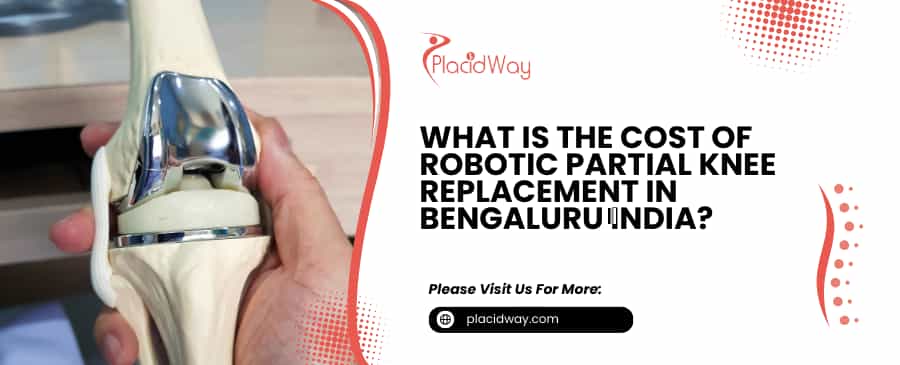
What Is The Cost Of Robotic Partial Knee Replacement In Bengaluru India?
The cost of robotic partial knee replacement in Bengaluru, India, generally ranges from INR 3,00,000 to INR 5,50,000. This estimate can fluctuate significantly based on various factors, including the hospital's reputation, the surgeon's expertise, the specific type of implant used, and the extent of post-operative care required. Welcome to an in-depth exploration of robotic partial knee replacement, specifically focusing on its cost in Bengaluru, India. If you're considering this advanced surgical option for knee pain relief, understanding the financial aspects is naturally a top priority. Bengaluru, often hailed as India's "Silicon Valley," is also a burgeoning hub for medical excellence, offering state-of-the-art healthcare facilities and highly skilled surgeons, particularly in orthopedic procedures like robotic partial knee replacement. This blog aims to shed light on the financial outlay involved, helping you make an informed decision about your knee health. We'll dive into the specifics of what influences the overall expense, from surgical fees to rehabilitation, and address common queries people have when researching this procedure. Our goal is to provide clear, actionable information, ensuring you have a comprehensive understanding of what to expect when planning for robotic partial knee replacement in this vibrant Indian city. What is the cost of robotic partial knee replacement in Bengaluru, India? "The average cost for robotic partial knee replacement in Bengaluru, India, typically falls between INR 3,00,000 to INR 5,50,000, though this can vary considerably based on individual circumstances and chosen medical facility." Robotic partial knee replacement is an advanced surgical procedure designed to treat osteoarthritis that affects only one compartment of the knee. In Bengaluru, a city known for its cutting-edge medical technology, this procedure is offered by several leading hospitals. The cost mentioned above is an estimated range, and the actual price can be influenced by a myriad of factors. It's important for patients to receive a detailed breakdown of costs from their chosen hospital to avoid any surprises. This range usually encompasses the surgeon's fees, anesthesia charges, hospital stay, the cost of the implant itself, and initial post-operative consultations. However, pre-operative tests, rehabilitation sessions, and any unforeseen complications might add to the total expenditure. Patients are encouraged to inquire about all-inclusive packages if available, which can sometimes provide a more predictable financial outlook for the entire treatment process. What factors influence the cost of robotic partial knee replacement in Bengaluru? "Several key factors influence the cost of robotic partial knee replacement in Bengaluru, including the hospital's reputation, surgeon's experience, type of robotic system and implants used, length of hospital stay, and post-operative rehabilitation requirements." Understanding the cost breakdown for robotic partial knee replacement in Bengaluru is crucial. The total expense is not a fixed amount but rather an aggregation of several components. Being aware of these elements can help patients budget effectively and choose a treatment plan that aligns with their financial capabilities and medical needs. Here are the primary factors influencing the cost: Hospital Category: Private corporate hospitals or super-specialty hospitals with advanced infrastructure typically charge more than smaller or government-aided institutions. Their higher costs often reflect better facilities, advanced technology, and more personalized care. Surgeon's Expertise: Highly experienced orthopedic surgeons with a strong track record in robotic-assisted surgeries may command higher fees. Their specialized skills and reputation contribute significantly to the overall cost. Type of Implant: The quality and brand of the prosthetic implant used can greatly affect the price. Premium implants made from advanced materials may offer better longevity and performance but come at a higher cost. Robotic Technology Used: Different robotic systems (e.g., MAKO, NAVIO) have varying operational costs, which can be reflected in the patient's bill. Length of Hospital Stay: While partial knee replacement often requires a shorter hospital stay than total knee replacement, any extended stay due to recovery complications or patient preference will increase accommodation and care charges. Pre-operative Diagnostics and Post-operative Rehabilitation: Initial consultations, diagnostic tests (X-rays, MRI scans), and the full course of physiotherapy and rehabilitation sessions post-surgery are often separate costs that add to the total. Is robotic partial knee replacement covered by insurance in India? "Yes, robotic partial knee replacement is generally covered by health insurance policies in India, provided it is deemed medically necessary. The extent of coverage can vary significantly based on the specific policy terms, sum insured, and the network hospital chosen." Most comprehensive health insurance plans in India do cover knee replacement surgeries, including robotic partial knee replacement, as it's a medically necessary procedure for treating severe osteoarthritis. However, it's vital for patients to understand the specific terms and conditions of their policy. This includes checking for waiting periods, co-payment clauses, sub-limits on certain expenses, and exclusions. Patients should always contact their insurance provider well in advance to clarify what is covered. Many insurance companies have cashless facility tie-ups with network hospitals, which can simplify the billing process. For non-network hospitals, patients may need to pay upfront and then claim reimbursement. It's advisable to get pre-authorization from the insurance company before undergoing the surgery to ensure a smooth claim process. How does robotic partial knee replacement compare to traditional partial knee replacement in terms of cost and outcome? "Robotic partial knee replacement generally has a slightly higher cost than traditional partial knee replacement due to the advanced technology involved. However, it often offers superior outcomes, including greater precision, faster recovery, and potentially better long-term function." When comparing robotic partial knee replacement with the traditional manual approach, cost is often a primary differentiator. The use of advanced robotic systems introduces an additional cost component, making the robotic procedure slightly more expensive upfront. This premium reflects the investment in technology, specialized training for surgeons, and the precision offered by the robotic assistance. However, the benefits in terms of outcomes often justify this incremental cost. Robotic assistance allows surgeons to achieve unparalleled precision in implant placement, leading to better alignment and potentially a more natural-feeling knee. This enhanced accuracy can translate into: Reduced soft tissue damage Less post-operative pain Faster rehabilitation and recovery times Potentially increased implant longevity Improved functional outcomes and patient satisfaction While the initial cost may be higher, the long-term benefits of a more precisely placed implant and a potentially quicker return to daily activities can make robotic partial knee replacement a cost-effective choice for many. What are the benefits of choosing robotic partial knee replacement in Bengaluru? "Choosing robotic partial knee replacement in Bengaluru offers numerous benefits, including access to world-class hospitals, highly skilled orthopedic surgeons, advanced robotic technology, competitive pricing compared to Western countries, and excellent post-operative care." Bengaluru has emerged as a preferred destination for advanced orthopedic procedures, including robotic partial knee replacement. The city's medical landscape combines cutting-edge technology with experienced medical professionals, offering significant advantages for patients. Key benefits include: Advanced Technology: Bengaluru's hospitals are equipped with the latest generation of robotic surgical systems, ensuring high precision and optimal outcomes. Expert Surgeons: The city boasts a large pool of internationally trained and highly experienced orthopedic surgeons specializing in robotic-assisted knee surgeries. Quality Healthcare Infrastructure: Patients benefit from state-of-the-art operation theatres, intensive care units, and rehabilitation facilities, ensuring a safe and comfortable treatment journey. Cost-Effectiveness: While offering world-class care, the cost of robotic partial knee replacement in Bengaluru is significantly lower than in many Western countries, making it an attractive option for both domestic and international patients. Comprehensive Post-operative Care: Hospitals provide robust physiotherapy and rehabilitation programs designed to facilitate a speedy and complete recovery. What is the recovery time for robotic partial knee replacement? "The typical recovery time for robotic partial knee replacement is relatively swift, with many patients walking with assistance on the day of surgery and achieving significant functional recovery within 4-6 weeks. Full recovery, including a return to most normal activities, can take 3-6 months." One of the distinct advantages of robotic partial knee replacement is its potentially faster and smoother recovery compared to total knee replacement or even traditional partial knee replacement. Due to the minimally invasive nature and precise implant placement, there is less trauma to surrounding tissues. Patients usually begin physical therapy almost immediately after surgery, sometimes even on the same day. The recovery timeline generally looks like this: Hospital Stay: Typically 1-3 days. Initial Recovery (1-2 weeks): Patients can usually walk with crutches or a walker, perform light daily activities, and manage pain with medication. Significant Functional Improvement (4-6 weeks): Most patients can walk without assistance, resume driving, and engage in light recreational activities. Physical therapy is crucial during this phase to regain strength and range of motion. Full Recovery (3-6 months): By this time, most patients experience a significant reduction in pain and can return to most of their pre-surgical activities, including some sports. Continued adherence to a personalized physical therapy program is essential for long-term success. Are there financing options available for robotic knee surgery in Bengaluru? "Yes, many robotic knee surgery hospitals in Bengaluru offer various financing options for robotic knee surgery, including EMI plans through partnerships with financial institutions, medical loan providers, and flexible payment arrangements to help patients manage the cost effectively." Understanding that the cost of robotic partial knee replacement can be substantial, many healthcare providers and financial institutions in Bengaluru offer solutions to ease the financial burden on patients. These options aim to make advanced medical care more accessible. Common financing avenues include: Medical Loans: Several banks and non-banking financial companies (NBFCs) offer specialized medical loans with competitive interest rates and flexible repayment tenures. EMI (Equated Monthly Installment) Plans: Many hospitals collaborate with financial partners to provide EMI options, allowing patients to convert their medical bills into manageable monthly installments. This is often available through credit cards or specific loan products. Hospital Payment Plans: Some hospitals might offer their own internal payment plans or allow for staggered payments, especially for patients who might not qualify for traditional loans. It's always worth discussing financial concerns directly with the hospital's billing department. It is advisable to thoroughly research and compare the terms and conditions of different financing options to choose the one that best suits your financial situation. Why choose Bengaluru for robotic partial knee replacement as a medical tourist? "Medical tourists choose Bengaluru for robotic partial knee replacement due to its combination of high-quality, advanced medical care, significantly lower costs compared to Western nations, availability of English-speaking staff, and a supportive environment for international patients." Bengaluru's reputation as a medical tourism hub is growing, particularly for specialized orthopedic procedures like robotic partial knee replacement. International patients are increasingly drawn to the city for a compelling blend of factors that make it an attractive and practical choice. The reasons for choosing Bengaluru include: Exceptional Medical Standards: Hospitals in Bengaluru are accredited by international bodies and adhere to global benchmarks for patient care and safety. Cost-Effectiveness: The cost of robotic partial knee replacement in Bengaluru can be anywhere from 50-70% less than in countries like the USA, UK, or Australia, without compromising on quality. Access to Advanced Technology: Patients can access the latest robotic surgical systems and techniques that are on par with leading global medical centers. Skilled Professionals: Many surgeons and medical staff in Bengaluru have international training and experience, often speaking multiple languages, including English, which eases communication. Integrated Services: Hospitals often provide comprehensive packages for medical tourists, including airport transfers, accommodation assistance, and dedicated international patient support. What should international patients consider when planning robotic knee surgery in Bengaluru? "International patients planning robotic knee surgery in Bengaluru should consider visa requirements, travel logistics, comprehensive medical packages, post-operative accommodation, and follow-up care arrangements to ensure a smooth and successful medical journey." For international patients considering Bengaluru for robotic partial knee replacement, careful planning is essential to ensure a smooth and stress-free experience. Beyond the medical procedure itself, there are several logistical and personal considerations. Key aspects to consider include: Medical Visa: Ensure you apply for and obtain the correct medical visa for India well in advance. Hospitals can often provide invitation letters to support the visa application process. Travel and Accommodation: Plan your flights and accommodation. Many hospitals have tie-ups with nearby hotels or guesthouses. Consider staying for an extended period for initial recovery and follow-up physical therapy. Medical Package Inclusions: Thoroughly review what is included in the medical package. Confirm if it covers all surgical costs, hospital stay, anesthesia, implants, consultations, and initial physiotherapy. Clarify what is excluded. Language and Communication: While many medical professionals speak English, having an interpreter for other languages, if needed, can be arranged through the hospital's international patient desk. Post-operative Support: Arrange for sufficient support during your recovery period. This might involve a companion traveling with you or utilizing dedicated post-operative care services offered by some hospitals. Follow-up Care: Discuss the plan for follow-up care once you return to your home country. Get all necessary medical records and instructions from your Bengaluru surgeon. What is the typical hospital stay for robotic partial knee replacement? "The typical hospital stay for robotic partial knee replacement is relatively short, usually ranging from 1 to 3 days. This shorter stay is a significant advantage, often allowing patients to return home quicker for recovery." One of the noticeable benefits of robotic partial knee replacement is the reduced hospital stay compared to more extensive knee surgeries. This is largely due to the minimally invasive nature of the procedure, which results in less tissue damage and quicker initial recovery. Here's a breakdown of what to expect during your hospital stay: Day of Surgery: After the procedure, you will be monitored in a recovery room before being moved to your hospital room. Pain management will begin, and often, initial mobility exercises with the help of a physical therapist will start. Day 1 Post-Surgery: You will typically be encouraged to sit up, stand, and take a few steps with assistance. Physical therapy sessions will intensify, focusing on regaining knee range of motion and strength. Day 2-3 Post-Surgery: If your pain is well-managed and you can safely mobilize, perform basic self-care, and meet specific physical therapy milestones, you will likely be discharged. You'll receive instructions for home care, medication, and outpatient physical therapy. The exact duration of stay can vary based on individual recovery progress, the specific hospital's protocols, and any pre-existing health conditions. A shorter hospital stay not only aids in quicker home recovery but can also contribute to reducing the overall cost of treatment. Ready to explore your options for robotic partial knee replacement in Bengaluru or other global healthcare solutions? Visit PlacidWay today to connect with top-tier medical providers and personalized support for your health journey....
Read more details
Is Robotic Knee Surgery Better Than Traditional Surgery In Bengaluru India?
Robotic knee surgery in Bengaluru often offers enhanced precision and personalized implant placement, potentially leading to faster recovery and better long-term outcomes compared to traditional methods for suitable candidates. Knee pain can significantly impact daily life, often leading many to consider surgical solutions like total knee replacement. In a bustling medical hub like Bengaluru, India, patients now have advanced options, including both traditional and state-of-the-art robotic-assisted knee surgery. The choice between these two methods is a significant one, prompting many to question which approach offers superior results, especially considering the rapid advancements in medical technology. For individuals dealing with chronic knee pain or degenerative joint conditions, understanding the nuances of each surgical technique is crucial. While traditional knee replacement has a long-standing record of success, robotic surgery brings the promise of even greater precision and potentially smoother recovery. This blog post aims to demystify these options, providing comprehensive answers to common questions and helping you navigate the decision-making process regarding knee replacement in Bengaluru. What are the main benefits of robotic knee surgery? Key benefits of robotic knee surgery include improved precision, customized implant fit, reduced blood loss, quicker recovery, and potentially longer implant lifespan due to accurate alignment. Robotic-assisted knee surgery offers several distinct advantages that contribute to its growing popularity. The primary benefit lies in its unparalleled precision. Robotic systems allow surgeons to create a highly detailed, 3D map of the patient's knee joint before and during the procedure. This map guides the surgeon in making extremely accurate bone cuts and precisely positioning the implant, often within a millimeter of the planned location. This enhanced precision translates into a more personalized implant fit, which can significantly improve knee function and comfort post-surgery. Furthermore, the accuracy of robotic assistance can lead to less damage to surrounding soft tissues, ligaments, and tendons. This minimally invasive approach often results in reduced blood loss during surgery, less post-operative pain, and a potentially faster rehabilitation period. The meticulous alignment of the implant also plays a crucial role in the longevity of the knee replacement, potentially extending its functional lifespan. What are the disadvantages or risks of robotic knee surgery? Disadvantages of robotic knee surgery can include higher initial costs, slightly longer operative time due to setup, and the need for surgeons experienced with the technology, though risks are generally low. While robotic knee surgery in Bengaluru offers numerous benefits, it's also important to consider its potential disadvantages. One of the most common concerns is the cost. Robotic systems are a significant investment for hospitals, and this can sometimes translate into higher surgical fees for patients compared to traditional knee replacement procedures. Patients should inquire about the full cost breakdown when considering this option. Another factor is the operative time. While the actual bone cutting phase might be faster with robotic assistance, the initial setup and mapping of the knee joint with the robotic system can add a small amount of time to the overall surgical procedure. Additionally, as with any advanced technology, the outcome is highly dependent on the surgeon's experience and proficiency with the specific robotic platform. While complications are rare, they can include risks inherent to any surgery, such as infection, blood clots, or issues related to anesthesia. How does recovery from robotic knee surgery compare to traditional surgery? Recovery from robotic knee surgery often involves less post-operative pain, earlier mobilization, and a potentially quicker return to daily activities compared to traditional knee replacement due to less invasive techniques and precise alignment. The recovery trajectory is a key differentiator between robotic and traditional knee surgery for many patients. Due to the enhanced precision and often less invasive nature of robotic procedures, patients frequently report less immediate post-operative pain. This can lead to a reduced need for strong painkillers and a more comfortable start to the rehabilitation process. Patients undergoing robotic knee surgery often experience earlier mobilization, meaning they can typically start weight-bearing and physical therapy sooner after the operation. This quick start to rehabilitation is crucial for regaining strength and range of motion. While the overall recovery period for both types of surgery still requires diligent physical therapy, many individuals find they can return to their daily activities, such as walking, driving, and light work, in a shorter timeframe following robotic surgery. The precise alignment achieved with robotic assistance also contributes to a smoother and more natural feeling knee post-recovery. What is the cost of robotic knee surgery in Bengaluru, India? The cost of robotic knee surgery in Bengaluru, India, typically ranges from INR 3,50,000 to INR 6,00,000 (approximately $4,200 to $7,200 USD), varying based on hospital, surgeon, and implant type. Bengaluru has emerged as a prominent destination for medical tourism, offering advanced healthcare at a fraction of the cost found in Western countries. When considering robotic knee surgery in Bengaluru, the cost is a significant factor. Prices can vary widely depending on several elements: Hospital Accreditation and Facilities: Premier hospitals with cutting-edge infrastructure and extensive post-operative care may have higher charges. Surgeon's Expertise: Highly experienced surgeons with a strong track record in robotic surgery may command higher fees. Type of Implant: The quality and brand of the knee implant used will influence the overall cost. Length of Hospital Stay: Any extended hospital stay or additional medical services required can add to the bill. Pre- and Post-Operative Care: Comprehensive packages might include diagnostics, rehabilitation, and follow-up consultations. It's advisable for patients to obtain a detailed cost estimate from the robotic knee surgery hospital in Bengaluru, which should clearly outline what is included in the package. Despite the variations, the cost of robotic knee surgery in Bengaluru remains highly competitive globally, making it an attractive option for many international patients seeking high-quality care without the exorbitant price tag. Are there specific eligibility criteria for robotic knee surgery? Eligibility for robotic knee surgery typically includes patients with severe knee arthritis, good general health, and a realistic understanding of the procedure, with the surgeon determining suitability based on individual anatomy and condition. While robotic knee surgery offers advanced benefits, it is not suitable for everyone. The decision to undergo any type of knee replacement, including robotic-assisted, is made in consultation with an orthopedic surgeon who assesses various factors to determine suitability. Key eligibility criteria often include: Severity of Arthritis: Patients usually have severe osteoarthritis or other degenerative knee conditions that significantly impair daily activities and haven't responded to conservative treatments. Overall Health: Candidates should be in good general health, without severe underlying medical conditions that would increase surgical risks. Controlled chronic conditions like diabetes or heart disease are generally acceptable. Bone Quality: Sufficient bone quality is necessary to support the knee implant. Realistic Expectations: Patients should have a clear understanding of the surgical process, potential outcomes, and the commitment required for post-operative rehabilitation. The surgeon will conduct a thorough physical examination, review medical history, and analyze imaging scans (X-rays, MRI) to evaluate the extent of knee damage and determine if a robotic approach is the most appropriate and beneficial option for the individual's specific anatomy and condition. What is the success rate of robotic knee surgery in India? Robotic knee surgery in India boasts high success rates, often reported above 95%, with many patients experiencing significant pain relief, improved mobility, and satisfaction post-procedure due to advanced technology and skilled surgeons. India, particularly cities like Bengaluru, has become a hub for advanced orthopedic procedures, including robotic knee surgery, with impressive success rates. The "success" of a knee replacement is generally measured by several factors: Significant reduction or elimination of pain. Improved range of motion and functional mobility. Patient satisfaction with the outcome. Long-term durability of the implant without complications. Globally and within India, robotic knee surgery is consistently reported to have success rates upwards of 95%. This high success rate is attributed to the combination of cutting-edge robotic technology, which ensures precise implant placement, and the expertise of highly trained orthopedic surgeons who are adept at utilizing these systems. Patients undergoing robotic knee surgery in India often experience excellent long-term outcomes, enjoying a return to activities with reduced pain and improved quality of life. The emphasis on advanced diagnostics, meticulous surgical planning, and comprehensive post-operative rehabilitation further contributes to these favorable results. Why choose Bengaluru, India, for knee replacement surgery? Bengaluru, India, is a preferred destination for knee replacement surgery due to its world-class hospitals, highly skilled orthopedic surgeons, advanced medical technology including robotics, and significantly lower costs compared to Western countries. Bengaluru, often referred to as the "Silicon Valley of India," is also a burgeoning hub for medical tourism, particularly for orthopedic procedures like knee replacement. There are several compelling reasons why patients, both domestic and international, choose Bengaluru: World-Class Hospitals: The city boasts numerous JCI and NABH accredited hospitals equipped with state-of-the-art infrastructure, advanced diagnostic tools, and modern operating theaters. Expert Surgeons: Bengaluru is home to a large pool of highly qualified and experienced orthopedic surgeons, many with international training and extensive expertise in both traditional and robotic knee replacement techniques. Advanced Technology: Hospitals in Bengaluru are quick to adopt the latest medical technologies, including various robotic systems for knee surgery, ensuring patients have access to cutting-edge treatment options. Cost-Effectiveness: The cost of knee replacement surgery in Bengaluru is significantly lower than in many Western countries (USA, UK, Europe, Australia), without compromising on the quality of care. This makes it an attractive option for patients seeking high-value healthcare. Multilingual Support: Many hospitals cater to international patients with dedicated departments offering language assistance, visa support, and accommodation arrangements. These factors combine to provide a robust and appealing environment for patients seeking high-quality, affordable knee replacement surgery. What should international patients consider when planning knee surgery in India? International patients considering knee surgery in India should research hospitals and surgeons, understand visa requirements, arrange accommodation, plan for post-operative recovery, and consider travel insurance. For international patients planning knee surgery in India, careful preparation can ensure a smooth and successful medical journey. Here are crucial considerations: Research and Selection: Thoroughly research hospitals and orthopedic surgeons specializing in knee replacement. Look for accreditations (JCI, NABH), surgeon experience, patient testimonials, and technological capabilities. Visa and Travel: Understand the specific medical visa requirements for India from your home country. Ensure your passport is valid and arrange flights well in advance. Accommodation: Plan for accommodation before and after your hospital stay. Many hospitals have tie-ups with nearby hotels, or you can opt for serviced apartments for comfort during recovery. Financial Planning: Obtain detailed cost estimates from your chosen hospital, including surgery, implant, hospital stay, physician fees, and potential rehabilitation. Understand payment methods and any upfront deposits. Language and Communication: While English is widely spoken in major hospitals, inquire about dedicated international patient services that offer language assistance if needed. Post-Operative Stay and Rehabilitation: Plan for an extended stay of typically 2-4 weeks after discharge from the hospital to complete initial physical therapy and ensure you are stable for travel. Arrange for any necessary follow-up appointments. Travel Insurance: Consider comprehensive travel insurance that covers medical emergencies and trip cancellations. Connecting with a reputable medical tourism facilitator can also greatly simplify these arrangements, providing guidance and support throughout the entire process. How long does a robotic knee surgery procedure take? A robotic knee surgery procedure typically takes between 1 to 2 hours, which might be slightly longer than traditional surgery due to the setup and mapping phase of the robotic system, but actual surgical time can be efficient. The actual duration of a robotic knee surgery can vary depending on the specific robotic system used, the complexity of the patient's knee condition, and the surgeon's experience. Generally, the procedure itself, from incision to closure, typically ranges from 60 to 120 minutes. This is comparable to, or sometimes slightly longer than, a traditional knee replacement. The slight increase in time is often due to the initial setup phase, where the robotic system is calibrated, and the surgeon creates a detailed 3D model of the patient's knee. This crucial planning stage ensures the precise execution of the surgery. Once the planning is complete, the robotic arm assists the surgeon in making highly accurate bone cuts and implant placement, often leading to a more efficient and precise surgical phase. Patients should also factor in pre-operative preparation (anesthesia administration) and post-operative recovery room time when considering the overall time spent at the hospital on the day of surgery. Is robotic knee surgery better than traditional surgery in Bengaluru, India? Robotic knee surgery in Bengaluru often offers enhanced precision and personalized implant placement, potentially leading to faster recovery and better long-term outcomes compared to traditional methods for suitable candidates. When comparing robotic knee surgery to traditional surgery in Bengaluru, "better" is a nuanced term, as both methods aim to alleviate pain and restore function. However, robotic assistance introduces several technological advantages that can lead to superior outcomes for many patients. The core benefit of robotic surgery lies in its enhanced precision. Surgeons use a robotic arm as a highly accurate tool, guided by a sophisticated computer system that generates a 3D model of the patient's knee. This allows for extremely precise bone cuts and optimal implant positioning, customized to each individual's anatomy. This level of precision is difficult to achieve consistently with manual instrumentation alone. This increased accuracy can result in better knee alignment, which is crucial for the longevity of the implant and the overall function of the knee. Patients often experience reduced blood loss, less soft tissue damage, and potentially a quicker and less painful recovery period compared to traditional methods. While traditional surgery remains a highly effective procedure, robotic surgery in Bengaluru's advanced hospitals offers an evolution in orthopedic care, pushing the boundaries for precision, customization, and potentially improved long-term results for suitable candidates. The decision ultimately rests on a detailed discussion with a qualified orthopedic surgeon who can assess individual needs and recommend the most appropriate surgical approach. For more information on medical tourism solutions, healthcare services, or to explore options for advanced surgical procedures like robotic knee replacement in Bengaluru, visit PlacidWay. We can help you connect with world-class hospitals and experienced specialists....
Read more details
Who Are The Top-Rated Doctors For Partial Knee Replacement In Bengaluru India?
Identifying top-rated doctors for partial knee replacement in Bengaluru involves looking for highly experienced orthopedic surgeons specializing in joint preservation and minimally invasive techniques, often associated with reputable hospitals known for advanced orthopedic care. When seeking top-rated doctors for partial knee replacement in Bengaluru, prioritize specialists with extensive experience in joint preservation and a track record of successful outcomes in leading hospitals. Are you experiencing persistent knee pain and exploring options like partial knee replacement? It's natural to seek out the very best care, especially when considering a surgical procedure. Bengaluru, often called the "Silicon Valley of India," is also a hub for advanced medical care, attracting patients from across the globe. When it comes to specialized orthopedic procedures like partial knee replacement, the city boasts a strong contingent of highly skilled surgeons who are at the forefront of modern joint care. Finding the "top-rated" doctor often comes down to a combination of factors including experience, specialization, patient outcomes, and the facilities they operate within. Navigating the healthcare landscape to identify the right specialist can feel overwhelming, but understanding what makes a surgeon top-rated can simplify your search. This guide aims to provide you with comprehensive insights into what to look for, key questions to ask, and the general landscape of partial knee replacement in Bengaluru. We'll help you understand the criteria for excellence, the advantages of choosing Bengaluru for your treatment, and practical considerations to ensure you make an informed decision for your knee health. What is partial knee replacement surgery? "Partial knee replacement, also known as unicompartmental knee arthroplasty, is a surgical procedure that involves replacing only the damaged part of the knee joint, rather than the entire joint." Partial knee replacement is a less invasive alternative to total knee replacement. It's typically recommended for individuals whose arthritis or damage is confined to just one section of the knee, most commonly the medial (inner) compartment. The surgeon removes only the diseased cartilage and bone from the affected area and replaces it with metal and plastic components, leaving the healthy cartilage and ligaments intact. This procedure offers several potential advantages over a total knee replacement, including a smaller incision, less blood loss, a shorter hospital stay, and a potentially faster recovery. Patients often report a more natural-feeling knee and better range of motion post-surgery because most of their original knee joint is preserved. However, not everyone is a candidate for partial knee replacement, and careful patient selection is crucial for successful outcomes. What factors should I consider when choosing a doctor for partial knee replacement in Bengaluru? "When choosing a doctor for partial knee replacement in Bengaluru, consider their surgical volume, specialization in knee arthroplasty, patient outcomes, hospital affiliations, and their approach to patient care." Selecting the right surgeon is paramount for a successful partial knee replacement in Bengaluru. This is a city with many skilled professionals, focusing on specific criteria can help you narrow down your options. Experience is a key factor; look for surgeons who perform a high volume of knee replacement surgeries, especially partial knee replacements, as this indicates specialized expertise. Furthermore, consider their specialization – some orthopedic surgeons focus heavily on joint replacement. Their affiliations with well-regarded hospitals that have state-of-the-art facilities and dedicated orthopedic departments are also important. Lastly, a surgeon's communication style and willingness to thoroughly explain the procedure, risks, and recovery plan can significantly impact your comfort and confidence. Experience and Specialization: How many partial knee replacements do they perform annually? Do they specialize in knee or joint replacement surgery? Hospital Affiliation: Are they associated with a leading hospital known for its orthopedic department and advanced infrastructure? Patient Outcomes and Testimonials: While specific outcomes are personal, general indicators of patient satisfaction can be helpful. Communication and Bedside Manner: Do they listen to your concerns and explain things clearly? What are the benefits of partial knee replacement over total knee replacement? "Partial knee replacement offers benefits such as a smaller incision, faster recovery, preservation of healthy bone and ligaments, and a more natural-feeling knee compared to total knee replacement." For suitable candidates, partial knee replacement can provide significant advantages. The primary benefit is the preservation of healthy parts of the knee, including crucial ligaments (like the ACL and PCL) and undamaged cartilage in other compartments. This preservation often leads to a knee that feels more "normal" after surgery, with better proprioception (the sense of the knee's position in space). Other key benefits include a less extensive surgical procedure, which means less blood loss, a shorter hospital stay (often just one or two days), and a generally quicker and less painful recovery period. Patients can often return to activities like walking, cycling, and even some sports sooner than with a total knee replacement. However, it's important to remember that partial knee replacements are not suitable for all forms of knee arthritis. What is the typical recovery time for partial knee replacement? "The typical recovery time for partial knee replacement is generally faster than total knee replacement, with many patients walking with assistance within days and achieving significant recovery within 3-6 weeks, with full recovery taking several months." Recovery from partial knee replacement is often quicker than a total knee replacement due to its less invasive nature. Most patients are encouraged to start walking with crutches or a walker within a day or two of surgery. Physical therapy is a crucial component of recovery, beginning almost immediately to restore range of motion and strengthen the surrounding muscles. While significant pain relief and improved function are typically seen within 3-6 weeks, full recovery and return to normal activities can take anywhere from 3 to 6 months. Adherence to your physical therapy program and following your surgeon's post-operative instructions are vital for optimal results. Individual recovery times can vary based on age, overall health, and commitment to rehabilitation. What is the average cost of partial knee replacement in Bengaluru? "The average cost of partial knee replacement in Bengaluru can range from approximately INR 1,80,000 to INR 3,50,000 ($2,200 - $4,200 USD), depending on the hospital, surgeon's fees, implant type, and length of stay." Bengaluru is known for offering high-quality medical treatments at a fraction of the cost compared to Western countries, making it an attractive destination for medical tourism. The cost of partial knee replacement can vary significantly based on several factors, including: Hospital Type: Large corporate hospitals generally have higher charges than smaller private hospitals. Surgeon's Expertise: Highly experienced and renowned surgeons may have higher consultation and surgical fees. Implant Quality: Different types and brands of knee implants come with varying costs. Length of Stay and Complications: An extended hospital stay or any unforeseen complications will increase the overall cost. Pre and Post-Operative Care: This includes diagnostic tests, physical therapy, and medications. It's always advisable to get a detailed cost estimate from the hospital or a medical tourism facilitator that includes all potential expenses to avoid surprises. Are there specific hospitals in Bengaluru known for excellent knee replacement outcomes? "Bengaluru has several multi-specialty hospitals with dedicated orthopedic departments renowned for excellent knee replacement outcomes, including those equipped with advanced surgical suites and rehabilitation facilities." While it's important not to name specific institutions without direct instruction, it's widely known that Bengaluru is home to numerous hospitals that are considered centers of excellence for orthopedic surgery, including knee replacements. These facilities are often characterized by: Advanced Technology: Utilization of robotic-assisted surgery, minimally invasive techniques, and advanced diagnostic tools. Experienced Orthopedic Teams: Multidisciplinary teams including orthopedic surgeons, anesthesiologists, physical therapists, and nurses specializing in joint care. Comprehensive Rehabilitation: In-house physical therapy and rehabilitation programs to aid recovery. International Patient Services: Many hospitals cater specifically to medical tourists, offering services like language interpretation, visa assistance, and accommodation support. When researching, look for hospitals that are accredited by national or international bodies, as this often indicates adherence to high standards of quality and patient safety. These accreditations provide a reliable benchmark for evaluating healthcare providers. What kind of experience or certifications should a top surgeon have for partial knee replacement? "A top surgeon for partial knee replacement should typically have extensive experience in joint replacement surgery, board certification in orthopedic surgery, and often specialized fellowships in arthroplasty or sports medicine." When evaluating a surgeon for a specialized procedure like partial knee replacement, several credentials and experiences stand out. Firstly, the surgeon should be a board-certified orthopedic surgeon, which indicates they have met rigorous standards of training and examination in their field. Beyond basic certification, look for surgeons who have pursued fellowship training in arthroplasty (joint replacement) or sports medicine, as this provides an even deeper level of specialization in knee surgeries. Practical experience is equally vital. A surgeon who performs a high volume of knee replacement procedures, specifically partial knee replacements, is likely to have refined their surgical techniques and can manage potential complications more effectively. Membership in professional orthopedic associations, participation in research, and ongoing education also demonstrate a surgeon's commitment to staying current with the latest advancements in orthopedic care. Why is Bengaluru a popular destination for medical tourism for knee replacement? "Bengaluru is a popular medical tourism destination for knee replacement due to its combination of world-class medical infrastructure, highly skilled surgeons, competitive treatment costs, and excellent patient care services." Bengaluru's rise as a premier destination for medical tourism, particularly for orthopedic procedures, is driven by a confluence of factors. One of the most compelling reasons is the significant cost savings compared to countries in North America, Europe, or Australia, without compromising on quality. Patients can often save 50-70% on surgical costs. Beyond affordability, Bengaluru boasts a robust healthcare ecosystem: Skilled Medical Professionals: Many surgeons are internationally trained and highly experienced. Advanced Facilities: Hospitals are equipped with cutting-edge technology and adhere to international standards. Language Accessibility: English is widely spoken in medical settings, easing communication for international patients. Comprehensive Services: Many hospitals offer tailored services for international patients, including travel logistics, accommodation, and interpreter services. The city also offers a pleasant environment for recovery, with a moderate climate and various options for post-operative care and cultural experiences. What support services are available for international patients undergoing partial knee replacement in India? "International patients undergoing partial knee replacement in India can access comprehensive support services including visa assistance, airport transfers, language interpretation, dedicated patient coordinators, and accommodation arrangements." Recognizing the unique needs of patients traveling for medical care, many hospitals and medical tourism facilitators in Bengaluru offer an extensive range of support services. These services are designed to make the entire journey, from planning to recovery, as smooth and stress-free as possible for international patients. Common support services include: Medical Visa Assistance: Guidance and support in obtaining the necessary medical visa for India. Travel Logistics: Assistance with flight bookings, airport pick-up and drop-off, and local transportation. Accommodation: Help with booking hotels, guesthouses, or serviced apartments for patients and their accompanying family members. Language Interpreters: Professional interpreters to ensure clear communication between the patient and medical staff. Dedicated Patient Coordinators: A single point of contact to assist with all non-medical aspects of the trip, from appointments to billing. Post-Operative Care: Arrangement for follow-up appointments, physical therapy sessions, and sometimes home healthcare. These services aim to provide a holistic and comfortable experience, allowing patients to focus solely on their recovery. How can medical tourism facilitators like PlacidWay assist with partial knee replacement in Bengaluru? "Medical tourism facilitators like PlacidWay can assist with partial knee replacement in Bengaluru by providing comprehensive support, including identifying suitable hospitals and surgeons, coordinating appointments, managing travel logistics, and offering transparent cost estimates." Navigating the process of seeking medical treatment abroad can be complex, and this is where medical tourism facilitators become invaluable. Organizations like PlacidWay specialize in connecting international patients with high-quality healthcare providers around the world, including those for partial knee replacement in Bengaluru. They act as a bridge, simplifying the entire journey for you. Their services typically include: Curated Provider Networks: Access to a network of pre-vetted, reputable hospitals and experienced surgeons in Bengaluru specializing in partial knee replacement. Personalized Treatment Plans: Helping you obtain initial consultations and treatment plans from multiple providers to compare options. Cost Transparency: Providing detailed and transparent cost estimates, often bundled to include surgery, hospital stay, and initial recovery. Logistical Support: Arranging travel, accommodation, local transportation, and interpreting services. Patient Advocacy: Ensuring your needs and preferences are communicated effectively to the medical team. By leveraging the expertise of a facilitator, you can significantly reduce the stress and uncertainty associated with international medical travel, allowing you to focus on your health and recovery. What are the common risks associated with partial knee replacement? "Common risks associated with partial knee replacement include infection, blood clots, implant loosening or wear, nerve or blood vessel damage, and the potential need for future revision surgery, though these are generally rare." While partial knee replacement is a generally safe and effective procedure, like any surgery, it carries potential risks. It's crucial for patients to be aware of these possibilities and discuss them thoroughly with their surgeon before making a decision. Infection: Though rare, infection can occur at the surgical site or around the implant. Prophylactic antibiotics are typically administered to minimize this risk. Blood Clots: Deep vein thrombosis (DVT) or pulmonary embolism are potential complications, addressed with blood-thinning medication and early mobilization. Implant Complications: Over time, the implant components can loosen, wear out, or fracture, potentially requiring revision surgery. Nerve or Blood Vessel Damage: Although uncommon, nearby nerves or blood vessels can be damaged during surgery. Persistent Pain or Stiffness: Some patients may experience ongoing pain or stiffness even after successful surgery. Progression of Arthritis: Since only part of the knee is replaced, arthritis can develop in the remaining natural parts of the joint, potentially necessitating a total knee replacement in the future. Your surgeon will take all necessary precautions to minimize these risks and ensure the safest possible outcome. What questions should I ask my potential surgeon during a consultation? "During a consultation for partial knee replacement, ask your surgeon about their specific experience with the procedure, expected outcomes, potential risks, recovery process, and the type of implant they recommend." A thorough consultation is your opportunity to gather crucial information and assess your comfort level with the surgeon. Don't hesitate to ask detailed questions to ensure you feel fully informed and confident about your decision. Here are some key questions to consider: "How many partial knee replacements do you perform annually, and what are your success rates?" "Am I a suitable candidate for partial knee replacement, or would a total knee replacement be better for me?" "What specific surgical technique do you use, and what type of implant do you recommend?" "What are the potential risks and complications unique to my case?" "What does the recovery process involve, including hospital stay, pain management, and physical therapy?" "What are the expected long-term outcomes, and how long can I expect the implant to last?" "What are the estimated costs involved, including surgeon's fees, hospital charges, and post-operative care?" A good surgeon will patiently address all your concerns and provide clear, understandable answers. Ready to explore your options for partial knee replacement in Bengaluru? Discover trusted solutions and connect with leading healthcare providers through PlacidWay. Visit PlacidWay.com to learn more about medical tourism for your healthcare needs....
Read more details
Where Can I Get Knee Cartilage Regeneration Treatment in Bengaluru, India?
You can find knee cartilage regeneration treatment in Bengaluru, India, at various advanced orthopedic hospitals and specialized joint care centers. These facilities offer a range of modern surgical and non-surgical procedures to restore damaged knee cartilage. If you're experiencing knee pain due to cartilage damage, you're likely searching for effective solutions. Bengaluru, often called the "Silicon Valley of India," is also a prominent hub for advanced medical treatments, including specialized orthopedic care for knee conditions. The city boasts state-of-the-art hospitals and skilled orthopedic surgeons who are at the forefront of knee cartilage regeneration, offering hope and relief to many patients. Whether it's due to injury, aging, or degenerative conditions, finding the right treatment can significantly improve your quality of life and mobility. Navigating the options for knee cartilage regeneration can seem daunting, but Bengaluru provides a comprehensive array of choices, from minimally invasive arthroscopic procedures to more complex cell-based therapies. Many patients, both local and international, choose Bengaluru for its blend of advanced medical technology, experienced specialists, and comparatively affordable healthcare. This guide aims to answer your most pressing questions about where and how to access these treatments, helping you make informed decisions about your knee health in this thriving medical destination. What types of knee cartilage regeneration treatments are available in Bengaluru? "Bengaluru offers various knee cartilage regeneration treatments, including microfracture, autologous chondrocyte implantation (ACI), osteochondral autograft transplantation (OATS), allograft transplantation, and newer cell-based therapies like PRP and stem cell injections." Bengaluru's leading orthopedic centers provide a spectrum of treatments for knee cartilage damage, ranging from traditional surgical methods to innovative biological approaches. The choice of treatment often depends on the size and location of the cartilage defect, the patient's age, activity level, and overall health. Commonly available treatments include: Microfracture: This procedure involves making small holes in the bone beneath the damaged cartilage to stimulate the growth of new fibrocartilage, a type of scar tissue. It's typically used for smaller cartilage defects. Autologous Chondrocyte Implantation (ACI): A two-stage procedure where healthy cartilage cells are harvested from the patient, grown in a lab, and then implanted back into the damaged knee area. This is suitable for larger defects and aims to grow hyaline-like cartilage. Osteochondral Autograft Transplantation (OATS) / Mosaicplasty: Healthy cartilage and bone plugs are taken from a non-weight-bearing area of the patient's knee and transferred to the damaged site. It's effective for localized, full-thickness defects. Osteochondral Allograft Transplantation: Similar to OATS, but uses cartilage and bone plugs from a deceased donor. This is often considered for larger defects where autograft is not sufficient. Platelet-Rich Plasma (PRP) Injections: Concentrated platelets from the patient's own blood are injected into the knee to promote healing and reduce inflammation. While not directly regenerating cartilage, it supports the healing environment. Stem Cell Therapy: Mesenchymal stem cells, often derived from the patient's bone marrow or fat, are injected into the knee. These cells have the potential to differentiate into cartilage cells and promote tissue repair. Orthopedic specialists in Bengaluru will conduct a thorough evaluation, including imaging tests like MRI, to determine the most appropriate treatment plan for each individual patient. What is the typical cost of knee cartilage regeneration in Bengaluru? "The typical cost of knee cartilage regeneration in Bengaluru varies significantly, ranging from approximately INR 50,000 to INR 7,00,000 or more, depending on the specific procedure, hospital, surgeon's fees, and duration of stay." The cost of knee cartilage regeneration treatment in Bengaluru is highly variable, reflecting the diversity of available procedures, hospital facilities, and the complexity of individual cases. Simpler, minimally invasive procedures like PRP injections or microfracture tend to be on the lower end of the cost spectrum, while advanced cell-based therapies or extensive surgical reconstructions can be considerably more expensive. Factors influencing the cost include: Type of Procedure: PRP/Stem cell injections are generally less expensive than surgical options like ACI or OATS. Hospital Category: Tertiary care hospitals with state-of-the-art infrastructure and advanced technology often have higher charges compared to smaller clinics. Surgeon's Fees: Highly experienced and renowned orthopedic surgeons may charge more for their expertise. Anesthesia Fees: Costs associated with anesthesia administration. Diagnostic Tests: Pre-operative scans (MRI, X-rays) and blood tests. Implant/Material Costs: If specific implants or laboratory-grown cells are used (e.g., in ACI). Post-operative Care: Physiotherapy, medications, and follow-up consultations. Length of Hospital Stay: Longer stays naturally increase costs. It is advisable for patients to obtain a detailed cost estimate from the chosen hospital, which should itemize all expenses involved, before proceeding with treatment. This helps in clear financial planning. How long is the recovery period for cartilage repair procedures? "The recovery period for knee cartilage repair procedures can range from a few weeks for minor interventions to 6-12 months for extensive surgeries like ACI, with full return to strenuous activities potentially taking over a year." The recovery timeline following knee cartilage regeneration treatment is highly individual and depends on several factors, including the type of procedure performed, the size and location of the cartilage defect, the patient's age and overall health, and their adherence to the rehabilitation protocol. Generally, cartilage repair requires a dedicated and often prolonged rehabilitation period to ensure successful healing and restoration of function. Here's a general overview: Minimally Invasive Procedures (e.g., PRP, Microfracture): Initial recovery: A few weeks of reduced activity and protective weight-bearing. Return to light activities: 1-3 months. Full recovery and return to sport: 4-6 months, depending on individual progress. Advanced Surgical Procedures (e.g., ACI, OATS): Initial immobilization/non-weight-bearing: 4-6 weeks. Gradual weight-bearing and physiotherapy: 3-6 months. Return to low-impact activities: 6-9 months. Full return to strenuous activities or sports: 9-18 months, as the new cartilage tissue matures. Physiotherapy plays a crucial role in recovery, focusing on restoring range of motion, strengthening muscles around the knee, and improving balance. Consistent adherence to the rehabilitation program is vital for optimal long-term outcomes and to prevent re-injury. Are there non-surgical options for knee cartilage regeneration? "Yes, non-surgical options for knee cartilage regeneration in Bengaluru include conservative treatments like physiotherapy, medication, and injectable therapies such as Platelet-Rich Plasma (PRP) and stem cell injections." For patients with mild to moderate cartilage damage or those who are not candidates for surgery, several non-surgical approaches are available in Bengaluru. These treatments aim to reduce pain, improve function, and in some cases, encourage the body's natural healing processes. Key non-surgical options include: Physiotherapy and Rehabilitation: A cornerstone of non-surgical management, physiotherapy helps strengthen the muscles supporting the knee, improve flexibility, and reduce stress on the joint. It can also involve activity modification and weight management. Medications: Pain relievers (NSAIDs), corticosteroid injections, and oral supplements like glucosamine and chondroitin are often used to manage symptoms and support joint health, though their regenerative effects are debated. Platelet-Rich Plasma (PRP) Injections: As mentioned earlier, PRP uses the patient's concentrated platelets to deliver growth factors to the injured area. This can help reduce inflammation and promote tissue repair, creating a more favorable environment for healing. Stem Cell Therapy: Involving the injection of mesenchymal stem cells, typically from bone marrow or fat, directly into the knee joint. These cells have the potential to differentiate into cartilage cells and release growth factors, aiding in repair and reducing inflammation. Viscosupplementation: Involves injecting hyaluronic acid into the knee joint, which acts as a lubricant and shock absorber, improving joint mobility and reducing pain. While not regenerative, it can significantly alleviate symptoms. These non-surgical treatments are often considered as a first line of defense or for patients seeking alternatives to surgery. Their effectiveness can vary, and a comprehensive evaluation by an orthopedic specialist is essential to determine suitability. What are the success rates of these treatments? "The success rates for knee cartilage regeneration treatments vary widely depending on the procedure, patient factors, and defect characteristics, generally ranging from 60% to 90% in improving pain and function over several years." The success rates of knee cartilage regeneration treatments are a critical consideration for patients. It's important to understand that "success" can be defined in various ways, including pain reduction, improved joint function, delaying or avoiding total knee replacement, and the durability of the regenerated tissue. These rates are influenced by numerous factors. General success rate ranges observed: Microfracture: Initial success rates are good, especially for smaller lesions in younger, active patients, often ranging from 60-80% for symptom improvement for several years. However, the regenerated fibrocartilage may not be as durable as natural hyaline cartilage. Autologous Chondrocyte Implantation (ACI): Studies show long-term success rates, with 70-90% of patients experiencing good to excellent results in terms of pain relief and functional improvement, particularly for larger defects. Osteochondral Autograft/Allograft Transplantation (OATS): Success rates are generally high, often above 80%, for specific types of focal defects, offering durable repair with hyaline cartilage. PRP and Stem Cell Therapy: While promising, the long-term regenerative capabilities and definitive success rates for cartilage repair are still under extensive research. Many patients report significant pain relief and functional improvement, with outcomes varying from 50-70% for symptomatic relief. Factors that can influence success include the patient's age, weight, activity level, the size and location of the cartilage defect, presence of other knee conditions (like arthritis), and strict adherence to post-operative rehabilitation. Discussing realistic expectations and potential outcomes with a specialist in Bengaluru is crucial. How do I choose the best hospital for knee cartilage regeneration in Bengaluru? "To choose the best hospital for knee cartilage regeneration in Bengaluru, consider factors such as specialist expertise, hospital accreditation, available technology, patient reviews, success rates, and the comprehensiveness of their orthopedic and rehabilitation services." Selecting the right hospital for knee cartilage regeneration treatment is a critical decision that can significantly impact your outcome. Bengaluru has many excellent healthcare facilities, so it’s important to know what to look for when making your choice. Consider the following aspects: Orthopedic Specialization and Expertise: Look for hospitals with dedicated orthopedic departments and surgeons who specialize in sports medicine, joint preservation, and cartilage repair. Research their experience with specific regeneration techniques. Accreditations and Certifications: Hospitals with national (e.g., NABH) and international (e.g., JCI) accreditations demonstrate adherence to high standards of patient care and safety. Advanced Technology and Infrastructure: Ensure the hospital is equipped with state-of-the-art diagnostic imaging (MRI, CT) and surgical equipment (arthroscopy, navigation systems) necessary for advanced cartilage procedures. Multidisciplinary Team: A good hospital will have a team that includes not just surgeons, but also anesthesiologists, rehabilitation specialists, physiotherapists, and pain management experts to provide holistic care. Patient Reviews and Outcomes: Look for patient testimonials, online reviews, and publicly available data on success rates, if possible. This can offer insights into patient experiences and quality of care. Rehabilitation Services: A strong rehabilitation program is paramount for cartilage regeneration. Check if the hospital has in-house physiotherapy and rehabilitation facilities with experienced therapists. Transparency in Pricing: Choose a hospital that provides clear, itemized cost estimates and is transparent about all potential expenses. It's often beneficial to schedule initial consultations with a couple of different specialists to compare opinions and feel comfortable with your chosen medical team. Is Bengaluru a good destination for medical tourism for knee cartilage treatment? "Yes, Bengaluru is an excellent destination for medical tourism for knee cartilage treatment due to its advanced orthopedic infrastructure, highly skilled surgeons, competitive pricing, and availability of cutting-edge regenerative therapies." Bengaluru has firmly established itself as a leading hub for medical tourism, particularly for complex orthopedic procedures like knee cartilage regeneration. The city attracts a significant number of international patients seeking high-quality healthcare at a fraction of the cost found in Western countries. Several factors contribute to Bengaluru's appeal for medical tourists: World-Class Medical Facilities: Bengaluru boasts numerous internationally accredited hospitals equipped with the latest technology and adhering to global healthcare standards. Highly Qualified Medical Professionals: Many orthopedic surgeons in Bengaluru have international training and extensive experience in performing advanced cartilage regeneration procedures. Cost-Effectiveness: The cost of treatment, including surgery, post-operative care, and rehabilitation, is significantly lower than in many developed nations, without compromising on quality. Availability of Advanced Treatments: Patients can access a wide array of cutting-edge regenerative and reconstructive knee cartilage treatments. Language and Hospitality: English is widely spoken in medical settings, and hospitals often have dedicated international patient services teams to assist with language, accommodation, travel, and logistics. Post-Treatment Recovery Environment: The city offers a comfortable environment for recovery, with options for recuperation, and is well-connected for travel. These advantages make Bengaluru a compelling choice for those considering medical travel for their knee cartilage issues, providing both exceptional care and value. What factors should international patients consider when seeking knee cartilage treatment in India? "International patients seeking knee cartilage treatment in India should consider visa requirements, travel logistics, comprehensive cost estimates, hospital accreditation, communication with medical staff, and post-operative care planning." For international patients planning knee cartilage regeneration treatment in India, a comprehensive approach to planning is essential to ensure a smooth and successful medical journey. While India offers excellent medical care, being prepared for the logistical and administrative aspects can greatly reduce stress. Key considerations include: Medical Visa Requirements: Understand the specific visa requirements for medical treatment in India. This often involves obtaining a medical visa, which may require a letter from the hospital in India. Travel and Accommodation: Plan your flights, local transportation, and accommodation. Many hospitals in Bengaluru have tie-ups with nearby hotels or guesthouses and offer airport pick-up services. Comprehensive Cost Estimation: Obtain a detailed, all-inclusive cost estimate from the hospital, covering pre-operative tests, surgery, hospital stay, medications, rehabilitation, and follow-up consultations. Clarify what is and isn't included. Hospital and Surgeon Due Diligence: Research the chosen hospital's international accreditations (like JCI), the surgeon's qualifications and experience, and reviews from other international patients. Communication and Language: Ensure the hospital provides interpreters if English is not your primary language or if you need assistance communicating with the medical team. Most major hospitals have dedicated international patient coordinators. Insurance Coverage: Verify if your international health insurance policy covers treatment abroad and understand the claim process. Post-operative Care and Follow-up: Discuss the rehabilitation plan, duration of stay required for follow-up, and how ongoing care or remote consultations will be managed once you return home. Cultural Sensitivities: Be aware of local customs and practices to ensure a comfortable stay. Engaging with an experienced medical tourism facilitator can often streamline this entire process, handling many of these logistics on your behalf. What is the process for international patients seeking treatment in Bengaluru? "The process for international patients seeking knee cartilage treatment in Bengaluru typically involves initial consultation (often remote), medical visa application, travel arrangements, hospital admission, treatment, post-operative care, and follow-up." The journey for international patients seeking knee cartilage regeneration in Bengaluru is structured to provide a seamless experience from initial inquiry to post-treatment recovery. While specifics may vary slightly between hospitals, a general pathway is commonly followed. Here's a typical process: Initial Inquiry and Medical Records Submission: Patients usually begin by contacting the international patient services department of a chosen hospital or a medical tourism facilitator. They submit their medical reports, including X-rays, MRI scans, and any previous treatment history. Expert Review and Treatment Plan: An orthopedic specialist in Bengaluru reviews the submitted documents. A provisional diagnosis, recommended treatment plan (including procedure type), estimated cost, and expected duration of stay are provided. This often includes a teleconsultation. Medical Visa Application: Upon acceptance of the treatment plan, the hospital issues an invitation letter. Patients use this letter to apply for a medical visa at the Indian embassy or consulate in their home country. Travel and Accommodation Arrangements: Once the visa is secured, patients book flights and arrange accommodation. Hospital international patient coordinators often assist with airport transfers and hotel bookings. Arrival and Pre-Treatment Evaluation: Upon arrival in Bengaluru, the patient reports to the hospital. A thorough physical examination, additional diagnostic tests, and consultations with the surgical team are conducted to finalize the treatment plan. Treatment and Hospital Stay: The knee cartilage regeneration procedure is performed. The patient remains in the hospital for the necessary recovery period, receiving post-operative care and initial physiotherapy. Post-operative Rehabilitation and Follow-up: After discharge, extensive outpatient physiotherapy and rehabilitation begin. Follow-up appointments with the surgeon are scheduled before the patient returns home. Return Home and Ongoing Care: Patients return to their home country with a detailed rehabilitation plan. Many hospitals offer remote follow-up options or coordinate with local healthcare providers for continued care. This structured approach ensures that international patients receive comprehensive support throughout their medical journey in Bengaluru. What are the risks and benefits of cartilage regeneration procedures? "Cartilage regeneration procedures offer benefits like reduced pain, improved function, and prevention of arthritis progression, but carry risks such as infection, inadequate tissue regeneration, stiffness, pain, and the need for further surgery." Like any medical intervention, knee cartilage regeneration procedures come with a balance of potential benefits and inherent risks. Understanding both aspects is crucial for patients to make an informed decision in consultation with their orthopedic specialist. Benefits of Cartilage Regeneration Procedures: Pain Relief: A primary benefit is the significant reduction or elimination of chronic knee pain caused by cartilage defects. Improved Knee Function: By restoring the smooth gliding surface of the joint, these procedures can improve range of motion, stability, and overall knee function, allowing a return to daily activities and even sports. Delay or Prevent Joint Replacement: For younger patients or those with localized defects, cartilage regeneration can delay or even negate the need for a total knee replacement, preserving the natural joint. Long-Term Joint Health: Successful regeneration can help protect the underlying bone and potentially slow down the progression of osteoarthritis in the affected area. Enhanced Quality of Life: Reduced pain and improved mobility directly translate to a better quality of life and ability to participate in desired activities. Risks of Cartilage Regeneration Procedures: Infection: As with any surgery, there is a risk of infection at the surgical site. Failure of Regeneration: The regenerated cartilage may not be sufficient, durable, or integrate properly with the surrounding tissue. In some cases, the repair tissue may be fibrocartilage, which is less resilient than natural hyaline cartilage. Stiffness or Limited Range of Motion: Scar tissue formation or inadequate rehabilitation can lead to persistent stiffness or restricted movement. Persistent Pain: While the goal is pain relief, some patients may continue to experience discomfort or have residual pain. Allergic Reaction: Though rare, reactions to anesthesia or materials used during the procedure can occur. Complications from Donor Site (for autografts): Procedures like OATS involve harvesting healthy tissue, which can sometimes lead to pain or complications at the donor site. Need for Revision Surgery: In some cases, the initial procedure may not be successful, necessitating further surgical interventions. Thrombosis (Blood Clots): A risk associated with any major surgery, though precautions are taken to minimize it. Your surgeon in Bengaluru will thoroughly discuss these risks and benefits, tailoring the conversation to your specific condition and the chosen treatment plan. For individuals seeking world-class medical solutions and a supportive patient experience, Bengaluru, India, stands out as a premier destination for knee cartilage regeneration treatment. Its advanced hospitals, expert surgeons, and comprehensive care pathways make it an attractive choice for both domestic and international patients. If you're exploring options for knee cartilage repair or other specialized healthcare services, consider reaching out to PlacidWay. We connect patients with leading global medical centers, providing tailored solutions and assistance throughout your medical journey....
Read more details
What Is The Cost Of ACL Reconstruction Surgery In Bengaluru India?
The cost of ACL reconstruction surgery in Bengaluru, India, generally ranges from INR 1,00,000 to INR 3,00,000, depending on the hospital, surgeon's expertise, type of graft used, and included post-operative care. Tearing your Anterior Cruciate Ligament (ACL) can be a significant setback, often requiring surgical intervention to restore knee stability and function. If you're facing an ACL injury, one of the first questions on your mind is likely, "What will this cost me?" Especially if you're considering treatment in a bustling medical hub like Bengaluru, India. Understanding the financial aspect of this crucial procedure is vital for proper planning and peace of mind. Bengaluru, known as India's "Silicon Valley," is also a prominent center for advanced medical care, offering world-class facilities and highly skilled orthopedic surgeons. The cost of ACL reconstruction surgery here can vary based on several factors, but it remains a highly competitive and often more affordable option compared to many Western countries, without compromising on quality of care. This comprehensive guide will break down the costs, factors, and everything you need to know about ACL surgery in this vibrant city. What is the estimated cost of ACL reconstruction surgery in Bengaluru, India? The estimated cost of ACL reconstruction surgery in Bengaluru, India, typically ranges from INR 1,00,000 to INR 3,00,000 (approximately USD 1,200 to USD 3,600), varying with hospital choice, surgeon's fees, and graft type. ACL reconstruction surgery is a common orthopedic procedure in Bengaluru, and its cost can vary widely. This range accounts for various elements, from the type of medical facility to the specific surgical techniques employed. Patients can find options that fit different budgets, from well-established multi-specialty hospitals to more specialized orthopedic centers. Generally, the lower end of the spectrum might apply to more basic packages or smaller hospitals, while the higher end typically reflects premium services, renowned surgeons, advanced facilities, and comprehensive post-operative care. It's crucial for patients to understand what is included in any quoted price to avoid surprises. What factors primarily influence the cost of ACL surgery in Bengaluru? The primary factors influencing the cost of ACL surgery in Bengaluru include the chosen orthopedic hospital (private vs. public), surgeon's experience, type of graft used (autograft vs. allograft), anesthesia fees, and rehabilitation expenses. The cost of ACL reconstruction surgery is not a fixed price; it's a sum of several components. Understanding these components helps patients anticipate expenses and make informed decisions. Hospital Type and Facilities: Super specialty hospitals with state-of-the-art infrastructure and advanced technology generally have higher charges than smaller hospitals. The level of comfort, private room availability, and amenities also play a role. Surgeon's Fees: Highly experienced orthopedic surgeons with a strong reputation and successful track record often command higher consultation and surgical fees. Type of Graft: The material used to reconstruct the ACL significantly impacts the cost. Autografts (taken from the patient's own body) and allografts (from a donor) have different procurement and preparation costs. Anesthesia Fees: The cost of anesthesia depends on the type administered (general or regional) and the anesthesiologist's fee. Pre-operative Diagnostics: This includes MRI scans, X-rays, blood tests, and other evaluations necessary to assess the injury and overall health. Post-operative Care and Rehabilitation: Follow-up consultations, medications, pain management, and crucial physiotherapy sessions contribute significantly to the overall cost. Duration of Hospital Stay: While ACL surgery is often a day-care procedure or requires a short overnight stay, any extended stay due to complications will increase costs. What are the cost implications of different ACL graft types in Bengaluru? Different ACL graft types impact costs in Bengaluru; autografts (hamstring, patellar, quadriceps) are generally more affordable as they use the patient's tissue, while allografts (donor tissue) typically incur higher procurement and processing fees. The choice of graft material is a critical decision in ACL reconstruction, influencing both the surgical outcome and the overall cost. Surgeons in Bengaluru commonly use a few types of grafts: Graft Type Description Cost Implication (Relative) Autograft (Hamstring) Tissue taken from the patient's own hamstring tendons. Most common choice. Lower end, as no external tissue procurement cost. Autograft (Patellar Tendon) Tissue taken from the patellar tendon (between kneecap and shinbone). Similar to hamstring autograft, slightly varies. Autograft (Quadriceps Tendon) Tissue taken from the quadriceps tendon above the kneecap. Less common but gaining popularity. Comparable to other autografts. Allograft Tissue from a deceased donor. Requires extensive processing for safety. Higher cost due to procurement, processing, and storage. While autografts are generally preferred due to lower rejection rates and fewer risks associated with donor tissue, allografts might be chosen for specific patient profiles or repeat surgeries. The availability and specific processing methods of allografts can significantly push up the overall cost of ACL reconstruction surgery in Bengaluru. Is ACL reconstruction surgery covered by health insurance in Bengaluru, India? Yes, ACL reconstruction surgery is generally covered by health insurance policies in Bengaluru, India, provided it's medically necessary and not a pre-existing condition within the waiting period, with coverage varying based on policy terms. Most comprehensive health insurance plans in India, including those offered by major providers, consider ACL reconstruction surgery a standard medical procedure and offer coverage. However, the extent of coverage can vary significantly depending on your specific policy, sum insured, and terms and conditions. It's crucial to check your policy details thoroughly before undergoing the surgery. Key points to verify with your insurance provider include: Waiting Period: Many policies have a waiting period (e.g., 2-4 years) for certain orthopedic surgeries, especially those arising from pre-existing conditions. Cashless Facility: Confirm if the hospital where you plan to have surgery is part of your insurer's network for cashless claims. Inclusions and Exclusions: Understand what components of the surgery (e.g., pre-operative tests, surgeon's fees, room rent, specific graft types, post-operative physiotherapy) are covered or excluded. Co-payment Clause: Some policies may require you to pay a certain percentage of the bill yourself. It is always recommended to inform your insurance provider well in advance and obtain pre-authorization for the surgery to ensure a smooth claim process. The hospital's billing department can also assist you with the necessary paperwork and coordination with your insurer. What is the typical recovery time and associated rehabilitation cost after ACL surgery in Bengaluru? The typical recovery time after ACL surgery is 6-9 months for a full return to activity. Associated rehabilitation costs in Bengaluru can range from INR 1,000 to INR 3,000 per session, depending on the clinic and intensity. ACL reconstruction surgery is only the first step; effective rehabilitation is paramount for a successful outcome. The recovery process is gradual and requires dedication to a structured physiotherapy program. While initial recovery for daily activities might take a few weeks, a full return to demanding sports or activities typically takes 6 to 9 months, and sometimes even up to a year. Rehabilitation costs can add a significant amount to the overall expense. Physiotherapy sessions are essential and need to be consistent. In Bengaluru, the cost per session can vary: Clinic Type: Specialized sports rehabilitation centers might charge more than general physiotherapy clinics. Therapist's Experience: Highly experienced physiotherapists or those with specific sports injury expertise may have higher fees. Number of Sessions: Patients often require multiple sessions per week initially, gradually reducing frequency. A typical program might involve 30-50 sessions over several months. Home Exercise Equipment: Some patients might invest in basic equipment for home exercises, such as resistance bands or a stationary bike. Some comprehensive surgery packages might include a certain number of physiotherapy sessions, but it's important to clarify this. Budgeting for ongoing rehabilitation is crucial to ensure optimal recovery and prevent re-injury, making it an indispensable part of the overall ACL surgery cost in Bengaluru. How does the cost of ACL surgery in Bengaluru compare to other major Indian cities? The cost of ACL surgery in Bengaluru is generally competitive and comparable to other major Indian cities like Delhi, Mumbai, and Chennai, typically ranging from INR 1,00,000 to INR 3,00,000, with minor regional variations. Bengaluru is a leading medical hub, and its healthcare costs for procedures like ACL reconstruction are often in line with, or even slightly more competitive than, those in other metropolitan cities across India. While exact figures fluctuate, here's a general comparison: Delhi/NCR: Costs are quite similar to Bengaluru, with a wide range depending on the hospital and surgeon. Mumbai: Often comparable, though some premium hospitals might push the upper limits slightly higher. Chennai: Known for its medical tourism, Chennai also offers competitive pricing for orthopedic surgeries, often aligning with Bengaluru's range. Hyderabad, Pune, Ahmedabad: These cities also offer excellent medical facilities at competitive rates, sometimes slightly lower than the top-tier metros for standard procedures. The uniformity in pricing across major Indian cities for ACL reconstruction reflects a mature and competitive healthcare market. Patients can expect similar standards of care and cost structures, making the choice often dependent on personal preference, specialist availability, and travel convenience. Why should medical tourists consider Bengaluru for ACL reconstruction surgery? Medical tourists should consider Bengaluru for ACL reconstruction due to its world-class hospitals, highly skilled orthopedic surgeons, use of advanced surgical techniques, significantly lower costs compared to Western countries, and a supportive environment for international patients. Bengaluru has emerged as a preferred destination for medical tourism, particularly for specialized surgeries like ACL reconstruction. There are several compelling reasons why international patients choose this city: Cost-Effectiveness: The most significant draw is the substantial cost savings. ACL surgery in Bengaluru can be a fraction of the cost in the US, UK, Europe, or Australia, often including travel and accommodation, without compromising quality. Expert Surgeons and Modern Facilities: The city boasts numerous internationally accredited hospitals equipped with cutting-edge technology and a large pool of highly experienced, English-speaking orthopedic surgeons, many with international training. Quality of Care: Hospitals adhere to international standards of care, patient safety, and hygiene protocols. Accessibility: Bengaluru is a major international travel hub, making it easily accessible from various parts of the world. Comprehensive Services: Many hospitals offer dedicated international patient departments that assist with visa applications, accommodation, language interpretation, and local travel, simplifying the patient journey. For medical tourists, Bengaluru offers a unique combination of affordability, expertise, and a culturally rich environment, making the healing process potentially less stressful and more enriching. What are the overall benefits of choosing India for advanced orthopedic procedures like ACL surgery? Choosing India for advanced orthopedic procedures like ACL surgery offers benefits such as significantly lower treatment costs, access to highly qualified and experienced surgeons, advanced medical technology, minimal waiting times, and comprehensive medical tourism support. India has firmly established itself as a global leader in medical tourism, especially for complex surgeries and advanced medical treatments. The benefits extend beyond just cost savings, creating a holistic appeal for international patients seeking procedures like ACL reconstruction: Affordability: As mentioned, the cost difference is often the primary motivator, allowing patients to access high-quality care that might be prohibitively expensive in their home countries. High Standard of Medical Care: Many Indian hospitals are accredited by international bodies like JCI (Joint Commission International) and NABH (National Accreditation Board for Hospitals & Healthcare Providers), ensuring world-class clinical outcomes and patient safety. Skilled Medical Professionals: India produces a vast number of highly skilled doctors and surgeons, many of whom have received training and experience from leading institutions globally. English is widely spoken, facilitating clear communication. Advanced Technology: Hospitals frequently invest in the latest medical equipment and surgical techniques, ensuring patients receive the most current and effective treatments. No Waiting Lists: Unlike some public healthcare systems in Western countries, India generally offers immediate access to appointments and surgeries, reducing anxious waiting times. Customized Patient Experience: Many hospitals cater specifically to international patients, offering personalized care, cultural sensitivity, and logistical support. These combined advantages make India a compelling choice for those requiring advanced orthopedic interventions, ensuring quality care without the financial burden often found elsewhere. What questions should international patients ask before undergoing ACL surgery in Bengaluru? International patients should ask about the all-inclusive package cost, surgeon's experience, type of graft, post-operative care inclusions, hospital accreditation, language support, and visa assistance before ACL surgery in Bengaluru. For international patients, preparing for surgery in a foreign country involves a unique set of considerations. Asking the right questions upfront can alleviate concerns and ensure a smooth experience: What is the detailed, all-inclusive cost breakdown? This should cover surgery, anesthesia, hospital stay, graft, pre-op tests, and post-op follow-ups. What is the surgeon's specific experience with ACL reconstruction? Inquire about their success rates, volume of procedures, and any specialized certifications. Which graft type is recommended for my case, and why? Understand the pros and cons and cost implications of each. What does the post-operative care package include? Ask about the number of physiotherapy sessions, medication, and follow-up consultations. What are the hospital's accreditations and safety standards? Look for international accreditations like JCI. Is there dedicated international patient support? This includes assistance with visa, accommodation, transportation, and language interpretation. What is the typical length of stay required in Bengaluru for the entire process? This helps in planning travel and accommodation. What is the payment process, and what currency is accepted? What are the emergency protocols or contingency plans in case of complications? Being proactive with these questions ensures transparency and helps international patients feel confident and well-prepared for their medical journey in Bengaluru. What are the potential hidden costs associated with ACL reconstruction surgery? Potential hidden costs for ACL reconstruction surgery include extended hospital stays, additional physiotherapy sessions beyond the package, unexpected medication needs, travel and accommodation for out-of-town patients, and costs for managing unforeseen complications. While hospitals strive for transparent pricing, some costs might not be immediately apparent in an initial quote. It's important to be aware of these potential hidden expenses: Extended Hospital Stay: If recovery takes longer than anticipated or complications arise, additional days in the hospital will incur extra charges. Additional Physiotherapy: While a package might include a set number of sessions, individual recovery speeds vary. More sessions than initially planned will be an out-of-pocket expense. Specialized Medication/Supplies: Any specific medications, braces, crutches, or medical supplies not covered in the standard package can add to the bill. Travel and Accommodation: For patients traveling to Bengaluru, the costs of flights, local transport, and accommodation for themselves and a companion for the duration of stay (which can be several weeks for optimal initial recovery) are significant. Follow-up Consultations: While initial follow-ups might be included, long-term monitoring or specialist consultations for issues not directly related to the surgery might be extra. Complications: Though rare, complications like infection, deep vein thrombosis, or issues with the graft may require further treatment, significantly increasing costs. Always request a comprehensive itemized quote and discuss all potential additional expenses with the hospital and your insurance provider to budget accurately for your ACL reconstruction surgery in Bengaluru. If you're exploring options for ACL reconstruction surgery or other specialized healthcare services, consider reaching out to PlacidWay. We connect patients with world-class medical providers and offer comprehensive solutions for medical tourism, ensuring you find the right treatment at the right price....
Read more details
Is It Safe To Travel To India For Knee Replacement Surgery?
Traveling to India for knee replacement surgery is generally safe, provided you choose accredited hospitals and experienced surgeons. India's medical tourism sector offers high-quality care at significantly lower costs, attracting patients worldwide for orthopedic procedures. Thinking about knee replacement surgery can be a big step, and when you add the idea of traveling internationally for it, it’s natural to have questions, especially about safety and quality. India has emerged as a prominent destination for medical tourism, particularly for complex procedures like knee replacement surgery. Many patients from around the globe are drawn to India not only by the significant cost savings but also by the reputation of its highly skilled orthopedic surgeons and state-of-the-art medical facilities. This rise in popularity stems from a combination of factors: advanced medical technology, internationally trained specialists, and comprehensive care packages. However, it's essential for anyone considering this option to understand what makes India a safe choice and what factors to consider when planning such a vital medical journey. This guide will address the most common concerns and provide clear, concise answers to help you make an informed decision about your knee replacement surgery in India. Is it truly safe to undergo knee replacement surgery in India? "Yes, undergoing knee replacement surgery in India is generally considered safe, particularly when choosing orthopedic hospitals with international accreditations and highly qualified orthopedic surgeons. India boasts world-class medical infrastructure and stringent safety protocols in its top medical facilities." India has rapidly become a global hub for medical tourism, and its orthopedic departments are a significant part of this success. Many of India's leading hospitals adhere to international standards of care, including those set by organizations like the Joint Commission International (JCI) or the National Accreditation Board for Hospitals & Healthcare Providers (NABH). These accreditations signify a commitment to patient safety, quality of care, and continuous improvement in healthcare services. Patients can find peace of mind knowing that these facilities are regularly audited and must meet rigorous criteria. Beyond infrastructure, the expertise of the medical professionals is paramount. Indian orthopedic surgeons are often highly trained, many having received education or fellowships from prestigious institutions in the US, UK, or Europe. They perform a high volume of knee replacement surgeries, which contributes to their proficiency and reduces complication rates. Moreover, these hospitals are equipped with advanced diagnostic tools, cutting-edge surgical equipment, and modern intensive care units, ensuring comprehensive support throughout the surgical process and recovery period. Careful selection of the hospital and surgeon is key to a safe and successful outcome. What are the cost advantages of knee replacement surgery in India? "The costs of knee replacement surgery in India are 60-80% less than in Western countries like the US or UK, making it a highly attractive option for medical tourists seeking quality care at a significantly reduced price point." One of the primary drivers for medical tourism to India for knee replacement surgery is the substantial cost savings. The same high-quality procedure, performed by experienced surgeons using advanced prosthetics, can be obtained at a fraction of the price found in countries such as the United States, Canada, or the United Kingdom. This cost efficiency doesn't necessarily equate to a compromise in quality but rather reflects the lower operational costs, labor expenses, and differing healthcare economic structures in India. For example, a total knee replacement that might cost upwards of $30,000 to $50,000 in the US could range from $6,000 to $10,000 in India, including hospital stay, surgeon's fees, and even post-operative physiotherapy. This significant difference allows patients, especially those without comprehensive health insurance or facing high deductibles, to afford life-changing surgery that might otherwise be out of reach. These package deals often cover consultations, surgery, implants, hospital stay, medication, and initial rehabilitation, offering transparency and predictability in expenses. What are the qualifications of orthopedic surgeons performing knee replacements in India? "Orthopedic surgeons performing knee replacements in India are highly qualified, often possessing extensive experience, specialized fellowships, and training from renowned national and international institutions, ensuring a high standard of surgical expertise." The caliber of orthopedic surgeons in India is a major draw for international patients. Many leading Indian orthopedic surgeons hold degrees such as MS (Master of Surgery) in Orthopedics, followed by specialized fellowships in arthroplasty (joint replacement surgery) from prestigious centers within India or abroad. It is common to find surgeons who have trained or worked in top medical facilities in the US, UK, Germany, or Australia, bringing a global perspective and advanced techniques to their practice. Furthermore, these surgeons often have decades of experience, performing hundreds of knee replacement procedures annually. High surgical volumes contribute significantly to their skill and efficiency, leading to better patient outcomes and reduced complication rates. They are adept at using the latest minimally invasive techniques and state-of-the-art implants. Patients can research a surgeon's credentials, experience, and patient testimonials to ensure they are choosing a highly skilled and reputable specialist for their knee replacement in India. What international accreditation do Indian hospitals have for orthopedic procedures? "Many leading Indian hospitals specializing in orthopedic procedures, including knee replacement, hold international accreditations such as Joint Commission International (JCI) and national accreditations like NABH (National Accreditation Board for Hospitals & Healthcare Providers), ensuring adherence to global quality and safety standards." International accreditations play a crucial role in assuring foreign patients of the quality and safety standards maintained by Indian hospitals. The Joint Commission International (JCI) is widely recognized as the gold standard for healthcare accreditation globally. Many top hospitals in India have successfully obtained JCI accreditation, signifying that they meet rigorous international benchmarks for patient care, safety, infection control, and facility management. This ensures that the medical environment is comparable to leading hospitals in Western countries. In addition to JCI, the National Accreditation Board for Hospitals & Healthcare Providers (NABH) is an important national accreditation body in India. Hospitals accredited by NABH also demonstrate a commitment to quality and patient safety, following comprehensive standards across various aspects of hospital operations. When selecting a hospital for knee replacement, looking for facilities with both JCI and/or NABH accreditation provides a strong indicator of their dedication to high-quality healthcare and patient-centric services, offering peace of mind to international patients. How long is the typical stay in India for knee replacement surgery and recovery? "The typical stay in India for knee replacement surgery involves about 5-7 days in the hospital, followed by 2-3 weeks of local recovery and rehabilitation before it's generally safe for international patients to travel home." Planning for your total stay in India is crucial when considering knee replacement surgery. Generally, patients are admitted to the hospital a day before the surgery for pre-operative assessments. The surgery itself is usually followed by a hospital stay of approximately 5 to 7 days, during which initial recovery, pain management, and early mobilization under supervision begin. The medical team monitors the patient closely for any complications and ensures proper wound care. After discharge from the hospital, it is highly recommended that international patients remain in India for an additional 2 to 3 weeks for ongoing outpatient physiotherapy and follow-up consultations. This period allows for crucial rehabilitation, strengthening of the new knee joint, and ensures the patient is stable and comfortable enough for the journey back home. Many medical tourism facilitators can assist in arranging comfortable accommodation near the hospital with access to rehabilitation facilities, making the extended stay convenient and productive for complete recovery from knee replacement surgery. What kind of post-operative care and rehabilitation can I expect in India? "In India, post-operative care for knee replacement includes structured physiotherapy, pain management, wound care, and regular follow-up with the surgeon. Many hospitals offer comprehensive rehabilitation programs, often including inpatient or outpatient options." Post-operative care and rehabilitation are critical components of a successful knee replacement outcome, and Indian hospitals are well-equipped in this regard. Immediately after surgery, dedicated nursing staff will manage pain through various methods, ensuring comfort and facilitating early movement. Physical therapy begins almost immediately, often within 24 hours of surgery, focusing on gentle exercises to improve range of motion and muscle strength. Patients receive guidance on proper movement techniques, walking aids, and home exercises. Many hospitals offer dedicated rehabilitation centers, either within the hospital complex or in partnership with nearby facilities. These centers provide intensive physiotherapy sessions, which may include hydrotherapy, electrotherapy, and specialized exercises tailored to individual recovery needs. The goal is to restore mobility, reduce swelling, and enable patients to return to their daily activities. Regular follow-up appointments with the orthopedic surgeon are scheduled to monitor progress, address any concerns, and ensure the knee is healing as expected before the patient departs from India. Are there language support services for international patients in India? "Yes, most major hospitals in India catering to international patients offer comprehensive language support services, including dedicated patient coordinators and translators fluent in English and often other widely spoken languages, to ensure clear communication and a comfortable experience." Communication is vital in a medical setting, and Indian hospitals understand the needs of their international clientele. English is widely spoken by medical professionals, including doctors, nurses, and administrative staff, particularly in the larger metropolitan cities and leading medical facilities. This significantly reduces language barriers for patients from English-speaking countries. For patients speaking other languages, many hospitals have dedicated international patient departments. These departments often employ patient coordinators and professional translators who can facilitate communication between the patient and the medical team. They assist with everything from medical consultations to understanding treatment plans, consent forms, and discharge instructions. These services ensure that international patients feel understood, comfortable, and fully informed throughout their knee replacement journey in India, allowing them to focus on their recovery without linguistic worries. What are the visa requirements for medical tourists seeking treatment in India? "International patients seeking knee replacement surgery in India typically require a Medical Visa (Med Visa), which can be obtained by providing an invitation letter from an Indian hospital and proof of financial capability. The specific requirements may vary by nationality." For individuals traveling to India specifically for medical treatment like knee replacement surgery, the Indian government offers a specialized "Medical Visa" (Med Visa). This visa is distinct from a tourist visa and is designed to accommodate the unique needs of medical travelers, often allowing for longer stays and multiple entries, which can be beneficial for follow-up appointments or extended rehabilitation. To apply for a Medical Visa, patients generally need to provide an official invitation letter from a recognized Indian hospital stating the patient's condition, the proposed treatment (knee replacement surgery), and the estimated duration of stay. Other standard requirements include a valid passport, recent photographs, proof of sufficient funds to cover treatment and stay, and sometimes medical reports. It is crucial to check the specific requirements and application process with the Indian embassy or consulate in your home country well in advance of your planned travel, as regulations can vary and processing times differ. Family members or attendants accompanying the patient may also apply for a "Medical Attendant Visa" (MedX Visa). How can I ensure I choose a reputable hospital and surgeon for my knee replacement in India? "To choose a reputable hospital and surgeon for knee replacement in India, prioritize facilities with JCI or NABH accreditation, research surgeon credentials (experience, specializations, patient outcomes), read patient testimonials, and utilize trusted medical tourism facilitators for guidance." Selecting the right hospital and surgeon is perhaps the most critical step for a successful knee replacement surgery experience in India. Begin by looking for hospitals that have international accreditations like JCI (Joint Commission International) or national accreditations like NABH (National Accreditation Board for Hospitals & Healthcare Providers). These accreditations signify adherence to global standards of patient safety and quality care. Focus on hospitals with specialized orthopedic departments that perform a high volume of joint replacement surgeries. For surgeons, research their qualifications (MS Ortho, fellowships), years of experience, and specific expertise in knee replacement surgery. Look for surgeons who are affiliated with reputable hospitals and have a strong track record of successful patient outcomes. Patient testimonials and reviews can offer valuable insights into a surgeon's communication style and overall patient experience. Engaging with reputable medical tourism facilitators can also be highly beneficial, as they often have established partnerships with leading hospitals and surgeons, can provide pre-vetted options, and assist with logistics, making the selection process more streamlined and trustworthy. What are the potential risks and how are they managed during knee replacement in India? "Potential risks of knee replacement include infection, blood clots, nerve damage, or implant issues, which are managed in India through strict infection control, DVT prophylaxis, skilled surgical techniques, and comprehensive post-operative monitoring and care." Like any major surgery, knee replacement carries potential risks, regardless of where it's performed. These risks can include infection at the surgical site, blood clots (deep vein thrombosis or pulmonary embolism), nerve damage, implant loosening or wear over time, and persistent pain or stiffness. However, leading Indian hospitals employing experienced surgeons implement robust protocols to minimize these risks. Strict sterile techniques are observed during surgery to prevent infections, and prophylactic antibiotics are routinely administered. Patients are often prescribed blood thinners and encouraged to mobilize early to prevent blood clots. Surgeons in India are highly skilled at precise implant placement to reduce the risk of future complications. Comprehensive pre-operative assessments help identify patients at higher risk, allowing for tailored care plans. Post-operative care includes vigilant monitoring by medical staff for any signs of complications, prompt intervention if issues arise, and structured physiotherapy to ensure optimal recovery and implant longevity. Patients receive thorough education on warning signs to watch for and how to manage their recovery effectively, ensuring risks are actively addressed throughout their treatment journey. Ready to explore safe and affordable healthcare options abroad? Visit PlacidWay to connect with world-class medical providers and plan your personalized treatment journey today....
Read more details
How much can I save on knee replacement in India compared to the US?
You can save anywhere from 70% to 85% on knee replacement in India compared to the US, with total costs often ranging from $6,000-$10,000 in India versus $30,000-$60,000 or more in the US. If you're facing the prospect of knee replacement surgery, the financial burden in countries like the United States can be daunting. Many individuals are now exploring international options, and India has emerged as a leading destination for high-quality, affordable medical care. It's a smart move to consider all your options when it comes to such an important procedure, especially when significant savings are possible without compromising on quality. Thinking about a knee replacement can bring up many questions, not least among them being how to manage the costs. This blog post will walk you through the substantial savings you can achieve by choosing India for your knee replacement surgery compared to the US. We'll explore the reasons behind the cost difference, the quality of care, and what you need to know to make an informed decision about medical tourism for your knee health. What is the average cost of knee replacement in India? The average cost of knee replacement in India typically ranges from $6,000 to $10,000 for a single knee, which often includes hospitalization, surgeon fees, and basic rehabilitation. India has gained a reputation for providing world-class medical treatments at a fraction of the cost found in Western countries. For a standard total knee replacement, the price in India is remarkably accessible. This cost usually encompasses a comprehensive package, meaning it covers more than just the surgical procedure itself. Patients often find that the quoted price includes their hospital stay, the surgeon's fees, anesthesia, standard implants, and initial physical therapy sessions post-surgery. It's important to understand that these figures can vary based on several factors, such as the specific hospital chosen (private vs. corporate hospitals), the type of implant used (e.g., standard vs. high-flex or robotic-assisted surgery), the length of hospital stay, and any additional medical services required. Despite these variations, the overall cost remains significantly lower than what you would encounter in the United States, making India a very attractive option for medical tourists seeking knee replacement surgery. What is the average cost of knee replacement in the US? In the US, the average cost of knee replacement surgery can range from $30,000 to $60,000 or even higher for a single knee, depending on the hospital, location, surgeon's fees, and insurance coverage. The cost of healthcare in the United States is among the highest globally, and knee replacement surgery is no exception. This substantial price tag often includes a multitude of components that add up quickly. These typically involve hospital facility fees, surgeon and anesthesiologist fees, the cost of the knee implant itself, and post-operative care and rehabilitation. Patients in the US, even with health insurance, often face significant out-of-pocket expenses due to high deductibles, co-pays, and services not fully covered by their plans. For uninsured individuals, the full charge can be financially devastating. This stark difference in pricing is a primary driver for many Americans to consider medical tourism destinations like India, where the same procedure can be obtained for a fraction of the price, often without compromising on quality or outcomes. Why is knee replacement surgery cheaper in India? Knee replacement surgery is cheaper in India due to lower operational costs, competitive medical device pricing, reduced malpractice insurance premiums, and a favorable currency exchange rate. Several factors contribute to the significant cost difference for knee replacement surgery between India and the US. One of the main reasons is the lower cost of living and, consequently, lower operational costs for orthopedic hospitals and clinics in India. This includes everything from real estate and utilities to staff salaries for nurses, technicians, and administrative personnel, which are considerably less than in Western countries. Furthermore, the cost of medical supplies and pharmaceutical drugs, including high-quality knee implants, is often lower in India due to bulk purchasing, local manufacturing, and government regulations on pricing. Another factor is the reduced burden of medical malpractice insurance on healthcare providers in India compared to the US, where these premiums can be exceptionally high and are often passed on to the patient. Finally, the favorable exchange rate between the Indian Rupee and currencies like the US Dollar makes healthcare services even more affordable for international patients, offering substantial savings. Is the quality of knee replacement surgery in India comparable to the US? Yes, the quality of knee replacement surgery in many accredited Indian hospitals is comparable to the US, with many facilities meeting international standards and employing highly skilled surgeons. The notion that lower cost equates to lower quality is a common misconception that many medical tourists quickly dispel when they experience healthcare in India. India has invested heavily in its medical infrastructure, boasting state-of-the-art hospitals equipped with advanced technology and modern facilities. Many of these hospitals are internationally accredited by organizations like the Joint Commission International (JCI) or the National Accreditation Board for Hospitals & Healthcare Providers (NABH), indicating they meet rigorous global standards for patient safety and quality of care. Surgeons performing knee replacements in India are often highly experienced, many having received training or fellowships in Western countries, including the US, UK, and Australia. They perform a high volume of these surgeries, which translates into significant expertise and skill. Patients can expect a level of medical attention, hygiene, and post-operative care that aligns with international benchmarks, ensuring favorable outcomes comparable to those achieved in the US. Are Indian doctors for knee replacement surgery well-qualified? Yes, Indian doctors specializing in knee replacement surgery are typically highly qualified, often possessing extensive training, international certifications, and vast experience in complex orthopedic procedures. India is home to a large pool of highly skilled and experienced orthopedic surgeons. Many of these specialists have undergone extensive education and training both within India's prestigious medical institutions and often through fellowships or specialized programs abroad, including in the United States and Europe. They are frequently board-certified and possess a wealth of experience, performing numerous knee replacement surgeries annually. Furthermore, many Indian orthopedic surgeons are actively involved in research, teaching, and adopting the latest surgical techniques, including minimally invasive approaches and robotic-assisted surgery. Their expertise is recognized globally, and they are committed to providing patient-centered care. When considering knee replacement in India, it is always recommended to verify the specific surgeon's credentials, experience, and patient testimonials to ensure peace of mind. What are the benefits of medical tourism for knee replacement in India? Benefits of medical tourism for knee replacement in India include significant cost savings, access to world-class facilities, highly experienced surgeons, minimal waiting times, and opportunities for cultural exploration. Medical tourism to India for knee replacement offers a compelling array of advantages beyond just the cost savings. For many patients, the prospect of avoiding lengthy waiting lists common in some healthcare systems is a major draw. In India, you can often schedule your surgery much more quickly, allowing for a faster return to mobility and quality of life. Other significant benefits include: Advanced Technology: Indian hospitals are equipped with cutting-edge diagnostic and surgical technology, including robotic-assisted surgery for precision. Comprehensive Packages: Many hospitals offer all-inclusive packages that cover surgery, hospital stay, medications, food, and even airport transfers, simplifying the travel and treatment process. Personalized Care: Patients often report receiving highly personalized and attentive care, with dedicated staff focused on their comfort and recovery. Recovery Environment: India offers a supportive environment for recovery, with options for post-operative physiotherapy and rehabilitation in serene settings. Cultural Experience: For those who are able, the trip also offers an opportunity to experience India's rich culture and heritage, turning a medical trip into a more holistic journey. How long is the recovery period for knee replacement in India? The initial hospital stay for knee replacement in India is typically 3-5 days, followed by 2-4 weeks of local recovery and physical therapy before returning home, with full recovery taking 6-12 months. The recovery period for knee replacement surgery in India is generally similar to that in other parts of the world, following standard medical protocols. After the surgery, patients typically stay in the hospital for about 3 to 5 days. During this time, pain management is initiated, and early mobilization exercises with the help of physiotherapists begin. The goal is to get you up and moving as soon as safely possible to prevent complications and start the healing process. Upon discharge from the hospital, international patients are usually advised to stay in India for an additional 2 to 4 weeks for outpatient physiotherapy and follow-up appointments. This extended stay allows for consistent rehabilitation, ensuring that the patient is stable and has regained sufficient mobility before undertaking international travel. Full recovery, including complete restoration of strength and range of motion, can take anywhere from 6 to 12 months, requiring continued physical therapy and adherence to a home exercise program, regardless of where the surgery was performed. What should I consider when planning knee replacement surgery in India? When planning knee replacement surgery in India, consider hospital accreditation, surgeon experience, comprehensive package costs, visa requirements, accommodation for recovery, and post-operative care arrangements. Planning for medical travel to a different country requires careful consideration to ensure a smooth and successful experience. Here are key aspects to focus on: Research Hospitals and Surgeons: Look for hospitals with international accreditations (like JCI) and review the credentials and experience of the orthopedic surgeons. Many hospitals provide surgeon profiles online. Obtain Detailed Cost Estimates: Get a clear, itemized breakdown of all costs included in the surgical package. Confirm what is and isn't covered, such as implant type, length of stay, physiotherapy, and any potential extra charges. Medical Visa: Understand the specific requirements for obtaining a medical visa for India, which often includes a letter from the hospital. Accommodation and Travel: Plan for your stay beyond the hospital. You'll need comfortable accommodation for your recovery period, and arranging transportation in India is also important. Communication: Ensure there are clear communication channels with the hospital staff, including access to interpreters if needed. Pre-existing Conditions: Disclose all medical history and pre-existing conditions to your chosen medical team in India to ensure they can provide the best and safest care. What is the process for obtaining a medical visa for India? To obtain a medical visa for India, you typically need a valid passport, a visa application form, recent photographs, and a letter from a recognized Indian hospital confirming your treatment plan. The process for securing a medical visa (Med Visa) for India is designed to facilitate international patients seeking treatment. It typically begins with identifying the hospital and treatment plan. Once a hospital confirms your admission for treatment, they will usually issue an invitation letter, which is a crucial document for your visa application. Here's a general outline of the steps: Gather Required Documents: This includes your passport (valid for at least six months beyond your intended stay), recent passport-sized photographs, and the completed online visa application form. Hospital Letter: Obtain a detailed letter from the Indian hospital confirming your medical condition, the necessity of the treatment (e.g., knee replacement), and the estimated duration and cost of treatment. Financial Proof: You may need to provide proof of sufficient funds to cover your medical expenses and stay in India. Submit Application: Apply for the medical visa at the Indian Embassy or Consulate in your home country, either online or in person as per their specific guidelines. Interview (if required): Some applicants may be called for an interview. It's important to check the specific requirements of the Indian Embassy or Consulate in your country, as regulations can vary. You can also apply for a Medical Attendant Visa for a companion if necessary. How do I choose the right hospital for knee replacement in India? To choose the right hospital for knee replacement in India, look for international accreditations, surgeon experience and specialty, technology used, patient testimonials, and comprehensive treatment packages. Selecting the right hospital is paramount for a successful knee replacement experience in India. Given the numerous excellent healthcare facilities available, careful research is key. Start by prioritizing hospitals that have received international accreditations, such as JCI (Joint Commission International). These accreditations signify adherence to global benchmarks for quality and patient safety, providing an assurance of high standards. Consider the following factors: Orthopedic Department's Reputation: Research the hospital's specific orthopedic department. Look for hospitals known for high volumes of successful knee replacements. Surgeon's Expertise: Inquire about the orthopedic surgeon who will perform your surgery. Look for their qualifications, years of experience, number of knee replacements performed, and any specialized training or areas of focus (e.g., robotic knee replacement). Technology and Infrastructure: Ensure the hospital has modern operating theaters, advanced diagnostic imaging, and options for cutting-edge surgical techniques like robotic or computer-navigated surgery, if that is important to you. Post-Operative Care and Rehabilitation: A strong physiotherapy and rehabilitation program is crucial for recovery. Confirm the availability and quality of these services. Patient Testimonials and Reviews: Reading reviews from previous international patients can offer valuable insights into their experiences with the hospital's care, communication, and overall service. Transparent Pricing: Choose a hospital that provides clear and detailed cost estimates without hidden fees. What support is available for international patients undergoing surgery in India? Many Indian hospitals offer dedicated international patient departments providing services like visa assistance, airport transfers, language interpretation, accommodation arrangements, and local support throughout the treatment process. Recognizing the unique needs of international patients, many leading hospitals in India have established specialized International Patient Departments or Global Patient Care Centers. These departments are designed to provide comprehensive support, making the medical travel experience as seamless and stress-free as possible. Their services typically begin even before you arrive in India. Common support services include: Pre-Arrival Assistance: Help with visa applications, medical record review, and scheduling initial consultations. Travel and Logistics: Arranging airport pick-up and drop-off, booking accommodation for accompanying family members, and local transportation. Language Interpretation: Providing interpreters to facilitate communication between patients, their families, and medical staff. Dedicated Case Managers: A single point of contact to guide the patient through their entire medical journey, from admission to discharge and follow-up. Financial Counseling: Assistance with understanding billing, payment options, and insurance coordination. Post-Discharge Support: Guidance on follow-up care, medication management, and making arrangements for a comfortable recovery period. These services ensure that international patients feel supported and well-cared for, allowing them to focus fully on their recovery. Ready to explore your options for affordable and high-quality knee replacement surgery? Contact PlacidWay today to learn how we can connect you with leading medical facilities and help you navigate your medical tourism journey....
Read more details
Which Are The JCI-Accredited Hospitals For Hip Replacement In Bangalore India?
Several prominent hospitals in Bangalore, India, hold JCI accreditation and offer advanced hip replacement surgeries, adhering to global standards of patient safety and quality care. These institutions are recognized for their excellence in orthopedic treatments. If you're considering hip replacement surgery, especially in a foreign country, understanding the credentials of healthcare providers is crucial. Bangalore, often referred to as the "Silicon Valley of India," is also a burgeoning hub for medical tourism, attracting patients worldwide for high-quality, affordable healthcare. Among the various specialties, orthopedic procedures like hip replacement are particularly sought after. But how do you ensure you're choosing a facility that meets international benchmarks for safety and quality? The answer often lies in accreditations like that from the Joint Commission International (JCI). JCI accreditation is a gold standard, signifying that a hospital has met rigorous global healthcare standards in patient care, safety, and organization. For hip replacement, this means you can expect state-of-the-art facilities, highly skilled medical professionals, and robust patient protocols. This guide will help you navigate the landscape of JCI-accredited hospitals in Bangalore, focusing on key aspects relevant to your decision-making process for this life-changing procedure. What is JCI Accreditation? "JCI accreditation is a globally recognized seal of approval for healthcare organizations, indicating that they meet stringent international standards for patient safety and quality of care." JCI, or Joint Commission International, is a non-profit organization that identifies, measures, and shares best practices in quality and patient safety throughout the world. It provides accreditation to hospitals and healthcare organizations that meet its comprehensive set of rigorous standards. Achieving JCI accreditation is a voluntary process that involves an intensive on-site survey by a team of JCI experts, including doctors, nurses, and administrators. The accreditation process assesses various aspects of a hospital's operations, from patient care processes and medication management to infection control and facility safety. For patients, choosing a JCI-accredited hospital for a hip replacement in Bangalore means opting for a facility that has demonstrated a commitment to reducing risks, improving patient outcomes, and maintaining a high level of quality across all services. It offers an objective measure of a hospital's dedication to excellence, providing peace of mind to patients and their families. Why Choose JCI-Accredited Hospitals for Hip Replacement in Bangalore? "Choosing JCI-accredited hospitals for hip replacement in Bangalore ensures adherence to international quality standards, enhanced patient safety, and access to highly skilled medical professionals." Opting for a JCI-accredited orthopedic hospital in Bangalore for your hip replacement offers several compelling advantages, especially when considering a major surgical procedure. These hospitals are not just large institutions; they are facilities that have proven their commitment to global benchmarks in healthcare delivery. This commitment translates directly into a safer and potentially more effective treatment experience for patients. Key benefits include: Global Standards: JCI accreditation signifies that the hospital meets international quality and safety standards, providing assurance similar to what you might find in Western countries. Patient Safety: Strict protocols are in place to minimize risks associated with surgery, such as infection control, proper medication administration, and emergency preparedness. Experienced Professionals: JCI-accredited hospitals typically attract and retain highly qualified orthopedic surgeons, nurses, and support staff who are experienced in performing complex procedures like hip replacements. Advanced Technology: These facilities often invest in cutting-edge diagnostic equipment and surgical technologies, which contribute to precise diagnoses and successful surgical outcomes. Improved Patient Outcomes: The focus on quality improvement and continuous monitoring often leads to better recovery rates and fewer complications for patients undergoing hip replacement surgery. For those traveling for medical care, the peace of mind that comes with JCI accreditation is invaluable, knowing that the facility operates with transparency and accountability. What Types of Hip Replacement Surgery are Available? "JCI-accredited hospitals in Bangalore offer various hip replacement surgeries, including total hip replacement (arthroplasty), partial hip replacement, and hip resurfacing, tailored to individual patient needs." Hip replacement surgery, also known as hip arthroplasty, involves replacing damaged parts of the hip joint with artificial implants. Modern orthopedic centers in Bangalore provide a range of surgical options to address different conditions and patient profiles. The choice of procedure depends on factors like the patient's age, bone quality, activity level, and the extent of joint damage. Common types of hip replacement surgery include: Total Hip Replacement (THR) / Total Hip Arthroplasty (THA): This is the most common type, where both the ball (femoral head) and socket (acetabulum) components of the hip joint are replaced with prosthetics. Partial Hip Replacement (Hemiarthroplasty): Typically performed for certain hip fractures, this procedure replaces only the femoral head with a prosthetic, while the natural acetabulum remains intact. Hip Resurfacing: In this procedure, only the damaged surface of the femoral head is reshaped and capped with a smooth metal covering, and the socket is lined with a metal shell. It's often considered for younger, more active patients with strong bone quality. The materials used for implants also vary, including metal-on-plastic, ceramic-on-plastic, ceramic-on-ceramic, and metal-on-metal (less common now). Your orthopedic surgeon at a JCI-accredited hospital will thoroughly discuss these options, explaining the pros and cons of each to help you make an informed decision about the best hip replacement strategy for your specific condition. What is the Average Cost of Hip Replacement in Bangalore? "The average cost of hip replacement in Bangalore typically ranges from $4,000 to $8,000 USD, significantly lower than in many Western countries, depending on the type of implant and hospital chosen." One of the primary reasons many international patients consider Bangalore for hip replacement surgery is the significant cost savings without compromising on quality. The cost can vary based on several factors, including the type of hip replacement (total, partial, or resurfacing), the specific type of implant materials used (e.g., ceramic, metal, polyethylene), the complexity of the case, and the duration of hospital stay. While a precise figure can only be provided after a medical evaluation, the range mentioned above covers most standard procedures. This cost usually includes the surgeon's fees, anesthesia, hospital room charges, operating room costs, basic implant costs, and sometimes initial physiotherapy sessions. It is crucial to get a comprehensive quote from the hospital, detailing what is included and what might be an additional expense. Patients often find that even with travel and accommodation expenses, the total cost of hip replacement in Bangalore remains substantially more affordable compared to equivalent procedures in countries like the United States, Canada, or the United Kingdom. This makes it an attractive option for those seeking high-quality care at a more accessible price point. How Long is the Recovery Period for Hip Replacement? "The initial recovery period for hip replacement typically involves a 3-5 day hospital stay, followed by several weeks of home rehabilitation, with full recovery taking anywhere from 3 to 6 months." The recovery period after hip replacement surgery is a gradual process that requires patience and adherence to rehabilitation protocols. While the immediate post-operative phase is spent in the hospital, the journey to full recovery continues for several months. Modern surgical techniques often allow for earlier mobilization, with many patients walking with assistance within a day or two of surgery. Here’s a general timeline for recovery: Hospital Stay (3-5 days): Patients begin physical therapy almost immediately, learning to sit, stand, and walk with crutches or a walker. Pain management is also a key focus during this time. First 6 Weeks (Home Recovery): This phase involves regular physical therapy, gentle exercises, and careful adherence to movement precautions. Patients gradually regain strength and mobility. Most daily activities become easier, but strenuous ones are still restricted. 3 to 6 Months (Continued Rehabilitation): Mobility continues to improve, and most patients can resume light activities, including driving. Strength and flexibility continue to build, and pain typically diminishes significantly. Full Recovery (Up to 12 Months): While significant improvement occurs by 6 months, some patients continue to see minor improvements for up to a year. Regular exercise and activity are crucial for long-term success. The exact recovery time can vary depending on individual factors such as age, overall health, commitment to physical therapy, and the specific type of surgery performed. JCI-accredited hospitals provide detailed post-operative care plans and often have dedicated rehabilitation teams to support patients through this vital phase. What Should International Patients Consider for Hip Replacement in Bangalore? "International patients considering hip replacement in Bangalore should evaluate hospital accreditation (like JCI), surgeon experience, visa requirements, accommodation for recovery, and comprehensive medical travel assistance." For patients traveling from abroad for hip replacement surgery, planning goes beyond just choosing a hospital. Several logistical and practical considerations are essential to ensure a smooth and stress-free medical journey to Bangalore. Addressing these aspects beforehand can significantly enhance the overall experience. Key considerations for international patients include: Medical Visa: Understand the specific visa requirements for medical treatment in India. Many hospitals or medical tourism facilitators can assist with invitation letters and guidance. Travel and Accommodation: Plan your flights and secure accommodation for both pre-operative consultations and the extended post-operative recovery period, which may span several weeks outside the hospital. Communication: Ensure the hospital has dedicated international patient services with staff who can communicate effectively in your language or provide interpreter services. Medical Records: Compile all relevant medical records, including diagnostic reports, previous treatment history, and current medication lists, for the surgeon to review prior to your arrival. Financial Planning: Obtain a detailed cost estimate and understand the payment procedures. Consider travel insurance that covers medical emergencies and trip cancellations. Many JCI-accredited hospitals in Bangalore have established international patient departments that offer end-to-end assistance, making the process much easier for those traveling from other countries. Are There Post-Operative Care Options for International Patients in Bangalore? "Yes, JCI-accredited hospitals in Bangalore often provide comprehensive post-operative care packages for international patients, including extended physiotherapy, follow-up consultations, and arrangements for recovery accommodations." Post-operative care is a critical component of a successful hip replacement, and JCI-accredited hospitals in Bangalore are well-equipped to provide excellent support for international patients. Recognizing that these patients will be in a foreign country for an extended period, many hospitals have tailored services to ensure continuity of care and a comfortable recovery. These options often include: Extended Physiotherapy Programs: Beyond the initial hospital stay, patients can opt for outpatient physiotherapy programs that continue their rehabilitation under expert guidance. Follow-up Consultations: Scheduled follow-up appointments with the surgeon and rehabilitation team are essential to monitor progress and address any concerns. Home Healthcare Services: For patients preferring to recover in private accommodations, some hospitals can arrange for nurses or physiotherapists to provide services at their temporary residence. Accommodation Assistance: Hospitals or their affiliated medical travel agencies can assist in finding suitable serviced apartments or hotels that are conducive to post-operative recovery, often near the hospital. Emergency Support: International patient departments remain a point of contact for any urgent medical needs or queries even after discharge from the hospital. This comprehensive approach to post-operative care ensures that international patients receive the necessary support to achieve optimal recovery from their hip replacement surgery in Bangalore. What Factors Influence the Success Rate of Hip Replacement? "The success rate of hip replacement is influenced by surgeon experience, patient health, implant quality, adherence to post-operative rehabilitation, and the absence of complications like infection." Hip replacement surgery is generally a highly successful procedure with excellent long-term outcomes for most patients, significantly improving quality of life and alleviating pain. However, several factors contribute to these success rates. Understanding them can help patients manage expectations and actively participate in their recovery. Key factors influencing success include: Surgeon's Expertise: An experienced orthopedic surgeon specializing in hip replacements, often found in JCI-accredited facilities, plays a crucial role in surgical precision and minimizing complications. Patient's Overall Health: Patients in good general health, without severe co-morbidities like uncontrolled diabetes or heart disease, tend to have better outcomes and faster recovery. Quality of Implants: Using high-quality, durable prosthetic components that are well-suited to the patient's anatomy is vital for the longevity of the hip replacement. Adherence to Rehabilitation: Consistent and correct execution of physical therapy exercises is paramount for regaining strength, mobility, and preventing stiffness or dislocation. Absence of Complications: While rare, complications like infection, blood clots, or dislocation can impact the success. JCI hospitals have stringent protocols to minimize these risks. A thorough pre-operative assessment and personalized care plan at a JCI-accredited hospital in Bangalore aim to optimize all these factors, contributing to a high success rate for hip replacement patients. How to Prepare for Hip Replacement Surgery? "Preparation for hip replacement surgery involves a comprehensive medical evaluation, optimizing overall health, understanding the procedure, planning for post-operative recovery, and arranging necessary support." Proper preparation is key to a smooth surgery and successful recovery from hip replacement. JCI-accredited hospitals in Bangalore will guide you through this process, ensuring you are physically and mentally ready for the procedure. This preparatory phase often begins weeks or even months before the scheduled surgery date. Essential steps for preparation include: Medical Evaluation: Undergo a thorough check-up, including blood tests, X-rays, ECG, and sometimes an MRI, to assess your overall health and identify any potential risks. You may need to consult with a cardiologist or other specialists. Medication Review: Discuss all current medications with your surgeon. You might need to stop certain medications, especially blood thinners, a week or two before surgery. Physical Optimization: Engage in gentle exercises as advised by your doctor to strengthen muscles around the hip. Quit smoking and reduce alcohol consumption, as these can impact healing. Home Preparation: Arrange your home for easier movement during recovery. This might involve setting up a recovery area, removing tripping hazards, and ensuring essential items are within reach. Arrange Support: Plan for assistance with daily tasks during the initial recovery period, whether from family, friends, or professional caregivers. Education: Understand the surgical procedure, potential risks, and the recovery process. Ask all your questions to the medical team. Following these guidelines will help ensure you are in the best possible condition for your hip replacement surgery, contributing to a more efficient and comfortable recovery. What are the Benefits of Choosing Bangalore for Hip Replacement? "Choosing Bangalore for hip replacement offers benefits such as access to JCI-accredited hospitals, highly skilled orthopedic surgeons, cost-effective treatment, advanced medical technology, and a supportive environment for international patients." Bangalore has firmly established itself as a leading destination for medical tourism, particularly for complex procedures like hip replacement. The city's blend of advanced medical infrastructure, skilled professionals, and welcoming culture makes it an attractive choice for patients from around the globe. The key advantages of selecting Bangalore for your hip replacement surgery include: World-Class Healthcare: Home to numerous JCI-accredited hospitals, Bangalore provides healthcare services that adhere to international benchmarks for quality and patient safety. Expert Surgeons: The city boasts a large pool of highly qualified and experienced orthopedic surgeons, many of whom have international training and expertise in joint replacement. Cost-Effectiveness: Patients can achieve substantial cost savings on hip replacement surgery in Bangalore compared to Western countries, often without compromising on the quality of care or the technology used. Advanced Technology: Bangalore's hospitals are equipped with state-of-the-art diagnostic and surgical equipment, including robotics and minimally invasive tools, enhancing precision and recovery. Medical Tourism Infrastructure: The city has a well-developed ecosystem to support international patients, including dedicated patient services, language assistance, and diverse accommodation options. Gateway City: As a major international hub, Bangalore offers excellent connectivity, making travel relatively convenient for patients from various parts of the world. These combined factors make Bangalore an excellent choice for individuals seeking high-quality, affordable hip replacement surgery with the assurance of international standards. Ready to explore your options for hip replacement? Discover top-tier JCI-accredited hospitals in Bangalore and personalized healthcare solutions through PlacidWay. Connect with us today to plan your medical journey!...
Read more details
What is the waiting time for hip replacement surgery in India?
The waiting time for hip replacement surgery in India can vary significantly, often ranging from a few days to a few weeks for elective procedures, especially when arranged through private hospitals or medical tourism facilitators. Planning for a major surgery like hip replacement can bring up many questions, and one of the most pressing concerns for many patients is the waiting time. If you're considering hip replacement surgery in India, you're likely wondering how long you might need to wait before you can undergo the procedure and start your journey to recovery. India has emerged as a prominent destination for medical tourism, attracting patients from around the globe seeking high-quality healthcare at more affordable prices, and hip replacement is a frequently sought-after procedure. Generally, the waiting time for hip replacement sfurgery in India is considerably shorter compared to many Western countries, where public healthcare systems often have extensive waiting lists. This efficiency is largely due to the robust private healthcare sector in India, which boasts modern facilities, experienced surgeons, and a patient-centric approach designed to facilitate timely treatment. Understanding the factors that influence these waiting times can help you plan your surgery effectively and ensure a smoother process. What is the typical waiting time for hip replacement surgery in India? The typical waiting time for hip replacement surgery in India, particularly in private orthopedic hospitals or through medical tourism channels, can range from a few days to a few weeks after initial consultation and necessary diagnostic tests are completed. For individuals seeking hip replacement surgery in India, the waiting period is often remarkably short. In the private healthcare sector, which caters extensively to medical tourists and self-paying domestic patients, procedures can often be scheduled quite rapidly. Once a patient has undergone initial consultations, submitted relevant medical records, and completed any required pre-operative diagnostic tests, surgery can frequently be arranged within a matter of days or a few weeks. This expedited timeline is a significant advantage for patients who are experiencing severe pain or limited mobility and cannot afford long delays. The efficient scheduling is a hallmark of India's private hospitals, which prioritize swift access to care, distinguishing them from public healthcare systems in many other countries where waiting lists can extend for months or even years. This allows patients to plan their travel and recovery with greater certainty. What factors influence the waiting time for hip replacement surgery in India? Several factors influence hip replacement waiting times in India, including the urgency of the patient's condition, the surgeon's availability, the hospital's capacity, the chosen type of implant, and the patient's ability to complete pre-operative assessments promptly. The waiting time for hip replacement surgery in India is not uniform and can be influenced by several key factors: Patient's Medical Urgency: While most hip replacements are elective, severe cases involving extreme pain, rapid deterioration, or significant impact on daily life might be prioritized. However, even for elective cases, waiting times are generally short. Surgeon's Schedule: Highly sought-after orthopedic surgeons may have busier schedules. However, most reputable hospitals have multiple experienced surgeons, ensuring flexibility in scheduling. Hospital Capacity and Infrastructure: Leading private hospitals in major Indian cities often have dedicated orthopedic departments and multiple operating theaters, allowing them to accommodate a higher volume of surgeries without long waits. Type of Implant and Procedure: While standard hip replacement procedures are common, very specific or custom implants might require a slightly longer lead time for ordering and preparation. However, this rarely adds significant delays. Completion of Pre-operative Assessments: The patient's promptness in providing medical records, undergoing necessary blood tests, X-rays, and cardiac evaluations can directly impact how quickly the surgery can be scheduled. Delays in these steps will naturally extend the overall waiting time. Understanding these variables helps manage expectations and ensures a smooth process from initial inquiry to the actual surgery date. How can I expedite the waiting time for hip replacement in India? To expedite hip replacement waiting times in India, patients can work with medical tourism facilitators, choose private hospitals known for efficiency, ensure all medical documents are prepared in advance, and maintain open communication with the healthcare provider. Expediting the waiting time for hip replacement surgery in India is quite achievable, primarily due to the patient-centric nature of its private healthcare sector. Here’s how you can do it: Engage with Medical Tourism Facilitators: Companies specializing in medical tourism often have established relationships with top hospitals and surgeons in India. They can streamline the entire process, from initial consultations to scheduling surgery, often securing earlier dates than if you were to navigate the system independently. Choose Reputable Private Hospitals: Private hospitals generally offer faster scheduling compared to public institutions. Research and select hospitals known for their orthopedic excellence and efficiency in patient management. Prepare All Medical Documents in Advance: Have all your medical history, diagnostic reports (X-rays, MRI scans), and doctor's referrals ready and organized. Sending these promptly to the hospital or facilitator allows them to assess your case quickly and plan your treatment without delays. Be Flexible with Dates: While you may have preferred dates, being somewhat flexible with your surgical schedule can sometimes open up earlier slots if there are cancellations or unexpected availabilities. Proactive communication and preparedness are key. By taking these steps, you can significantly reduce the lead time for your hip replacement surgery. What are the benefits of choosing India for hip replacement surgery as a medical tourist? Choosing India for hip replacement surgery offers significant benefits including highly competitive costs, access to internationally trained and experienced surgeons, advanced medical technology, minimal waiting times, and comprehensive packages often including accommodation and local transport. India has become a global hub for medical tourism, particularly for complex procedures like hip replacement surgery, due to a compelling combination of factors: Cost-Effectiveness: One of the primary drivers is the substantial cost savings compared to Western countries. Patients can often save 50-70% on the total cost of surgery, including travel and accommodation, without compromising on quality. Highly Skilled Surgeons: Many Indian orthopedic surgeons receive training and experience from leading institutions globally. They are proficient in the latest surgical techniques and committed to excellent patient outcomes. Advanced Medical Infrastructure: Indian hospitals boast state-of-the-art technology, modern operating theaters, advanced diagnostic equipment, and often hold international accreditations like JCI (Joint Commission International), ensuring global standards of care. Minimal Waiting Times: As discussed, the efficient private healthcare system means patients can typically schedule and undergo surgery much faster than in their home countries. Quality of Care and Patient Experience: Hospitals in India are known for providing attentive and compassionate care, with a high nurse-to-patient ratio. English is widely spoken by medical staff, easing communication for international patients. Comprehensive Packages: Many medical tourism providers and hospitals offer all-inclusive packages that cover surgery, hospital stay, rehabilitation, accommodation, airport transfers, and even visa assistance, making the entire process seamless. These advantages make India an attractive option for those seeking high-quality, affordable, and timely hip replacement surgery. Is it safe to get hip replacement surgery in India as a medical tourist? Yes, hip replacement surgery in India is generally safe for medical tourists, provided they choose internationally accredited hospitals with experienced surgeons and robust post-operative care protocols. Many facilities adhere to global standards of patient safety and quality. Safety is a paramount concern for any patient undergoing surgery, especially when traveling abroad. For hip replacement surgery in India, the answer is a resounding yes, it is generally safe, provided you make informed choices: Accredited Hospitals: Many leading hospitals in India have international accreditations, such as those from the Joint Commission International (JCI) or the National Accreditation Board for Hospitals & Healthcare Providers (NABH). These accreditations signify adherence to stringent international standards for patient safety, quality of care, and ethical practices. Experienced Medical Professionals: Indian orthopedic surgeons are often highly qualified, with extensive experience in performing a large volume of hip replacement surgeries. Anesthesiologists, nurses, and support staff are also well-trained and work in multidisciplinary teams to ensure comprehensive care. Advanced Technology and Infrastructure: The top-tier hospitals are equipped with modern surgical instruments, advanced imaging technology, and sterile environments comparable to those found in developed nations. Rigorous Protocols: Hospitals follow strict protocols for infection control, pre-operative assessments, surgical procedures, and post-operative recovery to minimize risks and ensure optimal patient outcomes. Comprehensive Post-operative Care: Post-surgical rehabilitation and follow-up care are integral components of the treatment plan, often including physical therapy to aid recovery and mobility. By selecting a reputable hospital and working with a reliable medical tourism facilitator, international patients can confidently undergo hip replacement surgery in India with a high degree of safety and care. What is the average cost of hip replacement surgery in India? The average cost of hip replacement surgery in India typically ranges from $4,000 to $8,000 USD for a single hip, varying based on the hospital, surgeon's fees, type of implant, and length of hospital stay. The cost of hip replacement surgery in India is one of its most attractive features for international patients. While prices can vary, they are significantly lower than in many Western countries, often offering substantial savings. Here’s a breakdown: Cost Component Typical Range in India (USD) Comparison (e.g., US/UK) Single Hip Replacement Surgery $4,000 - $8,000 $30,000 - $60,000+ Bilateral Hip Replacement Surgery $8,000 - $15,000 $60,000 - $120,000+ These costs typically include the surgeon's fees, anesthesia, hospital stay (usually 5-7 days), standard implant costs, pre-operative tests, and post-operative consultations during the hospital stay. However, patients should always confirm what is explicitly included in their package, as factors like rehabilitation, extended stay, or premium implant types might incur additional charges. Despite these variations, the overall affordability remains a key advantage. What types of hip replacement surgeries are available in India? India offers various types of hip replacement surgeries, including total hip replacement (THR), partial hip replacement, hip resurfacing, and minimally invasive hip replacement, utilizing different approaches and implant materials tailored to individual patient needs. Indian hospitals provide a full spectrum of hip replacement surgeries, ensuring that patients receive the most appropriate treatment based on their condition, age, and lifestyle. The primary types include: Total Hip Replacement (THR) / Total Hip Arthroplasty (THA): This is the most common type, where both the damaged ball (femoral head) and socket (acetabulum) are removed and replaced with artificial components (prostheses). Partial Hip Replacement (Hemiarthroplasty): In this procedure, only the ball of the hip joint is replaced, typically done for specific types of hip fractures where the socket is healthy. Hip Resurfacing: Instead of removing the entire femoral head, its surface is reshaped and covered with a smooth metal cap. The socket is also lined with a metal shell. This technique aims to preserve more bone and is often considered for younger, more active patients. Minimally Invasive Hip Replacement: This approach uses smaller incisions, potentially leading to less tissue damage, reduced pain, faster recovery, and a shorter hospital stay compared to traditional methods. Surgeons in India also use various types of implants, including metal-on-plastic, ceramic-on-plastic, ceramic-on-ceramic, and metal-on-metal prostheses, chosen based on durability, patient activity level, and potential risks. The choice of procedure and implant is always made after a thorough evaluation by the orthopedic specialist. What is the recovery period like after hip replacement surgery in India? The initial recovery period after hip replacement surgery in India typically involves a hospital stay of 5-7 days, followed by several weeks to months of guided physical therapy and gradual return to normal activities, with full recovery often taking 6-12 months. Recovery after hip replacement surgery is a crucial phase that significantly impacts the long-term success of the procedure. In India, hospitals emphasize structured rehabilitation to facilitate optimal recovery: Immediate Post-operative Phase (Hospital Stay): Patients typically stay in the hospital for 5 to 7 days. During this time, pain management is closely monitored, and physical therapy begins almost immediately. Patients are encouraged to stand and walk with assistance, often within 24-48 hours after surgery, to prevent complications like blood clots and to promote early mobility. Early Rehabilitation (First Few Weeks): After discharge, patients usually continue with outpatient physical therapy. This involves exercises to strengthen the hip muscles, improve range of motion, and learn safe ways to perform daily activities. Most patients can walk independently with a cane or crutches within 2-4 weeks. Longer-Term Recovery (Months 1-6): Progress continues with increasing activity levels. Patients gradually transition from assistive devices, resume light activities, and continue strengthening exercises. Most can return to driving within 4-6 weeks and resume many normal activities, including work, within 3-6 months, depending on the nature of their job. Full Recovery: While significant improvement is seen within the first few months, full recovery and the maximum benefit from the surgery can take up to 6-12 months as tissues heal and muscles regain strength. Adherence to physical therapy recommendations is vital throughout this period. Indian healthcare facilities often provide comprehensive rehabilitation plans and support, ensuring patients are well-guided through each stage of their recovery. Are there long waiting lists for specific types of hip implants in India? Generally, there are no long waiting lists for specific types of hip implants in India's private healthcare sector. Hospitals maintain ample stock of commonly used, high-quality implants, ensuring timely access to the most suitable prosthesis for each patient. One common concern for patients, especially those from countries with supply chain issues or limited options, is the availability of specific hip implants. In India's leading private hospitals, this is rarely an issue. These facilities typically maintain robust inventories of a wide range of high-quality hip implants from renowned international manufacturers. Orthopedic departments often have access to various types of prostheses, including different materials (metal, ceramic, polyethylene) and designs (cemented, uncemented, hybrid), allowing surgeons to select the best fit for each patient's anatomy, age, and activity level. While highly specialized or custom-made implants might require a few extra days for ordering, this seldom translates into significant waiting lists for the surgery itself. The efficient procurement and inventory management systems in these hospitals ensure that the choice of implant does not become a bottleneck in the surgical scheduling process, upholding the overall advantage of short waiting times. How does medical tourism help reduce waiting times for international patients seeking hip replacement? Medical tourism significantly reduces waiting times for international patients by providing direct access to specialized private hospitals with immediate surgical availability, bypassing domestic healthcare system queues, and offering streamlined coordination services from consultation to post-operative care. For international patients, medical tourism acts as a direct pathway to prompt care, effectively bypassing the long waiting lists often encountered in their home countries. Here’s how it works: Direct Access to Private Healthcare: Medical tourism allows patients to access India's private hospitals, which operate independently of the public health system's capacity constraints. These hospitals are designed to manage patient flow efficiently, offering elective surgeries without extended queues. Streamlined Coordination: Medical tourism facilitators play a crucial role. They handle all logistics, including: Initial consultations with surgeons (often virtual). Collecting and forwarding medical records for pre-assessment. Scheduling diagnostic tests and surgery dates. Arranging travel, accommodation, and local transportation. Assisting with visa processes. This integrated approach minimizes administrative delays and ensures that patients can transition smoothly from inquiry to treatment. Proactive Scheduling: Hospitals catering to international patients are accustomed to scheduling procedures within tight travel windows. They work to accommodate patient availability while ensuring all pre-operative checks are thoroughly completed. In essence, medical tourism creates a dedicated channel for patients to receive timely and high-quality hip replacement surgery, making it an ideal solution for those seeking to avoid prolonged waiting periods....
Read more details
What Is The Package Cost For Bilateral Knee Replacement In New Delhi India?
The package cost for bilateral knee replacement in New Delhi, India, generally ranges from INR 3,50,000 to INR 6,50,000 (approximately $4,200 to $7,800 USD) per leg, making a total of INR 7,00,000 to INR 13,00,000 ($8,400 to $15,600 USD) for both knees, depending on the hospital, implant type, and additional services. Introduction to Bilateral Knee Replacement Costs in New Delhi If you're considering bilateral knee replacement, understanding the costs involved is a crucial first step. New Delhi, India, has emerged as a preferred destination for high-quality, affordable medical care, including advanced orthopedic surgeries like bilateral total knee replacement. This procedure, which involves replacing both knee joints simultaneously, can significantly improve your quality of life by alleviating chronic pain and restoring mobility. Many individuals from around the globe are looking for transparent and comprehensive information regarding the package costs for bilateral knee replacement in New Delhi. This blog post aims to shed light on various aspects of this significant surgery, covering average costs, influencing factors, what's included in a typical package, and considerations for medical tourists, ensuring you have all the necessary details to make an informed decision. What is the Average Package Cost for Bilateral Knee Replacement in New Delhi? The average package cost for bilateral knee replacement in New Delhi, India, typically ranges from INR 7,00,000 to INR 13,00,000 ($8,400 to $15,600 USD) for both knees, varying based on hospital choice, surgeon's experience, and implant quality. The cost of knee replacement in New Delhi is highly competitive when compared to Western countries, making it an attractive option for many patients. While it's difficult to give an exact single figure, a general range can be provided to help you plan. For a bilateral (both knees) procedure, the total package cost usually falls within INR 7,00,000 to INR 13,00,000. This is significantly lower than costs in the United States, UK, or Australia, often being a fraction of their prices for similar quality care. This price range is influenced by several factors, including the type of hospital (private, government-aided, or multi-specialty corporate hospitals), the specific implant chosen (Indian vs. imported, cemented vs. uncemented), and the surgeon's fee, which can vary based on their experience and reputation. Patients should always request a detailed breakdown of costs from potential hospitals to avoid any surprises. What Factors Influence the Cost of Bilateral Knee Replacement in New Delhi? Key factors influencing bilateral knee replacement cost in New Delhi include orthopedic hospital accreditation, type of knee implant chosen, surgeon's fees, duration of hospital stay, and the need for pre- or post-operative care. Several elements contribute to the overall cost of bilateral knee replacement surgery. Understanding these can help you anticipate expenses and choose a package that fits your needs and budget. Here are the primary influencing factors: Hospital Type and Accreditation: Premier multi-specialty hospitals with international accreditations (like JCI or NABH) often have higher costs due to superior infrastructure, advanced technology, and comprehensive services. Smaller or less established hospitals may offer lower prices. Implant Type: The choice of knee implant is a major cost driver. Standard Implants: More affordable, often locally manufactured. High-Flexion Implants: Designed for greater range of motion, often more expensive. Customized/Imported Implants: Premium options, typically imported from the US or Europe, come at a higher price point. The material (cobalt-chrome, titanium, ceramic) and design also affect the price. Surgeon's Fees: Highly experienced and renowned orthopedic surgeons command higher fees. However, their expertise often leads to better outcomes. Length of Hospital Stay: A standard stay for bilateral knee replacement is usually 5-7 days. Any complications leading to an extended stay will increase costs. Anesthesia Type: The choice between general or spinal anesthesia, and the duration, can have a minor impact on the total bill. Pre-operative Tests and Consultations: Extensive diagnostic tests (X-rays, MRI, blood tests) and specialist consultations (cardiologist, anesthetist) are part of the preparation and are included in the package. Post-operative Care and Rehabilitation: Initial physiotherapy sessions during hospitalization are typically covered. Extensive outpatient rehabilitation might be an additional cost. Room Category: Opting for a private room over a semi-private or general ward will increase the daily hospital charges. What is Typically Included in a Bilateral Knee Replacement Package? A bilateral knee replacement package in New Delhi typically includes surgeon's fees, anesthesia, hospital stay (5-7 days), standard implants, pre-operative tests, post-operative medication, and initial physiotherapy. When you receive a package quote for bilateral knee replacement in New Delhi, it's important to know what services are generally encompassed within that price. A comprehensive package aims to cover most of the essential elements of your surgical journey. Here's a breakdown of common inclusions: Consultation Fees: Pre-operative consultations with the orthopedic surgeon and other specialists like an anesthetist. Pre-operative Diagnostic Tests: All necessary tests such as blood work, X-rays, ECG, and sometimes MRI to assess your overall health and knee condition. Surgeon's Fees: The charges for the primary surgeon and assistant surgeons performing the procedure. Anesthesia Fees: Costs associated with the anesthesiologist and the anesthesia itself. Hospital Stay: Accommodation in a chosen room category for a specified number of days, usually 5-7 days for bilateral knee replacement. This covers nursing care, meals, and general hospital services. Implant Cost: The price of the knee prostheses for both knees (standard or chosen type). Operation Theatre Charges: Use of the surgical facility, equipment, and sterile supplies. Medications and Consumables: All necessary medications administered during the hospital stay, surgical consumables, and dressings. Post-operative Physiotherapy: Initial physiotherapy sessions while hospitalized to begin rehabilitation and mobilize the new joints. Follow-up Consultations: One or two post-discharge follow-up visits with the surgeon are often included. It's always advisable to confirm these inclusions with the hospital or medical facilitator to understand exactly what your package covers. How Does the Cost in New Delhi Compare to Other Countries? The cost of bilateral knee replacement in New Delhi is significantly lower than in Western countries, typically 70-80% less than in the USA, UK, or Australia, making it a highly cost-effective medical tourism destination. New Delhi's appeal for medical tourists, particularly for orthopedic procedures like bilateral knee replacement, largely stems from its cost-effectiveness without compromising on quality. The disparity in pricing is substantial when compared to developed nations. Consider the following comparison for bilateral knee replacement: Country Estimated Cost for Bilateral Knee Replacement (USD) United States $60,000 - $100,000+ United Kingdom $35,000 - $60,000 Australia $40,000 - $70,000 New Delhi, India $8,400 - $15,600 This significant price difference allows patients to receive world-class treatment, often in JCI-accredited hospitals with experienced surgeons, and potentially save enough to cover travel and accommodation expenses. The lower operational costs, favorable currency exchange rates, and efficient healthcare system in India contribute to these competitive prices. Are There Different Types of Knee Replacement Implants That Affect the Cost? Yes, different types of knee replacement implants, such as standard, high-flexion, gender-specific, or custom-made, significantly impact the bilateral knee replacement cost in New Delhi. Imported implants are generally more expensive. The choice of knee implant is a critical decision in knee replacement surgery, affecting both the functional outcome and the overall cost. Hospitals in New Delhi offer a range of implant options to suit different patient needs and budgets. Common implant types and their impact on cost: Standard (Cobalt-Chromium/Titanium) Implants: These are the most commonly used and generally the most affordable. They offer excellent results for most patients. They can be either Indian-made or imported, with imported ones being slightly pricier. High-Flexion Implants: Designed for patients who require a greater range of motion, such as those who kneel or squat regularly. These implants are typically more advanced in design and material, making them more expensive than standard implants. Gender-Specific Implants: Some manufacturers offer implants specifically contoured for the female anatomy. While not universally adopted, these can be slightly more costly due to specialized design. Oxinium/Ceramic-on-Ceramic Implants: These are premium implants made from advanced materials, offering increased wear resistance and longevity. They are often recommended for younger, more active patients and come at a higher price point. Custom-Made Implants: In rare cases, custom-designed implants might be necessary, which are the most expensive option due to their personalized manufacturing process. Cemented vs. Uncemented Implants: Cemented implants are fixed with bone cement and are generally standard. Uncemented implants rely on bone growth into their porous surface and might have a slight cost difference, though the choice depends on bone quality and surgeon preference. Your surgeon will discuss the best implant option for you based on your age, activity level, bone quality, and specific knee condition. What is the Recovery Period and Rehabilitation Cost After Bilateral Knee Replacement? The initial recovery period for bilateral knee replacement involves 3-6 weeks for major mobility, with full recovery taking 6-12 months. Initial rehabilitation costs are often included, but extensive outpatient therapy may incur additional charges in New Delhi. The journey to recovery after bilateral knee replacement is a crucial part of the process, and understanding its timeline and associated costs is important for planning. The recovery period typically unfolds as follows: Hospital Stay (5-7 days): During this time, you'll begin gentle exercises with a physiotherapist, learning to walk with assistance and manage pain. First 3-6 Weeks Post-Discharge: This is a critical period for intensive rehabilitation. Most patients can walk with a cane or walker, perform daily activities with some assistance, and continue regular physiotherapy. Pain management is also a focus during this phase. 3-6 Months Post-Surgery: Significant improvements in strength and mobility are usually observed. Most patients can walk independently, drive (if cleared by the surgeon), and resume light activities. Continued physiotherapy is often recommended. 6-12 Months Post-Surgery: Full recovery is usually achieved. Patients can typically return to most activities, including some sports, though high-impact activities might be restricted. Regarding rehabilitation costs: Most bilateral knee replacement packages in New Delhi include initial physiotherapy sessions during your hospital stay. However, ongoing outpatient physiotherapy, which is essential for optimal recovery, may be an additional expense. The cost for outpatient physiotherapy sessions can vary but generally ranges from INR 500 to INR 1,500 ($6 to $18 USD) per session. If you are a medical tourist, you might consider extending your stay in New Delhi for a few weeks to complete a significant portion of your rehabilitation under expert guidance before returning home. Is New Delhi a Good Destination for Medical Tourists Seeking Knee Replacement? Yes, New Delhi is an excellent destination for medical tourists seeking bilateral knee replacement due to its world-class hospitals, highly skilled surgeons, advanced technology, significantly lower costs, and English-speaking medical staff. New Delhi has firmly established itself as a leading global hub for medical tourism, particularly for complex surgeries like bilateral knee replacement. The city offers a compelling combination of factors that attract international patients. Reasons why New Delhi is a prime medical tourism destination for knee replacement: World-Class Hospitals: Many hospitals in New Delhi are internationally accredited (JCI, NABH), boasting state-of-the-art infrastructure, advanced diagnostic capabilities, and modern operating theaters comparable to the best globally. Highly Skilled Surgeons: India has a large pool of highly experienced orthopedic surgeons, many of whom have received training from leading institutions worldwide. They are proficient in the latest surgical techniques, including minimally invasive procedures. Advanced Technology: Hospitals utilize cutting-edge technology, including computer-navigated surgery and robotic-assisted knee replacement, which can lead to greater precision and improved patient outcomes. Cost-Effectiveness: As discussed, the cost of bilateral knee replacement in New Delhi is a fraction of what it costs in Western countries, allowing patients to save a significant amount of money. English-Speaking Staff: Communication is rarely an issue, as most doctors, nurses, and support staff in major hospitals are fluent in English. Comprehensive Services: Many hospitals and medical facilitators offer end-to-end services for international patients, including visa assistance, airport transfers, accommodation arrangements, and interpreter services. Cultural Experience: Patients often combine their medical journey with exploring India's rich culture and heritage, offering a unique travel experience during their recovery period. What Documents Are Required for International Patients Seeking Knee Replacement in India? International patients seeking bilateral knee replacement in India typically need a valid passport, a medical visa (or e-medical visa), medical reports, and an invitation letter from the hospital in New Delhi. For international patients planning their bilateral knee replacement in New Delhi, preparing the necessary documentation in advance is crucial for a smooth and hassle-free medical journey. Key documents generally required include: Valid Passport: Your passport must be valid for at least six months beyond your intended stay in India. Indian Medical Visa (or e-Medical Visa): This is specifically for those seeking medical treatment. The application usually requires: A letter from a recognized hospital in India stating the need for medical treatment. A letter from a local doctor recommending the treatment. Proof of sufficient funds to cover treatment and stay. The e-Medical Visa process is often faster and can be applied for online. Medical Reports and Records: Bring all relevant medical documents, including X-rays, MRI scans, previous consultation reports, and a list of current medications. This helps the Indian medical team understand your history thoroughly. Proof of Accommodation: Details of your hotel or guest house in New Delhi. Return Flight Ticket: Evidence of your planned departure from India. Financial Proof: Bank statements or other documents to show you can afford the medical treatment and your stay. Attendant's Visa (if applicable): If a family member or friend accompanies you, they may need a Medical Attendant Visa. It is highly recommended to consult with the chosen hospital's international patient desk or a medical facilitator for the most up-to-date and specific visa requirements for your country of origin. Are There Financing Options Available for Knee Replacement Surgery in India? For bilateral knee replacement in India, financing options primarily include medical loans from Indian financial institutions, personal savings, or potentially medical travel insurance, though international insurance coverage varies. While bilateral knee replacement in New Delhi is notably more affordable than in many Western countries, the cost can still be a significant investment for some. Several financing avenues may be available. Common financing options include: Personal Savings: Many international patients use their personal savings, as the overall cost can still represent substantial savings compared to getting the procedure done in their home country. Medical Loans: Some Indian financial institutions offer medical loans specifically for patients undergoing treatment. These typically require a local guarantor or certain eligibility criteria that might be harder for international patients to meet directly. However, if you have family or contacts in India, this could be an option. International Medical Travel Insurance: A limited number of international health insurance policies cover elective medical procedures performed abroad. It is crucial to check with your insurance provider well in advance to understand your coverage, terms, and conditions. Most standard travel insurance policies do not cover pre-existing conditions or elective surgeries. Employer or Government Programs: In some countries, employers or government health schemes might offer partial reimbursement for overseas medical treatments if similar quality care is not readily available or is significantly more expensive domestically. This is country-specific and requires thorough investigation. It is advisable to consolidate funds before traveling, as directly securing loans as an international patient in India can be complex. Working with a reputable medical tourism facilitator can sometimes help navigate these financial aspects by offering transparent package deals and payment structures. What Are the Potential Complications and Associated Costs? Potential complications of bilateral knee replacement include infection, blood clots, nerve damage, or implant loosening. While rare, these can incur additional costs for extended hospital stays, medication, or further procedures, which are usually not part of the initial package. While bilateral knee replacement is a highly successful procedure, like any major surgery, it carries potential risks and complications. Understanding these and their potential financial implications is part of being fully prepared. Potential complications include: Infection: Though rare, infection at the surgical site can occur, potentially requiring antibiotics, wound care, or even further surgery to remove and replace the infected implant. Blood Clots: Deep vein thrombosis (DVT) or pulmonary embolism (PE) can occur. Preventive measures are taken, but if they develop, extended hospital stay and medication are needed. Nerve or Blood Vessel Damage: Injury to nerves or blood vessels around the knee during surgery is a rare but serious complication. Implant Loosening or Failure: Over time, the implant may loosen or wear out, requiring revision surgery. This is more common years after the initial procedure. Knee Stiffness or Persistent Pain: Some patients may experience ongoing stiffness or pain despite a successful surgery, which might require additional physiotherapy or interventions. Dislocation: Though uncommon, the knee joint can dislocate. Associated Costs: Most standard bilateral knee replacement packages do not cover costs arising from complications. If a complication occurs, additional expenses may include: Extended hospital stay beyond the package duration. Additional diagnostic tests and imaging. New medications or specialized treatments. Further surgical procedures (e.g., debridement for infection, revision surgery). Intensive care unit (ICU) charges, if required. It is prudent to discuss with your chosen hospital about their policy regarding complications and whether any contingency funds should be considered in your budget. While these events are infrequent, being aware helps in comprehensive planning. For more information on bilateral knee replacement options and to explore personalized medical tourism solutions, visit PlacidWay. We connect you with top hospitals and experienced surgeons in New Delhi, India, and other global destinations, ensuring a seamless and affordable healthcare journey....
Read more details
How do I book a medical tourism package for knee replacement in India?
Booking a medical tourism package for knee replacement in India typically involves choosing a reputable medical facilitator, selecting a hospital and surgeon, and coordinating travel and accommodation. These packages streamline the entire process for international patients, offering comprehensive support. Planning a medical journey for a significant procedure like knee replacement can seem overwhelming, especially when considering international travel. However, India has emerged as a leading destination for medical tourism, particularly for orthopedic surgeries like knee replacement, thanks to its combination of advanced medical facilities, highly skilled surgeons, and cost-effective treatment options. Many people are discovering that high-quality care doesn't have to come with a high price tag. If you're wondering how to book a medical tourism package for knee replacement in India, you've come to the right place. The process is designed to be as smooth and stress-free as possible, often involving specialized facilitators who handle everything from your initial consultation to your post-operative recovery. This guide will walk you through each step, addressing common questions and providing the essential information you need to make an informed decision about your healthcare journey in India. How do I start planning for knee replacement medical tourism in India? "Start by researching reputable medical tourism facilitators or orthopedic hospitals in India, gathering your medical records, and getting an initial consultation to assess your needs." Beginning your planning for knee replacement medical tourism in India involves a few key initial steps. The most practical approach is often to connect with a specialized medical tourism facilitator. These agencies act as a bridge between you and Indian healthcare providers, simplifying the entire process. They can help you identify accredited hospitals and experienced surgeons that align with your specific medical requirements and budget. Before reaching out, it's beneficial to gather your existing medical records. This includes recent X-rays, MRI scans, physician's reports, and a summary of your medical history. Having these documents ready allows the facilitators or orthopedic hospitals to provide a more accurate initial assessment and cost estimate. Many facilitators offer free initial consultations, where you can discuss your condition, ask questions, and understand potential treatment plans without any obligation. What is the typical cost of knee replacement surgery in India? "The typical cost of knee replacement surgery in India ranges from $4,000 to $8,000 USD, significantly lower than in many Western countries." One of the primary reasons patients choose India for knee replacement surgery is the remarkable cost-effectiveness without compromising on quality. The price for a total knee replacement can vary based on several factors, including the hospital's reputation, the surgeon's experience, the type of implant used (e.g., standard, high-flex, customized), and the duration of the hospital stay. Compared to countries like the United States, where the same procedure can cost upwards of $30,000 to $50,000, India offers a dramatic reduction in expenses. This cost difference often includes the surgery itself, hospital charges, surgeon's fees, anesthesia, and even initial physiotherapy sessions, especially when booked as part of a comprehensive package. It's important to get a detailed breakdown of costs from your chosen provider to ensure transparency. Procedure Type Estimated Cost (USD) Unilateral Total Knee Replacement (TKR) $4,000 - $6,000 Bilateral Total Knee Replacement (TKR) $6,000 - $8,000 How do I choose the right hospital and surgeon for knee replacement in India? "Choose a hospital that is internationally accredited and a surgeon with extensive experience in knee replacement, checking their credentials and patient reviews." Selecting the right hospital and surgeon is perhaps the most critical decision in your medical tourism journey. When evaluating hospitals, look for international accreditations such as JCI (Joint Commission International) or NABH (National Accreditation Board for Hospitals & Healthcare Providers). These accreditations indicate that the hospital adheres to stringent international quality and patient safety standards. For surgeons, experience and specialization are paramount. Research their credentials, the number of knee replacement surgeries they have performed, and their specific expertise in various knee conditions and surgical techniques. Many hospitals and facilitators provide surgeon profiles, including their qualifications, experience, and patient testimonials. Don't hesitate to ask for a virtual consultation to speak directly with potential surgeons, ask detailed questions about their approach, and assess your comfort level. What is included in a medical tourism package for knee replacement? "Medical tourism packages for knee replacement typically include surgery costs, hospital stay, surgeon fees, pre-op tests, post-op care, transfers, and sometimes accommodation." Medical tourism packages are designed to provide a seamless experience by bundling various services into one comprehensive offering. While specifics can vary, a typical knee replacement package usually includes: Medical Procedures: The cost of the knee replacement surgery itself, including the implant. Hospital Stay: A specified number of days in the hospital, covering nursing care, medication, and meals. Surgeon & Anesthetist Fees: The professional charges for the operating surgeon and the anesthesiologist. Pre-operative Tests: All necessary diagnostic tests and consultations before the surgery. Post-operative Care: Initial physiotherapy sessions and follow-up consultations with the surgeon. Logistics: Airport transfers, local transportation to and from the hospital for appointments. Accommodation: Sometimes, packages include hotel stays for the patient and a companion before and after hospitalization. Language Support: Access to interpreters or patient coordinators who speak your language. It's crucial to clarify what is and isn't included in your chosen package to avoid any surprises. Ask about any potential hidden costs, such as extended stays, additional medications, or advanced rehabilitation treatments. What documents are needed for medical travel to India for surgery? "For medical travel to India, you will need a valid passport, an Indian medical visa, all relevant medical reports, and travel insurance." Preparing the necessary documentation is a crucial step for your medical journey to India. Here's a checklist of what you'll typically need: Valid Passport: Ensure your passport has at least six months of validity remaining from your planned date of entry into India. Indian Medical Visa (M-Visa): This is a special visa issued to foreign nationals seeking medical treatment in India. You will generally need: A letter from a recognized hospital in India indicating the need for treatment. A recommendation letter from your local doctor. Proof of financial ability to cover treatment costs. Your medical tourism facilitator can often assist significantly with the visa application process. Medical Reports: Carry original and copies of all your relevant medical documents, including diagnosis reports, X-rays, MRI scans, and any prior treatment history. Travel Insurance: While not always mandatory for the visa, comprehensive travel and medical insurance is highly recommended. It can cover unforeseen circumstances, such as medical emergencies unrelated to your surgery, travel delays, or lost luggage. Proof of Funds: While applying for a visa or at immigration, you might need to show proof of sufficient funds to cover your stay and treatment. It's always a good practice to check the latest visa requirements with the Indian embassy or consulate in your home country, as regulations can change. How long will I need to stay in India for knee replacement surgery? "A typical stay for knee replacement surgery in India ranges from 15 to 21 days, covering pre-operative assessments, surgery, hospital recovery, and initial physiotherapy." The total duration of your stay in India for a knee replacement will depend on individual recovery, the type of surgery (unilateral or bilateral), and the intensity of post-operative physiotherapy. Generally, you can expect to spend approximately two to three weeks in the country. Pre-operative Phase (2-3 days): This period is for thorough medical evaluations, consultations with the surgeon and anesthesiologist, and preparing for the surgery. Hospital Stay (5-7 days): Following the surgery, you will remain in the hospital for pain management, wound care, and initial mobilization with the help of physiotherapists. Post-discharge Recovery & Physiotherapy (1-2 weeks): After discharge, you will typically stay in nearby accommodation (often arranged by your package) to continue intensive physiotherapy and attend follow-up appointments with your surgeon. This phase is crucial for regaining strength and mobility before you travel back home. Your medical team will provide a personalized recovery plan and advise on the optimal time for safe travel back, ensuring you have made sufficient progress. What kind of post-operative care and rehabilitation is available in India? "India offers comprehensive post-operative care and rehabilitation, including dedicated physiotherapy sessions, pain management, and nursing support, often as part of the package." India's leading hospitals are well-equipped to provide excellent post-operative care and rehabilitation for knee replacement patients. This integrated approach is critical for a successful recovery and often includes a structured program designed to get you back on your feet quickly and safely. Immediately after surgery, the focus is on pain management and early mobilization. You will work with skilled physiotherapists who will guide you through exercises to improve range of motion and strength. Many medical tourism packages include a set number of physiotherapy sessions, often conducted daily during your recovery period in India. Beyond physical therapy, you will have regular follow-ups with your surgeon to monitor your progress, address any concerns, and adjust your pain medication if needed. The nursing staff provides continuous support, assisting with mobility and daily needs during your hospital stay. Is language a barrier during medical treatment in India? "Language is typically not a barrier during medical treatment in India, as many medical staff, especially in international patient departments, are fluent in English." For international patients, language communication is a common concern, but in India's major medical centers, it is rarely a significant barrier. English is widely spoken by doctors, nurses, and administrative staff, particularly in hospitals that cater to international patients. Many hospitals have dedicated International Patient Departments (IPDs) with staff who are proficient in various languages, including English. Medical tourism facilitators often provide language assistance or ensure that you are paired with a patient coordinator who speaks your native language. This ensures that you can communicate your symptoms, understand your treatment plan, and ask questions clearly and effectively. This seamless communication fosters trust and reduces anxiety, making your medical journey more comfortable. How do I manage accommodation and local travel in India? "Accommodation and local travel in India are often arranged by your medical tourism package provider, including airport transfers and transportation to appointments." Managing accommodation and local travel logistics can be challenging in a new country, but medical tourism packages for knee replacement often include these services to ensure a stress-free experience. Your medical facilitator typically handles all arrangements for your stay, both before and after your hospital discharge. This usually involves: Airport Transfers: A representative will meet you at the airport upon arrival and transport you directly to your accommodation or the hospital. Pre- and Post-Hospital Accommodation: This could be a hotel, a guest house, or serviced apartments, chosen based on proximity to the hospital and your preferences. Local Transportation: Arranging travel to and from the hospital for consultations, physiotherapy sessions, and follow-up appointments. Having these arrangements pre-booked allows you to focus entirely on your recovery without worrying about navigating local transport or finding suitable places to stay. It provides a sense of security and convenience throughout your medical trip. What are the benefits of choosing India for knee replacement surgery? "Choosing India for knee replacement offers significant cost savings, access to world-class hospitals and experienced surgeons, reduced waiting times, and comprehensive medical packages." India has firmly established itself as a premier destination for medical tourism, particularly for orthopedic procedures like knee replacement. The benefits of choosing India are multifaceted and highly compelling for international patients: Significant Cost Savings: As highlighted earlier, the cost of knee replacement surgery in India is substantially lower than in many Western countries, making high-quality treatment accessible to a wider range of patients. World-Class Healthcare Infrastructure: India boasts numerous internationally accredited hospitals equipped with state-of-the-art technology and modern facilities, comparable to the best in the world. Highly Qualified and Experienced Surgeons: Indian orthopedic surgeons are renowned globally for their expertise, often trained in leading institutions worldwide and possessing vast experience in performing complex knee replacement surgeries. Reduced Waiting Times: Unlike many countries where waiting lists for elective surgeries can be long, India generally offers immediate access to treatment, allowing patients to schedule their surgery promptly. Comprehensive Medical Packages: The availability of all-inclusive medical tourism packages simplifies the entire process, covering medical, travel, and accommodation needs, ensuring a hassle-free experience. Personalized Care and Attention: Hospitals in India are known for their patient-centric approach, providing individualized care plans and a high level of personal attention throughout the treatment and recovery phases. These combined advantages make India an attractive and reliable choice for those seeking quality and affordable knee replacement surgery. Considering knee replacement in India? Explore solutions with PlacidWay today to find personalized medical tourism packages tailored to your needs and connect with top-tier healthcare providers....
Read more details
What is the average cost of ACL repair surgery in India?
The average cost of ACL repair surgery in India typically ranges from INR 90,000 to INR 2,50,000 (approximately $1,100 - $3,000 USD), though this can vary significantly based on the hospital, city, surgeon's fees, and the specific type of graft used for the repair. ACL repair surgery in India is notably more affordable compared to Western countries, making it a popular choice for both domestic and international patients seeking high-quality orthopedic care without the exorbitant price tag. Suffering an Anterior Cruciate Ligament (ACL) injury can be a significant setback, often requiring surgery to restore knee stability and function. If you're facing an ACL tear, one of the first questions that comes to mind is often, "What will this cost?" In India, the landscape for medical procedures, including ACL repair surgery, offers a compelling combination of advanced medical technology, highly skilled surgeons, and surprisingly affordable prices. India has emerged as a global hub for medical tourism, particularly for orthopedic procedures like ACL repair. Patients from across the world are increasingly choosing India not just for its cost-effectiveness but also for the high standards of care, experienced medical professionals, and minimal waiting times. Understanding the various components that contribute to the overall cost can help you plan better for your treatment journey. What is the average cost of ACL repair surgery in India? "The average cost of ACL repair surgery in India typically ranges from INR 90,000 to INR 2,50,000 (approximately $1,100 - $3,000 USD), though this can vary significantly depending on the hospital, city, surgeon's fees, and type of graft used for the repair." When considering ACL repair surgery in India, the price can fluctuate quite a bit. This broad range primarily reflects the diversity in healthcare facilities, from top-tier private hospitals in major metropolitan areas to more budget-friendly options in smaller cities. For instance, getting surgery in a bustling city like Mumbai, Delhi, or Bangalore might lean towards the higher end of the spectrum due to overheads and the demand for premium services. In contrast, smaller cities or specific hospitals might offer the same quality of care at a more competitive price point. The cost also depends heavily on the chosen medical institution – whether it's a multi-specialty corporate hospital known for its international patient care or a well-regarded local orthopedic center. Furthermore, the surgeon's expertise and reputation play a role; highly experienced and renowned orthopedic surgeons might charge higher consultation and surgical fees. It is always advisable to get a detailed breakdown of costs from your chosen healthcare provider. What factors influence the cost of ACL surgery in India? "The cost of ACL surgery in India is influenced by the hospital's reputation, surgeon's experience, type of graft material, city of treatment, choice of anesthesia, and the length of hospital stay required for recovery." Several key factors come into play when determining the final cost of your ACL repair surgery in India. Understanding these elements can help you anticipate expenses and make informed decisions. Hospital Type and Location: Premium corporate hospitals in major cities like Delhi, Mumbai, Chennai, or Bangalore generally have higher charges compared to smaller hospitals or those located in Tier-2 cities. Surgeon's Expertise: Highly experienced and specialized orthopedic surgeons with a strong track record of successful ACL repairs may command higher fees. Type of Graft Used: The material used to reconstruct the ACL (autograft, allograft, or synthetic graft) significantly impacts the cost. Autografts are usually less expensive than allografts or synthetic options. Anesthesia Fees: The type of anesthesia chosen (general or regional) and the anesthesiologist's fees are also included in the overall cost. Pre-operative and Post-operative Care: This includes diagnostic tests (MRI, X-rays), consultations, medications, and the crucial physiotherapy sessions required for recovery. Hospital Stay: The duration of your hospital stay, typically 1-3 days, will affect the total bill, including room charges and nursing care. How does the type of graft affect ACL repair surgery cost? "The type of graft significantly impacts ACL repair surgery cost; autografts (from your own body) are generally less expensive than allografts (donor tissue) or synthetic grafts, which often require specialized processing and can be more costly." The choice of graft material is a critical component influencing both the surgical procedure and its associated cost. There are primarily three types of grafts used for ACL reconstruction: Autograft: This involves using tissue from your own body, most commonly from the patellar tendon (BTB graft) or hamstring tendon. Autografts are generally the most common and often the most economical option because there are no additional costs for sourcing external tissue. Allograft: This uses tissue from a deceased donor. Allografts can reduce surgical time and donor site morbidity (pain from where the graft was taken). However, they incur additional costs for tissue processing, screening, and procurement, making them generally more expensive than autografts. Synthetic Graft: Though less common, synthetic grafts are artificial materials used to reconstruct the ACL. While they eliminate donor site issues, their specialized nature and manufacturing processes can make them the most expensive option. Your surgeon will discuss the best graft option for you based on your age, activity level, and the specific nature of your injury, along with the cost implications of each choice. Is ACL repair surgery covered by insurance in India? "Yes, ACL repair surgery is typically covered by health insurance policies in India, provided it is medically necessary and the policy includes surgical procedures. However, the extent of coverage depends on your specific plan's terms and conditions, including waiting periods and sub-limits." For most Indian citizens with health insurance, ACL repair surgery is covered, as it is considered a medically necessary procedure. However, the exact coverage can vary significantly from one policy to another. It's crucial to review your policy document thoroughly or contact your insurance provider to understand the specifics. Key points regarding insurance coverage for ACL surgery in India: Waiting Period: Most health insurance policies have an initial waiting period (often 2-4 years for pre-existing conditions or specific surgeries) during which certain procedures, including ACL repair, may not be covered. Cashless Facility vs. Reimbursement: Many orthopedic hospitals in India offer a cashless facility, where the hospital directly settles bills with the insurance company. Alternatively, you might need to pay upfront and seek reimbursement later. Sub-limits and Co-payment: Some policies have sub-limits on specific procedures or require a co-payment, meaning you'll have to pay a portion of the bill yourself. Documentation: Ensure you have all necessary medical reports, doctor's recommendations, and hospital bills for a smooth claim process. What is the typical recovery time after ACL surgery in India? "The typical recovery time after ACL surgery in India involves 6-9 months of dedicated rehabilitation before returning to full, unrestricted activity, with initial healing taking a few weeks and ongoing physiotherapy being crucial for regaining strength and mobility." Recovery from ACL repair surgery is a gradual process that requires patience and commitment to a structured rehabilitation program. While the initial hospital stay is typically short (1-3 days), the journey to full recovery extends much longer. The rehabilitation process can be broadly divided into stages: Immediate Post-Op (Weeks 1-2): Focus on pain management, swelling reduction, protected weight-bearing, and regaining initial range of motion. Early Rehabilitation (Weeks 3-12): Progressive exercises to improve strength, flexibility, and balance. The use of a brace may continue. Advanced Rehabilitation (Months 3-6): Introduction of more challenging exercises, sport-specific drills, and proprioception training. Return to Sport (Months 6-9+): Gradual return to high-impact activities and sports, only after clearance from the surgeon and physiotherapist, based on strength, stability, and functional tests. Patient adherence to the physiotherapy regimen is the most critical factor influencing the speed and success of recovery. Consistent effort ensures optimal functional outcomes and reduces the risk of re-injury. Why is India a preferred destination for ACL repair surgery for international patients? "India is a preferred destination for ACL repair surgery among international patients due to its significantly lower costs compared to Western countries, the presence of highly skilled orthopedic surgeons, state-of-the-art medical facilities, and minimal waiting times for appointments and procedures." India has firmly established itself as a leading destination for medical tourism, attracting patients globally for various complex procedures, including ACL repair. Several compelling reasons contribute to this appeal: Cost-Effectiveness: The primary driver is the dramatic difference in treatment costs. Patients can receive world-class care at a fraction of the price found in the US, UK, or Europe. Highly Skilled Professionals: Indian orthopedic surgeons are often internationally trained, possess vast experience, and are proficient in advanced surgical techniques, including arthroscopic ACL repair. Many are fluent in English, facilitating clear communication. Advanced Infrastructure: Many hospitals in India are equipped with cutting-edge technology, modern operating theaters, and adhere to international quality and safety standards. Several are accredited by international bodies like JCI (Joint Commission International). No Waiting Lists: Unlike some Western countries where patients face long waiting lists for elective surgeries, India offers prompt access to treatment. Comprehensive Care Packages: Many hospitals and medical tourism facilitators offer all-inclusive packages that cover surgery, hospital stay, local travel, accommodation, and sometimes even post-operative rehabilitation, simplifying the process for international patients. How does the cost of ACL surgery in India compare to Western countries? "The cost of ACL surgery in India is dramatically lower than in Western countries, often 70-80% less than in the US, UK, or Canada, making it a highly attractive option for medical tourists seeking affordable yet high-quality care without compromising standards." The cost disparity between India and Western nations for ACL repair surgery is one of its most compelling aspects for international patients. While specific figures can vary, the savings are substantial. Consider the following comparison: Country Approximate Cost (USD) United States $20,000 - $50,000+ United Kingdom $10,000 - $20,000+ Canada $10,000 - $25,000 (if paying privately) Australia $15,000 - $30,000+ India $1,100 - $3,000 These figures highlight why India is a highly attractive option, particularly for those without comprehensive insurance coverage or facing high deductibles in their home countries. The cost difference often allows patients to not only cover their surgery but also travel, accommodation, and an extended recovery period, all while still saving a substantial amount. What is included in the cost of ACL repair surgery in India? "The cost of ACL repair surgery in India typically includes surgeon's fees, anesthesia charges, hospital stay (usually 1-3 days), pre-operative diagnostic tests, and basic medication during hospitalization, but often excludes extensive physiotherapy, post-operative complications, and travel expenses." When you receive a cost estimate for ACL repair surgery in India, it's essential to understand what is typically covered and what might be an additional expense. Generally, the package price for ACL surgery will encompass: Surgeon's Fees: The charges for the primary orthopedic surgeon performing the procedure. Anesthesiologist's Fees: The cost associated with the administration of anesthesia. Hospital Charges: This includes the operation theatre charges, room rent for the stipulated hospital stay (e.g., 2 nights), nursing care, and basic ward services. Pre-operative Diagnostic Tests: Essential tests like blood work, ECG, and chest X-ray performed before surgery. Basic Medications: Medicines administered during your hospital stay. Cost of Graft: If an allograft or synthetic graft is used, its procurement cost will be part of the package. However, it is vital to clarify potential exclusions. These might include: Extensive or long-term physiotherapy sessions post-discharge. Consultations with other specialists if unrelated complications arise. Medications prescribed for home use after discharge. Travel, accommodation, and personal expenses. Any unforeseen complications or extended hospital stays beyond the standard package. What are the success rates of ACL repair surgery in India? "ACL repair surgery in India boasts high success rates, with studies indicating positive outcomes in 85-90% of patients who successfully regain knee stability and return to their pre-injury activity levels, largely attributed to experienced surgeons and advanced arthroscopic techniques." The success rates for ACL repair surgery in India are comparable to international standards, reflecting the expertise of its orthopedic surgeons and the quality of its medical facilities. A successful outcome generally means: Restoration of knee stability, preventing the knee from giving way. Significant reduction or elimination of pain. Return to pre-injury activity levels, including sports, for a large majority of patients. Key factors contributing to these high success rates include: Skilled Surgeons: Indian orthopedic surgeons are highly trained and often specialize in sports medicine and arthroscopic procedures, leading to precise and effective repairs. Advanced Techniques: The use of modern arthroscopic (keyhole) surgery techniques minimizes invasiveness, reduces recovery time, and improves outcomes. Comprehensive Rehabilitation: The availability of dedicated physiotherapy and rehabilitation centers ensures patients receive the necessary post-operative care to maximize recovery. Patient compliance with the rehabilitation program is paramount for achieving the best possible results. Even with a technically perfect surgery, inadequate physiotherapy can compromise the long-term success of the repair. What pre-operative and post-operative care is involved in ACL surgery? "Pre-operative care for ACL surgery involves thorough physical assessment, imaging (like MRI), and often pre-habilitation exercises to improve knee function before surgery, while post-operative care focuses on pain management, wound care, and an intensive, structured physiotherapy regimen vital for optimal recovery and regaining full knee function." Both pre-operative and post-operative care are integral to the overall success of ACL repair surgery, influencing recovery speed and long-term outcomes. Pre-operative Care: Before your surgery, your medical team will ensure you are in the best possible condition for the procedure. This typically involves: Diagnostic Imaging: An MRI scan is crucial to confirm the extent of the ACL tear and check for any associated injuries to other ligaments, menisci, or cartilage. Physical Examination: Your surgeon will assess your knee's stability, range of motion, and muscle strength. Pre-habilitation (Pre-hab): In many cases, patients undergo a period of physiotherapy before surgery. This helps reduce swelling, improve range of motion, and strengthen surrounding muscles, which can significantly aid post-operative recovery. Medical Clearance: Blood tests, ECG, and a general medical check-up ensure you are fit for anesthesia and surgery. Patient Education: Understanding the surgical process, recovery timeline, and what to expect can help reduce anxiety and improve adherence to post-op instructions. Post-operative Care: Immediately after surgery, the focus is on pain control, protecting the repaired ligament, and initiating the rehabilitation process: Pain Management: You will be given medication to manage pain and discomfort. Wound Care: Instructions on how to care for your surgical incision to prevent infection. RICE Protocol: Rest, Ice, Compression, and Elevation (RICE) are essential for reducing swelling and pain. Bracing and Crutches: You might be advised to use crutches for partial weight-bearing and a knee brace to protect the new graft, gradually reducing their use as recovery progresses. Physiotherapy: This is the most critical component of post-operative care. A structured physiotherapy program will guide you through exercises to regain range of motion, strength, balance, and proprioception. Regular sessions with a qualified physiotherapist are non-negotiable for a full recovery. Follow-up Appointments: Regular check-ups with your surgeon are necessary to monitor your progress and ensure the healing process is on track. For individuals exploring solutions related to medical tourism, healthcare services, or other relevant offerings, we encourage you to explore PlacidWay. PlacidWay connects patients with trusted hospitals and clinics worldwide, helping you find the best medical treatment options tailored to your needs and budget....
Read more details
What is included in full orthopedic surgery packages in New Delhi India?
A full orthopedic surgery package in New Delhi, India, typically covers essential aspects from pre-operative diagnostics to post-operative rehabilitation, including surgeon fees, hospital stay, medications, and sometimes accommodation and transport for international patients. These packages are designed for a streamlined medical journey. If you're considering orthopedic surgery, whether for a nagging joint issue, a sports injury, or a debilitating spinal condition, understanding what's included in a comprehensive package is crucial. New Delhi, India, has emerged as a prominent global hub for medical tourism, particularly for orthopedic procedures, attracting patients from all corners of the world due to its high-quality healthcare and competitive pricing. Many hospitals here offer "full orthopedic surgery packages," which aim to simplify the entire medical process for both domestic and international patients. These packages are designed to provide a hassle-free experience, bundling together various services that would otherwise need to be arranged separately. They typically cover the full spectrum of your surgical journey, ensuring that you have clarity on costs and services right from the start. From the initial consultation and necessary diagnostic tests to the surgery itself, your hospital stay, and the crucial post-operative rehabilitation, these packages strive to offer a seamless and supportive environment for recovery. This approach helps patients focus solely on their health and healing, knowing that logistical details are well taken care of. What is typically included in a full orthopedic surgery package in New Delhi? A full orthopedic surgery package in New Delhi generally includes pre-operative assessments, surgeon and anesthesiologist fees, operating room charges, necessary implants or prosthetics, hospital stay, medications, nursing care, initial physiotherapy sessions, and follow-up consultations. When you opt for a full orthopedic surgery package in New Delhi, you're investing in a comprehensive service designed to cover almost every aspect of your treatment. The core inclusions typically start with a thorough pre-operative evaluation. This often involves consultations with the orthopedic surgeon, an anesthesiologist, and sometimes a general physician to ensure you are fit for surgery. Necessary diagnostic tests like X-rays, MRI scans, blood tests, and cardiac evaluations are also part of this phase. During the surgical phase, the package covers the surgeon's fees, the anesthesiologist's fees, and the charges for using the operating room. Crucially, it includes the cost of any implants or prosthetics required for your surgery, such as knee or hip implants, spinal rods, or plates. Post-surgery, the package usually covers your hospital stay, including ward charges, nursing care, and the necessary medications administered during your recovery in the hospital. Initial physiotherapy sessions, vital for regaining mobility and strength, are also generally incorporated, along with scheduled follow-up consultations with your surgeon. How much do orthopedic surgery packages typically cost in New Delhi, India? Orthopedic surgery package costs in New Delhi vary widely, typically ranging from $4,000 to $15,000 USD for procedures like knee or hip replacements, depending on the hospital, surgeon's expertise, implant type, and length of stay. The cost of orthopedic surgery packages in New Delhi, India, is significantly more affordable compared to Western countries, often being a fraction of the price for similar quality care. However, the exact cost can fluctuate based on several factors. The type of surgery is a primary determinant; a basic arthroscopy will cost less than a complex spinal fusion or total joint replacement. The reputation and accreditation of the orthopedic hospital also play a role, with super-specialty hospitals often having higher rates. The type and brand of implants used can also influence the total cost. Premium, internationally recognized implants might increase the package price. Furthermore, the length of your hospital stay and the intensity of post-operative physiotherapy included in the package can also affect the final cost. For instance, a unilateral total knee replacement package might range from $4,000 to $7,000, while a bilateral knee replacement could be $8,000 to $12,000. Spinal surgeries, being more complex, might range from $6,000 to $15,000 or more. It is always wise to get a detailed breakdown of costs from potential providers. Are pre-operative consultations and diagnostic tests covered in these packages? Yes, most full orthopedic surgery packages in New Delhi include pre-operative consultations with specialists and essential diagnostic tests such as X-rays, MRI scans, blood work, and cardiac evaluations to ensure patient fitness for surgery. A crucial component of any comprehensive orthopedic surgery package is the coverage of pre-operative consultations and diagnostic tests. Before any surgical procedure, it is essential to thoroughly assess the patient's overall health and the specific condition requiring surgery. This minimizes risks and ensures the best possible outcome. Typically, packages will include: Specialist Consultations: Meetings with the orthopedic surgeon, an anesthetist, and often a general physician or cardiologist to evaluate overall health and surgical readiness. Imaging Tests: X-rays of the affected joint or spine, MRI scans for detailed soft tissue assessment, and sometimes CT scans. Laboratory Tests: Comprehensive blood tests (CBC, LFT, KFT, blood sugar, clotting profile) and urine tests to check for infections or other health issues. Cardiac Evaluation: ECG and sometimes an echocardiogram, especially for older patients or those with pre-existing heart conditions, to assess cardiovascular fitness for anesthesia and surgery. These inclusions ensure that all necessary checks are performed without additional out-of-pocket expenses for these initial, critical steps. What kind of post-operative care and rehabilitation is provided? Orthopedic surgery packages in New Delhi typically include in-hospital pain management, wound care, medication, initial physiotherapy sessions, and follow-up consultations to guide recovery and rehabilitation. Recovery after orthopedic surgery is as vital as the surgery itself. Full packages in New Delhi are designed to support your post-operative journey, ensuring a smooth transition back to health. Immediate post-operative care within the hospital usually involves robust pain management strategies, wound care by trained nursing staff, and administration of necessary antibiotics and other medications to prevent complications. Rehabilitation is a cornerstone of orthopedic recovery. Most packages include a certain number of in-hospital physiotherapy sessions. These sessions are crucial for: Restoring range of motion in the operated joint. Strengthening surrounding muscles. Improving gait and balance. Educating the patient on exercises to continue at home. Additionally, follow-up consultations with the surgeon are included to monitor your progress, address any concerns, and provide guidance on long-term rehabilitation plans. While extensive, long-term outpatient physiotherapy might be an additional cost, the initial critical phase is generally well-covered. Do these orthopedic surgery packages include accommodation and travel for international patients? Many orthopedic surgery packages for international patients in New Delhi often include travel assistance like airport transfers and sometimes accommodation in nearby hotels for pre and post-hospital stay, enhancing the medical tourism experience. For international patients, navigating a new city for medical orthopedic treatment can be daunting. Recognizing this, many orthopedic hospitals in New Delhi integrate logistics support into their orthopedic surgery packages. While not universally included in every basic package, enhanced or "full-service" packages often feature these conveniences. Typical inclusions for international patients may cover: Airport Transfers: Pick-up and drop-off services from Indira Gandhi International Airport to the hospital or your accommodation. Accommodation: Assistance with booking or direct inclusion of hotel stays (often at a partner hotel) for a few days before and after your hospital discharge, allowing for initial recovery outside the hospital setting. Visa Assistance: Guidance and necessary documentation to support your medical visa application process. Language Interpreters: Provision of interpreters to facilitate communication between the patient, medical staff, and other service providers, minimizing language barriers. These services are invaluable for creating a stress-free experience, allowing patients to focus solely on their treatment and recovery. What types of orthopedic surgeries are commonly offered in these packages? Common orthopedic surgeries offered in packages in New Delhi include total knee replacement, total hip replacement, arthroscopic procedures (knee, shoulder), spinal fusion, laminectomy, and ACL reconstruction. New Delhi's orthopedic centers are equipped to handle a wide range of conditions, offering specialized packages for various surgeries. The most frequently sought-after procedures include major joint replacements and complex spinal surgeries. Some of the commonly available orthopedic surgery packages are for: Total Knee Replacement (TKR): For severe arthritis, replacing damaged knee joint surfaces with artificial components. Total Hip Replacement (THR): For debilitating hip arthritis or fractures, replacing the hip joint with prosthetic components. Arthroscopy: Minimally invasive procedures for diagnosing and treating joint problems, commonly for the knee (e.g., meniscal tears) and shoulder (e.g., rotator cuff repair). ACL Reconstruction: Repairing or replacing a torn anterior cruciate ligament, often due to sports injuries. Spinal Surgeries: Including laminectomy for spinal stenosis, discectomy for herniated discs, and spinal fusion for instability or severe deformities. Fracture Repair: Packages for complex fractures requiring surgical fixation with plates, screws, or rods. These packages are tailored to the specific needs of each procedure, ensuring all necessary components for that particular surgery are included. How long is the typical hospital stay for orthopedic surgery in New Delhi? The typical hospital stay for orthopedic surgery in New Delhi ranges from 3 to 7 days, depending on the complexity of the procedure, with joint replacements often requiring 4-5 days and more complex spinal surgeries up to a week. The length of your hospital stay after orthopedic surgery in New Delhi is a significant factor included in the package and is determined by the specific type and complexity of the procedure performed, as well as your individual recovery progress. The goal is always to ensure you are medically stable and comfortable before discharge. General guidelines for hospital stay include: Procedure Typical Hospital Stay Knee Replacement (unilateral) 4-5 days Hip Replacement 4-5 days Arthroscopy (knee/shoulder) 1-2 days (often outpatient) Spinal Fusion 5-7 days ACL Reconstruction 2-3 days These durations account for initial pain management, wound care, and the beginning stages of physiotherapy to ensure you are mobile enough for discharge. Your surgeon will confirm the exact expected stay based on your specific case. What support is available for language barriers and cultural differences for international patients? For international patients in New Delhi, many orthopedic surgery packages include dedicated patient coordinators and professional language interpreters to bridge communication gaps and assist with cultural adaptation throughout their medical journey. Understanding and being understood is paramount, especially during medical treatment. New Delhi hospitals catering to international patients are highly attuned to potential language and cultural barriers. They strive to create an environment where patients feel comfortable and well-informed. Key support mechanisms include: Dedicated International Patient Departments: Most major hospitals have specialized departments or desks that specifically handle the needs of international patients. These teams serve as a single point of contact for all queries and logistics. Language Interpreters: Professional interpreters fluent in various languages (e.g., Arabic, Russian, French, various African languages) are readily available to translate during consultations, discussions with nurses, and during your hospital stay. Patient Coordinators: These individuals assist with everything from appointment scheduling and admission to discharge procedures, cultural guidance, and even dietary preferences, ensuring a comfortable experience. Cultural Sensitivity Training: Hospital staff are often trained to understand and respect diverse cultural backgrounds and religious practices, which helps in providing personalized and respectful care. This comprehensive support ensures that communication is clear, and cultural nuances are respected, making the medical journey smoother for those traveling from abroad. What are the qualifications of orthopedic surgeons in New Delhi? Orthopedic surgeons in New Delhi are highly qualified, typically holding an MS (Orthopaedics) degree, often followed by MCh or DNB, and many have specialized fellowships from renowned institutions globally, bringing extensive experience to patient care. New Delhi is home to some of the most skilled and experienced orthopedic surgeons in Asia. The medical education system in India is rigorous, and specialists undergo extensive training to reach their expert status. Patients can expect their surgeons to possess strong qualifications and broad experience. Common qualifications and experience include: Medical Degree (MBBS): The foundational degree required to practice medicine. Postgraduate Degree (MS Orthopaedics): A Master of Surgery in Orthopaedics, which involves several years of intensive surgical training in the specialty. Superspecialization (MCh Orthopaedics or DNB Orthopaedics): Many surgeons pursue further superspecialization in specific areas like joint replacement, spinal surgery, sports medicine, or pediatric orthopedics. International Fellowships: A significant number of leading orthopedic surgeons in New Delhi have undertaken fellowships in prestigious institutions in the USA, UK, Europe, or Australia. These fellowships provide advanced training in complex surgical techniques and exposure to international best practices. Years of Experience: Leading surgeons often have decades of experience, performing hundreds or even thousands of successful procedures. Patients can typically review surgeon profiles, including their qualifications, experience, and areas of specialization, when considering their treatment options. How do I choose the best orthopedic surgery package in New Delhi for my needs? To choose the best orthopedic surgery package in New Delhi, evaluate hospital accreditation, surgeon's experience, detailed package inclusions, transparency of costs, patient testimonials, and post-operative support to match your specific medical needs and preferences. Selecting the right orthopedic surgery package is a critical decision that impacts your health and financial well-being. With numerous options in New Delhi, it's essential to approach this choice systematically. Don't just focus on the lowest price; prioritize value, quality, and comprehensive care. Consider the following factors: Hospital Accreditation: Look for hospitals accredited by recognized international bodies like JCI (Joint Commission International) or NABH (National Accreditation Board for Hospitals & Healthcare Providers). These accreditations signify adherence to global standards of patient safety and quality. Surgeon's Expertise and Experience: Research the surgeon's qualifications, sub-specialty, number of procedures performed, and patient outcomes. A surgeon specializing in your particular condition will offer better results. Detailed Inclusions: Thoroughly review what exactly is covered in the package. Are all necessary diagnostics, implants, medications, and physiotherapy sessions included? Clarify what might be an additional cost. Transparency in Pricing: Ensure there are no hidden costs. A reputable provider will offer a clear, itemized breakdown of all expenses. Patient Testimonials and Reviews: Seek out reviews and testimonials from previous patients, especially international ones, to gauge their experience with the hospital and the package. Post-operative Support and Follow-up: Understand the extent of post-operative care, including physiotherapy, pain management, and follow-up consultations. Good follow-up care is crucial for successful recovery. Communication and Support Services: For international patients, assess the ease of communication, availability of language interpreters, and dedicated patient support services. By carefully evaluating these aspects, you can make an informed decision and choose an orthopedic surgery package that best suits your medical requirements and ensures a positive outcome. What are the benefits of choosing an orthopedic surgery package in New Delhi for medical tourists? Medical tourists choose orthopedic surgery packages in New Delhi for significant cost savings, access to highly skilled surgeons and advanced technology, comprehensive care with streamlined logistics, minimal waiting times, and often include travel support. New Delhi has firmly established itself as a leading destination for medical tourism, particularly for orthopedic procedures. The "full package" concept further enhances this appeal, offering a compelling array of benefits for international patients. The primary advantages include: Cost-Effectiveness: Orthopedic surgeries and their accompanying packages in New Delhi are considerably more affordable than in Western countries, without compromising on quality. This can lead to savings of 50-70% or more. Access to Expertise: Patients gain access to world-class orthopedic surgeons with international training and extensive experience, working in state-of-the-art facilities. Advanced Technology: Indian hospitals, especially in New Delhi, are equipped with cutting-edge diagnostic and surgical technology, including robotic-assisted surgery for precision. Comprehensive Care: Packages provide end-to-end service, from initial consultation and diagnostics to surgery, hospital stay, and rehabilitation, simplifying the entire process. Reduced Waiting Times: Unlike many countries with long waiting lists for specialized surgeries, New Delhi typically offers quick access to appointments and surgical dates. Logistical Support: Many packages include or offer assistance with travel, accommodation, visa, and language interpretation, making the journey less stressful for international patients. High Quality of Care: Hospitals often follow international patient safety protocols and have accreditations that assure high standards of care. These combined factors make New Delhi an attractive and practical choice for medical tourists seeking quality orthopedic care. If you're exploring options for orthopedic surgery and want to understand how comprehensive packages can simplify your medical journey, consider reaching out to PlacidWay. They specialize in connecting patients with global healthcare solutions and can provide valuable insights into orthopedic surgery packages and other medical tourism offerings....
Read more detailsShare with AI
Share this page with AI assistants to get summaries and insights


Unlock the Best Orthopedic Knee Surgery Packages Just for You
Discover the ultimate Orthopedic Knee Surgery packages designed to meet your health and wellness goals. Choose the perfect fit for your journey.

Price starting from $5,500
Hip Replacement Surgery Package in Bangalore India
PlacidWay Asia Medical Tourism
- Orthopedic/Knee Surgery
, India

Price starting from $5,000
Knee Subchondroplasty with Stem Cell or PRP Injection Package in Bengaluru by Giostar
GIOSTAR Hospital Bengaluru
- Orthopedic/Knee Surgery
Bengaluru, India
Price starting from $4,000
Robotic-Assisted Partial Knee Replacement Package in Bengaluru, India by Giostar
GIOSTAR Hospital Bengaluru
- Orthopedic/Knee Surgery
Bengaluru, India

Price starting from $3,550
Hip Replacement in Bangalore India
Narayana Health Group
- Orthopedic/Knee Surgery
Kolkata, India
Transformative Orthopedic Knee Surgery Experiences: Dive into Procedure Insights
Discover the power of Orthopedic Knee Surgery through compelling patient experiences. Uncover detailed insights into procedures, recovery journeys, and life-changing results.
.png)
Price starting from $3,500
Orthopedic Surgery in Bengaluru, India
- Orthopedic/Knee Surgery
Bengaluru, India
.png)
Price starting from $3,750
Knee Meniscus Repair in Bengaluru, India
- Meniscus Repair, Orthopedic/Knee Surgery
Bengaluru, India
.png)
Knee Replacement Surgery in India - Clinics, Doctors, and Costs
- Knee Replacement Total or Partial, Orthopedic/Knee Surgery
India

Knee Replacement in Mumbai, India
- Knee Replacement Total or Partial, Orthopedic/Knee Surgery
Mumbai, India
