
What treatment


20+ Key FAQs on Stem Cell Therapy in United States
Questions About Stem Cell Therapy in United States? Start Here
Trusted Medical Tourism Platform Since 2007
.png)
How Much Does Stem Cell Therapy Cost in Florida?
The stem cell therapy cost in Florida typically ranges from $4,000 to $25,000. Localized joint injections average $4,000 to $8,000, while multi-day systemic protocols for complex conditions can exceed $25,000 depending on the cell type. Key Takeaways Treatment pricing fluctuates dramatically based on whether the clinical protocol is a localized injection or a complex systemic intravenous infusion. The choice between extracting autologous patient-derived cells and utilizing allogeneic donor tissue heavily influences surgical and laboratory expenses. Most standard health insurance carriers view orthopedic regenerative therapies as investigational, requiring patient out-of-pocket funding. Comprehensive financial planning must account for preliminary diagnostics, advanced imaging, and mandatory post-procedural rehabilitation. Verifying a provider's board certification and the facility's adherence to FDA regulations is a mandatory step for patient safety. What factors influence the stem cell therapy cost in Florida? The total clinical expense is dictated by the complexity of the medical diagnosis, the prescribed cellular dosage, and the specific laboratory processing methodologies required. Understanding the final financial estimate for regenerative care requires a close examination of the individualized medical protocol. A primary driver of the stem cell therapy cost in Florida is the specific clinical approach required to address a patient's physiological challenges. For instance, addressing a localized structural issue like mild osteoarthritis in a single knee involves straightforward intra-articular injections. Because this targets an isolated area and is routinely completed in a rapid outpatient setting, the financial requirements remain on the lower end of the spectrum. Conversely, attempting to manage progressive neurodegenerative diseases or severe systemic autoimmune disorders demands a vastly more resource-intensive clinical approach. These complex patients typically require intravenous administration to circulate biological materials systemically, demanding substantially higher cell counts to achieve potential therapeutic viability. The extended laboratory processing time required to prepare these higher volumes naturally elevates the baseline price of the treatment program. Geographic location and facility infrastructure also play a distinct role in determining patient expenses. Clinics operating in highly developed metropolitan areas often feature state-of-the-art surgical suites and premium patient recovery environments. While these factors incrementally increase clinic overhead and subsequent treatment prices, they also provide clinical settings designed to adhere strictly to advanced domestic healthcare standards. Important Consideration Patients should persistently request a comprehensive, itemized estimate before committing to any treatment plan. Clarifying precisely which diagnostic tests, laboratory culturing fees, and supportive therapies are included helps prevent unexpected financial burdens mid-treatment. Does health insurance cover stem cell therapy in Florida? Standard domestic health insurance networks and Medicare programs generally do not provide financial coverage for orthopedic regenerative procedures, classifying them as investigational. A prevalent hurdle for individuals exploring a stem cell clinic in Florida is realizing that the procedural costs must almost entirely be funded out-of-pocket. Because major regulatory bodies and traditional insurance carriers continue to classify the vast majority of orthopedic, anti-aging, and autoimmune cellular applications as investigational or experimental, these procedures are explicitly excluded from standard reimbursable healthcare guidelines. There are rare, highly specific exceptions involving FDA-cleared hematopoietic stem cell transplants utilized for severe hematological malignancies, such as certain leukemias and lymphomas. However, these narrow oncological approvals do not extend to elective outpatient interventions for degenerative joint disease or systemic wellness infusions. Patients planning a medical journey must prepare comprehensive personal financial strategies. Despite the lack of primary procedural coverage, patients may occasionally find minor financial relief during the clinical preparation phase. Preliminary diagnostics, such as comprehensive metabolic blood panels or initial MRI evaluations requested by a primary care physician, might still fall under traditional health benefits if properly coded for the underlying medical diagnosis, slightly reducing the total required out-of-pocket budget. How do you safely evaluate a stem cell clinic in Florida? Evaluating a facility effectively requires verifying the medical director's board certifications, investigating strict laboratory processing standards, and ensuring full compliance with FDA regulations. Selecting an appropriate provider is the most critical step for anyone considering advanced regenerative treatments. When evaluating a clinical facility, patients must prioritize objective medical credentials over aggressive digital marketing promises. The foundation of this evaluation involves verifying the primary physician's active medical license and confirming their board certification in a specialty directly relevant to the condition being treated, such as orthopedics or neurology. Furthermore, patients must investigate the regulatory standing of the facility and its affiliated laboratory. Reputable clinics operate strictly under the guidelines established by the FDA. Specifically, they adhere to regulations regarding the minimal manipulation of cellular tissues and homologous use. A clinic that transparently discusses its regulatory compliance demonstrates a commitment to patient safety and ethical cellular sourcing methodologies. Another vital evaluation metric involves reviewing how the clinic presents expected clinical outcomes. Trustworthy medical professionals never guarantee complete cures or promise absolute, complication-free safety. Instead, they provide transparent, evidence-based assessments of how the therapy may modulate inflammation or potentially alleviate symptoms, ensuring patients establish highly realistic expectations. Why is medical tourism in Florida popular for regenerative care? The state attracts patients seeking specialized regenerative care within a familiar domestic healthcare framework while maintaining high clinical standards and robust legal protections. The concept of medical tourism in Florida presents a unique domestic paradigm. Domestically, the state attracts a massive influx of out-of-state patients seeking highly specialized care within a completely familiar healthcare framework. Choosing a domestic provider allows North American patients to circumvent complex international travel logistics and rely entirely on established U.S. legal and medical liability protections. Florida hosts a high concentration of specialized orthopedic and anti-aging medical centers. These facilities often invest heavily in cutting-edge diagnostic equipment and specialized delivery mechanisms, such as advanced fluoroscopic imaging. While these clinics must operate within stringent FDA guidelines that restrict certain cellular expansion techniques utilized abroad, they offer highly refined, same-day processing protocols that appeal to patients prioritizing domestic regulatory oversight. Additionally, the geographic accessibility and robust tourism infrastructure of the state make the recovery process more accommodating. Patients can undergo complex medical consultations and targeted outpatient procedures while recovering in environments designed for comfort, avoiding the language barriers and extended flight times associated with international medical travel. Treatment Focus Area Typical Estimated Range Primary Procedural Factors Orthopedic Single Joint $4,000 - $8,000 Targeted injections, moderate cell count, outpatient setting Complex Orthopedic Spine $8,000 - $15,000 Fluoroscopic guidance, specialist surgical fees, higher volume Systemic Autoimmune $15,000 - $25,000 Intravenous delivery, multi-day monitoring, multidisciplinary care Advanced Neurological $20,000 - $35,000+ Specialized delivery pathways, intensive continuous medical supervision What conditions are typically treated with regenerative protocols in Florida? Medical providers frequently administer advanced cellular therapies to potentially assist in managing severe orthopedic joint degeneration, systemic autoimmune disorders, and complex neurological diseases. Orthopedic Degeneration: Clinical protocols frequently target osteoarthritis, meniscus tears, and degenerative disc disease, aiming to reduce chronic localized joint inflammation. Autoimmune Disorders: Systemic intravenous infusions are occasionally utilized for patients managing rheumatoid arthritis and multiple sclerosis to help modulate hyperactive immune responses. Neurological Challenges: Specialized facilities offer supportive cellular therapies for progressive conditions like Parkinson's disease and peripheral neuropathies, focusing on neuroprotection. Metabolic Dysfunction: Regenerative therapies are sometimes integrated into comprehensive management plans for severe diabetes complications, specifically targeting vascular health. Systemic Wellness: High-concentration protocols are sought by individuals looking to address chronic fatigue syndrome and general age-related cellular deterioration. Expert Insight It is vital to recognize that cellular medicine is highly individualized. While one patient may experience significant symptomatic relief, another with an identical diagnosis may exhibit a limited biological response. Comprehensive pre-treatment medical screening is essential to determine realistic candidacy. How does the cellular source affect the total procedure estimate? Utilizing your own extracted biological material involves direct surgical extraction fees, whereas applying ethical donor tissue introduces rigorous third-party laboratory screening and processing expenses. The clinical protocols implemented at any stem cell clinic in Florida are heavily influenced by the origin of the cellular product. Autologous therapies involve harvesting biological cells directly from the patient's own bone marrow or adipose (fat) tissue. While this approach effectively mitigates any potential risk of biological rejection, it fundamentally requires a minor surgical procedure. The patient must therefore cover the costs associated with the surgical suite utilization, the specialized physician's extraction techniques, and the necessary local anesthesia. Conversely, allogeneic therapies utilize ethically sourced mesenchymal cells, typically derived from donated umbilical cord tissue. This methodology completely bypasses the patient extraction surgery, allowing individuals to simply receive the prepared biological product via targeted injection or intravenous drip. However, this clinical pathway shifts the substantial financial burden directly onto the laboratory infrastructure. Tissue banks processing allogeneic materials must conduct exhaustive maternal donor screening, perform rigorous communicable disease testing, and utilize highly specialized cryopreservation technologies to ensure maximum cellular viability. Consequently, the final procedural price fluctuates based on whether the patient is financing surgical extraction time or advanced laboratory processing technology. What hidden fees should patients anticipate before starting treatment? Beyond the core procedural quote, patients must accurately budget for mandatory preliminary diagnostics, specialized post-procedural rehabilitation services, and logistical travel requirements. Advanced Imaging Prerequisites: Updated high-resolution MRI or specialized musculoskeletal ultrasound diagnostics are mandatory to accurately map treatment zones. Pre-Operative Diagnostics: Exhaustive metabolic blood panels and communicable disease screening protocols are required for clinical clearance. Logistical Travel Requirements: Budgets must account for specialized lodging and local ground transportation if seeking advanced care outside the patient's immediate geographic radius. Biomechanical Rehabilitation: Extended physical therapy programs are frequently prescribed to maximize the procedural outcome and support tissue integration. Pharmacological Support: Prescription medications may be necessary for temporary pain management during the initial post-procedural inflammatory phase. How many sessions are generally necessary for optimal healing results? The required frequency of treatment varies widely, with localized acute injuries often needing only one targeted session, while progressive chronic conditions demand ongoing management strategies. Establishing realistic clinical timelines is a vital component when pursuing regenerative medicine. This field does not offer a uniform, singular solution for all pathologies. For patients addressing isolated joint wear or specific sports-related cartilage defects, a single, precisely administered procedure under imaging guidance can frequently initiate a healing cascade that provides sustained symptomatic relief. In these straightforward orthopedic cases, the initial investment covers the entirety of the intended treatment cycle. Conversely, attempting to manage degenerative neurological disorders or aggressive autoimmune conditions requires a fundamentally different medical approach. Because the patient's body is continuously combating a systemic disease process, a single biological intervention rarely provides lasting resolution. Specialized clinicians often design structured, multi-phase protocols where patients must return for booster infusions or secondary targeted injections over a period of twelve to twenty-four months. It is imperative for individuals to discuss long-term clinical expectations extensively during their initial medical consultation. Understanding whether the proposed cost represents a definitive one-time procedural intervention or merely the first phase of an extended chronic disease management strategy is crucial for accurate financial planning and avoiding unexpected disruptions in ongoing care. What are the potential risks and complications of these procedures? While generally well-tolerated, cellular therapies carry inherent medical risks including infection at the injection site, unexpected immune reactions, and the potential failure to achieve desired symptomatic relief. Injection Site Morbidity: Minor complications such as localized bleeding, temporary swelling, or persistent pain at the injection or extraction site can occur. Potential for Infection: As with any procedure breaching the skin barrier, there is a risk of introducing bacterial infections into the joint space or bloodstream. Immunological Responses: Although rare with properly processed mesenchymal cells, unexpected allergic or mild immune reactions to biological materials or processing agents may happen. Variable Clinical Efficacy: The most common "complication" is unproven efficacy, where the patient invests significant capital but fails to achieve meaningful symptomatic improvement. Need for Medical Follow-Up: Patients traveling for care must establish continuous local medical follow-up to monitor for delayed adverse reactions once they return home. Why Choose PlacidWay for your regenerative medicine research? PlacidWay provides a comprehensive digital platform offering objective clinical data, transparent pricing estimates, and detailed facility credentialing to help patients make highly informed healthcare decisions. Objective Clinical Comparisons Evaluate domestic and international healthcare options objectively, allowing you to view specialized facility capabilities and technological infrastructure side-by-side. Educational Medical Resources Access extensive educational materials detailing global treatment standards, evolving regulatory frameworks, and complex biological procedural information. Transparent Cost Structures Review structured, transparent pricing estimates across multiple destinations before making critical, long-term financial healthcare decisions. Credential Evaluation Tools Evaluate the documented credentials, board certifications, and facility accreditations of recognized specialized healthcare providers. Centralized Research Platform Utilize a centralized, user-friendly digital platform for all your healthcare research and preliminary clinical communication strategies. Frequently Asked Questions Is it legal to receive regenerative cellular treatments in Florida? Yes, specific regenerative treatments are legal in Florida when performed by licensed medical professionals adhering strictly to FDA guidelines, particularly regarding the minimal manipulation of homologous cellular tissues. How long is the typical recovery period after local joint injections? Following a localized orthopedic injection, patients generally experience mild soreness or swelling for two to four days. Physicians typically recommend modifying strenuous physical activities for a few weeks to facilitate optimal tissue integration. Are umbilical cord-derived cellular products safe to use? Umbilical cord derivatives can be safe when sourced from FDA-registered tissue banks that enforce rigorous communicable disease screening. However, patients must ensure the facility utilizes highly regulated laboratory processing to minimize any potential immunological risks. What is the anticipated success rate for orthopedic cellular procedures? Clinical outcomes vary significantly based on a patient's age, baseline health, and the severity of the joint degeneration. While many patients report substantial pain reduction, outcomes are highly individualized and should never be viewed as a guaranteed cure. Can I fly immediately after receiving systemic intravenous therapy? Medical professionals generally advise waiting twenty-four to forty-eight hours before flying following a systemic intravenous infusion. This window allows clinical staff to monitor for rare adverse reactions and ensures patient hemodynamic stability. Do Florida clinical facilities follow recognized medical guidelines? Reputable clinics in Florida align their protocols with guidelines established by organizations such as the FDA and the International Society for Stem Cell Research. They maintain sterile environments and employ board-certified medical specialists. Are medical consultations included in the initial procedural estimate? Initial specialist consultations are frequently billed entirely separately from the procedural estimate. Patients should request a fully itemized financial breakdown to comprehend which clinical services demand separate out-of-pocket funding. What specific diagnostic tests are mandatory before beginning treatment? Before initiating therapy, providers routinely require comprehensive metabolic blood panels, infectious disease screenings, and recent high-resolution musculoskeletal imaging. These diagnostics are critical for accurately determining medical candidacy. How long does a comprehensive systemic protocol usually take to complete? Systemic protocols targeting complex autoimmune or progressive neurological conditions generally span three to five days. This extended timeline accommodates gradual intravenous administration and continuous multi-disciplinary medical supervision. Does a higher procedural price indicate better quality biological materials? A higher price point does not inherently guarantee superior biological quality or enhanced clinical outcomes. Expenses are largely dictated by facility overhead, geographic location, and specific laboratory methodologies, necessitating thorough facility vetting. Compare Regenerative Medicine Options Today Evaluate specialized facility credentials, review transparent pricing structures, and thoroughly research your clinical options through our centralized platform. Request Treatment Information References Important Patient and Consumer Information About Regenerative Medicine Therapies Stem Cell Basics – National Institutes of Health Bone Marrow Transplant Overview – Mayo Clinic Guidelines for Stem Cell Research and Clinical Translation – International Society for Stem Cell Research Stem Cell Transplants Process – Cleveland Clinic Medical Products of Human Origin – World Health Organization Medical Disclaimer: The information provided in this guide is for educational purposes only and should not replace professional medical consultation. Costs mentioned are estimates based on available data and vary widely based on individual circumstances. Always consult with a licensed healthcare provider before pursuing regenerative therapies. Verify all provider credentials thoroughly....
Read more details

How Much Does Stem Cell Therapy Cost in the USA?
The stem cell therapy cost in USA typically ranges between $5,000 and $30,000. Localized joint injections may cost around $5,000, while comprehensive systemic protocols for complex conditions can exceed $25,000 depending on the facility. Key Takeaways Pricing is heavily influenced by the condition being treated, the number of required sessions, and the cell source. Most conventional health insurance plans do not cover regenerative medicine for orthopedic or anti-aging purposes. A localized orthopedic injection is significantly more affordable than a multi-day systemic intravenous protocol. Diagnostic imaging, laboratory processing fees, and facility charges often comprise a large portion of the total bill. International options present an alternative for patients seeking comprehensive care at different price points. What factors influence the stem cell therapy cost in USA? The total expense is dictated by the complexity of the medical condition, the origin of the cellular materials used, and the overhead costs associated with the specific geographical location of the facility. Understanding the final price of regenerative care requires looking past the baseline quote. The primary driver of the stem cell therapy cost in USA is the specific protocol required to address a patients unique medical situation. For instance, addressing a single knee joint with an autologous extraction requires significantly less laboratory time and medical supervision than treating a systemic autoimmune condition. Another major factor is the type of cellular product utilized. Procedures that involve extracting, processing, and re-injecting a patients own biological material carry surgical center fees and anesthesia costs. Conversely, utilizing ethically sourced donor materials eliminates the extraction surgery but introduces rigorous third-party laboratory screening, expansion, and cryopreservation costs. Facility Location: Operating a state-of-the-art laboratory in high-cost cities naturally inflates patient pricing. Physician Expertise: Highly specialized providers with decades of experience in regenerative medicine generally command higher consultation and procedural fees. Cell Concentration: Conditions requiring a higher volume of viable cells require more extensive laboratory expansion times. Adjunctive Therapies: Many comprehensive programs include hyperbaric oxygen, specialized nutrition, or peptide therapy to support the regenerative environment. Post-Care Monitoring: Long-term follow-up and subsequent imaging to track healing progress add to the overall investment. Important Consideration Always request a highly detailed itemized estimate prior to committing to treatment. Some facilities provide a single bundled price, while others may bill consultations, diagnostic imaging, and facility fees completely separately from the cellular product itself. Does health insurance cover stem cell therapy in USA? With a few strict exceptions involving specific blood cancers and disorders, standard health insurance networks and Medicare programs do not currently provide coverage for most regenerative medicine applications. Navigating the financial landscape of stem cell therapy in USA often brings patients to a harsh realization regarding their insurance policies. Because the broader medical community and regulatory bodies still classify many of these regenerative applications as investigational or experimental, major insurance carriers exclude them from standard coverage guidelines. This means that patients seeking relief from osteoarthritis, neuropathy, or autoimmune disorders must typically prepare to fund their care completely out-of-pocket. There is a distinct exception for hematopoietic stem cell transplantation. If a patient is suffering from certain types of leukemia, lymphoma, or multiple myeloma, both private insurance and Medicare may cover the procedure. These are deeply established, FDA-cleared protocols utilizing bone marrow or peripheral blood to rebuild an immune system following intensive chemotherapy. For orthopedic and anti-aging applications, patients must explore alternative funding methods. While the cellular injections themselves are rarely covered, some preliminary diagnostics, such as standard blood work or initial MRI scans requested by your primary care physician, might still fall under your traditional insurance benefits if coded appropriately for the underlying condition. How do you evaluate a stem cell clinic in USA before treatment? Evaluating a facility requires verifying the medical directors board certifications, investigating the laboratory standards used for cell processing, and reviewing transparent patient outcome data. Selecting the right stem cell clinic in USA is arguably the most critical step in a patients journey. The regenerative medicine space has grown rapidly, and not all facilities operate under the same stringent medical standards. Patients should prioritize clinics led by board-certified physicians who specialize in the exact condition being treated, rather than general practitioners who have simply added injections to their menu of services. Laboratory standards are another vital component of clinical evaluation. The facility should clearly explain their cell sourcing and processing methods. If they utilize a third-party laboratory for allogeneic products, that laboratory must be properly registered and compliant with current Good Tissue Practices. If processing autologous cells on-site, the clinic should maintain a strictly sterile environment utilizing closed-system centrifuge technology. Verify that the primary physician holds active board certification in a relevant specialty such as orthopedics or neurology. Ask direct questions about how the clinic monitors and manages potential adverse reactions or complications. Request to see unedited, realistic patient outcome statistics rather than just marketing testimonials. Ensure the facility clearly outlines contraindications and is willing to tell patients if they are not suitable candidates. Check whether the clinic participates in national patient registries that track long-term safety and efficacy data. How does medical tourism in USA compare to traveling abroad for care? While remaining domestically offers geographic convenience and familiar legal frameworks, international medical travel often provides access to broader treatment protocols at a significantly reduced financial burden. The concept of medical tourism in USA generally involves patients crossing state lines to visit specialized clinics in hubs like California, Colorado, or Florida. This domestic travel allows patients to stay within a familiar healthcare system, utilize domestic legal protections, and avoid international border logistics. However, domestic patients still face the strict regulatory environment that currently limits certain cellular expansion techniques within the country. Conversely, traveling internationally to established medical hubs in Latin America, Europe, or Asia changes the paradigm entirely. Many of these destinations have established specific regulatory frameworks that allow for the extensive laboratory culturing and expansion of mesenchymal cells. This means patients may receive significantly higher cell counts than what is typically available in a same-day domestic procedure. Cost remains the primary driver for international care. Favorable exchange rates, lower local administrative overhead, and capped medical liability costs allow accredited international hospitals to offer comprehensive regenerative protocols for a fraction of the domestic price. A multi-day systemic protocol that might strain a patients finances domestically can often be sourced globally, even when factoring in flights and luxury accommodations. Treatment Focus Typical Domestic Estimate Primary Cost Drivers Single Joint Orthopedic $4,000 - $8,000 Same-day processing, local anesthesia, imaging guidance Multi-Joint / Spine $8,000 - $15,000 Extended operating time, larger cellular volume required Systemic / Anti-Aging $15,000 - $25,000+ IV administration, multidisciplinary monitoring, high cell count Complex Neurological $20,000 - $35,000+ Multi-day protocols, specialized delivery methods, intensive care What types of conditions typically require a higher treatment investment? Chronic, degenerative, and systemic health conditions generally require a much higher financial investment due to the necessity for complex, multi-modal treatment strategies and extended medical supervision. The complexity of the underlying disease path directly influences the required clinical approach. Localized issues, such as a mild cartilage defect in a single knee, can often be managed with a straightforward, one-time outpatient injection. Because the treatment area is isolated and the procedure can be completed in a few hours, the costs remain on the lower end of the spectrum. However, when addressing progressive neurodegenerative disorders or severe autoimmune conditions, the physiological environment is much more complex. These patients typically require systemic intravenous administration, specialized intrathecal deliveries, or a combination of both. Such protocols demand significantly higher cellular volumes to ensure an adequate number of cells survive and migrate to the areas of inflammation. Furthermore, complex conditions mandate a comprehensive support team. Treatment programs may involve neurologists, immunologists, and physical therapists working collaboratively. The facility must also provide extensive pre-treatment stabilization and detailed post-procedural monitoring, all of which compound the total clinical resources utilized and, consequently, the final cost to the patient. Did You Know? Many comprehensive wellness clinics now bundle supportive therapies like hyperbaric oxygen chambers or intravenous nutritional infusions alongside the primary cellular procedure to help optimize the bodys healing environment, though these bundles alter the base price. How does the source of the cells impact the overall treatment price? Whether cells are harvested from the patients own body or sourced from ethical donor tissue dramatically shifts the logistical requirements, processing times, and associated laboratory fees. Autologous treatments rely on extracting materials from the patients own bone marrow or adipose tissue. While this mitigates any risk of tissue rejection, the extraction process itself is a minor surgical procedure. Patients must pay for the surgical suite time, the specialized physician performing the bone marrow aspiration or mini-liposuction, and the local anesthesia required to keep them comfortable during the harvest. Allogeneic treatments, typically utilizing mesenchymal cells derived from donated umbilical cord tissue, bypass the patient extraction surgery entirely. The patient simply receives the prepared product via injection or IV. However, this approach shifts the cost burden to the laboratory side. The rigorous screening of maternal donors, meticulous communicable disease testing, and highly specialized cryopreservation processes required to maintain cell viability represent significant expenses. Ultimately, neither source is universally cheaper. The price fluctuates based on the proprietary processing methods of the affiliated laboratory and the specific volume or concentration of biological material required to meet the prescribing doctors clinical protocol. What additional expenses should patients expect during treatment? Beyond the fundamental cost of the cellular product, patients must budget for preliminary diagnostics, specialized imaging, travel logistics, and necessary post-procedural rehabilitation services. A common mistake patients make is assuming the quoted price for the procedure covers the entirety of their medical journey. In reality, regenerative medicine requires meticulous preparation. Patients are almost always required to undergo recent diagnostic imaging, such as a high-resolution MRI, to accurately map the targeted area. If existing scans are outdated, securing new imaging out-of-pocket can add hundreds or thousands of dollars to the budget. Pre-treatment blood work is also mandatory to assess systemic inflammation and rule out contraindications like active infections. Following the procedure, physical therapy is frequently prescribed, especially for orthopedic applications. Proper biomechanical rehabilitation is crucial to support the newly forming tissue, and these therapy sessions are often billed separately over several months. Advanced imaging requirements including MRI, CT, or specialized ultrasound mapping. Comprehensive pre-operative blood panels and infectious disease screening. Prescription medications for temporary pain management during the initial inflammatory phase. Travel, lodging, and logistical support if seeking care outside of your immediate geographical area. Mandatory physical therapy or specialized rehabilitation to maximize the procedural outcome. How many sessions are generally required for noticeable results? The required number of sessions is highly individualized, with some patients finding relief after a single targeted protocol, while those with chronic conditions may require a structured, multi-phase approach. Regenerative medicine is not a uniform, one-size-fits-all solution. For many patients dealing with localized joint wear or mild sports injuries, a single, precisely administered procedure can initiate a healing cascade that provides sustained improvements. In these straightforward cases, the initial investment covers the entirety of the intended treatment cycle. Conversely, managing degenerative, autoimmune, or neurological conditions requires a different timeline. Because the body is continuously fighting a systemic disease process, a single intervention may not provide lasting biological repair. Clinicians often design multi-phase protocols where patients return for booster infusions or secondary targeted injections over a period of twelve to twenty-four months to maintain clinical momentum. It is vital for patients to establish realistic expectations with their provider during the initial consultation. Understanding whether the proposed cost represents a definitive one-time procedure or merely the first phase of an ongoing management strategy allows for accurate, long-term financial planning and prevents future disruption of care. Can patients finance their regenerative medicine procedures? Because these treatments are primarily out-of-pocket, many modern clinics partner with third-party medical financing companies to offer structured payment plans and alleviate the immediate financial burden. The significant upfront capital required for regenerative care has led to the widespread adoption of specialized medical financing. Numerous facilities now maintain relationships with healthcare lending institutions that evaluate creditworthiness and offer structured loans specifically designed to cover elective or non-covered medical procedures. These programs often allow patients to break down a large procedural cost into manageable monthly installments. Patients should carefully review the terms of these financing agreements. Some lenders offer promotional periods with deferred interest, providing a distinct advantage if the balance can be paid off rapidly. However, standard medical loans can carry high interest rates that will ultimately increase the total lifetime cost of the treatment significantly if extended over several years. Additionally, some patients choose to utilize Health Savings Accounts or Flexible Spending Accounts to cover at least a portion of their care. While the core cellular product might face scrutiny for reimbursement, associated consultation fees, standard diagnostic imaging, and prescribed physical therapy can frequently be funded using these tax-advantaged health accounts with proper medical documentation. Why Choose PlacidWay? Navigating international and domestic healthcare requires objective data and structured planning. Our platform facilitates informed decision-making through comprehensive medical resource access. Objective Comparisons Compare international and domestic healthcare options objectively, allowing you to view facility capabilities side-by-side. Educational Resources Access extensive educational materials detailing global treatment standards, regulatory frameworks, and procedural information. Transparent Cost Estimates Review structured, transparent pricing estimates across multiple global destinations before making critical financial decisions. Credential Evaluation Evaluate the documented credentials and facility accreditations of internationally recognized healthcare providers. Centralized Research Utilize a centralized, user-friendly platform for all your healthcare research and preliminary communication planning. Frequently Asked Questions What is the average price for a single joint injection in the United States? The price for a single localized injection typically ranges between 4,000 and 8,000 dollars. This lower range generally applies to simpler orthopedic applications where cells are extracted and processed on the same day without extensive systemic protocols. Are consultations typically included in the initial quoted price? Initial consultations are frequently billed separately, often ranging from 200 to 500 dollars. Some centers may apply this consultation fee toward your final bill if you decide to proceed with the treatment, but patients should always verify this policy beforehand. Do higher prices guarantee better treatment outcomes for patients? Higher prices do not guarantee better outcomes. Costs are largely driven by facility overhead, geographic location, and laboratory processing methods rather than clinical success rates. Patients must prioritize facility accreditation and provider experience over price alone. Why are systemic intravenous treatments more expensive than local injections? Systemic intravenous treatments involve higher cell counts, more complex laboratory processing, and longer observation periods. These protocols often address chronic or systemic conditions, requiring multidisciplinary medical supervision which naturally increases the overall investment. How often do patients need to repeat their regenerative treatments? The frequency of treatment depends entirely on the patients condition and biological response. Some individuals may experience sustained relief for years after a single protocol, while others managing progressive conditions might require booster sessions every twelve to eighteen months. Are there specific medical conditions that qualify for Medicare coverage? Medicare generally limits coverage to very specific, FDA-cleared procedures, primarily hematopoietic cell transplants for certain blood cancers and disorders. Most other regenerative applications are currently classified as experimental and remain strictly out-of-pocket expenses. Does the location of the clinic affect the total treatment bill? Geographic location plays a massive role in pricing. Facilities in major metropolitan areas with high real estate and operational costs often charge significantly more for the exact same protocols compared to clinics in smaller cities or international medical hubs. What diagnostic tests are usually required before starting the procedure? Patients typically need comprehensive blood panels, inflammatory marker assessments, and advanced imaging such as MRI or CT scans. These diagnostics help providers determine if the patient is a suitable candidate and establish a baseline to measure future progress. Are umbilical cord derivatives more costly than using your own cells? Allogeneic products derived from donor umbilical cords often carry higher upfront material costs due to rigorous third-party laboratory screening, expansion, and storage requirements. Conversely, using your own cells requires surgical extraction which carries its own facility and physician fees. How can international travelers verify the credentials of overseas providers? Patients traveling abroad should request official medical license numbers and cross-reference them with the destination countrys national health ministry or professional registries. Checking for international accreditations such as JCI or ISO can also provide an additional layer of confidence. Compare Global Treatment Options Today Evaluate facility credentials, review transparent pricing, and research your regenerative medicine options through our centralized platform. Request Treatment Information References Important Patient and Consumer Information About Regenerative Medicine Therapies – U.S. Food and Drug Administration Stem Cell Basics – National Institutes of Health Bone Marrow Transplant Overview – Mayo Clinic Stem Cell Transplants Process – Cleveland Clinic Stem Cell Transplants for Cancer Treatment – American Cancer Society Medical Disclaimer: The information provided in this guide is for educational purposes only and should not replace professional medical consultation. Costs mentioned are estimates based on available data and vary widely based on individual circumstances. Always consult with a licensed healthcare provider before pursuing regenerative therapies....
Read more details.png)
Is Stem Cell Therapy for Autism FDA Approved?
No, stem cell therapy for autism is not currently FDA approved in the United States. The FDA only permits stem cell products for specific blood disorders. Consequently, many families explore stem cell therapy for autism in Mexico for treatment. Key Takeaways: Regenerative Medicine Abroad Regulatory Status: The FDA restricts cellular therapies to specific oncological and immunological conditions, prompting families to seek international care. Alternative Destinations: Medical tourism in Mexico offers highly regulated, ethical, and legal access to advanced mesenchymal cell treatments. Therapeutic Goals: Treatments focus on reducing neuroinflammation and promoting immune system regulation to improve behavioral and cognitive functions. Financial Advantages: Patients can access top tier cellular laboratories at a fraction of the cost of domestic experimental trial equivalents. Holistic Care: Leading international centers combine cellular administration with nutritional and specialized pediatric support. Why do families seek stem cell therapy for autism in Mexico? Families seek international treatment due to strict FDA regulations limiting regenerative therapies in the US. Mexico offers highly advanced, legally regulated facilities providing immediate access to these therapeutic options. The primary driving factor for families crossing borders is the rigorous and lengthy approval process dictated by the Food and Drug Administration. Currently, the regulatory body in the United States classifies cultured and expanded adult cells as biological drugs. This classification means that before a treatment can be offered to the general public for a specific neurodevelopmental condition, it must pass through decades of clinical trials. For parents watching their children struggle with severe developmental delays, waiting ten to fifteen years for regulatory clearance is simply not a viable option. This urgent need for timely intervention has fueled the massive growth of regenerative medicine in alternative destinations. Stem cell therapy for autism in Mexico has emerged as the leading choice due to the countrys progressive legal framework regarding cellular research and application. The Mexican health authority, COFEPRIS, has established clear, strict guidelines that allow certified laboratories to culture and administer biological treatments legally, provided they meet rigorous international safety and sterility standards. Furthermore, proximity plays a massive role in this decision making process. For North American families, traveling to Latin America is significantly less stressful for a child with sensory processing challenges compared to flying across the globe to Asia or Eastern Europe. The short flight times, familiar time zones, and the availability of internationally trained pediatric specialists make this region the most practical and accessible destination for advanced medical interventions. Did You Know? Many of the leading cellular laboratories in Latin America are operated by physicians who completed their fellowships and specialized training at prestigious medical universities in the United States and Europe, ensuring a global standard of medical care. What is the average stem cell therapy for autism cost in Mexico? The overall investment typically ranges between $5,000 and $15,000 USD depending on the dosage and facility. This price point represents a substantial savings compared to similar experimental protocols in other global regions. Understanding the financial commitment is a crucial step for families researching this pathway. The stem cell therapy for autism cost in Mexico is highly dependent on several specific medical factors. The most significant variable is the cell count required, which is strictly calculated based on the childs body weight. Older or heavier children require a higher volume of biological material to achieve the desired therapeutic effect, which naturally increases the laboratory production costs. Treatment Destination Estimated Cost Range (USD) Cellular Expansion Permitted United States (Off Label) $15,000 to $30,000+ Highly Restricted Mexico $5,000 to $15,000 Yes (COFEPRIS Regulated) Panama $18,000 to $25,000 Yes Colombia $6,000 to $12,000 Yes When requesting a quote from a certified facility, it is vital to understand what the package entails. Reputable international centers provide all inclusive medical quotes. This means the quoted price covers the initial specialist consultations, comprehensive pediatric blood work, the biological materials themselves, the administration procedure, and immediate post operative observation. Some premium programs even include nutritional counseling and hyperbaric oxygen therapy to enhance the cellular engraftment process. Because traditional health insurance policies universally deny coverage for these advanced protocols, families must explore alternative funding methods. Many parents successfully utilize medical fundraising platforms, personal savings, or specialized healthcare loans. The transparent pricing structures offered by international medical facilitators ensure that families can budget accurately without fearing unexpected hospital fees upon arrival. How do doctors administer treatments at a stem cell therapy for autism clinic in Mexico? Administration is performed using minimally invasive techniques to ensure the child remains calm. The most common methods include standard intravenous drips or localized intrathecal injections, taking only a few hours to complete. Intravenous Infusion: The most widely utilized delivery method is a simple IV drip. The biological solution is slowly infused directly into the bloodstream over the course of an hour, allowing the cells to circulate systemically throughout the body. Intrathecal Administration: For more direct access to the central nervous system, specialized neurologists may recommend an injection into the spinal canal. This method bypasses the blood brain barrier, delivering therapeutic agents directly into the cerebrospinal fluid. Sedation Options: Recognizing that medical environments can trigger severe anxiety in children with sensory issues, top clinics offer mild, pediatric safe sedation. This ensures the child remains completely relaxed and still during the procedure. Comfortable Environments: Any reputable stem cell therapy for autism clinic in Mexico designs its pediatric recovery rooms to be welcoming. Rooms are often equipped with entertainment systems, low lighting, and space for parents to remain by the childs side constantly. Post Procedure Monitoring: Following the administration, the pediatric team monitors the childs vital signs for several hours. Once the medical staff confirms the absence of immediate adverse reactions, the family is cleared to return to their local hotel. What type of stem cells are utilized for autism spectrum disorder abroad? Specialists predominantly use allogeneic Mesenchymal Stem Cells sourced from donated umbilical cord tissue. These specific cells possess powerful anti inflammatory properties and carry no risk of rejection by the patients immune system. The gold standard in international regenerative medicine for neurological conditions involves the use of Mesenchymal Stem Cells. Unlike the highly controversial embryonic cells, which ethical clinics strictly avoid, mesenchymal cells are ethically harvested from the Wharton Jelly found inside healthy umbilical cords. This tissue is incredibly rich in potent, youthful cells that have a massive capacity for cellular replication and tissue repair, making them ideal for treating complex pediatric conditions. One of the most remarkable characteristics of umbilical cord derived cells is that they are immune privileged. This biological feature means they do not express the specific markers that would normally trigger a rejection response from the childs immune system. Consequently, there is absolutely no need for human leukocyte antigen matching, and the child does not need to undergo dangerous immunosuppressive drug therapies prior to receiving the infusion. While some domestic clinics offer autologous treatments utilizing the patients own bone marrow or adipose fat tissue, this is generally discouraged for autism. Harvesting autologous cells requires an invasive surgical procedure that is traumatic for the child. Furthermore, researchers theorize that a child with a neurodevelopmental disorder may have genetic anomalies within their own cellular makeup, making their native cells less effective for regenerative healing compared to robust, healthy donor cells. Expert Insight Neurological specialists highly favor Wharton Jelly derived cells because they yield exceptionally high concentrations of exosomes and growth factors. These tiny signaling vesicles are crucial for commanding the childs native brain cells to initiate the repair and regeneration process. How do stem cells physically impact the brain of an autistic child? The infused biological materials target chronic neuroinflammation and abnormal immune responses. By modulating the immune system and promoting increased blood flow to the brain, they help restore healthy neural connectivity. Immunomodulation: Children on the spectrum frequently suffer from dysregulated immune systems. Mesenchymal cells act as intelligent regulators, calming overactive immune responses and restoring a healthy biological balance within the body. Reducing Neuroinflammation: Chronic inflammation in specific regions of the brain is a hallmark characteristic of autism. The therapeutic cells release powerful anti inflammatory cytokines that cross the blood brain barrier to soothe irritated neural pathways. Angiogenesis Promotion: The treatment stimulates the creation of new, healthy blood vessels. Increased vascularity ensures that oxygen and vital nutrients are efficiently delivered to oxygen deprived areas of the brain, enhancing overall cognitive function. The Paracrine Effect: Rather than transforming into brain cells themselves, the donor cells secrete rich cocktails of growth factors. This paracrine signaling effectively wakes up the childs own dormant repair mechanisms. Synaptic Connectivity: By clearing the inflammatory roadblock, the brain gains the ability to form new synaptic connections. This biological improvement often translates directly into enhanced speech capabilities, better eye contact, and reduced repetitive behaviors. How long does it take to see improvements after treatment? Results are entirely individualized, but many parents report initial behavioral changes within the first four to eight weeks. The most significant cognitive and developmental breakthroughs typically manifest between the third and sixth month. It is vital for parents to manage their expectations and understand that regenerative medicine is not an overnight magical fix. In the immediate weeks following the procedure, the biological materials are actively navigating through the body, locating areas of deep tissue inflammation, and beginning the complex biochemical process of cellular signaling and repair. During this initial phase, external physical changes might be subtle or entirely unnoticeable. The true therapeutic window generally opens around the three month mark and continues to develop up to nine months post infusion. During this period, families often report distinct milestones. Common initial observations include the child sleeping through the night, displaying less severe reactions to sensory inputs, and attempting new vocalizations. As the neuroinflammation subsides, teachers and therapists frequently note that the child is more present, focused, and capable of retaining new information. Continuous monitoring and detailed journaling are highly recommended. Clinics will schedule remote follow up consultations at regular intervals to track the childs developmental progress. Because the cells prompt the body to heal itself, the improvements gained are generally considered permanent structural changes rather than temporary symptom masking, though ongoing traditional therapies are required to maximize these new neurological capabilities. Is it medically safe to pursue medical tourism in Mexico for pediatric care? Yes, it is exceptionally safe when utilizing thoroughly vetted facilities. Premier destinations operate under strict federal guidelines, utilizing ISO certified laboratories and board certified pediatric neurologists to guarantee patient safety. The safety of medical tourism in Mexico hinges entirely on the selection of the medical provider. The Mexican government, through its regulatory agency COFEPRIS, maintains incredibly stringent standards for facilities handling human biological material. Licensed cellular laboratories must pass rigorous unannounced inspections regarding their sterilization protocols, cell expansion techniques, and secure biological storage capabilities, ensuring the biological products are pristine. Before any donor tissue is accepted for processing, it undergoes comprehensive laboratory screening. The biological material is tested extensively for infectious diseases, bacterial contamination, and genetic viability. Only cells that pass these exhaustive quality control measures are cultured and ultimately cleared for pediatric therapeutic use. This level of quality assurance mirrors the strict laboratory standards found in top tier hospitals worldwide. Furthermore, leading international clinics do not allow general practitioners to oversee pediatric cases. Your childs treatment protocol will be designed and supervised by certified pediatric specialists and neurologists who have deep expertise in neurodevelopmental disorders. These medical teams review all prior medical records to ensure the child is an ideal candidate, eliminating unnecessary risks and prioritizing the physical well being of the patient above all else. What are the common side effects experienced after the procedure? Adverse reactions are incredibly rare and typically mild in nature. The most frequently reported side effects are temporary low grade fevers, mild fatigue, and short term hyperactivity, all resolving within twenty four to forty eight hours. Low Grade Fever: A slight elevation in body temperature is a normal biological response. It indicates that the immune system is actively interacting with the newly introduced biological material and beginning the cellular activation process. Lethargy and Fatigue: The cellular healing process requires immense physical energy. Children often experience a period of sleepiness or mild fatigue on the day of the procedure, prompting doctors to recommend complete rest in the hotel. Temporary Hyperactivity: Conversely, some parents report a brief surge in hyperactivity or stimming behaviors. This is generally attributed to the sudden influx of cellular activity and changes in brain chemistry, which quickly stabilizes. Mild Injection Site Pain: If the administration involved an IV drip or a localized injection, minor bruising or tenderness at the puncture site may occur. This resolves naturally without the need for specialized intervention. Mild Headache: In cases where an intrathecal injection is utilized, a mild tension headache is a known possibility due to slight changes in spinal fluid pressure. Hydration and over the counter pediatric pain relievers safely resolve this symptom. Are there age limits for pediatric regenerative medicine procedures? While there is no strict maximum age limit, doctors strongly advocate for early intervention. The developing neural pathways of younger children typically show a more profound and rapid response to the regenerative properties of the treatment. Early intervention is a universal pillar in the management of neurodevelopmental conditions, and regenerative medicine is no exception. Specialists generally recommend considering treatment as soon as a definitive diagnosis is established, often around the ages of three to five. During these early developmental years, the brain exhibits incredibly high neuroplasticity. This flexibility allows the introduced cells to easily forge new, healthy neural connections and correct inflammatory damage before behavioral deficits become deeply ingrained habits. However, this does not mean older children or teenagers are disqualified from receiving care. Many adolescents undergo successful treatment protocols aimed at managing specific severe symptoms, such as aggressive outbursts, intense anxiety, or severe gastrointestinal distress commonly associated with the spectrum. While an older brain may take longer to form new cognitive pathways, reducing chronic neuroinflammation provides massive quality of life improvements regardless of the patients age. Every reputable facility will insist on a thorough preliminary evaluation of the candidates medical history before granting approval. The pediatric team evaluates the childs current developmental stage, specific symptom severity, and overall physical health to determine if they stand to benefit from the procedure. This highly individualized assessment ensures that families are given realistic expectations tailored to their childs specific age and medical profile. Why choose PlacidWay to find stem cell therapy for autism in Mexico? PlacidWay connects families with internationally accredited, rigorously vetted medical centers. We ensure complete transparency, dedicated patient advocacy, and seamless access to world class specialists in regenerative medicine. Strict Facility Vetting: We perform extensive due diligence on every medical center in our network. We exclusively partner with facilities that possess active government certifications, maintain pristine laboratory conditions, and boast a proven track record of pediatric safety and success. Transparent Medical Quotes: Navigating international healthcare costs can be confusing. Our team provides clear, all inclusive financial estimates upfront, ensuring you understand exactly what the medical package covers with zero hidden hospital fees. Access to Elite Specialists: Through our established global network, we bypass the standard waiting lists and connect you directly with internationally trained pediatric neurologists and regenerative medicine experts who specialize in complex childhood disorders. Pre Treatment Medical Review: We securely facilitate the transfer of your childs medical records, diagnostic reports, and physician notes directly to the overseas medical team for a comprehensive evaluation prior to your commitment to the program. Dedicated Patient Advocacy: From your initial inquiry through the completion of your medical program, our dedicated coordinators act as your personal advocates, ensuring seamless communication between your family and the international medical staff. Frequently Asked Questions About Regenerative Medicine Abroad Do patients need a medical visa for autism treatments in Mexico? Most international patients traveling from the United States, Canada, or the European Union do not require a specialized medical visa for short term treatments in Mexico. A standard tourist visa granted upon entry is typically sufficient for procedures requiring a stay of less than 180 days. It is always recommended to carry a letter from your designated medical facility explaining the purpose of your visit to present at customs if asked. How many stem cell sessions are typically required for autism spectrum disorder? The number of required sessions varies heavily based on the individual childs condition, age, and response to the initial administration. Many protocols involve a comprehensive initial treatment spanning several days, followed by a reassessment after six months. Some children show sustained improvement after a single comprehensive protocol, while others may benefit from follow up booster sessions annually to maintain and encourage further cognitive and behavioral developments. Can stem cell therapy cure autism spectrum disorder completely? Stem cell therapy is not considered a cure for autism spectrum disorder. Autism is a complex neurodevelopmental condition with genetic and environmental factors. The primary goal of regenerative medicine is to alleviate severe symptoms by reducing neuroinflammation, improving immune system function, and promoting neural connectivity. Parents often report significant improvements in speech, eye contact, and socialization, but the underlying diagnosis remains. What is the recommended length of stay in Mexico for this treatment? Families should generally plan to stay in the destination country for approximately five to seven days. This timeframe allows for initial pre treatment blood work and pediatric evaluations, the actual administration of the cells over one or two days, and a post treatment observation period. Rushing the travel process can cause unnecessary stress for a child with autism, so a relaxed timeline is highly encouraged by medical professionals. Are umbilical cord mesenchymal stem cells ethical to use? Yes, the use of umbilical cord derived mesenchymal stem cells is entirely ethical and widely accepted in the global medical community. These cells are harvested from the umbilical cord tissue of healthy, full term pregnancies after normal deliveries, with the explicit written consent of the donor mother. The collection process poses absolutely no risk to the mother or the newborn, utilizing tissue that would otherwise be discarded as medical waste. Do Mexican stem cell facilities provide English speaking staff? Top tier facilities catering to international patients ensure that all primary physicians, pediatric specialists, and patient coordinators are fully bilingual in English and Spanish. Effective communication is critical, especially when discussing complex neurological conditions and answering parental concerns. Furthermore, medical documents and treatment plans are provided in English to ensure complete transparency and ease of sharing with doctors back home. Will traditional health insurance cover stem cell therapy for autism in Mexico? Traditional health insurance providers in the United States and Canada currently do not cover regenerative treatments for autism, viewing them as experimental or investigational due to the lack of FDA approval for this specific condition. Consequently, families pursuing these advanced therapies abroad must plan to pay completely out of pocket. However, the significantly lower cost of medical care in Latin America makes this option more accessible than domestic experimental trials. How soon after treatment can a child fly back home? Children are typically cleared to fly back to their home country within 24 to 48 hours after the final stem cell administration. The procedures are minimally invasive, usually involving intravenous drips or small localized injections, which do not require extended bed rest. Physicians will conduct a final physical examination to ensure the child has no adverse reactions, such as a fever, before signing off on commercial air travel. Are the stem cells used internationally regulated for patient safety? When utilizing properly vetted and accredited facilities, the biologics are highly regulated. In Mexico, the federal health authority COFEPRIS strictly oversees the operation of cellular laboratories. Approved laboratories must adhere to stringent international protocols for cell screening, ensuring the biological material is completely free of infectious diseases, bacteria, and genetic abnormalities before it is approved for therapeutic use in pediatric patients. Can patients combine standard therapies with stem cell treatments abroad? It is highly recommended to combine regenerative medicine with traditional behavioral, occupational, and speech therapies. Stem cells work to repair cellular damage and reduce brain inflammation, which essentially primes the brain to learn and adapt. Engaging the child in intensive traditional therapies immediately following the cellular treatment often yields synergistic results, maximizing the cognitive and behavioral breakthroughs achieved during the post treatment window. Explore Advanced Pediatric Care Options Today Do not let regulatory delays limit your childs developmental potential. PlacidWay connects you with globally recognized, government accredited specialists offering safe and highly effective regenerative therapies. Receive a complimentary evaluation and access comprehensive medical packages designed for your family. Get Your Free Quote * Responses typically within 24 hours. Privacy strictly guaranteed....
Read more detailsDiscover your treatment options with a free, no-obligation quote!
Get your quote now!
Stem Cell Therapy for Autism Age Limit and Key Considerations
The ideal age limit for stem cell therapy for autism in Mexico typically ranges from 2 to 14 years old. Early intervention yields the best neurodevelopmental results due to high brain plasticity though some clinics treat teenagers up to 18 based on thorough medical evaluations. Key Takeaways: Age Limits and Clinical Guidelines Optimal Window: Children between ages 3 and 8 experience the most profound cognitive and behavioral improvements. Regulatory Safety: Procedures strictly follow COFEPRIS regulations ensuring highest laboratory standards. Financial Efficiency: Treatments offer significant global savings without compromising cellular quality. Painless Delivery: Most pediatric therapies utilize simple IV drips rather than invasive surgeries. Holistic Care: Leading facilities integrate comprehensive nutritional and behavioral aftercare plans. Understanding the intricacies of regenerative medicine is vital for parents seeking progressive interventions for neurodevelopmental conditions. Evaluating the correct timeline and securing a reputable provider are the foundation stones of a successful therapeutic journey. The following comprehensive breakdown explores the critical elements parents must consider regarding age parameters and international healthcare options. Why is there an age limit for stem cell therapy for autism in Mexico? The age limit exists because younger brains possess higher neuroplasticity which allows stem cells to integrate more effectively. Medical professionals prefer treating children while their neural pathways are still actively developing. During early childhood development the human brain is highly adaptable to structural changes and cellular repair. When mesenchymal stem cells are introduced into a young systemic environment they efficiently secrete growth factors that target neuroinflammation and promote the formation of new synaptic connections. This biological process is vastly more robust in a pediatric patient compared to an adult. As patients grow older their brain structure becomes more rigid and chronic neuroinflammation can cause long term cellular damage that is harder to reverse. While older teenagers may still experience meaningful improvements in immune system regulation and gastrointestinal health the profound cognitive speech and behavioral breakthroughs are generally more pronounced in preteens. Therefore establishing an age limit ensures that families maintain realistic expectations regarding clinical outcomes. Facilities conduct thorough neurological evaluations prior to acceptance to determine if the childs current developmental stage aligns perfectly with the optimal window for regenerative interventions. What is the ideal age to begin this treatment? The most highly recommended age to begin regenerative treatment is between three and eight years old. Intervening during this critical developmental window maximizes the potential for accelerated speech acquisition and social engagement. At age three a childs brain is undergoing massive synaptic pruning and environmental adaptation. Introducing targeted immunomodulatory cells during this exact phase helps reset faulty immune responses that often contribute to autism spectrum symptoms. The cells work to reduce oxidative stress allowing the brain to process sensory information with much greater clarity. Children in the early primary school age bracket also benefit immensely because their behavioral habits are not yet permanently deeply ingrained. When the biological barriers of brain inflammation are lifted these children respond incredibly well to supplemental therapies like occupational and speech training. They can absorb new educational concepts at an accelerated rate. Waiting until puberty introduces complex hormonal shifts that can sometimes complicate therapeutic outcomes. By targeting the nervous system early parents provide their children with the biological foundation needed to navigate complex social interactions and academic challenges before the demands of adolescence begin. Age Group Neuroplasticity Level Expected Clinical Response 2 to 5 Years Extremely High Rapid speech development and intense sensory regulation 6 to 10 Years Very High Strong behavioral improvements and enhanced social interaction 11 to 14 Years Moderate Better immune regulation and improved attention span 15+ Years Lower Focus shifts to gastrointestinal health and anxiety reduction Can young adults receive this specialized biological therapy? Young adults can receive therapy but clinical acceptance is handled on a strict case by case basis. Neurologists must determine if the potential benefits justify the intervention for older patients experiencing neurodevelopmental challenges. While the primary focus remains on pediatric patients many progressive centers will evaluate patients aged sixteen to twenty one. The medical team analyzes comprehensive blood panels brain mapping and behavioral histories to ascertain the level of persistent neuroinflammation. If active inflammation is present cellular therapy can still offer tremendous relief. For young adults the goals of the procedure often shift away from foundational speech acquisition and move toward emotional regulation and reducing violent outbursts. Many older individuals on the spectrum suffer from severe anxiety sleep disorders and chronic gastrointestinal distress. The immunomodulatory properties of the cells can significantly alleviate these comorbid symptoms. Parents of young adults must approach the procedure with adjusted expectations. The therapy aims to improve the overall quality of life increase independence and reduce the need for heavy psychiatric medications rather than completely altering deeply established neurological pathways. Did You Know? Mesenchymal cells used in these treatments possess a unique homing ability. Regardless of whether they are administered via an IV drip they naturally migrate through the bloodstream to locate areas of maximum inflammation in the body and brain effectively acting as microscopic repair teams. How much does stem cell therapy for autism cost in Mexico? The stem cell therapy for autism cost in Mexico typically ranges from $5,000 to $15,000 per session depending on the cell count and protocol. This price point offers significant financial relief compared to alternative global destinations. • The total investment covers pre treatment comprehensive blood panels and neurological evaluations required for safe administration. • Families receive millions of ethically sourced Wharton jelly derived cells tailored specifically to the childs exact weight and medical needs. • Post treatment supportive therapies including localized hyperbaric oxygen therapy and targeted nutritional counseling are often bundled into the core package. • The financial outline includes all specialized pediatric care and mild sedation services ensuring a completely stress free experience for the child. • By choosing this destination families can access premium medical care without the excessive financial burden often associated with experimental therapies in other countries. How do families select a safe stem cell therapy for autism clinic in Mexico? Choosing a reliable stem cell therapy for autism clinic in Mexico requires verifying strict government laboratory accreditations and reviewing pediatric safety protocols. Transparency regarding cellular sourcing is absolutely non negotiable for patient safety. The foremost indicator of a safe facility is full authorization from federal health agencies. Parents must request proof that the facility holds a current biological tissue handling license. This certification guarantees that the in house laboratory maintains positive pressure clean rooms and performs rigorous pathogen testing on all biological materials before they reach the patient. Additionally a reputable center will always employ dedicated pediatric specialists rather than general practitioners. Children on the spectrum require specialized handling mild sedation techniques and anxiety reducing environments. A top tier facility will have a pediatric neurologist and a specialized anesthesiologist on staff to oversee every aspect of the infusion process. Finally families should evaluate the thoroughness of the pre admission process. Elite medical centers will never accept a patient without first reviewing comprehensive medical records recent bloodwork and detailed developmental histories. If a center offers immediate treatment without requesting prior medical documentation it is a significant warning sign regarding their ethical standards. What specific type of cells are utilized for pediatric neurological treatment? Medical teams predominantly utilize allogeneic mesenchymal cells extracted from donated human umbilical cords. These specific biological units are chosen for their unparalleled ability to reduce inflammation and modulate chaotic immune responses safely. • The cells are harvested from healthy full term cesarean births following rigorous ethical guidelines and maternal health screenings. • Wharton jelly derived cells lack mature surface antigens which completely eliminates the risk of graft versus host disease or immune rejection. • Unlike bone marrow extraction umbilical cord cells require no painful or invasive surgical procedures for the autistic child receiving the treatment. • These highly potent young cells multiply rapidly in laboratory settings allowing doctors to administer massive therapeutic doses exceeding fifty million cells per session. • They possess extraordinary paracrine signaling capabilities which instruct the childs own existing neural tissue to heal and regenerate naturally. How does medical tourism in Mexico benefit families seeking autism treatments? Engaging in medical tourism in Mexico grants families prompt access to innovative therapies restricted in other regions due to prolonged legislative red tape. It combines world class healthcare with unparalleled logistical convenience. Many advanced regenerative protocols that have proven safe and effective are still undergoing decades long bureaucratic approval processes in northern countries. By traveling slightly south families can legally and safely access these life changing biological interventions during their childs most critical developmental window preventing years of missed therapeutic opportunity. The infrastructure built around healthcare travel is incredibly robust. Premium facilities cater specifically to international patients by providing bilingual medical staff comprehensive concierge services and specialized sensory friendly environments tailored for neurodivergent children. This holistic approach removes the massive stress typically associated with navigating foreign healthcare systems. Furthermore the geographical proximity allows for brief travel times. Children on the spectrum often struggle severely with long haul flights and disrupted routines. Being able to access world leading biological treatments with just a short flight or drive makes the entire medical journey significantly more manageable for the entire family unit. Did You Know? Many cutting edge facilities use specialized LED light therapy and soothing sensory rooms during the IV drip process. This specialized environment keeps the child completely relaxed preventing sensory overload and ensuring the infusion process feels like a calming spa visit rather than a medical procedure. What are the key medical considerations before booking this therapy? Parents must ensure their child is medically stable without active acute infections prior to travel. Comprehensive diagnostic screening is essential to rule out genetic anomalies that might not respond to regenerative protocols. • The child must be free from severe seizure disorders that are currently uncontrolled by medication as this requires different neurological management. • Active viral or bacterial infections must be fully resolved before treatment because the introduced cells will focus on fighting the acute illness rather than healing the brain. • Parents must commit to maintaining a highly structured behavioral therapy routine post treatment to maximize the biological advantages provided by the infusion. • Comprehensive allergy panels should be completed to ensure the child does not have severe reactions to the minimal preservation agents used during cell transport. • Expectations must be clearly aligned with the medical team understanding that this procedure is a powerful catalyst for improvement rather than an overnight definitive cure. How long does the clinical treatment process take for children? The actual clinical process is remarkably fast typically completed over a span of three to five days. This accelerated timeline is specifically designed to minimize disruption to the childs established daily routine. Day one usually involves comprehensive on site medical evaluations blood testing and acclimatizing the child to the clinical environment. The medical team uses this time to build trust with the patient ensuring they feel completely safe. This pre operative care is crucial for preventing anxiety induced meltdowns. The administration phase occurs over the subsequent days. The actual intravenous infusion takes only about forty five minutes to an hour per session. The child can comfortably watch their favorite shows play with electronic tablets or even nap while the microscopic cells are introduced into their bloodstream. Following the final infusion a brief observation period is required to ensure total stability. Families are then cleared for discharge and provided with extensive aftercare instructions nutritional supplements and direct communication channels to the pediatric neurologist for long term follow up monitoring. Why choose PlacidWay to coordinate this biological therapy? PlacidWay serves as your trusted medical provider network connecting families with internationally accredited regenerative medicine facilities. Our dedicated platform ensures transparent pricing and rigorously vetted medical teams for your complete peace of mind. • We exclusively partner with medical centers that hold recognized international accreditations and adhere strictly to all governmental health and safety regulations. • Our platform provides completely transparent and pre negotiated pricing structures so families never face unexpected medical fees or hidden clinical charges during treatment. • Every patient receives a comprehensive pre consultation with board certified regenerative medicine specialists to review detailed pediatric medical histories before committing. • We ensure all partner facilities utilize advanced laboratories equipped with state of the art cellular cultivation technology and extremely strict pathogen quality control protocols. • Our dedicated patient coordination team facilitates seamless communication between families and pediatric specialists to guarantee highly personalized clinical care plans. • We prioritize medical facilities that permanently employ dedicated pediatric anesthesiologists and child life specialists to ensure the utmost safety and emotional comfort during infusions. Frequently Asked Questions About Regenerative Care Are stem cell treatments for autism legally approved in Mexico? Yes stem cell treatments are strictly regulated and legally approved by COFEPRIS which is the Mexican equivalent of the FDA. Facilities must maintain rigorous laboratory standards and specific operational licenses to cultivate and administer human cells ensuring maximum safety for pediatric patients. What are the common side effects of stem cells in autistic children? Most children experience very mild and temporary side effects such as low grade fever fatigue or slight hyperactivity for a few days following the infusion. Because the therapy utilizes ethically sourced mesenchymal cells immune rejection is incredibly rare making the procedure highly tolerated. How long does it take to see results from autism stem cell therapy? Initial improvements in eye contact sleep patterns and reduced hyperactivity can often be observed within the first three to six weeks. However profound cognitive and speech advancements usually develop progressively over three to six months as neuroinflammation decreases and neural pathways heal. Is a single stem cell session enough for autism spectrum disorder? While a single session can yield significant improvements many pediatric neurologists recommend a multi stage protocol over several years. The chronicity of neuroinflammation varies widely among children meaning some may require booster infusions every twelve to eighteen months to sustain developmental momentum. Do Mexican clinics use umbilical cord blood or bone marrow for autism? Leading facilities primarily utilize allogeneic mesenchymal stem cells derived from donated umbilical cord tissue specifically Wharton jelly. This source is vastly preferred over bone marrow because it requires no invasive harvesting from the child and provides highly potent immunomodulatory cells. Can my child continue traditional ABA therapy after stem cell treatment? Absolutely and it is highly encouraged by medical professionals. Stem cell therapy physically repairs neural pathways creating an optimized brain environment that makes traditional behavioral therapies like ABA speech therapy and occupational therapy significantly more effective and easier for the child to absorb. What makes border cities popular for autism medical tourism? Cities situated near the international border offer unparalleled convenience for North American families traveling with neurodivergent children. These locations minimize stressful transit times provide specialized fast track medical border passes and boast exceptional internationally accredited healthcare facilities. How are stem cells administered to pediatric autism patients? Administration is typically performed via a simple intravenous infusion which circulates the cells systemically to cross the blood brain barrier naturally. In certain advanced protocols specialists may utilize an intrathecal injection to deliver cells directly into the spinal fluid for concentrated neurological impact. Are there dietary restrictions before taking a child for stem cells in Mexico? Doctors generally recommend implementing an anti inflammatory diet free from gluten and casein several weeks prior to the procedure. Optimizing the childs gut health beforehand reduces systemic inflammation allowing the newly introduced stem cells to focus entirely on neurological repair rather than intestinal distress. How do Mexican stem cell labs ensure the cells are free from genetic mutations? Certified laboratories employ exhaustive viral screening karyotyping and flow cytometry testing on all donated tissue before cultivation begins. These strict quality control measures guarantee that every cellular batch administered to pediatric patients is completely sterile biologically viable and genetically flawless. Unlock Your Childs Potential Today Do not let the window of optimal neuroplasticity close. Let PlacidWay connect you with world renowned internationally accredited clinics specializing in pediatric regenerative medicine. Receive transparent pricing comprehensive medical reviews and unmatched patient safety protocols. Get Your Free Medical Quote * Medical reviews are completely confidential. Responses provided within 24 hours....
Read more details.jpg)
Who offers the best stem cell treatment in the USA?
Determining the "best" stem cell treatment in the USA depends on your specific condition, the type of therapy, and its FDA approval status. Top institutions often include academic medical centers and specialized clinics adhering to rigorous scientific and ethical standards. Finding the best stem cell treatment in the USA can feel like navigating a complex maze, especially with the rapid advancements and evolving regulations in regenerative medicine. Many people are searching for effective solutions for various health conditions, from orthopedic injuries to neurological disorders, and the promise of stem cell therapy is certainly exciting. What types of stem cell treatments are FDA-approved in the USA? In the USA, the FDA has approved stem cell treatments for specific blood and immune system disorders, primarily hematopoietic (blood-forming) stem cell transplants. The primary type of stem cell therapy that has received full FDA approval is hematopoietic stem cell transplantation. This procedure involves using blood-forming stem cells, usually derived from bone marrow, peripheral blood, or umbilical cord blood, to treat various blood cancers and other disorders of the blood and immune system. These approved treatments have undergone extensive clinical trials and demonstrated proven safety and efficacy. How do I identify a reputable stem cell clinic in the USA? To identify a reputable stem cell clinic in the USA, look for clinics with board-certified physicians, adherence to FDA guidelines, transparent patient education, and a strong emphasis on evidence-based practices. Identifying a truly reputable clinic offering stem cell treatment in the USA requires careful investigation. A leading indicator is the involvement of physicians who are board-certified in relevant specialties, such as hematology, oncology, or orthopedic surgery, especially if the treatment falls within these domains. Reputable clinics will always prioritize patient safety and adhere strictly to FDA guidelines for any stem cell products used. This means they will either offer FDA-approved therapies or participate in legitimate, well-designed clinical trials for investigational treatments. What are the common conditions treated with FDA-approved stem cells in the USA? FDA-approved stem cell treatments in the USA primarily target certain blood cancers like leukemia and lymphoma, inherited metabolic disorders, and specific immune system deficiencies through hematopoietic stem cell transplantation. Conditions commonly treated with FDA-approved HSCT include: Leukemias: Various types, including acute and chronic myeloid or lymphoid leukemias. Lymphomas: Hodgkin and non-Hodgkin lymphomas. Myeloma: Multiple myeloma and other plasma cell disorders. Bone Marrow Failure Syndromes: Such as aplastic anemia and myelodysplastic syndromes. Inherited Metabolic Disorders: Conditions like Hurler syndrome or adrenoleukodystrophy. Immune System Deficiencies: Severe combined immunodeficiency (SCID). Other Blood Disorders: Including sickle cell disease and thalassemias. What is the cost of stem cell treatment in the USA? The cost of stem cell treatment in the USA varies widely, from thousands to hundreds of thousands of dollars, depending on the type of therapy, the condition being treated, and whether it's an FDA-approved procedure or part of a clinical trial. For FDA-approved treatments, such as hematopoietic stem cell transplants, the costs can be very high, often ranging from $100,000 to over $500,000. These procedures are typically performed in major hospitals, involve extensive preparation, hospital stays, and follow-up care, and are often covered by health insurance if medically necessary. Are there risks associated with stem cell treatment in the USA? Yes, all medical treatments carry risks. For FDA-approved stem cell transplants, risks include infection, graft-versus-host disease, and organ damage. Unapproved treatments carry additional, often unknown, risks. Like any medical intervention, stem cell treatment in the USA comes with potential risks, and understanding these is paramount. For FDA-approved hematopoietic stem cell transplants, which are highly complex procedures, the risks are well-documented and managed by specialized medical teams. ? What questions should I ask a potential stem cell clinic in the USA? Before undergoing stem cell treatment in the USA, ask about FDA approval status, specific cell types used, physician qualifications, evidence-based outcomes, potential risks, and the total cost involved. Being an informed patient is your best defense against unproven or potentially harmful therapies. Here is a comprehensive list of questions you should consider asking any potential provider of stem cell treatment: Category Key Questions Regulatory Status Is this stem cell treatment FDA-approved for my condition? If not FDA-approved, is it being offered as part of an official, registered clinical trial (e.g., on ClinicalTrials.gov)? How does the clinic comply with FDA regulations for HCT/Ps? Physician Qualifications What are the specific qualifications and board certifications of the treating physician(s)? What is their experience specifically with stem cell therapy for my condition? Treatment Details What type of stem cells are used (e.g., autologous, allogeneic, bone marrow, adipose, umbilical cord)? How are the cells obtained, processed, and prepared? What is the exact procedure for administering the cells? What is the scientific rationale for using this specific stem cell treatment for my condition? Evidence & Outcomes What peer-reviewed scientific evidence supports the efficacy and safety of this treatment for my condition? Can you provide data on your clinic's specific patient outcomes for similar cases? How will my progress be monitored, and what are the expected short-term and long-term results? Risks & Side Effects What are the potential risks and side effects of the procedure and the stem cell therapy itself? What protocols are in place to manage complications? Cost & Insurance What is the total cost of the treatment, including all related fees (consultation, procedure, follow-up)? Is any portion of the stem cell treatment cost covered by insurance? Are there any hidden fees? A reputable clinic will welcome these questions and provide clear, comprehensive answers, empowering you to make the most informed decision about your health. Navigating the complex world of advanced medical treatments like stem cell therapy can be challenging. If you're seeking to understand your options or explore reputable healthcare providers, consider exploring PlacidWay's extensive resources. We connect patients with certified clinics and specialists worldwide, helping you make informed decisions about your health journey. { "@context": "https://schema.org", "@type": "FAQPage", "mainEntity": [ { "@type": "Question", "name": "What types of stem cell treatments are FDA-approved in the USA?", "acceptedAnswer": { "@type": "Answer", "text": "In the USA, the FDA has approved stem cell treatments for specific blood and immune system disorders, primarily hematopoietic (blood-forming) stem cell transplants." } }, { "@type": "Question", "name": "How do I identify a reputable stem cell clinic in the USA?", "acceptedAnswer": { "@type": "Answer", "text": "To identify a reputable stem cell clinic in the USA, look for clinics with board-certified physicians, adherence to FDA guidelines, transparent patient education, and a strong emphasis on evidence-based practices." } }, { "@type": "Question", "name": "What are the common conditions treated with FDA-approved stem cells in the USA?", "acceptedAnswer": { "@type": "Answer", "text": "FDA-approved stem cell treatments in the USA primarily target certain blood cancers like leukemia and lymphoma, inherited metabolic disorders, and specific immune system deficiencies through hematopoietic stem cell transplantation." } }, { "@type": "Question", "name": "What is the cost of stem cell treatment in the USA?", "acceptedAnswer": { "@type": "Answer", "text": "The cost of stem cell treatment in the USA varies widely, from thousands to hundreds of thousands of dollars, depending on the type of therapy, the condition being treated, and whether it's an FDA-approved procedure or part of a clinical trial." } }, { "@type": "Question", "name": "Are there risks associated with stem cell treatment in the USA?", "acceptedAnswer": { "@type": "Answer", "text": "Yes, all medical treatments carry risks. For FDA-approved stem cell transplants, risks include infection, graft-versus-host disease, and organ damage. Unapproved treatments carry additional, often unknown, risks." } }, { "@type": "Question", "name": "How does the FDA regulate stem cell therapies in the USA?", "acceptedAnswer": { "@type": "Answer", "text": "The FDA regulates stem cell therapies as biological products, requiring rigorous testing and clinical trials to ensure their safety and effectiveness before they can be legally marketed and administered to patients in the USA." } }, { "@type": "Question", "name": "What is the role of clinical trials in stem cell treatment in the USA?", "acceptedAnswer": { "@type": "Answer", "text": "Clinical trials are crucial in the USA for evaluating the safety and efficacy of new stem cell treatments, providing patients access to innovative therapies under strict medical supervision and contributing to scientific knowledge." } }, { "@type": "Question", "name": "What questions should I ask a potential stem cell clinic in the USA?", "acceptedAnswer": { "@type": "Answer", "text": "Before undergoing stem cell treatment in the USA, ask about FDA approval status, specific cell types used, physician qualifications, evidence-based outcomes, potential risks, and the total cost involved." } } ] }...
Read more details
What is the Average Cost of Stem Cell Therapy for Diabetes in Florida Plantation, USA?
Diabetes is a chronic condition that affects millions of people worldwide. It occurs when the body cannot properly produce or use insulin, leading to high blood sugar levels. Traditional treatments for diabetes focus on managing symptoms through medications, insulin therapy, diet, and exercise. However, these treatments do not address the underlying causes of the disease.Stem cell therapy has emerged as a promising, innovative treatment for diabetes. It offers hope by aiming to repair or regenerate insulin-producing cells, potentially improving or even reversing the effects of diabetes. This cutting-edge therapy is becoming increasingly available in medical centers across the United States, including in Plantation, Florida.In this blog, we will discuss the average cost of stem cell therapy for diabetes in Plantation, Florida, what the treatment involves, and why this therapy is gaining attention as a potential solution for managing diabetes. Understanding Stem Cell Therapy for Diabetes Stem cell therapy uses the body’s natural ability to heal itself by regenerating damaged tissues. For diabetes, this treatment focuses on repairing or replacing the insulin-producing beta cells in the pancreas. How Does Stem Cell Therapy Help with Diabetes? Stem Cell Collection: Stem cells are harvested from the patient’s own body (autologous) or donor sources (allogeneic). Processing: The cells are purified and prepared in a lab. Injection: The stem cells are injected into the patient’s bloodstream or directly into the pancreas. Regeneration: The stem cells may help repair or regenerate damaged pancreatic cells, potentially restoring insulin production and improving blood sugar control. Potential Benefits of Stem Cell Therapy for Diabetes: Improved insulin production Better blood sugar regulation Reduced need for insulin injections or medications Decreased risk of diabetes-related complications Improved overall quality of life Note: Stem cell therapy is still being researched and may not be a cure but can help manage symptoms. Why Choose Plantation, Florida for Stem Cell Therapy? Plantation, Florida, is home to advanced medical centers offering innovative treatments like stem cell therapy. Patients choose this location for several key reasons: 1. Access to Advanced Treatment Plantation offers access to cutting-edge medical facilities with the latest technology in regenerative medicine. 2. Experienced Specialists Clinics in Plantation are staffed by experienced doctors specializing in stem cell therapy for chronic conditions like diabetes. 3. Convenient Location Located in South Florida, Plantation is easily accessible for both U.S. and international patients. 4. Personalized Care Clinics offer customized treatment plans tailored to each patient’s needs and health condition. How Much Does Stem Cell Therapy for Diabetes Cost in Plantation, Florida? The cost of stem cell therapy for diabetes in Plantation typically ranges from $8,000 to $20,000. The final price depends on the clinic, the type of stem cells used, and the number of treatment sessions required. Cost Comparison: Location Average Cost of Stem Cell Therapy for Diabetes United States (Average) $15,000 – $30,000 Plantation, Florida $8,000 – $20,000 Mexico $7,000 – $15,000 Note: Prices vary depending on the patient’s condition and the clinic’s services. What’s Included in the Treatment Cost? Many clinics in Plantation offer comprehensive stem cell therapy packages that include: Initial consultation and health assessment Stem cell harvesting and processing Stem cell injections or infusions Pre- and post-treatment lab tests Ongoing monitoring and follow-up care Customized treatment plan The Stem Cell Therapy Process in Plantation, Florida 1. Initial Consultation The patient undergoes a detailed medical evaluation. Doctors create a personalized treatment plan. 2. Stem Cell Harvesting and Processing Stem cells are collected and processed for therapy. 3. Stem Cell Administration Stem cells are administered via IV infusion or targeted injection. 4. Monitoring and Follow-Up Patients are closely monitored to track progress and adjust the treatment plan if needed. Benefits of Getting Stem Cell Therapy in Plantation, Florida Affordable Treatment: Costs are more competitive compared to other U.S. cities. Expert Care: Access to experienced doctors and specialists in regenerative medicine. Advanced Facilities: Modern clinics equipped with the latest medical technology. Customized Care: Personalized treatment plans for each patient’s needs. Convenient Location: Easily accessible for domestic and international patients. FAQs About Stem Cell Therapy for Diabetes in Plantation 1. Is stem cell therapy for diabetes safe? Yes, when performed by qualified medical professionals, the procedure is safe. Clinics follow strict safety protocols. 2. How many sessions are required? Most patients need 1-3 sessions, depending on the severity of their condition. 3. How soon can I expect results? Results vary, but some patients may notice improvements within a few weeks to a few months. 4. Is the treatment FDA-approved? Stem cell therapy for diabetes is still considered experimental and may not be FDA-approved for all uses. It’s essential to discuss this with your doctor. 5. Are there any side effects? Most side effects are mild, such as fatigue or minor discomfort at the injection site. Serious complications are rare. 6. Will stem cell therapy cure my diabetes? Stem cell therapy may improve symptoms and reduce the need for medication, but it is not yet a guaranteed cure. Ready to Explore Your Treatment Options? Contact PlacidWay for a Free Consultation! If you're seeking innovative ways to manage or improve your diabetes, stem cell therapy in Plantation, Florida, could offer a promising solution. With experienced doctors and modern medical facilities, you can take control of your health and improve your quality of life. Start your journey toward better diabetes management—reach out to PlacidWay now! ...
Read more detailsShare with AI
Share this page with AI assistants to get summaries and insights


Explore Stem Cell Therapy: Stories, Testimonials, and Procedures
Watch in-depth videos covering everything from Stem Cell Therapy success stories to detailed procedure explanations. Learn what to expect and hear from real patients.
Cell-Based Therapies and Regenerative Medicine Advancements in Cuba – What’s Available
Stem Cell Therapy
Regenestem Fort Lauderdale, USA
Fort Lauderdale, United States

Advanced Integrative Medicine Courses and Global Conferences in USA – For Practitioners
Stem Cell Therapy
Regenestem Fort Lauderdale, USA
Fort Lauderdale, United States

Transformative Stem Cell Treatment Patient Testimonial in Mexico
Stem Cell Therapy
Regenestem Fort Lauderdale, USA
Fort Lauderdale, United States
Advanced Stem Cell Training Courses for Doctors in Mexico – Curriculum and Certification
Stem Cell Therapy
Regenestem Fort Lauderdale, USA
Fort Lauderdale, United States
Unlock the Best Stem Cell Therapy Packages Just for You
Discover the ultimate Stem Cell Therapy packages designed to meet your health and wellness goals. Choose the perfect fit for your journey.

Price starting from $12,500
Stem Cell Therapy for Autoimmune Disease in Fort Lauderdale, United States by Regenestem
Regenestem Fort Lauderdale, USA
- Stem Cell Therapy
Fort Lauderdale, United States

Price starting from $15,000
Stem Cell Therapy for Autism Package in Denver, United States by PlacidWay Hospital
PlacidWay: Global Medical Tourism Platform
- Stem Cell Therapy
Denver, United States
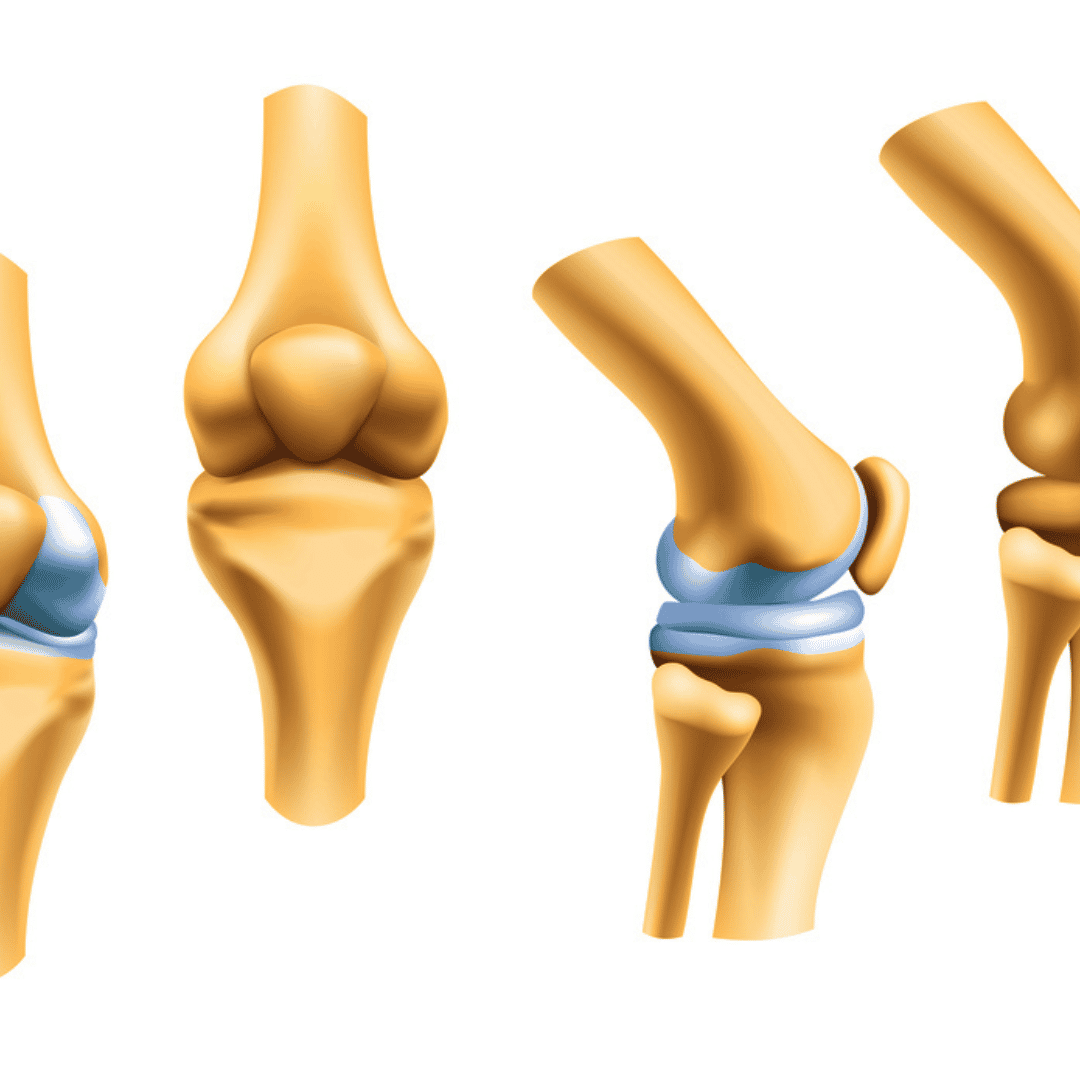
Price starting from $2,500
Orthopedics Regenerative Medicine in Florida Plantation, USA
PlacidWay US Medical Tourism
- Stem Cell Therapy
Denver, United States

Price starting from $8,500
Anti Aging Stem Cell Treatments in Fort Lauderdale, United States by Regenestem
Regenestem Fort Lauderdale, USA
- Stem Cell Therapy
Fort Lauderdale, United States
Transformative Stem Cell Therapy Experiences: Dive into Procedure Insights
Discover the power of Stem Cell Therapy through compelling patient experiences. Uncover detailed insights into procedures, recovery journeys, and life-changing results.

Price starting from $6,000
Best Regenerative Medicine Treatment in USA
- Stem Cell Therapy
United States
.png)
Price starting from $25,000
Regenerative Medicine for Stroke in United States
- Stem Cell Therapy for Stroke, Stem Cell Therapy
United States
.png)
Price starting from $10,500
Regenerative Medicines for Parkinsons Disease in United States
- Stem Cell Treatment for Parkinsons Disease, Stem Cell Therapy
United States
.png)
Price starting from $15,000
Regenerative Medicine for Multiple Sclerosis in United States
- Stem Cell Treatment for Multiple Sclerosis, Stem Cell Therapy
United States







