What treatment


10+ Important FAQs on Medical Treatments in Poland
Questions on Medical Treatments in Poland? Find Answers Here
Trusted Medical Tourism Platform Since 2007
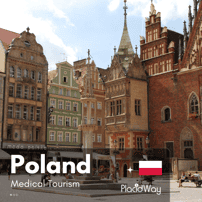
Is Poland a Good Destination for Dental Tourism?
Poland is indeed an excellent destination for dental tourism, offering a compelling combination of high-quality, affordable dental treatments, experienced specialists, and modern clinics. Patients can achieve significant cost savings without compromising on European standards of care, making it a very attractive option for a wide range of dental procedures. Are you considering dental treatment abroad and wondering if Poland is the right choice for you? Many individuals worldwide are now exploring international options to achieve their desired smile, often driven by the high costs of dental care in their home countries. Poland has steadily risen as a leading contender in the dental tourism sector, drawing patients with its impressive blend of advanced medical technology, highly skilled professionals, and significantly more affordable prices. It's a country that offers not just effective dental solutions but also a rich cultural experience. When you think about dental tourism, several crucial factors come to mind: cost-effectiveness, quality of care, safety, and the overall patient experience. Poland excels in these areas, providing a robust healthcare infrastructure that adheres to strict European Union standards. This means you can expect state-of-the-art clinics, dedicated specialists, and a patient-centric approach that ensures both your dental health and comfort are prioritized. Let’s dive deeper into what makes Poland such a compelling destination for those seeking top-tier dental care without the hefty price tag. How much does dental treatment cost in Poland compared to other countries? Dental treatment costs in Poland are significantly lower, often 50-70% less than in Western Europe, the UK, or the USA, making it a highly cost-effective choice for dental tourism. One of the primary drivers for people choosing dental tourism is the potential for substantial savings, and Poland certainly delivers on this front. Patients from countries with high dental expenses, such as the UK, Ireland, Germany, the US, and Scandinavian nations, often find that they can save anywhere from 50% to 70% on treatments in Poland, even when factoring in travel and accommodation costs. This makes complex procedures like dental implants, veneers, and full mouth restorations much more accessible. For example, a single dental implant which might cost €2,000-€4,000 in Western Europe could be found for €800-€1,500 in Poland. Similarly, a set of porcelain veneers could be thousands less. These savings are not due to lower quality but rather lower operating costs, wages, and differing economic structures within the country. The affordability allows patients to undertake comprehensive treatments they might otherwise postpone or simply not be able to afford at home, ultimately leading to better long-term oral health. What is the standard of dental care and technology in Poland? Poland offers a high standard of dental care, utilizing modern technology, advanced equipment, and adhering to strict European Union health and safety regulations, ensuring quality and patient safety. The standard of dental care in Poland is remarkably high, often comparable to or even exceeding that found in many Western countries. Polish dental clinics are equipped with cutting-edge technology, including digital X-rays, 3D imaging (CBCT scans), CAD/CAM systems for same-day crowns, and advanced sterilization protocols. This commitment to modern technology allows for more precise diagnoses, more efficient treatments, and superior outcomes for patients. Furthermore, the Polish healthcare system operates under stringent European Union directives. This means that dental practices must comply with rigorous health and safety standards, material quality regulations, and ethical guidelines. Patients can therefore feel confident that the materials used in their treatments, from implants to fillings, meet international benchmarks, ensuring durability and biocompatibility. Many clinics also boast international accreditations, further solidifying their commitment to excellence. Are Polish dentists well-qualified and experienced for international patients? Yes, Polish dentists are highly qualified, often having trained at reputable European universities and possessing extensive experience, with many specializing in various fields and regularly participating in international training. Polish dentists undergo rigorous academic training, typically graduating from highly respected medical universities known for their comprehensive dentistry programs. This foundational education is often supplemented by ongoing professional development, with many practitioners pursuing specializations in areas like implantology, prosthodontics, endodontics, and aesthetic dentistry. It's common for Polish dentists to attend international conferences, workshops, and training courses, keeping them abreast of the latest techniques and innovations in global dentistry. Many clinics catering to dental tourists actively employ dentists with significant experience in treating international patients. This means they are not only clinically skilled but also attuned to the specific needs and expectations of a diverse patient base. Their expertise, combined with a commitment to continuous learning, ensures that patients receive care from highly competent professionals who can handle a wide range of dental issues, from routine check-ups to complex surgical procedures. Is communication a problem for English-speaking dental tourists in Poland? Communication is generally not a problem for English-speaking dental tourists in Poland, as most clinics catering to international patients have English-speaking staff, including dentists and support teams. For many international travelers, concerns about a language barrier can be a significant deterrent. However, for dental tourism in Poland, this is rarely an issue. Clinics that actively attract international patients are well-prepared to accommodate English speakers. You'll find that dentists, dental assistants, and administrative staff often possess proficient English language skills, allowing for clear and effective communication throughout your treatment process. Many clinics even employ dedicated patient coordinators or translators who can assist with scheduling, understanding treatment plans, and answering any questions you might have. This focus on clear communication ensures that patients feel comfortable, understood, and fully informed about their diagnosis, proposed treatments, and aftercare instructions. It helps build trust and reduces any potential stress associated with receiving medical care in a foreign country. What are the most popular dental treatments sought in Poland? The most popular dental treatments sought in Poland include dental implants, veneers, crowns, bridges, teeth whitening, and full mouth restorations due to their high quality and significant cost savings. Poland's dental tourism sector caters to a wide array of dental needs, but certain treatments are particularly popular due to the substantial cost benefits and high quality. Dental implants are a major draw, offering a durable and aesthetic solution for missing teeth at a fraction of the cost found elsewhere. Patients often opt for single implants, multiple implants, or even full arch restorations like All-on-4 or All-on-6. Other highly sought-after procedures include: Porcelain Veneers and Crowns: For cosmetic improvements, addressing discolored, chipped, or misaligned teeth. Dental Bridges: To replace one or more missing teeth, anchored by natural teeth or implants. Teeth Whitening: Professional bleaching treatments for a brighter smile. Root Canal Treatments: Endodontic procedures to save infected teeth. General Dentistry: Fillings, extractions, and regular check-ups are also commonly performed. The combination of advanced materials, experienced specialists, and competitive pricing makes Poland an ideal destination for both essential restorative work and cosmetic enhancements. Are dental clinics in Poland regulated and safe for international patients? Yes, dental clinics in Poland are regulated by the Polish Ministry of Health and adhere to strict European Union health and safety standards, ensuring a safe environment for international patients. Patient safety is a paramount concern for anyone considering medical treatment abroad, and Poland addresses this with robust regulatory frameworks. All medical facilities, including dental clinics, are subject to oversight by the Polish Ministry of Health and must comply with national laws and regulations governing healthcare provision. Furthermore, as a member of the European Union, Poland’s healthcare system operates within the broader framework of EU health and safety directives, which are among the most stringent globally. Many clinics that actively engage in dental tourism go above and beyond these national requirements, seeking international accreditations or certifications (e.g., ISO standards) that demonstrate their commitment to world-class quality and patient care. They implement rigorous sterilization protocols, use high-quality, traceable materials, and maintain meticulous patient records. This multi-layered approach to regulation and quality assurance provides a strong foundation of safety and trustworthiness for international patients. What are the travel and accommodation logistics for dental tourism in Poland? Travel to Poland for dental tourism is straightforward due to well-connected airports and varied accommodation options, with many clinics offering assistance with planning and transfers. Poland is geographically well-located in Central Europe, making it easily accessible from across the continent and beyond. Major cities like Warsaw, Krakow, Gdansk, and Wroclaw have international airports with numerous direct flights from various European and some North American hubs. Once you arrive, Poland boasts an efficient public transportation network, including trains and buses, making intra-city travel convenient. Accommodation options are plentiful and diverse, ranging from budget-friendly hostels to luxurious hotels, often at prices significantly lower than those in Western European capitals. Many dental clinics that cater to international patients offer comprehensive assistance with travel logistics. This can include: Arranging airport transfers. Recommending or booking nearby hotels at discounted rates. Providing guidance on local transportation and attractions. This support minimizes the stress of planning and allows patients to focus on their treatment and recovery. Can I combine my dental treatment with a tourist visit in Poland? Yes, combining dental treatment with a tourist visit in Poland is highly recommended and common, as the country offers rich cultural heritage, beautiful cities, and picturesque landscapes to explore. One of the significant advantages of choosing Poland for dental tourism is the opportunity to combine your medical trip with an enjoyable holiday. Poland is a country steeped in history and culture, offering a wealth of attractions for visitors. From the charming medieval Old Towns of Krakow and Gdansk to the bustling modernity of Warsaw, there's something to captivate every traveler. Many dental treatment plans allow for downtime between appointments, providing ample opportunity to explore. You could visit historical sites, enjoy local cuisine, relax in thermal baths, or venture into the country's natural beauty, such as the Tatra Mountains. This blend of healthcare and tourism can transform what might otherwise be a purely medical necessity into a memorable and rejuvenating experience, making your journey even more worthwhile. How does Poland address complex dental cases and full mouth reconstructions? Poland excels in addressing complex dental cases and full mouth reconstructions, employing highly skilled specialists, advanced diagnostic tools, and state-of-the-art techniques for comprehensive restorative solutions. For patients requiring extensive dental work, such as full mouth reconstructions or treatment for complex oral health issues, Poland stands out as a highly capable destination. The country's dental clinics are often equipped with multidisciplinary teams, including oral surgeons, prosthodontists, periodontists, and endodontists, who collaborate to create comprehensive and individualized treatment plans. This team approach is crucial for managing intricate cases effectively. Advanced diagnostic tools like 3D computed tomography (CBCT) scans allow for precise planning of implant placement and other surgical procedures. Techniques such as guided surgery, bone grafting, and sinus lifts are routinely performed to ensure optimal outcomes even in challenging anatomical situations. The focus on personalized care, combined with the availability of cutting-edge technology and specialist expertise, means that even the most complex dental needs can be addressed with confidence and success in Poland. Is medical tourism in Poland safe for other health procedures, beyond dentistry? Yes, medical tourism in Poland is generally safe for other health procedures beyond dentistry, as the country upholds high European Union medical standards across its healthcare sector, attracting patients for various specialties. Poland's reputation for quality healthcare extends beyond dentistry to various other medical specialties, making it a reliable destination for broader medical tourism. The Polish healthcare system, as an integral part of the European Union, adheres to strict medical protocols, patient safety guidelines, and quality assurance standards. This commitment to high standards is evident across hospitals and clinics offering a range of treatments. Patients travel to Poland for various procedures, including cosmetic surgery, orthopedic treatments, fertility treatments, and rehabilitation, among others. The same principles that make Polish dentistry attractive—experienced specialists, modern facilities, advanced technology, and competitive pricing—also apply to these other medical fields. This general reliability in medical tourism underscores Poland's capability to provide safe, effective, and high-quality healthcare services across the board. Ready to explore your options for high-quality, affordable dental care or other medical treatments? Visit PlacidWay today to discover tailored solutions for your medical tourism needs....
Read more details

How Much Can I save on Dental Implants in Poland vs the UK?
You can save between 50% to 70% on dental implants in Poland compared to the UK, often translating to thousands of pounds in savings while still receiving high-quality care. The exact amount depends on the number of implants, materials used, and the clinic chosen. Considering dental implants can be a life-changing decision for your oral health and confidence, but the cost in the UK often makes people hesitant. Many are now looking to countries like Poland, a rising star in dental tourism, to find more affordable options without compromising on quality. The appeal is clear: significantly lower prices for advanced dental procedures. If you're wondering how much you can truly save on implants in Poland versus the UK, you're not alone. The financial difference is substantial, often allowing individuals to get the smile they desire for a fraction of what it would cost domestically. This comprehensive guide will explore the cost disparities, treatment quality, logistical considerations, and everything you need to know about getting your dental implants in Poland. We'll delve into the specifics to help you make an informed decision for your dental health journey. How much can I save on dental implants in Poland compared to the UK? "You can typically save anywhere from 50% to 70% on dental implants in Poland when compared to the prices in the UK, often resulting in savings of several thousand pounds for a full treatment plan." The cost difference for dental implants between Poland and the UK is a primary driver for many patients considering treatment abroad. This substantial saving is due to lower operating costs, wages, and overheads for dental clinics in Poland, which are then passed on to the patient. For a single dental implant, the savings can be hundreds of pounds, but for more complex cases involving multiple implants, bone grafts, or full mouth restorations, the total savings can easily reach £5,000 to £15,000 or even more. These savings make otherwise unaffordable treatments accessible. While the initial flight and accommodation costs need to be factored in, these are often negligible when set against the overall cost reduction of the dental procedure itself. Many patients find that even after including travel expenses, the total cost for high-quality dental implants in Poland remains significantly lower than the price for the same treatment in the UK. What is the average cost of a single dental implant in Poland? "A single dental implant in Poland typically costs between £700 and £1,200, including the implant fixture, abutment, and crown, depending on the clinic and brand of implant used." The price for a single dental implant in Poland is considerably more affordable than in the UK, making it an attractive option for many. This range usually covers the entire process for one implant: the surgical placement of the titanium screw (the implant itself), the abutment (connector), and the custom-made crown (the visible tooth part). Some clinics might quote prices that exclude certain components or include additional services, so it's always important to clarify what is encompassed in the quoted price. Variations in cost can depend on several factors: Implant Brand: Premium implant brands from Switzerland, Germany, or the USA might be slightly more expensive than equally high-quality but lesser-known brands. Clinic Location and Reputation: Clinics in major cities or those with a long-standing international reputation might have slightly higher prices. Associated Procedures: If you require additional procedures like a bone graft, sinus lift, or tooth extraction before the implant placement, these will incur extra costs. It's essential to get a detailed treatment plan and quote from your chosen Polish clinic to understand the full expenditure. What are the typical costs for dental implants in the UK? "In the UK, the typical cost for a single dental implant can range from £2,000 to £3,500, often excluding additional procedures like bone grafting or the final crown, which can add significant expense." The cost of dental implants in the UK reflects higher operational expenses for dental practices, including staff wages, property rents, and the general cost of living. This often puts the procedure out of reach for many individuals, especially when multiple implants are needed. The prices vary across different regions of the UK, with clinics in London and the South East often charging at the higher end of the spectrum. When comparing UK prices to those in Poland, it becomes clear why so many consider dental tourism. The quoted price in the UK often refers only to the implant placement itself, with the abutment and crown being separate costs, sometimes adding hundreds or even over a thousand pounds to the final bill. Additional treatments like bone grafts or gum regeneration, if required, further escalate the overall cost. Here's a comparison table of average costs: Procedure Average Cost in Poland (GBP) Average Cost in UK (GBP) Single Dental Implant (Implant, Abutment, Crown) £700 - £1,200 £2,000 - £3,500 Bone Grafting (per site) £200 - £500 £400 - £1,000 Sinus Lift £400 - £800 £800 - £1,500 All-on-4 Dental Implants £4,000 - £8,000 (per arch) £10,000 - £20,000 (per arch) What factors influence the total cost of dental implants? "The total cost of dental implants in Poland is influenced by the number of implants needed, the type of materials used, any prerequisite procedures like bone grafts, the chosen clinic's location and reputation, and whether the quote includes all components (implant, abutment, crown)." Understanding the factors that contribute to the overall cost of dental implants is crucial for accurate budgeting. It's rarely just the price of the implant itself; a complete treatment plan often involves several stages and components. Being aware of these elements helps in scrutinizing quotes and preventing unexpected expenses. Key factors include: Number of Implants: This is the most obvious factor. One implant is cheaper than two, and a full mouth restoration using techniques like All-on-4 or All-on-6 will naturally be more expensive. Additional Procedures: Many patients require preparatory work. This can include tooth extractions, bone grafting (if there isn't enough jawbone to support the implant), or a sinus lift (for upper jaw implants). These procedures significantly add to the overall cost and treatment time. Implant Material and Brand: While most implants are titanium, there are various brands, some considered premium, which can affect the price. The type of crown (porcelain-fused-to-metal, zirconia, E-max) also impacts the final cost and aesthetic outcome. Clinic Location and Expertise: Clinics in prime city locations or those renowned for their specialist implant surgeons may charge more. However, this often correlates with higher levels of experience and advanced technology. Diagnostic Imaging: Initial consultations typically involve X-rays and sometimes a 3D CT scan, which are essential for precise planning and generally included in the overall package or charged separately. Is the quality of dental implant treatment in Poland as good as in the UK? "Yes, the quality of dental implant treatment in Poland is often comparable to, and in many cases, on par with the high standards found in the UK, with many clinics boasting modern technology, highly trained dentists, and adherence to European dental guidelines." Poland has invested heavily in its healthcare infrastructure, particularly in dental tourism, resulting in state-of-the-art clinics. Many Polish dentists receive international training, often from reputable institutions across Europe and the US, and continuously update their skills. They work with the same high-quality implant systems and materials used by top clinics in the UK, including globally recognized brands. Furthermore, Polish dental clinics that cater to international patients often adhere to rigorous quality and hygiene standards, some even holding international accreditations. They prioritize patient safety and satisfaction, understanding that their reputation relies on delivering excellent results. The lower costs do not reflect a compromise in quality but rather the economic advantages of operating in Poland. What should I look for when choosing a dental clinic for implants in Poland? "When choosing a dental clinic for implants in Poland, prioritize clinics with clear accreditation, experienced implantologists, transparent pricing, advanced technology, positive patient reviews, and excellent communication in English." Selecting the right clinic is paramount to a successful dental implant journey abroad. Thorough research and asking the right questions can help you distinguish between good clinics and exceptional ones. Look beyond just the price and consider the overall value and trustworthiness of the provider. Here's a checklist of what to look for: Accreditations and Certifications: Check if the clinic has any national or international accreditations, which signal adherence to high standards. Dentist's Experience and Qualifications: Inquire about the implantologist's experience, their specialization, and how many implant procedures they perform annually. Look for dentists with postgraduate qualifications in implantology. Technology and Equipment: Modern clinics should utilize advanced diagnostic tools like 3D CT scanners, digital X-rays, and CAD/CAM technology for precise treatment planning and crown fabrication. Transparent Pricing: Ensure the clinic provides a detailed, all-inclusive quote without hidden costs. It should clearly outline what's included in each stage of treatment. Patient Testimonials and Before/After Photos: Reviews from previous international patients can offer insights into their experiences. Before and after photos can showcase the clinic's quality of work. Language Proficiency: Confirm that the dental staff, especially the lead dentist and patient coordinators, can communicate fluently in English to avoid misunderstandings. Aftercare and Guarantees: Understand the clinic's policy on aftercare, follow-up appointments, and any guarantees offered on the implants or crowns. What are the common benefits of choosing Poland for dental tourism? "Choosing Poland for dental tourism offers significant cost savings, access to high-quality dental care and modern technology, experienced dentists, shorter waiting lists, and the opportunity to combine treatment with a pleasant travel experience." Poland has firmly established itself as a leading destination for dental tourism, attracting thousands of patients from the UK and other Western European countries annually. The benefits extend far beyond just the financial savings, making it an appealing option for comprehensive dental work. The advantages include: Significant Cost Reductions: As discussed, this is the primary draw, allowing access to treatments that might be financially prohibitive at home. High Standard of Care: Polish clinics are often equipped with the latest dental technology and staffed by highly qualified dentists who are proficient in advanced procedures like dental implants. No Waiting Lists: Unlike some public healthcare systems or busy private practices in the UK, Polish clinics catering to international patients typically have much shorter waiting times for consultations and treatment. This means you can often start your treatment plan sooner. Experienced Professionals: Many Polish dentists have extensive experience with complex cases and regularly treat international patients, making them adept at managing the unique needs of dental tourists. Modern Facilities: Clinics are often new or recently renovated, boasting contemporary design and comfortable environments, comparable to top private clinics anywhere in Europe. Travel Opportunity: Patients can combine their dental treatment with a holiday or city break, exploring Poland's rich history, culture, and beautiful cities like Krakow, Warsaw, or Gdansk. The cost of accommodation and dining in Poland is also considerably lower than in the UK, enhancing the overall value. What are the potential risks and important considerations when getting dental implants abroad? "Key considerations for getting dental implants abroad include ensuring the clinic's quality, understanding aftercare logistics, potential language barriers, travel costs, and knowing your patient rights for follow-up care or complications." While the benefits of dental tourism to Poland are substantial, it's crucial to be aware of potential risks and considerations to ensure a smooth and successful experience. Planning meticulously can mitigate most of these concerns. Important considerations include: Aftercare and Follow-up: Dental implants require follow-up appointments and ongoing maintenance. Consider how you will manage these if your dentist is in another country. Some clinics offer partnerships with local dentists or provide clear guidance for your UK dentist. Communication: While many clinics have English-speaking staff, ensure critical medical discussions are fully understood. Misunderstandings can lead to errors or dissatisfaction. Travel and Accommodation Logistics: Plan your trips carefully, factoring in travel time, accommodation, and potential multiple visits required for the implant process. Unexpected delays or costs can arise. Emergency Care: Understand the clinic's policy and support for any immediate post-operative complications, either during your stay or after returning home. Legal Recourse: While rare with reputable clinics, if a complication arises and you are unhappy with the outcome, legal recourse can be more complex when dealing with a foreign healthcare provider compared to a domestic one. Pre-existing Health Conditions: Ensure you fully disclose your medical history to the Polish clinic. Certain conditions or medications can affect implant success rates. Thorough research and choosing a reputable, communicative clinic can significantly reduce these potential risks. How long does a typical dental implant procedure take, including necessary travel to Poland? "A typical dental implant procedure involves at least two visits to Poland. The first visit for implant placement lasts 3-7 days, followed by a healing period of 3-6 months, and then a second visit of 3-7 days for crown placement." The dental implant process is generally not a single-day procedure; it requires time for osseointegration (where the implant fuses with the jawbone). This means patients typically need to make at least two trips to Poland, separated by a healing period. Here’s a breakdown of the typical timeline: First Visit (Implant Placement): Duration: 3 to 7 days. Activities: Initial consultation, X-rays/CT scans, treatment planning, tooth extraction (if needed), bone grafting (if needed), and the surgical placement of the dental implant(s). Travel: Patients usually fly to Poland, spend a few days for the procedure and initial recovery, then fly back home. Healing Period (Osseointegration): Duration: 3 to 6 months. Activities: The implant integrates with the jawbone during this time. Temporary prosthetics might be provided. At Home: This phase takes place in your home country. Second Visit (Crown Placement): Duration: 3 to 7 days. Activities: Once healing is complete, the abutment is attached, and impressions are taken for the final crown. The custom-made crown is then fitted and secured. Travel: Another trip to Poland is required to complete the prosthetic phase of the treatment. More complex cases, such as those requiring extensive bone grafting, might extend these timelines or necessitate an additional brief visit. Clinics usually provide a detailed schedule during your initial consultation. How does medical tourism ensure patient safety and quality of care for procedures like dental implants? "Reputable medical tourism providers and clinics ensure patient safety and quality by adhering to international standards, employing accredited specialists, using advanced technology, offering transparent communication, and providing comprehensive support throughout the patient's journey." Medical tourism, including dental implants in Poland, relies on a framework of quality assurances to protect patients. While the individual patient holds responsibility for their research, the industry itself has developed mechanisms to uphold safety and care standards. Key elements that contribute to patient safety and quality of care in medical tourism include: International Accreditations: Many top clinics serving international patients pursue accreditations from bodies like Joint Commission International (JCI), which signify adherence to stringent global healthcare standards. Even without JCI, many follow ISO standards for quality management. Regulatory Oversight: Countries like Poland have national regulatory bodies that oversee medical practices. Dental clinics are subject to inspections and licensing requirements, ensuring a baseline level of safety and competence. Specialist Training and Experience: Dentists specializing in implants often have extensive training from European and international universities and regularly attend conferences to stay updated on the latest techniques and technologies. Advanced Technology: Leading dental tourism clinics invest in the same cutting-edge equipment found in top Western clinics, including 3D imaging, digital planning software, and sophisticated sterilization protocols. Transparent Communication and Informed Consent: Ethical clinics ensure patients receive detailed treatment plans, understand all costs, and give informed consent. This includes discussing potential risks and alternative treatments clearly. Dedicated Patient Coordinators: Many clinics employ multilingual patient coordinators who assist international patients with travel arrangements, appointments, translation, and any concerns, providing a crucial layer of support and communication. Emphasis on Hygiene and Sterilization: Strict adherence to European Union health and safety directives ensures high levels of hygiene and sterilization in operating environments, minimizing infection risks. Consider exploring PlacidWay if you're looking for solutions related to medical tourism, healthcare services, or other relevant offerings. They can help connect you with reputable clinics and guide you through your medical journey....
Read more details
What Is the Average Cost of Minimally Invasive Spine Surgery in Jelenia Gora, Poland?
The average cost of minimally invasive spine surgery in Jelenia Gora, Poland, typically ranges from €5,000 to €12,000, varying based on the specific procedure and clinic. This makes it an attractive option for those seeking high-quality, affordable spinal care in Europe. Welcome to our detailed guide on the cost of minimally invasive spine surgery in Jelenia Gora, Poland. If you're exploring options for spinal care, understanding the financial aspect is often a primary concern. Many people are looking for effective treatments that don't break the bank, and Poland has emerged as a promising destination for high-quality medical procedures, including advanced spine surgeries. Jelenia Gora, a charming city in southwestern Poland, is increasingly recognized for its modern medical facilities and skilled specialists. When considering minimally invasive spine surgery, it's natural to wonder about the average cost and what that price includes. This blog post aims to answer all your pressing questions, providing clear, concise information to help you make informed decisions about your spinal health journey. What is the average cost of minimally invasive spine surgery in Jelenia Gora, Poland? The average cost of minimally invasive spine surgery in Jelenia Gora, Poland, generally falls between €5,000 and €12,000. This price range depends on the complexity of the procedure, the specific type of surgery, and the chosen medical facility. Navigating the costs of spinal surgery can feel overwhelming, but in Jelenia Gora, Poland, patients often find a much more accessible price point without compromising on quality. The estimated range of €5,000 to €12,000 for minimally invasive spine surgery is a significant draw for many international patients. This cost is a broad average, and the final price will always be tailored to your individual needs. Factors such as the precise diagnosis, the specific minimally invasive technique required, and the duration of your hospital stay will all play a role in determining the total expenditure. Many clinics in Jelenia Gora are transparent about their pricing, providing detailed quotes after an initial consultation, which often includes a review of your medical records and imaging. What factors influence the cost of minimally invasive spine surgery in Jelenia Gora? Key factors influencing the cost of minimally invasive spine surgery in Jelenia Gora include the specific surgical technique required, the severity of the spinal condition, the duration of hospital stay, and any necessary post-operative rehabilitation. Understanding the components that contribute to the overall cost of minimally invasive spine surgery is crucial for budgeting. Several variables come into play: Type of Surgery: Different minimally invasive procedures, such as microdiscectomy, laminectomy, or fusion, have varying levels of complexity and require different resources, directly impacting the cost. Severity of Condition: A more complex or advanced spinal condition might necessitate a longer operative time, specialized equipment, or additional procedures, thus increasing the price. Hospital Stay: The number of days you need to stay in the hospital post-surgery contributes significantly to the total cost. Minimally invasive procedures often result in shorter stays, which can help keep costs down. Surgeon's Fees: The experience and reputation of the spinal surgeon can influence their professional fees. Highly skilled surgeons, while potentially more expensive, often offer better outcomes. Anesthesia Fees: The type of anesthesia used and the duration of the procedure will affect the anesthesiologist's fees. Implants and Materials: If the surgery requires spinal implants, such as screws, rods, or cages, their type and quantity will add to the cost. Pre- and Post-Operative Care: This includes diagnostic tests (MRI, X-rays), consultations, medications, and any immediate physical therapy or rehabilitation sessions. It's always recommended to get a detailed breakdown of costs from your chosen clinic to avoid any surprises. How does the cost of spine surgery in Jelenia Gora compare to other European countries? The cost of minimally invasive spine surgery in Jelenia Gora, Poland, is significantly lower compared to Western European countries like Germany or the UK, offering substantial savings while maintaining high medical standards. Poland has become a leading destination for medical tourism, particularly for specialized procedures like spine surgery, largely due to its competitive pricing. When you compare the cost of minimally invasive spine surgery in Jelenia Gora to that in countries like Germany, France, or the United Kingdom, the difference is striking. For example, a similar minimally invasive spine procedure that might cost €15,000 to €30,000 or more in Western Europe could be found within the €5,000 to €12,000 range in Jelenia Gora. The economic advantages extend beyond just the surgery fee, often including lower costs for accommodation, travel, and post-operative care. Despite the lower prices, Polish medical facilities uphold high European standards of care, utilizing advanced technology and employing highly trained medical professionals, making it an attractive value proposition for international patients. What types of minimally invasive spine surgeries are available in Jelenia Gora? Jelenia Gora offers various minimally invasive spine surgeries, including microdiscectomy, endoscopic spine surgery, minimally invasive laminectomy, and certain types of minimally invasive spinal fusion, addressing conditions like herniated discs and spinal stenosis. Modern spinal care in Jelenia Gora embraces a range of minimally invasive techniques designed to treat various conditions with less trauma to surrounding tissues. These procedures typically involve smaller incisions, leading to quicker recovery times and reduced pain. Common minimally invasive spine surgeries available include: Microdiscectomy: This procedure is frequently performed to remove a herniated disc fragment that is pressing on a spinal nerve, often causing sciatica. It uses a small incision and a microscope for precision. Endoscopic Spine Surgery: Utilizing a tiny camera and specialized instruments inserted through a small tube, this technique allows surgeons to treat conditions like herniated discs, spinal stenosis, and nerve impingement with minimal disruption. Minimally Invasive Laminectomy/Laminotomy: These procedures involve removing a small portion of the lamina (part of the vertebra) to relieve pressure on the spinal cord or nerves, often due to spinal stenosis. Minimally Invasive Spinal Fusion: For conditions causing spinal instability, fusion involves joining two or more vertebrae. Minimally invasive techniques aim to achieve this with smaller incisions and less muscle damage than traditional open surgery. These advanced techniques address a spectrum of spinal issues, from degenerative disc disease to spinal deformities, offering patients effective solutions with improved post-operative experiences. Is Jelenia Gora, Poland, a good destination for medical tourism for spine surgery? Yes, Jelenia Gora, Poland, is considered a good destination for medical tourism for spine surgery due to its combination of experienced medical professionals, modern facilities, lower costs, and appealing tourist environment. Jelenia Gora, like many other Polish cities, has steadily built a reputation as a reliable and attractive destination for medical tourism, especially for specialized procedures such as minimally invasive spine surgery. Several factors contribute to its appeal: High Standards of Care: Polish hospitals and clinics adhere to European medical standards, often featuring state-of-the-art equipment and technologies comparable to those in Western countries. Experienced Specialists: Many Polish spinal surgeons have trained internationally and possess extensive experience in advanced surgical techniques, including minimally invasive approaches. Cost-Effectiveness: As discussed, the costs for procedures and associated medical services are significantly lower than in many Western nations, providing excellent value for money. Accessibility: Poland is easily accessible from across Europe and beyond, with good transportation links. Post-Operative Environment: Beyond the medical care, Jelenia Gora itself offers a serene and picturesque environment conducive to recovery, with beautiful landscapes and a relaxed atmosphere. These elements combine to make Jelenia Gora a strong contender for international patients seeking quality and affordable spine surgery. What is included in the quoted price for minimally invasive spine surgery in Jelenia Gora? A typical quoted price for minimally invasive spine surgery in Jelenia Gora usually includes the surgeon's fees, anesthesia, hospital stay, operating room charges, and sometimes initial post-operative consultations. When you receive a quote for minimally invasive spine surgery in Jelenia Gora, it's essential to understand exactly what services are covered. While inclusions can vary between clinics, a comprehensive package generally encompasses the core medical expenses directly related to the surgery. Typically, the quoted price will cover the professional fees for the lead surgeon and assisting medical staff, the cost of anesthesia administered during the procedure, operating room charges, and the standard duration of your hospital stay post-surgery. Initial follow-up consultations with the surgeon before you return home may also be included. However, it's crucial to clarify what is *not* included. This might involve pre-operative diagnostic tests (if not already performed), extended rehabilitation or physical therapy sessions, medications for long-term use, flights, accommodation for accompanying family, and other personal expenses. Always request a detailed, itemized breakdown of costs from the clinic to ensure full transparency and avoid unexpected charges. What are the benefits of choosing minimally invasive spine surgery? Minimally invasive spine surgery offers benefits such as smaller incisions, reduced blood loss, less post-operative pain, shorter hospital stays, and faster recovery times compared to traditional open spine surgery. Minimally invasive spine surgery (MIS) has revolutionized how spinal conditions are treated, offering significant advantages over traditional open surgical methods. These benefits are a major reason why patients and surgeons increasingly opt for MIS techniques: Smaller Incisions: Instead of a large incision, MIS procedures use one or more small incisions, which means less trauma to the skin and underlying tissues. Reduced Blood Loss: The smaller surgical field and precise instrumentation lead to significantly less blood loss during the procedure. Less Post-Operative Pain: With less muscle damage and tissue disruption, patients typically experience less pain after MIS, often requiring fewer strong pain medications. Shorter Hospital Stays: Many MIS patients can return home much sooner than those undergoing open surgery, sometimes even on the same day for certain procedures. Faster Recovery Times: Reduced tissue trauma translates to a quicker healing process, allowing patients to return to their normal activities sooner. Lower Risk of Infection: Smaller incisions expose less tissue to the external environment, potentially reducing the risk of surgical site infections. These combined benefits enhance patient comfort, reduce recovery burdens, and often lead to better overall outcomes. How long is the typical recovery period after minimally invasive spine surgery? The typical recovery period after minimally invasive spine surgery varies but generally involves a few days in the hospital, followed by several weeks to a few months for full return to normal activities, depending on the surgery type and individual healing. While minimally invasive spine surgery boasts faster recovery times compared to traditional open surgery, it's important to have realistic expectations about the healing process. The exact duration of recovery is highly individual and depends on several factors: Type of Surgery: A microdiscectomy might have a shorter recovery than a minimally invasive fusion. Overall Health: Your general health, age, and lifestyle choices can influence how quickly you heal. Adherence to Post-Op Instructions: Following your surgeon's advice regarding activity restrictions, wound care, and medication is crucial for optimal recovery. Physical Therapy: Many patients benefit from a tailored physical therapy program to regain strength, flexibility, and proper movement patterns. This often starts a few weeks post-surgery and can continue for several months. Typically, patients might spend 1-3 days in the hospital. Light activities can usually be resumed within a couple of weeks, while a full return to more strenuous activities, including sports or heavy lifting, could take anywhere from 6 weeks to 3-6 months. Your surgical team will provide a personalized recovery plan tailored to your specific procedure and needs. Are the medical facilities in Jelenia Gora well-equipped for spine surgery? Medical facilities in Jelenia Gora specializing in spine surgery are generally well-equipped with modern technology and surgical tools, meeting international standards for patient care and safety. Patients considering minimally invasive spine surgery in Jelenia Gora can feel confident about the quality of medical facilities available. Poland has invested significantly in its healthcare infrastructure, with many hospitals and private clinics now featuring state-of-the-art technology and modern surgical suites. These facilities are often equipped with advanced imaging systems like MRI and CT scanners, high-definition endoscopic equipment, specialized operating microscopes, and sophisticated navigation systems crucial for precision in minimally invasive spine procedures. Furthermore, they maintain strict adherence to European Union healthcare standards, ensuring high levels of patient safety, hygiene, and quality of care. The medical teams, including surgeons, anesthesiologists, and nursing staff, are typically highly trained and experienced in using this advanced equipment, contributing to successful surgical outcomes. What should international patients consider when planning spine surgery in Poland? International patients considering spine surgery in Poland should research clinics, confirm surgeon qualifications, understand visa requirements, plan for accommodation and travel, and clarify all costs and post-operative care arrangements. Planning medical travel requires careful consideration and thorough preparation, especially for a significant procedure like spine surgery. For international patients looking at Jelenia Gora, Poland, here are key considerations: Clinic and Surgeon Research: Investigate potential clinics and the specific surgeons who would perform your procedure. Look for accreditation, patient testimonials, and surgeon's experience in minimally invasive spine surgery. Medical Records and Consultation: Be prepared to send your comprehensive medical history, including MRI or CT scans, for a remote consultation. This allows the medical team to assess your case and propose a suitable treatment plan. Visa and Travel Requirements: Check if you need a visa to enter Poland and ensure your passport is valid. Plan your flights and local transportation in Jelenia Gora. Accommodation: Arrange accommodation for yourself and any accompanying family members, considering proximity to the hospital or rehabilitation center. Language Barrier: While many medical professionals speak English, having access to translation services, if needed, can be helpful for non-medical interactions. Cost Clarity: Get a detailed, written quote that clearly outlines all inclusions and exclusions. Understand payment terms and currency exchange rates. Post-Operative Care Plan: Discuss the recovery plan, including follow-up appointments, physical therapy, and any specific instructions for when you return home. Ensure you have clear guidance for post-operative care in your home country. Travel Insurance: Consider comprehensive travel insurance that covers medical emergencies and potential travel disruptions. Thorough planning ensures a smoother and less stressful medical travel experience. Considering minimally invasive spine surgery? Explore your options and connect with trusted healthcare providers through PlacidWay. We help you navigate the best global medical solutions for your needs....
Read more detailsDiscover your treatment options with a free, no-obligation quote!
Get your quote now!
Are There All-Inclusive Medical Tourism Packages for Hip Replacement in Jelenia Gora, Poland?
Yes, all-inclusive medical tourism packages for hip replacement are available in Jelenia Gora. These packages simplify the process for international patients by covering surgery, hospital stay, rehabilitation, and accommodation. Considering hip replacement surgery can be a significant decision, often accompanied by concerns about costs, quality of care, and logistical planning. For many, seeking treatment abroad through medical tourism has become a popular and practical solution. Jelenia Gora, a picturesque city in Poland, has emerged as an attractive destination, particularly for orthopedic procedures like hip replacement. People often wonder if they can find comprehensive, all-inclusive packages that streamline the entire process, making it easier to manage the journey and recovery. The good news is that facilities in Jelenia Gora frequently offer such packages, designed to provide a seamless experience from arrival to departure. This approach helps patients focus on their recovery without the added stress of coordinating every detail themselves, addressing common concerns about navigating a foreign healthcare system and ensuring a comfortable, efficient medical journey. Are there all-inclusive medical tourism packages for hip replacement in Jelenia Gora? Yes, many clinics and medical tourism facilitators in Jelenia Gora offer all-inclusive packages for hip replacement surgery, covering medical procedures, hospital stay, initial rehabilitation, accommodation, and often local transportation. Jelenia Gora is a recognized hub within the broader Polish medical tourism landscape, particularly for specialized orthopedic care. Medical facilities and private clinics there, often in collaboration with medical tourism agencies, have developed structured packages specifically for international patients seeking hip replacement surgery. These packages are designed to reduce the organizational burden on patients, providing a comprehensive solution that covers most, if not all, aspects of their medical trip. The concept of "all-inclusive" in this context means that various services are bundled together under a single price, simplifying financial planning and logistics. This typically includes the core surgical procedure itself, necessary pre-operative tests, the hospital stay, and essential post-operative care, including initial rehabilitation. Beyond the medical aspects, these packages frequently extend to practical considerations like accommodation in nearby hotels or recovery facilities, and sometimes even airport transfers or local transport. What does an "all-inclusive" hip replacement package in Jelenia Gora typically include? An all-inclusive hip replacement package in Jelenia Gora usually covers the surgical procedure, hospital stay, anesthesia, medical consultations, initial rehabilitation, post-operative care, and often accommodation and local transport. Understanding the exact components of an all-inclusive package is crucial for patients planning their hip replacement surgery. While specific offerings can vary between providers, a standard package generally encompasses the following: Surgical Costs: This covers the surgeon's fees, anesthesiologist's fees, operating room charges, and the cost of the prosthetic hip implant (which can vary based on type and material). Hospital Stay: Typically includes the duration of your stay in the hospital, nursing care, meals, and any required medication during your inpatient period. Pre-operative Diagnostics: Essential tests such as blood work, X-rays, ECG, and consultations with specialists to ensure you are fit for surgery. Post-operative Care: Initial follow-up appointments with the surgeon and medical team, along with necessary pain management. Initial Rehabilitation: Guided physiotherapy sessions during your hospital stay and often immediately after discharge, crucial for early mobilization and recovery. Accommodation: A stay in a partnered hotel or dedicated recovery facility for a specified number of nights, often close to the clinic. Transportation: Often includes airport pick-up and drop-off, and sometimes transfers between your accommodation and the medical facility for appointments. Patient Support: Access to a patient coordinator who can assist with language translation, scheduling, and general inquiries throughout your stay. These comprehensive packages aim to provide peace of mind, allowing you to focus entirely on your health and recovery without worrying about logistical details. What is the typical cost range for hip replacement in Jelenia Gora with an all-inclusive package? The typical cost range for an all-inclusive hip replacement package in Jelenia Gora is generally between €7,000 to €12,000, which is significantly lower than in many Western European or North American countries. One of the primary drivers for medical tourism, including hip replacement, is the substantial cost savings available in destinations like Jelenia Gora. The pricing for an all-inclusive package in this region is notably more affordable compared to countries such as the United States, Canada, or even Western European nations, where the same procedure can cost upwards of €25,000 to €50,000 or more. The final cost within the €7,000 to €12,000 range can be influenced by several factors: Factor Impact on Cost Type of Implant More advanced or specialized implants (e.g., ceramic-on-ceramic) may increase the cost. Duration of Stay Longer hospital or rehabilitation facility stays will affect the overall package price. Extent of Rehabilitation More intensive or extended physiotherapy programs can lead to higher costs. Clinic Reputation & Services Highly specialized clinics with additional amenities or advanced technology might have slightly higher rates. Despite these variations, the value proposition remains strong, as these packages typically combine high-quality medical care with substantial savings, making Jelenia Gora an attractive option for those seeking affordable hip replacement solutions. How long should I plan to stay in Jelenia Gora for hip replacement and recovery? For a hip replacement in Jelenia Gora, patients should typically plan for a stay of 2 to 4 weeks, including the surgery, initial hospital recovery, and crucial early rehabilitation. The total length of your stay in Jelenia Gora for a hip replacement procedure is a key planning consideration. While the actual surgery takes only a few hours, the recovery process requires a dedicated period of hospital care and initial rehabilitation. Most patients can expect to be in the hospital for approximately 5 to 7 days immediately following their surgery. During this time, medical staff monitor your condition, manage pain, and initiate early mobilization exercises under the guidance of physiotherapists. After discharge from the hospital, it is highly recommended to remain in Jelenia Gora for an additional 1 to 3 weeks for intensive outpatient or inpatient rehabilitation. This extended period allows for focused physical therapy, strengthening exercises, and gait training in a controlled environment. Staying for this crucial phase significantly contributes to a better short-term recovery and helps solidify the gains made in mobility and independence before returning home. Planning for a total stay of 2 to 4 weeks ensures you receive adequate care and support during the most critical period of your post-operative recovery. What are the benefits of choosing Jelenia Gora for hip replacement medical tourism? Jelenia Gora offers cost-effective hip replacement surgery, high-quality medical standards, experienced surgeons, modern facilities, and a picturesque environment conducive to recovery, making it an attractive medical tourism destination. Choosing Jelenia Gora for hip replacement medical tourism provides a blend of practical advantages and conducive environmental factors: Significant Cost Savings: As highlighted, the cost of hip replacement, even with all-inclusive packages, is considerably lower than in many Western countries, making it an accessible option for those without comprehensive insurance or facing high deductibles. High Standard of Medical Care: Polish medical facilities, particularly those catering to international patients, adhere to European Union healthcare standards. Clinics often boast modern equipment, advanced surgical techniques, and well-trained medical staff, ensuring quality and safety. Experienced Surgeons: Many orthopedic surgeons in Jelenia Gora have extensive experience in hip replacement procedures, often having trained internationally or participated in global conferences, bringing a wealth of expertise to their practice. Modern Facilities: Medical centers are often equipped with state-of-the-art operating theaters, diagnostic tools, and comfortable recovery rooms designed to enhance patient experience and outcomes. Conducive Recovery Environment: Jelenia Gora is nestled in the beautiful Karkonosze Mountains, offering a tranquil and scenic setting. This peaceful environment can contribute positively to a patient's mental well-being and recovery process, away from the stresses of daily life. Accessibility: Poland is well-connected to other European countries by air and road, making travel relatively straightforward for international patients. How do I choose a reputable clinic or hospital for hip replacement in Jelenia Gora? To choose a reputable clinic for hip replacement in Jelenia Gora, look for international accreditations, surgeon qualifications and experience, patient testimonials, transparent pricing, and comprehensive post-operative care options. Selecting the right medical facility is perhaps the most critical step in planning your hip replacement abroad. Here's a guide to help you make an informed decision: Accreditation and Certification: Look for clinics that hold international accreditations (e.g., ISO, JCI) or are certified by recognized national medical bodies. These signify adherence to high standards of patient care and safety. Surgeon's Credentials and Experience: Inquire about the orthopedic surgeon's qualifications, including their specialization in hip replacement, years of experience, number of procedures performed, and any international training or affiliations. Patient Testimonials and Reviews: Seek out reviews from previous international patients. Websites, forums, and medical tourism platforms often feature genuine feedback that can provide insight into patient experiences. Transparency in Pricing: Ensure the clinic provides a detailed breakdown of costs within the all-inclusive package, clarifying what is and is not included to avoid hidden fees. Communication Support: Confirm that the clinic offers English-speaking staff or dedicated interpreters to ensure clear communication throughout your treatment journey. Facilities and Technology: Research the modernity of the clinic's equipment, operating rooms, and rehabilitation facilities. Advanced technology often correlates with better outcomes. Post-operative Care and Follow-up: Understand the extent of post-operative support provided both during your stay and any potential remote follow-up options once you return home. What kind of rehabilitation is included in hip replacement packages? Hip replacement packages in Jelenia Gora often include initial post-operative rehabilitation, encompassing physiotherapy sessions, pain management, and mobility exercises to facilitate early recovery and independence. Rehabilitation is a cornerstone of a successful hip replacement outcome. All-inclusive packages for hip replacement in Jelenia Gora typically integrate a structured rehabilitation program, especially for the initial critical weeks. This usually begins within 24-48 hours after surgery, even while you are still in the hospital. The in-hospital rehabilitation focuses on: Early Mobilization: Gentle exercises to get you moving out of bed and walking with assistance. Pain Management: Strategies and medication to keep discomfort at bay, allowing for effective participation in therapy. Basic Range of Motion Exercises: To prevent stiffness and restore initial flexibility to the new hip joint. Educating on Precautions: Teaching you how to safely move, sit, and lie down to protect your new hip. After hospital discharge, the package often includes continued physiotherapy sessions at an outpatient clinic or a dedicated rehabilitation center for an additional week or two. This phase deepens the rehabilitation efforts, focusing on strengthening surrounding muscles, improving balance, increasing the range of motion, and progressing towards independent walking. The goal is to equip you with the necessary strength and techniques for ongoing recovery when you return home. Is it safe to travel for hip replacement surgery abroad? Traveling abroad for hip replacement surgery can be safe when choosing accredited facilities, experienced surgeons, and ensuring thorough pre-travel medical evaluations and comprehensive post-operative care plans. The safety of medical travel for hip replacement is a common and valid concern. When properly planned and executed, traveling abroad for surgery can be very safe. The key lies in diligent research and careful selection of providers. Countries like Poland, part of the European Union, adhere to strict medical guidelines and often have highly skilled specialists. To ensure safety, consider these aspects: Provider Vetting: As discussed, choose clinics with international accreditations and verifiable surgeon credentials. Pre-travel Medical Evaluation: Have a thorough evaluation with your local doctor before traveling to confirm you are a suitable candidate for surgery and travel. Communication: Ensure language barriers won't hinder critical medical discussions or instructions. Travel Insurance: Invest in comprehensive travel insurance that covers medical emergencies and potential complications abroad. Post-operative Plan: Have a clear understanding of your post-operative care plan both in Jelenia Gora and upon your return home. While all surgeries carry inherent risks, these are generally not amplified by the location of the surgery itself, provided the facility and practitioners meet high standards. The additional risks are typically related to travel logistics and the continuity of care, which can be mitigated with careful planning. What should I consider before booking a medical tourism package for hip replacement? Before booking a hip replacement medical tourism package, consider the total cost, what's included and excluded, surgeon's experience, clinic's accreditation, visa requirements, travel insurance, and follow-up care plans upon returning home. Booking a medical tourism package for hip replacement requires careful consideration of various practical and medical factors to ensure a smooth and successful experience. Thinking through these points beforehand can prevent unexpected issues: Total Cost and Inclusions/Exclusions: Get a detailed quote that clearly outlines everything covered by the "all-inclusive" package. Inquire about potential extra costs for unforeseen circumstances, extended stays, or additional therapies. Surgeon's Experience and Specialization: Confirm the surgeon's track record with hip replacement surgeries. Ask about their success rates and complication rates. Clinic's Reputation and Accreditation: Verify the clinic's credentials, international standards, and patient reviews. Visa and Travel Requirements: Check if you need a visa for Poland and understand any specific travel advisories or health requirements for entry. Travel and Medical Insurance: Ensure you have adequate insurance that covers both travel disruptions and potential medical complications abroad. Pre-operative Preparations: Understand what tests or preparations you need to complete before you travel. Communication: Confirm how communication will be handled, especially regarding medical instructions and your needs, if there's a language barrier. Post-operative Follow-up at Home: Plan how you will manage follow-up care, physical therapy, and medication management once you return to your home country. Discuss this with both the clinic abroad and your local doctor. What post-operative support can I expect after returning home from Jelenia Gora? After returning home from hip replacement surgery in Jelenia Gora, patients should typically arrange for local follow-up with their general practitioner and continue a personalized rehabilitation program guided by their physical therapist. Upon your return home after hip replacement in Jelenia Gora, the responsibility for ongoing care shifts back to you and your local healthcare providers. While the initial rehabilitation in Jelenia Gora is crucial, a sustained effort is needed for complete recovery. You should plan to: Consult Your Local Doctor: Schedule a follow-up appointment with your general practitioner to update them on your surgery and discuss any continued medication or concerns. They can also coordinate further local care. Continue Physical Therapy: Your recovery will involve a personalized physical therapy program. It is essential to continue this with a local physical therapist to regain full strength, flexibility, and mobility. The clinic in Jelenia Gora may provide you with a detailed therapy plan to share with your home therapist. Self-Care and Monitoring: Adhere to all post-operative instructions provided by your surgeon regarding wound care, activity restrictions, and medication. Be vigilant for any signs of complications, such as infection or excessive pain, and seek medical attention if needed. Diet and Lifestyle: Maintain a healthy diet and lifestyle to support healing and overall well-being. Some medical tourism providers or clinics might offer remote follow-up consultations via video call, which can be helpful for addressing minor concerns or questions after your return. However, direct local medical supervision is always recommended for comprehensive care. Considering hip replacement or other medical treatments abroad? Explore PlacidWay for a vast network of accredited global healthcare providers and comprehensive medical tourism solutions tailored to your needs....
Read more details
How Much is Spine Surgery in Jelenia Gora, Poland for International Patients?
Spine surgery in Jelenia Gora, Poland for international patients can range from approximately €4,000 to €15,000+, depending on the complexity of the procedure, hospital fees, and post-operative care. This offers significant savings compared to many Western countries. If you're an international patient considering spine surgery, you're likely looking for high-quality care that doesn't break the bank. You might be wondering, "How much is spine surgery in Jelenia Gora, Poland for international patients?" The good news is that Poland, and specifically cities like Jelenia Gora, has emerged as a compelling destination for medical tourism, offering excellent spinal procedures at a fraction of the cost found in countries such as the United States, Canada, or the UK. This often makes it an attractive option for those seeking effective treatment without the hefty price tag. Many individuals facing back pain or spinal conditions are exploring options beyond their home borders, driven by long waiting lists or prohibitively high costs. Jelenia Gora, nestled in the picturesque Karkonosze Mountains, provides not only advanced medical facilities for various spine surgeries but also a serene environment conducive to recovery. The blend of experienced surgeons, modern hospitals, and competitive pricing makes it a notable choice for international patients seeking quality spinal care. What is the typical cost of spine surgery in Jelenia Gora, Poland for international patients? "The typical cost of spine surgery in Jelenia Gora, Poland for international patients generally falls between €4,000 to €15,000+, with more complex procedures reaching higher figures. This includes common surgeries like discectomy, laminectomy, and spinal fusion." The cost of spine surgery in Jelenia Gora, Poland, is one of its main draws for international patients. While exact prices can vary widely based on the specific condition, the surgical technique required, the length of hospital stay, and any necessary rehabilitation, the overall expense remains considerably lower than in Western European countries or North America. For instance, a basic discectomy might be at the lower end of the spectrum, while a multi-level spinal fusion could be at the higher end. These prices often include not only the surgical procedure itself but also hospital fees, surgeon's fees, anesthesia, initial post-operative care, and sometimes even pre-operative consultations. Patients should always request a detailed quote to understand what is included. It is crucial to remember that these are estimates, and a personalized treatment plan will yield a more precise cost. Why is spine surgery in Jelenia Gora, Poland, more affordable than in Western countries? "Spine surgery in Jelenia Gora, Poland, is more affordable due to lower operational costs, including salaries, administrative expenses, and infrastructure, combined with a favorable exchange rate for many international patients, without compromising quality of care." The affordability of medical procedures in Poland, including complex spine surgeries, can be attributed to several economic factors. The cost of living and average wages in Poland are generally lower compared to countries like the US, UK, Germany, or Canada. This translates directly into lower overheads for hospitals and clinics, from staff salaries to utilities and administrative expenses. Furthermore, the healthcare system in Poland often operates with different pricing structures that allow for more competitive rates for private patients, including those coming from abroad. Despite the lower cost, many Polish medical facilities offering spine surgery boast state-of-the-art equipment and highly trained medical professionals, ensuring that cost savings do not equate to a compromise in quality or safety standards. The strong educational system produces skilled surgeons who are often trained internationally. What types of spine surgeries are offered in Jelenia Gora for international patients? "Jelenia Gora offers a comprehensive range of spine surgeries for international patients, including but not limited to discectomy, laminectomy, spinal fusion, vertebroplasty, kyphoplasty, and minimally invasive spine procedures for various conditions like herniated discs, spinal stenosis, and degenerative disc disease." Hospitals and clinics in Jelenia Gora are equipped to perform a wide array of spinal procedures, addressing common to complex conditions that affect the spine. These facilities cater to international patients seeking relief from chronic back pain, nerve compression, spinal deformities, and injuries. The expertise available often covers both traditional open surgery and advanced minimally invasive techniques, which can lead to faster recovery times and less post-operative pain. Common procedures include: Discectomy: Removal of a herniated disc. Laminectomy: Removal of part of the vertebral bone (lamina) to relieve pressure on nerves. Spinal Fusion: Joining two or more vertebrae to stabilize the spine. Vertebroplasty/Kyphoplasty: Procedures for vertebral compression fractures. Artificial Disc Replacement: Replacing a damaged disc with an artificial one. Scoliosis Correction: Surgical intervention to correct spinal curvature. It's important for patients to discuss their specific diagnosis with a Polish spine specialist to determine the most appropriate surgical approach for their condition. Are the quality and safety standards for spine surgery in Poland high? "Yes, many medical facilities in Poland, including those in Jelenia Gora, adhere to high international quality and safety standards for spine surgery. They often employ well-qualified surgeons, use modern equipment, and some hold international accreditations." Patients seeking spine surgery abroad naturally prioritize safety and quality, and Poland has made significant strides in meeting international benchmarks. Many private hospitals and specialized clinics in Jelenia Gora that cater to international patients invest in advanced medical technology and infrastructure. Surgeons often have extensive training, including experience gained in Western Europe or other highly developed healthcare systems, and participate in ongoing education to stay updated on the latest surgical techniques. Furthermore, some Polish medical institutions seek and achieve international accreditations, such as those from Joint Commission International (JCI), which signify adherence to stringent global standards for patient safety and quality of care. While it's always wise for patients to research individual clinics and their specific accreditations, the overall trend in Polish medical tourism points towards a commitment to high-quality patient outcomes in spine surgery. What factors influence the total cost of spine surgery in Jelenia Gora? "The total cost of spine surgery in Jelenia Gora is influenced by the surgical procedure's complexity, the type of implant used, the duration of hospital stay, required rehabilitation, and pre-operative diagnostic tests, along with the specific clinic or hospital chosen." Understanding the factors that contribute to the total cost is crucial for international patients planning spine surgery in Jelenia Gora. A detailed breakdown can help in budgeting and avoiding unexpected expenses. The primary factors include: Type and Complexity of Surgery: Simple procedures like a single-level discectomy are less expensive than complex multi-level fusions or scoliosis corrections. Implants and Materials: The cost of spinal implants (screws, rods, cages, artificial discs) varies significantly based on their type, material, and manufacturer. Higher-quality or specialized implants will increase the overall price. Hospital Stay: The number of days spent in the hospital post-surgery directly impacts the cost. Extended stays due to complications or longer recovery needs will incur additional charges. Pre-operative Diagnostics: MRI scans, CT scans, X-rays, and blood tests are necessary before surgery and add to the total cost if not included in the package. Post-operative Rehabilitation: Physical therapy and rehabilitation sessions are often essential for optimal recovery and might be an additional cost not always included in the initial surgical quote. Surgeon's Fees and Anesthesia: These are usually part of the overall package but can vary depending on the surgeon's experience and the type of anesthesia used. It is always recommended to obtain an itemized quote from the chosen medical facility. How do international patients arrange spine surgery in Jelenia Gora? "International patients typically arrange spine surgery in Jelenia Gora by contacting medical tourism facilitators or directly reaching out to hospitals. This involves submitting medical records for an initial assessment, receiving a treatment plan and quote, and then coordinating travel and accommodation." Arranging spine surgery as an international patient requires careful planning and coordination. The process generally begins with research and selecting a reputable clinic or hospital in Jelenia Gora. Many patients opt to use medical tourism facilitators, which can streamline the entire process. Here’s a typical step-by-step approach: Initial Inquiry and Medical Records: Patients send their medical reports (MRI/CT scans, doctor's notes, X-rays) to the chosen clinic or facilitator for review by a spine specialist. Treatment Plan and Quote: Based on the review, the patient receives a proposed treatment plan, including the recommended surgery, an estimated cost, and the anticipated length of stay. Consultation: Many clinics offer virtual consultations with the surgeon to discuss the plan and answer questions. Travel and Accommodation: Once the treatment plan is approved, patients coordinate travel arrangements, including flights, visas (if necessary), and accommodation. Facilitators often assist with these logistics. Arrival and Pre-operative Tests: Upon arrival in Jelenia Gora, patients undergo final pre-operative consultations and diagnostic tests. Surgery and Recovery: The surgery is performed, followed by a period of hospital recovery and, potentially, initial rehabilitation. Having a clear communication channel, especially with English-speaking staff, is vital throughout this process. What is the typical recovery time after spine surgery in Poland? "The typical recovery time after spine surgery in Poland varies significantly based on the procedure, from a few weeks for minimally invasive surgeries like microdiscectomy to several months for complex spinal fusions, with full recovery sometimes taking up to a year." Recovery is a critical phase after any spine surgery, and its duration is highly individual and procedure-dependent. Patients undergoing minimally invasive procedures generally experience shorter hospital stays and quicker initial recovery compared to those having traditional open surgery or extensive fusions. For example: Microdiscectomy/Laminectomy: Hospital stay of 1-3 days. Return to light activities in 2-4 weeks, full recovery in 3-6 months. Spinal Fusion: Hospital stay of 3-7 days. Limited activity for 6-12 weeks, with full fusion and recovery potentially taking 6-12 months or longer. Artificial Disc Replacement: Hospital stay of 2-5 days. Return to light activities in 2-6 weeks, full recovery in 3-6 months. Post-operative care and adherence to rehabilitation protocols are crucial for a successful outcome. Many clinics in Poland offer in-house or outpatient physiotherapy services to aid recovery. International patients should plan for adequate time to recover in Jelenia Gora before traveling back home, and consider follow-up care options in their home country. Are language barriers an issue for international patients undergoing spine surgery in Jelenia Gora? "Language barriers are generally not a significant issue for international patients undergoing spine surgery in Jelenia Gora. Many hospitals catering to medical tourists employ English-speaking medical staff, provide interpreters, or communicate effectively through medical tourism facilitators." Concerns about language can be a major deterrent for patients considering medical treatment abroad. However, in Jelenia Gora, as with many medical tourism destinations in Poland, this issue is largely addressed. Hospitals and clinics that specifically target international patients understand the importance of clear communication and often have robust systems in place. These measures include: English-Speaking Staff: A significant number of doctors, nurses, and administrative staff in private clinics and medical tourism departments are fluent in English. Professional Interpreters: For more complex discussions or for patients speaking other languages, professional medical interpreters can be arranged. Medical Tourism Facilitators: These agencies often provide dedicated support, including language assistance, throughout the patient's journey, from initial inquiry to post-operative follow-up. Documentation: Important medical documents, consent forms, and discharge instructions are often provided in English to ensure full understanding. While basic Polish phrases might be useful for general interactions outside the clinic, within the medical setting, patients can generally expect effective communication. What are the benefits of choosing Jelenia Gora, Poland, for spine surgery? "Choosing Jelenia Gora, Poland, for spine surgery offers benefits such as significant cost savings, access to experienced surgeons and modern facilities, high-quality medical care, a beautiful environment conducive to recovery, and efficient patient coordination for international visitors." Jelenia Gora presents a compelling case for international patients seeking spine surgery, combining several advantages that make it an attractive medical tourism destination. These benefits extend beyond just the financial aspect: Cost-Effectiveness: The primary driver for many, offering savings of 50-70% compared to Western countries. High Standard of Care: Access to well-trained, often internationally experienced, spine surgeons and modern hospitals equipped with advanced technology. Reduced Waiting Times: International patients can often schedule surgery much faster than in countries with public healthcare systems facing long waiting lists. Tourist-Friendly Environment: Jelenia Gora is a scenic town, providing a peaceful backdrop for recovery, and is accessible from major European cities. Patients can combine their treatment with a pleasant travel experience. Efficient Patient Journey: Many clinics and facilitators specialize in international patients, offering comprehensive support for travel, accommodation, and medical coordination. These combined factors create a holistic package that appeals to individuals looking for quality spine care abroad. What should international patients consider before traveling for spine surgery in Poland? "Before traveling for spine surgery in Poland, international patients should consider verifying clinic accreditations, understanding the full cost breakdown, ensuring clear communication plans, planning for post-operative recovery time, and checking visa requirements and travel insurance coverage." Making an informed decision about undergoing spine surgery abroad requires careful consideration of several practical and medical aspects. International patients should thoroughly prepare to ensure a smooth and successful medical journey to Jelenia Gora: Thorough Research: Investigate the specific clinic and surgeon. Look for reviews, qualifications, and any international accreditations they hold. Comprehensive Cost Understanding: Get a detailed, itemized quote that covers all potential expenses, including pre-op tests, surgery, hospital stay, implants, anesthesia, and initial post-op care. Clarify what is NOT included, such as flights, accommodation, or extensive physiotherapy. Communication Plan: Confirm how communication will be handled, especially if there's a language barrier. Ensure access to English-speaking staff or interpreters. Recovery and Follow-up: Understand the expected recovery period in Jelenia Gora and plan for adequate time. Discuss options for post-operative follow-up care once back in your home country. Visa and Travel: Check visa requirements for Poland (Schengen Area) based on your nationality. Plan travel logistics and consider potential mobility limitations post-surgery. Travel and Medical Insurance: Ensure you have comprehensive travel insurance that covers medical complications, travel delays, and potential extensions of stay. Standard travel insurance may not cover elective surgery abroad, so specialized medical travel insurance might be necessary. Medical Records: Have all relevant medical records translated into English and readily available. If you're exploring options for spine surgery or other healthcare services, consider reaching out to PlacidWay. We connect patients with world-class medical facilities and experienced specialists, helping you navigate your medical tourism journey with confidence and ease. Explore PlacidWay for solutions tailored to your healthcare needs....
Read more details
What Healthcare Services are Popular in Medical Tourism in Poland?
Poland has become a leading destination for medical tourism, offering high-quality healthcare services at affordable prices. The most sought-after treatments include dentistry, cosmetic surgery, and orthopedics. Are you considering traveling abroad for medical treatment? If so, you're not alone. Medical tourism is a growing trend, and Poland has emerged as a top choice for patients from across the globe. But what makes Poland so attractive for medical tourists? In short, it’s the winning combination of world-class healthcare, experienced medical professionals, and significantly lower costs compared to many Western countries. Whether you're seeking a dazzling new smile, a confidence-boosting cosmetic procedure, or a life-changing orthopedic surgery, Poland's medical facilities are equipped with the latest technology and staffed by highly skilled doctors, many of whom are fluent in English. This guide will walk you through the most popular healthcare services in Poland for medical tourists, answering your most pressing questions and providing the information you need to make an informed decision about your health journey. What are the most popular healthcare services for medical tourists in Poland? The most popular healthcare services for medical tourists in Poland are dentistry, cosmetic surgery, and orthopedics. Other in-demand treatments include ophthalmology (eye surgery), fertility treatments (IVF), and cardiology. Poland has carved out a niche as a premier destination for a variety of medical procedures. The country's private healthcare sector has invested heavily in modern infrastructure and technology, rivaling and often exceeding the standards of clinics in Western Europe and the United States. This commitment to quality, coupled with substantial cost savings, has made it a magnet for international patients. The top three specialties attracting medical tourists are: Dental Care: From routine check-ups to complex full-mouth reconstructions, Polish dental clinics are renowned for their expertise and use of high-quality materials. Cosmetic Surgery: A wide array of aesthetic procedures are available, performed by board-certified plastic surgeons with extensive international experience. Orthopedics: Patients seeking joint replacements, spinal surgeries, and other orthopedic interventions find excellent care and rehabilitation facilities in Poland. Why is dental care so popular in Poland for medical tourists? Dental care in Poland is popular due to the significant cost savings (up to 70% compared to the UK and US), the high quality of materials and treatments, and the expertise of Polish dentists who often use the latest digital dentistry technologies. The allure of a perfect smile at an affordable price is a major driver of medical tourism to Poland. Patients can save thousands of dollars on procedures that might be prohibitively expensive in their home countries. The quality of care is a key factor; Polish dental clinics adhere to stringent European standards and often feature state-of-the-art equipment such as 3D imaging, CAD/CAM technology for same-day crowns, and advanced laser systems. Popular dental procedures for medical tourists in Poland include: Dental Implants: A permanent solution for missing teeth, often at a fraction of the cost elsewhere. Dental Crowns and Bridges: High-quality materials like porcelain and zirconia are used to restore damaged teeth. Veneers: To improve the aesthetics of your smile, correcting discoloration, chips, or gaps. All-on-4/All-on-6: Full-arch dental implant solutions for patients with significant tooth loss. Teeth Whitening and Cosmetic Dentistry: Professional whitening and other aesthetic treatments to enhance your smile. How much do dental implants cost in Poland? A single dental implant in Poland typically costs between $800 and $1,500. The price can vary depending on the type of implant, the clinic, and the complexity of the procedure. The cost of dental implants is a significant draw for many international patients. To provide a clearer picture, here’s a comparative table of approximate costs: Procedure Cost in Poland (approx.) Cost in the UK (approx.) Cost in the US (approx.) Single Dental Implant $800 - $1,500 $2,500 - $4,000 $3,000 - $5,000 All-on-4 Dental Implants $7,000 - $12,000 $15,000 - $25,000 $20,000 - $30,000 What cosmetic surgery procedures are commonly sought by foreigners in Poland? The most common cosmetic surgeries for foreigners in Poland include rhinoplasty (nose surgery), breast augmentation, facelifts, liposuction, and tummy tucks (abdominoplasty). Poland's plastic surgery clinics attract patients with their combination of experienced, board-certified surgeons and modern facilities. The emphasis is on natural-looking results and patient safety. Many surgeons have trained and worked in other European countries and the United States, bringing a wealth of international expertise to their practice in Poland. Patients seeking cosmetic enhancements in Poland can benefit from: Highly skilled surgeons: Many Polish plastic surgeons are members of prestigious international societies. Advanced techniques: Clinics often use the latest, minimally invasive techniques to reduce recovery time. Confidential and personalized care: Clinics catering to international patients prioritize discretion and individualized treatment plans. What is the approximate cost of a rhinoplasty in Poland? A rhinoplasty in Poland typically costs between $3,000 and $5,000. This is significantly less than in countries like the UK or the US, where the same procedure can cost two to three times as much. The cost of a rhinoplasty, or any cosmetic surgery, in Poland is influenced by several factors, including the surgeon's experience, the complexity of the procedure, and the clinic's location. However, the savings are consistently substantial. It's important for patients to have a thorough consultation to get a precise quote that includes all associated fees, such as anesthesia and facility costs. What types of orthopedic surgeries are popular for medical tourism in Poland? Popular orthopedic surgeries for medical tourists in Poland include knee replacement, hip replacement, arthroscopic surgery (for joints like the knee and shoulder), and spinal surgery. Poland's orthopedic centers are equipped to handle a wide range of musculoskeletal conditions. They offer a comprehensive approach to care, from diagnosis and surgery to rehabilitation. The use of high-quality implants from reputable international manufacturers is standard practice. Patients often choose Poland for orthopedic surgery not only for the cost savings but also for the shorter waiting times compared to public healthcare systems in their home countries. Key advantages of orthopedic surgery in Poland include: Experienced orthopedic surgeons: Many specialize in specific joints or types of surgery. Modern operating theaters: Equipped with advanced technology for precision and safety. Comprehensive rehabilitation programs: To ensure a smooth and effective recovery. How do I choose a reputable clinic in Poland for medical treatment? To choose a reputable clinic in Poland, look for international accreditations, positive patient reviews, and experienced, board-certified doctors. It's also advisable to have a virtual consultation and ask for before-and-after photos for cosmetic procedures. Doing your research is crucial when selecting a clinic for medical treatment abroad. Here are some steps to help you make an informed choice: Check for accreditations: Look for certifications from organizations like the ISO (International Organization for Standardization) or national quality monitoring bodies. Read patient testimonials and reviews: Websites and forums dedicated to medical tourism can provide valuable insights from previous patients. Verify doctor's credentials: Ensure the doctors are board-certified and have experience with international patients. Request a virtual consultation: This allows you to speak with the doctor, discuss your treatment plan, and ask any questions you may have. Inquire about the technology and materials used: Reputable clinics will be transparent about the quality of the equipment and medical supplies they use. Are Polish doctors fluent in English? Yes, many Polish doctors, especially those working in private clinics that cater to international patients, are fluent in English. This facilitates clear communication and a comfortable experience for foreign patients. The language barrier is a common concern for medical tourists, but in Poland's private healthcare sector, it's rarely an issue. Clinics that actively market to international patients ensure their staff, from doctors and nurses to administrative personnel, can communicate effectively in English. Many doctors have also gained experience or pursued further education in English-speaking countries. To ensure smooth communication, you can: Confirm the English proficiency of the medical team when you first contact the clinic. Ask if translation services are available if needed. Prepare a list of questions in English before your consultation. What is the quality of medical materials used in Poland? The quality of medical materials used in Poland, such as dental implants, breast implants, and orthopedic prostheses, is very high. Clinics catering to medical tourists use products from reputable, internationally recognized manufacturers to ensure safety and long-lasting results. Patients can be confident in the quality of materials used in Polish clinics. The country's healthcare regulations and the clinics' commitment to maintaining high standards mean that they source their supplies from the same leading global brands used in Western Europe and the US. For example, dental clinics often use implant systems from top Swiss and German manufacturers. Similarly, in cosmetic and orthopedic surgery, the implants and prostheses meet stringent international safety and quality standards. How does the cost of medical care in Poland compare to other countries? The cost of medical care in Poland is significantly lower than in the UK, Germany, and the United States, often by 50-70%. This is due to a lower cost of living and operational expenses in Poland, not a compromise on quality. The cost advantage is a primary reason why patients choose Poland for medical tourism. Here’s a general comparison of potential savings for popular procedures: Procedure Average Cost in Poland Average Cost in the West Potential Savings Dental Crown $300 - $600 $1,000 - $2,500 ~70% Breast Augmentation $4,000 - $6,000 $8,000 - $15,000 ~50-60% Knee Replacement $7,000 - $10,000 $20,000 - $40,000 ~60-75% What is the process for getting medical treatment in Poland as a foreigner? The process typically involves an initial online consultation, sharing of medical records, receiving a personalized treatment plan and quote, scheduling the procedure, traveling to Poland for the treatment, and then a period of recovery and aftercare. Clinics that cater to international patients have streamlined the process to make it as smooth as possible. Here’s a typical step-by-step guide: Initial Inquiry: Contact the clinic or a medical tourism facilitator with your medical needs. Virtual Consultation: You will likely have a video call with a doctor to discuss your case in detail. Treatment Plan and Quote: The clinic will provide a comprehensive treatment plan, including the procedure, timeline, and a detailed cost breakdown. Scheduling and Travel Arrangements: Once you approve the plan, you can schedule your treatment. Many clinics offer assistance with travel and accommodation. Treatment in Poland: Upon arrival, you will have a final in-person consultation before your procedure. Recovery and Aftercare: The clinic will provide post-treatment care instructions and may offer follow-up consultations remotely. Do I need a visa for medical treatment in Poland? For citizens of the European Union, a visa is not required for medical treatment in Poland. For non-EU citizens, a Schengen visa for medical reasons may be necessary. It is essential to check the specific visa requirements for your country of citizenship well in advance of your planned travel. Navigating visa requirements is a critical part of planning your medical trip. Here's what you need to know: EU/EEA/Swiss Citizens: You have the right to free movement and do not need a visa to enter Poland. Non-EU Citizens: You may need to apply for a Schengen visa at the Polish consulate or embassy in your home country. The clinic can usually provide an official invitation letter to support your visa application. Check with the Embassy: Always verify the latest visa regulations with the official Polish diplomatic mission in your country. What do patient reviews say about medical tourism in Poland? Patient reviews for medical tourism in Poland are overwhelmingly positive, frequently highlighting the professionalism and kindness of the medical staff, the high quality of the facilities, the excellent results of their procedures, and the significant cost savings. Real-life experiences from other medical tourists can provide invaluable insights. Many patients share their stories on online forums, review websites, and social media. Common themes in these reviews include: Positive experiences with doctors and staff: Patients often praise the caring and attentive nature of the healthcare professionals. Satisfaction with the results: Many express delight with the outcomes of their dental work, cosmetic surgery, or orthopedic procedures. The ease of the process: Patients often mention how well-organized the entire experience was, from the initial contact to their return home. Is it safe to get medical treatment in Poland? Yes, it is very safe to get medical treatment in Poland, particularly in private clinics that are accredited and cater to international patients. These clinics adhere to strict European safety and quality standards and are equipped with modern technology. Patient safety is a top priority in Poland's private healthcare sector. The country's medical facilities are subject to rigorous regulations and inspections. By choosing a reputable and accredited clinic, you can be assured of receiving care that is on par with, and often exceeds, the standards in many Western countries. The combination of experienced medical professionals, high-quality materials, and a focus on patient well-being makes Poland a safe and reliable choice for medical tourism. What about aftercare and follow-up? Reputable clinics in Poland provide comprehensive aftercare instructions and often offer remote follow-up consultations via video call or email. For some procedures, a short stay in Poland for initial recovery and a follow-up visit with the surgeon is recommended. Post-treatment care is an essential part of your medical journey. Before you travel, it's important to discuss the aftercare plan with your chosen clinic. This should include: Detailed post-operative instructions: What to do and what to avoid after your procedure. Medication prescriptions: Information on any necessary medications. Follow-up schedule: When and how follow-up appointments will be conducted. Emergency contact information: Who to contact if you have any concerns after you return home. By addressing these points beforehand, you can ensure a smooth and successful recovery. Ready to explore your healthcare options in Poland? Explore PlacidWay for access to a network of accredited clinics and personalized support for your medical journey....
Read more details
How Much Does Rhinoplasty Cost in Poland?
Rhinoplasty in Poland generally costs between €2,650 and €7,000, or approximately $3,000 to $7,500 USD, making it a more affordable option than many Western European countries or the USA. The exact price varies based on the procedure's complexity and the clinic. Considering rhinoplasty, also known as a nose job, is a significant decision. If you're looking for high-quality care at a more accessible price point, Poland has become an increasingly popular destination for cosmetic surgery. Known for its modern clinics, experienced surgeons, and competitive pricing, Poland offers an attractive option for international patients seeking nose reshaping. This guide will provide a detailed breakdown of rhinoplasty costs in Poland, including what influences the price, what's typically included, and what you can expect from the process. We'll answer the most common questions to help you make an informed choice about your rhinoplasty journey. How much does rhinoplasty cost in Poland? Rhinoplasty in Poland typically ranges from €2,650 to €7,000 (approximately $3,000 to $7,500 USD). Minor corrections can start from €2,950, while full or complex revision surgeries can go up to €6,200 or more. The cost of rhinoplasty in Poland is a key factor attracting many international patients. While prices can vary, a general range for a nose job is between €2,650 and €7,000, which translates to roughly $3,000 to $7,500 USD (as of current exchange rates in July 2025). This makes Poland a significantly more affordable option compared to countries like the UK, USA, or Germany, where similar procedures can cost upwards of €6,000 to €15,000. For more specific types of rhinoplasty, you might find: Minor cosmetic correction or nose tip plasty: Starting from approximately €2,950 (£2,680). Full rhinoplasty: Often in the range of €4,500 to €5,000. Revision rhinoplasty (correcting a previous nose job): Can be more expensive due to increased complexity, sometimes reaching €6,000 to €7,000 or more, especially if a rib graft is required. These prices usually include the surgeon's fee, anesthesia, and a hospital stay for one night, along with initial check-ups. However, it's crucial to confirm all inclusions with your chosen clinic. Why is rhinoplasty more affordable in Poland compared to Western Europe or the USA? Rhinoplasty is more affordable in Poland due to lower overheads for clinics, a favorable cost of living and labor, competitive market pricing, and the Polish Zloty's exchange rate against currencies like the Euro and Pound. Several factors contribute to the lower cost of rhinoplasty in Poland without compromising on quality: Lower Operational Costs: The general cost of living and operating a medical facility in Poland, including staff salaries, utilities, and rent, is considerably lower than in many Western European countries or the USA. This allows clinics to offer competitive prices. Favorable Exchange Rates: The Polish Zloty (PLN) often has a favorable exchange rate against major foreign currencies (EUR, GBP, USD). This means that for international patients, their money goes further in Poland. Competitive Market: Poland has a thriving medical tourism sector with many clinics specializing in cosmetic surgery. This high level of competition encourages clinics to keep their prices attractive while maintaining high standards to draw in patients. Government Support for Medical Tourism: The Polish government, similar to some other countries, recognizes the economic benefits of medical tourism and may have policies that support the growth of this sector, indirectly contributing to more accessible pricing. It's important to remember that lower costs don't equate to lower quality. Many Polish surgeons are highly skilled, internationally trained, and work in modern, well-equipped facilities. What does the rhinoplasty cost in Poland typically include? The cost of rhinoplasty in Poland usually includes the surgeon's fee, anesthesia, operating room charges, a 1-night hospital stay, and initial post-operative check-ups and dressing changes. Some clinics offer all-inclusive packages with transfers and accommodation. When inquiring about rhinoplasty costs in Poland, most clinics will provide a comprehensive quote that typically covers the following key elements: Surgeon's Fee: The professional fee for the plastic surgeon performing your rhinoplasty. This is a significant portion of the total cost and reflects their expertise and experience. Anesthesia Fees: The cost of the general anesthesia administered during the procedure and the services of the anesthesiologist. Operating Room Charges: Fees for the use of the surgical facility, its equipment, and medical supplies. Hospital Stay: Typically includes a 1-night stay in the clinic or hospital for post-operative monitoring. Initial Post-operative Care: This often covers follow-up consultations with the surgeon, removal of splints or stitches, and dressing changes during your immediate recovery period in Poland. Many clinics that cater to international patients also offer all-inclusive packages. These can be very convenient and may bundle additional services such as: Pre-operative blood tests and medical evaluations. Airport transfers. Accommodation (e.g., hotel stay for a specified number of nights). Interpreter services. Post-operative medications (e.g., pain relievers, antibiotics). Extended follow-up care. Always ask for a detailed breakdown of the costs to understand exactly what is included and if there are any potential additional fees. What factors influence the total cost of rhinoplasty in Poland? The total cost of rhinoplasty in Poland is influenced by the procedure's complexity, the surgeon's experience, clinic reputation, type of anesthesia, and whether additional services like accommodation or transfers are included in a package. Beyond the basic inclusions, several specific factors can cause the price of rhinoplasty to vary: Complexity of the Procedure: This is arguably the biggest factor. Minor corrections (e.g., tip plasty): Will be less expensive. Full rhinoplasty (reshaping bone and cartilage): Commands a higher price. Revision rhinoplasty: Often the most expensive due to the intricate nature of correcting previous surgery and potential need for cartilage grafts (e.g., from the rib or ear). Septoplasty (for breathing issues) combined with aesthetic rhinoplasty: Will increase the overall cost. Surgeon's Experience and Reputation: Highly sought-after surgeons with extensive experience, specialized training, and a strong portfolio of successful outcomes may charge higher fees. Their expertise often justifies a premium price. Clinic's Location and Facilities: Clinics in major cities like Warsaw or Krakow, especially those with luxurious amenities or cutting-edge technology, might have higher prices than those in smaller towns or less prominent facilities. Type of Anesthesia: While general anesthesia is standard, specific types or prolonged duration can influence costs. Implant or Graft Material: If synthetic implants or cartilage grafts (from your own body, like rib or ear cartilage) are needed, this can add to the material and procedural costs. Additional Services: As mentioned, packages that include accommodation, airport transfers, interpreter services, and extensive post-operative care will have a higher upfront price but can offer overall value. Is an all-inclusive rhinoplasty package in Poland a good deal? Yes, all-inclusive rhinoplasty packages in Poland are often a good deal, providing convenience and potentially significant savings by bundling services like surgery, accommodation, airport transfers, and interpreter services into one transparent price. For international patients, all-inclusive packages can be an excellent option when considering rhinoplasty in Poland. Here's why they are often considered a good deal: Cost-Effectiveness: Bundling services like surgery, accommodation, and transport often results in a lower total price than arranging each component separately. Clinics can often secure better rates with partner hotels and transport providers. Convenience and Reduced Stress: All the logistics are handled for you, from airport pick-up to hotel bookings and clinic appointments. This significantly reduces the stress and planning required, especially when traveling to a new country. Transparency: Reputable clinics offering all-inclusive packages typically provide a clear breakdown of what's included, helping you avoid unexpected costs. Peace of Mind: Knowing that all your essential needs are pre-arranged allows you to focus solely on your recovery and the successful outcome of your surgery. However, it is crucial to thoroughly review the details of any package. Ensure it covers all your expected needs and clarify any services that might not be included. Compare offers from several reputable clinics to find the best fit for your budget and preferences. How does the cost of rhinoplasty in Warsaw compare to other Polish cities? Rhinoplasty costs in Warsaw, as Poland's capital and a major medical tourism hub, can be slightly higher than in other Polish cities like Krakow, Wroclaw, or Jelenia Góra, though competitive options are still abundant. While Poland generally offers affordable rhinoplasty, there can be slight variations in cost between cities: Warsaw: As the capital and largest city, Warsaw has the highest concentration of clinics and experienced surgeons. This creates a competitive market, but prices for premium clinics or highly renowned surgeons might be at the higher end of the Polish spectrum, typically in the range of €4,000 to €7,000. Krakow: Another popular medical tourism destination, Krakow also boasts excellent clinics. Prices here are often comparable to Warsaw but might sometimes be slightly lower, perhaps from €3,800 to €6,500. Jelenia Góra: Home to some well-known clinics that cater to international patients, Jelenia Góra can offer very competitive prices, sometimes starting from €2,650 for a full rhinoplasty, making it a potentially more budget-friendly option. Other Cities (e.g., Wroclaw, Gdansk): While also having reputable clinics, these cities may have slightly lower average costs due to lower operational expenses and less international patient traffic compared to Warsaw or Krakow. Regardless of the city, the overall value for money in Poland remains strong. It's always recommended to obtain specific quotes from clinics in your preferred location to compare accurately. What types of rhinoplasty are available in Poland, and do they affect the cost? Poland offers open, closed, and revision rhinoplasty, as well as tip plasty. Open and revision rhinoplasty are typically more expensive than closed rhinoplasty or tip plasty due to increased complexity and surgical time. The type of rhinoplasty chosen significantly impacts the complexity of the surgery and, consequently, the cost. Polish clinics offer various techniques: Open Rhinoplasty: Method: Involves a small incision on the columella (the strip of skin between the nostrils) to lift the skin and expose the underlying bone and cartilage. This allows the surgeon maximum visibility and precision. Cost Impact: Often slightly more expensive than closed rhinoplasty due to the extensive work involved and longer surgical time. Closed Rhinoplasty: Method: All incisions are made inside the nostrils, leaving no visible external scars. The surgeon works through small openings, which can be more challenging for extensive reshaping. Cost Impact: Can sometimes be marginally cheaper than open rhinoplasty as it's considered less invasive, though this isn't always a significant difference. Tip Plasty (Nose Tip Reshaping): Method: Focuses solely on reshaping the nasal tip, without altering the bone structure of the bridge. This is suitable for minor corrections. Cost Impact: Generally the least expensive type of rhinoplasty due to its limited scope. Revision Rhinoplasty: Method: Performed to correct or improve the results of a previous rhinoplasty. This can be highly complex due to scar tissue, altered anatomy, or depleted cartilage. Often requires cartilage grafts (from the septum, ear, or rib). Cost Impact: The most expensive type of rhinoplasty, as it requires exceptional surgical skill, more time, and potentially additional procedures for grafting. Septorhinoplasty: Method: Combines aesthetic rhinoplasty with septoplasty (correction of a deviated septum) to improve both nasal appearance and breathing function. Cost Impact: Higher than aesthetic-only rhinoplasty because it addresses both cosmetic and functional issues. During your consultation, your surgeon will recommend the most appropriate technique based on your specific needs and desired outcome, which will directly influence the final price. Are there any hidden costs associated with rhinoplasty surgery in Poland? While reputable Polish clinics aim for transparent pricing, potential hidden costs for rhinoplasty could include pre-operative tests not covered in packages, specific post-operative medications, extended hospital stays due to complications, or personal expenses like travel insurance. Reputable clinics in Poland are generally very transparent with their pricing, especially when dealing with international patients. However, it's always wise to be aware of potential expenses that might not be included in the initial quote or package: Pre-operative Medical Tests: While some all-inclusive packages cover basic blood tests, more extensive medical evaluations (e.g., ECG for older patients, specialist consultations) might be an additional cost if required. Some clinics might expect you to have these done in your home country. Specific Medications: Standard pain relievers and antibiotics are usually included, but any specialized or long-term medications you might need could be an extra expense. Travel Insurance: This is a crucial, often overlooked, cost. Medical travel insurance can cover unforeseen circumstances such as flight delays/cancellations, or medical emergencies that might necessitate an extended stay or additional care. Extended Accommodation: If your recovery requires you to stay longer than the days covered in an all-inclusive package, you'll need to budget for additional hotel nights. Personal Expenses: Don't forget to account for meals (beyond those provided by the clinic/hotel), local transportation for non-medical reasons, sightseeing, and souvenirs. Revision Surgery: While rare, if complications arise or you are not satisfied with the aesthetic outcome, clarify the clinic's policy on the cost of potential revision surgery. Some clinics offer a warranty period for minor adjustments, but major revisions might incur new fees. Always ask for a detailed cost breakdown and ensure all your questions about inclusions and exclusions are answered before you commit to a clinic. How long should I plan to stay in Poland for a rhinoplasty procedure? For a rhinoplasty in Poland, you should typically plan a stay of 7 to 10 days to cover pre-operative consultations, the surgery, the initial recovery period (including splint removal), and final post-operative checks before traveling home. A typical timeline for rhinoplasty in Poland, including travel, would be: Day 1: Arrival and Initial Consultation: Arrive in Poland, settle into your accommodation. Your first in-person consultation with the surgeon will usually take place, along with any necessary pre-operative tests. Day 2: Surgery: The rhinoplasty procedure is performed. You will typically stay overnight in the clinic. Day 3-7: Initial Recovery and Follow-ups: The first few days will involve rest, managing swelling and bruising. You'll have follow-up appointments, often for dressing changes and monitoring. A splint (internal and/or external) will likely be in place. Day 7-10: Splint Removal and Final Check: Around 7 to 10 days post-surgery, the external splint is usually removed. The surgeon will perform a final check and give you instructions for continued at-home care before you are cleared to fly. Therefore, a total stay of 7 to 10 days is generally recommended. This allows sufficient time for the immediate post-operative healing, removal of the splint, and for the surgeon to ensure your initial recovery is progressing well before you return home. Some patients might choose to stay slightly longer to enjoy a bit of tourism after the critical recovery period. What is the recovery timeline for rhinoplasty, and does it impact the cost? Initial rhinoplasty recovery for visible swelling and bruising takes 2-4 weeks, with subtle swelling resolving over 6-12 months. This timeline doesn't directly add to surgery cost but influences travel planning, accommodation needs, and time off work. The recovery from rhinoplasty is a gradual process: First Week (Days 1-7): This is when swelling, bruising around the eyes and nose, and discomfort are most prominent. A splint will be worn. You'll need significant rest, keep your head elevated, and avoid strenuous activities. Weeks 2-4: Most significant bruising should subside, and a good portion of the initial swelling will decrease. The splint is typically removed around day 7-10. You can usually return to light social activities and work, although your nose will still look swollen to you. Months 1-3: Much of the noticeable swelling will have resolved, and you'll start to see more of your new nose shape. However, fine swelling, especially at the tip, will persist. Strenuous exercise can usually be resumed gradually. Months 6-12 (and beyond): The final results slowly emerge as all the subtle swelling dissipates. This can take up to a year, or even longer for revision cases or very thick skin. The recovery timeline doesn't directly impact the surgical cost itself, as post-operative care within the immediate recovery period is usually included. However, it can affect your overall travel expenses if you need to extend your stay in Poland, or if you need to take additional time off work for your recovery once you return home. It's important to have realistic expectations about the recovery period and plan accordingly. Is rhinoplasty in Poland safe? Yes, rhinoplasty in Poland is generally safe, provided you choose a reputable clinic and an experienced, board-certified surgeon who adheres to international medical standards and practices in modern, well-equipped facilities. The safety of rhinoplasty in Poland is a primary concern for patients traveling for medical procedures. Fortunately, Poland has a strong reputation in medical tourism, and many of its clinics and surgeons adhere to high international standards: Accreditation and Standards: Many top Polish clinics are accredited by national and international organizations, indicating they meet strict quality and patient safety protocols. They often comply with EU medical directives. Experienced Surgeons: Poland has a significant number of highly qualified and experienced plastic surgeons, many of whom have extensive training from leading institutions both in Poland and abroad. They often have years of experience specifically in rhinoplasty. Modern Facilities: Clinics catering to international patients are typically equipped with state-of-the-art technology, modern operating theaters, and comfortable recovery rooms, comparable to facilities in Western Europe. Quality of Materials: Reputable clinics use high-quality, approved materials and equipment for all procedures. As with any surgical procedure, there are inherent risks (e.g., infection, bleeding, adverse reaction to anesthesia, unsatisfactory results). However, by thoroughly researching clinics, verifying surgeon credentials, and communicating openly with your medical team, you can significantly minimize these risks and ensure a safe and successful outcome for your rhinoplasty in Poland. What qualifications should I look for in a rhinoplasty surgeon in Poland? When choosing a rhinoplasty surgeon in Poland, look for board certification in plastic surgery, extensive experience specifically in nose reshaping, a strong portfolio of before-and-after photos, positive patient reviews, and clear communication skills, particularly in English. Choosing the right surgeon is the most critical step for a successful rhinoplasty. Here's what to look for: Board Certification: Ensure the surgeon is board-certified by the Polish Society of Plastic, Reconstructive and Aesthetic Surgeons (PTChPRiE) or an equivalent recognized international board. This confirms they have met rigorous standards of training and expertise. Specialization and Experience: Look for a surgeon who specializes in facial plastic surgery and has extensive experience specifically with rhinoplasty procedures. Ask about the number of nose jobs they perform annually and their experience with cases similar to yours. Before-and-After Portfolio: Review the surgeon's portfolio of previous rhinoplasty patients. This will give you a clear idea of their aesthetic style and the quality of their results. Look for outcomes that align with your desired natural appearance. Patient Reviews and Testimonials: Check independent online reviews and testimonials from previous patients. This can provide valuable insights into the surgeon's patient care, communication, and overall satisfaction levels. Communication Skills: It's essential that you can communicate effectively with your surgeon, especially regarding your aesthetic goals and any concerns. Many Polish surgeons and clinics have excellent English-speaking staff. Clinic Affiliation: Verify that the surgeon operates in an accredited and reputable clinic or hospital that adheres to high safety and hygiene standards. Consultation: A thorough pre-operative consultation, ideally via video call initially, is crucial. The surgeon should listen to your goals, assess your facial anatomy, and provide a realistic assessment of what can be achieved. What are the alternatives to surgical rhinoplasty and their costs in Poland? Alternatives to surgical rhinoplasty in Poland include non-surgical nose jobs with dermal fillers (temporary, costing €300-€800 per session) and less commonly, fat transfer, which are less invasive but offer different longevity and results. For individuals who might not be ready for surgical rhinoplasty or seek less invasive options, Poland offers alternatives: Non-Surgical Rhinoplasty (Liquid Nose Job with Dermal Fillers): What it is: Injectable dermal fillers (usually hyaluronic acid-based) are used to temporarily reshape the nose, smooth out bumps, lift the tip, or add volume to certain areas. It's a quick, in-office procedure with minimal downtime. Cost in Poland: Significantly less expensive per session than surgical rhinoplasty, typically ranging from €300 to €800, depending on the type and amount of filler used. Longevity: Results are temporary, usually lasting 6 to 18 months, requiring repeat treatments to maintain the effect. This adds to the long-term cost if pursued indefinitely. It's important to note that this method can only add volume, not reduce the size of the nose. Fat Transfer to the Nose: What it is: Autologous fat (fat harvested from your own body via liposuction) is processed and then injected into areas of the nose to add volume or fill in depressions. Cost in Poland: Generally more expensive than fillers, as it's a minor surgical procedure involving liposuction, often ranging from €2,500 to €4,000. Longevity: A portion of the transferred fat can survive permanently, offering a longer-lasting result than synthetic fillers, though the exact amount of fat retention can vary. These alternatives are suitable for specific, less dramatic corrections and provide temporary or semi-permanent results. Your surgeon will discuss if these options are appropriate for your aesthetic goals during your consultation. If you are considering rhinoplasty in Poland or any other medical procedure abroad, exploring options through platforms like PlacidWay can provide you with comprehensive information, connect you with reputable clinics, and help you navigate the entire medical tourism journey....
Read more detailsDiscover your treatment options with a free, no-obligation quote!
Get your quote now!
How Much Does a Breast Reduction Cost in Poland?
The cost of breast reduction surgery in Poland typically ranges from 15,000 to 28,000 PLN (€3,500 to €6,500). The final price depends on the clinic's location, the surgeon's experience, and the complexity of the procedure. Considering a breast reduction in Poland? You're exploring a popular and highly-regarded option for women seeking both aesthetic improvement and relief from the physical discomfort of overly large breasts. Poland has become a leading destination for medical tourism, offering a combination of highly skilled surgeons, modern facilities, and significantly more affordable prices compared to the UK, USA, or Scandinavia. A breast reduction, or mammoplasty, is a transformative procedure that not only enhances your body's proportions but can also alleviate issues like back pain, neck strain, and skin irritation. Understanding the financial aspect is a crucial first step in this journey. The cost of breast reduction in Poland is a key attraction, with prices generally falling between 15,000 and 28,000 Polish Z?oty (PLN), which is roughly equivalent to €3,500 to €6,500. This price range is comprehensive but can be influenced by several important factors. The reputation and experience of your chosen surgeon, the specific city where the clinic is located (Warsaw, Kraków, etc.), the surgical technique required, and the level of post-operative care included all play a role in the final quote. This guide is designed to break down every aspect of the cost, answer your most pressing questions, and provide a clear picture of what to expect when planning your breast reduction surgery in Poland. What is the average cost of breast reduction surgery in Poland? The average cost for a breast reduction in Poland is approximately 20,149 PLN. Prices can start as low as 12,500 PLN and go up to 28,000 PLN depending on the specifics of the procedure and the clinic. On average, you can expect the cost of a breast reduction in Poland to be around €4,500 to €5,000. This is a significant saving, often 50-70% less than what you would pay in other Western countries. This affordability does not come at the expense of quality; Poland is known for its high medical standards and experienced plastic surgeons who are members of international aesthetic surgery societies. The procedure is tailored to each patient's unique anatomy and goals. The surgeon removes excess breast fat, glandular tissue, and skin to achieve a breast size that is more in proportion with your body. The nipple and areola are then repositioned to a more youthful and natural location. The complexity of this reshaping process is a primary determinant of the final cost. How does the cost vary between different Polish cities? The cost of breast reduction can vary by city. Major cities like Warsaw and Wroc?aw may have slightly higher prices, ranging from 17,000 to 28,000 PLN, while other cities might offer prices starting from 14,000 PLN. The city you choose for your surgery can influence the overall cost due to differences in clinic overheads and regional market prices. Here’s a general comparison of approximate costs for mammoplasty in Poland: City Average Price Range (PLN) Average Price Range (EUR) Warsaw 15,000 - 28,000 PLN €3,500 - €6,500 Kraków 14,000 - 25,000 PLN €3,250 - €5,800 Wroc?aw 17,000 - 28,000 PLN €3,950 - €6,500 Szczecin 18,000 - 22,000 PLN €4,200 - €5,100 While prices in larger cities might be slightly higher, they also host some of the most renowned clinics and surgeons, offering extensive experience with international patients. What factors influence the final breast reduction cost? Several factors impact the final cost of your breast reduction. These include the surgeon's experience, the clinic's reputation, the surgical technique used, the length of the hospital stay, and the extent of pre-operative and post-operative care required. Understanding the variables that make up your final bill is essential for financial planning. Key factors include: Surgeon's Expertise: A highly experienced and sought-after plastic surgeon will command higher fees. Their skill is crucial for a safe procedure and optimal aesthetic results. Clinic and Location: Clinics in major city centers with advanced technology and luxurious facilities will generally have higher costs than those in smaller towns. Surgical Complexity: The amount of tissue to be removed and the degree of reshaping and lifting required will affect the duration and complexity of the surgery, influencing the price. Anesthesia: The procedure is performed under general anesthesia, and the anesthesiologist's fee is a standard part of the cost. Hospitalization: The price usually includes a one or two-night stay at the clinic for post-operative monitoring. What is typically included in the price package? A standard breast reduction package in Poland typically includes the initial consultation, all surgical fees, anesthesia, a 1-2 day hospital stay, medications during your stay, a post-surgical bra, and follow-up check-ups before you travel home. Clinics in Poland that cater to international patients often provide comprehensive packages to ensure a seamless experience. When you receive a quote, it's important to confirm exactly what is covered. A typical all-inclusive package should contain: Initial consultation with the plastic surgeon. Pre-operative blood tests. The surgery itself, including surgeon and operating room fees. Anesthesia costs. A 1-2 night stay in a private room at the clinic. A post-operative compression bra. All necessary medications during your stay. Post-operative check-ups with your surgeon. Some clinics also offer assistance with travel logistics, such as airport transfers and accommodation booking, which might be included or offered as an add-on service. What is the recovery time after a breast reduction? The initial recovery period is about 1-2 weeks, during which you should rest and avoid strenuous activities. You can typically return to work within 2 weeks, but full recovery and a return to all activities, including sports, can take 4-6 weeks. Proper recovery is vital for achieving the best results. Your surgeon will provide detailed aftercare instructions. Generally, you should expect to wear a special compression bra for several weeks to support the healing tissues and reduce swelling. Most patients can resume light, daily activities within a few days but should avoid heavy lifting and vigorous exercise for at least a month. The final, settled results of your surgery will become apparent over several months as the swelling fully subsides and the tissues heal. How do I choose the best clinic for breast reduction in Poland? To choose the best clinic, look for facilities with internationally accredited surgeons, positive patient reviews, and clear, transparent pricing. Ensure the clinic has extensive experience with international patients and provides comprehensive pre- and post-operative support. Your safety and satisfaction are paramount. When researching clinics for your breast reduction in Poland, prioritize the following: Surgeon's Credentials: Verify that the surgeon is a board-certified plastic surgeon with significant experience in breast reduction procedures. Patient Testimonials and Photos: Look for before-and-after galleries and read reviews from previous patients to gauge their satisfaction with the results and the clinic's service. Communication: The clinic staff should be fluent in English and responsive to your questions, providing clear and detailed information. Accreditation: Look for clinics that meet high European standards for safety and quality of care. Ready to explore your options for a high-quality, affordable breast reduction? Contact PlacidWay to connect with leading, accredited clinics in Poland and receive personalized quotes to begin your transformative journey today....
Read more details
How Much is a Gastric Sleeve in Poland?
The cost of a gastric sleeve in Poland typically ranges from €4,500 to €7,000. This is significantly more affordable than in countries like the UK or the US, without compromising on the quality of care. Embarking on a weight loss journey is a significant life decision, and for many, surgical options like the gastric sleeve in Poland offer a promising path to a healthier life. The primary question on most people's minds is, of course, the cost. The affordability of medical procedures in Poland, combined with its high standards of healthcare, makes it an attractive option. A gastric sleeve, also known as a sleeve gastrectomy, is a procedure where a large portion of the stomach is removed, leaving a smaller, banana-shaped "sleeve." This restriction on stomach size helps patients feel fuller with smaller amounts of food, leading to significant weight loss. But the cost is just one piece of the puzzle. Prospective patients are also curious about what the price includes, the qualifications of the surgeons, the safety of the procedure, and the overall experience of traveling to Poland for surgery. In this comprehensive guide, we will delve into all these aspects, providing you with the detailed information you need to make an informed decision. We'll explore the breakdown of costs, what to expect during your journey, and the long-term implications of this life-changing procedure. By the end of this article, you'll have a clear understanding of why Poland is a top choice for gastric sleeve surgery and what to anticipate every step of the way. What is the average cost of a gastric sleeve in Poland? "The average cost of a gastric sleeve in Poland is between €4,500 and €7,000. This price is considerably lower than in many Western European countries and the United States." The primary driver for medical tourism to Poland is the significant cost savings. While a gastric sleeve procedure in the UK can cost upwards of £8,000 - £12,000, and in the US can range from $15,000 to $25,000, Poland offers a much more affordable alternative. This lower price point does not mean a compromise on quality. Polish clinics are known for their modern facilities, experienced surgeons, and adherence to strict European medical standards. The price variation within Poland itself can be attributed to several factors, which we will explore in more detail. However, even at the higher end of the price spectrum in Poland, the cost is still substantially less than what you would pay in many other developed nations. This affordability makes a life-changing procedure like the gastric sleeve accessible to a wider range of people who may not be able to afford it in their home country. What is typically included in the price of a gastric sleeve package in Poland? "Most gastric sleeve packages in Poland are all-inclusive, covering the surgery itself, pre-operative tests, surgeon and anesthesiologist fees, hospital stay, and post-operative consultations." One of the significant advantages of opting for a gastric sleeve in Poland is that clinics often offer comprehensive packages designed for international patients. This simplifies the process and provides transparency in terms of cost. A typical all-inclusive package will usually cover: Surgical Procedure: The cost of the laparoscopic sleeve gastrectomy. Medical Team Fees: This includes the fees for the bariatric surgeon, anesthesiologist, and other medical staff. Pre-operative Tests: Essential medical examinations and tests required before the surgery, such as blood work, ECG, and consultations with specialists. Hospitalization: The cost of your stay in the hospital, which is typically around 2-3 nights. Medications: Any necessary medications during your hospital stay. Post-operative Care: Initial follow-up appointments and consultations with the surgeon and a dietitian. It's crucial to get a detailed breakdown of what is included in the package from your chosen clinic to avoid any surprises. Some premium packages might even include accommodation and airport transfers. What factors can affect the final cost of a gastric sleeve in Poland? "The final cost of a gastric sleeve in Poland can be influenced by the clinic's reputation, the surgeon's experience, the specific type of surgical technique used, and the length of your hospital stay." While Poland offers very competitive pricing for gastric sleeve surgery, several factors can cause the final cost to vary. Understanding these can help you budget accordingly: Clinic and Surgeon: Highly reputable clinics with internationally recognized surgeons may charge a premium for their expertise and state-of-the-art facilities. Geographic Location: Clinics in larger cities like Warsaw or Krakow might have slightly higher prices compared to those in smaller towns. Surgical Technique: The specific laparoscopic techniques and equipment used can influence the cost. Length of Hospital Stay: While a standard stay is usually included, any complications that require a longer hospital stay will incur additional costs. Inclusions in the Package: The comprehensiveness of the package will directly impact the price. Packages that include accommodation, transfers, and extensive aftercare will naturally be more expensive. Are there any hidden costs I should be aware of? "Potential hidden costs for a gastric sleeve in Poland could include flights, accommodation (if not in the package), post-discharge medications, and long-term follow-up consultations in your home country." While Polish clinics are generally transparent about their pricing, it's essential to be aware of potential extra expenses that might not be included in the initial quote. These can include: Flights and Travel Insurance: The cost of getting to and from Poland is typically not included. Accommodation: Unless specified, your hotel stay before and after hospitalization will be an additional cost. Post-Discharge Medications: You will need to purchase pain relief and other prescribed medications for your recovery period. Special Dietary Foods: The post-operative diet requires specific types of food and supplements which you will need to purchase. Follow-up Care at Home: Long-term follow-up with a local doctor or dietitian in your home country will be an ongoing expense. Always clarify these points with the clinic beforehand to have a complete picture of the total investment required. Is gastric sleeve surgery in Poland safe? "Yes, gastric sleeve surgery in Poland is considered very safe. Polish bariatric clinics adhere to high European Union medical standards, and many are internationally accredited, with experienced and well-qualified surgeons." Safety is a paramount concern for anyone considering surgery abroad. The good news is that Poland has a robust healthcare system with stringent regulations. Bariatric centers in Poland are often equipped with the latest medical technology and follow strict hygiene and safety protocols. Surgeons in Poland are highly trained, many with international experience and memberships in global medical societies. To ensure your safety, it is vital to do your research and choose a reputable clinic. Look for accreditations, read patient reviews, and have a thorough consultation with the surgeon to address all your concerns. The success and safety of your procedure depend heavily on the expertise of the medical team and the quality of the facility. What are the qualifications of bariatric surgeons in Poland? "Bariatric surgeons in Poland are highly qualified, having completed extensive medical training and specialization. Many have international experience, are members of prestigious medical associations, and are fluent in English." The qualifications of surgeons in Poland are a significant factor in the country's appeal for medical tourism. Polish surgeons undergo a rigorous education and training process. After medical school, they complete a specialization in general surgery, followed by further sub-specialization in bariatric surgery. Many Polish surgeons have also trained and worked in other European countries, the UK, and the US, bringing a wealth of international experience to their practice. When choosing a surgeon, you should inquire about their credentials, experience with gastric sleeve procedures, and their membership in professional organizations like the International Federation for the Surgery of Obesity and Metabolic Disorders (IFSO). Reputable clinics will be transparent about their surgeons' qualifications and will often provide their profiles on their websites. What is the success rate of gastric sleeve surgery in Poland? "The success rate for gastric sleeve surgery in Poland is very high, comparable to leading hospitals worldwide. Patients can expect to lose a significant amount of excess body weight within the first year." The success of a gastric sleeve is typically measured by the amount of excess weight a patient loses. In Poland, the success rates are excellent, with patients often losing 60-70% of their excess body weight within 12 to 18 months. This is in line with the success rates reported in other developed countries. However, it's important to remember that the surgery is a tool, and long-term success depends heavily on the patient's commitment to lifestyle changes. Adhering to the post-operative dietary guidelines, engaging in regular physical activity, and attending follow-up appointments are crucial for achieving and maintaining significant weight loss. What does the pre-operative process involve for international patients? "The pre-operative process for international patients undergoing a gastric sleeve in Poland typically involves an initial online consultation, followed by a series of medical tests and consultations upon arrival in Poland, usually a day or two before the surgery." Polish clinics are well-versed in catering to international patients and have streamlined the pre-operative process to be as efficient as possible. The journey usually begins with: Initial Online Consultation: You will have a virtual consultation with a patient coordinator and often the surgeon to discuss your medical history, goals, and to determine if you are a suitable candidate. Pre-travel Preparations: You will be provided with a list of instructions, which may include dietary changes and cessation of certain medications in the weeks leading up to your surgery. Arrival in Poland: You will typically be required to arrive in Poland a couple of days before your scheduled surgery. In-person Consultations and Tests: Upon arrival, you will undergo a comprehensive set of pre-operative tests, including blood tests, an ECG, and an abdominal ultrasound. You will also have in-person consultations with the surgeon, anesthesiologist, and a dietitian. How long is the typical hospital stay after a gastric sleeve in Poland? "The typical hospital stay after a gastric sleeve in Poland is 2 to 3 nights. This allows the medical team to monitor your initial recovery and ensure you are stable before being discharged." The gastric sleeve is performed laparoscopically, which is a minimally invasive technique. This results in a shorter recovery time compared to open surgery. After the procedure, you will be closely monitored in the hospital for a few days. During this time, the medical staff will manage any pain, monitor for any potential complications, and help you start your post-operative liquid diet. The exact length of your stay will depend on your individual recovery progress. The surgeon will only discharge you once they are confident that you are healing well and are ready to continue your recovery in your hotel or accommodation. What is the recovery process like after a gastric sleeve? "Recovery after a gastric sleeve involves a phased dietary progression from liquids to pureed and then solid foods over several weeks. Most patients can return to light activities within a week and resume normal activities within 4 to 6 weeks." The recovery from a gastric sleeve is a gradual process that requires patience and adherence to medical advice. The initial weeks are focused on healing and adjusting to your new stomach size. You will follow a strict dietary plan that progresses in stages: Week 1: Clear liquids only. Weeks 2-3: Thicker liquids and pureed foods. Weeks 4-6: Soft, moist foods. After 6 weeks: Gradual reintroduction of solid foods. Pain and discomfort are usually manageable with medication. It's important to walk around as soon as possible to prevent blood clots. You will need to take time off work, typically 2-4 weeks, depending on the nature of your job. What kind of diet will I need to follow after the surgery? "After a gastric sleeve, you will follow a strict, multi-phase diet starting with clear liquids, progressing to pureed foods, soft foods, and eventually a long-term diet of small, nutrient-dense meals. Lifelong vitamin and mineral supplementation is also necessary." The post-operative diet is a critical component of your weight loss journey. The diet is designed to allow your stomach to heal and to help you adapt to your smaller stomach capacity. A dietitian will provide you with a detailed plan, but the general principles include: Small Portions: Your new stomach can only hold a small amount of food. High Protein, Low Carb: Prioritize protein to maintain muscle mass and aid in healing. Thorough Chewing: Eating slowly and chewing food thoroughly is essential to prevent discomfort and blockages. Hydration: Drink plenty of water between meals, but not with meals. Vitamin and Mineral Supplements: You will need to take supplements for life to prevent nutritional deficiencies. How do I choose the best clinic for a gastric sleeve in Poland? "To choose the best clinic for a gastric sleeve in Poland, research clinics with international accreditations, read patient reviews and testimonials, verify the surgeon's credentials, and schedule consultations to ask detailed questions." Choosing the right clinic is the most crucial step in your medical tourism journey. Here are some key things to look for: Accreditation: Look for clinics that are internationally accredited (e.g., by ISO or JCI) as this indicates a commitment to high standards. Surgeon's Experience: Research the surgeon's qualifications, experience, and specialization in bariatric surgery. Patient Reviews: Look for independent reviews and testimonials from previous international patients. Communication: The clinic should be responsive, transparent, and able to communicate clearly in your language. Facilities: Ensure the clinic has modern, state-of-the-art facilities. Do Polish clinics offer support for international patients? "Yes, many Polish clinics that cater to medical tourists offer extensive support for international patients, including assistance with travel arrangements, accommodation, translation services, and a dedicated patient coordinator." Polish clinics understand the unique needs of international patients and go to great lengths to ensure a smooth and comfortable experience. The support often includes: Patient Coordinators: A dedicated point of contact who will guide you through the entire process, from initial inquiry to post-operative care. Language Support: Most medical staff speak English, and translation services are often available if needed. Travel and Accommodation Assistance: Many clinics can help you with booking flights and finding suitable accommodation near the clinic. All-inclusive Packages: These packages are designed to simplify the process and often include airport transfers and other conveniences. What are the alternatives to gastric sleeve surgery in Poland? "Alternatives to a gastric sleeve in Poland include other bariatric procedures like the gastric bypass and the gastric balloon. The best option for you will depend on your individual health circumstances and weight loss goals." The gastric sleeve is just one of several effective weight loss surgery options. Other procedures offered in Poland include: Gastric Bypass: This procedure involves creating a small stomach pouch and bypassing a portion of the small intestine. It often leads to more significant weight loss than the gastric sleeve but is also a more complex surgery. Gastric Balloon: This is a non-surgical, temporary option where a silicone balloon is placed in the stomach to make you feel fuller. It is suitable for individuals who need to lose a smaller amount of weight or who are not candidates for surgery. A thorough consultation with a bariatric surgeon will help you determine which procedure is most appropriate for you. Can I finance my gastric sleeve surgery in Poland? "While direct financing from Polish clinics may be limited for international patients, you can explore options such as medical loans from specialized lenders in your home country, personal loans, or using a credit card to pay for your gastric sleeve surgery." Paying for your surgery is a significant consideration. While the cost in Poland is much lower, it is still a substantial amount. Some clinics may offer payment plans, but this is not always the case for international patients. Therefore, you may need to explore other financing options: Medical Loan Companies: There are companies that specialize in providing loans for medical procedures abroad. Personal Loans: You can apply for a personal loan from your bank or a credit union. Credit Cards: Using a credit card is an option, but be mindful of the interest rates. It's advisable to have your finances in order before you commit to the surgery. Ready to take the next step in your weight loss journey? Explore your options for affordable and high-quality gastric sleeve surgery in Poland. PlacidWay can connect you with leading clinics and experienced surgeons to help you achieve your health goals. Contact us today to learn more and get a personalized quote....
Read more details
How much is liposuction in Poland?
Are you considering liposuction to achieve your desired body contour but are concerned about the high costs in your home country? You're not alone. Many people are turning to medical tourism for affordable, high-quality cosmetic procedures. Liposuction in Poland has emerged as a leading choice, offering a safe and effective solution at a fraction of the price you might expect to pay elsewhere. With state-of-the-art clinics and experienced surgeons, Poland provides an attractive option for those looking to enhance their physique without breaking the bank. This comprehensive guide will walk you through everything you need to know about the cost of liposuction in Poland, what factors influence the price, and what you can expect from the experience. How much does liposuction generally cost in Poland? "The average cost of liposuction in Poland typically ranges from $1,800 to $5,000. However, this price can vary depending on the extent of the treatment area, the technology used, and the specific clinic." This price range is significantly lower than in countries like the United States or the United Kingdom, where the same procedure can cost two to three times as much. The affordability of liposuction in Poland is a primary draw for international patients. This cost-effectiveness does not come at the expense of quality. Polish clinics often boast modern facilities and adhere to strict European Union healthcare standards. The final price you pay will be determined by a personalized treatment plan. A consultation with a Polish plastic surgeon will provide you with a precise quote based on your individual needs and aesthetic goals. It's always recommended to get a detailed breakdown of the costs to ensure there are no hidden fees. What factors influence the cost of liposuction in Poland? "Several key factors influence the final cost of liposuction in Poland, including the number and size of the areas being treated, the specific liposuction technique used, the surgeon's experience and reputation, and the clinic's location." Larger treatment areas, or multiple areas, will naturally cost more than a single, small area. For instance, liposuction of the abdomen and flanks will be more expensive than treating the chin or arms alone. The complexity of the procedure also plays a role in the overall cost. Different liposuction technologies come with varying price points. Traditional tumescent liposuction is often the most affordable, while more advanced techniques like Vaser liposuction or laser-assisted lipo may have a higher price tag due to the specialized equipment and expertise required. The choice of technique will depend on your specific needs and the surgeon's recommendation. What is the cost of Vaser liposuction in Poland? "Vaser liposuction in Poland typically costs between $1,500 and $4,000. This advanced technique uses ultrasound technology for more precise fat removal and is a popular choice for its effectiveness and quicker recovery times." Vaser liposuction is a minimally invasive procedure that uses ultrasound waves to break up fat cells before they are removed. This method is known for being gentler on surrounding tissues, resulting in less bruising and swelling compared to traditional liposuction. It's particularly effective for sculpting and defining areas like the abdomen, thighs, and arms. The price for Vaser liposuction in Poland is still considerably lower than in many Western countries, making this innovative technology accessible to a wider range of patients. The final cost will depend on the number of areas treated and the complexity of the procedure. Is liposuction in Poland safe? "Yes, liposuction in Poland is considered very safe. Polish plastic surgeons are highly trained, often with international experience and certifications, and clinics are typically equipped with modern technology and adhere to stringent European safety and quality standards." Many Polish medical facilities that cater to international patients are accredited by international bodies, ensuring they meet global healthcare benchmarks. Surgeons in Poland are often members of prestigious national and international plastic surgery societies. Before undergoing any procedure, you will have a thorough consultation, including a health assessment, to ensure you are a suitable candidate for liposuction. Patient reviews and testimonials frequently highlight the high level of care and professionalism experienced in Polish clinics. As with any surgical procedure, there are inherent risks, but choosing a reputable clinic and an experienced surgeon significantly minimizes these. What is typically included in the liposuction price in Poland? "The price for liposuction in Poland often includes the surgeon's fee, anesthesia costs, operating room fees, pre-operative consultations, and basic post-operative care. Some clinics also offer all-inclusive packages for international patients." These comprehensive packages can be a great value, often including accommodation, airport transfers, and the assistance of a patient coordinator who can help with language translation and other logistical aspects of your trip. This makes the entire process more streamlined and stress-free for those traveling from abroad. It's crucial to confirm exactly what is included in your quoted price. Ask about the cost of compression garments, any necessary medications, and follow-up appointments to get a complete picture of the total investment. How do I choose a good clinic for liposuction in Poland? "To choose a good clinic for liposuction in Poland, research the clinic's accreditation, the surgeon's qualifications and experience, and read patient reviews and testimonials. Look for before-and-after photos of previous patients to assess the surgeon's work." A reputable clinic will be transparent about its credentials and the experience of its medical staff. Don't hesitate to ask for this information. Many clinics have websites with detailed information about their surgeons and facilities. Online platforms that connect patients with medical providers abroad can also be a valuable resource. These platforms often provide verified patient reviews and can help you compare different clinics and surgeons based on your specific needs and budget. What qualifications should a Polish plastic surgeon have? "A qualified Polish plastic surgeon should be a board-certified specialist in plastic, reconstructive, and aesthetic surgery. Look for memberships in professional organizations such as the Polish Society of Plastic, Reconstructive and Aesthetic Surgery." Many top surgeons in Poland have also received training and certifications from other European countries or the United States, further demonstrating their expertise. During your consultation, feel free to ask the surgeon about their experience with the specific type of liposuction you are interested in. A surgeon's experience and specialization are crucial for achieving the best possible results and ensuring your safety. A skilled surgeon will not only remove unwanted fat but also sculpt the area to create a natural and aesthetically pleasing contour. What is the recovery process like after liposuction in Poland? "Recovery after liposuction in Poland typically involves a few days of rest and wearing a compression garment for several weeks to reduce swelling and support the treated area. Most patients can return to non-strenuous work within a week, with full recovery taking a few months." Your surgeon will provide you with detailed post-operative instructions to ensure a smooth recovery. This will include advice on managing any discomfort, caring for the incision sites, and when you can resume normal activities and exercise. The recovery time can vary depending on the extent of the liposuction and the individual's healing process. It's important to follow your surgeon's guidance closely to achieve the best possible results and minimize the risk of complications. Can I combine liposuction with other procedures in Poland? "Yes, it is common for patients to combine liposuction in Poland with other cosmetic procedures, such as a tummy tuck (abdominoplasty) or a Brazilian Butt Lift (BBL). Combining procedures can be more cost-effective and may reduce overall recovery time." A "mommy makeover," which often includes a tummy tuck, breast augmentation or lift, and liposuction, is a popular combination for women looking to restore their pre-pregnancy bodies. Discussing your aesthetic goals with your surgeon will help determine if combining procedures is a suitable option for you. When multiple procedures are performed during the same surgical session, you only have to go through one period of anesthesia and recovery. This can be a convenient and efficient way to achieve a more dramatic transformation. Are there non-surgical alternatives to liposuction available in Poland? "Yes, many clinics in Poland also offer non-surgical fat reduction treatments. These can include procedures like cryolipolysis (fat freezing), radiofrequency lipolysis, and laser lipolysis, which can be effective for smaller, localized pockets of fat." These non-invasive treatments typically require little to no downtime, making them an attractive option for those who are not ready for surgery. However, the results are generally more subtle than what can be achieved with surgical liposuction. A consultation with a specialist will help you understand whether you are a better candidate for surgical liposuction or one of the non-surgical alternatives. The best option for you will depend on your body type, the amount of fat you wish to remove, and your overall aesthetic goals. How long do I need to stay in Poland for liposuction? "For liposuction in Poland, you will typically need to stay in the country for about 5 to 7 days. This allows for the pre-operative consultation, the procedure itself, and an initial follow-up appointment before you are cleared to travel home." The exact length of your stay will be determined by your surgeon based on the specifics of your procedure and your individual recovery progress. It's important to allow yourself enough time to recover comfortably before undertaking a long journey home. Many international patients take advantage of their stay in Poland to enjoy some of the country's rich history and culture. With beautiful cities like Krakow, Warsaw, and Gdansk, a medical trip can also become a memorable travel experience. What are the payment options for liposuction in Poland? "Most clinics in Poland accept various payment methods, including bank transfers, credit cards, and cash. Some clinics may also offer financing options or work with international medical loan companies to help patients manage the cost of their procedure." It's advisable to discuss payment options with the clinic well in advance of your scheduled procedure. Ensure you understand the payment schedule, including any required deposits to secure your booking. By offering a range of payment solutions, Polish clinics make it easier for international patients to access high-quality cosmetic surgery at an affordable price. Ready to take the next step towards achieving your body goals? Explore your options for high-quality, affordable cosmetic procedures with PlacidWay. Connect with top-rated clinics and experienced surgeons in Poland and around the world to start your journey today. ...
Read more details
How Much Does Ankle Surgery Cost Without Insurance?
Ankle injuries can significantly disrupt your life, impacting your mobility and overall well-being. When surgery becomes the recommended course of action, the financial aspect can be a major concern, especially if you're uninsured. This article delves into the expenses associated with ankle surgery without insurance and explores strategies to make it more affordable. Understanding Ankle Injuries and the Need for Surgery Ankle injuries encompass a spectrum of issues, from sprains and fractures to more complex ligament tears or cartilage damage. Surgery may be necessary to repair broken bones, mend torn ligaments, or address damaged cartilage to restore stability and functionality to the ankle joint. Types of Ankle Surgery Several types of ankle surgery cater to different conditions: Arthroscopy: This minimally invasive procedure utilizes small incisions and a camera to visualize and repair damage within the ankle joint. Open Surgery: This approach involves a larger incision and is typically employed for more complex fractures or ligament repairs. Fusion: This procedure joins bones in the ankle together, limiting movement but providing stability and pain reduction. Total Ankle Replacement: This replaces the damaged ankle joint with a prosthetic joint. The Cost of Ankle Surgery Without Insurance Ankle surgery costs can fluctuate significantly without insurance coverage. Factors that influence the price include the specific type of surgery, the complexity of the procedure, the surgeon's experience and reputation, the location of the surgical facility, and the required rehabilitation. Ankle Surgery Costs: A Global Perspective Many individuals explore medical tourism as a means to access more affordable treatment options. The following table presents estimated costs for some common ankle procedures in various countries: Country Arthroscopy (USD) Fracture Repair (USD) Fusion (USD) Ankle Surgery Cost in Poland $2,500 - $6,000 $3,000 - $7,000 $4,000-$8,000 It's important to note that these figures are estimates. Actual costs will vary. Consult clinics directly for personalized quotes. What Factors Drive the Costs? Several factors influence the cost of ankle surgery: Specific Procedure: More complex procedures, such as fusions or replacements, naturally incur higher costs. Surgeon's Expertise: Surgeons with extensive experience and a strong reputation may command higher fees. Choice of Facility: Hospitals generally have higher costs compared to outpatient surgical centers. Anesthesia Costs: Anesthesia administration is a separate expense. Facility Fees: These fees cover the use of the operating room, medical equipment, and other facilities. Pre- and Post-Operative Care: Consultations, medical tests, and follow-up appointments contribute to the overall cost. Rehabilitation Expenses: Physical therapy is crucial for recovery and adds to the total expense. Travel and Accommodation: If the surgery requires travel, expenses related to transportation, lodging, and meals must be factored in. Strategies for Making Ankle Surgery More Affordable For individuals without insurance coverage, funding ankle surgery can be a significant challenge. However, several strategies can help make these procedures more financially attainable: Exploring Medical Tourism: Seeking treatment in countries with lower healthcare costs is a viable option for reducing expenses. Utilizing Financing Plans: Some Ankle surgery clinics abroad offer payment plans to help patients manage the financial burden. Securing Medical Loans: Personal loans can be used to cover medical expenses, but it's essential to carefully consider interest rates and repayment terms. Negotiating with Medical Providers: Don't hesitate to negotiate with hospitals or clinics for discounts or payment options. Leveraging Crowdfunding Platforms: Crowdfunding platforms provide a way to raise funds from friends, family, and the broader community. Seeking Grants and Financial Assistance: Various organizations offer grants specifically designated for medical procedures. Planning for Medical Travel If opting for medical tourism, meticulous planning is crucial for a successful experience: Thorough Research: Conduct comprehensive research on clinics, surgeons, and their qualifications. Read patient testimonials and compare pricing structures. Effective Communication: Maintain open and clear communication with the chosen clinic. Ensure a thorough understanding of the procedure, aftercare requirements, and associated costs. Logistical Arrangements: Make necessary arrangements for travel, accommodation, and any visa requirements well in advance. Post-Operative Care Plan: Develop a plan for your post-operative care and rehabilitation upon returning home. The Recovery Journey After Ankle Surgery The recovery process following ankle surgery varies depending on the specific procedure: Adherence to Medical Advice: Strictly follow all post-operative instructions provided by the medical team. Prioritizing Rest and Healing: Adequate rest is essential for proper healing. Allow ample time for the body to recover. Engaging in Physical Therapy: Consistent participation in physical therapy is crucial for regaining strength and mobility. Making Informed Decisions About Ankle Surgery The decision to undergo ankle surgery requires careful consideration. Consult with an orthopedic surgeon to evaluate your condition and discuss all available treatment options. Frequently Asked Questions How long does ankle surgery typically take? The duration varies depending on the specific procedure. Will I experience significant pain after ankle surgery? Post-operative pain is common. Your surgeon will provide pain management strategies. What are the potential risks associated with ankle surgery? As with any surgical procedure, there are risks, including infection, bleeding, and nerve damage. Your surgeon will discuss these risks with you. What is the typical recovery timeline following ankle surgery? Recovery time varies but can take several months. Will physical therapy be required after ankle surgery? Yes, physical therapy is almost always a crucial part of recovery. What are the benefits of ankle surgery? Benefits include pain relief, improved stability, and restored function. Want to Explore Your Options? Connect with PlacidWay Today! If you're considering ankle surgery, PlacidWay can provide you with resources and information to help you make informed decisions. Contact us to explore your options and begin your journey to recovery....
Read more detailsShare with AI
Share this page with AI assistants to get summaries and insights


Table of Contents
- Is Poland a Good Destination for Dental Tourism?
- How Much Can I save on Dental Implants in Poland vs the UK?
- What Is the Average Cost of Minimally Invasive Spine Surgery in Jelenia Gora, Poland?
- Are There All-Inclusive Medical Tourism Packages for Hip Replacement in Jelenia Gora, Poland?
- How Much is Spine Surgery in Jelenia Gora, Poland for International Patients?
Explore : Stories, Testimonials, and Procedures
Watch in-depth videos covering everything from success stories to detailed procedure explanations. Learn what to expect and hear from real patients.

Excellent Experience at KCM Clinic Jelenia Gora Poland
Obesity/Bariatric Surgery
KCM Clinic - Multispecialty Center in Jelenia Gora, Poland
Jelenia Gora, Poland
Rezum Water Vapor Therapy Procedure for Enlarged Prostate in Wroclaw, Poland
Urology
Medicus Clinic
Wroclaw, Poland
Unveiling Advancements of Gastric Sleeve Surgery in Poland
Obesity/Bariatric Surgery
PlacidWay Poland Medical Tourism
Warsaw, Poland

Unlock the Best Packages Just for You
Discover the ultimate packages designed to meet your health and wellness goals. Choose the perfect fit for your journey.

Price starting from $2,000
KCM Clinic offers Best Liposuction Package in Jelenia Gora, Poland
KCM Clinic - Multispecialty Center in Jelenia Gora, Poland
- Cosmetic/Plastic Surgery
Jelenia Gora, Poland

Price starting from $6,500
Knee Replacement in Poland - Cost & Clinics
PlacidWay Poland Medical Tourism
- Orthopedic/Knee Surgery
Warsaw, Poland

Price starting from $5,521
All-on-4 Dental Implants Package in Krakow Poland by HALDENT Clinic
HALDENT Clinic
- Dentistry
Krakow, Poland

Price starting from $6,500
Best Package for Hip Replacement in Jelenia Gora, Poland
PlacidWay Europe Medical Tourism
- Orthopedic/Knee Surgery
, Germany
Transformative Experiences: Dive into Procedure Insights
Discover the power of through compelling patient experiences. Uncover detailed insights into procedures, recovery journeys, and life-changing results.


Price starting from $7,303
Gastric Sleeve in Poland
- Sleeve Gastrectomy, Obesity/Bariatric Surgery
Poland