
What treatment


1+ Top Rated Clinics for CAR T Cell Therapy Chimeric Antigen Receptor T Cell in Tijuana, Mexico
Trusted Medical Tourism Platform Since 2007
What are the best CAR T-cell therapy clinics in Tijuana, Mexico?
The top CAR T-cell and cancer immunotherapy clinics in Tijuana, Mexico are Limphocare by Limphocite and the Immunity Therapy Center (ITC).
These specialized facilities provide advanced chimeric antigen receptor T-cell therapies, cellular oncology, and holistic immunotherapy for various cancers and autoimmune conditions. They utilize advanced diagnostic capabilities, including flow cytometry, PET scans, and molecular diagnostics. Treatment and package costs range from $15,500 to $33,400 USD, offering a highly affordable alternative for patients seeking complex cellular treatments, continuous post-infusion monitoring, and integrated care.

Limphocare by Limphocite - Immunotherapy for Cancer in Mexico


Overview
Limphocare offers advanced immunotherapy for cancer in Mexico and autoimmune conditions, providing holistic, effective care with fewer side effects.
Read more details
 100.00% Patient Recommend
ITC Immunity Therapy Center - Alternative Cancer Treatment in Tijuana


Overview
Immunity Therapy Center is one of the best cancer treatment centers in Tijuana, Mexico, offering innovative approaches and compassionate care to enhance your path to healing.
Read more details
 100.00% Patient Recommend
Aesthetic and Oncologic Face, Head and Neck Clinic and OR
Overview
Discover AOFHN Clinic and OR in Tijuana, Mexico, specializing in plastic surgery & oncology. Services include rhinoplasty, facelift, Botox & cancer treatment.
Read more details
 100.00% Patient Recommend
Clinica de Urologia Dr Uriel Ayala
Overview
Dr. Uriel Ayala is a certified urologist surgeon in Tijuana, Mexico, and Tecate. He offers Urology surgery, Prostate cancer treatment, Vasectomy, Male infertility treatment, Robotic surgery, and more.
Read more detailsDiscover your treatment options with a free, no-obligation quote!
Get your quote now! 100.00% Patient Recommend
Dr. Victor Mendoza - Urologist
Overview
Discover top-tier urology care in Tijuana, Mexico at Dr. Victor Mendoza's renowned center. Expertise, compassion, and excellence await.
Read more details 100.00% Patient Recommend
Baja Integrative & Health Center
Overview
Discover top cancer care at Tijuana's Baja Integrative & Health Center. Personalized treatments for hope and healing. Your journey to recovery starts here.
Read more details 100.00% Patient Recommend
Dr. Donato Perez Garcia
Overview
Experience the transformative power of Dr. Donato Perez Garcia's cutting-edge therapies in Mexico. Unlock your true potential with anti-aging, stem cell therapy, cancer treatment, and chronic disease solutions.
Read more details 91.35% Patient Recommend
Immunotherapy Regenerative Medicine in Puerto Vallarta
Overview
Explore Immunotherapy Regenerative Medicine in Puerto Vallarta, Mexico offering advanced stem cell, immunotherapy, and regenerative treatments.
Read more details
Discover your treatment options with a free, no-obligation quote!
Get your quote now!
Infuzone - Premium Infusion Center
Overview
Infuzone provides advanced Cancer treatments in Mexico City with outpatient infusion therapies, specialist care and comfort-focused oncology support. Safe-modern patient centered infusion services
Read more detailsWhich are the best CAR T-Cell Therapy clinics in Tijuana, Mexico?
For CAR T-Cell Therapy in Tijuana, Mexico, Limphocare by Limphocite is a prominent option specializing in immunotherapy for cancer and autoimmune conditions. When evaluating clinics, focus on those with established immunotherapy programs, a strong track record, experienced oncology teams, and comprehensive patient support services tailored to complex cellular treatments. Look for centers that emphasize patient-centric care and advanced technology.
Choosing the "best" clinic often depends on your individual needs and medical history. In Tijuana, Limphocare by Limphocite offers specialized immunotherapy services for cancer and autoimmune conditions, which can include CAR T-Cell Therapy components. To make an informed decision, consider these factors:
- Specialization: Look for clinics with a dedicated focus on oncology and cellular therapies.
- Experience: Inquire about their history with CAR T-Cell procedures and patient outcomes.
- Team Expertise: Ensure the medical staff, including oncologists and immunologists, have specific training and experience in advanced cellular treatments.
- Accreditations: While not always identical to international standards, look for local or international certifications that indicate adherence to quality and safety protocols.
- Integrated Care: Many leading clinics provide holistic support, including nutritional guidance, psychological services, and patient navigators.
- Technology: Modern facilities equipped with advanced diagnostic and treatment technologies are crucial for successful CAR T-Cell therapy.
What medical team expertise is crucial for CAR T-Cell Therapy clinics in Tijuana?
For CAR T-Cell Therapy clinics in Tijuana, a crucial medical team possesses specialized expertise in cellular oncology and immunology. This includes board-certified oncologists, hematologists, and immunologists with deep experience in designing, administering, and managing CAR T-Cell protocols. Dedicated nurses and support staff trained in cell therapy care and adverse event management are also vital.
The success and safety of CAR T-Cell Therapy heavily rely on the proficiency of the medical team. Here’s what’s crucial:
- Oncologists/Hematologists: Physicians with extensive experience in blood cancers and lymphomas, specifically trained in cellular immunotherapy. They lead the treatment plan and patient management.
- Immunologists: Experts in immune system function who understand the intricate mechanisms of CAR T-cells and how to mitigate immune-related side effects.
- Specialized Nurses: Nurses trained in administering cellular therapies, managing infusion reactions, and monitoring patients for specific CAR T-related toxicities.
- Pharmacists: Clinical pharmacists knowledgeable in complex chemotherapy regimens and supportive medications used during CAR T-Cell Therapy.
- Neurologists: Essential for monitoring and managing potential neurotoxicities that can arise from treatment.
- Intensive Care Specialists: Given the potential for severe side effects like Cytokine Release Syndrome, access to an experienced ICU team is paramount.
How important is clinic accreditation for CAR T-Cell Therapy facilities in Mexico?
Clinic accreditation is very important for CAR T-Cell Therapy facilities in Mexico as it offers an independent verification of quality, safety, and adherence to medical standards. It provides patients with assurance that the clinic operates under recognized guidelines, which is especially critical for advanced and complex treatments like CAR T-Cell therapy, minimizing risks and ensuring effective care delivery.
Accreditation plays a significant role in establishing trust and ensuring high standards of care, particularly for innovative and complex treatments like CAR T-Cell Therapy:
- Quality Assurance: Accrediting bodies evaluate a clinic's processes, from patient intake and treatment protocols to facility maintenance and staff training. This ensures consistent, high-quality care.
- Patient Safety: Accreditation often includes rigorous safety checks, infection control measures, and emergency protocols, which are vital for mitigating risks associated with advanced cellular therapies.
- International Recognition: Many international patients seek clinics with accreditations from organizations like the Joint Commission International (JCI) or national bodies, signaling adherence to global benchmarks.
- Regulatory Compliance: Accreditation demonstrates that a facility meets or exceeds national and international regulatory requirements for patient care and medical practices.
- Continuous Improvement: Accredited clinics are often committed to ongoing self-assessment and improvement, ensuring they stay current with the latest medical advancements and best practices in CAR T-Cell Therapy.
What comprehensive patient support services are offered by CAR T-Cell Therapy clinics in Tijuana?
CAR T-Cell Therapy clinics in Tijuana typically offer robust patient support services, recognizing the intense nature of the treatment. These often include dedicated patient navigators for seamless coordination, translation services, assistance with local logistics like accommodation and transportation, nutritional counseling, and psychological support to help patients and their families manage the emotional and physical demands of therapy.
Undergoing CAR T-Cell Therapy is a significant journey, and clinics in Tijuana aim to support patients through every step. Common support services include:
- Patient Navigation: A dedicated coordinator helps with scheduling appointments, understanding the treatment plan, and navigating the clinic system.
- Language Support: Many clinics catering to international patients provide professional translation services for English speakers and other languages.
- Logistical Assistance: Help with travel arrangements, airport transfers, local transportation, and securing comfortable, safe accommodations near the clinic.
- Nutritional Counseling: Registered dietitians offer guidance to manage treatment-related side effects and maintain optimal health during therapy.
- Psychological Support: Access to counselors or support groups to address emotional well-being, anxiety, or stress related to cancer treatment.
- Family Support: Resources and information for family members who are often integral to the patient's care team.
- Post-Treatment Planning: Guidance for follow-up care, monitoring, and adapting to life after therapy.
What specific diagnostic capabilities are essential at CAR T-Cell Therapy clinics in Mexico?
Essential diagnostic capabilities at CAR T-Cell Therapy clinics in Mexico include advanced imaging such as PET and MRI scans for accurate cancer staging and response assessment. Furthermore, comprehensive laboratory services capable of high-resolution flow cytometry, molecular diagnostics (like next-generation sequencing), and specialized pathology are crucial for patient selection, CAR T-cell manufacturing quality control, and monitoring disease progression.
Accurate and advanced diagnostics are the cornerstone of effective CAR T-Cell Therapy. Clinics specializing in this treatment must have:
- Advanced Imaging:
- Positron Emission Tomography (PET) scans: To accurately identify cancer locations and metabolic activity.
- Magnetic Resonance Imaging (MRI): Particularly important for detecting neurological complications.
- Computed Tomography (CT) scans: For detailed anatomical information and treatment planning.
- Specialized Laboratory Services:
- Flow Cytometry: To analyze blood and bone marrow for specific cell markers, crucial for diagnosing hematologic malignancies and monitoring CAR T-cell presence.
- Molecular Diagnostics: Techniques like Next-Generation Sequencing (NGS) to identify specific genetic mutations or biomarkers in cancer cells, guiding personalized therapy.
- Immunohistochemistry and Cytogenetics: For detailed pathology analysis of tissue samples.
- Apheresis Unit: Facilities for leukapheresis, the process of collecting a patient's T-cells from their blood, which are then modified to become CAR T-cells.
- Biobanking: Capability to safely store patient cells and CAR T-cell products.
How do CAR T-Cell Therapy clinics in Tijuana ensure patient safety during treatment?
CAR T-Cell Therapy clinics in Tijuana prioritize patient safety through rigorous protocols, including comprehensive pre-screening to assess patient suitability and minimize risks. During treatment, patients receive continuous monitoring for potential side effects such as cytokine release syndrome (CRS) and neurotoxicity. Specialized intensive care unit (ICU) support and a highly trained medical team experienced in managing CAR T-related toxicities are also crucial safety measures.
Patient safety is paramount during CAR T-Cell Therapy, which can involve significant side effects. Clinics in Tijuana employ several strategies to ensure patient well-being:
- Strict Patient Selection: Thorough evaluation of eligibility criteria, including overall health, organ function, and disease status, to identify patients who can tolerate the therapy.
- Continuous Monitoring: Patients are closely observed post-infusion for early signs of adverse events like Cytokine Release Syndrome (CRS) and Immune Effector Cell-Associated Neurotoxicity Syndrome (ICANS). This often includes daily neurological assessments and vital sign monitoring.
- Specialized Care Units: Access to an Intensive Care Unit (ICU) or specialized oncology unit equipped to handle complex complications and provide rapid intervention.
- Trained Staff: Medical teams, including physicians, nurses, and pharmacists, undergo specialized training in CAR T-Cell Therapy administration, monitoring, and side effect management.
- Emergency Protocols: Clear, established protocols for managing acute toxicities, including access to specific medications like tocilizumab.
- Infection Control: Rigorous infection prevention measures are in place due to patients being immunocompromised during treatment.
What rehabilitation and follow-up care are typically provided after CAR T-Cell Therapy in Tijuana?
After CAR T-Cell Therapy in Tijuana, clinics generally provide structured rehabilitation and comprehensive follow-up care. This includes regular medical check-ups to monitor recovery and long-term side effects, blood count monitoring, and imaging to assess disease status. Nutritional guidance, psychological support, and ongoing communication with the patient's local healthcare providers are also standard components to support continued well-being.
The recovery process after CAR T-Cell Therapy is ongoing, and good follow-up care is essential for optimizing long-term outcomes:
- Regular Medical Check-ups: Scheduled appointments to monitor physical recovery, assess general health, and track any lingering side effects.
- Blood Count Monitoring: Frequent blood tests to check for persistent cytopenias (low blood cell counts) and other hematologic abnormalities.
- Disease Monitoring: Regular imaging scans and laboratory tests to assess the response of the cancer to CAR T-Cell Therapy and detect any signs of relapse.
- Immunoglobulin Monitoring: Patients may experience hypogammaglobulinemia, so immunoglobulin levels are tracked, and replacement therapy may be necessary.
- Nutritional Support: Ongoing dietary advice to help rebuild strength, manage any digestive issues, and maintain a healthy weight.
- Psychological and Emotional Support: Continued access to counseling or support groups to address any emotional challenges during the recovery phase.
- Collaboration with Local Providers: Clinics often coordinate with the patient's primary care physician or oncologist back home to ensure a seamless transition of care and consistent follow-up.
What is the typical length of stay required at a CAR T-Cell Therapy clinic in Mexico?
Patients undergoing CAR T-Cell Therapy at clinics in Mexico typically need to plan for an extended stay, often several weeks. This period accounts for initial patient evaluation, the critical CAR T-cell infusion, and a crucial post-infusion monitoring phase to detect and manage any potential severe side effects such as cytokine release syndrome or neurotoxicity, ensuring patient stability before returning home.
The duration of stay for CAR T-Cell Therapy is generally longer than many other cancer treatments due to the multi-stage process and close monitoring required:
- Initial Evaluation (1-2 weeks): This phase involves comprehensive diagnostic tests, medical assessments, and consultations to confirm eligibility and prepare for treatment.
- Apheresis/Cell Collection (1 day): The procedure to collect the patient's T-cells, which is typically outpatient.
- Bridging Therapy (variable): Some patients may receive chemotherapy between cell collection and CAR T-cell infusion to control disease progression. This can vary from a few days to several weeks.
- CAR T-cell Manufacturing (2-4 weeks or more): The patient's T-cells are sent to a specialized lab for genetic modification. Patients usually return home during this period.
- Lymphodepleting Chemotherapy (3-5 days): A short course of chemotherapy given just before CAR T-cell infusion to prepare the body. This is done in the clinic.
- CAR T-cell Infusion (1 day): The modified CAR T-cells are infused back into the patient, similar to a blood transfusion.
- Post-Infusion Monitoring (3-4 weeks minimum): This is the most critical period, requiring close inpatient or outpatient monitoring for side effects. Patients often stay near the clinic during this time.
How do CAR T-Cell Therapy clinics in Tijuana manage potential treatment side effects?
CAR T-Cell Therapy clinics in Tijuana are equipped with specialized protocols to effectively manage potential treatment side effects. They employ continuous patient monitoring, often in dedicated units, to promptly identify signs of Cytokine Release Syndrome (CRS) and neurotoxicity. Rapid access to specific medications like tocilizumab, corticosteroids, and specialized neurological care is critical, backed by a medical team highly trained in managing these complex and potentially life-threatening complications.
Managing side effects is a core component of CAR T-Cell Therapy care. Clinics in Tijuana follow established guidelines to address:
- Cytokine Release Syndrome (CRS):
- Monitoring: Close observation for fever, low blood pressure, difficulty breathing, and organ dysfunction.
- Medication: Administration of tocilizumab, an IL-6 receptor blocker, which is a primary treatment for severe CRS. Corticosteroids may also be used.
- Supportive Care: Oxygen therapy, IV fluids, and management of individual organ systems as needed.
- Immune Effector Cell-Associated Neurotoxicity Syndrome (ICANS):
- Monitoring: Regular neurological assessments for confusion, speech difficulties, seizures, or tremors.
- Medication: Corticosteroids are the main treatment for ICANS.
- Supportive Care: Seizure prophylaxis, occupational therapy, and cognitive rehabilitation if deficits persist.
- Infections: Due to immune suppression, clinics implement strict infection prevention strategies and administer prophylactic antibiotics or antifungals when necessary.
- Low Blood Counts (Cytopenias): Regular blood transfusions and growth factors may be used to manage anemia, thrombocytopenia, and neutropenia.
- Long-Term Side Effects: Ongoing monitoring for hypogammaglobulinemia (low antibody levels), B-cell aplasia, and delayed neurotoxicity.
What information should I gather before a consultation with a CAR T-Cell Therapy clinic in Tijuana?
Before your CAR T-Cell Therapy consultation in Tijuana, compile all relevant medical records including your initial diagnosis, pathology reports, bone marrow biopsy results, and detailed summaries of all prior treatments (chemotherapy, radiation, other immunotherapies). Gather recent imaging scans (PET, CT, MRI), a current medication list, and a list of questions about the treatment process, potential outcomes, and the clinic's experience with your specific cancer type.
A well-prepared patient can make the most of a consultation. Here's a checklist of information to gather:
- Medical Records:
- Official diagnosis documents.
- Pathology reports from biopsies.
- Bone marrow biopsy results (if applicable).
- Detailed history of all previous cancer treatments, including dates, dosages, and responses (or lack thereof).
- Results from any genetic or molecular testing of your cancer cells.
- Recent imaging scans (PET, CT, MRI) and their reports.
- Current list of all medications, including over-the-counter drugs and supplements, with dosages.
- Summary of allergies and medical conditions.
- Personal Health Information:
- A clear summary of your current symptoms and their severity.
- Your medical history and any other existing health conditions.
- Family medical history, especially concerning cancer or autoimmune diseases.
- Questions for the Clinic:
- What specific CAR T-Cell therapies do you offer for my condition?
- What are the expected success rates and potential risks?
- What is the typical timeline for treatment, including initial assessment and post-infusion monitoring?
- What qualifications and experience does your medical team have with CAR T-Cell Therapy?
- What support services are available for international patients (e.g., lodging, translation)?
- What follow-up care is required after returning home?
How PlacidWay helps individuals access CAR T-Cell Therapy in Tijuana, Mexico?
PlacidWay provides detailed, up-to-date information about CAR T-Cell Therapy in Tijuana, Mexico, including benefits, risks, and expected outcomes. We help users compare treatment options across various clinics, ensuring they find affordable options without compromising on quality. PlacidWay assists users in finding trusted, accredited clinics and experienced medical professionals specializing in CAR T-Cell Therapy in Tijuana, Mexico. We offer one-on-one consultations to help users make informed decisions about their treatment, ensuring their specific needs are met. PlacidWay also ensures continued support after the treatment, including facilitating follow-up care and recovery assistance. Ready to get CAR T-Cell Therapy in Tijuana, Mexico? Contact us today for a personalized consultation.List of Best CAR T Cell Therapy Chimeric Antigen Receptor T Cell Clinics in Mexico
Unlock the Best Cancer Treatment Packages Just for You
Discover the ultimate Cancer Treatment packages designed to meet your health and wellness goals. Choose the perfect fit for your journey.

Price starting from $33,400
Immunotherapy for Cancer in Tijuana Package at Limphocare by Limphocite
Limphocare by Limphocite - Immunotherapy for Cancer in Mexico
- Cancer Treatment
Tijuana, Mexico
Price starting from $10,000
Laryngeal Cancer Treatment Package in Tijuana, Mexico by AOFHN Clinic and OR
Aesthetic and Oncologic Face, Head and Neck Clinic and OR
- Cancer Treatment
Tijuana, Mexico

Price starting from $5,500
Thyroid Cancer Treatment Package in Tijuana, Mexico
PlacidWay Mexico Medical Tourism
- Cancer Treatment
Tijuana,Mexicali, Mexico

Price starting from $18,995
Alternative Lung Cancer Treatment Package in Tijuana, Mexico by Immunity Therapy Center
ITC Immunity Therapy Center - Alternative Cancer Treatment in Tijuana
- Cancer Treatment
Tijuana, Mexico
Transformative Cancer Treatment Experiences: Dive into Procedure Insights
Discover the power of Cancer Treatment through compelling patient experiences. Uncover detailed insights into procedures, recovery journeys, and life-changing results.

Price starting from $18,995
Lung Cancer Immunotherapy in Tijuana, Mexico
- Lung Cancer, Cancer Treatment
Tijuana, Mexico

Price starting from $18,995
Prostate Cancer Treatment in Tijuana, Mexico
- Prostate Cancer, Cancer Treatment
Tijuana, Mexico

Price starting from $18,995
Lung Cancer Treatment in Tijuana, Mexico
- Lung Cancer, Cancer Treatment
Tijuana, Mexico

Explore Cancer Treatment: Stories, Testimonials, and Procedures
Watch in-depth videos covering everything from Cancer Treatment success stories to detailed procedure explanations. Learn what to expect and hear from real patients.
Revolutionize Your Fight: Customized Immunity Therapy Programs for Cancer in Mexico
Cancer Treatment
ITC Immunity Therapy Center - Alternative Cancer Treatment in Tijuana
Mexico

Advanced Holistic Options: Alternative Stage 4 Prostate Cancer Treatment in Tijuana, Mexico
Cancer Treatment
ITC Immunity Therapy Center - Alternative Cancer Treatment in Tijuana
Mexico
What One Patient Says About Alternative Stage 4 Breast Cancer Treatment in Mexico
Cancer Treatment
ITC Immunity Therapy Center - Alternative Cancer Treatment in Tijuana
Mexico
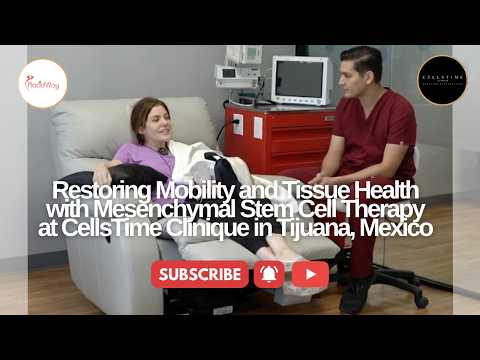
Restoring Mobility and Tissue Health with Mesenchymal Stem Cell Therapy at CellsTime Clinique in Tijuana
Cancer Treatment
CellsTime Clinique Tijuana
Mexico
Learn More with These Cancer Treatment Articles
Take a look at these interesting articles, stories and research that will help you learn more about Cancer Treatment.

Cancer Treatment in Tijuana, Mexico: The Complete Patient Guide
ITC Immunity Therapy Center - Alternative Cancer Treatment in Tijuana
- Cancer Treatment
Mexico

Is Immunotherapy in Tijuana, Mexico Right for You?
PlacidWay Mexico Medical Tourism
- Cancer Treatment
Mexico

Evaluating Cancer Treatment in Tijuana, Mexico: A Patient Guide to Clinics, Costs, and Safety
PlacidWay Medical Tourism
- Cancer Treatment
Mexico

Nine Months Felt Too Long After William Harris’s PSA Kept Rising: An American Patient’s Prostate Cancer Treatment in Tijuana
PlacidWay Medical Tourism
- Cancer Treatment
Mexico
Cancer Treatment Solutions Near You: Explore Top Medical Centers
Discover how Cancer Treatment is transforming lives at leading medical centers in Tijuana, Mexico. Dive into center profile, specialties, doctors, reviews, etc. and explore the best options tailored to your needs in this region.

Stem Health | Leading Stem Cell Clinic in Tijuana, Mexico
Tijuana, Mexico
Limphocare by Limphocite - Stem Cell Clinic in Tijuana
Tijuana, Mexico
Instituto de Terapia Celular - Stem Cell Guadalajara Mexico
Tijuana,Guadalajara, Mexico

PlacidWay Mexico Medical Tourism
Tijuana,Mexicali, Mexico








This was my husbands 5th trip to ITC. He goes annually for check-ups and to get an "immune boost"! He is always treated like family and gets quality care. We are happy with all aspects of ITC but above all we are happy with the results of his treatments!
Read More