
What treatment


4+ Top Rated Clinics for Placenta Stem Cell Therapy in Tijuana, Mexico
Trusted Medical Tourism Platform Since 2007
What are the best placenta stem cell therapy clinics in Tijuana, Mexico?
The leading placenta stem cell therapy clinics in Tijuana, Mexico are: Stem Health (Tijuana), CellsTime Clinique (Tijuana), Limphocare by Limphocite (Tijuana), and Holistic Care (Tijuana).
These medical centers are strict COFEPRIS-certified facilities that utilize ethically sourced allogeneic mesenchymal stem cells (MSCs). Specialists provide targeted regenerative treatments for conditions including osteoarthritis, autism, autoimmune diseases, Parkinson's disease, and comprehensive anti-aging. Procedure costs generally range from $4,000 to $9,100 USD, offering international patients access to advanced cellular therapies at a significant cost advantage compared to the United States.
Instituto de Terapia Celular - Stem Cell Guadalajara Mexico


Overview
Find hope with Stem Cell Guadalajara Mexico at Instituto de Terapia Celular. Personalized MSC therapy for autism, joint pain, anti-aging & nerve health.
Read more details

Limphocare by Limphocite - Stem Cell Clinic in Tijuana
Overview
Discover Limphocare by Limphocite, a trusted stem cell clinic in Tijuana offering advanced regenerative treatments tailored for patient care, and recovery.
Read more details
Stem Health | Leading Stem Cell Clinic in Tijuana, Mexico
Overview
Discover Stem Health, your trusted stem cell clinic in Tijuana, Mexico. We provide personalized stem cell therapies for orthopedic, autoimmune & neurological issues.
Read more details
CellsTime Clinique Tijuana
Overview
Discover advanced Stem Cell Therapies with quality-tested Cells from our own laboratory, experienced physicians, personalized protocols, and international patient care in Tijuana, Mexico.
Read more details
Discover your treatment options with a free, no-obligation quote!
Get your quote now!PlacidWay Mexico Medical Tourism
Explore affordable healthcare and quality treatments with PlacidWay Mexico Medical Tourism. Discover trusted clinics, surgeons and wellness services in Mexico.


 97.62% Patient Recommend
CellsTime Clinique Guadalajara

Overview
Discover advanced Stem Cell Therapies with quality-tested Cells from our own laboratory, experienced physicians, personalized protocols, and international patient care in Guadalajara & Tijuana,Mexico.
Read more details
BioStemCells - Stem Cell Clinic in Puerto Vallarta, Mexico
Overview
Explore a stem cell therapy center in Puerto Vallarta, Mexico by BioStemCells offering advanced regenerative treatments for healing and recovery.
Read more details

 91.35% Patient Recommend
Immunotherapy Regenerative Medicine in Puerto Vallarta
Overview
Explore Immunotherapy Regenerative Medicine in Puerto Vallarta, Mexico offering advanced stem cell, immunotherapy, and regenerative treatments.
Read more details
Discover your treatment options with a free, no-obligation quote!
Get your quote now! 100.00% Patient Recommend
MexStemCells Clinic
Overview
MexStemCells Clinic, based in Mexico City, has over 20 years of experience providing top-quality stem cell therapy. MexStemCells is among Top 5 Clinics in Mexico for stem cells.
Read more details
 100.00% Patient Recommend
Stem Health Guadalajara
Overview
Stem Health Clinic, based in Guadalajara, Jalisco, Mexico, brings over 10 years of experience in regenerative medicine, specializing in the use of mesenchymal stem cells. Get Quote Free!
Read more details
Aura Regenerative Center
Overview
Aura Regenerative Center offers advanced stem cell therapy in Monterrey with personalized regenerative treatments led by experienced medical professionals.
Read more details
 100.00% Patient Recommend
Quantum Biohack
Overview
Quantum Biohack offers licensed stem cell therapy in Playa del Carmen with personalized regenerative and longevity treatments under medical supervision.
Read more details

Stem Solutions
Overview
Stem Solutions in San Pedro Garza Garcia Mexico offers advanced stem cell therapies for autism, autoimmune diseases, neurological disorders & sports medicine.
Read more details
 100.00% Patient Recommend
VISANI® Stem Cells in Puebla, Mexico
Overview
Discover advanced regenerative care at VISANI® Stem Cells, a leading Stem Cell Therapy Clinic in Puebla, Mexico. Safe and effective stem cell treatments.
Read more details
 100.00% Patient Recommend
CellsTime Clinique Puerto Vallarta
Overview
Discover CellsTime Clinique in Puerto Vallarta, Mexico, offering innovative Stem Cell Therapy for various conditions. Your path to improvement starts here!
Read more details 50.00% Patient Recommend
Cellular Hope Institute
Overview
Experience advanced regenerative medicine at Cellular Hope Institute in Cancun, Mexico. Our cutting-edge therapies harness the power of cellular rejuvenation.
Read more details 100.00% Patient Recommend
Células Madre Dr. Juan Manuel Ortega van Beusekom
Overview
Dr. Juan Manuel Ortega van Beusekom is the best doctor for Stem Cell Therapy in Mexico City, Mexico. Book Regenerative Therapy from top rated clinic now!
Read more details 100.00% Patient Recommend
CORE Regenerative Orthopedic Center
Overview
Discover CORE, Leading Regenerative Orthopedic Center in Queretaro, Mexico. Specializing in cutting-edge treatments for orthopedic injuries and trauma.
Read more details 95.45% Patient Recommend
Costamed Medical Group in Playa del Carmen Mexico
Overview
Explore advanced healthcare at Costamed Medical Group, a trusted multispecialty hospital in Playa del Carmen, Mexico for international patients.
Read more details

 100.00% Patient Recommend
LONVIDA - Regenerative Medicine in Mexico City
Overview
Discover advanced stem cell treatments in Mexico City at Lonvida Wellness and Longevity Center. Offering regenerative medicine, and wellness care.
Read more details
Why Tijuana is the Ultimate Destination for Placenta Stem Cell Therapy?
Tijuana seamlessly blends world-class regenerative medicine with unmatched accessibility. For patients seeking the profound healing benefits of placental mesenchymal stem cells without the exorbitant domestic costs, this vibrant border city offers the perfect medical solution.
Unmatched Geographic Convenience
Located just minutes across the San Diego border, Tijuana eliminates the stress of long international flights. Patients can easily drive or take a quick shuttle to their clinic, making it highly practical for individuals suffering from chronic pain, limited mobility, or fatigue.
Elite Regenerative Clinics
Tijuana is home to cutting-edge facilities like Stem Health and CellsTime Clinique, which feature state-of-the-art cleanroom laboratories. These centers focus intensely on cellular medicine, adhering to strict COFEPRIS regulations to ensure biological products are handled with absolute precision.
Potent, Non-Invasive Cellular Sourcing
Placental stem cell therapy uses ethically donated, allogeneic mesenchymal stem cells (MSCs). By choosing this therapy in Tijuana, patients bypass the painful and invasive bone marrow or fat extractions required in autologous treatments, receiving "younger," highly potent cells directly.
Financial Freedom for Better Health
The cost of living and operational overhead in Mexico allows top-tier clinics to offer high-dose placental stem cell protocols at up to 70% less than in the United States. This affordability empowers patients to access the optimal cell count needed for severe autoimmune or orthopedic conditions.
Placenta Stem Cell Therapy Costs in Tijuana vs. United States (2026)
Explore projected 2026 pricing for placental MSC treatments. Tijuana clinics provide all-inclusive, transparent packages that vary based on the specific medical condition, administration method, and the required millions of live cells.
| Procedure | Tijuana Price | US / UK Price | You Save | Savings % |
|---|---|---|---|---|
| Basic Placental IV Infusion (Anti-Aging/Wellness) | $3,500–$5,000 | $12,000–$15,000 | $8,500+ | 70% |
| Targeted Intra-Articular Joint Injection | $4,000–$6,500 | $14,000–$20,000 | $10,000+ | 71% |
| Autoimmune Protocol (Lupus, Fibromyalgia) | $7,000–$8,500 | $22,000–$30,000 | $15,000+ | 68% |
| Advanced Neurological Therapy (ALS, Parkinson's) | $8,500–$10,500 | $30,000–$45,000 | $21,500+ | 71% |
* Prices are 2026 estimates based on verified PlacidWay partner clinics in Tijuana. Total costs fluctuate depending on the required cell dosage (e.g., 50 million vs. 200 million MSCs) and whether exosome boosters or multiple administration routes are needed. Request a free quote for a customized treatment plan.
Tijuana vs. Alternative Mexican Cities for Placental MSC Therapy
Selecting the right location for your cellular therapy is crucial for your comfort and logistics. Here is how Tijuana compares to other leading regenerative hubs in Mexico.
Tijuana
The Border City Hub
The absolute best choice for North American patients seeking rapid, accessible treatment without airport hassles. Ideal for quick, intensive outpatient procedures where patients want to receive their infusion and return to their US accommodations the same day.
Guadalajara
Central Tech Metropolis
Home to highly specialized research institutions and clinics like Instituto de Terapia Celular. It is excellent for highly complex neurological cases, though it requires a flight into central Mexico and lacks the immediate cross-border convenience of Tijuana.
Puerto Vallarta
Pacific Resort Destination
Offers an unparalleled relaxing environment for recovery by the ocean. It is the preferred choice for patients wanting to combine their regenerative anti-aging or joint therapy with a tranquil, stress-reducing vacation.
Cancun
Riviera Maya
Highly accessible for East Coast patients seeking placental therapies. While it offers stunning recovery environments similar to Puerto Vallarta, it tends to be a busier tourist hub compared to the clinical focus found in Tijuana.
Placenta Stem Cell Procedures in Tijuana
Placental MSCs are incredibly versatile due to their high proliferation rate and potent anti-inflammatory properties. Tijuana clinics customize the delivery method to target your specific health condition.
Systemic IV Infusion (Longevity & Wellness)
$3,500 – $5,000A high concentration of placental stem cells is delivered intravenously into the bloodstream. This systemic approach is ideal for comprehensive anti-aging, boosting metabolic function, mitigating chronic fatigue, and promoting total body cellular repair.
Save $8,500+ vs. US prices
Orthopedic Joint Injections
$4,000 – $6,500For patients with osteoarthritis, torn meniscus, or rotator cuff injuries, specialists inject placental MSCs directly into the damaged joint capsule using ultrasound guidance. These young cells act quickly to reduce localized inflammation and stimulate cartilage regeneration.
Save $10,000+ vs. US prices
Autoimmune & Fibromyalgia Protocols
$7,000 – $8,500Placental cells possess unique immunomodulatory properties, meaning they can help "reset" a hyperactive immune system. This targeted IV protocol aims to reduce the severe flare-ups and chronic pain associated with lupus, rheumatoid arthritis, and fibromyalgia.
Save $15,000+ vs. US prices
Advanced Neurological Therapy
$8,500 – $10,500A highly specialized protocol for conditions like Parkinson's, ALS, or severe neuropathies. This often involves a combination of high-dose IV infusions and sometimes localized administration to cross the blood-brain barrier, aiming to protect neurons and halt disease progression.
Save $21,500+ vs. US prices
How to Choose a Placenta Stem Cell Clinic in Tijuana?
The quality of placental tissue and lab processing is paramount to your safety and results. Use this 5-step checklist to evaluate regenerative providers in Tijuana.
Verify Ethical Sourcing and Safety
Ensure the clinic sources placentas only from healthy, full-term, C-section deliveries from thoroughly screened donors. Ask to see documentation proving the biological material is strictly tested for infectious and communicable diseases.
Demand Transparency on Cell Count
A reputable clinic will clearly state the dosage you are receiving. Ask how many millions of live mesenchymal stem cells are included in your package. Avoid clinics that give vague answers about the concentration of their treatments.
Check Laboratory Certifications
The magic of allogeneic therapy happens in the lab. Confirm that the clinic operates an on-site, ISO-certified cleanroom or partners with a highly regulated, COFEPRIS-approved laboratory to process and expand the placental cells.
Evaluate the Specialist's Experience
Look for board-certified physicians who specialize exclusively in regenerative medicine and immunology. Delivering stem cells requires precise knowledge of cellular behavior, especially for complex autoimmune or neurological protocols.
Partner with an Independent Facilitator
Navigating cross-border healthcare can be daunting. By using PlacidWay, you gain access to a pre-vetted network of Tijuana clinics that have already passed rigorous checks for safety, lab quality, and successful patient outcomes.
Your Cellular Regeneration Journey in Tijuana
Because placental therapy uses donor cells, the process is streamlined and highly convenient. Here is the typical timeline for an outpatient treatment in Tijuana.
Step 1: Virtual Consultation & Medical Review
Submit your blood work, medical history, or MRIs to PlacidWay. The specialized medical team in Tijuana will review your case virtually to determine if placental MSCs are the correct approach and establish your required cell dosage.
Step 2: Border Crossing and Clinic Arrival
Many clinics offer shuttle services directly from San Diego airport or the border pedestrian crossing. Upon arrival at the Tijuana facility, you will undergo a final in-person evaluation with the doctor, and the lab will begin thawing your specific cell batch.
Step 3: The Placental Stem Cell Administration
The actual procedure is completely non-surgical. Depending on your protocol, you will receive the stem cells via an IV drip (taking about 1-2 hours) or through precise localized injections. You simply relax in a comfortable treatment room.
Step 4: Immediate Discharge and Return
Because there is no bone marrow extraction or surgery, recovery is immediate. Most patients can safely cross the border back into the US the exact same day, avoiding the need for extended hotel stays unless multiple sessions are required.
Step 5: Long-Term Engraftment and Healing
Over the next 3 to 6 months, the placental cells circulate, seeking out inflammation and secreting growth factors. The clinic will schedule regular virtual follow-ups to track improvements in your energy, pain levels, and overall wellness.
Tijuana Placenta Stem Cell Therapy FAQ
Find clear, detailed answers regarding the safety, costs, and protocols of receiving placental therapies across the border.
Life-Changing Results from Tijuana Clinics
Discover how patients from across North America have overcome chronic pain and severe health limitations through advanced placental therapies in Tijuana.
"I was dreading knee replacement surgery and the long rehab that comes with it. Researching alternatives led me to placental stem cells in Tijuana. The process was incredibly smooth—just a quick drive down from San Diego. They injected the cells directly into my knees, and within three months, the inflammation vanished. I am back to hiking pain-free, completely avoiding the knife."
"Living with severe Lupus flare-ups left me exhausted and desperate. US clinics were quoting me outrageous prices for systemic stem cell therapy. A clinic in Tijuana provided a high-dose placental IV for a fraction of the cost. The facility was stunningly modern and the doctors were brilliant. Six months post-infusion, my energy is back and my autoimmune markers have drastically improved."
Why Choose PlacidWay for Your Stem Cell Journey?
Navigating international cellular therapies requires deep expertise and absolute trust. As your independent medical facilitator, PlacidWay ensures you are connected only with Tijuana's most elite regenerative specialists safely and efficiently.
Pre-Screened Regenerative Clinics
We rigorously vet every Tijuana clinic in our network, confirming proper medical licensing, COFEPRIS compliance, and strict adherence to international cleanroom laboratory protocols for handling placental tissue.
Unbiased Medical Facilitation
We are an independent platform, meaning our goal is finding the right fit for your unique health profile. We provide transparent comparisons of multiple top-rated clinics so you can make an empowered decision.
Direct Specialist Communication
We eliminate the middleman in medical discussions by setting up secure virtual consultations. You will speak directly with the immunology and regenerative specialists who will administer your therapy.
Comprehensive Patient Advocacy
From securely transferring your MRIs and lab work to the clinic, to following up on your recovery months after your treatment, our patient coordination team advocates for your complete healing journey.
Rejuvenate Your Body at the Cellular Level
Don't let chronic pain or immune dysfunction hold you back. Access the immense healing power of Placenta Stem Cell Therapy in Tijuana and save up to 70% compared to North American costs. Connect with elite regenerative specialists today.
Get Free QuoteDisclaimer: PlacidWay is a medical tourism facilitator and does not provide medical advice, diagnosis, or treatment. We connect patients with independently verified clinics abroad. Always consult with a qualified healthcare provider regarding your specific medical condition.
Share with AI
Share this page with AI assistants to get summaries and insights


List of Best Placenta Stem Cell Therapy Clinics in Mexico
Unlock the Best Stem Cell Therapy Packages Just for You
Discover the ultimate Stem Cell Therapy packages designed to meet your health and wellness goals. Choose the perfect fit for your journey.

Price starting from $7,500
Stem Cell Therapy for Ovarian Rejuvenation in Guadalajara, Mexico by Instituto de Terapia Celular
Instituto de Terapia Celular - Stem Cell Guadalajara Mexico
- Stem Cell Therapy
Tijuana,Guadalajara, Mexico
.png)
Price starting from $7,200
Stem Cell Therapy for Autism in Mexico by Stem Health
Stem Health | Leading Stem Cell Clinic in Tijuana, Mexico
- Stem Cell Therapy
Tijuana, Mexico
Price starting from $2,000
PRP Ovarian Rejuvenation Package in Tijuana, Mexico by Dr. Javier Piri Sarmiento
Dr. Javier Piri Sarmiento - IVF Specialist in Tijuana Mexico
- Fertility Treatment
Tijuana, Mexico
.png)
Price starting from $7,100
Stem Cell Therapy for Autism in Mexico by Limphocare by Limphocite
Limphocare by Limphocite - Stem Cell Clinic in Tijuana
- Stem Cell Therapy
Tijuana, Mexico
Transformative Stem Cell Therapy Experiences: Dive into Procedure Insights
Discover the power of Stem Cell Therapy through compelling patient experiences. Uncover detailed insights into procedures, recovery journeys, and life-changing results.

Price starting from $4,599
Stem Cell Therapy for Chronic Kidney Disease in Tijuana, Mexico
- Stem Cell Treatment for Kidney Failure, Stem Cell Therapy
Tijuana, Mexico

Price starting from $7,099
Stem Cell Therapy for Spinal Stenosis in Tijuana, Mexico
- Stem Cell Therapy for Spinal Stenosis, Stem Cell Therapy
Tijuana, Mexico

Price starting from $9,099
Stem Cell Therapy for ALS in Tijuana, Mexico
- Stem Cell Treatment for ALS, Stem Cell Therapy
Tijuana, Mexico

Price starting from $4,599
Stem Cell Therapy for Osteoarthritis in Tijuana, Mexico
- Stem Cell Therapy for Osteoarthritis, Stem Cell Therapy
Tijuana, Mexico
Explore Stem Cell Therapy: Stories, Testimonials, and Procedures
Watch in-depth videos covering everything from Stem Cell Therapy success stories to detailed procedure explanations. Learn what to expect and hear from real patients.

Who Are the Top Doctors for Health Tourism in Mexico?
Stem Cell Therapy
PlacidWay Mexico Medical Tourism
Mexico
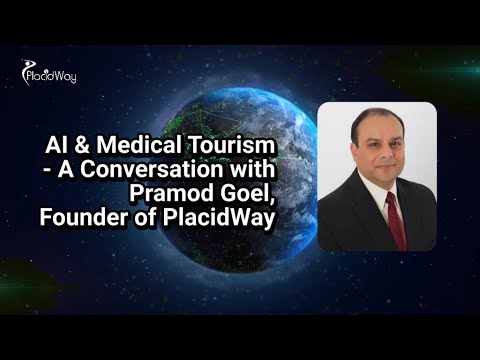
Pramod Goel, CEO of PlacidWay Medical Tourism Interview: How AI is Transforming Patient Journeys
Stem Cell Therapy
PlacidWay Medical Tourism
Mexico
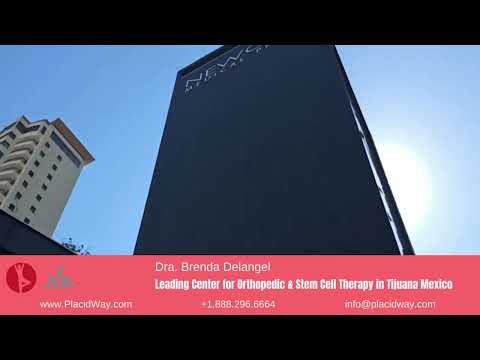
Dra Brenda Delangel Center for Orthopedics and Stem Cell Therapy in Tijuana Mexico
Stem Cell Therapy
Ortho Wellness
Mexico
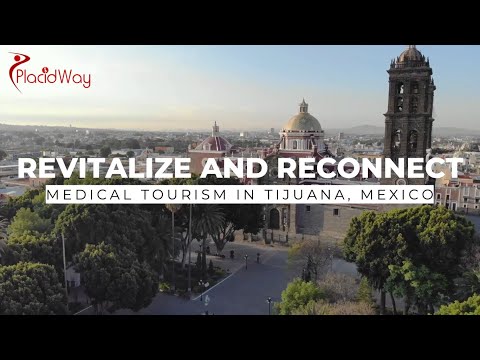
Baja Bliss: Your Gateway to Exceptional Health Tourism in Tijuana, Mexico
Stem Cell Therapy
PlacidWay Mexico Medical Tourism
Mexico
Learn More with These Stem Cell Therapy Articles
Take a look at these interesting articles, stories and research that will help you learn more about Stem Cell Therapy.

Progencell Stem Cell Therapy Aides Doctor Diagnosed with Parkinsons
Progencell - Stem Cell Therapies
- Stem Cell Therapy
Mexico
Improve Quality Of Life through Stem Cell Therapies in Tijuana, Mexico
Progencell - Stem Cell Therapies
- Stem Cell Therapy
Mexico
Stem Cell Research Forges Ahead in Latin America
Progencell - Stem Cell Therapies
- Stem Cell Therapy
Mexico
Stem Cell Therapy Solutions Near You: Explore Top Medical Centers
Discover how Stem Cell Therapy is transforming lives at leading medical centers in Tijuana, Mexico. Dive into center profile, specialties, doctors, reviews, etc. and explore the best options tailored to your needs in this region.
Stem Health | Leading Stem Cell Clinic in Tijuana, Mexico
Tijuana, Mexico
Limphocare by Limphocite - Stem Cell Clinic in Tijuana
Tijuana, Mexico
Instituto de Terapia Celular - Stem Cell Guadalajara Mexico
Tijuana,Guadalajara, Mexico
CellsTime Clinique Tijuana
Tijuana, Mexico








I went to this place to get a quote on their stem cell treatments. I had gone to a couple of places back home and felt that in GDL Mexico they would probably be less expensive. I decided to go to Cells Time Clinique I was met with a cocky young doctor, Dr. Alexi. He didn’t really get into how the stem cells worked but was asked what type of illness I was coming in for and then went straight into pricing. The price was high compared to what I’ve seen in TJ and no I am not talking about CPI (those guys are really outrageous in their prices). After being asked a few questions he quoted me $8000! When I gasped he said, “Oh but we're having a special this month and its 50% off”. So that was a big red flag to me because no business is going to lose or just give away $4000 and take that big of a hit on their profit margin. I know there are more affordable places and clinics that actually care. After I told him I’d think about it, his vibe gave off as if I wasted his time and I felt beneath him. I say, for $8000, I’d go to the original location that started the stem research, which is France, and at least get a vacation out of it and STILL get money left over! Avoid this place. There’s definitely more affordable places. These businesses that are in it to ‘help people’ are just in it to make 10 times more than what the vials or treatments cost. Do your homework and don’t fall for the snake oil salesman
Read More