
What treatment


4+ Best Clinics for Stem Cell Therapy for Huntingtons Disease in India
Trusted Medical Tourism Platform Since 2007
What are the best stem cell therapy clinics in India?
The leading stem cell therapy clinics in India include Dr. Pravin Patel's Innovative Hospital (Vadodara), GIOSTAR Hospital (Bengaluru), StemRx Hospital and Research Centre (Mumbai), ReeLabs Stem Cells (Mumbai), and Viecell Institute of Regenerative Medicine (Surat).
These facilities feature ISO and GMP-certified laboratories, utilizing mesenchymal stem cells (MSCs) to treat complex conditions like Huntington's disease, autism, cerebral palsy, diabetes, kidney failure, and osteoarthritis. Comprehensive treatment packages range from $3,400 to $16,000 USD, providing patients with advanced regenerative medicine, specialized neurological care, and post-treatment rehabilitation at a highly competitive cost.

 100.00% Patient Recommend
GIOSTAR Hospital Bengaluru


Overview
Discover GIOSTAR Hospital in Bengaluru, India—your go-to center for advanced stem cell therapies and cutting-edge procedures for orthopaedics. Explore treatments for diabetes, stroke, SCI, and more.
Read more details

 100.00% Patient Recommend
StemRx Hospital and Research Centre
Overview
At StemRx Hospital & Research Centre, We specialize in advanced Regenerative Medicine & Stem Cell therapy for Autism, Cerebral Palsy, Orthopedics, Migraine, AVN & IVF providing personalized care.
Read more details
 95.24% Patient Recommend
ReeLabs Stem Cells in Mumbai, India
Overview
ReeLabs provides advanced Stem Cell Mumbai services, including stem cell banking and therapy for safe preservation and future medical use.
Read more details

Viecell Institute of Regenerative Medicine
Overview
Discover Viecell Institute in Surat, Gujarat, India, for cutting-edge stem cell therapy. Transforming health with advanced regenerative solutions.
Read more detailsDiscover your treatment options with a free, no-obligation quote!
Get your quote now! 96.00% Patient Recommend
Dr. Pravin Patel Innovative Hospital & Research Center
Overview
Dr. Pravin Patel's Innovative Hospital provides best stem cell treatment in Gujarat, India. Also offers Ozone therapy, Quantum therapy , EBOO therapy, Frequency & Laser Therapy at affordable cost.
Read more details

 93.96% Patient Recommend
RegenOrthoSport - Sports Medicine in Hyderabad India
Overview
Explore RegenOrthoSport in Hyderabad, India for regenerative orthopedics, sports medicine, PRP, stem cell therapy, and non-surgical pain relief.
Read more detailsWhich are the top Stem Cell Therapy clinics for Huntington's Disease in India?
For Stem Cell Therapy targeting Huntington's Disease in India, highly-regarded clinics include GIOSTAR Hospital Bengaluru, Dr. Pravin Patel's Innovative Hospital & Research Center in Vadodara, and StemRx Hospital and Research Centre in Mumbai. These facilities are recognized for their patient recommendations and specialized regenerative medicine approaches. Other notable clinics include Viecell Institute of Regenerative Medicine in Surat, ICAM Wellcare Clinic in Tumkur, Stem Cell Cure India in New Delhi, and Revita Lifesciences / HB Specialty Hospital in Rudrapur.
When seeking specialized treatment for complex neurological conditions like Huntington's Disease, selecting a reputable clinic is paramount. These top-tier facilities in India are frequently highlighted for their commitment to advanced regenerative medicine and patient care. They often feature:
- Specialized teams focusing on neurodegenerative disorders.
- Advanced infrastructure for stem cell research and application.
- Comprehensive patient support programs.
- Positive patient feedback and high recommendation rates.
What should I look for in a Stem Cell Therapy clinic for Huntington's Disease in India?
When choosing a stem cell therapy clinic for Huntington's Disease in India, prioritize specialized expertise in neurological conditions, a multidisciplinary team, and advanced diagnostic capabilities. Look for clinics with transparent treatment protocols, robust patient support services, and verifiable patient testimonials to ensure comprehensive and compassionate care.
Selecting the right clinic involves more than just finding one that offers stem cell therapy. For a condition as specific and complex as Huntington's Disease, consider these crucial aspects:
- Expertise in Neurological Disorders: Ensure the clinic has dedicated experience and a strong focus on neurodegenerative diseases, not just general stem cell applications. Their medical team should include neurologists specializing in movement disorders.
- Multidisciplinary Care: A team approach involving neurologists, stem cell specialists, genetic counselors, and rehabilitation therapists offers the most holistic care.
- Advanced Diagnostic and Monitoring Tools: The facility should be equipped with modern technology for accurate diagnosis, disease staging, and ongoing monitoring of treatment efficacy.
- Accreditation and Regulatory Compliance: Verify that the clinic adheres to national and international medical standards and has proper accreditations for stem cell procedures.
- Patient-Centric Approach: Look for clinics that prioritize patient education, offer clear communication, and provide strong emotional and logistical support throughout the treatment journey.
How do clinics in India ensure safety for Huntington's Disease stem cell treatment?
Indian clinics ensure safety for Huntington's Disease stem cell treatment through strict adherence to national and international medical guidelines, comprehensive patient screening, and specialized protocols for cell harvesting and administration. They prioritize patient well-being by employing certified medical professionals, utilizing sterile environments, and providing continuous monitoring throughout the treatment process and during the recovery phase.
Patient safety is a foundational principle for any reputable medical facility offering advanced therapies. For stem cell treatment in Huntington's Disease, clinics in India implement several measures:
- Rigorous Patient Selection: Patients undergo extensive medical evaluations, including reviewing their medical history, current health status, and specific disease progression to determine suitability for treatment. This helps minimize potential risks.
- Sterile Cell Processing: Stem cells, whether autologous (from the patient) or allogeneic (from a donor), are processed in highly controlled, sterile laboratory environments to prevent contamination and ensure cell viability.
- Experienced Medical Teams: Procedures are performed by qualified and experienced specialists, including neurologists and regenerative medicine physicians, who adhere to established clinical protocols.
- Controlled Administration: Stem cells are administered using precise techniques, often under imaging guidance when necessary, within a hospital or clinic setting equipped for advanced medical interventions.
- Continuous Monitoring: Patients are closely observed before, during, and after the procedure for any adverse reactions or complications. Emergency medical support is readily available.
What types of stem cells are used for Huntington's Disease treatment in Indian clinics?
Indian clinics primarily use mesenchymal stem cells (MSCs) for Huntington's Disease treatment, often derived from sources like adipose tissue (fat), bone marrow, or umbilical cord blood. These cells are favored for their neuroprotective and immunomodulatory properties, which can help in reducing inflammation, protecting existing neurons, and promoting a more conducive environment for neural repair in affected brain regions.
The choice of stem cell type is a critical factor in regenerative therapies, and for Huntington's Disease, specific cell properties are sought:
- Mesenchymal Stem Cells (MSCs): These are adult stem cells with the ability to differentiate into various cell types, but more importantly for Huntington's, they possess significant immunomodulatory and anti-inflammatory effects. They can help reduce the destructive inflammation often seen in neurodegenerative diseases.
-
Sources of MSCs:
- Autologous: Obtained from the patient's own body, commonly from bone marrow or adipose (fat) tissue. This minimizes rejection risks.
- Allogeneic: Derived from healthy donors, often from umbilical cord blood or placenta. These sources provide readily available, potent cells.
- Neurotrophic Support: MSCs release growth factors and cytokines that support the survival of existing neurons and may encourage the formation of new neural connections, which is vital for combating the progressive neural degeneration in Huntington's Disease.
What is the typical patient journey at a Huntington's Disease stem cell clinic in India?
The patient journey at an Indian stem cell clinic for Huntington's Disease typically begins with a detailed consultation and diagnostic assessment, followed by a personalized treatment plan. This includes stem cell harvesting or preparation, precise administration, and a period of intensive observation and initial recovery, culminating in comprehensive post-treatment follow-up care to monitor progress and adjust ongoing support.
Understanding the steps involved can help patients and their families prepare for treatment:
- Initial Consultation and Medical Review: This involves an in-depth discussion of the patient's medical history, current symptoms, and previous treatments. Diagnostic tests like MRI, PET scans, and genetic testing are often performed or reviewed to assess the disease stage.
- Personalized Treatment Planning: Based on the comprehensive assessment, a tailor-made stem cell therapy protocol is developed. This plan outlines the type of stem cells, dosage, administration methods, and expected duration of stay.
- Stem Cell Procurement and Preparation: If autologous cells are used, a procedure to harvest bone marrow or adipose tissue is conducted. Allogeneic cells are prepared from banked sources. The cells are then processed and expanded in a laboratory.
- Stem Cell Administration: The prepared stem cells are delivered to the patient, typically through intravenous infusions, intrathecal injections (into the spinal fluid), or sometimes localized injections depending on the treatment strategy.
- Post-Procedure Monitoring and Recovery: After cell administration, patients are closely monitored for a few days to a week. This period allows medical staff to track immediate responses, manage any side effects, and initiate early rehabilitative measures.
- Discharge and Follow-up Schedule: Upon medical clearance, patients are discharged with a detailed plan for home care, medication, and a schedule for ongoing follow-up consultations to track long-term progress.
Do Indian clinics offer post-treatment support for Huntington's Disease patients?
Yes, many leading Indian clinics provide extensive post-treatment support for Huntington's Disease patients, which may include regular follow-up consultations, customized rehabilitation programs (physical, occupational, and speech therapy), and nutritional guidance. This ongoing support aims to maximize treatment benefits, enhance recovery, and improve the patient's overall quality of life long after the initial procedure, addressing both motor and non-motor symptoms.
Effective management of Huntington's Disease requires continuous care, and stem cell clinics in India often integrate this into their offerings:
- Scheduled Follow-ups: Regular appointments, either in-person or via telemedicine, are crucial to monitor disease progression, evaluate the impact of stem cell therapy, and make necessary adjustments to the patient's overall care plan.
-
Comprehensive Rehabilitation: Many clinics offer or coordinate access to specialized rehabilitation services:
- Physical Therapy: To maintain mobility, strength, and balance, crucial for managing motor symptoms.
- Occupational Therapy: To help patients adapt to daily activities and maintain independence.
- Speech and Swallowing Therapy: To address communication difficulties and dysphagia (swallowing problems), which are common in Huntington's.
- Nutritional Counseling: Expert advice on dietary strategies to support neurological health and manage weight changes often associated with the disease.
- Psychological Support: Resources for counseling and support groups are frequently available to help patients and their families cope with the emotional and mental health challenges of the disease.
- Medication Management: Ongoing review and adjustment of conventional medications to manage symptoms that may persist or emerge.
How important is clinic accreditation for Stem Cell Therapy for Huntington's Disease in India?
Clinic accreditation is crucial for Stem Cell Therapy for Huntington's Disease in India, as it signifies adherence to high standards of patient safety, ethical practices, and quality of care. Accreditation ensures that facilities meet rigorous protocols for stem cell handling, treatment administration, and clinical outcomes, offering patients peace of mind and confidence in their chosen medical provider when seeking complex regenerative treatments for neurological conditions.
Accreditation is a voluntary process where a healthcare organization undergoes an assessment by an independent external body to determine if it meets established standards. For specialized and evolving fields like stem cell therapy, its importance cannot be overstated:
- Assurance of Quality: Accreditation indicates that the clinic operates under stringent quality control and safety guidelines, covering everything from facility hygiene to equipment calibration and staff training.
- Ethical Standards: Accrediting bodies often review the ethical frameworks governing stem cell sourcing, research, and clinical application, ensuring treatments are conducted responsibly.
- Patient Protection: It ensures that patient rights are protected, informed consent procedures are followed, and protocols are in place to minimize risks and manage complications effectively.
- Expert Personnel: Accredited clinics typically employ highly qualified and experienced medical professionals, validating their expertise in performing complex stem cell procedures.
- International Recognition: International accreditations can be particularly important for medical tourists, signaling that the clinic adheres to global benchmarks of care.
What research and innovation are Indian clinics pursuing for Huntington's Disease stem cell treatment?
Indian clinics are actively involved in research and innovation for Huntington's Disease stem cell treatment, focusing on optimizing stem cell types, delivery methods, and combination therapies. Their efforts aim to enhance neuroprotection, promote regeneration, and develop more effective long-term solutions to slow disease progression and improve patient neurological function and overall quality of life. They are exploring personalized approaches and monitoring genetic responses.
The field of regenerative medicine is dynamic, with ongoing advancements. Clinics in India are contributing to this evolution, particularly in how stem cells can combat neurodegenerative conditions like Huntington's Disease:
- Exploring Advanced Cell Therapies: Research extends beyond basic MSCs to include induced pluripotent stem cells (iPSCs) and neural stem cells, investigating their potential for more targeted neural repair and replacement.
- Optimizing Delivery Techniques: Innovating methods for more effective and less invasive delivery of stem cells to the brain and central nervous system, such as enhanced intrathecal approaches or stereotactic injections.
- Combination Protocols: Investigating the synergistic effects of combining stem cell therapy with other emerging treatments like gene editing, growth factor administration, or advanced neurorehabilitation techniques.
- Understanding Mechanisms of Action: Conducting studies to better understand how transplanted stem cells survive, integrate, and exert their therapeutic effects within the complex environment of the Huntington's-affected brain.
- Biomarker Discovery: Research into identifying new biomarkers that can predict treatment response, monitor disease progression more accurately, and personalize therapeutic strategies.
How do Indian clinics specialize in neurological conditions like Huntington's Disease?
Indian clinics specialize in neurological conditions like Huntington's Disease by integrating dedicated neurology departments with advanced regenerative medicine units, staffed by expert neurologists and stem cell specialists. They provide comprehensive care plans, utilizing state-of-the-art diagnostic tools and patient-specific protocols to address the complex nature of neurodegenerative disorders and offer tailored treatment approaches from diagnosis through rehabilitation.
Specialization in complex diseases ensures that patients receive the most appropriate and advanced care. For neurological conditions, Indian clinics focus on:
- Integrated Neurology and Regenerative Medicine Teams: Combining the expertise of neurologists, neurosurgeons, and stem cell scientists to develop comprehensive treatment strategies for neurodegenerative disorders.
- Focus on Neurodegenerative Research: Many clinics actively participate in or conduct research specifically aimed at understanding and treating conditions like Huntington's, which drives innovation in their clinical practices.
- Specialized Diagnostic Imaging: Utilization of advanced imaging modalities (e.g., high-field MRI, functional MRI, SPECT, PET scans) to precisely identify affected brain regions and monitor therapeutic outcomes.
- Genetic Counseling Services: Offering pre- and post-treatment genetic counseling to patients and their families, crucial for a hereditary condition like Huntington's Disease.
- Tailored Rehabilitation Protocols: Developing rehabilitation programs that are specifically designed to address the unique motor, cognitive, and psychiatric symptoms associated with neurological diseases, often integrating cutting-edge therapies.
What facilities should I expect at a leading Stem Cell Therapy clinic for Huntington's Disease in India?
A leading Stem Cell Therapy clinic for Huntington's Disease in India typically offers state-of-the-art diagnostic imaging, specialized neurological assessment units, and advanced cell processing laboratories. Expect comfortable patient recovery suites, dedicated rehabilitation facilities, and modern infrastructure designed to support complex regenerative treatments while ensuring optimal patient safety, comfort, and a holistic healing environment.
The quality of medical facilities directly impacts patient care and treatment outcomes. When considering a leading stem cell therapy clinic in India for Huntington's Disease, look for:
- Advanced Diagnostic and Imaging Centers: Access to the latest MRI, CT, and PET scan technologies, as well as neurological testing equipment for comprehensive evaluation.
- ISO/GMP Certified Cell Processing Laboratories: On-site or affiliated laboratories that adhere to international standards for Good Manufacturing Practice (GMP) for sterile and safe stem cell preparation and expansion.
- Dedicated Treatment Suites: State-of-the-art operating rooms or procedure suites equipped for sterile stem cell harvesting and precise administration techniques.
- Patient-Comfort Focused Accommodations: Modern, clean, and comfortable patient rooms, often with amenities that cater to long-term stays or family accompaniment.
- Integrated Rehabilitation Units: Facilities that house physical therapy, occupational therapy, and speech therapy services, providing seamless access to comprehensive post-treatment care.
- Emergency Response Capabilities: Robust emergency medical services and trained staff to manage any unforeseen complications swiftly and effectively.
- Research and Development Wing: Evidence of active involvement in clinical research and development in regenerative medicine, indicating a commitment to innovation.
How PlacidWay helps individuals access Stem Cell Therapy for Huntington's Disease in India?
PlacidWay is dedicated to simplifying your journey to finding Stem Cell Therapy for Huntington's Disease. We provide detailed, up-to-date information about Stem Cell Therapy for Huntington's Disease, including benefits, risks, and expected outcomes, empowering you with knowledge. Our platform helps you compare various treatment options and clinics, ensuring you find affordable options without compromising on quality. We assist in identifying trusted, accredited clinics and experienced medical professionals specializing in Stem Cell Therapy for Huntington's Disease in India, ensuring expert care. PlacidWay offers one-on-one consultations to help you make informed decisions about your treatment, ensuring your specific needs are met with personalized guidance. Furthermore, we ensure continued support after your treatment, including follow-up care and recovery assistance, for a seamless and worry-free experience. Ready to get Stem Cell Therapy for Huntington's Disease in India? Contact us today for a personalized consultation.List of Best Stem Cell Therapy for Huntingtons Disease Clinics in India
Unlock the Best Stem Cell Therapy Packages Just for You
Discover the ultimate Stem Cell Therapy packages designed to meet your health and wellness goals. Choose the perfect fit for your journey.
Price starting from $9,000
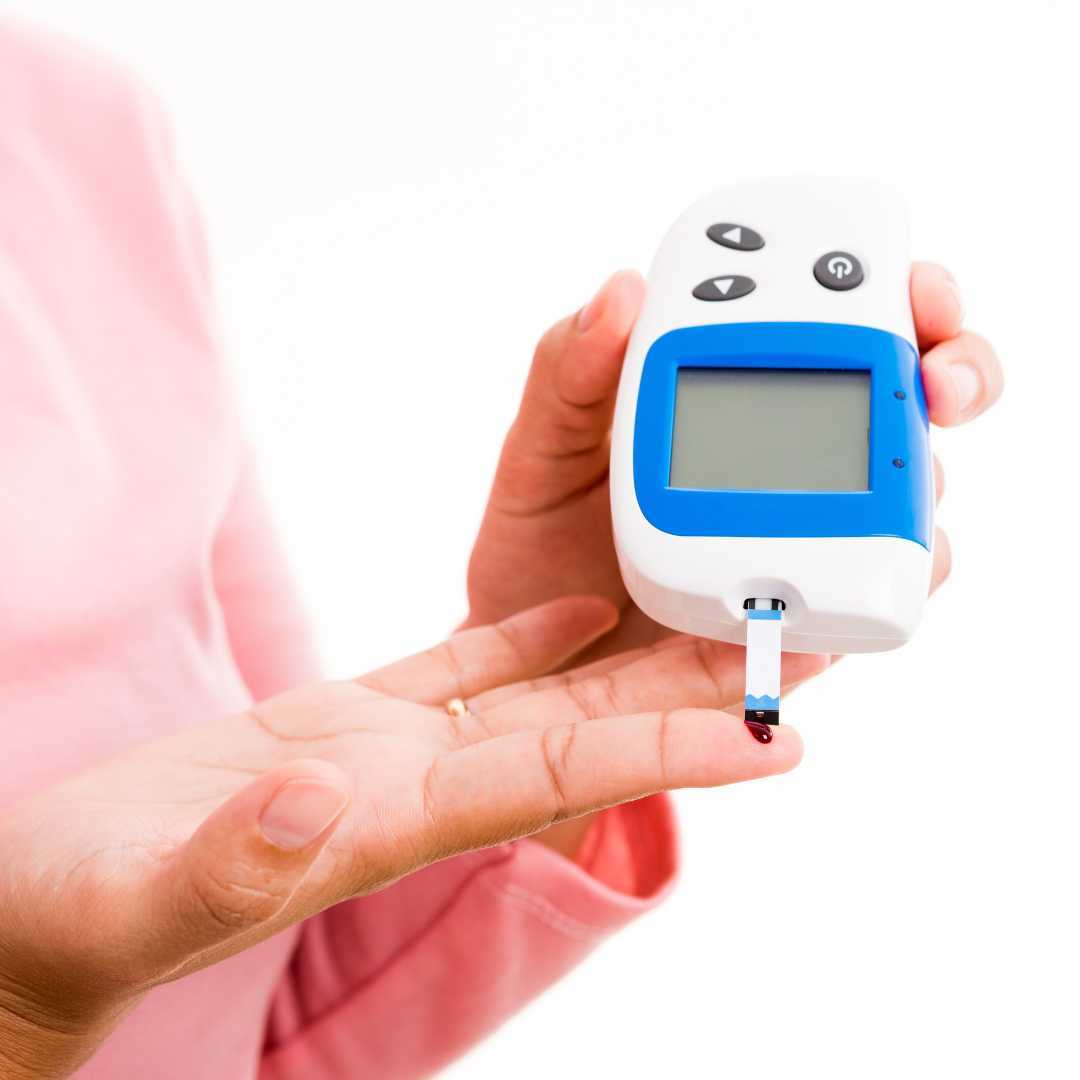
Diabetes Mellitus Type 1 & 2 in Mumbai, India by StemRX
StemRx Hospital and Research Centre
- Stem Cell Therapy
Mumbai,Navi Mumbai, India

Price starting from $10,000
Stem Cell Therapy for Muscular Dystrophy Package in Middle East Australasia
PlacidWay Emirates
- Stem Cell Therapy
Dubai, UAE

Price starting from $5,000
Stem Cell Therapy for Knee Arthritis Package in Hyderabad India by RegenOrthoSport
RegenOrthoSport - Sports Medicine in Hyderabad India
- Stem Cell Therapy
Hyderabad, India

Price starting from $4,750
Stem Cells and PRP Knee Cartilage Rejuvenation Chondroplasty Package in Bengaluru, India by Giostar
GIOSTAR Hospital Bengaluru
- Orthopedic/Knee Surgery
Bengaluru, India
Transformative Stem Cell Therapy Experiences: Dive into Procedure Insights
Discover the power of Stem Cell Therapy through compelling patient experiences. Uncover detailed insights into procedures, recovery journeys, and life-changing results.
Stem Cell Therapy for Parkinson's Disease in India
- Stem Cell Treatment for Parkinsons Disease, Stem Cell Therapy
India

Price starting from $4,000
Stem Cell Therapy for Joints in India
- Stem Cell Therapy for Joints, Stem Cell Therapy
India
-(5).png)
Stem Cell Therapy for Kidney Failure in India
- Stem Cell Treatment for Kidney Failure, Stem Cell Therapy
India

Price starting from $4,000
Stem Cell Therapy for Shoulder Pain in India
- Stem Cell Therapy for Shoulder , Stem Cell Therapy
India
Explore Stem Cell Therapy: Stories, Testimonials, and Procedures
Watch in-depth videos covering everything from Stem Cell Therapy success stories to detailed procedure explanations. Learn what to expect and hear from real patients.

Grandfather Shares His Granddaughter's #developmentaldelay Treatment Journey & Recovery StemRx India
Stem Cell Therapy
StemRx Hospital and Research Centre
India

20 Yr Old ADHD Improvement Story: Positive Changes in Behavior, Social Interaction & Posture #adhd
Stem Cell Therapy
StemRx Hospital and Research Centre
India

Spinal Cord Injury Treatment & Recovery Journey in India | Patient from Mauritius Shares Experience
Stem Cell Therapy
StemRx Hospital and Research Centre
India
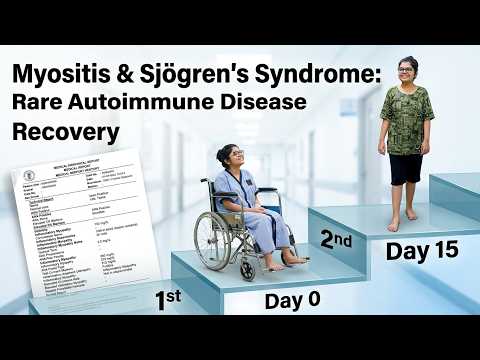
Myositis & Sjögren's Syndrome Rare Autoimmune Disease Recovery with Regenerative Medicine India
Stem Cell Therapy
StemRx Hospital and Research Centre
India
Learn More with These Stem Cell Therapy Articles
Take a look at these interesting articles, stories and research that will help you learn more about Stem Cell Therapy.
.jpg)
Stem Cell Therapy for Motor Neuron Disease in New Delhi, India: Is It Appropriate for You?
PlacidWay India Medical Tourism
- Stem Cell Therapy
India
.jpg)
Stem Cell Therapy for Multiple Sclerosis in India: A UK Patient's Recovery Guide
PlacidWay Medical Tourism
- Stem Cell Therapy
India
.jpg)
Is Stem Cell Therapy for Arthritis in India Right for You?
PlacidWay India Medical Tourism
- Stem Cell Therapy
India
.jpg)
Considering Stem Cell Therapy for Cerebral Palsy in New Delhi, India? What Families Should Evaluate
PlacidWay India Medical Tourism
- Stem Cell Therapy
India
Stem Cell Therapy Solutions Near You: Explore Top Medical Centers
Discover how Stem Cell Therapy is transforming lives at leading medical centers in , India. Dive into center profile, specialties, doctors, reviews, etc. and explore the best options tailored to your needs in this region.
StemRx Hospital and Research Centre
Mumbai,Navi Mumbai, India

ReeLabs Stem Cells in Mumbai, India
Mumbai, India

Dr. Pravin Patel Innovative Hospital & Research Center
Vadodara, India
GIOSTAR Hospital Bengaluru
Bengaluru, India








Doctor was very clear
Read More