
What treatment


10+ Highly Rated Stem Cell Therapy for Stroke Clinics in United States
Reach Out to These Certified Stem Cell Therapy for Stroke Clinics List in United States Loved by Patients!
 95.45% Patient Recommend
California Wellness Institute


Overview
Discover Urology and Anti Aging Regenerative Medicine at California Wellness Institute in Rancho Mirage, California, USA - CWIs expert care.
Read more details

 95.02% Patient Recommend
Blatman Health and Wellness Center

Overview
Experience advanced Regenerative Medicine at Blatman Health and Wellness Center in Cincinnati, USA. Rejuvenate your health today!
Read more details 90.48% Patient Recommend
PlacidWay Medical Tourism

Overview
Discover affordable, quality healthcare worldwide with PlacidWay Medical Tourism. Access trusted clinics, top doctors, and personalized treatment plans.
Read more details




 100.00% Patient Recommend
Amira Integrative Health by MJA Healthcare
Overview
Amira Integrative Health by MJA Healthcare in East Stroudsburg, PA, United States offers top regenerative therapies and holistic care for transformative health.
Read more detailsDiscover your treatment options with a free, no-obligation quote!
Get your quote now!Stemedix, Inc
Stemedix, Inc provides effective Regenerative Medicine, known as Stem Cell Therapy in Saint Petersburg, Florida. Book online now Stem Cell Treatment for ALS, Stem Cell Treatment for Alzheimer's Disease, and Stem Cell Treatment for Multiple Sclerosis at Stemedix, Inc.


 97.62% Patient Recommend
CellsTime Clinique Guadalajara
Overview
Visit CellsTime Clinique in Guadalajara, Mexico, for cutting-edge Stem Cell Therapy solutions for diabetes, autism, lupus, and other health conditions!
Read more details
 100.00% Patient Recommend
Regenerative Medicine - Stem Cells by ITC
Overview
Immunity Therapy Center in Tijuana, Mexico, is the forefront of medical innovation, transforming lives through the power of cutting-edge stem cell therapies.
Read more details
 100.00% Patient Recommend
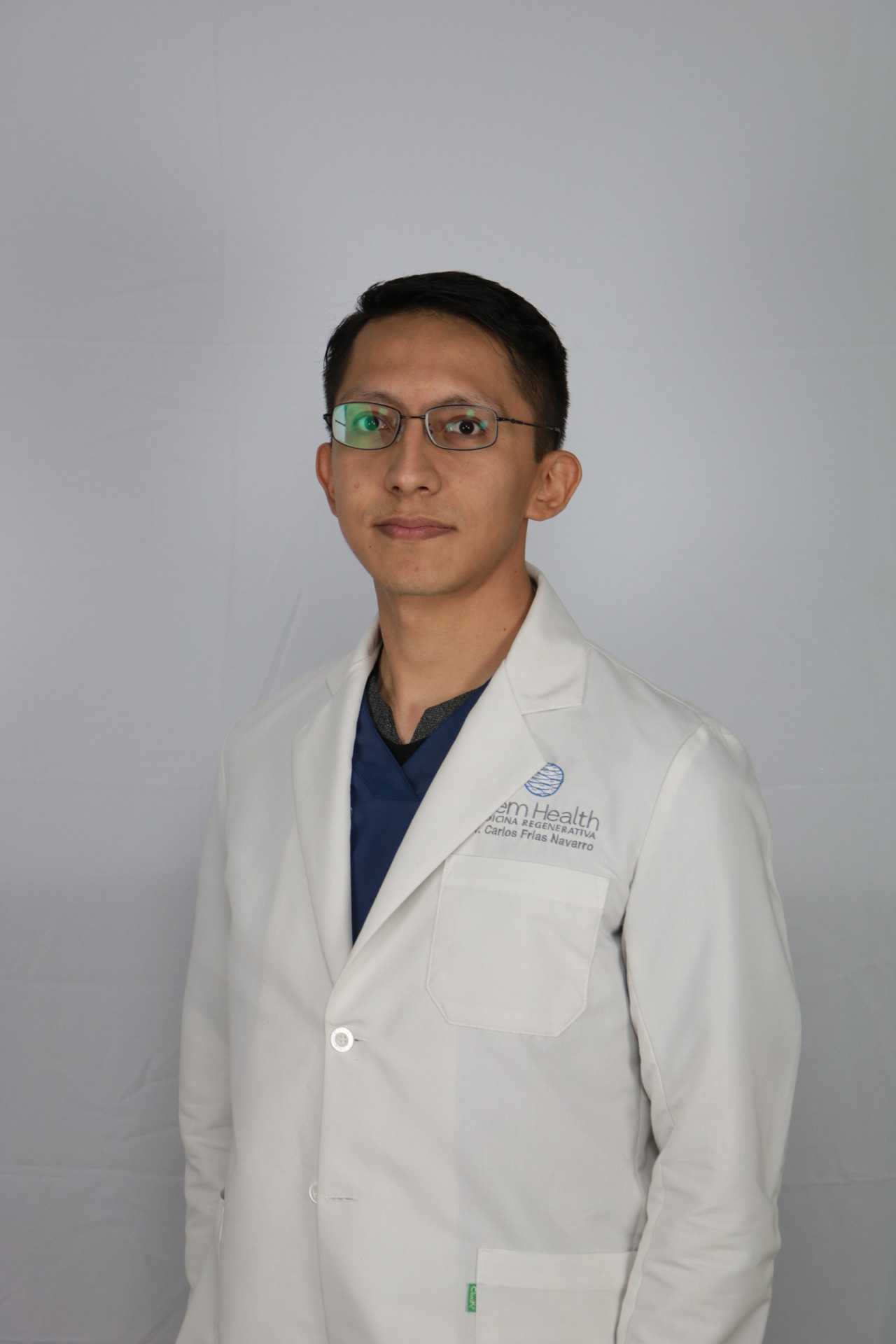
Stem Health Guadalajara
Overview
Stem Health Clinic, based in Guadalajara, Jalisco, Mexico, brings over 10 years of experience in regenerative medicine, specializing in the use of mesenchymal stem cells. Get Quote Free!
Read more details
Discover your treatment options with a free, no-obligation quote!
Get your quote now! 100.00% Patient Recommend
LONVIDA - Regenerative Medicine in Mexico City
Overview
Discover advanced stem cell treatments in Mexico City at Lonvida Wellness and Longevity Center. Offering regenerative medicine, and wellness care.
Read more details

Aura Regenerative Center
Overview
Aura Regenerative Center offers advanced stem cell therapy in Monterrey with personalized regenerative treatments led by experienced medical professionals.
Read more details
 100.00% Patient Recommend
Cellebration Wellness - Stem Cell Clinic San Jose
Overview
Discover Cellebration Wellness in San Jose, Costa Rica, offering cutting-edge stem cell therapy for Multiple Sclerosis, diabetes, COPD, and more.
Read more details

Instituto de Terapia Celular - Stem Cell Guadalajara Mexico
Overview
Find hope with Stem Cell Guadalajara Mexico at Instituto de Terapia Celular. Personalized MSC therapy for autism, joint pain, anti-aging & nerve health.
Read more details
Limphocare by Limphocite - Stem Cell Clinic in Tijuana
Overview
Discover Limphocare by Limphocite, a trusted stem cell clinic in Tijuana offering advanced regenerative treatments tailored for patient care, and recovery.
Read more details
 100.00% Patient Recommend
Quantum Biohack - Stem Cell Therapy Playa del Carmen
Overview
Quantum Biohack offers licensed stem cell therapy in Playa del Carmen with personalized regenerative and longevity treatments under medical supervision.
Read more details
Stem Health | Leading Stem Cell Clinic in Tijuana, Mexico
Overview
Discover Stem Health, your trusted stem cell clinic in Tijuana, Mexico. We provide personalized stem cell therapies for orthopedic, autoimmune & neurological issues.
Read more details
Stem Solutions
Overview
Stem Solutions in San Pedro Garza Garcia Mexico offers advanced stem cell therapies for autism, autoimmune diseases, neurological disorders & sports medicine.
Read more details
 100.00% Patient Recommend
VISANI® Stem Cells in Puebla, Mexico
Overview
Discover advanced regenerative care at VISANI® Stem Cells, a leading Stem Cell Therapy Clinic in Puebla, Mexico. Safe and effective stem cell treatments.
Read more details
 100.00% Patient Recommend
CellsTime Clinique Puerto Vallarta
Overview
Discover CellsTime Clinique in Puerto Vallarta, Mexico, offering innovative Stem Cell Therapy for various conditions. Your path to improvement starts here!
Read more details
CellsTime Clinique Tijuana
Overview
Discover CellsTime Clinique in the best zone of Tijuana, Mexico. Your premier destination for advanced Stem Cell Therapy for over 80 conditions! - Transportation from San Diego.
Read more details
 95.45% Patient Recommend
Costamed Medical Group
Overview
Looking for top-notch medical care in Mexico? Costamed offers exceptional services, specializing in dental, cosmetic, and bariatric surgery in Playa del Carmen.
Read more details
Which are the top-rated Stem Cell Therapy for Stroke clinics in the United States?
When seeking top-rated Stem Cell Therapy for Stroke clinics in the United States, patients often prioritize facilities with strong patient recommendations, specialized regenerative medicine programs, and clear expertise in neurological recovery. Leading centers highlighted include Amira Integrative Health by MJA Healthcare in East Stroudsburg, PA, California Wellness Institute in various California locations, Blatman Health and Wellness Center in Cincinnati, OH, and Stemedix, Inc. across several US locations, all recognized for their dedicated approach to regenerative treatments for stroke patients.
Identifying the best clinics involves looking at several factors beyond just patient testimonials. These facilities typically demonstrate a strong commitment to advanced regenerative medicine practices, employing cutting-edge techniques for neurological recovery post-stroke.
- Amira Integrative Health by MJA Healthcare: Located in East Stroudsburg, PA, this center boasts a 100% patient recommendation rate and explicitly lists Stem Cell Therapy for Stroke among its services. Their focus on regenerative therapies and holistic care aims for comprehensive recovery.
- California Wellness Institute: Serving areas like Lancaster, Los Angeles, and Riverside, CA, this institute has a 95.45% patient recommendation. While offering broader regenerative medicine, their expertise extends to cellular repair principles beneficial for stroke recovery.
- Blatman Health and Wellness Center: Situated in Cincinnati, OH, with a 95.02% patient recommendation, this center specializes in regenerative medicine. Their approach involves advanced techniques to promote natural healing and address various chronic conditions that may benefit from stem cell applications.
- Stemedix, Inc.: With locations in Scottsdale, AZ, and multiple cities in FL, Stemedix is recognized for its regenerative medicine and stem cell therapy for neurological conditions, including stroke. Their offerings are geared towards advanced methods for tissue regeneration.
What qualifications should I look for in a Stem Cell Therapy clinic for stroke in the US?
When selecting a Stem Cell Therapy clinic for stroke in the US, prioritize board-certified specialists in neurology, regenerative medicine, or rehabilitation medicine. The clinic should hold proper accreditations, demonstrating adherence to strict safety and quality standards for cell processing and administration. Look for a team experienced specifically in stroke recovery, as their expertise is crucial for optimal patient outcomes.
Beyond individual physician qualifications, a reputable clinic will showcase a multidisciplinary team approach. This typically includes:
- Specialized Medical Staff: Physicians trained in stem cell protocols, neurologists familiar with stroke pathophysiology, and rehabilitation therapists.
- Accreditation and Licensing: Verify that the clinic is licensed by the state and adheres to FDA guidelines for stem cell research and treatments. This ensures patient safety and ethical practices.
- Clinical Experience: Look for a track record of treating stroke patients with stem cell therapies. Inquire about their specific protocols, success rates, and patient follow-up procedures.
- Research Involvement: Clinics engaged in ongoing research or clinical trials often reflect a commitment to innovation and staying at the forefront of regenerative medicine for stroke.
How do specialized stroke recovery centers in the US integrate stem cell therapy?
Specialized stroke recovery centers in the US integrate stem cell therapy as a key component within a comprehensive, multidisciplinary rehabilitation plan. This approach often combines regenerative treatments with intensive physical, occupational, and speech therapies to maximize functional improvements. Stem cells are typically introduced to promote neural repair and reduce inflammation, enhancing the brain's natural healing capacity alongside conventional rehabilitation efforts.
The integration of stem cell therapy in specialized stroke recovery programs usually follows a structured pathway:
- Pre-Treatment Evaluation: Thorough assessment by a team of neurologists, neurosurgeons, and regenerative medicine specialists to determine patient suitability.
- Personalized Treatment Plan: Stem cell administration is tailored to the individual patient, often considering stroke severity, location, and the patient's overall health.
- Synergistic Rehabilitation: Post-stem cell treatment, patients engage in highly specialized rehabilitation programs. These therapies are designed to leverage the regenerative potential of the stem cells, encouraging neuroplasticity and functional recovery.
- Advanced Monitoring: Patients are closely monitored for progress, with regular neurological assessments and imaging studies to track changes and adapt rehabilitation strategies.
What is the typical patient journey at a US-based stem cell clinic for stroke?
The typical patient journey at a US-based stem cell clinic for stroke begins with an initial consultation and thorough medical evaluation. This is followed by diagnostic testing to confirm candidacy and tailor a personalized treatment plan. The core of the journey involves the stem cell therapy procedure itself, with post-treatment care focusing on monitoring and integrated rehabilitation. Patients usually receive follow-up guidance and support to optimize their recovery experience.
Here’s a breakdown of the typical steps:
- Initial Consultation: A detailed review of the patient's medical history, prior stroke treatments, and current neurological status. This can often be done remotely via telemedicine.
- Comprehensive Evaluation: In-person assessments, including neurological exams, advanced imaging (MRI/CT), and blood tests, to confirm eligibility and pinpoint optimal treatment areas.
- Personalized Treatment Plan: A specialized team develops a plan detailing the type of stem cells, dosage, and administration method, along with pre- and post-procedure protocols.
- Stem Cell Procedure: The actual administration of stem cells, which can vary from intravenous infusions to direct injections into affected areas, depending on the agreed-upon protocol.
- Post-Treatment Care & Rehabilitation: Immediate recovery monitoring at the clinic, followed by a transition to targeted physical, occupational, and speech therapy programs, often coordinated with the clinic.
- Follow-up & Support: Scheduled follow-up appointments, either in person or virtual, to track progress, adjust rehabilitation, and provide ongoing support for sustained recovery.
What support services do top US clinics offer for out-of-state stroke patients seeking stem cell therapy?
Top US clinics offer extensive support services for out-of-state stroke patients, understanding the complexities of medical travel for regenerative therapies. These often include dedicated patient coordinators to assist with travel logistics, accommodation arrangements, and local transportation. Many clinics also provide telemedicine consultations for initial evaluations and ongoing remote monitoring, ensuring a seamless experience and continuous care throughout the treatment and recovery phases.
The comprehensive support services are tailored to minimize stress and facilitate a smooth process for patients traveling for specialized stroke care:
- Travel and Accommodation Assistance: Many clinics partner with local hotels or lodging services to offer discounted rates and provide guidance on accessible transportation options from airports and within the city.
- Patient Coordinators: Dedicated staff act as a single point of contact, managing appointments, coordinating with different specialists, and addressing patient queries before, during, and after their visit.
- Telemedicine & Remote Consultations: Initial screenings, follow-up appointments, and post-procedure check-ins can often be conducted virtually, reducing the need for extensive travel.
- Language and Cultural Support: For international patients, clinics may offer translation services or assign staff who can communicate in the patient's native language.
- Local Area Information: Providing details on local amenities, dining, and accessibility to ensure patients and their companions have a comfortable stay.
How do clinics ensure patient safety during stem cell treatment for stroke in the US?
US clinics prioritize patient safety during stem cell treatment for stroke through rigorous protocols, including comprehensive patient screening, strict adherence to sterile operating environments, and careful monitoring during and after the procedure. They utilize ethically sourced and processed stem cells, often following FDA guidelines, and have emergency response systems in place. Post-treatment, patients are closely observed for any adverse reactions, ensuring a controlled and secure therapeutic environment for neurological conditions.
Ensuring patient safety is paramount for any regenerative medicine clinic. Key safety measures typically include:
- Thorough Patient Screening: Extensive medical history review, physical exams, and diagnostic tests to identify any contraindications or risks before treatment.
- Accredited Facilities: Operating within facilities that meet stringent medical accreditation standards, including sterile environments for cell handling and administration.
- Ethical Cell Sourcing and Processing: Using stem cells that are ethically obtained and processed in certified laboratories to minimize contamination and ensure cell viability.
- Experienced Medical Teams: Procedures are performed by highly trained and experienced physicians and nurses specialized in regenerative medicine and neurology.
- Continuous Monitoring: Patients are continuously monitored for vital signs and potential side effects during and immediately after the stem cell infusion or injection.
- Emergency Preparedness: Clinics are equipped to handle any unforeseen complications, with trained staff and access to emergency medical resources.
- Post-Procedure Follow-up: Regular check-ups and open communication channels to address any concerns and monitor long-term safety and efficacy.
What types of stem cells are commonly used for stroke recovery in US clinics?
In US clinics specializing in stem cell therapy for stroke recovery, Mesenchymal Stem Cells (MSCs) are commonly used. These cells, often derived from a patient's own bone marrow or adipose (fat) tissue, or from umbilical cord tissue, are favored for their ability to promote tissue repair, modulate inflammation, and secrete growth factors crucial for neurological regeneration. Other types, like neural stem cells, are also under investigation in clinical trials, contributing to a diverse and evolving landscape of regenerative medicine for stroke.
The choice of stem cell type often depends on the specific clinical protocol, patient characteristics, and the stage of stroke recovery.
- Mesenchymal Stem Cells (MSCs):
- Autologous MSCs: Sourced from the patient's own body (e.g., bone marrow, adipose tissue), reducing the risk of immune rejection.
- Allogeneic MSCs: Derived from donor sources, such as umbilical cord blood or tissue, offering off-the-shelf availability and potent immunomodulatory properties.
- Neural Stem Cells (NSCs): While less common in routine clinical practice, NSCs are being explored in clinical trials for their potential to directly replace damaged neurons and glia, integrating into the existing neural network.
- Induced Pluripotent Stem Cells (iPSCs): These cells are also a focus of research, offering the potential to generate patient-specific neural cells, though their clinical application for stroke is still largely experimental.
How can I verify the accreditation of a Stem Cell Therapy for Stroke clinic in the United States?
To verify the accreditation of a Stem Cell Therapy for Stroke clinic in the United States, first check if they are registered with state health departments and licensed to perform such procedures. Reputable clinics will typically be transparent about their accreditations from recognized organizations like the Joint Commission International (JCI) or adhere to FDA regulations for cell-based products, ensuring safety and quality standards. Always directly inquire about their specific licenses and certifications relevant to regenerative medicine.
Verifying a clinic's credentials is a critical step in ensuring safe and effective treatment. Here's how you can do it:
- State Licensing Boards: Confirm that the physicians and the clinic itself are licensed by the relevant state medical boards where they operate. Each state has specific requirements for medical facilities.
- FDA Compliance: For cell-based therapies, ensure the clinic operates within the framework of FDA regulations. The FDA has specific guidelines for the manufacturing and use of human cells, tissues, and cellular and tissue-based products (HCT/Ps).
- Accreditation Organizations: Look for accreditation from nationally recognized bodies. While specific to stem cell clinics can vary, general healthcare accreditations (like Joint Commission) indicate adherence to high standards of patient care and safety.
- Professional Societies: Membership or certification from professional organizations in regenerative medicine or neurology can also signal a clinic's commitment to best practices.
- Direct Inquiry: Do not hesitate to ask the clinic directly for copies or verification details of their licenses, accreditations, and any institutional review board (IRB) approvals for clinical trials they may be conducting.
What post-treatment rehabilitation programs are available at US stroke stem cell centers?
US stroke stem cell centers often provide comprehensive post-treatment rehabilitation programs tailored to individual patient needs. These programs typically integrate intensive physical, occupational, and speech therapy to maximize functional recovery and leverage the regenerative potential of stem cells. Many clinics offer access to cutting-edge rehabilitation technologies and may coordinate with local therapists for continued care, ensuring a holistic recovery journey for patients undergoing regenerative medicine for neurological conditions.
Effective post-treatment rehabilitation is crucial for optimizing the benefits of stem cell therapy. These programs are often highly personalized and may include:
- Intensive Physical Therapy (PT): Focused on improving motor function, strength, balance, and mobility through exercises, gait training, and neuromuscular re-education.
- Occupational Therapy (OT): Aims to help patients regain independence in daily living activities, including self-care, fine motor skills, and adaptive strategies.
- Speech and Language Therapy (SLT): Addresses communication difficulties, swallowing disorders (dysphagia), and cognitive aspects impacted by stroke.
- Advanced Rehabilitation Technologies: Access to innovative tools such as robotic-assisted therapy, virtual reality rehabilitation, and brain-computer interfaces to enhance neuroplasticity and recovery.
- Nutritional Counseling: Guidance on diet and supplements to support overall healing and neurological health.
- Psychological Support: Counseling or support groups to address emotional and psychological challenges often associated with stroke recovery.
- Home Exercise Programs: Customized plans for patients to continue their rehabilitation at home, often with remote monitoring and guidance.
What role does personalized treatment play in US Stem Cell Therapy for Stroke clinics?
Personalized treatment is a cornerstone of US Stem Cell Therapy for Stroke clinics, recognizing that each patient's stroke is unique. Clinics thoroughly assess individual patient factors like stroke severity, location of brain injury, medical history, and overall health to tailor specific stem cell protocols, dosage, and administration methods. This individualized approach aims to optimize therapeutic outcomes by matching the regenerative strategy to the patient's precise neurological needs and recovery potential.
The individualized approach to stem cell therapy for stroke ensures that treatment is as effective as possible by considering all unique aspects of the patient:
- Detailed Patient Assessment: Beyond standard diagnostic tests, clinics delve into the nuances of a patient's neurological deficits, previous rehabilitation efforts, and personal health goals.
- Customized Cell Selection and Dosage: Based on the assessment, the medical team decides on the most appropriate type of stem cells (e.g., autologous, allogeneic), the optimal number of cells, and the ideal method of delivery (e.g., intravenous, intrathecal, intra-arterial).
- Integrated Care Planning: The personalized plan extends to pre-treatment preparation and post-treatment rehabilitation, integrating specific therapies that best complement the regenerative effects of the stem cells.
- Adaptive Protocols: Treatment plans are not static; they are continuously monitored and adjusted based on the patient's response and progress, ensuring dynamic care tailored to evolving needs.
- Patient-Centered Goals: The entire process is centered around the patient's specific recovery goals, whether they involve improving motor function, speech, cognitive abilities, or overall quality of life.
What are the common side effects associated with Stem Cell Therapy for Stroke in US clinics?
Common side effects of Stem Cell Therapy for Stroke in US clinics are typically mild and temporary, similar to those of any medical procedure. Patients might experience injection site discomfort, temporary fever, headaches, or flu-like symptoms. More serious complications are rare due to rigorous safety protocols and patient screening, but can include infection or allergic reactions. Clinics provide thorough pre-treatment counseling on potential risks and closely monitor patients to ensure their well-being.
While stem cell therapy is generally considered safe when administered in reputable clinics, it's important for patients to be aware of possible side effects:
- Injection Site Reactions: Pain, swelling, bruising, or tenderness at the site where stem cells are injected or harvested (e.g., bone marrow, adipose tissue).
- Systemic Reactions: Some patients may experience a transient fever, chills, fatigue, or headache, often described as flu-like symptoms, which typically resolve within 24-48 hours.
- Allergic Reactions: Although rare, allergic responses to components used in cell processing or cryopreservation can occur. Clinics are equipped to manage such reactions immediately.
- Infection: As with any invasive procedure, there is a minimal risk of infection, which is mitigated by sterile techniques and antibiotic prophylaxis.
- Nerve Irritation or Damage: In very rare cases, especially with direct injections, temporary or persistent nerve irritation or damage could occur.
- Tumor Formation: This is a theoretical risk, especially with certain types of pluripotent stem cells, but it has not been a significant concern with the types of adult mesenchymal stem cells commonly used for stroke therapy.
What groundbreaking research and clinical trials are conducted by US clinics in Stem Cell Therapy for Stroke?
US clinics are at the forefront of groundbreaking research and clinical trials in Stem Cell Therapy for Stroke, continuously exploring new cell types, delivery methods, and therapeutic combinations. Many are involved in multi-phase trials investigating Mesenchymal Stem Cells (MSCs), neural stem cells, and induced pluripotent stem cells (iPSCs) to improve neurological function and recovery outcomes. This active research aims to enhance the efficacy, safety, and accessibility of regenerative treatments for stroke patients nationwide.
The landscape of stem cell research for stroke in the US is dynamic, with many clinics and academic institutions contributing to advancements:
- Novel Cell Sources: Investigations into the efficacy of different stem cell types, including bone marrow-derived MSCs, adipose-derived MSCs, umbilical cord blood/tissue MSCs, and even more specialized neural stem cells or iPSC-derived cells.
- Optimized Delivery Methods: Research focuses on refining how stem cells are delivered to the brain (e.g., intravenous, intra-arterial, intrathecal, or direct cerebral injection) to maximize cell engraftment and therapeutic effect while minimizing invasiveness.
- Timing of Intervention: Clinical trials explore the optimal window for administering stem cell therapy post-stroke—whether in the acute, subacute, or chronic phase—to achieve the best recovery outcomes.
- Combination Therapies: Studies are looking at combining stem cell therapy with traditional rehabilitation, pharmaceuticals, or other regenerative approaches to create synergistic effects.
- Biomarker Identification: Efforts to identify biomarkers that can predict patient response to stem cell therapy, allowing for more precise patient selection and personalized treatment strategies.
- Functional Outcome Measures: Rigorous assessment of neurological and functional improvements using standardized scales, imaging techniques, and patient-reported outcomes to demonstrate efficacy.
How can US Stem Cell Therapy for Stroke clinics help improve quality of life for patients?
US Stem Cell Therapy for Stroke clinics aim to improve patients' quality of life by enhancing neurological function, reducing disability, and restoring independence. Through specialized stem cell treatments combined with comprehensive rehabilitation, patients often experience improvements in motor skills, speech, cognitive function, and overall daily activities. This holistic approach focuses on diminishing stroke-related impairments, leading to greater autonomy and a more fulfilling life post-stroke for those receiving regenerative care.
The positive impact on a patient's quality of life often extends beyond purely physical improvements:
- Restoration of Motor Function: Many patients report improved strength, coordination, and range of motion in affected limbs, which can significantly impact their ability to perform daily tasks.
- Enhanced Speech and Communication: For individuals with aphasia, stem cell therapy combined with speech therapy can lead to clearer articulation and improved comprehension.
- Cognitive Improvements: Some patients experience better memory, attention, and problem-solving skills, crucial for reintegration into personal and professional life.
- Reduced Spasticity and Pain: Stem cell treatments can help reduce muscle stiffness and chronic pain often associated with stroke, leading to greater comfort and mobility.
- Increased Independence: By addressing various impairments, therapy helps patients regain self-sufficiency in activities of daily living (ADLs) and instrumental activities of daily living (IADLs).
- Psychological Well-being: Improvements in physical and cognitive function can boost self-confidence, reduce feelings of frustration or depression, and foster a more positive outlook on life.
- Social Reintegration: Enhanced abilities enable greater participation in social activities, hobbies, and community engagement, combating isolation.
What are the long-term benefits and follow-up care provided by US clinics for stroke stem cell patients?
US clinics offering stroke stem cell therapy typically provide long-term follow-up care to monitor sustained benefits and ensure ongoing patient well-being. These benefits can include lasting improvements in motor function, cognitive abilities, and speech. Follow-up care often involves scheduled appointments, neurological assessments, and guidance on continued rehabilitation and lifestyle adjustments. This commitment to extended support helps track progress and address any new needs, ensuring patients maintain and build upon their recovery over time.
The long-term perspective of care is crucial for patients undergoing stem cell therapy for stroke:
- Sustained Functional Improvements: The goal is not just immediate gains but long-lasting enhancements in mobility, dexterity, communication, and cognitive processing.
- Regular Neurological Assessments: Follow-up appointments, often extending over months to years, include comprehensive neurological exams and functional assessments to track the stability and progression of improvements.
- Ongoing Rehabilitation Guidance: Clinics provide recommendations for continued physical, occupational, and speech therapy, often collaborating with local therapists to ensure consistent and appropriate care.
- Lifestyle and Wellness Support: Advice on nutrition, exercise, and other lifestyle factors that support brain health and overall well-being is provided to help maintain therapeutic gains.
- Monitoring for Late Effects: While rare, clinics monitor for any late-onset side effects or complications, ensuring patient safety over the long term.
- Patient Registry and Data Collection: Many leading clinics contribute to patient registries, collecting data on long-term outcomes to further advance the understanding and efficacy of stem cell treatments for stroke.
- Access to Support Networks: Connecting patients with support groups and resources for stroke survivors to foster community and mutual encouragement.
How PlacidWay helps individuals access Stem Cell Therapy for Stroke in United States?
PlacidWay provides detailed, up-to-date information about Stem Cell Therapy for Stroke, including benefits, risks, and expected outcomes, empowering you with knowledge. We help users compare treatment options across various accredited clinics in the United States, ensuring affordable options without compromising on quality or safety. PlacidWay assists you in finding trusted, certified clinics and experienced medical professionals specializing in Stem Cell Therapy for Stroke in the United States. We offer one-on-one consultations to help you make informed decisions about your treatment, ensuring your specific needs and preferences are met. Our support extends beyond the procedure, as PlacidWay also ensures continued support after the treatment, including guidance on follow-up care and recovery assistance. Ready to get Stem Cell Therapy for Stroke in United States? Contact us today for a personalized consultation.Share with AI
Share this page with AI assistants to get summaries and insights


List of Best Stem Cell Therapy for Stroke Clinics in United States
Unlock the Best Stem Cell Therapy for Stroke Packages Just for You
Discover the ultimate Stem Cell Therapy for Stroke packages designed to meet your health and wellness goals. Choose the perfect fit for your journey.

Price starting from $25000.0
Regenerative Medicine for Knee Arthritis Package by Dr. Victor in New York, USA
Victor Regenerative Medicine Centers
- Stem Cell Therapy
New York, United States

Price starting from $4900.0
Stem Cell Therapy for Joint Repair in Fort Lauderdale, United States by Regenestem
Regenestem Fort Lauderdale, USA
- Stem Cell Therapy
Fort Lauderdale, United States

Price starting from $10000.0
Stem Cell Therapy for Joint Arthritis in Fort Lauderdale, United States by Regenestem
Regenestem Fort Lauderdale, USA
- Stem Cell Therapy
Fort Lauderdale, United States

Price starting from $15000.0
Stem Cell Therapy for Autism Package in Denver, United States by PlacidWay Hospital
PlacidWay Hospital: Advanced Medical Care in United States
- Stem Cell Therapy
Denver, United States
Transformative Stem Cell Therapy for Stroke Experiences: Dive into Procedure Insights
Discover the power of Stem Cell Therapy for Stroke through compelling patient experiences. Uncover detailed insights into procedures, recovery journeys, and life-changing results.
.png)
Price starting from $10500.0
Regenerative Medicines for Parkinsons Disease in United States
- Stem Cell Treatment for Parkinsons Disease, Stem Cell Therapy
United States
.png)
Regenerative Medicines for Rheumatoid Arthritis in united states
- Stem Cell Treatment for Rheumatoid Arthritis, Stem Cell Therapy
United States

Regenerative Medicine for Alzheimer's Disease in United States
- Stem Cell Treatment for Alzheimers Disease, Stem Cell Therapy
United States
.png)
Regenerative Medicine for COPD in Florida, USA
- Stem Cell Treatment for COPD, Stem Cell Therapy
United States

I love their Purium Products
Read More