
What treatment


Find 10+ Stem Cell Treatment for Alzheimers Disease Clinics in Tokyo
Find Top Stem Cell Treatment for Alzheimers Disease Clinics in Tokyo, Offering Advanced Treatments
 82.81% Patient Recommend
HELENE - Stem Cell Clinic


Overview
Japan Regenerative Medicine Leading Brand With over a decade of experience and more than 17,000 treated patients. Providing cutting-edge stem cell therapies tailored to various health concerns.
Read more details

 100.00% Patient Recommend
Azabu Skin Clinic - Dermatology and Stem Cell Therapy in Japan
Overview
Azabu Skin Clinic in Tokyo offers advanced stem cell treatments, regenerative treatments, dermatology, and aesthetic care. Book your consultation today.
Read more details
 100.00% Patient Recommend
Cell Grand Clinic - Best Stem Cell Clinic in Japan
Overview
Explore Cell Grand Clinic, the best stem cell clinic in Japan specializing in top regenerative therapies for anti-aging, chronic conditions, and wellness.
Read more details
Clinique Haru Osaka Umeda - Japan Stem Cell Treatment
Overview
Clinique Haru Osaka Umeda specializes in Japan stem cell treatments for joint and musculoskeletal conditions using advanced regenerative medicine.
Read more detailsDiscover your treatment options with a free, no-obligation quote!
Get your quote now! 100.00% Patient Recommend
Vega Stem Cell Clinic in Bangkok Thailand
Overview
Vega Clinic in Bangkok, Thailand, helps people feel better with special treatments. They use new ways to heal and make sure each person gets care made just for them.
Read more details
 100.00% Patient Recommend
FirstCell Malaysia
Overview
FirstCell specialize on cell-based medicine and treatments especially via MSC and NKC to enhance wellness and for targeted treatment modules. We are committed in delivering excellent treatment.
Read more details

Dr. Ebenezer Abel Paul - Stem Cells in Malaysia
Overview
Explore Stem Cells in Malaysia with Dr. Ebenezer Abel Paul, offering cutting-edge regenerative therapies and advanced stem cell treatments.
Read more details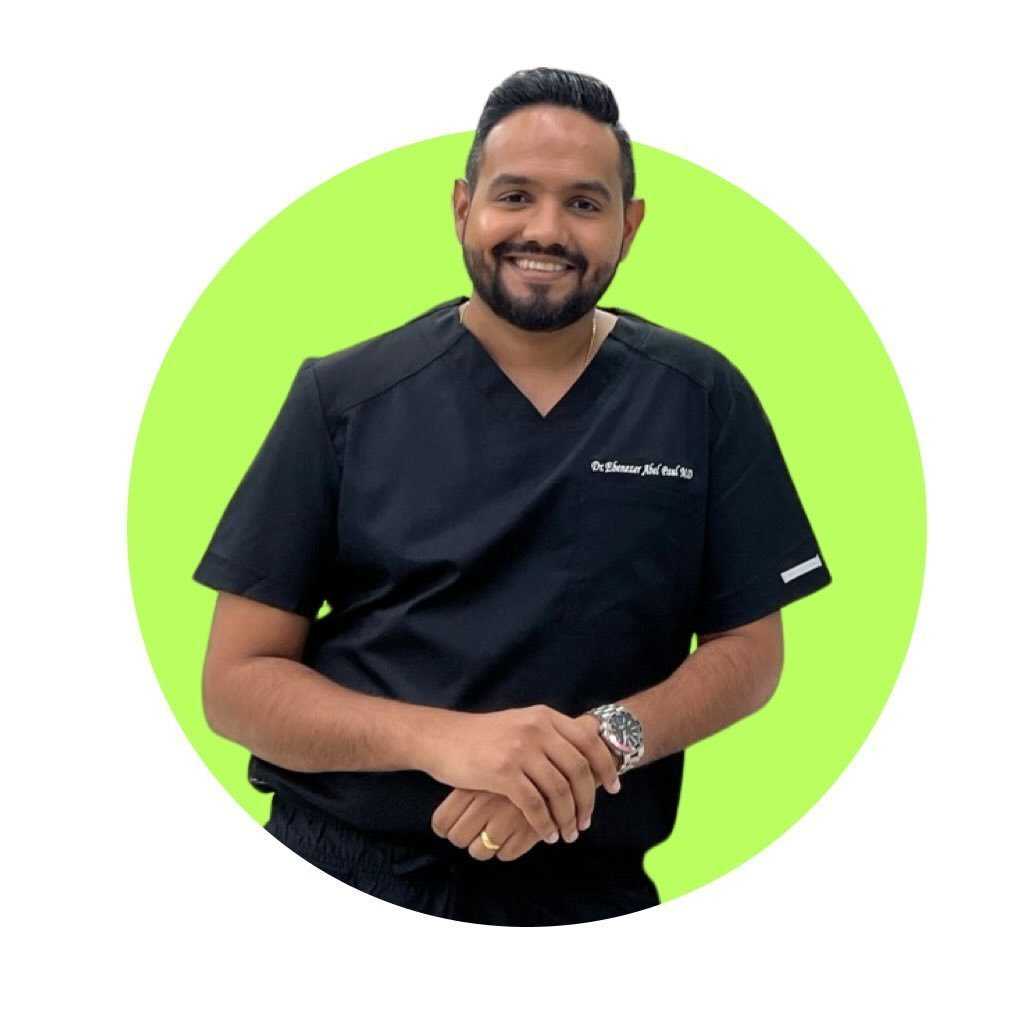
 96.00% Patient Recommend
Dr. Pravin Patels Innovative Hospital & Research Center
Overview
Dr. Pravin Patel's Innovative Hospital provides best stem cell treatment in Gujarat, India. Also offers Ozone therapy, Quantum therapy , EBOO therapy, Frequency & Laser Therapy at affordable cost.
Read more details

Discover your treatment options with a free, no-obligation quote!
Get your quote now! 100.00% Patient Recommend
GIOSTAR Hospital Bengaluru
Overview
Discover GIOSTAR Hospital in Bengaluru, India—your go-to center for advanced stem cell therapies and cutting-edge procedures for orthopaedics. Explore treatments for diabetes, stroke, SCI, and more.
Read more details
 100.00% Patient Recommend
Live Stem Cell Asia - Premier Stem Cell Clinic in Malaysia
Overview
Discover advanced stem cell Malaysia treatments at Live Stem Cell Asia, Petaling Jaya. Experience personalized care and innovative regenerative solutions.
Read more details
 100.00% Patient Recommend
StemRx Hospital and Research Centre
Overview
At StemRx Hospital & Research Centre, We specialize in advanced Regenerative Medicine & Stem Cell therapy for Autism, Cerebral Palsy, Orthopedics, Migraine, AVN & IVF providing personalized care.
Read more details
 98.04% Patient Recommend
Klinik Setia Gemilang
Overview
Klinik Setia Gemilang: Leading in stem cell therapy, orthopedic treatments, and anti -ageing solutions Malaysia . It is part of Setia Gemilang Medicare which houses a clinic and dentist
Read more details
Beijing Puhua International Hospital- Stem Cell Center
Overview
Beijing Puhua International Hospital (BPIH) features a dedicated Stem Cell Center, where a team of highly educated and experienced scientists and technicians are working on the research and development of stem cell technology to restrict the development of several degenerative diseases like Parkinson’s, ALS, Batten, Multiple Sclerosis and more.
Read more details
Beike Biotech
Overview
Beike Biotechnology offers the best stem cell therapy in Thailand, combining top-quality regenerative treatment with cutting-edge technology for optimal patient care.
Read more details

Boston Health Longevity - Anti Aging Stem Cell Therapy in Thailand
Overview
Experience advanced Anti Aging Stem Cell Therapy in Thailand at Boston Health Longevity. Improve cellular health, vitality, and longevity with expert care.
Read more details 100.00% Patient Recommend
Chaum Medical Center
Overview
Premium healthcare at Chaum Medical Center, Seoul. Personalized anti-aging, stem cell therapy, and advanced medical services for a youthful life.
Read more details
EDNA Wellness
Overview
EDNA Wellness is a surgeon-led regenerative medicine & Stem Cell center in Bangkok, specializing in orthopedic and neurological conditions using Umbilical Cord-Derived Mesenchymal Stem Cells (UC-MSCs)
Read more details
Hebei Yanda International Hospital
Overview
Hebei Yanda International Hospital in Beijing, China, addresses your healthcare needs with expert oncology, cardiology, and neurology treatments.
Read more details
Krishna Institute of Medical Sciences (KIMS), Bengaluru
Overview
Krishna Institute of Medical Sciences (KIMS) Bengaluru is recognized as the best hospital in India, offering advanced multispecialty care and expert doctors.
Read more details
Merkel Clinic
Overview
Merkel Clinic is a leading stem cell therapy center, specializing in innovative treatments for various medical conditions using cutting-edge regenerative medicine techniques.
Read more details
Which are the leading clinics for Stem Cell Treatment for Alzheimer's Disease in Tokyo, Japan?
For Stem Cell Treatment for Alzheimer's Disease in Tokyo, Japan, HELENE - Stem Cell Clinic stands out as a leading facility. With over a decade of dedicated experience and a significant patient base, they specialize in advanced regenerative medicine. This clinic focuses on providing tailored stem cell therapies for various health conditions, including complex neurodegenerative disorders like Alzheimer's, ensuring high-quality care and patient satisfaction.
HELENE - Stem Cell Clinic in Tokyo is a prominent name in regenerative medicine in Japan. Their extensive experience, spanning more than ten years, has allowed them to refine their stem cell therapy protocols. They emphasize a patient-centric approach, developing customized treatment plans for individuals seeking innovative solutions for conditions such as Alzheimer's disease. The clinic's commitment to cutting-edge techniques and comprehensive patient support makes it a noteworthy option in the region for those exploring advanced cellular treatments.
What types of stem cell therapies are available for Alzheimer's Disease patients in Tokyo?
Clinics in Tokyo offering stem cell treatment for Alzheimer's Disease typically focus on advanced regenerative medicine approaches. These often involve mesenchymal stem cells (MSCs), known for their anti-inflammatory, immunomodulatory, and neurotrophic properties. The goal is to support neuroprotection, reduce neural damage, and potentially enhance cognitive functions, using adult stem cells derived from sources like adipose tissue or bone marrow, minimizing ethical concerns.
In Tokyo, the predominant stem cell therapies for Alzheimer's disease leverage the regenerative potential of Mesenchymal Stem Cells (MSCs). These cells are valued for their ability to secrete growth factors that aid in tissue repair, modulate the immune response, and support neuronal health. The treatment typically involves isolating MSCs from a patient's own body (autologous stem cells) or from screened donor sources (allogeneic stem cells). These cells are then processed and expanded in a laboratory before being administered back to the patient, often via intravenous infusion or, in some cases, intrathecal injection to target the central nervous system more directly. The precise method of delivery and cell type can vary based on individual patient needs and the clinic's specific protocols.
How do clinics in Tokyo ensure safety and ethical standards in stem cell treatments for Alzheimer's?
Tokyo's reputable stem cell clinics adhere strictly to Japan's comprehensive regulatory framework for regenerative medicine, one of the most advanced globally. This ensures patient safety through rigorous screening, quality control of cell preparation, and ethical guidelines. Treatments are often conducted under strict protocols, including comprehensive pre-treatment evaluations and continuous post-treatment monitoring to assess efficacy and minimize risks.
Japan has established robust regulations for regenerative medicine, including stem cell therapies, to safeguard patient well-being. Clinics offering Alzheimer's stem cell treatments in Tokyo operate under these stringent guidelines, which cover various aspects:
- Patient Screening: Thorough medical evaluations are performed to ensure candidates are suitable for treatment, minimizing potential adverse reactions.
- Cell Sourcing and Preparation: Strict quality control measures are in place for the collection, processing, and expansion of stem cells, often in specialized, certified laboratories.
- Ethical Approval: Treatments typically require approval from institutional review boards, ensuring ethical considerations are met.
- Informed Consent: Patients receive detailed information about the procedure, potential benefits, risks, and alternatives to make well-informed decisions.
- Post-Treatment Monitoring: Long-term follow-up and data collection are integral to evaluating the safety and efficacy of the therapies, contributing to ongoing research and refinement of protocols.
What are the qualifications of the medical specialists offering Alzheimer's stem cell therapy in Tokyo?
Medical specialists at Tokyo's leading stem cell clinics for Alzheimer's disease typically hold advanced degrees in medicine, often specializing in neurology, regenerative medicine, or related fields. They possess extensive experience in cellular therapies, participate in ongoing medical training, and are well-versed in the latest research and clinical applications of stem cells for neurodegenerative conditions. Their expertise ensures patients receive highly specialized and informed care.
The medical teams involved in stem cell treatment for Alzheimer's in Tokyo are composed of highly qualified professionals. These specialists generally have:
- Extensive Medical Training: They have completed rigorous medical education and residency programs.
- Specialized Expertise: Many hold board certifications or advanced training in neurology, neurosurgery, geriatrics, or regenerative medicine, focusing on age-related cognitive decline and neurodegenerative diseases.
- Clinical Experience: They bring significant hands-on experience in administering stem cell therapies and managing patients with complex neurological conditions.
- Commitment to Research: Many are actively involved in or closely follow clinical research, staying abreast of scientific advancements to integrate the most effective and safe practices into their treatments.
What is the typical consultation process for international patients seeking Alzheimer's stem cell treatment in Tokyo?
International patients typically begin with a remote consultation, providing medical records for initial assessment. If deemed a potential candidate, a detailed in-person consultation in Tokyo follows. This includes comprehensive diagnostic tests and a personalized discussion with specialists about the proposed stem cell treatment plan for Alzheimer's, ensuring clarity and mutual understanding before proceeding.
The consultation process for international patients at Tokyo's stem cell clinics is designed to be thorough and supportive. Here's a general outline:
- Initial Remote Review: Patients submit their existing medical history, diagnostic reports, and current treatment plans. This allows the clinic's medical team to conduct a preliminary assessment and determine if stem cell therapy is a suitable option.
- Teleconsultation: A video or phone call may be scheduled with a specialist and often an interpreter, to discuss the case in more detail, answer initial questions, and explain the clinic's approach.
- On-site Comprehensive Evaluation: If the patient is considered a candidate, they travel to Tokyo for an in-depth evaluation. This typically involves advanced neurological assessments, imaging (MRI/PET scans), and possibly cognitive tests specific to Alzheimer's disease.
- Personalized Treatment Plan Discussion: Based on the comprehensive evaluation, a tailored treatment plan is formulated. The medical team will explain the specific stem cell types, administration methods, expected outcomes, and any potential risks, ensuring the patient and their family are fully informed.
Do Tokyo clinics offer language support for international Alzheimer's patients during treatment?
Yes, leading stem cell clinics in Tokyo frequently offer robust language support to accommodate international Alzheimer's patients. This includes multilingual staff or professional medical interpreters to facilitate clear communication between patients, their families, and the medical team throughout the entire treatment journey, from initial consultation to follow-up care. This ensures that all information is understood and cultural nuances are respected.
For international patients traveling to Tokyo for specialized medical care, particularly for complex treatments like Alzheimer's stem cell therapy, effective communication is paramount. Clinics catering to global patients often provide:
- Multilingual Staff: Many clinics employ staff members who are proficient in English and other commonly spoken languages, helping bridge communication gaps.
- Professional Medical Interpreters: Certified medical interpreters are often available for crucial discussions, such as consultations, treatment explanations, and consent processes, ensuring precise information exchange.
- Translated Materials: Important documents, consent forms, and aftercare instructions may be provided in the patient's native language.
- International Patient Coordinators: Dedicated coordinators often assist with non-medical aspects, such as scheduling appointments, travel arrangements, and local orientation, further enhancing the patient experience by ensuring comfort and understanding.
What are the post-treatment care and follow-up protocols for Alzheimer's stem cell therapy in Tokyo clinics?
Tokyo clinics providing Alzheimer's stem cell therapy emphasize structured post-treatment care and follow-up. This typically includes regular monitoring appointments, both in-person and remotely, to track patient progress and manage any potential side effects. Patients often receive personalized rehabilitation plans, including cognitive exercises and lifestyle adjustments, to support optimal recovery and integration of the therapy's benefits, ensuring ongoing support for long-term health.
After receiving stem cell therapy for Alzheimer's disease, patients at Tokyo clinics benefit from a well-defined continuum of care:
- Immediate Post-Procedure Care: Patients are closely monitored for a period following treatment to ensure stability and address any immediate concerns or reactions.
- Scheduled Follow-up Appointments: Regular check-ups are planned, often at intervals of weeks, months, and even years, to assess the long-term impact of the therapy. These appointments may include neurological examinations, cognitive assessments, and diagnostic imaging.
- Personalized Rehabilitation: Many clinics integrate rehabilitation strategies, such as cognitive stimulation therapy, physical therapy, and occupational therapy, customized to the individual's needs.
- Lifestyle and Nutritional Guidance: Patients and caregivers often receive advice on diet, exercise, and other lifestyle modifications that can support brain health and enhance the overall therapeutic outcome.
- Remote Monitoring and Support: For international patients, virtual consultations and remote data collection systems may be utilized to ensure continuity of care once they return home, allowing the medical team to continue monitoring their progress and provide advice.
How do Tokyo clinics address potential side effects or complications from Alzheimer's stem cell treatment?
Tokyo clinics prioritize patient safety, implementing stringent protocols to minimize risks. They thoroughly discuss potential side effects, such as mild fever or localized discomfort, during the informed consent process. Medical teams are equipped to promptly manage any rare complications, with immediate access to specialized care and constant monitoring during and after the stem cell treatment for Alzheimer's Disease.
Addressing potential side effects and complications is a critical component of patient care at Tokyo's stem cell clinics. Their approach includes:
- Pre-Treatment Risk Assessment: Each patient undergoes a detailed evaluation to identify individual risk factors that might predispose them to certain side effects.
- Comprehensive Disclosure: Before treatment, patients and their families receive clear, transparent information about all known potential side effects, which can range from mild, temporary reactions like fatigue or injection site soreness, to very rare but serious complications.
- Real-time Monitoring: During the stem cell administration and the immediate post-procedure period, patients are under continuous medical supervision, allowing for prompt detection and management of any adverse events.
- Standardized Emergency Protocols: Clinics have established emergency procedures and facilities to handle any unexpected or severe complications efficiently and effectively.
- Post-Treatment Support: The follow-up care includes monitoring for delayed side effects, and patients are educated on symptoms to watch for and how to contact the clinic's medical team if concerns arise.
Are Tokyo clinics focused on specific stages of Alzheimer's Disease for stem cell therapy?
While stem cell therapy for Alzheimer's is an evolving field, Tokyo clinics often focus on patients in early to moderate stages of the disease, where the potential for neuroprotection and slowing progression might be more significant. Eligibility criteria are strict and based on a comprehensive diagnostic assessment, including the type and severity of Alzheimer's, as well as the patient's overall health status.
Stem cell therapy for Alzheimer's disease is still considered an emerging treatment, and clinics in Tokyo approach patient selection with careful consideration:
- Early-Stage Focus: Many facilities often prioritize patients in the earlier to moderate stages of Alzheimer's. The rationale is that stem cells may have a greater impact on slowing disease progression or improving cognitive function before extensive neuronal damage occurs.
- Personalized Assessment: Clinics do not apply a one-size-fits-all approach. Instead, they conduct in-depth neurological and cognitive evaluations, including genetic testing and advanced imaging, to determine the specific stage and characteristics of the patient's Alzheimer's.
- Overall Health: A patient's general health, presence of co-morbidities, and ability to undergo the procedure are also critical factors in determining suitability.
- Tailored Protocols: Based on this detailed assessment, a specialized clinic will then determine if a patient is an appropriate candidate and, if so, customize the stem cell treatment protocol to potentially maximize therapeutic benefits for their specific condition.
What amenities and support services do Tokyo stem cell clinics offer for patient comfort?
Tokyo's leading stem cell clinics for Alzheimer's Disease often provide a range of amenities and support services to enhance patient comfort. These can include comfortable private rooms, personalized care assistants, nutritional meal planning, and access to relaxation areas. For international patients, they might also assist with local transportation, accommodation arrangements, and provide interpreter services, ensuring a stress-free and supportive healing environment.
Patient comfort and well-being are priorities for specialized stem cell clinics in Tokyo, particularly when treating conditions like Alzheimer's. To support both local and international patients, they typically offer:
- Comfortable Facilities: Modern clinics usually feature serene and private treatment rooms, comfortable waiting areas, and tranquil recovery spaces designed to promote relaxation.
- Personalized Assistance: Patients may receive dedicated assistance from staff members who help with daily needs, scheduling, and general well-being throughout their stay.
- Nutritional Support: Some clinics offer specialized dietary plans or access to nutritional counseling, recognizing the importance of diet in overall health and recovery.
- Concierge Services: For those traveling from abroad, clinics often extend concierge-style services that include airport transfers, assistance with hotel bookings, and guidance on local amenities, making their stay in Tokyo as convenient as possible.
- Language and Cultural Sensitivity: Staff are trained to be culturally sensitive and provide interpretation services, ensuring patients feel understood and respected.
How PlacidWay helps individuals access Stem Cell Treatment for Alzheimer's Disease in Tokyo, Japan?
PlacidWay simplifies your journey to finding Stem Cell Treatment for Alzheimer's Disease clinics in Tokyo, Japan. We provide detailed, up-to-date information about Stem Cell Treatment for Alzheimer's Disease, including its benefits, potential risks, and expected outcomes, empowering you with knowledge. Our platform helps you compare various clinics in Tokyo, ensuring you find affordable options without compromising on quality standards. We assist in identifying trusted, accredited clinics and highly experienced medical professionals specializing in Stem Cell Treatment for Alzheimer's Disease in Tokyo, Japan. Furthermore, PlacidWay offers one-on-one consultations to thoroughly discuss your unique needs and help you make informed decisions about your treatment path. Our support extends beyond treatment, ensuring continued assistance with follow-up care and recovery to help you navigate your health journey seamlessly. Ready to get Stem Cell Treatment for Alzheimer's Disease in Tokyo, Japan? Contact us today for a personalized consultation.Share with AI
Share this page with AI assistants to get summaries and insights


List of Best Stem Cell Treatment for Alzheimers Disease Clinics in Japan
Unlock the Best Stem Cell Treatment for Alzheimers Disease Packages Just for You
Discover the ultimate Stem Cell Treatment for Alzheimers Disease packages designed to meet your health and wellness goals. Choose the perfect fit for your journey.
.png)
Price starting from $10000.0
Stem Cell Therapy for Knee Osteoarthritis Package in Tokyo, Japan by HELENE Clinic
HELENE - Stem Cell Clinic
- Stem Cell Therapy
Tokyo, Japan

Price starting from $52000.0
Stem Cell × Fibroblast Anti-Aging GOLD Regenerative Medicine Package in Osaka, Japan by Cell Grand Clinic
Cell Grand Clinic - Best Stem Cell Clinic in Japan
- Anti Aging
Osaka, Japan

Price starting from $50000.0
Stem Cell + NK Cell Immune Regeneration Package in Osaka, Japan by Cell Grand Clinic
Cell Grand Clinic - Best Stem Cell Clinic in Japan
- Stem Cell Therapy
Osaka, Japan

Price starting from $14000.0
7-Days Intraspinal and IV Stem Cell Therapy for Autism in Kuala Lumpur, Malaysia by FirstCell
FirstCell Malaysia
- Stem Cell Therapy
Kuala Lumpur, Malaysia
Transformative Stem Cell Treatment for Alzheimers Disease Experiences: Dive into Procedure Insights
Discover the power of Stem Cell Treatment for Alzheimers Disease through compelling patient experiences. Uncover detailed insights into procedures, recovery journeys, and life-changing results.
.png)
Stem Cell for Knee Osteoarthritis in Osaka, Japan
- Stem Cell Therapy for Osteoarthritis, Stem Cell Therapy
Osaka, Japan
.png)
Price starting from $10000.0
Stem Cell Therapy for Diabetes in Tokyo, Japan
- Stem Cell Treatment for Diabetes, Stem Cell Therapy
Tokyo, Japan

Stem Cell Therapy for Heart Disease in Japan
- Stem Cell Therapy for Heart Disease, Stem Cell Therapy
Japan
.png)
Stem Cell Therapy for Parkinson’s Disease in Japan
- Stem Cell Treatment for Parkinsons Disease, Stem Cell Therapy
Japan

(Translated by Google) The teacher is nice, but I am bothered by the staff\'s private conversations (laughter) and their behavior. (Original) 先生はいい方なのですが、スタッフの私語(笑い声)や対応が気になります。
Read More