
What treatment


20+ Key FAQs on Orthopedic/Knee Surgery in China
Questions About Orthopedic/Knee Surgery in China? Start Here
Trusted Medical Tourism Platform Since 2007
.png)
How Do Russian Patients from Khabarovsk Travel to Northeast China for Orthopedic Treatment?
They take a short, 1.5-hour direct flight or a convenient train ride across the border to major hubs like Harbin. By doing so, they skip 1-to-2-year public hospital waitlists at home, accessing premium international implants for 30% to 50% less than private Russian or European clinics. Living with chronic joint pain changes everything. You know exactly what I am talking about if you are currently struggling to walk up a flight of stairs or if a simple trip to the grocery store in Khabarovsk leaves you exhausted and in pain. Perhaps your doctor has told you that you need a knee or hip replacement, but the public healthcare waiting list stretches years into the future. Going private in western Russia or Europe? That could drain your life savings. You might be feeling frustrated, anxious, and stuck. But what if the solution was just a short journey across the border? Finding out exactly How Do Russian Patients from Khabarovsk Travel to Northeast China for Orthopedic Treatment has become a priority for hundreds of families seeking relief. It sounds intimidating to go to a foreign country for major surgery, especially when you do not speak the language. Will you be safe? Will the implants last? In this guide, I will walk you through the entire process, answering your deepest fears with honest facts so you can finally get back to moving without pain. Quick Facts: Orthopedic Surgery in Northeast China Average Wait Time (Public System Home) 12 to 24 months Average Wait Time (Northeast China) 1 to 3 weeks Average Cost of Knee Replacement (Private Russia) $7,000 - $10,000+ Average Cost of Knee Replacement (China) $4,500 - $6,500 Implant Brands Used Global leaders (Zimmer, DePuy, Stryker) Implant Lifespan 15 to 20+ years 10-Year Success Rate 95% - 98% (Globally recognized) Total Trip Duration 14 - 21 days (Surgery + Rehab) Russian Translation Provided 24/7 by hospital staff Complication Rate 1% - 3% (Standard global risk) What is orthopedic surgery in China like for foreigners? Orthopedic surgery (like joint replacement) in China involves removing damaged cartilage and bone and replacing it with a premium artificial joint. For Russian patients, it includes VIP concierge service, immediate surgery access, and an intensive inpatient rehabilitation program. When we talk about orthopedic treatment in Northeast China, we are mostly discussing major joint replacement surgeries (arthroplasty) for the knee or hip, as well as spinal procedures. When osteoarthritis wears away the protective cartilage in your joints, bones rub against bones. The surgery removes those damaged surfaces and replaces them with medical-grade metal and plastic components. Here is how the medical tourism journey unfolds step-by-step: Pre-arrival planning: You send your X-rays and MRI scans from Khabarovsk to the Chinese hospital. A surgical team reviews them and provides a concrete treatment plan and cost estimate before you ever pack a bag. Arrival and preparation: You are picked up at the airport or train station by a Russian-speaking coordinator. Within 24 to 48 hours, comprehensive blood tests, EKGs, and fresh imaging are completed to ensure you are healthy enough for surgery. The surgery: Under regional or general anesthesia, the orthopedic surgeon meticulously places your new implant. The procedure usually takes 1.5 to 2 hours. Inpatient rehabilitation: Unlike in many Western countries where you are sent home the next day, Chinese hospitals keep you inpatient for 10 to 14 days. You undergo daily, intensive physical therapy under strict medical supervision to guarantee your joint heals correctly. Return home safely: You are discharged with translated medical documents and physical therapy instructions, traveling back across the border ready to start your new, pain-free life. The biggest benefit over staying home is combining the surgical precision of global implants with the intensive, guided recovery only an extended hospital stay provides. Why choose Northeast China for joint replacement surgery? Northeast China offers immediate access to surgery, saving you 1-2 years of painful waiting. You get premium Western implants, dedicated Russian-speaking staff, and comprehensive inpatient rehabilitation—all geographically close to Khabarovsk. Speed (No Waitlists): Public quotas in Russia can delay joint replacements for years. In Harbin or Shenyang, your surgery is scheduled at your convenience, usually within weeks of your initial inquiry. Geographical Convenience: Traveling to Moscow, South Korea, or Europe requires long flights and jet lag. Harbin is practically in your backyard. The short travel time reduces the risk of blood clots after surgery. Access to Premium Materials: Due to shifting geopolitical supply chains, accessing specific premium Western joint implants (like those from Zimmer Biomet or Stryker) can be difficult or very expensive at home. Chinese elite hospitals stock these globally recognized brands. Inpatient Rehabilitation: The Chinese medical model keeps you in the hospital for 10 to 14 days post-surgery. You receive physical therapy twice a day, acupuncture for pain management, and constant nursing care, leading to faster, safer recoveries. Language Support: Because Northeast China shares a border with Russia, major hospitals have specialized international departments with full-time, medical-fluent Russian translators who stay by your side. Cost Comparison: Khabarovsk vs. Northeast China Patients save 30% to 50% compared to private clinics in Russia or Europe. A complete knee replacement package in China costs around $5,500, encompassing surgery, the implant, and a two-week hospital stay. Let us look at the financial reality. While free public healthcare exists in Russia, the agonizing wait times push many to seek private options. When you compare private, out-of-pocket costs, traveling to China becomes highly attractive. Procedure Private Clinic (Russia/Europe) Northeast China Estimated Savings Total Knee Replacement $7,000 - $12,000 $4,500 - $6,500 35% - 45% Total Hip Replacement $8,000 - $13,000 $5,000 - $7,000 35% - 45% Spinal Decompression/Fusion $10,000 - $18,000 $6,000 - $9,000 40% - 50% Knee Arthroscopy $2,500 - $4,500 $1,500 - $2,500 40% - 45% Why is the pricing so different? It is important to know that you are not getting cheaper, inferior materials. A Zimmer knee implant costs roughly the same globally. The savings come from the economic structure of Chinese healthcare: lower overhead costs for the facility, lower administrative costs, and highly subsidized hospital infrastructure. You get first-world medical technology powered by more affordable operational costs. Is orthopedic treatment in Northeast China safe for Russian patients? Yes. Elite Grade 3A Chinese hospitals use the same strict sterilization protocols, surgical robotics, and FDA/CE-approved joint implants as top Western facilities. Infection rates are kept at an ultra-low 1-2%. It is entirely normal to be nervous about medical safety in a foreign environment. Let's address those fears directly by comparing quality metrics. Quality Metric Russian Standards Chinese Standards Notes Prosthetic Materials Domestic/Imported mixes Top imported brands (Zimmer, Johnson & Johnson) China ensures steady access to premium Western implants. Surgical Volume Moderate Extremely High Chinese surgeons perform vast numbers of surgeries, maximizing their skill. Infection Rate 1% - 3% 1% - 2% Both meet strict global benchmarks. Post-Op Care Often discharged quickly 10-14 day inpatient rehab Longer hospitalization in China prevents early complications. Here is why you can feel secure: High-volume experience: Top orthopedic surgeons in Harbin and Shenyang perform hundreds of joint replacements annually. In surgery, repetition builds perfection. No communication gaps: Your dedicated Russian medical translator ensures that every question you have is answered and every instruction from the doctor is perfectly understood. Extensive screening: The Chinese medical protocol is notoriously thorough. They will check your heart, lungs, and blood chemistry deeply before clearing you for surgery, drastically reducing unexpected complications. When you choose a well-reviewed, Grade 3A public hospital or a specialized international orthopedic center, you are in world-class hands. Timeline for traveling from Khabarovsk to China for orthopedic care Expect the entire process from leaving Khabarovsk to returning home with a new joint to take 14 to 21 days. You only need to make one trip. Unlike dental procedures that might require multiple border crossings, major joint replacements are almost always completed in a single, extended stay. Here is your timeline: Pre-travel Phase (1-2 weeks): Secure your medical visa (hospitals provide the invitation letter) and book your train or flight. Your surgical plan is already approved via remote consultation. Days 1-2 (In China): Arrival, hospital admission, translator introduction, and comprehensive pre-operative testing. Day 3: Surgery day. You will wake up with your new joint and comprehensive pain management. Days 4-14: The intensive rehabilitation phase. You will stay in the hospital, learning to walk, bend, and use your new joint safely with daily physical therapy. Day 15+: Discharge and travel home. You will be walking (with a cane or crutches) and fit to travel back to Khabarovsk. Crucial travel considerations: Travel Method: Returning by train can sometimes be more comfortable than flying because you can stretch your legs, though direct flights are faster. Discuss this with your surgeon. Follow-up: Ask the Chinese clinic for a digital copy of all X-rays and surgical reports in Russian or English to give to your doctor in Khabarovsk. Visas: Medical visas are typically straightforward when you have a formal invitation letter from a verified Chinese hospital. Who is a good candidate for knee or hip surgery in China? Ideal candidates have chronic joint pain that limits daily life, are healthy enough for anesthesia, and are willing to travel and commit to 14 days of inpatient rehabilitation abroad. Medical tourism is a big decision. Let us determine if you are ready to take this step. You are likely a great candidate if you: Have been diagnosed with severe osteoarthritis or rheumatoid arthritis in the knee or hip. Experience daily pain that prevents you from sleeping, walking, or enjoying life. Are facing a 1-to-2-year waitlist in the Russian public health system. Have a relatively stable heart and lung condition (cleared for general or spinal anesthesia). Are willing to travel 1.5 to 3 hours across the border to Harbin or a nearby city. Are committed to doing the physical therapy required for a successful recovery. You may need to reconsider if you have: Severe, unmanaged heart disease: High surgical risk makes international travel inadvisable. Active infections: Any active bacterial infection must be completely resolved before joint surgery. Uncontrolled diabetes: Blood sugar must be stabilized to ensure proper wound healing. Severe obesity: BMI over 40 can complicate surgery and increase implant failure rates; doctors will evaluate this case-by-case. Inability to travel safely: If your mobility is so restricted that a train or short flight is impossible, local care is necessary. Need for free care: Cross-border treatments are strictly out-of-pocket and not covered by standard Russian OMC. If you meet the criteria, your best next step is sending your recent X-rays for a free preliminary evaluation. That costs nothing and gives you options. Frequently Asked Questions We know you have specific concerns about organizing medical care in a foreign country. Here are the most common questions families in Khabarovsk ask before booking their orthopedic procedures in Northeast China. How much does orthopedic surgery cost in Northeast China compared to private clinics in Russia? Private joint replacement in Northeast China typically costs $4,000 to $7,000. Similar private procedures with western implants in Russia can cost $7,000 to $10,000+, representing a 30% to 50% savings, without the multi-year waitlists of public healthcare. Is orthopedic treatment in Northeast China better quality? Northeast Chinese hospitals offer world-class quality, utilizing the exact same FDA-approved and CE-marked implants (like Zimmer or DePuy) as top European or US hospitals. Success rates mirror global standards at 95-98%. The advantage lies in immediate access and intense rehab. What is the recovery time for joint replacement surgery? You will typically start walking with assistance within 24-48 hours. Most patients stay in the Chinese hospital for 10-14 days for intensive, daily rehabilitation before traveling back to Khabarovsk. Full recovery takes 3 to 6 months. What are the risks or potential complications of orthopedic surgery abroad? Complications are rare (1-3%) but can include infection or blood clots, identical to risks at home. Chinese hospitals mitigate this with strict international sterilization protocols and comprehensive pre-surgery health screenings to ensure your heart and lungs are strong enough. Can I get surgery in China if I have severe osteoarthritis or bone loss? Yes. Specialized orthopedic departments handle complex cases, including severe osteoarthritis and bone degradation. Advanced imaging and custom prosthetics ensure a precise fit even with compromised bone structure. Which cities in Northeast China are best for Russian patients? Harbin, Shenyang, and Dalian are the top destinations. They have dedicated international medical departments, direct transport links from Khabarovsk, and full-time Russian-speaking medical translators on staff who understand cross-border logistics. How will I handle follow-up care once I return to Khabarovsk? Chinese hospitals provide translated medical records, X-rays, and rehabilitation guidelines. You can share these with your local orthopedist in Khabarovsk for routine check-ups. Telemedicine follow-ups with your Chinese surgeon are also common. How do I know if a Chinese hospital is reputable and verified? Look for JCI (Joint Commission International) accreditation or elite Grade 3A national hospital status. Reputable providers will gladly share surgeon credentials, implant brand certificates, and transparent pricing in advance before you make any deposits. Is it safe to travel from Khabarovsk to China for surgery alone? Yes, many patients travel alone because the hospitals provide full concierge services, including airport pickup, visa help, and dedicated inpatient nursing. However, bringing a family member can provide emotional support and help with luggage on the journey home. How many trips across the border will I need to make? For major orthopedic procedures like hip or knee replacement, you only need one trip. You will stay for 14 to 21 days to complete the surgery and initial physical therapy before returning home safely. Do Chinese hospitals offer financing or accept Russian medical insurance? Most international patients pay out-of-pocket, as Russian mandatory health insurance (OMC) does not cover cross-border care. Payments are typically made via bank transfer or cash. The upfront costs are highly competitive, making financing less necessary. Ready to Walk Without Pain Again? You have done the research. You know the logistics. You know that relief is just across the border. Send your X-rays for a free evaluation and receive a personalized surgical plan with exact pricing. Get My Free Quote No obligation. No pressure. Just honest medical feedback. References American Academy of Orthopaedic Surgeons. "Total Knee Replacement Outcomes and Success Rates." World Health Organization (WHO). "Global Guidelines on Osteoarthritis Management." Joint Commission International. "Global Hospital Accreditation Standards." National Center for Biotechnology Information (NCBI). "Postoperative Rehabilitation Protocols for Joint Arthroplasty." PlacidWay Medical Tourism. "Benefits of Medical Tourism and Cost Analyses" Medical Disclaimer Important: This article exploring How Do Russian Patients from Khabarovsk Travel to Northeast China for Orthopedic Treatment is for informational purposes only and is not medical advice. Always consult a licensed physician or orthopedic surgeon before undergoing any major surgery. Individual recovery results vary. Seek immediate medical attention if you experience severe swelling, fever, chest pain, or shortness of breath after surgery....
Read more details

.png)
Why Are Japanese Orthopedic Patients Choosing Shanghai for Knee Replacement Instead of Waiting at Home?
They are bypassing 6 to 12-month waitlists in Japan by taking a quick 2.5-hour flight to Shanghai. There, they access premium robotic-assisted surgeries at international hospitals with zero wait time, saving up to 50% compared to private Japanese care, while receiving the exact same FDA-approved implants. Living with severe knee osteoarthritis is exhausting. Every step feels like a negotiation with pain. You have likely given up hiking, playing with your grandchildren, or even just walking to the local market without wincing. But perhaps the most frustrating part is not the pain itself, it is the waiting. You sit in your doctor's office in Tokyo or Osaka, only to be told that due to the overwhelming demand on the healthcare system, your elective surgery is scheduled for six to twelve months from now. You may be asking yourself, "Why Are Japanese Orthopedic Patients Choosing Shanghai for Knee Replacement Instead of Waiting at Home in 2026?" The truth is, people are tired of putting their lives on hold. You want honest answers about whether traveling a few hours across the sea is truly a safe, viable option. I understand the hesitation. Trusting foreign medical care can feel daunting. But this guide is here to walk you through exactly why thousands of Japanese medical tourists are making this choice, providing you with the facts, the numbers, and the reassurance you need to take control of your mobility. Quick Facts: Knee Replacement (Japan vs. Shanghai) Average Wait Time Japan: 6 - 12 months Shanghai: 1 - 2 weeks Private Out-of-Pocket Cost Japan: $25,000 - $35,000+ Shanghai: $9,000 - $14,000 Implant Brands Used Both: Stryker, Zimmer Biomet, DePuy Synthes 10-Year Success Rate Japan: 96% - 98% Shanghai: 96% - 98% Distance / Travel Time Flight from Tokyo: 2.5 to 3 hours What Exactly Is a Total Knee Replacement and How Does It Work? A Total Knee Replacement (Arthroplasty) removes damaged cartilage and bone from your knee joint and replaces it with an artificial joint made of medical-grade metal alloys and high-grade plastics. It eliminates bone-on-bone friction entirely. When you have severe osteoarthritis, the protective cartilage in your knee wears away. The resulting bone-on-bone grinding causes severe pain, swelling, and stiffness. A knee replacement solves this by giving you a brand-new, smooth surface to walk on. Here is step-by-step how the procedure works: Preparation: The surgeon makes an incision over the front of the knee to access the joint, pushing the kneecap aside. Bone Resurfacing: The damaged cartilage surfaces at the ends of the femur (thigh bone) and tibia (shin bone) are carefully removed along with a small amount of underlying bone. Implant Positioning: The metal components are attached to the bone. Often, a specialized surgical cement is used to secure the titanium or cobalt-chromium parts in place. Inserting the Spacer: A medical-grade plastic spacer is inserted between the metal components to create a smooth gliding surface. Testing and Closure: The surgeon bends and flexes the knee to ensure proper alignment and function before closing the incision with sutures or staples. Unlike cortisone injections that only mask the pain temporarily, or arthroscopic clean-outs that often fail to provide long-term relief for severe arthritis, a complete replacement permanently removes the diseased joint. This means a return to pain-free movement. Why Are Japanese Medical Tourists Choosing Knee Replacement in Shanghai Over Other Options? Patients choose Shanghai because it offers zero wait times, cutting-edge robotic surgical assistance (like the Mako system), VIP inpatient rehabilitation, and a convenient 2.5-hour flight from Tokyo, all at a fraction of the cost of private Japanese healthcare. Immediate Access: You can schedule your surgery within weeks, not months. You stop suffering and start healing immediately. Robotic-Assisted Precision: Shanghai’s top international hospitals heavily utilize Mako SmartRobotics. This technology creates a 3D model of your knee, allowing the surgeon to place the implant with sub-millimeter accuracy, leading to a faster, less painful recovery than traditional manual surgery. Incredible Proximity: A flight from Tokyo to Shanghai is only about 2.5 hours, and the time difference is just 1 hour. It is a shorter trip than flying to Southeast Asia or the US. VIP Concierge Care: Unlike crowded public hospitals, international wings in Shanghai offer private suites, dedicated Japanese translators, and one-on-one daily physical therapy sessions directly in your room. World-Class Rehabilitation: Rather than discharging you in 3 days, these programs often keep you as an inpatient for 10-14 days, providing intensive, guided physiotherapy so you are confident on your feet before flying home. How Much Does Knee Replacement Surgery Cost in Shanghai Compared to Japan? You can save up to 50-60% on private expedited care. A total knee replacement package in Shanghai costs $9,000 to $14,000, whereas skipping the line for private care in Japan can cost $25,000 to over $35,000. Let us look closely at the numbers. While Japan has an excellent national health system, the backlog means you must wait. If you want surgery immediately in Japan at a premium private clinic using top-tier robotics, the out-of-pocket expenses skyrocket. Shanghai provides that premium, immediate experience at a much more accessible price point. Procedure / Service Private Care (Japan) International Hospital (Shanghai) Savings % Unilateral Total Knee Replacement $25,000 - $35,000 $9,000 - $14,000 50% - 60% Bilateral Knee Replacement (Both Knees) $45,000 - $60,000 $16,000 - $22,000 60% - 65% Robotic Surgical Surcharge $3,000 - $5,000 Often Included / $1,000 70%+ Inpatient Rehab (10-14 days) $5,000 - $8,000 $1,500 - $3,000 60% - 70% Why is Shanghai more affordable? The savings are completely driven by lower administrative overhead, favorable exchange rates, and lower staff salaries compared to Tokyo. You are not paying less for the materials. A Stryker titanium knee implant costs the hospital roughly the same whether it is shipped to Japan or China. You are simply saving on the cost of the hospital's operational framework. Is It Safe to Get Knee Surgery in China for Japanese Patients? Yes. Top medical tourism hospitals in Shanghai are JCI (Joint Commission International) accredited. They boast strict infection rates under 1% and use identical US and European surgical protocols. Your safety is guaranteed by global standards, not local guidelines. It is perfectly natural to worry about the safety of hospitals abroad. Language barriers, sanitation standards, and quality of care are valid concerns. However, the medical tourism sector in Shanghai is isolated from the general public healthcare system. These are ultra-modern, private facilities built specifically to cater to international diplomats, expatriates, and medical tourists. Quality Metric Top Japanese Hospitals Intl. Shanghai Hospitals Notes Hospital Accreditation JCQHC / JCI JCI (Gold Seal) Held to the same rigorous global safety standard. Implant Quality Zimmer, Stryker, DePuy Zimmer, Stryker, DePuy Exact same serial-tracked components used. Surgical Infection Rate Under 1% Under 1% HEPA-filtered operating theaters. Surgeon Qualifications Board Certified Board Certified + Intl Training Many Shanghai surgeons trained in US/EU/Japan. When you book through a reputable medical tourism provider, you ensure: Language is not a barrier: You will be assigned a native or fluent Japanese interpreter who stays with you from the first X-ray to the final discharge. Materials are verifiable: You will receive the actual barcode and serial number of your implant box for your records back home. Aftercare is prioritized: Surgeons will coordinate with your local orthopedic doctor in Japan to ensure a seamless transition of care. No cross-contamination: Post-operative rooms are entirely private, ensuring maximum hygiene during the critical first few days of recovery. Do not let outdated misconceptions keep you in pain. Choose a verified, internationally accredited hospital and secure your peace of mind. What Is the Timeline for Orthopedic Surgery Abroad in Shanghai? The entire medical trip takes about 14 to 21 days. You will undergo surgery on day 2 or 3, stay in the hospital for a week, and complete inpatient physical therapy before taking the short flight back to Japan. Planning the trip is easier than you might think. Here is the standard timeline for Japanese patients: Phase 1: Pre-op & Arrival (Days 1-3): You fly from Japan to Shanghai. A driver picks you up. You have in-person consultations, MRI/CT scans, and blood work to clear you for surgery. Phase 2: Surgery & Acute Recovery (Days 4-8): The knee replacement takes 1 to 2 hours. You will spend a few hours in recovery, then move to your private suite. You will be helped to stand or take a few steps within 24 hours. Phase 3: Intensive Rehabilitation (Days 9-18): You transition to daily physical therapy. You will learn how to use a walker, navigate stairs, and manage your new joint safely. Phase 4: Return Home (Day 19-21): Once cleared by your surgeon, you are driven to the airport. Special wheelchair assistance is arranged for your flight back to Japan. Crucial considerations for your trip: Travel Visas: Check current visa requirements between Japan and China. Medical visa assistance is usually provided by the clinic. Follow-up Care: You will need a physical therapist back in Japan for 2 to 3 months to achieve full range of motion. Insurance: Japanese NHI might offer partial overseas medical reimbursement, but prepare to pay upfront. Confirm policies with your local ward office. Medical Records: Ensure you bring translated copies of your recent Japanese medical history, X-rays, and medication lists. Who Is the Ideal Candidate for Joint Replacement in Shanghai? Ideal candidates are suffering from severe joint pain that limits daily life, are physically healthy enough to travel, and are motivated to participate in post-surgery physical therapy. Surgery abroad is a commitment. It is important to know if this path aligns with your medical profile. You are likely a great candidate if you have: Severe, chronic knee pain from osteoarthritis, rheumatoid arthritis, or post-traumatic arthritis. Pain that keeps you awake at night or prevents you from walking more than a few blocks. Tried conservative treatments (medications, injections, physical therapy) without lasting success. Good cardiovascular health to safely undergo general or spinal anesthesia. A strong willingness to adhere to daily physical therapy exercises. Frustration with long waitlists in Japan and a desire to resolve the issue quickly. You may need to reconsider or take extra precautions if you have: Severe heart or lung conditions: Traveling and surgery may pose too high a risk. Clear this with a Japanese cardiologist first. Active infections: Any infection in the body (even dental) must be completely resolved before joint replacement. Severe osteoporosis: Extremely brittle bones can make securing the implant difficult, though advanced bone cement techniques often solve this. Significant obesity: A high BMI (over 40) increases the risk of implant failure and infection. Lack of support at home: You will need someone to help you with groceries and chores for the first few weeks after returning to Japan. Uncontrolled diabetes: Blood sugar must be well-managed to ensure proper wound healing. If you fit the profile, do not let fear keep you immobilized. Request a virtual consultation to speak directly with an orthopedic specialist. Frequently Asked Questions Making a decision about surgery abroad requires total transparency. Below are the most common questions Japanese patients ask before packing their bags for knee replacement in Shanghai, covering everything from costs and safety to flight logistics and physical therapy. How much does knee replacement surgery cost in Shanghai? A total knee replacement in Shanghai typically costs between $9,000 and $14,000 USD. This is significantly lower than private expedited care in Japan, which can exceed $25,000 to $35,000 when factoring in advanced robotic assistance and premium implants. Is it safe to get knee surgery in China for Japanese patients? Yes, it is extremely safe when choosing JCI-accredited international hospitals in Shanghai. These facilities use the exact same FDA-approved implants (like Stryker or Zimmer Biomet) and adhere to strict global sterilization and surgical protocols, yielding success rates of 96-98%. What is the recovery time for knee replacement in Shanghai? You will typically stand or walk with assistance within 24 hours of surgery. The hospital stay in Shanghai lasts 5 to 7 days, followed by 1 to 2 weeks of intensive inpatient physical therapy before flying back to Japan. Full recovery takes 3 to 6 months. Do they use the same knee implants in Shanghai as in Japan? Absolutely. International hospitals in Shanghai import premium titanium and polyethylene joint implants from leading global manufacturers such as DePuy Synthes, Zimmer Biomet, and Stryker the exact same brands used in top-tier Japanese hospitals. What happens if complications arise after I return to Japan? Reputable Shanghai hospitals provide comprehensive translated medical records, surgical reports, and implant warranties. Because they use standard global implant brands, your local orthopedic doctor in Japan can easily monitor your progress and handle routine follow-up care. Can I get a knee replacement in Shanghai if I have osteoporosis? Yes, in many cases. Surgeons in Shanghai utilize advanced techniques like bone grafting, specialized cemented implants, and robotic precision to securely attach the artificial joint even in patients with moderate bone density loss. Why are wait times in Japan so long for joint replacement? Japan's rapidly aging population has created a massive backlog for elective orthopedic surgeries. While urgent cases are prioritized, chronic osteoarthritis patients often wait 6 to 12 months for a surgical slot under the national healthcare system. Will there be a language barrier for Japanese medical tourists in Shanghai? Top medical tourism hospitals in Shanghai have dedicated international patient departments featuring fluent Japanese-speaking medical interpreters who stay by your side during consultations, surgery prep, and physical therapy sessions. Is it safe to travel to Shanghai for orthopedic surgery alone? While many patients do travel alone due to the VIP concierge services provided by international hospitals (including airport transfers and dedicated nursing), bringing a companion is recommended for emotional support and assistance during your flight back to Japan. How many trips to Shanghai will I need for a knee replacement? You only need one trip. Japanese patients typically stay in Shanghai for 14 to 21 days. This single trip covers the pre-op consultation, the surgery, acute hospital recovery, and initial physical therapy before you are medically cleared to fly home. Will my Japanese national health insurance cover surgery in Shanghai? Japan’s National Health Insurance (NHI) has an Overseas Medical Treatment Benefit system that may reimburse a portion of your surgery costs based on standard Japanese rates. However, patients primarily pay out-of-pocket and claim partial reimbursement later. Ready to Walk Pain-Free Again? You have done the research. You know that waiting 12 months in pain is not your only option. You know it is safe, affordable, and accessible. The only thing left is taking the first step. Request a free consultation today and get a personalized treatment plan with exact pricing. Get My Free Quote No obligation. No pressure. Just honest answers from international orthopedic experts. References American Academy of Orthopaedic Surgeons (AAOS). "Total Knee Replacement." Joint Commission International (JCI). "JCI Accredited Organizations Database." Stryker Orthopaedics. "Mako SmartRobotics for Knee Replacement." PlacidWay Medical Tourism. "Orthopedic Knee Surgery Costs and Destinations Abroad." Medical Disclaimer Important: This article is for informational purposes only and is not medical advice. Consult a licensed orthopedic surgeon or medical professional before undergoing any joint replacement procedure. Individual results vary. Seek immediate medical attention if you experience severe pain, excessive swelling, high fever, or signs of blood clots (such as calf tenderness) after surgery....
Read more details.png)
Is All-Inclusive Orthopedic Surgery in Beijing Worth It for GCC Patients Compared to Dubai Private Hospitals?
Yes, it is often worth it. GCC patients can save 40-60% by choosing Beijing over Dubai private hospitals, paying around $10,000 instead of $25,000+ for a joint replacement. Beijing's top international hospitals offer world-class robotic surgery, VIP all-inclusive care, and success rates of 98%, making the 8-hour flight highly rewarding. Living with chronic joint pain changes everything. I know how frustrating it is when a simple walk through the mall or playing with your grandchildren becomes an agonizing task. You try the injections, the physical therapy, the medications, but eventually, your doctor tells you what you already feared: it is time for surgery. If you live in the UAE, Saudi Arabia, or Qatar, your first instinct is to look at premium local options. But then you see the estimates. The out-of-pocket costs at private GCC hospitals can be completely overwhelming, even if you have health insurance that claims to cover "portions" of the procedure. You are likely asking yourself: Is all-inclusive orthopedic surgery in Beijing worth it for GCC patients compared to Dubai private hospitals? It is completely normal to feel hesitant about flying to China for a major medical procedure. You might be worried about the language barrier, the quality of the implants, or whether the standard of care matches the luxury clinics in Dubai. I wrote this guide to give you honest, clear, and reassuring answers. By the end of this article, you will have all the facts, numbers, and comparisons you need to make the smartest decision for your health and your wallet. Quick Facts: Orthopedic Surgery Dubai vs. Beijing Average Cost (Dubai Private) $20,000 - $35,000 Average Cost (Beijing All-Inclusive) $8,000 - $15,000 10-Year Success Rate 98% (Both locations) Recovery Time in Hospital 3-5 Days (Dubai) vs 7-10 Days (Beijing In-Patient Rehab) Complication Rate 1% - 3% (Rare in both locations) What Is All-Inclusive Orthopedic Surgery? All-inclusive orthopedic surgery means a single, transparent price covers your premium hospital room, surgeon fees, global-brand implants, airport transfers, a dedicated translator, and inpatient physiotherapy. No hidden "a la carte" fees. Orthopedic surgery (like a knee or hip replacement) involves removing damaged bone and cartilage and replacing it with an artificial joint made of medical-grade metal and specialized plastics. The procedure restores movement and eliminates pain. But what does "all-inclusive" mean in the context of medical tourism to Beijing? When you go to a private hospital in Dubai, you are often billed for every single item the surgeon's time, the anesthesiologist, the hospital bed per night, every single bandage, and every physical therapy session. In Beijing, international patient centers bundle this into one VIP package. Here is exactly how it works: Pre-arrival planning: Your medical records and X-rays are reviewed remotely. You receive a fixed price quote before you ever book a flight. VIP arrival: You are picked up from Beijing Capital International Airport by an English or Arabic-speaking medical concierge and taken directly to your luxury hospital suite. Advanced surgery: Using top-tier technology (often robotic-assisted arms for extreme precision), the surgeon places your new joint. The materials used are identical to the ones your Dubai doctor would use. In-patient rehabilitation: Instead of being rushed home after 3 days, Beijing packages usually include 7 to 10 days of intensive, in-hospital physiotherapy to ensure you are safely walking before you fly. Safe return: You are driven back to the airport, fully cleared with comprehensive medical files in hand for your doctor back in the GCC. This approach takes the stress of recovery completely off your shoulders, allowing you to focus entirely on healing. Why Choose All-Inclusive Orthopedic Surgery in Beijing Over Dubai Private Hospitals? Beijing offers 40-60% savings, high-volume surgical expertise, world-class robotic technology, and extended in-patient care that prevents early complications. All without compromising on the quality of the implants. Dubai boasts incredible healthcare infrastructure, but the premium price tag does not always mean better clinical outcomes. Here is why thousands of international patients are choosing Beijing's top medical centers instead: Extreme Surgical Experience: Due to population size, top orthopedic surgeons in Beijing often perform more joint replacements in a single month than some GCC surgeons perform in an entire year. This high volume leads to exceptional precision and lower complication rates. No Hidden Costs: Dubai hospitals are notorious for post-surgery billing surprises. Beijing's all-inclusive model means the price you are quoted is exactly what you pay. Extended Hospital Care: In Dubai, you are discharged rapidly to save on expensive bed fees. In Beijing, your package includes an extended hospital stay (7-10 days) with daily physiotherapy, vastly reducing the risk of post-op falls or blood clots. Cutting-Edge Technology: China invests heavily in medical technology. You have access to the latest Mako robotic-arm assisted surgeries, which ensure perfect implant alignment and faster recovery. Cultural Comfort: Top Beijing international hospitals cater heavily to GCC patients, offering halal menus, private prayer rooms, and dedicated Arabic-speaking guides. How Much Will You Really Save in China? You can easily save over $15,000 on a single joint replacement. Even after paying for business class flights and visas, the financial savings are massive. Let us look directly at the numbers. These estimates reflect the total out-of-pocket expenses for a patient without insurance coverage, or a patient whose local GCC insurance refuses to cover the full premium private hospital fees. Procedure Dubai Private Hospital Beijing All-Inclusive Average Savings Total Knee Replacement $22,000 - $30,000 $9,000 - $13,000 50% - 60% Total Hip Replacement $25,000 - $35,000 $10,000 - $14,000 50% - 60% Spinal Fusion (1 Level) $30,000 - $45,000 $12,000 - $18,000 55% - 65% Shoulder Replacement $20,000 - $28,000 $8,500 - $12,000 50% - 60% Bilateral Knee (Both Legs) $40,000 - $55,000 $16,000 - $22,000 55% - 65% Why is Beijing so much more affordable? It is crucial to understand that the lower cost does not come from using cheap implants. Global brands like Zimmer and Stryker cost roughly the same worldwide. The massive price difference comes entirely from reduced labor costs, lower hospital overhead, and significant Chinese government investments in medical infrastructure. You are simply no longer paying the "Dubai premium." Is Orthopedic Surgery in Beijing Safe for GCC Patients? Yes, absolutely. International hospitals in Beijing are regulated by strict international guidelines, carry JCI accreditation, and utilize the exact same top-tier prosthetic joints as western hospitals. This is always the biggest fear. When you fly across the world, you want to know you are safe. I hear this daily. Let us lay the facts side-by-side so you can see that safety is the one area where no compromises are made. Quality Metric Dubai Private Hospitals Beijing VIP Hospitals Notes Prosthetic Implants US/EU FDA Approved US/EU FDA Approved Zimmer, Stryker, Smith & Nephew used globally. Hospital Accreditation JCI Accredited JCI Accredited Both adhere to the highest global safety standard. Infection Rates < 2% < 2% Ultra-clean surgical theaters ensure safety. Surgeon Experience Highly skilled, lower volume Highly skilled, ultra-high volume Beijing surgeons perform thousands of cases annually. Here are a few more reassuring details: International Standards: Reputable clinics targeting GCC patients hold JCI (Joint Commission International) accreditation. This means their sterilization, safety protocols, and emergency readiness are identical to top US, European, and UAE hospitals. Brand-Name Prosthetics: You will not receive an unknown joint. You will be implanted with top-tier brands like Zimmer Biomet or DePuy Synthes—the exact same boxes they open in Dubai operating rooms. Comprehensive Pre-op Testing: Chinese hospitals are incredibly thorough. They will perform EKGs, blood work, and chest X-rays to ensure your heart and lungs are strong enough for surgery before you ever enter the theater. Communication: Dedicated Arabic and English-speaking medical guides stay with you, translating everything your doctors and nurses say, ensuring zero miscommunication. Always verify the clinic's credentials. Choosing a verified, international patient-focused hospital guarantees you are getting world-class care. Timeline for Orthopedic Surgery in Beijing for GCC Citizens Expect to spend 10 to 14 days total in Beijing. This includes your pre-op tests, the surgery itself, and vital inpatient rehabilitation before flying home safely. Planning your trip is easier than you think. Here is the typical timeline of your medical journey: Days 1-2 (Arrival & Testing): You land in Beijing, settle into your VIP room, and undergo pre-surgical lab tests, X-rays, and physical examinations. Day 3 (Surgery): The procedure takes 1.5 to 3 hours. You wake up in a modern recovery room with top-tier pain management. Days 4-10 (Inpatient Rehab): Physical therapy begins immediately. You learn to walk, navigate stairs, and care for your new joint, all while being monitored by nurses 24/7. Days 11-14 (Discharge & Flight): Once your surgeon is confident in your mobility and healing, you receive your medical records and are escorted to the airport for your flight home. Crucial travel considerations: Medical Visas: Many GCC citizens need a visa to enter China. Your chosen hospital will provide an official invitation letter to expedite a medical visa. Travel Companion: While the hospital handles everything, bringing a spouse or adult child makes the experience much more comfortable. Flight Logistics: The flight from Dubai/Doha/Riyadh to Beijing is about 7.5 to 8 hours. You will need to request wheelchair assistance at both airports. Blood Clot Prevention: Because of the long flight home, your doctor will prescribe blood thinners and provide compression socks to ensure you travel safely. Who is the Ideal Candidate for Orthopedic Surgery in Beijing? Ideal candidates have severe joint pain, are medically fit for surgery, and want premium care without the crippling costs of GCC private healthcare. You are likely a great candidate if you have: Severe osteoarthritis or rheumatoid arthritis that limits daily activities. Tried conservative treatments (injections, pills, physio) with no lasting relief. Good overall cardiovascular health to handle surgery and an 8-hour flight. A desire for VIP, all-inclusive care without post-surgery hidden bills. Limited insurance coverage that leaves you paying massive out-of-pocket fees in the UAE/GCC. Patience and dedication to participate in daily physical therapy. You may need to reconsider or seek special clearance if you have: Unmanaged heart or lung disease: You must be cleared by a cardiologist before undertaking major surgery and long flights. History of severe deep vein thrombosis (DVT): Long flights increase DVT risks. Your doctor will need a strict blood-thinner protocol. Active infections: Any infection must be completely cleared before a joint replacement to protect the new implant. Morbid obesity: High BMI can complicate surgery and recovery, though many clinics accept higher BMIs than standard western hospitals. Severe osteoporosis: Your surgeon will need to evaluate a CT scan to ensure your bones can securely hold the prosthetic joint. Inability to travel: If sitting on a plane for 8 hours is medically impossible, you must seek local care. Your next step is simple: request a free remote consultation. Sending your X-rays to a Beijing specialist will confirm your eligibility immediately. Frequently Asked Questions Making the decision to travel from the Middle East to China for major surgery brings up a lot of valid questions. We have compiled the most common concerns GCC patients have about costs, quality, recovery, and logistics so you can have complete peace of mind. How much does orthopedic surgery cost in Beijing compared to Dubai? Orthopedic surgery in Beijing costs $8,000 to $15,000 for all-inclusive joint replacement packages, compared to $20,000 to $35,000 or more in Dubai private hospitals. This represents a 40 to 60 percent savings, even when factoring in the cost of business class flights and travel visas. Are the joint implants used in Beijing as good as those in Dubai? Yes. Top Beijing international hospitals use the exact same FDA-approved, globally recognized implants that are used in Dubai, Germany, and the US. You will receive premium components from brands like Zimmer Biomet, Stryker, and Smith & Nephew. The quality is identical; you are simply paying less for the labor and hospital fees. What is the recovery time for joint replacement surgery? Initial hospital recovery takes 3 to 7 days, and you will usually be assisted to walk within 24 hours of surgery. Most patients are cleared to fly back to the GCC within 10 to 14 days. Full recovery and integration of the joint takes 3 to 6 months with consistent local physiotherapy once you are home. Do I need bone grafting for severe joint deterioration? If you have delayed surgery for years, severe osteoarthritis may cause localized bone loss. A pre-op CT scan will determine if bone grafting or structural metallic augments are needed to support your new joint. This is a routine addition and handled seamlessly by expert surgeons in Beijing. What happens if I experience complications after returning to the GCC? Reputable Beijing clinics provide comprehensive surgical reports, operative notes, and post-op X-rays in English. Standard post-op complications (which are rare, sitting at 1 to 3 percent) can be easily managed by your local orthopedic specialist in Dubai, Riyadh, or Doha. Your Beijing team will also offer remote follow-up consultations. Can I still get surgery in Beijing if I have significant bone loss? Yes. Beijing's advanced robotic-assisted surgical centers excel at complex revision surgeries and cases with severe bone loss. They utilize custom 3D-printed implants and specialized grafting techniques to rebuild the joint foundation, offering solutions that some smaller regional clinics cannot provide. Is Beijing the best location in China for orthopedic procedures? Beijing and Shanghai are the premier medical hubs in China. Beijing is highly recommended for its concentration of specialized orthopedic research hospitals, high-volume expert surgeons, and VIP facilities that cater specifically to international medical tourists. Will my local doctor in Dubai provide follow-up care? Yes, most orthopedic surgeons and physiotherapists in the GCC are perfectly willing to handle your rehabilitation and routine follow-ups. Ensure you bring your complete medical dossier from Beijing. It is good practice to contact a local physiotherapist before you travel so your post-op care is lined up immediately upon your return. How do I verify a Beijing orthopedic clinic is reputable? Look for clinics that hold JCI (Joint Commission International) accreditation. Check that they have dedicated international patient departments, high annual surgical volumes, dedicated Arabic/English translation services, and confirm in writing that they use internationally recognized implant brands. Is it safe for a GCC patient to travel to Beijing for surgery alone? Yes. All-inclusive packages mean you are met directly at the airport and guided entirely through the process with a personal medical concierge. You are never left to figure things out alone. However, bringing a spouse or family member is highly recommended for emotional support and assistance during your flight home. How many trips to China will I need for my treatment? Orthopedic surgery requires just one trip. You will stay for a total of 10 to 14 days to complete the initial consultation, surgery, inpatient rehabilitation, and post-op clearance. Once you fly home, all further rehabilitation is done locally in your home country. Are there financing options for international medical travel? While international clinics typically require direct cash or credit card payment before surgery, the total out-of-pocket cost is often so much lower than GCC alternatives that patients do not need massive financing. Some patients choose to use personal medical loans from their local GCC banks to cover the trip. Take the First Step Toward a Pain-Free Life You have done the research. You know the quality is world-class and the savings are real. The only thing left to do is find out exactly what your treatment will cost. Get My Free Quote No obligation. No pressure. Just honest answers. References Joint Commission International. "JCI Accredited Organizations in China." American Academy of Orthopaedic Surgeons. "Total Knee Replacement Success Rates and Longevity." National Institutes of Health. "Comparative Study of Postoperative Care in High-Volume Joint Replacement Centers." Dubai Health Authority (DHA). "Health Insurance Coverage and Private Hospital Tariffs in the UAE." PlacidWay Medical Tourism. "Orthopedic Surgery Treatment Costs and Top Global Destinations" Medical Disclaimer Important: This article is for informational purposes only and does not constitute medical advice. Always consult a licensed orthopedic surgeon or medical professional before undergoing any surgery. Individual recovery times, risks, and results vary. Seek immediate medical attention if you experience severe swelling, sudden chest pain, shortness of breath, or high fever after surgery, as these are red-flag symptoms requiring urgent care....
Read more detailsShare with AI
Share this page with AI assistants to get summaries and insights


Table of Contents
- How Do Russian Patients from Khabarovsk Travel to Northeast China for Orthopedic Treatment?
- Why Are Japanese Orthopedic Patients Choosing Shanghai for Knee Replacement Instead of Waiting at Home?
- Is All-Inclusive Orthopedic Surgery in Beijing Worth It for GCC Patients Compared to Dubai Private Hospitals?
Explore Orthopedic Knee Surgery: Stories, Testimonials, and Procedures
Watch in-depth videos covering everything from Orthopedic Knee Surgery success stories to detailed procedure explanations. Learn what to expect and hear from real patients.
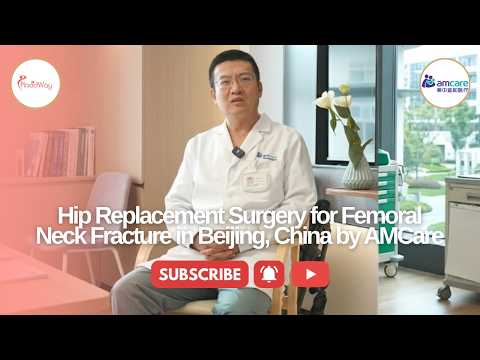
Hip Replacement Surgery for Femoral Neck Fracture in Beijing, China by Dr. Liang Fan
Orthopedic/Knee Surgery
AMCare - Orthopedic & Sports Medicine China
Beijing, China

PlacidWay: Your All-in-One Solution for Patient Acquisition in Medical Tourism
Addiction Treatment
PlacidWay Medical Tourism
Denver, United States
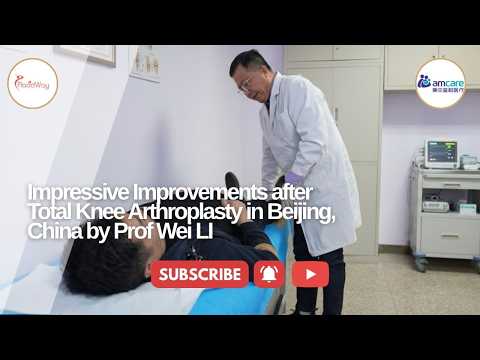
Impressive Improvements after Total Knee Arthroplasty in Beijing China by Prof Wei LI
Orthopedic/Knee Surgery
AMCare - Orthopedic & Sports Medicine China
Beijing, China
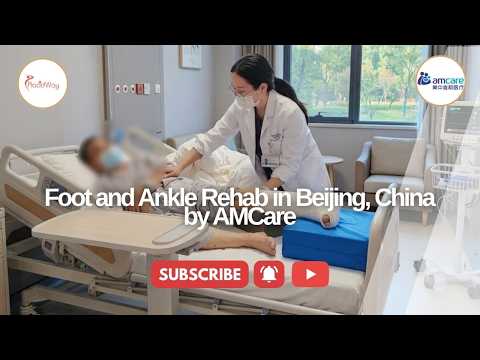
Personalized Foot and Ankle Rehabilitation Care in Beijing China by AMCare
Orthopedic/Knee Surgery
AMCare - Orthopedic & Sports Medicine China
Beijing, China
Unlock the Best Orthopedic Knee Surgery Packages Just for You
Discover the ultimate Orthopedic Knee Surgery packages designed to meet your health and wellness goals. Choose the perfect fit for your journey.
-Using-Suture-Button-Fixation-in-Beijing,-China-by-AMCare.jpg)
Price starting from $49,999
Chinese Unique Inlay Bristow (Cuistow Surgery) Using Suture Button Fixation in Beijing, China by AMCare
AMCare - Orthopedic & Sports Medicine China
- Orthopedic/Knee Surgery
Beijing, China
-Injury-Diagnosis-&-Surgical-Management-in-Beijing,-China-by-AMCare.jpg)
Price starting from $11,999
Triangular Fibrocartilage Complex (TFCC) Injury: Diagnosis & Surgical Management in Beijing, China by AMCare
AMCare - Orthopedic & Sports Medicine China
- Orthopedic/Knee Surgery
Beijing, China
-Diagnosis-and-Integrated-Management-Package-in-Beijing,-China-by-AMCare.jpg)
Price starting from $147
Traditional Chinese Medicine (TCM) Diagnosis and Integrated Management Package in Beijing, China by AMCare
AMCare - Orthopedic & Sports Medicine China
- Orthopedic/Knee Surgery
Beijing, China

Price starting from $29,999
All-Arthroscopic Shoulder Instability Treatment Package in Beijing, China by AMCare
AMCare - Orthopedic & Sports Medicine China
- Orthopedic/Knee Surgery
Beijing, China
Transformative Orthopedic Knee Surgery Experiences: Dive into Procedure Insights
Discover the power of Orthopedic Knee Surgery through compelling patient experiences. Uncover detailed insights into procedures, recovery journeys, and life-changing results.
.png)
Knee Replacement Surgery in India - Clinics, Doctors, and Costs
- Knee Replacement Total or Partial, Orthopedic/Knee Surgery
India
.png)
Price starting from $3,500
Orthopedic Surgery in Bengaluru, India
- Orthopedic/Knee Surgery
Bengaluru, India
.png)
Price starting from $3,750
Knee Meniscus Repair in Bengaluru, India
- Meniscus Repair, Orthopedic/Knee Surgery
Bengaluru, India
.png)







