
What treatment


20+ Key FAQs on Orthopedic/Knee Surgery in Poland
Questions About Orthopedic/Knee Surgery in Poland? Start Here
Trusted Medical Tourism Platform Since 2007
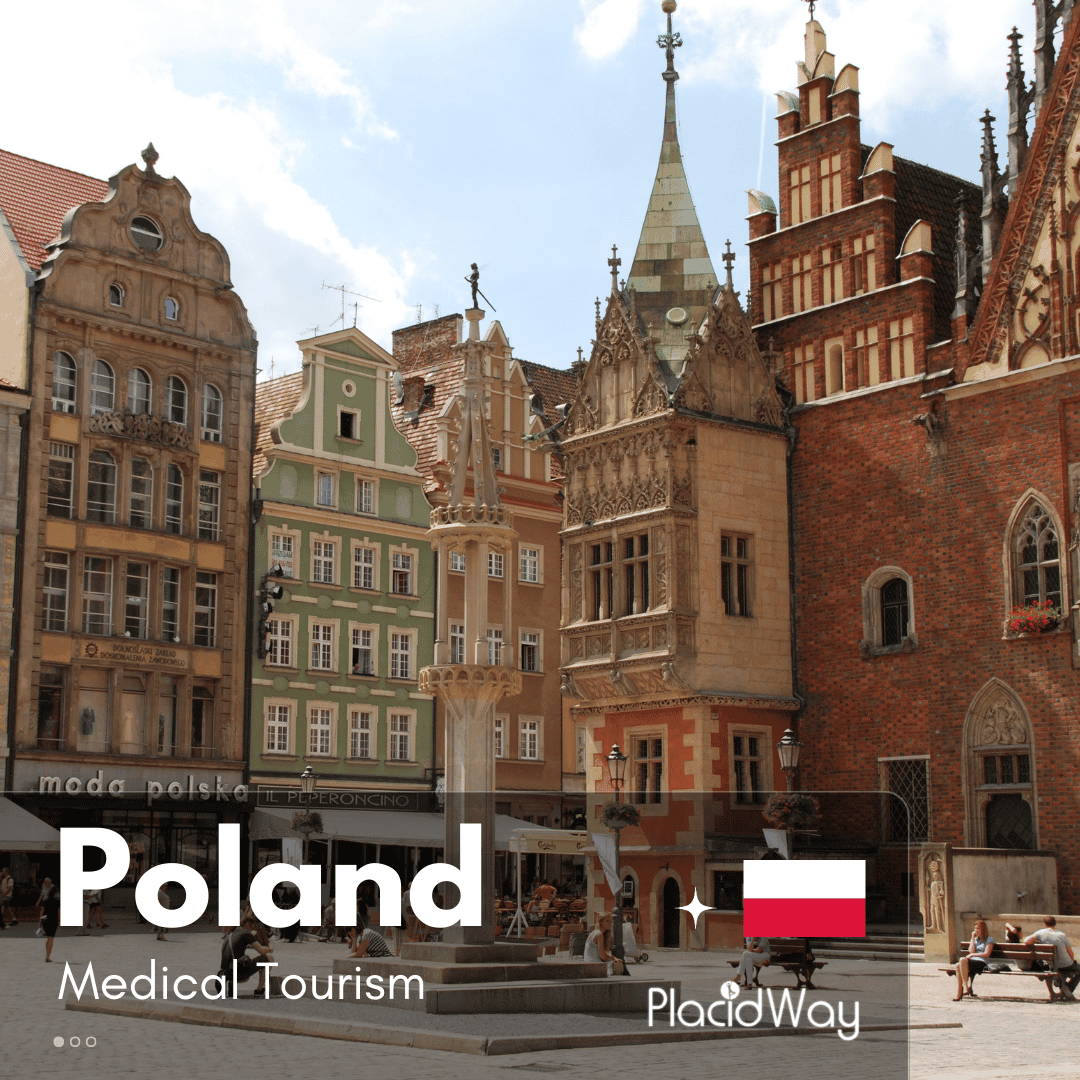
Are There All-Inclusive Medical Tourism Packages for Hip Replacement in Jelenia Gora, Poland?
Yes, all-inclusive medical tourism packages for hip replacement are available in Jelenia Gora. These packages simplify the process for international patients by covering surgery, hospital stay, rehabilitation, and accommodation. Considering hip replacement surgery can be a significant decision, often accompanied by concerns about costs, quality of care, and logistical planning. For many, seeking treatment abroad through medical tourism has become a popular and practical solution. Jelenia Gora, a picturesque city in Poland, has emerged as an attractive destination, particularly for orthopedic procedures like hip replacement. People often wonder if they can find comprehensive, all-inclusive packages that streamline the entire process, making it easier to manage the journey and recovery. The good news is that facilities in Jelenia Gora frequently offer such packages, designed to provide a seamless experience from arrival to departure. This approach helps patients focus on their recovery without the added stress of coordinating every detail themselves, addressing common concerns about navigating a foreign healthcare system and ensuring a comfortable, efficient medical journey. Are there all-inclusive medical tourism packages for hip replacement in Jelenia Gora? Yes, many clinics and medical tourism facilitators in Jelenia Gora offer all-inclusive packages for hip replacement surgery, covering medical procedures, hospital stay, initial rehabilitation, accommodation, and often local transportation. Jelenia Gora is a recognized hub within the broader Polish medical tourism landscape, particularly for specialized orthopedic care. Medical facilities and private clinics there, often in collaboration with medical tourism agencies, have developed structured packages specifically for international patients seeking hip replacement surgery. These packages are designed to reduce the organizational burden on patients, providing a comprehensive solution that covers most, if not all, aspects of their medical trip. The concept of "all-inclusive" in this context means that various services are bundled together under a single price, simplifying financial planning and logistics. This typically includes the core surgical procedure itself, necessary pre-operative tests, the hospital stay, and essential post-operative care, including initial rehabilitation. Beyond the medical aspects, these packages frequently extend to practical considerations like accommodation in nearby hotels or recovery facilities, and sometimes even airport transfers or local transport. What does an "all-inclusive" hip replacement package in Jelenia Gora typically include? An all-inclusive hip replacement package in Jelenia Gora usually covers the surgical procedure, hospital stay, anesthesia, medical consultations, initial rehabilitation, post-operative care, and often accommodation and local transport. Understanding the exact components of an all-inclusive package is crucial for patients planning their hip replacement surgery. While specific offerings can vary between providers, a standard package generally encompasses the following: Surgical Costs: This covers the surgeon's fees, anesthesiologist's fees, operating room charges, and the cost of the prosthetic hip implant (which can vary based on type and material). Hospital Stay: Typically includes the duration of your stay in the hospital, nursing care, meals, and any required medication during your inpatient period. Pre-operative Diagnostics: Essential tests such as blood work, X-rays, ECG, and consultations with specialists to ensure you are fit for surgery. Post-operative Care: Initial follow-up appointments with the surgeon and medical team, along with necessary pain management. Initial Rehabilitation: Guided physiotherapy sessions during your hospital stay and often immediately after discharge, crucial for early mobilization and recovery. Accommodation: A stay in a partnered hotel or dedicated recovery facility for a specified number of nights, often close to the clinic. Transportation: Often includes airport pick-up and drop-off, and sometimes transfers between your accommodation and the medical facility for appointments. Patient Support: Access to a patient coordinator who can assist with language translation, scheduling, and general inquiries throughout your stay. These comprehensive packages aim to provide peace of mind, allowing you to focus entirely on your health and recovery without worrying about logistical details. What is the typical cost range for hip replacement in Jelenia Gora with an all-inclusive package? The typical cost range for an all-inclusive hip replacement package in Jelenia Gora is generally between €7,000 to €12,000, which is significantly lower than in many Western European or North American countries. One of the primary drivers for medical tourism, including hip replacement, is the substantial cost savings available in destinations like Jelenia Gora. The pricing for an all-inclusive package in this region is notably more affordable compared to countries such as the United States, Canada, or even Western European nations, where the same procedure can cost upwards of €25,000 to €50,000 or more. The final cost within the €7,000 to €12,000 range can be influenced by several factors: Factor Impact on Cost Type of Implant More advanced or specialized implants (e.g., ceramic-on-ceramic) may increase the cost. Duration of Stay Longer hospital or rehabilitation facility stays will affect the overall package price. Extent of Rehabilitation More intensive or extended physiotherapy programs can lead to higher costs. Clinic Reputation & Services Highly specialized clinics with additional amenities or advanced technology might have slightly higher rates. Despite these variations, the value proposition remains strong, as these packages typically combine high-quality medical care with substantial savings, making Jelenia Gora an attractive option for those seeking affordable hip replacement solutions. How long should I plan to stay in Jelenia Gora for hip replacement and recovery? For a hip replacement in Jelenia Gora, patients should typically plan for a stay of 2 to 4 weeks, including the surgery, initial hospital recovery, and crucial early rehabilitation. The total length of your stay in Jelenia Gora for a hip replacement procedure is a key planning consideration. While the actual surgery takes only a few hours, the recovery process requires a dedicated period of hospital care and initial rehabilitation. Most patients can expect to be in the hospital for approximately 5 to 7 days immediately following their surgery. During this time, medical staff monitor your condition, manage pain, and initiate early mobilization exercises under the guidance of physiotherapists. After discharge from the hospital, it is highly recommended to remain in Jelenia Gora for an additional 1 to 3 weeks for intensive outpatient or inpatient rehabilitation. This extended period allows for focused physical therapy, strengthening exercises, and gait training in a controlled environment. Staying for this crucial phase significantly contributes to a better short-term recovery and helps solidify the gains made in mobility and independence before returning home. Planning for a total stay of 2 to 4 weeks ensures you receive adequate care and support during the most critical period of your post-operative recovery. What are the benefits of choosing Jelenia Gora for hip replacement medical tourism? Jelenia Gora offers cost-effective hip replacement surgery, high-quality medical standards, experienced surgeons, modern facilities, and a picturesque environment conducive to recovery, making it an attractive medical tourism destination. Choosing Jelenia Gora for hip replacement medical tourism provides a blend of practical advantages and conducive environmental factors: Significant Cost Savings: As highlighted, the cost of hip replacement, even with all-inclusive packages, is considerably lower than in many Western countries, making it an accessible option for those without comprehensive insurance or facing high deductibles. High Standard of Medical Care: Polish medical facilities, particularly those catering to international patients, adhere to European Union healthcare standards. Clinics often boast modern equipment, advanced surgical techniques, and well-trained medical staff, ensuring quality and safety. Experienced Surgeons: Many orthopedic surgeons in Jelenia Gora have extensive experience in hip replacement procedures, often having trained internationally or participated in global conferences, bringing a wealth of expertise to their practice. Modern Facilities: Medical centers are often equipped with state-of-the-art operating theaters, diagnostic tools, and comfortable recovery rooms designed to enhance patient experience and outcomes. Conducive Recovery Environment: Jelenia Gora is nestled in the beautiful Karkonosze Mountains, offering a tranquil and scenic setting. This peaceful environment can contribute positively to a patient's mental well-being and recovery process, away from the stresses of daily life. Accessibility: Poland is well-connected to other European countries by air and road, making travel relatively straightforward for international patients. How do I choose a reputable clinic or hospital for hip replacement in Jelenia Gora? To choose a reputable clinic for hip replacement in Jelenia Gora, look for international accreditations, surgeon qualifications and experience, patient testimonials, transparent pricing, and comprehensive post-operative care options. Selecting the right medical facility is perhaps the most critical step in planning your hip replacement abroad. Here's a guide to help you make an informed decision: Accreditation and Certification: Look for clinics that hold international accreditations (e.g., ISO, JCI) or are certified by recognized national medical bodies. These signify adherence to high standards of patient care and safety. Surgeon's Credentials and Experience: Inquire about the orthopedic surgeon's qualifications, including their specialization in hip replacement, years of experience, number of procedures performed, and any international training or affiliations. Patient Testimonials and Reviews: Seek out reviews from previous international patients. Websites, forums, and medical tourism platforms often feature genuine feedback that can provide insight into patient experiences. Transparency in Pricing: Ensure the clinic provides a detailed breakdown of costs within the all-inclusive package, clarifying what is and is not included to avoid hidden fees. Communication Support: Confirm that the clinic offers English-speaking staff or dedicated interpreters to ensure clear communication throughout your treatment journey. Facilities and Technology: Research the modernity of the clinic's equipment, operating rooms, and rehabilitation facilities. Advanced technology often correlates with better outcomes. Post-operative Care and Follow-up: Understand the extent of post-operative support provided both during your stay and any potential remote follow-up options once you return home. What kind of rehabilitation is included in hip replacement packages? Hip replacement packages in Jelenia Gora often include initial post-operative rehabilitation, encompassing physiotherapy sessions, pain management, and mobility exercises to facilitate early recovery and independence. Rehabilitation is a cornerstone of a successful hip replacement outcome. All-inclusive packages for hip replacement in Jelenia Gora typically integrate a structured rehabilitation program, especially for the initial critical weeks. This usually begins within 24-48 hours after surgery, even while you are still in the hospital. The in-hospital rehabilitation focuses on: Early Mobilization: Gentle exercises to get you moving out of bed and walking with assistance. Pain Management: Strategies and medication to keep discomfort at bay, allowing for effective participation in therapy. Basic Range of Motion Exercises: To prevent stiffness and restore initial flexibility to the new hip joint. Educating on Precautions: Teaching you how to safely move, sit, and lie down to protect your new hip. After hospital discharge, the package often includes continued physiotherapy sessions at an outpatient clinic or a dedicated rehabilitation center for an additional week or two. This phase deepens the rehabilitation efforts, focusing on strengthening surrounding muscles, improving balance, increasing the range of motion, and progressing towards independent walking. The goal is to equip you with the necessary strength and techniques for ongoing recovery when you return home. Is it safe to travel for hip replacement surgery abroad? Traveling abroad for hip replacement surgery can be safe when choosing accredited facilities, experienced surgeons, and ensuring thorough pre-travel medical evaluations and comprehensive post-operative care plans. The safety of medical travel for hip replacement is a common and valid concern. When properly planned and executed, traveling abroad for surgery can be very safe. The key lies in diligent research and careful selection of providers. Countries like Poland, part of the European Union, adhere to strict medical guidelines and often have highly skilled specialists. To ensure safety, consider these aspects: Provider Vetting: As discussed, choose clinics with international accreditations and verifiable surgeon credentials. Pre-travel Medical Evaluation: Have a thorough evaluation with your local doctor before traveling to confirm you are a suitable candidate for surgery and travel. Communication: Ensure language barriers won't hinder critical medical discussions or instructions. Travel Insurance: Invest in comprehensive travel insurance that covers medical emergencies and potential complications abroad. Post-operative Plan: Have a clear understanding of your post-operative care plan both in Jelenia Gora and upon your return home. While all surgeries carry inherent risks, these are generally not amplified by the location of the surgery itself, provided the facility and practitioners meet high standards. The additional risks are typically related to travel logistics and the continuity of care, which can be mitigated with careful planning. What should I consider before booking a medical tourism package for hip replacement? Before booking a hip replacement medical tourism package, consider the total cost, what's included and excluded, surgeon's experience, clinic's accreditation, visa requirements, travel insurance, and follow-up care plans upon returning home. Booking a medical tourism package for hip replacement requires careful consideration of various practical and medical factors to ensure a smooth and successful experience. Thinking through these points beforehand can prevent unexpected issues: Total Cost and Inclusions/Exclusions: Get a detailed quote that clearly outlines everything covered by the "all-inclusive" package. Inquire about potential extra costs for unforeseen circumstances, extended stays, or additional therapies. Surgeon's Experience and Specialization: Confirm the surgeon's track record with hip replacement surgeries. Ask about their success rates and complication rates. Clinic's Reputation and Accreditation: Verify the clinic's credentials, international standards, and patient reviews. Visa and Travel Requirements: Check if you need a visa for Poland and understand any specific travel advisories or health requirements for entry. Travel and Medical Insurance: Ensure you have adequate insurance that covers both travel disruptions and potential medical complications abroad. Pre-operative Preparations: Understand what tests or preparations you need to complete before you travel. Communication: Confirm how communication will be handled, especially regarding medical instructions and your needs, if there's a language barrier. Post-operative Follow-up at Home: Plan how you will manage follow-up care, physical therapy, and medication management once you return to your home country. Discuss this with both the clinic abroad and your local doctor. What post-operative support can I expect after returning home from Jelenia Gora? After returning home from hip replacement surgery in Jelenia Gora, patients should typically arrange for local follow-up with their general practitioner and continue a personalized rehabilitation program guided by their physical therapist. Upon your return home after hip replacement in Jelenia Gora, the responsibility for ongoing care shifts back to you and your local healthcare providers. While the initial rehabilitation in Jelenia Gora is crucial, a sustained effort is needed for complete recovery. You should plan to: Consult Your Local Doctor: Schedule a follow-up appointment with your general practitioner to update them on your surgery and discuss any continued medication or concerns. They can also coordinate further local care. Continue Physical Therapy: Your recovery will involve a personalized physical therapy program. It is essential to continue this with a local physical therapist to regain full strength, flexibility, and mobility. The clinic in Jelenia Gora may provide you with a detailed therapy plan to share with your home therapist. Self-Care and Monitoring: Adhere to all post-operative instructions provided by your surgeon regarding wound care, activity restrictions, and medication. Be vigilant for any signs of complications, such as infection or excessive pain, and seek medical attention if needed. Diet and Lifestyle: Maintain a healthy diet and lifestyle to support healing and overall well-being. Some medical tourism providers or clinics might offer remote follow-up consultations via video call, which can be helpful for addressing minor concerns or questions after your return. However, direct local medical supervision is always recommended for comprehensive care. Considering hip replacement or other medical treatments abroad? Explore PlacidWay for a vast network of accredited global healthcare providers and comprehensive medical tourism solutions tailored to your needs....
Read more details

How Much Does Ankle Surgery Cost Without Insurance?
Ankle injuries can significantly disrupt your life, impacting your mobility and overall well-being. When surgery becomes the recommended course of action, the financial aspect can be a major concern, especially if you're uninsured. This article delves into the expenses associated with ankle surgery without insurance and explores strategies to make it more affordable. Understanding Ankle Injuries and the Need for Surgery Ankle injuries encompass a spectrum of issues, from sprains and fractures to more complex ligament tears or cartilage damage. Surgery may be necessary to repair broken bones, mend torn ligaments, or address damaged cartilage to restore stability and functionality to the ankle joint. Types of Ankle Surgery Several types of ankle surgery cater to different conditions: Arthroscopy: This minimally invasive procedure utilizes small incisions and a camera to visualize and repair damage within the ankle joint. Open Surgery: This approach involves a larger incision and is typically employed for more complex fractures or ligament repairs. Fusion: This procedure joins bones in the ankle together, limiting movement but providing stability and pain reduction. Total Ankle Replacement: This replaces the damaged ankle joint with a prosthetic joint. The Cost of Ankle Surgery Without Insurance Ankle surgery costs can fluctuate significantly without insurance coverage. Factors that influence the price include the specific type of surgery, the complexity of the procedure, the surgeon's experience and reputation, the location of the surgical facility, and the required rehabilitation. Ankle Surgery Costs: A Global Perspective Many individuals explore medical tourism as a means to access more affordable treatment options. The following table presents estimated costs for some common ankle procedures in various countries: Country Arthroscopy (USD) Fracture Repair (USD) Fusion (USD) Ankle Surgery Cost in Poland $2,500 - $6,000 $3,000 - $7,000 $4,000-$8,000 It's important to note that these figures are estimates. Actual costs will vary. Consult clinics directly for personalized quotes. What Factors Drive the Costs? Several factors influence the cost of ankle surgery: Specific Procedure: More complex procedures, such as fusions or replacements, naturally incur higher costs. Surgeon's Expertise: Surgeons with extensive experience and a strong reputation may command higher fees. Choice of Facility: Hospitals generally have higher costs compared to outpatient surgical centers. Anesthesia Costs: Anesthesia administration is a separate expense. Facility Fees: These fees cover the use of the operating room, medical equipment, and other facilities. Pre- and Post-Operative Care: Consultations, medical tests, and follow-up appointments contribute to the overall cost. Rehabilitation Expenses: Physical therapy is crucial for recovery and adds to the total expense. Travel and Accommodation: If the surgery requires travel, expenses related to transportation, lodging, and meals must be factored in. Strategies for Making Ankle Surgery More Affordable For individuals without insurance coverage, funding ankle surgery can be a significant challenge. However, several strategies can help make these procedures more financially attainable: Exploring Medical Tourism: Seeking treatment in countries with lower healthcare costs is a viable option for reducing expenses. Utilizing Financing Plans: Some Ankle surgery clinics abroad offer payment plans to help patients manage the financial burden. Securing Medical Loans: Personal loans can be used to cover medical expenses, but it's essential to carefully consider interest rates and repayment terms. Negotiating with Medical Providers: Don't hesitate to negotiate with hospitals or clinics for discounts or payment options. Leveraging Crowdfunding Platforms: Crowdfunding platforms provide a way to raise funds from friends, family, and the broader community. Seeking Grants and Financial Assistance: Various organizations offer grants specifically designated for medical procedures. Planning for Medical Travel If opting for medical tourism, meticulous planning is crucial for a successful experience: Thorough Research: Conduct comprehensive research on clinics, surgeons, and their qualifications. Read patient testimonials and compare pricing structures. Effective Communication: Maintain open and clear communication with the chosen clinic. Ensure a thorough understanding of the procedure, aftercare requirements, and associated costs. Logistical Arrangements: Make necessary arrangements for travel, accommodation, and any visa requirements well in advance. Post-Operative Care Plan: Develop a plan for your post-operative care and rehabilitation upon returning home. The Recovery Journey After Ankle Surgery The recovery process following ankle surgery varies depending on the specific procedure: Adherence to Medical Advice: Strictly follow all post-operative instructions provided by the medical team. Prioritizing Rest and Healing: Adequate rest is essential for proper healing. Allow ample time for the body to recover. Engaging in Physical Therapy: Consistent participation in physical therapy is crucial for regaining strength and mobility. Making Informed Decisions About Ankle Surgery The decision to undergo ankle surgery requires careful consideration. Consult with an orthopedic surgeon to evaluate your condition and discuss all available treatment options. Frequently Asked Questions How long does ankle surgery typically take? The duration varies depending on the specific procedure. Will I experience significant pain after ankle surgery? Post-operative pain is common. Your surgeon will provide pain management strategies. What are the potential risks associated with ankle surgery? As with any surgical procedure, there are risks, including infection, bleeding, and nerve damage. Your surgeon will discuss these risks with you. What is the typical recovery timeline following ankle surgery? Recovery time varies but can take several months. Will physical therapy be required after ankle surgery? Yes, physical therapy is almost always a crucial part of recovery. What are the benefits of ankle surgery? Benefits include pain relief, improved stability, and restored function. Want to Explore Your Options? Connect with PlacidWay Today! If you're considering ankle surgery, PlacidWay can provide you with resources and information to help you make informed decisions. Contact us to explore your options and begin your journey to recovery....
Read more detailsDiscover your treatment options with a free, no-obligation quote!
Get your quote now!.png)
Is It Safe for British Patients To Get Hip Replacement Surgery in Istanbul, Turkey Instead of Waiting for the NHS?
Yes. Istanbul's top private hospitals hold strict JCI accreditations, use identical FDA-approved implants (like Zimmer Biomet), and boast a 95% to 98% success rate matching top UK clinics. A private hip replacement in Turkey costs £4,000 to £6,000 compared to £12,000+ in the UK, saving you up to 65% without compromising on quality or safety. Living with a deteriorating hip is an exhausting, daily battle. You know the reality all too well: the sharp, shooting joint pain when you try to stand up, the struggle to put on your own socks, and the way your world slowly shrinks as mobility slips away. You finally see your GP, hoping for a lifeline, only to be hit with a crushing reality the NHS waiting list for a hip replacement can be 12 to 18 months, sometimes longer. You are effectively told to go home, manage the pain with painkillers, and put your life on hold. When you look into going private in the UK, the £15,000 price tag feels like a second heavy blow. It is completely natural that your research has led you overseas, and equally natural that you are asking: Is it safe for British patients to get hip replacement surgery in Istanbul, Turkey instead of waiting for the NHS? You are considering trusting a foreign country with major orthopedic surgery, and you need to know if the medical tourism Turkey hip replacement route is a genuine medical solution or a risky gamble. In this guide, we are going to look at the hard facts, the real costs, and exactly what you can expect, so you can make an empowered decision about getting your life back. Quick Facts: UK vs. Istanbul Hip Replacements Average Wait Time NHS: 12 - 18+ months Istanbul: 2 - 4 weeks Private Surgery Cost UK Private: £12,000 - £15,000 Istanbul: £4,000 - £6,000 Average Savings 50% - 65% Clinical Success Rate UK: 95% - 98% Istanbul: 95% - 98% Implant Lifespan (Warranty) 15 - 20+ years (Both use premium global brands like Stryker & Zimmer) What Exactly Is a Hip Replacement and How Does It Work? A hip replacement (hip arthroplasty) is a procedure where a surgeon removes your damaged bone and cartilage and replaces it with a highly durable prosthetic joint made of titanium, ceramic, or medical-grade plastic, restoring pain-free movement. Hip replacement surgery, medically known as hip arthroplasty, is one of the most successful and life-altering operations in modern medicine. When severe osteoarthritis or injury degrades the cartilage in your hip, bone rubs directly on bone. That friction causes the excruciating joint pain you feel every day. The surgery removes this damaged tissue and installs a prosthetic mechanism that mimics the natural glide of a healthy hip. Here is a plain-language look at the 4 steps of the procedure: Preparation and Incision: Under general or spinal anesthesia, the surgeon makes an incision (often using minimally invasive techniques to spare muscle tissue) to access the hip joint. Removing the Damage: The damaged femoral head (the "ball" at the top of your thigh bone) is carefully removed. The acetabulum (the "socket" in your pelvis) is cleaned out to remove damaged cartilage. Placing the Prosthesis: A new titanium socket is implanted into the pelvis, lined with a smooth ceramic or plastic spacer. A metal stem is placed inside your thigh bone, topped with a ceramic or metal ball that fits perfectly into the new socket. Closure and Recovery: The surgeon tests the new joint's range of motion, ensures your leg lengths are equal, and closes the incision. Within 24 hours, you will usually be guided to stand up and take your first steps. The main benefit of a total hip replacement over alternatives like steroid injections or physical therapy is permanence. While injections only mask the pain temporarily, a new joint physically fixes the mechanical problem, allowing you to walk, bend, and live without constant agony. Why Choose to Travel for a Hip Arthroplasty in Turkey? Choosing Istanbul means bypassing a year-long NHS wait and saving up to £10,000 compared to UK private care, all while receiving treatment in cutting-edge, JCI-accredited facilities with comprehensive physiotherapy included. Immediate pain relief: Instead of waiting 12 to 18 months in agonizing pain on the NHS waiting list for hip replacement, you can typically schedule your surgery in Istanbul within 2 to 4 weeks. Unbeatable affordability: You avoid the crushing £15,000+ debt of UK private hospitals. The savings are substantial enough that you can pay out of pocket and still have money left over. World-class hospital standards: Top Istanbul hospitals are heavily invested in medical tourism and hold Joint Commission International (JCI) accreditation—the global gold standard for healthcare safety and hygiene. Highly experienced surgeons: Many Turkish orthopedic surgeons complete fellowships in the UK, USA, or Germany. Because Istanbul is a global medical hub, these surgeons perform hundreds of joint replacements annually, refining their expertise. All-inclusive recovery packages: In the UK, you are often discharged from the hospital within 2 days to fend for yourself. Istanbul packages usually include 4 to 5 nights in the hospital, daily physiotherapy, and luxury hotel recovery time, ensuring you are strong before flying home. How Much Does a Hip Replacement Cost in Turkey vs UK? You can expect a staggering 50% to 65% reduction in total costs. A total hip replacement in Istanbul costs between £4,000 and £6,000, compared to £12,000 to £15,000 in a private UK clinic. When you start researching private hip replacement cost UK vs Turkey, the numbers almost seem like a typo. How can a major surgery cost less than half the price just a four-hour flight away? Let us break down the exact financial comparison. Procedure / Service UK Private Clinic Istanbul, Turkey Savings % Total Hip Replacement (One Side) £12,500 - £15,000 £4,500 - £6,000 60-64% Bilateral Hip Replacement (Both Sides) £22,000 - £26,000 £8,500 - £11,000 58-61% Revision Hip Replacement £16,000 - £20,000 £6,500 - £8,500 57-59% In-Hospital Physiotherapy (per session) £60 - £100 Included in package 100% Pre-Op MRI & Consultations £500 - £800 Included / £150 70-100% Why are the prices so vastly different? It all comes down to the local economy, not medical shortcuts. The cost of living in Turkey is significantly lower than in the UK. This means surgeon salaries, nursing staff wages, hospital rent, administrative overhead, and malpractice insurance are all a fraction of UK prices. However, the cost of the actual titanium implant (from global brands like Zimmer Biomet) is roughly the same worldwide. You are simply paying a fairer price for the labor and the facility, not cheap materials. Evaluating the Quality of Orthopedic Surgery in Istanbul Yes, the quality of orthopedic surgery in Istanbul matches UK standards. Success rates hover at 95% to 98%, infection rates are heavily monitored under JCI protocols, and the prosthetic materials used are identical to those found in London's top private clinics. This is the crux of the matter. You might accept that the price is better, but your mind is flooded with "what ifs". What if the hospital is dirty? What if the surgeon isn't qualified? What if the joint breaks in five years? It is entirely normal to feel protective of your body. Let us lay out exactly how the quality compares so you can ease those anxieties. Quality Metric UK (NHS & Private) Istanbul Top Hospitals Notes Implant Brands Stryker, Zimmer Biomet, DePuy Stryker, Zimmer Biomet, DePuy Materials are universally identical. Hospital Accreditation CQC (Care Quality Commission) JCI (Joint Commission International) JCI is the highest global healthcare standard. Surgical Success Rate 95% - 98% 95% - 98% Clinical outcomes show no statistical difference. Infection Rate Under 2% Under 2% Ultra-clean surgical theaters prevent infections. Surgeon Qualifications GMC Registered, FRCS Turkish Medical Assoc, many EBOT certified Extensive international board training. Here is why you can feel secure: FDA and CE-approved materials: You are not getting a "knock-off" hip. Reputable clinics use traceable implants with global warranties. If you need an adjustment in the UK ten years from now, British surgeons will recognize the brand. Strict sterilization protocols: To maintain JCI accreditation, hospitals must pass grueling, unannounced inspections regarding air quality in operating rooms, instrument sterilization, and patient safety protocols. Advanced surgical technology: Top-tier Istanbul hospitals routinely utilize 3D robotic-assisted surgery (like Mako SmartRobotics) which increases implant precision and reduces tissue damage, resulting in less post-op pain. High volume expertise: Surgeons who perform a procedure frequently have better outcomes. Because of the influx of global patients, top Turkish orthopedists often perform double the number of joint replacements compared to a standard UK surgeon. The ultimate key to safety is verifying your provider. As long as you choose an accredited, well-reviewed medical institution in Istanbul rather than hunting for the absolute cheapest bargain online, you are in incredibly safe hands. What is the Process for Getting a Hip Replacement in Turkey? The entire trip takes about 7 to 10 days. You will undergo pre-op tests on day 1, have surgery on day 2, stay in the hospital for 3-4 days of intensive physiotherapy, and spend the final days recovering in a nearby hotel before flying home. If the idea of navigating a foreign healthcare system feels overwhelming, remember that the medical tourism industry is designed to handle everything for you. From the moment you land, you are guided through a highly structured timeline. Phase 1: Arrival & Pre-Op (Day 1-2): A VIP transfer picks you up at the airport. You meet your surgeon, complete comprehensive blood tests, ECG, and X-rays/MRIs. Once cleared, you prep for surgery. Phase 2: The Surgery (Day 2): The hip arthroplasty takes roughly 1.5 to 2 hours. You wake up in a private recovery room with pain management protocols already active. Phase 3: Hospital Recovery & Physio (Days 3-6): This is crucial. You do not just lay in bed. Physiotherapists work with you on day one to stand and use a walking frame. You will stay in the hospital 3 to 4 nights under 24/7 nursing care. Phase 4: Hotel Recovery (Days 7-9): You are transferred to a comfortable partner hotel. You continue to practice walking, manage light pain with oral medication, and rest. Nurses may visit for checkups. Phase 5: Final Check & Flight Home (Day 10): Your surgeon reviews your new X-rays, gives you "fit to fly" documentation, provides your blood-thinning medication (to prevent blood clots), and you are transferred to the airport where wheelchair assistance gets you smoothly to your seat. Crucial considerations for your trip: Flight safety (DVT risk): Deep Vein Thrombosis is the primary concern when flying after orthopedic surgery. You must take the prescribed blood thinners and wear compression stockings provided by the clinic. Language barriers: Top hospitals employ fluent English-speaking patient coordinators who accompany you to every consultation and test. Bringing support: It is highly recommended to bring a spouse, friend, or family member. While the hospital cares for you medically, having a loved one to fetch things from your bag and assist at the airport is invaluable. Home setup: Before you leave the UK, prepare your home. Remove tripping hazards, install a raised toilet seat, and ensure you have a comfortable chair ready for when you return. Are You a Good Candidate for Surgery Abroad? Ideal candidates suffer from severe, mobility-limiting hip pain and are generally in stable cardiovascular health. Patients with morbid obesity, severe heart failure, or active infections will need to reconsider or stabilize their condition first. Hip replacement surgery is major, and getting on a plane shortly afterward adds a layer of physical demand. It is vital to know if you fit the profile for safe medical travel. You are likely a great candidate if: You have severe joint pain that wakes you up at night or prevents daily activities. Conservative treatments (physio, steroid injections, walking aids) no longer help. Your X-rays confirm advanced osteoarthritis, rheumatoid arthritis, or severe joint degradation. You have a generally stable cardiovascular system capable of handling anesthesia. You are mentally prepared to commit to daily physiotherapy post-surgery. You have a support system or companion willing to travel with you. You may need to reconsider traveling abroad if you have: Severe Heart or Lung Disease: Conditions like severe COPD or recent heart attacks make anesthesia and flying high-risk. Morbid Obesity: A BMI over 40 significantly increases the risk of infection and implant failure, and surgeons may require weight loss prior to surgery. Active Infections: Any current infection (even severe dental infections) can travel through the bloodstream to the new implant. Severe Osteoporosis: If bone density is too low, the titanium implant may struggle to anchor securely, requiring complex bone grafting that might delay travel. History of Severe DVT: If you are highly prone to blood clots, a 4-hour flight right after leg surgery poses elevated risks. Dementia or Cognitive Decline: The stress of navigating a foreign country and following strict post-op physical therapy instructions is often too difficult without immense dedicated support. If you check the boxes for a great candidate, the next logical step is to send your recent X-rays or MRI reports to a vetted Istanbul clinic for a remote medical assessment. Frequently Asked Questions We know you have specific, detailed questions about making this journey. From dealing with UK follow-ups to managing finances, here are the honest answers to the most common questions British patients ask. How much does a private hip replacement cost in Istanbul compared to the UK? A private hip replacement in the UK typically costs £12,000 to £15,000. In Istanbul, the same procedure costs between £4,000 and £6,000, saving you up to 65% while using identical brand-name implants. This fee almost always includes your hospital stay, transfers, and physiotherapy. Is it safe for British patients to get hip replacement surgery in Istanbul, Turkey instead of waiting for the NHS? Yes, it is extremely safe when choosing a JCI-accredited hospital. Istanbul's top private hospitals adhere to international standards, boasting a 95% to 98% success rate, which is on par with top UK private clinics and the NHS. You are treated by board-certified orthopedists in state-of-the-art facilities. What is the recovery time for a hip replacement abroad? You will be walking with support within 24 hours of surgery. Expect to stay in Istanbul for 7 to 10 days for initial recovery and physiotherapy before flying home. Full recovery takes 6 to 12 weeks, during which you must continue your exercises to regain complete strength. What happens if I experience complications after returning to the UK? Serious complications are rare (around 1-2%). However, if an emergency arises, you are fully entitled to emergency NHS care in the UK. For routine follow-ups, your Turkish clinic will coordinate with a local UK private orthopaedic specialist or physiotherapist. Always secure your operative report and implant serial numbers before leaving Turkey. What implants are used for hip arthroplasty in Turkey? Top hospitals in Istanbul use globally recognized, FDA-approved implants from leading brands like Zimmer Biomet, Stryker, and Smith & Nephew—the exact same prosthetics used by NHS and UK private surgeons. You are never given substandard materials. Can I get a hip replacement in Istanbul if I have severe bone loss or joint degradation? Yes. Experienced orthopaedic surgeons in Istanbul routinely handle complex cases involving severe osteoarthritis and bone degradation, often using advanced 3D mapping and specialized implants to ensure a perfect fit. If extensive bone grafting is needed, your surgeon will advise you during the remote consultation. Where are the best locations for medical tourism Turkey hip replacement? Istanbul is widely considered the premier hub for orthopaedic surgery due to its massive concentration of JCI-accredited hospitals, internationally trained surgeons, and excellent direct flight connections from the UK. Cities like Antalya or Izmir are also popular but have fewer specialized mega-hospitals than Istanbul. How do I verify the quality of a hospital or clinic in Istanbul? Always look for Joint Commission International (JCI) accreditation, verify the surgeon's credentials (many hold European or US board certifications), and ensure they use top-tier implant brands with provided warranties. Do not be afraid to ask to speak with former British patients who have undergone the same procedure. Is it safe to travel to Istanbul for orthopedic surgery alone? While many patients do travel alone because hospitals provide 24/7 nursing and dedicated patient coordinators, bringing a companion is highly recommended to help you manage luggage and navigate the airport on your journey back to the UK. The physical limitations of a hip replacement make solo airport navigation exhausting. How many trips to Turkey will I need to make? You only need one trip. The 7 to 10-day stay covers your pre-op consultation, the surgery, hospital recovery, and initial physiotherapy. Once cleared by your surgeon to fly, your remaining recovery happens at home in the UK, guided by local physiotherapists. Is it safe to fly after having a hip replacement? Yes, flying after 7 to 10 days is generally safe. You will be prescribed blood thinners and given compression stockings to prevent Deep Vein Thrombosis (DVT), and the airline will provide wheelchair assistance at the airport. It is advised to book an aisle seat with extra legroom if possible. Can I finance my private hip replacement cost in Turkey? While UK medical finance companies usually don't cover overseas treatments, the 50% to 65% reduction in cost means many patients can use personal savings, a standard bank loan, or a credit card to fund their life-changing procedure. Some larger international healthcare facilitators may offer payment plans. Ready to Get Your Mobility Back? You have done the research. You know it is safe, affordable, and high-quality. You do not have to spend another year in pain waiting for the NHS. Take control of your health and request a free, personalized assessment from a vetted specialist today. Get My Free Quote No obligation. No pressure. Just honest answers from real orthopaedic experts. References Joint Commission International (JCI). "Global Quality and Safety in Healthcare." NHS England. "Referral to Treatment (RTT) Waiting Times Data." National Joint Registry (NJR). "Joint Replacement Statistics and Implant Longevity." PlacidWay Medical Tourism. "Cost of Hip Replacement Surgery in Turkey" Medical Disclaimer Important: This article is for informational purposes only and is not intended as medical advice. Always consult a licensed orthopaedic surgeon or medical professional before undergoing any surgical procedure, either domestically or abroad. Individual health results, recovery times, and candidacy vary based on personal health history. Seek immediate medical attention if you experience severe swelling, shortness of breath, sudden chest pain, or a spike in fever after your surgery, as these may be signs of a medical emergency such as a blood clot or infection....
Read more details.png)
Is ACL Reconstruction Surgery in Turkey Safe for Saudi Athletes and Sports Professionals?
Yes, ACL reconstruction surgery in Turkey is exceptionally safe for Saudi athletes. Turkey's JCI-accredited sports medicine centers boast a 82-87% return-to-sport success rate, utilizing the exact same FDA-approved hardware (like Arthrex) used in Saudi Arabia, but at 50-65% of the cost ($3,500-$5,500 on average). If you are an athlete, you know the exact moment your world stopped. It was that unmistakable "pop" in your knee during a pivot, a landing, or a tackle. In a fraction of a second, your focus shifted from winning the season to wondering if your career was suddenly over. Now, you are dealing with the swelling, the instability, and the terrifying realization that you need surgery to ever step back onto the pitch, court, or track. But then comes the second blow: the logistics. Navigating the healthcare system back home in Saudi Arabia can be frustrating. Public hospitals often have long waitlists that athletes simply cannot afford to sit on, and elite private sports clinics can cost a small fortune out of pocket. You might have heard whispers in the locker room about teammates getting their sports injury treatment abroad. You find yourself typing, "Is ACL reconstruction surgery in Turkey safe for Saudi athletes and sports professionals?" into your phone. You need honest answers, not sales pitches. You are worried about the quality of care, the language barrier, and whether your knee will be strong enough to handle high-performance demands again. I promise to break down everything you need to know no fluff, just facts so you can make the best decision for your body and your career. Quick Facts: ACL Surgery in Saudi Arabia vs. Turkey Average Cost (Saudi Private Clinics) $8,000 - $14,000+ Average Cost (Turkey Sports Centers) $3,500 - $5,500 Wait Time for Surgery Months (KSA Public) vs. Days (Turkey) Hardware Quality Identical (FDA-approved global brands) Complication / Infection Rate 1% - 3% (Standard globally) What Is ACL Reconstruction and How Does It Work? ACL reconstruction is a minimally invasive arthroscopic surgery where a torn knee ligament is removed and replaced with a strong tendon graft (taken from your own leg or a donor). This restores knee stability so you can run, jump, and pivot safely. Your Anterior Cruciate Ligament (ACL) is the crucial diagonal band deep inside your knee that keeps your shinbone from sliding out in front of your thighbone. When it tears, it rarely heals on its own. If you want to return to sports, you cannot just brace it you need it rebuilt. Here is step-by-step how orthopedic surgeons rebuild a high-performance knee: Graft Harvesting: While you are under anesthesia, the surgeon takes a piece of healthy tendon, usually from your hamstring, patellar tendon, or quadriceps (this is called an autograft). For some patients, donor tissue (allograft) is used. Arthroscopy: Through tiny incisions, a camera and specialized tools are inserted to clean out the shredded remnants of your old ACL and check for meniscus tears. Bone Tunnels: The surgeon drills precise tunnels into your thighbone and shinbone to create a pathway for the new ligament. Fixation: The new graft is threaded through these tunnels and secured permanently with high-strength bio-absorbable or titanium screws and buttons. Healing: Over the next several months, your body grows new blood vessels into the graft, transforming it from a tendon into a living, functioning ligament (ligamentization). Without surgery, athletes face chronic knee "giving way" episodes, which dramatically increases the risk of destroying your meniscus and developing early-onset arthritis. Surgery stabilizes the joint and protects your long-term athletic health. Why Choose Turkey for ACL Reconstruction as an Athlete? Turkey combines elite sports medicine infrastructure (including FIFA-accredited centers) with zero wait times and highly experienced surgeons who perform hundreds of ACL reconstructions yearly, all tailored for high-performance athletes ACL recovery. You might wonder why so many professional and semi-pro athletes from the GCC are choosing orthopedic surgery in Istanbul. It is not just about the price tag. FIFA Medical Centres of Excellence: Turkey is home to several hospitals accredited directly by FIFA. This means their surgical protocols, imaging, and rehabilitation meet the highest international standards for professional football players. Surgeon Volume: In sports medicine, repetition is everything. Top Turkish sports orthopedic surgeons perform hundreds of ACL reconstructions annually. They are intimately familiar with athlete-specific demands. No Wait Times: Time is muscle. Waiting 3 to 6 months for surgery in a public system means massive muscle atrophy. In Turkey, you can typically fly in and have surgery within 7 to 10 days of your injury. Comprehensive Packages: Medical tourism in Turkey is a well-oiled machine. Clinics handle your VIP airport transfers, hotel stays, hospital admission, and translator services, so you only have to focus on healing. Advanced Techniques: Turkish surgeons routinely utilize double-bundle reconstruction, ALL (Anterolateral Ligament) reinforcement, and advanced meniscus repair techniques to ensure maximum joint stability for pivoting sports. A Cost Comparison of ACL Surgery in Saudi Arabia vs Turkey You can save over 50% by traveling. A comprehensive ACL package in Turkey costs roughly $4,500, whereas the same procedure with identical hardware in a private Saudi hospital easily exceeds $10,000. Let us look at the financial reality. If you do not have premium athletic insurance covering private healthcare in KSA, an ACL tear is a massive financial hit. Here is a breakdown of what you can expect. Procedure / Service Saudi Arabia (Private) Turkey (Sports Clinic) Savings Consultation & MRI Scanning $500 - $800 $150 - $300 60% Standard ACL Reconstruction $8,000 - $12,000 $3,000 - $4,500 55-60% ACL + Meniscus Repair $10,000 - $15,000 $4,000 - $5,500 60% Hospital Stay (1-2 Nights) $1,000 - $2,000 Included in package N/A Total Est. Package (Inc. Hotel) $10,000 - $15,000+ $3,500 - $5,500 50-65% Why is the cost of ACL reconstruction in Turkey so much lower? Many athletes falsely assume a lower price means inferior surgical screws or cheap graft materials. This is completely false. The savings stem from Turkey's favorable currency exchange rates, government subsidies for medical tourism, and significantly lower overhead and labor costs (surgeons and nurses). The actual fixation buttons and screws used in your knee are imported from top-tier medical device companies in the US and Europe. Is the Quality of Orthopedic Care in Turkey Really Safe? Yes, absolutely. The fear of "subpar care abroad" is outdated. Leading Turkish hospitals are held to strict Joint Commission International (JCI) standards, ensuring infection controls and surgical outcomes match or exceed those in the Middle East or Europe. It is natural to be skeptical. Your knee is your livelihood, or at least your passion. Let us look at the hard metrics of quality to put your mind at ease. Quality Metric Saudi Arabia Turkey Notes Hospital Accreditation CBAHI / JCI JCI / ISO / FIFA Both adhere to global safety standards Surgical Hardware Arthrex, Stryker, Smith & Nephew Arthrex, Stryker, Smith & Nephew Exact same materials used globally Return to Sport Success 80% - 85% 82% - 87% Highly dependent on post-op rehab effort Infection Rates 1% - 2% 1% - 2% Strict sterile OR protocols in both Here are the key takeaways regarding safety: No hardware compromises: You will wake up with the exact same titanium or bio-absorbable screws in your knee that you would get in Riyadh or Los Angeles. Elite sports focus: Because Turkey is a European football powerhouse, its sports medicine ecosystem is incredibly advanced. They are not just treating casual joggers; they are rebuilding knees for professional athletes. Translators prevent errors: Reputable clinics assign you a 24/7 dedicated English and Arabic-speaking medical coordinator. You will never go into surgery confused about the plan. Detailed surgical reports: You receive comprehensive surgical notes, MRI discs, and operative videos to hand over to your physical therapist back in KSA. As long as you choose a verified, reputable clinic (and avoid "too good to be true" budget offers on social media), you are in world-class hands. What is the ACL Tear Recovery Timeline for High-Performance Athletes? Expect a 7 to 10-day trip to Turkey for surgery. Total recovery to step back onto the pitch for high-impact sports takes 6 to 9 months of intense, daily physical therapy back home. Surgery is only 50 percent of the battle. Returning to sports after ACL surgery requires a massive commitment to rehabilitation. Here is the realistic timeline: The Medical Trip (Days 1 to 10): You arrive in Turkey, have your pre-op MRI and consultation. Surgery happens on day 2 or 3. You spend 1 to 2 nights in the hospital, then move to a hotel. You begin early mobilization (bending the knee, activating the quad). You fly home around day 8 or 10. Early Healing (Weeks 2 to 6): Back in Saudi Arabia, your goal is to reduce swelling, achieve full knee extension (straightening), and regain a normal walking gait without crutches. Strength Building (Months 2 to 4): You will hit the gym hard with your physiotherapist. Focus is on rebuilding quad and hamstring mass, closed-chain exercises (squats, leg press), and light jogging in straight lines. Agility and Plyometrics (Months 5 to 7): This is where it gets athletic. You start jumping, landing mechanics, changing directions, and sport-specific drills. Return to Play (Months 8 to 9+): You pass rigorous strength and psychological tests. Your operated leg must be at least 90% as strong as your healthy leg before your doctor clears you for contact sports. Crucial elements for success: Find a great PT: Before you leave for Turkey, secure a sports physiotherapist in KSA. You need to start rehab the week you return. Mental toughness: The rehab is long and repetitive. Your dedication here determines how long to recover from ACL surgery. Follow-up: Utilize the telemedicine follow-ups provided by your Turkish surgeon to track your progress. Are You a Good Candidate for Orthopedic Surgery in Istanbul? You are an ideal candidate if you have a completely torn ACL, instability in the knee, and a strong desire to return to active sports. You must be willing to commit to 6-9 months of physical therapy. You are likely a great candidate if you: Have a confirmed full ACL tear on an MRI. Experience the knee "buckling" or giving way during daily activities or sports. Are relatively young or lead a highly active lifestyle demanding knee pivoting. Have full or nearly full range of motion restored after the initial injury swelling went down (pre-hab). Are in good general health for general anesthesia. Are fully prepared to commit to rigorous, months-long physical therapy. You may need to reconsider if you: Have an active, untreated knee infection. Have advanced, severe osteoarthritis in the knee joint (a knee replacement might be more appropriate). Only have a minor partial tear and lead a sedentary lifestyle (physical therapy alone might suffice). Are unwilling or unable to participate in physical therapy. Surgery without rehab is almost guaranteed to fail. Suffer from severe, uncontrolled medical conditions (like unmanaged diabetes) that hinder wound healing. Cannot arrange for 10 days of travel away from home. The best next step is to get your MRI images digitally to a specialist. Most top clinics in Turkey will review your MRI for free and tell you exactly what you need. Frequently Asked Questions When athletes are considering packing their bags for surgery abroad, they all have the same crucial questions. Here are the clear, honest answers regarding cost, safety, and getting back in the game. How much does ACL reconstruction cost in Turkey compared to Saudi Arabia? The cost of ACL reconstruction in Turkey typically ranges from $3,500 to $5,500, which often includes surgery, hospital stay, and initial rehab. In Saudi private hospitals, the same procedure costs $8,000 to $14,000. You can expect to save 50-65% without compromising on the quality of hardware used. Is the quality of orthopedic care in Turkey safe for Saudi athletes? Yes, orthopedic surgery in Istanbul and other major Turkish cities is exceptionally safe. Top hospitals hold JCI accreditation and house FIFA-certified sports medicine centers. They use the exact same FDA-approved fixation devices (like Arthrex or Smith & Nephew) used in top-tier Saudi and European clinics. What is the ACL tear recovery timeline for returning to sports? Initial surgical recovery takes 2-4 weeks. Light jogging usually begins around 3-4 months. For high-performance athletes, the full ACL tear recovery timeline before returning to high-impact, pivoting sports (like football or basketball) is typically 6 to 9 months of dedicated, rigorous physiotherapy. What happens if I experience complications after returning to Saudi Arabia? Reputable Turkish hospitals provide comprehensive discharge reports, surgical videos, and MRI scans to share with your local Saudi orthopedic doctor. Serious complications like graft failure or deep infections are rare (1-3%). Most clinics offer warranty coverage for the procedure itself if revision is required. Will I experience bone loss or muscle atrophy after ACL surgery? Muscle atrophy, specifically in the quadriceps, is inevitable immediately following an ACL tear and surgery. However, modern accelerated rehabilitation protocols aim to minimize this. Bone loss is not a standard complication of ACL surgery unless a severe, untreated infection occurs. Which Turkish cities are best for sports injury treatment abroad? Istanbul is the leading hub for sports injury treatment abroad, home to the majority of FIFA Medical Centres of Excellence in the region. Antalya and Ankara are also excellent, offering world-class orthopedic facilities, but Istanbul provides the easiest direct flight connections from Riyadh or Jeddah. How is follow-up care handled for high-performance athletes? Turkish surgeons collaborate via telemedicine with your sports physiotherapist in Saudi Arabia. They provide a month-by-month return-to-sport protocol. You will have regular video consultations at the 1, 3, 6, and 9-month marks to assess your knee stability and muscle symmetry. How do I verify the credentials of an orthopedic surgeon in Turkey? Look for surgeons who are members of international organizations like ISAKOS or ESSKA. Check if they practice in JCI-accredited hospitals, look for their published research in sports medicine, and ask about their specific volume of ACL surgeries performed annually. Is it safe to travel to Turkey for ACL surgery alone? While many patients do travel alone safely using VIP clinic transfer services, it is highly recommended to bring a companion. You will be on crutches and experiencing discomfort for the first 3-5 days. A friend or family member is invaluable for helping with luggage and daily mobility. How many trips to Turkey are required for complete ACL reconstruction? Only one trip is required. You will fly in, have the consultation and MRI, undergo surgery, stay for 7 to 10 days for initial post-op rehab and stitch removal, and then fly home. All long-term rehabilitation is done in Saudi Arabia. Can I finance my ACL reconstruction surgery in Turkey? Some medical tourism agencies offer financing, but most Saudi patients pay out of pocket via bank transfer or credit card. Because the cost of ACL reconstruction in Turkey is 50-65% lower than in private Saudi hospitals, self-funding is much more accessible. How long do I need to stay in Istanbul after the surgery? You should plan to stay in Turkey for 7 to 10 days total. This includes 1-2 nights in the hospital and the rest in a hotel. This window allows the surgeon to monitor early healing, remove surgical drains, and clear you for safe air travel without DVT risks. You Have Done the Research. Let's Get You Back in the Game. You know your options. You know that elite, affordable care is just a short flight away. Don't let a long waitlist or massive hospital bills end your athletic journey. Have a specialist review your MRI for free. Get My Free Quote No obligation. No pressure. Just honest advice from sports medicine experts. References Joint Commission International. "JCI Accredited Organizations in Turkey." Arthrex. "Global Standards for ACL Fixation Materials." PlacidWay Medical Tourism. "Orthopedic Knee Surgery in Turkey" Medical Disclaimer Important: This article is for informational purposes only and is not medical advice. Consult a licensed orthopedic surgeon or sports medicine physician before undergoing any surgical procedure. Individual surgical and rehabilitation results vary. Seek immediate medical attention if you experience severe pain, excessive swelling, fever, or deep calf pain (signs of DVT) after any surgery....
Read more details.png)
Why Are UAE Patients Choosing Turkey Over Local Hospitals for Total Hip Replacement Surgery?
UAE patients choose Turkey for hip replacement because it offers 60% to 65% cost savings compared to private hospitals in Dubai and Abu Dhabi. Turkish surgeons operate in JCI-accredited facilities using the exact same FDA-approved implants (like Zimmer or Stryker), providing world-class orthopedic care with comprehensive VIP medical tourism packages. Living with severe hip arthritis in the UAE can feel incredibly isolating. Every trip to the mall, every walk to your office, and every weekend outing with your family comes with a sharp, grinding reminder of your deteriorating joint. You are losing your mobility, your independence, and your joy. When you finally sit down with a specialist in Dubai or Abu Dhabi, the relief of a clear diagnosis is almost immediately crushed by the overwhelming price tag. Paying upwards of $25,000 out-of-pocket for a single joint replacement especially if your health insurance denies the claim, classifies it as a pre-existing condition, or has a low coverage cap is devastating. This financial barrier is exactly why are UAE patients choosing Turkey over local hospitals for total hip replacement surgery. You are not alone in looking for a better, more accessible way to reclaim your life. I understand that the idea of flying to Istanbul for a major orthopedic surgery sounds intimidating. You probably have a dozen fears right now: Are the hospitals truly clean? Will the doctors understand me? What happens when I fly back home? I am going to give you the honest, unfiltered truth about this process, so you can make a confident decision about your health and your finances. Quick Facts: Hip Replacement (UAE vs Turkey) Average Cost (UAE Private Hospital) $20,000 - $30,000 Average Cost (Turkey Premium Hospital) $7,000 - $10,500 Typical Savings for UAE Patients 60% - 65% Implant Lifespan (Both Countries) 15 - 25+ years (Same brands used) Major Complication Rate 1% - 2% (Internationally standard) What Is Total Hip Replacement Surgery? Total hip replacement (arthroplasty) is a procedure where a surgeon removes diseased cartilage and bone from your hip joint and replaces it with artificial materials (a titanium stem, a ceramic or metal ball, and a durable plastic cup). Think of your hip like a perfectly fitted ball-and-socket mechanism. When arthritis strikes, the smooth cartilage that cushions this joint wears away. Eventually, you have raw bone grinding against raw bone. A total hip replacement simply removes the damaged parts and installs a smooth, frictionless artificial joint. Here is step-by-step how the procedure works in plain language: Preparation and Anesthesia: You are given either general anesthesia (you are fully asleep) or a spinal block (you are numb from the waist down but sedated). The Incision: The surgeon makes an incision (usually through the front, side, or back of the hip) to access the damaged joint while carefully moving muscles aside. Removing the Damage: The diseased "ball" (femoral head) is removed, and the damaged socket is scraped clean of arthritic cartilage. Placing the Implant: A titanium stem is placed into your thigh bone. A new prosthetic ball is attached to it. Then, a highly durable synthetic cup is pressed into your hip socket. Closure and Recovery: The surgeon ensures the new joint moves smoothly, repairs the muscle layers, closes the incision, and moves you to a recovery room. The benefit of this surgery over temporary alternatives (like cortisone injections or painkillers) is profound. It does not just mask the pain; it mechanically eliminates the source of the pain, allowing you to walk freely again. Why Choose This? The Real Benefits of Medical Tourism Turkey Hip Replacement Choosing Turkey means saving thousands of dollars without compromising on implant quality or surgeon expertise. You receive VIP treatment, premium prosthetics, and zero wait times, allowing you to return to a pain-free life faster. When comparing your options, you essentially have three choices: pay exorbitant local fees, delay the surgery and suffer, or travel for world-class affordable care. Here is why orthopedic surgery in Turkey for UAE patients is the winning choice: Financial Freedom: You save an average of $15,000 per hip. This prevents you from draining your life savings or taking on crippling debt just to walk normally. Top-Tier Implants: Turkish hospitals do not use cheap, off-brand materials. They use the exact same premium implants (like Zimmer Biomet and Stryker) that your doctor in Dubai would use. VIP Patient Experience: Unlike standard hospital stays, medical tourism in Turkey is tailored for your comfort. Packages typically include private airport transfers, English/Arabic speaking patient coordinators, and luxurious recovery accommodations. Zero Waiting Lists: If your local public or insurance-approved hospital has a six-month backlog, Turkey can usually schedule your surgery within weeks. Highly Specialized Surgeons: Because Turkey is a global hub for medical tourism, top orthopedic surgeons in Istanbul perform hundreds of joint replacements annually, giving them elite-level experience and precision. Hip Replacement Cost in Turkey vs UAE: A Detailed Breakdown Expect to pay roughly $8,500 in Turkey for a procedure that costs $22,000 in the UAE. These savings of over 60% cover the surgery, hospital stay, and often your hotel recovery. Let us look at the hard numbers. When we talk about savings, we are not talking about a few hundred dirhams. The price gap is life-changing. Here is a realistic look at how the costs compare. Procedure Type Average UAE Price Average Turkey Price Savings % Unilateral (One Hip) Replacement $22,000 $8,500 61% Bilateral (Both Hips) Replacement $40,000 $15,000 62% Revision Hip Replacement $28,000 $10,500 62% Hip Resurfacing $20,000 $7,500 62% Pre-Op Screening & Imaging $1,500 Included in package 100% Why is the price difference so massive? It is crucial to understand that you are not buying cheaper medical materials. A Zimmer Biomet titanium hip implant costs roughly the same wholesale whether it is shipped to a hospital in Dubai or a hospital in Istanbul. The savings come entirely from a lower cost of living in Turkey, favorable exchange rates, lower commercial real estate overhead, and significantly lower salaries for hospital administration and nursing staff. You are paying for the healthcare, not the massive overhead of a UAE private hospital. Are Turkish Hospitals Safe? Understanding Quality For Orthopedic Surgery in Turkey for UAE Patients Yes. Turkey ranks among the top 10 medical tourism destinations globally, boasting over 30 JCI-accredited hospitals. The quality of care, safety protocols, and surgical outcomes rival top facilities in the UAE and the US. It is entirely normal to feel anxious about having surgery abroad. You might wonder if the operating rooms are sterile, or if the doctors are truly qualified. I hear these fears every day. Let us remove the emotion and look at the objective quality metrics comparing top-tier private hospitals in both regions. Quality Metric Local UAE Hospitals Top Turkish Hospitals Notes Implant Quality FDA-approved titanium/ceramic FDA-approved titanium/ceramic Both use global brands like Stryker Hospital Accreditation JCI, DHA, HAAD JCI, Turkish Ministry of Health JCI is the global gold standard Surgical Infection Rate Less than 1-2% Less than 1-2% Strict sterilization in both Surgeon Expertise Board certified, many expats Board certified, high case volume Turkish hubs have massive surgical volume Here is what guarantees your safety: JCI Accreditation: Look exclusively for Turkish hospitals with Joint Commission International accreditation. This means their operating rooms, hygiene protocols, and patient care standards are audited by the same body that audits elite US hospitals. High-Volume Surgeons: Practice makes perfect. The best hospitals for hip replacement in Turkey see patients from all over Europe, the Middle East, and the US. Their surgeons perform hundreds of arthroplasties a year. Advanced Techniques: Turkish surgeons routinely utilize minimally invasive techniques (like the anterior approach) which cut through less muscle, reducing pain and speeding up recovery time. Language and Advocacy: Reputable clinics assign you a dedicated, bilingual (Arabic/English) patient coordinator who stays by your side, ensuring you understand every step and medication. As long as you choose a verified, reputable provider rather than the absolute cheapest option you can find on the internet, you are in incredibly safe hands. Your Complete Timeline and Recovery Time for Hip Replacement in Turkey You will spend a total of 10 to 14 days in Turkey. The timeline includes pre-op tests, the surgery itself, a 3-4 day hospital stay, and roughly a week of hotel recovery with physical therapy before flying home to the UAE. The timeline is structured specifically to ensure you are safe to board a flight back to the Emirates. Here is exactly what your journey looks like: Days 1-2 (Arrival & Pre-Op): You arrive in Turkey, check into your hotel, and undergo comprehensive blood tests, EKGs, and X-rays/MRI to ensure you are physically ready for surgery. Day 3 (Surgery): You are admitted to the hospital. The surgery takes roughly 1.5 to 2.5 hours. You will wake up in recovery and then move to your private room. Days 4-6 (Hospital Recovery): Here is the amazing part: physical therapists will have you standing and taking your first steps with a walker within 24 hours of surgery. You will stay in the hospital for pain management and monitoring for 3 to 4 days. Days 7-12 (Hotel Recovery & PT): You are discharged to your hotel. A physical therapist will visit you to guide you through essential exercises to strengthen your hip and prevent blood clots. Day 13-14 (Clearance & Flight): You have a final check-up with your surgeon. You are cleared to fly, given a comprehensive medical file, and escorted to the airport. Important considerations for your trip: The Flight Back: Request wheelchair assistance at the airport (your clinic will help arrange this). You should get up and walk down the airplane aisle every hour during the flight to Dubai or Abu Dhabi to prevent blood clots. Follow-up Care: You will need to continue physical therapy for 6 to 8 weeks once you are back home in the UAE. Language: Verify that your package includes a medical translator if you are not comfortable communicating in English. Are You a Candidate for Affordable Hip Arthroplasty in Turkey? The ideal candidate is suffering from chronic hip pain (usually osteoarthritis) that limits daily life, is healthy enough to undergo anesthesia, and is willing to follow post-op physical therapy guidelines. Not everyone should jump on a plane for surgery. It is vital to know if this path is medically sound for your specific body. You are likely a great candidate if: You have severe, chronic hip pain that prevents you from sleeping, walking, or working. Your X-rays or MRIs show advanced osteoarthritis, rheumatoid arthritis, or osteonecrosis. Conservative treatments (physical therapy, steroid injections, medications) no longer provide relief. Your primary doctor in the UAE has confirmed you need a joint replacement. You are in good general health, with managed blood pressure and blood sugar. You are motivated and committed to months of physical therapy afterward. You may need to reconsider, or seek specialized clearance, if: Unstable Heart Conditions: If you have severe cardiovascular disease, flying shortly after major surgery poses too high a risk for blood clots (DVT). Active Infections: Any active infection in your body must be completely cleared before implant surgery to prevent the new joint from becoming infected. Severe Osteoporosis: Bones that are too brittle may not be able to support and fuse with the titanium implant. Morbid Obesity: While many overweight patients successfully get hip replacements, a BMI over 40 significantly increases anesthesia and infection risks. Inability to Commit to Rehab: The surgery is only 50% of the cure. If you will not do the physical therapy back home, the implant will not function optimally. Nicotine Use: Heavy smoking restricts blood flow and drastically slows bone healing. You must be willing to stop smoking weeks before and after surgery. If you fit the criteria, your next step is simply sending your local X-rays to a Turkish specialist for a remote evaluation. Frequently Asked Questions It is totally normal to have a barrage of questions before making a decision this big. Below are the most common concerns UAE patients have when considering orthopedic surgery abroad, answered honestly and directly. How much does a total hip replacement cost in Turkey vs the UAE? A total hip replacement in Turkey costs between $7,000 and $10,500. In the UAE, the same procedure at a private hospital costs between $20,000 and $30,000. This represents a savings of 60% to 65% for UAE patients. This pricing in Turkey typically includes the surgery, premium implants, hospital stay, and sometimes hotel accommodations. Are hospitals in Turkey as safe as local hospitals in the UAE? Yes. Top Turkish hospitals hold JCI (Joint Commission International) accreditation, the same global gold standard held by premier hospitals in Dubai and Abu Dhabi. They use identical FDA-approved implants and sterilization protocols. As long as you vet the clinic properly, the medical safety standards are virtually identical. What is the recovery time for a total hip replacement in Turkey? You will typically walk with a walker on the same day or day after surgery. You will spend 3-4 days in the hospital, and another 7-10 days recovering in a Turkish hotel before you are cleared to fly. Full recovery to normal, unassisted activities takes 2 to 3 months of dedicated physical therapy. What happens if there are complications after I return to the UAE? Reputable Turkish clinics provide detailed operative reports, imaging, and implant serial numbers (a "joint passport"). Most complications are minor (like stiffness) and can be handled by an orthopedist and physical therapist in the UAE. Serious complications like implant failure or deep infection are incredibly rare (1-2%). Can I get a hip replacement in Turkey if I have severe bone loss or arthritis? Absolutely. Severe osteoarthritis is the primary reason for this surgery. If you have significant bone loss, Turkish surgeons are highly skilled in bone grafting and using specialized revision implants to ensure a secure, long-lasting fit for your new hip joint. Which cities in Turkey are best for orthopedic surgery for UAE patients? Istanbul and Antalya are the top choices. Istanbul offers the highest concentration of globally trained orthopedic surgeons and JCI-accredited mega-hospitals. Antalya offers a more resort-like, relaxing environment for post-op recovery. Both have direct flight access from Dubai and Abu Dhabi. How do I arrange follow-up care in Dubai or Abu Dhabi? Before you leave Turkey, your medical team will give you a comprehensive discharge file. You can take this to any local physical therapist and orthopedic specialist in the UAE for your 6-week and 12-week checkups. You simply book these as standard outpatient consultations at home. How can I verify the quality of a Turkish orthopedic clinic? Look for JCI accreditation, verify the surgeon's international memberships (like the AAOS or European orthopedic societies), ask for the specific brand of implants they use (e.g., Zimmer, Stryker), and request to speak with previous international patients or read third-party verifiable reviews. Is it safe to travel solo from the UAE to Turkey for a hip replacement? While many medical tourism packages include airport transfers and 24/7 nursing, it is highly recommended to bring a companion. You will have mobility restrictions in the first week, and having a family member makes the hotel recovery phase, showering, and the flight home much safer and easier. How many trips to Turkey will I need for my hip surgery? You only need one trip. You will fly in, have your pre-op tests, undergo the surgery, complete your initial hospital recovery, and undergo early physical therapy all within a 10 to 14-day window before flying back to the UAE. There is no need for a secondary trip. Can I finance my medical tourism trip from the UAE to Turkey? While Turkish clinics generally require payment upfront (via cash, wire, or credit card), many UAE patients use local personal loans or medical financing through their UAE banks to cover the trip. Because the total cost is drastically lower than local surgery, the loan amounts are much more manageable. What type of hip implants are used in Turkish hospitals? Top Turkish hospitals use premium, globally recognized implant brands such as Zimmer Biomet, Stryker, Smith & Nephew, and DePuy Synthes. These are the exact same titanium and ceramic components used in top-tier UAE, US, and UK hospitals, ensuring maximum durability and longevity. Ready to Walk Pain-Free Again? You have done the research. You know that world-class care does not have to drain your life savings. The only thing left is taking the first step. Request a free evaluation of your X-rays and get a personalized, all-inclusive treatment quote today. Get My Free Quote No obligation. No pressure. Just honest answers from top orthopedic specialists. References Joint Commission International (JCI). "Global Database of Accredited Healthcare Organizations (Turkey Search)." World Health Organization (WHO). "Osteoarthritis Facts and Treatment Options." PlacidWay Medical Tourism. "Cost and Packages for Hip Replacement in Turkey." Medical Disclaimer Important: This article is for informational purposes only and is not medical advice. Always consult a licensed orthopedic surgeon or primary care physician before undergoing any joint replacement or major medical procedure. Individual results, recovery times, and costs vary based on personal health conditions. Seek immediate medical attention if you experience severe swelling in your legs, chest pain, fever, or difficulty breathing after surgery, as these may be signs of a blood clot or infection....
Read more details.png)
How Much Can a Patient From Dubai Save on Knee Replacement Surgery by Traveling to Turkey?
A patient from Dubai can save 60% to 75% on knee replacement surgery by traveling to Turkey. The procedure typically costs $4,500 to $7,000 in Turkey, compared to $18,000 to $25,000 in private Dubai hospitals, while using the exact same FDA-approved premium implants and maintaining equal success rates. Living with chronic knee pain changes everything. You start calculating how many steps it takes to get from the car to the office. You politely decline weekend strolls at Kite Beach with your family. The constant ache disrupts your sleep, and eventually, your doctor gives you the news: you need a knee replacement. But when you ask about the cost at your local private hospital in Dubai, your heart sinks. With quotes often exceeding $20,000 (roughly 73,000 AED) for a single knee, it is a staggering financial burden, especially if your health insurance covers only a fraction or considers it a pre-existing condition. You need reassurance and honest answers. If you are asking exactly how much can a patient from Dubai save on knee replacement surgery by traveling to Turkey?, you are not alone. Thousands of UAE residents make this exact trip every year to access affordable orthopedic surgery in Turkey. You might be wondering if it is truly safe, what the quality of the implants will be, and how on earth you will manage traveling back to Dubai after major surgery. I understand those fears completely. This comprehensive guide will walk you through the real costs, the safety standards, and the exact step-by-step process, so you can make a confident, informed decision about getting your mobility and your life back. Quick Facts: Knee Replacement Cost Turkey vs Dubai Average Cost (Dubai, UAE) $18,000 - $25,000 Average Cost (Turkey) $4,500 - $7,000 Average Savings 60% - 75% 15-Year Success Rate (Dubai) 95% - 98% 15-Year Success Rate (Turkey) 95% - 98% Initial Recovery Time 3-6 weeks (walker/cane) Expected Implant Lifespan 15-20+ years Major Complication Rate Under 2% What Is a Knee Replacement and How Does It Work? Knee replacement (arthroplasty) removes damaged bone and cartilage from your knee joint and replaces it with an artificial joint made of medical-grade metal alloys and high-grade plastics, eliminating pain and restoring movement. A knee replacement, known medically as knee arthroplasty, is essentially "resurfacing" your knee. When osteoarthritis, rheumatoid arthritis, or a severe injury wears away the protective cartilage in your joint, your bones begin to rub directly against each other. This causes the excruciating pain and stiffness you feel every day. Surgery fixes this mechanical problem. Here is step-by-step how the procedure works: Bone preparation: The orthopedic surgeon carefully removes the damaged cartilage surfaces at the ends of your femur (thighbone) and tibia (shinbone), along with a small amount of underlying bone. Positioning the metal implants: The removed cartilage and bone are replaced with metal components (often made of titanium or cobalt-chromium) that recreate the surface of the joint. These metal parts are either cemented or "press-fit" into the bone. Resurfacing the patella: Depending on your specific case, the undersurface of your patella (kneecap) might be cut and resurfaced with a medical-grade plastic button. Inserting the spacer: A specialized, highly durable plastic spacer is inserted between the metal components to create a smooth gliding surface, replicating the function of your natural cartilage. Testing and closure: The surgeon bends and rotates your knee to ensure flawless movement before closing the incision. Unlike endless rounds of cortisone injections or relying on strong pain medications that only mask the symptoms, a knee replacement physically removes the source of the pain. It is a permanent, structural fix. Why Choose Affordable Orthopedic Surgery in Turkey Over Local Options? Beyond saving up to $15,000 per knee, Turkey offers immediate access to internationally accredited hospitals, world-class orthopedic surgeons, and comprehensive VIP packages that handle your transport, hospital stay, and post-op care seamlessly. If you have been delaying this surgery because of the massive bills in Dubai, engaging in medical tourism to Turkey from the UAE opens up a completely different reality. Here is why so many patients are making the trip: Dramatic cost reduction: Keeping $15,000 in your savings account while receiving the exact same medical-grade joint replacement is life-changing for most families. Premium implant brands: Turkish clinics do not use cheap, off-brand implants. They use Zimmer Biomet, Stryker, and DePuy Synthes the absolute gold standards used globally. No waiting lists: If you are in pain today, you can often be scheduled for surgery within a couple of weeks, rather than waiting months for insurance approvals or scheduling availability. All-inclusive care packages: Medical tourism in Turkey is a refined science. Clinics arrange your airport pickups, hotel accommodations, hospital stay, translations, and initial physical therapy all in one straightforward price. Restoration of active life: The ultimate benefit is getting your life back. Imagine walking the mall, playing with your children or grandchildren, and sleeping through the night without throbbing knee pain. How Much is Knee Replacement Surgery in Turkey? A Complete Cost Breakdown You will save approximately 60% to 75% across the board. A unilateral (one knee) replacement in Turkey runs $4,500-$7,000, while bilateral (both knees) costs $8,000-$12,000. In Dubai, bilateral surgery can easily top $45,000. Let us look at the financial reality. When you get a quote in Dubai, you are often hit with hidden fees—the surgeon's fee, the anesthesiologist's fee, the operating room fee, and the implant itself are frequently billed separately. Turkey operates on a package model, meaning the price you are quoted is the price you pay for the entire medical event. Procedure Type Dubai, UAE Price Turkey Price Estimated Savings Unilateral (Single) Knee Replacement $18,000 - $25,000 $4,500 - $7,000 65% - 75% Bilateral (Both Knees) Replacement $35,000 - $45,000 $8,000 - $12,000 70% - 75% Partial Knee Replacement $15,000 - $20,000 $4,000 - $6,000 65% - 70% Revision Knee Surgery $22,000 - $30,000 $6,000 - $9,000 65% - 70% Inpatient Physical Therapy (per week) $1,500 - $3,000 $400 - $800 60% - 75% Why are prices so different? Many people incorrectly assume cheaper surgery means cheaper implants or unsanitary conditions. That is completely false. The savings come from macroeconomics. The cost of living, administrative overhead, medical liability insurance, and labor costs (surgeon and nursing salaries) are significantly lower in Turkey than in the UAE. Because the Turkish government actively subsidizes and supports the medical tourism industry, orthopedic hospitals in Istanbul can pass those massive overhead savings directly to you. Is it Safe to Get Knee Surgery in Turkey? Yes, absolutely. The best hospitals in Turkey maintain Joint Commission International (JCI) accreditation—the exact same global safety standard held by top tier hospitals in Dubai, London, and New York. It is perfectly natural to feel anxious about having major surgery abroad. You need to know that your health is in capable hands. When looking at top-tier orthopedic clinics in Turkey, the safety and quality metrics stand toe-to-toe with the best healthcare facilities in the UAE. Quality Metric Dubai Hospitals Turkish Hospitals Notes Hospital Accreditation JCI, DHA standards JCI, ISO, Ministry of Health Turkey has one of the highest numbers of JCI hospitals globally. Implant Brands Zimmer, Stryker, Smith & Nephew Zimmer, Stryker, Smith & Nephew Both use global, FDA-approved materials. Surgical Techniques Minimally invasive, robotic available Minimally invasive, robotic available Robotic options (like Mako) exist in both. Infection Rates 1% - 2% 1% - 2% Standard risk for any major joint surgery. Surgeon Experience Highly experienced Highly experienced, large volume High volume of international patients hones surgical skills. Here is what guarantees your safety: Strict sterilization protocols: Reputable clinics utilize state-of-the-art laminar flow operating theaters to minimize any airborne infection risk during joint exposure. Comprehensive pre-op screening: You will undergo extensive blood tests, EKGs, and chest X-rays in Turkey to ensure your heart and lungs are strong enough for anesthesia before surgery ever begins. World-class surgical talent: Many Turkish orthopedic surgeons completed fellowships in the United States, UK, or Germany and perform hundreds of knee replacements annually. Thorough post-op monitoring: You will remain in the hospital for 3 to 4 days post-surgery, with 24/7 nursing care to manage pain and monitor for rare complications like blood clots. The key to safety is choosing a verified, highly-rated provider rather than just searching for the absolute lowest price. Quality should always come first. Knee Replacement Timeline and Process When Traveling From Dubai Plan to be in Turkey for 10 to 14 days total. This covers your arrival, pre-op tests, the surgery itself, a 3-4 day hospital stay, initial hotel recovery with physical therapy, and your final flight clearance. Traveling from Dubai to Turkey is a quick 4.5-hour direct flight. Here is exactly what your medical journey will look like: Arrival and Pre-Op (Days 1-2): You arrive in Turkey, are picked up by VIP transfer, and taken to your hotel. The next day, you meet your surgeon, complete all necessary medical testing, X-rays, and anesthesia consultations. Surgery Day (Day 3): You check into the hospital. The surgery takes roughly 1.5 to 2 hours. You will wake up in recovery, and later that day or the very next morning, a physical therapist will help you stand up and take your first steps with a walker. Hospital Recovery (Days 4-6): You remain in the hospital. Nurses manage your pain, change dressings, and monitor vitals. Daily physical therapy begins to ensure your new knee achieves the right range of motion. Hotel Recovery (Days 7-12): You are discharged to a comfortable recovery hotel. A physical therapist visits you to continue your exercises. You rest, recover, and practice walking. Final Check & Departure (Days 13-14): Your surgeon examines the incision, removes sutures if necessary, provides your fit-to-fly certificate, and you fly comfortably back to Dubai. Important things to consider for your trip: Flight accommodations: Request wheelchair assistance at both Dubai International Airport and your arrival airport in Turkey. Book an aisle seat with extra legroom for your flight home. Travel companion: Always bring a spouse, family member, or close friend. You will need help carrying luggage, getting dressed, and moving around during the first week. Physical therapy in Dubai: The surgery is only 50% of the solution. You must commit to 2 to 3 months of physical therapy once you return to the UAE to achieve a perfect outcome. Medical records: Ensure you leave Turkey with your operative notes, X-rays, and the "implant passport" (stickers showing the exact serial number and brand of your new knee). Who Is a Good Candidate for Knee Replacement? Ideal candidates have severe knee pain that limits daily activities, bone-on-bone arthritis visible on X-rays, and have found no lasting relief from medications, injections, or physical therapy. Not everyone with knee pain needs a total replacement immediately. It is a major surgery, and your surgeon will ensure it is the right step for you. You are likely a great candidate if you experience: Severe knee pain that restricts everyday activities like walking, climbing stairs, or getting out of a chair. Moderate-to-severe pain while resting, either day or night. Chronic knee inflammation and swelling that does not improve with rest or medications. A noticeable bowing in or out of your leg (knee deformity). Failure to get substantial improvement from cortisone injections, physical therapy, or weight loss. X-rays or MRIs confirming advanced osteoarthritis or "bone-on-bone" wear. You may need to reconsider or delay surgery if you have: Active infections: Any infection in your body (even severe dental infections) must be cleared before surgery, as bacteria can travel to the new artificial joint. Severe cardiovascular disease: If your heart cannot safely handle anesthesia and surgical stress, clearance may be denied. Morbid obesity: Extremely high BMI increases complication risks and puts immense strain on the new implant, potentially shortening its lifespan. Surgeons often request weight loss prior to surgery. Uncontrolled diabetes: High blood sugar severely impairs wound healing and spikes infection risk. Your HbA1c levels must be managed. Severe osteoporosis: The bones must be dense and strong enough to support and securely hold the metal implants. Inability to complete rehab: If you cannot commit to the rigorous post-operative physical therapy, the joint will freeze up and fail. If you are ready to stop suffering, the very next step is getting your current X-rays reviewed by an orthopedic specialist to see if you qualify. Frequently Asked Questions When patients from the UAE are considering this life-changing procedure, they usually have the same vital questions regarding what to expect after knee replacement surgery, safety, and logistics. Here are honest, direct answers to the most common questions. How much is knee replacement surgery in Turkey? A single knee replacement in Turkey typically costs between $4,500 and $7,000. This usually includes the surgery, FDA-approved implants, hospital stay, and initial physical therapy. In Dubai, the same procedure ranges from $18,000 to $25,000. Are the knee implants used in Turkey high quality? Yes, reputable orthopedic hospitals in Istanbul and other Turkish cities use the exact same globally recognized, FDA-approved implant brands used in Dubai, such as Zimmer Biomet, Stryker, and DePuy Synthes. What is the knee replacement recovery time? You will start walking with assistance within 24 hours of surgery. Initial recovery takes 3 to 6 weeks, during which you will need a walker or cane. Full recovery and return to all normal activities typically takes 3 to 6 months. How long do I need to stay in Turkey for knee replacement? Patients traveling from Dubai to Turkey for knee replacement should plan to stay for 10 to 14 days. This includes pre-op consultations, 3 to 4 days in the hospital, and hotel recovery time for initial physical therapy and medical clearance to fly. What happens if complications arise after I return to Dubai? Serious complications are rare (under 2%). Before leaving Turkey, you receive complete medical records, operative notes, and implant details. You can easily hand these over to an orthopedic surgeon in Dubai for any ongoing follow-up or in the rare event of a complication. Can I get both knees replaced at the same time in Turkey? Yes, bilateral knee replacement is possible if you are in good overall health and cleared by your surgeon. It costs $8,000 to $12,000 in Turkey, offering massive savings, but requires a slightly longer and more intensive rehabilitation period. Which are the best hospitals for knee replacement in Turkey? The best facilities are internationally accredited (such as JCI accreditation) orthopedic hospitals in Istanbul, Ankara, and Antalya. Look for hospitals that transparently share surgeon credentials, use global implant brands, and have dedicated international patient departments. Will I need physical therapy back in Dubai? Yes, physical therapy is crucial for a successful outcome. You will start PT in Turkey, but you must continue working with a physical therapist in Dubai for 2 to 3 months after returning home to regain full range of motion and strength. How do I verify the clinic and doctor in Turkey? Check for international accreditations (like JCI or ISO), verify the surgeon's board certifications, look for memberships in international orthopedic associations, and ask to speak directly with past international patients. Is it safe to travel to Turkey for medical procedures alone? While many hospitals offer VIP transfers and dedicated nursing care, it is highly recommended to bring a companion for joint replacement surgery. You will have limited mobility in the first few weeks, and having a family member or friend provides essential physical and emotional support. How many trips to Turkey will I need? You typically only need one trip. The consultation, surgery, hospital recovery, and post-op clearance are all completed during a single 10 to 14-day stay. Follow-up care is then transitioned to your local healthcare provider in Dubai. Does UAE medical insurance cover surgery in Turkey? It depends on your specific policy. Some premium global health insurance plans cover elective surgeries abroad, while basic local plans do not. However, because the knee arthroplasty cost in Turkey is 60-75% lower, many patients happily pay out-of-pocket. Ready to Walk Without Pain Again? You have done the research. You know how much you can save, and you know the world-class quality available in Turkey. The only thing left is taking the first step. Request a free case evaluation today and get a personalized treatment plan with exact pricing. Get My Free Quote No obligation. No pressure. Just honest answers from medical experts. References Joint Commission International (JCI). "JCI-Accredited Organizations List." PlacidWay Medical Tourism. "Cost of Knee Replacement in Turkey" Medical Disclaimer Important: This article is for informational purposes only and is not meant to replace professional medical advice. Consult a licensed orthopedic surgeon or medical professional before undergoing any joint replacement procedure. Individual results vary. Seek immediate medical attention if you experience severe swelling in your calf, chest pain, high fever, or shortness of breath after surgery, as these can be signs of life-threatening complications like a blood clot....
Read more detailsDiscover your treatment options with a free, no-obligation quote!
Get your quote now!.png)
Why Are German Patients Traveling to Turkey for Orthopedic Surgery Despite Having World-Class Healthcare at Home?
German patients are bypassing 6 to 12 month public system wait times and saving 50% to 70% on private orthopedic care. Turkey offers zero wait times, JCI-accredited hospitals, and identical FDA/CE-approved implants for €5,500-€8,000, compared to €15,000-€25,000 out-of-pocket in Germany. If you are living with severe joint pain, you know exactly how exhausting everyday life becomes. Walking up the stairs feels like a massive chore. Sleeping through the night is impossible because of the dull ache in your hip or knee. You finally decide it is time to get a joint replacement, only for your doctor to tell you that the public health system has a waiting list of 8 to 12 months for elective orthopedic procedures. It is the exact scenario causing a massive shift in medical tourism. You might be asking yourself: Why are German patients traveling to Turkey for orthopedic surgery despite having world-class healthcare at home? The answer is simple: pain does not wait, and neither should you. You are likely terrified of leaving Germany's highly regulated medical system for a foreign country. You wonder if the implants are cheap knock-offs, or if the surgeons are truly qualified. I promise to give you completely honest, transparent information so you can make the right choice for your body, your wallet, and your peace of mind. Quick Facts: Orthopedic Surgery in Germany vs Turkey Average Public Wait Time 6 - 12 Months (Germany) vs 0 - 2 Weeks (Turkey) Private Cost for Knee Replacement €15,000 - €20,000 (Germany) vs €5,500 - €8,000 (Turkey) Implant Brands Used Zimmer, Stryker, DePuy (Identical in both countries) 10-Year Success Rate 95% - 98% (Germany) vs 95% - 97% (Turkey) Rehabilitation / Physical Therapy Separate waitlist/cost (Germany) vs Included in package (Turkey) What Is Orthopedic Joint Replacement and How Does It Work? Orthopedic joint replacement removes damaged cartilage and bone, replacing them with a state-of-the-art prosthetic implant made of titanium and medical-grade plastics. It eliminates friction, stops pain entirely, and restores your natural range of motion. A joint replacement (arthroplasty) is a highly precise surgical procedure designed to swap out a worn, arthritic, or damaged joint for an artificial one. Whether it is your knee, hip, or shoulder, the mechanical concept is similar. Instead of bone grinding agonizingly on bone, the new prosthetic components glide smoothly against each other. Here is step-by-step how the procedure works: Anesthesia and Incision: You are placed under general or spinal anesthesia. The surgeon makes a careful incision to access the damaged joint, moving aside muscles rather than cutting them whenever possible (minimally invasive techniques). Bone Preparation: The surgeon carefully trims away the damaged cartilage and a small amount of underlying bone to create a perfect surface for the new implant. Implantation: The artificial joint—typically made of a titanium alloy and highly durable polyethylene (plastic) is pressed or cemented into the newly prepared bone structure. Testing and Closure: The surgeon tests the joint's range of motion, ensuring perfect alignment and stability, before closing the incision with sutures or staples. Living on painkillers and relying on walking aids only masks the deterioration. A joint replacement directly fixes the mechanical failure in your body. It is the definitive cure for severe osteoarthritis, giving you decades of pain-free movement. Why Choose Orthopedic Surgery Packages in Turkey Over Waiting in Germany? Traveling for surgery means zero wait lists, 50-70% cost savings, VIP hospital accommodations, and immediate daily physical therapy—all managed within a stress-free, all-inclusive package designed specifically for international patients. Zero Waiting Times: In Germany, you might wait 6 to 12 months in pain. In Turkey, you choose your surgery date. You can fly out and have your new joint within two weeks. Premium Hospital Experience: Public German hospitals are functional but often understaffed. Turkish medical tourism hospitals operate like 5-star hotels, offering private rooms, dedicated nurses, and luxurious amenities for you and your companion. All-Inclusive Convenience: Finding a physiotherapist in Germany after surgery can be a nightmare. Turkish packages bundle the surgery, hospital stay, hotel recovery, VIP airport transfers, and your initial daily physical therapy sessions into one price. World-Renowned Surgeons: Many Turkish orthopedic surgeons complete fellowships in the US, UK, or Germany. They perform hundreds of complex joint replacements annually, far exceeding the volume of average local doctors. Immediate Quality of Life: Every month you wait for surgery is a month you miss out on hiking, playing with grandchildren, or simply sleeping without pain. Speed of access gives you your life back faster. Cost of Orthopedic Surgery in Turkey vs Germany: Real Savings You can save €10,000 or more on major procedures. A hip replacement Turkey cost is roughly €6,000 compared to €16,000 in a private German clinic, representing over 60% in direct savings without compromising on the implant brand. If you lack private health insurance (PKV) in Germany, or if you simply want to avoid the massive co-pays and waiting lists, paying out-of-pocket is your only option. However, domestic private pricing is astronomically high. Here is exactly what you can expect to pay. Orthopedic Procedure Germany (Private Cost) Turkey (Package Cost) Estimated Savings Total Knee Replacement €15,000 - €20,000 €5,500 - €8,000 60% - 65% Total Hip Replacement €16,000 - €22,000 €6,000 - €8,500 60% - 65% Shoulder Replacement €14,000 - €18,000 €6,500 - €9,000 50% - 60% Spinal Fusion (1 Level) €18,000 - €25,000 €7,500 - €11,000 55% - 60% ACL Reconstruction €7,000 - €10,000 €3,000 - €4,500 55% - 60% Why are the prices so radically different? It is crucial to understand that the implants cost the same in both countries. A Zimmer Biomet knee implant is priced uniformly worldwide. The savings stem entirely from Turkey's lower cost of living, favorable currency exchange rates, reduced administrative overhead, and vastly lower labor costs for surgeons and nursing staff. You are paying for the exact same medical hardware, but spending far less on the human labor required to install it. Is It Safe to Travel to Turkey for Orthopedic Surgery? Yes. Top private hospitals in Turkey are Joint Commission International (JCI) accredited. They maintain infection rates of 1-2%, mirroring Germany's top facilities, and use the exact same globally recognized implant brands and robotic surgical technologies. The anxiety is completely normal. Leaving the safety net of the German medical system feels like a leap of faith. But when you look at the empirical data regarding the quality of orthopedic implants in Turkey and hospital standards, the fear quickly dissolves. Quality Metric Germany Turkey Notes Implant Brands Zimmer, Stryker, Smith&Nephew Zimmer, Stryker, Smith&Nephew Zero difference in hardware quality Hospital Accreditation KTQ / DIN EN ISO JCI / ISO 9001 JCI is the global gold standard Surgical Tech Mako Robotic Arm common Mako Robotic Arm common Turkey heavily invests in robotics Post-Op Infection Rate 1% - 2% 1% - 2% Statistically identical risks Surgeon Volume Moderate to High Extremely High More repetition = better outcomes Here is what guarantees your safety: Strict International Oversight: Over 30 hospitals in Turkey hold JCI accreditation. This is an American body that audits hospitals on over 1,000 strict safety metrics, including air filtration in operating rooms and sterilization protocols. Authentic Medical Materials: Your prosthesis comes in a sealed, barcoded box directly from international manufacturers. You will receive the physical "implant passport" proving its authenticity. Comprehensive Pre-Op Testing: You will not just walk in and get surgery. You will undergo extensive blood work, EKG, X-rays, and consultations with anesthesiologists to ensure you are healthy enough for the procedure. Surgeon Specialization: In the medical tourism sector, surgeons do not split their time between basic trauma and replacements. They focus exclusively on joint replacements, performing 300 to 500 a year. By choosing an internationally accredited hospital in Turkey, you are stepping into an environment designed for maximum safety. To ensure this, always ask to see a clinic's JCI certification before booking. How Long is the Recovery for Knee Replacement in Turkey? Expect to spend 10 to 14 days in Turkey total. You will be up and walking the day after surgery. After 3-5 days in the hospital, you move to a hotel for a week of daily physical therapy before flying safely back to Germany. Your orthopedic timeline is meticulously planned to get you back on your feet quickly and safely. Day 1 (Arrival & Testing): VIP airport pickup, check-in to hospital, comprehensive blood work, X-rays, and surgeon consultation. Day 2 (Surgery): The operation takes 1.5 to 3 hours. You will wake up in a private recovery room. Pain management begins immediately. Days 3-5 (Hospital Recovery): Within 24 hours, physical therapists will help you stand and take your first steps with a walker. Drains are managed, and IV antibiotics are administered. Days 6-13 (Hotel & Rehab): You move to a luxury recovery hotel. Daily physical therapy continues to build your range of motion. You practice stairs and walking longer distances. Day 14 (Flight Home): Final surgeon checkup, stitches removed (or checked if dissolvable), fit for compression socks, and clearance to fly back to Germany. Crucial considerations for your trip: Flight Safety: You must take prescribed blood thinners and wear compression socks on the flight back to Germany to prevent Deep Vein Thrombosis (DVT). Physical Therapy: Healing does not stop when you land. You must continue physiotherapy in Germany for 2 to 3 months to achieve full knee or hip flexion. Language Barrier: Ensure your chosen clinic provides a dedicated, native German-speaking coordinator so nothing is lost in translation regarding medications or pain levels. Follow-up X-rays: You will need to take an X-ray at a local orthopedic clinic in Germany at the 6-week and 12-week marks to send back to your Turkish surgeon. Who is the Ideal Candidate for Orthopedic Surgery in Turkey for German Patients? Ideal candidates are mobile adults suffering from severe osteoarthritis who are tired of 12-month public waitlists. You must have a stable heart condition, managed blood pressure, and be willing to commit to months of post-op physical therapy. Traveling abroad for major bone surgery requires a certain level of baseline health. Not everyone should get on a plane for joint replacement. You are likely a great candidate if you have: Severe, daily joint pain that painkillers no longer manage Bone-on-bone friction visible on recent X-rays or MRIs Been told you need surgery but face a 6+ month waitlist in Germany Stable cardiovascular health and managed blood pressure The dedication to do daily physical therapy exercises for 3 months A companion willing to travel with you for moral and physical support You may need to reconsider if you have: Severe Heart Disease: Recent heart attacks or unstable angina make general anesthesia and flying high-risk. High BMI (Obesity): A BMI over 40 significantly increases infection risks and implant failure rates. Some clinics will decline surgery until weight is reduced. History of DVT: If you have a history of serious blood clots, flying shortly after major orthopedic surgery is incredibly dangerous. Active Infections: Any current infection (even severe dental infections) must be cleared before artificial joints can be placed. Severe Osteoporosis: Bones must be strong enough to support the titanium implant. No Support System at Home: You will need someone to help with groceries and driving for the first 4 weeks back in Germany. If you are frustrated with the system and fit the healthy profile, your next step is sending your local MRI or X-ray to a verified Turkish clinic for an initial assessment. Frequently Asked Questions It is totally normal to have a dozen concerns running through your mind before making a decision this big. We have compiled the most urgent questions German patients ask regarding costs, logistics, safety, and follow-up care for orthopedic treatments in Turkey. How much does knee replacement cost in Turkey compared to Germany? A total knee replacement in Turkey costs €5,500 to €8,000 including hospital stay and initial rehabilitation. In Germany, self-paying for the same private procedure costs €15,000 to €20,000. This represents a 60% savings. Is the quality of orthopedic implants in Turkey the same as in Germany? Yes. Top Turkish hospitals use the exact same FDA-approved and CE-marked implant brands used in Germany, such as Zimmer Biomet, Stryker, and DePuy Synthes. The materials and durability are identical. Why are waiting times for orthopedic surgery in Germany so long? Germany's public healthcare system is highly strained by an aging population and staff shortages. Elective procedures like joint replacements are often pushed back, resulting in wait times of 6 to 12 months for non-emergency patients. What is the recovery time for joint replacement in Turkey? You will walk with assistance within 24 hours of surgery. You typically spend 3-5 days in the hospital, followed by 7-10 days in a recovery hotel undergoing daily physical therapy. Full recovery at home takes 3 to 6 months. Will my German health insurance pay for orthopedic surgery in Turkey? Public insurers (Gesetzliche Krankenversicherung) usually do not cover elective surgeries outside the EU. Some private insurances (PKV) may cover part of the cost. Most patients pay out-of-pocket because the prices are highly affordable. What happens if there are complications after I return to Germany? Reputable Turkish hospitals provide comprehensive medical records in English or German. If complications arise, your local German healthcare system is legally required to treat you. Serious complication rates in premium Turkish hospitals are 1-2%, mirroring Germany. How long do I need to stay in Turkey for orthopedic surgery? For major surgeries like a hip or knee replacement, plan to stay in Turkey for 10 to 14 days. This allows time for the surgery, hospital recovery, removal of surgical drains, and clearance to safely fly home. Do Turkish orthopedic surgeons speak English or German? In internationally accredited hospitals, lead surgeons are fluent in English, and many have trained or worked in Germany. Hospitals also provide dedicated German-speaking patient coordinators who accompany you 24/7. Is it safe to fly back to Germany after major orthopedic surgery? Yes, provided you wait the recommended 10-14 days. You will be prescribed blood thinners to prevent Deep Vein Thrombosis (DVT) and given flight compression socks. The flight to Germany is short (3-4 hours), making it highly manageable. How do I arrange physical therapy after returning home? Your Turkish surgeon will provide a detailed, weeks-long physical therapy protocol. You can present this to your local physiotherapist in Germany to continue your rehabilitation seamlessly. Which cities in Turkey are best for orthopedic procedures? Istanbul, Antalya, and Izmir are the top destinations. Istanbul features the highest concentration of JCI-accredited mega-hospitals, while Antalya offers specialized recovery resorts combined with top-tier medical care. Can I travel to Turkey alone for a joint replacement? While you can, it is highly recommended to bring a companion. You will have limited mobility in the first few days. Many Turkish medical packages include free hotel stays for one companion to support your recovery. Stop Waiting in Pain. Get Your Mobility Back. You have done the research. You know why are German patients traveling to Turkey for orthopedic surgery despite having world-class healthcare at home. It is time to skip the 12-month waitlist. Request a free, no-obligation medical review of your X-rays to see exactly what your options are. Get My Free Quote No obligation. No pressure. Just honest answers from internationally accredited surgeons. References World Health Organization (WHO). "Osteoarthritis Facts and Global Burden." PlacidWay Medical Tourism. "Cost and Quality of Orthopedic Surgery in Turkey" Medical Disclaimer Important: This article is for informational purposes only and is not intended as medical advice. Always consult a licensed orthopedic surgeon or your primary care physician before undergoing any joint replacement or flying internationally for medical care. Individual results and recovery timelines vary. Seek immediate medical attention if you experience severe calf pain, shortness of breath, fever, or excessive bleeding after surgery, as these may be signs of DVT or infection....
Read more details.png)
How Many Centimeters Can American Patients Gain From Limb Lengthening Surgery in Turkey?
American patients can safely gain 5 to 8 centimeters (2 to 3.1 inches) on the femur (thigh bone) or 4 to 6 centimeters (1.5 to 2.4 inches) on the tibia (shin bone) during a single surgery. A combined approach over two surgeries can yield a maximum of 12 to 15 centimeters (up to 6 inches) in total height gain. If you have ever felt overlooked or disadvantaged because of your height, you know how heavy that burden can be. The subtle biases in the workplace, the hesitation in the dating world, or simply the persistent feeling that your physical stature does not match the confidence you have inside. You have probably spent years researching shoes with lifts, altering your posture, or wondering if a permanent medical solution actually exists. When you finally discover that cosmetic stature lengthening is real, a crucial question emerges: exactly how many centimeters can American patients gain from limb lengthening surgery in Turkey? It is completely normal to feel a mix of excitement and deep anxiety about this. You are considering traveling to another country for a highly complex orthopedic procedure. You need to know if the physical and financial investment is truly worth the final result. Will it look proportional? Is it safe? Will you ever run or play sports again? This comprehensive guide was written for you. We will walk through the realistic height goals, the honest timeline, and why so many Americans are choosing Turkey for this life-changing procedure, comparing every detail to what you would experience back home. We promise no fluff just the honest, medical facts you need to make an informed decision. Quick Facts: Limb Lengthening (USA vs. Turkey) Average Cost (US) $75,000 - $150,000+ Average Cost (Turkey) $35,000 - $60,000 Safe Height Gain per Surgery 5 - 8 cm (Both Countries) Full Recovery Time 6 - 9 months Complication Rate 3% - 5% (with proper physical therapy) What Is Limb Lengthening Surgery and How Does It Work? Limb lengthening relies on your body's natural ability to grow new bone. A surgeon gently divides your bone and inserts an adjustable intramedullary nail. By slowly extending this nail 1 millimeter per day, your body fills the gap with strong, permanent new bone. To understand exactly how many centimeters can American patients gain from limb lengthening surgery in Turkey, you have to understand the biological miracle of osteogenesis. Your bones have a remarkable ability to heal and regenerate when fractured. This surgery safely harnesses that exact mechanism. Here is how the procedure happens step-by-step: The Osteotomy: While you are under general anesthesia, the orthopedic surgeon makes small incisions to carefully divide either your femur (thigh) or tibia (shin) bone. Device Placement: A specialized telescopic rod (such as the NuVasive Precice 2 nail) is inserted inside the hollow center of your bone and secured. The Latency Phase: For the first 5 to 7 days after surgery, you rest. Your body begins forming soft bone tissue (callus) around the surgical site, just as it would a normal break. The Distraction Phase: Using an external magnetic remote control, you will instruct the internal nail to lengthen by exactly 1 millimeter per day. As the bone slowly separates, new bone, nerves, blood vessels, and muscle tissue grow to fill the gap. This is where your height increases. The Consolidation Phase: Once you reach your desired height gain (e.g., 6 centimeters), the lengthening stops. The new bone is allowed to calcify, harden, and become just as dense and strong as the rest of your leg. Compared to historical methods that relied strictly on bulky, painful external fixators (the Ilizarov apparatus), modern internal methods like the Precice 2 are vastly superior. They drastically reduce infection risks, leave minimal scarring, and offer a much more comfortable patient experience. What Is the Maximum Height Gain From Limb Lengthening in Turkey and Why Choose It? The absolute biological limit is roughly 8 cm on the femurs and 6 cm on the tibias. Exceeding these numbers drastically increases the risk of permanent nerve damage, muscle contractures, and compromised joint function. When asking how many centimeters can American patients gain from limb lengthening surgery in Turkey, it is vital to balance ambition with biology. Your bones can grow infinitely, but your muscles, nerves, and soft tissues cannot stretch endlessly. Here is why you should consider realistic limits and why this procedure is life-changing: Permanent, natural results: Once the new bone consolidates, it is your real bone. You are not walking on stilts or implants. You retain your new height permanently. Proportional aesthetics: Reputable Turkish surgeons carefully calculate your wingspan-to-height ratio to ensure that a 5 to 8 cm gain looks completely natural to the naked eye. Psychological transformation: Patients consistently report massive boosts in self-esteem, workplace confidence, and dating success. The mental relief of overcoming height dysphoria is profound. Advanced technology access: Turkish clinics utilize the same exact state-of-the-art intramedullary nails (like Precice 2) that the best clinics in Beverly Hills or New York use. Comprehensive VIP care: Unlike the US, where you are discharged to figure out physical therapy alone, Turkish packages include daily medical monitoring, dedicated physiotherapists, and a supervised living environment during your crucial lengthening phase. How Much Can You Save By Traveling to Turkey? You can expect to save 50% to 60% overall. A Precice 2 femur surgery in the US costs $90,000 to $120,000, whereas the exact same surgery in Turkey costs approximately $40,000 to $50,000, including your multi-month accommodation and physical therapy. Cosmetic limb lengthening is considered an elective procedure, meaning your US health insurance will not cover a single penny of it. The out-of-pocket costs in America make this surgery inaccessible for the average person. Turkey has emerged as the global capital for leg lengthening surgery precisely because it bridges the gap between elite medical quality and actual affordability. Procedure Type United States Price Turkey Price Savings LON Method (Femur or Tibia) $70,000+ $20,000 - $25,000 65 - 70% Precice 2 / Internal Nail (Femur) $90,000 - $120,000 $40,000 - $50,000 50 - 60% Precice 2 / Internal Nail (Tibia) $95,000 - $130,000 $45,000 - $55,000 50 - 60% Quadrilateral (Femur + Tibia over 1 yr) $200,000+ $80,000 - $95,000 55 - 60% Why is there such a massive price difference? You are naturally going to wonder if lower cost means lower quality. It does not. The actual titanium implants (like NuVasive Precice) cost the same for the hospital to purchase whether they are in Istanbul or Los Angeles. The 60% savings comes entirely from Turkey's significantly lower labor costs, reduced hospital overhead, favorable exchange rates, and lower malpractice insurance premiums. You are paying for the exact same materials, but bypassing the notoriously inflated American healthcare pricing system. Safety of Limb Lengthening Surgery in Turkey vs USA Yes, it is highly safe. The complication rates in elite Turkish limb lengthening centers (3-5%) directly mirror those of elite US centers, provided you strictly adhere to the daily physical therapy requirements. Your safety and your ability to walk normally again are non-negotiable. The fear of being crippled or facing severe complications abroad is the biggest mental hurdle for American patients. Let's look objectively at how the safety and quality metrics compare. Quality Metric United States Turkey Notes Implant Technology FDA-Approved (Precice) FDA-Approved (Precice) Exact same hardware utilized. Hospital Standards JCAHO Accredited JCI Accredited Globally recognized safety protocols. Surgeon Expertise Board Certified Orthopedic Board Certified Orthopedic Many Turkish surgeons train in Europe/US. Physical Therapy Outpatient (2-3x/week) Intensive In-House (5-6x/week) Turkey often provides superior PT frequency. Here are the key points regarding your safety in Turkey: Physical therapy is mandatory: Your muscles and tendons will fight the lengthening process. Daily, agonizing stretching is required. Turkish clinics excel here by keeping you in specialized recovery hotels with on-site physiotherapists pushing you daily. Infection control: By opting for internal lengthening methods over external fixators, the risk of pin-site bone infections drops to near zero. Close monitoring: You will receive regular X-rays during the distraction phase. If the bone is not healing fast enough, or if muscles are tightening too much, the doctor will tell you to pause lengthening. This prevents permanent nerve damage. Surgeon volume: Due to global demand, top Turkish orthopedic surgeons perform significantly more cosmetic lengthening surgeries per year than the average US orthopedic surgeon, meaning their hands-on experience is elite. The biggest risk to your safety is not the country as it is greed. If you demand a 10 centimeter gain on a single bone against your doctor's advice, you risk crippling yourself. Trust the biological limits. Limb Lengthening Surgery Timeline and Recovery Process The entire process takes 6 to 9 months. You will spend 2 to 3 months actively lengthening your bone (growing 1mm/day), followed by several months of consolidation where the bone hardens before you can walk unassisted. This is not a weekend vacation. This is a massive commitment of time and willpower. You need to know exactly what the coming year will look like: Weeks 1-2 (Surgery & Latency): You arrive in Turkey, have comprehensive medical checks, undergo the surgery, and spend several days in the hospital recovering from the initial trauma. Months 1-3 (The Distraction Phase): You begin using the remote to lengthen your legs 1 millimeter a day. During this time, you will rely on a wheelchair and walker. You will experience tight, aching muscles and sleep disruptions. Daily physical therapy is mandatory to prevent muscle contracture. Months 3-6 (The Consolidation Phase): You have reached your goal height (e.g., 7 centimeters). The lengthening stops. You wait for the new bone to harden. Weight-bearing increases slowly. You transition from a walker to crutches. Months 6-12 (Return to Normalcy): The bone is solid. You transition to walking unassisted. You can return to normal gym activities, though high-impact sports like running or basketball may take a full year to comfortably resume. Year 1-2 (Nail Removal): Once the bone is fully healed, a minor surgery is required to remove the titanium nail from your leg. Crucial considerations for Americans: Travel logic: Most patients stay in Turkey for the full 2 to 3 months of the distraction phase. It is safer to have the operating surgeon monitor you weekly. Some return to the US after 3 weeks, but finding a US doctor willing to monitor a foreign surgery can be incredibly difficult. Working remotely: You will have a lot of downtime. If you have a remote desk job, you can easily resume working from your laptop 2 to 3 weeks after surgery. Follow-up X-rays: If you do go home early, you must have a local facility ready to take bi-weekly X-rays to email to your Turkish surgeon. Best Candidates for Height Increase Surgery: Are You One? The ideal candidate is a healthy non-smoker between 18 and 50 years old, who has realistic expectations about the 5 to 8 cm maximum gain and possesses the intense mental resilience required for months of painful physical therapy. Not everyone should undergo this procedure. It is grueling, and it requires profound mental toughness. Before you start looking at plane tickets, evaluate whether you truly fit the profile. You are likely a great candidate if you: Have reached your full adult height (growth plates are closed). Suffer from severe height dysphoria that impacts your daily life and mental health. Understand and accept that you will gain a maximum of 5 to 8 centimeters per surgery. Are in excellent physical health with good bone density. Have the financial means to pay out-of-pocket and the time to take months off from physical labor. Are incredibly disciplined and will not skip a single day of physical therapy, no matter how much it hurts. You may need to reconsider or delay surgery if you: Smoke or vape: Nicotine severely constricts blood vessels and inhibits bone healing. Most reputable surgeons will test your nicotine levels and cancel the surgery if you smoke. Want to gain 15 centimeters instantly: The body cannot handle that in one go. You would need two separate surgeries spaced a year apart. Have a history of bone diseases: Conditions like severe osteoporosis or osteogenesis imperfecta disqualify you. Cannot tolerate pain: The surgical pain is managed with medication, but the stretching of the muscles over 3 months is deeply uncomfortable and requires significant mental fortitude. Are a professional athlete: While you will regain normal function, the minute biomechanical changes may alter elite-level athletic performance. Are currently battling severe, untreated depression: The isolation and physical limitation of the recovery period can heavily exacerbate mental health struggles. The next step is getting a clinical evaluation. By submitting X-rays and full-body photographs to a specialized clinic, a surgeon can tell you exactly what is biologically possible for your specific frame. Frequently Asked Questions We know you have specific, detailed questions. Below, we address the most common concerns American patients have regarding cost, safety, the reality of bone healing, and navigating the logistics of medical travel to Turkey. How much taller can you get with leg lengthening in Turkey? Patients typically gain 5 to 8 centimeters (2 to 3.1 inches) by lengthening the femurs, or 4 to 6 centimeters (1.5 to 2.4 inches) on the tibias. A combined double surgery over a year can yield up to 12 to 15 centimeters (5 to 6 inches) of total height increase. Attempting more than this risks permanent nerve and muscle damage. What is the cost comparison for limb lengthening in Turkey vs the US? Limb lengthening in Turkey costs between $35,000 and $60,000 depending on the method (LON or Precice 2). In the US, the same surgery costs $75,000 to $150,000 or more. This results in a massive savings of 50-60%, primarily due to differences in labor costs and hospital overhead, not a difference in the quality of the implants. Are the quality and safety of Turkish hospitals comparable to the US? Yes. Top Turkish clinics use the exact same FDA-approved devices, such as the NuVasive Precice 2 intramedullary nail, and perform the surgery in JCI-accredited hospitals. The sterilization protocols, surgical techniques, and success rates (around 95%) directly match elite international standards. What is the limb lengthening surgery timeline and recovery like? The lengthening phase takes 2 to 3 months, growing at a rate of 1mm per day. Full bone consolidation and recovery take 6 to 9 months before you can confidently walk unassisted without crutches. It may take up to a full year before you can comfortably resume high-impact sports like running. What are the common complications of height increase surgery? Complications occur in about 3-5% of cases and can include muscle tightness (contractures), delayed bone healing, deep vein thrombosis, or temporary nerve pain. Intensive, daily physical therapy is the primary method for preventing these complications from becoming permanent. Will I experience bone density loss during limb lengthening? Temporary weakening of the bone occurs during the distraction phase because the new callus is soft. However, as the new bone consolidates (hardens) over 6 to 12 months, it calcifies and becomes just as strong and dense as your original bone. You are not left with fragile legs. Which cities are the best locations in Turkey for this surgery? Istanbul and Antalya are the premier destinations. Istanbul offers the highest concentration of internationally trained orthopedic surgeons, JCI-accredited hospitals, and specialized post-op physical therapy centers designed specifically for limb lengthening patients. How is follow-up care handled once I return to the US? Your Turkish surgeon will provide comprehensive medical records, digital X-rays, and physical therapy guidelines. You will need to find a local US orthopedic doctor or physical therapist willing to monitor your bone consolidation and joint mobility. It is highly recommended to arrange this US contact before you travel. How can I verify a clinic's reputation in Turkey? Look for JCI-accredited hospitals and verify the surgeon's international board certifications. Ask for long-term patient reviews, request video consultations, and most importantly, ensure they transparently state they use authentic lengthening devices like NuVasive Precice, rather than unbranded alternatives. Is it safe to travel solo for limb lengthening surgery? While many patients travel alone because top clinics provide comprehensive VIP packages (including caretakers, nurses, meals, and transport), bringing a companion is highly recommended. The first few weeks involve significant physical limitation and emotional stress, making familiar support invaluable. How many trips to Turkey will I need? Most patients make one extended trip, staying in Turkey for 2 to 3 months to complete the entire lengthening phase under daily medical supervision. Others stay for 3 weeks and return home to finish the lengthening phase, though staying in Turkey for the duration is considered much safer. Is financing available for American patients going to Turkey? Most international clinics do not offer direct payment plans or financing to US citizens. Patients typically fund the procedure through personal savings, medical loans from US-based specialized lenders, credit cards, or home equity loans, taking advantage of the significantly lower total cost. You Have Done the Research. What is Next? You know exactly how many centimeters you can gain. You know the timeline. You understand the cost savings and safety standards in Turkey. Stop wondering "what if" and find out exactly what is possible for your body. Get My Free Quote No obligation. No pressure. Just honest answers and a personalized evaluation. References NuVasive Specialized Orthopedics. "Precice Intramedullary Limb Lengthening System Overview." International Limb Lengthening Center. "Cosmetic Stature Lengthening and Biomechanical Limits." PlacidWay Medical Tourism. "Limb Lengthening Surgery Cost in Turkey: Comprehensive Guide" Medical Disclaimer Important: This article is for informational purposes only and is not medical advice. Consult a board-certified orthopedic surgeon before undergoing limb lengthening or any major surgical procedure. Individual height gain results vary based on biology and compliance with physical therapy. Seek immediate medical attention if you experience extreme pain, loss of sensation, severe swelling, or signs of infection after surgery....
Read more details.png)
What Are the Risks of Limb Lengthening Surgery in Turkey for US Patients?
The primary risks of limb lengthening surgery in Turkey are infection (1-3%), muscle stiffness, and delayed bone consolidation. However, when using FDA-approved intramedullary nails at JCI-accredited Turkish hospitals, the severe complication rate is 2% to 5% nearly identical to the US while saving you $50,000 to $80,000. If you have spent your life feeling overlooked because of your height, the psychological weight is exhausting. The constant awareness in social settings, the silent hits to your confidence in the workplace, and the feeling that your physical stature does not match who you are inside. Cosmetic stature lengthening offers a permanent, life-altering solution. But right now, you are probably balancing that intense hope against a very real fear: What are the risks of limb lengthening surgery in Turkey for US patients? You have likely seen the astronomical prices in the United States often exceeding $100,000 making domestic surgery impossible for most. Turkey has emerged as the global capital for height surgery, offering top-tier facilities for a fraction of the cost. But flying across the world to have your femurs or tibias surgically altered is terrifying. You need to know if the lower price tag means lower safety standards. This guide will give you the honest, unfiltered truth about limb lengthening Turkey risks, how they compare to staying home, and exactly how to protect your health while achieving the height you deserve. Quick Facts: Leg Lengthening Surgery US vs Turkey Average Cost (US) $75,000 - $120,000+ Average Cost (Turkey) $18,000 - $45,000 Severe Complication Rate (US) 2% - 4% Severe Complication Rate (Turkey) 2% - 5% (at accredited hospitals) Daily Physical Therapy 2-3x weekly outpatient (US) vs. 5-6x weekly inpatient/hotel (Turkey) Active Recovery Time 3-6 months (both countries) Hardware Used Precice, LON, Ilizarov (identical globally) What Is Limb Lengthening Surgery and How Does It Work? Limb lengthening relies on distraction osteogenesis. A surgeon cuts the bone, inserts a titanium nail, and you slowly lengthen the gap by 1 millimeter per day. Your body naturally grows new bone to fill the gap, permanently making you 2 to 6 inches taller. Cosmetic stature lengthening sounds like science fiction, but it is actually based on a natural biological process called distraction osteogenesis, pioneered in the 1950s. When a bone is broken and slowly pulled apart, the body rushes cells to the gap to bridge it with new bone tissue. Over months, this new tissue calcifies and becomes as strong as your original bone. Here is the step-by-step process of how you actually get taller: Osteotomy (The Surgery): An orthopedic surgeon makes precise incisions and carefully cuts your femur (thigh bone) or tibia (shin bone) into two segments. Device Insertion: A specialized titanium device is installed. This is either fully internal (like the magnetic FDA-approved Precice nail inserted inside the bone marrow) or a hybrid system (the LON method, which uses an internal nail combined with an external fixator). The Distraction Phase: Starting about a week after surgery, you will use an external magnetic remote (for Precice) or turn a key on the external fixator (for LON) to pull the bone apart by exactly 1 millimeter per day. Over 80 days, you can grow 8 centimeters (about 3.1 inches). Intense Physical Therapy: As the bone stretches, your muscles, nerves, and blood vessels must stretch with it. Daily, painful physical therapy is absolutely mandatory to prevent stiffness and permanent mobility issues. The Consolidation Phase: Once you reach your target height, the lengthening stops. You wait for the soft new bone to calcify and harden entirely, which takes another few months. The benefit of modern methods like the Precice nail over older alternatives is vast: there are no external metal frames, dramatically lowering the risk of pin-site infections, reducing visible scarring, and making sleeping and physical therapy much more comfortable. Why Do US Patients Choose Height Surgery in Turkey? US patients choose Turkey because they can save up to 75% on costs while receiving world-class care, daily physical therapy in dedicated recovery hotels, and accessing the exact same FDA-approved surgical technology used in America. Traveling abroad for a major orthopedic surgery is a massive decision. But thousands of Americans make this trip to Istanbul every year. Here is exactly why the benefits often outweigh the hesitations: Life-changing height increase: You can permanently gain 2 to 3.5 inches on your femurs, or up to 6 inches if you do femurs and tibias in separate surgeries. This is permanent, natural bone. Unmatched affordability: Saving $60,000 or more means the difference between dreaming about the surgery and actually doing it. Comprehensive recovery packages: Unlike the US, where you are sent home to figure out physical therapy on your own, Turkish clinics provide "recovery hotels." You get meals, 24/7 nursing access, and dedicated physical therapists working with you every single day for months. High-volume expertise: Because the cost is accessible, top Turkish orthopedic surgeons perform this highly specific surgery hundreds of times a year. Many US surgeons only do a few cosmetic lengthenings annually. Confidentiality: Recovering abroad allows you to go away for a few months and return home taller, without having to explain your daily struggle with crutches or wheelchairs to friends and coworkers. How Much Can You Save: Cost of Fixing Limb Lengthening Complications vs Surgery Cost You save an average of 60% to 75% on the procedure itself. Even if you factor in flights, a 3-month hotel stay, and premium internal nails, you will spend roughly $40,000 in Turkey compared to over $100,000 in the US. Let us look closely at the numbers. Pricing varies based on which bone you are lengthening (femurs are generally easier and safer than tibias) and which hardware you choose. Method / Bone US Price (Estimated) Turkey Price (Estimated) Savings % LON Method (Femurs) $65,000 - $80,000 $18,000 - $22,000 70-75% LON Method (Tibias) $70,000 - $85,000 $19,000 - $24,000 70-75% Precice Nail (Femurs) $95,000 - $110,000 $35,000 - $45,000 60-65% Precice Nail (Tibias) $100,000 - $120,000 $38,000 - $48,000 60-65% Nail Removal (1-2 yrs later) $15,000 - $20,000 $2,000 - $4,000 75-85% Why is there such a massive price difference? It has absolutely nothing to do with buying "cheaper" titanium nails. A Precice nail imported from California costs the Turkish clinic the same as it costs a US hospital. The 75% savings comes entirely from Turkey’s lower cost of living, reduced hospital overhead, significantly lower orthopedic surgeon fees, and cheaper labor costs for nurses and physical therapists. In the US, daily physical therapy for three months alone could bankrupt you. In Turkey, it is simply built into the package. Is Limb Lengthening Surgery in Turkey Safe Compared to the US? Yes. The risks of leg lengthening surgery side effects are inherently the same whether you are in New York or Istanbul. Safety depends entirely on the surgeon's experience and your dedication to physical therapy, not the geographic location. This is where we confront the fear directly. You are changing the biomechanics of your body. Risks exist, and pretending they do not is dangerous. Here is how top Turkish clinics stack up against American hospitals in mitigating these risks. Quality/Safety Metric US Hospitals Turkish Hospitals Notes on Risks Implant Quality FDA-Approved NuVasive FDA-Approved NuVasive Top clinics in Turkey use identical US imports. Infection Prevention Strict hospital protocols JCI & ISO standard protocols Deep bone infection is under 1% in both countries. Physical Therapy Outpatient, 2-3x a week In-house, 5-7x a week Turkey’s daily PT drastically lowers contracture risks. DVT Prevention Blood thinners & movement Blood thinners & movement Flying home early from Turkey increases DVT risk. To keep yourself safe, you must understand how to avoid complications with height surgery in Turkey: Nerve and Muscle Contractures: As bone grows, soft tissue struggles to keep up. If you slack on stretching, you can lose flexibility permanently or require a second surgery to lengthen the Achilles tendon. Turkey's daily PT actually makes this risk lower than doing it alone in the US. Non-Union (Delayed Bone Consolidation): Sometimes the gap does not calcify properly. This might require a bone graft. You minimize this by eating a high-protein diet, taking prescribed Vitamin D/Calcium, and absolutely not smoking. Deep Vein Thrombosis (DVT): Blood clots are a risk in any major leg surgery. Turkish doctors prescribe anticoagulants. The biggest DVT risk is flying back to the US too soon. You must stay in Turkey during the most critical phases. Pin-Site Infections: If you opt for the cheaper LON method, metal rods stick out of your skin. These must be cleaned daily. A surface infection is easily treated with antibiotics, but if ignored, it can reach the bone. Ultimately, your safety is in your hands. Choose a hospital with Joint Commission International (JCI) accreditation, and commit to the grueling physical therapy. If you do that, your outcome will rival the best clinics in America. What is the Recovery Timeline for Limb Lengthening in Turkey? Expect to dedicate 6 to 9 months to full recovery. You will likely spend the first 2 to 3 months in Turkey actively lengthening the bone, followed by 3 to 6 months at home in the US waiting for the bone to fully harden. Do not underestimate the time commitment. This is not a procedure where you take a week off work and bounce back. Here is the true timeline of what you will experience: Phase 1: Surgery & Hospital Stay (Week 1): You fly to Turkey, undergo comprehensive blood work and X-rays, have the surgery, and spend 3 to 5 days in the hospital managing initial pain. Phase 2: The Distraction Phase (Months 1-3 in Turkey): You move to the clinic’s recovery hotel. Every day, you lengthen your bone by 1mm. You will be in a wheelchair or using a walker. You will endure 1 to 2 hours of painful physical therapy daily. This is a full-time job. Phase 3: The Consolidation Phase (Months 4-7 at home): Once you reach your target height (e.g., 3 inches), the device is locked. You fly back to the US. Now, you wait for the bone to heal. You transition from a walker to crutches, and eventually to walking unaided. Phase 4: Hardware Removal (12-18 months later): Once X-rays confirm your bone is 100% solid, you return to Turkey for a minor outpatient surgery to remove the titanium nails. Crucial considerations for US patients: Traveling home: Flying across the Atlantic in a wheelchair with recovering legs is tough. Book business class if at all possible, and secure wheelchair assistance at the airport. Remote work: If you can work from your laptop, you can continue working during Phase 2 from your hotel in Turkey. Follow-up X-rays: You will need to take X-rays every few weeks back in the US and email them to your Turkish surgeon to monitor consolidation. Who is a Good Candidate for Leg Lengthening Surgery? The ideal candidate is a healthy, psychologically stable non-smoker who is deeply committed to intense daily physical therapy and has realistic expectations about the pain and recovery timeline. Cosmetic stature lengthening is a test of mental endurance as much as physical healing. Money alone will not buy you a successful outcome. You are likely a great candidate if you: Are generally healthy and between the ages of 18 and 50 (bones heal slower as we age). Suffer from severe height dysphoria that impacts your daily life. Are a non-smoker, or are willing to quit nicotine entirely 3 months before and 6 months after surgery. Have the discipline to push through painful stretching exercises daily. Can afford the financial cost without putting yourself in ruinous debt. Have a strong support system at home for when you return to the US. You must reconsider this procedure if you: Smoke or vape nicotine: Nicotine constricts blood vessels and is the number one cause of non-union (bone failing to heal). Most reputable surgeons will test your blood and cancel the surgery if nicotine is present. Have bone density issues: Conditions like osteoporosis make the bone too weak to hold the titanium nails. Have a history of blood clots: This elevates your DVT risk significantly. Are looking for a "quick fix": If you lack patience or discipline, you will end up with severe joint stiffness or a permanent limp. Expect to play professional impact sports: While you can run, lift weights, and live a completely normal life, extreme high-impact sports (like professional rugby or heavy martial arts) might be risky long-term. Lack the funds for complications: Even with cheap surgery in Turkey, you need an emergency fund of $5,000-$10,000 just in case you require extended stays or local US orthopedic intervention. Your next step should be arranging a remote video consultation. The doctor will evaluate your leg proportions and tell you honestly what is biologically possible for your body. Frequently Asked Questions Making a decision this large requires all the facts. Below, we address the most common and pressing questions US patients ask about the risks of limb lengthening surgery in Turkey. What are the risks of limb lengthening surgery in Turkey for US patients? The primary risks include pin-site infections (for external methods), muscle contractures, nerve stretching, poor bone consolidation, and deep vein thrombosis (DVT). These risks are statistically similar to the US (3-5% for severe complications) when you choose an internationally accredited Turkish hospital with high-volume orthopedic surgeons. Your dedication to physical therapy dictates much of your safety. How much does height surgery cost in Turkey vs the US? Limb lengthening in Turkey typically costs between $18,000 and $45,000, depending on the method used (LON vs. Precice). In the United States, the same surgery costs between $75,000 and $120,000+. This represents a 60% to 75% savings for US patients, primarily due to lower surgical fees and overhead, not cheaper materials. Is the Precice internal nail method available in Turkey? Yes, reputable orthopedic centers in Turkey use the exact same FDA-approved Precice and Precice Stryde intramedullary nails manufactured by NuVasive that are used by top surgeons in the United States. You receive world-class hardware at a much lower overall cost. What happens if I get an infection after limb lengthening abroad? Most minor pin-site infections (common with the LON method) are treated quickly with oral antibiotics provided by your clinic. For serious deep-bone infections (very rare, under 1-2%), your Turkish clinic's warranty usually covers corrective treatment, though you would need to return to Turkey or have a local US orthopedic surgeon intervene. How long do I need to stay in Turkey for leg lengthening? Patients typically stay in Turkey for 2 to 3 months. This covers the surgery and the entire 'distraction phase' where the bone is actively lengthening 1mm per day, allowing you to utilize intensive, daily physical therapy provided by the clinic to prevent muscle stiffness. Can I travel back to the US alone after height surgery? While some do, traveling alone in a wheelchair or with crutches during the consolidation phase is highly challenging. Having a companion is strongly recommended to assist with luggage, airport navigation, and managing DVT risks during the long transatlantic flight by keeping your legs elevated and taking prescribed blood thinners. Does bone loss occur during limb lengthening? The procedure relies on distraction osteogenesis, which actually grows new bone rather than causing bone loss. However, if the distraction is too fast or the patient lacks proper nutrition, 'non-union' or delayed consolidation can occur, sometimes requiring a bone graft to help the gap solidify. Which Turkish cities are best for cosmetic limb lengthening? Istanbul is the premier destination for cosmetic stature lengthening. It houses the vast majority of JCI-accredited hospitals, advanced physical therapy rehabilitation hotels, and high-volume limb lengthening specialists who cater specifically to international patients. Will my US orthopedic surgeon provide follow-up care? Many US orthopedic surgeons are willing to monitor your bone consolidation via X-rays if you provide your surgical notes and device details (like the Precice nail model). However, you must establish this relationship before you travel to Turkey, as some US doctors hesitate to treat cosmetic international cases. How do I verify a Turkish limb lengthening clinic is reputable? Look for Joint Commission International (JCI) hospital accreditation, surgeons who are members of international orthopedic boards, transparent complication rates, state-of-the-art onsite physical therapy, and verifiable long-term patient reviews. Avoid clinics that rush you or gloss over the painful reality of recovery. How many trips to Turkey are required for the LON method? The LON (Lengthening Over Nails) method requires one extended trip (2-3 months) for the lengthening phase and external fixator removal, plus a brief second trip about 12-18 months later to remove the internal titanium nails once the bone is fully solid. Can I finance limb lengthening surgery in Turkey? While international clinics rarely offer direct financing to US citizens, many patients fund their $20,000-$40,000 procedure using US-based personal medical loans, home equity lines of credit, or savings, which is much more achievable than financing $100,000+ domestically. You Have Done the Research. Claim Your Confidence. You know the facts, the risks, and the massive savings waiting in Turkey. You don't have to live with height dysphoria forever. Stop wondering "what if" and start mapping out your actual journey. Get My Free Quote No obligation. No pressure. Connect with highly vetted specialists safely. References NuVasive Specialized Orthopedics. "Precice Intramedullary Limb Lengthening System Specifications." Joint Commission International (JCI). "Global Quality and Patient Safety Standards in Hospitals." National Institutes of Health (NIH) - PubMed. "Complications of cosmetic stature lengthening: A systematic review." PlacidWay Medical Tourism. "Limb Lengthening Surgery in Turkey: The Complete Guide" Medical Disclaimer Important: This article is for informational purposes only and does not constitute medical advice. Limb lengthening is a complex orthopedic procedure with inherent risks, including DVT, non-union, and permanent joint stiffness. Consult a licensed orthopedic surgeon to evaluate your individual anatomy and risks. Individual recovery times and results vary drastically. Seek immediate emergency medical attention if you experience severe shortness of breath, chest pain, uncontrollable swelling, or sudden intense leg pain after surgery, as these can be signs of life-threatening complications....
Read more details.png)
Is Limb Lengthening Surgery in Istanbul Turkey Regulated and Safe for British Patients?
Yes. If you are asking, is limb lengthening surgery in Istanbul Turkey regulated and safe for British patients?, the answer is a confident yes when performed at JCI-accredited hospitals. Turkish providers use the exact same FDA-approved implants (like Precice) as UK surgeons, achieving similar 95-98% success rates, but at a 50-65% lower cost due to reduced local labor and facility overhead. Being shorter than you want to be can feel like carrying an invisible weight. It is not just about the numbers on a measuring tape; it is about the hesitations before walking into a boardroom, the subtle shifts in dating dynamics, and the constant, nagging feeling that you are being overlooked. For years, you have probably researched solutions, only to discover that cosmetic stature lengthening in the UK is prohibitively expensive, often reaching £70,000 or more in private London clinics. So, your research naturally leads you overseas, and you find yourself staring at highly competitive packages. But the core question remains: is limb lengthening surgery in Istanbul Turkey regulated and safe for British patients? It is perfectly normal to feel terrified. You are considering having your bones surgically broken in a foreign country. You need honest reassurance, clear facts, and no sugar-coating. This guide is written specifically for you, detailing the exact regulations, risks, savings, and safety protocols so you can make a decision rooted in confidence, not fear. Quick Facts: Limb Lengthening UK vs. Istanbul Average Cost (Private UK) £50,000 - £90,000 Average Cost (Istanbul) £15,000 - £35,000 Clinical Success Rate (UK) 96% - 98% Clinical Success Rate (Istanbul) 95% - 98% Length Achieved 5cm to 8cm (Femur) / 4cm to 6cm (Tibia) Distraction (Lengthening) Phase 60 to 90 days (growing 1mm per day) Full Consolidation (Healing) 6 to 12 months Standard Warranty/Care Included X-rays & Physio during Turkey stay Major Complication Rate 2% - 5% (Infection, non-union) What Exactly Is Limb Lengthening Surgery? Limb lengthening works through distraction osteogenesis. The surgeon cuts the bone, inserts a specialized nail, and you slowly pull the bone apart by 1mm a day. Your body naturally fills the gap with new, solid bone. The concept sounds like science fiction, but it leverages your body's natural ability to heal fractures. The procedure is meticulously controlled and takes months of dedication. Here is exactly how the process unfolds: Osteotomy (The Bone Cut): Under general anesthesia, the orthopedic surgeon makes a clean, surgical cut through your femur (thigh bone) or tibia (shin bone). Device Insertion: A telescopic titanium nail (like the Precice system) is inserted into the hollow center of the bone. It is secured with locking screws. Latency Phase: For 5 to 7 days after surgery, you rest. This allows the initial soft callus of healing bone to form. Distraction Phase: Using an external magnetic remote control, you activate the internal nail to lengthen by 1 millimeter per day. As the bone ends slowly separate, new bone tissue grows in the gap. Consolidation Phase: Once you reach your target height (e.g., 6cm), the lengthening stops. The new bone is initially soft and must harden (calcify) over the next 6 to 12 months before it can support your full weight. Unlike wearing lifts in your shoes or adopting unproven posture-correction methods, surgical stature lengthening provides a permanent, biological increase to your absolute skeletal height. Why Do British Patients Choose Cosmetic Bone Lengthening in Turkey Over the UK? British patients travel to Istanbul because they receive world-class care, daily intensive physical therapy, and premium FDA-approved devices at a fraction of London prices, saving an average of £40,000. The decision to travel 2,000 miles for a major orthopedic operation is not made lightly. Here is why thousands of international patients take the leap: Profound Appearance Change: Gaining 5cm to 8cm (2 to 3 inches) radically alters your proportions, how clothing fits, and how you are perceived in social environments. Intensive In-House Care: Unlike the UK where you might get physical therapy once a week, Istanbul packages include daily, 2-hour intensive physio sessions—which is critical for preventing muscle contractures. Cost Accessibility: The savings are monumental. You are keeping £30,000 to £50,000 in your pocket without compromising on the quality of the surgical hardware. Psychological Relief: For individuals suffering from severe height dysphoria, the mental health benefits of finally achieving their desired stature are immeasurable. Experienced Surgeons: Because Turkey is a global hub for this specific niche, top Istanbul surgeons perform hundreds of these operations annually, giving them more direct experience than many UK-based orthopedic specialists. Cost Comparison: London vs. Istanbul You can expect to save 50-65% across all lengthening methods. A fully internal Precice 2 femur surgery costs about £30,000 in Turkey, compared to over £70,000 in the UK. When you start running the numbers, the differences are staggering. To fully understand if limb lengthening surgery in Istanbul Turkey is regulated and safe for British patients, you have to understand exactly what you are buying. Surgical Method United Kingdom Price Istanbul Price Savings % LON Method (External + Internal) £45,000 - £55,000 £15,000 - £20,000 60-65% Precice 2 (Fully Internal) £65,000 - £80,000 £28,000 - £35,000 55-60% Precice Max (Latest Internal) £80,000 - £95,000 £38,000 - £45,000 50-55% Nail Removal Surgery £6,000 - £10,000 £2,500 - £4,000 55-60% Why is Istanbul so much cheaper? Many British patients mistakenly believe that a lower price means lower quality implants. This is false. A Precice 2 nail costs the surgeon around £10,000 to purchase from the manufacturer, regardless of where they operate. The massive savings come directly from Turkey's lower cost of living, reduced hospital room fees, and lower surgeon salaries. You are paying for Turkish labor costs, but receiving global-standard materials. How Regulated and Safe is Cosmetic Bone Lengthening in Turkey for International Patients? Yes, it is highly regulated. Major Istanbul hospitals operate under strict oversight from the Turkish Ministry of Health and hold Joint Commission International (JCI) accreditation, which ensures clinical protocols match or exceed Western standards. This is where the anxiety peaks. You want to know if limb lengthening surgery in Istanbul Turkey is regulated and safe for British patients, or if it is a Wild West scenario. The truth is, the high-end medical sector in Istanbul is exceptionally strictly governed. Let us break down the safety facts. Quality Metric Private UK Hospital JCI-Accredited Istanbul Hospital Notes Implant Materials NuVasive, Orthofix (FDA/CE approved) NuVasive, Orthofix (FDA/CE approved) Identical titanium hardware used. Facility Regulation CQC (Care Quality Commission) Ministry of Health & JCI Audits JCI is the global gold standard. Infection Rates 1% - 3% 1% - 3% Risk is primarily tied to the LON external method. Sterilization ISO standard ISO 13485 standard Both adhere to international protocols. Here is what keeps you safe: Hospital Infrastructure: Reputable surgeries are not done in small private clinics. They are performed in massive, multi-disciplinary hospitals equipped with modern Intensive Care Units (ICUs) to handle any unexpected surgical complications immediately. Strict Auditing: The Turkish Ministry of Health routinely inspects these facilities. If a hospital loses its license to treat international patients, it loses millions in revenue. They are highly incentivized to maintain pristine safety records. Fat Embolism Protocols: A known risk in bone surgery is fat embolism. Elite Istanbul clinics use specialized reaming techniques and precise blood thinning protocols to reduce this risk to nearly zero. Daily Medical Monitoring: While staying in Turkey for your 2 to 3-month distraction phase, you receive routine blood tests, X-rays every 2 weeks, and physical therapy. This constant monitoring ensures issues like premature bone consolidation or muscle tightness are caught instantly. The danger only arises when patients hunt for the absolute cheapest, unregulated provider. As long as you choose a vetted, JCI-accredited facility, you are in safe hands. What is the Timeline for Leg Lengthening Recovery for British Travelers? Expect a massive time commitment. You will spend 2 to 3 months living in Istanbul. Full recovery, where you can run and jump normally back in the UK, takes 12 to 18 months. You cannot rush biology. If you are asking if limb lengthening surgery in Istanbul Turkey is regulated and safe for British patients, you must also ask if you have the patience to recover safely. Here is the exact timeline: Pre-Surgery in Istanbul (Days 1-3): Arrival, blood tests, X-rays, Dexa scans, and meeting your surgical team. Hospital Stay (Days 4-8): Surgery lasts 2 to 4 hours. You stay in the hospital for 3 to 5 days managing initial pain and taking your first steps with a walker. Distraction Phase in Turkey (Months 1-3): You move to an accessible hotel or clinic accommodation. You lengthen your legs 1mm daily using a remote control. You do intensive physical therapy 1-2 hours a day. You will use a wheelchair and a walker. Return to the UK & Consolidation (Months 4-12): Lengthening is complete. You fly home. Over the next 6 to 9 months, the new soft bone calcifies and hardens. You transition from a walker to crutches, and eventually to walking unassisted. Hardware Removal (Months 12-18): You return to Istanbul for a quick 3-day trip to have the titanium nails surgically removed from your bones. Crucial Considerations for British Patients: Time off work: You will need at least 3 months off work, or the ability to work completely remotely from Istanbul. Follow-up X-rays: Once back in the UK, you will need private X-rays every 4 to 6 weeks to send to your Turkish surgeon. The NHS will not cover this. Physical Therapy: You must continue physio in the UK. Budget around £1,000 to £2,000 for private UK physiotherapy. Mental Stamina: The pain is manageable with medication, but the muscle tightness and restricted mobility require immense mental resilience. Are You Eligible for Cosmetic Bone Lengthening in Turkey? Ideal candidates are healthy adults aged 18 to 45, non-smokers, with excellent bone density and realistic expectations regarding the grueling recovery process. Because this is elective surgery, patient selection is incredibly strict at high-quality clinics. You are likely a great candidate if you: Are between 18 and 45 years old (though some healthy patients up to 50 are accepted). Have reached full skeletal maturity (your growth plates have closed). Have normal, healthy bone density verified by a DEXA scan. Are a non-smoker, or willing to quit completely 3 months prior (smoking halts bone growth). Have the financial resources to cover the surgery and a £3,000 emergency fund for UK follow-up. Have realistic expectations about the scarring, pain, and time commitment. You may need to reconsider or be denied if you have: Severe osteoporosis or bone disease: Your bones will not regenerate fast enough. Active nicotine use: Surgeons will test your blood for nicotine. It restricts blood flow and guarantees non-union of the bone. A history of blood clots: Deep Vein Thrombosis (DVT) is a risk during the immobilized recovery phase. Unrealistic height goals: Demanding a 10cm increase on a single bone segment is highly dangerous and reputable surgeons will refuse it. Body Dysmorphic Disorder (BDD): Reputable clinics require a psychological evaluation to ensure surgery will actually resolve your distress. Frequently Asked Questions When asking is limb lengthening surgery in Istanbul Turkey regulated and safe for British patients, the same specific concerns always arise. Below are the precise answers to the most common questions. How much does limb lengthening surgery cost in Istanbul compared to the UK? In Istanbul, limb lengthening costs between £15,000 and £35,000 depending on the method (LON vs. Precice). In the UK, the same private procedures cost between £50,000 and £90,000. You save approximately 50-65% while receiving the exact same titanium implant devices. Are the surgical nails used in Turkey safe and regulated? Yes. Reputable hospitals in Istanbul use FDA-approved and CE-marked devices from global manufacturers like NuVasive (Precice nails). These are the exact same implants used by surgeons in London and the United States. What is the recovery time for cosmetic stature lengthening? You will spend 2-3 months in Istanbul for the distraction (lengthening) phase, growing about 1mm per day. Full bone consolidation (hardening) takes 6 to 12 months after you return home. You can usually walk unassisted after 3-6 months. Do I need bone grafting for leg lengthening? Usually, no. The procedure relies on distraction osteogenesis, where your body naturally generates new bone to fill the 1mm daily gap. Bone grafting is only required in the rare 1-3% of cases where delayed union or non-union occurs. What happens if a complication occurs after returning to the UK? Most immediate complications (like minor infections) happen during the distraction phase while you are still in Istanbul. If issues arise back in the UK, your Turkish provider will coordinate with a private UK orthopedic specialist. You must budget £2,000-£5,000 as an emergency safety net. Can I get limb lengthening if I have a history of bone fractures? It depends on the location and severity of the past fracture. A detailed Dexa bone density scan and X-rays are required. If the previous fracture healed completely and bone density is normal, you are likely still a candidate. Is Istanbul the best location in Turkey for this procedure? Yes. Istanbul is the medical hub of Turkey, housing the highest concentration of JCI-accredited hospitals and internationally trained orthopedic surgeons specializing in complex limb reconstruction and stature lengthening. Will the NHS or my private UK doctor provide follow-up care? The NHS will only intervene in life-threatening emergencies. For routine follow-up X-rays and physiotherapy, you must arrange private care in the UK. Private UK orthopedic surgeons will monitor your progress if you provide your surgical reports. How do British patients verify an Istanbul hospital is legitimate? Look for JCI (Joint Commission International) accreditation and certification by the Turkish Ministry of Health. Ensure the facility operates out of a full-scale hospital with an intensive care unit (ICU), not a small private clinic. Is it safe to travel to Istanbul alone for a major orthopedic surgery? While Istanbul is safe for tourists, traveling alone for major orthopedic surgery is not recommended. You will be wheelchair-bound initially. Reputable packages include 24/7 caretaker services, but having a family member for the first 2-3 weeks is highly beneficial. How many trips to Turkey will I need for the full process? You will need at least two trips. The first is a 2 to 3-month stay for the surgery and distraction phase. The second trip, usually 12 to 18 months later, is a brief 3-5 day visit to have the internal nails removed. Can British citizens finance medical treatments in Turkey? Most Turkish providers require direct payment (cash or bank transfer). British patients typically finance the £15,000-£35,000 cost through UK-based personal loans, savings, or medical tourism financing companies before traveling. Ready to Stand Taller? You have done the research. You know it is highly regulated and safe. You know what the journey requires. The only thing left is to see if you are a candidate. Request a free, confidential consultation today to discuss your goals with a medical expert. Get My Free Quote No obligation. No pressure. Complete confidentiality. References Joint Commission International (JCI). "JCI Accredited Organizations Database." NuVasive Specialized Orthopedics. "Precice System Patient Information." PlacidWay Medical Tourism. "Limb Lengthening Surgery in Turkey Cost and Information." Medical Disclaimer Important: This article is for informational purposes only and is not intended to serve as medical advice. Always consult a licensed orthopedic surgeon or medical professional before undergoing any bone lengthening procedure. Individual results, maximum height gains, and recovery timelines vary based on age, health, and compliance with physical therapy. Seek immediate medical attention if you experience severe pain, fever, signs of infection, or shortness of breath after surgery....
Read more details.png)
Is Turkey the Best Destination for Limb Lengthening Surgery for Patients From the UAE and Saudi Arabia?
Yes, for most patients. Limb lengthening surgery in Turkey costs $20,000 to $45,000 compared to $70,000 to $120,000 in the UAE or KSA. Turkish orthopedic surgeons use the exact same FDA-approved devices (like PRECICE) and achieve an identical 94-97% success rate, making it the top choice for safe, cost-effective height increasing surgery. Being unhappy with your height is often a silent, isolating struggle. In the UAE and Saudi Arabia, where appearance, presence, and stature can heavily influence both professional opportunities and social confidence, feeling shorter than average can take a serious emotional toll. You might have tried shoe lifts, posture correctors, or simply avoiding photos next to taller friends. You have probably researched cosmetic limb lengthening, only to feel your heart sink when you saw the prices. A complete limb lengthening process in Dubai or Riyadh can easily cost upwards of $100,000. For most people, that number is a massive, impenetrable wall. So, you start looking outward. You hear whispers in forums and social media about patients traveling abroad and coming back 3 to 4 inches taller for a fraction of the cost. The primary question on your mind naturally becomes: Is Turkey the best destination for limb lengthening surgery for patients from the UAE and Saudi Arabia? It sounds like a dream, but your brain immediately floods with fears. Is it actually safe? Will I end up in a wheelchair? What if the bone doesn't heal? This guide is written specifically for you. We are going to strip away the marketing fluff and look at the hard facts, the honest risks, and the true costs so you can figure out your next steps with confidence, not anxiety. Quick Facts: Limb Lengthening Turkey vs UAE/KSA Average Cost (UAE/KSA) $70,000 - $120,000 Average Cost (Turkey) $20,000 - $45,000 Success Rate (Home Country) 95% - 98% Success Rate (Turkey) 94% - 97% Expected Height Gain 5 cm - 8 cm (per bone segment) Active Recovery Time 2 to 3 months (wheelchair/walker) Full Bone Consolidation 6 to 12 months Nail Removal Needed? Yes, 12-18 months after surgery Warranty/Revision Care Included for medical complications Complication Rate 3% - 5% (manageable with therapy) What Is Limb Lengthening Surgery and How Does It Actually Work? Limb lengthening is an orthopedic surgery that cuts the bone and slowly pulls the two ends apart by 1mm per day. The body's natural healing process fills the gap with new, solid bone, permanently increasing your height. The concept sounds like science fiction, but it is based on a biological process called distraction osteogenesis, discovered in the 1950s. Whether you do this in the Middle East or Turkey, the biological mechanics are exactly the same. Your bones have a miraculous ability to heal themselves when broken. Limb lengthening simply tricks the body into healing a break that keeps slowly expanding. Here is the step-by-step reality of the procedure: The Osteotomy (The Cut): Under general anesthesia, the orthopedic surgeon makes a clean, surgical break in your femur (thigh bone) or tibia (shin bone). Device Implantation: The surgeon inserts an orthopedic device. Today, this is usually an internal motorized nail (like the PRECICE system) placed inside the hollow center of your bone, or a hybrid system (LON method) combining an internal nail with an external fixator. The Distraction Phase (The Growing): After a 1-week resting period, you begin the lengthening. Using an external magnetic remote (for PRECICE) or manually turning a wrench (for LON), you pull the bone ends apart by exactly 1 millimeter per day. This goes on for 60 to 80 days until you reach your target height. The Consolidation Phase (The Hardening): Once you reach your desired height, the stretching stops. Over the next several months, the soft new bone tissue calcifies and hardens into solid, permanent bone. Device Removal: About 1 to 2 years later, after the bone is 100% healed and strong, a minor surgery is performed to remove the titanium nail. While the old Ilizarov method relied entirely on bulky, painful metal rings outside the leg, modern cosmetic limb lengthening relies mostly on intramedullary nails completely hidden inside the leg, vastly reducing infection risks and scarring. Why Choose Cosmetic Limb Lengthening Over Alternatives? Limb lengthening is the only medically proven way to permanently alter your skeletal height after puberty. It offers a permanent 5 to 8 cm increase in stature, completely eliminating the need for uncomfortable shoe lifts. If you are reading this, you already know that "just accepting it" is easier said than done. Here is how surgical height increase compares to the alternatives: Permanence: Shoe lifts and elevator shoes only work when you are wearing them. The moment you take your shoes off at the beach, at the gym, or at home, the illusion shatters. Limb lengthening changes your actual skeletal biology. It is yours forever. Appearance: A height increase of 5 to 8 cm (2 to 3.1 inches) on the femur looks entirely natural. Your body proportions adjust well, and clothing fits naturally without the bulky look of hidden lifts. Functionality: Once the consolidation phase is entirely complete (usually after 12-18 months), you can return to heavy weightlifting, sprinting, and high-impact sports. The new bone is structurally identical to the old bone. Psychological Health: Studies on patients with height dysphoria show massive improvements in self-esteem, social confidence, and mental health following successful recovery. The persistent daily anxiety about height simply disappears. Convenience: You will never again have to plan your outfits around which shoes have the thickest soles, or worry about taking your shoes off when visiting a traditional majlis in the UAE or KSA. How Much Does Limb Lengthening Cost in Turkey Compared to the UAE? Patients from the Gulf region save between 50% and 65% by traveling to Turkey. The advanced PRECICE 2 method costs around $35,000 to $45,000 in Turkey, whereas the exact same procedure in Dubai or Riyadh ranges from $90,000 to $120,000. Cost is the absolute biggest barrier for this procedure. Limb lengthening requires highly specialized devices, an elite orthopedic surgeon, days in the hospital, and months of dedicated physical therapy. Let us look at the real financial breakdown so you can plan your budget. Procedure Method UAE / KSA Price Turkey Price Your Savings LON Method (Femur or Tibia) $70,000 - $85,000 $18,000 - $25,000 65% - 70% PRECICE 2 (Femur) $95,000 - $120,000 $35,000 - $45,000 55% - 60% PRECICE 2 (Tibia) $100,000 - $125,000 $38,000 - $48,000 55% - 60% Quadrilateral (Femur + Tibia)* $180,000+ $70,000 - $85,000 60% Nail Removal Surgery $8,000 - $12,000 $2,500 - $4,000 65% *Quadrilateral lengthening is done in two separate stages, months apart. Why are prices so different if the nails are the same? The PRECICE titanium nails are manufactured in the USA. A hospital in Istanbul pays the exact same price for that device as a hospital in Dubai. However, the cost of the device makes up only part of the bill. The massive savings in Turkey come from the exchange rate, lower wages for elite surgeons and anesthesiologists, significantly cheaper hospital room rates, and vastly more affordable physical therapy sessions. You are saving on labor and overhead, not on the materials inside your body. Is the Safety of Height Surgery in Turkey Comparable to the Middle East? Yes. Turkey is one of the top 3 global destinations for medical tourism. Board-certified Turkish surgeons operate in JCI-accredited hospitals, yielding a 94-97% success rate that mirrors the top hospitals in the GCC. It is totally normal to feel protective over your body. The idea of flying to a foreign country to have your legs surgically broken is intimidating. But when you examine the medical infrastructure of Turkey's private healthcare sector, that fear gives way to logic. Quality Metric UAE / KSA Hospitals Top Turkish Hospitals Notes Nail Materials NuVasive PRECICE (USA) NuVasive PRECICE (USA) The exact same FDA-approved devices. Surgeon Qualifications Board-certified Orthopedics Board-certified Orthopedics Many Turkish doctors hold European/US fellowships. Surgical Success Rate 95% - 98% 94% - 97% Clinical outcomes are nearly identical. Deep Infection Rate Under 1% (Internal) Under 1% (Internal) External fixators carry higher risk anywhere. Hospital Standards JCI Accredited JCI Accredited Turkey has 30+ JCI accredited hospitals. To ensure maximum safety, keep these factors in mind: Physical Therapy is mandatory: 90% of complications (like muscle contracture or stiff joints) occur because patients skip their painful daily stretching. Top Turkish packages include daily supervised physiotherapy. Don't get greedy with height: Pushing beyond 8 cm on a single bone drastically increases the risk of nerve damage and tight Achilles tendons. Good surgeons will stop lengthening when your tissue reaches its limit. Blood Clots: As with any major leg surgery, DVT (blood clots) is a risk. You will be prescribed blood thinners and encouraged to walk with support daily to prevent this. Choose Internal over External: If budget allows, choose PRECICE over LON. Since PRECICE is fully internal, the risk of pin-site infections (which are common with the external frames of LON) drops to almost zero. As long as you choose a verified, reputable hospital rather than a shady "budget clinic," the standard of medical care in Turkey is world-class. What is the Timeline and Process for Patients from the Gulf? Expect to stay in Turkey for 2.5 to 3 months for the active lengthening phase. Full recovery to normal, unassisted walking takes 4 to 6 months. High-impact sports are safe after 12 months. Limb lengthening is not a quick vacation. It is a massive commitment. For patients flying in from Dubai, Abu Dhabi, or Riyadh, managing the logistics is crucial. Phase 1: Arrival & Surgery (Days 1-7). You fly to Istanbul, have final X-rays and blood tests, and undergo the 2-4 hour surgery. You spend 3 to 5 days in the hospital for pain management. Phase 2: Distraction in Turkey (Months 1-3). You move to an accessible hotel or clinic-provided apartment. You lengthen your legs by 1mm daily and do intensive physical therapy 5-6 days a week. It is highly recommended to stay in Turkey for this entire phase so the surgeon can monitor your X-rays weekly. Phase 3: Consolidation at Home (Months 4-6). Once you reach your goal height, you fly back to the UAE/KSA in a wheelchair or with crutches. Lengthening stops. You continue physical therapy at home while the bone hardens. By month 6, most patients are walking without crutches. Phase 4: Nail Removal (12-18 Months Later). You return to Turkey for a brief, minor surgery to extract the titanium nails. You are usually walking the very next day. Crucial logistics to plan for: Remote Work: If you have a desk job, you can usually resume remote work on your laptop 3-4 weeks after surgery while lying in your apartment in Turkey. Travel Companion: While clinics offer full-time caretakers, bringing a family member from the UAE or KSA for the first 2-3 weeks makes the emotional burden much lighter. Local Follow-up: Find an orthopedic clinic in your home city willing to take your monthly X-rays during the consolidation phase. Language: Reputable Turkish medical tourism clinics provide dedicated Arabic and English translators who attend all appointments and therapy sessions with you. Are You a Good Candidate for Limb Lengthening Surgery? The ideal candidate is a healthy non-smoker between 18 and 45 years old with closed growth plates, excellent bone density, and the mental resilience to endure months of rigorous physical therapy. Surgical height increase requires an iron will. The surgery is the easy part; the recovery tests your mental and physical limits. You are likely a great candidate if you have: A diagnosis of height dysphoria that severely impacts your quality of life. Closed growth plates (meaning you have naturally stopped growing, usually after age 18-21). Normal bone density and good overall metabolic health. The financial means to pay for the surgery without crippling debt (insurance does not cover cosmetic lengthening). The flexibility to take 2-3 months away from an office environment. A realistic expectation of the pain and the effort required for physical therapy. You may need to reconsider or be declined if you have: Smoking habits: Nicotine aggressively chokes off the blood supply to healing bones. You must quit smoking (including shisha and vaping) at least 2 months prior and during the entire 6-month recovery. If you cannot quit, your bone will not heal. Unrealistic height goals: Wanting to go from 5'2" to 6'0" in one surgery is physically impossible and highly dangerous. Osteoporosis or weak bones: Your bone must be strong enough to anchor the titanium nails and generate new tissue. Severe depression: The distraction phase limits your mobility and can cause temporary psychological strain. A strong mental baseline is required. Active infections or autoimmune diseases: These can interfere with the intensive healing process. The best way to find out if you qualify is to send your full-leg X-rays to a qualified surgical team for an initial assessment. Frequently Asked Questions We know you have a lot of questions. From navigating medical tourism in Turkey from the Middle East to understanding the exact timeline of bone healing, here are the most critical answers you need. How much does limb lengthening cost in Turkey vs UAE and KSA? Limb lengthening surgery in Turkey costs between $20,000 and $45,000 depending on the method (LON or PRECICE). In the UAE and Saudi Arabia, the same procedures typically cost $70,000 to $120,000. This provides Middle Eastern patients with a massive 50% to 65% savings without sacrificing the quality of the titanium devices or surgeon expertise. Are height increasing surgeries in Turkey as safe as in the UAE? Yes, cosmetic limb lengthening is highly safe in Turkey when performed by board-certified orthopedic surgeons in JCI-accredited hospitals. They use the exact same FDA-approved intramedullary nails (like NuVasive PRECICE) utilized in top Dubai hospitals, showing identical 94-97% long-term success rates. What is the recovery time for cosmetic limb lengthening? The active lengthening (distraction) phase takes 2 to 3 months to gain 5-8 cm. The bone healing (consolidation) phase takes another 3 to 6 months. Most patients return to desk jobs in 4-6 weeks (working remotely) and resume unassisted walking without crutches in 4 to 6 months. High-impact sports require 12 months. What are the complications and risks of height surgery in Turkey? Serious complications occur in only 3% to 5% of cases. Potential risks include pin-site infections (mostly with LON external fixators), muscle contracture (stiff tight muscles), nerve stretching, or slow bone consolidation. Rigorous, painful daily physical therapy mitigates 90% of these risks. Does limb lengthening cause permanent bone loss or weakness? No. The procedure utilizes your body's natural bone-healing process. Once the new bone fully hardens during the consolidation phase (usually by month 12), it is just as strong as your original bone. There is no permanent structural weakness, and patients return to weightlifting and martial arts. Which Turkish cities are best for limb lengthening surgery? Istanbul is the undisputed hub for height increasing surgery. It boasts the highest concentration of specialized orthopedic hospitals, experienced limb lengthening surgeons, multilingual medical teams, and fully accessible physical therapy centers geared toward international medical tourists. Will my orthopedic doctor in Dubai or Riyadh do follow-up care? Most orthopedic surgeons in the UAE and KSA will provide follow-up care, take monthly X-rays, and prescribe local physical therapy once you return from Turkey. It is highly recommended to speak with a local clinic and arrange this follow-up care before you leave for your surgery. How do I know if a Turkish hospital or clinic is verified and safe? Look for Joint Commission International (JCI) accreditation, surgeons who are members of international orthopedic boards (like ILLRS), transparent all-inclusive pricing, and verifiable patient journeys on forums or video. Run far away from any clinic that promises unrealistic height gains of over 8cm per bone segment. Is it safe to travel to Turkey alone for a major orthopedic surgery? While Turkey is a very safe country, you should not navigate a major wheelchair-bound recovery completely alone. Reputable clinics provide full-time medical caretakers, wheelchair-accessible housing, and daily transport for solo travelers, ensuring you have the physical help you need during your first few weeks. How many trips to Turkey will I need for the full lengthening process? Patients typically make one extended trip lasting 2.5 to 3 months to complete the surgery and the daily distraction phase under professional supervision. A short second trip of 3 to 4 days is required 1 to 2 years later to safely remove the internal titanium nails. Can I finance limb lengthening surgery in Turkey from the Middle East? While international in-house financing from Turkish clinics is rare for foreigners, the 50-65% lower cost allows many Middle Eastern patients to pay via personal savings or local personal loans. Many patients secure a standard medical or personal loan from their home banks in the UAE or Saudi Arabia to cover the costs. Ready to Reach Your True Height? You have done the research. You know the numbers. You know it is safe. The only thing left is taking the first step. Request a free consultation today and get a personalized treatment plan with exact pricing. Get My Free Quote No obligation. No pressure. Just honest answers from real orthopedic experts. References NuVasive Specialized Orthopedics. "PRECICE Intramedullary Nail System Specifications." Joint Commission International (JCI). "Accredited Hospitals in Turkey." National Institutes of Health (NIH). "Psychological outcomes after cosmetic limb lengthening." PlacidWay Medical Tourism. "Limb Lengthening Surgery in Turkey - Comprehensive Guide" Medical Disclaimer Important: This article is for informational purposes only and is not medical advice. Limb lengthening is a complex orthopedic surgery with significant risks. Consult a licensed, board-certified orthopedic surgeon before undergoing any procedure. Individual results, recovery times, and height gains vary based on biology and dedication to physical therapy. Seek immediate medical attention if you experience severe pain, high fever, numbness, or signs of deep vein thrombosis (DVT) after surgery....
Read more details.png)
Can Polish Patients Use EU Cross-Border Healthcare Rights for Orthopedic Surgery in Germany?
Yes. Under the EU Cross-Border Healthcare Directive, Polish citizens have the right to travel to Germany for orthopedic surgery. You can legally bypass the 1 to 3 year NFZ waitlists, receive world-class treatment in weeks, and claim a reimbursement from the National Health Fund (NFZ) up to the exact amount the procedure would have cost in the Polish public system. If you are living with severe hip or knee pain, you already know how a single damaged joint shrinks your entire world. The stairs become a daunting obstacle. Walking the dog feels like a punishment. And perhaps the most frustrating part is sitting in a doctor's office in Poland, being told you need a joint replacement, only to discover the public waiting list is two or even three years long. Every step hurts, and waiting feels impossible. So, you start researching. You wonder: Can Polish patients use EU cross-border healthcare rights for orthopedic surgery in Germany? You have probably heard whispers of this from friends or online forums the idea that you can drive across the border, get a state-of-the-art hip or knee replacement, and actually have the Polish government foot part of the bill. It sounds like a bureaucratic loophole, but it is actually a fundamental right guaranteed to you as an EU citizen. This guide is written specifically for you, to demystify the paperwork, explain the costs honestly, and give you a clear roadmap to getting your mobility and your life back. Quick Facts: Orthopedic Surgery in Germany vs Poland Public Wait Time (Poland) 12 to 36 months Private Wait Time (Germany) 2 to 4 weeks NFZ Reimbursement Potential Up to 100% of Polish public tariff (approx. €3,000 - €4,500) Hospital Stay 4 to 7 days Surgical Technology High availability of robotic assistance (Mako) in Germany EU Cross-Border Healthcare Directive Explained: What Is It? The Directive 2011/24/EU allows European citizens to seek medical treatment in another EU state. For major surgeries, you apply to the NFZ for authorization, get the surgery in Germany, pay the clinic directly, and then receive a refund from Poland. In simple terms, the EU cross-border healthcare directive was created to ensure that patient mobility is not restricted by borders. If your home country cannot provide timely care, you have the right to seek it elsewhere in the European Union. There are two main pathways for Polish patients seeking orthopedic surgery abroad: The S2 Form (Direct Coverage): This is the golden ticket, but it is notoriously difficult to get for orthopedic issues. Under this regulation, if the NFZ approves your S2 form, they pay the German hospital directly. However, you must prove that the wait time in Poland will cause irreversible damage to your health, which the NFZ rarely accepts for chronic joint pain. The Cross-Border Directive (Reimbursement Route): This is the path 95% of patients take. Because orthopedic surgery involves a hospital stay of at least one night, you must apply to the NFZ for "prior authorization." Once approved, you go to Germany, pay the hospital bill yourself, and then submit the invoices to the NFZ. They will refund you the exact amount they would have paid a Polish public hospital for the same procedure. This means you get German medical care, but you receive a Polish level of financial subsidy. It does not cover the whole bill, but it significantly reduces your out-of-pocket expenses while saving you years of waiting. Why Choose Orthopedic Surgery Abroad Under the EU Cross-Border Healthcare Directive? Choosing Germany means trading a 2-year wait for a 2-week wait. You gain access to world-renowned orthopedic centers, minimally invasive techniques, and premium titanium implants, all while still utilizing your Polish health insurance benefits. Unmatched speed: The most obvious benefit. Instead of waiting 12 to 36 months in pain, you can have your surgery scheduled within 2 to 4 weeks of your initial consultation. Premium surgical techniques: Germany is a pioneer in minimally invasive joint replacements (like the AMIS approach for hips) and robotic-assisted surgeries (Mako SmartRobotics). This means smaller incisions, less muscle damage, and a faster recovery. High-quality implants: German clinics routinely use top-tier, long-lasting implants from global brands (Zimmer Biomet, Stryker, Johnson & Johnson). Specialized Endoprosthetics Centers: Germany has a rigorous certification system called EndoCert. Clinics with this seal perform thousands of successful joint replacements annually, ensuring your surgeon is highly specialized. Comprehensive rehabilitation: German healthcare places a massive emphasis on immediate post-operative physical therapy. You will be out of bed and walking with support within 24 hours of surgery. Proximity: For many Polish patients, particularly those in western Poland (Szczecin, Pozna?, Wroc?aw), a German clinic might actually be a shorter drive than traveling to a specialized clinic in Warsaw or Kraków. Cost of Knee Replacement in Germany vs Poland While a knee replacement in Germany is more expensive upfront (€9,000 - €15,000), NFZ reimbursement (€3,000 - €4,500) brings your final out-of-pocket cost much closer to private Polish prices, while delivering elite German medical standards. Let us look at the financial reality. If you use the EU directive, you must pay the German clinic upfront. The savings come from the reimbursement you receive afterward, which offsets the premium cost of German healthcare. Procedure Private Cost (Poland) Private Cost (Germany) Estimated NFZ Refund Total Knee Replacement €4,500 - €7,000 €9,000 - €15,000 ~€3,500 - €4,500 Total Hip Replacement €4,000 - €6,500 €8,500 - €14,000 ~€3,000 - €4,000 Arthroscopy (Meniscus) €1,200 - €2,000 €3,000 - €5,000 ~€800 - €1,200 Spinal Decompression €3,500 - €5,500 €7,000 - €12,000 ~€2,500 - €3,500 Why prices differ? Healthcare in Germany has higher labor costs, higher overhead, and heavily invests in the absolute newest medical infrastructure. When you subtract the NFZ reimbursement from the German price, your out-of-pocket cost is often comparable to paying privately in Poland—but with the added prestige and technological advantage of the German healthcare system. Are There Differences in Safety for Cross-Border Healthcare Reimbursement Patients? Yes, the safety and quality standards in Germany are among the highest in the world. While Polish medicine is excellent, German clinics often have stricter national oversight specifically for joint replacement volumes and outcomes. It is totally normal to feel anxious about having surgery in a foreign country. You might worry about communication, hospital bacteria, or whether the surgeons are truly better. Let us put those fears to rest with concrete comparisons. Quality Metric Poland Germany Notes Implant Brands Standard EU approved Premium global brands Germany often uses latest generations sooner Clinic Certification Ministry of Health EndoCert System EndoCert demands strict minimum surgical volumes Infection Rates Low (EU Standard) Extremely Low German hospitals use strict MRSA screening protocols Surgeon Experience Excellent Highly Specialized German system encourages narrow, deep specialization Here is what gives Polish patients peace of mind in Germany: Strict minimum volumes: In Germany, a surgeon and a clinic must perform a specific high number of joint replacements every year to maintain their certification. This guarantees your surgeon is not just "practicing" on you; they do this every single day. Language support: Many top German clinics near the border or in medical tourism hubs employ Polish-speaking coordinators, or at the very least, fluent English-speaking staff to ensure nothing is lost in translation. Hygiene protocols: Germany is famous for its obsessive hospital hygiene, significantly lowering the risk of post-operative staph infections. How to Get NFZ Refund for Surgery in Germany: Timeline and Process The process requires 4-6 weeks of planning. You get a diagnosis in Poland, secure a German quote, apply to the NFZ for authorization, have the surgery, and then submit translated documents for your refund. Navigating the bureaucracy can feel intimidating, but if you take it step-by-step, it is highly manageable. Here is the typical timeline: Phase 1: Diagnosis & Quoting (1-2 Weeks) You need an official referral or diagnosis from a Polish doctor stating you require orthopedic surgery. Next, you consult with a German clinic (often via online assessment of your X-rays/MRIs) to get a formal treatment plan and price estimate. Phase 2: NFZ Authorization (2-4 Weeks) Because orthopedic surgery involves an overnight hospital stay, you must submit a prior authorization request to your regional NFZ branch before traveling. They review your case to ensure the procedure is covered in Poland's public basket of guaranteed benefits. Phase 3: Surgery & Recovery (1-2 Weeks in Germany) You travel to Germany, undergo surgery, and stay in the hospital for 4 to 7 days. You pay the hospital bill in full upon discharge. Phase 4: Claiming the Refund (30-60 Days) Back in Poland, you submit your final German invoices and medical discharge papers (usually requiring sworn translation into Polish) to the NFZ. They process the claim and transfer the refund to your bank account. Crucial considerations before you go: Sworn translations: The NFZ requires documents to be in Polish. Factor in the cost of a sworn translator (t?umacz przysi?g?y) into your budget. Medical transport: You cannot drive yourself home after a hip or knee replacement. Plan for a companion to drive you, or hire a medical transport service. Follow-up: Book a post-operative appointment with a Polish physiotherapist before you even leave for Germany, so your rehab starts seamlessly when you return. Requirements for Cross-Border Healthcare Reimbursement: Are You a Candidate? Ideal candidates have active Polish health insurance (NFZ), a clear diagnosis requiring surgery, and the financial ability to pay the German clinic upfront before waiting for the refund. This pathway is incredible, but it is not right for absolutely everyone. Let us verify if you fit the profile. You are likely a great candidate if: You are actively insured by the Polish National Health Fund (NFZ). You have a definitive diagnosis indicating you need joint replacement or spinal surgery. You are currently sitting on an unacceptably long public waiting list. You have the upfront funds (savings, loan, or family help) to pay the German hospital directly. You are healthy enough to travel safely across the border. You want access to modern surgical technologies like robotic assistance. You may need to reconsider if: You cannot cover the upfront cost: The NFZ reimburses you after the fact. If you cannot secure €10,000+ initially, this route will be difficult. You need emergency trauma surgery: The cross-border directive is for planned, elective procedures. Emergency care falls under the EHIC (EKUZ) card. Your condition is extremely unstable: If you have severe cardiac or respiratory issues, long travel post-surgery might pose too high a risk. The procedure is not covered in Poland: The NFZ only refunds treatments that are guaranteed in the Polish public system. Experimental treatments are not covered. If you meet the criteria, your next step is to gather your latest imaging (X-rays/MRI) and request a consultation with a German clinic. Frequently Asked Questions Navigating EU healthcare laws can bring up a lot of specific "what if" scenarios. Here are the 12 most common questions Polish patients ask when considering orthopedic surgery in Germany. Can Polish patients use EU cross-border healthcare rights for orthopedic surgery in Germany? Yes. Under the EU Cross-Border Healthcare Directive, Polish patients can legally seek orthopedic surgery in Germany. You pay upfront and apply for NFZ reimbursement, which covers costs up to the amount the procedure would cost in the Polish public system. How does the EU cross-border healthcare directive explained work for Polish citizens? The directive allows you to receive planned medical treatment in another EU country. For hospital care like joint replacements, you typically need prior authorization from the NFZ. Once approved, you undergo surgery in Germany, pay the clinic, and receive a refund based on Polish public healthcare tariffs. What is the difference between the S2 form and the Cross-Border Directive for orthopedic surgery? The S2 form is for direct coverage—if approved, the NFZ pays the German hospital directly, but it is very hard to get unless your health is rapidly deteriorating. The Cross-Border Directive requires you to pay upfront and get reimbursed, but approval is much more flexible and common. What is the cost of knee replacement in Germany vs Poland? A private knee replacement in Poland costs roughly €4,500 to €7,000. In Germany, it costs €9,000 to €15,000. While Germany is more expensive, using EU cross-border rights allows you to recover around €3,000 to €4,500 from the NFZ, offsetting the cost while bypassing 2-3 year waiting lists. Are there differences in quality for orthopedic surgery abroad? Germany is a global leader in orthopedics, utilizing advanced robotic assistance (like Mako) and strict certification systems for joint replacement centers. While Poland has excellent surgeons, German clinics often feature shorter waits for the newest premium implants and minimally invasive techniques. What is the recovery process like if I travel to Germany for joint replacement? You will typically stay in the German hospital for 4 to 7 days. Afterward, you can either transfer to a German rehabilitation center or travel back to Poland for local physical therapy. Immediate mobilization begins within 24 hours of surgery. Can I get an NFZ reimbursement if I travel to Germany alone for surgery? Yes, traveling solo does not affect your reimbursement eligibility. However, for orthopedic surgery, it is highly recommended to have a companion help you navigate travel back to Poland while you are using crutches or a walker. What happens if I experience complications after returning to Poland? Under EU healthcare rights, your local Polish public or private healthcare system is legally obligated to provide follow-up care and treat any complications, just as if the surgery had been performed in Poland. How long does it take to get an NFZ refund for surgery in Germany? Once you submit your translated medical records and invoices, the NFZ legally has 30 to 60 days to process the application and issue the reimbursement to your bank account. Which German cities are best for Polish patients seeking orthopedic care? Cities near the border like Berlin, Dresden, and Munich (further south but highly specialized) are extremely popular. The proximity allows for easier car transport back to Poland, which is crucial after joint surgery. Will my Polish doctor provide follow-up care after surgery in Germany? Yes. Bring all surgical reports, implant passports, and X-rays from Germany. Your Polish orthopedic surgeon or physical therapist will use these to seamlessly continue your post-operative rehabilitation. How do I verify the quality of a German orthopedic facility? Look for clinics certified as 'EndoProthetikZentrum' (EPZ). This German certification guarantees the hospital performs a high volume of joint replacements, follows strict hygienic standards, and monitors long-term surgical outcomes. You have done the research. Now take the next step. You don't have to spend the next two years in pain on a waiting list. Discover your options for orthopedic surgery in Germany and find out exactly how much the NFZ will reimburse you. Get My Free Quote No obligation. No pressure. Just honest answers. References European Commission. "Cross-border Healthcare - Patient Rights." European Union. "Planned healthcare abroad." PlacidWay Medical Tourism. "Orthopedic Surgery Options in Germany." Medical Disclaimer Important: This article is for informational purposes only and does not constitute medical or legal advice. Information regarding NFZ reimbursement rules is subject to change based on Polish and EU legislation. Consult a licensed orthopedic surgeon regarding your medical eligibility, and verify current reimbursement tariffs directly with your local NFZ branch before traveling or paying for treatment. Individual surgical outcomes vary. Seek immediate medical attention if you experience severe pain, high fever, or shortness of breath after surgery....
Read more details.png)
How Much Does Hip Replacement Surgery Cost in Germany for Patients From the Netherlands?
To answer directly. It typically costs between €11,000 and €14,000 for out-of-pocket private care, compared to €14,000 to €18,000 in Dutch private clinics. Most importantly, going to Germany allows you to skip the agonizing 6-to-12 month public hospital waiting lists in the Netherlands. If you are living with constant, grinding hip pain, you know how utterly exhausting it is. The sharp, breathtaking ache when you simply try to stand up from a chair. The way you hesitate before climbing a flight of stairs. The sleepless nights where you just cannot find a comfortable position. You are likely sitting right now, stuck on a long Dutch hospital waiting list, wondering when you will finally get your active life back. It is incredibly frustrating when your huisarts (GP) tells you that you need a new hip, only for the hospital to say you must wait half a year or more in agonizing pain. You start looking across the border for a solution. You want world-class medical tourism in Germany for hip surgery, but you are worried about the logistics. You need honest, straightforward answers about prices, EU insurance rules, and safety. This guide was written specifically for you. We are going to break down exactly how much does hip replacement surgery cost in Germany for patients from the Netherlands, why thousands of Dutch citizens make this short drive every year, and exactly what steps you should take next to finally walk without pain. Quick Facts: Hip Replacement in Germany vs Netherlands Private Out-of-Pocket Cost (Netherlands) €14,000 - €18,000 Private Out-of-Pocket Cost (Germany) €11,000 - €14,000 Average Waiting Time NL: 6-12 Months | Germany: 2-4 Weeks Hospital Stay Duration NL: 1-3 Days | Germany: 4-7 Days (More observation) Implant Lifespan (Warranty) 15-25+ years (Premium brands used in both) Complication Rate NL: 2-3% | Germany: 1-2% What Exactly Is Total Hip Arthroplasty and How Does It Work? Total Hip Arthroplasty (hip replacement) removes your damaged, arthritic hip joint and replaces it with a highly durable artificial joint made of titanium, ceramic, or advanced plastic. It restores fluid, pain-free movement. A total hip replacement, medically known as Total Hip Arthroplasty, is one of the most successful and life-changing orthopedic procedures in modern medicine. If osteoarthritis has worn away the cartilage in your hip, your bones are grinding directly against each other. Surgery is the only way to permanently fix the mechanics of the joint. Here is step-by-step how the procedure actually works: Preparation and Anesthesia: You are given either general anesthesia (you are asleep) or spinal anesthesia (you are numb from the waist down but sedated). Incision and Access: Using minimally invasive techniques (often the anterior approach, which goes between the muscles rather than cutting them), the surgeon accesses your hip joint. Removal of Damaged Bone: The surgeon carefully removes the diseased femoral head (the "ball" at the top of your thigh bone) and cleans out the damaged cartilage from the acetabulum (the "socket" in your pelvis). Implant Placement: A new metal socket is pressed into your pelvis, lined with smooth ceramic or plastic. Then, a titanium stem is placed into your thigh bone, topped with a smooth ceramic or metal ball. Closure and Recovery: The joint is tested for a perfect range of motion, the small incision is closed, and you are moved to recovery. You will likely be encouraged to stand on it within 24 hours. The main benefit over alternative treatments (like cortisone injections or painkillers) is that it is a permanent structural fix. It does not just mask the pain; it completely removes the source of the pain. Why Choose Germany for Your Hip Replacement Over the Netherlands? Dutch patients choose Germany to bypass long waitlists, access high-volume specialized surgeons, benefit from integrated rehabilitation programs, and take advantage of advanced minimally invasive surgical techniques. Zero Waiting Times: This is the biggest factor. While public Dutch hospitals can make you wait 6 to 12 months in pain, German private clinics can schedule your surgery within 2 to 4 weeks of your consultation. High-Volume Expertise: Practice makes perfect. German orthopedic centers are among the busiest in Europe. Surgeons who perform 500+ hip replacements a year offer incredible precision compared to general surgeons. Advanced Minimally Invasive Techniques: German clinics heavily utilize the AMIS (Anterior Minimally Invasive Surgery) approach. They do not cut your muscles, which means you recover faster, experience less pain, and have a lower risk of dislocation. Integrated Rehabilitation: In the Netherlands, you are often sent home on day 2 or 3 to manage alone. In Germany, the culture is different. You stay in the hospital 5 to 7 days, often transitioning directly into a 2 to 3 week specialized inpatient rehab facility right next door. Cross-Border Healthcare EU Rights: Because of the EU S2 directive, Dutch patients can often have their treatment in Germany partially or fully reimbursed by their Dutch basic health insurance (basisverzekering), making it highly accessible. Cost of Private Hip Replacement in Germany vs Netherlands You can save 15-25% by choosing a private clinic in Germany over a private clinic in the Netherlands. Standard private surgery is €11,000-€14,000 in Germany, compared to €14,000-€18,000 in the NL. When you are tired of waiting and decide to go the private route, understanding the pricing structure is critical. Unlike public insurance routes where prices are hidden, private clinics offer transparent, package pricing. Here is an honest look at what you can expect to pay out-of-pocket if you do not use insurance. Procedure / Service Netherlands (Private) Germany (Private) Estimated Savings Initial Consultation & Scans €300 - €500 €200 - €400 20 - 30% Single Hip Replacement (Package) €14,000 - €18,000 €11,000 - €14,000 15 - 25% Bilateral Hip Replacement (Both) €26,000 - €32,000 €20,000 - €25,000 20 - 25% Inpatient Rehab (per week) €2,000 - €3,000 €1,500 - €2,200 20 - 25% Why do these prices differ? It has absolutely nothing to do with cheaper materials. Germany uses the exact same premium implants (like Zimmer or Stryker) as Dutch hospitals. The savings come from system efficiency and volume. Germany has built massive, highly specialized orthopedic centers. When a clinic performs thousands of joint replacements a year, their overhead per patient drops significantly. They pass those operational savings on to private international patients. Furthermore, because you can often get partial reimbursement from your Dutch health insurance, your actual out-of-pocket spend might be much closer to zero. Is Hip Replacement Surgery in Germany Safe for Dutch Patients? Yes, absolutely. Germany is renowned for having one of the strictest, most advanced healthcare systems globally. Success rates exceed 98%, matching or beating the best hospitals in the Netherlands. It is perfectly natural to feel nervous about having surgery in a foreign country. You might wonder if you are taking a risk just to get off a waiting list faster. Let me put your mind at ease. Germany is not a "discount" medical destination; it is a global powerhouse in orthopedic medicine. Quality Metric Netherlands Germany Notes Implant Brands Top Tier Global Brands Top Tier Global Brands Identical high-quality materials Success Rates (10 yr) 95 - 97% 98 - 99% Higher volume yields slight edge Infection Rates Under 2% Under 1.5% Strict hygiene protocols in both Surgeon Specialization General & Specialized Highly Specialized Endo-clinics German clinics are joint-specific Here is why you should feel totally secure: EndoCert Certification: Germany has a rigorous certification system called EndoCert. Clinics must prove they perform a massive minimum number of joint replacements annually with exceptionally low complication rates to maintain this status. No Language Barrier in Theater: You will not be misunderstood. Top clinics catering to international patients have English and often Dutch-speaking coordinators who stay by your side. Advanced Diagnostics: German clinics utilize 3D surgical planning and sometimes robotic-assisted surgery (like the Mako system) to ensure the implant is aligned to the millimeter. Continuous Care: The fact that you stay in the hospital for 5 to 7 days means you are constantly monitored by nurses and doctors during the most critical healing phase, drastically reducing the chance of blood clots or infections going unnoticed. Take the next step by looking for EndoCert certified clinics or hospitals with dedicated international patient departments. You are in very safe hands. Timeline and Process: From the Netherlands to Germany The entire process takes about 4 to 8 weeks from your first inquiry to returning home with a new hip. You will likely spend 1 to 3 weeks in Germany depending on your rehab choices. Getting your hip replaced across the border is smoother than you think. Here is the step-by-step timeline: Initial Inquiry & Paperwork (Week 1): You contact a clinic, send your recent X-rays or MRI, and get a video consultation. You receive a firm price quote. Insurance Approval (Week 1-3): If using Dutch insurance, you submit the quote to your provider for pre-approval (the S2 form). Pre-Op and Surgery (Week 4): You drive or take the train to Germany. Day 1 is bloodwork and meeting the surgeon. Day 2 is the surgery. Hospital Recovery (Week 4-5): You stay in the hospital for 5 to 7 days, receiving daily physiotherapy and pain management. Rehabilitation (Week 5-7): Optional but recommended: You transfer to an inpatient German rehab facility for 2 to 3 weeks of intensive, daily physical therapy. Crucial things to consider: Travel Arrangements: You cannot drive yourself home. Arrange for a spouse or friend to pick you up. Dutch Health Insurance: Never assume reimbursement. Always get written pre-authorization from your zorgverzekeraar before signing anything. Follow-up Care: Ensure the German clinic provides all surgical notes in English so your local Dutch physiotherapist and GP can take over smoothly. Medical History: Bring a full list of your medications and any cardiac clearance documents from your Dutch doctor. Are You a Good Candidate for Surgery in Germany? Ideal candidates are patients with severe osteoarthritis who are medically fit to travel and are facing unacceptable waiting times in the Netherlands. Not everyone should travel for surgery. You need to evaluate your situation realistically. You are likely a great candidate if you: Have severe hip pain that limits daily activities (walking, bending, sleeping). Have a confirmed diagnosis of osteoarthritis, rheumatoid arthritis, or avascular necrosis. Are on a Dutch waitlist that exceeds 3 to 4 months. Are in generally good cardiovascular health to withstand anesthesia. Have support at home or can afford an extended rehab stay in Germany. Are willing to handle some light paperwork to coordinate with your insurance. You may need to reconsider or seek highly specialized care locally if you: Have severe cardiac or pulmonary issues: High-risk patients are often better served close to their primary cardiologist. Have an active infection: Any dental or systemic infection must be completely cleared before joint surgery. Are extremely frail: The physical toll of travel, even just across the border, might be too stressful. Require complex revision surgery: While Germany excels at revisions, coordinating complex post-op care across borders is more difficult. Are highly anxious about travel: Mental peace is important for healing. If traveling stresses you out immensely, waiting locally might be better. Lack post-op support: If you live entirely alone with no help, you must book inpatient rehab; you cannot go home alone on day 6. If you match the ideal candidate profile, the next step is simple: request a remote evaluation from a German clinic. Frequently Asked Questions You probably still have specific concerns. Here are the precise answers to the most common questions Dutch patients ask when researching orthopedic surgery in Germany. How much does hip replacement surgery cost in Germany for patients from the Netherlands? For private, out-of-pocket patients, hip replacement surgery in Germany costs between €11,000 and €14,000. This is compared to €14,000 to €18,000 at private clinics in the Netherlands, representing a 15% to 25% savings, with zero waiting time. Will my Dutch health insurance cover surgery in Germany? Often, yes. Under EU cross-border healthcare rules (the S2 route or restitution policy), your Dutch health insurance may cover the procedure up to the amount it would cost in the Netherlands. You must get pre-authorization from your provider before traveling. Why do Dutch patients choose Germany for orthopedic surgery? The primary reasons are zero waiting lists, highly specialized orthopedic centers, advanced minimally invasive techniques (like the AMIS method), and comprehensive inpatient rehabilitation programs that are standard in Germany. What is the recovery time for hip replacement surgery in Germany? You will typically stay in the hospital for 4 to 7 days, often followed by 2 to 3 weeks of inpatient rehabilitation. Most patients are walking with crutches within 24 hours, and return to normal daily activities within 6 to 8 weeks. Is the quality of medical care in Germany better than the Netherlands? Both countries offer world-class care, but Germany performs significantly more hip replacements annually. This high volume leads to exceptional surgical precision, resulting in a 98% to 99% success rate, slightly edging out standard European averages. Do I need to speak German to get surgery there? No. Most major German orthopedic hospitals and international medical departments have fluent English-speaking doctors and staff. Since the Netherlands borders Germany, many clinics near the border also have Dutch-speaking staff. How long will I need to stay in Germany for the procedure? Plan for a minimum of 5 to 7 days for the surgery and initial hospital recovery. If you choose to complete your intensive inpatient rehabilitation in Germany, expect to stay for a total of 3 to 4 weeks before returning to the Netherlands. What happens if I experience complications after returning to the Netherlands? German clinics provide detailed medical reports (often in English or Dutch) and X-rays to your local huisarts (GP) or orthopedic specialist. Serious complications are rare (under 2%), but any emergency care is fully covered by the Dutch healthcare system. Are the hip implants used in Germany safe and durable? Yes. German hospitals use premium, internationally certified implant brands like Zimmer Biomet, Stryker, and DePuy Synthes. With proper care, modern ceramic or highly cross-linked polyethylene implants last 15 to 25 years or more. Can I travel alone for a hip replacement in Germany? While it is possible because you will be in a fully staffed hospital and rehab facility the entire time, it is highly recommended to have a friend or family member drive you back to the Netherlands, as you will not be cleared to drive for 4 to 6 weeks. How many trips from the Netherlands to Germany are required? Usually, only one or two trips are needed. Many clinics offer remote video consultations for the initial assessment. You then travel once for the surgery and rehab. Follow-up appointments can often be done remotely with local X-rays sent to your German surgeon. What are the best locations in Germany for hip replacement? Cities close to the Dutch border, such as Düsseldorf, Cologne (Köln), and Münster, are incredibly popular. Munich and Berlin also host world-renowned orthopedic centers if you are willing to travel slightly further. You have done the research. Stop waiting in pain. You know the exact costs. You know it is safe, highly regulated, and just across the border. The only thing left is taking the first step to get your mobility back. Request a free consultation today and get a personalized treatment plan with exact pricing. Get My Free Quote No obligation. No pressure. Just honest answers from world-class orthopedic teams. References German Arthroplasty Registry (EPRD). " Germany Hospital Search for Dutch Patients" EndoCert Initiative Germany. "Quality Certification for Arthroplasty Centers." PlacidWay Medical Tourism. "Hip Replacement Surgery Abroad: Cost and Options" Medical Disclaimer Important: This article is for informational purposes only and is not medical advice. Consult a licensed orthopedic surgeon or your primary care physician before undergoing any surgical procedure. Individual results vary based on health history. Seek immediate medical attention if you experience severe swelling in the leg, fever, or chest pain after orthopedic surgery, as these can be red-flag symptoms of complications like blood clots or infection....
Read more details.png)
Is Knee Replacement Surgery in Germany Better and Faster Than in Romania?
Yes, generally. Germany offers virtually zero wait times for international patients and uses advanced robotic-assisted technology. While Romania is more affordable (saving you up to 60%), Germany boasts some of the highest 15-year success rates globally at 96-98%. If you are living with severe knee pain, you know how it shrinks your world. The hesitation before climbing a flight of stairs. The way you map out grocery store trips based on where you can sit down. The constant, gnawing ache that keeps you awake at night. You are exhausted, and you just want your mobility and your life back. As you research your options, you are probably running into roadblocks. In many countries, the waiting lists for joint replacements stretch into months or even years. The pain does not wait, so why should you? This leads many people to look across borders. You might find yourself wondering: Is knee replacement surgery in Germany better and faster than in Romania? It is a brilliant question. Germany is world-renowned for its precision engineering and medical standards, while Romania is rapidly emerging as a budget-friendly medical hub. Which one is right for you? We know how overwhelming it is to trust a foreign medical system with your body. You are worried about the quality of the implant, the language barrier, and what happens if something goes wrong. We are here to give you the honest, unfiltered truth. By the end of this guide, you will know exactly whether the premium price of German healthcare is worth the investment, or if the cost savings in Romania make more sense for your specific situation. Quick Facts: Germany vs. Romania Knee Surgery Average Wait Time Germany: 1-3 weeks Romania: 6-18 months (Public), 2-4 weeks (Private) Average Cost (Private) Germany: $12,000 - $18,000 Romania: $4,000 - $7,000 15-Year Success Rate Germany: 96% - 98% Romania: 92% - 94% Surgical Technology Germany: Standard & Robotic (MAKO/ROSA) Romania: Mostly Standard Conventional Infection Rate Germany: Under 1% Romania: 1.5% - 2.5% What Is a Knee Replacement Procedure? Total knee replacement (arthroplasty) removes damaged cartilage and bone from your knee joint and replaces it with an artificial joint made of medical-grade metal alloys and high-grade plastics. A knee replacement is not actually taking out your whole knee. Think of it more like resurfacing a worn-out tire. The surgeon shaves away the damaged, arthritic ends of your thigh bone (femur) and shin bone (tibia), replacing them with smooth, highly durable artificial parts. Here is exactly how the procedure unfolds in modern European clinics: Anesthesia and Incision: You are given spinal or general anesthesia. The surgeon makes an incision (usually 6 to 10 inches) over the front of your knee. Bone Preparation: Using specialized precision instruments (or robotic arms in advanced German clinics), the damaged cartilage surfaces at the ends of the femur and tibia are carefully removed along with a small amount of underlying bone. Implant Positioning: The metal implants are attached to the bone, usually cemented into place. These parts mimic the natural curve and movement of your joint. Spacer Insertion: A medical-grade plastic spacer is inserted between the metal components to create a smooth gliding surface, just like your natural meniscus cartilage. Closure and Recovery: The incision is stitched or stapled closed, and you are moved to a recovery room where immediate post-op physical therapy begins. By replacing the bone-on-bone friction with a smooth metal-and-plastic interface, the pain is eliminated. You regain your range of motion, allowing you to walk, cycle, and swim without agony. Why Choose Knee Replacement Surgery in Germany Over Romania? Germany excels in speed, robotic surgical precision, and integrated rehabilitation. You will wait 1-3 weeks instead of months, benefit from customized 3D-mapped implants, and recover faster through world-class physiotherapy. When asking, "Is knee replacement surgery in Germany better and faster than in Romania?", the answer often lies in what you value most: premium technology and speed, or budget savings. Here is why thousands of patients choose Germany for their orthopedic needs every year: Zero Waiting Times: In many countries, and in the Romanian public system, you might wait 6 to 18 months in agonizing pain. In German private clinics, you can schedule your surgery within 1 to 3 weeks. Robotic-Assisted Precision: Germany is a pioneer in robotic arm-assisted surgery (like the MAKO system). A CT scan creates a 3D model of your knee, allowing the surgeon to place the implant with sub-millimeter accuracy. This means a more natural-feeling knee and a longer-lasting implant. EndoCert Quality Standards: Germany has a strict certification system specifically for joint replacement centers (EndoCert). Clinics must perform a high volume of surgeries and maintain near-zero complication rates to keep this badge. Integrated Rehabilitation: Unlike many countries where you are sent home to figure out physical therapy on your own, German packages often include 1 to 2 weeks of intensive, specialized inpatient rehab in a dedicated recovery center. Premium Materials: German clinics exclusively use premium, top-tier implant brands (like Zimmer Biomet, Stryker, and DePuy) that have proven 15-to-20-year track records. How Do the Costs Compare? Romania offers massive financial savings, with knee replacements costing $4,000-$7,000. Germany is a premium destination costing $12,000-$18,000, but it offers a 100% time savings compared to public healthcare waiting lists, plus advanced robotic options. Let us look at the financial reality. If cost is your absolute biggest barrier, Romania has excellent private clinics that can save you a tremendous amount of money. However, if you are looking for the absolute highest tier of medical engineering, or if you live in a country like the US or UK where private care is astronomically expensive, Germany still offers incredible value. Procedure Type US/UK Private Price Price in Romania Price in Germany Standard Total Knee Replacement $35,000 - $50,000 $4,000 - $7,000 $12,000 - $15,000 Robotic-Assisted Knee Surgery $45,000 - $60,000 Rarely Available $15,000 - $18,000 Partial Knee Replacement $25,000 - $40,000 $3,500 - $6,000 $10,000 - $14,000 Bilateral (Both Knees) $60,000 - $85,000 $7,500 - $12,000 $20,000 - $26,000 Wait Time for Surgery 6-18 Months (UK NHS) 2-4 Weeks (Private) 1-2 Weeks Why does Germany cost more than Romania? It is not about price gouging. You are paying for the highest tier of medical staff salaries, state-of-the-art robotic infrastructure, strict regulatory overheads, and comprehensive inpatient rehabilitation packages that are usually included in the German price. When you ask, "Is knee replacement surgery in Germany better and faster than in Romania?" the price difference reflects that jump from "good standard care" to "world-class premium care." Evaluating the Quality of Knee Implants in Germany vs Romania Yes, you can feel completely secure. Germany has one of the lowest hospital infection rates in the world and mandates that surgeons perform a high volume of replacements yearly to maintain certification. You might be wondering, "Am I going to get a cheap, knock-off implant if I travel abroad?" It is a valid fear. The truth is, the quality of the joint hardware dictates how long you can live pain-free before needing a revision surgery. Quality Metric Germany Standard Romania Standard Notes Implant Brands Premium US/Swiss Mixed (European/US) Germany exclusively uses top-tier brands with proven 20-year data. Surgical Alignment Robotic / Computer Navigated Manual / Standard Jigs Robotic alignment in Germany reduces wear and tear on the plastic spacer. Surgeon Volume Strictly regulated (EndoCert) Variable by clinic German surgeons perform hundreds of replacements annually, mastering the technique. Sterilization World-leading protocols EU standard protocols Germany boasts infection rates consistently below 1%. The importance of alignment: A knee implant is only as good as its placement. If an implant is off by just 2 or 3 degrees, the plastic spacer wears out prematurely. German clinics use computer navigation and robotic assistance to ensure mathematically perfect alignment. No compromise on materials: While Romanian private clinics do offer good implants, some budget options may rely on generic European brands. German clinics stick to the "Big Four" manufacturers, ensuring your new knee comes with a robust clinical track record. Specialized facilities: Germany has dedicated orthopedic hospitals. When an entire hospital does nothing but bones and joints, the efficiency, cleanliness, and expertise are unmatched. Always verify the exact make and model of the implant your clinic intends to use before placing a deposit. The Recovery Timeline for Knee Replacement in Germany Expect a 2-3 week medical trip. You will spend 5-7 days in the acute care hospital, followed by 7-14 days in specialized inpatient rehabilitation before flying home safely. A major draw of the German system is how seriously they take post-operative rehabilitation. It is not an afterthought; it is built into the medical culture. Phase 1: Surgery & Immediate Recovery (Days 1-2): You will be up and putting weight on your new knee with the help of a walker or crutches within 24 hours. The focus is on pain management and preventing blood clots. Phase 2: Acute Hospital Stay (Days 3-7): Daily physiotherapy begins. You will learn to bend the knee, navigate a few steps, and manage basic self-care. Phase 3: Inpatient Rehabilitation (Days 8-21): This is where Germany shines. Many patients transfer to a dedicated rehab clinic in the countryside. You receive 2 to 3 hours of supervised therapy daily, hydrotherapy, and advanced pain management until you are strong enough to travel. Phase 4: Returning Home (Weeks 4-12): You will fly home with a comprehensive medical file, X-rays, and physical therapy instructions for your local provider. You will continue outpatient therapy for another 2 to 3 months. Crucial travel considerations: Flying restrictions: You generally should not take a long-haul flight for 2 to 3 weeks after lower-limb surgery due to the risk of Deep Vein Thrombosis (DVT). Bring a companion: Do not try to do this alone. You will need someone to handle your luggage at the airport and fetch ice packs in the hotel room. Blood thinners: You will be prescribed blood-thinning medication to take during your flight home. Follow these instructions religiously. Who is the Ideal Candidate for Advanced Orthopedic Surgery in Europe? Ideal candidates suffer from severe osteoarthritis causing daily pain, have exhausted non-surgical options like injections, and are healthy enough to travel and undergo general or spinal anesthesia. Traveling abroad for a major joint replacement is a big decision. Let us make sure you are in the right position to benefit from it. You are likely a great candidate if you: Experience severe daily pain that limits walking, climbing stairs, or sleeping. Have bone-on-bone osteoarthritis visible on an X-ray. Have tried corticosteroid injections, physical therapy, and NSAIDs without lasting relief. Have no severe unmanaged cardiovascular issues. Have the financial means to afford private care and travel expenses. Are willing to commit to 3 to 6 months of rigorous post-operative physical therapy. You may need to reconsider or delay the trip if you have: A BMI over 40: Severe obesity dramatically increases the risk of implant failure and surgical complications. Many German surgeons require weight loss before operating. Active infections: Even a simple dental or urinary tract infection must be completely cleared before joint surgery. Uncontrolled diabetes: High blood sugar severely impairs wound healing. Your A1C levels need to be stable. Severe osteoporosis: If your bones are too brittle, the metal implants may not anchor securely. However, German specialists can often utilize specialized stemmed implants for these cases. Heavy smoking habit: Smoking constricts blood vessels, slowing healing and increasing infection risk. You must be willing to quit weeks before surgery. Lack of a support system at home: You will need help with cooking, cleaning, and driving for the first few weeks after you return. If you meet the criteria, the next logical step is to gather your local X-rays or MRI scans and request a remote consultation with a specialist. Frequently Asked Questions We know you still have questions. When deciding if knee replacement surgery in Germany is better and faster than in Romania, these are the exact details our patients ask about most often. Is knee replacement surgery in Germany better and faster than in Romania? Yes, generally, knee replacement surgery in Germany is faster and offers access to more advanced robotic technology than the public system in Romania. German private clinics have virtually zero wait times, whereas Romanian public hospitals may have waiting lists of 6 to 18 months. The quality of rehabilitative care in Germany is also unparalleled. How much does knee replacement cost in Germany vs Romania? In Romania, private knee replacement costs between $4,000 and $7,000. In Germany, the procedure ranges from $12,000 to $18,000. While Germany is more expensive, the cost usually includes premium robotic-assisted surgery, top-tier implants, and often an intensive inpatient rehabilitation package. Are the knee implants used in Germany better quality? Both countries have access to top FDA and CE-approved brands like Zimmer Biomet and Stryker. However, German clinics universally use these premium materials and often combine them with 3D-printed custom components or robotic alignment, which significantly increases long-term success and reduces wear. What is the recovery timeline for knee replacement in Germany? Hospital stay is typically 5 to 7 days, followed by 1 to 2 weeks of specialized inpatient rehabilitation in Germany. Most patients walk with crutches within 24 hours, resume light activities in 3 to 6 weeks, and achieve full recovery in 6 to 12 months. You will typically be cleared to fly home 2 to 3 weeks after surgery. Do I need a bone graft for knee replacement surgery? Bone grafting is rarely needed for a standard first-time knee replacement. It is generally only required in complex revision surgeries, or if you have suffered severe bone loss due to advanced osteoporosis, rheumatoid arthritis, or severe trauma to the joint. What happens if I experience complications after my knee surgery? German clinics have incredibly low complication rates (under 1 to 2 percent). If an issue arises while you are still in the country, it is handled immediately by your surgical team. Once you return home, your local orthopedic surgeon can manage routine follow-up or minor issues using the detailed surgical reports provided by your German team. Can I get knee replacement in Germany if I have severe bone loss? Yes. German orthopedic centers specialize in complex cases, including severe bone loss. They utilize specialized long-stemmed implants, bone grafts, and custom-made prosthetics to ensure a stable, lasting joint replacement even in compromised bone environments. Which cities in Europe are best for orthopedic surgery? Munich, Frankfurt, and Berlin are world-renowned hubs for orthopedic surgery in Germany, offering cutting-edge robotic technology and specialized bone hospitals. In Romania, Bucharest and Cluj-Napoca offer the most advanced private orthopedic facilities catering to international patients. Will my local doctor in Romania do follow-up care? Yes, most local orthopedic surgeons and physical therapists will happily handle your post-operative care and rehabilitation, provided you bring your surgical notes, X-rays, and implant device documentation from your clinic in Germany. It is best to arrange this local follow-up before you travel. How do I verify the quality of a German orthopedic clinic? Look for ISO 9001 certification, EndoCert (the rigorous German certification specifically for joint replacement centers), transparent success rates, English-speaking staff, and utilization of modern robotic-assisted surgical systems like MAKO or ROSA. Is it safe to travel to Germany for joint replacement alone? While Germany is incredibly safe and clinics offer comprehensive nursing care, it is highly recommended to travel with a companion. Having someone to help carry luggage, assist you during the flight home, and provide emotional support is invaluable after major joint surgery. How many trips to Germany will I need for knee surgery? You typically only need one single trip lasting 2 to 3 weeks. This timeframe covers your pre-operative consultation, the surgery itself, the hospital stay, and immediate inpatient rehabilitation before you are medically cleared to fly back home. You have done the research. Now take the next step. You know the success rates. You understand the differences in quality, speed, and cost. There is no need to spend another month living in pain on a waiting list. Request a free, comprehensive evaluation of your case to see what is possible. Get My Free Quote No obligation. No pressure. Just honest answers from medical professionals. References American Academy of Orthopaedic Surgeons. "Total Knee Replacement." PlacidWay Medical Tourism. "Knee Replacement Surgery Treatment Costs Abroad" Medical Disclaimer Important: This article is for informational purposes only and does not constitute medical advice. Always consult a licensed orthopedic surgeon or medical professional before undergoing joint replacement surgery. Individual results, recovery times, and candidacy vary based on personal health conditions. Seek immediate medical attention if you experience severe pain, excessive swelling, chest pain, or high fever following any surgical procedure....
Read more details.png)
What Questions Should Patients Ask Before Booking Limb Lengthening in Turkey?
Before booking limb lengthening in Turkey, patients should explicitly ask about the specific surgical methods offered, total all-inclusive costs, the orthopedic surgeon experience level, mandatory physical therapy protocols, and accommodation details for the lengthy recovery phase. Key Takeaways: Preparing for Height Surgery Surgical Methods: Understand the differences between internal nails and external fixators before committing. Financial Transparency: Always request a full breakdown to uncover hidden fees for X-rays or physical therapy. Surgeon Credentials: High-volume experience is the best indicator of low complication rates. Rehabilitation Commitment: Daily physical therapy is mandatory for a successful, functional outcome. Post-Op Environment: Specialized, accessible accommodation is crucial for a safe healing process. Which surgical methods are available for increasing height? The primary methods offered include Lengthening Over Nails, PRECICE, and Stryde systems. Each technique provides different weight-bearing capabilities and distinct recovery timelines. Lengthening Over Nails combines an internal rod with an external fixator to provide maximum stability during the stretching phase. The PRECICE system utilizes a highly advanced internal magnetic nail that is controlled entirely by an external remote device. Stryde nails function similarly to PRECICE but are engineered with stronger materials to allow for earlier weight-bearing during recovery. Traditional external fixators are the most economical option but require rigorous, daily pin site care to prevent deep tissue infections. Patients must have a detailed consultation to decide which device best aligns with their pain tolerance and financial budget. What is the comprehensive breakdown of the procedure price? Patients should request a fully transparent quote detailing every expense to avoid unexpected financial burdens. The limb lengthening cost in Turkey typically ranges between twenty thousand and forty thousand dollars. The initial medical quote must explicitly cover the surgical facility fees, anesthesiologist charges, and the specific high-grade implants utilized during the operation. Implant choices impact the price dramatically, with fully internal magnetic nails representing the most expensive end of the spectrum due to their proprietary technology. Post-operative medical care accounts for a massive portion of the total financial commitment. You must confirm whether the provided quote includes daily physical therapy sessions, bi-weekly X-rays to monitor bone growth, and routine consultations with your surgeon during the critical lengthening phase. Accommodation and nutritional support for the three to six months of required recovery are sometimes bundled into VIP packages. Ensure you clearly understand the financial protocols if medical complications arise, or if your specific bone consolidation process takes longer than the initially projected timeframe. How experienced is the medical team with this specific surgery? It is vital to inquire about the exact number of height augmentation procedures the lead orthopedist has performed. High volume operational experience directly correlates with significantly lower patient complication rates. When evaluating any limb lengthening clinic in Turkey, prospective patients must ask for the annual volume of successful lengthening surgeries completed by the surgical team. This is an incredibly specialized orthopedic niche that requires a vastly different skill set compared to standard joint replacements or trauma fracture repairs. Do not hesitate to request before and after patient portfolios or ask to speak directly with previous international clients. Hearing firsthand accounts regarding the bedside manner of the staff and their efficiency in managing post-operative pain can provide immense peace of mind before signing consent forms. Furthermore, inquire about the specific qualifications of the nursing staff and the assigned physical therapists. The rehabilitation phase dictates the functional success of the surgery, demanding therapists who intimately understand the delicate nature of newly forming bone and tight muscle fascia. What does the physical therapy and rehabilitation protocol entail? Consistent physical therapy is absolutely mandatory to maintain joint flexibility and muscle strength during bone stretching. Expect to participate in rigorous therapy sessions lasting one to two hours daily. Aggressive physical therapy prevents muscle contractures, which represent the most common and debilitating complication of this procedure. Daily sessions typically focus heavily on stretching the Achilles tendon, hamstring muscles, and the iliotibial band. Patients need to clarify if physical therapists will visit their hotel room or if daily assisted transport to a clinic is required. It is important to ask how pain management medication is timed and integrated into the demanding physical therapy schedule. Determine if the recovery facility offers specialized equipment like hydrotherapy pools to make early joint movement less painful. What are the potential risks and how does the medical team handle them? Every major surgical intervention carries intrinsic risks such as deep tissue infection, nerve damage, or premature bone consolidation. Understanding the hospital emergency protocols is essential before committing. Ask the medical facility exactly how they monitor for deep vein thrombosis or fat embolisms during the critical days immediately following the surgery. These are serious, potentially life-threatening risks that require immediate, proactive medical protocols and blood thinners to prevent and treat effectively. Pin site infections are incredibly common for patients utilizing external fixator devices. You should understand the exact daily hygiene protocol taught to patients and how quickly targeted antibiotics are administered by the staff if an infection begins to manifest around the metal pins. Inquire extensively about the clinical protocol for non-union or premature consolidation, which occurs when the new bone heals too slowly or hardens too quickly. Knowing that the surgical facility has a clear, practiced action plan for these specific scenarios builds essential trust between patient and doctor. How long do I need to stay abroad for the entire process? The total duration depends entirely on your target height goal and the surgical method chosen. Most individuals participating in medical tourism in Turkey stay between three and five months. The mechanical lengthening phase typically progresses at a careful rate of one millimeter per day. Therefore, gaining a total of eight centimeters requires at least eighty days just to complete the active stretching phase, not including initial recovery from the surgery itself. Following the active lengthening, a critical consolidation phase begins where the newly formed fragile bone matrix hardens into solid bone. While some patients choose to fly home during early consolidation, orthopedic doctors strongly recommend staying nearby until X-rays show significant calcification. Ask your coordinator about the logistics of eventually returning home, including acquiring fit-to-fly medical certificates and arranging wheelchair assistance at the airport. Continuing physical therapy and orthopedic monitoring in your home country must be firmly established before you depart. What level of mobility will I have during the lengthening phase? Mobility varies drastically based on the specific implant device used for the operation. You must ask your surgeon about strict weight-bearing restrictions to prepare mentally for your daily life abroad. Patients recovering with combined external methods often rely heavily on walkers or specialized crutches with very limited weight-bearing. Certain internal magnetic nails restrict all weight-bearing to protect the delicate internal gears from bending or breaking. Newer, stronger internal nails allow for partial weight-bearing much earlier, greatly improving daily independence. Ask if the provided accommodation features fully wheelchair-accessible bathrooms, wide doorways, and open living spaces. Understanding your daily mobility limitations helps you decide if traveling with a dedicated family member or caretaker is necessary. What kind of accommodation is provided during the recovery period? Recovery requires a highly specialized living environment tailored for individuals facing severe temporary mobility limitations. Ensure the housing meets strict physical accessibility and mental comfort standards. Because you will spend several consecutive months confined primarily to this environment, ask if the accommodation resembles a sterile hospital room or a comfortable luxury apartment. A welcoming, comfortable environment heavily impacts psychological well-being and mental health during this grueling process. Confirm the presence of essential accessibility features such as roll-in showers without steps, sturdy grab bars near toilets, and reliable elevator access. The entire living space must be easily navigable by someone using a walker or a bulky medical wheelchair. Inquire specifically about daily meal provisions, laundry, and housekeeping services. Patients undergoing this intensive biological transformation will not have the physical energy or structural ability to cook meals or clean floors for themselves during the first several months. Why Choose PlacidWay for booking this life-changing procedure? PlacidWay serves as a dedicated patient advocate connecting international health seekers with thoroughly vetted and accredited medical facilities worldwide. We prioritize your ultimate safety and satisfaction above all else. Accredited Facility Network: PlacidWay strictly partners with internationally recognized hospitals that consistently meet or exceed rigorous global healthcare and hygiene standards. Absolute Financial Transparency: We provide total clarity regarding pricing, ensuring our patients receive comprehensive, all-inclusive quotes with absolutely zero hidden medical fees. Direct Specialist Access: Our platform facilitates secure, direct communication between you and board-certified orthopedic specialists long before you make any financial commitments. Rigorous Credential Verification: We meticulously verify the medical licenses, historical success rates, and genuine patient reviews of all affiliated surgical professionals on our platform. Dedicated Care Coordination: Patients receive an assigned care coordinator to assist with gathering complex medical records and answering vital clinical questions throughout the evaluation process. Frequently Asked Questions About Height Surgery Is limb lengthening surgery painful? The surgery itself is performed under general anesthesia so patients feel no pain during the operation. However, the lengthening phase and intensive physical therapy involve significant discomfort and muscle soreness, which is carefully managed with prescribed pain medication protocols. What is the maximum height I can gain safely? Orthopedic surgeons generally recommend a maximum of five to eight centimeters on the femurs and four to six centimeters on the tibias. Exceeding these limits drastically increases the risk of muscle contractures, nerve damage, and severe biomechanical complications. Are the scars from height surgery highly visible? Scarring depends entirely on the surgical method used. Internal magnetic nails require only a few small incisions, resulting in minimal scarring. External fixators require multiple pin sites, which can leave small, circular scars that fade significantly over a few years. Will I be able to run and play sports after full recovery? Yes, once the new bone is fully consolidated and the muscles have adapted to the new length, most patients return to normal activities. High-impact sports may take up to two years to resume safely, depending on individual healing rates. Can I lengthen both my femurs and tibias at the same time? Performing simultaneous lengthening on both segments is highly discouraged due to the extreme physical toll and risk of fat embolism. Surgeons usually recommend waiting at least six to twelve months between femur and tibia procedures for maximum safety. Why is Istanbul a popular hub for orthopedic surgeries? Istanbul features highly advanced hospital infrastructure and internationally trained orthopedic specialists. The city combines world-class medical technology with highly competitive pricing and specialized recovery centers designed specifically for long-term rehabilitation patients. What happens if the internal nail malfunctions during lengthening? While rare, mechanical failures of internal nails can occur. If a nail stops extending, the surgeon will first troubleshoot the external remote. If the internal mechanism is truly broken, a minor surgical revision is required to replace the faulty device. Is psychological screening required before height surgery? Ethical medical facilities always require a psychological evaluation before approving this elective procedure. This ensures patients have realistic expectations, do not suffer from body dysmorphia, and possess the mental resilience needed for months of grueling physical therapy. Do I need to hire a private nurse for my stay abroad? Many comprehensive packages include daily nursing visits or on-site medical staff at the recovery facility. However, if your chosen accommodation does not provide 24-hour assistance, hiring a private caretaker for the first few weeks is highly recommended. How does the bone harden after the stretching phase is complete? During the consolidation phase, the body naturally deposits calcium and minerals into the gap created during lengthening. Patients are often prescribed calcium supplements and vitamin D, and gradual weight-bearing is encouraged to stimulate bone density. Ready to Explore Your Height Goals? Do not leave your surgical safety to chance. PlacidWay connects you with globally accredited orthopedic specialists. Get a free, comprehensive quote, receive clear answers to your medical questions, and review custom packages designed to support you through every step of your transformation. Get Your Free Quote...
Read more details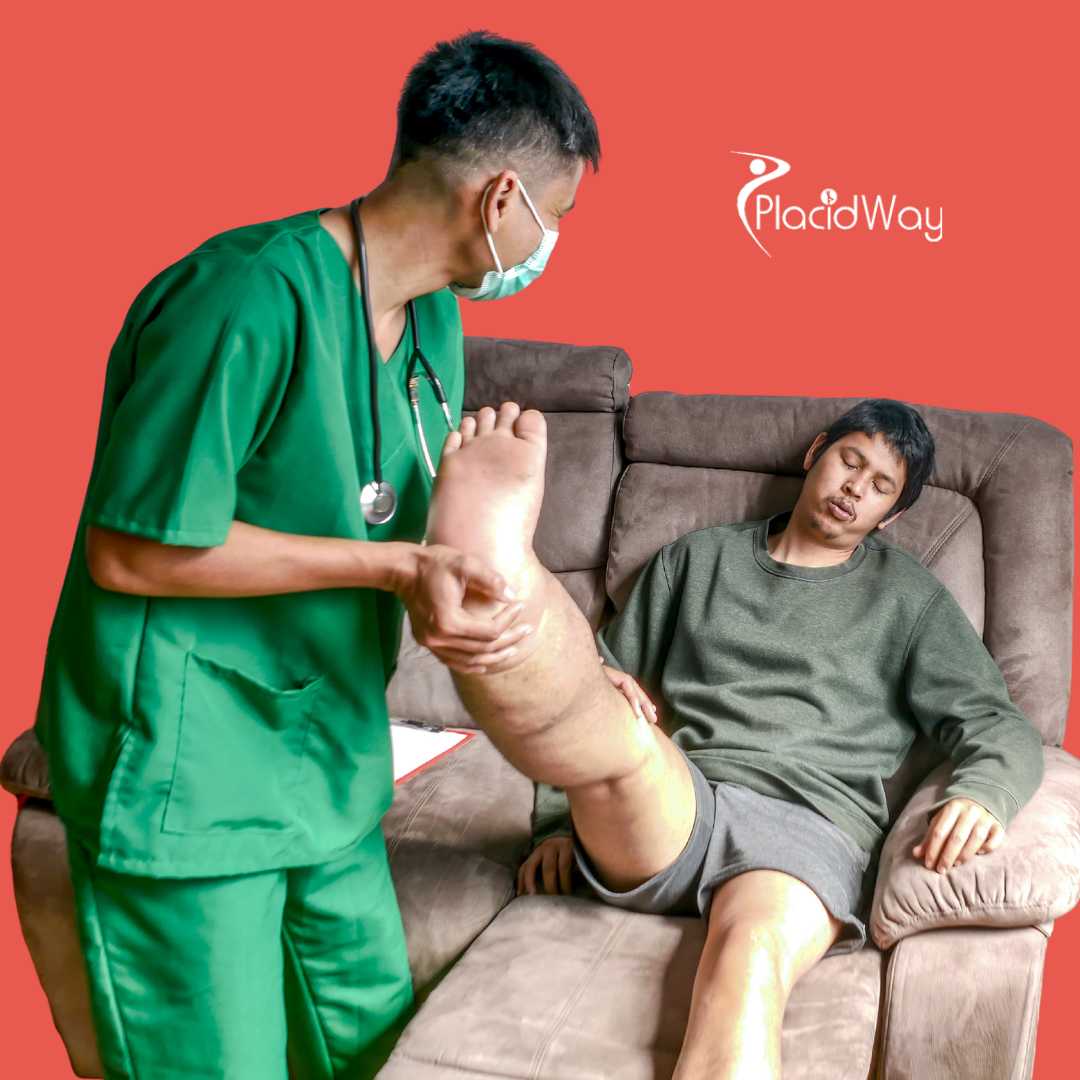
Why U.S. Patients Compare the Total Cost of Limb Lengthening in Turkey Before Booking Abroad
U.S. patients compare the limb lengthening cost in Turkey because it offers savings of up to 60-70% compared to American clinics. While surgery in the U.S. can exceed $80,000 to $100,000, packages for limb lengthening in Turkey typically range from $15,000 to $45,000, including advanced techniques like Precice 2, accommodation, and physical therapy, making medical tourism in Turkey a highly attractive option. Key Takeaways: Cost and Quality of Limb Lengthening in Turkey Significant Savings: The total limb lengthening cost in Turkey is substantially lower than in the U.S., even factoring in flights and extended stays. Advanced Technology: Top limb lengthening clinic in Turkey utilizes state-of-the-art methods, including LON (Lengthening Over Nail) and fully internal motorized nails like Precice. Comprehensive Packages: Medical tourism providers often bundle surgery, hospital stay, specialized physical therapy, and hotel accommodations into one transparent price. Experienced Surgeons: Turkey boasts highly skilled orthopedic surgeons who perform a large volume of these specialized procedures annually. Extended Recovery Needs: Patients must budget for a prolonged stay (often 2-3 months) in Turkey for the active lengthening and crucial physical therapy phases. What factors influence the total cost of Limb Lengthening in Turkey for international patients? The total price depends heavily on the surgical method chosen, the length of your stay, physical therapy intensity, and the specific limb lengthening clinic in Turkey. Fully internal methods cost significantly more than external or hybrid techniques. When evaluating the limb lengthening cost in Turkey, U.S. patients must look beyond the initial surgical fee. The most significant variable is the surgical technique. The Ilizarov method (fully external fixator) is the oldest and least expensive, but also the most cumbersome. The LON (Lengthening Over Nail) method, a hybrid approach, offers a middle ground in price and comfort. The most expensive, yet increasingly popular choice, is the fully internal motorized nail system, such as the Precice nail. This method utilizes magnetic fields for lengthening, eliminating external pins, significantly reducing infection risks, and offering a much more comfortable recovery, but it commands a premium price. Another major cost factor is the duration of your stay. The active lengthening phase typically takes 2 to 3 months, during which daily physical therapy is mandatory. Comprehensive packages often cover a set number of weeks in a recovery hotel or apartment, complete with meals and transportation to the clinic. Extending this stay, or requiring more intensive daily physical therapy sessions, will increase the total expenditure. Furthermore, the reputation and luxury level of the chosen limb lengthening clinic in Turkey play a role; JCI-accredited hospitals in prime locations of Istanbul will naturally charge more than smaller facilities. Finally, hidden costs must be factored into the comparison. These include round-trip flights, visa fees, specialized compression garments, mobility aids (wheelchairs, walkers), and the eventual cost of the second surgery required to remove the internal nails a year or two later. While medical tourism in Turkey offers immense savings, thorough budgeting for these secondary expenses is crucial for a realistic comparison against U.S. prices. Expert Insight "When requesting quotes, always demand a 'total all-inclusive' breakdown. A seemingly low initial quote might exclude the cost of the expensive internal nail itself, or only cover the first week of physical therapy. Transparency in pricing is a hallmark of a reputable international clinic." How does the LON method compare to the Precice method regarding cost and recovery in Turkey? The LON method is a more affordable hybrid option ($15,000-$25,000) using external frames, requiring more post-op care. The Precice method is fully internal, offering a faster, more comfortable recovery with less scarring, but costs significantly more ($30,000-$45,000). The Lengthening Over Nail (LON) method is a frequent choice for patients seeking a balance between cost and efficiency. It combines an internal intramedullary nail with an external fixator. The external frame is used for the active daily lengthening process. Once the desired height is achieved, the internal nail is locked in place, and the bulky external frame is removed. This significantly reduces the time patients must wear the external device compared to traditional methods, but it still involves pin-site care and carries a risk of superficial infections during the lengthening phase. It is a cost-effective option widely available at many a limb lengthening clinic in Turkey. Conversely, the Precice system represents the pinnacle of modern limb lengthening technology. It is a fully internal, remote-controlled magnetic intramedullary nail. There are no external pins or frames, which drastically reduces the risk of infection, minimizes scarring, and provides a vastly superior aesthetic and physical comfort level during recovery. The lengthening is achieved by placing an external magnetic remote control over the leg for a few minutes daily. Because the hardware itself is expensive and requires highly specialized surgical training, this method represents the higher end of the limb lengthening cost in Turkey. When deciding, U.S. patients must weigh the financial savings of LON against the comfort and safety benefits of Precice. While Precice is more expensive in Turkey, it is still a fraction of the cost of the identical procedure performed in the United States, making it the preferred choice for many international patients utilizing medical tourism in Turkey. Fun Fact The magnetic technology used in the Precice nail was originally adapted from technology used to remotely adjust the shape of satellite antennas in space! Should I choose Femur or Tibia lengthening, and how does it affect the price in Turkish clinics? Femur (thigh) lengthening is generally preferred as it yields more height (up to 8cm), heals faster, and is often slightly less expensive than tibia (calf) lengthening (up to 5-6cm), which carries higher risks of complications and nerve damage. The choice between lengthening the femurs or the tibias is a critical medical decision that also impacts the overall cost. Femur lengthening is the most common starting point. The femur bone is thicker, heals faster, and can safely accommodate more substantial lengthening typically up to 8 centimeters (about 3.1 inches). Because the surrounding muscle mass is larger, the procedure is generally considered safer with a slightly lower risk of severe complications compared to the lower leg. Consequently, a standard package for femur limb lengthening in Turkey might be marginally less expensive or form the baseline price quoted by clinics. Tibia lengthening is often chosen by patients who want to maintain specific body proportions or who are seeking an additional height increase after already completing femur surgery. However, the tibia can only safely be lengthened by about 5 to 6 centimeters (about 2.4 inches). The procedure is anatomically more complex due to the proximity of crucial nerves and tighter skin and muscle compartments. Recovery is often more painful, and the consolidation phase (bone hardening) takes longer. Some clinics may charge a premium for tibia surgeries due to the increased surgical complexity and the need for meticulous post-operative nerve monitoring. Patients should consult extensively with their chosen orthopedic surgeon to determine the best approach based on their biomechanics, desired height goals, and budget. While combining both procedures simultaneously is technically possible, it is universally discouraged by reputable specialists in medical tourism in Turkey due to the extreme danger and grueling recovery process. Did You Know? The maximum safe lengthening amount is largely dictated not by the bone, but by the surrounding soft tissues—muscles, nerves, and blood vessels—which need time to stretch and adapt to the new length. Why is intensive physical therapy crucial, and is it included in the cost in Turkey? Physical therapy prevents permanent muscle contractures and joint stiffness, ensuring you can actually walk normally after gaining height. Comprehensive packages in Turkey usually include daily PT sessions, but you must verify the duration and frequency in the quote. A common misconception is that the surgery itself is the most challenging part of limb lengthening in Turkey. In reality, the surgery is merely the first step; the true work begins during the active lengthening phase, heavily reliant on physical therapy (PT). As the bone is slowly pulled apart (typically 1 millimeter per day), the surrounding muscles, tendons, and ligaments must stretch to accommodate the new length. Without aggressive, daily physical therapy, these soft tissues will become dangerously tight, leading to severe joint stiffness (contractures), inability to straighten the legs, and potentially permanent loss of mobility. When comparing the limb lengthening cost in Turkey, evaluating the included physical therapy program is paramount. Reputable packages designed for international patients will include comprehensive PT, often 5 to 6 days a week, conducted by therapists specialized in limb lengthening recovery. This therapy includes intense stretching, gait training, and muscle strengthening exercises. It is rigorous, painful, but absolutely essential for a functional outcome. Patients must carefully review their quotes. Does the price cover PT for the entire 2-3 month lengthening phase, or only the first few weeks? If you require an extended stay, how much do additional PT sessions cost? A cheaper initial quote from a lesser-known limb lengthening clinic in Turkey might lack sufficient post-operative rehabilitation, which could compromise the entire investment and the patient's long-term health. How do U.S. patients manage potential risks and complications after returning from Turkey? Managing risks requires establishing a relationship with a local U.S. orthopedic surgeon before traveling to Turkey, maintaining online check-ins with the Turkish clinic, and strictly adhering to the post-op physical therapy and weight-bearing protocols. While the financial appeal of medical tourism in Turkey is undeniable, the logistical challenge of handling complications from afar is a primary concern for U.S. patients. Limb lengthening is an elective but highly invasive procedure, carrying risks such as non-union (bone failing to heal), premature consolidation (bone healing too fast), infections (especially with external pins), and deep vein thrombosis (DVT). Returning to the U.S. while still in the consolidation phase means you are geographically distant from your primary surgeon. To mitigate this, thorough preparation is key. Before committing to a limb lengthening clinic in Turkey, ensure they provide robust telemedicine support for post-operative monitoring. You will need to send regular X-rays back to your Turkish surgeon to track bone growth. More importantly, you must secure a local orthopedic surgeon or a specialized physical therapy team in the U.S. who is willing to take over your care, order X-rays, and handle any immediate complications, such as a hardware malfunction or sudden pain. Ignoring this step can lead to significant stress and emergency medical bills stateside. The total cost comparison must include the potential out-of-pocket expenses for U.S.-based follow-up consultations and localized physical therapy during the year-long consolidation phase after returning home. Why Choose PlacidWay for Organizing Limb Lengthening in Turkey? PlacidWay removes the guesswork by connecting you with verified, top-tier orthopedic clinics in Turkey, negotiating all-inclusive transparent packages, and providing dedicated support throughout your complex medical journey. Organizing a complex, life-altering procedure like limb lengthening overseas requires meticulous planning and trusted partnerships. PlacidWay serves as your essential guide in navigating the landscape of medical tourism in Turkey. Here is why patients rely on PlacidWay: Rigorous Vetting Process: We do not partner with just any facility. We ensure you are connected only with highly reputable, accredited orthopedic centers and specialized surgeons with proven track records in limb lengthening. Transparent Package Pricing: We understand the anxiety surrounding hidden fees. We work to provide you with comprehensive quotes that clearly outline what is included—from surgery and hospital stays to physical therapy and accommodation—so you can budget accurately. Personalized Patient Coordination: Our dedicated team assists you through every step, helping coordinate initial consultations, facilitating medical record transfers, and ensuring smooth communication between you and the Turkish medical staff. Focus on Quality Care: By utilizing PlacidWay, you ensure access to the latest medical technologies, like the Precice system, performed in facilities prioritizing stringent safety standards and comprehensive post-operative rehabilitation. Peace of Mind Abroad: Navigating a foreign medical system is daunting. We provide the necessary support structure, allowing you to focus entirely on your complex recovery and physical therapy regimen. Frequently Asked Questions About Limb Lengthening in Turkey How long is the typical hospital stay for limb lengthening in Turkey? Most limb lengthening procedures in Turkey require a hospital stay of 3 to 7 days immediately following the surgery. After discharge, patients usually transfer to a nearby hotel or recovery facility for ongoing physical therapy and monitoring during the initial lengthening phase. Do I need a companion to travel with me to Turkey for this surgery? While not strictly mandatory, having a companion is highly recommended, especially during the first few weeks post-surgery. You will have mobility limitations, and assistance with daily activities, attending physical therapy sessions, and general emotional support is invaluable. Many clinics offer companion packages or dedicated caregiver services if you travel alone. What type of visa do U.S. citizens need for medical treatment in Turkey? U.S. citizens generally need an e-Visa to enter Turkey. This can be obtained easily online before travel. For a typical limb lengthening process that may take a few months, a standard tourist e-Visa (usually valid for 90 days within a 180-day period) is often sufficient, but you should verify current regulations or ask your clinic if a specific medical visa is more appropriate for extended stays. How soon after limb lengthening surgery in Turkey can I fly back to the U.S.? Flying immediately after surgery is not recommended due to deep vein thrombosis (DVT) risks. Patients typically need to stay in Turkey for the active lengthening phase, which can take 2-3 months. You should only fly back when your orthopedic surgeon clears you, usually once the bone has consolidated enough to handle travel stresses, and always with proper DVT prophylaxis. Will there be a language barrier with the medical staff at a limb lengthening clinic in Turkey? Top medical tourism facilities in Turkey cater extensively to international patients. Most leading orthopedic surgeons and their core medical staff speak fluent English. Additionally, reputable clinics provide dedicated patient coordinators or translators who are available 24/7 to assist with all communications, ensuring you understand every step of your treatment. What happens if I experience complications after returning to the U.S. from Turkey? This is a crucial consideration. Before surgery, ensure the Turkish clinic provides a clear post-operative care plan and continuous online consultations. You should also secure a local orthopedic surgeon in the U.S. willing to handle potential complications or monitor your progress (like X-rays), as traveling back to Turkey for immediate urgent care is often impractical. Are the implants used in Turkey for limb lengthening FDA-approved? Reputable clinics in Turkey use high-quality, internationally recognized implants. The Precice system (Precice 2, Precice Stryde), which is widely used in top Turkish clinics, is FDA-approved in the U.S. Always confirm the exact brand and model of the implant with your surgeon and verify its international certifications beforehand. How intense is the physical therapy required during limb lengthening in Istanbul? Physical therapy is rigorous and non-negotiable for a successful outcome. Expect to undergo physical therapy sessions 5 to 6 days a week while in Turkey. These sessions focus on maintaining joint flexibility, preventing muscle contractures, and ensuring the new bone forms correctly. Dedication to PT is as important as the surgery itself. Can I lengthen both my femurs and tibias at the same time in Turkey? Most responsible surgeons strongly advise against lengthening femurs and tibias simultaneously (quadrilateral lengthening) due to the extreme physical toll, high risk of severe complications, and agonizing recovery. The standard and safer approach is to lengthen the femurs first, and if desired, the tibias in a subsequent surgery months later. Is the cost of the implant removal included in the initial quote from Turkish clinics? Usually, the implant removal surgery is NOT included in the initial cost estimate. Internal nails like the Precice need to be removed 1-2 years after the initial surgery once the bone is fully consolidated. You must budget for this second, smaller procedure, which can cost several thousand dollars, whether you do it in Turkey or back in the U.S. Take the First Step Toward Your Height Goals Don't let high U.S. costs prevent you from achieving your desired height safely. Let PlacidWay connect you with world-class orthopedic centers in Turkey. Get a comprehensive, transparent quote and start planning your transformation with confidence. Get Your Free Quote...
Read more details.png)
How Successful Is Joint Replacement Surgery In Turkey?
Joint replacement surgery in Turkey is highly successful, boasting a success rate of over 95% for knee and hip replacements. This high rate is attributed to experienced surgeons, state-of-the-art robotic technology, and internationally accredited hospitals that follow strict global safety protocols. If you have been living with chronic pain and limited mobility, you might be wondering, how successful is joint replacement surgery in Turkey? It is one of the most common questions we hear from patients looking for affordable yet high-quality orthopedic solutions. Turkey has rapidly become a global hub for medical tourism, particularly for orthopedic procedures like knee and hip replacements. The short answer is that the outcomes are incredibly positive, often matching or exceeding those found in Western Europe and North America. Patients choosing joint replacement surgery in Turkey benefit not only from significant cost savings but also from world-class medical facilities that prioritize patient safety and long-term functionality. In this guide, we will dive deep into everything you need to know. We will cover specific success rates, the expertise of Turkish surgeons, the types of implants used, and the overall patient experience. Whether you are considering a total knee replacement or a hip resurfacing procedure, understanding the factors that contribute to these high success rates will help you make an informed decision for your health. What is the overall success rate of joint replacement surgery in Turkey? The overall success rate for joint replacement surgery in Turkey typically exceeds 95%. Most patients experience significant pain relief and restored mobility, with implants lasting 15 to 20 years or more when high-quality materials are used. When we talk about the success of orthopedic surgeries in Turkey, the data is quite impressive. Hospitals in major cities like Istanbul, Ankara, and Antalya routinely perform thousands of these procedures annually. The high volume of surgeries allows medical teams to refine their techniques, leading to consistent and reliable outcomes for international patients. Success is measured not just by the surgery itself, but by the quality of life afterward. Patients report a dramatic reduction in pain and a return to daily activities such as walking, climbing stairs, and even moderate exercise. The combination of advanced surgical techniques and comprehensive pre-operative planning ensures that risks are minimized. Furthermore, the longevity of the implants used in Turkey contributes to this high success rate. By utilizing top-tier brands from the US and Europe, Turkish clinics ensure that the hardware implanted is durable and biocompatible, reducing the likelihood of revision surgeries in the future. How successful is knee replacement surgery in Turkey? Knee replacement surgery in Turkey has a success rate of approximately 96% to 98%. Patients often regain full range of motion within months, thanks to advanced minimally invasive techniques and rigorous rehabilitation programs. Knee issues are among the most common reasons patients travel for medical care. The success of knee replacement surgery here is largely due to the precision of the procedure. Surgeons often use computer-assisted navigation tools to ensure the implant is aligned perfectly with your bone structure, which is crucial for the long-term survival of the joint. Recovery protocols also play a huge role. In Turkey, mobilization often begins the day after surgery. This proactive approach prevents complications like blood clots and stiffness. Physical therapists work closely with patients to strengthen the muscles around the new knee, ensuring stability and function. Key factors influencing knee surgery success include: Patient selection: Thorough screening to ensuring you are a good candidate. Surgical technique: Use of muscle-sparing approaches to reduce trauma. Post-op care: dedicated nursing and physiotherapy teams. What is the success rate for hip replacement in Turkey? Hip replacement surgery in Turkey boasts a high success rate of over 95% after 10 years. Many patients experience immediate pain relief and can walk without assistance within a few weeks of the procedure. Hip replacement is a life-changing operation, and Turkish orthopedic surgeons are experts in performing it. The high success rate is supported by the use of modern prosthetics—often ceramic-on-ceramic or metal-on-polyethylene—that offer low wear rates and high durability. This is essential for younger patients who need their implants to last for decades. The expertise of the surgeon is paramount in hip surgeries to avoid issues like dislocation or leg length discrepancy. Turkish surgeons often undergo specialized training in Europe or the US, bringing back cutting-edge skills. They are proficient in anterior, posterior, and lateral approaches, choosing the best method for your specific anatomy. Additionally, the infection rates for joint replacement surgery in Turkey are kept extremely low due to strict sterilization protocols in JCI-accredited hospitals. This focus on sterile environments directly correlates to the positive outcomes seen in hip replacement patients. What is the cost of joint replacement surgery in Turkey? The cost of joint replacement surgery in Turkey ranges from $5,000 to $9,000 per joint. This is significantly lower than Western countries, offering savings of up to 70% without compromising on quality. Cost is often the deciding factor for medical tourists. In countries like the USA or the UK, a total joint replacement can cost a fortune or involve years on a waiting list. Turkey offers a solution that is both affordable and immediate. The price difference is mainly due to lower labor costs and operational expenses in Turkey, not a lack of quality. Most clinics offer "all-inclusive packages." These packages typically cover the surgery, hospital stay, surgeon fees, airport transfers, and sometimes even hotel accommodation for the recovery period. This transparency helps international patients budget effectively without fear of hidden costs. Below is a comparison table to highlight the potential savings: Procedure Cost in USA Cost in UK Cost in Turkey Total Knee Replacement $30,000 - $50,000 $15,000 - $20,000 $5,000 - $8,000 Total Hip Replacement $32,000 - $55,000 $14,000 - $18,000 $5,500 - $9,000 Shoulder Replacement $25,000 - $45,000 $12,000 - $16,000 $5,000 - $8,500 Why is orthopedic surgery in Turkey so successful? The success of orthopedic surgery in Turkey stems from a combination of highly skilled surgeons, JCI-accredited facilities, and the use of advanced FDA-approved implants, ensuring world-class standards of care. The backbone of this success is the medical infrastructure. Turkey has invested heavily in healthcare, resulting in hospitals that are equipped with the latest diagnostic and surgical technology. From 3D imaging to laminar flow operating rooms that reduce infection risk, every detail is managed to optimize patient outcomes. Another reason is the volume of experience. Turkish surgeons handle a high caseload of international patients, which gives them a breadth of experience with complex cases that a general surgeon elsewhere might not see. This specialized focus allows for finer surgical skills and better judgment during procedures. Finally, the regulatory environment ensures quality. The Turkish Ministry of Health strictly monitors hospitals that treat medical tourists, and many hold accreditation from the Joint Commission International (JCI), the gold standard in global healthcare. Are Turkish orthopedic surgeons experienced? Yes, Turkish orthopedic surgeons are highly experienced, with many having completed fellowships in the US or Europe and holding memberships in prestigious global orthopedic associations. You are in safe hands with doctors in Turkey. Many of the top surgeons are not just practitioners but also professors who teach at university hospitals. They stay updated with the latest global trends in orthopedics, attending international conferences and publishing research. When you choose a surgeon for joint replacement surgery, you can often review their CV beforehand. You will see that they have performed thousands of successful operations. Their capability to communicate in English (and often other languages) bridges the gap for international patients, ensuring that you fully understand your treatment plan. It is common to have a video consultation before you fly. This allows the surgeon to assess your X-rays and MRI scans remotely, confirming their experience and approach to your specific condition before you commit to travel. Is robotic joint replacement surgery available in Turkey? Yes, robotic joint replacement surgery is available in major Turkish hospitals. This technology increases precision, reduces tissue damage, and can lead to a faster, less painful recovery for patients. Robotic-assisted surgery is a game-changer in orthopedics. Systems like the MAKO robot allow surgeons to plan the surgery in 3D before making a single cut. During the operation, the robotic arm guides the surgeon to remove only the diseased bone, preserving healthy tissue. This level of precision is particularly beneficial for knee and hip replacements. It ensures that the implant is placed at the optimal angle for your unique anatomy, which can feel more natural and last longer. While robotic surgery might cost slightly more than traditional methods, the benefits in terms of recovery and longevity often outweigh the price difference. Not every clinic offers this, so if you are interested in robotic surgery, it is important to ask specifically for it when booking your package. What types of joint implants are used in Turkey? Hospitals in Turkey use high-quality, internationally recognized joint implants from top manufacturers like Zimmer Biomet, Stryker, and Johnson & Johnson, ensuring durability and safety. A common myth is that lower cost means lower quality materials. This is false regarding joint replacement surgery in Turkey. The cost savings come from operational expenses, not cheap implants. Reputable clinics use the exact same FDA and CE-approved brands you would find in an American or German hospital. Using these premium brands is critical because the material of the implant determines how long it will last and how well your body accepts it. Whether it is titanium, cobalt-chromium, or advanced ceramics, you will receive a product designed for longevity. You should always ask your surgeon which brand and model of implant they intend to use. They will be happy to provide this information, and you will receive an implant ID card after surgery for your records. What are the risks of getting joint replacement in Turkey? The risks of joint replacement in Turkey are similar to those globally, including infection, blood clots, or implant loosening. However, these are rare due to strict hospital safety protocols and pre-operative screenings. Every surgery carries some level of risk, regardless of where it is performed. The most significant concern for joint replacement is infection. Turkish hospitals mitigate this by maintaining sterile environments and using prophylactic antibiotics. Deep Vein Thrombosis (DVT) is another risk, managed through blood thinners and early mobilization. A specific risk for medical tourists is the flight home. Sitting for long periods can increase clot risk. Surgeons in Turkey will provide specific guidelines on when it is safe to fly and may prescribe compression stockings or medication for your journey back. Choosing an accredited facility is your best defense against complications. These hospitals have emergency protocols in place and experienced staff ready to handle any unexpected issues immediately. How long is the recovery period after joint replacement in Turkey? The initial recovery for joint replacement takes 3 to 6 weeks, but you will likely stay in Turkey for 10 to 14 days for post-op monitoring and initial physical therapy. Recovery is a journey. The first few days are spent in the hospital, managing pain and getting out of bed. By the time you are discharged to your hotel, you should be able to walk with crutches or a walker. The goal of the 10-14 day stay is to ensure your incision is healing well and you are fit to fly. Full recovery, where you can return to all normal activities without assistance, can take 3 to 6 months. However, most patients feel a massive improvement in their quality of life within the first month. The "joint pain" is gone, replaced by "surgical healing pain" which diminishes daily. Adhering to the rehabilitation plan given by your Turkish physiotherapist is crucial. You will likely continue these exercises at home to maximize the success of your surgery. Is post-surgery rehabilitation available in Turkey? Yes, comprehensive post-surgery rehabilitation is a standard part of treatment packages in Turkey, often starting the day after surgery to accelerate healing and restore mobility. Rehabilitation is not an afterthought in Turkey; it is integrated into the surgical package. Expert physiotherapists work with you immediately. They teach you how to get in and out of bed, how to walk with support, and specific exercises to strengthen the joint. Some patients choose to extend their stay in Turkey to recover in a thermal hotel or a specialized rehabilitation center. Turkey is famous for its thermal springs, and combining orthopedic recovery with hydrotherapy can be incredibly beneficial for reducing swelling and improving range of motion. Before you leave, you will receive a detailed plan to follow back home. Some clinics even offer virtual follow-ups with the therapist to check your progress. What medical tests are required before surgery? Before joint replacement surgery, you will undergo blood tests, ECGs, X-rays, and sometimes MRIs to ensure you are healthy enough for anesthesia and the procedure. Safety comes first. Upon arrival in Turkey, usually a day or two before the operation, you will have a full workup. This checks your heart health, blood sugar levels, and clotting factors. If you have underlying conditions like diabetes or hypertension, specialists will consult to optimize your condition before surgery. These tests are included in most packages. It is important to be honest about your medical history during your initial online consultation so the medical team is prepared. If any test results are concerning, the surgery might be postponed for your safety, though this is rare with proper pre-travel screening. How safe are hospitals in Turkey for international patients? Hospitals in Turkey are extremely safe, with over 30 facilities holding JCI accreditation. They adhere to strict international hygiene, safety, and operational standards designed to protect foreign patients. Turkey has one of the highest numbers of JCI-accredited hospitals in the world. This accreditation is not easy to get; it requires meeting hundreds of rigorous standards regarding patient care, facility safety, and management practices. These hospitals are designed with international patients in mind. You will find international patient departments that handle everything from language translation to airport transfers. The infrastructure is modern, often newer and more luxurious than what is found in many public hospitals in Europe. Cleanliness is a top priority. Regular audits ensure that sterilization processes for operating rooms and equipment meet global best practices, keeping infection rates for joint replacement surgery very low. Do I need a companion for joint replacement surgery in Turkey? While not strictly mandatory, bringing a companion is highly recommended for moral support and assistance with daily tasks during the initial recovery phase at the hotel. Having a friend, partner, or family member with you can make a huge difference. While the hospital staff provides excellent care during your admission, having someone with you at the hotel after discharge is very helpful. They can help you with putting on socks, getting food, or simply offering emotional support. Many medical tourism packages include accommodation for a companion at no extra cost or for a small fee. If you cannot bring anyone, let the clinic know in advance. They can often arrange for extra nursing assistance or ensure your hotel room is fully equipped for a solo recovering guest. Can I travel immediately after joint replacement surgery? No, you cannot fly immediately. Most surgeons require you to stay in Turkey for 10 to 14 days post-surgery to monitor healing and remove stitches before clearing you for air travel. Flying too soon increases the risk of deep vein thrombosis (DVT) due to cabin pressure and immobility. Your surgeon needs to see that the wound is dry and healing and that you have regained enough mobility to manage the journey. When you do fly, it is often recommended to book a seat with extra legroom or business class if possible, to keep the leg extended. You should also get up and move around the cabin periodically. The clinic will provide a "fit to fly" certificate, which airlines may require. Why is joint replacement cheaper in Turkey than in the US or UK? Joint replacement is cheaper in Turkey due to lower cost of living, favorable exchange rates, and lower government taxes on medical goods, not due to lower quality medical care. The price tag can be deceptive. In the US, high costs are driven by administrative fees, malpractice insurance, and hospital markups. In Turkey, these overheads are significantly lower. The currency exchange rate also works in favor of patients paying in USD, EUR, or GBP, giving you more purchasing power. Furthermore, the Turkish government actively supports the medical tourism industry with incentives, helping hospitals keep prices competitive. This allows you to access premium healthcare services and successful joint replacement surgery at a fraction of the domestic price. If you are looking for reliable options for joint replacement surgery in Turkey, visit PlacidWay. We can connect you with top-rated medical centers and experienced surgeons to ensure your journey to mobility is smooth and successful. Get a Free Quote for Joint Replacement in Turkey...
Read more details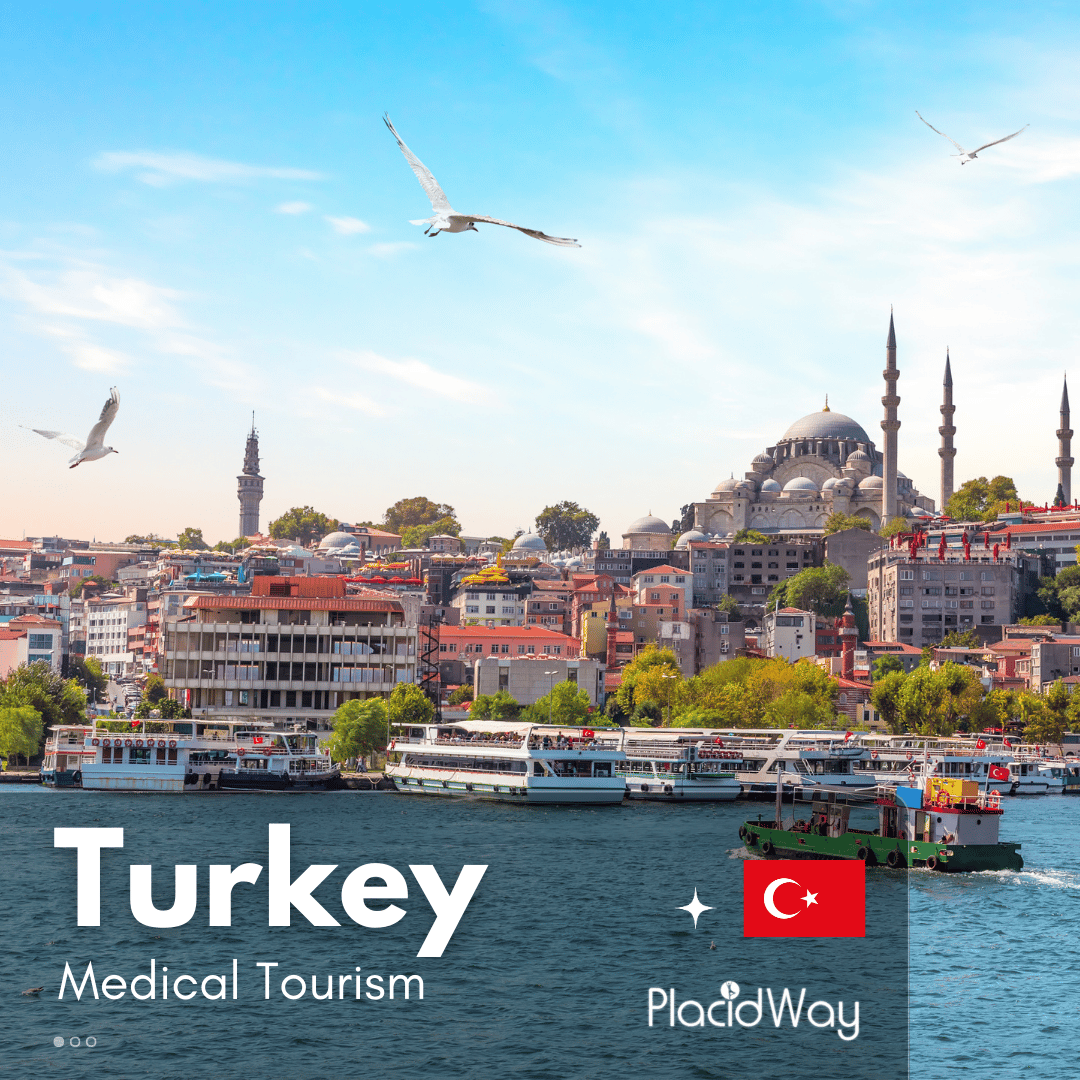
How Does Hip Replacement Surgery in Turkey Improve Mobility and Pain Relief?
"Hip replacement surgery in Turkey dramatically improves mobility and eliminates chronic pain by replacing the damaged joint with high-quality prosthetics, allowing patients to walk freely and return to active lifestyles within months." Living with chronic hip pain is debilitating. It starts as a dull ache, perhaps just when you wake up or after a long walk, but eventually, it begins to dictate your entire life. You might find yourself avoiding stairs, canceling plans with friends, or struggling to tie your own shoes. When conservative treatments like physical therapy and medication stop working, hip replacement surgery becomes the gold standard solution. However, for many people in the UK, USA, and Canada, the barriers to this life-changing procedure are high costs or agonizingly long waiting lists. This is where hip replacement surgery in Turkey offers a beacon of hope. Turkey has rapidly become a global powerhouse in orthopedic medical tourism, offering world-class surgical care without the wait or the prohibitive price tag. By combining state-of-the-art robotic technology with highly experienced surgeons, Turkish hospitals are helping thousands of international patients regain their independence every year. In this guide, we will dive deep into how this surgery works, why Turkey is a safe and smart choice, and exactly what you can expect regarding costs and recovery. We will answer the most pressing questions you have about regaining your freedom of movement and living a pain-free life again. How does hip replacement surgery eliminate pain? "Hip replacement eliminates pain by removing the damaged cartilage and bone that cause friction and replacing them with smooth prosthetic components, effectively stopping the bone-on-bone contact." The primary source of pain in conditions like osteoarthritis is the friction caused by bone-on-bone contact. When the protective cartilage in your hip joint wears away, the femoral head (ball) grinds against the acetabulum (socket). This causes inflammation, stiffness, and sharp pain with every movement. Surgery addresses the root cause of this issue rather than just masking the symptoms. During the procedure, the orthopedic surgeon removes the damaged femoral head and cleans out the worn socket. They are replaced with artificial components—typically made of ceramic, titanium, or high-grade polyethylene. Because these materials are incredibly smooth, they glide against each other effortlessly. Once the surgical site heals, the mechanical source of the pain is gone forever, providing immediate and lasting relief. How significantly will my mobility improve after surgery? "Most patients regain near-normal range of motion, enabling them to walk without a limp, climb stairs, and participate in low-impact sports like swimming and cycling within 3 to 6 months." The improvement in mobility is often described by patients as "getting their life back." Before surgery, your range of motion is likely restricted by stiffness and pain. You might limp to avoid putting weight on the affected leg. After a successful hip replacement, the joint mechanics are restored. You will likely be able to stand up straight, walk for long distances without fatigue, and perform daily tasks like putting on socks without assistance. While you may be advised to avoid high-impact activities like running marathons to preserve the implant's lifespan, most patients return to active hobbies. Golf, hiking, swimming, and cycling are all highly encouraged. The limp that plagued you for years usually disappears as your muscles regain strength during rehabilitation. Why is Turkey a top destination for orthopedic surgery? "Turkey is a top destination due to its JCI-accredited hospitals, affordable pricing, and highly experienced surgeons who frequently use advanced robotic-assisted techniques for precision." Turkey has invested billions into its healthcare infrastructure, specifically catering to international patients. The country boasts a high number of Joint Commission International (JCI) accredited hospitals, which is the gold standard for global healthcare safety. These facilities are often newer and more modern than many community hospitals in Europe or the US, equipped with the latest diagnostic imaging and surgical robots (like the MAKOplasty system). Beyond the technology, the expertise is undeniable. Turkish orthopedic surgeons perform a high volume of joint replacements annually. This "high volume" experience is crucial because studies consistently show that surgeons who perform a procedure more often have better outcomes and lower complication rates. You are not just getting a cheaper surgery; you are getting an expert surgery. What is the cost of hip replacement in Turkey vs. UK/USA? "Hip replacement in Turkey costs approximately $6,000 to $8,000, which is nearly 70% less than the $30,000 to $45,000 price tag in the US or the private sector in the UK." Cost is the main reason patients look abroad. In the US, uninsured or underinsured patients face astronomical bills. In the UK, while the NHS is free, the waiting list for "non-urgent" orthopedic surgery can be over a year, leaving patients in pain. Turkey offers an immediate, affordable solution. The lower cost is due to lower labor costs and government support for medical tourism, not lower quality. Here is a breakdown of the estimated costs for hip replacement surgery in different regions: Country Total Hip Replacement Cost Waiting Time Includes Rehab? USA $30,000 - $50,000 Variable Usually separate billing UK (Private) $15,000 - $20,000 Short Varies Turkey $6,000 - $8,500 Immediate Often included in packages Mexico $11,000 - $14,000 Immediate No What qualifications do Turkish orthopedic surgeons have? "Leading Turkish orthopedic surgeons are often board-certified, have completed fellowships in Europe or the US, and are members of international organizations like AAOS." When you choose a surgeon in Turkey, you are often choosing someone who has trained at some of the best institutions in the world. Many top surgeons have spent time in the US, Germany, or the UK to specialize in joint reconstruction. They bring this international expertise back to Turkey, ensuring they are up-to-date with the latest minimally invasive techniques. It is common for these surgeons to be members of the American Academy of Orthopaedic Surgeons (AAOS) or the European Federation of National Associations of Orthopaedics and Traumatology (EFORT). Before booking, you can—and should—request their CVs to see their specific experience with hip replacements. What types of hip implants are used in Turkey? "Turkish hospitals use FDA-approved, global implant brands such as Zimmer Biomet, Stryker, and DePuy Synthes, ensuring durability and international compatibility." Quality assurance is critical. Reputable hospitals in Turkey do not use cheap or generic implants. They utilize the exact same global brands used in the NHS or top US hospitals, such as Zimmer Biomet, Stryker, and DePuy Synthes. These prosthetics are made from medical-grade titanium, ceramic, and cobalt-chrome. Using these major brands is important for your peace of mind. If you ever need a revision or a check-up 15 years down the line back in your home country, local doctors will recognize the implant and have the tools to manage it. You will receive an "implant passport" or card with the specific serial numbers of your device after surgery. How long is the recovery period in Turkey? "Patients typically stay in the hospital for 3-5 days post-surgery, followed by a 5-7 day stay at a hotel for initial rehabilitation before flying home." Your recovery begins immediately. In fact, most surgeons will have you standing and taking a few steps with a walker the very same day of surgery or the next morning. This early mobilization is key to preventing blood clots and speeding up healing. You will stay in the hospital for about 3 to 5 days, where nurses will manage your pain and physical therapists will teach you exercises. After discharge, you won't fly home immediately. You will stay in a nearby hotel for another week. During this time, you will visit the clinic for check-ups and continue physical therapy. Most patients are fit to fly home about 10-12 days after their arrival in Turkey, usually with assistance (like wheelchair service at the airport). Is rehabilitation included in the package? "Yes, most all-inclusive packages in Turkey include pre-operative tests, the surgery itself, and the initial phase of physical therapy and rehabilitation while you are in the country." One of the benefits of the "package" model in medical tourism is the inclusion of rehab. In the UK or US, you might have to organize your own physio appointments separately. In Turkey, the hospital ensures you have daily sessions with a physiotherapist while admitted. They will teach you how to walk, how to get in and out of bed safely, and exercises to strengthen your hip muscles. Before you leave, you will be given a detailed rehabilitation plan to follow back home. It is crucial to continue this therapy with a local provider in your home country to maximize the success of your surgery. What are the risks of hip replacement surgery? "Risks include infection, blood clots (DVT), and implant dislocation, but these are rare in accredited hospitals that follow strict prophylactic protocols." Like any major surgery, hip replacement carries risks. The most common concerns are infection and Deep Vein Thrombosis (DVT) (blood clots). Turkish hospitals mitigate these risks aggressively. You will likely be given blood thinners and wear compression stockings to prevent clots. Antibiotics are administered to prevent infection. Another risk is dislocation of the new joint, particularly in the first few weeks. To prevent this, your surgeon and therapist will teach you "hip precautions"—movements to avoid, such as crossing your legs or bending past 90 degrees. Adhering to these rules significantly reduces the risk of dislocation. Can I get both hips done at the same time? "Yes, bilateral hip replacement is possible for healthy candidates, allowing for a single recovery period, though it requires a more rigorous rehabilitation process." If you suffer from arthritis in both hips, you might consider bilateral hip replacement. This means replacing both joints in a single anesthesia session. The massive advantage is that you only have one recovery period and one hospital stay. It is also more cost-effective than two separate trips. However, this is a more demanding surgery on the body. It is typically reserved for patients who are generally healthy and do not have significant heart or lung issues. Your surgeon will evaluate your overall fitness before agreeing to a bilateral procedure. What is the "anterior approach" to hip replacement? "The anterior approach is a muscle-sparing technique where the surgeon accesses the hip from the front, resulting in less pain, faster recovery, and fewer movement restrictions." You may hear about different surgical approaches. The anterior approach is gaining popularity in Turkey. Instead of cutting through the major gluteal muscles (posterior approach), the surgeon works between the muscles from the front of the hip. Because muscles are spared rather than cut, recovery is often faster and less painful. Additionally, the anterior approach typically has a lower risk of dislocation, meaning you might have fewer restrictions on your movement immediately after surgery. Ask your prospective surgeon if they are trained in this specific technique. How do I arrange travel and accommodation? "Most clinics offer concierge packages that include VIP airport transfers, hotel accommodation for you and a companion, and all hospital transport." Medical tourism agencies and hospitals in Turkey are experts in logistics. You generally only need to book your flight. The "treatment package" usually covers everything else on the ground. A driver will pick you up from the airport in a private van and take you to your hotel or the hospital. Accommodation is often in 4 or 5-star hotels that are accustomed to hosting medical patients. They may have accessible rooms and staff who understand your needs. This seamless organization removes the stress of navigating a foreign city so you can focus on healing. Is it safe to fly after hip surgery? "Doctors typically recommend waiting 7-10 days post-surgery before flying to minimize the risk of blood clots; wearing compression stockings and staying hydrated during the flight is essential." Flying too soon after major leg surgery increases the risk of DVT. This is why you stay in Turkey for about 10 days total. When you do fly home, it is important to take precautions. You should book a seat with extra legroom if possible, stay hydrated, and perform ankle pump exercises in your seat. Your doctor will likely prescribe blood-thinning injections or tablets to take before and after the flight. You can also request "wheelchair assistance" from the airline, which ensures you are taken through security and to the gate without having to walk long distances. Can I bring a companion? "Yes, bringing a companion is highly recommended for emotional and physical support; most packages include hotel stays for two people at no extra room cost." Having a friend, spouse, or family member with you is invaluable. They can help you with small tasks like putting on socks, getting water, or just providing emotional support during the recovery days in the hotel. Medical tourism packages typically price the hotel room per night, not per person, so having a companion stay with you often costs nothing extra for accommodation. Your companion can also communicate with doctors if you are feeling groggy from anesthesia and help keep track of your medication schedule. It turns the medical trip into a shared journey, making the experience much less isolating. What if I have complications after returning home? "Reputable clinics provide aftercare support via video calls; for urgent physical issues, you should visit a local doctor, armed with your detailed medical reports from Turkey." Before you leave Turkey, ensure you receive a full medical report in English, detailing the surgery, the implant used, and the medications prescribed. If you experience minor issues, your Turkish surgeon is usually available for a WhatsApp or Zoom consultation to offer advice. For urgent issues like a suspected infection or wound opening, you should see a local doctor or go to the ER in your home country. Because the procedure and implants are standard globally, local doctors can treat complications effectively using the notes provided by your Turkish surgeon. Ready to Walk Without Pain? Don't let chronic hip pain limit your life any longer. Discover world-class, affordable hip replacement options in Turkey and take the first step toward reclaiming your mobility. Get a free quote and connect with top orthopedic surgeons today....
Read more details.png)
How Much Does a Hip Replacement Cost in Zagreb, Croatia for Medical Tourists?
A hip replacement in Zagreb, Croatia, for medical tourists typically costs between €6,000 and €10,000. This competitive pricing includes the surgery, hospital stay, and initial rehabilitation, making it a highly attractive option compared to Western Europe or North America. Planning a medical procedure abroad can feel like a significant undertaking, especially when it involves something as crucial as a hip replacement. However, many individuals are discovering the remarkable benefits of medical tourism, and destinations like Zagreb, Croatia, are rapidly gaining recognition for their high-quality, affordable healthcare services. If you're considering a hip replacement and are looking for excellent care without the exorbitant price tag often found in your home country, Zagreb presents a compelling option worth exploring. Zagreb, the vibrant capital of Croatia, offers a unique blend of modern medical facilities, experienced orthopedic surgeons, and a welcoming atmosphere for international patients. Many patients find that undergoing a hip replacement here not only addresses their health needs effectively but also allows them to combine their treatment with a recovery period in a beautiful, culturally rich city. This comprehensive guide will delve into the specifics of hip replacement costs in Zagreb for medical tourists, ensuring you have all the necessary information to make an informed decision about your healthcare journey. How much does a hip replacement cost in Zagreb, Croatia for medical tourists? The cost for a hip replacement in Zagreb, Croatia, for medical tourists generally ranges from €6,000 to €10,000. This figure is significantly lower than prices typically seen in Western European countries, the UK, or North America, where the same procedure can cost upwards of €20,000 to €50,000. The price for a hip replacement in Zagreb is highly competitive, making it a popular choice for those seeking quality orthopedic care at a fraction of the cost found in many other developed nations. This range typically covers the core aspects of the surgery, including the surgeon's fees, anesthesia, the prosthetic implant, and the initial hospital stay. However, the exact price can vary based on several factors, such as the specific hospital or clinic chosen, the type of hip implant used, and the surgeon's experience. Patients are often surprised by the comprehensive nature of the packages offered in Zagreb. Despite the lower cost, the quality of care and the technology used are often on par with, or even exceed, what patients might find in more expensive countries. Croatian medical institutions adhere to strict European Union healthcare standards, ensuring patient safety and effective outcomes. It's always recommended to obtain a detailed quote that outlines all inclusions to avoid any surprises. What does the average cost of hip replacement in Zagreb include? The average cost of hip replacement in Zagreb often includes the surgical procedure itself, anesthesia services, the prosthetic implant, a typical hospital stay (usually 5-7 days), initial medication during hospitalization, and basic post-operative physiotherapy sessions while in the hospital. When considering the cost of a hip replacement in Zagreb, it's essential to understand what is typically encompassed within the quoted price. Medical tourism packages are designed to be as comprehensive as possible to simplify the patient's journey. Most standard packages cover the critical medical components of your treatment. However, it's important to note what might not be included upfront. While the primary medical care is covered, costs such as international flights, pre-operative diagnostic tests if not performed in Zagreb, extended rehabilitation beyond the initial hospital stay, accommodation for accompanying family members, and personal expenses are generally separate. Some clinics offer premium packages that might bundle additional services like airport transfers, dedicated patient coordinators, and follow-up consultations. Always request a clear, itemized breakdown of costs from your chosen medical provider. Why is hip replacement in Zagreb, Croatia, more affordable than in Western countries? Hip replacement in Zagreb is more affordable primarily due to lower operational costs for hospitals, competitive labor wages for medical staff, and a different healthcare economic model within Croatia, all while maintaining high-quality medical standards comparable to Western European nations. The significant cost difference for hip replacement in Zagreb compared to Western countries can be attributed to several economic factors. Firstly, the general cost of living and operating a business in Croatia is considerably lower than in countries like the United States, Canada, the UK, or Germany. This translates directly to reduced overheads for medical facilities, including lower utility costs, property rentals, and administrative expenses. Secondly, the wages for highly skilled medical professionals, including surgeons, nurses, and support staff, while fair and competitive within Croatia, are typically lower than their counterparts in higher-income Western nations. This reduction in labor costs allows clinics to offer procedures at a more accessible price point without compromising on the expertise of their medical teams. Moreover, Croatia's healthcare system benefits from governmental investment, which further helps in keeping medical costs down for both local and international patients, without sacrificing the quality of care or the adoption of advanced medical technologies. What are the qualifications of surgeons performing hip replacements in Croatia? Surgeons performing hip replacements in Croatia are highly qualified, possessing extensive medical education from reputable European universities, undergoing rigorous residency training in orthopedics, and frequently pursuing further specializations and participating in international medical conferences to stay abreast of the latest techniques. Croatian orthopedic surgeons are recognized for their high level of expertise and dedication to patient care. They typically complete a demanding medical curriculum followed by a specialized residency program in orthopedic surgery, which can last several years. This training ensures they are proficient in both conventional and advanced surgical techniques for hip replacement. Furthermore, many Croatian surgeons have international experience, having trained or worked in renowned medical centers across Europe or even globally. They often hold memberships in international orthopedic associations, which promotes continuous professional development and the adoption of best practices. Patients can expect surgeons in Zagreb to be well-versed in the latest advancements in hip replacement surgery, including minimally invasive techniques and the use of cutting-edge prosthetic materials, all contributing to favorable patient outcomes. Are there any hidden costs associated with hip replacement in Zagreb for medical tourists? While medical tourism packages for hip replacement in Zagreb are generally comprehensive, potential hidden costs can include extended hospital stays due to unforeseen complications, additional physiotherapy sessions not included in the initial package, extensive pre-operative diagnostics, flights, accommodation, and travel insurance that is not specifically bundled. To avoid unexpected expenses during your medical journey to Zagreb, it is crucial to understand all potential costs beyond the quoted procedure price. While most reputable clinics provide transparent pricing, a few elements might not be immediately obvious. For example, if you require a longer hospital stay than initially planned due to a slower recovery or minor complications, additional daily hospital charges may apply. Similarly, if your post-operative rehabilitation needs are more extensive than the standard included sessions, you might incur extra physiotherapy costs. Travel-related expenses are another significant consideration. Flights to and from Zagreb, accommodation before and after your hospital stay, local transportation, and meals for yourself and any accompanying person will add to the total cost. It is also highly advisable to purchase comprehensive travel insurance that specifically covers medical tourism and potential medical complications abroad. Thoroughly review your treatment plan and the itemized quote with your chosen provider, asking specific questions about all potential additional charges to ensure full transparency. What support services are available for international patients in Zagreb? International patients in Zagreb often benefit from extensive support services, which typically include English-speaking medical staff, dedicated patient coordinators who assist with appointments and logistics, assistance with airport transfers and local transportation, help with accommodation bookings, and potentially even visa support if needed. Zagreb's medical tourism providers understand the unique needs of international patients and strive to make their experience as seamless and stress-free as possible. One of the most critical services is the availability of English-speaking medical professionals, ensuring clear communication throughout the treatment process. Many clinics employ patient coordinators or international patient departments specifically tasked with assisting visitors from abroad. These coordinators act as a single point of contact, helping with everything from initial inquiries and scheduling appointments to organizing airport pickups and transfers to the hospital or accommodation. They can also assist with finding suitable lodging options that cater to recovery needs and provide guidance on local amenities. This comprehensive support network allows medical tourists to focus on their recovery, knowing that logistical details are being managed by experienced professionals. Is Zagreb a good medical tourism destination for orthopedic procedures? Yes, Zagreb is an excellent medical tourism destination for orthopedic procedures, offering a combination of modern medical facilities, highly experienced and internationally trained orthopedic surgeons, competitive pricing, and a supportive environment for international patients within a charming European city. Zagreb has firmly established itself as a reputable hub for medical tourism, particularly for orthopedic procedures like hip replacements. The city boasts state-of-the-art hospitals and clinics equipped with advanced diagnostic and surgical technologies, mirroring the standards found in leading medical centers worldwide. Many of these facilities are accredited and adhere to strict European Union healthcare directives, ensuring patient safety and quality of care. Beyond the medical infrastructure, Zagreb offers a compelling overall experience for medical tourists. The city itself is a pleasant environment for recovery, with its beautiful parks, historical sites, and welcoming local culture. The affordability of both the medical procedures and the general cost of living makes it an economically sensible choice. Combining top-tier medical expertise with a comfortable and stimulating recovery environment makes Zagreb an attractive and practical option for anyone seeking high-quality orthopedic treatment abroad. What are the general success rates for hip replacement surgery in Croatia? Hip replacement surgery in Croatia generally boasts high success rates, consistent with global averages in established medical systems. Most patients experience significant pain relief, improved mobility, and a better quality of life, with modern implants designed to last 15-20 years or more with proper care. The success rates for hip replacement surgery in Croatian medical centers are very encouraging, aligning with the excellent outcomes observed in other developed countries. The primary goals of hip replacement – alleviating pain, restoring mobility, and improving overall function – are consistently achieved for a vast majority of patients. Factors contributing to these high success rates include the expertise of the orthopedic surgeons, the use of high-quality prosthetic implants, and adherence to established surgical protocols. While no surgery is entirely without risk, complications from hip replacement surgery in Croatia are rare and comparable to international benchmarks. Patients are typically well-informed about potential risks, and medical teams are prepared to manage any complications effectively. Long-term success is also heavily influenced by the patient's commitment to post-operative rehabilitation and lifestyle adjustments, ensuring the longevity of the implant and the full benefits of the surgery. Patients can generally expect a substantial improvement in their quality of life for many years following their procedure in Zagreb. If you are exploring options for hip replacement or other healthcare services, PlacidWay can help you navigate the world of medical tourism. Visit PlacidWay to discover a wide range of solutions tailored to your healthcare needs....
Read more detailsShare with AI
Share this page with AI assistants to get summaries and insights


Table of Contents
- Are There All-Inclusive Medical Tourism Packages for Hip Replacement in Jelenia Gora, Poland?
- How Much Does Ankle Surgery Cost Without Insurance?
- Is It Safe for British Patients To Get Hip Replacement Surgery in Istanbul, Turkey Instead of Waiting for the NHS?
- Is ACL Reconstruction Surgery in Turkey Safe for Saudi Athletes and Sports Professionals?
Unlock the Best Orthopedic Knee Surgery Packages Just for You
Discover the ultimate Orthopedic Knee Surgery packages designed to meet your health and wellness goals. Choose the perfect fit for your journey.

Price starting from $6,500
Best Package for Hip Replacement in Jelenia Gora, Poland
PlacidWay Europe Medical Tourism
- Orthopedic/Knee Surgery
, Germany
Price starting from $18,500
Minimally-Invasive Short-Stem Total Hip Arthroplasty in Mainz, Germany (20 Minutes from Frankfurt Airport)
ENDOPROTHETICUM Rhein-Main - Expert Hip & Knee Arthroplasty in Germany
- Orthopedic/Knee Surgery
Mainz, Germany
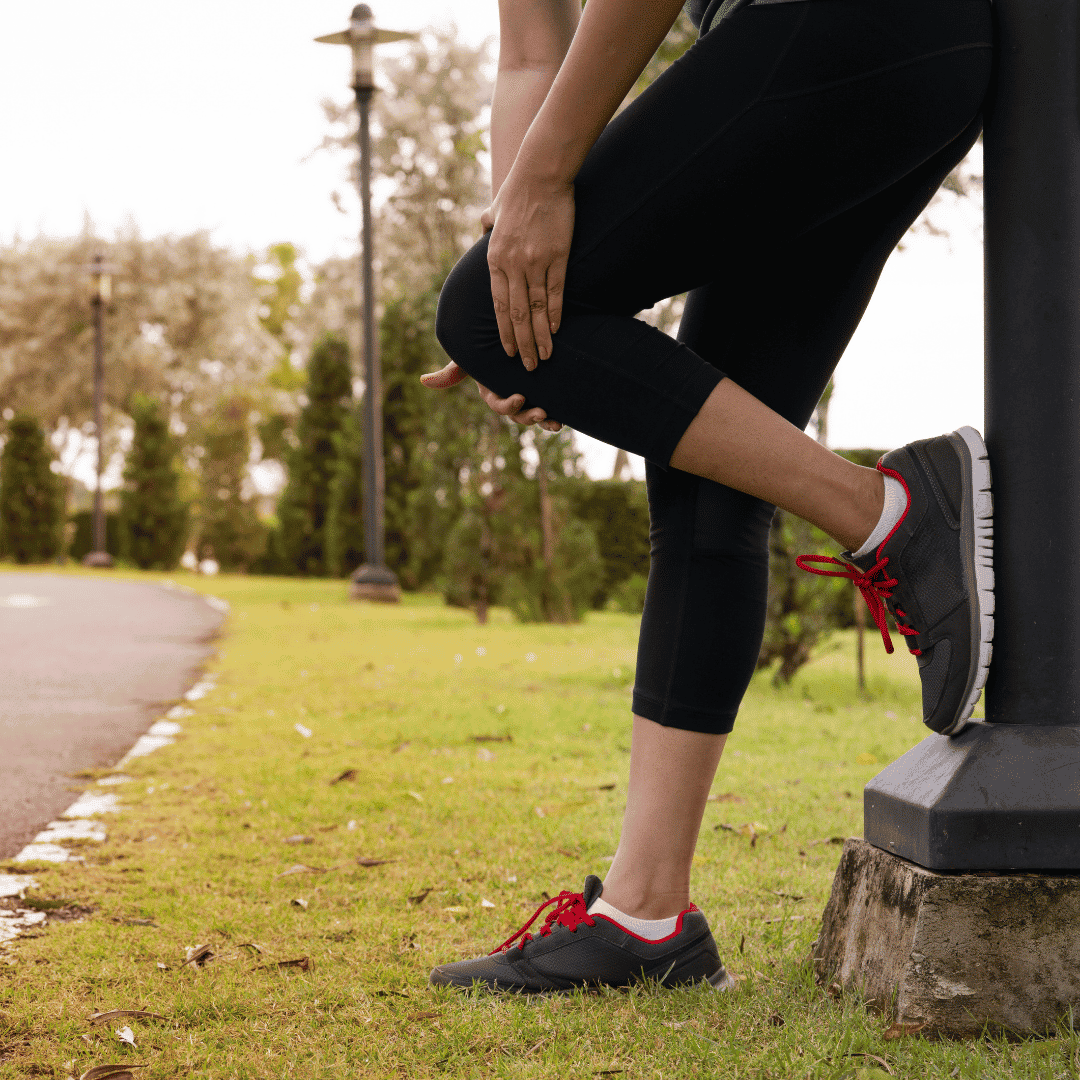
Price starting from $5,461
Knee Joint Replacement Package in Jelenia Gora, Poland by KCM Clinic
KCM Clinic - Multispecialty Center in Jelenia Gora, Poland
- Orthopedic/Knee Surgery
Jelenia Gora, Poland

Price starting from $10,500
Hip Replacement Surgery Partial or Total Package at Bayindir Healthcare Group, Ankara/İstanbul , Turkey
Bayindir Healthcare Group
- Orthopedic/Knee Surgery
Istanbul,Ankara, Turkey
Transformative Orthopedic Knee Surgery Experiences: Dive into Procedure Insights
Discover the power of Orthopedic Knee Surgery through compelling patient experiences. Uncover detailed insights into procedures, recovery journeys, and life-changing results.
.png)
Price starting from $9,000
Hip Replacement Surgery in Istanbul, Turkey
- Hip Replacement Surgery Partial or Total, Orthopedic/Knee Surgery
Istanbul, Turkey
.png)
Price starting from $16,000
Limb Lengthening Surgery in Turkey
- Limb Lengthening Surgery, Orthopedic/Knee Surgery
Turkey
.png)
Price starting from $9,800
Shoulder Arthroplasty in Bursa, Turkey
- Total Shoulder Replacement Arthroplasty, Orthopedic/Knee Surgery
Bursa, Turkey
.png)
Price starting from $5,500
Orthopedic Surgery in Turkey: The Best Option for You
- Orthopedic/Knee Surgery
Turkey
