
What treatment


10+ Important FAQs on Medical Treatments in Turkey
Questions on Medical Treatments in Turkey? Find Answers Here
Trusted Medical Tourism Platform Since 2007

How Much Does Liver Cancer Surgery Cost in Turkey?
The liver cancer surgery cost in Turkey typically ranges from $15,000 to $35,000. This estimate varies significantly based on the procedure complexity, surgeon expertise, clinic technology, and the length of your hospital stay. Key Takeaways Prices are highly dependent on whether you need a partial resection or a more complex living-donor transplant. Package costs usually cover hospital stay, surgical fees, and immediate post-operative care, but pre-surgical testing may be separate. Patients must thoroughly verify the credentials of their chosen facility and surgical team before traveling. Extended stays of up to a month are generally required for safe post-operative monitoring before flying. Post-treatment care in your home country is essential and must be arranged prior to departure. What Factors Determine the Liver Cancer Surgery Cost in Turkey? The total expense depends on the specific surgical technique required, the duration of hospitalization, and the level of care provided by the medical team. Understanding the financial aspects of oncology treatments requires breaking down multiple variables. The primary driver of the final price is the specific medical condition of the patient and the corresponding surgical intervention. A straightforward tumor removal demands fewer resources and less operating time compared to a full living donor transplant, which involves two simultaneous surgeries and complex postoperative immunosuppression protocols. Another crucial element is the infrastructure of the facility. High-end hospitals equipped with advanced robotic surgery systems, specialized oncology intensive care units, and private recovery suites will naturally charge a premium. These facilities often maintain international accreditations, which require strict adherence to global safety protocols, thereby impacting their operational overhead and subsequent patient pricing. Finally, the surgeon expertise plays a vital role in cost formulation. Highly sought-after oncological surgeons with decades of experience, international fellowships, and proven track records in complex hepatobiliary procedures command higher fees. While seeking affordability is a common goal in medical tourism in Turkey, patients are strongly advised to prioritize medical expertise over bargain pricing when dealing with serious oncology cases. What Types of Liver Cancer Surgery in Turkey Are Offered? Surgical options typically include liver resection, ablation therapies, and in highly specific cases, living donor liver transplantation. Medical facilities catering to international patients offer several intervention pathways depending on tumor size, location, and overall liver function. A common approach is a hepatectomy, or liver resection, where the surgeon removes the tumor along with a margin of healthy tissue. This is only viable for patients with excellent underlying liver function and singular or localized tumors. The remaining liver typically regenerates over several months. For tumors that cannot be safely removed through resection, surgeons might utilize ablation techniques. Radiofrequency or microwave ablation uses extreme heat to destroy localized cancer cells. While less invasive than a full resection, these procedures require precise imaging guidance and are usually reserved for smaller tumors or patients who cannot withstand major open surgery due to other health complications. In cases where the liver disease is advanced but the cancer has not spread beyond the organ, a living donor transplant may be the only curative option. This is a highly complex procedure where a healthy relative donates a portion of their liver. International patients must bring their own compatible donor, as foreign nationals do not qualify for national deceased donor registries. This double surgery significantly increases the overall liver cancer surgery cost in Turkey. Did You Know? The liver is the only human organ capable of natural regeneration. In suitable candidates undergoing partial resection or living donor donation, the liver can grow back to its normal size and capacity within several weeks to a few months. How Does the Cost Compare to North America and Europe? Patients often find that treatment expenses are notably lower due to economic variables, exchange rates, and lower administrative healthcare costs. The financial burden of oncology care in countries like the United States or the United Kingdom can be overwhelming, especially for uninsured or underinsured patients. North American prices for complex hepatobiliary surgeries can easily exceed six figures when factoring in hospital stays and specialist fees. In contrast, international destinations leverage different economic structures to provide care at a reduced out-of-pocket rate. This price difference does not inherently mean a reduction in technological capability. Lower costs are primarily driven by reduced labor expenses, lower malpractice insurance premiums for doctors, and systemic differences in how national healthcare infrastructure is funded. However, patients must calculate travel, lodging, and companion expenses when comparing absolute costs. Below is an estimated comparison of standard resection procedures. These figures are illustrative estimates; actual prices vary based on case complexity, clinical requirements, and current exchange rates. Region Estimated Starting Price (USD) Estimated Upper Range (USD) United States $60,000 $130,000+ United Kingdom (Private) $45,000 $85,000+ Turkey $15,000 $35,000 What is Included When You Book a Liver Cancer Surgery Clinic in Turkey? Comprehensive medical packages typically bundle the surgical fee, anesthesia, operating room charges, and standard days of hospital hospitalization. Surgical and Medical Fees: Compensation for the primary surgeon, assisting physicians, anesthesiologists, and the nursing team during the operation. Hospital Accommodation: The cost of the private room or intensive care unit stay for a predetermined number of days based on standard recovery timelines. Standard Medications: Routine painkillers, antibiotics, and surgical materials used during the immediate inpatient recovery phase. Language Assistance: Access to an interpreter or international patient coordinator to facilitate communication with medical staff. Post-Operative Monitoring: Routine blood tests and basic imaging conducted while admitted to the hospital to track healing progress. Are There Additional Expenses During Medical Tourism in Turkey? Patients must budget for extensive preoperative diagnostics, prolonged hotel stays, potential medical complications, and companion travel costs. The initial quote provided by a facility rarely covers everything required for a successful medical journey. Extensive preoperative testing is mandatory upon arrival, even if you had scans back home. High-resolution MRIs, CT scans, blood panels, and cardiac clearances are necessary for the surgical team to map the procedure accurately. These diagnostics are frequently billed separately from the core surgery package. Accommodation costs are another significant factor. Patients must remain in the city for several weeks after hospital discharge for crucial follow-up appointments. Booking a comfortable hotel or serviced apartment for a month, alongside daily living expenses for both the patient and their traveling companion, requires careful financial planning. Unforeseen medical complications can also increase costs dramatically. If a patient requires an extended stay in the intensive care unit, additional blood transfusions, or treatment for an infection, these will incur extra charges. It is highly advisable to ask the clinic about their policy regarding complication billing and to secure specialized medical travel insurance if available. How to Evaluate a Liver Cancer Surgery Clinic in Turkey? Diligent research is imperative; look for international hospital accreditations, verified surgeon credentials, and comprehensive complication management protocols. Verify Facility Accreditations: Ensure the hospital holds recognition from strict international healthcare quality organizations, confirming they meet global safety standards. Check Surgeon Credentials: Research the lead surgeon to confirm their registration with the national medical board and examine their specific training in hepatobiliary oncology. Inquire About Multidisciplinary Teams: The best outcomes rely on tumor boards consisting of surgeons, medical oncologists, and radiologists working together to form a treatment plan. Understand Complication Protocols: Ask explicit questions about what happens if a surgical emergency arises, including ICU availability and intensive care capabilities. Request Clear Pricing Structures: Demand an itemized estimate that clearly separates standard inclusions from potential extra costs like pathology lab fees or specialized imaging. Important Consideration Never base your medical decisions solely on promotional materials or social media reviews. Always request documented proof of licensing and conduct independent verification before committing to an invasive procedure abroad. What Are the Risks Associated with Liver Operations? Major hepatobiliary surgery carries substantial risks including massive bleeding, infection, bile leaks, and the possibility of post-operative liver failure. Any invasive abdominal procedure involves significant medical risk, and hepatic resections are particularly complex due to the organ dense vascular network. Hemorrhage is a primary concern during the operation, requiring surgical teams to be highly skilled in blood management and have immediate access to blood banks. Deep vein thrombosis and adverse reactions to general anesthesia are also general surgical risks that apply. Specific to hepatic procedures, patients face the risk of bile leakage into the abdominal cavity, which can cause severe pain and infection, sometimes requiring additional drainage procedures to resolve. Furthermore, if too much tissue is removed or the remaining tissue is unhealthy, patients may experience postoperative liver dysfunction or failure, a critical condition requiring intensive medical intervention. The success rates and longevity after treatment depend heavily on the tumor stage, underlying cirrhosis or hepatitis, and overall patient vitality. Prospective candidates must undergo rigorous cardiac and pulmonary testing to ensure they are physically resilient enough to endure hours under general anesthesia and the demanding recovery period that follows. How Long is the Recovery Process for International Patients? Complete recovery may take several months, with an initial mandatory stay abroad lasting three to four weeks before receiving clearance for air travel. The immediate postoperative phase occurs in an intensive care unit for one to three days, where vital signs and organ function are closely monitored. Following stabilization, patients transfer to a standard hospital ward for another five to ten days. During this time, pain management, early mobilization to prevent blood clots, and dietary adjustments are the primary focus. Upon discharge from the hospital, international patients cannot fly home immediately. The risk of developing deep vein thrombosis during long flights, combined with the need for close observation of potential delayed complications like infection or bile leaks, necessitates remaining in the destination city. Regular outpatient check-ups and blood tests continue during this period. Once medical clearance for travel is granted, the journey home must be managed carefully. Upon returning, fatigue, weakness, and digestive adjustments can persist for months. It is an absolute necessity to have pre-arranged follow-up care with a local hepatologist or oncologist who can monitor long-term recovery and coordinate any necessary adjuvant therapies like chemotherapy. Why is Medical Tourism in Turkey Popular for Oncology? The region has developed robust medical infrastructure, featuring modern facilities and medical professionals who frequently undergo specialized training internationally. The growth of healthcare travel in this region is the result of focused infrastructure development and investment in advanced medical technology over the past two decades. Many private hospital groups have prioritized obtaining international quality accreditations, signaling their commitment to maintaining rigorous clinical standards and patient safety protocols comparable to Western institutions. Furthermore, medical education in the country is highly competitive. Many leading oncologists and hepatobiliary surgeons seek fellowships in Europe or North America to refine their skills in complex tumor resections and transplantations before returning to practice. This blend of global expertise and localized accessibility attracts patients seeking competent care options. Lastly, dedicated international patient departments at these hospitals streamline the administrative process. They manage language barriers, coordinate diagnostic schedules, and facilitate communication between the surgical team and the patient, making the daunting prospect of undergoing major surgery abroad more manageable and organized. Why Choose PlacidWay for Your Healthcare Journey? PlacidWay assists patients in researching global medical options, connecting individuals with healthcare providers that align with their specific medical requirements. Extensive Network Access a wide database of healthcare facilities, allowing you to review different clinic capabilities and treatment approaches. Information Transparency Receive detailed profiles of medical centers, facilitating informed decisions based on facility certifications and specializations. Provider Connection Streamline the initial communication process by allowing us to connect you directly with hospital coordinators for medical reviews. Cost Comparison Evaluate multiple treatment estimates side-by-side to understand the financial scope of procedures across different global locations. Educational Resources Access informational articles and guidelines to help you understand complex medical procedures and prepare for healthcare abroad. Frequently Asked Questions How long do I need to stay in Turkey for liver cancer surgery? Patients typically need to stay in Turkey for three to four weeks. This includes the preoperative evaluation, the hospital stay which usually lasts five to ten days, and the mandatory postoperative monitoring period before doctors clear you for international travel. Is liver cancer surgery in Turkey safe for international patients? The procedure carries the same inherent medical risks as it does anywhere else in the world. However, many facilities catering to international patients hold global accreditations and adhere to strict safety protocols, though success rates and safety depend highly on individual patient health and the specific surgical team. Can I get a liver transplant instead of resection in Turkey? Yes, living donor liver transplants are performed in specialized Turkish medical centers. You must bring your own compatible living donor, as international patients are generally not eligible for deceased donor organs according to local healthcare regulations. Do Turkish hospitals accept international health insurance? Some internationally accredited hospitals work directly with global insurance providers. However, many patients pay out of pocket because not all insurance policies cover treatments abroad. Always verify out-of-network international coverage with your provider beforehand. What language do doctors speak at a liver cancer surgery clinic in Turkey? Top medical facilities typically employ English-speaking surgeons and medical staff. Most international patient departments also provide dedicated translators in various languages to ensure clear medical communication throughout your treatment journey. How soon can I fly back home after the procedure? Flying is usually restricted for at least two to three weeks post-surgery to prevent complications like deep vein thrombosis. Your surgeon will conduct a final assessment to provide medical clearance for air travel based on your specific recovery progress. Are the liver surgeons in Turkey certified? Specialist oncological and transplant surgeons must be registered with the Turkish Medical Association. Many leading professionals also complete fellowships abroad and hold memberships in international surgical societies, which patients should verify prior to booking. What happens if there are complications after I return home? You must establish follow-up care with a local oncologist or hepatologist before you travel. While Turkish clinics often offer remote telemedicine follow-ups, acute complications require immediate in-person attention at a hospital in your home country. Do I need a visa for medical tourism in Turkey? Visa requirements depend strictly on your citizenship. Many nationalities can obtain a quick electronic visa online, while others may require a specific medical visa application through a Turkish consulate using documentation provided by their chosen hospital. How do I start the consultation process for liver surgery? The process begins by submitting your recent medical records, including imaging scans and biopsy results, for remote evaluation. A medical team will review your case to determine if you are a suitable candidate and provide a preliminary treatment plan and cost estimate. Ready to Explore Your Healthcare Options? Compare treatment plans, review facility credentials, and receive tailored cost estimates from leading international healthcare providers. Request Treatment Information Medical Disclaimer: The information provided in this article is for educational purposes only and should not be considered as medical advice. Treatment options and outcomes vary significantly between patients. Always consult with a qualified healthcare professional regarding diagnosis, treatment plans, and travel for medical purposes. Pricing data is estimated and subject to change based on individual facility rates and patient requirements. References Surgery for Liver Cancer – American Cancer Society Liver Cancer Diagnosis and Treatment – Mayo Clinic Adult Primary Liver Cancer Treatment (PDQ) – National Cancer Institute Cancer Fact Sheet – World Health Organization Surgical Management of Hepatocellular Carcinoma – National Center for Biotechnology Information (PubMed)...
Read more details

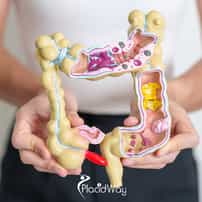
How Much Does it Cost to Treat Colon Cancer in Turkey?
The estimated cost for colon cancer treatment in Turkey typically ranges from $10,000 to $30,000, depending on the stage and required therapies like surgery, chemotherapy, or radiation. Prices vary by facility and individual patient needs. Key Takeaways Estimates for colon cancer treatment cost in Turkey are highly variable based on tumor staging and required medical interventions. Patients must prioritize verifying facility accreditations, such as JCI, before selecting a colon cancer treatment clinic in Turkey. A multidisciplinary approach involving surgery, chemotherapy, and radiation is standard practice in reputable centers. International patients should budget for extended stays, as post-operative monitoring and initial chemotherapy cycles require time. Comprehensive medical records and pathology slides are strictly necessary for accurate initial consultations. What is the average colon cancer treatment cost in Turkey? The financial investment for oncology care depends heavily on individual medical needs and staging. Generally, international patients find that comprehensive care requires significant planning. Understanding the financial landscape of colon cancer treatment in Turkey requires a careful breakdown of potential services. Base prices often seem lower than those in Western nations, but patients must account for the entire continuum of care rather than a single surgical event. The total financial requirement is a composite of diagnostics, surgical fees, specialized medications, and facility charges. When evaluating the colon cancer treatment cost in Turkey, it is crucial to request transparent, itemized estimates from prospective facilities. These estimates should clearly distinguish between hospital fees, surgical team honorariums, anesthesia, and pathology laboratory costs. Patients should be aware that initial quotes are subject to modification once the local medical team completes a thorough in-person assessment. To provide a realistic perspective, here are general estimated cost ranges for specific modalities. These figures are illustrative and vary widely among institutions: Medical Procedure / Service Estimated Price Range (USD) Diagnostic Workup (PET-CT, Colonoscopy, Biopsy) $1,500 - $3,500 Surgical Resection (Open or Laparoscopic) $8,000 - $16,000 Chemotherapy (Per Cycle, standard protocols) $1,000 - $3,000 Radiation Therapy (Full Course, if applicable) $5,000 - $9,000 Which procedures are included in colon cancer treatment in Turkey? Oncology protocols typically follow international guidelines and may involve a combination of surgical and medical interventions. Multidisciplinary teams collaborate to design these individualized pathways. A comprehensive approach to managing colorectal malignancies involves multiple modalities tailored to the patient. Facilities engaging in medical tourism in Turkey typically offer a full spectrum of oncological services. The primary modality for early-stage disease is surgical resection, aiming to remove the tumor and surrounding lymph nodes. Depending on the pathology results, systemic therapies may be introduced. Medical oncologists evaluate the necessity of adjuvant chemotherapy to target microscopic disease or neoadjuvant therapies to shrink tumors prior to surgery. Radiation therapy is less common for colon cancer compared to rectal cancer but remains an option for specific clinical scenarios. Laparoscopic Colectomy: A minimally invasive surgical approach associated with potentially faster recovery times. Open Colectomy: Traditional surgical resection utilized for larger or more complex tumors. Systemic Chemotherapy: Intravenous or oral medications designed to destroy rapidly dividing cells. Targeted Therapy: Drugs that specifically attack vulnerabilities in cancer cells based on molecular profiling. Palliative Care Interventions: Procedures focused on symptom management and improving quality of life for advanced stages. How does the stage of cancer affect the overall treatment price? Advanced disease stages typically require more extensive and prolonged medical interventions. Consequently, the total financial requirement increases with the complexity of the required care. The pathological stage of the malignancy is the primary driver of both clinical strategy and financial planning. Early-stage localized disease may be managed exclusively with surgical resection, which creates a predictable and contained cost structure. In these instances, the colon cancer treatment cost in Turkey remains on the lower end of the spectrum. Conversely, advanced stages involving regional lymph nodes or distant metastasis demand a multidisciplinary response. This often necessitates integrating surgery with multiple cycles of systemic chemotherapy and potentially targeted biological agents. Each additional therapeutic layer compounds the overall expense, requiring a robust financial buffer. Patients must also understand that higher-stage disease often requires longer hospital stays, more intensive care monitoring, and frequent radiological imaging to assess treatment response. The cumulative effect of these necessary services significantly impacts the final financial obligation. Did You Know? Molecular profiling of tumors can identify specific genetic mutations. While this advanced testing adds to the initial diagnostic cost, it allows oncologists to select more precise targeted therapies, potentially avoiding the expense and side effects of ineffective treatments. What hidden expenses should international patients consider? Beyond clinical fees, patients traveling abroad must account for logistical, accommodation, and extended recovery expenses. Proper financial forecasting prevents unexpected burdens during recovery. When evaluating a colon cancer treatment clinic in Turkey, patients frequently focus solely on the medical quotation. However, the reality of seeking care internationally involves numerous ancillary expenses. Flights, ground transportation, and visas form the baseline of these travel-related costs. Accommodation is a major factor, as oncology care requires extended stays. Patients cannot fly immediately after major abdominal surgery and must remain near the facility for post-operative monitoring. If systemic therapy is initiated, the required stay can extend to several months, necessitating long-term lodging for both the patient and their companion. Additional medical contingencies must also be budgeted. Should complications arise, such as infections or surgical leaks, patients may require extended intensive care or additional procedures. These are rarely included in initial estimates and can escalate the total cost rapidly. How do I choose a safe colon cancer treatment clinic in Turkey? Selecting a facility requires careful verification of international accreditations and the medical credentials of the oncology team. Thorough research is essential for ensuring patient safety. Patient safety must be the overriding priority when navigating medical tourism in Turkey. The first step is evaluating the institutional framework of the hospital. Seek out facilities that possess robust internal quality control mechanisms and a dedicated international patient department capable of handling complex clinical coordination. Investigate the specific qualifications of the surgical and medical oncology teams. Verify their educational background, specialty training, and frequency of performing complex colorectal procedures. Experience is directly correlated with surgical outcomes, making this a critical area of inquiry. Request documentation regarding the hospital infection rates and surgical success metrics. Confirm the presence of a fully equipped intensive care unit capable of managing severe postoperative complications. Ensure the facility utilizes a multidisciplinary tumor board for treatment planning. Verify that the clinic has clear, documented protocols for handling medical emergencies. Review independent patient testimonials, focusing on the quality of aftercare and complication management. What medical accreditations should I look for in Turkish hospitals? Reputable healthcare institutions often seek validation from independent global credentialing organizations. These certifications indicate adherence to rigorous safety and quality standards. Accreditation serves as an objective measure of a hospital operational standards. When researching a colon cancer treatment clinic in Turkey, the Joint Commission International accreditation is widely considered the gold standard. JCI evaluates hundreds of parameters, from infection control to medication safety. Additionally, specialized oncology accreditations provide further assurance. Certifications from organizations like the Organization of European Cancer Institutes indicate a high level of specialized oncological expertise. Facilities maintaining these standards undergo continuous rigorous auditing. Local accreditations also hold value. The Turkish Ministry of Health maintains strict regulatory oversight, and verifying a hospital standing with local health authorities is a mandatory baseline before considering international travel. Important Consideration Accreditation is an indicator of systemic quality, but it does not guarantee individual medical outcomes. Patients must still conduct due diligence regarding their specific physician expertise and the suitability of the proposed treatment plan. How long is the typical stay for medical tourism in Turkey? Oncology treatments require extended timelines for initial consultations, procedures, and critical postoperative monitoring. Patients should anticipate remaining near their facility for several weeks. Time commitment is a significant factor in international oncology care. Patients traveling for colon cancer treatment in Turkey cannot treat the journey as a brief medical vacation. The initial phase involves extensive pre-operative testing, imaging, and consultations, which typically consume the first week. Following surgical resection, patients generally remain hospitalized for five to ten days, dependent on bowel function recovery and the absence of complications. However, discharge from the hospital does not mean clearance to fly. Surgeons usually mandate a local recovery period of two to three weeks to monitor for delayed complications like anastomotic leaks. If the treatment protocol includes systemic therapies, the timeline alters drastically. Chemotherapy cycles are administered over several months. Patients must decide whether to remain abroad for the duration of the therapy or establish a transition of care plan with an oncologist in their home country. What are the potential risks of traveling abroad for cancer care? Cross-border healthcare involves inherent challenges, including managing complications far from home and navigating different regulatory environments. Comprehensive risk assessment is vital before departure. Engaging in medical tourism in Turkey for major oncological intervention carries specific risks that must be carefully weighed against potential benefits. The foremost clinical risk involves post-operative complications. Managing issues such as severe infections or deep vein thrombosis is significantly more stressful when recovering in a foreign environment. Continuity of care is another major hurdle. Upon returning home, patients require ongoing surveillance, scan reviews, and potentially further treatment. Finding local physicians willing to assume care for complex procedures performed abroad can sometimes be challenging, leading to fragmented medical management. Furthermore, patients must consider the legal and ethical differences in healthcare jurisdictions. If medical malpractice or negligence occurs abroad, seeking recourse through foreign legal systems is notoriously difficult and complex for international patients. Why choose PlacidWay for your medical tourism journey? Navigating international healthcare options requires reliable information and structured guidance. Patients often benefit from resources that streamline the evaluation of global medical facilities. Researching oncology care across international borders is a daunting task that requires sifting through vast amounts of fragmented information. PlacidWay serves as a comprehensive discovery platform, assisting patients in organizing their research and connecting with global healthcare providers. By utilizing structured informational platforms, patients can make more informed, data-driven decisions regarding their medical care without feeling overwhelmed by the logistics of international facility comparison. Access to detailed profiles of internationally accredited hospitals. Educational resources regarding international oncology standards and protocols. Ability to compare estimated procedural costs directly across different regions. Patient coordination tools that facilitate initial virtual consultations with medical teams. Support in gathering and organizing preliminary medical information for clinical review. Frequently Asked Questions Is colon cancer surgery cheaper in Turkey than in the US? Many patients find that healthcare services in Turkish facilities offer a lower financial entry point compared to North American systems. However, total costs depend on the specific surgical approach, facility fees, and required postoperative care. Do Turkish oncology centers use advanced technology? Yes, many internationally accredited hospitals in major Turkish cities utilize modern diagnostic and therapeutic technologies. This often includes robotic-assisted surgical systems and advanced linear accelerators for radiation therapy. Can I get a second medical opinion in Turkey before traveling? Most international patient departments offer preliminary virtual consultations. Patients can securely share their digital imaging and pathology reports for review by a multidisciplinary team prior to committing to international travel. Are targeted therapies available for colon cancer in Turkey? Accredited oncology departments typically follow global clinical guidelines and provide access to contemporary systemic treatments. Suitability for targeted therapy or immunotherapy depends on specific tumor biomarkers and physician assessment. How do I transport my medical records internationally? Patients should request digital copies of all scans, operative notes, and pathology slides from their home provider. These should be carried on a secure USB drive and sent via encrypted health portals before arrival. Will my health insurance cover cancer treatment in Turkey? Standard domestic health insurance rarely covers planned care abroad. Patients typically rely on out-of-pocket funding or specialized global medical insurance policies that explicitly include international healthcare coverage. Do Turkish medical staff speak English? Hospitals that cater to international patients usually employ English-speaking oncologists and nursing staff. They also frequently provide dedicated medical interpreters to ensure clear communication regarding complex medical terminology. How soon can I fly after colon resection surgery? Air travel after major abdominal surgery carries risks, particularly deep vein thrombosis. Surgeons typically advise waiting several weeks, and medical clearance is mandatory before undertaking any long-haul flights. What is the standard recovery time for colon cancer surgery? Initial physical recovery from colon resection typically takes three to six weeks. However, returning to normal baseline energy levels or undergoing subsequent chemotherapy may extend the overall recovery timeline significantly. Are specialized oncology boards common in Turkish hospitals? Top-tier medical institutions often utilize multidisciplinary tumor boards. These boards consist of surgeons, medical oncologists, radiologists, and pathologists who collaborate to design individualized patient care plans. Compare International Oncology Options Today Empower your healthcare journey by gathering comprehensive information. Explore accredited facilities, review estimated costs, and request specific details regarding treatments abroad. Request Treatment Information References Treating Colorectal Cancer – American Cancer Society Colorectal Cancer Fact Sheet – World Health Organization Colon Cancer Treatment (PDQ) – National Cancer Institute Medical Tourism Guidelines – Centers for Disease Control and Prevention Gastrointestinal Cancer Guidelines – American Society of Clinical Oncology...
Read more details.png)
Which are the best orthopedic hospitals in Turkey?
The best orthopedic hospitals in Turkey offer world-class joint replacements and spine surgeries at 60% to 75% lower costs than US hospitals, featuring accredited facilities and board-certified specialists. Key Takeaways: Orthopedic Care in Turkey Substantial Financial Savings: Choosing an orthopedic clinic in Turkey provides self-pay patients savings of 60% to 75% compared to private healthcare prices in North America. Accredited Infrastructure: Top medical centers feature international health accreditations, robotic surgical navigation systems, and dedicated international patient departments. Transparent Bundled Pricing: Evaluating orthopedic surgery cost in Turkey involves reviewing comprehensive packages covering surgeon fees, implants, and hospital stays. Standardized Prosthetics: Reputable hospitals utilize FDA-cleared and CE-certified implant systems manufactured by leading global medical device companies. Structured Medical Travel: Engaging in medical tourism in Turkey includes streamlined airport transfers, translation services, and structured rehabilitation protocols. What Makes a Facility One of the Best Orthopedic Hospitals in Turkey? Top orthopedic hospitals feature international accreditations, high surgical volumes, advanced robotic navigation technology, and experienced multidisciplinary clinical teams. Identifying the top medical centers for bone and joint treatment requires evaluating infrastructure, clinical experience, and safety standards. The leading hospitals in major urban centers like Istanbul and Ankara maintain prestigious international accreditations, ensuring that sterile operating theaters and intensive care units operate under strict global hygiene protocols. When patients explore treatment options, understanding the typical orthopedic surgery cost in Turkey reveals that comprehensive packages combine advanced surgical interventions with significant financial value. These facilities frequently employ orthopedic surgeons who have completed fellowship training in Europe or North America, bringing world-class expertise to joint arthroplasty, sports medicine, and spinal reconstruction. Furthermore, premier medical centers integrate advanced diagnostic imaging tools, real-time intraoperative navigation, and dedicated orthopedic rehabilitation units under one roof, supporting seamless patient care from admission through discharge. Did You Know? Many premier hospitals in Turkey feature dedicated international patient lounges with multilingual coordinators who assist foreign visitors with medical records translation and scheduling. What Is the Average Orthopedic Surgery Cost in Turkey? Surgical costs range from $5,000 for arthroscopic procedures to $15,000 for total joint replacements, offering savings of 60% to 75% compared to Western prices. Financial accessibility remains a primary driver for patients exploring care abroad. Evaluating orthopedic surgery cost in Turkey shows that lower facility operational expenses, reduced administrative overhead, and favorable economic structures allow accredited hospitals to offer transparent self-pay packages. Published pricing figures represent general estimates, and an individual estimate can vary based on case complexity, material selection, and required hospital stay duration. A comprehensive surgical quote typically covers surgeon fees, operating theater access, anesthesia, prosthetic implants, diagnostic imaging, and initial bedside physical therapy. Patients should verify whether quotes include pre-operative lab work or extended rehabilitation. The comparative table below outlines estimated out-of-pocket costs across common orthopedic procedures: Orthopedic Procedure Estimated Cost in Turkey (USD) Estimated US Cost (USD) Estimated Savings Knee Arthroscopy $4,500 - $7,500 $15,000 - $25,000 65% - 70% Savings Total Knee Replacement $9,000 - $15,000 $40,000 - $60,000 65% - 75% Savings Total Hip Replacement $8,500 - $14,000 $38,000 - $55,000 65% - 75% Savings Single-Level Spinal Fusion $11,500 - $16,500 $45,000 - $75,000 65% - 75% Savings How Do You Find a Qualified Orthopedic Clinic in Turkey? Finding a qualified clinic involves checking official Ministry of Health registration, international accreditations, and specialist board certifications. Selecting an appropriate orthopedic clinic in Turkey requires careful evaluation of institutional credentials. Patients should confirm that the medical facility maintains active registration with the Turkish Ministry of Health and holds recognized international quality accreditations, such as Joint Commission International (JCI) approval. Evaluating individual doctor credentials is equally critical. Verify that the treating specialist holds board certification from the Turkish Association of Orthopaedics and Traumatology (TOTBID) and possesses specific fellowship training in joint reconstruction, spine surgery, or sports medicine. Patients should review hospital safety protocols, infection control statistics, and prosthetic implant brands utilized during surgery to ensure high clinical standards and long-term device durability. Important Consideration Always request written confirmation of the specific implant manufacturer and model intended for your surgery to ensure worldwide compatibility and easy future follow-up care. Why Do Patients Choose Medical Tourism in Turkey for Orthopedics? Patients choose Turkey for its advanced medical infrastructure, experienced surgical teams, transparent pricing packages, and seamless travel logistics. Engaging in medical tourism in Turkey offers distinct benefits for international travelers seeking specialized medical interventions. Major cities like Istanbul function as global healthcare hubs, attracting patients from Europe, the Middle East, and North America seeking high clinical quality. By opting for treatment in Turkey, patients bypass long waiting lists common in public healthcare systems at home. Rapid scheduling for consultations, diagnostic imaging, and surgery allows individuals dealing with chronic joint pain to receive prompt care. In addition, specialized medical tourism agencies and hospital international offices provide comprehensive travel support, including airport pick-ups, luxury hotel accommodations, and guided city transfers, ensuring a stress-free recovery environment. What Is the Post-Operative Rehabilitation and Recovery Timeline? Physical rehabilitation starts within 24 hours of surgery, followed by 10 to 14 days of local monitoring and 8 to 12 weeks of outpatient exercise at home. Surgical intervention represents only the initial step toward restoring mobility; structured physical therapy is essential for successful functional recovery. Leading hospitals in Turkey initiate bedside mobilization and assisted walking within 24 hours of joint replacement or spine surgery to prevent stiffness and encourage healthy circulation. Prior to discharge, the clinical care team provides detailed instructions covering incision care, infection surveillance, medication schedules, and physical activity limits. Patients receive digital copies of their medical files and X-rays to share with their home healthcare providers. International patients are generally advised to remain in Turkey for 10 to 14 days post-surgery to complete initial wound checks, remove sutures, and receive formal fit-to-fly clearance before undertaking long-distance air travel. What Clinical Risks and Complications Should Patients Consider? Clinical risks include surgical site infection, blood clots, joint stiffness, implant loosening, and the need for coordinated follow-up care at home. All surgical procedures involve inherent clinical risks. Potential complications of orthopedic surgery include wound infections, excessive bleeding, nerve irritation, stiffness, or adverse reactions to anesthesia. In joint replacements, long-term risks include component wear or loosening. Traveling internationally introduces added health considerations, particularly regarding deep vein thrombosis (DVT) during long flights. Turkish medical teams mitigate DVT risks by prescribing anticoagulant medications, utilizing compression stockings, and enforcing early walking protocols. Patients can minimize risks by disclosing their complete medical history, adhering strictly to rehabilitation instructions, and establishing communication with a local physical therapist in their home country prior to departure. How Should Patients Prepare for Medical Travel to Turkey? Preparation involves gathering diagnostic imaging, securing virtual pre-consultations, verifying visa requirements, and arranging travel companion support. Proper pre-travel planning helps ensure a well-organized medical journey. Start by gathering recent weight-bearing X-rays, MRI scans, and clinical notes from your home doctor. Transmitting these digital files for remote pre-consultations allows Turkish medical teams to review your case and formulate a precise treatment plan. Check entry visa requirements based on your citizenship and ensure passport validity covers your planned stay. Traveling with a companion is strongly recommended to assist with personal mobility during early recovery. Finally, confirm all financial and logistical agreements in writing before departure. Understanding package inclusions helps prevent unexpected expenses and allows you to focus fully on your physical recovery. Why Choose PlacidWay for Connecting with Orthopedic Care in Turkey? PlacidWay connects patients with accredited international hospitals, providing transparent cost comparisons, verified facility profiles, and direct communication channels. Navigating global healthcare options can feel complex. PlacidWay serves as a global medical information resource, helping patients explore accredited treatment centers and connect directly with experienced orthopedic specialists worldwide. 1. Access to Broad Global Healthcare Directories Browse comprehensive profiles of accredited hospitals and specialty orthopedic clinics across Turkey. 2. Transparent Cost Estimates Review estimated procedure pricing and package details to plan your medical travel budget effectively. 3. Direct Medical Facility Communication Connect directly with hospital international patient offices to share medical imaging and request case evaluations. 4. Verified Specialist Documentation Examine surgeon background details, subspecialty fellowship histories, and hospital accreditations before booking. 5. Comprehensive Educational Resources Access detailed procedure guides, destination overviews, and planning checklists to support your healthcare journey. Frequently Asked Questions How much does knee replacement surgery cost in Turkey compared to Western nations? Knee replacement surgery cost in Turkey typically ranges from $9,000 to $15,000, representing savings of 60% to 75% compared to private healthcare costs in the United States. What credentials should international patients verify for an orthopedic doctor in Turkey? Patients should verify that an orthopedic doctor in Turkey holds official medical registration with the Ministry of Health, board certification from the Turkish Association of Orthopaedics and Traumatology, and fellowship training. Are medical implant brands utilized at an orthopedic clinic in Turkey internationally recognized? Accredited medical centers in Turkey utilize FDA-cleared or CE-certified prosthetic implant systems manufactured by leading global medical technology companies. How long must foreign patients stay in Turkey following joint arthroplasty? Patients are generally advised to stay locally in Turkey for 10 to 14 days following major joint surgery to complete initial physical therapy and receive fit-to-fly clearance. What is included in a self-pay medical travel package for orthopedic surgery in Turkey? Self-pay packages generally include surgeon and anesthesia fees, operating room expenses, hospital room stays, prosthetic components, diagnostic imaging, and early bedside physical therapy. Can patients undergo robotic-assisted joint replacement procedures in Turkey? Many modern orthopedic centers in Turkey offer robotic navigation systems and computer-assisted surgical techniques to ensure precise alignment and faster recovery. Is medical tourism in Turkey safe for international patients seeking orthopedic care? Yes, medical tourism in Turkey can be safe when performed at internationally accredited hospital facilities by board-certified specialists following strict global hygiene standards. Does health insurance cover elective orthopedic surgery performed in Turkey? Coverage depends entirely on your specific insurance policy provider. Certain international health plans or specialized medical travel programs offer partial out-of-network reimbursement. What clinical risks should patients consider before traveling for orthopedic surgery? Potential clinical risks include surgical site infection, joint stiffness, blood clots, component loosening, and the need for coordinated follow-up care after returning home. How is deep vein thrombosis managed after joint replacement surgery in Turkey? Surgeons mitigate blood clot risks by prescribing anticoagulant medications, utilizing mechanical compression devices, and initiating early walking protocols within 24 hours of surgery. Explore Orthopedic Options in Turkey Compare accredited medical centers, review specialist qualifications, and request personalized procedure estimates for your joint care journey. Request Treatment Information References Activities After Total Knee Replacement Guidelines – American Academy of Orthopaedic Surgeons (AAOS) Total Joint Arthroplasty Outcomes and Economics – National Center for Biotechnology Information (NCBI) Pre-Travel Consultation & Health Guidelines – Centers for Disease Control and Prevention (CDC) WHO Surgical Safety Guidelines – World Health Organization (WHO) International Healthcare Facility Accreditation Standards – Joint Commission International (JCI) Evaluation of Orthopedic Surgery Outcomes – PubMed...
Read more detailsDiscover your treatment options with a free, no-obligation quote!
Get your quote now!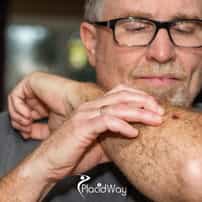
What is the Cost of Skin Cancer Treatment in Turkey?
Skin cancer treatment in Turkey typically ranges from $2,500 to $12,000 per course, depending on whether you require surgical excision, Mohs micrographic surgery, or advanced immunotherapy options. Key Takeaways Estimated expenses for c are notably lower than in North America and Western Europe without compromising clinical standards. Available therapeutic modalities include standard surgical excision, Mohs micrographic surgery, radiation therapy, and modern systemic immunotherapy. A reputable skin cancer treatment clinic in Turkey typically provides comprehensive diagnostic evaluations, pathology reviews, and personalized treatment planning. Overall costs vary based on tumor depth, staging complexity, facility tier, and the specific geographic city within the country. International patients pursuing medical tourism in Turkey must account for pre-procedure staging, local post-operative recovery stays, and structured follow-up care. What Factors Influence the Cost of Skin Cancer Treatment in Turkey? Direct Answer: The cost of skin cancer care is primarily determined by the histological type of the lesion, cancer staging depth, the chosen therapeutic technique, and facility overhead costs. When international patients evaluate the financial aspects of skin cancer treatment cost in Turkey, multiple variables dictate the final pricing structure. Unlike standardized commodity pricing, oncology care requires individualized diagnostic mapping, precise surgical precision, and often multi-specialist collaboration. The staging of the malignancy—ranging from localized basal cell carcinoma to advanced malignant melanoma—fundamentally dictates whether a simple outpatient excision will suffice or if systemic interventions are mandatory. Additionally, the choice of medical facility plays a pivotal role. Major metropolitan hubs like Istanbul and Ankara feature advanced clinical institutions equipped with cutting-edge histopathology laboratories and specialized oncology departments. While these centers offer exceptional medical expertise, fees can vary between private hospital networks and specialized oncology institutes. Patients should always request itemized estimates that clearly differentiate surgeon fees, pathology assessment charges, and anesthesia costs. Important Consideration Prices for oncological procedures are estimates that vary by clinic, city, materials, case complexity, and specific treatment requirements. It is essential to undergo a formal remote or in-person evaluation before receiving a definitive financial quote. Furthermore, currency exchange fluctuations and seasonal variations can influence package pricing for international medical travelers. Transparent institutions provide comprehensive pre-treatment estimates that outline potential contingencies, such as extended pathology reviews or secondary re-excision margins if initial tissue clearance is incomplete. How Do Different Procedure Types Affect Skin Cancer Treatment Expenses in Turkey? Direct Answer: Procedure expenses scale significantly depending on whether treatment involves minor local tissue excision, specialized margin-controlled Mohs surgery, or complex systemic immunotherapy regimens. Different skin cancer types demand distinct clinical approaches, directly impacting the overall expenditure. Standard surgical excision is frequently utilized for localized basal cell and squamous cell carcinomas, offering a cost-effective and highly successful resolution for early-stage lesions. In contrast, Mohs micrographic surgery requires specialized microscopic processing of tissue layers in real-time during the operation, commanding higher professional fees but providing superior tissue conservation in cosmetically sensitive areas like the face. For advanced or metastatic melanoma, treatment expenses shift toward systemic therapies, including checkpoint inhibitor immunotherapy or targeted molecular drugs. These regimens involve prolonged pharmaceutical administration, regular laboratory monitoring, and advanced diagnostic imaging to track therapeutic efficacy. Treatment Modality Estimated Cost Range (USD) Primary Clinical Indication Standard Surgical Excision $1,500 – $3,500 Localized basal and squamous cell carcinomas Mohs Micrographic Surgery $3,000 – $6,500 High-risk or facial skin cancers requiring margin preservation Radiation Therapy Course $4,000 – $8,500 Non-surgical candidates or adjuvant local control Systemic Immunotherapy (Per Cycle) $3,500 – $7,000 per cycle Advanced or metastatic melanoma cases Expert Insight Surgeon expertise and histological margin verification are critical determinants of long-term local control. Patients should verify that operating specialists possess accredited board certifications in surgical oncology, dermatology, or plastic reconstructive surgery. When planning for these procedures, patients must also consider potential reconstruction costs. If a wide excision leaves a significant tissue defect, secondary skin grafting or flap reconstruction performed by a qualified plastic surgeon may be necessary, adding to the total clinical expenditure. What Additional Medical Expenses Should International Patients Anticipate? Direct Answer: Beyond primary surgical fees, patients must budget for pre-operative diagnostic imaging, biopsy pathology reviews, anesthesiology charges, and post-operative pharmaceutical care. Comprehensive budgeting requires anticipating peripheral medical services that accompany oncological interventions. Prior to any scalpel contact, staging investigations—such as high-frequency ultrasound, sentinel lymph node mapping, and whole-body staging scans—are standard protocol. These diagnostic services typically incur independent charges from hospital imaging departments. Post-operative care also entails specific financial outlays. Prescribed topical medications, specialized wound care dressings, anti-inflammatory drugs, and follow-up consultation visits must be factored into the financial plan. Furthermore, international patients should allocate funds for a mandatory recovery period in the destination city to allow physicians to remove sutures and confirm clean histological margins before air travel is permitted. Did You Know? Official credential verification in Turkey involves confirming the specialist doctor's active registration and professional license through the Ministry of Health's official registry system (such as checking professional credentials via recognized medical association databases and institutional records). Patients are strongly advised to secure international health insurance policies that cover potential medical complications or unplanned extended hospital stays, ensuring complete financial protection throughout their medical journey. Why Choose PlacidWay for Medical Tourism in Turkey? Direct Answer: PlacidWay serves as a global medical tourism resource platform that connects patients with verified international treatment providers, facilitating transparent cost comparisons and personalized care inquiries. Navigating international healthcare options requires reliable information, structured guidance, and access to verified clinical facilities. For individuals exploring medical tourism in Turkey, utilizing a structured coordination resource helps streamline the research and planning phases. PlacidWay offers several core advantages for patients seeking specialized medical procedures abroad: Extensive Facility Network: Access a broad directory of international hospitals and specialized medical centers across major healthcare hubs in Turkey. Transparent Cost Comparisons: Review estimated pricing structures and procedure breakdowns to compare treatment options effectively within your budget. Direct Inquiry Facilitation: Connect directly with medical centers to submit case details, receive preliminary treatment plans, and obtain formal cost quotations. Educational Resources: Utilize comprehensive guides, patient advocacy materials, and country-specific healthcare overviews to make informed medical decisions. Personalized Assistance: Benefit from dedicated customer support assistance designed to help you navigate medical inquiries and cross-border healthcare communication. By leveraging these resources, patients can efficiently research accredited institutions, evaluate clinical qualifications, and establish direct communication channels with healthcare providers in Turkey. What is the Average Cost of Surgical Excision for Skin Cancer in Turkey? Direct Answer: Surgical excision typically costs between $1,500 and $3,500 depending on lesion size and depth. Standard surgical excision is the baseline treatment for localized skin malignancies. The procedure involves removing the visible lesion along with a specific margin of healthy surrounding tissue to ensure complete cancer eradication. Surgeon fees, local anesthesia, and basic histological examination of the excised tissue are usually bundled into the primary quote provided by the clinic. Complexity increases if local flap closure or skin grafting is required to repair the surgical defect. Patients should confirm whether secondary pathology reporting fees are fully covered or billed separately by the laboratory. Is Mohs Micrographic Surgery Widely Available for Skin Cancer Treatment in Turkey? Direct Answer: Mohs micrographic surgery is available at specialized dermatology and surgical centers in major Turkish medical hubs. Mohs surgery is highly specialized technique reserved for high-risk facial lesions or recurrent skin cancers. It allows surgeons to examine 100 percent of surgical margins in real-time during the operation. Availability is concentrated in accredited tertiary hospitals in cities like Istanbul and Izmir, where fellowship-trained dermatologic surgeons practice. Prices generally range from $3,000 to $6,500. International patients must verify that the operating surgeon possesses specific fellowship training in Mohs micrographic techniques. What Types of Immunotherapy Are Available for Skin Cancer in Turkey? Direct Answer: Modern checkpoint inhibitors and targeted biologic agents are accessible in advanced oncology centers across Turkey. For advanced or metastatic melanoma, systemic therapies such as PD-1 and CTLA-4 immune checkpoint inhibitors represent the standard of care. These medications stimulate the patient immune system to recognize and destroy cancer cells. Treatment is administered under the strict supervision of medical oncologists in accredited hospital environments. Each infusion cycle requires careful laboratory monitoring for potential immune-related adverse events. Costs for immunotherapy cycles range widely based on specific drug brand formulations and the required number of treatment sessions. How Are Oncology Specialists and Clinics Credentialed in Turkey? Direct Answer: Clinics are licensed by the Ministry of Health, and specialists maintain registered medical board certifications. Verifying physician credentials is a vital step in ensuring clinical safety. In Turkey, medical doctors must complete rigorous specialty training and register with official medical authorities. Patients should inquire about the surgeon board certifications, years of specialized oncology experience, and hospital affiliation records. International accreditations provide an additional layer of quality assurance. Independent verification ensures that the chosen facility adheres to international clinical safety and hygiene standards. What Diagnostic Tests Are Required Before Starting Skin Cancer Treatment in Turkey? Direct Answer: Required diagnostics include dermatoscopic examinations, biopsy pathology reports, and systemic staging scans when indicated. Accurate staging is essential before initiating any surgical or systemic protocol. Dermatologists utilize high-magnification dermatoscopy to evaluate pigment patterns and lesion borders. If a malignancy is confirmed, tissue biopsy reviews establish the Breslow thickness and mitotic rate. For high-risk melanomas, sentinel lymph node biopsy and cross-sectional imaging are performed. These diagnostic services are typically billed separately from the primary surgical fee and should be included in initial financial estimates. How Long Do International Patients Need to Stay in Turkey for Skin Cancer Recovery? Direct Answer: Recovery stays typically range from 5 to 14 days depending on surgical complexity and suture removal schedules. Following surgical excision or Mohs procedures, patients must remain in the destination city until the surgeon evaluates the wound healing and removes sutures. Traveling too soon after surgery risks wound dehiscence or infection during long-haul flights. Systemic treatments require extended stays or scheduled return visits for subsequent cycles. Clinics provide clear post-operative clearance guidelines before issuing travel permits for international flights. What Are the Potential Risks and Complications Associated with Skin Cancer Surgery? Direct Answer: Potential risks include localized infection, scarring, nerve damage, bleeding, and incomplete initial tumor removal. Like any surgical intervention, skin cancer operations carry inherent risks. Wound infection and hematoma formation are managed through sterile technique and post-operative care instructions. Cosmetic outcomes depend on lesion location and closure technique, with scarring minimized through expert plastic surgery principles. Incomplete margins may require secondary re-excision. Comprehensive pre-operative consultations outline these potential complications and the clinic protocol for managing adverse events. Can Patients Use International Health Insurance for Skin Cancer Treatment in Turkey? Direct Answer: Policy coverage depends entirely on individual international health insurance providers and pre-authorization terms. Many private international insurance policies offer direct billing or reimbursement options for medical care received abroad. Patients must contact their insurers well in advance. Obtaining written pre-authorization and detailed itemized billing codes from the Turkish clinic is essential for processing insurance claims successfully. Some patients choose self-pay options due to lower out-of-pocket costs in Turkey compared to domestic treatment expenses. Why Choose PlacidWay for Planning Skin Cancer Treatment in Turkey? Direct Answer: PlacidWay offers comprehensive directory access, cost comparisons, direct inquiry tools, and educational resources for medical tourists. Planning international medical care involves evaluating multiple treatment providers and comparing pricing models across different geographic locations. PlacidWay connects patients with accredited medical centers, empowering individuals to gather transparent cost quotations and facility details. Utilizing dedicated medical tourism resources helps patients make informed, confident decisions regarding their health and wellness journey abroad. Frequently Asked Questions What staging tests are typically performed prior to skin cancer treatment in Turkey? Pre-treatment staging tests for skin cancer in Turkey generally include comprehensive dermatoscopic examinations, biopsy pathology reviews, sentinel lymph node mapping, and advanced imaging such as CT or PET scans for melanoma cases. These evaluations determine the exact thickness, depth, and potential spread of the malignancy to guide personalized treatment planning. How do Turkish medical facilities manage follow-up care for international patients who have returned home? Clinics in Turkey establish structured post-treatment surveillance protocols that coordinate with local healthcare providers in the patient home country. Telehealth consultations, secure digital transmission of pathology reports, and detailed recovery guidelines ensure that oncological monitoring continues seamlessly after discharge. What is the difference in cost between localized skin cancer removal and advanced metastatic treatment in Turkey? Localized procedures such as standard surgical excision or minor Mohs surgeries typically range from $2,000 to $5,000. In contrast, advanced metastatic treatment regimens involving prolonged systemic immunotherapy, targeted therapies, or complex combination radiation therapy can range from $12,000 to over $30,000 depending on drug cycles and hospital stays. Are English-speaking medical coordinators standard across skin cancer treatment clinics in Turkey? Major medical centers catering to international patients routinely employ dedicated, multilingual international patient coordinators and medical translators. These professionals facilitate clear communication between oncology specialists, surgeons, and patients throughout all consultation, treatment, and recovery phases. What regulatory bodies oversee oncology standards and safety protocols in Turkey? The Turkish Ministry of Health establishes national healthcare regulations, facility licensing standards, and oncology care protocols. Furthermore, many premier centers hold international accreditations such as Joint Commission International (JCI), reflecting adherence to rigorous global clinical quality and patient safety benchmarks. How is pathology confirmation handled during surgical skin cancer procedures in Turkey? Pathology verification is performed using advanced laboratory techniques including frozen section analysis during Mohs procedures or standard permanent histopathological examination. Specialized dermatopathologists analyze tissue margins to ensure complete tumor eradication while preserving healthy surrounding tissue. What are the common recovery timelines following advanced radiation or immunotherapy in Turkey? Recovery timelines vary extensively based on the treatment modality. Minor surgical excisions require only a few days of localized wound care, whereas systemic immunotherapy or fractionated radiation therapy courses may involve ongoing monitoring over several weeks, with patients typically cleared for international air travel after acute side effects subside. What documents should patients bring when consulting for skin cancer treatment in Turkey? Patients should compile complete medical histories, prior biopsy slide reports, dermatological imaging, comprehensive lists of current medications, and physician referral summaries. Having these documents translated into English or Turkish expedites the initial case review and treatment formulation. How do oncology clinics in Turkey handle multidisciplinary tumor board reviews for complex skin cancer cases? Complex or aggressive skin cancer diagnoses are routinely evaluated by multidisciplinary tumor boards comprising surgical oncologists, dermatologists, radiation oncologists, and pathologists. This collaborative approach ensures consensus on optimal staging, surgical margins, and adjuvant therapy recommendations. Can international patients access clinical trials or novel therapeutic drugs in Turkey? Selected tertiary care centers and university hospitals in Turkey participate in international clinical trials or offer access to newly approved targeted biologic agents and immunotherapies, subject to individual patient eligibility, clinical assessment, and institutional ethics committee approval. Explore Skin Cancer Treatment Options in Turkey Compare accredited clinics, review estimated costs, and connect with medical specialists to plan your personalized treatment journey today. Request Treatment Information Pricing Disclaimer: All cost figures and estimates provided in this article are for informational purposes only and subject to change based on individual patient diagnosis, hospital selection, currency fluctuations, and specific clinical requirements. A formal medical consultation is required to receive an accurate, binding financial quotation. Medical Disclaimer: The content presented on this page is intended solely for educational and informational purposes and should not be construed as professional medical advice, diagnosis, or treatment. Always seek the advice of your physician or qualified healthcare provider with any questions regarding a medical condition. References Skin Cancer Overview – American Cancer Society Mohs Surgery Details – The Skin Cancer Foundation Melanoma Treatment Information – National Cancer Institute Skin Cancer Control and Prevention – Centers for Disease Control and Prevention...
Read more details
What Is the Cost of Cancer Treatment in Turkey?
The cancer treatment cost in Turkey generally ranges from $3,000 to $35,000, depending heavily on the required protocols. Individual chemotherapy cycles average $1,000 to $3,000, a full radiotherapy course costs $4,000 to $7,000, and surgical oncology ranges from $6,000 to $15,000. Key Takeaways: Oncology Care in Turkey The overall cancer treatment cost in Turkey is typically 50% to 70% lower than in the US or Western Europe. Comprehensive medical tourism in Turkey for oncology often involves multidisciplinary approaches, including surgery, chemo, and radiation. Advanced technologies, such as CyberKnife, TrueBeam, and PET-CT imaging, are widely available in major Turkish medical hubs. Patients must account for separate diagnostic, inpatient, and accommodation expenses when evaluating clinic estimates. Prioritizing facilities with international accreditations ensures adherence to global clinical protocols and safety standards. What is the Breakdown of Cancer Treatment Costs in Turkey? Oncology expenses in Turkey are divided into diagnostics, surgical intervention, systemic therapies (like chemotherapy), and radiation, with total packages varying widely based on the cancer's stage and location. When planning for cancer treatment in Turkey, it is essential to understand that quotes are rarely a flat rate. The total financial commitment is a combination of different modalities tailored to the patient's specific diagnosis. Most internationally focused hospitals provide itemized estimates rather than all-inclusive guarantees, as treatment plans may change based on the tumor's response. The diagnostic phase is the initial expense. Comprehensive staging, which often involves PET-CT scans, MRI imaging, and specialized biopsies, typically ranges from $500 to $2,000. These precise diagnostics are crucial for the multidisciplinary tumor boards to develop an effective treatment strategy. Following diagnosis, the primary modes of treatment each carry distinct pricing structures. Surgical oncology, if indicated, is usually the largest single expense, followed by systemic or targeted therapies, which are often billed per cycle or session. Treatment Component Estimated Cost Range (USD) Key Variables Surgical Oncology $6,000 - $15,000+ Organ complexity, surgical team expertise, inpatient stay length. Targeted Immunotherapy $2,000 - $6,000 per cycle Specific antibodies required and duration of the protocol. PET-CT Scan $500 - $1,000 Facility technology and contrast materials used. Important Consideration: Ensure any preliminary estimate you receive from a cancer clinic in Turkey explicitly details whether it includes the oncologist's consultation fees, necessary pre-operative testing, and immediate post-surgical care. How Much Does Chemotherapy Cost in Turkey? The chemotherapy cost in Turkey typically ranges from $1,000 to $3,000 per cycle, varying significantly based on the specific drug combinations and the patient's individual treatment plan. Chemotherapy pricing is highly variable because "chemotherapy" is not a single drug but a category of systemic treatments. The cost per cycle depends primarily on the pharmacology involved. Standard traditional chemotherapies tend to be on the lower end of the spectrum, while newer, complex regimens or combinations used for advanced-stage cancers are more expensive. When evaluating the cost of systemic treatments in Turkey, patients should consider the entire intended course. A typical protocol may require anywhere from four to eight cycles, sometimes more, administered over several months. This means the quoted price per cycle must be multiplied by the expected duration of treatment to estimate the total financial impact. Furthermore, the overall cost of chemotherapy encompasses more than just the medication. It includes the facility fees for the infusion center, nursing administration, necessary blood tests to monitor cell counts before each cycle, and supportive medications designed to manage side effects such as nausea or neutropenia. Leukemia Chemotherapy: Often requires intensive protocols and longer hospital stays; comprehensive programs may range from $8,000 to $16,000. Lymphoma Chemotherapy: Depending on the complexity of the drug regimen, total costs often range between $3,000 and $6,000. HIPEC (Hyperthermic Intraperitoneal Chemotherapy): This specialized intra-operative heated chemotherapy procedure for abdominal cancers is complex and typically starts around $15,000. Intra-arterial Chemotherapy: Delivering drugs directly to the tumor site, often used for liver cancers, can cost upwards of $15,000 due to the required interventional radiology. What is the Radiotherapy Cost in Turkey? A complete course of radiotherapy in Turkey generally costs between $3,000 and $11,000. The total is determined by the technology used (like IMRT or SBRT) rather than a per-session fee. Unlike some treatments priced per visit, the radiotherapy cost in Turkey is typically calculated for the entire prescribed course. The most significant factor influencing this price is the type of radiation technology required. Standard external beam radiation therapy (EBRT) is usually the most cost-effective option for many localized tumors. More advanced techniques command higher prices due to the sophisticated equipment and extensive treatment planning required by medical physicists and radiation oncologists. For example, Intensity-Modulated Radiation Therapy (IMRT), which conforms the radiation dose more closely to the tumor shape, typically costs between $6,000 and $11,000 for a full course of 25 to 35 sessions. Specialized precise treatments, such as Stereotactic Body Radiotherapy (SBRT) or Stereotactic Radiosurgery (SRS) using platforms like CyberKnife or Gamma Knife, deliver high doses of radiation in very few sessions (usually 1 to 5). These advanced, non-invasive procedures typically range from $6,000 to $10,000, offering targeted treatment for complex or hard-to-reach tumors. Did You Know? Turkish oncology centers are rapidly adopting advanced Hadrontherapy (proton or carbon ion therapy). While highly effective for specific pediatric and complex adult tumors by minimizing damage to surrounding healthy tissue, these protocols are significantly more expensive, often starting between $13,000 and $20,000. What Factors Influence Medical Tourism in Turkey for Oncology? The growth of medical tourism in Turkey for cancer care is driven by access to international standard facilities, significant cost savings, and the availability of immediate treatment without long wait times. For international patients, navigating oncology care abroad involves more than just the direct medical costs. The overall appeal of a cancer clinic in Turkey is often bolstered by the comprehensive support services designed specifically for medical tourists. This includes dedicated patient coordinators who assist with translation, treatment scheduling, and bridging communication gaps between the patient and the medical team. Logistical factors also play a crucial role in the total expenditure. Patients must budget for extended stays, as cancer treatment protocols—especially surgery followed by systemic therapies—can require weeks or even months of residency in the country. The location of the facility impacts these auxiliary costs; accommodation and living expenses in major hubs like Istanbul may be higher compared to other regions, though they often offer greater convenience and access to specialized care. Furthermore, the reputation and accreditation of the healthcare facility heavily influence both the cost and the decision-making process. Hospitals holding rigorous international accreditations, such as those from the Joint Commission International (JCI), often command slightly higher fees. However, these accreditations provide critical assurance that the facility adheres to strict global standards for clinical protocols, patient safety, and healthcare management. Multidisciplinary Tumor Boards: The best facilities use a collaborative approach, ensuring comprehensive treatment planning from various specialists. Surgeon Expertise: Highly specialized surgical oncologists, particularly those with international training, may charge higher professional fees. Post-Treatment Care: Factoring in the costs of necessary follow-up imaging and consultations before returning home is essential. Travel and Visas: Patients must understand the entry requirements and potential necessity for medical visas when planning their treatment timeline. Why Choose PlacidWay for Cancer Treatment Planning? PlacidWay provides comprehensive resources to help international patients research, compare, and connect with established oncology centers and medical professionals globally. Organizing complex medical care in another country can be a daunting process. PlacidWay serves as an informational platform designed to streamline this research phase. By consolidating data on international healthcare options, patients can make more informed decisions regarding their treatment pathways and potential destinations. The platform emphasizes transparency and education, allowing users to evaluate different facilities based on their specific medical needs, budget constraints, and desired geographic locations. PlacidWay does not provide medical advice but rather facilitates the connection between patients seeking care and the institutions that provide it. Facility Comparisons Access structured directories to compare different oncology centers, their available technologies, and their specialized treatment approaches. Cost Transparency Review verified cost estimates and typical price ranges for various procedures to aid in financial planning and budgeting. Direct Connections Facilitate direct communication with clinic representatives to ask specific questions about credentials, protocols, and patient support. Patient Insights Read documented experiences and reviews from other international patients to understand the standard of care at specific institutions. Educational Resources Utilize articles and guides to better understand different therapeutic modalities and the logistics of international medical travel. Frequently Asked Questions (FAQs) What is the average cost of cancer treatment in Turkey? The average cost of a comprehensive cancer treatment program in Turkey ranges from $10,000 to $35,000. However, specific treatments like a single chemotherapy cycle may start around $1,000, while complex surgical oncology can reach $15,000 or more depending on the case complexity. How much does chemotherapy cost in Turkey? Chemotherapy in Turkey typically ranges from $1,000 to $3,000 per cycle. The total cost depends heavily on the specific drug regimen, the cancer stage, and the duration of the treatment protocol prescribed by the oncologist. What is the price of radiotherapy in Turkey? A full course of conventional radiotherapy (EBRT) in Turkey usually costs between $3,000 and $7,000. Advanced techniques like IMRT or Stereotactic Radiosurgery (CyberKnife) can range from $6,000 to $11,000 for the complete course. Are cancer treatments in Turkey cheaper than in the US or UK? Yes, cancer treatment in Turkey is often 50% to 70% more affordable than comparable care in the United States or the United Kingdom, largely due to lower administrative costs and favorable exchange rates, without necessarily sacrificing clinical standards. What factors influence the total cost of oncology care in Turkey? Total costs are influenced by the type and stage of cancer, the combination of required treatments (surgery, chemo, radiation), the specific hospital's reputation, the length of stay, and necessary diagnostic imaging like PET-CT scans. Is medical tourism in Turkey safe for cancer patients? Medical tourism in Turkey can be a safe option for cancer patients when they choose internationally accredited facilities, verify the oncologists' credentials, and carefully plan their travel and post-treatment follow-up care with their local physicians. Does the quoted price usually include accommodation? While some comprehensive medical tourism packages may include hotel stays and transfers, initial medical quotes often only cover the hospital procedures, surgeon fees, and standard inpatient room and board. Always clarify exactly what is included in the estimate. How do I choose the right cancer clinic in Turkey? Look for hospitals with international accreditations (like JCI), verify the specialized training of the multidisciplinary oncology team, request transparent itemized cost estimates, and ask about their specific protocols for supporting international patients. Are advanced treatments like HIPEC available in Turkey? Yes, many major oncology centers in Turkey offer advanced treatments such as Hyperthermic Intraperitoneal Chemotherapy (HIPEC), targeted immunotherapy protocols, and precision radiotherapy like CyberKnife and TrueBeam. Will I need to arrange post-treatment care in my home country? Yes, arranging follow-up care with a local oncologist in your home country is critical. Medical facilities in Turkey should provide comprehensive medical records, pathology reports, and treatment summaries translated into English to ensure continuity of care. Explore Your Oncology Options Compare treatment plans, review facility credentials, and receive tailored cost estimates from leading international healthcare providers. Request Treatment Information Medical Disclaimer: The information provided in this article is for educational purposes only and should not be considered as medical advice. Treatment options and outcomes vary significantly between patients. Always consult with a qualified healthcare professional regarding diagnosis, treatment plans, and travel for medical purposes. Pricing data is estimated and subject to change based on individual facility rates and patient requirements. References Chemotherapy to Treat Cancer – National Cancer Institute Radiation Therapy Basics – American Cancer Society Medical Tourism – Centers for Disease Control and Prevention (CDC) Cancer Fact Sheet – World Health Organization (WHO)...
Read more details
What is the Cost of Prostate Cancer Treatment in Turkey?
The prostate cancer treatment cost in Turkey typically ranges from $5,000 to $18,000. Prostate cancer surgery in Turkey (like radical prostatectomy) generally costs between $5,000 and $12,000, while advanced robotic-assisted procedures may cost up to $18,000. Radiation therapy usually falls between $3,500 and $8,000. Key Takeaways: Prostate Cancer Care in Turkey Significant Savings: Patients can often save 50% to 70% on treatments compared to prices in the US, UK, or Western Europe. Advanced Options: Clinics offer modern treatments, including robotic-assisted prostatectomy and advanced radiation therapies like IMRT and CyberKnife. Comprehensive Packages: Many facilities provide all-inclusive medical tourism in Turkey packages covering surgery, accommodation, and transfers. Expert Care: Turkish oncology centers frequently employ internationally trained specialists and maintain high standards of patient care. Short Wait Times: International patients typically experience rapid scheduling for consultations and life-saving procedures. Understanding the Prostate Cancer Surgery Cost in Turkey Direct Answer: The estimated prostate cancer surgery cost in Turkey ranges from $5,000 to $18,000. This depends heavily on whether a traditional open approach or a robotic-assisted technique is utilized. Surgery remains one of the primary and most effective treatments for localized prostate cancer. The goal of a radical prostatectomy is the complete removal of the prostate gland and some surrounding tissue to prevent the spread of cancer. In Turkey, the cost of this procedure is notably affordable while maintaining high medical standards. A traditional open radical prostatectomy is typically the most cost-effective surgical option, with estimates ranging from $5,000 to $8,000. While it is an older technique, it is still widely practiced by experienced surgeons and remains a highly effective method for cancer removal in suitable patients. Conversely, a robotic-assisted radical prostatectomy, often performed using the da Vinci Surgical System, commands a higher price, generally estimated between $8,000 and $18,000. This minimally invasive approach is favored for its precision, potential for reduced blood loss, and often faster initial recovery times. The final price for any surgery varies based on the specific prostate cancer clinic in Turkey, the surgeon's fees, and the complexity of the individual case. Treatment Type Estimated Cost in Turkey (USD) Open Radical Prostatectomy $5,000 - $8,000 Robotic-Assisted Prostatectomy $8,000 - $18,000 Radiation Therapy (Full Course) $3,500 - $8,000 Chemotherapy (Per Cycle) $1,000 - $2,500 What Does the Treatment Package Typically Include? Direct Answer: Treatment packages in Turkey often cover the surgical procedure, anesthesia, a multi-day hospital stay, pre-operative testing, VIP airport transfers, and dedicated translation services for international patients. One of the main advantages of choosing medical tourism in Turkey is the availability of comprehensive care packages designed specifically for international visitors. These packages aim to simplify the process, ensuring patients can focus entirely on their recovery rather than logistical concerns. A standard package for a radical prostatectomy typically includes the surgeon's fee, operating room charges, and standard anesthesia. Furthermore, it usually covers a hospital stay ranging from 3 to 5 nights in a private room, along with immediate post-operative care, nursing, and initial medications required during the hospital stay. Beyond the medical aspects, Turkish clinics excel in hospitality. Packages frequently incorporate VIP transfers between the airport, hotel, and the hospital. To overcome language barriers, a dedicated medical interpreter is typically provided to ensure clear communication between the patient and the medical team regarding the procedure, risks, and recovery expectations. Important Consideration While packages are comprehensive, they usually do not cover airfare, extended hotel stays outside the hospital, complex complications requiring prolonged intensive care, or long-term medication needed once you return home. Always request a detailed breakdown of what is explicitly included before traveling. How Do Costs Compare to Other Countries? Direct Answer: The prostate cancer treatment cost in Turkey is generally 50% to 70% lower than in the United States or the United Kingdom, offering substantial financial relief without compromising medical standards. The primary driver for the influx of patients seeking prostate cancer in Turkey is the remarkable cost difference when compared to Western healthcare systems. The lower cost of living, favorable exchange rates, and government support for the medical tourism sector all contribute to these competitive prices. In the United States, a robotic-assisted prostatectomy can easily exceed $30,000, and comprehensive cancer care can quickly run into the hundreds of thousands of dollars, placing an immense burden on uninsured or underinsured patients. Similarly, private healthcare in the UK and parts of Western Europe can be prohibitively expensive, and public systems may involve long waiting lists for surgery. By choosing a prostate cancer clinic in Turkey, patients can access prompt, high-quality care at a fraction of the cost. This affordability allows many patients to afford advanced treatments, such as robotic surgery or specialized radiation, which might be financially out of reach in their home countries. What is the Recovery Process After Prostate Cancer Surgery in Turkey? Direct Answer: Patients typically stay in Turkey for 10 to 14 days. This includes a 3-4 day hospital stay following surgery, followed by local recovery to monitor healing and ensure safe travel back home. Recovery timelines vary depending on whether the surgery was open or robotic-assisted, as well as the patient's overall health. Following a robotic prostatectomy, patients are usually encouraged to walk within 24 hours to promote circulation and aid healing. The hospital stay is typically brief, lasting around 3 to 4 nights. A urinary catheter is placed during surgery and usually remains in place for 1 to 2 weeks to allow the connection between the bladder and urethra to heal. Patients must remain in Turkey for a designated period (usually 10-14 days total) so the surgical team can monitor their initial recovery, manage any immediate post-operative concerns, and safely remove the catheter or provide instructions for its removal at home. Long-term recovery involves regaining urinary control and sexual function, which can take several months. Turkish clinics typically provide detailed discharge instructions, including pelvic floor exercises, and coordinate with the patient's local doctors to ensure continuity of care once they return home. It is crucial to have a local urologist or oncologist ready to manage long-term follow-up. Are Non-Surgical Treatment Options Available? Direct Answer: Yes, Turkish clinics offer a full spectrum of non-surgical treatments, including advanced radiation therapy (IMRT, CyberKnife), hormone therapy, and chemotherapy for advanced cases. Surgery is not always the best option for every patient. Depending on the cancer stage, aggressiveness, and the patient's age and health, non-surgical routes may be recommended. Prostate cancer treatment in Turkey includes access to state-of-the-art oncology departments equipped to handle these therapies. Radiation therapy is a common alternative or adjunct to surgery. Turkish facilities utilize modern linear accelerators for External Beam Radiation Therapy (EBRT) and precise techniques like Intensity-Modulated Radiation Therapy (IMRT) and Stereotactic Body Radiation Therapy (SBRT/CyberKnife). These advanced methods aim to deliver high doses of radiation to the tumor while sparing surrounding healthy tissues, minimizing side effects. For more advanced prostate cancer that has spread beyond the gland, systemic therapies are employed. This includes hormone therapy (androgen deprivation therapy) to starve the cancer cells of testosterone, and chemotherapy. The costs for these treatments are generally lower than in Western countries, making ongoing management more accessible for international patients. Did You Know? Many top hospitals in Turkey hold Joint Commission International (JCI) accreditation, meaning they are evaluated against rigorous international standards for patient safety and healthcare quality, comparable to leading facilities in the US and Europe. Why Choose PlacidWay for Your Medical Journey? Navigating international medical care can be complex, especially when dealing with a serious diagnosis. Facilitators like PlacidWay can streamline the process of finding the right prostate cancer clinic in Turkey. Extensive Network: PlacidWay connects patients with a curated network of accredited hospitals and experienced oncologists globally, including top facilities in Istanbul and Ankara. Transparent Information: We provide detailed information regarding estimated costs, treatment options, and facility credentials, empowering you to make informed decisions. Simplified Coordination: Our platform assists in obtaining free quotes, scheduling initial consultations, and communicating with international patient departments. Patient-Centric Approach: We focus on presenting options that align with your specific medical needs and budget without promoting any single provider over another. Global Perspective: By offering comparisons across multiple countries, we help you understand the full landscape of medical tourism opportunities for prostate cancer care. Frequently Asked Questions (FAQs) How much does robotic-assisted prostatectomy cost in Turkey? The estimated cost for a robotic-assisted prostatectomy in Turkey typically ranges from $8,000 to $18,000. This price often includes the surgeon's fee, hospital stay, and standard pre-operative tests, but total costs can vary based on the specific clinic and case complexity. Is radiation therapy for prostate cancer affordable in Turkey? Yes, radiation therapy in Turkey is generally more affordable than in the US or UK. A full course of treatment, such as External Beam Radiation Therapy (EBRT) or advanced techniques like IMRT, typically ranges from $3,500 to $8,000, depending on the technology used. What is the typical cost for an open radical prostatectomy in Turkey? An open radical prostatectomy in Turkey is usually estimated to cost between $5,000 and $8,000. This traditional surgical method remains an effective option and is often more budget-friendly than robotic-assisted approaches. Are there good medical tourism packages for prostate cancer in Turkey? Many clinics and medical tourism facilitators in Turkey offer comprehensive packages. These typically cover the procedure cost, hospital stay, translation services, and VIP airport transfers, providing a streamlined experience for international patients. How much does a cycle of chemotherapy for prostate cancer cost in Turkey? Chemotherapy for prostate cancer in Turkey is generally priced per cycle. The estimated cost typically ranges from $1,000 to $2,500 per session, though the total cost depends on the specific drugs required and the number of cycles prescribed by the oncologist. Do I need a special medical visa for prostate cancer treatment in Turkey? Visa requirements depend on your nationality. Many international patients can enter Turkey for medical treatment using standard visitor visas or e-Visas. It is essential to check official Turkish government sources or consult with a medical tourism coordinator to confirm the specific requirements for your country. Which cities in Turkey are best for prostate cancer treatment? Istanbul is the primary hub for medical tourism in Turkey, boasting numerous JCI-accredited hospitals and specialized oncology centers. Other major cities like Ankara and Izmir also offer advanced facilities for prostate cancer treatment. How long do I need to stay in Turkey for prostate cancer surgery? For surgical treatments like robotic or open prostatectomy, patients are typically advised to stay in Turkey for 10 to 14 days. This allows time for pre-operative consultations, the surgery, a short hospital stay, and initial recovery and follow-up before flying home. Does the treatment cost in Turkey include follow-up care? Initial postoperative follow-up consultations in Turkey are usually included in the surgery package. However, long-term monitoring, such as regular PSA tests, is typically managed by your local physician once you return home. Clinics in Turkey often provide detailed discharge summaries to ensure continuity of care. Is HIFU available for prostate cancer in Turkey and what does it cost? Yes, High-Intensity Focused Ultrasound (HIFU) is available in select Turkish clinics for suitable candidates. The estimated cost for HIFU treatment generally ranges from $10,000 to $20,000, depending on the facility and the extent of the treatment required. Explore Your Prostate Cancer Treatment Options Compare affordable, high-quality oncology clinics in Turkey. Get a personalized estimate and learn more about your treatment choices today. Request Treatment Information Medical Disclaimer: The information provided in this article is for educational purposes only and should not be considered as medical advice. Treatment options and outcomes vary significantly between patients. Always consult with a qualified healthcare professional regarding diagnosis, treatment plans, and travel for medical purposes. Pricing data is estimated and subject to change based on individual facility rates and patient requirements. References Treatment for prostate cancer – Cancer Research UK Prostate Cancer Treatment Options – ZERO Prostate Cancer Prostate Cancer Treatment (PDQ) – National Cancer Institute Prostate Cancer: Current Treatment and Prevention Strategies – National Institutes of Health (PMC) Survival Rates for Prostate Cancer – American Cancer Society Turkey Medical Visa And Entry Documents Checklist – Acibadem Healthcare Group...
Read more details.png)
How Much Does Back Surgery Cost Without Insurance?
Back surgery costs vary depending on the procedure, hospital, surgeon, and destination. International provider-listed packages often start at approximately $5,000 for selected spine procedures, while more complex operations may exceed $20,000. Key Takeaways: Uninsured Back Surgery Costs High Domestic Expenses: The overall back surgery cost without insurance in North America can create severe financial strain, with complex multi-level fusions frequently exceeding $100,000. Procedure Variability: Pricing depends heavily on surgical complexity, required spinal hardware, length of hospital stay, and facility location. Substantial Global Savings: Exploring medical tourism in Mexico, Turkey, or India allows self-pay patients to save 50% to 80% on total procedure expenses. Credential Verification: Self-pay patients must verify surgeon licensing—such as checking a specialist registration through national medical boards—and confirm facility accreditations. All-Inclusive Bundles: International self-pay packages combine surgeon fees, facility charges, implant costs, and rehabilitation into transparent single-price quotes. What Is the Average Back Surgery Cost Without Insurance in the United States? Out-of-pocket costs for uninsured back surgery in US hospitals range from $15,000 for outpatient procedures to more than $110,000 for inpatient spinal reconstructions. Navigating the financial burden of spine care without health coverage poses a major challenge for self-pay individuals. In the United States, medical centers bill unnegotiated master rates for operating room access, specialized spinal hardware, diagnostic imaging, and post-operative nursing care. Consequently, an uninsured patient suffering from nerve compression, herniated disks, or spinal stenosis faces substantial hospital bills. A simple outpatient lumbar microdiscectomy or laminectomy may carry a self-pay price tag of $15,000 to $35,000. However, when structural instability requires multi-level spinal fusion, spine surgery cost without insurance rapidly escalates. Inpatient hospital stays, intensive care monitoring, specialized bone grafting materials, and titanium pedicle screws contribute significantly to final medical charges. Without insurance discounts negotiated by private carriers, patients are billed directly for every itemized component. Uninsured patients are advised to seek itemized estimates prior to treatment to evaluate facility fees, anesthesiologist billings, and surgeon charges. Did You Know? Spinal implants and hardware—including pedicle screws, titanium rods, and interbody fusion cages—can account for up to 30% to 50% of the total hospital facility bill during complex spinal fusion surgery. How Do Costs Vary Across Different Types of Back Surgery Without Insurance? Surgical costs vary significantly based on procedural complexity, ranging from $15,000 for microdiscectomies to over $110,000 for multi-level spinal fusions. Spine surgery encompasses a wide range of procedures tailored to specific anatomical pathologies. Decompressing pinched nerves via microdiscectomy or laminectomy requires minimal surgical hardware and short recovery times. As a result, decompression procedures represent the lower end of self-pay back surgery cost structures. Conversely, reconstructive procedures like total joint replacement or spinal fusion involve extensive operative times, high-value implants, and prolonged inpatient hospitalization. Evaluating spinal fusion cost without insurance reveals significant cost gaps when compared to simple nerve decompression procedures. The comparative table below outlines estimated self-pay pricing for common spine interventions across domestic and international healthcare destinations: Procedure Type US Out-of-Pocket (Est.) Mexico Out-of-Pocket (Est.) Turkey Out-of-Pocket (Est.) India Out-of-Pocket (Est.) Microdiscectomy $15,000 - $30,000 $6,000 - $9,500 $5,000 - $8,500 $4,000 - $7,000 Laminectomy $18,000 - $35,000 $7,000 - $11,000 $5,500 - $9,500 $4,500 - $7,500 Spinal Fusion (1-2 Levels) $45,000 - $75,000 $12,000 - $18,000 $8,500 - $15,000 $6,000 - $11,000 Artificial Disc Replacement $50,000 - $85,000 $13,500 - $20,000 $10,000 - $17,000 $7,500 - $13,000 What Specific Expense Breakdown Factors Drive Up Uninsured Back Surgery Costs? Cost drivers include facility operating fees, specialist surgeon fees, anesthesia services, specialized implants, diagnostic imaging, and inpatient recovery stays. Understanding where money is spent during surgical spine intervention helps self-pay patients evaluate medical quotes effectively. Out-of-pocket bills consist of several distinct service charges, each billed independently by attending providers. Surgeon & Specialist Fees: Compensation for the primary orthopedic spine surgeon or neurosurgeon, assistant surgeons, and intraoperative neuromonitoring specialists. Hospital Facility Charges: Operating room utilization per hour, specialized surgical equipment usage, sterile supplies, and nursing staff support. Anesthesia Services: Fees charged by board-certified anesthesiologists based on procedure duration and physiological monitoring requirements. Spinal Implants & Hardware: Biomechanical devices such as titanium rods, pedicle screws, interbody cages, and synthetic bone graft matrices. Inpatient Accommodation: Overnight hospital room stays, post-anesthesia care unit (PACU) recovery, and ward nursing care. Diagnostics & Rehabilitation: Pre-op MRI/CT scans, blood work, intraoperative X-rays, and immediate bedside physical therapy. Important Consideration When requesting self-pay quotes from domestic or international hospitals, ensure the estimate is all-inclusive. Separate bills for pathology, independent anesthesiologists, or post-op imaging can add thousands to an initial quote. How Much Can You Save by Choosing Back Surgery Overseas? Choosing international medical treatment yields savings of 50% to 80%, reducing total procedural expenses to between $5,000 and $22,000. Because self-pay prices in Western nations can lead to significant financial strain, thousands of uninsured patients seek care overseas. Medical destinations like Mexico, Turkey, Thailand, India, and South Korea have invested heavily in modern spine infrastructure. These centers combine advanced technology with affordable treatment packages. Checking the back surgery cost in Turkey or the back surgery cost in India reveals price points ranging between $5,000 and $15,000 for complex joint and spine interventions. Lower regional operational costs, reduced administrative burdens, and lower liability insurance premiums allow these centers to offer elite surgical care at accessible rates. International self-pay care packages generally bundle surgeon fees, facility charges, implant materials, diagnostic imaging, inpatient stays, and airport transfers into a single transparent price. Why Do Patients Consider Medical Tourism in Mexico for Spine Surgery? Mexico offers North American travelers geographic proximity, short travel times, affordable care packages, and experienced bilingual spine specialists. For patients residing in North America, geographic convenience makes medical tourism in Mexico an attractive option for spine surgery. Major medical centers in Tijuana, Guadalajara, Monterrey, and Mexico City feature modern private surgical wings equipped with high-definition endoscopic platforms, robotic navigation, and laminar airflow operating rooms. Reviewing the typical back surgery cost in Mexico shows that procedures like microdiscectomies, spinal decompressions, and lumbar fusions range from $6,000 to $18,000. This provides self-pay patients with savings of 60% to 70% compared to US hospital billing. Choosing an orthopedic clinic in Mexico also allows patients to avoid long scheduling delays. Rapid access to consultations, pre-operative lab work, and surgery enables patients to treat debilitating nerve compression promptly. What Qualifications Should You Verify for a Spine Surgeon Overseas? Verify official national medical licensing, subspecialty fellowship training, surgical case volume, and hospital facility accreditations. Thorough credential verification is critical when planning surgical care abroad. Patients should verify that their surgeon holds active medical licensure from their national health registry—such as checking a specialist's professional registration through official government databases in Mexico, Turkey, or India. Subspecialty fellowship training in spine surgery or neurosurgery indicates advanced clinical expertise. Surgeons who regularly perform high volumes of spinal interventions demonstrate lower complication rates and superior functional outcomes. In addition, confirm that the treating facility holds international accreditations. Accredited hospitals adhere to strict global standards for operating room hygiene, emergency preparedness, and surgical safety protocols. What Are the Financial and Clinical Risks of Having Back Surgery Without Insurance? Risks include unexpected complication bills, long-term revision costs, surgical site infections, dural tears, hardware failure, and travel-related deep vein thrombosis. All surgical procedures carry inherent clinical risks, including infection, nerve irritation, hardware displacement, bleeding, or incomplete bone fusion. For uninsured patients, experiencing a post-operative complication can lead to unexpected medical expenses. In the US, emergency readmissions or revision procedures can quickly double an initial surgical bill. When traveling internationally for surgery, added logistical factors must be managed. Long flights increase the risk of deep vein thrombosis (DVT) and pulmonary embolism. Surgical teams manage these risks using mechanical compression devices, early walking schedules, and prescription blood thinners. Patients can mitigate risks by securing comprehensive medical travel insurance that covers unexpected revision care, remaining near the hospital for 10 to 14 days post-op, and arranging local follow-up care prior to departure. How Should Uninsured Patients Prepare Financially and Logistically for Back Surgery? Preparation involves gathering diagnostic imaging, completing virtual consultations, obtaining written price guarantees, checking passport/visa rules, and organizing local follow-up care. Proper pre-treatment preparation helps ensure a smooth recovery and prevents financial surprises. Begin by compiling digital copies of recent MRI, CT, and X-ray files along with clinical notes from your primary physician. Transmitting these diagnostic files enables international spine specialists to evaluate your case during remote pre-consultations. Next, request an itemized, written pricing agreement that clearly defines what is included in your care package. Confirm whether pre-op blood work, diagnostic imaging, hospital room days, anesthesiologist fees, and prescription medications are covered. Finally, verify travel documentation rules, including passport validity and visa requirements based on your citizenship. Arrange for a travel companion to accompany you, and establish connection with a local physician at home to oversee long-term rehabilitation and recovery monitoring. Why Choose PlacidWay for Finding Affordable Back Surgery Options? PlacidWay connects self-pay patients with accredited global spine centers, providing transparent price comparisons, verified hospital profiles, and direct communication channels. Navigating global healthcare options without insurance can feel overwhelming. PlacidWay serves as a global medical information portal, helping self-pay individuals locate accredited hospitals and connect directly with experienced spine specialists worldwide. 1. Broad Global Network Access Access detailed information for hundreds of accredited international hospitals and specialty spine clinics across Mexico, Turkey, India, Thailand, and South Korea. 2. Transparent Cost Comparisons Compare transparent procedure pricing, package inclusions, and facility options across multiple destinations to make well-informed financial decisions. 3. Direct Medical Facility Communication Connect directly with hospital international patient offices to share medical imaging, request preliminary evaluations, and receive written quotes. 4. Verified Credentials and Facility Profiles Review surgeon qualifications, subspecialty fellowship details, and facility international accreditations before selecting a treatment center. 5. Comprehensive Educational Resources Explore procedure guides, destination overviews, patient feedback resources, and planning checklists to support your medical travel journey. Frequently Asked Questions How much does a microdiscectomy cost without insurance? A microdiscectomy without insurance in the United States typically costs between $15,000 and $30,000, whereas international clinics offer the same procedure for $5,000 to $9,000. Can uninsured patients negotiate back surgery prices with hospitals? Yes, uninsured patients can often request prompt-pay discounts, self-pay bundled rates, or income-based financial assistance directly from hospital billing departments prior to elective surgery. Is spinal fusion more expensive than a laminectomy when paying out-of-pocket? Yes, spinal fusion is significantly more expensive than a laminectomy because it requires specialized titanium hardware, extended operating room time, and longer inpatient hospital stays. What is included in a global self-pay package for spine surgery? Self-pay spine surgery packages typically include surgeon fees, operating room charges, anesthesia, spinal hardware, hospital room stays, diagnostic imaging, basic medications, and initial physical therapy. Why is back surgery significantly cheaper in destinations like Mexico and Turkey? Back surgery is less expensive in Mexico and Turkey due to lower operational costs, favorable administrative overhead, lower malpractice expenses, and favorable exchange rates. Does self-pay back surgery abroad include post-operative physical therapy? Most international surgical packages include bedside physical therapy during hospital stays, though long-term outpatient rehabilitation at home must be arranged separately. What happens if complications occur after having back surgery without insurance? Patients must plan for potential revision costs or emergency care. Purchasing medical travel insurance that covers surgical complications helps mitigate unexpected financial liabilities. How long must an uninsured patient stay near the hospital after spine surgery abroad? Patients are generally advised to stay locally for 10 to 14 days following major spinal procedures to complete wound checks, initial rehabilitation, and receive fit-to-fly clearance. Are spinal implant brands used in international clinics FDA cleared? Reputable accredited hospitals overseas utilize FDA-cleared or internationally recognized spinal implant systems manufactured by leading global medical technology companies. How can uninsured patients verify the credentials of an international orthopedic surgeon? Patients can verify qualifications through official national medical registries, such as checking a specialist registration with the Ministry of Health or national specialty councils. Compare Self-Pay Spine Surgery Options Worldwide Explore accredited international hospitals, compare transparent procedure estimates, and connect with experienced medical teams. Request Treatment Information References Spine Instrumented Surgery Costs and Cost Drivers – PMC NCBI Evaluation of Patient Willingness to Pay for Spine Surgery – PubMed Cost-Effectiveness of Operative vs Non-Operative Spine Treatment – PMC NCBI Socioeconomic Burden of Lower Back Pain in the United States – PMC NCBI Medicare Reimbursement Trends for Spine Surgery – PMC NCBI International Health Travel Guidelines – Centers for Disease Control and Prevention (CDC) International Hospital Safety Accreditation Standards – Joint Commission International...
Read more detailsDiscover your treatment options with a free, no-obligation quote!
Get your quote now!
What is the Cost of Breast Cancer Treatment in Turkey?
The Breast Cancer Treatment cost in Turkey typically ranges from $4,000 to $20,000. This estimate varies based on surgery type, chemotherapy cycles, facility standards, and the patient's individual medical needs and cancer stage. Key Takeaways Care encompasses diagnostics, surgical interventions, and advanced systemic oncology protocols. Financial requirements vary significantly depending on whether the plan involves localized surgery or systemic treatments like chemotherapy. Patients must thoroughly verify the credentials and accreditations of any Breast Cancer Treatment clinic in Turkey before proceeding. Engaging in medical tourism in Turkey requires careful coordination for extended stays and flight clearances. Establishing a continuum of care with a local oncologist in your home country is critical for long-term health monitoring. What factors influence the Breast Cancer Treatment cost in Turkey? The total expense is primarily determined by the cancer stage, the specific combination of therapies needed, the hospital infrastructure, and the required duration of the patient stay. Understanding the financial scope of oncology care requires breaking down the individual components of the treatment plan. Because breast cancer presents differently in every patient, there is no single standardized price. The foundational variable is the type of surgical intervention required. A localized lumpectomy, which conserves breast tissue, generally requires a shorter operating time and hospital stay compared to a full mastectomy, which subsequently alters the base surgical fee. Beyond surgery, the necessity for systemic therapies dramatically impacts the overall budget. Patients requiring multiple cycles of chemotherapy or daily sessions of radiation therapy will incur higher medical fees. Furthermore, the inclusion of targeted biologic therapies, which utilize specialized medications designed to attack specific cancer cell markers, can significantly elevate the total expenditure due to the high manufacturing costs of these drugs. The choice of facility also plays a role in pricing variations. Hospitals holding prestigious international accreditations often maintain higher fee structures reflecting their investment in technology, multidisciplinary tumor boards, and specialized support staff. Additionally, extended hospital admissions, complex reconstructive procedures performed concurrently, and extensive pre-operative diagnostic imaging all contribute to the final financial estimation. Procedure / Service Estimated Starting Cost (USD) Diagnostic Package (Imaging & Biopsy) $800 - $1,500 Lumpectomy (Breast-Conserving Surgery) $3,000 - $5,500 Mastectomy (Simple or Radical) $4,500 - $8,000 Chemotherapy (Per Cycle) $1,000 - $2,500 Radiotherapy (Standard Course) $4,000 - $7,000 *Disclaimer: These are general estimates. Final prices depend on individual medical assessments, specific hospital policies, and required medication protocols. What types of procedures are included in Breast Cancer Treatment in Turkey? Oncology care typically involves surgical interventions like lumpectomies or mastectomies, followed by systemic therapies such as chemotherapy, radiation therapy, and specialized hormone treatments. Surgical intervention remains the primary method for addressing localized breast tumors. When evaluating options for Breast Cancer Treatment in Turkey, multidisciplinary teams first determine if the patient is a candidate for breast-conserving surgery, known as a lumpectomy. If the tumor size or location prevents this, a mastectomy may be recommended to remove the entire breast tissue. In many suitable cases, reconstructive surgery can be initiated during the same operation. Adjuvant therapies are frequently necessary to manage microscopic disease and reduce recurrence risks. Chemotherapy utilizes powerful medications to destroy rapidly dividing cells and is often administered in cycles over several months. Radiotherapy, which employs high-energy beams to target the surgical site, is commonly used following a lumpectomy to eliminate any remaining abnormal cells in the localized area. For specific cancer subtypes, targeted therapies and hormone-blocking medications become vital components of the care plan. If pathology reports indicate the tumor is hormone-receptor-positive, medications that block estrogen or progesterone may be prescribed for several years. Similarly, tumors that overexpress specific proteins, like HER2, may be treated with biologic drugs designed to specifically inhibit those growth pathways. Did You Know? Many international oncology departments utilize multidisciplinary tumor boards. This means a team consisting of surgical oncologists, medical oncologists, radiologists, and pathologists collaboratively reviews your specific case to design a comprehensive treatment strategy. How do I choose the right Breast Cancer Treatment clinic in Turkey? Patients should prioritize facilities with recognized international accreditations, verified specialist credentials, transparent complication protocols, and comprehensive patient support services. Verify Accreditations: Look for hospitals accredited by organizations like the Joint Commission International, which indicates adherence to rigorous facility safety and patient care standards. Check Specialist Credentials: Ensure the attending surgical and medical oncologists have verifiable board certifications and specialized fellowship training in breast oncology. Evaluate Multidisciplinary Capabilities: A reputable Breast Cancer Treatment clinic in Turkey should have in-house pathology, advanced radiology, and a dedicated tumor board for comprehensive case reviews. Review Complication Protocols: Inquire directly about the facility procedures for managing unexpected surgical complications or severe reactions to systemic therapies. Assess Support Services: Medical travel involves complex logistics. Clinics that offer dedicated international patient coordinators, medical translation services, and assistance with local transfers provide a safer environment for travelers. Is medical tourism in Turkey safe for cancer patients? Traveling for care can be safe for suitable candidates when appropriately planned, requiring strict medical clearance from a primary oncologist and careful coordination with the receiving hospital. Participating in medical tourism in Turkey while facing an oncology diagnosis presents unique challenges that require meticulous planning. The physical toll of the disease, combined with the stress of international travel, means that not all patients are medically fit to fly. Before booking any arrangements, patients must obtain formal clearance from their local healthcare provider, ensuring their blood counts, immune status, and general physical condition can withstand long-haul travel. A primary safety concern involves the risk of deep vein thrombosis, commonly known as blood clots. Both active cancer and major surgery independently increase this risk, and long flights further compound the danger. Medical teams may prescribe specific prophylactic measures, such as compression garments or blood-thinning medications, to manage travel-related circulatory risks. Furthermore, managing continuity of care is essential for safety. Medical tourism should not exist in a vacuum; it requires a seamless transfer of medical records, pathology slides, and imaging data between home providers and the international team. Patients must ensure they have a secure plan for local emergency care in their home country upon return, as complications from surgery or delayed side effects from systemic therapies can occur weeks later. What is the typical recovery process after breast cancer surgery? Initial surgical recovery involves a hospital stay of a few days followed by several weeks of restricted activity. Full recovery timelines depend heavily on whether subsequent adjuvant therapies are administered. The immediate postoperative phase focuses on wound healing and pain management. Following a mastectomy or lumpectomy, patients typically remain hospitalized for one to three days for close monitoring. During this time, surgical drains may be placed to remove excess fluid from the surgical site. Patients are instructed on how to care for these drains and manage their incisions before being discharged to their hotel or local accommodation. In the weeks following surgery, patients face strict mobility restrictions. Heavy lifting, strenuous exercise, and certain arm movements on the affected side are prohibited to allow the tissues to heal and prevent complications such as lymphedema. Physical therapy often begins gently to maintain shoulder mobility without straining the surgical area. Medications are prescribed to manage discomfort, which is typically described as soreness and tightness rather than acute pain. It is crucial to understand that surgical recovery is only the first phase for many patients. If the multidisciplinary team recommends chemotherapy or radiation, the overall recovery timeline is significantly extended. These subsequent treatments introduce new side effects, such as fatigue and immunosuppression, meaning the patient must maintain a flexible schedule and prepare for a prolonged period of medical focus. Important Consideration Patients traveling for surgery must factor in an extended stay before attempting to fly home. Commercial airlines and medical professionals usually require a waiting period to ensure post-surgical stability and minimize the risks associated with cabin pressure changes. Are there hidden expenses in the Breast Cancer Treatment cost in Turkey? While initial medical quotes cover core procedures, patients must carefully budget for travel, extended local accommodations, specialized discharge medications, and potential complication management. Extended Accommodations: Systemic treatments like radiation require daily visits over several weeks, necessitating long-term hotel or apartment rentals that quickly add to the overall budget. Companion Travel Expenses: Traveling for major surgery requires a caregiver. Their flights, meals, and daily living expenses must be factored into the total cost of the journey. Specialized Post-Op Care: Items such as post-surgical compression garments, specific wound care supplies, and outpatient physical therapy sessions may not be included in the initial surgical package. Unforeseen Complications: If a patient experiences an infection, delayed healing, or severe reactions to medications, extended hospitalization or additional treatments will incur extra fees. Translation and Legalization: Translating extensive medical records prior to travel, and legally notarizing international medical documents for local home doctors, can involve unexpected administrative fees. How does the quality of care in Turkey compare to other countries? Many major urban hospitals participating in international healthcare maintain high standards, utilizing modern diagnostic technology and adhering to internationally recognized treatment guidelines for oncology. The standard of care in large metropolitan centers frequently aligns with protocols used in Western medical systems. International hospitals invest heavily in modern infrastructure, including advanced imaging machinery like PET-CT scanners and precise radiation delivery systems like linear accelerators. This technological foundation allows oncology teams to perform complex diagnostics and deliver targeted therapies comparably to facilities in Europe or North America. Furthermore, the medical professionals operating within these specialized centers often possess international experience. It is common for leading oncologists and surgeons in these facilities to have completed fellowships or specialized training programs abroad. They regularly participate in global medical conferences and utilize consensus guidelines published by recognized health organizations to formulate treatment plans. However, quality is not uniform across all clinics nationwide. The disparity between highly accredited international medical centers and smaller regional clinics can be significant. Therefore, patients researching the Breast Cancer Treatment cost in Turkey must base their expectations on verified, accredited institutions rather than assuming equivalent quality across every medical facility in the country. What travel documents are required for medical tourism in Turkey? Entry requirements depend on your citizenship. Most patients require a passport valid for at least six months, a standard tourist e-visa or specific medical visa, and comprehensive translated medical records. Before initiating travel, patients must ensure their passport meets the validity requirements established by border authorities. Typically, passports must remain valid for a minimum of six months beyond the intended date of entry. Depending on the patient citizenship, an electronic visa can often be secured online prior to departure, while others may require a formal visa application through a consulate, which can necessitate an official letter of invitation from the treating hospital. In addition to legal travel documents, carrying physical and digital copies of comprehensive medical records is essential. This dossier should include recent blood work, detailed pathology reports, operative notes from previous surgeries, and high-resolution imaging files on a secure drive. Having these documents readily available prevents redundant testing and allows the receiving medical team to review the case immediately. Patients should also carry a comprehensive list of their current medications in their original packaging, accompanied by a formal letter from their primary physician explaining the medical necessity of these drugs. Customs regulations regarding prescription medications vary, and having formal documentation ensures smooth transit through international borders while managing an ongoing health condition. Why choose PlacidWay for organizing your medical journey? PlacidWay provides robust informational resources and directory services to help patients compare international healthcare options and connect directly with medical providers globally. Centralized Research Directory: PlacidWay offers an extensive, searchable database allowing patients to discover and research facilities offering Breast Cancer Treatment in Turkey. Cost Transparency Profiles: The platform provides initial cost estimates and pricing frameworks to help patients understand regional financial differences before initiating contact. Direct Provider Connection: Patients can utilize the platform to connect with customer support teams and facilitate introductory communications with international hospital coordinators. Facility Information Access: PlacidWay supplies detailed provider profiles that outline the hospital accreditations, available specialties, and spoken languages at various clinics. Patient Empowerment: By centralizing data, the service empowers individuals to independently evaluate their options and make informed healthcare decisions based on factual facility information. Frequently Asked Questions How long does breast cancer treatment take in Turkey? The timeline varies significantly depending on the protocol. Surgery may require a two to three week stay for initial recovery and follow-up, while full courses involving chemotherapy or radiation can span several months, sometimes requiring multiple trips. Is chemotherapy always necessary for breast cancer? Systemic therapies are not required for every patient. The need for chemotherapy depends on the cancer stage, tumor characteristics, hormone receptor status, and the multidisciplinary oncology board recommendations. Can I fly immediately after breast cancer surgery? Flying immediately after surgery is generally discouraged due to the risks of deep vein thrombosis and changes in cabin pressure affecting healing tissues. Surgeons typically advise waiting at least ten to fourteen days before air travel. Do Turkish hospitals use internationally recognized protocols? Many large private hospitals participating in medical tourism follow guidelines established by international medical societies, such as those from the American Society of Clinical Oncology or European Society for Medical Oncology. What languages are spoken at a typical Breast Cancer Treatment clinic in Turkey? While Turkish is the national language, major facilities catering to international patients usually employ English-speaking medical staff and provide dedicated translation services for other languages. Does insurance cover medical tourism in Turkey? Coverage varies extensively by provider. Most standard domestic health insurance plans do not cover cross-border elective care, though some specialized international policies or employers may offer specific medical travel benefits. What is the success rate of breast cancer treatments? Survival rates depend entirely on the stage at diagnosis, tumor biology, and patient health. Treatment aims to manage the disease effectively, but outcomes vary and no medical procedure carries a guaranteed success rate. Are targeted therapies available in Turkey? Yes, many oncology centers offer targeted biologic therapies and immunotherapies. However, availability and approval of specific drugs may differ from those in your home country, and costs can be substantial. Can I get a second medical opinion before traveling? Requesting a remote second opinion is a common and recommended practice. Patients can send their pathology reports and imaging scans to international oncology departments for preliminary review before making travel decisions. Will I need to return to Turkey for follow-up care? While initial post-operative follow-ups happen locally, long-term monitoring usually occurs in the patient home country. It is vital to establish a relationship with a local oncologist who can take over care upon your return. Take the Next Step in Your Healthcare Journey Explore your options, compare facility capabilities, and request detailed treatment information to make an informed decision regarding your health. Request Treatment Information Medical Disclaimer: The information provided in this article is for educational purposes only and should not be considered as medical advice. Treatment options and outcomes vary significantly between patients. Always consult with a qualified healthcare professional regarding diagnosis, treatment plans, and travel for medical purposes. Pricing data is estimated and subject to change based on individual facility rates and patient requirements. References Treating Breast Cancer – American Cancer Society Breast Cancer Diagnosis and Treatment – Mayo Clinic Breast Cancer Information – National Cancer Institute Medical Tourism Guidelines – Centers for Disease Control and Prevention (CDC) Breast Cancer Fact Sheet – World Health Organization (WHO)...
Read more details
How much does limb lengthening surgery cost in Istanbul?
The average limb lengthening surgery cost in Istanbul typically costs between US$15,000 and US$45,000, depending on the surgical method. This expense varies based on the chosen surgical method, hardware specifications, hospital tier, and required rehabilitation duration. Key Takeaways Prices fluctuate significantly based on whether the procedure utilizes internal magnetic nails, external fixators, or hybrid lengthening techniques. Comprehensive budgeting must account for operating room charges, surgeon fees, hardware expenses, and prolonged physical therapy. Patients exploring options evaluate limb lengthening surgery cost in Istanbul alongside international alternatives in other major hubs. Official verification of orthopedic surgeon credentials through national medical registries is essential for clinical safety. The lengthy recovery timeline requires strict nutritional compliance, psychological readiness, and continuity of care after returning home. What Factors Determine Total Limb Lengthening Surgery Cost in Istanbul? Total expenses are shaped by the surgical hardware chosen, facility overhead, geographic location, and the extended duration of postoperative rehabilitation. Calculating the true financial investment required for stature lengthening involves examining multiple interdependent variables. The single largest factor influencing the bill is the type of fixation device implanted during the operation. Sophisticated internal magnetic intramedullary nails command higher prices due to their advanced engineering and manufacturing precision, whereas traditional external fixators or hybrid lengthening over nail techniques offer more budget-friendly alternatives. Facility fees also play a major role in the financial breakdown. Private orthopedic hospitals that maintain advanced surgical theaters, intensive care units, and specialized inpatient nursing care charge higher rates than smaller surgical centers. Furthermore, the geographic destination within the metropolitan area heavily dictates baseline operational costs, allowing international medical travelers to find diverse pricing structures. Prospective patients must also factor in secondary expenses that accumulate over the year-long healing cycle. These include frequent digital X-ray evaluations, specialized physical therapy sessions, nutritional supplements to support bone calcification, mobility equipment rentals, and extended accommodation expenses during the critical distraction phase. Procedure Method Estimated Cost Range (Istanbul) External Fixation Methods $15,000 - $22,000 LON Method (Lengthening Over Nail) $18,000 - $28,000 Internal Magnetic Nail Systems $35,000 - $45,000 How Does Limb Lengthening Surgery Cost in Istanbul Compare Internationally? Istanbul offers competitive pricing structures for advanced orthopedic procedures, often making it a prominent destination for international medical tourism. When evaluating global options, many individuals examine the specific limb lengthening surgery cost in Istanbul because the city has established specialized orthopedic centers focusing on distraction osteogenesis. Procedures utilizing internal magnetic rods or hybrid techniques in local facilities generally range between $15,000 and $45,000, presenting a substantial financial difference compared to similar surgeries performed in Western Europe or the United States. This regional pricing differential is driven by lower domestic operational overhead, favorable exchange rates, and government-supported medical tourism frameworks designed to attract international patients. However, prospective patients must look beyond the initial price tag to evaluate the exact services included in a package, such as airport transfers, translation support, and postoperative rehabilitation housing. Despite these economic advantages, patients must maintain rigorous standards when selecting a provider. Investigating hospital accreditations, analyzing surgeon experience with complex limb reconstruction, and confirming the origin of implant hardware are vital steps that should never be compromised in pursuit of lower costs. Expert Insight When reviewing international medical quotes, always request an itemized list that explicitly details whether medications, physical therapy sessions, hardware removal surgeries, and emergency complication care are covered under the quoted price. What Is Involved In A Limb Lengthening Clinic in Istanbul? Specialized centers perform controlled bone osteotomies and guide patients through a structured, multi-month bone regeneration and rehabilitation protocol. Undergoing treatment at a dedicated limb lengthening clinic in Istanbul involves a meticulous clinical pathway. The process begins with comprehensive physical evaluations, bone density scans, and psychological clearances to ensure the candidate is fully prepared for the demanding physiological journey ahead. During the primary surgery, the orthopedic specialist creates a precise bone break, or osteotomy, in either the femurs or tibias and inserts the chosen internal or external fixation hardware. Following a brief inpatient recovery period, the patient enters the active distraction phase, where the bone is mechanically separated by approximately one millimeter per day to stimulate new bone growth. Once the desired height is achieved, the patient transitions into the prolonged consolidation phase. During this time, physical therapy becomes paramount to prevent muscle contractures while the newly formed soft tissue matrix hardens into solid, load-bearing bone. Only after full bone consolidation is achieved will the medical team consider eventual hardware removal procedures. What Are The Medical Risks And Complications Of Stature Lengthening? Potential medical complications include severe nerve stretching, joint stiffness, deep bone infections, delayed union, and hardware mechanical failure. Stature lengthening is a profound structural alteration carrying significant biological risks. As bones are separated, surrounding soft tissues, blood vessels, and nerves are placed under intense tension. If elongation occurs too rapidly, patients may suffer temporary or permanent nerve damage resulting in numbness, chronic pain, or motor dysfunction. Muscle contractures represent another persistent challenge. Because muscles adapt slower than bone elongation, they pull forcefully against adjacent joints, risking permanent stiffness or dislocation if aggressive physical therapy is neglected. Infection is also a serious threat, particularly with external fixator pin tracts or surgical incisions, requiring strict hygiene and immediate antibiotic intervention. Furthermore, the body may fail to generate sufficient bone tissue, leading to delayed union or non-union. This complication can stall the healing timeline and necessitate secondary surgical procedures, such as bone grafting, to achieve proper skeletal stabilization and structural integrity. Important Consideration Always verify that your chosen facility utilizes FDA-cleared or internationally recognized implant systems. Substandard hardware increases the risk of mechanical failure during the critical bone consolidation phase. How Can Patients Evaluate Safety Standards In Medical Tourism In Istanbul? Evaluating safety requires verifying formal hospital accreditations, checking surgeon licensing through official medical boards, and assessing clinical hygiene protocols. Engaging in medical tourism in Istanbul requires rigorous due diligence to ensure patient safety. Prospective medical travelers must not rely solely on online advertisements or promotional agency claims. Instead, they should independently verify that the operating hospital holds recognized international health accreditations. Verifying surgeon credentials is equally critical. Patients should obtain the practitioner full legal name and license number to check their standing through official government medical registries. Confirming that the surgeon holds specialized board certification in orthopedics and traumatology, alongside documented fellowship training in limb reconstruction, provides objective proof of their clinical competence. Additionally, patients should inquire about the clinic complication management protocols, infection control statistics, and the availability of 24/7 on-site orthopedic nursing care during the vulnerable early stages of postoperative recovery. What Is The Importance Of Postoperative Continuity Of Care? Long-term success relies on establishing a relationship with a domestic orthopedic specialist to oversee rehabilitation after returning home. The medical journey does not conclude when a patient boards a flight home. Postoperative management spans many months, making continuity of care an absolute necessity. Before undergoing surgery abroad, individuals must secure a local orthopedic physician or physical therapist willing to take over their long-term management. Patients are responsible for obtaining comprehensive medical records from their operating team, including detailed surgical notes, discharge summaries, hardware specifications, and baseline digital X-rays. Handing these files to the domestic provider ensures a smooth transition of medical oversight. Routine tasks such as monitoring bone calcification progress, reviewing X-ray imagery, managing physical therapy regimens, and addressing unexpected late-stage symptoms must be handled locally. Clear communication channels between the international surgeon and the domestic specialist safeguard the patient recovery trajectory. Did You Know? Air travel is strictly restricted during the active distraction and early consolidation phases due to the severe risk of deep vein thrombosis and increased pressure on healing bone structures. Patients must secure explicit medical clearance before flying. Why Choose PlacidWay To Research Your Medical Journey? PlacidWay provides an objective informational platform to help patients compare international healthcare facilities, review transparent estimates, and connect with credentialed specialists. Global Facility Directory Access structured profiles to research accredited orthopedic centers and specialized surgical providers worldwide. Transparent Estimates Review estimated pricing structures to assist with comprehensive financial planning before making clinical commitments. Direct Inquiries Connect securely with international medical teams to ask preliminary procedural questions and evaluate responses. Objective Data Explore documented facility capabilities, available technologies, and patient care protocols based on factual information. Educational Guides Read extensive articles detailing surgical methodologies, recovery timelines, and essential medical travel safety tips. Frequently Asked Questions About Limb Lengthening Surgery In Istanbul What factors influence limb lengthening surgery cost in Istanbul? Limb lengthening surgery cost in Istanbul depends on the choice of surgical hardware such as internal magnetic nails or external fixators, hospital fees, surgeon experience, and case complexity. Are postoperative physical therapy sessions included in the initial surgical quote? Initial surgical quotes typically do not cover long-term postoperative physical therapy. Patients should budget separately for months of rehabilitation sessions and necessary nutritional support. How does the choice of surgical technique impact overall expenses in Istanbul? Advanced internal magnetic nail systems require sophisticated engineering and manufacturing, making them notably more expensive than traditional external fixators or hybrid lengthening methods. Does health insurance cover cosmetic stature lengthening procedures in Istanbul? Domestic and international health insurance providers generally classify elective stature lengthening as a cosmetic or non-essential procedure, meaning policies almost never cover associated expenses. What out-of-pocket expenses should patients anticipate when traveling to Istanbul? Patients must anticipate additional out-of-pocket expenses beyond hospital bills, including extended local accommodation during the distraction phase, transport, specialized clothing, and routine imaging. Why are hardware removal or revision procedures billed separately in Istanbul? Planned hardware removal operations occur months after the initial lengthening phase as distinct surgical events requiring new operating room bookings, anesthesia, and separate team fees. What financial provisions should be made for potential medical complications? Patients should maintain emergency financial reserves to cover unforeseen medical complications such as delayed bone healing, infections, or unexpected readmissions requiring secondary interventions. How can patients accurately compare price quotes from different clinics in Istanbul? Patients can accurately compare price quotes by requesting fully itemized breakdowns that clearly separate hardware expenses, surgeon fees, anesthesia charges, room rates, and rehabilitation durations. What role do specialized medical tourism facilitators play in planning an Istanbul trip? Specialized medical tourism facilitators help coordinate hospital stays, local ground transfers, and accommodation packages, though patients must verify exactly which clinical services are included. How do currency exchange fluctuations affect international surgical budgeting in Istanbul? Currency exchange rate volatility can unexpectedly alter the final cost of care when converting domestic funds into local currency, making financial buffers prudent. Explore Your Orthopedic Options Today Compare verified global facilities, review transparent pricing estimates, and connect with credentialed medical specialists to plan your healthcare journey. Request Treatment Information References Musculoskeletal conditions – World Health Organization Limb Lengthening and Deformity Correction – OrthoInfo AAOS Surgical Site Infection (SSI) – Centers for Disease Control and Prevention Complications of limb lengthening – National Center for Biotechnology Information Leg lengthening and shortening – MedlinePlus Medical Encyclopedia Cosmetic Limb Lengthening Outcomes – National Institutes of Health...
Read more details
How Much Cheaper Are Braces in Turkey for International Patients?
Braces cost in Turkey typically costs between $1,000 and $2,500, which is 50% to 70% cheaper than in the US or UK. This price difference makes Turkey an attractive destination for high-quality, affordable orthodontic care for international patients. Key Takeaways Patients typically save a significant percentage on orthodontic care compared to Western healthcare markets. Clear aligners offer a more practical solution for travelers than fixed metal brackets due to fewer required clinical visits. Verifying a specialist education and clinic accreditations is a critical step for patient safety. Travel expenses and local aftercare fees must be factored into the total estimated budget. Coordination with a home-country provider is essential for ongoing adjustments and emergency management. Why Is the Braces Cost in Turkey So Affordable? The affordability stems from lower local living expenses and favorable exchange rates rather than a compromise in medical standards. Many prospective patients wonder how clinics can offer such competitive pricing without sacrificing the standard of care. The primary driver of these lower fees is the macroeconomic environment. The cost of living, clinic operational expenses, and staff salaries are notably lower than in North America or Western Europe. These reduced overhead costs allow providers to pass significant savings directly to the patient. Furthermore, favorable currency exchange rates play a massive role for international visitors. When converting Dollars, Euros, or Pounds into the local currency, the purchasing power increases dramatically. This economic advantage is a cornerstone of the medical travel industry, enabling complex dental procedures to become financially accessible to a broader global audience. Lastly, the government actively supports and subsidizes the healthcare export sector. By providing incentives to facilities that cater to global patients, the state helps these centers maintain modern infrastructure and competitive pricing. This combination of economic factors ensures that the braces cost in Turkey remains highly attractive while supporting robust clinical infrastructure. What Types of Braces in Turkey Are Available for Patients? Patients can select traditional metal brackets, aesthetic ceramic options, lingual systems, or removable clear aligners based on clinical evaluation. Traditional Metal Brackets: These are the standard, highly durable options utilizing stainless steel brackets and wires. They are typically the most cost-effective method for correcting severe bite issues. Ceramic Brackets: Designed to blend in with natural tooth color, these function similarly to metal brackets but offer a far more discreet appearance for self-conscious patients. Lingual Systems: These brackets attach to the back surface of the teeth facing the tongue, rendering them completely invisible from the outside, though they may require a longer adjustment period. Clear Aligners: Removable, transparent plastic trays that gradually shift teeth. They are highly popular among travelers because they demand fewer in-person adjustments compared to fixed hardware. Self-Ligating Systems: These utilize a specialized clip instead of elastic bands to hold the archwire in place, potentially reducing friction and the frequency of necessary clinical visits. Did You Know? Clear aligner therapy is frequently recommended for international patients because the entire series of trays can often be manufactured and provided in just one or two trips, minimizing the need for monthly international flights. How Do I Choose a Reliable Braces Clinic in Turkey? Selecting a reputable facility requires verifying the specialist credentials, reviewing clinical hygiene standards, and confirming international certifications. Identifying a safe and effective braces clinic in Turkey involves thorough independent research. Patients should prioritize facilities that prominently display their registration with the national Ministry of Health. This registration indicates that the center meets baseline regulatory requirements for hygiene, equipment, and facility safety. Beyond basic facility registration, verifying the individual provider credentials is paramount. Orthodontics is a specialized field requiring years of postgraduate study. Prospective patients should request proof of the dentist specialty diploma and ensure they are registered as an orthodontic specialist, not just a general dental practitioner offering alignment services. Transparency is another crucial indicator of reliability. A trustworthy center will provide clear, written estimates detailing what is included in the fee. They should willingly discuss the origin and brand of the materials used and clearly outline the limitations and risks of managing orthodontic care across international borders. How Does Medical Tourism in Turkey Benefit Dental Patients? It allows patients to access modern dental facilities and highly experienced orthodontists while saving significantly on overall treatment expenses. Financial Accessibility: The primary benefit remains the drastic reduction in out-of-pocket expenses for treatments that are often poorly covered by domestic insurance plans. Advanced Infrastructure: Many centers catering to foreign visitors invest heavily in 3D panoramic imaging, intraoral scanners, and digital smile design technology to expedite care. High Case Volume: Providers in popular destinations handle a massive volume of complex cases, which typically translates to refined clinical skills and extensive practical experience. Multilingual Support: To accommodate the global influx, dedicated international patient departments employ fluent English speakers to ensure clear medical communication. Holistic Experience: Medical tourism in Turkey often blends necessary healthcare with the opportunity to recover in a culturally rich, geographically beautiful environment. How Many Trips Are Required for Orthodontic Treatment Abroad? Traditional orthodontics usually require monthly adjustments, while clear aligner systems might only necessitate one initial trip for scanning and fitting. The logistical reality of traveling for orthodontic care depends entirely on the chosen appliance. Fixed brackets require regular manipulation by a specialist. Wires must be tightened, changed, and adjusted every four to six weeks. Flying internationally for these brief, frequent appointments is usually entirely impractical and rapidly negates any initial financial savings. Because of this barrier, patients opting for fixed hardware abroad must have a concrete plan to transfer their ongoing care to a local provider upon returning home. This hybrid approach allows patients to save on the heavy initial placement fees while managing the routine maintenance domestically. Conversely, clear aligner therapy is highly compatible with international travel. A patient can visit the foreign clinic for a comprehensive evaluation, 3D scanning, and treatment planning. Once the custom trays are fabricated, the patient can often take the entire series home, conducting virtual check-ins with their overseas doctor and swapping trays independently as directed. Are There Any Hidden Fees When Traveling for Orthodontic Work? While the clinical fees are lower, patients must carefully calculate travel expenses, local accommodation, and potential home-country adjustment costs. Travel and Lodging: Airfare, hotel stays, and local transportation can add hundreds or thousands of dollars to the total budget, depending on the distance and length of stay. Diagnostic Imaging: Some initial quotes may only cover the hardware placement, leaving out mandatory preliminary steps like cephalometric x-rays or 3D cone beam scans. Pre-treatment Requirements: Patients may discover they need extractions, cavity fillings, or periodontal cleaning before brackets can safely be applied, adding unforeseen costs. Local Adjustments: Paying a domestic provider to take over monthly tightening can be surprisingly expensive, as many charge premium rates to manage foreign-placed appliances. Post-treatment Retention: Removable or fixed retainers are essential for maintaining results, and these devices often carry separate fabrication fees not included in the initial estimate. Important Consideration Always request an itemized treatment plan before traveling. Ensure you understand exactly what the estimated price covers, particularly regarding diagnostics, extractions, and post-treatment retainers. What Should I Know About Aftercare and Adjustments Back Home? Routine wire tightening must be done locally, so patients must find a home-country orthodontist willing to manage the appliance placed abroad. Continuity of care is the single most challenging aspect of cross-border orthodontics. Getting braces in Turkey is only step one. Moving teeth safely is a continuous biological process that requires close monitoring. If you receive fixed brackets abroad, you absolutely must secure a local professional willing to take over the case before you board your flight. Finding a local doctor to accept a transfer case can occasionally be difficult. Many practitioners prefer to work exclusively with specific hardware brands and may refuse to adjust unfamiliar systems. Furthermore, taking over a case mid-treatment carries certain liabilities, prompting some local doctors to insist on removing the foreign hardware and starting over completely. Therefore, thorough communication is vital. Patients should ask the overseas provider exactly what brand of brackets and wires will be used. Armed with this information, they can call local offices to confirm that someone nearby can and will provide the necessary monthly adjustments and emergency repairs. What Are the Risks Associated With Dental Tourism for Orthodontics? The primary risks involve the logistical difficulty of managing bracket breakages from afar and ensuring consistent continuity of care across borders. Emergency Management: A snapped archwire or detached bracket requires prompt attention to prevent pain or unintended tooth movement, which is difficult if your primary doctor is in another country. Communication Gaps: Even with translators, subtle nuances regarding pain levels, aesthetic preferences, and clinical expectations can sometimes be lost in translation. Fragmented Care: Splitting treatment between two different practitioners in two different countries increases the likelihood of miscommunication regarding the overall treatment goals. Travel Fatigue: Undergoing major dental work followed immediately by international air travel can be physically exhausting and uncomfortable. Legal Recourse: If clinical complications arise, pursuing legal or financial remedies across international borders is highly complex and often impractical. Why Choose PlacidWay for Your Dental Journey Abroad? PlacidWay assists patients in comparing international dental providers and understanding treatment variables without promotional bias. Facilitates straightforward comparisons of certified international dental providers to help patients make informed, independent decisions. Offers transparent, detailed pricing estimates to help individuals budget effectively for cross-border medical expenses. Provides robust access to verified clinic profiles, highlighting specialist credentials, facility accreditations, and available technologies. Supplies comprehensive educational resources regarding international healthcare standards, patient safety protocols, and realistic clinical expectations. Connects prospective patients with a vast global network of specialized orthodontic centers equipped to handle complex international cases. Frequently Asked Questions Can adults get orthodontic treatment in Turkey? Yes, adults can safely undergo orthodontic treatment in Turkish clinics. Many facilities specialize in discreet adult orthodontics, offering aesthetic options that fit professional lifestyles while addressing long-standing alignment issues. How long does it take to fit the brackets initially? The initial bonding process typically takes one to two hours per arch. This includes cleaning the teeth, applying the adhesive, positioning the brackets, and placing the initial archwire to begin the alignment process. Are clear aligners cheaper abroad than domestically? Clear aligners are generally more affordable in Turkish dental centers compared to North American or European practices, though the exact savings depend on the specific brand chosen and the complexity of the required tooth movements. Do orthodontists in popular Turkish cities speak English? Many specialists in major hubs like Istanbul and Antalya are fluent in English. Additionally, facilities catering to international visitors often employ dedicated patient coordinators to assist with communication throughout the clinical process. Is it safe to get dental work done in Istanbul? Receiving dental care in major Turkish cities can be safe when patients choose officially registered, highly credentialed facilities. It is essential to verify the clinic adheres to international infection control protocols and local health ministry regulations. What happens if a bracket breaks when I return home? If hardware breaks after returning home, you must visit a local orthodontist for immediate repair. This highlights the importance of securing a local provider willing to manage emergencies for hardware placed outside the country. Can I switch to a local orthodontist after starting treatment abroad? Transferring care is possible but can be challenging. Some local providers may require removing the foreign brackets and starting fresh with their preferred system, which can increase overall expenses and treatment duration. How do I verify a Turkish dentist credentials? You can verify qualifications by asking the facility for the specialist diploma and checking their registration with the Turkish Dental Association. Ensuring they have completed recognized postgraduate orthodontic training is a vital safety step. Are the materials used internationally recognized? Reputable centers utilize globally recognized, CE-certified or FDA-cleared materials and bracket systems. Patients should always ask their chosen provider to specify the brand and origin of the orthodontic hardware being used. Can I get a retainer made abroad after my treatment ends? Yes, if your treatment concludes while you are visiting, the specialist can fabricate and fit a custom retainer. However, if your treatment finishes after you return home, your local provider will need to handle the retention phase. Compare Dental Implant Options Worldwide Explore verified clinics, review specialist credentials, and request transparent treatment estimates to make an informed decision about your orthodontic care. Request Treatment Information Disclaimer: The pricing data provided is based on estimates and is subject to change. Medical outcomes vary, and international travel for healthcare carries inherent logistical risks. Always consult with a licensed healthcare provider before making medical decisions. References Orthodontics overview – National Health Service (NHS) Braces and Orthodontic Treatment – American Dental Association (ADA) Medical Tourism Safety Guidelines – Centers for Disease Control and Prevention (CDC) Risks and Benefits of Dental Tourism – National Center for Biotechnology Information (NCBI) Patient Safety Fact Sheet – World Health Organization (WHO) Guidelines on Quality in Dentistry – FDI World Dental Federation...
Read more details
Which are The Best Dental Implant Clinics in Istanbul, Turkey?
Quick Answer Strong Istanbul options include Natural Clinic, YEG Clinic, DentSpa, Novusklinik, Dentaray, Tower Dental Clinic, and ClinicExpert. The right choice depends on your bone condition, implant complexity, surgeon and restorative team, written quote, Ministry authorization, and aftercare—not a clinic’s marketing label alone. Key Takeaways Authorization matters: International-patient facilities should hold Turkey’s International Health Tourism Authorization Certificate $470–$1,200: A practical 2026 range for one completed implant, although brand, crown, grafting, and inclusions can move the price. $3,700–$6,000 per arch: Published 2026 estimates for All-on-4 vary because some quotes include only surgery while others include the final bridge. Two visits are common: Conventional implants are often placed first and restored after at least three months of healing.. No universal “best” exists: Match the clinic’s surgical and restorative expertise to your exact diagnosis and long-term follow-up needs. Which Istanbul dental implant clinics belong on a serious shortlist? A useful shortlist includes clinics with verifiable Istanbul profiles, a clearly stated implant service, identifiable clinicians or specialist teams, and treatment options that match different levels of complexity. The providers below are comparison candidates, not a guaranteed ranking; verify current licenses, authorization, prices, and personnel directly before treatment. Clinic Best fit to investigate Profile-based reason to compare What to verify Natural Clinic Full-arch implants with multidisciplinary aesthetic care Its profile lists full-arch dental implants, advanced three-dimensional dental modeling, prosthodontic expertise, and multilingual international-patient coordination. Named implant surgeon and prosthodontist; implant system; temporary versus final restoration; authorization and aftercare. YEG Clinic Implants with complex oral rehabilitation The profile lists dental implants, full-mouth reconstruction, digital dentistry, and an oral and maxillofacial surgeon. Current surgeon assignment, implant system, lab workflow, and written maintenance schedule. DentSpa All-on-4 or full-mouth packages with international-patient support Its profile includes All-on-4 and all-inclusive full-mouth implant packages alongside a comfort-focused setting. Exact package inclusions, specialist names, final prosthesis material, and revision responsibility. Novusklinik Istanbul Established private-clinic implant care The profile states that the clinic has operated since 2009 and provides personalized dental treatment using modern technology. Current implant dentist, surgical planning method, brand documentation, and second-visit costs. Dentaray Clinic Brand-specific All-on-6 and full-mouth options Its profile lists dental implant, full-mouth restoration, and Nobel-branded All-on-6 package options. Whether the named brand applies to your quote; crown or bridge material; grafting and anesthesia charges. ClinicExpert Complex cases needing surgical and restorative coordination Its profile identifies a prosthodontist and oral and maxillofacial surgeons for implants, complex oral surgery, jaw procedures, and prosthetic restorations. Which named clinician handles surgery and restoration; diagnostic imaging; implant brand; complication and revision pathway. Tower Dental Clinic All-on-4, All-on-6, grafting, and restorative implant care Its profile lists implants, bone grafts, sinus lifts, brand-specific All-on-4 and All-on-6 packages, and named implant and prosthodontic clinicians. Package brand and component details; who performs surgery and prosthetics; final bridge material; second-stage and aftercare costs. Important: Being listed on a platform is not a substitute for clinical due diligence. Ask every clinic to identify the dentist who will place the implant and the dentist or prosthodontist who will design the final crown or bridge. How were these Istanbul implant clinics evaluated? The shortlist favors verifiable provider profiles, a stated focus on implants or full-mouth rehabilitation, identifiable treatment scope, specialist information where available, and practical support for international patients. It does not award a universal winner because a clinic suitable for one straightforward implant may not suit severe bone loss or revision surgery. Clinical fit Does the team routinely manage your case type: one tooth, multiple implants, full-arch reconstruction, grafting, zygomatic implants, or failed-implant revision? Named clinicians Can the clinic identify who performs surgery, who restores the implants, their specialties, registration details, experience, and role if complications occur? Planning and documentation Look for clinical examination, three-dimensional imaging when indicated, alternatives, a written quote, implant labels, consent documents, and a long-term maintenance plan. What do dental implants cost in Istanbul in 2026? Independent 2026 price ranges equal about $470–$1,200 for a completed single implant and $3,700–$6,000 per arch for All-on-4. Full-mouth estimates are roughly $6,900–$16,800, depending on implant count, brands, grafting, temporary teeth, and final bridge materials. Treatment Published 2026 range Why your quote may differ Single implant with restoration $470–$1,200 Implant brand, abutment, crown material, bone grafting, sedation, and clinician experience. All-on-4, one arch $3,700–$6,000 Some prices cover implant surgery only; others include temporary teeth or the definitive bridge. Full-mouth implant treatment $6,900–$16,800 One or two arches, number of implants, grafting, premium systems, bridge material, hotel, transfers, and return visits. Cost snapshot: Request an itemized quote showing the fixture, abutment, temporary tooth or bridge, final restoration, scans, extractions, grafting, anesthesia, medicines, hotel, transfers, laboratory charges, and revision terms. A low headline price may cover only one stage. Which type of Istanbul clinic fits your implant case? A single missing tooth usually needs coordinated surgical and restorative care; severe bone loss or failed implants may require advanced oral surgery. Full-arch patients also need careful bite design and durable prosthetics. Choose the clinical team around your diagnosis rather than selecting a package first and trying to fit your mouth into it. One or two implants Prioritize precise placement, gum and bone health, natural crown matching, bite assessment, and component availability in your home country. Compare: Tower Dental Clinic, Novusklinik, YEG Clinic, or Natural Clinic. All-on-4 or All-on-6 Ask who plans implant positions, how immediate loading is decided, what temporary teeth are used, and which clinician designs the final bridge. Compare: Tower Dental Clinic, Natural Clinic, YEG Clinic, DentSpa, or Dentaray. Bone loss or implant revision Seek documented experience in grafting, sinus lifts, failed-implant removal, nerve and sinus anatomy, and alternative plans if immediate loading is unsafe. Compare: ClinicExpert, Tower Dental Clinic, and teams with named oral and maxillofacial surgery expertise. What safety checks should you complete before booking in Istanbul? Turkey requires healthcare providers treating international patients under the health-tourism framework to hold an International Health Tourism Authorization Certificate. Confirm that authorization on the Ministry of Health list, then verify the treating dentist, diagnosis, sterilization processes, implant system, consent, emergency support, and written aftercare before paying. Check the facility: Request the current authorization certificate and match the legal clinic name and address to the official Ministry list. Identify your clinicians: Obtain full names, specialties, registration details, and who is responsible for surgery, prosthetics, and follow-up. Demand diagnosis before a package: A final plan should follow examination and appropriate imaging, not photographs alone. Confirm traceability: Ask for the implant manufacturer, model, dimensions, lot or serial labels, and warranty terms. Read the quote closely: Separate surgical, laboratory, travel, temporary, and final-restoration costs. Plan for problems: Get written instructions for pain, swelling, infection, a loose bridge, or an implant that does not integrate after you fly home. Safety note: A large 2025 analysis reported 97.79% overall implant survival across 158,824 implants. That is reassuring population-level evidence, not a promise for an individual clinic or patient. Smoking, periodontitis, diabetes, bone condition, hygiene, bite forces, and maintenance can change risk. What does a two-trip implant journey to Istanbul usually involve? Many conventional implant plans use two Istanbul visits separated by at least three months. The first confirms the diagnosis and places the implants; the second checks integration and fits the final restoration. Your timeline may be longer when extraction sites, infection, bone grafting, sinus lifting, or medical conditions require staged healing. 1 Remote review Send dental images, health history, medicines, smoking status, and goals. Treat a remote plan as provisional until examination and imaging in Istanbul. 2 First visit Complete examination and three-dimensional imaging when indicated, approve the final plan, undergo extractions or implant placement, and receive temporary teeth when clinically appropriate. 3 Healing at home Follow hygiene, diet, and medication instructions while the implant integrates. Report persistent pain, swelling, discharge, numbness, or mobility promptly. 4 Second visit The team checks stability, records your bite, trials the restoration, and fits the final crown or bridge after confirming function and cleanability. 5 Long-term maintenance Arrange professional cleaning and monitoring at home. Implant survival does not eliminate the risk of gum inflammation, peri-implantitis, screw loosening, wear, or prosthetic repair. Who needs extra planning before choosing an Istanbul implant package? You may still qualify for implants with medical or dental risk factors, but the plan should be individualized. Active gum disease, smoking, poorly controlled diabetes, severe bone loss, teeth grinding, certain osteoporosis medicines, prior head-and-neck radiation, or unrealistic one-visit expectations can change timing, technique, and complication risk. Discuss before travel Gum disease, loose teeth, or recent oral infection Smoking or nicotine use Diabetes or immune-system conditions Bisphosphonate or denosumab treatment Previous jaw surgery or radiotherapy Grinding, clenching, or a heavy bite Questions your plan should answer Can infection and gum health be stabilized first? Is grafting or a sinus lift necessary? Is immediate loading safe in this case? What happens if an implant does not integrate? Who will provide maintenance after travel? Which records will you receive before leaving? How should you compare final quotes from Istanbul clinics? Compare like with like: diagnosis, implant number and brand, temporary and permanent restorations, laboratory material, grafting, anesthesia, medicines, travel support, second-visit fees, warranty limits, and complication care. A higher transparent quote can be better value than a cheaper package that omits the final bridge or follow-up. Your written quote should state: Final diagnosis and alternatives, including keeping treatable natural teeth Implant count, manufacturer, model, and whether abutments are included Temporary restoration and definitive crown or bridge material Extractions, grafts, sinus lifts, sedation, medications, and imaging Number and duration of Istanbul visits Hotel, transfers, translator, and cancellation or rescheduling terms Warranty exclusions, revision fees, and support after returning home Why use PlacidWay to compare Istanbul implant providers? PlacidWay lets you review provider profiles, compare treatment options, and request personalized quotes from multiple clinics instead of relying on one package. Use that comparison to ask better clinical questions; the final treatment decision should follow direct consultation with qualified dental professionals. Frequently Asked Questions About Dental Implant Clinics in Istanbul How do I know whether an Istanbul dental implant clinic is legitimate? Ask for the clinic’s current International Health Tourism Authorization Certificate, the treating dentist’s full name and credentials, a written treatment plan, and traceable implant-brand documentation. Cross-check the facility against Turkey’s Ministry of Health authorized-provider lists before paying a deposit. How much is one dental implant in Istanbul in 2026? Independent 2026 price guides commonly place a completed single implant in Turkey at roughly $470 to $1,200, depending on implant brand, crown material, bone condition, surgeon experience, and inclusions. Confirm whether the quote covers the implant fixture, abutment, crown, scans, medicines, and follow-up. How many trips to Istanbul are needed for dental implants? Many conventional implant cases require two trips separated by at least three months. The first visit usually covers imaging and implant placement; the second covers final restoration. Bone grafting, sinus lifting, infection treatment, or delayed healing can add time or require another visit. Which Istanbul clinic is best for All-on-4 or All-on-6 implants? There is no universal best clinic. For full-arch treatment, prioritize a team that documents oral-surgery and prosthodontic expertise, uses three-dimensional planning, explains immediate-loading limits, provides temporary and final prosthesis details, and offers a written aftercare pathway. Compare verified options case by case. Are cheap dental implant packages in Istanbul safe? A low price does not prove that care is unsafe, but an unusually cheap quote deserves scrutiny. Missing items may include the abutment, final crown, bone grafting, sedation, temporary teeth, or revision care. Choose based on authorization, clinician qualifications, diagnostic planning, written inclusions, and aftercare rather than price alone. Can implants and permanent teeth be completed in one visit? Some patients qualify for immediate-load temporary teeth, but permanent restorations are not always appropriate at the first visit. Eligibility depends on bone quality, implant stability, bite forces, infection status, and the number and position of implants. Ask the surgeon to explain what is temporary and what is definitive. What implant brands should an Istanbul clinic provide? The brand matters less than correct planning, placement, restoration, and maintenance, but you should receive the exact manufacturer, model, diameter, length, lot or serial details, and warranty terms in writing. Globally supported systems can make replacement components easier to source after you return home. What aftercare should I arrange before returning home? Leave Istanbul with operative notes, implant labels, imaging, medicine instructions, emergency contacts, warranty terms, and the schedule for the second stage or routine review. Identify a dentist at home who is willing to provide maintenance, hygiene care, and urgent assessment if pain, swelling, mobility, or infection develops. Compare Istanbul Dental Implant Options Request a free, no-obligation quote through PlacidWay to compare verified provider profiles, treatment plans, inclusions, and estimated costs. Share your dental records and questions so clinics can respond with information tailored to your case. Request a Free Quote References Dental Implants - PubMed Dental implants - PMC - NIH Ethical Aspects of Dental Practice Arrangements - American Dental Association 10-year survival rate and the incidence of peri-implant disease of 374 titanium dental implants - PubMed Long-term outcomes of dental implants placed in elderly patients - PubMed Osseo-integration potential of zirconia versus titanium implants - PMC Zirconia in Dental Implantology: A Review of the Literature - PMC Osseointegrated Titanium Implants for Limb Prostheses Attachments - PMC Medical disclaimer: This page provides general educational information and does not diagnose conditions, recommend a specific clinic, or replace an examination by a qualified dentist or oral surgeon. Dental implant suitability, risks, timing, and cost vary by patient. Verify provider authorization, clinician credentials, treatment details, and aftercare before making travel or payment decisions...
Read more details
How Long Do Dental Veneers Placed in Turkey Typically Last?
Dental veneers placed in Turkey typically last between 10 and 15 years for porcelain, E-max, and Zirconia types, provided they are maintained with good oral hygiene. Composite veneers generally have a shorter lifespan of 5 to 7 years before needing repair or replacement. If you have been scrolling through social media or browsing dental forums lately, you have probably noticed the massive surge in people flying to Turkey for smile makeovers. It is not just about the holiday; it is about the promise of a perfect smile at a fraction of the cost back home. But one question that naturally pops up before booking that flight is: dental veneers placed in Turkey typically last? It is a valid concern. After all, nobody wants to invest in a new smile only to have it fade or fail a few years down the line. The good news is that the longevity of veneers from reputable Turkish clinics is on par with what you would expect in the UK, USA, or Europe. We are talking about a solid decade or more of confident smiling if you choose the right materials and treat them well. The stigma that "cheaper means lower quality" doesn't necessarily apply here; often, the lower cost is due to operational differences, not inferior products. In this guide, we are going to dig deep into everything you need to know. We will look at the real lifespan of different veneer types, break down the costs so you can see the savings, and frankly discuss the safety aspects that often get sensationalized. Whether you are considering E-max veneers, Zirconia, or standard porcelain veneers, understanding their durability is key to making a decision you will be happy with for years to come. Let’s get into the details so you can plan your dental journey with total confidence. What is the difference in lifespan between porcelain and composite veneers? "Porcelain veneers placed in Turkey generally last 10–15 years or longer due to their durability and stain resistance. In contrast, composite veneers typically last 5–7 years and are more prone to chipping and staining over time." When planning your smile makeover, choosing between porcelain veneers and composite veneers is one of the biggest decisions you will make. Porcelain veneers are the gold standard in cosmetic dentistry. They are crafted in a lab from high-quality ceramic that mimics the light-reflecting properties of natural teeth. Because they are kiln-fired, they are incredibly tough and resistant to stains from coffee, tea, and red wine. Most patients who opt for porcelain in Turkey can expect them to remain pristine for over a decade, with many lasting up to 20 years with excellent care. On the other hand, composite veneers are applied directly to the tooth surface using a resin material. While they are significantly cheaper and can often be done in a single visit, they simply do not have the same longevity. Composite material is softer and more porous, meaning it can chip more easily and may pick up stains over a few years. They are a fantastic short-term or budget-friendly solution, but if you are looking for a long-lasting dental veneers, porcelain is usually the superior investment. How much do dental veneers cost in Turkey compared to the UK and USA? "Dental veneers in Turkey cost significantly less than in the West, averaging $200–$400 per tooth for porcelain, compared to $1,000–$2,500 in the UK or USA. This price difference offers savings of up to 70-80%." Cost is almost always the driving factor for medical tourism. In Turkey, the lower cost of living and operational expenses allow clinics to offer premium services at a fraction of the international rate. It is important to note that lower prices in reputable clinics do not mean lower quality materials; they often use the exact same global brands as dentists in London or New York. Below is a comparison table to give you a clear idea of the potential savings for dental veneers in Turkey versus other countries. Treatment Type (Per Tooth) Turkey Average Cost UK Average Cost USA Average Cost Composite Veneers $150 – $250 $400 – $900 $800 – $1,500 Porcelain Veneers $200 – $450 $900 – $1,500 $1,200 – $2,500 E-max / Zirconia Veneers $250 – $600 $1,000 – $1,800 $1,500 – $3,000 Full Set (20 Teeth) $4,000 – $7,000 $18,000 – $30,000 $24,000 – $50,000+ As you can see, a full smile makeover that might require a mortgage in the USA is accessible for the price of a used car in Turkey. This affordability allows patients to opt for higher-quality materials, like E-max or Zirconia, which further enhances the longevity of the treatment. What factors affect the longevity of veneers from Turkey? "The longevity of Turkish veneers depends on the material quality (E-max vs. composite), the dentist's skill, and your oral habits. Grinding teeth, biting hard objects, and poor hygiene can significantly shorten their lifespan." While the material matters, your lifestyle plays a huge role in how long your new smile lasts. Bruxism, or teeth grinding, is the enemy of veneers. If you grind your teeth at night and do not wear a protective guard, even the strongest Zirconia veneers can chip or de-bond over time. Reputable dentists in Turkey will often prescribe a night guard immediately after fitting your veneers to protect your investment. Oral hygiene is another critical factor. Veneers themselves cannot decay, but the natural tooth structure underneath them certainly can. If gum disease or decay sets in around the margins of the veneer, the entire restoration may fail and need to be removed. Maintaining a strict routine of brushing, flossing, and regular cleanings is essential to ensure your dental veneers last for the full 15 years or more. Are dental veneers in Turkey safe? "Yes, dental veneers in Turkey are safe when performed by accredited clinics. Many Turkish dentists are highly trained internationally and use standard hygienic protocols, though it is crucial to research and avoid unverified 'bargain' clinics." Safety is a top priority, and rightly so. The stories of "botched" teeth often come from patients visiting unregulated or inexperienced providers. However, the private dental sector in Turkey is highly competitive and regulated. Top clinics often hold accreditations from international bodies like the JCI (Joint Commission International) or ISO, ensuring they meet rigorous safety and sterilization standards. To ensure your safety, look for clinics that are transparent about their dentists' qualifications. Many top Turkish cosmetic dentists are members of the Turkish Dental Association and have undergone additional training in Europe or the US. Always ask to see before-and-after photos of previous patients and read verified reviews to gauge the clinic's reputation for safety and hygiene. How long does the dental veneer procedure take in Turkey? "The entire dental veneer procedure in Turkey typically takes 5 to 7 days. This usually involves two or three appointments: one for preparation and impressions, and a final visit for bonding the permanent veneers." One of the major appeals of dental tourism is the speed of service. In the UK or USA, you might wait weeks between appointments. In Turkey, the process is streamlined for international visitors. On your first day, you will likely have a consultation, X-rays, and tooth preparation. Temporary veneers are placed so you do not have to walk around with sensitive teeth. Over the next few days, laboratory technicians craft your custom veneers using CAD/CAM technology. You then return for a trial fitting. If everything looks perfect, they are permanently bonded. This rapid turnaround does not mean the work is rushed; rather, the clinics have dedicated in-house labs specifically designed to cater to patients on a tight travel schedule. Do veneers from Turkey ruin your natural teeth? "Properly placed veneers do not ruin natural teeth; they require minimal shaving (0.5mm) of the enamel. However, aggressive reduction for crowns (often mistaken for veneers) can compromise tooth structure, so clarify the procedure beforehand." There is a common misconception, fueled by "Turkey Teeth" trends on TikTok, that getting veneers involves shaving your teeth down to tiny pegs. This is generally incorrect for veneers. True veneers are ultra-thin shells that require very minimal preparation—usually removing just the front face of the enamel. This preserves the structural integrity of the tooth. The "pegs" you see online are usually preparations for dental crowns, not veneers. Crowns are more invasive and cover the entire tooth. It is vital to have a clear consultation with your dentist to ensure you are getting veneers (laminates) and not full crowns unless medically necessary. A conservative approach preserves your natural teeth and ensures better long-term oral health. How do I maintain my Turkish dental veneers? "Maintain your veneers by brushing twice daily with non-abrasive toothpaste, flossing daily, and wearing a night guard if you grind your teeth. Regular dental check-ups are also essential to monitor the condition of the veneers." Maintenance for veneers is simple but strict. You should switch to a soft-bristled toothbrush and non-abrasive toothpaste. Gritty whitening toothpastes can scratch the surface of the porcelain, causing it to lose its shine and attract stains. Flossing is non-negotiable; you must keep the gum line healthy to prevent recession, which would expose the edge of the veneer. Additionally, treat your veneers with respect. While they are strong, they are not tools. Do not use your teeth to open packaging, bite nails, or chew on ice. These habits can cause the ceramic to chip or crack. If you engage in contact sports, always wear a mouthguard. Simple precautions will keep your Turkish veneers looking brand new for years. Can I eat normally with veneers from Turkey? "Yes, you can eat normally after the bonding process is complete. However, it is advisable to avoid biting directly into very hard foods like apples, crusty bread, or nuts with your front veneers to prevent chipping." Once your veneers are securely bonded, you can enjoy most of your favorite foods. There is no need to be on a soft diet forever. However, physics still applies. The shear force of biting into a hard apple or tearing at a tough baguette crust can dislodge or fracture a veneer, just as it could chip a natural tooth. The general rule is to cut hard foods into smaller pieces and chew them with your back molars. Avoid sticky candies like toffee that could pull on the veneers. With a little mindfulness, you can enjoy a varied and delicious diet without compromising your smile makeover. Can veneers from Turkey be replaced or repaired? "Veneers cannot usually be repaired if they crack; they must be replaced. The replacement process involves removing the old veneer, cleaning the tooth, and bonding a new one, which is a standard procedure in restorative dentistry." If a porcelain veneer chips or cracks, it is rarely possible to patch it up seamlessly. The structural integrity is compromised, and a patch will likely look different from the rest of the tooth. In these cases, the entire veneer must be removed and replaced. The good news is that replacing a single veneer is a routine procedure. If you had your work done in Turkey, you can often return to the same clinic for a replacement, sometimes under warranty. Alternatively, a local dentist in your home country can perform the replacement, though likely at a higher cost. It is a good idea to ask your Turkish clinic for your treatment records and the specific shade/material used to make future replacements easier. How long do E-max and Zirconia veneers last? "E-max veneers typically last 10–15 years and offer superior aesthetics, while Zirconia veneers are incredibly strong and can last 15–20 years, making them ideal for patients who need extra durability." E-max (Lithium Disilicate) and Zirconia are the two heavyweights of modern cosmetic dentistry. E-max is renowned for its translucency and beauty; it looks exactly like a natural tooth. It is strong enough for most people and usually lasts over a decade. It is the preferred choice for front teeth where aesthetics are paramount. Zirconia is a type of ceramic that is virtually indestructible. It is often used for crowns but is increasingly used for veneers for patients with a heavy bite. While slightly more opaque than E-max, modern Zirconia is very natural-looking. Because of its extreme strength, Zirconia veneers can often outlast E-max, potentially reaching the 20-year mark with proper care. Your dentist in Turkey will recommend the best material based on your bite and aesthetic goals. Do Turkish dental clinics offer warranties on veneers? "Most reputable dental clinics in Turkey offer a warranty of 2 to 5 years on veneers. This typically covers manufacturing defects or unexpected de-bonding, provided you attend regular check-ups and wear a night guard if prescribed." A warranty is a great sign of a clinic's confidence in their work. In Turkey, it is standard for high-end clinics to provide a written guarantee. This usually covers free repair or replacement if a veneer falls off or breaks due to a material flaw. However, warranties always come with fine print. They will usually be voided if the damage is caused by trauma (like a sports injury), opening bottles with your teeth, or failing to maintain oral hygiene. Some clinics require proof of annual dental check-ups (even from your local dentist) to keep the warranty valid. Always read the terms and conditions before starting treatment so you know exactly what is covered regarding your dental veneers. Is the dental veneer procedure in Turkey painful? "The procedure is generally not painful as it is performed under local anesthesia. You may experience some sensitivity or soreness in the gums for a few days after the preparation and final bonding, which can be managed with painkillers." Fear of pain is a major barrier for many patients, but modern dentistry has largely eliminated it. During the preparation phase, where a thin layer of enamel is removed, you will be fully numb using local anesthesia. You shouldn't feel anything sharp. After the numbness wears off, it is normal to feel some tenderness. Your gums might be sore from the work, and your teeth might be sensitive to hot and cold for a week or two. This is a temporary reaction as the nerves adjust to the new veneers. Over-the-counter pain relievers like ibuprofen are usually sufficient to manage this discomfort. If sensitivity persists for months, it is important to consult a dentist. Do veneers from Turkey stain over time? "High-quality porcelain and E-max veneers are highly stain-resistant and should not discolor over time. Composite veneers, however, are porous and will eventually stain from food, drink, and smoking." One of the biggest selling points of porcelain veneers is their "glass-like" surface. Unlike natural tooth enamel, which has microscopic pores that absorb pigment, glazed porcelain is impervious. You can drink coffee, tea, and eat berries without worrying about your smile turning yellow. This is a major difference compared to composite veneers. If you choose the cheaper composite option, expect them to gradually yellow or darken over 3 to 5 years, much like natural teeth. Professional polishing can help, but they will never be as permanently white as porcelain. For a lasting bright white smile, porcelain or Zirconia is the only way to go. What is the success rate of dental veneers in Turkey? "The success rate for dental veneers in reputable dental clinics in Turkey is high, often exceeding 95% over 5-10 years. Success depends heavily on proper patient selection, skilled application, and adherence to aftercare instructions." Success rates in Turkey mirror global statistics when you choose an accredited facility. Studies generally show that over 90% of veneers are still in place and functioning well after 10 years. Failures are usually linked to existing poor dental health (like gum disease) or technical errors during placement. To ensure you fall into the "success" category, be honest with your dentist about your medical history and habits. If you have active gum disease, it must be treated before veneers are applied. A good dentist will refuse to place veneers on unhealthy gums, prioritizing your health over a quick sale. How do I choose a reliable dental clinic in Turkey? "Choose a clinic by checking for international accreditations (JCI, ISO), reading independent patient reviews on third-party sites, and verifying the dentist's experience. Avoid clinics that rely solely on social media influencers for marketing." With thousands of clinics in Istanbul, Antalya, and Izmir, making a choice can be overwhelming. Don't just rely on Instagram photos, which can be edited. Dig deeper. Look for clinics that facilitate virtual consultations where you can speak directly to a dentist, not just a salesperson. Ask specific questions: "What brand of veneers do you use?" (e.g., Ivoclar, Vita). "Is the price all-inclusive?" "What happens if I am not happy with the trial fitting?" A trustworthy clinic will answer transparently. Platforms that aggregate medical providers can also be a safe way to find vetted clinics that meet international standards for dental tourism. Ready to Transform Your Smile? Finding the right clinic for your dental veneers is the most important step in your journey. Don't leave your smile to chance. Explore PlacidWay to discover top-rated, accredited dental clinics in Turkey. Get free quotes, compare prices, and read real patient reviews to find the perfect solution for your dental needs. Explore Dental Options Now ...
Read more details.png)
What Is the Success Rate of Prostate Cancer Robotic Surgery in Istanbul for American Men?
The oncological success rate (complete cancer removal) is 94% to 96%, matching top-tier US hospitals. Thanks to internationally trained surgeons and the exact same da Vinci robotic technology used in America, men experience a 60-75% cost savings without compromising on safety, continence recovery, or nerve-sparing outcomes. Hearing the words "you have prostate cancer" is a moment that splits your life into a before and an after. The sheer panic sets in instantly. You are suddenly thrust into a world of PSAs, Gleason scores, and terrifying choices. You are worried about your survival, your manhood, and your quality of life. And if you are an American man dealing with our healthcare system, you are probably also looking at deductibles, out-of-network fees, and co-pays that could quietly drain your retirement savings. You may have started researching prostate cancer treatment abroad and stumbled upon Turkey. Maybe a friend mentioned it, or you saw it on a medical forum. But right now, you are skeptical. You are wondering, "Is it really safe to travel halfway across the world for major surgery? Will I be trading quality for a lower price?" This guide is written specifically for you. We are going to strip away the marketing fluff and look at the hard data regarding What Is the Success Rate of Prostate Cancer Robotic Surgery in Istanbul for American Men? We understand your hesitation, and we promise to give you the honest, transparent facts you need to take control of your health and your future. Quick Facts: Robotic Prostatectomy in US vs. Turkey Average Cost (US Self-Pay) $35,000 - $50,000+ Average Cost (Istanbul) $9,000 - $15,000 Cancer Removal Success Rate 94% - 96% (Identical in both countries) Length of Hospital Stay 1-2 days (US) vs 2-4 days (Istanbul) Major Complication Rate Less than 2% in high-volume JCI hospitals What Exactly Is a da Vinci Robotic Prostatectomy? A da Vinci robotic prostatectomy is a minimally invasive surgery to remove a cancerous prostate gland. The surgeon uses a high-tech console to control tiny robotic arms, allowing for 3D vision, zero hand tremors, and pinpoint precision that saves surrounding nerves. Let's clear up a common misconception: the robot does not perform the surgery on its own. The "da Vinci robot" is essentially the ultimate surgical tool, entirely controlled by an experienced human surgeon. It allows them to perform complex procedures with much more precision than traditional open surgery. Here is step-by-step how the procedure works: Anesthesia and Incisions: You are put under general anesthesia. Instead of a massive, painful cut across your abdomen, the surgeon makes 5 to 6 tiny "keyhole" incisions (about the size of a dime). Camera Placement: A high-definition, 3D camera is inserted through one incision, giving the surgeon a magnified, perfectly clear view of the prostate and surrounding delicate nerves. Robotic Precision: Sitting at a console a few feet away, the surgeon uses hand controls that translate their exact hand movements into smaller, precise movements of tiny instruments inside your body. The robot filters out even the slightest natural human hand tremor. Prostate Removal and Nerve Sparing: The surgeon carefully frees the prostate gland from the urethra and bladder. Crucially, they use the robot's precision to gently peel away the fragile nerve bundles responsible for erections (this is known as nerve-sparing surgery). Reconstruction: The surgeon stitches the urethra back to the bladder (anastomosis) and removes the prostate through one of the small incisions. The benefits over traditional open surgery are massive: less blood loss, significantly less pain, a shorter hospital stay, and a faster return to normal activities. Why Choose Robotic Prostatectomy in Turkey? Choosing a da Vinci robotic surgery Istanbul means getting world-class oncological care, superior nerve-sparing techniques, extended hospital monitoring, and VIP logistical support all while saving tens of thousands of dollars compared to US prices. World-Class Technology: The da Vinci XI robots used in Istanbul are manufactured by the exact same American company (Intuitive Surgical) that supplies Johns Hopkins or the Mayo Clinic. You are not getting a "knock-off" machine. Unrushed Hospital Care: In the US, hospitals push you out within 24 hours to clear beds. In Istanbul, your package includes 2 to 4 days of in-patient hospital care. You recover under the watchful eye of nurses, not alone in your own bed hours after waking up. Nerve-Sparing Expertise: Istanbul surgeons perform high volumes of these specific surgeries. High volume correlates directly with better outcomes in preserving urinary continence and erectile function. VIP Convenience: Medical tourism in Istanbul is a well-oiled machine. You are picked up at the airport in a private van, driven to your hotel, and assigned an English-speaking patient coordinator who holds your hand through every step. Financial Relief: The stress of cancer is bad enough. You should not have to take out a second mortgage to cure it. The pricing is completely transparent no surprise bills in the mail months later. Cost Comparison of Prostate Cancer Treatment US vs Turkey You can expect an average savings of 60% to 75%. An all-inclusive robotic prostatectomy package in Istanbul costs $9,000 to $15,000. In the US, the same surgery bills out at $35,000 to $50,000 before hidden fees. Let's look at why so many American men are making the flight. In the US healthcare system, pricing is notoriously opaque. You are billed separately by the hospital, the surgeon, the anesthesiologist, and the pathology lab. In Istanbul, private hospitals cater to international patients with "all-inclusive" packages. Expense Component United States Estimate Istanbul Package Savings % Surgeon & Operating Room Fee $20,000 - $30,000 Included N/A Anesthesia & Pre-op Testing $3,000 - $5,000 Included N/A Hospital Stay (per night) $4,000 - $8,000 Included (2-4 nights) N/A Pathology & Medications $2,000 - $4,000 Included N/A VIP Transfers & Coordinator Not Available Included N/A TOTAL ESTIMATED COST $35,000 - $50,000+ $9,000 - $15,000 60% - 75% Why is Istanbul so much cheaper? You might be thinking, "If it is so cheap, they must be cutting corners." They are not. The actual materials, the robot, and the surgical supplies cost the exact same globally. The savings come strictly from economics: the cost of living, hospital administrative overhead, and malpractice insurance rates are a fraction of what they are in the US. The Turkish government also heavily subsidizes the medical tourism sector to attract foreign patients. You are simply benefiting from global economics. Is It Safe to Travel to Turkey for Prostate Surgery? Yes. When you choose a Tuska-accredited hospital in Istanbul, you are choosing a facility that meets or exceeds the exact same rigorous clinical, hygiene, and safety standards required of American hospitals. Safety is not negotiable, especially when we are talking about cancer. It is completely normal to feel anxious about flying to another country for major surgery. But let's look at how the safety metrics compare. Quality Metric US Hospitals Top Istanbul Hospitals Notes Hospital Accreditation JCAHO (Joint Commission) JCI (Joint Commission Int'l) Identical rigorous standards Surgical Technology da Vinci Xi System da Vinci Xi System Same manufacturer Oncological Success Rate 94% - 96% 94% - 96% Equal cancer eradication Infection Rates Very Low (<2%) Very Low (<2%) Strict sterilization protocols Surgeon Qualifications Board Certified Urologists Board Certified Urologists Many Istanbul doctors did US fellowships Here is how you can ensure your safety when traveling for care: Verify JCI Accreditation: The Joint Commission International is the gold standard for global healthcare. If the hospital has it, they adhere to US-level safety protocols. Check the Surgeon's CV: Reputable clinics proudly display their doctors' credentials. Look for surgeons who have completed fellowships in urologic oncology in the United States or Western Europe. Ask About Volume: The best surgeons for prostatectomies are the ones who do them constantly. A surgeon who performs 100+ robotic prostatectomies a year will have far better outcomes than one who does 10. Demand English Translation: Top hospitals employ dedicated international patient departments. You will always have a medical translator by your side, ensuring nothing gets lost in translation. The closing reassurance? Thousands of American, British, and European patients fly to Istanbul every week for complex oncology treatments. You are stepping into a highly sophisticated medical infrastructure. Recovery Time for Robotic Prostate Surgery in Istanbul Plan for a total trip of 10 to 14 days. You will spend 2-4 days in the hospital, followed by a week recovering in a comfortable nearby hotel before getting medical clearance to fly home. Understanding the timeline will help you plan your time off work and coordinate with your family. Here is exactly what your medical journey to Istanbul will look like: Days 1-2 (Arrival & Pre-Op): You arrive in Istanbul and are driven to your hotel. The next day, you visit the hospital for comprehensive pre-operative testing (blood work, EKG, consultations with anesthesia and your surgeon). Day 3 (Surgery): The robotic prostatectomy takes about 2 to 4 hours. You wake up in recovery and are moved to your private room. Days 4-5 (Hospital Recovery): The hospital staff monitors your vital signs, manages your pain (which is usually quite mild), and helps you get out of bed to walk—crucial for preventing blood clots. Days 6-12 (Hotel Recovery): You are discharged to your hotel with a urinary catheter in place. You will rest, take short walks, and eat lightly. Your patient coordinator checks on you daily. Day 13-14 (Catheter Removal & Departure): You return to the clinic. The surgeon removes your catheter, does a final check-up, hands over your translated medical file, and clears you to fly home. Important considerations for your trip: Flying: You will be cleared to fly, but a 10+ hour flight requires preparation. Book an aisle seat, stay hydrated, wear compression socks, and get up to walk every hour. Companionship: Bring your wife, a family member, or a friend. Navigating the airport and carrying bags while recovering is not something you should do alone. Follow-Up: Establish a relationship with a local urologist before you leave the US so you have someone ready to monitor your PSA levels at the 3-month mark. Patience with Continence: Catheter removal does not mean instant bladder control. You will likely need continence pads for several weeks to months as your pelvic floor muscles strengthen. Robotic Prostatectomy Success Rate for American Men: Are You a Candidate? The ideal candidate is a man with localized prostate cancer (cancer that has not spread beyond the prostate) who is in good overall health. A robotic prostatectomy is a major surgery, and it is not the right choice for every man or every stage of cancer. You are likely a great candidate if you have: Localized prostate cancer (Stage I or Stage II) that is confined to the prostate gland. A life expectancy of 10+ years. Good overall cardiovascular and pulmonary health to safely undergo general anesthesia. No prior history of severe pelvic radiation or extensive pelvic surgeries. A desire for the physical removal of the cancer rather than active surveillance or radiation. A willingness to perform pelvic floor exercises (Kegels) diligently after surgery. You may need to reconsider or look into alternative treatments if you have: Advanced Metastatic Cancer: If the cancer has spread extensively to your bones or distant lymph nodes, removing the prostate will not cure the disease. Systemic therapies are usually required. Severe Obesity: Extremely high BMI can make the physical positioning required for robotic surgery dangerous or impossible. Severe Bleeding Disorders: Any major surgery poses a risk if your blood cannot clot properly. Major Heart or Lung Disease: If you cannot safely undergo general anesthesia in the US, you cannot safely do it in Turkey either. A Preference for Non-Surgical Options: Some men prefer radiation therapy (like CyberKnife or proton therapy) to avoid the surgical risks of incontinence and impotence. The only way to know for sure is to have your medical records reviewed. Reputable Istanbul clinics offer free preliminary reviews of your biopsy reports and MRI scans before you ever book a flight. Frequently Asked Questions You probably still have a lot of questions. That is completely normal. Below, we have answered the 12 most common questions American men ask when researching the complications of da Vinci prostatectomy, the costs, and the logistics of traveling to Turkey. What is the success rate of prostate cancer robotic surgery in Istanbul? The oncological success rate (complete cancer removal) for localized prostate cancer in Istanbul is 94-96%, which is identical to top US hospitals. Functional success rates for continence and erectile function are also equivalent, depending heavily on the individual's pre-surgery health. Nerve-sparing techniques are highly prioritized by Turkish surgeons. How much does a robotic prostatectomy cost in Turkey compared to the US? A da Vinci robotic prostatectomy in Turkey typically costs between $9,000 and $15,000. In the United States, the same procedure often costs $35,000 to $50,000 or more without insurance, representing a 60-75% savings for American men. These packages usually include hospital stays, surgery, and VIP transfers. Is it safe to travel to Turkey for prostate surgery? Yes. Thousands of American men safely travel to Istanbul for medical tourism each year. The top private hospitals in Istanbul hold JCI (Joint Commission International) accreditation, ensuring strict safety, hygiene, and clinical standards identical to Western hospitals. What is the recovery time for robotic prostate surgery? You will stay in the hospital for 2-3 days, followed by 5-7 days recovering in a nearby hotel. You can usually fly home 10-14 days after surgery. Full recovery of continence can take a few weeks to a few months depending on your dedication to pelvic floor rehabilitation. What are the complications of da Vinci prostatectomy? The primary risks are temporary urinary incontinence and erectile dysfunction, which are risks with any prostate removal. Infection and bleeding rates are very low (under 2%) due to the precision of the robotic instruments. Your surgeon will discuss your specific risk profile during consultation. Will they use the same da Vinci robot as in the US? Yes. The da Vinci surgical systems used in top Istanbul hospitals are manufactured by Intuitive Surgical, the exact same American company that supplies US hospitals. There is no difference in the technology or the high-definition 3D cameras used. How long will I have to wear a catheter? Most men wear a urinary catheter for 7 to 10 days after a robotic prostatectomy. Your surgical team in Istanbul will usually remove it just before you are cleared to fly back to the United States. You will be taught exactly how to manage and empty the bag while in your hotel. Can my local doctor do my follow-up care? Absolutely. You will bring home comprehensive medical records, surgical reports, and pathology results translated into English. Your local urologist or oncologist can seamlessly take over your PSA monitoring and post-op care once you return home. How do I know if an Istanbul hospital is reputable? Look for JCI accreditation, English-speaking international patient departments, transparent pricing, and surgeons who have completed fellowships in urologic oncology in the US or Europe. Reputable hospitals will gladly provide you with their statistics and credentials before you commit. Is it safe to travel to Istanbul alone for surgery? While many men travel alone, it is highly recommended to bring a spouse, family member, or friend. The first few days after surgery can leave you fatigued, and having a companion helps with managing your luggage, navigating the airport, and dealing with the catheter. How many trips to Istanbul will I need? You only need one trip. The consultation, pre-operative testing, surgery, and immediate post-operative recovery all happen during a single 10 to 14-day stay in Istanbul. Once you are cleared to fly, you return home for good. Will my US health insurance cover prostate surgery in Turkey? Most standard US domestic health insurance plans do not cover elective treatment abroad. However, because the self-pay cost in Turkey is often less than a high US deductible or out-of-network fee, many men pay out-of-pocket and still come out financially ahead. Take Control of Your Health Today You have done the research. You know that world-class, life-saving care is available without bankrupting your family. Do not let fear dictate your treatment. Request a free, confidential review of your medical files today. Get My Free Quote No obligation. No pressure. Just honest answers from medical experts. References American Cancer Society. "Surgery for Prostate Cancer." Mayo Clinic. "Robotic Prostatectomy - Overview and Results." Joint Commission International. "JCI-Accredited Organizations List." National Institutes of Health (NIH). "Oncological and Functional Outcomes of Robotic Prostatectomy." PlacidWay Medical Tourism. "Prostatectomy Treatment Cost and Clinics Abroad" Medical Disclaimer Important: This article is for informational purposes only and is not intended as medical advice, diagnosis, or treatment. Always consult a licensed physician, urologist, or oncologist before making decisions about cancer treatment. Individual results vary based on age, health status, and cancer stage. Seek immediate medical attention if you experience severe pain, high fever, or excessive bleeding after any surgical procedure....
Read more details.png)
How Much Does Thalassemia Bone Marrow Transplant Cost in Turkey for Pakistani Children?
The cost generally ranges from $40,000 to $80,000 depending on the donor type (sibling vs. half-matched parent). This is a fraction of the $250,000+ cost in the US or UK, yet Turkish hospitals boast an 85% to 90% success rate, utilizing the same international medical protocols. Watching your child struggle with the endless, exhausting cycle of blood transfusions and chelation therapy is a heartbreak no parent should ever have to endure. You lie awake at night, desperately searching for a permanent cure, and the question on your mind is likely: How Much Does Thalassemia Bone Marrow Transplant Cost in Turkey for Pakistani Children? It feels overwhelming to look beyond borders, worrying about how you will afford it, if the hospitals are truly safe, and whether this massive step will finally give your child the healthy, vibrant life they deserve. I want to promise you one thing right now: you are not alone in this search, and there is genuine, proven hope. In Pakistan, finding an available, high-quality pediatric BMT bed can mean waiting years time your child may not have. Turkey has emerged as a beacon of hope for Pakistani families, offering world-class care, cultural familiarity, and affordable pricing. In this guide, we are going to look honestly at Thalassemia treatment in Turkey for Pakistanis, breaking down every cost, the medical quality, and exactly what to expect. No medical jargon, no false promises just clear, supportive facts to help you make the best decision for your family. Quick Facts: BMT in Pakistan vs. Turkey Average Cost (Pakistan) $15,000 - $30,000 (High wait times) Average Cost (Turkey) $40,000 - $80,000 (Immediate availability) Wait Time for Treatment 1-2 years (Pak) vs. 2-4 weeks (Turkey) Pediatric Success Rate 60% - 70% (Pak) vs. 85% - 90% (Turkey) Infection Control Standard wards (Pak) vs. Advanced HEPA Isolation (Turkey) What Is a Bone Marrow Transplant for Thalassemia? A bone marrow transplant (BMT) is the only known curative treatment for Thalassemia Major. It replaces your child's defective stem cells (which make faulty red blood cells) with healthy stem cells from a matching donor, allowing their body to produce normal, healthy blood on its own. Think of bone marrow as the factory inside your bones that produces blood. In a child with Thalassemia, this factory is producing defective products. A transplant essentially shuts down the old factory and seeds a brand-new, healthy one. Here is exactly how the process unfolds: HLA Matching: Doctors test the blood of your child and potential donors (usually siblings) to find a genetic match. This is crucial to prevent the body from rejecting the new cells. Conditioning: Your child will receive targeted chemotherapy over a few days. Do not panic—this is necessary to safely clear out the old, defective bone marrow and make room for the new cells. The Transplant: This is surprisingly anti-climactic. There is no surgery. The healthy stem cells from the donor are given to your child through an IV, much like a regular blood transfusion. Engraftment: Over the next 2 to 4 weeks, the new stem cells migrate into the bone cavities and start producing healthy red blood cells, white blood cells, and platelets. Recovery: Your child stays in a highly sterile isolation room to protect them from infections while their new immune system builds its strength. Unlike lifelong transfusions which simply manage the symptoms and lead to dangerous iron buildup, a successful bone marrow transplant cures the condition entirely. Your child can grow, play, and live free from the hospital visits that currently define their routine. Why Choose Turkey for Pediatric BMT for Thalassemia? Families choose Turkey because it bridges the gap perfectly. It offers European-standard medical care and high success rates (85-90%) at a fraction of Western prices, alongside a welcoming, Halal-friendly environment for Pakistani families. World-Class Infrastructure: Turkish hospitals feature dedicated pediatric BMT units with positive-pressure, HEPA-filtered isolation rooms. This dramatically reduces the risk of deadly post-transplant infections, which is the biggest challenge in developing nations. Expertise in Complex Cases: If your child does not have a 100% matched sibling, Turkish doctors are highly skilled in Haploidentical transplants (half-match from a mother or father). This opens doors for families who thought they had no options. Cultural Comfort: Traveling for months is stressful. Turkey offers a Muslim-friendly environment. Halal food is standard, prayer facilities are everywhere, and the culture is deeply respectful and welcoming to Pakistanis. Cost-to-Quality Ratio: You get JCI-accredited care (the highest global hospital standard) for about 70% less than you would pay in the United Kingdom or the United States. International Patient Support: Hospitals provide dedicated translators, airport pickups, and assistance with finding long-term rental apartments for your family's 3-month stay. You are never left to figure it out alone. BMT Options for Pakistani Patients: A Cost Comparison By choosing Turkey over the US or UK, you save 70-80% on treatment costs while maintaining access to world-class, internationally accredited pediatric BMT specialists. Let us talk openly about money. While treatment in Pakistan is technically cheaper, the reality is that high-quality, infection-controlled pediatric beds are incredibly scarce. Many families wait years, during which their child’s condition worsens. When forced to look abroad, Western prices are impossible for most. Here is how the bone marrow transplant cost in Turkey fits into the picture. Procedure Type Pakistan (Est.) Turkey US / UK Matched Sibling Donor (Allogeneic) $15,000-$25,000 $40,000-$50,000 $250,000+ Half-Matched Parent (Haploidentical) Rarely available $60,000-$80,000 $350,000+ Unrelated Donor Registry Search & BMT Not available $80,000-$100,000 $400,000+ Pre-Transplant Workup (Donor & Patient) $1,000-$2,000 $3,000-$5,000 $15,000+ Why are prices so different? The massive savings in Turkey compared to the West come from the country's lower cost of living, favorable exchange rates, and strong government incentives for medical tourism. The medications (like Busulfan and Cyclophosphamide) and the technology used are exactly the same brands utilized in London or New York. You are paying less for labor and administration, not compromising one bit on your child's medical safety. Is it Safe to Travel to Turkey for Medical Treatment for Your Child? Yes. Turkey's top private hospitals hold the same global accreditations (JCI) as top American hospitals. They treat thousands of international pediatric oncology and hematology patients every year with exceptional safety records. It is natural to feel terrified about putting your sick child on an airplane and handing them over to doctors in a foreign country. You want to know if they will be safe. Let us look at the concrete facts that give thousands of international parents peace of mind every year. Quality Metric Pakistan Context Turkey Guarantee Why It Matters Hospital Accreditation Local healthcare commission JCI (Joint Commission Int'l) Guarantees US-level safety protocols Isolation Facilities Basic isolation (often shared) Individual HEPA-filtered rooms Prevents fatal airborne infections Medical Memberships Regional societies EBMT (European Group for BMT) Adherence to strict European protocols Doctor Expertise Highly skilled, but overworked US/Europe trained specialists Access to latest transplant techniques Here is what makes Turkey uniquely safe for your child: Strict Infection Control: The biggest risk during a BMT isn't the procedure itself; it is the child catching an infection while their immune system is zeroed out. Turkish hospitals use positive pressure rooms where air only flows out, never in, keeping bacteria away from your child. Pediatric Specialists: Your child won't just see an adult hematologist. They will be treated by dedicated pediatric hematology-oncology experts who specialize solely in children's bodies. Comprehensive Blood Banking: Turkey has highly advanced blood banks to immediately support your child with safe platelets and red blood cells during their recovery phase. Transparent Outcomes: As members of the EBMT, top Turkish hospitals must report their success rates and adhere to rigorous quality checks. By choosing an accredited facility, you are removing the massive variables of hygiene and supply chain issues that often plague developing healthcare systems. How Long is the Recovery for BMT in Turkey? Plan for a total stay of 3 to 4 months in Turkey. This includes a 4-6 week hospital stay in isolation, followed by 2-3 months of strict outpatient monitoring before you can safely fly back to Pakistan. A bone marrow transplant is not a quick surgery; it is a marathon. You need to be prepared for the timeline. Pre-Transplant Phase (1-2 Weeks): You arrive in Turkey. Doctors run final tests on both your child and the donor, ensuring everyone is healthy enough to proceed. The Hospital Stay (4-6 Weeks): Your child enters the isolation room. They receive the conditioning chemo, the transplant, and then wait for the new stem cells to engraft (grow). During this time, they are closely monitored for infections or signs of Graft-versus-Host Disease (GVHD). Outpatient Monitoring (2-3 Months): Once your child's blood counts reach a safe level, they are discharged. However, you cannot fly home yet. You will live in a rented apartment near the hospital, bringing your child in for checkups 2 to 3 times a week. Important logistical considerations for your trip: Visas: Turkey offers medical visas for patients and their attendants. Your chosen hospital will provide an official invitation letter to expedite the process at the Turkish embassy in Pakistan. Accommodation: You will need to rent a clean, furnished apartment for the outpatient phase. Hospitals often help families find safe, affordable housing nearby. Language: International hospitals assign a dedicated Urdu or English translator to you 24/7. Communication will not be a barrier. Follow-up Care: Before you leave Turkey, doctors will create a detailed care plan and coordinate with your local hematologist in Pakistan to monitor blood work moving forward. Who is the Ideal Candidate for Thalassemia Treatment in Turkey? The best results (85-90% success) are seen in children under 14 years old who have a 100% matched sibling donor and do not have severe organ damage from iron overload. Every child's medical history is different. To give you honest expectations, here is what makes a child an ideal candidate. Your child is likely a great candidate if they: Have a diagnosis of Thalassemia Major. Have a 100% HLA-matched healthy sibling to act as the donor. Are relatively young (ideally under the age of 14, though older patients are treated). Have been properly managed with chelation therapy to keep iron levels low. Do not have severe liver or heart damage (hepatomegaly or cardiomyopathy). Have a supportive family willing to commit to the 4-month process. You may need to discuss alternative plans or higher risks if your child has: No matched sibling: You will need a haploidentical (half-match parent) transplant. Turkey excels at this, but it costs more and carries a slightly higher risk of GVHD. Severe iron overload: High ferritin levels can damage organs and complicate the transplant. Doctors may require aggressive chelation therapy before approving the BMT. Previous transplant failure: A second transplant is possible but is considered high-risk and complex. Active severe infections: The child must be completely infection-free before starting the conditioning chemotherapy. Advanced age: Adult BMT for Thalassemia is possible but the complication rates rise significantly compared to young children. Financial constraints: BMT is a major cash investment. Ensure you have the funds not just for the hospital, but for 4 months of living expenses abroad. If you fit the criteria, the absolute best next step is to send your child's medical reports and donor HLA reports for a remote consultation. The doctors in Turkey can review them and tell you exactly what is possible. Frequently Asked Questions We know you have a lot on your mind. Here are the most common questions Pakistani parents ask when considering a bone marrow transplant in Turkey. How much does a bone marrow transplant cost in Turkey? For Pakistani patients, a bone marrow transplant in Turkey costs between $40,000 and $80,000, depending on whether the donor is a matched sibling or a half-matched (haploidentical) donor. This price typically includes the pre-transplant workup, hospital stay, and immediate follow-up care. Is Turkey better than Pakistan for a bone marrow transplant? While Pakistan has BMT centers, Turkey offers much higher capacity, internationally accredited hospitals (JCI), advanced HEPA-filtered isolation rooms, and an 85-90% success rate, significantly reducing the risk of severe post-transplant infections. Wait times in Turkey are also just weeks, compared to years in Pakistan. What is the success rate of Thalassemia BMT in Turkey? The success rate for pediatric Thalassemia bone marrow transplants in Turkey is between 85% and 90%, especially when a fully matched sibling donor is used and the child is under 14 years old. Haploidentical transplants have slightly lower but still highly promising success rates of 75% to 80%. How long is the recovery for BMT in Turkey? The hospital stay lasts 4 to 6 weeks in an isolation unit. After discharge, your child will need outpatient monitoring in Turkey for another 2 to 3 months before it is safe to fly back to Pakistan. You should plan to be in Turkey for 3 to 4 months total. What are the common complications of a bone marrow transplant? Common complications include infections, Graft-versus-Host Disease (GVHD), and organ toxicity from chemotherapy. Turkish hospitals minimize these risks with strict isolation protocols and advanced immunosuppressive therapies. In 10% to 15% of cases, graft rejection may occur, requiring further treatment. Does my child need bone marrow from a 100% matched sibling? A 100% matched sibling (HLA-matched) is the gold standard and offers the highest success rate. However, if no sibling matches, Turkish centers are highly experienced in haploidentical (half-matched from a parent) and unrelated donor transplants, making treatment possible for almost everyone. Which Turkish cities are best for pediatric BMT? Istanbul and Ankara are the leading cities for pediatric bone marrow transplants. They house the country’s top JCI-accredited facilities and most experienced pediatric hematologists. Istanbul is particularly convenient for international travel and long-term stays. Will our doctor in Pakistan do the follow-up care? Yes, your medical team in Turkey will provide a comprehensive discharge summary and coordinate with your local hematologist in Pakistan to ensure safe, continuous monitoring of your child's blood counts. You will transition back to local care seamlessly. How do I know if a Turkish hospital is reputable? Look for JCI (Joint Commission International) accreditation, specialized pediatric BMT units, European Group for Blood and Marrow Transplantation (EBMT) membership, and transparent success rate data. Do not hesitate to ask the hospital to speak with past Pakistani patients. Is it safe for a mother to travel alone with her child to Turkey? Yes, Turkey is very safe and culturally welcoming to Pakistani families. Hospitals provide dedicated international patient coordinators who assist with translation, airport transfers, and finding safe local accommodation. However, having a second adult is highly recommended for emotional and logistical support. How many trips to Turkey will we need? Usually, only one extended trip is required. You will travel to Turkey and stay for the duration of the 3 to 4 month process, returning to Pakistan only when your child’s immune system is strong enough to handle commercial air travel safely. Can we finance a bone marrow transplant in Turkey? While hospitals typically require direct payment, many Pakistani families fund the procedure through personal savings, community fundraising, NGO support, or private health insurance if international coverage is included. Some hospitals offer package pricing that protects against hidden fees. Give Your Child the Gift of a Healthy Future You have done the research. You know that a life free from transfusions is possible. The only thing left is taking the first step to see if your child qualifies. Request a free, remote medical review today to get a personalized treatment plan and exact pricing. Get My Free Quote No obligation. No pressure. Just honest answers from medical experts. References Joint Commission International (JCI). "JCI Accredited Organizations in Turkey." National Institutes of Health (NIH). "Outcomes of Bone Marrow Transplantation for Thalassemia Major." Bone Marrow Donors Worldwide (BMDW). "Global Donor Registry Protocols." PlacidWay Medical Tourism. "Bone Marrow Transplant in Turkey: Cost and Clinics" Medical Disclaimer Important: This article is for informational purposes only and is not intended as medical advice. Always consult with a licensed pediatric hematologist or transplant surgeon regarding your child's specific condition before making any healthcare decisions. Individual results vary based on medical history. Seek immediate emergency medical attention if your child experiences a high fever, severe weakness, or signs of infection....
Read more details.png)
Can Kuwaiti Women Get Uterine Fibroid Surgery in Turkey at a Lower Cost Than in Kuwait?
Yes, Kuwaiti women can get uterine fibroid surgery in Turkey at a lower cost than in Kuwait, typically saving 50% to 70%. While a myomectomy in Kuwait might cost $8,000 to $15,000, the exact same procedure in Turkey averages $3,500 to $6,000, utilizing world-class, internationally accredited hospitals and highly specialized gynecological surgeons. Living with uterine fibroids can feel like your body has turned against you. The unpredictable heavy bleeding, the exhausting pelvic pressure, the bloating that makes your clothes feel incredibly uncomfortable as it affects every single part of your daily life. If you are a woman in Kuwait dealing with these overwhelming symptoms, you know the frustration. You might be facing long wait times for specialized care in the public sector, or staring down exorbitant price tags in private hospitals that your insurance may not fully cover. You just want your life, your energy, and your comfort back. You have likely been researching your options, leading you to ask: Can Kuwaiti women get uterine fibroid surgery in Turkey at a lower cost than in Kuwait? The answer is a resounding yes. I understand that the idea of traveling abroad for a major medical procedure can feel incredibly intimidating. You might be worrying about the safety of the hospitals, the standard of care, or whether the savings are truly worth taking a flight. In this comprehensive guide, I promise to give you honest, straightforward facts. We will compare fibroid removal cost Turkey vs Kuwait, examine quality metrics, and walk through exactly what you can expect so you can confidently make the right decision for your health and your wallet. Quick Facts: Uterine Fibroid Surgery in Kuwait vs. Turkey Average Cost in Kuwait (Private) $8,000 - $15,000 Average Cost in Turkey $3,500 - $6,000 Success Rate 95% - 98% (Identical in both countries) Average Recovery Time 1-3 nights in hospital; 2-6 weeks full healing Complication Rate 1% - 3% (Extremely rare) What Exactly Is Uterine Fibroid Surgery and How Does It Work? Uterine fibroid surgery is a medical procedure to remove non-cancerous tumors from your uterus. A myomectomy removes only the fibroids and preserves your fertility. A hysterectomy removes the entire uterus, ensuring fibroids can never return. Uterine fibroids (leiomyomas) are muscular tumors that grow in the wall of the uterus. While they are almost always benign (not cancerous), they can cause sheer misery. When medications are no longer enough, surgery becomes the best path to reclaim your quality of life. Here is step-by-step how an affordable myomectomy in Turkey typically unfolds: Anesthesia administration: You are placed under general anesthesia so you will be completely asleep and pain-free during the procedure. Surgical access: Depending on the size and location of your fibroids, the surgeon will make incisions. This could be laparoscopic (several tiny keyhole incisions using a camera), robotic (highly precise robotic arms controlled by the surgeon), or open (a larger bikini-line incision for very large fibroids). Fibroid extraction: The surgeon meticulously isolates the fibroids from the healthy uterine muscle tissue and extracts them from your body. Uterine reconstruction: The uterine muscle is carefully sutured back together. This step is critical for women who wish to preserve their fertility for future pregnancies. Recovery: You are moved to a post-operative recovery room where medical staff monitor your vital signs as you gently wake up. Choosing surgery over alternative management—like taking high doses of hormones or relying on heavy pain medication—offers a definitive solution. Medications only mask the symptoms or temporarily shrink the fibroids. Surgery physically removes the root cause of your pain and bleeding. Why Choose Turkey for Uterine Fibroid Surgery? Turkey combines elite medical technology and internationally trained surgeons with comprehensive VIP care packages, all at prices 50-70% lower than private healthcare facilities in Kuwait. If you are looking for high-quality fibroid surgery Turkey offers distinct advantages that are hard to ignore. Here is why thousands of women make this journey every year: Massive Cost Savings: You pay a fraction of the price without compromising on safety or the quality of medical devices used. Advanced Technology: Turkish hospitals are heavily invested in state-of-the-art equipment, including the Da Vinci Robotic Surgical System, which allows for incredibly precise, minimally invasive fibroid removal. Zero Wait Times: In Kuwait's public system, you might wait months for a non-emergency surgery. In Turkey, your surgery is scheduled around your convenience, often within weeks. VIP Medical Tourism Infrastructure: You aren't just booking a surgery; you are booking a fully managed experience. Clinics provide airport transfers, luxury hotel accommodations, and dedicated Arabic- or English-speaking patient coordinators. Privacy and Discretion: Traveling abroad allows you to undergo surgery and recover in complete privacy, away from the social obligations of your community at home. Unmatched Expertise: Turkish gynecological surgeons perform hundreds of these specific procedures annually. Their high volume of complex cases means they have seen and successfully treated fibroids of all sizes and placements. How Much Does Uterine Fibroid Surgery Cost in Turkey Compared to Kuwait? You can expect to save between 50% and 70% overall. A laparoscopic myomectomy that costs up to $15,000 in a Kuwaiti private hospital will cost around $4,500 in Turkey. Let us look closely at the numbers. When you are paying out of pocket, clarity is essential. Here is a breakdown of what different uterine fibroid treatments cost on average. Procedure Type Price in Kuwait Price in Turkey Estimated Savings Open Myomectomy (Abdominal) $8,000 - $12,000 $3,500 - $4,500 55% - 65% Laparoscopic Myomectomy $10,000 - $15,000 $4,000 - $5,500 60% - 65% Robotic Myomectomy $15,000 - $20,000+ $6,000 - $8,000 60% - 70% Laparoscopic Hysterectomy $12,000 - $16,000 $4,500 - $6,000 60% - 65% Uterine Artery Embolization (UAE) $7,000 - $10,000 $3,000 - $4,500 55% - 60% Why is the price difference so massive? It is completely normal to wonder if a lower price means lower quality. It doesn't. The cost difference is heavily driven by basic economics. The cost of living, labor wages, facility overhead, and favorable exchange rates in Turkey drastically reduce the overall price of healthcare. The surgical tools, sutures, and anesthesia medications are exact matches for what is used in Kuwait or the US—you are simply not paying the massive markup on the hospital room and the surgeon's time. Is it Safe for Kuwaiti Women to Get Fibroid Surgery in Turkey? Yes. Top medical tourism hospitals in Turkey hold the exact same Joint Commission International (JCI) accreditations as the finest private hospitals in Kuwait. The safety protocols are rigorous and internationally recognized. It is entirely normal to feel anxious about having a surgical procedure away from your home country. Your safety should always be the absolute priority. Fortunately, when you choose the right facility, the standard of care in Turkey rivals the best healthcare systems globally. Quality Metric Kuwaiti Private Care Turkish Medical Tourism Notes Hospital Accreditation JCI / Local Standards JCI / ISO / TEMOS Turkey has over 30 JCI hospitals Surgeon Qualifications Board Certified Board Certified (Often EU/US trained) High volume of international patients Surgical Technology Laparoscopic / Robotic Laparoscopic / Robotic Identical modern equipment Infection Rate < 2% < 2% Strict sterilization protocols Here is what you need to know about safety: Global Standards: Look for hospitals with JCI accreditation. This is the gold standard of global health care, evaluating everything from patient safety to the sterility of surgical instruments. Language Support: Medical miscommunication is dangerous. Top Turkish hospitals provide dedicated patient coordinators who speak fluent Arabic and English, ensuring you fully understand your doctors. Pre-Operative Care: Before you ever enter the operating room, you will undergo rigorous blood tests, EKGs, and ultrasounds/MRIs to ensure you are healthy enough for anesthesia. Specialized Expertise: Surgeons catering to medical tourists are often the top specialists in their field, frequently publishing research and staying current with global best practices in fertility preservation. The key to a safe experience is doing your homework. Never choose a clinic solely based on the cheapest price tag. By choosing an internationally accredited provider, you ensure you are in incredibly safe, capable hands. What is the Timeline for Uterine Fibroid Treatment in Turkey? Plan for a total stay of 7 to 10 days in Turkey. This allows ample time for comprehensive pre-op tests, the surgical procedure, a 1-3 day hospital recovery, and final clearance before you fly home to Kuwait. Understanding the timeline helps alleviate anxiety. Here is exactly how your journey will unfold: Remote Consultation (At home in Kuwait): You will share your medical history, pelvic ultrasounds, and MRI results with the Turkish medical team to determine your surgical plan and receive a firm price quote. Arrival & Pre-Op Testing (Days 1-2): You arrive in Turkey, check into your hotel, and visit the hospital for comprehensive blood work, imaging, and an in-person consultation with your surgeon and anesthesiologist. Surgery & Hospital Stay (Days 3-5): The surgery takes place. You will spend 1 to 3 nights recovering in a private, comfortable hospital room with 24/7 nursing care. Hotel Recovery (Days 6-8): You are discharged to recover comfortably in your hotel. Your patient coordinator will check on you, and you will focus on resting and taking short, gentle walks. Final Check-Up & Flight Home (Days 9-10): Your surgeon removes any necessary stitches, performs a final ultrasound, hands over your complete medical file in English, and clears you to fly safely back to Kuwait. Important considerations for your trip: Travel Time: The flight from Kuwait to Istanbul is roughly 3.5 to 4 hours, which is highly manageable even during early recovery. Companion: It is highly recommended to bring a family member or friend to assist you in the days immediately following surgery. Follow-Up Care: Have a local gynecologist in Kuwait lined up for your 6-week post-op check. Medication & Bone Loss: If you have experienced temporary bone density loss from taking GnRH agonists like Lupron to shrink your fibroids before surgery, your surgeon will evaluate this during pre-op testing to ensure your body is ready for surgical recovery. Who is the Ideal Candidate for Affordable Myomectomy in Turkey? Ideal candidates are women experiencing life-disrupting symptoms from confirmed fibroids who are healthy enough for travel and general anesthesia. Not every woman needs surgery for fibroids, and not everyone is a candidate for medical tourism. You need to be honest about your health status before booking a flight. You are likely a great candidate if you have: Confirmed uterine fibroids causing severe pain, heavy bleeding, or pressure. Tried conservative medical management (like hormones) without success. Fibroids that are interfering with your fertility or causing recurrent miscarriages. Good overall cardiovascular and respiratory health. A clear understanding of the recovery process and a realistic timeline. The ability to take 2 to 4 weeks off work to properly heal. You may need to reconsider traveling abroad if you have: Severe, Unstabilized Anemia: If your fibroids have caused critical blood loss, your hemoglobin levels must be stabilized before you can safely fly or undergo anesthesia. Suspected Malignancy: If there is any suspicion of uterine cancer, you should seek immediate, continuous care at home in Kuwait. Complex Comorbidities: Uncontrolled diabetes, severe heart disease, or blood clotting disorders make surgery and flying high-risk. Inability to Fly: Deep Vein Thrombosis (DVT) risks increase with surgery and flying. Your doctor must clear you for air travel. No Support System: Recovering alone in a hotel in a foreign country is physically and emotionally taxing. Urgent/Emergency Symptoms: Sudden, agonizing pain requires immediate emergency room care locally, not a scheduled flight abroad. If you check the boxes as a good candidate, your very next step should be gathering your recent pelvic ultrasound or MRI reports so a specialist can evaluate them. Frequently Asked Questions It is normal to have a multitude of questions before committing to medical travel. We have compiled the most common concerns Kuwaiti women have regarding cost, safety, follow-up care, and the overall experience of traveling to Turkey for fibroid removal. How much does uterine fibroid surgery cost in Turkey compared to Kuwait? Uterine fibroid surgery in Turkey costs between $3,500 and $6,000 depending on the technique used. In Kuwait, private hospitals typically charge between $8,000 and $15,000. This represents a massive savings of 50% to 70%, even when factoring in flights and accommodation. Are hospitals in Turkey as safe as private hospitals in Kuwait? Yes, Turkey is home to dozens of JCI-accredited hospitals that maintain the exact same strict international safety, sterilization, and quality standards as top-tier private hospitals in Kuwait and the United States. What is the recovery time for a myomectomy? Your hospital stay is usually 1 to 3 days. Laparoscopic recovery takes roughly 2 to 4 weeks before you feel normal again, while an open abdominal myomectomy requires 4 to 6 weeks before you can return to strenuous activities or exercise. What happens if I experience complications after returning to Kuwait? Before you leave Turkey, you will receive a comprehensive medical file in English detailing your procedure. In the rare event of a complication (which occurs in only 1-3% of cases), your local gynecologist in Kuwait or a public hospital can easily follow up using these detailed surgical records. Can I get fibroid surgery if I have bone loss from taking Lupron? Yes. Many women take GnRH agonists like Lupron to shrink fibroids prior to surgery, which can cause temporary bone mineral density loss. Surgeons in Turkey are highly experienced with this medical history and will evaluate your bone density and overall health during your pre-operative assessment to ensure safe surgery. Which Turkish cities are best for medical tourism fibroid surgery? Istanbul, Ankara, and Antalya are the premier destinations. Istanbul offers the highest concentration of JCI-accredited hospitals, comprehensive VIP medical tourism infrastructure, and highly experienced gynecological surgeons. Will my gynecologist in Kuwait do follow-up care? Yes, most private and public gynecologists in Kuwait will perform routine post-operative ultrasounds and check-ups. It is highly recommended to inform your local doctor of your plans before traveling so they are prepared to seamlessly resume your care upon your return. How do I know if a Turkish hospital or clinic is verified and reputable? Look for facilities with Joint Commission International (JCI) accreditation, ISO certifications, and surgeons who are board-certified. Verifiable patient reviews and international memberships, such as with the European Society of Gynaecological Oncology (ESGO), are also strong indicators of quality. Is it safe for a Kuwaiti woman to travel to Turkey for surgery alone? Yes, Turkey is a very safe and welcoming destination for Kuwaiti medical tourists. Comprehensive medical packages include direct airport transfers, a dedicated female patient coordinator, and translators, ensuring you are never truly navigating the process alone. However, bringing a companion is still optimal for emotional support. How many trips to Turkey will I need for fibroid removal? You only need one trip. The entire process—from the initial in-person consultation and rigorous pre-op testing to the surgery and post-op flight clearance—takes approximately 7 to 10 continuous days in the country. Can I finance uterine fibroid surgery in Turkey? While international financing can be complex, the fact that costs are 50-70% lower means many Kuwaiti patients can pay out of pocket using savings or credit cards. This avoids the need for the massive medical loans often required for private care at home. Will my uterus be preserved for future pregnancy? If you desire future pregnancies, surgeons will perform a myomectomy rather than a hysterectomy. Turkish specialists are renowned for utilizing advanced robotic and laparoscopic techniques that prioritize fertility preservation and carefully rebuild the uterine wall. Ready to Reclaim Your Health and Comfort? You have done the research. You know the numbers. You understand that safe, affordable care is within reach. The only thing left is taking the first step toward a life free from fibroid pain. Request a free, confidential consultation today and get a personalized treatment plan with exact pricing. Get My Free Quote No obligation. No pressure. Just honest answers from medical experts. References American College of Obstetricians and Gynecologists. "Uterine Fibroids FAQs." Joint Commission International. "JCI Accredited Organizations in Turkey." National Institutes of Health. "Surgical Management of Uterine Fibroids." PlacidWay Medical Tourism. "Uterine Fibroid Surgery Cost and Options in Turkey" Medical Disclaimer Important: This article is for informational purposes only and is not medical advice. Consult a licensed gynecologist or surgeon before undergoing any surgical procedure. Individual results, recovery times, and eligibility vary. Seek immediate medical attention if you experience severe pelvic pain, uncontrolled heavy bleeding, high fever, or shortness of breath....
Read more details
How Do American Patients Get a Second Opinion on Cancer Diagnosis in Turkey?
Patients use secure telemedicine portals to upload their medical records, imaging (PET/CT scans), and pathology reports to a JCI-accredited Turkish hospital. Within 3 to 7 days, a multidisciplinary tumor board reviews the case and provides a comprehensive video consultation and updated treatment plan for 70-80% less than US costs. Hearing the word "cancer" stops your world completely. The days following a diagnosis are often a blur of fear, medical jargon, and intense pressure to make life-altering decisions immediately. Your local oncologist hands you a treatment plan, but a lingering voice in your head wonders: Is this the only way? What if they missed something? If you are reading this, you are likely looking for reassurance, clarity, and the absolute certainty that you are making the right choice for your life. You might feel hesitant to ask for another perspective, worrying it might offend your current doctor. Please know this: seeking a second medical opinion for cancer abroad is not a betrayal; it is a fundamental step in taking control of your health. Many US patients are now looking overseas, specifically asking How Do American Patients Get a Second Opinion on Cancer Diagnosis in Turkey? because Turkish medical centers offer world-class oncology boards, incredibly fast turnaround times, and unbiased perspectives without the staggering out-of-pocket costs of American specialty hospitals. This guide will walk you through exactly how the process works, what it costs, and how it can give you the peace of mind you desperately need right now. Quick Facts: Remote Cancer Second Opinions (US vs. Turkey) Average Cost for Comprehensive Review (US) $1,500 - $3,000 Average Cost for Comprehensive Review (Turkey) $300 - $800 Typical Wait Time for Results 2-4 weeks (US) vs. 3-7 days (Turkey) Tumor Board Review Often extra fee (US) vs. Included standard (Turkey) Average Savings 70% - 80% How Does a Remote Cancer Diagnosis Second Opinion Work? The process is 100% remote. You upload your records to a secure portal, an international patient coordinator translates your files, a team of specialized oncologists reviews your case, and you receive a video consultation with clear next steps. Getting a second opinion abroad does not mean you have to jump on a plane right away. The initial evaluation is entirely digital and designed to be as stress-free as possible. Here is the step-by-step process: Initial Inquiry & Case Coordinator: You reach out to a reputable Turkish medical facility. You will be immediately assigned a dedicated, English-speaking international patient coordinator. This person is your advocate and guide through the entire process. Secure File Transfer: You will be given access to a HIPAA-compliant portal. Here, you will upload your medical history, blood work, pathology reports, and digital imaging (like CT, MRI, or PET scans in DICOM format). Medical Translation & Preparation: Your coordinator ensures all your American medical records are accurately translated and organized into a comprehensive dossier for the medical team. Multidisciplinary Tumor Board Review: Instead of just one doctor looking at your file, Turkish hospitals typically utilize a "tumor board." A medical oncologist, radiation oncologist, surgical oncologist, and pathologist will sit down together to review your specific cancer type and debate the best treatment plan. Video Consultation & Written Report: Within a few days, you will have a detailed video call with the lead specialist (and a translator, if needed, though most top doctors speak English). You will receive a formal written report confirming your diagnosis, suggesting alternative treatments, or detailing international clinical trials you might qualify for. This process gives you a completely unbiased look at your health. Because the Turkish doctors are not part of your local US hospital system, they are not influenced by your current doctor's notes. They look at the raw data and give you the unvarnished truth. Why Should American Patients Seek a Second Opinion on Cancer Diagnosis in Turkey? Patients choose Turkey because it offers access to elite, internationally trained specialists and cutting-edge technology in days rather than weeks, all while costing thousands of dollars less than US alternatives. Speed when it matters most: Cancer does not wait. In the US, booking a second opinion at a major cancer center can take 2 to 4 weeks. In Turkey, top-tier specialists can review your case and consult with you in 3 to 7 days. Multidisciplinary approach: You are not just getting the opinion of one doctor. You are getting the combined expertise of a whole board of oncology specialists who deal specifically with your type of tumor. Unmatched affordability: Because of favorable exchange rates and lower administrative overhead, an elite consultation costs 70 to 80 percent less than in the US, making it easily payable out-of-pocket without fighting your insurance company. Access to alternative treatments: Turkish hospitals are often at the forefront of European medical protocols. They may suggest advanced targeted therapies, immunotherapies, or surgical techniques that are not widely available or approved in your specific US state yet. Absolute objectivity: An international doctor has no financial or political ties to your local medical network. Their only goal is to provide an accurate, honest assessment of your pathology and treatment options. How Much Can You Save on a Remote Cancer Second Opinion? You can expect to save 70-80% overall. A comprehensive multidisciplinary review that costs $2,500 in the US will cost approximately $500 in Turkey, with no hidden fees. Navigating cancer is emotionally draining, and the financial toxicity of American healthcare only makes it worse. US insurance companies are notoriously stubborn about paying for second opinions, often leaving patients to foot the bill. Let us look at the real numbers comparing out-of-pocket costs. Service United States Turkey Savings Basic Medical File & Scan Review $800 - $1,500 $200 - $400 70-75% Comprehensive Tumor Board Review $2,000 - $3,500 $400 - $800 75-80% Physical Pathology Slide Re-evaluation $500 - $1,200 $150 - $350 70-75% Video Consultation with Specialist $300 - $600 Included in review 100% Why are the prices so vastly different? It is not because the medical care is inferior. The savings are driven by macroeconomics. The cost of living in Turkey is significantly lower, meaning doctor salaries and hospital overhead are a fraction of what they are in New York or California. Additionally, the Turkish government heavily subsidizes its medical tourism infrastructure, allowing top hospitals to offer highly competitive rates to international patients while maintaining strict global quality standards. Is Getting a Cancer Second Opinion in Turkey Safe and Reliable for US Patients? Yes, absolutely. Turkish medical centers follow the exact same global oncology protocols (like the NCCN guidelines) as US hospitals. Top clinics hold JCI accreditation, the gold standard in global healthcare safety. It is totally normal to feel skeptical. You might be thinking, "Can I really trust a doctor thousands of miles away with my life?" The truth is, modern medicine is global. Turkey has deliberately positioned itself as a world-leading hub for complex medical care, heavily investing in medical infrastructure and talent over the last two decades. Quality Metric US Hospitals Turkish Hospitals Notes Hospital Accreditation Joint Commission (JCAHO) Joint Commission International (JCI) Turkey has over 30 JCI-accredited hospitals. Treatment Guidelines NCCN, ASCO Guidelines NCCN, ESMO Guidelines Protocols are identical worldwide. Doctor Training US Medical Schools/Residency US/European Fellowships Common Many Turkish oncologists train abroad. Diagnostic Technology Latest PET/CT, Genomic Testing Latest PET/CT, Genomic Testing Same equipment (Siemens, GE, etc.) Here are the safety facts you need to feel confident: JCI Accreditation is rigorous: The Joint Commission International applies the same exhaustive safety and quality standards to Turkish hospitals as they do to top US institutions. Data privacy is protected: Reputable clinics use secure, encrypted medical portals that comply with international data protection laws, ensuring your personal health information is safe. Doctors are internationally verified: Top oncology specialists in Turkey regularly publish in the same medical journals as US doctors and are active members of global societies like ASCO (American Society of Clinical Oncology). No treatment pressure: You are simply buying their expertise and time. There is absolutely no obligation to travel to Turkey for treatment unless you decide it is the best path forward. By choosing a reputable, accredited facility, you are getting a world-class medical evaluation without compromising an ounce of safety or quality. What is the Timeline for Getting a Second Opinion on Cancer Diagnosis in Turkey? The entire process generally takes 3 to 7 business days from the moment your complete medical file is uploaded. If physical biopsy slides must be mailed, add 3-4 days for international courier delivery. When you are fighting cancer, every single day feels like an eternity. The Turkish system is designed to move quickly without sacrificing thoroughness. Days 1-2 (File Gathering): You request your medical records, scans, and doctor's notes from your US hospital and upload them to the Turkish hospital's secure portal. Days 2-3 (Translation & Preparation): Your international coordinator translates your files and structures them for the oncology board. Days 4-5 (Tumor Board Review): The specialists convene to review your scans, pathology reports, and history. They formulate their consensus. Days 6-7 (Consultation & Report): You have a live video consultation with the oncologist to discuss findings, and you receive the final translated written report to share with your local doctor. Important considerations to keep the process moving smoothly: Digital Imaging Formats: Ensure your hospital provides your scans (PET, CT, MRI) in DICOM format, usually provided on a CD or via a secure download link. Physical Pathology Slides: In roughly 15 to 20 percent of cases, doctors may need to re-examine the actual tissue samples to confirm a complex diagnosis. You will need to request these "glass slides" or "paraffin blocks" from your local pathology department and overnight them via FedEx or DHL. Time Zones: Keep in mind that Turkey is generally 7 to 10 hours ahead of the US, depending on your coast. Video consultations are usually scheduled in your morning to align with their afternoon. Thoroughness: The faster you can provide a complete, comprehensive medical file, the faster the board can review it. Missing bloodwork or unreadable scans will delay the process. Who is the Ideal Candidate for an Online Cancer Second Opinion in Turkey? The ideal candidate is any patient recently diagnosed with cancer, facing a major surgery, or seeking alternative treatments/clinical trials who wants rapid, affordable confirmation from top-tier specialists. A second opinion is almost always a good idea, but some situations make it absolutely critical. It is important to know if this process aligns with your specific needs. You are likely a great candidate if: You have recently received a new, life-altering cancer diagnosis. Your US doctor has recommended a highly invasive surgery (like organ removal or amputation) and you want to ensure it is strictly necessary. You have been told your cancer is "inoperable" or "untreatable." (Different medical centers have different surgical capabilities). You have a rare or unusual type of cancer that your local community oncologist does not see very often. You are looking for access to novel treatments, immunotherapies, or clinical trials that are not available in your home state. You want the peace of mind of a multidisciplinary review but cannot afford the $3,000+ price tag in the US. You may need to reconsider or seek immediate local help if: You are facing a critical medical emergency (like severe bleeding, airway obstruction, or acute organ failure) that requires emergency room treatment today. You cannot obtain access to your digital medical records or scans from your current hospital. You have already started intensive chemotherapy or radiation and your local doctor advises against delaying the current cycle. (Though you can still get an opinion on the next phase of treatment). If you fit the profile of a great candidate, taking the next step and uploading your files is a zero-risk way to gain clarity. Frequently Asked Questions When dealing with international healthcare and a cancer diagnosis simultaneously, questions are inevitable. Here are the 12 most common questions American patients ask about getting a second opinion in Turkey, answered directly and honestly. How much does a cancer second opinion in Turkey cost? A comprehensive online cancer second opinion in Turkey typically costs between $300 and $800. This is a 70 to 80 percent savings compared to the $1,500 to $3,000 often charged by top-tier hospitals in the United States. This fee generally includes the file review, tumor board assessment, and the final video consultation. Are Turkish oncologists as qualified as US doctors? Yes. Many top Turkish oncologists have completed fellowships or residencies in the United States or Europe. They are highly active in international oncology boards and follow the exact same global NCCN treatment guidelines as American doctors. You are consulting with globally recognized medical professionals. Do I have to travel to Turkey just for a second opinion? No. The entire second opinion process is done remotely via secure telemedicine platforms. You only need to travel to Turkey if you decide to undergo your actual cancer treatment there based on the advice you receive during your remote consultation. How do I send my medical records and scans to Turkey? You will upload your digital medical records, blood tests, and imaging (like PET or CT scans in DICOM format) to a secure, HIPAA-compliant online portal provided by the Turkish hospital. A patient coordinator will guide you through this simple process. What if the Turkish doctors need to review my actual biopsy slides? If a pathology re-evaluation is needed, you can request your physical glass biopsy slides or paraffin blocks from your US hospital and mail them to Turkey via an international courier like FedEx or DHL. This usually takes 2 to 4 days. The slides are safely returned to you afterward. Will there be a language barrier during my consultation? No. Reputable Turkish hospitals provide free, dedicated medical translators for your video consultations to ensure nothing is lost in translation. Furthermore, most top-tier Turkish specialists are entirely fluent in English. How long does it take to get my second opinion results? Once your complete medical file is uploaded, a multidisciplinary tumor board usually reviews your case and provides a comprehensive written report and video consultation within 3 to 7 business days. This is significantly faster than the 2 to 4 weeks common in the US. Will my US health insurance cover a second opinion in Turkey? US domestic health insurance typically does not cover international telemedicine or second opinions. However, because the cost in Turkey is so affordable ($300 to $800), most American patients comfortably pay out of pocket, bypassing the insurance hassle entirely. What happens if the Turkish doctor disagrees with my US diagnosis? If diagnoses differ, the Turkish medical team will provide detailed, evidence-based reasoning for their conclusion. You can take this comprehensive report back to your local US oncologist to discuss adjusting your treatment plan. You are armed with better data. Is it safe to travel to Turkey if I decide to get treatment there? Yes. Turkey is one of the top medical tourism destinations globally, hosting hundreds of thousands of patients annually. Hospitals offer complete concierge services, including airport transfers, translation, and accommodation, ensuring a safe, seamless experience from the moment you land. How do I verify the credentials of a Turkish oncology clinic? Look for hospitals that are Joint Commission International (JCI) accredited. You can also review the specific doctor's CV to verify their international medical board certifications, their educational background, and their published research in global oncology journals. Can I get an opinion on a rare type of cancer in Turkey? Absolutely. Because Turkey acts as a medical hub for Europe, Asia, and the Middle East, its top oncologists see a massive volume and variety of complex, rare cancers, often giving them more hands-on experience with rare tumors than standard community US clinics. Take Control of Your Cancer Journey You have done the research. You know that clarity is vital. You know this process is fast, affordable, and safe. The only thing left is taking the first step toward absolute peace of mind. Request a free initial consultation setup today to connect with a top-tier Turkish oncology board. Get My Free Quote No obligation. No pressure. Just honest answers and a clear path forward. References American Cancer Society. "Seeking a Second Opinion." Joint Commission International (JCI). "JCI-Accredited Organizations." National Comprehensive Cancer Network. "NCCN Guidelines for Patients." World Health Organization (WHO). "Cancer Key Facts and Treatment." PlacidWay Medical Tourism. "Cancer Treatment Options and Costs Abroad" Medical Disclaimer Important: This article is for informational and educational purposes only and does not constitute medical advice. A remote second opinion does not replace an in-person physical examination. Always consult a licensed oncologist or primary care physician before making any changes to your cancer treatment plan. Individual results vary. If you experience severe symptoms or medical emergencies, seek immediate attention at your nearest emergency room....
Read more details.png)
Is Robotic Spine Surgery in Turkey a Safe Choice for Saudi Patients With Degenerative Disc Disease?
Yes, robotic spine surgery in Turkey is a highly safe and effective option. Modern Turkish hospitals offer 98% implant accuracy and 95%+ overall success rates, matching the world's top medical centers, while costing 50% to 60% less than private healthcare options in Saudi Arabia. If you are living with degenerative disc disease, you already know the daily toll it takes. The sharp pain shooting down your legs when you stand up. The dull, constant ache in your lower back that makes sitting through a family gathering in Riyadh or Jeddah feel like an endurance test. You have likely tried the medications, the physical therapy, and the steroid injections, only to find the relief is temporary. You are ready to reclaim your life, but the thought of spine surgery is daunting. You may be asking yourself: Is robotic spine surgery in Turkey a safe choice for Saudi patients with degenerative disc disease? It is completely normal to feel anxious about leaving your home country for a major medical procedure. You might worry about the quality of the technology, the language barrier, or what happens if something goes wrong. We understand those fears. In this comprehensive guide, we are going to walk you through the exact costs, the cutting-edge robotic technology, and the step-by-step reality of traveling to Turkey for spinal relief, giving you the honest information you need to make a confident decision. Quick Facts: Robotic Spine Surgery (Saudi Arabia vs. Turkey) Average Cost (Private Sector KSA) $25,000 - $40,000+ Average Cost (Turkey) $10,000 - $18,000 Surgical Success Rate 92-95% (KSA) vs 95-98% (Turkey Robotic) Hospital Stay / Recovery 3-5 Days / Walking within 24 hours Major Complication Rate 2-4% (Highly rare with robotics) What is Robotic-Assisted Spinal Fusion for Degenerative Disc Disease? Robotic spine surgery uses advanced 3D imaging and a robotic arm to help surgeons place titanium screws and rods with sub-millimeter accuracy. It stabilizes the painful, worn-out discs in your spine through tiny incisions. When you have degenerative disc disease, the cushions between your spinal bones dry out, shrink, and lose their ability to absorb shock. This causes the bones to rub together, pinching nerves and causing severe back and leg pain. To fix this, surgeons perform a "spinal fusion," essentially welding two or more vertebrae together so they stop moving and grinding. In traditional surgery, the doctor relies on their eyes and manual X-rays to place the screws. Robotic spine surgery changes the game entirely. Here is how the process works in simple terms: 3D Mapping: Before you even enter the operating room, advanced CT scans create a complete 3D blueprint of your unique spine. Digital Planning: The surgeon plans the exact size, angle, and depth of every titanium screw on a computer monitor, avoiding delicate nerves. Robotic Guidance: During surgery, a robotic arm (like the Mazor X or ExcelsiusGPS) moves into the exact planned position over your back. Minimally Invasive Placement: The surgeon slides their instruments through a tiny tube guided by the robot. The robot ensures the surgeon's hand stays perfectly on the planned path. Stabilization: The painful disc is removed, a bone graft is placed, and the area is secured. Over the next few months, it heals into one solid piece of bone. The biggest benefit here is precision. By removing human tremor and the guesswork of navigating through muscle, robotic systems reduce tissue damage, lower blood loss, and drastically speed up your recovery compared to traditional open back surgery. Why Choose Robotic Spine Surgery in Turkey for Chronic Back Pain? Choosing Turkey means accessing world-class robotics, avoiding long wait times, and enjoying VIP medical care with Arabic translation all while saving tens of thousands of dollars compared to private hospitals at home. You might wonder why thousands of patients from the Gulf region fly to Istanbul every year for orthopedic care. It is not just about the price tag; it is about the entire patient experience. Unmatched Precision (Health): The robotic arms used in Turkish hospitals achieve 98% to 99% accuracy in screw placement. This virtually eliminates the risk of nerve damage and prevents the need for revision surgeries down the road. Muscle-Sparing Technique (Function): Because the robot allows for minimally invasive incisions (often less than an inch), your back muscles are gently pushed aside rather than cut. This means less postoperative pain and a faster return to normal life. Immediate Availability (Convenience): In many public health systems, waiting for a specialized robotic spine procedure can take 6 to 12 months. In Turkey, your surgery can typically be scheduled within a few weeks of your consultation. VIP Medical Concierge (Comfort): Turkish medical tourism is highly structured. From the moment you land, you are provided with airport transfers, luxury recovery accommodations, and dedicated Arabic-speaking patient coordinators. Shorter Hospital Stays (Duration): Traditional fusion keeps you in the hospital for 5 to 7 days. Robotic assistance reduces tissue trauma, allowing most patients to be discharged in just 2 to 3 days. How Much Does Robotic Spine Surgery Cost in Turkey Compared to Saudi Arabia? You can expect to save 50% to 60%. A robotic lumbar fusion in Turkey averages $12,000 to $16,000, whereas the same procedure in a private Saudi hospital easily exceeds $30,000. Let us look at the numbers frankly. Healthcare is expensive, and bringing cutting-edge robotics into the operating room adds to that cost. However, the geographic economics of medical care make a massive difference. Procedure Private Clinic (Saudi Arabia) JCI Hospital (Turkey) Estimated Savings Robotic Lumbar Fusion (1 Level) $30,000 - $40,000 $12,000 - $16,000 55 - 60% Robotic Lumbar Fusion (2 Level) $45,000 - $55,000 $15,000 - $20,000 60 - 65% Cervical Disc Replacement $25,000 - $35,000 $9,000 - $14,000 55 - 60% Minimally Invasive Laminectomy $18,000 - $25,000 $6,000 - $9,000 60 - 65% Bone Grafting Material $2,000 - $4,000 $800 - $1,500 55 - 60% Why is the price so much lower in Turkey? It is crucial to understand that the implants (the titanium screws and rods) and the robotic systems (such as Medtronic or Globus Medical machines) cost roughly the same globally. The savings come entirely from Turkey's lower cost of living, lower administrative overhead, and differences in currency exchange rates. You are paying less for the hospital room and the labor, not for cheaper medical supplies. Are Turkish Hospitals Safe for Saudi Patients Needing Spine Surgery? Yes. Top-tier Turkish hospitals hold JCI accreditation (the gold standard in global healthcare). They use the exact same surgical robots, MRI machines, and strict sterilization protocols as the leading hospitals in Riyadh or the United States. Safety is the defining factor in any medical decision. The thought of spinal surgery going wrong is terrifying, which is why choosing a highly regulated, technologically advanced environment is paramount. Turkey has spent the last two decades building an infrastructure specifically to cater to international medical tourists demanding Western standards of care. Quality Metric Private KSA Hospitals JCI Turkish Hospitals Notes Implant Materials FDA/CE Approved Titanium FDA/CE Approved Titanium Identical international brands used. Robotic Technology Available in select top centers Widely available in Istanbul hubs Turkey frequently updates its tech fleet. Infection Rates 1-3% 1-2% Strict JCI sterilization compliance. Surgeon Training US/UK/Local trained US/Europe trained fellowships Many Turkish surgeons hold international memberships. Here is what ensures your safety: JCI Accreditation: The Joint Commission International is the strictest hospital evaluator in the world. Turkey has one of the highest numbers of JCI-accredited hospitals globally, meaning they are continually audited for patient safety, hygiene, and clinical outcomes. High Surgeon Volume: Surgical skill is directly tied to repetition. Because Turkey serves patients from Europe, the Middle East, and the US, top spinal surgeons perform hundreds of robotic procedures annually, mastering their craft far beyond surgeons with lower patient volumes. Continuous Monitoring: During the procedure, neuromonitoring tracks your nerve function in real-time. If a screw comes even a millimeter too close to a nerve, the system alerts the surgeon instantly. Language and Advocacy: Major hospitals employ full-time Arabic translators to ensure you understand every aspect of your diagnosis, consent forms, and recovery instructions. You are never left guessing. What is the Timeline for Traveling from Saudi Arabia to Turkey for Spine Surgery? Expect to be in Turkey for about 10 to 14 days total. The flight from Riyadh or Jeddah is roughly 4 hours. You will undergo surgery on day 2 or 3, recover in the hospital for a few days, and then rest at a hotel before flying home. Planning a medical trip requires organization, but comprehensive medical packages handle almost all the logistics for you. Here is your typical journey phase-by-phase: Pre-Travel (Weeks 1-2): You share your MRI and medical records digitally. The surgical team reviews them and provides a customized surgical plan and cost estimate. Arrival & Pre-Op (Days 1-2): A VIP vehicle picks you up from the Istanbul airport. You meet your surgeon, complete physical exams, blood work, and the crucial 3D CT scan needed for the robotic programming. Surgery & Hospitalization (Days 3-6): The minimally invasive surgery takes 2 to 4 hours. You will spend the next 2 to 3 days in a private hospital suite where nurses manage your pain and physical therapists help you take your first steps. Hotel Recovery (Days 7-12): You move to a comfortable nearby hotel to rest. You will return to the clinic for a final check-up and dressing change. Return Home (Day 13-14): Once the surgeon clears you for air travel, you fly back to Saudi Arabia to complete your long-term bone healing (which takes 3 to 6 months). Important considerations for Saudi patients: Medical Visas: Saudi citizens can easily obtain an e-Visa for Turkey online in minutes. Travel Companion: Bring a spouse or family member. While the hospital staff is excellent, having a loved one to help you pack, manage luggage, and provide emotional support is vital during the first week. Post-Op Care at Home: Arrange an appointment with your local orthopedic doctor in Saudi Arabia for roughly 4 weeks after your return to check your progress and take follow-up X-rays. Who is a Good Candidate for Robotic Spine Surgery in Turkey? Ideal candidates have chronic back pain from disc degeneration that hasn't responded to 6 months of conservative treatment. Severe osteoporosis or uncontrolled health conditions may require alternative treatments. Robotic precision is incredible, but surgery is still surgery. It is not the first line of defense; it is the definitive solution when everything else has failed. You are likely a great candidate if you: Have MRI-confirmed degenerative disc disease, spinal stenosis, or spondylolisthesis. Experience severe localized back pain or radiating nerve pain (sciatica) down your legs. Have tried physical therapy, rest, and medications for at least 6 months without relief. Are experiencing weakness or numbness in your legs that affects your walking. Are generally healthy enough to undergo general anesthesia. Are looking for the highest possible accuracy to protect your spinal nerves. You may need to reconsider or undergo special preparation if you: Have severe osteoporosis: Very brittle bones may not hold the titanium screws well. Special cement-augmented screws might be needed, which requires careful pre-operative planning. Are heavily obese: High BMI increases anesthesia risks and places excessive strain on the healing spine. Weight loss might be recommended first. Have active infections: Any bodily infection must be completely cleared before placing hardware in the spine. Smoke heavily: Nicotine severely inhibits bone healing and fusion. You will be required to stop smoking weeks before and months after the procedure. Have uncontrolled diabetes: High blood sugar slows healing and increases infection risk. Your A1C levels must be managed prior to travel. Are seeking treatment for minor, intermittent aches: Surgery is only for debilitating, structural spine issues. The smartest next step is to request a free remote evaluation. By sending your latest MRI to a specialist, you can find out exactly where you stand without spending a dime. Frequently Asked Questions When considering crossing borders for complex orthopedic care, questions naturally arise. Below are the most common concerns Saudi patients have regarding cost, quality, recovery, and logistics when choosing Turkey for their spine health. How much does robotic spine surgery cost in Turkey compared to Saudi Arabia? Robotic spine surgery in Turkey typically costs between $10,000 and $18,000, depending on the complexity of the fusion. In the Saudi Arabian private healthcare sector, similar robotic procedures can cost $25,000 to $40,000. This represents a 50% to 60% savings for patients, driven by lower operational overhead in Turkey. Is the quality of robotic spine surgery in Turkey comparable to Western hospitals? Yes. Turkish hospitals use the exact same robotic systems (like Mazor X and ExcelsiusGPS) and FDA-approved titanium implants as top US and European hospitals. Success rates for robotic spinal fusion in Turkey are 95-98%, matching global centers of excellence. What is the recovery timeline after robotic spine surgery? Because the surgery is minimally invasive, you will likely walk within 24 hours. Hospital stay is usually 2-4 days. You can generally fly back to Saudi Arabia in 10-14 days. Full bone fusion and complete recovery take 3 to 6 months, during which you will gradually increase your activity levels. What happens if there are complications with my spine surgery? Complications are rare (around 2-3%) with robotic precision. However, reputable Turkish hospitals provide comprehensive care guarantees. Minor follow-ups can often be managed by your local orthopedic doctor in Saudi Arabia using surgical reports provided by your Turkish surgeon. Can I get robotic spine surgery if I have severe bone loss or osteoporosis? Severe bone loss requires careful evaluation via DEXA and CT scans. While robotic guidance improves screw placement accuracy, very soft bone might still need special bone grafting or cement augmentation. Your surgical team will evaluate this before you travel to ensure the hardware will hold securely. Which cities in Turkey are best for medical tourists needing spine surgery? Istanbul and Ankara are the premier destinations. Istanbul has the highest concentration of JCI-accredited hospitals equipped with advanced spinal robotics and dedicated international patient departments featuring Arabic translators and VIP transport services. Will my local doctor in Saudi Arabia handle follow-up care? Most orthopedic surgeons in Saudi Arabia will manage routine follow-up care, such as X-rays at 3 and 6 months, as long as you provide your surgical operative notes and medical imaging from Turkey. It is advised to establish contact with a local doctor before you travel. How do I verify the credentials of a Turkish hospital? Look for Joint Commission International (JCI) accreditation, which ensures strict safety standards. Also, ask the hospital to verify their use of FDA or CE-marked implants and request details about their specific robotic navigation systems and the surgeon's international fellowship training. Is it safe for a Saudi patient to travel alone for spine surgery? While hospital staff are incredibly accommodating, we highly recommend bringing one family member or companion. The first 3 to 5 days after spine surgery limit your mobility, and having a companion offers crucial emotional and physical support during hotel recovery and the flight home. How many trips to Turkey will I need for my degenerative disc treatment? Usually, only one trip is required. You will stay for approximately 10 to 14 days to cover the consultation, surgery, initial physical therapy, and clearance to fly. Follow-ups are done virtually via video call or with your local doctor. Are there financing options for Saudi patients traveling to Turkey? Most international patients pay out of pocket via bank transfer or credit card. Because the cost is substantially lower than private care in the GCC, financing is rarely needed, though some third-party medical loan services do exist for international health travel. What if there is a language barrier during my treatment in Turkey? Leading medical tourism hospitals in Turkey have dedicated international desks that provide 24/7 Arabic and English interpreters. You will have a translator present during all medical consultations, pre-op briefings, and physical therapy sessions, ensuring clear communication. Take the First Step Toward a Pain-Free Life You have done the research. You know the technology is safe and the savings are real. The only thing left is finding out if you are a candidate. Request a free remote evaluation of your MRI and get a personalized treatment plan with exact pricing. Get My Free Quote No obligation. No pressure. Just honest medical advice to help you heal. References North American Spine Society (NASS). "Patient Education: Degenerative Disc Disease and Fusion Options." PubMed Central (NIH). "Accuracy and Clinical Outcomes of Robotic-Assisted Pedicle Screw Placement." Joint Commission International. "JCI Accredited Organizations in Turkey." EuroSpine. "Advancements in Minimally Invasive Spinal Surgery Technologies." PlacidWay Medical Tourism. "Spine Surgery Abroad: Costs, Clinics, and Patient Guides." Medical Disclaimer Important: This article is for informational purposes only and is not medical advice. Consult a licensed orthopedic surgeon or neurosurgeon before undergoing any spinal procedure. Individual surgical results and recovery times vary depending on age, health status, and anatomy. Seek immediate medical attention if you experience severe neurological changes, loss of bladder control, or signs of surgical infection....
Read more details.png)
How Much Does Knee Replacement Surgery Cost in Turkey Compared to Private Hospitals in Saudia Arabia?
Knee replacement surgery in Turkey costs approximately $5,500 to $7,500 USD. In contrast, the same procedure in private hospitals in Saudi Arabia typically costs $20,000 to $35,000 USD (75,000 - 130,000 SAR). By choosing Turkey, you can save roughly 70% while receiving the exact same premium, FDA-approved implants (like Zimmer Biomet or Stryker). If you are living with severe knee osteoarthritis, you know exactly how much it steals from your daily life. Waking up with stiff, aching joints. Feeling a sharp, grinding pain every time you try to stand from a chair. The frustration of missing family outings or struggling to perform your daily prayers comfortably. You want your mobility back, and you want to live without constant pain. But when you start researching the exact question: how much does knee replacement surgery cost in Turkey compared to private hospitals in Saudia Arabia?—the numbers at home can be a massive shock. Paying upward of $30,000 out-of-pocket in Riyadh or Jeddah is simply not an option for most families, especially when you factor in the required weeks of physical therapy. So, you start looking into Turkey medical tourism knee replacement options. You hear stories of world-class hospitals and incredible savings, but you probably have a lot of fears. Is it truly safe? Are the implants authentic? What happens when you fly home? I wrote this guide to give you honest, straightforward answers so you can make the best decision for your health and your wallet. Quick Facts: Knee Replacement in Saudi Arabia vs. Turkey Average Cost (Saudi Arabia Private) $20,000 - $35,000 USD Average Cost (Turkey) $5,500 - $7,500 USD Overall Savings 70% - 75% 10-Year Success Rate 96% - 98% (identical in both) Implant Lifespan 15 to 25+ years What Exactly Is Knee Replacement Surgery? Total knee replacement (arthroplasty) is a surgical procedure where damaged cartilage and bone are removed from the knee joint and replaced with high-grade metal and medical plastic parts, restoring smooth, pain-free movement. A knee replacement isn't about cutting off your entire knee. Think of it more like resurfacing a worn-out road. Over the years, osteoarthritis or injury causes the smooth cartilage in your knee to wear away, resulting in painful bone-on-bone friction. Surgery simply caps the ends of those bones with smooth artificial surfaces. Here is a step-by-step breakdown of how it works: Anesthesia and Incision: You are given general or spinal anesthesia so you feel no pain. The surgeon makes an incision over the front of the knee to access the joint. Bone Preparation: The damaged cartilage surfaces at the ends of the femur (thigh bone) and tibia (shin bone) are carefully removed, along with a small amount of underlying bone. Positioning the Implant: The artificial joint parts (prosthesis) made of metal alloys are cemented or press-fit securely onto the freshly prepared bone surfaces. Inserting the Spacer: A durable medical-grade plastic spacer is inserted between the metal components to create a smooth, gliding surface. Testing and Closing: The surgeon bends and flexes your knee to ensure perfect alignment and movement before closing the incision with sutures. When steroid injections, physical therapy, and painkillers no longer provide relief, joint arthroplasty offers a permanent, structural fix that those temporary solutions simply cannot match. Why Choose Turkey for Knee Replacement Over Local Options? Choosing affordable knee surgery abroad in Turkey means accessing internationally accredited hospitals, highly experienced surgeons, and premium global implants without facing the massive financial burden of private Saudi hospitals. Unbeatable Value: You receive top-tier medical care at a fraction of the cost, leaving your life savings intact. No Wait Times: In many countries, public healthcare involves agonizing months or years of waiting. Private Turkish hospitals can schedule your surgery in a matter of weeks. Premium Materials: Turkey uses the exact same premium implants (Zimmer Biomet, Stryker, DePuy Synthes) that you would find in the best hospitals in Riyadh or New York. Comprehensive Packages: Most Turkish medical tourism programs include VIP airport transfers, hotel stays, hospital fees, surgeon fees, and initial physical therapy all in one predictable price. Extensive Surgeon Experience: Because Turkey is a global hub for medical tourism, Turkish orthopedic surgeons often perform significantly higher volumes of joint replacements per year than their international peers, leading to greater expertise. Detailed Cost Comparison: Saudi Arabia vs. Turkey You can save between 70% and 75% across all orthopedic procedures. A bilateral (both knees) replacement costs roughly $9,000-$13,000 in Turkey, whereas the same procedure could exceed $55,000 in a private Saudi facility. It is totally natural to look at these numbers and wonder, "What is the catch?" Let's break down the actual costs procedure by procedure so you can see exactly where the financial differences lie. Procedure Private Saudi Hospital Private Turkish Hospital Savings Total Knee Replacement (One knee) $20,000 - $35,000 $5,500 - $7,500 70-75% Partial Knee Replacement $18,000 - $28,000 $4,500 - $6,500 70-75% Bilateral Knee Replacement (Both knees) $35,000 - $55,000 $9,000 - $13,000 70-75% Revision Knee Surgery $25,000 - $40,000 $6,500 - $9,000 70-75% Post-Op Physical Therapy (Per session) $100 - $250 $30 - $60 60-70% Why are the prices so drastically different? The massive savings have absolutely nothing to do with cutting corners on your implants or safety. Instead, the cost difference is driven entirely by macroeconomics. The cost of living, clinical rent, administrative overhead, and surgeon salaries are significantly lower in Turkey than in Saudi Arabia or the US. Favorable exchange rates against the US Dollar further amplify these savings for international patients. You are paying for the exact same medical hardware; you are simply paying less for the labor and hospital room. Is Knee Replacement Safe in Turkey Compared to Local Standards? Yes, absolutely. Success rates, infection control, and implant durability in accredited Turkish hospitals match or exceed the standards of high-end private healthcare facilities in Saudi Arabia, North America, and Europe. This is the most common, and most valid, fear. It is your body and your mobility on the line. Flying across the region for major orthopedic surgery feels intimidating. But when you look at the cold, hard medical data, the safety metrics between premium Turkish hospitals and Saudi hospitals are virtually identical. Quality Metric Saudi Private Hospitals Turkish JCI Hospitals Notes Implant Brands Zimmer, Stryker, DePuy Zimmer, Stryker, DePuy Both use global, FDA-approved hardware Success Rates (10 Year) 96-98% 96-98% Clinical outcomes are identical Infection Rates ~1-2% ~1-2% Varies by patient health, not geography Sterilization Standards CBAHI / JCI standards JCI / ISO standards Strict international auditing protocols Surgeon Training Locally & Internationally trained Locally & Internationally trained Many Turkish surgeons hold EU/US fellowships To ensure your safety, look for these markers when choosing a hospital in Turkey: JCI Accreditation: This ensures the hospital follows the highest global standards for patient safety and hygiene. Brand Transparency: A reputable clinic will proudly tell you exactly which brand of prosthesis they use. If they refuse to name the brand before you pay, walk away. Surgeon Volume: Look for a specialist who performs hundreds of joint replacements annually, not a general surgeon. Comprehensive Pre-Op Testing: Thorough cardiology, blood, and imaging tests should be mandatory before you are cleared for the operating room. Ultimately, the key to a safe knee replacement is vetting the specific hospital and surgeon carefully a rule that applies whether you are in Riyadh, London, or Istanbul. What is the Timeline for Knee Replacement Surgery in Turkey? Expect to stay in Turkey for 10 to 14 days total. This allows enough time for the surgery, hospital recovery, initial physical therapy, and medical clearance to fly home safely. Orthopedic surgery is not an in-and-out procedure. You need to allocate about two weeks for the entire medical tourism journey. Here is how your time in Turkey will unfold: Arrival & Testing (Days 1-2): You arrive, get picked up by VIP transport, and head to the hospital for final blood tests, X-rays/MRIs, and a thorough consultation with your surgeon and anesthesiologist. Surgery & Hospital Stay (Days 3-6): The surgery takes 1.5 to 2 hours. You will spend the next 3 to 4 days recovering in a private hospital room. Physical therapy starts within 24 hours—you will literally be helped to stand and take small steps the day after surgery. Hotel Recovery & Daily PT (Days 7-12): Once discharged, you move to your comfortable hotel. A physical therapist will work with you daily to ensure you are meeting mobility milestones, extending your leg, and managing pain. Clearance & Flight Home (Days 13-14): Your surgeon performs a final check-up, provides your "fit-to-fly" certificate, a detailed discharge report for your doctor back home, and you head to the airport. Crucial considerations for your trip: Physical Therapy: Surgery is only 50% of the battle. The other 50% is rigorous physical therapy. You must commit to continuing PT for 2-3 months once you return to Saudi Arabia. Flying Home: You will be given blood thinners and compression socks to prevent deep vein thrombosis (DVT) during your flight. Request wheelchair assistance at the airport. Language Barrier: Ensure your package includes a 24/7 dedicated medical interpreter so you always understand your doctors and therapists. Companionship: Traveling with a spouse, adult child, or friend is highly recommended to assist you with luggage, morale, and basic needs during those first stiff days out of the hospital. Who is the Ideal Candidate for Knee Replacement Abroad? The ideal candidate is in general good health, suffers from chronic knee pain that hasn't responded to non-surgical treatments, and is highly motivated to perform daily physical therapy during recovery. Traveling abroad for a major joint replacement is a serious commitment. Not everyone is suited for medical tourism. You are likely a great candidate if you have: Severe osteoarthritis or rheumatoid arthritis causing chronic, debilitating pain. Tried and failed conservative treatments (injections, physical therapy, NSAIDs). Pain that disrupts your sleep or prevents you from walking short distances. Good overall cardiovascular health to safely handle general or spinal anesthesia. A proactive attitude toward physical therapy and post-operative instructions. A reliable companion to travel with you to Turkey. You may need to reconsider or delay surgery if you have: Active Infections: Any active infection (even a severe dental infection) must be completely resolved before joint surgery to prevent the bacteria from spreading to the new implant. Severe Obesity (BMI > 40): Excess weight dramatically increases surgical risks, infection rates, and the chance of early implant failure. Many surgeons will require weight loss first. Uncontrolled Diabetes: High blood sugar severely impairs wound healing. Your A1C levels must be under strict control before surgery. Severe Heart or Lung Disease: If your cardiovascular system cannot handle the stress of surgery and anesthesia, the risks outweigh the benefits. Nicotine Dependency: Smoking constricts blood vessels and impedes healing. You must be willing to quit smoking weeks before and after the procedure. Poor Bone Quality: Severe osteoporosis might make it difficult for the implants to anchor securely, requiring highly specialized (and sometimes costlier) surgical techniques. If you fit the criteria, your next step is to request a remote consultation. You can send your recent knee X-rays to a Turkish specialist to confirm your eligibility before booking any flights. Frequently Asked Questions It is entirely normal to have questions when planning healthcare across borders. From the specifics of cost to the logistics of post-operative care, we have compiled the most critical questions patients ask when comparing Turkey and Saudi Arabia. How much does knee replacement surgery cost in Turkey compared to private hospitals in Saudia Arabia? Knee replacement surgery in Turkey costs between $5,500 and $7,500 USD. In Saudi Arabia's private hospitals, the same procedure typically costs $20,000 to $35,000 USD, meaning you save roughly 70% by choosing Turkey. These savings come from lower operational costs, not a reduction in medical quality. Is knee replacement safe in Turkey compared to Saudi Arabia? Yes, knee replacement is exceptionally safe in Turkey when performed at JCI-accredited hospitals. Turkish surgeons use the exact same FDA-approved global implant brands (like Zimmer and Stryker) used in top Saudi private hospitals, with identical 96-98% success rates. Ensure you verify the hospital's accreditations before booking. What is the recovery time for knee replacement surgery in Turkey? You will stay in Turkey for 10 to 14 days total for immediate physical therapy. You will walk with a walker within 24 hours of surgery. Most patients return to light daily activities in 4 to 6 weeks, with complete healing taking 6 to 12 months. Diligent physical therapy is required throughout this period. What are the common complications of knee replacement surgery? Complications are rare (around 2%) but can include infection, blood clots, or implant loosening over time. Reputable Turkish hospitals mitigate these risks with stringent ISO sterilization protocols, preventative blood thinners, and early mobilization. You will be closely monitored during your stay. What happens if I have severe bone loss in my knee? If you have severe bone loss or deformity, standard implants may not be enough. Your surgeon may use specialized revision implants, bone grafts, or computer-assisted navigation to ensure a perfectly secure fit. This is evaluated during your pre-surgery MRI or X-ray, and you will be informed of any extra steps during consultation. Which cities in Turkey are best for orthopedic surgery? Istanbul, Ankara, and Antalya are the premier destinations for orthopedic surgery in Turkey. Istanbul offers the highest concentration of JCI-accredited mega-hospitals and internationally trained joint replacement specialists. Antalya is also highly popular for combining recovery with a serene, coastal environment. Will my doctor in Saudi Arabia do follow-up care? Yes. Turkish hospitals provide comprehensive discharge reports, X-rays, and physical therapy guidelines in English. You can hand these to your local orthopedic doctor and physical therapist in Saudi Arabia to seamlessly continue your recovery. Be sure to schedule a follow-up appointment in KSA before you travel. How do I verify the quality of orthopedic hospitals in Turkey? Look for facilities with Joint Commission International (JCI) accreditation, surgeons who are members of international orthopedic boards (like AAOS), and transparent track records using global implant brands. Avoid facilities that refuse to disclose the brand of knee prosthesis they use prior to booking. Is it safe to travel to Turkey for medical care alone? While medical tourism infrastructure in Turkey is highly supportive—offering VIP transfers, translation, and nursing care—it is strongly recommended to bring a companion for knee surgery to help you navigate airports and handle personal tasks during early recovery. You will have limited mobility the first week. How many trips to Turkey will I need for this surgery? You only need one trip. The 10 to 14-day stay covers your pre-op consultation, surgery, hospital recovery, and initial physical therapy phase. Once you are cleared to fly, you complete the rest of your physical therapy in your home country. Follow-up reviews can usually be done via video call with your Turkish surgeon. Can I finance affordable knee surgery abroad? Because treatment in Turkey costs 70% less than Saudi private hospitals, most patients pay out-of-pocket without financing. However, some patients use personal banking loans or specialized medical credit lines from their home country. Turkish clinics generally require payment in full (via card, cash, or wire transfer) prior to the surgery. Are the knee implants used in Turkey high quality? Absolutely. Leading Turkish hospitals do not use generic materials. They use premium, FDA-approved implants from industry leaders like Zimmer Biomet, Stryker, and Smith & Nephew—the exact same materials used in top-tier Saudi and American hospitals. The implant itself is world-class; you are simply paying less for the hospital's labor overhead. Ready to Walk Without Pain Again? You have done the research. You know the exact cost difference. You know it is safe and possible. The only thing left is taking the first step toward a pain-free life. Request a free consultation today to have your X-rays reviewed by an expert orthopedic surgeon. Get My Free Quote No obligation. No pressure. Just honest medical advice from certified orthopedic specialists. References American Academy of Orthopaedic Surgeons (AAOS). "Total Knee Replacement." National Institutes of Health (NIH). "Outcomes of Total Knee Arthroplasty." PlacidWay Medical Tourism. "Knee Replacement Surgery Cost in Turkey" Medical Disclaimer Important: This article is for informational purposes only and does not constitute medical advice. Always consult a licensed orthopedic surgeon or physician before making decisions about joint replacement surgery. Individual patient results, recovery timelines, and eligibility vary. Seek immediate medical attention if you experience severe pain, sudden shortness of breath, high fever, or severe calf swelling post-surgery, as these may indicate serious complications like DVT or infection....
Read more details.png)
How Much Does IVF With ICSI Cost in Turkey for Couples From Saudi Arabia Compared to UAE Clinics?
IVF with ICSI in Turkey costs $2,500 to $4,000 per cycle, compared to $8,000 to $12,000 in UAE clinics. For couples from Saudi Arabia, traveling to Turkey offers a massive 50% to 65% savings on premium, European-standard fertility care with identical success rates. You have been trying for months, maybe years, and every negative test feels like a heavy weight on your heart. It is emotionally exhausting. You track ovulation, schedule intimacy, and hold onto hope, only to be disappointed month after month. Navigating male infertility or unexplained fertility issues is deeply painful, but then you look at the price tags for treatment in Dubai, Abu Dhabi, or even private hospitals in Riyadh, and you feel completely priced out of your dream of having a baby. If you are researching how much does IVF with ICSI cost in Turkey for couples from Saudi Arabia compared to UAE clinics?, I promise you are in the right place. You might have heard whispers from family members or friends who quietly traveled to Istanbul and came back with a successful pregnancy. You wonder if the quality is truly the same, if the travel is worth the stress, and most importantly, if you will be safe and respected. This guide is written to give you the honest, number-backed truth so you can make a confident decision about your path to parenthood. Quick Facts: IVF with ICSI in UAE vs Turkey Average Cost Per Cycle (UAE) $8,000 - $12,000 Average Cost Per Cycle (Turkey) $2,500 - $4,000 Live Birth Rate (Under 35 years) 50% - 60% (Identical in both) Average Time Required 15 to 21 Days Arabic Translation Available Standard in both regions What Is IVF with ICSI and How Does It Work? ICSI (Intracytoplasmic Sperm Injection) is an advanced form of IVF. Instead of just mixing sperm and eggs in a lab dish, a highly skilled embryologist injects one single, healthy sperm directly into the center of the egg to force fertilization. In standard In Vitro Fertilization (IVF), thousands of sperm are placed next to an egg in a laboratory dish, and doctors wait for one to naturally penetrate the egg. But if there is male factor infertility—like low sperm count, poor motility, or abnormal shape standard IVF often fails. That is where ICSI changes everything. Here is the exact step-by-step process you will go through: Ovarian Stimulation (10-12 Days): You take daily hormone injections (like Gonal-F or Menopur) to encourage your ovaries to produce multiple mature eggs instead of just one. Egg Retrieval & Sperm Collection (Day 12-14): Under light, painless sedation, a doctor retrieves the eggs. On the exact same day, your partner provides a sperm sample. The ICSI Procedure: In the lab, an embryologist uses a microscopic needle to inject one single, best-quality sperm directly into the cytoplasm of each mature egg. Embryo Development (3-5 Days): The fertilized eggs (now embryos) grow in high-tech, climate-controlled incubators. They are graded on day 3 or day 5 (blastocyst stage). Embryo Transfer: The healthiest embryo is gently transferred into your uterus using a thin catheter. This takes 10 minutes and requires no anesthesia. The benefit? ICSI completely bypasses the sperm's need to swim and penetrate the egg. It takes the heavy lifting out of fertilization, resulting in fertilization rates of 70% to 85% of injected eggs. Why choose IVF with ICSI in Turkey over treatments in the UAE? Turkey offers European-grade embryology labs, deep expertise in male infertility, and strong cultural alignments for Saudi couples (halal food, privacy, Arabic support) all while costing 60% less than UAE options. Unmatched Affordability: You can pay for your flights from Riyadh or Jeddah, stay in a 5-star hotel in Istanbul for 3 weeks, enjoy a beautiful vacation, pay for the entire IVF cycle, and still spend less than you would on just the medical procedure alone in Dubai. Expertise in Male Infertility: Turkish embryologists handle thousands of complex ICSI cases annually. High volume means high expertise. They routinely perform advanced surgical sperm retrievals like Micro-TESE for severe cases. Cultural Comfort: As a Muslim country, Turkey aligns seamlessly with Saudi values. All clinical practices respect Islamic law, food is universally halal, privacy is deeply respected, and female doctors are widely available upon request. No Waiting Lists: Private Turkish clinics cater heavily to international patients. You dictate your schedule based on your menstrual cycle, not the clinic’s availability. Holistic and Compassionate Care: UAE clinics can sometimes feel overly corporate or rushed. Turkish hospitality extends into their medical care, offering personalized, empathetic attention during an emotionally vulnerable time. Cost Comparison: UAE vs Turkey Couples save an average of $5,000 to $8,000 per cycle. Even adding $1,500 for flights and 20 days of accommodation, the financial advantage of choosing Turkey is undeniable. Let us look at the real numbers. The reason Turkey is more affordable has absolutely nothing to do with lower quality. It is entirely based on national economics. Turkey’s cost of living, clinical rent, and local currency exchange rates make operational costs drastically lower. In the UAE, you are paying a massive premium for the high cost of real estate and expatriate salaries. Procedure Average Cost in UAE Average Cost in Turkey Savings % Standard IVF with ICSI $8,000 - $10,000 $2,500 - $3,500 65% Stimulation Medications $1,500 - $3,000 $800 - $1,200 55% PGT-A (Genetic Testing per embryo) $500 - $800 $250 - $400 50% Micro-TESE (Sperm Extraction) $3,000 - $4,500 $1,000 - $1,500 66% Frozen Embryo Transfer (FET) $2,000 - $3,500 $800 - $1,200 60% Keep in mind that IVF is often a numbers game. You might need more than one cycle to achieve a live birth. If a second cycle in the UAE bankrupts your family, the stress is unbearable. In Turkey, having a financial buffer means you can approach the process with far less anxiety. Are fertility clinics in Turkey as safe as UAE clinics for Saudi couples? Yes. Top Turkish clinics use the exact same international protocols, the same brands of medications, and the same advanced incubators as clinics in Dubai or Los Angeles. Safety and quality are non-negotiable when creating a human life. It is entirely normal to worry that lower costs mean lower standards. But in this case, that simply is not true. Turkish private healthcare is heavily regulated, heavily funded, and designed to compete on a global scale. Quality Metric UAE Clinics Turkish Clinics Notes Medication Brands Gonal-F, Menopur, Cetrotide Gonal-F, Menopur, Cetrotide Exact same global pharmaceuticals Lab Air Filtration HEPA / ISO Class 5 HEPA / ISO Class 5 Identical strict air quality for embryos Doctor Credentials International & Regional European/US trained & ESHRE certified High level of specialization Success Rates (Overall) 45% - 55% 50% - 60% Slight edge due to high daily volumes Here is what guarantees your safety: Strict Regulations: The Turkish Ministry of Health heavily audits all IVF clinics. Cleanliness, equipment calibration, and success reporting are mandatory. Technology: Top Turkish labs use Time-Lapse Incubators (like EmbryoScope). This means embryos are photographed every 10 minutes, allowing embryologists to monitor them 24/7 without ever taking them out of their safe, climate-controlled environment. Dedicated Coordinators: Reputable clinics assign you a dedicated 24/7 patient coordinator. If you feel a cramp at 2 AM or are confused about a medication dosage, help is one WhatsApp message away. What is the timeline when traveling from Saudi Arabia to Turkey for IVF? Expect to spend 15 to 21 days in Turkey. The treatment starts on day 2 or 3 of your menstrual cycle and concludes a few days after the embryo transfer. A direct flight from Riyadh or Jeddah to Istanbul is roughly 4 hours. Because you need constant monitoring, you will spend the duration of the cycle in Turkey. Here is how your timeline unfolds: Pre-travel prep (At home): You send your blood tests and semen analysis to the Turkish clinic via WhatsApp or email. A doctor reviews them via video call and clears you for travel. Arrival and Day 1-2 (In Turkey): You arrive, settle into your hotel, and visit the clinic on day 2 or 3 of your period. You get an ultrasound and receive your medications. Stimulation Phase (Days 3-12): You take daily injections at your hotel. You will visit the clinic every 2 to 3 days for a quick 15-minute ultrasound and blood test to check egg growth. Egg Retrieval & ICSI (Day 13-15): When eggs are mature, you undergo the retrieval. Your husband provides his sample. The ICSI magic happens in the lab. Transfer and Rest (Days 18-20): 3 to 5 days later, the best embryo is transferred. You are advised to rest for 1 to 2 days. Heading Home: You fly back to Saudi Arabia. 10 to 12 days later, you take a pregnancy blood test at your local lab in KSA. Crucial travel tips: Saudi citizens can easily obtain a Turkish e-Visa online in minutes. Book an Airbnb or an apart-hotel with a kitchen so you can cook your own healthy, comforting meals during the 3 weeks. Drink plenty of water and wear comfortable walking shoes—light walking around Istanbul actually improves blood flow to your uterus! Are you a good candidate for IVF with ICSI in Turkey? You are an ideal candidate if you face male factor infertility, unexplained infertility, or have failed standard IVF cycles in the past. It is vital to manage your expectations. A thorough video consultation will confirm your eligibility, but generally speaking: You are likely a great candidate if you have: Male factor infertility (low sperm count, low motility, abnormal morphology). Previous failed IVF cycles where eggs failed to fertilize. Unexplained infertility lasting more than 1 to 2 years. Blocked or damaged fallopian tubes. Polycystic Ovary Syndrome (PCOS) that hasn't responded to simple treatments like Clomid or Letrozole. The ability to travel and stay in Turkey for roughly 3 weeks. You may need to reconsider or seek highly specialized advice if you have: Severe Ovarian Failure: If you produce no eggs, IVF with your own eggs won't work. (Note: Egg donation is strictly prohibited by law in Turkey, aligning perfectly with Islamic and Saudi laws). No Sperm Found (Azoospermia): If even advanced surgical extraction (Micro-TESE) yields zero sperm, ICSI cannot proceed. (Sperm donation is also illegal in Turkey). Untreated Uterine Anomalies: Large fibroids or a septum must be surgically corrected before attempting an embryo transfer. Severe Medical Conditions: Uncontrolled hypertension or diabetes must be managed before pregnancy is attempted. Age Over 45: Success rates drop dramatically after 42. Clinics will evaluate your AMH (Anti-Mullerian Hormone) levels very carefully. Inability to fly: If you cannot commit to the travel time, local UAE or Saudi options might be necessary despite the cost. The best next step? Gather your recent AMH test and your husband's semen analysis and request a free evaluation. Frequently Asked Questions When couples begin researching IVF abroad, specific fears always pop up. Here are the clear, honest answers to the 11 most critical questions Saudi couples ask about traveling to Turkey for fertility care. How much does IVF with ICSI cost in Turkey for couples from Saudi Arabia compared to UAE clinics? IVF with ICSI in Turkey costs between $2,500 and $4,000 per cycle. In comparison, the same treatment in UAE clinics ranges from $8,000 to $12,000, offering a 50% to 65% savings for Saudi couples even when factoring in travel. How does the quality of IVF in Turkey compare to UAE clinics? Quality is identical, and sometimes superior due to higher daily patient volumes. Both Turkish and UAE clinics use FDA and CE-approved medications, advanced time-lapse incubators, and follow European Society of Human Reproduction and Embryology (ESHRE) guidelines. What is the recovery time after an egg retrieval in Turkey? Most women experience mild cramping and bloating for 1 to 3 days after egg retrieval. You can usually resume normal light activities within 24 hours, but should avoid strenuous exercise and heavy lifting for 1 to 2 weeks. What are the potential complications of IVF with ICSI? The most common complication is Ovarian Hyperstimulation Syndrome (OHSS), affecting 1-5% of patients, which causes severe bloating and fluid retention. Multiple pregnancies (twins) are also a risk if more than one embryo is transferred, which Turkish doctors try to avoid by recommending single blastocyst transfers. Can IVF medications cause bone loss? Some fertility medications (like Lupron) that temporarily suppress estrogen can cause minor, temporary dips in bone density. However, a standard 2-to-3 week IVF cycle does not cause long-term bone loss or osteoporosis. Your skeletal health is perfectly safe. What are the best locations in Turkey for fertility treatments? Istanbul, Antalya, and Ankara are the top destinations. Istanbul is highly preferred by Saudi couples due to direct 4-hour flights, the sheer density of world-renowned embryology labs, and the ease of finding halal food and Arabic translators. Will my doctor in Saudi Arabia provide follow-up care? Yes, most Saudi gynecologists and obstetricians will happily manage your pregnancy once you return. Your Turkish clinic will provide a complete, translated medical report detailing your stimulation protocol, embryo grading, and transfer details. How do I know if a Turkish fertility clinic is reputable? Look for ISO 9001 certification, high success rates published transparently, internationally trained embryologists, and verifiable patient reviews. Avoid any clinic that promises a "100% guarantee," as this is medically impossible in human reproduction. Is it safe to travel solo to Turkey for early IVF monitoring? Yes. Turkey is very safe and culturally welcoming for Middle Eastern travelers. While having your partner present for the sperm collection is required, some women travel alone for the first 7-8 days of daily stimulation injections before their husband joins them. How many trips from Saudi Arabia to Turkey will we need? Typically, you only need one trip lasting 15 to 21 days for a complete fresh IVF cycle. If you opt for genetic testing (PGT-A) or a frozen embryo transfer to let your body heal from hormones, you will need two shorter trips of 3 to 5 days each. Can we finance our IVF treatment in Turkey? Because costs are 50-65% lower than in the UAE or private Saudi hospitals, most couples pay out of pocket without financing. Some clinics offer package installments payable at different stages of the treatment (e.g., 50% at stimulation, 50% at retrieval). You Have Done the Research. Now Take the Next Step. You know the success rates. You know it is incredibly safe. You know it respects your cultural values and saves you thousands. Do not let another month pass in waiting. Request a free, confidential consultation today and get a personalized treatment plan with exact pricing. Get My Free Quote No obligation. No pressure. Just honest answers to help you build your family. References European Society of Human Reproduction and Embryology (ESHRE). "Guidelines for Good Practice in IVF Labs." World Health Organization (WHO). "Infertility Prevalence and Treatments." PlacidWay Medical Tourism. "Guide to the Best IVF Clinics in Turkey." Medical Disclaimer Important: This article is for informational purposes only and is not medical advice. Consult a licensed fertility specialist or obstetrician before undergoing any fertility treatment. Individual results vary based on age, medical history, and specific diagnoses. Seek immediate medical attention if you experience severe abdominal pain, sudden weight gain, or difficulty breathing after hormone injections, as these may be signs of Ovarian Hyperstimulation Syndrome (OHSS)....
Read more details.png)
Is Turkey or India Better for Bone Marrow Transplant for Bangladeshi Leukemia Patients?
For Bangladeshi leukemia patients, India is generally the best choice for extreme affordability ($15,000-$30,000) and cultural familiarity, while Turkey is better for those seeking premium, European-standard infrastructure at a mid-range price ($40,000-$70,000). Both countries offer excellent JCI-accredited care and 65%-80% survival rates for standard transplants. When an oncologist sits across from you and says the words "leukemia" and "bone marrow transplant," your world stops. Suddenly, you are thrust into a storm of medical terminology, urgent timelines, and terrifying financial calculations. If you live in Bangladesh, you know that while local healthcare is improving, complex procedures like an allogeneic stem cell transplant require highly specialized, world-class infrastructure that is still scarce at home. You have likely realized that you need to look abroad to save your own life or the life of a loved one. The question, Is Turkey or India Better for Bone Marrow Transplant for Bangladeshi Leukemia Patients?, is probably keeping you awake at night. You are terrified of making the wrong choice. Will your family be safe? Can you afford the stay? Will the doctors understand your specific needs? This comprehensive guide was written specifically for you. We will compare costs, success rates, medical visas, and the recovery process honestly, so you can stop agonizing over internet searches and start taking actionable steps toward healing. Quick Facts: India vs. Turkey for Bone Marrow Transplant Average Cost (India) $15,000 - $30,000 (Allogeneic) Average Cost (Turkey) $40,000 - $70,000 (Allogeneic) Overall Success Rates 65% - 80% (Highly dependent on disease stage in both countries) Travel Time from Dhaka 45 mins (Kolkata) to 2.5 hrs (Delhi) vs. 9-10 hrs (Istanbul) Medical Visa Processing Fastest for India (3-7 days); Moderate for Turkey (7-14 days) What Is a Bone Marrow Transplant and How Does It Cure Leukemia? A bone marrow transplant (BMT) replaces diseased, leukemia-producing bone marrow with healthy stem cells. These new cells rebuild your immune system and generate healthy, cancer-free blood cells. To understand why this procedure is so intensive, you have to understand what it actually does. Leukemia is a cancer of the blood-forming tissues. Your bone marrow is essentially a factory producing defective white blood cells. A Bone Marrow Transplant (also called a Stem Cell Transplant) shuts down the defective factory and installs a brand new one. Here is the step-by-step process of what actually happens during treatment: Conditioning Phase: You will receive high doses of chemotherapy (and sometimes radiation). This purposely wipes out your diseased bone marrow and suppresses your immune system so your body will not reject the new cells. The Infusion: The actual transplant is anti-climactic. It is not a surgery. The healthy stem cells (either from a matched donor or your own previously harvested cells) are given to you intravenously, exactly like a blood transfusion. Engraftment: Over the next 2 to 4 weeks, those new stem cells travel through your bloodstream, find their way into your bone cavities, and begin to grow and produce healthy blood cells. This is called engraftment. Recovery and Monitoring: Your immune system will be practically non-existent for several weeks. You will stay in a highly sterilized, HEPA-filtered room while your body slowly builds up its defenses against infection. For leukemia patients, this procedure offers a distinct benefit over standard chemotherapy: it provides the possibility of a permanent cure, rather than just temporarily managing the disease. Why Choose India or Turkey for Bone Marrow Transplant Over Local Options? Both India and Turkey offer international donor registries, advanced HEPA-filtered isolation wards, and internationally trained hematologists—infrastructure that is critical for transplant survival and is currently limited in Bangladesh. Staying close to home is always the emotional preference, but when facing leukemia, medical capability must dictate your choice. Here is why thousands of Bangladeshi patients cross borders for this specific procedure every year: Access to International Donor Registries: If you do not have a 100% matched sibling, you need an unrelated donor. Turkey and India have massive registries and ties to global networks (like the World Marrow Donor Association), drastically increasing your chances of finding a match. High-Volume Expertise: The success of a BMT correlates directly with how many transplants a hospital performs. Top centers in India and Turkey perform hundreds annually, meaning they have seen every complication and know exactly how to react. Advanced Infection Control: A fungal or bacterial infection during the engraftment phase can be fatal. Facilities abroad invest millions in positive-pressure, HEPA-filtered isolation suites to keep you safe when your immune system is at zero. Specialized GvHD Management: Graft-versus-Host Disease is a common complication. Indian and Turkish oncologists are globally recognized for their advanced protocols in managing and reversing GvHD. Cost-to-Quality Ratio: To get this same level of care in the USA, UK, or Singapore, you would spend upwards of $150,000 to $300,000. India and Turkey provide world-class outcomes for a fraction of the cost. Cost Comparison of BMT in India and Turkey for Bangladeshi Patients India offers the most dramatic savings, with complete treatments averaging 60-80% less than Western countries. Turkey bridges the gap, offering European-level luxury and care for about 40-50% less than the West. Let us look at the real numbers. Note that "Autologous" means using your own cells (less complex), while "Allogeneic" means using a donor's cells (highly complex). Leukemia almost always requires an Allogeneic transplant. Procedure Type India Cost Turkey Cost Singapore/West Cost Autologous Transplant $10,000 - $15,000 $20,000 - $35,000 $80,000+ Allogeneic (Matched Sibling) $15,000 - $25,000 $40,000 - $60,000 $150,000+ Allogeneic (Unrelated Donor) $25,000 - $35,000 $60,000 - $80,000 $250,000+ Living Expenses (2-3 Months) $1,500 - $3,000 $4,000 - $7,000 $10,000+ Why is there such a difference in pricing? The chemotherapy drugs and medical equipment used in India and Turkey are exactly the same as those used in London or New York. The massive cost reduction comes entirely from the local economy. Doctor salaries, nursing staff wages, real estate, and administrative overhead are significantly lower in India, followed by Turkey. In India, favorable exchange rates (BDT to INR) also play a massive role in affordability for Bangladeshi families. Are Hospitals in India and Turkey Safe for Bangladeshi Leukemia Patients? Yes. The top-tier hospitals catering to international patients in both countries operate under Joint Commission International (JCI) standards, meaning their safety protocols are identical to the best hospitals in the US and Europe. It is entirely normal to feel anxious about taking a severely immunocompromised patient to a foreign country. Safety is not just about the surgery; it is about preventing infection during the delicate recovery phase. Here is how the two destinations compare on crucial quality metrics: Quality Metric India Turkey Notes Accreditations JCI, NABH JCI, European standards Both strictly vetted BMT Unit Isolation Dedicated HEPA-filtered rooms Dedicated HEPA-filtered rooms Standardized across top hospitals Physician Training Often UK (FRCP) / US trained Often European / US trained Elite specialists in both Cultural Comfort High (Bengali/Hindi spoken widely) Moderate (Translators provided) Crucial for patient psychological health To ensure absolute safety, you must choose a provider carefully. Focus on these non-negotiables: Ensure the hospital has a dedicated BMT unit. Patients cannot be mixed with the general hospital population. Verify the doctor's experience. You want an oncologist/hematologist who has performed at least 150 to 200 successful transplants. Look for comprehensive ICU support. In the rare event of severe complications, the hospital must have an advanced intensive care unit on the same floor. Dietary safety: A massive advantage of India (especially Kolkata) is the availability of familiar, hygienic Bengali cuisine, while Turkey offers an excellent array of safe, halal dietary options. Nutrition is vital for recovery. The Timeline: How Long Do You Need to Stay Abroad? You must plan to be outside of Bangladesh for 60 to 90 days. This includes pre-transplant testing, the hospital stay in isolation, and the critical outpatient monitoring period. A bone marrow transplant is not a quick surgery where you fly home the next week. It is a marathon. Here is the realistic timeline you must prepare for: Phase 1: Pre-Transplant Evaluation (7-14 Days): Once you arrive in India or Turkey, the patient and donor (if traveling together) undergo exhaustive blood tests, imaging, and organ function checks to ensure they are fit for the procedure. Phase 2: Conditioning and Transplant (7-10 Days): The patient is admitted to the isolation ward, receives chemotherapy to destroy the diseased marrow, and the new stem cells are infused. Phase 3: The Waiting Game (14-28 Days in Hospital): The patient remains in strict hospital isolation. Blood counts will drop to near zero before the new stem cells begin working. The medical team watches closely for signs of infection or rejection. Phase 4: Outpatient Recovery (30-40 Days): Once discharged from the hospital, you cannot fly home yet. You will live in a sterilized apartment near the hospital, visiting the outpatient clinic 2 to 3 times a week for blood tests and medication adjustments. Crucial travel considerations: The Caregiver: You must have a dedicated attendant (a spouse, parent, or sibling) with you 24/7. They will manage your medications, cook highly sanitized food, and monitor your fever. Housing: Both India and Turkey have robust medical tourism ecosystems. Hospitals will assist you in renting sanitized, furnished apartments nearby. Visas: Apply for a Medical Visa (and Medical Attendant Visa), not a tourist visa. You will need a formal invitation letter from the destination hospital for the embassies in Dhaka. Candidate Eligibility: Who Qualifies for Medical Travel for BMT? The ideal candidate is in disease remission (achieved via standard chemotherapy in Bangladesh), has strong organ function (heart, liver, lungs), and has a matched donor ready. Traveling abroad for a massive medical procedure requires physical stamina. The receiving hospital will review your local medical reports before issuing an invitation. You are likely a great candidate for travel if you: Have achieved a state of remission (or partial remission) through preliminary chemotherapy in Bangladesh. Are generally under the age of 65 (though age limits are extending with reduced-intensity conditioning). Have normal heart, liver, and lung function. Have a 100% matched sibling donor, OR time to wait for an international registry search. Have the psychological resilience to endure a long, isolated hospital stay. Have a committed family member able to travel and act as a full-time caregiver. You may need to reconsider or delay travel if you have: An active, uncontrolled severe bacterial or fungal infection. Severe heart, kidney, or liver disease that cannot withstand high-dose chemotherapy. Leukemia that is highly active and rapidly progressing (relapsing aggressively) despite local treatment. Inability to secure funding or the minimum necessary medical visa documentation. No available caregiver to accompany you. Severe malnutrition, which must be addressed prior to conditioning therapy. The smartest next step is to send your current medical reports to a specialist in India or Turkey for a remote video consultation. They will tell you clearly if you are fit to fly. Frequently Asked Questions Navigating international healthcare is overwhelming. Below are the specific answers to the questions Bangladeshi families ask most frequently when comparing these two destinations. What is the cost comparison of BMT in India and Turkey for Bangladeshi patients? An allogeneic bone marrow transplant in India typically costs between $15,000 and $30,000. In Turkey, the same procedure ranges from $40,000 to $70,000. Both offer significant savings compared to Singapore or the West, where costs exceed $150,000. India remains the most budget-friendly option without sacrificing medical quality. Are hospitals in India and Turkey safe for Bangladeshi leukemia patients? Yes. Both countries boast multiple JCI-accredited hospitals that strictly follow international protocols for infection control, HEPA filtration, and advanced oncology care. Their success rates of 65-80% align with global standards. Do your research to select top-tier hospitals rather than smaller clinics. How long is the recovery time for a bone marrow transplant? Initial hospital recovery takes 3 to 4 weeks while waiting for the new stem cells to engraft. Afterward, you must stay near the hospital for outpatient monitoring for 60 to 90 days before safely returning to Bangladesh. Full immune system recovery takes 6 to 12 months at home. What are the common complications of a bone marrow transplant? The most common complications include infections due to a suppressed immune system and Graft-versus-Host Disease (GvHD), which occurs in 30-50% of allogeneic transplants. Both Indian and Turkish medical teams are highly trained to manage these complications quickly and effectively. Can a bone marrow transplant cause bone loss? Yes, bone loss (osteoporosis) is a secondary side effect of the high-dose steroids and chemotherapy used during conditioning and to treat GvHD. Your medical team will prescribe calcium, vitamin D, and sometimes bisphosphonates to protect your bone density during recovery. Which are the best locations for BMT recovery, India or Turkey? India (cities like Chennai, Delhi, and Kolkata) is excellent for cultural familiarity and affordable long-term stays. Turkey (Istanbul or Ankara) offers a highly regulated, European-style recovery environment with strict hygiene standards and comfortable medical apartments. Both are highly equipped for post-transplant care. How will I manage follow-up care once I return to Bangladesh? Your transplant team in India or Turkey will coordinate closely with your local hematologist in Dhaka. You will return home with a detailed care plan, and many international hospitals offer regular tele-consultations to monitor your blood counts and adjust medications. How do I verify if an overseas clinic is reputable? Always look for the Joint Commission International (JCI) accreditation seal. Verify their specific transplant volumes (ideally over 100 per year) and ensure their laboratories are accredited by international bodies like FACT or JACIE. Ask for outcome statistics specific to your type of leukemia. Is it safe to travel solo for a bone marrow transplant? No. You cannot travel solo for a bone marrow transplant. You are strictly required to have a dedicated, healthy 24/7 caregiver (attendant) with you for the entire 2 to 3-month duration to assist with medications, hygiene, and emergencies. Hospitals will not admit you without one. How many trips will I need to make abroad? Usually, you only need one extended trip lasting 2 to 3 months for the actual transplant and initial recovery. Afterward, routine monitoring can be done in Bangladesh, with perhaps one annual follow-up visit to your destination country for a comprehensive checkup. How can families finance a bone marrow transplant abroad? Most families from Bangladesh pay out of pocket, liquidating assets or seeking community fundraising. Some local Bangladeshi banks offer medical loans. Because costs in India and Turkey are 50-70% lower than the US, reaching the financial goal is much more realistic. How hard is the medical visa process for Bangladeshis? The medical visa process for India is highly streamlined and typically takes 3-7 days once you have an invitation letter from the hospital. Turkey’s medical visa process is also efficient but may take 7-14 days and requires slightly more documentation regarding financial proof. You Do Not Have to Face This Alone You have done the research. You know the costs and the timelines. The only thing left is taking the next critical step for your health. Request a free, confidential consultation today to get a personalized treatment plan and exact pricing. Get My Free Quote No obligation. No pressure. Just honest guidance from medical experts. References World Health Organization (WHO). "Cancer Treatment and Infrastructure Guidelines." American Society for Transplantation and Cellular Therapy. "Global Standards for Hematopoietic Cell Transplantation." Joint Commission International (JCI). "Hospital Accreditation Standards." World Marrow Donor Association. "International Stem Cell Registries." PlacidWay Medical Tourism. "Global Bone Marrow Transplant Treatment Options and Costs." Medical Disclaimer Important: This article is for informational purposes only and does not constitute medical advice. Consult a licensed oncologist or hematologist before making any treatment or travel decisions. Individual results vary based on diagnosis, age, and health status. Seek immediate medical attention if you experience severe symptoms, uncontrolled bleeding, fever, or signs of infection....
Read more detailsShare with AI
Share this page with AI assistants to get summaries and insights


Explore : Stories, Testimonials, and Procedures
Watch in-depth videos covering everything from success stories to detailed procedure explanations. Learn what to expect and hear from real patients.

Transformative Gastric Sleeve Surgery Procedure in Turkey: An Inspiring Post-Pregnancy Weight Loss Journey
Obesity/Bariatric Surgery
ClinicExpert - Multispecialty Hospital in Istanbul
Istanbul, Turkey
Michele Morrone Chooses Dental Treatment and Body Checkup in Istanbul, Turkey by Natural Clinic
Dentistry
Natural Clinic - Aesthetics, Dental & Hair Clinic in Istanbul
Istanbul, Turkey
How Much Do Dental Implants Cost in Turkey? Everything You Need to Know! DR.Lubaba Alhaj from MIRA clinic
Dentistry
MIRA Clinic - Dental Treatments in Istanbul, Turkey
Istanbul, Turkey
Successful Penile Implant Surgery in Turkey for a Patient from the USA by Dr. Zulfu Sertkaya
Urology
Assoc. Prof. Dr. Zülfü Sertkaya - Urology in Istanbul, Turkey
Istanbul, Turkey
Unlock the Best Packages Just for You
Discover the ultimate packages designed to meet your health and wellness goals. Choose the perfect fit for your journey.

Price starting from $4,450
Vaginoplasty Package in Istanbul, Turkey by Wolistic Center Aesthetic Wellness Clinic
Wolistic Center - Aesthetic & Wellness Clinic in Istanbul Turkey
- Cosmetic/Plastic Surgery
Istanbul, Turkey

Price starting from $5,170
Face Lift Package in Istanbul, Turkey by Wolistic Center Aesthetic Wellness Clinic
Wolistic Center - Aesthetic & Wellness Clinic in Istanbul Turkey
- Cosmetic/Plastic Surgery
Istanbul, Turkey

Price starting from $5,650
Breast Augmentation Package in Istanbul, Turkey by Wolistic Center Aesthetic Wellness Clinic
Wolistic Center - Aesthetic & Wellness Clinic in Istanbul Turkey
- Cosmetic/Plastic Surgery
Istanbul, Turkey
Price starting from $4,450
Brazilian Butt Lift Package in Istanbul, Turkey by Wolistic Center Aesthetic Wellness Clinic
Wolistic Center - Aesthetic & Wellness Clinic in Istanbul Turkey
- Cosmetic/Plastic Surgery
Istanbul, Turkey
Transformative Experiences: Dive into Procedure Insights
Discover the power of through compelling patient experiences. Uncover detailed insights into procedures, recovery journeys, and life-changing results.
.png)
Price starting from $35,000
Bone Marrow Transplantation in Istanbul, Turkey
- Bone Marrow Transplant , Cancer Treatment
Istanbul, Turkey

.png)
.png)
Price starting from $3,800
All on 4 Dental Implants in Turkey
- All on 4 Dental Implants, Dentistry
Turkey







