
What treatment


20+ Key FAQs on Eye/Lasik Care in India
Questions About Eye/Lasik Care in India? Start Here
Trusted Medical Tourism Platform Since 2007
What is the cost of LASIK Eye Surgery in India? Prices & Benefits
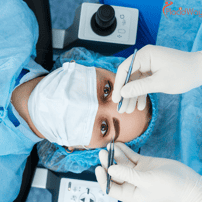
The estimated cost of LASIK eye surgery in India typically ranges from $300 to $1,000 per eye. This price usually includes the initial consultation, standard laser procedure, and basic post-operative medications, though complex cases may cost more. Deciding to correct your vision is a major step that involves careful consideration of the available medical options, potential risks, and financial implications. For many individuals facing high healthcare costs in their home countries, looking abroad has become a practical alternative. Exploring LASIK eye surgery in India offers an opportunity to access advanced ophthalmic care at a more accessible price point. Facilities in major metropolitan areas frequently utilize the same sophisticated laser technologies found in North America and Europe. If you are tired of relying on glasses or contact lenses, laser vision correction may seem appealing. However, the decision requires understanding whether you are a suitable candidate, what the procedure involves, and how to safely navigate treatment far from home. This guide breaks down the typical expenses, the medical process, and important safety considerations for those exploring vision correction options overseas. Key Takeaways Estimated expenses typically range between $300 and $1,000 per eye, depending on the technology used. Various advanced options are available, including standard microkeratome LASIK, Bladeless Femtosecond, and SMILE. Ideal candidates must have stable vision prescriptions and sufficiently thick, healthy corneas. While visual improvement is often rapid, full healing and stabilization require time and proper post-operative care. International visitors need to budget for a stay of at least seven to ten days to accommodate essential follow-up exams. How much does LASIK eye surgery cost in India compared to western countries? The LASIK eye surgery cost in India is often significantly lower than in many Western nations, typically allowing patients to save between 50 to 80 percent without compromising on medical technology. In countries like the United States or the United Kingdom, laser vision correction can easily exceed $2,000 to $3,000 per eye. These high out-of-pocket expenses occur because most insurance providers classify the surgery as elective rather than medically necessary. Consequently, patients absorb the full brunt of clinical fees, facility charges, and advanced technology markups. Conversely, the robust infrastructure supporting medical tourism in India allows modern eye centers to offer the same procedures at a fraction of the price. The lower cost of living, reduced administrative overhead, and high volume of patients enable these centers to maintain competitive pricing. A standard procedure might start around $300 per eye, while more advanced bladeless or SMILE techniques might approach $800 to $1,000 per eye. Procedure Type Estimated Cost per Eye (India) Standard Microkeratome LASIK $300 - $500 Bladeless Femtosecond LASIK $600 - $900 SMILE Technique $800 - $1,100 Note: Prices are estimates and vary based on the specific clinic, geographic location, and individual patient requirements. What factors influence the final price of the procedure? The total price of your laser eye surgery depends primarily on the technology used, the complexity of your refractive error, and the specific LASIK eye surgery clinic in India you choose. Not all laser eye surgeries are priced identically, and understanding the variables can help you budget effectively. The most significant factor is the surgical technique. Traditional procedures using a microkeratome blade to create the corneal flap are highly effective and represent the most budget-friendly option. If you opt for all-laser bladeless treatments or the minimally invasive SMILE method, the cost naturally increases due to the expensive equipment required. Location also plays a role in pricing. Clinics situated in premium areas of major hubs like Delhi, Mumbai, or Bangalore might charge slightly more than centers in smaller cities, reflecting their higher operating costs. Furthermore, highly experienced surgeons with advanced specialized training may command higher consultation and surgical fees. Finally, your individual optical needs can impact the bill. Patients requiring customized wavefront mapping to correct higher-order aberrations or those with exceptionally high prescriptions may need more extensive laser time, which can moderately adjust the final estimate. Who makes a good candidate for laser vision correction? Suitable candidates generally include adults over the age of eighteen with a stable optical prescription for at least one year and corneas thick enough to safely undergo tissue reshaping. While the idea of clear vision without corrective lenses is exciting, it is vital to remember that not everyone qualifies for this surgery. A thorough evaluation by an ophthalmologist is mandatory before proceeding. Doctors look for specific criteria to ensure safety and improve the likelihood of a positive outcome. Your vision must be stable. If your prescription is still changing rapidly, the laser correction may only provide temporary relief before you require glasses again. Eye health is equally critical; conditions like severe dry eye syndrome, glaucoma, or cataracts can disqualify a patient. Similarly, autoimmune diseases that impede natural healing can make the surgery too risky. Important Consideration: Corneal thickness is a strict limiting factor. Because the laser removes microscopic layers of tissue to reshape the eye, having naturally thin corneas may make you ineligible for a flap-based procedure. In such cases, your doctor may suggest alternative surgeries like PRK. What types of laser eye surgery technologies are available? Indian medical facilities typically offer a broad variety of refractive surgeries including standard microkeratome methods, bladeless Femtosecond lasers, PRK, and the newer SMILE technique. The landscape of refractive surgery has evolved significantly. Standard procedures involve creating a thin flap on the surface of the eye using a precise mechanical instrument, followed by an excimer laser that reshapes the underlying tissue. This method has a long track record of safety and success for suitable patients. For those seeking all-laser options, Bladeless or Femto-LASIK replaces the mechanical blade with a femtosecond laser to create the flap, offering extreme precision and potentially lowering the risk of flap-related complications. Alternatively, Small Incision Lenticule Extraction (SMILE) is a minimally invasive approach that does not require a flap at all, which may reduce the incidence of post-operative dry eye. Patients with thin corneas are often directed toward Photorefractive Keratectomy (PRK). Rather than making a flap, PRK removes the outer epithelial layer completely before applying the reshaping laser. While PRK recovery takes longer and involves more initial discomfort, it remains a highly effective and safe alternative for specific anatomical profiles. How is the actual LASIK procedure performed? The surgery is usually performed on an outpatient basis using numbing eye drops, taking about fifteen minutes for both eyes while a specialized laser gently reshapes the underlying corneal tissue. Understanding the steps of the surgery can help alleviate anxiety. On the day of your appointment, your care team will first administer anesthetic drops to numb your eyes completely. You will then recline under the laser system while the surgeon uses a small device to gently hold your eyelids open, preventing any involuntary blinking. The surgeon will begin by creating a micro-thin flap on the surface of your cornea. Once this flap is folded back, you will be asked to stare at a target light. The excimer laser is then activated. You may hear a clicking sound and notice a distinct odor as the laser precisely removes microscopic amounts of tissue to correct your specific refractive error. Finally, the surgeon gently folds the corneal flap back into its original position, where it acts as a natural bandage. The flap adheres securely on its own without the need for stitches. After a brief resting period and a quick evaluation, you are typically cleared to return to your accommodation with a protective shield over your eyes. What potential benefits can patients realistically expect? Many patients experience a significant reduction in their dependence on glasses or contact lenses, often achieving sharp vision within just a few days of the procedure. The primary appeal of this surgery is lifestyle convenience. Activities like swimming, running, or simply waking up in the middle of the night become much easier when you no longer have to reach for corrective lenses. For individuals with active lifestyles, freeing oneself from the hassle of fogged-up glasses or irritated contacts can be highly liberating. Financially, while the upfront cost requires an investment, many patients find that the long-term savings are substantial. Over a decade, the cumulative expenses of new frames, specialized lenses, contact lens supplies, and cleaning solutions can easily surpass the one-time cost of laser correction, especially when undergoing the procedure at more accessible price points abroad. It is crucial, however, to maintain realistic expectations. While a large majority achieve excellent outcomes, some patients may still require a mild prescription for reading or driving at night as they age. The procedure corrects your current refractive error but does not prevent natural age-related vision changes. What are the known risks and possible complications? While generally considered safe for eligible individuals, potential risks include temporary dry eyes, visual halos at night, undercorrection, or in rare cases, flap complications and infection. No surgical intervention is entirely free of risk, and patient safety should always be the priority. The most common side effect experienced by patients is dry eyes, which can persist for several weeks or months post-surgery. Your doctor will likely prescribe lubricating drops to manage this discomfort during the healing phase. Visual disturbances such as glare, halos around bright lights, or mild double vision are also frequently reported in the initial days. These symptoms typically resolve as the cornea heals, though they can occasionally become persistent. Undercorrection or overcorrection may also occur if the laser removes slightly too little or too much tissue, which might necessitate a secondary enhancement surgery. Expert Insight: Severe complications, though rare, can include flap dislocation or serious ocular infections. Following your surgeon's aftercare instructions strictly—especially regarding hygiene and avoiding eye rubbing—drastically reduces these risks. Always plan for emergency care protocols when traveling. What does the recovery timeline look like after surgery? Most individuals notice improved vision within twenty-four hours, though full stabilization of your eyesight and internal corneal healing can take several weeks to a few months. Immediately following the procedure, your vision may be blurry or hazy, and your eyes might feel scratchy or as if there is sand in them. This is normal. You will need a companion to escort you back to your hotel, as you cannot drive. Resting with your eyes closed for the first few hours is highly recommended to kick-start the healing process. By the next day, many patients experience a dramatic improvement in clarity and are capable of performing normal daily tasks. However, the eyes remain delicate. You will be instructed to wear eye shields while sleeping, avoid swimming or hot tubs, and stay clear of dusty environments. Applying prescribed antibiotic and anti-inflammatory drops exactly as directed is essential to prevent complications. Even though visual acuity bounces back quickly, microscopic healing continues. You may experience minor fluctuations in your vision over the first month. Regular check-ins with an eye care professional, whether abroad or back home, are necessary to monitor your progress. How long should international patients stay in the country? International visitors traveling for this procedure should generally plan to stay for at least seven to ten days to allow ample time for pre-operative assessments and crucial post-operative checkups. When incorporating medical tourism guides into your planning, pacing your trip is vital. Arriving a day or two before your consultation allows you to rest and adjust to the local environment. The pre-operative eye mapping and diagnostic testing must be thorough to confirm your eligibility and design the precise surgical plan. Following the brief surgery, you will have a mandatory follow-up appointment the very next morning. The surgeon needs to ensure the corneal flap is securely in place and no early signs of infection are present. Most clinics require additional check-ups on day three or day five to monitor your healing trajectory before clearing you for long-haul travel. Rushing home is not advisable. The heavily air-conditioned and pressurized environment of an airplane cabin can severely dry out freshly treated eyes, causing immense discomfort and risking flap complications. Allowing a proper window for rest and local recovery is an essential component of a responsible medical journey. Why Choose PlacidWay for Medical Tourism in India? Navigating international healthcare systems can be complex, and finding clear, factual information is an important part of the planning process. PlacidWay serves as a global medical resource platform, helping patients explore treatment possibilities across borders. Global Connections: Connects patients with a wide variety of medical providers and clinical facilities around the world. Educational Resources: Offers extensive articles, guides, and tools to help individuals research international healthcare options. Cost Comparisons: Helps users compare estimated procedure prices across different countries and regions to aid in budget planning. Facility Network: Provides access to a diverse database of hospitals and clinics, allowing patients to review available technologies and specialties. Informed Decision Making: Supports patients by delivering objective data and provider details, encouraging well-researched healthcare choices. Frequently Asked Questions About LASIK in India Are there age limits for getting LASIK in Indian hospitals? Yes, patients typically must be at least 18 years old because vision can continue to change during adolescence. Many surgeons prefer candidates to be in their early twenties to ensure the prescription has fully stabilized. Does insurance cover laser eye surgery for international patients? Most health insurance plans consider LASIK an elective or cosmetic procedure and do not cover the cost. International patients usually pay out of pocket, which is why traveling to more affordable destinations is common. How long do the results of laser vision correction last? The reshaping of the cornea is permanent, and many patients enjoy clear vision for decades. However, natural age-related changes, such as presbyopia or cataracts, can still affect your vision later in life. Can I have both eyes treated on the same day? Yes, it is very common and generally preferred to have both eyes treated during the same surgical session. This reduces total recovery time and helps your brain adjust to the new visual input more quickly. Is it safe to fly back home immediately after the procedure? Surgeons typically advise against flying for at least a few days after surgery. The recirculated air in airplane cabins is extremely dry, which can irritate healing eyes, and you need to attend mandatory initial follow-up exams. What happens if I blink during the laser treatment? You cannot blink during the procedure because the surgeon uses a specialized gently resting instrument called an eyelid speculum to keep your eye safely open. Furthermore, modern lasers use advanced eye-tracking technology that adjusts to any small eye movements. Will I experience pain during the surgery? The procedure itself is typically not painful because strong numbing drops are applied to the eye beforehand. You may feel some mild pressure during the creation of the corneal flap, but acute pain is rare. Can I get LASIK if I have severe astigmatism? LASIK can correct moderate degrees of astigmatism. However, if your astigmatism is highly severe or irregular, your doctor might recommend alternative treatments like PRK or implantable lenses. What is the difference between PRK and LASIK offered in Indian clinics? While LASIK involves creating a small flap in the cornea before reshaping the tissue beneath, PRK gently removes the outer surface layer entirely. PRK has a longer recovery time but is often recommended for patients with thinner corneas. How soon can I return to work after my eye surgery? Many patients can return to work within two to three days, depending on their healing progress and the nature of their job. Those working in dusty environments or staring at screens all day may need to wait slightly longer or take frequent breaks. Ready to Explore Your Vision Correction Options? Gather more information about facilities, compare estimated costs, and learn about the options available for your specific optical needs. Request Treatment Information References What should I expect before, during, and after surgery? – U.S. Food and Drug Administration (FDA) LASIK — Laser Eye Surgery – American Academy of Ophthalmology (AAO) LASIK eye surgery – Mayo Clinic Laser eye surgery – National Health Service (NHS) Refractive Errors – National Eye Institute (NEI) LASIK Vision Correction – Johns Hopkins Medicine Medical Disclaimer: The information provided in this article is for educational and informational purposes only and does not constitute professional medical advice, diagnosis, or treatment. Outcomes, recovery periods, and risks associated with laser eye surgery vary significantly among individuals. Always consult a qualified ophthalmologist or healthcare professional before making any medical decisions. Pricing information is strictly an estimate and subject to change based on specific medical needs and facility chosen....
Read more details


What Technology Is Used for Advanced Cataract Surgery in India?
Advanced cataract surgery in India utilizes cutting-edge technologies like Femtosecond Laser-Assisted Cataract Surgery (FLACS), Zepto Pulse precision capsulotomy, Micro-Incision Cataract Surgery (MICS), and AI-guided intraoperative aberrometry for precise visual outcomes. Vision is arguably our most precious sense, and when cataracts begin to cloud that view, finding the best possible treatment becomes a priority. For many international patients, India has emerged as a global powerhouse for eye care, offering a blend of world-class surgical expertise and the latest technological advancements at a fraction of Western costs. But a common question arises: does "affordable" mean outdated technology? The answer is a definitive no. In fact, top Indian eye hospitals are often equipped with technology that rivals or even surpasses what is available in average community hospitals in the US or UK. From blade-free laser procedures to next-generation intraocular lenses (IOLs) that correct astigmatism and presbyopia simultaneously, Indian ophthalmologists are at the forefront of adopting advanced surgical innovations. If you are considering traveling for eye surgery, it is crucial to understand exactly what tools will be used to restore your sight. In this comprehensive guide, we will explore the specific technologies defining cataract surgery in India today, answering your questions about safety, precision, and the types of lenses that can give you freedom from glasses for life. What is Femtosecond Laser-Assisted Cataract Surgery (FLACS)? “FLACS is a blade-free, computer-controlled laser technology used in India to create precise incisions and soften the cataract, offering superior accuracy and faster healing than manual surgery.” One of the most significant advancements available in top Indian eye hospitals is Femtosecond Laser-Assisted Cataract Surgery (FLACS). Unlike traditional phacoemulsification, which uses a handheld blade to make incisions, FLACS uses a cool laser beam controlled by a computer. This technology creates a perfect circular opening in the lens capsule (capsulotomy), which is critical for the stable positioning of the artificial lens. The laser also fragments or "softens" the hard cataract lens, meaning less ultrasonic energy is needed to remove it. This reduction in energy protects the delicate tissues of the eye, specifically the corneal endothelium, leading to clearer vision immediately after surgery and a faster recovery. In India, platforms like the LenSx (Alcon) and Catalys (Johnson & Johnson) are widely used in major cities. This technology is particularly beneficial for hard cataracts or patients with complex eye conditions, offering a level of safety and precision that manual techniques struggle to match. How does Micro-Incision Cataract Surgery (MICS) benefit patients? “MICS allows surgeons to remove cataracts through sub-2mm incisions, which significantly reduces surgically induced astigmatism and accelerates wound healing without the need for stitches.” Micro-Incision Cataract Surgery (MICS) is the standard of care in premium Indian eye centers. While standard phacoemulsification uses incisions of about 2.8mm to 3.2mm, MICS reduces this incision size to less than 2.2mm, and sometimes even as small as 1.8mm. This might seem like a small difference, but in eye surgery, it is monumental. The smaller incision means the wound is structurally more stable and seals itself almost instantly, eliminating the need for sutures. This drastically lowers the risk of infection (endophthalmitis). Furthermore, larger incisions can slightly change the shape of the cornea, causing "surgically induced astigmatism." MICS is "astigmatism-neutral," meaning your vision quality is purely determined by the lens implant, not distorted by the healing wound. Indian surgeons are highly skilled in this technique, often performing thousands of MICS procedures annually, ensuring a smooth, quick, and painless experience for international patients. What Premium Intraocular Lenses (IOLs) are available in India? “India offers a full range of FDA-approved premium IOLs, including Trifocal, EDOF (Extended Depth of Focus), and Toric lenses from global brands like Alcon, Zeiss, and Johnson & Johnson.” The technology isn't just in the machinery; it's in the lens itself. In the past, cataract surgery meant replacing the cloudy lens with a "monofocal" lens, which fixed distance vision but left patients dependent on reading glasses. Today, India offers the latest generation of Premium IOLs that can correct near, intermediate, and distance vision all at once. Trifocal Lenses (like the Zeiss AT LISA or Alcon PanOptix) are incredibly popular, allowing patients to read a book, look at a computer screen, and drive a car without glasses. EDOF (Extended Depth of Focus) lenses provide a continuous range of high-quality vision, minimizing the "glare and halos" sometimes associated with trifocals. For patients with astigmatism, Toric IOLs are available in both monofocal and multifocal varieties. The availability of these global brands ensures that the quality of the implant you receive in Mumbai or Chennai is identical to what you would get in New York or London. What is Zepto Pulse Technology? “Zepto is a precision pulse technology used to create a perfect, strong, circular opening in the lens capsule in just 4 milliseconds, ensuring perfect IOL centration.” A newer addition to the technological arsenal in India is the Zepto Precision Pulse Capsulotomy system. Creating the capsulotomy (the opening in the bag that holds the lens) is the most difficult step of manual cataract surgery. If it's not perfectly round, the lens can tilt or shift over time. Zepto uses a disposable handpiece with a suction cup and a nitinol ring to deliver a quick pulse of energy, creating a perfectly round opening in a fraction of a second. It serves as a cost-effective alternative to the Femtosecond laser while providing similar precision for the critical step of capsulotomy. This technology is particularly useful for complex cases, such as mature (white) cataracts or patients with weak zonules (the fibers that hold the lens in place), making the surgery significantly safer. How much does advanced cataract surgery cost in India compared to the West? “Laser cataract surgery with premium lenses in India costs between $1,500 and $2,500 per eye, compared to $4,000 to $6,000 in the US, offering savings of over 60%.” Cost is a major factor driving medical tourism to India. While the technology is identical to the West, the cost of the procedure is significantly lower due to lower operational costs and the high volume of surgeries performed. Here is a cost comparison for advanced procedures: Procedure Type Cost in India (Per Eye) Cost in USA/UK (Per Eye) Standard Phaco (Monofocal) $600 - $800 $3,000 - $4,000 Robotic/Laser (FLACS) $1,200 - $1,500 $4,500 - $6,500 Trifocal / Premium IOL $1,500 - $2,200 $5,000 - $7,000 Pre-op Diagnostics $100 - $200 $500 - $1,000 These prices typically include the surgeon's fee, the premium lens itself, hospital charges, and post-operative follow-ups. How does the ORA System improve surgical accuracy? “The ORA System uses intraoperative aberrometry to take real-time measurements of the eye during surgery, allowing the surgeon to verify lens power and placement before finishing the procedure.” In traditional cataract surgery, measurements are taken before the operation to determine the power of the IOL. However, once the natural lens is removed, the optics of the eye can change slightly. The ORA (Optiwave Refractive Analysis) System helps bridge this gap. Available in premium Indian hospitals, ORA is an "intraoperative aberrometer." It attaches to the surgical microscope and takes measurements during the surgery, after the cataract has been removed but before the new lens is implanted. This real-time data allows the surgeon to confirm that the chosen lens power is correct or make micro-adjustments to the lens position, especially for Toric lenses correcting astigmatism. This technology is a game-changer for patients who have previously had LASIK or PRK surgery, as their eyes are notoriously difficult to measure accurately using standard preoperative methods. What diagnostic technology is used before cataract surgery? “Indian hospitals use advanced optical biometry (like IOL Master 700) and corneal topography to map the eye's surface and length with micron-level precision for accurate lens selection.” The success of cataract surgery is largely determined before the patient even enters the operating room. Accurate diagnostics are key. Indian eye hospitals use the gold standard in optical biometry, such as the Zeiss IOL Master 700. This device uses "Swept Source OCT" technology to measure the length of the eye and the curvature of the cornea. Unlike older ultrasound methods that required touching the eye, these optical devices are non-contact and incredibly precise. They can penetrate dense cataracts to get accurate readings, ensuring that the IOL power selected will result in 20/20 vision. Additionally, Specular Microscopy is used to count the endothelial cells on the back of the cornea to ensure the eye is healthy enough for surgery, and OCT (Optical Coherence Tomography) scans the retina to rule out macular degeneration or diabetic issues that could limit vision potential. How safe is cataract surgery in India for international patients? “Cataract surgery in India is extremely safe, with top hospitals holding JCI and NABH accreditations, ensuring adherence to strict international protocols for sterilization and patient safety.” Safety is paramount. Leading eye hospitals in India, such as Aravind Eye Care, Sankara Nethralaya, Narayana Nethralaya, and Centre for Sight, operate with rigorous safety standards. Many of these institutions are accredited by the NABH (National Accreditation Board for Hospitals & Healthcare Providers) and frequently the JCI (Joint Commission International). These accreditations mean the hospital follows global protocols for infection control, waste management, and patient verification. The infection rates in these top-tier Indian hospitals are often lower than global averages due to strict sterile protocols and the use of disposable consumables for every patient. Surgeons typically wear sterile scrubs, and the operating theaters are equipped with HEPA filters and laminar airflow systems to maintain a completely sterile environment, minimizing any risk of post-operative complications. Do Indian hospitals use AI in cataract screening? “Yes, AI is increasingly used in India for early cataract detection and grading, helping surgeons plan surgeries more effectively and screen patients in remote areas via telemedicine.” India is a global leader in integrating Artificial Intelligence (AI) into healthcare. In ophthalmology, AI algorithms are used to analyze retinal images and grade the severity of cataracts automatically. This technology assists doctors in planning the surgery by predicting the hardness of the cataract and the likely energy required to remove it. Microsoft and Google have both partnered with Indian eye networks to develop these AI models. For the patient, this means a more objective assessment of their eye health. AI is also used to screen for diabetic retinopathy and glaucoma during the cataract workup, ensuring no underlying condition is missed before the procedure. Are robotic cataract surgeries performed in India? “Yes, 'robotic' surgery usually refers to Femtosecond Laser-Assisted surgery (FLACS), which automates critical steps of the procedure, though a skilled surgeon still guides the technology.” You will often see advertisements for "Robotic Cataract Surgery" in India. It is important to clarify that this usually refers to the Femtosecond Laser (FLACS) technology mentioned earlier. While it's not a robot holding a scalpel, it is a computer-controlled "robotic" laser arm that performs the incisions and lens fragmentation with micron-level accuracy. This automation removes the variability of the human hand from the most critical steps of the surgery. The surgeon still controls the machine and performs the aspiration of the lens and insertion of the new IOL, but the "robotic" element ensures the architecture of the eye is preserved perfectly. Can I get both eyes done at once in India? “Yes, Immediate Sequential Bilateral Cataract Surgery (ISBCS) is an option in India for eligible patients, allowing both eyes to be treated on the same day to save travel time and recovery.” For international travelers, time is of the essence. Traditional protocols often require waiting a week or two between eyes. However, many top Indian surgeons are proponents of Immediate Sequential Bilateral Cataract Surgery (ISBCS), where both eyes are operated on during the same visit to the operating room. To ensure safety, the surgical team completely re-sterilizes the setup, changes gowns, instruments, and even the batch of fluids used between the first and second eye. This "complete separation" protocol minimizes infection risk. ISBCS allows you to recover vision in both eyes simultaneously, restoring depth perception faster and reducing your total stay in India to just 5-7 days. Which cities in India have the best eye hospitals? “Chennai, Bangalore, New Delhi, and Hyderabad are the top hubs for eye care in India, hosting world-renowned institutes like Sankara Nethralaya, Aravind Eye Care, and AIIMS.” India's excellence in ophthalmology is spread across several major hubs. Chennai is often called the "Mecca of Eye Care" due to the presence of Sankara Nethralaya, a charitable non-profit institution known globally for complex cases. Bangalore is home to Narayana Nethralaya, a leader in laser technology and research. New Delhi and Gurugram offer high-end private hospitals like Centre for Sight and Medanta, which cater heavily to international diplomats and medical tourists. Hyderabad hosts the LV Prasad Eye Institute, another WHO-collaborating center of excellence. All these cities have international airports and infrastructure to support foreign patients comfortably. Looking for world-class cataract surgery in India? Compare top hospitals, check surgeon credentials, and get a free quote for advanced laser cataract surgery packages....
Read more detailsUnlock the Best Eye Lasik Care Packages Just for You
Discover the ultimate Eye Lasik Care packages designed to meet your health and wellness goals. Choose the perfect fit for your journey.

Price starting from $800
Best Cataract Surgery in India
PlacidWay Asia Medical Tourism
- Eye/Lasik Care
Seoul, South Korea

Price starting from $990
Lasik Surgery Package in Baku, Azerbaijan by Liv Bona Dea Hospital
Liv Bona Dea Hospital in Baku, Azerbaijan
- Eye/Lasik Care
Baku, Azerbaijan

Price starting from $1,200
Refractive Eye Surgery in Istanbul, Turkey
PlacidWay Turkey Medical Tourism
- Eye/Lasik Care
Istanbul, Turkey

Price starting from $4,000
LASIK Surgery Package in Seoul, South Korea by Gangnam Central Eye
Gangnam Central Eye Clinic
- Eye/Lasik Care
Seoul, South Korea
Eye Lasik Care Solutions Near You: Explore Top Medical Centers
Discover how Eye Lasik Care is transforming lives at leading medical centers in , India. Dive into center profile, specialties, doctors, reviews, etc. and explore the best options tailored to your needs in this region.

GHC Hospitals - Multispecialty Center in Mumbai, India
Mumbai, India

Artemis Hospitals - Multispecialty Center in India
Gurgaon, India
Global Eye Clinic
Mumbai, India
Transformative Eye Lasik Care Experiences: Dive into Procedure Insights
Discover the power of Eye Lasik Care through compelling patient experiences. Uncover detailed insights into procedures, recovery journeys, and life-changing results.




Price starting from $3,500
Cataract Surgery in Istanbul, Turkey
- Cataract Surgery, Eye/Lasik Care
Istanbul, Turkey
Explore Eye Lasik Care: Stories, Testimonials, and Procedures
Watch in-depth videos covering everything from Eye Lasik Care success stories to detailed procedure explanations. Learn what to expect and hear from real patients.
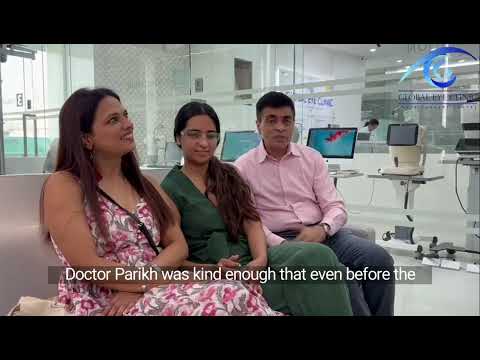
Complete Guide to Lasik Surgery in Mumbai, India: A Patient's Success Story
Eye Lasik Care
Global Eye Clinic
India
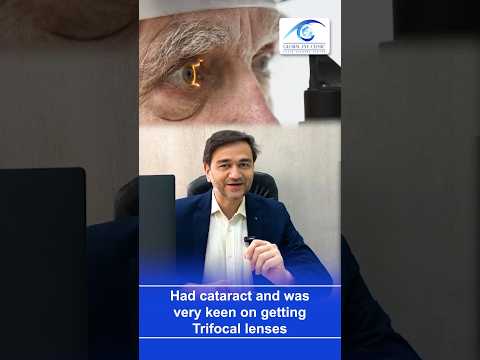
AI-Designed Trifocal Lenses for Cataract Surgery in India: Achieving Clear Vision Without Halos
Eye Lasik Care
Global Eye Clinic
India
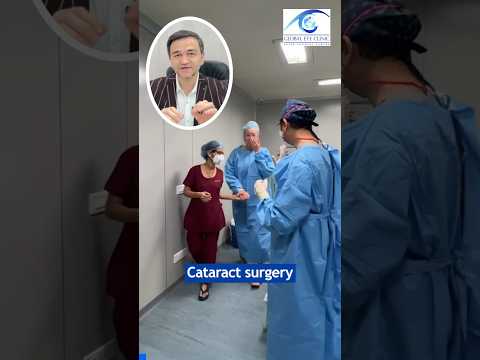
Comprehensive Guide to Choosing the Best Lens for Cataract Surgery Procedure in India
Eye Lasik Care
Global Eye Clinic
India

Comprehensive Safety Protocols for Advanced Eye Care and Laser Surgery Procedures in Mumbai, India
Eye Lasik Care
Global Eye Clinic
India
Learn More with These Eye Lasik Care Articles
Take a look at these interesting articles, stories and research that will help you learn more about Eye Lasik Care.

Clear Vision in Thailand: Why Lasik Surgery Is a Top Choice for Tourists
PlacidWay Medical Tourism
- Eye/Lasik Care
Thailand

Seeing Clearly: The Benefits of Lasik and Cataract Surgery in Thailand
PlacidWay Medical Tourism
- Eye/Lasik Care
Thailand

Cataract Surgery in Thailand: Affordable Solutions for Restoring Your Sight
PlacidWay Medical Tourism
- Eye/Lasik Care
Thailand
Eye Surgery Excellence: Thailand’s Rise as a Vision Correction Hub
PlacidWay Medical Tourism
- Eye/Lasik Care
Thailand








