What treatment


20+ Key FAQs on Eye/Lasik Care in Thailand
Questions About Eye/Lasik Care in Thailand? Start Here
Trusted Medical Tourism Platform Since 2007
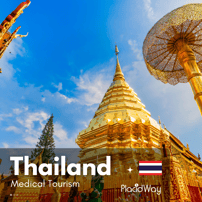
What I Wish I Knew Before Cataract Surgery in Thailand?
Before having cataract surgery in Thailand, know that clinics offer advanced intraocular lenses at lower costs. Plan to stay 7 to 10 days for the consultation, surgery, and vital follow-up care before flying home to ensure safe healing. Deciding to travel abroad for medical care involves a lot of moving parts, especially when it concerns something as vital as your eyesight. Exploring cataract surgery in Thailand is a popular choice for many international patients seeking timely care and advanced lens technology. However, combining eye surgery with international travel requires careful planning, a clear understanding of the medical process, and realistic expectations regarding recovery. If you are considering this journey, it helps to look beyond the initial appeal of a tropical destination. You need to know how the clinics operate, what kind of lenses are available, how much it really costs, and what you must do to protect your eyes after the procedure. In this guide, we will explore the practical realities and essential details you should know before booking your flight and procedure. Key Takeaways Expect to spend about a week to ten days in Thailand to allow for necessary pre-operative exams and post-operative monitoring. Premium intraocular lenses (IOLs), such as multifocal or toric lenses, are widely available and can reduce dependency on glasses. Strict adherence to aftercare is crucial—swimming in pools or the ocean is strictly prohibited during the initial recovery phase. Flying shortly after surgery is generally safe, provided your surgeon clears you during the follow-up appointment. You must arrange for a local eye doctor in your home country to take over your long-term follow-up care. How much does cataract surgery cost in Thailand? Expect the cataract surgery cost in Thailand to range from $1,000 to $2,800 per eye. The final price depends primarily on the type of intraocular lens (IOL) you select and the specific surgical technique used. When budgeting for your procedure, it helps to understand that the basic surgical fee often covers standard monofocal lenses. If you opt for premium lenses—such as toric lenses to correct astigmatism or multifocal lenses that allow you to see at various distances—the cost will be higher. Laser-assisted cataract surgery, if available and chosen, also adds to the total estimate. While the procedure itself may be significantly more affordable than in countries like the United States or Australia, you must factor in the entire cost of the trip. Your budget should include round-trip flights, accommodation for 7 to 10 days, local transportation, and meals. Many patients find that even with these added travel expenses, the overall out-of-pocket costs remain lower, especially when choosing premium lenses that are rarely covered by standard domestic health insurance. What types of intraocular lenses (IOLs) are available? Thai eye centers provide a wide range of FDA-approved and CE-marked IOLs. You can choose from standard monofocal lenses, toric lenses for astigmatism, or advanced multifocal and trifocal lenses for broader visual ranges. Choosing the right lens is one of the most critical decisions you will make. Standard monofocal lenses are excellent for providing clear vision at a single distance (usually far away). If you choose these, you will likely still need reading glasses for up-close tasks like reading a menu or looking at your smartphone. Premium lenses aim to reduce your dependence on glasses. Toric IOLs are specifically designed to correct astigmatism, ensuring sharper vision. Multifocal and extended depth of focus (EDOF) lenses provide a range of continuous vision. During your consultation, your ophthalmologist will measure your eyes meticulously and discuss which lens aligns best with your lifestyle, visual needs, and eye anatomy. Not every patient is a suitable candidate for multifocal lenses, particularly if there are underlying issues with the retina or optic nerve. How long do I need to stay in Thailand? Patients should plan to be in the country for approximately 7 to 10 days. This timeline accommodates the pre-surgical consultation, the surgery day, and essential post-operative follow-up visits. A common mistake is treating medical travel exactly like a vacation, trying to squeeze the medical appointments into a tight schedule. Cataract surgery requires a thorough pre-operative assessment to map your eye, measure for the IOL, and ensure you have no contraindications. This usually happens a day or two before the surgery. After the procedure, the surgeon will want to see you the next day to check your eye pressure, look for early signs of infection, and ensure the lens is positioned correctly. A subsequent check-up is usually scheduled a few days later. Staying for this full duration is critical for your safety. If a minor complication arises, such as a spike in intraocular pressure, you want to be close to your surgical team so they can manage it immediately. Is it safe to fly after having cataract surgery? Flying after routine cataract surgery is typically safe once your surgeon clears you, as the cabin pressure does not affect the standard intraocular lens. Unlike some retinal surgeries that involve injecting a gas bubble into the eye—which strictly prohibits flying due to expansion from pressure changes—routine cataract surgery uses clear incisions and an artificial lens. Air travel does not pose a direct threat to the newly implanted lens. However, the primary concern with flying is the very dry air inside the airplane cabin, which can irritate a healing eye. You will need to use your prescribed lubricating and antibiotic drops diligently during your flight. Additionally, handling heavy luggage in the airport can strain your body and momentarily increase pressure in your head and eyes, so it is advisable to ask for assistance with bags. Always get explicit clearance from your Thai eye surgeon before boarding your flight home. How do I choose a cataract surgery clinic in Thailand? Selecting a reputable cataract surgery clinic in Thailand requires verifying the facility’s international accreditations, the surgeon’s credentials, and their experience with foreign patients. Do not simply choose a clinic based on the lowest price. Look for facilities that hold recognized accreditations, such as from the Joint Commission International (JCI), which indicates adherence to rigorous global safety and hygiene standards. Research the ophthalmologists on staff. Many leading eye surgeons in Thailand have undergone specialized fellowship training abroad and are members of international ophthalmological societies. When contacting a facility, ask how many procedures the surgeon performs annually and what specific equipment they use for eye measurements. A reputable clinic will be transparent about their technology, infection rates, and the brands of lenses they utilize. What happens during the initial consultation? The initial consultation involves comprehensive diagnostic testing, including corneal mapping and biometry, to calculate the exact power needed for your artificial lens. When you arrive at the clinic, the staff will perform several painless scans of your eye. These tests measure the length of your eyeball and the curve of your cornea. Because precision is vital for the best visual outcome, high-quality clinics use advanced optical biometry machines. During this visit, you will discuss your medical history, any medications you take (especially blood thinners or prostate medications, which can affect surgery), and your visual goals. The surgeon will dilate your pupils to examine the retina and optic nerve, ensuring your eye is healthy enough to benefit from the surgery. This is also the time to finalize your choice of IOL and ask any remaining questions. Can I have both eyes done on the same trip? Yes, you can have both eyes treated during the same trip. Surgeons typically perform the surgeries a few days apart rather than on the exact same day. While simultaneous bilateral cataract surgery (treating both eyes on the same day) is done in some countries, most surgeons in Thailand prefer to wait anywhere from two days to a week between eyes. Staggering the procedures provides several safety benefits. First, it allows the surgeon to see how the first eye responds to the surgery and how well the vision settles, which can sometimes influence the lens choice for the second eye. More importantly, it minimizes the extremely rare but serious risk of bilateral endophthalmitis (a severe infection in both eyes simultaneously). If you plan to have both eyes done, you will need to extend your stay in Thailand by a few extra days to accommodate the second surgery and its follow-up. Important Consideration: Even in a tropical climate, you must wear an eye shield while sleeping for the first week to prevent accidental rubbing. Bring a travel neck pillow to help you sleep comfortably on your back. What is the typical recovery process like? Recovery is generally quick, with many patients noticing improved vision within 24 to 48 hours. However, full stabilization of your eyesight takes about four to six weeks. Immediately after surgery, your vision may be blurry, and your eye might feel scratchy or slightly gritty. This is a normal part of the healing process. You will be prescribed a regimen of antibiotic and anti-inflammatory eye drops to prevent infection and control swelling. You must apply these exactly as directed by your surgeon. The humid environment in Thailand means you need to be particularly careful about hygiene. Avoid letting shower water run directly over your face, do not wear eye makeup, and avoid dusty environments. Strenuous exercise, heavy lifting, and bending over should also be avoided for the first week or two to prevent sudden increases in eye pressure. Always wear sunglasses outdoors to protect your healing eye from bright sunlight and dust. What risks and complications should I be aware of? While cataract surgery is widely considered highly successful, risks include infection, bleeding, inflammation, retinal detachment, or swelling of the retina. No surgical procedure is entirely without risk. Before engaging in medical tourism in Thailand, it is essential to understand these potential complications. Minor issues, such as dry eyes or a temporary increase in eye pressure, are relatively common and easily managed with drops. More serious complications, like a detached retina or severe infection, are rare but require immediate medical intervention. This is why staying in the country for your scheduled follow-ups is critical. Before you leave for home, you should also establish a connection with a local eye care professional in your home country. If you experience sudden vision loss, worsening pain, or a sudden increase in floaters or flashes of light after returning home, you will need to seek emergency care locally. Why Choose PlacidWay for Medical Tourism in Thailand? Navigating international healthcare options can feel overwhelming. PlacidWay serves as a global medical resource to help you gather the information you need. ? Informational Resources: PlacidWay provides access to details about various international healthcare providers, helping patients research their options. ? Global Network: The platform lists medical centers and clinics across numerous specialties and global destinations, including Southeast Asia. ? Provider Profiles: Patients can review clinic profiles that detail the facility's accreditations and the specific medical services they offer. ? Direct Inquiries: The platform allows you to request preliminary information and estimates directly from listed medical facilities. ? Patient Education: PlacidWay offers guides and articles to help patients understand what to expect when seeking medical care abroad. Frequently Asked Questions Are English-speaking eye surgeons common in Thailand? Yes, many ophthalmologists in Thailand who treat international patients speak fluent English. Some have completed fellowships or additional training in the US, UK, or Australia, making communication about your vision and surgical options straightforward. Do Thai eye clinics use laser-assisted cataract surgery? Many facilities in Thailand offer femtosecond laser-assisted cataract surgery (FLACS) alongside traditional phacoemulsification. The laser can add precision to certain steps of the procedure, though it typically increases the overall cost. Will I need a medical visa for eye surgery in Thailand? Patients from many Western countries enter Thailand on a standard 30-day tourist exemption, which is usually sufficient for cataract surgery and recovery. If you plan to stay longer, you may need to apply for a tourist or medical visa before arrival. How soon can I go to the beach or swim after surgery? You must avoid swimming in oceans, pools, or hot tubs for at least two to four weeks after surgery to minimize the risk of serious eye infections. Even splashing tap water in your eye while showering should be avoided in the early days of recovery. Are the intraocular lenses used in Thailand internationally approved? Facilities catering to international patients typically use intraocular lenses (IOLs) manufactured by well-known global brands that hold FDA or CE-mark approvals. You can ask your surgeon for the exact brand and model during your consultation. Can I wear my current glasses immediately after surgery? Your old glasses will likely have the wrong prescription for your treated eye. Many patients temporarily wear reading glasses or use a lens with plain glass on the treated side until their vision stabilizes and a final prescription is determined. What should I pack for my medical trip to Thailand? Pack high-quality UV-blocking sunglasses, a wide-brimmed hat, comfortable loose clothing, and any routine medications. Thailand is sunny, and your eyes will be sensitive to light after the procedure. How is payment usually handled at Thai clinics? Most facilities accept major international credit cards, though foreign transaction fees may apply. Some patients prefer to pay with cash (Thai Baht) or arrange a direct bank transfer. Payment is usually required in full before the surgery. What happens if I experience blurry vision after returning home? Some blurriness during healing is normal, but persistent or sudden blurry vision requires evaluation. Months or years later, blurriness can also be caused by posterior capsule opacity (PCO), a common, easily treatable condition requiring a brief laser procedure by a local eye doctor. Do I need local follow-up care in my home country? Yes, while your surgeon in Thailand handles immediate post-operative checks, you should arrange for a local optometrist or ophthalmologist at home to monitor your long-term healing and update any glasses prescriptions you might need. Ready to Explore Your Vision Options? Compare medical facilities and request detailed information to help you make an educated decision about your eye health abroad. Request Treatment Information References What Are Cataracts? – American Academy of Ophthalmology Cataract Surgery Overview – Mayo Clinic Medical Tourism Safety Guidelines – Centers for Disease Control and Prevention (CDC) Blindness and Vision Impairment Facts – World Health Organization (WHO) Cataract Surgery Risks and Recovery – National Eye Institute Standards for International Healthcare Quality – Joint Commission International (JCI) Disclaimer: The information provided in this article is for educational purposes only and does not constitute professional medical advice, diagnosis, or treatment. Medical outcomes, risks, and suitability for surgery vary for every individual. Always consult with a qualified local or international healthcare provider to determine if cataract surgery is appropriate for your specific condition....
Read more details

How much is Laser Eye Surgery in Thailand ?
The estimated cost of Laser Eye Surgery in Thailand typically ranges from $1,500 to $3,500 for both eyes. Pricing depends on the specific technique used, such as standard LASIK, Femto-LASIK, or SMILE, as well as the facility's technology. Many patients looking to correct nearsightedness, farsightedness, or astigmatism consider Laser Eye Surgery in Thailand as an alternative to treatment in their home countries. The decision to undergo refractive surgery abroad requires careful planning, a solid understanding of the available techniques, and a realistic assessment of the associated costs and recovery timelines. This comprehensive guide explores what you need to know about vision correction in Southeast Asia, from estimating the Laser Eye Surgery cost in Thailand to understanding the risks, benefits, and the logistics of traveling for medical care. Key Takeaways Cost estimates for both eyes generally fall between $1,500 and $3,500, varying by clinic and technology. Available procedures commonly include PRK, standard LASIK, Femto-LASIK, and ReLEx SMILE. Thorough pre-operative testing is essential to confirm you are a suitable candidate and rule out underlying eye conditions. Patients typically need to stay in the country for 7 to 10 days to accommodate surgery and crucial post-operative check-ups. Careful coordination for ongoing aftercare with a local optometrist back home is a vital part of the recovery process. What factors influence the total cost of laser eye surgery in Thailand? The final price you pay depends heavily on the type of procedure, the specific technology utilized, the complexity of your prescription, and individual clinic fees. When researching the Laser Eye Surgery cost in Thailand, it is helpful to recognize that clinics do not have a single flat rate. Standard or conventional LASIK, which uses a microkeratome blade to create the corneal flap, is usually the most affordable option. Newer technologies, such as Femtosecond lasers (used in Femto-LASIK) or the VisuMax laser (used in ReLEx SMILE), typically cost more due to the advanced equipment and licensing fees associated with the machinery. Another factor is the complexity of your refractive error. Patients with severe astigmatism or high prescriptions might require specialized topographic-guided treatments, which can increase the overall estimate. Additionally, facility fees vary; larger, internationally accredited centers situated in major metropolitan areas often have higher operational costs than smaller, regional practices. Finally, you must factor in the cost of initial consultations, diagnostic imaging (like corneal topography and pachymetry), and post-operative medications. While some clinics bundle these into a single package, others itemize them, so clarifying what is included before committing to treatment is a necessary step. What types of laser vision correction are available in Thailand? Thai clinics generally offer three primary options: PRK, Femto-LASIK, and ReLEx SMILE, each varying in surgical technique, recovery time, and patient suitability. The field of refractive surgery has evolved significantly. PRK (Photorefractive Keratectomy) is the oldest of the three but remains highly effective. In PRK, the surgeon removes the outer layer of the cornea entirely before applying the laser. This makes it a frequent choice for patients with thin corneas, though the initial recovery period can be more uncomfortable and take longer than other methods. LASIK (Laser-Assisted In Situ Keratomileusis) involves creating a thin flap on the cornea, reshaping the tissue underneath, and folding the flap back into place. Today, many clinics utilize Femto-LASIK, where a secondary laser creates the flap instead of a mechanical blade, potentially improving precision and safety. Recovery is usually quite rapid, with many patients experiencing improved vision within 24 hours. ReLEx SMILE (Small Incision Lenticule Extraction) is a newer, minimally invasive technique. Instead of creating a large flap, the laser creates a small disc-shaped piece of tissue within the cornea, which the surgeon then extracts through a tiny incision. This method is often associated with a lower risk of post-operative dry eye and a more stable corneal structure. Am I a suitable candidate for refractive eye surgery abroad? Not everyone qualifies for laser vision correction; suitable candidates usually have a stable prescription for at least a year, healthy corneas, and no underlying systemic diseases. Determining your eligibility is the most critical step before organizing any medical travel. Generally, candidates should be at least 18 years old. A stable eyeglass or contact lens prescription is mandatory, as treating eyes that are still changing can result in the need for further enhancements a few years down the line. Corneal thickness is another vital metric. Because laser surgery removes microscopic amounts of corneal tissue, your cornea must be thick enough to safely undergo the procedure without compromising its structural integrity. Patients with thin corneas or signs of keratoconus are typically advised against LASIK, though they might be candidates for PRK or implantable lenses. Furthermore, pregnant or nursing women should postpone surgery due to hormonal fluctuations that can temporarily alter vision. Pre-existing conditions such as severe dry eye syndrome, autoimmune diseases (like rheumatoid arthritis or lupus), or uncontrolled diabetes can also interfere with healing and may serve as contraindications for the procedure. What should I expect during the initial consultation and eye exam? Your initial exam involves comprehensive eye mapping, corneal thickness measurements, and a thorough review of your medical history to ensure you can safely undergo the procedure. When you visit a Laser Eye Surgery clinic in Thailand, the pre-operative consultation usually takes between one to two hours. This is an extensive evaluation, much more detailed than a routine eye exam for glasses. You will undergo corneal topography, which creates a precise 3D map of the surface of your eyes to identify any irregularities or asymmetric shapes. The clinic staff will also perform pachymetry to measure the exact thickness of your corneas. Pupil dilation tests are conducted to evaluate the health of your retina and optic nerve, while tear film analysis helps assess your risk of post-operative dry eyes. If you wear contact lenses, you must stop wearing them for several days to weeks before this exam, as contacts temporarily alter the natural shape of your cornea. During this consultation, the ophthalmologist will discuss the findings, recommend the most appropriate surgical technique, and outline the specific risks related to your individual eye anatomy. This is the ideal time to ask questions and clarify your expectations. How long do I need to stay in Thailand for treatment and recovery? Patients should plan to stay in Thailand for about 7 to 10 days to allow sufficient time for the pre-operative consultation, the surgery, and the crucial initial follow-up visits. Engaging in medical tourism in Thailand requires careful logistical planning, particularly regarding your travel timeline. While the actual laser procedure only takes a few minutes per eye, the broader medical process spans several days. Most clinics require you to arrive a day or two before the surgery to complete the comprehensive pre-operative eye examinations. Following the surgery, the first 24 to 48 hours are the most critical for monitoring initial healing and ruling out immediate complications like flap displacement or infection. You will typically have a follow-up appointment the day after surgery, and often another one a few days later before you are cleared to fly. Rushing the departure process is strongly discouraged. The pressurized, dry air in airplane cabins can severely irritate healing eyes. Allowing a full 7 to 10 days ensures that if any minor issues arise—such as excessive dryness or inflammation—your operating surgeon is available to address them immediately before you travel home. What are the potential risks and complications of laser vision correction? While often effective, potential risks include chronic dry eye, glare, halos around lights at night, under-correction, and in rare cases, corneal flap complications or infection. Like any surgical procedure, laser eye surgery carries inherent risks, and outcomes vary by patient. The most common side effect is dry eye syndrome. The laser temporarily disrupts the corneal nerves responsible for tear production, leading to a gritty or dry sensation that usually improves over several months but can sometimes become a chronic issue requiring long-term use of lubricating drops. Visual disturbances, such as glare, halos, or starbursts around bright lights, are also common during the first few weeks of recovery. While these typically fade as the eye heals, they can occasionally persist, making night driving difficult. Additionally, there is a possibility of under-correction or over-correction, where the target vision is not perfectly achieved, potentially necessitating a second enhancement surgery or the continued use of a mild prescription for specific tasks. More severe complications are rare but possible. These include flap-related issues (in LASIK), where the corneal flap heals irregularly or becomes wrinkled. Infection and severe inflammation are also rare risks that require immediate medical intervention to prevent permanent vision loss. How does standard LASIK compare to ReLEx SMILE in terms of price and recovery? SMILE is a newer, flapless procedure that often costs more than traditional LASIK but may offer a lower risk of dry eye and a slightly faster return to active lifestyles for suitable patients. When evaluating options, patients frequently compare LASIK and SMILE. Standard LASIK creates a circular flap approximately 20 millimeters in circumference. Because this flap needs time to adhere securely back to the cornea, patients must be very careful not to rub their eyes and avoid contact sports for a longer period to prevent flap dislocation. ReLEx SMILE, on the other hand, involves a much smaller incision—usually around 2 to 4 millimeters. Because there is no large flap, the biomechanical strength of the upper cornea remains largely intact. This minimally invasive approach means fewer corneal nerves are severed, which clinical studies suggest may result in a lower incidence of severe post-operative dry eye. Financially, SMILE is generally more expensive than LASIK due to the exclusive and advanced laser platform required to perform it. While SMILE offers certain biomechanical advantages, it currently cannot correct farsightedness (hyperopia) and is primarily used for nearsightedness (myopia) and astigmatism. A thorough consultation will determine which method aligns best with your anatomy and budget. What is included in a typical medical tourism package for eye surgery? A comprehensive medical tourism package for eye surgery usually covers the pre-operative exams, the procedure itself, facility fees, and the initial set of post-operative medications. When receiving quotes from international clinics, it is vital to read the fine print to understand what is included. Most reputable facilities structure their pricing to cover the core medical requirements. This typically encompasses the extensive initial consultation, the use of the laser suite, the surgeon’s fees, and standard post-operative care items such as antibiotic eye drops, steroid drops, and artificial tears. However, many estimates do not cover travel-related expenses. You will generally need to budget separately for your flights, hotel accommodation, ground transportation, and meals. Additionally, while the initial post-operative check-ups in Thailand are usually included, any long-term follow-up care required once you return home will be at your own expense. In some cases, if a patient requires a surgical enhancement (a touch-up procedure) a year or two later, the cost may not be fully covered by the original package. Clarifying the clinic's policy on enhancement surgeries and what guarantees, if any, they provide can help you manage long-term financial expectations. How should I manage my aftercare and follow-up once I return home? Once you return home, you must continue using prescribed eye drops and attend scheduled follow-up exams with a local eye care professional to monitor your healing progress. The success of your vision correction depends heavily on diligent aftercare. Before leaving Thailand, ensure you have a complete copy of your medical records, including pre-operative measurements, the specific details of the laser treatment performed, and a summary of your initial post-operative visits. This information is crucial for any doctor taking over your care. It is highly recommended to arrange follow-up appointments with a local optometrist or ophthalmologist in your home country before you travel. Standard protocols usually require check-ups at one week, one month, three months, and six months post-surgery. These visits allow a professional to monitor your visual acuity, check for subtle signs of inflammation, and ensure your corneas are healing smoothly. If you experience any sudden changes in vision, severe pain, or increased redness after returning home, you should seek immediate medical attention rather than waiting to contact the clinic abroad. Having a local eye care provider already familiar with your case ensures you can receive prompt treatment for any unexpected complications. How can I choose a reputable Laser Eye Surgery clinic in Thailand? When selecting a facility, look for international accreditations, clearly documented hygiene protocols, and an experienced medical team that prioritizes patient education and safety. Finding a trusted Laser Eye Surgery clinic in Thailand requires diligent research. Accreditation by international bodies, such as the Joint Commission International (JCI), can serve as an indicator that a facility adheres to rigorous global standards for patient safety, equipment maintenance, and clinical protocols. While accreditation alone does not guarantee a perfect outcome, it provides a baseline for quality assurance. Investigate the credentials of the operating surgeons. Look for ophthalmologists who have completed specialized fellowship training in refractive and corneal surgery, and check if they are members of recognized international professional organizations. A reputable surgeon will be transparent about their complication rates and will not pressure you into surgery if you are a borderline candidate. Furthermore, evaluate the clinic's communication process. The staff should be able to answer your questions thoroughly in your preferred language, provide clear cost breakdowns without hidden fees, and offer comprehensive information regarding both the benefits and the potential risks of the procedure. Transparent, patient-focused communication is a hallmark of a responsible medical provider. Why Choose PlacidWay for Medical Tourism in Thailand? Planning medical care in another country involves extensive research. PlacidWay is a medical tourism platform designed to help patients gather information about international healthcare options. Here are several factual ways PlacidWay can assist you in your research process: Access Cost Estimates PlacidWay provides comparative pricing information, allowing patients to review estimated costs for various eye surgery techniques across different international clinics. Information on Accreditations The platform lists details regarding a clinic’s specific domestic and international accreditations, helping you identify facilities that adhere to recognized healthcare standards. Educational Resources Patients can access articles and guides detailing different procedures like LASIK, PRK, and SMILE to better understand the clinical options available abroad. Clinic Communication PlacidWay offers a central portal to send inquiries and receive initial responses directly from hospital and clinic representatives regarding availability and requirements. Support Team Assistance Dedicated customer support teams are available to help users navigate the platform and provide general information about the process of seeking medical care internationally. Frequently Asked Questions Does health insurance cover laser vision correction in Thailand? In most cases, health insurance providers consider laser eye surgery an elective or cosmetic procedure, meaning it is rarely covered by standard medical insurance policies. You should expect to pay out-of-pocket for your treatment. However, it is always advisable to check with your specific insurance provider, as a few plans may offer partial coverage or discounts for vision correction. Can I get both eyes treated on the same day? Yes, many clinics perform bilateral laser eye surgery, meaning both eyes are treated during the same session. This is a common practice for procedures like LASIK and SMILE, as it limits the total recovery time and minimizes the inconvenience of having mismatched vision between two separate procedures. Your ophthalmologist will confirm if this approach is appropriate for your specific eye health. Is it safe to fly after having laser eye surgery? Flying is generally permissible a few days after laser eye surgery, but airplane cabins have very dry air, which can exacerbate dry eyes during the healing process. Most doctors recommend waiting at least a few days before taking a long-haul flight and require you to use prescribed lubricating eye drops frequently while in the air to protect your healing corneas. How soon can I go to the beach or swim in Thailand after my procedure? Patients are typically instructed to avoid swimming in pools, oceans, or hot tubs for at least two to four weeks following laser eye surgery. Water environments harbor bacteria and other microorganisms that can significantly increase the risk of a serious eye infection while the corneal tissue is still healing. Will the results of my laser eye surgery last forever? Laser eye surgery permanently reshapes the cornea, correcting your current refractive error. However, it does not stop the natural aging process of the eye. Many patients eventually develop presbyopia (age-related difficulty focusing on close objects) in their 40s or 50s and may need reading glasses, even if their distance vision remains clear. Is the surgery painful? The procedure itself is typically not painful because the surgeon applies numbing anesthetic eye drops before beginning. You may feel some gentle pressure or mild discomfort. After the numbing drops wear off, it is common to experience a gritty, itchy, or watering sensation for a few hours to a few days, depending on the specific technique used. What happens if I blink during the laser procedure? You do not need to worry about blinking during the procedure. The surgical team uses a specialized medical instrument called an eyelid speculum that gently holds your eyelids open, making it impossible for you to blink. Additionally, modern lasers are equipped with advanced eye-tracking technology that monitors your eye movements and adjusts or pauses the laser instantly if your eye moves out of alignment. Are there age restrictions for getting LASIK or SMILE in Thailand? Patients must generally be at least 18 years old to undergo laser eye surgery, as vision can continue to change throughout adolescence. Most surgeons prefer patients to be in their early to mid-20s with a stable prescription for at least one to two years. There is no strict upper age limit, provided the eyes are healthy and free from cataracts or severe dry eye. Can astigmatism be corrected with laser eye surgery? Yes, standard LASIK, Femto-LASIK, and SMILE can often correct astigmatism alongside nearsightedness or farsightedness. The laser reshapes the irregular curvature of the cornea that causes astigmatism. However, the severity of your astigmatism and the thickness of your cornea will determine if you are a suitable candidate and which specific procedure will yield the best outcome. Do Thai eye clinics use the same laser technology as clinics in the US or UK? Many major eye clinics in Thailand utilize modern laser platforms from well-known international medical manufacturers, similar to those found in the US, UK, or Australia. When researching facilities, you can often review their websites or ask their representatives directly about the specific laser brands and diagnostic equipment they employ for vision correction. Ready to Explore Your Vision Correction Options? Compare clinics, review transparent cost estimates, and gather the information you need to make an informed decision about your eye care abroad. Request Treatment Information References LASIK — Laser Eye Surgery – American Academy of Ophthalmology (AAO) What are the risks and how can I find the right doctor for me? – U.S. Food and Drug Administration (FDA) LASIK eye surgery: Risks, preparation, and what to expect – Mayo Clinic Laser eye surgery overview and suitability – National Health Service (NHS) Comparison of ReLEx SMILE and Femtosecond Laser-Assisted LASIK – National Institutes of Health (NIH / PubMed) Travelers' Health: Thailand – Centers for Disease Control and Prevention (CDC) Blindness and vision impairment – World Health Organization (WHO) Medical Disclaimer: The information provided in this article is for educational and informational purposes only and does not constitute professional medical advice, diagnosis, or treatment. Laser eye surgery outcomes, suitability, and risks vary by individual. Always seek the advice of a qualified ophthalmologist or other qualified healthcare provider regarding a medical condition, treatment eligibility, and post-operative care. Never disregard professional medical advice or delay seeking it because of something you have read here....
Read more details
How Quickly Can Patients Recover From Laser Eye Surgery in Thailand?
Most patients undergoing Laser Eye Surgery in Thailand achieve functional vision within 24 to 48 hours, though full stabilization takes 1 to 3 months depending on the specific technique used. Thailand has become a global hotspot for medical tourism, and for good reason. Between the world-class hospitals in Bangkok and the serene recovery environments in Phuket or Chiang Mai, many people are flocking here to fix their vision while enjoying a holiday. But a big question looms for anyone planning this trip: How quickly can patients recover from laser eye surgery in Thailand? The short answer is that recovery is generally very fast, especially with modern techniques like ReLEx SMILE and Femto-LASIK, which are widely available in Thai clinics. Most travelers find they can enjoy the sights (with sunglasses!) just a day or two after their procedure. However, the tropical climate, the air conditioning in hotels, and the temptation of beach swimming do add a few unique layers to the healing process that you need to be aware of. In this guide, we will walk you through exactly what to expect regarding recovery timelines, costs, and safety tips so you can plan your medical vacation perfectly. How long does it take to recover from LASIK in Thailand? “Patients typically experience improved vision within 24 hours after LASIK in Thailand, with most returning to normal non-strenuous activities by the second day.” LASIK recovery is famous for being quick, which is why it fits so well into a travel itinerary. In Thailand, surgeons use advanced technology that minimizes trauma to the eye. Immediately after the surgery, your vision might be a bit foggy, like you are looking through a dirty window, and your eyes may feel scratchy. However, this sensation usually disappears after a good night's sleep. By the next morning, the majority of patients wake up with functional vision—often 20/20 or close to it. You will likely have a follow-up appointment the day after surgery to check the flap healing. While you can go out for dinner or a gentle walk, you must avoid dusty streets or smoky night markets for the first few days to prevent infection. What is the recovery time for ReLEx SMILE in Thailand? “ReLEx SMILE recovery in Thailand is rapid, with patients often reporting clearer vision within 2 to 3 days and less initial dry eye discomfort compared to LASIK.” ReLEx SMILE is increasingly popular in Thailand because it is "flapless" and minimally invasive. Because there is no corneal flap created, the structural integrity of the eye remains stronger, and the surface heals faster. You might notice your vision is slightly blurrier on day one compared to LASIK, but this clears up very quickly, usually within 48 to 72 hours. One huge advantage of SMILE for tourists in Thailand is that it often allows for a quicker return to active pursuits. While you still can't jump into a Muay Thai boxing ring immediately, the risk of flap dislocation is non-existent, making it a preferred choice for active travelers. Is PRK recovery slower than LASIK in Thailand? “Yes, PRK recovery is slower; patients in Thailand should expect 3 to 5 days of discomfort and blurred vision, with full visual clarity taking several weeks to stabilize.” If you have thin corneas, your Thai ophthalmologist might recommend PRK (Photorefractive Keratectomy). It is crucial to know that this recovery is different. Because the top layer of the cornea is removed rather than flapped, it has to grow back. This takes time. You will likely need to stay in your hotel room with the curtains drawn for about 3 to 5 days due to light sensitivity and discomfort. If you choose PRK, do not plan any sightseeing for at least a week. Your vision will fluctuate significantly, and you won't experience that "wow" moment of clear sight until the surface heals, which takes about a week, followed by weeks of gradual sharpening. How soon can I fly home after laser eye surgery in Thailand? “Most surgeons permit flying 24 to 48 hours after surgery, but waiting at least 5 to 7 days is recommended to ensure the flap is stable and to manage dry cabin air.” Technically, the cabin pressure of an airplane does not damage your eyes after surgery. However, the air quality inside a plane is incredibly dry. For a long-haul flight home from Bangkok or Phuket, this dryness can be very uncomfortable and hinder healing. If you must fly soon after surgery, you need to be prepared. We strongly advise carrying preservative-free artificial tears and using them every 30 minutes during your flight. Avoid sleeping with your eyes slightly open (using a sleep mask can help, provided it doesn't put pressure on the eyes). If possible, stay in Thailand for a week post-op for your final check-up before boarding a plane. What is the cost of Laser Eye Surgery in Thailand compared to other countries? “Laser Eye Surgery in Thailand typically costs between $1,200 and $2,200 per eye, offering significant savings compared to the USA, UK, or Australia.” One of the main drivers for surgery in Thailand is the cost-benefit ratio. You get access to JCI-accredited hospitals and top-tier surgeons for a fraction of the price you would pay in Western countries. Below is a comparison to help you budget. Country Average Cost Per Eye (USD) Average Cost Per Eye (AUD) Notes Thailand $1,200 - $2,200 $1,800 - $3,300 Includes pre-op & follow-ups USA $2,200 - $4,500 $3,300 - $6,800 High variance by state Australia $2,000 - $3,400 $3,000 - $5,000 High labor costs United Kingdom $1,900 - $3,800 $2,800 - $5,700 Prices vary for Harley St clinics Turkey $950 - $1,500 $1,400 - $2,200 Highly competitive market Note: Prices are estimates and can vary based on clinic reputation, specific technology (e.g., Femto vs. Standard), and exchange rates. When can I swim in Thai beaches after laser eye surgery? “You must wait at least 2 to 4 weeks before swimming in the ocean or pools in Thailand to prevent serious infections from bacteria in the water.” This is the hardest rule for tourists to follow! The crystal-clear waters of Krabi or Phuket look inviting, but swimming is a major risk during recovery. Natural bodies of water contain bacteria and amoebas that can cause devastating infections in healing corneas. Chlorinated pools are also irritants. Ideally, keep your head above water for the first month. If you absolutely must swim after 2 weeks, high-quality, watertight swimming goggles are non-negotiable. But really, it is safer to stick to lounging on the sand with a big hat and sunglasses. Do I need follow-up appointments in Thailand before leaving? “Yes, patients generally require a follow-up 1 day after surgery and another check-up 5 to 7 days post-op to ensure proper healing before flying home.” Do not book your flight home for the day after surgery. A standard medical tourism itinerary for eye surgery involves arriving a day before for the consultation, having the surgery, and then staying for at least 5 to 7 days. The one-day post-op check is critical to ensure the flap is smooth and there is no infection. The one-week check is usually the "all-clear" signal for flying and resuming more normal activities. If you leave too early and develop a complication back home, it can be difficult (and expensive) to find a local doctor who knows your specific surgical case details. How does the tropical climate in Thailand affect eye healing? “Thailand’s humidity can actually be beneficial for dry eyes, but the strong UV index and excessive air conditioning indoors can cause irritation and dryness.” Thailand's natural humidity is actually a friend to your eyes, as it prevents the tear film from evaporating as quickly as it does in dry climates. However, the UV radiation is intense. You absolutely must wear high-quality UV400 sunglasses whenever you are outside, even if it looks cloudy. UV damage can cause corneal haze during healing. Conversely, because it is hot outside, indoor spaces like malls and hotels blast air conditioning. This artificial dry air is the enemy. Be mindful of fans blowing directly on your face while you sleep, and keep your lubricating drops handy whenever you go indoors. Are there restrictions on Thai food after eye surgery? “There are no dietary restrictions, but patients should avoid getting steam from hot or spicy soups directly into their eyes and ensure good hygiene while eating.” You can enjoy all the Pad Thai and Green Curry you want! There are no specific dietary restrictions for eye recovery. However, be careful with steam and sweat. Eating very spicy food that makes you sweat on your forehead creates a risk of salty sweat dripping into your healing eyes. Also, stay away from smoky street food grills. Smoke is a particulate irritant that can cause you to rub your eyes unconsciously—a big no-no during recovery. When can I wear makeup after surgery in Thailand? “It is recommended to wait at least one week before wearing eye makeup like mascara or eyeliner to avoid bacterial contamination near the surgical site.” For the first week, go for the natural look. Eye makeup (mascara, eyeliner, shadow) can harbor bacteria and tiny flakes can fall into the eye, causing irritation or infection. When you do start wearing makeup again after 7 days, it is highly recommended to buy a brand new mascara tube to ensure it is sterile. Face makeup like foundation or lipstick is fine immediately, provided you apply it carefully and avoid the orbital area around the eyes. How long should I stay in Thailand for medical tourism eye surgery? “A trip duration of 7 to 10 days is ideal; this allows time for the pre-op consultation, surgery, rest, and the mandatory one-week follow-up appointment.” Planning your trip length is crucial. A 7 to 10-day stay is the "sweet spot." This gives you one day to settle in and have your consultation, one day for surgery, a couple of days of strict rest, and a few days to enjoy light activities before your final check-up. Rushing the process adds stress, which isn't good for healing. Plus, staying a bit longer allows you to deal with any immediate side effects like light sensitivity while you are still close to your surgeon. Will I experience dry eyes after surgery in Thailand's air conditioning? “Yes, dry eye is a common temporary side effect, and the aggressive air conditioning in Thai hotels and malls can exacerbate this condition.” Dry eye syndrome is the most common temporary side effect of LASIK and SMILE. While the humidity outside helps, the AC inside Thai buildings is often set to "freeze." This dry air can make your eyes feel gritty or sandy. To combat this, use preservative-free artificial tears liberally—even if your eyes don't feel dry yet. It is better to prevent the dryness than to treat it once it hurts. Drink plenty of water (bottled, of course!) to stay hydrated from the inside out. Is it safe to undergo laser eye surgery in Thailand? “Yes, laser eye surgery in Thailand is considered very safe, especially at JCI-accredited hospitals that use the latest international technology and employ board-certified surgeons.” Safety is a top priority. Thailand is home to many JCI (Joint Commission International) accredited hospitals, which means they meet rigorous global standards for healthcare quality and patient safety. The equipment used in top Bangkok hospitals is often the exact same technology (like Zeiss VisuMax lasers) found in London or New York. However, safety also depends on you. Choosing a reputable clinic rather than the cheapest one, and strictly following post-op instructions, ensures your safety just as much as the surgeon's skill does. How soon can I return to work after surgery in Thailand? “Most patients can perform computer work within 2 to 3 days post-surgery, though frequent breaks are advised to prevent digital eye strain.” If you are a digital nomad or planning to work remotely from a Thai café, you'll be pleased to know you can get back to screens relatively quickly. Most people can look at a computer 2 to 3 days after surgery. However, your blinking rate decreases when looking at screens, leading to dryness. Follow the 20-20-20 rule: Every 20 minutes, look at something 20 feet away for 20 seconds. This is a great excuse to look out the window at the Thai scenery! Can I get a Thai massage after laser eye surgery? “You should avoid traditional Thai massages, especially those involving head or face pressure, for at least 2 to 4 weeks to prevent accidental eye trauma.” A trip to Thailand feels incomplete without a massage, but you must be careful. Avoid face and head massages completely for a month. You do not want any pressure near your eyes. A gentle foot massage or leg massage is generally fine 3-4 days after surgery, provided you are lying face up. Avoid lying face down in the massage bed doughnut hole for the first two weeks, as this can increase pressure in the eyes or cause the face rest to touch the eye area. What should I pack for my laser eye surgery trip to Thailand? “Pack high-quality UV sunglasses, a wide-brimmed hat, preservative-free eye drops, and comfortable clothing that doesn't need to be pulled over your head.” Preparation is key. Bring a pair of dark, high-quality sunglasses—you will be living in them. A wide-brimmed hat offers extra protection from the tropical sun. It is also smart to pack button-up shirts or zip-up hoodies. Pulling tight t-shirts over your head carries a risk of brushing against your healing eyes. Also, download audiobooks or podcasts for the flight and the first day of recovery when you should be resting your eyes from screens. Can I go sightseeing in Bangkok immediately after surgery? “Rest is required for the first 24 hours; after that, light sightseeing is permitted, but avoid dusty, crowded, or smoky environments for the first week.” Bangkok is bustling, dusty, and polluted in certain areas. While you *can* see clearly enough to walk around after 24 hours, it is best to avoid the chaotic streets for a few days. The pollution and dust can irritate healing eyes. Stick to indoor, clean environments like luxury malls (e.g., Siam Paragon or ICONSIAM) for the first few days. Save the Tuk-Tuk rides and outdoor markets for after your one-week check-up when your eyes are less vulnerable. What are the risks of laser eye surgery in Thailand? “Risks are rare but include infection, dry eyes, flap complications, or under/over-correction, which are minimized by choosing a qualified surgeon and following aftercare.” Like any surgery, there are risks, though they are statistically low. Infection is the biggest concern for travelers, often due to swimming or touching eyes with unwashed hands. Flap complications (for LASIK) can occur if you rub your eyes vigorously. There is also a small chance of needing an enhancement (touch-up) surgery if the correction wasn't perfect. This can be logistically tricky if you live overseas, so discuss the clinic's policy on enhancements before you commit. Looking for the best clinics for Laser Eye Surgery in Thailand? Explore top-rated hospitals, compare prices, and read patient reviews to find the perfect solution for your vision. Check out PlacidWay for comprehensive medical tourism options today....
Read more detailsDiscover your treatment options with a free, no-obligation quote!
Get your quote now!
How Much Does LASIK Cost in Bangkok?
Are you tired of the daily hassle of glasses and contact lenses? If so, you've likely considered LASIK eye surgery. But the high cost in many Western countries can be a significant barrier. This is where Bangkok, Thailand, emerges as a leading destination for medical tourism, offering world-class vision correction at a fraction of the price. The LASIK cost in Bangkok is significantly lower than in countries like the US, UK, or Australia, without compromising on quality or safety. Many of Bangkok's eye centers are equipped with the latest technology and staffed by internationally trained ophthalmologists, making it an attractive option for those seeking affordable and effective vision correction. This guide will walk you through everything you need to know about getting LASIK in Bangkok. We'll break down the costs, explore the different types of procedures available, and introduce you to some of the top clinics in the city. Whether you're considering traditional LASIK, the advanced FemtoLASIK, or the minimally invasive ReLEx SMILE, you'll find that Bangkok offers a range of options to suit your needs and budget. We'll answer the most pressing questions people have, from what's included in the price to what you can expect during your recovery. By the end of this article, you'll have a clear picture of why so many people are choosing Bangkok for their life-changing LASIK procedure. What is the average LASIK cost in Bangkok? The average LASIK cost in Bangkok is approximately $2,500 for both eyes. However, this can fluctuate depending on the specific procedure and clinic. The affordability of LASIK in Bangkok is one of its biggest draws. While the average cost hovers around $2,500, you can find options ranging from as low as $1,700 to as high as $4,500. This price variation is influenced by several factors, which we'll explore in more detail below. It's important to remember that a lower price doesn't necessarily mean lower quality. Many of Bangkok's most reputable hospitals offer competitive pricing to attract international patients. When comparing costs, it's crucial to look at what each package includes. A comprehensive package might seem more expensive upfront but could save you money in the long run by covering all pre-operative tests, the surgery itself, post-operative medications, and follow-up appointments. Always request a detailed quote from your chosen clinic to avoid any hidden fees. What factors influence the LASIK cost in Bangkok? The primary factors influencing the LASIK cost in Bangkok are the type of technology used, the surgeon's experience, the clinic's reputation, and what is included in the surgical package. Technology: The type of laser technology used is a major cost determinant. Newer, more advanced procedures like FemtoLASIK and ReLEx SMILE are generally more expensive than traditional blade LASIK because they offer enhanced precision and potentially faster recovery times. Surgeon's Experience: Highly experienced and renowned surgeons may charge more for their expertise. A surgeon's track record and specialization can provide peace of mind and are often worth the additional investment. Clinic's Reputation: Internationally accredited hospitals with state-of-the-art facilities, like Bumrungrad International Hospital or Yanhee International Hospital, may have higher prices than smaller, local clinics. However, these institutions often offer a higher standard of care and a more comprehensive patient experience. Package Inclusions: The contents of the LASIK package can significantly affect the overall cost. Some packages are all-inclusive, covering everything from the initial consultation to post-operative care, while others may have separate charges for certain services. What are the different types of LASIK procedures available in Bangkok? Bangkok clinics offer several types of LASIK, including traditional LASIK, Bladeless (Femto) LASIK, and ReLEx SMILE, each with its own benefits and cost. Understanding the different types of LASIK can help you make an informed decision. Here's a quick overview of the most common procedures offered in Bangkok: Traditional LASIK: This is the most common and affordable type of LASIK. It involves creating a corneal flap with a microkeratome (a handheld blade) before reshaping the cornea with an excimer laser. Bladeless (Femto) LASIK: This procedure uses a femtosecond laser to create the corneal flap instead of a blade. It's considered more precise and may reduce the risk of certain complications, making it a popular choice for many patients. The LASIK cost in Bangkok for this procedure is typically higher than for traditional LASIK. ReLEx SMILE: This is the latest advancement in laser vision correction. It's a minimally invasive, flapless procedure that involves creating a small lens-shaped piece of tissue (lenticule) within the cornea and removing it through a small incision. This technique often leads to a faster recovery and a lower risk of dry eyes. Is it safe to get LASIK in Bangkok? Yes, getting LASIK in Bangkok is generally very safe. Many clinics are internationally accredited, use advanced technology, and are staffed by highly qualified surgeons. Safety is a primary concern for anyone considering surgery abroad, and rightfully so. The good news is that Bangkok's top medical facilities adhere to the highest international standards. Many hospitals are JCI (Joint Commission International) accredited, which is a globally recognized gold standard for patient care and safety. These hospitals invest in the latest laser technologies and employ surgeons who have often trained in the US, UK, or other Western countries. To ensure your safety, it's essential to do your research. Choose a reputable clinic with a proven track record of successful LASIK procedures. Read patient reviews, check the credentials of the surgeons, and don't hesitate to ask questions during your consultation. A trustworthy clinic will be transparent about its safety protocols and success rates. What is included in a typical LASIK package in Bangkok? A typical LASIK package in Bangkok includes the pre-operative consultation and eye examination, the surgery itself, post-operative medications, and several follow-up appointments. One of the advantages of getting LASIK in Bangkok is that many clinics offer comprehensive packages that simplify the process for international patients. While the exact inclusions can vary, a standard package usually covers: Pre-operative Assessment: A thorough eye examination to determine your candidacy for LASIK. This includes tests to measure your prescription, corneal thickness, and overall eye health. The Surgical Procedure: The cost of the LASIK surgery for both eyes, including the use of the laser and other surgical equipment. Post-operative Care: This typically includes a set of eye drops to prevent infection and aid healing, as well as protective eyewear. Follow-up Visits: Most packages include a certain number of post-operative check-ups to monitor your healing process. It's always a good idea to confirm what is and isn't included in the package price. For example, you should ask if the cost of a potential enhancement (a follow-up procedure to fine-tune your vision) is covered. How do I choose the best LASIK clinic in Bangkok? To choose the best LASIK clinic in Bangkok, look for international accreditations, experienced surgeons, positive patient reviews, and transparent pricing. With so many options available, choosing the right clinic can feel overwhelming. Here are a few tips to help you make the best choice: Check for Accreditations: Look for clinics that are JCI accredited or have other recognized certifications. This indicates a commitment to high standards of quality and safety. Research the Surgeons: Investigate the qualifications and experience of the ophthalmologists. The best surgeons will have extensive experience in performing LASIK and will be happy to share their credentials. Read Patient Testimonials: Real patient reviews can provide valuable insights into the quality of care and the overall patient experience at a clinic. Request a Consultation: A consultation (even a remote one) is a great opportunity to ask questions and get a feel for the clinic's professionalism and customer service. Compare Prices and Packages: While cost shouldn't be the only factor, it's important to find a clinic that offers a package that fits your budget and includes all the necessary services. What is the recovery time for LASIK surgery? Recovery from LASIK is typically very fast. Most patients notice a significant improvement in their vision within 24 hours and can return to most normal activities within a few days. One of the most appealing aspects of LASIK is the quick recovery period. Immediately after the procedure, your vision may be a bit blurry, and you might experience some mild discomfort or a gritty sensation in your eyes. However, these symptoms usually subside within a few hours. Most surgeons recommend resting for the remainder of the day after your surgery. By the next day, the majority of patients can see clearly enough to drive and resume their normal daily routines. You'll be given a schedule for using eye drops to prevent infection and keep your eyes lubricated. It's important to avoid rubbing your eyes and to stay away from dusty environments for the first week or so. Full visual stabilization can take a few weeks to a few months, but the initial recovery is remarkably swift. Are there any hidden costs I should be aware of? Reputable clinics in Bangkok are usually transparent about their pricing, but it's always wise to ask about potential additional costs, such as for enhancement procedures or specialized tests. While the top hospitals in Bangkok pride themselves on transparent pricing, it's always a good practice to clarify what's included in your package. Some potential extra costs could include: Enhancement Procedures: In a small percentage of cases, a follow-up procedure, known as an enhancement, may be needed to achieve the desired visual outcome. Some clinics include this in their initial price, while others charge for it separately. Specialized Tests: If you have a particularly complex prescription or other eye conditions, you may require additional tests that are not part of the standard pre-operative assessment. Medications for Pre-existing Conditions: If you have other medical conditions that could affect the surgery or recovery, you may need additional medications that are not included in the standard package. To avoid surprises, ask for a written quote that details all the costs associated with your procedure. This will help you budget accurately and ensure there are no hidden fees. How does the LASIK cost in Bangkok compare to other countries? The LASIK cost in Bangkok is significantly lower than in most Western countries. You can expect to save anywhere from 50% to 70% compared to prices in the US, UK, or Australia. The cost savings are a major reason why so many people travel to Bangkok for LASIK. In the United States, for example, the cost of LASIK can range from $4,000 to $8,000 for both eyes. In the UK, you might pay between £3,000 and £6,000. In Australia, the cost is typically between AUD 6,000 and AUD 10,000. In contrast, the LASIK cost in Bangkok, even at the most prestigious hospitals, rarely exceeds $4,500. This means that even when you factor in the cost of flights and accommodation, you can still save a substantial amount of money. This makes getting LASIK in Bangkok a financially savvy choice for many people. Ready to take the next step towards clear vision? Explore your options for affordable, high-quality LASIK surgery in Bangkok with PlacidWay. We can help you connect with the best clinics and surgeons to start your journey to a life without glasses or contacts....
Read more detailsUnlock the Best Eye Lasik Care Packages Just for You
Discover the ultimate Eye Lasik Care packages designed to meet your health and wellness goals. Choose the perfect fit for your journey.

Price starting from $1,200
Refractive Eye Surgery in Istanbul, Turkey
PlacidWay Turkey Medical Tourism
- Eye/Lasik Care
Istanbul, Turkey

Price starting from $4,000
LASIK Surgery Package in Seoul, South Korea by Gangnam Central Eye
Gangnam Central Eye Clinic
- Eye/Lasik Care
Seoul, South Korea
Price starting from $3,500
Refractive Lens Exchange RLE Surgery for Astigmatism in Thailand
PlacidWay Thailand Medical Tourism
- Eye/Lasik Care
Bangkok, Thailand

Price starting from $990
Lasik Surgery Package in Baku, Azerbaijan by Liv Bona Dea Hospital
Liv Bona Dea Hospital in Baku, Azerbaijan
- Eye/Lasik Care
Baku, Azerbaijan
Eye Lasik Care Solutions Near You: Explore Top Medical Centers
Discover how Eye Lasik Care is transforming lives at leading medical centers in , Thailand. Dive into center profile, specialties, doctors, reviews, etc. and explore the best options tailored to your needs in this region.

Vimut Hospital
Bangkok, Thailand
TRSC International Eye and Vision Center
Bangkok, Thailand
Transformative Eye Lasik Care Experiences: Dive into Procedure Insights
Discover the power of Eye Lasik Care through compelling patient experiences. Uncover detailed insights into procedures, recovery journeys, and life-changing results.
.png)

Price starting from $3,500
Cataract Surgery in Istanbul, Turkey
- Cataract Surgery, Eye/Lasik Care
Istanbul, Turkey

.png)
Explore Eye Lasik Care: Stories, Testimonials, and Procedures
Watch in-depth videos covering everything from Eye Lasik Care success stories to detailed procedure explanations. Learn what to expect and hear from real patients.

Pramod Goel, CEO of PlacidWay Medical Tourism Interview: How AI is Transforming Patient Journeys
Eye Lasik Care
PlacidWay Medical Tourism
Thailand

PlacidWay Medical Tourism: Revolutionizing the Future of Medical Tourism Marketing
Eye Lasik Care
PlacidWay Medical Tourism
Thailand

PlacidWay Goes Global: 150 New Providers Join Our Network!
Eye Lasik Care
PlacidWay Medical Tourism
Thailand
100 Questions of International Patients in Medical Tourism
Eye Lasik Care
PlacidWay Medical Tourism
Thailand
Learn More with These Eye Lasik Care Articles
Take a look at these interesting articles, stories and research that will help you learn more about Eye Lasik Care.

Cataract Surgery in Thailand: Affordable Solutions for Restoring Your Sight
PlacidWay Medical Tourism
- Eye/Lasik Care
Thailand

Seeing Clearly: The Benefits of Lasik and Cataract Surgery in Thailand
PlacidWay Medical Tourism
- Eye/Lasik Care
Thailand

Advanced Eye Care in Thailand: Combining Lasik Precision with Affordable Pricing
PlacidWay Medical Tourism
- Eye/Lasik Care
Thailand
.jpg)
LASIK Surgery in Thailand: A Complete Guide for Australian Patients
PlacidWay Medical Tourism
- Eye/Lasik Care
Thailand