
What treatment


20+ Key FAQs on Skin Care in Turkey
Questions About Skin Care in Turkey? Start Here
Trusted Medical Tourism Platform Since 2007
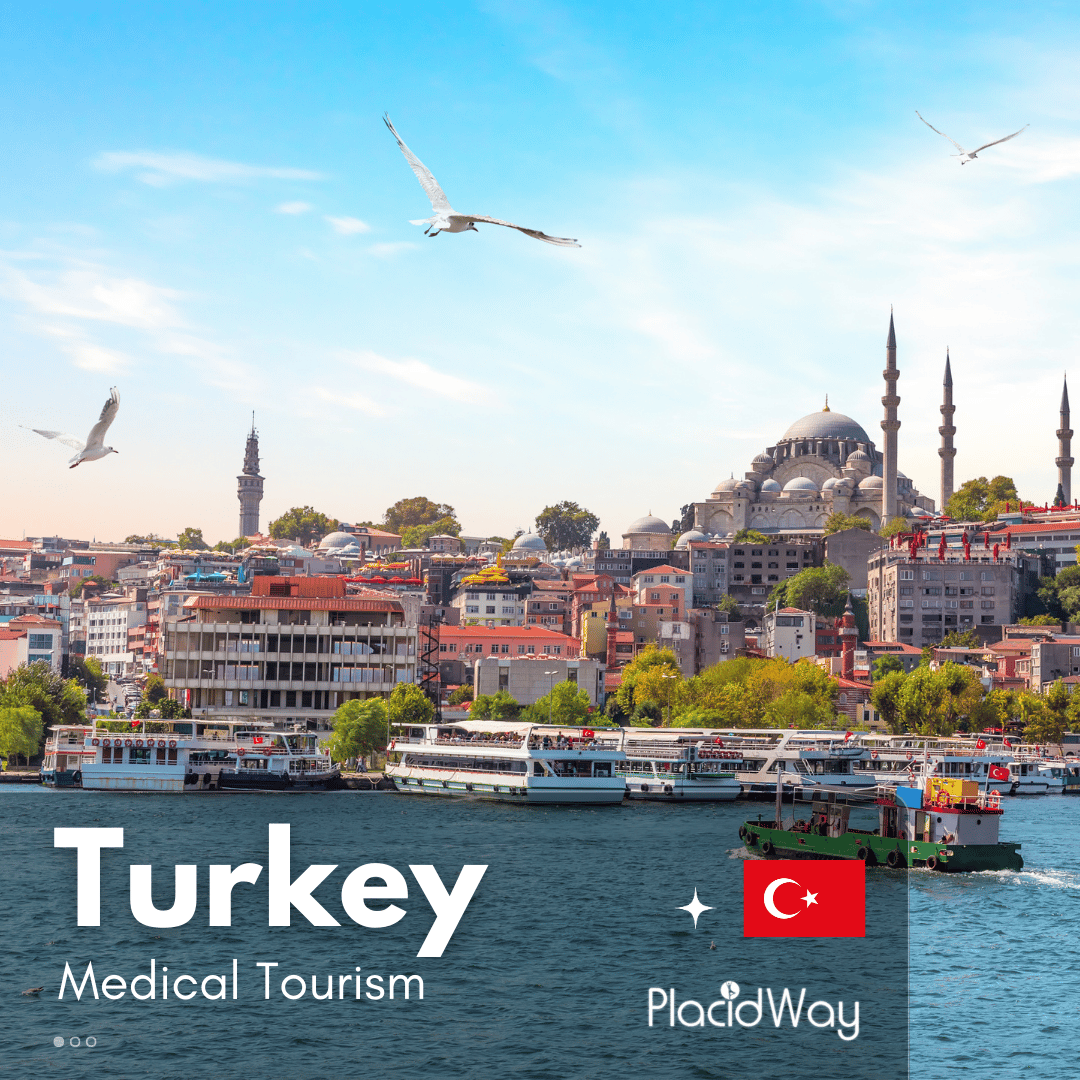
How Much Does a Skin Biopsy Cost in Turkey?
A skin biopsy in Turkey generally costs between $350 and $2,010, with an average price of around $1,180. Prices vary based on the biopsy type, clinic, and included services. Turkey offers cost-effective options without compromising quality for dermatological diagnostics. Welcome to our comprehensive guide on the cost of a skin biopsy in Turkey. If you're considering this diagnostic procedure, you're likely looking for clear, reliable information about expenses, quality of care, and what to expect. Turkey has emerged as a leading destination for medical tourism, attracting patients worldwide with its combination of advanced healthcare facilities, highly qualified medical professionals, and competitive pricing. A skin biopsy is a crucial diagnostic tool used to examine suspicious skin lesions, moles, or rashes to identify conditions ranging from infections to skin cancer. This procedure involves taking a small sample of skin tissue for microscopic analysis. In this detailed guide, we aim to answer all your pressing questions, providing you with the insights you need to make an informed decision about undergoing a skin biopsy in Turkey. How much does a skin biopsy cost in Turkey? "The cost of a skin biopsy in Turkey typically ranges from $350 to $2,010, with an average price of approximately $1,180. This makes it significantly more affordable compared to Western Europe or North America, while still maintaining high standards of care." Generally, Turkey offers a compelling value proposition, providing access to modern equipment and experienced dermatologists at a fraction of the cost found in many other developed countries. For instance, while a basic shave biopsy might be on the lower end of the spectrum, a more involved excisional biopsy that requires stitches and more extensive lab analysis could be at the higher end. It's always advisable to get a detailed quote from your chosen clinic to understand what exactly is included in the price. What factors influence the cost of a skin biopsy in Turkey? "Several factors influence the cost of a skin biopsy in Turkey, including the type of biopsy (shave, punch, excisional), the complexity and location of the lesion, the clinic's reputation, the surgeon's expertise, and whether additional services like pathology reports or follow-up consultations are included." Type of Biopsy: Shave Biopsy: This is the least invasive and usually the least expensive, involving the removal of only the outermost layers of skin. Punch Biopsy: A circular tool is used to remove a deeper core of skin, including the epidermis, dermis, and sometimes subcutaneous fat. This is moderately priced. Excisional Biopsy: This involves surgically removing the entire lesion, often with a margin of healthy tissue, and requires stitches. It's generally the most expensive due to its invasiveness and the need for suturing. Incisional Biopsy: Similar to an excisional biopsy, but only a portion of a larger lesion is removed. Complexity and Location of the Lesion: Biopsies from sensitive or hard-to-reach areas (e.g., face, eyelids, fingers) might incur higher costs due to the precision required and potential for cosmetic considerations. Larger or more irregular lesions might also increase the complexity and, consequently, the cost. Clinic or Hospital Reputation and Location: Major cities like Istanbul and Antalya often have clinics with higher overheads, leading to slightly higher prices compared to smaller cities. Clinics with international accreditations (like JCI) and renowned dermatologists may charge more for their expertise and advanced facilities. Surgeon's Experience and Expertise: Highly experienced dermatologists or surgical oncologists specializing in skin conditions may have higher fees. Included Services: Some clinics offer all-inclusive packages that cover the consultation, the biopsy procedure, local anesthesia, pathology analysis, and initial follow-up. Others might charge these separately. Always clarify what is included in the quoted price. Pathology Report: The laboratory analysis of the tissue sample is a critical part of the process. The cost of this analysis, including the pathologist's fee, is usually a significant component of the overall price. Are skin biopsies in Turkey safe and reliable? "Yes, skin biopsies in Turkey are generally safe and reliable. Many Turkish clinics are internationally accredited, employ highly qualified dermatologists, and adhere to strict medical standards, ensuring accurate diagnoses and patient safety." Turkey has significantly invested in its healthcare infrastructure, with many hospitals and clinics meeting international standards. International Accreditations: Many top-tier hospitals in Turkey are accredited by organizations like the Joint Commission International (JCI), signifying their adherence to rigorous quality and patient safety standards. Highly Qualified Professionals: Turkish dermatologists and pathologists often receive training from reputable institutions globally and are experienced in diagnosing a wide range of skin conditions, including various forms of skin cancer. Advanced Equipment: Clinics in Turkey are typically equipped with modern diagnostic tools and laboratories, ensuring precise and reliable analysis of biopsy samples. Strict Hygiene Protocols: Medical facilities follow strict hygiene and sterilization protocols to minimize the risk of infection. While any medical procedure carries some inherent risks, choosing a reputable clinic with experienced professionals in Turkey significantly minimizes these. What should I expect during a skin biopsy procedure in Turkey? "During a skin biopsy procedure in Turkey, you can expect a consultation, application of local anesthesia to numb the area, removal of a small tissue sample, and proper wound care. The process is usually quick, and discomfort is minimal." Consultation: Your dermatologist will first examine the suspicious skin lesion, discuss your medical history, and explain the need for a biopsy. They will also inform you about the specific type of biopsy recommended. Preparation: The area to be biopsied will be cleaned and sterilized. Anesthesia: A local anesthetic will be injected into the skin around the lesion to numb the area, ensuring you feel no pain during the biopsy. You might feel a slight sting from the injection. Tissue Removal: For a shave biopsy, the dermatologist will use a sharp blade to shave off the top layers of the skin. For a punch biopsy, a small, pen-like tool will be used to extract a cylindrical piece of tissue. For an excisional or incisional biopsy, a scalpel will be used to cut out the lesion, and stitches will be applied to close the wound. Wound Care: After the tissue is removed, the area will be dressed with a bandage. You'll receive instructions on how to care for the wound to promote healing and prevent infection. Pathology: The collected tissue sample will be sent to a pathology lab for microscopic examination by a pathologist. This is where the definitive diagnosis is made. The entire procedure, from numbing to bandaging, usually takes only a few minutes, depending on the type of biopsy. How long does it take to get skin biopsy results in Turkey? "The time to receive skin biopsy results in Turkey typically ranges from 3 to 10 business days. This timeframe can vary based on the complexity of the sample, the lab's workload, and whether additional specialized tests are required." Laboratory Processing: Once the tissue sample arrives at the pathology lab, it undergoes several steps: Fixation: The tissue is preserved to prevent decay. Processing: It's dehydrated and embedded in paraffin wax. Sectioning: Thin slices are cut from the paraffin block. Staining: The slices are stained with dyes to highlight cellular structures. Pathologist's Examination: A specialized pathologist examines the stained tissue slides under a microscope to identify any abnormalities, such as cancerous cells, inflammation, or infection. Additional Tests: In some cases, if the initial examination is inconclusive or a specific diagnosis is needed, additional tests like immunohistochemistry or molecular studies may be performed, which can extend the processing time. Clinic Communication: Once the pathologist completes the report, it is sent back to your dermatologist, who will then communicate the results to you and discuss the next steps. It's always a good idea to confirm the expected turnaround time with your clinic during your initial consultation. What are the potential risks and side effects of a skin biopsy? "Potential risks of a skin biopsy are generally minor and include mild pain, bleeding, infection, scarring, and, rarely, an allergic reaction to the anesthetic. Serious complications are uncommon when performed by experienced professionals." Pain or Discomfort: You might experience some mild soreness or tenderness at the biopsy site after the anesthesia wears off. Over-the-counter pain relievers can usually manage this. Bleeding: Minor bleeding is normal immediately after the procedure. Your dermatologist will apply pressure or a bandage to stop it. Persistent bleeding is rare but should be reported. Infection: Although sterile techniques are used, there's a small risk of infection at the biopsy site. Signs of infection include increased redness, swelling, pus, or fever. Following wound care instructions carefully can minimize this risk. Scarring: Any incision in the skin can result in a scar. The size and appearance of the scar depend on the biopsy type, its location, and individual healing factors. Shave biopsies typically leave minimal scarring, while excisional biopsies result in linear scars. Allergic Reaction: Rarely, a patient might have an allergic reaction to the local anesthetic. Inform your doctor about any known allergies beforehand. Nerve Damage: Extremely rare, but if a biopsy is performed very close to a nerve, temporary or permanent numbness or tingling could occur. Your dermatologist will discuss these potential risks with you before the procedure and take all necessary precautions to ensure your safety. What types of skin conditions can a skin biopsy diagnose? "A skin biopsy can diagnose a wide range of skin conditions, including various types of skin cancer (melanoma, basal cell carcinoma, squamous cell carcinoma), infections (bacterial, fungal, viral), inflammatory skin diseases (psoriasis, eczema, lupus), and benign growths." Skin Cancers: Melanoma: The most serious type of skin cancer. Basal Cell Carcinoma (BCC): The most common type of skin cancer. Squamous Cell Carcinoma (SCC): The second most common type of skin cancer. Other rare skin cancers. Precancerous Lesions: Such as actinic keratoses, which can develop into squamous cell carcinoma. Inflammatory Skin Diseases: Psoriasis: A chronic autoimmune condition causing red, scaly patches. Eczema (Dermatitis): Inflammatory skin conditions characterized by itching, redness, and dryness. Lupus: An autoimmune disease that can affect the skin. Lichen Planus: An inflammatory condition affecting the skin, hair, nails, and mucous membranes. Vasculitis: Inflammation of blood vessels. Infections: Fungal Infections: Such as ringworm or yeast infections. Bacterial Infections: Like impetigo or cellulitis. Viral Infections: Such as herpes or warts, especially if diagnosis is unclear. Benign Growths: Moles (Nevi): To differentiate between benign and atypical moles. Cysts: Sacs filled with fluid or semi-solid material. Lipomas: Benign fatty tumors. Seborrheic Keratoses: Common, non-cancerous skin growths. Other Conditions: Including unexplained rashes, blisters, or chronic ulcers. The microscopic examination of the tissue allows the pathologist to identify specific cellular changes and patterns that are characteristic of these conditions, leading to an accurate diagnosis and appropriate treatment plan. Is a skin biopsy covered by insurance in Turkey for international patients? "Coverage for a skin biopsy in Turkey for international patients depends on your individual travel insurance policy. It's crucial to check with your insurance provider if medical procedures abroad are included, especially for diagnostic services." Travel Insurance with Medical Coverage: Many comprehensive travel insurance policies offer coverage for medical emergencies and sometimes for planned medical procedures abroad. You'll need to review your specific policy details or contact your provider directly to confirm if a skin biopsy is covered. International Health Insurance: If you have an international health insurance plan, it is more likely to cover procedures performed in other countries. Again, verify the specifics of your plan, including deductibles, co-pays, and pre-authorization requirements. Out-of-Pocket Payment: If your insurance does not cover the procedure, you will be responsible for the full cost. However, given Turkey's competitive pricing, paying out-of-pocket can still be a more affordable option compared to undergoing the same procedure in your home country. Always obtain a detailed breakdown of costs from the clinic and pre-authorize with your insurance company if seeking coverage. Can I combine a skin biopsy with other dermatological treatments in Turkey? "Yes, it is often possible to combine a skin biopsy with other dermatological treatments in Turkey, such as mole removal, aesthetic procedures, or further treatments if a diagnosis requires it. Many clinics offer comprehensive care packages." Mole Removal: If a biopsy confirms a benign mole, you might choose to have it removed for cosmetic reasons or to prevent future irritation. Aesthetic Dermatology: Many clinics offering biopsies also provide a full range of aesthetic dermatology services, such as laser treatments, chemical peels, or anti-aging procedures. Patients often schedule these treatments during the same trip to maximize their time in Turkey. Follow-up Treatments for Diagnosed Conditions: If the biopsy diagnoses a specific condition, like skin cancer or a chronic inflammatory disease, the clinic can typically offer immediate follow-up treatments or refer you to appropriate specialists within their network. This seamless transition from diagnosis to treatment is a significant advantage. Comprehensive Packages: Some clinics design tailored packages that include a biopsy, subsequent consultations, and planned treatments, which can be cost-effective and convenient for international patients. Discuss your full dermatological needs with your chosen clinic to explore combination options and streamline your medical journey. What are the alternatives to a skin biopsy for diagnosis? "While a skin biopsy is often the definitive diagnostic tool, alternatives include dermoscopy (detailed imaging of lesions), visual examination by a dermatologist, and, in some cases, advanced imaging techniques, though these may not provide a conclusive diagnosis without tissue analysis." Dermoscopy: This non-invasive technique involves using a specialized magnifying device (dermoscope) to examine skin lesions with high magnification and illumination. It helps dermatologists visualize structures and patterns not visible to the naked eye, aiding in the differentiation of benign from malignant lesions. However, it's typically used as a screening tool to decide if a biopsy is necessary, rather than a definitive diagnosis itself. Visual Examination: An experienced dermatologist can often make an initial assessment based on the appearance, size, color, and texture of a lesion. This is usually the first step in any dermatological evaluation. Photography and Digital Mapping: For patients with many moles, digital photography and mole mapping can track changes over time, helping to identify new or evolving lesions that may require further investigation. Confocal Microscopy: This advanced imaging technique allows for non-invasive, high-resolution imaging of skin structures at a cellular level, sometimes avoiding the need for a biopsy. However, it's not widely available and is often used in research settings or for specific cases. Blood Tests: In some systemic inflammatory conditions that manifest on the skin (e.g., lupus), blood tests can help in diagnosis, but they usually don't replace the need for a skin biopsy to confirm skin-specific involvement. Ultimately, if there is suspicion of a serious condition like skin cancer, a biopsy remains the most reliable method for an accurate diagnosis. Why choose Turkey for a skin biopsy and dermatological care? "Choosing Turkey for a skin biopsy and dermatological care offers several advantages: significantly lower costs, high-quality medical facilities, experienced dermatologists, short waiting times, and the opportunity to combine treatment with tourism." Cost-Effectiveness: As highlighted, medical procedures, including skin biopsies, are considerably more affordable in Turkey compared to many Western countries, often without compromising on quality. This can lead to savings of 50-70%. High-Quality Healthcare System: Turkey boasts a modern healthcare infrastructure with state-of-the-art hospitals and clinics equipped with advanced technology. Many facilities have international accreditations, signifying adherence to global standards of care. Experienced Medical Professionals: Turkish dermatologists, surgeons, and pathologists are highly trained, often with international experience and certifications. They are skilled in performing various biopsy techniques and accurately interpreting results. Short Waiting Times: Unlike some public healthcare systems where waiting lists can be long, clinics in Turkey generally offer prompt appointments, allowing patients to undergo procedures without significant delays. Strategic Location and Accessibility: Turkey's geographical position makes it easily accessible from Europe, Asia, and the Middle East, with numerous direct flights available. Medical Tourism Infrastructure: The country has a well-developed medical tourism industry, with many clinics offering comprehensive packages that include airport transfers, accommodation assistance, and language support, making the process smooth for international patients. Opportunity for Tourism: Patients can combine their medical trip with a vacation, exploring Turkey's rich history, culture, and natural beauty. These factors make Turkey an attractive and practical choice for individuals seeking high-quality and affordable dermatological diagnostics and care. What post-biopsy care is required after a skin biopsy in Turkey? "After a skin biopsy in Turkey, essential post-care includes keeping the biopsy site clean and dry, changing dressings as instructed, avoiding strenuous activity, and monitoring for signs of infection. Your dermatologist will provide specific wound care guidelines." Proper post-biopsy care is crucial for optimal healing and to prevent complications. Wound Dressing: Keeping the biopsy site covered with a clean, dry dressing for the first 24-48 hours, or as advised. Keeping it Dry: Avoiding getting the wound wet for the first day or two to prevent infection and promote clot formation. Cleaning the Wound: After the initial period, gently cleaning the wound with mild soap and water or as instructed, then patting it dry. Antibiotic Ointment: Applying an antibiotic ointment as recommended by your dermatologist to keep the wound moist and prevent infection. Avoiding Strenuous Activity: Limiting activities that might stretch the skin around the biopsy site, especially for excisional biopsies, to prevent the wound from reopening or scarring. Monitoring for Infection: Watching for signs of infection such as increased redness, swelling, warmth, pus, or fever. If any of these occur, contact your clinic immediately. Pain Management: Using over-the-counter pain relievers if needed for mild discomfort. Suture Removal (if applicable): If you received stitches, you would need to return to the clinic for suture removal, typically within 7-14 days, depending on the biopsy location. If you are returning to your home country, ensure you have arrangements for suture removal there. Adhering to these guidelines will help ensure a smooth recovery. Are there language barriers when getting a skin biopsy in Turkey? "While Turkish is the primary language, many clinics catering to international patients have English-speaking staff, doctors, and translators available, minimizing language barriers when getting a skin biopsy in Turkey." English-Speaking Staff: Many doctors, nurses, and administrative staff in prominent medical facilities speak English proficiently. Translators and Interpreters: Most clinics offer professional translation and interpretation services, either in-person or via phone/video, to ensure clear communication between patients and medical professionals. They can assist during consultations, procedures, and post-procedure discussions. International Patient Departments: Larger hospitals often have dedicated international patient departments with staff specifically trained to assist foreign visitors with all aspects of their medical journey, including language support. Medical Tourism Facilitators: If you work with a medical tourism facilitator, they will typically arrange for language assistance as part of their services. It is advisable to confirm the availability of language support when you first contact a clinic to ensure a comfortable and clear experience. What are the benefits of undergoing medical procedures like a skin biopsy in Turkey? "The benefits of undergoing medical procedures like a skin biopsy in Turkey include significant cost savings, access to high-quality healthcare with advanced technology, experienced medical professionals, minimal waiting times, and the opportunity for a recovery in a beautiful tourist destination." Cost-Efficiency: The primary driver for many patients is the substantial cost savings without compromising on the quality of care. Medical services are often 50-70% cheaper than in the USA, Canada, or Western European countries. Advanced Medical Technology: Turkish hospitals are equipped with cutting-edge diagnostic and treatment technologies, including modern pathology labs for accurate biopsy analysis. Highly Skilled Medical Professionals: Turkish doctors, surgeons, and specialists are often internationally trained and have extensive experience in their respective fields, performing a high volume of procedures. International Accreditation: Numerous hospitals are JCI-accredited, assuring patients of adherence to global healthcare standards, safety protocols, and quality of care. Reduced Waiting Times: Patients can typically schedule appointments and procedures much faster than in countries with public healthcare systems burdened by long waiting lists. Comprehensive Service Packages: Many clinics offer all-inclusive packages that simplify the travel and treatment process, often covering accommodation, transfers, and interpreter services. Cultural Experience and Recovery Environment: Patients have the unique opportunity to recover in a culturally rich country, often combining their medical trip with a relaxing vacation. The Mediterranean climate and hospitality can contribute to a positive recovery experience. Patient-Centric Care: Turkish healthcare providers are known for their warm hospitality and patient-centric approach, aiming to make international patients feel comfortable and well-cared for. These benefits collectively make Turkey a compelling choice for those seeking medical treatments abroad. If you are considering a skin biopsy or other dermatological treatments in Turkey, we encourage you to explore the extensive network of trusted clinics and hospitals available through PlacidWay. We can help you connect with top-rated medical facilities that offer high-quality, affordable care tailored to your specific needs. Visit PlacidWay to learn more and begin your journey toward optimal health. ...
Read more details

How Much Does Sclerotherapy Cost in Turkey?
Sclerotherapy in Turkey typically costs between $500 and $3,300, depending on the number of sessions, severity of the veins, and the clinic. This makes Turkey a cost-effective option for treating varicose and spider veins. Welcome to our comprehensive guide on sclerotherapy costs in Turkey! If you're considering treatment for those pesky varicose or spider veins, you've likely heard about the affordability and quality of care available in Turkey. Sclerotherapy is a popular and effective procedure designed to reduce the appearance of these veins, offering both aesthetic improvement and relief from discomfort. This blog post will break down everything you need to know about the cost, what's included, and why Turkey has become a leading destination for this procedure. We'll answer all your pressing questions, giving you a clear picture of what to expect when planning your sclerotherapy treatment in this beautiful country. How much does sclerotherapy typically cost in Turkey? "The cost of sclerotherapy in Turkey generally ranges from $500 to $3,300, with an average standard procedure around $2,000, varying based on clinic, vein severity, and included services." The price of sclerotherapy in Turkey can vary significantly, but generally, you can expect to pay anywhere from $500 to $3,300 for the procedure. The average cost for a standard sclerotherapy session is often quoted around $2,000. This range depends on several factors, including the specific clinic you choose, the reputation and experience of the doctor, the extent and severity of your varicose or spider veins, and whether additional diagnostic tests or follow-up sessions are required. Turkey is well-known for offering high-quality medical treatments at more affordable prices compared to many Western countries, making it an attractive option for medical tourists seeking vein treatments. For example, some clinics might offer basic sclerotherapy sessions at the lower end of the spectrum, while comprehensive packages that include preliminary consultations, diagnostic scans like Doppler ultrasounds, multiple treatment sessions, and post-procedure care might fall into the higher price range. It's important to get a detailed quote from your chosen clinic to understand exactly what is covered in the stated price. The competitive market among Turkish clinics contributes to these varied yet generally lower costs. What factors influence the cost of sclerotherapy in Turkey? "Factors influencing sclerotherapy cost in Turkey include the number of veins treated, their size and severity, the number of sessions needed, the clinic's reputation, and any additional services like diagnostic tests or follow-up appointments." Several key factors can influence the final price you pay for sclerotherapy in Turkey. Understanding these can help you budget effectively and choose the right treatment plan for your needs. Severity and Number of Veins: The extent of your vein issues is a primary determinant. If you have only a few small spider veins, the treatment will be less complex and therefore less expensive than treating numerous, larger varicose veins that might require multiple injections or sessions. Number of Sessions Required: Sclerotherapy often requires more than one session to achieve optimal results, especially for more extensive vein problems. Each additional session will add to the overall cost. Clinics might offer package deals for multiple sessions, which could be more cost-effective than paying per session. Type of Sclerosing Solution Used: Different sclerosing solutions are available, and their cost can vary. The choice of solution depends on the type and size of the veins being treated, and your doctor will select the most appropriate one for your case. Clinic's Location and Reputation: Clinics in major cities like Istanbul or Antalya might have slightly higher prices due to higher operating costs. Furthermore, highly reputable clinics with renowned specialists often command higher fees, reflecting their experience and success rates. Inclusions in the Treatment Package: Some clinics offer all-inclusive packages that cover consultation fees, diagnostic tests (like Doppler ultrasounds), the sclerotherapy procedure itself, and post-procedure follow-ups. Others might quote a basic procedure price, with additional services billed separately. Always clarify what is included in the quoted price. Is sclerotherapy for spider veins cheaper than for varicose veins in Turkey? "Yes, sclerotherapy for spider veins is generally cheaper in Turkey than for larger varicose veins, as spider veins typically require less solution and fewer sessions." Generally speaking, yes, sclerotherapy for spider veins tends to be less expensive than treatment for larger varicose veins in Turkey. Spider veins are smaller, usually superficial, and often require less sclerosing solution per injection. They might also respond more quickly to treatment, potentially needing fewer sessions compared to varicose veins. Varicose veins, on the other hand, are larger, often bulging, and can be deeper, requiring a greater volume of sclerosing agent and sometimes more complex techniques like ultrasound-guided sclerotherapy. This increased complexity and material usage directly translate to a higher cost. If you have both spider and varicose veins, your treatment plan and cost will be tailored to address both conditions, likely falling somewhere in the middle to higher range of the price spectrum. What does a typical sclerotherapy package in Turkey include? "A typical sclerotherapy package in Turkey often includes initial consultation, diagnostic ultrasound, the sclerotherapy injections, post-procedure compression stockings, and follow-up appointments." When considering sclerotherapy in Turkey, it's helpful to know what a typical package might include to avoid any hidden costs. While offerings can vary between clinics, a comprehensive package often covers the following: Initial Consultation: This involves a thorough examination by a vascular specialist or dermatologist to assess your vein condition, discuss your medical history, and determine if sclerotherapy is the right treatment for you. Diagnostic Imaging: Often, a Doppler ultrasound scan is performed to map the veins, especially for varicose veins, to identify the source of the problem and guide the treatment precisely. The Sclerotherapy Procedure: This is the core of the package, covering the cost of the sclerosing solution and the injections administered by the doctor. Compression Stockings: Many clinics will provide or recommend compression stockings to be worn after the procedure, which are crucial for optimal results and to minimize side effects. Follow-up Appointments: One or more follow-up visits might be included to monitor your progress, assess the need for additional sessions, and address any concerns. Some premium packages might also include airport transfers, accommodation assistance, and translator services, especially for international patients. Always ask for a detailed breakdown of what is included in your chosen package. Are there hidden costs associated with sclerotherapy in Turkey? "While generally transparent, potential hidden costs for sclerotherapy in Turkey could include additional sessions, specialized diagnostic tests not initially quoted, medication, and post-procedure care not covered in the package." While clinics in Turkey are generally transparent about their pricing, it's always wise to be aware of potential extra costs that might not be immediately obvious. To avoid surprises, here's what to look out for: Number of Sessions: The initial quote might be for a single session. If more sessions are needed due to the severity of your veins, each additional session will incur an extra charge. Pre-operative Tests: While a standard Doppler ultrasound is often included, more specialized diagnostic tests if deemed necessary might be an additional cost. Medication: Any pain relievers, anti-inflammatory drugs, or other medications prescribed after the procedure might not be part of the package price. Post-procedure Supplies: While compression stockings are often included, if you need more than one pair or a specific type, these could be extra. Accommodation and Travel: These are almost always separate costs for international patients. While some clinics offer assistance, the actual booking and payment for flights and hotels are your responsibility. It is crucial to request a comprehensive, itemized quote from the clinic before committing to treatment. Don't hesitate to ask questions about anything that seems unclear. How does the cost of sclerotherapy in Turkey compare to other countries? "The cost of sclerotherapy in Turkey is significantly lower compared to Western countries like the US, UK, and Canada, typically offering savings of 50-70% due to lower operating costs." One of the primary reasons many individuals choose Turkey for medical treatments, including sclerotherapy, is the substantial cost savings. The price of sclerotherapy in Turkey is considerably lower than in many Western countries, often by 50-70% or more. Let's look at a general comparison: Country Estimated Sclerotherapy Cost (Per Session) Turkey $500 - $3,300 United States $300 - $1,000+ (per session, can reach $3,000+ for complex cases) United Kingdom £200 - £600 (approx. $250 - $750) per session Canada CAD 200 - CAD 800 (approx. $150 - $600) per session Western Europe (e.g., Germany, France) €200 - €800 (approx. $220 - $880) per session The lower cost in Turkey is primarily due to lower overheads, including staff salaries, facility rents, and administrative expenses. Despite the lower prices, many Turkish clinics maintain high standards of quality, utilizing modern equipment and highly trained medical professionals, making it an excellent value proposition for international patients. Is the quality of sclerotherapy in Turkey comparable to Western standards? "Yes, the quality of sclerotherapy in Turkey is often comparable to Western standards, with many clinics boasting international accreditations and highly trained specialists." Many clinics in Turkey, particularly those catering to international patients, adhere to very high standards of medical care that are comparable to or even exceed those in Western countries. This is largely due to several factors: International Accreditations: Many Turkish hospitals and clinics are accredited by international organizations such as the Joint Commission International (JCI), which signifies adherence to rigorous quality and patient safety standards. Experienced Specialists: Turkey has a strong medical education system, and many vascular surgeons and dermatologists practicing sclerotherapy have received training internationally or have extensive experience. Advanced Technology: Clinics often invest in the latest medical equipment and technologies for diagnosis and treatment, ensuring effective and safe procedures. Patient-Centric Care: To attract international patients, Turkish clinics often prioritize patient satisfaction, offering comprehensive services, personalized care, and often, multilingual staff. It's always recommended to research specific clinics and doctors, read patient reviews, and check for accreditations to ensure you choose a reputable provider for your sclerotherapy treatment. How many sclerotherapy sessions are typically needed? "The number of sclerotherapy sessions needed typically ranges from 1 to 3 for spider veins, and 3 to 5 for varicose veins, depending on their size and severity." The exact number of sclerotherapy sessions required can vary significantly from person to person, as it depends on the type, size, and number of veins being treated, as well as how your body responds to the treatment. Here's a general guideline: Spider Veins: For smaller spider veins, 1 to 3 sessions are typically sufficient. These sessions are usually spaced a few weeks apart to allow the treated veins to fade and for any swelling to subside. Varicose Veins: Larger varicose veins often require more extensive treatment. You might need 3 to 5 sessions, or even more for very severe cases. The doctor will assess your progress after each session and determine if further treatment is necessary. During your initial consultation in Turkey, the specialist will evaluate your condition and provide an estimated number of sessions you might need. This will help you get a clearer understanding of the overall cost and time commitment. What is the recovery time after sclerotherapy? "Recovery after sclerotherapy is generally quick, with most individuals resuming normal activities immediately, though strenuous exercise should be avoided for a few days." One of the appealing aspects of sclerotherapy is its minimal downtime. The recovery process is typically straightforward and quick: Immediate Activity: You are usually encouraged to walk immediately after the procedure to promote blood flow and prevent complications. Compression Stockings: You will likely be required to wear compression stockings for several days or weeks after the treatment. These help to keep pressure on the treated veins, reduce swelling, and improve results. Activity Restrictions: While light activities are encouraged, strenuous exercise, heavy lifting, hot baths, saunas, and direct sun exposure on the treated areas should be avoided for at least a few days to a week, or as advised by your doctor. Side Effects: You might experience some mild bruising, swelling, tenderness, or discoloration along the treated veins. These side effects are normal and usually subside within a few weeks. Most people can return to their normal daily routine, including work, almost immediately after sclerotherapy. Full fading of the treated veins can take several weeks to a few months. Are there different types of sclerotherapy available in Turkey? "Yes, various types of sclerotherapy are available in Turkey, including liquid sclerotherapy for smaller veins, foam sclerotherapy for larger veins, and ultrasound-guided sclerotherapy for deeper veins." Turkish clinics offer different types of sclerotherapy to cater to various vein conditions, ensuring a tailored approach for optimal results. The main types include: Liquid Sclerotherapy: This is the most common form, where the sclerosing solution is injected directly into the vein in liquid form. It's highly effective for smaller spider veins and reticular veins. Foam Sclerotherapy: For larger varicose veins, the sclerosing solution is mixed with air to create a foam. This foam has a greater surface area and can displace blood more effectively, making it suitable for treating bigger, more complex veins. Ultrasound guidance is often used with foam sclerotherapy to ensure precise delivery. Ultrasound-Guided Sclerotherapy: This technique uses ultrasound imaging to guide the needle, allowing the doctor to accurately inject the sclerosing solution into deeper or less visible veins, particularly beneficial for larger or recurrent varicose veins. Your specialist in Turkey will determine the most appropriate type of sclerotherapy for your specific vein condition during the consultation. What are the potential risks and side effects of sclerotherapy? "Potential risks of sclerotherapy include temporary bruising, swelling, skin discoloration, and in rare cases, allergic reactions, skin ulceration, or blood clots." While sclerotherapy is generally considered safe and effective, like any medical procedure, it carries some potential risks and side effects. Most side effects are mild and temporary: Temporary Side Effects (Common): Bruising around the injection site. Swelling or tenderness along the treated vein. Skin discoloration (brown lines or spots) that may fade over several months. Itching or cramping in the treated leg. Small, tender bumps where larger veins were injected. Less Common but More Serious Risks: Allergic reaction to the sclerosing solution. Skin ulceration or tissue damage around the injection site, usually due to solution leakage. Temporary vision disturbances or headaches (rare, typically associated with foam sclerotherapy). Formation of small blood clots in the treated veins (rare, but can be managed). Deep vein thrombosis (DVT) – a very rare but serious complication, which is why walking after the procedure is encouraged. Nerve damage (extremely rare). Your doctor in Turkey will discuss these potential risks with you during your consultation and take precautions to minimize them. How long do the results of sclerotherapy last? "The results of sclerotherapy for treated veins are generally permanent, as the veins are destroyed, but new spider or varicose veins can develop over time." The results of sclerotherapy for the treated veins are generally considered permanent. Once a vein is effectively sclerosed, it scars and is eventually reabsorbed by the body, meaning it disappears and does not return. However, it's important to understand that sclerotherapy does not prevent new spider or varicose veins from forming in the future. Factors like genetics, lifestyle, weight, and prolonged standing or sitting can contribute to the development of new veins over time. Many people find that they might need touch-up treatments every few years to address new veins that emerge. Maintaining a healthy lifestyle and wearing compression stockings as advised can help prolong the aesthetic and symptomatic benefits of sclerotherapy. What is the consultation process for sclerotherapy in Turkey? "The sclerotherapy consultation in Turkey involves a medical history review, physical examination, often a Doppler ultrasound, and a discussion of treatment options, costs, and expected outcomes." The consultation process for sclerotherapy in Turkey is a crucial first step, designed to ensure you are a suitable candidate and to tailor a treatment plan for you. Here’s what you can expect: Medical History Review: The doctor will ask about your general health, any existing medical conditions, medications you are taking, and your family history of vein problems. Physical Examination: A thorough examination of your legs and the affected veins will be performed. Doppler Ultrasound: For varicose veins, a Doppler ultrasound is often conducted during the consultation. This non-invasive test helps the doctor visualize the blood flow in your veins, identify any underlying issues with valves, and accurately map the veins for treatment. Discussion of Treatment Options: Based on the examination and ultrasound results, the doctor will discuss whether sclerotherapy is the best option for you or if other vein treatments (like laser ablation or surgery) might be more suitable. Treatment Plan and Cost: The specialist will outline a proposed treatment plan, including the estimated number of sessions, the type of sclerotherapy recommended, and a detailed breakdown of the associated costs. Q&A Session: This is your opportunity to ask any questions you have about the procedure, recovery, risks, and expected results. Many clinics also offer online consultations for international patients, allowing you to get an initial assessment before traveling to Turkey. Why choose Turkey for sclerotherapy treatment? "Turkey is chosen for sclerotherapy due to its affordable costs, high-quality medical facilities, experienced specialists, advanced technology, and excellent patient care, combined with a vibrant tourism experience." Turkey has emerged as a leading destination for medical tourism, and sclerotherapy is no exception. There are several compelling reasons why individuals choose Turkey for their vein treatment: Cost-Effectiveness: As discussed, the cost of sclerotherapy in Turkey is significantly lower than in many Western countries, offering substantial savings without compromising on quality. High-Quality Healthcare: Many Turkish clinics and hospitals are internationally accredited and equipped with state-of-the-art technology. They maintain high standards of hygiene and patient safety. Experienced Specialists: Turkey boasts a large pool of highly trained and experienced vascular surgeons and dermatologists who specialize in vein treatments, including sclerotherapy. Advanced Techniques: Clinics in Turkey utilize modern sclerotherapy techniques, including foam and ultrasound-guided sclerotherapy, ensuring effective and precise treatment. Accessibility and Tourism: Turkey is easily accessible from Europe, Asia, and Africa. Patients can combine their treatment with a pleasant holiday, exploring Turkey's rich history, culture, and beautiful landscapes. Patient-Centric Services: Many clinics offer comprehensive support services for international patients, including language assistance, airport transfers, and accommodation arrangements, making the experience smooth and stress-free. These factors combine to make Turkey an attractive and reliable choice for your sclerotherapy needs. Ready to explore your options for sclerotherapy and other healthcare services? Visit PlacidWay to connect with top clinics and specialists, and start your journey towards better health and well-being....
Read more details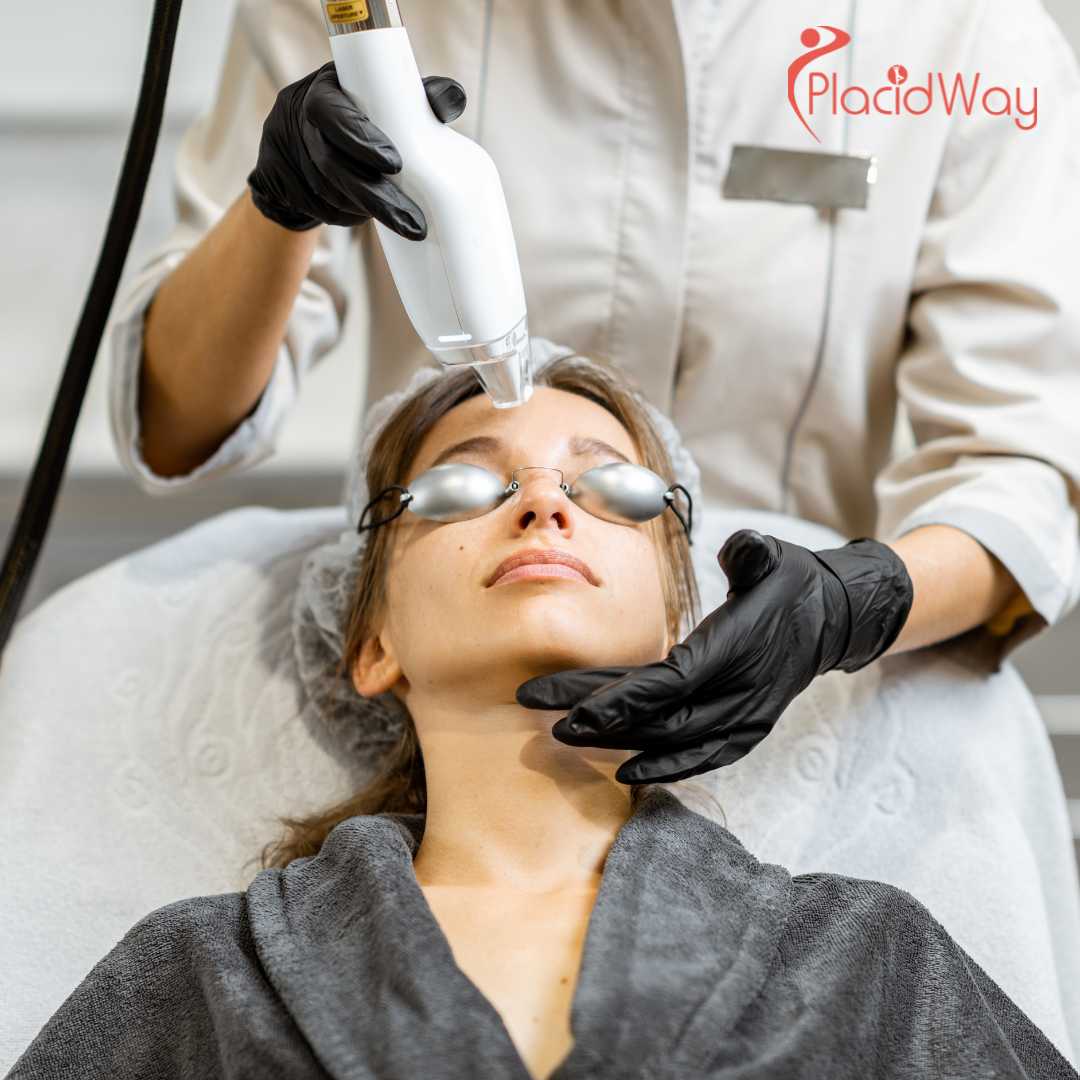
How Much Does Pico Laser Toning Cost in South Korea?
Pico laser toning cost in South Korea typically ranges from $100 to $300 per session based on technology and expertise. Most patients require three to five sessions for optimal skin brightening, pigmentation removal, and overall texture improvement. Key Takeaways: Pico Laser Toning Excellence Advanced Speed: Picosecond technology operates at a trillionth of a second for superior pigment shattering. Affordable Pricing: The Pico laser toning cost in South Korea is highly competitive globally, starting around $100 per session. Minimal Downtime: Patients can immediately return to daily activities with virtually zero recovery period required. Versatile Treatment: Effectively targets melasma, sun spots, freckles, and post-inflammatory hyperpigmentation. Comprehensive Care: Clinics provide thorough 3D skin analysis and premium post-treatment soothing therapies. Embarking on a journey for flawless skin often leads international patients to the advanced dermatological hubs of Asia. Utilizing breakthrough picosecond technology, practitioners offer unparalleled results for stubborn pigmentation. This comprehensive guide details everything you need to know about the procedure, expected financial investments, and the vast benefits of seeking these cosmetic enhancements abroad. What factors influence the Pico laser toning cost in South Korea? The Pico laser toning cost in South Korea fluctuates based on the specific device brand utilized, the treating physicians expertise, and the comprehensive nature of the post-care package. Premium holistic treatments command higher session rates. The exact generation and brand of the picosecond device play a massive role, as machines like PicoSure or PicoWay require immense capital investment from the facility which reflects slightly in the session price. Board-certified dermatologists with decades of specialized experience in treating complex ethnic skin types will naturally charge a premium compared to newly established aesthetic general practitioners. Purchasing bundle packages significantly alters the overall financial dynamic, as facilities frequently offer substantial discounts when patients commit to five or ten sessions upfront rather than paying per individual visit. The geographical location of the chosen Pico laser toning clinic in South Korea is a major determinant, with prestigious neighborhoods like Gangnam or Cheongdam-dong featuring higher operational costs and thus higher patient fees. Inclusive luxury amenities such as medical-grade soothing ampoules, cryotherapy cooling devices, and specialized LED light therapy sessions added to the end of the laser procedure will increase the total package valuation. Combining the laser protocol with highly sought-after skin boosters like Rejuran Healer or Exosome injections concurrently during the same appointment will exponentially increase the final invoice while maximizing overall skin rejuvenation results. Treatment Package Type Estimated Cost per Session (USD) What is Included Basic Toning Session $100 - $150 Consultation, Cleansing, Laser Pass, Basic Cooling Pack Premium Care Package $200 - $300 3D Scan, Laser Pass, Cryotherapy, Vitamin C Ion-tóphoresis, LED Therapy Combination Therapy $400 - $600+ Premium Care Package + Skin Booster Injections (Exosomes/Hyaluronic Acid) How does Pico laser toning in South Korea compare to traditional nanosecond lasers? Pico laser toning in South Korea operates at extraordinary picosecond speeds, shattering pigment into microscopic dust. Traditional nanosecond lasers use slower speeds which generate excessive heat and leave larger pigment fragments behind. The fundamental distinction between these technologies lies in the speed of energy delivery and the resulting mechanism of action on the skin. Picosecond technology delivers optical energy at one trillionth of a second. Because this pulse duration is so incredibly brief, it relies on a photomechanical or acoustic effect rather than a photothermal heat effect. The laser creates a shockwave that physically shatters melanin deposits without transferring significant heat to the surrounding healthy tissue, making the procedure remarkably safe and highly tolerable. When we look at traditional nanosecond lasers, they operate at a billionth of a second. While fast, this duration is long enough for heat to build up and radiate outward from the targeted pigment. This thermal damage can trigger inflammation, which is highly problematic for patients prone to hyperpigmentation. Furthermore, nanosecond lasers break pigment down into pebble-sized fragments. Picosecond lasers, conversely, pulverize the pigment into sand-like microscopic dust particles. The lymphatic system can recognize and flush away these tiny dust particles much more rapidly, leading to faster visible clearing of the skin. Beyond just safety and speed, the advanced nature of picosecond devices allows practitioners to treat a much broader spectrum of dermatological concerns. The lack of heat means that highly volatile conditions like melasma can be treated without fear of heat-induced worsening. This specific technological leap is why patients traveling globally specifically seek out clinics utilizing the latest picosecond advancements, ensuring their delicate facial skin receives the absolute highest standard of care available in modern dermatology. Did You Know? The term picosecond comes from the metric prefix pico, which means one trillionth. To put that incredible speed into perspective, one picosecond is to one second what one second is to roughly thirty-one thousand seven hundred years. This mind-boggling speed is the secret to pain-free pigment removal. What pigmentation issues can a Pico laser toning clinic in South Korea treat? A premium Pico laser toning clinic in South Korea effectively eradicates melasma, solar lentigines, post-acne marks, and stubborn birthmarks. The customizable wavelengths allow doctors to target both superficial and deeply rooted dermal pigmentation precisely. Melasma represents the most challenging condition treated, as this hormonally driven pigmentation requires incredibly gentle, heat-free shattering over multiple sessions to prevent the skin from defensively producing even more dark spots. Solar lentigines or sun spots acquired through decades of unprotected ultraviolet exposure respond beautifully to the laser, often sloughing off completely within days of a single targeted pass by a skilled physician. Post-inflammatory hyperpigmentation resulting from severe cystic acne breakouts, minor burns, or previous aggressive cosmetic treatments is effectively lightened, restoring an even and uniform complexion to the affected areas. Genetic freckles and ephelides that dot the cheeks and nose can be dramatically reduced or completely eliminated for patients desiring a more porcelain, flawless glass skin aesthetic popular in modern beauty standards. Deep dermal birthmarks such as Nevus of Ota or Hori nevus, which reside far beneath the epidermis and resist topical treatments, are systematically broken down using specific deep-penetrating picosecond wavelengths. Generalized skin dullness and uneven texture are vastly improved, as the photoacoustic shockwaves stimulate dormant fibroblasts to produce fresh collagen and elastin, resulting in a luminous and youthful overall glow. How many sessions of Pico laser toning in South Korea are needed for melasma? Treating melasma with Pico laser toning in South Korea generally requires a dedicated protocol of five to ten sessions. Consistency is vital because this chronic condition requires gradual pigment disruption to safely prevent rebound hyperpigmentation. Melasma is highly complex and notoriously difficult to manage because the melanocytes, the cells responsible for producing skin pigment, are hyperactive and highly sensitive to stimulation. If a practitioner uses aggressive, high-energy laser settings in an attempt to clear the melasma quickly, the heat and trauma will inevitably trigger those cells to produce even darker, more stubborn pigment as a defensive response. Therefore, highly trained dermatologists employ a low-fluence toning approach. This method involves gently dusting the pigment over multiple sessions, slowly dismantling the dark patches without alarming the surrounding cellular structures. During your comprehensive initial assessment, the medical team will utilize advanced multispectral imaging to determine the exact depth of your melasma. Epidermal melasma, which sits on the surface layer of the skin, typically clears much faster and may only require five sessions. However, dermal or mixed melasma, where pigment has dropped deep into the lower layers of the skin matrix, demands a more extensive treatment timeline. Patients are usually advised to schedule their sessions approximately one to two weeks apart to allow the immune system adequate time to clear the shattered melanin dust. It is absolutely crucial for patients to understand that melasma cannot be permanently cured, only effectively managed. Even after achieving a perfectly clear complexion through ten dedicated sessions, the condition can easily be triggered again by intense sun exposure, hormonal fluctuations from pregnancy, or specific medications. Consequently, establishing a long-term relationship with your clinic for occasional maintenance sessions every three to six months is highly recommended. Daily application of a high-quality physical sunscreen is the non-negotiable cornerstone of preserving your laser results. What is the expected recovery time after Pico laser toning in South Korea? The clinical recovery time following Pico laser toning in South Korea is virtually non-existent, permitting immediate return to normal life. Minor pinkness may occur immediately post-procedure but reliably dissipates within a few short hours. True zero downtime means you are completely free to apply your daily makeup or tinted moisturizer immediately following the clinic visit and can seamlessly return to your professional obligations or tourism itinerary. Transient erythema, which is a mild medical term for surface redness similar to a very faint blush, is the most common immediate physical reaction and naturally fades within two to three hours without intervention. Absolutely no aggressive skin peeling, oozing, or unsightly crusting occurs with the standard toning mode, standing in stark contrast to the difficult recovery associated with ablative fractional resurfacing lasers. Premium post-care cooling modeling masks meticulously applied by estheticians at the clinic drastically reduce any residual heat trapped in the epidermis, ensuring maximum physical comfort before you step outside. Despite the lack of visible damage, the skin barrier is temporarily sensitized, meaning patients must strictly avoid rigorous sweaty exercise, hot saunas, and thermal baths for at least forty-eight hours post-treatment. Unwavering adherence to applying a broad-spectrum medical-grade sunscreen every two to three hours during daylight is a mandatory requirement enforced by doctors for optimal healing and preventing new pigment formation. Are there any side effects of getting Pico laser toning in South Korea? Side effects from Pico laser toning in South Korea are extraordinarily rare when executed by certified dermatologists. However, poor post-treatment patient compliance or utilizing inappropriately high energy settings can trigger mild temporary sensitivity. The picosecond laser technology is fundamentally engineered from the ground up to minimize adverse physical reactions by drastically reducing thermal energy transfer into the skin. When a highly skilled and experienced practitioner precisely calibrates the machine settings to perfectly match your specific Fitzpatrick skin type and the exact depth of your pigmentation, clinical risks are practically eliminated. This obsessive attention to personalized precision is a defining hallmark of elite dermatological care in the region, ensuring every patient receives a safe, customized experience. In exceptionally rare instances, usually involving patients with compromised skin barriers or extreme hypersensitivity, one might experience slight localized swelling or minuscule pinpoint bleeding. This typically only occurs if a more aggressive, targeted spot treatment mode is utilized concurrently alongside the general gentle toning pass. However, these minor symptoms remain entirely superficial and resolve completely within a few days when properly managed with the specific soothing ointments prescribed by your attending physician. The most significant and realistic risk associated with this procedure actually stems directly from a lack of patient compliance following the clinic visit. Failing to meticulously protect the newly treated, vulnerable skin from harsh ultraviolet rays will inevitably provoke post-inflammatory hyperpigmentation, essentially reversing the benefits of the laser. Recognizing this, clinics place immense emphasis on thorough patient education, providing detailed written instructions regarding the critical importance of thick medical-grade sunblocks and physical barriers like wide-brimmed hats to protect your aesthetic investment. How can medical tourism in South Korea benefit dermatology patients? Engaging in medical tourism in South Korea grants global patients exclusive access to world-leading cosmetic laser technology at exceptionally competitive price points. Visitors experience cutting-edge protocols and unparalleled clinical excellence daily. Patients gain immediate access to the absolute latest generations of picosecond laser devices the moment they hit the global medical market, ensuring treatments utilize the most advanced technological specifications available. The financial savings are remarkable, offering considerably lower pricing structures compared to equivalent high-end treatments administered in major cities across North America, Australia, or Western Europe without compromising quality. You are treated by highly specialized, elite dermatologists who perform dozens of complex laser procedures every single day, perfecting their technique and deepening their understanding of diverse skin reactions. Facilities provide luxuriously comprehensive care packages that seamlessly integrate high-tech pre-treatment facial analysis with extensive, spa-like post-treatment soothing care regimens rarely offered in Western medical settings. The industry operates under strict, rigorous government health regulations and mandates, ensuring all registered clinics maintain the absolute highest international standards of clinical hygiene and patient safety protocols. The seamless availability of dedicated, multilingual medical coordinators ensures that international patients are comfortably guided and fully supported throughout their entire clinical journey, removing any stressful language barriers. What should international patients expect during a Pico laser toning consultation in South Korea? During a comprehensive consultation for Pico laser toning in South Korea, patients undergo sophisticated 3D facial imaging to map deep dermal pigmentation. Doctors then design a highly customized, data-driven treatment itinerary. The clinical assessment process typically begins with a state-of-the-art, high-resolution imaging system like the VISIA complexion analysis machine. This device scans your entire face under various polarized and ultraviolet lighting conditions. The resulting highly detailed images reveal hidden sun damage, underlying vascular redness, and the exact depth of microscopic melanin deposits that remain completely invisible to the naked human eye. This incredibly precise, data-driven approach removes all clinical guesswork and allows for a truly personalized treatment protocol. Following the comprehensive digital scan, you will sit down in a private consultation room with the head dermatologist and a dedicated, medically fluent translator to thoroughly discuss your specific aesthetic skin goals. The physician will clearly explain the underlying medical science behind their recommended specific laser settings and provide a highly realistic, scientifically grounded timeline regarding exactly when you can expect to see a flawless, clarified complexion emerge. Absolute transparency remains a foundational core value in all premium medical consultations catering to global visitors. You will receive a meticulously detailed, itemized breakdown explaining the total Pico laser toning cost in South Korea, specifying the exact number of required clinic sessions, and outlining strict instructions for necessary post-procedure home care. Most importantly, elite facilities operate with high ethical standards, ensuring there is never any aggressive sales pressure applied to proceed until you feel completely informed and comfortable with the proposed medical plan. Expert Insight A thorough consultation is the single most important step in your laser journey. By utilizing UV imaging, dermatologists can predict how your skin will react and customize the picosecond wavelengths accordingly. Never trust a facility that agrees to perform laser treatments without first assessing your skin under specialized diagnostic lighting. Why choose PlacidWay for your Pico laser toning in South Korea? Selecting PlacidWay ensures you are seamlessly connected with only the safest, most rigorously vetted dermatological facilities. We deliver unparalleled patient advocacy, entirely transparent service pricing, and direct access to esteemed medical professionals. Navigating the vast and complex landscape of international healthcare requires a trusted, experienced partner who prioritizes your physical safety and aesthetic success above all else. PlacidWay exists to remove the uncertainty from your medical journey, providing distinct, powerful advantages for patients seeking dermatological excellence: Rigorous Medical Vetting Protocols PlacidWay conducts exhaustive, ongoing background checks to guarantee that every single partner clinic possesses valid government medical licenses and that treatments are performed exclusively by board-certified specialists with flawless safety records. Absolute Financial Transparency We provide completely transparent, upfront pricing structures so you understand precisely what your comprehensive treatment package includes, entirely eliminating the stress of unexpected hidden medical fees upon arrival. Verified Quality Assurance Our platform uniquely offers you unrestricted access to verified international patient reviews and genuine, unaltered before-and-after clinical portfolios to help you make highly informed, confident decisions regarding your care. Direct Physician Access We facilitate critical, direct communication channels between you and the leading medical specialists, allowing you to thoroughly address your specific clinical concerns and conditions prior to confirming any procedures. Dedicated Patient Advocacy Our highly trained, compassionate patient support team acts as your fiercely dedicated personal advocate to ensure every aspect of your clinical medical experience meets the absolute highest international quality standards. Frequently Asked Questions About Pico Laser Toning in South Korea Is Pico laser toning in South Korea painful? No, it is generally described as a mild tingling or static electricity snapping sensation on the skin. Because the energy delivery is so rapid, heat does not build up in the tissues, making numbing cream unnecessary for standard toning modes in most patients. Can I wash my face after Pico laser toning in South Korea? Yes, you can wash your face the same evening using a gentle, non-foaming cleanser and lukewarm water. It is important to avoid aggressive scrubbing or exfoliating brushes for at least a week to allow the treated skin barrier to recover completely and naturally. How long do the results of Pico laser toning in South Korea last? Results can be permanent for isolated sun spots and freckles, provided you maintain strict sun protection. However, because skin aging is continuous and melasma is hormonally influenced, periodic maintenance sessions every few months are highly recommended for lasting brightness and clarity. Can Pico laser toning in South Korea treat acne scars? Yes, while toning primarily targets pigmentation, specific fractional handpieces attached to the picosecond laser can stimulate deep collagen and elastin production. This specialized approach significantly improves the appearance of shallow atrophic acne scars and reduces enlarged pores over several sessions. Is Pico laser toning in South Korea suitable for dark skin tones? Absolutely. The ultra-short picosecond pulse duration minimizes thermal heat buildup in the epidermis, making it one of the safest laser options available for patients with darker skin types who are naturally more prone to post-inflammatory hyperpigmentation from traditional thermal lasers. Can I combine Botox or dermal fillers with Pico laser toning in South Korea? Yes, many international patients strategically combine injectables with their laser sessions to maximize their clinic visit. Protocol generally dictates performing the laser treatment first to avoid altering the placement of fillers, followed immediately by any neurotoxin or dermal filler injections on the same day. What is the difference between Pico toning and IPL for medical tourism in South Korea? Intense Pulsed Light uses a broad spectrum of light to target various superficial skin issues simultaneously, whereas picosecond lasers utilize highly targeted, single-wavelength energy delivered at trillionths of a second. This allows the laser to safely shatter deeper, more stubborn pigment that superficial light cannot reach. How much time should I allocate for a Pico laser toning clinic in South Korea visit? A single comprehensive visit typically takes one and a half to two hours. This timeframe includes the initial consultation and 3D skin analysis, deep facial cleansing, the actual laser procedure which takes about fifteen minutes, and extensive post-treatment soothing care like modeling masks. Are the lasers used for medical tourism in South Korea FDA approved? Yes, reputable dermatology centers catering to international patients strictly utilize state-of-the-art medical equipment that holds dual approvals. You will find devices approved by both the United States Food and Drug Administration and the Korean Ministry of Food and Drug Safety ensuring global safety standards. Do I need to stop using retinol before Pico laser toning in South Korea? It is strongly advised by dermatologists to discontinue the use of topical retinoids, alpha hydroxy acids, and beta hydroxy acids at least three to five days prior to your laser session. Stopping these active ingredients prevents excessive skin sensitivity, extreme dryness, and potential irritation during the procedure. Reveal Your Brightest Skin Today Stop letting stubborn pigmentation dim your confidence. PlacidWay connects you instantly with premier, highly vetted dermatology centers globally renowned for exceptional cosmetic outcomes. Secure your free, no-obligation medical estimate, obtain a customized treatment blueprint from esteemed specialists, and explore exclusive skincare packages tailored just for you. ...
Read more details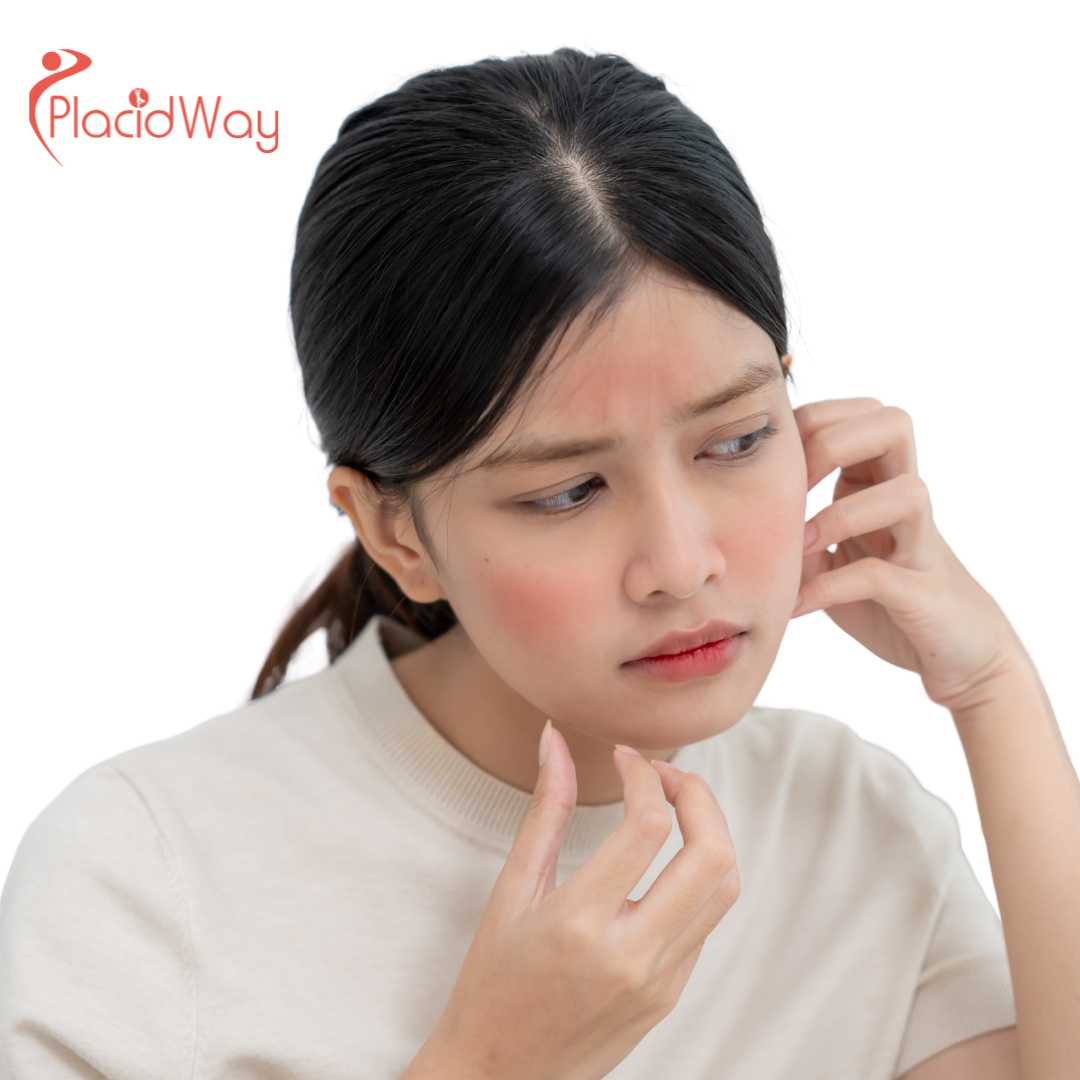
Is V-Beam Laser Treatment Effective for Redness and Rosacea in Korea?
V-Beam laser treatment in Korea is highly effective for reducing facial redness, broken capillaries, and rosacea. Korean dermatologists utilize advanced pulsed dye laser technology to target blood vessels safely, ensuring rapid and visible clearance. Key Takeaways: Erasing Redness in South Korea Gold Standard Technology: V-Beam Perfecta is the globally recognized leading device for vascular skin conditions. Expert Precision: Board-certified Korean specialists excel at customizing wavelengths to protect sensitive skin barriers. Cost Effectiveness: Treatments are significantly more affordable, often saving patients hundreds of dollars per session. Holistic Skin Care: Sessions include deep cleansing, cryo-cooling masks, and advanced LED recovery therapies. Minimal Downtime: Advanced cooling sprays allow patients to resume light tourism activities almost immediately. How exactly does V-Beam laser treatment in Korea target rosacea and facial redness? The laser uses an intense beam of light at a 595-nanometer wavelength that is exclusively absorbed by oxyhemoglobin in the blood. This instantly collapses dilated blood vessels without damaging surrounding healthy tissue. Rosacea and chronic facial flushing are primarily caused by abnormally dilated blood vessels near the surface of the skin. When you undergo V-Beam laser treatment in Korea, specialists utilize a pulsed dye laser system designed specifically for these vascular anomalies. The light emitted by the device converts into heat only when it encounters the red pigment in your blood, making it incredibly precise. Once the heat is absorbed, the targeted blood vessels coagulate and collapse. Over the following weeks, your body naturally flushes away these destroyed vessels through its lymphatic system, leaving behind a clear, even-toned complexion. This precise thermal energy also provides a secondary benefit by gently heating the dermal layer, which subtly stimulates collagen production to improve overall skin texture and resilience. What sets the Korean approach apart is the hyper-customization of the machine settings. Korean dermatologists are accustomed to treating thinner, more sensitive skin types. They expertly adjust the pulse duration and energy fluence based on immediate skin feedback. This cautious yet highly effective methodology ensures that the redness is cleared efficiently while minimizing the risk of burns or hyperpigmentation. What is the average V-Beam laser treatment cost in Korea for international patients? The V-Beam laser treatment cost in Korea typically ranges from $200 to $450 per session, depending on the clinic reputation and the size of the treatment area. This often includes consultation and aftercare. When evaluating global skincare expenses, South Korea offers unparalleled value for top-tier dermatological procedures. In Western countries like the United States or the United Kingdom, a single session of V-Beam Perfecta can easily cost between $500 and $900. In contrast, Korean clinics provide the exact same FDA-approved technology at a fraction of the price due to high local competition and an incredibly efficient medical infrastructure. Furthermore, the price quoted in Korean facilities usually represents a comprehensive package rather than a segmented bill. A standard fee typically covers the initial high-resolution skin analysis, thorough double-cleansing by an esthetician, application of topical anesthetics, the doctor-administered laser procedure, and a post-laser calming mask. There are rarely hidden facility fees or separate doctor consultation charges. To maximize savings, many international patients opt for multi-session packages. Clinics frequently offer fifteen to twenty percent discounts when three or more sessions are purchased upfront. Additionally, medical tourists can take advantage of the national tax refund system, which allows foreign visitors to claim back the ten percent value-added tax at the airport upon departure. Country Average Cost Per Session (USD) Included Extras South Korea $200 - $450 Consultation, Numbing, Cooling Mask, LED Therapy United States $500 - $900 Just the laser procedure United Kingdom $450 - $750 Consultation fee often separate How do I select the best V-Beam laser treatment clinic in Korea without knowing Korean? Choosing the right V-Beam laser treatment clinic in Korea requires looking for international certifications, dedicated translation departments, and board-certified dermatologists specializing in vascular lesions. Board Certification: Ensure the head doctor is a certified member of the Association of Korean Dermatologists. This guarantees they have completed rigorous specialized training in skin anatomy. In-House Translation: Premium clinics employ full-time medical coordinators who translate everything from the initial consultation to post-op instructions seamlessly. Genuine Equipment: Look for centers that publicly display certificates of authenticity for their Candela V-Beam Perfecta or Prima machines to ensure you receive authentic treatments. Transparent Pricing: The best centers offer clear, upfront price lists without discriminatory pricing based on your nationality or language skills. Before and After Portfolios: Review their gallery specifically for rosacea and capillary clearance to judge the real-world capabilities of their medical team. Why is medical tourism in Korea so popular for advanced dermatological treatments? Medical tourism in Korea thrives because the country blends world-class technological infrastructure with an unparalleled cultural dedication to skin perfection, all supported by strict government oversight. The global phenomenon of K-Beauty has put a massive spotlight on South Korean dermatology, but the appeal goes far beyond skincare products. The country treats aesthetic medicine as a highly respected, heavily funded scientific discipline. The sheer volume of procedures performed daily in districts like Gangnam means that doctors accumulate decades worth of hands-on experience in a fraction of the time it takes their Western counterparts. This high turnover ensures absolute mastery over complex devices like vascular lasers. Furthermore, the governmental support for the medical sector is robust. The Ministry of Health and Welfare actively promotes and regulates facilities catering to foreigners, ensuring stringent safety standards, hygiene protocols, and ethical business practices. Clinics must pass rigorous inspections to earn the right to treat international patients, providing a built-in safety net for travelers seeking treatments abroad. Finally, the holistic approach to patient care is unmatched. Western dermatology often feels clinical and rushed; in contrast, a visit to a top-tier Korean center feels akin to visiting a luxury spa. From the moment you enter, every aspect of your comfort is managed. You receive detailed skin mapping, relaxing facial preparations, and specialized recovery therapies that turn a clinical procedure into a highly enjoyable, rejuvenating experience. Expert Insight In Seoul, treating rosacea isn't just about blasting the skin with a laser and sending the patient home. It is about restoring the compromised skin barrier. Specialists frequently combine vascular lasers with moisture-infusing skin boosters to ensure the foundation of the skin is strong enough to prevent future flare-ups. What specific pre-treatment steps do Korean dermatologists require before V-Beam therapy? Before the procedure, patients undergo a digital 3D skin analysis to map vascular depth, followed by strict instructions to avoid UV exposure, chemical exfoliants, and blood-thinning supplements for one to two weeks. The journey to clear skin begins long before the laser is turned on. When you arrive at a premier clinic, the first step is an advanced digital assessment using machines like the Mark-Vu or VISIA system. These diagnostic tools utilize cross-polarized light to reveal the exact depth, severity, and network structure of the blood vessels beneath the epidermis. This allows the doctor to tailor the laser energy precisely to your unique vascular roadmap. Preparation guidelines are strictly enforced to maximize safety. Patients are advised to religiously apply high-SPF sunscreen and avoid prolonged sun exposure for at least two weeks prior to arrival. Tanned skin contains excess melanin, which can inadvertently absorb the laser energy meant for the blood vessels, leading to a risk of blistering or unwanted pigmentation changes. Additionally, you will be instructed to discontinue the use of harsh active ingredients such as retinol, glycolic acid, and aggressive physical scrubs a week before your session. Doctors also advise halting the consumption of alcohol, fish oil, high doses of Vitamin E, and NSAIDs like aspirin, as these can thin the blood and increase the likelihood of post-treatment bruising (purpura). How does the V-Beam Perfecta differ from older vascular lasers used globally? The Perfecta utilizes advanced micro-pulse technology to deliver energy smoothly, drastically reducing bruising. It also features a patented Dynamic Cooling Device that sprays cryogen to protect the skin barrier instantly. Older generations of pulsed dye lasers were notorious for leaving patients with severe, dark purple bruising that could last for weeks. This occurred because the laser energy was delivered in a single, massive spike that literally ruptured the blood vessels rather than gently coagulating them. The V-Beam Perfecta revolutionized this process by breaking down the energy output into eight distinct micro-pulses. This micro-pulse delivery system allows the laser to heat the target vessel gradually and evenly. The vessel safely shrinks and collapses without the explosive rupture associated with older models. For medical tourists, this is a game-changer; it means you can undergo an effective rosacea treatment and still go out for dinner in Myeongdong the very same evening without looking like you were in a physical altercation. Equally important is the integrated Dynamic Cooling Device (DCD). Milliseconds before the laser pulse hits the skin, the device sprays a precisely metered burst of cooling cryogen. This numbs the area, vastly improving patient comfort, and protects the delicate epidermis from thermal damage. This dual-action approach of micro-pulsing and instant cooling makes it the safest and most efficient vascular laser available. Did You Know? Because the V-Beam is so exceptionally safe and effective, it is actually the laser of choice used by pediatric dermatologists around the world to treat port-wine stain birthmarks on infants and young children. What post-treatment care routines are provided by Korean clinics to ensure optimal results? Post-care involves immediate cooling sheet masks, restorative red-light LED therapy, and strict protocols for intense hydration and broad-spectrum sun protection to accelerate healing and prevent pigmentation. Cryo-Soothing Masks: Immediately following the laser, estheticians apply a medical-grade hydrogel mask infused with aloe and centella asiatica, kept at near-freezing temperatures to instantly draw heat out of the skin. Omega Light Therapy: Patients relax under a specialized LED dome emitting yellow or red light, which is clinically proven to reduce post-laser erythema (redness) and speed up cellular repair. Barrier Repair Creams: Clinics often provide or prescribe a specialized ceramide-rich recovery cream to reconstruct the lipid barrier and lock in essential moisture. Temperature Control Guidelines: Patients are explicitly told to avoid saunas, hot yoga, vigorous exercise, and overly spicy foods for several days to prevent re-dilating the freshly treated vessels. Meticulous UV Protection: Applying PA++++ rated physical sunscreen every two to three hours becomes mandatory to protect the vulnerable skin from hyperpigmentation caused by the sun. How long do the results of a V-Beam session last for patients with chronic rosacea? Results can last from several months to a few years. While destroyed blood vessels will not return, rosacea is a chronic condition, meaning new vessels may eventually form, necessitating periodic maintenance sessions. It is important to manage expectations when dealing with vascular conditions. The V-Beam laser is a phenomenal tool for clearing existing redness, but it is not a permanent cure for the underlying genetic or environmental triggers of rosacea. The specific blood vessels and capillaries that are collapsed during your session in Korea are permanently destroyed and reabsorbed by the body. However, because rosacea involves a chronic inflammatory response, your body has a tendency to develop new capillary networks over time, especially if subjected to known triggers. The longevity of your flawless results depends heavily on lifestyle factors. Patients who diligently avoid extreme temperature changes, excessive alcohol, chronic stress, and relentless sun exposure tend to maintain their clear complexion significantly longer. To sustain optimal results, Korean dermatologists typically recommend returning for a minor touch-up session once every twelve to eighteen months. Many international patients successfully incorporate this maintenance into an annual vacation itinerary, ensuring their skin remains calm, even-toned, and radiant year after year. Why Choose PlacidWay for your dermatological journey to South Korea? PlacidWay removes the stress of navigating a foreign healthcare system by connecting you directly with vetted, English-speaking dermatology centers, ensuring transparent pricing and guaranteed safety standards. Verified Clinic Selection: We exclusively partner with fully accredited clinics that are officially licensed by the Korean government to treat international patients, eliminating any guesswork regarding legitimacy. Transparent, Upfront Pricing: PlacidWay ensures you receive detailed, fully itemized quotes before you commit, protecting you from hidden consultation fees, tax surprises, or localized price discrimination. Dedicated Patient Support: Our team acts as your personal liaison, facilitating clear communication with medical staff and answering all your procedural questions long before you reach the clinic doors. Safety Prioritization: We mandate that all our partners utilize genuine, FDA-approved equipment like the V-Beam Perfecta, operated exclusively by highly trained and board-certified dermatologists. Holistic Treatment Planning: We help coordinate comprehensive skincare packages that combine vascular lasers with advanced recovery therapies, maximizing your clinical outcome during your stay. Frequently Asked Questions About V-Beam and Skin Care Tourism How long does a typical V-Beam laser session take in Seoul? A standard V-Beam session in Seoul typically takes about fifteen to thirty minutes depending on the size of the treatment area. However, you should allocate at least two hours for the entire clinic visit, which includes a comprehensive consultation, skin cleansing, application of topical numbing cream, the laser procedure itself, and a customized post-laser cooling mask to soothe the skin. Are there any side effects of V-Beam laser on Asian skin types? While V-Beam is exceptionally safe, Asian skin types carry a slightly higher risk of post-inflammatory hyperpigmentation. Korean dermatologists mitigate this risk by using conservative energy settings and the built-in Dynamic Cooling Device. Mild swelling and temporary purpura or bruising can occur but usually resolve within a few days when following proper aftercare protocols. Do Korean dermatologists use numbing cream for V-Beam treatments? Yes, almost all reputable clinics in Korea apply a high-quality topical anesthetic cream for thirty to forty-five minutes before the procedure. The V-Beam Perfecta system also emits a cooling cryogen spray milliseconds before each laser pulse, which significantly reduces discomfort and protects the outer layer of the skin from thermal damage. Can I wear makeup immediately after a V-Beam session in Korea? It is highly recommended to avoid makeup for at least twenty-four to forty-eight hours post-treatment to allow the skin barrier to heal and prevent infection. Korean specialists advise applying only the prescribed soothing ointments and a gentle physical sunscreen. Once the initial redness subsides, you can resume wearing light, non-comedogenic makeup. How many V-Beam sessions are required to treat severe rosacea? For severe rosacea and prominent broken capillaries, dermatologists generally recommend a series of three to five sessions spaced four to six weeks apart. While you will notice a significant reduction in redness after just one session, a cumulative approach ensures that deeper, more stubborn vascular networks are fully collapsed and absorbed by the body. Is it safe to fly out of Korea the day after a V-Beam treatment? Yes, it is medically safe to fly the day after your procedure. However, cabin air is notoriously dry, which can irritate freshly lasered skin. Specialists advise applying a thick layer of medical-grade moisturizer and avoiding window seats to minimize UV exposure during the flight. Wearing a wide-brimmed hat and a surgical mask is also beneficial. Does health insurance cover V-Beam laser costs for international patients? No, V-Beam treatments are generally classified as cosmetic procedures by international health insurance providers, especially when performed abroad. Therefore, medical tourists must cover the costs out-of-pocket. Fortunately, the highly competitive pricing in Korea often makes the total expenditure lower than copays or high-deductible out-of-pocket costs in Western countries. What is the recommended downtime for V-Beam treatments in Seoul? V-Beam is often called a lunchtime procedure because it requires zero to minimal clinical downtime. You can immediately walk out of the clinic and resume light daily activities. Social downtime varies; you may experience mild facial flushing or slight swelling for two to three days, but this rarely prevents patients from enjoying sightseeing or shopping in Seoul. Can V-Beam laser be combined with Pico laser during one visit? Yes, Korean dermatologists frequently combine V-Beam with Pico toning lasers in a single session to address multiple skin concerns simultaneously. While V-Beam targets vascular lesions and redness, the Pico laser shatters melanin to clear pigmentation and acne scars. This dual approach is a hallmark of Korean glass skin treatment protocols. How do I translate my medical history for a Korean dermatologist? Top-tier dermatology centers catering to international patients employ dedicated in-house medical translators fluent in English, Chinese, Russian, and other languages. You simply need to provide your medical history in your native language, and the coordination staff will accurately translate and communicate your conditions, allergies, and goals to the head doctor. Erase Redness and Achieve Glass Skin Today Stop letting rosacea dictate your confidence. PlacidWay connects you directly with South Korea's elite, government-accredited dermatology centers. Get a free, no-obligation quote, receive a personalized laser treatment plan from board-certified specialists, and unlock premium skincare packages designed for flawless results. ...
Read more details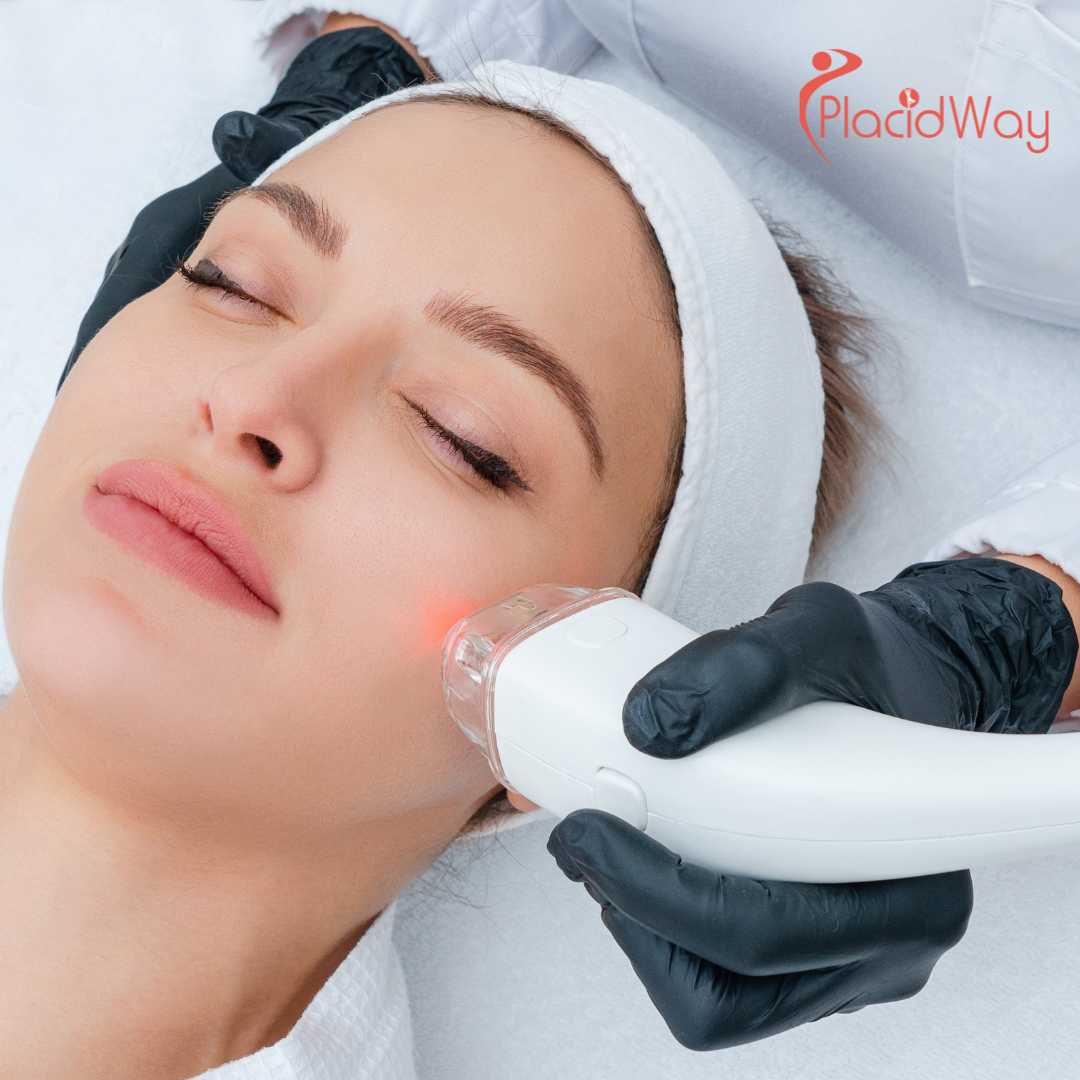
How Many Laser Sessions Are Usually Needed in Korean Clinics?
For optimal results, most laser skin treatments in South Korea require 3 to 5 sessions spaced 3 to 4 weeks apart. The exact number depends on your skin condition, the specific laser technology used like Pico or Fraxel, and your aesthetic goals. Key Takeaways: Enhancing Your Complexion Customized Timelines: Mild pigmentation may resolve in two visits, while deep acne scarring often requires over five dedicated appointments. Advanced Diagnostics: Facilities utilize 3D facial scanning to determine the precise depth of skin damage before prescribing a session count. Affordable Excellence: A full multi-session package costs significantly less than comparable single sessions in Western nations. Combination Therapy: Dermatologists frequently combine different light wavelengths within a single session to maximize efficiency and reduce necessary visits. Minimal Downtime: Modern picosecond technology shatters pigment without thermal damage, allowing patients to resume normal activities rapidly. What is the average laser skin treatment cost in South Korea compared to other regions? Patients typically save between forty to sixty percent on highly advanced aesthetic procedures when traveling overseas for dermatological care. Understanding the financial aspect is crucial for anyone planning an aesthetic journey. The highly competitive nature of the domestic market ensures that prices remain exceptionally reasonable while the quality of care remains world-class. When analyzing the laser skin treatment cost in South Korea, international visitors are often surprised to find that multi-session packages utilizing the latest FDA-approved devices cost a fraction of what a single session might cost in North America or Europe. This price advantage does not imply a compromise in quality; rather, it reflects the sheer volume of procedures performed daily, allowing facilities to amortize the cost of expensive medical equipment much faster. Pricing structures are generally transparent, with many centers offering tiered packages based on the intensity of the care required. Basic toning for mild freckles or sunspots sits at the lower end of the pricing spectrum. Conversely, intensive fractional resurfacing aimed at leveling deep pitted acne scars involves more clinical time, sophisticated cooling equipment, and robust post-care formulations, placing it at a higher price point. Even at the premium tier, the overall financial outlay remains highly attractive for international travelers seeking comprehensive complexion rejuvenation. To provide a clear perspective on the economic benefits of this destination, consider the standard pricing models for various modalities. The table below illustrates the stark contrast in baseline pricing, showcasing why thousands of patients prioritize this specific region for their dermatological investments. Procedure Type Average Cost in USA/UK Average Cost in South Korea Pico Toning (Pigmentation) $400 - $800 per session $100 - $250 per session Fractional CO2 (Acne Scars) $800 - $1,500 per session $200 - $450 per session Vascular Lasers (Redness) $500 - $900 per session $150 - $300 per session How do I choose the best laser skin treatment clinic in South Korea for my specific skin type? Selecting the perfect center requires evaluating their diagnostic technology, specialized expertise, and comprehensive international patient support systems. Finding the right laser skin treatment clinic in South Korea can feel overwhelming due to the sheer concentration of medical facilities, particularly in renowned districts like Gangnam. However, focusing on a few critical parameters guarantees a safe and highly effective outcome tailored to your unique biology. Your safety and ultimate aesthetic satisfaction depend entirely on the rigorous standards upheld by the facility you choose. Board Certification: Ensure the facility is led by dermatologists officially recognized by the national medical board, guaranteeing years of specialized training specifically in cutaneous medicine and complex light therapies. Diagnostic Capabilities: The best centers utilize high-resolution dermascopes and 3D imaging to analyze dermal layers beneath the visible surface before ever touching your face with a therapeutic device. Device Diversity: Top-tier locations house multiple machine variations ranging from nanosecond to picosecond technologies, allowing practitioners to customize wavelengths specifically for your melanin index and skin thickness. Dedicated Foreign Patient Departments: Look for centers equipped with in-house medical translators and coordinators who handle everything from initial virtual consultations to post-care follow-ups in your native language. Transparent Before-and-After Portfolios: Reputable establishments readily provide unedited, high-definition photographic evidence of their previous work on patients possessing skin conditions identical to yours. What types of advanced technologies are used for a laser skin treatment in South Korea? State-of-the-art facilities employ a diverse arsenal of light-based devices, prioritizing ultra-short pulse durations to shatter pigment without causing thermal damage. The foundation of any successful laser skin treatment in South Korea rests upon the cutting-edge technology deployed by medical professionals. Unlike older generation machines that utilized photothermal heat to burn away imperfections, modern clinics rely heavily on photomechanical energy. Picosecond lasers are currently the gold standard. These machines fire light pulses in one-trillionth of a second, creating a powerful acoustic wave that shatters stubborn melanin particles into microscopic dust, which the immune system then naturally flushes away. This rapid pulse drastically reduces the heat transferred to surrounding healthy tissue, making the process exponentially safer for all complexions. For textural issues such as enlarged pores, fine lines, and deep acne scarring, specialists frequently turn to advanced Fractional CO2 and Erbium YAG devices. These tools work by creating thousands of microscopic thermal columns deep into the dermis while leaving surrounding tissue completely intact. This controlled micro-injury triggers a massive cascade of natural collagen and elastin production. The newer models found in premium centers are equipped with highly precise depth-control scanners, allowing doctors to customize the exact penetration level for different facial zones, ensuring maximum efficacy with the shortest possible recovery timeline. Furthermore, vascular abnormalities like rosacea or broken capillaries require an entirely different approach. Dual-wavelength systems seamlessly switch between different light spectrums to coagulate problematic blood vessels safely beneath the epidermis. The ability of doctors to fluidly transition between these complex technologies during a single patient visit is a testament to the advanced clinical environment available to medical travelers. Did You Know? Many pioneering medical equipment manufacturers are actually based domestically within the country. This means local dermatologists often get first-hand access to prototype technologies and next-generation software updates years before these advancements secure regulatory approval and export licensing for Western markets! Why is medical tourism in South Korea so popular for non-invasive cosmetic procedures? A unique combination of government-backed quality control, hyper-specialized physicians, and a cultural devotion to flawless aesthetics makes this destination globally unmatched. The explosive growth of medical tourism in South Korea is not a mere coincidence; it is the result of decades of strategic investment and cultural emphasis on physical wellness and beauty. The national government actively regulates and supports the healthcare infrastructure catering to international patients, ensuring that facilities adhere to the strictest international safety protocols. This oversight guarantees that foreign visitors receive care in highly sterilized, modern environments that often surpass the clinical standards found in their home countries. Beyond infrastructure, the sheer volume of cases handled by local specialists translates into unparalleled clinical dexterity. A dermatologist in a major metropolitan hub may perform more light-based therapies in a single month than a Western counterpart might perform in an entire year. This intense repetition fosters a profound understanding of diverse dermal responses, enabling practitioners to intuitively adjust machine settings to avoid complications and optimize visual outcomes safely. Culturally, the society places an immense premium on achieving a pristine, glass-like complexion. This domestic demand pushes the aesthetic industry to constantly innovate, formulating comprehensive treatment protocols that combine high-tech machinery with specialized topical serums and soothing aftercare routines. International patients directly benefit from this relentless pursuit of perfection, gaining access to holistic rejuvenation strategies that simply do not exist elsewhere. What does the recovery process look like after undergoing a laser skin treatment in South Korea? Post-procedure healing protocols are meticulously structured to minimize inflammation, accelerate epidermal repair, and protect the newly vulnerable skin barrier. The immediate aftermath and subsequent healing period dictate the final quality of your results. Because the protocols utilize highly sophisticated equipment, the associated downtime is remarkably manageable, though it requires strict patient compliance. Immediate Post-Care: Right after stepping out of the procedure room, specialized cooling masks infused with centella asiatica and hyaluronic acid are applied to instantly halt thermal damage and soothe erythema. The Redness Phase: For the first twenty-four to forty-eight hours, expect a mild to moderate sunburn sensation. The surface may appear flush, but profound pain is highly uncommon and easily managed with basic cooling techniques. Micro-Crusting and Peeling: By day three or four, targeted pigmentation spots may darken and form microscopic crusts. It is absolutely vital not to pick or scrub these areas, as premature removal guarantees severe scarring. Intensive Hydration: The compromised barrier loses moisture rapidly. Applying thick, ceramide-rich regenerative creams multiple times daily is mandatory to facilitate swift cellular turnover and repair. Absolute Sun Avoidance: New skin is incredibly susceptible to ultraviolet radiation. Wearing broad-spectrum SPF 50 indoors and outdoors, alongside physical barriers like wide-brimmed hats, is strictly required for several weeks. Are there any specific pre-treatment requirements for a laser skin treatment in South Korea? Proper preparation is critical to prevent adverse reactions and ensure the targeted energy operates at maximum efficiency within the dermal layers. Preparation begins several weeks before you ever board your flight. The most crucial directive is absolute sun avoidance. Tanned skin, whether from natural sunlight or artificial tanning beds, possesses highly active melanocytes. If a specialist attempts a laser skin treatment in South Korea on actively tanned skin, the machine cannot differentiate between the intended target and the baseline tan, drastically increasing the risk of severe surface burns and permanent hyperpigmentation. Daily sunscreen application is mandatory leading up to your appointment. Additionally, patients must suspend the use of potent active skincare ingredients. Retinoids, strong alpha-hydroxy acids, and heavy exfoliants strip the protective barrier and sensitize the epidermis. Continuing these products right up to the procedure date will result in an intensely painful experience and prolonged inflammation. Medical professionals strongly advise switching to a gentle, hydrating routine at least ten days prior to your scheduled visit. Finally, transparent communication regarding your medical history is vital. You must disclose all current medications, especially antibiotics that cause photosensitivity, and any history of cold sores, as the intense light therapy can sometimes trigger viral flare-ups requiring prophylactic antiviral medication beforehand. Can I combine other aesthetic procedures with a laser skin treatment in South Korea? Combining therapies is a hallmark of advanced aesthetic practices, creating synergistic effects that dramatically enhance overall facial rejuvenation in a single visit. International patients operating on a tight travel schedule frequently request multi-modality approaches. Dermatologists are highly skilled at layering different procedures safely. The most popular combination involves following up light therapies with injectable skin boosters like Rejuran Healer or specialized hyaluronic acid cocktails. Because the light devices create micro-channels in the dermal barrier, subsequent topical or lightly injected nutrients penetrate much deeper, supercharging the hydrating and regenerative effects. Furthermore, it is entirely common to schedule neurotoxin injections or dermal fillers during the same appointment block. The standard protocol dictates performing the energy-based procedures first to address surface tone and texture, followed immediately by structural injectables to resolve volume loss and dynamic wrinkles. This comprehensive strategy addresses aging on multiple anatomical planes simultaneously. For patients focused on ultimate lifting and tightening, specialists frequently pair surface therapies with deep ultrasound devices like Ultherapy. By targeting the deeper muscle fascia with ultrasound and the superficial layers with light energy, patients achieve a holistic, three-dimensional rejuvenation that yields profound, long-lasting aesthetic improvements without surgical intervention. How long do the results of a laser skin treatment in South Korea typically last? Longevity varies based on the underlying condition treated, genetic predispositions, and the patient's strict adherence to post-care lifestyle modifications. When addressing chronic conditions like melasma or severe hyperpigmentation, patients must understand that a laser skin treatment in South Korea is a powerful management tool, not a permanent cure. While the initial sessions will dramatically clear the visible dark spots, hormonal fluctuations and subsequent UV exposure can trigger new pigment formation. Maintaining these brightened results requires diligent daily sun protection and potentially scheduling a mild maintenance session once or twice a year. Conversely, treatments aimed at structural remodeling, such as fractional therapies for deep acne scarring, yield highly permanent results. The controlled trauma forces your body to synthesize new, healthy collagen fibers to physically fill the indented scars. Once this new structural protein matrix is established, the smoothed texture remains indefinitely, provided the patient does not suffer from active cystic acne breakouts that could create fresh scarring. Overall complexion enhancement and pore refinement results generally peak around three months post-procedure as deep collagen remodeling continues. To preserve this youthful radiance, dermatologists strongly recommend adopting a high-quality medical-grade skincare regimen focused on hydration and barrier support, ensuring your substantial investment yields long-term aesthetic dividends. Why Choose PlacidWay for booking your laser skin treatment in South Korea? PlacidWay removes the immense stress of international medical planning by connecting you directly with rigorously vetted, elite dermatological professionals. Navigating a foreign healthcare system requires trust and expert guidance. PlacidWay serves as your premier global healthcare companion, guaranteeing a secure, transparent, and highly successful aesthetic journey. Vetted Board-Certified Dermatologists: We exclusively partner with fully accredited professionals possessing verified credentials, ensuring your complexion is handled only by genuine medical experts, never uncertified technicians. Transparent Pre-Negotiated Pricing Packages: Our established relationships allow us to secure comprehensive, bundled pricing upfront, completely eliminating the risk of hidden clinical fees or unexpected surcharges upon arrival. Dedicated Patient Advocacy and Communication Support: We assign experienced coordinators who bridge all language barriers, ensuring your exact aesthetic goals are perfectly understood by the medical team during pre-consultations. Access to State-of-the-Art Accredited Facilities: Our network consists strictly of modern clinics equipped with the absolute latest FDA-approved diagnostic and light-based therapy devices. Comprehensive Post-Procedure Guidance: We ensure you receive detailed, translated recovery protocols and necessary medical skincare prescriptions to safeguard your results long after stepping out of the facility. Frequently Asked Questions About Laser Skin Treatment in South Korea Is pain management provided during a laser skin treatment in South Korea? Yes, patient comfort is highly prioritized. Before any laser skin treatment in South Korea, a topical numbing cream is applied to the target area for about thirty to forty minutes. For deeper resurfacing procedures, clinics may also utilize specialized cooling devices that blow freezing air onto the skin simultaneously with the laser pulses, significantly reducing any stinging sensations. Will my face peel heavily after a laser skin treatment in South Korea? The amount of peeling depends entirely on the intensity of the laser utilized. Fractional CO2 lasers designed for deep acne scars will cause noticeable flaking and peeling for five to seven days. However, non-ablative toning lasers used for basic pigmentation removal often cause zero peeling, leaving only slight redness that subsides within a few hours. How long should I plan my stay when booking a laser skin treatment clinic in South Korea? For a single session or a short intensive program, a stay of seven to ten days is ideal. This allows time for the initial consultation, the procedure itself, and a follow-up assessment to ensure proper healing. If you plan to undergo multiple sessions spaced weeks apart, you might need to schedule return trips or plan an extended stay. Can darker skin tones safely receive a laser skin treatment in South Korea? Absolutely. While historical lasers posed risks of hyperpigmentation for darker skin types, modern facilities utilize advanced picosecond and Nd:YAG lasers that are inherently safe for all melanin levels. Board-certified dermatologists adjust the wavelengths carefully to bypass the epidermis, targeting only the underlying issues without burning the surface skin. Do clinics provide skincare products after a laser skin treatment in South Korea? Most premium facilities provide a customized post-care kit or prescribe specific medical-grade skincare products. These usually include gentle cleansers, intensive ceramide moisturizers, and high-SPF sunscreens formulated for compromised skin barriers. Using these specific products is vital for protecting your investment and preventing post-inflammatory hyperpigmentation. Are consultations mandatory before starting a laser skin treatment in South Korea? Yes, an in-depth consultation is strictly required. Specialists will use advanced 3D skin analysis machines to assess hidden pigmentation, sebum levels, and pore depth beneath the surface. This diagnostic step ensures that the customized laser protocol directly addresses your unique dermatological needs rather than utilizing a generic approach. When is the best time of year to undergo a laser skin treatment in South Korea? Autumn and winter are widely considered the best seasons for these procedures. The UV index is significantly lower, which reduces the risk of sun damage during the delicate recovery phase. Furthermore, the cooler weather makes it much easier to wear protective clothing and masks without sweating, which can irritate newly treated skin. Can I wear makeup immediately after my laser skin treatment in South Korea? For mild toning lasers, you can generally apply makeup the very next day. However, for ablative treatments that create micro-wounds on the surface, you must strictly avoid all cosmetic makeup for at least five to seven days to prevent severe infections and allow the skin barrier to fully close and heal naturally. Do facilities offer bundled packages for a laser skin treatment in South Korea? Yes, purchasing bundled packages is the standard practice. Because skin remodeling requires consistent care, purchasing a package of three to five sessions offers a substantial discount compared to paying per individual session. These bundles often include complimentary soothing facials or LED light therapy sessions to enhance overall healing. How does medical tourism in South Korea enhance the laser treatment experience? Choosing this destination means accessing the most hyper-competitive aesthetic market globally. This competition drives continuous technological upgrades and exceptional patient service. Visitors benefit from combining world-class dermatological care with luxury hospitality, dedicated translation services, and the opportunity to recover in a vibrant, culturally rich environment. Ready to Reveal Your Best Skin? Stop guessing about your skin health. Let PlacidWay connect you with elite, board-certified dermatologists in South Korea. Secure a customized treatment plan, transparent pricing, and comprehensive support for your aesthetic transformation. ...
Read more details.png)
How Much Does Skin Botox Cost in South Korea?
Skin Botox (Dermatoxin) in South Korea typically ranges from $40 to $150 USD per area, with full-face treatments costing between $200 and $450 USD. This price is generally 60-70% lower than in the US or Europe. The final cost depends on the brand used (Korean brands like Botulax are cheaper than imported Xeomin) and the clinic's location. Most packages in Seoul or Busan include consultation, numbing cream, and post-procedure cooling masks. Key Takeaways: Skin Botox in Korea Huge Savings: Domestic Korean toxin brands offer high quality at 30-50% less than imported brands. Specific Benefit: Unlike regular Botox, Skin Botox targets pores and oil production to create a "glass skin" effect without freezing facial expressions. Quick Procedure: The treatment takes only 15-20 minutes with minimal downtime, making it perfect for short medical tourism trips. VAT Refund Alert: As of 2026, the tax refund for cosmetic procedures is uncertain; travelers must confirm eligibility directly with their clinic. Comprehensive Guide to Skin Botox in South Korea What is the difference between Skin Botox and Regular Botox? Understanding this distinction is crucial for setting expectations. Regular Botox is injected deep into the muscle layer to temporarily paralyze the muscles that cause dynamic wrinkles, such as frown lines or crow's feet. Its primary goal is to stop movement to smooth out deep lines. Skin Botox (also known as Dermatoxin or Mesotox) is injected superficially into the dermis—the skin layer itself—rather than the muscle. It targets the sebaceous (oil) glands, sweat glands, and the erector pili muscles connected to pores. This results in tightened pores, significantly reduced oil production, and a smoother skin texture, often described as the "glass skin" glow. Importantly, it does not "freeze" your face, allowing you to retain natural facial expressions. Why is Skin Botox so much cheaper in Korea than in the West? The price difference is driven by competition and domestic manufacturing. South Korea is a global powerhouse in manufacturing botulinum toxin. Domestic brands such as Botulax, Nabota, and Coretox are produced locally, eliminating import tariffs and shipping costs. These brands are approved by the KFDA (Korea's FDA equivalent) and have safety profiles comparable to Western brands. Additionally, the sheer volume of procedures performed in districts like Gangnam allows clinics to operate with lower margins per patient. While you might pay $400-$800 for a full-face micro-Botox treatment in the US, the same procedure with a high-quality Korean brand can cost as little as $200 in Seoul. How do prices compare between Seoul and Busan? Seoul (Gangnam, Apgujeong): As the capital of medical tourism, Seoul offers the widest range of options. "Factory-style" clinics here are incredibly affordable, sometimes offering single-area Skin Botox for under $40 USD. However, premium "boutique" clinics that offer private rooms and doctor-led consultations will charge significantly more, often $250+ for a full face. Busan (Seomyeon Medical Street): Busan is generally 10-20% cheaper than premium Seoul clinics. It is an excellent destination for those who want a more relaxed atmosphere. The quality of care in Seomyeon is on par with Seoul, but the clinics may be less crowded, offering a more personalized experience for the price. Is the tax refund for cosmetic procedures still available in 2026? This is a critical update for all medical tourists. Historically, foreign tourists could claim a ~7-10% VAT refund on cosmetic procedures. However, government policies regarding this incentive have been under review for 2026. The status is currently uncertain and may have been discontinued for specific aesthetic treatments. You should not assume you will automatically receive a refund. It is mandatory to ask your chosen clinic two questions before booking: "Are you a certified tax-refund provider?" and "Is the VAT refund program currently active for this specific procedure?" If eligible, you will need your passport and a dedicated refund slip from the clinic to claim your money at the airport. Does the procedure hurt, and is there downtime? Skin Botox involves dozens of tiny micro-injections across the face, which can be uncomfortable. To ensure patient comfort, almost all Korean clinics apply a strong topical numbing cream for 20-30 minutes before the procedure. With this anesthesia, most patients describe the sensation as mild pricking or pressure, not acute pain. Regarding downtime, you may experience small raised bumps (wheals) at the injection sites immediately after the treatment, resembling mosquito bites. These typically disappear within 2 to 4 hours. Minor bruising is possible but rare. Most tourists are back to exploring the city the same evening, though makeup should be avoided until the next day. How long do the results last? Because Skin Botox is injected superficially and often in a more diluted form than muscle Botox, the duration is shorter. You will typically see the "glow" and pore reduction within 3-5 days, with peak results at 2 weeks. The effects generally last 2 to 3 months. Many medical tourists view this as a quarterly maintenance treatment. To extend the results, many patients combine Skin Botox with skin boosters like Rejuran Healer (PN) or Hyaluronic Acid, which can improve skin health at a cellular level alongside the pore-tightening effects of the toxin. Are there any side effects I should worry about? Skin Botox is generally very safe, but it requires a skilled hand. If the injector goes too deep, the toxin can affect the underlying muscles, potentially leading to an asymmetrical smile or a stiff expression. This is why choosing a reputable clinic is vital. Common, temporary side effects include redness, mild swelling, and the aforementioned bumps. In very rare cases, patients may experience a headache for 24 hours post-procedure. Because the toxin is injected into the skin, the risk of "droopy eyelids" (ptosis) is significantly lower than with traditional forehead Botox. Can I combine this with other treatments? Absolutely. In fact, "stacking" treatments is the norm in Korean dermatology. A very popular combination is the "Glass Skin Package," which often includes Skin Botox + Rejuran Healer + a hydration filler. Another common pairing is Skin Botox with energy devices like Shurink (HIFU) or InMode. Combining treatments during one visit is efficient for medical tourists and can often lead to package discounts. However, always consult with the doctor to ensure that the combination is safe for your specific skin type. What is the difference between Factory and Boutique clinics? Factory Clinics: High volume, fast turnover, and very low prices. You will likely consult with a coordinator rather than a doctor, and the doctor enters only to perform the injection. These are efficient and cost-effective for standard procedures if you know exactly what you want. Boutique Clinics: Lower volume, higher prices (often double). You get a 1-on-1 consultation with the doctor, a customized facial mapping, and a more private experience. For first-time medical tourists or those with specific concerns, a boutique clinic often provides better peace of mind. Frequently Asked Questions How much does full face Skin Botox cost in Korea? Full face Skin Botox in Korea typically ranges from $200 to $450 USD depending on the clinic and brand used. Is Korean Botox as good as Allergan? Yes, major Korean brands like Botulax and Nabota are KFDA-approved and considered comparable in safety and efficacy to Allergan, but at a lower price point. Can I wear makeup after Skin Botox? It is best to avoid makeup for at least 4-6 hours, preferably waiting until the next day, to prevent infection at the injection sites. Does Skin Botox help with acne? Yes, by reducing oil production and pore size, Skin Botox can help control mild acne and prevent future breakouts. Is Skin Botox painful? Most clinics use a strong numbing cream, making the procedure tolerable. Patients usually feel mild pricking sensation. How long does the redness last? Redness and small bumps usually subside within 2 to 4 hours after the treatment. What is the English name for Dermatoxin? Dermatoxin is commonly called 'Skin Botox,' 'Micro-Botox,' or 'Mesotox' in English. Do I need a prescription for Skin Botox? No, but it must be administered by a licensed medical professional in a clinic setting. Can men get Skin Botox? Yes, it is very popular among men for reducing large pores and oiliness without looking 'frozen'. Is it safe to fly after Skin Botox? Yes, you can fly immediately after the procedure, though it is recommended to keep the skin clean and hydrated. Find the Best Skin Botox Clinics in Korea Don't navigate the complex world of medical tourism alone. Get a free quote and personalized recommendations for top-rated, English-speaking clinics in Seoul and Busan....
Read more details.png)
What Skin Booster Injections Are Popular In South Korea?
The most popular skin boosters in South Korea are Rejuran Healer, Chanel Injection (Filorga), Exosomes, and Juvelook. These treatments hydrate, repair, and rejuvenate skin, costing between $200 and $700 per session. If you've ever wondered how K-pop stars and actors maintain that flawless, dewy "glass skin" look, the secret often lies beyond just topical creams. South Korea is the global capital of aesthetic treatments, and skin booster injections are among the most sought-after procedures for locals and tourists alike. Unlike traditional fillers that change your face shape, these treatments focus entirely on skin quality—improving hydration, texture, and elasticity from the inside out. Whether you're dealing with acne scars, dryness, or early signs of aging, there is likely a specific Korean skin booster designed just for you. In this guide, we will break down everything you need to know about the top treatments like Rejuran Healer, Exosomes, and the famous Chanel Injection, helping you decide which one might be right for your skin journey. What are the most popular skin boosters in South Korea? The top skin boosters in Korea include Rejuran Healer (Salmon DNA), Chanel Injection (Filorga NCTF), Exosomes (Stem Cell), Juvelook (Collagen), and Skin Botox. South Korea offers a wide variety of skin boosters, each targeting different skin concerns. While the list is extensive, a few stand out due to their proven results and immense popularity in clinics across Seoul. These "injectable moisturizers" go deep into the dermis to deliver nutrients that regular skincare just can't reach. The "Big 5" that you will see on almost every clinic menu are: Rejuran Healer: Famous for skin barrier repair and anti-aging. Chanel Injection (Filorga): Best for overall brightening and hydration. Exosomes: The newest trend for anti-inflammation and regeneration. Juvelook: Excellent for pore reduction and acne scarring. Skin Botox: A technique to tighten pores and create a lift without freezing muscles. What is Rejuran Healer (Salmon Injection)? Rejuran Healer is a skin booster made from polynucleotides (PN) derived from salmon DNA, designed to repair damaged skin barriers, reduce acne scars, and improve elasticity. Rejuran Healer, often called the "Salmon Injection," is arguably the most famous skin booster in Korea right now. The active ingredient, Polynucleotide (PN), is extracted from salmon DNA, which is highly compatible with human skin. Instead of just adding artificial volume, Rejuran actually heals the skin cells. It is particularly effective for people with thin, damaged, or sensitive skin. If you have fine lines, acne scars, or redness, Rejuran works to thicken the skin barrier and balance oil and moisture levels. Many patients report that their skin feels denser and healthier after a course of 3-4 treatments. What is the Chanel Injection (Filorga NCTF 135HA)? The Chanel Injection, officially known as Filorga NCTF 135HA, is a cocktail of 53 ingredients including vitamins and amino acids that boosts radiance and hydration. The Chanel Injection gets its nickname because it is considered a "luxury" treatment for the skin, though it has no official affiliation with the fashion brand. The product used is Filorga NCTF 135HA, a premium French skin booster that has been a staple in Korean clinics for years. This "cocktail" contains a powerful blend of hyaluronic acid, 12 vitamins, 23 amino acids, 6 coenzymes, 5 nucleic acids, 6 minerals, and antioxidants. It is the go-to choice for skin brightening and that coveted "water glow." If your skin looks dull, tired, or dehydrated, the Chanel injection acts like a super-charged multivitamin delivered directly into your dermis. What are Exosome skin boosters? Exosome skin boosters use cell-derived vesicles to reduce inflammation, treat acne, and regenerate skin cells, offering faster recovery and potent anti-aging effects. Exosomes are the latest biotechnology breakthrough in the Korean beauty market. Unlike other boosters that provide nutrients, exosomes are actual "messengers" derived from stem cells that signal your own skin cells to regenerate and repair themselves. They are incredibly small (nanometer-sized), allowing for excellent absorption. This treatment is becoming the gold standard for treating inflammatory acne, rosacea, and sensitive skin. It effectively calms down angry skin while simultaneously tightening pores and improving texture. Because exosomes have strong anti-inflammatory properties, the recovery time is often shorter compared to other injectables. What is Juvelook? Juvelook is a hybrid collagen stimulator combining PDLLA and Hyaluronic Acid, specifically used to treat enlarged pores, acne scars, and fine wrinkles naturally. Juvelook is gaining massive popularity as a "collagen skin booster." It combines Hyaluronic Acid (HA) with Poly D, L-Lactide (PDLLA). While the HA provides immediate hydration, the PDLLA particles stimulate your body's own collagen production over the following weeks. There are generally two types of Juvelook: one for general skin volume and one specifically for skin texture. It is famously effective for filling in acne scars and shrinking enlarged pores. Unlike traditional fillers that can sometimes look puffy, Juvelook offers a very natural improvement in skin elasticity and smoothness. What is Skin Botox (Dermatoxin)? Skin Botox, or Dermatoxin, involves injecting diluted botox into the outer skin layers to tighten pores and lift skin without freezing facial muscles. Many people confuse Skin Botox with regular Botox, but the technique is quite different. Instead of injecting deep into the muscle to stop movement, the doctor injects a diluted solution into the superficial layers of the skin. This allows you to keep your natural facial expressions. The primary benefits of Skin Botox are an immediate "glass skin" effect, tightened pores, and a subtle lifting effect along the jawline. It also helps control oil production, making it a favorite for patients with oily or combination skin. The results are smoother, tighter skin that looks filtered in real life. What is the cost of skin boosters in South Korea? The cost of skin boosters in South Korea ranges between $150 and $500 USD per session, which is significantly cheaper than in the US or Europe. One of the main reasons people fly to Korea for these treatments is the affordability. High competition among clinics and domestic manufacturing of products keep prices low. Below is a comparison table of average costs in Seoul. Treatment Avg. Cost (KRW) Avg. Cost (USD) Best For Rejuran Healer (2cc) ?300,000 - ?500,000 $230 - $380 Repair, Anti-aging Chanel Injection (3cc) ?250,000 - ?450,000 $190 - $340 Glow, Hydration Exosome (5-6cc) ?300,000 - ?600,000 $230 - $460 Acne, Sensitive Skin Juvelook (4-6cc) ?350,000 - ?600,000 $270 - $460 Pores, Scars Skin Botox ?150,000 - ?300,000 $115 - $230 Tightening, Lifting Mulguang (Water Shine) ?100,000 - ?200,000 $75 - $150 Basic Hydration Does the skin booster procedure hurt? Yes, injections can be painful, especially Rejuran, but clinics always apply strong numbing cream for 20-30 minutes to minimize discomfort. Pain tolerance varies by person, but it is honest to say that skin boosters are not painless. Rejuran Healer is notorious for being the most painful because the solution is thicker and slightly acidic. However, Korean clinics are experts at pain management. You will always receive a topical anesthetic cream before the procedure. Some clinics also offer "nanosoft" needles or injector guns (like the Derma Shine injector) which use suction to reduce pain and ensure even distribution. If you have a low pain threshold, ask your doctor about these automated injector options instead of manual injection. What is the downtime for Korean skin boosters? Downtime typically involves "embossing" (small bumps) on the skin for 1 to 3 days, along with minor redness or bruising. Immediately after the treatment, your face might look like a bumpy reptile skin! This phenomenon is called "embossing." It happens because the fluid is injected just under the surface of the skin. Don't panic; this is a sign that the treatment was done correctly. These bumps usually disappear within 24 to 48 hours as the product absorbs. You might also experience some pinpoint bruising or needle marks, which can be covered with makeup after a day. Most people are back to their normal social activities within 2-3 days. How long do skin booster results last? Results typically last 3 to 6 months, but a course of 3 initial sessions spaced 2-4 weeks apart is recommended for long-term benefits. Skin boosters are not permanent. They are skin conditioning treatments. A single session will give you a nice glow for a few weeks, but for real, transformative changes, consistency is key. Most dermatologists recommend an initial protocol of three sessions spaced one month apart. After this initial "loading" phase, you can maintain the results with a single touch-up session every 4 to 6 months. Juvelook tends to last a bit longer (up to a year) because it stimulates your own collagen, while basic Hyaluronic Acid boosters may need more frequent touch-ups. Can I combine different skin boosters? Yes, combining treatments is common; popular combinations include Rejuran with Skin Botox or Chanel Injection with Microneedling for enhanced results. Korean clinics love "menu combinations." It is very common to mix treatments to tackle multiple concerns at once. A very popular combo is Rejuran + Skin Botox. Rejuran handles the deep repair and hydration, while Skin Botox tightens the surface and pores. Another popular mix is adding a skin booster to a laser treatment. For example, getting an Exosome treatment right after Potenza (microneedling RF) can dramatically speed up healing and enhance the penetration of the exosomes into the skin channels created by the laser. Are skin boosters in Korea safe? Yes, skin boosters are generally safe when performed by licensed professionals, using products approved by the KFDA (Korea Food and Drug Administration). Safety is a top priority in the South Korean medical aesthetic industry. The products mentioned, such as Rejuran and Juvelook, have undergone rigorous testing and are KFDA approved. Because these substances (Hyaluronic Acid, Polynucleotides) are biocompatible, the risk of allergic reactions is very low. However, risks like infection or bruising exist with any injection. It is crucial to choose a reputable clinic with board-certified dermatologists rather than going to an unlicensed spa. Always verify that the clinic unboxes a new, sealed syringe in front of you. How do I choose the right skin booster for my skin type? Choose Rejuran for aging or damaged skin, Chanel for dry dull skin, Exosomes for acne-prone skin, and Juvelook for scarring and pores. With so many options, it can be overwhelming. Here is a simple cheat sheet to help you decide: Dry, Dull Skin: Go for Chanel Injection or Mulguang. You need hydration and vitamins. Acne Scars & Large Pores: Go for Juvelook. You need collagen stimulation. Sensitive, Red, or Active Acne: Go for Exosomes. You need anti-inflammation. Aging, Thin Skin, Fine Lines: Go for Rejuran Healer. You need barrier repair and thickness. What is the "Witch's Injection"? The "Witch's Injection" is a cocktail treatment combining collagen and PRN that lifts and moisturizes, often marketed for its potent anti-aging effects. You might see the term "Witch's Injection" on some clinic menus. This is a marketing term for a specific cocktail that usually combines concentrated collagen, PDRN (salmon DNA), and sometimes botox. The name implies that the results are "magical" or that you stop aging like a witch. It’s essentially a high-end customized mix. Always ask the doctor exactly what ingredients are in their specific "Witch" or "Cinderella" injections to ensure they match your skin goals. Why are skin boosters cheaper in Korea? Korea is cheaper due to high market competition, domestic manufacturing of products like Rejuran and Juvelook, and a high volume of patients. It is not because the quality is lower—in fact, the quality is often higher. The lower price point is simple economics. South Korea has the highest density of aesthetic clinics in the world. To stay competitive, clinics must offer reasonable prices. Furthermore, many of the top products, including Rejuran and Juvelook, are manufactured in Korea. This eliminates import taxes and shipping costs that clinics in the US or Europe have to pay. This savings is passed directly to the patient. How does the application method affect the result (Hand vs. Machine)? Hand injection prevents product loss and targets specific areas better, while machine injection is faster, less painful, and ensures even depth. You will often be asked if you want "hand injection" or "machine injection." Hand injection allows the doctor to carefully place the product exactly where you need it most (like deep acne scars) and ensures no product is wasted. However, it is more painful and takes longer. Machine injection (using devices like Hycoox or Derma Shine) uses suction to lift the skin before multiple needles inject simultaneously. It is much faster and less painful, making it great for beginners, though a tiny bit of product might be lost on the skin surface. What is the "Mulguang" (Water Shine) Injection? Mulguang injections are pure non-crosslinked hyaluronic acid treatments that provide intense hydration for a glowing, dewy look without adding volume. The "Mulguang" injection was the original Korean skin booster. "Mul" means water and "Guang" means light/glow. It consists of pure Hyaluronic Acid. Unlike fillers, this HA is "non-crosslinked," meaning it is very watery and spreads evenly under the skin to hydrate. While newer boosters like Rejuran have added anti-aging benefits, Mulguang remains the most affordable and effective option if your only goal is pure, intense hydration for a dry winter or a special event. Is it better to get skin boosters in Korea or at home? Korea offers significantly lower prices and more advanced product options, making it ideal for those already traveling, though maintenance requires return trips. If you are planning a trip to Asia, getting your treatment in Korea is a no-brainer. You will save hundreds of dollars and get access to the latest products that might not even be approved in your home country yet. The doctors perform these injections dozens of times a day, so their technique is incredibly refined. The only downside is maintenance. Since skin boosters require follow-up sessions, you might need to find a local provider at home for your second and third rounds, or plan your trips to Korea accordingly. Ready to Achieve Your Dream Skin? Finding the right clinic and navigating foreign medical systems can be challenging. Let us help you find the best dermatologists in South Korea for your skin booster journey. Explore Skin Treatment Packages with PlacidWay...
Read more details
Why is South Korea a Leader in Medical Tourism for Dermatology Treatments?
South Korea has firmly established itself as a global powerhouse in the world of skincare and dermatology. It's not just about the ubiquitous K-beauty products that have taken the world by storm; the country has also become the premier destination for individuals seeking high-quality dermatological treatments. From advanced anti-aging procedures to cutting-edge acne solutions, South Korea offers a unique blend of expertise, innovation, and affordability that is hard to match. This has made it a magnet for medical tourists from all corners of the globe. The country's commitment to research and development in dermatology, coupled with its stringent safety standards, ensures that patients receive the best possible care. Whether you're looking to address a specific skin concern or simply want to experience the gold standard in skincare, South Korea's dermatology clinics offer a compelling proposition. The fusion of a booming cosmetics industry and a highly advanced medical system has created a perfect storm, making South Korea the undisputed leader in dermatological medical tourism. What makes South Korean dermatologists so highly regarded? "South Korean dermatologists are renowned for their rigorous training, extensive experience with a wide range of skin types, and their commitment to staying at the forefront of dermatological research and innovation." The expertise of South Korean dermatologists is a key factor in the country's dominance in medical tourism. The path to becoming a dermatologist in South Korea is incredibly competitive and demanding. It involves years of intensive education and training at top-tier medical schools, followed by a highly selective residency program. This rigorous process ensures that only the most dedicated and skilled individuals become certified dermatologists. Furthermore, South Korean dermatologists are known for their holistic approach to skincare. They don't just treat the symptoms; they look at the underlying causes of skin issues, considering factors like diet, lifestyle, and genetics. This comprehensive approach, combined with their deep understanding of skin biology, allows them to create highly effective and personalized treatment plans. Their continuous pursuit of knowledge and their eagerness to adopt the latest techniques and technologies keep them at the pinnacle of their field. How does the cost of dermatology in South Korea compare to other countries? "Dermatology treatments in South Korea are significantly more affordable than in countries like the United States, the UK, or Japan, often costing 30-50% less without compromising on quality." One of the most significant draws for medical tourists is the cost of dermatology treatments in South Korea. While the quality of care is on par with, or even exceeds, that of many Western countries, the prices are considerably lower. This cost-effectiveness extends across a wide range of procedures, from simple facials to more complex laser treatments and cosmetic surgeries. The lower costs are not a reflection of lower quality. Instead, they are due to a combination of factors, including a more competitive healthcare market, lower overhead costs, and favorable government policies that support medical tourism. This allows patients to access world-class dermatological care at a fraction of the price they would pay at home, making it a financially savvy choice for many. Procedure Average Cost in South Korea Average Cost in the US Laser Skin Resurfacing $300 - $800 $1,500 - $3,500 Botox $100 - $300 $400 - $800 Dermal Fillers $250 - $600 $700 - $1,500 What are the most popular dermatology treatments for foreigners in South Korea? "The most sought-after dermatology treatments for foreigners in South Korea include laser therapies for pigmentation and acne scars, non-invasive facelifts like Ultherapy and Thread Lifts, and advanced anti-aging procedures." South Korea offers a vast array of dermatological treatments, but some are particularly popular among international patients. These often involve advanced technologies that may not be widely available or are prohibitively expensive in their home countries. The focus is often on achieving the "glass skin" look that is so popular in K-beauty – a clear, luminous, and seemingly poreless complexion. Laser Treatments: South Korean clinics are equipped with the latest laser technologies for treating a variety of skin concerns, including hyperpigmentation, sun spots, acne scars, and fine lines. Non-Invasive Lifting: Procedures like Ultherapy (using ultrasound) and Thread Lifts are extremely popular for their ability to lift and tighten the skin without the need for surgery. Injectables: Botox and dermal fillers are expertly administered to reduce wrinkles, restore volume, and enhance facial contours. Skin Boosters: These are micro-injections of hyaluronic acid and other nutrients that hydrate the skin from within, giving it a radiant glow. How has K-beauty influenced dermatology tourism in South Korea? "The global phenomenon of K-beauty has significantly boosted dermatology tourism in South Korea by creating a desire for flawless skin and highlighting the country's advanced skincare knowledge and treatments." The rise of K-beauty has played a pivotal role in putting South Korean dermatology on the world map. The multi-step skincare routines, innovative product formulations, and the emphasis on achieving a healthy, youthful complexion have captivated a global audience. This has created a strong desire among consumers to experience the source of this skincare expertise firsthand. K-beauty has also fostered a culture of skincare education, making people more aware of their skin's needs and the treatments available to address them. This has led to a more discerning clientele who are actively seeking out the advanced dermatological services that South Korea offers. The synergy between the K-beauty industry and the medical field has created a powerful ecosystem that continues to drive the growth of dermatology tourism. What kind of technology and innovation can I expect in South Korean dermatology clinics? "South Korean dermatology clinics are known for their early adoption of cutting-edge technology, including advanced laser systems, innovative energy-based devices, and state-of-the-art diagnostic tools." Innovation is at the heart of South Korean dermatology. Clinics are constantly investing in the latest and most effective technologies to provide their patients with the best possible results. This commitment to innovation is evident in the wide array of advanced devices and treatments available. From pico-second lasers that can target pigmentation with minimal downtime to advanced radiofrequency and ultrasound devices for skin tightening, South Korean clinics are at the forefront of technological advancement. They are also pioneers in developing new treatment protocols and combination therapies to maximize results. This focus on innovation ensures that patients have access to the most advanced and effective treatments on the market. Is it safe to get dermatology treatments in South Korea? "Yes, getting dermatology treatments in South Korea is very safe. The country has strict regulations and high safety standards for medical facilities, and many clinics are internationally accredited." Patient safety is a top priority in the South Korean healthcare system. Dermatology clinics are held to very high standards and are subject to regular inspections and audits by government bodies. Many clinics also voluntarily seek international accreditation from organizations like JCI (Joint Commission International) to demonstrate their commitment to quality and safety. The dermatologists themselves are highly trained and experienced, and they adhere to strict ethical guidelines. The use of high-quality, authentic products and state-of-the-art equipment further enhances patient safety. Medical tourists can rest assured that they are in safe hands when seeking dermatological care in South Korea. What is the patient experience like for medical tourists in South Korean dermatology clinics? "The patient experience in South Korean dermatology clinics is characterized by efficiency, personalized care, and a focus on comfort and convenience, with services like translation and post-treatment support." South Korean dermatology clinics are known for their exceptional customer service. From the moment you walk in the door, you are treated with the utmost care and respect. The clinics are typically modern, clean, and comfortable, creating a welcoming and relaxing environment. The staff are highly professional and attentive, and they go out of their way to ensure that you have a positive experience. Many clinics offer a range of services for international patients, including: Translation services: To ensure clear communication between you and your doctor. Personalized consultations: To discuss your concerns and develop a customized treatment plan. Post-treatment care: To monitor your progress and provide any necessary follow-up care. Assistance with travel and accommodation: To make your trip as smooth and stress-free as possible. Does the South Korean government support medical tourism? "Yes, the South Korean government actively supports and promotes medical tourism through various initiatives, including streamlined visa processes, funding for research, and quality control of medical facilities." The South Korean government has recognized the significant economic potential of medical tourism and has taken active steps to support its growth. This support has been instrumental in establishing the country as a leading destination for medical travel. Government initiatives include investing in the development of medical infrastructure, promoting Korean healthcare services abroad, and implementing policies that make it easier for international patients to visit the country for treatment. This strong government backing provides an additional layer of assurance for medical tourists, knowing that the industry is well-regulated and supported at the national level. Can I combine my dermatology treatments with a vacation in South Korea? "Absolutely! Many medical tourists combine their dermatology treatments with a vacation in South Korea, taking advantage of the opportunity to explore the country's rich culture, vibrant cities, and beautiful landscapes." One of the great advantages of choosing South Korea for your dermatology treatments is the opportunity to enjoy a memorable vacation at the same time. The country has a wealth of attractions to offer, from the bustling metropolis of Seoul to the serene temples and picturesque countryside. Many dermatology procedures have minimal downtime, allowing you to explore the city and indulge in shopping, dining, and sightseeing shortly after your treatment. This combination of world-class medical care and a fantastic travel experience makes South Korea an incredibly attractive destination for medical tourists. What are the success rates for dermatology treatments in South Korea? "Dermatology treatments in South Korea have very high success rates, thanks to the combination of skilled dermatologists, advanced technology, and personalized treatment plans." While success rates can vary depending on the individual and the specific treatment, the overall success rates for dermatology treatments in South Korea are excellent. The country's commitment to research and evidence-based practice ensures that the treatments offered are both safe and effective. The use of advanced diagnostic tools allows for a more accurate assessment of skin conditions, leading to more targeted and effective treatment plans. The skill and experience of the dermatologists also play a crucial role in achieving optimal outcomes. Patients can have a high degree of confidence in the quality and effectiveness of the care they receive in South Korea. Are there dermatology tourism packages available for South Korea? "Yes, many clinics and medical tourism agencies offer comprehensive dermatology tourism packages for South Korea that bundle treatments, accommodation, transportation, and even sightseeing tours." To make the process even more convenient for international patients, many providers offer all-inclusive packages. These packages can be a great option for those who want a hassle-free experience, as they take care of all the logistical details. Packages can often be customized to suit your individual needs and preferences. They can be a cost-effective way to plan your trip, as they often include discounted rates on accommodation and other services. Whether you're traveling alone or with a companion, a dermatology tourism package can help you make the most of your trip to South Korea. What do reviews from international patients say about dermatology in South Korea? "Reviews from international patients about dermatology in South Korea are overwhelmingly positive, frequently highlighting the professionalism of the staff, the effectiveness of the treatments, and the high level of customer service." The glowing reviews from past patients are a testament to the quality of dermatological care in South Korea. Many people share their positive experiences on online forums, social media, and review websites, praising the skill of the doctors, the friendliness of the staff, and the impressive results they achieved. These firsthand accounts can be a valuable resource for those who are considering a trip to South Korea for dermatology treatments. They provide insights into the patient experience and can help you choose a clinic that is right for you. The consistently positive feedback from the international community further solidifies South Korea's reputation as a leader in the field. How does the regulatory environment in South Korea ensure the quality of dermatology clinics? "South Korea's Ministry of Health and Welfare enforces a stringent regulatory framework that ensures the quality and safety of dermatology clinics through regular inspections, licensing requirements, and adherence to strict medical standards." The South Korean government plays a crucial role in maintaining the high standards of the country's healthcare system. The Ministry of Health and Welfare has established a comprehensive set of regulations that all medical facilities, including dermatology clinics, must adhere to. These regulations cover everything from the qualifications of the medical staff to the safety of the equipment and the cleanliness of the facilities. This strong regulatory oversight provides an important layer of protection for patients, ensuring that they receive care that is not only effective but also safe. The government's commitment to quality control is a key reason why South Korea is trusted by medical tourists from around the world. Ready to explore your options for top-tier dermatology treatments in South Korea? Visit PlacidWay to discover a wide range of accredited clinics and personalized healthcare solutions to help you achieve your skincare goals....
Read more details
What are Anti-Aging Treatments in Seoul, South Korea?
Anti-aging treatments in Seoul, South Korea, offer a wide array of advanced procedures, from non-invasive laser therapies and injectables to surgical facelifts, all performed with cutting-edge technology and expertise. South Korea, particularly Seoul, has firmly established itself as a global hub for aesthetic medicine and innovative skincare. The country's reputation for pioneering advanced anti-aging treatments attracts a global clientele seeking to turn back the clock. If you're considering rejuvenating procedures, you've likely heard about the incredible results coming out of Seoul. But what exactly are these treatments, and what makes them so special? The approach in Seoul is holistic, focusing not just on treating visible signs of aging but on promoting long-term skin health and a natural, youthful radiance. This is achieved through a combination of cutting-edge technology, highly skilled dermatologists and surgeons, and a culture that prioritizes meticulous, personalized care. From the moment you step into a clinic in the bustling district of Gangnam, you'll notice a difference. The emphasis is on a comprehensive consultation process, often involving advanced skin analysis to tailor a treatment plan specifically for your needs. Whether you're interested in the lifting power of Ultherapy, the subtle plumping of fillers, or a more comprehensive surgical solution like a facelift, you'll find that Korean practitioners are masters of their craft. They are known for their delicate techniques that deliver significant yet natural-looking results. Furthermore, the competitive market in Seoul means that these high-tech treatments are often more affordable than in many Western countries, without any compromise on quality or safety. This blend of innovation, expertise, and value makes Seoul a premier destination for anyone serious about investing in their skin's future. What are the most popular anti-aging treatments in Seoul? The most popular anti-aging treatments in Seoul include non-invasive procedures like Ultherapy and Thermage, minimally invasive options such as thread lifts and injectables (Botox, fillers, and skin boosters like Rejuran), and surgical facelifts. Seoul's aesthetic clinics offer a diverse range of treatments to combat the signs of aging, catering to various needs and preferences. These can be broadly categorized into non-invasive, minimally invasive, and surgical options. Non-Invasive Treatments: These are incredibly popular due to their effectiveness with little to no downtime. Ultherapy uses high-intensity focused ultrasound (HIFU) to lift and tighten the skin from deep within, while Thermage employs radiofrequency energy to stimulate collagen production. These are ideal for addressing mild to moderate skin laxity. Minimally Invasive Treatments: This category includes a variety of injectables and procedures that offer significant results. Botox remains a go-to for relaxing dynamic wrinkles, while dermal fillers are used to restore lost volume and contour the face. A uniquely Korean favorite is the "skin booster," like Rejuran Healer, which involves micro-injections to improve skin texture and hydration. Thread lifts are another popular choice, providing a subtle lift to sagging skin by inserting dissolvable threads. Surgical Treatments: For more dramatic and long-lasting results, surgical options are available. The Korean facelift is renowned for its natural-looking outcomes, with surgeons often employing techniques that minimize scarring and reduce recovery time. How much do anti-aging treatments in Seoul cost? The cost of anti-aging treatments in Seoul is generally more affordable than in the US or Europe. For example, Botox can cost as little as $70 per area, while a full-face Ultherapy session can range from $800 to $2,500. A surgical mini-facelift might cost between $2,500 and $4,500. One of the primary draws of seeking anti-aging treatments in Seoul is the cost-effectiveness without sacrificing quality. The prices can vary significantly depending on the clinic's reputation, the technology used, and the extent of the treatment. Here's a general idea of what you can expect: Treatment Estimated Cost in USD Botox (per area) $70 - $200 Dermal Fillers (per syringe) $300 - $700 Rejuran Healer (per session) $250 - $500 Thread Lift $1,000 - $3,000 Ultherapy (full face) $800 - $2,500 Thermage (full face) $1,500 - $3,500 Mini-Facelift $2,500 - $5,000 Full Facelift $7,000 - $15,000+ It's important to note that these are approximate figures. Many clinics offer packages that combine several treatments for a more comprehensive rejuvenation at a reduced overall cost. Always get a personalized quote during your consultation. What are the benefits of getting anti-aging treatments in South Korea? The main benefits of getting anti-aging treatments in South Korea are access to advanced technology, highly experienced specialists, natural-looking results, and significantly lower costs compared to Western countries, all within a culture that prioritizes patient care and safety. Opting for anti-aging treatments in Seoul offers a multitude of advantages that go beyond just the procedures themselves. The country has cultivated an environment that is highly conducive to medical tourism, especially in the field of aesthetics. Technological Advancement: South Korean companies are at the forefront of developing new aesthetic devices and products. This means clinics in Seoul often have the latest and most effective technology available before it becomes widely accessible elsewhere. Specialized Expertise: The sheer volume of procedures performed has allowed Korean doctors to hone their skills to an exceptional level. They are known for their precision and their artistic eye, which results in enhancements that are both effective and natural. Emphasis on Natural Results: The Korean beauty standard emphasizes a youthful, "glass skin" appearance that looks effortless. Practitioners are skilled at achieving these results, avoiding the "overdone" look that some may fear. Competitive Pricing: As mentioned, the costs are generally lower, making high-quality treatments more accessible. This allows many to opt for comprehensive treatment plans that might be prohibitively expensive in their home countries. Excellent Patient Care: Many clinics are specifically set up to cater to international patients, with multilingual staff, streamlined processes, and a high level of customer service. Are anti-aging treatments in Seoul safe for foreigners? Yes, anti-aging treatments in Seoul are very safe for foreigners. Reputable clinics are internationally accredited, use high-quality, approved products and equipment, and have English-speaking staff to ensure clear communication and care. Safety is a paramount concern for anyone considering medical procedures abroad, and Seoul's top clinics take this very seriously. The South Korean government has regulations in place to ensure high standards of medical care, and many clinics voluntarily seek international accreditation to further demonstrate their commitment to quality and safety. To ensure a safe experience, it's crucial to do your research and choose a reputable clinic. Look for facilities that: Are registered with the Korea Health Industry Development Institute (KHIDI). Have board-certified dermatologists and plastic surgeons. Provide clear information about the procedures, including potential risks and side effects. Have positive reviews from other international patients. Employ English-speaking coordinators to facilitate communication. By selecting a well-regarded clinic, foreigners can feel confident in the safety and quality of the anti-aging treatments they receive in Seoul. What are the best non-invasive anti-aging treatments in Seoul? The best non-invasive anti-aging treatments in Seoul are Ultherapy (HIFU) for lifting and tightening, Thermage for improving skin elasticity and texture, and various laser treatments for skin rejuvenation and pigmentation issues. For those who are not ready for surgery, Seoul offers a fantastic array of non-invasive treatments that can deliver impressive results. These procedures typically require no downtime, making them a popular choice for medical tourists who wish to explore the city during their visit. Ultherapy and Shurink: These are brand names for High-Intensity Focused Ultrasound (HIFU) devices. They deliver focused ultrasound energy to the deep layers of the skin, stimulating collagen production and resulting in a gradual lifting and tightening of the face and neck. Thermage: This treatment uses radiofrequency (RF) energy to heat the collagen-rich layers of the skin. This heat causes existing collagen to contract and stimulates the production of new collagen, leading to smoother, tighter skin. Laser Skin Rejuvenation: Seoul clinics offer a wide variety of lasers to address different concerns. Pico lasers are excellent for pigmentation and tattoo removal, while fractional lasers can improve skin texture and reduce the appearance of fine lines and scars. What is a Korean facelift, and how does it differ? A Korean facelift is a surgical procedure known for producing natural-looking results with minimal scarring. Surgeons in Seoul often focus on lifting the SMAS layer (Superficial Musculoaponeurotic System) for a longer-lasting and more authentic rejuvenation. While the fundamental principles of a facelift are the same globally, the techniques and aesthetic goals in Korea often set their procedures apart. The emphasis is on creating a refreshed and revitalized appearance rather than an overtly "pulled" look. This is achieved through several key approaches: SMAS Lifting: Korean surgeons are highly skilled at manipulating the SMAS layer, which is the deeper layer of muscle and connective tissue in the face. By lifting this layer, they can achieve a more durable and natural-looking result compared to simply tightening the skin. Minimal Incisions: Surgeons in Seoul are adept at placing incisions in inconspicuous locations, such as within the hairline or behind the ear, to minimize visible scarring. Combination Procedures: A facelift in Korea is often combined with other procedures, such as fat grafting to restore volume to hollowed areas or eyelid surgery for a more complete rejuvenation. This holistic approach ensures a balanced and harmonious result. What is the recovery time for anti-aging treatments in Seoul? Recovery time varies greatly by procedure. Non-invasive treatments like Ultherapy and lasers have no downtime. Injectables may cause minor bruising for a few days. A mini-facelift requires about one to two weeks of recovery, while a full facelift can take two to four weeks for the initial healing. The recovery period for your anti-aging treatment in Seoul will depend entirely on the type of procedure you choose. One of the reasons non-invasive and minimally invasive options are so popular is their minimal impact on your schedule. No Downtime: Treatments like Ultherapy, Thermage, and most laser toning procedures allow you to resume your daily activities immediately. You might experience some mild redness or swelling, but this typically subsides within a few hours. Minimal Downtime: Injectables like Botox and fillers fall into this category. You can generally go about your day right after the appointment, though it's advisable to avoid strenuous exercise for 24 hours. Some minor bruising or swelling at the injection site is possible and can last for a few days. Thread lifts may also involve a few days of social downtime due to potential swelling or mild bruising. Surgical Recovery: A mini-facelift typically involves a recovery period of about 7 to 14 days, during which you'll need to rest and allow the initial swelling and bruising to subside. Stitches are usually removed within a week. For a full Korean facelift, you should plan for a longer recovery of two to four weeks before you feel comfortable appearing in public without noticeable signs of surgery, with final results continuing to improve over several months. Are thread lifts in Korea worth it? Yes, thread lifts in Korea are considered highly effective and worth it for those seeking a noticeable lift without surgery. Korean clinics often use advanced, long-lasting threads and sophisticated techniques to create a defined jawline and lift sagging cheeks. Thread lifts have become one of the most sought-after minimally invasive anti-aging procedures in Seoul, and for good reason. They bridge the gap between non-invasive treatments and a full surgical facelift, offering an immediate lifting effect with minimal downtime. Here's why they are so popular in Korea: Advanced Materials: Korean manufacturers are leaders in producing high-quality, biocompatible threads (often made of PDO, PLLA, or PCL) that not only provide a mechanical lift but also stimulate your body's own collagen production for longer-lasting results. Specialized Techniques: Doctors in Seoul have refined the art of the thread lift, often using a combination of different types of threads (e.g., barbed for lifting, smooth for collagen stimulation) to create a customized and natural-looking result. Immediate and Progressive Results: You will see an immediate improvement in sagging skin right after the procedure. These results continue to improve over the next few months as new collagen forms around the threads, enhancing skin texture and firmness. The effects can last from one to two years, depending on the type of threads used and individual factors. What are "skin boosters" like Rejuran Healer? Skin boosters like Rejuran Healer are a type of injectable treatment popular in South Korea for skin rejuvenation. They involve micro-injections of substances like polynucleotides (PN) or hyaluronic acid to hydrate the skin, improve elasticity, and repair damaged skin cells from within. The concept of "skin boosters" is central to the Korean approach to anti-aging, which focuses heavily on skin quality and health. Instead of just filling wrinkles, these treatments work to fundamentally improve the skin's condition. Rejuran Healer: This is one of the most famous skin boosters. It uses polynucleotides (PN) derived from salmon DNA, which is highly compatible with human skin. These molecules help to repair damaged skin cells, reduce inflammation, and stimulate collagen production. It's excellent for improving fine lines, acne scars, and overall skin texture. Hyaluronic Acid (HA) Injections: Sometimes referred to as "Mulgwang" or "water-shine" injections, these treatments involve depositing micro-droplets of hyaluronic acid just below the skin's surface. This provides deep, lasting hydration, resulting in a plump, dewy, and luminous complexion. Exosome Injections: A newer and highly advanced treatment, exosome injections use stem cell-derived exosomes to send regenerative signals to skin cells, promoting repair and reducing the signs of aging. These treatments are typically performed in a series of sessions for optimal results and are a key part of achieving the coveted "glass skin" look. How do I choose the best anti-aging clinic in Seoul? To choose the best anti-aging clinic in Seoul, research clinics that specialize in your desired treatment, verify the credentials of their doctors, read recent patient reviews (especially from foreigners), and ensure they have English-speaking staff for a clear consultation. With hundreds of clinics in Seoul, choosing the right one can feel overwhelming. Here's a checklist to help you make an informed decision: Specialization: Does the clinic specialize in anti-aging treatments? Some clinics are renowned for their lifting procedures, while others might be famous for their laser treatments or injectables. Doctor's Credentials: Look for dermatologists or plastic surgeons who are board-certified and have extensive experience with international patients. Many clinic websites feature doctor profiles and qualifications. Before and After Photos: Reputable clinics will have a portfolio of before and after photos. Look for results that align with your aesthetic goals. - Patient Reviews: Seek out reviews on independent platforms, forums, and blogs. Pay close attention to feedback from other foreigners regarding communication, service, and results. Consultation Process: A good clinic will offer a thorough consultation, either online or in person, to assess your needs and create a personalized treatment plan. They should be transparent about costs and realistic about expected outcomes. Communication: Ensure the clinic has a reliable system for communicating with international patients, such as dedicated English-speaking coordinators or translators. What is the process for a medical tourist getting treatment in Seoul? The process for a medical tourist typically involves an initial online consultation, booking the procedure and travel, an in-person consultation upon arrival in Seoul, undergoing the treatment, a brief recovery period, and a final follow-up appointment before departure. Clinics in Seoul have streamlined the process for international patients to make it as smooth as possible. Here are the typical steps: Initial Research and Online Consultation: Begin by researching clinics and reaching out to your top choices. You will likely have an online consultation via email, video call, or a messaging app. You'll discuss your concerns, share photos, and receive a preliminary treatment plan and price estimate. Booking and Scheduling: Once you decide on a clinic, you will book your procedure, often by paying a deposit. The clinic will help you schedule your appointment dates. Travel Arrangements: You will then book your flights and accommodation. Many clinics are located in the Gangnam district, so staying nearby is often convenient. In-Person Consultation: Upon arrival in Seoul, you will have a detailed, in-person consultation with the doctor. This will include a physical examination or skin analysis to confirm the treatment plan. The Procedure: You will undergo your scheduled anti-aging treatment. Recovery and Follow-up: Depending on your procedure, you may need a few days for recovery. The clinic will provide post-treatment care instructions and schedule a follow-up appointment to check on your progress before you fly home. Ready to explore your options for a more youthful you? Explore PlacidWay for solutions related to medical tourism and healthcare services. Find trusted clinics in Seoul and start your journey towards rejuvenation today! ...
Read more details
How Much Does a Skin Biopsy Cost in Seoul, South Korea?
The cost of a skin biopsy in Seoul, South Korea typically falls between ?80,000 and ?200,000 KRW. The final price is influenced by the type of biopsy, the clinic's location and prestige, and the complexity of the procedure. Are you considering a skin biopsy while in Seoul, South Korea, and wondering about the potential costs? You're not alone. Seoul has become a global hub for high-quality medical and dermatological services, attracting many international visitors. A skin biopsy is a common diagnostic procedure to examine skin tissue for various conditions, including skin cancer. The affordability of healthcare in South Korea, combined with its advanced medical technology, makes it an attractive option. This comprehensive guide will walk you through everything you need to know about the cost of a skin biopsy in Seoul. We'll break down the different types of biopsies, factors that influence the price, what to expect during your visit, and how to navigate the process as a foreigner. Whether you're dealing with a suspicious mole or another skin concern, understanding the financial aspect is a crucial first step. What is the average cost of a skin biopsy in Seoul? The average cost of a skin biopsy in Seoul is typically between ?80,000 and ?200,000 KRW. This price can fluctuate based on the specifics of the procedure and the chosen clinic. The cost of a skin biopsy in Seoul is generally more affordable than in many Western countries. The price range provided is an estimate for the procedure itself. It's important to remember that this is a baseline figure, and the final cost can be higher depending on several factors. For a more precise quotation, it's always best to consult directly with the dermatology clinic. When you receive a price estimate, inquire about what it includes. Some clinics may offer a package price that covers the initial consultation, the biopsy, and the follow-up appointment to discuss the results. Others might bill each of these services separately. What factors influence the cost of a skin biopsy in Seoul? Several factors can affect the final price of your skin biopsy in Seoul. These include the type of biopsy performed, the reputation and location of the clinic, and the cost of the histopathology analysis. Understanding the variables that determine the cost can help you budget accordingly. Here's a more detailed breakdown: Type of Biopsy: There are different kinds of skin biopsies, such as shave, punch, and excisional biopsies. More complex procedures that require more time and skill will naturally cost more. Clinic's Reputation and Location: A well-known clinic in a prime location like Gangnam will likely have higher prices than a smaller clinic in a less central area. Histopathology Analysis: The laboratory analysis of the skin tissue is a separate cost that is crucial for diagnosis. The complexity of this analysis can also affect the price. Anesthesia: The type of anesthesia used (local or otherwise) can be an additional cost. Follow-up Care: Any necessary follow-up appointments or treatments will add to the overall expense. How much does a dermatology consultation cost for foreigners in Seoul? For foreigners, a dermatology consultation in Seoul typically costs between ?30,000 and ?70,000 KRW. This fee is for the initial meeting with the dermatologist to discuss your skin concerns. Before you can have a skin biopsy, you will need an initial consultation with a dermatologist. During this appointment, the doctor will examine your skin, take your medical history, and determine if a biopsy is necessary. Many clinics in Seoul that cater to international patients have English-speaking staff, making the process smooth and comfortable. This consultation fee is usually separate from the cost of the biopsy itself. It's a standard practice in both private and public healthcare facilities. Be sure to ask about the consultation fee when you book your appointment. What are the different types of skin biopsies and their costs? The cost of a skin biopsy in Seoul varies by type. A shave biopsy is generally the least expensive, followed by a punch biopsy, with an excisional biopsy being the most costly due to its complexity. Here's a closer look at the different types of skin biopsies and what they entail: Shave Biopsy: The doctor uses a small blade to shave off the outermost layers of the skin. This is often used for suspected skin cancers that are confined to the top layer of skin. Punch Biopsy: A small, circular tool is used to "punch" out a small, round sample of skin, including deeper layers. This is useful for diagnosing rashes and other conditions that affect deeper skin tissues. Excisional Biopsy: The entire suspicious growth, along with a margin of surrounding healthy skin, is surgically removed. This is often done when melanoma is suspected. The following table provides a general idea of the cost differences: Type of Biopsy Estimated Cost Range (KRW) Shave Biopsy ?80,000 - ?120,000 Punch Biopsy ?100,000 - ?150,000 Excisional Biopsy ?150,000 - ?250,000+ Export to Sheets These are estimates and can vary. Is the cost of histopathology included in the biopsy price? Typically, the cost of histopathology is not included in the initial price of the skin biopsy. This laboratory analysis of the tissue sample is billed as a separate fee, usually ranging from ?50,000 to ?150,000 KRW. After the skin biopsy is performed, the tissue sample is sent to a laboratory for histopathology. A pathologist examines the tissue under a microscope to make a diagnosis. This is the most critical part of the process, as it determines whether a skin lesion is benign, precancerous, or cancerous. Given its importance, the cost of this analysis is a necessary part of the overall expense. Always confirm with the clinic whether the histopathology fee is included in their quoted price for the biopsy or if it is an additional charge. Are there any other additional costs to consider? Yes, there can be additional costs associated with a skin biopsy in Seoul. These may include fees for anesthesia, any necessary medications, and follow-up appointments to discuss the results and any further treatment. To avoid any surprises, it's wise to inquire about all potential costs upfront. Here are some possible additional expenses: Anesthesia: While local anesthesia is usually included, more extensive procedures might require different types of anesthesia at an extra cost. Medication: You may need to purchase prescription creams or oral medications for aftercare. Follow-up Visits: Your dermatologist will schedule a follow-up appointment to discuss the biopsy results. This visit may have a separate fee. Further Treatment: If the biopsy reveals a condition that requires further treatment, such as the complete removal of a cancerous lesion, this will be an additional cost. What is the process of getting a skin biopsy in Seoul as a foreigner? The process for a foreigner to get a skin biopsy in Seoul is straightforward. It involves scheduling a consultation, having the biopsy performed, and then returning for a follow-up to get the results. Many clinics are experienced in treating international patients. Here is a step-by-step overview of what to expect: Research and Book an Appointment: Look for reputable dermatology clinics in Seoul that cater to foreigners. You can often book appointments online or via email. Initial Consultation: Meet with the dermatologist to discuss your concerns. They will perform an examination and recommend a biopsy if necessary. The Biopsy Procedure: The biopsy itself is a relatively quick outpatient procedure performed under local anesthesia. Aftercare: You will receive instructions on how to care for the biopsy site to prevent infection and promote healing. Follow-up and Results: You will be scheduled for a follow-up appointment, typically within a week or two, to discuss the histopathology results with your dermatologist. Do I need a referral to see a dermatologist in South Korea? No, you generally do not need a referral to see a dermatologist in South Korea. You can directly book an appointment with a dermatology clinic of your choice. One of the conveniences of the South Korean healthcare system is the ability to self-refer to specialists. This makes it easy for both residents and foreigners to access specialized care without having to go through a general practitioner first. You can simply research and choose a dermatologist or clinic that meets your needs and schedule an appointment directly. What should I look for in a dermatology clinic in Seoul? When choosing a dermatology clinic in Seoul, look for one with board-certified dermatologists, positive reviews from foreign patients, transparent pricing, and English-speaking staff. To ensure you receive high-quality care, consider the following when selecting a clinic: Credentials: Ensure the dermatologists are board-certified and have extensive experience. Foreigner-Friendly Services: Look for clinics that have experience with international patients and offer services like English-speaking staff and clear communication. Reviews and Testimonials: Check online reviews and testimonials from other foreign patients. Transparency in Pricing: A good clinic will be upfront about all potential costs. Technology and Facilities: Modern clinics with advanced technology can often provide more precise and effective treatments. How can I prepare for my skin biopsy appointment? To prepare for your skin biopsy appointment, have a list of your skin concerns, any medications you are taking, and your medical history. Also, be prepared to ask any questions you have about the procedure and costs. Being well-prepared can help make your appointment more efficient and less stressful. Here are some tips: List Your Concerns: Write down any symptoms you've noticed, such as changes in a mole's size, shape, or color. Medical History: Be ready to provide information about your overall health, any allergies, and medications you are currently taking. Questions to Ask: Prepare a list of questions for the dermatologist. This could include questions about the procedure, recovery, and a detailed breakdown of the costs. Avoid Certain Medications: Your doctor may advise you to avoid certain blood-thinning medications before the biopsy to reduce the risk of bleeding. What can I expect during the skin biopsy procedure? During a skin biopsy, the area will be cleaned and numbed with a local anesthetic. The dermatologist will then take a small sample of skin tissue. The procedure is generally quick and causes minimal discomfort. The actual biopsy procedure is usually straightforward and well-tolerated. The area to be biopsied will be thoroughly cleaned. A local anesthetic will be injected to numb the site, so you shouldn't feel any pain during the procedure. Depending on the type of biopsy, the dermatologist will then remove a small piece of skin. If stitches are needed, they will be applied at this time. The entire process typically takes less than 30 minutes. What is the recovery and aftercare like for a skin biopsy? Recovery from a skin biopsy is usually simple. You'll need to keep the biopsy site clean and dry and may be advised to apply an antibiotic ointment. Stitches, if any, are typically removed after one to two weeks. Proper aftercare is essential to prevent infection and minimize scarring. Your dermatologist will provide you with specific instructions, which may include: Keeping the wound clean and covered with a bandage for the first day or two. Gently cleaning the area with mild soap and water. Applying a prescribed antibiotic ointment to keep the wound moist. Avoiding strenuous activities that could stretch the skin around the biopsy site. If you have stitches, you will need to return to the clinic to have them removed. Are skin biopsies in Seoul safe? Yes, skin biopsies in Seoul are very safe. South Korea has a highly advanced healthcare system with strict hygiene and safety standards. Dermatologists are well-trained, and clinics are equipped with modern technology. South Korean medical facilities are known for their high standards of care. The risk of complications from a skin biopsy, such as infection or excessive bleeding, is very low when performed by a qualified dermatologist in a sterile environment. You can feel confident in the safety and quality of care you will receive in Seoul. Does South Korean national health insurance cover skin biopsies for foreigners? Foreigners who are registered with the South Korean National Health Insurance Service (NHIS) may have a portion of their skin biopsy cost covered. However, those not enrolled will need to pay out-of-pocket or use private insurance. If you are a long-term resident of South Korea and are enrolled in the NHIS, a significant portion of your medical expenses, including a medically necessary skin biopsy, will likely be covered. If you are a tourist or short-term visitor, you will need to pay for the procedure yourself. It's a good idea to check with your private travel or health insurance provider to see if they will reimburse you for the cost. How soon can I get the results of my skin biopsy? You can typically expect to receive the results of your skin biopsy in Seoul within one to two weeks. Your dermatologist will schedule a follow-up appointment to discuss the findings with you. The timeframe for receiving your biopsy results can vary slightly from one clinic to another. The pathology lab needs time to process and analyze the tissue sample thoroughly. Your clinic will inform you when to expect the results and will schedule a follow-up consultation to go over them in detail. During this follow-up, your dermatologist will explain the diagnosis and discuss any necessary next steps or treatment options. Ready to explore your healthcare options in Seoul? PlacidWay can help you find the right clinic and specialist for your needs. Explore our network of trusted healthcare providers in South Korea for a seamless medical journey. ...
Read more detailsShare with AI
Share this page with AI assistants to get summaries and insights


Unlock the Best Skin Care Packages Just for You
Discover the ultimate Skin Care packages designed to meet your health and wellness goals. Choose the perfect fit for your journey.

Price starting from $999
Skin Laser Therapy Package in Seoul, South Korea by DM Dermatology
DM Dermatology
- Skin Care
Seoul, South Korea

Price starting from $6,100
Weight Loss 1 person 7 nights by Lucia Magnani
Lucia Magnani Health Clinic
- Skin Care
Viale Marconi Castrocaro, Italy
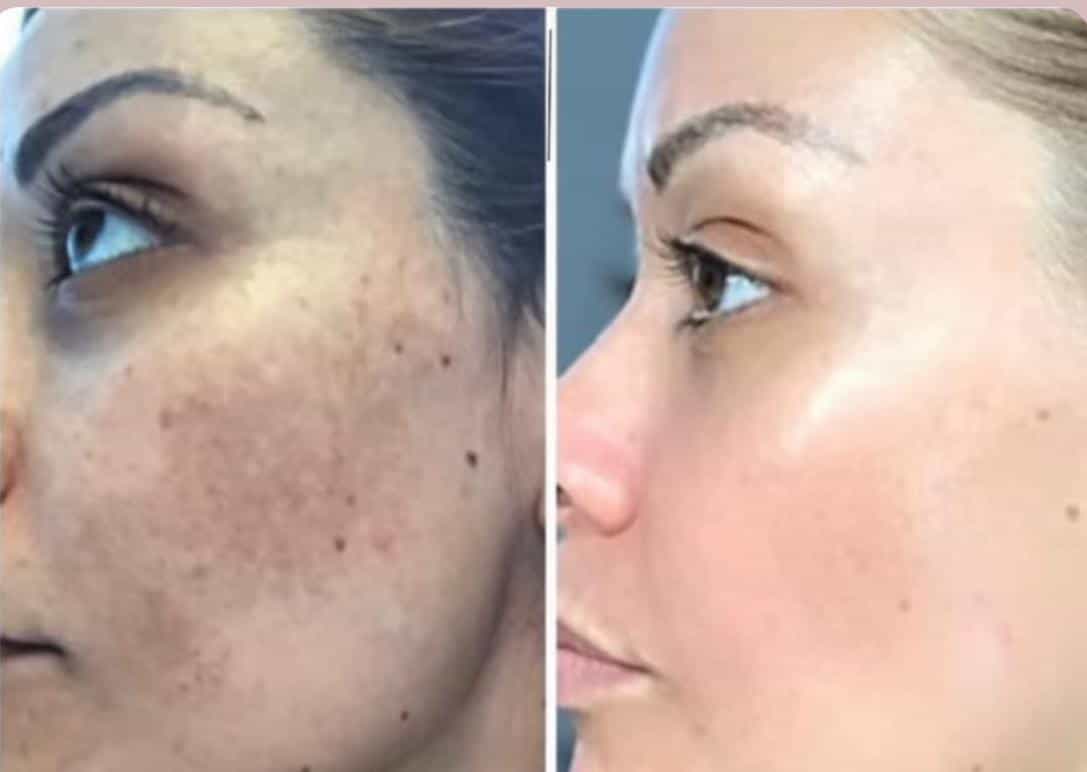
Price starting from $4,500
Skin Damage Treatment Program in Ukraine and Poland
PlacidWay Medical Tourism
- Anti Aging
Denver, United States
10-Days Life Quality Improvement Program in Murter, Croatia
Polyclinic Markov
- Alternative Medicine
Murter, Croatia
Transformative Skin Care Experiences: Dive into Procedure Insights
Discover the power of Skin Care through compelling patient experiences. Uncover detailed insights into procedures, recovery journeys, and life-changing results.
.png)
Price starting from $999
Skin Laser Therapy in Seoul, South Korea
- Skin Laser Therapy, Skin Care
Seoul, South Korea
.png)
